
Research lipid catalog
Ionizable Lipid Products
Explore 848 lipid and RNA delivery products. Search the full catalog or browse by research category.
Search covers product name, catalog number, synonyms, available CAS numbers and categories. Spaces, hyphens and common punctuation are ignored. Duplicate legacy records are consolidated under one canonical product result.
8177 products · Showing 7961–7980 · 20 per page
DC Chemicals lipid expertise
Built for ionizable-lipid discovery and RNA delivery research
DC Chemicals supports formulation and delivery research with a broad, searchable portfolio of cationic and ionizable lipids. The current directory brings together 848 unique research-use products, with product specifications, pricing, chemical structures and literature-linked formulation data added as each record is verified.
Our experience spans complex lipid synthesis, purification, analytical release and process development. For custom molecules or larger-scale requirements, our team can discuss route development, technical specifications and scale-up options for the intended research workflow.
Learn about cationic and ionizable lipids →Proprietary innovation · Co-development · GMP
From proprietary lipid design to GMP-grade custom synthesis
DC Chemicals has independently developed ionizable-lipid structures supported by company-owned intellectual property, and selected proprietary lipid programs have advanced to GMP-stage development.
We welcome joint development with customers—from molecular design and lipid synthesis through route and process development. We can also support custom synthesis of GMP-grade ionizable lipids to agreed technical specifications and quality requirements.
Discuss a co-development project →Proprietary ionizable-lipid structuresCollaborative molecular designCustom lipid synthesisProcess development and scale-upGMP-grade project support
Product quick links
Explore New ionizable lipids
Explore our five most recently added ionizable lipids, with specifications, pricing and literature-linked product information.
DCL0028HX1Brain RNA delivery researchView product →DCL0024A1I4R13C18-2Spleen-targeted RNA delivery researchView product →DCL0023A1I4R2C18-2Spleen-targeted RNA delivery researchView product →DCL0022FS01Local joint RNA delivery researchView product →DCL0020Lipid-392Lung RNA delivery and gene editing researchView product →
Cat. No.Product NameField of ApplicationChemical Structure
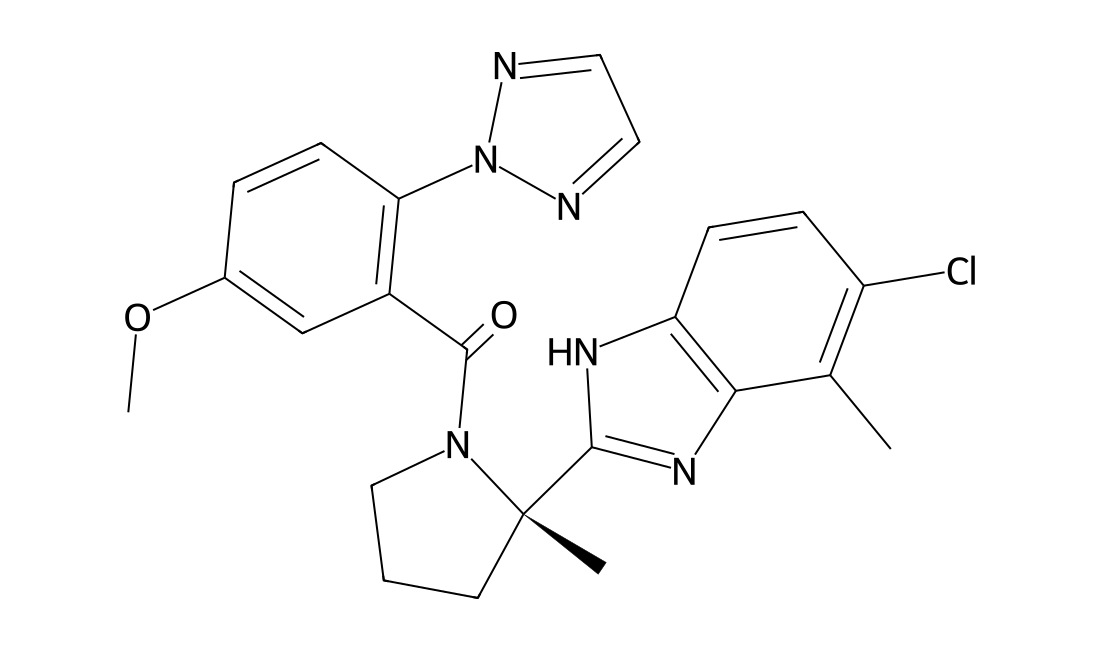
NemorexantFeatured
ACT-541468 is a dual orexin receptor antagonist.
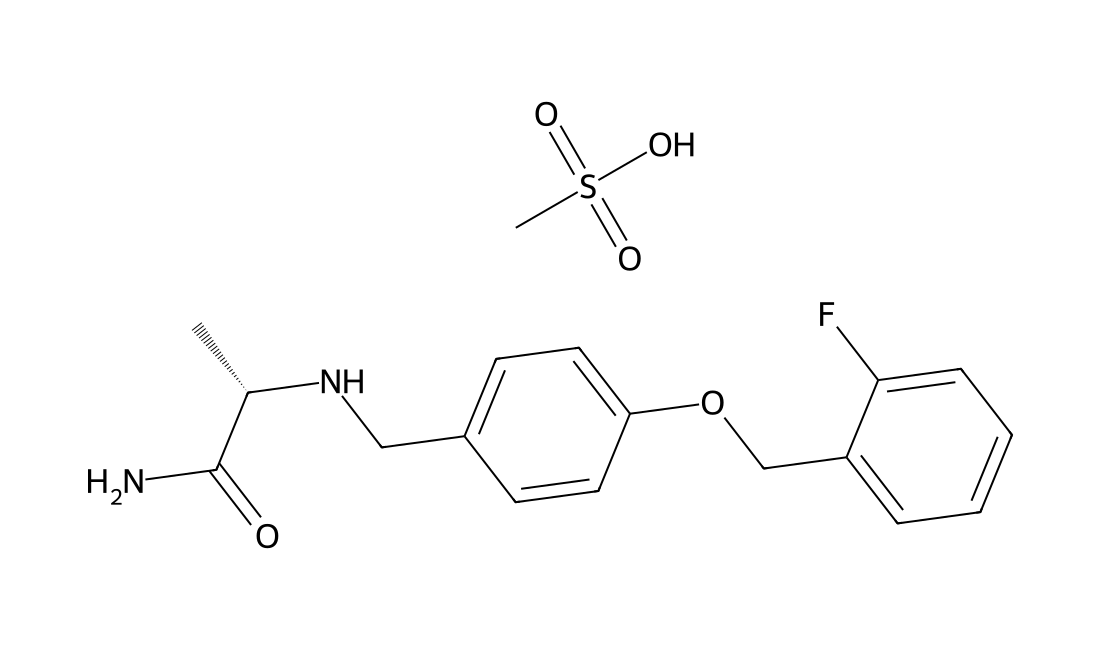
RalfinamideFeatured
Selective Na+ blocker. Suppresses tetrodotoxin-resistant Na+ currents. Shows antiparkinsonian, antinociceptive and potent anticonvulsant effects in vivo. Orally active.For the detailed information of Ralfinamide, the solubility of Ralfinamide in water, the solubility of Ralfinamide in DMSO, the solubility of Ralfinamide in PBS buffer, the animal experiment (test) of Ralfinamide, the cell expriment (test) of Ralfinamide, the in vivo, in vitro and clinical trial test of Ralfinamide, the EC50, IC50,and Affinity of Ralfinamide, Please contact DC Chemicals.
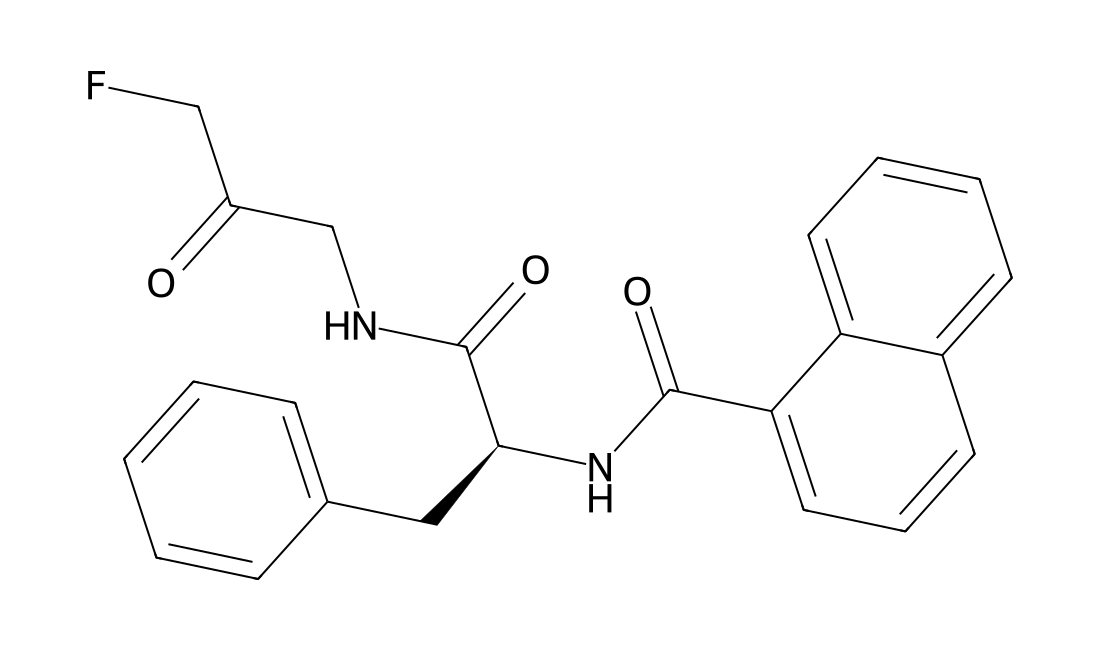
FMK 9aFeatured
ATG4B or autophagin-1 is a cysteine protease that cleaves ATG8 family proteins. ATG4B plays essential roles in the autophagosome formation and the autophagy pathway. FMK 9a shows strong inhibition of ATG4B, with IC50 values of 80 and 73 nM in the TR-FRET and cellular-based LRA assays, respectively. LC−MS/MS study indicates that FMK 9a forms an irreversible covalent bond with the more reactive thiol group of Cys74 located at the catalytic site of ATG4B and thus inactivates ATG4B proteolytic activity.FMK 9a shows moderate solubility (LYSA: 41 μg/mL) and high human and mouse liver microsome clearances of 13.9 and 70 mL/kg per minute.
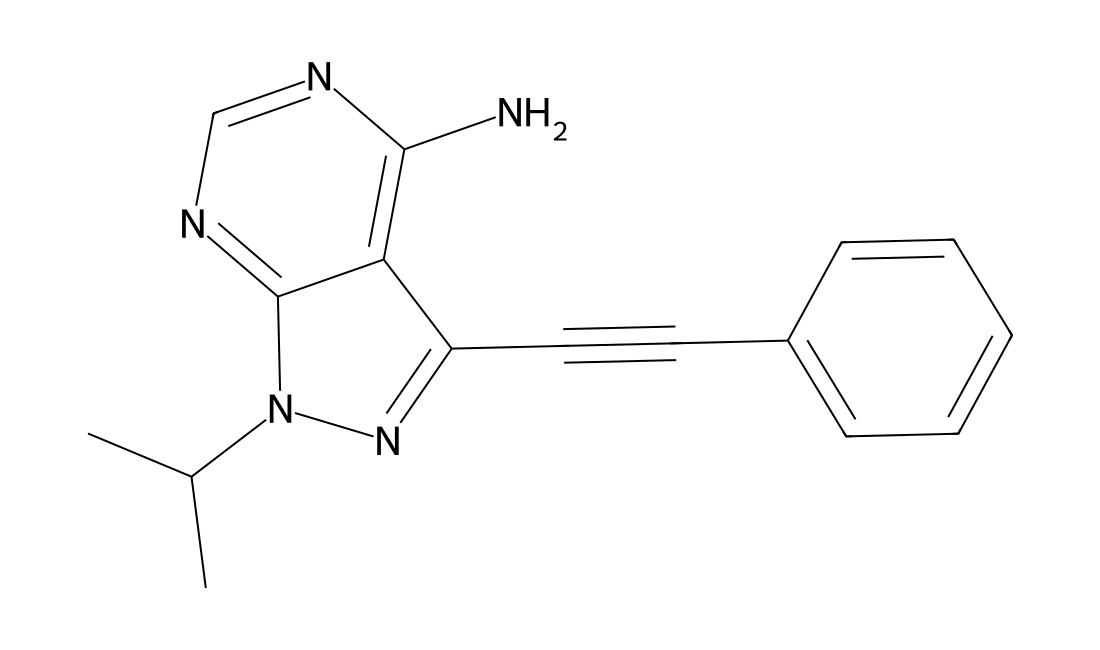
SPP-86Featured
SPP-86 is a potent RET inhibitor.
MKC-1Featured
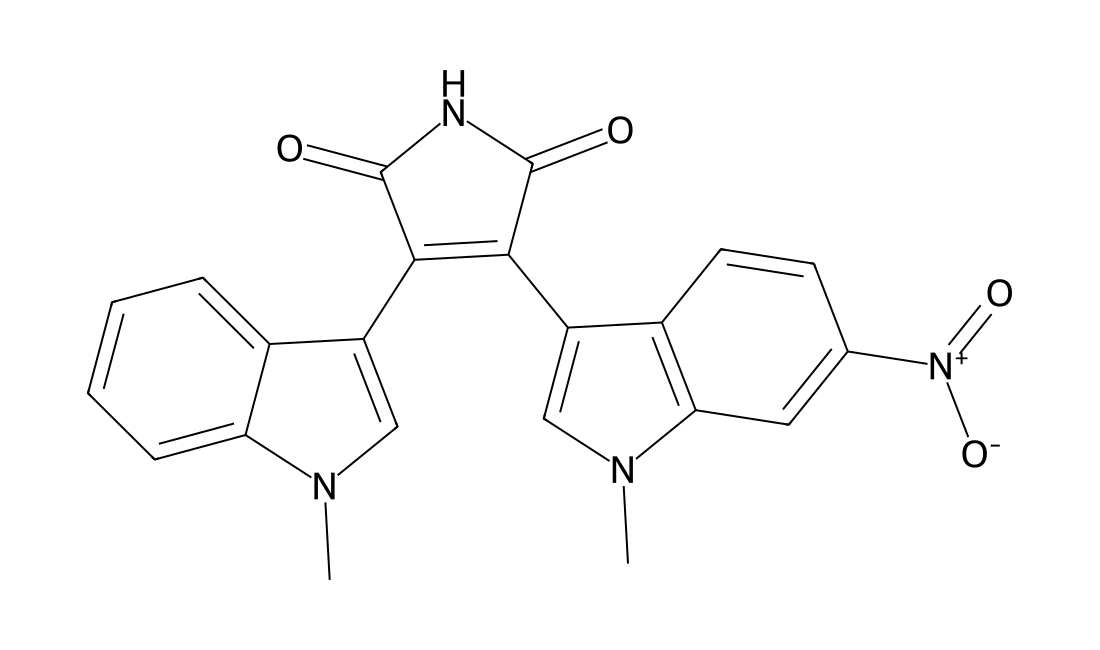
MKC-1 is an orally bioavailable, small-molecule, bisindolylmaleimide cell cycle inhibitor with potential antineoplastic activity. MKC-1 and its metabolites inhibit tubulin polymerization, blocking the formation of the mitotic spindle, which may result in cell cycle arrest at the G2/M phase and apoptosis.
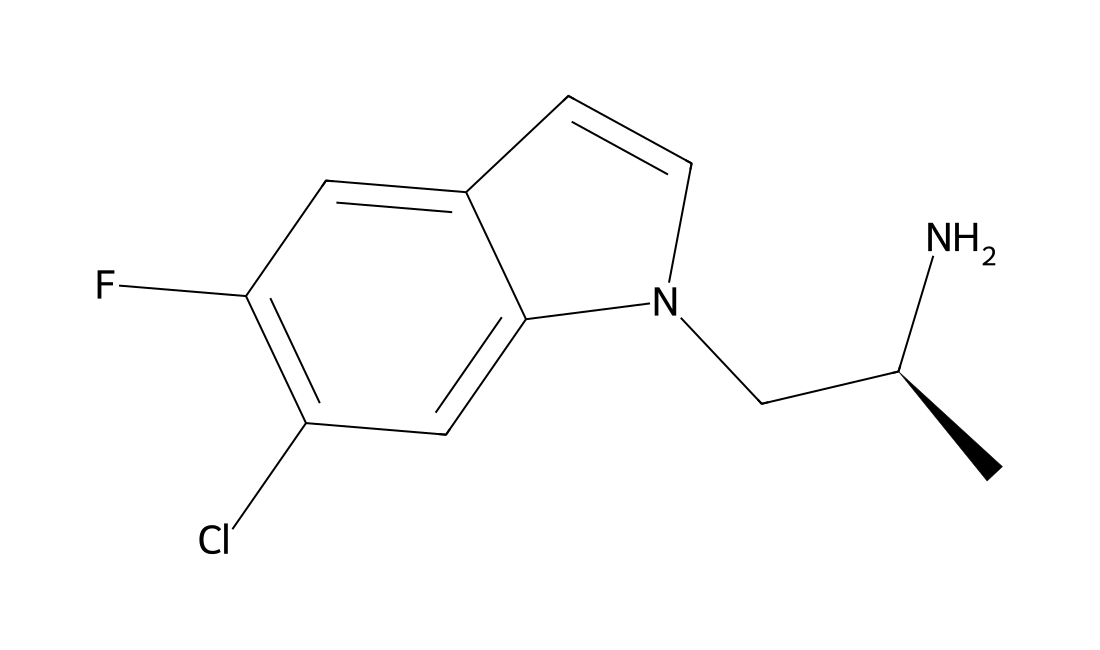
Ro 60-0175Featured
Ro 60-0175 is a potent, selective 5-HT2C receptor agonist with pKi of 9, 7.5, 5.4, 5.2 and 5.6 for human 5-HT2C, 2A, 1A, 6 and 7 receptors respectively; induces hypolocomotion in rats at doses greater than 0.5 mg/kg s.c.; (0.3 and 1 mg/kg s.c.) simultaneously reduces both unpunished and punished lever pressing, a profile consistent with sedation, induces sedative-like responses via 5-HT(2C) receptor activation in vivo.
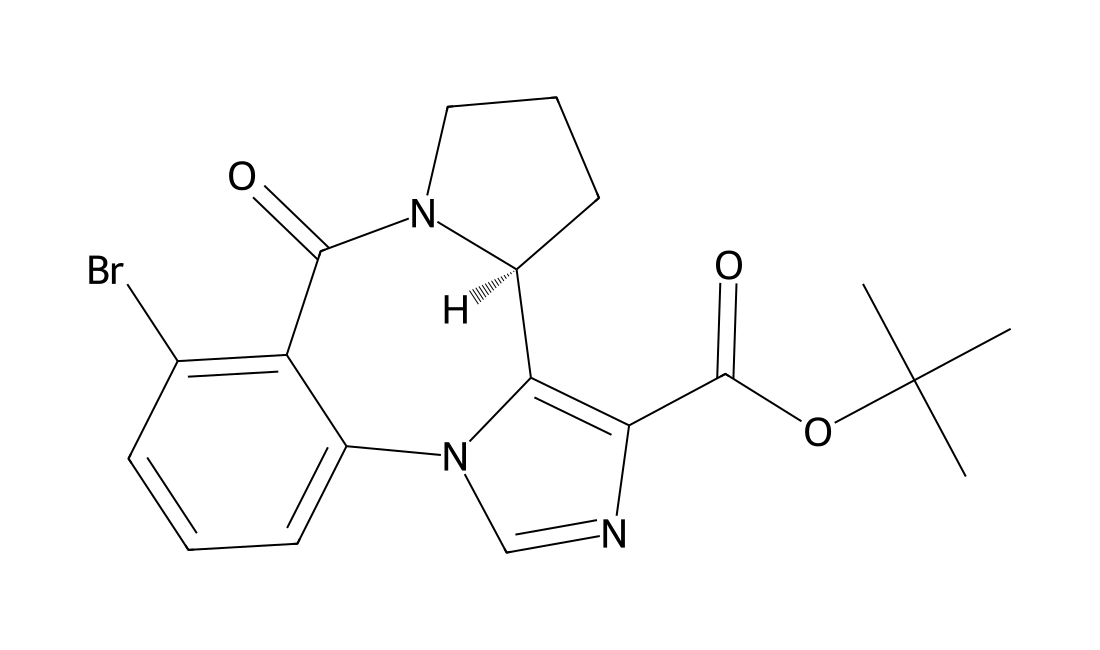
Ro 16-6028Featured
Bretazenil, also known as Ro 16-6028, is GABA A receptor agonist potentially for the treatment of anxiety disorders. Bretazenil differs from traditional 1,4-benzodiazepines by being a partial agonist and because it binds to α1, α2, α3, α4, α5 and α6 subunit containing GABAA receptor benzodiazepine receptor complexes. 1,4-benzodiazepines bind only to α1, α2, α3 and α5 GABAA benzodiazepine receptor complexes.
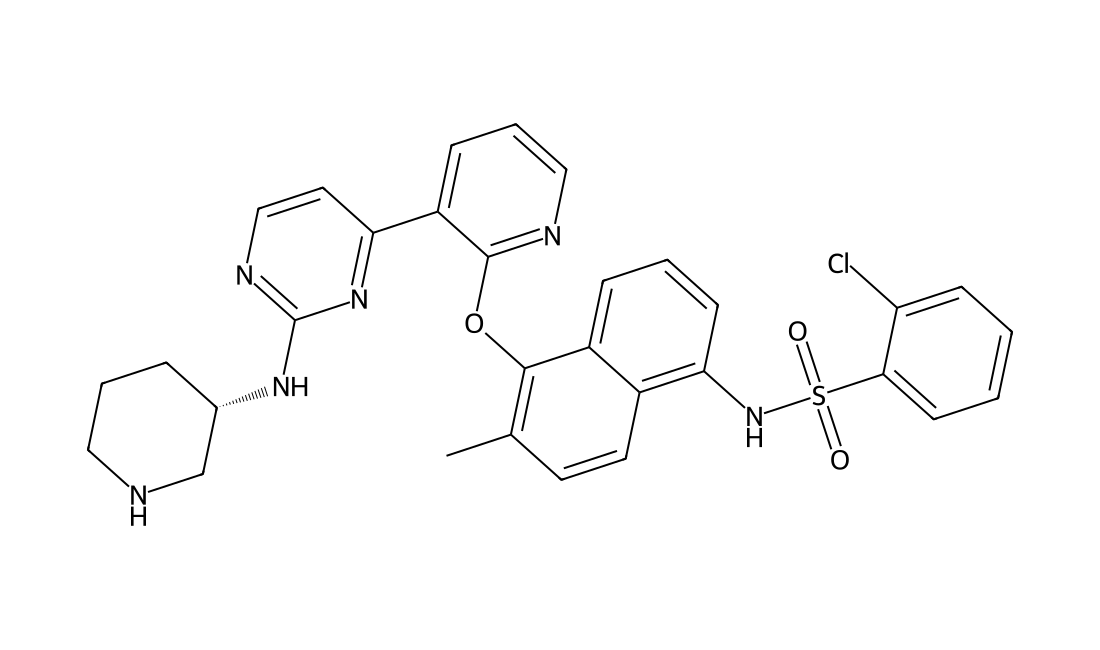
Kira8Featured
In Vitro KIRA8 blocks IRE1α oligomerization, and potently inhibits IRE1α RNase activity against XBP1 and Ins2 RNAs. KIRA8 more potently reduces IRE1α-driven apoptosis in INS-1 cells than KIRA6 and also reverses XBP1 splicing promoted by GNF-2. In Vivo Kira8 efficaciously reverses established diabetes in NOD mice by sparing β-cells and preserving their physiological function. KIRA8 is first tested in 3-week-old male pre-diabetic Akita mice by i.p. daily dosing of 50 mg/kg, whereupon significant reduction of hyperglycemia became apparent over several weeks. Then KIRA8 (50 mg/kg) is tested in the complex NOD. Showing target engagement, one week treatment of pre-diabetic NODs with KIRA8 leads to significant reductions in islet XBP1 splicing and TXNIP mRNAs, and preserved Ins1/Ins2, BiP and MANF mRNAs.
ARM-1Featured
A novel LTA4 hydrolase (LTA4H) inhibitor that inhibits LTB4 synthesis in human neutrophils with IC50 of 0.5 uM; selectively blocks conversion of LTA4 into LTB4, sparing the enzyme's anti-inflammatory aminopeptidase activity; represents a new class of LTA4 hydrolase inhibitor that holds promise for improved anti-inflammatory properties.
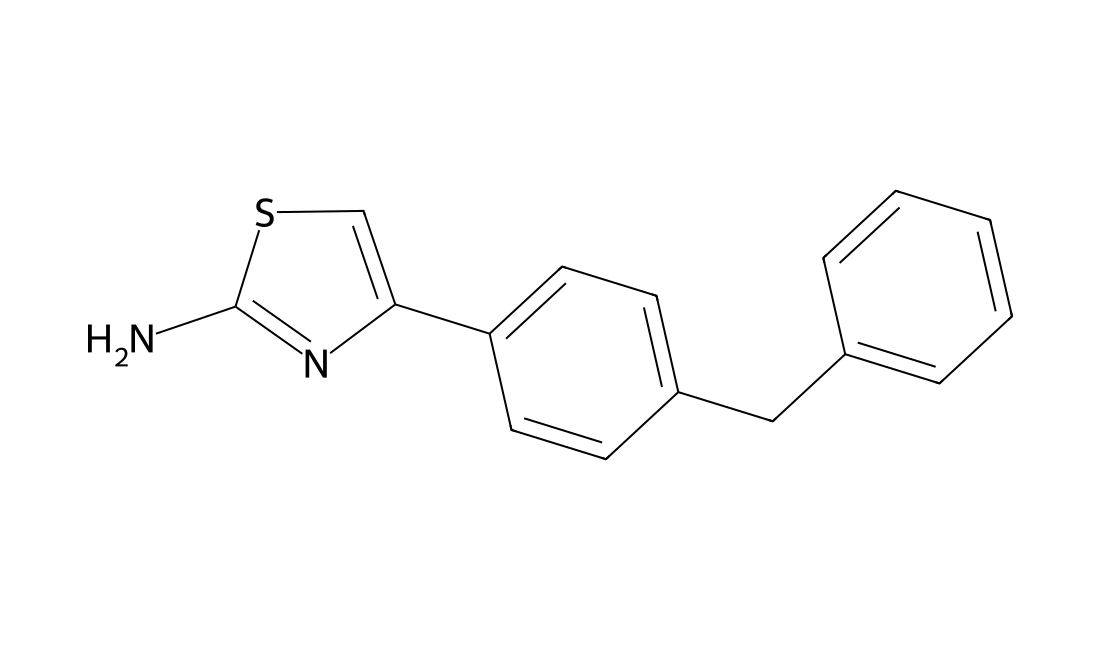
MP07-66Featured
A novel FTY720 analog that acts as PP2A activator, disrupts the SET/PP2A interaction devoid of immunosuppressive effects leads to the reactivation of PP2A; triggers apoptosis of CLL cells, and the action of MP07-66 is synergistically amplified when used in combination with Src family kinase inhibitors.
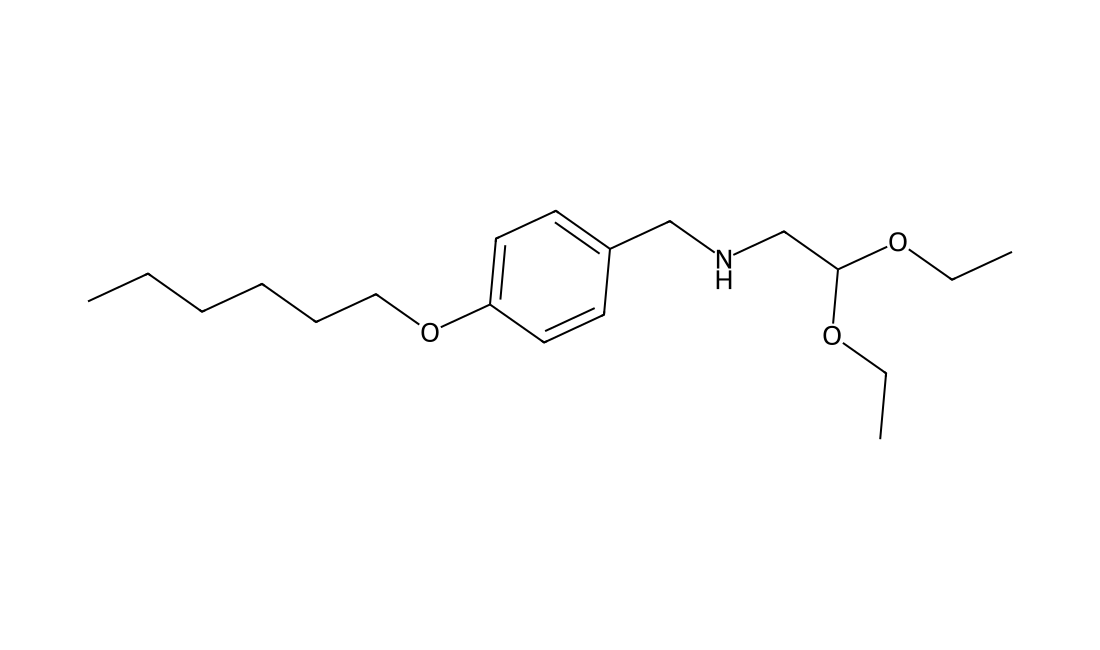
RimtuzalcapFeatured
Rimtuzalcap (CAD-1883) is a first-in-class selective positive allosteric modulator of small-conductance calcium-activated potassium channels (SK channels). Rimtuzalcap can be used for the research of movement disorders including essential tremor (ET) and spinocerebellar ataxia (SCA).
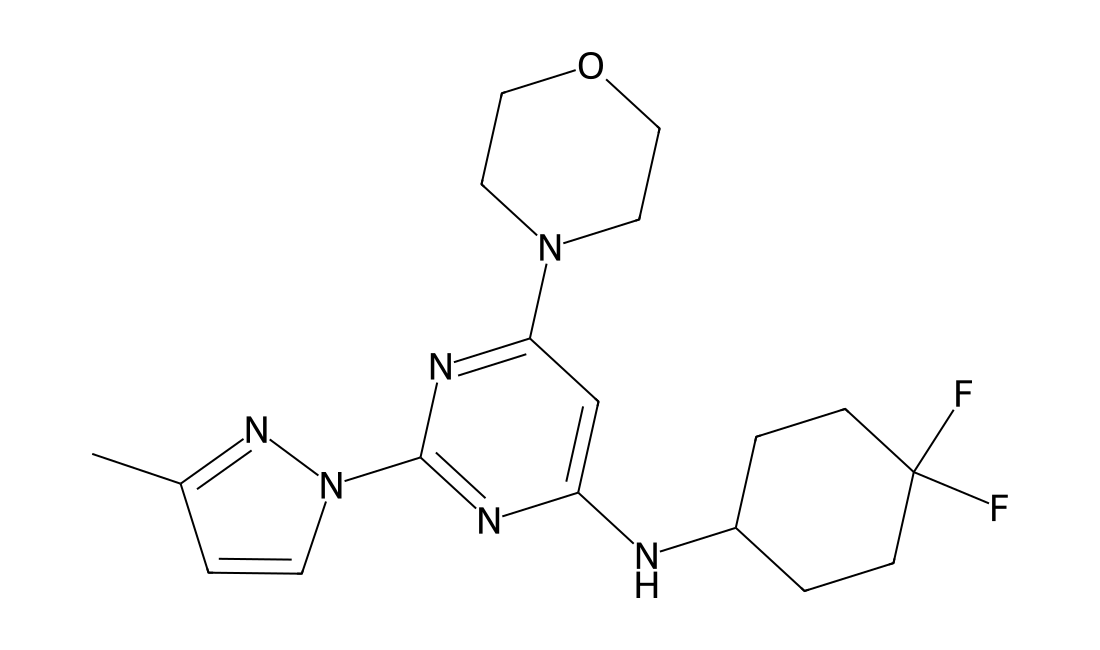
CHR-6494 TFA saltFeatured
First-in-class Haspin inhibitor with a wide spectrum of anticancer effects
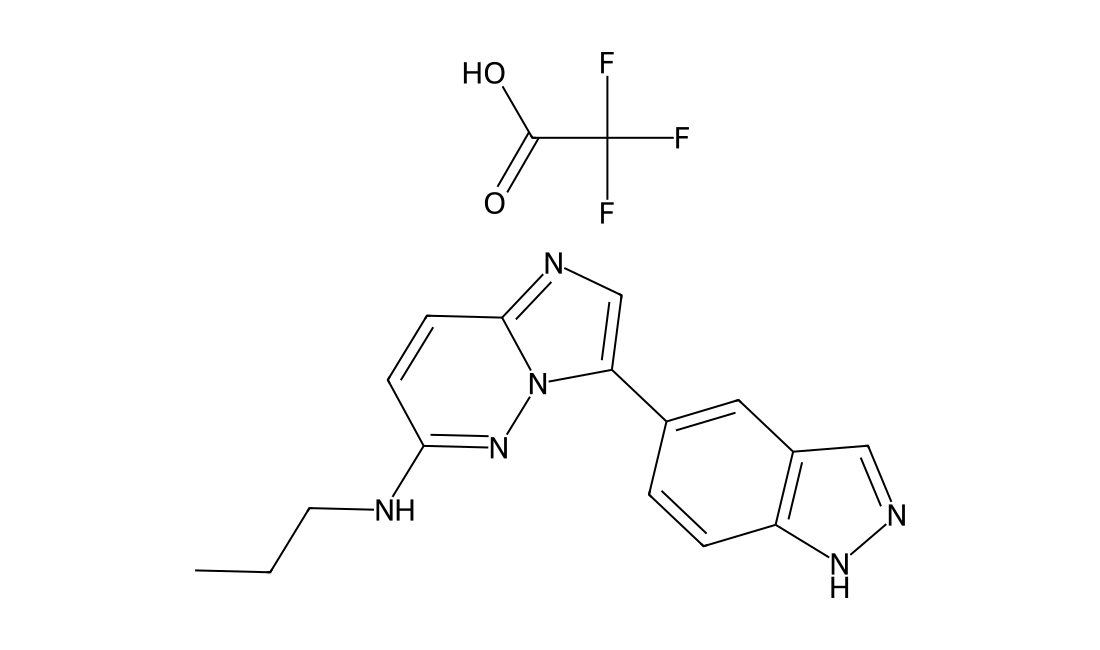
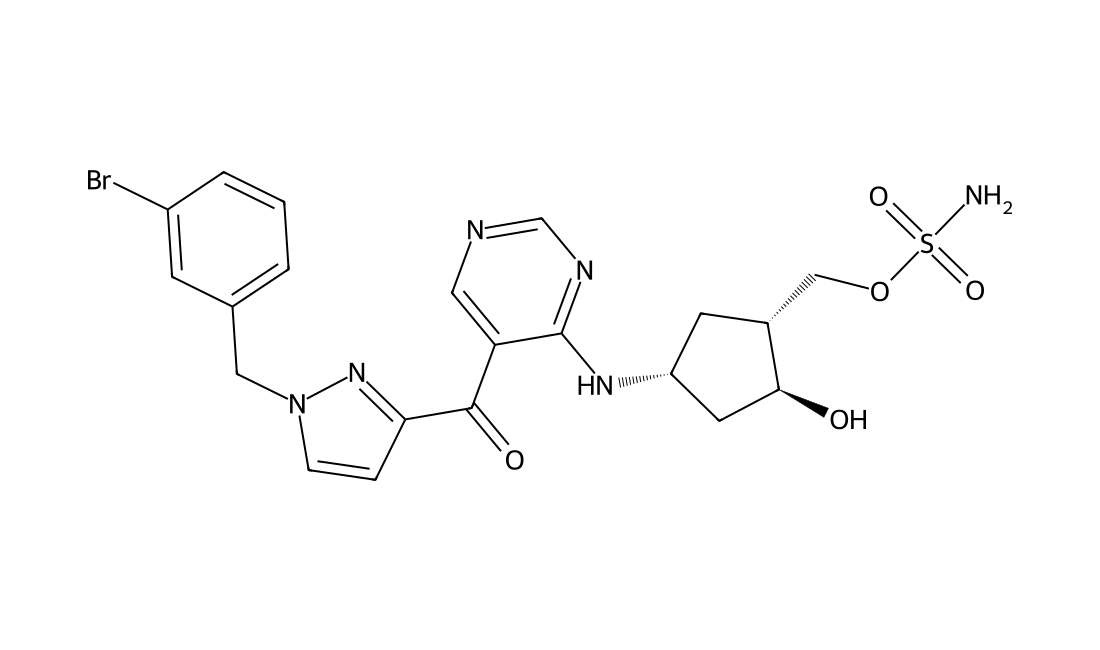
ML 792Featured
ML 792 is a potent, seletive SUMO-activating enzyme (SAE) inhibitor with IC50 of 3 nM and 11 nM for SAE/SUMO1 and SAE/SUMO2, respectively; shows no significant inhibition for closely related E1 enzymes NAE (IC50=32 uM) and ubiquitin-activating enzyme (UAE) (IC50 >100 uM), as well as a panel of 366 ATP-using enzymes; dose-dependently decreases global SUMOylation in HCT116 cells (EC50=19 nM), demonstrates potent antiproliferative effect in HCT116 cells and MDA-MB-231 cells with EC50 of 0.04 and 0.11 uM, respectively.
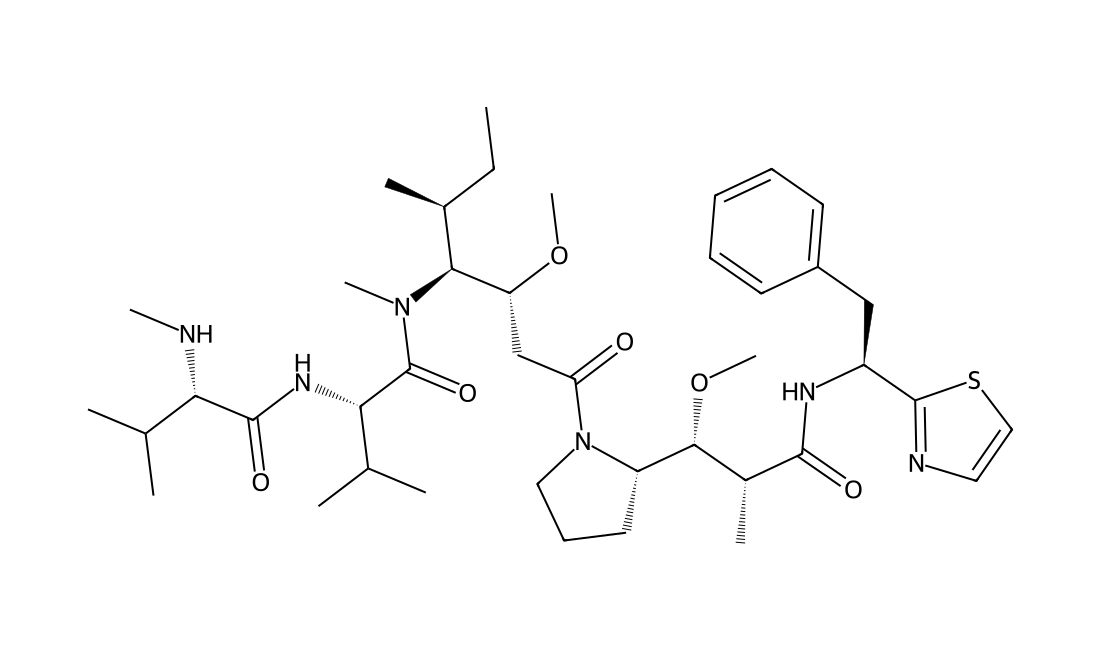
MMADFeatured
MMAD is a potent tubulin inhibitor, is a toxin payload in antibody drug conjugates (ADCs).
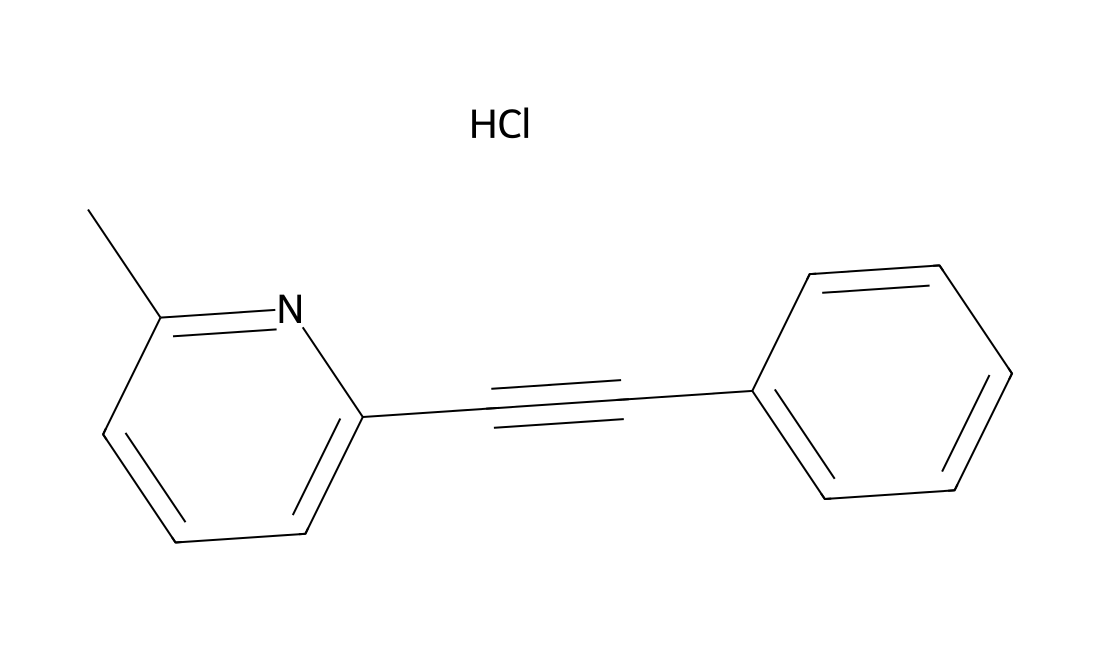
MPEP hydrochlorideFeatured
MPEP hydrochloride is a potent and highly selective non-competitive antagonist at the mGlu5 receptor subtype with IC50 of 36 nM.
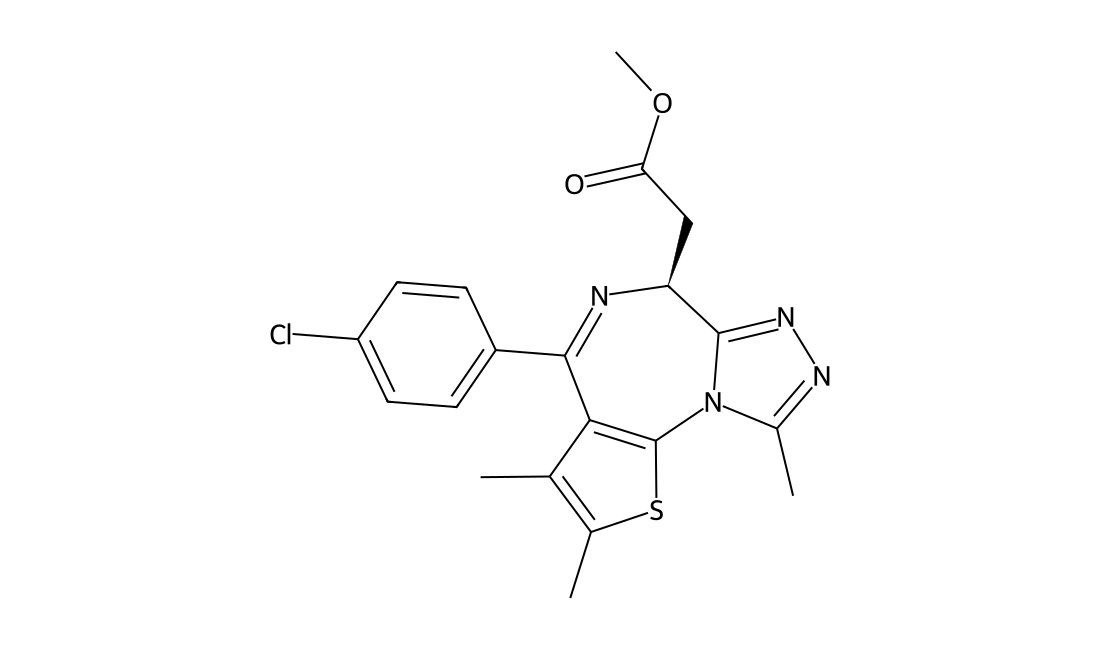
MS417Featured
MS417 is a BET-specific BRD4 inhibitor, binds to BRD4-BD1 and BRD4-BD2 with IC50s of 30, 46 nM and Kds of 36.1, 25.4 nM, respectively, with weak selectivity at CBP BRD (IC50, 32.7 μM).
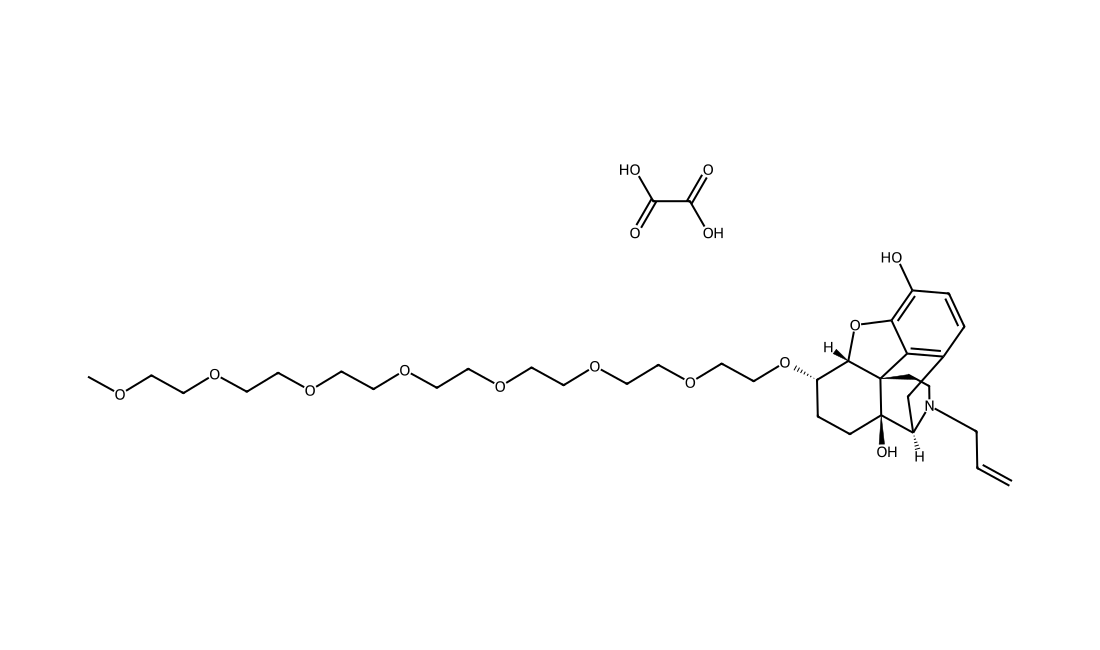
Naloxegol Oxalate(NKTR-118)Featured
Naloxegol oxalate (NKTR-118 oxalate; AZ-13337019 oxalate) is an opioid-receptor antagonist[1].
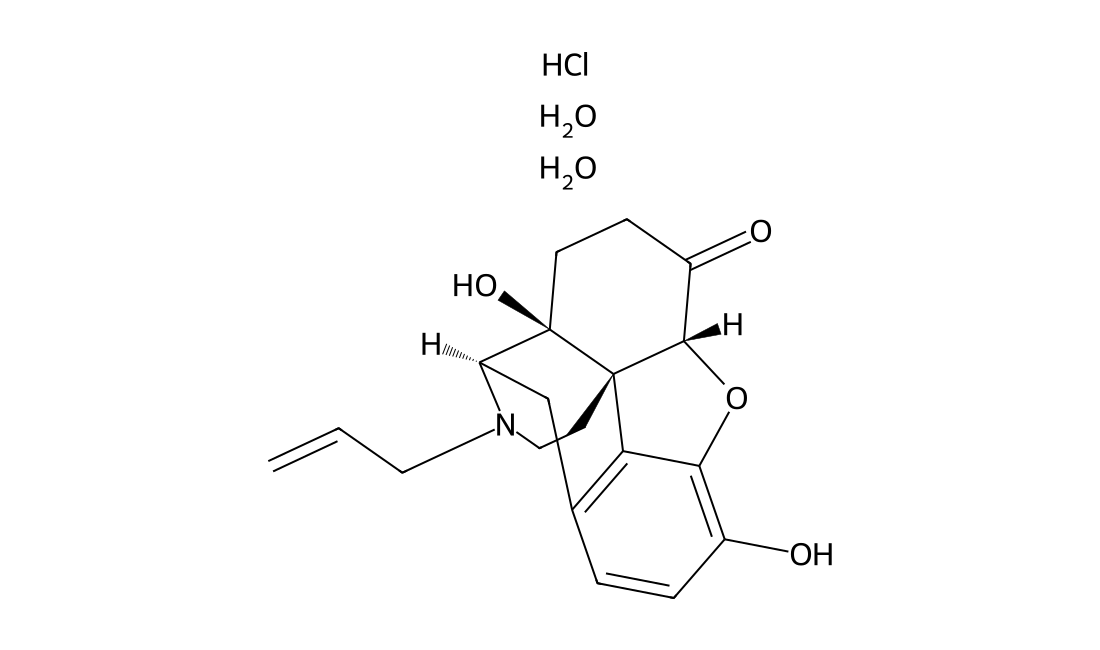
Naloxone HCl DihydrateFeatured
Naloxone HCl Dihydrate is an opioid inverse agonist drug used to counter the effects of opiate overdose.
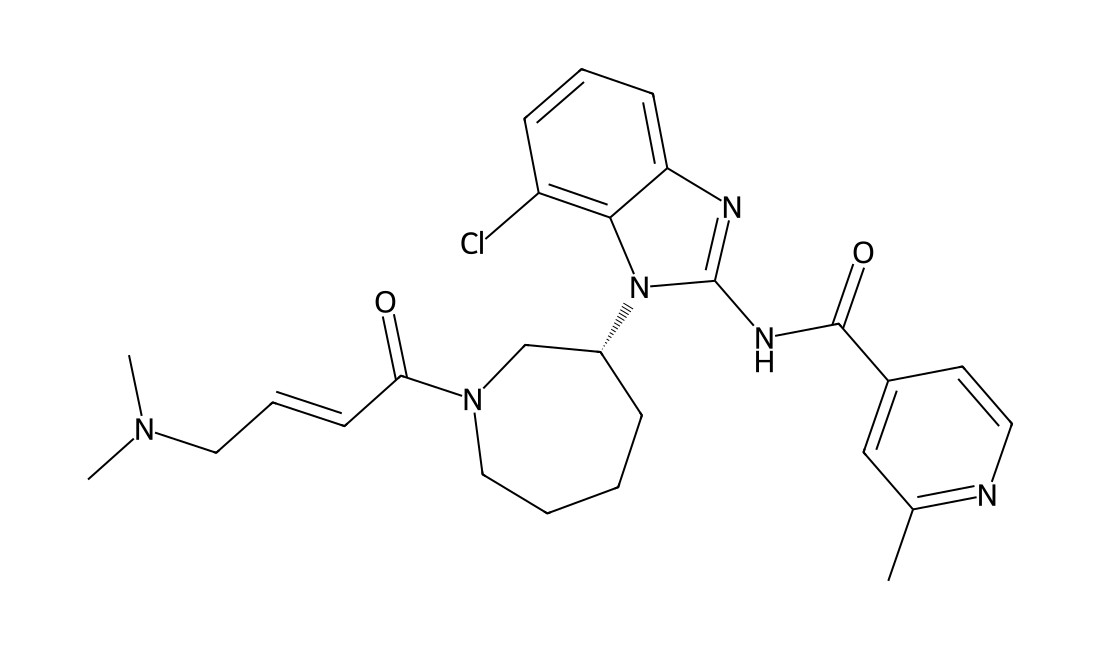
Nazartinib(EGF816)Featured
Nazartinib (EGF816) is a novel, covalent mutant-selective EGFR inhibitor, with Ki and Kinact of 31 nM and 0.222 min−1 on EGFR(L858R/790M) mutant, respectively.
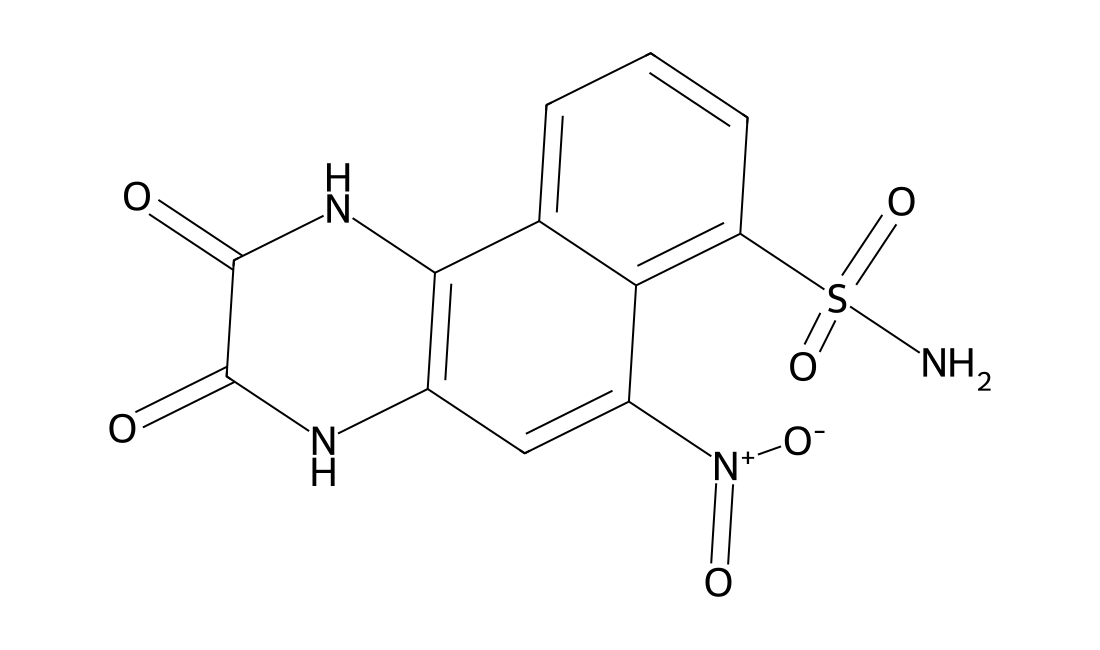
NBQXFeatured
NBQX is a highly selective and competitive AMPA receptor antagonist.
No products match this search.
Page 399 of 409 · Browse all 8177 products
Jump to a product page
Featured literature product: HX1 · DCL0028
HX1 is a hydroxyzine-derived ionizable lipid with acetal-containing tails, studied in lipid nanoparticles for brain mRNA delivery and CRISPR–Cas9 delivery. It was the lead in the reported in vivo brain-delivery screen; evidence is preclinical and formulation-dependent.
Read full formulation and performance →