
Research lipid catalog
Ionizable Lipid Products
Explore 848 lipid and RNA delivery products. Search the full catalog or browse by research category.
Search covers product name, catalog number, synonyms, available CAS numbers and categories. Spaces, hyphens and common punctuation are ignored. Duplicate legacy records are consolidated under one canonical product result.
8177 products · Showing 7881–7900 · 20 per page
DC Chemicals lipid expertise
Built for ionizable-lipid discovery and RNA delivery research
DC Chemicals supports formulation and delivery research with a broad, searchable portfolio of cationic and ionizable lipids. The current directory brings together 848 unique research-use products, with product specifications, pricing, chemical structures and literature-linked formulation data added as each record is verified.
Our experience spans complex lipid synthesis, purification, analytical release and process development. For custom molecules or larger-scale requirements, our team can discuss route development, technical specifications and scale-up options for the intended research workflow.
Learn about cationic and ionizable lipids →Proprietary innovation · Co-development · GMP
From proprietary lipid design to GMP-grade custom synthesis
DC Chemicals has independently developed ionizable-lipid structures supported by company-owned intellectual property, and selected proprietary lipid programs have advanced to GMP-stage development.
We welcome joint development with customers—from molecular design and lipid synthesis through route and process development. We can also support custom synthesis of GMP-grade ionizable lipids to agreed technical specifications and quality requirements.
Discuss a co-development project →Proprietary ionizable-lipid structuresCollaborative molecular designCustom lipid synthesisProcess development and scale-upGMP-grade project support
Product quick links
Explore New ionizable lipids
Explore our five most recently added ionizable lipids, with specifications, pricing and literature-linked product information.
DCL0028HX1Brain RNA delivery researchView product →DCL0024A1I4R13C18-2Spleen-targeted RNA delivery researchView product →DCL0023A1I4R2C18-2Spleen-targeted RNA delivery researchView product →DCL0022FS01Local joint RNA delivery researchView product →DCL0020Lipid-392Lung RNA delivery and gene editing researchView product →
Cat. No.Product NameField of ApplicationChemical Structure
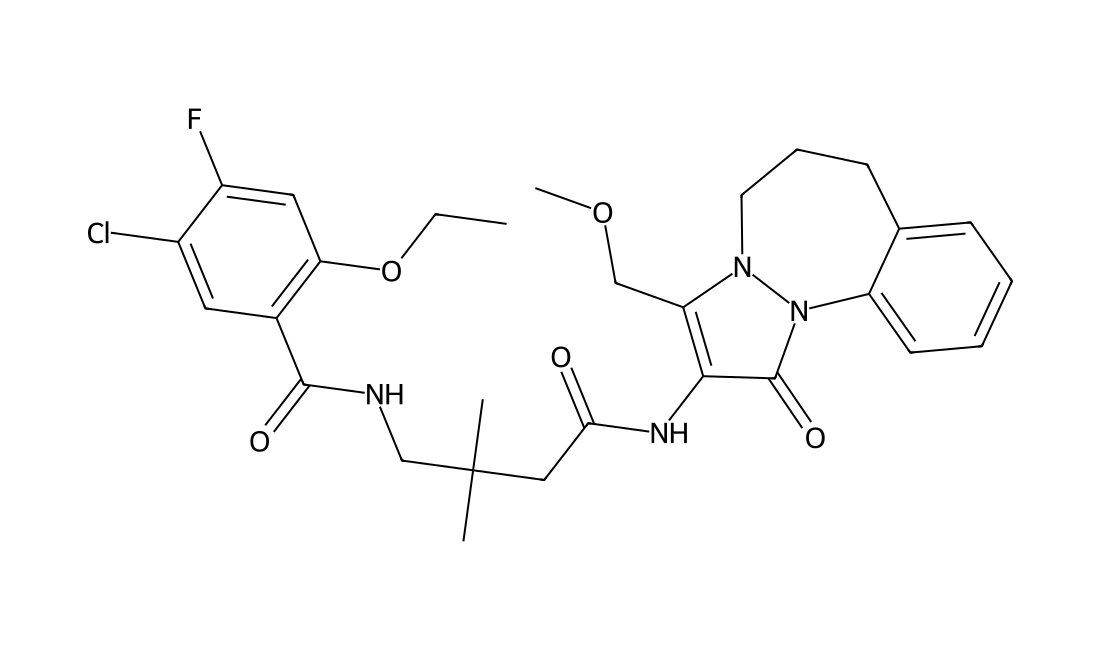
CB-6644Featured
In Vitro CB-6644 (20 µM) interacts with the RUVBL1/2 complex in Ramos cells. CB-6644 (0.4 µM, 80 hours) dramatically inhibits HCT116 cells growth rate and robustly induces apoptosis. Z-VAD-FMK alone does not influence the growth or viability of the cells. However, blockade of caspase activity by Z-VAD-FMK results in a partial recovery of the growth of cells treated with CB-6644. In Vivo CB-6644 (150 mg/kg, oral administration, 10 days of treatment for SCID-beige mice bearing Ramos xenograft models, 30 days of treatment for SCID-beige mice bearing RPMI8226 xenograft models) has antitumor activity in xenograft tumor models with tumor growth inhibitions (TGIs) of 68 and 81%, respectively in Ramos xenograft models and RPMI8226 xenograft models.
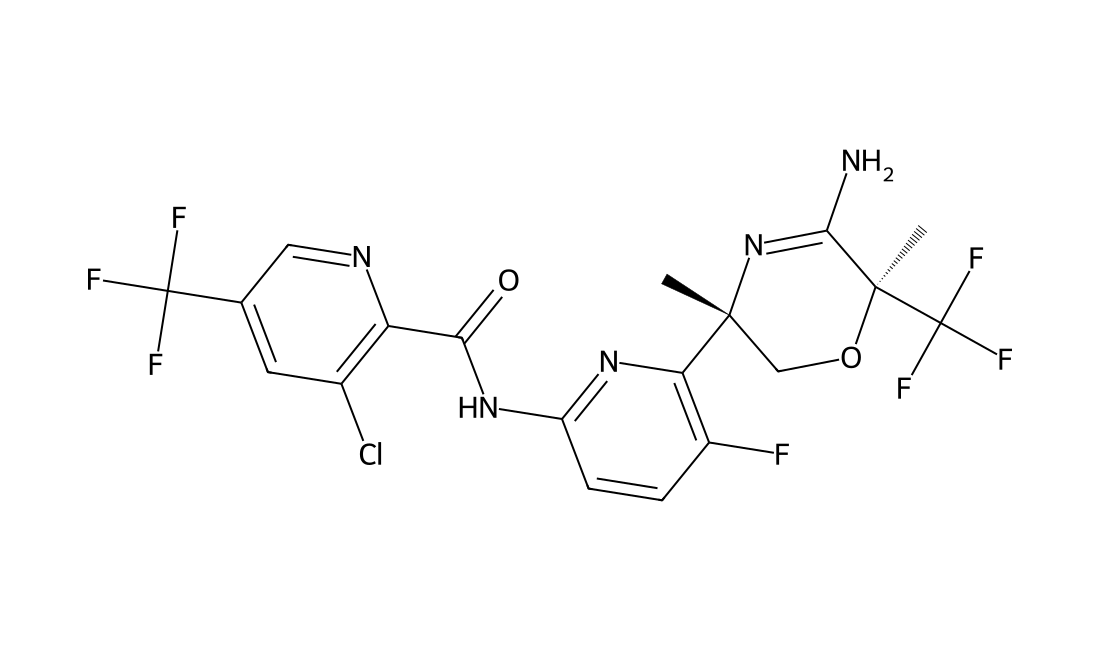
UmibecestatFeatured
beta-secretase inhibitor
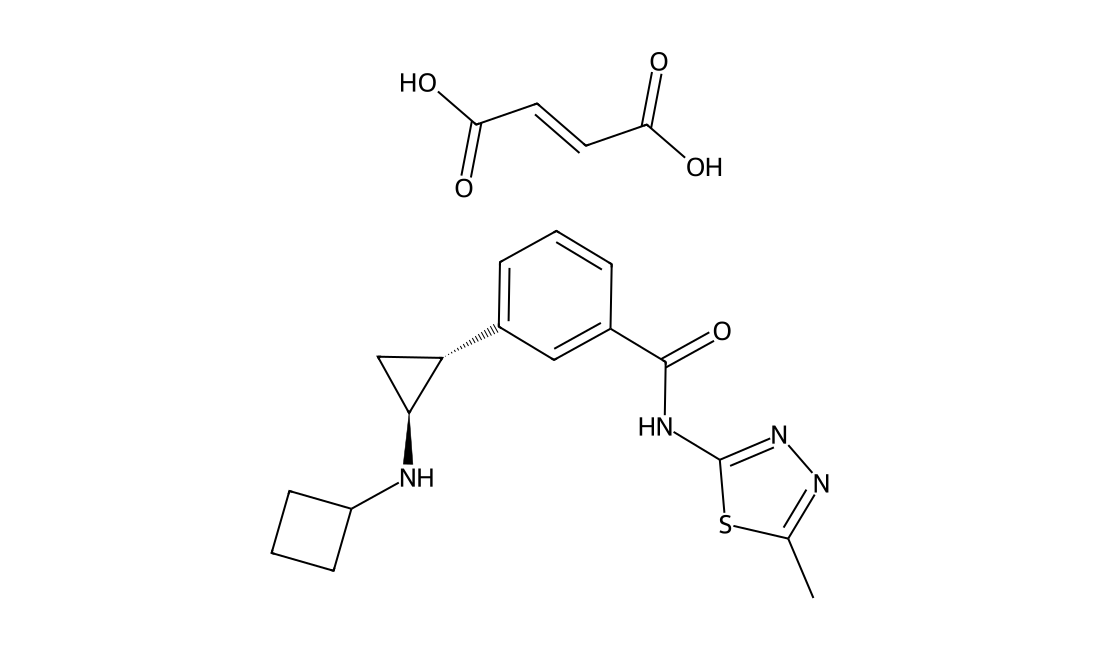
T-448Featured
T-448 (T448) is a specific inhibitor of LSD1 enzyme activity, enhances H3K4 methylation in primary cultured rat neurons but has little impact on LSD1-GFI1B complex in human TF-1a erythroblasts; increases brain H3K4 methylation and partially restored learning function in mice with NMDA receptor hypofunction, shows unique therapeutic approaches for central nervous system disorders associated with epigenetic dysregulation.
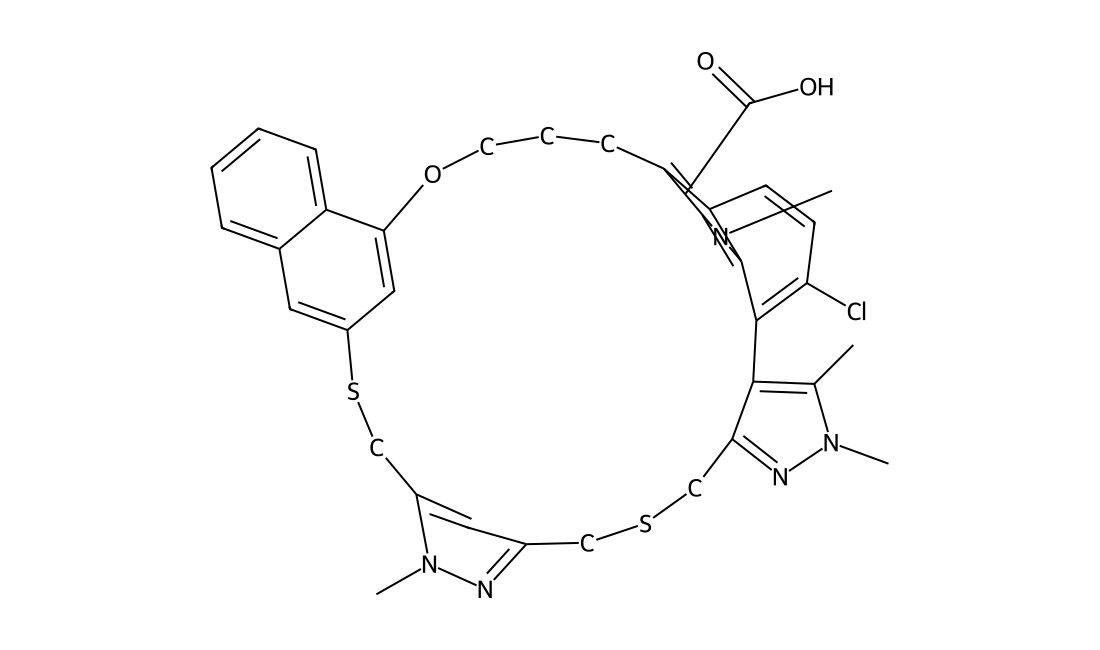
AZD 5991Featured
AZD 5991 (AZD5991) is a potent and selective macrocyclic inhibitor of Mcl-1 with sub-nanomolar affinity; promotes rapid apoptosis in Mcl-1-dependent cell lines (GI50=10 nM in multiple myeloma cell lines), disrupts Mcl-1/Bak complex; completely causes tumor regression in several mouse xenograft models after a single tolerated dose. Blood Cancer Phase 1 Clinical
RMC-4630Featured
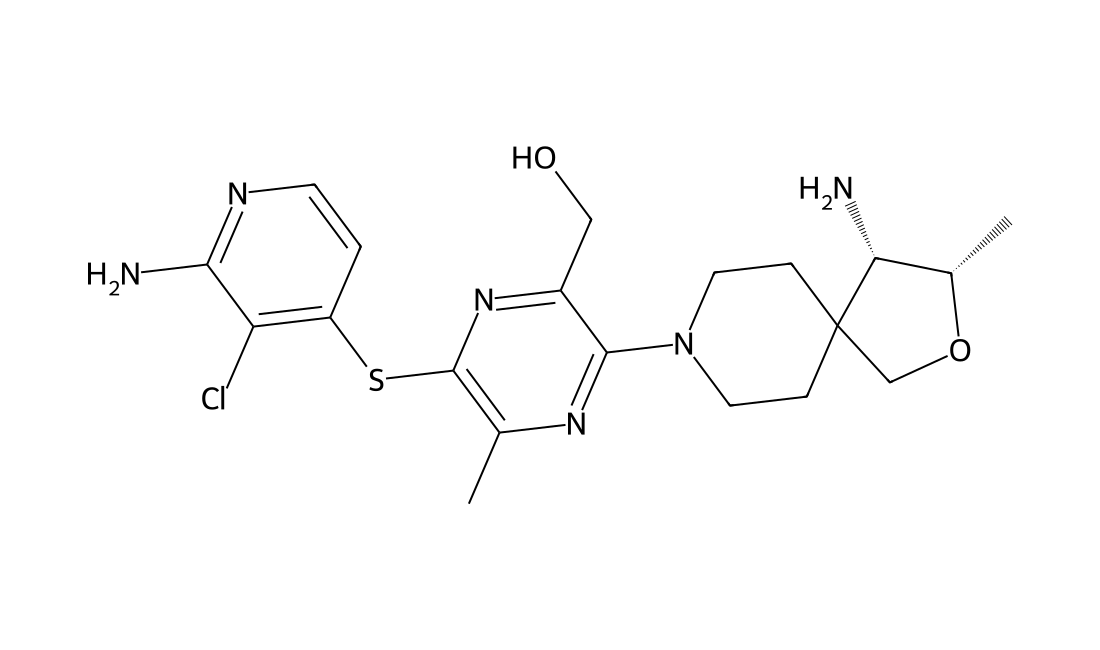
RMC-4630 is a potent and selective inhibitor of SHP2, a central node in the RAS signaling pathway.
TD-0212Featured
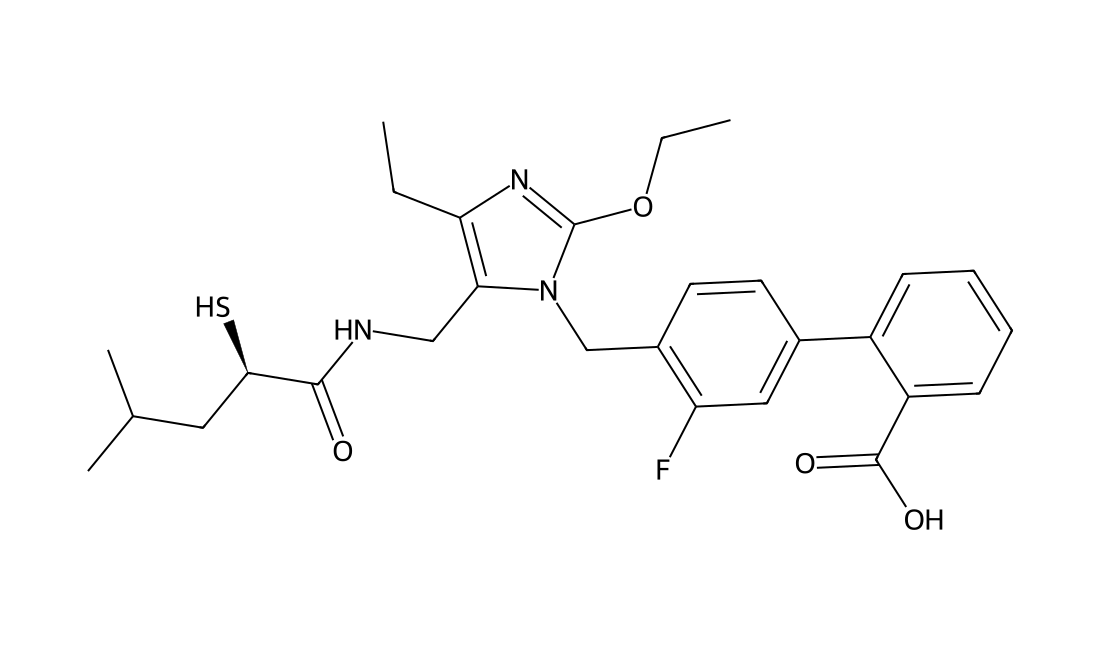
TD-0212 (TD0212) is a potent, orally efficacious, dual AT1 antagonist/Neprilysin (NEP) inhibitor with pKi of 8.9 (AT1) and pIC50 of 9.2 (NEP); produces blood pressure reductions similar to omapatrilat and combinations of AT1 receptor antagonists and NEP inhibitors in models of renin-dependent and -independent hypertension, does not increase TPE at antihypertensive doses in rat tracheal plasma extravasation (TPE) models.
PF-06305591Featured
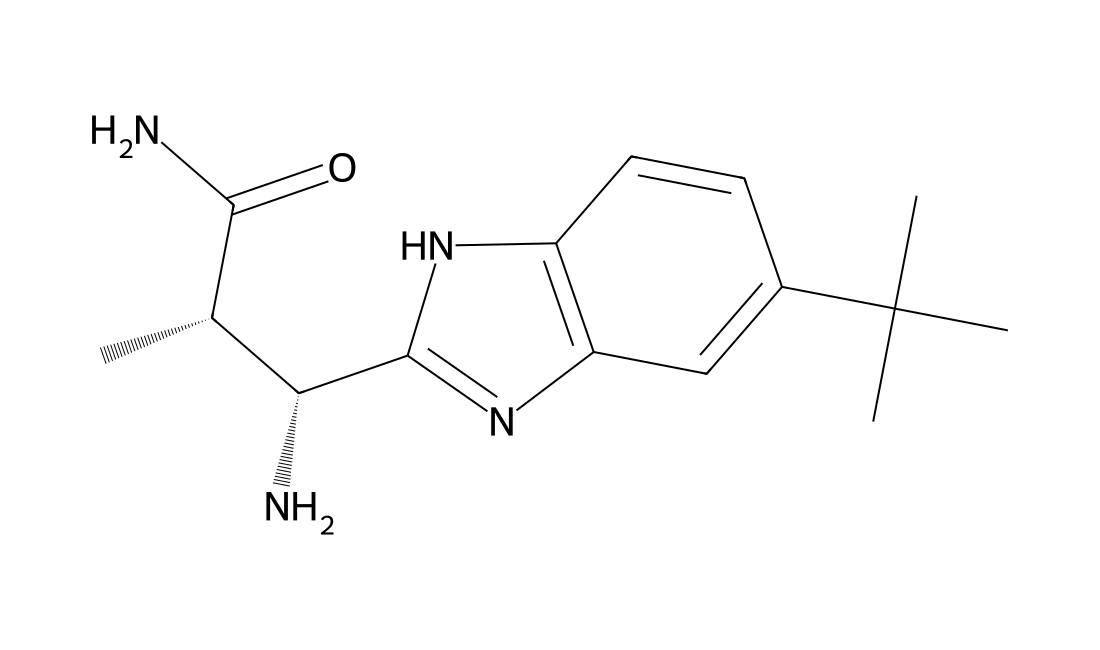
PF-06305591 (PF06305591) is a potent, highly selective selective NaV1.8 blocker with IC50 of 15 nM, displays no significant activity against other sodium channel subtypes, K+ channels and Ca2+ channels; displays excellent preclinical in vitro ADME and safety profile.
TBAJ-587Featured
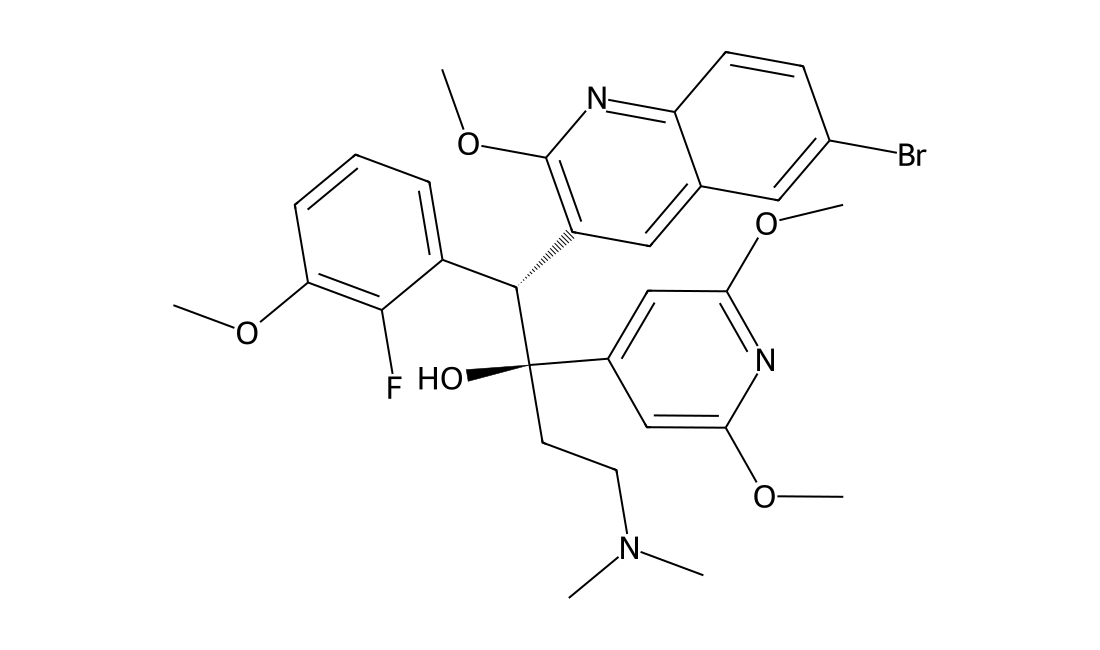
TBAJ-587 is a potent anti-tuberculosis agent. TBAJ-587 inhibits M.tb strain H37Rv growth with MIC90s of 0.006 and <0.02 μg/mL in MABA and LORA assay, respectively. BAJ-587 has more potent activity against M. tuberculosis and better efficacy in animal models of TB.
VU0424238Featured
In Vitro VU0424238 with an IC50 value of 14 nM in HEK293A cells. It also binding a known allosteric site with K i value of 4.4 nM in HEK293A cells. In Vivo VU0424238 had a clearance of 19.3 mL/min/kg in rats and demonstrates 50% mGlu5 PET ligand occupancy at an oral dose of 0.8 mg/kg in rats. Plus, it also had a clearance of 15.5 mL/min/kg in cynomolgus monkeys and demonstrates 50% mGlu5 PET ligand occupancy at an oral dose of 0.06 mg/kg in baboons.
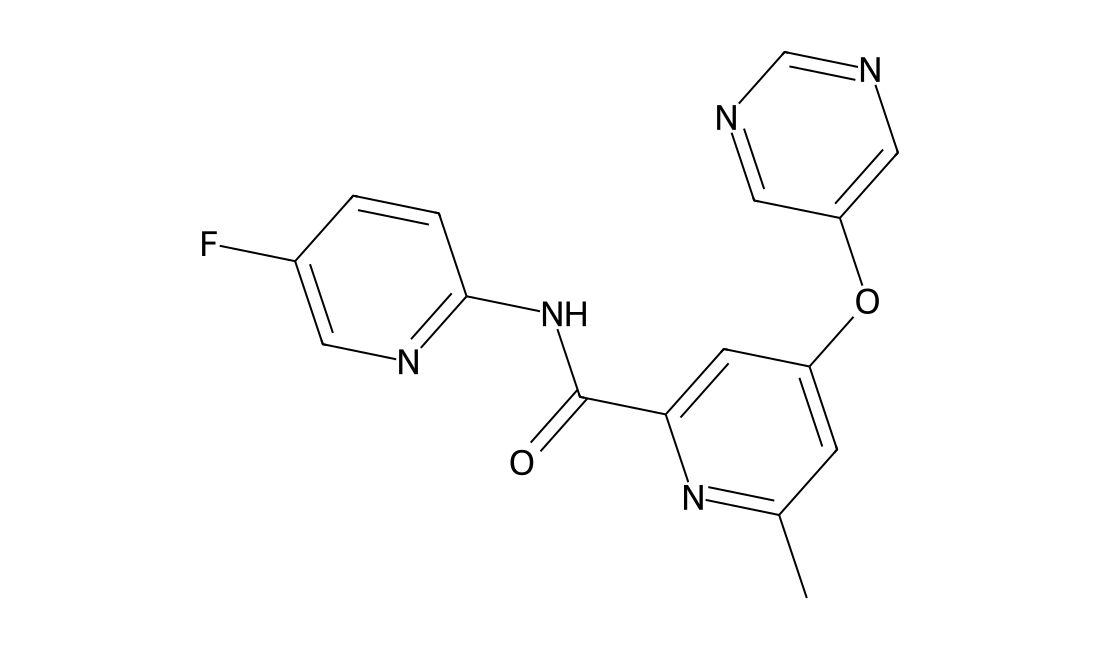
NVR 3-778Featured
NVR 3-778 (NVR3-778, NVR 3778) is a small molecule inhibitor of HBV replication that targets the viral core protein, a first-in-class capsid assembly modulator; inhibits the generation of infectious HBV DNA containing virus particles with EC50 of 0.40 uM in HepG2.2.15 cells; NVR 3-778 inhibits pgRNA encapsidation, viral replication and the production of HBV DNA- and HBV RNA-containing particles, also inhibits de novo infection and viral replication in primary human hepatocytes with EC50 of 0.81 uM against HBV DNA and 3.7-4.8 uM against the production of HBV antigens and intracellular HBV RNA; demonstrates favorable pharmacokinetics and safety in animal species.
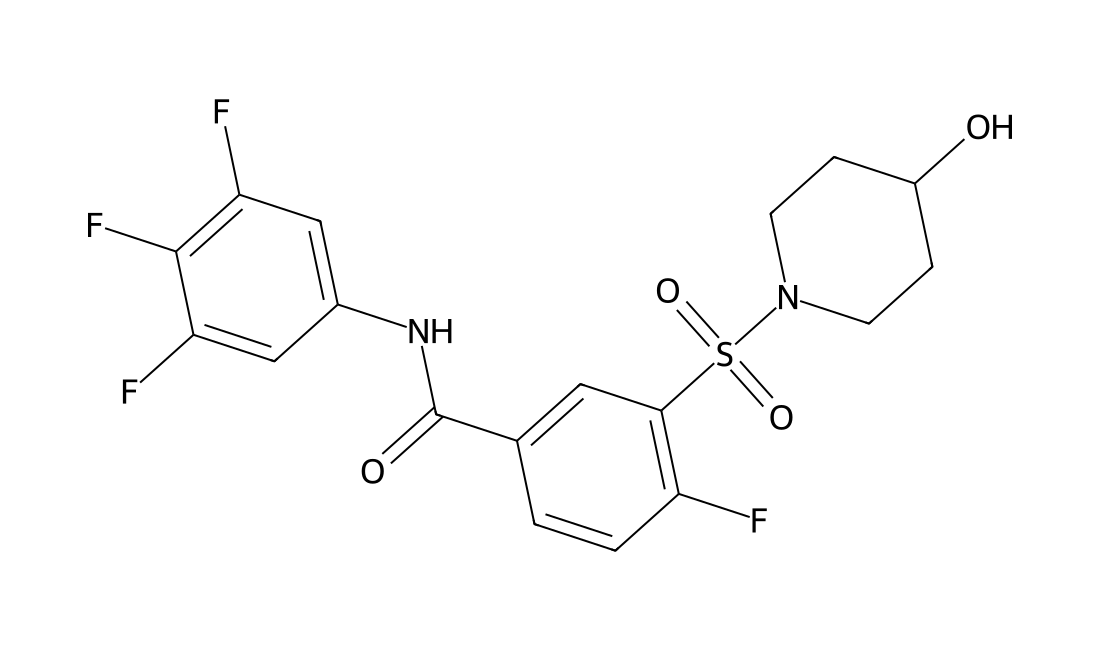
PD-173212Featured
PD-173212 is a small molecule N-type calcium channel blocker.
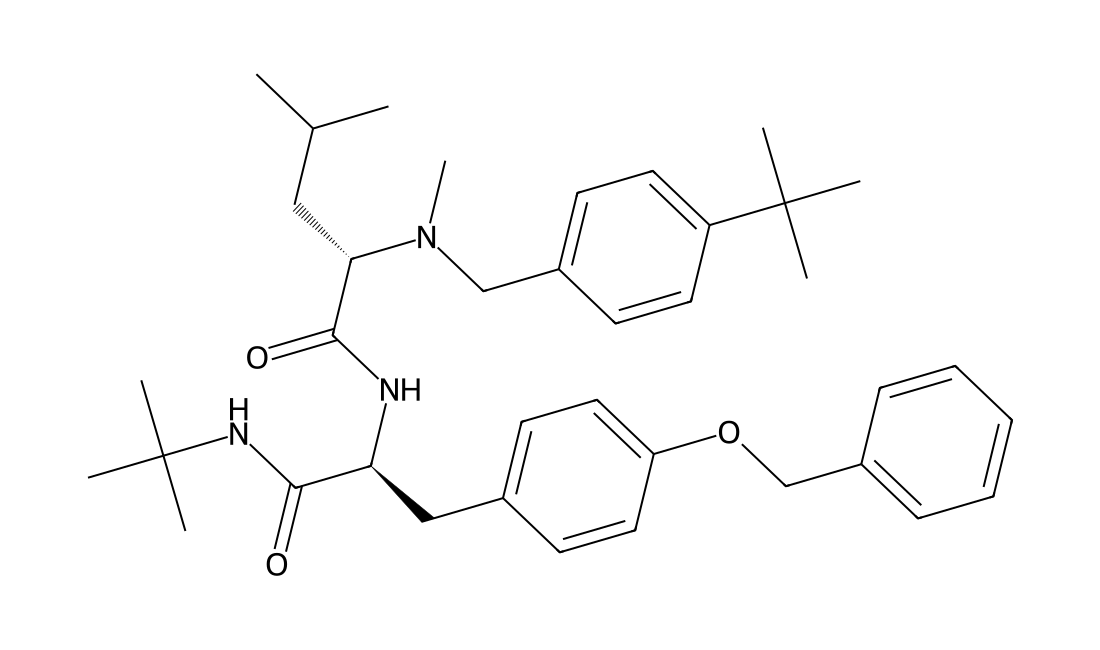
ML148Featured
Potent, selective, and competitive 15-hydroxyprostaglandin dehydrogenase (15-PGDH; HPGD) inhibitor
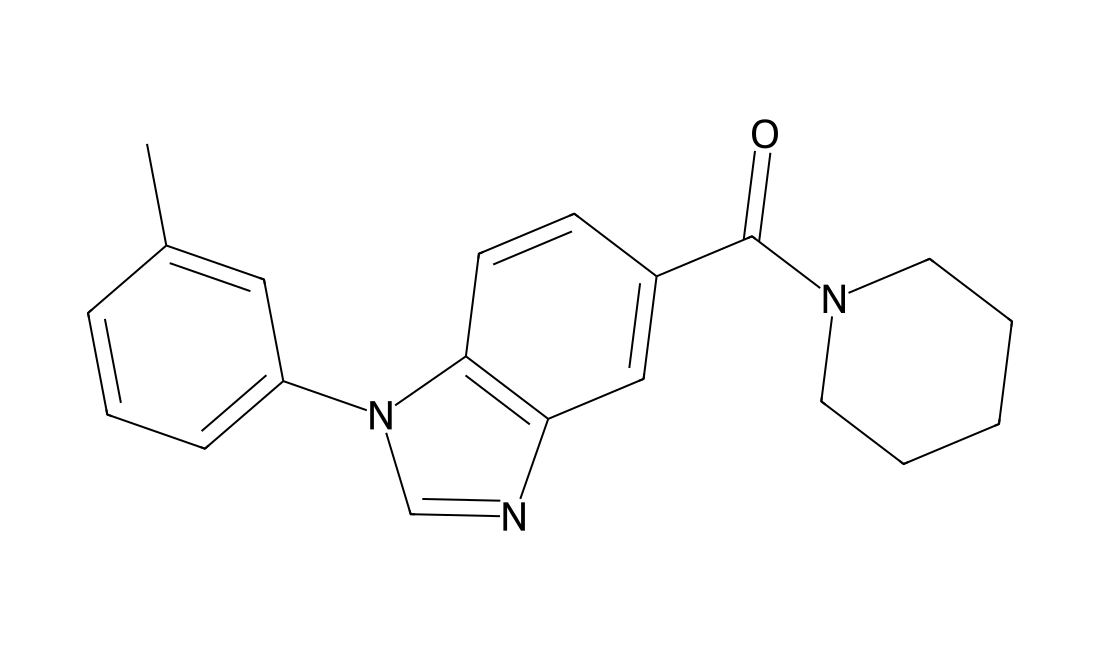
PQ-10Featured
A potent, selective, brain penetrant PDE10A inhibitor with Ki of 4 nM; displays 53-fold and 68-fold selectivity over PDE3A and PDE3B, respectively; selectively inhibits colon tumor cell growth with IC50 of 0.1-28 uM; selectively activates cGMP/cGMP-dependent protein kinase signaling to suppress β-catenin levels and T-cell factor (TCF) transcriptional activity in colon tumor cells.
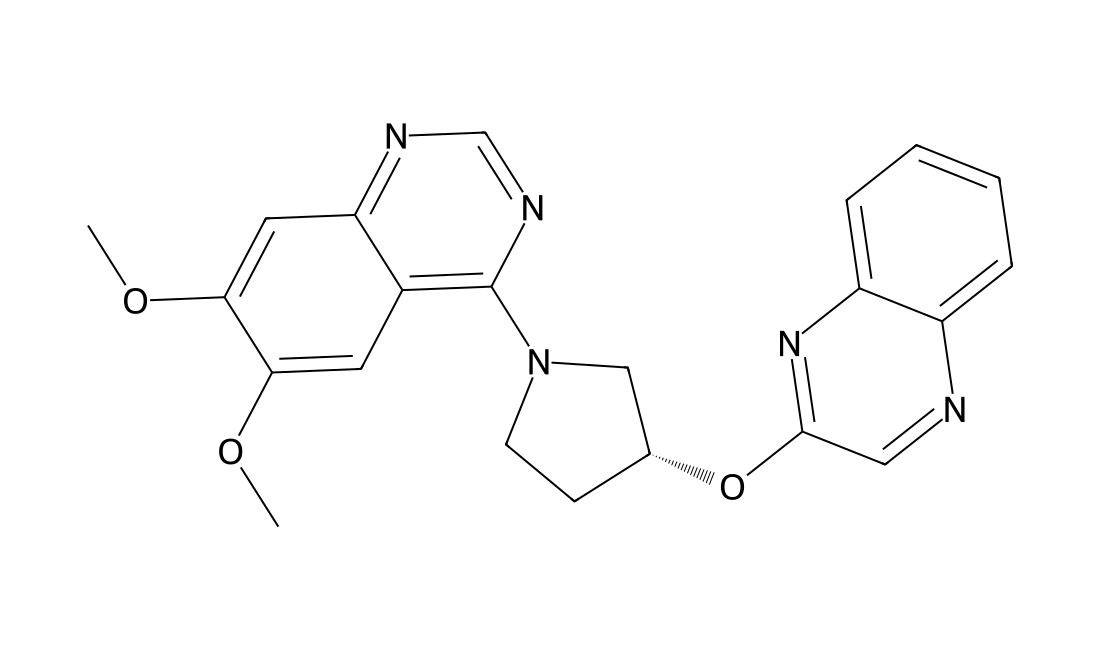
TCS-46bFeatured
TCS 46b is an orally active, subtype-selective GluN1A/GluN2B NMDA receptor antagonist
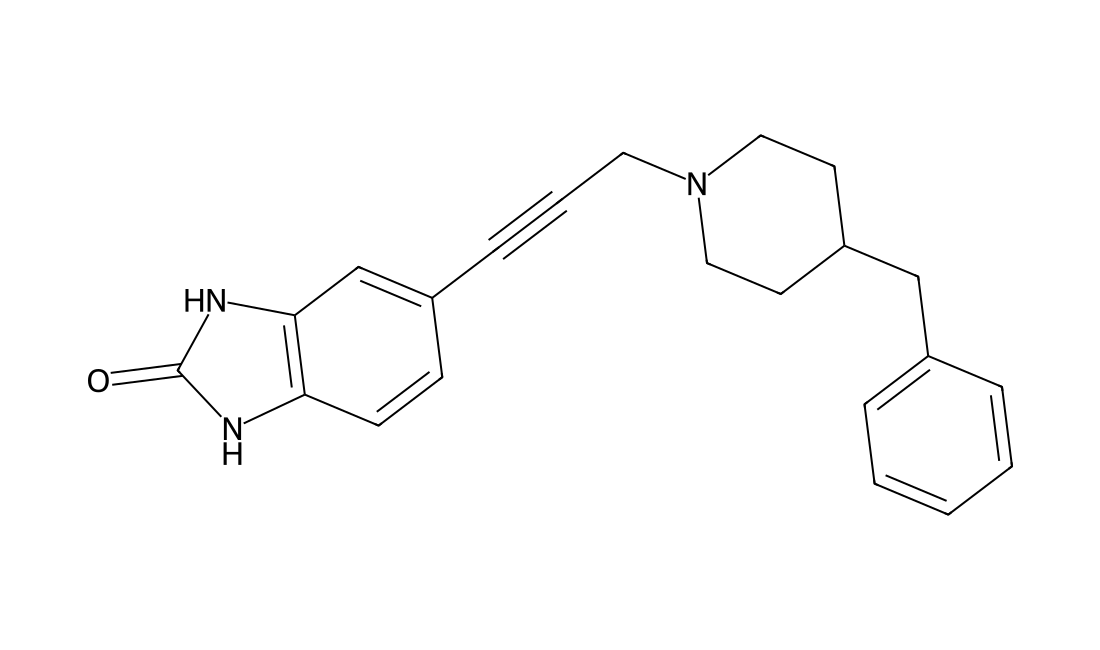
RMC-5552Featured
RMC-5552 is a potent and selective inhibitor of mTORC1. RMC-5552 inhibits phosphorylation of mTORC1 pS6K and p4EBP1 with IC50s of 0.14 nM and 0.48 nM, respectively. RMC-5552 has anti-cancer activity.
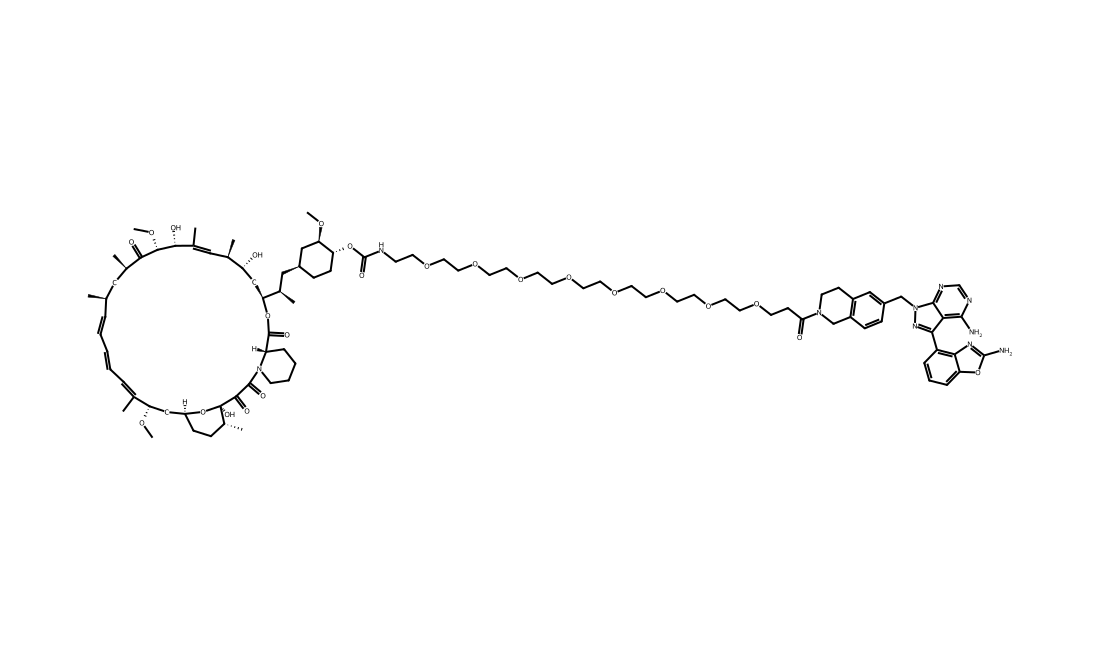
BI-0474Featured
BI-0474 is a potent KRASG12C inhibitor with an IC50 value of 7.0 nM for the GDP-KRAS::SOS1 protein-protein interaction. BI-0474 exhibits good anti-proliferative activity against NCI-H358 cells carrying the G12C mutation. BI-0474 also shows good anti-tumour activity in non-small cell lung cancer xenograft models.
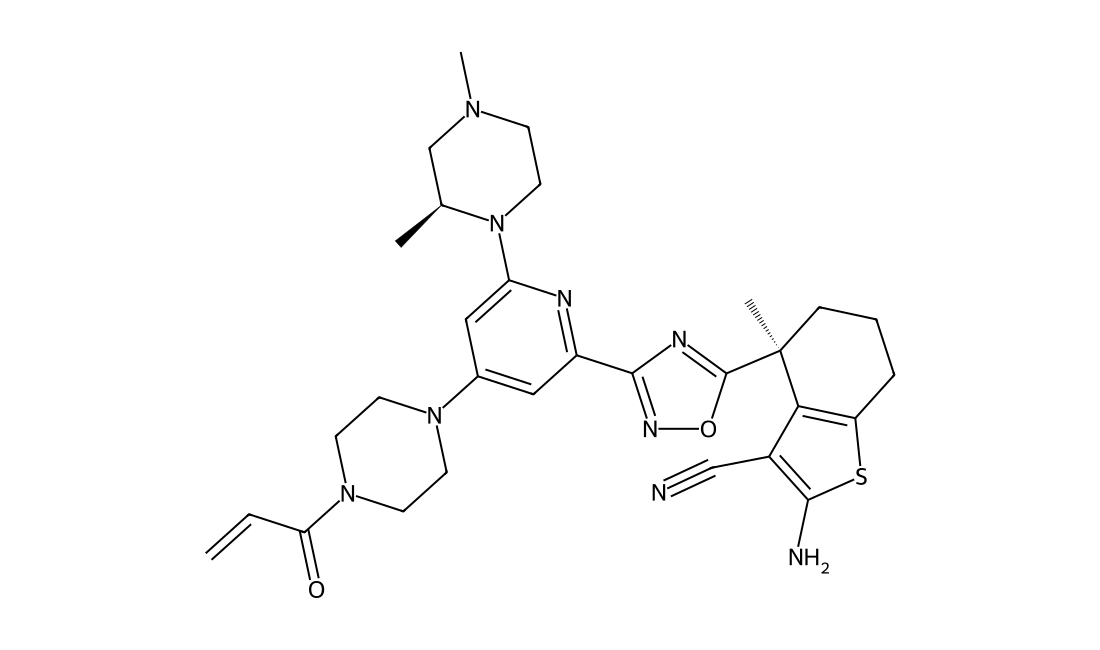
GNE-064Featured
GNE-064 (compound 5) is a selective, oral and highly soluble inhibitor of the SMARCA4, SMARCA2 and PBRM1 bromodomains 5. GNE-064 inhibits SMARCA4 with an IC50 of 0.035 μM and inhibits SMARCA2 with an EC50 of 0.10 μM. GNE-064 possess Kds with 0.01, 0.016, 0.018 and 0.049 μM for SMARCA4, SMARCA2, PBRM1 bromodomains 5 and PBRM1 bromodomains 2, repectively. GNE-064 can be used as a chemical probe for the research of drug synthesis.
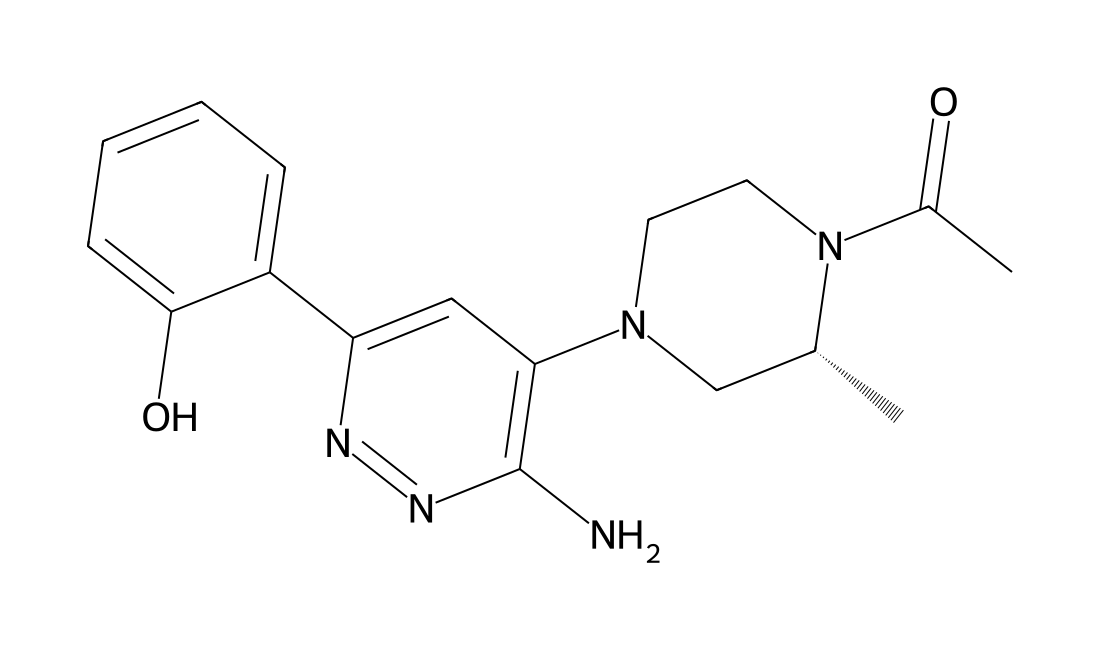
SPH3127Featured
SPH3127 (DRI 18) is a novel, highly potent, and orally active direct renin inhibitor (recombinant human-renin IC50=0.4 nM, human plasma renin activity IC50=0.45 nM). SPH3127 shows antihypertensive effect and can be used in essential hypertension research.
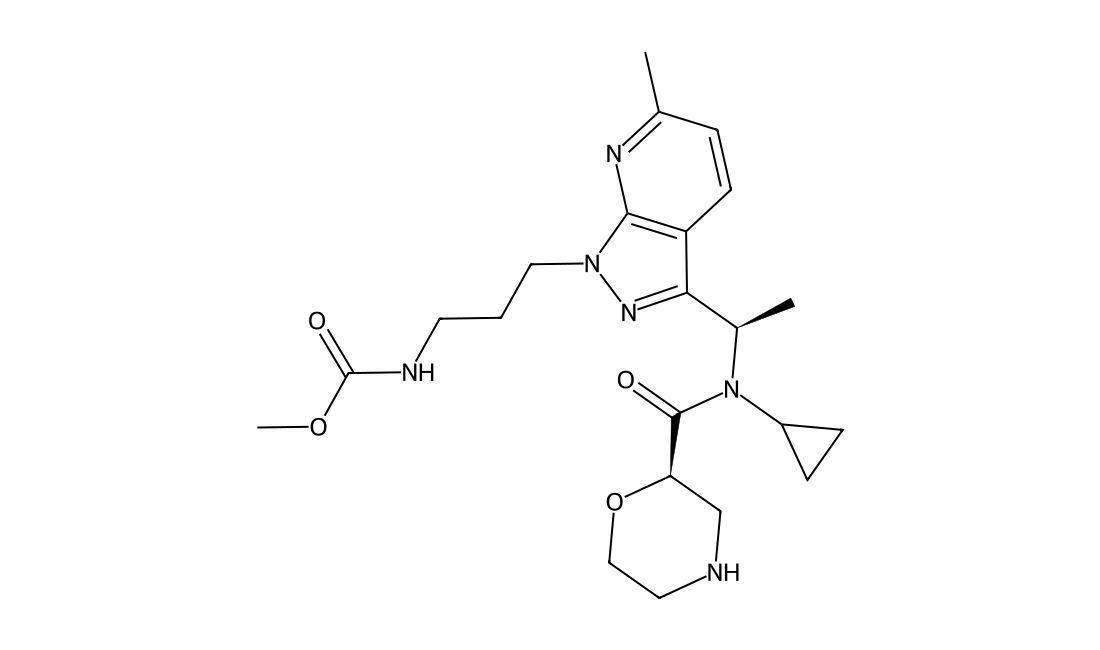
CC-99677Featured
CC-99677 is a potent, covalent, and irreversible inhibitor of the mitogen-activated protein (MAP) kinase-activated protein kinase-2 (MK2) pathway in both biochemical (IC50=156.3 nM) and cell based assays (EC50=89 nM).
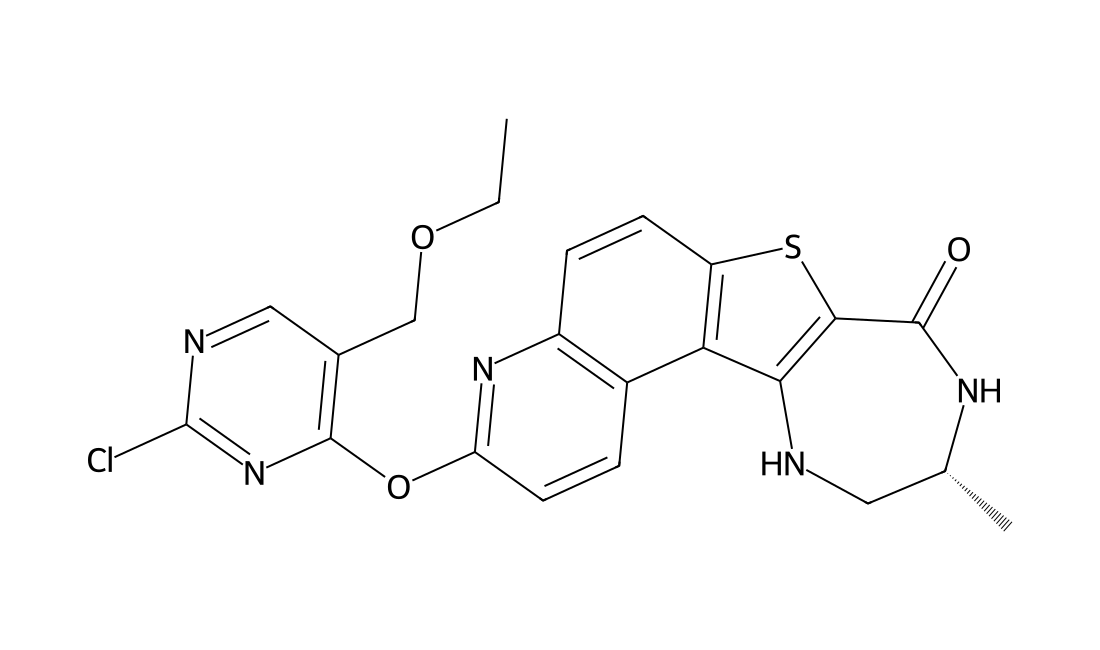
Wnt/β-catenin agonist 1Featured
Wnt/β-catenin agonist 1 (compound 3f) is a Wnt/β-catenin signalling pathway agonist, with an EC50 of 0.27 μM.
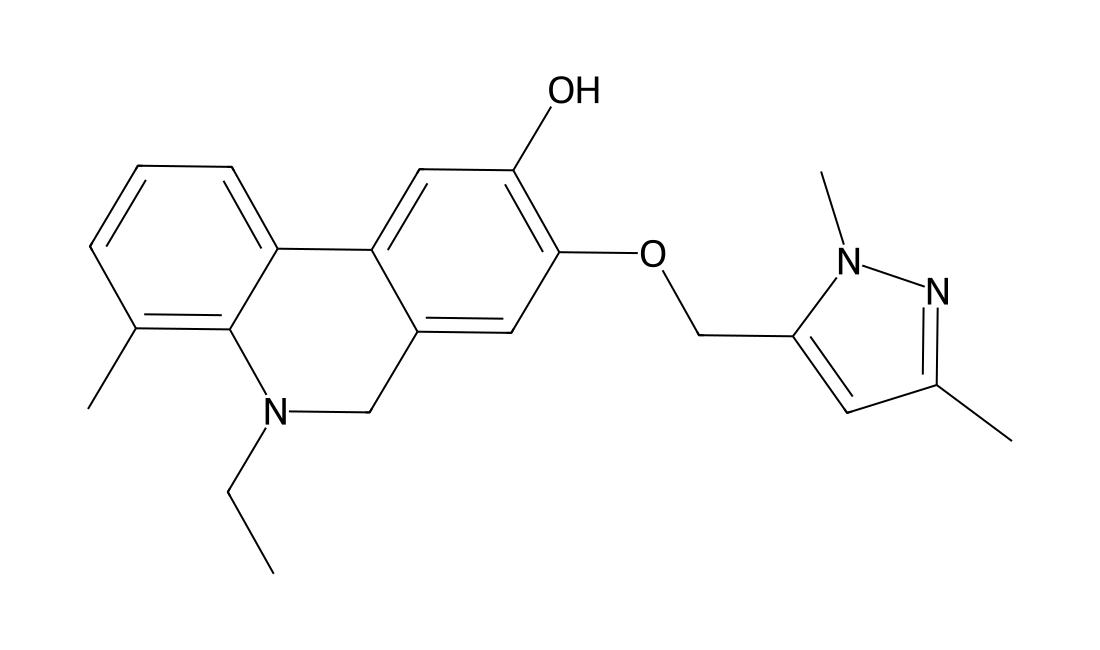
No products match this search.
Page 395 of 409 · Browse all 8177 products
Jump to a product page
Featured literature product: HX1 · DCL0028
HX1 is a hydroxyzine-derived ionizable lipid with acetal-containing tails, studied in lipid nanoparticles for brain mRNA delivery and CRISPR–Cas9 delivery. It was the lead in the reported in vivo brain-delivery screen; evidence is preclinical and formulation-dependent.
Read full formulation and performance →