
Research lipid catalog
Ionizable Lipid Products
Explore 848 lipid and RNA delivery products. Search the full catalog or browse by research category.
Search covers product name, catalog number, synonyms, available CAS numbers and categories. Spaces, hyphens and common punctuation are ignored. Duplicate legacy records are consolidated under one canonical product result.
8177 products · Showing 7781–7800 · 20 per page
DC Chemicals lipid expertise
Built for ionizable-lipid discovery and RNA delivery research
DC Chemicals supports formulation and delivery research with a broad, searchable portfolio of cationic and ionizable lipids. The current directory brings together 848 unique research-use products, with product specifications, pricing, chemical structures and literature-linked formulation data added as each record is verified.
Our experience spans complex lipid synthesis, purification, analytical release and process development. For custom molecules or larger-scale requirements, our team can discuss route development, technical specifications and scale-up options for the intended research workflow.
Learn about cationic and ionizable lipids →Proprietary innovation · Co-development · GMP
From proprietary lipid design to GMP-grade custom synthesis
DC Chemicals has independently developed ionizable-lipid structures supported by company-owned intellectual property, and selected proprietary lipid programs have advanced to GMP-stage development.
We welcome joint development with customers—from molecular design and lipid synthesis through route and process development. We can also support custom synthesis of GMP-grade ionizable lipids to agreed technical specifications and quality requirements.
Discuss a co-development project →Proprietary ionizable-lipid structuresCollaborative molecular designCustom lipid synthesisProcess development and scale-upGMP-grade project support
Product quick links
Explore New ionizable lipids
Explore our five most recently added ionizable lipids, with specifications, pricing and literature-linked product information.
DCL0028HX1Brain RNA delivery researchView product →DCL0024A1I4R13C18-2Spleen-targeted RNA delivery researchView product →DCL0023A1I4R2C18-2Spleen-targeted RNA delivery researchView product →DCL0022FS01Local joint RNA delivery researchView product →DCL0020Lipid-392Lung RNA delivery and gene editing researchView product →
Cat. No.Product NameField of ApplicationChemical Structure
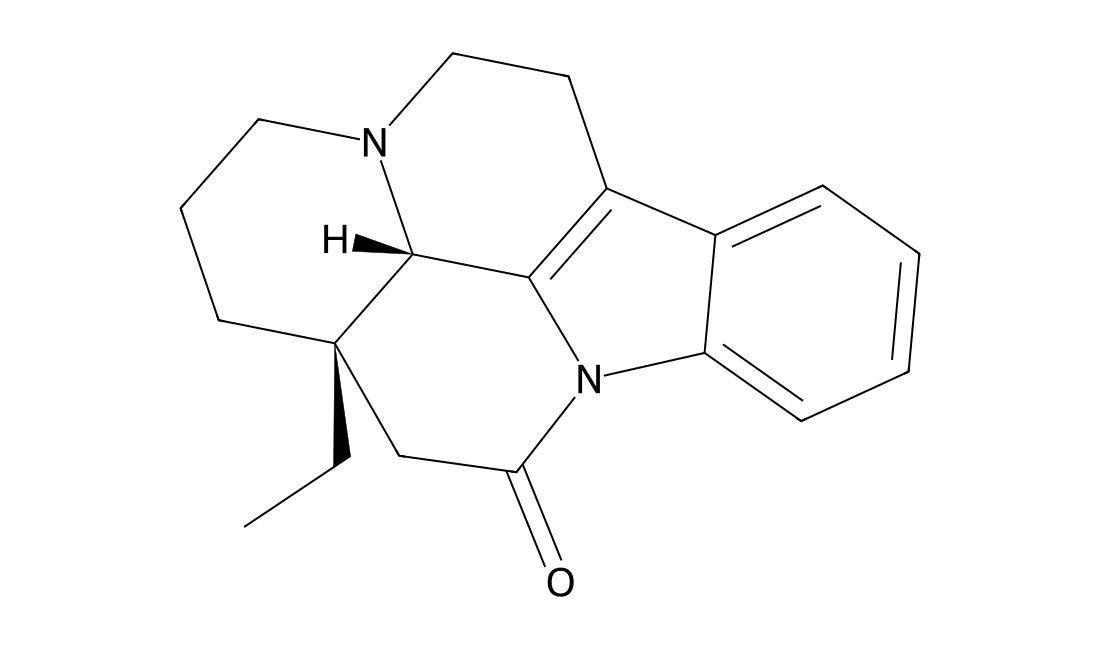
(-)-EburnamonineFeatured
Vincamone is a vinca alkaloid and a metabolite of vincamine, is a vasodilator.
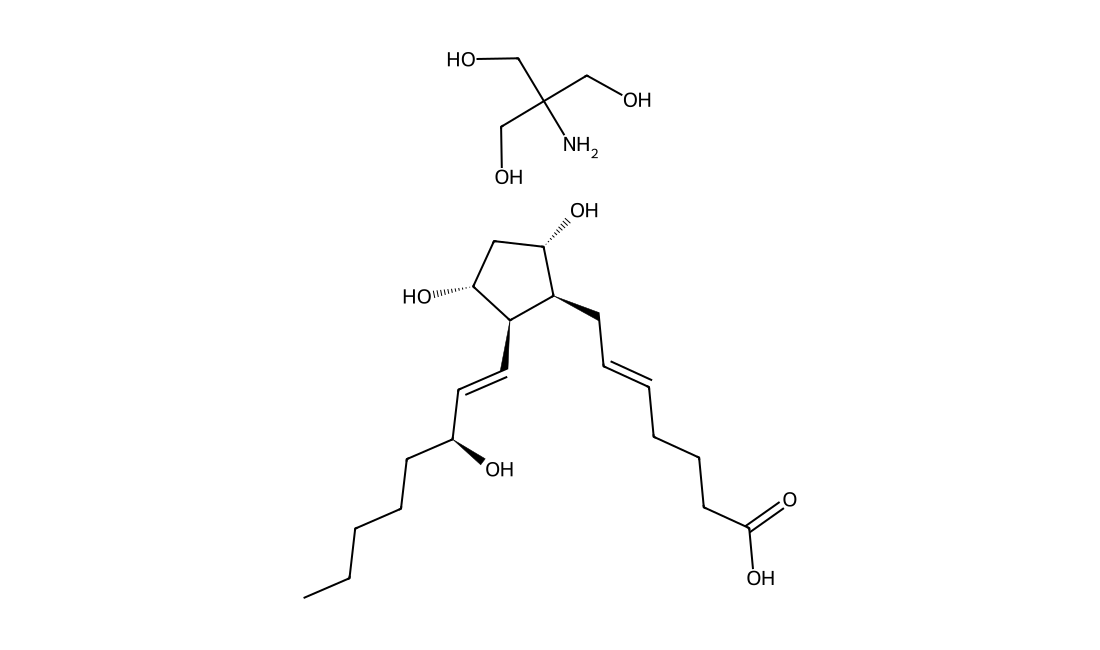
Dinoprost tromethamine saltFeatured
Dinoprost(Prostaglandin F2α) tromethamine salt is a naturally occurring prostaglandin used in medicine to induce labor and as an abortifacient.
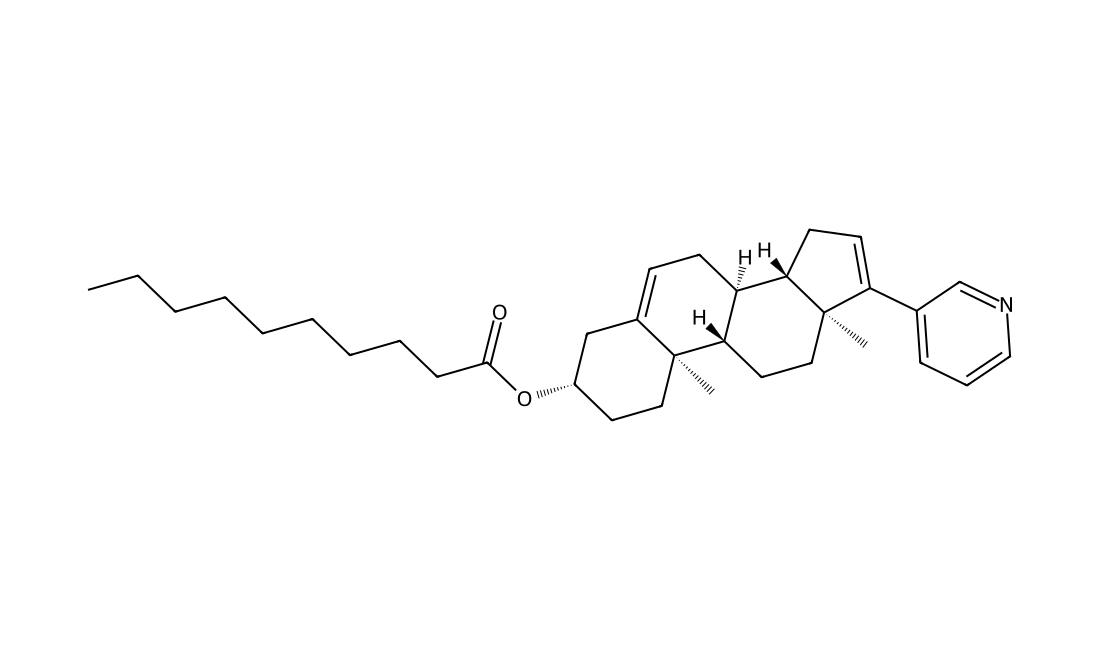
Abiraterone decanoateFeatured
Abiraterone decanoate is a potent Abiraterone prodrug. Abiraterone decanoate provide a controlled release of Abiraterone and long-acting CYP17 inhibition with intramuscular (IM) delivery.
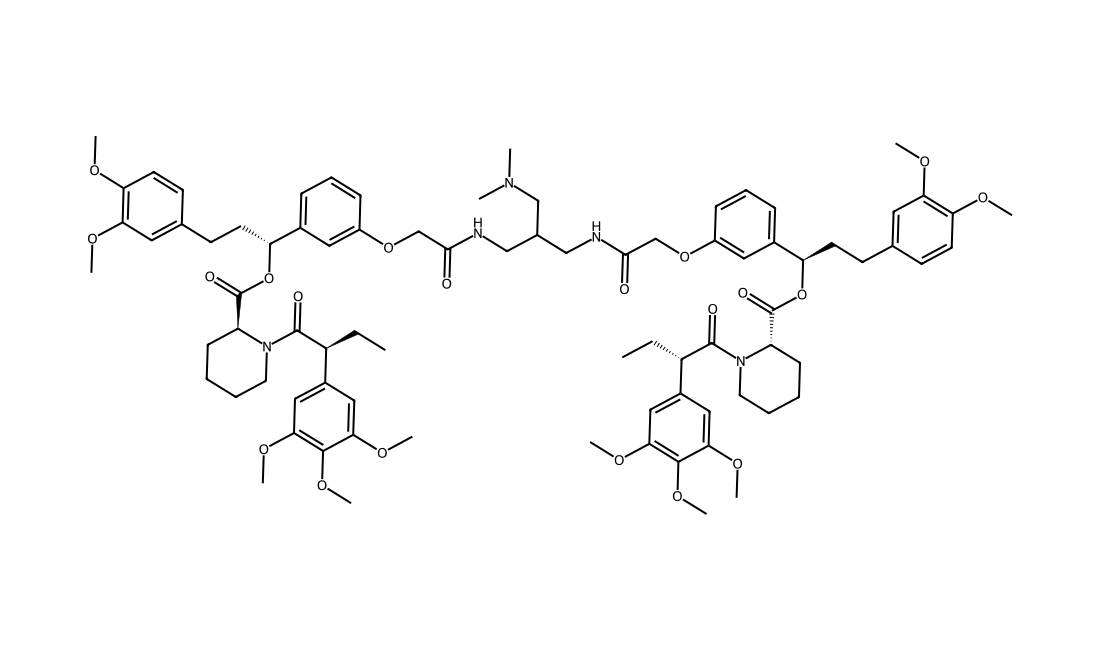
AP20187Featured
AP20187 is a cell-permeable ligand used to dimerize FK506-binding protein (FKBP) fusion proteins and initiate biological signaling cascades and gene expression or disrupt protein-protein interactions.
JSH-150Featured
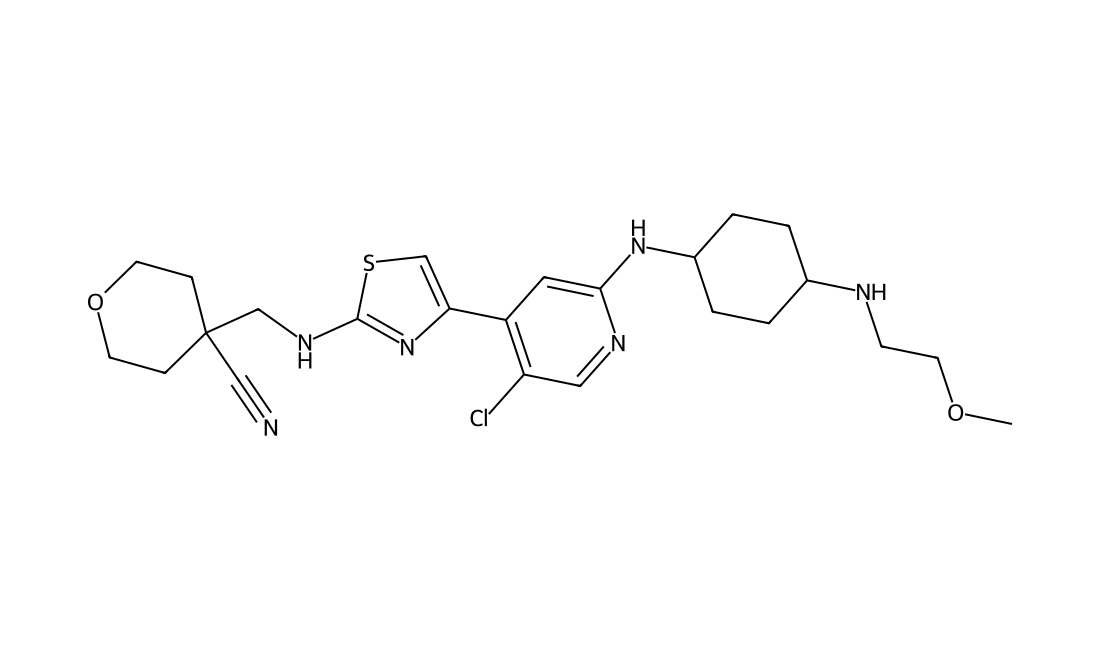
JSH-150 (JSH150) is a potent, highly selective inhibitor of CDK9 kinase with IC50 of 1 nM in the biochemical assays, displays 300-10000-fold selectivity over other CDK kinase family members (CDK7 IC50=1.72 uM); also exhibits high selectivity over other 468 kinases/mutants (KINOMEscan S score(1) = 0.01); displays potent antiproliferative effects against melanoma, neuroblastoma, hepatoma, colon cancer, lung cancer as well as leukemia cell lines, dose-dependently inhibits the phosphorylation of RNA Pol II, suppresses the expression of MCL-1 and c-Myc, arreststhe cell cycle and induces the apoptosis in the leukemia cells; completely suppresses the tumor progression in MV4-11 cell-inoculated xenograft mouse model (10 mg/kg).
ATN-161Featured
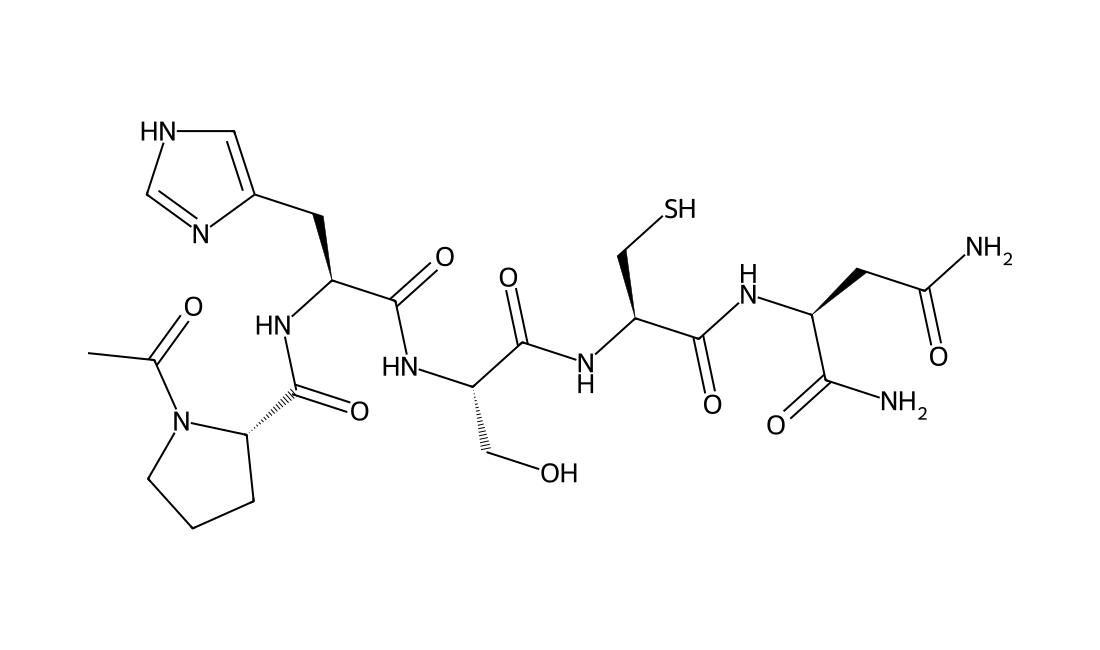
ATN-161 (Ac-PHSCN-NH2) is a five -amino-acid peptide derived from the synergy region of fibronectin; a beta integrin antagonist with antitumor activity. IC50 value: Target: Integrin antagonist in vitro: ATN-161 inhibited VEGF-induced migration and capillary tube formation in hCECs, but did not inhibit proliferation . in vivo: Murine colon cancer cells (CT26) were injected into spleens of BALB/c mice to produce liver metastases. Four days thereafter, mice were given either ATN-161 (100 mg/kg, every 3rd day) or saline by intraperitoneal injection, with or without combination of continuous-infusion 5-FU (100 mg/kg/2 weeks), which was started on day 7. On day 20 after tumor cell inoculation, mice were killed and liver weights and number of liver metastases were determined . ATN-161 after laser photocoagulation inhibited CNV leakage and neovascularization to an extent similar to AF564. Furthermore, SD-OCT and histologic examinations indicated that ATN-161 significantly decreased the size of laser-induced lesions . Treatment with ATN-161 significantly blunts atherosclerotic plaque development in apolipoprotein E-deficient mice, characterized by reduced vascular cell adhesion molecule-1 expression and macrophage accumulation without affecting fibrous cap size. For the detailed information about the solubility of ATN-161 in water, the solubility of ATN-161 in DMSO, the solubility of ATN-161 in PBS buffer, the animal experiment of ATN-161 ,the in vivo and in vitro test of ATN-161 ,the cell experiment of ATN-161 ,the IC50 and EC50 of ATN-161 please contact DC Chemicals.
Casopitant mesylateFeatured
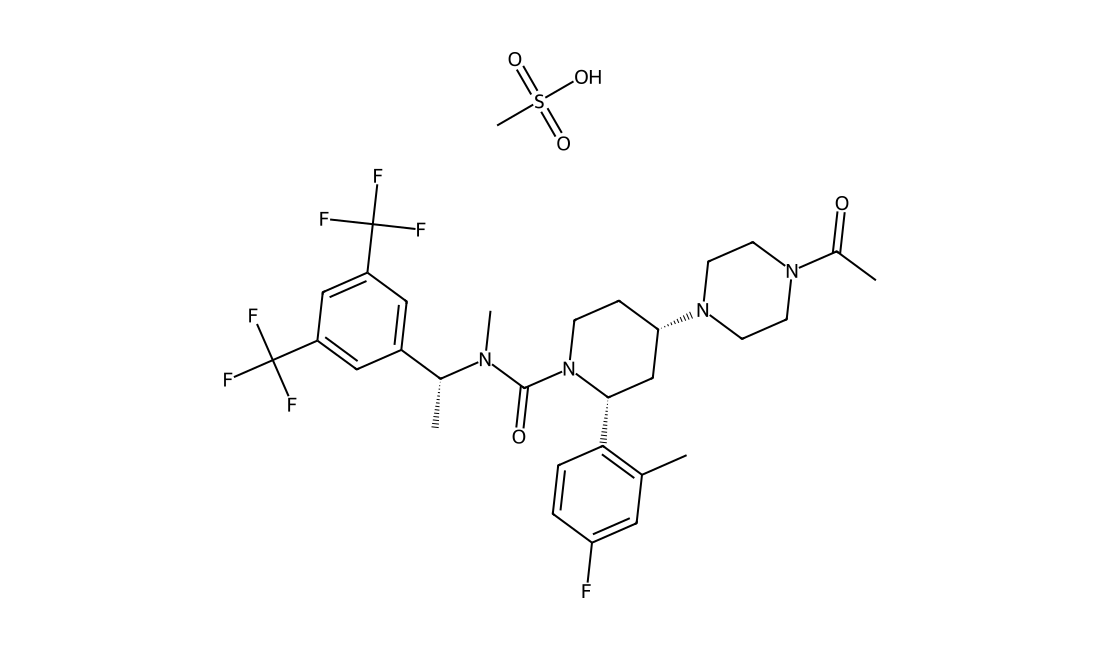
Casopitant (GW679769) is a potent, centrally-acting neurokinin 1 (NK1) receptor antagonist (pKi=9.48) with antidepressant and antiemetic activities; demonstrates potential for treatment of chemotherapy-induced nausea and vomiting (CINV).Chemotherapeutic AgentsPhase 2 Discontinued
PHA-543613Featured
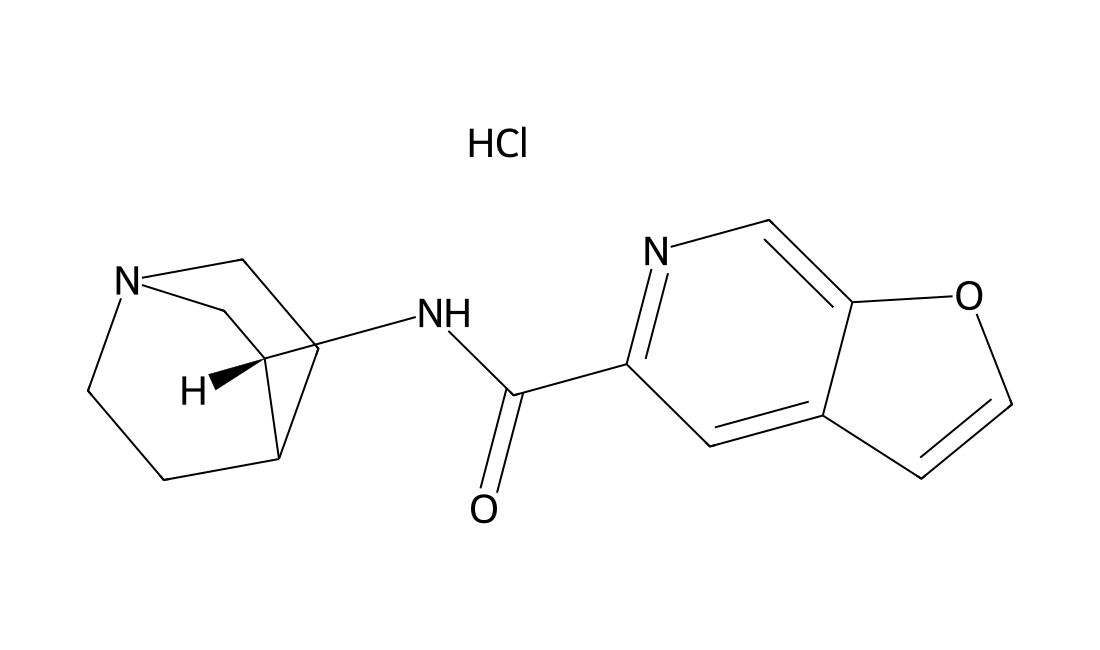
PHA-543613 acts as a potent and selective agonist for the α7 subtype of neural nicotinic acetylcholine receptors, with a high level of brain penetration and good oral bioavailability. It is under development as a possible treatment for cognitive deficits in schizophrenia.
PAD-IN-2Featured
PAD-IN-2 is a potent pad4 inhibitor (IC50: <1 μM). PAD-IN-2 can be used in the research of auto-immune diseases and cancers, such as rheumatoid arthritis, vasculitis, systemic lupus erythematosis, cutaneous lupus erythematosis, ulcerative colitis, cystic fibrosis, asthma, multiple sclerosis and psoriasis.
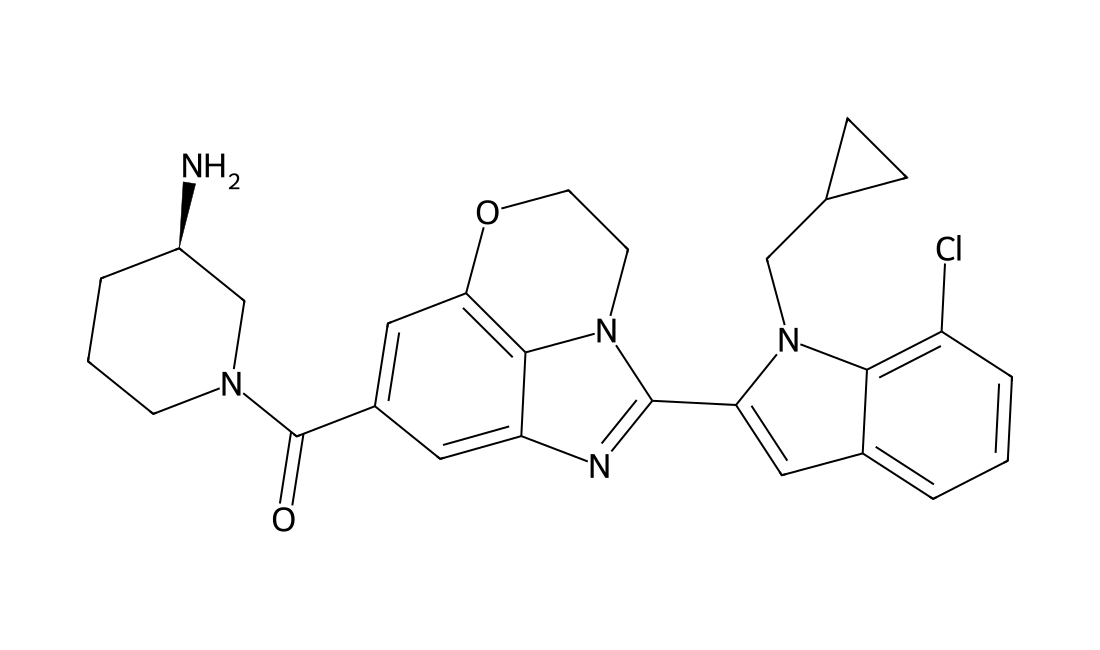
FASN-IN-5Featured
FASN-IN-5 (example 11), a FASN inhibitor, can be used for the research of TH17- or CSF1 -mediated disease or disorder such as cancer, immunological disorders, and obesity.
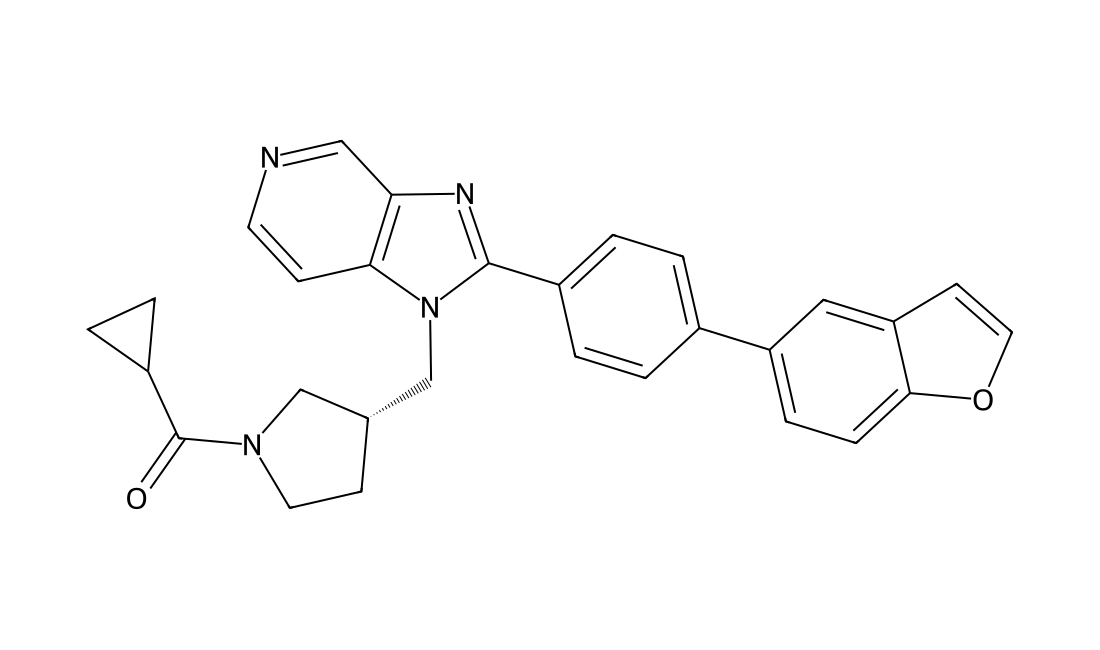
Cilazapril (monohydrate)Featured
Cilazapril Monohydrate is a angiotensin-converting enzyme (ACE) inhibitor used for the treatment of hypertension and congestive heart failure. Cilazapril is a new nonthiol group containing angiotensin converting enzyme (ACE) inhibitor. Cilazapril has been investigated in more than 4000 patients with all degrees of hypertension, as well as in the special patient groups such as the elderly, renally impaired, and patients with concomitant diseases, such as congestive cardiac failure or chronic obstructive pulmonary disease. Cilazapril is a very potent and highly effective converting enzyme inhibitor. Doses well below 5 mg/day will probably suffice for therapeutic efficacy.
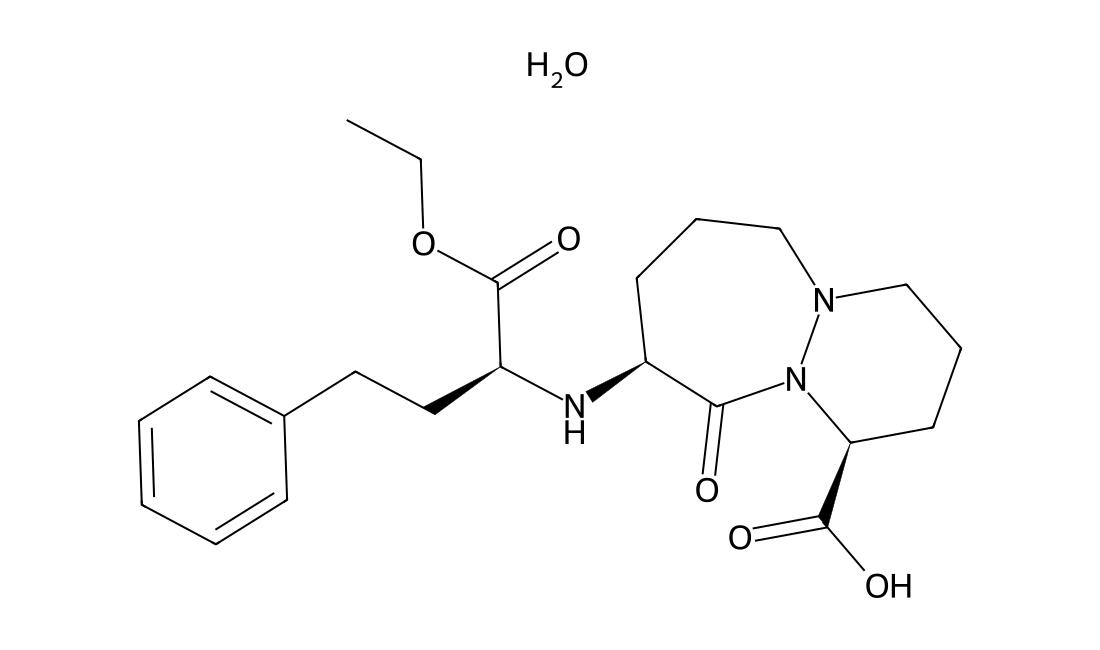
TB500Featured
TB500 is a synthetic version of an active region of thymosin β4. TB500 is claimed to promote endothelial cell differentiation, angiogenesis in dermal tissues, keratinocyte migration, collagen deposition and decrease inflammation.
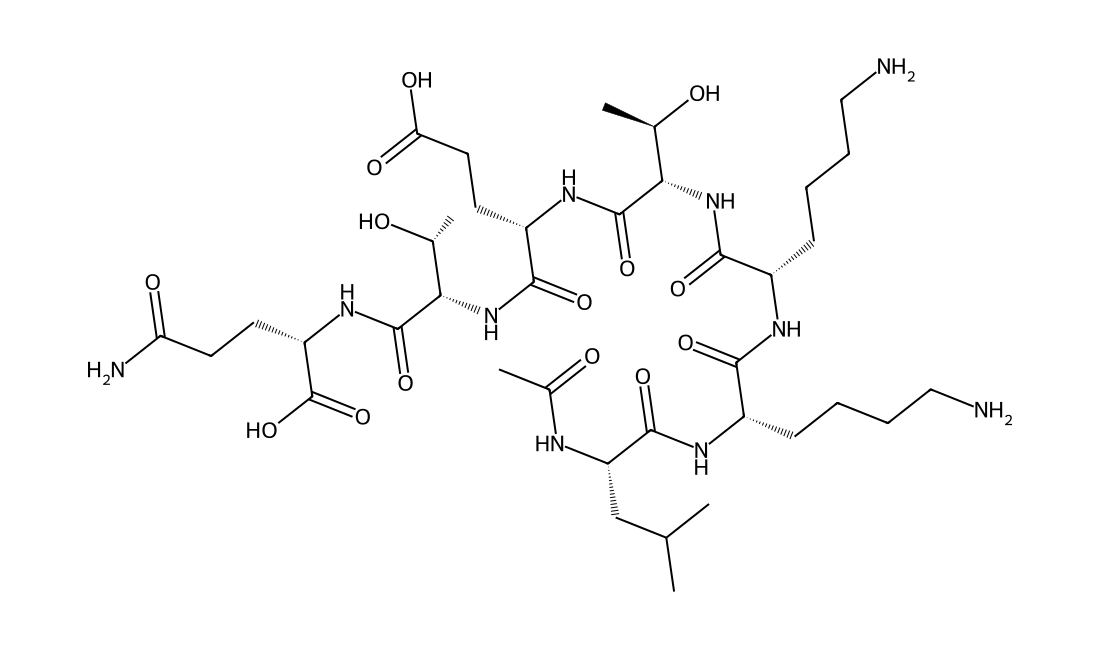
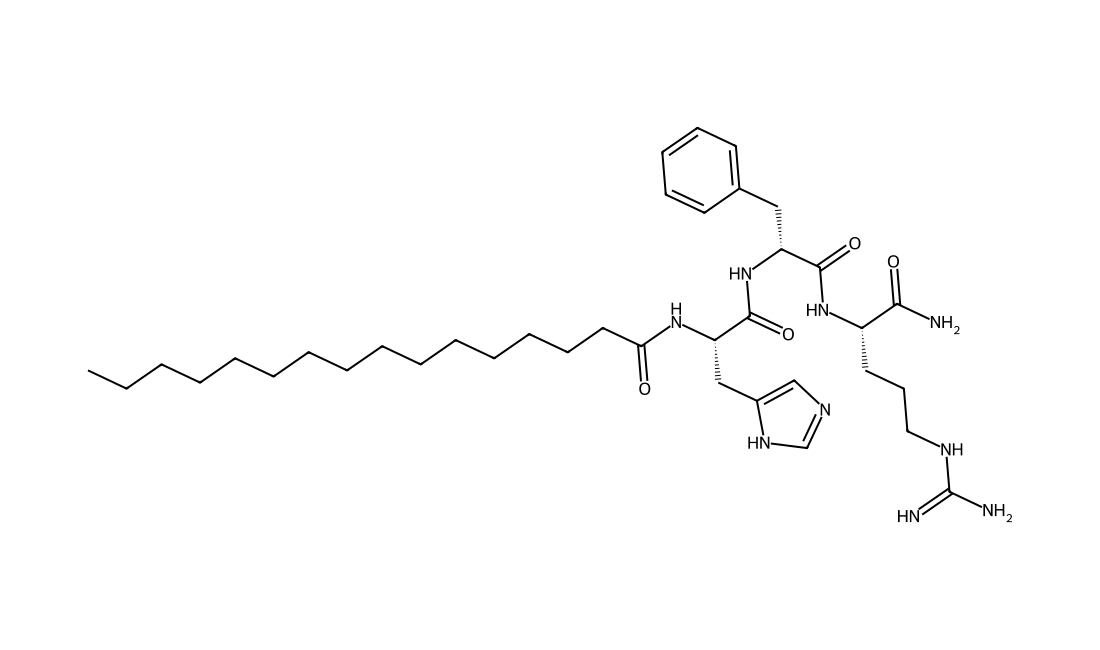
Palmitoyl Tripeptide-8Featured
Palmitoyl tripeptide-8 s a bioactive peptide with anti-allergen effect and has been reported used as a cosmetic ingredient.
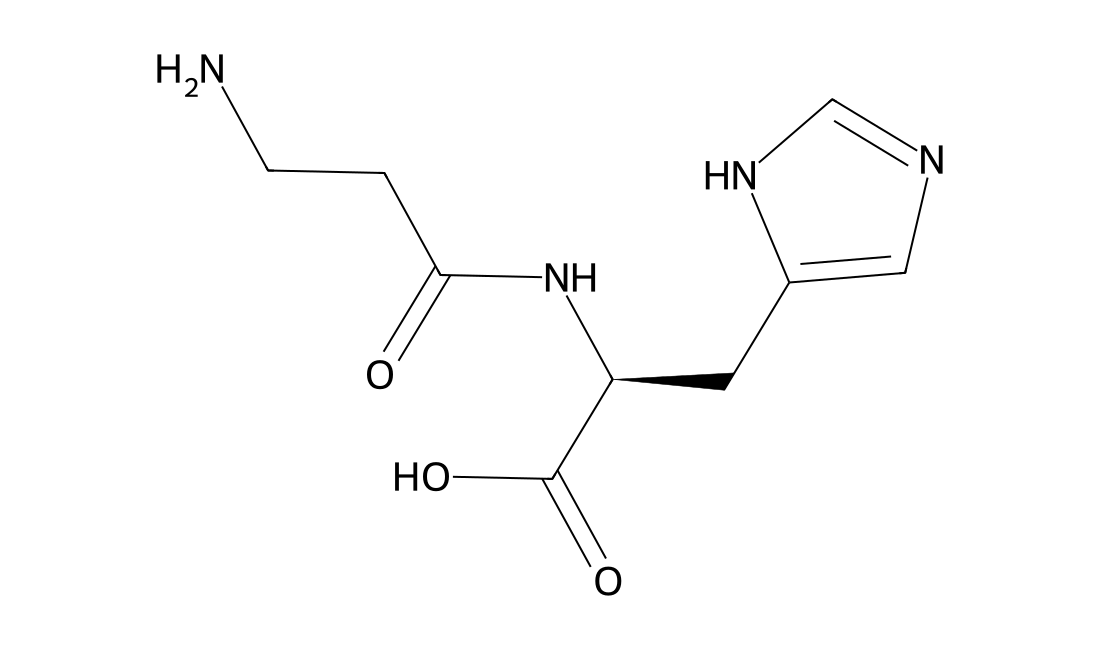
L-carnosineFeatured
L-Carnosine is a dipeptide of the amino acids beta-alanine and histidine and has the potential to suppress many of the biochemical changes that accompany aging.
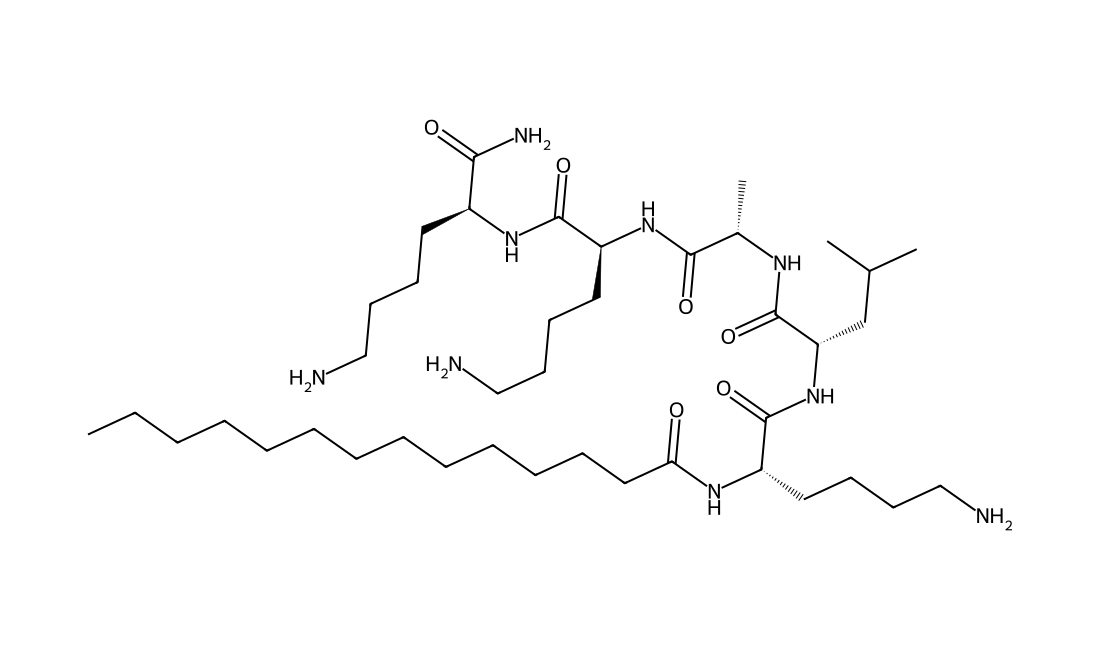
Myristoyl Pentapeptide-17Featured
Myristoyl Pentapeptide-17 is small peptide. Myristoyl Pentapeptide-17 promotes the delivery of key ingredients for quicker lash growth, thus stimulates the hair growth at the follicle. Myristoyl Pentapeptide-17 effectively promotes the growth of eyelashes. It lengthens and thickens the eyelashes, fortifies the hair and noticeably intensifies eye expression.
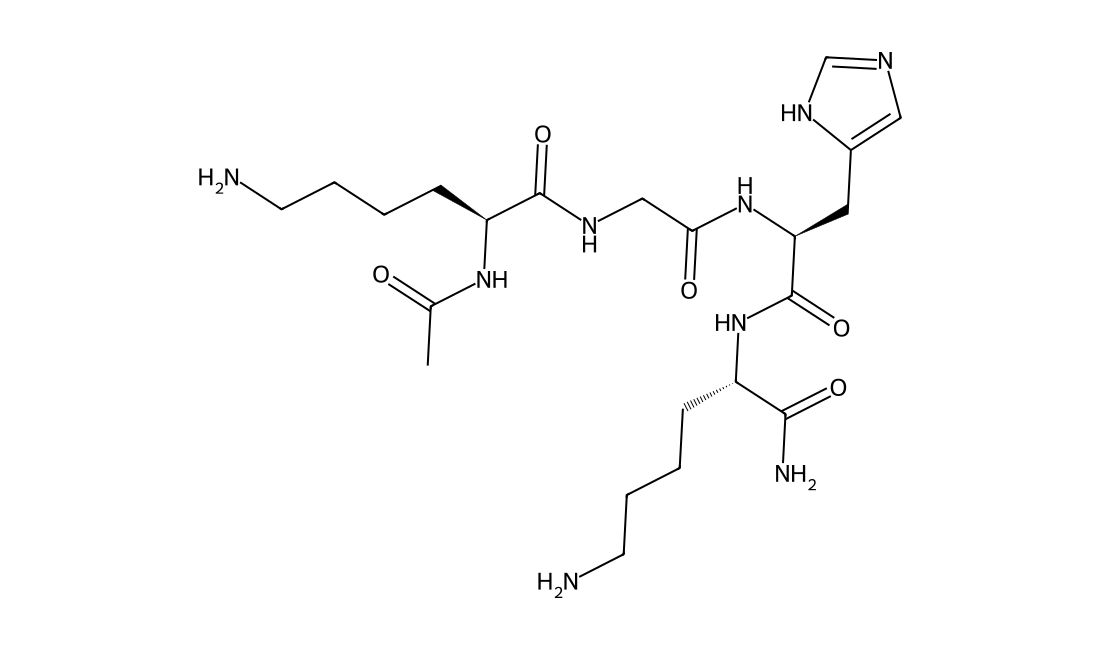
Acetyl tetrapeptide-3Featured
Acetyl tetrapeptide-3 is a bioactive chemical.
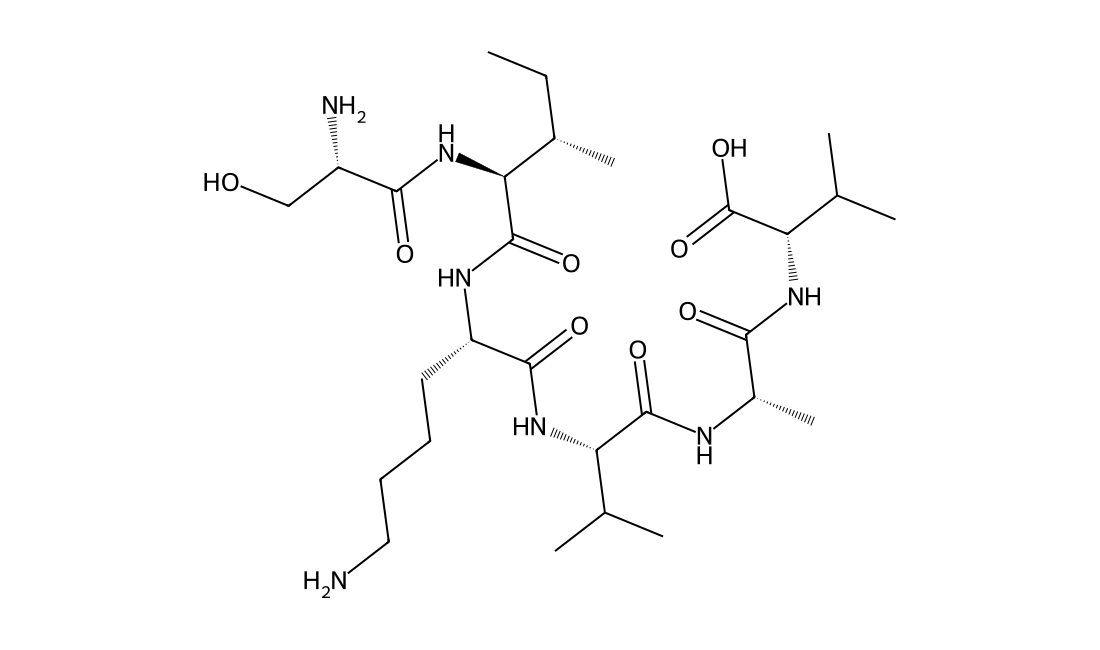
Hexapeptide-10Featured
Hexapeptide-10 is an amino acid derivative.
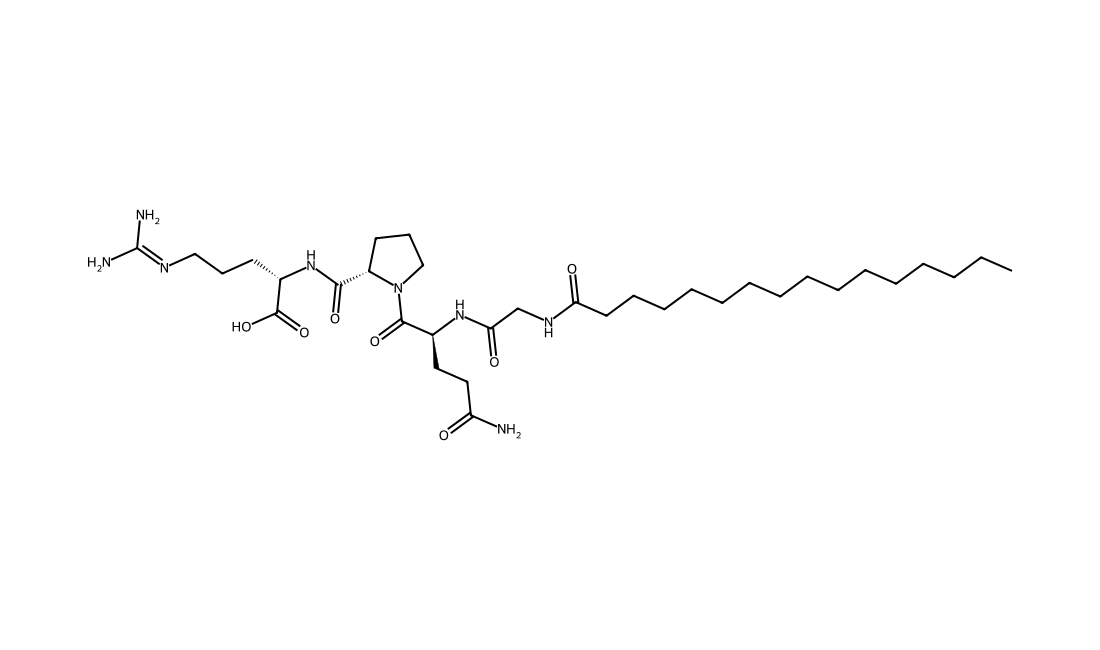
Palmitoyl tetrapeptide-7Featured
Palmitoyl Tetrapeptide-3 (Rigin) is a synthetic peptide, corrspending to 341-344 amino acid sequenceof IgG human H-chain, with phagocytosis stimulating activity.
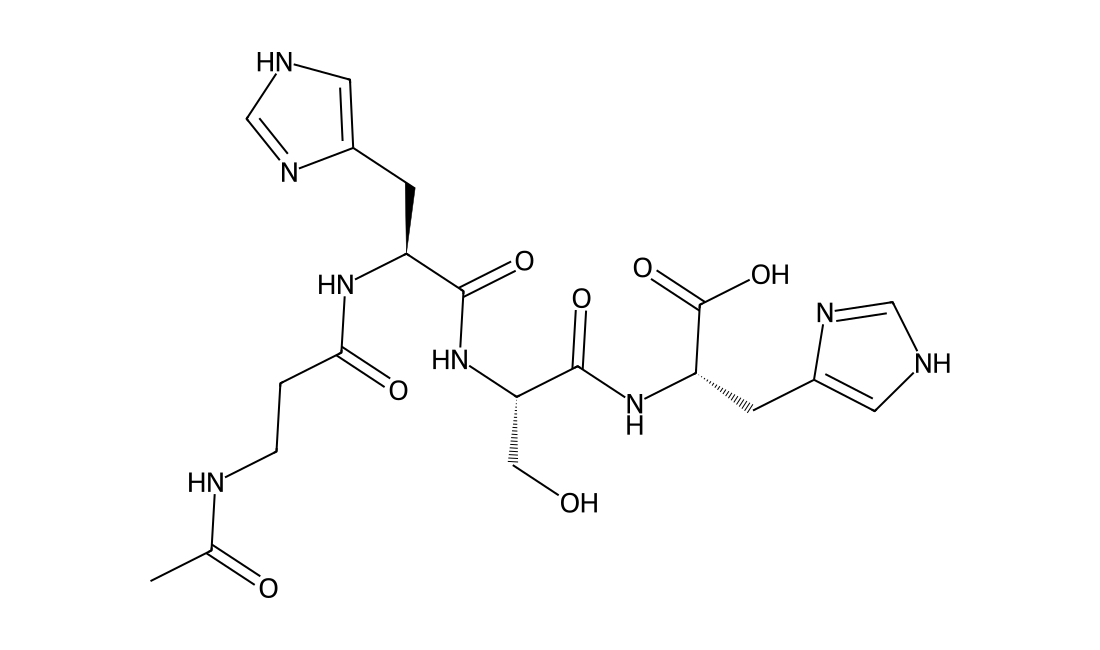
Ac-beta-ala-his-ser-his-ohFeatured
Eyeseryl, also known as Acetyl Tetrapeptide-5, humectant or hydroscopic moisturizer which helps reduce eye puffiness, improve skin elasticity as well as overall smoothness.
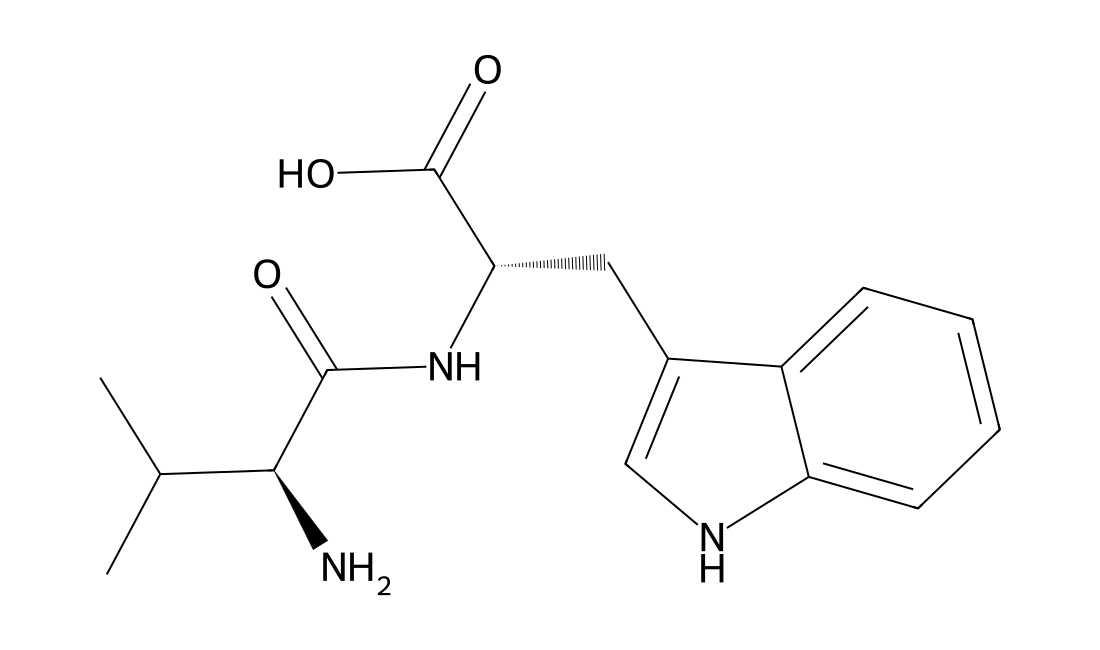
Dipeptide-2Featured
Dipeptide 2 (N-Valyltryptophan; Val-Trp) is a bioactive peptide with anti-aging effect and has been reported used as a cosmetic ingredient.
No products match this search.
Page 390 of 409 · Browse all 8177 products
Jump to a product page
Featured literature product: HX1 · DCL0028
HX1 is a hydroxyzine-derived ionizable lipid with acetal-containing tails, studied in lipid nanoparticles for brain mRNA delivery and CRISPR–Cas9 delivery. It was the lead in the reported in vivo brain-delivery screen; evidence is preclinical and formulation-dependent.
Read full formulation and performance →