
Research lipid catalog
Ionizable Lipid Products
Explore 848 lipid and RNA delivery products. Search the full catalog or browse by research category.
Search covers product name, catalog number, synonyms, available CAS numbers and categories. Spaces, hyphens and common punctuation are ignored. Duplicate legacy records are consolidated under one canonical product result.
8177 products · Showing 7681–7700 · 20 per page
DC Chemicals lipid expertise
Built for ionizable-lipid discovery and RNA delivery research
DC Chemicals supports formulation and delivery research with a broad, searchable portfolio of cationic and ionizable lipids. The current directory brings together 848 unique research-use products, with product specifications, pricing, chemical structures and literature-linked formulation data added as each record is verified.
Our experience spans complex lipid synthesis, purification, analytical release and process development. For custom molecules or larger-scale requirements, our team can discuss route development, technical specifications and scale-up options for the intended research workflow.
Learn about cationic and ionizable lipids →Proprietary innovation · Co-development · GMP
From proprietary lipid design to GMP-grade custom synthesis
DC Chemicals has independently developed ionizable-lipid structures supported by company-owned intellectual property, and selected proprietary lipid programs have advanced to GMP-stage development.
We welcome joint development with customers—from molecular design and lipid synthesis through route and process development. We can also support custom synthesis of GMP-grade ionizable lipids to agreed technical specifications and quality requirements.
Discuss a co-development project →Proprietary ionizable-lipid structuresCollaborative molecular designCustom lipid synthesisProcess development and scale-upGMP-grade project support
Product quick links
Explore New ionizable lipids
Explore our five most recently added ionizable lipids, with specifications, pricing and literature-linked product information.
DCL0028HX1Brain RNA delivery researchView product →DCL0024A1I4R13C18-2Spleen-targeted RNA delivery researchView product →DCL0023A1I4R2C18-2Spleen-targeted RNA delivery researchView product →DCL0022FS01Local joint RNA delivery researchView product →DCL0020Lipid-392Lung RNA delivery and gene editing researchView product →
Cat. No.Product NameField of ApplicationChemical Structure
MK-8591 (Islatravir)Featured
MK-8591 is a potent anti-HIV-1 agent, acting as a nucleoside reverse transcriptase inhibitor, with EC50s of 0.068 nM, 3.1 nM and 0.15 nM for HIV-1 (WT), HIV-1 (M184V), HIV-1 (MDR), respectively. HIV Infection
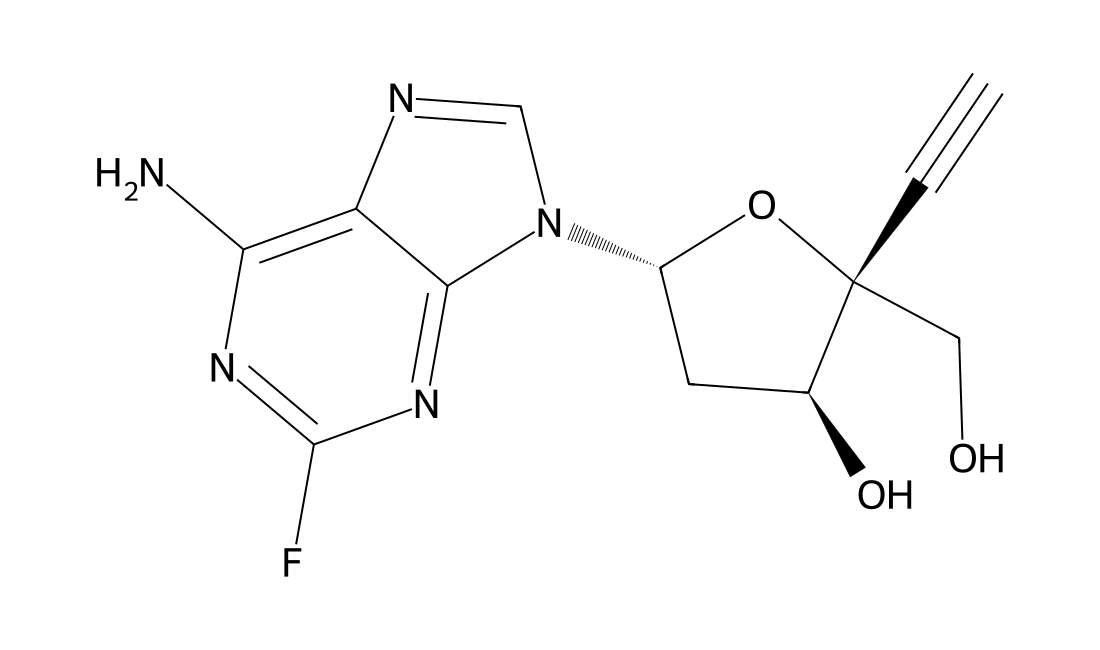
PamiparibFeatured
Pamiparib (BGB-290, BGB290) is a PARP inhibitor which can be used for the treatment of various cancers including the solid tumor, extracted from patent WO 2013097225 A1.
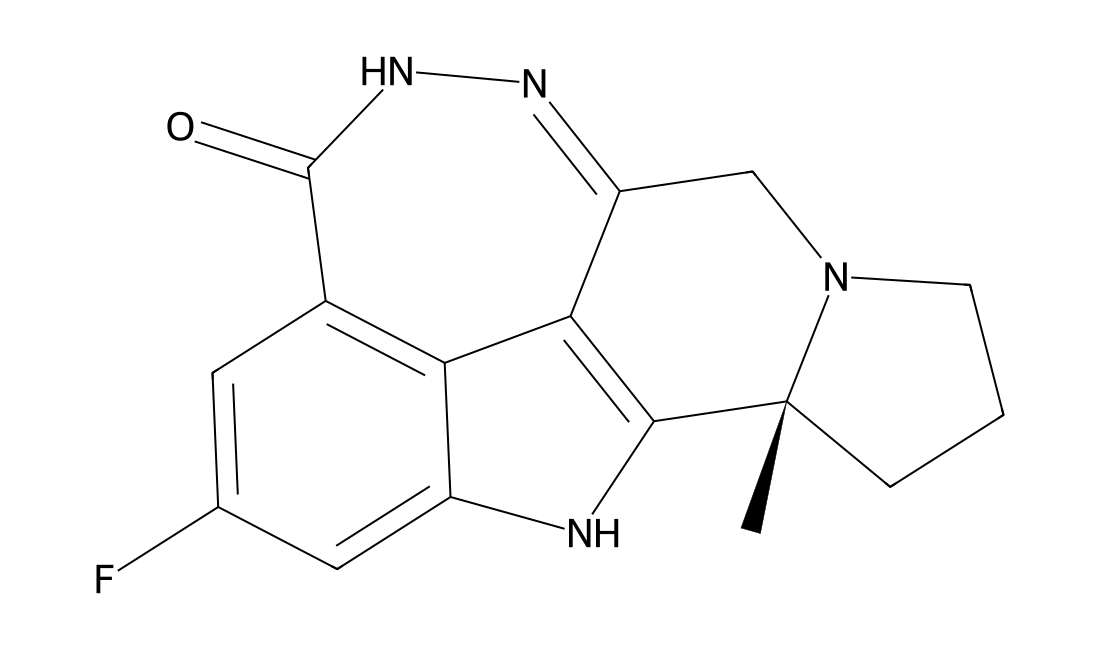
BRD-K98645985Featured
BRD-K98645985 is a class of 12-membered macrolactam and a BAF (Brg/Brahma-associated factors) transcriptional repression inhibitor with an EC50 of ~2.37 µM. BRD-K98645985 binds ARID1A-specific BAF complexes, prevents nucleosomal positioning, and potently reverses HIV-1 latency, and without T cell activation or toxicity[1].
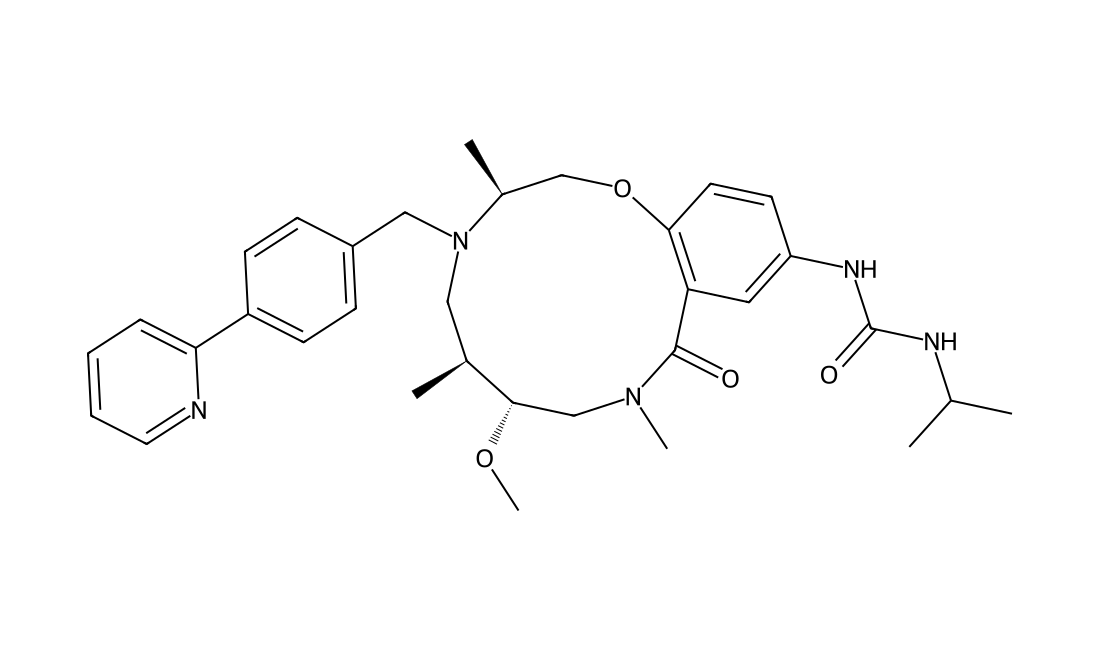
FABP4/5-IN-2Featured
Novel FABP4/5 inhibitor, inhibiting lipolysis in 3T3-L1 adipocytes and in primary human adipocytes
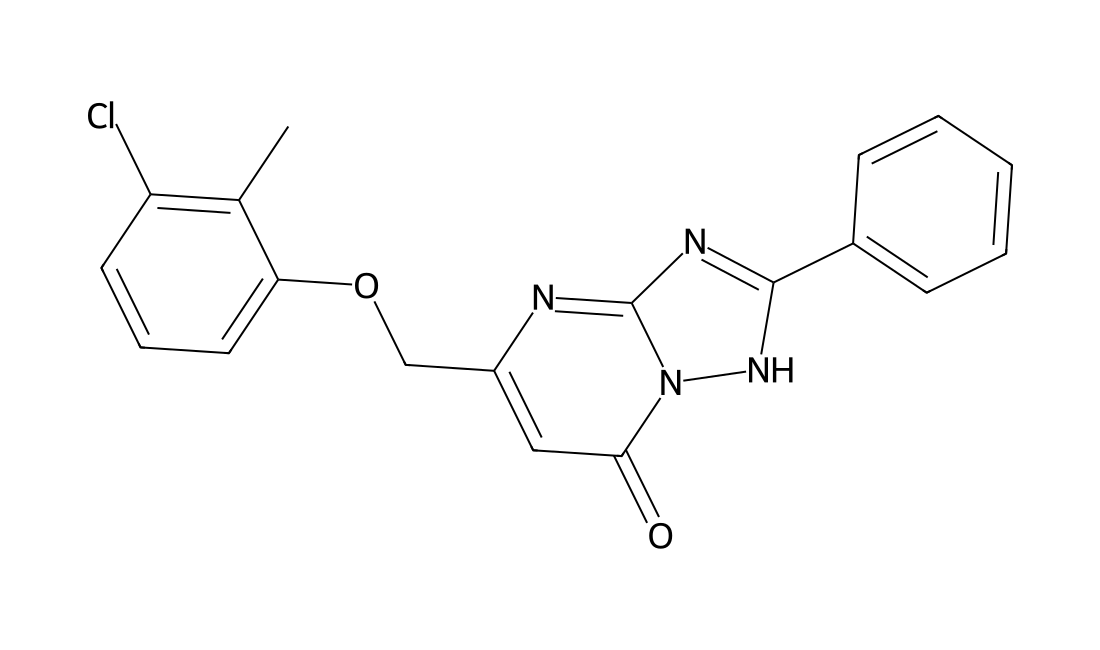
NIBR 0213Featured
NIBR-0213 is a potent and selective S1P1 antagonist with efficacy in experimental autoimmune encephalomyelitis. NIBR-0213 displays potent and comparable potency on human and rat S1P1 (IC50 of 2.0 nM and 2.3 nM, respectively) in GTPγ35S assays[1].
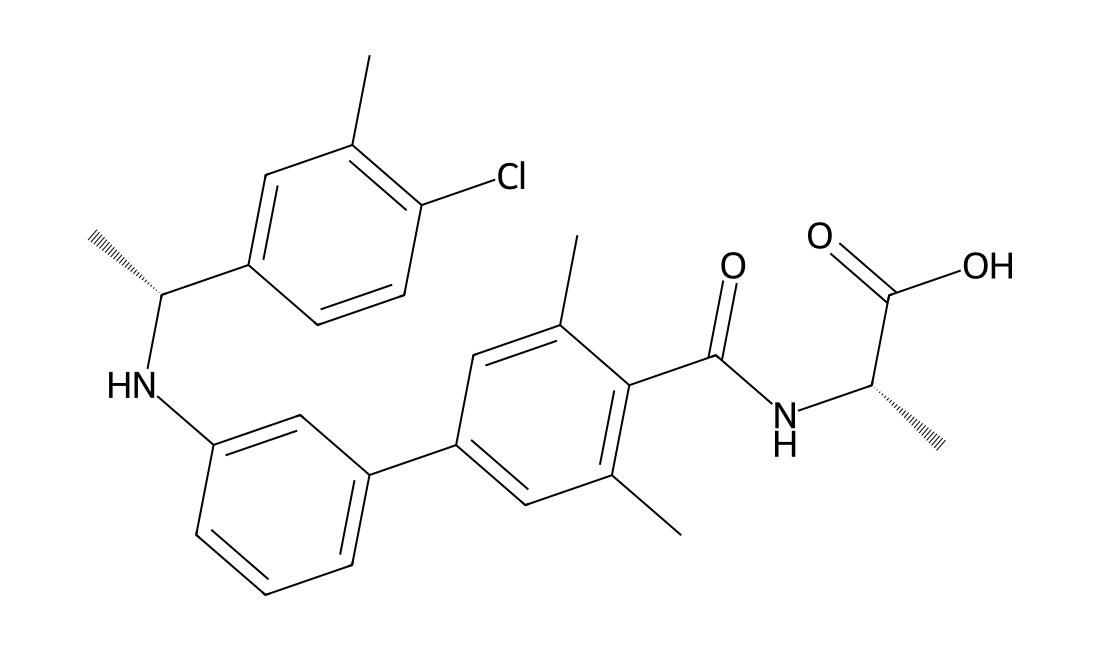
ML-299Featured
ML299 is a potent, CNS penetrant, dual phospholipase PLD1/PLD2 probe with IC50 of 6 nM/20 nM, respectively; robustly increases caspase 3/7 activation under serum-free conditions, provides a dose-dependent decrease (100 nM to 10 uM) in invasive migration in U87-MG cells, with statistical significance reached at both the 1 uM and 10 uM doses.
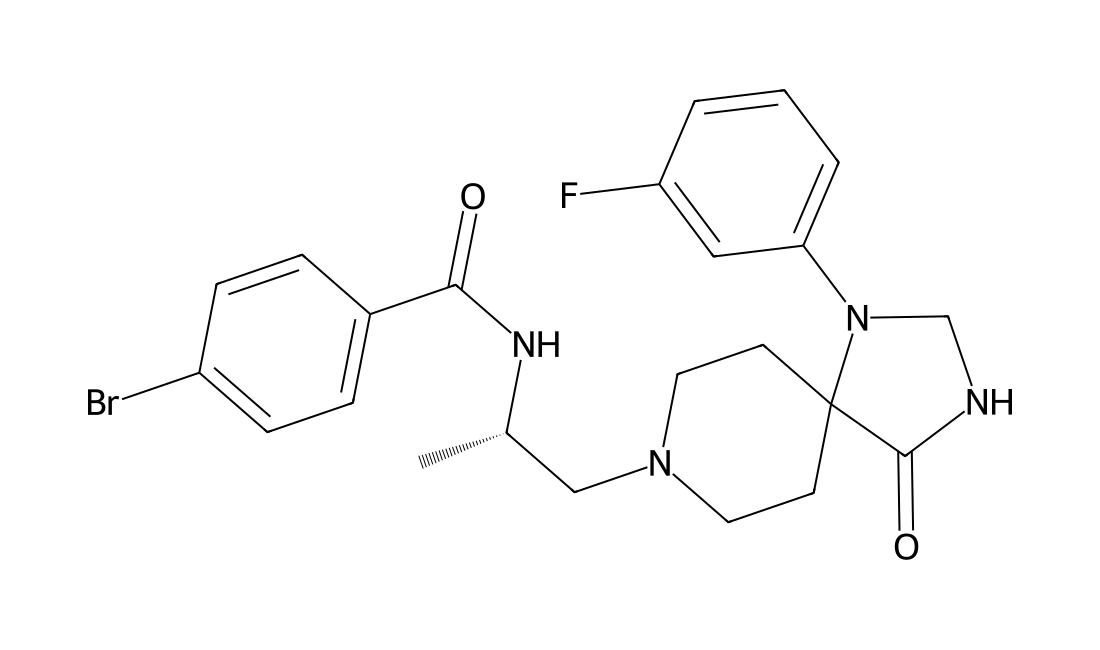
ERDRP-0519Featured
ERDRP-0519 is an orally bioavailable small-molecule polymerase inhibitor.
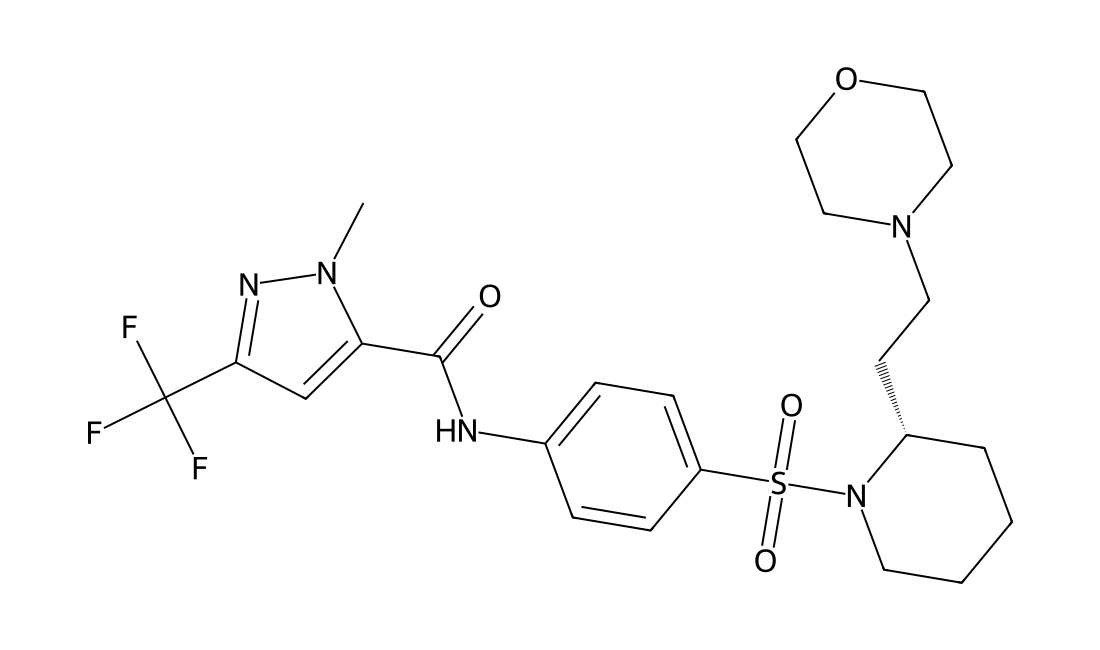
3-Hydroxy-4-methoxyacetophenoneFeatured
3-Hydroxy-4-methoxyacetophenone(Acetoisovanillone; Isoacetovanillone) is an active compound isolated from P. spinosa. Isoacetovanillone possesses anti-inflammatory activity and prevented injuries due to administration of acetic acid in the colon[1].
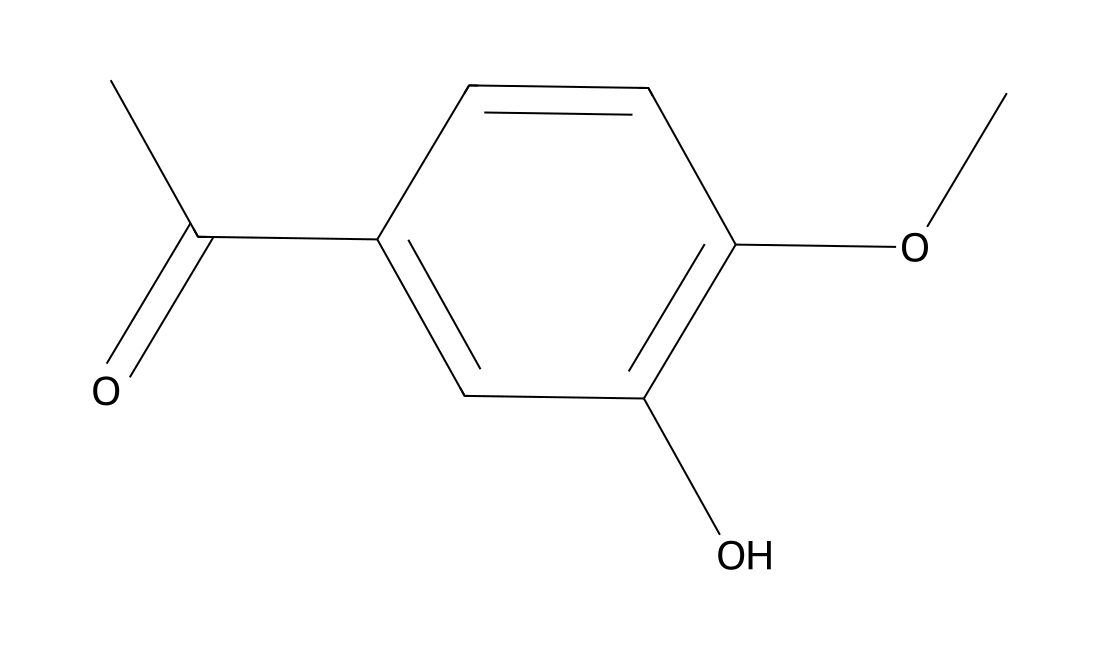
HPK1-IN-7Featured
HPK1-IN-7 is a potent, orally active HPK1 (hematopoietic progenitor kinase 1, MAP4K1) inhibitor (IC50=2.6 nM) with excellent family and kinome selectivity. HPK1-IN-7 shows selectivity against IRAK4 (59 nM) and GLK (140 nM). HPK1-IN-7 shows robust efficacy against MC38 syngeneic tumor model in combination with anti-PD1[1].
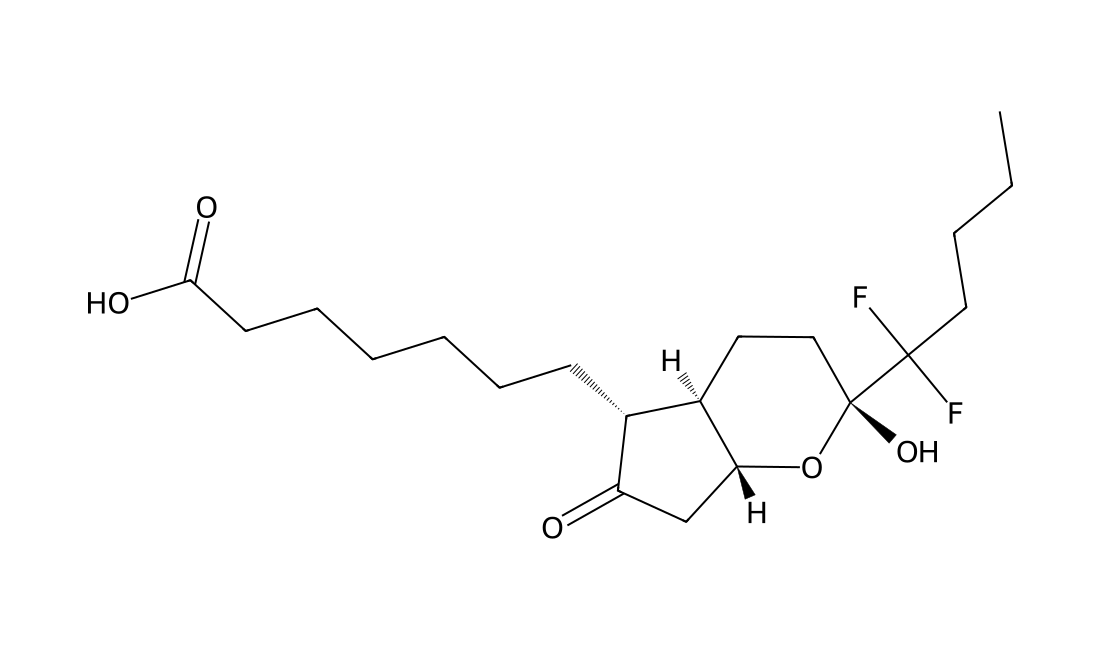
Lubiprostone (hemiketal)Featured
Lubiprostone, also known as RU-0211, is a medication used in the management of chronic idiopathic constipation, predominantly irritable bowel syndrome-associated constipation in women and opioid-induced constipation. It was initially approved by the U.S. Food and Drug Administration (FDA) in 2006. Lubiprostone is a bicyclic fatty acid derived from prostaglandin E1 that acts by specifically activating ClC-2 chloride channels on the apical aspect of gastrointestinal epithelial cells, producing a chloride-rich fluid secretion. These secretions soften the stool, increase motility, and promote spontaneous bowel movements (SBM).
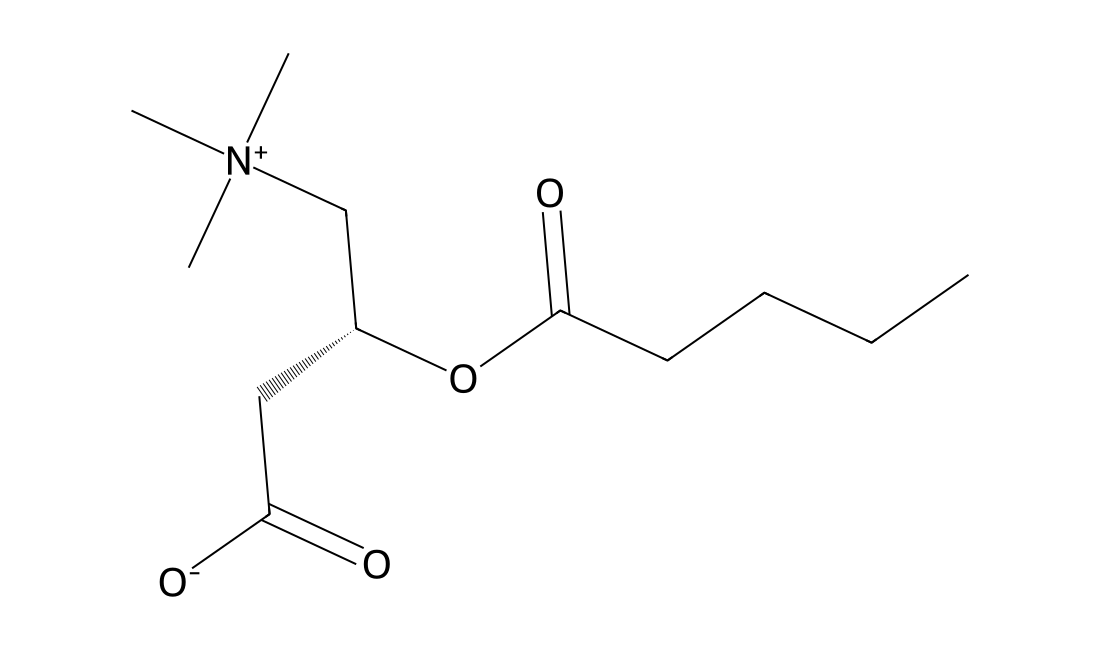
O-Valeroyl-L-carnitineFeatured
Valerylcarnitine is an endogenous metabolite, belonging to the short-chain acylcarnitines.
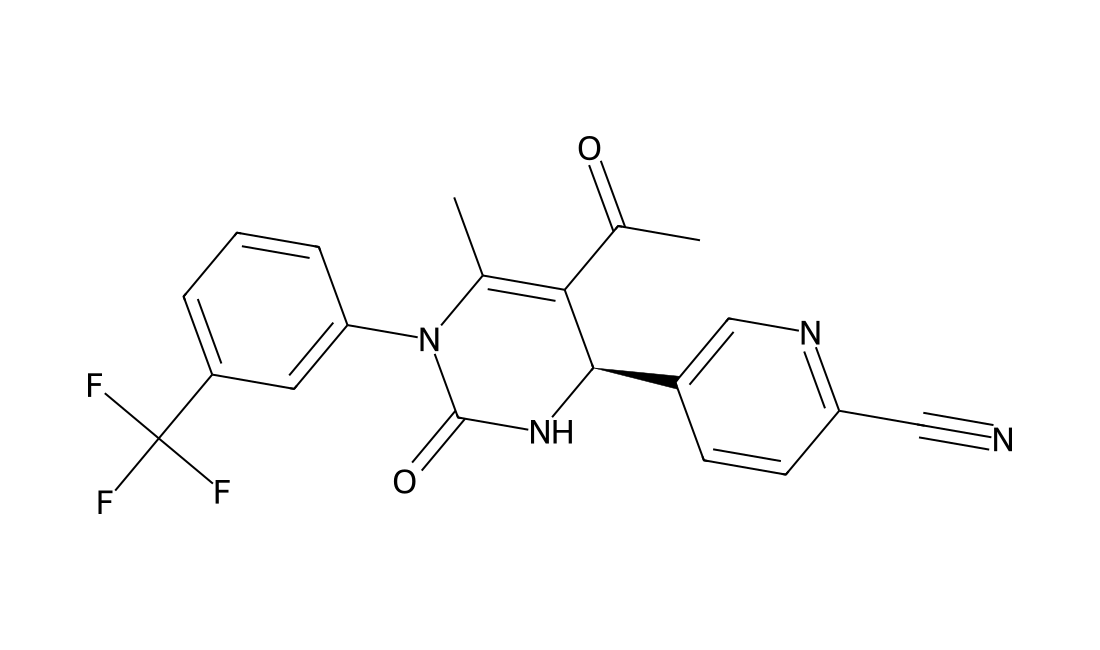
BAY-678Featured
BAY-678 is an orally bioavailable, highly potent, selective and cell-permeable inhibitor of human neutrophil elastase (HNE), with an IC50 of 20 nM. BAY-678 is also nominated as a chemical probe to the public via the Structural Genomics Consortium (SGC).
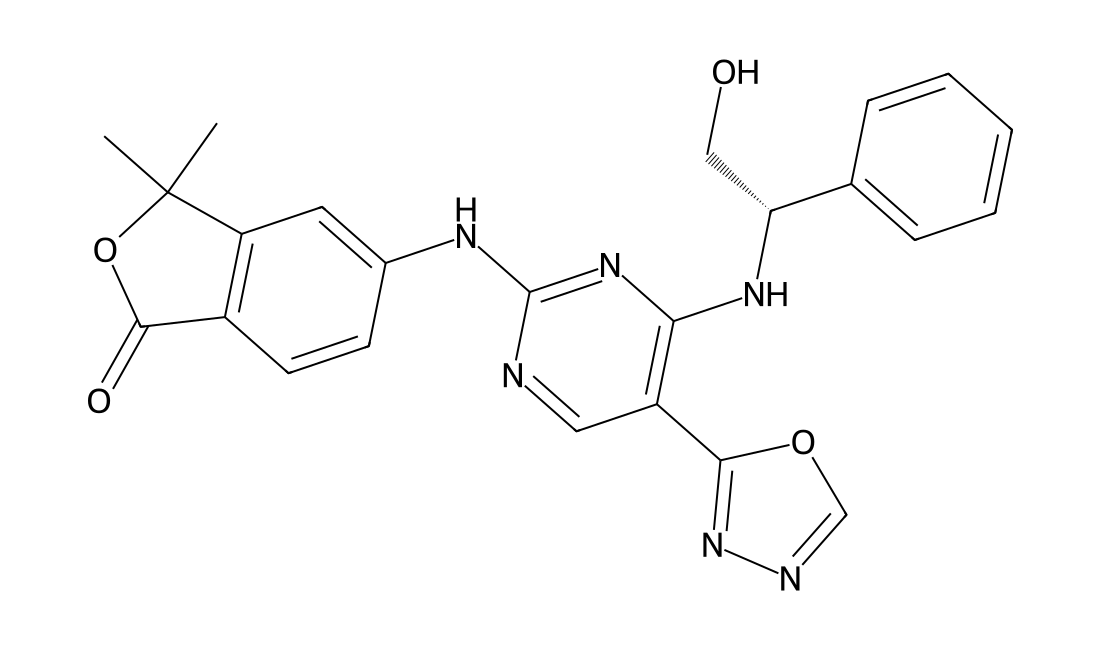
MK-8353(SCH900353)Featured
MK-8353 is a potent, selective and orally available ERK1/2 inhibitor, with IC50s of 23.0 nM and 8.8 nM, respectively; MK-8353 has antitumor activity.
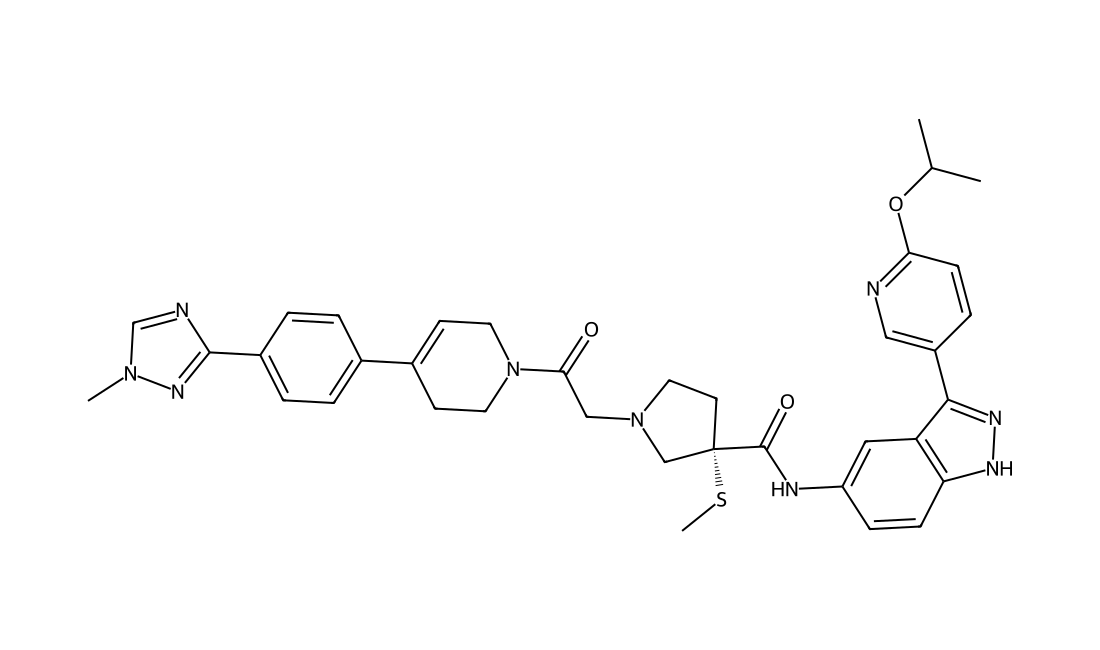
ECBN hydrochlorideFeatured
A-30912A nucleus hydrochloride is the product of the reaction catalyzed by Echinocandin B (ECB) deacylase[1].
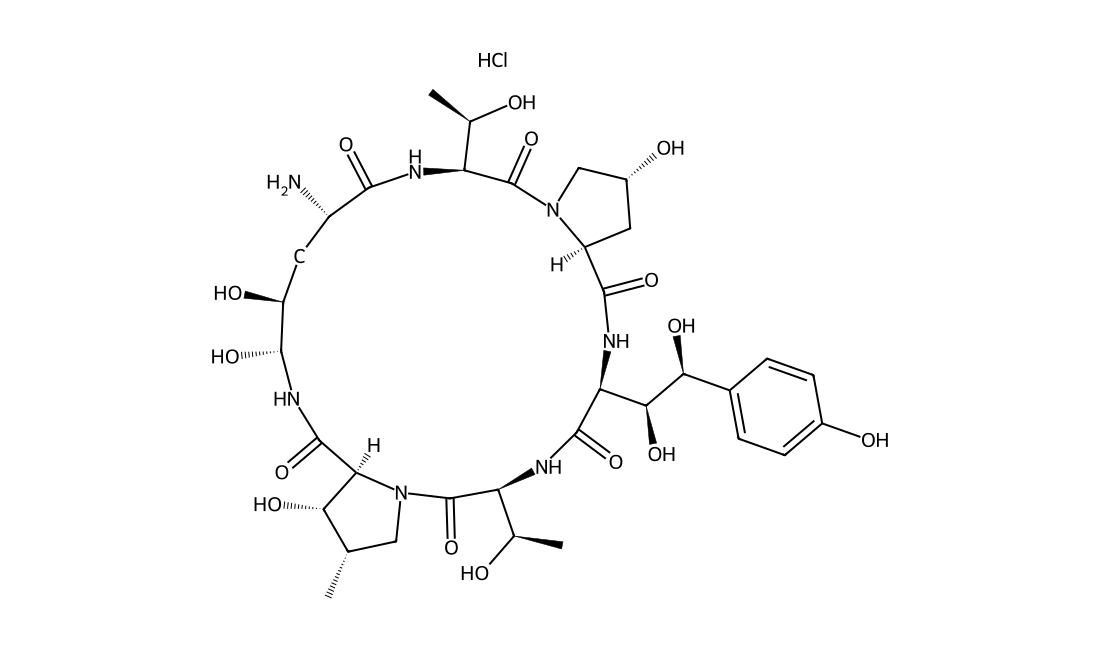
Mito-TEMPOFeatured
Mito-TEMPO is a mitochondria-targeted superoxide dismutase mimetic with superoxide and alkyl radical scavenging properties.
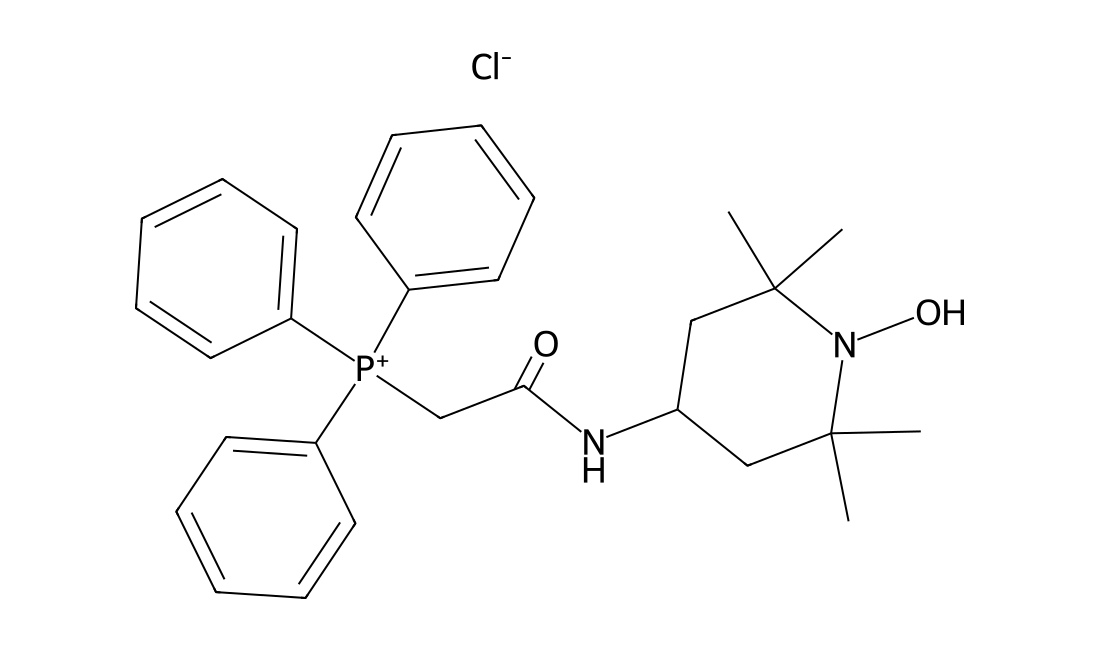
BCH001Featured
BCH001 is a specific PAPD5 inhibitor that restores telomerase activity and telomere length in dyskeratosis congenita (DC) patient induced pluripotent stem cells. PAPD5 is a noncanonical poly(A) polymerase with an unusual RNA-binding motif.
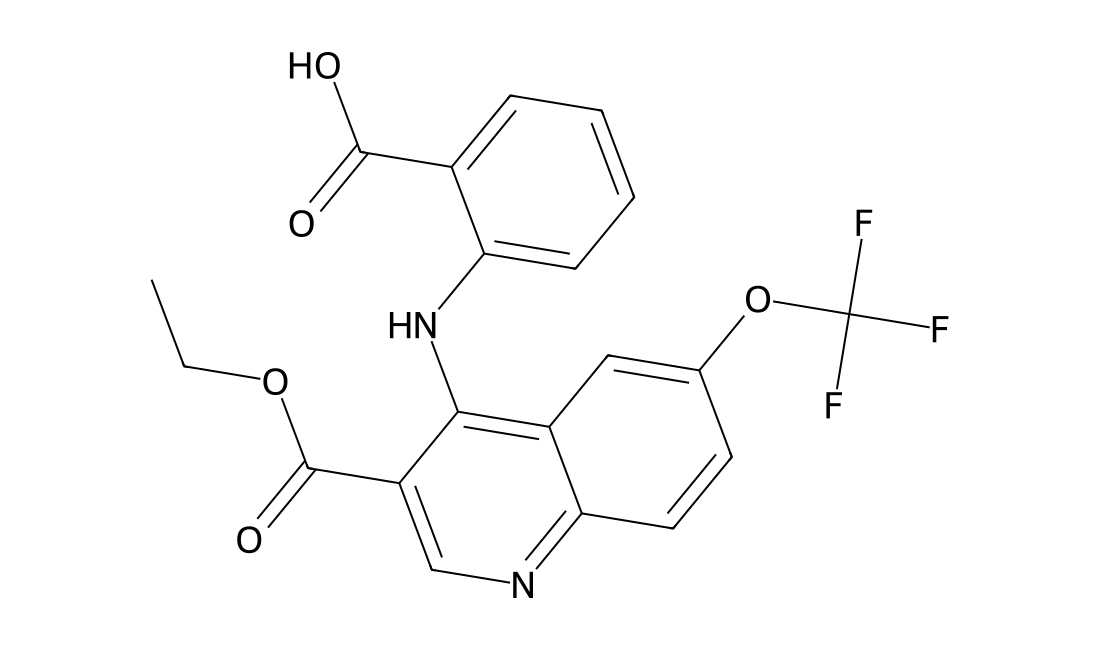
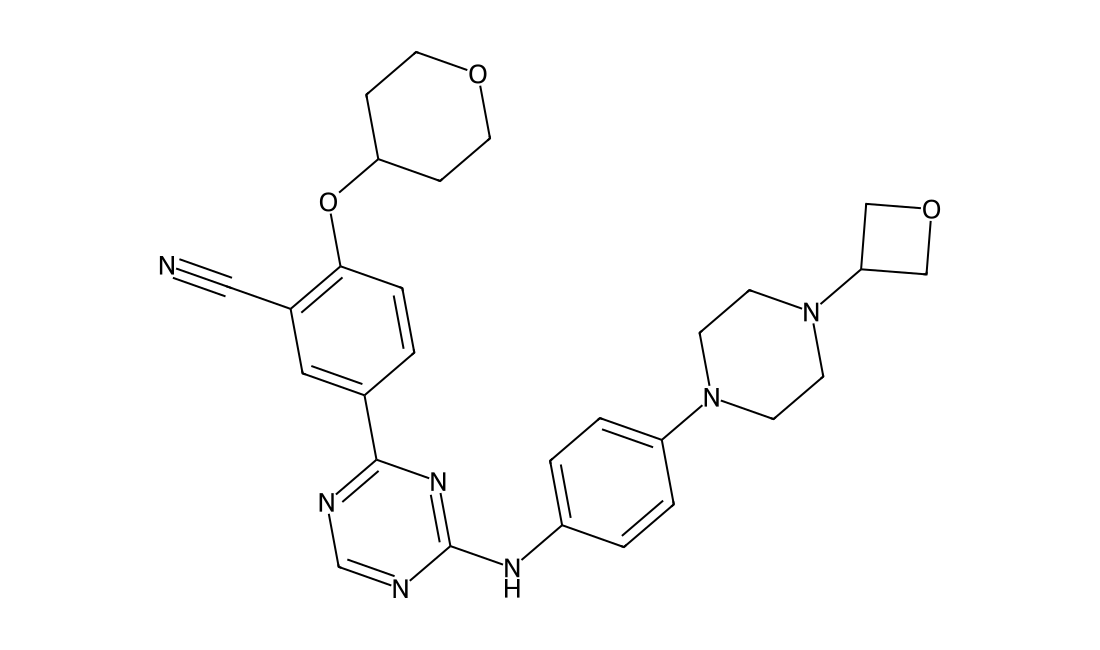
TBK1/IKKε-IN-5Featured
TBK1/IKKε-IN-5 (compound 1) is a dual TBK1 and IKKε inhibitor, with IC50 values of 1 nM and 5.6 nM for TBK1 and IKKε, respectively[1].
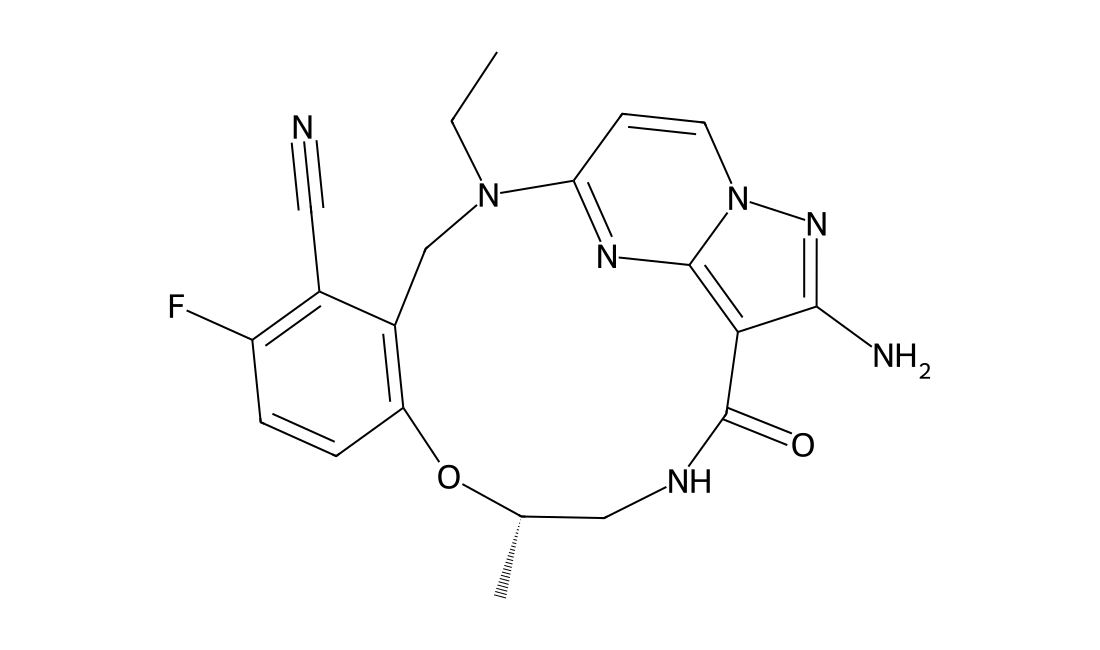
TPX-0022(CSF1R-IN-2)Featured
CSF1R-IN-2 (compound 5) is an oral-active inhibitor of SRC, MET and c-FMS, with IC50 values of 0.12 nM, 0.14 nM and 0.76 nM for SRC, MET and c-FMS respectively[1].
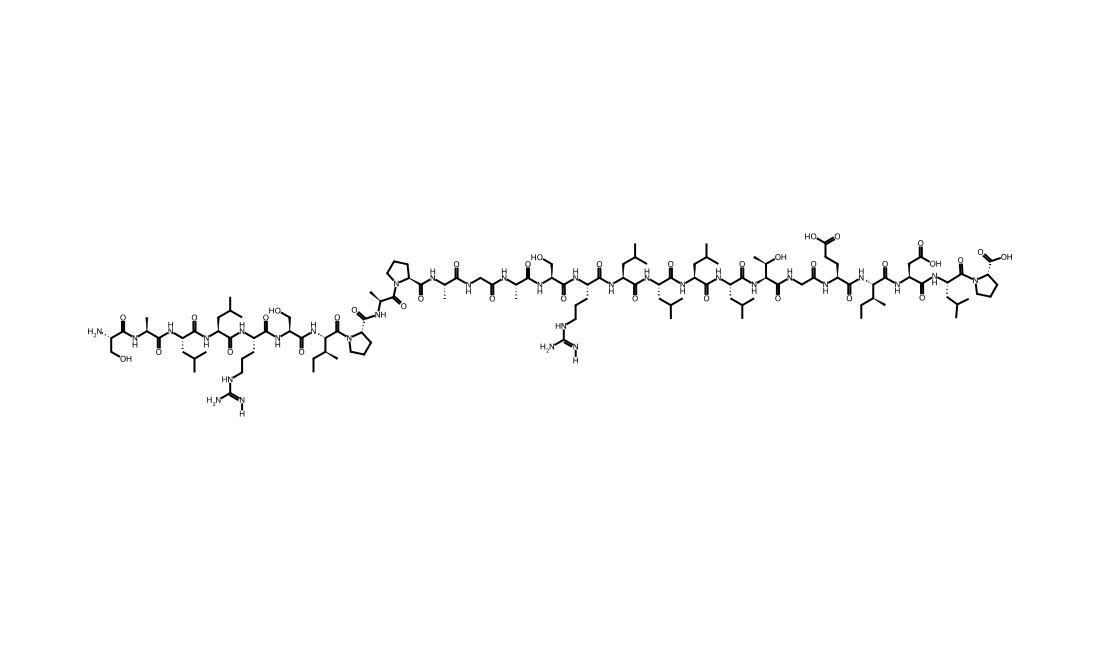
ColivelinFeatured
Colivelin is a neuroprotective peptide and activator of STAT3.
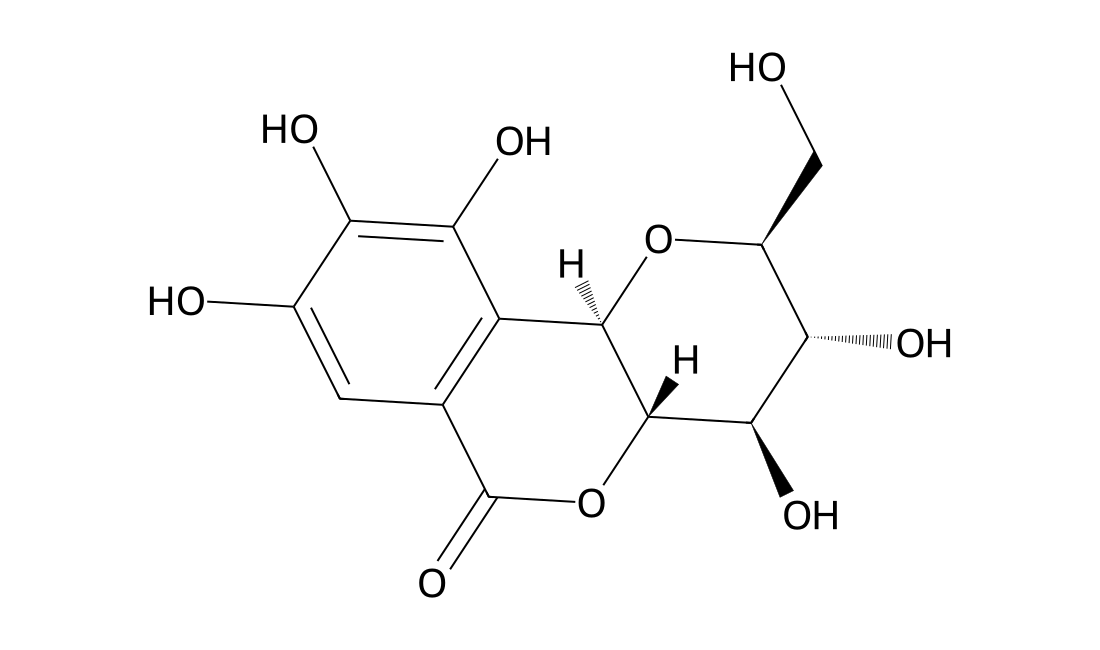
NorbergeninFeatured
Norbergenin, the O-demethyl derivative of bergenin, shows moderate antioxidant activity (IC50 13 μM in DPPH radical scavenging; 32 μM in superoxide anion scavenging)[1].
No products match this search.
Page 385 of 409 · Browse all 8177 products
Jump to a product page
Featured literature product: HX1 · DCL0028
HX1 is a hydroxyzine-derived ionizable lipid with acetal-containing tails, studied in lipid nanoparticles for brain mRNA delivery and CRISPR–Cas9 delivery. It was the lead in the reported in vivo brain-delivery screen; evidence is preclinical and formulation-dependent.
Read full formulation and performance →