
Research lipid catalog
Ionizable Lipid Products
Explore 848 lipid and RNA delivery products. Search the full catalog or browse by research category.
Search covers product name, catalog number, synonyms, available CAS numbers and categories. Spaces, hyphens and common punctuation are ignored. Duplicate legacy records are consolidated under one canonical product result.
8177 products · Showing 7701–7720 · 20 per page
DC Chemicals lipid expertise
Built for ionizable-lipid discovery and RNA delivery research
DC Chemicals supports formulation and delivery research with a broad, searchable portfolio of cationic and ionizable lipids. The current directory brings together 848 unique research-use products, with product specifications, pricing, chemical structures and literature-linked formulation data added as each record is verified.
Our experience spans complex lipid synthesis, purification, analytical release and process development. For custom molecules or larger-scale requirements, our team can discuss route development, technical specifications and scale-up options for the intended research workflow.
Learn about cationic and ionizable lipids →Proprietary innovation · Co-development · GMP
From proprietary lipid design to GMP-grade custom synthesis
DC Chemicals has independently developed ionizable-lipid structures supported by company-owned intellectual property, and selected proprietary lipid programs have advanced to GMP-stage development.
We welcome joint development with customers—from molecular design and lipid synthesis through route and process development. We can also support custom synthesis of GMP-grade ionizable lipids to agreed technical specifications and quality requirements.
Discuss a co-development project →Proprietary ionizable-lipid structuresCollaborative molecular designCustom lipid synthesisProcess development and scale-upGMP-grade project support
Product quick links
Explore New ionizable lipids
Explore our five most recently added ionizable lipids, with specifications, pricing and literature-linked product information.
DCL0028HX1Brain RNA delivery researchView product →DCL0024A1I4R13C18-2Spleen-targeted RNA delivery researchView product →DCL0023A1I4R2C18-2Spleen-targeted RNA delivery researchView product →DCL0022FS01Local joint RNA delivery researchView product →DCL0020Lipid-392Lung RNA delivery and gene editing researchView product →
Cat. No.Product NameField of ApplicationChemical Structure
LVN84663Featured
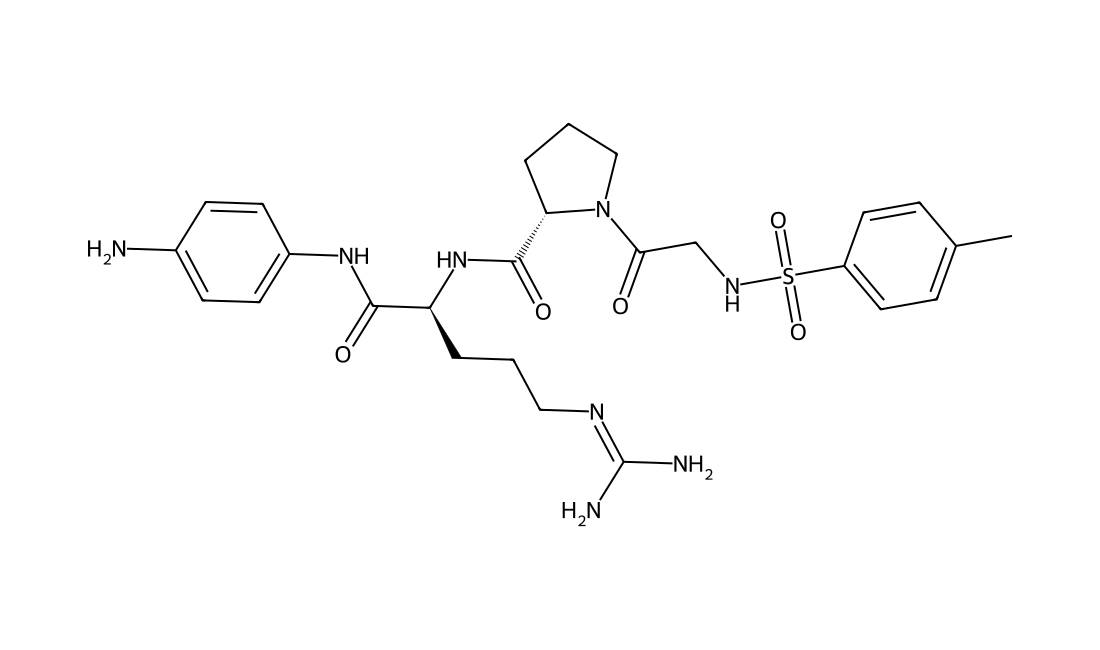
LVN84663 is a useful reagent for determination of blood coagulating protease. It was first described in patent DE 3516579.
MM-102 TFAFeatured
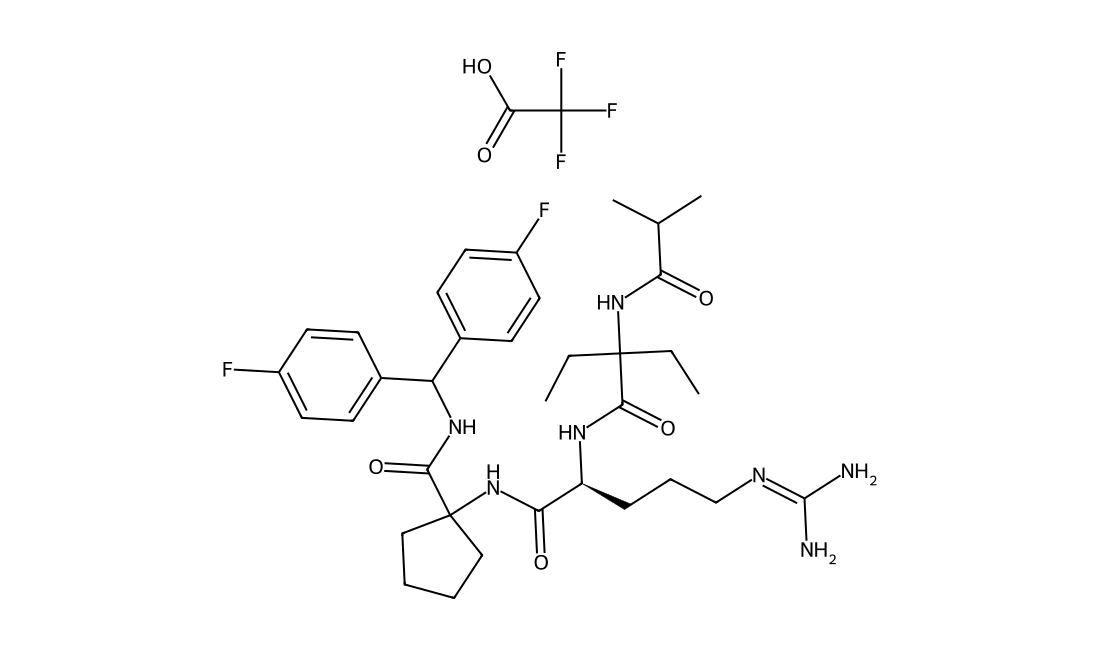
MM-102 (HMTase Inhibitor IX) TFA is a potent WDR5/MLL interaction inhibitor, achieves IC50 = 2.4 nM with an estimated Ki < 1 nM in WDR5 binding assay, which is >200 times more potent than the ARA peptide.
GW280264XFeatured
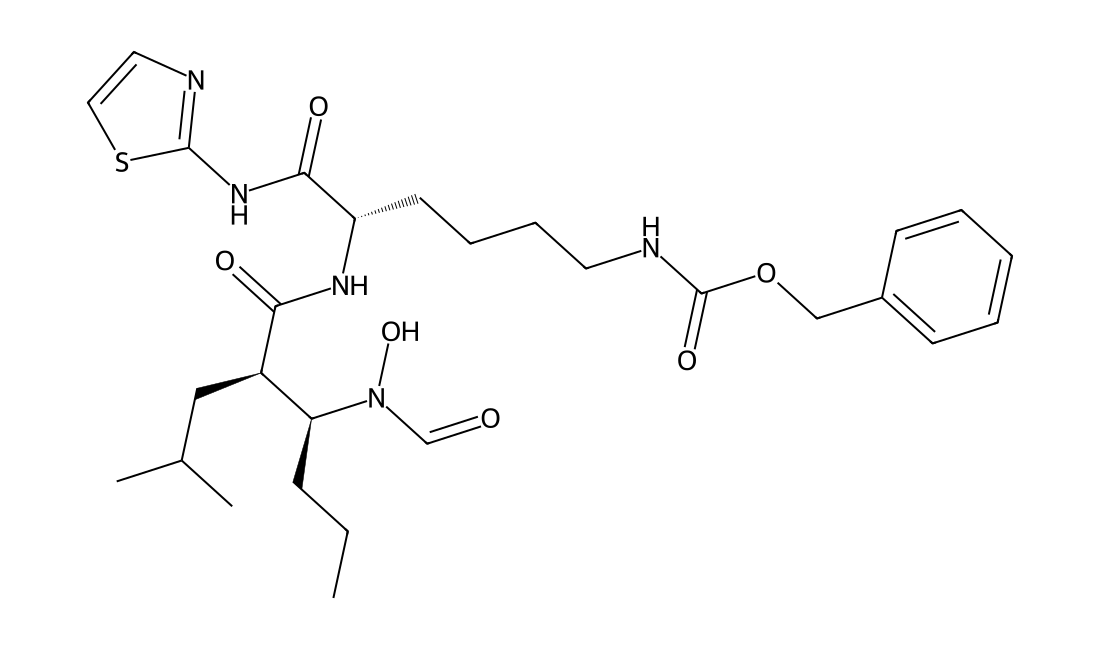
GW280264X is the mixed ADAM10/TACE (ADAM17) metalloproteinases inhibitor. GW280264X potently blocks TACE (ADAM17) and ADAM10 with IC50s of 8.0 nM and 11.5 nM, respectively[1]. ADAM10 and 17 modulate the immunogenicity of glioblastoma-initiating cells[2].
Gea3162Featured
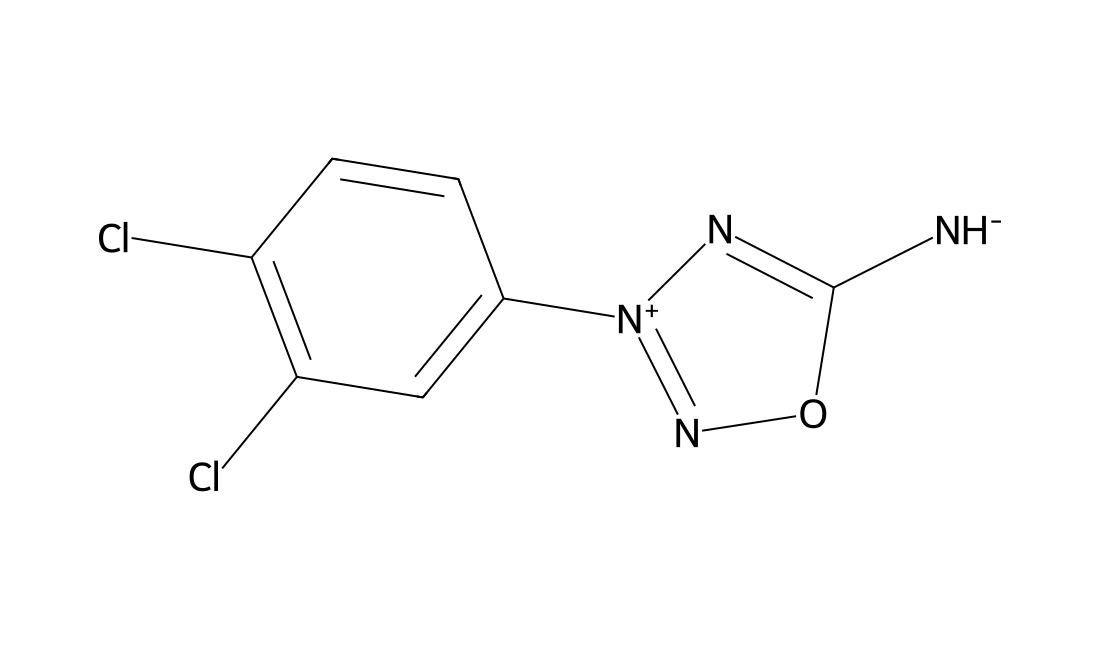
Gea 3162 is a potent inhibitor of ADP-induced platelet aggregation in platelet rich plasma (PRP). GEA 3162 stimulates cGMP production in platelets, granulocytes, and polymorphonuclear leukocytes.
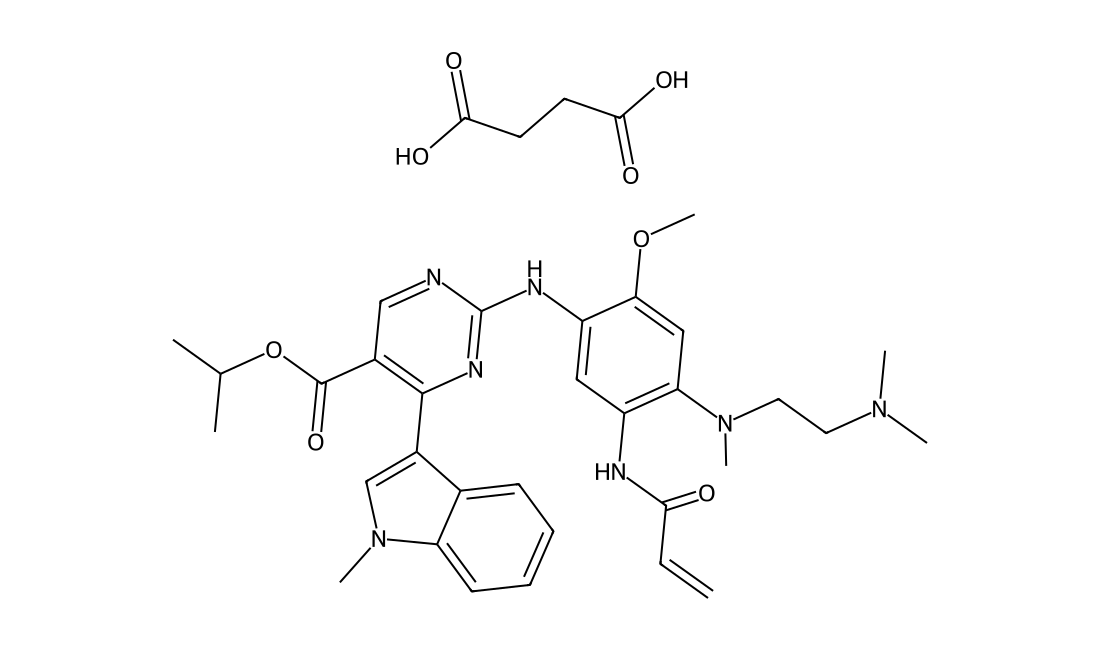
Mobocertinib (succinate)Featured
Mobocertinib succinate (compound A) is a potent epidermal growth factor receptor (EGFR) inhibitor and an antineoplastic agent, extracted from patent WO2019222093A1, compound A[1][2].
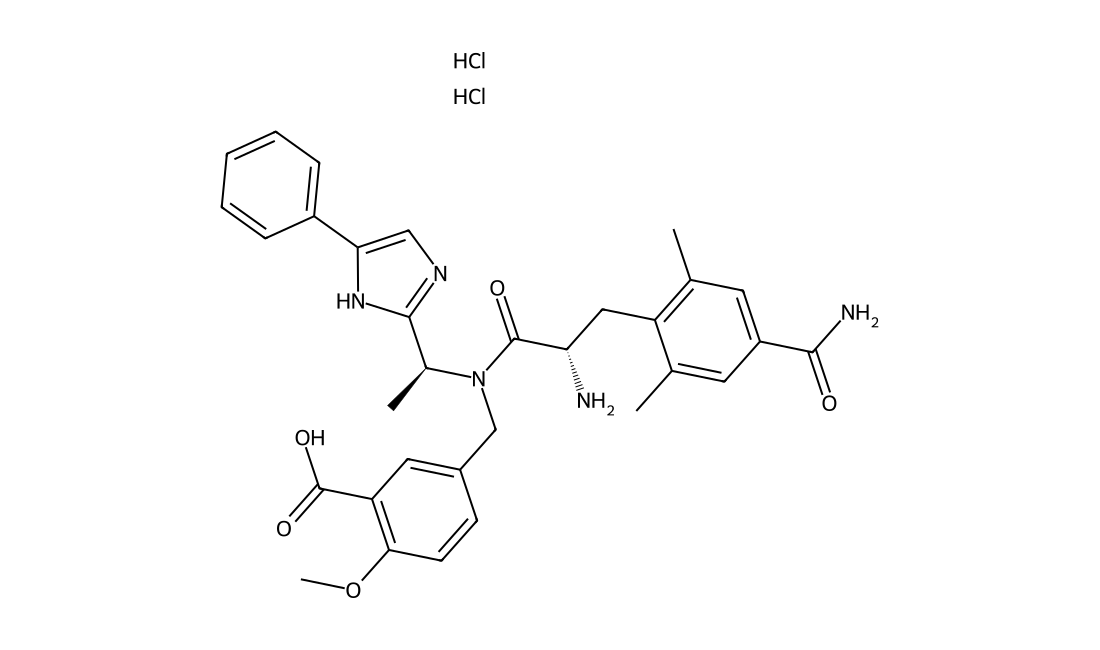
Eluxadoline DihydrochlorideFeatured
Eluxadoline Dihydrochloride is an orally active mixed μ opioid receptor (μOR) agonist δ opioid receptor (δOR) antagonist. in vitro: Eluxadoline is a locally active, mixed ?-opioid receptor (?OR) agonist and δ-opioid receptor (δOR) antagonist being developed for the treatment of IBS-d (diarrhea-predominant irritable bowel syndrome).Eluxadoline, an orally active mixed μ opioid receptor (μOR) agonist δ opioid receptor (δOR) antagonist developed for the treatment of diarrhea-predominant irritable bowel syndrome, normalizes gastrointestinal (GI) transit and defecation under conditions of novel environment stress or post-inflammatory altered GI function. in vivo: Coadministration of a single 200 mg dose of eluxadoline with cyclosporine, and probenecid increased eluxadoline systemic exposure [AUC(0-inf) ] by 4.4- and 1.4-fold, respectively, whereas peak exposure (Cmax) increased 6.2-fold and 1.3-fold, respectively. Cyclosporine had little effect on renal clearance (CLren) of eluxadoline whereas probenecid reduced CLren by nearly 50%.
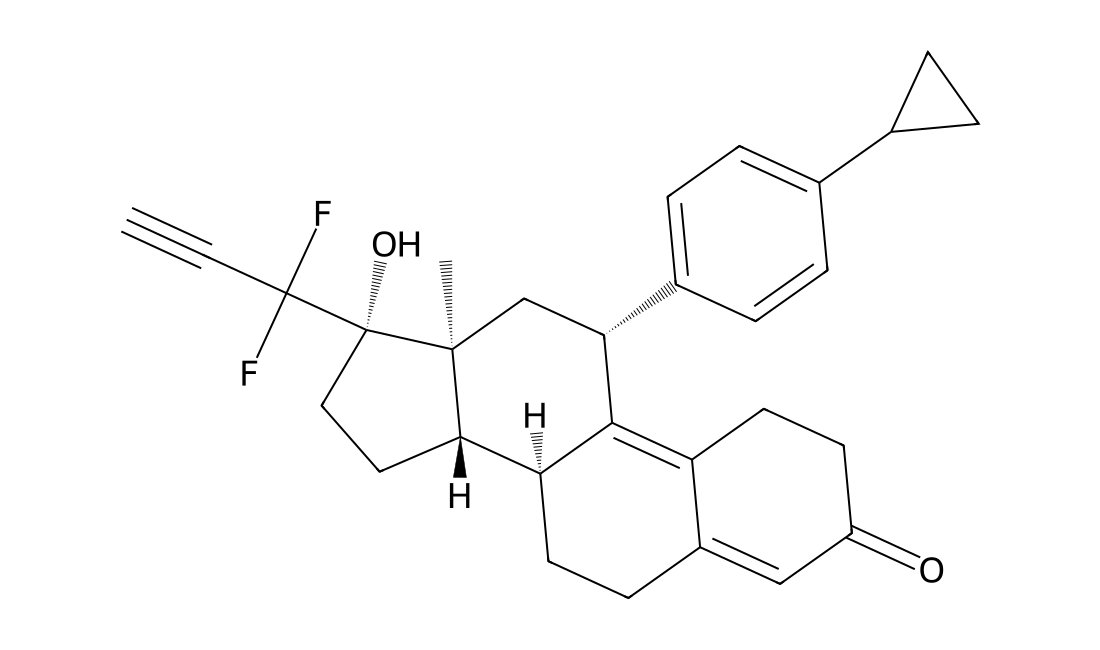
EC330Featured
EC330 is a leukemia inhibitory factor (LIF) inhibitor.
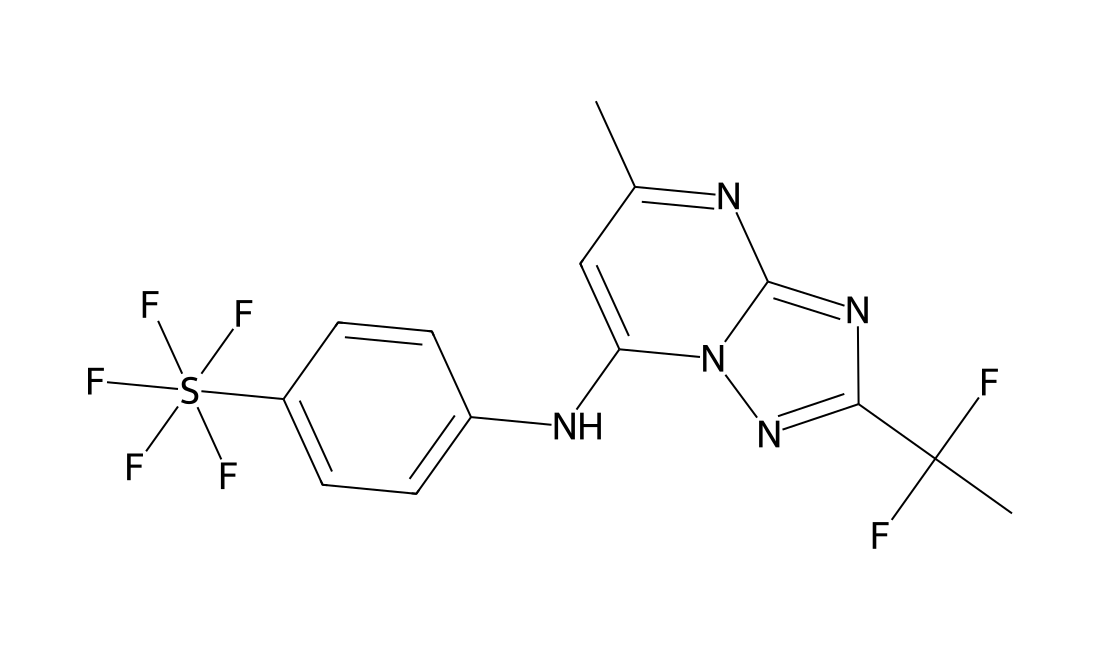
DSM265Featured
DSM265 is a PfDHODH inhibitor with an IC50 of 8.9 nM. DSM265 can also inhibit the growth of P. falciparum 3D7 parasites with an EC50 of 4.3 nM.
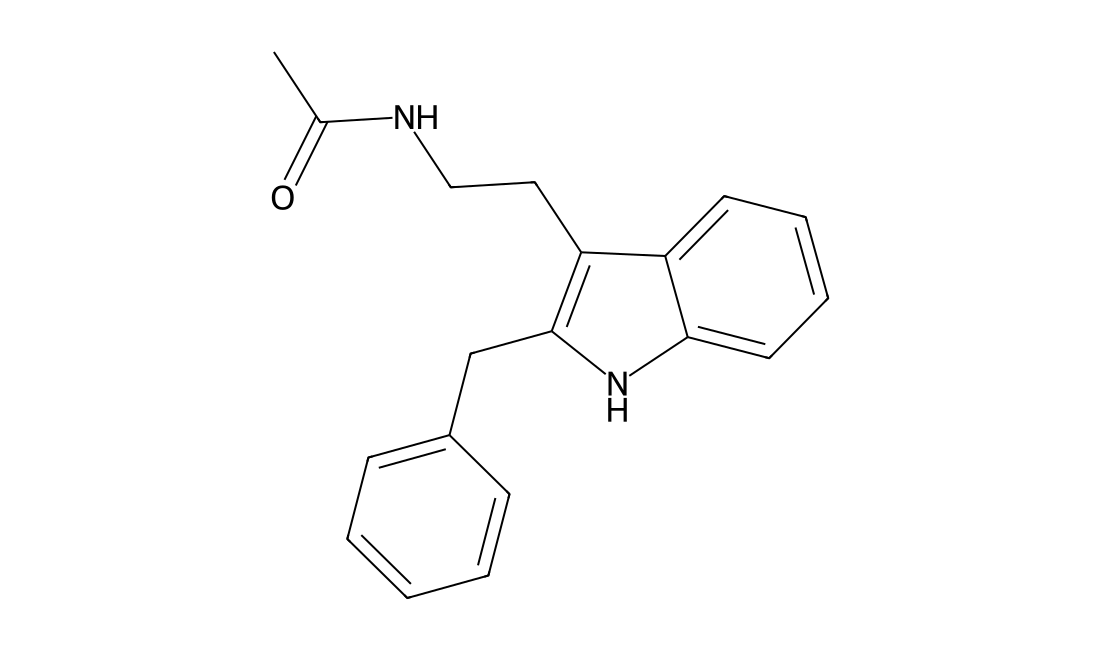
LuzindoleFeatured
Luzindole (N-0774) is a selective melatonin receptor antagonist. Luzindole preferentially targets MT2 (Mel1b) over MT1 (Mel1a) with Ki values of 10.2 and 158 nM for human MT2 and MT1, respectively. Luzindole suppresses experimental autoimmune encephalomyelitis (EAE), and exerts antidepressant-like activity[1][2][3].
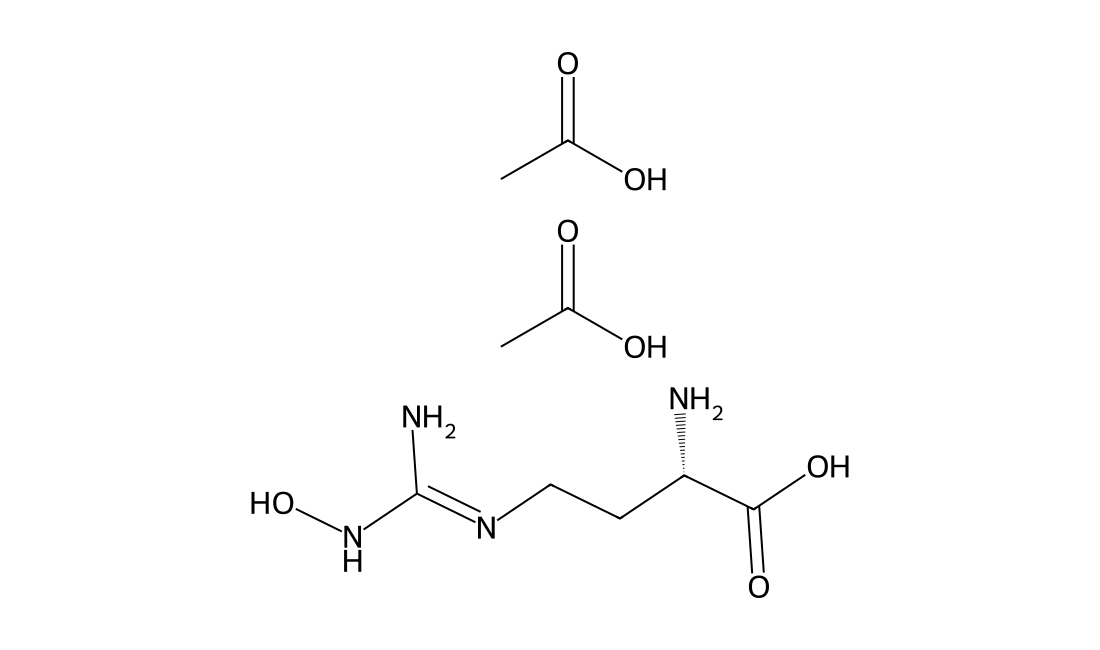
nor-NOHA acetateFeatured
nor-NOHA acetate is a specific and reversible arginase inhibitor, induces apoptosis in ARG2-expressing cells under hypoxia but not normoxia. Anti-leukemic activity, effective in endothelial dysfunction, immunosuppression and metabolism[1].
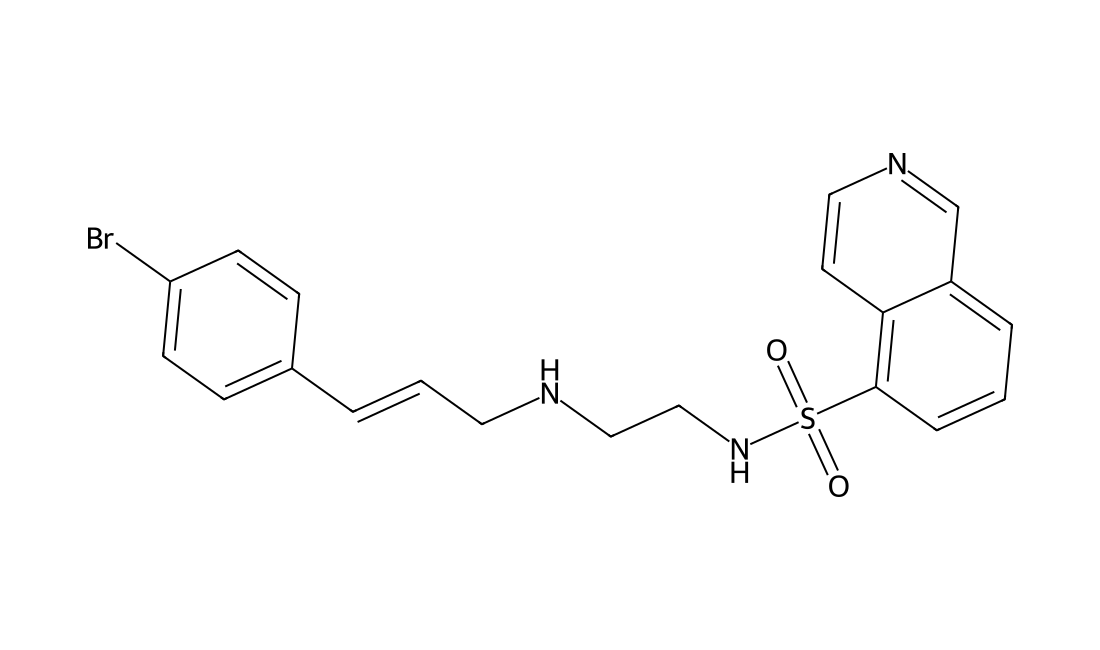
H-89 free baseFeatured
H-89 is a potent inhibitor of cyclic AMP-dependent protein kinase (protein kinase A) with IC50 of 48 nM and has weak inhibition on PKG, PKC, Casein Kinase, and others kinases.
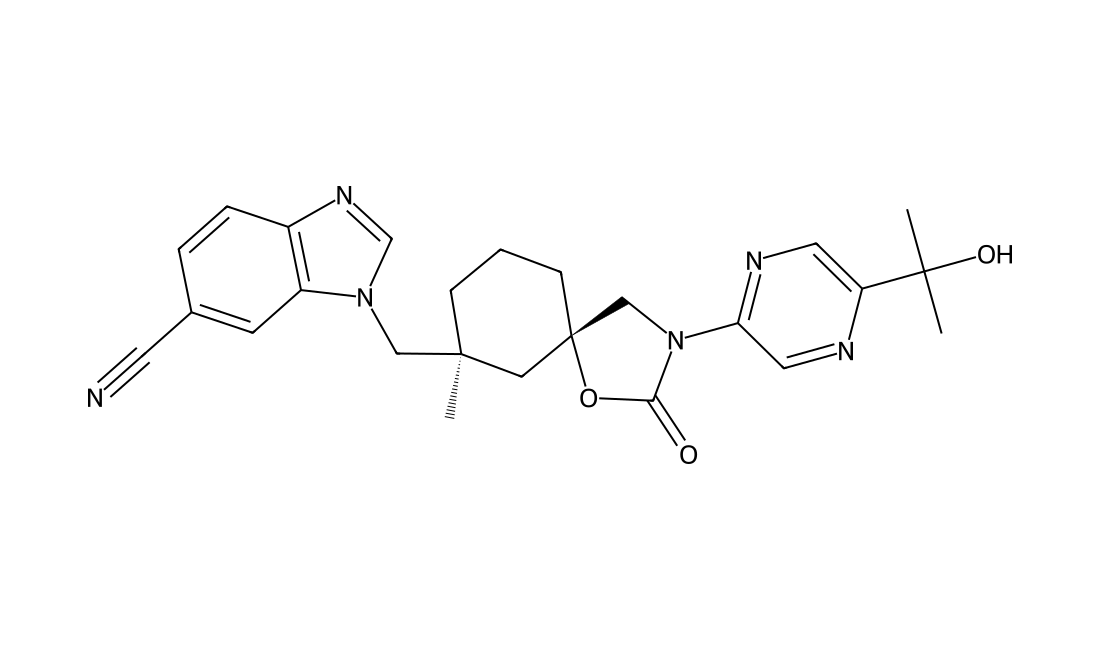
GSK2798745Featured
GSK2798745 is a first-in-class, highly potent, selective, orally active transient receptor potential vanilloid 4 (TRPV4) ion channel blocker with IC50s of 1.8 and 1.6 nM for hTRPV4 and rTRPV4, respectively. GSK2798745 is used in research for the treatment of pulmonary edema associated with congestive heart failure[1][2].
AZD5718Featured
AZD5718 (AZD-5718, AZD 5718) is a novel potent 5-lipoxygenase activating protein (FLAP) inhibitor with binding IC50 of 6.3 nM; exhibits LTB4 inhibition in human whole blood assays with IC50 of 39 nM; reduce the production of pro-inflammatory and vasoactive leukotrienes both in vitro and in vivo.
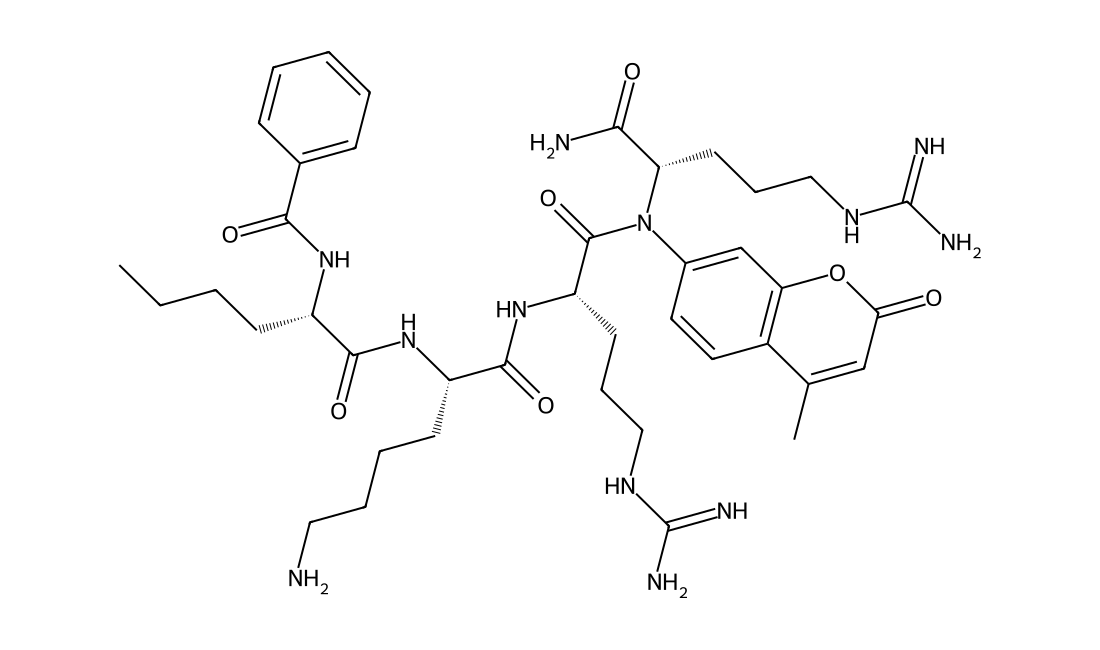
Bz-Nle-Lys-Arg-Arg-AMCFeatured
Substrate for dengue virus NS2B-NS3 and yellow fever virus NS3 protease. The kcat/Km value of Bz-NleKRR-AMC for the dengue virus type 4 (DEN4) enzyme is > 800 fold higher than that of Boc-Gly-Arg-Arg-AMC (I-1565), a widely used NS3 substrate (kcat = 2.9 s⁻¹, Km = 8.6 μM for DEN4). For yellow fever virus NS3 protease the kcat value was 0.111 s⁻¹, the Km value 14.6 μM.
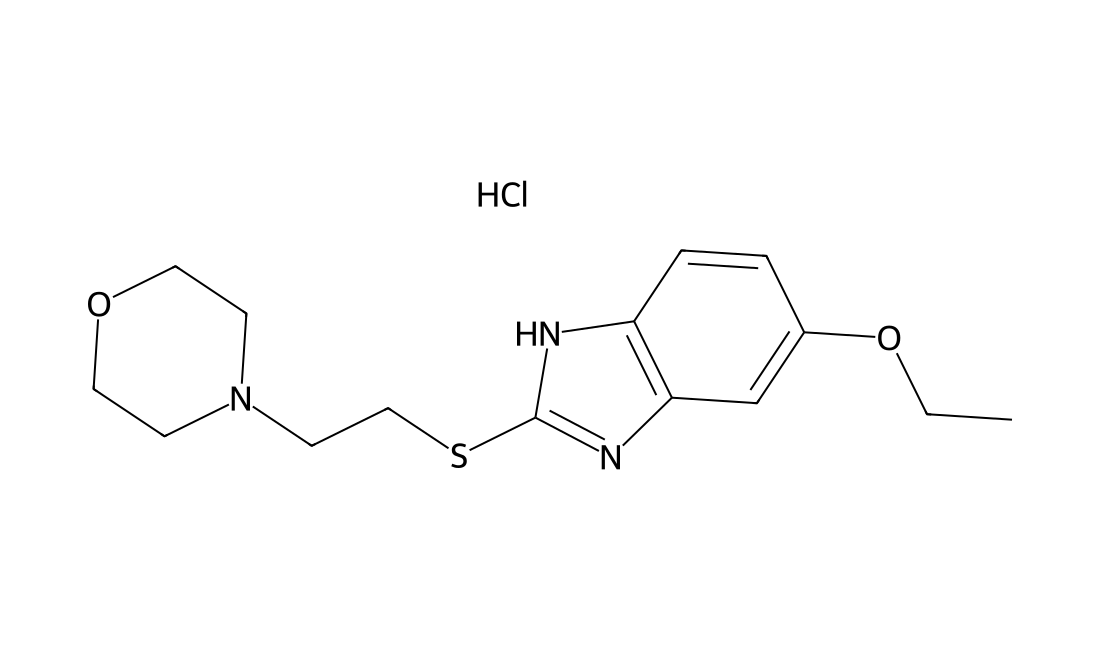
Afobazol HClFeatured
Afobazol HCl(CM346 HCl) is an anxiolytic drug; produces anxiolytic and neuroprotective effects without any sedative or muscle relaxant actions.anxiolytic agent Afobazole's mechanism of action remains poorly defined however, with GABAergic, NGF and BDNF release promoting, MT1 receptor antagonism, MT3 receptor antagonism, and sigma agonism suggested as potential mechanisms. Afobazole was shown to inhibit MAO-A reversibly and there might be also some involvement with serotonin receptors. Afobazole has found little clinical use outside of Russia and has not been evaluated by the FDA.
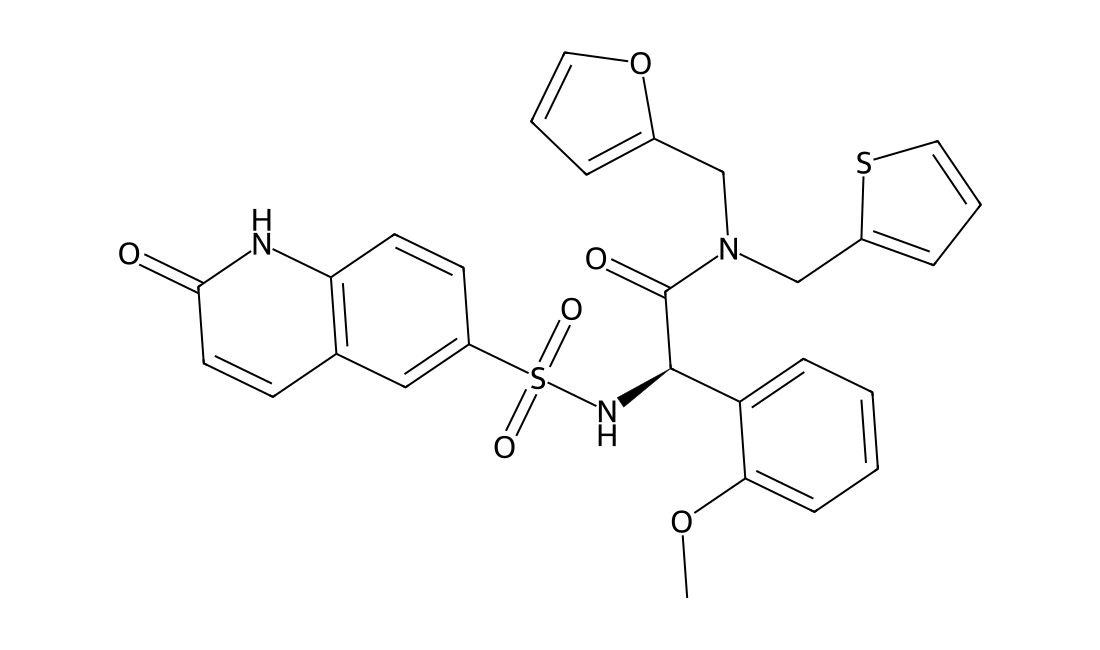
OSMI-1Featured
OSMI-1 is a cell-permeable, small molecule O-GlcNAc transferase (OGT) inhibitor with IC50 of 2.7 uM; inhibits protein O-GlcNAcylation in several mammalian cell lines without qualitatively altering cell surface N- or O-linked glycans; also significantly decreases HSV replication.
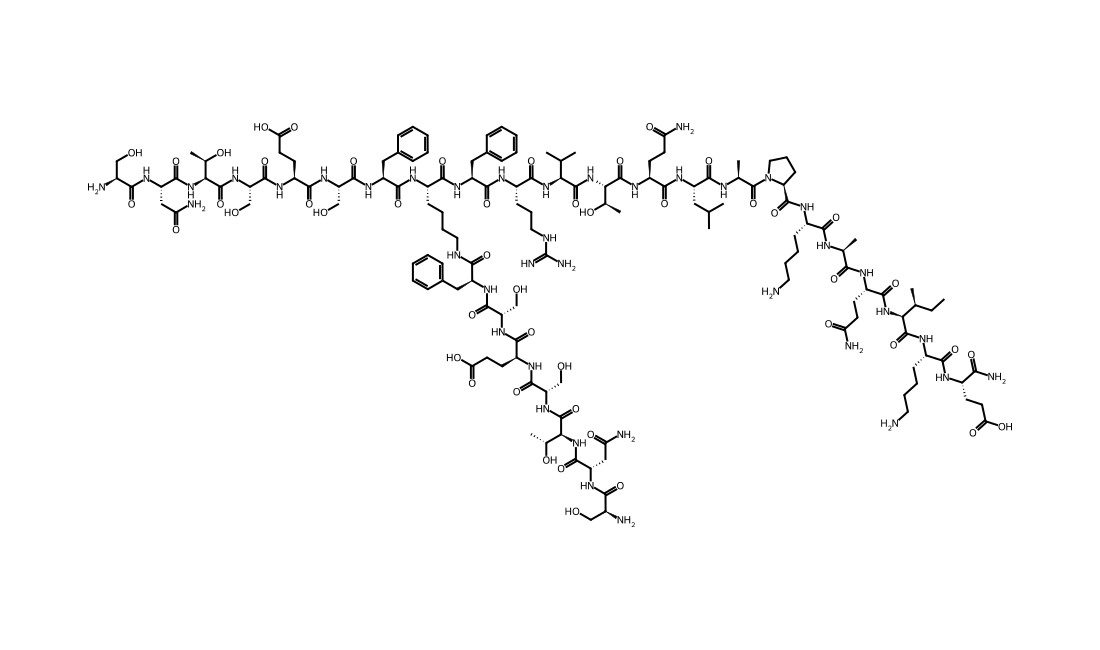
AUNP-12Featured
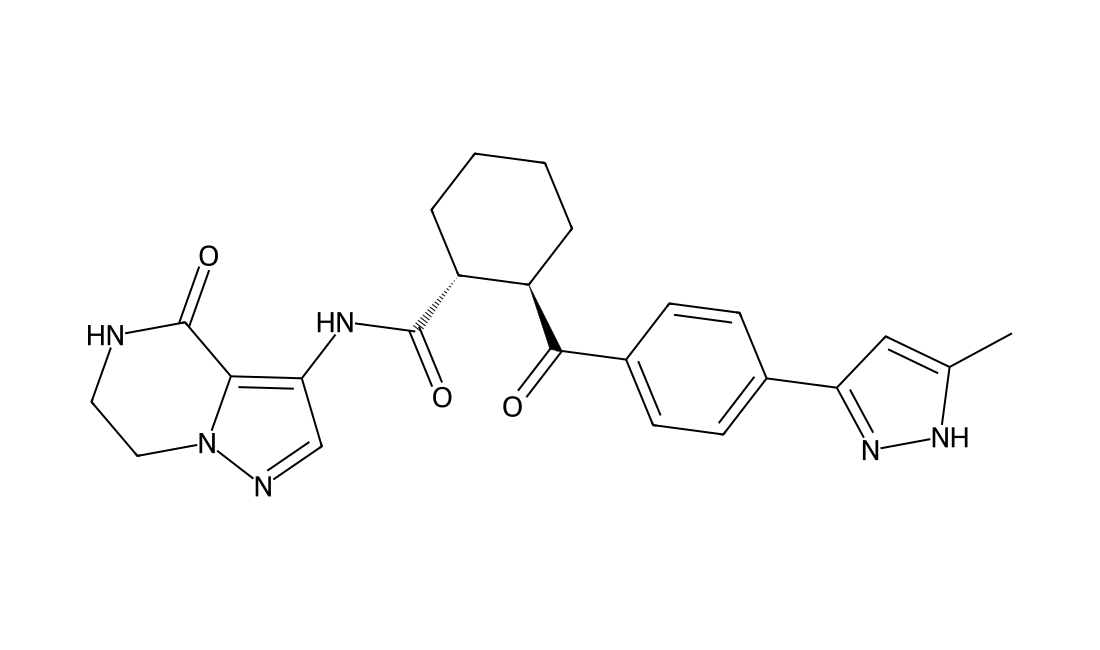
AUNP-12 (Aurigene-012) is a PD-1 inhibitor peptide, blocks the PD-1/PD-L1, PD-1/PD-L2 and PD-L1/CD80 pathways; AUNP-12 is highly effective in antagonizing PD-1 signaling, with desirable in vivo exposure upon subcutaneous dosing. It inhibits tumor growth and metastasis in preclinical models of cancer and is well tolerated with no overt toxicity at any of the tested doses.
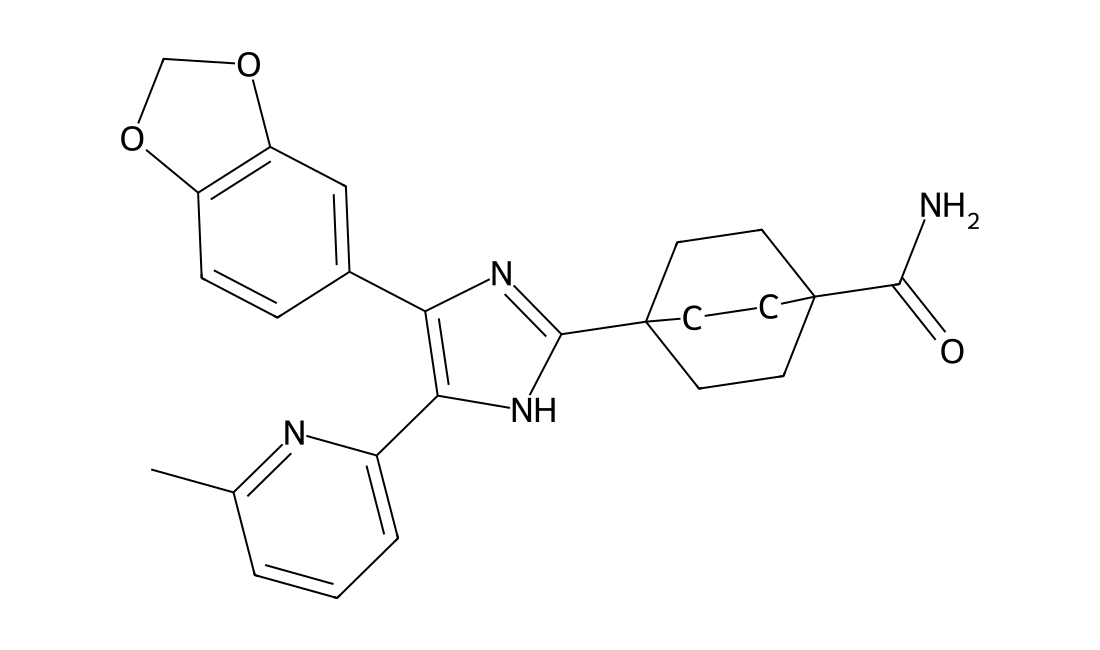
SM16Featured
SM 16 is a ALK5/ALK4 kinase inhibitor with Kis of 10 and 1.5 nM, respectively.
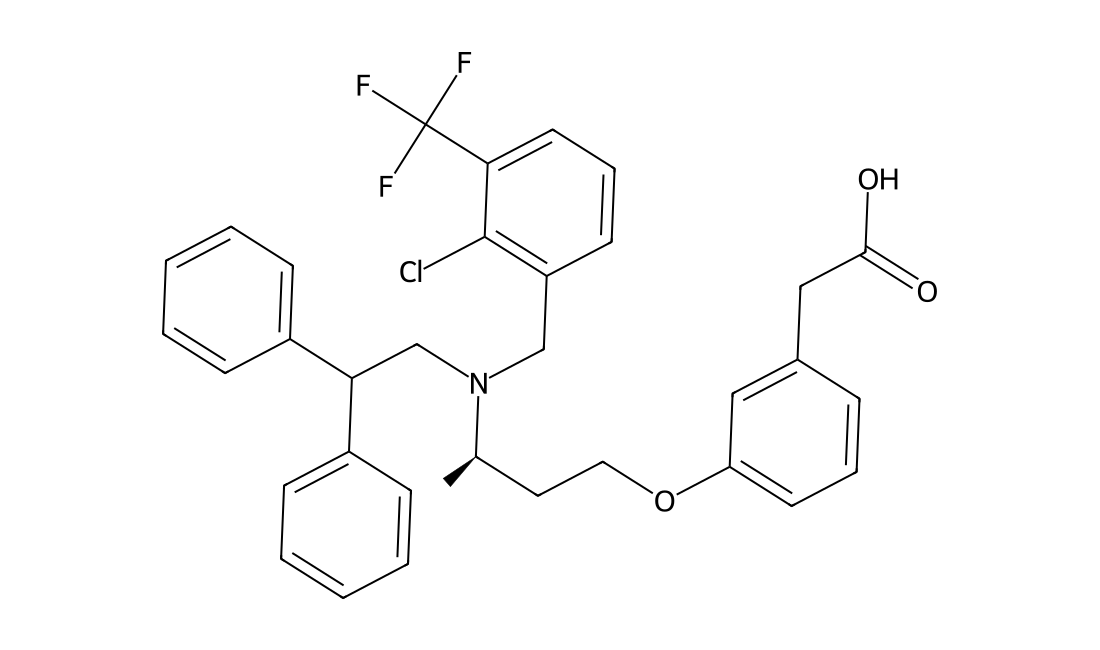
RGX-104 free formFeatured
RGX-104 (free base) is an orally bioavailable and potent liver-X nuclear hormone receptor (LXR) agonist that modulates innate immunity via transcriptional activation of the ApoE gene.
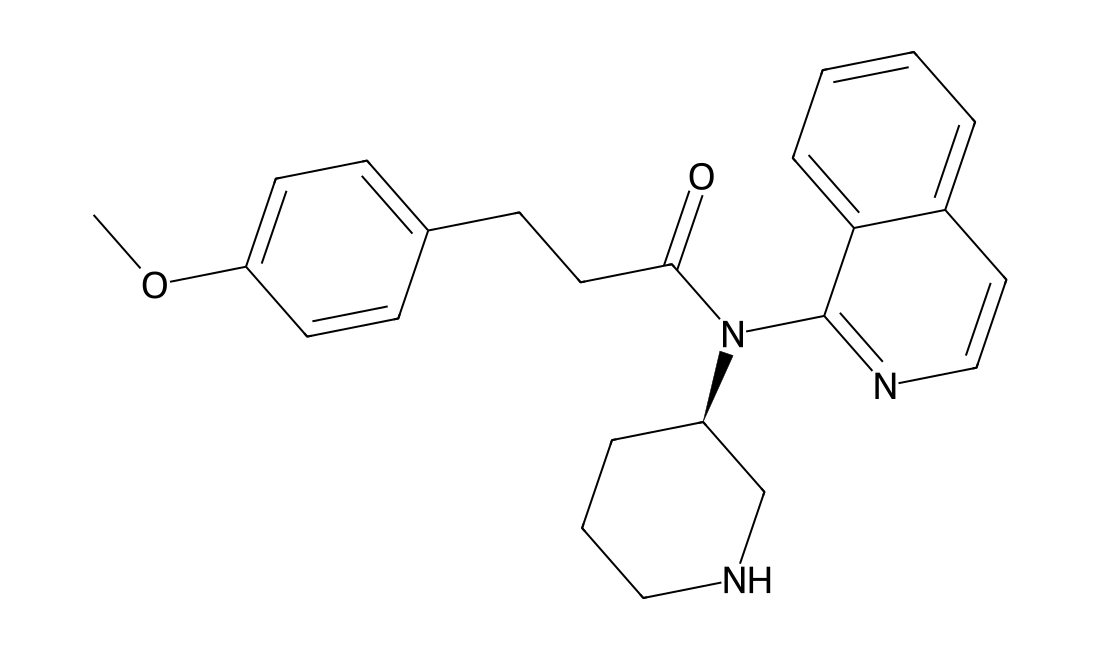
(R)-IMPPFeatured
R-IMPP is an inhibitor of PCSK9 secretion.
No products match this search.
Page 386 of 409 · Browse all 8177 products
Jump to a product page
Featured literature product: HX1 · DCL0028
HX1 is a hydroxyzine-derived ionizable lipid with acetal-containing tails, studied in lipid nanoparticles for brain mRNA delivery and CRISPR–Cas9 delivery. It was the lead in the reported in vivo brain-delivery screen; evidence is preclinical and formulation-dependent.
Read full formulation and performance →