
Research lipid catalog
Ionizable Lipid Products
Explore 848 lipid and RNA delivery products. Search the full catalog or browse by research category.
Search covers product name, catalog number, synonyms, available CAS numbers and categories. Spaces, hyphens and common punctuation are ignored. Duplicate legacy records are consolidated under one canonical product result.
8177 products · Showing 8081–8100 · 20 per page
DC Chemicals lipid expertise
Built for ionizable-lipid discovery and RNA delivery research
DC Chemicals supports formulation and delivery research with a broad, searchable portfolio of cationic and ionizable lipids. The current directory brings together 848 unique research-use products, with product specifications, pricing, chemical structures and literature-linked formulation data added as each record is verified.
Our experience spans complex lipid synthesis, purification, analytical release and process development. For custom molecules or larger-scale requirements, our team can discuss route development, technical specifications and scale-up options for the intended research workflow.
Learn about cationic and ionizable lipids →Proprietary innovation · Co-development · GMP
From proprietary lipid design to GMP-grade custom synthesis
DC Chemicals has independently developed ionizable-lipid structures supported by company-owned intellectual property, and selected proprietary lipid programs have advanced to GMP-stage development.
We welcome joint development with customers—from molecular design and lipid synthesis through route and process development. We can also support custom synthesis of GMP-grade ionizable lipids to agreed technical specifications and quality requirements.
Discuss a co-development project →Proprietary ionizable-lipid structuresCollaborative molecular designCustom lipid synthesisProcess development and scale-upGMP-grade project support
Product quick links
Explore New ionizable lipids
Explore our five most recently added ionizable lipids, with specifications, pricing and literature-linked product information.
DCL0028HX1Brain RNA delivery researchView product →DCL0024A1I4R13C18-2Spleen-targeted RNA delivery researchView product →DCL0023A1I4R2C18-2Spleen-targeted RNA delivery researchView product →DCL0022FS01Local joint RNA delivery researchView product →DCL0020Lipid-392Lung RNA delivery and gene editing researchView product →
Cat. No.Product NameField of ApplicationChemical Structure
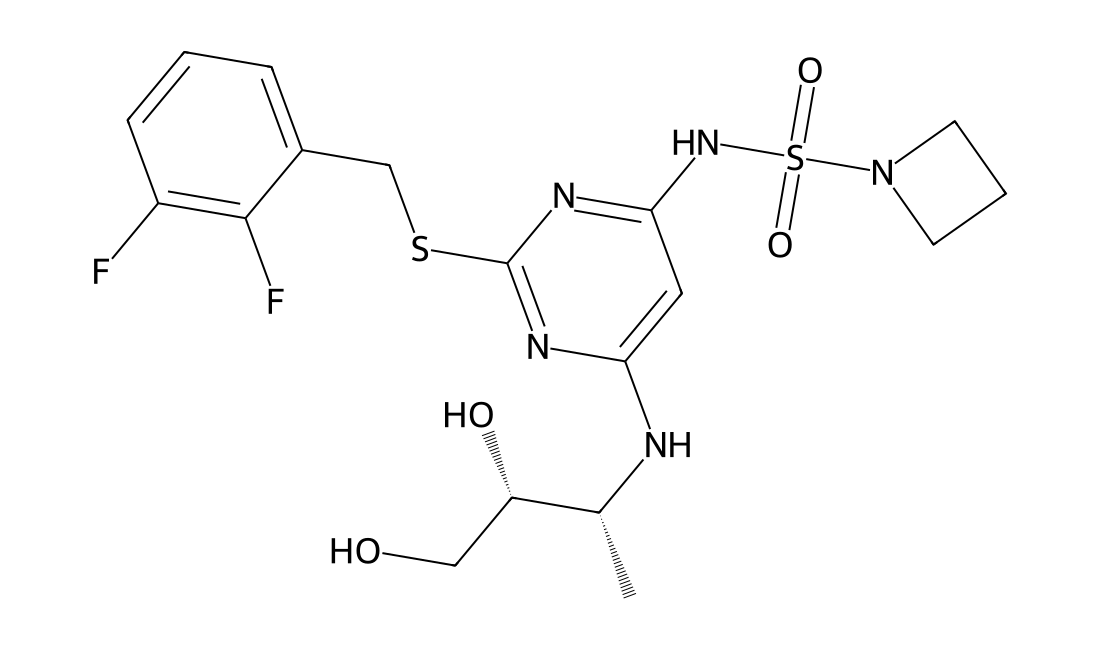
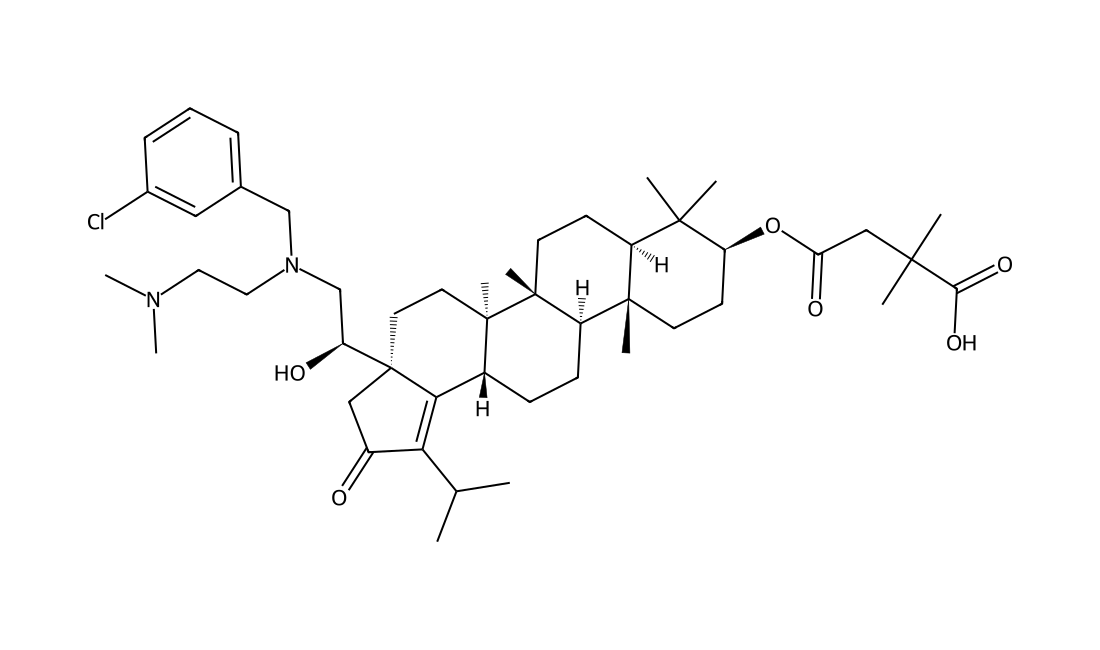
SRT-3109Featured
SRT3109 is an antagonist of CXCR2, with a pIC50 of 8.2, and used in the research of chemokine mediated diseases.
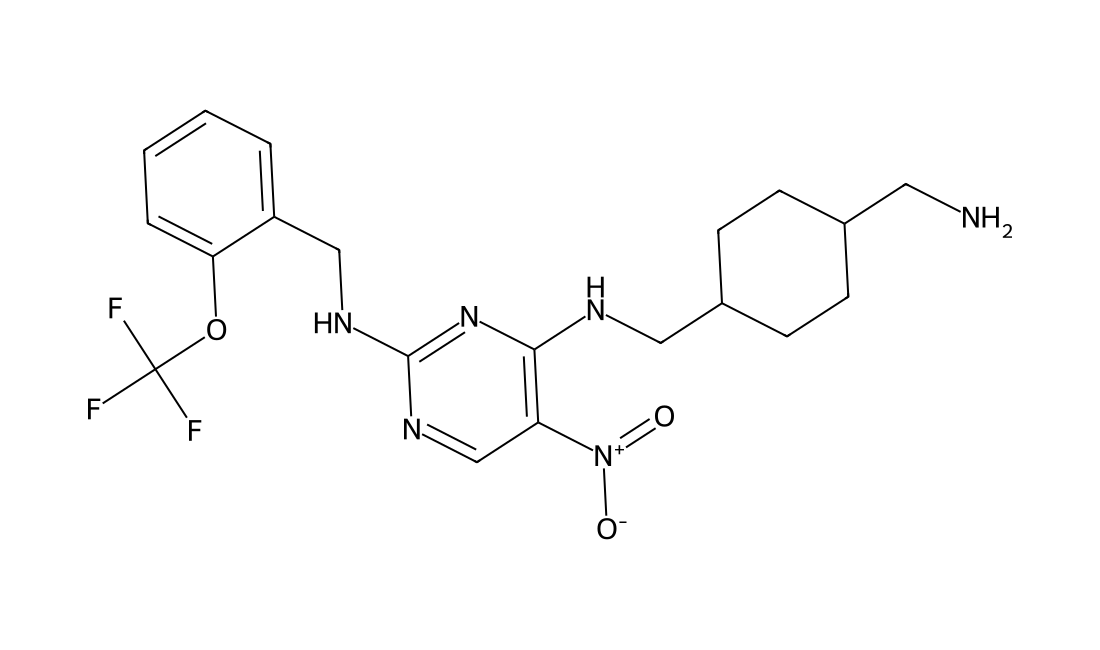
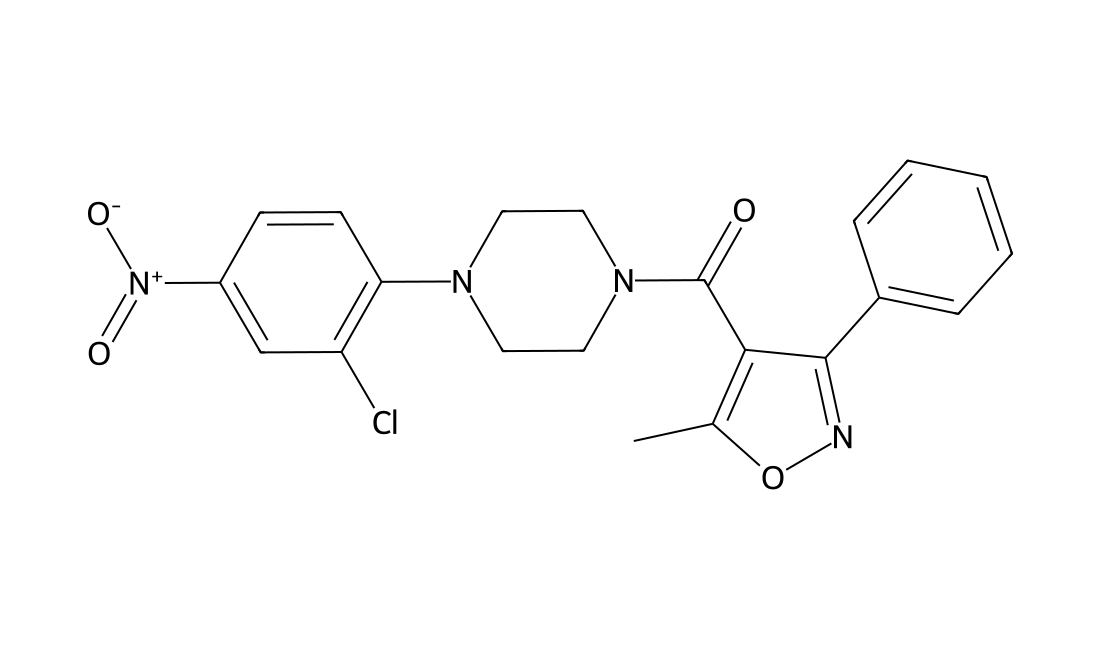
PKC-theta inhibitorFeatured
PKC-theta inhibitor is a selective PKC-θinhibitor, with an IC50 of 12 nM.
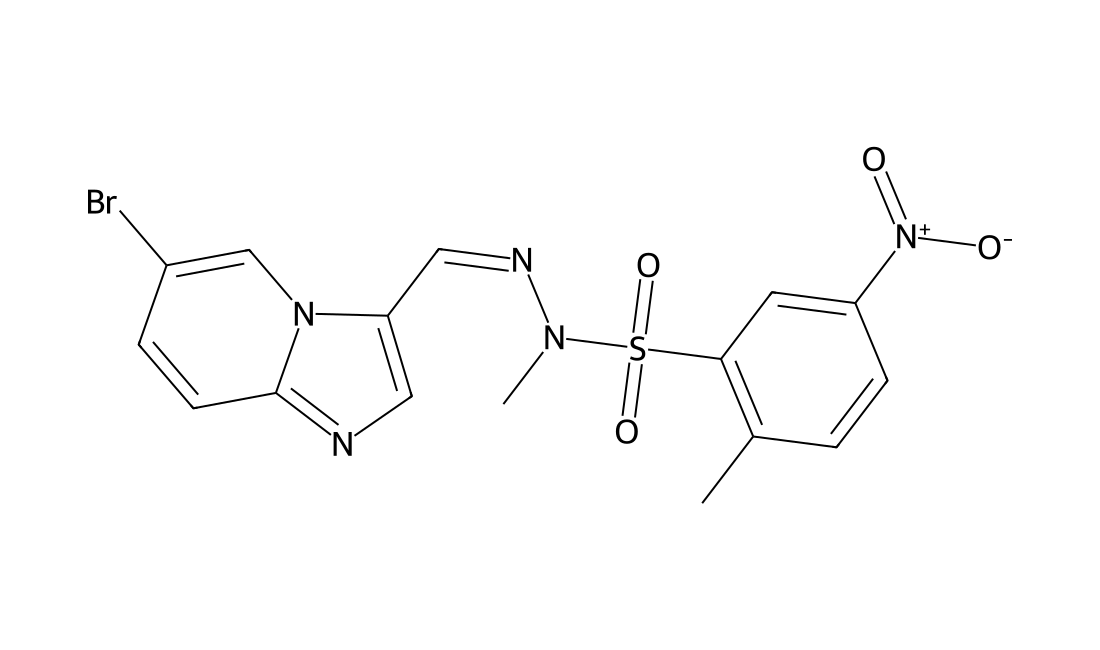
PIK-75 free baseFeatured
PIK-75 is a reversible DNA-PK and p110α-selective inhibitor, which inhibits DNA-PK, p110α and p110γ with IC50s of 2, 5.8 and 76 nM, respectively. PIK-75 inhibits p110α >200-fold more potently than p110β (IC50=1.3 μM)[1][2]. PIK-75 induces apoptosis[3].
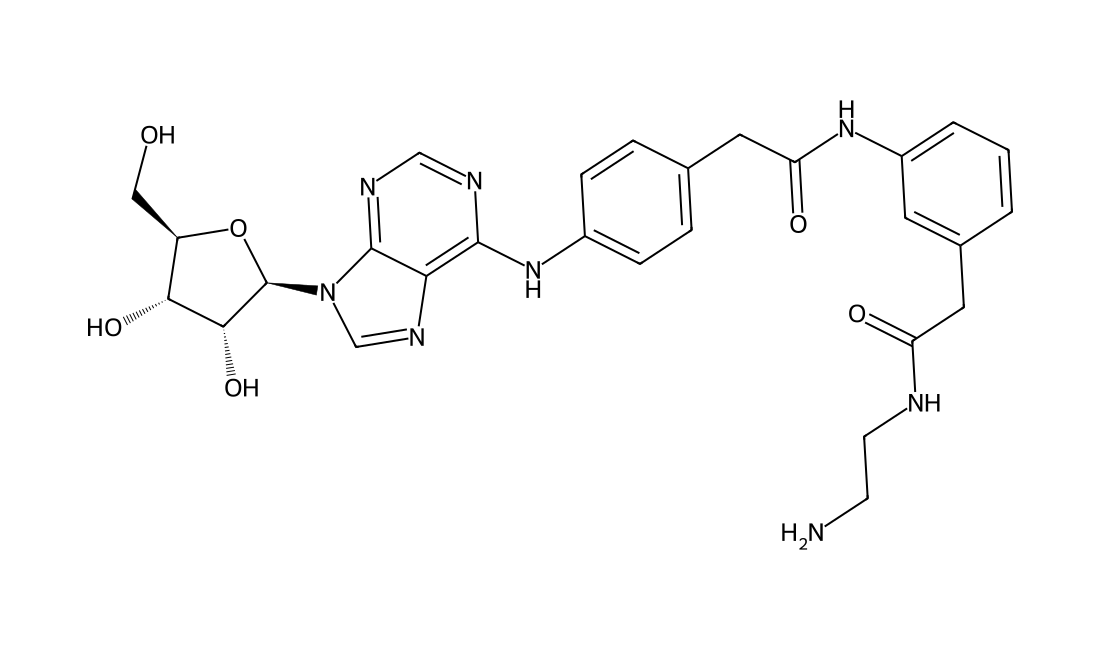
Adenosine Amine CongenerFeatured
Adenosine amine congener (ADAC) is a selective A1 adenosine receptor agonist, can ameliorate noise- and Cisplatin-induced cochlear injury. Adenosine amine congener also has neuroprotective effects[1][2].
HIV Inhibitor GSK2838232Featured
GSK2838232 is a novel human immune virus (HIV) maturation inhibitor being developed for the treatment of chronic HIV infection.
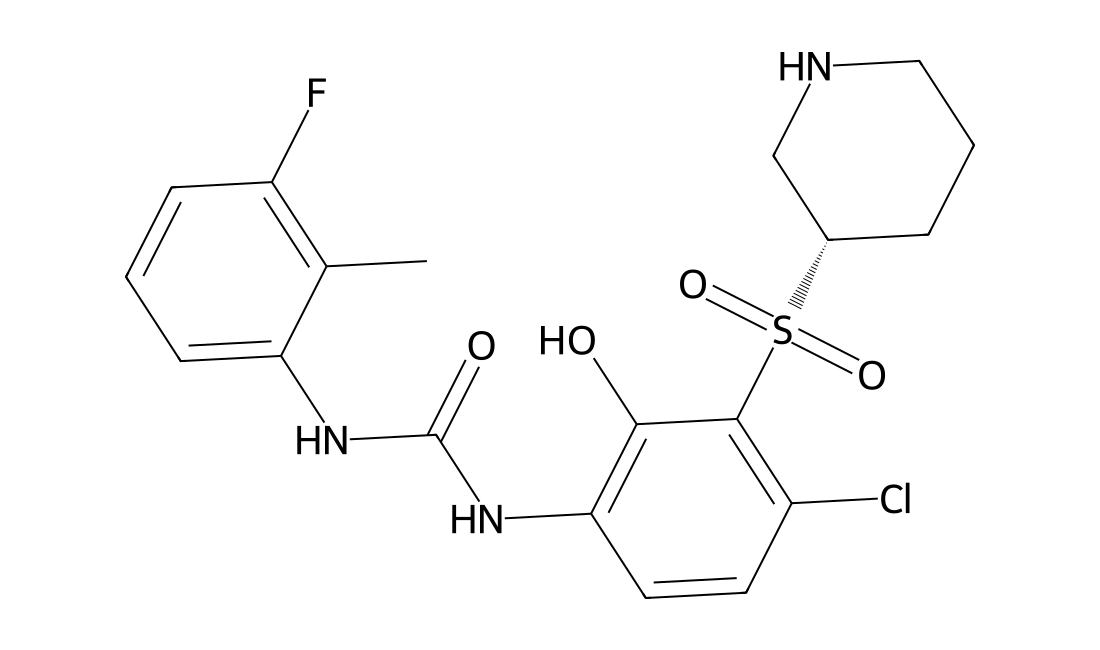
Danirixin (GSK1325756)Featured
Danirixin is a selective, and reversible CXCR2 antagonist, with IC50 of 12.5 nM for CXCL8.
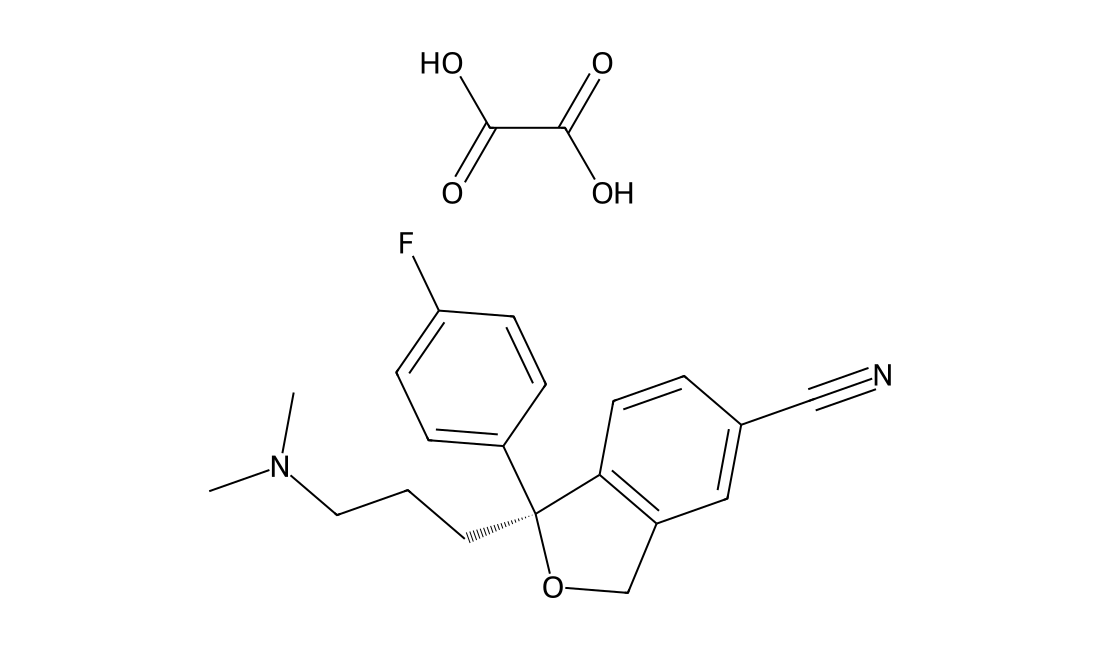
Escitalopram oxalateFeatured
Escitalopram is a selective serotonin reuptake inhibitor (SSRI) with Ki of 0.89 nM.Escitalopram, the S-enantiomer of citalopram, belongs to a class of antidepressant agents known as selective serotonin-reuptake inhibitors (SSRIs). Escitalopram may be used to treat major depressive disorder (MDD) and generalized anxiety disorder (GAD). Escitalopram has no significant affinity for adrenergic (alpha1, alpha2, beta), cholinergic, GABA, dopaminergic, histaminergic, serotonergic (5HT1A, 5HT1B, 5HT2), or benzodiazepine receptors; antagonism of such receptors has been hypothesized to be associated with various anticholinergic, sedative, and cardiovascular effects for other psychotropic drugs. The chronic administration of escitalopram is found to downregulate brain norepinephrine receptors, as has been observed with other drugs effective in the treatment of major depressive disorder. Escitalopram does not inhibit monoamine oxidase.
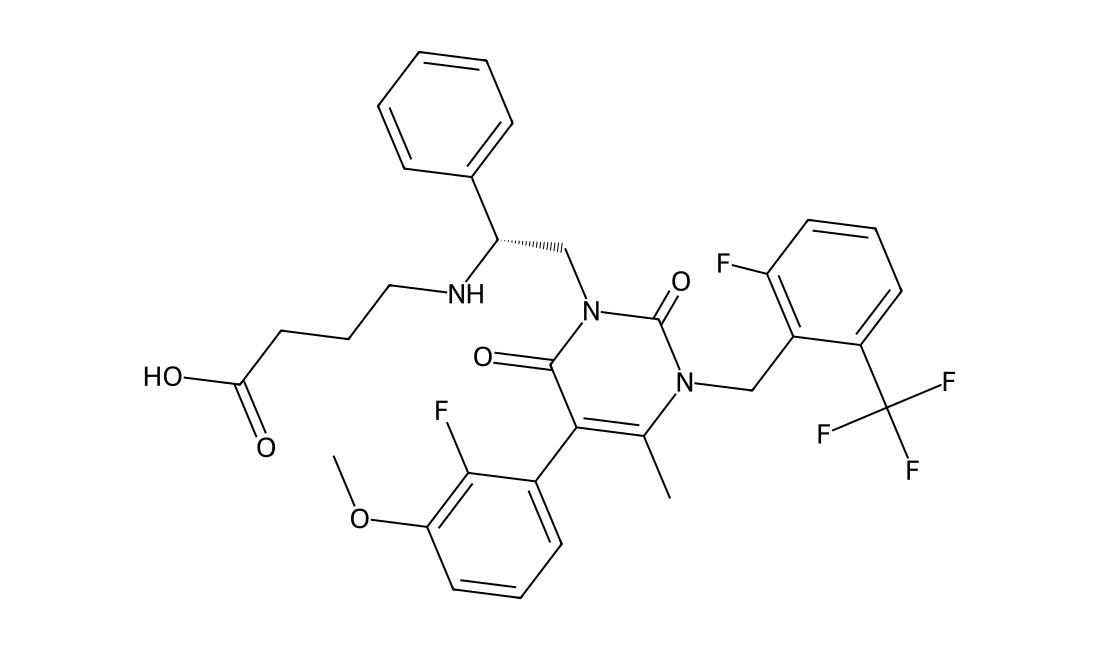
ElagolixFeatured
Elagolix is a highly potent, selective, orally-active, short-duration, non-peptide antagonist of the gonadotropin-releasing hormone receptor (GnRHR) (KD = 54 pM).
NucleozinFeatured
Nucleozin targets influenza A nucleoprotein (NP), a multifunctional, RNA-binding protein necessary for virus replication. IC50 Value: Target: Influenza Virus NPNucleozin targets influenza A nucleoprotein, a multifunctional, RNA-binding protein necessary for virus replication. It induces the formation of nucleoptotein aggregates and inhibits its accumulation, interfering with viral replication. EC50 is in the nM range. Nucleozin is effective in H1N1, H3N2, and H5N1 flu virus strains.
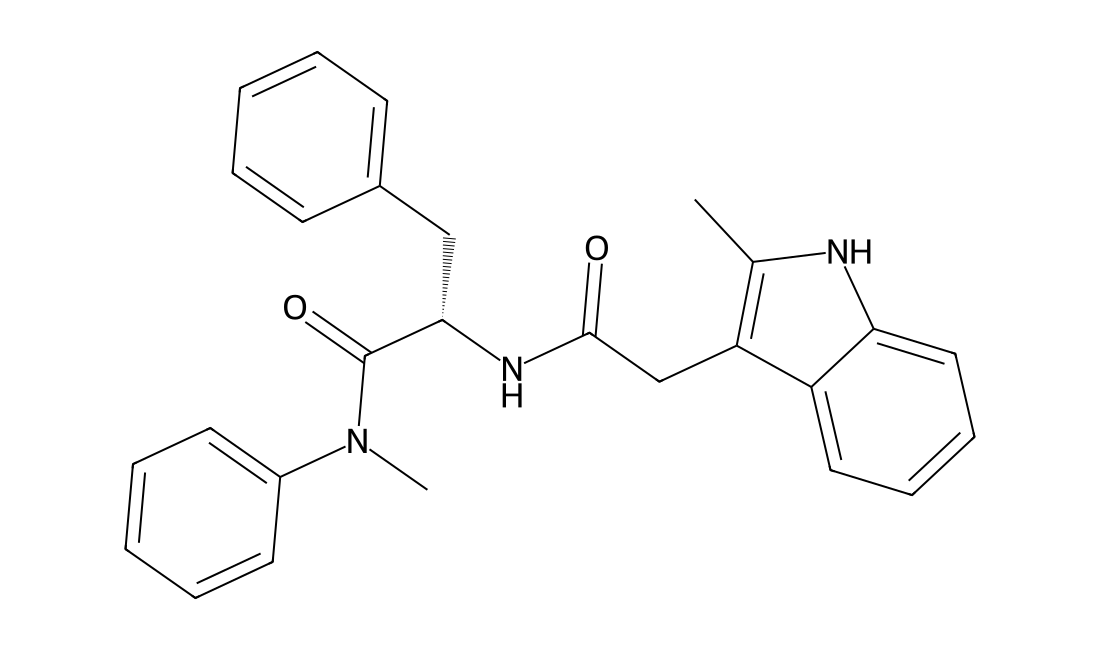
PF-3450074Featured
PF-3450074 (PF-74) is a specifical inhibitor of HIV-1 capsid protein (CA) and displays a broad-spectrum inhibition of HIV isolates with submicromolar potency (EC50=8-640 nM). PF-3450074 (PF-74) acts at an early stage of HIV-1 infection, inhibits viral replication by directly competing with the binding of CPSF6 and NUP153, and blocks the uncoating, assembly, and the reverse transcription steps of the viral life cycle[1][2]. CPSF6: nuclear host factors cleavage and polyadenylation specific factor 6; NUP153: nucleoporin 153.
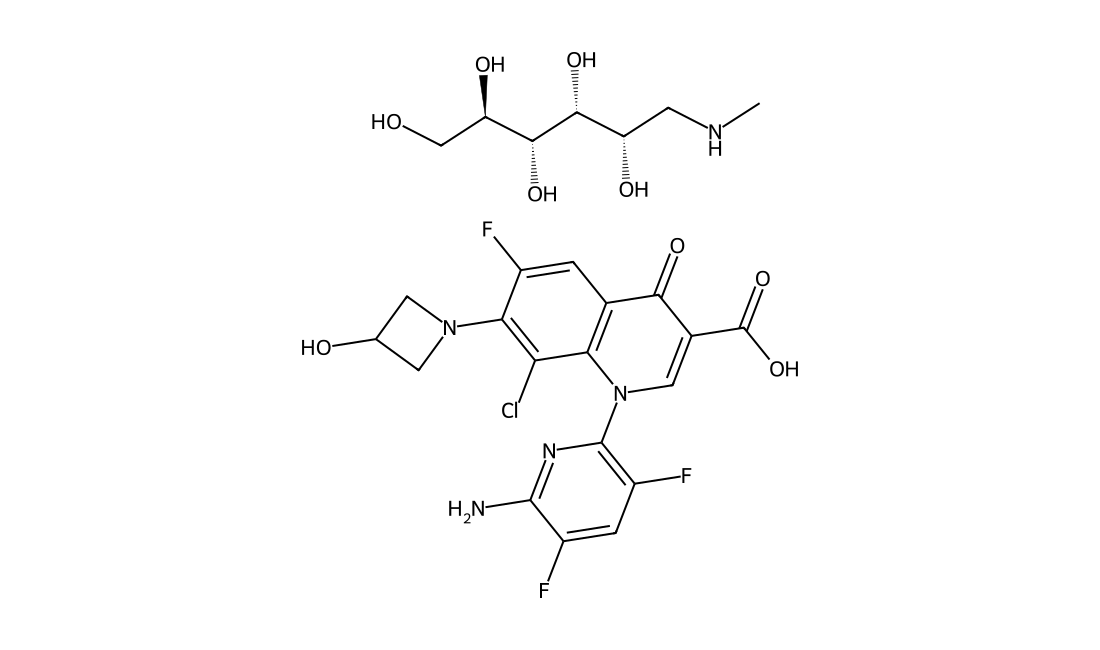
Delafloxacin meglumine is a fluoroquinolone antibiotic agent.ABT-492 was more potent against quinolone-susceptible and -resistant gram-positive organisms, had activity similar to that of ciprofloxacin against certain members of the family Enterobacteriaceae, and had comparable activity against quinolone-susceptible, nonfermentative, gram-negative organisms.
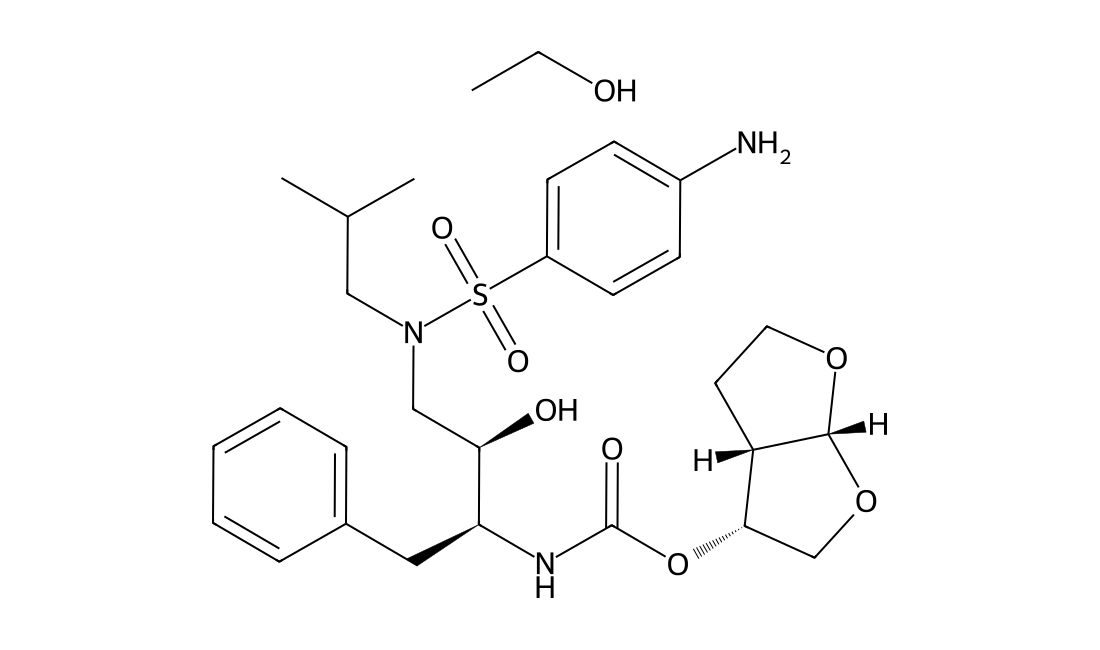
Darunavir ethanolateFeatured
Darunavir ethanolate (TMC114 ethanolate) is a potent HIV protease inhibitor used to treat and prevent HIV/AIDS. Darunavir has a Ki of 1 nM for wild type HIV-1 protease.
YM-155 hydrochlorideFeatured
A potent, specific survivin inhibitor that inhibits survivin promoter activity with IC50 of 0.54 nM; does not significantly inhibit SV40 promoter activity (>30 uM); suppresses expression of survivin and induces apoptosis in PC-3 and PPC-1 human HRPC cell lines at 10 nM, without effect on IAP- or Bcl-2-related proteins; induces massive tumor regression in PC-3 tumor mice model (3-10 mg/kg).Blood CancerPhase 1 Discontinued
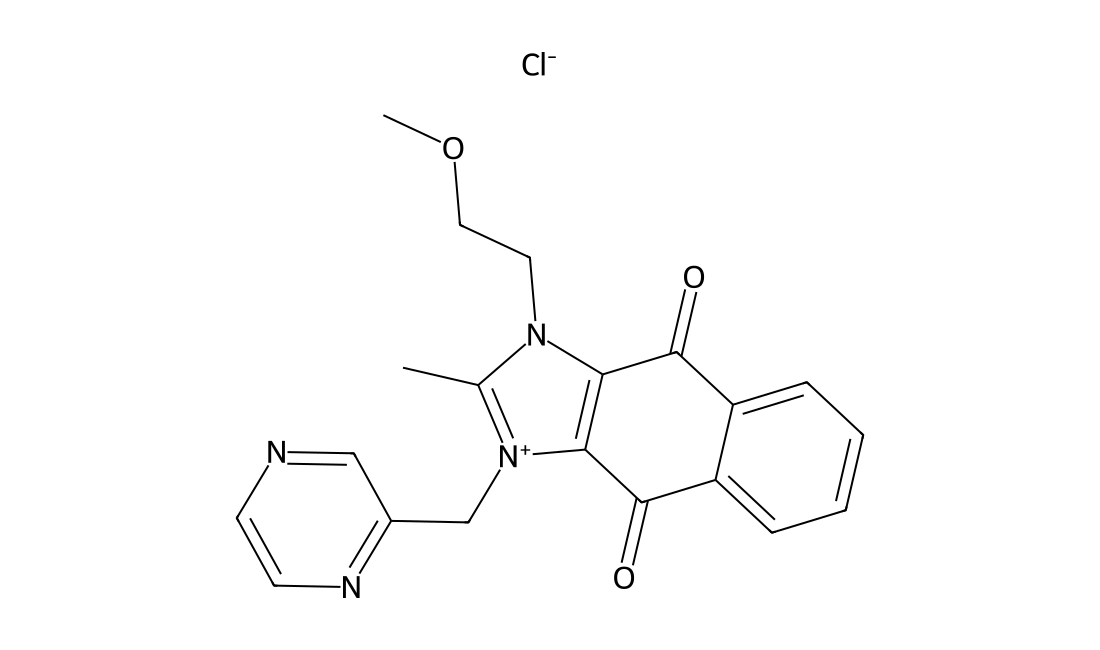
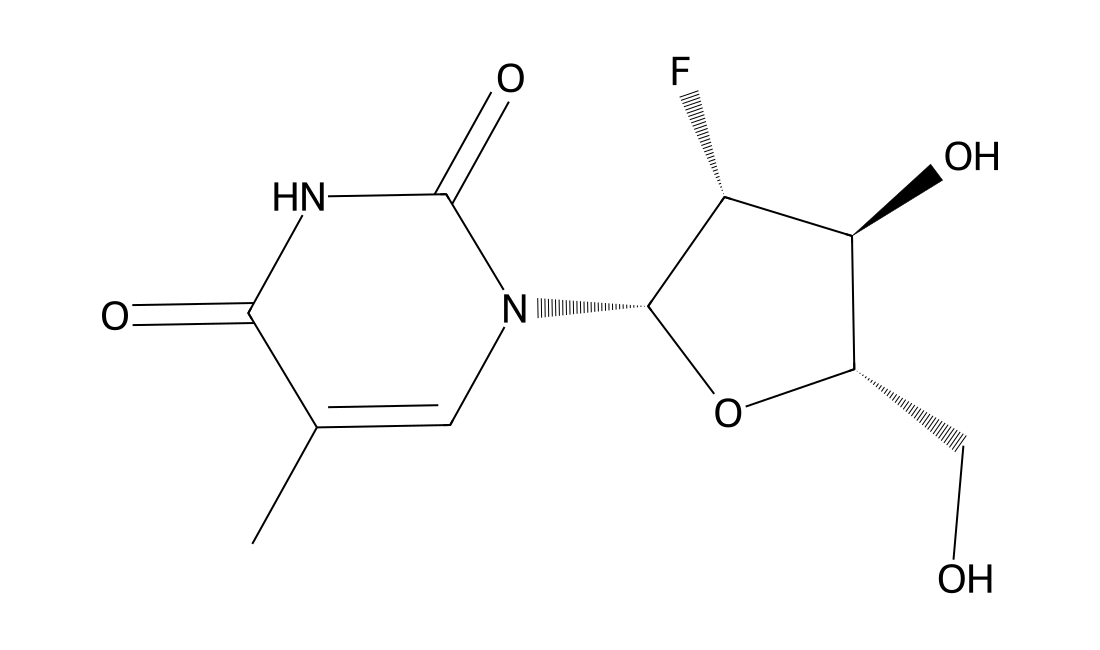
Clevudine (Levovir)Featured
Clevudine is an antiviral drug for the treatment of hepatitis B. Target: HBVClevudine is a nucleoside analog with an unnatural beta-L configuration. Clevudine showed potent antiviral activity during therapy and induced a sustained posttreatment antiviral effect for 6 months after a 12-week treatment period, and this was associated with a sustained normalization of ALT levels [1]. Clevudine showed a potent antiviral response, and its effect was higher in HBeAg-negative patients, with rapid viral load reduction after therapy. However, long-term therapy for more than 1 year resulted in the development of considerable resistance and myopathy. Therefore, we should consider alternative antiviral agents if clevudine resistance or clevudine-induced myopathy is developed in patients on clevudine for the treatment of CHB [2].
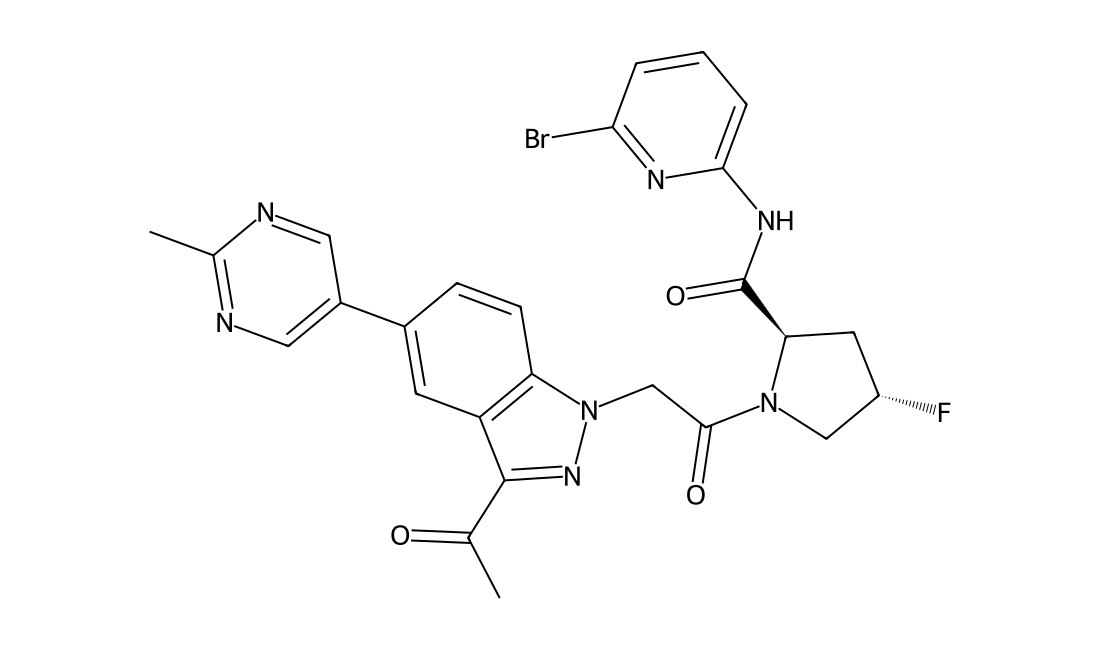
Danicopan (ACH-4471)Featured
Danicopan, a selective and orally active small-molecule factor D inhibitor, inhibits alternative pathway of complement (APC) activity. Danicopan has potential to block the alternative pathway of complement in paroxysmal nocturnal hemoglobinuria (PNH) and atypical hemolytic uremic syndrome (aHUS)[1].
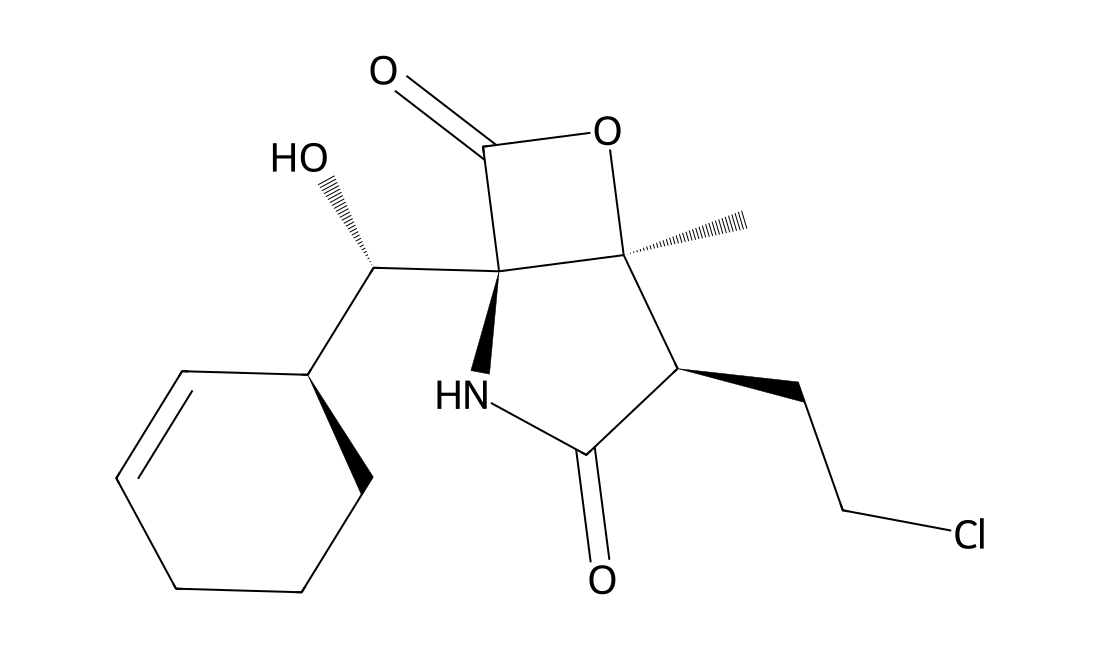
MarizomibFeatured
Marizomib (Salinosporamide A) is second-generation, irreversible, brain-penetrant, pan-proteasome inhibitor. Marizomib inhibits the CT-L (β5), CT-T-laspase-like (C-L, β1) and trypsin-like (T-L, β2) activities of the 20S proteasome (IC50=3.5, 28, and 430 nM, respectively)[1][2][3].
AUT-1Featured
AUT1 is a Kv3 potassium channel modulator, with pEC50s of 5.33 and 5.31 for human recombinant Kv3.1b and Kv3.2a, respectively, exhibits 10-fold lower potency at human recombinant Kv3.3 channel (pEC50, 4.5)[1].
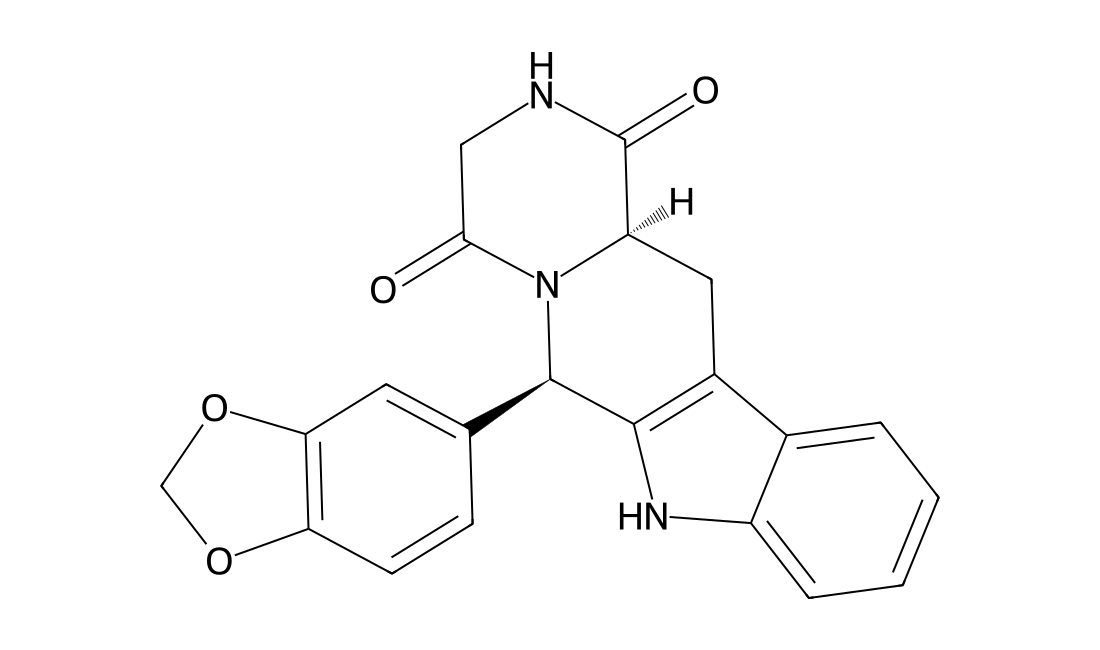
NortadalafilFeatured
Nortadalafil is demethyl Tadalafil, which is a PDE5 inhibitor, currently marketed in pill form for treating erectile dysfunction (ED) under the name Cialis; and under the name Adcirca for the treatment of pulmonary arterial hypertension.
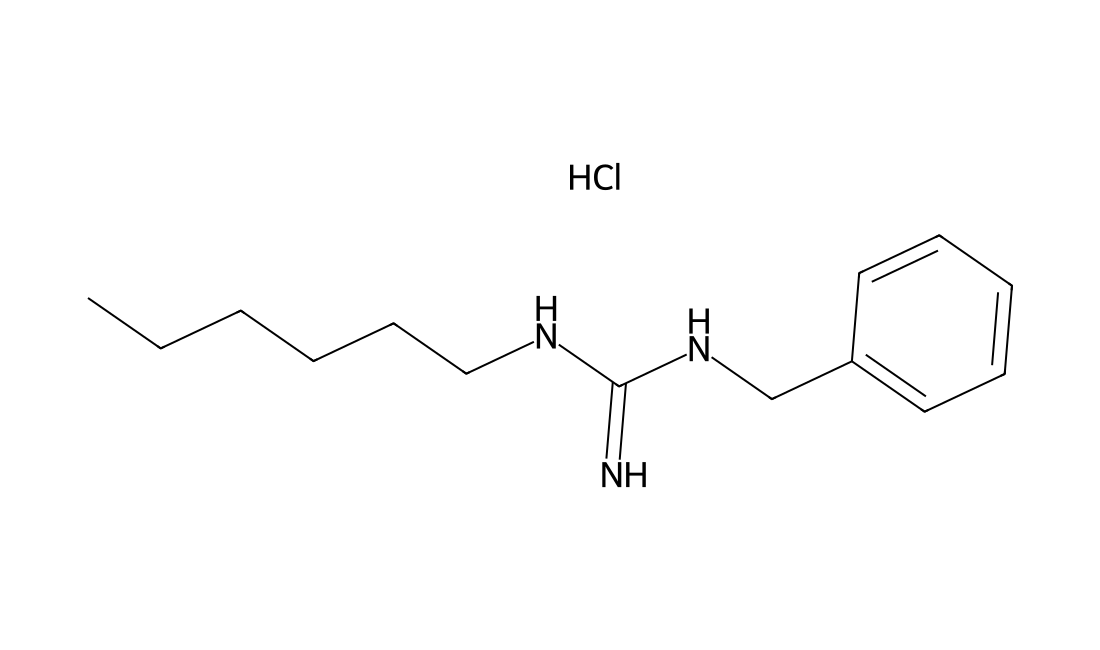
NS-3-008 HClFeatured
NS-3-008 is a novel small-molecule transcriptional inhibitor of G0s2 (G0/G1 switch 2) with IC50 of 2.25 uM; decreases levels of G0s2 and Ccl2 mRNA in the kidneys (5 mg/kg, p.o.); decreases the phosphorylation of Stat5 and p65 protein and suppresses renal inflammation in 5/6Nx mice, ameliorates renal dysfunction in mouse model of chronic kidney disease (CKD).
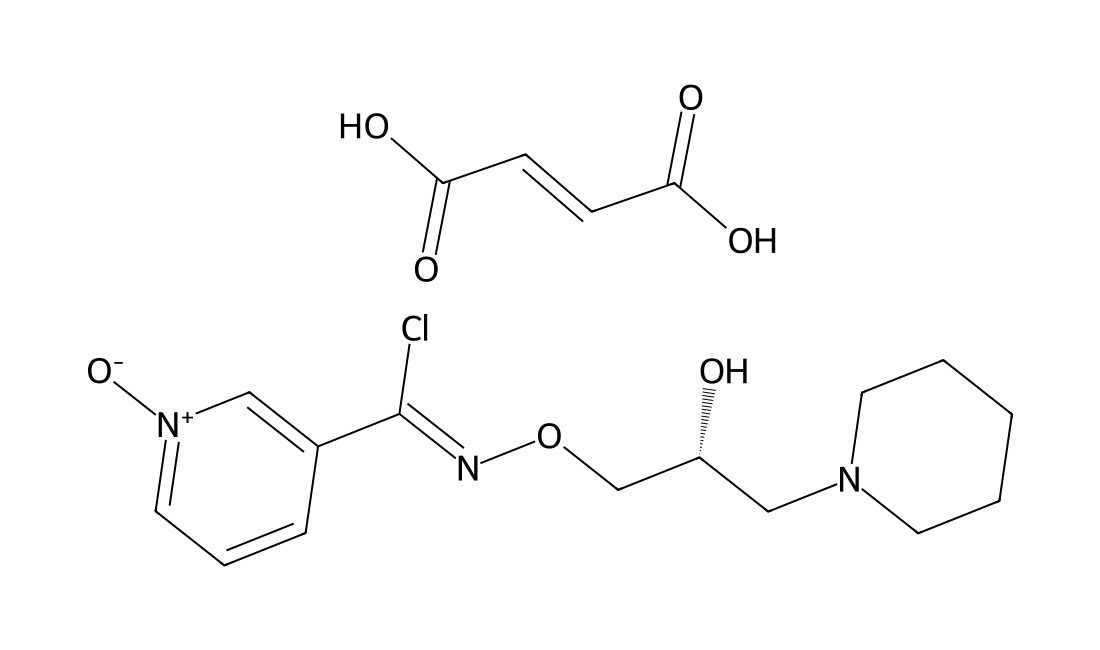
Arimoclomol maleateFeatured
Arimoclomol maleate is a co-inducer of heat shock proteins (HSP).
No products match this search.
Page 405 of 409 · Browse all 8177 products
Jump to a product page
Featured literature product: HX1 · DCL0028
HX1 is a hydroxyzine-derived ionizable lipid with acetal-containing tails, studied in lipid nanoparticles for brain mRNA delivery and CRISPR–Cas9 delivery. It was the lead in the reported in vivo brain-delivery screen; evidence is preclinical and formulation-dependent.
Read full formulation and performance →