
Research lipid catalog
Ionizable Lipid Products
Explore 848 lipid and RNA delivery products. Search the full catalog or browse by research category.
Search covers product name, catalog number, synonyms, available CAS numbers and categories. Spaces, hyphens and common punctuation are ignored. Duplicate legacy records are consolidated under one canonical product result.
8177 products · Showing 7821–7840 · 20 per page
DC Chemicals lipid expertise
Built for ionizable-lipid discovery and RNA delivery research
DC Chemicals supports formulation and delivery research with a broad, searchable portfolio of cationic and ionizable lipids. The current directory brings together 848 unique research-use products, with product specifications, pricing, chemical structures and literature-linked formulation data added as each record is verified.
Our experience spans complex lipid synthesis, purification, analytical release and process development. For custom molecules or larger-scale requirements, our team can discuss route development, technical specifications and scale-up options for the intended research workflow.
Learn about cationic and ionizable lipids →Proprietary innovation · Co-development · GMP
From proprietary lipid design to GMP-grade custom synthesis
DC Chemicals has independently developed ionizable-lipid structures supported by company-owned intellectual property, and selected proprietary lipid programs have advanced to GMP-stage development.
We welcome joint development with customers—from molecular design and lipid synthesis through route and process development. We can also support custom synthesis of GMP-grade ionizable lipids to agreed technical specifications and quality requirements.
Discuss a co-development project →Proprietary ionizable-lipid structuresCollaborative molecular designCustom lipid synthesisProcess development and scale-upGMP-grade project support
Product quick links
Explore New ionizable lipids
Explore our five most recently added ionizable lipids, with specifications, pricing and literature-linked product information.
DCL0028HX1Brain RNA delivery researchView product →DCL0024A1I4R13C18-2Spleen-targeted RNA delivery researchView product →DCL0023A1I4R2C18-2Spleen-targeted RNA delivery researchView product →DCL0022FS01Local joint RNA delivery researchView product →DCL0020Lipid-392Lung RNA delivery and gene editing researchView product →
Cat. No.Product NameField of ApplicationChemical Structure
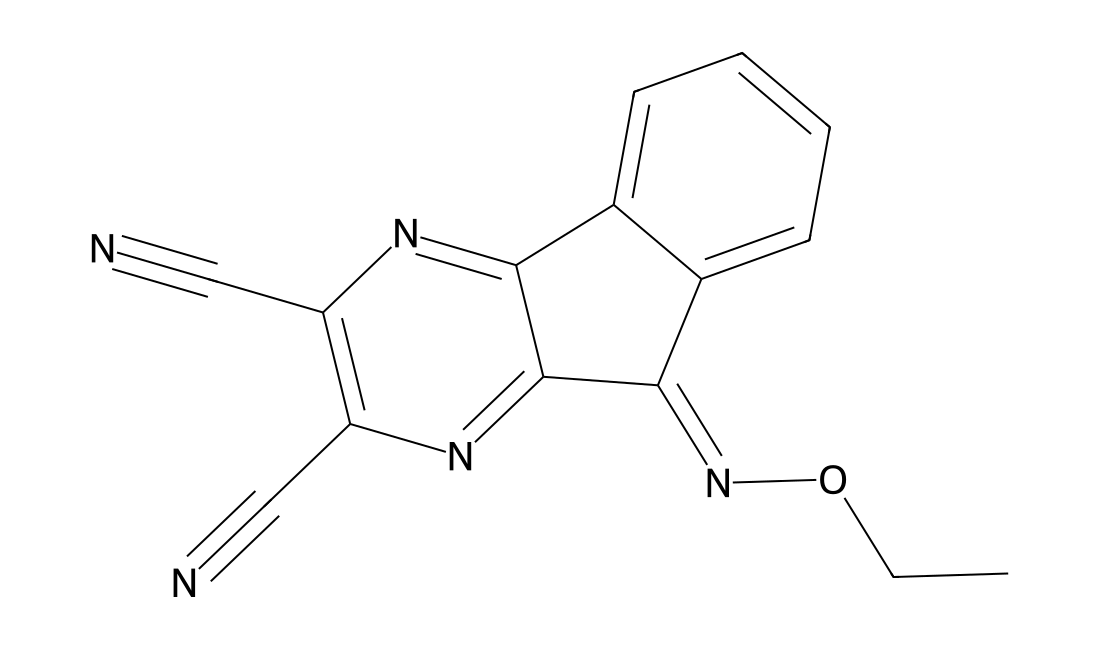
USP8-IN-22eFeatured
A potent, selective ubiquitin-specific protease USP8 inhibitor with IC50 of 0.28 uM; shows no inhibitory activity for USP7 (IC50>100 uM).
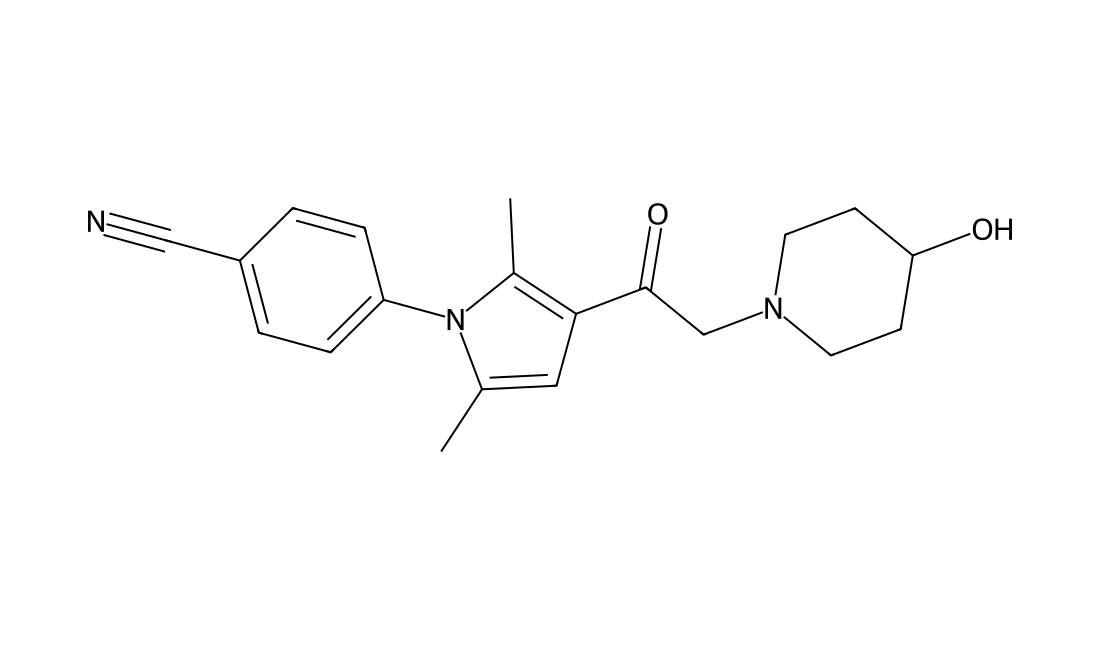
Iu1-248Featured
Iu1-248, a derivative of IU1, is a potent and selective ubiquitin specific peptidase 14 (USP14) inhibitor with an IC50 of 0.83 μM.
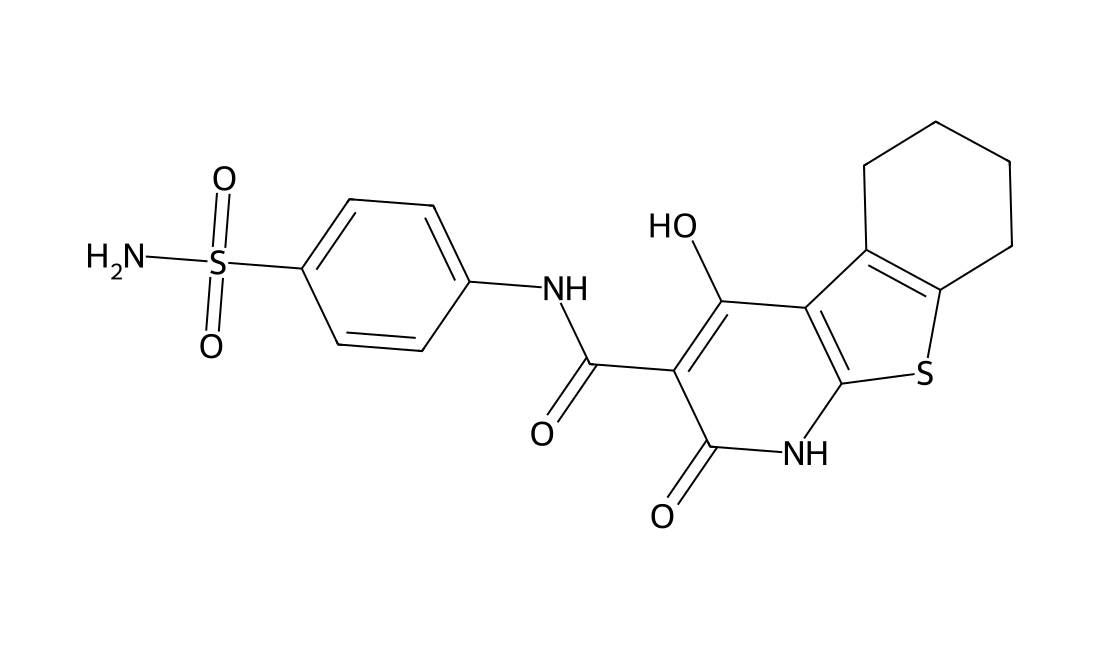
M435-1279Featured
M435-1279 is a UBE2T inhibitor. M435-1279 acts inhibit the Wnt/β-catenin signaling pathway hyperactivation through blocking UBE2T-mediated degradation of RACK1[1].
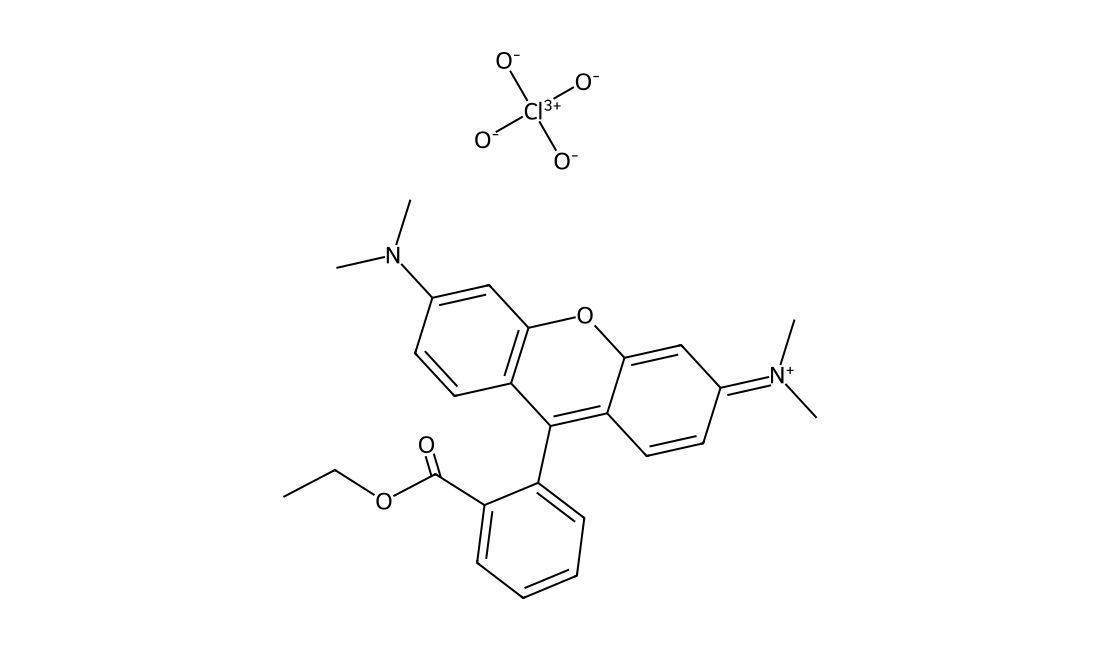
TMREFeatured
TMRE is a mitochondria specific dye (λex=550 nm, λem=575 nm).
ERK-IN-3Featured
ERK-IN-3 is a potent and oral of ERK. ERK-IN-3 inhibits ERK1/2 with low single-digit nM IC50 values. ERK-IN-3 has the potential to be used to study cancers driven by RAS mutations.
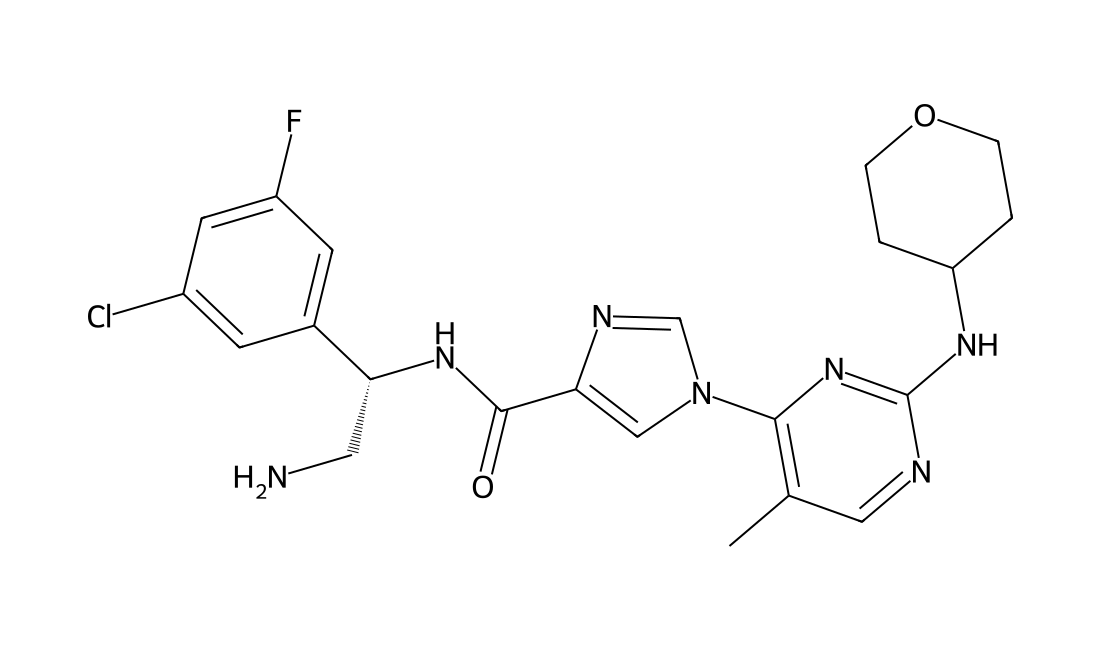
A2ti-1Featured
A2ti-1 is a selective and high-affinity annexin A2/S100A10 heterotetramer (A2t) inhibitor with an IC50 of 24 μM. A2ti-1 specifically disrupts the protein-protein interaction (PPI) between A2 and S100A10. A2ti-1 prevents human papillomavirus type 16 (HPV16) infection.
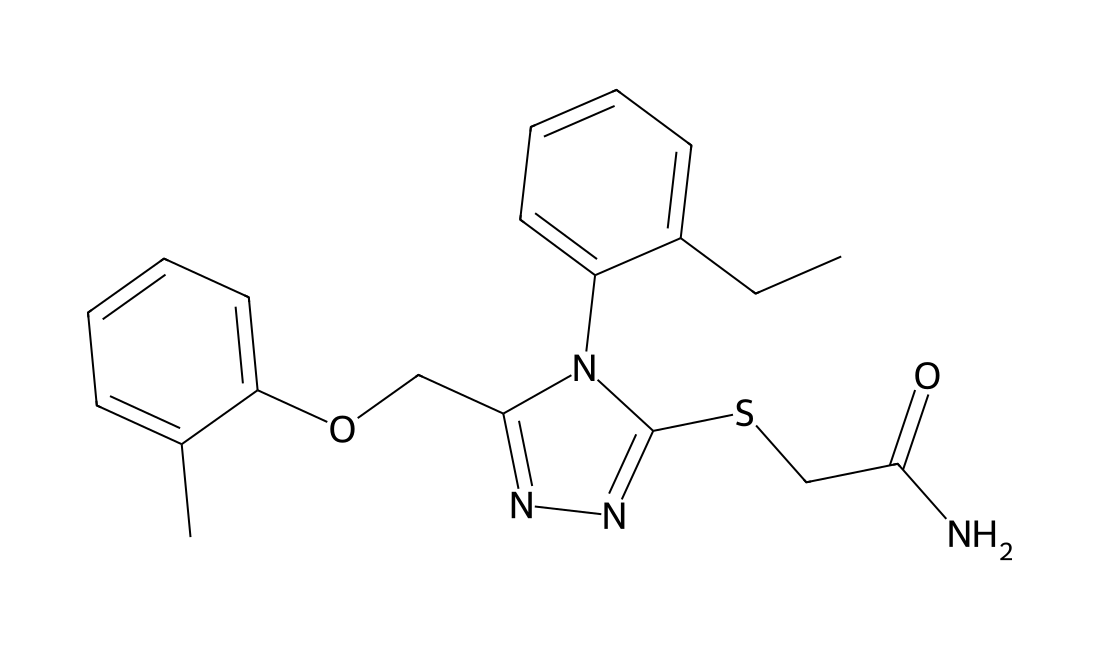
HA Peptide (HA tag) is a nine amino acids peptide derived from the human influenza hemagglutinin (HA). It is extensively used to isolate, purify, detect, and track the protein of interest in cell biology and biochemistry.
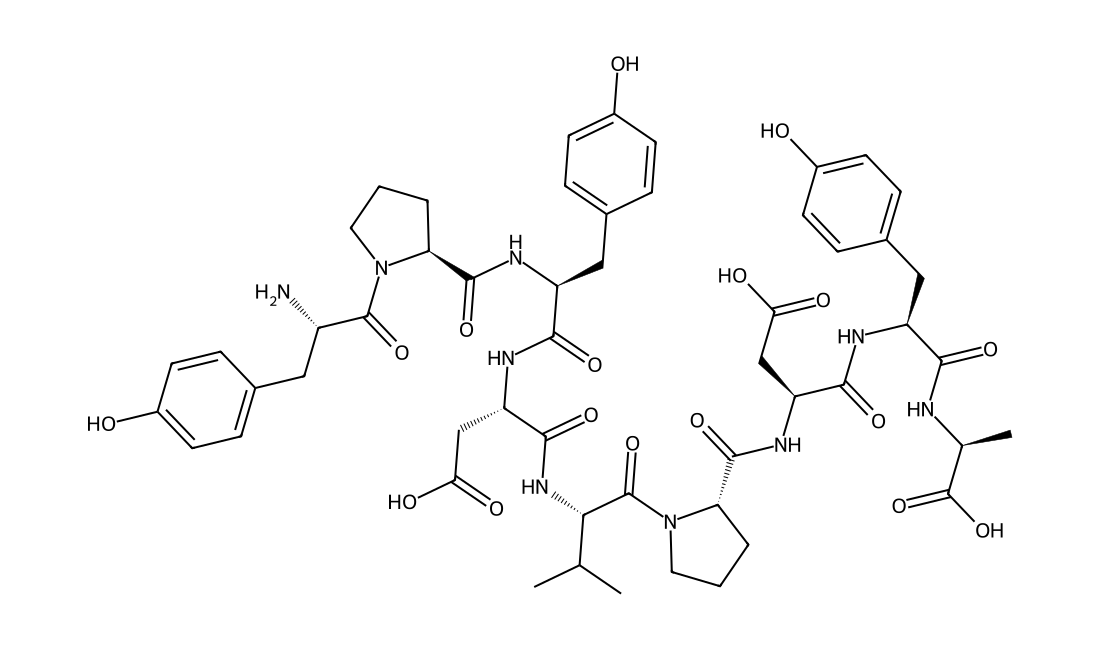
CBR-470-1Featured
CBR-470-1 is an inhibitor of the glycolytic enzyme phosphoglycerate kinase 1 (PGK1). CBR-470-1 is also a non-covalent Nrf2 activator. CBR-470-1 protects SH-SY5Y neuronal cells against MPP+-induced cytotoxicity through activation of the Keap1-Nrf2 cascade.
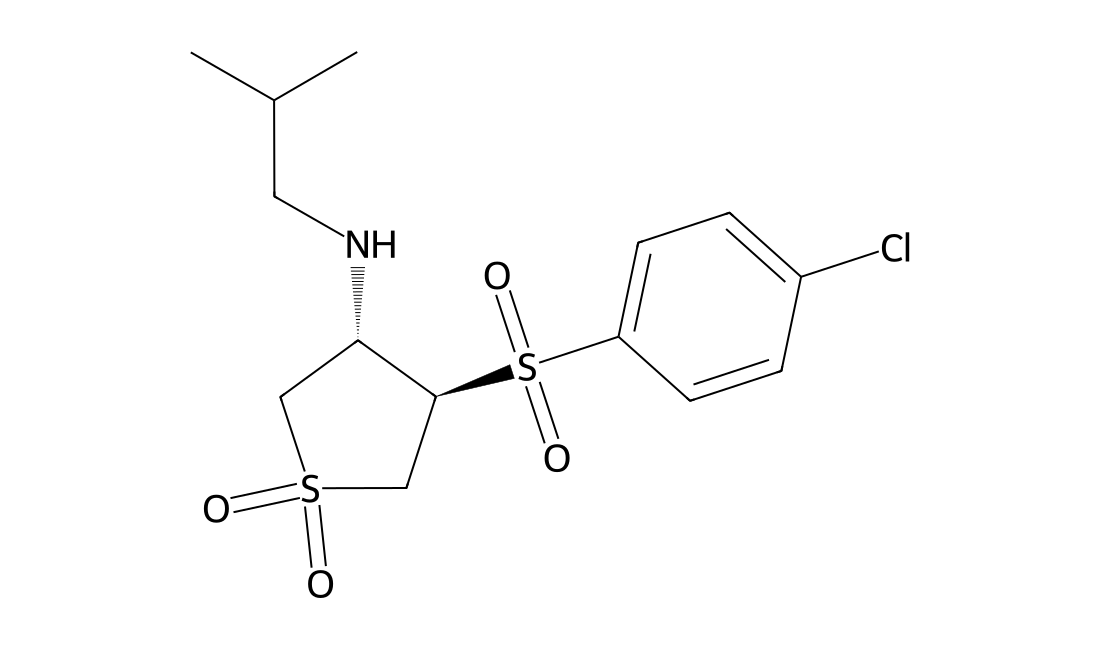
SM-7368Featured
SM-7368 inhibits TNF-alpha-induced MMP-9 upregulation in a concentration-dependent manner. SM-7368 strongly inhibits the TNF-alpha-induced invasion of HT1080 human fibrosarcoma cell line.
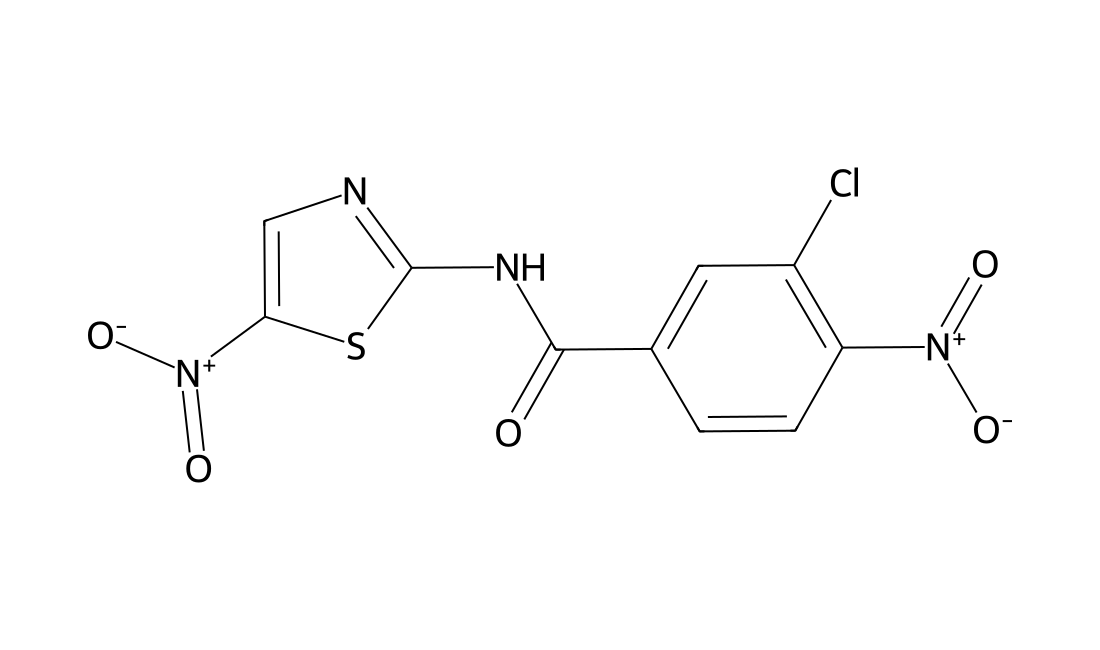
NF-κB-IN-1Featured
NF-κB-IN-1, a 4-arylidene crucumin analogue, is a potent NF-κB signaling pathway inhibitor. NF-κB-IN-1 directly inhibits IKK to block NF-κB activation. NF-κB-IN-1 effectively inhibits the viability of lung cancer cells and attenuates the clonogenic activity of A549 cells.
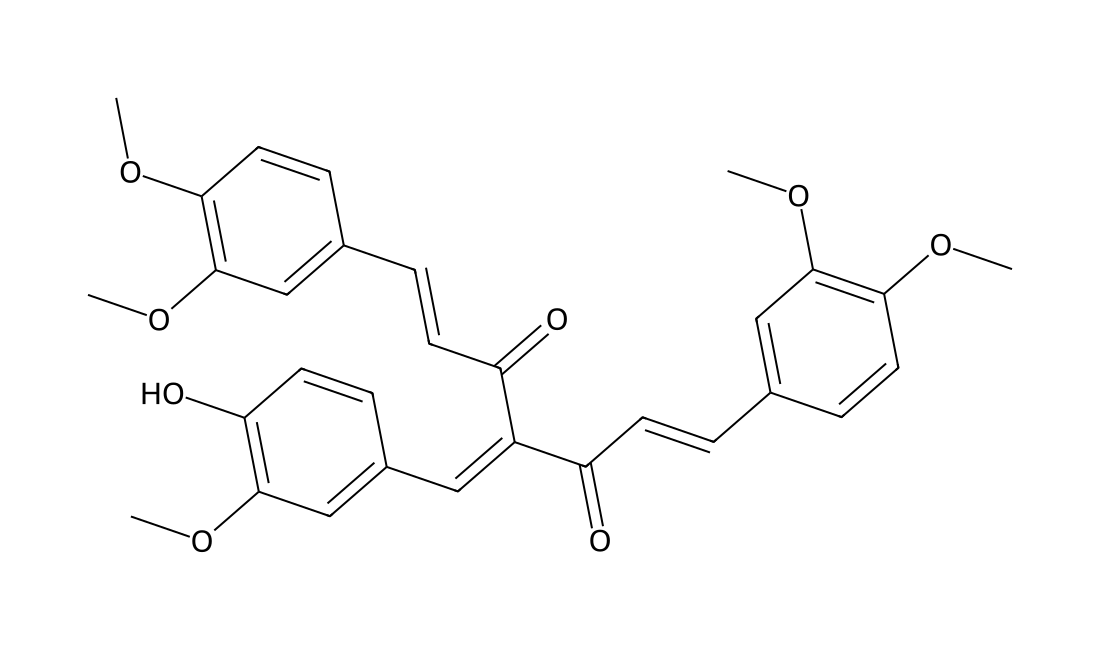
IMD-0560Featured
IMD-0560 is an Inhibitor of nuclear factor kappa-B kinase (IKK) which can suppress the production of inflammatory cytokines and chemokines.
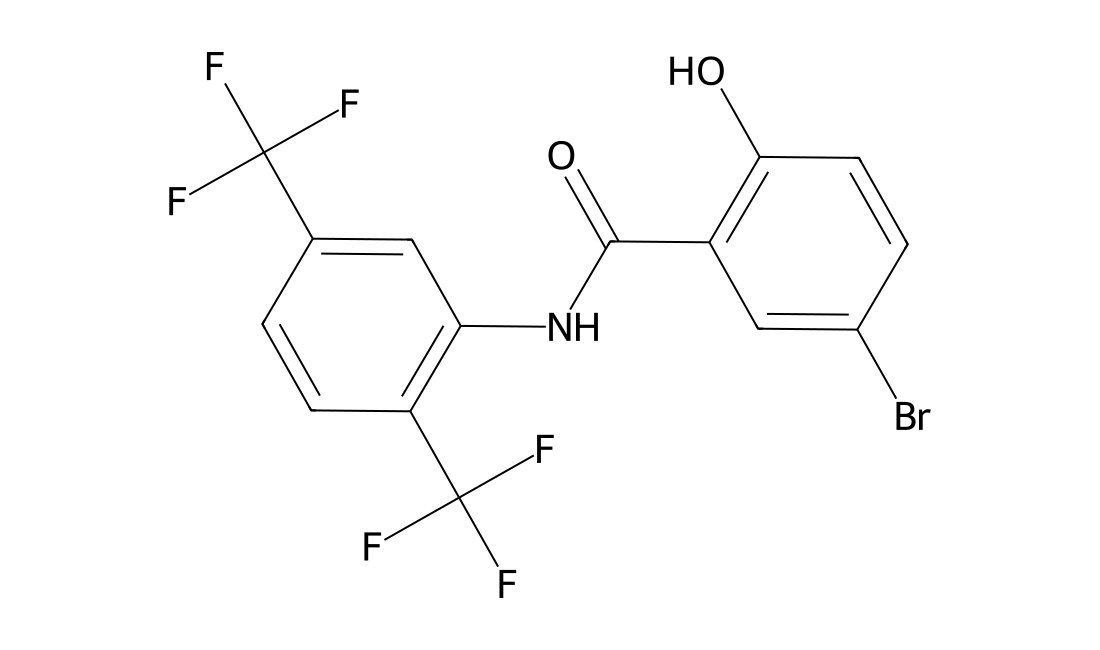
OlcegepantFeatured
Olcegepant(BIBN 4096; BIBN 4096BS) is the first potent and selective non-peptide antagonist of the calcitonin gene-related peptide 1 (CGRP1) receptor(IC50= 0.03 nM). Olcegepant(BIBN-4096; BIBN-4096BS) inhibits the release and action of Calcitonin Gene-Related Peptide (CGRP).Olcegepant is useful for treatment of acute attacks of migraine. Olcegepant exhibiting a favorable biological profile was selected for initial clinical trials. A proof of concept study indicated that intravenous application of 19 was effective in the treatment of acute migraine headache.
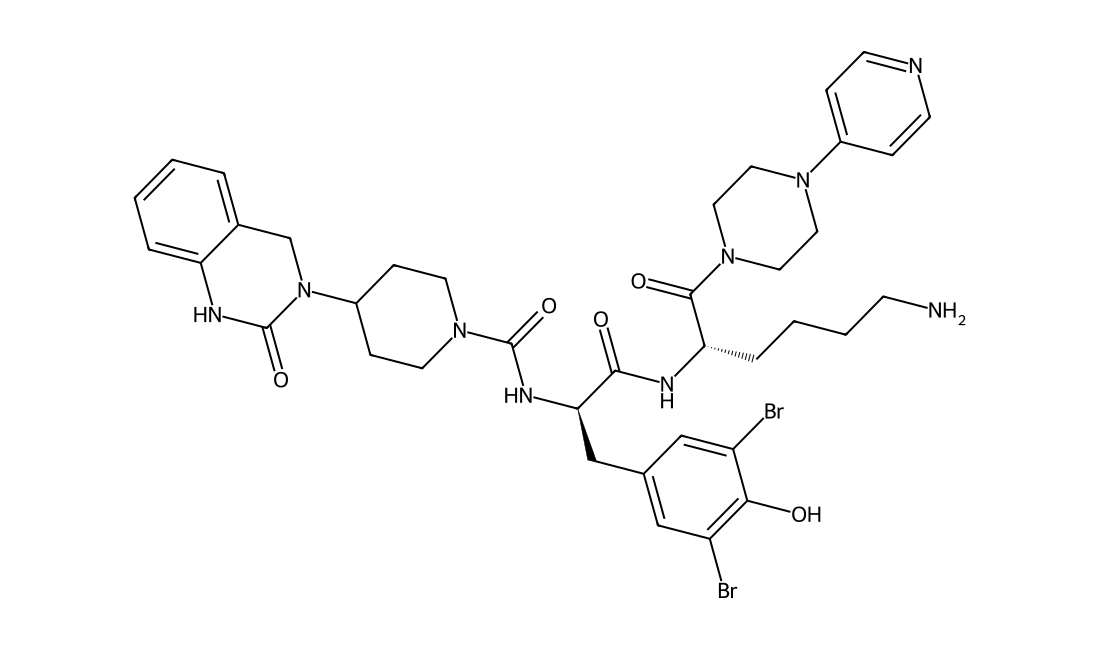
VTX-27Featured
VTX-27 is a selective protein kinase C θ (PKC θ) inhibitor, with Kis of 0.08 nM and 16 nM for PKC θ and PKC δ.
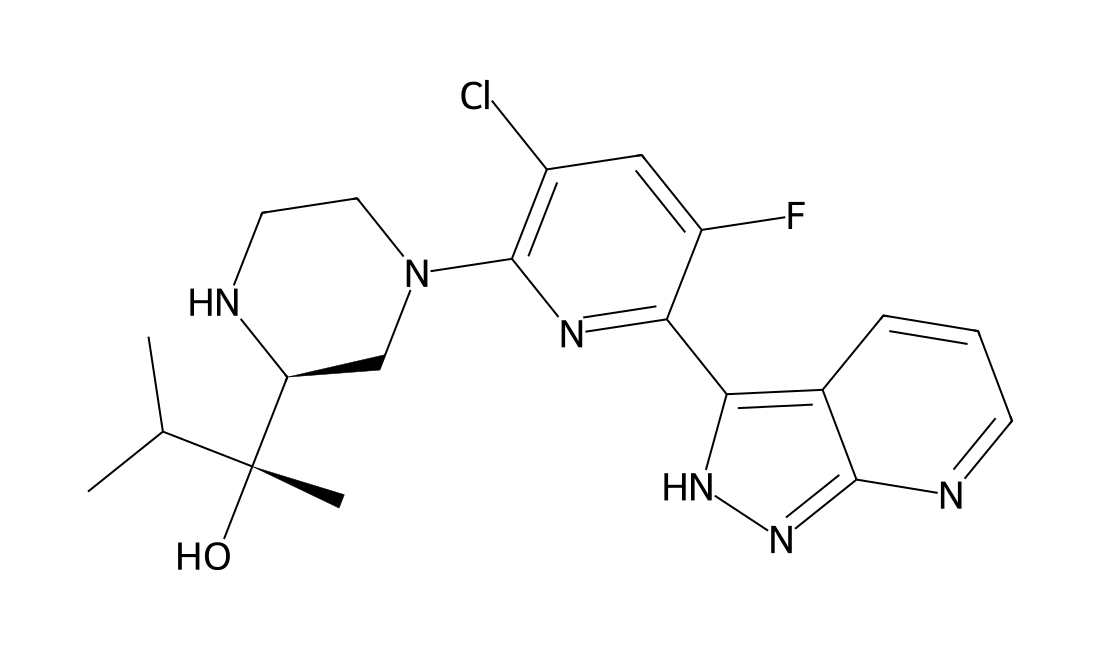
ATR inhibitor 1Featured
ATR inhibitor 1 is a ATR inhibitor extracted from patent WO2015187451A1, compound I-l, has a Ki value below 1 µΜ[1].
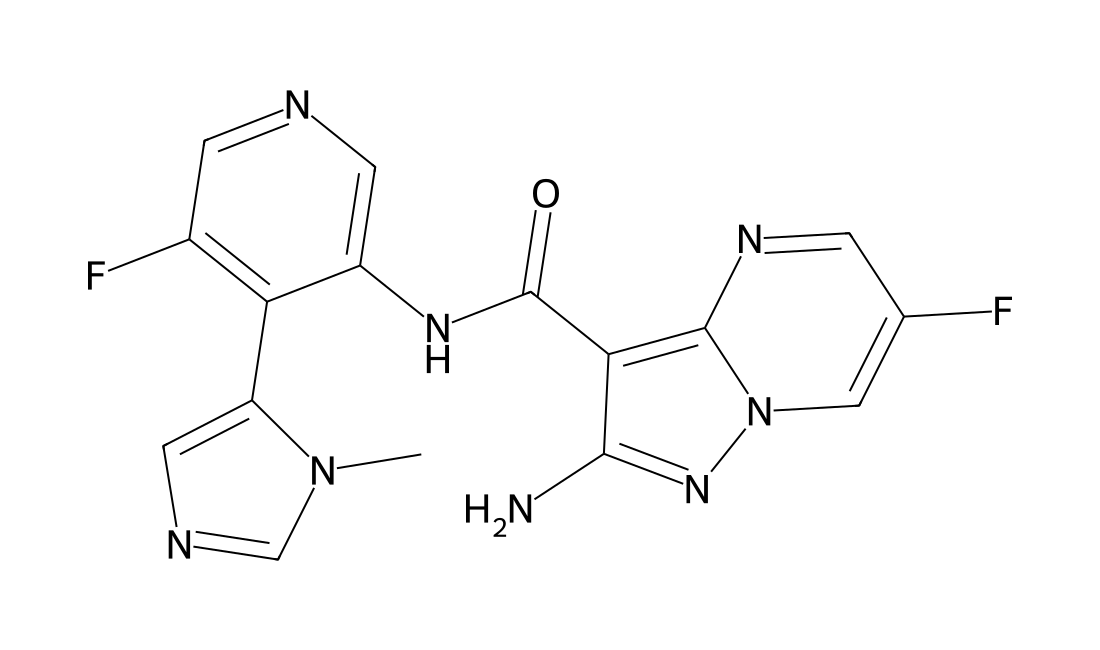
Debio 0123Featured
Debio 0123 (Debio0123) is a potent, orally available, and highly selective Wee1 kinase inhibitor with IC50 of 0.8 nM, Ki of 0.1 nM.Debio 0123 is highly selective to Wee1 on 465 selected kinases in a cellfree system, does not inhibit Plk1 and Plk2, as also reported in recent publications for AZD1775.Debio 0123 exhibits in vitro growth inhibition activity in a broad number of human cancer cell lines (IC50= 0.109 to 7.08 uM).Debio 0123 prevent CDC2 / Cdk1 phosphorylation, induces γH2AX and enhances phosphorylation of histone H3.Debio 0123 induces apoptosis through mitotic catastrophe following cell cycle progression despite accumulation of unrepaired DNA damage both in vitro and in vivo.
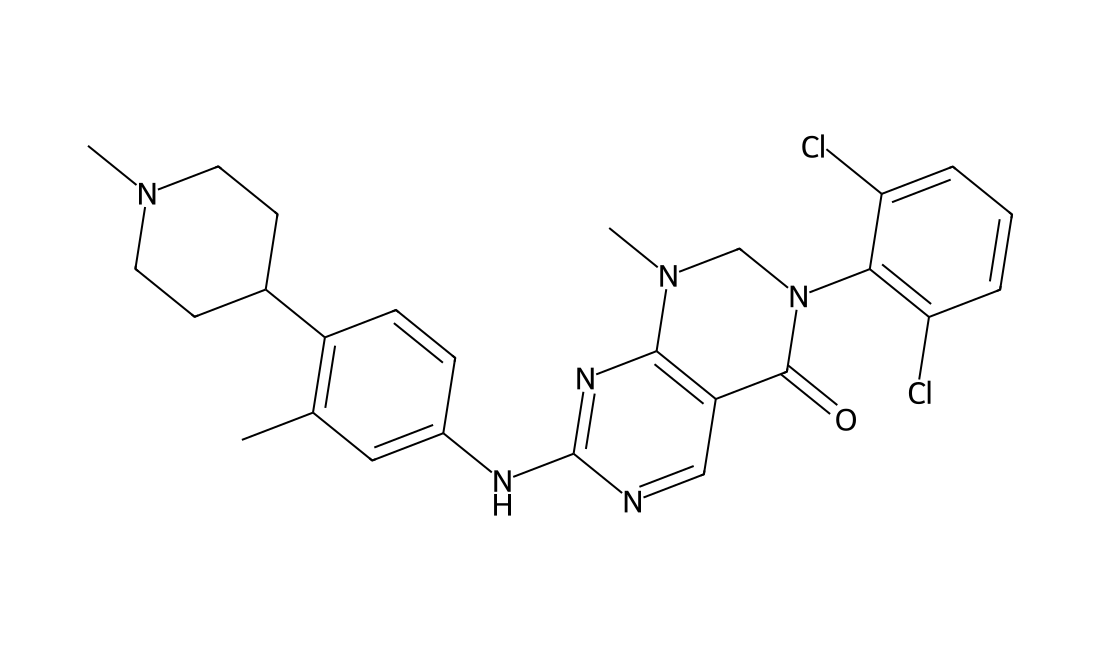
DelgocitinibFeatured
Delgocitinib (JTE-052, LEO 124249) is a potent, selective, orally active, pan-JAK inhibitor with IC50 of 2.8, 2.6, 13 and 58 nM for JAK1,2,3 and Tyk2, respectively; does not inhibit a broad panel of kinases with exception of ROCK-II (IC50=140 nM); inhibits cytokine signaling evoked by IL-2, IL-6, IL-23, granulocyte/macrophage CSF, and IFN-α in vitro; potently suppresses the IL-2-induced IFN-γ production in mice (ED50=1.1 mg/kg), suppresses inflammatory responses in collagen-induced arthritis model.
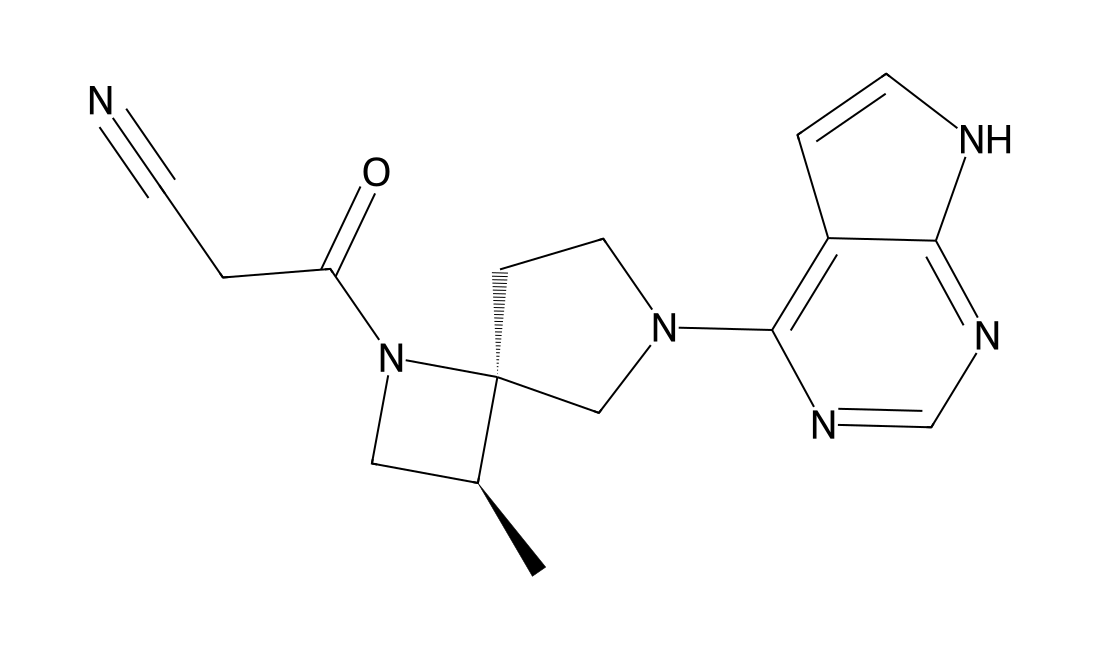
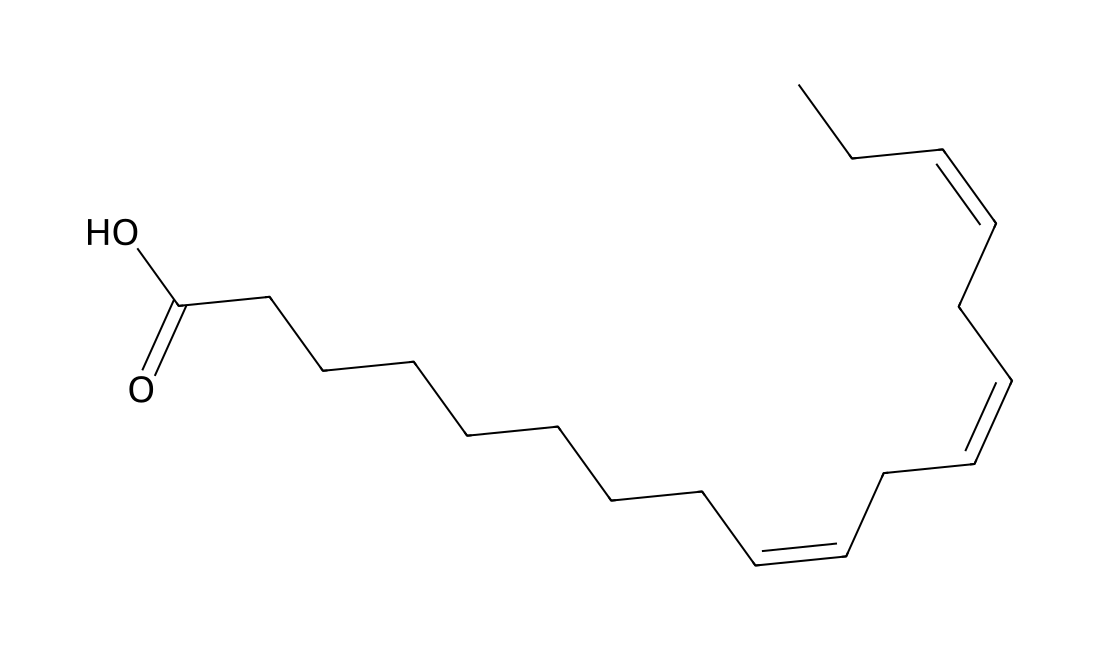
Linolenic acidFeatured
α-Linolenic acid, isolated from seed oils, is an essential fatty acid that cannot be synthesized by humans. α-Linolenic acid can affect the process of thrombotic through the modulation of PI3K/Akt signaling. α-Linolenic acid possess the anti-arrhythmic properties and is related to cardiovascular disease and cancer[1].
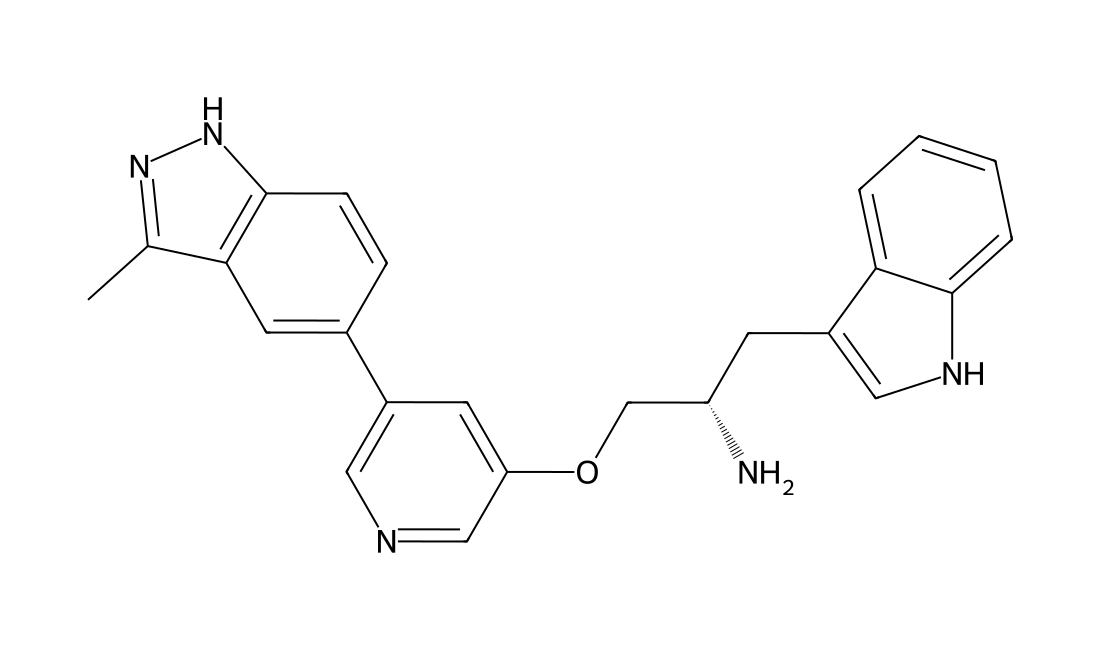
A-443654Featured
A potent and selective Akt inhibitor with Ki of 0.16 nM for Akt1; has equal potency against Akt1, Akt2, or Akt3 within cells, displays 40-fold selectivity over PKA, and CMGC family kinases; inhibits Akt-dependent signal transduction, inhibits proliferation of MiaPaCa-2 cells with EC50 of 0.1 uM; inhibits tumor growth in vivo, and is more potent and more selective than A-674563.
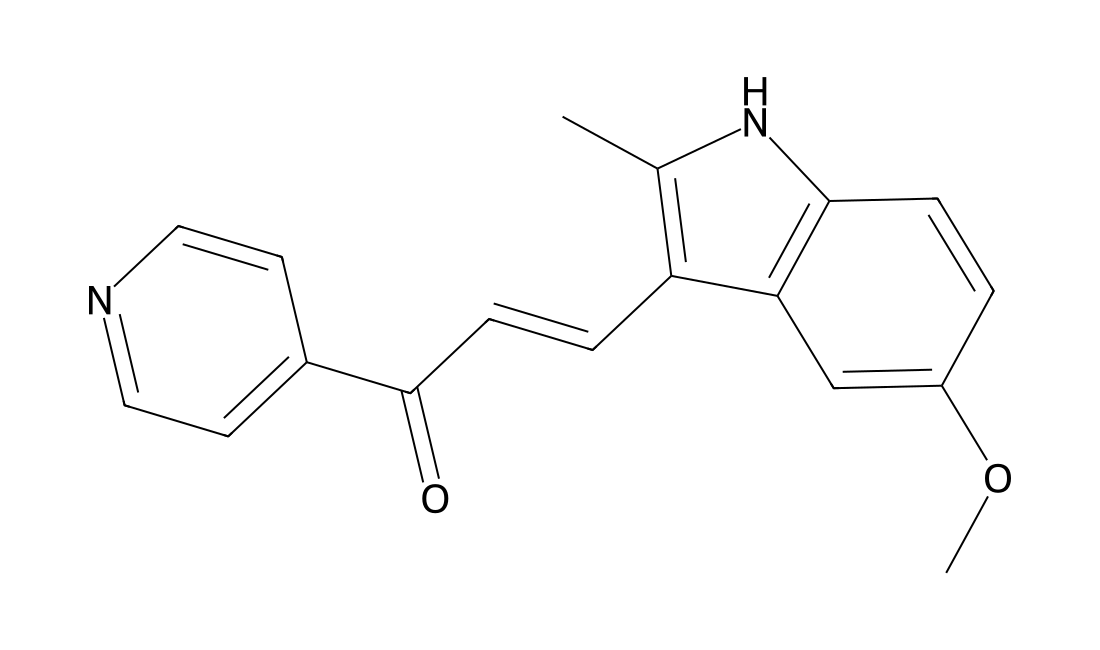
MOMIPPFeatured
MOMIPP, a macropinocytosis inducer, is a PIKfyve inhibitor. MOMIPP penetrates the blood-brain barrier (BBB).
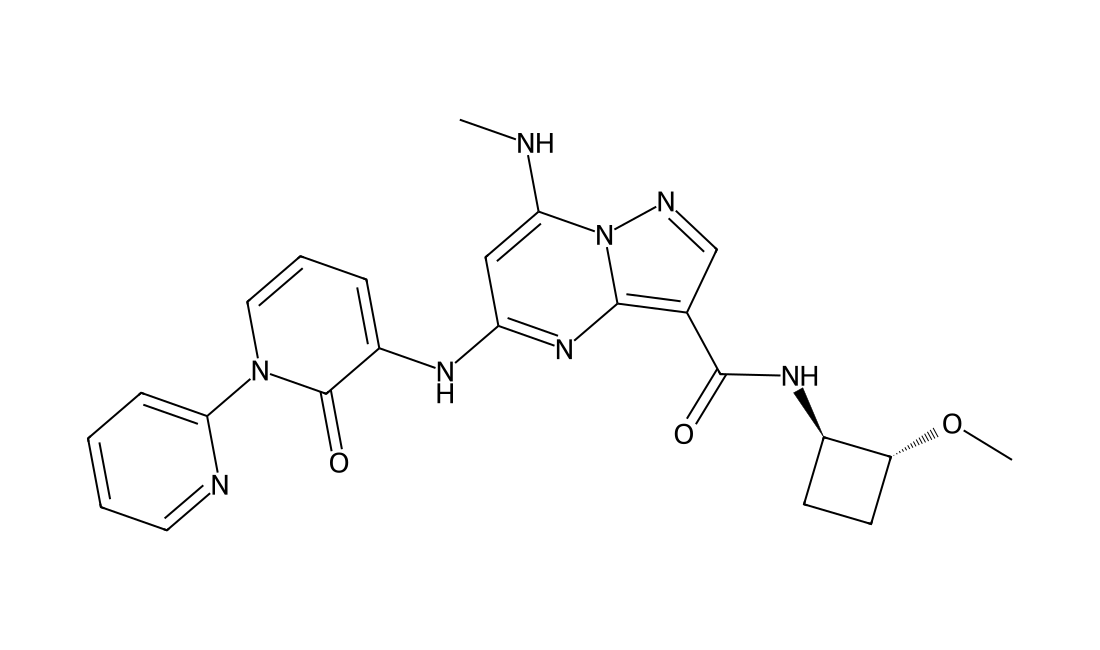
NDI-034858(Zasocitinib)Featured
NDI034858 is a TYK2 inhibitor, target TYK2 JH2 domain with binding constant Kd of <200 pM.
No products match this search.
Page 392 of 409 · Browse all 8177 products
Jump to a product page
Featured literature product: HX1 · DCL0028
HX1 is a hydroxyzine-derived ionizable lipid with acetal-containing tails, studied in lipid nanoparticles for brain mRNA delivery and CRISPR–Cas9 delivery. It was the lead in the reported in vivo brain-delivery screen; evidence is preclinical and formulation-dependent.
Read full formulation and performance →