
Research lipid catalog
Ionizable Lipid Products
Explore 848 lipid and RNA delivery products. Search the full catalog or browse by research category.
Search covers product name, catalog number, synonyms, available CAS numbers and categories. Spaces, hyphens and common punctuation are ignored. Duplicate legacy records are consolidated under one canonical product result.
8177 products · Showing 8101–8120 · 20 per page
DC Chemicals lipid expertise
Built for ionizable-lipid discovery and RNA delivery research
DC Chemicals supports formulation and delivery research with a broad, searchable portfolio of cationic and ionizable lipids. The current directory brings together 848 unique research-use products, with product specifications, pricing, chemical structures and literature-linked formulation data added as each record is verified.
Our experience spans complex lipid synthesis, purification, analytical release and process development. For custom molecules or larger-scale requirements, our team can discuss route development, technical specifications and scale-up options for the intended research workflow.
Learn about cationic and ionizable lipids →Proprietary innovation · Co-development · GMP
From proprietary lipid design to GMP-grade custom synthesis
DC Chemicals has independently developed ionizable-lipid structures supported by company-owned intellectual property, and selected proprietary lipid programs have advanced to GMP-stage development.
We welcome joint development with customers—from molecular design and lipid synthesis through route and process development. We can also support custom synthesis of GMP-grade ionizable lipids to agreed technical specifications and quality requirements.
Discuss a co-development project →Proprietary ionizable-lipid structuresCollaborative molecular designCustom lipid synthesisProcess development and scale-upGMP-grade project support
Product quick links
Explore New ionizable lipids
Explore our five most recently added ionizable lipids, with specifications, pricing and literature-linked product information.
DCL0028HX1Brain RNA delivery researchView product →DCL0024A1I4R13C18-2Spleen-targeted RNA delivery researchView product →DCL0023A1I4R2C18-2Spleen-targeted RNA delivery researchView product →DCL0022FS01Local joint RNA delivery researchView product →DCL0020Lipid-392Lung RNA delivery and gene editing researchView product →
Cat. No.Product NameField of ApplicationChemical Structure
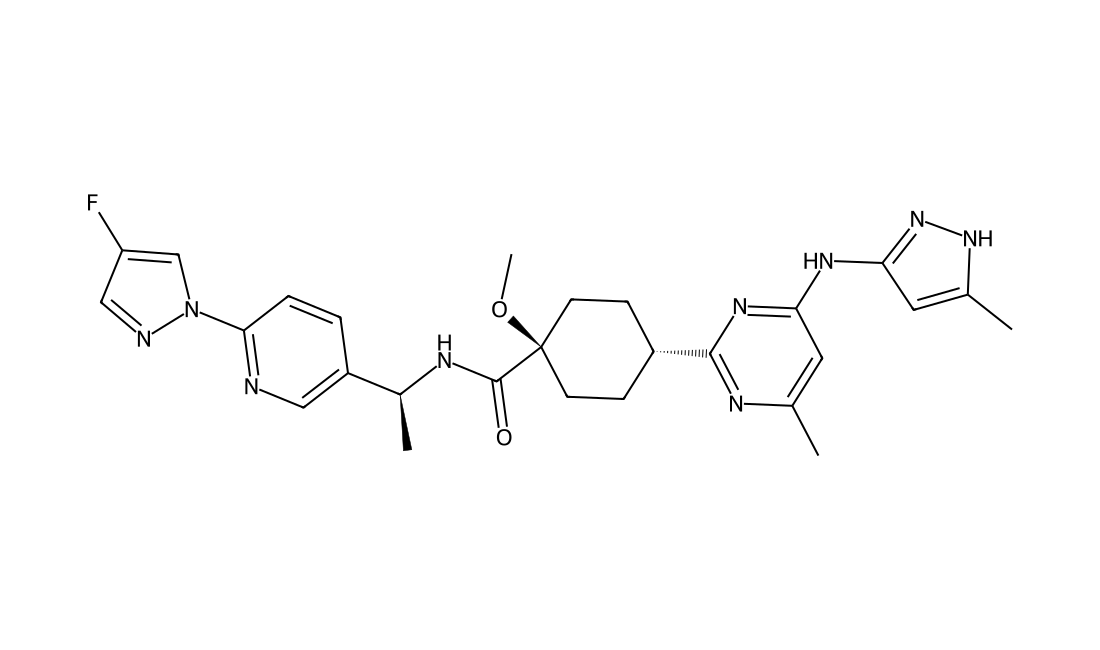
BLU-667 (Pralsetinib)Featured
Blu667 is a highly potent and selective RET inhibitor with an IC50 of 0.4 nM for wild type RET kinase.
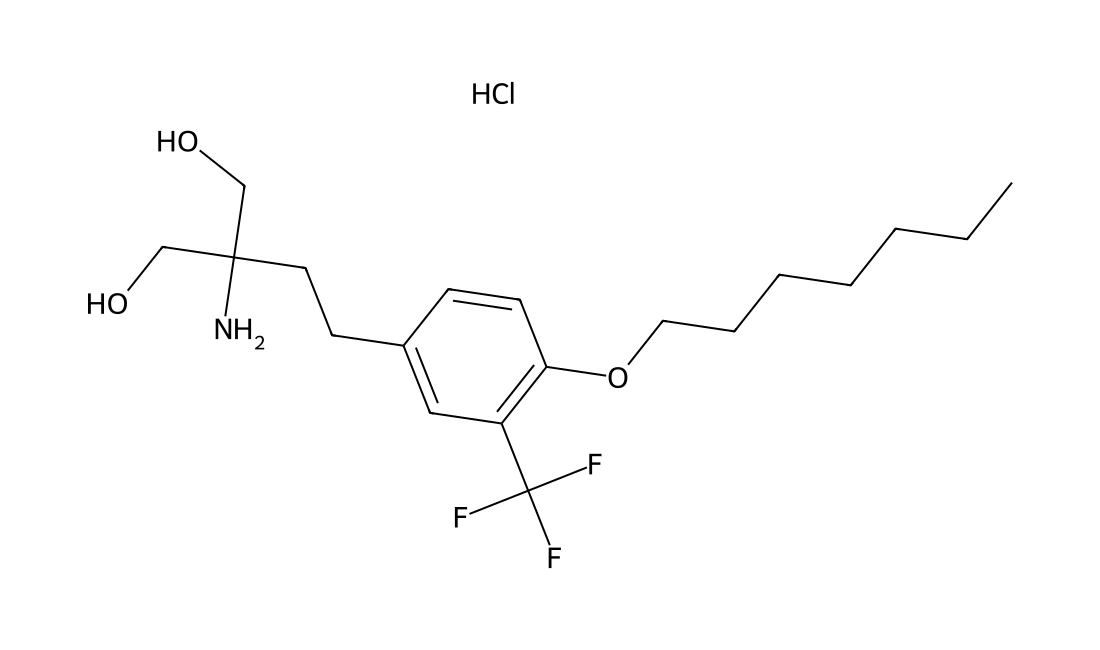
Amiselimod hydrochloride is a novel sphingosine 1-phosphate receptor-1 (S1P1) modulator, designed to reduce the bradycardia effects associated with fingolimod and other S1P receptor modulators.target: S1P1In vivo: After oral administration of amiselimod or fingolimod at 1 mg/kg, the concentration of amiselimod-P in rat heart tissue was relatively lower than that of fingolimod-P, potentially contributing to the minimal cardiac effects of amiselimod. Amiselimod-P showed potent selectivity for S1P1 , high selectivity for S1P5 , minimal agonist activity for S1P4 , no distinct agonist activity for S1P2 or S1P3 , and approximately 5-fold weaker GIRK activation than fingolimod-P. [1] Amiselimod 0·2 mg and 0·4 mg significantly reduced the total number of gadolinium-enhanced T1-weighted lesions. [2]
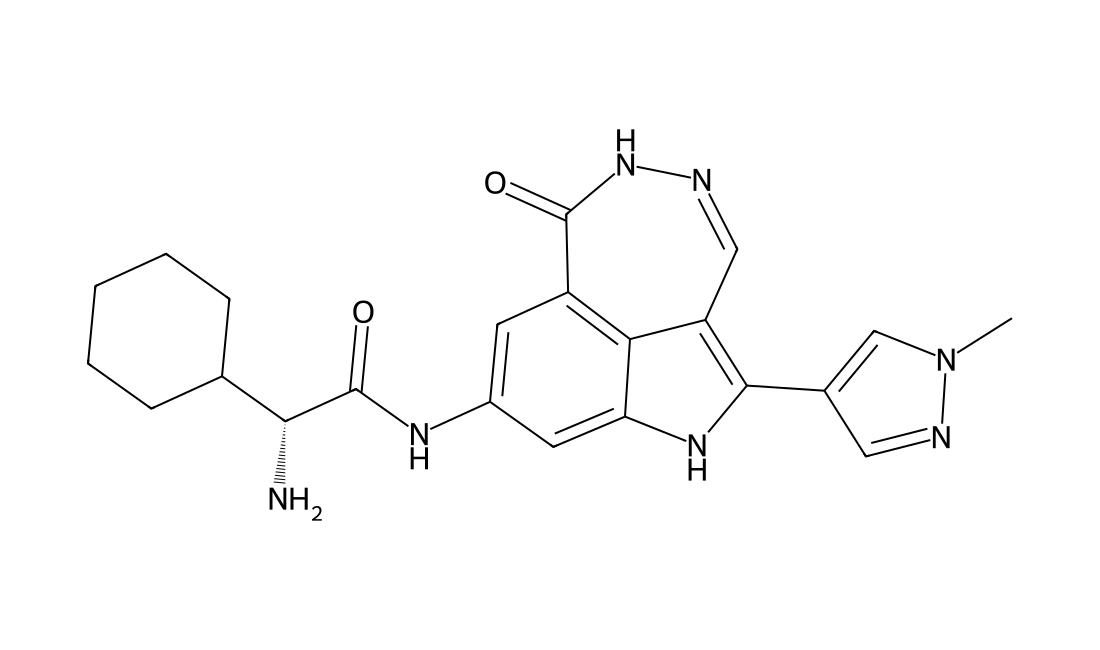
PF0477736Featured
PF 477736 is a potent, selective ATP-competitive inhibitor of Chk1, with a Ki of 0.49 nM, 100-fold selectivity versus Chk2 (Ki, 47 nM).
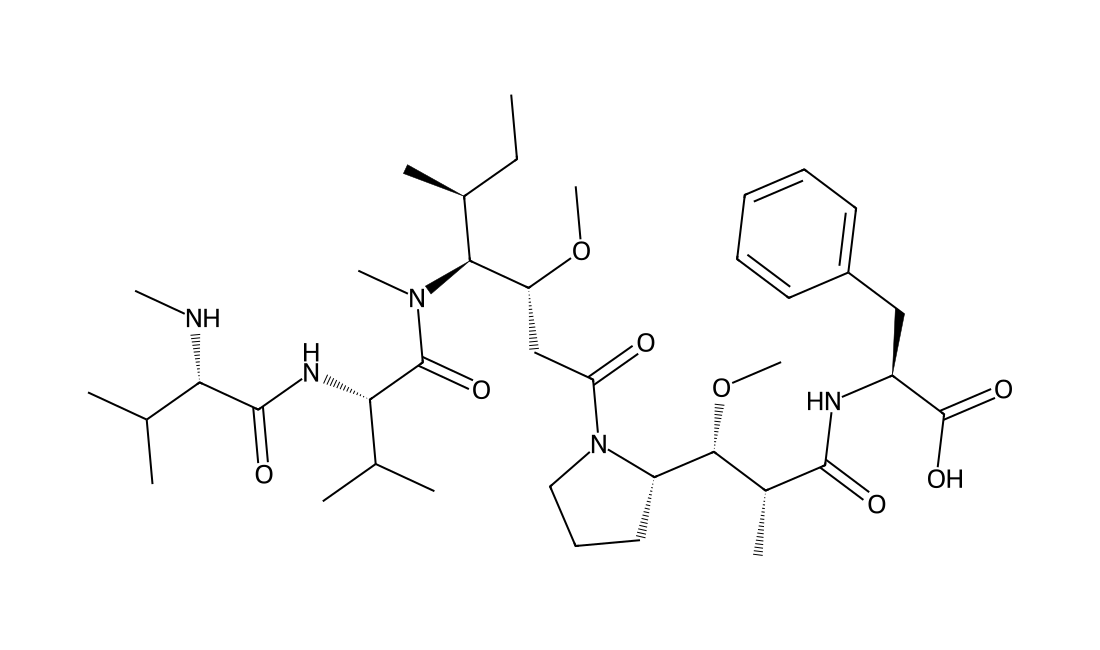
MMAFFeatured
MMAF (Monomethylauristatin F) is an antitubulin agent that inhibit cell division; inhibits H3397 cell growth with an IC50 of 105 nM.
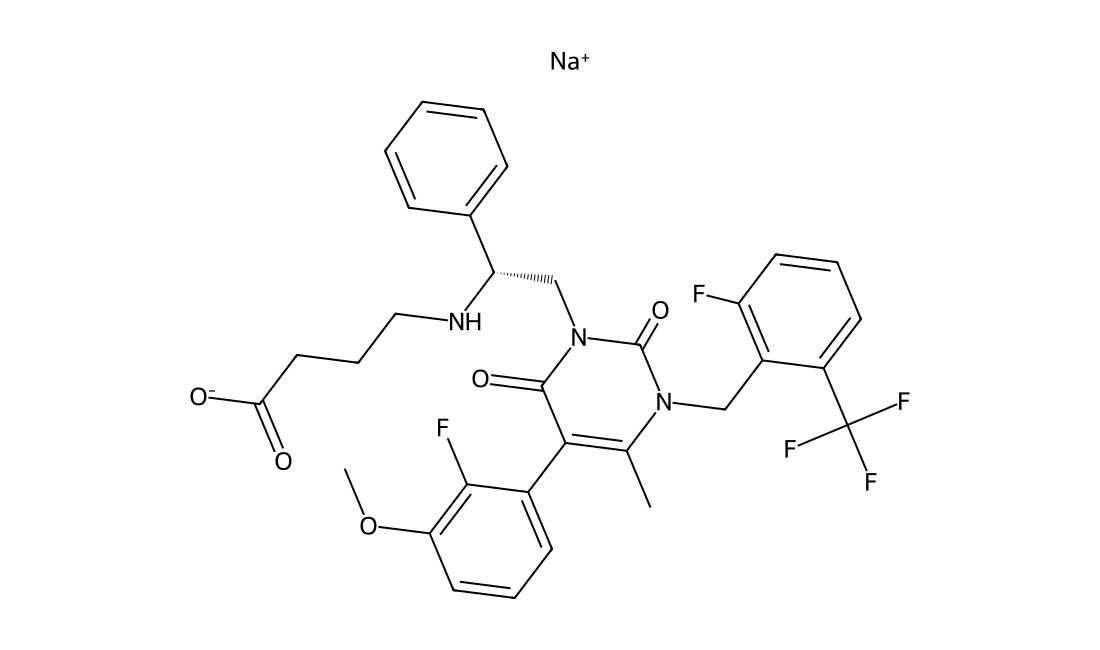
Elagolix sodiumFeatured
Elagolix sodium is a human GnRH receptor (GnRHR) antagonist with an IC50 and Ki of 0.25 and 3.7 nM, respectively.
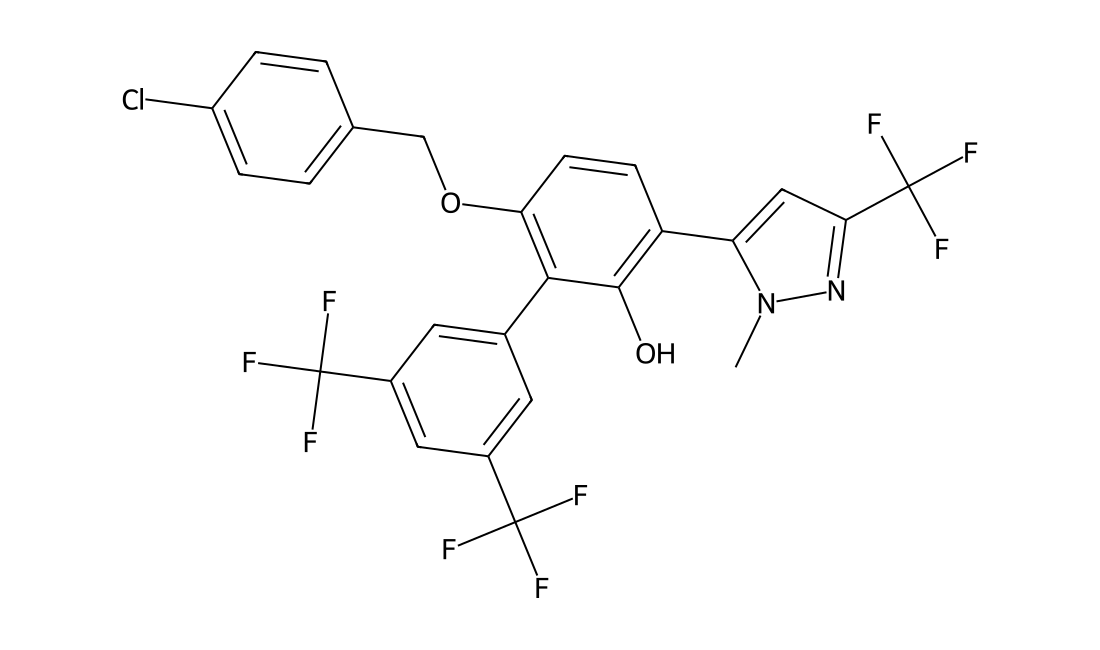
MYCi361Featured
MYCi361 (NUCC-0196361) is a MYC inhibitor with the Kd of 3.2 μM for binding to MYC. MYCi361 (NUCC-0196361) suppresses tumor growth and enhances anti-PD1 immunotherapy[1].
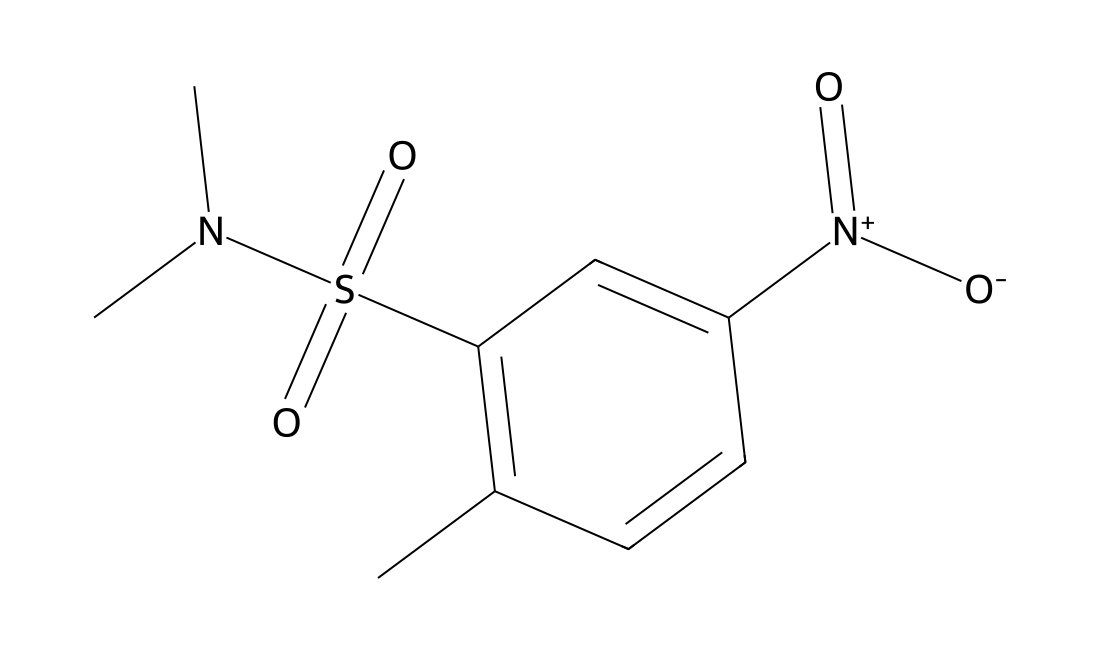
BRL-50481Featured
BRL-50481 is a novel and selective inhibitor of PDE7 with IC50s of 0.15, 12.1, 62 and 490 μM for PDE7A, PDE7B, PDE4 and PDE3, respectively.
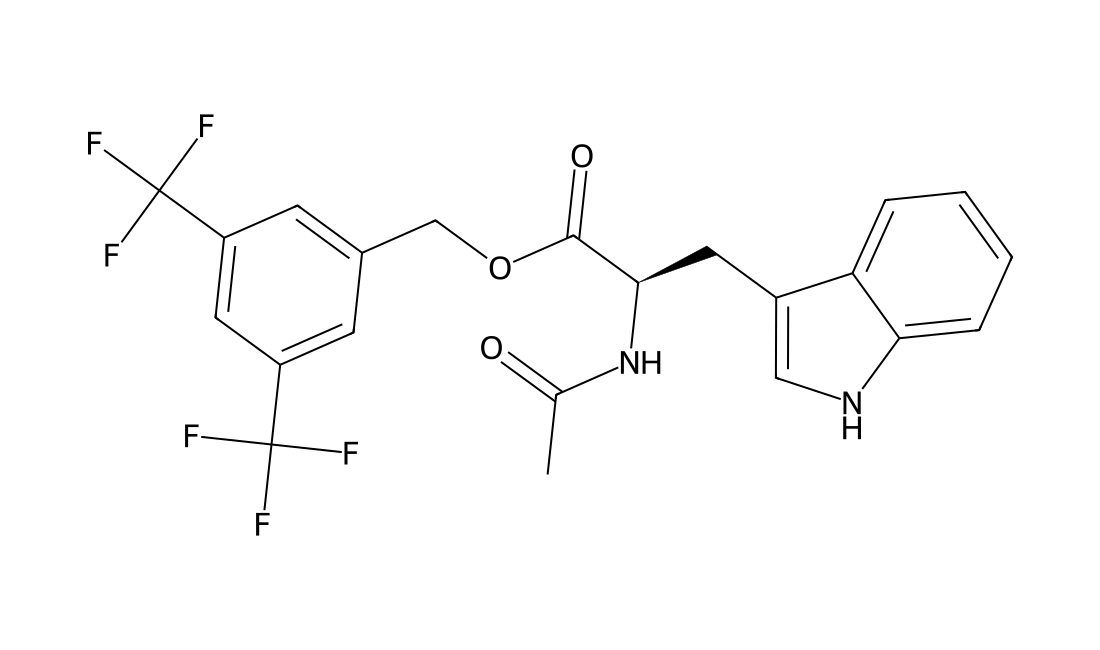
L-732138Featured
L-732138 is a selective, potent and competitive neurokinin-1 (NK-1) receptor antagonist with an IC50 of 2.3 nM. L-732138 has 200-fold more potent in cloned human NK-1 receptors than cloned rat NK-1 receptors, and has > 1000-fold more potent than human NK-2 and NK-3 receptors. L-732138 can reduce hyperalgesia and has antitumor action[1][2].
Mca-PL is a fluorogenic peptide that has been used as a building block in the synthesis of Mca-PLGL-Dpa-AR-NH2, a fluorogenic substrate for matrix metalloproteinase-2 (MMP-2) and MMP-7.
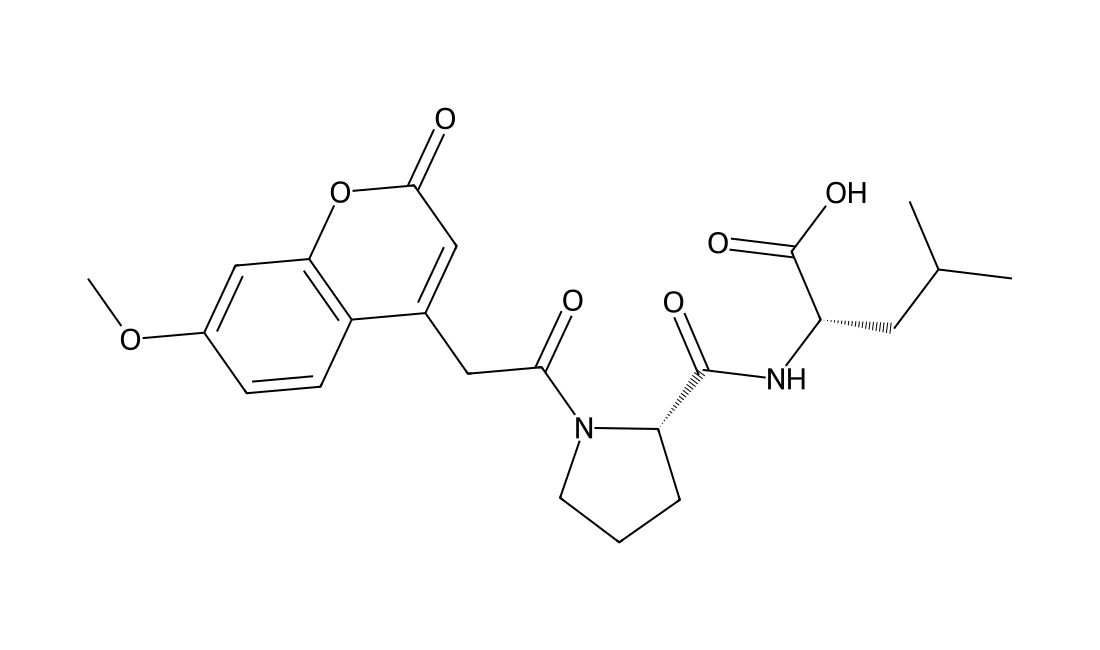
HMN-214Featured
HMN-214, an orally bioavailable prodrug of HMN-176, is an inhibitor of polo-like kinase-1 (plk1), with antitumor activity.
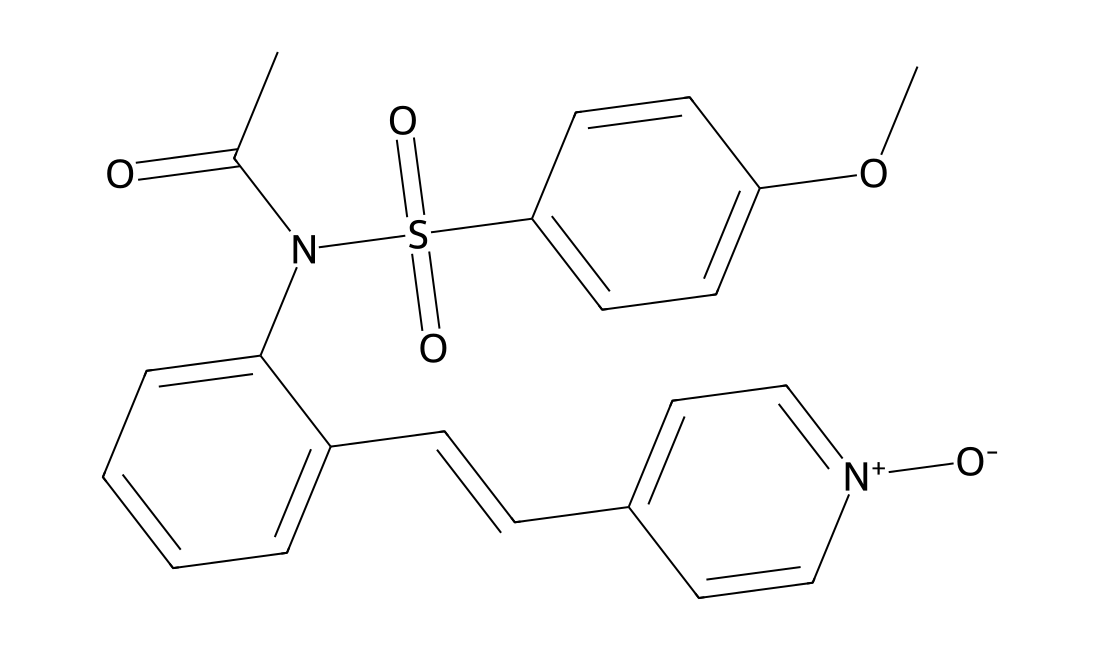
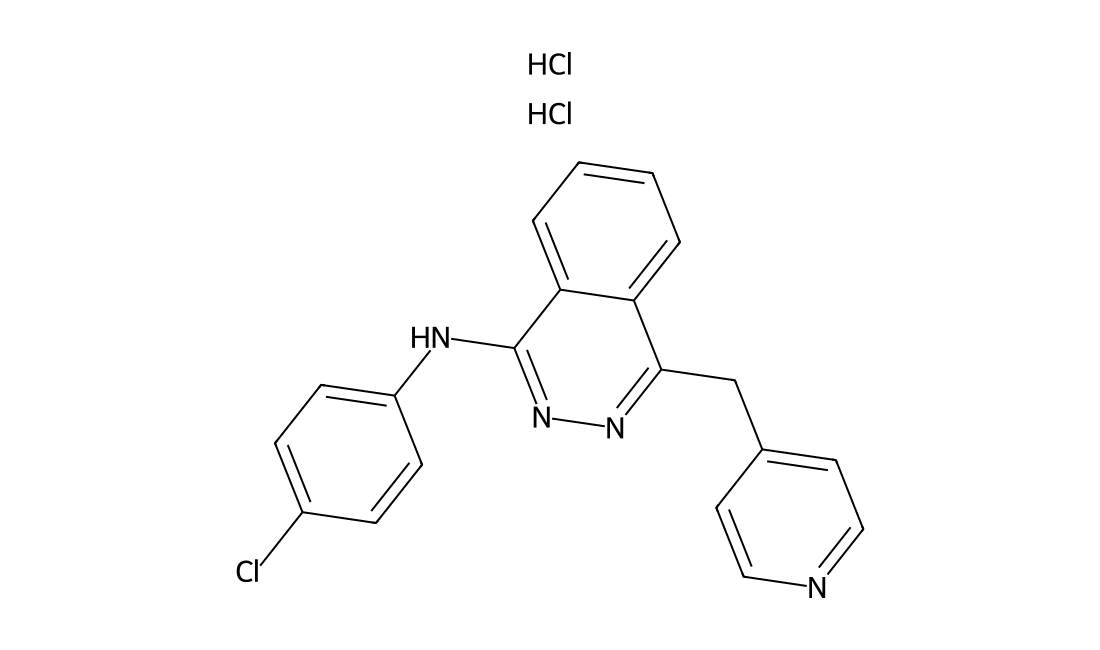
VatalanibFeatured
Vatalanib (PTK787; ZK-222584; CGP-79787) is an inhibitor of VEGFR2/KDR with IC50 of 37 nM.
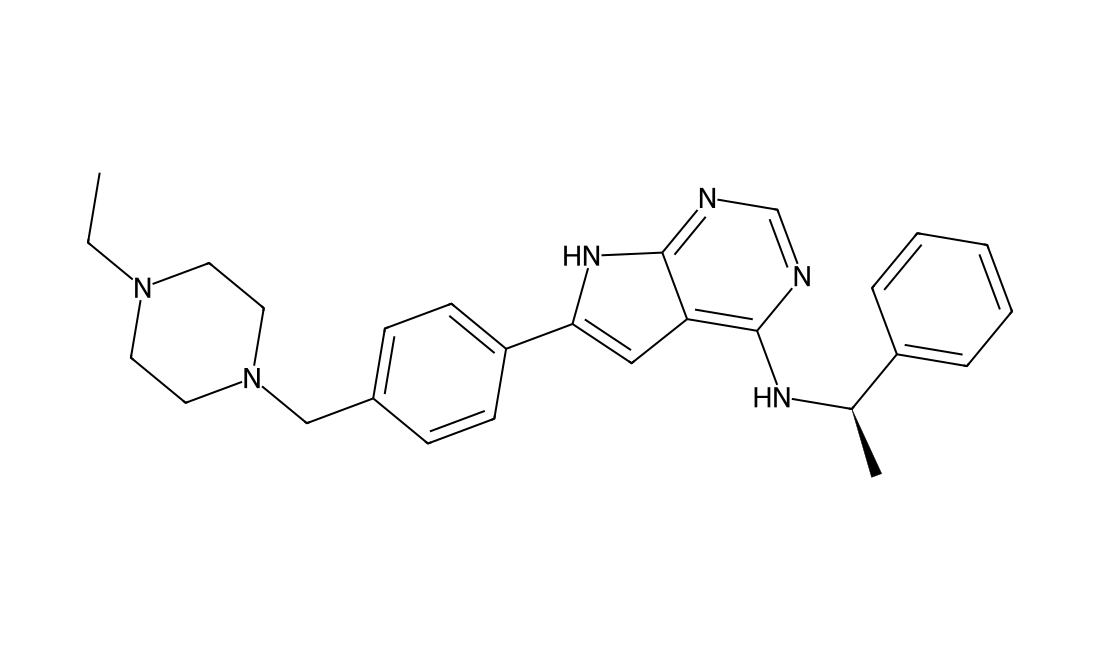
AEE-788 (NVP-AEE788)Featured
AEE788 is an inhibitor of the EGFR and ErbB2 with IC50 values of 2 and 6 nM, respectively.
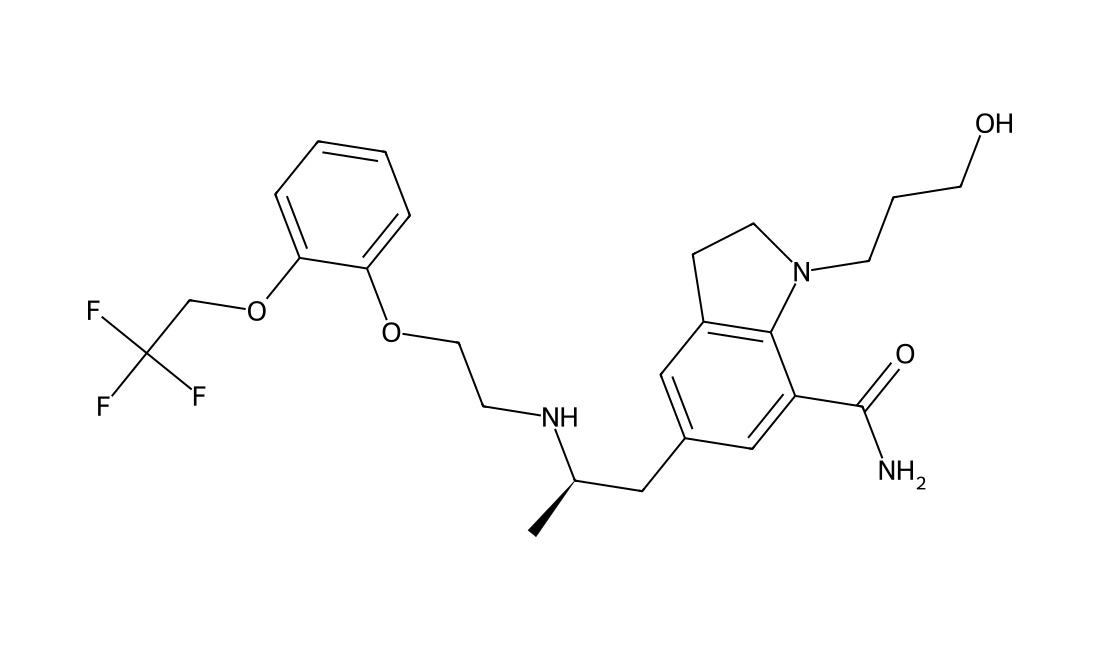
SilodosinFeatured
Silodosin (Rapaflo; KMD-3213) is an α1-adrenoceptor antagonist with high uroselectivity; In treatment of dysuria.
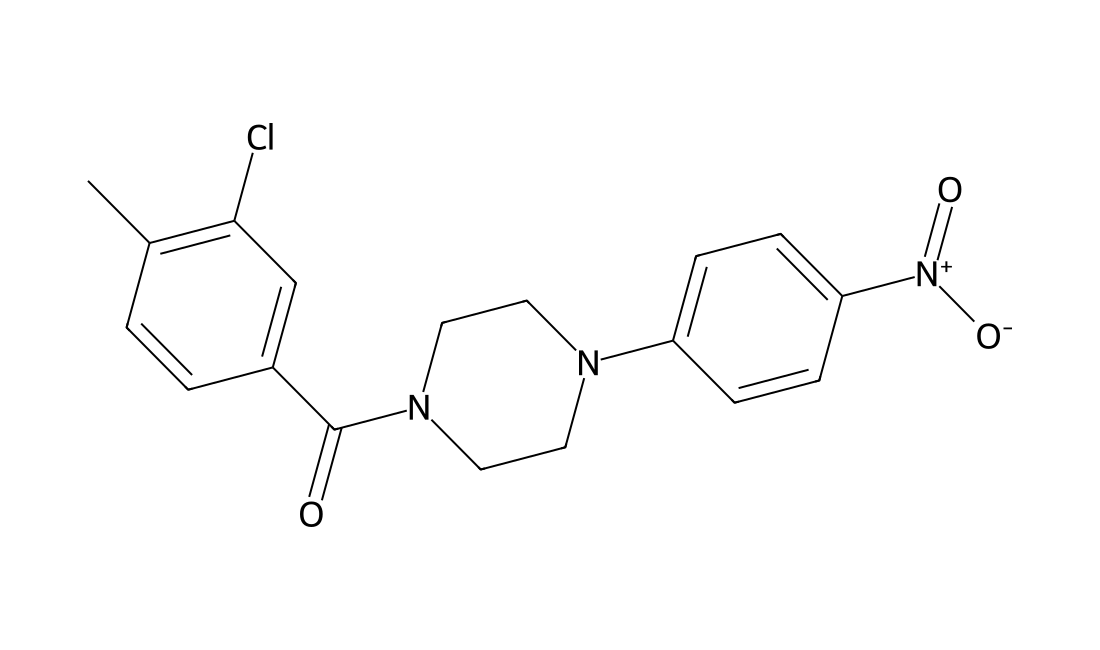
FilastatinFeatured
Filastatin is a long-lasting inhibitor of Candida albicans filamentation. Filastatin inhibits adhesion by multiple pathogenic Candida species with an IC50 of ~3 μM in the GFP-based adhesion assay. Filastatin inhibits fungal adhesion to polystyrene and human cells, the yeast-to-hyphal morphological transition, induction of the hyphal-specific HWP1 promoter. Filastatin has potent antifungal effect[1].
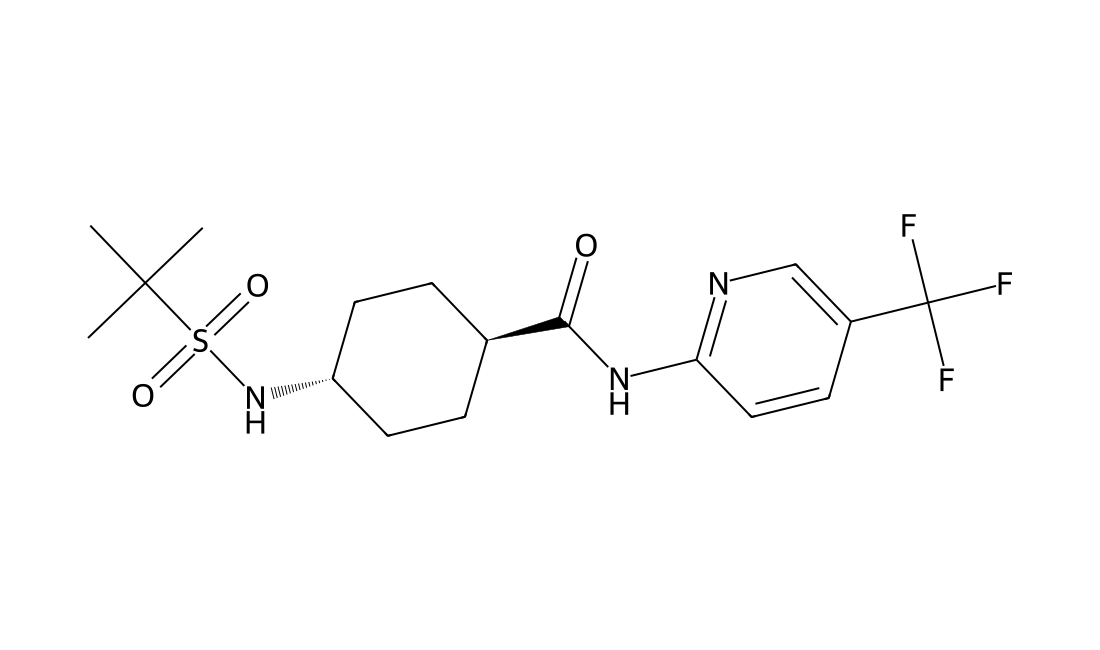
S-2367(Velneperit)Featured
Velneperit (S-2367) is a novel neuropeptide Y (NPY) Y5 receptor antagonist.Target: neuropeptide Y receptorVelneperit (S-2367) is a once-daily, oral, centrally acting, small molecule neuropeptide Y (NPY) Y5 receptor antagonist.
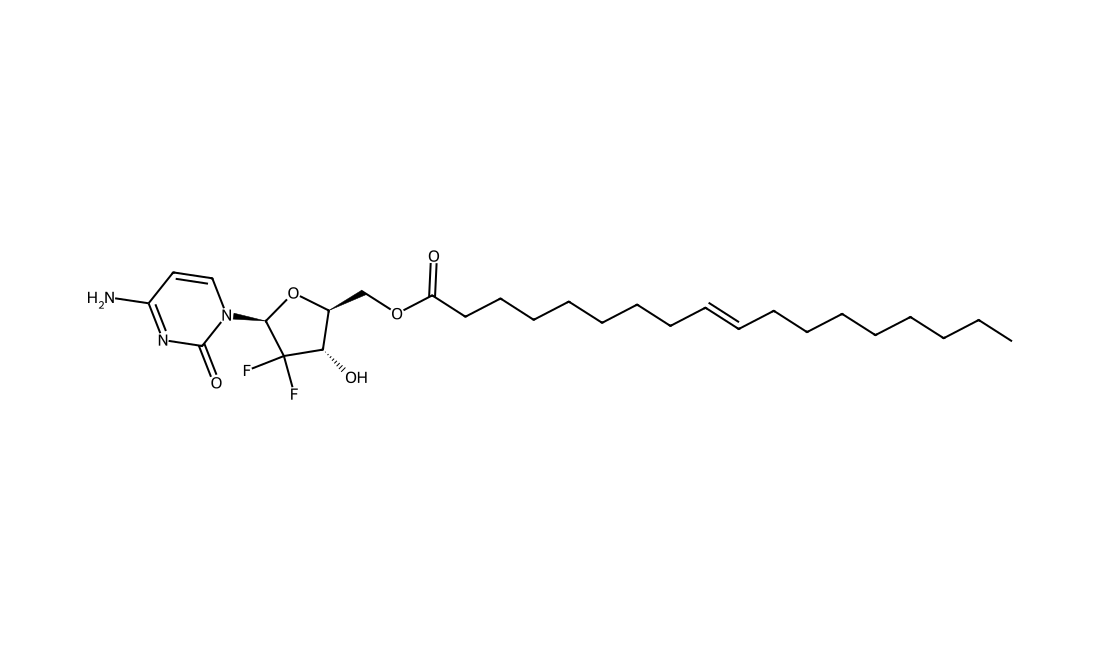
Gemcitabine elaidateFeatured
Gemcitabine elaidate(CP-4126; CO-101) is a lipophilic, unsaturated fatty acid ester derivative of gemcitabine (dFdC), an antimetabolite deoxynucleoside analogue, with potential antineoplastic activity.Gemcitabine analogUpon hydrolysis intracellularly by esterases, the prodrug gemcitabine is converted into the active metabolites difluorodeoxycytidine di- and tri-phosphate (dFdCDP and dFdCTP) by deoxycytidine kinase. dFdCDP inhibits ribonucleotide reductase, thereby decreasing the deoxynucleotide pool available for DNA synthesis; dFdCTP is incorporated into DNA, resulting in DNA strand termination and apoptosis. Due to its lipophilicity, gemcitabine 5'-elaidic acid ester exhibits an increased cellular uptake and accumulation, resulting in an increased conversion to active metabolites, compared to gemcitabine. In addition, this formulation of gemcitabine may be less susceptible to deamination and deactivation by deoxycytidine deaminase. Check for active clinical trials or closed clinical trials using this agent.
ALZ-801Featured
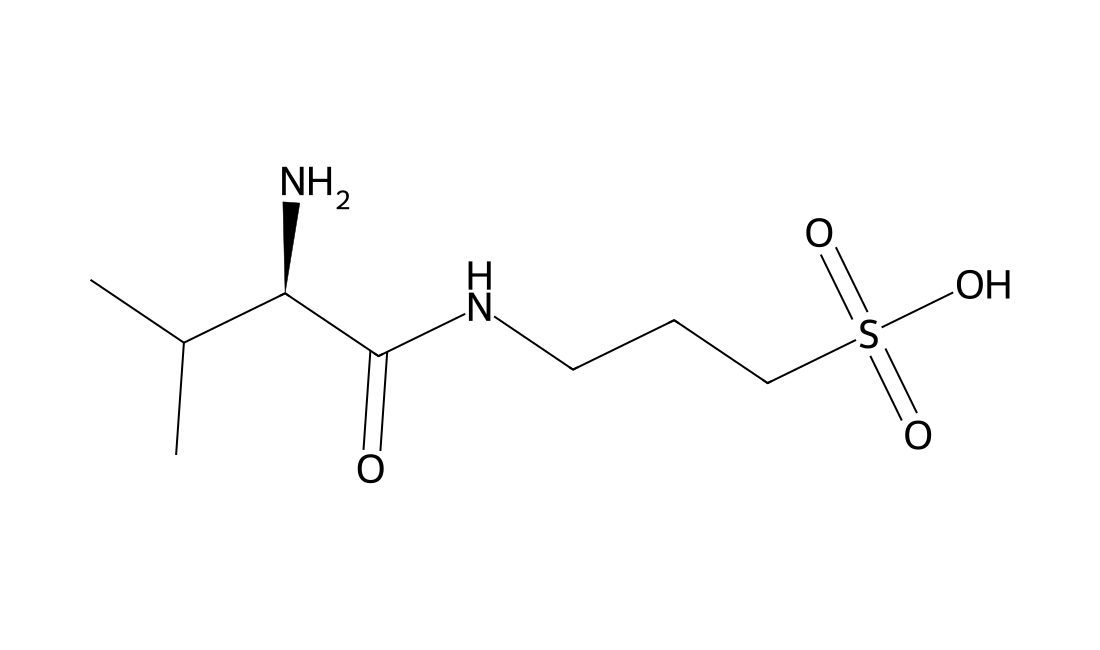
ALZ-801 is an orally available, small-molecule β-amyloid (Aβ) anti-oligomer and aggregation inhibitor, valine-conjugated prodrug of Tramiprosate with substantially improved PK properties and gastrointestinal tolerability compared with the parent compound[1]. ALZ-801 is an advanced and markedly improved clinical candidate for the treatment of Alzheimer’s disease[2].
Maytansinol(Ansamitocin P-0)Featured
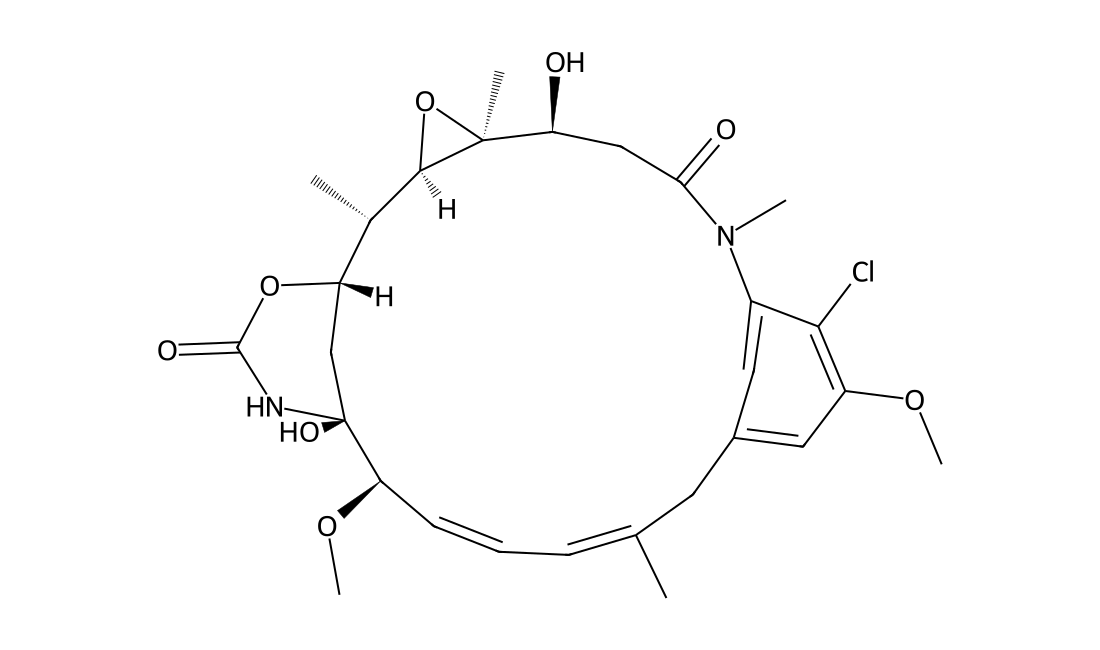
Maytansinol inhibits microtubule assembly and induces microtubule disassembly in vitro.
AKOS B018304Featured
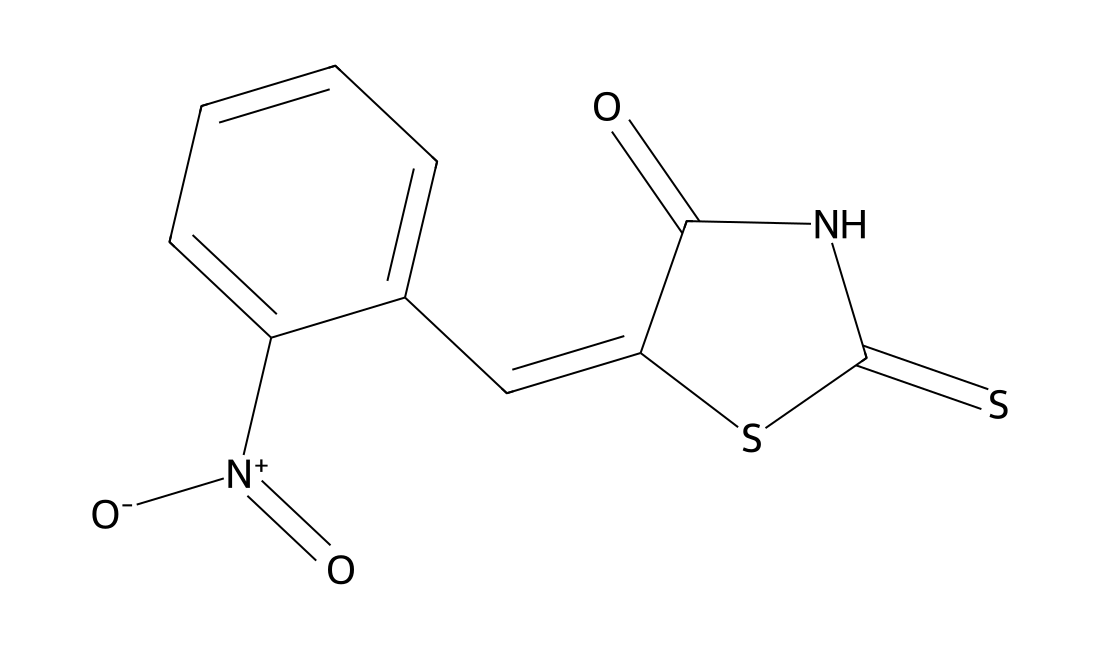
AKOS B018304 is an arylalkylidene derivative, with polar substitution at para-position.
Prostaglandin E2 (Cervidil)Featured
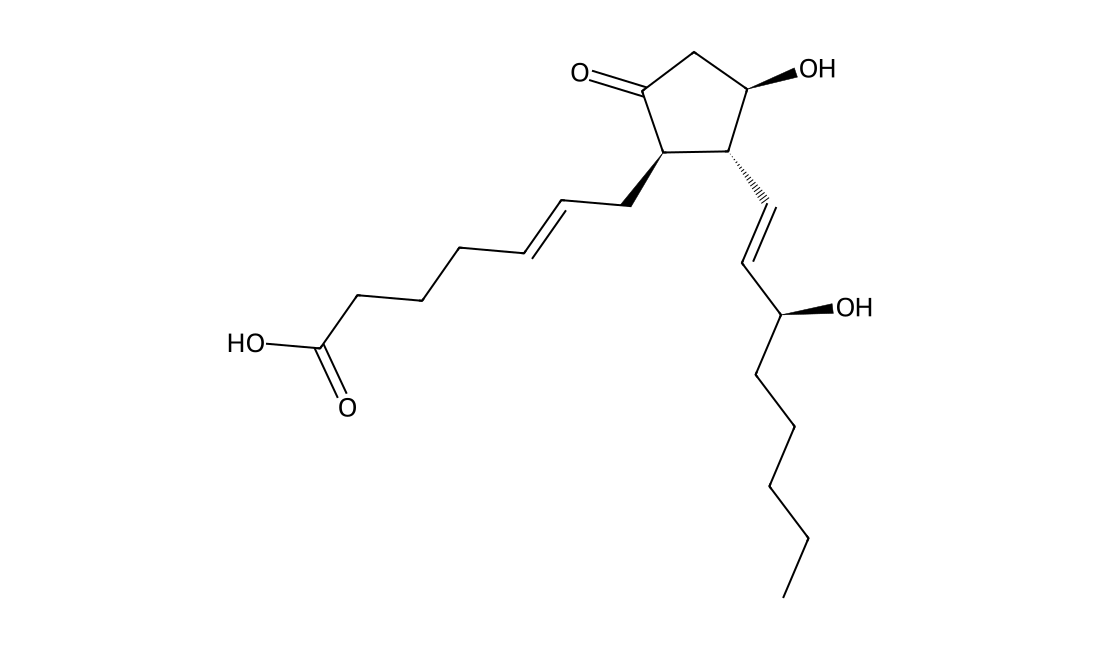
Prostaglandin E2 is a hormone-like substance that participate in a wide range of body functions such as the contraction and relaxation of smooth muscle, the dilation and constriction of blood vessels, control of blood pressure, and modulation of inflammation.
No products match this search.
Page 406 of 409 · Browse all 8177 products
Jump to a product page
Featured literature product: HX1 · DCL0028
HX1 is a hydroxyzine-derived ionizable lipid with acetal-containing tails, studied in lipid nanoparticles for brain mRNA delivery and CRISPR–Cas9 delivery. It was the lead in the reported in vivo brain-delivery screen; evidence is preclinical and formulation-dependent.
Read full formulation and performance →