
Research lipid catalog
Ionizable Lipid Products
Explore 848 lipid and RNA delivery products. Search the full catalog or browse by research category.
Search covers product name, catalog number, synonyms, available CAS numbers and categories. Spaces, hyphens and common punctuation are ignored. Duplicate legacy records are consolidated under one canonical product result.
8177 products · Showing 7841–7860 · 20 per page
DC Chemicals lipid expertise
Built for ionizable-lipid discovery and RNA delivery research
DC Chemicals supports formulation and delivery research with a broad, searchable portfolio of cationic and ionizable lipids. The current directory brings together 848 unique research-use products, with product specifications, pricing, chemical structures and literature-linked formulation data added as each record is verified.
Our experience spans complex lipid synthesis, purification, analytical release and process development. For custom molecules or larger-scale requirements, our team can discuss route development, technical specifications and scale-up options for the intended research workflow.
Learn about cationic and ionizable lipids →Proprietary innovation · Co-development · GMP
From proprietary lipid design to GMP-grade custom synthesis
DC Chemicals has independently developed ionizable-lipid structures supported by company-owned intellectual property, and selected proprietary lipid programs have advanced to GMP-stage development.
We welcome joint development with customers—from molecular design and lipid synthesis through route and process development. We can also support custom synthesis of GMP-grade ionizable lipids to agreed technical specifications and quality requirements.
Discuss a co-development project →Proprietary ionizable-lipid structuresCollaborative molecular designCustom lipid synthesisProcess development and scale-upGMP-grade project support
Product quick links
Explore New ionizable lipids
Explore our five most recently added ionizable lipids, with specifications, pricing and literature-linked product information.
DCL0028HX1Brain RNA delivery researchView product →DCL0024A1I4R13C18-2Spleen-targeted RNA delivery researchView product →DCL0023A1I4R2C18-2Spleen-targeted RNA delivery researchView product →DCL0022FS01Local joint RNA delivery researchView product →DCL0020Lipid-392Lung RNA delivery and gene editing researchView product →
Cat. No.Product NameField of ApplicationChemical Structure
BAY2335218(BAY-218)Featured
BAY2335218(BAY-218) showed IC50 values for human and murine AhR 45 and 43 nM, respectively, IC50 values of 76 and 66 for human and murine CYP1A1 mRNA in cellular functional assays, respectively.
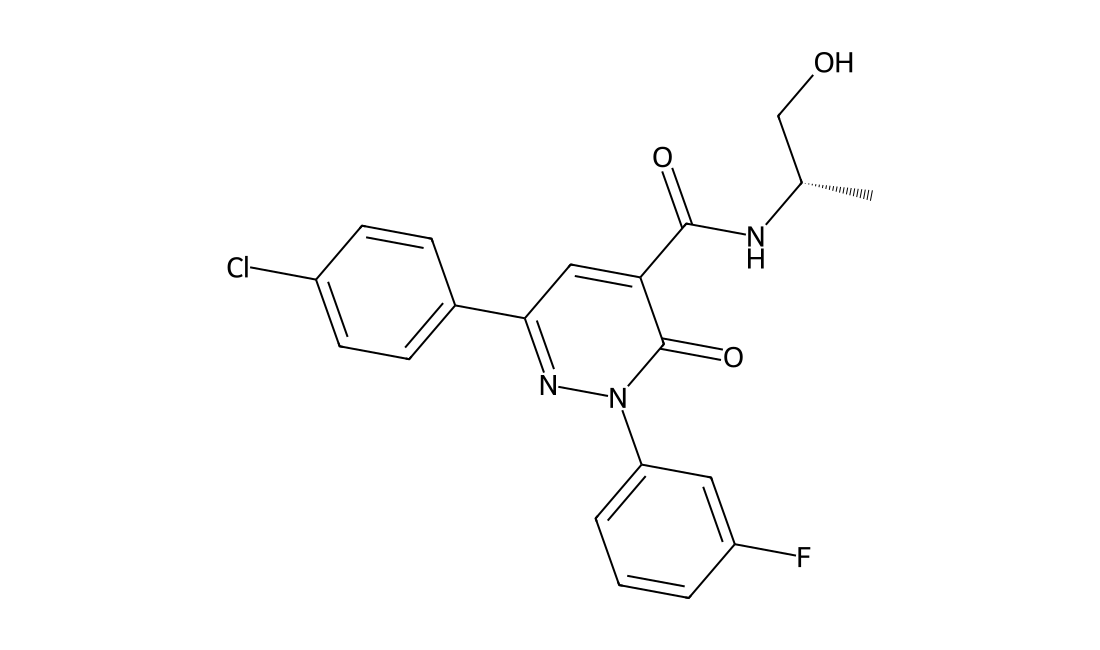
AA-115Featured
AA-115 (APG 115) is a potent and orally active MDM2 inhibitor with Ki <1 nM, potently inhibits SJSA-1 cell growth with IC50 of 60 nM; exhibits IC50 values of 38, 18, and 104 nM in the RS4;11 acute leukemia, LNCaP prostate cancer, and HCT116 colon cancer cell lines, respectively; effectively inhibits tumor growth and causes no or minimal weight loss.
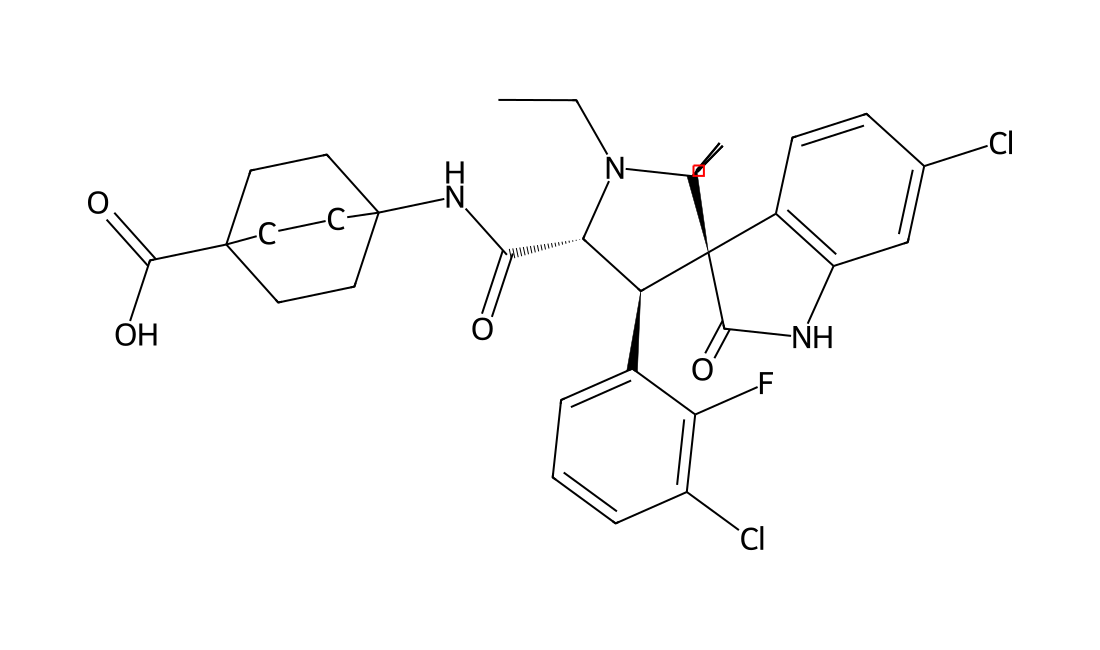
felezonexor(SL-801)Featured
CBS9106 (SL-801) is a reversible oral CRM1 inhibitor with CRM1 degrading and antitumor activities[1].
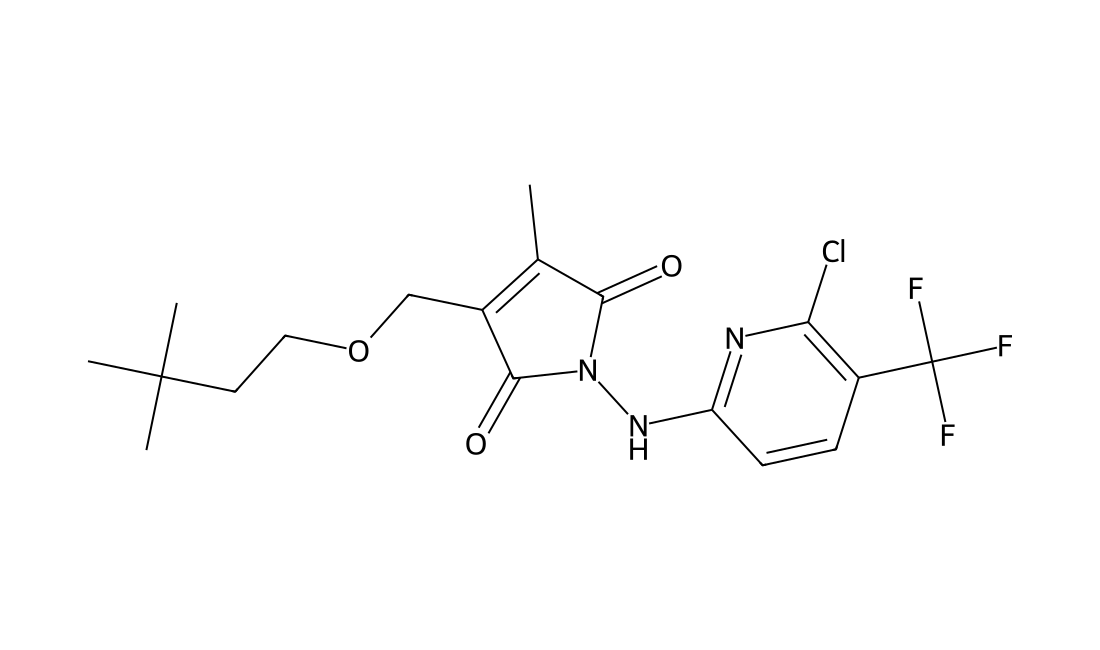
BAY 73-6691Featured
BAY 73-6691 is a potent, selective brain penetrant PDE9A inhibitor.
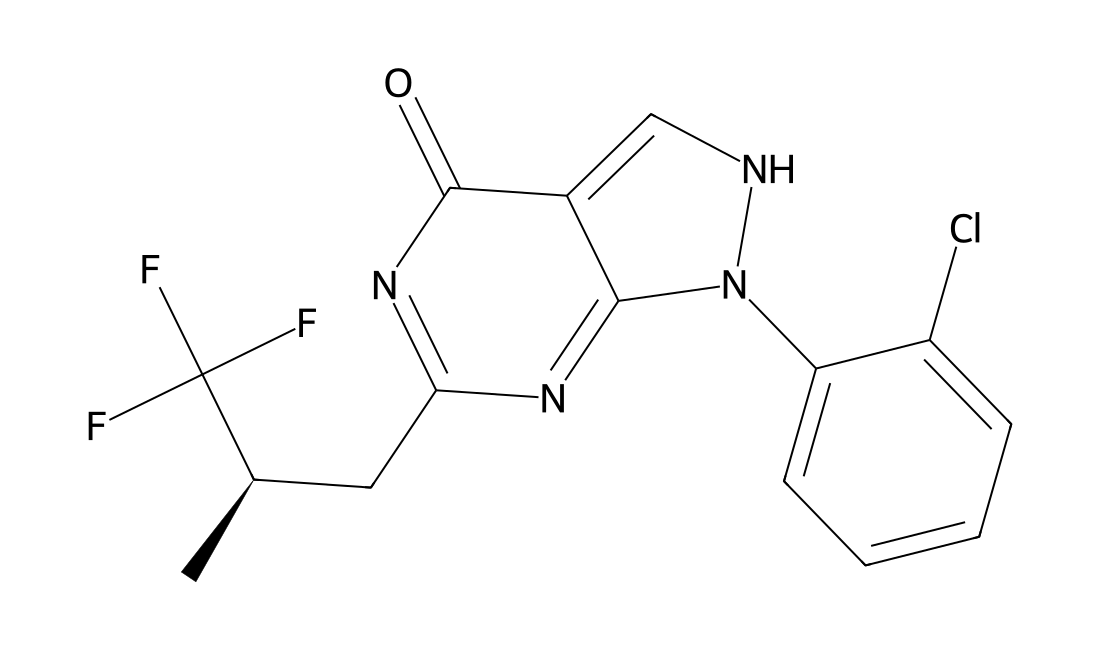
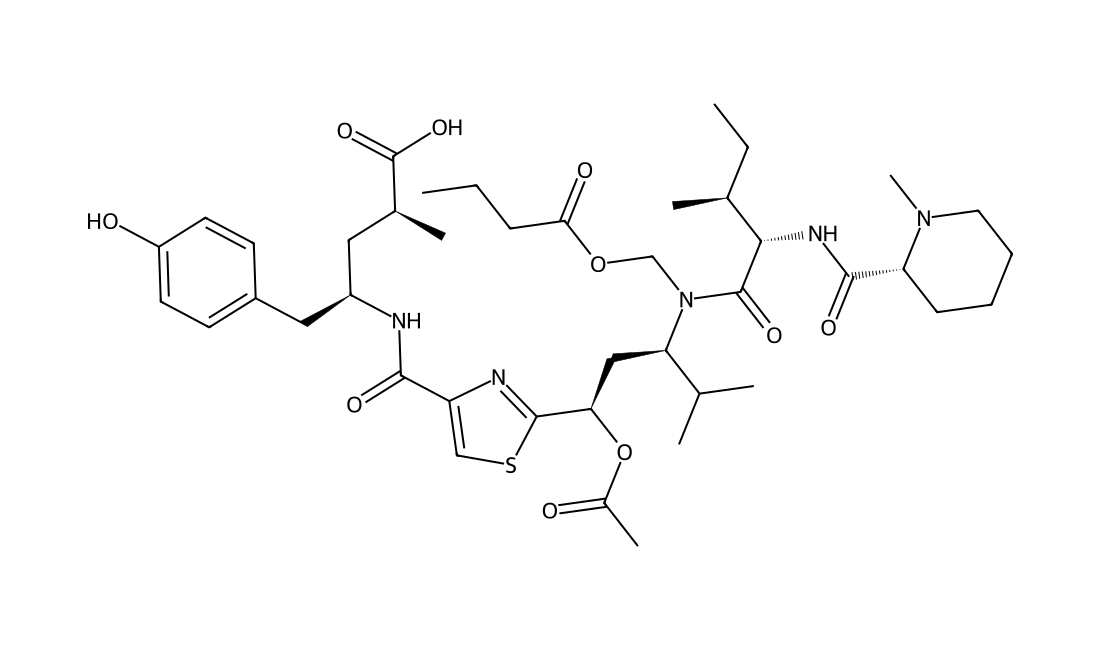
Tubulysin BFeatured
Tubulysin B is a highly cytotoxic peptide and potent microtubule destabilizing agents isolated from the myxobacteria Archangium geophyra and Angiococcus disciformis. Tubulysin B has IC50 values in the picomolar range against many cancer cell lines, including those with multidrug resistant properties[1].Tubulysin B is a cytotoxic activity tubulysin which inhibits tubulin polymerization and leads to cell cycle arrest and apoptosis[2].
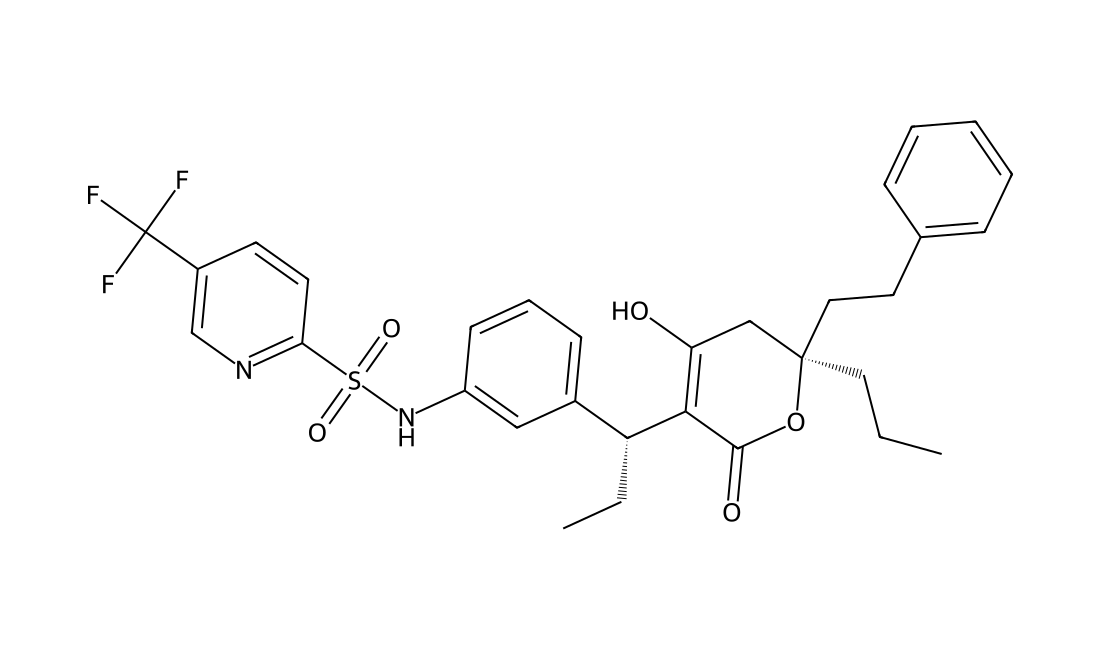
TipranavirFeatured
Tipranavir is a nonpeptidic protease inhibitor. Tipranavir has the ability to inhibit the replication of viruses that are resistant to other protease inhibitors and it recommended for patients who are resistant to other treatments. Resistance to tipranavir itself seems to require multiple mutations. Tipranavir was approved by the Food and Drug Administration (FDA) on June 22, 2005, and was approved for pediatric use on June 24, 2008. Like lopinavir and atazanavir, it is very potent and is effective in salvage therapy for patients with some drug resistance.
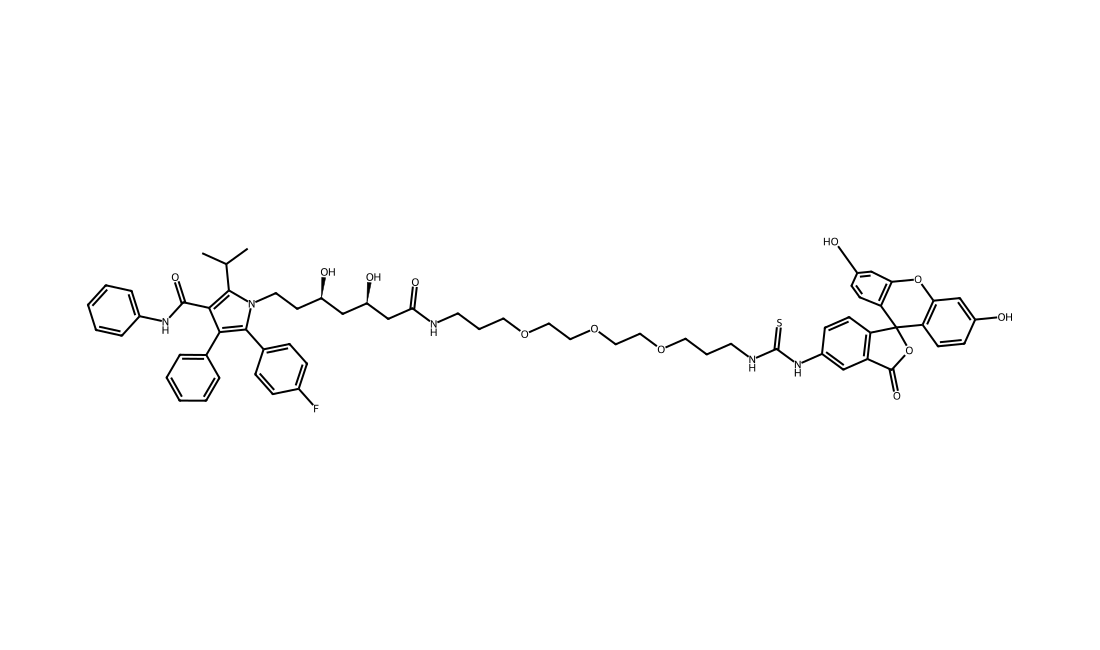
Atrovastatin-PEG3-FITCFeatured
Atrovastatin-PEG3-FITC (compound S31) is a KRAS-PDEδ interaction inhibitor. Atrovastatin-PEG3-FITC acts as a ligand in fluorescence anisotropy assay.
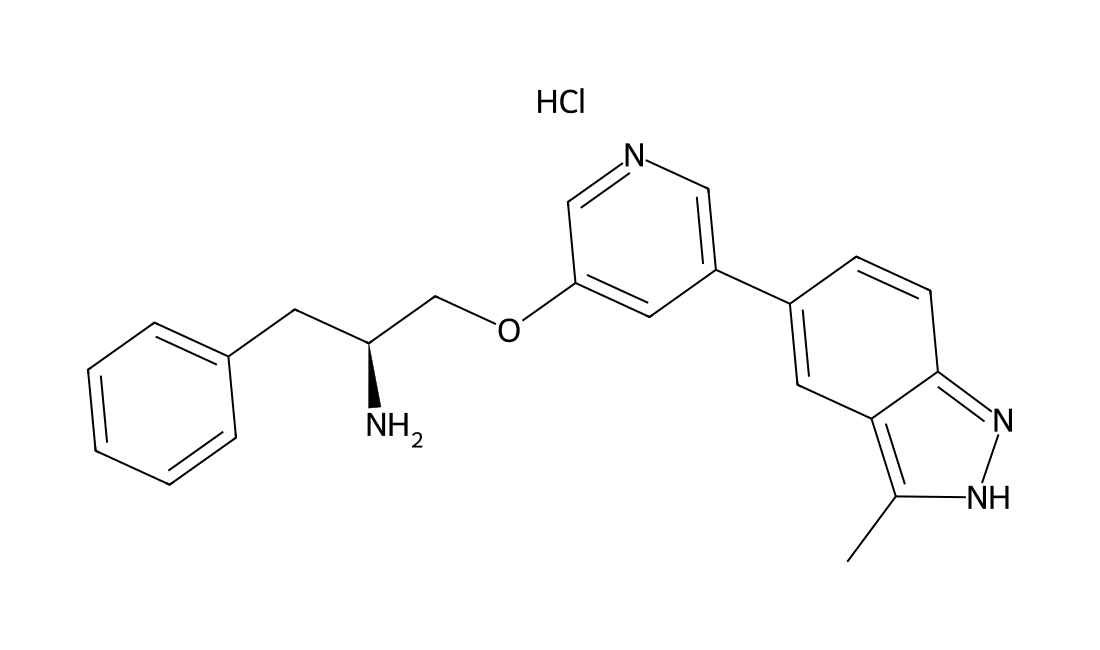
A-674563 HClFeatured
A-674563 is a potent and selective Akt1 inhibitor with Ki of 11 nM. A-674563 suppressed the activation of the NLRP3 inflammasome in cardiomyocytes following β-adrenoceptor activation, suggesting that AKT1 is a critical regulator molecule upstream of the NLRP3 inflammasome. A-674563 suppresses CDK2 activity, inhibits human NSCLC cell growth more effectively than the pan-AKT inhibitor, MK-2206
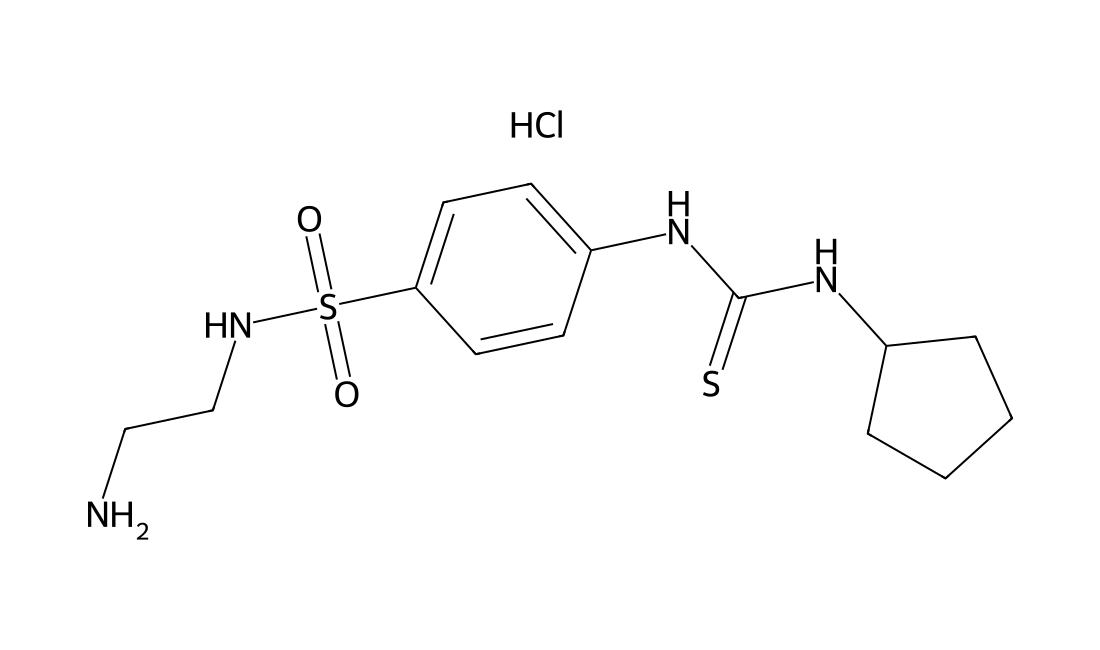
GPX4-Activator-1d4Featured
Novel Potent Allosteric Activator for Ferroptosis Regulator Glutathione Peroxidase 4 (GPX4)
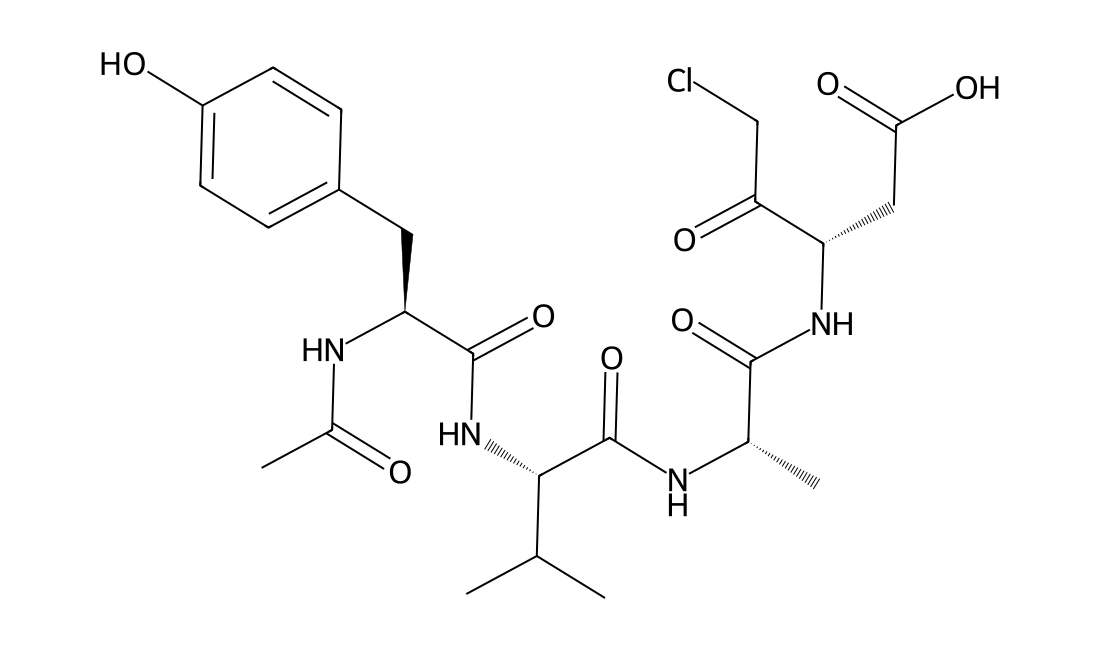
Ac-YVAD-cmkFeatured
Ac-YVAD-cmk (Caspase-1 Inhibitor II) is a selective caspase-1 (IL-1beta converting enzyme, ICE)) inhibitor with neuroprotective and anti-inflammatory effects. Ac-YVAD-cmk effectively suppresses the expression of IL-1β and IL-18. Ac-YVAD-cmk inhibits pyroptosis in many diseases.
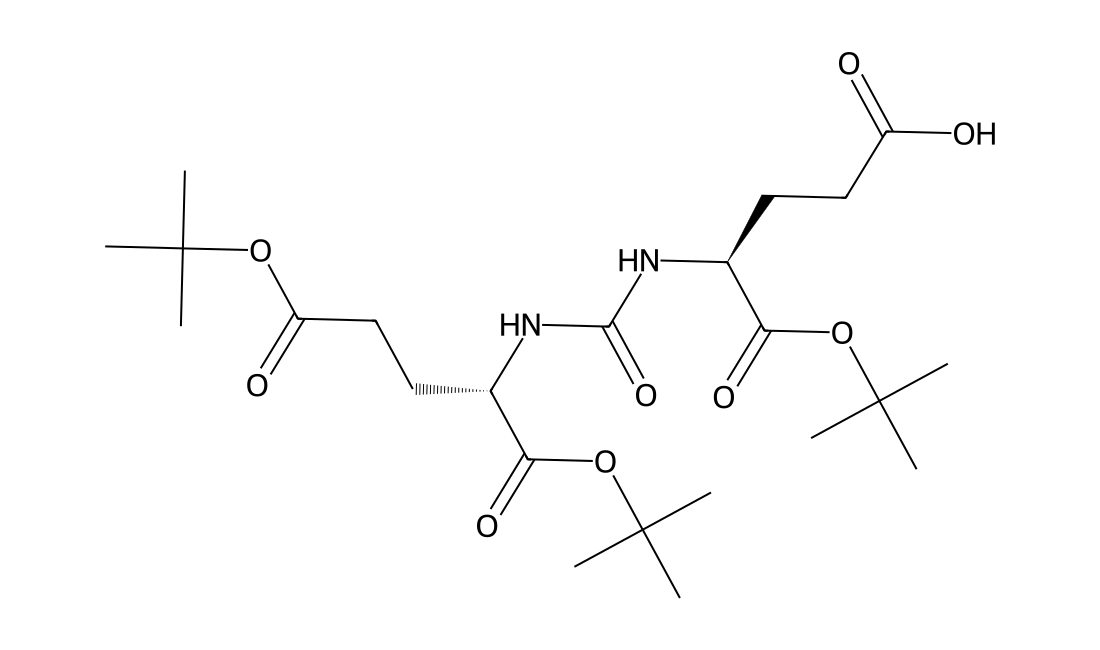
DUPA(OtBu)-OHFeatured
DUPA(OtBu)-OH is a DUPA precursor. DUPA is used as the targeting moiety to actively deliver Docetaxel (DTX) for treatment of Prostate-Specific Membrane Antigen (PSMA) expressing prostate cancer.
IACS-15414Featured
IACS-15414 (IACS 15414) is a potent, selective, orally bioavailable SHP2 inhibitor with IC50 of 122 nM; IACS-15414 potently suppressed the mitogen-activated protein kinase (MAPK) pathway signaling and tumor growth in RTK-activated and KRASmut xenograft models in vivo. IACS-15414 potently suppressed the mitogen-activated protein kinase (MAPK) pathway signaling and tumor growth. IACS-15414 had excellent PK properties across species but a narrow hERG window.
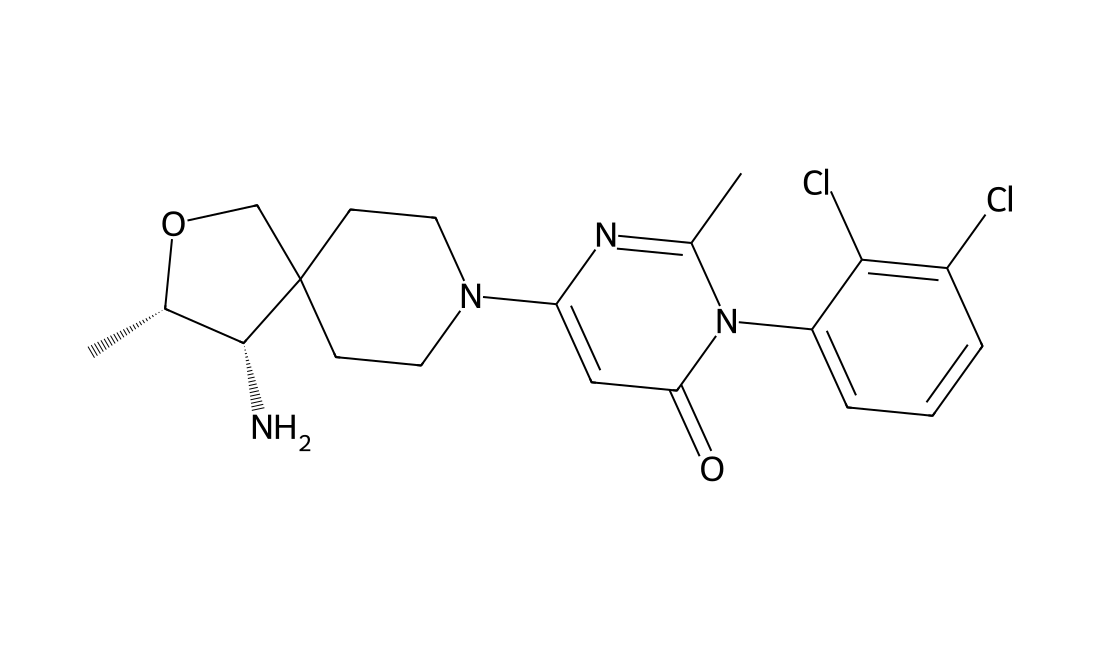
BMS-963272Featured
BMS-963272 is a potent, selective MGAT2 inhibitor with IC50 of 7.1 nM/18 nM (hMGAT2/mMGAT2) and shows excellent efficacy, safety, and tolerability profile.
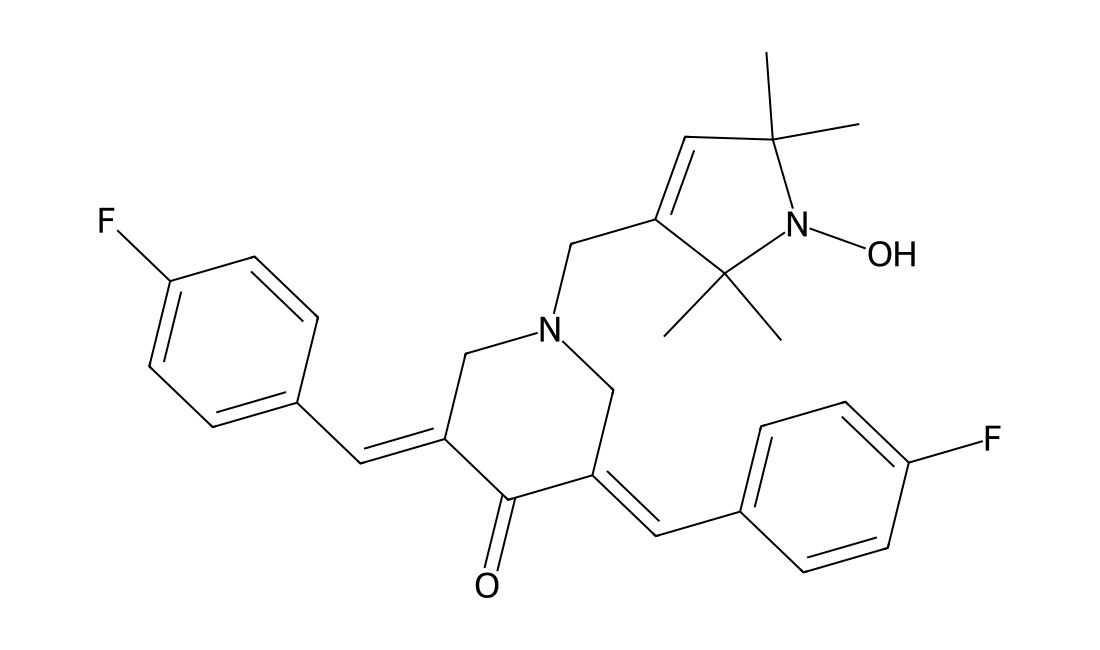
HO-3867Featured
A synthetic curcuminoid that selectively inhibits STAT3 phosphorylation, transcription, and DNA binding without affecting the expression of other active STATs; induces G2-M cell cycle arrest in A2780 cells by modulating cell cycle regulatory molecules p53, p21, p27, CDK 2, and cyclin, and promotes apoptosis, inhibits pSTAT3 (Tyr705 and Ser727) and JAK1 and increases apoptotic markers cleaved caspase-3 and PARP in xenograft tumor tissues.
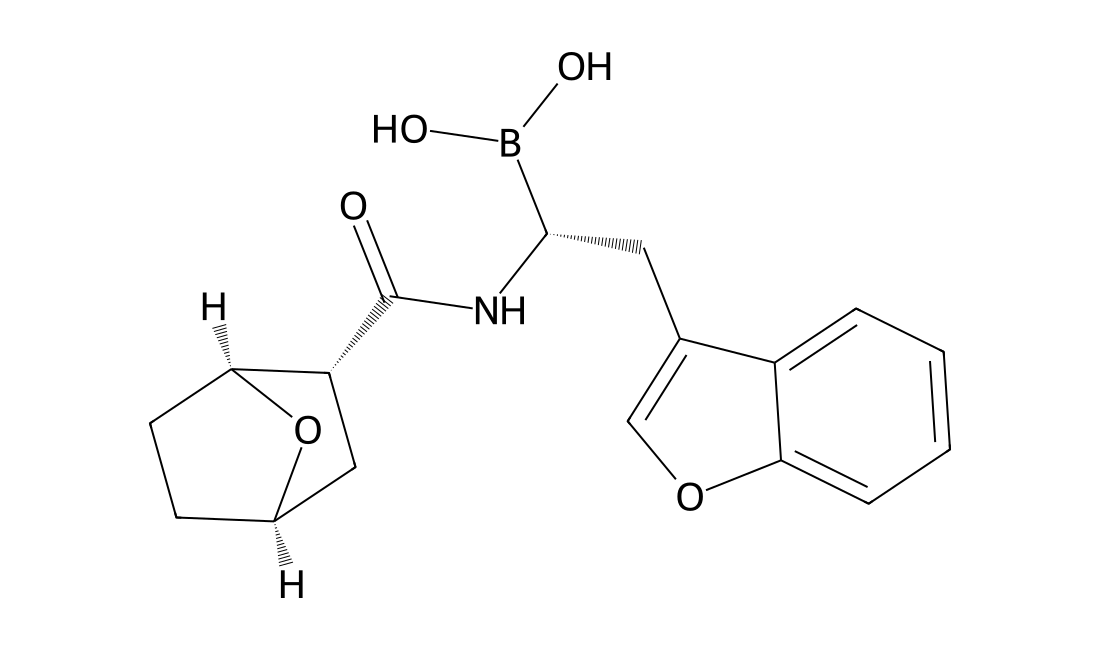
M3258Featured
M3258 (M 3258) is a potent, reversible, highly selective and orally acitve LMP7 inhibitor with ceullar IC50 of 4.1 nM.M3258 does not inhibit other constitutive proteasome and immunoproteasome subunits (IC50>2.5 uM).M3258 demonstrated strong antitumor efficacy in multiple myeloma xenograft models.M3258 treatment led to a significant and prolonged suppression of tumor LMP7 activity and ubiquitinated protein turnover and the induction of apoptosis in multiple myeloma cells both in vitro and in vivo.M3258 showed superior antitumor efficacy in selected multiple myeloma and mantle cell lymphoma xenograft models compared with the approved nonselective proteasome inhibitors bortezomib and ixazomib.
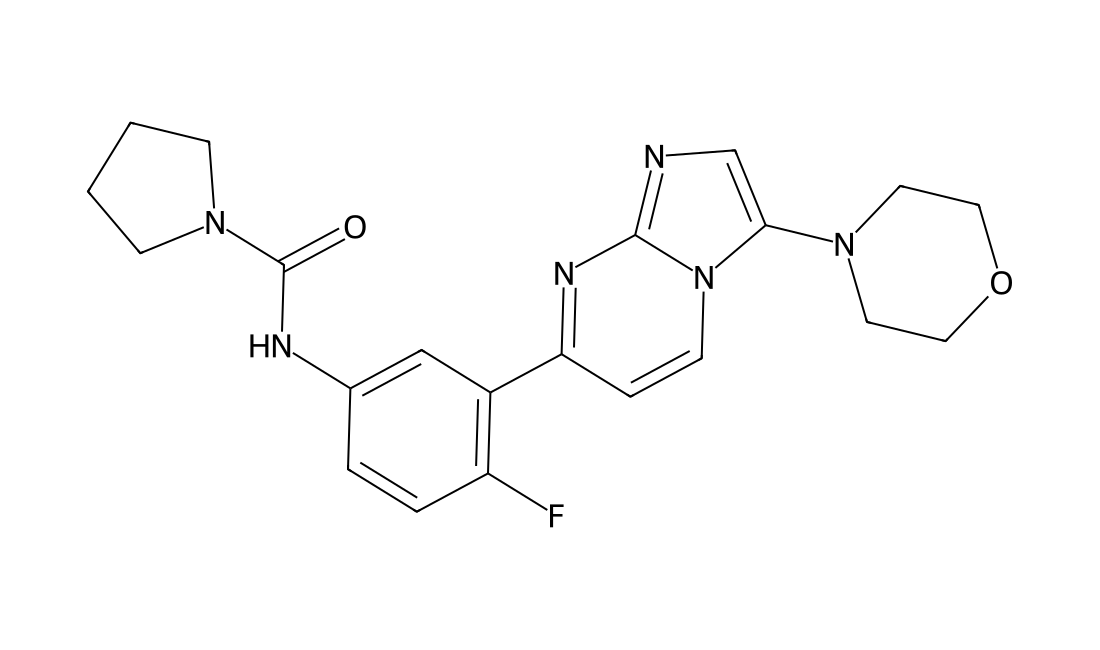
GSK3494245Featured
GSK3494245 (DDD01305143) is a potent, orally active, and selective inhibitor of the chymotrypsin-like activity of the parasite proteasome binding in a site sandwiched between the β4 and β5 subunits (IC50=0.16 μM for WT L. donovani proteasomes). GSK3494245 moderately inhibits chymotrypsin-like activity of human proteasome (IC50: purified 26S=13 µM; enriched THP-1 extracts IC50=40µM). GSK3494245 exhibits attractive biological and biosafety properties.
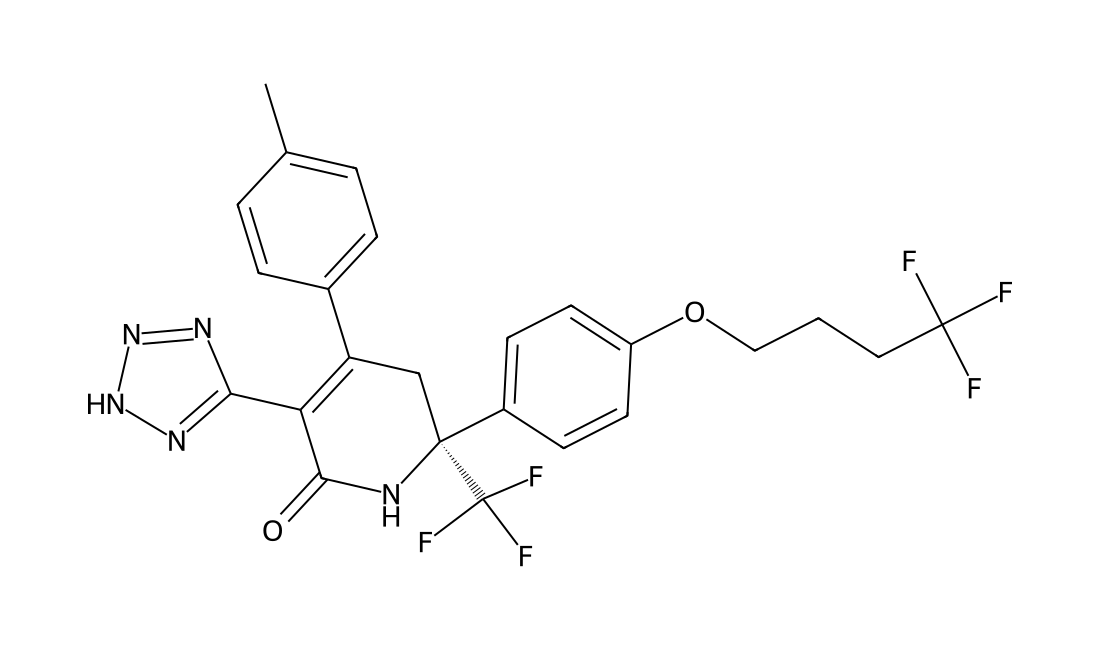
PF-06843195Featured
PF-06843195 is a highly selective PI3Kα inhibitor with an IC50 of 18 nM in Rat1 fibroblasts. The Kis of PF-06843195 for PI3Kα and PI3Kδ in biochemical kinase assay are less than 0.018 nM and 0.28 nM, respectively. PF-06843195 has great suppression of the PI3K/mTOR signaling pathway and durable antitumor efficacy.
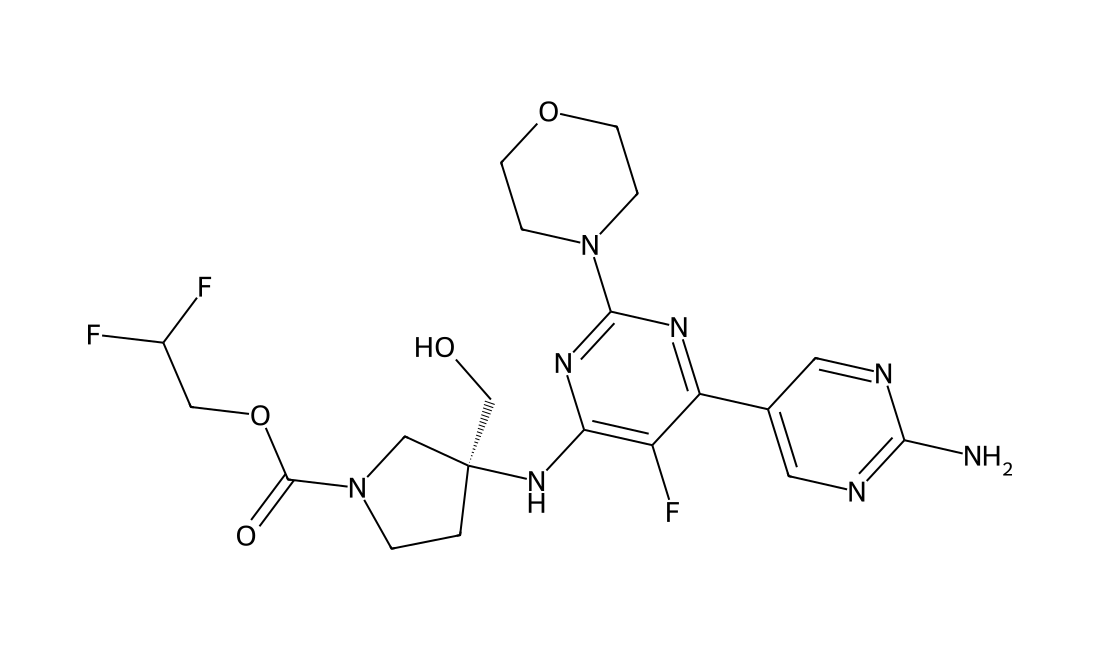
BMS-986202Featured
BMS-986202 (BMS 986202) is potent, selective Tyk2 inhibitor that binds to Tyk2 JH2 domain with IC50 of 0.19 nM, Ki of 0.02 nM, >10,000-fold over 273 kinases and pseudokinases; BMS-986202 demonstrated cellular activity (IL-23 IC50=12 nM) in IL-23 stimulated reporter assay (in Kit225 T cells). BMS-986202 also binds Jak1 JH2 with an IC50 of 7.8 nM, but this enzymatic binding did not lead to any functional activities, as BMS-986202 displayed an activity (IC50) of greater than 12.5 μM in the IL-2 stimulated Jak1/3-dependent cellular assay. BMS-986202 showed in vivo efficacy in mouse models of IL-23-driven acanthosis, anti-CD40-induced colitis, and spontaneous lupus.
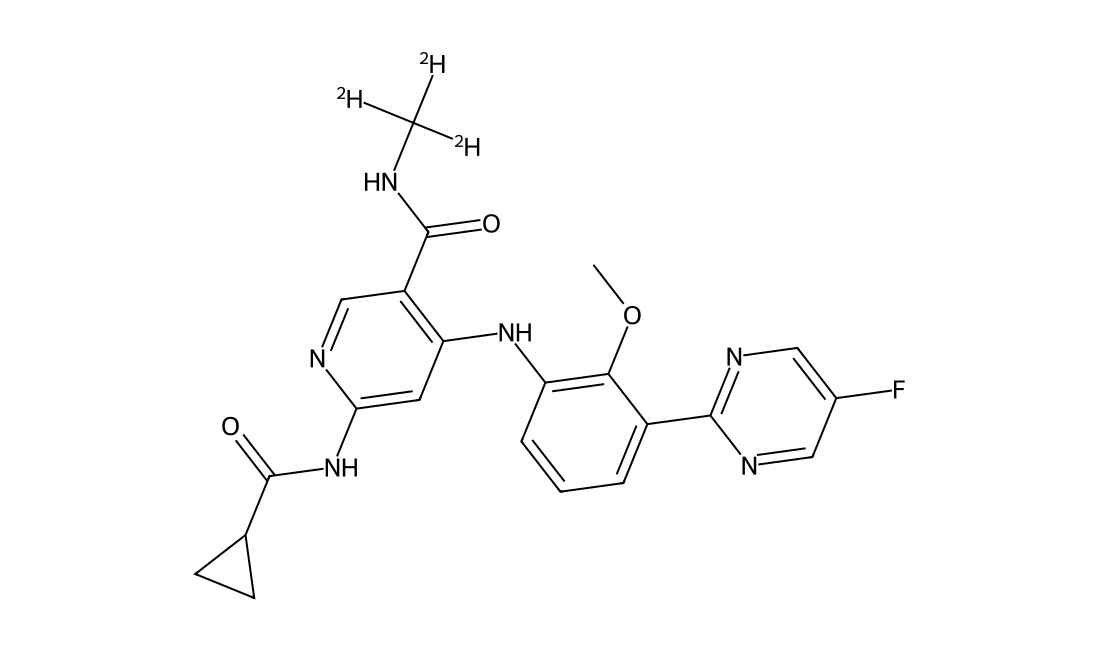
ACT-1004-1239Featured
ACT-1004-1239 is a potent, selective, orally available CXCR7 antagonist with an IC50 value of 3.2 nM.
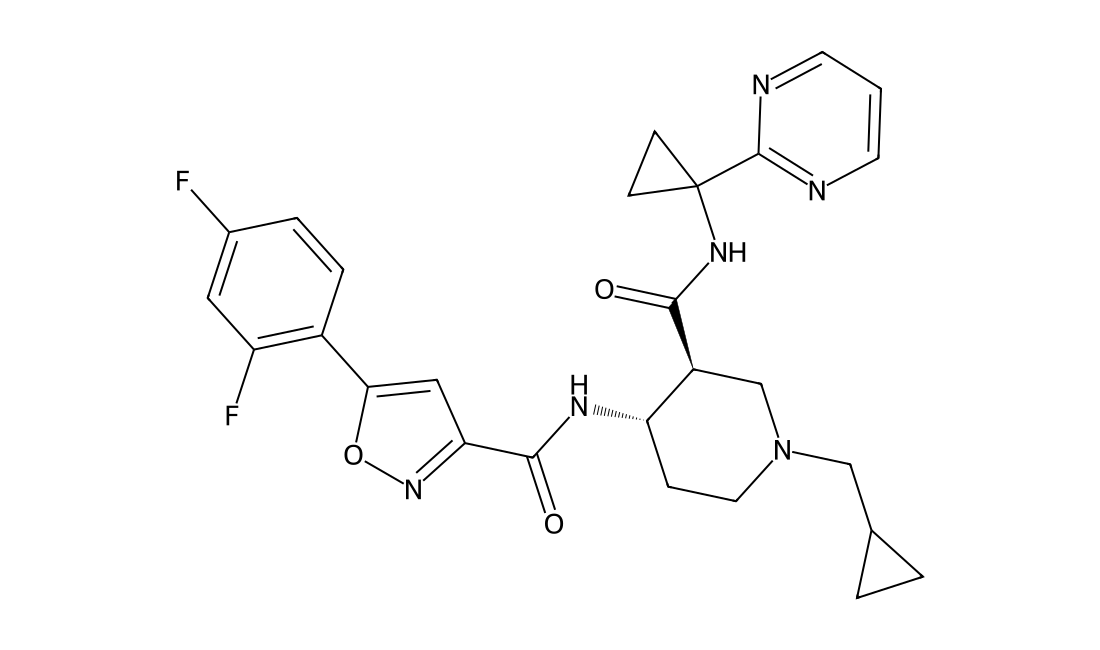
MLT-985Featured
MLT-985 is a highly selective allosteric MALT1 inhibitor with an IC50 value of 3 nM.
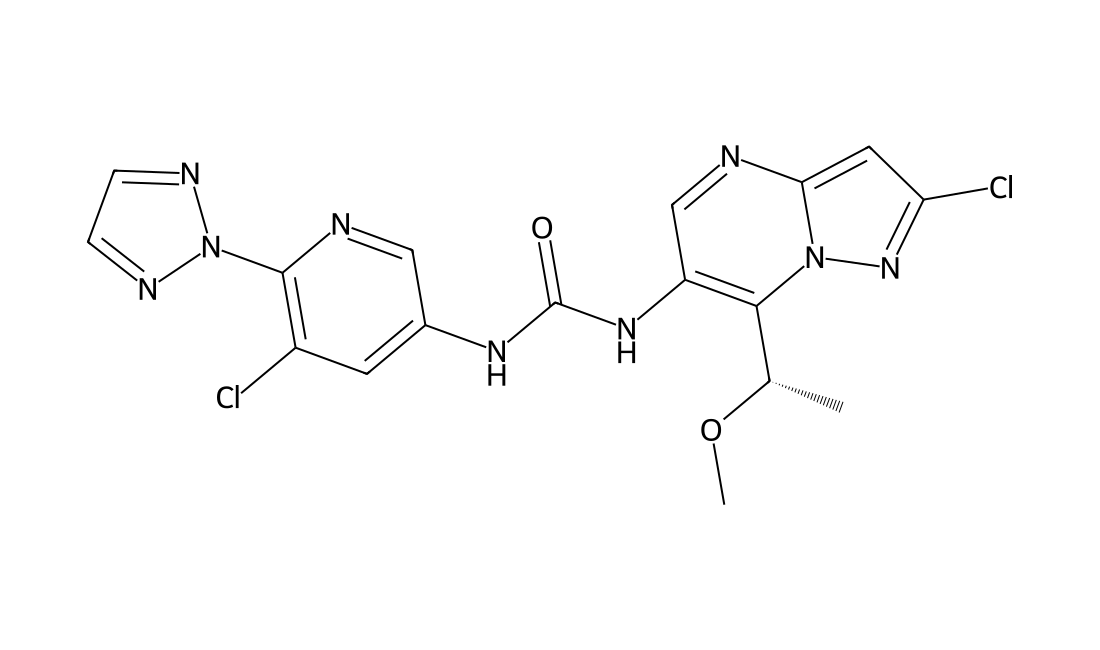
No products match this search.
Page 393 of 409 · Browse all 8177 products
Jump to a product page
Featured literature product: HX1 · DCL0028
HX1 is a hydroxyzine-derived ionizable lipid with acetal-containing tails, studied in lipid nanoparticles for brain mRNA delivery and CRISPR–Cas9 delivery. It was the lead in the reported in vivo brain-delivery screen; evidence is preclinical and formulation-dependent.
Read full formulation and performance →