
Research lipid catalog
Ionizable Lipid Products
Explore 848 lipid and RNA delivery products. Search the full catalog or browse by research category.
Search covers product name, catalog number, synonyms, available CAS numbers and categories. Spaces, hyphens and common punctuation are ignored. Duplicate legacy records are consolidated under one canonical product result.
8177 products · Showing 8041–8060 · 20 per page
DC Chemicals lipid expertise
Built for ionizable-lipid discovery and RNA delivery research
DC Chemicals supports formulation and delivery research with a broad, searchable portfolio of cationic and ionizable lipids. The current directory brings together 848 unique research-use products, with product specifications, pricing, chemical structures and literature-linked formulation data added as each record is verified.
Our experience spans complex lipid synthesis, purification, analytical release and process development. For custom molecules or larger-scale requirements, our team can discuss route development, technical specifications and scale-up options for the intended research workflow.
Learn about cationic and ionizable lipids →Proprietary innovation · Co-development · GMP
From proprietary lipid design to GMP-grade custom synthesis
DC Chemicals has independently developed ionizable-lipid structures supported by company-owned intellectual property, and selected proprietary lipid programs have advanced to GMP-stage development.
We welcome joint development with customers—from molecular design and lipid synthesis through route and process development. We can also support custom synthesis of GMP-grade ionizable lipids to agreed technical specifications and quality requirements.
Discuss a co-development project →Proprietary ionizable-lipid structuresCollaborative molecular designCustom lipid synthesisProcess development and scale-upGMP-grade project support
Product quick links
Explore New ionizable lipids
Explore our five most recently added ionizable lipids, with specifications, pricing and literature-linked product information.
DCL0028HX1Brain RNA delivery researchView product →DCL0024A1I4R13C18-2Spleen-targeted RNA delivery researchView product →DCL0023A1I4R2C18-2Spleen-targeted RNA delivery researchView product →DCL0022FS01Local joint RNA delivery researchView product →DCL0020Lipid-392Lung RNA delivery and gene editing researchView product →
Cat. No.Product NameField of ApplicationChemical Structure
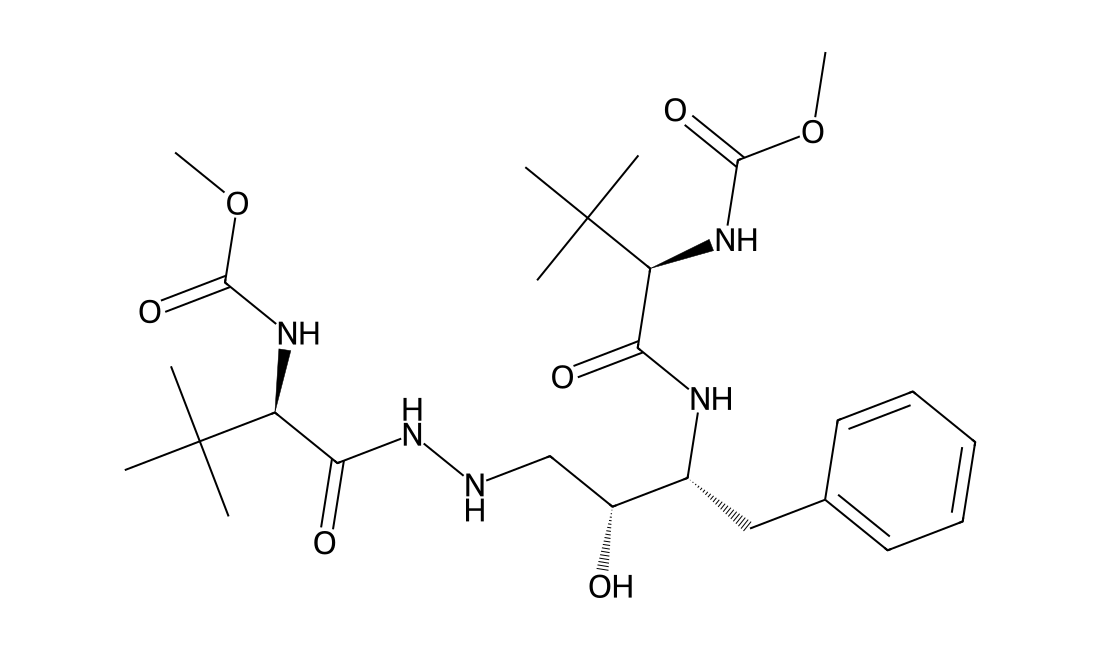
Des(benzylpyridyl) AtazanavirFeatured
The N-dealkylated metabolite (M1) of Atazanavir (A790051), a HIV protease inhibitor.
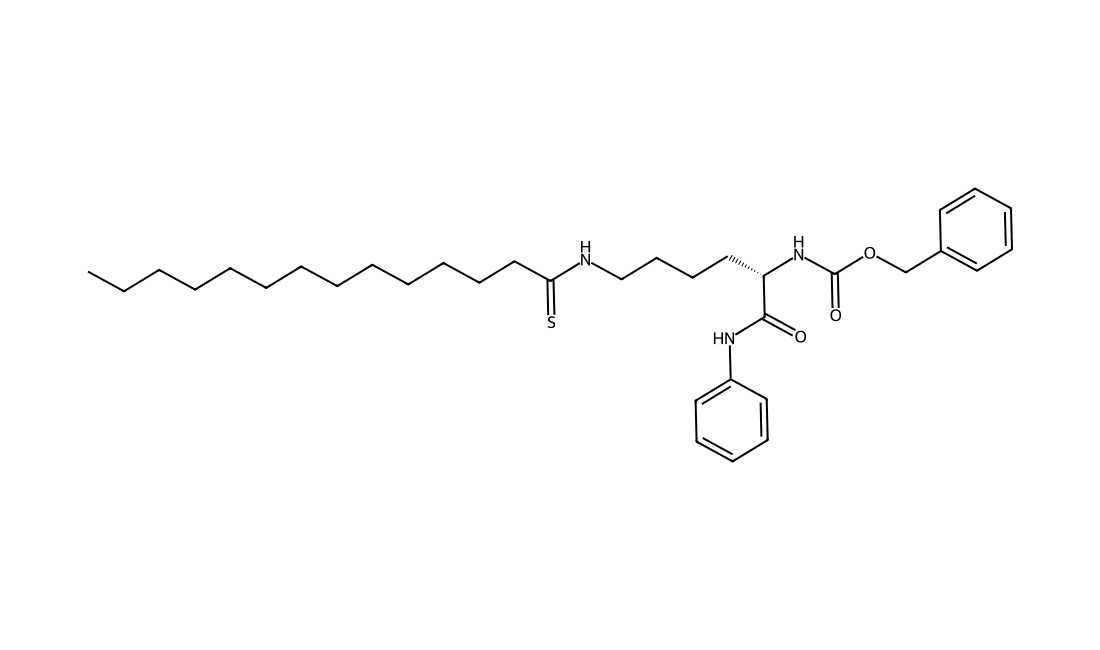
ThiomyristoylFeatured
Thiomyristoyl is a potent and specific SIRT2 inhibitor with an IC50 of 28 nM.
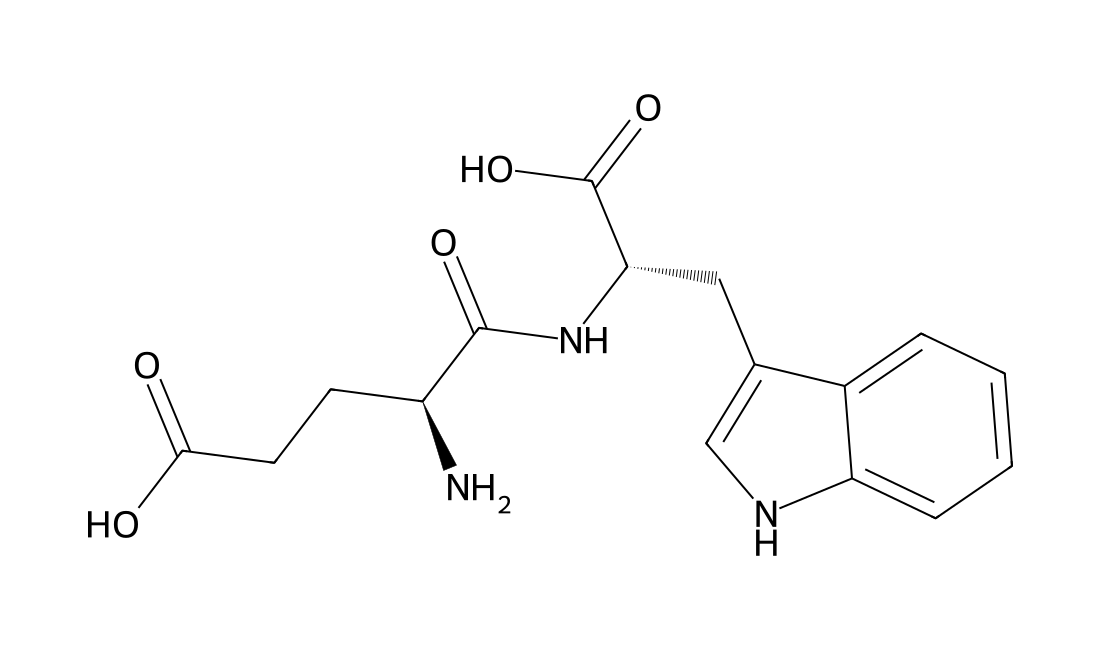
Thymogen(Oglufanide)Featured
Oglufanide inhibits vascular endothelial growth factor (VEGF), which may inhibit angiogenesis.This agent has also been reported to stimulate the immune response to hepatitic C virus and intracellular bacterial infections.
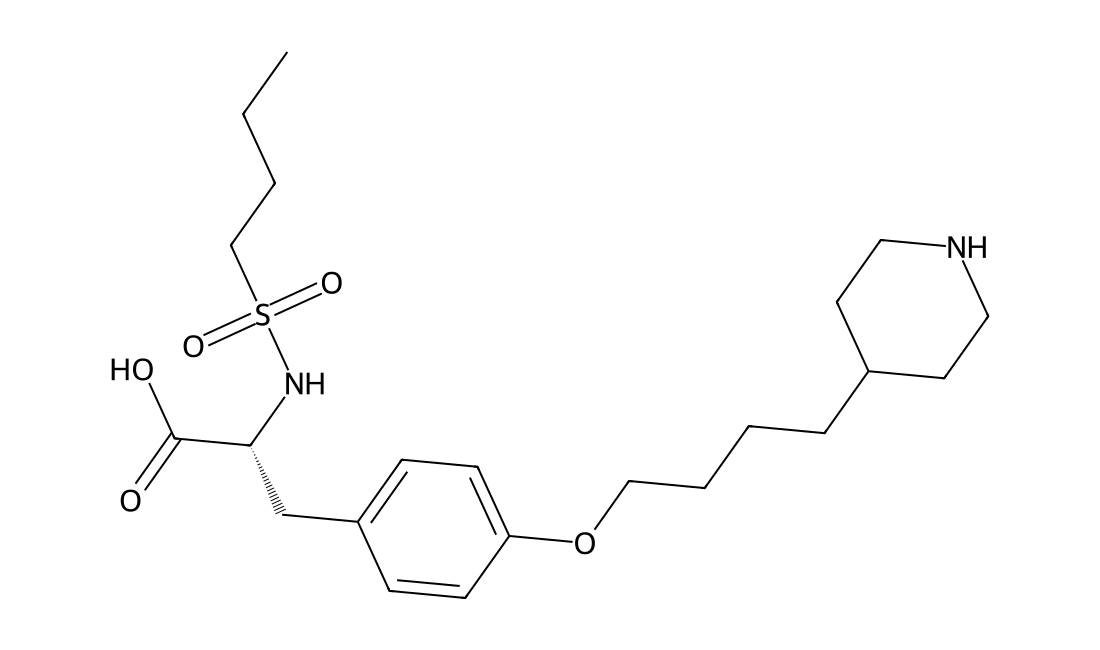
Tirofiban(L700462;MK383)Featured
Tirofiban(L700462;MK383) is a potent non-peptide, glycoprotein IIb/IIIa (integrins alphaIIbbetaIII) antagonistTarget: integrin IIb/IIIa Tirofiban hydrochloride monohydrate blocks platelet aggregation and thrombus formation. Tirofiban is an antithrombotic used in the treatment of unstable angina.Tirofiban, in a concentration-dependent manner reduced platelet aggregation evoked by ADP (IC50 approximately 70 ng/ml), collagen (IC50 approximately 200 ng/ml), and thrombin (IC50 approximately 5,000 ng/ml).
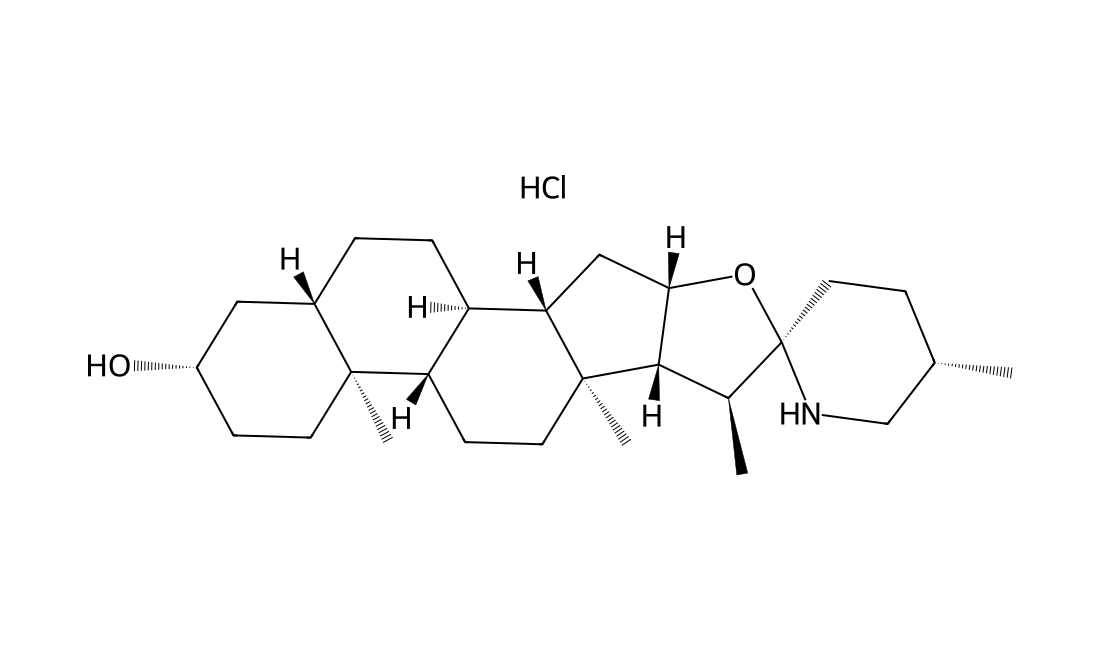
Tomatidine hydrochlorideFeatured
Tomatidine hydrochloride acts as an anti-inflammatory agent by blocking NF-κB and JNK signaling.
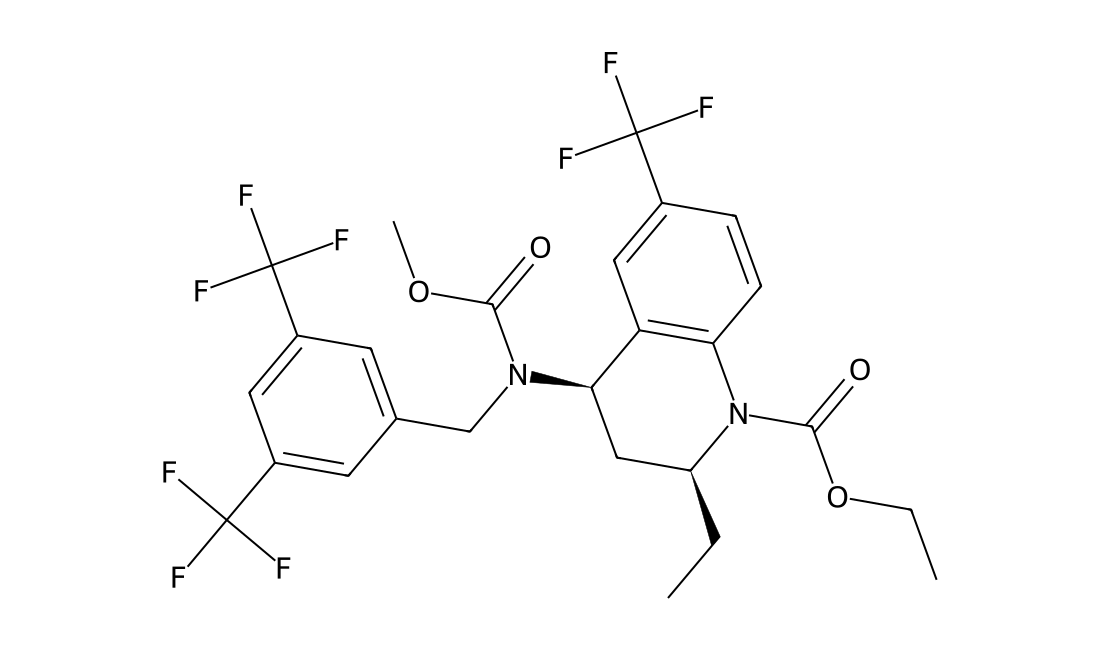
TorcetrapibFeatured
Torcetrapib(CP-529414) is a CETP inhibitor with IC50 of 37 nM, elevates HDL-C and reduces nonHDL-C in plasma.
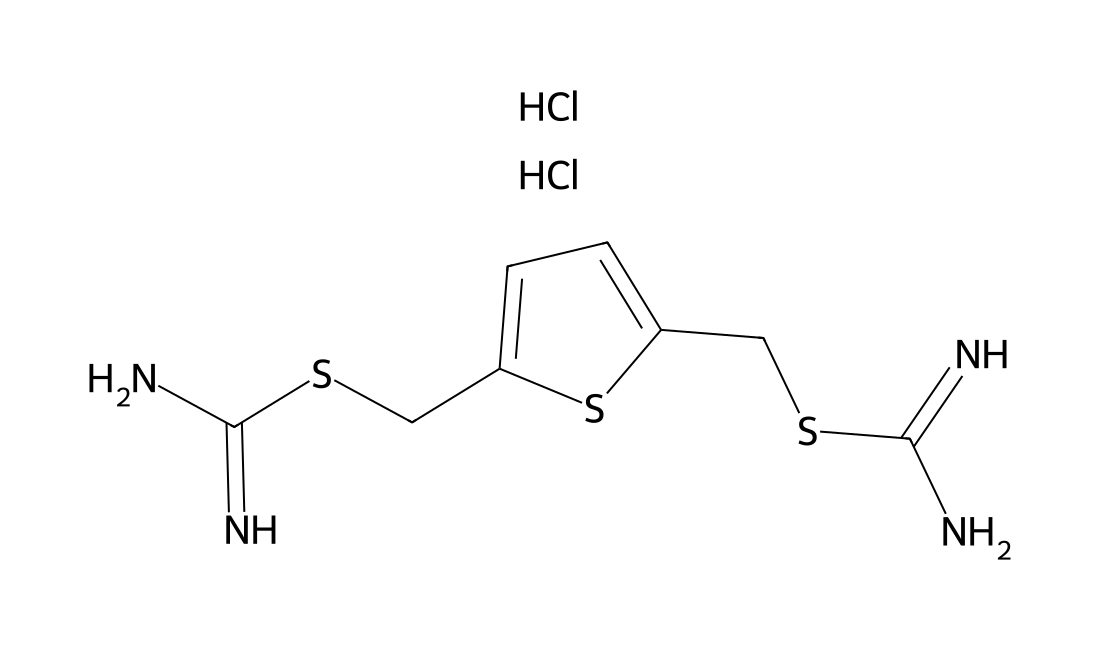
TPT-260 2HCl(NSC55712)Featured
TPT-260 2Hcl (TPU260 2Hcl) is a thiophene thiourea derivative with molecule weight 260.00 in free base form; There is no formal name yet, we temporally call this molecule as TPT-260.
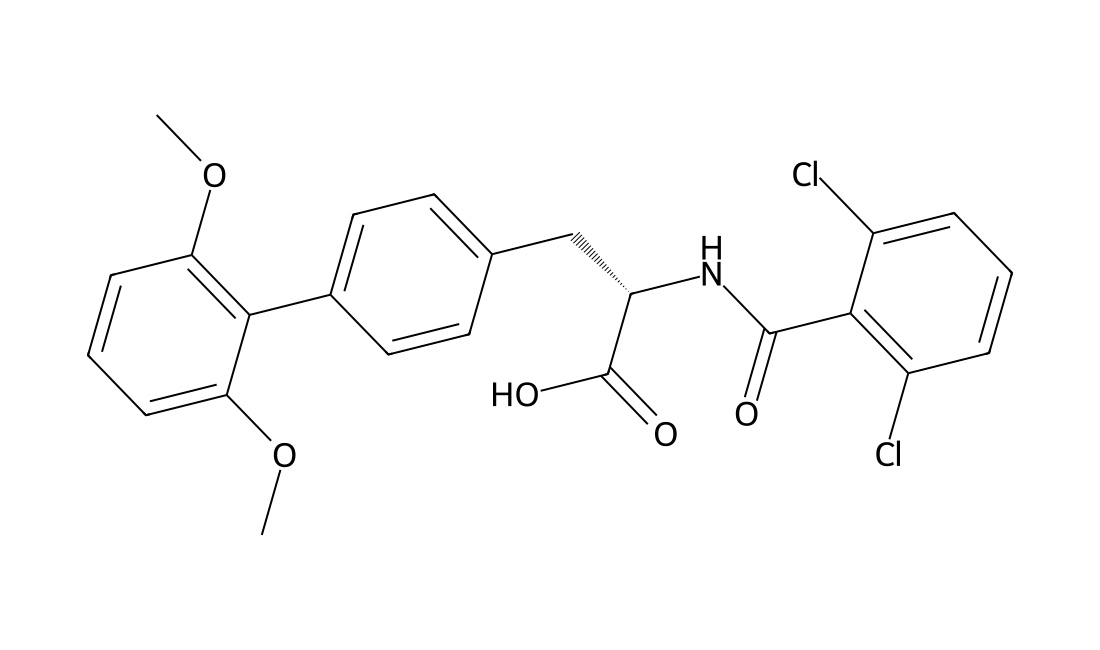
TR-14035Featured
TR-14035 is a a dual alpha4beta7(IC50=7 nM)/alpha4beta1 (IC50=87 nM) integrin antagonist TR14035 blocked the binding of human alpha(4)beta(7) to an (125)I-MAdCAM-Ig fusion protein with IC(50) values of 0.75 nM. TR14035 blocked binding of human alpha(4)beta(7)-expressing RPMI-8866 cells or murine mesenteric lymph node lymphocytes to MAdCAM-Ig with IC(50) values of 0.1 microM [2]. TR14035 blocked adhesion to HEVs [ED(50) of 0.01-0.1 mpk i.v.].TR-14035 was taken up by rat and human hepatocytes by an apparently single saturable mechanism with K(m) of 6.7 and 2.1 microM, respectively, and taurocholate and digoxin reduced this uptake [3].
TraxoprodilFeatured
Traxoprodil (CP101,606) is a potent and selective NMDA antagonist and protect hippocampal neurons with an IC50 of 10 nM.
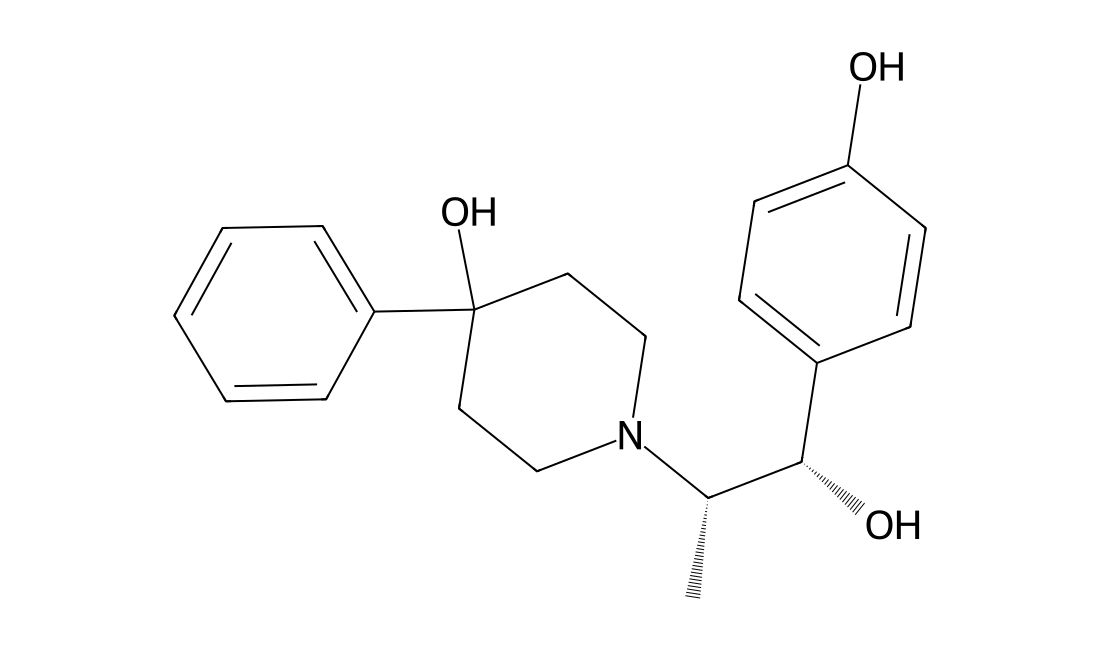
Treprostinil sodiumFeatured
Treprostinil sodium is a potent DP1 and EP2 agonist with EC50 values of 0.6±0.1 and 6.2±1.2 nM, respectively.
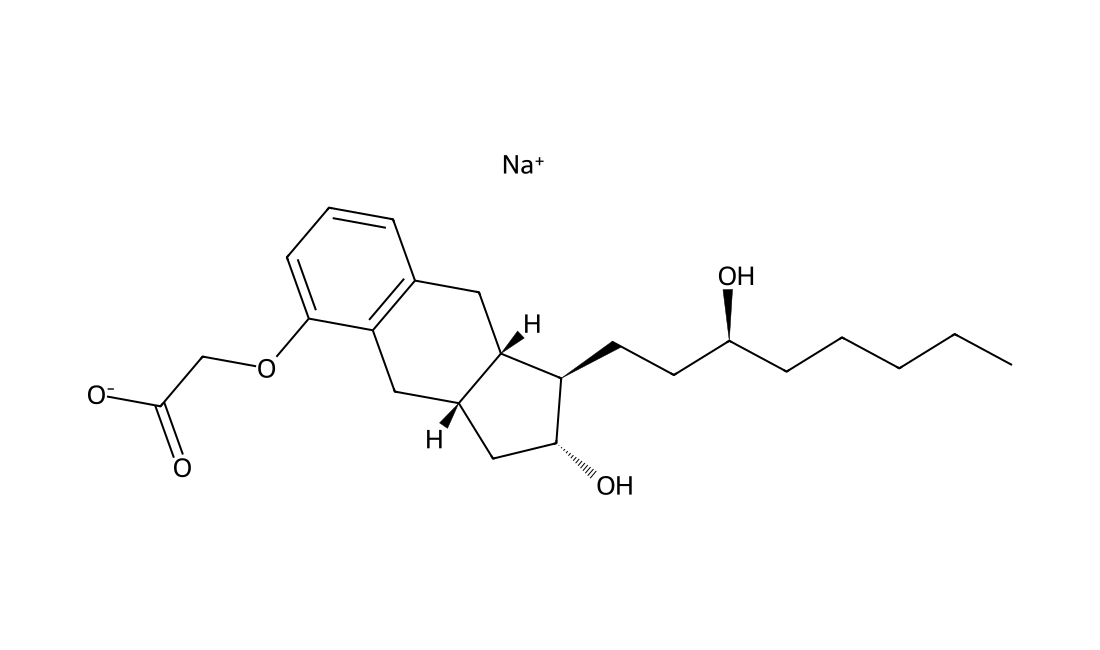
TRi-1(TXNRD1 inhibitor 1)Featured
TRi-1 is a potent, specific and irreversible inhibitor of cytosolic thioredoxin reductase 1 (TXNRD1), with an IC50 of 12 nM. TRi-1 has little mitochondrial toxicity for anticancer therapy[1].
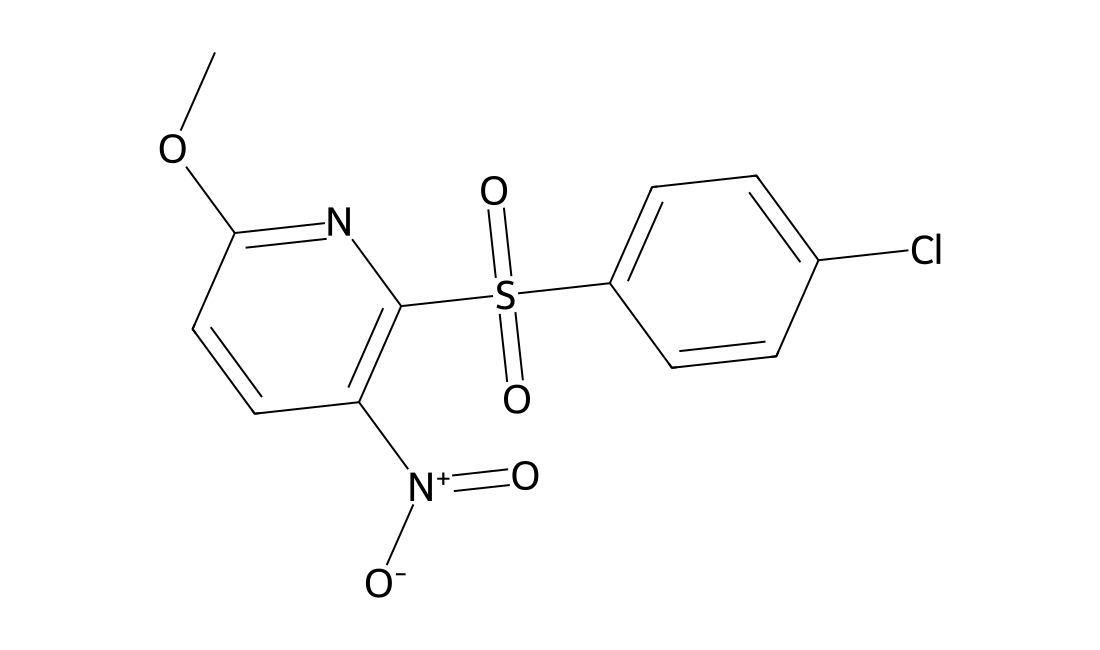
Trifluridine (Viroptic)Featured
Trifluridine is an irreversible thymidylate synthase inhibitor, and thereby suppresses DNA synthesis. Trifluridine is an antiviral drug for herpes simplex virus (HSV) infection.
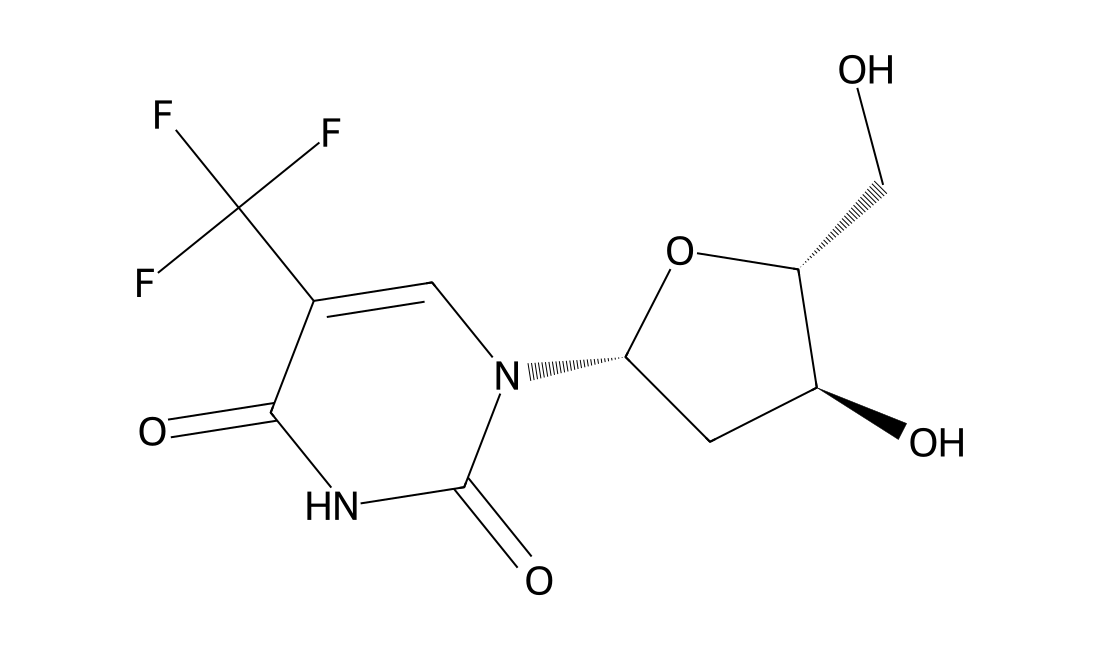
TRPM8 antagonist 14Featured
TRPM8 Antagonist is a potent and selective TRPM8 antagonist, with an IC50 of 0.2 nM, used in the research of neuropathic pain syndromes.
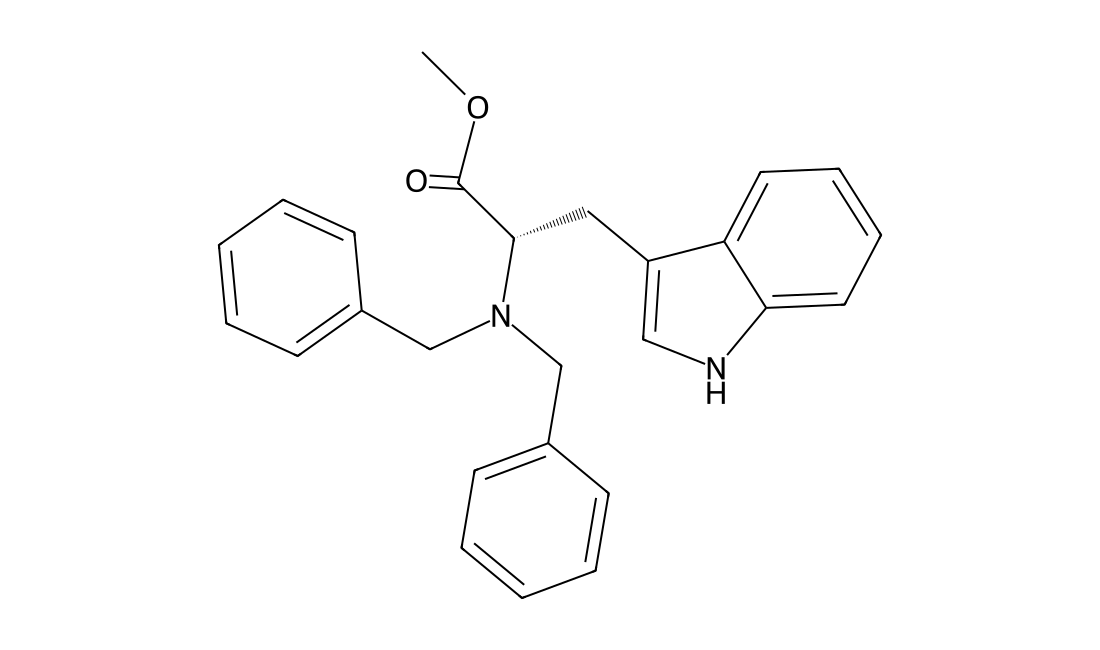
Tubastatin A HClFeatured
Tubastatin A (Hydrochloride) is a potent and selective HDAC6 inhibitor with IC50 of 15 nM in a cell-free assay, and is selective (1000-fold more) against all other isozymes except HDAC8 (57-fold more).
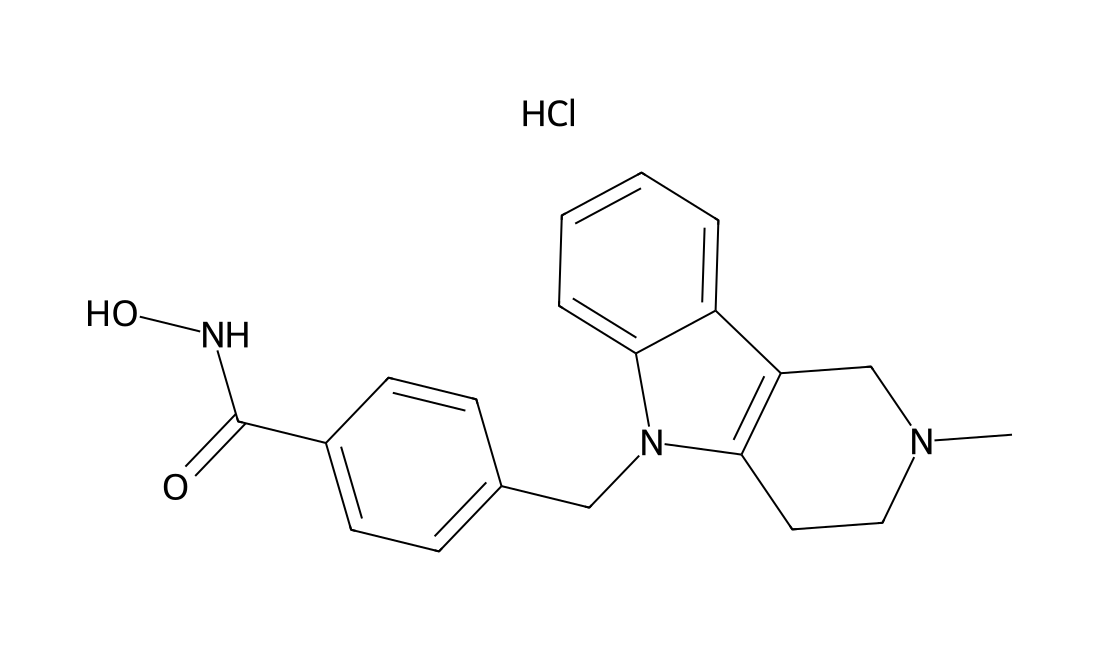
TubercidinFeatured
Tubercidin (7-Deazaadenosine) is an adenosine analog, is an antibiotic obtained from Streptomyces tubercidicus.Tubercidin inhibits the growth of Streptococcus faecalis by 50 % at a concentration of 20 nM. Tubercidin is not subject to cleavage by adenosine phosphorylase or to deamination by adenosine deaminase. The antibiotic served as a substrate for numerous enzymes involved in the anabolism of adenosine, as demonstrated by its incorporation into RNA and DNA, and by the formation of nicotinamide-deaza-adenine dinucleotide. Tubercidin proves to be a weak inhibitor of adenosine phosphorylase, and interfered with the phosphorylation of adenosine and AMP. The inhibition of the growth of S. faecalis by Tubercidin is prevented by purine and pyrimidine nucleosides, ribose 5-phosphate, pyruvate, and certain amino acids. In the presence of Tubercidin, growing cultures of the test organism used pyruvate instead of glucose, whereas in the absence of the antibiotic glucose served as the main source of energy. It is suggested, therefore, that the impairment of growth is due primarily to the interference of Tubercidin with the utilization of glucose.
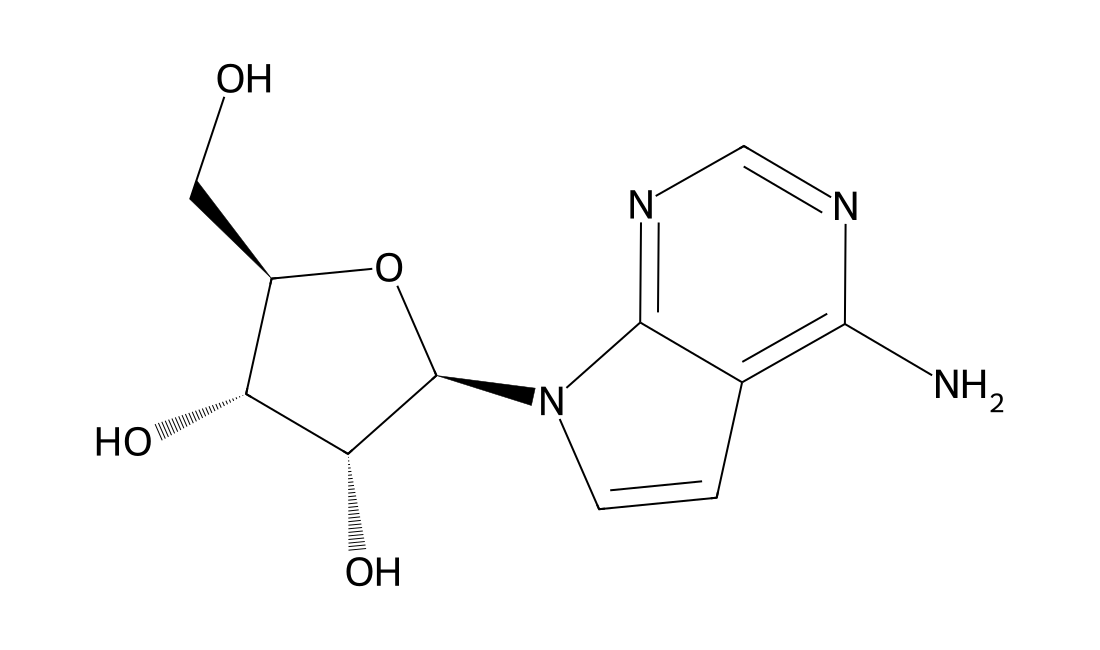
Tubulysin AFeatured
Tubulysin A(TubA) is a myxobacterial product that can function as an antiangiogenic agent in many in vitro assays; anti-microtubule, anti-mitotic, an apoptosis inducer, anticancer, anti-angiogenic, and antiproliferative.Tubulysin A is a novel antibiotic, which is anti-microtubule, anti-mitotic, apoptosis inducer, anticancer, anti-angiogenic, and antiproliferative. Tubulysins are cytotoxic peptides, which include 9 members (A-I). Tubulysin A has potential application as an anticancer agent. It arrests cells in the G2/M phase. Tubulysin A inhibits polymerization more efficiently than vinblastine and induces depolymerization of isolated microtubules. Tubulysin A has potent cytostatic effects on various tumor cell lines with IC50 in the picomolar range.
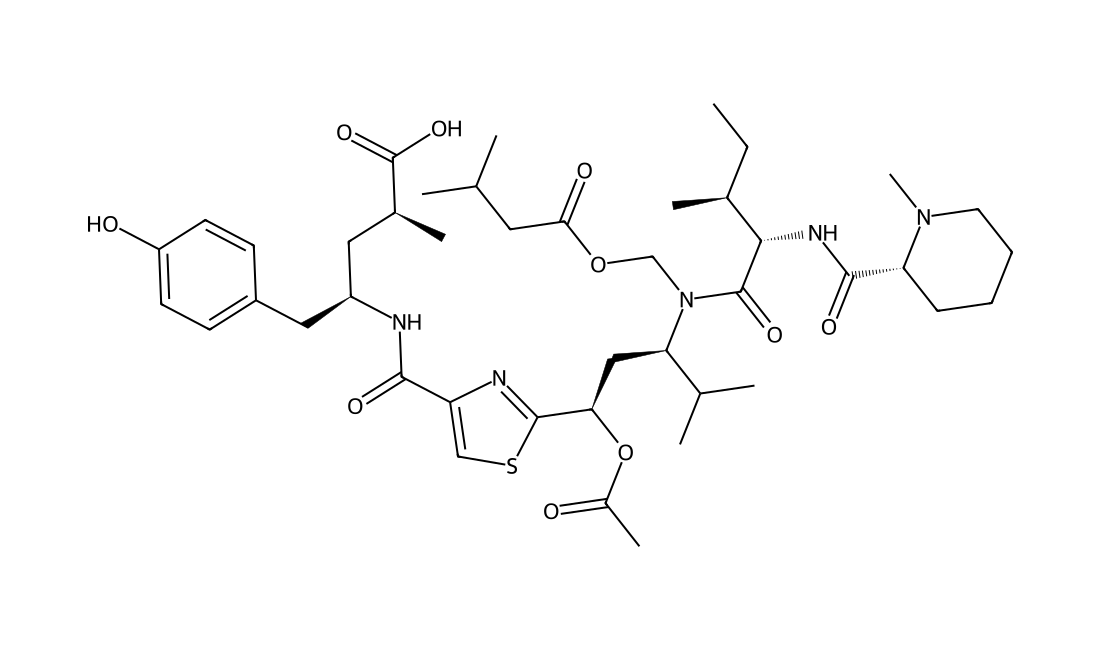
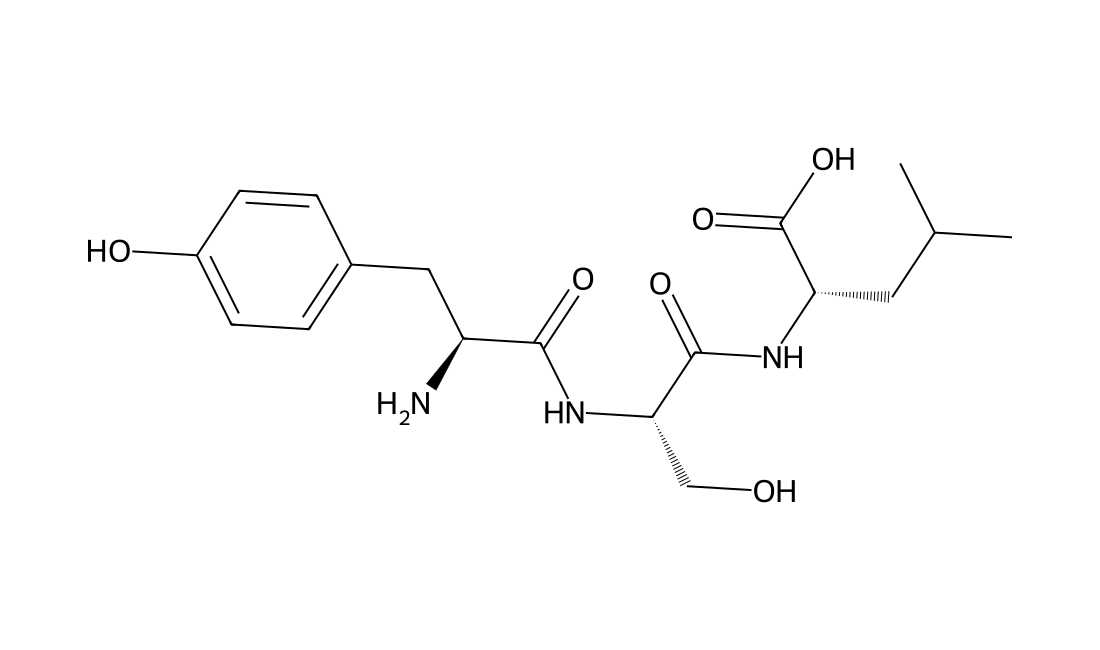
Tyroserleutide (YSL)Featured
Tyroserleutide (YSL), isolated from the degradation products of porcine spleen[1], is a small molecular tripeptide which inhibits tumor growth both in vitro and in vivo[2].
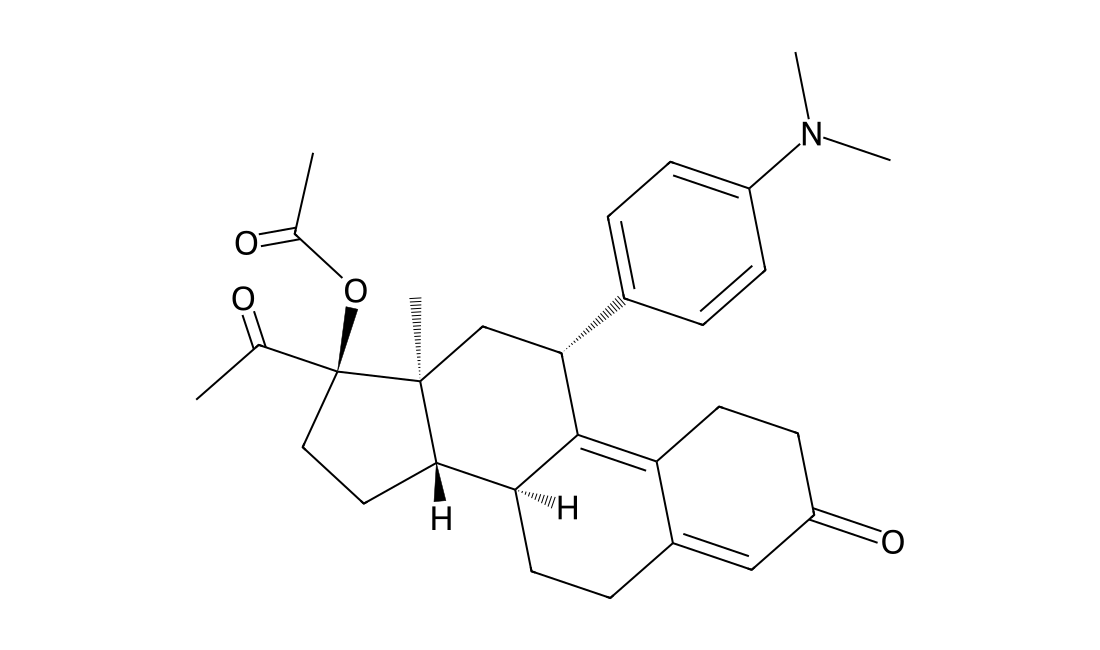
UlipristalFeatured
Ulipristal (acetate) is a novel selective progesterone receptor modulator (SPRM) for the treatment of benign gynecological conditions such as uterine myoma.
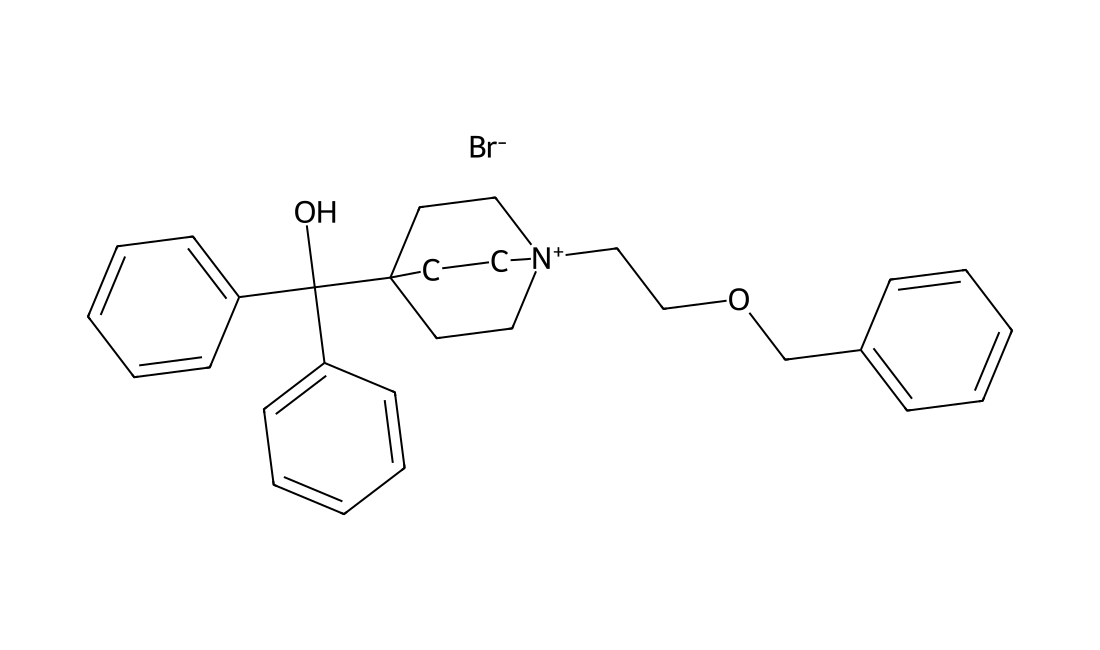
Umeclidinium bromideFeatured
Umeclidinium bromide is a novel mAChR antagonist. The affinity (Ki) of Umeclidinium bromide for the cloned human M1-M5 mAChRs ranges from 0.05 to 0.16 nM.
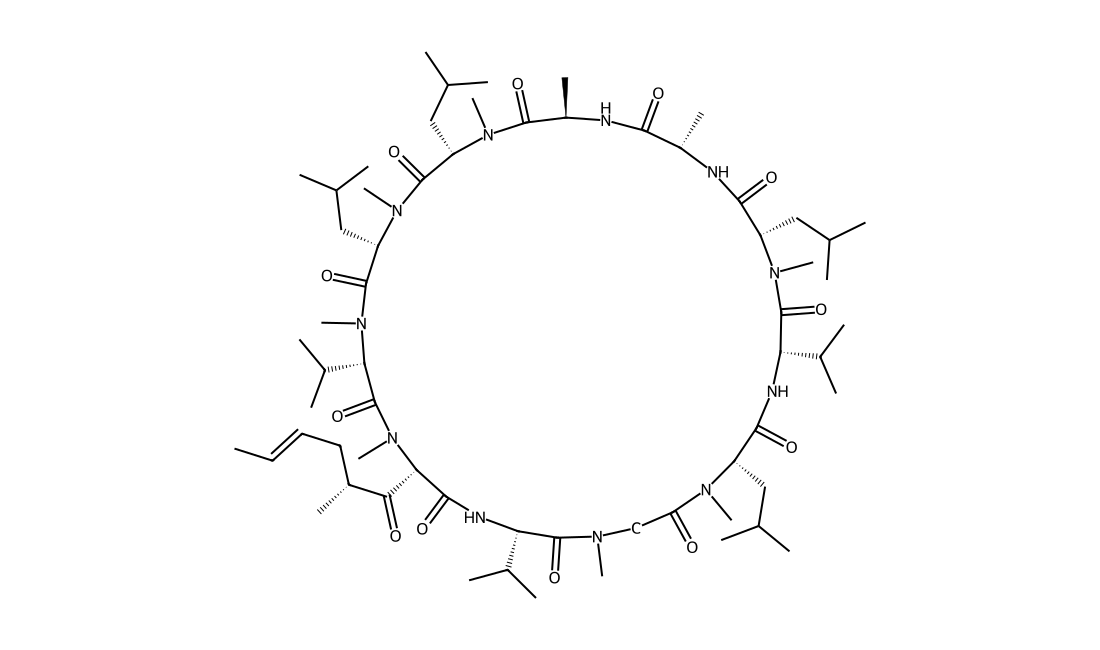
Valspodar(PSC833)Featured
Valspodar is a P-glycoprotein (P-gp) inhibitor widely used as overcoming multidrug resistance modulator.
No products match this search.
Page 403 of 409 · Browse all 8177 products
Jump to a product page
Featured literature product: HX1 · DCL0028
HX1 is a hydroxyzine-derived ionizable lipid with acetal-containing tails, studied in lipid nanoparticles for brain mRNA delivery and CRISPR–Cas9 delivery. It was the lead in the reported in vivo brain-delivery screen; evidence is preclinical and formulation-dependent.
Read full formulation and performance →