
Research lipid catalog
Ionizable Lipid Products
Explore 848 lipid and RNA delivery products. Search the full catalog or browse by research category.
Search covers product name, catalog number, synonyms, available CAS numbers and categories. Spaces, hyphens and common punctuation are ignored. Duplicate legacy records are consolidated under one canonical product result.
8177 products · Showing 8061–8080 · 20 per page
DC Chemicals lipid expertise
Built for ionizable-lipid discovery and RNA delivery research
DC Chemicals supports formulation and delivery research with a broad, searchable portfolio of cationic and ionizable lipids. The current directory brings together 848 unique research-use products, with product specifications, pricing, chemical structures and literature-linked formulation data added as each record is verified.
Our experience spans complex lipid synthesis, purification, analytical release and process development. For custom molecules or larger-scale requirements, our team can discuss route development, technical specifications and scale-up options for the intended research workflow.
Learn about cationic and ionizable lipids →Proprietary innovation · Co-development · GMP
From proprietary lipid design to GMP-grade custom synthesis
DC Chemicals has independently developed ionizable-lipid structures supported by company-owned intellectual property, and selected proprietary lipid programs have advanced to GMP-stage development.
We welcome joint development with customers—from molecular design and lipid synthesis through route and process development. We can also support custom synthesis of GMP-grade ionizable lipids to agreed technical specifications and quality requirements.
Discuss a co-development project →Proprietary ionizable-lipid structuresCollaborative molecular designCustom lipid synthesisProcess development and scale-upGMP-grade project support
Product quick links
Explore New ionizable lipids
Explore our five most recently added ionizable lipids, with specifications, pricing and literature-linked product information.
DCL0028HX1Brain RNA delivery researchView product →DCL0024A1I4R13C18-2Spleen-targeted RNA delivery researchView product →DCL0023A1I4R2C18-2Spleen-targeted RNA delivery researchView product →DCL0022FS01Local joint RNA delivery researchView product →DCL0020Lipid-392Lung RNA delivery and gene editing researchView product →
Cat. No.Product NameField of ApplicationChemical Structure
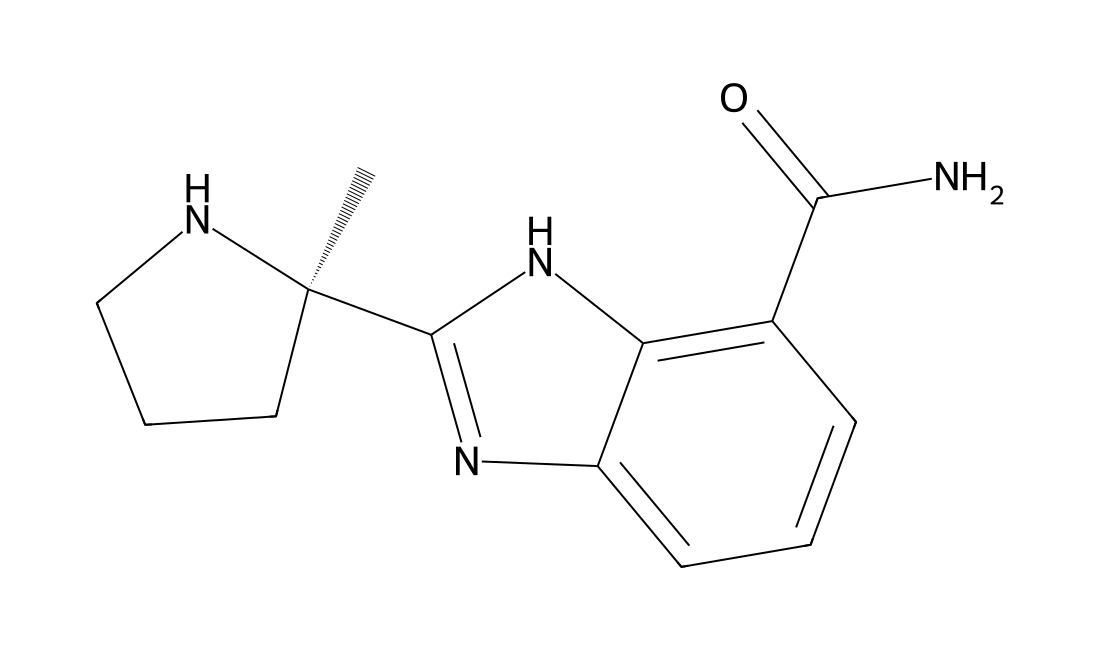
ABT888 (free base)Featured
ABT888(Veliparib) is a potent PARP inhibitor, inhibiting PARP1 and PARP2 with Kis of 5.2 and 2.9 nM, respectively.
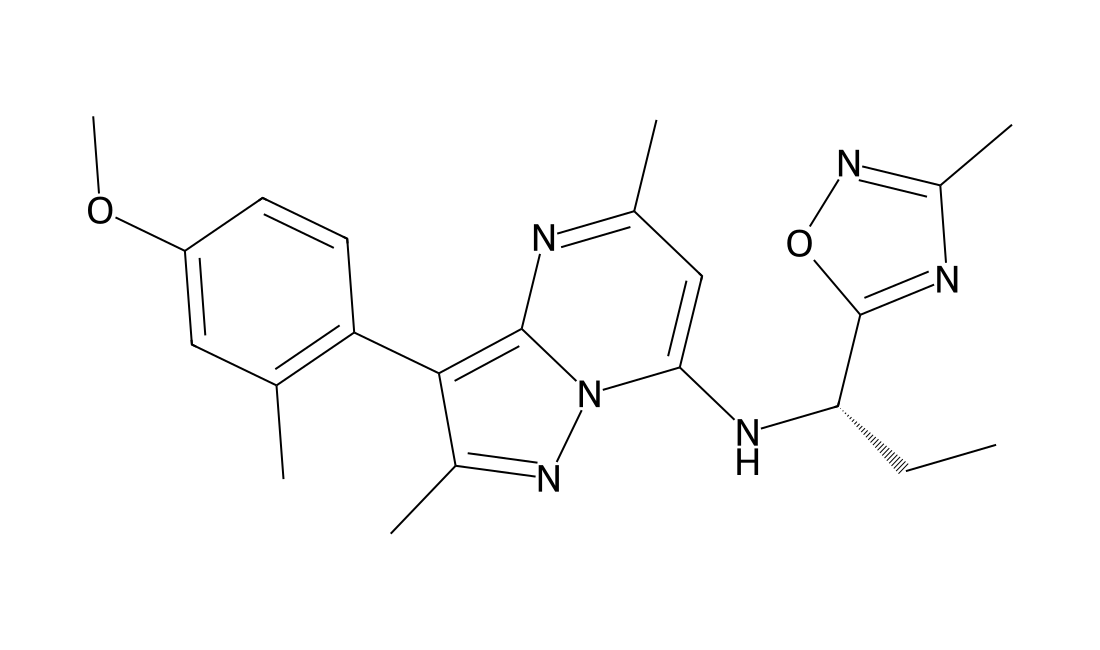
VerucerfontFeatured
Verucerfont is a corticotropin-releasing factor receptor 1 (CRF1) antagonist with IC50s of ~6.1, >1000 and >1000 nM for CRF1, CRF2, and CRF-BP, respectively.
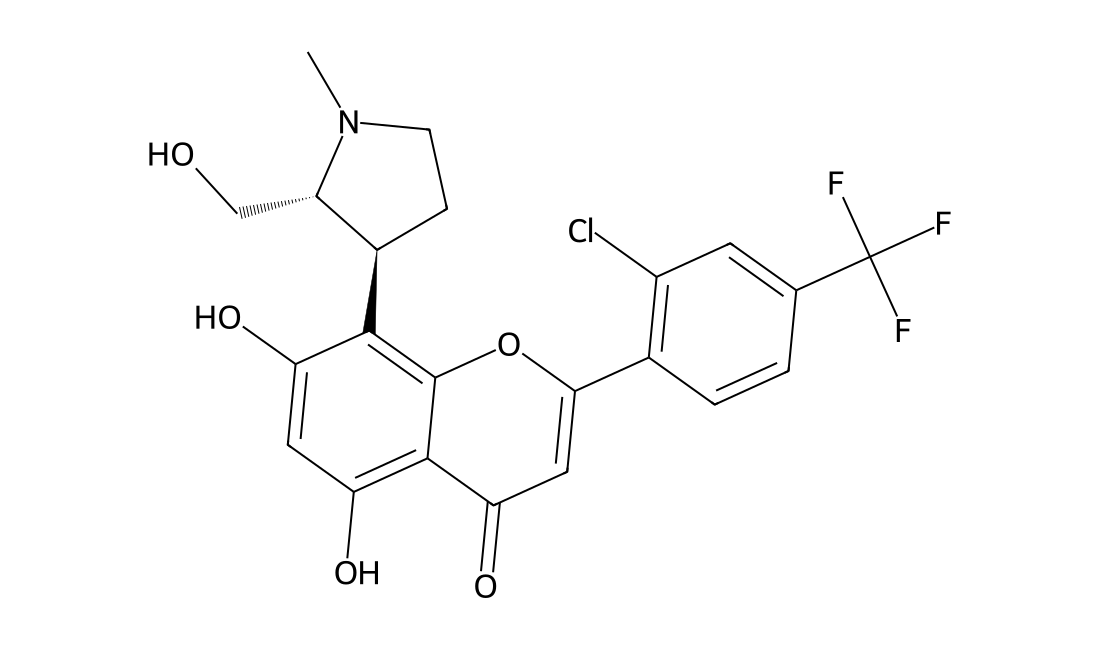
VoruciclibFeatured
Voruciclib is a clinical stage orally active and selective CDK inhibitor with Ki values of 0.626 nM-9.1 nM. Voruciclib potently blocks CDK9, the transcriptional regulator of MCL-1. Voruciclib represses expression of MCL-1 in multiple models of diffuse large B-cell lymphoma (DLBCL)[1].
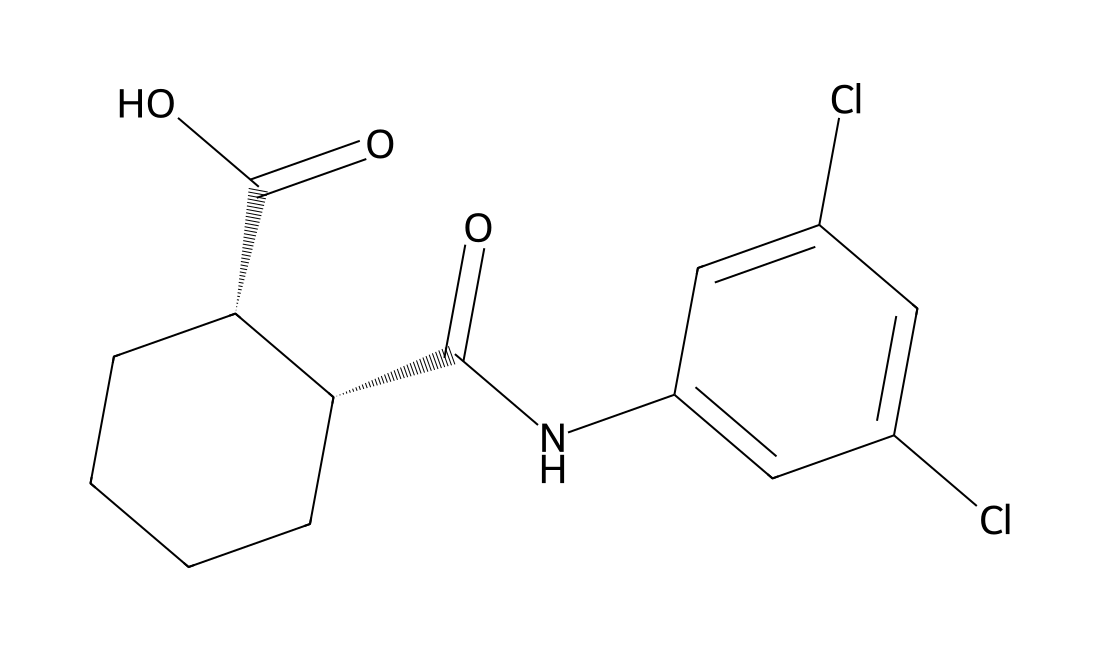
VU0155041Featured
VU0155041 is a potent, selective and mixed allosteric agonist/positive allosteric modulator (PAM) of mGluR4, with EC50s of 798 nM and 693 nM for human and rat mGluR4, respectively. VU0155041 is a partial agonist of mGluR4 that activates the receptor by interacting with a site that is distinct from the glutamate binding site[1].
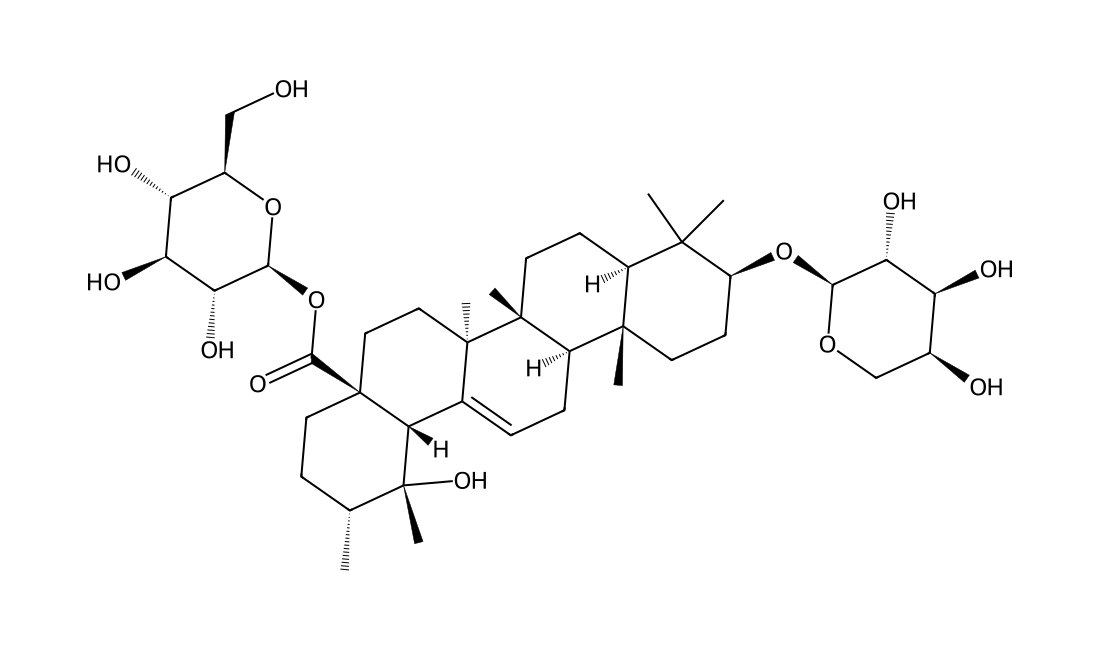
Ziyuglycoside I isolated from S. officinalis root, has anti-wrinkle activity, and increases the expression of type I collagen. Ziyuglycoside I could be used as an active ingredient for cosmetics[1].Ziyuglycoside I triggers cell cycle arrest and apoptosis mediated by p53, it can be a potential drug candidate for treating triple-negative breast cancer (TNBC)[2].
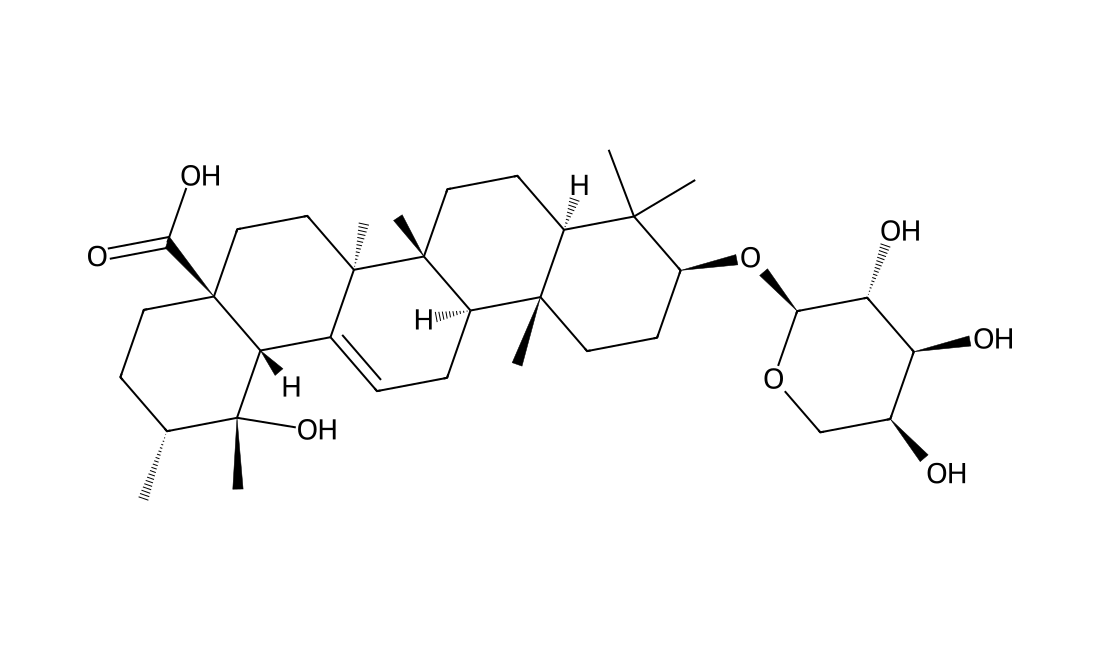
Ziyuglycoside IIFeatured
Ziyuglycoside II is a triterpenoid saponin compound extracted from Sanguisorba officinalis L.. Ziyuglycoside II induces reactive oxygen species (ROS) production and apoptosis. Anti-inflammation and anti-cancer effect[1].
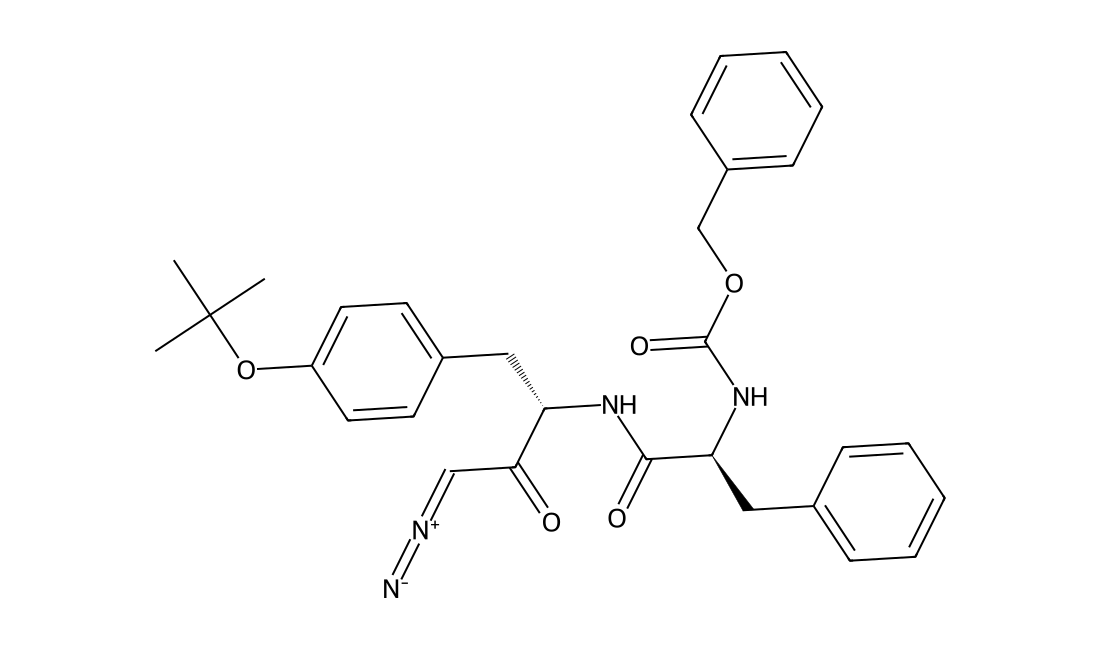
Cathepsin L inhibitor IIIFeatured
Z-Phe-Tyr(tBu)-diazomethylketone is an inhibitor of cathepsin L
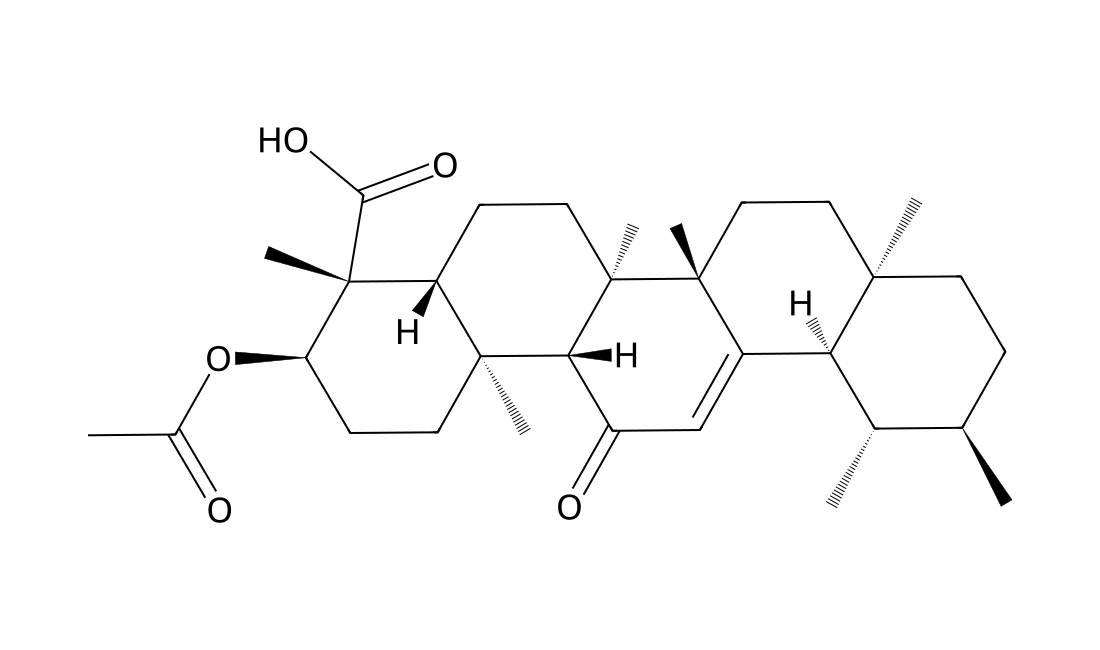
Acetyl-11-keto--boswellic acidFeatured
Acetyl-11-Keto-β-Boswellic Acid (AKBA) is an active triterpenoid compound from the extract of Boswellia serrate; a novel Nrf2 activator.
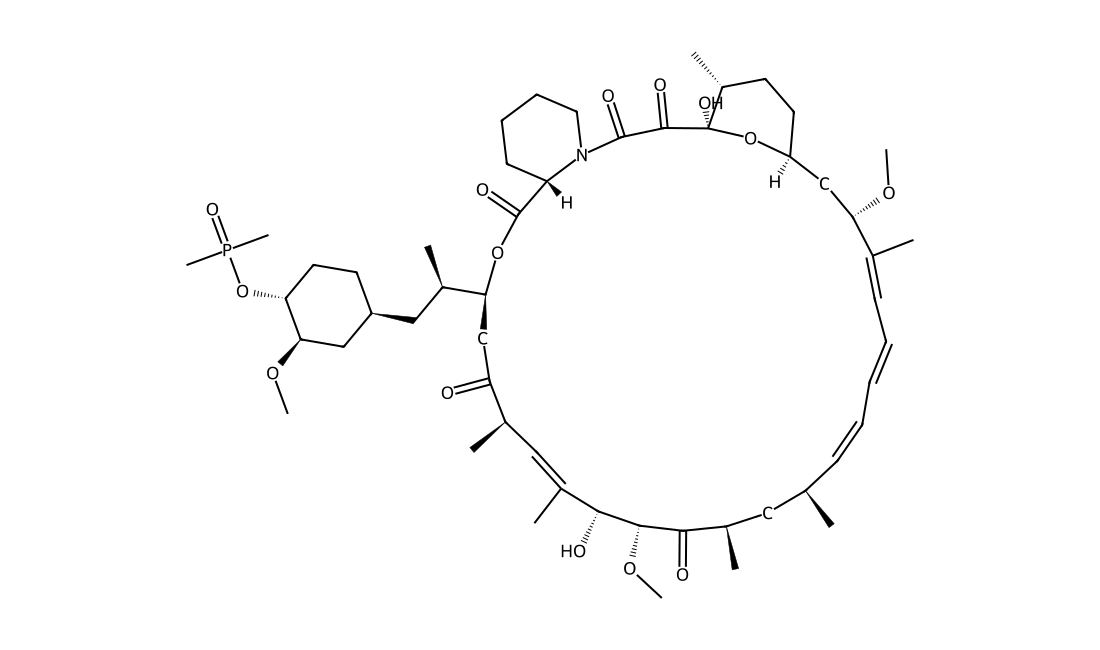
DeforolimusFeatured
Deforolimus (AP23573; MK-8669) is a potent and selective mTOR inhibitor; inhibits ribosomal protein S6 phosphorylation with an IC50 of 0.2 nM in HT-1080 cells.
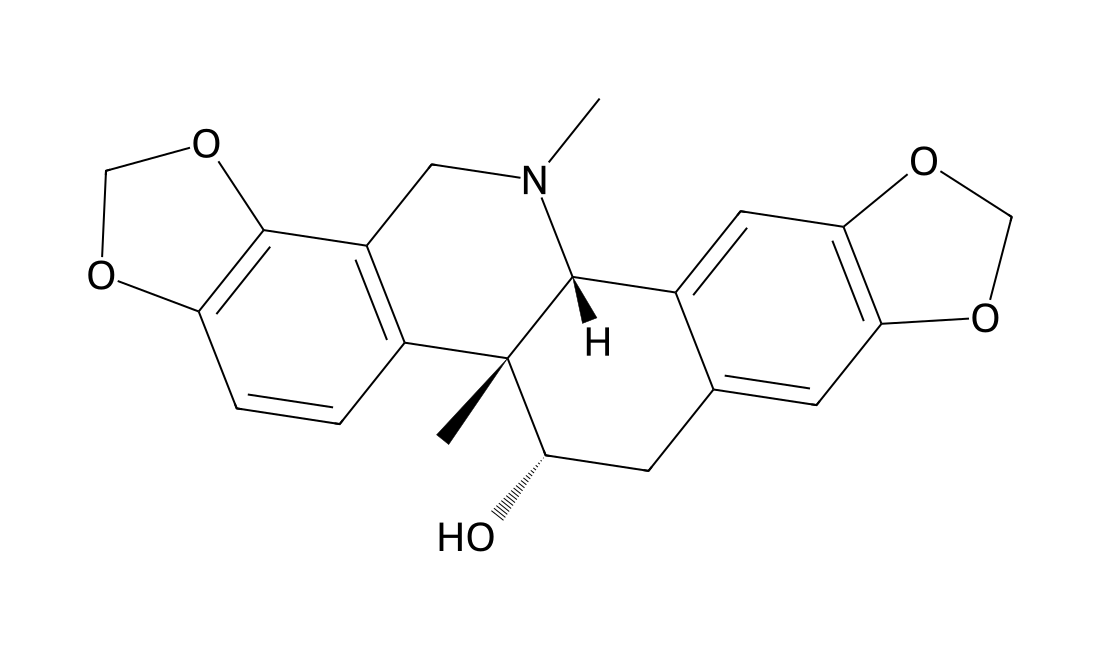
(+)-corynolineFeatured
Corynoline, isolated from Corydalis incise (Papaveraceae), is a reversible and noncompetitive acetylcholinesterase (AChE) inhibitor with an IC50 of 30.6 μM[1]. Corynoline exhibits anti-inflammatory activity by activating Nrf2[2].
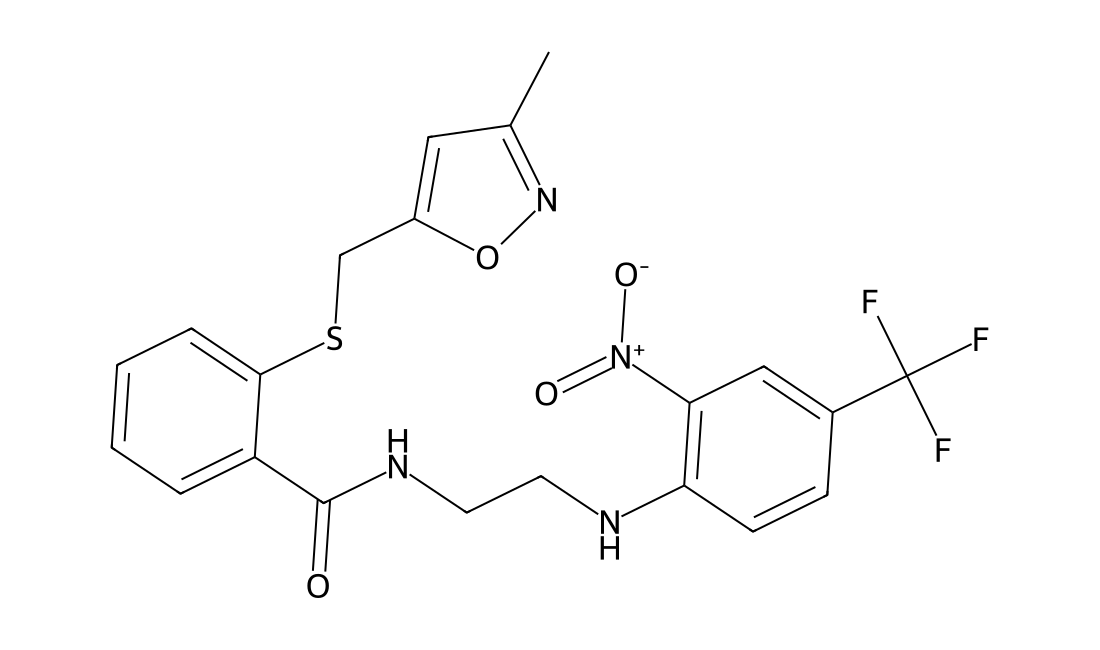
COH000Featured
COH000 is an inhibitor of Ubiquitin-like 1-activating enzyme (SUMO-activating enzyme), with an IC50 of 0.2 μM for SUMOylation in vitro[1].
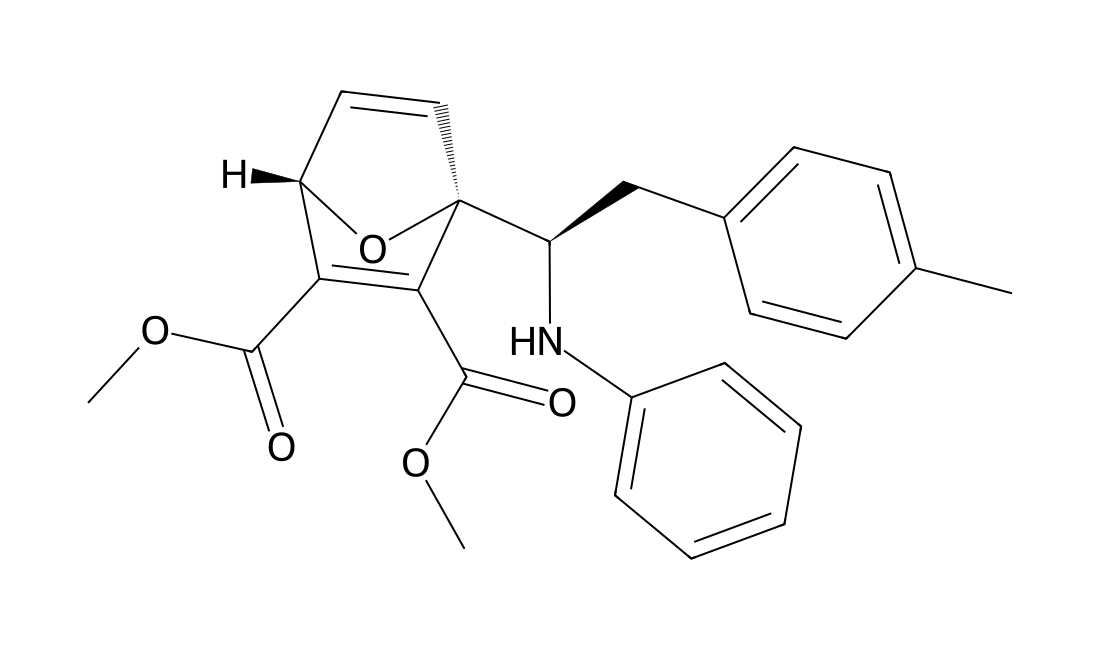
RU-301Featured
RU-301 is a pan-TAM receptor inhibitor, exerts pan-TAM inhibitory activity by binding at the interface between Gas6 and the Ig1 domain of the respective TAMs with Kd and IC50 values of 12 μM and 10 μM, respectively[1].
MV1Featured
MV1 is an antagonist of IAP (inhibitor of apoptosis protein), leads to protein knockdown of HaloTag-fused proteins when combined with HaloTag ligand[1].
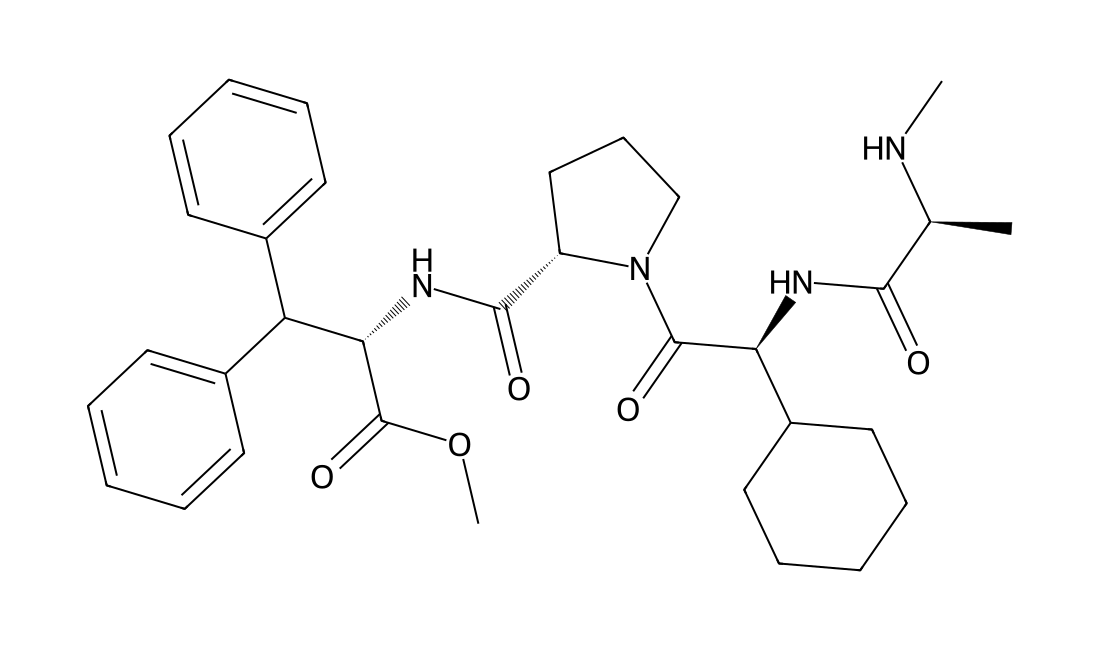
SRA737(CCT245737)Featured
SRA737(CCT245737) is a orally active and seletive Chk1 inhibitor, with an IC50 of 1.3 nM。
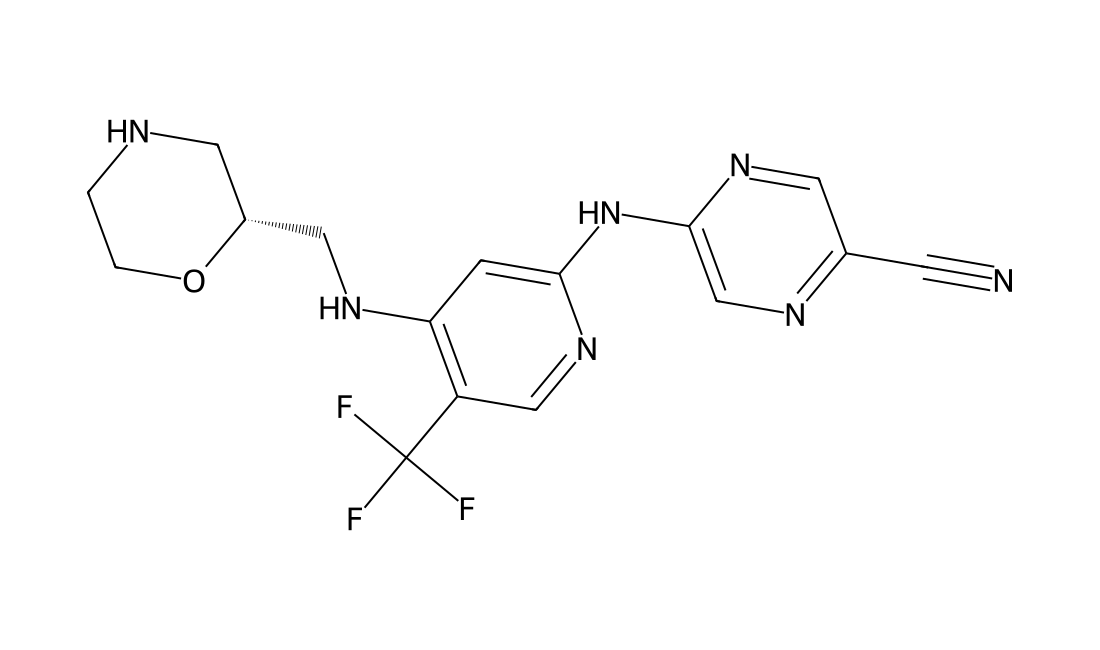
D-3263Featured
D-3263 is an agonist of transient receptor potential melastatin member 8 (TRPM8) with potential antineoplastic activity.
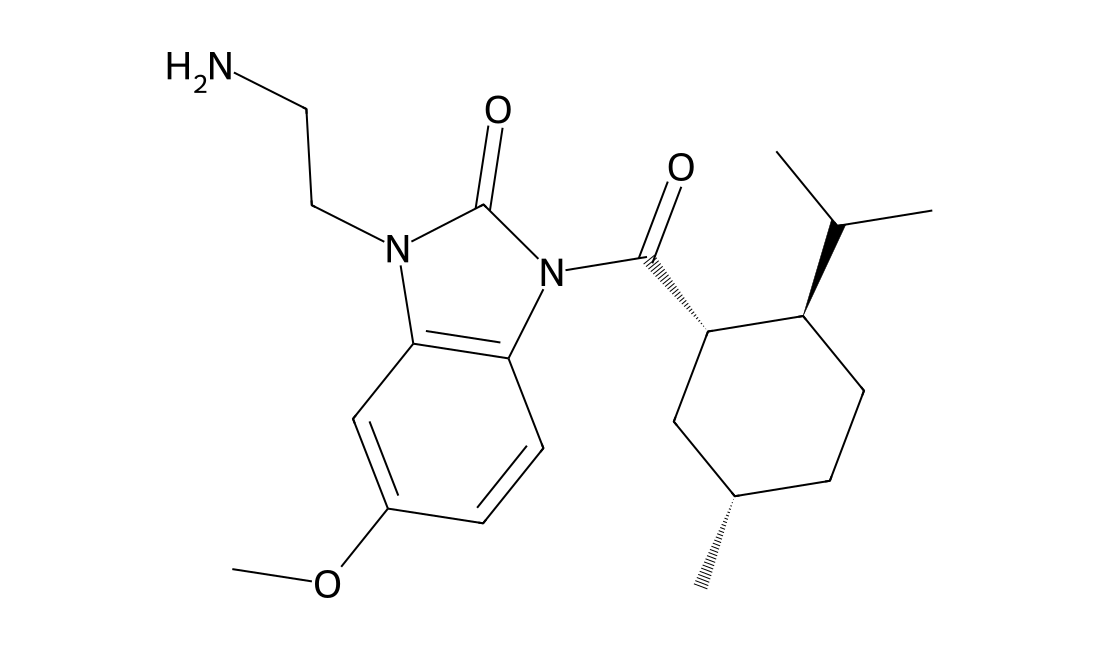
SB297006Featured
SB297006 is a CCR3 antagonist, which significantly inhibits proliferation and neurosphere formation in CCL11-treated neural progenitor cells.
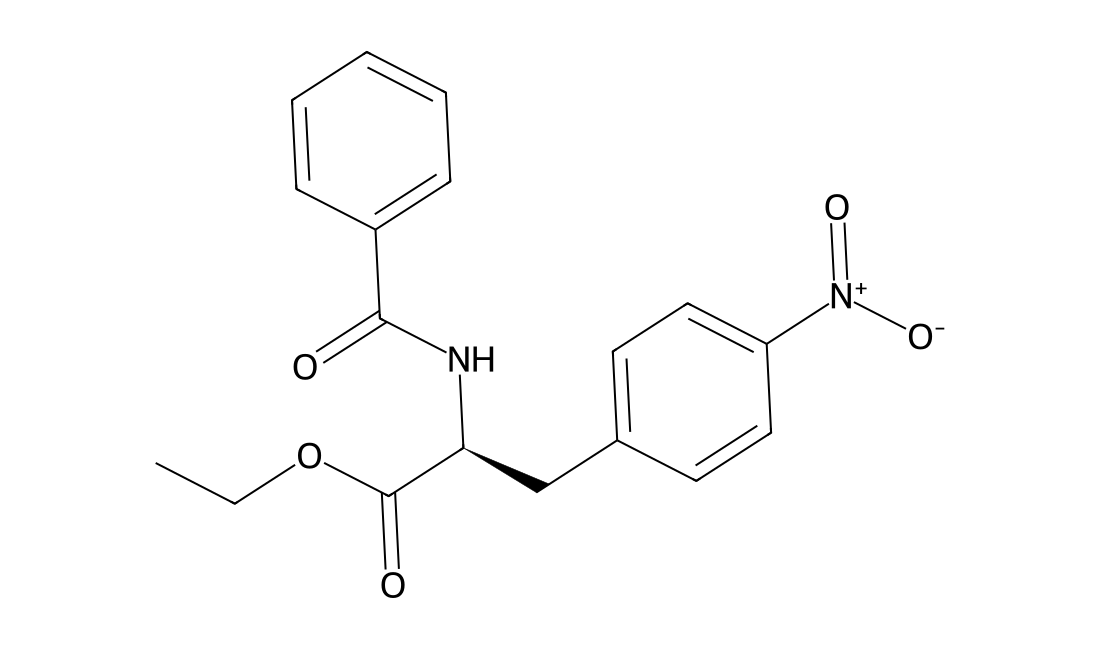
MRT-68921 hydrochlorideFeatured
MRT68921 hydrochloride is the most potent inhibitor of ULK1 and ULK2, with IC50 values of 2.9 nM and 1.1 nM, respectively.
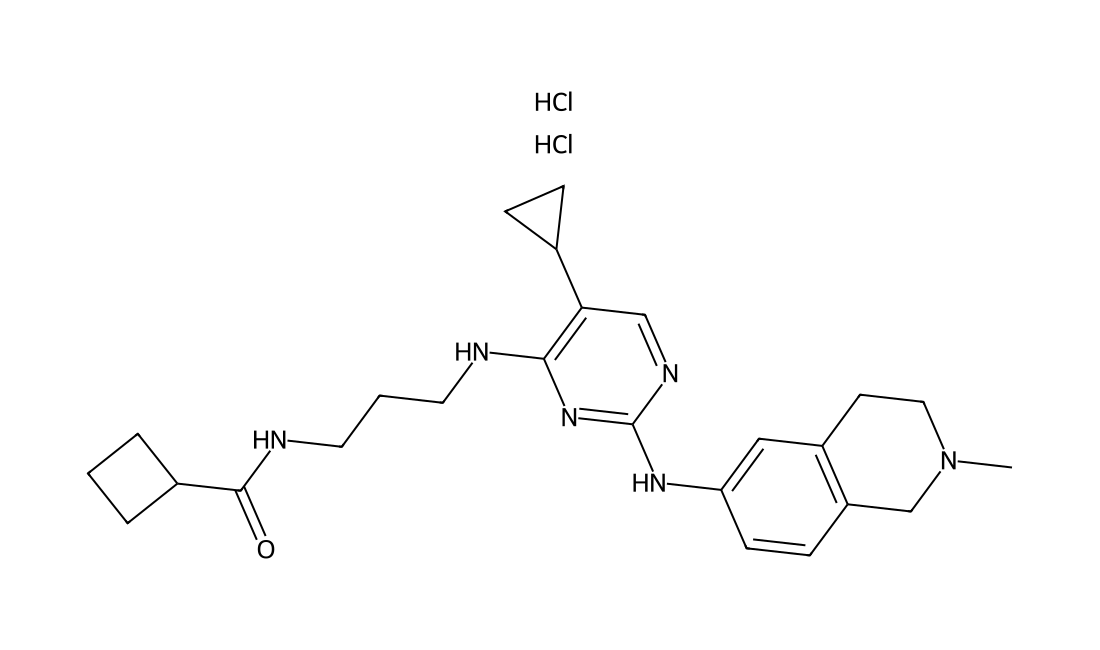
Otenabant(CP945598.HCl)Featured
Otenabant Hydrochloride is a potent and selective cannabinoid receptor CB1 antagonist with Ki of 0.7 nM, exhibits 10,000-fold greater selectivity against human CB2 receptor.
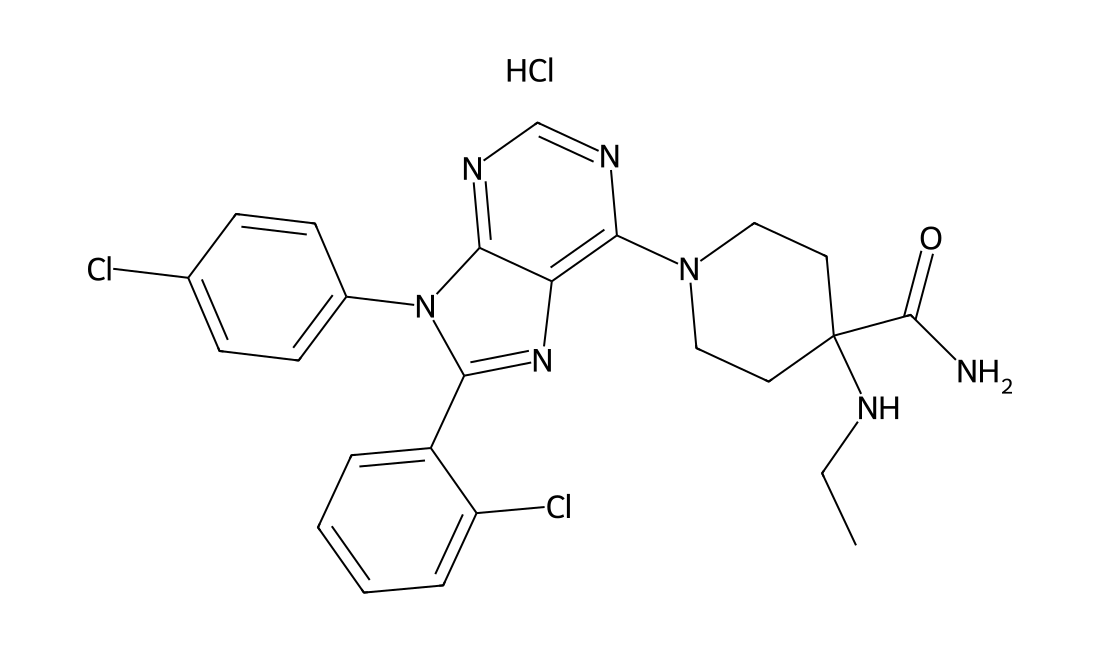
PXS-5153AFeatured
PXS-5153A is a potent, selective, orally active and fast-acting inhibitor of lysyl oxidase like 2/3 enzymatic (LOXL2/LOXL3), with an IC50 of <40 nM for LOXL2 across all mammalian species and an IC50 of 63 nM for human LOXL3. PXS-5153A could reduce crosslinks and ameliorates fibrosis.
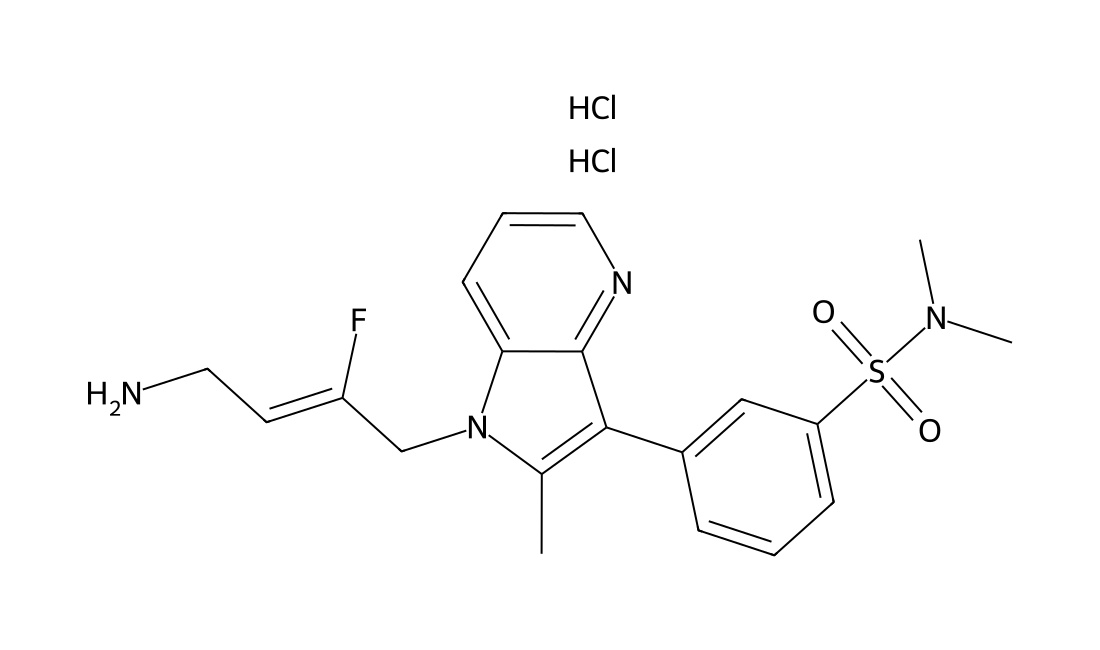
SRI-011381Featured
SRI-011381 is an orally active TGF-β signaling agonist, exhibits neuroprotective effects[1][2].
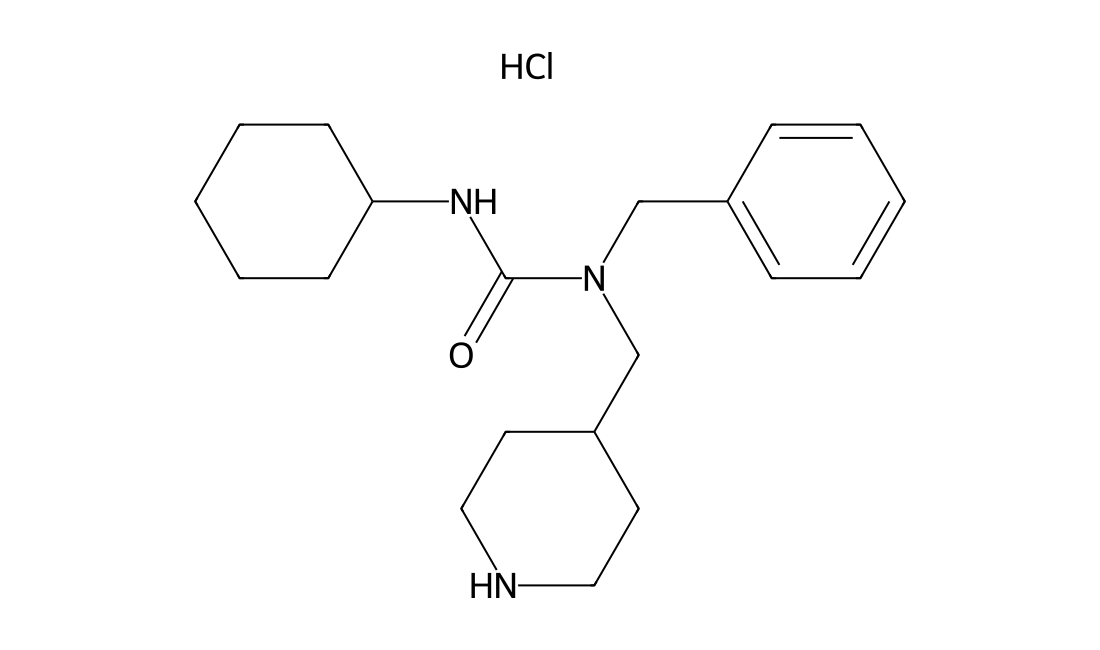
No products match this search.
Page 404 of 409 · Browse all 8177 products
Jump to a product page
Featured literature product: HX1 · DCL0028
HX1 is a hydroxyzine-derived ionizable lipid with acetal-containing tails, studied in lipid nanoparticles for brain mRNA delivery and CRISPR–Cas9 delivery. It was the lead in the reported in vivo brain-delivery screen; evidence is preclinical and formulation-dependent.
Read full formulation and performance →