
Research lipid catalog
Ionizable Lipid Products
Explore 848 lipid and RNA delivery products. Search the full catalog or browse by research category.
Search covers product name, catalog number, synonyms, available CAS numbers and categories. Spaces, hyphens and common punctuation are ignored. Duplicate legacy records are consolidated under one canonical product result.
8677 products · Showing 8261–8280 · 20 per page
DC Chemicals lipid expertise
Built for ionizable-lipid discovery and RNA delivery research
DC Chemicals supports formulation and delivery research with a broad, searchable portfolio of cationic and ionizable lipids. The current directory brings together 848 unique research-use products, with product specifications, pricing, chemical structures and literature-linked formulation data added as each record is verified.
Our experience spans complex lipid synthesis, purification, analytical release and process development. For custom molecules or larger-scale requirements, our team can discuss route development, technical specifications and scale-up options for the intended research workflow.
Learn about cationic and ionizable lipids →Proprietary innovation · Co-development · GMP
From proprietary lipid design to GMP-grade custom synthesis
DC Chemicals has independently developed ionizable-lipid structures supported by company-owned intellectual property, and selected proprietary lipid programs have advanced to GMP-stage development.
We welcome joint development with customers—from molecular design and lipid synthesis through route and process development. We can also support custom synthesis of GMP-grade ionizable lipids to agreed technical specifications and quality requirements.
Discuss a co-development project →Proprietary ionizable-lipid structuresCollaborative molecular designCustom lipid synthesisProcess development and scale-upGMP-grade project support
Product quick links
Explore New ionizable lipids
Explore our five most recently added ionizable lipids, with specifications, pricing and literature-linked product information.
DCL0028HX1Brain RNA delivery researchView product →DCL0024A1I4R13C18-2Spleen-targeted RNA delivery researchView product →DCL0023A1I4R2C18-2Spleen-targeted RNA delivery researchView product →DCL0022FS01Local joint RNA delivery researchView product →DCL0020Lipid-392Lung RNA delivery and gene editing researchView product →
Cat. No.Product NameField of ApplicationChemical Structure
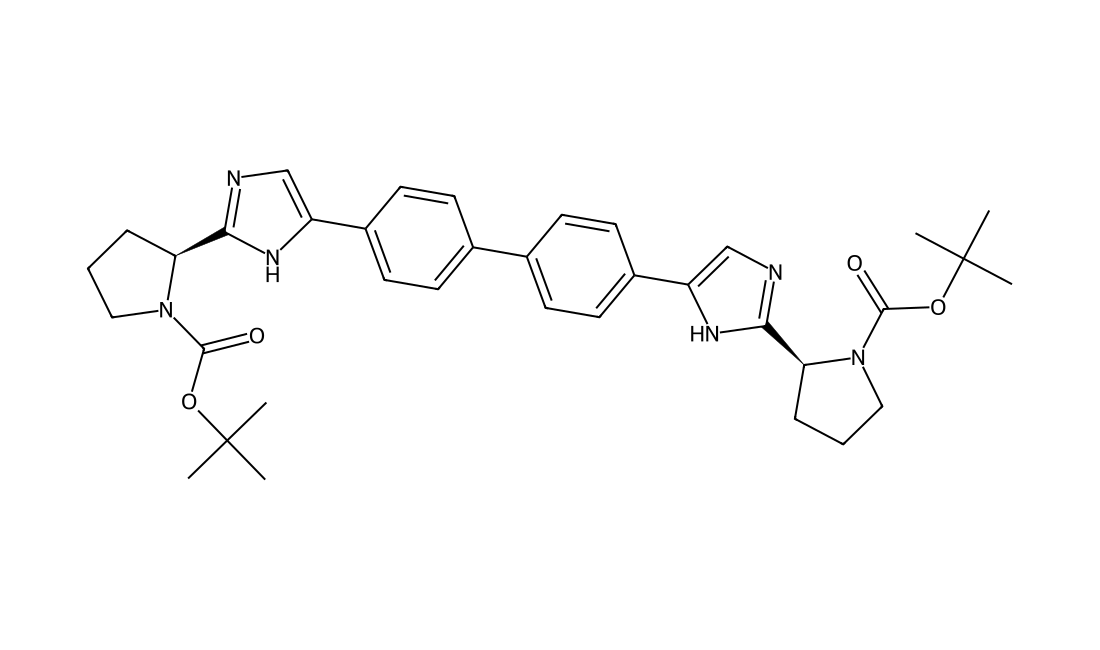
HCV-IN-30Featured
HCV-IN-30 (compound 48) is a HCV NS5A replication complex inhibitor, with IC50s of 901 and 102 nM for genotypes 1a and 1b replicons, respectively[1].
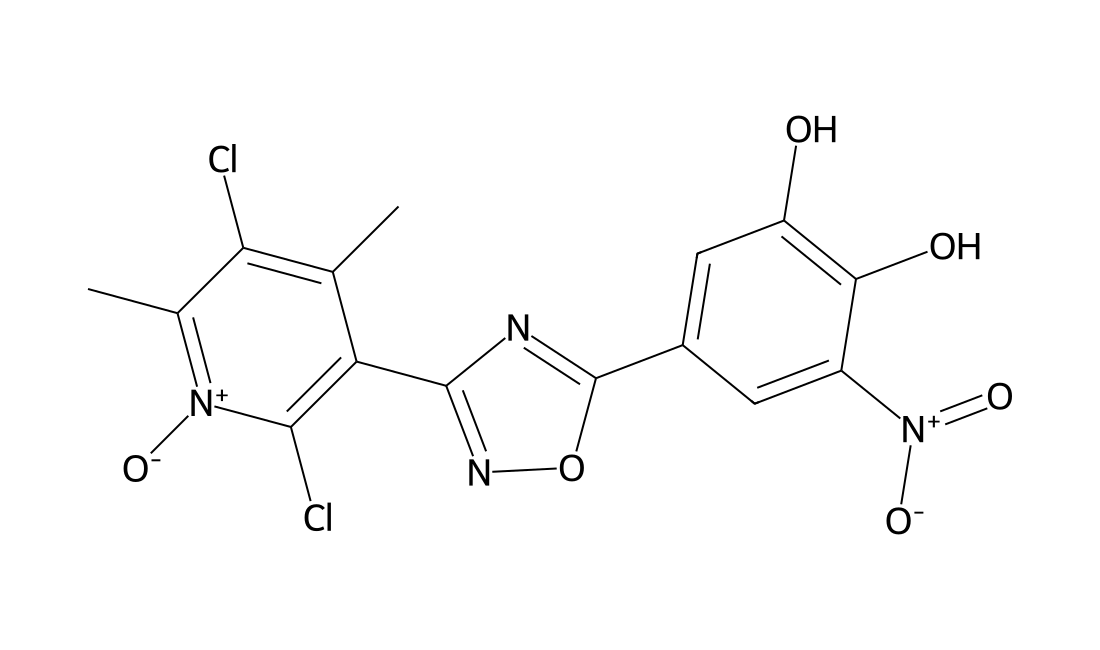
OpicaponeFeatured
Opicapone is an available catechol-O-methyltransferase (COMT) inhibitor. Opicapone decreases the ATP content of the cells with IC50 values of 98 μM.
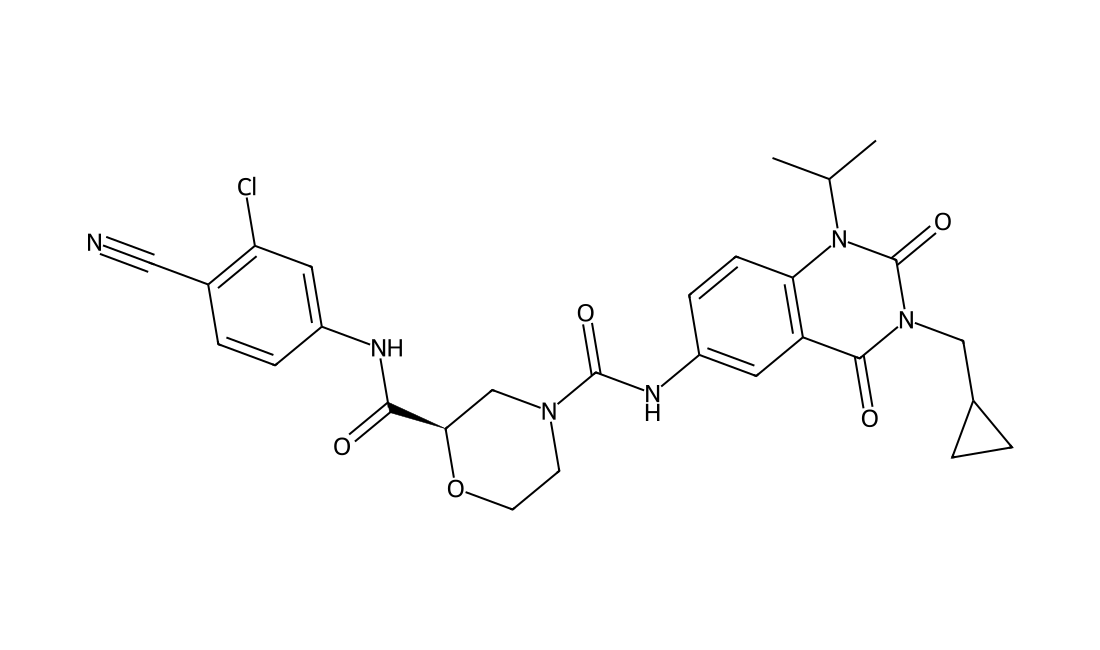
RORγt Inverse agonist 6Featured
RORγt Inverse agonist 6 (compound 43) is a RORγt inverse agonist for the treatment of Th17-driven autoimmune diseases. RORγt Inverse agonist 6 (compound 43) suppresses IL-17A gene expression by IL-23 stimulation in vivo[1].
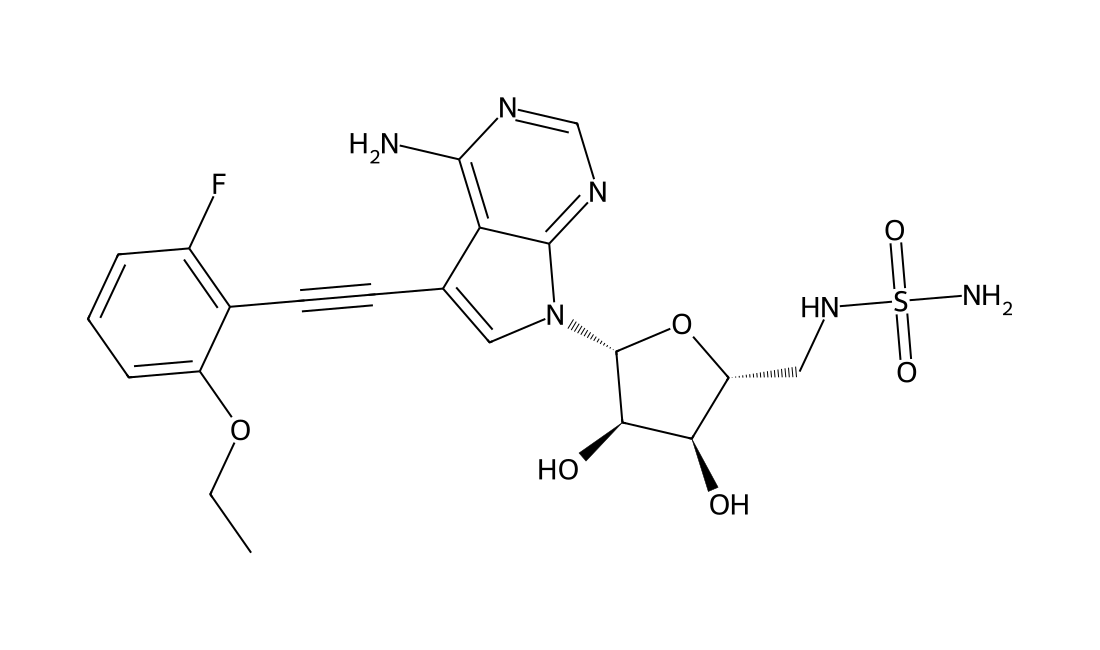
TAS4464Featured
TAS4464 is a highly potent and selective inhibitor of NEDD8 activating enzyme (NAE), with an IC50 of 0.955 nM[1].
Vazegepant hydrochlorideFeatured
Vazegepant (BHV-3500) hydrochloride is a highly affinity CGRP receptor antagonist (hCGRP Ki= 0.023 nM). Vazegepant hydrochloride is the first intranasal gepant for migraine. Vazegepant hydrochloride may be helpful in effective management of COVID-19 associated pulmonary inflammation[1][2][3].
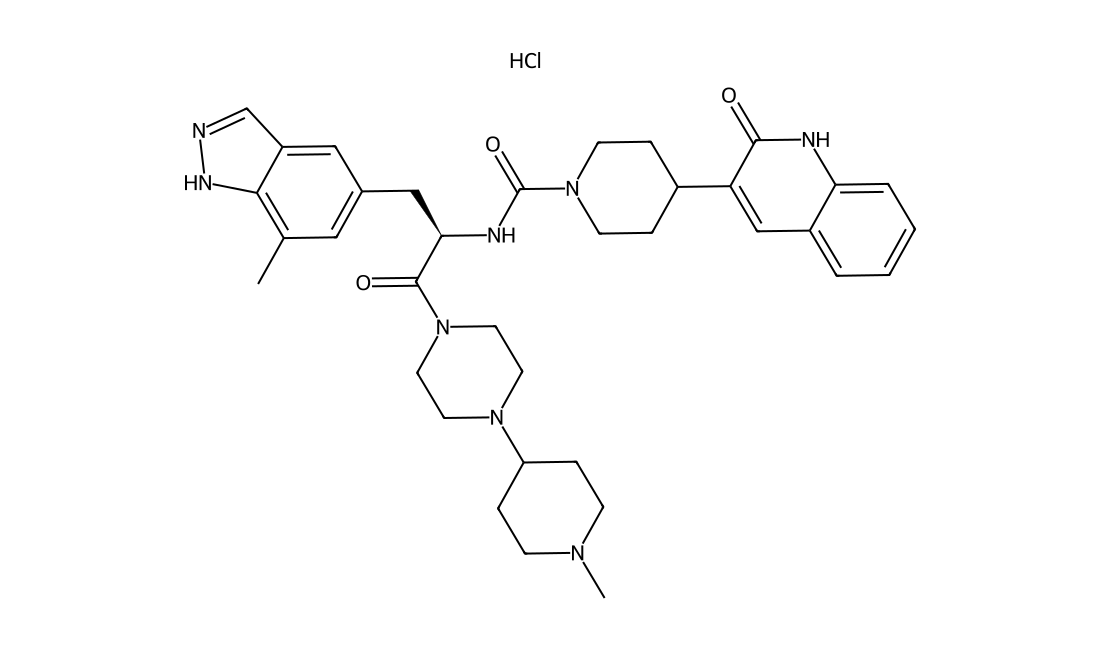
Giredestrant (tartrate)Featured
Giredestrant tartrate (GDC-9545 tartrate), a non-steroidal ER ligand, is an orally active and selective estrogen receptor (ER) antagonist. Giredestrant tartrate potently competes with estradiol for binding and induces a conformational change within the ER ligand binding domain. Anti-tumor activity[1].
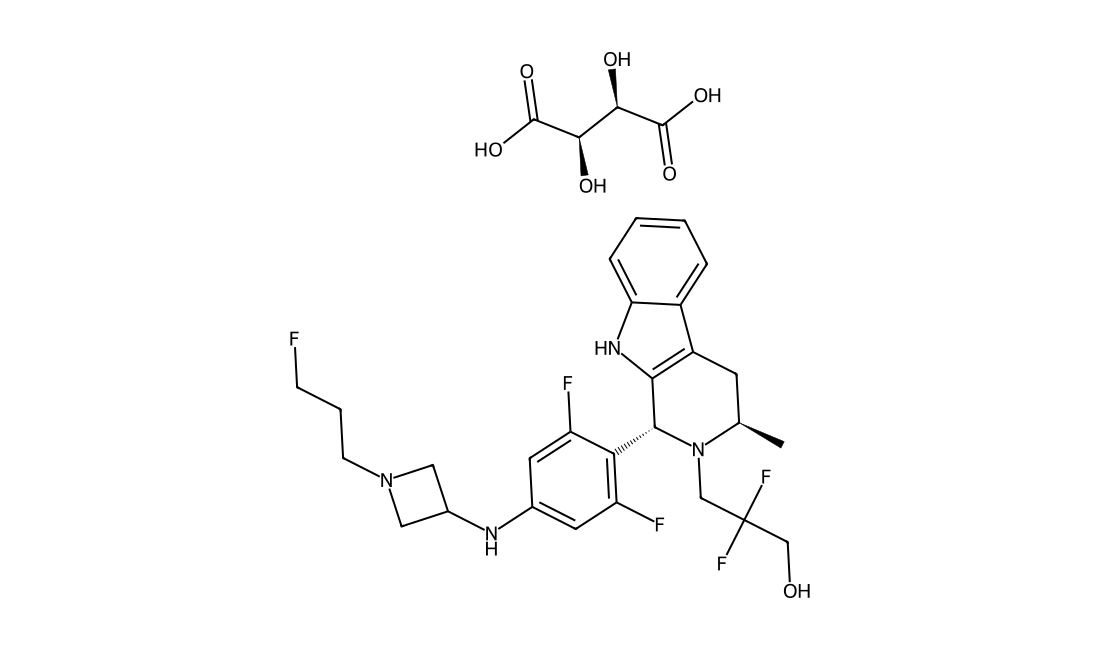
TAK-041Featured
TAK-041 is a potent and selective GPR139 agonist with an EC50 of 22 nM. TAK-041 has the potential for the research of negative symptoms associated with schizophrenia[1].
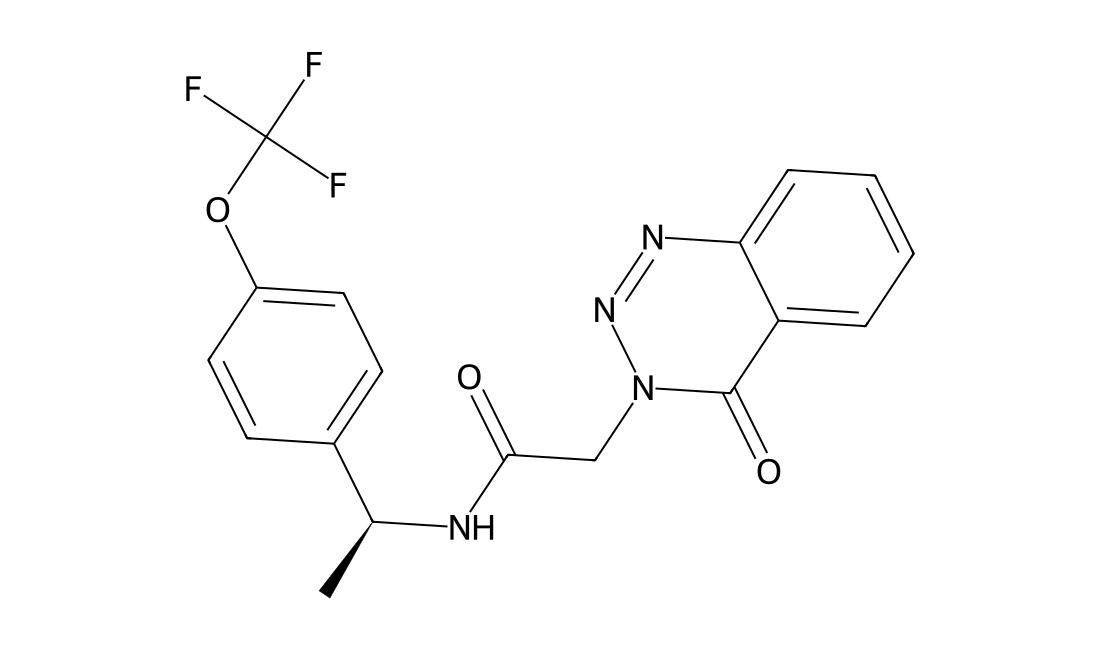
Batefenterol SuccinateFeatured
Batefenterol Succinate is a first-in-class inhaled bifunctional bronchodilator possessing muscarinic receptor antagonist and β2-adrenoceptor agonist properties.
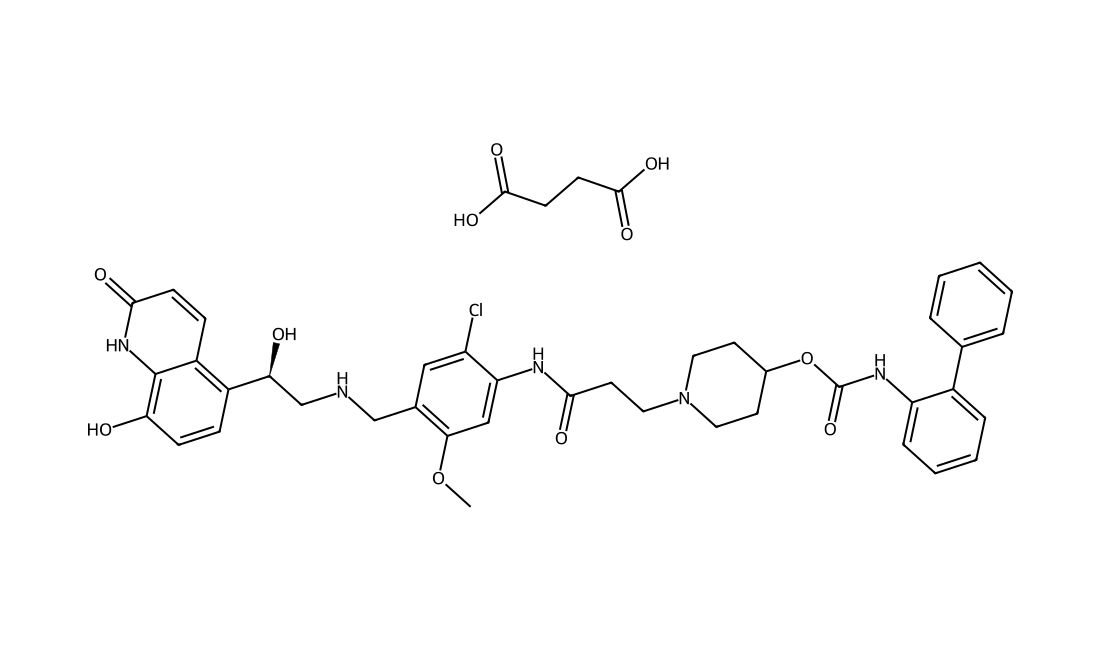
SWN41522Featured
SWN41522, also known as DUPA and FN11, is a potent Urea-Based Inhibitor of Glutamate Carboxypeptidase II (NAALADase). In vivo antitumor tests using U-87 glioblastoma xenograft showed that FN11 reduced tumor vol. to a value of ∼0.4-0.6 (at 10 or 100 μM) after 4 days treatment, and ∼ 1.0 (at both dosages) after 7 days treatment. The antiangiogenesis activity of FN11 was examd. with similarly grown tumors, and revealed a preponderance of avascular and low vascular areas in tumors treated with FN11 at 100 μM. It was first reported in patent WO 2000064911 and Journal of Medicinal Chemistry (2001), 44(3), 298-301.
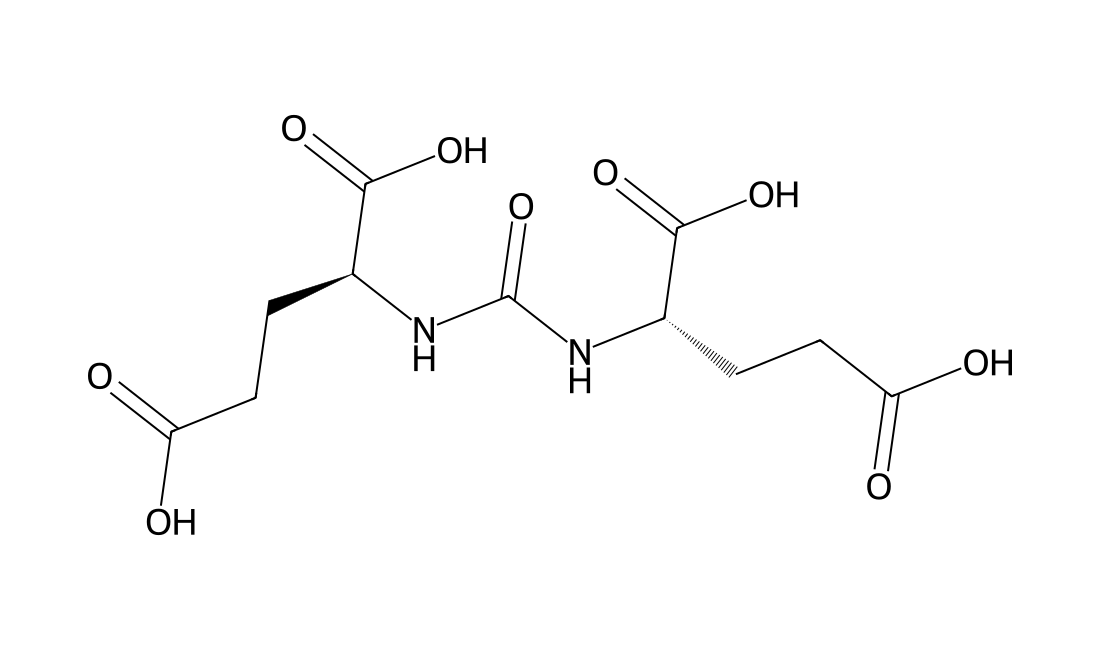
Difelikefalin HClFeatured
Difelikefalin is a κ-opioid receptor (KOR) agonist. It activates KOR in HEK293 cells expressing the human receptor (EC50 = 0.16 nM in a transactivation assay) and inhibits forskolin-induced cAMP production in R1.G1 mouse thyoma cells (EC50 = 0.048 nM). Difelikefalin is selective for KOR over the μ-opioid receptor.
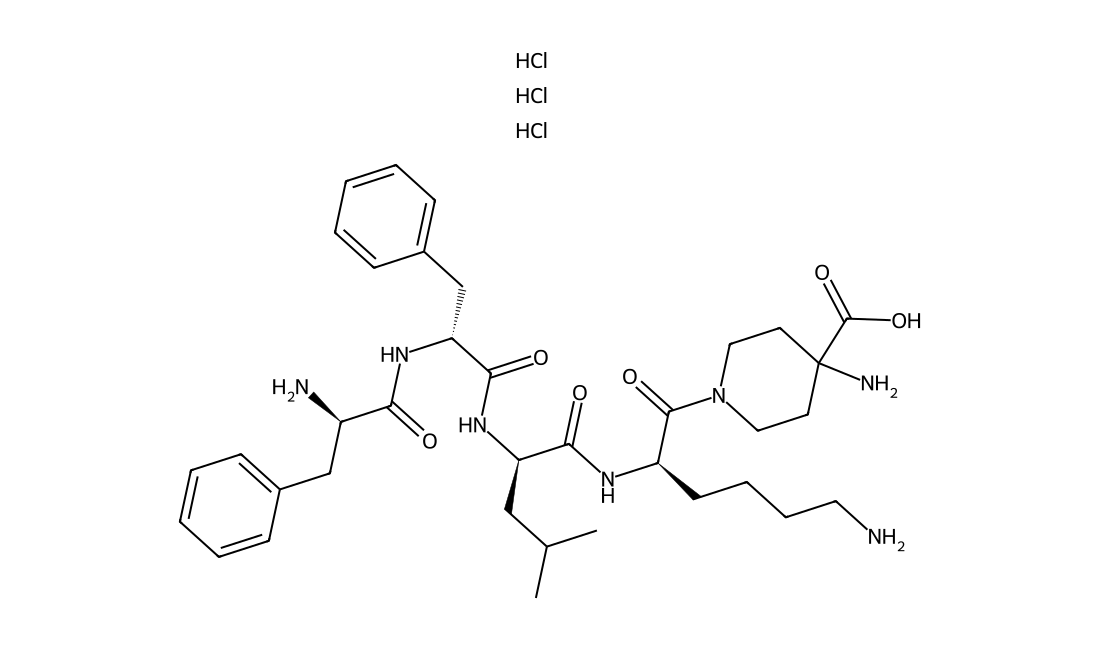
Menin-MLL inhibitor 20,MRN73473Featured
Menin-MLL inhibitor 20 is an irreversible menin-MLL interaction inhibitor with antitumor activities (WO2020142557A1, compound 6).
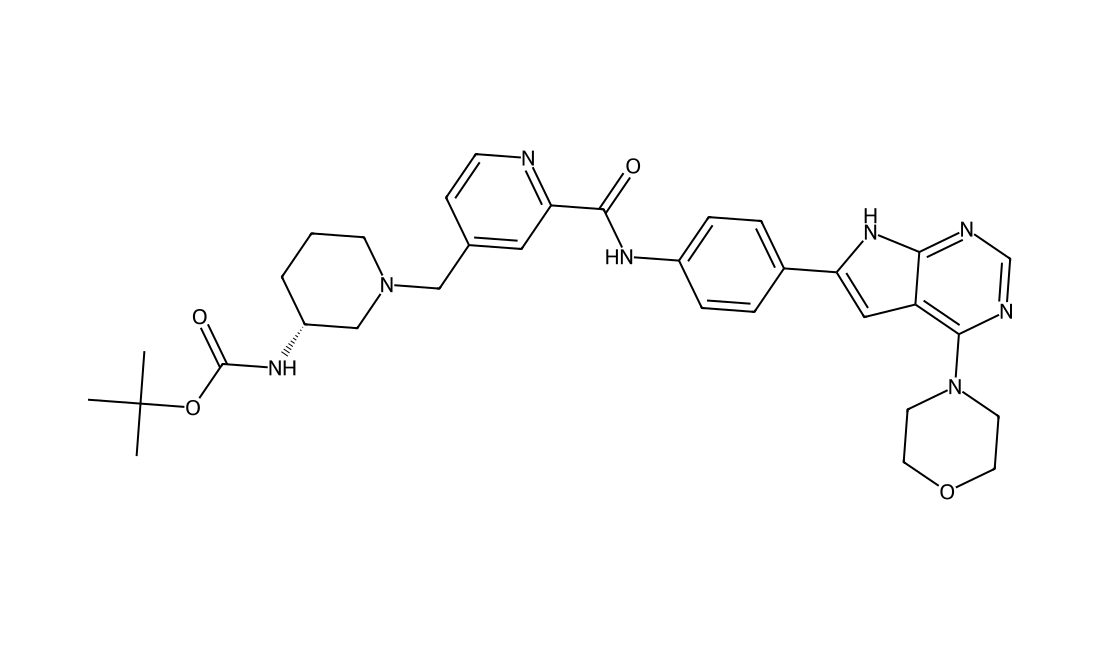
BRD0418Featured
Novel upregulator of TRIB1 expression, leading to reprogramming of hepatic lipoprotein metabolism from lipogenesis to scavenging
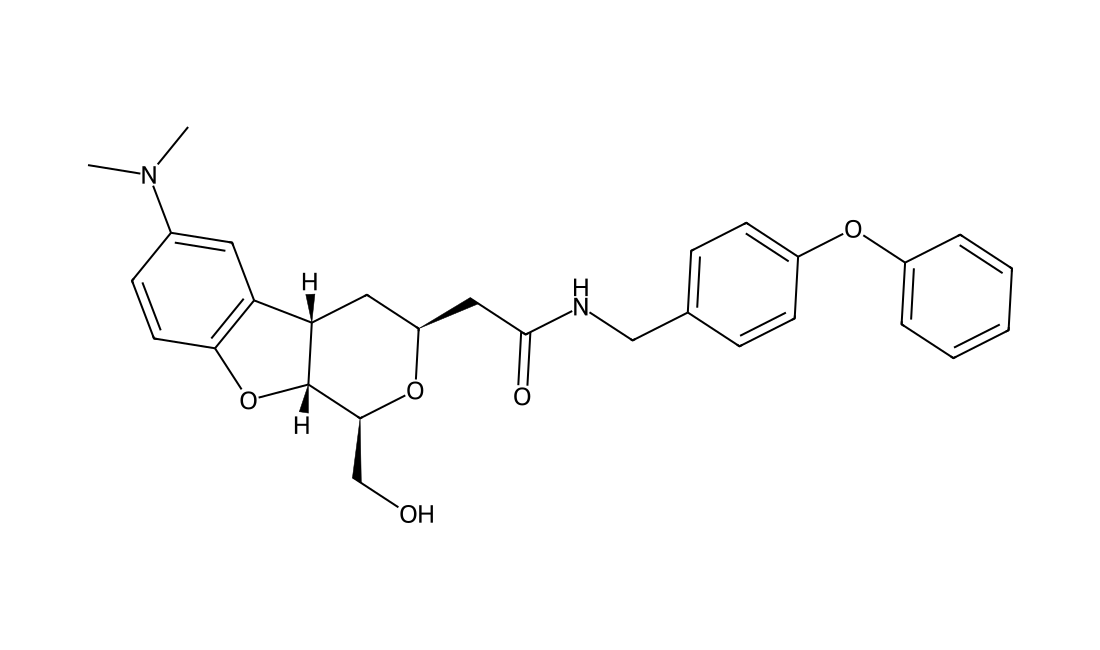
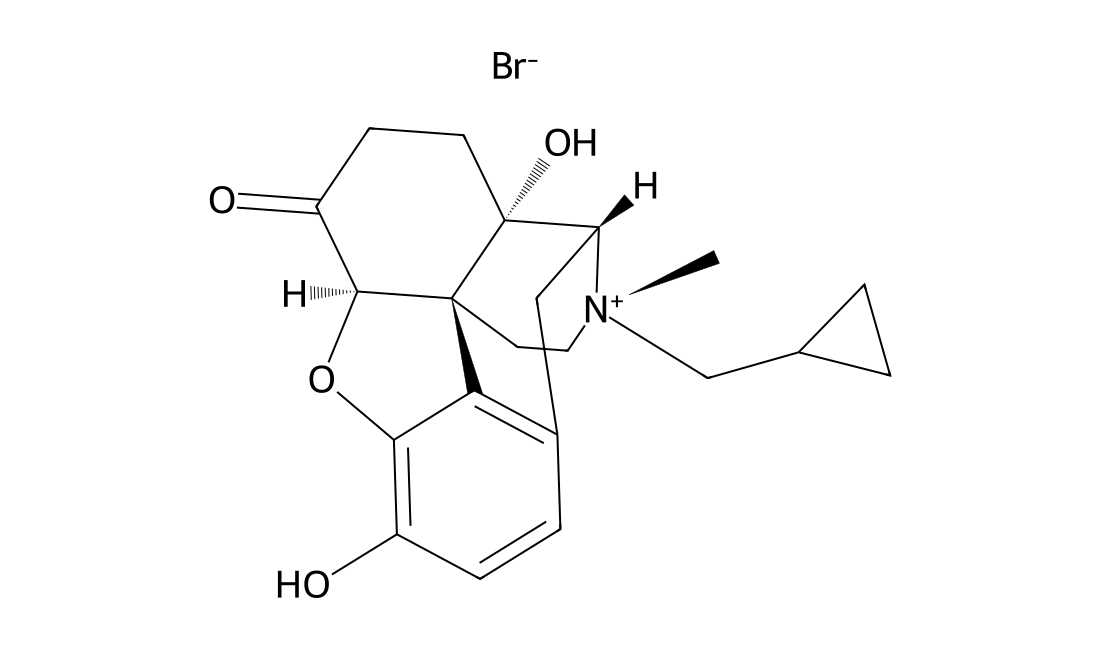
Bafilomycin A1(Baf-A1)Featured
Bafilomycin A1 is a vacuolar H+-ATPase inhibitor with IC50 of 0.44 nM.
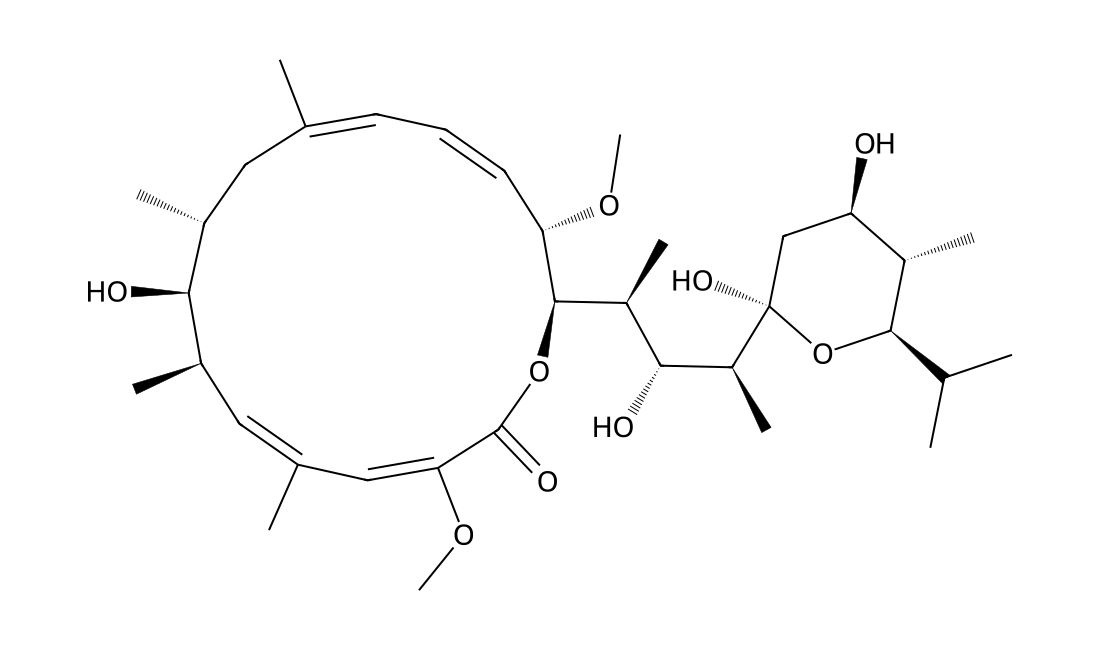
Salbutamol (hydrochloride)Featured
Salbutamol is an agonist of the β2-adrenergic receptor (β2-AR; Kd = 759 nM in a radioligand binding assay using CHO cells expressing the human receptor).It is selective for β2-ARs over β1- and β3-ARs (Kds = 46.8 and 21.9 μM, respectively). Salbutamol (25-50 μg/kg, i.v.) reduces acetylcholine-induced bronchospasm in anesthetized guinea pigs.It also reduces response of bronchial muscle to efferent vagal stimulation in anesthetized cats and dogs when administered at doses ranging from 1 to 2.5 and 10 to 20 μg/kg, respectively. Nebulized salbutamol reduces transpulmonary pressure in recurrent airway obstruction-affected horses (EC50 = 39.7 μg).Formulations containing salbutamol have been used in the treatment of asthma and chronic obstructive pulmonary disease (COPD).
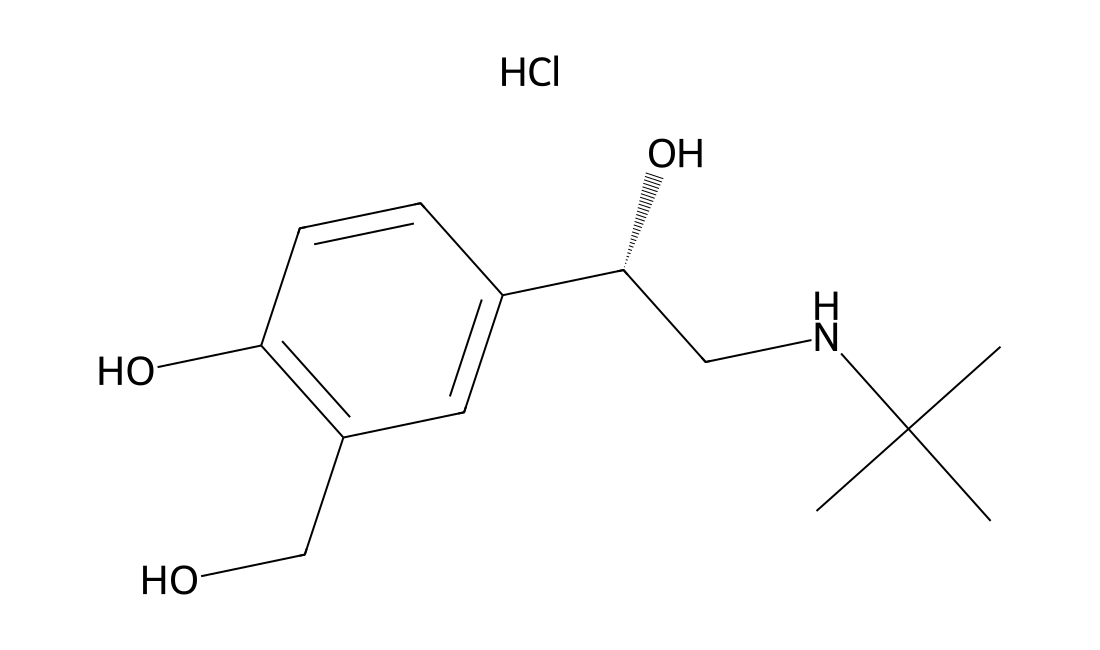
IP6K1 inhibitor TNPFeatured
IP6K1 inhibitor TNP is a potent, selective inositol hexakisphosphate kinase IP6K with IC50 of 0.47 uM (IP6K1), does not inhibit either human or yeast Vip/PPIP5K; reversibly inhibits InsP7 and InsP8 synthesis in vivo without affecting levels of other inositol phosphates; increases the IGF-1 elicited stimulation of T308 phosphorylation of Akt without influencing p-S473, combination of TNP (10 μM) and SB216763 (1 μM) virtually abolishes adipogenic differentiation of NIH3T3-L1 cells; ameliorates diet induced obesity and insulin resistance via inhibition of the IP6K1 pathway, also suppresses neutrophil-mediated pulmonary damage in bacterial pneumonia.
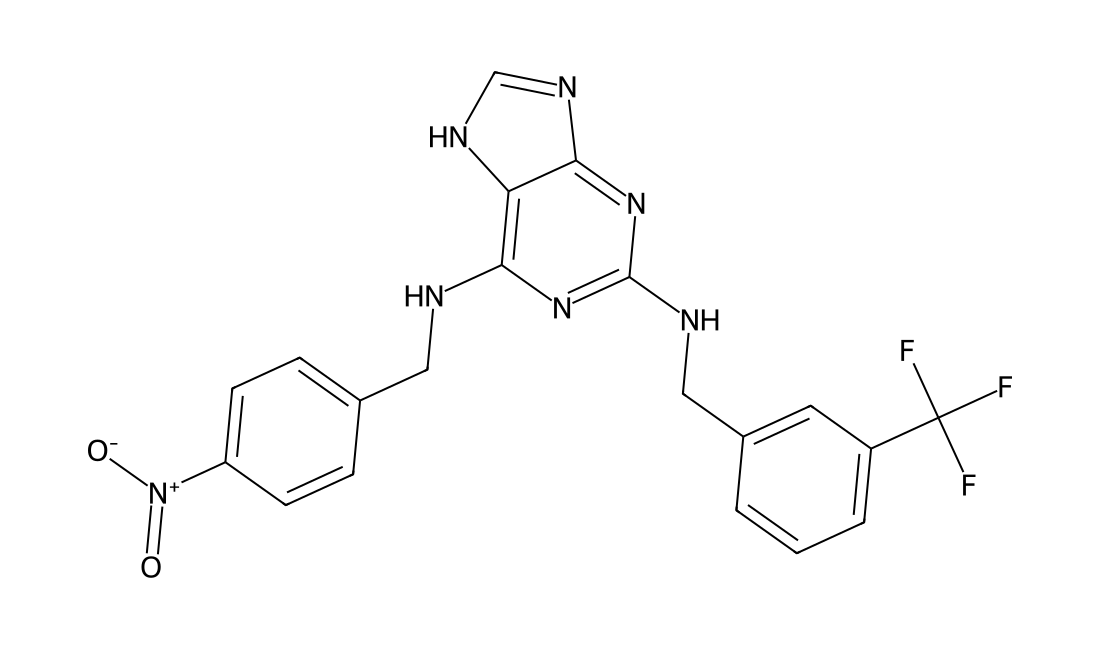
Methylnaltrexone (Bromide)Featured
Methylnaltrexone Bromide is a pheriphally-acting μ-opioid antagonist that acts on the gastrointestinal tract to decrease opioid-induced constipation. Methylnaltrexone is one of the newer agents of peripherally-acting μ-opioid antagonists that act to reverse some of the side effects of opioid drugs such as constipation without affecting analgesia or precipitating withdrawals. Because Methylnaltrexone contains a permanently charged tetravalent nitrogen atom, it cannot cross the blood-brain barrier, and so has antagonist effects throughout the body, counteracting effects such as itching and constipation, but without affecting opioid effects in the brain such as analgesia. However, since a significant fraction (up to 60 %) of opioid analgesia can be mediated by opioid receptors on peripheral sensory neurons, particularly in inflammatory conditions such as arthritis, traumatic or surgical pain, Methylnaltrexone may increase pain under such circumstances.
JHU37160Featured
JHU37160 is a potent and brain-penetrant DREADD agonist, with EC50s of 18.5 nM and 0.2 nM for hM3Dq and hM4Di DREADDs in HEK-293 cells, respectively. JHU37160 exhibits selective [3H]Clozapine displacement from DREADDs and not from other Clozapine-binding sites in mice brain tissue.
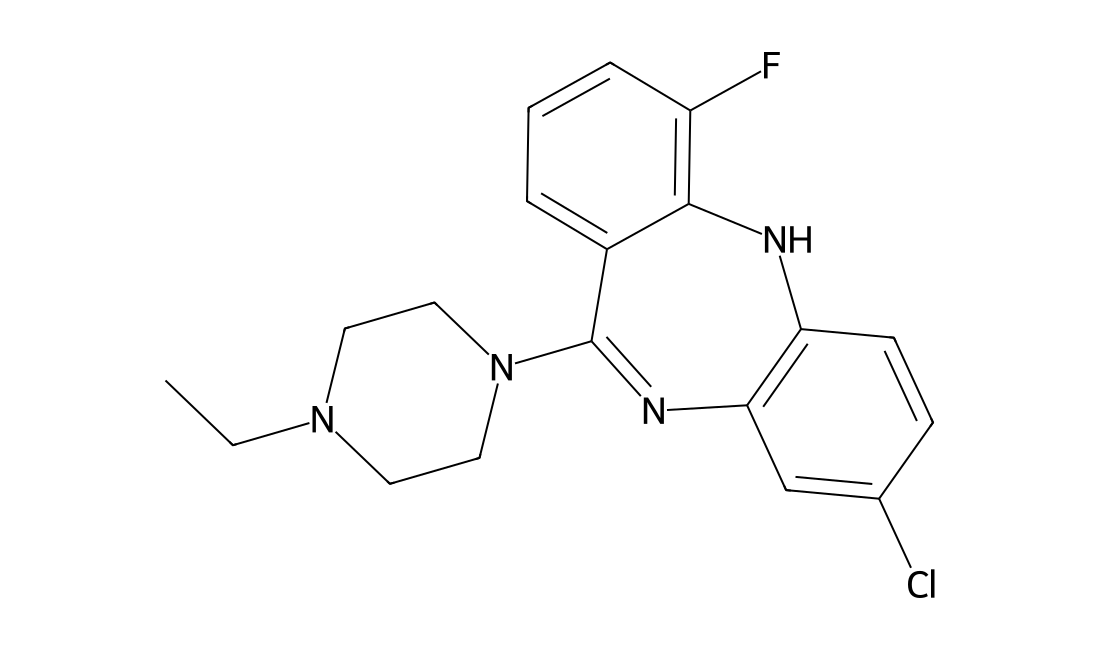
A novel Glucocorticoid receptor modulator.
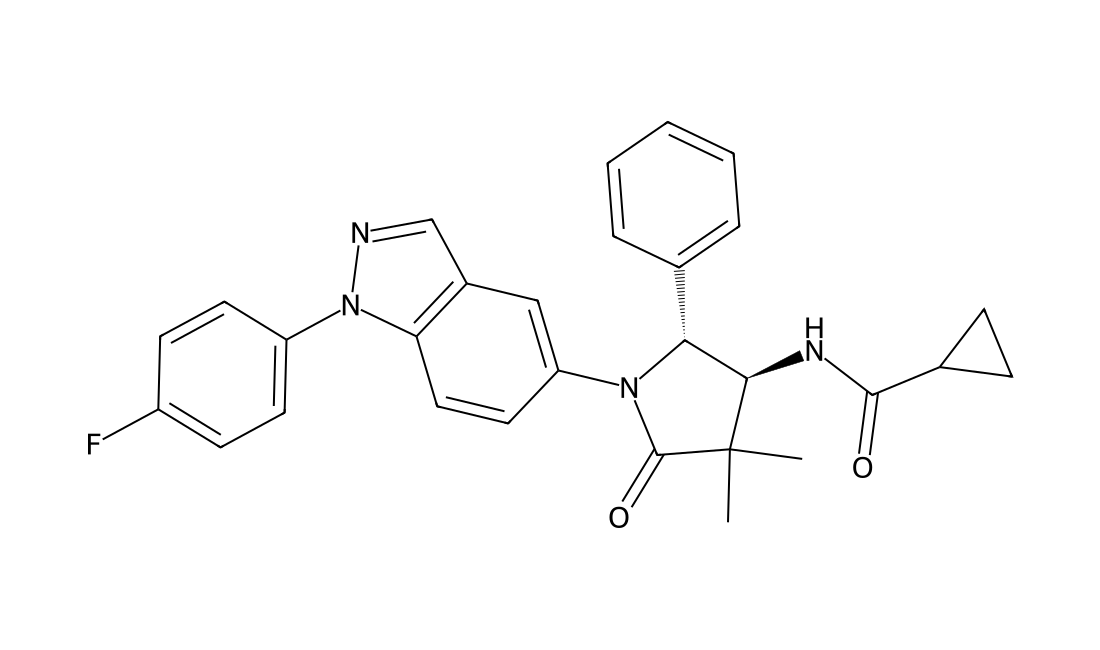
IMM-H007Featured
Novel lipid-lowering agent, acting as an AMPK activator, increasing ABCA1 protein expression and improving hepatic lipid metabolism and leukocyte trafficking in experimental hepatic steatosis
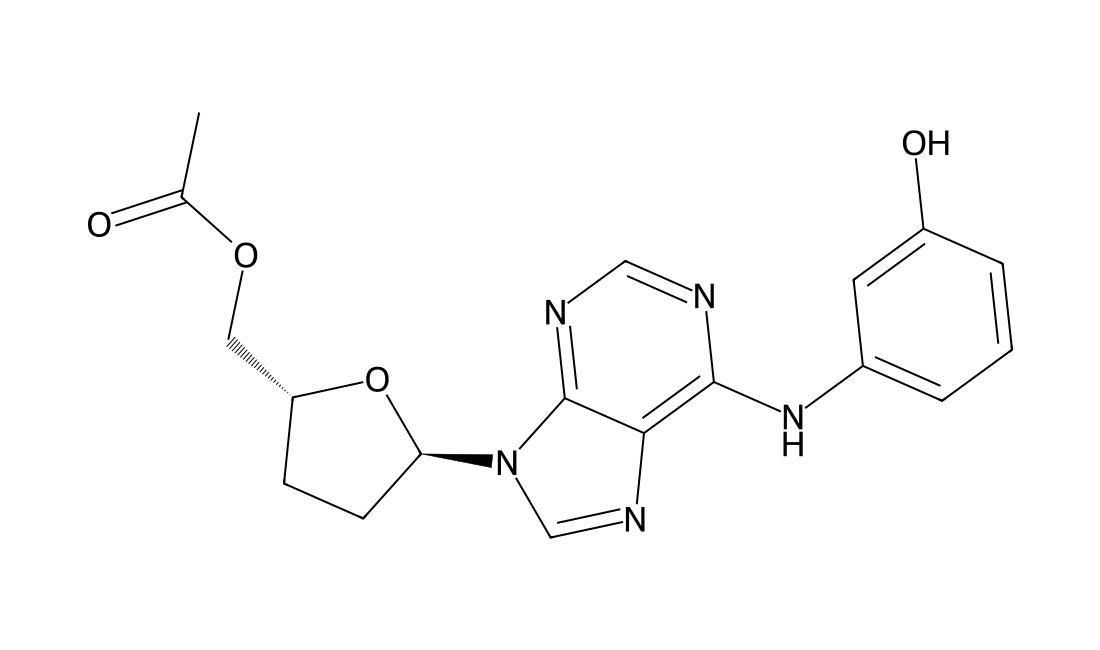
TKN87180Featured
TKN87180 is a Hydrolyzable linker for making ADC conjugate. TKN87180 was first reported in Bioorganic & Medicinal Chemistry Letters (2004), 14(16), 4323-4327. This product has not formal name. For the convenience of scientific communication, we named it by combining its Inchi key (3 letters from the first letter of each section) with the last 5 digits of its CAS number or its molecule weight if its CAS number is not available.
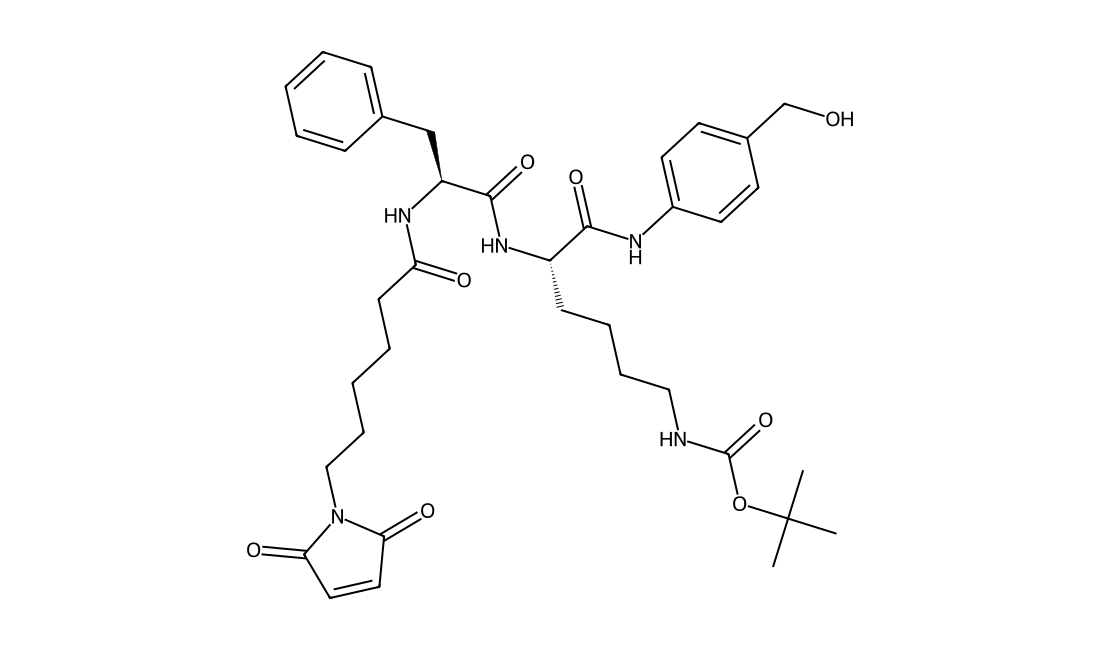
No products match this search.
Page 414 of 434 · Browse all 8677 products
Jump to a product page
Featured literature product: HX1 · DCL0028
HX1 is a hydroxyzine-derived ionizable lipid with acetal-containing tails, studied in lipid nanoparticles for brain mRNA delivery and CRISPR–Cas9 delivery. It was the lead in the reported in vivo brain-delivery screen; evidence is preclinical and formulation-dependent.
Read full formulation and performance →