
Research lipid catalog
Ionizable Lipid Products
Explore 848 lipid and RNA delivery products. Search the full catalog or browse by research category.
Search covers product name, catalog number, synonyms, available CAS numbers and categories. Spaces, hyphens and common punctuation are ignored. Duplicate legacy records are consolidated under one canonical product result.
8677 products · Showing 8641–8660 · 20 per page
DC Chemicals lipid expertise
Built for ionizable-lipid discovery and RNA delivery research
DC Chemicals supports formulation and delivery research with a broad, searchable portfolio of cationic and ionizable lipids. The current directory brings together 848 unique research-use products, with product specifications, pricing, chemical structures and literature-linked formulation data added as each record is verified.
Our experience spans complex lipid synthesis, purification, analytical release and process development. For custom molecules or larger-scale requirements, our team can discuss route development, technical specifications and scale-up options for the intended research workflow.
Learn about cationic and ionizable lipids →Proprietary innovation · Co-development · GMP
From proprietary lipid design to GMP-grade custom synthesis
DC Chemicals has independently developed ionizable-lipid structures supported by company-owned intellectual property, and selected proprietary lipid programs have advanced to GMP-stage development.
We welcome joint development with customers—from molecular design and lipid synthesis through route and process development. We can also support custom synthesis of GMP-grade ionizable lipids to agreed technical specifications and quality requirements.
Discuss a co-development project →Proprietary ionizable-lipid structuresCollaborative molecular designCustom lipid synthesisProcess development and scale-upGMP-grade project support
Product quick links
Explore New ionizable lipids
Explore our five most recently added ionizable lipids, with specifications, pricing and literature-linked product information.
DCL0028HX1Brain RNA delivery researchView product →DCL0024A1I4R13C18-2Spleen-targeted RNA delivery researchView product →DCL0023A1I4R2C18-2Spleen-targeted RNA delivery researchView product →DCL0022FS01Local joint RNA delivery researchView product →DCL0020Lipid-392Lung RNA delivery and gene editing researchView product →
Cat. No.Product NameField of ApplicationChemical Structure
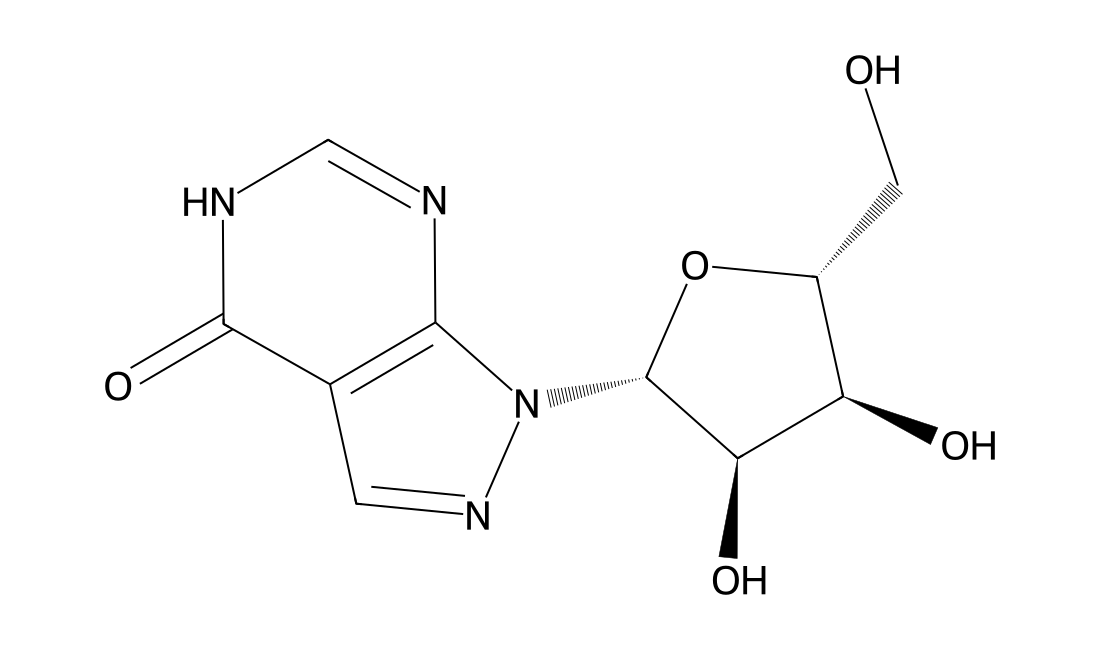
Allopurinol ribosideFeatured
Allopurinol-riboside competitively inhibits the action of purine nucleoside phosphorylase on inosine with a Ki of 277 μM. Lymphocyte blastogensis induced by PHA and Con A is significantly suppressed by allopurinol-riboside in a concentration-dependent manner. When LPS is used as a mitogen, the inhibition of allopurinol-ribosideon lymphocyte proliferation is less marked. Humoral immunity is not suppressed by allopurinol-riboside. Allopurinol riboside is an experimental agent for the treatment of leishmaniasis and American trypanosomiasis. Allopurinol riboside is effective against parasites, because a series of enzymes (analogous to those that mediate purine salvage in humans) convert it into 4-aminopyrazolopyrimidine ribonucleoside triphosphate, a cytotoxic product. Allopurinol riboside is selectively toxic, because it is not metabolized by the corresponding enzymes in humans.Allopurinol riboside peaks in plasma 1.6 hours after administration, has an elimination half-life of 3 hours, and steady-state concentrations in the therapeutic range. After oral administration, unexpectedly low levels of allopurinol riboside in plasma are attributable to incomplete absorption and rapid renal clearance. Probenecid reduces the renal clearance of allopurinol riboside, extends the half-life of allopurinol riboside in plasma, and triples the levels of allopurinol riboside in plasma.
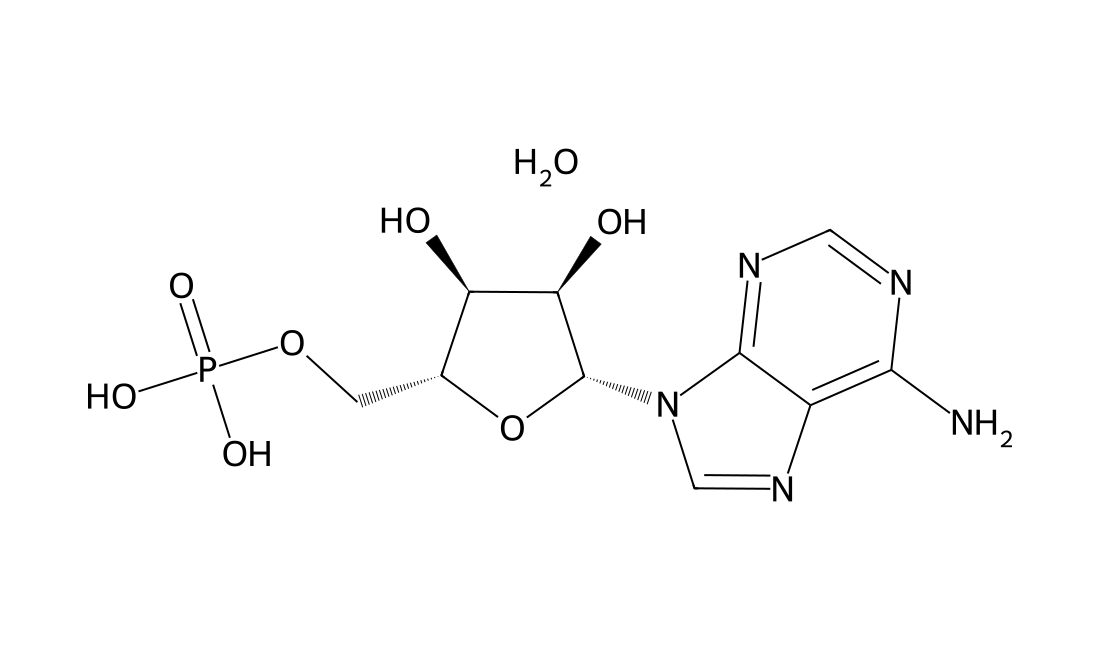
In Vitro Adenosine 5'-monophosphate monohydrate is an adenosine A1 receptor agonist[1]. Adenosine 5'-monophosphate monohydrate (5′-AMP)-induced cell toxicity is negligible at concentrations of 25 to 400 μM in RAW264.7 cells. Adenosine 5'-monophosphate monohydrate significantly attenuates the mRNA expression of tumor necrosis factor-α (TNF-α) and interleukin (IL)-6 in RAW264.7 cells. The dose-dependence of TNF-α and IL-6 mRNA show that at concentration of 400 μM, Adenosine 5'-monophosphate monohydrate exhibits the maximum inhibition. Exposure of cells to Adenosine 5'-monophosphate monohydrate significantly reduces recruitment of NF-κB p65 to TNF-α, IL-6, and IL-1β gene promoters. In Vivo C57BL/6J mice treated with Adenosine 5'-monophosphate monohydrate (5′-AMP) markedly increases hepatic adenosine level. Survival rate in PBS-treated mice (n=15) is 60% (8 h) and 33.3% (24 h), whereas survival rate in Adenosine 5'-monophosphate monohydrate-treated mice (n=15) is 100% (8 h) and 93.3% (24 h). Serum aspartate transaminase (AST) and alanine transaminase (ALT) levels are significantly lowered in the Adenosine 5'-monophosphate monohydrate group than in the vehicle group. The area and extent of necrosis is attenuated and the infiltration of inflammatory cells is reduced in the Adenosine 5'-monophosphate monohydrate group.
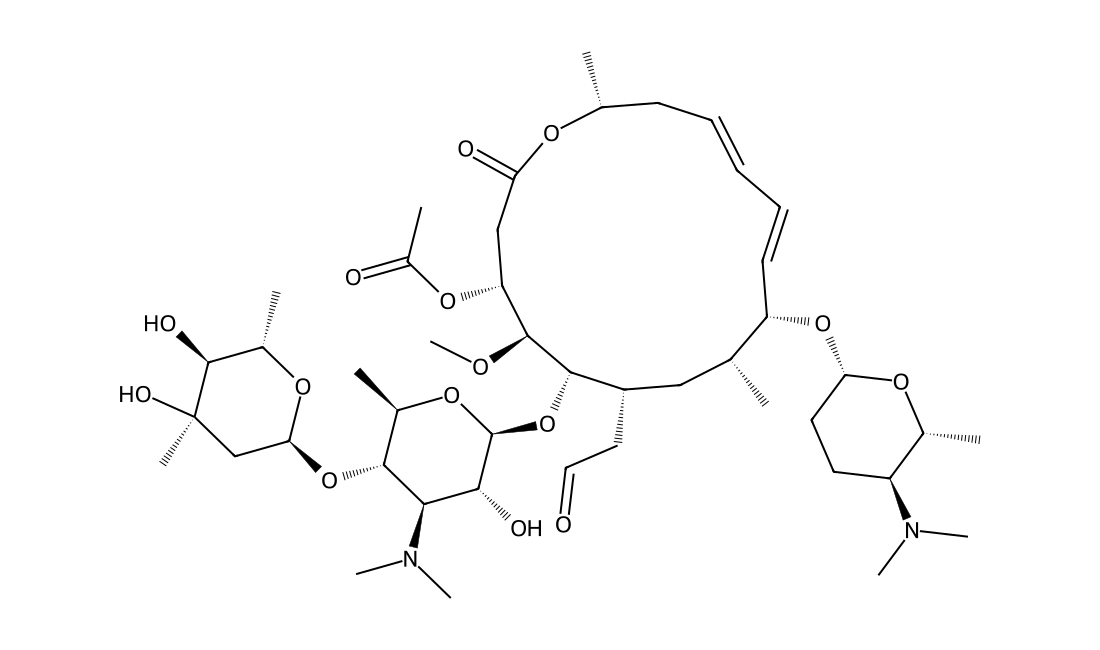
Acetylspiramycin (ASPM)Featured
Acetylspiramycin (ASPM) is a macrolide antimicrobial agent.
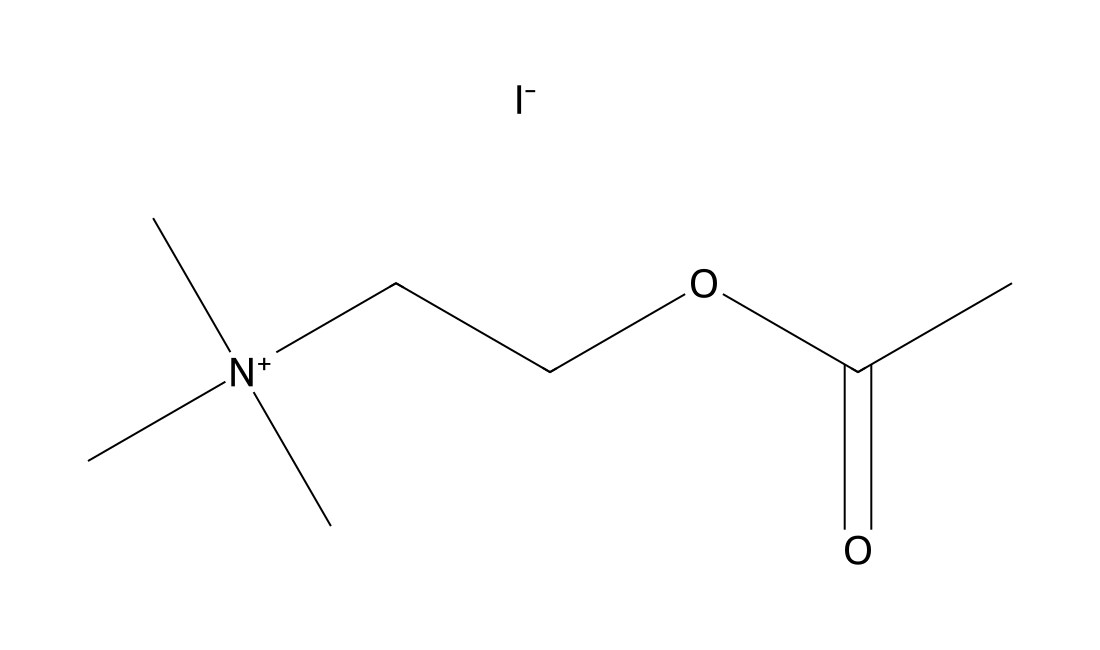
Acetylcholine iodideFeatured
Acetylcholine iodide is a neurotransmitter found at neuromuscular junctions, autonomic ganglia, parasympathetic effector junctions, a subset of sympathetic effector junctions, and at many sites in the central nervous system.
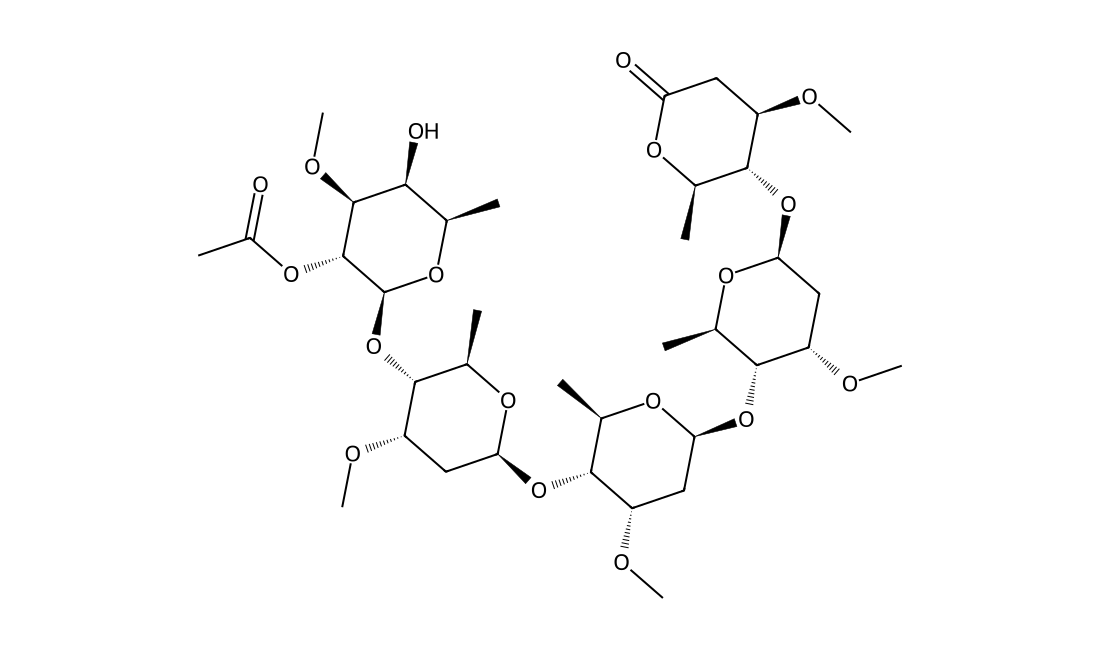
Acetyl Perisesaccharide CFeatured
Acetyl Perisesaccharide C is an oligosaccharide, which is isolated from the root barks of Periploca sepium.
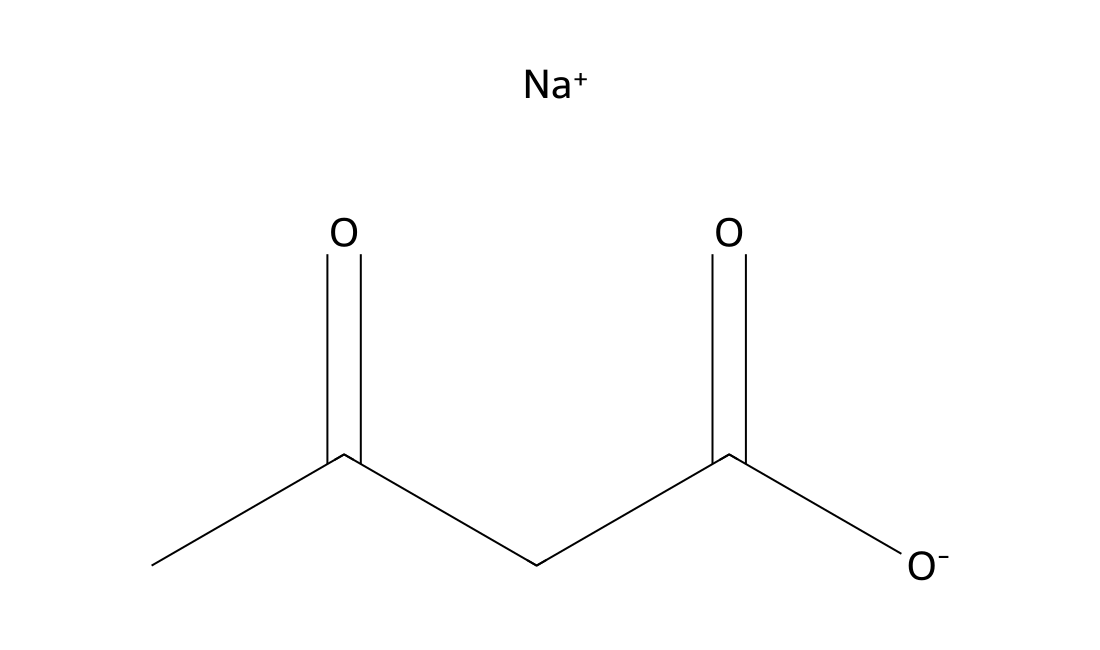
Acetoacetic acid sodium saltFeatured
In Vitro Acetoacetic acid sodium salt induces oxidative stress to inhibit the assembly of very low density lipoprotein in bovine hepatocytes. Acetoacetic acid (0.6, 2.4, 4.8 mM) increases malondialdehyde (MDA) content in high-dose group (GH) group, decreases mRNA expression of Mn SOD, Cu/Zn SOD, and glutathione peroxidase (GSH-Px) in all groups, lowers catalase (CAT) mRNA expression in medial-dose group (GM), and GH groups. In addition, Acetoacetic acid down-regulates the mRNA expression of apolipoprotein B100 (ApoB100), apolipoprotein E (ApoE), and low density lipoprotein receptor (LDLR). Thus, VLDL assembly is decreased andtriglyceride (TG) accumulation is increased in these bovine hepatocytes.
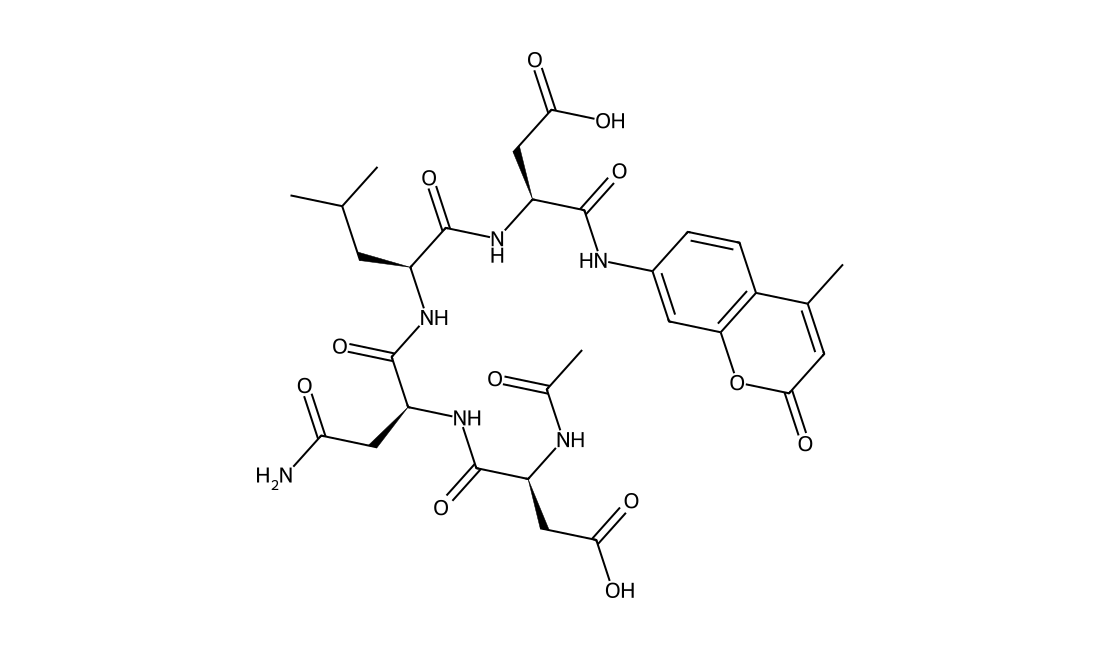
Caspase-3 SubstrateFeatured
Ac-DNLD-AMC is a fluorogenic caspase-3 substrate.Upon enzymatic cleavage by caspase-3, 7-amino-4-methylcoumarin (AMC) is released and its fluorescence can be used to quantify caspase-3 activity. AMC displays excitation/emission maxima of 340-360 and 440-460 nm, respectively.
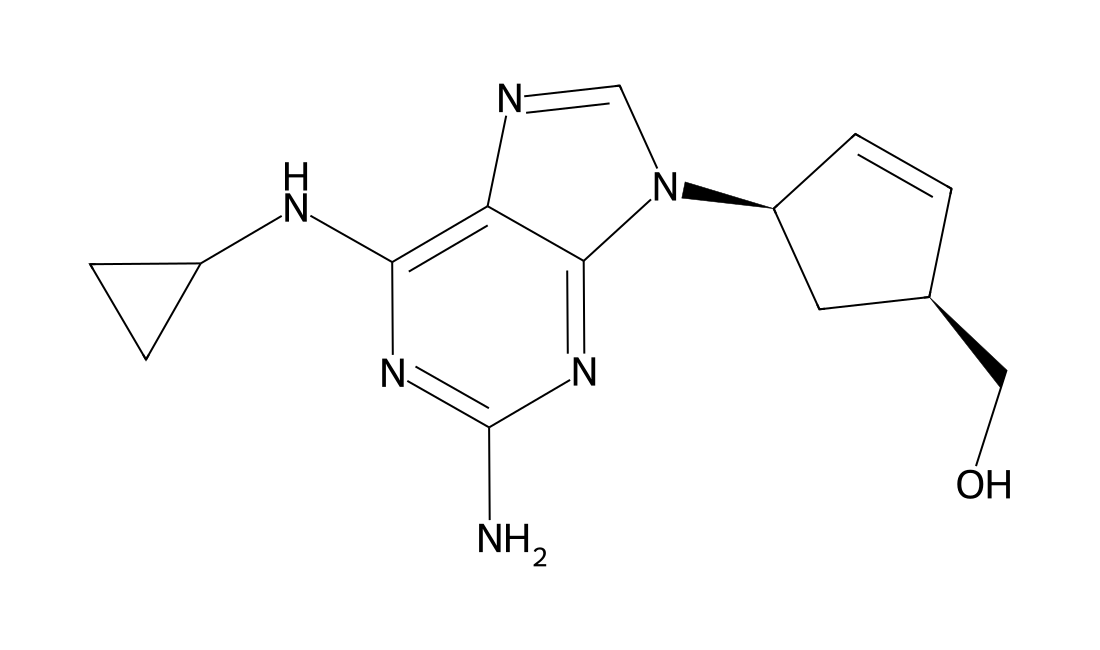
AbacavirFeatured
Abacavir is a powerful nucleoside analog reverse transcriptase inhibitor (NRTI) used to treat HIV and AIDS.Abacavir is a nucleoside reverse transcriptase inhibitor marketed since 1999 for the treatment of infection with the human immunodeficiency virus type 1 (HIV). Despite its clinical efficacy, abacavir administration has been associated with serious and sometimes fatal toxic events. Abacavir has been reported to undergo bioactivation in vitro, yielding reactive species that bind covalently to human serum albumin, but the haptenation mechanism and its significance to the toxic events induced by this anti-HIV drug have yet to be elucidated. The mechanism underlying abacavir hypersensitivity syndrome is related to the change in the HLA-B*5701 protein product. Abacavir binds with high specificity to the HLA-B*5701 protein, changing the shape and chemistry of the antigen-binding cleft. This results in a change in immunological tolerance and the subsequent activation of abacavir-specific cytotoxic T cells, which produce a systemic reaction known as abacavir hypersensitivity syndrome.
ST-2825Featured
A synthetic peptido-mimetic compound that inhibits MyD88 dimerization in a TIR-dependent manner; interferes with recruitment of IRAK1 and IRAK4 by MyD88, causing inhibition of IL-1beta-mediated activation of NF-kappaB transcriptional activity; inhibits IL-1beta-induced production of IL-6 in treated mice, suppresses B cell proliferation and differentiation into plasma cells in response to CpG-induced activation of TLR9; orally active.
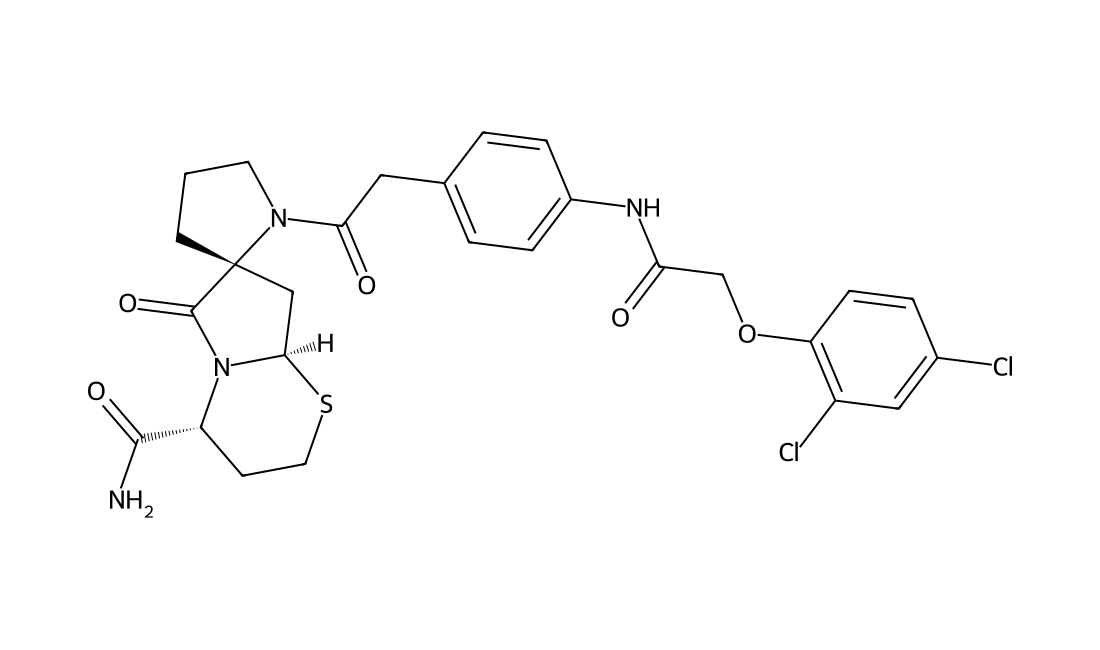
AdrenosteroneFeatured
A steroid hormone with a weak androgenic effect, and an intermediate/prohormone of 11-ketotestosterone.
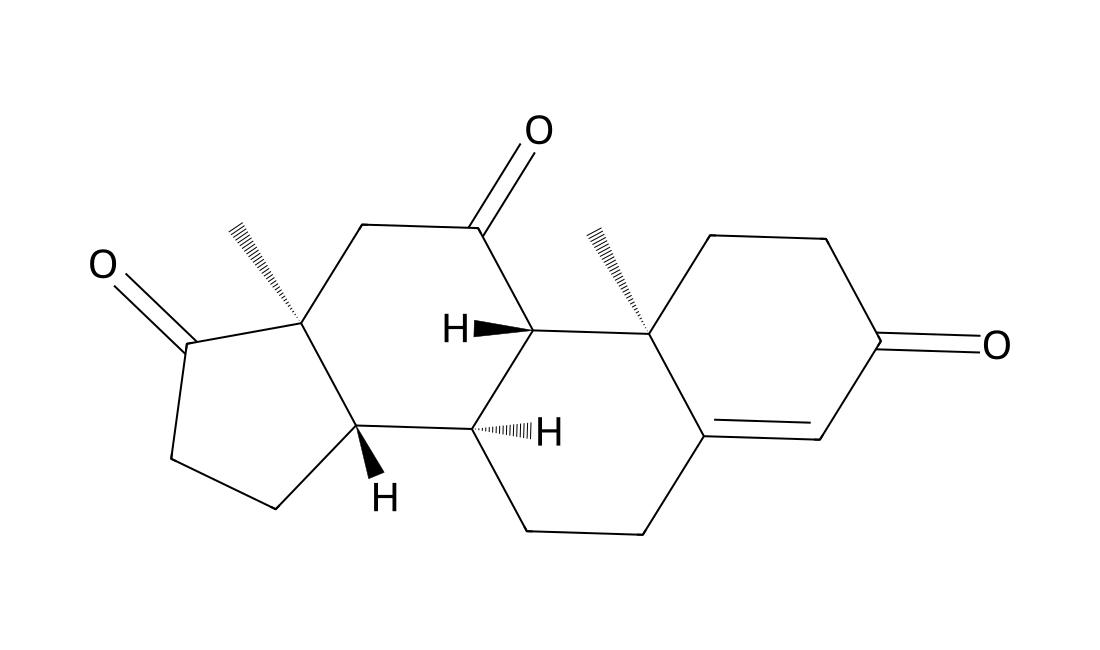
BromethalinFeatured
A rodenticide that poisons the central nervous system by uncoupling mitochondrial oxidative phosphorylation, which causes a decrease in adenosine triphosphate (ATP) synthesis.
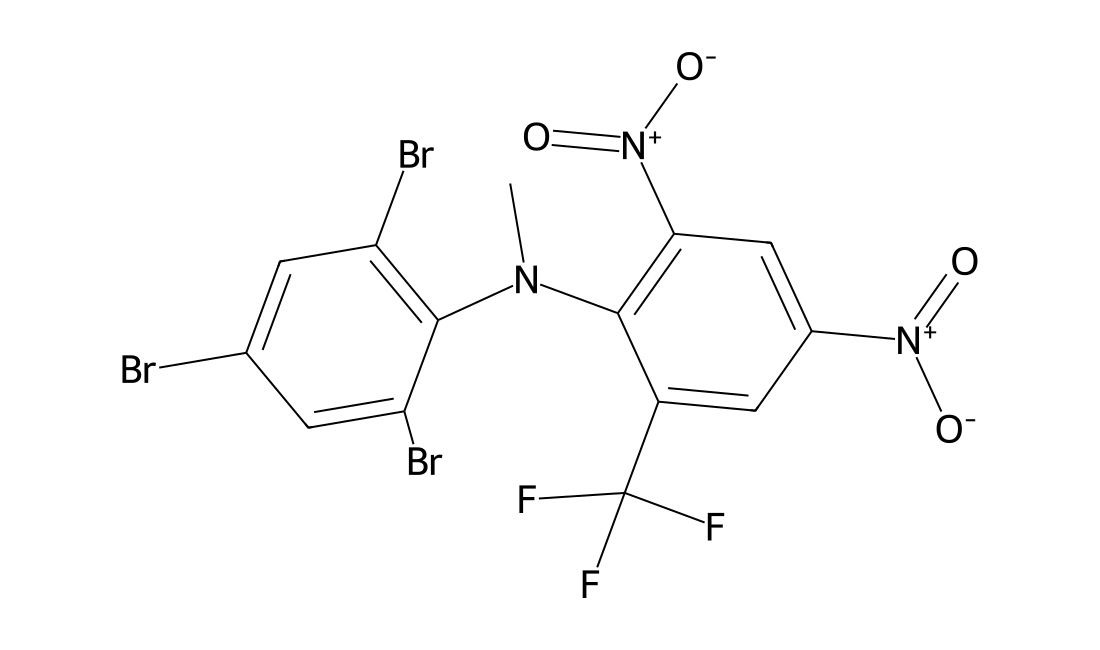
VaniprevirFeatured
A potent, selective, orally available inhibitor of HCV NS3/4A protease with Ki of 0.05 and 0.9 nM for GT1b and 2a protease, respectively; displays excellent selectivity against both a range of human proteases and a broad panel of pharmacologically relevant targets; has replicon EC50 of 3 and 9 nM for GT1b and 2a, respectively, has good plasma exposure and excellent liver exposure in multiple species.HCV InfectionApproved
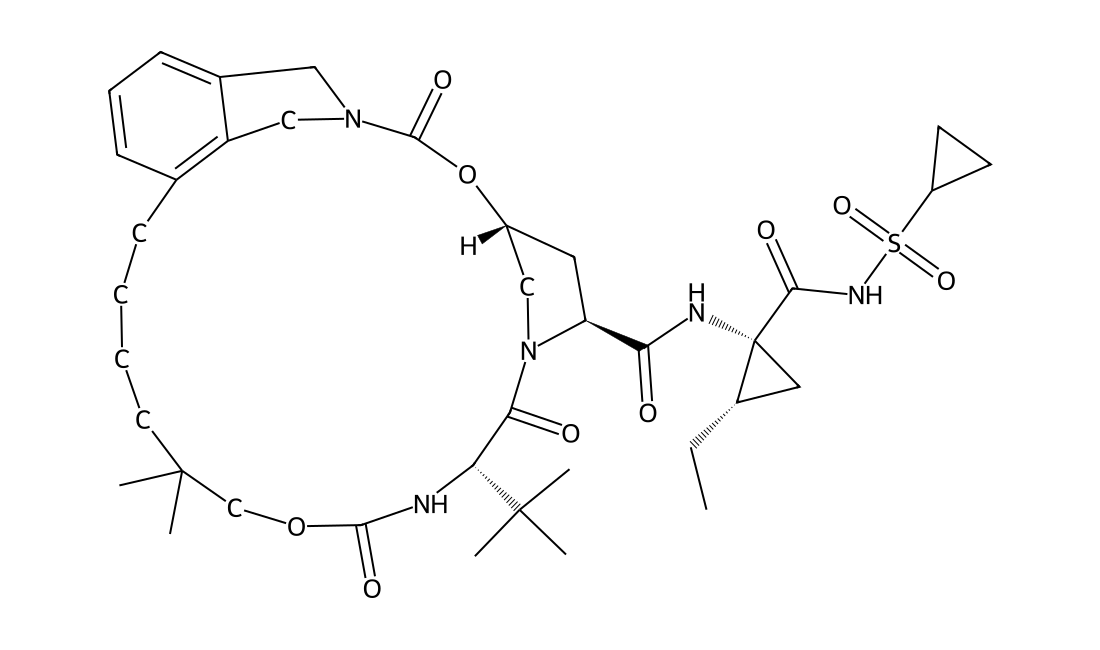
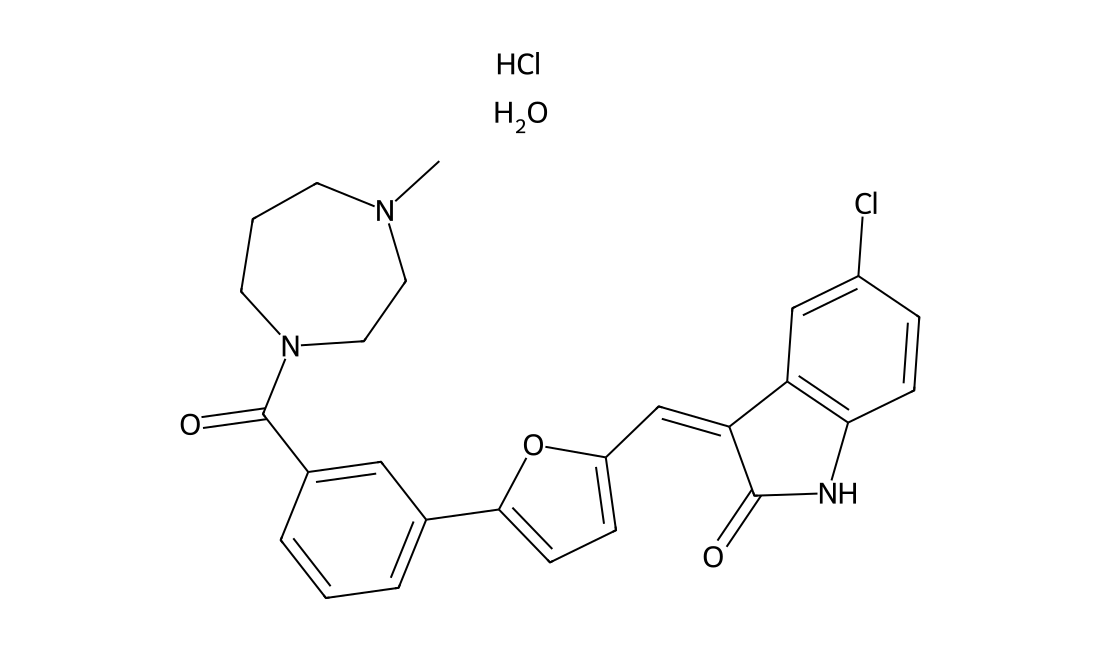
CX-6258 hydrochloride hydrateFeatured
A potent, selective, and orally efficacious pan-Pim inhibitor with IC50 of 5/25/16 nM for Pim1/2/3, respectively; exhibits in vitro synergy with chemotherapeutics and robust in vivo efficacy in driven tumor models; also decreases steady state levels and half-life of NKX3.1 protein but not mRNA in prostate cancer cells.Blood CancerDiscontinued
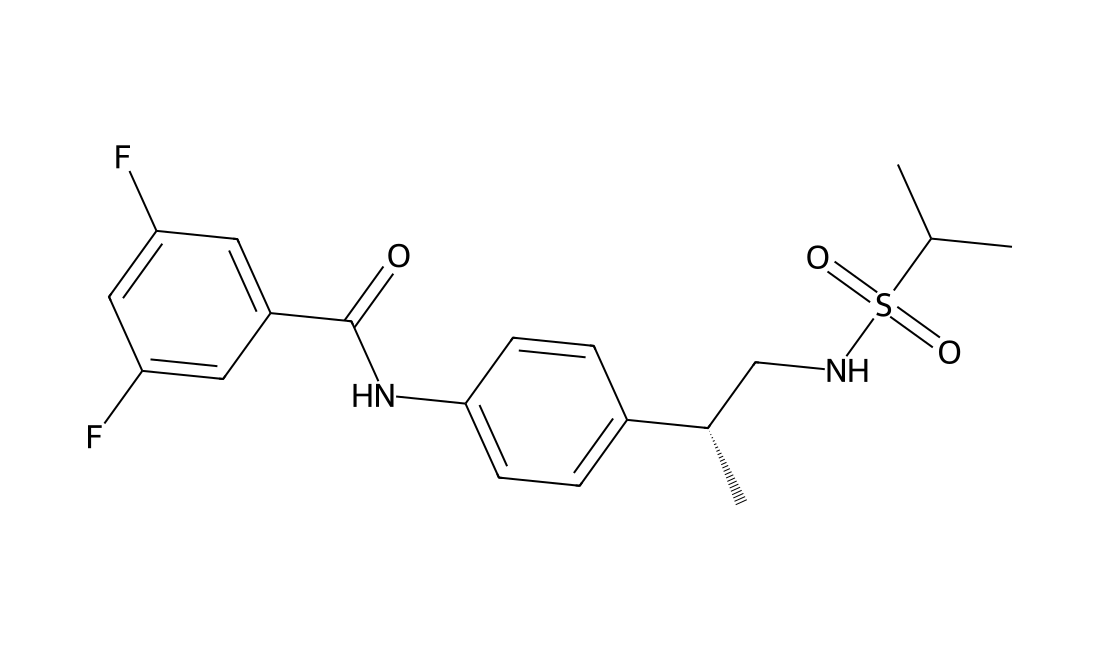
LY450108Featured
A potent, selective, and centrally active positive allosteric modulator of AMPAR-mediated neurotransmission, which increase ion channel flux in the presence of agonist by suppressing desensitization and/or deactivation of the receptors.
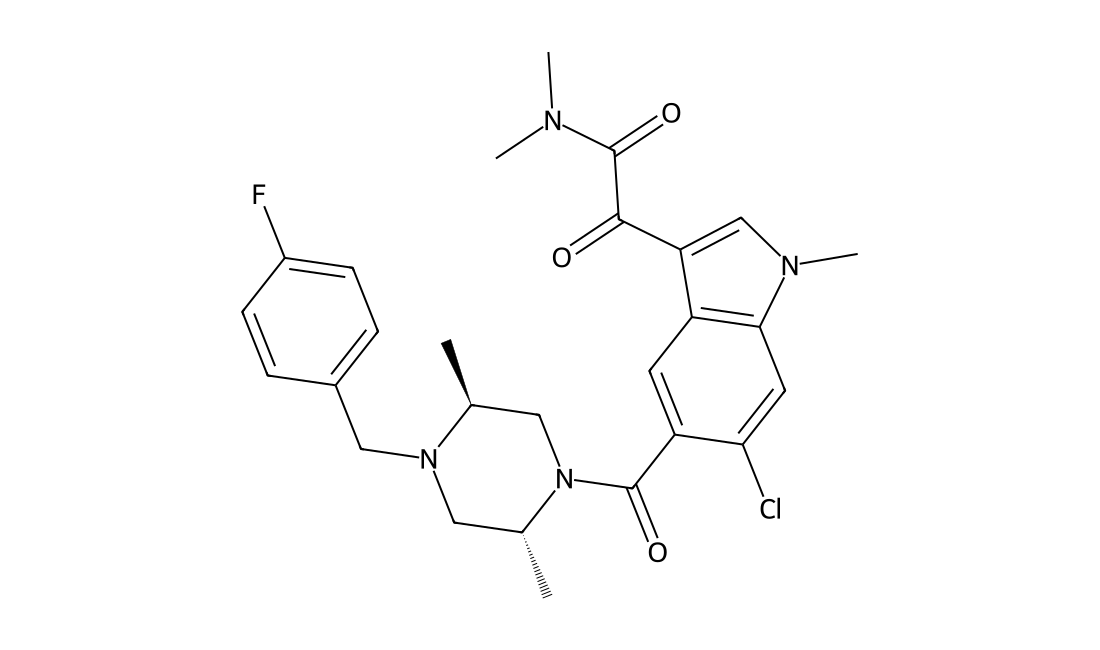
SCIO-469Featured
A potent, selective p38α MAPK inhibitor with IC50 of 9 nM; displays 10-fold selectivity for p38α over p38β, >2,000-fold selectivity over a panel of 20 other kinases, including other MAP kinases; decreases apoptosis in MDS CD34+ progenitors and leads to dose-dependant increases in erythroid and myeloid colony formation; enhances the ability of MG132 and bortezomib to induce the apoptosis of MM cells, and inhibits tumor growth in vivo.Rheumatoid ArthritisPhase 2 Discontinued
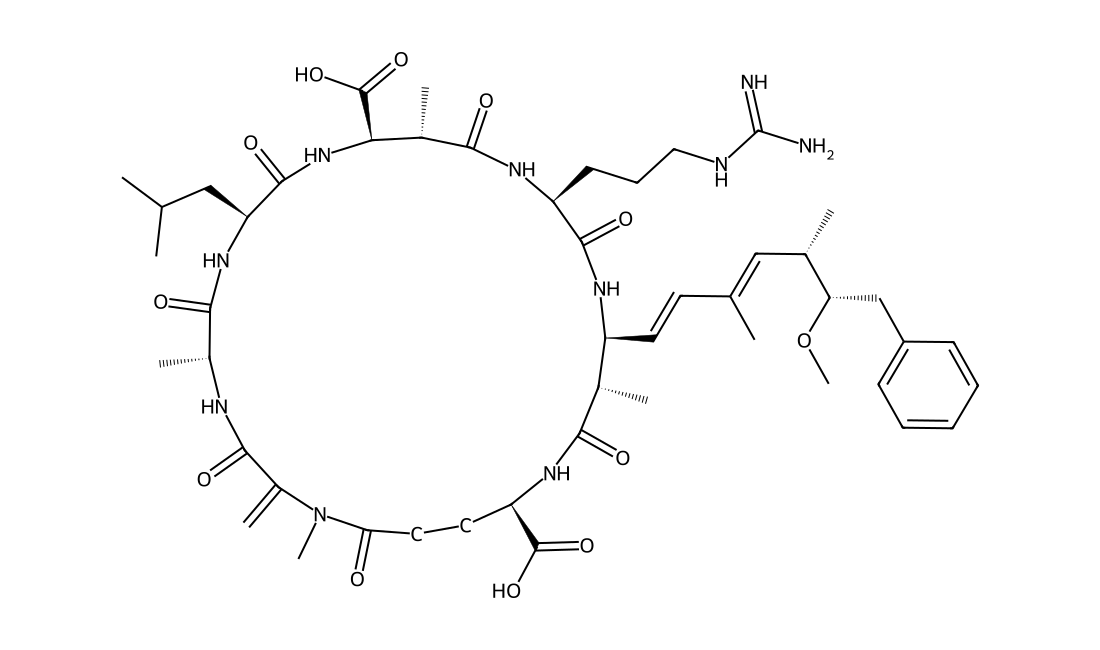
Microcystin-LRFeatured
A potent, selective inhibitor of protein phosphatase 2A (PP2A) with IC50 of 0.04 nM; completely inhibits PP2A without affecting PP1 when used at a concentration of 0.5 nM, at least 10 times more potent as serine/threonine PP inhibitors than okadaic acid; PP1 IC50 is about 1.7 nM; shows cytotoxic activity against pancreatic cancer cells; also induces MMP-13 expression, promotes colorectal cancer invasion and migration.
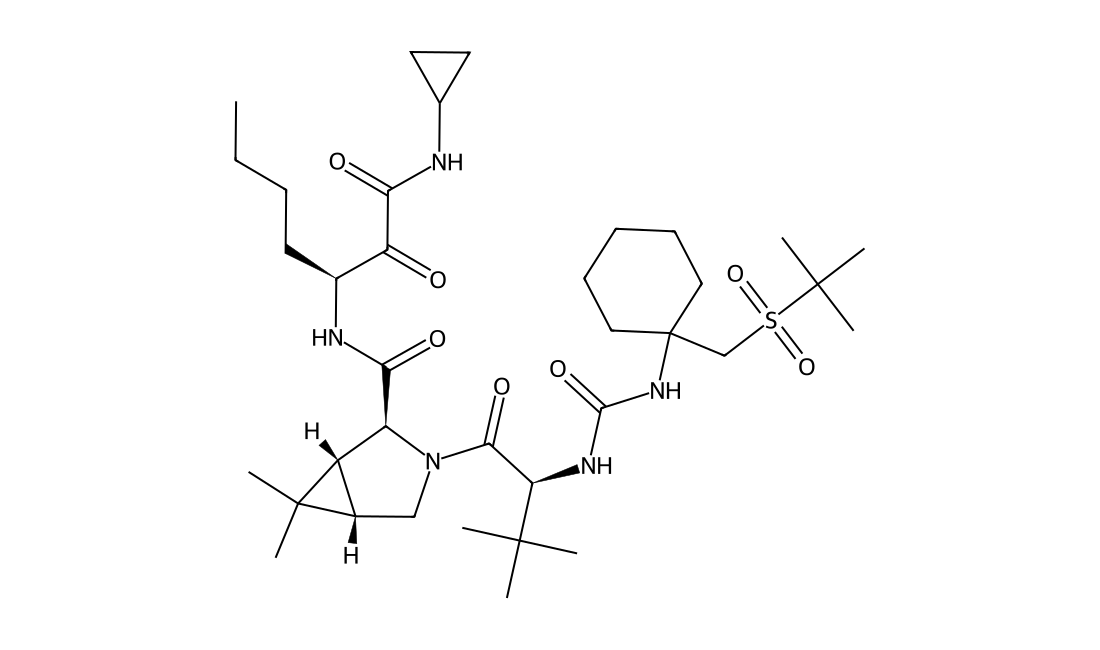
NarlaprevirFeatured
A potent, second generation HCV NS3 serine protease inhibitor with Ki of 6 nM; displays no significant issues in the in vitro CYP or hERG assay; shows replicon EC90 of 40 nM; exhibits improved potency (∼10-fold over Boceprevir), pharmacokinetic profile and physicochemical characteristics.
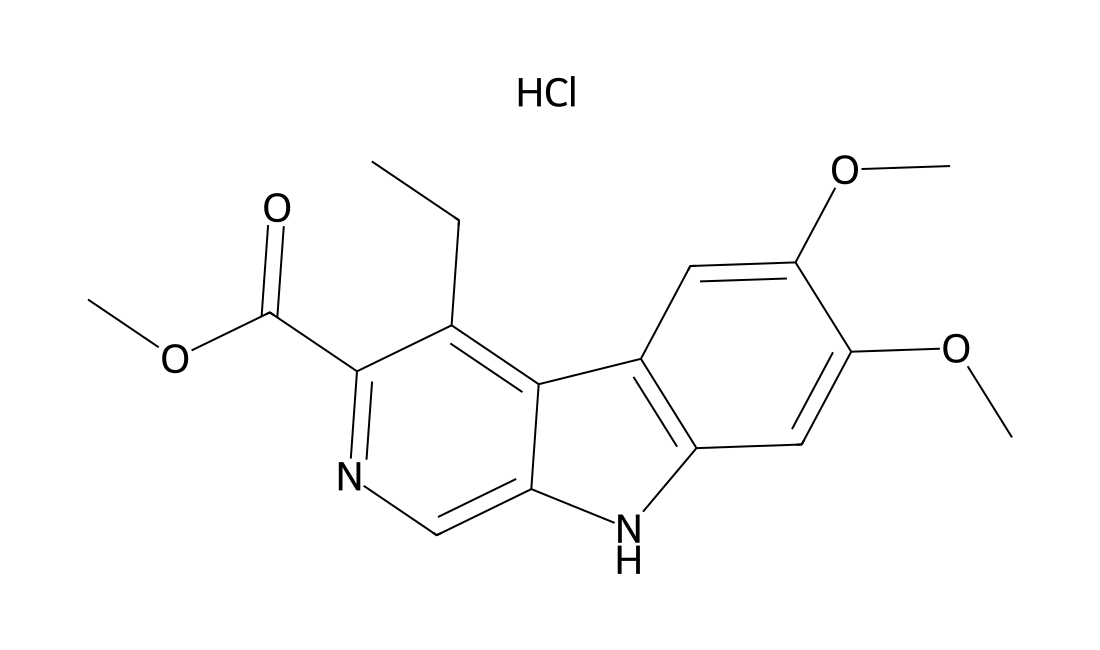
DMCM hydrochlorideFeatured
A potent benzodiazepine inverse agonist that displays anxiogenic and potent convulsant activity; induces hypoalgesia on a wide range of assays, inhibits pain and learning in rats.
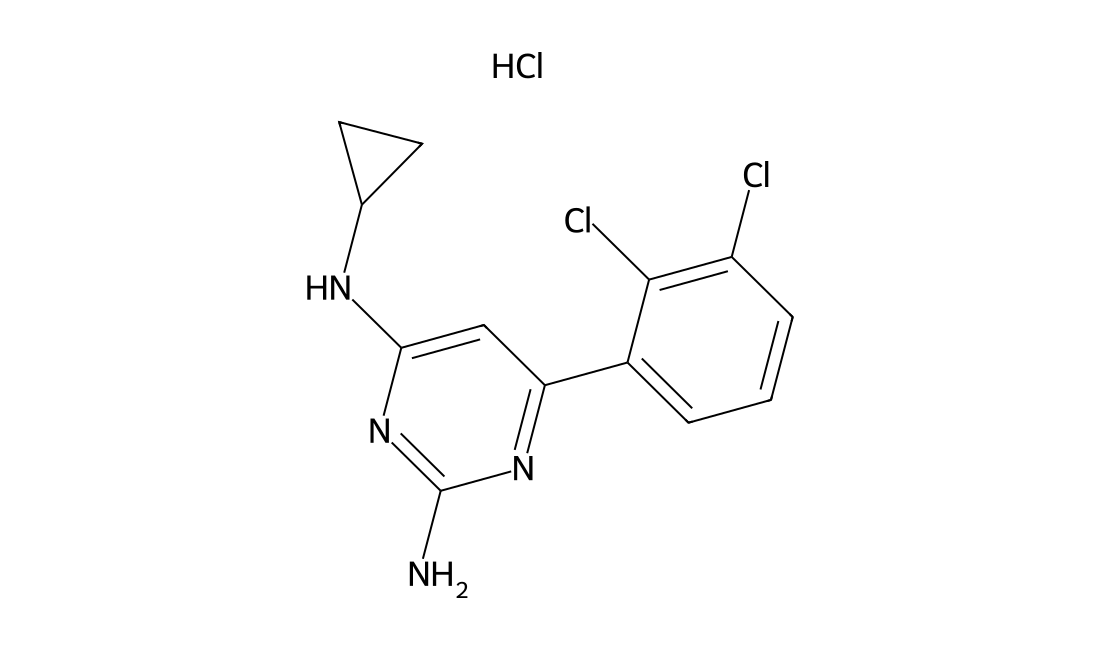
TH-588 hydrochlorideFeatured
A potent and selective inhibitor of MTH1 protein with IC50 of 5 nM; shows no relevant inhibition for MTH2,NUDT5, NUDT12,NUDT14,NUDT16 and other proteinswith known nucleoside triphosphate pyrophosphatase activity; causees incorporation of oxidized dNTPs in cancer cells, leading to DNA damage, cytotoxicity and therapeutic responses in patient-derived mouse xenografts.
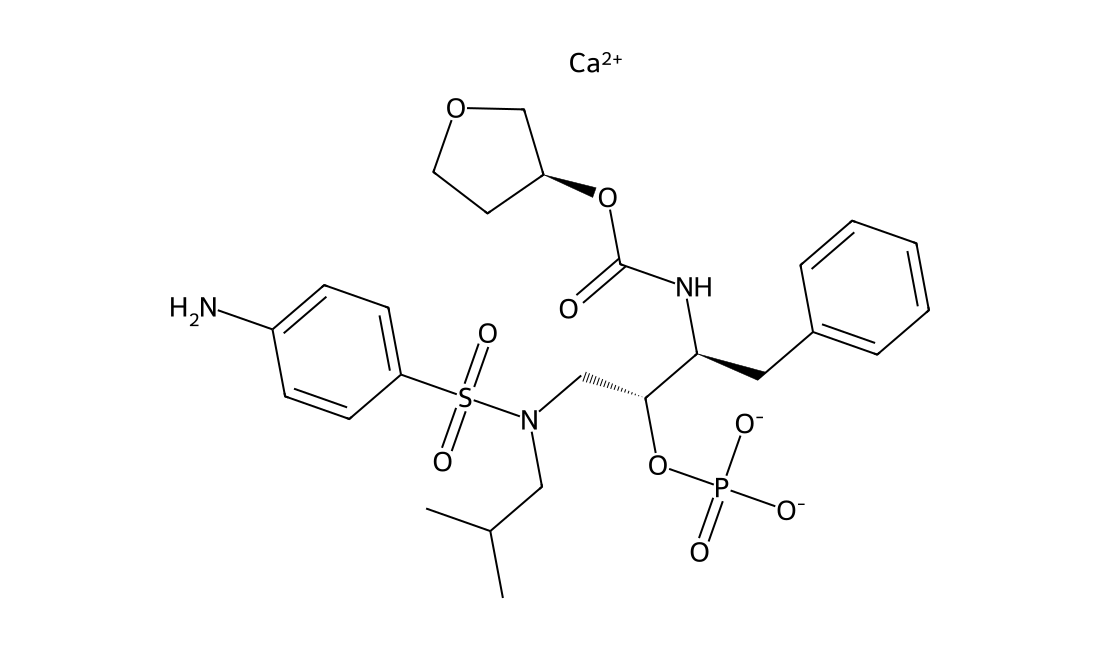
Fosamprenavir calciumFeatured
A phosphate ester prodrug of the HIV-1 protease inhibitor amprenavir with improved solubility.HIV InfectionApproved
No products match this search.
Page 433 of 434 · Browse all 8677 products
Jump to a product page
Featured literature product: HX1 · DCL0028
HX1 is a hydroxyzine-derived ionizable lipid with acetal-containing tails, studied in lipid nanoparticles for brain mRNA delivery and CRISPR–Cas9 delivery. It was the lead in the reported in vivo brain-delivery screen; evidence is preclinical and formulation-dependent.
Read full formulation and performance →