
Research lipid catalog
Ionizable Lipid Products
Explore 848 lipid and RNA delivery products. Search the full catalog or browse by research category.
Search covers product name, catalog number, synonyms, available CAS numbers and categories. Spaces, hyphens and common punctuation are ignored. Duplicate legacy records are consolidated under one canonical product result.
8677 products · Showing 8381–8400 · 20 per page
DC Chemicals lipid expertise
Built for ionizable-lipid discovery and RNA delivery research
DC Chemicals supports formulation and delivery research with a broad, searchable portfolio of cationic and ionizable lipids. The current directory brings together 848 unique research-use products, with product specifications, pricing, chemical structures and literature-linked formulation data added as each record is verified.
Our experience spans complex lipid synthesis, purification, analytical release and process development. For custom molecules or larger-scale requirements, our team can discuss route development, technical specifications and scale-up options for the intended research workflow.
Learn about cationic and ionizable lipids →Proprietary innovation · Co-development · GMP
From proprietary lipid design to GMP-grade custom synthesis
DC Chemicals has independently developed ionizable-lipid structures supported by company-owned intellectual property, and selected proprietary lipid programs have advanced to GMP-stage development.
We welcome joint development with customers—from molecular design and lipid synthesis through route and process development. We can also support custom synthesis of GMP-grade ionizable lipids to agreed technical specifications and quality requirements.
Discuss a co-development project →Proprietary ionizable-lipid structuresCollaborative molecular designCustom lipid synthesisProcess development and scale-upGMP-grade project support
Product quick links
Explore New ionizable lipids
Explore our five most recently added ionizable lipids, with specifications, pricing and literature-linked product information.
DCL0028HX1Brain RNA delivery researchView product →DCL0024A1I4R13C18-2Spleen-targeted RNA delivery researchView product →DCL0023A1I4R2C18-2Spleen-targeted RNA delivery researchView product →DCL0022FS01Local joint RNA delivery researchView product →DCL0020Lipid-392Lung RNA delivery and gene editing researchView product →
Cat. No.Product NameField of ApplicationChemical Structure
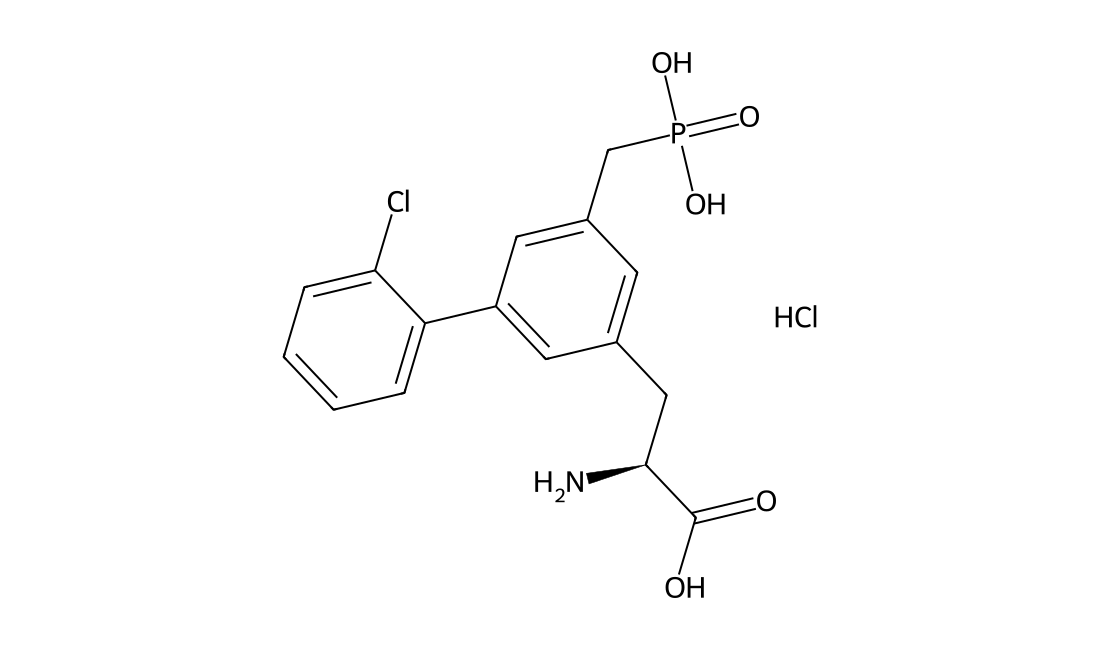
SDZ 220-581 (hydrochloride)Featured
SDZ 220-581 Hcl is a potent, competitive antagonist at the NMDA glutamate receptor subtype. in vitro: Wake-promoting doses of LSN2463359 and LSN2814617 attenuated deficits in performance induced by the competitiveNMDA receptor antagonist SDZ 220,581 in two tests of operant behaviour: the variable interval 30 s task and the DMTP task. in vivo: Administration of SDZ 220-581 or CGS 19755 was associated with a robust reduction in PPI, whereas L-701,324, 4-Cl-KYN or MLA failed to alter PPI. With the most active agent, SDZ 220-581, full protection against maximal electroshock seizures (MES) was obtained at oral doses of 10 mg/kg in rats and in mice. The compound had a fast onset (< or = 1 hr) and a long duration (> or = 24 hr) of action. Rats were pretreated with clozapine (0 or 5.0 mg/kg) or haloperidol (0 or 0.1 mg/kg), together with SDZ 220-581 (0 or 2.5 mg/kg), and tested. SDZ 220-581 and SDZ EAB-515 decreased PPI without affecting startle magnitude.
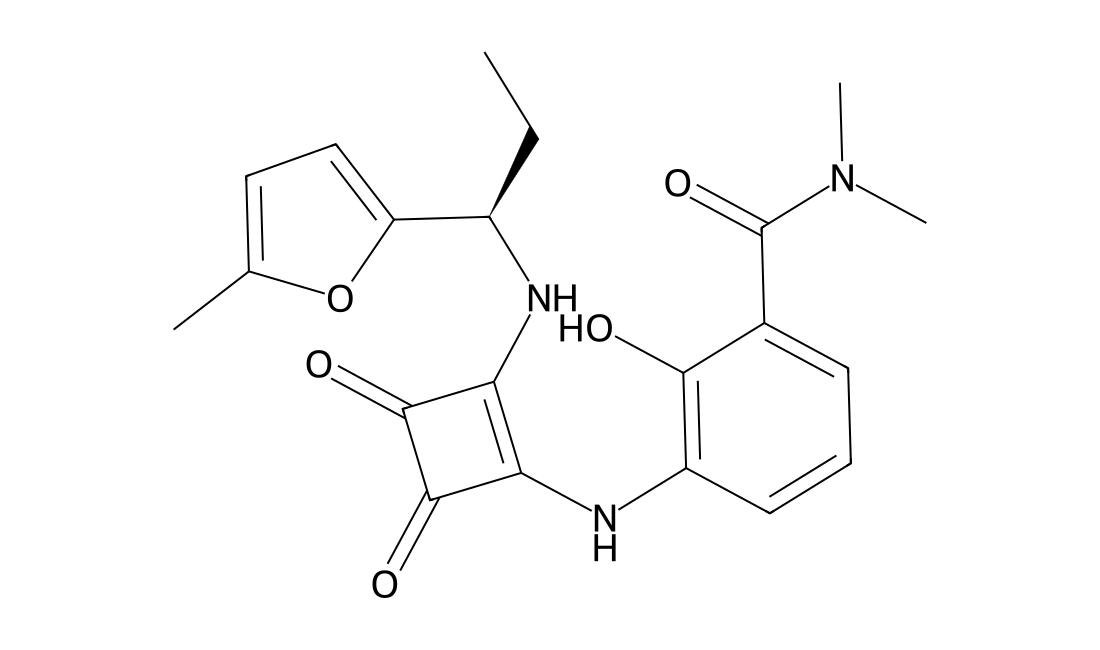
SCH 527123Featured
SCH-527123 is a potent antagonist of both CXCR1 and CXCR2 with IC50 of 42 nM and 3 nM, respectively. in vitro: Sch527123 inhibits chemokine binding to CXCR1 and CXCR2 receptors in an insurmountable manner and is categorized as an allosteric antagonist. Sch527123 inhibits neutrophil chemotaxis and myeloperoxidase release in response to CXCL1 and CXCL8 but has no effect on the response of these cells to C5a or formyl-methionyl-leucyl-phenylalanine. Sch527123 binding to CXCR1 and CXCR2 is both saturable and reversible. Sch527123 binds to CXCR1 with good affinity (Kd = 3.9 nM), the compound is CXCR2-selective (Kd = 0.049 nM). Sch527123 bound with high affinity to the CXCR2 receptors of mouse (Kd = 0.20 nM), rat (Kd = 0.20 nM), and cynomolgus monkey (Kd = 0.08 nM) and is a potent antagonist of CXCR2-mediated chemotaxis (IC50 ~3–6 nM). In contrast, Sch527123 bound to cynomolgus CXCR1 with lesser affinity (Kd = 41 nM) and weakly inhibited cynomolgus CXCR1-mediated chemotaxis (IC50 ~1000 nM). in vivo: Oral treatment with Sch527123 blocks pulmonary neutrophilia (ED50 = 1.2 mg/kg) and goblet cell hyperplasia (32–38% inhibition at 1–3 mg/kg) in mice following the intranasal lipopolysaccharide (LPS) administration. In rats, Sch527123 suppresses the pulmonary neutrophilia (ED50 = 1.8 mg/kg) and increase in bronchoalveolar lavage (BAL) mucin content (ED50 =<0.1 mg/kg) induced by intratracheal (i.t.) LPS. Sch527123 also suppresses the pulmonary neutrophilia (ED50 = 1.3 mg/kg), goblet cell hyperplasia (ED50 = 0.7 mg/kg), and increase in BAL mucin content (ED50 = <1 mg/kg) in rats after i.t. administration of vanadium pentoxide. In cynomolgus monkeys, Sch527123 reduces the pulmonary neutrophilia induced by repeat bronchoscopy and lavage (ED50 = 0.3 mg/kg).
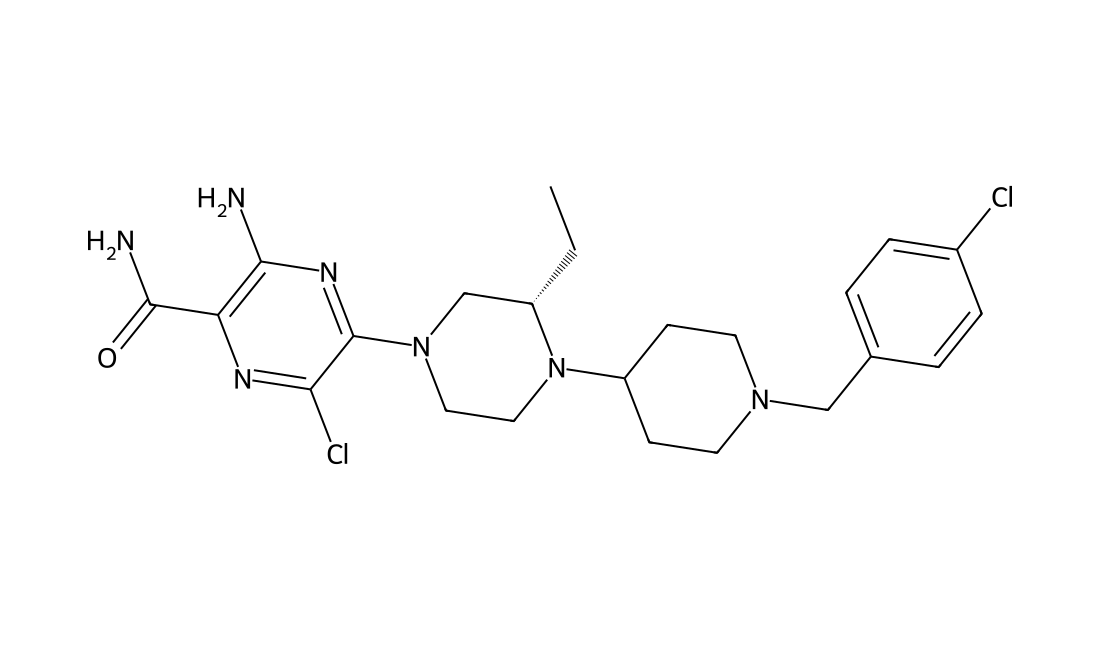
SCH 546738Featured
SCH 546738 is a novel, potent and non-competitive small molecule CXCR3 antagonist with Ki of 0.4 nM . in vitro: SCH 546738 at 10 nM inhibited T cell chemotaxis induced by all three CXCR3 ligands about 90%. In multiple experiments, the affinity constant (Ki) of SCH 546738 binding to human CXCR3 receptor was determined to be 0.4 nM. The IC50 of SCH 546738 is constant (~1 or 2 nM) and independent of the input concentrations of either [125I]hCXCL10 (25-500 pM) or [125I]hCXCL11 (12.5-250 pM), respectively. SCH 546738 has strong cross-species activities with IC50 of 1.3 nM, 6.4 nM, 5.9 nM and 4.2 nM in inhibiting the binding of [125I]hCXCL10 to CXCR3 of monkey, dog, mouse and rat origin, respectively. in vivo: SCH 546738 has a favourable pharmacokinetic profile in rodents. The plasma concentrations of SCH 546738 in Lewis rat and C57BL/6 mouse over 24 hr post-dose. The AUC (0-24 hr) is 7.7 μM.hr in Lewis rat @ 10 mg/kg (mpk) and is 12.6 μM.hr in C57BL/6 mouse @ 30 mpk. SCH 546738 attenuated disease development in a dose-dependent fashion, with significant reduction of the disease score evident at 40 mpk on days 4, 7 and 9, while it protected significantly on days 7 and 9 at 10 mpk. SCH 546738 administration at 3 mpk had no statistically significant effect on disease severity. SCH 546738 reduced the severity of the disease in a dose-dependent manner as well.
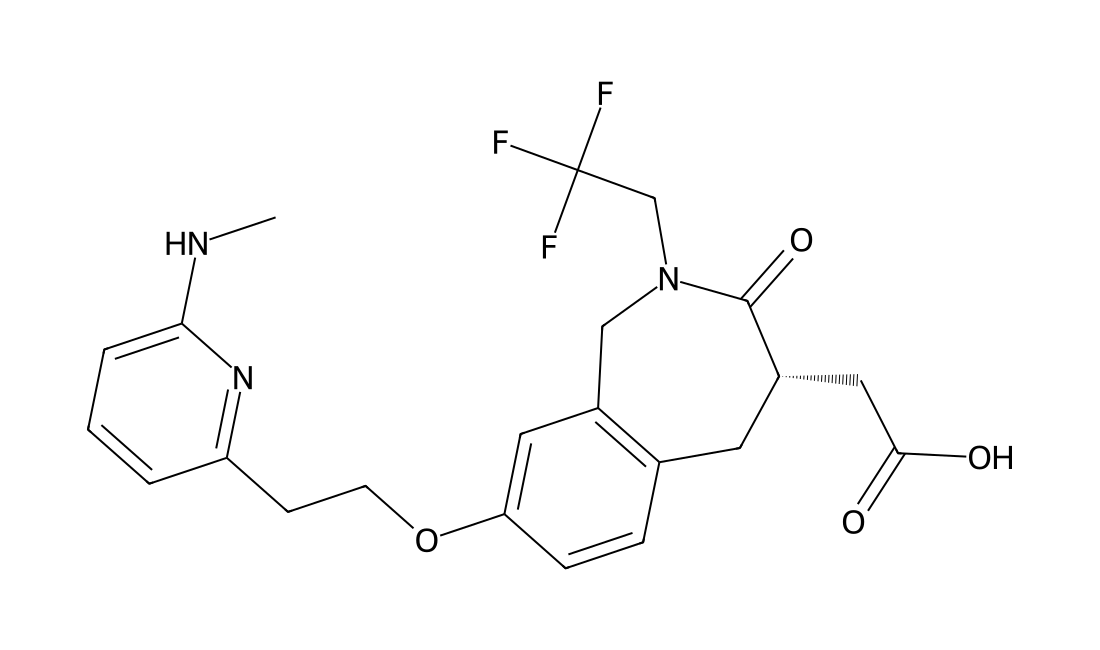
SB273005Featured
In vitro, SB273005 inhibits human osteoclast-mediated bone resorption with IC50 of 11 nM. In blood containing MDA-MB-231 cells, a combination of SB273005 and lamifiban inhibits tumor cell adhesion to vascular extracellular matrix (ECM). In rat models of bone resorption and osteoporosis, SB273005 (30 mg/kg, p.o.) inhibits the parathyroid hormone-stimulated calcemic response, and inhibits bone loss. In rat with adjuvant-induced arthritis, SB273005 (60 mg/kg, p.o.) significantly reduces the symptoms of adjuvant-induced arthritis. SB273005 (1000 mg/kg/day, p.o.) causes acute, transient necrosis of vascular smooth muscle cell (VSMC) in aorta and renal arteries of mice. In pregnant mice, SB273005 reverses the reduction of Th1 cell-produced IL-2 levels and the increase of Th2 cell-derived IL-10 levels. [5] For the detailed information of SB273005, the solubility of SB273005 in water, the solubility of SB273005 in DMSO, the solubility of SB273005 in PBS buffer, the animal experiment (test) of SB273005, the cell expriment (test) of SB273005, the in vivo, in vitro and clinical trial test of SB273005, the EC50, IC50,and affinity,of SB273005, For the detailed information of SB273005, the solubility of SB273005 in water, the solubility of SB273005 in DMSO, the solubility of SB273005 in PBS buffer, the animal experiment (test) of SB273005, the cell expriment (test) of SB273005, the in vivo, in vitro and clinical trial test of SB273005, the EC50, IC50,and affinity,of SB273005, Please contact DC Chemicals.
SB 271046 (Hydrochloride)Featured
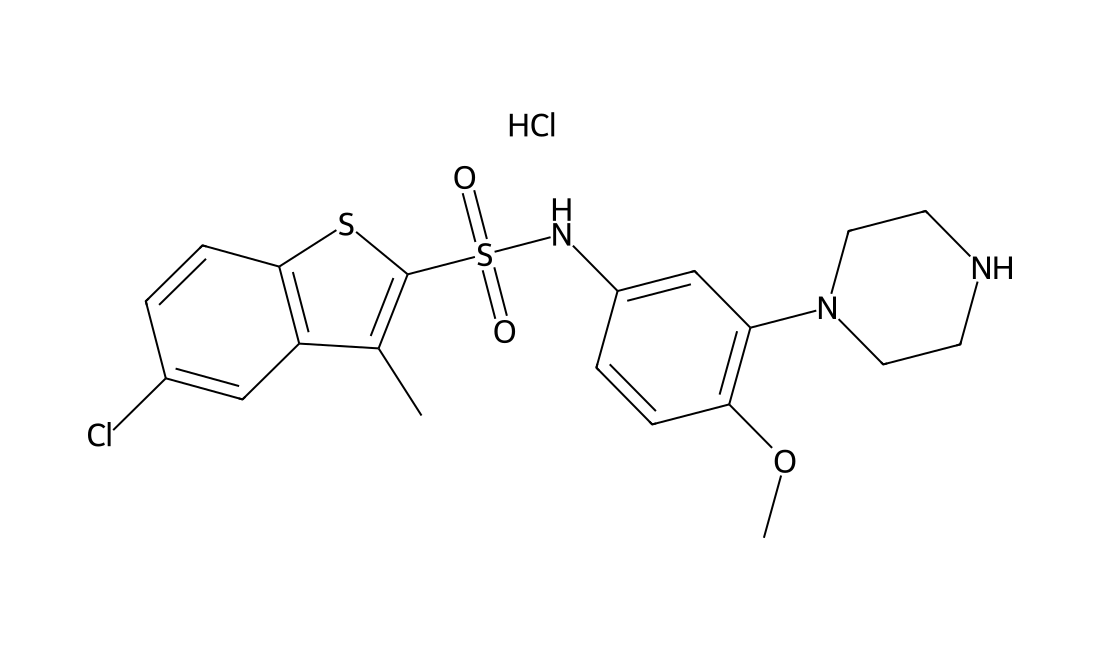
SB271046 Hcl is a potent, selective and orally active 5-HT6 receptor antagonist with pKi of 8.9. in vitro: SB 271046 hydrochloride is a sulfonamidal benzothiophene derivative that has been shown to act as a selective 5-HT6 antagonist with pKi values of 9.02-8.92, 6.55, 6.35, 6.27, 6.05, 5.95, 5.76, 5.73, 5.62, 5.55, 5.41, 5.39, 5.27 and < 4.99 for 5-HT6, 5-HT1D, 5-HT1A, D3, 5-HT1B, 5-HT1F, α1B, 5-HT2C, 5-HT2A, D2, 5-HT2B, 5-HT7, 5-HT4 and 5-HT1E respectively, and is > 200-fold selective over 55 other receptors, enzymes and ion channels. in vivo: SB-271046 is moderately brain penetrant (10%), subject to low blood clearance (7.7 mL/min/kg) with a good half-life in rats (4.8 hours), and has excellent oral bioavailability (>80%). SB-271046 produces 3-fold and 2-fold increases in extracellular glutamate levels in both frontal cortex and dorsal hippocampus of rats, respectively, which may be used for the treatment of cognitive and memory dysfunction. SB-271046 (20 mg/kg, orally gavage) 30 min prior to training Wistar rats, is found to reverse significantly the amnesia produced by administering scopolamine (0.8 mg/kg, i.p.) in the 6 hours post-training period. SB-271046 progressively and significantly decreases platform swim angle and escape latencies over the five sequential trials on four consecutive daily sessions compared to vehicle-treated controls in aged rats. SB-271046 also improves task recall as measured by significant increases in the searching of the target quadrant on post-training days 1 and 3. SB-271046 (10 mg/kg, s.c.) produces a significant, tetrodotoxin-dependent, increase in extracellular levels of both glutamate and aspartate within the frontal cortex of rats, reaching maximum values of 375.4% and 215.3% of preinjection values, respectively.
SB 204990Featured
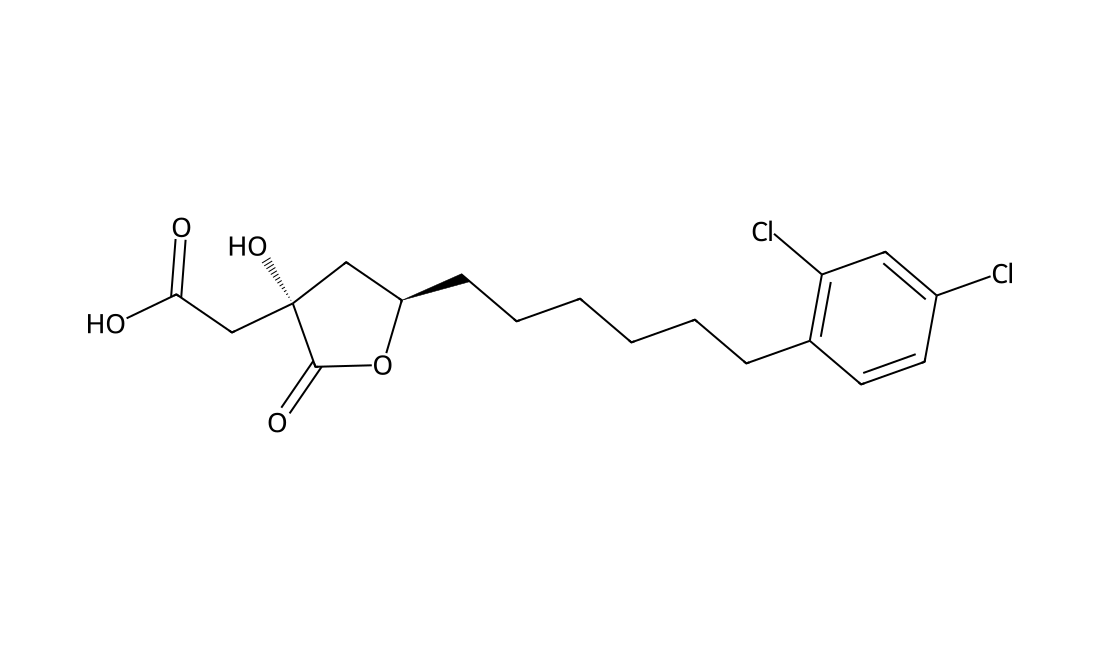
In Vitro SB204990 (SB) is a specific inhibitor of ACLY enzyme. SB204990 treatment leads to a decrease in cytosolic Ac-CoA level and is thus expected to decrease acetylated and active β-catenin levels. In Vivo SB 204990, when administered orally to rats, is absorbed into the systemic circulation. When administered in the diet (0.05-0.25%, w/w) for 1 week, SB 204990 causes a dose-related decrease in plasma cholesterol (by up to 46%) and triglyceride levels (by up to 80%) in rats. SB 204990 (25 mg/kg per day) also decreases plasma cholesterol levels (by up to 23%) and triglyceride levels (by up to 38%) in the dog, preferentially decreasing low-density lipoprotein compared with high-density lipoprotein cholesterol levels.
SAR407899 HClFeatured
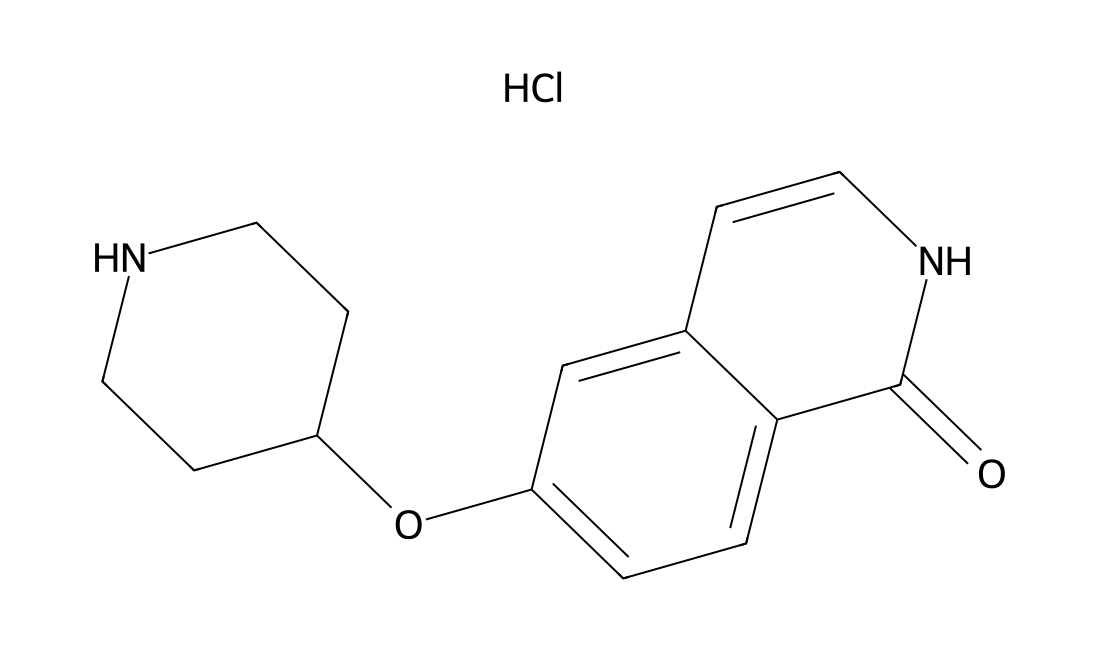
SAR407899 Hcl is a potent, ATP-competitive ROCK inhibitor woth Ki value of 36 nM/41 nM for human ROCK/Rat ROCK respectively. in vitro: SAR407899 is highly selective in panel of 117 receptor and enzyme targets. SAR407899 is ≈8-fold more active than fasudil. In vitro, SAR407899 demonstrated concentration-dependent inhibition of Rho-kinase–mediated phosphorylation of myosin phosphatase, thrombin-induced stress fiber formation, platelet-derived growth factor–induced proliferation, and monocyte chemotactic protein-1–stimulated chemotaxis. SAR407899 potently (mean IC50 values: 122 to 280 nM) and species-independently relaxed precontracted isolated arteries of different species and different vascular beds. SAR407899 dose-dependently relaxed the pre-contracted corpora cavernosa in all species, with similar potency and efficacy in healthy vs diabetic rats, WKY vs SHR rats, healthy vs diabetic rabbits (IC(50) range from 0.05 to 0.29 μM, Emax range 89 to 97%). in vivo: Over the dose range 3 to 30 mg/kg PO, SAR407899 lowered blood pressure in a variety of rodent models of arterial hypertension. SAR407899 was more effective than Y27632 in reducing ET-1-induced vasoconstriction in ZDF rat renal resistance arteries. Maximum ET-1-induced vasoconstriction in SAR407899-treated and Y27632-treated human renal resistance arteries was 23±5 and 48±6% of control values, respectively. For the detailed information of SAR-407899, the solubility of SAR-407899 in water, the solubility of SAR-407899 in DMSO, the solubility of SAR-407899 in PBS buffer, the animal experiment (test) of SAR-407899, the cell expriment (test) of SAR-407899, the in vivo, in vitro and clinical trial test of SAR-407899, the EC50, IC50,and affinity,of SAR-407899, For the detailed information of SAR-407899, the solubility of SAR-407899 in water, the solubility of SAR-407899 in DMSO, the solubility of SAR-407899 in PBS buffer, the animal experiment (test) of SAR-407899, the cell expriment (test) of SAR-407899, the in vivo, in vitro and clinical trial test of SAR-407899, the EC50, IC50,and affinity,of SAR-407899, Please contact DC Chemicals.
Sapacitabine (CYC682)Featured
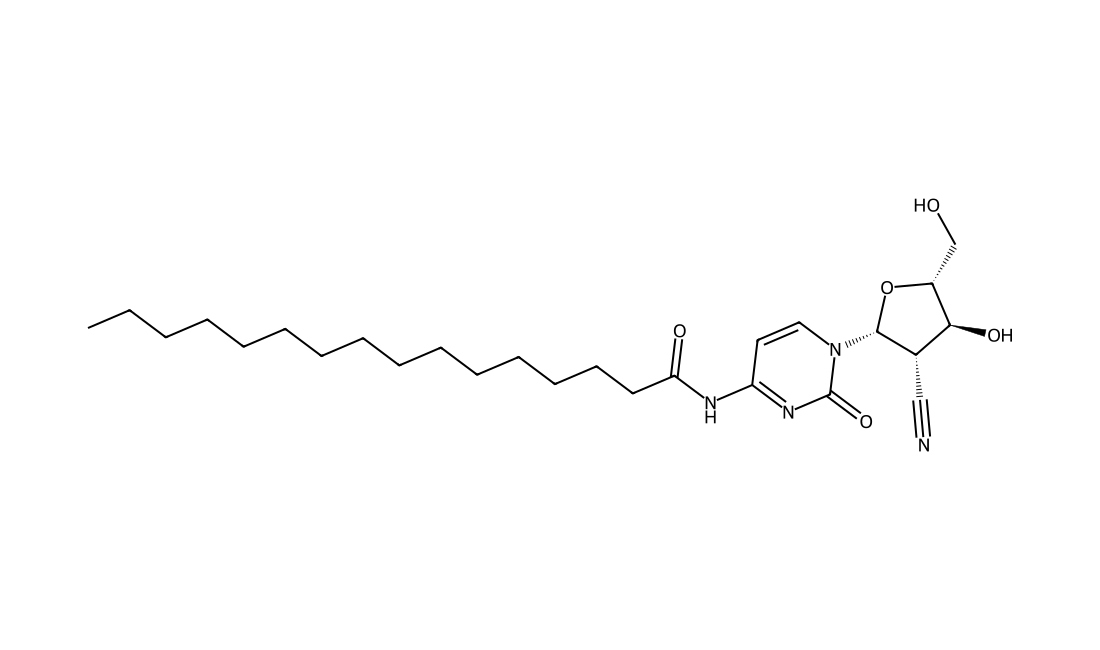
Sapacitabine is unique in that it is an orally available nucleoside analog prodrug of CNDAC that acts through a dual mechanism. As a prodrug, it exhibits the therapeutic effect upon being metabolized; CNDAC lasts longer in the bloodstream by being metabolized from sapacitibine than by being directly administered. The compound interferes with DNA synthesis by causing single-strand DNA breaks due to CNDAC being incorporated into DNA during replication or repair,then inducing arrest of the cell division cycle at G2 phase.oth sapacitabine and its major metabolite, CNDAC, have demonstrated potent anti-tumor activity in both blood and solid tumors in preclinical studies. In a liver metastatic mouse model, sapacitabine was shown to be superior to gemcitabine (Gemzar; Lilly) or 5-FU, two widely used nucleoside analogs, in delaying the onset and growth of liver metastasis.
Salvianolic acid AFeatured
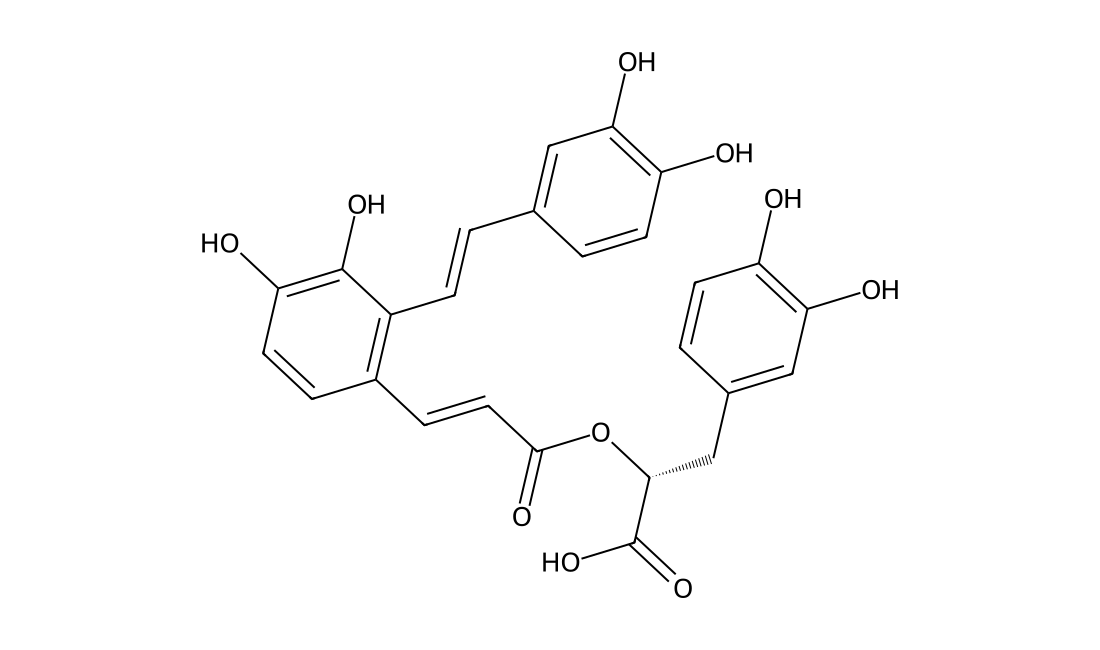
Salvianolic acid A is cell protective antioxidant originally isolated from Salvia. It has been found to attenuate PDGF-induced ROS formation in hepatic stellate cells and protected against isoproterenol-induced myocardial damage in rats. Salvianolic acid A acts as scavengers of reactive oxygen species, reduces the adherence of leukocytes to endothelial cells, inhibits matrix metalloproteinases and inflammation. It has cardioprotective effects as it suppresses apoptosis, reduces lipid peroxidation in damaged cardiac tissue and decreases the leakage of lactic acid dehydrogenase. For the detailed information of Salvianolic acid A, the solubility of Salvianolic acid A in water, the solubility of Salvianolic acid A in DMSO, the solubility of Salvianolic acid A in PBS buffer, the animal experiment(test) (test) of Salvianolic acid A, the cell expriment (test) of Salvianolic acid A, the in vivo, in vitro and clinical trial test of Salvianolic acid A, the EC50, IC50,and Affinity of Salvianolic acid A,, please contact DC Chemicals.
SafinamideFeatured
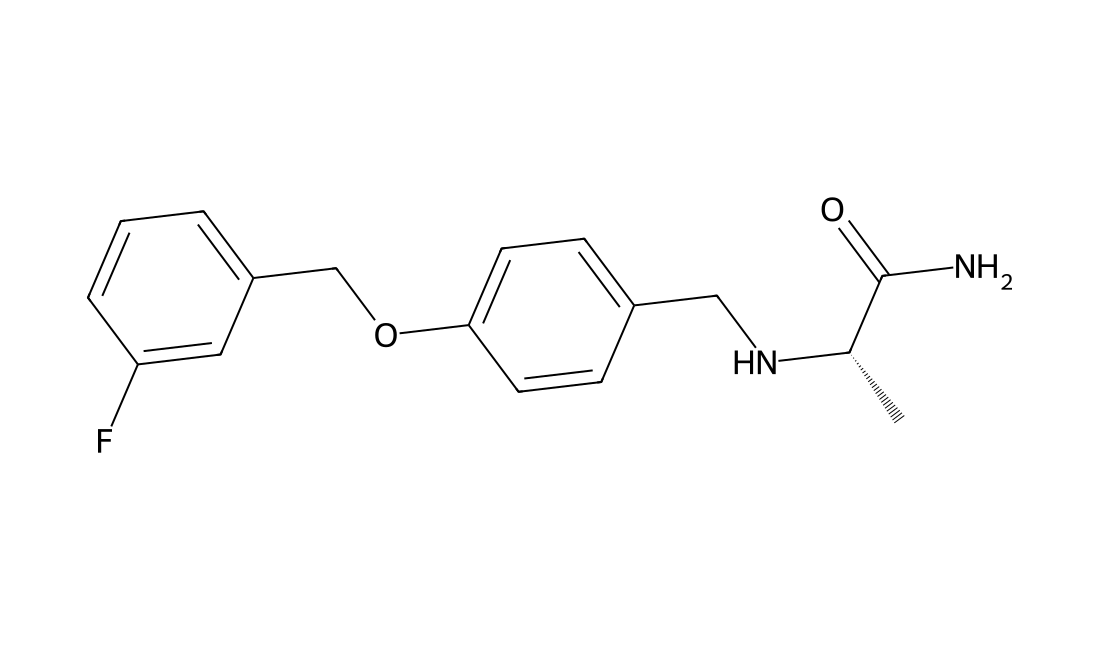
Safinamide (EMD 1195686; FCE 26743; ) is a highly selective and reversible monoamine oxidase type B (MAO-B) inhibitor that increases neostriatal dopamine concentration. In addition, Safinamide (EMD 1195686; FCE 26743; ) is voltage-dependent sodium and calcium channel blocker. Safinamide (EMD 1195686; FCE 26743; ) appears to bind to the batrachotoxin-sensitive site 2 of the voltage-sensitive sodium channels. Safinamide blocks N and L-type calcium channels and inhibits glutamate and aspartate release from synaptic terminals.。For the detailed information about the solubility of Safinamide in water, the solubility of Safinamide in DMSO, the solubility of Safinamide in PBS buffer, the animal experiment(test) of Safinamide,the in vivo,in vitro and clinical trial test of Safinamide,the cell experiment(test) of Safinamide,the IC50, EC50 and Affinity of Safinamide, please contact DC Chemicals.
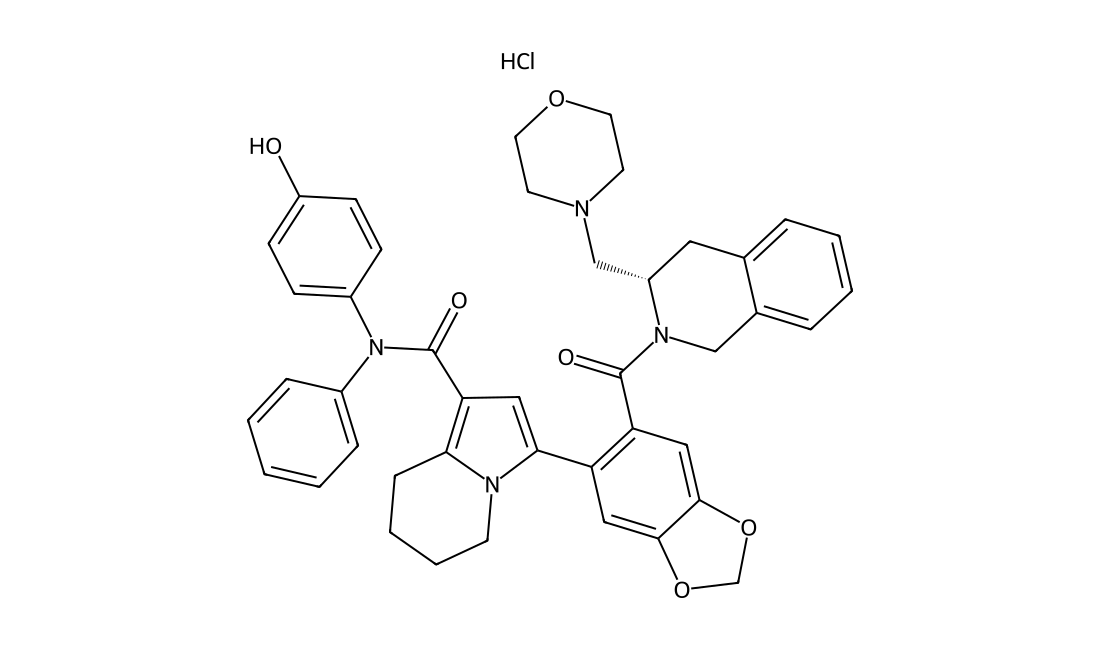
In Vitro S55746 hydrochloride is a potent, orally active and selective BCL-2 inhibitor, with Kis and Kds of 1.3 nM, 520 nM and 3.9 nM, 186 nM for BCL-2 and BCL-XL, respectively. S55746 selectively induces cell death. S55746 potently causes RS4;11 cell killing with an IC50 of 71.6 nM after 72 h of treatment, but shows a much weaker activity in H146 (IC50 1.7 μM), a BCL-XL-dependent cell line. S55746 also selectively induces apoptosis through BCL-2 inhibition in a BAX/BAK-dependent manner. S55746 (3 nM) induces cell death in CLL cells. In Vivo S55746 is a highly efficacious and well-tolerated orally active BCL-2 inhibitor. S55746 (25 and 100 mg/kg, p.o.) inhibits xenograft growth in RS4;11 and Toledo models.
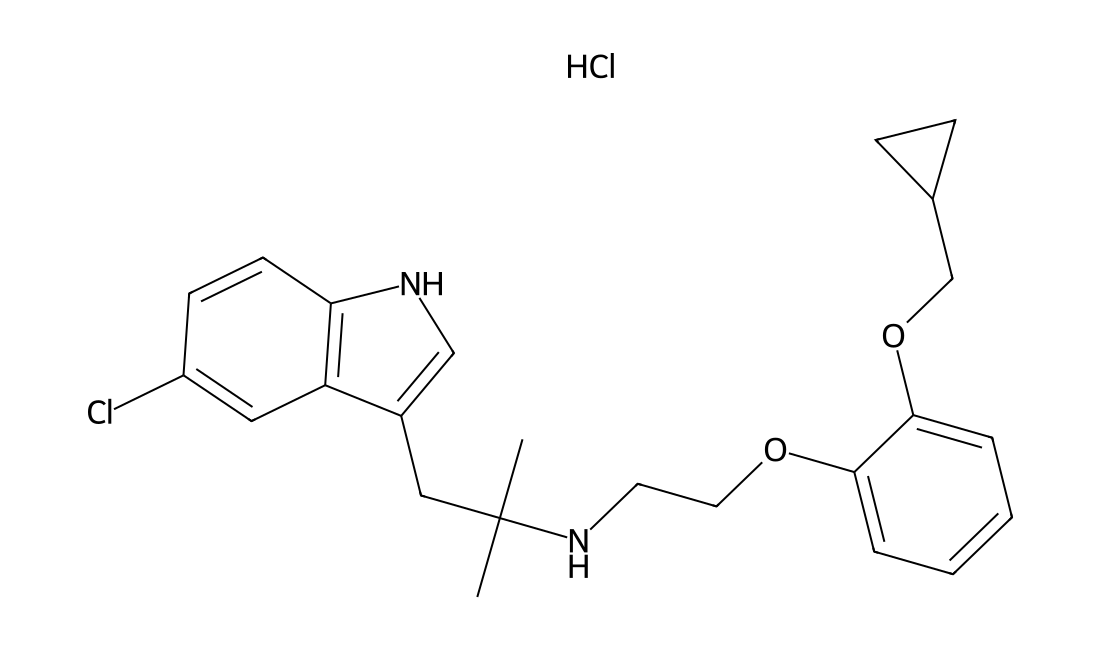
In Vitro In several tissues from rat and cloned adrenoceptors, RS 17053 hydrochloride displays high affinity for the α1A-adrenoceptor (pKi and pA2 estimates of 9.1-9.9) and a 30-100-fold selectivity over the α1 B and the α1 D-adrenoceptor subtypes (pKi and pA2 estimates of 7.7-7.8). However, in isolated smooth muscle preparations from human LUT tissues, RS 17053 hydrochloride antagonizes responses to NE only at high concentrations. Estimates of affinity (pA2) at α1-adrenoceptors mediating NE-induced contractions are 7.5 in prostatic periurethral longitudinal smooth muscle (compared with 8.6 for prazosin), 6.9 in anterior fibromuscular stroma (prazosin, 8.9), and 7.1 in bladder neck (prazosin, 8.5). In Vivo RS 17053 hydrochloride has a rapid onset of action, and a duration of action exceeding 60 min. RS 17053 hydrochloride pretreatment significantly alteres food intake [F(4, 132) 5 6.28, p , 0.0001]. 10 mg/kg RS-17053 significantly suppresses food intake.
RPR-260243Featured
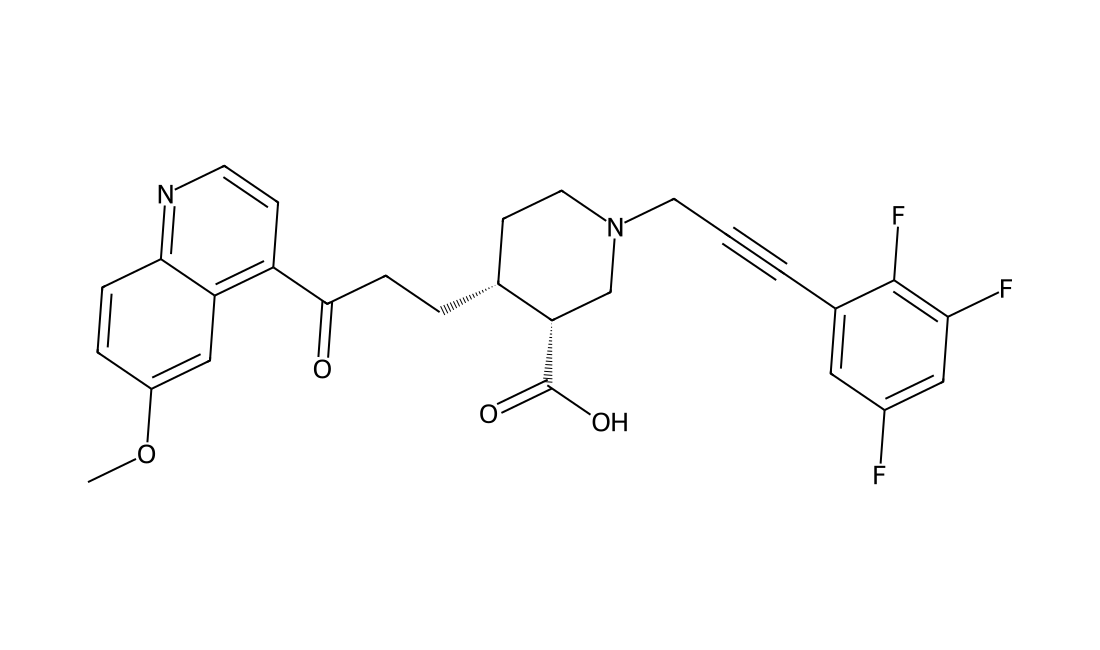
RPR260243 [(3R,4R)-4-[3-(6-methoxy-quinolin-4-yl)-3-oxo-propyl]-1-[3-(2,3,5-trifluoro-phenyl)-prop-2-yn-1-yl]-piperidine-3-carboxylic acid] was the first reported hERG channel activator. RPR260243 dramatically slows current deactivation in patch-clamp experiments, and its effect is temperature and voltage dependent. Though it is a weak inhibitor of the L-type Ca2+ channel, RPR260243 has no significant effects on the human cardiac Na+ channel or the KCNQ1/KCNE1 cardiac K+ channel, which are also linked with LQTS, thus showing high selectivity for hERG. Interestingly, RPR260243 inhibits the erg3 channel, which is in the same family as hERG, and a single S5 residue may account for this difference in pharmacology (Thr556 in hERG, Ile558 in rERG3). A Thr in this position favors agonist activity, whereas an Ile reveals a secondary blocking effect of RPR26024323. Additionally, RPR260243 enhances the delayed rectifier current in guinea pig myocytes and can, to some extent, reverse dofetilide-induced prolongation of action potential. Physiologically, it has been reported that RPR260243 can increase the T-wave amplitude, prolong the PR interval and shorten the QT interval in guinea pig hearts. For the detailed information of RPR-260243, the solubility of RPR-260243 in water, the solubility of RPR-260243 in DMSO, the solubility of RPR-260243 in PBS buffer, the animal experiment (test) of RPR-260243, the cell expriment (test) of RPR-260243, the in vivo, in vitro and clinical trial test of RPR-260243, the EC50, IC50,and affinity,of RPR-260243, For the detailed information of RPR-260243, the solubility of RPR-260243 in water, the solubility of RPR-260243 in DMSO, the solubility of RPR-260243 in PBS buffer, the animal experiment (test) of RPR-260243, the cell expriment (test) of RPR-260243, the in vivo, in vitro and clinical trial test of RPR-260243, the EC50, IC50,and affinity,of RPR-260243, Please contact DC Chemicals.
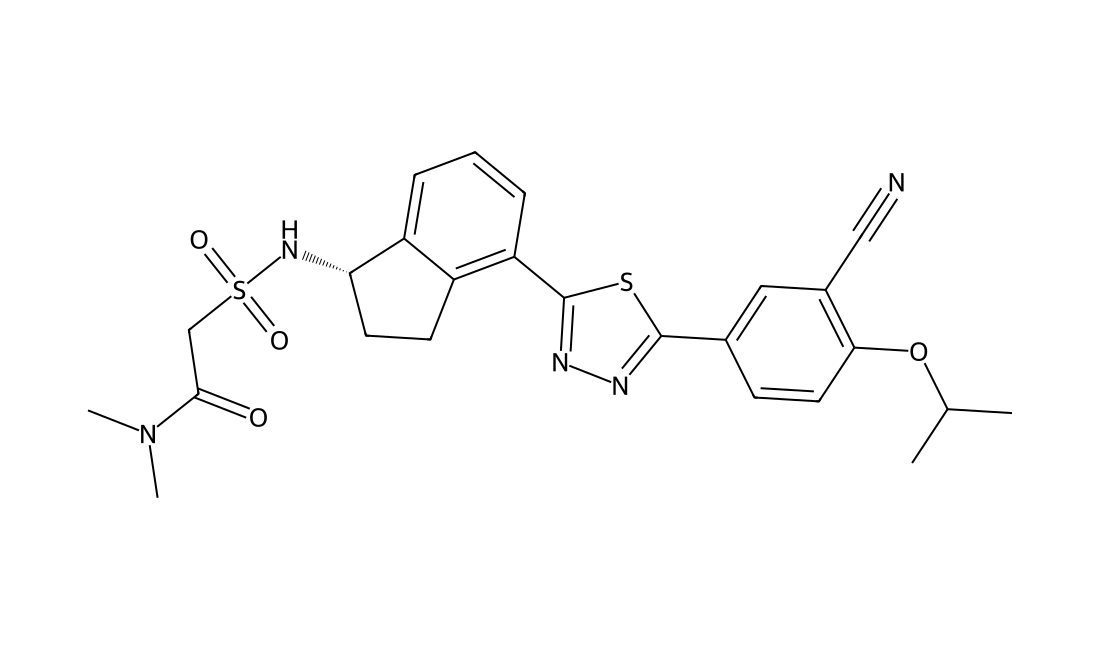
RP-1865Featured
RP-1865 is a selective stimulator of S1P1 and S1P5 used for the treatment of autoimmunity disease.
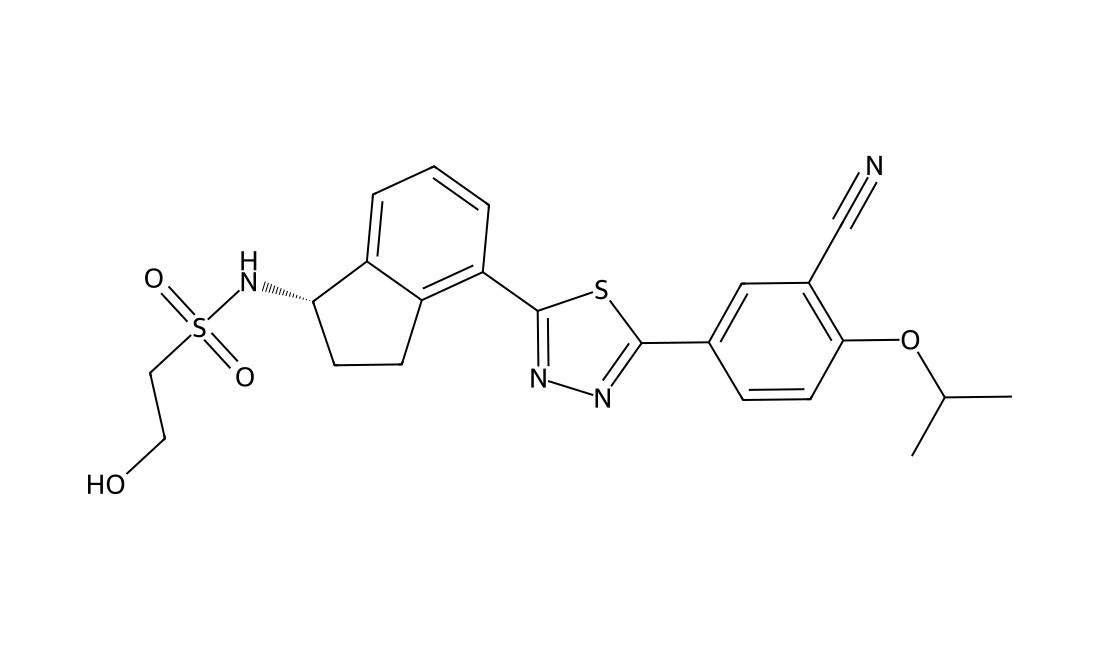
RP-1859Featured
RP-1859 is a selective stimulator of S1P1 and S1P5 (S1P1 IC50 = 0.20 nM; S1P5 IC50 = 170 nM) used for the treatment of autoimmunity disease.
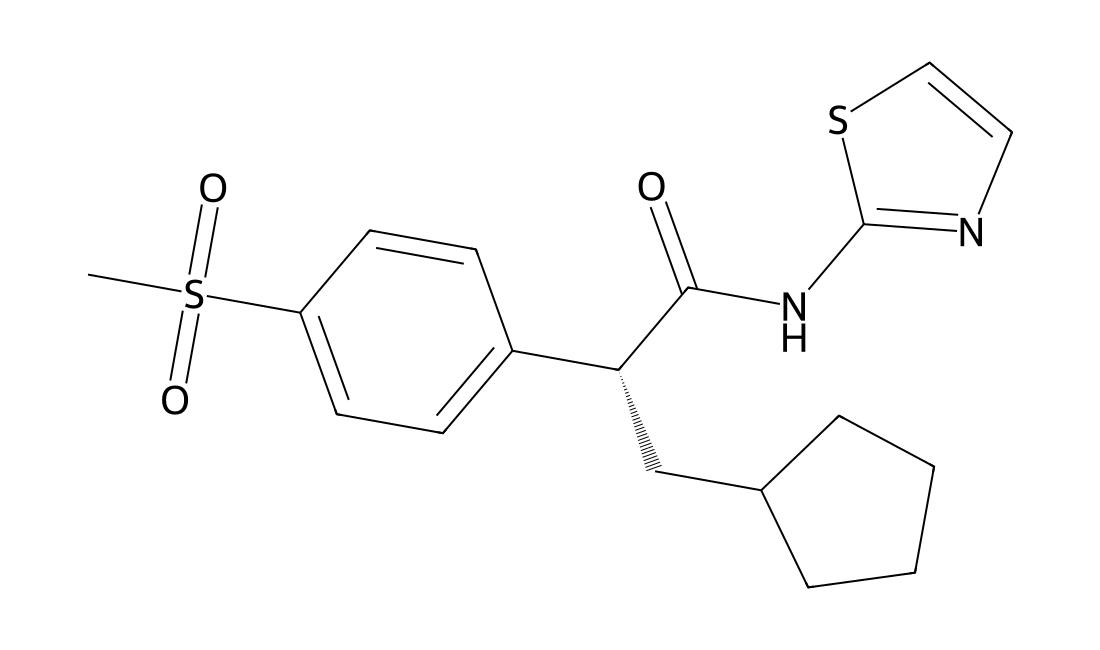
Ro 28-1675Featured
Ro 28-1675 (Ro 0281675) is a potent allosteric GK activator with a SC1.5 value of 0.24± 0.0019 uM. The R stereoisomer Ro 28-1675 activated GK with a SC1.5 of 0.24 uM, while the S isomer did not activated GK up to 10 uM. Oral administration of Ro 28-1675 (50 mg/Kg) to male C57B1/6J mice caused a statistically significant reduction in fasting glucose levels and improvement in glucose tolerance relative to the vehicle treated animals. Comparison of rat PK parameters indicated that Ro 28-1675 displayed lower clearance and higher oral bioavailability compared to 9a. Following a single oral dose, Ro 28-1675 reduced fasting and postprandial glucose levels following an OGTT, was well tolerated, and displayed no adverse effects related to drug administration other than hypoglycemia at the maximum dose (400 mg).
RifaximinFeatured
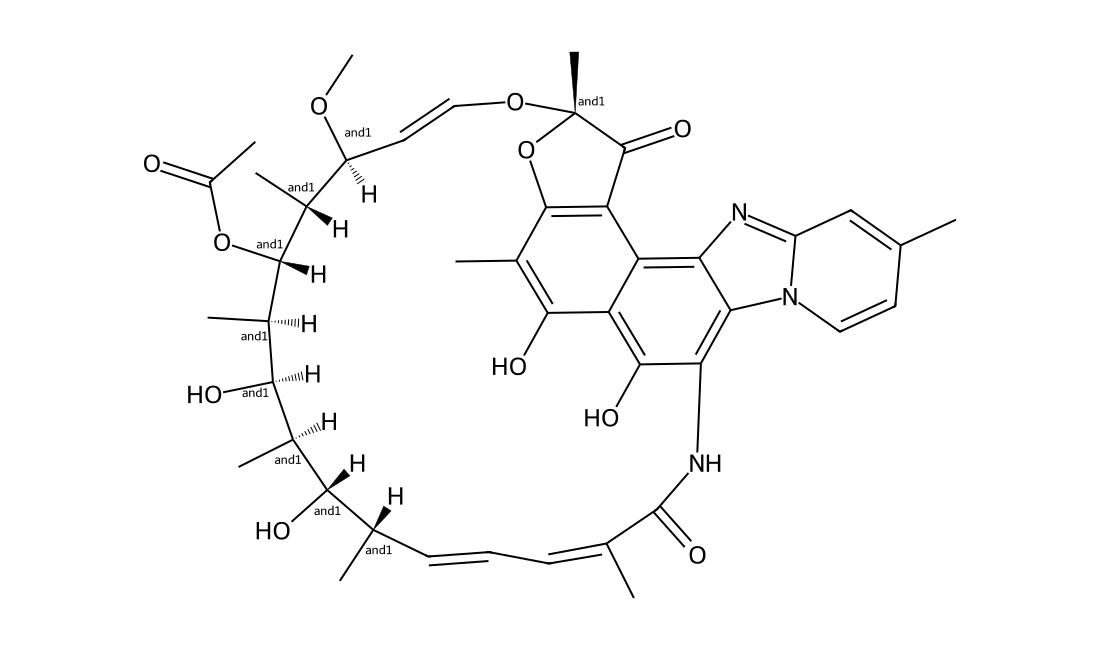
Rifaximin is an oral, semi-synthetic antibiotic derived from Rifamycin SV with antibacterial activity, interferes with transcription by binding to the β-subunit of bacterial RNA polymerase; Rifaximin is widely used to treat traveler's diarrhea, irritable bowel syndrome, and hepatic encephalopathy.Bacterial InfectionApproved
RepaglinideFeatured
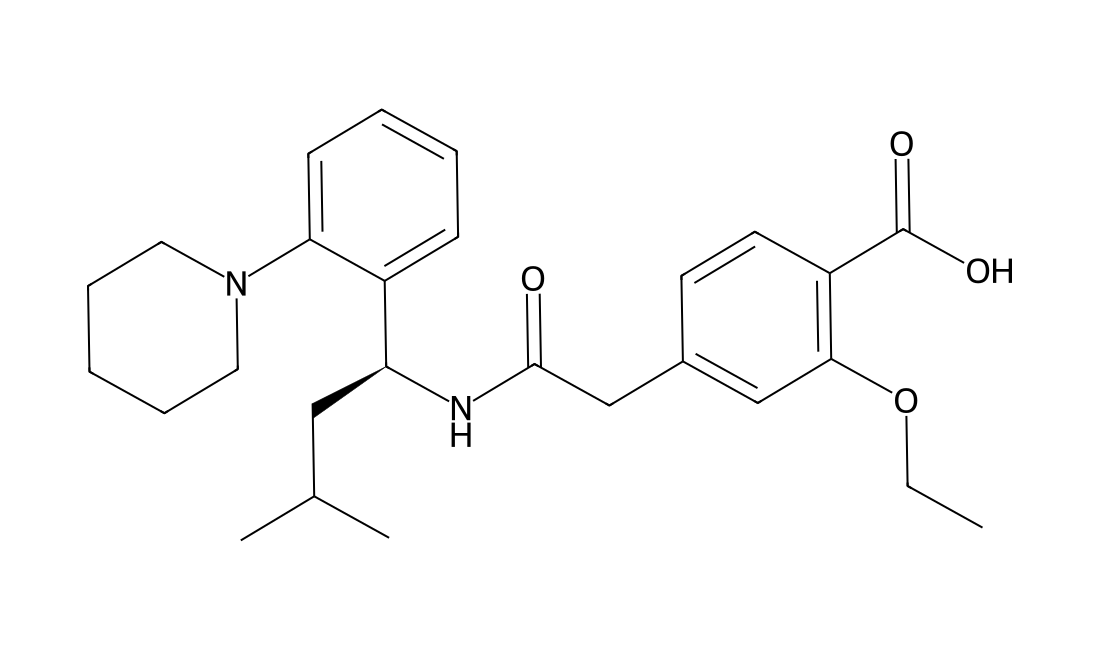
Repaglinide is a KIR6 (KATP) channel blocker that binds with high affinity for SUR1 when co-expressed with KIR6.2(Kd = 0.42 nM).
Rasagiline MesylateFeatured
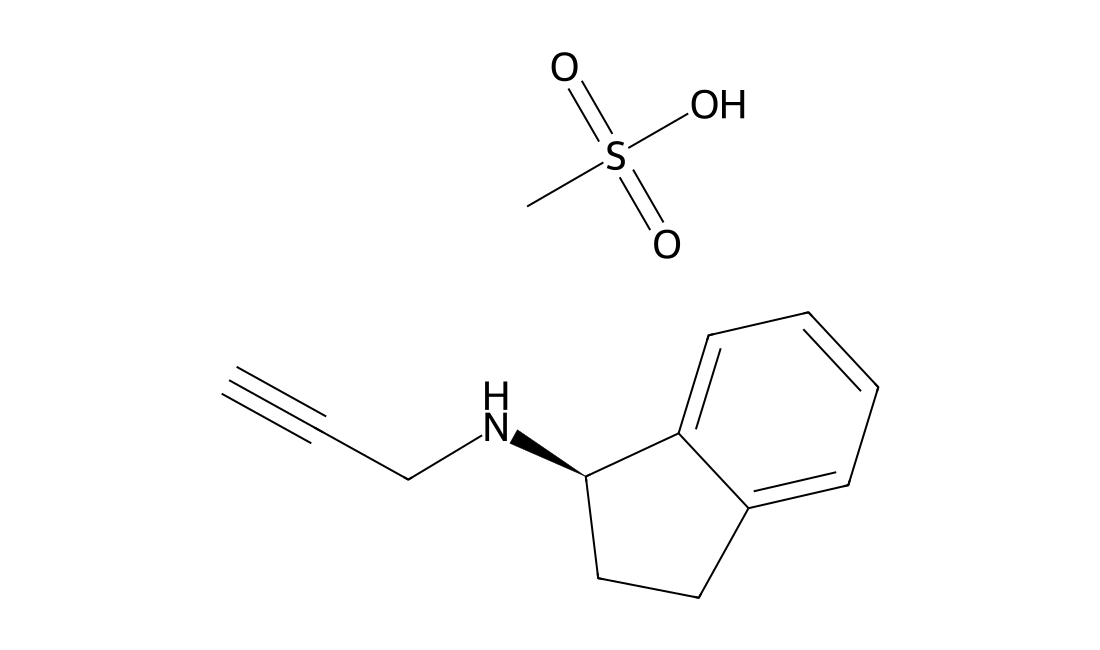
Rasagiline Mesylate is an antiparkinsonian and a selective irreversible MAO-B inhibitor.
Ramatroban (BAY u3405)Featured
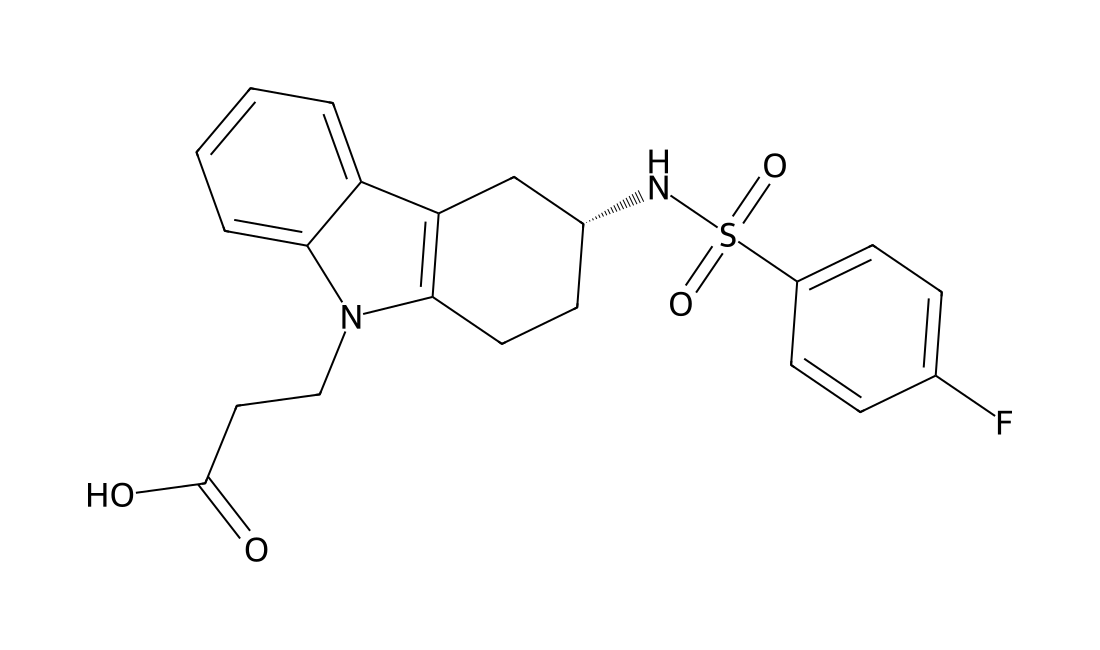
Ramatroban (BAY u3405) is a thromboxane A(2) (TxA(2)) antagonist marketed for allergic rhinitis.Ramatroban (Baynas, BAY u3405), a thromboxane A(2) (TxA(2)) antagonist marketed for allergic rhinitis, has been shown to partially attenuate prostaglandin (PG)D(2)-induced bronchial hyperresponsiveness in humans, as well as reduce antigen-induced early- and late-phase inflammatory responses in mice, guinea pigs, and rats. PGD(2)-stimulated human eosinophil migration was shown to be mediated exclusively through activation of CRTH2, and surprisingly, these effects were completely inhibited by ramatroban. This is also the first report detailing an orally bioavailable small molecule CRTH2 antagonist. Our findings suggest that clinical efficacy of ramatroban may be in part mediated through its action on this Th2-, eosinophil-, and basophil-specific chemoattractant receptor. Ramatroban can block the newly identified PGD2 receptor, chemoattractant receptor-homologous molecule expressed on Th2 cells (CRTh2). Ramatroban suppresses the late-phase inflammation via TP receptor and CRTh2 blockade. Ramatroban can suppress the expression of monocyte chemoattractant protein-1 (MCP-1) and adhesion molecules in endothelial cells and prevent exacerbation of inflammation by blocking these responses. For the detailed information of Ramatroban (BAY u3405), the solubility of Ramatroban (BAY u3405) in water, the solubility of Ramatroban (BAY u3405) in DMSO, the solubility of Ramatroban (BAY u3405) in PBS buffer, the animal experiment (test) of Ramatroban (BAY u3405), the cell expriment (test) of Ramatroban (BAY u3405), the in vivo, in vitro and clinical trial test of Ramatroban (BAY u3405), the EC50, IC50,and affinity,of Ramatroban (BAY u3405), For the detailed information of Ramatroban (BAY u3405), the solubility of Ramatroban (BAY u3405) in water, the solubility of Ramatroban (BAY u3405) in DMSO, the solubility of Ramatroban (BAY u3405) in PBS buffer, the animal experiment (test) of Ramatroban (BAY u3405), the cell expriment (test) of Ramatroban (BAY u3405), the in vivo, in vitro and clinical trial test of Ramatroban (BAY u3405), the EC50, IC50,and affinity,of Ramatroban (BAY u3405), Please contact DC Chemicals.
No products match this search.
Page 420 of 434 · Browse all 8677 products
Jump to a product page
Featured literature product: HX1 · DCL0028
HX1 is a hydroxyzine-derived ionizable lipid with acetal-containing tails, studied in lipid nanoparticles for brain mRNA delivery and CRISPR–Cas9 delivery. It was the lead in the reported in vivo brain-delivery screen; evidence is preclinical and formulation-dependent.
Read full formulation and performance →