
Research lipid catalog
Ionizable Lipid Products
Explore 848 lipid and RNA delivery products. Search the full catalog or browse by research category.
Search covers product name, catalog number, synonyms, available CAS numbers and categories. Spaces, hyphens and common punctuation are ignored. Duplicate legacy records are consolidated under one canonical product result.
8677 products · Showing 8221–8240 · 20 per page
DC Chemicals lipid expertise
Built for ionizable-lipid discovery and RNA delivery research
DC Chemicals supports formulation and delivery research with a broad, searchable portfolio of cationic and ionizable lipids. The current directory brings together 848 unique research-use products, with product specifications, pricing, chemical structures and literature-linked formulation data added as each record is verified.
Our experience spans complex lipid synthesis, purification, analytical release and process development. For custom molecules or larger-scale requirements, our team can discuss route development, technical specifications and scale-up options for the intended research workflow.
Learn about cationic and ionizable lipids →Proprietary innovation · Co-development · GMP
From proprietary lipid design to GMP-grade custom synthesis
DC Chemicals has independently developed ionizable-lipid structures supported by company-owned intellectual property, and selected proprietary lipid programs have advanced to GMP-stage development.
We welcome joint development with customers—from molecular design and lipid synthesis through route and process development. We can also support custom synthesis of GMP-grade ionizable lipids to agreed technical specifications and quality requirements.
Discuss a co-development project →Proprietary ionizable-lipid structuresCollaborative molecular designCustom lipid synthesisProcess development and scale-upGMP-grade project support
Product quick links
Explore New ionizable lipids
Explore our five most recently added ionizable lipids, with specifications, pricing and literature-linked product information.
DCL0028HX1Brain RNA delivery researchView product →DCL0024A1I4R13C18-2Spleen-targeted RNA delivery researchView product →DCL0023A1I4R2C18-2Spleen-targeted RNA delivery researchView product →DCL0022FS01Local joint RNA delivery researchView product →DCL0020Lipid-392Lung RNA delivery and gene editing researchView product →
Cat. No.Product NameField of ApplicationChemical Structure
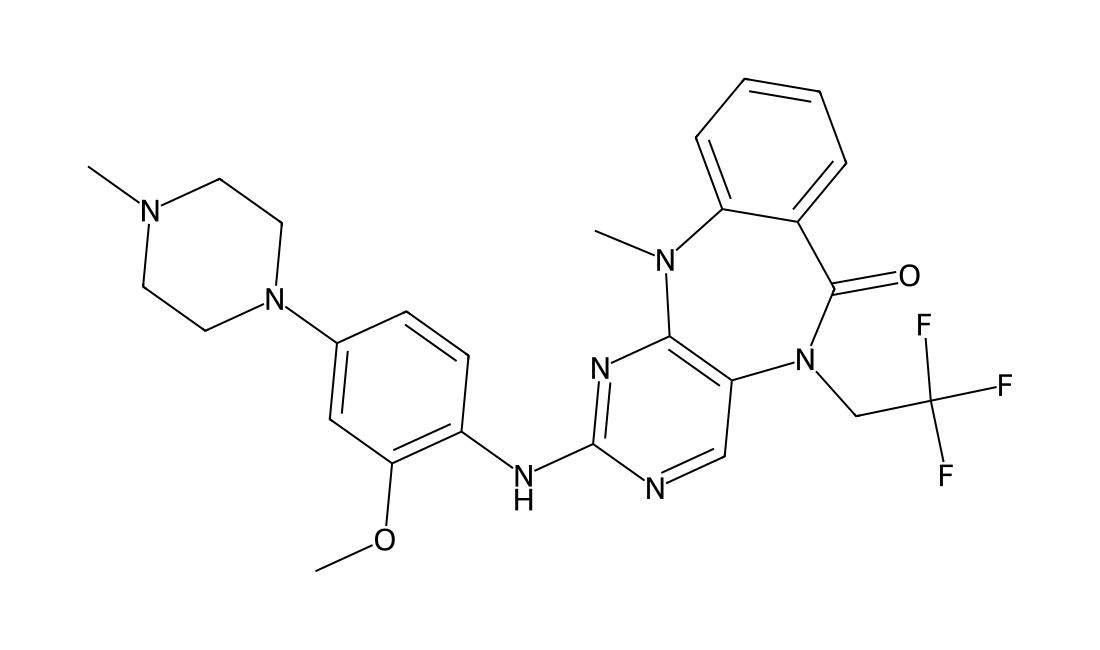
Dclk1-IN-1Featured
DCLK1-IN-1 is a selective, oral bioavailability in vivo-compatible chemical probe of the doublecortin like kinase 1 (DCLK1 kinase) domain. DCLK1-IN-1 inhibits DCLK1 and DCLK2 kinases (IC50: DCLK1=9.5/57.2 nM and DCLK2=31/103 nM in binding and kinase assay, respectively). DCLK1-IN-1 shows low toxicity, and can investigate DCLK1 biology and establish its role in cancer, like DCLK1+ pancreatic ductal adenocarcinoma (PDAC)[1].
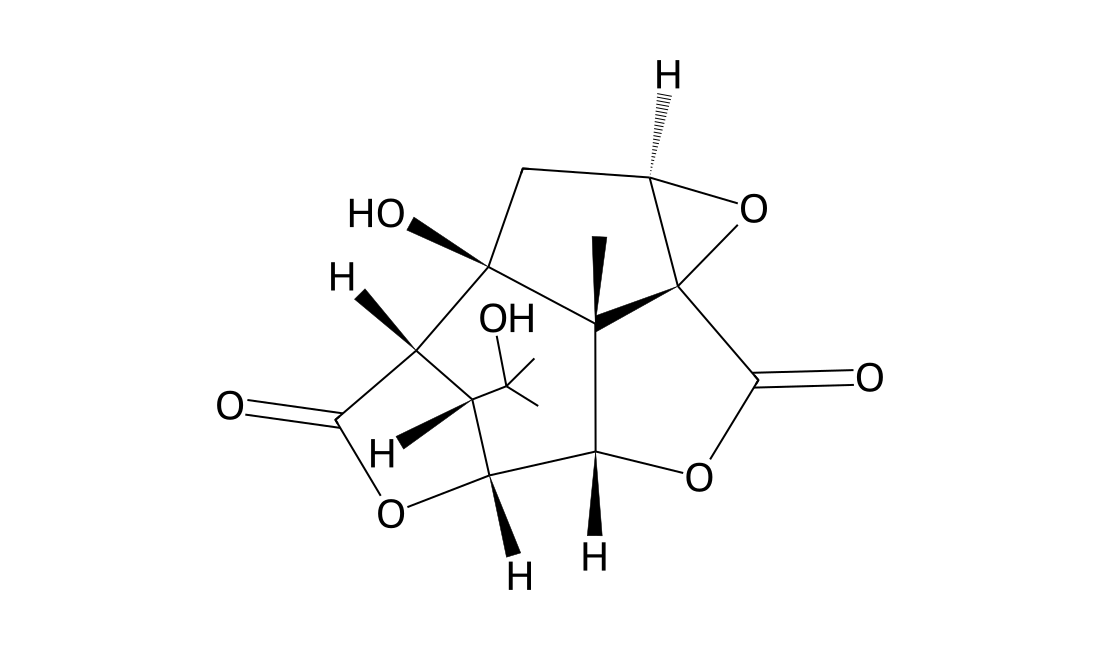
PicrotinFeatured
Picrotin is an inhibitor of glycine receptors (GlyRs) which blocks α2 GlyR, α1 GlyR and α3 GlyR[1][2].
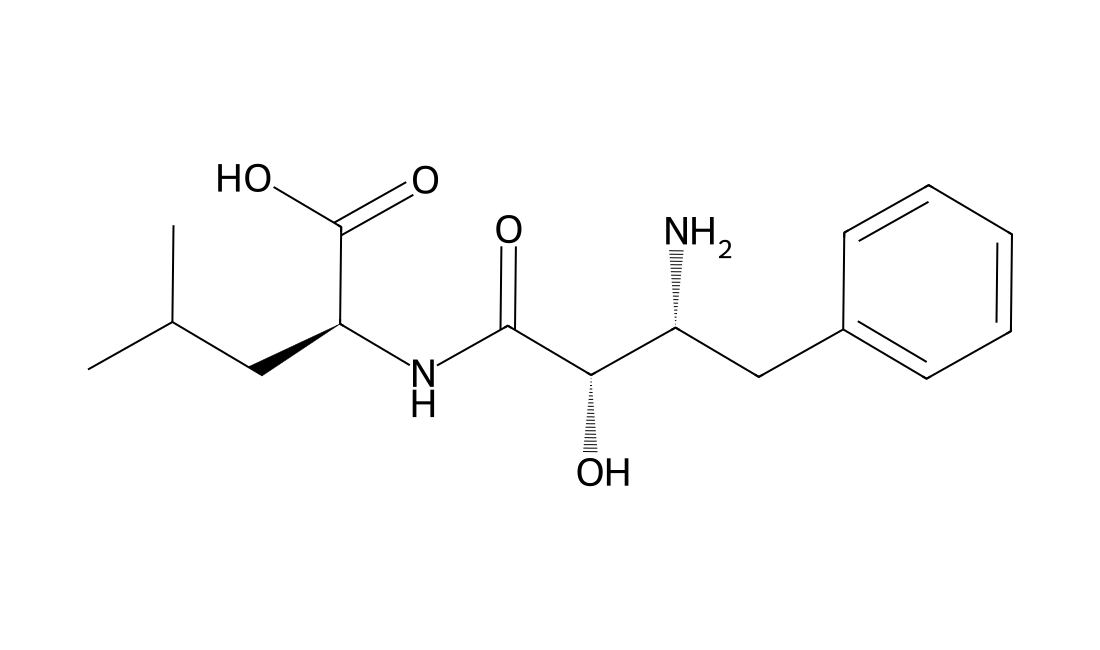
Ubenimex (Bestatin)Featured
Bestatin is a natural, broad-spectrum, and competitive aminopeptidase inhibitor.
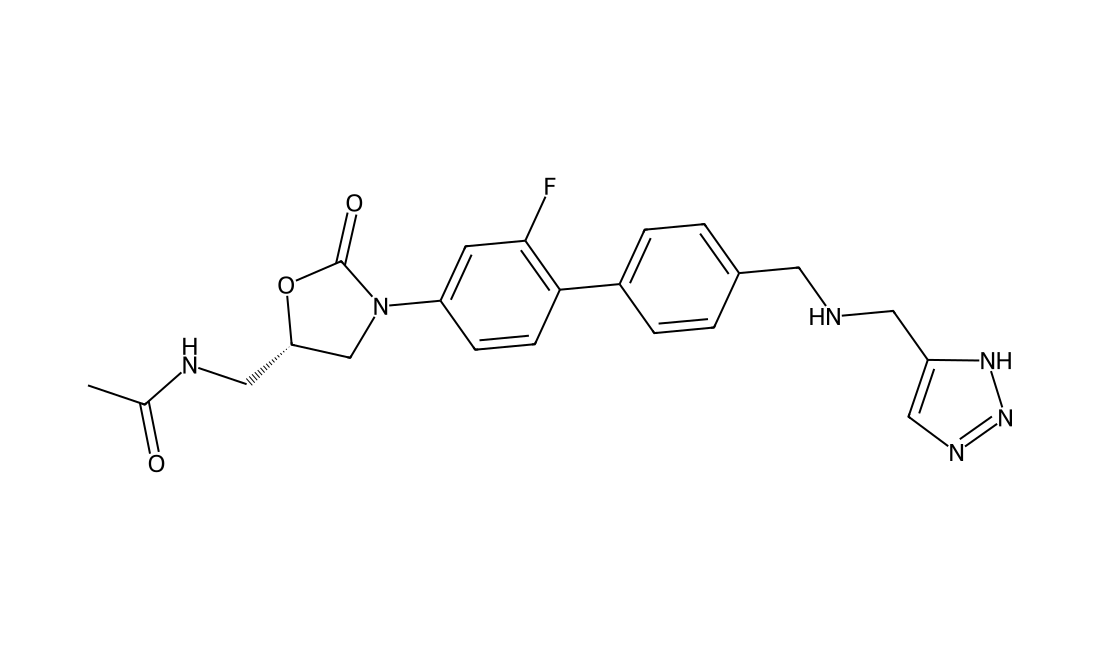
RadezolidFeatured
Radezolid (RX-1741) is a novel oxazolidinone antibiotic agent. Radezolid is a novel oxazolidinone antibiotic being developed by Rib-X Pharmaceuticals, Inc. for the treatment of serious multi-drug–resistant infections. Radezolid has completed two phase-II clinical trials. One of these clinical trials was for uncomplicated skin and skin-structure infections (uSSSI) and the other clinical trial was for community acquired pneumonia (CAP). From Wikipedia
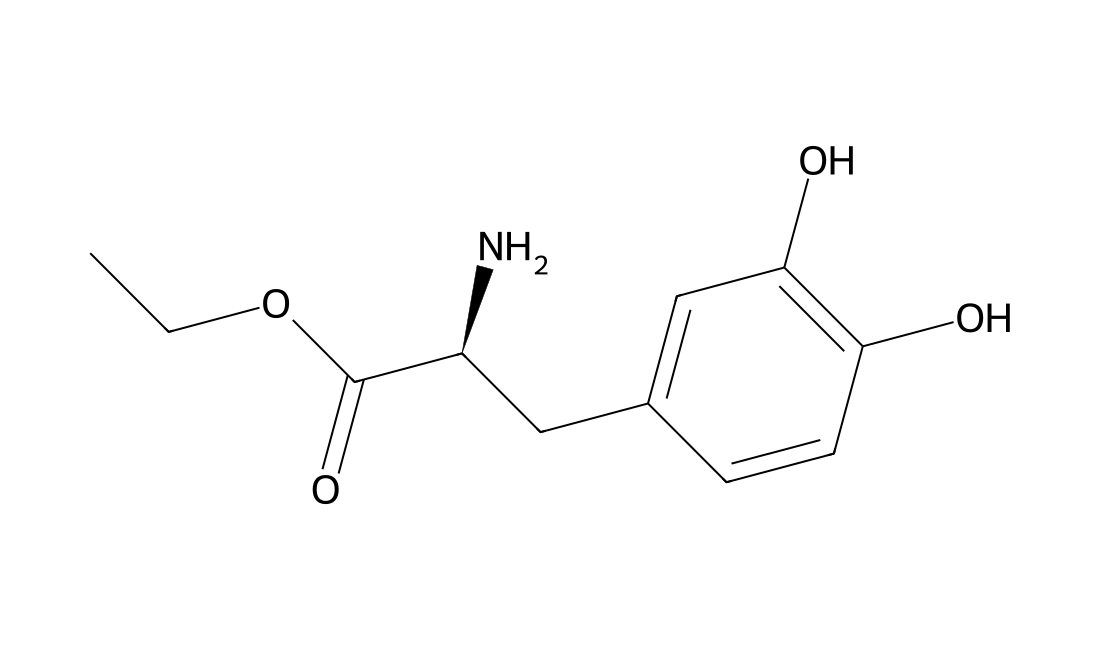
EtilevodopaFeatured
Etilevodopa (L-Dopa ethyl ester), an ethyl-ester prodrug of Levodopa, is rapidly hydrolyzed to Levodopa and ethanol by nonspecific esterases in the gastrointestinal tract. Etilevodopa is used for the treatment of Parkinson disease (PD). Levodopa is the direct precursor of dopamine and is a suitable prodrug as it facilitates CNS penetration and delivers dopamine[1][2][3].
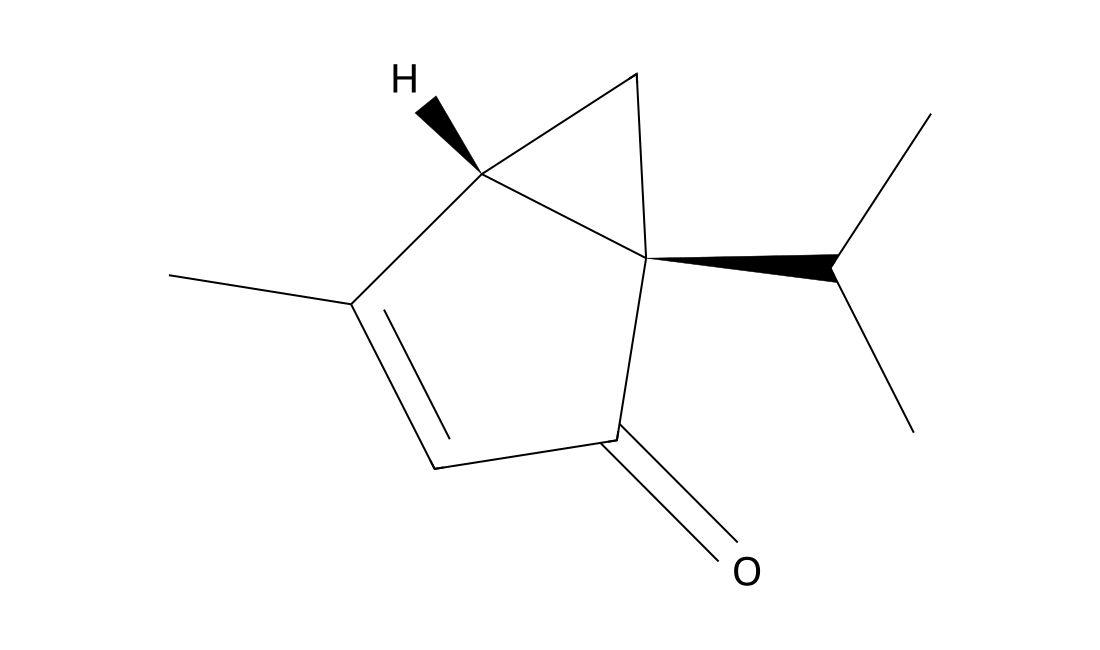
UmbelluloneFeatured
Umbellulone is an active constituent of the leaves of Umbellularia californica. Umbellulone stimulates the TRPA1 channel in a subset of peptidergic, nociceptive neurons, activating the trigeminovascular system via this mechanism[1].
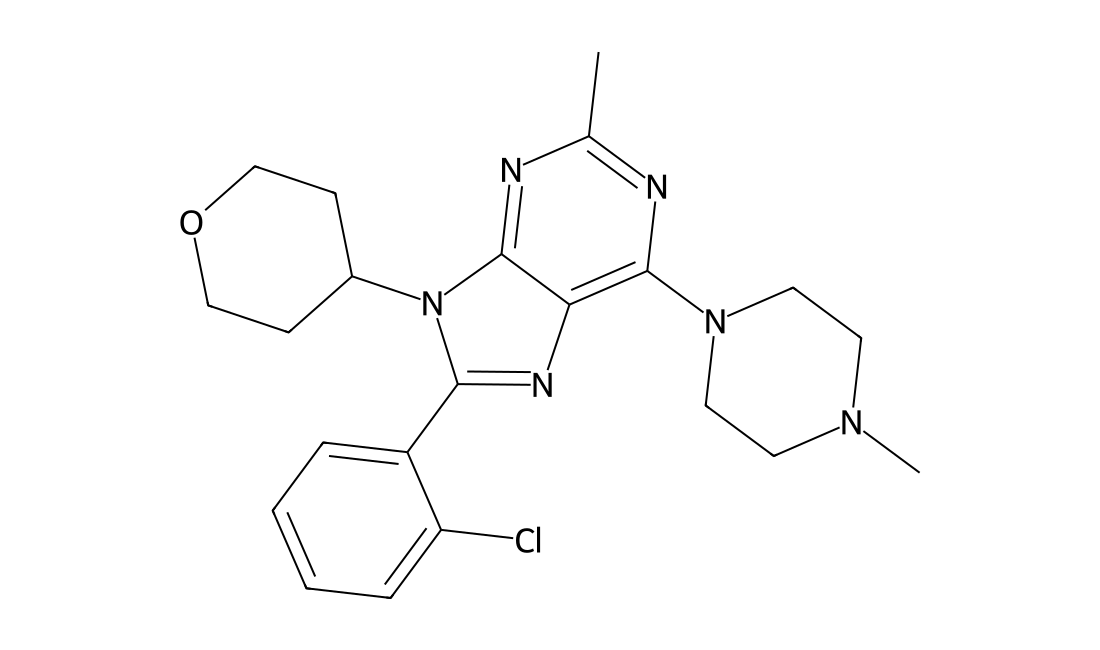
LY2828360Featured
LY2828360 is a slowly acting but efficacious G protein-biased cannabinoid (CB2) agonist, inhibiting cAMP accumulation and activating ERK1/2 signaling.
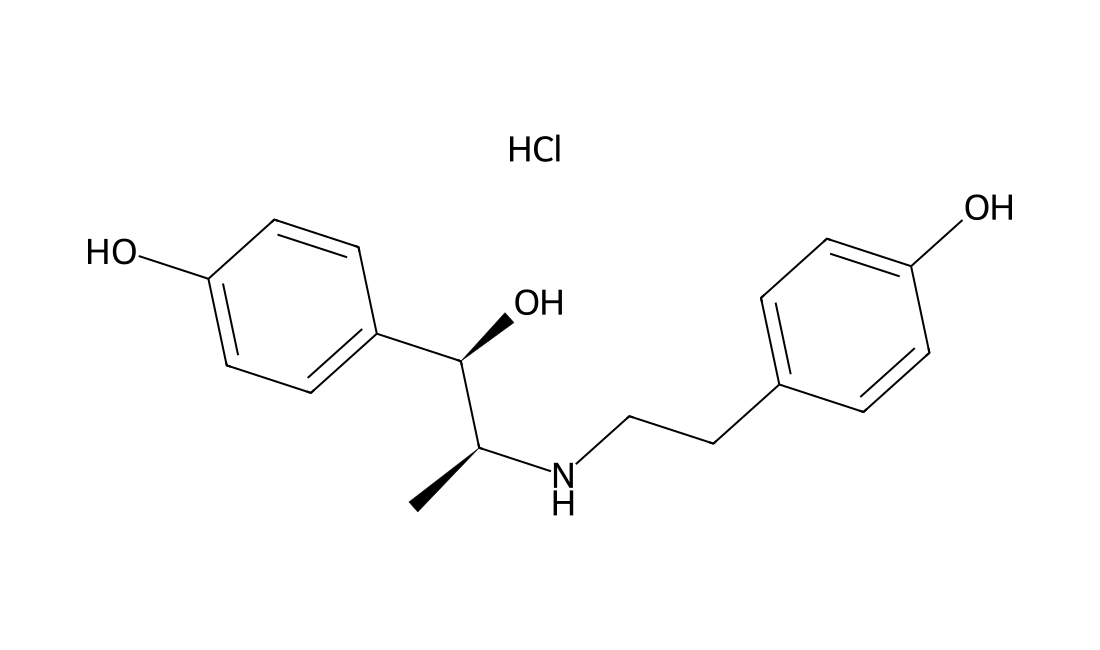
Ritodrine hydrochlorideFeatured
Ritodrine hydrochloride (DU21220 hydrochloride) is a β-2 adrenergic receptor agonist.Target: β-2 Adrenergic ReceptorRitodrine is a tocolytic drug, used to stop premature labor. Ritodrine can significantly prolong a short interval more quickly but with relatively more side effects than magnesium sulphate. Stratified RCTs for different gestational ages and different labour stages should be designed for further study [1]. Ritodrine is a beta-2 adrenergic receptor agonist - a class of medication used for smooth muscle relaxation. Since ritodrine has a bulky N-substituent, it has high β2-selectivity. Also, the 4'-hydroxy on the benzene ring is important for activity as it is needed to form hydrogen bonds. However, the 4'-hydroxy makes it susceptible to metabolism by COMT. Since it is β2-selective it is used for premature labor [2].
Obidoxime dichlorideFeatured
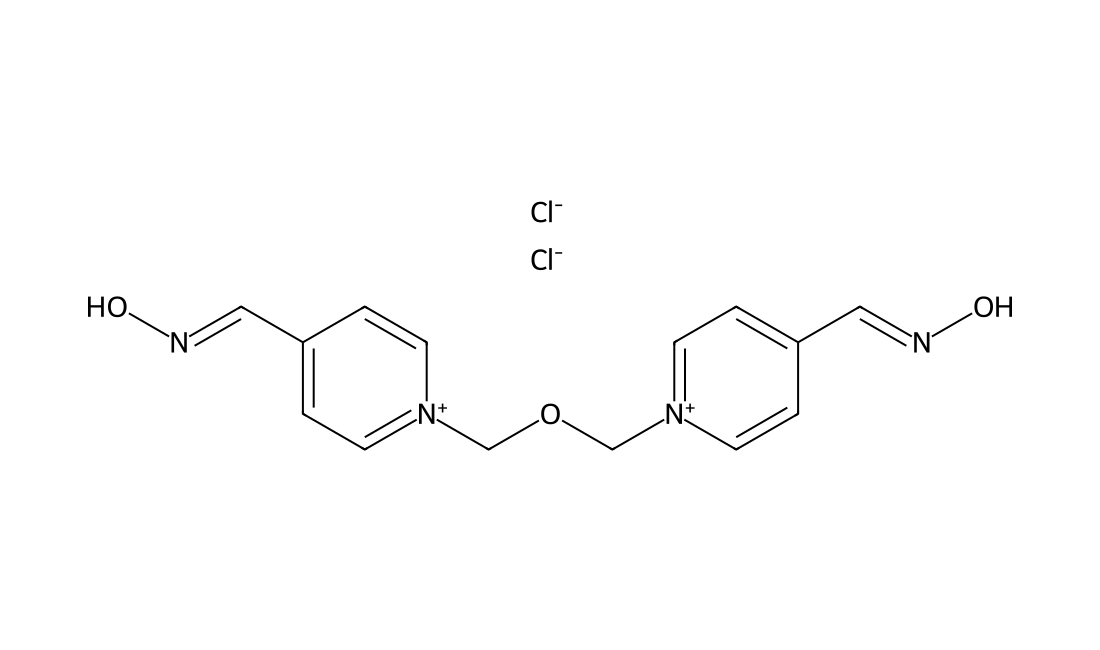
Obidoxime dichloride is a non-full spectrum oxime agent and can be used as an antidote for organophosphate nerve agent poisoning. Obidoxime dichloride reactivates sarin-inhibited acetylcholinesterase (AChE) and reduces acute toxicity of sarin-evaluated[1].
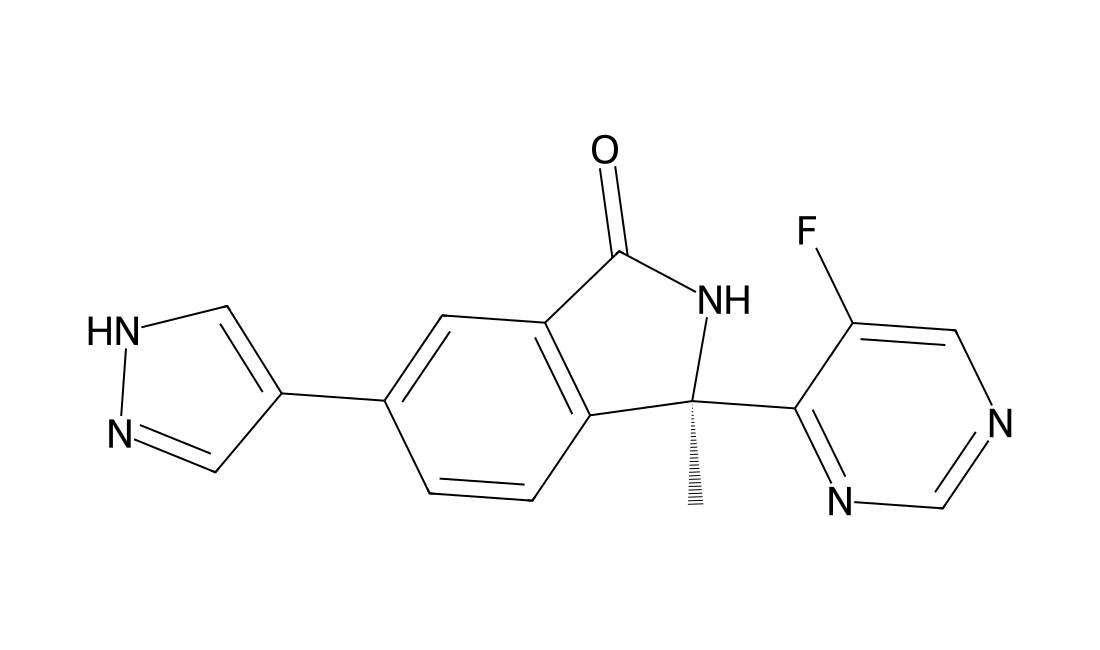
LY3177833Featured
LY3177833 is an CDC7 and pMCM2 inhibitor extracted from patent US 20140275131and patent WO 2014143601 A1 compound example 4; has IC50 values of 3.3 nM and 290 nM, respectively.
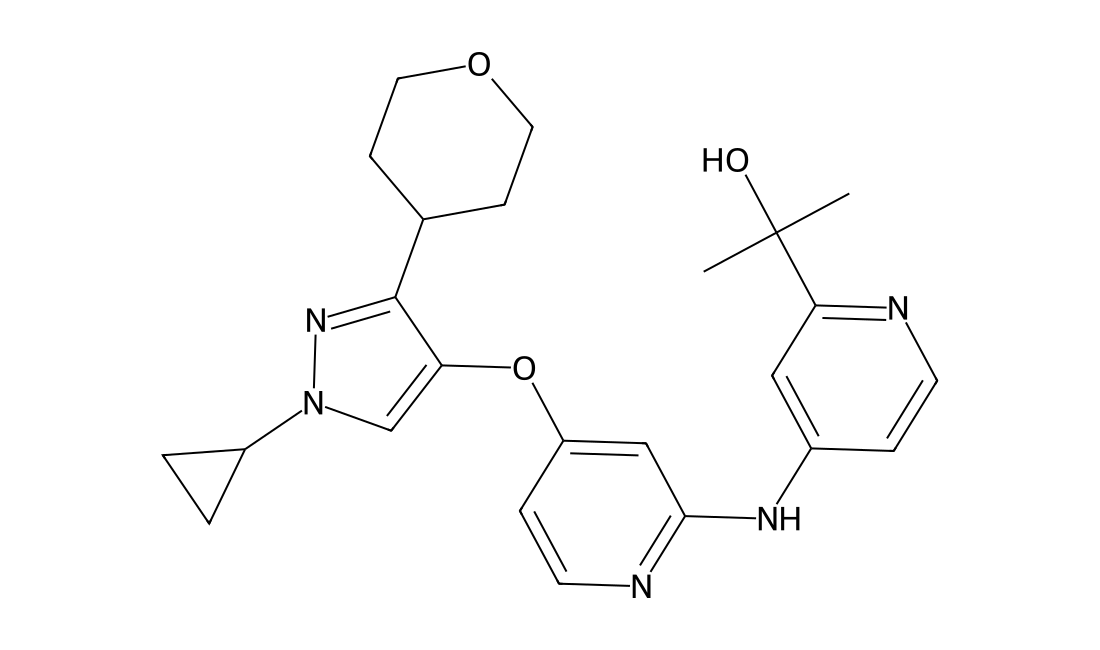
LY3200882Featured
LY3200882 is a novel and highly selective inhibitor of TGF-β receptor type 1 (TGFβRI).
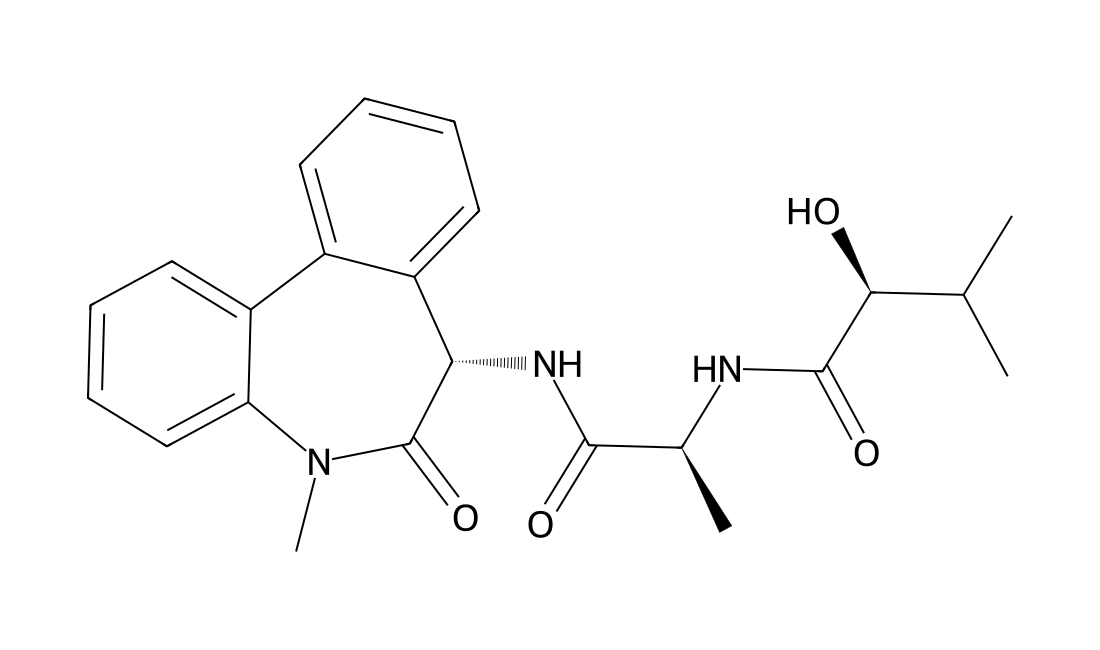
LY900009Featured
LY900009 (LY-900009) is an orally active small molecule inhibitor of Notch signalling via selective inhibition of the γ-secretase protein, inhibits Notch signalling in tumour cell lines and endothelial cells with IC50 of 0.005-20 nM; dose dependently inhibits Notch cleavage and induced apoptosis 24 h after a single 3 mg/kg oral dose in xenograft tumour models, also demonstrates inhibition of angiogenesis through formation of leaky vasculature.
MA-0204Featured
MA-0204 is a potent, highly selective and orally available peroxisome proliferator activated receptor δ (PPARδ) modulator with EC50s of 0.4 nM, 7.9 nM and 10 nM for human, mouse and rat PPARδ, respectively. Potential treatment for Duchene Muscular Dystrophy (DMD)[1].
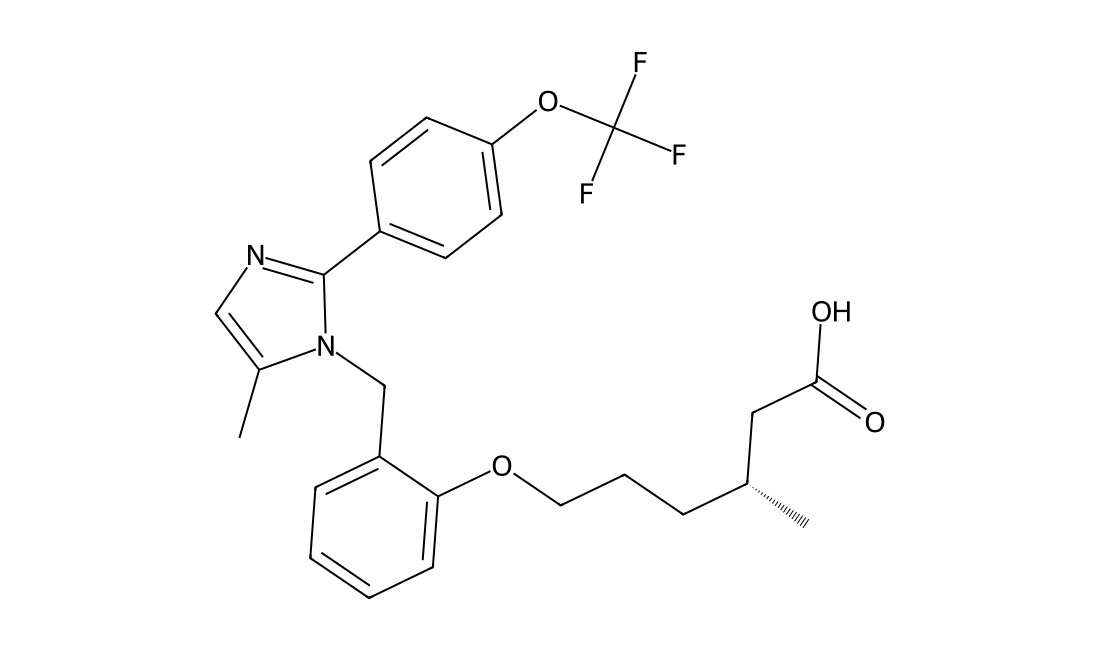
MBP146-78Featured
MBP146-78 is a potent and selective inhibitor of cGMP dependent protein kinases.
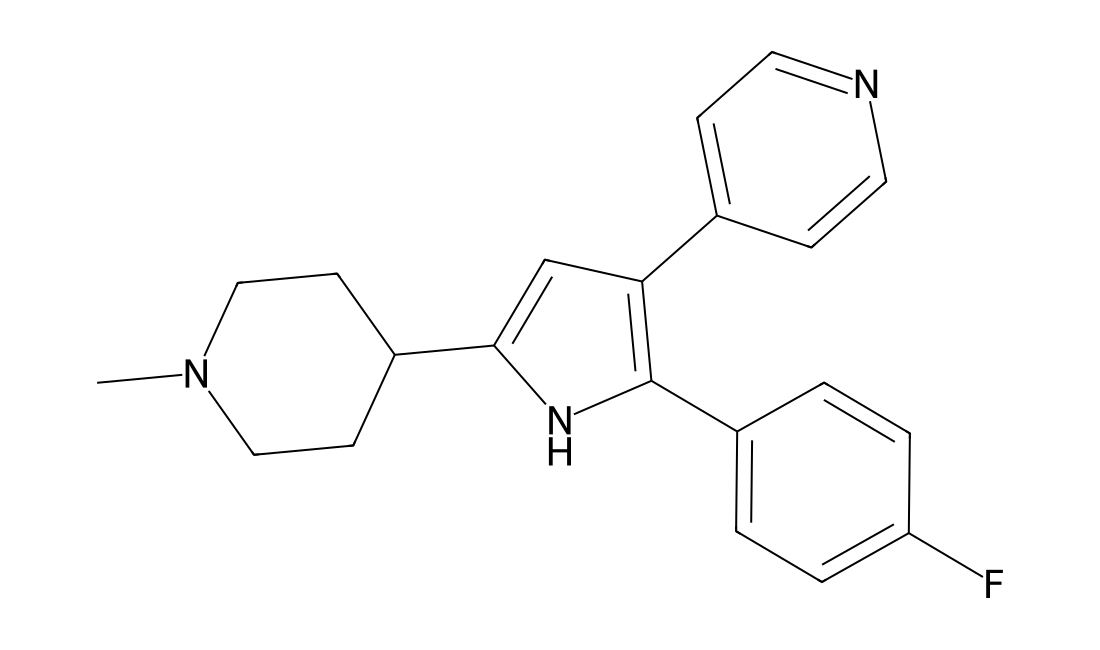
U73122Featured
U-73122 is an inhibitor of phospholipase C (PLC), phospholipase A2, and 5-LO (5-lipoxygenase).
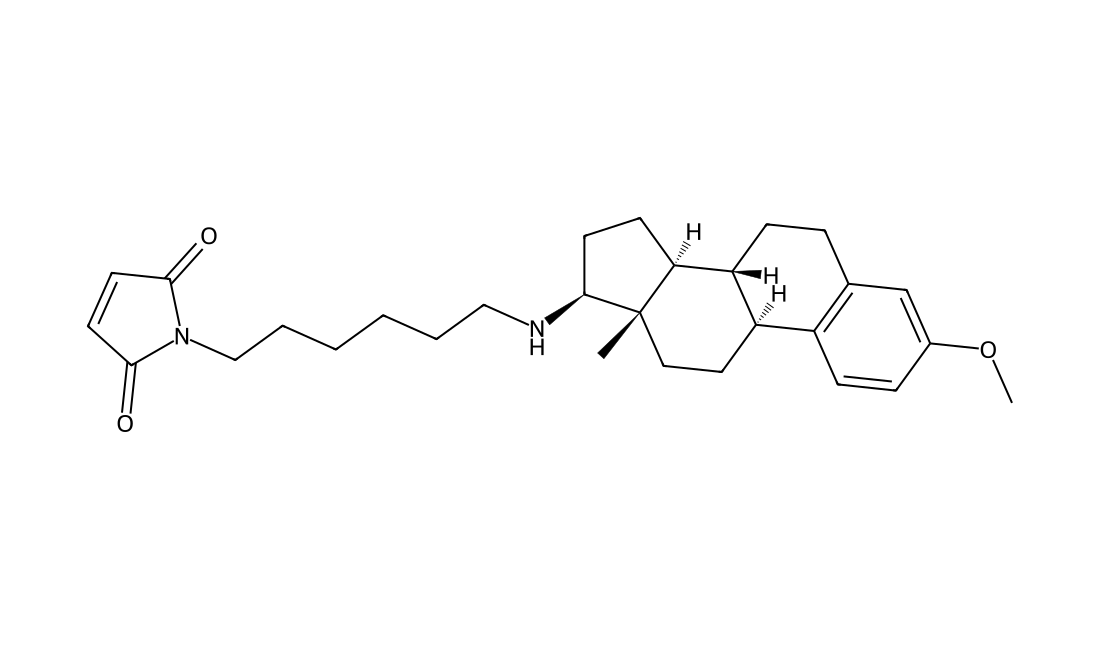
Exemestane(FCE 24304)Featured
Exemestane(FCE 24304) is an aromatase inhibitor, inhibits human placental and rat ovarian aromatase with IC50 of 30 nM and 40 nM, respectively.October 2005Exemestane competitively inhibits and time-dependently inactivates of human placental aromatase with Ki of 4.3 nM. Exemestane displaces [3H]DHT from rat prostate androgen receptor with IC50 of 0.9 μM [1]. Exemestane (1 μM) increases alkaline phosphatase activity in hFOB and Saos-2 cells and induces the expression of MYBL2, OSTM1, HOXD11, ADCYAP1R1, and glypican 2 in hFOB cells [2]. Exemestane causes aromatase degradation in a dose-responsive manner in MCF-7aro cells [3].Exemestane increases lumbar spine BMD by 14.0% in OVX rats at dose of 100 mg/kg. Exemestane (100 mg/kg) and 17-hydroexemestane (20 mg/kg) significantly reduces an ovariectomy-induced increase in serum pyridinoline and serum osteocalcin in rats and causes significant reductions of serum cholesterol and low-density lipoprotein cholesterol inOVX rats [4].Exemestane (20 mg/kg/day s.c.) induces 26% complete (CR) and 18% partial (PR) tumor regressions in rats with 7,12-dimethylbenzanthracene (DMBA)-induced mammary tumors [5].
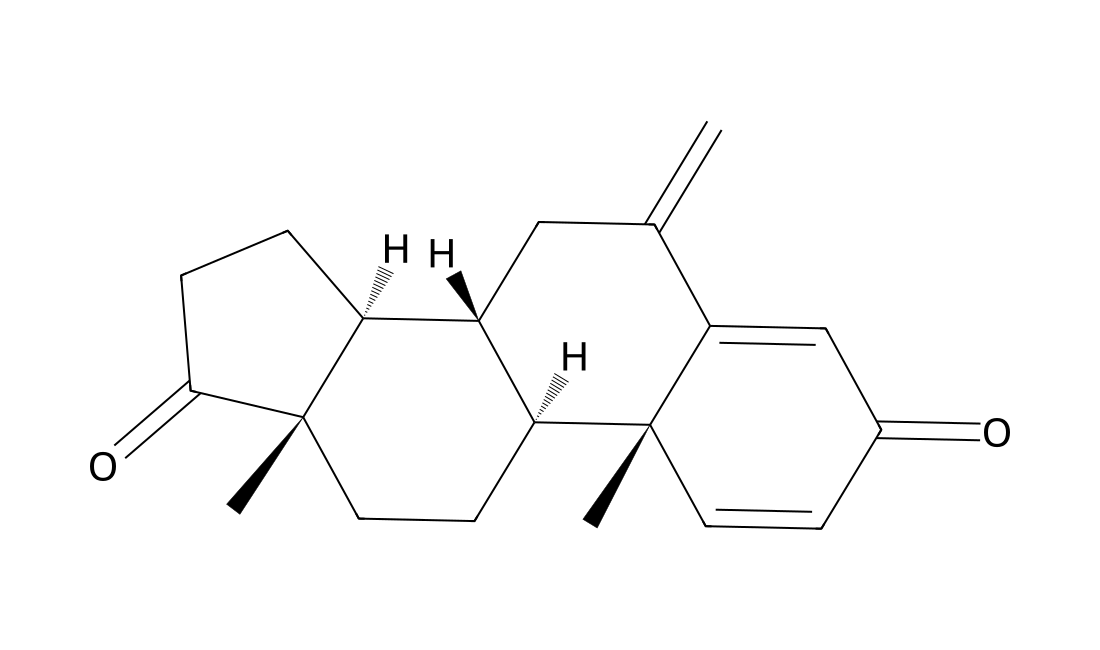
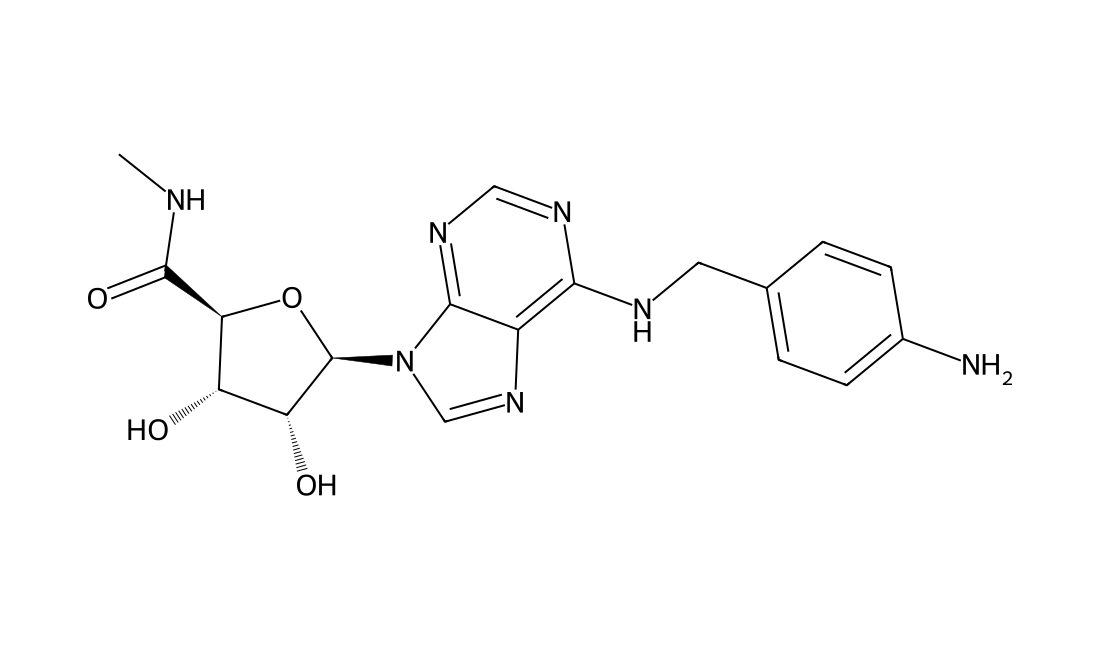
AB-MECAFeatured
AB-MECA is a high affinity A3 adenosine receptor agonist, has high affinity for recombinant A1 and A3 receptors.
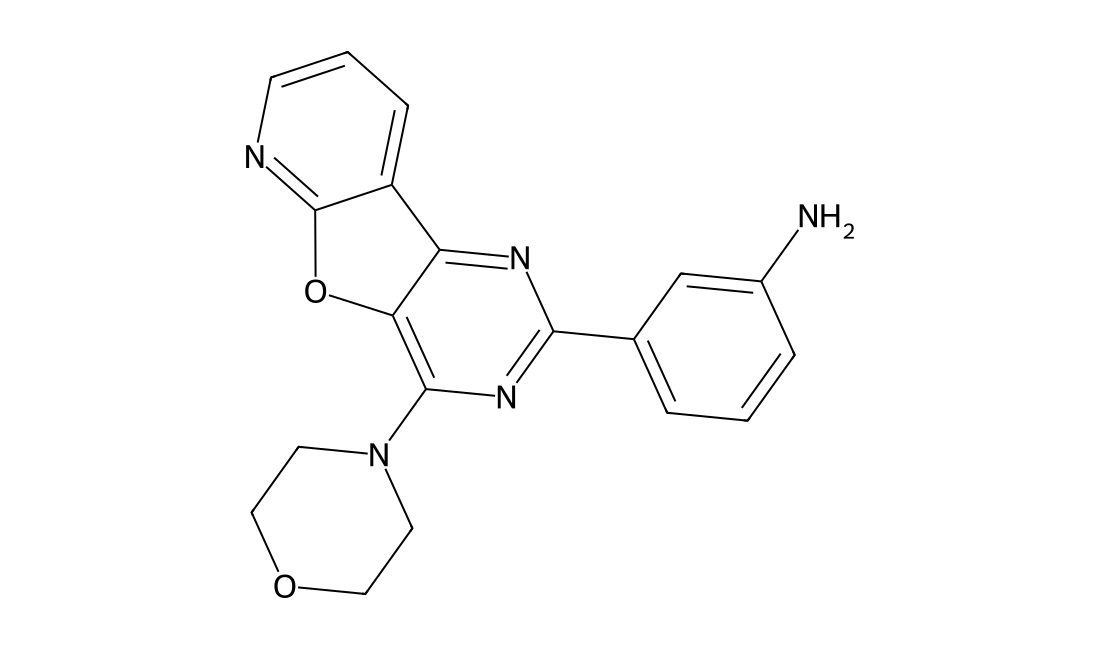
MDK34597 (PI3K inhibitor)Featured
MDK34597 is a PI3K inhibitor.MDK34597 is an analog of PI-103 and acts as a dual PI3K/mTOR Inhibitor.
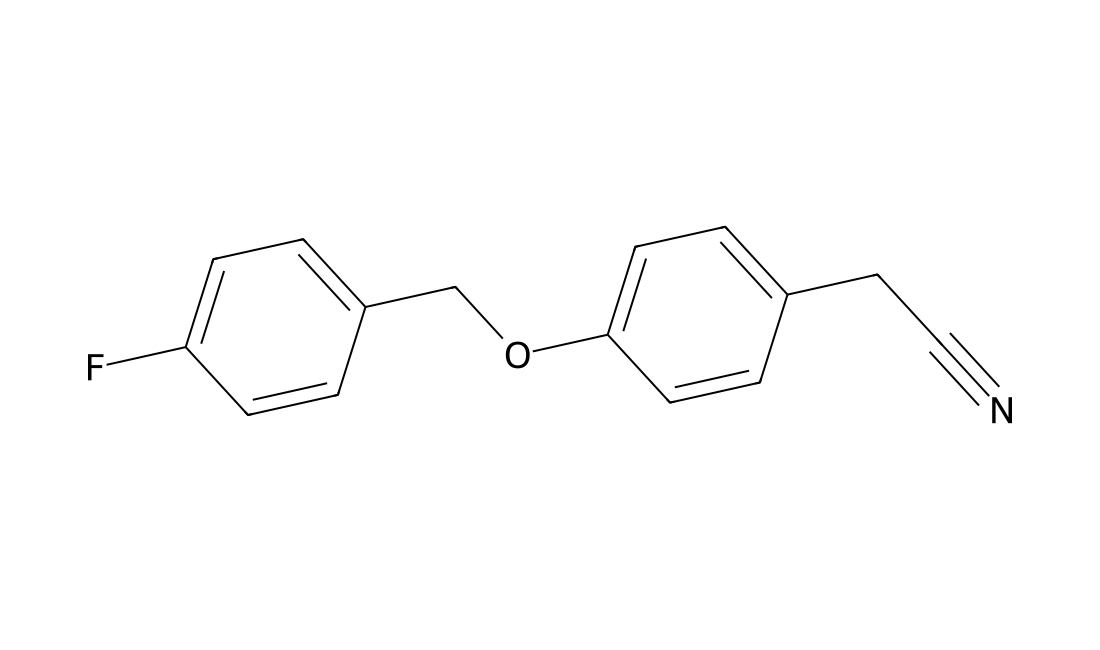
MDK35833(Oct3/4-inducer-1)Featured
Oct3/4-inducer-1 (compound 2) is a potent Oct3/4 inducer. Oct3/4-inducer-1 promotes expression and stabilization of Oct3/4, and enhances its transcriptional activity in diverse human somatic cells[1].
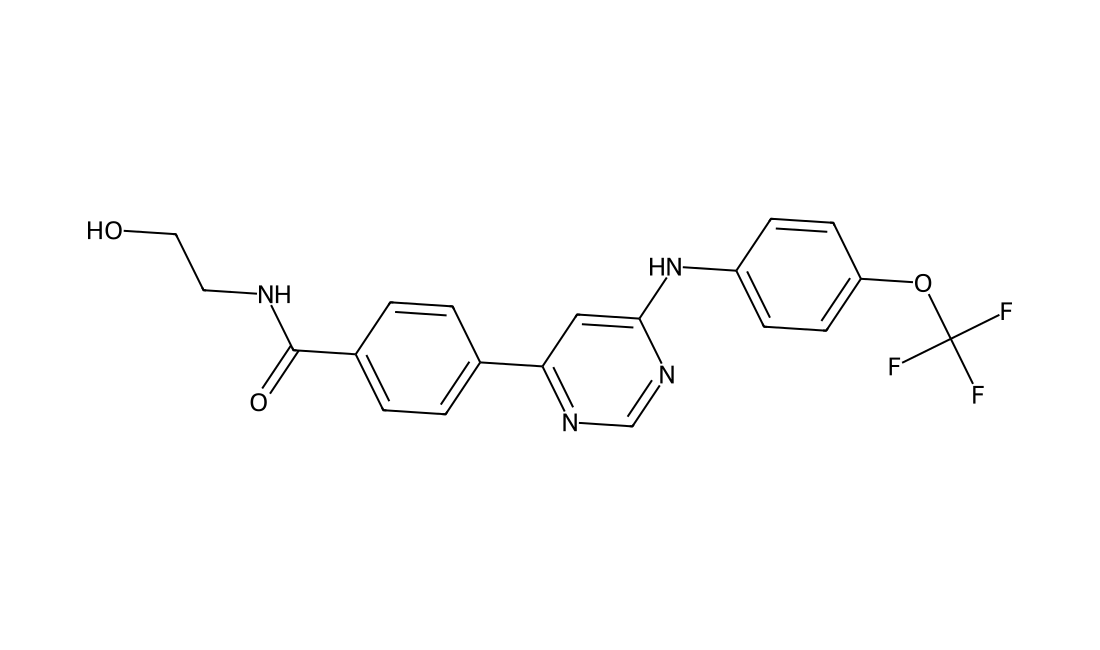
MDK74978(Multi-kinase inhibitor)Featured
Multi-kinase inhibitor 1 is a potent multi-kinase inhibitor. Multi-kinase inhibitor 1 has the potential for diseases or disorders associated with abnormal or deregulated tyrosine kinase activity, particularly diseases associated with the activity of PDGF-R, c-Kit and Bcr-abl[1].
No products match this search.
Page 412 of 434 · Browse all 8677 products
Jump to a product page
Featured literature product: HX1 · DCL0028
HX1 is a hydroxyzine-derived ionizable lipid with acetal-containing tails, studied in lipid nanoparticles for brain mRNA delivery and CRISPR–Cas9 delivery. It was the lead in the reported in vivo brain-delivery screen; evidence is preclinical and formulation-dependent.
Read full formulation and performance →