
Research lipid catalog
Ionizable Lipid Products
Explore 848 lipid and RNA delivery products. Search the full catalog or browse by research category.
Search covers product name, catalog number, synonyms, available CAS numbers and categories. Spaces, hyphens and common punctuation are ignored. Duplicate legacy records are consolidated under one canonical product result.
8677 products · Showing 8421–8440 · 20 per page
DC Chemicals lipid expertise
Built for ionizable-lipid discovery and RNA delivery research
DC Chemicals supports formulation and delivery research with a broad, searchable portfolio of cationic and ionizable lipids. The current directory brings together 848 unique research-use products, with product specifications, pricing, chemical structures and literature-linked formulation data added as each record is verified.
Our experience spans complex lipid synthesis, purification, analytical release and process development. For custom molecules or larger-scale requirements, our team can discuss route development, technical specifications and scale-up options for the intended research workflow.
Learn about cationic and ionizable lipids →Proprietary innovation · Co-development · GMP
From proprietary lipid design to GMP-grade custom synthesis
DC Chemicals has independently developed ionizable-lipid structures supported by company-owned intellectual property, and selected proprietary lipid programs have advanced to GMP-stage development.
We welcome joint development with customers—from molecular design and lipid synthesis through route and process development. We can also support custom synthesis of GMP-grade ionizable lipids to agreed technical specifications and quality requirements.
Discuss a co-development project →Proprietary ionizable-lipid structuresCollaborative molecular designCustom lipid synthesisProcess development and scale-upGMP-grade project support
Product quick links
Explore New ionizable lipids
Explore our five most recently added ionizable lipids, with specifications, pricing and literature-linked product information.
DCL0028HX1Brain RNA delivery researchView product →DCL0024A1I4R13C18-2Spleen-targeted RNA delivery researchView product →DCL0023A1I4R2C18-2Spleen-targeted RNA delivery researchView product →DCL0022FS01Local joint RNA delivery researchView product →DCL0020Lipid-392Lung RNA delivery and gene editing researchView product →
Cat. No.Product NameField of ApplicationChemical Structure
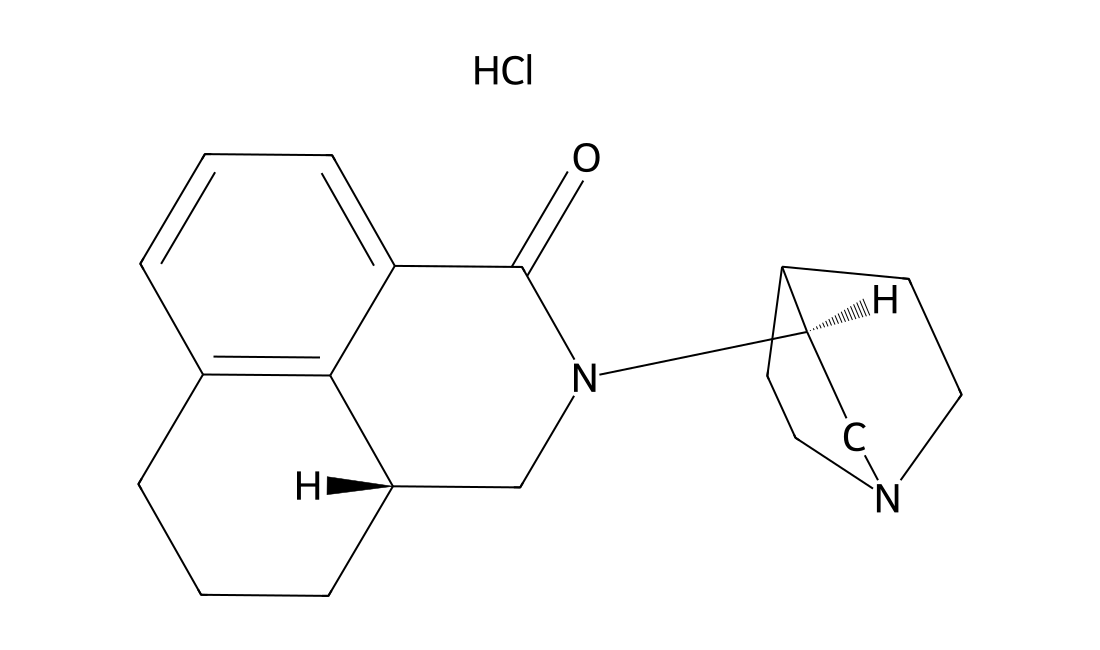
PALONOSETRON HCLFeatured
A serotonin 5-HT3 receptor antagonist used in the prevention and treatment of chemotherapy-induced nausea and vomiting (CINV). It is an antiemetic.
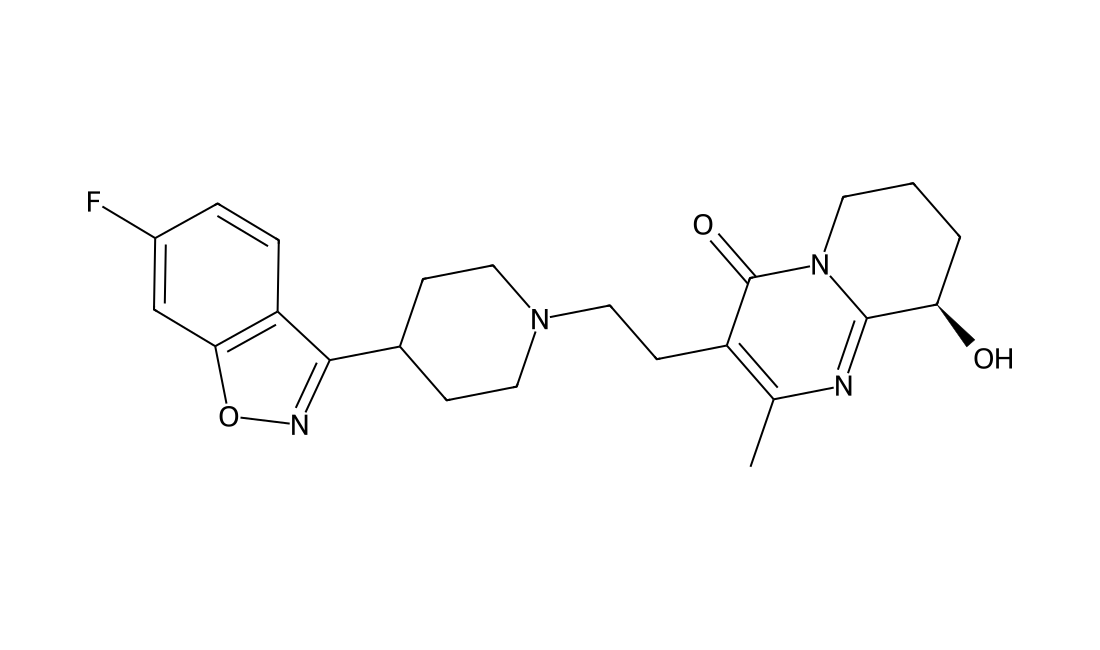
PaliperidoneFeatured
Paliperidone (9-hydroxyrisperidone) is a dopamine antagonist of the atypical antipsychotic class of medications.in vitro: Paliperidone inhibited MK-801 induced neurotoxicity both in MTT metabolism assay (p<0.01) and in lactate dehydrogenase (LDH) activity assay (p<0.01). Moreover, paliperidone could significantly retard MK-801-mediated inhibition of neurite outgrowth (p<0.01) and reverse MK-801-induced decreases of gene expression and phosphorylation of Akt1 and GSK3β (both p<0.01). Furthermore, these protective effects of paliperidone were blocked by pretreatment with a PI3K inhibitor LY294002. paliperidone works finely at low concentrations (10 and 50 μM) against Aβ(25-35) and MPP(+) and solely protected SH-SY5Y from hydrogen peroxide. At 100 μM, paliperidone completely diminished cell reduction induced by different stressors, regardless of their dosages. Paliperidone was demonstrated with a higher oxidative stress-scavenging properties than other APDs in several aspects, such as generated bulk glutathione, low HNE, and protein carbonyl productions. in vivo: The 9OHRIS (4 mg/bwkg) was administred by gastric tube. Four groups were formed depending on the treatment: (1) control, (2) stress, (3) 9OHRIS, (4) stress and parallel 9OHRIS treatment (n=5-6). The expression of APP, MAPK1, β-actin mRNAs from the perfused brain samples was measured with real-time PCR technique.Male offspring were treated orally via drinking water with vehicle, risperidone (0.01mg/kg/day), or paliperidone (0.01mg/kg/day) between postnatal days 35 and 56 (periadolescence) and extracellular glutamate levels in the prefrontal cortex were determined by microdialysis at PD 56.
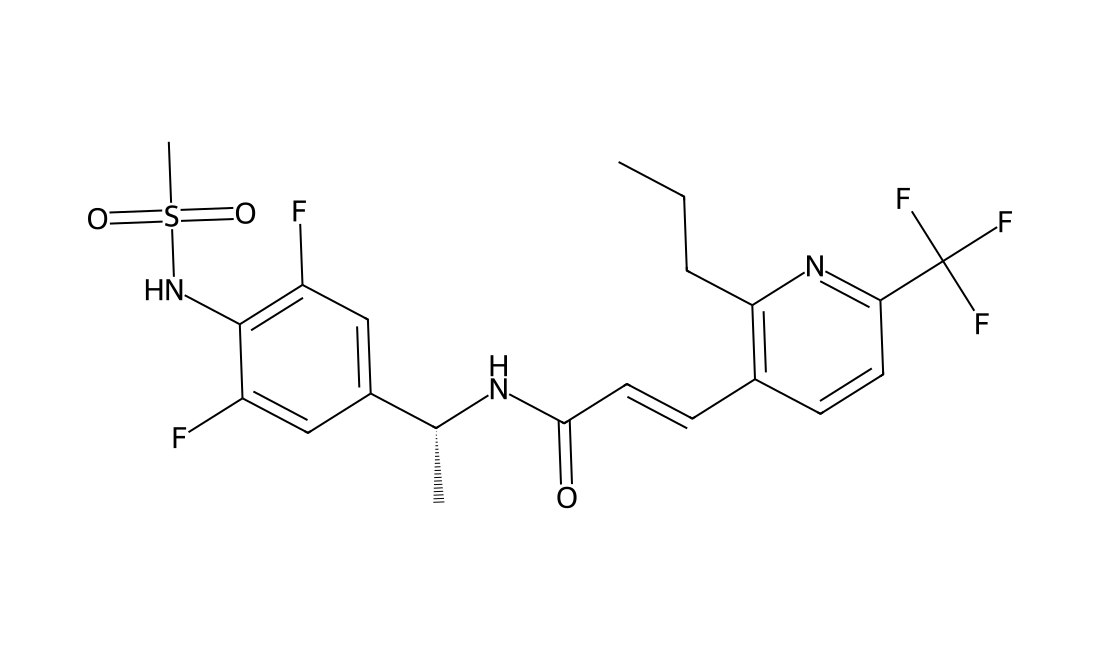
PAC-14028Featured
PAC-14028 could prevent barrier damages, accelerate skin barrier recovery and suppress pruritus, showing a potential for the treatment of atopic dermatitis. It could suppress serum IgE increase, epidermal infiltration of inflammatory cells and mast cell degranulation associated with atopic dermatitis. PAC-14028 shows efficacies against diverse disease models including visceral pain, inflammatory bowel disease, and inflammatory pain.PAC-14028 shows a plasma half-life of 2.1 h in rats while it is extended slightly to 3.8 h in minipigs. Oral bioavailability at 10 mg/kg dose is determined to be 52.7% and 64.2% in rats and minipigs, respectively suggesting that PAC-14028 is relatively well-absorbed through oral route. PAC-14028 could inhibit capsaicin-evoked calcium influx in keratinocytes at sub-micromolar concentrations. This potent TRPV1 antagonistic activity in keratinocytes is manifested in vivo as the blockade of capsaicin-induced blood perfusion increase, and the accelerated barrier recovery from tape-stripping-induced barrier damages in hairless mice.
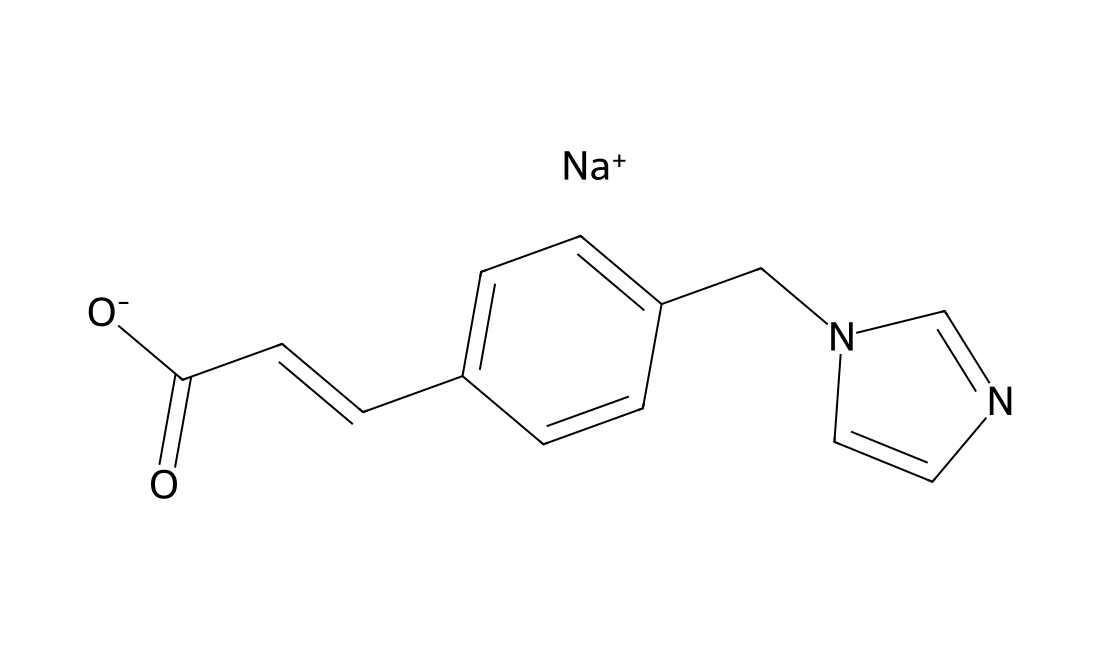
Ozagrel (sodium)Featured
Ozagrel(OKY-046) sodium salt is an antiplatelet agent working as a thromboxane A2 synthesis inhibitor. Ozagrel was selected as the best compound of highly selective inhibitors of TXA2 synthase. The inhibition of TXA2 synthase by ozagrel was more effective on human and rabbit enzymes than those of other species. Ozagrel increased 6-keto-PGF1 alpha, one of stable metabolites of PGI2, in various isolated cells and tissues perhaps via accumulated PG endoperoxides resulted by the inhibition of TXA2 synthase. Ozagrel was estimated to be a reversible mixed-type inhibitor of diphenolase activity with the constants (K (S1), K (S2), K (i1), and K (i2)) determined to be 2.21, 3.89, 0.454, and 0.799 mM, repectively. Infusion of OKY-046 significantly inhibited pulmonary thromboxane B2 delivery, attenuated the early increase in pulmonary vascular resistance, and blocked the increase in systemic vascular resistance. In addition, OKY-046 blunted and delayed the decrease in cardiac output and maintained end-systolic pressure-diameter relation, +dp/dt, and lung lymph flow at baseline values.
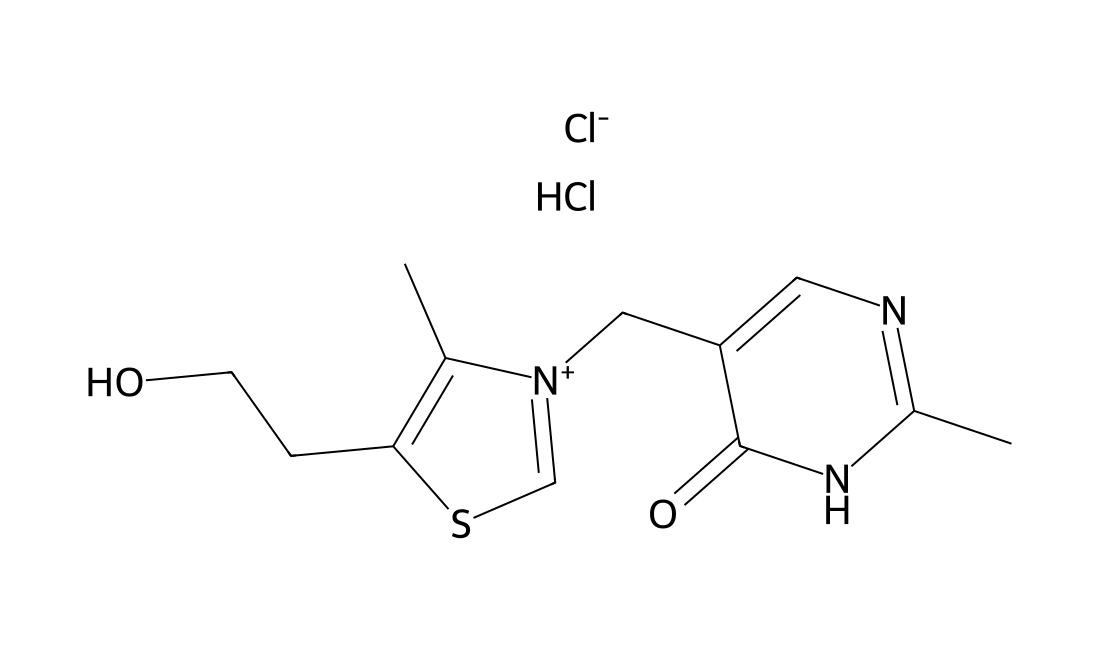
Oxythiamine chloride is a small molecule transketolase inhibitor with Kd of 33 nM, shows functional assay of human transketolase inhibition in HCT-116 cells with EC50 of 26 nM; Oxythiamine induces G1 arrest in Ehrlich’s ascites tumor cells implanted in mice.
Potassium OxonateFeatured
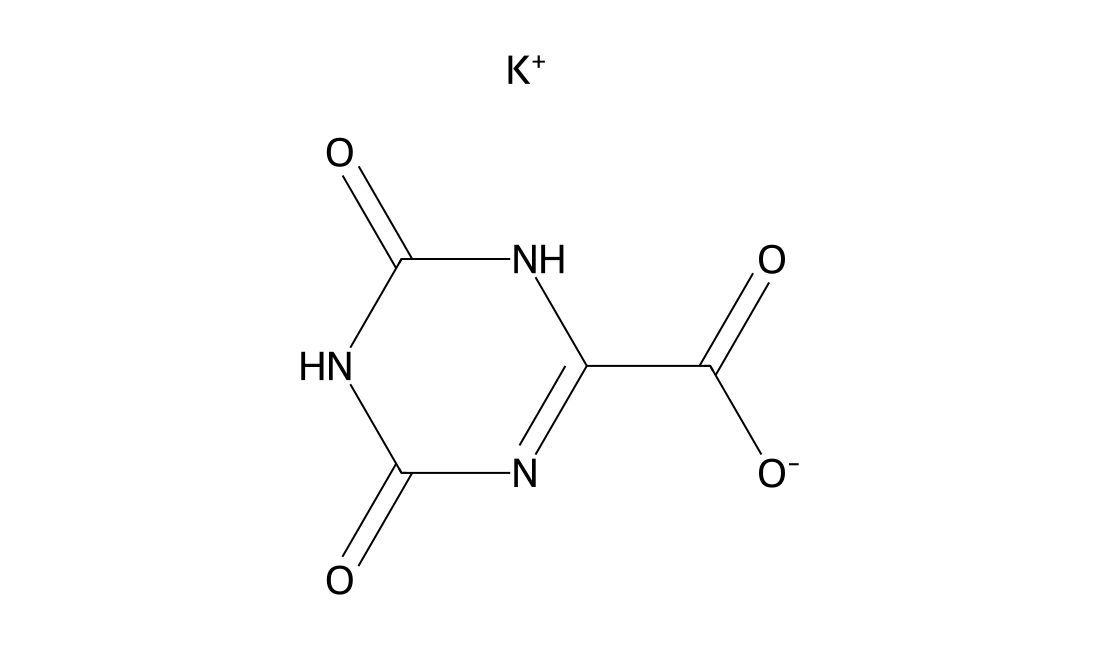
Oxonic acid potassium salt is an inhibitor of uricase, oxonic inhibits the phosphorylation of 5-FU to 5-fluorouridine-5'-monophosphate catalyzed by pyrimidine phosphoribosyl-transferase in a different manner from allopurinol in cell-free extracts and intact cells in vitro.On p.o. administration of 5-FU (2 mg/kg) and a potent inhibitor of 5-FU degradation to Yoshida sarcoma-bearing rats, oxonic acid (10 mg/kg) was found to inhibit the formation of 5-fluorouridine-5'-monophosphate from 5-FU and its subsequent incorporation into the RNA fractions of small and large intestine but not of tumor and bone marrow tissues. Oxonic acid diet increased plasma uric acid by 80-90 micromol/l, while blood pressure was elevated only in hyperuricemic 5/6 nephrectomy rats (18 mmHg).
Otilonium (bromide)Featured
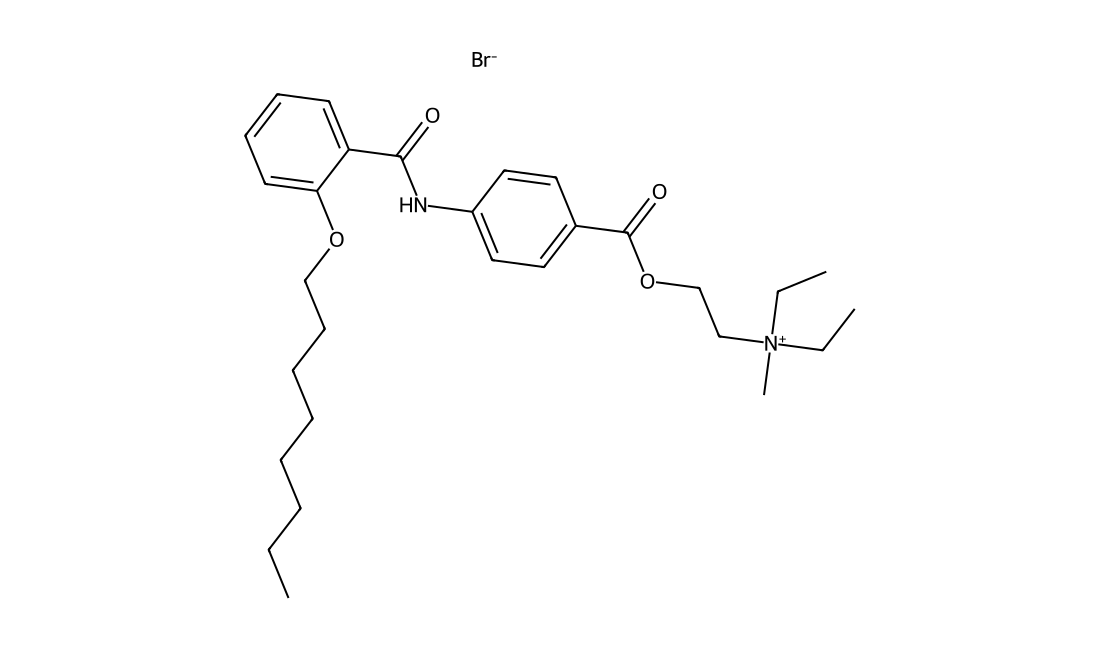
Otilonium Bromide is an antimuscarinic used as a spasmolytic agent. Otilonium bromide inhibited the generation of ACh-induced calcium signals in a dose dependent manner (IC50=880 nM). Otilonium, a clinically useful spasmolytic, behaves as a potent blocker of neuronal nicotinic acetylcholine receptors (AChR). Whole-cell Ba2+ currents (IBa) through Ca2+ channels of voltage-clamped chromaffin cells were blocked by otilonium with an IC50 of 6.4 microM. Otilonium inhibited the secretory responses induced by 10 s pulses of 50 microM DMPP with an IC50 of 7.4 nM. Otilonium bromide may represent an effective treatment for irritable bowel syndrome because it reduces its predominant symptom (abdominal pain/ discomfort) more than placebo does. ilonium bromide (OB) is a spasmolytic agent that blocks L-Type Calcium channels in human colonic smooth muscle. otilonium bromide is safe, well tolerated and superior to placebo in reducing the frequency of abdominal pain, severity of abdominal bloating and protecting from symptom relapse in IBS. These results further confirm that patients with IBS can improve during and following treatment with otilonium bromide.
OtamixabanFeatured
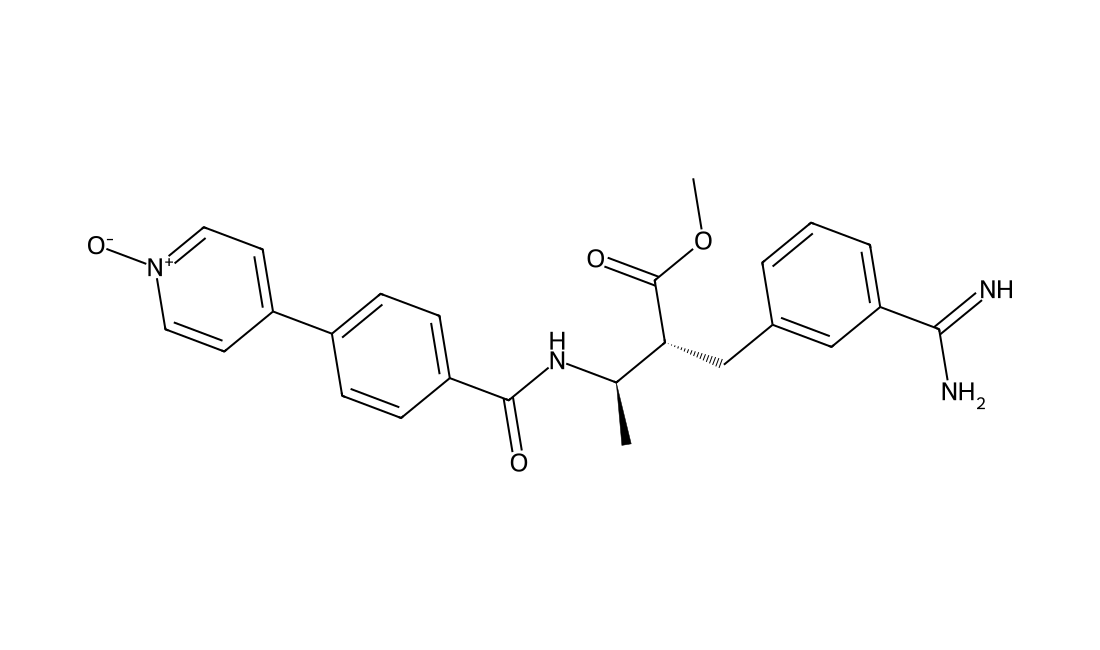
Otamixaban(FXV673) is a potent (Ki = 0.5 nM), selective, rapid acting, competitive and reversible fXa inhibitor that effectively inhibits both free and prothrombinase-bound fXa. Otamixaban is a potent (Ki = 0.5 nM), selective, rapid acting, competitive and reversible fXa inhibitor that effectively inhibits both free and prothrombinase-bound fXa. In vivo experiments have demonstrated that Otamixaban is highly efficacious in rodent, canine and porcine models of thrombosis. In addition, recent clinical findings indicate that Otamixaban is efficacious, safe and well tolerated in humans and therefore has considerable potential for the treatment of acute coronary syndrome. This review article chronicles the discovery and pre-clinical data surrounding the fXa inhibitor Otamixaban as well as the recent clinical findings in humans.
OmbitasvirFeatured
Ombitasvir is an orally bioavailable and potent inhibitor of the hepatitis C virus (HCV) non-structural protein 5A (NS5A).It reduces HCV replication in stable replicon cell lines with EC50 values ranging from 0.82 to 19.3 pM against genotypes 1a, 1b, 2a, 2b, 3a, 4a, and 5a and an EC50 value of 366 pM for genotype 6a.Against subgenomic replicons from clinical isolates of genotypes 1a-6a expressed in Huh-7 derived cells, ombitasvir inhibits HCV replication with EC50 values ranging from 0.1 pM for genotype 4a to 68 pM for genotype 6a.Formulations containing ombitasvir have been used in the treatment of HCV genotypes 1 and 4.
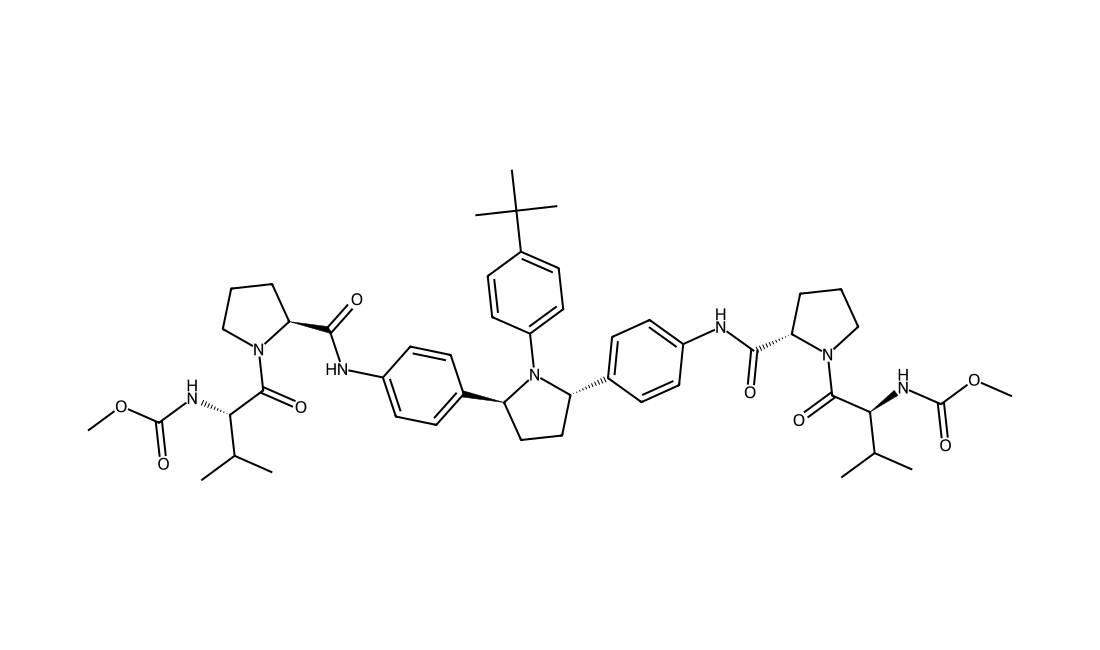
Olutasidenib (FT-2102)Featured
Olutasidenib (FT-2102) is a highly potent, selective small molecule inhibitor of IDH1 mutations. Scientists use it in the research of human acute myeloid leukemia. To our delight, it has entered clinical research. In the phase 1/2 study, Olutasidenib is well tolerated both as a sing-treatment and in combination with azacitidine.Overall, Olutasidenib exhibits favorable safety and PK/PD. It inhibits IDH1 mutations in AML patients. Further study need to be done to explore more potential in the treatment of acute myeloid leukemia.
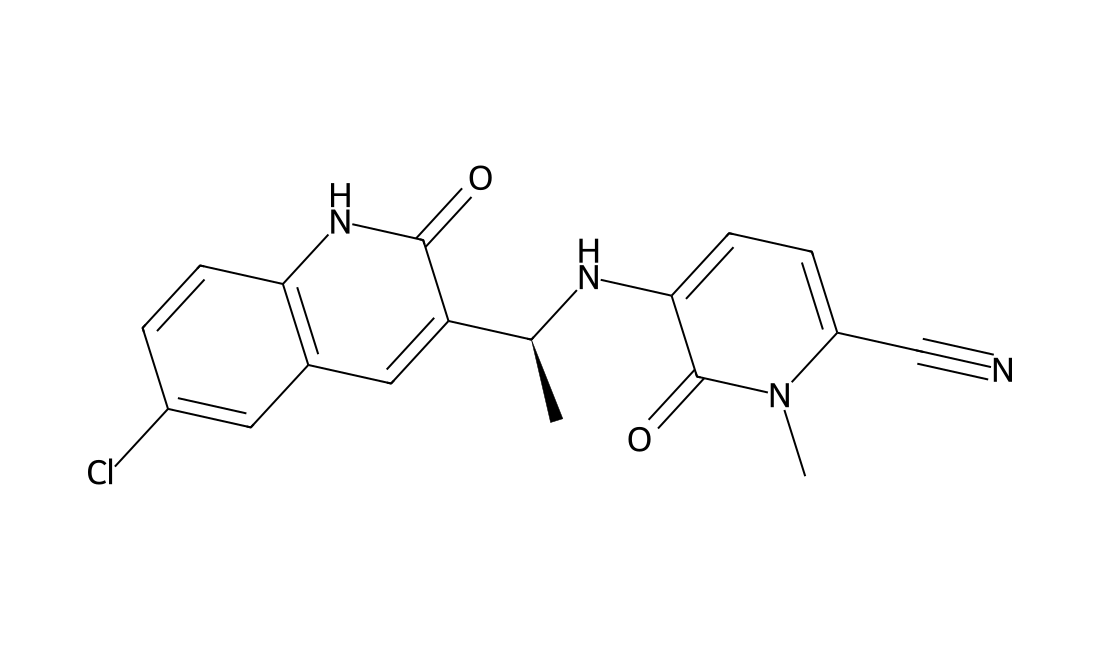
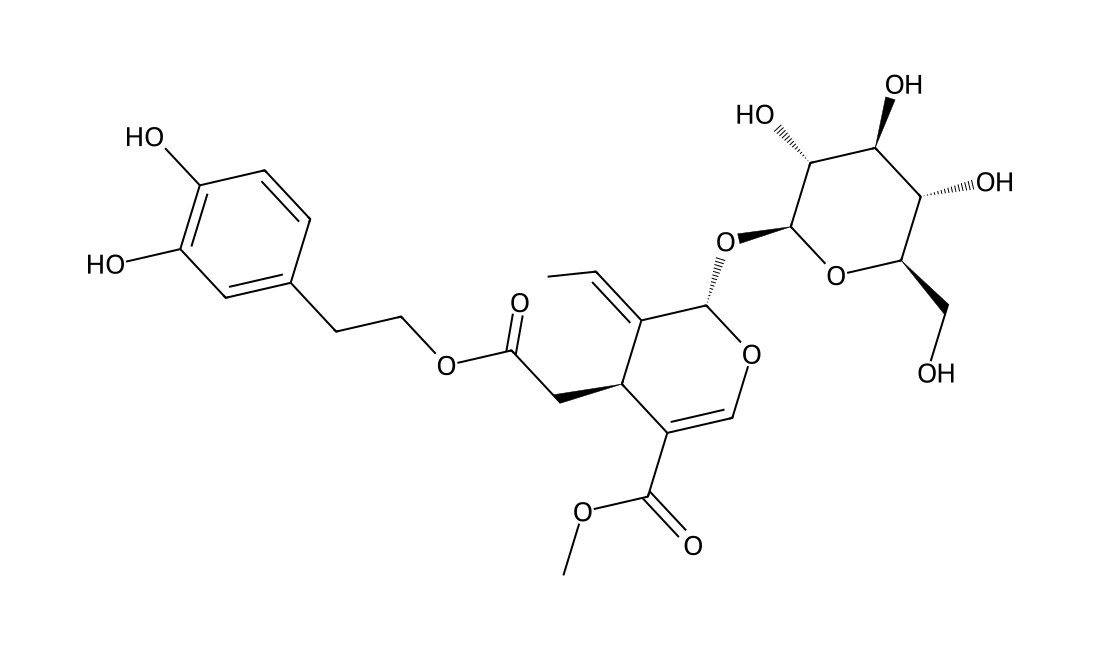
OleuropeinFeatured
Oleuropein is an antioxidant polyphenol isolated from olive leaf.
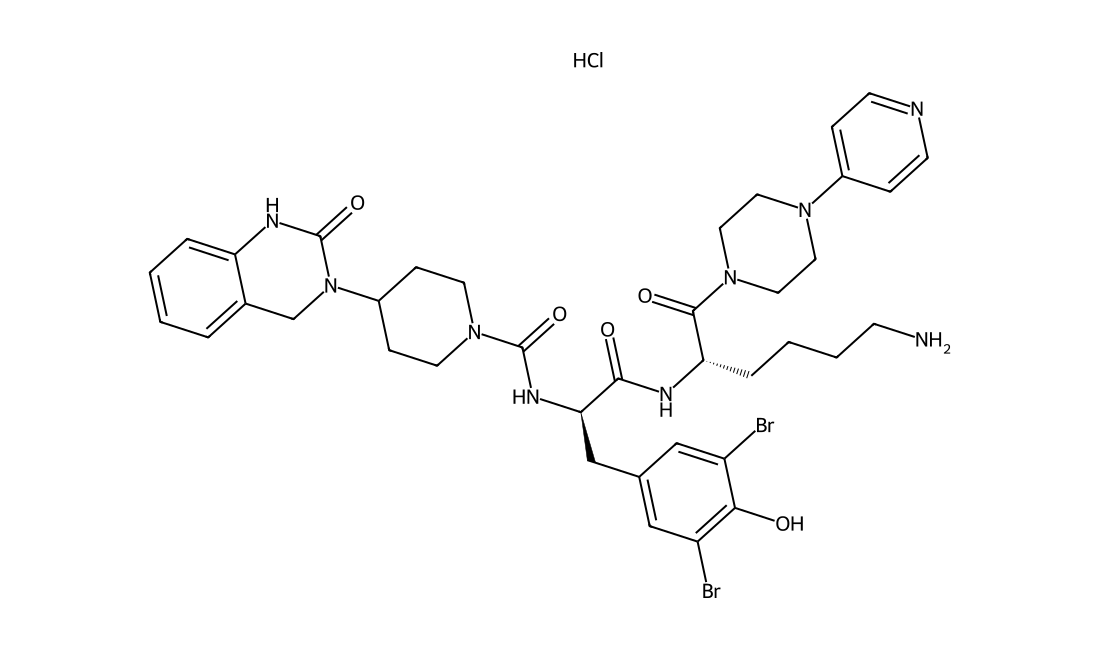
Olcegepant hydrochlorideFeatured
Olcegepant possesses higher affinity for the human CGRP receptor than the endogenous ligand CGRP and 150-fold higher affinity compared to the peptidic antagonist CGRP8-37. Olcegepant reverses CGRP-mediated vasodilation in human cerebral vessels and inhibits neurogenic vasodilation in a surrogate animal model of migraine pathophysiology. Olcegepant (BIBN4096BS) is extremely potent at primate CGRP receptors exhibiting an affinity (Ki) for human CGRP receptors of 14.4±6.3 (n=4) pM. Several lines of evidence suggest that a calcitonin-gene related peptide (CGRP) receptor antagonist may serve as a novel abortive migraine treatment. Olcegepant (BIBN4096BS) exhibits competitive antagonism at the CGRP receptor present in SK-N-MC cells. Isolated human cerebral, coronary, and omental arteries are studied with a sensitive myograph technique. CGRP induces a concentration-dependent relaxation that is antagonized by Olcegepant in a competitive manner.Olcegepant (BIBN4096BS) in doses between 1 and 30 μg/kg (i.v.) inhibits the effects of CGRP, released by stimulation of the trigeminal ganglion, on facial blood flow in marmoset monkeys. Pre-treatment with Olcegepant (900 μg/kg) inhibits the capsaicin-induced expression of Fos throughout the spinal trigeminal nucleus by 57%. In contrast, the expression of phosphorylated extracellular signal-regulated kinase in the trigeminal ganglion is not changed by Olcegepant pre-treatment. Olcegepant (0.3 to 0.9 mg/kg, i.v.) markedly reduces mechanical allodynia in CCI-ION rats. Olcegepant (0.6 mg/kg, i.v.) significantly reduces the number of c-Fos immunolabeled cells in spinal nucleus of the trigeminal nerve and upregulation of ATF3 transcript (a marker of neuron injury) but not that of interleukin-6 in trigeminal ganglion of CCI-ION rats[5].
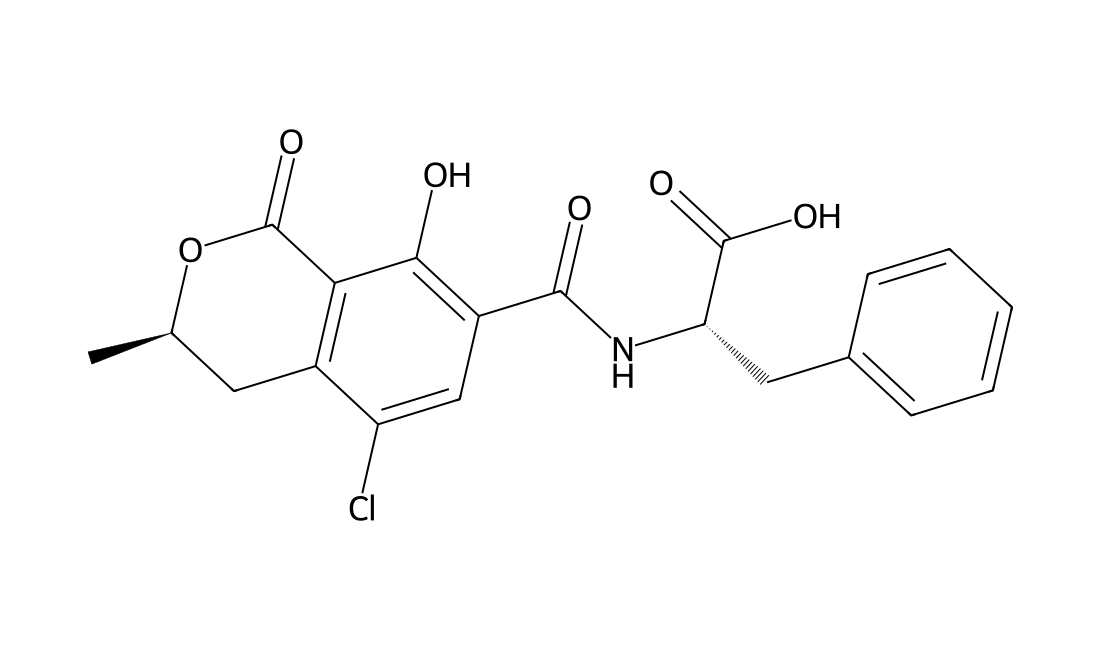
Ochratoxin B(OTB)Featured
Ochratoxin B(OTB) is a non-chlorinated analog of OTA that has cytotoxic effects on kidney and liver cells in vitro but only minor effects in vivo, due to its rapid metabolism and excretion.OTB inhibits cell proliferation of human liver HepG2 cells at doses as low as 1 µg/ml but lacks the genotoxic activity of OTA, even at higher concentrations.
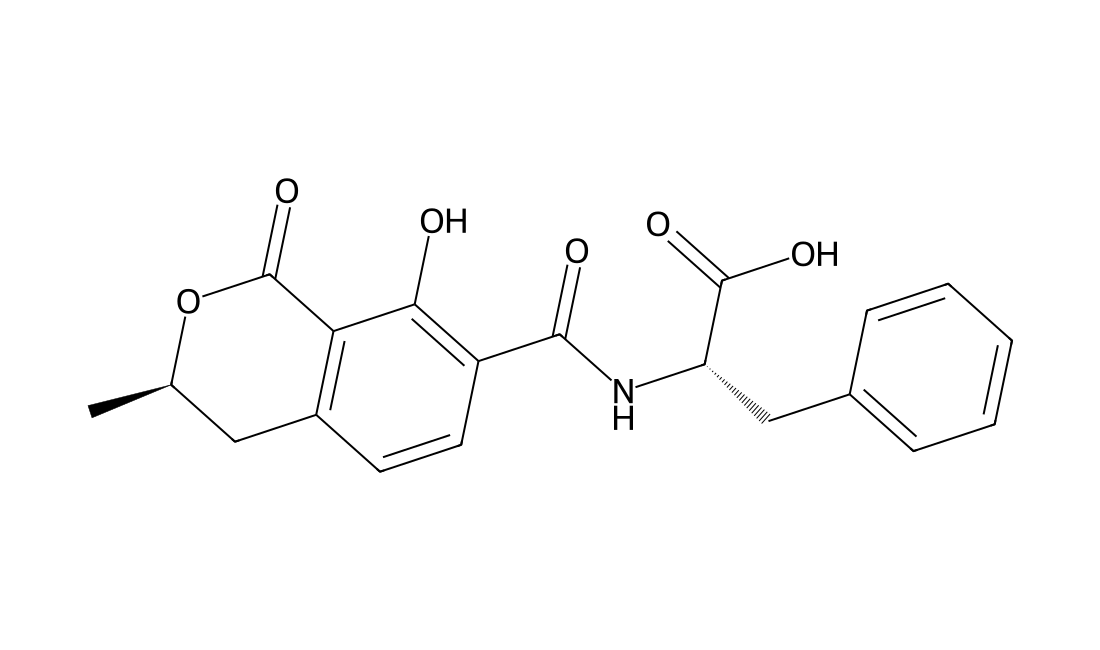
Ochratoxin A(OTA)Featured
Ochratoxin A is a mycotoxin isolated from the Aspergillus ochraceus mold, a common fungal presence on moldy food. Ochratoxin A demonstrates nephrotoxicity and teratogenesis in animals, and shows inhibition of bacterial, yeast, and liver FARSL (phenylalanyl-tRNA synthetases) competitive with phenylalanine. As these activities are partially attenuated by phenylalanine, Ochratoxin A is suggested to produce its effects through interacting with proteins that recognize phenylalanine as a substrate, and has been demonstrated to inhibit PAH (phenylalanine hydroxylase). Derivatives of Ochratoxin A with other amino acid moieties substituted for the phenylalanine-mimic portion of the molecule demonstrate inhibition of the aminoacyl tRNA synthetases respective to those amino acids. Ochratoxin A is described to enhance lipid peroxidation and also present DNA single strand breaks, both suggesting oxidative damage as a partial mediator of Ochratoxin A cellular effects, and EPR spectroscopy with a spin trap agent identified the production of hydroxyl radicals by Ochratoxin A in the presence of NADPH. The nephrotoxic effects of Ochratoxin A are shown to be prevented by SOD (superoxide dismutase) and catalase, further indicating oxidative damage as the mediator of Ochratoxin A toxicity. Ochratoxin A is also demonstrated to increase ATP-dependent Ca2+ pump activity in renal cortex endoplasmic reticulum.
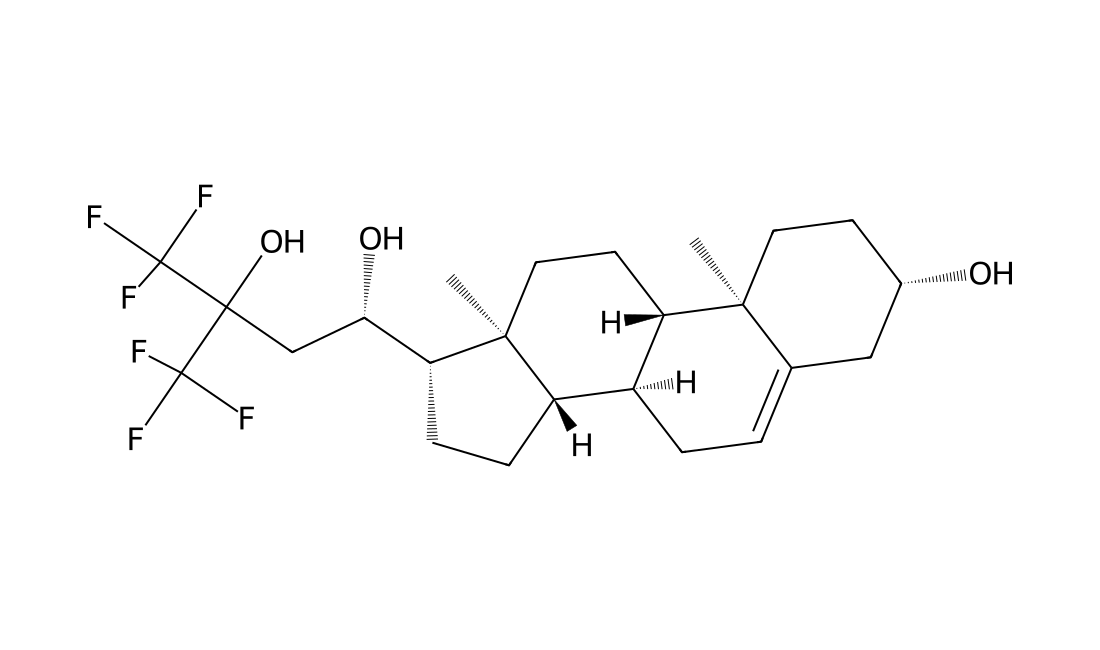
NSC-12Featured
NSC12 is a PTX3-derived anti-FGF small molecule, inhibits FGF-dependent tumor growth, angiogenesis, and metastases,acts as a small-molecule FGF trap in cancer therapy.
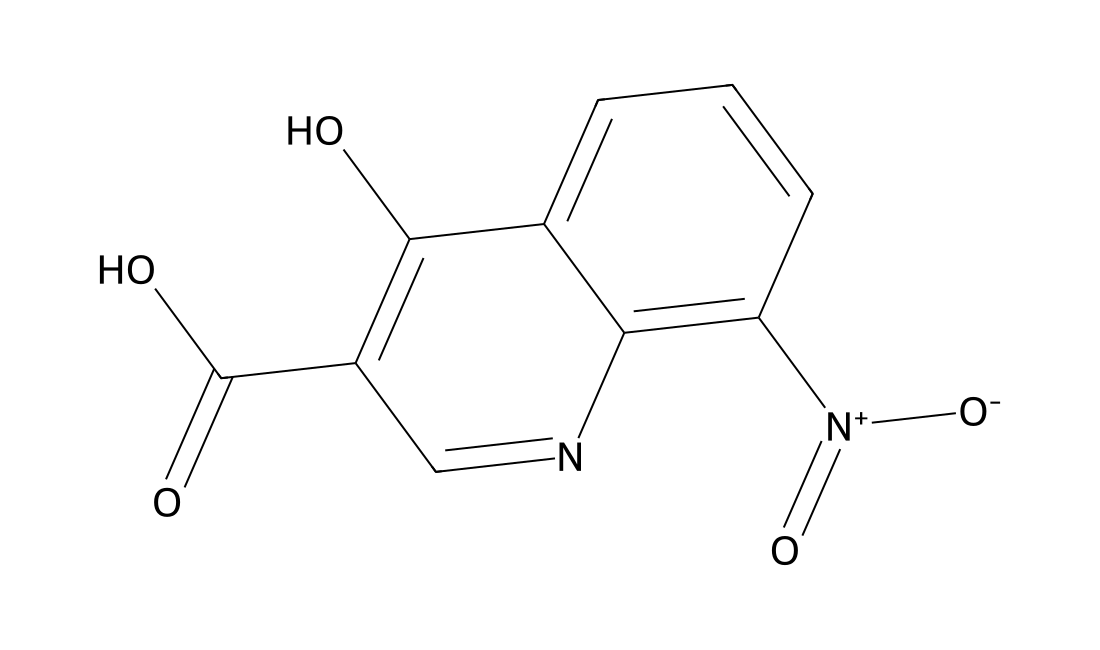
NSC 15765Featured
NSC 15765 (Compound C5, DNA2 inhibitor C5) is an effective, selective and competitive inhibitor of DNA2 nuclease with IC50 of 20 uM; poorly inhibits the activities of the other two nucleases, FEN1 and EXO1; suppresses resection-related homology directed repair (HDR) and single-stand annealing (SSA) and causes accumulation of phosphorylated RPA foci, and inhibits restart of stalled DNA replication forks and over-resection of nascent DNA in cells defective in fork protection; exhibits cytotoxicity against a panel of 18 cell lines with IC50 of 7-70 uM; sensitizes cells to PARP inhibitor MK-4827; also sensitizes cells to CPT and synergizes with PARP inhibitors; also can mimics DNA2 knockout and synergistically kills cancer cells when combined with an ATR inhibitor.
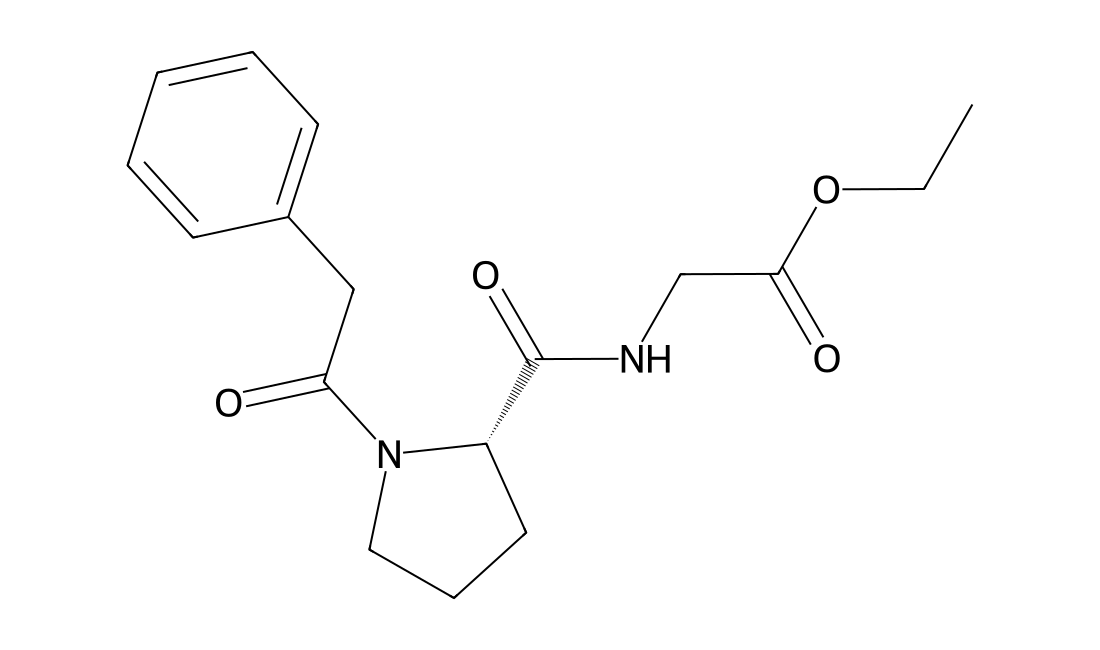
NoopeptFeatured
Noopept (GVS-111) is a medication promoted and prescribed in Russia and neighbouring countries as a nootropic. in vitro: Nooglutil exhibits pharmacologically significant competition with a selective agonist of AMPA receptors ([G-3H]Ro 48-8587) for the receptor binding sites (with IC50 = 6.4 +/- 0.2 microM), while the competition of noopept for these receptor binding sites was lower by an order of magnitude (IC50 = 80 +/- 5.6 microM). GVS-111 significantly increased neuronal survival after H(2)O(2)-treatment displaying a dose-dependent neuroprotective activity from 10 nM to 100 microM, and an IC(50) value of 1.21+/-0.07 microM. GVS-111 inhibited the accumulation of intracellular free radicals and lipid peroxidation damage in neurons treated with H(2)O(2) or FeSO(4), suggesting an antioxidant mechanism of action. in vivo: N-Phenylacetyl-L-prolylglycine ethyl ester (GVS-111) administered intravenously at a dose of 0.5 mg/kg/day, for the first time 1 h after ischaemic lesion and then for 9 post-operative days, with the last administration 15 min before testing, attenuated the deficit. GVS-111 itself was not found in rat brain 1 h after 5 mg/kg i.p. administration up to limit of detection (LOD) under high performance liquid chromatography (HPLC) conditions. The most pronounced antiinflammatory effect of dipeptide was observed on the model of adjuvant arthritis in rats, where the drug administered over 25 days in a daily dose of 0.5 mg/kg (i.m.) or 5 mg/kg (p.o.) significantly reduced the chronic immune inflammation (on the 12th day, by 94.0 and 74.1%, respectively). Toxicity: Noopept administered in this dose range induced no irreversible pathologic changes in the organs and systems studied and exhibited no allergenic, immunotoxic, and mutagen activity.
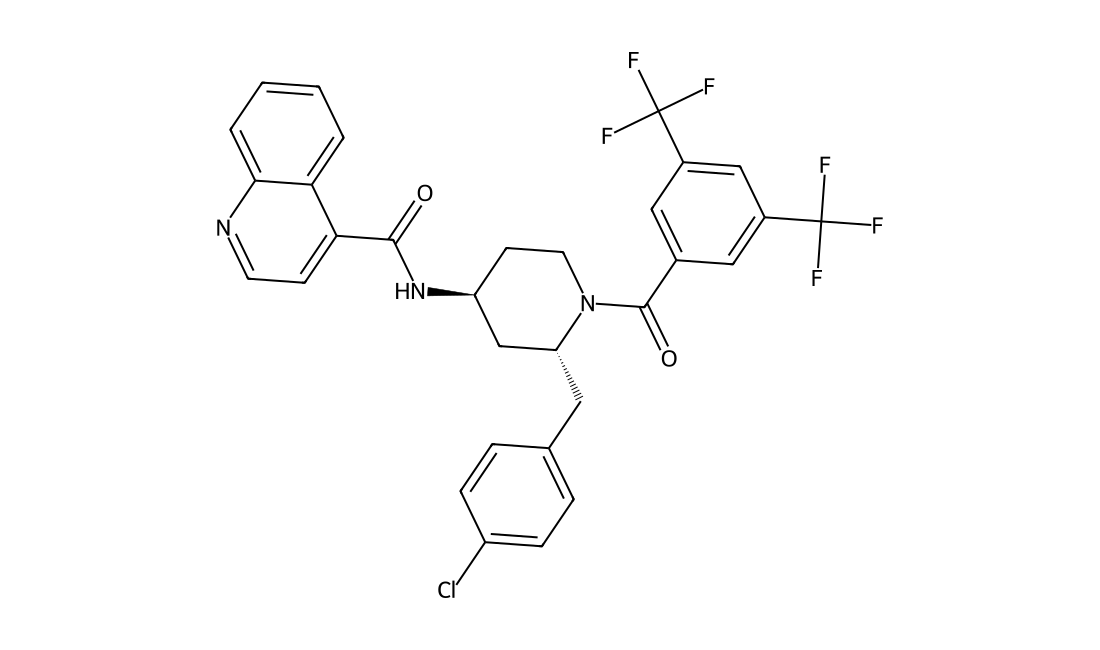
NKP608Featured
NKP608 is a non-peptidic derivative of 4-aminopiperidine which acts as a selective, specific and potent antagonist at the neurokinin-1 (NK-1) receptor both in vitro(IC50=2.6 nM) and in vivo. In vitro, the binding of NKP608 to bovine retina was characterized by an IC50 of 2.6+/-0.4 nM, whereas the compound's affinity to other receptor binding sites, including NK-2 and NK-3, was much lower. Species differences in IC(50) values with NKP608 were less pronounced than with previously described NK-1 receptor antagonists, being 13+/-2 and 27+/-2 nM in gerbil midbrain and rat striatum, respectively. In vivo, using the hind foot thumping model in gerbils, NKP608 exhibited a potent NK-1 antagonistic activity following oral administration (ID(50)=0.23 mg/kg; 2 h pretreatment), supporting a central activity of NKP608. NKP608 may prove a useful anxiolytic compound.
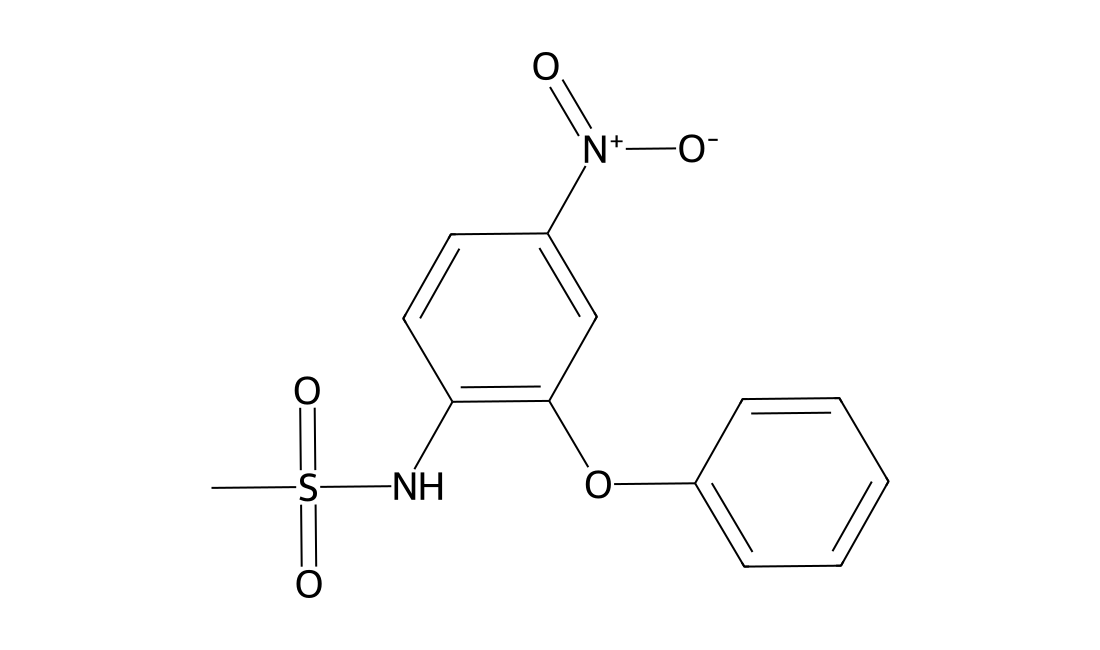
NimesulideFeatured
Nimesulide is a relatively COX-2 selective, non-steroidal anti-inflammatory drug (NSAID) with analgesic and antipyretic properties.Nimesulide is a selective COX-2 inhibitor used in a variety of inflammatory, pain and fever states. After healthy volunteers received oral nimesulide 100 mg in tablet, granule or suspension form the drug was rapidly and extensively absorbed. Mean peak concentrations (Cmax) of 2.86 to 6.50 mg/L were achieved within 1.22 to 2.75 hours of administration. Nimesulide is an NSAID which exerts its analgesic, anti-inflammatory and antipyretic activities thanks to unique chemical and pharmacokinetic characteristics, and to a multifactorial mechanism of action, which goes beyond its preferential inhibitory activity on the COX-2 enzyme. Nimesulide was found to be at least as effective, or superior, to placebo and other NSAIDs, with a particularly fast onset of analgesic action. nimesulide remains an effective and safe therapeutic choice for the treatment of various painful inflammatory conditions, with a rapid onset of analgesic activity and an overall positive benefit/risk profile.
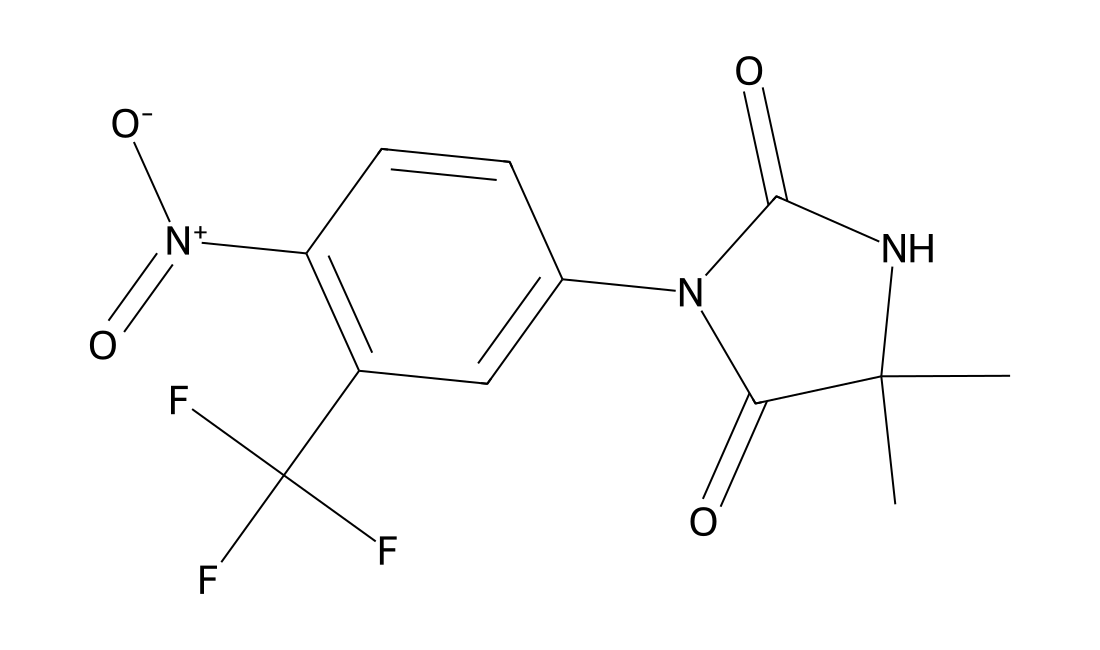
NilutamideFeatured
Nilutamide is an antiandrogen medication used in the treatment of advanced stage prostate cancer. Nilutamide blocks the androgen receptor, preventing its interaction with testosterone. Because most prostate cancer cells rely on the stimulation of the androgen receptor For growth and survival, nilutamide can prolong life in men with prostate cancer. Nilutamide is marketed under the name Nilandron in the United States and under the name Anandron in Canada. NILANDRON® tablets contain nilutamide, a nonsteroidal, orally active antiandrogen having the chemical name 5,5-dimethyl-3-[4-nitro-3-(trifluoromethyl)phenyl]-2,4-imidazolidinedione. Nilutamide is a microcrystalline, white to practically white powder with a molecular weight of 317.25. Its molecular Formula is C12H10F3N3O4. It is freely soluble in ethyl acetate, acetone, chloro Form, ethyl alcohol, dichloromethane, and methanol. It is slightly soluble in water [ < 0.1% W/V at 25°C (77°F)]. It melts between 153°C and 156°C (307.4°F and 312.8°F). Each NILANDRON tablet contains 150 mg of nilutamide. Other ingredients in NILANDRON tablets are corn starch, lactose, povidone, docusate sodium, magnesium stearate, and talc. For the detailed information about the solubility of Nilutamide in water, the solubility of Nilutamide in DMSO, the solubility of Nilutamide in PBS buffer, the animal experiment(test) of Nilutamide, the in vivo,in vitro and clinical trial test of Nilutamide, the cell experiment(test) of Nilutamide, the IC50, EC50 and Affinity of Nilutamide , please contact DC Chemicals.
No products match this search.
Page 422 of 434 · Browse all 8677 products
Jump to a product page
Featured literature product: HX1 · DCL0028
HX1 is a hydroxyzine-derived ionizable lipid with acetal-containing tails, studied in lipid nanoparticles for brain mRNA delivery and CRISPR–Cas9 delivery. It was the lead in the reported in vivo brain-delivery screen; evidence is preclinical and formulation-dependent.
Read full formulation and performance →