
Research lipid catalog
Ionizable Lipid Products
Explore 848 lipid and RNA delivery products. Search the full catalog or browse by research category.
Search covers product name, catalog number, synonyms, available CAS numbers and categories. Spaces, hyphens and common punctuation are ignored. Duplicate legacy records are consolidated under one canonical product result.
8677 products · Showing 8501–8520 · 20 per page
DC Chemicals lipid expertise
Built for ionizable-lipid discovery and RNA delivery research
DC Chemicals supports formulation and delivery research with a broad, searchable portfolio of cationic and ionizable lipids. The current directory brings together 848 unique research-use products, with product specifications, pricing, chemical structures and literature-linked formulation data added as each record is verified.
Our experience spans complex lipid synthesis, purification, analytical release and process development. For custom molecules or larger-scale requirements, our team can discuss route development, technical specifications and scale-up options for the intended research workflow.
Learn about cationic and ionizable lipids →Proprietary innovation · Co-development · GMP
From proprietary lipid design to GMP-grade custom synthesis
DC Chemicals has independently developed ionizable-lipid structures supported by company-owned intellectual property, and selected proprietary lipid programs have advanced to GMP-stage development.
We welcome joint development with customers—from molecular design and lipid synthesis through route and process development. We can also support custom synthesis of GMP-grade ionizable lipids to agreed technical specifications and quality requirements.
Discuss a co-development project →Proprietary ionizable-lipid structuresCollaborative molecular designCustom lipid synthesisProcess development and scale-upGMP-grade project support
Product quick links
Explore New ionizable lipids
Explore our five most recently added ionizable lipids, with specifications, pricing and literature-linked product information.
DCL0028HX1Brain RNA delivery researchView product →DCL0024A1I4R13C18-2Spleen-targeted RNA delivery researchView product →DCL0023A1I4R2C18-2Spleen-targeted RNA delivery researchView product →DCL0022FS01Local joint RNA delivery researchView product →DCL0020Lipid-392Lung RNA delivery and gene editing researchView product →
Cat. No.Product NameField of ApplicationChemical Structure
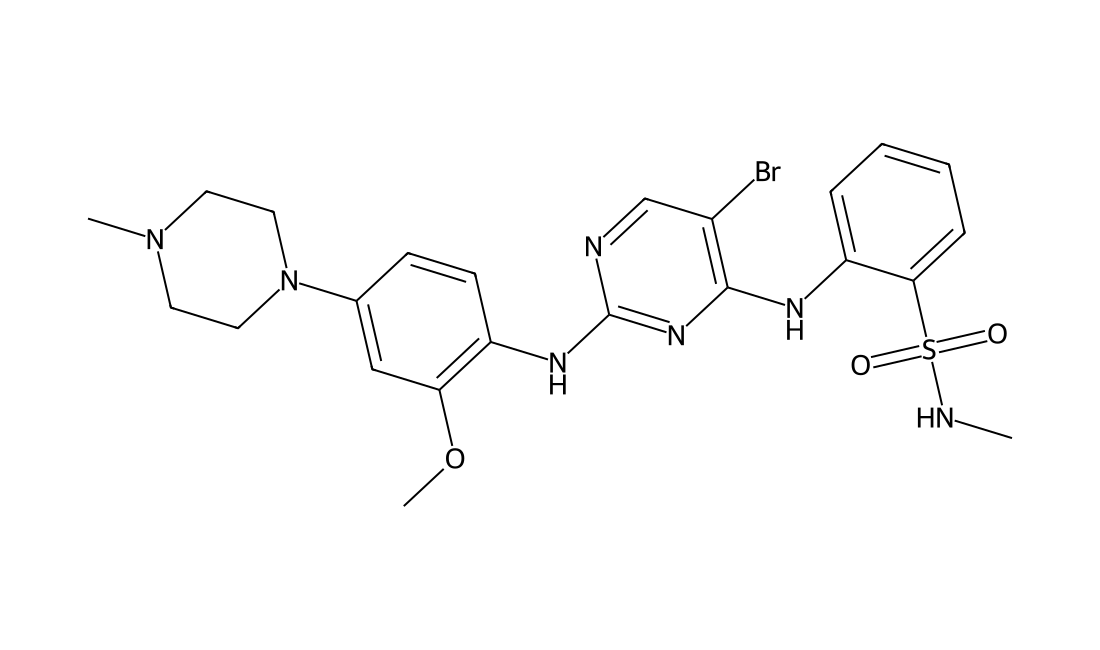
ALK inhibitor 1Featured
ALK inhibitor 1 is a novel and selective inhibitor for the ALK kinase.
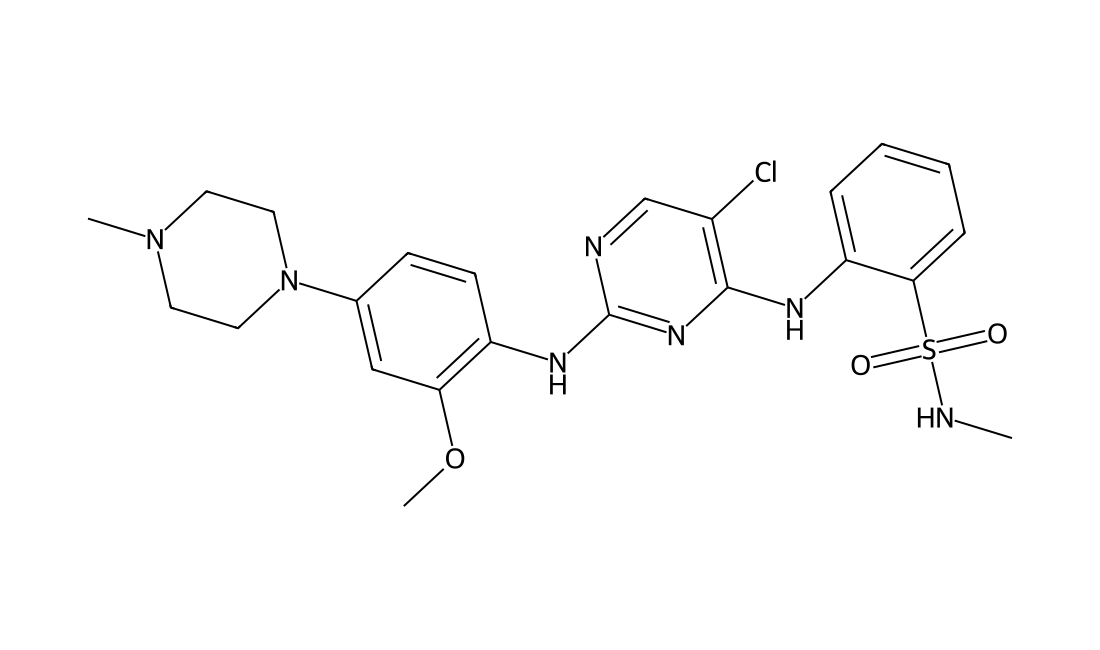
ALK inhibitor 2Featured
ALK inhibitor 2 is a novel and selective inhibitor for the ALK kinase.
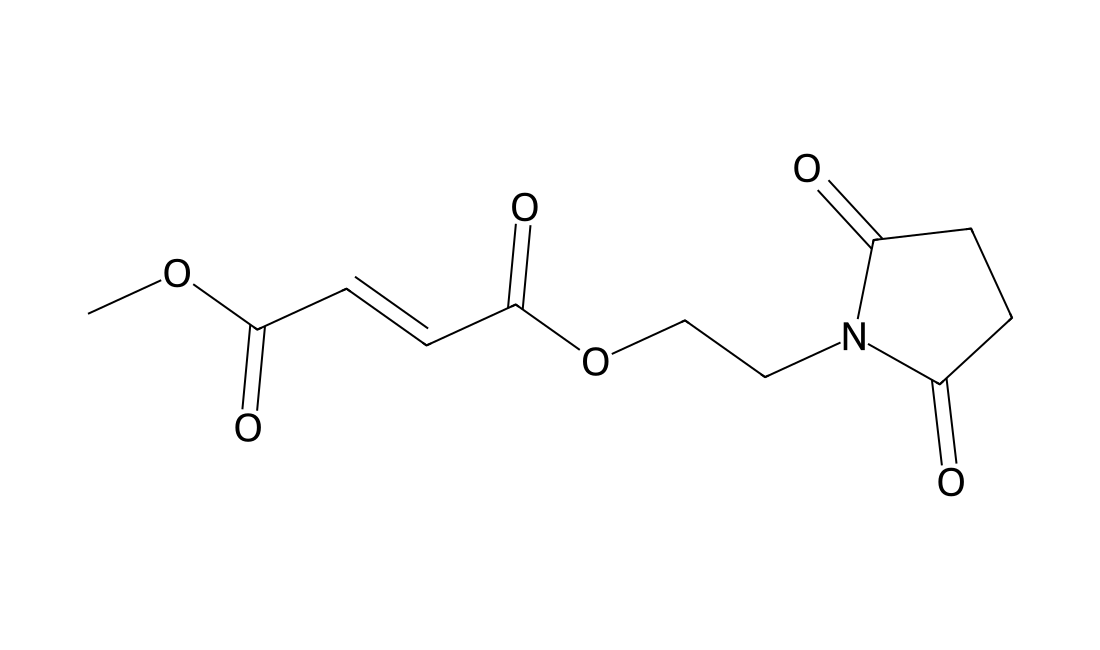
Diroximel Fumarete(ALKS-8700)Featured
Diroximel fumarate (DRF) is a prodrug of monomethyl fumarate in a controlled-release formulation that rapidly and efficiently converts to MMF in the body[1].
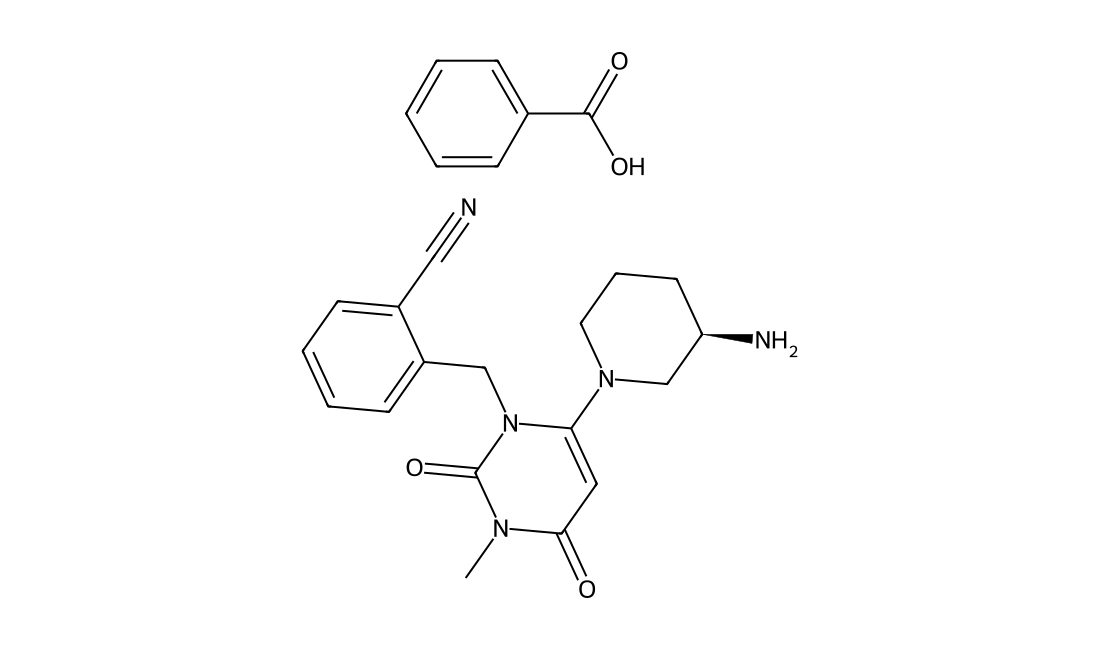
Alogliptin BenzoateFeatured
Alogliptin benzoate(SYR 322) is a potent, selective inhibitor of DPP-4 with IC50 of <10 nM, exhibits greater than 10,000-fold selectivity over DPP-8 and DPP-9.
AMG-319Featured
AMG319 is a potent and selective PI3Kδ kinase inhibitor with IC50 of 18 nM.
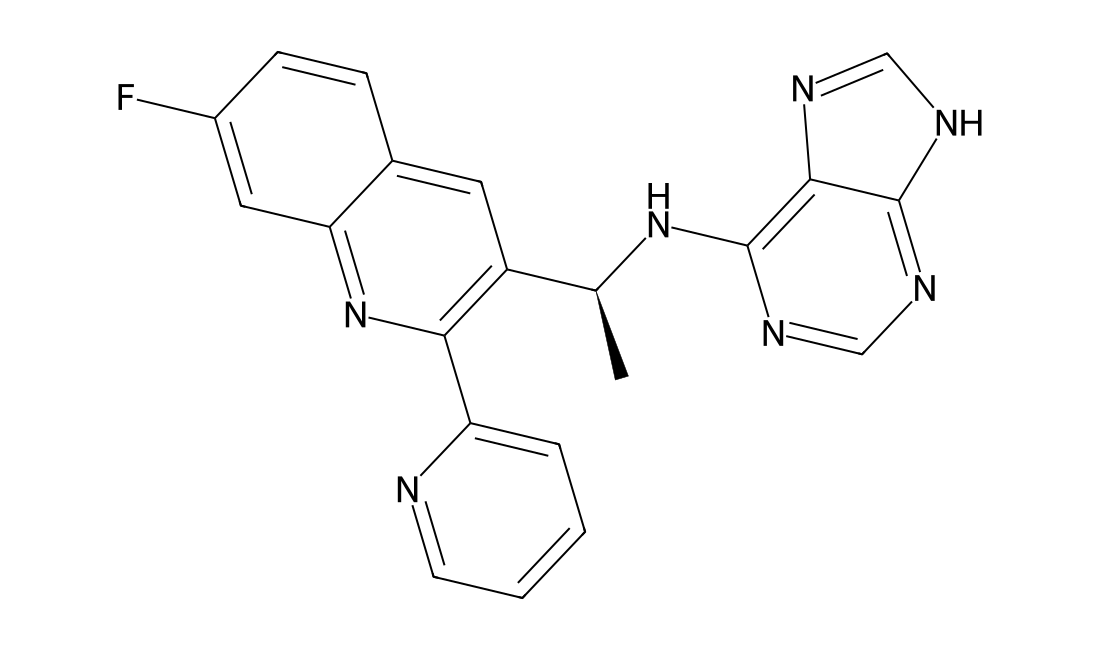
AMG337Featured
AMG-337 is a potent and highly selective small molecule ATP-competitive MET kinase inhibitor. AMG 337 inhibits MET kinase activity with an IC50 of < 5nM in enzymatic assays.
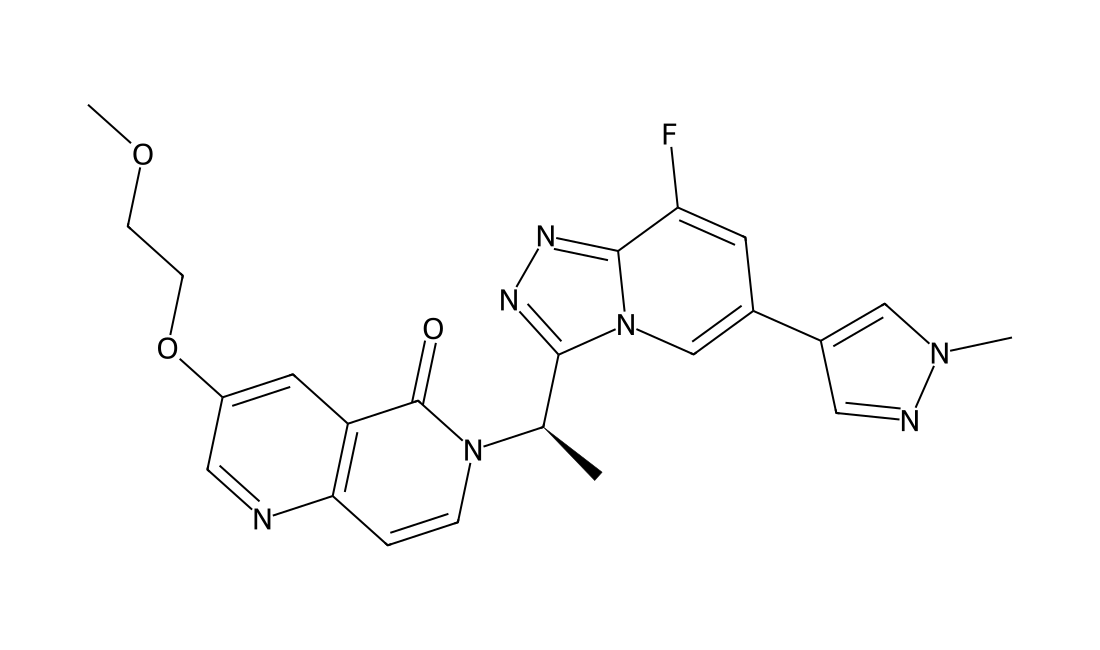
Amuvatinib (MP-470)Featured
Amuvatinib (MP-470) is a potent and multi-targeted inhibitor of c-Kit, PDGFRα and Flt3 with IC50 of 10 nM, 40 nM and 81 nM, respectively.
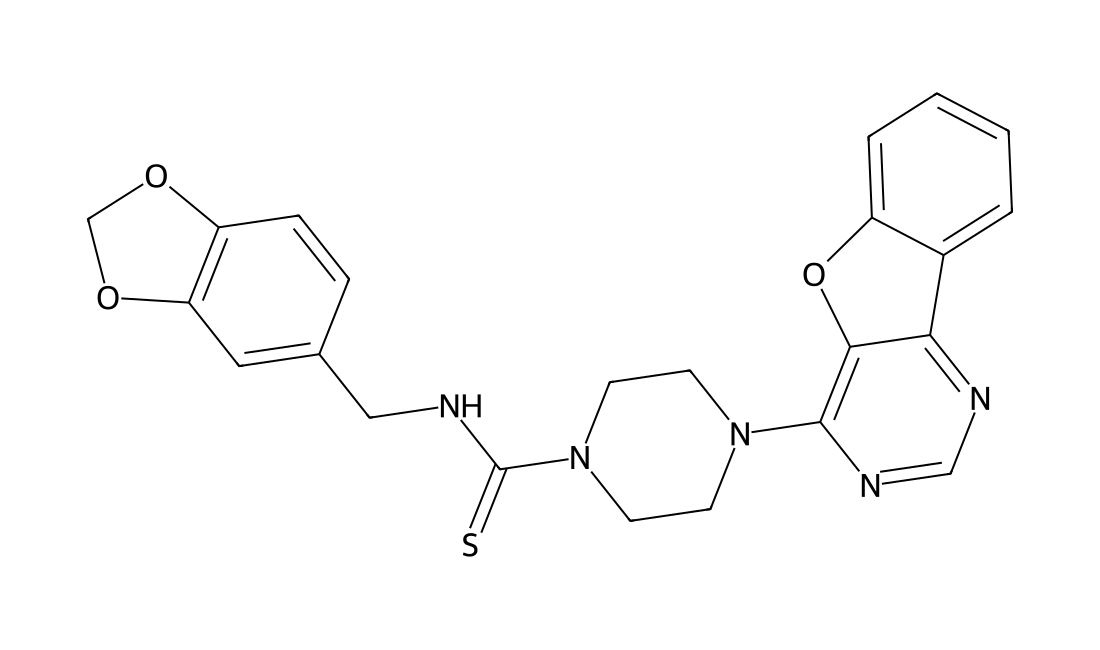
Metronidazole Benzoate is the benzoate ester of metronidazole, a synthetic nitroimidazole derivative with antiprotozoal and antibacterial activities.
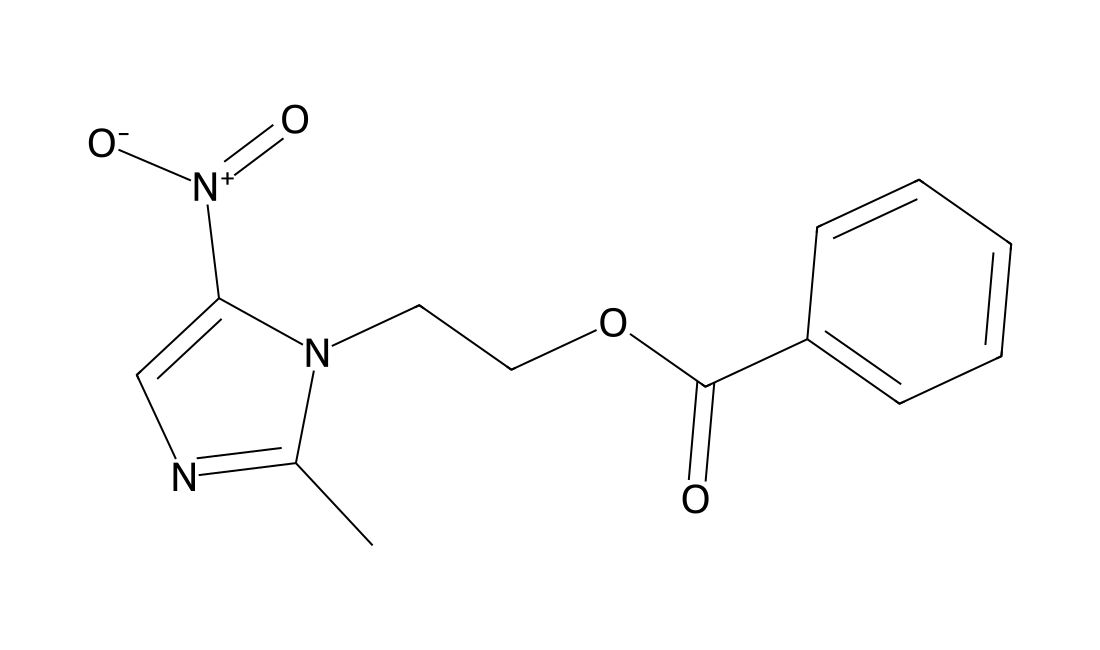
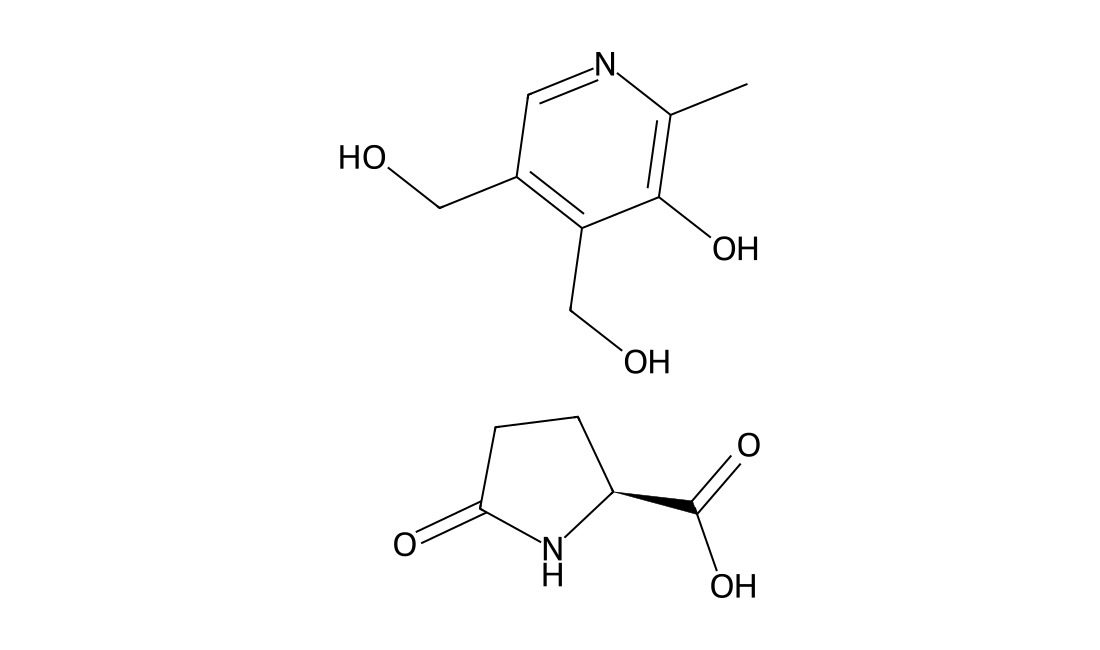
MetadoxineFeatured
In Vitro Simultaneous Metadoxine treatment notably inhibits adipogenic differentiation in a dose-dependent manner. Metadoxine treatment from day 4 through day 8 is required for inhibition of MDI-induced preadipocyte differentiation. Metadoxine prevents glutathione depletion and the increase in lipid peroxidation damage caused by ethanol and acetaldehyde in HepG2 cells. In hepatic stellate cells, Metadoxine prevents the increase in collagen and attenuated TNF-α secretion caused by acetaldehyde. Thus, Metadoxine could be useful in preventing the damage produced in early stages of alcoholic liver disease as it prevents the redox imbalance of the hepatocytes and prevents TNF-α induction, one of the earliest events in hepatic damage.
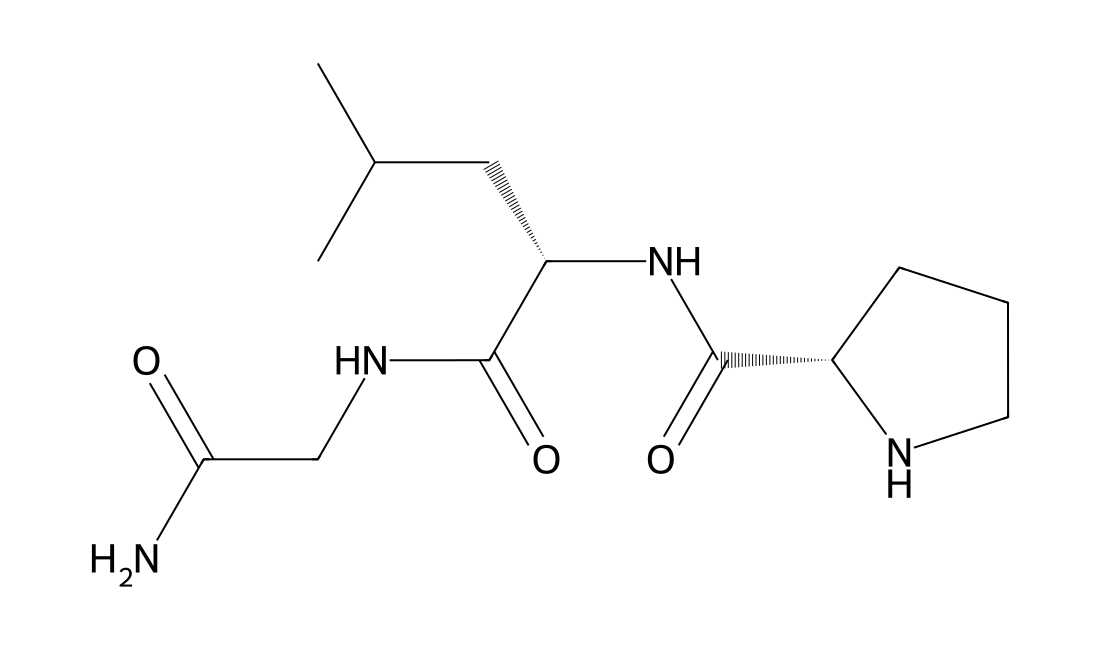
MIF-1Featured
Melanocyte-stimulating hormone release-inhibiting factor (MSH-R-IF) is a hypothalamic tripeptide that binds to rat striatum (Kd = 4.69 nM) and has diverse biological activities.In vivo, MSH-R-IF (0.1 mg/kg) decreases immobility of mice in the forced swim test, indicating antidepressant-like activity.MSH-R-IF (20 mg/kg) increases striatal concentration of dopamine and the dopamine metabolites DOPAC, 3-methoxy tyramine, and homovanillic acid (HVA) in a mouse model of Parkinson's disease induced by MPTP.It decreases vacuous chewing movements induced by haloperidol in a rat model of tardive dyskinesia when administered at a dose of 2 mg/kg.4 MSH-R-IF also has anti-opiate effects, reversing analgesia induced by morphine and an enkephalin in mice in a radiant heat tail-flick assay.
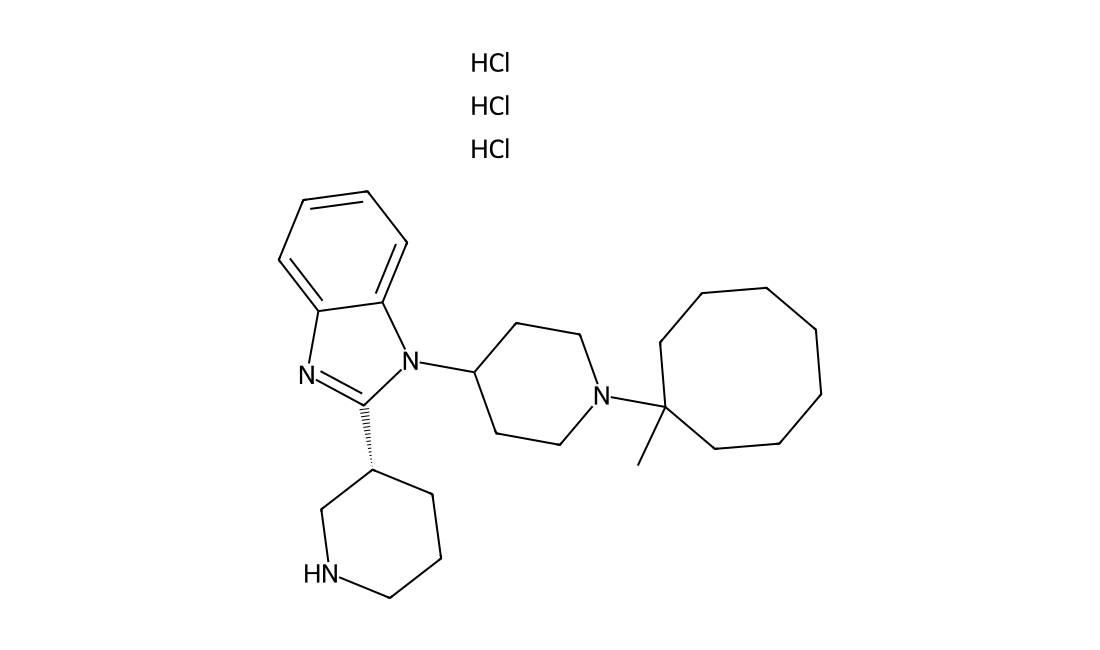
MCOPPB triHydrochlorideFeatured
MCOPPB 3Hcl is a nociceptin receptor agonist with pKi of 10.07; weaker activity at other opioid receptors.
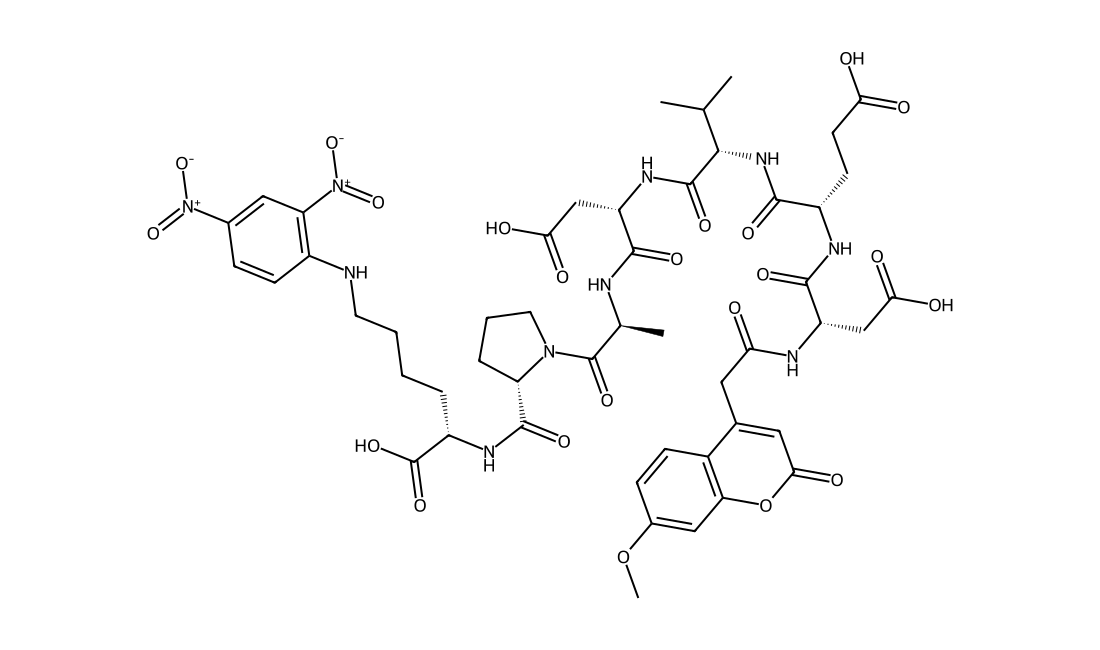
CPP32 Fluorogenic Substrate IIIFeatured
Mca-DEVDAPK(Dnp)-OH is a substrate for caspase-3.Upon cleavage by caspase-3, 7-methoxycoumarin-4-acetyl (Mca) is released and its fluorescence can be used to quantify caspase-3 activity. Mca displays excitation/emission maxima of 328/420 nm, respectively.
MaropitantFeatured
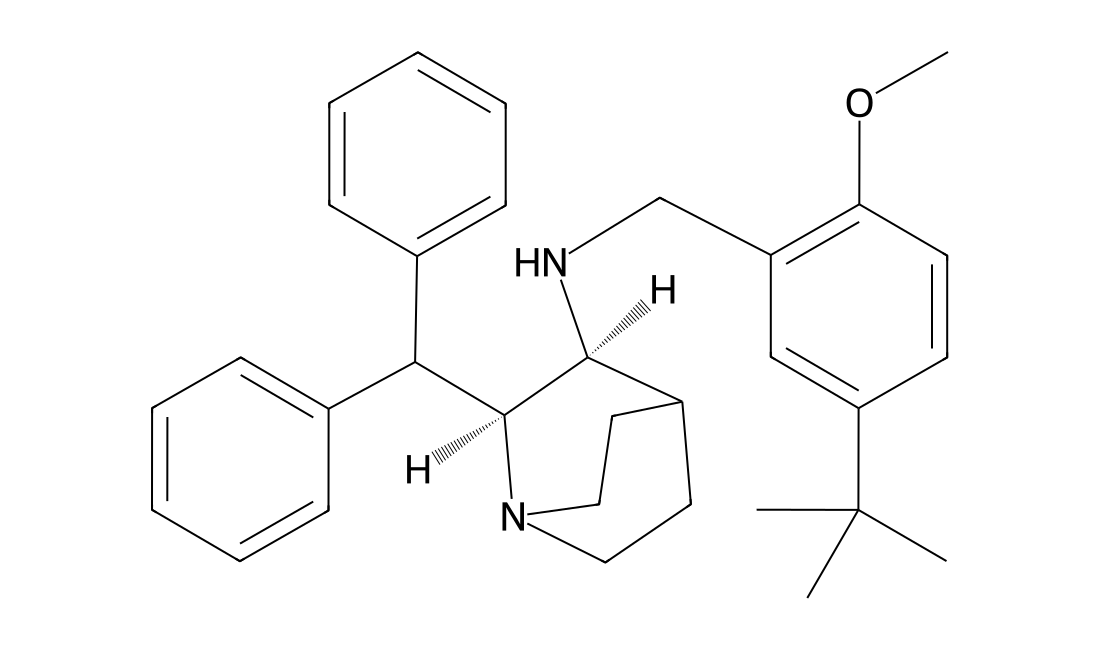
Maropitant is a neurokinin (NK1) receptor antagonist. Maropitant is the first NK1 receptor antagonist developed to treat and prevent emesis in dogs. Treatment with 1 mg/kg Maropitant citrate, significantly reduced the size of ulcerative dermatitis (UD) lesions in mice. Intravenous Maropitant decreased (p < 0.05) MAC by 16% (1.74 ± 0.17%). In contrast, epidural administration of either saline or Maropitant did not change (p > 0.05) the MAC (2.17 ± 0.34% and 1.92 ± 0.12%, respectively).
LY354740Featured
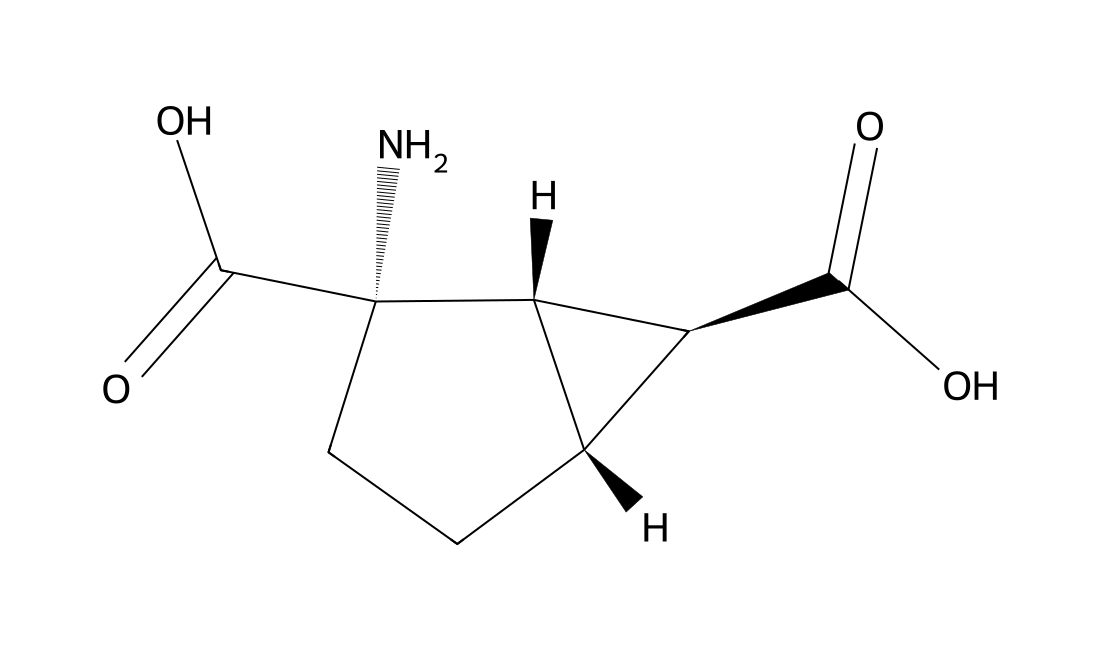
LY354740 is an agonist of the group II metabotropic glutamate receptor (mGluR) subtypes mGluR2 and mGluR3 (Kis = 99 and 94 nM, respectively).It inhibits forskolin-stimulated cAMP accumulation in cells expressing human mGluR2 and mGluR3 (EC50s = 5.1 and 24.3 nM, respectively) and is selective for mGluR2 and mGluR3 over mGluR4, mGluR7, mGluR1a, and mGluR5a (EC50s = >100 µM).LY354740 suppresses electrically stimulated excitatory postsynaptic potentials (EPSPs) in rat striatal neurons (EC50 = 20 nM) and excitatory postsynaptic currents (EPSCs) induced by serotonin in rat medial prefrontal cortex in vitro (EC50 = 89.1 nM).LY354740 (5 mM) iontophoretically ejected into the ventrobasal thalamus of rats reduces sensory inhibition by 20% compared to control in an alternating test, condition-test paradigm.It attenuates the effects of PCP on working memory, stereotypy, locomotion, and cortical glutamate efflux in a rat model of schizophrenia when administered at a dose of 10 mg/kg.LY354740 also shows efficacy in animal models of anxiety, epilepsy, and withdrawal from nicotine and morphine.
LY 344864Featured
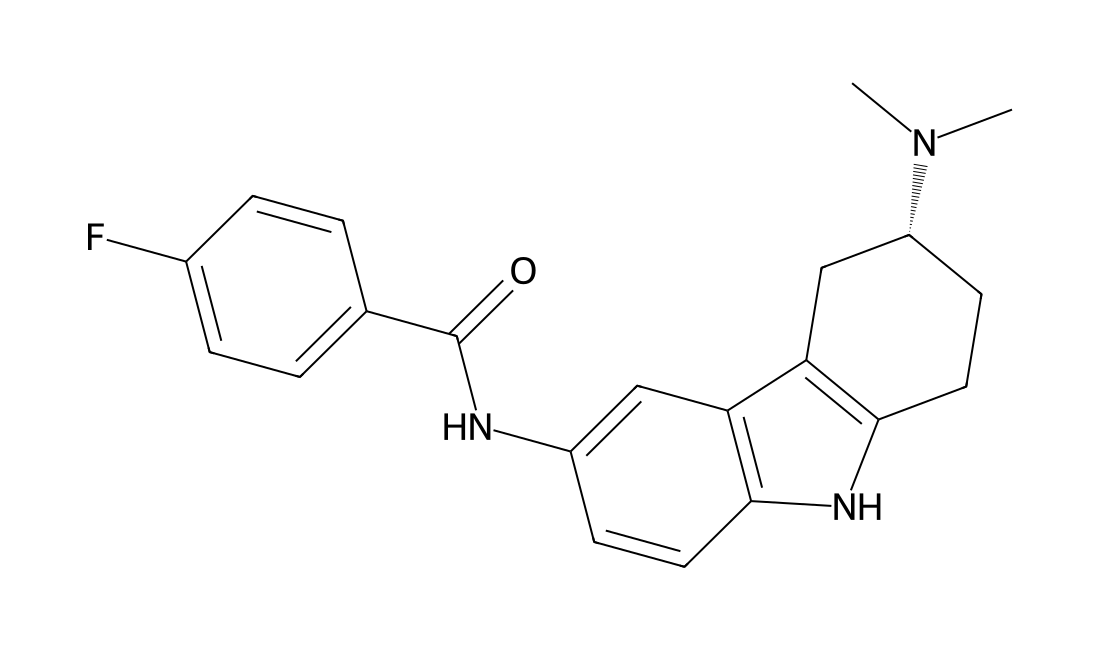
LY344864 is a selective receptor agonist with an affinity of 6 nM (Ki) at the recently cloned 5-HT1F receptor. LY344864 possesses little affinity for the 56 other serotonergic and non-serotonergic neuronal binding sites examined. in vitro: he 5-HT1A, 5-HT1B and 5-HT1D receptor agonists 8-OH-DPAT (3 microM), CP93129 (3 microM) and L694247 (3 microM), but not the 5-HT1F receptor agonist LY344864 (1 - 3 microM) inhibited evoked IPSCs. in vivo: After an intravenous dose of 1 mg/kg, rat plasma LY344864 levels declined with time whereas brain cortex levels remained relatively constant for the first 6 hours after injection. Oral and intravenous LY344864 administration potently inhibited dural protein extravasation caused by electrical stimulation of the trigeminal ganglion in rats. Sumatriptan, zolmitriptan, rizatriptan, and naratriptan all contracted the rabbit saphenous vein from baseline tone, whereas LY344864 in concentrations up to 10(-4) M did not contract the rabbit saphenous vein. Furthermore, vascular contractions to sumatriptan were markedly augmented in the presence of prostaglandin F(2alpha) (PGF(2alpha)). However, even in the presence of PGF(2alpha) (3 x 10(-7) M), LY344864 did not contract the rabbit saphenous vein in concentrations well in excess of its 5-HT(1F) receptor affinity (pK(i) = 8.2) .
LY2510924Featured
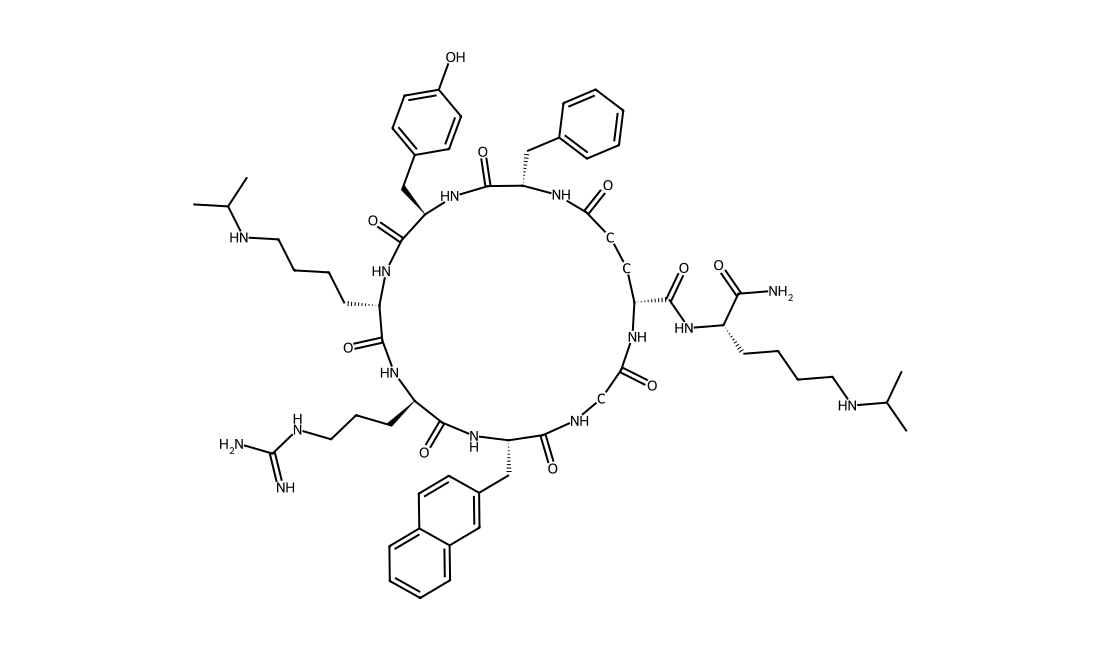
LY2510924 is an inhibitor of CXC chemokine receptor 4 (CXCR4), with potential antineoplastic activity. Upon subcutaneous administration, CXCR4 inhibitor LY2510924 binds to the chemokine receptor CXCR4, thereby preventing CXCR4 binding to its ligand, stromal derived factor-1 (SDF-1), and subsequent receptor activation. This may result in decreased tumor cell proliferation and migration. CXCR4, a chemokine receptor belonging to the G protein-coupled receptor (GPCR) gene family, plays an important role in chemotaxis and angiogenesis and is upregulated in several tumor cell types.
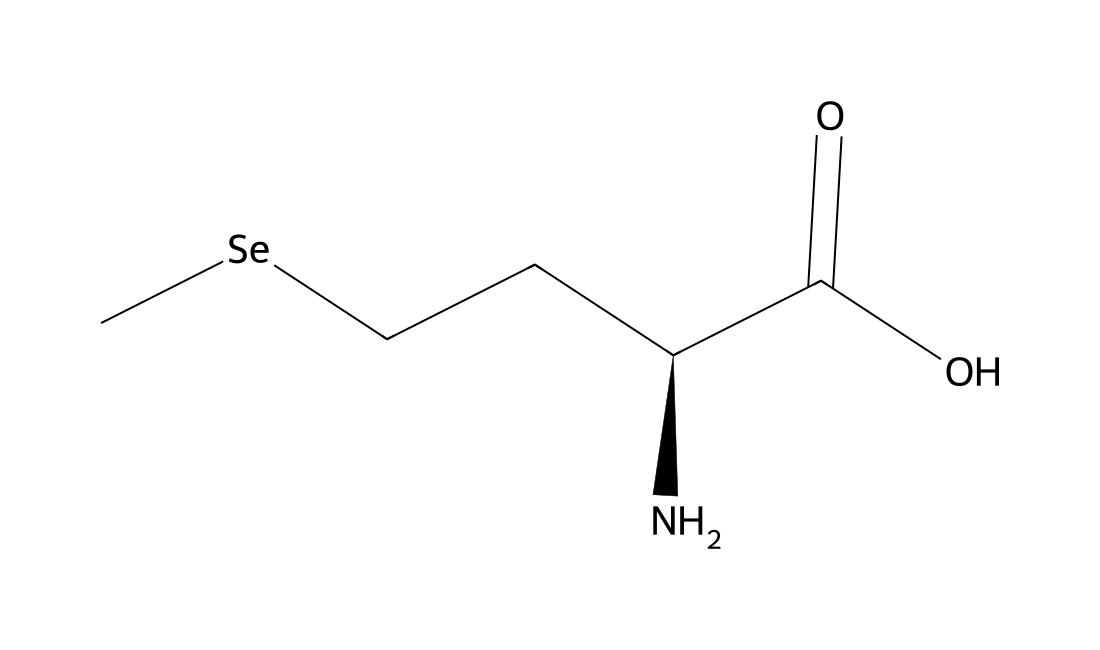
L-SelenoMethionineFeatured
L-SelenoMethionine is a major natural food-form of selenium.The median lethal dose (LD50) of L-SelenoMethionine in rats given an intraperitoneal injection was determined to 4.25 mg Se/kg body and thus is comparable to that of selenite or selenate. In mice, the LD50 of L-SelenoMethionine was 8.8 ± 1.37 mg Se/kg, and the minimal lethal dose, 4.0 mg Se/kg, after intravenous injection.
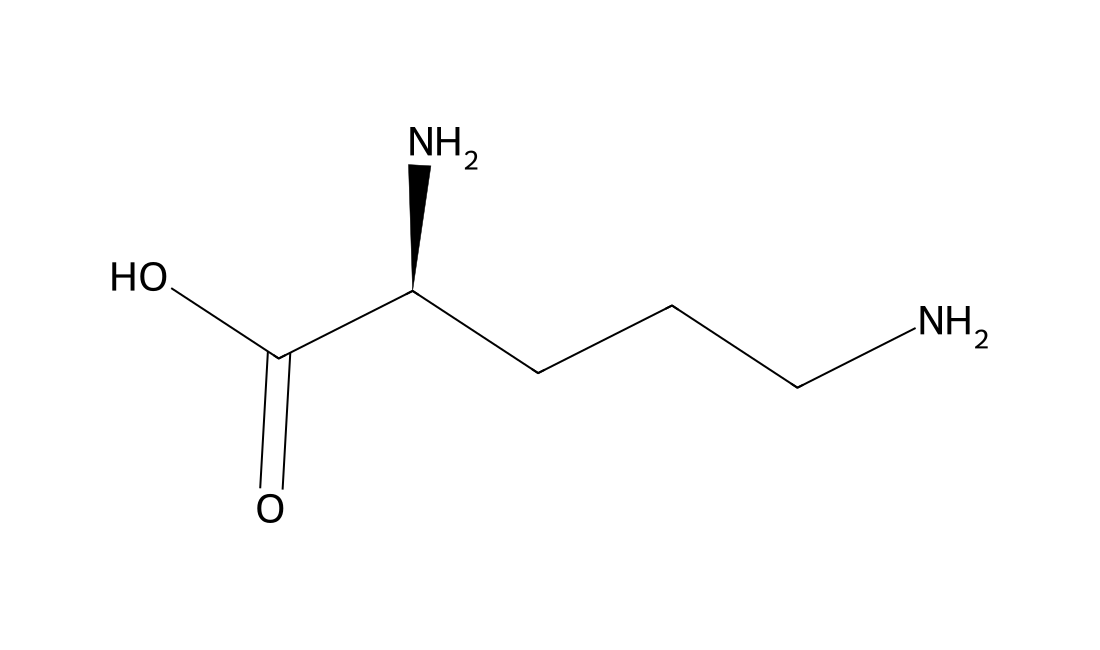
L-OrnithineFeatured
L-ornithine has an antifatigue effect by increasing the efficiency of energy consumption and promoting the excretion of ammonia. It is one of the key reactants in the urea cycle.
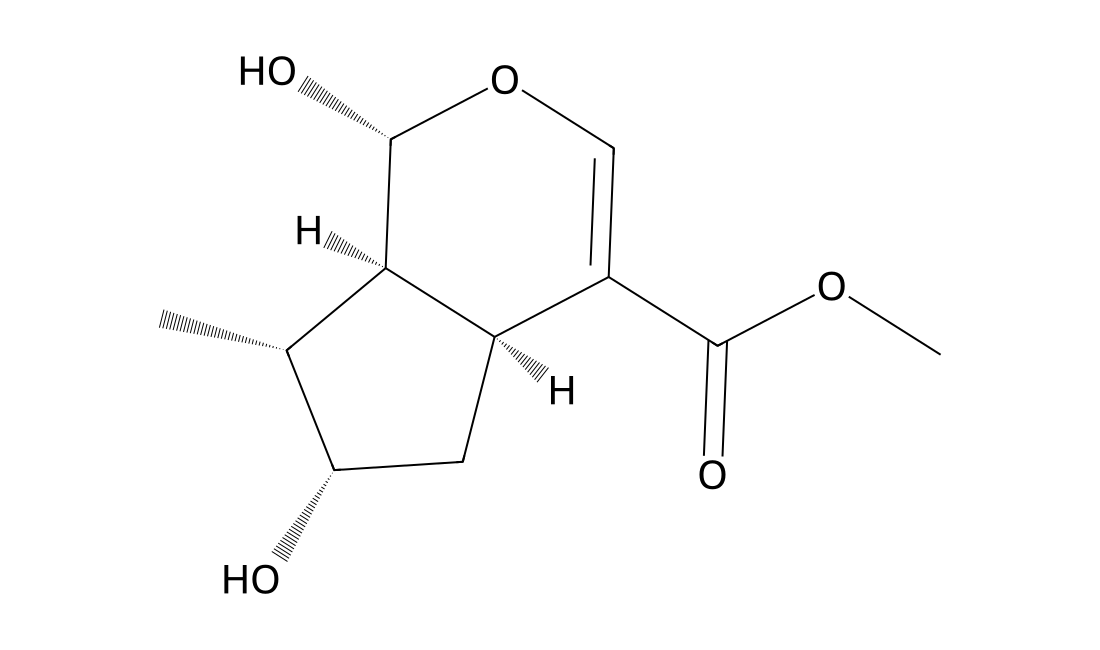
LoganetinFeatured
In Vitro Although Loganetin does not possess antibacterial activity of its own, but in combination, it appreciably reduces the minimum inhibitory concentration (MIC) of nalidixic acid (NA) against nalidixic acid resistant (NAREC) and nalidixic acid sensitive (NASEC) strains of Escherichia coli. Loganetin, a very common, inexpensive, and non-toxic natural product may finds its application in the antibacterial drug development for treating multidrug-resistant Gram negative infections.
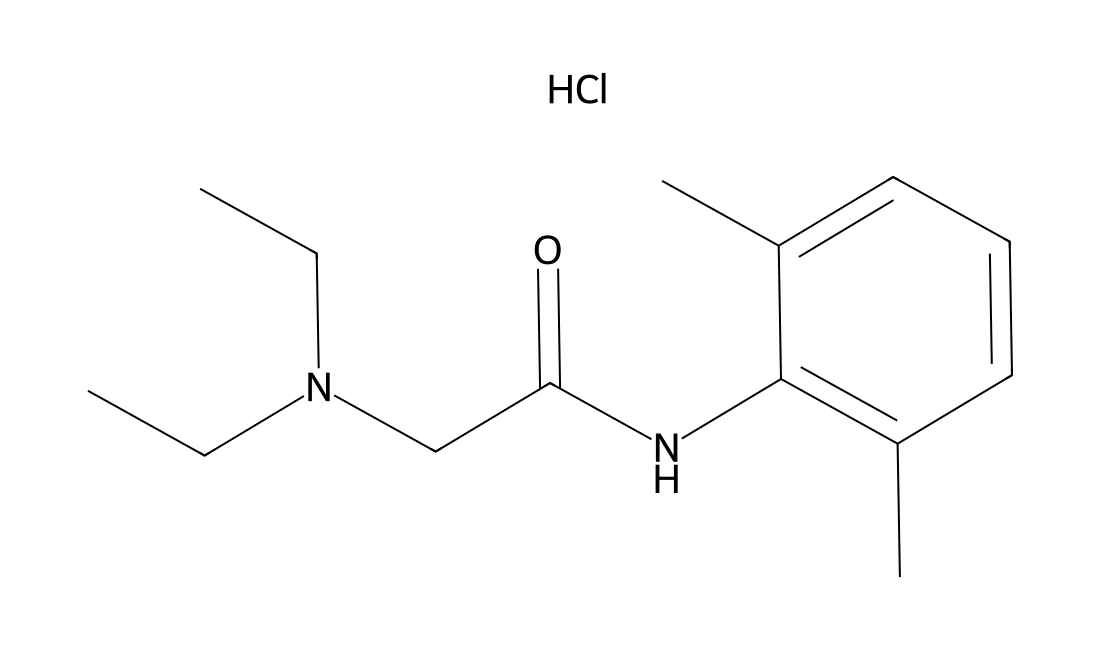
Lidocaine hydrochlorideFeatured
Lidocaine hydrochloride is a local anesthetic and cardiac depressant used as an antiarrhythmia agent.
No products match this search.
Page 426 of 434 · Browse all 8677 products
Jump to a product page
Featured literature product: HX1 · DCL0028
HX1 is a hydroxyzine-derived ionizable lipid with acetal-containing tails, studied in lipid nanoparticles for brain mRNA delivery and CRISPR–Cas9 delivery. It was the lead in the reported in vivo brain-delivery screen; evidence is preclinical and formulation-dependent.
Read full formulation and performance →