
Research lipid catalog
Ionizable Lipid Products
Explore 848 lipid and RNA delivery products. Search the full catalog or browse by research category.
Search covers product name, catalog number, synonyms, available CAS numbers and categories. Spaces, hyphens and common punctuation are ignored. Duplicate legacy records are consolidated under one canonical product result.
8677 products · Showing 8561–8580 · 20 per page
DC Chemicals lipid expertise
Built for ionizable-lipid discovery and RNA delivery research
DC Chemicals supports formulation and delivery research with a broad, searchable portfolio of cationic and ionizable lipids. The current directory brings together 848 unique research-use products, with product specifications, pricing, chemical structures and literature-linked formulation data added as each record is verified.
Our experience spans complex lipid synthesis, purification, analytical release and process development. For custom molecules or larger-scale requirements, our team can discuss route development, technical specifications and scale-up options for the intended research workflow.
Learn about cationic and ionizable lipids →Proprietary innovation · Co-development · GMP
From proprietary lipid design to GMP-grade custom synthesis
DC Chemicals has independently developed ionizable-lipid structures supported by company-owned intellectual property, and selected proprietary lipid programs have advanced to GMP-stage development.
We welcome joint development with customers—from molecular design and lipid synthesis through route and process development. We can also support custom synthesis of GMP-grade ionizable lipids to agreed technical specifications and quality requirements.
Discuss a co-development project →Proprietary ionizable-lipid structuresCollaborative molecular designCustom lipid synthesisProcess development and scale-upGMP-grade project support
Product quick links
Explore New ionizable lipids
Explore our five most recently added ionizable lipids, with specifications, pricing and literature-linked product information.
DCL0028HX1Brain RNA delivery researchView product →DCL0024A1I4R13C18-2Spleen-targeted RNA delivery researchView product →DCL0023A1I4R2C18-2Spleen-targeted RNA delivery researchView product →DCL0022FS01Local joint RNA delivery researchView product →DCL0020Lipid-392Lung RNA delivery and gene editing researchView product →
Cat. No.Product NameField of ApplicationChemical Structure
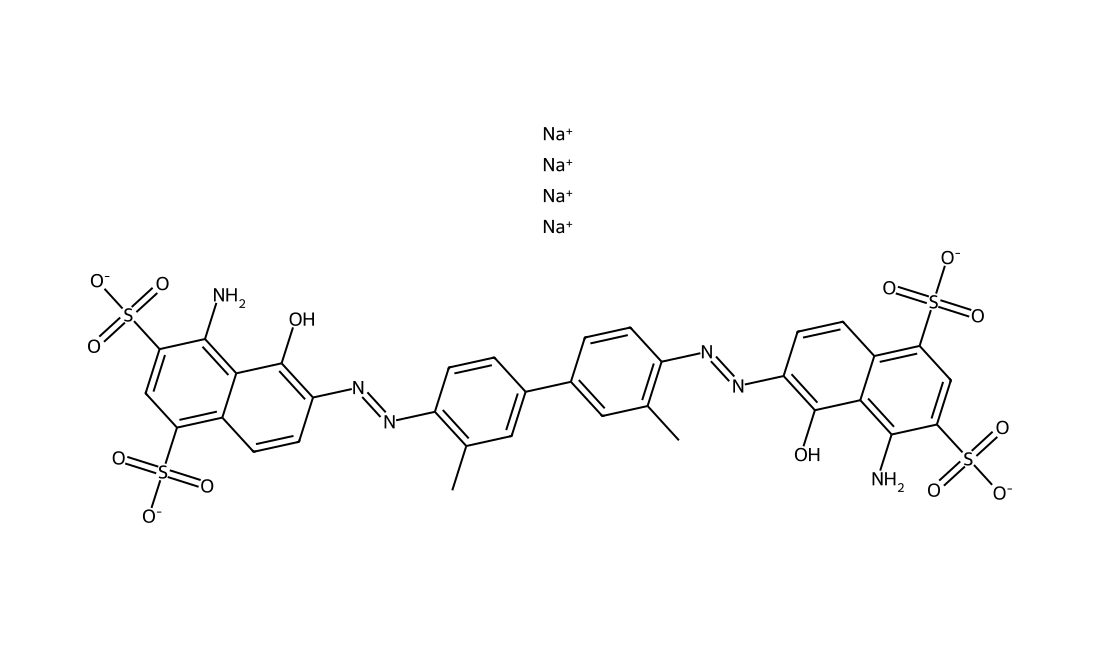
Evans BlueFeatured
Evans Blue is a potent inhibitor of the uptake of L-glutamate into synaptic vesicles, also an AMPA/kainate receptor antagonist
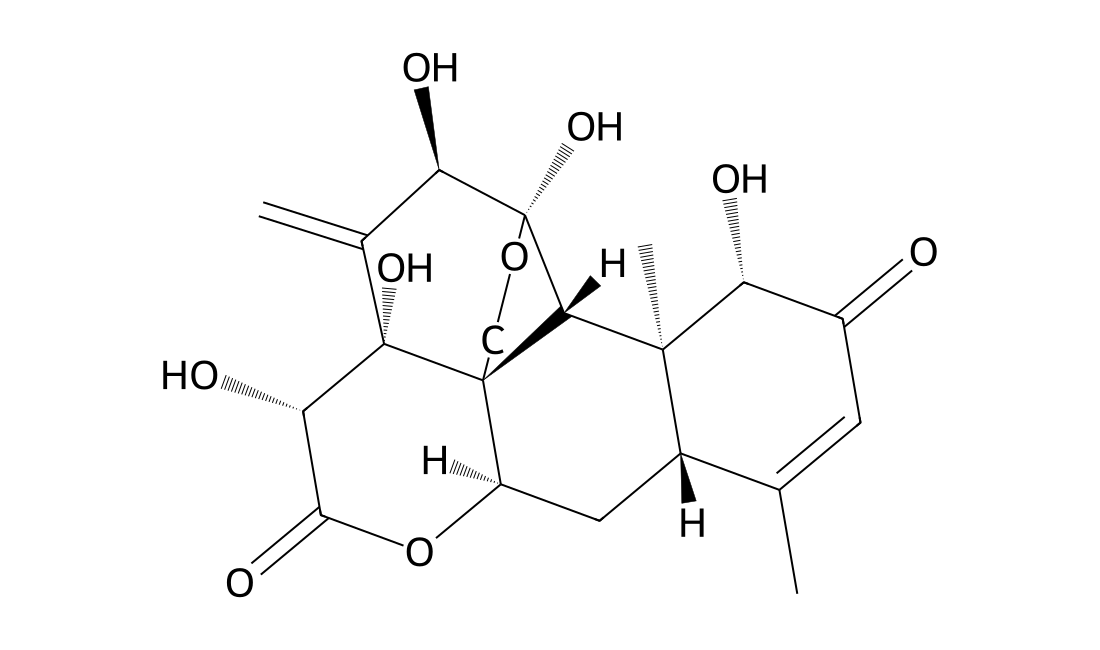
EurycomanoneFeatured
In Vitro Eurycomanone (EN) significantly increased testosterone production dose-dependently at 0.1, 1.0 and 10.0 μM, but the two lower doses when combined with 3-isobutyl-1-methylxanthine (IBMX), the phosphodiesterase inhibitor were not significantly higher than EN or IBMX alone, except at a higher concentration. The molecular docking studies indicated EN and IBMX were binding at different sites of the enzyme. EN has no reversal of inhibition by aminoglutethimide, ketoconazole or nifedipine at the respective steroid oogenesis enzyme. The quassinoid was also non-responsive to the inhibition of oestrogen receptor by tamoxifen, but displayed improved for mestane inhibition of aromatase in reducing oestrogen production. The molecular docking studies further supported that EN and formestane bound to aromatase with similar orientations and free energy binding values.
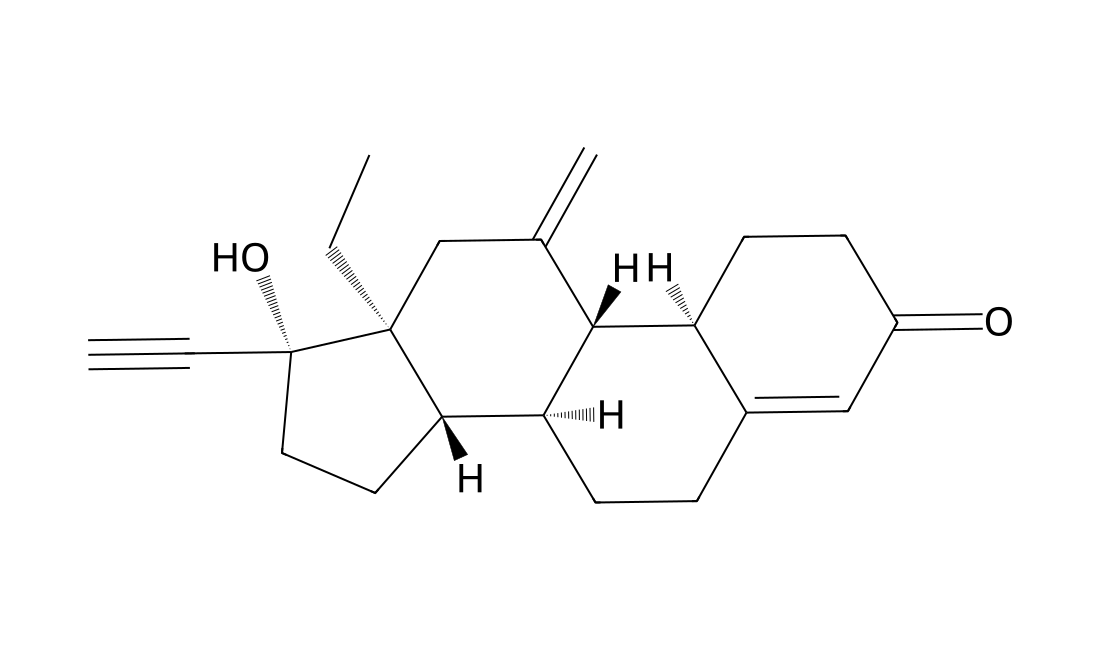
EtonogestrelFeatured
Etonogestrel is a steroidal progestin used in hormonal contraceptives. Etonogestrel is used as a female contraceptive. Etonogestrel is a progestin or a synthetic form of the naturally occurring female sex hormone, progesterone. Etonogestrel tricks the body processes into thinking that ovulation has already occurred, by maintaining high levels of the synthetic progesterone. This prevents the release of eggs from the ovaries. Etonogestrel binds to the progesterone and estrogen receptors. Target cells include the female reproductive tract, the mammary gland, the hypothalamus, and the pituitary. Once bound to the receptor, progestins like etonogestrel will slow the frequency of release of gonadotropin releasing hormone (GnRH) from the hypothalamus and blunt the pre-ovulatory LH (luteinizing hormone) surge.
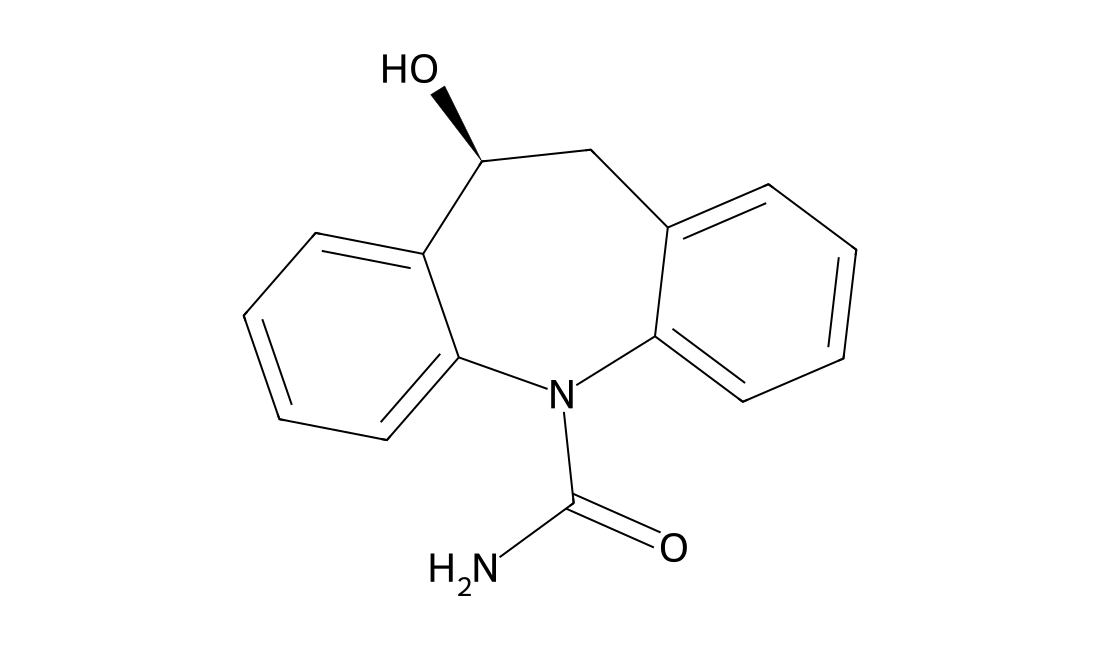
Eslicarbazepine (BIA 2-194)Featured
In Vivo Eslicarbazepine is an anti-epileptic drug, chemically related to carbamazepine but with a more favorable safety profile. Eslicarbazepine acetate is a prodrug for eslicarbazepine (S-licarbazepine), which is a dual a dual Inhibitor of β-Secretase and voltage-gated sodium channel.
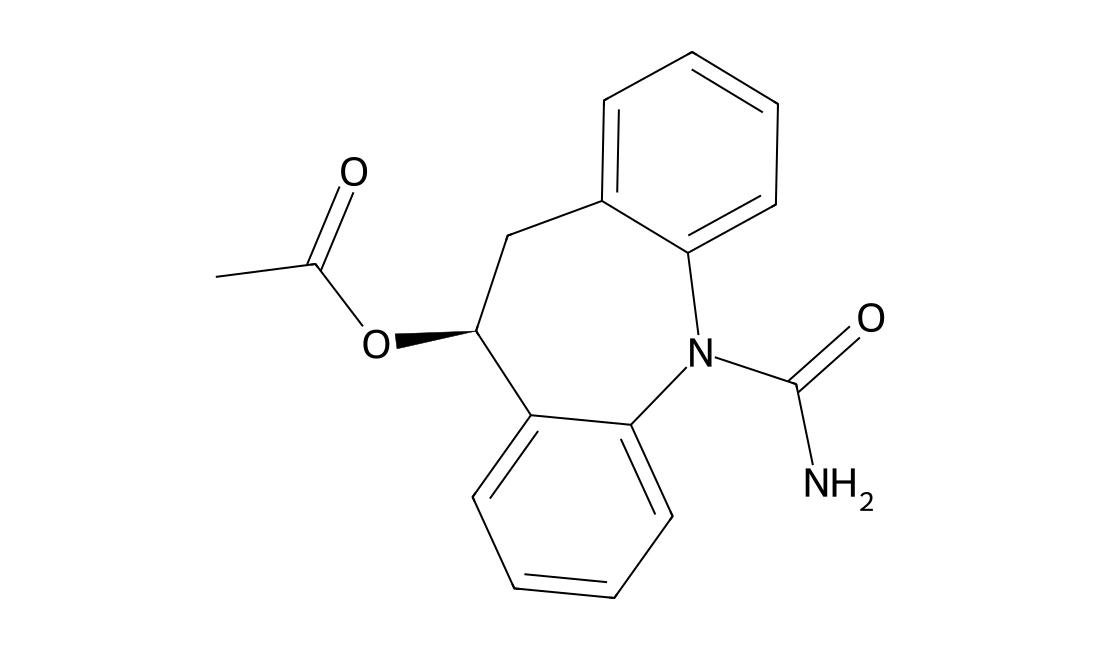
Eslicarbazepine (acetate)Featured
Eslicarbazepine acetate (BIA 2-093) is an antiepileptic drug. Eslicarbazepine acetate (BIA 2-093) is an antiepileptic drug. It is a prodrug which is activated to eslicarbazepine (S-licarbazepine), an active metabolite of oxcarbazepine. Eslicarbazepine acetate is a prodrug for (S)-(+)-licarbazepine, the major active metabolite of oxcarbazepine. Its mechanism of action is therefore identical to that of oxcarbazepine. There may, however, be pharmacokinetic differences. Eslicarbazepine acetate may not produce as high peak levels of (S)-(+)-licarbazepine immediately after dosing as does oxcarbazepine which could theoretically improve tolerability.
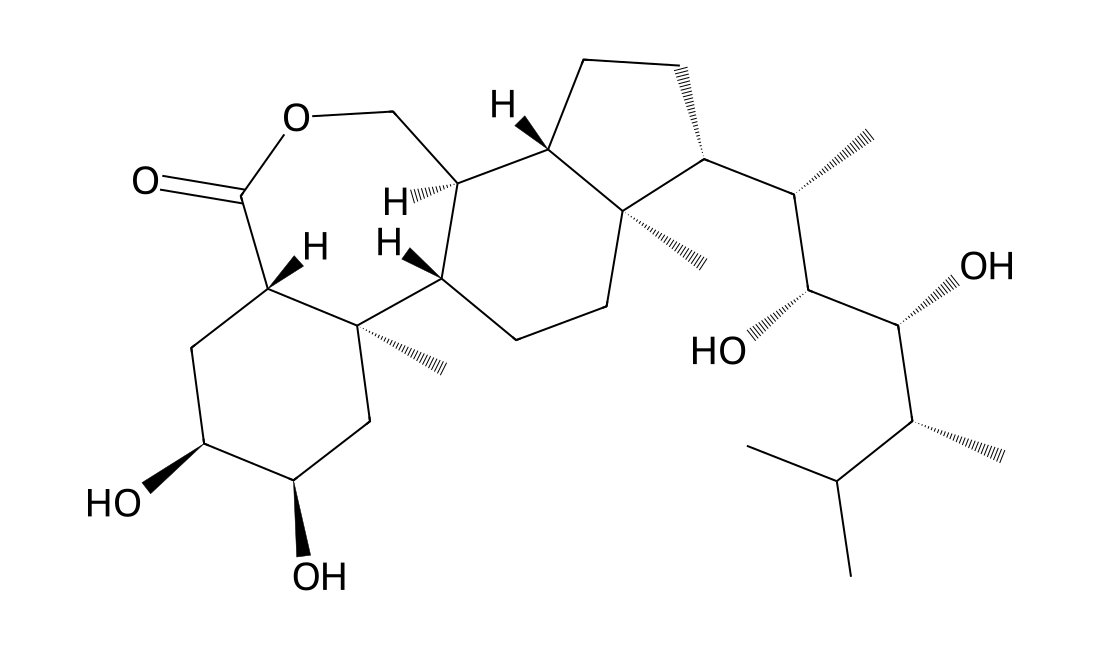
EpibrassinolideFeatured
Epibrassinolide (EBR; B1105; 24-Epibrassinolide) is a biologically active compound of the brassinosteroids, steroid-derived plant growth regulator family; was shown as a potential apoptotic inducer in various cancer cells without affecting the non-tumor cell growth. in vitro: Induction of apoptotic cell death was observed in prostate cancer cell lines after EBR treatment. In addition, EBR induced the decrease of intracellular polyamine levels, accompanied by a significant ornithine decarboxylase (ODC) down-regulation in each prostate cancer cell and also modulated ODC antizyme and antizyme inhibitor expression levels only in LNCaP cells. transcriptional expression of eight genes involved in astaxanthin biosynthesis exposed to EBR (25 and 50 mg/L) was analyzed using qRT-PCR. The results demonstrated that both 25 and 50 mg/L EBR could increase astaxanthin productivity and the eight carotenogenic genes were up-regulated by EBR with different expression profiles. Moreover, EBR25 induction had a greater influence on the transcriptional expression of ipi-1, ipi-2, crtR-B, lyc and crtO (> 5- fold up-regulation) than on psy, pds, bkt; EBR50 treatment had a greater effect on the transcriptional expression of ipi-2, pds, lyc, crtR-B, bkt and crtO than on ipi-1 and psy. Furthermore, astaxanthin biosynthesis under EBR was up-regulated mainly by ipi1? and psy at the post-transcriptional level, pds, lyc, crtR-B, bkt and crtO at the transcriptional level and ipi-2 at both levels. Arabidopsis seedlings treated with BR 24-epibrassinolide (BL) show increased lateral roots (LR) density, inhibition of primary root (PR) elongation and NO accumulation. Similar effects were observed adding the NO donor GSNO to BR-receptor mutant bri1-1.
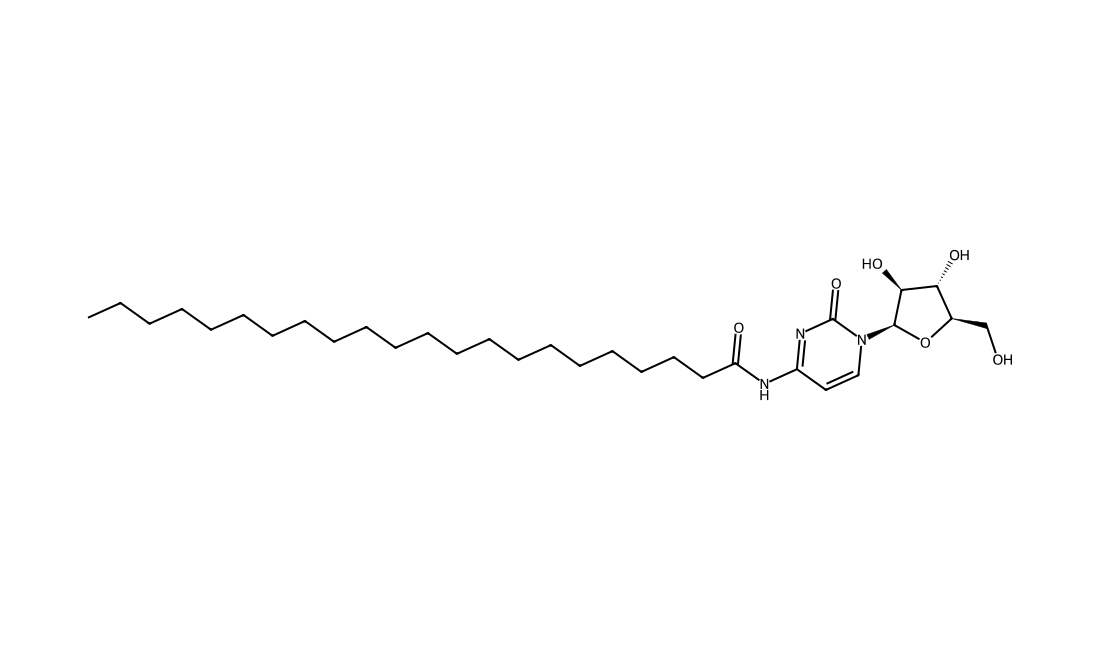
EnocitabineFeatured
Enocitabine is an anti-tumor agent and an antineoplastic. A derivative of Cytarabine.
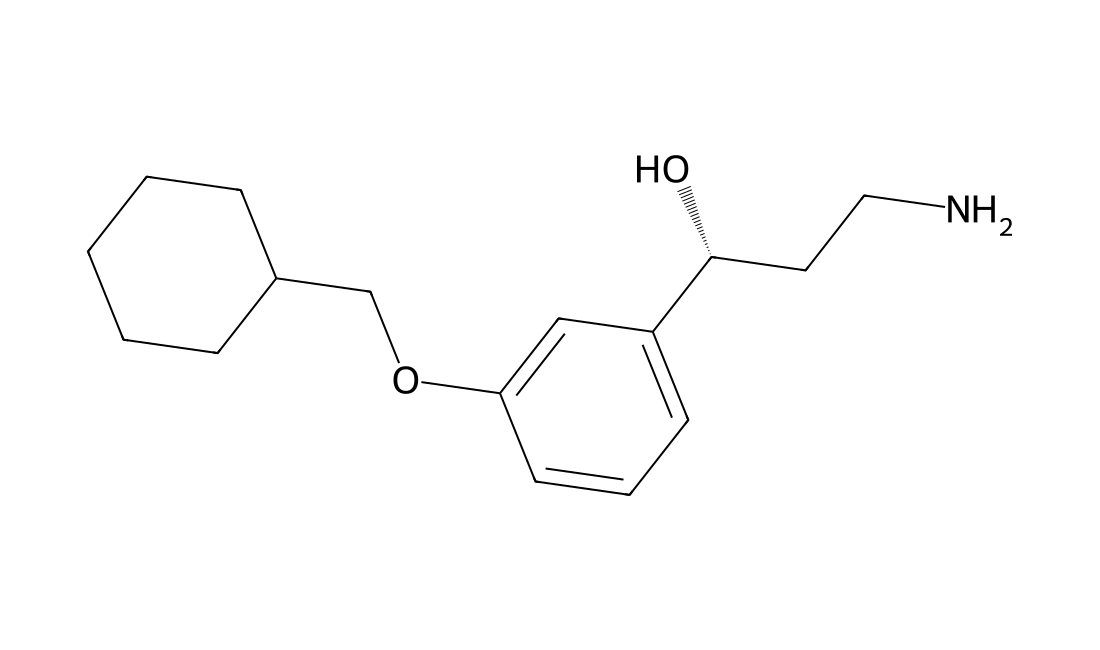
EmixustatFeatured
Emixustat potently inhibits isomerase activity in vitro (IC50=4.4 nM). Treatment of emixustat shows a concentration dependent reduction of 11-cis-ROL production . Emixustat strongly inhibits 11-cis-retinol production with an IC50 value of 232±3 nM.Emixustat reduces the production of visual chromophore (11-cis retinal) in wild-type mice following a single oral dose (ED50=0.18mg/kg). In albino mice, emixustat is shown to be effective in preventing photoreceptor cell death caused by intense light exposure. Pre-treatment with a single dose of emixustat (0.3 mg/kg) provids a 50%protective effect against light-induced photoreceptor cell loss, while higher doses (1-3 mg/kg) are nearly 100%effective. In Abca4-/- mice, chronic (3 month) emixustat treatment markedly reduces lipofuscin autofluorescence and reduces A2E levels by 60%( ED50=0.47 mg/kg). In the retinopathy of prematurity rodent model, treatment with emixustat during the period of ischemia and reperfusion injury produces a 30%reduction in retinal neovascularization (ED50=0.46mg/kg).
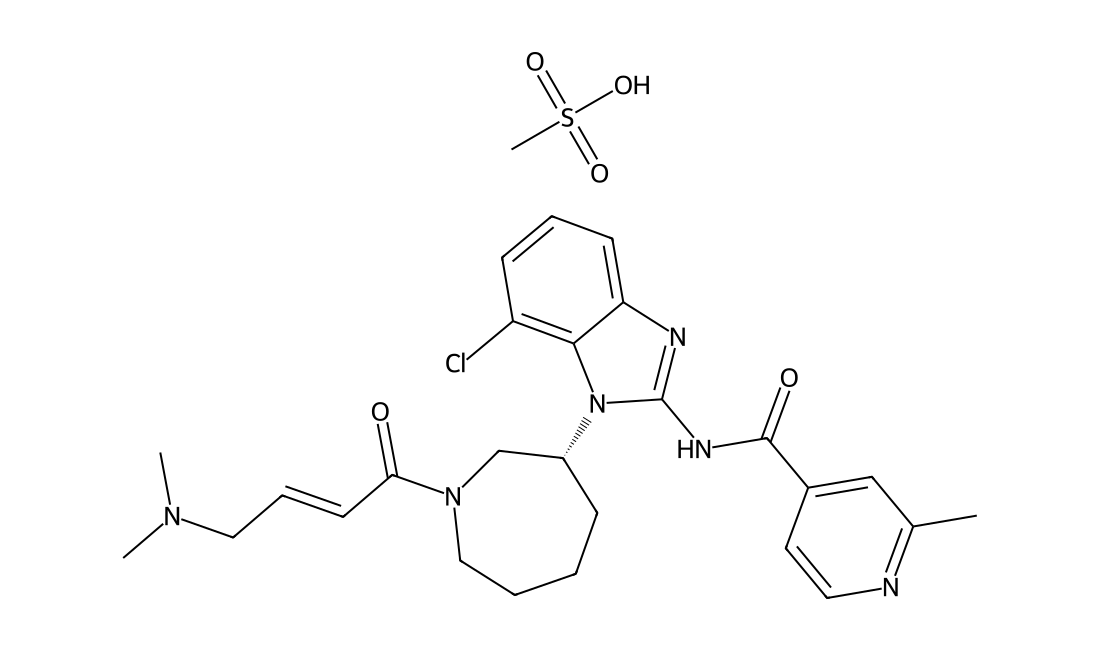
EGF816 mesylateFeatured
EGF816 (Nazartinib) is a potent, irreversible, mutant-selective EGFR inhibitor with Ki and Kinact of 31 nM and 0.222 min-1, respectively; shows potent inhibition of pEGFR levels in H3255, HCC827, and H1975 with EC50 of 5, 1, and 3 nM, which harbor the L858R, Ex19del, and L858R/T790M mutations, respectively, inhibitscell proliferation with EC50 of 9, 11, and 25 nM, but not the WT EGFR-containing patient-derived cell lines; potently inhibits the most common EGFR mutations L858R, Ex19del, and T790M in vitro; causes tumor regressions in vivo in several patient-derived xenograft models, also demonstrates antitumor activity in exon 20 insertion mutant model.Lung CancerPhase 3 Clinical
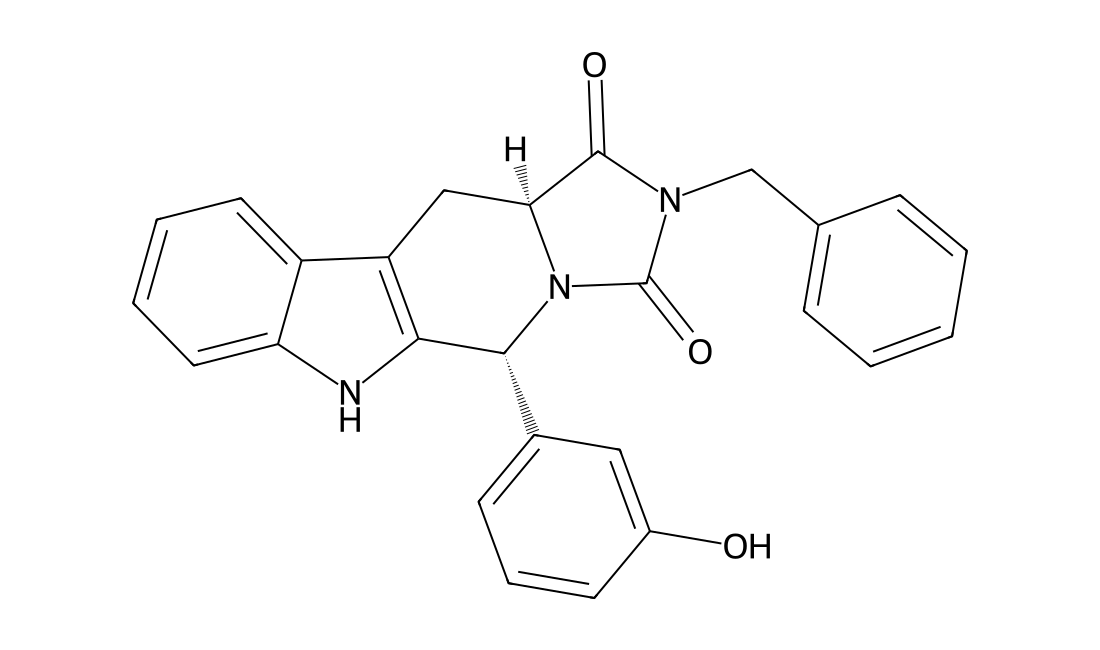
Eg5 Inhibitor V, trans-24Featured
In Vitro Eg5 Inhibitor V, trans-24 is a potent and specific Eg5 inhibitor with an IC50 of 0.65 μM, and can be used in the research of cancer.
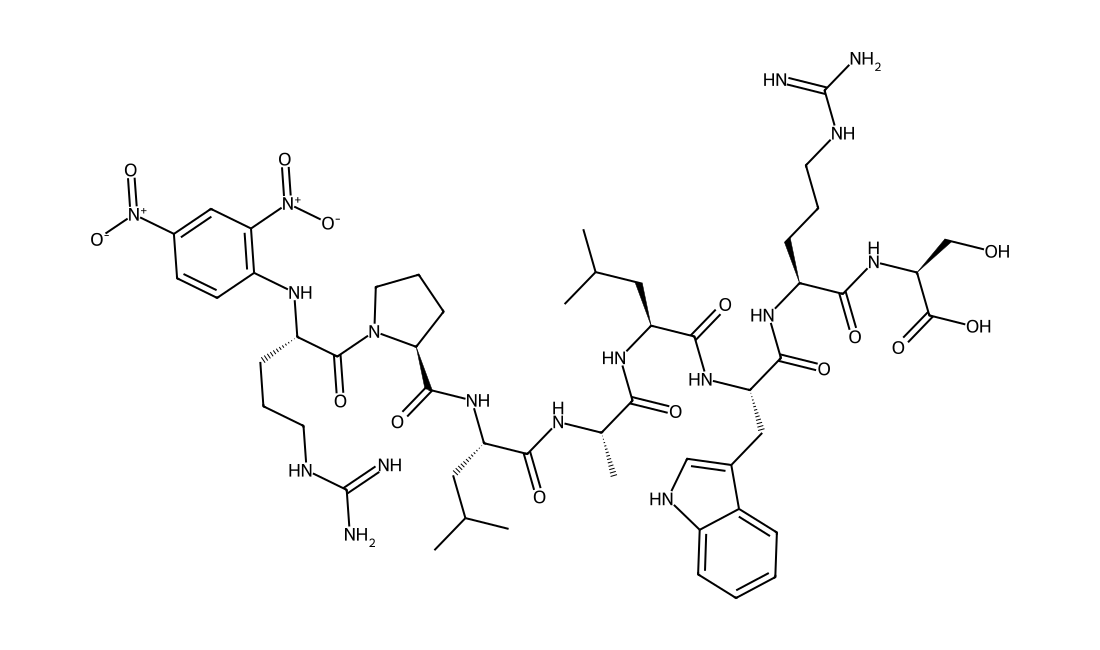
MMP-7 Fluorogenic SubstrateFeatured
Dnp-RPLALWRS is a fluorogenic substrate for matrix metalloproteinase-7 (MMP-7).The activity of MMP-7 can be quantified by measuring tryptophan fluorescence that is unquenched upon peptide hydrolysis that removes the N-terminal dinitrophenol (Dnp) group.
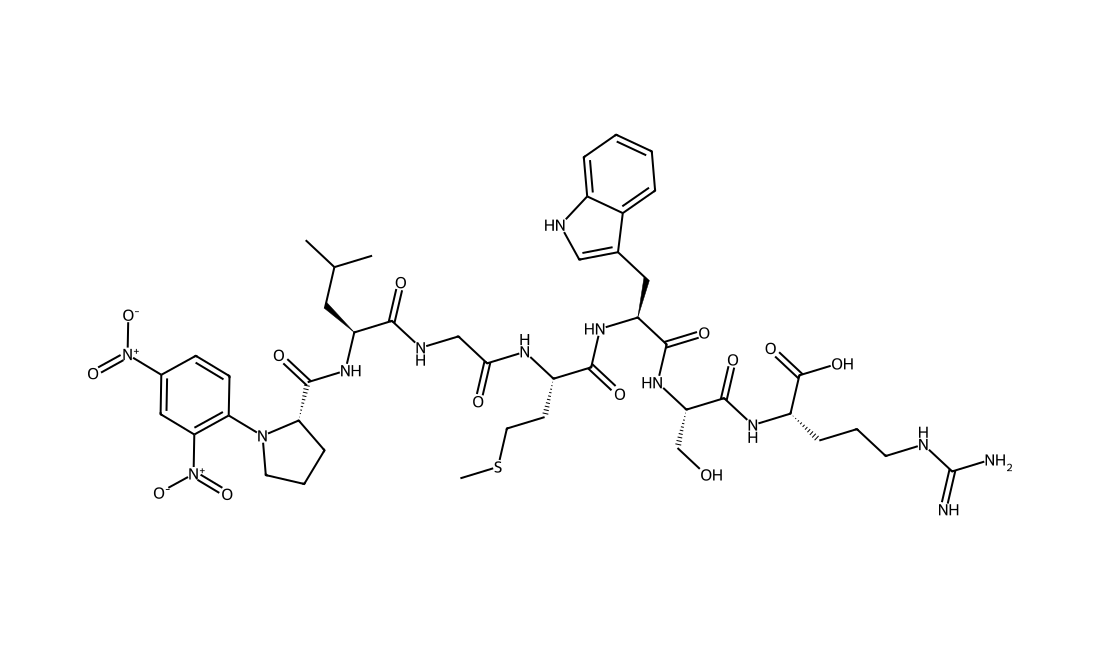
Dnp-PLGMWSR is a fluorogenic substrate for matrix metalloproteinase-2 (MMP-2) and MMP-9.The activity of MMP-2 and MMP-9 can be quantified by measuring tryptophan fluorescence that is unquenched upon peptide hydrolysis that removes the N-terminal dinitrophenol (Dnp) group.
DMP 777Featured
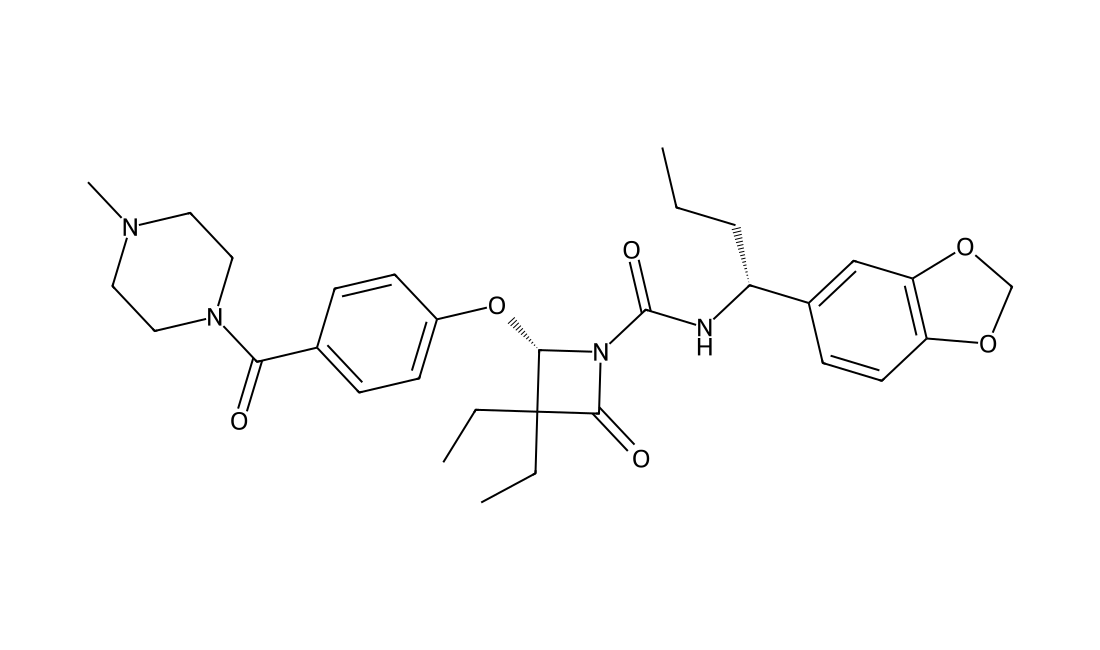
DMP 777(L-694458) is a potent, selective, and orally active human leukocyte elastase (HLE) inhibitor. After iv dosing, L-694,458 exhibited similar pharmacokinetic parameters in rats and rhesus monkeys. The bioavailability of a 10 mg/kg oral dose was higher in rats (65%) than in rhesus monkeys (39%). In both species, concentrations of L-694,458 in plasma increased more than proportionally when the oral dose was increased from 10 mg/kg to 40 mg/kg. In monkeys a protracted plasma concentration-time profile was observed at 40 mg/kg, characterized by a delayed T(max) (8-24 hr) and a long terminal half-life (6 hr). DMP-777 dissipated a gastric tubulovesicle proton gradient without impairing the H/K-ATPase activity, consistent with its pharmacological action as a parietal cell-specific protonophore which could induce parietal cell necrosis through backwash of luminal acid into actively secreting cells.
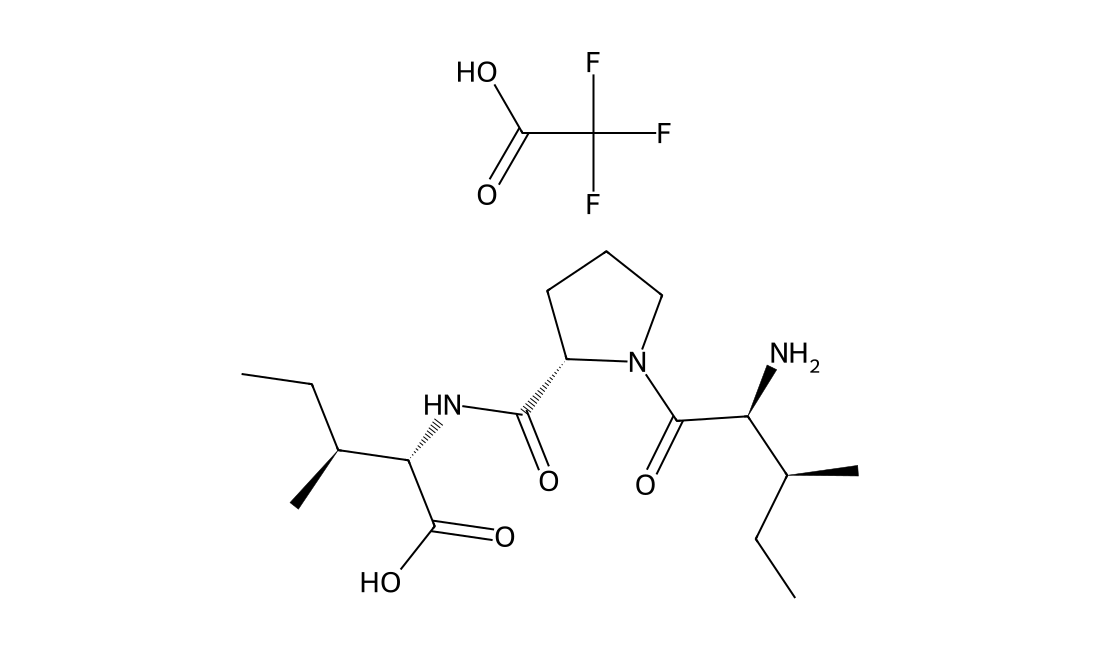
In Vitro Diprotin A increases the phosphorylation of Src and vascular endothelial-cadherin (VE-cadherin) in human endothelial cells and disrupts endothelial cell-to-cell junctions, which are attenuated by CXCR4 (receptor of SDF-1α)-blocker or Src-inhibitor. In Vivo In the model of retinopathy of prematurity, Diprotin A increases not only retinal vascularity but also leakage. Additionally, in the murine diabetic retinopathy model, Diprotin A increases the phosphorylation of Src and VE-cadherin and aggravates vascular leakage in the retinas. Collectively, Diprotin A induces vascular leakage by augmenting the SDF-1α/CXCR4/Src/VE-cadherin signaling pathway.
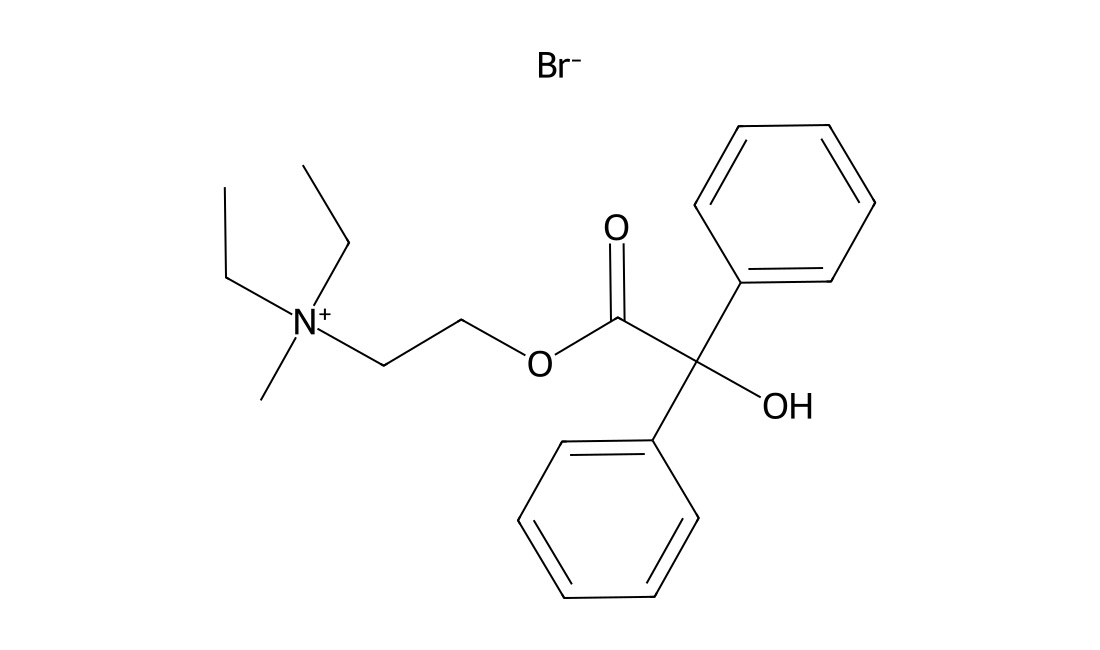
Dimethadione is an anticonvulsant that is the active metabolite of trimethadione.
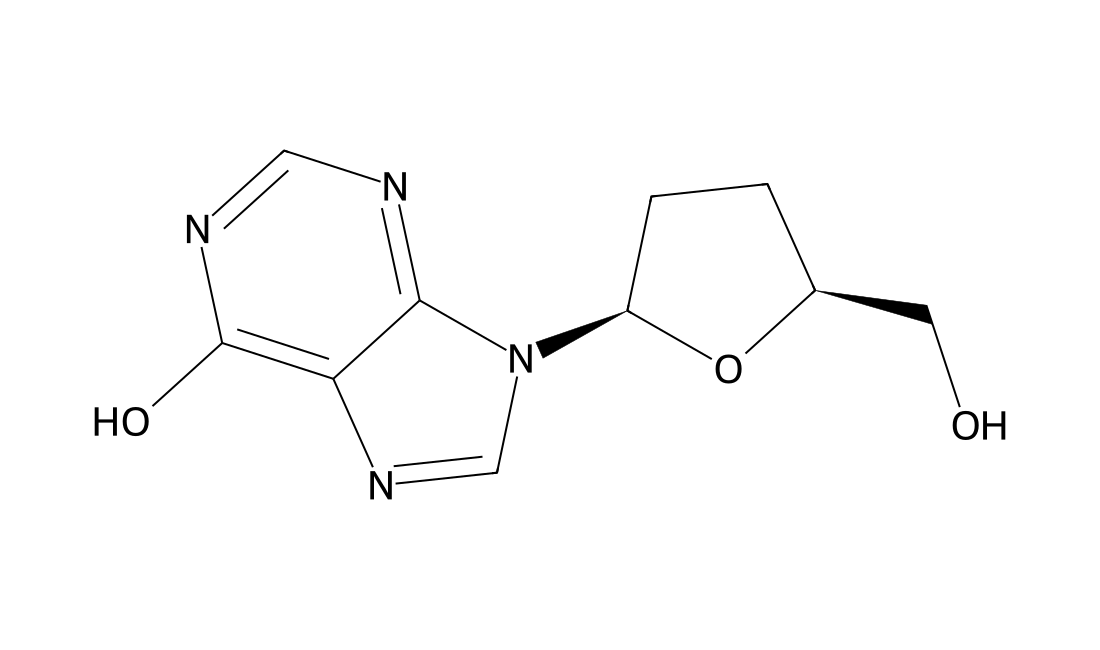
DidanosineFeatured
Didanosine(Videx) is a reverse transcriptase inhibitor with an IC50 of 0.49 μM. Didanosine is a dideoxynucleoside compound in which the 3'-hydroxy group on the sugar moiety has been replaced by a hydrogen. This modification prevents the formation of phosphodiester linkages which are needed for the completion of nucleic acid chains. Didanosine is a potent inhibitor of HIV replication, acting as a chain-terminator of viral DNA by binding to reverse transcriptase. Didanosine demonstrated linear pharmacokinetic behavior over the dose ranges of 0.4 to 16.5 mg/kg intravenously and 0.8 to 10.2 mg/kg orally. Bioavailability of didanosine when administered as a solution with an antacid was approximately 43% for doses from 0.8 to 10.2 mg/kg in patients with AIDS and advanced AIDS-related complex. Bioavailability of didanosine from the citrate-phosphate-buffered solution, the formulation currently used in phase II and expanded access studies, was comparable to the formulation used in the phase I trials. ddI might be responsible for fulminant hepatitis in all three AIDS patients. This toxic effect may be added to the list of potential adverse events occurring during ddI therapy.
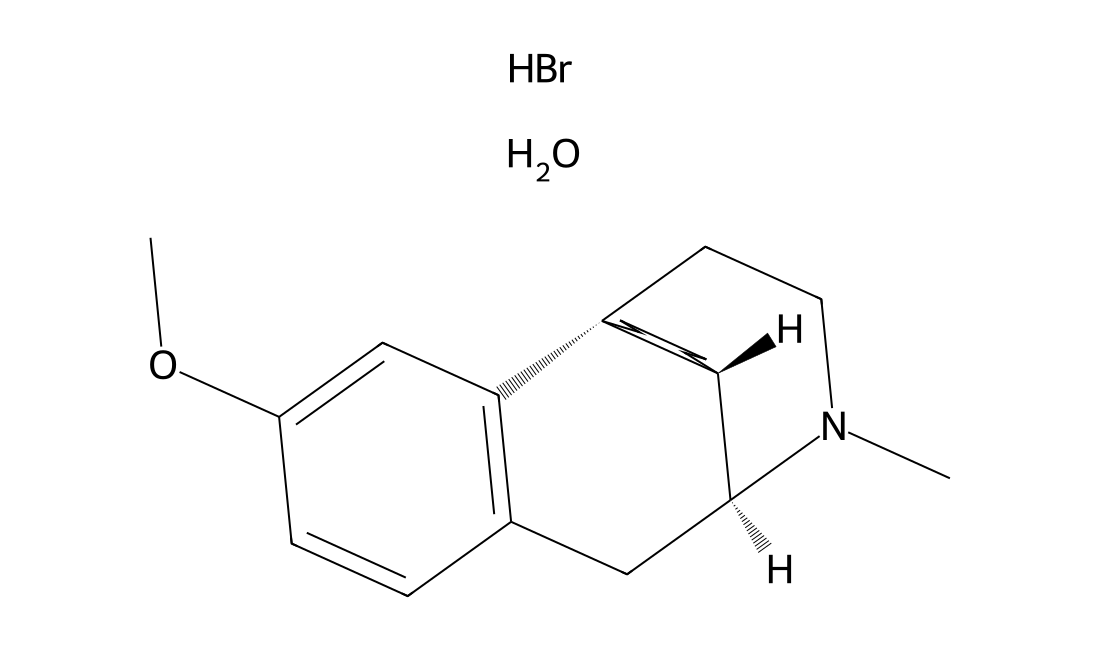
Dextromethorphan HBrFeatured
Dextromethorphan hydrobromide hydrate is an antitussive drug.Dextromethorphan (DXM) is an antitussive (cough suppressant) drug. It is one of the active ingredients in many over-the-counter cold and cough medicines. Dextromethorphan has also found other uses in medicine, ranging from pain relief to psychological applications. DXM is also used recreationally. When exceeding label-specified maximum dosages, dextromethorphan acts as a dissociative hallucinogen. Its mechanism of action is via multiple effects, including actions as a nonselective serotonin reuptake inhibitor and a sigma-1 receptor agonist. The major metabolite of DXM, dextrorphan, also acts as an NMDA receptor antagonist.
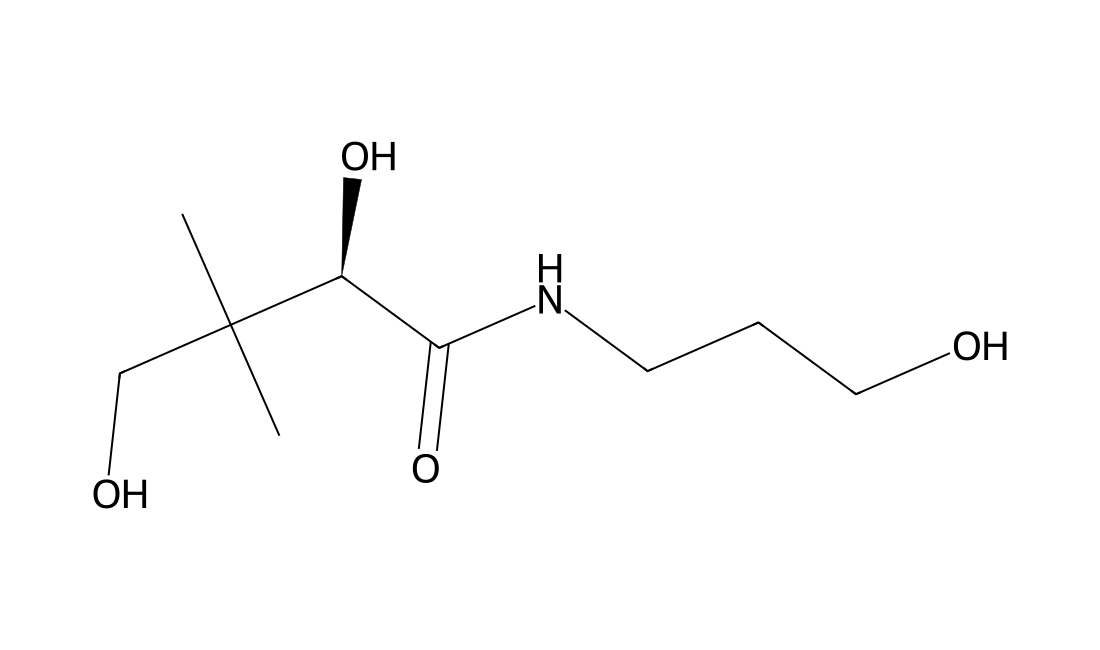
D panthenolFeatured
Dexpanthenol is an alcoholic analogue of D-pantothenic acid and cholinergic agent.
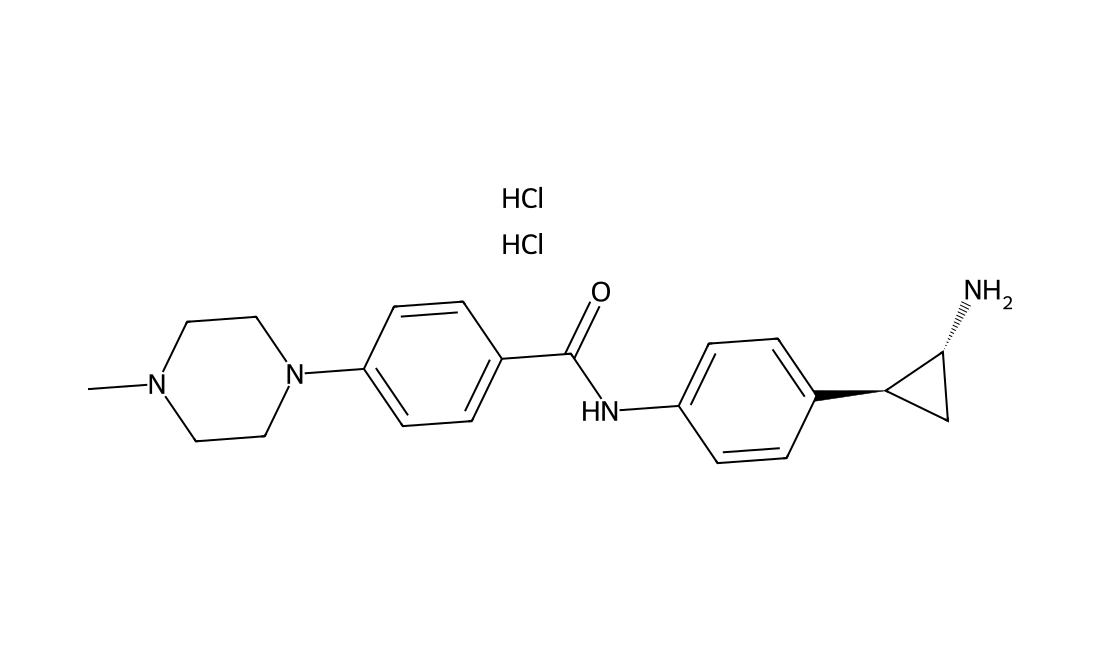
DDP-38003 dihydrochlorideFeatured
DDP-38003 inhibits KDM1A with an IC50 of 84 nM. DDP-38003 is more active in reducing the colony forming ability and in inducing thedifferentiation of THP-1 cells compared to the 1R, 2S analogue.DDP-38003 exhibits in vivo efficacy after oral administration, determining a 62% increased survival in mouse leukemia models with evidence of KDM1A inhibition. The half life of DDP-38003 is 8 h. A significant dose dependent increase of mice survival is obtained by DDP-38003 treatment. The survival rate increases 35% and 62% at the dose of 11.25 and 22.50 mg/kg, respectively. DDP-38003 is a potential oral anticancer agent.
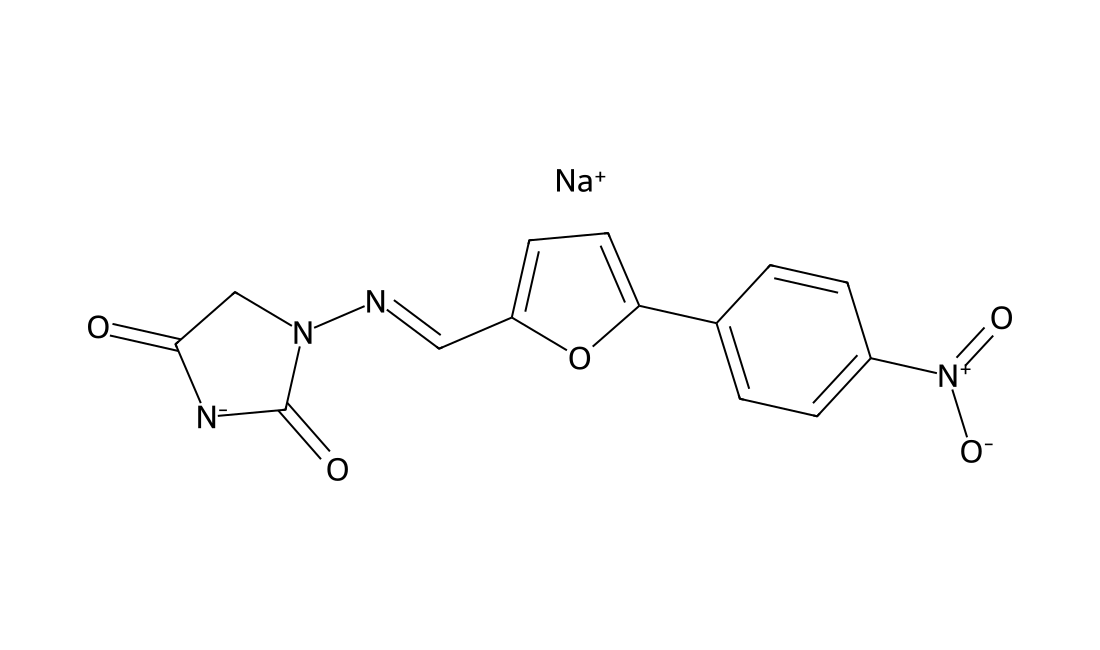
Dantrolene sodiumFeatured
Dantrolene sodium is a inhibitor of calcium channel proteins, inhibiting the release of Ca2+ from the sarcoplasm. Dantrolene sodium is a skeletal muscle relaxant which acts by blocking muscle contraction beyond the neuromuscular junction.
No products match this search.
Page 429 of 434 · Browse all 8677 products
Jump to a product page
Featured literature product: HX1 · DCL0028
HX1 is a hydroxyzine-derived ionizable lipid with acetal-containing tails, studied in lipid nanoparticles for brain mRNA delivery and CRISPR–Cas9 delivery. It was the lead in the reported in vivo brain-delivery screen; evidence is preclinical and formulation-dependent.
Read full formulation and performance →