
Research lipid catalog
Ionizable Lipid Products
Explore 848 lipid and RNA delivery products. Search the full catalog or browse by research category.
Search covers product name, catalog number, synonyms, available CAS numbers and categories. Spaces, hyphens and common punctuation are ignored. Duplicate legacy records are consolidated under one canonical product result.
8677 products · Showing 8521–8540 · 20 per page
DC Chemicals lipid expertise
Built for ionizable-lipid discovery and RNA delivery research
DC Chemicals supports formulation and delivery research with a broad, searchable portfolio of cationic and ionizable lipids. The current directory brings together 848 unique research-use products, with product specifications, pricing, chemical structures and literature-linked formulation data added as each record is verified.
Our experience spans complex lipid synthesis, purification, analytical release and process development. For custom molecules or larger-scale requirements, our team can discuss route development, technical specifications and scale-up options for the intended research workflow.
Learn about cationic and ionizable lipids →Proprietary innovation · Co-development · GMP
From proprietary lipid design to GMP-grade custom synthesis
DC Chemicals has independently developed ionizable-lipid structures supported by company-owned intellectual property, and selected proprietary lipid programs have advanced to GMP-stage development.
We welcome joint development with customers—from molecular design and lipid synthesis through route and process development. We can also support custom synthesis of GMP-grade ionizable lipids to agreed technical specifications and quality requirements.
Discuss a co-development project →Proprietary ionizable-lipid structuresCollaborative molecular designCustom lipid synthesisProcess development and scale-upGMP-grade project support
Product quick links
Explore New ionizable lipids
Explore our five most recently added ionizable lipids, with specifications, pricing and literature-linked product information.
DCL0028HX1Brain RNA delivery researchView product →DCL0024A1I4R13C18-2Spleen-targeted RNA delivery researchView product →DCL0023A1I4R2C18-2Spleen-targeted RNA delivery researchView product →DCL0022FS01Local joint RNA delivery researchView product →DCL0020Lipid-392Lung RNA delivery and gene editing researchView product →
Cat. No.Product NameField of ApplicationChemical Structure
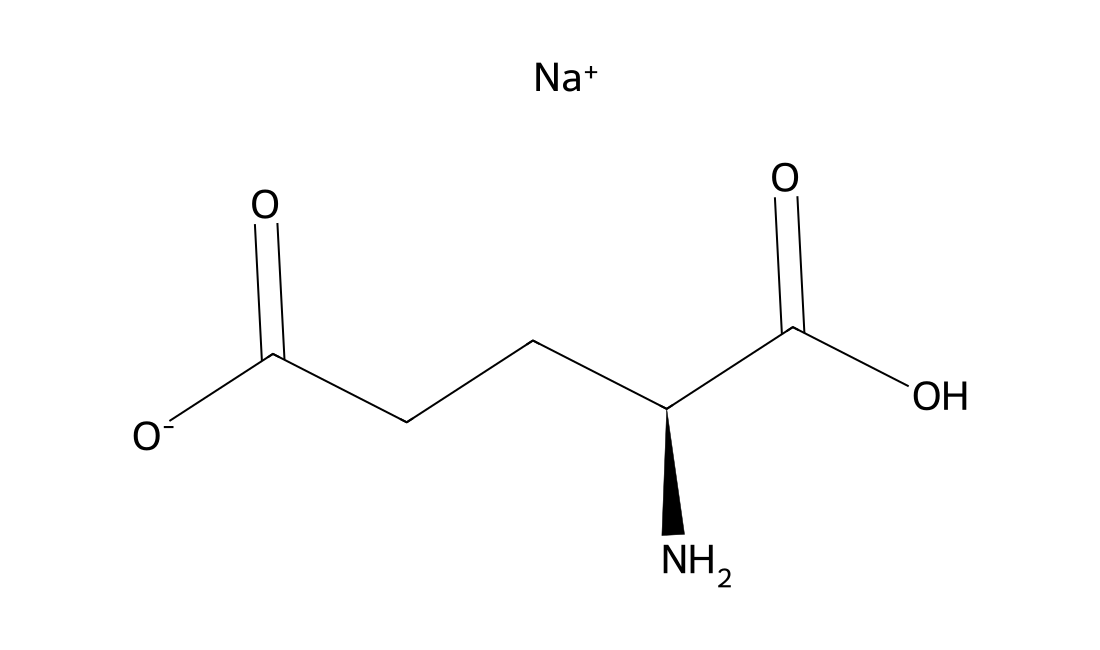
L-Glutamic acid monosodium saltFeatured
L-Glutamic acid monosodium salt is the sodium salt of glutamic acid, found naturally in tomatoes, cheese and other foods.
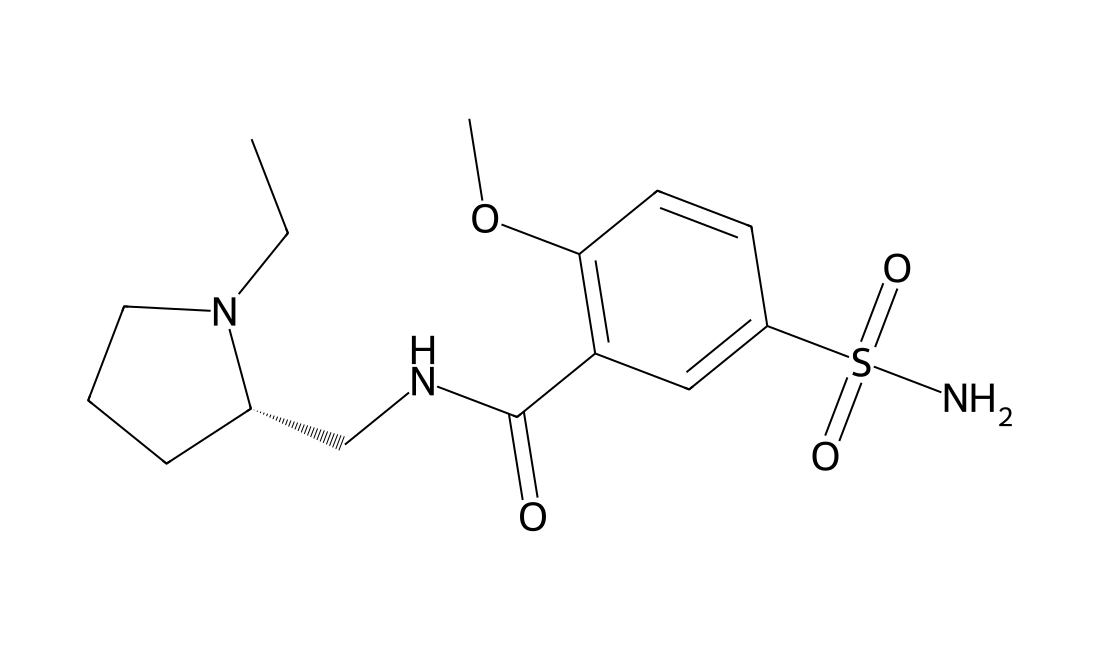
LevosulpirideFeatured
Levosulpiride is the (S)-enantiomer of sulpiride, which is a D2 receptor a antagonist, an atypical antipsychotic drug of the benzamide class.
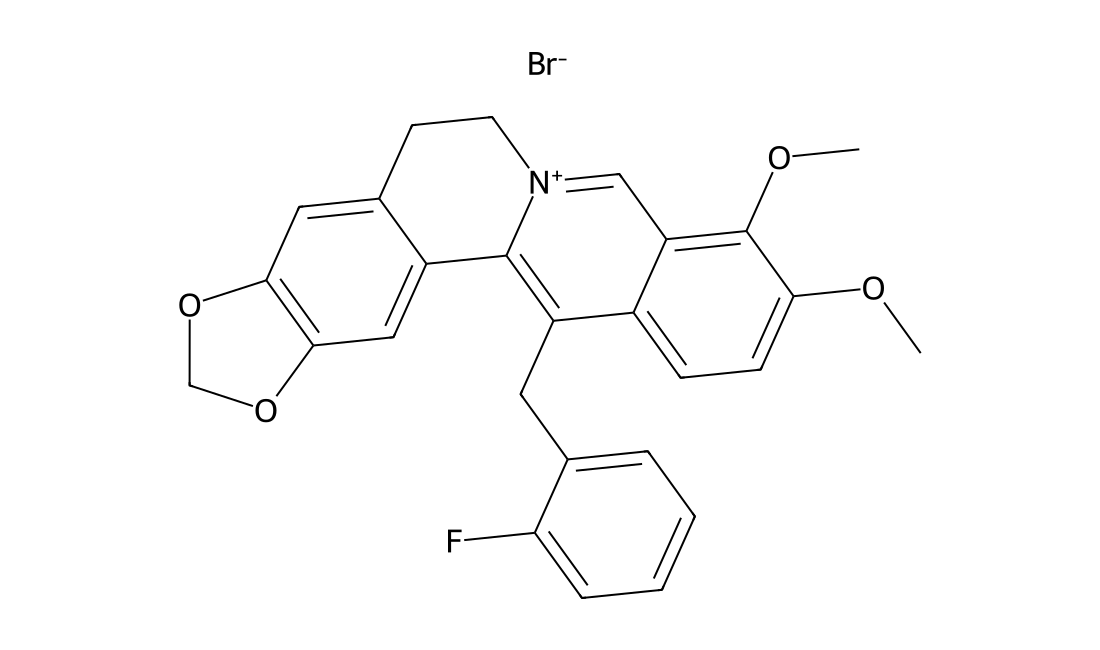
KRN2 bromideFeatured
In Vitro KRN2 shows much stronger inhibition of NFAT5-dependent reporter activity in RAW 264.7 macrophages than does BBR; the IC50 value is 0.1 μM for KRN2 and 4 μM for BBR. In parallel, 0.5 μM of KRN2 significantly suppresses the LPS-stimulated increase in NFAT5 protein expression in RAW 264.7 macrophages. It is confirmed that LPS-induced NFAT5 mRNA and protein expression is nearly completely blocked by KRN2. Similarly, KRN2 inhibits the translocation of NFAT5 into the nucleus of RAW264.7 cells stimulated with LPS. KRN2 specifically represses LPS-induced NFAT5 promoter activity, whereas it fails to reduce high salt-induced NFAT5 activity in the same cells, which is consistent with the selective inhibition of TLR4-activated NFAT5, but not hypertonicity-induced NFAT5, by KRN2.
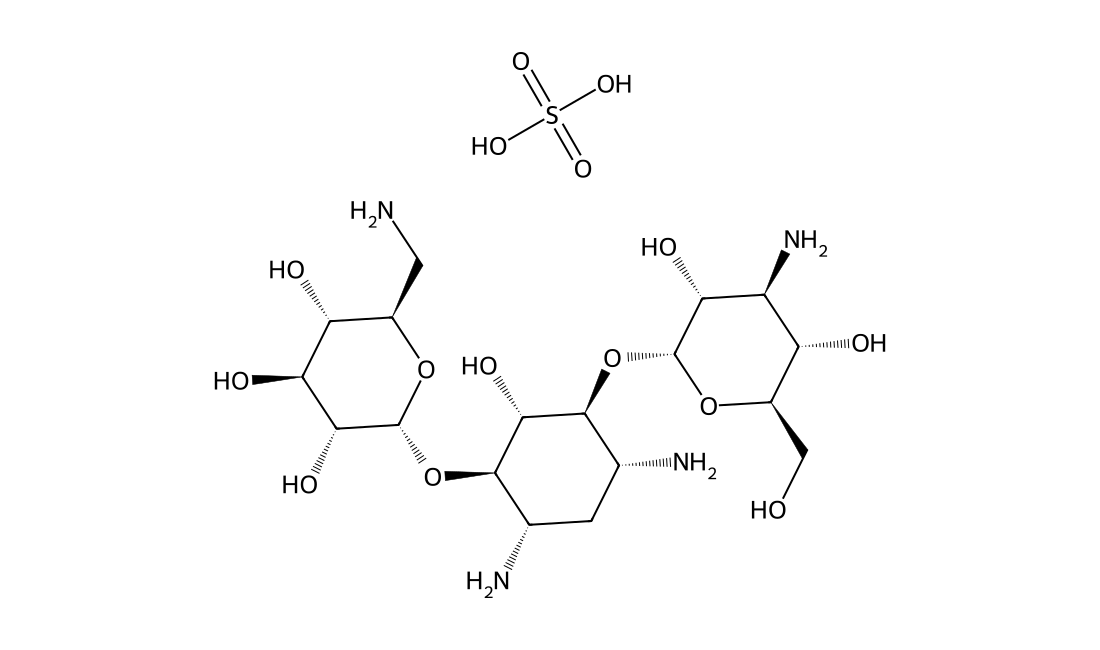
Kanamycin sulfateFeatured
Kanamycin sulfate(Kanamycin monosulfate) is an aminoglycoside antibiotic, available in oral, intravenous, and intramuscular forms, and used to treat a wide variety of infections.
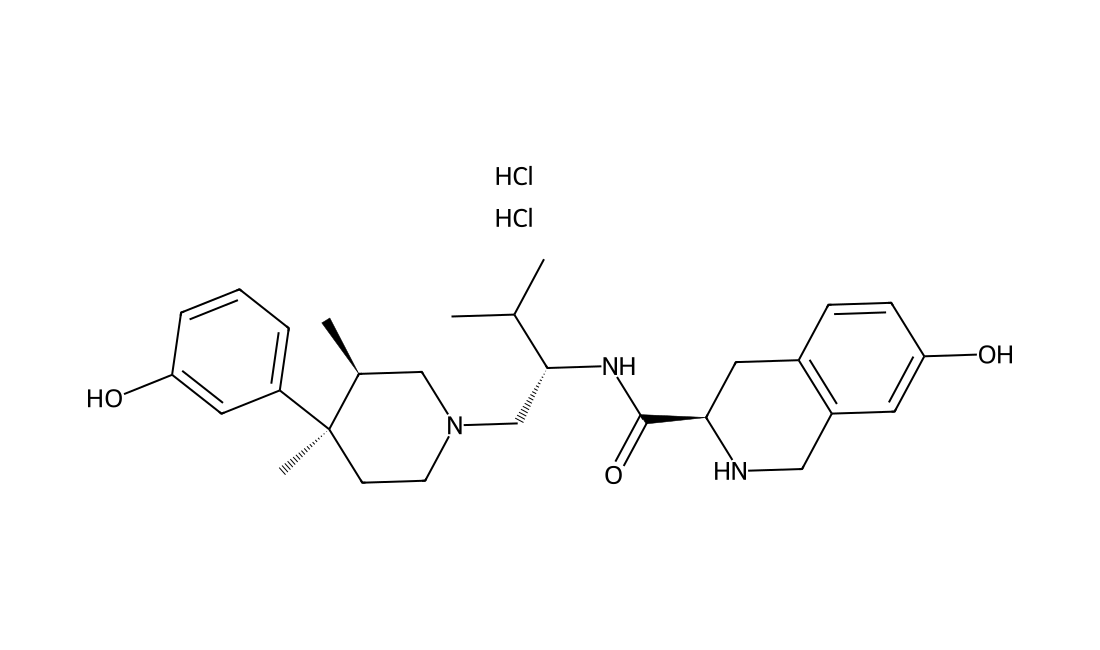
JDTic (dihydrochloride)Featured
JDTic 2Hcl is a highly selective antagonist for the κ-opioid receptor; without affecting the μ- or δ-opioid receptors. JDTic is a 4-phenylpiperidine derivative, distantly structurally related to analgesic drugs such as meperidine and ketobemidone, and more closely to the mu opioid antagonist alvimopan, and is structurally distinct from other kappa antagonists such as norbinaltorphimine. JDTic has a very long duration of action, with effects in animals seen for up to several weeks after administration of a single dose, although its binding to the kappa opioid receptor is not irreversible and its long-acting effects are instead caused by altered activity of c-Jun N-terminal kinases. Animal studies suggest that it may produce antidepressant and anxiolytic effects, as well as having possible application in the treatment of addiction to cocaine and morphine.
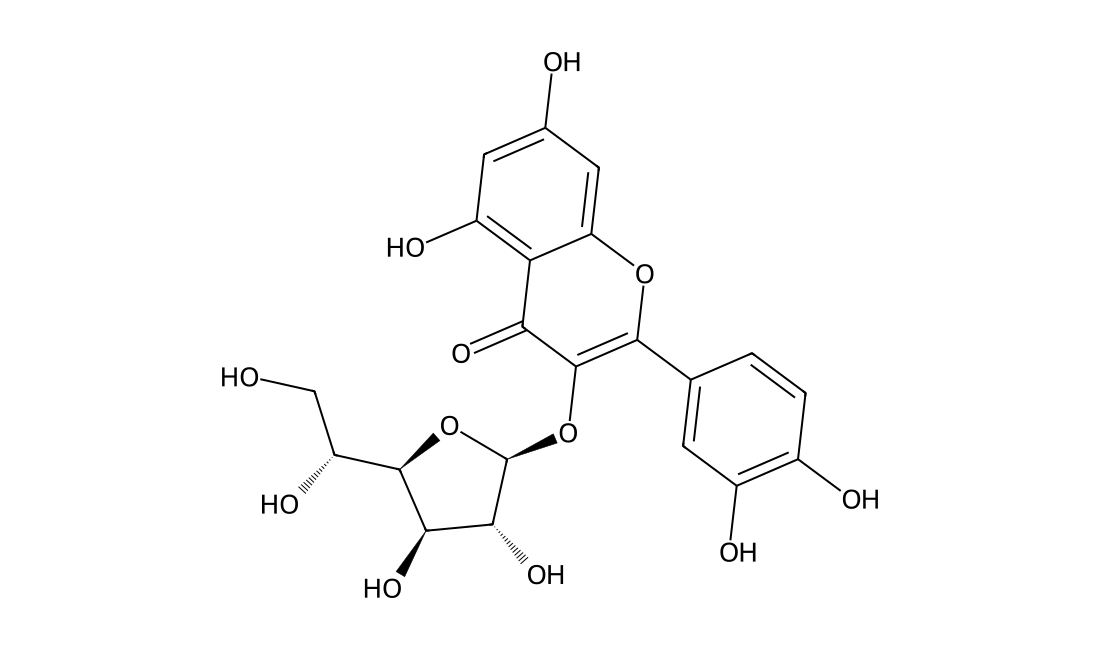
In Vitro Isoquercitrin occurs widely in plants.10 μM of Isoquercitrin of the seven compounds partially but significantly blunt the negative effect of H2O2 on RGC-5 cells, as the viability of cells in the presence of H2O2 is increased from approximately 63% to 83% and 90% at 10 and 50 μM, respectively. Indeed, 50 μM Isoquercitrin is more effective as a neuroprotectant than the same concentration of EGCG. In Vivo In animals receiving Isoquercitrin or quercetin, eosinophil counts are lower in the BALF, blood and lung parenchyma. Neutrophil counts in blood and IL-5 levels in lung homogenate are lower only in Isoquercitrin-treated mice. No alterations in mononuclear cell numbers were observed.
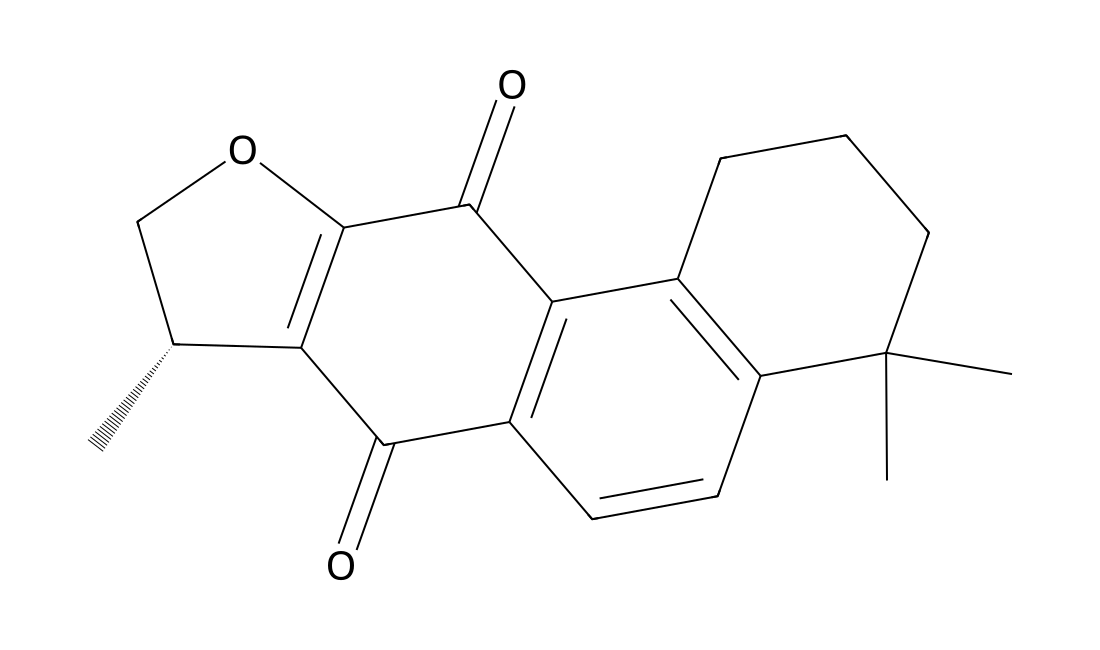
IsocryptotanshinoneFeatured
In Vitro It is showed that tanshinones significantly inhibited A549 proliferation and Isocryptotanshinone (ICTS) exhibits the strongest activity. Isocryptotanshinone inhibits the constitutive STAT3 and p-STAT3 (Y705) expression in concentration and time-dependent manners. Isocryptotanshinone dramatically inhibits the IL-6-stimulated expression of p-STAT3 (Y705) in a time-dependent manner.
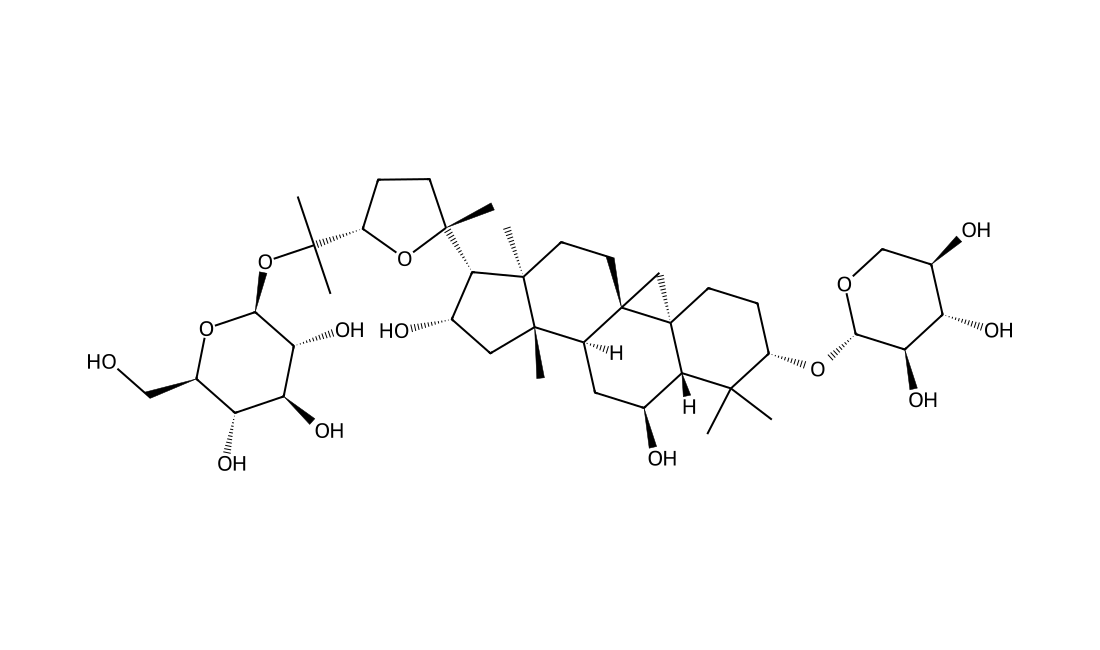
Isoastragaloside IVFeatured
Isoastragaloside IV is a triterpene oligoglycoside isolated from Astragali Radix.
ISA-2011BFeatured
The proliferation rate of PC-3 cells after treatment with ISA-2011B at 10, 20, and 50 μM is significantly reduced to 58.77%, 48.65%, and 21.62% of vehicle-treated controls, respectively. ISA-2011B exhibits the highest binding affinity to PIP5K1α, and to MAP/microtubule affinity-regulating kinase 1 and 4 (MARK1 and MARK4) across 460 kinases. ISA-2011B treatment inhibits PIP5K1α expression by 78.6% in PC-3 cells. ISA-2011B leads to a remarkable reduction in AR-V7 and CDK1 in both nucleus and cytoplasm of 22Rv1 cells. ISA-2011B treatment also abolishes AR expression in the nucleus, without depleting the cytoplasmic AR.ISA-2011B significantly inhibits growth of tumor cells in xenograft mice, and is mediated by targeting PIP5K1α-associated PI3K/AKT and the downstream survival, proliferation, and invasion pathways. Overexpression of AR-V7 increases PIP5K1α, promotes rapid growth of PCa in xenograft mice, whereas inhibition of PIP5K1α by its inhibitor ISA-2011B suppresses the growth and invasiveness of xenograft tumors overexpressing AR-V7. ISA-2011B disrupts protein stabilization of AR-V7 which is dependent on PIP5K1α, leading to suppression of invasive growth of AR-V7-high tumors in xenograft mice.
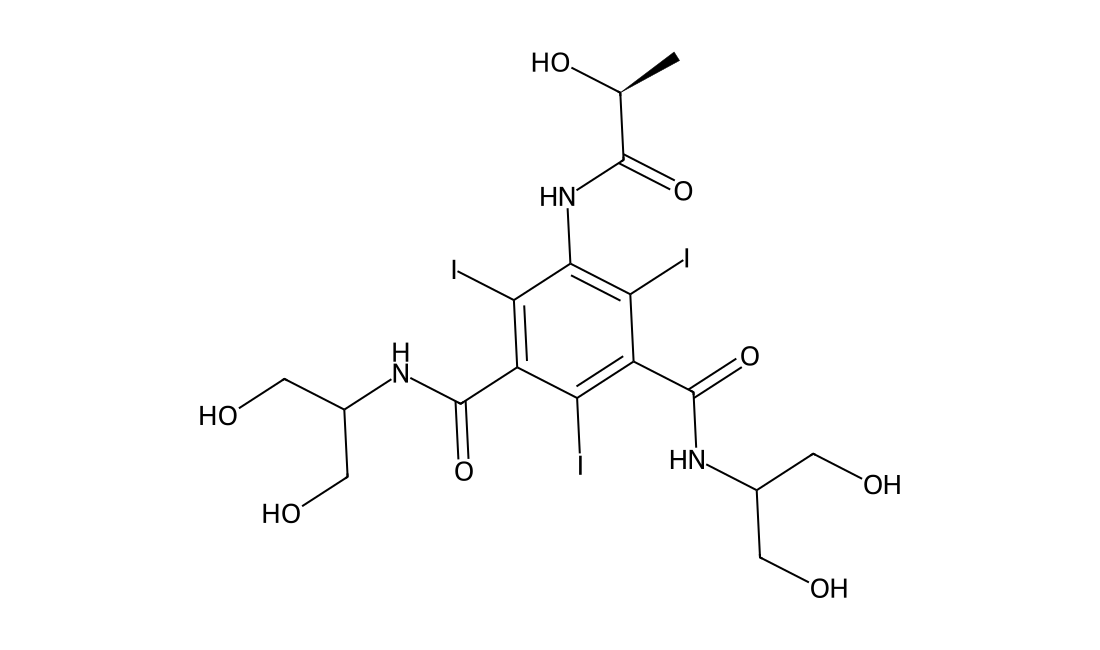
IopamidolFeatured
Iopamidol is a nonionic, low-osmolar iodinated contrast agent.
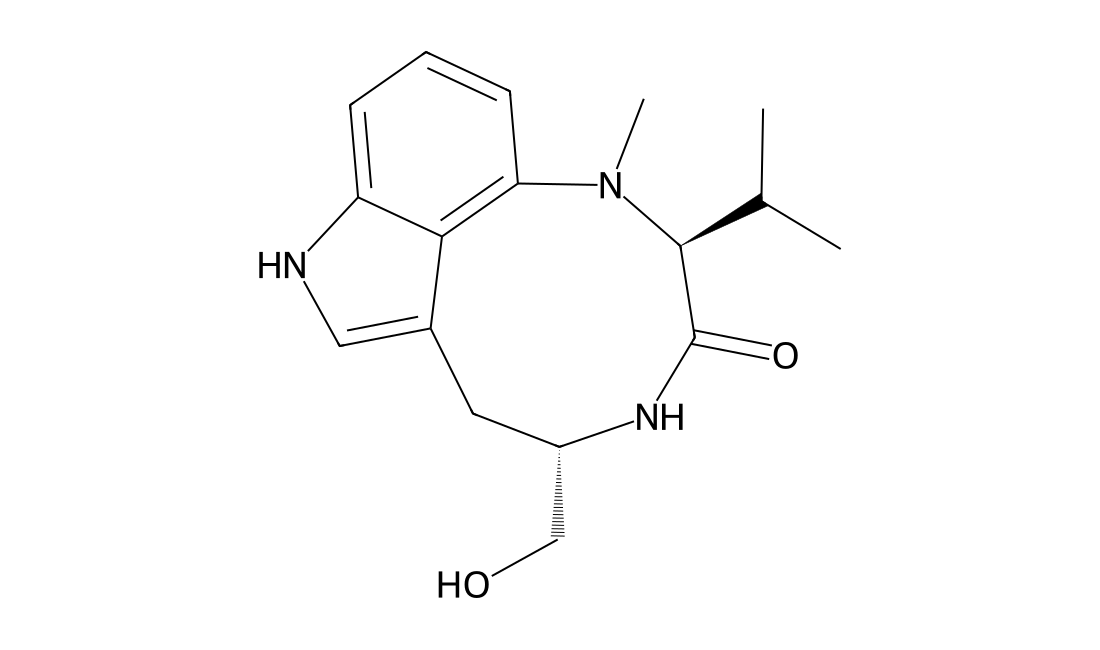
Indolactam VFeatured
Indolactam V ((-)-Indolactam V) is an indole alkaloid tumor promoter that activates protein kinase C (PKC), binds to PKC regulatory domains of mouse skin PKCη and rat brain PKCγ with Ki values of 3.4 nM and 1 uM, respectively; induces differentiation of human embryonic stem cells into pancreatic progenitors through activation of PKC signaling.
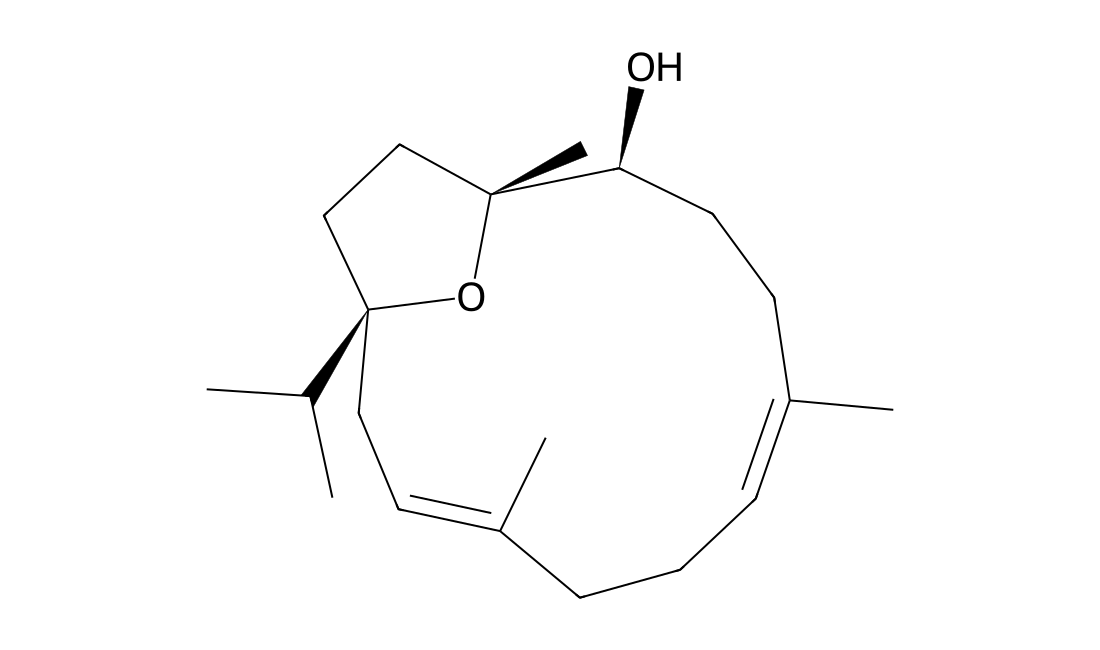
IncensoleFeatured
Incensole is a diterpene originally isolated from frankincense produced by B. carterii.It inhibits degradation of inhibitor of NF-κB (IκBα) in a concentration-dependent manner in TNF-α-stimulated HeLa cells when used at concentrations ranging from 60 to 140 μM.
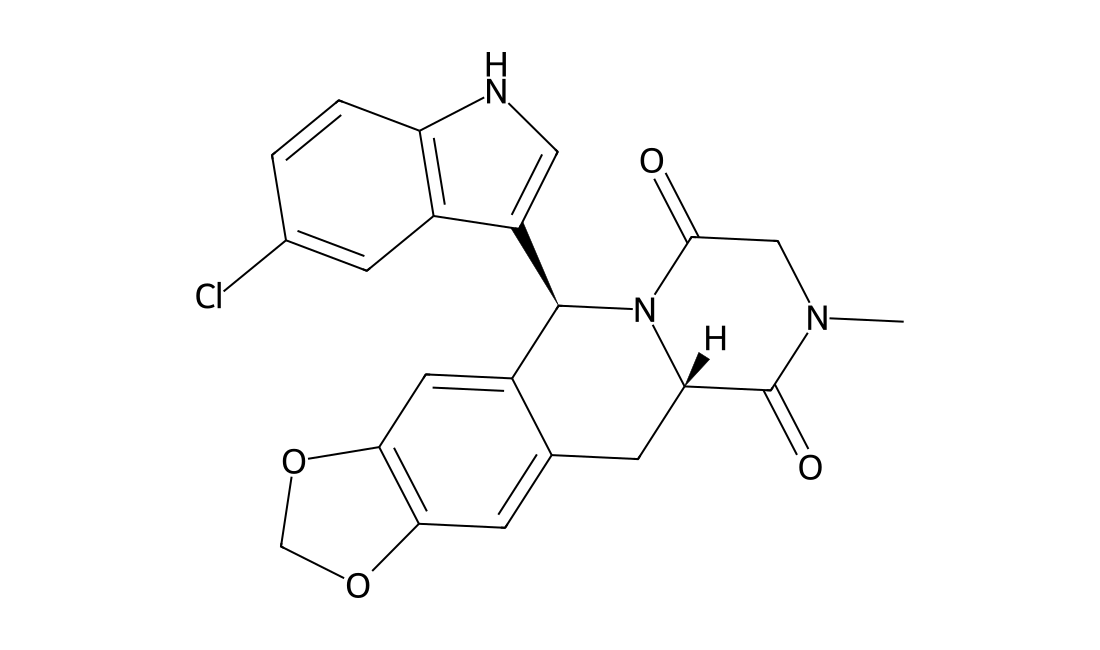
INCB3344Featured
INCB3344 is a novel, potent and selective small molecule antagonist of the mouse CCR2 receptor; inhibits the binding of CCL2 to mouse monocytes with nanomolar potency (IC50 = 10 nM). In vitro: INCB3344 inhibits the binding of CCL2 to mouse monocytes with nanomolar potency (IC(50) = 10 nM) and displays dose-dependent inhibition of CCL2-mediated functional responses such as ERK phosphorylation and chemotaxis with similar potency. Against a panel of G protein-coupled receptors that includes other CC chemokine receptors, INCB3344 is at least 100-fold selective for CCR2. INCB3344 can also bind human CCR2 (hCCR2) with high affinity, having a dissociation constant (K(d)) of approximately 5nM. The binding of the compound to the receptor is rapid and reversible. INCB3344 potently inhibits hCCR2 binding of monocyte chemoattractant protein-1 (MCP-1) and MCP-1-induced signaling and function in hCCR2-expressing cells, including ERK phosphorylation and chemotaxis, and is competitive against MCP-1 in vitro. in vivo: INCB3344 possesses good oral bioavailability and systemic exposure in rodents that allows in vivo pharmacological studies. INCB3344 treatment results in a dose-dependent inhibition of macrophage influx in a mouse model of delayed-type hypersensitivity. Intervention with a CCR2 antagonist, INCB3344 (30 mg/kg per day, IP), 10 days after the induction of hypertension with DOCA/salt treatment, reduced the aortic expression of CCR2 mRNA and completely reversed the DOCA/salt-induced influx of macrophages.
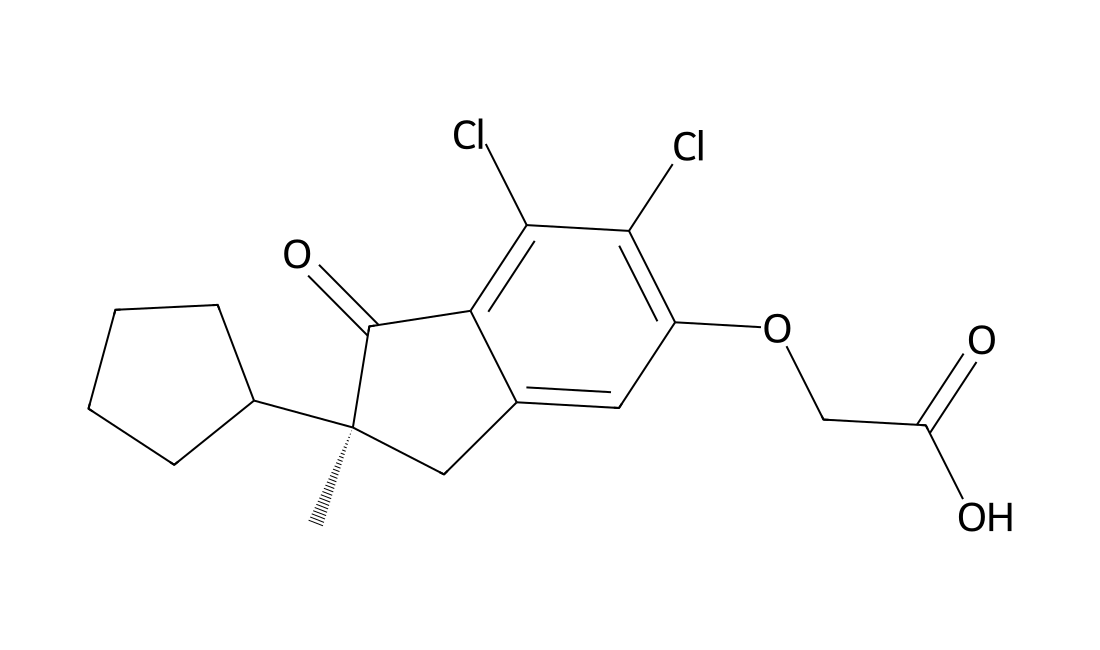
IAA-94Featured
IAA-94 is an indanyloxyacetic acid blocker of epithelial chloride channels. IAA-94 has been employed in modulating chloride channel function to probe the dynamics and function of the channels. The high affinity of IAA-94 for the chloride channel has been exploited for isolation and reconstitution of these proteins.
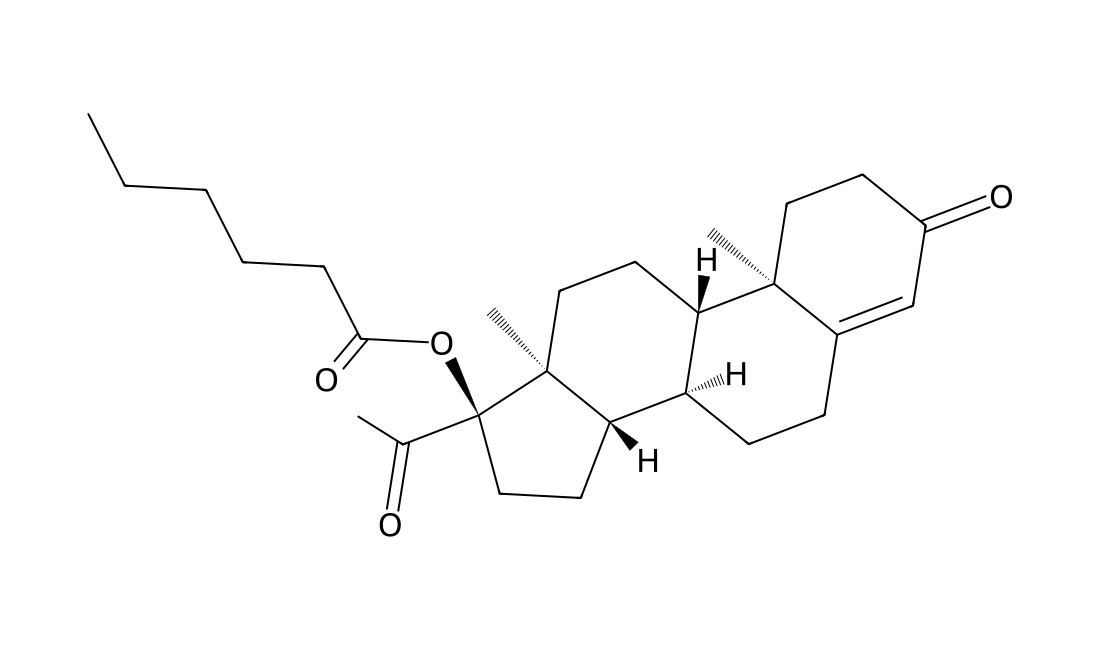
Hydroxyprogesterone caproateFeatured
Hydroxyprogesterone Caproate is a synthetic progestational agent. It binds to and activates nuclear progesterone receptors in the reproductive system and inhibits ovulation and an alteration in the cervical mucus and endometrium.
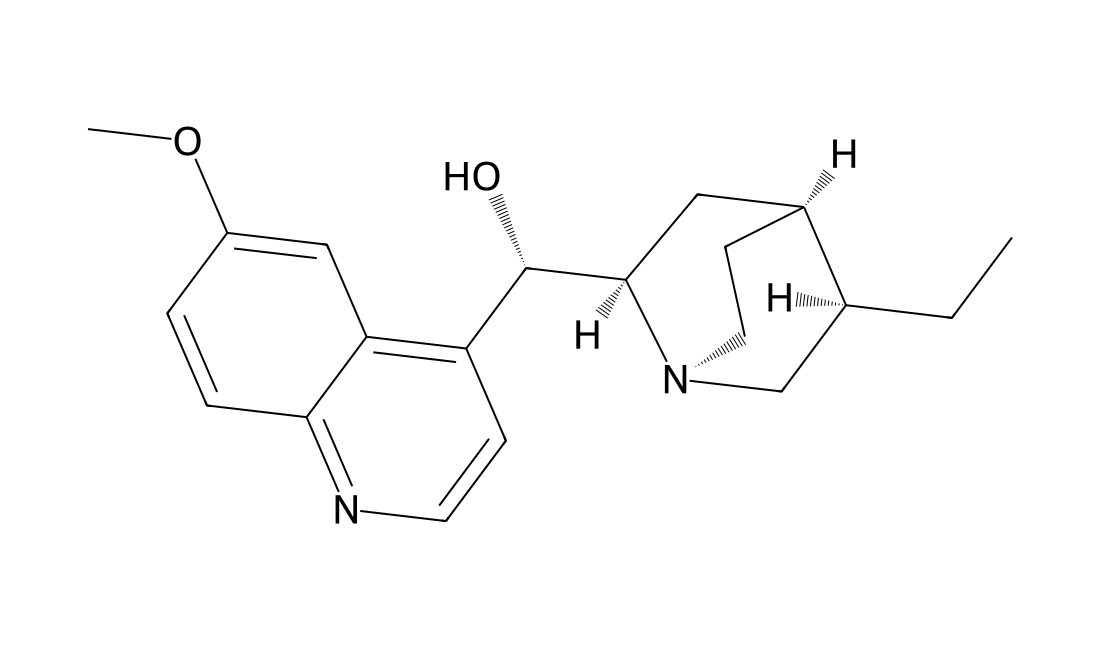
HydroquinidineFeatured
Hydroquinidine is an antiarrhythmic agent.
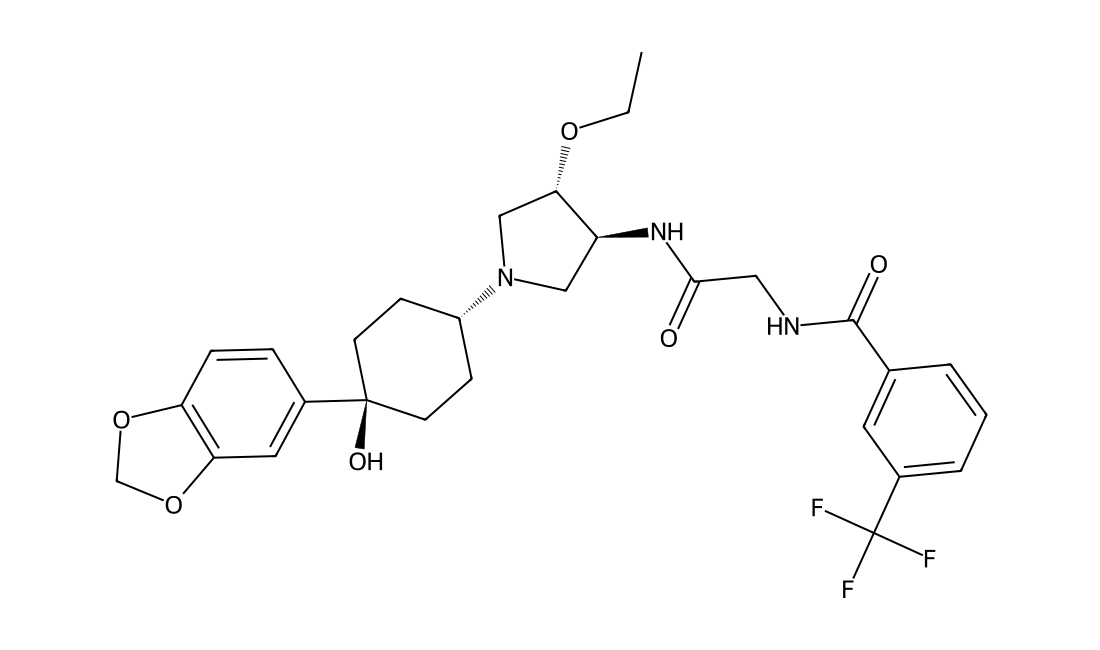
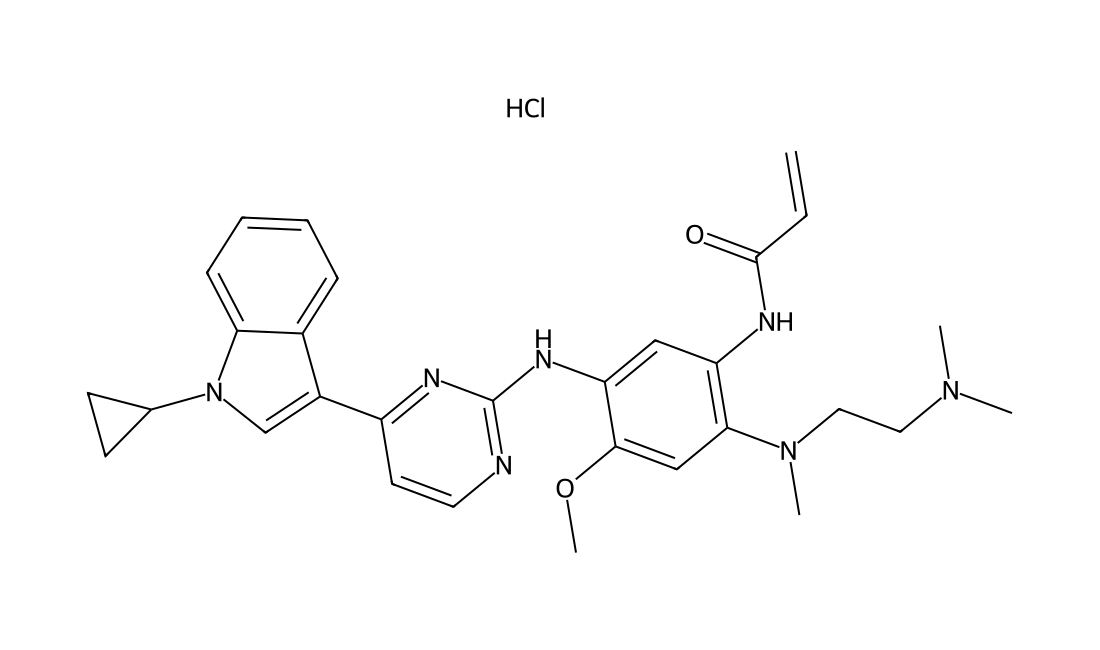
HS-10296 hydrochlorideFeatured
In Vitro HS-10296 hydrochloride is an orally available inhibitor of the epidermal growth factor receptor (EGFR) mutant form T790M, with potential antineoplastic activity, which canbe used to treat NSCLC. Additionaly, HS-10296 could also inhibit other EGFR sensitive mutations, including G719X, del19, L858R and L861Q.
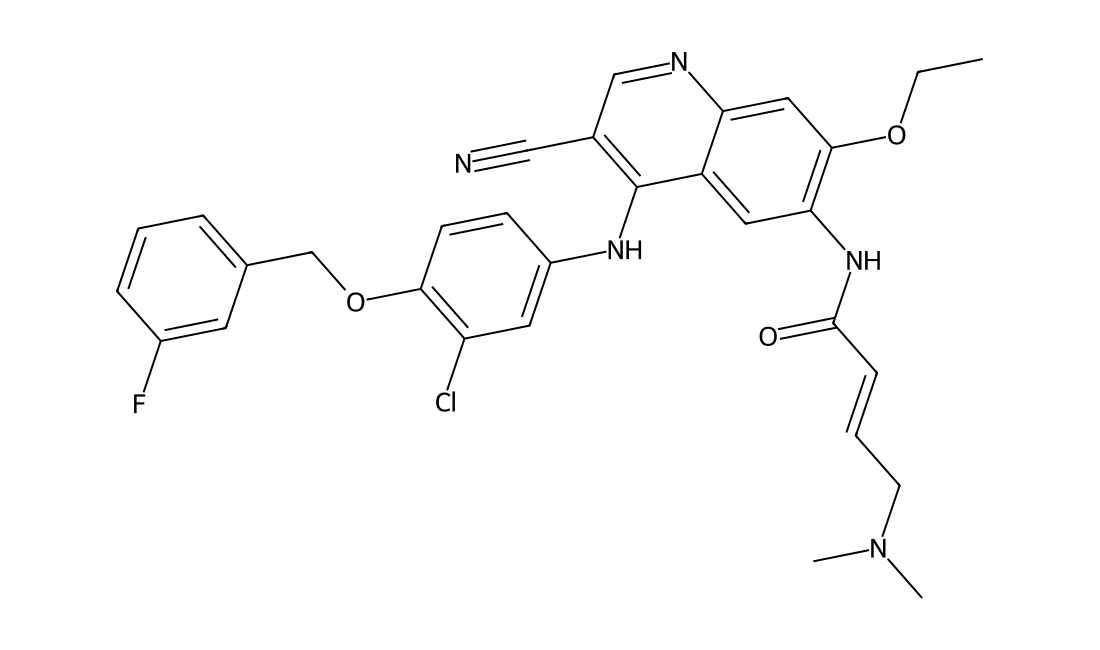
HomoplantagininFeatured
Homoplantaginin shows IC50 of reduction level of DPPH radical at 0.35 μg/mL. In human hepatocyte HL-7702 cells exposed to H2O2, the addition of 0.1-100μg/mL of homoplantaginin significantly reduces lactate dehydrogenase leakage, and increases glutathione, glutathione peroxidase and superoxide dismutase in supernatant. Homoplantaginin (0.1, 1, 10 μM) dose-dependently reduces expression of toll-like receptor-4 evoked by palmitic acid (100 μM). Homoplantaginin tightly controlls palmitic acid-induced reactive oxygen species to prevent nucleotide-binding domain-like receptor 3 (NLRP3) inflammasome activation by suppressing reactive oxygen species-sensitive thioredoxin-interacting protein, NLRP3, and caspase-1. Pre-treatment of homoplantaginin on human umbilical vein endothelial cells significantly inhibits palmitic acid induced TNF-α and IL-6 mRNA expression, and IKKβ and NF-κB p65 phosphorylation. Homoplantaginin significantly modulates the Ser/Thr phosphorylation of IRS-1, improves phosphorylation of Akt and endothelial nitric oxide synthase, and increases NO production in the presence of insulin.Homoplantaginin shows IC50 of reduction level of DPPH radical at 0.35 μg/mL. In human hepatocyte HL-7702 cells exposed to H2O2, the addition of 0.1-100μg/mL of homoplantaginin significantly reduces lactate dehydrogenase leakage, and increases glutathione, glutathione peroxidase and superoxide dismutase in supernatant. Homoplantaginin (0.1, 1, 10 μM) dose-dependently reduces expression of toll-like receptor-4 evoked by palmitic acid (100 μM). Homoplantaginin tightly controlls palmitic acid-induced reactive oxygen species to prevent nucleotide-binding domain-like receptor 3 (NLRP3) inflammasome activation by suppressing reactive oxygen species-sensitive thioredoxin-interacting protein, NLRP3, and caspase-1. Pre-treatment of homoplantaginin on human umbilical vein endothelial cells significantly inhibits palmitic acid induced TNF-α and IL-6 mRNA expression, and IKKβ and NF-κB p65 phosphorylation. Homoplantaginin significantly modulates the Ser/Thr phosphorylation of IRS-1, improves phosphorylation of Akt and endothelial nitric oxide synthase, and increases NO production in the presence of insulin.
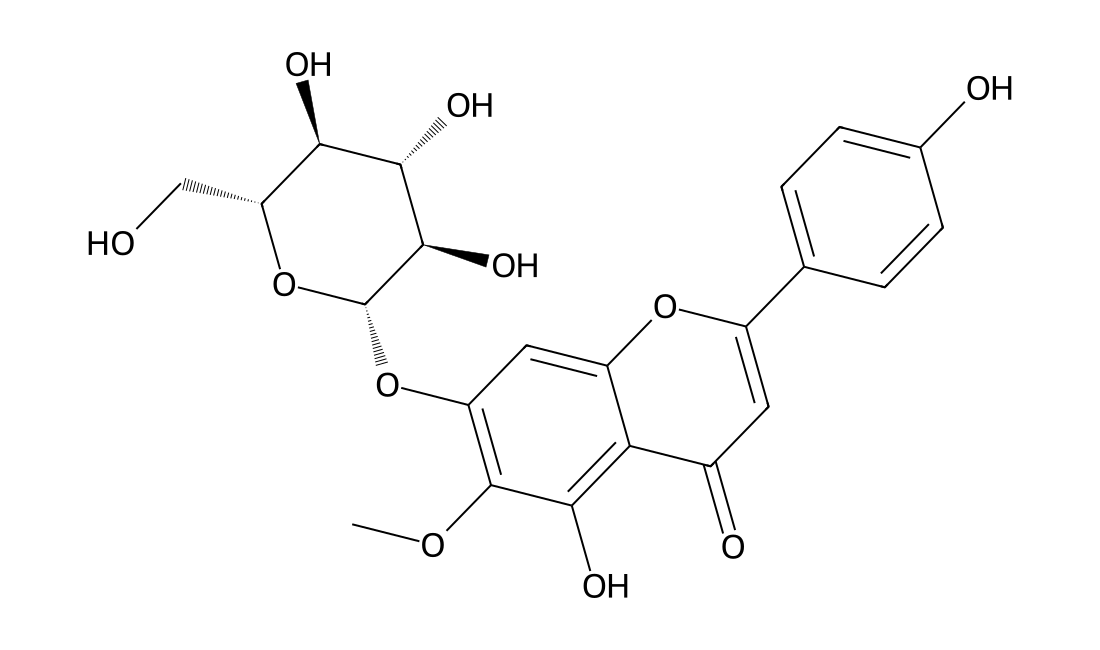
Hoechst 33342 (trihydrochloride)Featured
Hoechst 33342 3Hcl(HOE 33342 3Hcl) is an AT-specific DNA minor groove ligand used fluorochrome for visualizing cellular DNA.
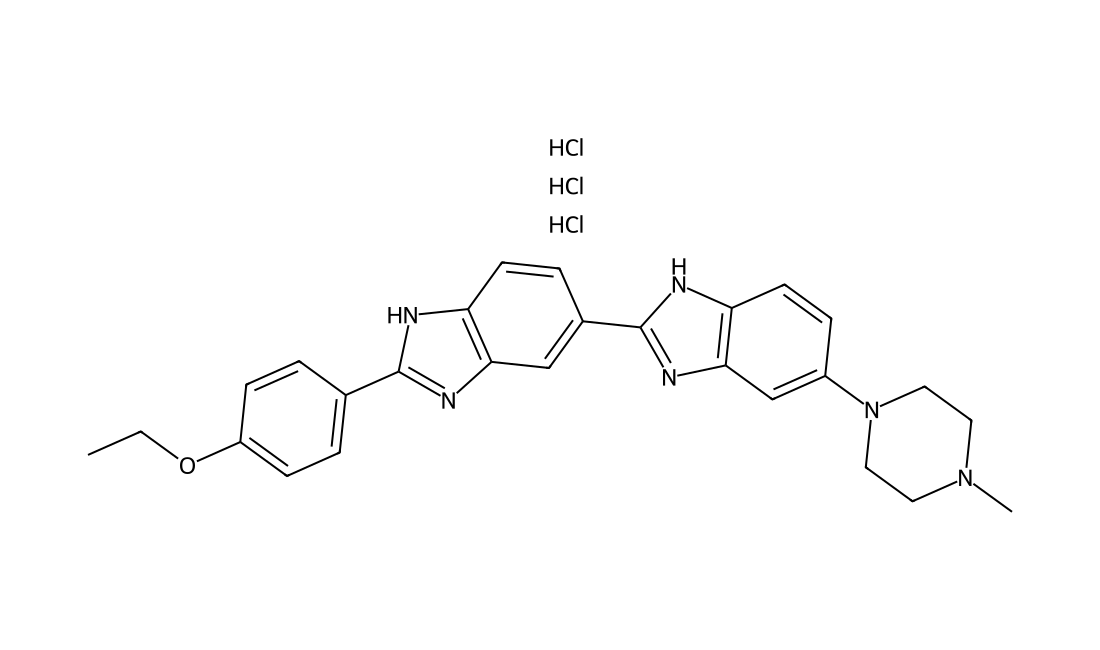
HKI 357Featured
HKI 357 is an irreversible dual inhibitor of the EGF receptor tyrosine kinases EGFR and HER2 (IC50s = 34 and 33 nM, respectively). It inhibits proliferation of A431, SK-BR-3, and SW620 cancer cell lines (IC50s = 120, 2.5, and 511 nM, respectively). HKI 357 suppresses EGFR autophosphorylation and phosphorylation of the downstream effectors AKT and ERK in the gefitinib-susceptible and -resistant cell lines NCI-H1650 and NCI-H1650(G7), respectively.In vivo, HKI 357 (10 mg/kg) inhibits tumor growth in BT474, A431, and SUM190 mouse xenograft models.
No products match this search.
Page 427 of 434 · Browse all 8677 products
Jump to a product page
Featured literature product: HX1 · DCL0028
HX1 is a hydroxyzine-derived ionizable lipid with acetal-containing tails, studied in lipid nanoparticles for brain mRNA delivery and CRISPR–Cas9 delivery. It was the lead in the reported in vivo brain-delivery screen; evidence is preclinical and formulation-dependent.
Read full formulation and performance →