
Research lipid catalog
Ionizable Lipid Products
Explore 848 lipid and RNA delivery products. Search the full catalog or browse by research category.
Search covers product name, catalog number, synonyms, available CAS numbers and categories. Spaces, hyphens and common punctuation are ignored. Duplicate legacy records are consolidated under one canonical product result.
8677 products · Showing 8581–8600 · 20 per page
DC Chemicals lipid expertise
Built for ionizable-lipid discovery and RNA delivery research
DC Chemicals supports formulation and delivery research with a broad, searchable portfolio of cationic and ionizable lipids. The current directory brings together 848 unique research-use products, with product specifications, pricing, chemical structures and literature-linked formulation data added as each record is verified.
Our experience spans complex lipid synthesis, purification, analytical release and process development. For custom molecules or larger-scale requirements, our team can discuss route development, technical specifications and scale-up options for the intended research workflow.
Learn about cationic and ionizable lipids →Proprietary innovation · Co-development · GMP
From proprietary lipid design to GMP-grade custom synthesis
DC Chemicals has independently developed ionizable-lipid structures supported by company-owned intellectual property, and selected proprietary lipid programs have advanced to GMP-stage development.
We welcome joint development with customers—from molecular design and lipid synthesis through route and process development. We can also support custom synthesis of GMP-grade ionizable lipids to agreed technical specifications and quality requirements.
Discuss a co-development project →Proprietary ionizable-lipid structuresCollaborative molecular designCustom lipid synthesisProcess development and scale-upGMP-grade project support
Product quick links
Explore New ionizable lipids
Explore our five most recently added ionizable lipids, with specifications, pricing and literature-linked product information.
DCL0028HX1Brain RNA delivery researchView product →DCL0024A1I4R13C18-2Spleen-targeted RNA delivery researchView product →DCL0023A1I4R2C18-2Spleen-targeted RNA delivery researchView product →DCL0022FS01Local joint RNA delivery researchView product →DCL0020Lipid-392Lung RNA delivery and gene editing researchView product →
Cat. No.Product NameField of ApplicationChemical Structure
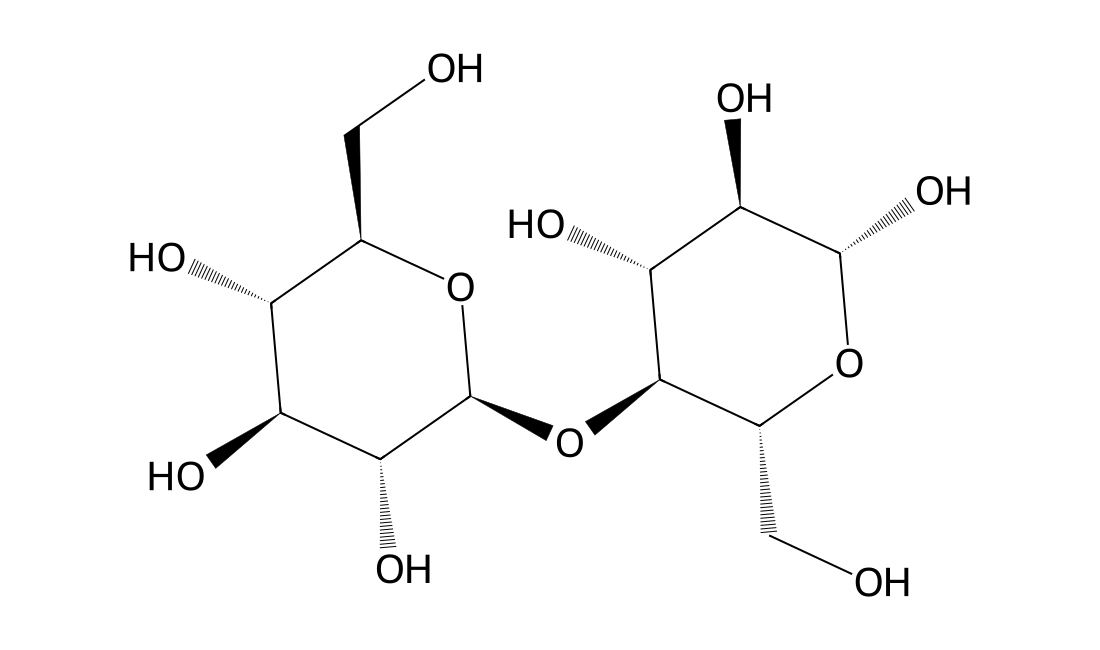
D-(+)-CellobioseFeatured
D-(+)-Cellobiose is a substrate of β-glucosidase.
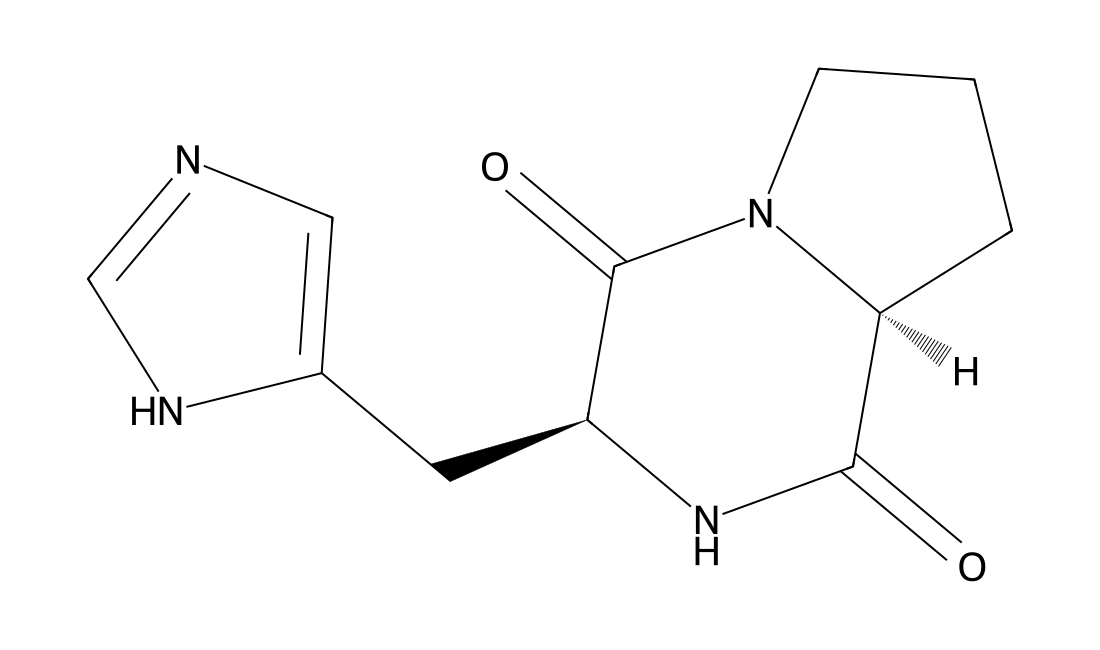
Cyclo(his-pro)Featured
Cyclo(His-Pro) is a cyclic dipeptide derived from the hydrolytic removal of the amino-terminal pyroglutamic acid residue of the hypothalamic thyrotropin-releasing hormone. Cyclo(His-Pro) is ubiquitous in the central nervous system and is a key substrate of organic cation transporters, which are strongly linked to neuroprotection. The cyclic dipeptide can also cross the brain-blood-barrier and, once in the brain, can affect diverse inflammatory and stress responses by modifying the Nrf2-NF-κB signaling axis. Cyclo(His-Pro) inhibits NF-κB nuclear accumulation induced by paraquat in rat pheochromocytoma PC12 cells via the Nrf2/heme oxygenase-1 pathway.Mice that receives cyclo(His-Pro) pre-treatment shows a significant decrease in the oedematogenic response, confirming that the cyclic dipeptide can exert anti-inflammatory effect. Cyclo(His-Pro) exerts in vivo anti-inflammatory effects in the central nervous system by down-regulating hepatic and cerebral TNFα expression thereby counteracting LPS-induced gliosis. Moreover, by up-regulating Bip, cyclo(His-Pro) increases the ER stress sensitivity andtriggers the unfolded protein response to alleviate the ER stress.
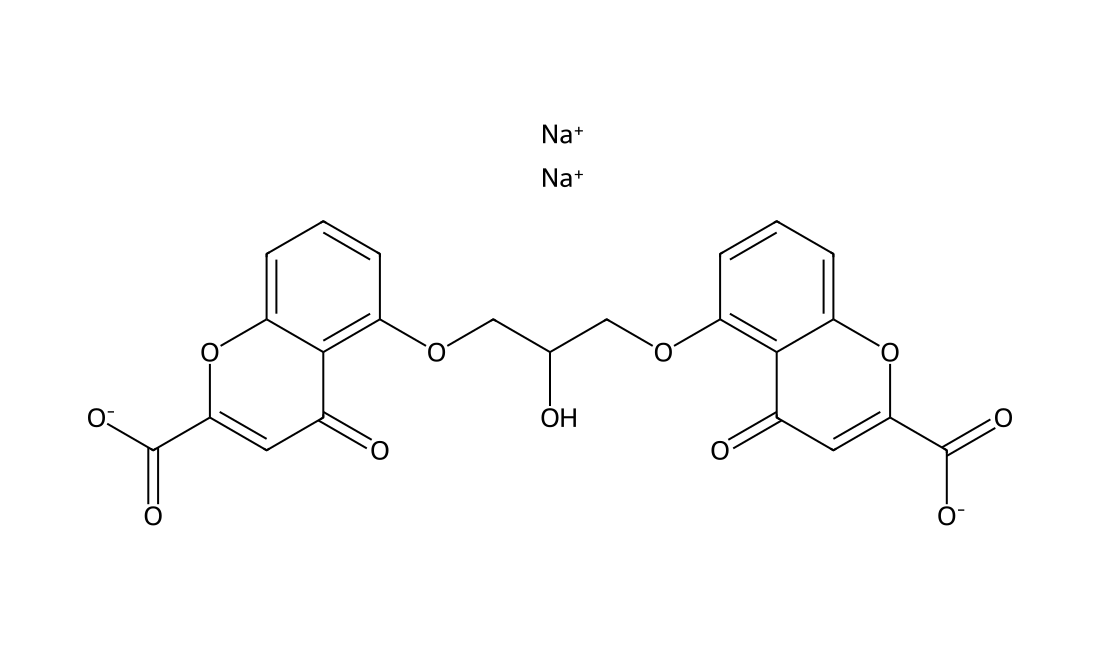
Cromolyn sodiumFeatured
Cromolyn sodium is an antiallergic drug.Cromolyn sodium is a chromone complex that acts by inhibiting the release of chemical mediators from sensitized mast cells. It is used in the prophylactic treatment of both allergic and exercise-induced asthma, but does not affect an established asthmatic attack. Pretreatment of IIR mice with Cromolyn sodium prior to ischemia exhibited no changes of ET-1 levels, injury score and inflammation (P>0.05, PreCr vs. M groups). In conclusion, administration of Cromolyn sodium after reperfusion, but not prior to ischemia, attenuates IIRI by downregulating ET-1 and suppressing sustained MC activation . cromolyn sodium has a role in the prevention of Chronic lung disease(CLD). Cromolyn sodium cannot be recommended for the prevention of CLD in preterm infants.
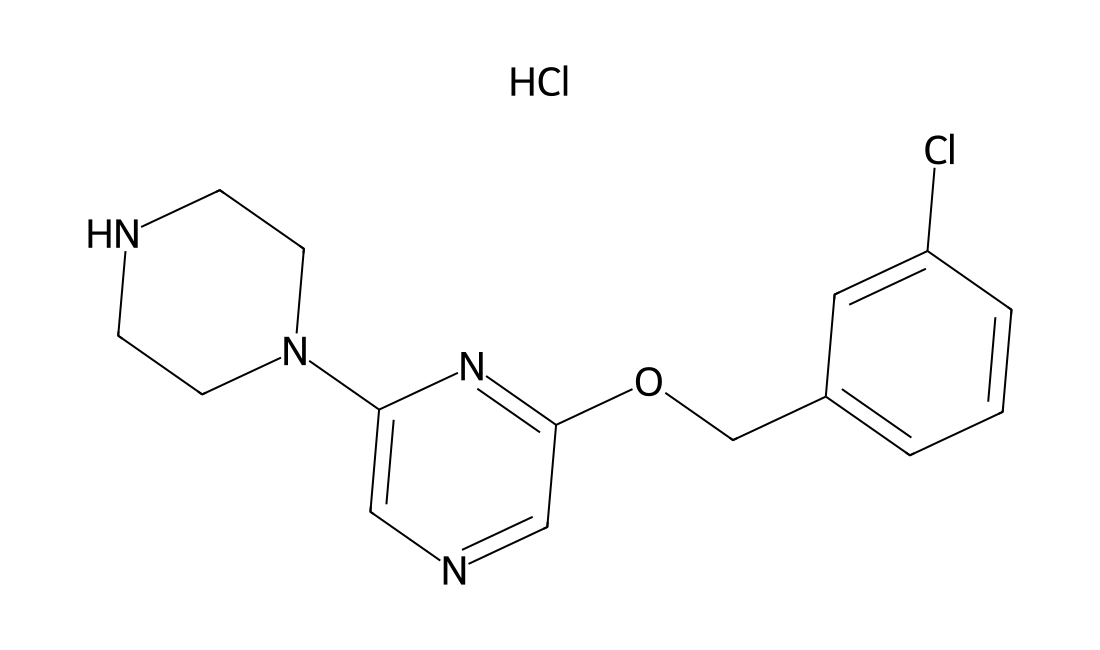
CP-809101 (hydrochloride)Featured
CP-809101 Hcl is a potent and selective 5-HT2C receptor agonist with pEC50 of 9.96/7.19/6.81 for human 5-HT2C/5-HT2B/5-HT2A receptors respectively. CP-809101 is a potent, functionally selective 5-HT2C agonist that displays approximately 100% efficacy in vitro. The aim of the present studies was to assess the efficacy of a selective 5-HT2C agonist in animal models predictive of antipsychotic-like efficacy and side-effect liability. Similar to currently available antipsychotic drugs, CP-809101 dose-dependently inhibited conditioned avoidance responding (CAR, ED50 = 4.8 mg/kg, sc). CP-809101 antagonized both PCP- and d-amphetamine-induced hyperactivity with ED50 values of 2.4 and 2.9 mg/kg (sc), respectively and also reversed an apomorphine induced-deficit in prepulse inhibition. At doses up to 56 mg/kg, CP-809101 did not produce catalepsy. Thus, the present results demonstrate that the 5-HT2C agonist, CP-809101, has a pharmacological profile similar to that of the atypical antipsychotics with low extrapyramidal symptom liability. CP-809101 was inactive in two animal models of antidepressant-like activity, the forced swim test and learned helplessness.
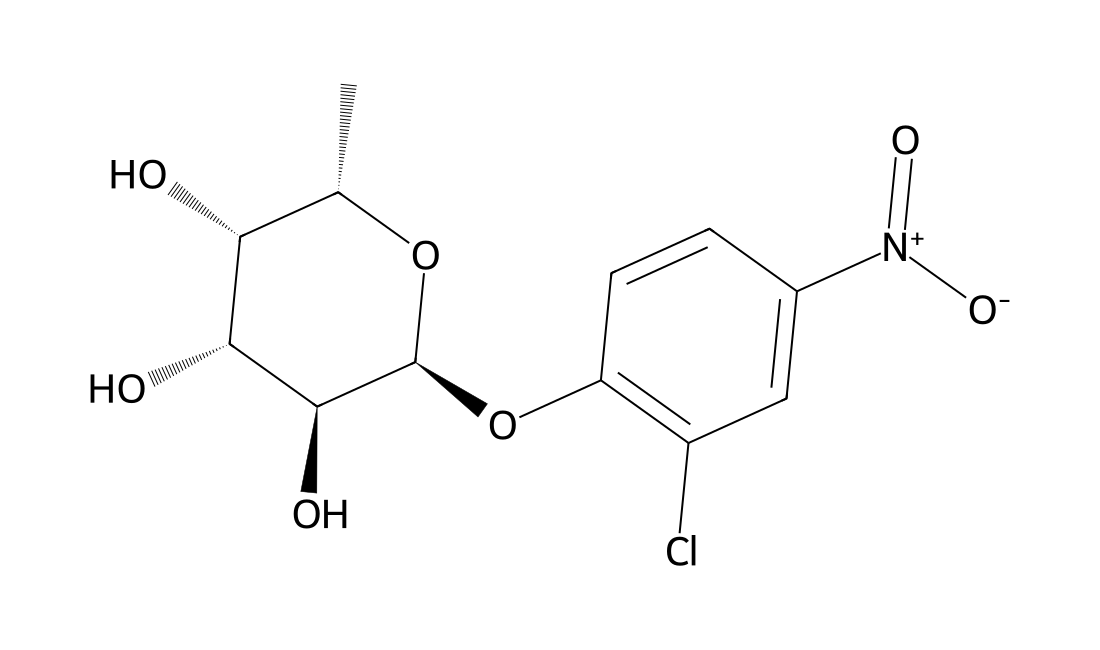
CNP-AFUFeatured
CNP-AFU (2-Chloro-4-nitrophenyl α-L-fucopyranoside) is a substrate for alpha-L-fucosidase(AFU).
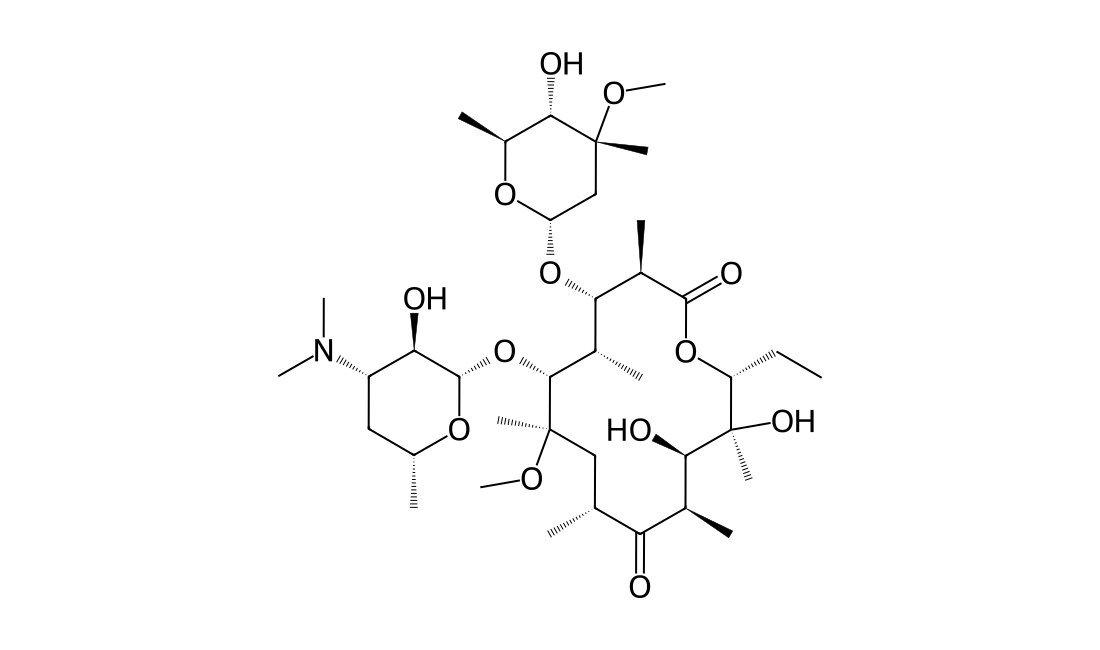
ClarithromycinFeatured
Clarithromycin is a macrolide antibiotic and a CYP3A4 inhibitor.
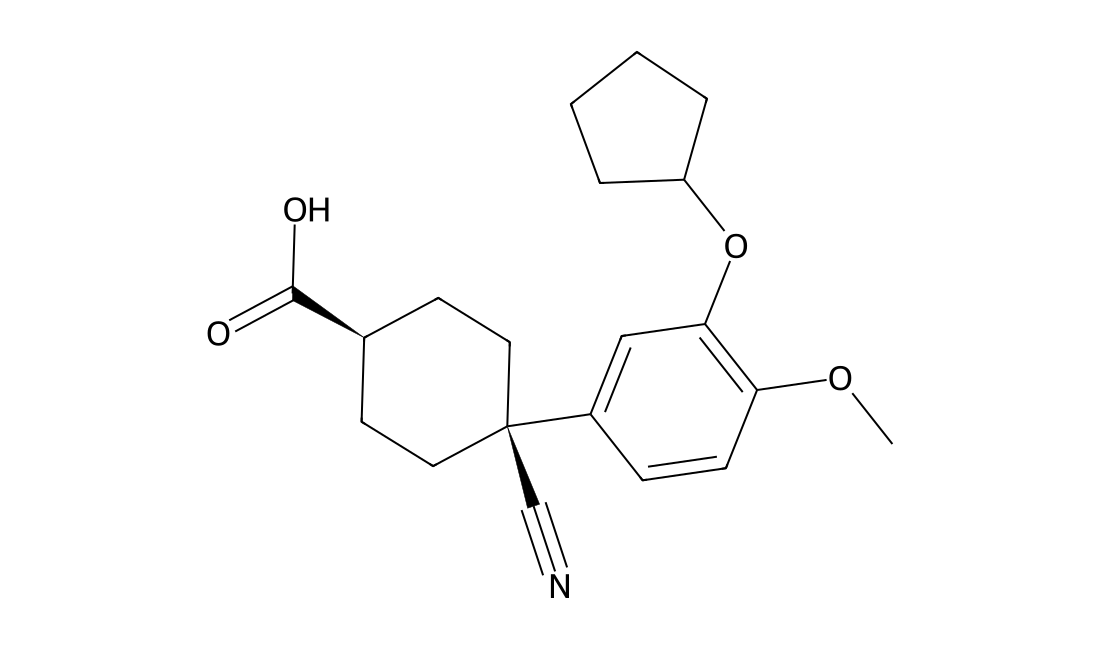
CilomilastFeatured
Cilomilast(SB 207499; Ariflo) is a potent PDE4 inhibitor with IC50 of about 110 nM, has anti-inflammatory activity and low central nervous system activity. Cilomilast (SB-207499) inhibits HPDE4 and LPDE4 catalytic activity with equal potency (Ki ≈100 nM). SB-207499 and rolipram are equipotent against LPDE4, but Cilomilast (Ariflo, SB-207499) is 100-fold less potent against HPDE4. This profile suggests that Cilomilast (Ariflo, SB-207499) retain the anti-inflammatory activity of rolipram yet have a decreased tendency to produce side effects.
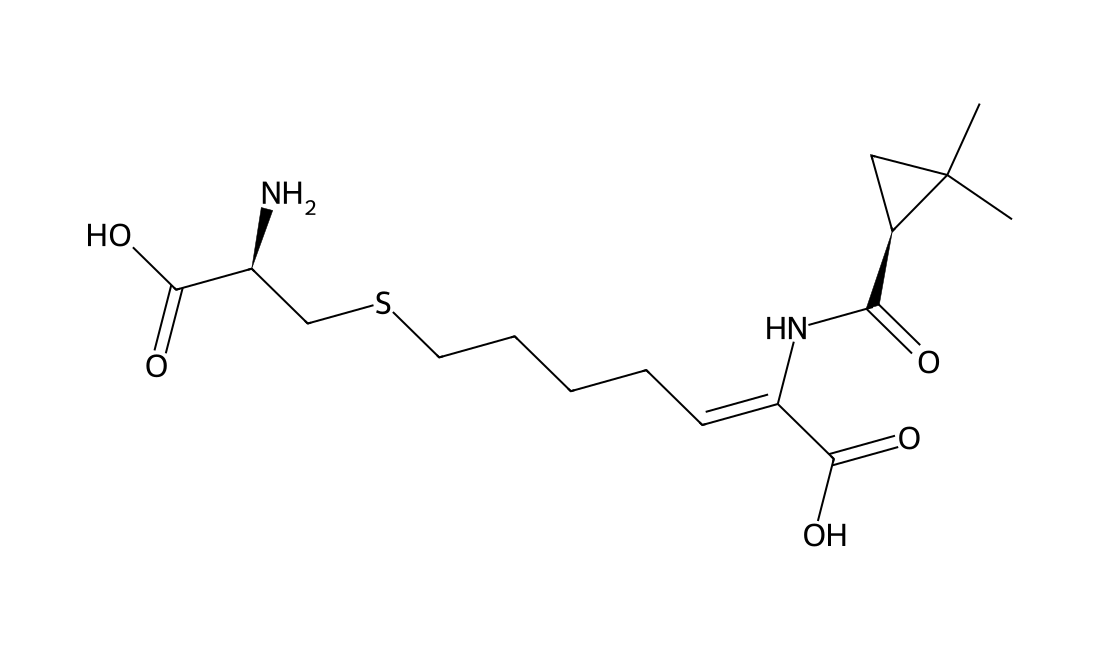
CilastatinFeatured
Cilastatin is an inhibitor of dipeptidase (dehydropeptidase I), a renal dipeptidase.It inhibits human renal dipeptidase (Ki = 0.7 μM), porcine dipeptidase (IC50 = 0.11 μM), and bacterial metallo-β-lactamase CphA from A. hydrophila (IC50 = 178 μM).Cilastatin (200 μg/ml) protects primary porcine renal proximal tubular epithelial cells from nephrotoxicity and apoptosis induced by vancomycin.In a mouse model of systemic infection, cilastatin in combination with imipenem (Item No. 16039) protects mice from S. aureus, E. coli, and P. aeruginosa infection.Cilastatin was designed to inhibit renal metabolism of imipenem and prolong its half-life.Formulations containing cilastatin in combination with imipenem have been used to treat susceptible bacterial infections.
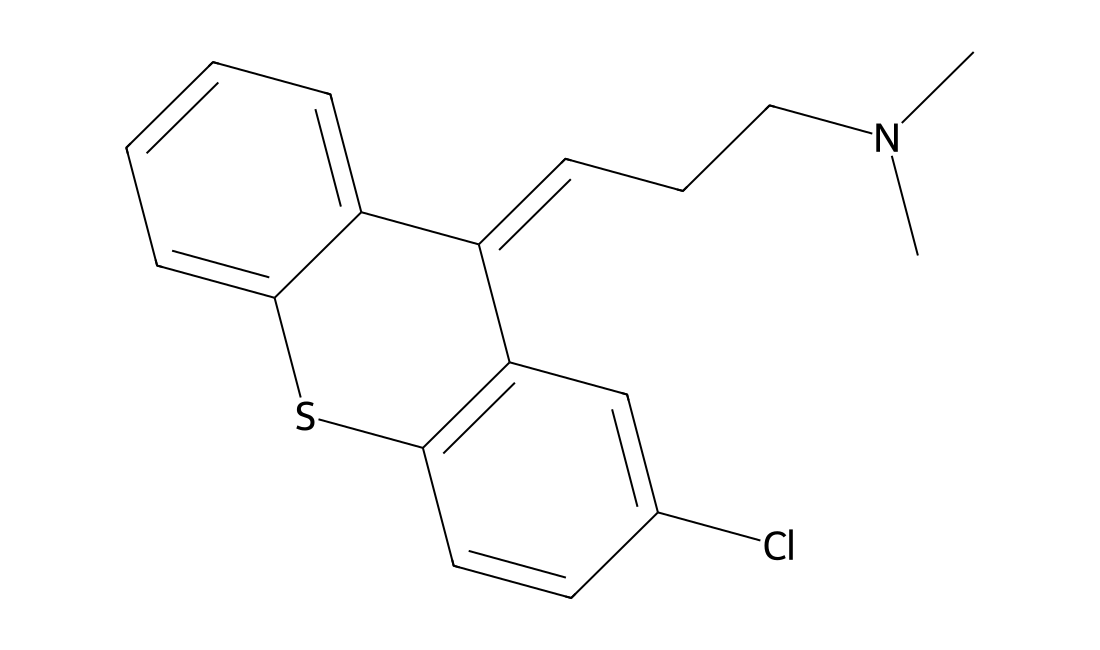
ChlorprothixeneFeatured
Chlorprothixene has strong binding affinities to dopamine and histamine receptors, such as D1, D2, D3, D5, H1, 5-HT2, 5-HT6 and 5-HT7, with Ki of 18 nM, 2.96 nM, 4.56 nM, 9 nM, 3.75 nM, 9.4 nM, 3 nM and 5.6 nM, respectively.Chlorprothixene exerts strong binding affinities to the dopamine and histamine receptors, such as D1, D2, D3, D5 and H1 with Ki values of 18nM, 2.96 nM, 4.56 nM, 9 nM and 3.75 nM, respectively, but has little affinity to H3 (Ki >1000 nM). Chlorprothixene also shows high affinities for both rat 5-HT6 from stably transfected HEK-293 cells, and rat 5-HT7 receptors from transiently expressed COS-7 cells, with Ki values of 3 nM and 5.6 nM, respectively. Administration of Chlorprothixene restores normal ceramide concentrations in murine bronchial epithelial cells, reduces inflammation in the lungs of mice with cystic fibrosis (CF) and prevents infection with Pseudomonas aeruginosa, by inhibiting acidsphingomyelinase (Asm) and not neutral sphingomyelinase (Nsm).
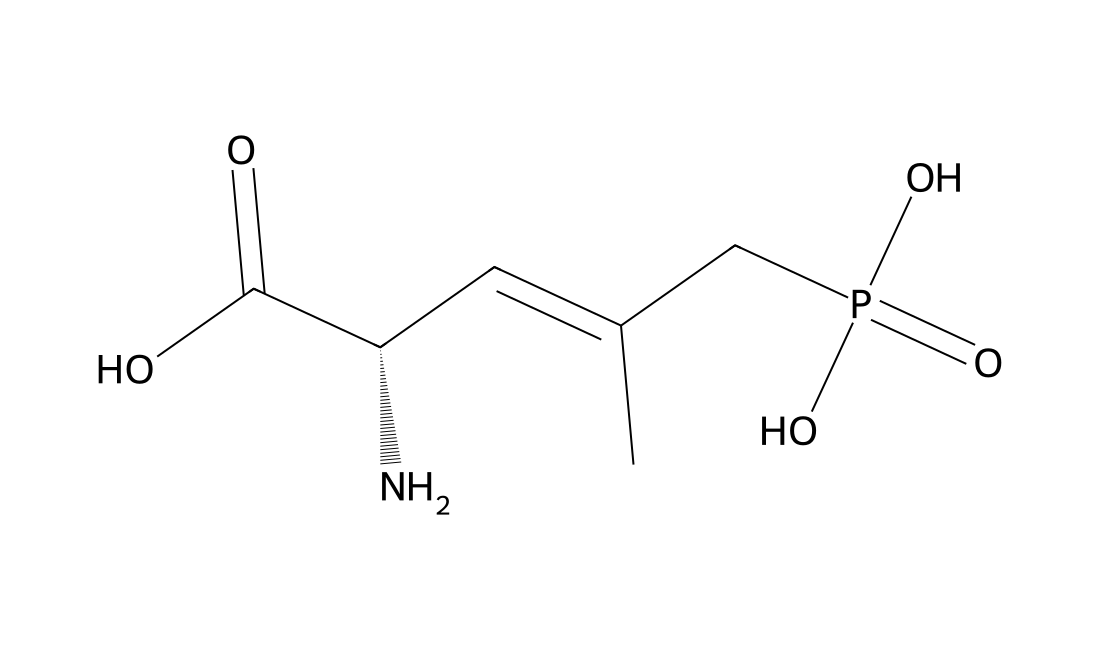
CGP37849Featured
CGP-37849 is a competitive antagonist at the NMDA receptor. It is a potent, orally active anticonvulsant in animal models, and was researched for the treatment of epilepsy. It also has neuroprotective activity and shows antidepressant and anxiolytic effects.
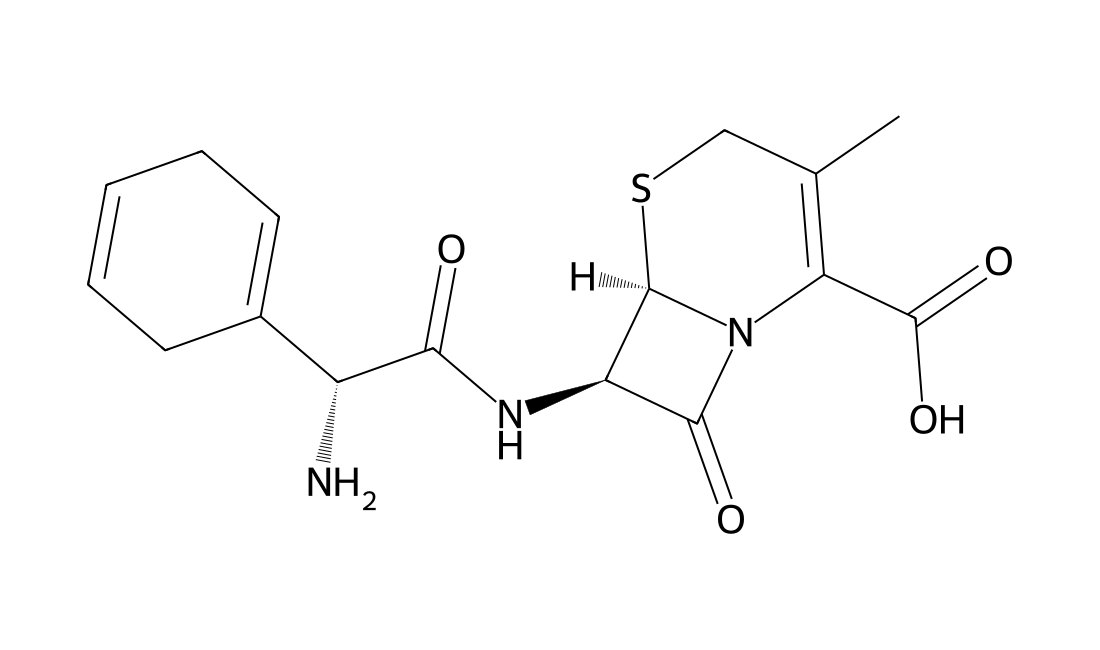
CefradineFeatured
Cephradine is a semi-synthetic cephalosporin antibiotic.
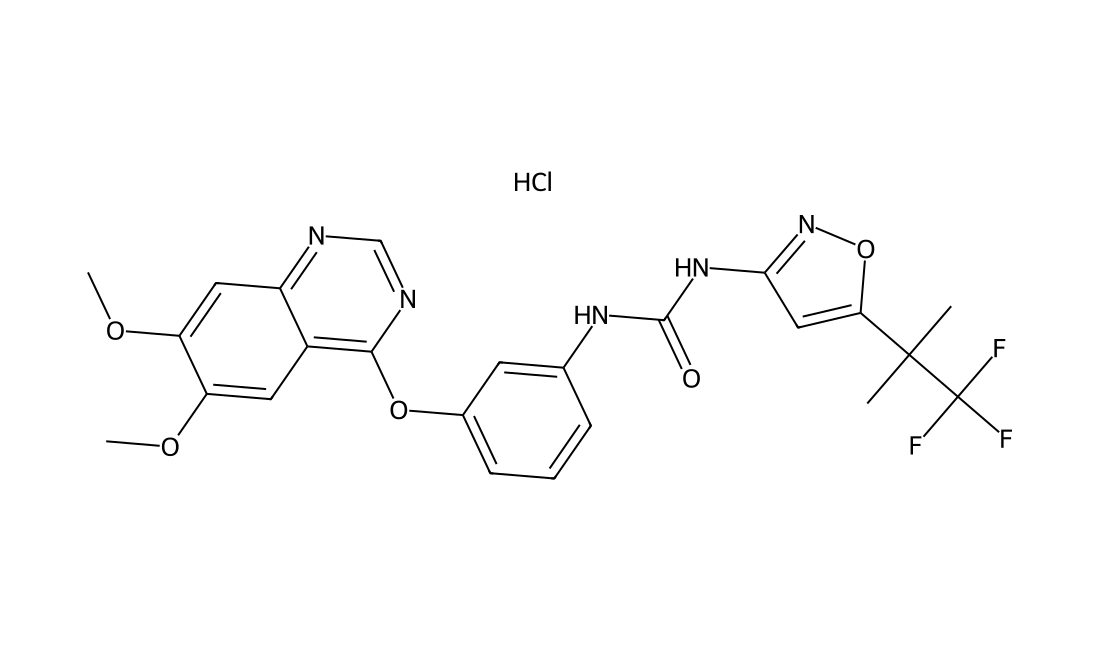
CEP-32496 hydrochlorideFeatured
CEP-32496 Hcl is a highly potent inhibitor of BRAF(V600E/WT) and c-Raf with Kd of 14 nM/36 nM and 39 nM, also potent to Abl-1, c-Kit, Ret, PDGFRβ and VEGFR2, respectively; insignificant affinity for MEK-1, MEK-2, ERK-1 and ERK-2.CEP-32496 is a potent BRAF inhibitor in an in vitro binding assay for mutated BRAF(V600E) (K(d) BRAF(V600E) = 14 nM) and in a mitogen-activated protein (MAP)/extracellular signal-regulated (ER) kinase (MEK) phosphorylation (pMEK) inhibition assay in human melanoma (A375) and colorectal cancer (Colo-205) cell lines (IC(50) = 78 and 60 nmol/L). In vitro, CEP-32496 has multikinase binding activity at other cancer targets of interest; however, it exhibits selective cellular cytotoxicity for BRAF(V600E) versus wild-type cells.
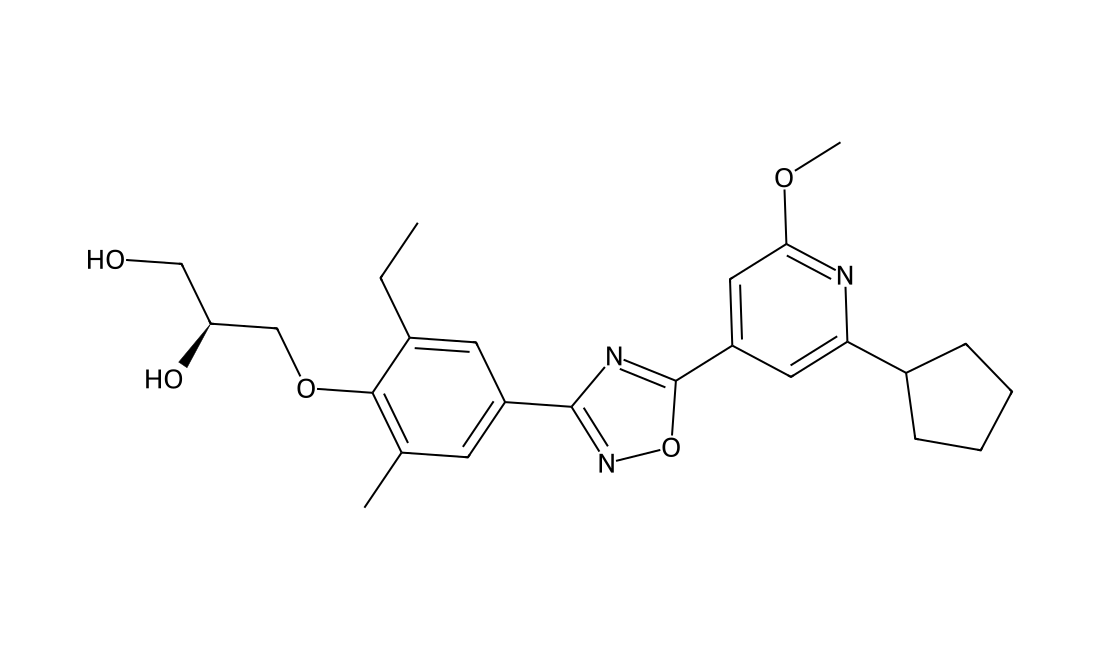
CenerimodFeatured
Cenerimod (ACT-334441) is a potent and orally available sphingosine 1-phosphate 1 receptor (S1P1) agonist extracted from patent WO 2016184939 A1 and WO 2011007324 A1, example 1, with an EC50 of 2.7 nM.
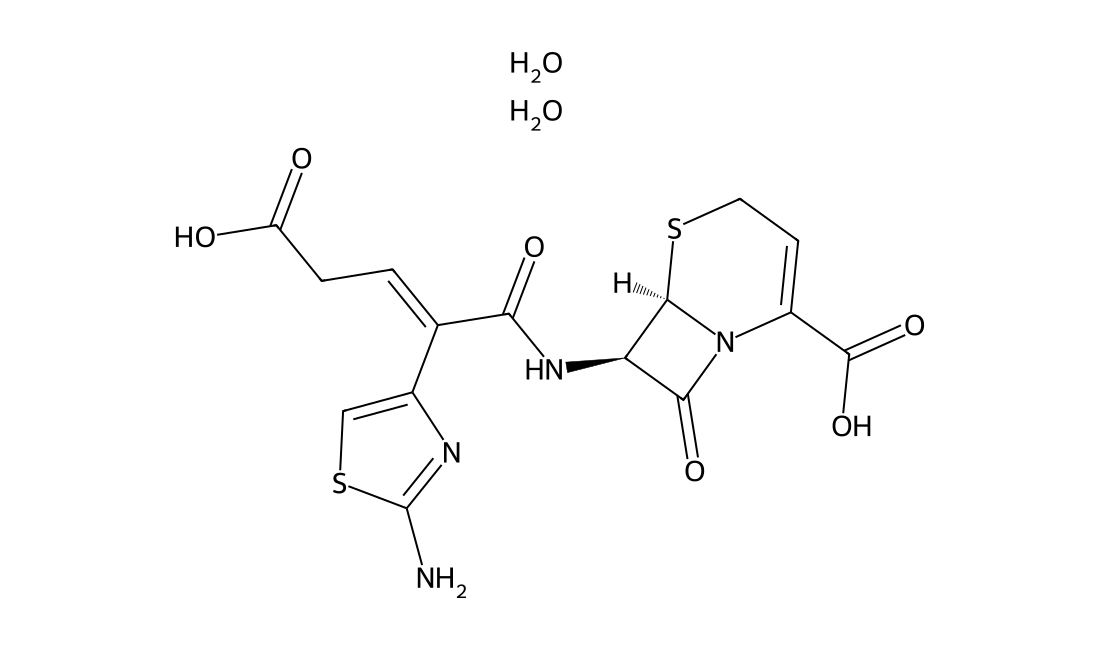
Ceftibuten (dihydrate)Featured
Ceftibuten dihydrate is a third-generation cephalosporin antibiotic.
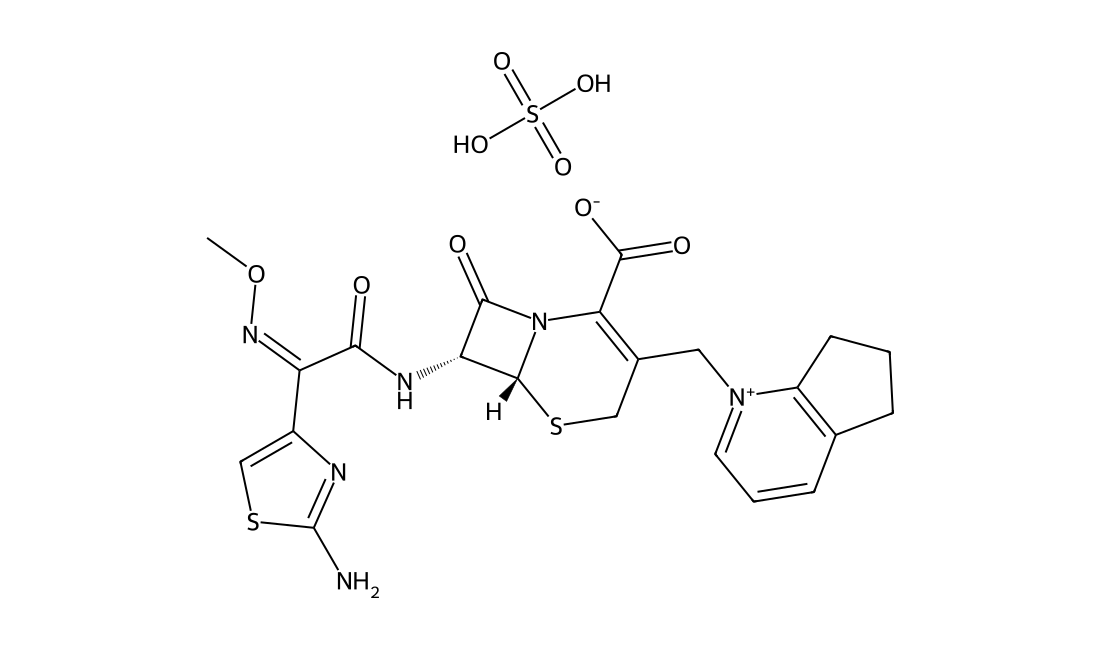
Cefpirome sulfateFeatured
Cefpirome Sulfate is a fourth generation cephalosporin antibiotic.
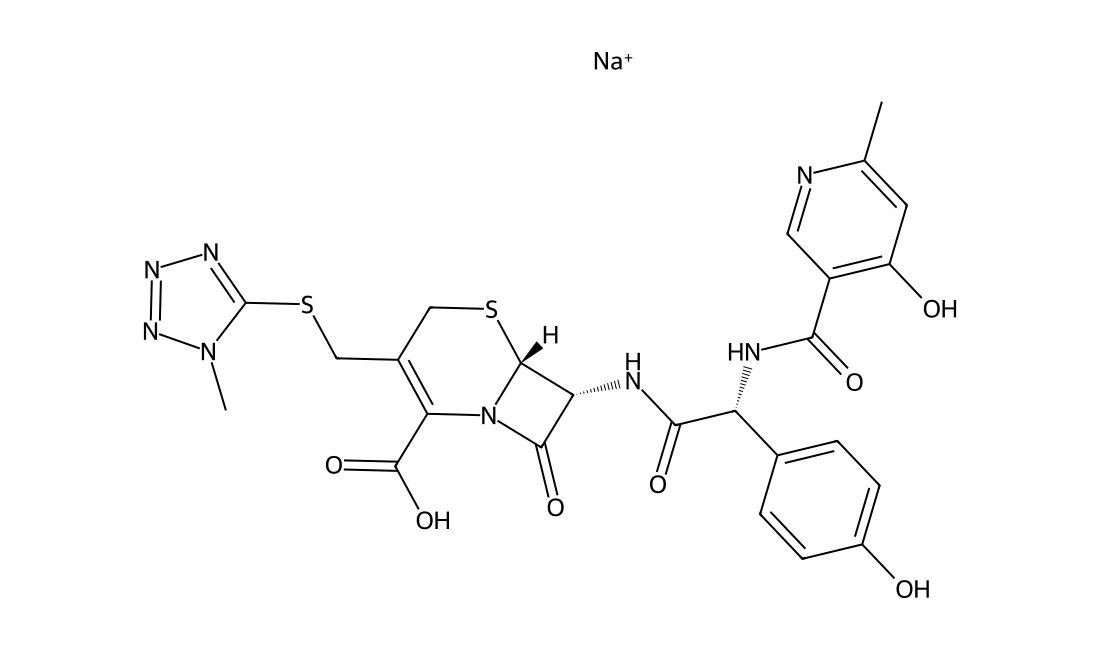
Cefpiramide (sodium)Featured
Cefpiramide sodium (SM-1652; Wy-44635) is a new Pseudomonas-active cephalosporin with a broad spectrum of antibacterial activity. Cefpiramide was moderately susceptible to hydrolysis by a variety of beta-lactamases from Gram-negative bacilli. cefpiramide was more active against Acinetobacter spp. and Pseudomonas spp. Like most other cephalosporins, cefpiramide inhibited methicillin-susceptible staphylococci, non-enterococcal streptococci, Neisseria gonorrhoeae, N. meningitidis and beta-lactamase-negative Haemophilus influenzae. Pharmacokinetic studies in mice showed that cefpiramide attained a peak serum concentration of 12 micrograms/ml and a serum half-life of 40 min, which are higher than attained by cefoperazone with values of 4 micrograms/ml and 18 min. These factors may have caused the combined cefpiramide-gentamicin therapy to result in significantly improved survival rates in mice as well as in higher bactericidal titers than the cefoperazone-gentamicin combination.Cefpiramide inhibited many Pseudomonas aeruginosa resistant to carbenicillin, piperacillin, and cefotaxime, but it was less active than ceftazidime and cefsulodin. Cefpiramide inhibited staphylococci and streptococci and had appreciable activity against Streptococcus faecalis and Listeria moncytogenes.
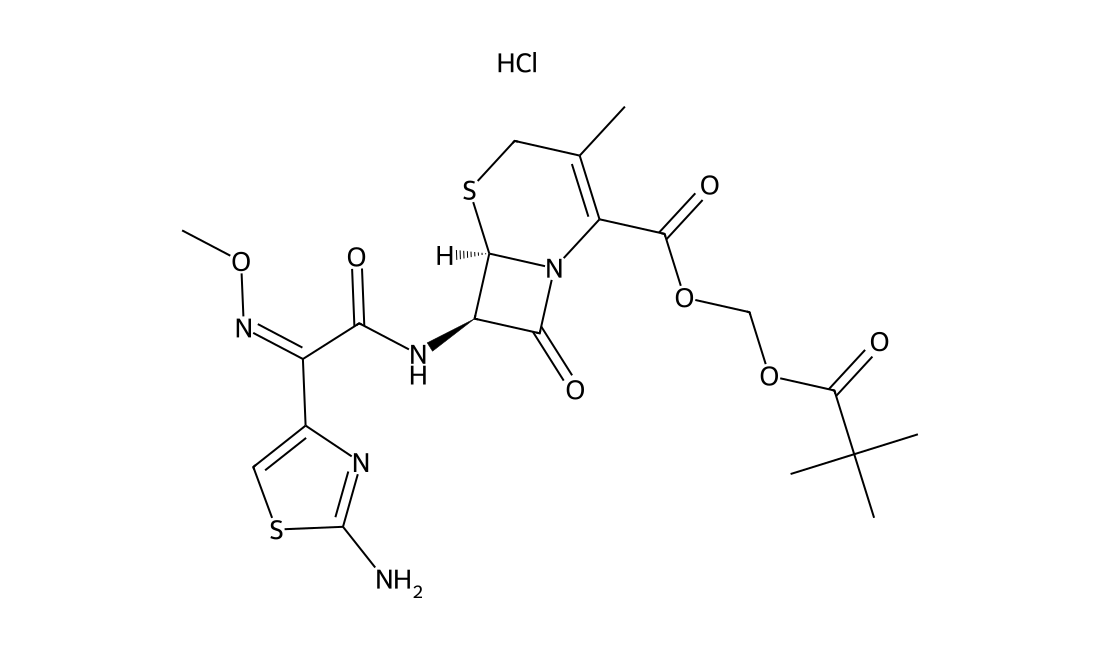
Cefetamet pivoxil hydrochlorideFeatured
Cefetamet pivoxil hydrochloride is an oral third generation cephalosporin antibiotic.
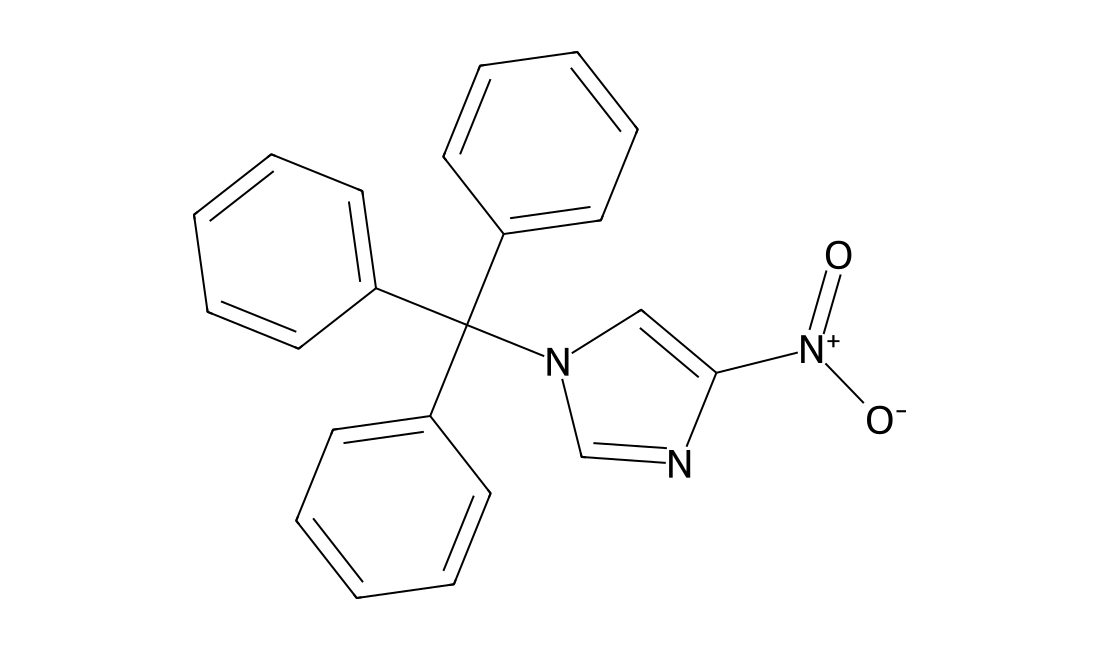
CDD3505Featured
CDD3505 specifically induces hepatic cytochrome P450IIIA produces significant increases in HDL cholesterol.
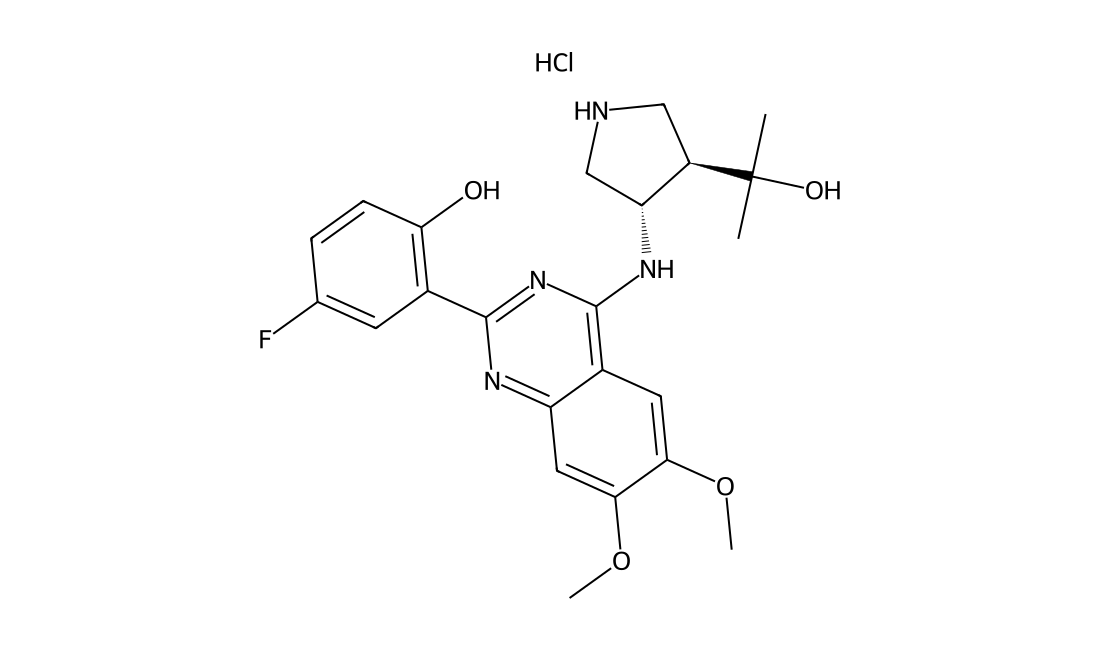
CCT241533 (hydrochloride)Featured
CCT241533 Hcl is a potent serine/threonine checkpoint kinase (Chk2) inhibitor with IC50 of 3 nM; shows minimal cross-reactivity against a panel of kinases at 1 uM. CCT241533 bound to CHK2 in the ATP pocket. This compound inhibits CHK2 with an IC(50) of 3 nmol/L and shows minimal cross-reactivity against a panel of kinases at 1 μmol/L. CCT241533 blocked CHK2 activity in human tumor cell lines in response to DNA damage, as shown by inhibition of CHK2 autophosphorylation at S516, band shift mobility changes, and HDMX degradation. CCT241533 did not potentiate the cytotoxicity of a selection of genotoxic agents in several cell lines. However, this compound significantly potentiates the cytotoxicity of two structurally distinct PARP inhibitors. Clear induction of the pS516 CHK2 signal was seen with a PARP inhibitor alone, and this activation was abolished by CCT241533, implying that the potentiation of PARP inhibitor cell killing by CCT241533 was due to inhibition of CHK2. Consequently, our findings imply that CHK2 inhibitors may exert therapeutic activity in combination with PARP inhibitors.
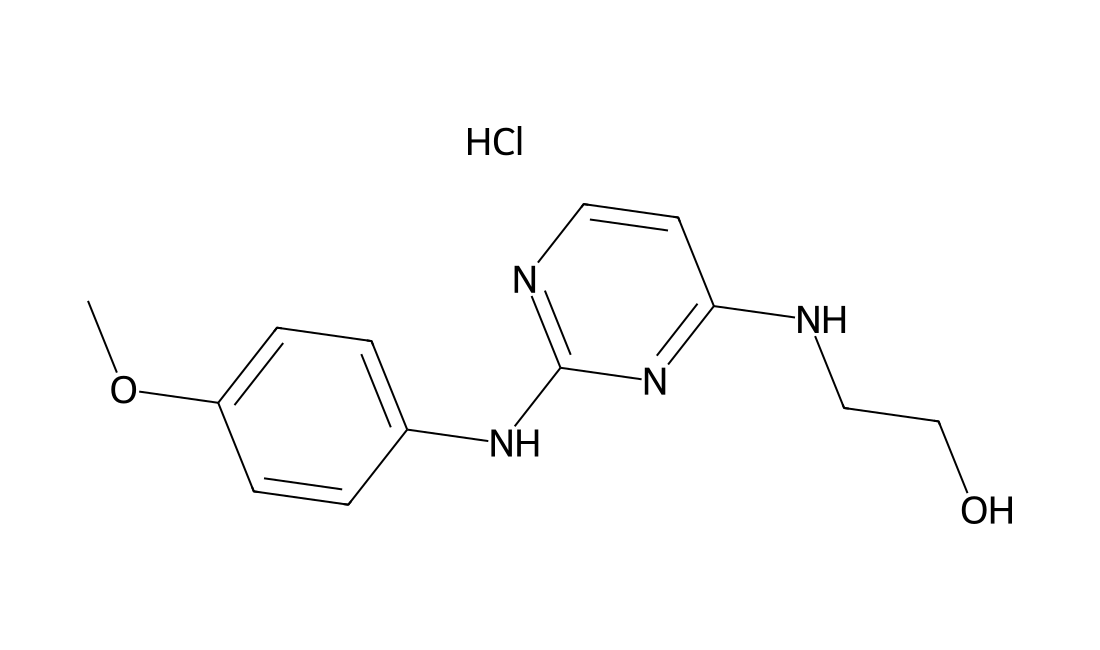
Cardiogenol C hydrochlorideFeatured
Cardiogenol C is a small cell-permeable molecule that selectively and efficiently induce mouse embryonic stem cells (ESCs) to differentiate into cardiomyocytes with EC50 of 0.1 uM; induces cardiac differentiation in P19 and in P19Cl6 cells, also induces hair bulge progenitor cells (HBPCs) to express transcription factors GATA4, Nkx2.5 and Tbx5, Cardiogenol C might exert its effect by activating the Wnt signaling pathway through the suppression of Kremen1.
No products match this search.
Page 430 of 434 · Browse all 8677 products
Jump to a product page
Featured literature product: HX1 · DCL0028
HX1 is a hydroxyzine-derived ionizable lipid with acetal-containing tails, studied in lipid nanoparticles for brain mRNA delivery and CRISPR–Cas9 delivery. It was the lead in the reported in vivo brain-delivery screen; evidence is preclinical and formulation-dependent.
Read full formulation and performance →