
Research lipid catalog
Ionizable Lipid Products
Explore 848 lipid and RNA delivery products. Search the full catalog or browse by research category.
Search covers product name, catalog number, synonyms, available CAS numbers and categories. Spaces, hyphens and common punctuation are ignored. Duplicate legacy records are consolidated under one canonical product result.
8677 products · Showing 8621–8640 · 20 per page
DC Chemicals lipid expertise
Built for ionizable-lipid discovery and RNA delivery research
DC Chemicals supports formulation and delivery research with a broad, searchable portfolio of cationic and ionizable lipids. The current directory brings together 848 unique research-use products, with product specifications, pricing, chemical structures and literature-linked formulation data added as each record is verified.
Our experience spans complex lipid synthesis, purification, analytical release and process development. For custom molecules or larger-scale requirements, our team can discuss route development, technical specifications and scale-up options for the intended research workflow.
Learn about cationic and ionizable lipids →Proprietary innovation · Co-development · GMP
From proprietary lipid design to GMP-grade custom synthesis
DC Chemicals has independently developed ionizable-lipid structures supported by company-owned intellectual property, and selected proprietary lipid programs have advanced to GMP-stage development.
We welcome joint development with customers—from molecular design and lipid synthesis through route and process development. We can also support custom synthesis of GMP-grade ionizable lipids to agreed technical specifications and quality requirements.
Discuss a co-development project →Proprietary ionizable-lipid structuresCollaborative molecular designCustom lipid synthesisProcess development and scale-upGMP-grade project support
Product quick links
Explore New ionizable lipids
Explore our five most recently added ionizable lipids, with specifications, pricing and literature-linked product information.
DCL0028HX1Brain RNA delivery researchView product →DCL0024A1I4R13C18-2Spleen-targeted RNA delivery researchView product →DCL0023A1I4R2C18-2Spleen-targeted RNA delivery researchView product →DCL0022FS01Local joint RNA delivery researchView product →DCL0020Lipid-392Lung RNA delivery and gene editing researchView product →
Cat. No.Product NameField of ApplicationChemical Structure
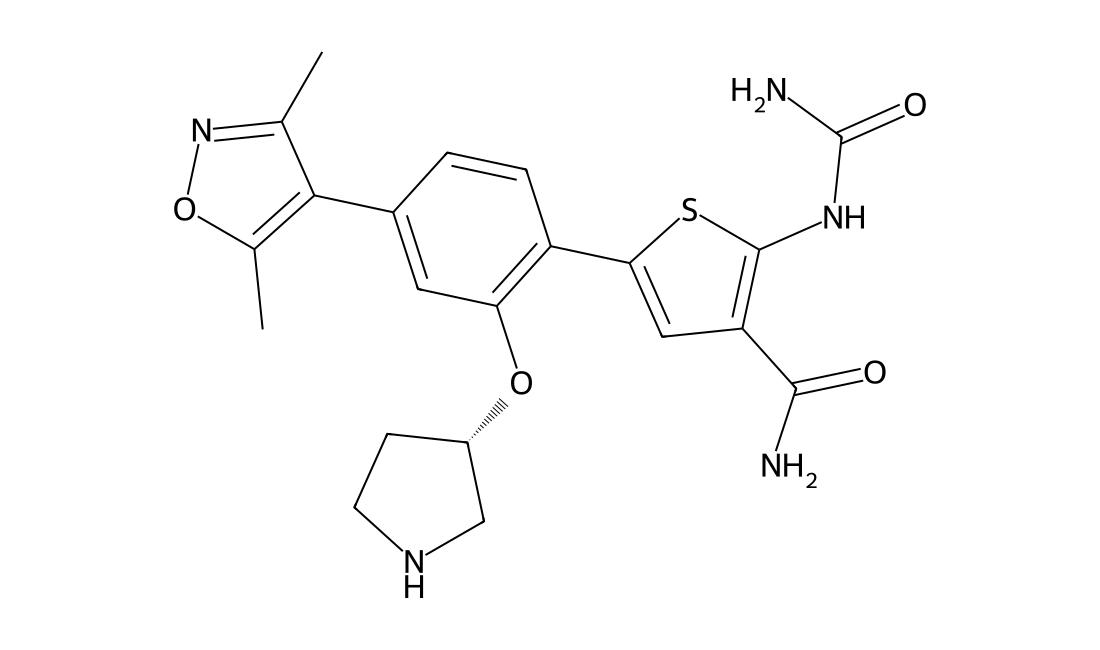
AZD3264Featured
AZD 3264 is an IkB-kinase IKK2 Inhibitor, IKK2 has been identified as one of the novel pathways to treat inflammatory conditions such as asthma, chronic pulmonary obstructive disorder (COPD) and rheumatoid arthritis.
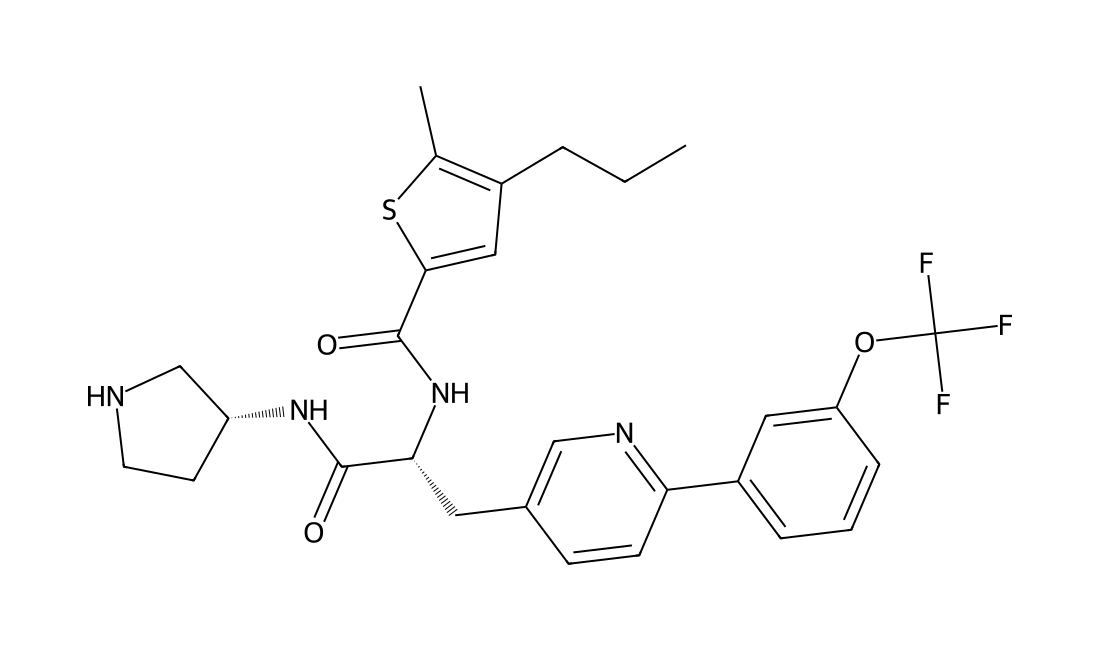
AZ82Featured
In Vitro AZ82 is shown to specifically induce multipolar spindles in BT-549 cells, but not in cancer cells with normal centrosome number, such as HeLa. AZ82 binds specifically to KIFC1/MT complex but not to KIFC1 or MT alone. Treatment with AZ82 caused centrosome declustering in BT-549 breast cancer cells with amplified centrosomes. AZ82 inhibits both processes with an IC50 of 0.90 ± 0.09 μM for mant-ATP binding and 1.26 ± 0.51 μM for mant-ADP releasing.
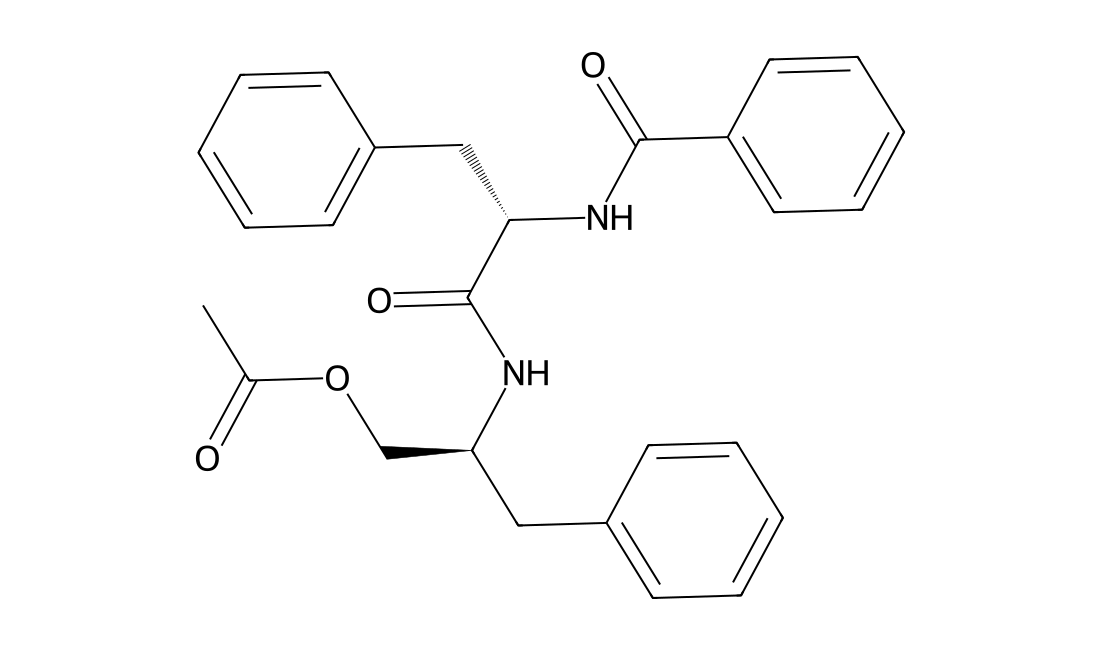
Aurantiamide acetateFeatured
Aurantiamide acetate suppresses the growth of malignant gliomas in vitro and in vivo by inhibiting autophagic flux.
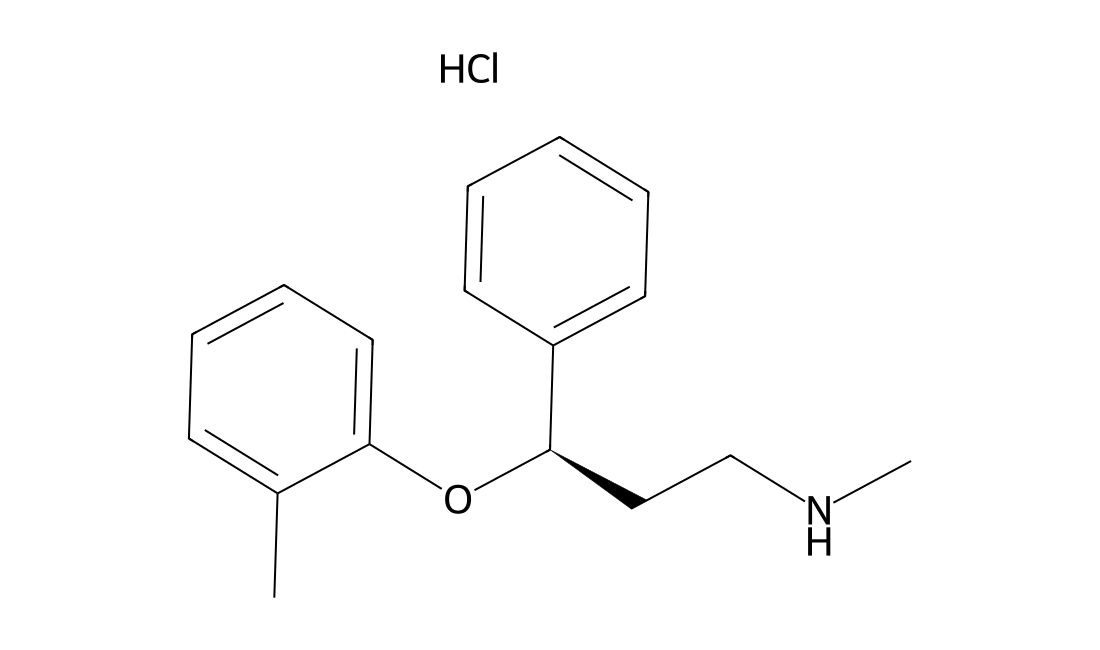
Atomoxetine HClFeatured
Atomoxetine Hcl(LY 139603; Tomoxetine Hcl) is a potent and selective noradrenalin re-uptake inhibitor (Ki values are 5, 77 and 1451 nM for inhibition of radioligand binding to human NET, SERT and DAT respectively).Atomoxetine displays minimal affinity for a range of other neurotransmitter receptors and transporters (Ki > 1 μM). Atomoxetine is antidepressant and a commonly used non-stimulant treatment for Attention deficit hyperactivity disorder (ADHD).
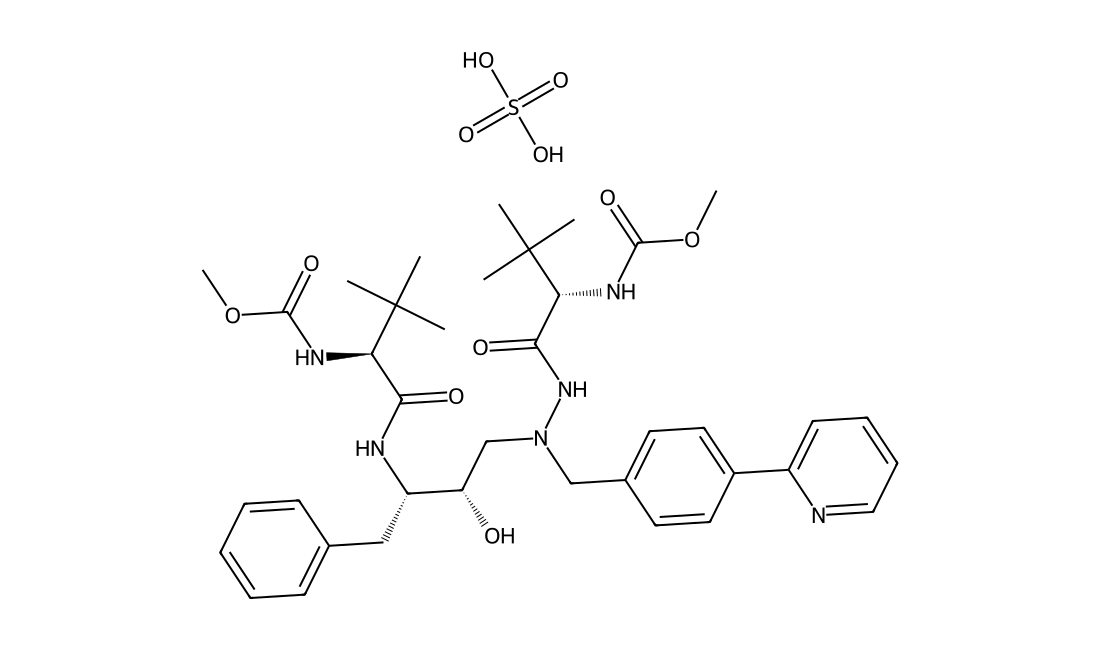
Atazanavir (sulfate)Featured
Atazanavir sulfate is a sulfate salt form of atazanavir that is an highly potent HIV-1 protease inhibitor. Atazanavir sulfate is a sulfate salt form of atazanavir that is an highly potent HIV-1 protease inhibitor. It has a pharmacokinetic profile that supports once-daily dosing and has demonstrated a unique resistance profile and superior virologic potency compared with other antiretrovirals in vitro. In subjects with HIV, atazanavir (400 mg once daily) produced rapid and sustained improvements in viral load and CD4 counts in both antiretroviral-naive as well as previously treated patients when used in combination with dual nucleoside reverse transcriptase inhibitor (NRTI) treatment. After intravenous (iv), oral (po) and intraportal (ip) administration of ATV at a dosage of 7 mg/kg, AUCs in HL rats were 12.41, 5.24 and 8.89 microg/mLh, respectively, and were significantly higher than those in control rats (4.09, 1.70 and 3.38 microg/mLh). Despite the decrease of distribution volume (Vd(ss)), the terminal half-life (t(1/2)) in HL tended to be shorter than in control, and hepatic distribution of ATV in HL rats was 4.8-fold increases. These results suggested that the uptake of ATV into liver might counteract the decrease of Vd(ss). On the other hand, there was no significant difference in bioavailability, and the lymphatic transport to AUC showed no statistical change. In conclusion, although the protein binding rate and AUC were significantly increased, the pharmacokinetics of ATV might be tolerated in HL.
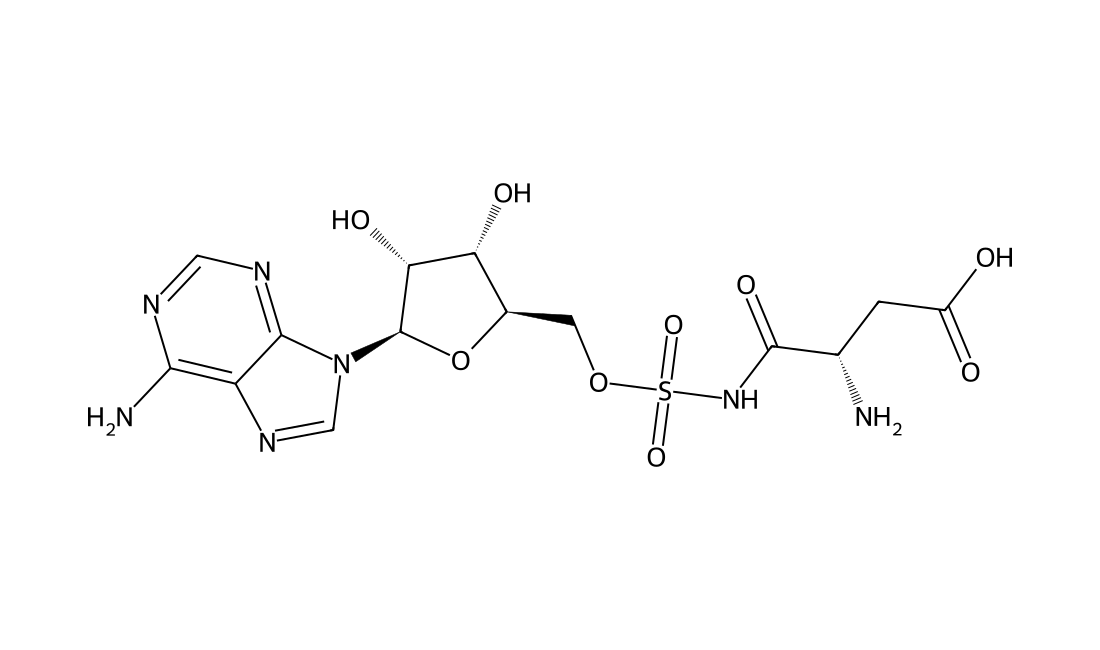
Asp-AMSFeatured
In Vitro Asp-AMS is a 500-fold stronger competitive inhibitor of the mitochondrial enzyme than aspartol-AMP (10 nM) and a 35-fold lower competitor of human and bovine cyt-AspRSs (300 nM). Asp-AMS is a strong inhibitor with Ki in the nanomolar (nM) range. Asp-AMS has also the highest inhibitory effect for the mitochondrial enzyme. Asp-AMS is the most active inhibitor with Ki values in the nanomolar range, with a stronger effect on bacterial AspRSs (E. coli and P. aeruginosa) than on human cytosolic AspRS.
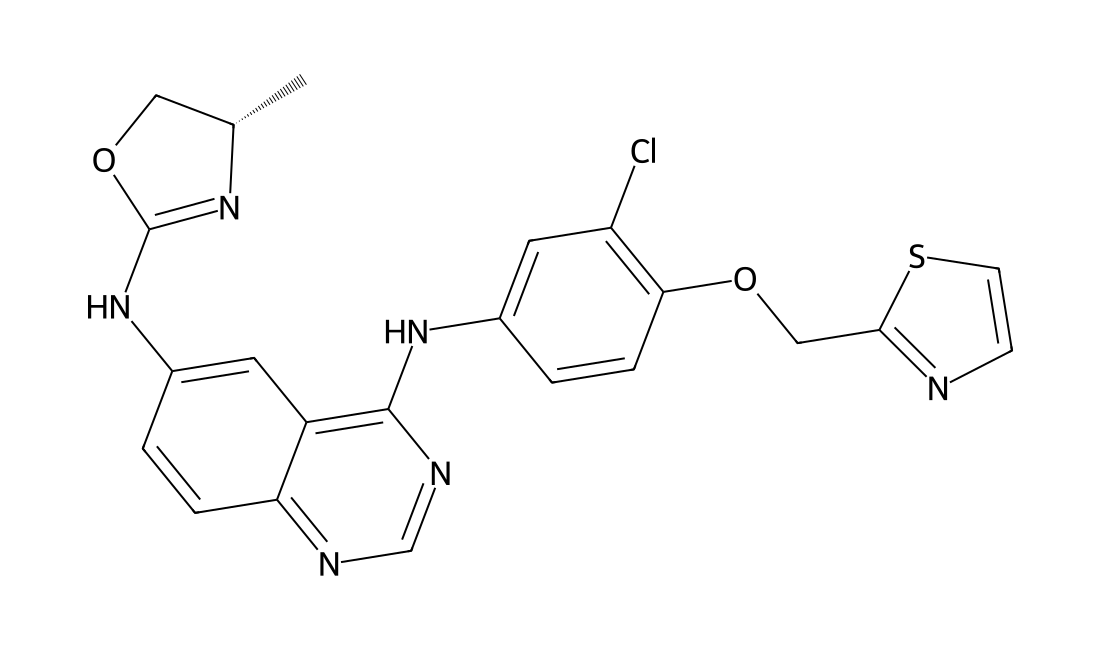
Varlitinib(ARRY-334543)Featured
ARRY334543 is a potent and selective ATP-competitive inhibitor that blocks the phosphorylation of EGFR and subsequently blocks signal transduction from the receptor site. ARRY334543 is effective against a variety of cancer cell lines including A431.
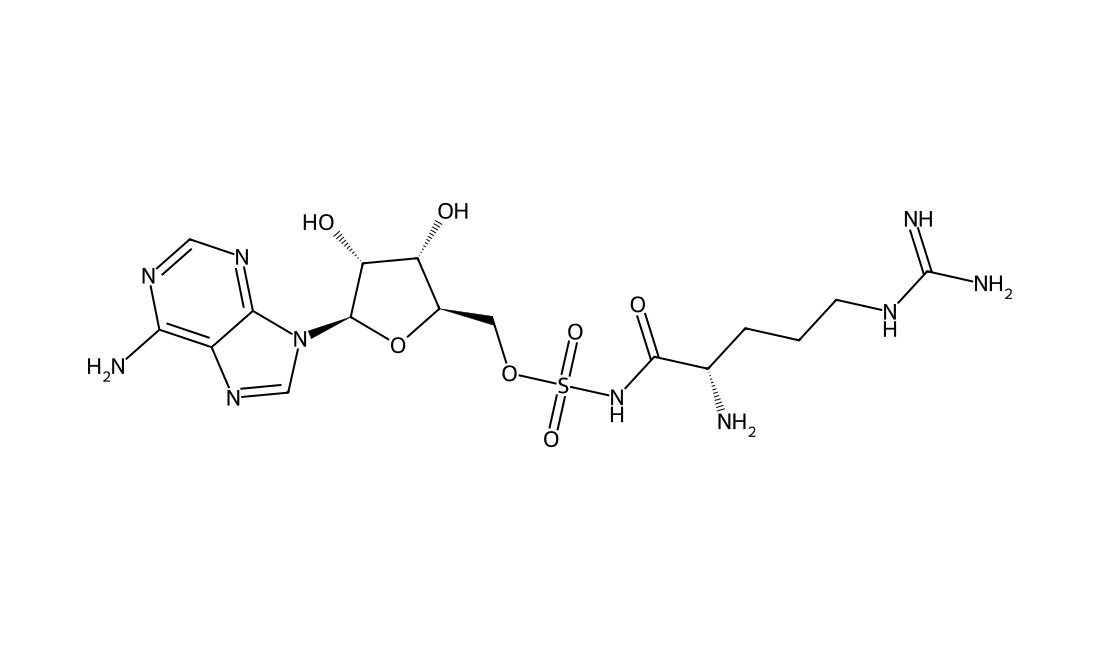
Arg-AMSFeatured
Arg-AMS is a potent nanomolar inhibitor of arginyl tRNA synthetase, which displays tightly bound inhibitory characteristics for the A-domains in non-ribosomal peptide synthetases (NRPS) enzymes.
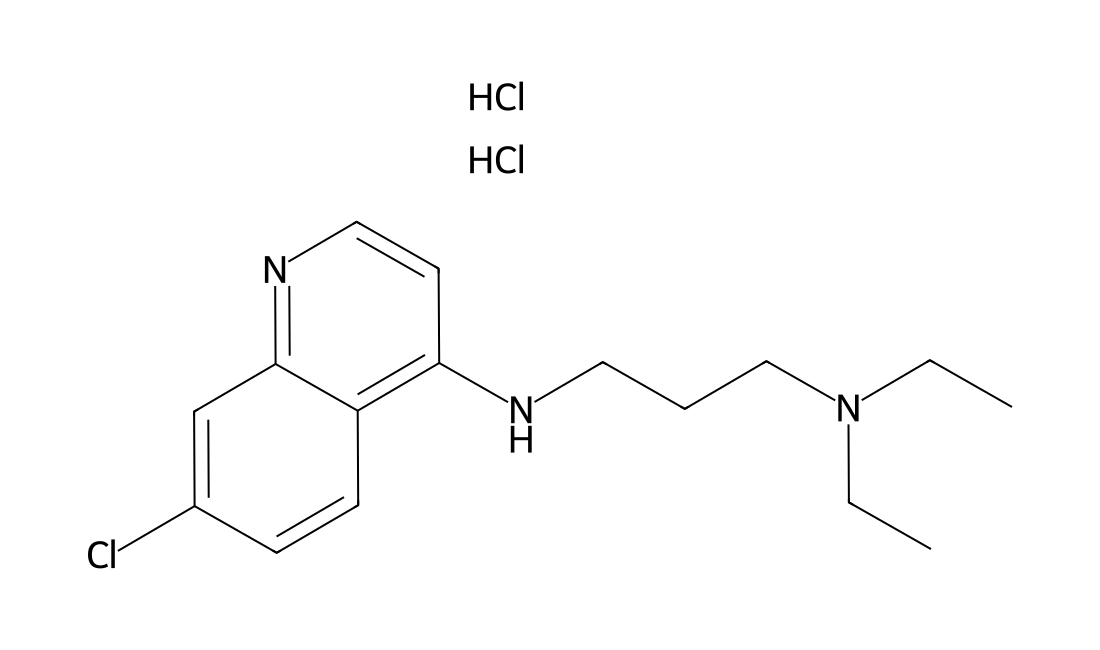
AQ-13 dihydrochlorideFeatured
In Vivo Slight decreases in the PCE/RBC ratio are observed in male and female rats treated with CQ and in females only treated with AQ-13; however, none of these changes is statistically significant.
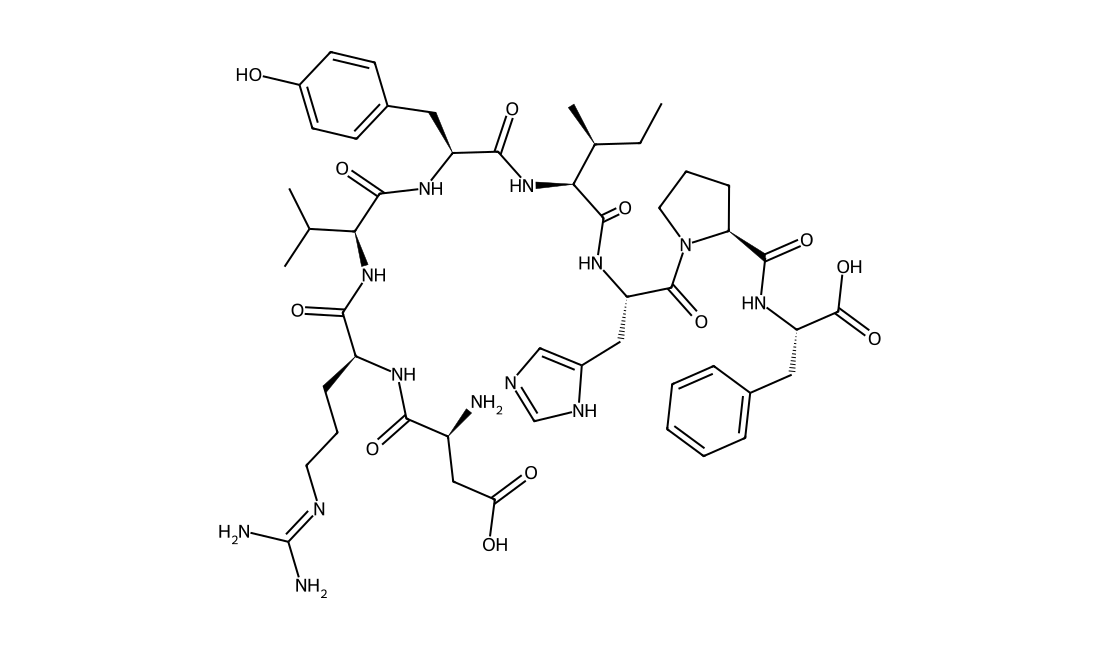
Angiotensin II humanFeatured
Angiotensin II human is a peptide hormone that causes vasoconstriction and a subsequent increase in blood pressure. In nature, angiotensin II (Ang II) is formed by the action of angiotensin converting enzyme (ACE), which cleaves the C-terminal -His-Leu from the decapeptide, angiotensin I. Angiotensin II is a vasoconstrictor, while its precursor is inactive. It is important in regulating cardiovascular hemodynamics and cardiovascular structure. Most of the known effects of Ang II in adult tissues are attributable to the angiotensin II type I (AT1) receptor. The AT1 and AT2 receptors have differential pharmacological and biochemical properties, and appear to exert opposite effects in terms of cardiovascular hemodynamics and cell growth. In addition, the renin-angiotensin and nitric oxidegenerating systems appear to interact in the regulation of cardiovascular function. Ang II stimulates angiogenesis and increases microvessel density.
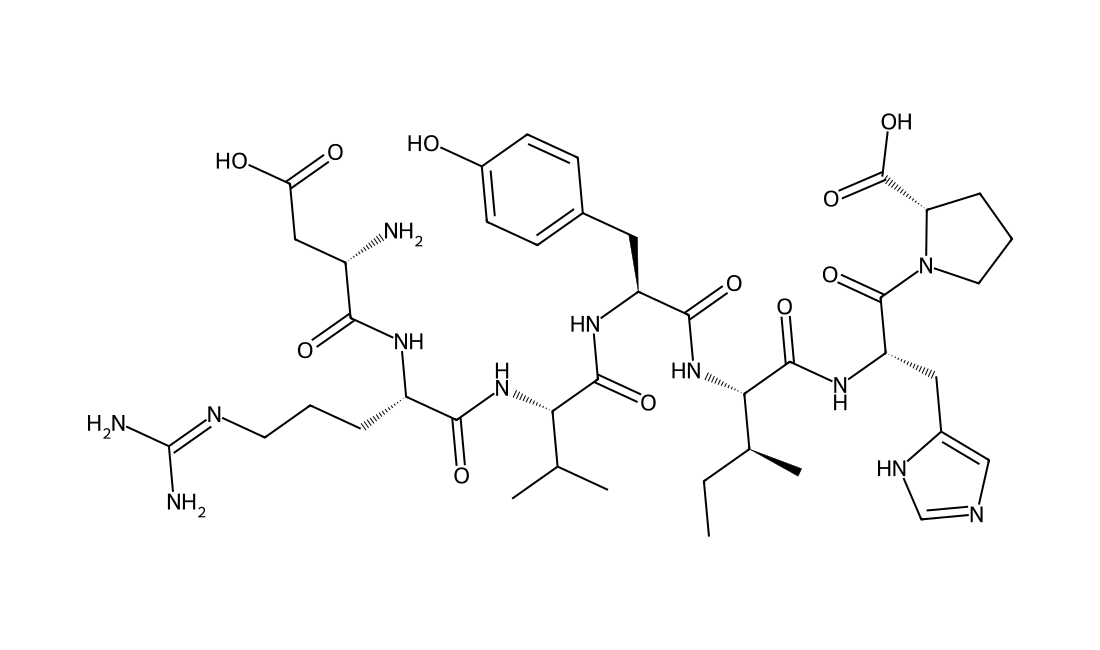
Angiotensin 1-7Featured
Angiotensin (1-7) (Ang-(1-7)) is an active heptapeptide of the Renin-angiotensin system (RAS), inhibits purified canine angiotensin converting enzyme (ACE) activity with IC50 of 0.65 uM; augments bradykinin-induced vasodilation by competing with ACE and releasing nitric oxide, abolishes AGE-induced cellular hypertrophy and myofibroblast transformation via inhibition of ERK1/2; evokes anti-arrhythmogenic effects in animal models, upregulates cardiac nitric oxide synthase in spontaneously hypertensive rats.
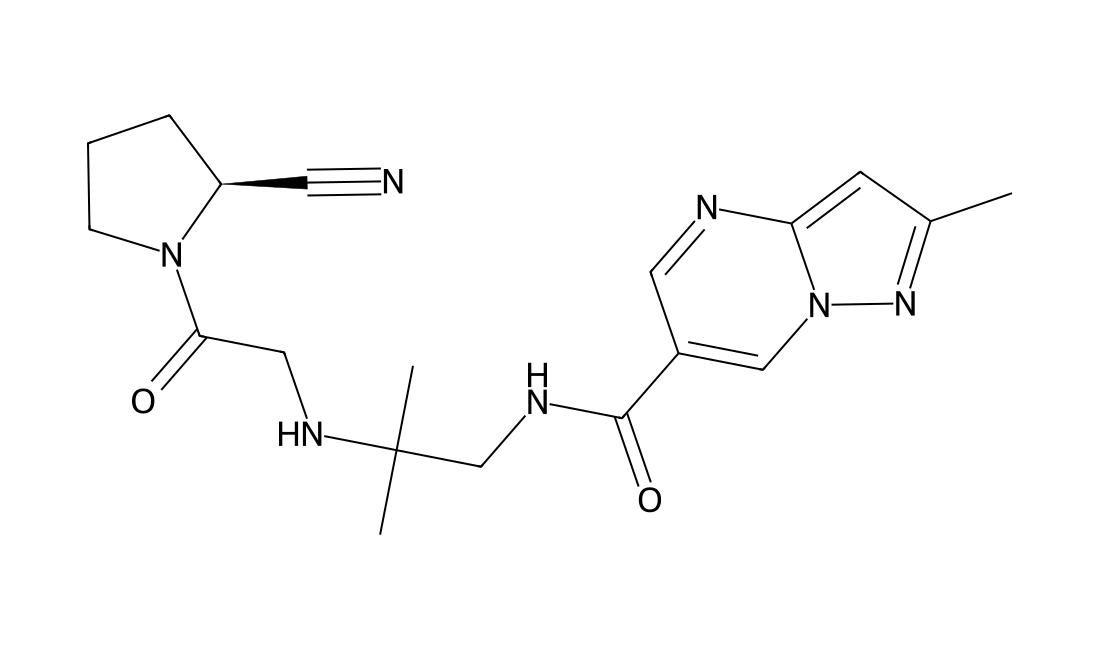
AnagliptinFeatured
Anagliptin is a potent and selective DPP-4 inhibitor(IC50= 3.8 nM); > 10 fold less potent for DPP-8 and DPP-9. in vitro: In THP-1 cells, anagliptin reduced lipopolysaccharide-induced TNF-α production with inhibiting ERK phosphorylation and nuclear translocation of nuclear factor-κB . lipopolysaccharide (LPS)- or palmitate-induced elevations of inflammatory cytokine mRNA expressions in RAW264.7 macrophages were shown to be significantly suppressed by co-incubation with a DPP-4 inhibitor, anagliptin (10μM), despite low DPP-4 expression in the RAW264.7 cells. Anagliptin also acted on 3T3-L1 adipocytes, weakly suppressing the inflammatory cytokine expressions induced by LPS and TNF-α. When 3T3-L1 and RAW cells were co-cultured and stimulated with LPS, the effects of anagliptin on the suppression of cytokine expressions in 3T3-L1 adipocytes were more marked, and became evident at the 10μM concentration. in vivo: Treatment with anagliptin for 16 wk significantly reduced accumulation of monocytes and macrophages in the vascular wall, SMC content in plaque areas, and oil red O-stained area around the aortic valve without affecting glucose tolerance or body weight. Quantitative analysis also showed that anagliptin reduced the area of atherosclerotic lesion in apoE-deficient mice. Anti-inflammatory effects of anagliptin were also observed in vivo on the elevated hepatic and adipose expressions and serum concentrations of inflammatory cytokines in association with the suppression of hepatic NF-κB transcriptional activity, in LPS-infused mice.
Lexibulin dihydrochlorideFeatured
An orally active tubulin polymerization inhibitor with potent cytotoxic and vascular disrupting activity in vitro and in vivo; inhibits a broad selection of cancer cell lines with IC50 of <100 nM; blocks the cell cycle at the G2-M boundary and increases phosphorylated Bcl-2, expression of cyclin B1; orally bioavailable, and efficacious in a range of in vivo cancer models. Blood Cancer Phase 2 Discontinued
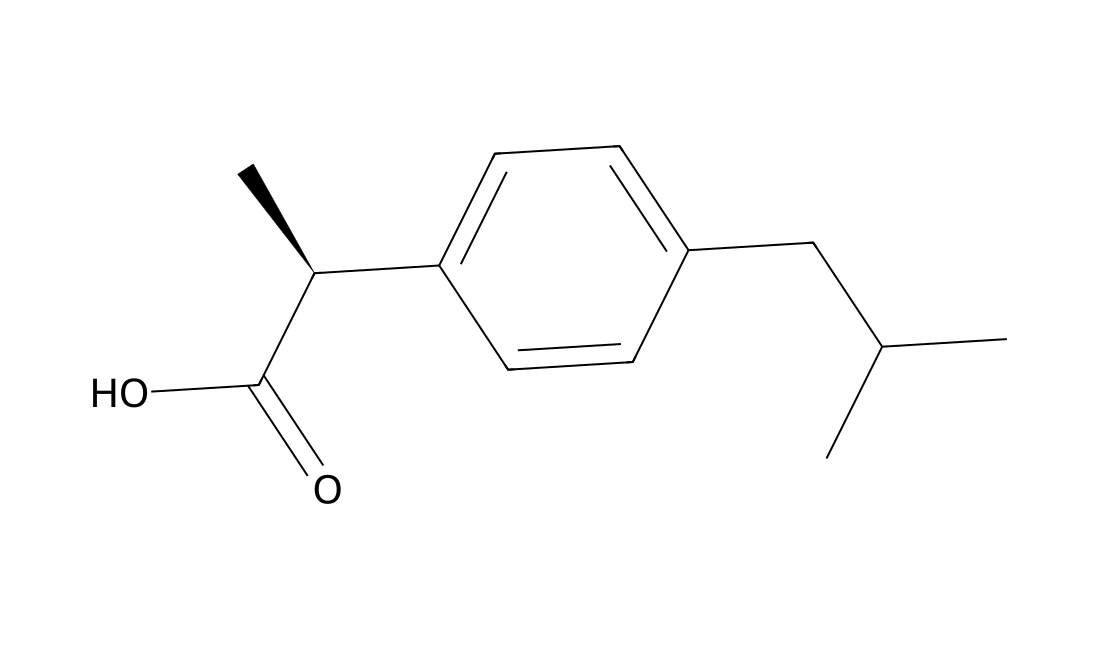
(S)-(+)-IbuprofenFeatured
An enantiomer of Ibuprofen that more potently inhibits COX activity, thromboxane formation, and platelet aggregation than the (R)-form; also inhibits activation of NF-κB more effectively than (R)-ibuprofen (IC50=62 and 122 uM, respectively).
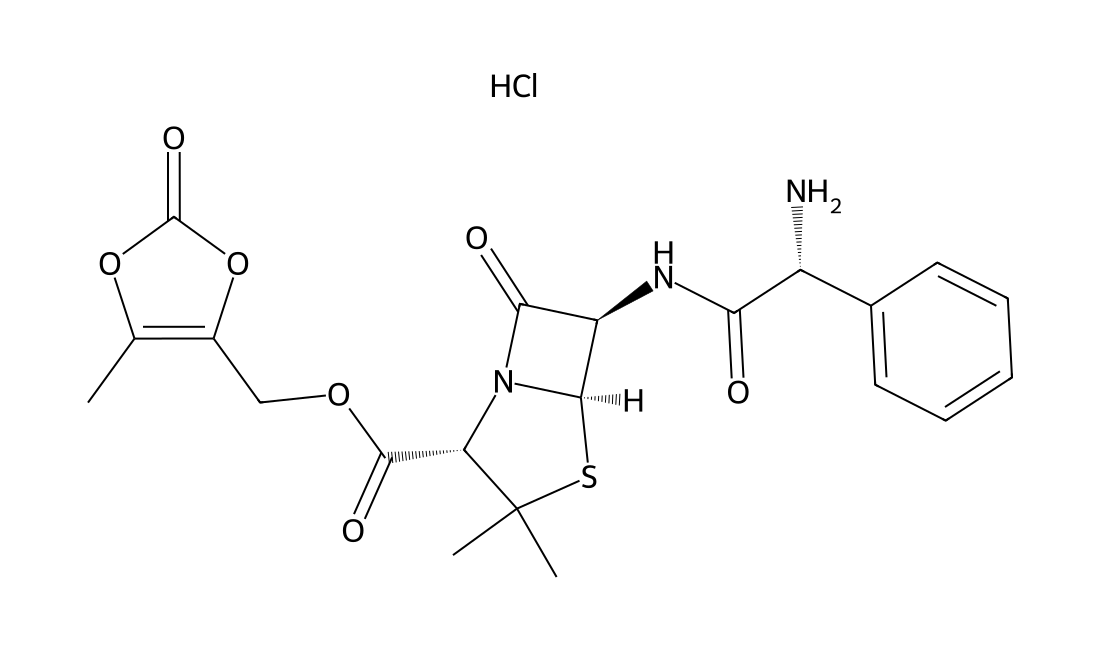
Lenampicillin hydrochlorideFeatured
An efficient prodrug of ampicillin with enhanced absorption and decreased side effects.
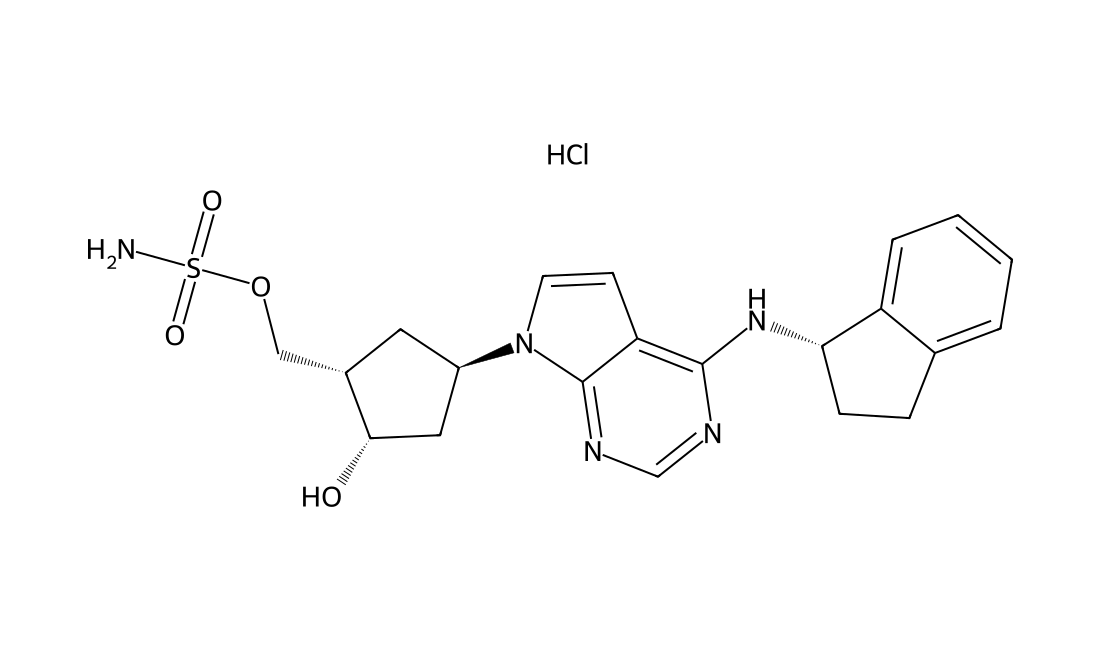
MLN-4924 hydrochlorideFeatured
An analog of adenosine 5’-monophosphate that potently and selectively inhibits NEDD8-activating enzyme (NAE) with IC50 of 4.7 nM; also inhibits the related enzymes ubiquitin-activating enzyme (UAE) and SUMO-activating enzyme (SAE) with IC50 of 1.5 and 8.2 uM, respectively; disrupts CRL-mediated protein turnover leading to apoptosis in HCT116 cells, suppresses the growth of human tumor xenografts in mice (30-60 mg/kg).Blood CancerPhase 2 Clinical
HydrastineFeatured
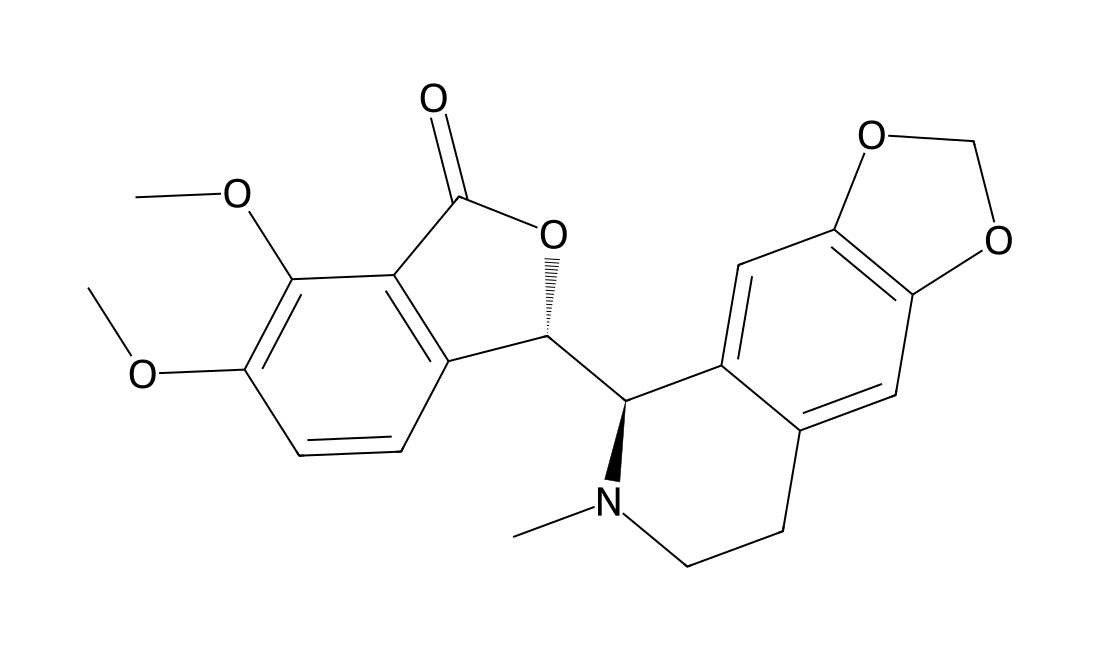
An alkaloid of Hydrastis canadensis used in many dietary supplements intended to enhance the immune system; inhibits PAK4 kinase activity, suppresses the proliferation and invasion of human lung adenocarcinoma cells, inhibits expression of cyclin D1/D3 and CDK2/4/6, leading to cell cycle arrest at the G1 phase; also promotes the early apoptosis of lung adenocarcinoma cells through the mitochondrial apoptosis pathway.
Aminopeptidase N InhibitorFeatured
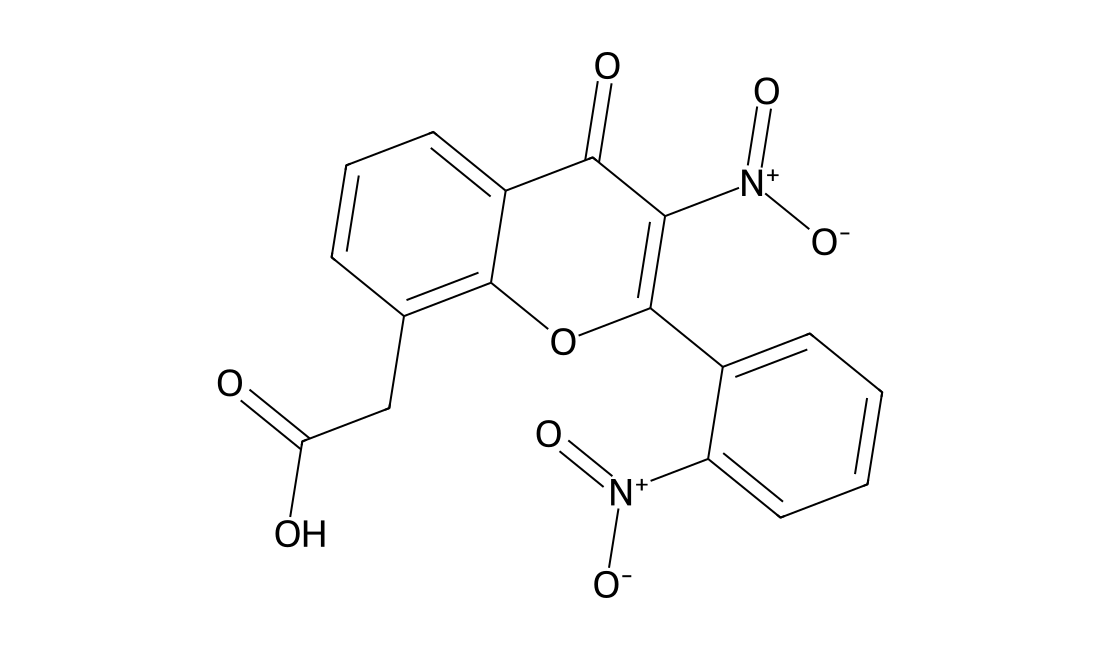
Aminopeptidase N (AP-N) inhibitor is a reversible inhibitor of AP-N/CD13 (IC50 = 25 μM).It is selective for AP-N/CD13 over matrix metalloproteinase-9 (MMP-9), angiotensin converting enzyme (ACE), neutral endopeptidase (NEP), γ-glutamyl transpeptidase, and the serine proteases dipeptidyl peptidase 4 (DPP-4) and cathepsin G at a concentration of 1 mM. AP-N inhibitor is non-cytotoxic to U937 cells at a concentration of 100 μM.
Alvimopan dihydrateFeatured
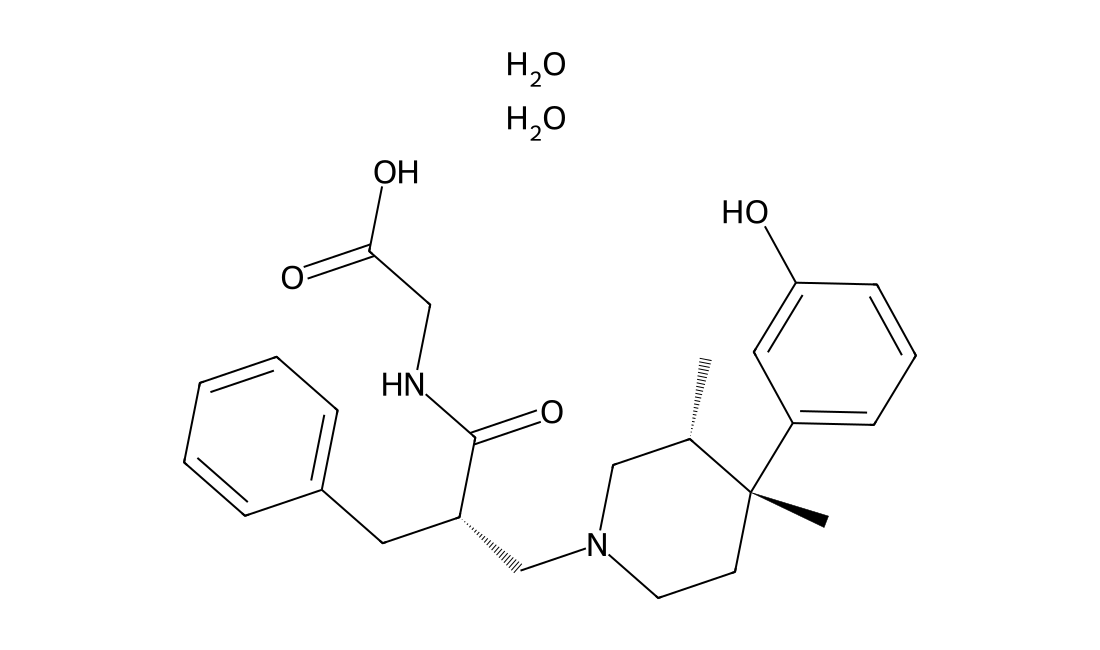
Alvimopan(LY 246736; ADL 8-2698) is a peripherally acting mu-opioid receptor (PAM-OR, IC50= 1.7 nM) antagonist for accelerating gastrointestinal recovery after surgery. in vitro: The dissociation rate of alvimopan from the micro opioid receptor (t(1/2)=30--44 min) was comparable to that of the long acting partial agonist buprenorphine (t(1/2)=44 min), but was slower than those of the antagonists naloxone (t(1/2)=0.82 min) and N-methylnaltrexone (t(1/2)=0.46 min). in vivo: Alvimopan did not significantly accelerate GI-3 compared with placebo [6 mg: hazard ratio (HR) = 1.20, p = 0.080; 12 mg: HR = 1.24, p = 0.038). However, after adjustment for significant covariates (sex/surgical duration), benefits were significant for both doses (6 mg: HR = 1.24, p = 0.037; 12 mg: HR = 1.26, p = 0.028). Alvimopan also significantly accelerated time to GI-2 (6 mg: HR = 1.37, p = 0.008; 12 mg: HR = 1.33, p = 0.018) and DCO (6 mg: HR = 1.31, p = 0.008; 12 mg: HR = 1.28, p = 0.015) . Alvimopan (1 and 3 mg/kg) significantly reversed this delayed GI transit when administered 45 min prior to surgery. However, the effects of alvimopan were less pronounced when administered following surgery.
Alosetron HydrochlorideFeatured
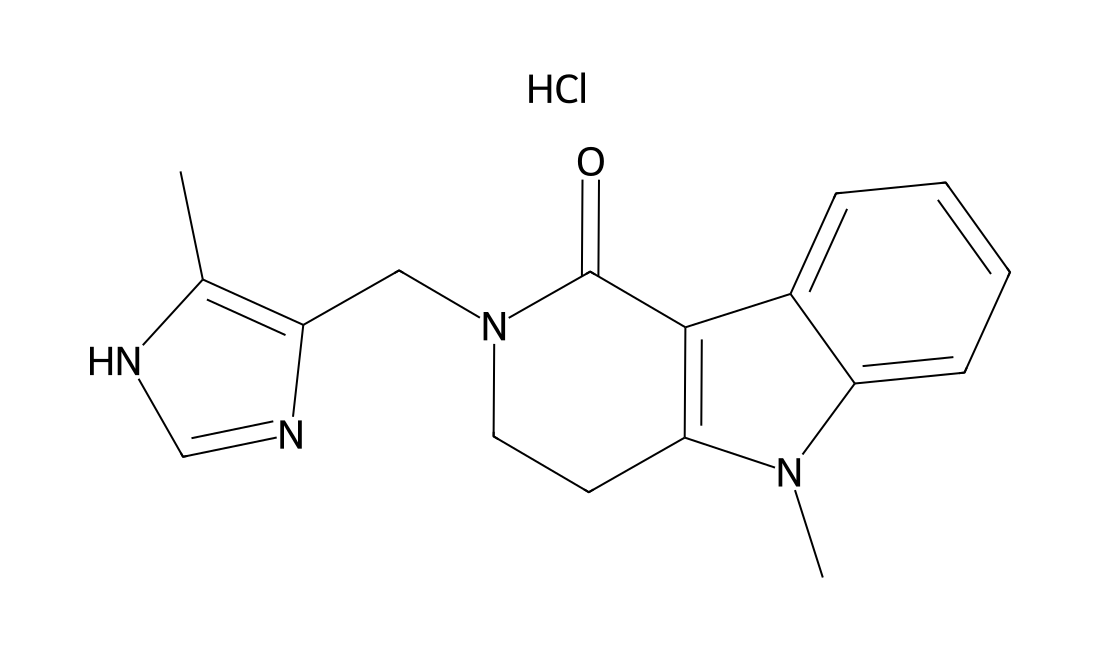
Alosetron Hydrochloride is the hydrochloride salt form of alosetron, a potent and selective 5-HT3 receptor antagonist.
No products match this search.
Page 432 of 434 · Browse all 8677 products
Jump to a product page
Featured literature product: HX1 · DCL0028
HX1 is a hydroxyzine-derived ionizable lipid with acetal-containing tails, studied in lipid nanoparticles for brain mRNA delivery and CRISPR–Cas9 delivery. It was the lead in the reported in vivo brain-delivery screen; evidence is preclinical and formulation-dependent.
Read full formulation and performance →