
Research lipid catalog
Ionizable Lipid Products
Explore 848 lipid and RNA delivery products. Search the full catalog or browse by research category.
Search covers product name, catalog number, synonyms, available CAS numbers and categories. Spaces, hyphens and common punctuation are ignored. Duplicate legacy records are consolidated under one canonical product result.
8677 products · Showing 8361–8380 · 20 per page
DC Chemicals lipid expertise
Built for ionizable-lipid discovery and RNA delivery research
DC Chemicals supports formulation and delivery research with a broad, searchable portfolio of cationic and ionizable lipids. The current directory brings together 848 unique research-use products, with product specifications, pricing, chemical structures and literature-linked formulation data added as each record is verified.
Our experience spans complex lipid synthesis, purification, analytical release and process development. For custom molecules or larger-scale requirements, our team can discuss route development, technical specifications and scale-up options for the intended research workflow.
Learn about cationic and ionizable lipids →Proprietary innovation · Co-development · GMP
From proprietary lipid design to GMP-grade custom synthesis
DC Chemicals has independently developed ionizable-lipid structures supported by company-owned intellectual property, and selected proprietary lipid programs have advanced to GMP-stage development.
We welcome joint development with customers—from molecular design and lipid synthesis through route and process development. We can also support custom synthesis of GMP-grade ionizable lipids to agreed technical specifications and quality requirements.
Discuss a co-development project →Proprietary ionizable-lipid structuresCollaborative molecular designCustom lipid synthesisProcess development and scale-upGMP-grade project support
Product quick links
Explore New ionizable lipids
Explore our five most recently added ionizable lipids, with specifications, pricing and literature-linked product information.
DCL0028HX1Brain RNA delivery researchView product →DCL0024A1I4R13C18-2Spleen-targeted RNA delivery researchView product →DCL0023A1I4R2C18-2Spleen-targeted RNA delivery researchView product →DCL0022FS01Local joint RNA delivery researchView product →DCL0020Lipid-392Lung RNA delivery and gene editing researchView product →
Cat. No.Product NameField of ApplicationChemical Structure
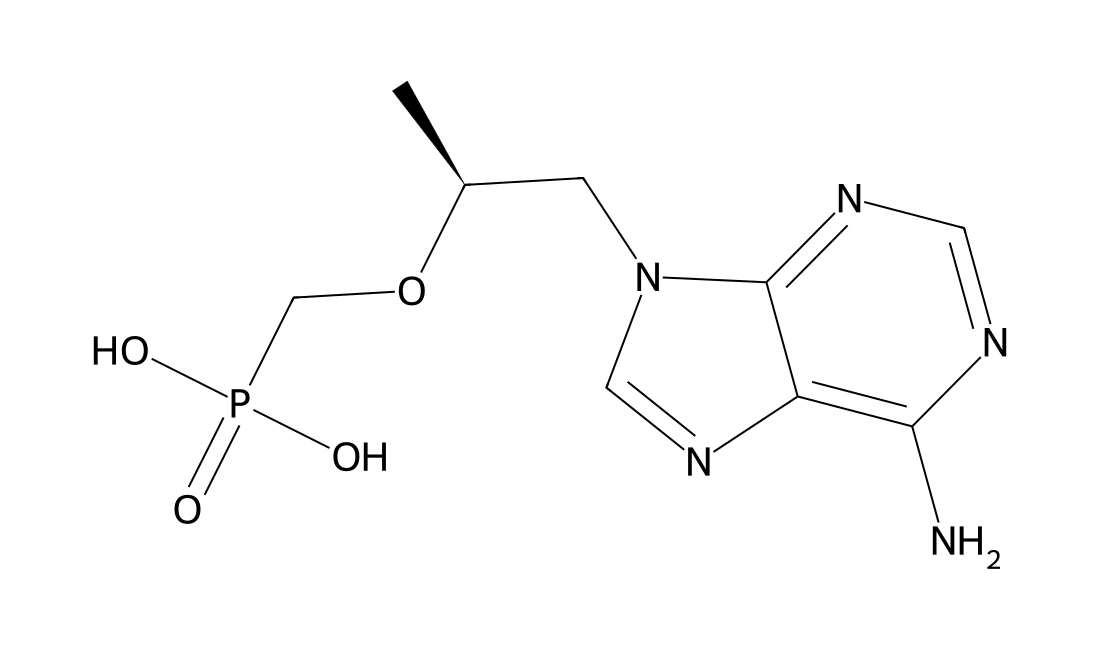
TenofovirFeatured
Tenofovir(GS 1278, PMPA) is an antiretroviral drug known as nucleotide analogue reverse transcriptase inhibitors (NRTIs), which block reverse transcriptase, a crucial virus enzyme in HIV-1 and HBV.
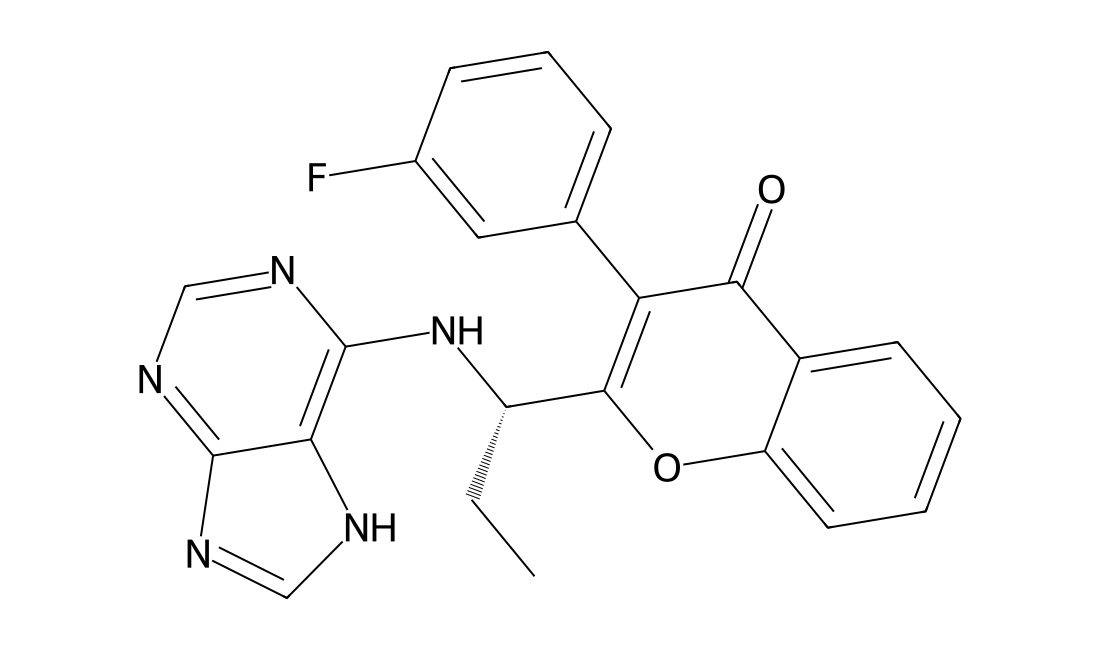
TenalisibFeatured
Tenalisib shows selectivity over PI3K α (>300-fold) and β (>100-fold) isoforms. Tenalisib exhibits modest proliferation inhibition (33-46% inhibition @ 10 μM) in both HEL-RS and HEL-RR cells. Addition of 10 μM tenalisib to ruxolitinib is synergistic resulting in a near-complete inhibition of proliferation (>90% for HEL-RS and >70% for HEL-RR). Addition of 5 μM tenalisib, 4 h prior to the addition of ruxolitinib results in a significant reduction in EC50of ruxolitinib (5.8 μM) in HEL-RR cells. Incubation of 10 μM tenalisib with ruxolitinib for 72 h increases the percent of apoptotic cells (55% in HEL-RS and 37% in HEL-RR) compared to either agent alone (16-27% in HEL-RS and 17-21% in HEL-RR).Tenalisib has been well tolerated in subjects with heavily pre-treated relapsed/refractory hematologic malignancies. Reported toxicities are manageable with no DLTs. Single agent activity is evident in difficult-to-treat subjects at ≥ 200 mg BID.
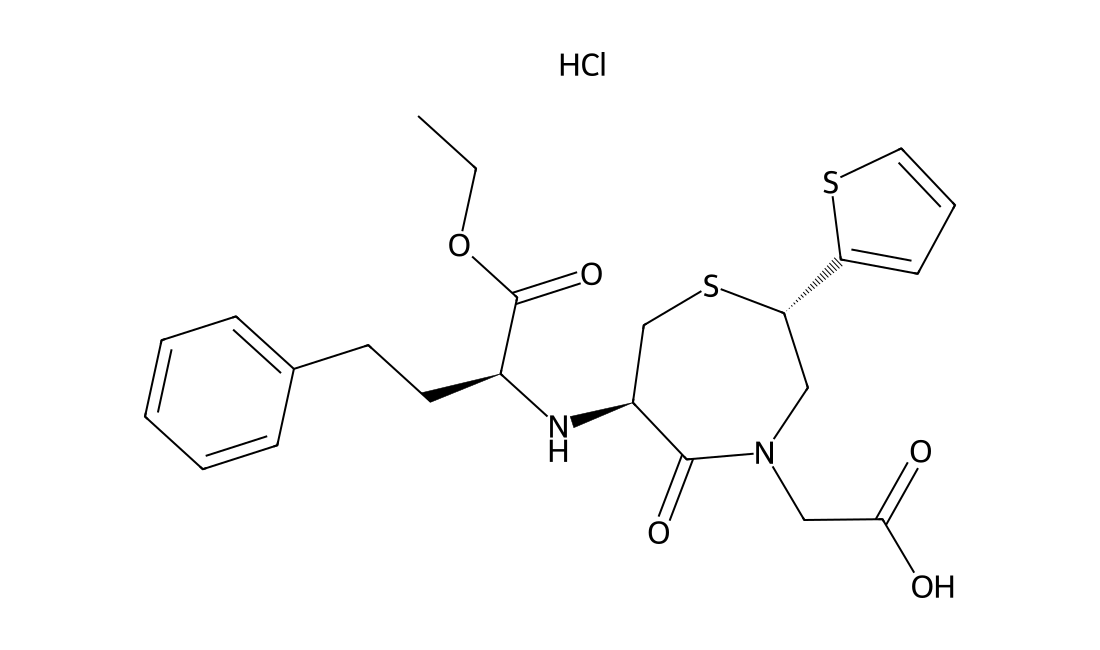
Temocapril (hydrochloride)Featured
Temocapril Hydrochloride is a long-acting angiotensin-converting enzyme (ACE) inhibitor, used for the treatment of hypertension. Temocapril hydrochloride is a novel prodrug-type angiotensin-I converting enzyme (ACE) inhibitor, lowering of the dose of temocapril might be recommended only in patients with severe renal insufficiency. Temocapril is regarded as an ACE inhibitor the disposition and efficacy of which are little affected in patients with impaired liver function.
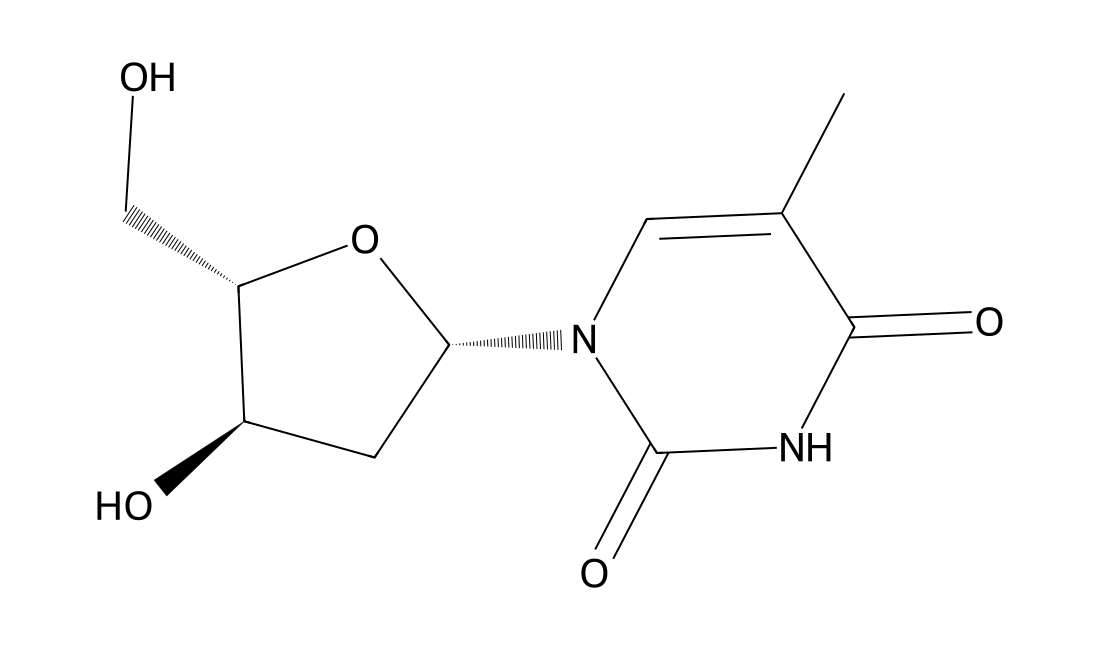
TelbivudineFeatured
Telbivudine (Tyzeka, Sebivo) is an antiviral agent used in the treatment of hepatitis B infection.
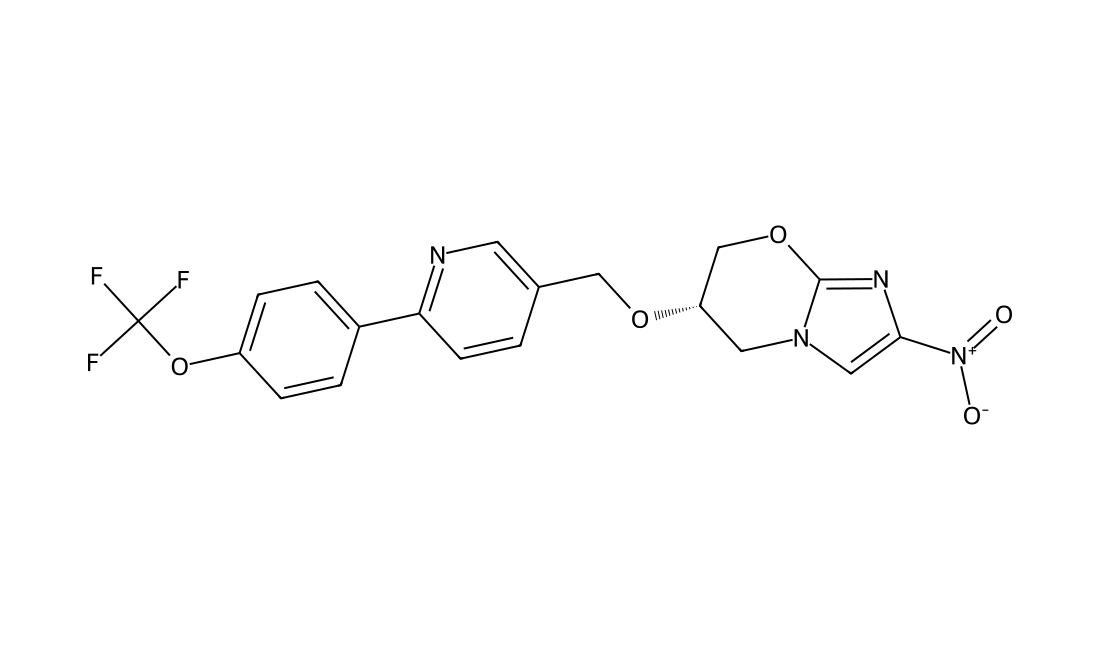
TBA-354Featured
TBA-354 is narrow spectrum and bactericidal in vitro against replicating and nonreplicating Mycobacterium tuberculosis, with potency similar to that of delamanid and greater than that of PA-824. TBA-354 maintains activity against Mycobacterium tuberculosis H37Rv isogenic monoresistant strains and clinical drug-sensitive and drug-resistant isolates . TBA-354 is 5 to 10 times more potent than PA-824, but selected mutants are cross-resistant to PA-824 and delamanid. TBA-354 is 2 to 4 times more potent than PA-824 when combined with bedaquiline, and when administered at a dose equivalent to that of PA-824, TBA-354 demonstrated superior sterilizing efficacy For the detailed information of TBA-354 , the solubility of TBA-354 in water, the solubility of TBA-354 in DMSO, the solubility of TBA-354 in PBS buffer, the animal experiment (test) of TBA-354 , the cell expriment (test) of TBA-354 , the in vivo, in vitro and clinical trial test of TBA-354 , the EC50, IC50,and affinity,of TBA-354 , Please contact DC Chemicals.
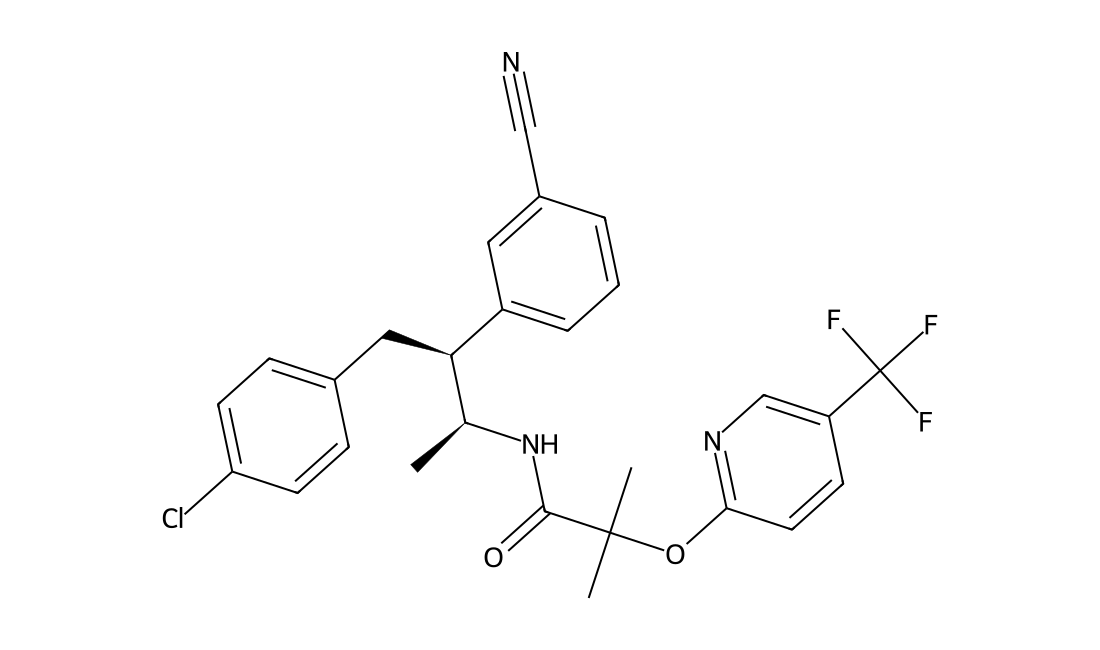
Tranabant (MK-0364)Featured
Taranabant is a highly selective cannabinoid-1 (CB1) receptor inverse agonist.
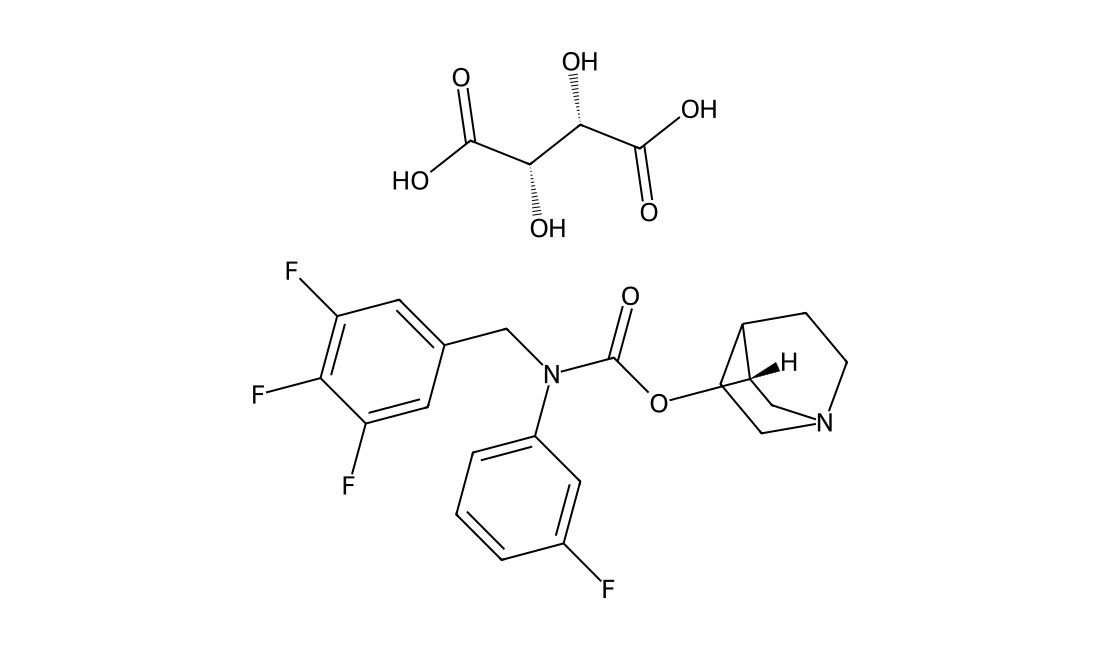
Tarafenacin (D-tartrate)Featured
Tarafenacin(SVT-40776) is a highly selective M3 muscarinic receptor antagonist (Ki= 0.19 nM), ~200 fold selectivity over M2 receptor. in vitro: SVT-40776 is highly selective for M(3) over M(2) receptors (Ki = 0.19 nmol.L(-1) for M(3) receptor affinity). SVT-40776 was the most potent in inhibiting carbachol-induced bladder contractions of the anti-cholinergic agents tested, without affecting atrial contractions over the same range of concentrations. SVT-40776 exhibited the highest urinary versus cardiac selectivity (199-fold). SVT-40776 has a much higher binding affinity (K(d) = 0.4 nM) to M5 mAChR than that of solifenacin (K(d) = 31 nM) with the same reeptor. The calculated binding free energy change (-2.3 ± 0.3 kcal/mol) from solifenacin to SVT-40776 is in good agreement with the experimentally derived binding free energy change (-2.58 kcal/mol), suggesting that our modeled M5 mAChR structure and its complexes with the antagonists are reliable. in vivo: In the guinea pig in vivo model, SVT-40776 inhibited 25% of spontaneous bladder contractions at a very low dose (6.97 microg.kg(-1) i.v), without affecting arterial blood pressure.
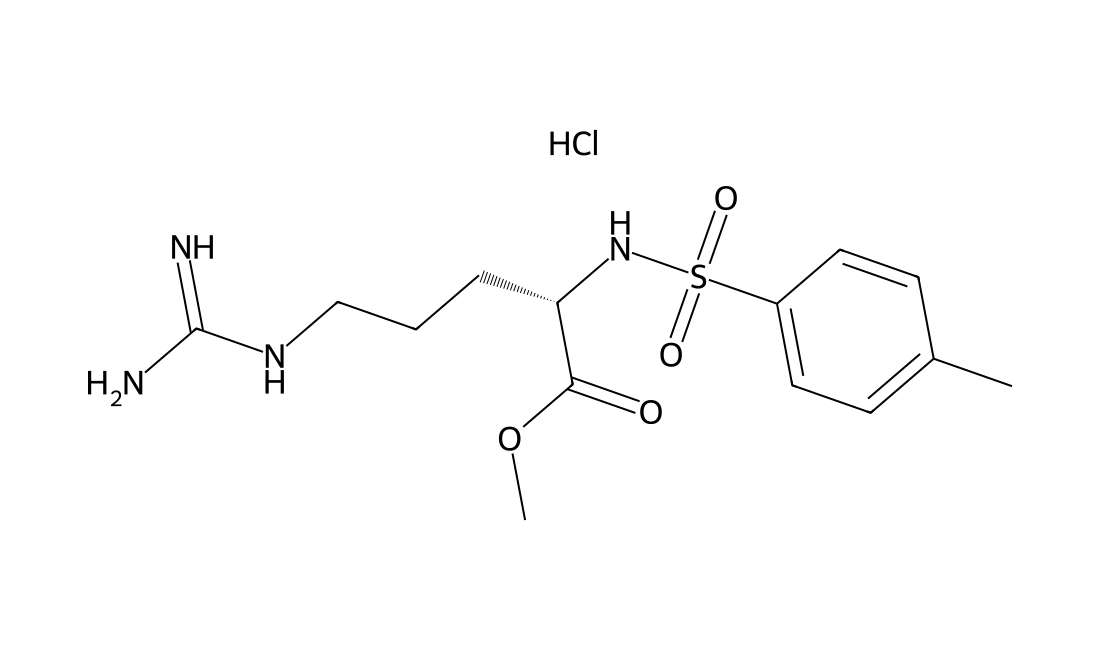
TAME hydrochlorideFeatured
In Vitro TAME shows inhibitory effect on APC activation when added to mitotic Xenopus extract. TAME (1-200 μM) inhibits Cdc20 association with mitotic APC and also inhibits Cdh1 association with interphase APC. TAME significantly inhibits crosslinking of the IR peptide to Cdc27 and Cdc16 but only slightly reduces crosslinking to Cdc23 and Apc7 at 20 µM; TAME strongly inhibits crosslinking to all APC subunits at 200 µM. TAME also inhibits binding of wild type Cdc20 to the APC, but not binding of a ΔIR mutant. TAME (200 μM) induces Cdc20 dissociation from the APC in mitotic Xenopus extract calls for APC-dependent ubiquitination. TAME induces Cdc20 dissociation from the APC by promoting Cdc20 ubiquitination, but the dissociation can be suppresses by Cyclin B1. TAME terminates cyclin B1 ubiquitination prematurely. TAME interacts with ATP by β and γ phosphate and the adenine ring of ATP. TAME in combination with the Mg(II) ion accelerates the ATP hydrolysis process.
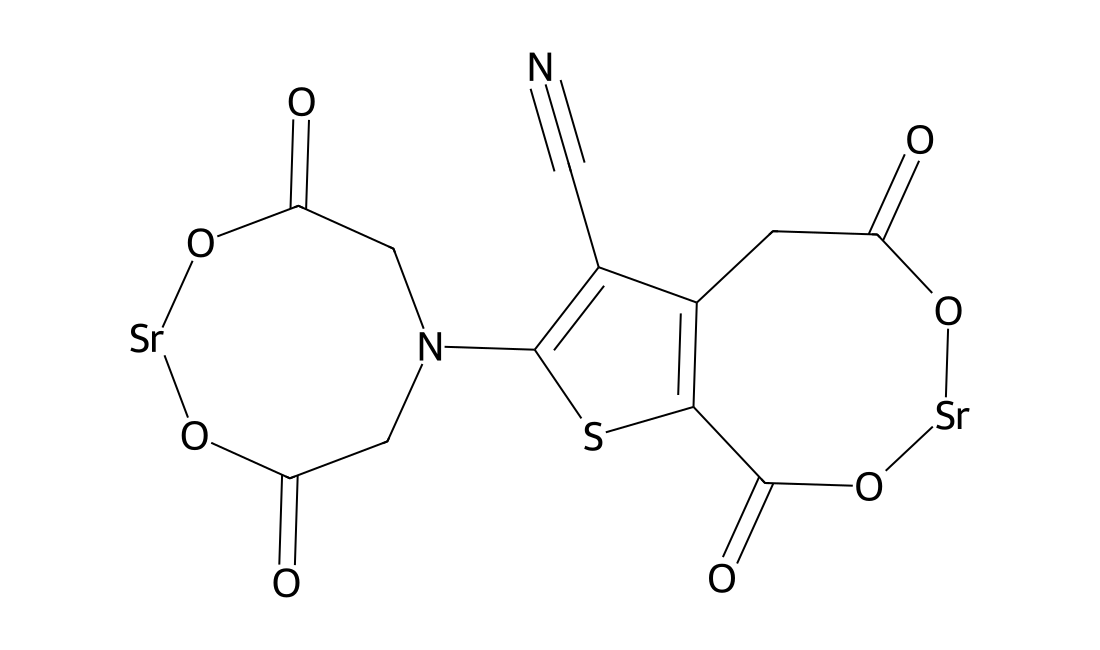
strontium ranelateFeatured
Strontium Ranelate is a bone metabolism modulator that inhibits bone resorption while maintaining bone formation. Commonly used as an antiosteoporotic.
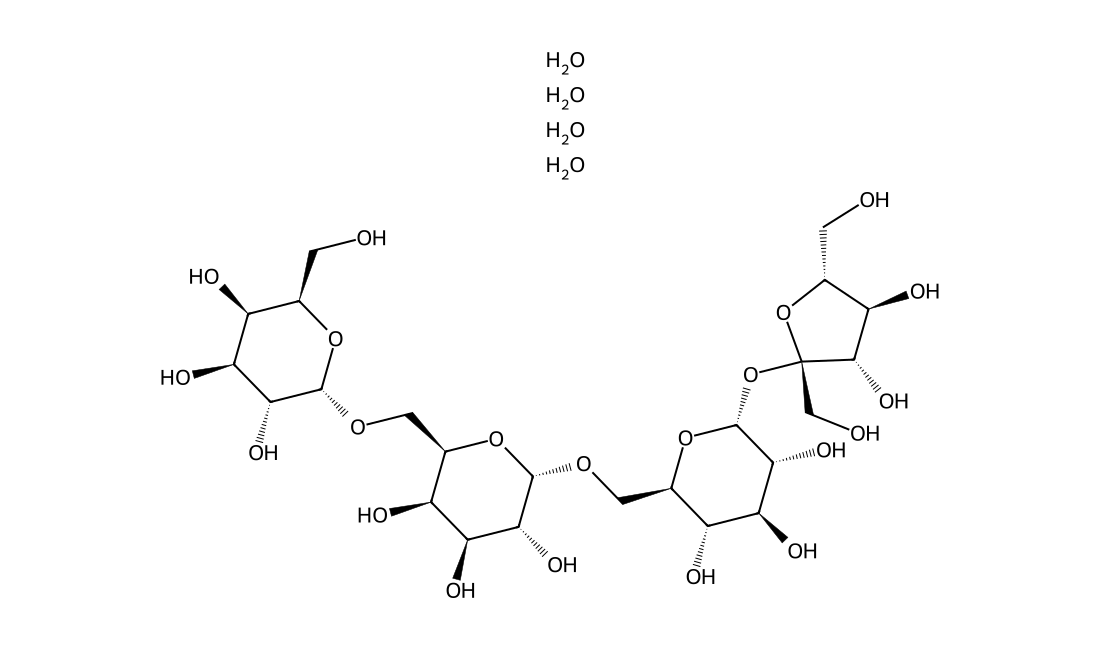
Stachyose tetrahydrateFeatured
In Vitro Stachyose highly promotes proliferation of lactic acid bacteria (LAB) by inducing LAB to produce more α-galactosidase to hydrolyze stachyose. In Vivo Stachyose may improve bioavailability of genistein via inhibiting intestinal degradation and first-pass metabolism of soy genistein.
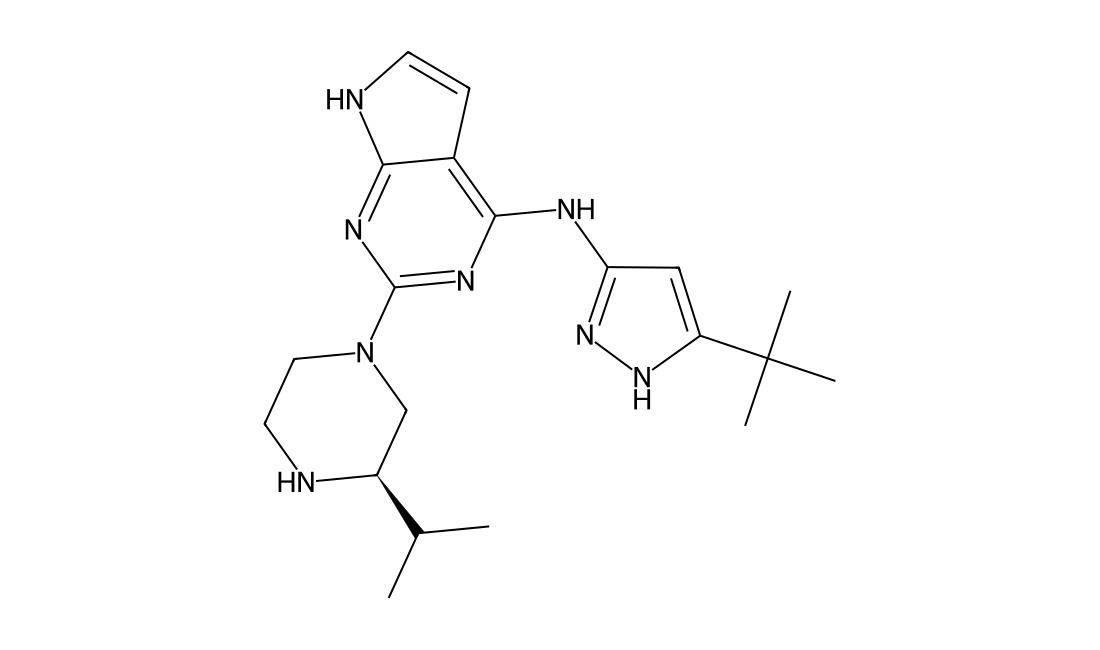
SpastazolineFeatured
Spastazoline is a potent and selective spastin (a microtubule-severing AAA protein) inhibitor, with an IC50 of 99 nM for Human spastin. Spastazoline shows no effect on ATPase activity of a recombinant human VPS4.
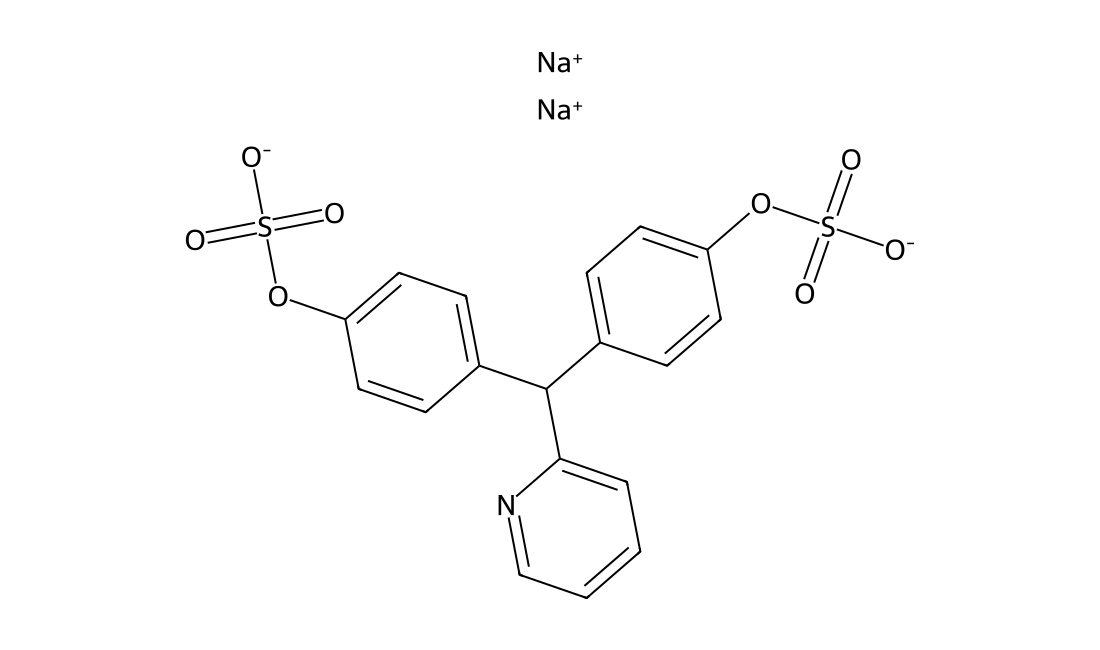
Sodium picosulfateFeatured
Sodium Picosulfate inhibits absorption of water and electrolytes, and increases their secretion.
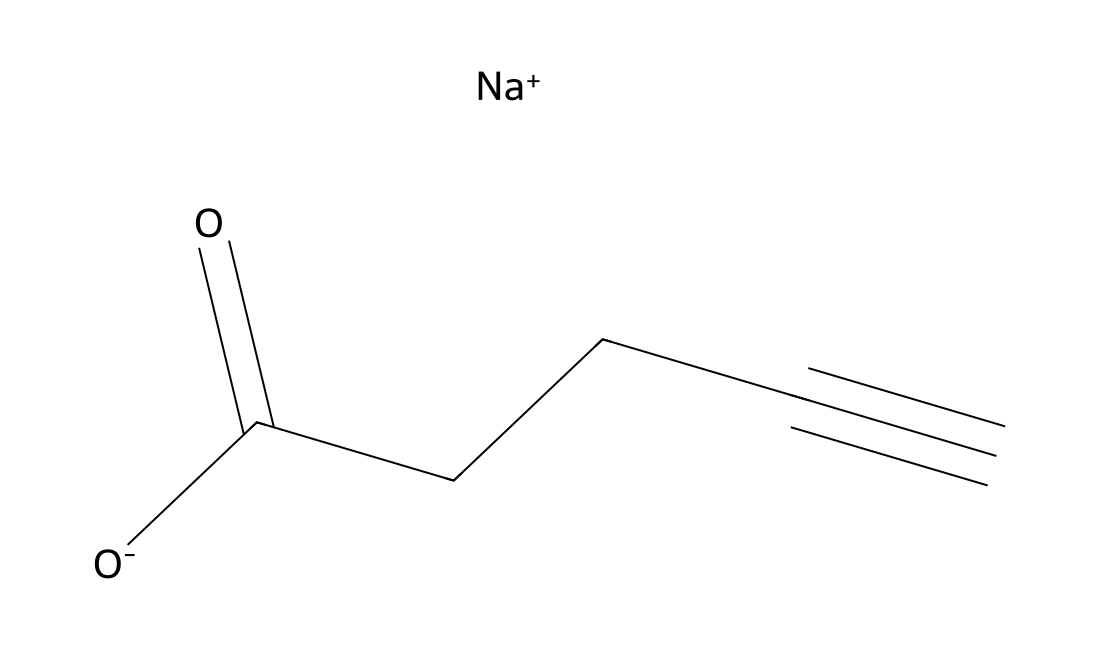
sodium 4-pentynoateFeatured
sodium 4-pentynoate is a alkynylacetate analogue; can be metabolically incorporated onto cellular proteins through biosynthetic mechanisms for profiling of acetylated proteins in diverse cell types.
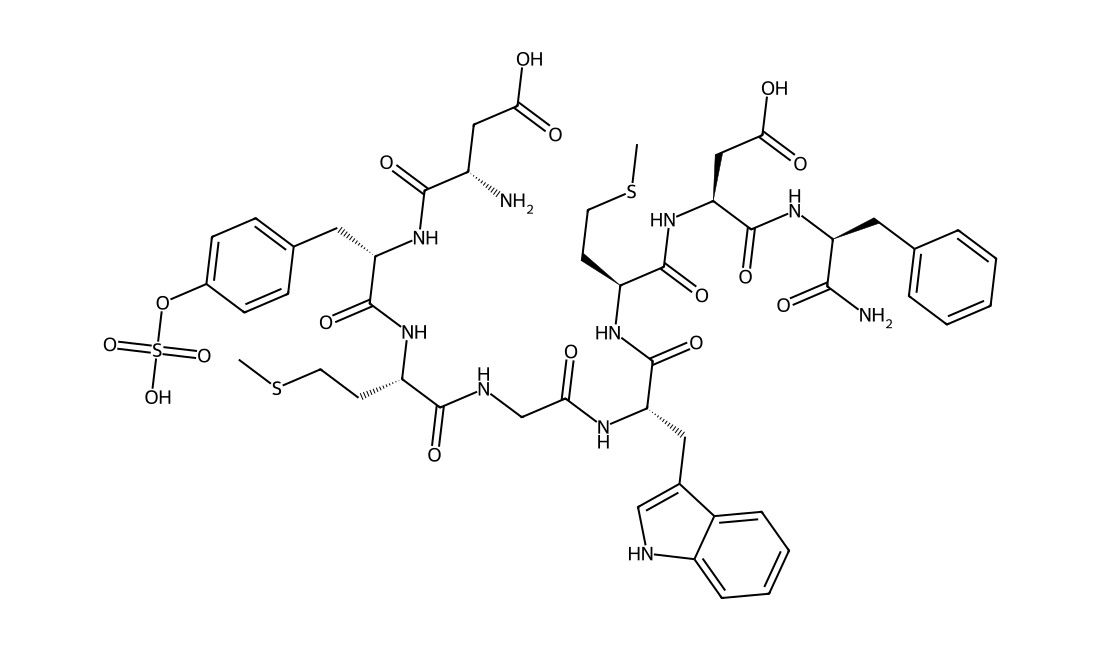
SincalideFeatured
Sincalide (CCK-8) is a 8-amino acid C-terminal fragment of cholecystokinin; stimulates gallbladder contraction.
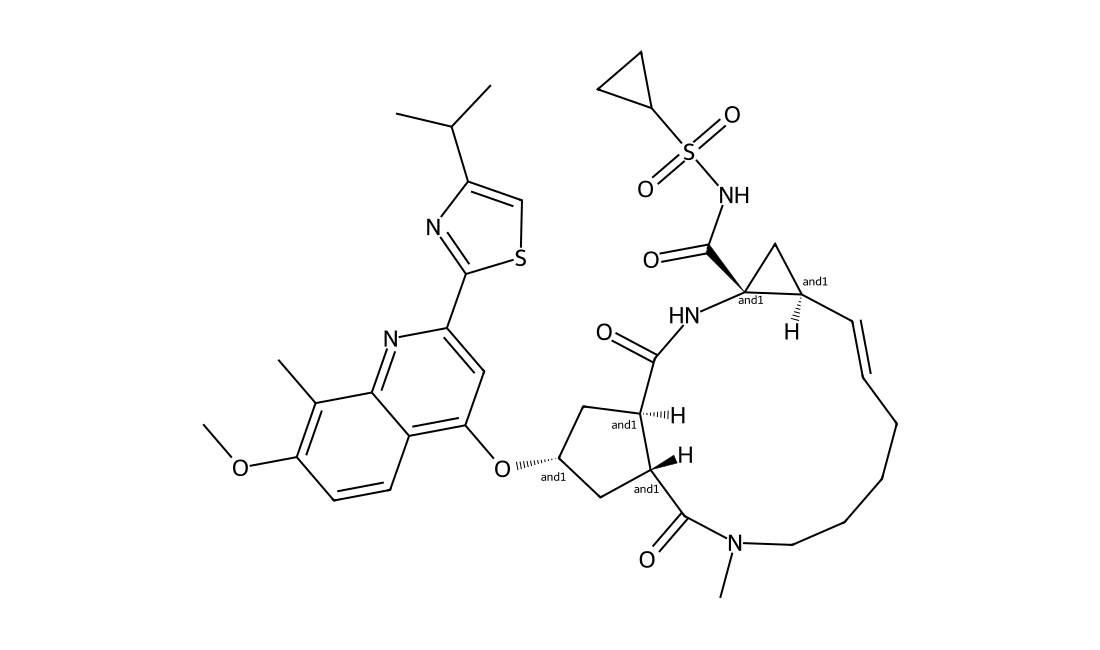
Simeprevir(TMC-435)Featured
Simeprevir (TMC 435350) is a potent inhibitor of HCV NS3/4A protease (Ki = 0.36 nM) and viral replication (replicon EC50 = 7.8 nM).
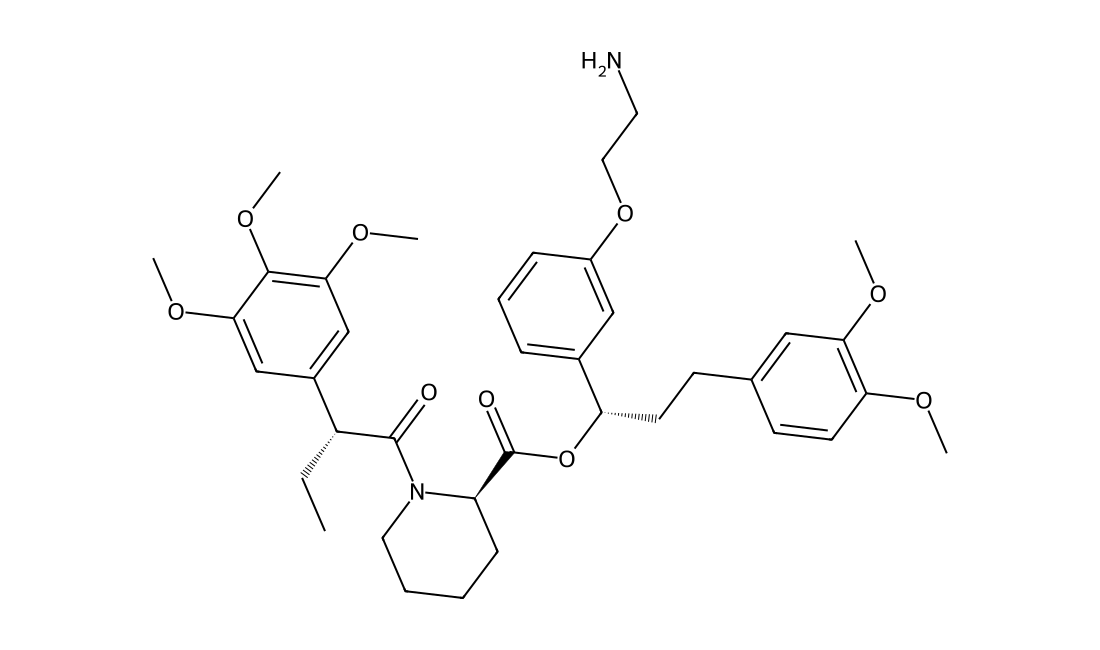
Shield-1 analogFeatured
Shield-1 analog is a derivative of Shield-1,a cell-permeable FKBP ligand that is designed to protect an otherwise unstable protein domain from degradation; binds tightly to FKBP, induces rapid and processive degradation of the LID domain.
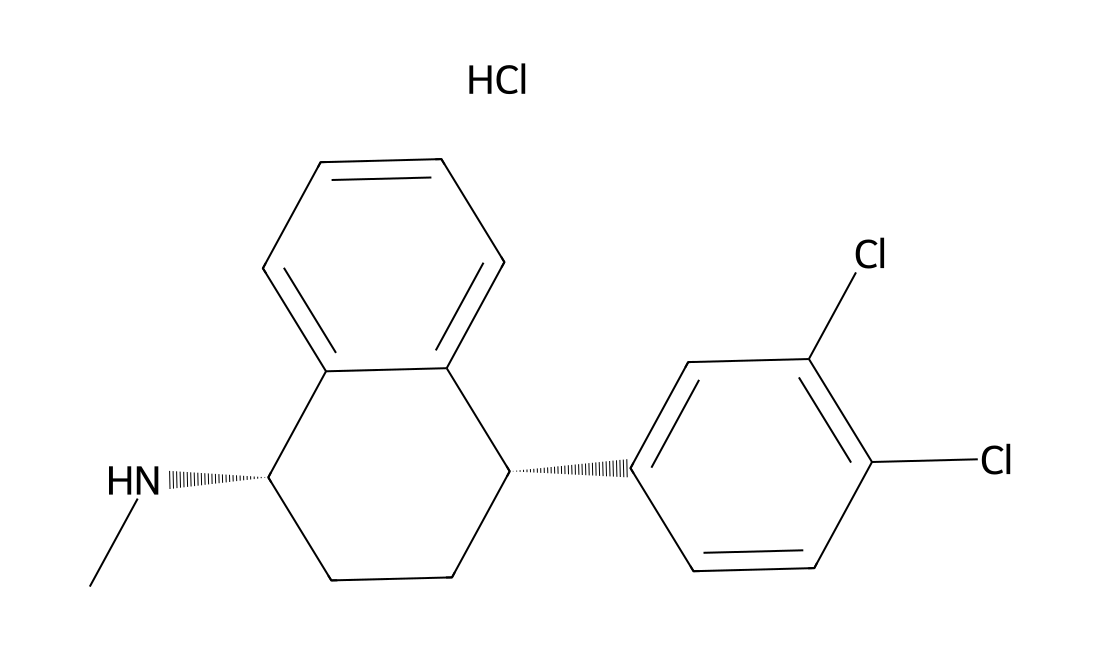
Sertraline HCLFeatured
Sertraline hydrochloride is an antidepressant of the selective serotonin reuptake inhibitor (SSRI) class.Sertraline is an antidepressant of the selective serotonin reuptake inhibitor (SSRI) class. It was introduced to the market by Pfizer in 1991. Sertraline is primarily prescribed for major depressive disorder in adult outpatients as well as obsessive–compulsive, panic, and social anxiety disorders in both adults and children. In 2011, it was the second-most prescribed antidepressant on the U.S. retail market, with 37,208,000 prescriptions. Sertraline is used for a number of conditions including: major depression, obsessive-compulsive disorder (OCD), body dysmorphic disorder (BDD), posttraumatic stress disorder (PTSD), premenstrual dysphoric disorder (PMDD), panic disorder and social phobia (social anxiety disorder). It has also been used for premature ejaculation and vascular headaches but evidence of the effectiveness in treating those conditions is less robust.
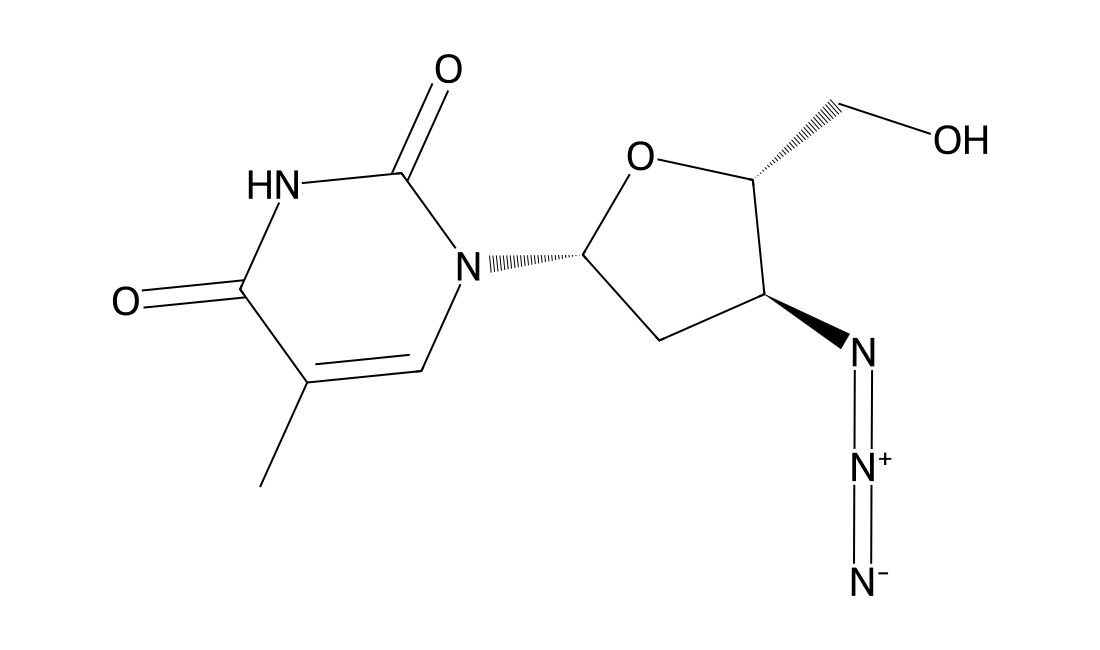
Azidothymidine (AZT)Featured
Selective reverse transcriptase inhibitor. Exhibits 100-fold selectivity for HIV reverse transcriptase over DNA polymerase α. Suppresses HIV-1 replication and enhances cell viability in HIV-1 infected T cells. Attenuates growth of multiple myeloma (MM) cells in vitro and reduces growth of MM tumor xenografts in mice. Orally bioavailable and brain penetrant. Antiretroviral agent. Also decreases CRISPR-mediated homology directed repair (HDR) efficiency.
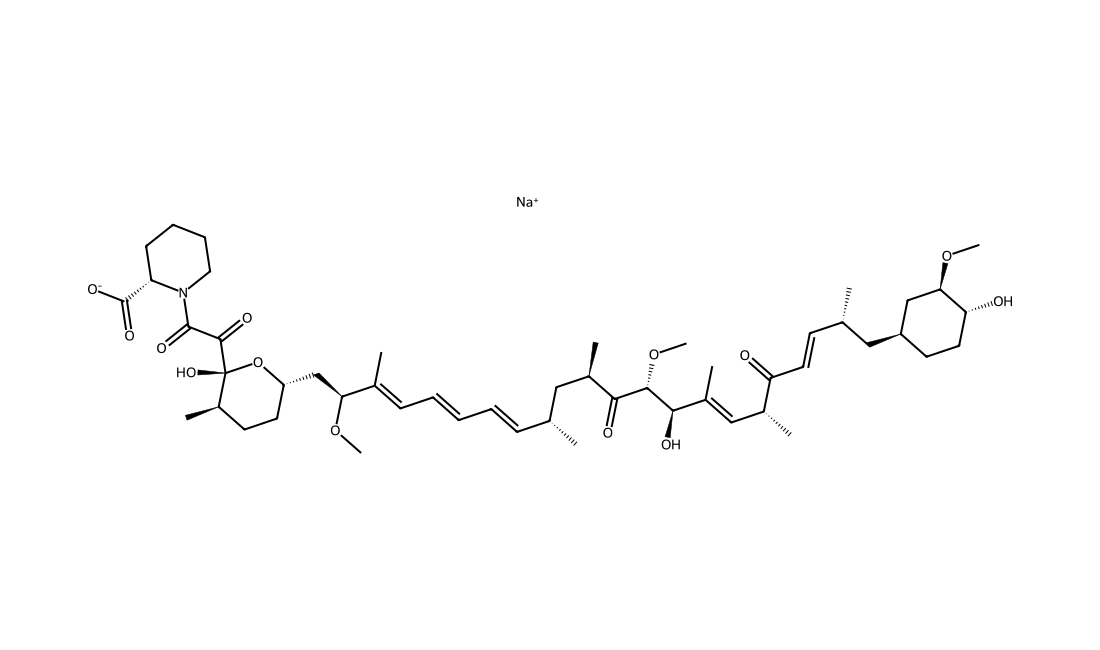
Seco Rapamycin sodium saltFeatured
Seco-rapamycin is the first in vivo open-ring metabolite of rapamycin that does not affect mTOR.
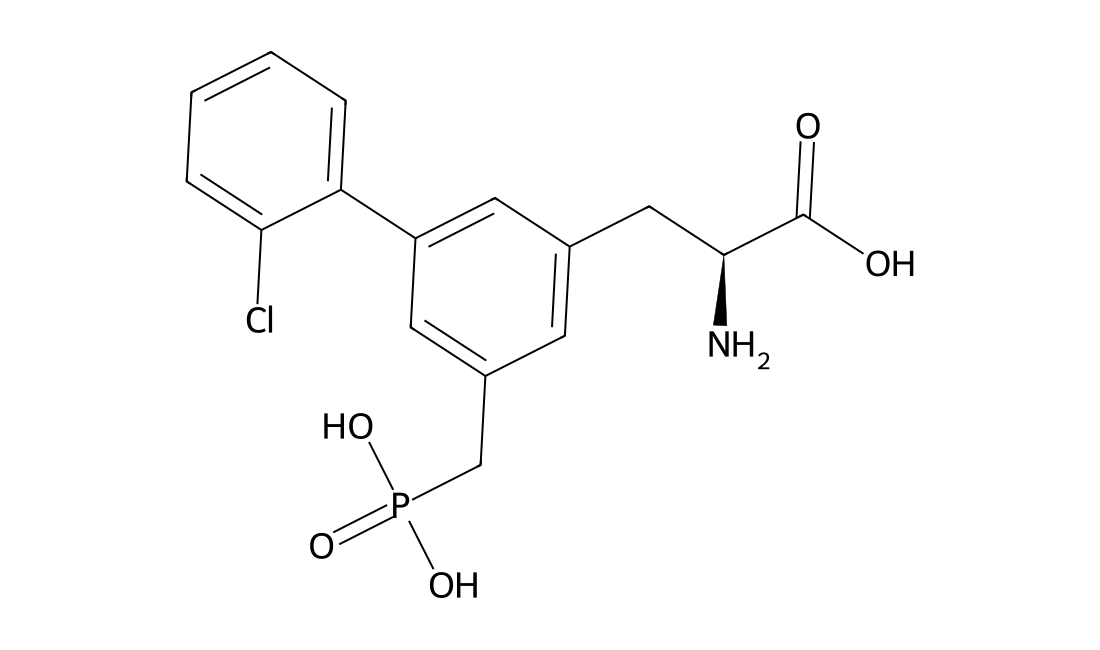
SDZ 220-581Featured
SDZ 220-581 is a potent, competitive antagonist at the NMDA glutamate receptor subtype(pKi= 7.7). in vitro: Wake-promoting doses of LSN2463359 and LSN2814617 attenuated deficits in performance induced by the competitiveNMDA receptor antagonist SDZ 220,581 in two tests of operant behaviour: the variable interval 30 s task and the DMTP task. in vivo: Administration of SDZ 220-581 or CGS 19755 was associated with a robust reduction in PPI, whereas L-701,324, 4-Cl-KYN or MLA failed to alter PPI. With the most active agent, SDZ 220-581, full protection against maximal electroshock seizures (MES) was obtained at oral doses of 10 mg/kg in rats and in mice. The compound had a fast onset (< or = 1 hr) and a long duration (> or = 24 hr) of action. Rats were pretreated with clozapine (0 or 5.0 mg/kg) or haloperidol (0 or 0.1 mg/kg), together with SDZ 220-581 (0 or 2.5 mg/kg), and tested. SDZ 220-581 and SDZ EAB-515 decreased PPI without affecting startle magnitude.
No products match this search.
Page 419 of 434 · Browse all 8677 products
Jump to a product page
Featured literature product: HX1 · DCL0028
HX1 is a hydroxyzine-derived ionizable lipid with acetal-containing tails, studied in lipid nanoparticles for brain mRNA delivery and CRISPR–Cas9 delivery. It was the lead in the reported in vivo brain-delivery screen; evidence is preclinical and formulation-dependent.
Read full formulation and performance →