
Research lipid catalog
Ionizable Lipid Products
Explore 848 lipid and RNA delivery products. Search the full catalog or browse by research category.
Search covers product name, catalog number, synonyms, available CAS numbers and categories. Spaces, hyphens and common punctuation are ignored. Duplicate legacy records are consolidated under one canonical product result.
8677 products · Showing 8601–8620 · 20 per page
DC Chemicals lipid expertise
Built for ionizable-lipid discovery and RNA delivery research
DC Chemicals supports formulation and delivery research with a broad, searchable portfolio of cationic and ionizable lipids. The current directory brings together 848 unique research-use products, with product specifications, pricing, chemical structures and literature-linked formulation data added as each record is verified.
Our experience spans complex lipid synthesis, purification, analytical release and process development. For custom molecules or larger-scale requirements, our team can discuss route development, technical specifications and scale-up options for the intended research workflow.
Learn about cationic and ionizable lipids →Proprietary innovation · Co-development · GMP
From proprietary lipid design to GMP-grade custom synthesis
DC Chemicals has independently developed ionizable-lipid structures supported by company-owned intellectual property, and selected proprietary lipid programs have advanced to GMP-stage development.
We welcome joint development with customers—from molecular design and lipid synthesis through route and process development. We can also support custom synthesis of GMP-grade ionizable lipids to agreed technical specifications and quality requirements.
Discuss a co-development project →Proprietary ionizable-lipid structuresCollaborative molecular designCustom lipid synthesisProcess development and scale-upGMP-grade project support
Product quick links
Explore New ionizable lipids
Explore our five most recently added ionizable lipids, with specifications, pricing and literature-linked product information.
DCL0028HX1Brain RNA delivery researchView product →DCL0024A1I4R13C18-2Spleen-targeted RNA delivery researchView product →DCL0023A1I4R2C18-2Spleen-targeted RNA delivery researchView product →DCL0022FS01Local joint RNA delivery researchView product →DCL0020Lipid-392Lung RNA delivery and gene editing researchView product →
Cat. No.Product NameField of ApplicationChemical Structure
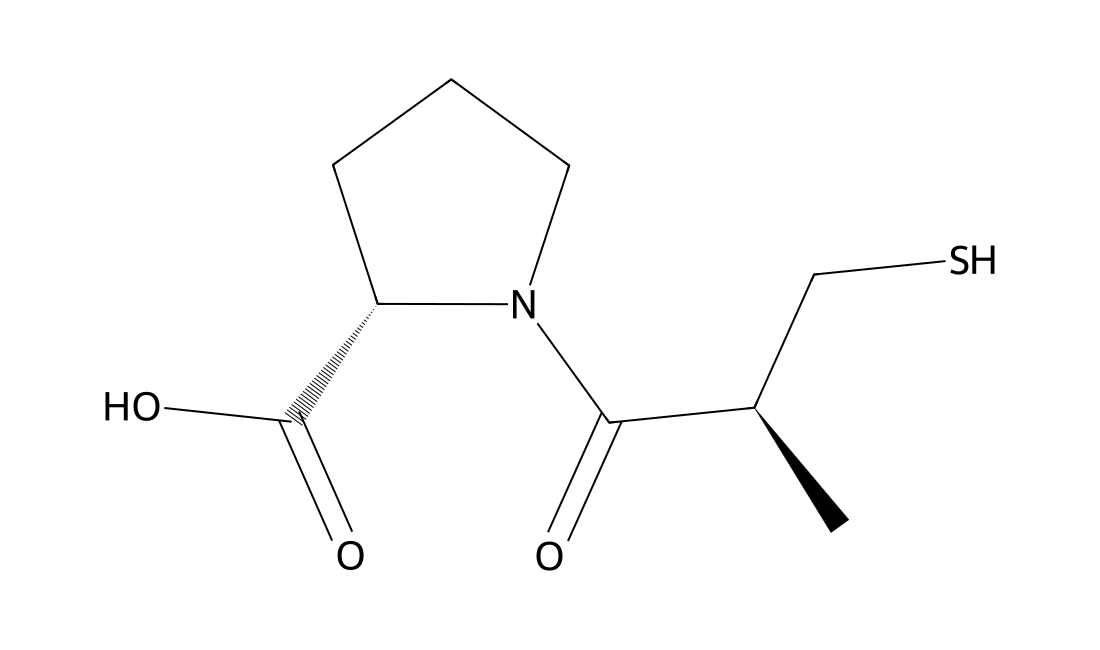
CaptoprilFeatured
Captopril is a potent, competitive inhibitor of angiotensin-converting enzyme (ACE).Captopril has been shown to have similar morbidity and mortality benefits to those of diuretics and beta-blockers in hypertensive patients. Captopril has been shown to delay the progression of diabetic nephropathy, and enalapril and lisinopril prevent the development of nephropathy in normoalbuminuric patients with diabetes. an equimolar ratio of the cis and trans states of captopril exists in solution and that the enzyme selects only the trans state of the inhibitor that presents architectural and stereoelectronic complementarity with its substrate binding groove .
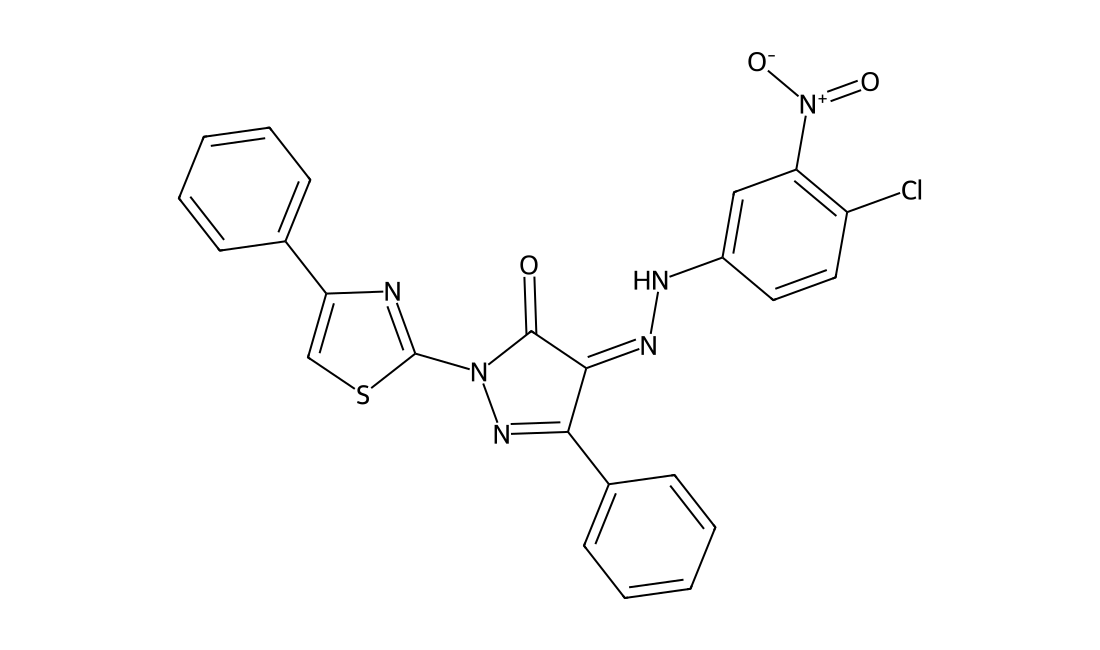
C 87Featured
C87 directly binds to TNFα, potently inhibits TNFα-induced cytotoxicity (IC50=8.73 μM) and effectively blocks TNFα-triggered signaling activities. C87 exhibits good solubility and consistent dose-dependent functions in vitro. C87 completely blocks TNFα-induced activation of caspase-3 and caspase-8. The activity of c-Jun N-terminal kinase (JNK) is significantly reduced by C87 in L929 cells. C87 also prevents the degradation of IκBα in cells treated with TNFα. C87 potently blocks multiple signaling transduction pathways and downstream target gene activation triggered by TNFα.C87 attenuates TNFα-induced inflammation, thereby markedly reducing injuries to the liver and improving animal survival. C87 injection delays the incidence of death and increases the survival rate by two folds compared with the vehicle control. The level of alanine transaminase and aspartate transaminase is consistently reduced in mice with C87 treatment.
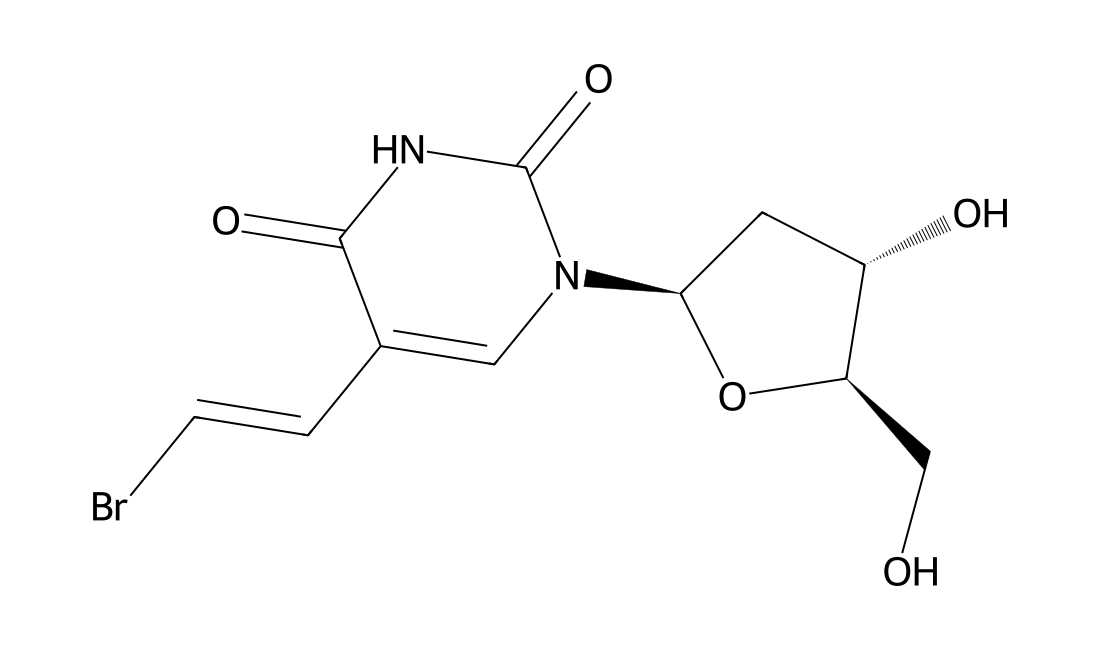
BrivudineFeatured
Brivudine is an analog of thymidine, and is incorporated into the viral DNA. It blocks the action of DNA polymerases, thus inhibiting viral replication. It has a stronger antiviral effect against the varicella-zoster virus compared with reference compounds such as aciclovir or penciclovir. It has high, selective activity against varicella zoster virus (VZV), inhibiting VZV replication, possibly through competitive inhibition of viral DNA polymerase, or by acting as an alternative substrate to deoxythymidine triphosphate, causing viral DNA strand breakage.At a dose of 125 mg once daily, brivudine has proved to be superior to aciclovir with respect to reducing the period of new blister production, and has shortened the duration of post-herpetic neuralgia.
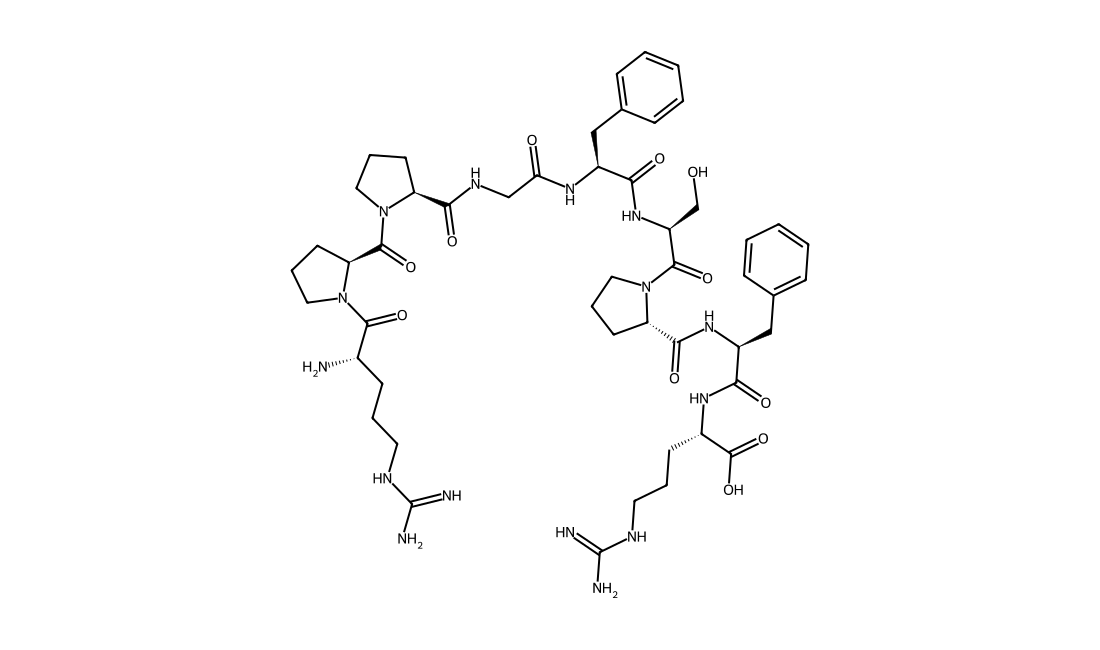
BradykininFeatured
Bradykinin is a potent vasodilator peptide that exerts its vasodilatory action through stimulation of specific endothelial B2 receptors, thereby causing the release of prostacyclin, NO, and EDHF. Bradykinin has been reported to be involved in the progression of many types of cancer. Bradykinin treatment promotes the invasion and migration of colorectal cancer cells. Bradykinin treatment stimulates ERK1/2 activation and IL-6 production. Exogenous bradykinin markedly inhibits TF expression in mRNA and protein level induced by LPS in a dose-dependent manner. The NO synthase antagonist L-NAME and PI3K inhibitor LY294002 dramatically abolish the inhibitory effects of bradykinin on tissue factor expression.Application of 1 μM bradykinin to the ovary produces significant decreases in heart rate and mean arterial pressure. In vagotomized animals, application of 1 μM bradykinin to the ovary produces bradycardia and hypotension similar to the responses evoked when vagal innervation is intact. Vascular bradykinin can improve pancreatic microcirculation and hemorheology in rats with severe acute pancreatitis. The pancreatic microcirculatory blood flow volume and velocity in the vascular bradykinin treatment group increases gradually after 48 h[5]. PI3K/Akt signaling pathway activation induced by bradykinin administration reduces the activity of GSK-3β and MAPK, and reduces NF-x03BA;B level in the nucleus, thereby inhibiting TF expression. Consistent with this, intraperitoneal injection of C57/BL6 mice with bradykinin also inhibits the thrombus formation induced by ligation of inferior vena cava.
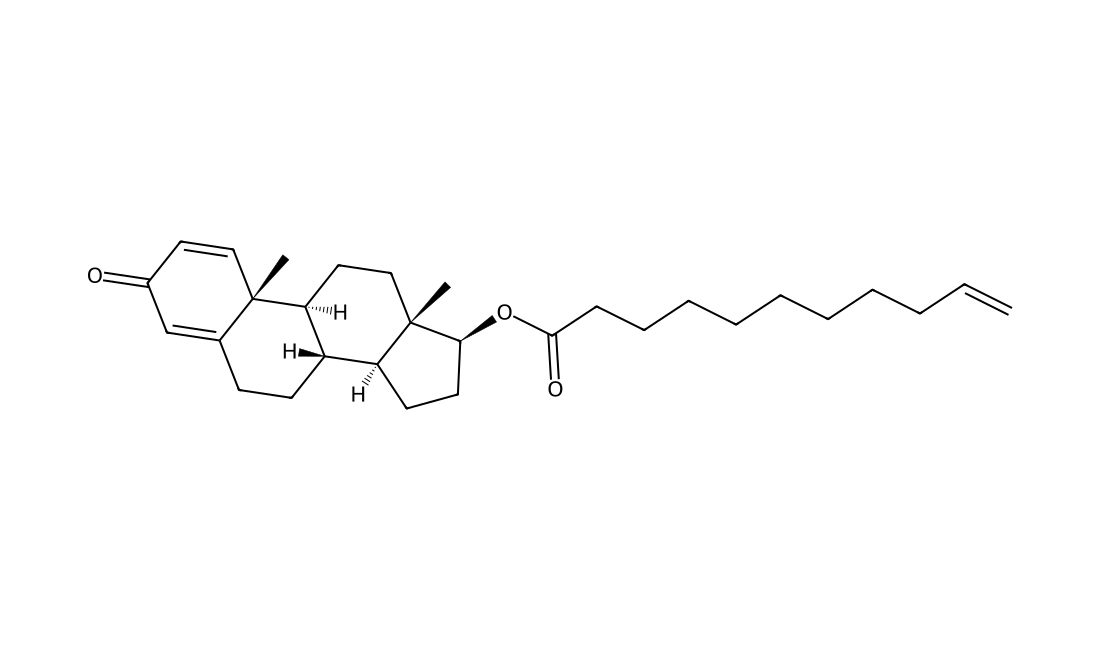
Boldenone UndecylenateFeatured
Boldenone undecylenate(Equipoise) is a synthetic steroid which has a similar effect as the natural steroid testosterone; it is frequently used in veterinary medicine, though it is also used in humans. The effects of this steroid are more subtle than that of many other steroids. in vivo: Rabbits were injected intramuscularly twice weekly for two months. BOL had no significant effect on the bwt and bwt gain. Testes and epididymis weights were decreased significantly in the BOL-treated groups. BOL caused significant reduction in serum testosterone level, seminal volume, sperm motility, and sperm count .
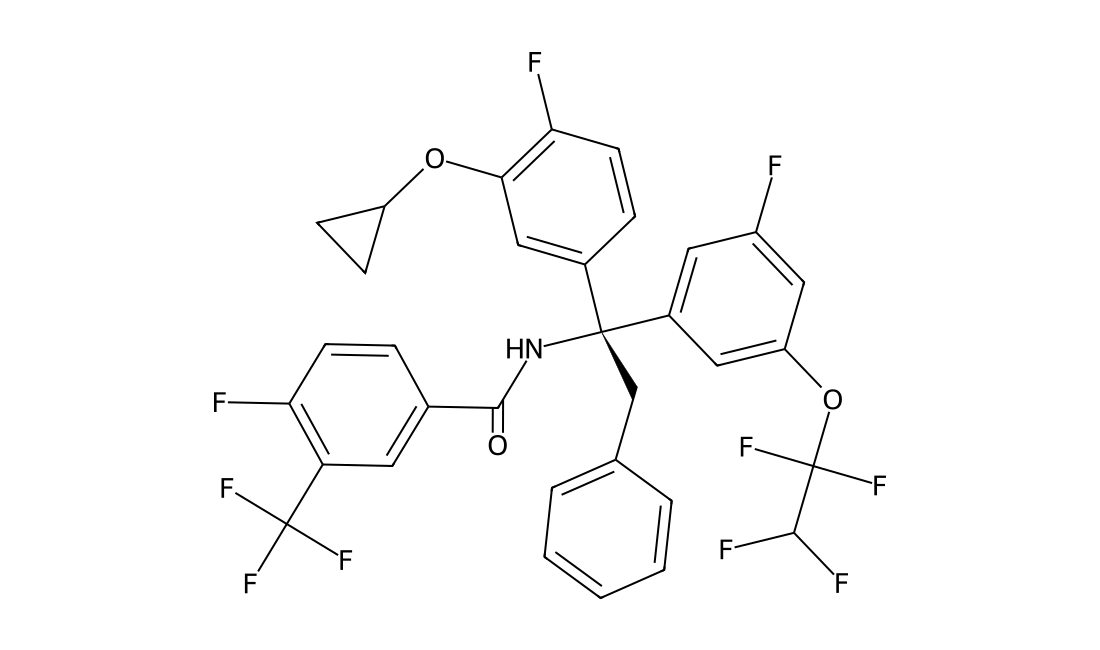
BMS-795311Featured
BMS-795311 is a potent and orally available CETP inhibitor with IC50 of 3.8 nM, inhibits cholesteryl ester (CE) transfer with IC50 of 0.22 uM; inhibits CE transfer activity at an oral dose of 1 mg/kg in human CETP/apoB-100 dual transgenic mice and increased HDL cholesterol content and size comparable to Torcetrapib in moderately-fat fed hamsters.
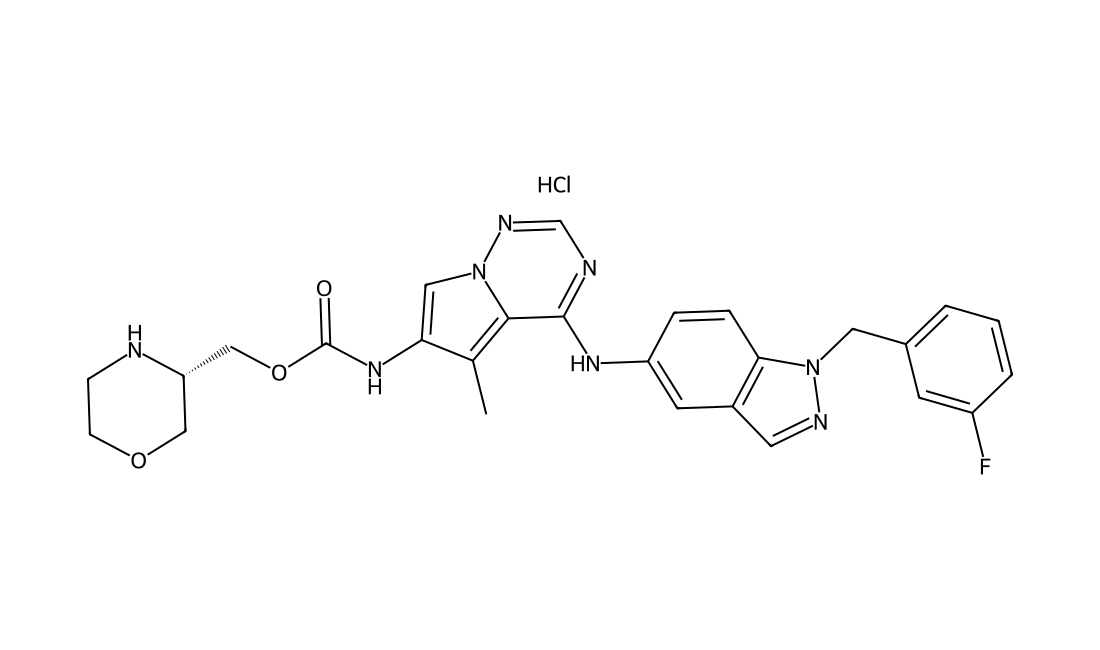
BMS-599626 hydrochlorideFeatured
BMS-599626 (AC-480) is a potent, selective inhibitor of EGFR and HER2 with IC50 of 20 nM and 30 nM; displays 8-fold less potency to HER4, >100-fold to VEGFR2, c-Kit, Lck, MET etc; inhibits the proliferation of tumor cells expressing high levels of HER1 and/or HER2; shows potent antitumor activity in a human breast tumor KPL-4 xenograft; orally efficacious.Breast CancerPhase 1 Discontinued
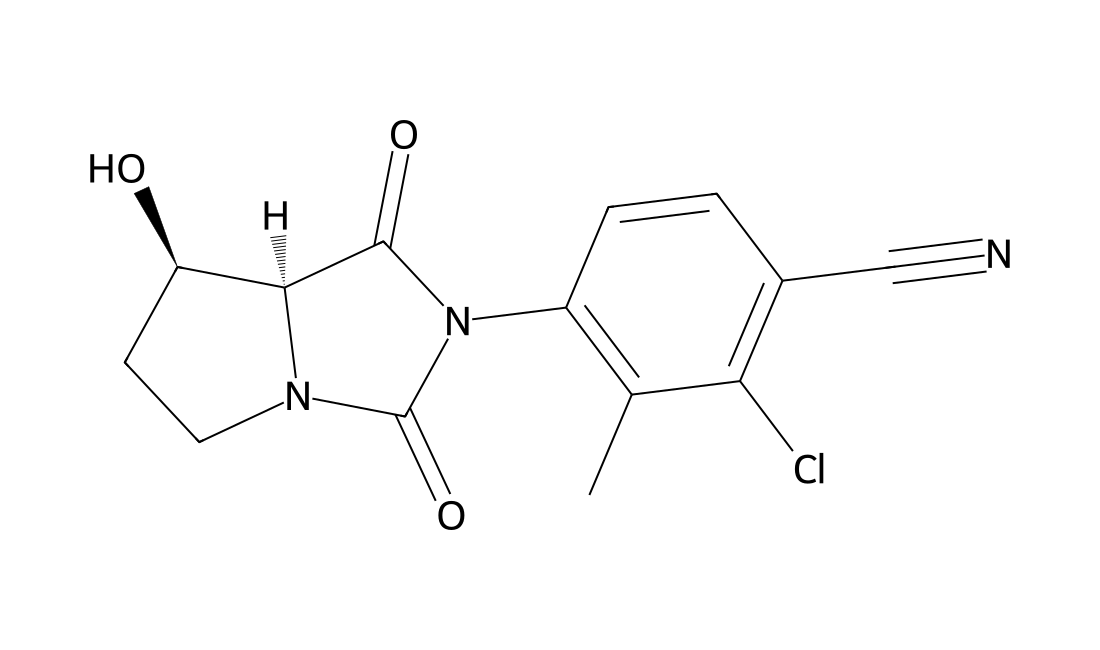
BMS-564929Featured
BMS-564929 is a potent, selective androgen receptor modulator (SARM) that binds to AR with Ki of 2.11 nM; BMS-564929 is a subnanomolar AR agonist in vitro, displays high selectivity for the AR versus other steroid hormone receptors and exhibits no significant interactions with SHBG or aromatase.
BMS-214662Featured
BMS-214662 is over 1000-fold selective for farnesyl transferase, having IC50 values for inhibition of geranylgeranylation of Ras-CVLL and K-Ras of 1.3 and 2.3 μM, respectively. BMS-214662 shows good potency in inhibiting H-ras-transformed rodent cells, A2780 human ovarian carcinoma tumor cells, and HCT-116 human colon carcinoma tumor cells. BMS-214662 is the most potent apoptotic FTI known and demonstrates broad spectrum yet robust cell-selective cytotoxic activity against a panel of cell lines with diverse histology.Tumors from BMS-214662-treated mice have increased numbers of apoptotic cells as compared with the nontreated control mice. The AIs in HCT-116 tumors are increased 4-10-fold in BMS-214662-treated mice as compared with nontreated controls. BMS-214662 is significantly cytotoxic to both HCT-116 and EJ-1 tumor cells; the doses of BMS-214662 required to kill 90% of clonogenic tumor cells are approximately 75 and 100 mg/kg for HCT-116 and EJ-1 tumors.
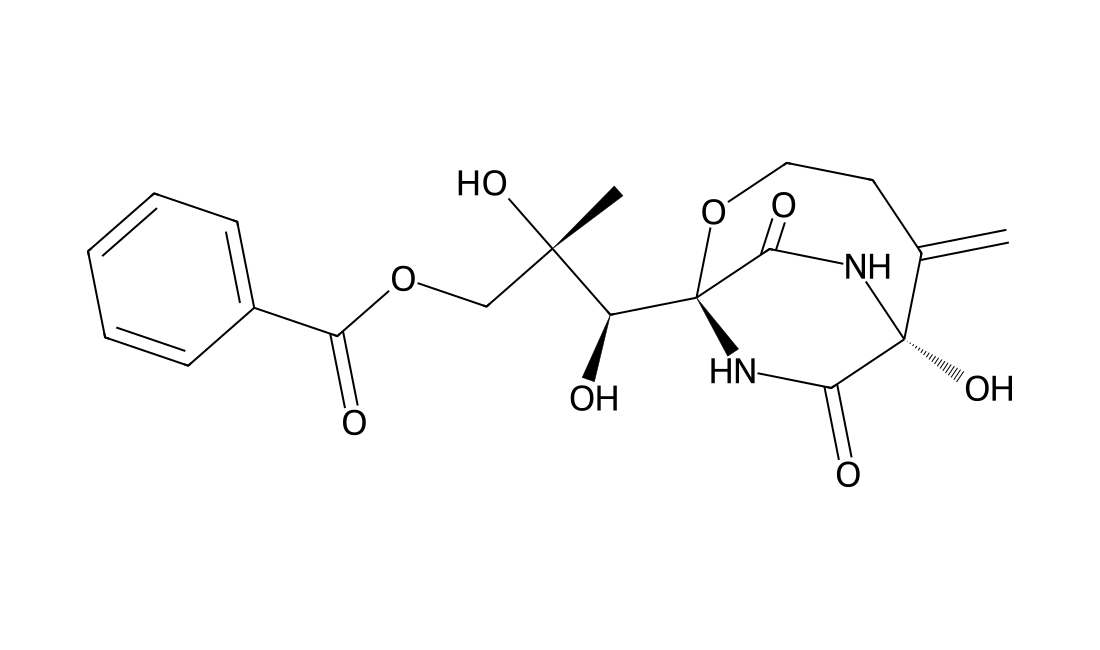
Bicyclomycin benzoateFeatured
The primary action of bicyclomycin is due to interference with the biosynthesis of lipoprotein and its assembly to peptidoglycan in the cell envelope of E. coli. At the lethal level, bicyclomycin is shown to inhibit the synthesis of RNA and protein in the growing cells of E. coli 15 THU. Bicyclomycin targets the rho transcription termination factor in Escherichia coli. Bicyclomycin is a modest rho inhibitor, can disrupt the rho molecular machinery thereby leading to a catastrophic effect caused by the untimely overproduction of proteins not normally expressed constitutively, thus leading to a toxic effect on the cells. The inhibition of rho poly(C)-stimulated hydrolysis of ATP by bicyclomycin has been found to proceed by a non-competitive, reversible pathway with respect to ATP (Ki=20 μM).Bicyclomycin has low excretion rate after a single intramuscular dose of 50 mg/kg in rats. Bicyclomycin is well distributed in various tissues, and the highest concentration is observed in the kidney at 100 mg/kg.
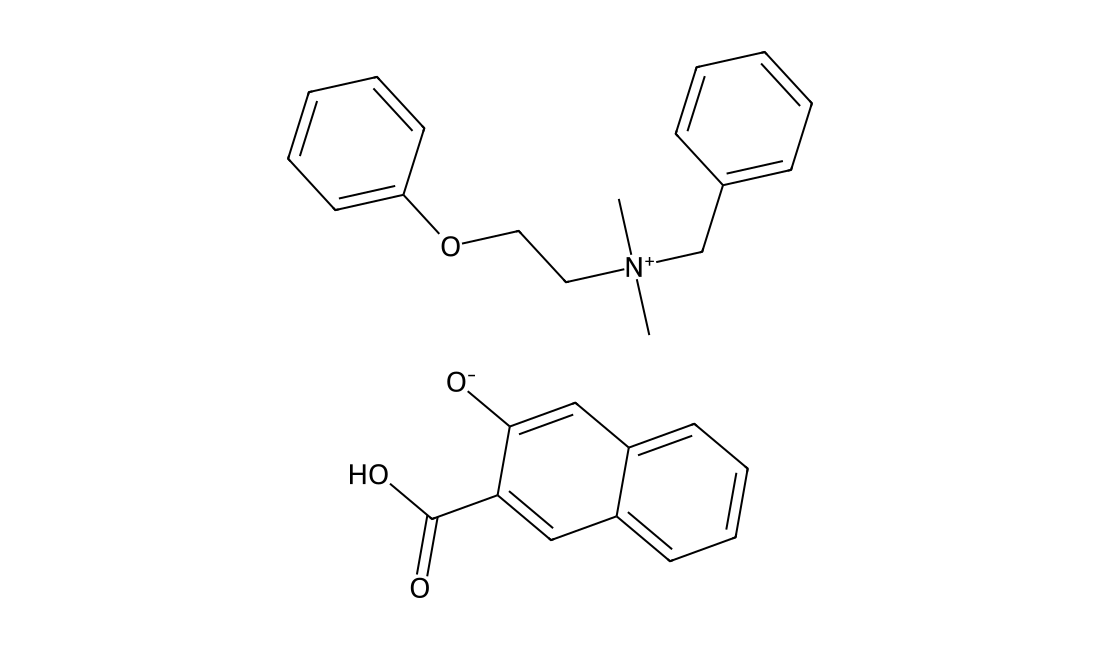
Bephenium hydroxynaphthoateFeatured
Bephenium hydroxynaphthoate is an anthelmintic compound that acts as an activiator of nematode B-type nAChR, is used in the treatment of hookworm infections and ascariasis.
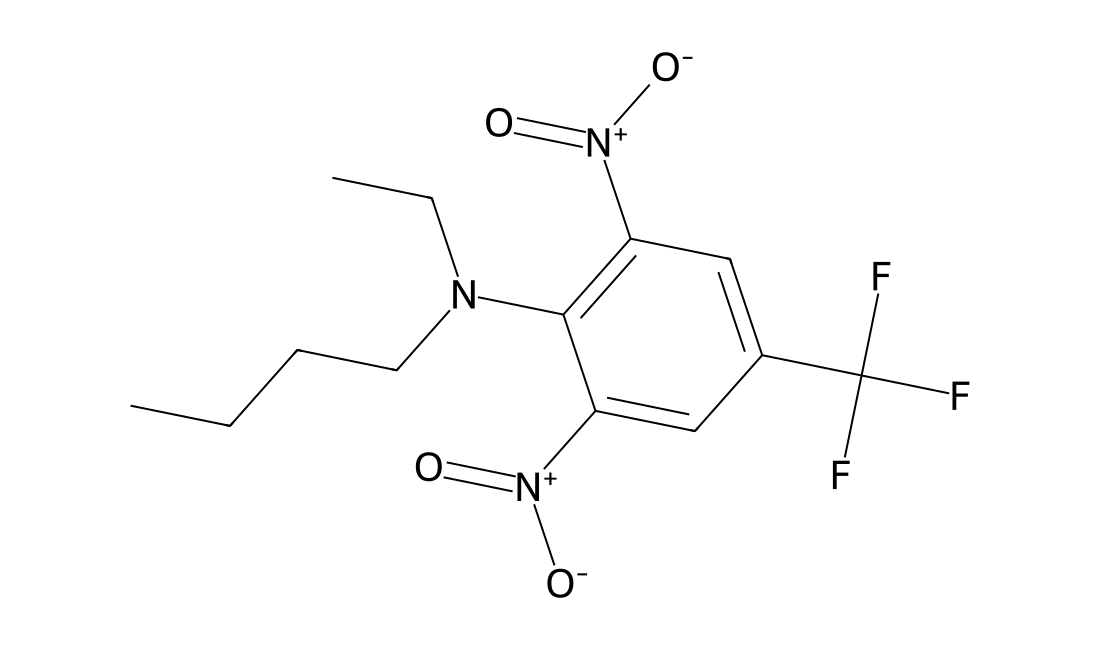
BenfluralinFeatured
Benfluralin is a kind of herbicide and an agrochemical which can be used as a pre-emergence herbicide used for the control of grass and other weeds in a range of food and non-food crops.
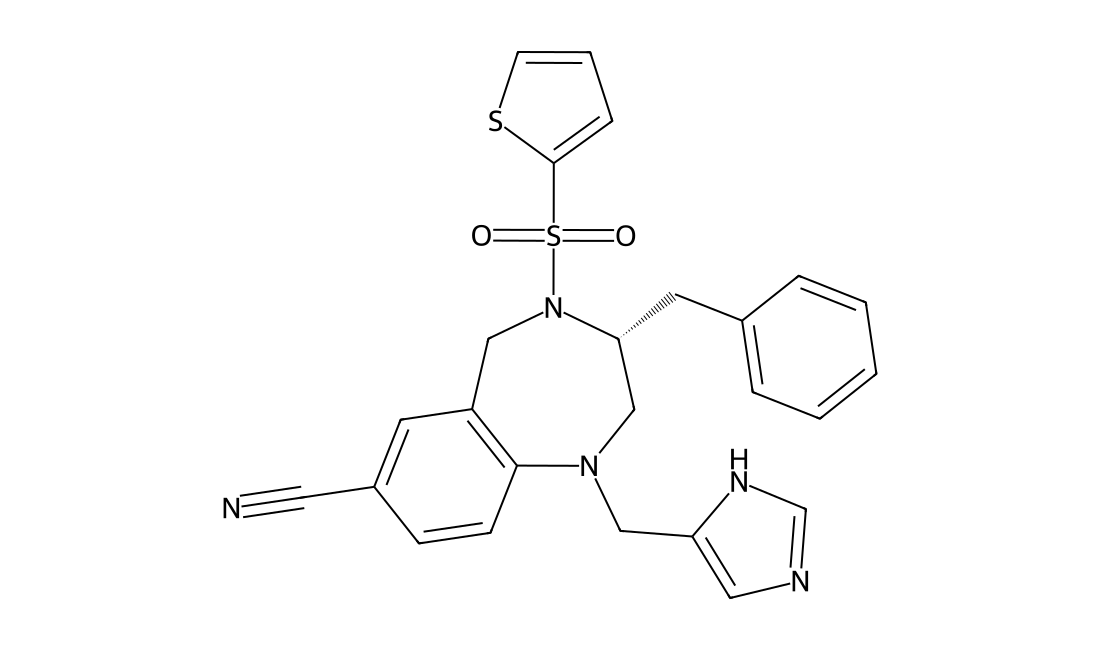
Benazepril HydrochlorideFeatured
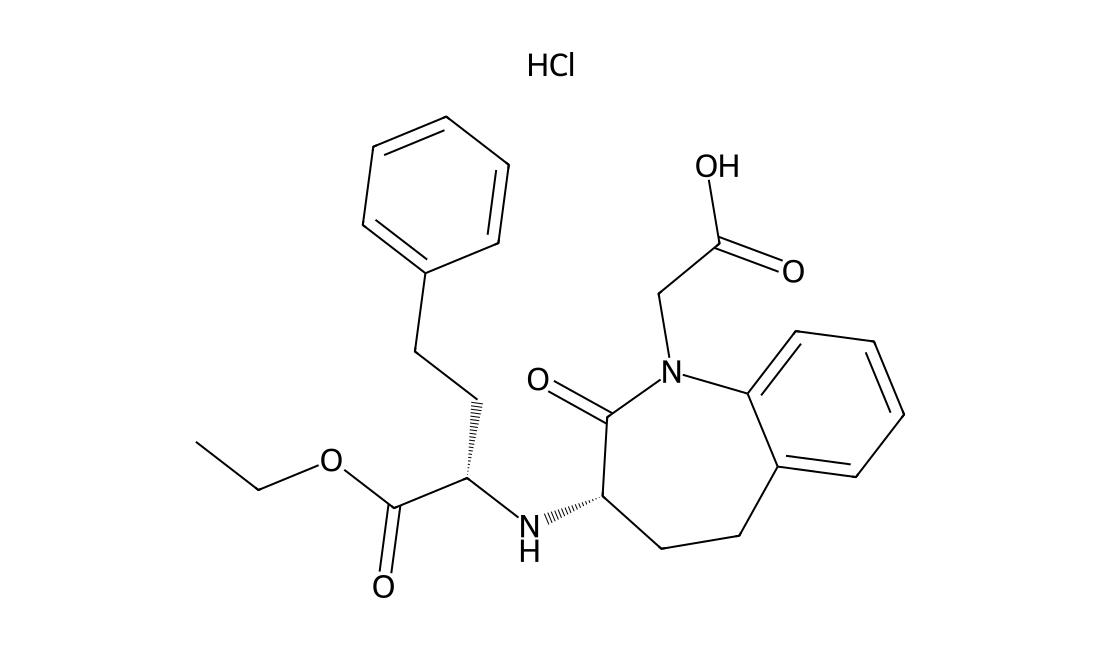
Benazepril hydrochloride, an angiotensin converting enzyme inhibitor, which is a medication used to treat high blood pressure.Benazepril hydrochloride is a medication used to treat high blood pressure (hypertension), congestive heart failure, and chronic renal failure. Upon cleavage of its ester group by the liver, benazepril hydrochloride is converted into its active form benazeprilat, a non-sulfhydryl angiotensin-converting enzyme (ACE) inhibitor. Animals were randomly divided into 4 groups: sham STNx group (control), STNx group, morning benazepril hydrochloride group (MB) and evening benazepril hydrochloride group (EB).Benazepril hydrochloride was intragastrically administered at a dose of 10 mg/kg/day at 07:00 and 19:00 in the MB group and EB group respectively for 12 weeks. All the animals were synchronized to the light:dark cycle of 12:12 for 12 weeks. Systolic blood pressure (SBP), 24-h urinary protein excretion and renal function were measured at 11 weeks. Blood samples and kidneys were collected every 4 h throughout a day to detect the expression pattern of renin activity (RA), angiotensin II (AngII) and aldosterone (Ald) by radioimmunoassay (RIA) and the mRNA expression profile of clock genes (bmal1, dbp and per2) by real-time PCR at 12 weeks. Our results showed that no significant differences were noted in the SBP, 24-h urine protein excretion and renal function between the MB and EB groups. There were no significant differences in average Ald and RA content of a day between the MB group and EB group. The expression peak of bmal1 mRNA was phase-delayed by 4 to 8 h, and the diurnal variation of per2 and dbp mRNA diminished in the MB and EB groups compared with the control and STNx groups. It was concluded when the similar SBP reduction, RAAS inhibition and clock gene profile were achieved with optimal dose of benazepril hydrochloride, morning versus evening dosing of benazepril hydrochloride has the same renoprotection effects.
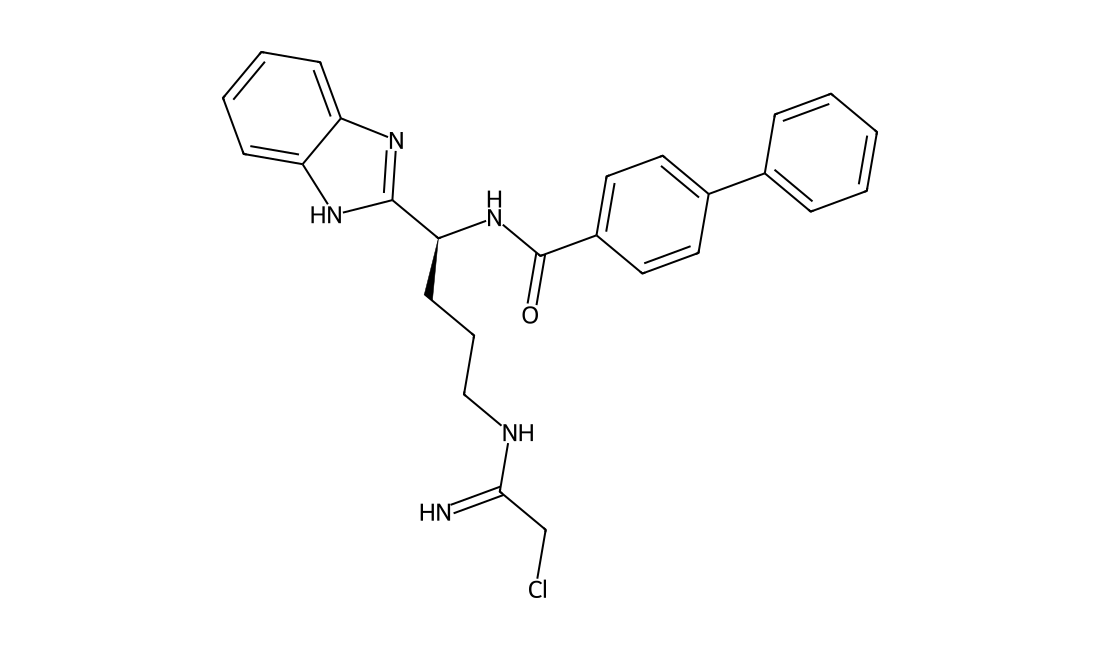
BB-Cl-AmidineFeatured
In Vitro Cl-amidine and BB-Cl-amidine show similar in vitro potencies and selectivities; however, the cellular potency of BB-Cl-amidine is increased by more than 20-fold, evidenced by decreased EC50 values obtained from viability studies with U2OS osteosarcoma cells (8.8±0.6 μM vs >200 μM for Cl-amidine). Cl-amidine and BB-Cl-amidine significantly inhibit NET formation by MRL/lpr neutrophils. In Vivo Treatment with BB-Cl-amidine subtly reduces splenomegaly in MRL/lpr mice, while there is a trend towards increased circulating levels of anti-NET antibodies with PAD inhibitor treatment. However, neither PAD inhibitor affected body weight or total IgG levels. Indeed, treatment with both Cl-amidine and BB-Cl-amidine significantly improves endothelium-dependent vasorelaxation. The BB-Cl-amidine group also shows a strong trend towards downregulation of IRGs. Treatment with either Cl-amidine or BB-Cl-amidine significantly improves muzzle alopecia, in many cases preventing it entirely.
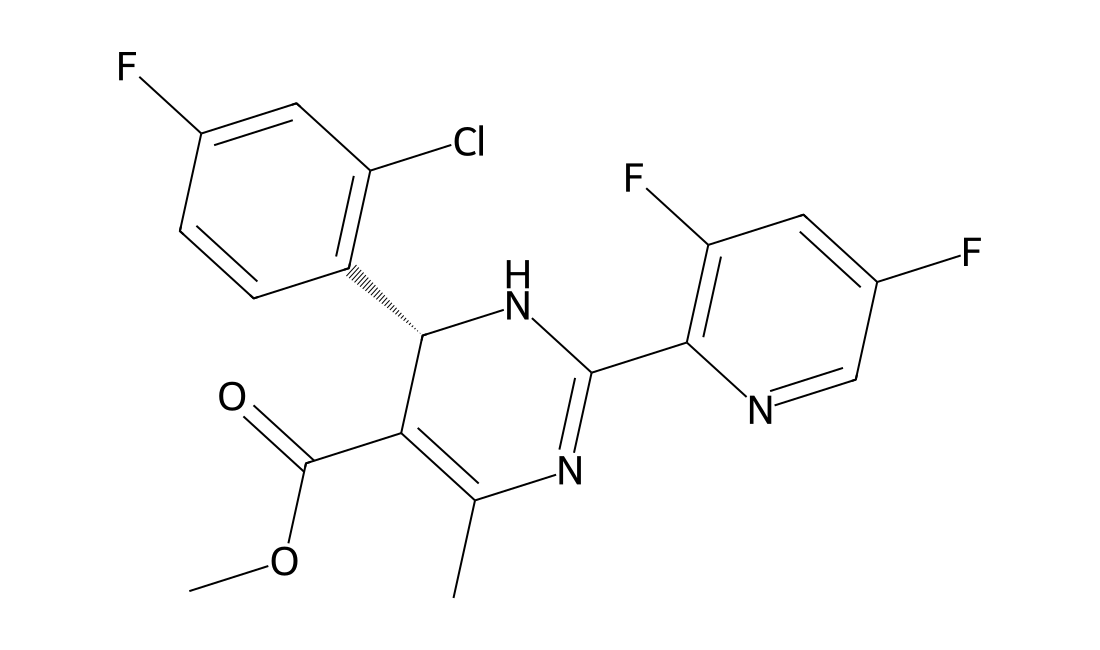
Bay 41-4109Featured
BAY 41-4109 is able to both accelerate and misdirect capsid assembly in vitro. Preformed capsids are stabilized by BAY 41-4109, up to a ratio of one inhibitor molecule per two dimers. BAY 41-4109 is equally effective at inhibiting HBV DNA release and the cytoplasmic HBcAg level, with IC50s of 32.6 and 132 nM in HepG2.2.15 cells, respectively. HBV DNA and HBcAg are inhibited in a dose-dependent manner, indicating that the anti-HBV mechanisms are associated with and dependent on the rate of HBcAg inhibition.BAY 41-4109 reduces viral DNA in the liver and in the plasma dose-dependently with efficacy comparable to 3TC. BAY 41 -4109 reduces hepatitis B virus core antigen (HBcAg) in livers of HBV-transgenic mice. Pharmacokinetic studies in mice have shown rapid absorption, a bioavailability of 30% and dose-proportional plasma concentrations, about 60% in rats and dogs.BAY41-4109 inhibits virus production in vivo by a mechanism that targets the viral capsid.
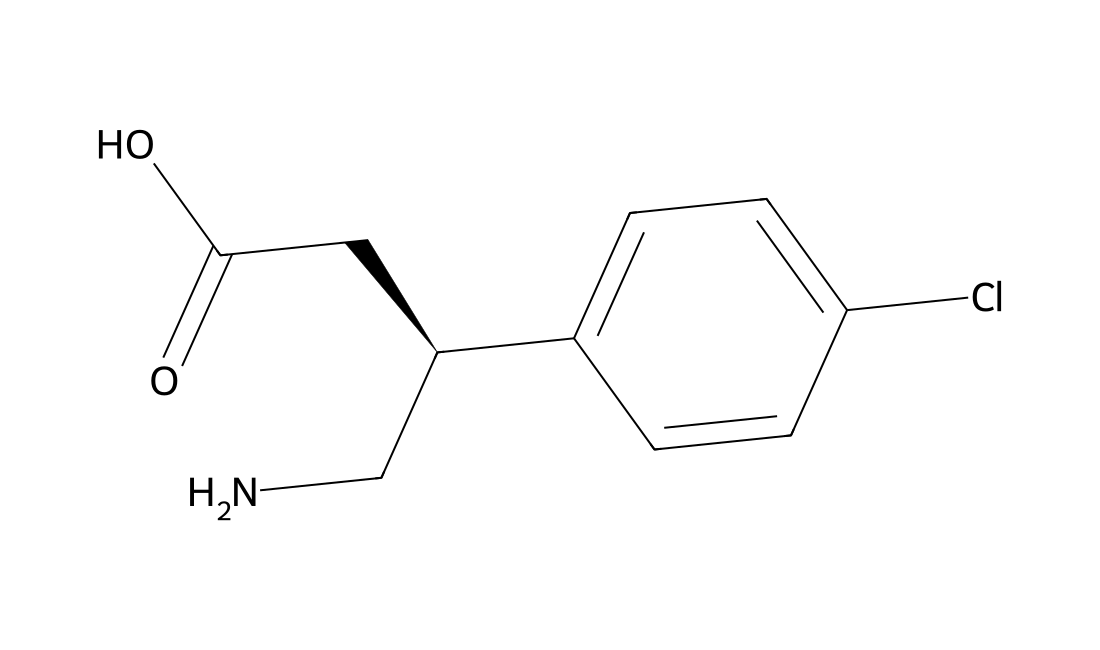
BaclofenFeatured
Baclofen is a gamma-amino-butyric acid (GABA) derivative used as a skeletal muscle relaxant.Baclofen, a lipophilic analog of gamma-aminobutyric acid, is clinically used to control spasticity. Baclofen pretreatment (3 mg/kg) not only prolonged the time taken for animals to reach a core body temperature of 40 degrees C (P < 0.001), but also reduced the percentage of rats attaining a core body temperature of 40 degrees C. Baclofen overdose may result in coma, apnea, autonomic disturbances, cardiac conduction abnormalities, and seizures. Levels obtained shortly after overdose correlate with length of mechanical ventilation.
Azimilide (Dihydrochloride)Featured
Azimilide 2Hcl(NE-10064 2Hcl) is a class III antiarrhythmic compound, inhibits I(Ks) and I(Kr) in guinea-pig cardiac myocytes and I(Ks) (minK) channels expressed in Xenopus oocytes. in vitro: Azimilide blocked HERG channels at 0.1 and 1 Hz with IC50s of 1.4 microM and 5.2 microM respectively. Azimilide blockade of HERG channels expressed in Xenopus oocytes and I(Kr) in mouse AT-1 cells was decreased under conditions of high [K+]e, whereas block of slowly activating I(Ks) channels was not affected by changes in [K+]e. Azimilide suppressed the following currents (Kd in parenthesis): IKr (< 1 microM at -20 mV), IKs (1.8 microM at +30 mV), L-type Ca current (17.8 microM at +10 mV), and Na current (19 microM at -40 mV). Azimilide was a weak blocker of the transient outward and inward rectifier currents (Kd > or = 50 microM at +50 and -140 mV, respectively). Azimilide blocked IKr, IKs, and INa in a use-dependent manner. Furthermore, azimilide reduced a slowly inactivating component of Na current that might be important for maintaining the action potential plateau in canine ventricular myocytes. In guinea pig ventricular myocytes, NE-10064 (0.3-3 microM) significantly prolonged action potential duration (APD) at 1 Hz. At 3 Hz, NE-10064 (0.3-1 microM) increased APD only slightly, and at 10 microM decreased APD and the plateau potential. NE-10064 potently blocked the rapidly activating component of the delayed rectifier, IKr (IC50 0.4 microM), and inhibited IKs (IC50 3 microM) with nearly 10-fold less potency. in vivo: NE-10064 (10 mg/kg intravenously, i.v.) reduced (p < 0.05) the incidence (8 of 12) of PES-induced ventricular tachycardia (VT). The cycle length of induced VT was not prolonged by NE-10064 (0.245 +/- 0.046 s predrug vs. 0.301 +/- 0.060 s postdrug). NE-10064 increased ventricular effective refractory period (VERP 166 +/- 5 ms predrug vs. 194 +/- 13 ms postdrug, p = 0.013), prolonged QTc interval (310 +/- 12 ms predrug vs. 350 +/- 16 ms postdrug, p = 0.004) and prolonged the effective refractory period (ERP) of noninfarcted myocardium (p = 0.045).
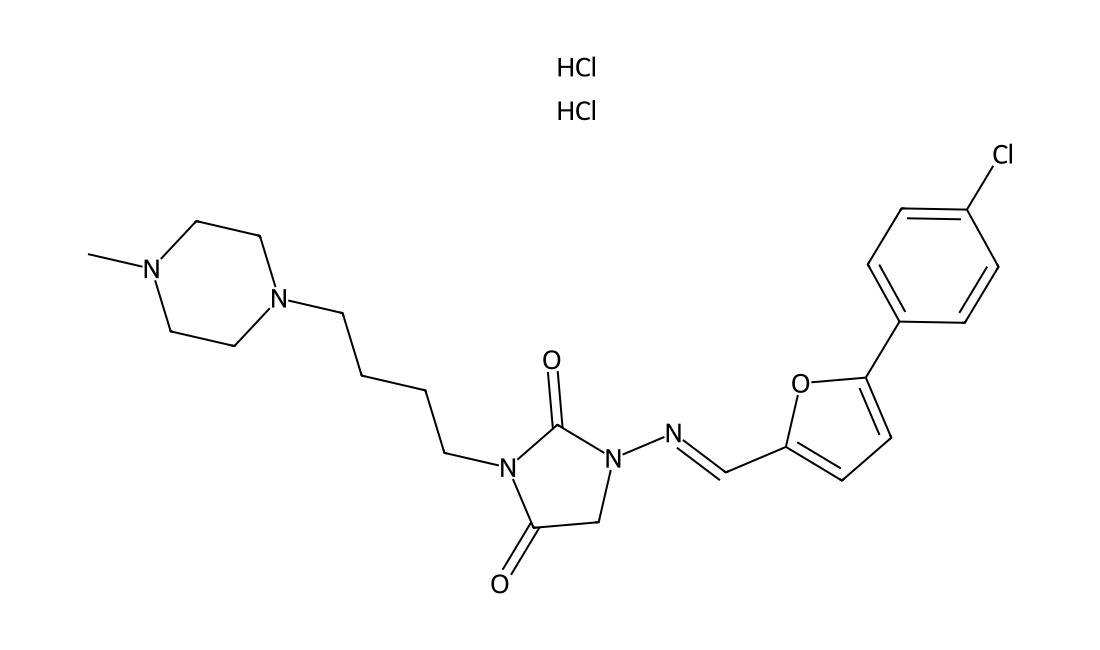
AZD9056 hydrochlorideFeatured
The antagonist AZD9056 blocks P2X7 receptors with an IC50 of 11.2 nM in HEK-hP2X7 cell line, indicating a high selectivity of the antagonist for the P2X7 receptor. The P2X7-receptor antagonist AZD9056 has a clear inhibitory effect (IC50=1-3 μM) in mouse microglia BV2 cells. AZD9056 is an inhibitor of BCRP and weakly inhibits BCRP-mediated transport of methotrexate (IC50=92 μM).Treatment with AZD9056 exerts pain-relieving and anti-inflammatory effects. The upregulated expression of interleukin (IL)-1β, IL-6, tumor necrosis factor-α (TNF-α), matrix metalloproteinase-13 (MMP-13), substance P (SP) and prostaglandin E2 (PGE2) which is induced by MIA in cartilage tissues is reversed by AZD9056.
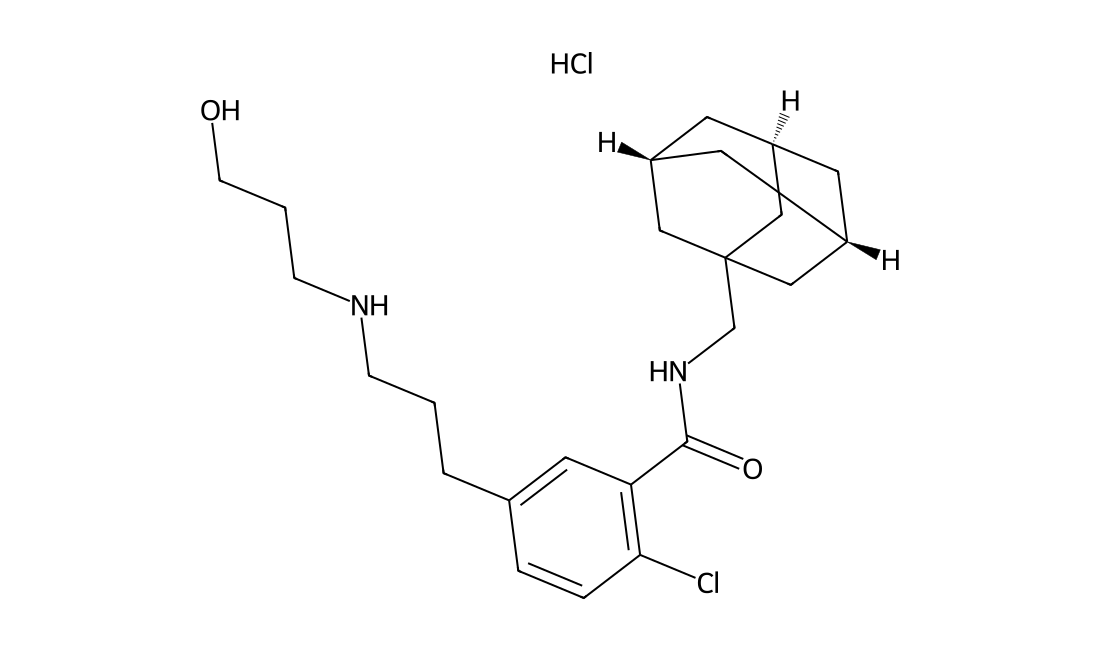
AZD-4573Featured
AZD4573 is a CDK9 inhibitor with an IC50 of <3 nM extracted from patent US 20160376287 A1, example 14.
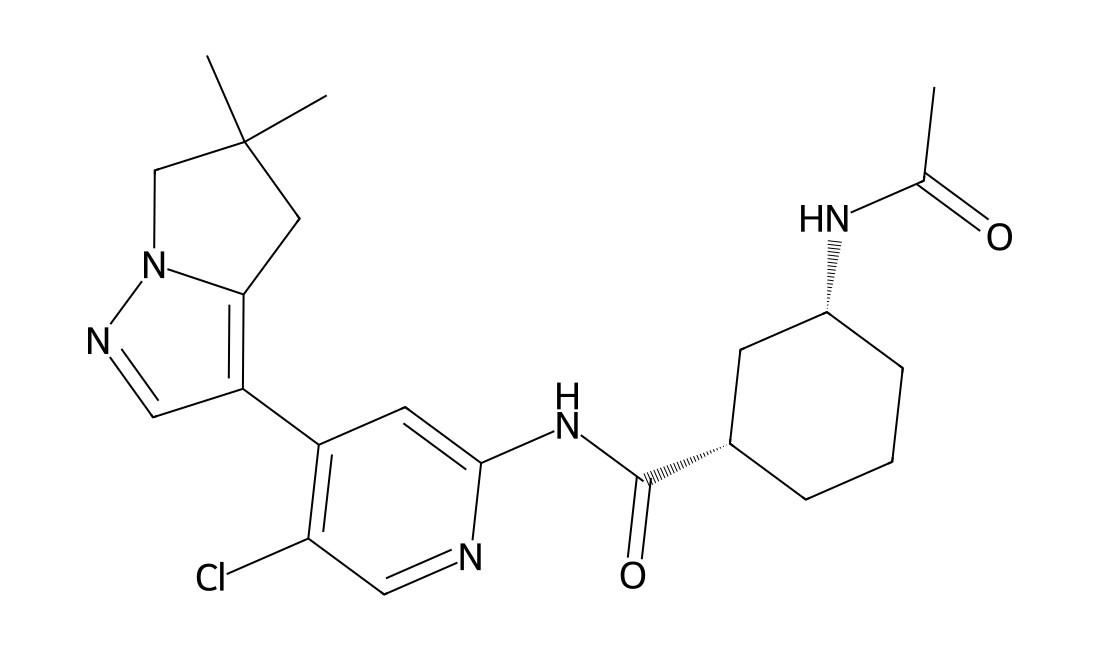
Lanabecestat(AZD3293,LY-3314814)Featured
AZD3293 is an, orally administered, inhibitor of BACE1, the β-secretase sheddase that cleaves the APP protein to release APP's C99 fragment. This fragment then becomes a substrate for subsequent γ-secretase cleavage and Aβ peptide generation. The rationale is that inhibiting BACE1 will reduce amyloid-related toxicity in Alzheimer's disease. AZD3293 is one of several BACE1/2 inhibitors currently in development.
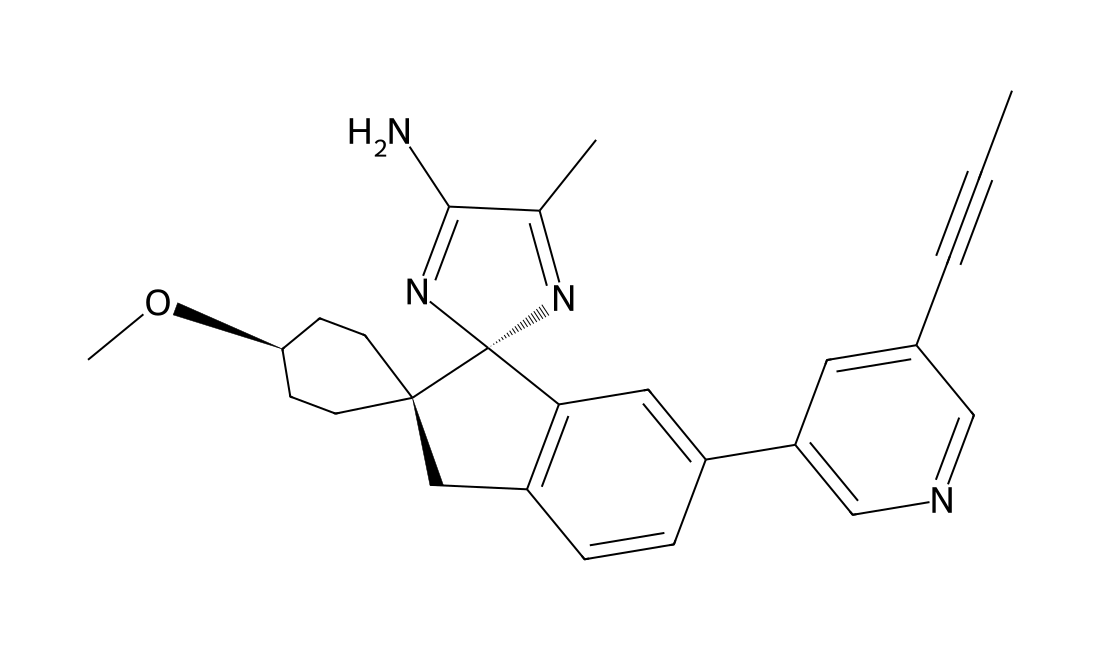
No products match this search.
Page 431 of 434 · Browse all 8677 products
Jump to a product page
Featured literature product: HX1 · DCL0028
HX1 is a hydroxyzine-derived ionizable lipid with acetal-containing tails, studied in lipid nanoparticles for brain mRNA delivery and CRISPR–Cas9 delivery. It was the lead in the reported in vivo brain-delivery screen; evidence is preclinical and formulation-dependent.
Read full formulation and performance →