
Research lipid catalog
Ionizable Lipid Products
Explore 848 lipid and RNA delivery products. Search the full catalog or browse by research category.
Search covers product name, catalog number, synonyms, available CAS numbers and categories. Spaces, hyphens and common punctuation are ignored. Duplicate legacy records are consolidated under one canonical product result.
8677 products · Showing 8481–8500 · 20 per page
DC Chemicals lipid expertise
Built for ionizable-lipid discovery and RNA delivery research
DC Chemicals supports formulation and delivery research with a broad, searchable portfolio of cationic and ionizable lipids. The current directory brings together 848 unique research-use products, with product specifications, pricing, chemical structures and literature-linked formulation data added as each record is verified.
Our experience spans complex lipid synthesis, purification, analytical release and process development. For custom molecules or larger-scale requirements, our team can discuss route development, technical specifications and scale-up options for the intended research workflow.
Learn about cationic and ionizable lipids →Proprietary innovation · Co-development · GMP
From proprietary lipid design to GMP-grade custom synthesis
DC Chemicals has independently developed ionizable-lipid structures supported by company-owned intellectual property, and selected proprietary lipid programs have advanced to GMP-stage development.
We welcome joint development with customers—from molecular design and lipid synthesis through route and process development. We can also support custom synthesis of GMP-grade ionizable lipids to agreed technical specifications and quality requirements.
Discuss a co-development project →Proprietary ionizable-lipid structuresCollaborative molecular designCustom lipid synthesisProcess development and scale-upGMP-grade project support
Product quick links
Explore New ionizable lipids
Explore our five most recently added ionizable lipids, with specifications, pricing and literature-linked product information.
DCL0028HX1Brain RNA delivery researchView product →DCL0024A1I4R13C18-2Spleen-targeted RNA delivery researchView product →DCL0023A1I4R2C18-2Spleen-targeted RNA delivery researchView product →DCL0022FS01Local joint RNA delivery researchView product →DCL0020Lipid-392Lung RNA delivery and gene editing researchView product →
Cat. No.Product NameField of ApplicationChemical Structure
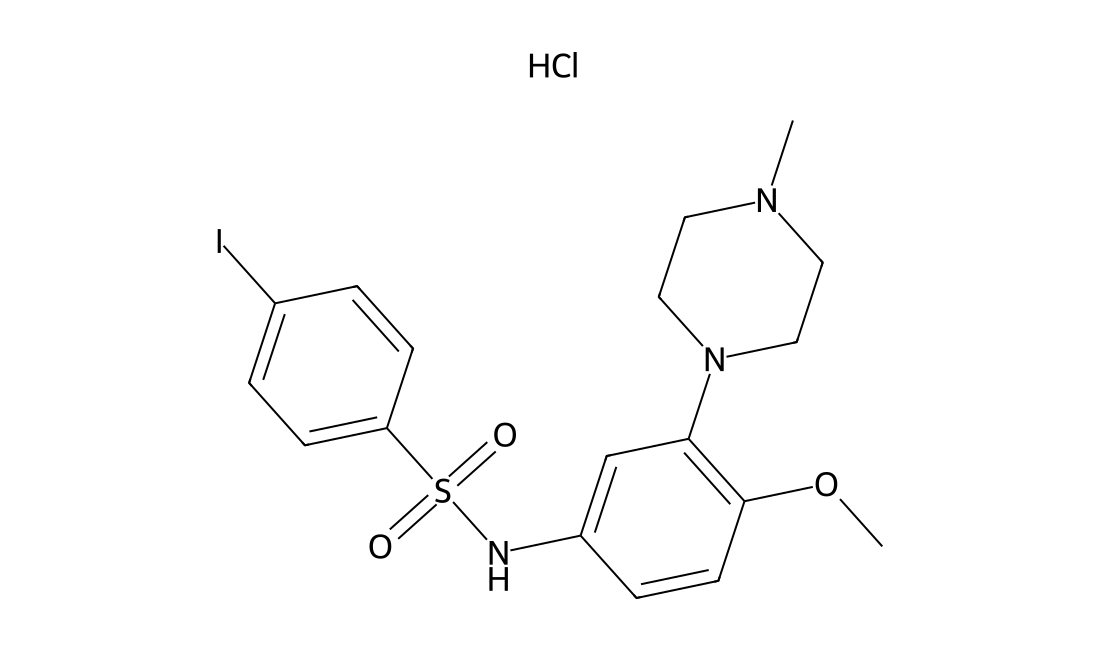
SB 258585 hydrochlorideFeatured
Potent and selective 5-HT6 receptor antagonist (pKi = 8.6); displays > 160-fold selectivity over other 5-HT receptor subtypes.For the detailed information of SB 258585 hydrochloride, the solubility of SB 258585 hydrochloride in water, the solubility of SB 258585 hydrochloride in DMSO, the solubility of SB 258585 hydrochloride in PBS buffer, the animal experiment (test) of SB 258585 hydrochloride, the cell expriment (test) of SB 258585 hydrochloride, the in vivo, in vitro and clinical trial test of SB 258585 hydrochloride, the EC50, IC50,and Affinity of SB 258585 hydrochloride, Please contact DC Chemicals.
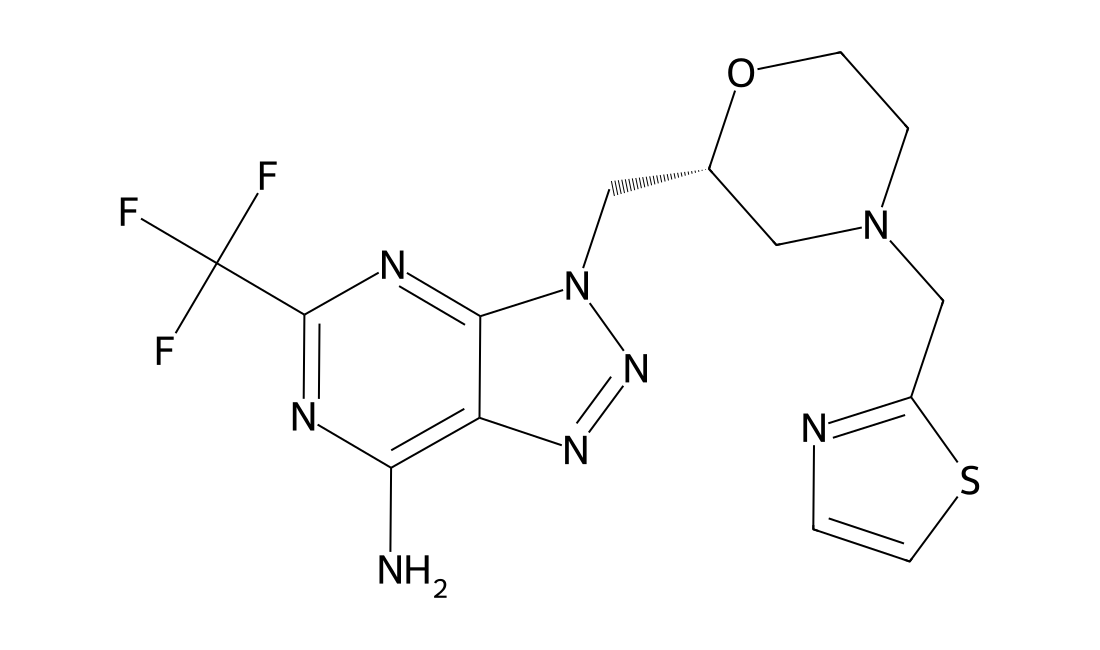
PF-04957325Featured
PF-04957325 is over two orders of magnitude less efficient than PICL in suppressing polyclonal Teff cell proliferation, and shows no effect on cytokine gene expression in these cells, despite its robust effect on T cell adhesion. PF-04957325 is a selective PDE8 inhibitor and inhibits breast cancer cell migration. PF-04957325 greatly potentiates steroidogenesis in WT adrenal cells. PF-04957325 shows a reported IC50 of 0.7 nM against PDE8A, 0.2 nM against PDE8B, and > 1.5 μM against all other PDE isoforms. PF-04957325 treatment of WT Leydig cells or MA10 cells increases steroid production but has no effect in PDE8A (-/-)/B(-/-) double-knockout cells, confirming the selectivity of the drug. Moreover, under basal conditions, cotreatment with PF-04957325 plus rolipram, a PDE4-selective inhibitor, synergistically potentiates steroid production.
P62-mediated mitophagy inducerFeatured
P62-mediated mitophagy inducer (PMI) is a small molecule p62-mediated mitophagy inducer that activates mitophagy without recruiting Parkin or collapsing membrane potential and retains activity in cells devoid of a fully functional PINK1/Parkin pathway; induces doubling NQO1 activity at 1 uM, and upregulates Nrf2 and ARE-dependent antioxidant genes; increases the expression and signaling of the autophagic adaptor molecule P62/SQSTM1 and forces mitochondria into autophagy; disrupts the Nrf2-Keap1 interaction.
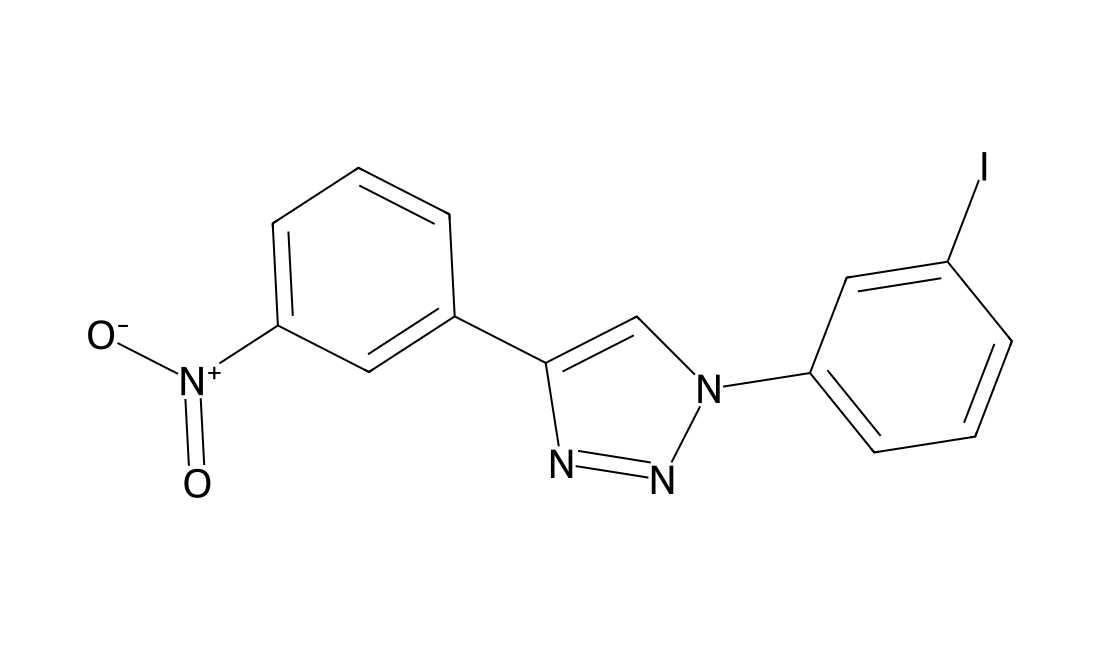
NFPSFeatured
NFPS (ALX-5407) is a potent, selective GlyT1 inhibitor with IC50 of 2.8 and 9.8 nM for hGlyT1 and rGlyT1 respectively, >5,000-fold selectivity over rGlyT2; inhibits glycine transport by the GlyT1a, b and c subtypes of glycine transporters, but has no effect on the GLYT2a subtype of transporter; reverses PCP-induced changes in EEG power spectra in conscious rats (1-10 mg/kg i.p.), significantly enhances long-term potentiation in the hippocampal dentate gyrus in vivo.
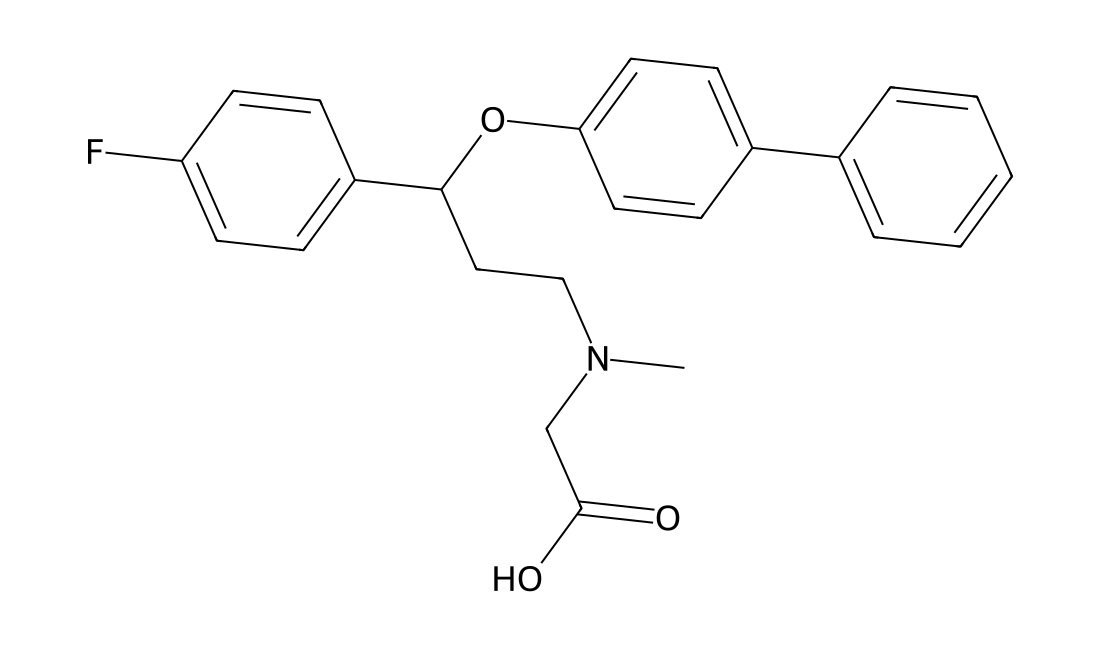
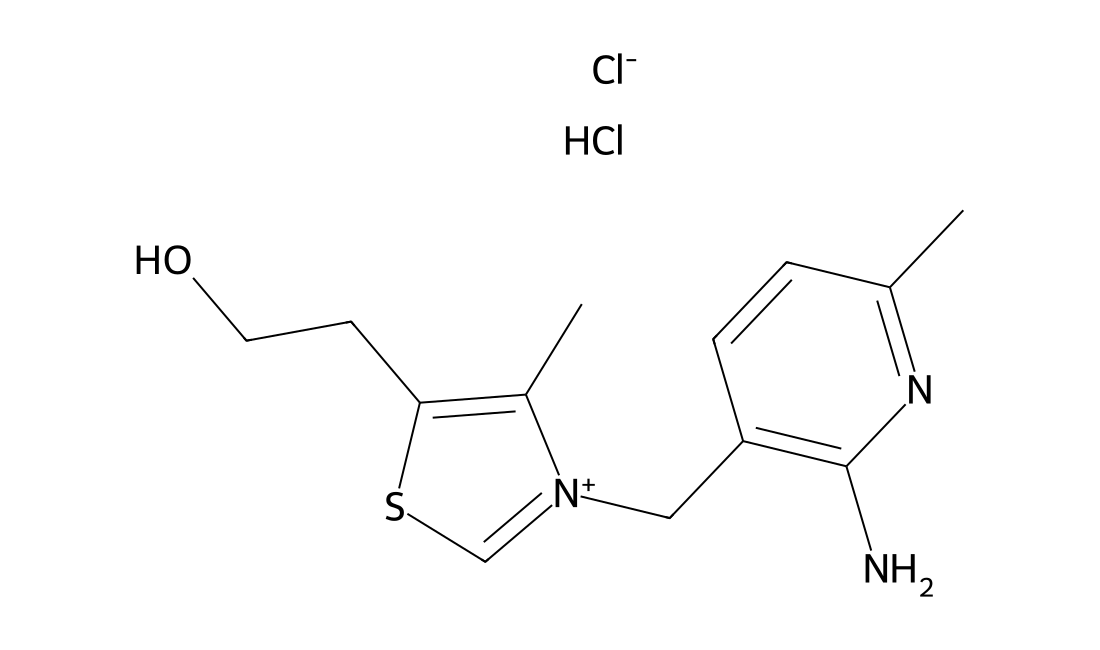
N3PTFeatured
N3PT(N3-pyridyl thiamine) is a potent and selective transketolase(TK) inhibitor (IC50= 22 nM for Apo-TK) both in vitro and in vivo. in vitro: N3PT inhibits transketolase activity in a cell based assay. Competitive inhibition of TK by N3PT in cells treated with increasing doses of thiamine, expressed as percentage enzymatic activity (the slope of initial linear range) of controls not treated with compounds. in vivo: Tumors were induced in mice at day 0 and mice were then treated at day 7 with vehicle alone or with N3PT. Low-thiamine diet enhances the sensitivity to N3PT inhibition of TK in spleen. Animals were switched to diets containing 16.5 mg/kg (unchanged), 5 mg/kg, 1 mg/kg, or 0 mg/kg thiamine, from a normal chow containing 16.5mg/kg thiamine.
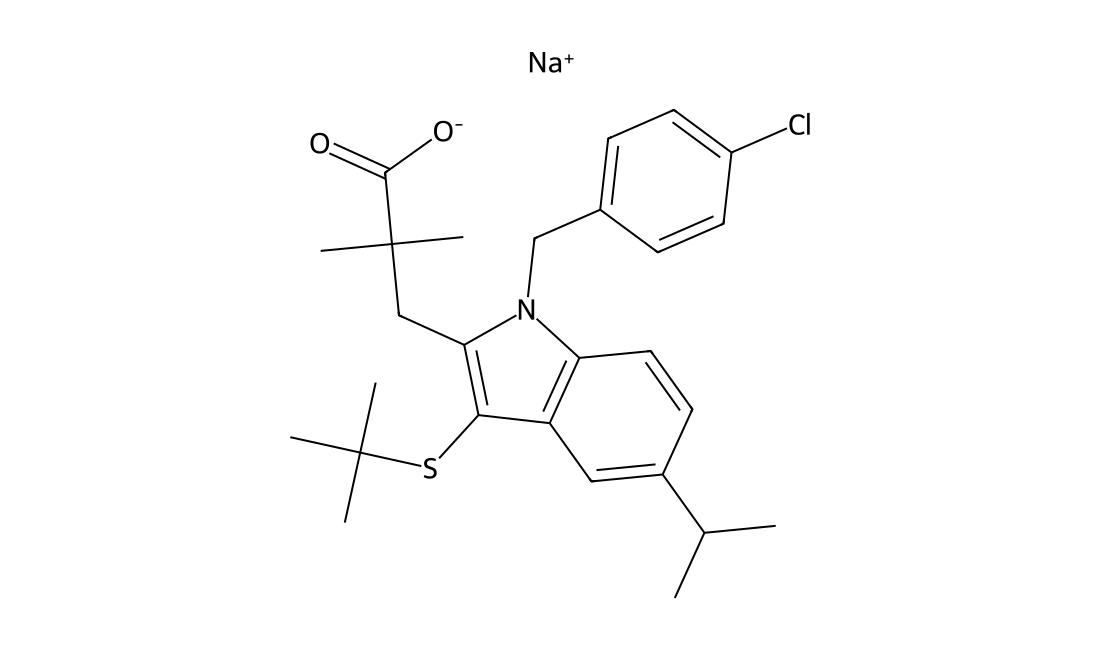
MK-886 (sodium salt)Featured
An inhibitor of leukotriene biosynthesis (IC50 = 3 nM in human polymorphonuclear leukocytes). Acts by inhibiting 5-lipoxygenase-activating protein (FLAP) (IC50 = 30 nM for inhibition of [125I]-L-691,678 photoaffinity labelling). Also moderately potent PPARα antagonist (IC50 = 0.5-1 μM). Orally active in vivo.
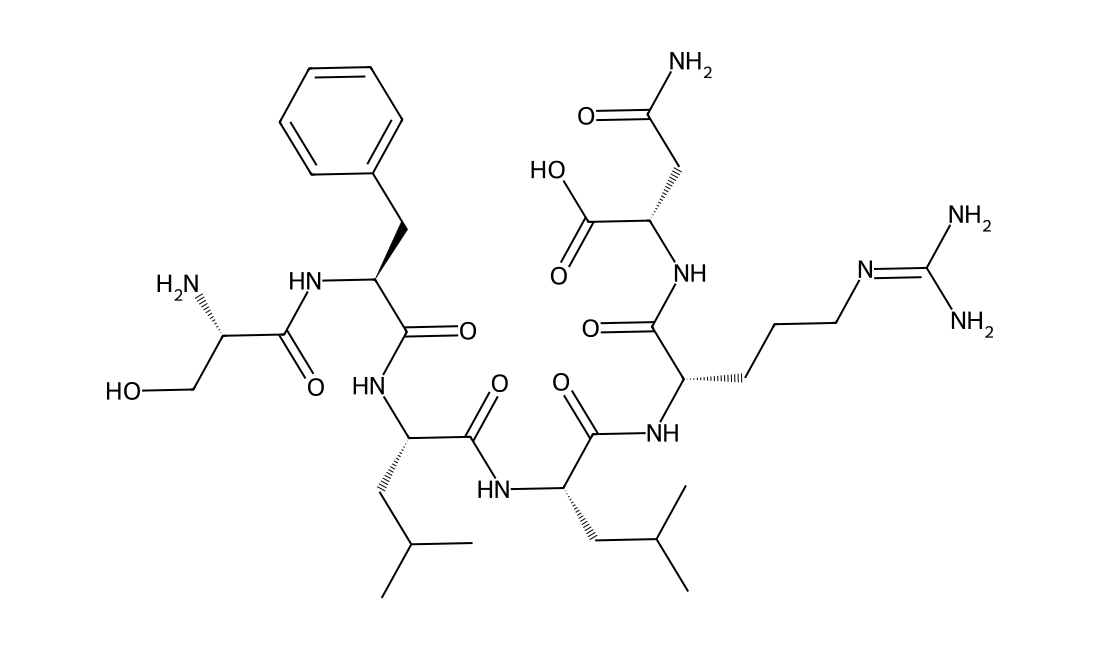
TRAP-6Featured
TRAP-6 is a protease-activated receptor 1 (PAR1) agonist. Sequence: Ser-Phe-Leu-Leu-Arg-Asn.
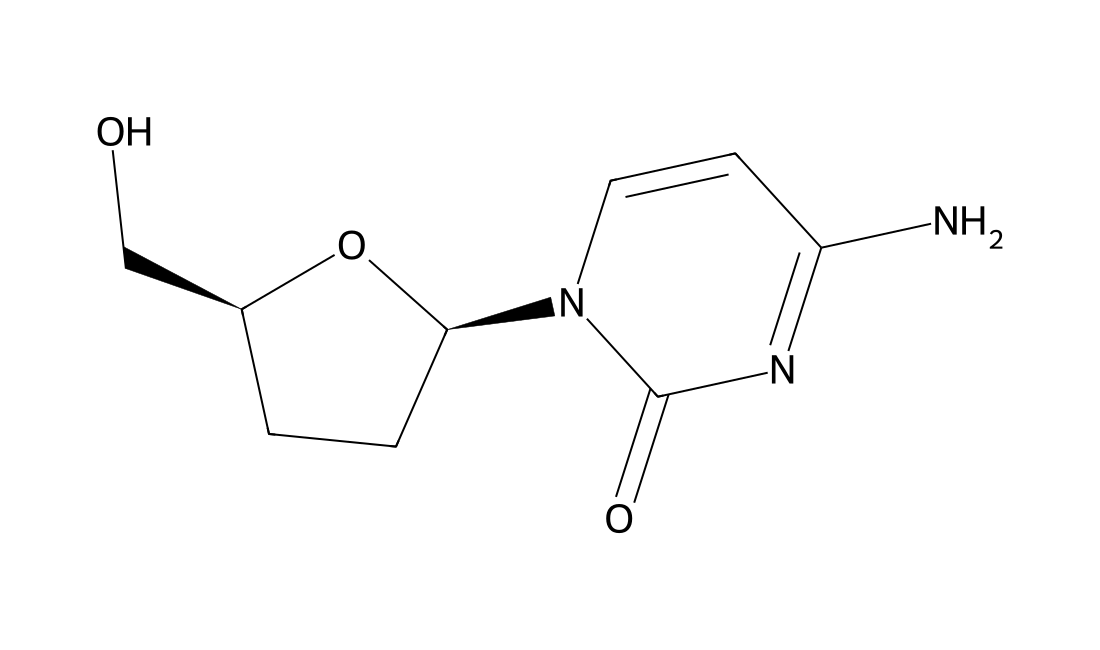
ZalcitabineFeatured
Zalcitabine is a potent nucleoside analogue reverse transcriptase inhibitor used in the treatment of HIV infection.
GW1929Featured
GW1929 is a potent PPAR-γ activator, with pKis of 8.84, < 5.5, and < 6.5 for human PPAR-γ, PPAR-α, and PPAR-δ, and pEC50s of 8.56 and 8.27 for human PPAR-γ and murine PPAR-γ, respectively.
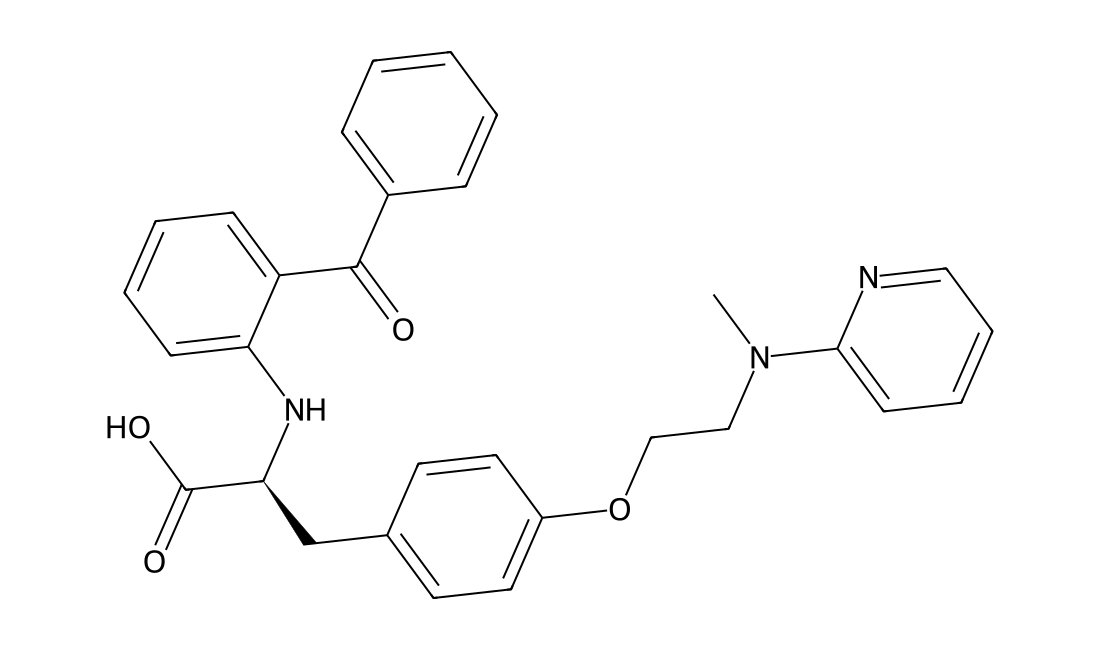
Abiraterone (D4A)Featured
D4-abiraterone is a major metabolite of abiraterone. D4-abiraterone is an inhibitor of CYP17A1, 3b-hydroxysteroid dehydrogenase (3βHSD) and steroid-5a-reductase (SRD5A) and also an antagonist of androgen receptor.
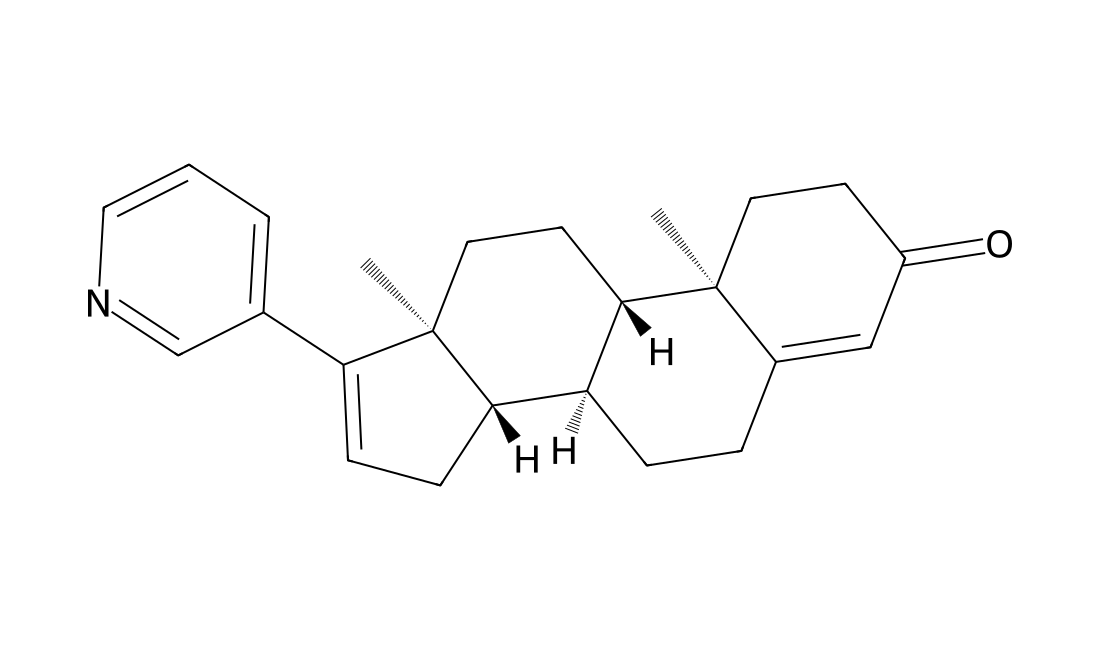
ABT-333Featured
Dasabuvir (ABT-333) is a nonnucleoside inhibitor of the RNA-dependent RNA polymerase encoded by the HCV NS5B gene, inhibits recombinant NS5B polymerases derived from HCV genotype 1a and 1b clinical isolates, with IC50 between 2.2 and 10.7 nM.
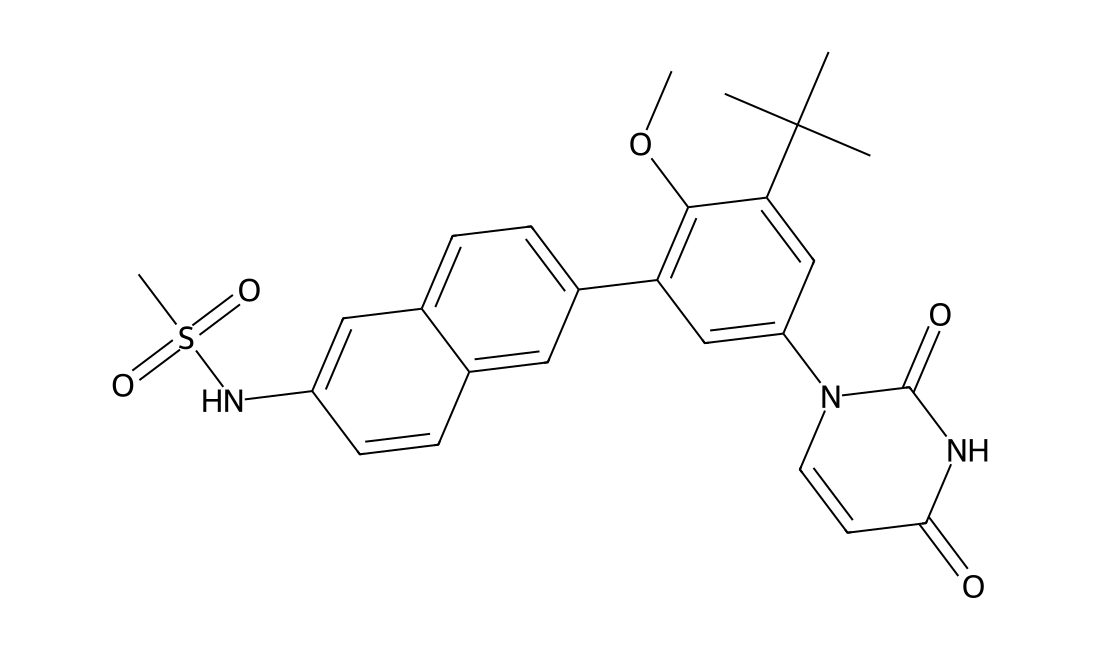
Tebanicline(ABT-594)Featured
ABT-594 represents a novel class of broad-spectrum analgesics whose primary mechanism of action is activation of the neuronal nicotinic acetylcholine receptors.
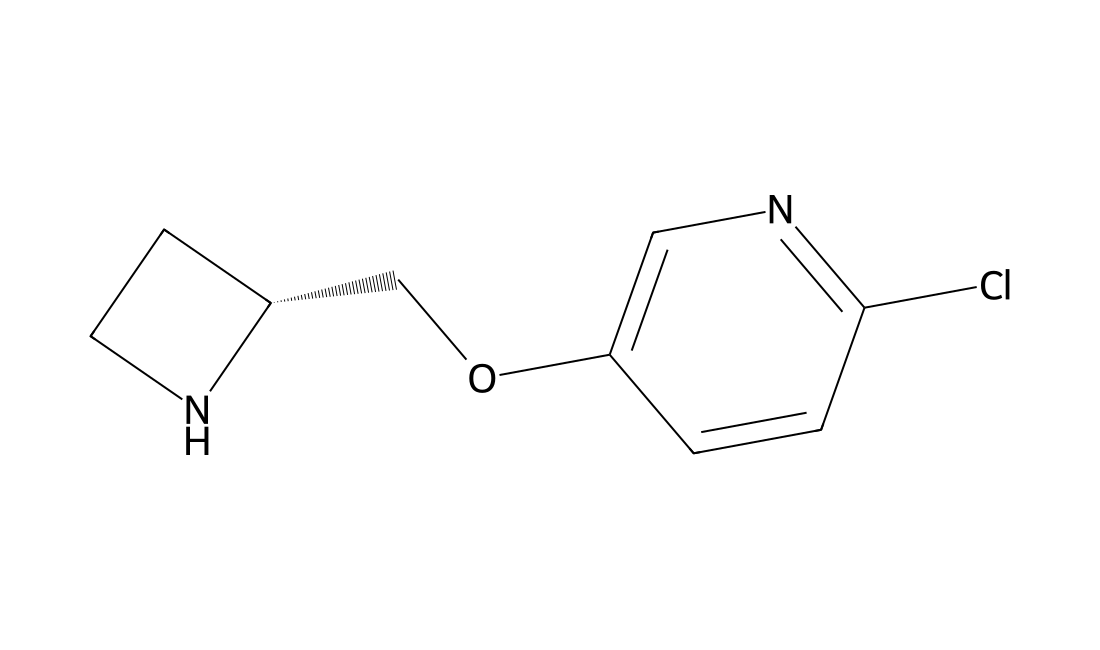
AcarboseFeatured
Acarbose is an inhibitor of alpha glucosidase, an anti-diabetic drug.
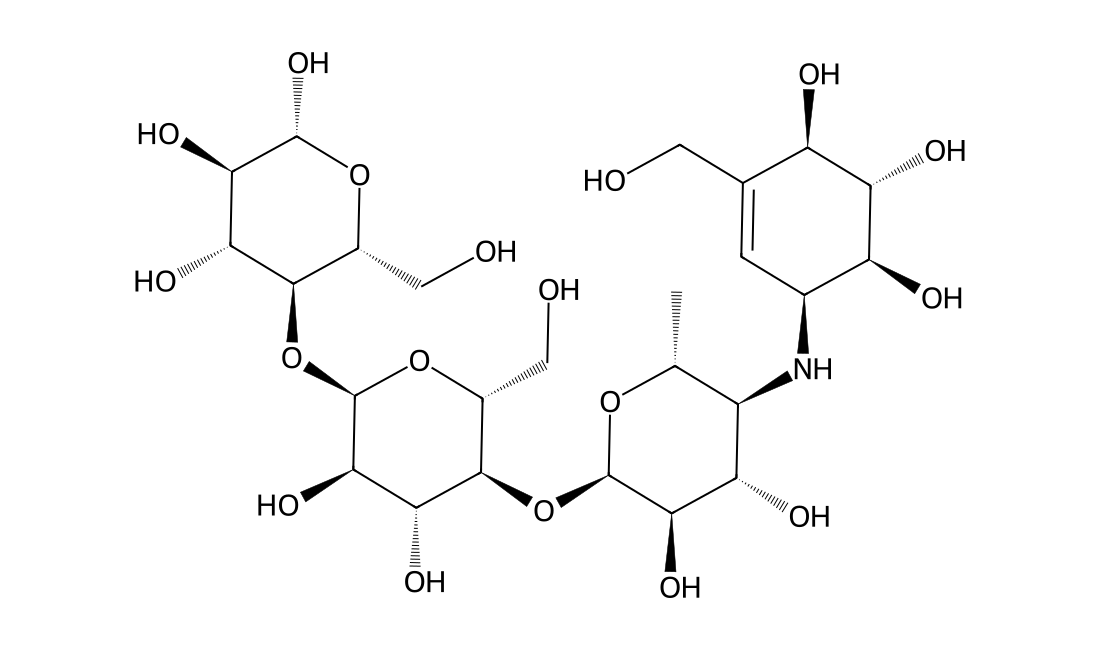
Acebilustat(ZK322)Featured
Acebilustat is a leukotriene A4 hydrolase inhibitor, used for an oral antiinflammatory drug.
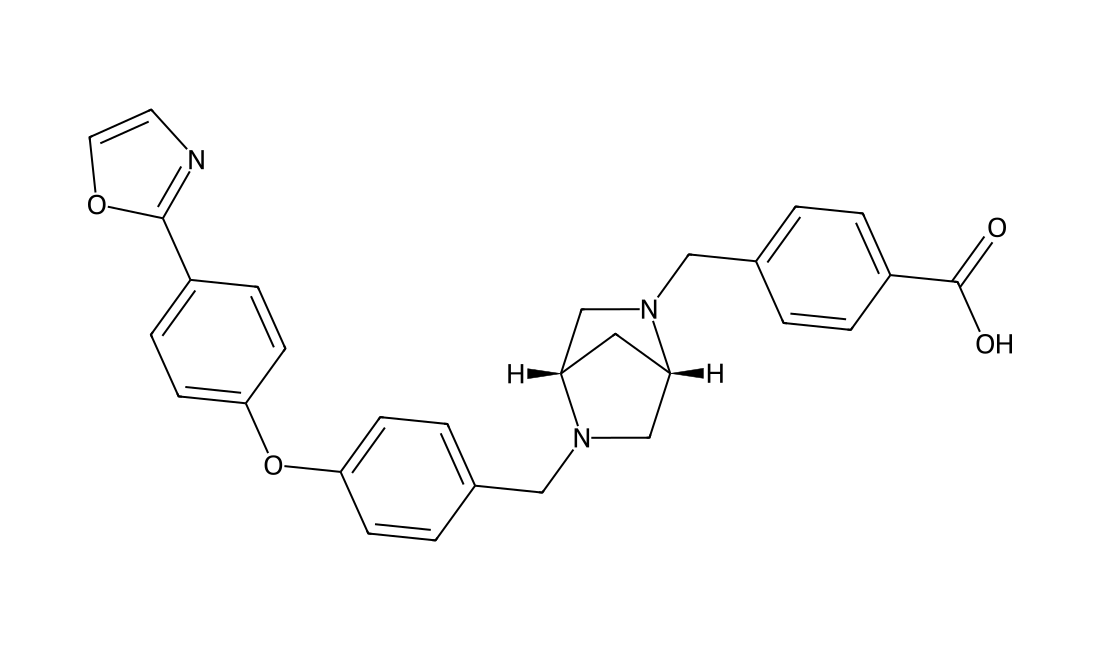
AcrizanibFeatured
Acrizanib is a VEGFR-2 inhibitor, with an IC50 of 17.4 nM for BaF3-KDR.
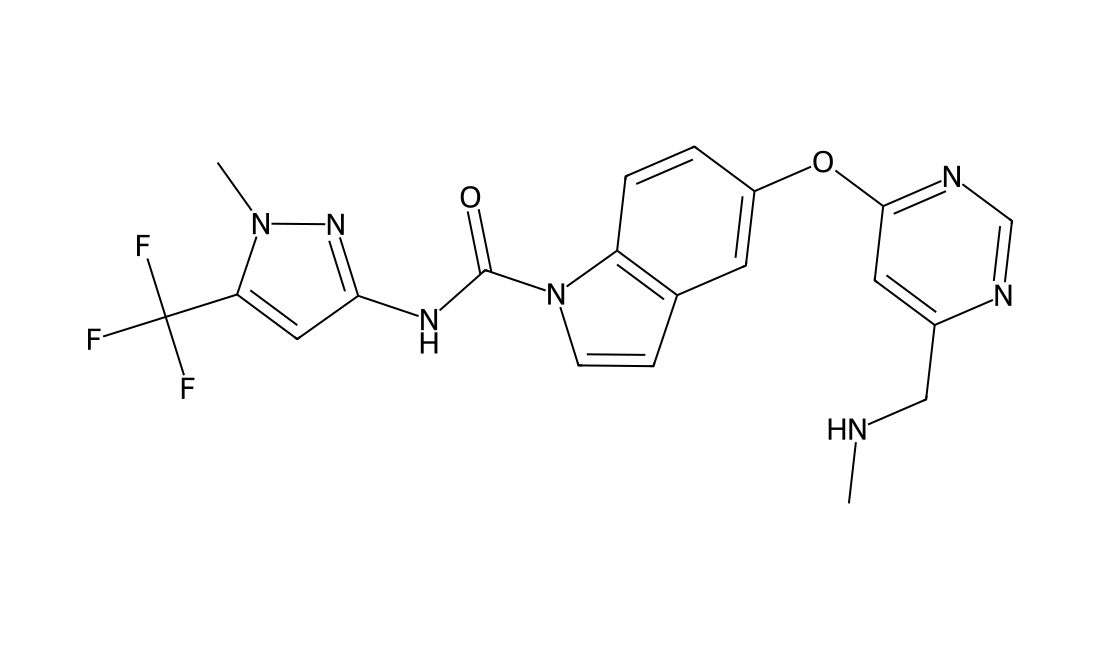
ACTB-1003Featured
ACTB-1003 is an oral kinase inhibitor with IC50s of 6, 2 and 4 nM for FGFR1, VEGFR2 and Tie-2.
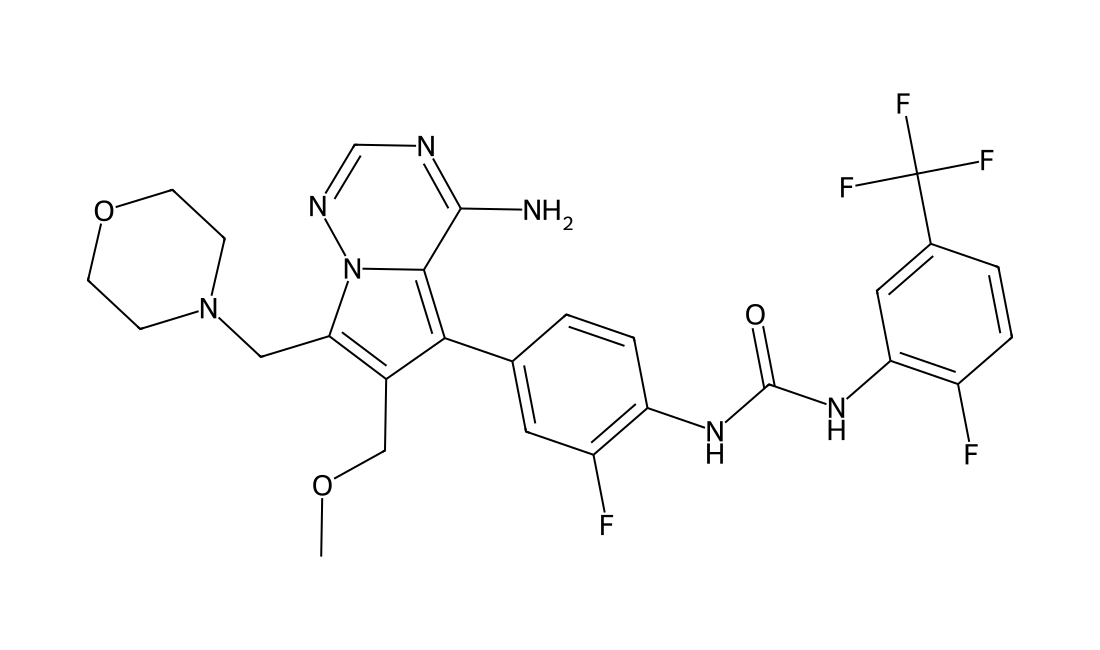
ACY-738Featured
ACY-738 is a potent, selective and orally-bioavailable HDAC6 inhibitor, with an IC50s of 1.7 nM; ACY-738 also inhibits HDAC1, HDAC2, and HDAC3, with IC50s of 94, 128, and 218 nM.
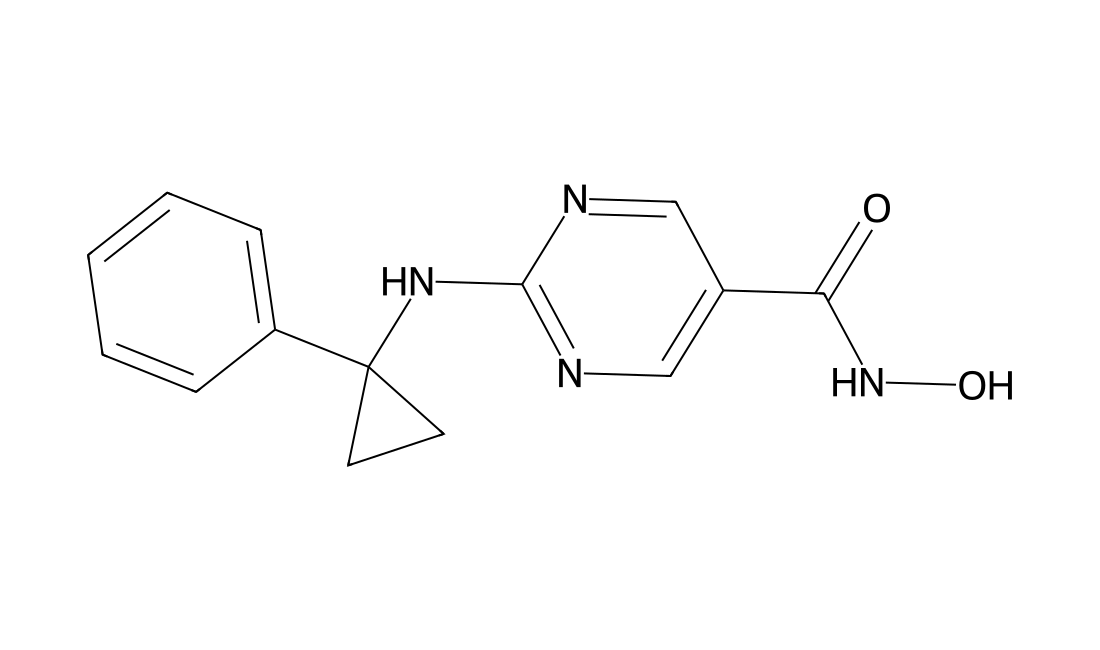
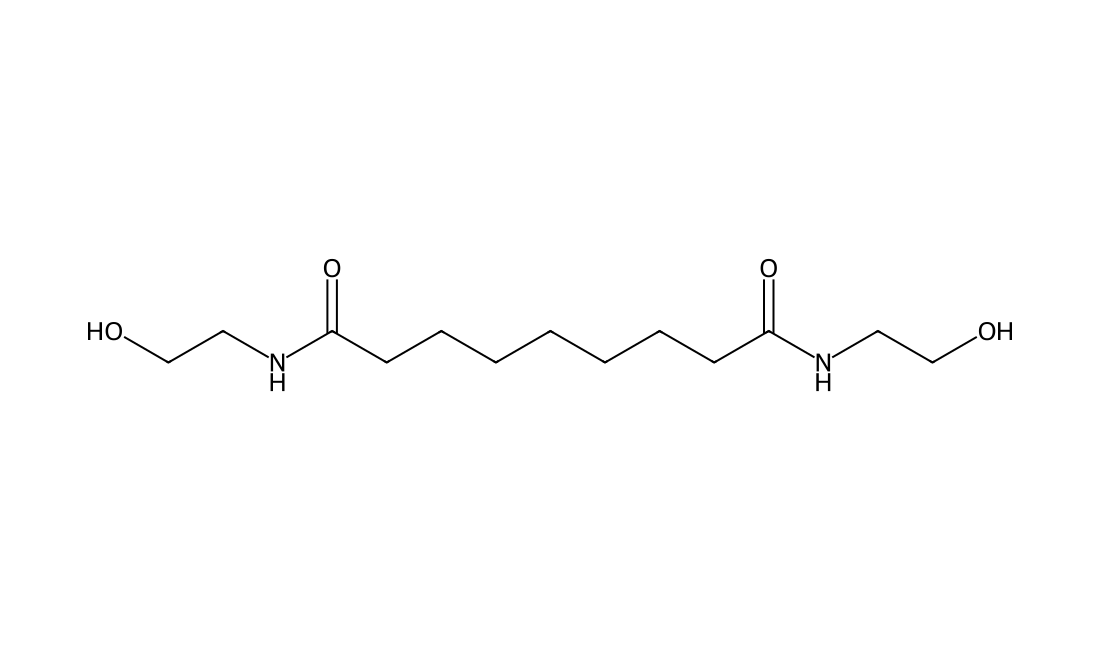
AdelmidrolFeatured
Adelmidrol exerts important anti-inflammatory effects that are partly dependent on PPARγ. Adelmidrol reduces NF-κB translocation, and COX-2 expression.
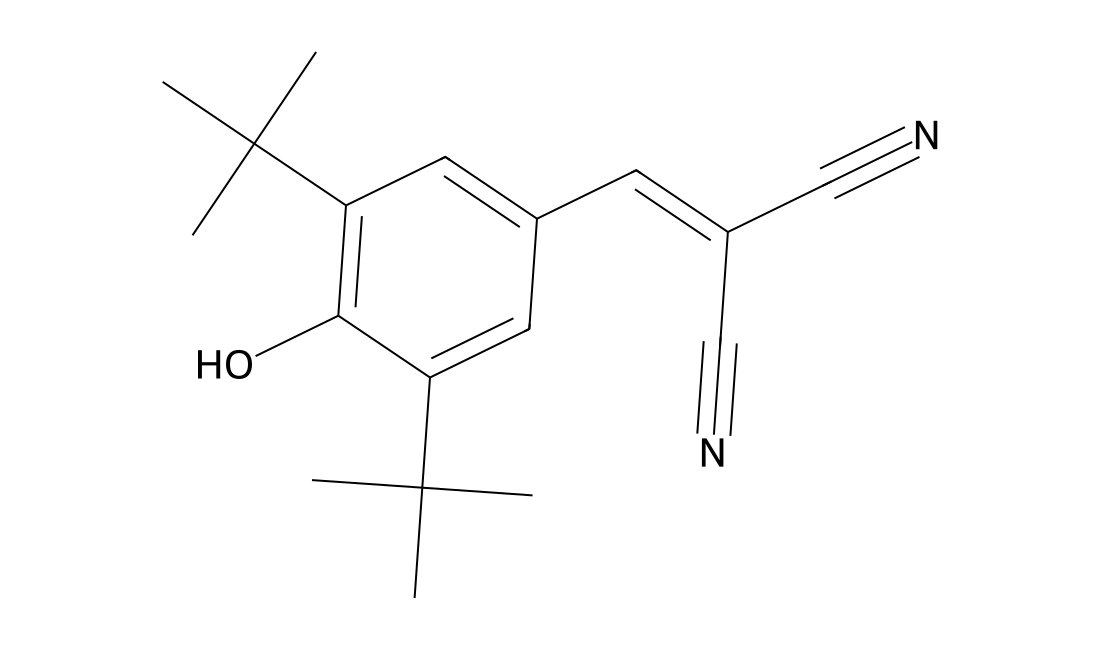
Tyrphostin 9(AG-17)Featured
Tyrphostin A9(AG 17), a tyrosine kinase inhibitor, is a potent inducer of mitochondrial fission. Tyrphostin A9 emerged as the most potent and selective of 51 tyrosine kinase inhibitors tested against the TNF-induced respiratory burst.
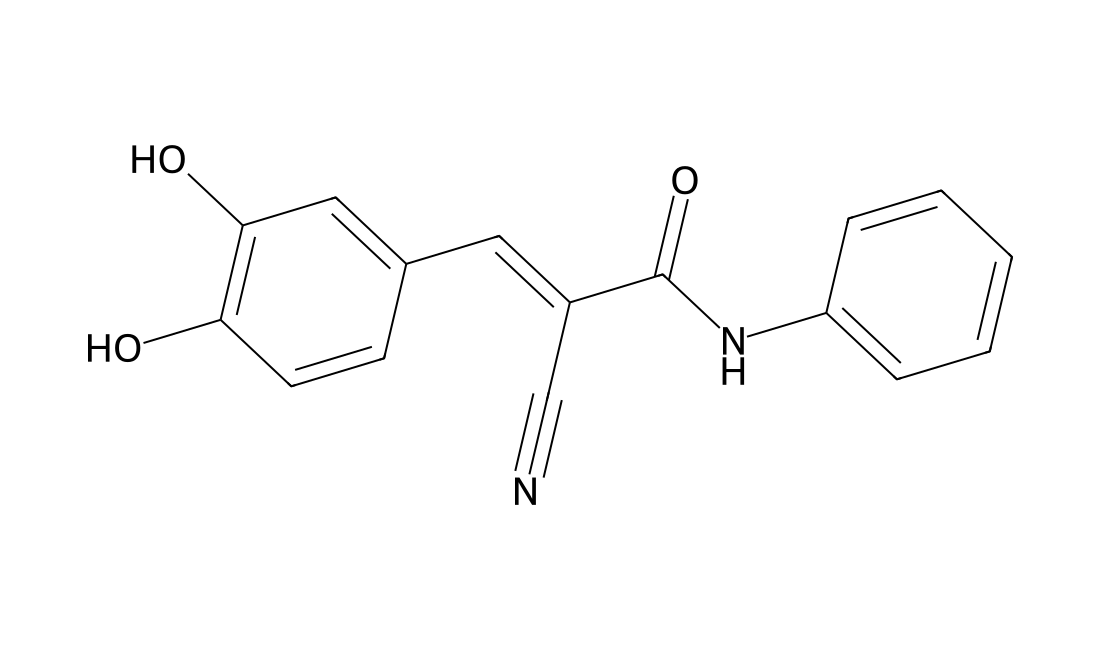
AG-494Featured
AG-494 (Tyrphostin AG 494) is a potent and selective EGFR tyrosine kinase inhibitor (IC50=0.7 μM). AG-494 inhibits the autophosphorylation of EGFR, ErbB2, HER1-2 and PDGF-R with IC50s 1.1, 39, 45 and 6 μM, respectively. AG-494 blocks Cdk2 activation and inhibits EGF-dependent DNA synthesis[1][2][3].
No products match this search.
Page 425 of 434 · Browse all 8677 products
Jump to a product page
Featured literature product: HX1 · DCL0028
HX1 is a hydroxyzine-derived ionizable lipid with acetal-containing tails, studied in lipid nanoparticles for brain mRNA delivery and CRISPR–Cas9 delivery. It was the lead in the reported in vivo brain-delivery screen; evidence is preclinical and formulation-dependent.
Read full formulation and performance →