
Research lipid catalog
Ionizable Lipid Products
Explore 848 lipid and RNA delivery products. Search the full catalog or browse by research category.
Search covers product name, catalog number, synonyms, available CAS numbers and categories. Spaces, hyphens and common punctuation are ignored. Duplicate legacy records are consolidated under one canonical product result.
8677 products · Showing 8541–8560 · 20 per page
DC Chemicals lipid expertise
Built for ionizable-lipid discovery and RNA delivery research
DC Chemicals supports formulation and delivery research with a broad, searchable portfolio of cationic and ionizable lipids. The current directory brings together 848 unique research-use products, with product specifications, pricing, chemical structures and literature-linked formulation data added as each record is verified.
Our experience spans complex lipid synthesis, purification, analytical release and process development. For custom molecules or larger-scale requirements, our team can discuss route development, technical specifications and scale-up options for the intended research workflow.
Learn about cationic and ionizable lipids →Proprietary innovation · Co-development · GMP
From proprietary lipid design to GMP-grade custom synthesis
DC Chemicals has independently developed ionizable-lipid structures supported by company-owned intellectual property, and selected proprietary lipid programs have advanced to GMP-stage development.
We welcome joint development with customers—from molecular design and lipid synthesis through route and process development. We can also support custom synthesis of GMP-grade ionizable lipids to agreed technical specifications and quality requirements.
Discuss a co-development project →Proprietary ionizable-lipid structuresCollaborative molecular designCustom lipid synthesisProcess development and scale-upGMP-grade project support
Product quick links
Explore New ionizable lipids
Explore our five most recently added ionizable lipids, with specifications, pricing and literature-linked product information.
DCL0028HX1Brain RNA delivery researchView product →DCL0024A1I4R13C18-2Spleen-targeted RNA delivery researchView product →DCL0023A1I4R2C18-2Spleen-targeted RNA delivery researchView product →DCL0022FS01Local joint RNA delivery researchView product →DCL0020Lipid-392Lung RNA delivery and gene editing researchView product →
Cat. No.Product NameField of ApplicationChemical Structure
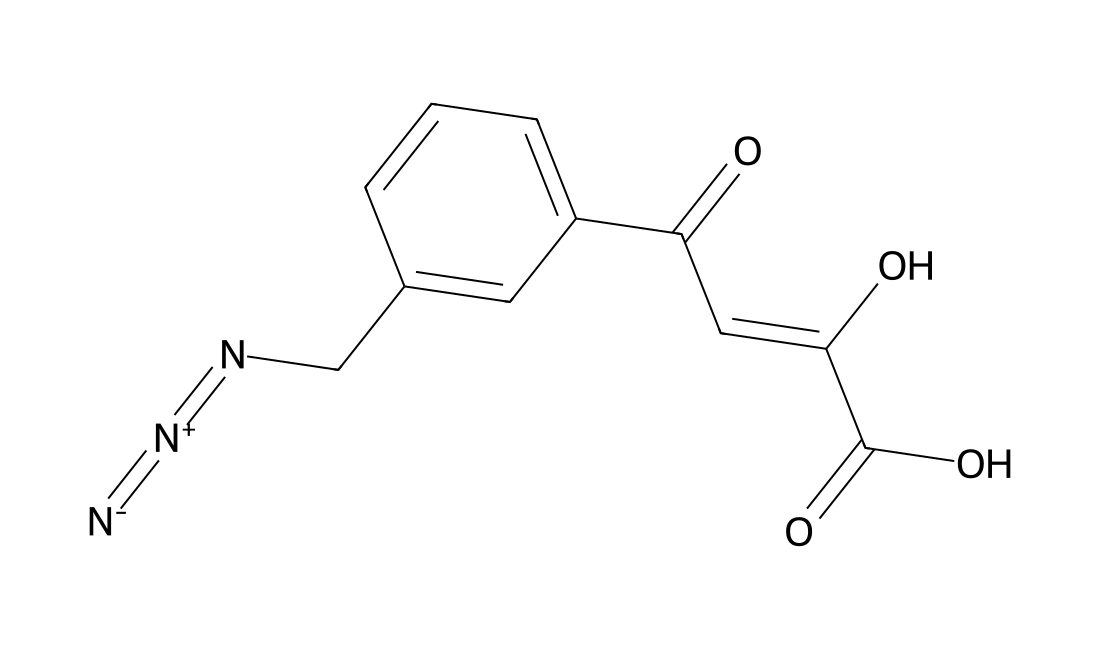
HIV-1 integrase inhibitorFeatured
HIV-1 integrase inhibitor ((Z)-4-(3-(azidomethyl)phenyl)-2-hydroxy-4-oxobut-2-enoic acid) is uesful for anti-HIV.
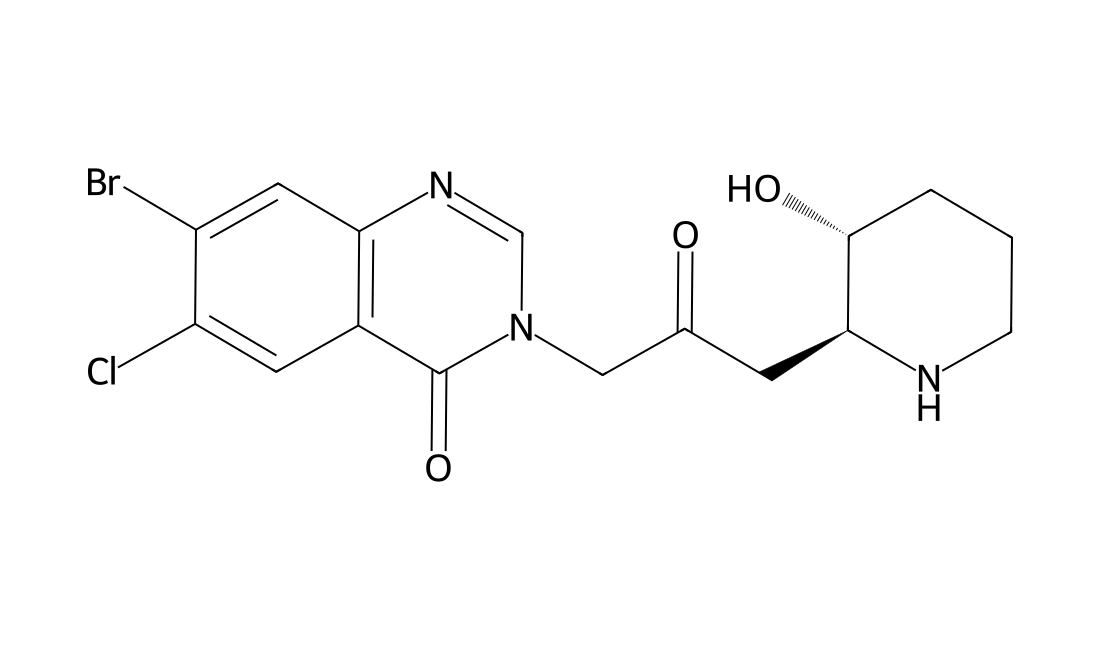
HalofuginoneFeatured
Halofuginone is the competitively inhibitor of prolyl-tRNA synthetase with Ki of 18.3 nM.It could also down-regulate Smad3 and blocked TGF-β signaling at 10 ng/ml in mammal.
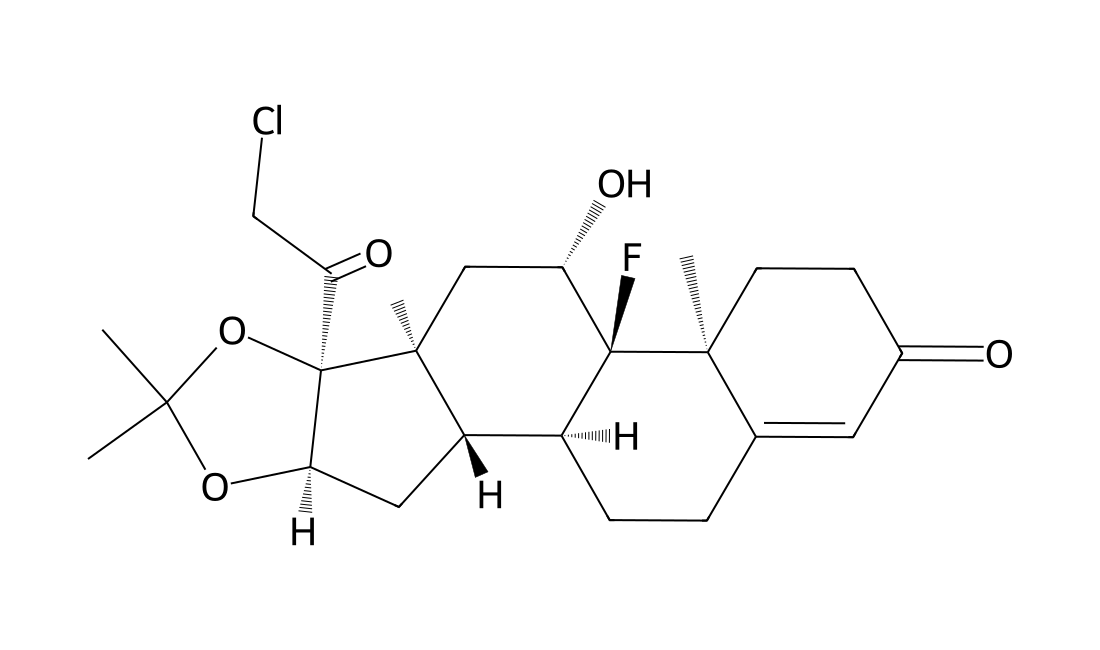
HalcinonideFeatured
Halcinonide is a high potency corticosteroid used topically in the treatment of certain skin conditions.
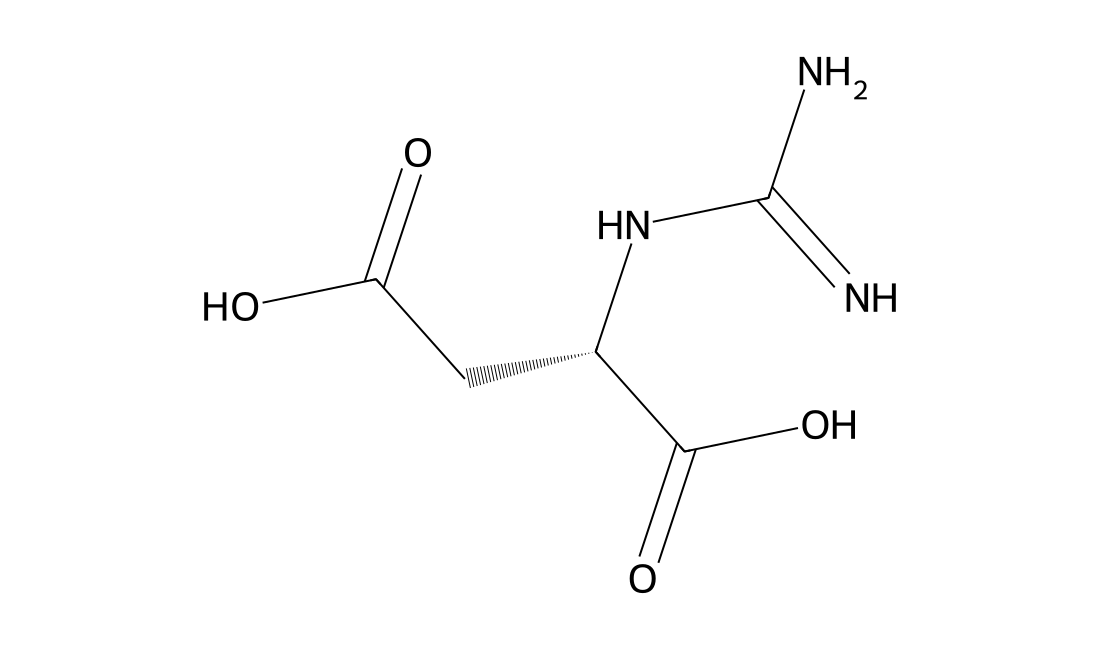
Guanidinosuccinic acidFeatured
In Vivo Guanidinosuccinic acid, a constituent of normal urine, is elevated in the urine and serum of azotemic patients. Guanidinosuccinic acid (GSA), a guanidino compound found to be greatly increased in uremia, is administered by intraperitoneal (i.p.) injection to adult albino mice and to young mice 7, 14 and 21 days old. Epileptogenic and toxic properties are assessed and Guanidinosuccinic acid brain levels following i.p. injection ae determined. In adult mice, Guanidinosuccinic acid induces long-lasting generalized clonic and clonic-tonic convulsions in a dose-dependent manner with a CD50 (and 95% confidence interval) of 363 (287-458) mg/kg (n=35), and an LD50 of 579 (445-756) mg/kg. The CD50 of Guanidinosuccinic acid corresponded with a brain concentration of 56 nmol/g tissue. Electrocorticographic recording in five adult mice revealed epileptiform discharges (spikes, spike-waves, and polyspike-waves) which appeared concomitant with the convulsions, When young mice are i.p. injected with a (for adults) subconvulsive dose of Guanidinosuccinic acid (250 mg/kg), an age-dependent decrease is noted in Guanidinosuccinic acid-induced convulsions and in the resulting brain concentration.
Guanfacine HydrochlorideFeatured
Guanfacine Hydrochloride is a selective α2A-adrenoceptor agonist with anti-hypertensive effect.
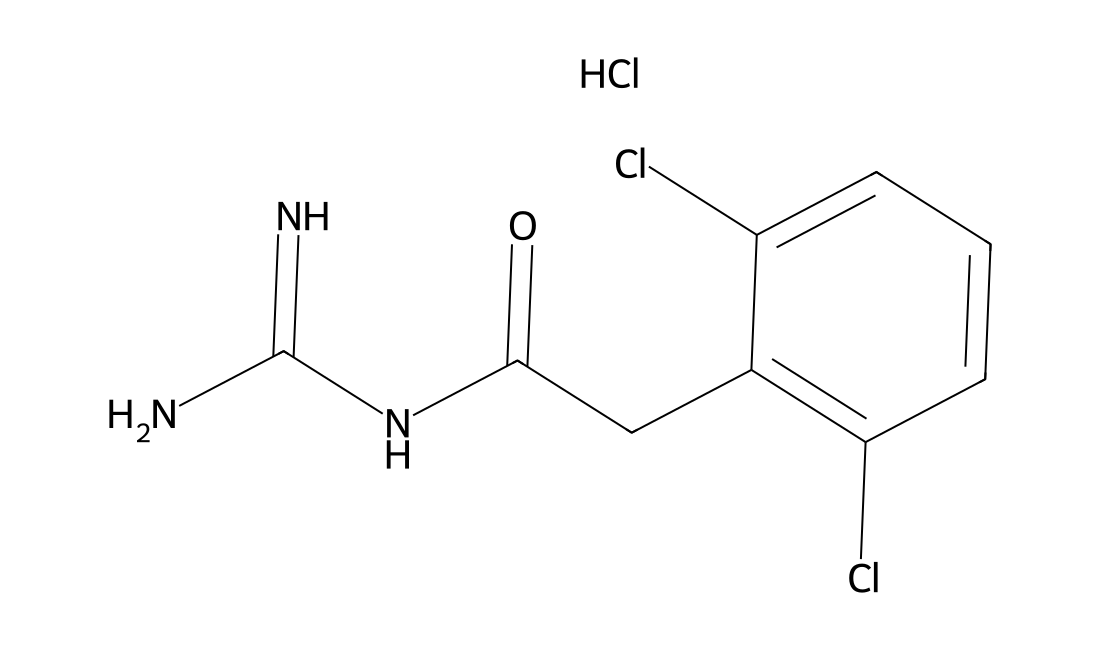
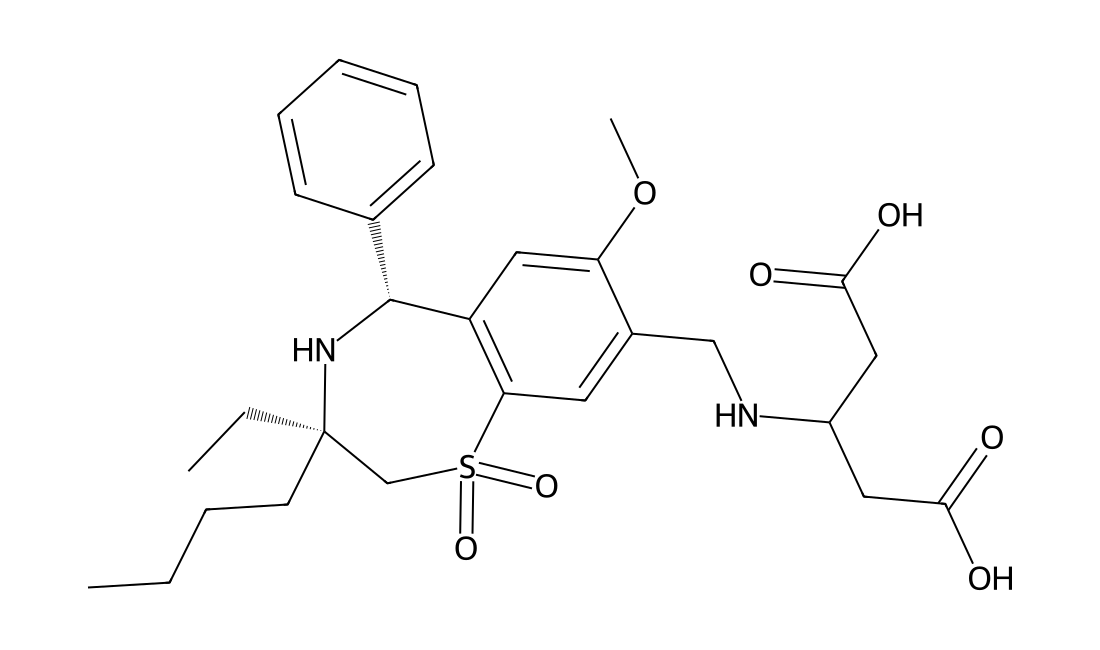
IinerixibatFeatured
GSK2330672 is a highly potent, nonabsorbable ASBT inhibitor with excellent aqueous solubility, selectivity, and developability properties for evaluation in safety studies and ultimately humans. GSK2330672 will be a valuable clinical tool for exploring the therapeutic utility of a nonabsorbable ASBT inhibitor for treatment of patients with type 2 diabetes. in vivo: GSK2330672 results in potent inhibition of ASBT and very low oral absorption in the rat. GSK2330672 shows potent mouse and rat ASBT activity and was stable in GI stability assays. GSK2330672 is stable in the rodent GI tract and potently induced fecal bile acid excretion in mice, leading us to select these three compounds for mechanistic and efficacy studies in vivo in lean rats and Zucker Diabetic Fatty (ZDF) rats, respectively.
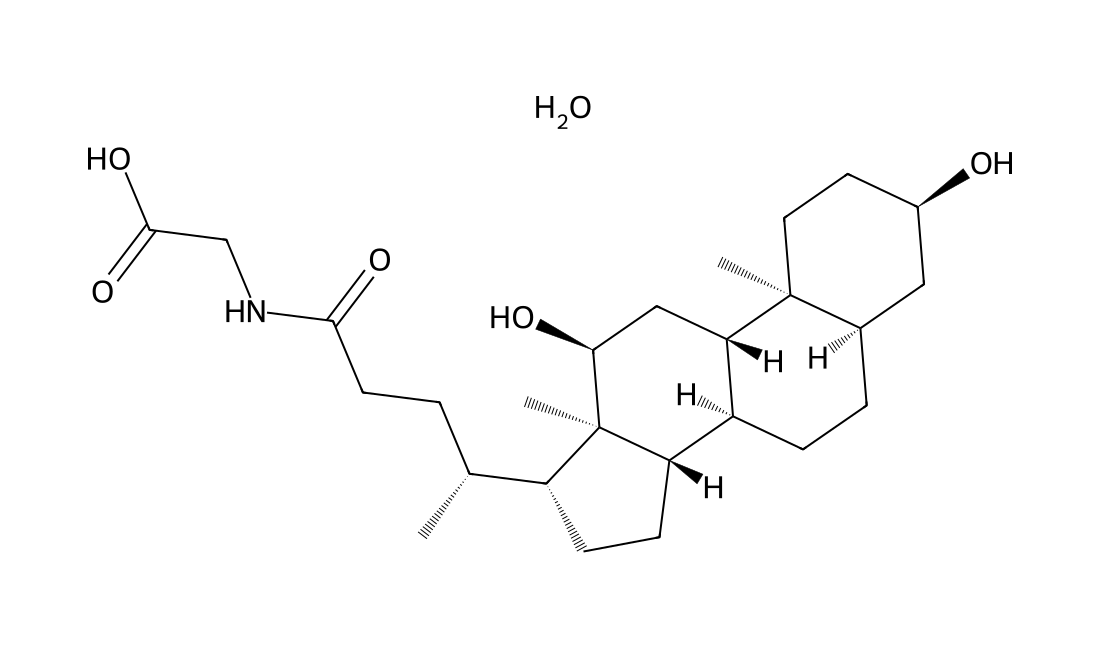
Glycodeoxycholic acid monohydrate is a nuclear receptor ligand.
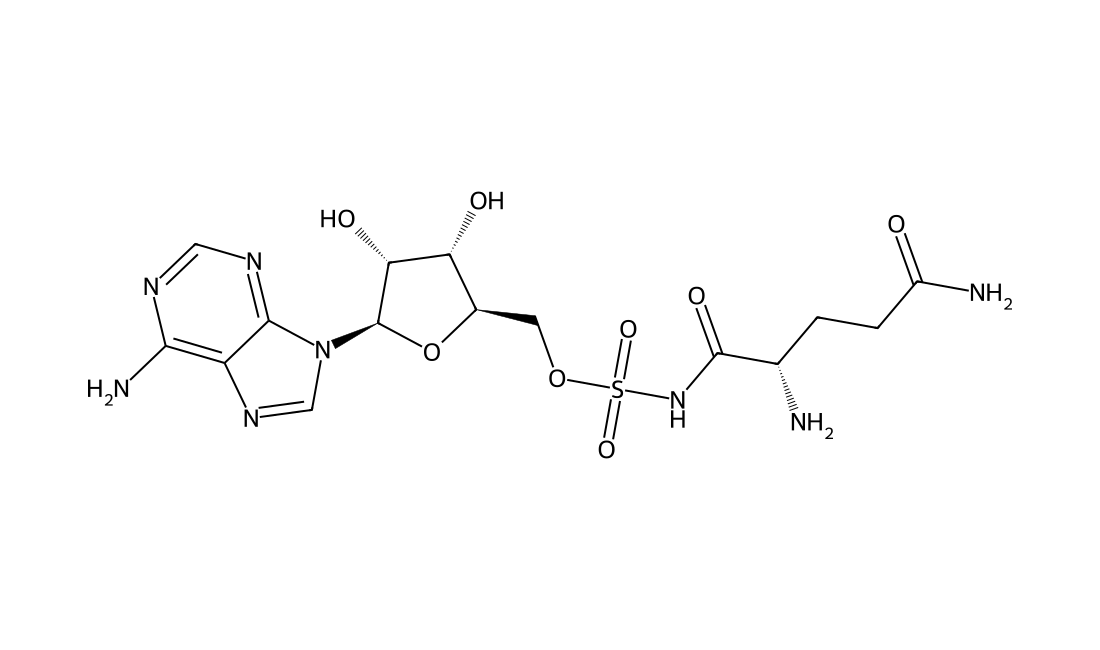
Gln-AMSFeatured
Gln-AMS is an aminoacyl-tRNA synthetases (AARS) inhibitor, which binds the A-domain within the NRPS enzymes.
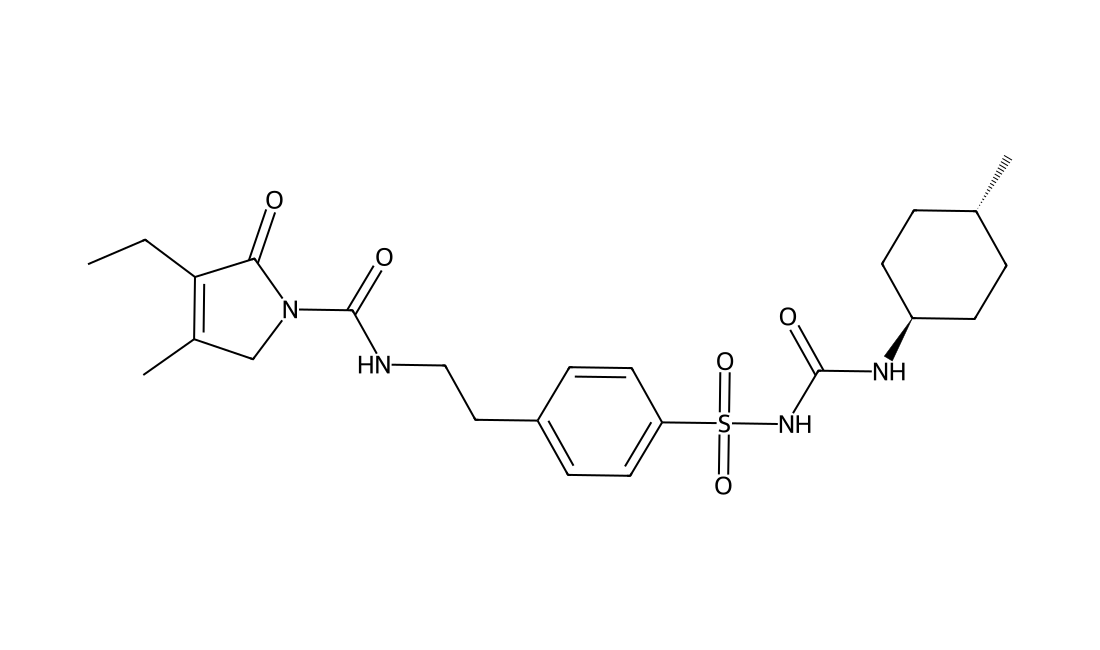
GlimepirideFeatured
Glimepiride(Amaryl) is a medium-to-long acting sulfonylurea anti-diabetic compound with an ED50 of 182 μg/kg.Glimepiride (Hoe 490) is a new sulfonylurea. After oral administration of Hoe 490 to rabbits, blood glucose was lowered 3.5 times more than after glibenclamide (HB 419) and after intravenous administration, 2.5 times more. glimepiride decreased extracellular Aβ40 and Aβ42 levels. glimepiride may serve as a promising drug for the treatment of AD associated with diabetes. glimepiride was generally associated with lower risk of hypoglycemia and less weight gain compared to other sulfonylureas. Glimepiride use may be safer in patients with cardiovascular disease because of its lack of detrimental effects on ischemic preconditioning.
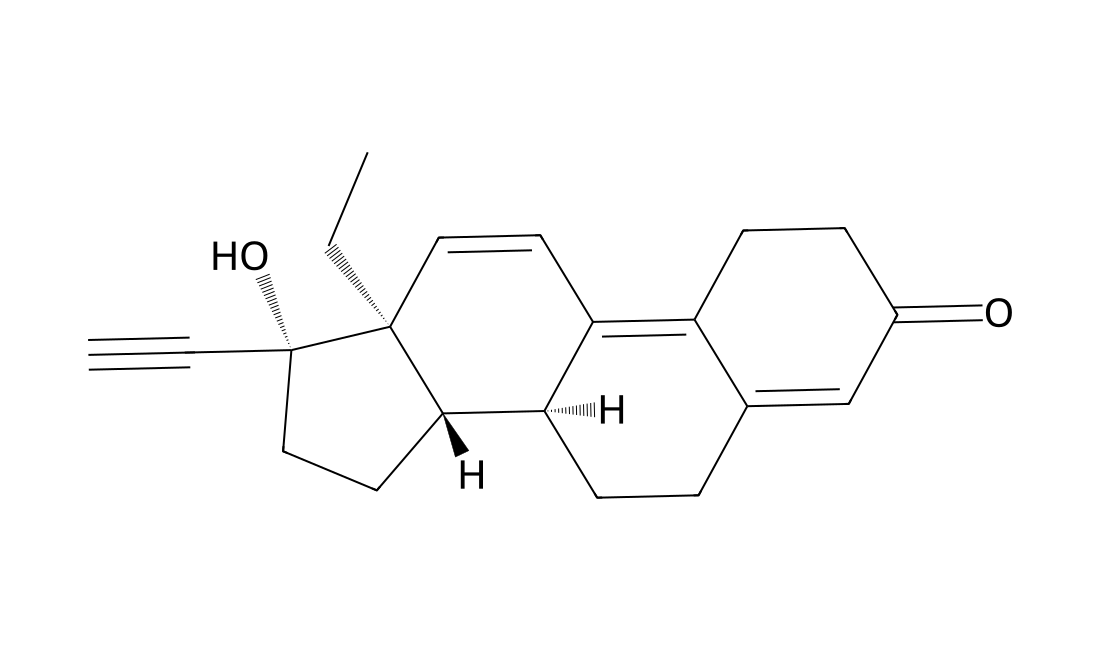
GestrinoneFeatured
Gestrinone binds to endometrial receptors for estrogen, progesterone and androgen, occupies all specific binding sites of steroids in the steroid target cells despite the presence of endogenous steroids. Gestrinone exhibits stronger inhibitory effects on the growth of leiomyoma cells at 60 h than that at 20 and 40 h. Leiomyoma cells appears less dense, the cytoplasm is atrophic, the intercellular connections dwindled and nuclear aggregations are observed with more than 10 μM gestrinone treatment. Gestrinone treatment reduces the relative mRNA levels of estrogen α in a concentration dependent manner at concentrations of 0.1-3.0 μM.The estrogen-sensitive endpoints, vaginal keratinization and uterine progesterone receptor concentration, are enhanced by treatment with a combination of flutamide and either danazol or gestrinone. These data indicate that danazol and gestrinone have estrogenic activity that is masked by the androgenic component of these drugs. The mean hormone binding globulin treated with gestrinone fell from 56.4 nM to 28.1 nM after one week’s treatment and to 7.1 nM after 4 weeks respectively.
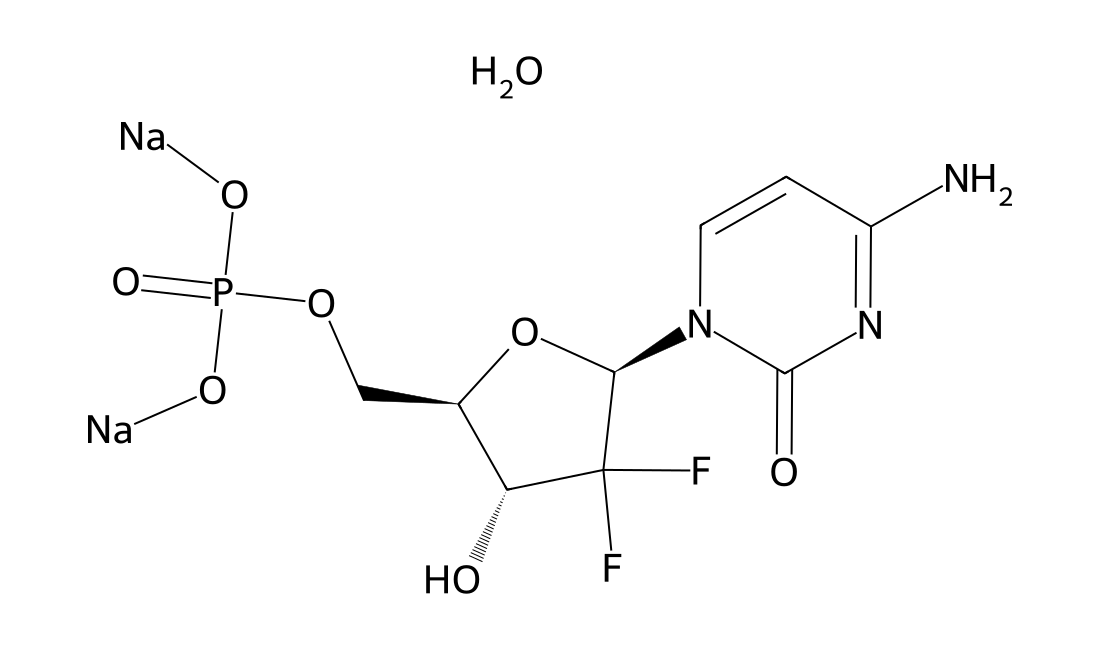
Gemcitabine monophosphateFeatured
Gemcitabine monophosphate disodium salt, also called GemMP, is a monophosphate derivative of Gemcitabine. Gemcitabine (Gem) is a deoxycytidine analog that is effective against pancreatic cancer and other malignancies following conversion to the 5'-O-mono-, di- and tri-phosphate forms. GemMP decreased tumor cell growth at concentrations ranging from 1 to 50 nM. GemMP is a potent cytotoxic agent that serves to induce apoptosis in association with increased Fas expression in cultured thyroid cancer cell lines.
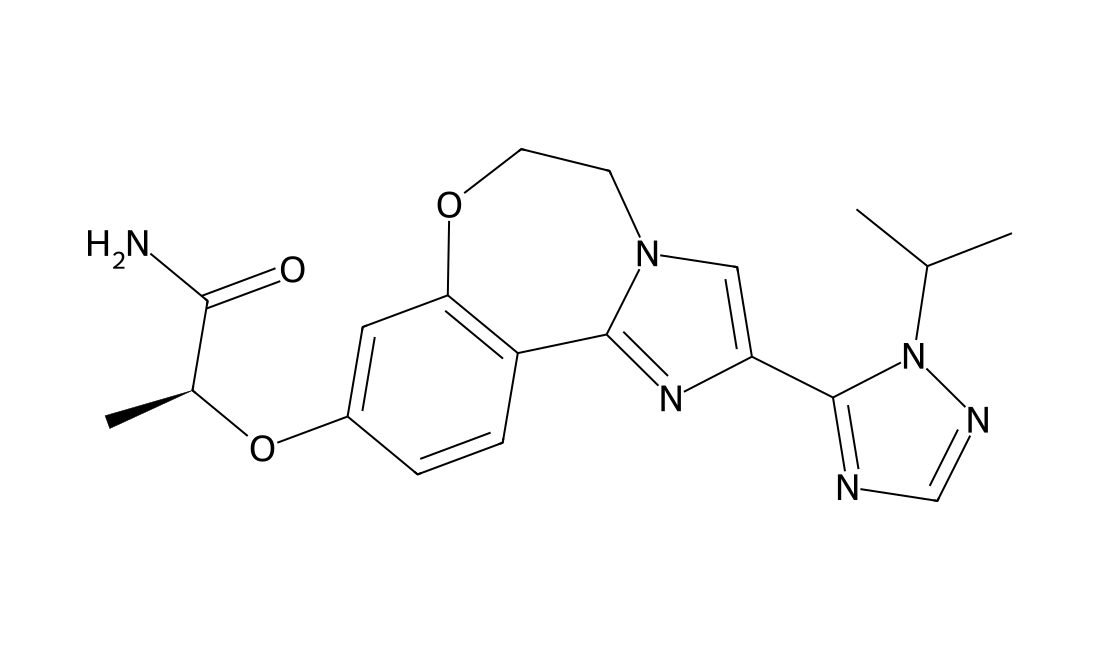
GDC-0326Featured
GDC-0326 is a potent and selective inhibitor of α-Isoform of Phosphoinositide 3-Kinase (PI3Kalpha inhibitor). GDC-0326 achieves a very high level of selectivity over other kinases. GDC-0326 has low plasma CL in human. Within the PI3 kinase family, there are four class I PI3K isoforms (α, β, δ, and γ). Of these isoforms, PI3Kα is the most commonly associated with cancers.
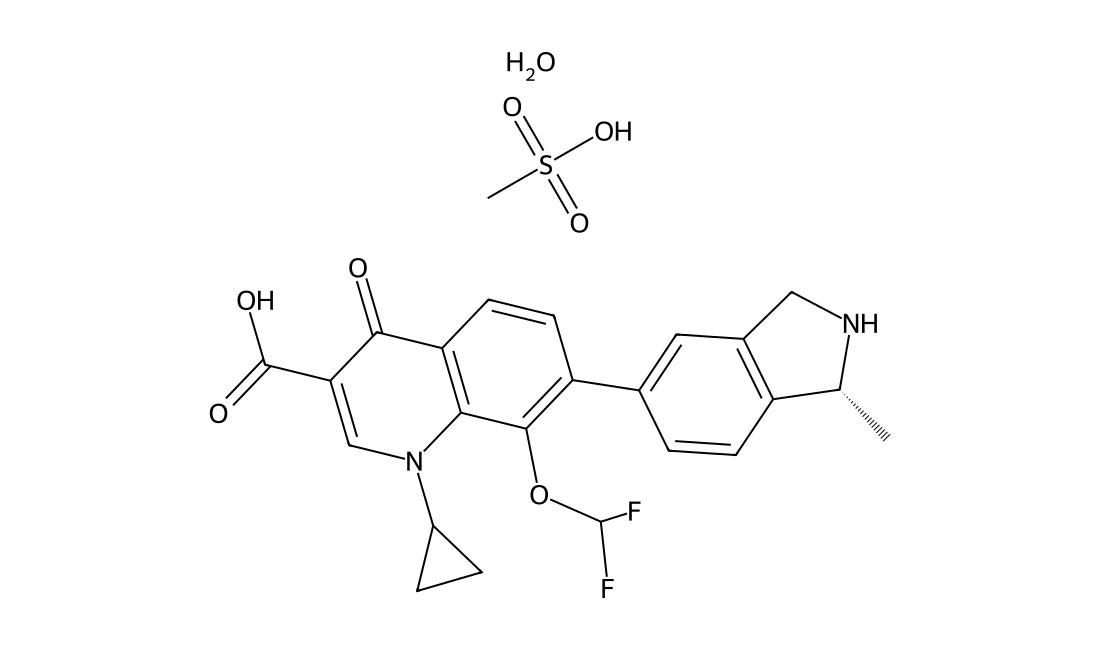
Garenoxacin Mesylate hydrateFeatured
Garenoxacin mesylate hydrate is a novel oral des-fluoro(6) quinolone with potent antimicrobial activity, against common respiratory pathogens, including resistant strains.
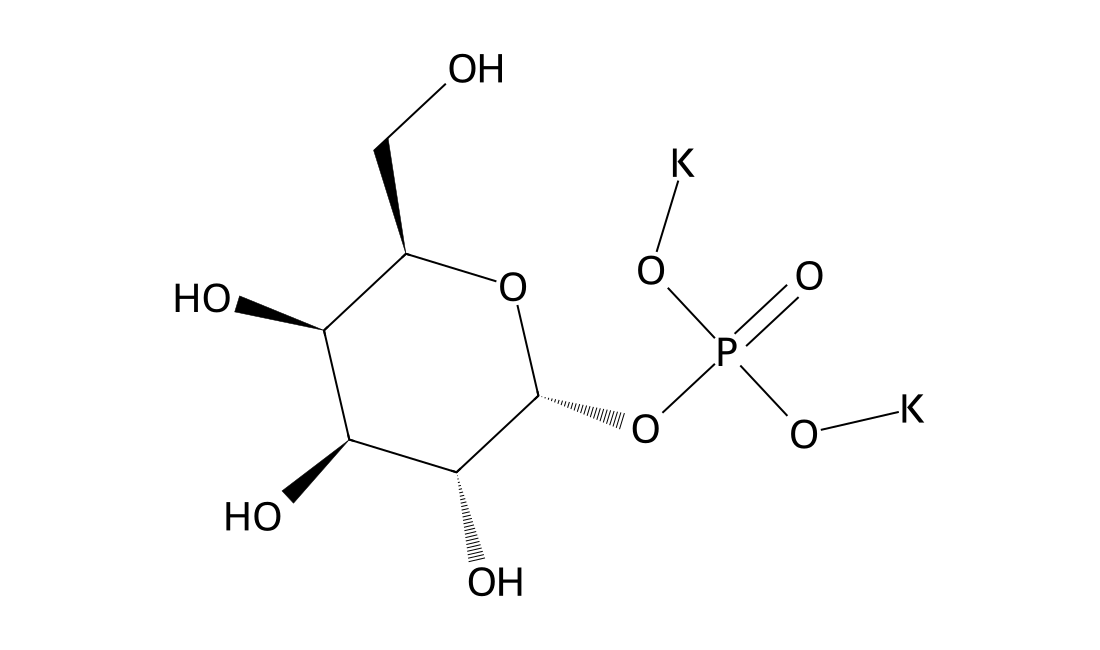
Galactose 1-phosphate Potassium salt is is an intermediate in the galactose metabolism and nucleotide sugars
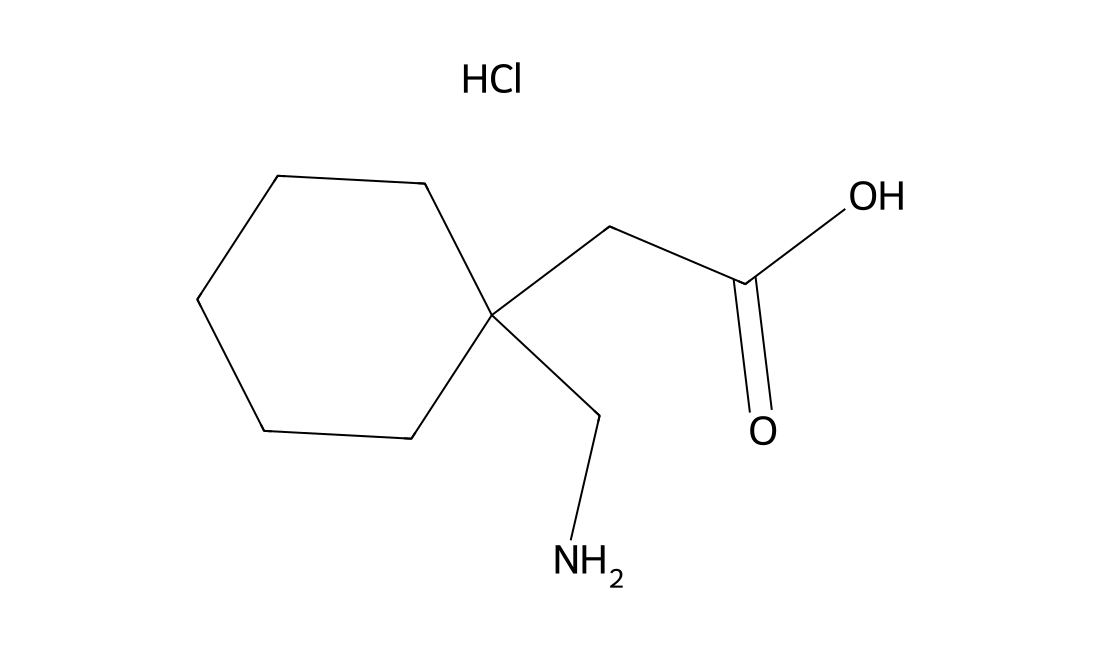
Gabapentin (hydrochloride)Featured
Gabapentin (Neurontin) is a pharmaceutical drug, specifically a GABA analog. It was originally developed to treat epilepsy, and currently is also used to relieve neuropathic pain. in vitro: Gabapentin, baclofen and CGP 44532 all reduced the electrically stimulated release of [3H]glutamic acid (IC50=20 microM, 0.8 microM and 2 microM, respectively). Gabapentin was without effect on the release of [3H]GABA, whilst baclofen (IC50=8 microM) and CGP 44532 (IC50=1 microM) inhibited [3H]GABA release. A large inhibition of calcium currents by gabapentin was observed in pyramidal neocortical cells (up to 34%). Significantly, the gabapentin-mediated inhibition of calcium currents saturated at particularly low concentrations (around 10 microM), at least in neocortical neurons (IC50 about 4 microM). in vivo: Gabapentin produced an anti-allodynic effect over the 7-day period, reducing the expression of pro-inflammatory cytokines but increasing the expression of IL-10 (TNF-α, 316.0 ± 69.7 pg/mL vs 88.8 ± 24.4 pg/mL; IL-1β, 1,212.9 ± 104.5 vs 577.4 ± 97.1 pg/mL; IL-6, 254.0 ± 64.8 pg/mL vs 125.5 ± 44.1 pg/mL; IL-10, 532.1 ± 78.7 pg/mL vs 918.9 ± 63.1 pg/mL). The suppressive effect of gabapentin on pro-inflammatory cytokine expression was partially blocked by the anti-IL-10 antibody.
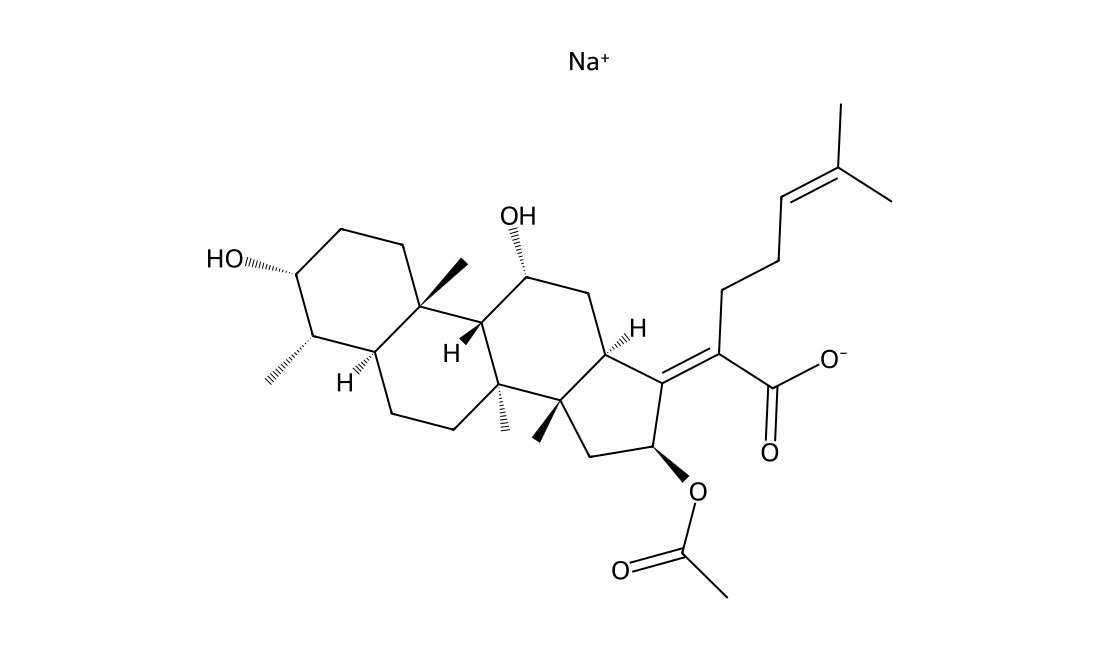
Fusidate SodiumFeatured
Fusidate Sodium is a sodium salt form of fusidic acid, a bacteriostatic antibiotic derived from the fungus Fusidium coccineum and used as a topical medication to treat skin infections.
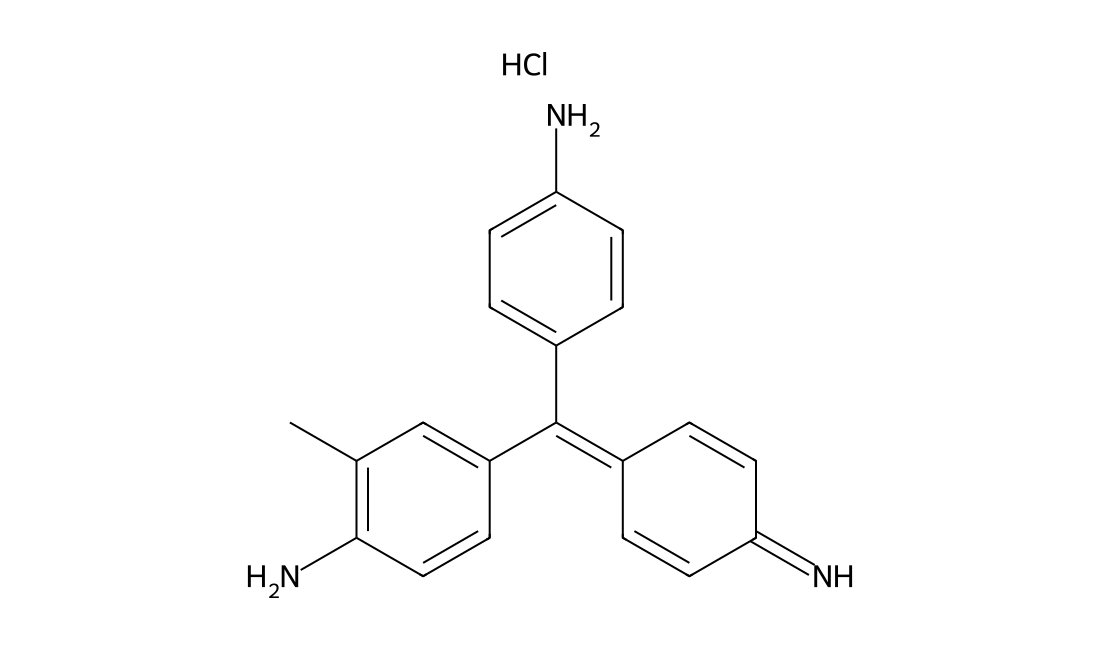
Fuchsine base monohydrochlorideFeatured
Fuchsine base (monohydrochloride) is a magenta dye, which is certified for use for acid-fast staining with carbol-fuchsin.
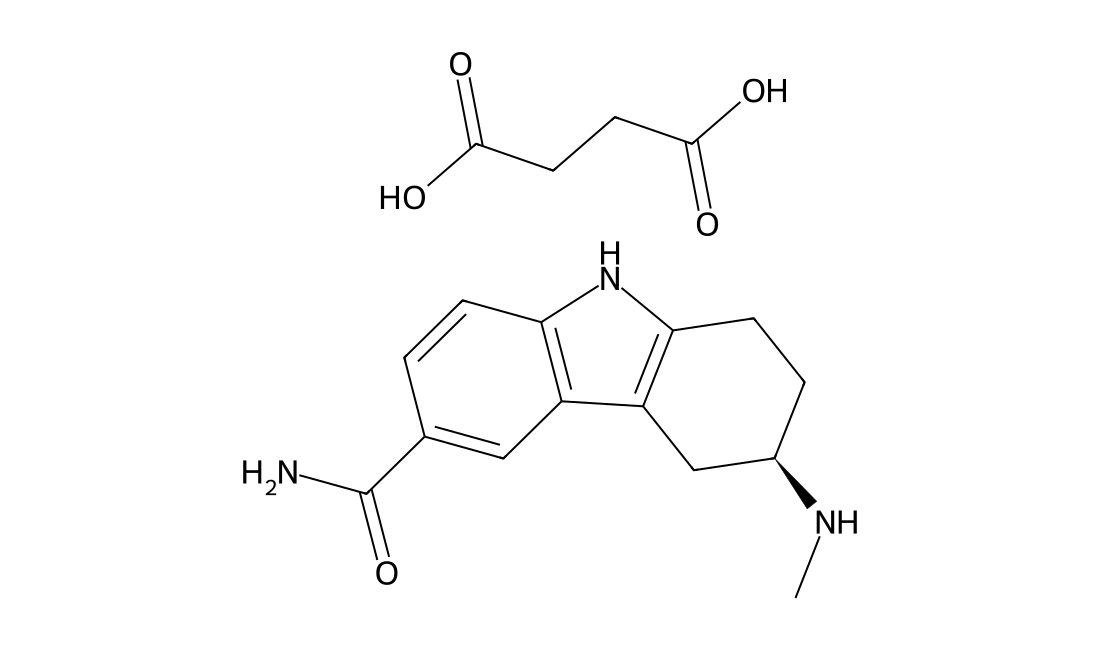
Frovatriptan SuccinateFeatured
Frovatriptan Succinate is the succinate salt form of frovatriptan, a synthetic triptan with serotonin (5-HT) receptor agonist activity especially for the 5-HT1B/1D receptors.
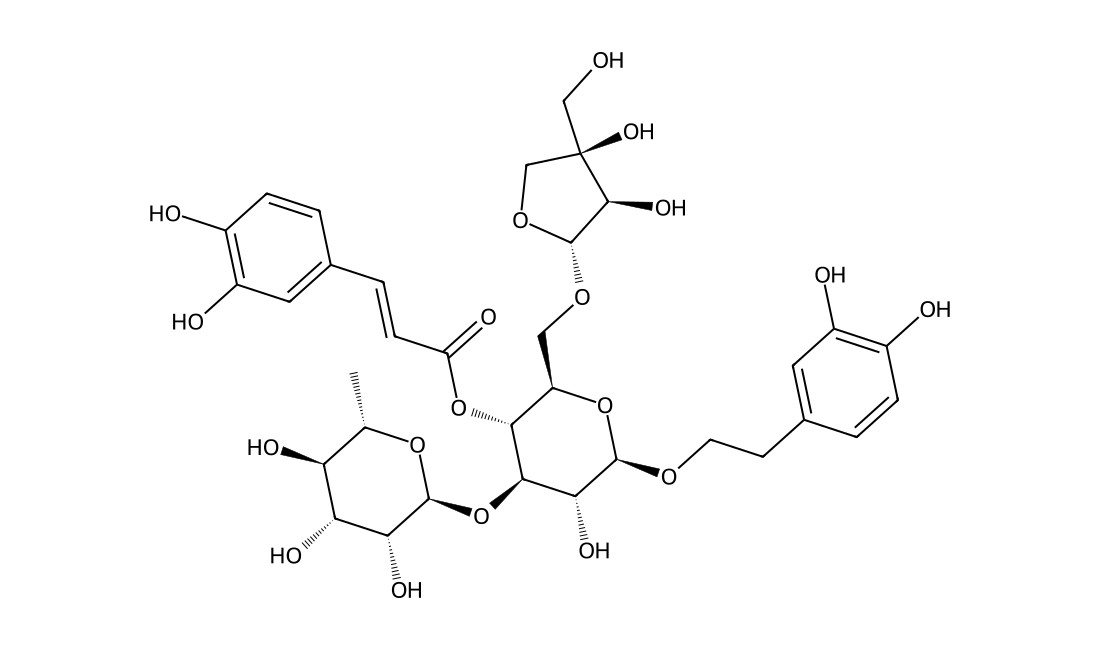
Forsythoside BFeatured
Forsythoside B concentration-dependently down-regulates the levels of TNF-α, IL-6 and high-mobility group-box 1 protein (HMGB1) in lipopolysaccharide (LPS)-stimulated RAW264.7 cells, inhibits the IκB kinase (IKK) pathway and modulated nuclear factor (NF)- κB.Intravenous injection of forsythoside B alone or plus imipenem reduces serum levels of TNF-α, IL-6, HMGB1, triggering receptor expressed on myeloid cells (TREM-1) and endotoxin, while the serum level of IL-10 is up-regulated and myeloperoxidase (MPO) in lung, liver and small intestine is reduced. Forsythoside B at doses higher than 8 mg/kg produces a significant neuroprotective potential in cerebral ischemia and reperfusion rats. Forsythoside B (20 mg/kg) demonstrates significant neuroprotective activity even after delayed administration at 1 h, 3 h and 5 h after cerebral ischemia and reperfusion. Forsythoside B 20 mg/kg attenuates histopathological damage as demonstrated by smaller brain infarct size and brain edema, decreased cerebral Evans blue extravasation and myeloperoxidase activity, inhibited cerebral phosphor-IκB-α and NF-κB expression. Forsythoside B shows a significant recovery in myocardial function with improvement of LVSP and +/-dp/dt(max). The myocardial infarct volume, serum levels of Tn-T, TNF-alpha and IL-6, content of MDA and MPO activity in myocardial tissue are all reduced, protein expression of HMGB1, phosphor-I kappaB-alpha and phosphor-NF-kappaB are down-regulated, while attenuate the decrease of SOD and GPx activities.
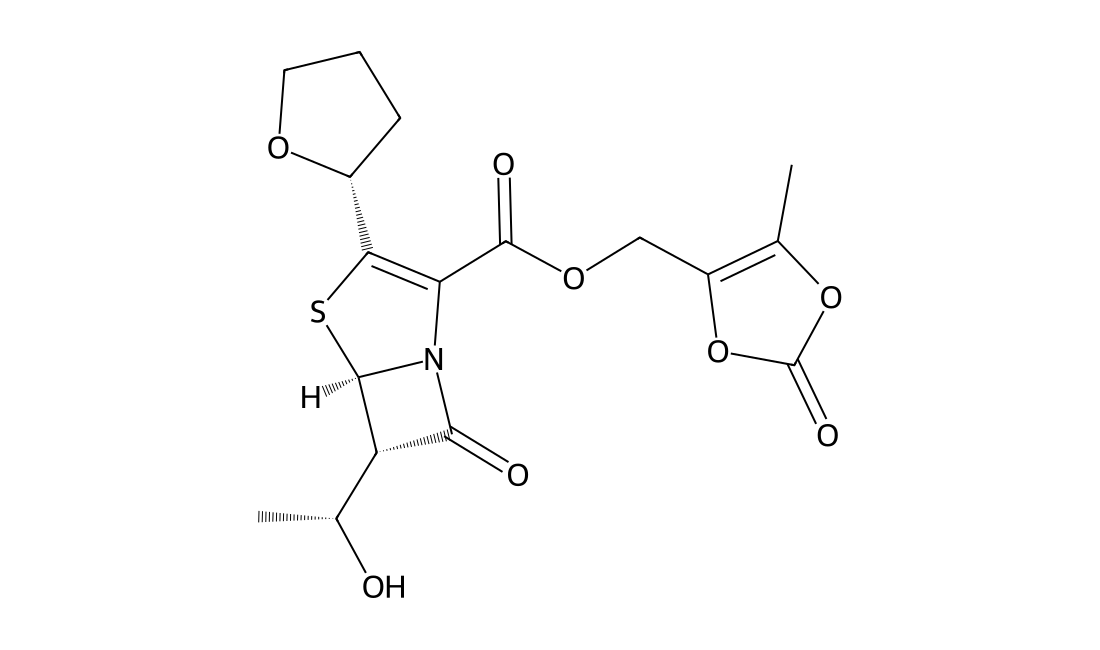
Faropenem daloxateFeatured
Faropenem daloxate is the first oral penem in a new class of beta-lactam antibiotics. Faropenem daloxate is useful for penem and antibiotics. Faropenem medoxomil has excellent in vitro activity against Streptococcus pneumoniae, Haemophilus influenzae and other key pathogens implicated in acute bacterial rhinosinusitis. Clinical studies have demonstrated that, in the treatment of acute bacterial rhinosinusitis in adults, 7 days of treatment with faropenem medoxomil is as clinically and bacteriologically effective as 10 days of treatment with cefuroxime axetil. One study showed faropenem medoxomil to be superior to cefuroxime axetil. Overall, the safety profile of faropenem medoxomil is similar to that of most comparators.
No products match this search.
Page 428 of 434 · Browse all 8677 products
Jump to a product page
Featured literature product: HX1 · DCL0028
HX1 is a hydroxyzine-derived ionizable lipid with acetal-containing tails, studied in lipid nanoparticles for brain mRNA delivery and CRISPR–Cas9 delivery. It was the lead in the reported in vivo brain-delivery screen; evidence is preclinical and formulation-dependent.
Read full formulation and performance →