
Research lipid catalog
Ionizable Lipid Products
Explore 848 lipid and RNA delivery products. Search the full catalog or browse by research category.
Search covers product name, catalog number, synonyms, available CAS numbers and categories. Spaces, hyphens and common punctuation are ignored. Duplicate legacy records are consolidated under one canonical product result.
8677 products · Showing 8241–8260 · 20 per page
DC Chemicals lipid expertise
Built for ionizable-lipid discovery and RNA delivery research
DC Chemicals supports formulation and delivery research with a broad, searchable portfolio of cationic and ionizable lipids. The current directory brings together 848 unique research-use products, with product specifications, pricing, chemical structures and literature-linked formulation data added as each record is verified.
Our experience spans complex lipid synthesis, purification, analytical release and process development. For custom molecules or larger-scale requirements, our team can discuss route development, technical specifications and scale-up options for the intended research workflow.
Learn about cationic and ionizable lipids →Proprietary innovation · Co-development · GMP
From proprietary lipid design to GMP-grade custom synthesis
DC Chemicals has independently developed ionizable-lipid structures supported by company-owned intellectual property, and selected proprietary lipid programs have advanced to GMP-stage development.
We welcome joint development with customers—from molecular design and lipid synthesis through route and process development. We can also support custom synthesis of GMP-grade ionizable lipids to agreed technical specifications and quality requirements.
Discuss a co-development project →Proprietary ionizable-lipid structuresCollaborative molecular designCustom lipid synthesisProcess development and scale-upGMP-grade project support
Product quick links
Explore New ionizable lipids
Explore our five most recently added ionizable lipids, with specifications, pricing and literature-linked product information.
DCL0028HX1Brain RNA delivery researchView product →DCL0024A1I4R13C18-2Spleen-targeted RNA delivery researchView product →DCL0023A1I4R2C18-2Spleen-targeted RNA delivery researchView product →DCL0022FS01Local joint RNA delivery researchView product →DCL0020Lipid-392Lung RNA delivery and gene editing researchView product →
Cat. No.Product NameField of ApplicationChemical Structure
GPDAFeatured
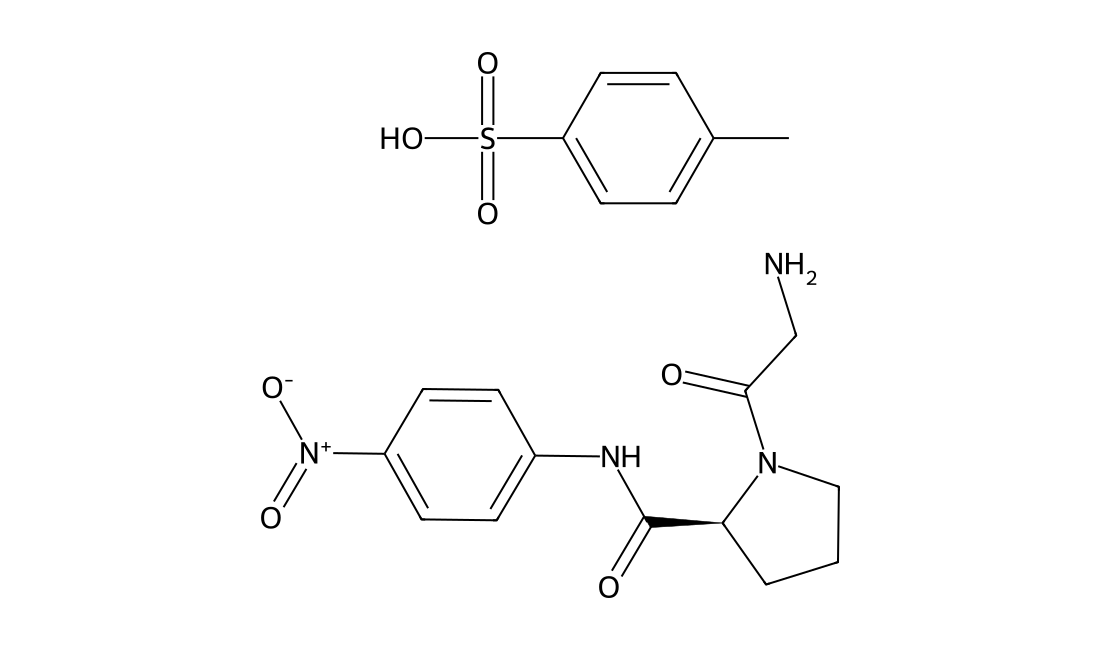
GPDA(Glycylproline p-nitroanilide tosylate) is the substarate of X-Prolyl dipeptidyl-aminopeptidase in the enzyme assay.
SB-674042Featured
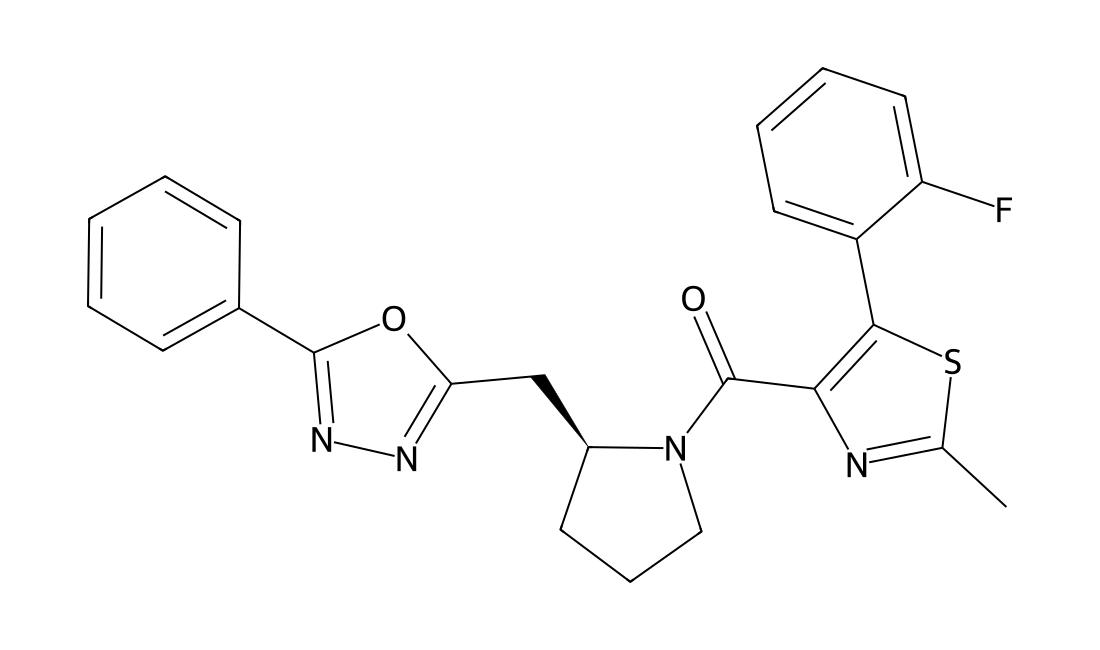
SB-674042 is a potent and selective non-peptide orexin OX1 receptor antagonist (Kd = 3.76 nM); exhibits 100-fold selectivity for OX1 over OX2 receptors. SB-674042 has no effect at serotonergic, dopaminergic, adrenergic or purinergic receptors. Inhibits orexin 1-induced Ca2+ mobilization in CHO-DG44 cells stably transfected with the OX1 receptor.
A286982Featured
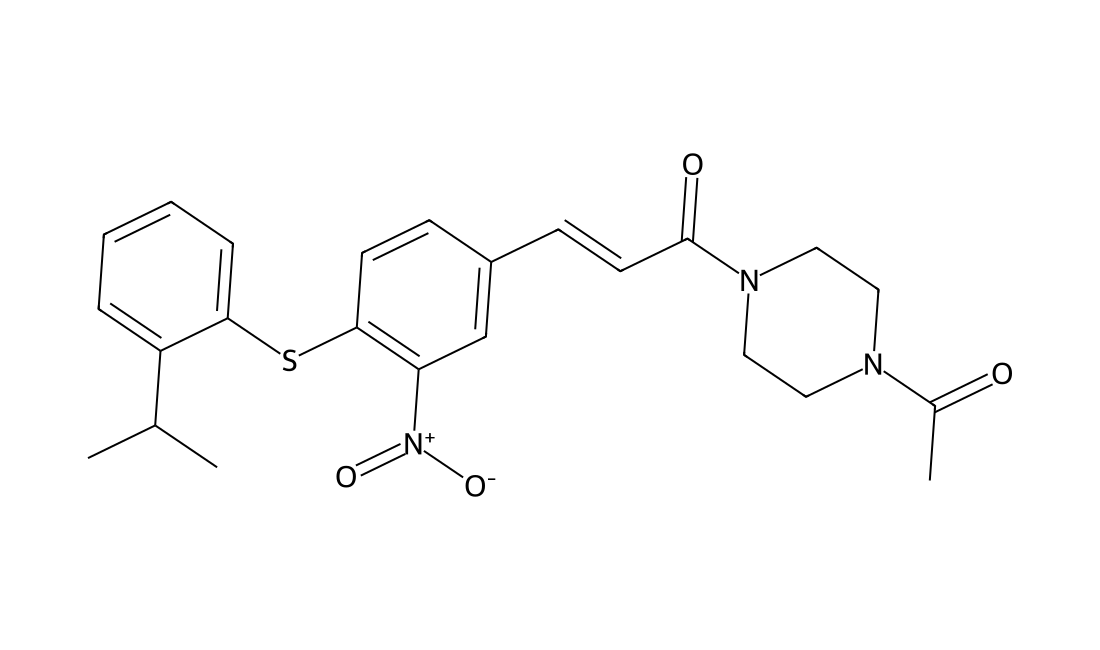
A-286982 is a potent and allosteric LFA-1/ICAM-1 interaction inhibitor with IC50s of 44 nM and 35 nM in an LFA-1/ICAM-1 binding and LFA-1-mediated cellular adhesion assay, respectively[1][2].
MerimepodibFeatured
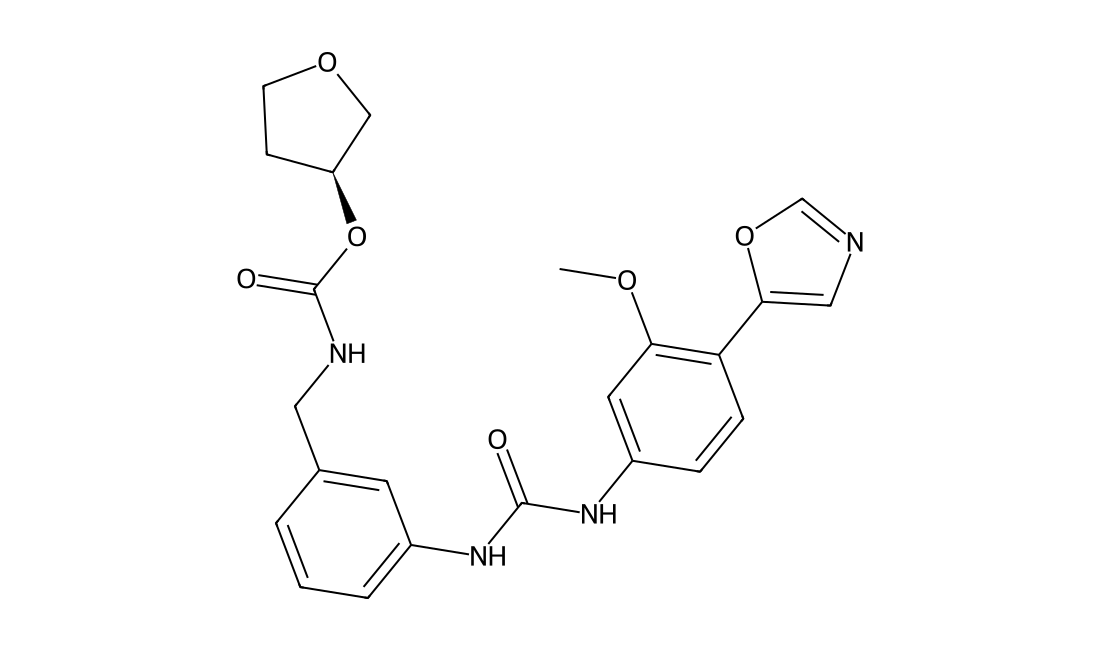
Merimepodib is a novel noncompetitive inhibitor of IMPDH (Inosine monophosphate dehydrogenase)..
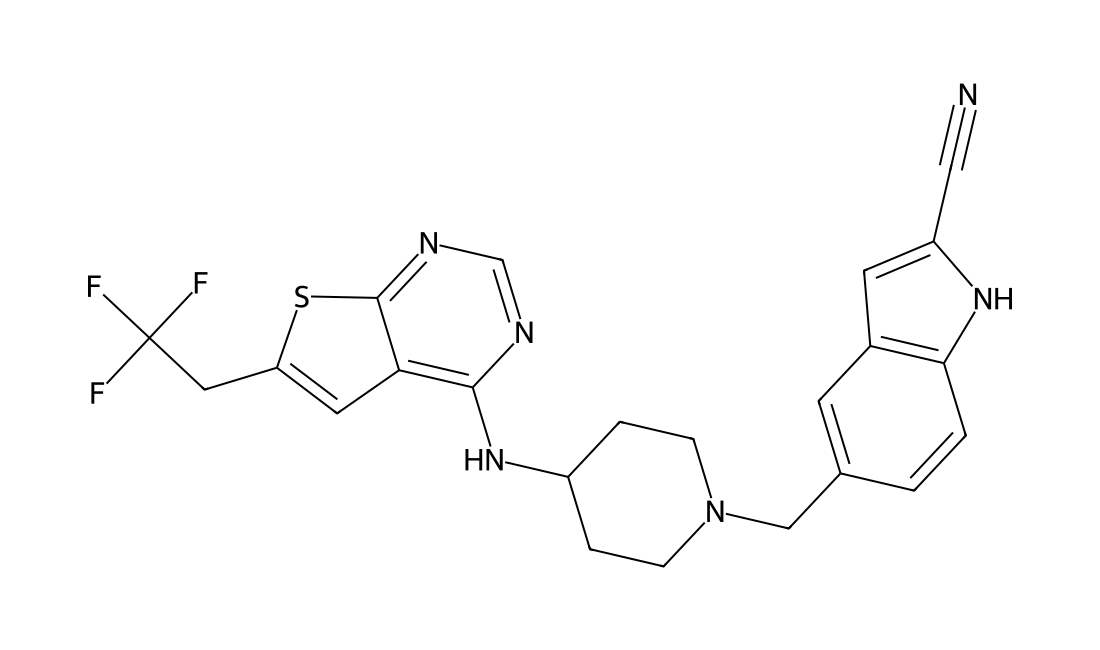
MI-136Featured
MI-136 inhibits DHT-induced expression of androgen receptor (AR) target genes. Target: androgen receptorin vitro: MI-136, a variant of a previously described inhibitor that can specifically inhibit the menin-MLL interaction. AR positive cell lines such as VCaP, LNCaP and 22RV1 are sensitive to MI-136. Treatment with MI-136 also inhibits the expression of genes that were bound to ASH2L after AR stimulation. Treatment with MI-136 induces apoptosis of VCaP cells as evidenced by PARP (cPARP) cleavage. Furthermore, treatment with MI-136 blocks DHT-induced cell proliferation in AR-dependent cell lines (LNCaP and VCaP). The effect of MI-136 on cell proliferation is similar to MDV-3100, a second-generation FDA-approved anti-androgen for patients with refractory prostate cancer. [1]in vivo: Treatment of VCaP tumor-bearing mice with MI-136 (40mg/kg) led to a modest but significant reduction in tumor volume with no effect on mouse body weight. [1]
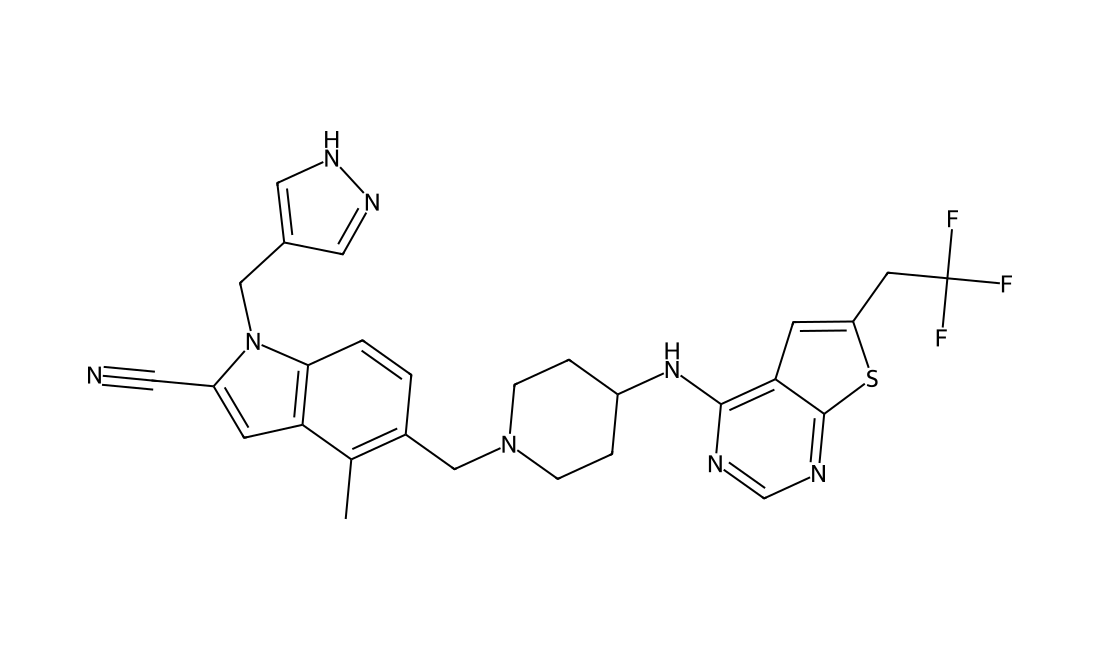
MI-503Featured
MI-503 is a highly potent and orally bioavailable small molecule inhibitor of the menin-mLL interaction.
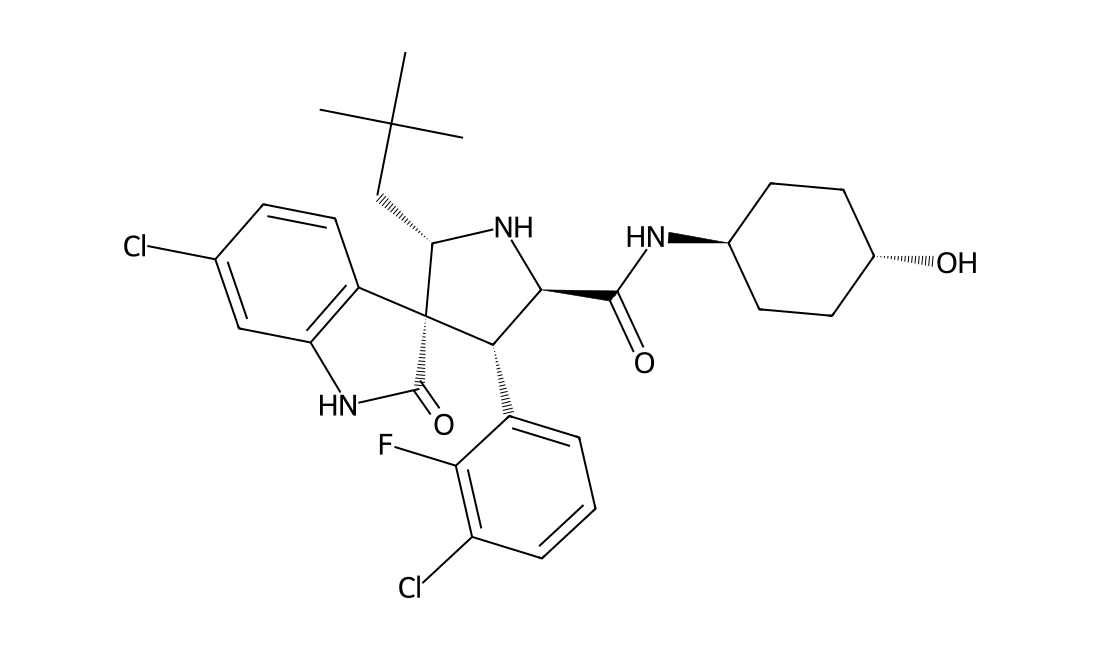
MI-77301 (SAR405838)Featured
SAR405838 is a highly potent and selective MDM2 inhibitor, binds to MDM2 with Ki= 0.88 nM and has high specificity over other proteins.IC50 value: 0.88 nM (Ki) [1]Target: MDM2in vitro: SAR405838 potently inhibits cell growth in cancer cell lines, including SJSA-1 (IC50, 0.092 μM), RS4;11 (IC50, 0.089 μM), LNCaP (IC50, 0.27 μM), and HCT-116 (IC50, 0.20 μM) cells, and displays high selectivity over cancer cell lines with mutated or deleted p53, including SAOS-2 (IC50, >10 μM), PC-3 (IC50, >10 μM), SW620 (IC50, >10 μM), and HCT-116 (p53-/-) (IC50, >20 μM) cells.[1] SAR405838 effectively induces apoptosis in the RS4;11 cell line. SAR405838 potently inhibits cell growth and induces dose-dependent apoptosis in the ABTR1 and ABTR2 sublines, albeit with modestly reduced potency compared with that in the control RS4;11 cell line.[2]in vivo: At well-tolerated dose schedules, SAR405838 achieves either durable tumor regression or complete tumor growth inhibition in mouse xenograft models of SJSA-1 osteosarcoma, RS4;11 acute leukemia, LNCaP prostate cancer and HCT-116 colon cancer. Remarkably, a single oral dose of SAR405838 is sufficient to achieve complete tumor regression in the SJSA-1 model. In the SJSA-1 osteosarcoma, acute lymphoblastic leukemia RS4;11, LNCaP prostate cancer, and HCT-116 colon cancer xenograft model, MI-773 (p.o.) effectively inhibits tumor growth in a dose-dependent manner (10 mg/kg, 30 mg/kg, 50 mg/kg, 100 mg/kg, and 200 mg/kg,). [1]
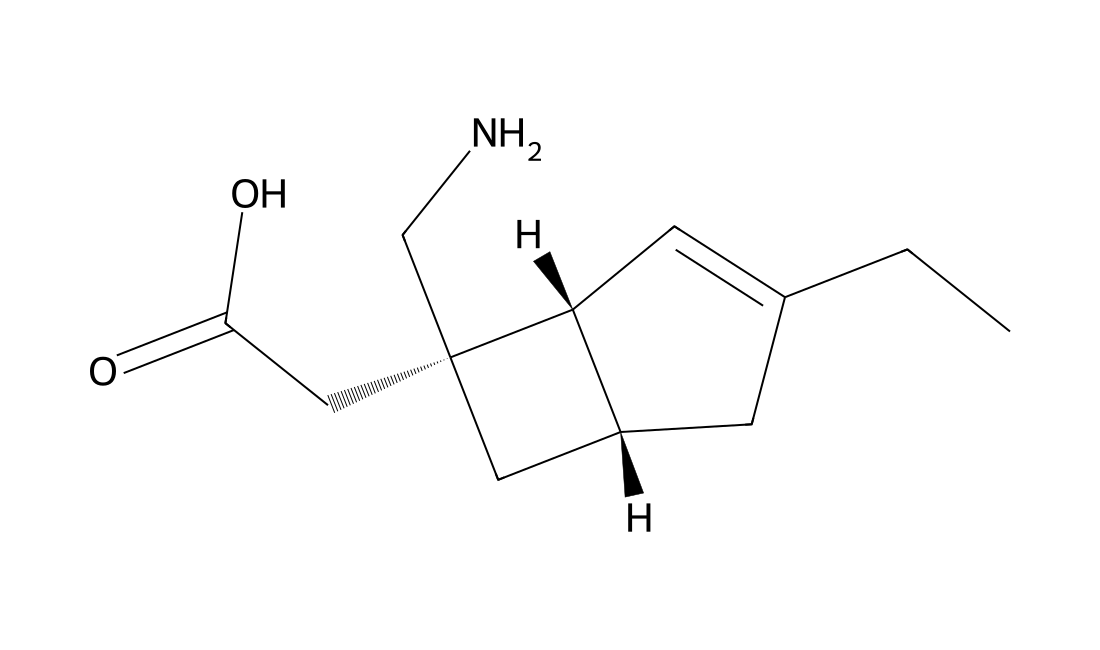
MirogabalinFeatured
Mirogabalin (DS-5565) is a novel, preferentially selective α2δ-1 ligand characterized by high potency and selectivity to the α2δ-1 subunit of voltage-sensitive calcium channel complexes in the CNS.
MK-4101Featured
MK-4101 is a potent SMO Inhibitor of the Hedgehog Pathway, highly active against Medulloblastoma and Basal Cell Carcinoma.target:SMOIn vivo: MK-4101 was highly efficacious against primary medulloblastoma and BCC developing in the cerebellum and skin of Ptch1+/- mice.In vitro: MK-4101 induce deregulation of cell cycle and block of DNA replication in tumors. MK-4101 targets the Hh pathway in tumor cells, showing the maximum inhibitory effect on Gli1. MK-4101 also induce deregulation of cell cycle and block of DNA replication in tumors.
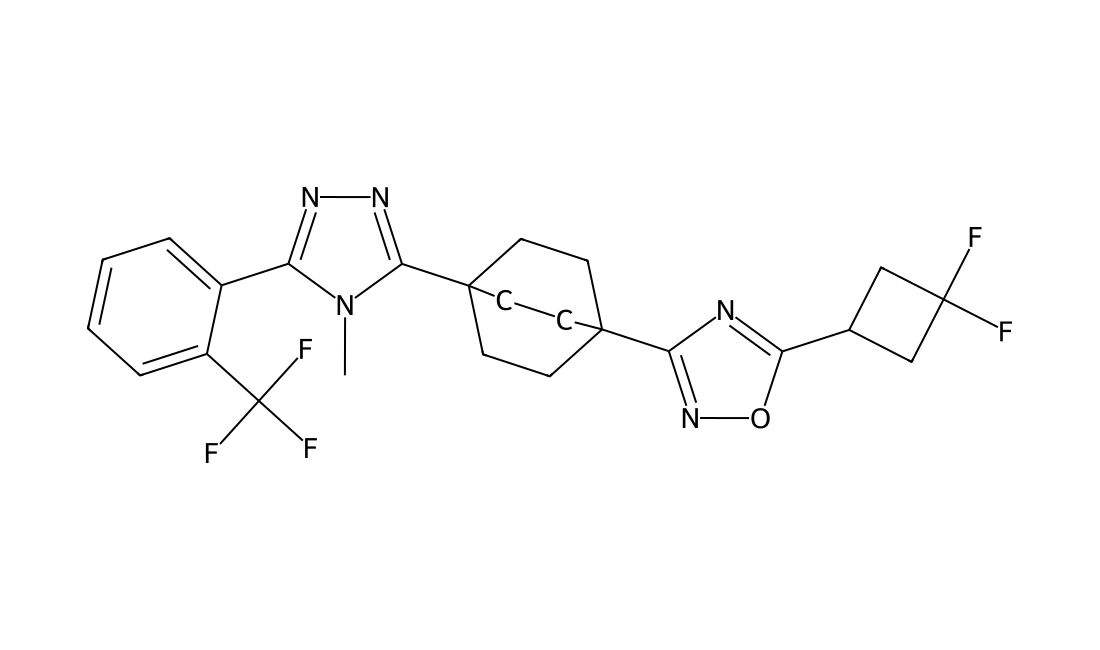
Niraparib(MK4827) hydrochlorideFeatured
Niraparib hydrochloride (MK-4827 hydrochloride) is an excellent PARP1 and PARP2 inhibitor with IC50 of 3.8 and 2.1 nM, respectively.
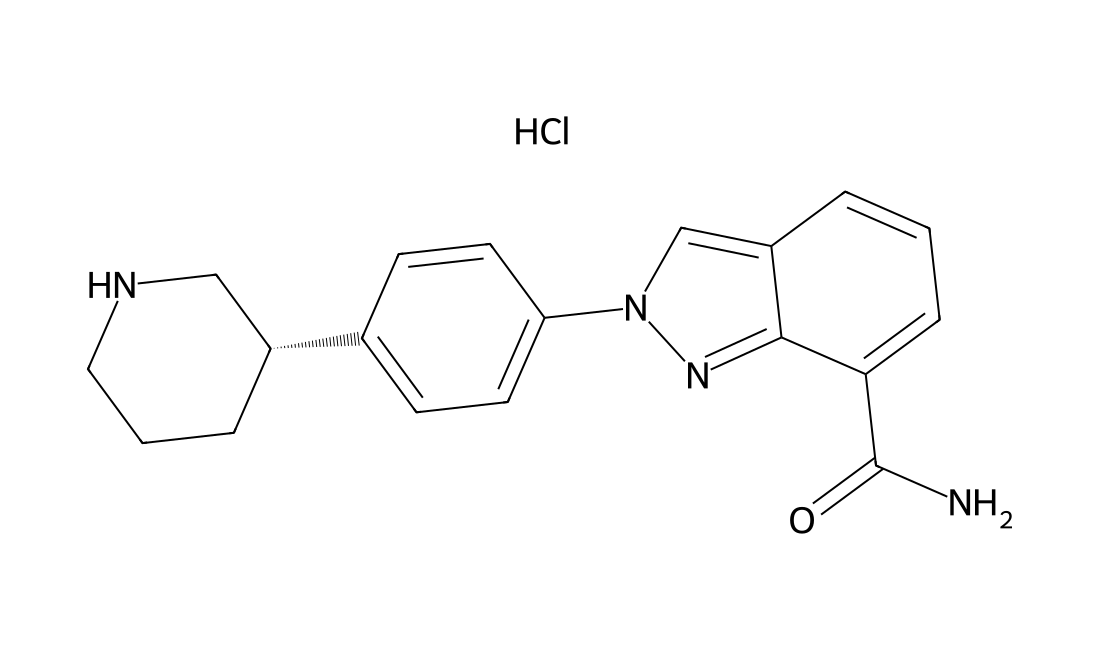
MK-8998Featured
MK-8998 is a potent and selective antagonist of the T-type calcium channel.
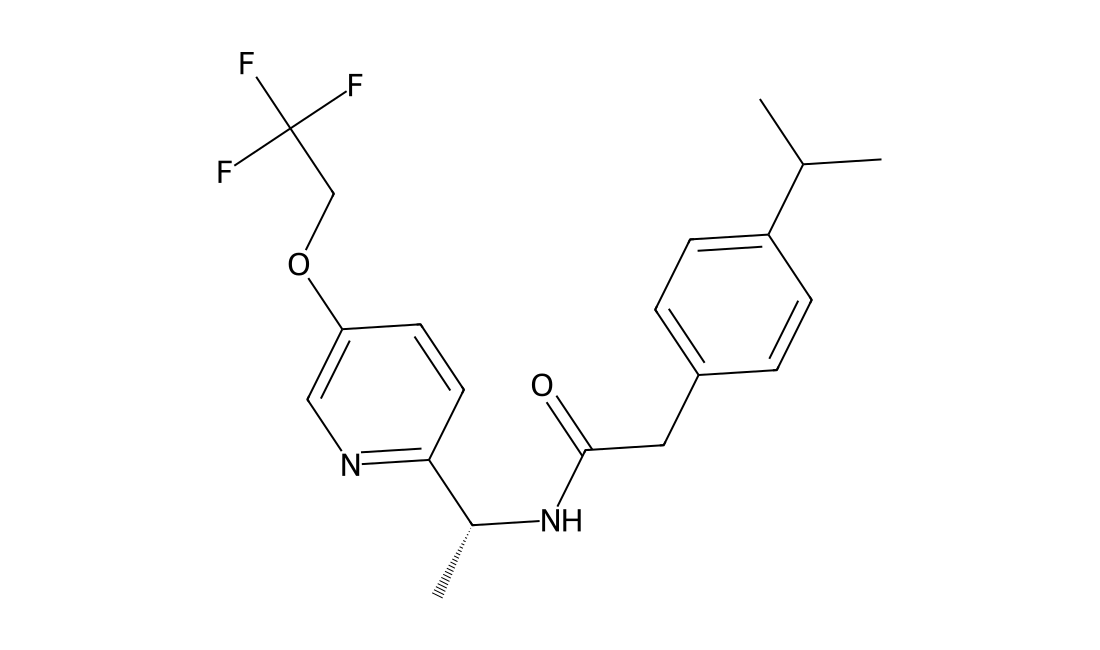
SEMBLFeatured
SEMBL is a potent NF-κB inhibitor that inhibits DNA binding of NF-κB component p65; inhibits LPS-induced NF-κB activation, iNOS expression, and inflammatory cytokine secretions; also inhibits NF-κB and cellular invasion in ovarian carcinoma ES-2 cells; enhances stability in aqueous solution compared with (-)-DHMEQ.
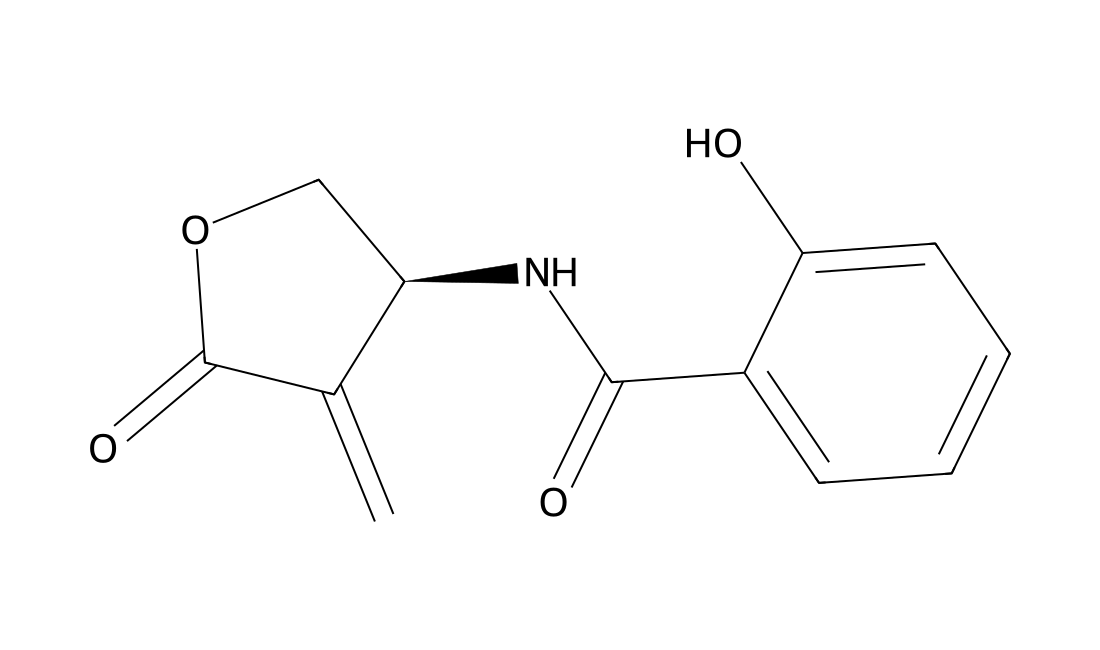
PDZ1iFeatured
PDZ1i (113B7) is a specific inhibitor of MDA-9/Syntenin activity that inhibits MDA-9/Syntenin binding to EGFRvIII; selectively binds with micromolar affinity to the PDZ1 domain of MDA-9/Syntenin, with no affinity for PDZ2 domain of MDA-9/Syntenin; reduces invasion gains in GBM cells following radiation, inhibits crucial GBM signaling involving FAK and mutant EGFR, EGFRvIII, and abrogated gains in secreted proteases, MMP-2 and MMP-9, following radiation; results in smaller, less invasive tumors and enhanced survival in an in vivo glioma model.
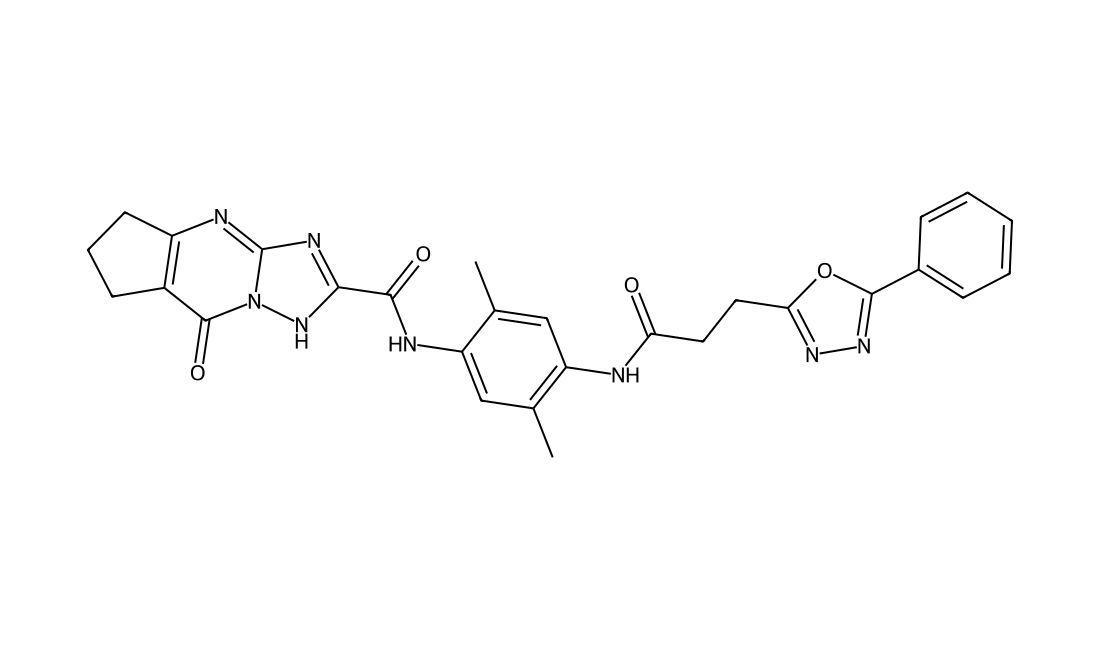
SAR405 R enantiomerFeatured
SAR405 R enantiomer is the less active enantiomer of SAR405. SAR405 is a PIK3C3/Vps34 inhibitor.
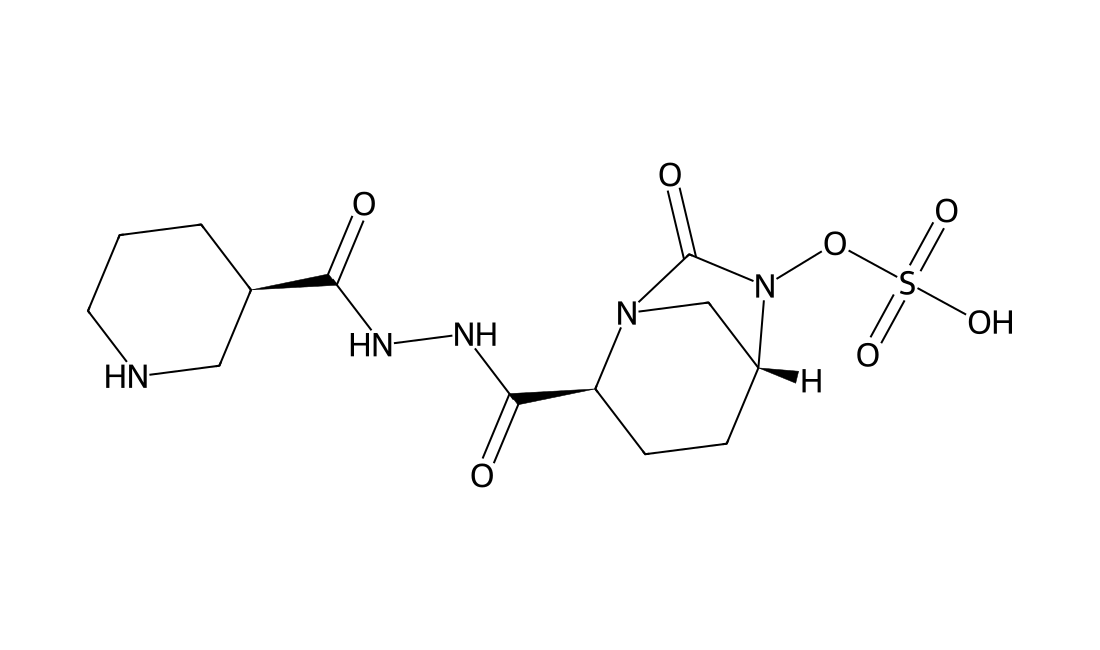
ZidebactamFeatured
Zidebactam (WCK-5107) is a potent β-lactamase inhibitor[1]. Zidebactam also is a penicillin-binding protein2 (PBP2) inhibitor with an IC50 of 0.26 μg/mL[2].
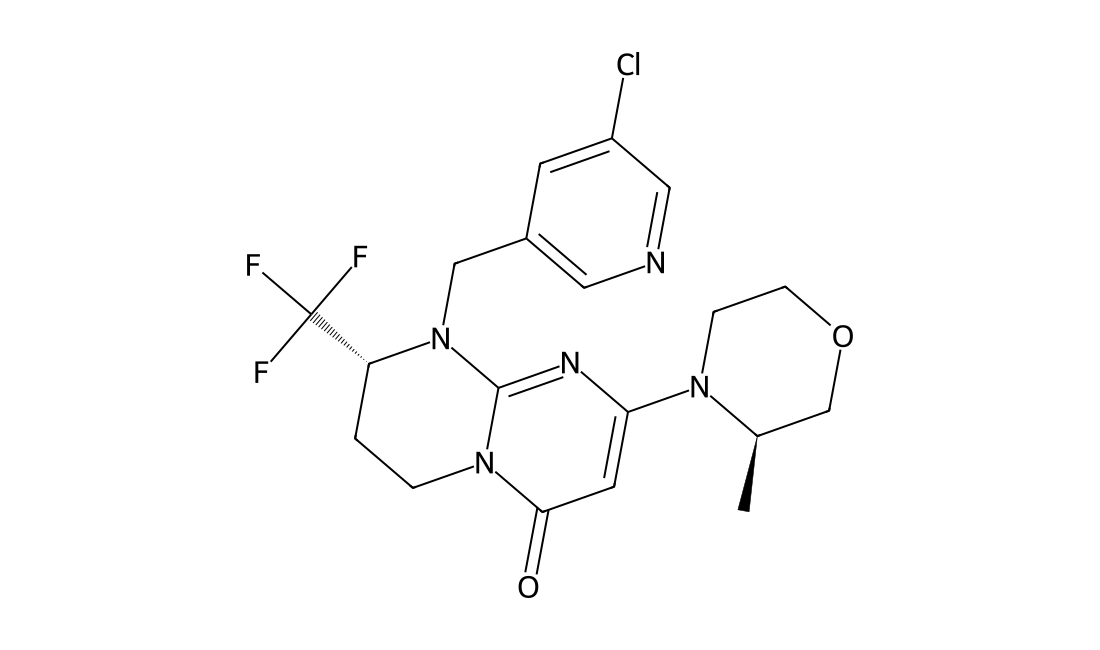
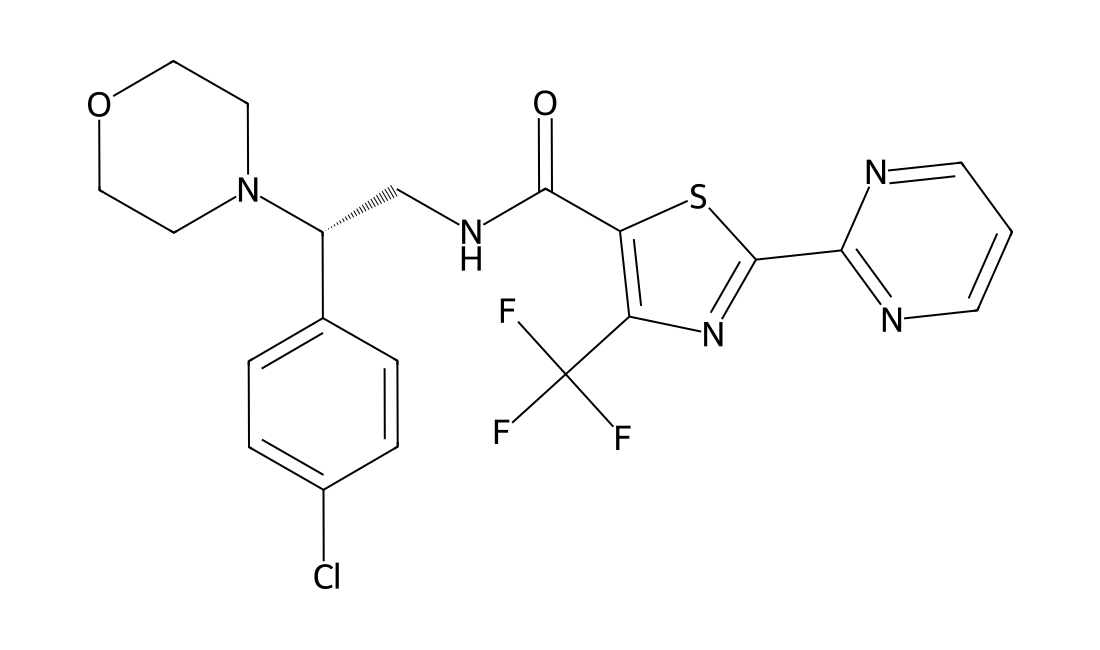
Lu AF27139Featured
Lu AF27139 is a novel rodent-active and CNS-penetrant P2X7 receptor antagonist. Lu AF27139 is highly selective and potent against rat, mouse, and human forms of the receptors. The rat pharmacokinetic profile is favorable with high oral bioavailability, modest clearance (0.79 L/(h kg)), and good CNS permeability. Importantly, Lu AF27139 was without effect in standard in vitro and in vivo toxicity studies. Lu AF27139 is a valuable tool for probing the role of the P2X7 receptor in rodent models of CNS diseases.
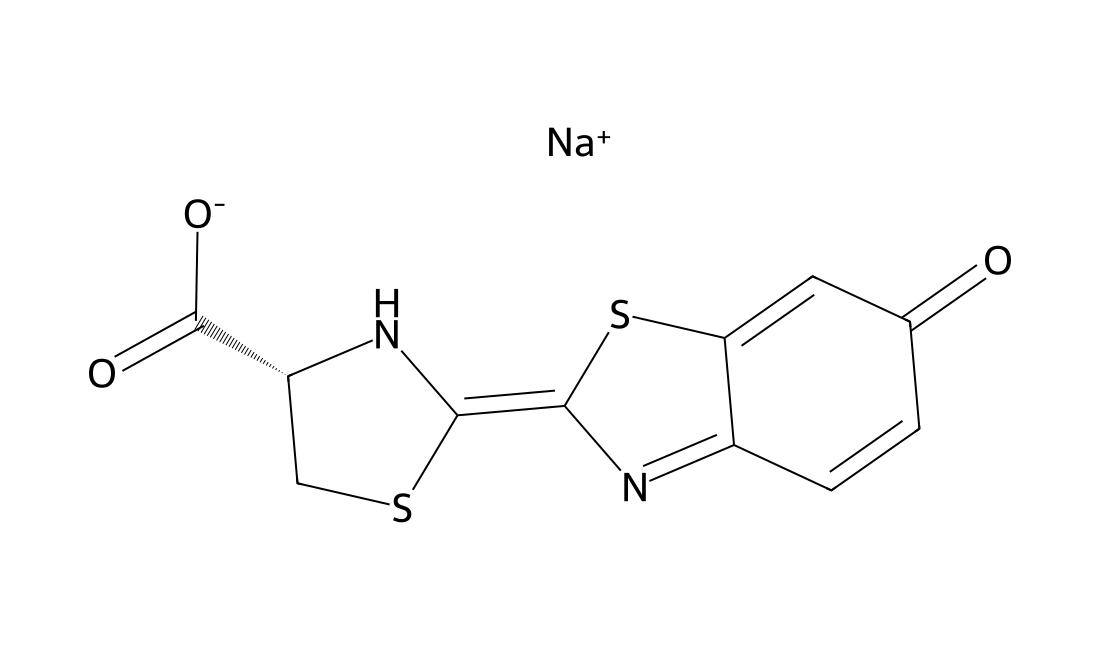
D-Luciferin SodiumFeatured
D-Luciferin sodium salt is the substrate of luciferases that catalyze the production of light in bioluminescent insects.
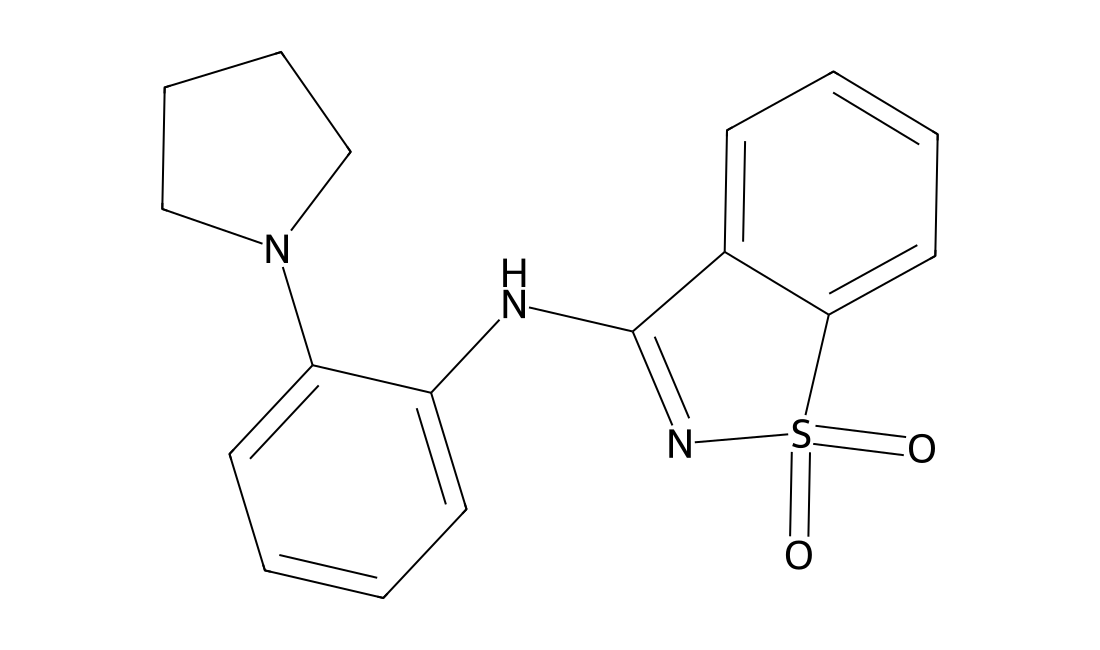
M1001Featured
M1001 is a weak agonist of HIF-2α, directly binds to the HIF-2α PAS-B domain, with a Kd of 667 nM. M1001 enhances the stabilities of HIF-2α-ARNT complex[1].
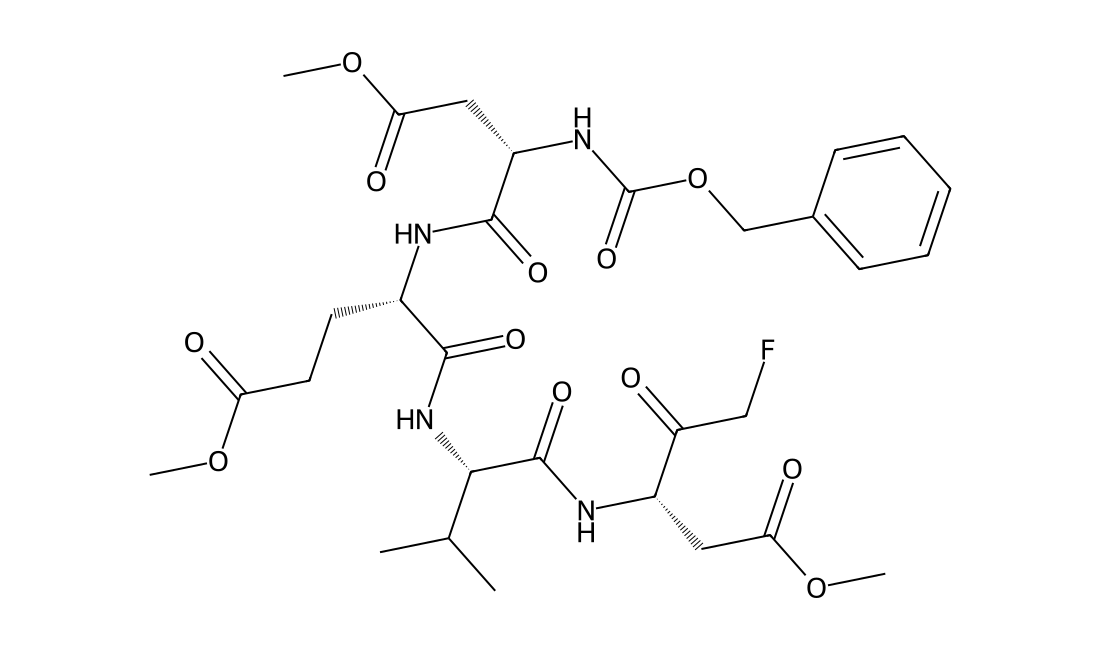
Z-DEVD-FMKFeatured
Z-DEVD-FMK is a specific and irreversible caspase-3 inhibitor with IC50 of 18 μM.
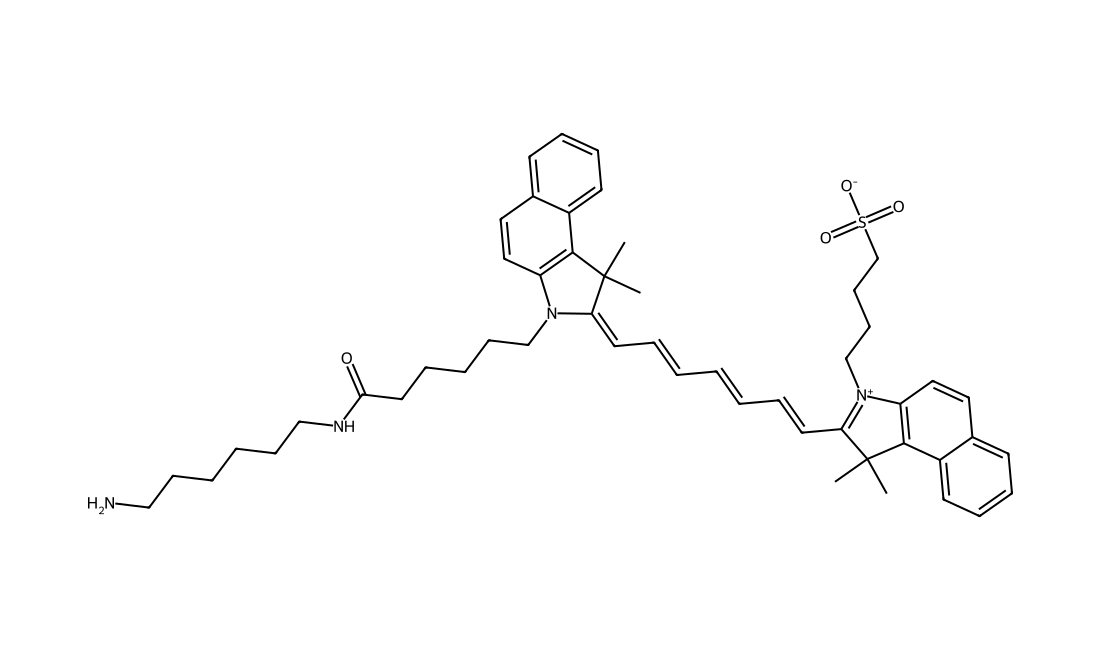
ICG-amineFeatured
ICG amine, as a near-infrared fluorescent probe, binds to amino acid residues without condensing agents. ICG is a tricarbocyanine dye[1].
No products match this search.
Page 413 of 434 · Browse all 8677 products
Jump to a product page
Featured literature product: HX1 · DCL0028
HX1 is a hydroxyzine-derived ionizable lipid with acetal-containing tails, studied in lipid nanoparticles for brain mRNA delivery and CRISPR–Cas9 delivery. It was the lead in the reported in vivo brain-delivery screen; evidence is preclinical and formulation-dependent.
Read full formulation and performance →