
Research lipid catalog
Ionizable Lipid Products
Explore 848 lipid and RNA delivery products. Search the full catalog or browse by research category.
Search covers product name, catalog number, synonyms, available CAS numbers and categories. Spaces, hyphens and common punctuation are ignored. Duplicate legacy records are consolidated under one canonical product result.
8677 products · Showing 8441–8460 · 20 per page
DC Chemicals lipid expertise
Built for ionizable-lipid discovery and RNA delivery research
DC Chemicals supports formulation and delivery research with a broad, searchable portfolio of cationic and ionizable lipids. The current directory brings together 848 unique research-use products, with product specifications, pricing, chemical structures and literature-linked formulation data added as each record is verified.
Our experience spans complex lipid synthesis, purification, analytical release and process development. For custom molecules or larger-scale requirements, our team can discuss route development, technical specifications and scale-up options for the intended research workflow.
Learn about cationic and ionizable lipids →Proprietary innovation · Co-development · GMP
From proprietary lipid design to GMP-grade custom synthesis
DC Chemicals has independently developed ionizable-lipid structures supported by company-owned intellectual property, and selected proprietary lipid programs have advanced to GMP-stage development.
We welcome joint development with customers—from molecular design and lipid synthesis through route and process development. We can also support custom synthesis of GMP-grade ionizable lipids to agreed technical specifications and quality requirements.
Discuss a co-development project →Proprietary ionizable-lipid structuresCollaborative molecular designCustom lipid synthesisProcess development and scale-upGMP-grade project support
Product quick links
Explore New ionizable lipids
Explore our five most recently added ionizable lipids, with specifications, pricing and literature-linked product information.
DCL0028HX1Brain RNA delivery researchView product →DCL0024A1I4R13C18-2Spleen-targeted RNA delivery researchView product →DCL0023A1I4R2C18-2Spleen-targeted RNA delivery researchView product →DCL0022FS01Local joint RNA delivery researchView product →DCL0020Lipid-392Lung RNA delivery and gene editing researchView product →
Cat. No.Product NameField of ApplicationChemical Structure
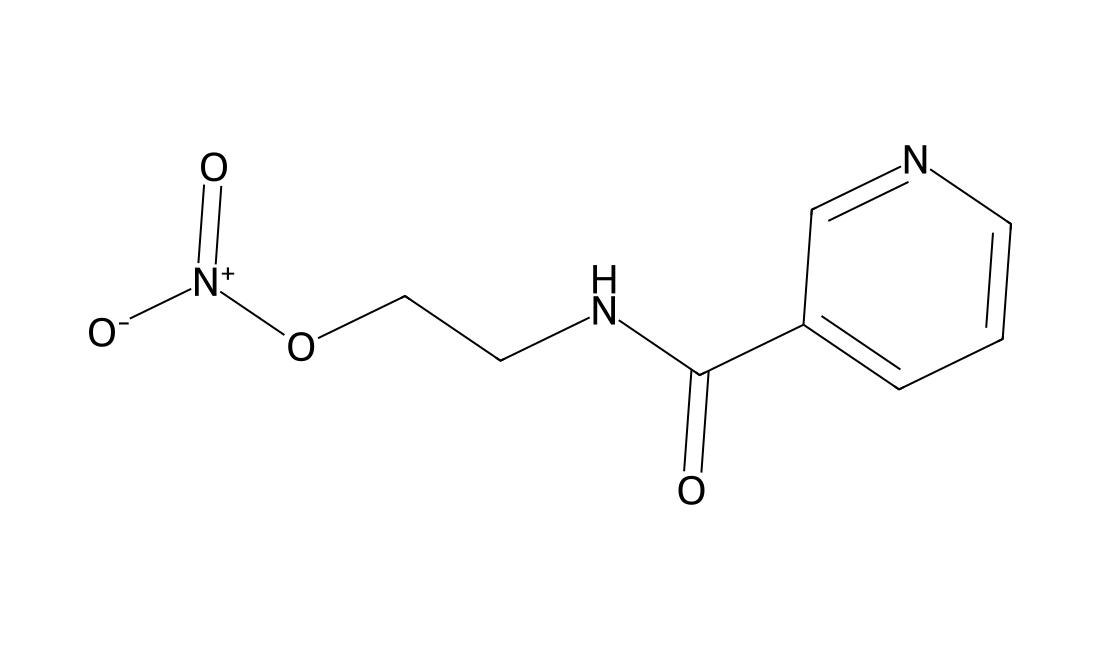
NicorandilFeatured
Nicorandil is potassium channel activator.Nicorandil is a vasodilatory drug used to treat angina. Nicorandil stimulates guanylate cyclase to increase formation of cyclic GMP (cGMP). cGMP activates protein kinase G (PKG) which phosphorylates and inhibits GTPase RhoA and decreases Rho-kinase activity. Reduced Rho-kinase activity permits an increase in myosin phosphatase activity, decreasing the calcium sensitivity of the smooth muscle. PKG also activates the sarcolemma calcium pump to remove activating calcium. PKG acts on K+ channels to promote K+ efflux and the ensuing hyperpolarization inhibits voltage-gated calcium channels. Overall, this leads to relaxation of the smooth muscle and coronary vasodilation.
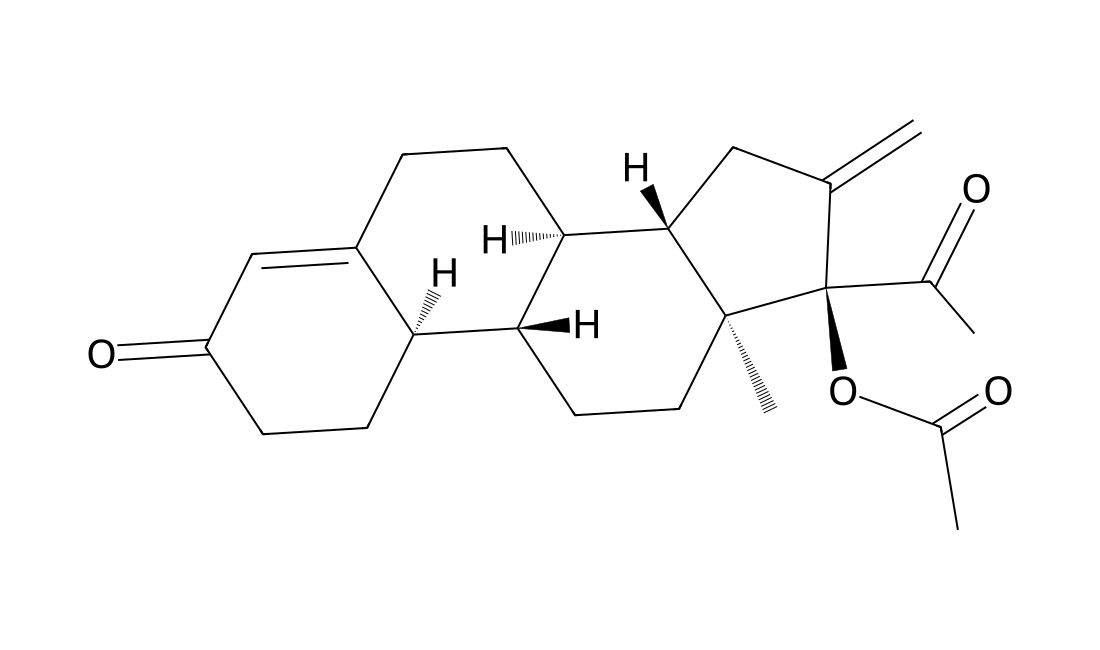
NestoroneFeatured
Nestoron2 (ST1435, Elcometrine) is a 19-norprogesterone derivative and steroidal progestin which is used as a hormonal contraceptive, a high-affinity agonist of the progesterone receptor.Other IndicationDiscontinued
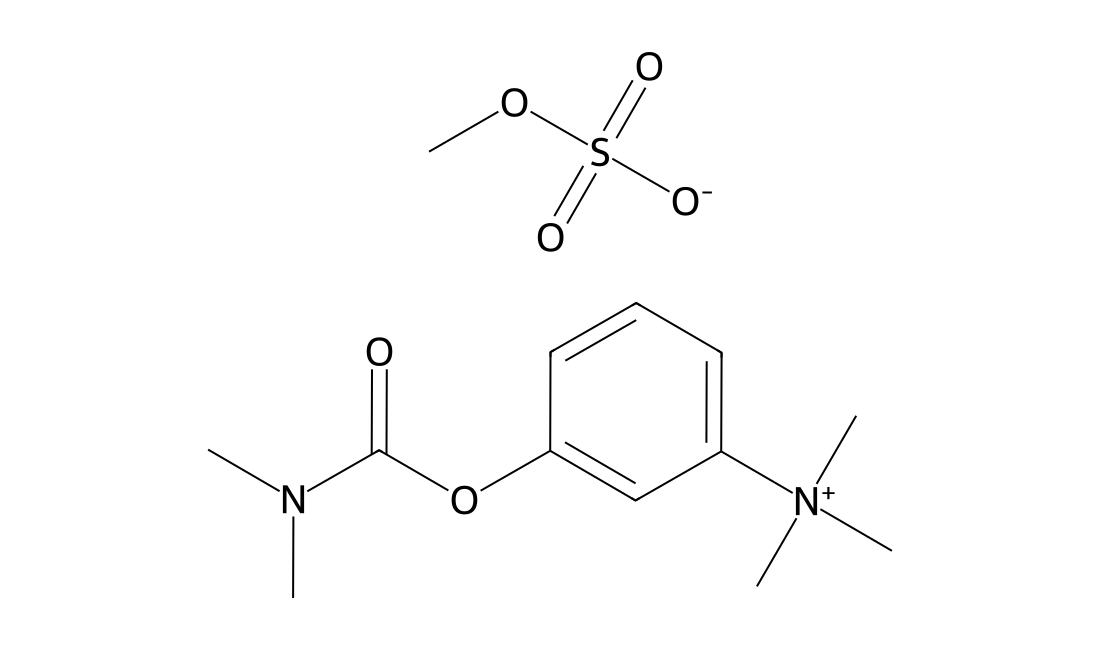
Neostigmine MethylsulfateFeatured
Neostigmine Methyl Sulfate is a reversible acetylcholinesterase inhibitor. This compound blocks the breakdown of acetylcholine in the synaptic space, leading to prolonged signaling and thus increased muscle contractions.
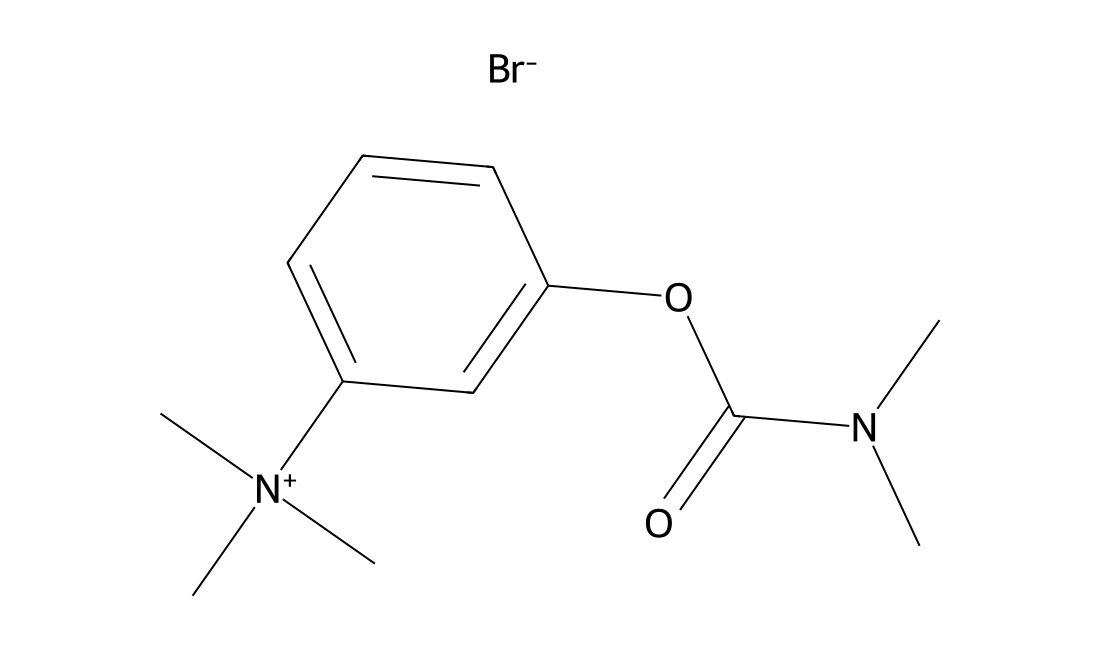
Neostigmine bromideFeatured
Neostigmine Bromide is a cholinesterase inhibitor used in the treatment of myasthenia gravis.Neostigmine is a parasympathomimetic that acts as a reversible acetylcholinesterase inhibitor. Neostigmine enhances excitatory parasympathetic activity by competing with acetylcholine for attachment to acetylcholinesterase at sites of cholinergic transmission and enhancing cholinergic action. Neostigmine is a safe and effective treatment for acute colonic pseudo-obstruction.
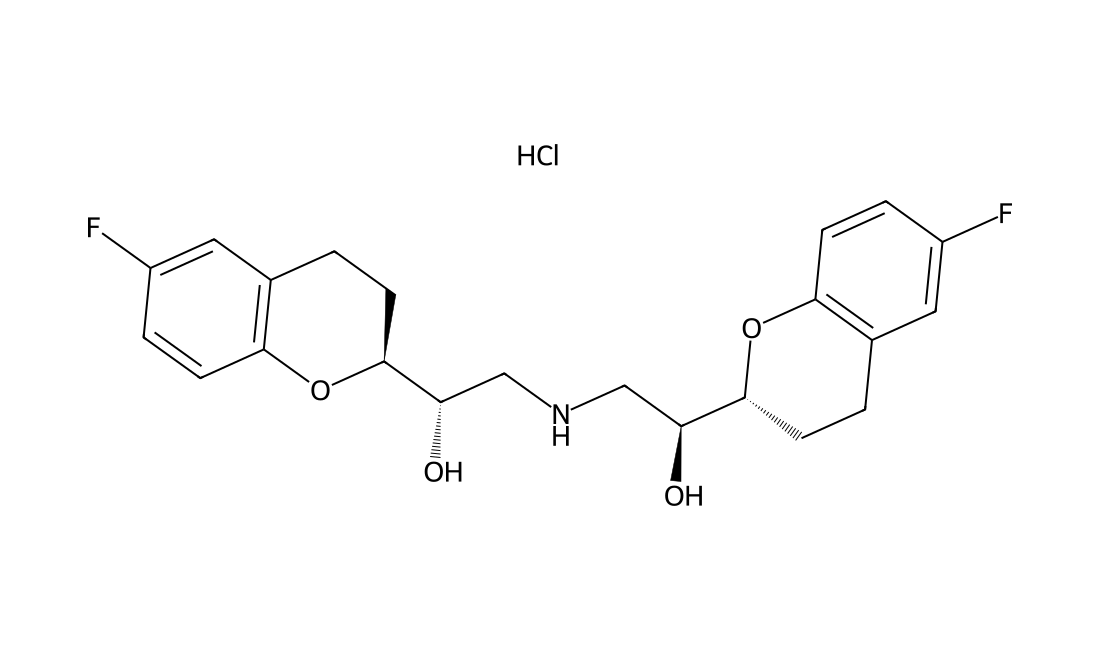
Nebivolol hydrochlorideFeatured
Nebivolol hydrochloride is the hydrochloride salt preparation of Nebivolol (sc-279910), a highly selective antagonist of the β1-adrenoceptor (Ki = 0.88 nM, β2-adrenoceptor Ki = 48 nM). Nebivolol is described to produce vasodilation through inducing vascular production of NO, mediated through Nebivolol agonism of the β3-adrenoceptor. Nebivolol demonstrates some affinity at the α1-adrenergic (Ki = 1160 nM), serotonin 5-HT1A (Ki = 20 nM) and 5-HT2 (Ki = 700 nM), dopamine D2 (Ki = 4000 nM), and histamine H1 (Ki = 2400 nM) receptors.For the detailed information of Nebivolol hydrochloride, the solubility of Nebivolol hydrochloride in water, the solubility of Nebivolol hydrochloride in DMSO, the solubility of Nebivolol hydrochloride in PBS buffer, the animal experiment (test) of Nebivolol hydrochloride, the cell expriment (test) of Nebivolol hydrochloride, the in vivo, in vitro and clinical trial test of Nebivolol hydrochloride, the EC50, IC50,and Affinity of Nebivolol hydrochloride, Please contact DC Chemicals.
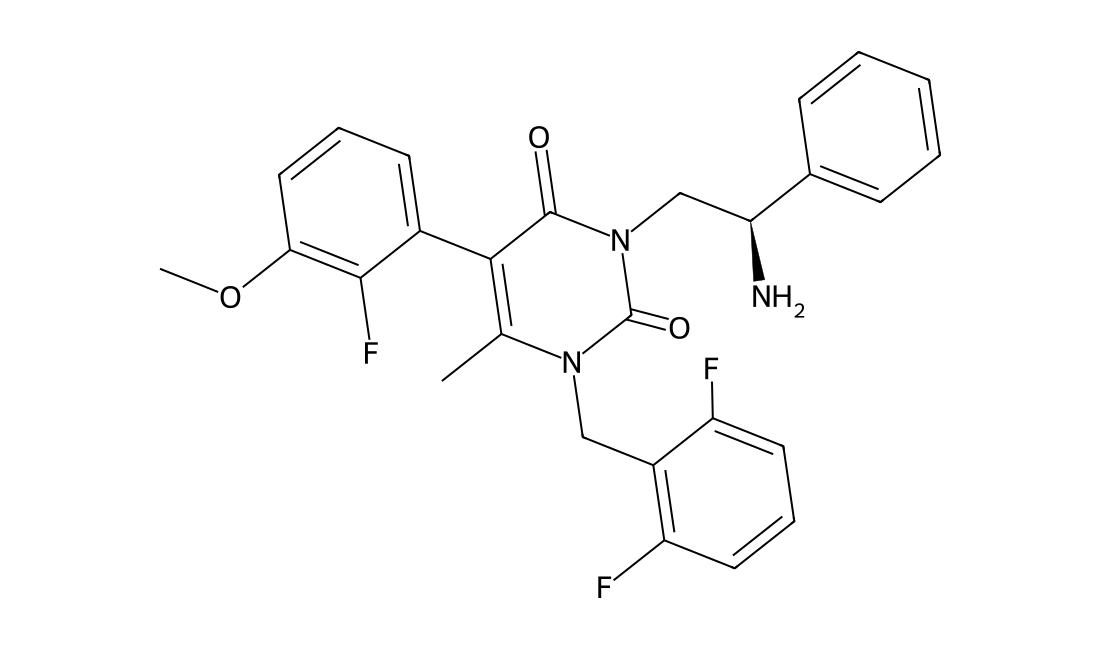
NBI42902Featured
NBI-42902 is a potent inhibitor of peptide radioligand binding to the human GnRH receptor (K(i) = 0.56 nm). Tritiated NBI-42902 binds with high affinity (K(d) = 0.19 nm) to a single class of binding sites and can be displaced by a range of peptide and nonpeptide GnRH receptor ligands. In vitro experiments demonstrate that NBI-42902 is a potent functional, competitive antagonist of GnRH stimulated IP accumulation, Ca(2+) flux, and ERK1/2 activation. It did not stimulate histamine release from rat peritoneal mast cells. Finally, it is effective in lowering serum LH in castrated male macaques after oral administration. Overall, these data provide a benchmark of pharmacological characteristics required For a nonpeptide GnRH antagonist to effectively suppress gonadotropins in humans and suggest that NBI-42902 may have clinical utility as an oral agent For suppression of the hypothalamic-pituitary-gonadal axis.For the detailed information of NBI42902, the solubility of NBI42902 in water, the solubility of NBI42902 in DMSO, the solubility of NBI42902 in PBS buffer, the animal experiment (test) of NBI42902, the cell expriment (test) of NBI42902, the in vivo, in vitro and clinical trial test of NBI42902, the EC50, IC50,and Affinity of NBI42902, Please contact DC Chemicals.
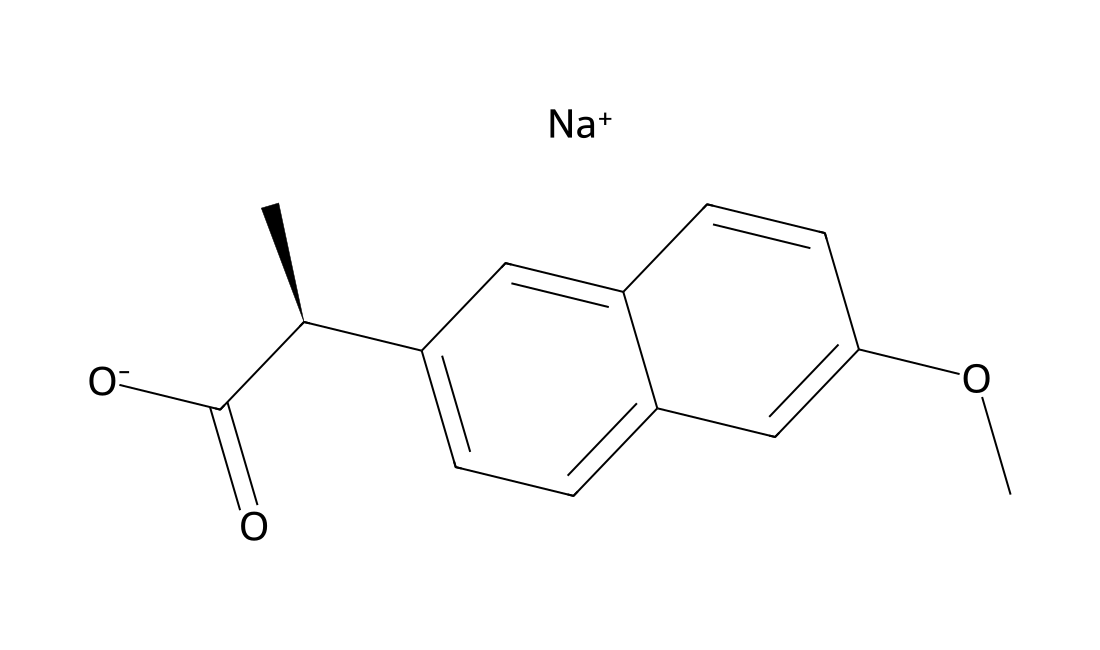
Naproxen sodiumFeatured
Naproxen is a COX inhibitor for COX-1 and COX-2 with IC50 of 8.7 μM and 5.2 μM, respectively.Naproxen is approximately equipotent inhibitor of COX-1 and COX-2 in intact cells with IC50 of 2.2 μg/mL and 1.3 μg/mL, respectively. Naproxen decreases the in vitro LPS-induced PGE2 and TXB2 production in rats and humans with IC50 of 30.7 μM and 79.5 μM for PGE2 inhibition, 72.4 μM and 48.3 μM for TXB2 inhibition, respectively. Naproxen produces concentration-related inhibition of TXB2 production from human platelets and LPS-induced TXB2 production from human mononuclear cells with plC50 values (-log concentration inhibiting TXB2 by 50%) of 5.7 and 6.4, respectively, and exhibits slightly inhibitory selectivity for constitutive and induced COX-2 with IC50 COX-1/IC50 COX-2 of 6.3. Naproxen displays IC50 of 27 μM for analgesia in a rat model with carrageenan-induced arthritis and IC50 of 40 μM for antipyretics in a yeast-induced fever rat model, while exhibits inhibition of PGE2 with IC50 of 13 μM and TXB2 with IC50 of 5 μM.
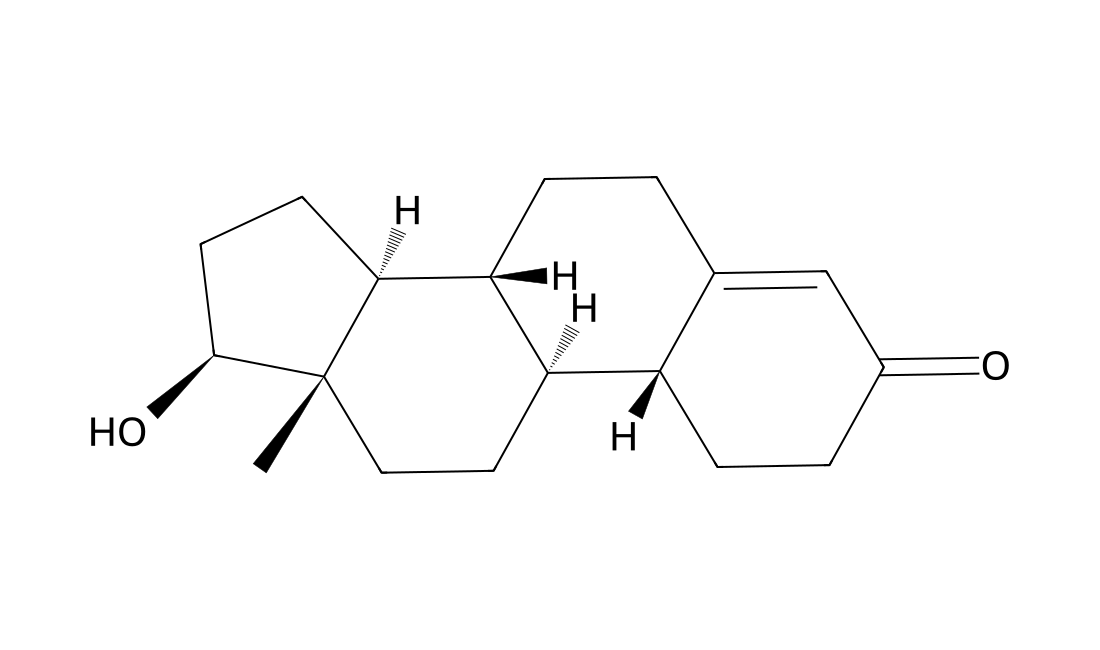
NandroloneFeatured
Nandrolone is a synthetic, anabolic steroid analog of testosterone.
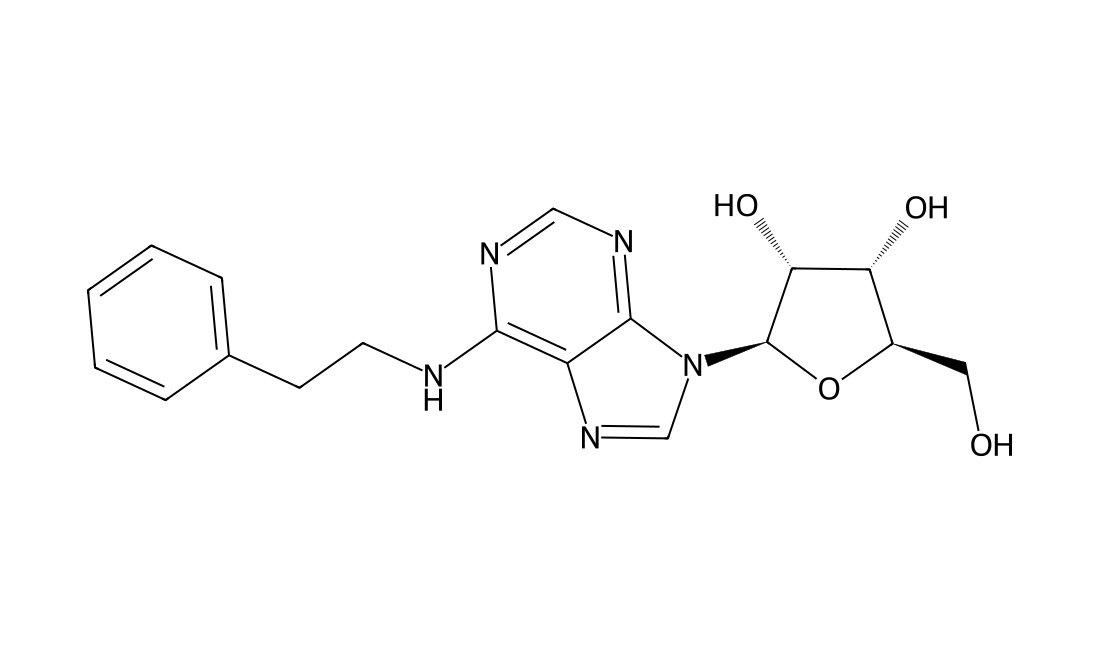
N6-(2-Phenylethyl)adenosineFeatured
N6-(2-Phenylethyl)adenosine is a selective A1 adenosine receptor agonist.
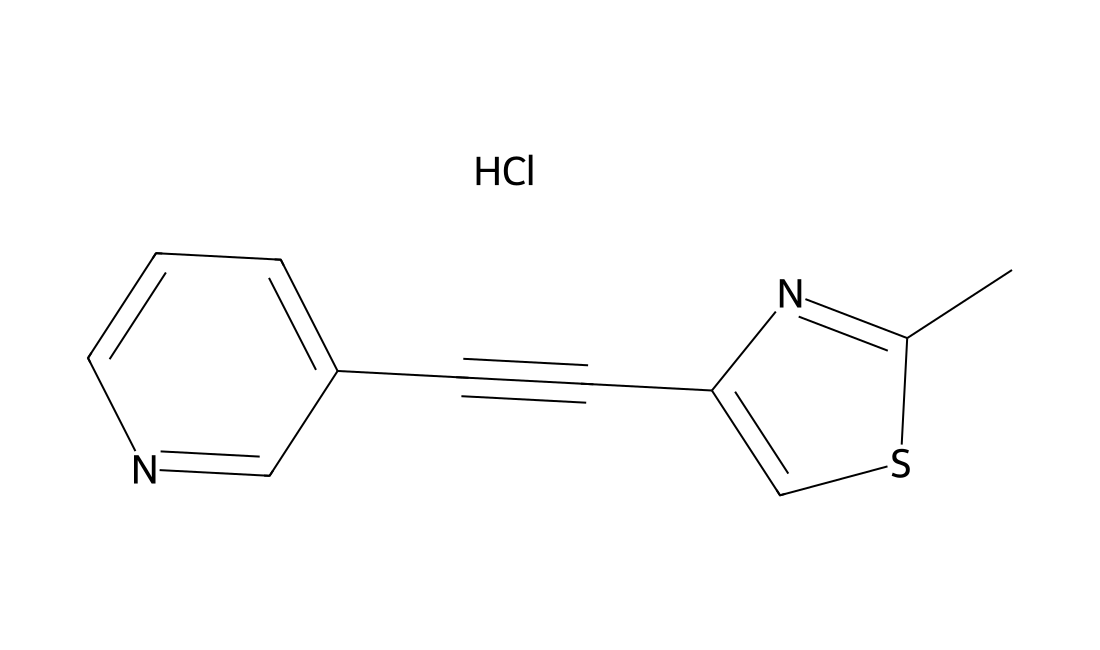
MTEP (hydrochloride)Featured
MTEP Hcl is a potent, selective and non-competitive mGlu5 antagonist with IC50 and Ki of 5 nM and 16 nM, respectively. MTEP occupied mGlu5 receptors in a dose-dependent manner with essentially full receptor occupancy at the highest dose tested (10 mg/kg, i.p.). At doses appropriate for mGlu5 receptor-mediated effects, MTEP significantly reduced fear-potentiated startle and increased punished responding in a modified Geller-Seifter conflict model consistent with an anxiolytic-like profile. MTEP decreased unpunished responding to a lesser extent than diazepam and had no effect on rotarod performance when administered either alone or in combination with ethanol. Repeated dosing with MTEP in this model eliminated the increase in punished responding observed with acute dosing.
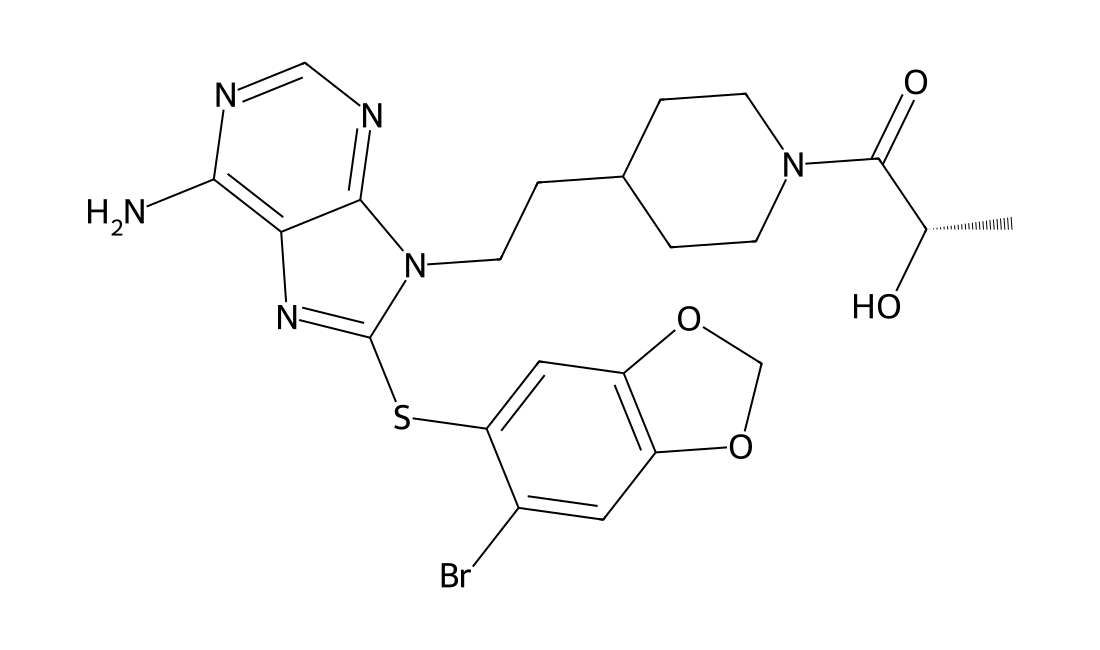
MPC-3100Featured
MPC-3100 is a fully synthetic potent small-molecule Hsp90 inhibitor (IC50 of 60 nM). MPC-3100 causes HCT-116, NCI-N87 and DU-145 cells to result in a time-dependent reduction in client protein levels with maximal reduction by 24 hours. The IC50 values For client protein reduction ranges from 0.1 mM to 0.5 mM, comparable to the cellular cytotoxicity values of MPC-3100 at 72 hours For the various cell lines.For the detailed information of MPC-3100, the solubility of MPC-3100 in water, the solubility of MPC-3100 in DMSO, the solubility of MPC-3100 in PBS buffer, the animal experiment (test) of MPC-3100, the cell expriment (test) of MPC-3100, the in vivo, in vitro and clinical trial test of MPC-3100, the EC50, IC50,and Affinity of MPC-3100, Please contact DC Chemicals.
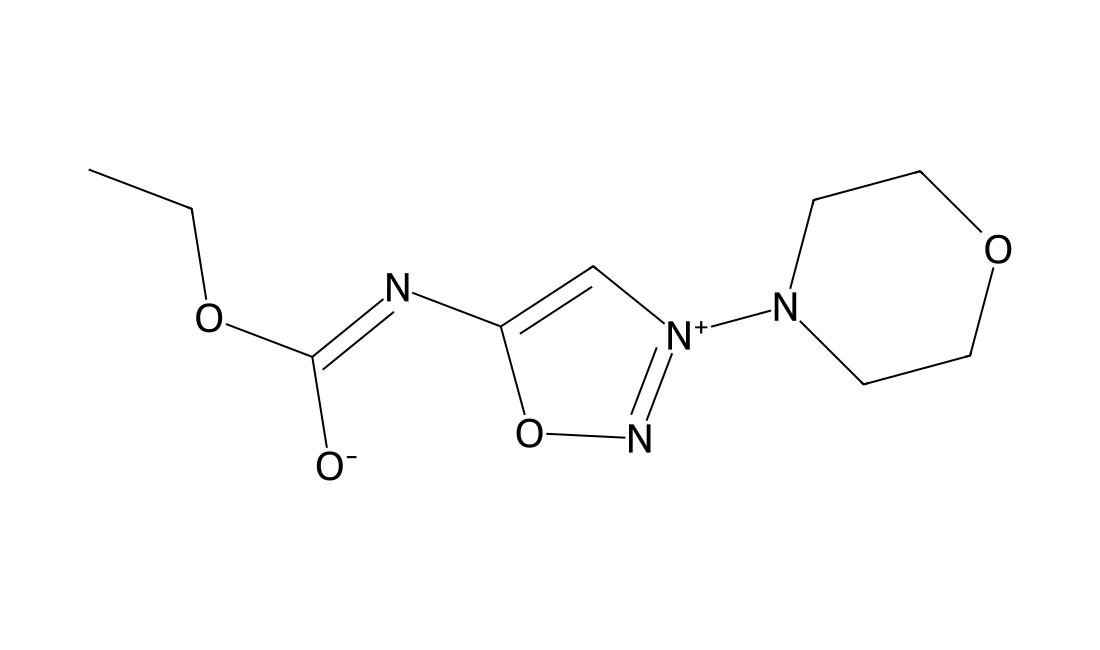
MolsidomineFeatured
Molsidomine is an orally active, long acting vasodilating drug, metabolized in the liver to the active metabolite linsidomine, which is an unstable compound that releases nitric oxide (NO) upon decay as the actual vasodilating compound.
MMP-2/MMP-9 Inhibitor IIIFeatured
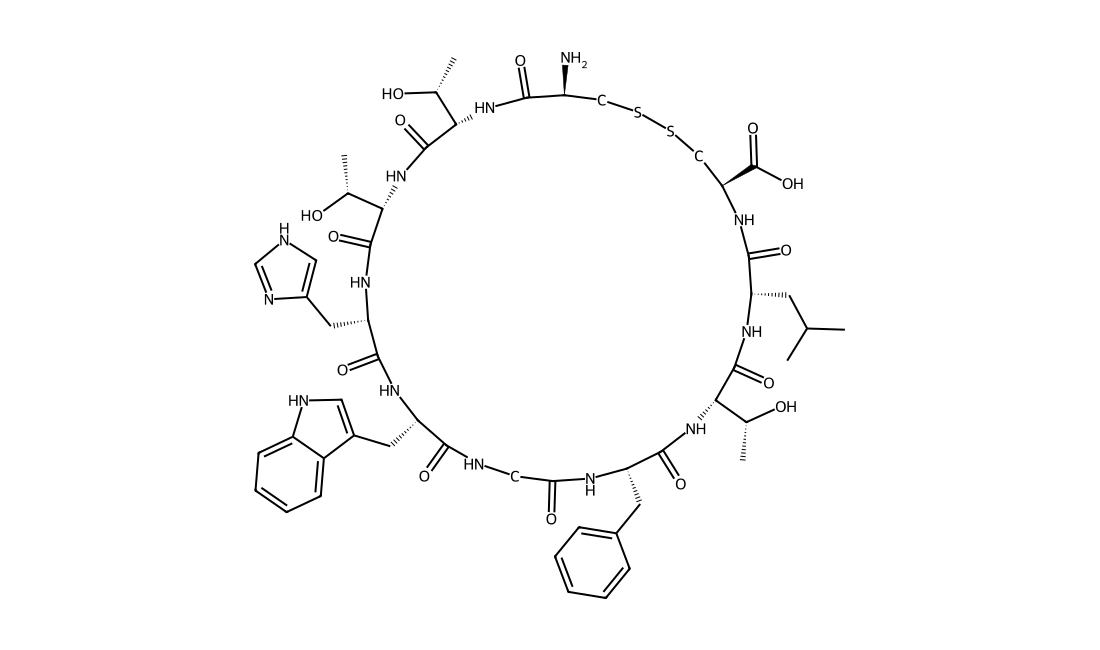
MMP-2/MMP-9 inhibitor III is a cyclic peptide inhibitor of matrix metalloproteinase-2 (MMP-2) and MMP-9 (IC50s = 10-20 μM for both).It is selective for MMP-2 and MMP-9 over MT1-MMP, MMP-8, and MMP-13 as well as the serine proteases trypsin-2, neutrophil elastase, and cathepsin G when used at a concentration of 500 μM. MMP-2/MMP-9 inhibitor III reduces migration of HT1080 fibrosarcoma, C8161 melanoma, SK-OV-3 ovarian carcinoma, and KS1767 Kaposi's sarcoma cells in vitro. Pretreatment with MMP-2/MMP-9 inhibitor III delays tumor formation in an MDA-MB-435 mouse xenograft model. MMP-2/MMP-9 inhibitor III (100-200 μg per animal) also prevents growth of established tumors in MDA-MB-435 and KS1767 mouse xenograft models.
MMP-2/MMP-9 Inhibitor IIFeatured
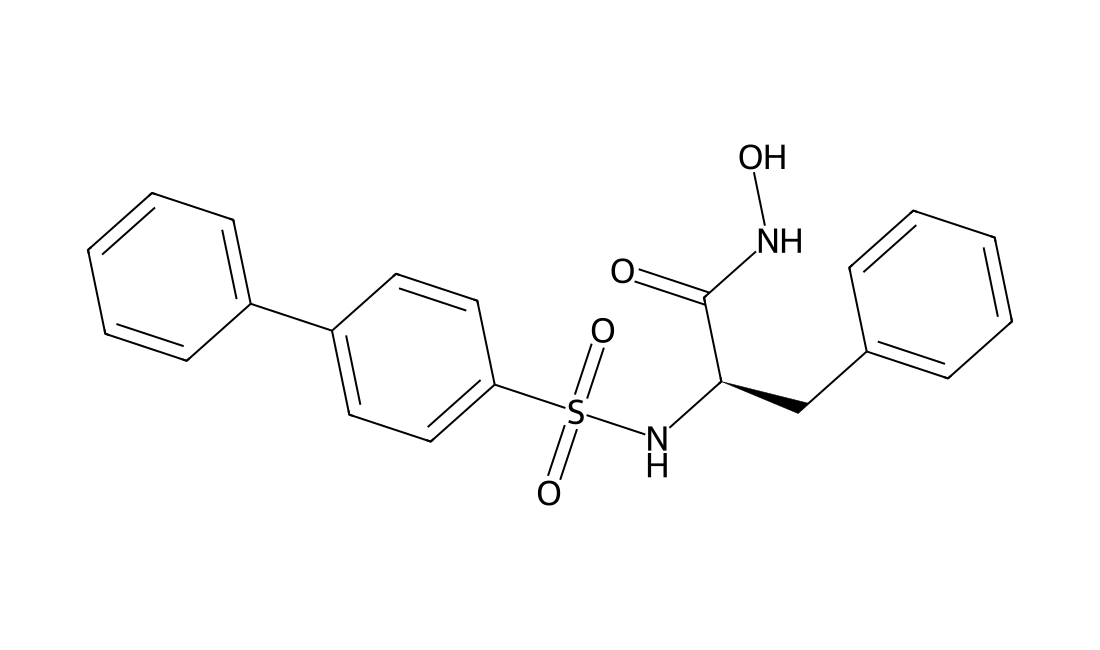
MMP-2/MMP-9 inhibitor II is a dual inhibitor of matrix metalloproteinase-2 (MMP-2) and MMP-9 (IC50s = 17 and 30 nM, respectively).In mice, it suppresses lung colonization of Lewis lung carcinoma cells and inhibits tumor-induced angiogenesis, tumor growth, and liver metastasis.
MK591Featured
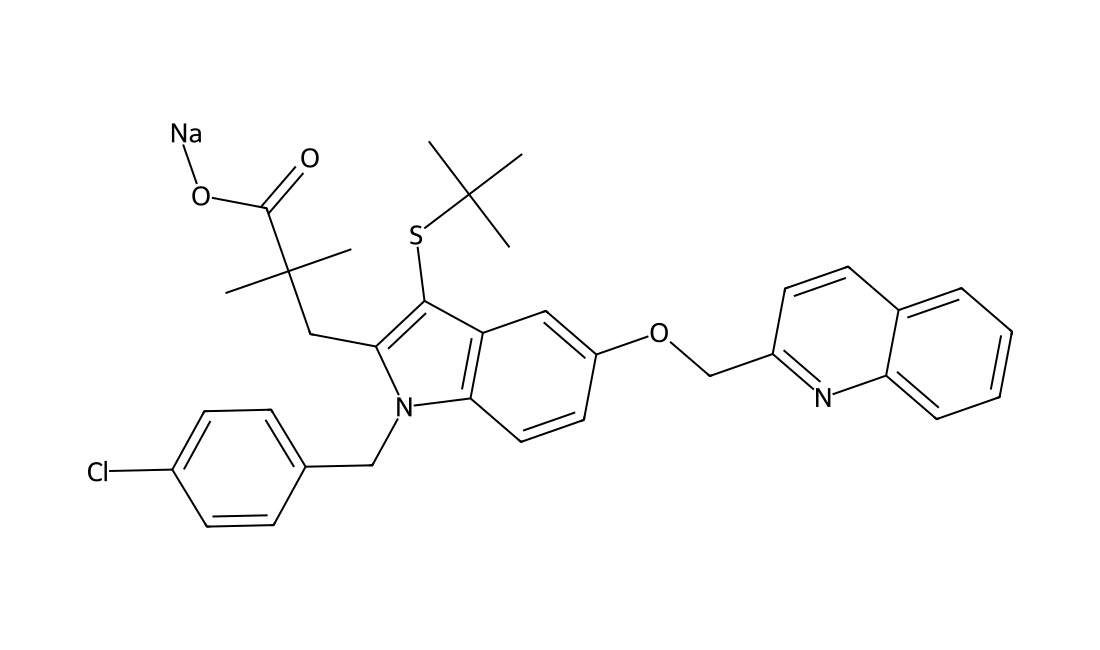
MK591(Quiflapon sodium) is a selective and specific 5-Lipoxygenase-activating protein (FLAP) inhibitor. MK591 is a synthetic compound which specifically inhibits the activity of 5-Lox and is currently under development for the treatment of asthma. Research of involvement of 5-lipoxygenase activating protein in the amyloidotic phenotype of an Alzheimer's disease mouse model showed that a novel functional role for 5-lipoxygenase activating protein in the pathogenesis of Alzheimer's disease-like amyloidosis, and suggest that its pharmacological inhibition could provide a novel therapeutic opportunity for Alzheimer's disease. Another research showed 5-Lipoxygenase-activating protein (FLAP) inhibitor MK-0591 prevents aberrant alveolarization in newborn mice exposed to 85% oxygen in a dose- and time-dependent manner.
MK-0974Featured
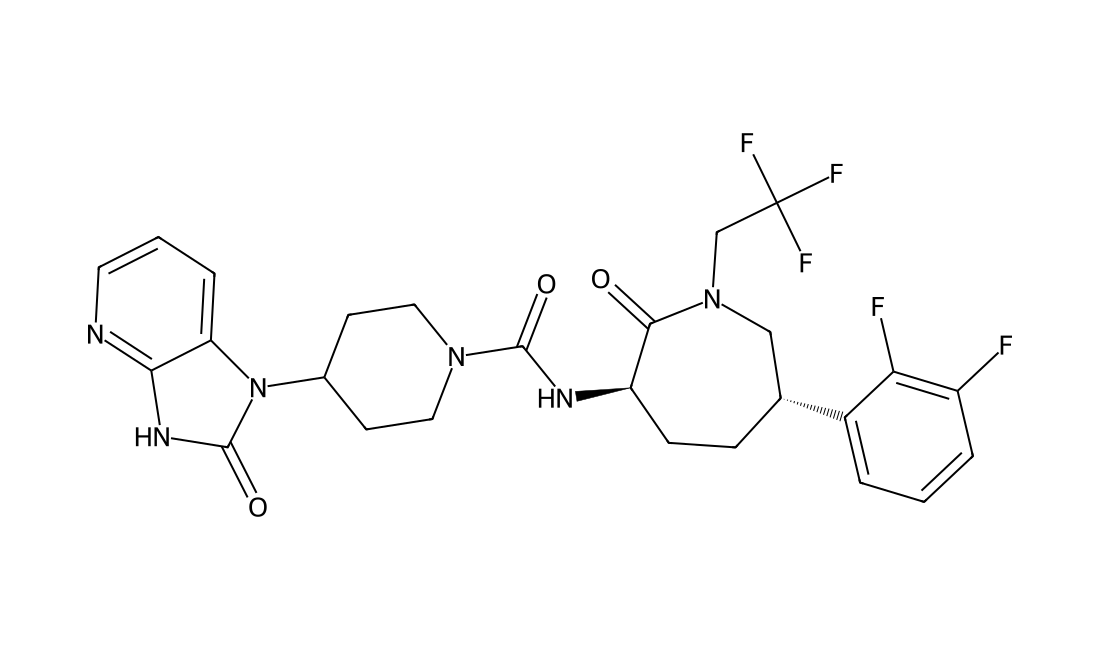
MK-0974(Telcagepant) is a highly potent, selective, and orally bioavailable CGRP receptor antagonist with Ki values of 0.77 nM and 1.2 nM for human and rhesus CGRP receptors respectively; displays >1500-fold lower affinity for the canine and rat receptors. in vitro: MK-0974 is a potent antagonist of the human (K(i) = 0.77 nM) and rhesus (K(i) = 1.2 nM) CGRP receptors but displays >1500-fold lower affinity for the canine and rat receptors as determined via (125)I-human CGRP competition binding assays. [(3)H]MK-0974 displayed reversible and saturable binding to both SK-N-MC membranes and rhesus cerebellum with a K(D) of 1.9 nM and 1.3 nM, respectively. in vivo: In monkeys, MK-0974 displayed moderate clearance (14-20 ml min(-1) kg(-1)), while oral bioavailability was 6%. The pharmacokinetics of MK-0974 remained linear across 0.5-10 mg kg(-1) intravenous dose in monkeys, but the oral area under the plasma concentration-time curve (AUC) increase (5-30 mg kg(-1)) was 15-fold over dose-proportional.
MK0812Featured
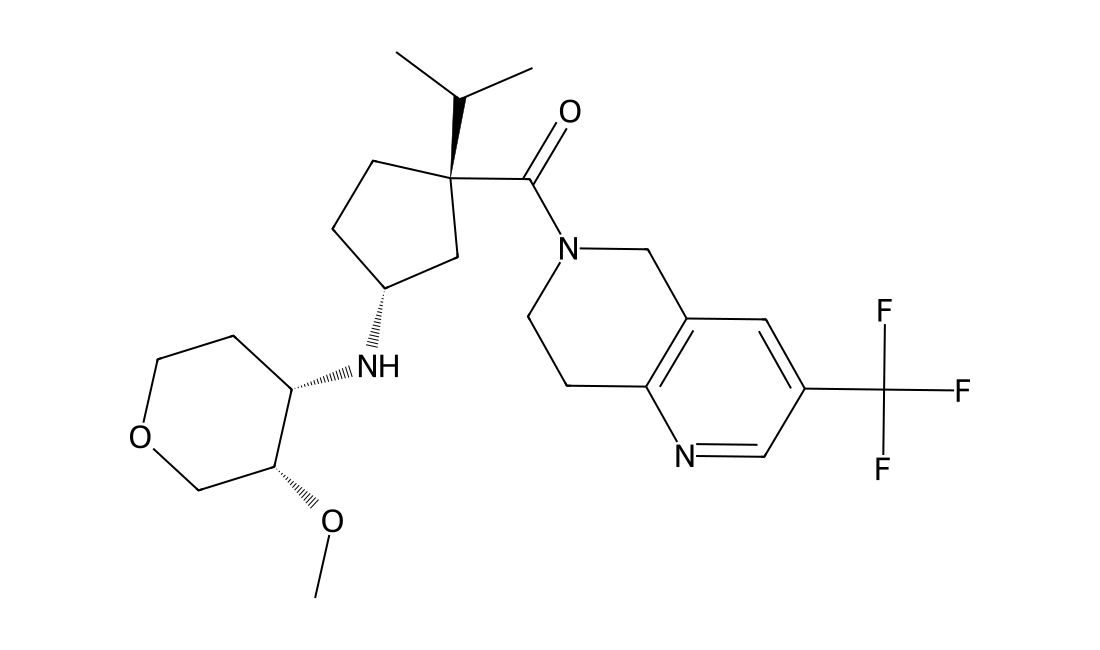
MK-0812 is chemokine receptor CCR-2 antagonist
MinoxidilFeatured
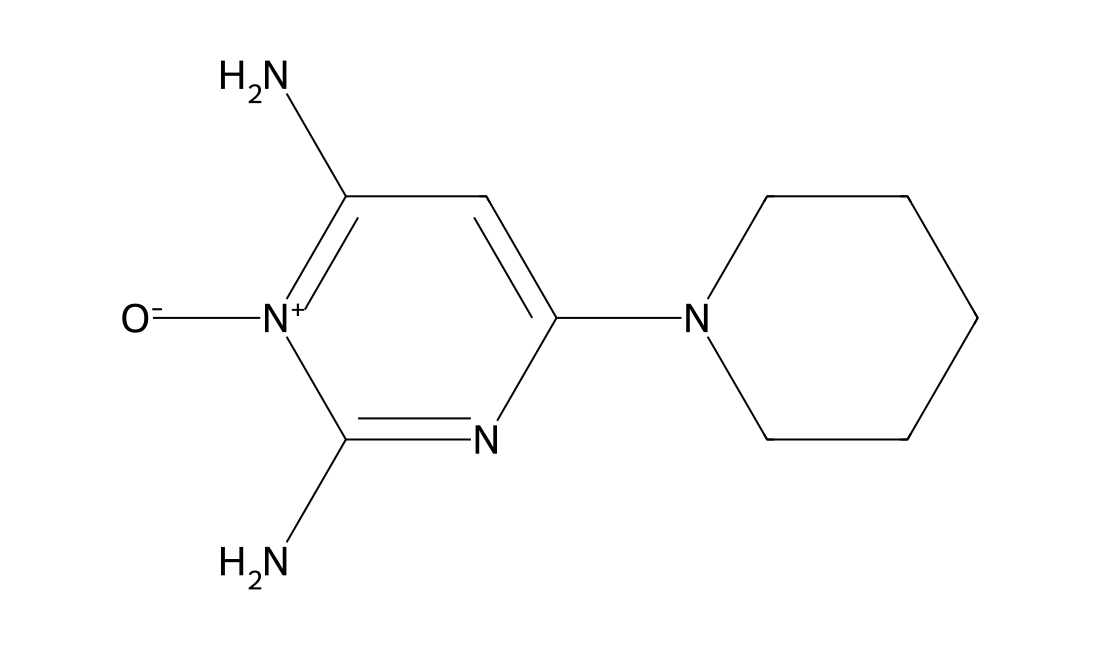
Minoxidil(U 10858) is an antihypertensive vasodilator medication.Minoxidil, a potent antihypertensive agent, induces generalized hypertrichosis when administered systemically, or localized hair regrowth when applied topically to sites of severe alopecia areata. The pharmacologic mechanisms by which minoxidil stimulates hair growth are unknown. This study was designed to examine whether minoxidil has direct effects on neonatal murine epidermal cells in culture. In the presence of minoxidil, cultures showed a marked dose-dependent second peak of DNA synthesis 8-10 days after culture initiation. In addition, two morphologically distinct cell types appeared. Indirect immunofluorescence staining with keratin-specific antibody revealed cytoplasmic keratin fibers, suggesting the epidermal origin of these cells. Our experiments demonstrate that minoxidil can affect epidermal cells in culture by altering their growth pattern and phenotypic appearance. Finite doses of minoxidil (2%, w/v) in formulations containing varying amounts of ethanol, propylene glycol (PG), and water (60:20:20, 80:20:0, and 0:80:20 by volume, respectively) were used. Minoxidil in SC (by tape stripping), appendages (by cyanoacrylate casting), and receptor fluid was determined by liquid scintillation counting. At early times (30 min, 2 h), ethanol-containing formulations (60:20:20 and 80:20:0) caused significantly greater minoxidil retention in SC and appendages, compared to the formulation lacking ethanol (0:80:20). A significant increase in minoxidil receptor penetration occurred with the PG-rich 0:80:20 formulation after 12 h.
Mitiglinide calcium hydrateFeatured
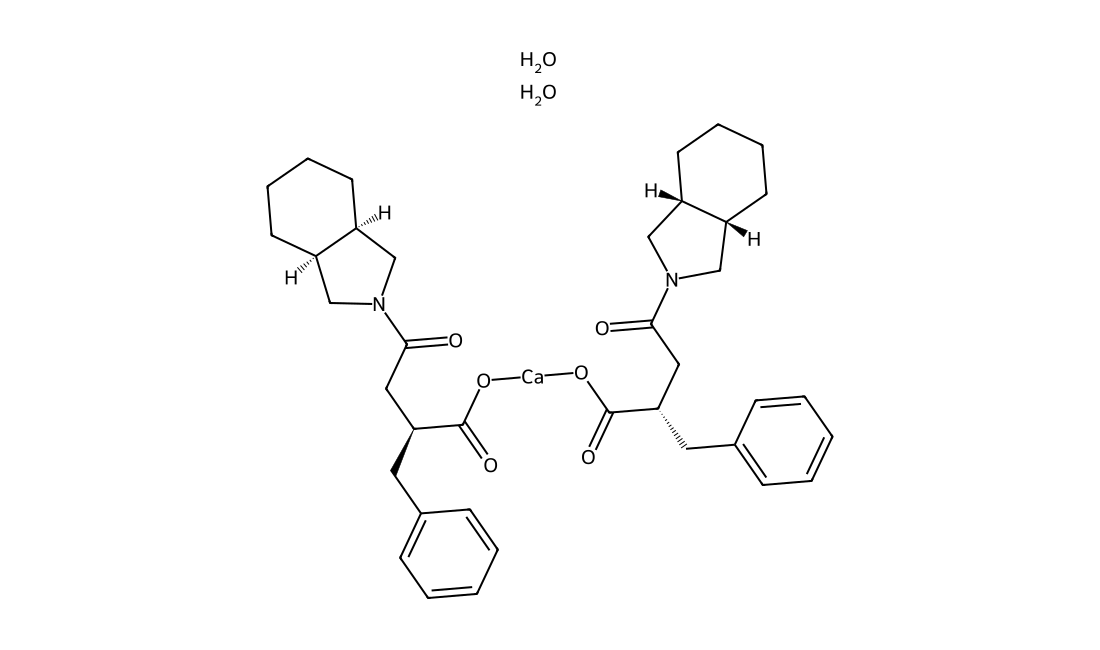
Mitiglinide calcium hydrate is a drug for the treatment of type 2 diabetes; it is a highly selective KATP channel antagonist. IC50 value:Target: KATP channel
Cisatracurium (besylate)Featured
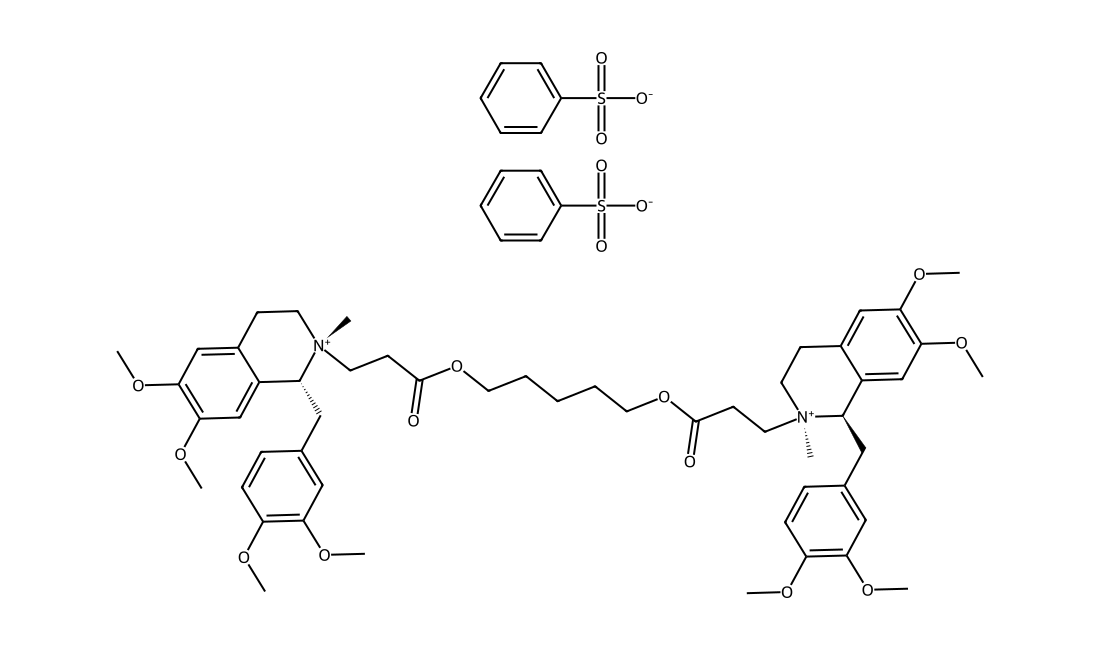
Cisatracurium Besylate is a nondepolarizing neuromuscular blocking agent, antagonizing the action of acetylcholine by inhibiting neuromuscular transmission. Cisatracurium is a neuromuscular-blocking drug or skeletal muscle relaxant in the category of non-depolarizing neuromuscular-blocking drugs, used adjunctively in anesthesia to facilitate endotracheal intubation and to provide skeletal muscle relaxation during surgery or mechanical ventilation. It is a bisbenzyltetrahydroisoquinolinium agent with an intermediate duration of action. Cisatracurium is one of the ten isomers of the parent molecule, atracurium. Moreover, cisatracurium represents approximately 15% of the atracurium mixture.
No products match this search.
Page 423 of 434 · Browse all 8677 products
Jump to a product page
Featured literature product: HX1 · DCL0028
HX1 is a hydroxyzine-derived ionizable lipid with acetal-containing tails, studied in lipid nanoparticles for brain mRNA delivery and CRISPR–Cas9 delivery. It was the lead in the reported in vivo brain-delivery screen; evidence is preclinical and formulation-dependent.
Read full formulation and performance →