
Research lipid catalog
Ionizable Lipid Products
Explore 848 lipid and RNA delivery products. Search the full catalog or browse by research category.
Search covers product name, catalog number, synonyms, available CAS numbers and categories. Spaces, hyphens and common punctuation are ignored. Duplicate legacy records are consolidated under one canonical product result.
8677 products · Showing 8461–8480 · 20 per page
DC Chemicals lipid expertise
Built for ionizable-lipid discovery and RNA delivery research
DC Chemicals supports formulation and delivery research with a broad, searchable portfolio of cationic and ionizable lipids. The current directory brings together 848 unique research-use products, with product specifications, pricing, chemical structures and literature-linked formulation data added as each record is verified.
Our experience spans complex lipid synthesis, purification, analytical release and process development. For custom molecules or larger-scale requirements, our team can discuss route development, technical specifications and scale-up options for the intended research workflow.
Learn about cationic and ionizable lipids →Proprietary innovation · Co-development · GMP
From proprietary lipid design to GMP-grade custom synthesis
DC Chemicals has independently developed ionizable-lipid structures supported by company-owned intellectual property, and selected proprietary lipid programs have advanced to GMP-stage development.
We welcome joint development with customers—from molecular design and lipid synthesis through route and process development. We can also support custom synthesis of GMP-grade ionizable lipids to agreed technical specifications and quality requirements.
Discuss a co-development project →Proprietary ionizable-lipid structuresCollaborative molecular designCustom lipid synthesisProcess development and scale-upGMP-grade project support
Product quick links
Explore New ionizable lipids
Explore our five most recently added ionizable lipids, with specifications, pricing and literature-linked product information.
DCL0028HX1Brain RNA delivery researchView product →DCL0024A1I4R13C18-2Spleen-targeted RNA delivery researchView product →DCL0023A1I4R2C18-2Spleen-targeted RNA delivery researchView product →DCL0022FS01Local joint RNA delivery researchView product →DCL0020Lipid-392Lung RNA delivery and gene editing researchView product →
Cat. No.Product NameField of ApplicationChemical Structure
K-Ras-IN-1Featured
K-Ras-IN-1 is a K-Ras inhibitor, by binding to K-Ras in a hydrophobic pocket that is occupied by Tyr-71 in the apo-Ras crystal structure.(the detailed information refer to the reference)
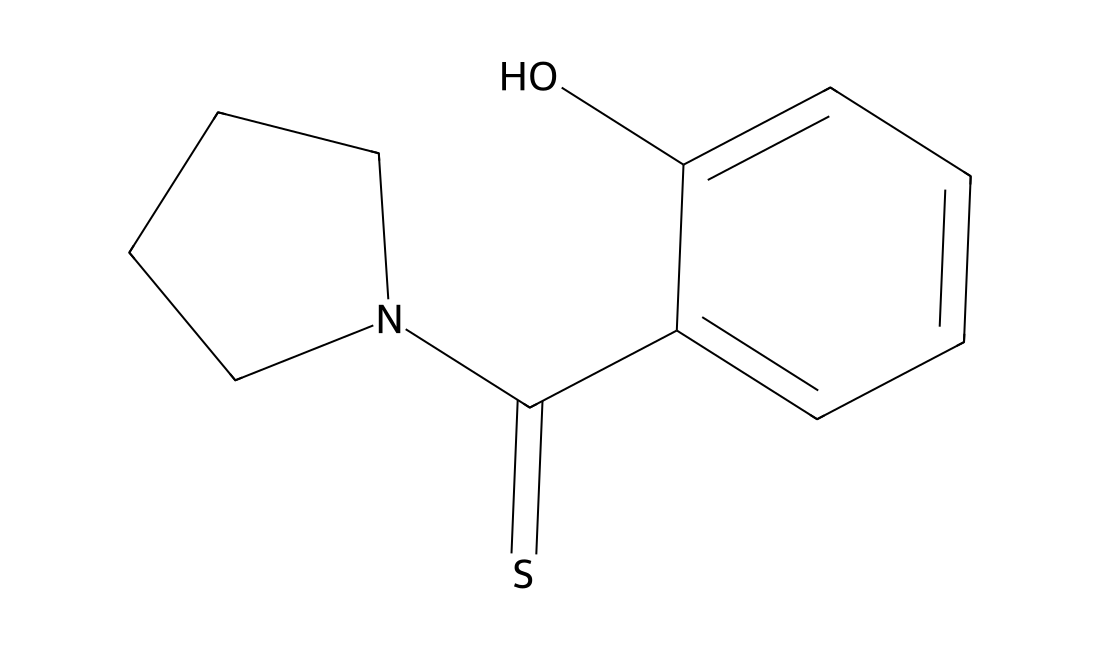
L-189Featured
L189 is a novel human DNA ligase inhibitor, inhibits hLigI/III/IV with IC50 of 5/9/5 μM.IC50 value: 5/9/5 μM (for hLigI/III/IV)Target: DNA ligasein vitro: L189 is a competitive inhibitor with respect to nicked DNA. L189 inhibits DNA ligases I, III and IV in DNA joining assays with purified proteins and in cell extract assays of DNA replication, base excision repair and non-homologous end joinging. L189 markedly increases killing of HCT116 colon cancer cells and the other cancer cell lines by ionizing radiation.
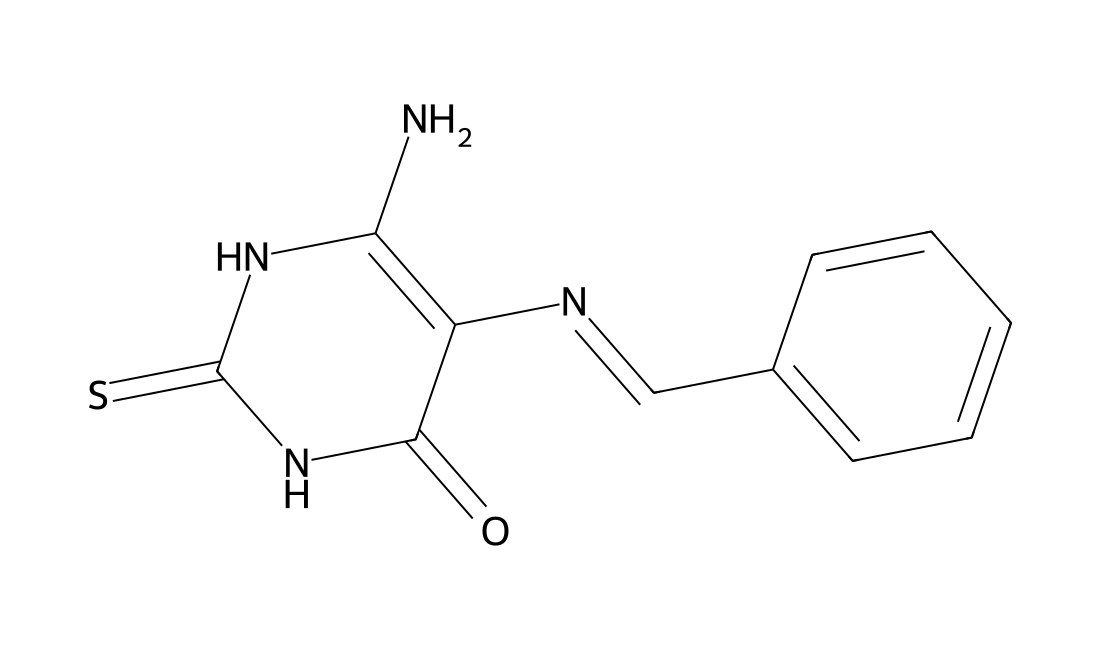
Lesinurad sodiumFeatured
Lesinurad sodium is a URAT1 and OAT inhibitor, is determined to be a substrate for the kidney transporters OAT1 and OAT3 with Km values of 0.85 and 2 µM, respectively.
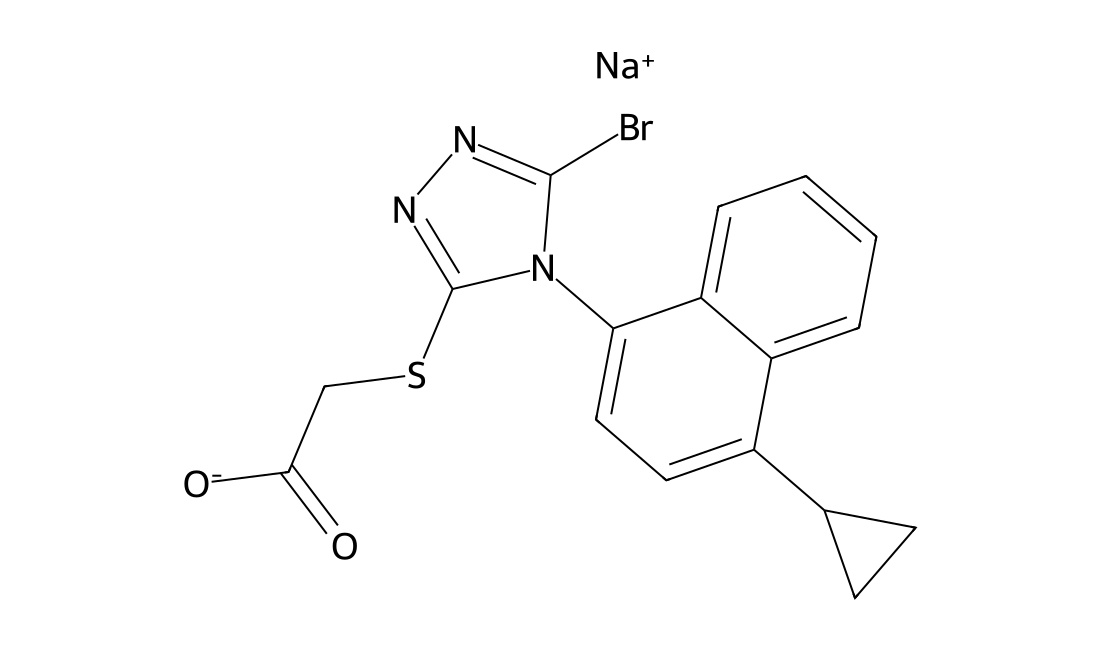
YM-1Featured
YM-1 is a close derivative of MTK-077 that allosterically promotes Hsp70 binding to unfolded substrates, specificly binds to Hsp70 with Kd of 4.9 uM; enhances client protein ubiquitination and polyQ AR degradation; alleviates toxicity in a Drosophila model of spinobulbar muscular atrophy (SBMA); also disrupts the Hsp70-Bag3 interaction with IC50 of 5 uM.
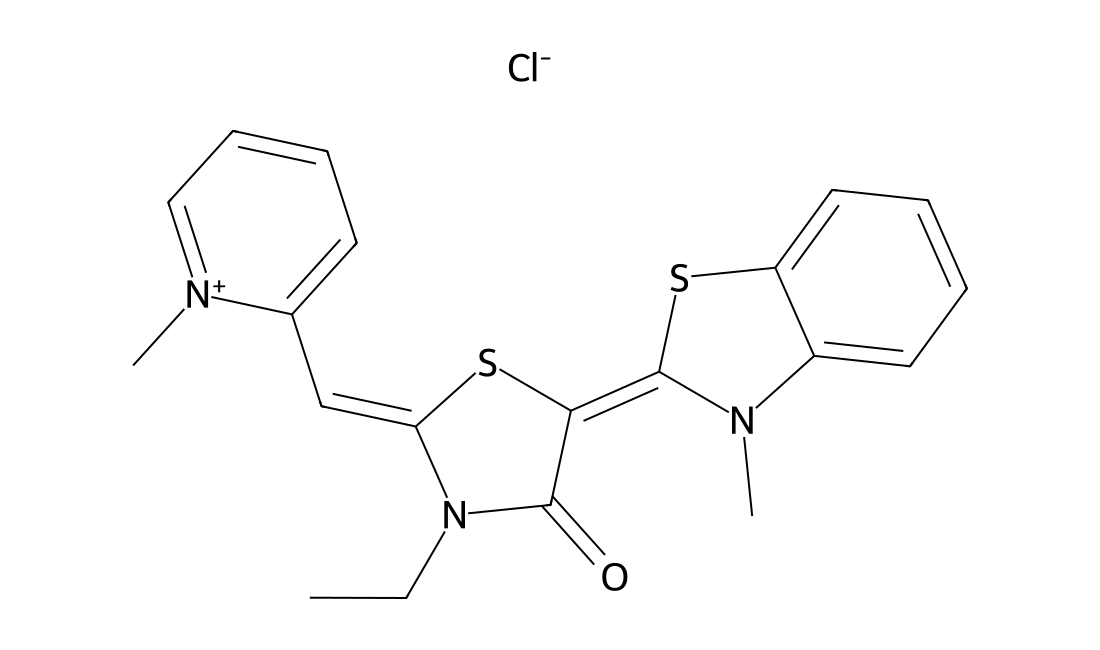
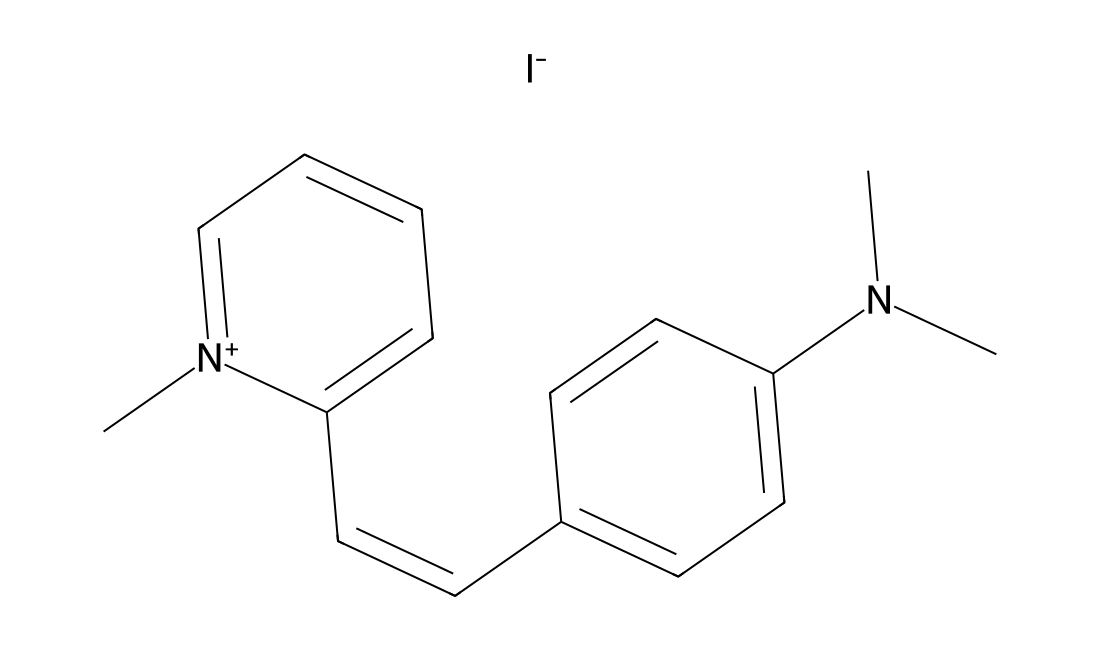
2-Di-1-ASPFeatured
2-Di-1-ASP (Compound 18a) is a mono-stryryl dye, and widely used as mitochondrial stain and groove-binding fluorescent probes for double-stranded DNA. 2-Di-1-ASP is selective for G-quadruplex (G4) and double-stranded DNA[1].
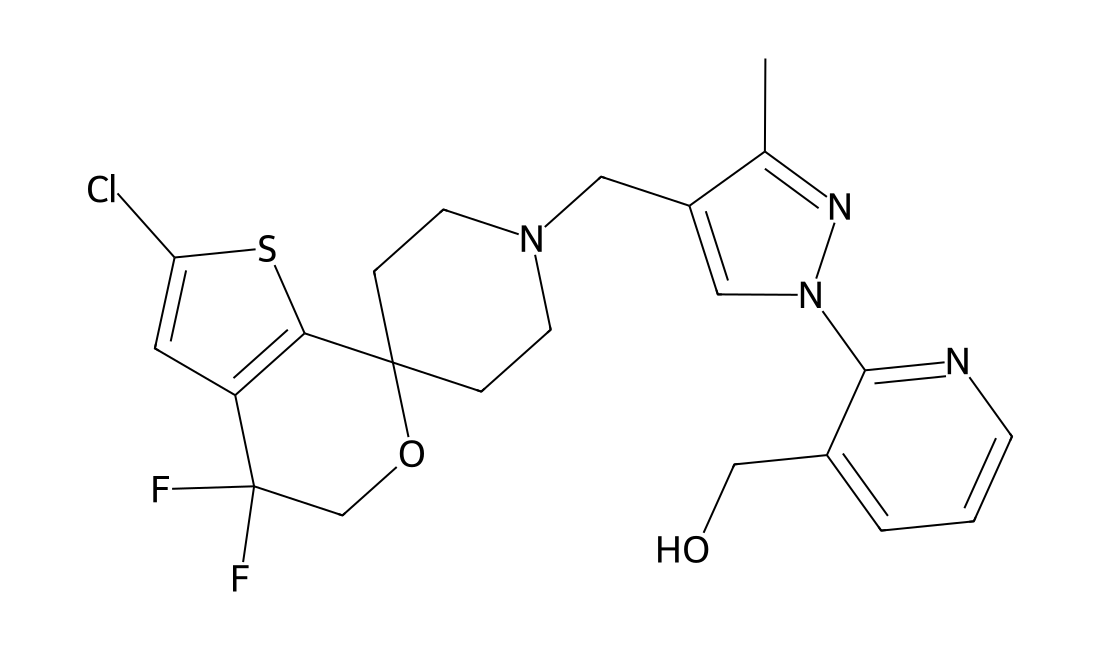
LY2940094Featured
LY2940094 is a potent, selective and orally available nociceptin receptor (NOP) antagonist with an Ki of 0.105 nM.
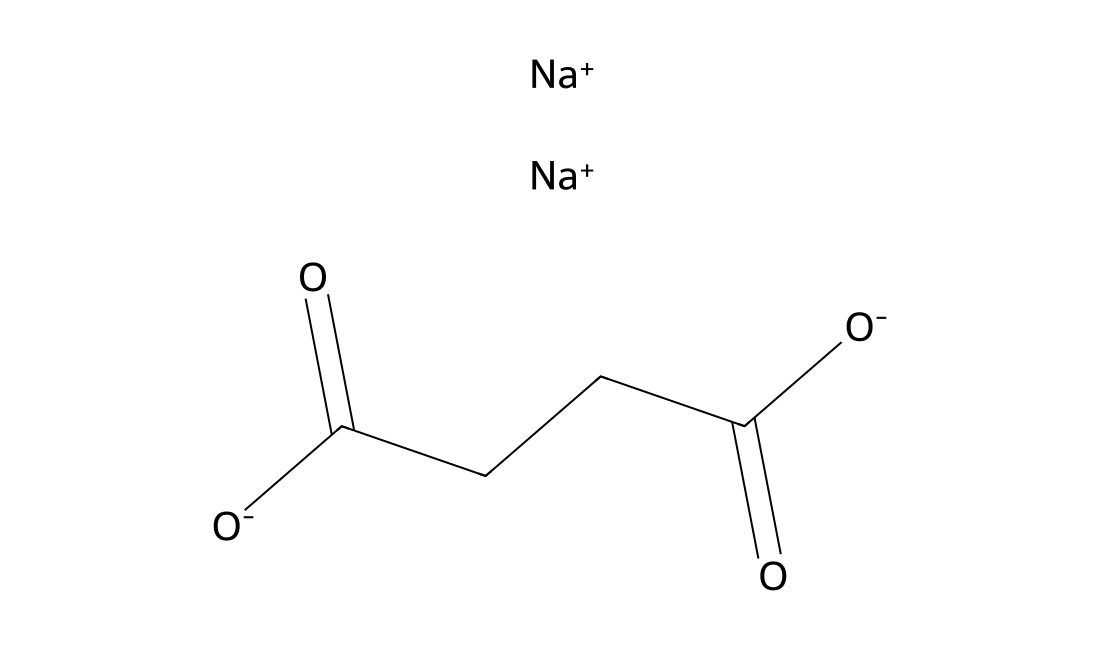
Disodium succinateFeatured
Disodium succinate is the disodium salt of Succinic acid. Succinic acid is an intermediate product of the tricarboxylic acid cycle, as well as one of fermentation products of anaerobic metabolism[1].
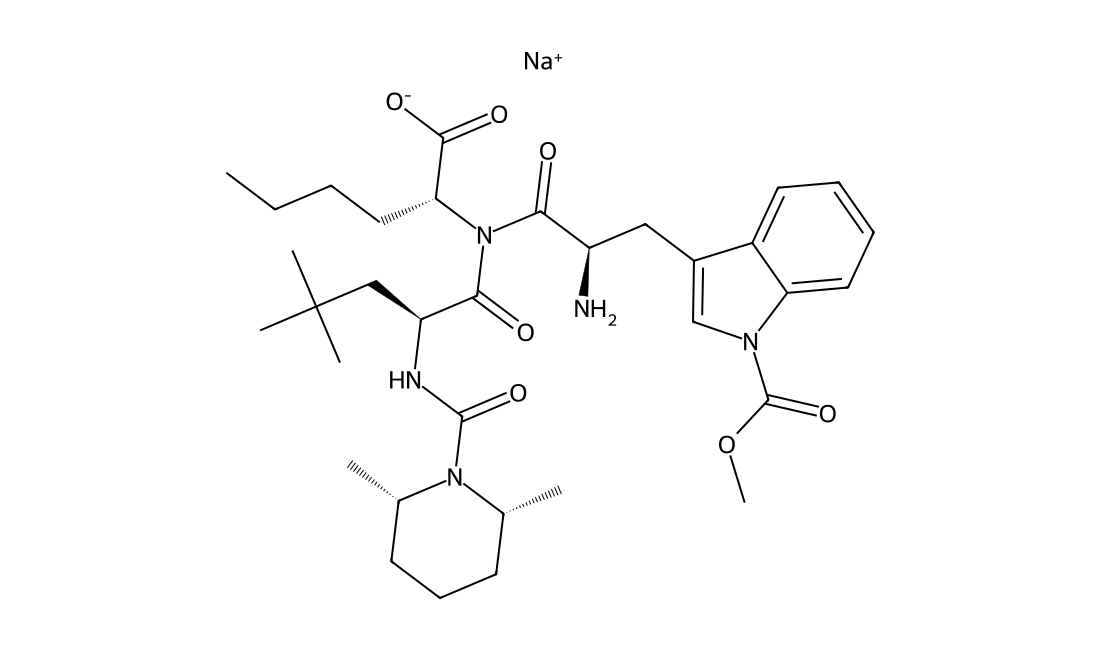
BQ-788Featured
BQ-788 (sodium salt) is a potent and selective ETB receptor antagonist, inhibiting ET-1 binding to ETB receptors with an IC50 of 1.2 nM in human Girrardi heart cells.
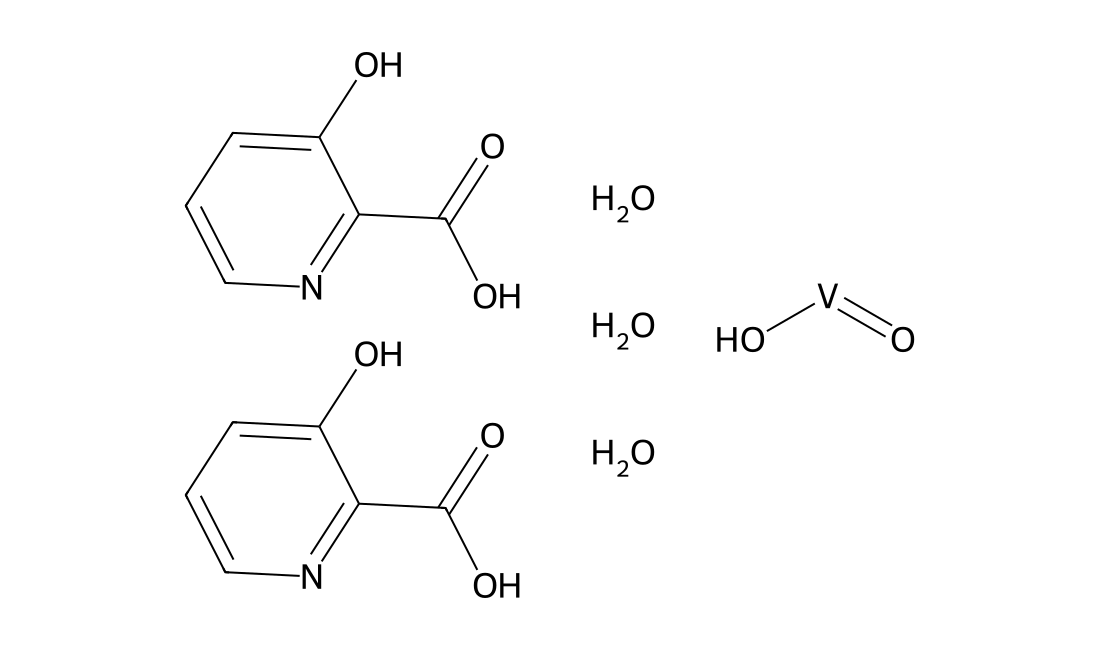
VO-OhpicFeatured
VO-Ohpic trihydrate is a highly potent inhibitor of PTEN with an IC50 of 46±10 nM.
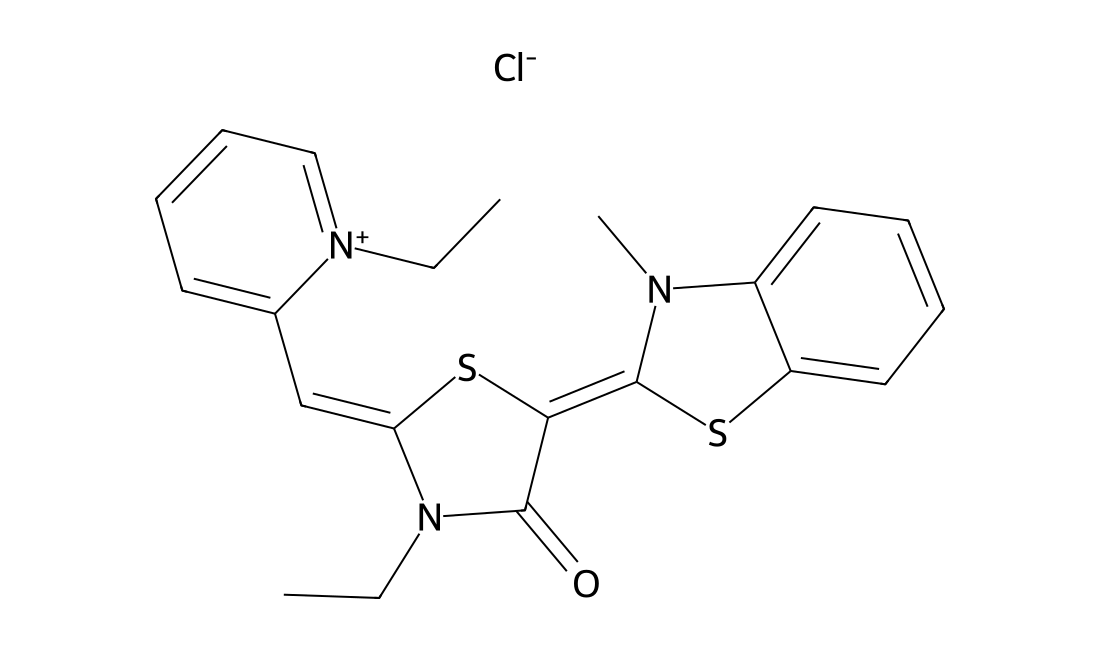
MKT-077Featured
MKT-077 (FJ-776) is a highly water-soluble (>200 mg/ml) rhodacyanine dye that exhibits significant antitumor activity, binds to Hsp70 family member, mortalin (mot-2), and abrogates its interactions with p53; induces release of wild-type p53 from cytoplasmically sequestered p53-mot-2 complexes and rescued its transcriptional activation function; also is a potent telomerase inhibitor with IC50 of 5 uM.
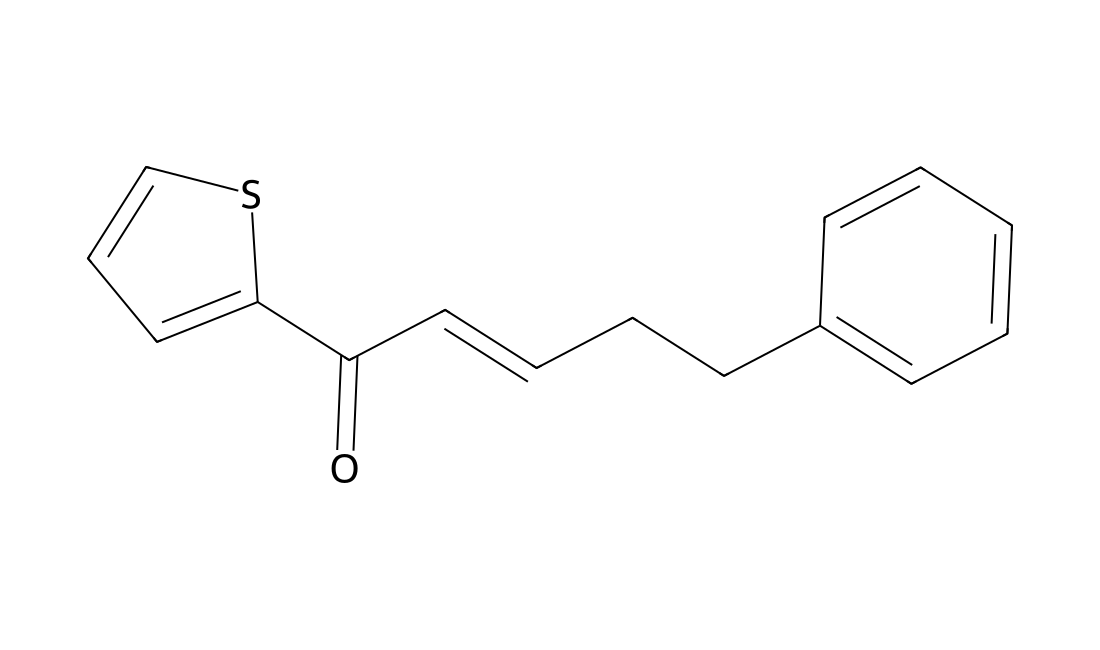
GPR52-IN-43(CAY10786)Featured
GPR52-IN-43(CAY10786) is a novel GPR52 antagonist, reducing mHTT levels by targeting GPR52 and promoting survival of mouse primary striatal neurons, and also reducing HD-related phenotypes in HdhQ140.
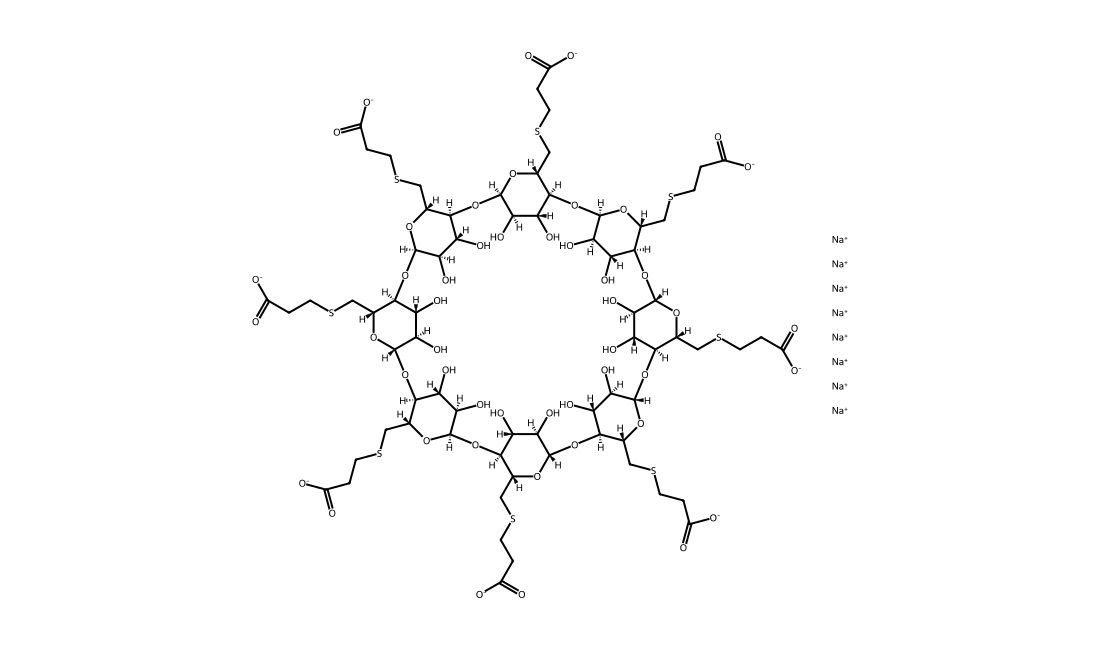
sugammadexFeatured
Sugammadex is an agent for reversal of neuromuscular blockade by the agent rocuronium in general anaesthesia. It is the first selective relaxant binding agent (SRBA). Sugammadex is a modified γ-cyclodextrin, with a lipophilic core and a hydrophilic periphery. This gamma cyclodextrin has been modified from its natural state by placing eight carboxyl thio ether groups at the sixth carbon positions. These extensions extend the cavity size allowing greater encapsulation of the rocuronium molecule. These negatively charged extensions electrostatically bind to the quaternary nitrogen of the target as well as contribute to the aqueous nature of the cyclodextrin.
(Rac)-X77Featured
(Rac)-X77 is a racemate of X77. X77 is a potent non-covalent inhibitor of the main protease of SARS-CoV-2 (SARS-CoV-2 Mpro). X77 binds to SARS-CoV-2 Mpro with a Kd value of 0.057 μM.
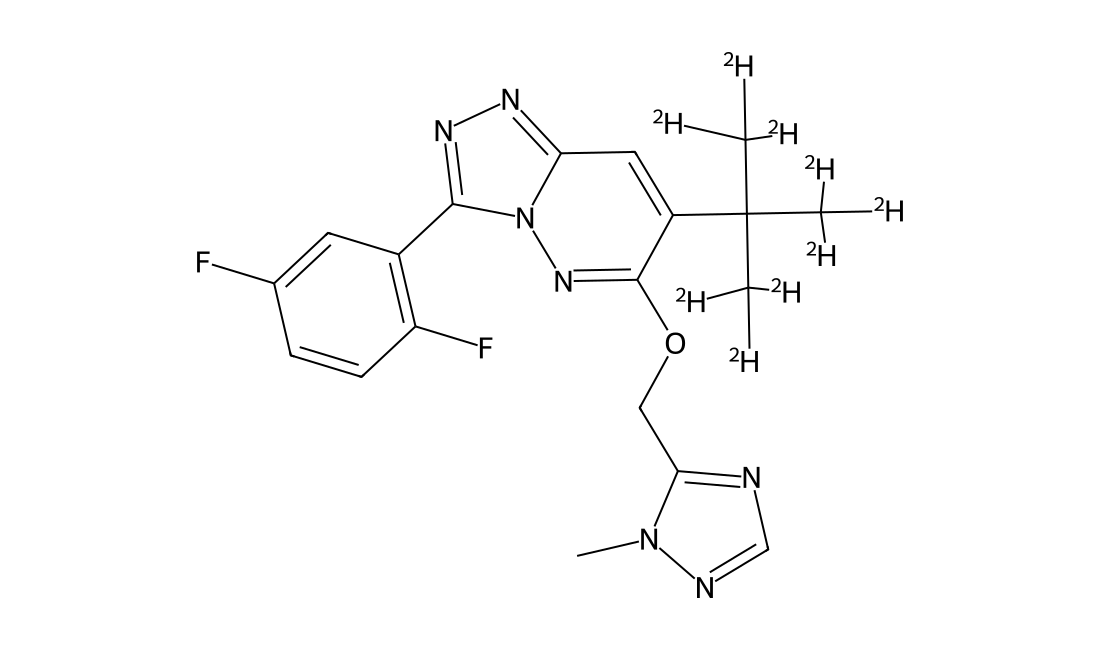
CTP354Featured
CTP354, also known as C-21191, a novel deuterated subtype-selective GABA(A) modulator. CTP may be potentially useful for treatment of neuropathic pain, spasticity and anxiety disorders. GABAA receptors are found in the nervous system and, when activated, reduce the transmission of certain nerve signals. Several classes of widely used drugs target GABAA receptors, including benzodiazepines, but do not have the receptor subtype selectivity of CTP-354.
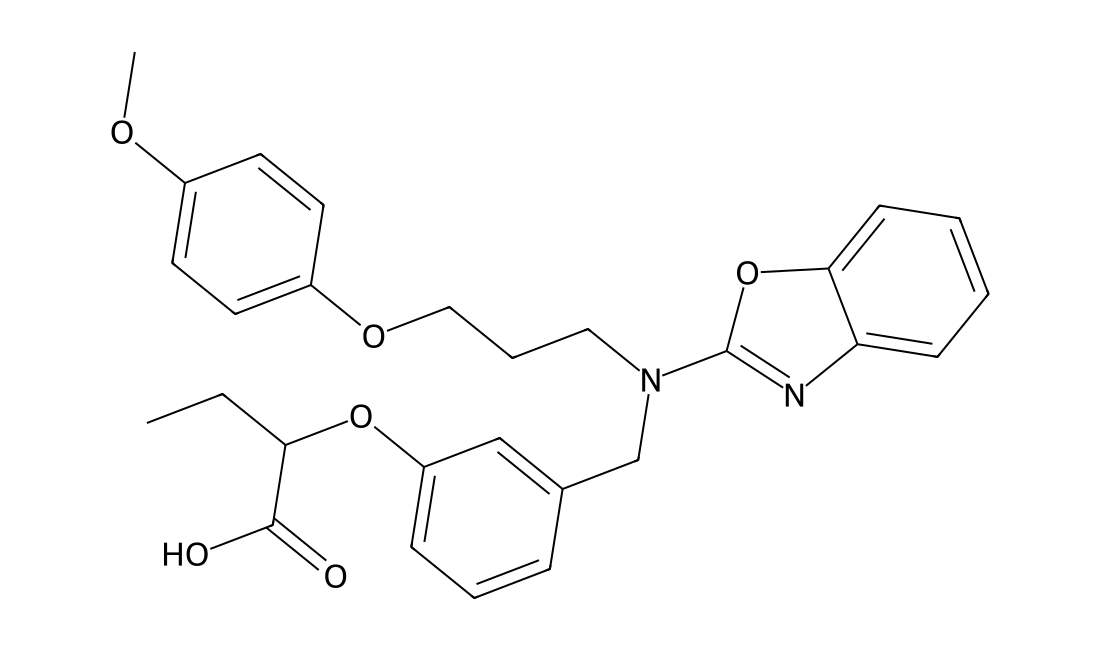
Pemafibrate racemateFeatured
The racemate of Pemafibrate, which is a highly potent, specific PPARα agonist with EC50 of 1 nM.
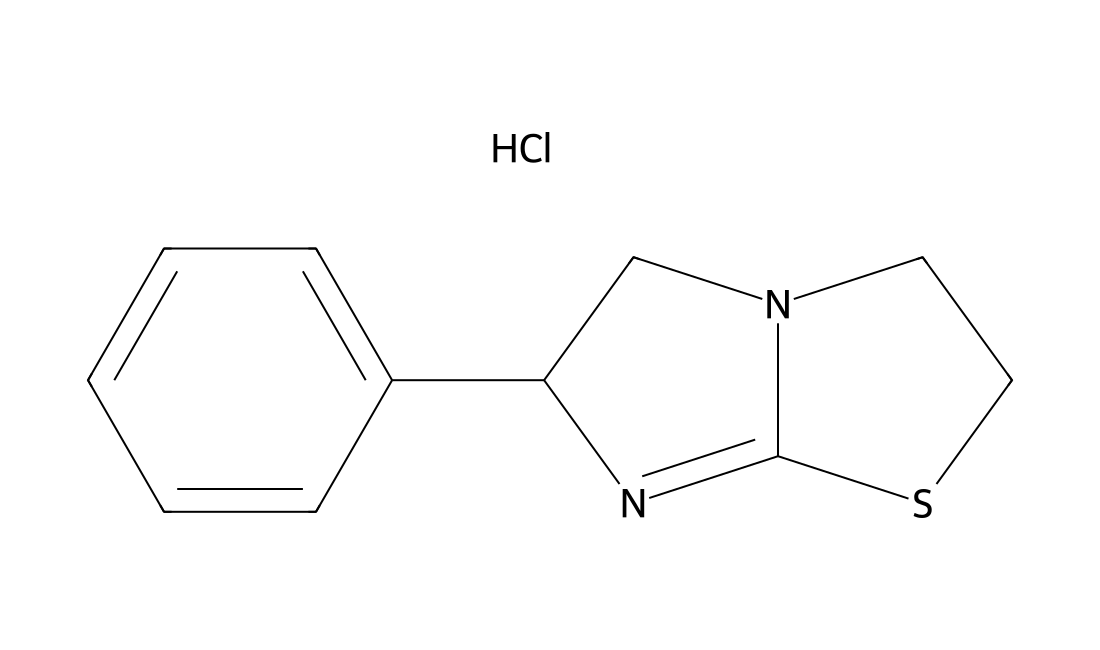
Tetramisole (hydrochloride)Featured
Tetramisole hydrochloride is an inhibitor of alkaline phosphatases, is a high purity antiparasitic.
TeneligliptinFeatured
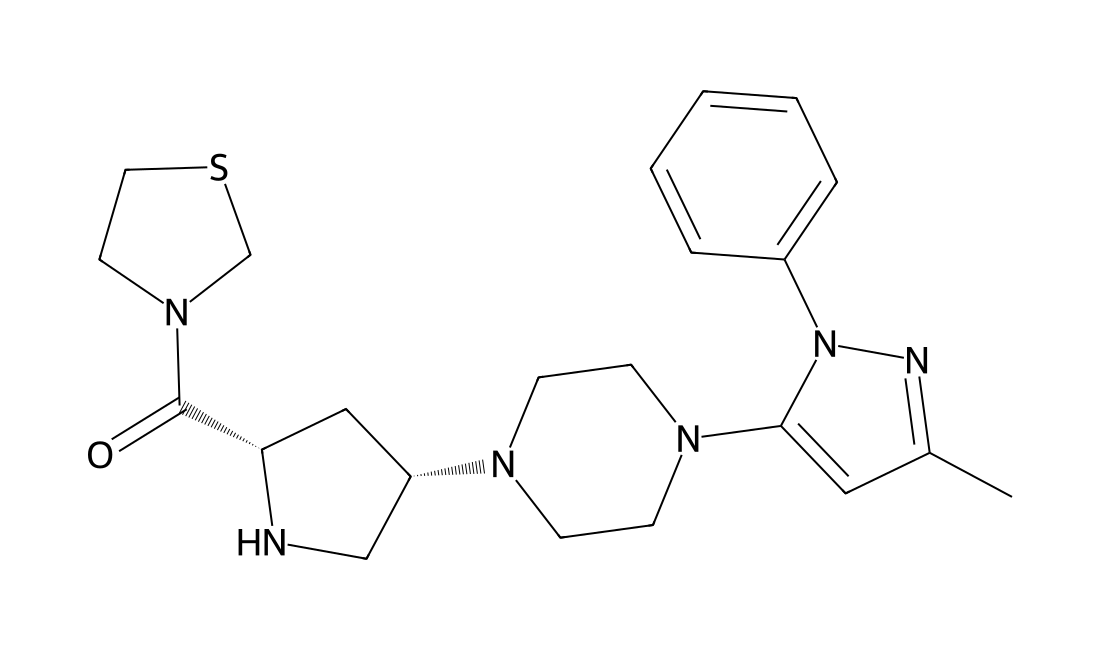
Teneligliptin is a novel, potent, and long-lasting dipeptidyl peptidase-4 inhibitor; competitively inhibited human plasma, rat plasma, and human recombinant DPP-4 in vitro, with IC50 values of approximately 1 nM. in vitro: Teneligliptin is a novel chemotype prolylthiazolidine-based DPP-4 inhibitor. The present study aimed to characterize the pharmacological profiles of teneligliptin in vitro and in vivo. Teneligliptin competitively inhibited human plasma, rat plasma, and human recombinant DPP-4 in vitro, with IC(50) values of approximately 1 nmol/l. in vivo: Oral administration of teneligliptin in Wistar rats resulted in the inhibition of plasma DPP-4 with an ED(50) of 0.41 mg/kg. Plasma DPP-4 inhibition was sustained even at 24h after administration of teneligliptin. An oral carbohydrate-loading test in Zucker fatty rats showed that teneligliptin at ≥ 0.1mg/kg increased the maximum increase in plasma glucagon-like peptide-1 and insulin levels, and reduced glucose excursions. Six-weeks-old C57BL/6N mice were fed a high-fat diet (60%kcal fat) ad libitum and administered teneligliptin (30 or 60mg/kg) via drinking water for 10 weeks. Mice fed a high-fat diet showed accelerated body weight gain.
(+/-)-SulfinpyrazoneFeatured
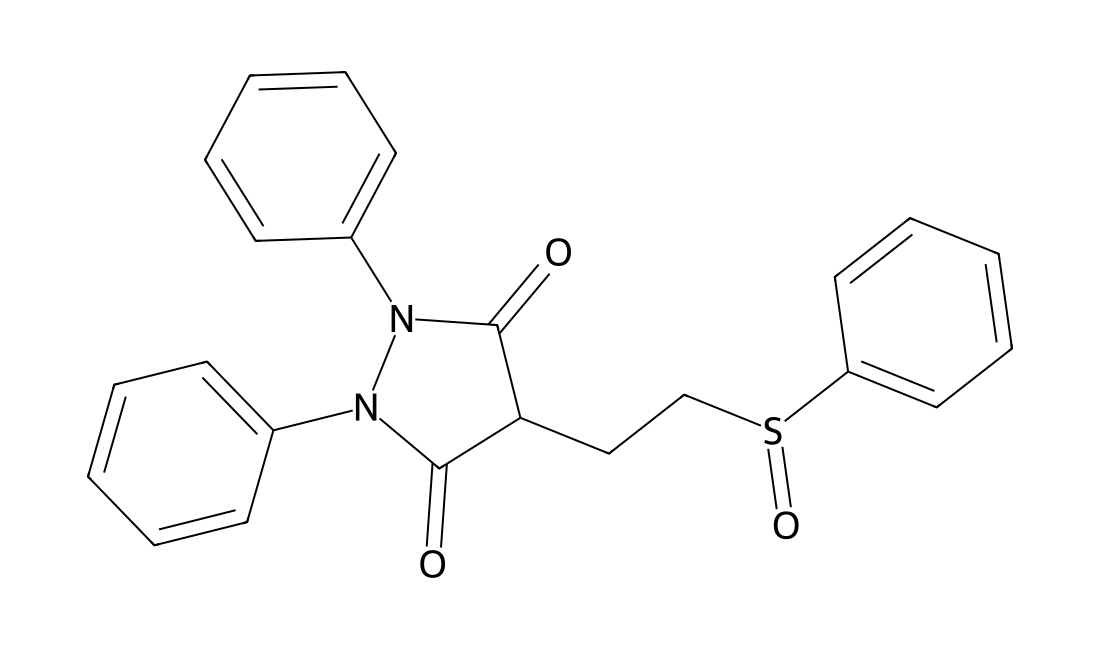
Sulfinpyrazone is one of the most studied platelet COX inhibitors, also a uricosuric agent that competitively inhibits uric acid reabsorption in kidney proximal tubules.
SNVPFeatured
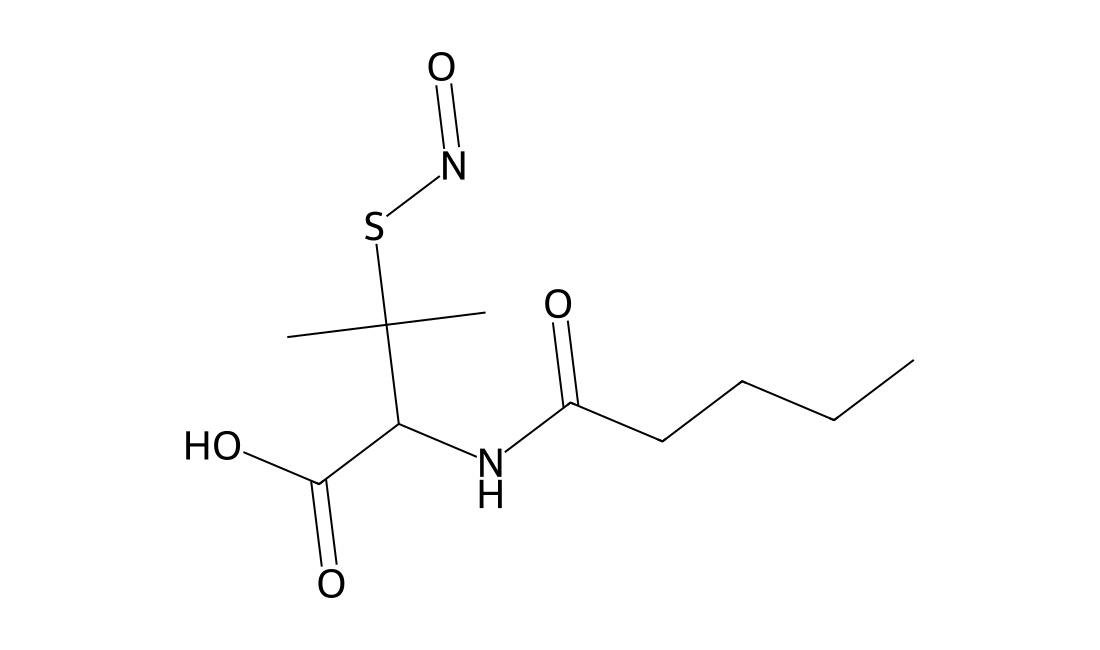
SNVP is an S-nitrosothiol that acts as a nitric oxide (NO) donor and vasodilator.It decompensates to release NO in vitro, an effect that is enhanced by both CuSO4 and cysteine. SNVP induces dose-dependent vasodilation of isolated, precontracted, and endothelium-intact rat arteries (pD2 = 5.74). It also induces sustained vasodilation of isolated, precontracted, and endothelium-denuded rat arteries when used at concentrations greater than 1 μM.
RSV604 racemateFeatured
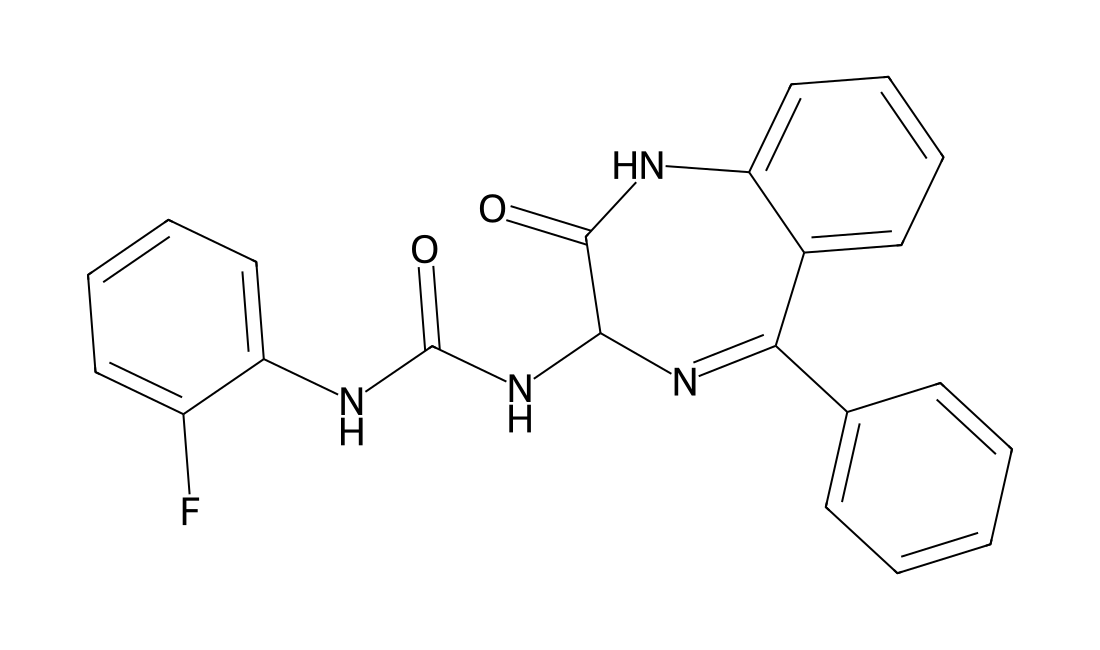
RSV604 racemate is a racemic mixture, shows less potency against strains of respiratory syncytial virus (RSV) than the S-isomer.
No products match this search.
Page 424 of 434 · Browse all 8677 products
Jump to a product page
Featured literature product: HX1 · DCL0028
HX1 is a hydroxyzine-derived ionizable lipid with acetal-containing tails, studied in lipid nanoparticles for brain mRNA delivery and CRISPR–Cas9 delivery. It was the lead in the reported in vivo brain-delivery screen; evidence is preclinical and formulation-dependent.
Read full formulation and performance →