
Research lipid catalog
Ionizable Lipid Products
Explore 848 lipid and RNA delivery products. Search the full catalog or browse by research category.
Search covers product name, catalog number, synonyms, available CAS numbers and categories. Spaces, hyphens and common punctuation are ignored. Duplicate legacy records are consolidated under one canonical product result.
8677 products · Showing 8181–8200 · 20 per page
DC Chemicals lipid expertise
Built for ionizable-lipid discovery and RNA delivery research
DC Chemicals supports formulation and delivery research with a broad, searchable portfolio of cationic and ionizable lipids. The current directory brings together 848 unique research-use products, with product specifications, pricing, chemical structures and literature-linked formulation data added as each record is verified.
Our experience spans complex lipid synthesis, purification, analytical release and process development. For custom molecules or larger-scale requirements, our team can discuss route development, technical specifications and scale-up options for the intended research workflow.
Learn about cationic and ionizable lipids →Proprietary innovation · Co-development · GMP
From proprietary lipid design to GMP-grade custom synthesis
DC Chemicals has independently developed ionizable-lipid structures supported by company-owned intellectual property, and selected proprietary lipid programs have advanced to GMP-stage development.
We welcome joint development with customers—from molecular design and lipid synthesis through route and process development. We can also support custom synthesis of GMP-grade ionizable lipids to agreed technical specifications and quality requirements.
Discuss a co-development project →Proprietary ionizable-lipid structuresCollaborative molecular designCustom lipid synthesisProcess development and scale-upGMP-grade project support
Product quick links
Explore New ionizable lipids
Explore our five most recently added ionizable lipids, with specifications, pricing and literature-linked product information.
DCL0028HX1Brain RNA delivery researchView product →DCL0024A1I4R13C18-2Spleen-targeted RNA delivery researchView product →DCL0023A1I4R2C18-2Spleen-targeted RNA delivery researchView product →DCL0022FS01Local joint RNA delivery researchView product →DCL0020Lipid-392Lung RNA delivery and gene editing researchView product →
Cat. No.Product NameField of ApplicationChemical Structure
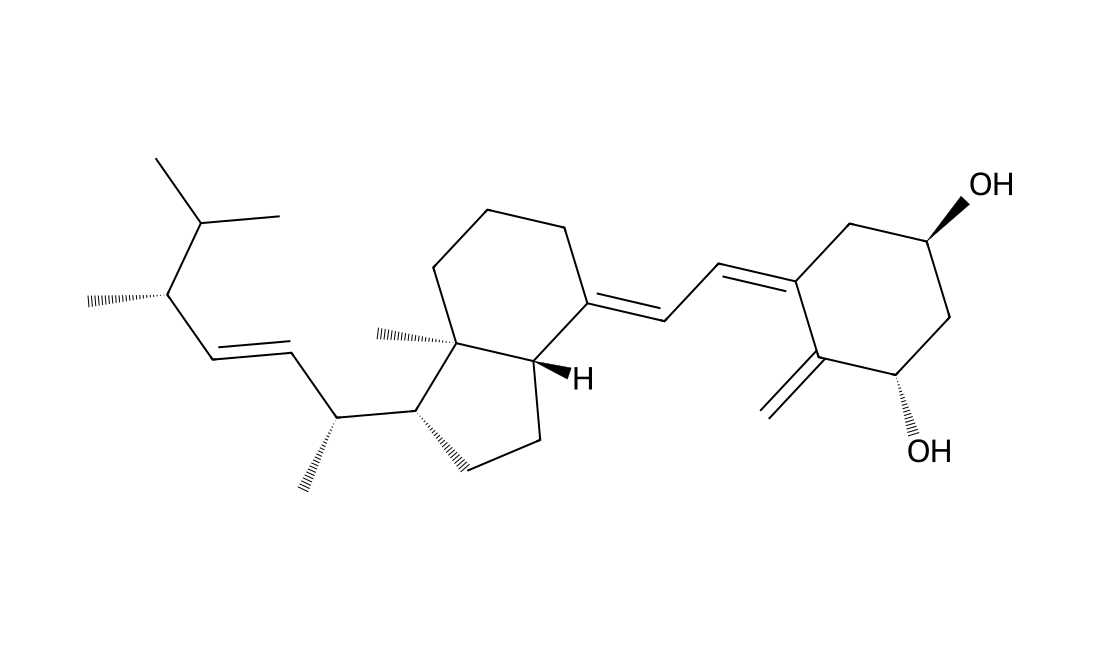
Doxercalciferol (Hectorol)Featured
Doxercalciferol is a Vitamin D2 analog, acts as an activator of Vitamin D receptor, and prevent renal disease.
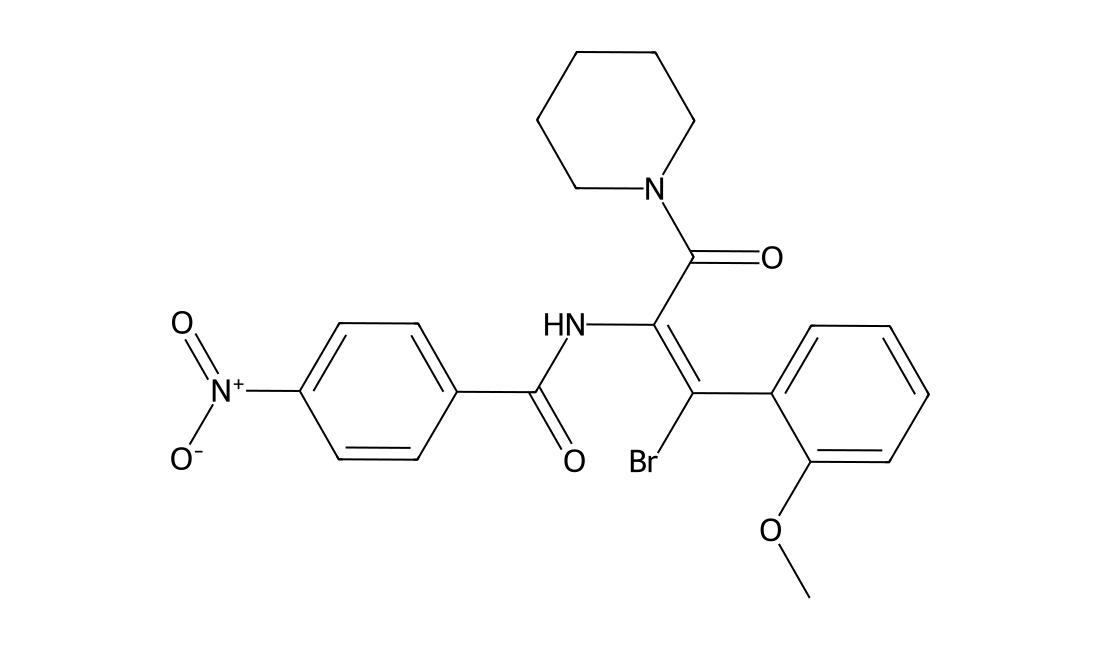
AT-130Featured
AT-130 is a potent inhibitor of HBV capsid assembly, inhibits wild-type HBV replication with IC50 of 2.4 uM; inhibits replication of wild-type and lamivudine-resistant strains of hepatitis B virus in vitro with same sensitivity (rtL180M, rtM204I, and rtL180M + rtM204V); blocks HBV replication at the level of viral RNA packaging, interferes with capsid morphogenesis, shows activity against the main lamivudine- and adefovir-resistant mutants.
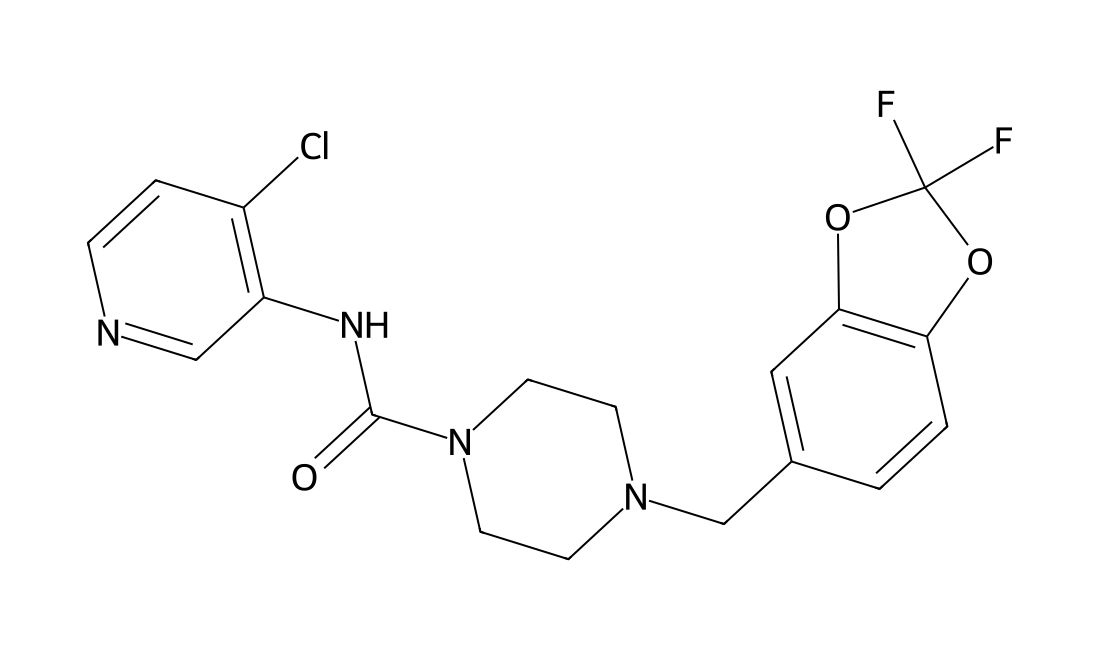
JNJ-42165279Featured
JNJ-42165279 is a FAAH inhibitor with IC50 of 70 ± 8 nM and 313 ± 28 nM for hFAAH and rFAAH, respectively.IC50 value: 70 ± 8 nM (for hFAAH), 313 ± 28 nM (for rFAAH )Target:FAAHJNJ-42165279 covalently inactivates the FAAH enzyme, but is highly selective with regard to other enzymes, ion channels, transporters, and receptors. JNJ-42165279 exhibits high selectivity against a panel of 50 receptors, enzymes, transporters, and ion-channels at 10 μM, at which concentration it does not produce >50% inhibition of binding to any of the targets. Fortunately, JNJ-42165279 also does not inhibit CYPS (1A2, 2C8, 2C9, 2C19, 2D6, 3A4) or hERG when tested at a 10 μM compound concentration. [1]in vivo: JNJ-42165279 exhibits excellent ADME and pharmacodynamic properties as evidenced by its ability to block FAAH in the brain and periphery of rats and thereby cause an elevation of the concentrations of anandamide (AEA), oleoyl ethanolamide (OEA), and palmitoyl ethanolamide (PEA). The compound was also efficacious in the spinal nerve ligation (SNL) model of neuropathic pain. JNJ-42165279 exhibits relatively rapid clearance in the course of rat pharmacokinetic experiments, manifesting as a low AUC and Cmax; however, sufficiently high exposures were obtainable to support preclinical animal models. In a subsequent higher dose (20 mg/kg) oral PK experiment, compound concentrations were determined both in the plasma and brain of rats. [1]
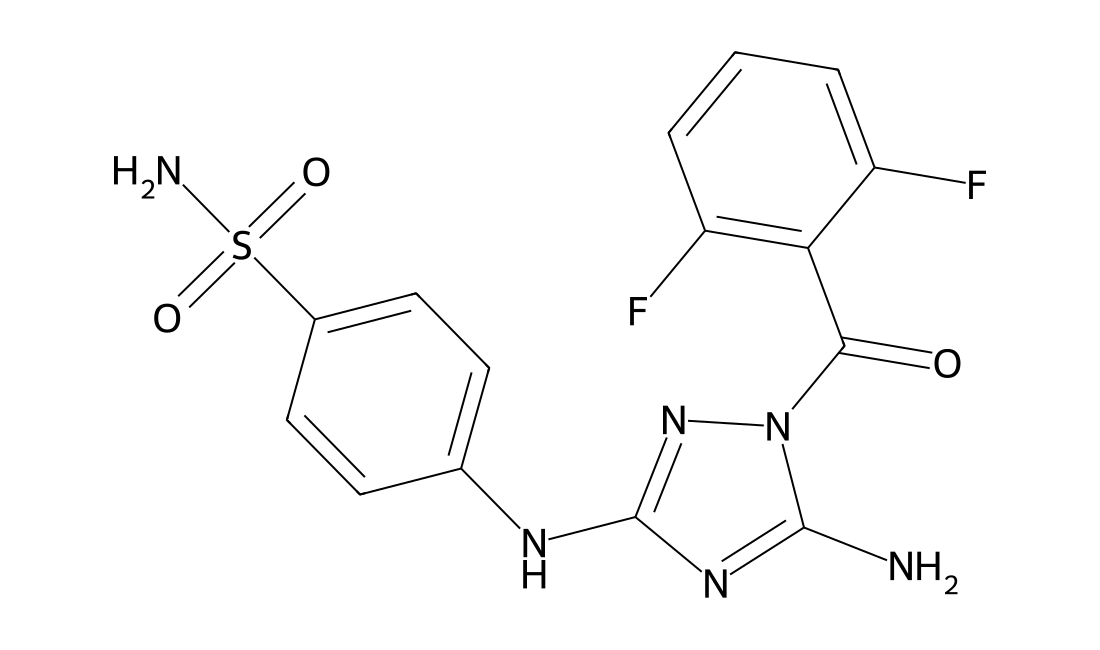
JNJ-7706621Featured
JNJ-7706621 is a potent aurora kinase inhibitor, and also inhibits CDK1 and CDK2, with IC50s of 9, 3, 11, and 15 nM for CDK1, CDK2, Aurora-A and Aurora-B, respectively.
JQEZ5Featured
JQEZ5 is a novel and potent EZH2 inhibitor.
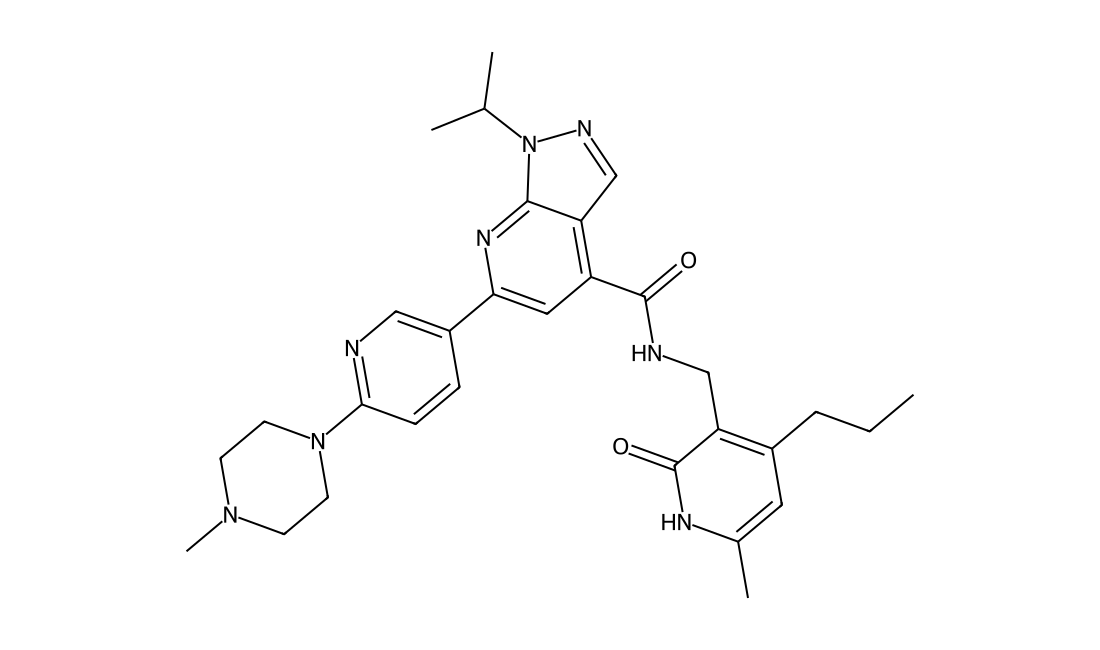
JZL-195Featured
JZL195 is a selective and efficacious dual FAAH/MAGL inhibitor with IC50 of 13 nM and 19 nM for mouse brain FAAH and MAGL respectively.IC50 value: 13 nM/19 nM (mouse brain FAAH/MAGL) [1]Target: dual FAAH/MAGL inhibitorin vitro: JZL195 shows only modest and incomplete inhibitory activity against NTE (IC50 >5 uM). At higher concentrations, JZL195 inhibited ABHD6 but not any of the other brain serine hydrolases detected in our competitive ABPP assays. JZL195 also inhibited rat and human FAAH and MAGL enzymes with IC50 values in the range of 10–100 nM based on competitive ABPP assays [1].in vivo: A time course analysis of mice given one administration ofJZL195 (20 mg/kg, i.p.) revealed that blockade of FAAH andMAGL lasted at least 10 h as judged by gel-based ABPP or AEAand 2-AG hydrolysis assays [1]. The effect of systemic injections of a range of doses of JZL195 and the pan-cannabinoid receptor agonist WIN55212 were performed 1 day following intraplantar injection of CFA in C57BL/6 mice. JZL195 and WIN55212 both reduced mechanical allodynia and thermal hyperalgesia, and produced catalepsy and sedation in a dose dependent manner. Unlike WIN55212, JZL195 reduced allodynia at doses below those at which side-effects were observed [2].
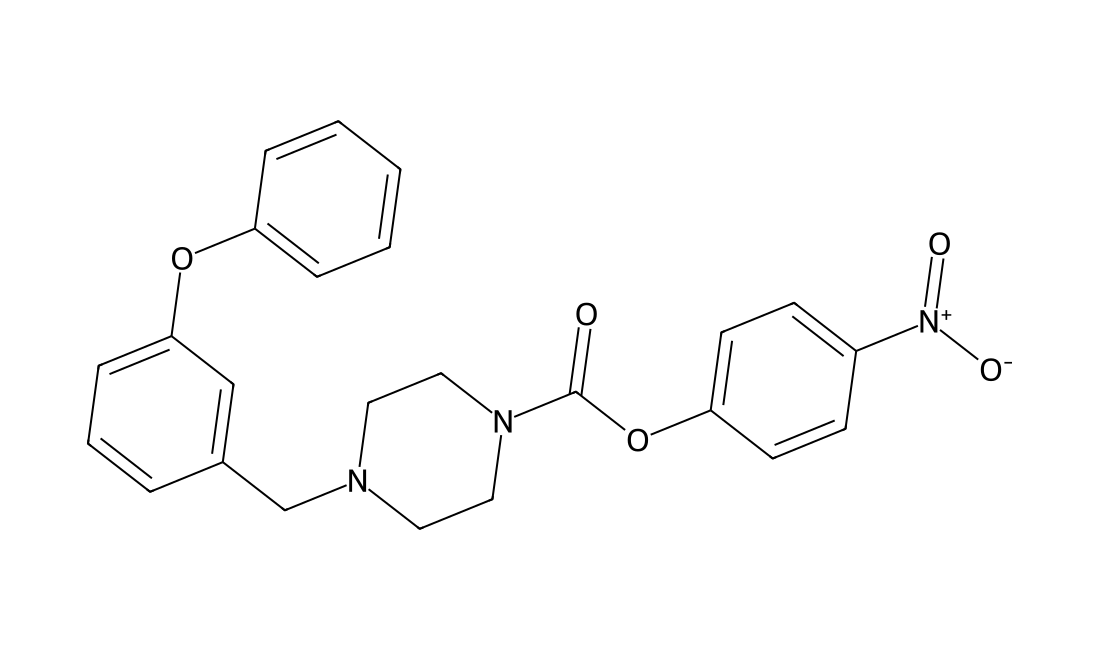
AstragalinFeatured
Astragalin (kaempferol-3-O-glucoside) is a flavonoid with anti-inflammatory activity and newly found in persimmon leaves and green tea seeds.IC50 value:Target: in vitro: Astragalin nontoxic at ≤ 20 μM suppressed cellular induction of Toll-like receptor 4 (TLR4) and ROS production enhanced by LPS. Both LPS and H2O2 induced epithelial eotaxin-1 expression, which was blocked by astragalin. LPS activated and induced PLCγ1, PKCβ2, and NADPH oxidase subunits of p22phox and p47phox in epithelial cells and such activation and induction were demoted by astragalin or TLR4 inhibition antagonizing eotaxin-1 induction. H2O2-upregulated phosphorylation of JNK and p38 MAPK was dampened by adding astragalin to epithelial cells, while this compound enhanced epithelial activation of Akt and ERK. H2O2 and LPS promoted epithelial apoptosis concomitant with nuclear condensation or caspase-3 activation, which was blunted by astragalin [1]. astragalin suppressed the expression of tumor necrosis factor α, interleukin 6, and nitric oxide in a dose-dependent manner in mMECs [2]. astragalin attenuated the infiltration of inflammatory cells, the activity of myeloperoxidase (MPO) and the expression of tumor necrosis factor-α (TNF-α), interleukin-6 (IL-6) and interleukin-1β (IL-1β) in a dose-dependent manner. Additionally, Western blotting results showed that astragalin efficiently blunt decreased nuclear factor-kappaB (NF-κB) activation by inhibiting the degradation and phosphorylation of IκBα and the nuclear translocation of p65 [3]. Astragalin significantly reduced LPS-induced expression of iNOS, COX-2 and cytokines/chemokines, and production of NO in J774A.1 mouse macrophages. Astragalin inhibited LPSinduced activation of NF-κB as indicated by inhibition of degradation of IκBα, nuclear translocation of NF-κB, and NF-κB dependent gene reporter assay [4].in vivo: Mice were injected intraperitoneally (i.p.) with lipopolysaccharide (LPS) (dose range: 5-40 mg/kg). pretreatment with astragalin can improve survival during lethal endotoxemia and attenuate inflammatory responses in a murine model of lipopolysaccharide-induced acute lung injury [4].
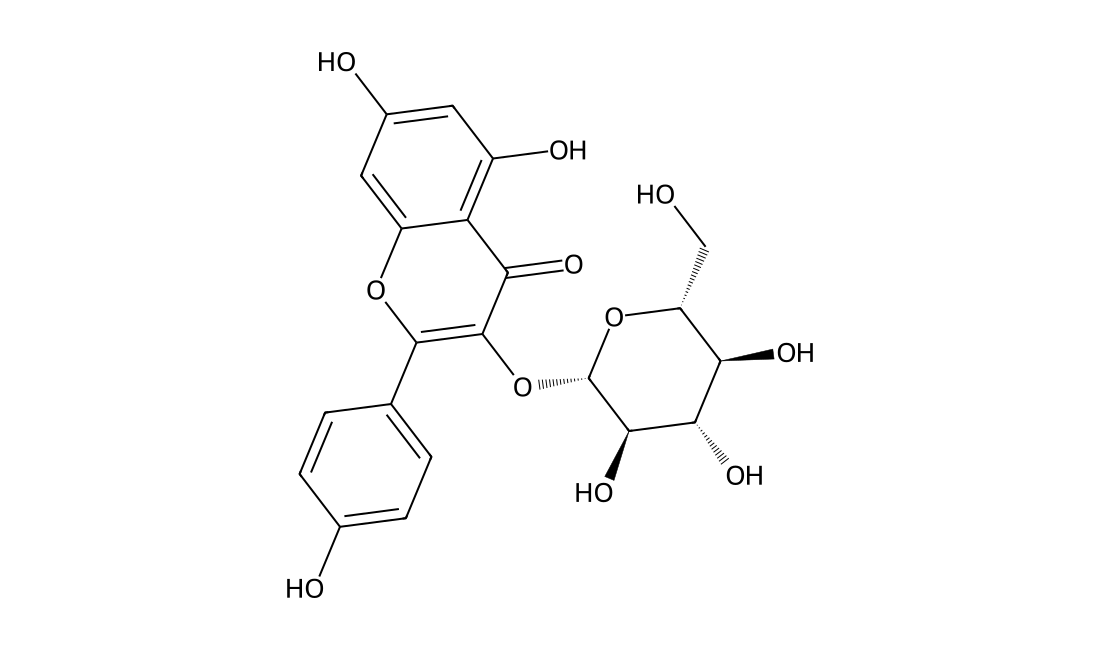
KDM4D-IN-1Featured
KDM4D-IN-1 is a new histone lysine demethylase 4D (KDM4D) inhibitor with an IC50 value of 0.41±0.03 μM.
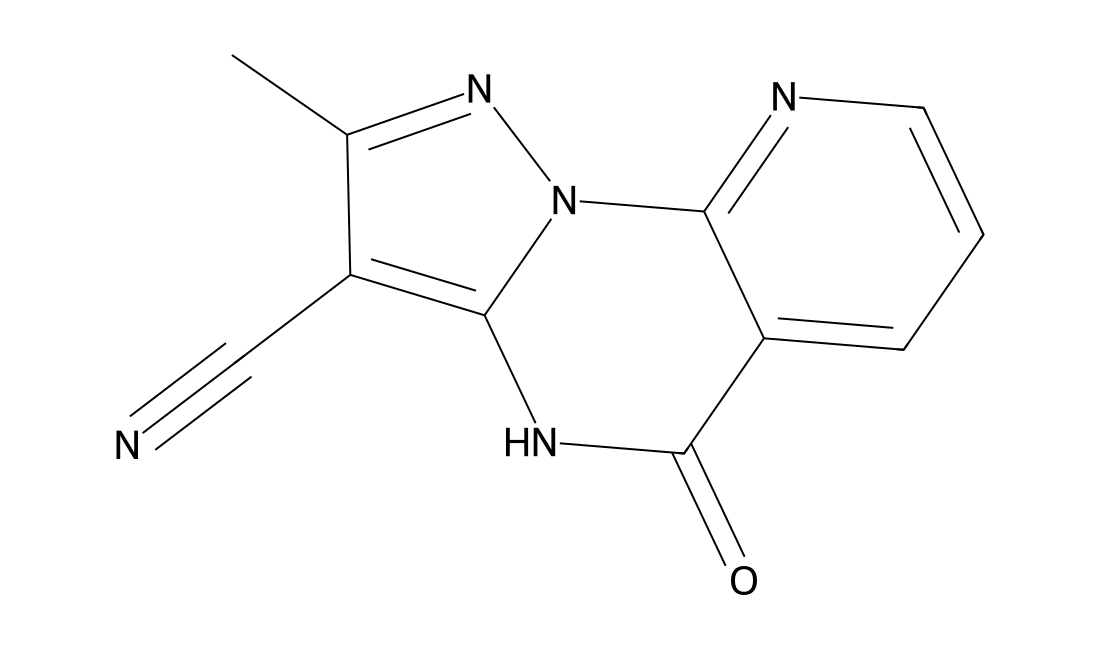
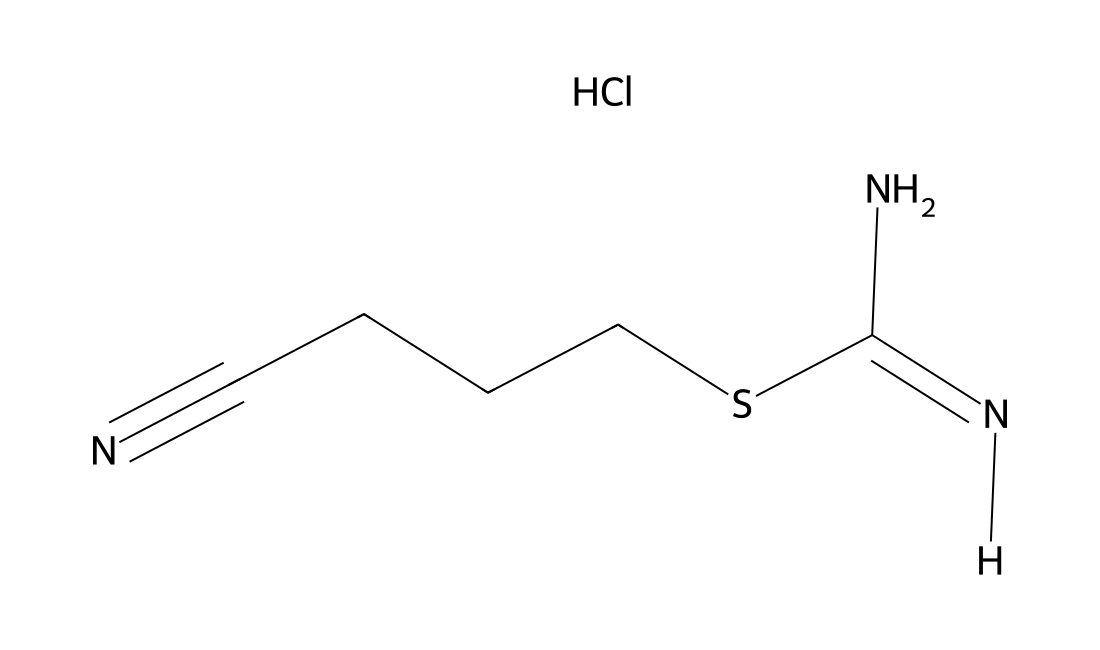
Kevetrin HClFeatured
Kevetrin hydrochloride is a small molecule and activator of the tumor suppressor protein p53, with potential antineoplastic activity. Target:p53in vitro: Kevetrin activates p53 which in turn induces the expressions of p21 and PUMA (p53 up-regulated modulator of apoptosis), thereby inhibiting cancer cell growth and causing tumor cell apoptosis. Kevetrin may be effective in drug-resistant cancers with mutated p53. p53 tumor suppressor, a transcription factor regulating the expression of many stress response genes and mediating various anti-proliferative processes, is often mutated in cancer cells. in vivo: Kevetrin has demonstrated potent anti-tumor efficacy against various carcinoma xenograft models: lung, breast, colon, prostate and squamous cell carcinoma, and in a leukemia tumor model. In drug-resistant cell lines, Kevetrin has shown excellent activity, galvanizing the Company to focus on Kevetrin's development potential in this area.
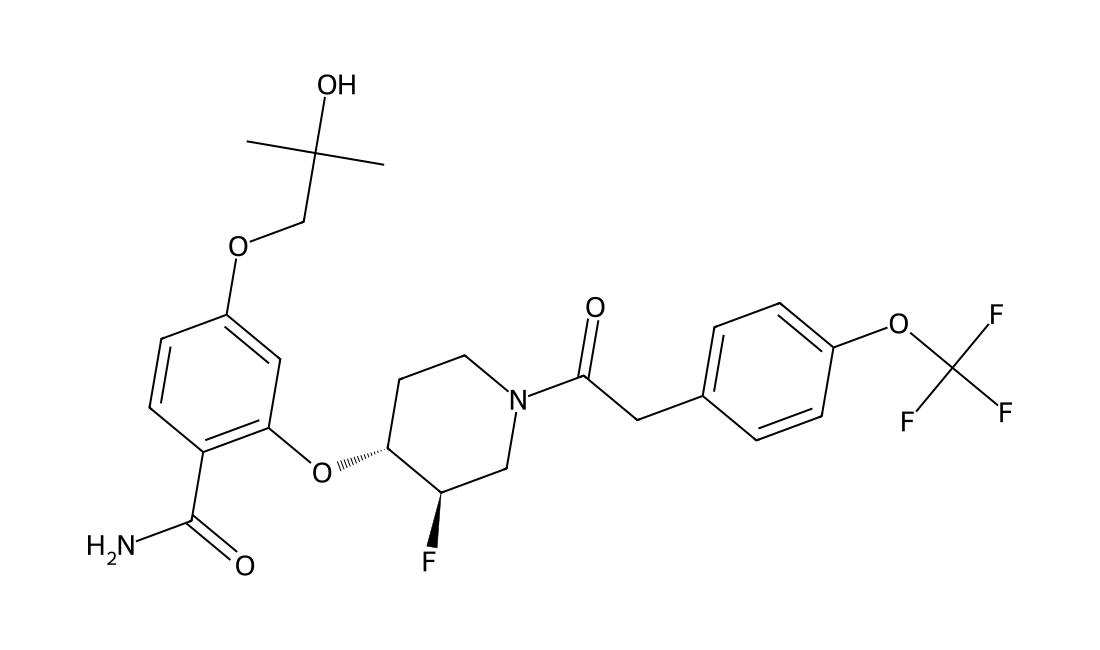
PF-06737007Featured
PF-06737007 is a potent pan-Trk inhibitor in cell-based assays with IC50s of 7.7 nM, 15 nM and 3.9 nM for TrkA, TrkB and TrkC, respectively[1]. Anti-hyperalgesic effect[1].
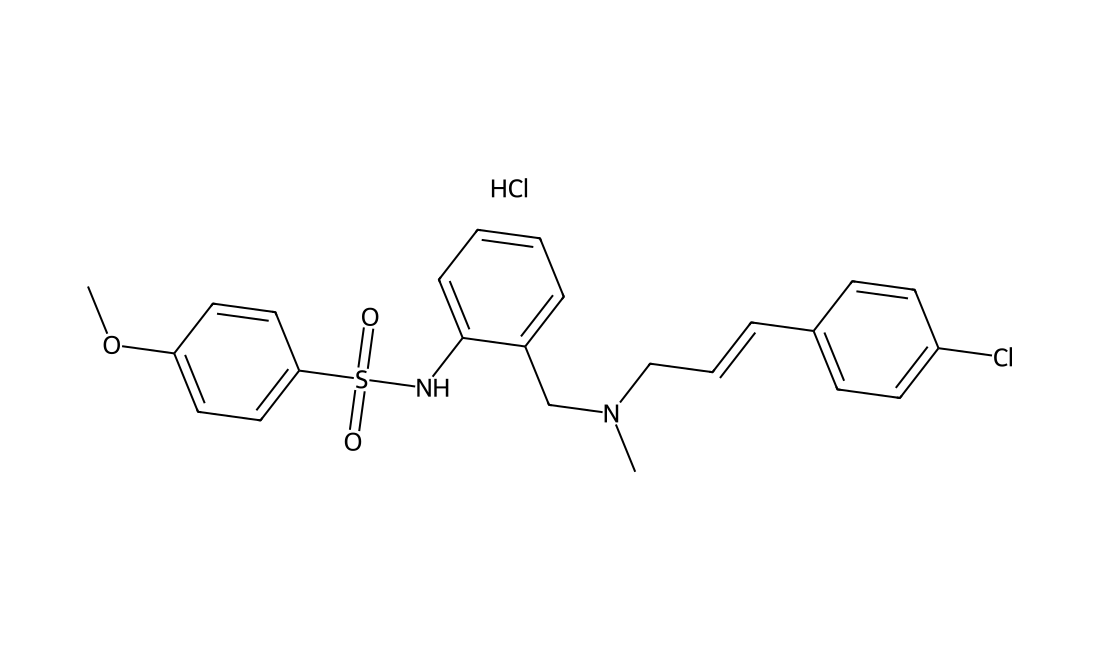
KN-92-hydrochlorideFeatured
KN-92 is an inactive derivative of KN-93. KN-93 is a selective inhibitor of Ca2+/calmodulin-dependent kinase II (CaMKII), competitively blocking CaM binding to the kinase (Ki = 370 nM). IC50 value:Target: KN-92 is intended to be used as a control compound in studies designed to elucidate the antagonist activities of KN-93. KN-93 inhibits histamine-induced aminopyrine uptake in parietal cells (IC50 = 300 nM). KN-93 has been used to implicate roles for CaMKII in Ca2+-induced Ca2+ release in cardiac myocytes, constitutive phosphorylation of 5-lipoxygenase in 3T3 cells, and Ca2+-dependent activation of HIF-1α in colon cancer cell.
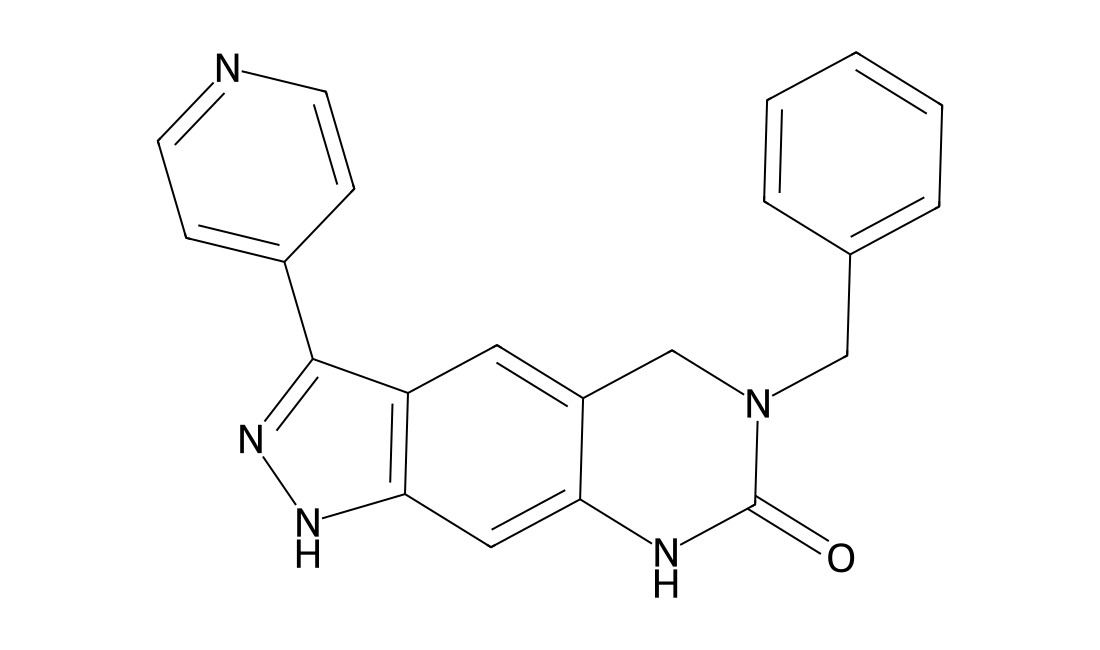
KO947Featured
KO-947 is a potent and selective inhibitor of ERK1/2 kinases with potential clinical utility in MAPK pathway dysregulated tumors.
KRCA-0008Featured
KRCA-0008 is a potent and selective ALK/Ack1 inhibitor with IC50 of 12 nM/4 nM for ALK and Ack1 respectively; displays drug-like properties without hERG liability.IC50 value: 12 nM/4 nM(ALK/Ack1) [1]Target: ALK/Ack1 inhibitorKRCA-0008 retains good drug-like properties: good water-solubility (54 μM in 5% DMSO–water, 150 μM in 5% DMSO–PBS buffer) with moderate plasma protein binding (93% in rat) and low brain exposure (Cbrain/Cplasma = ~0.02). It has good liver microsomal stability (% remaining after 30 min: 52% in mouse, 89% in rat, 72% in human) and little to no CYP inhibition (1A2, 2C9, 2D6, 3A4 @ 10 μM). It does not appear to cause hERG blockade (patch clamp IC50 = 30 μM) and is negative on Ames test (1000 μg/plate), chromosomal aberration assay and micronucleus assay.KRCA-0008 also shows promising pharmacokinetic parameters in both mice and rat (oral bioavailability = 66–94.5%). KRCA-0008 shows a modest tumor growth inhibition in vivo activity in H3122 human lung cancer bearing mice model comparable to Crizotinib without significant body weight change. It is important to mention the KRCA-0008 25 mpk and 50 mpk groups did not show dose-dependent tumor growth inhibition.
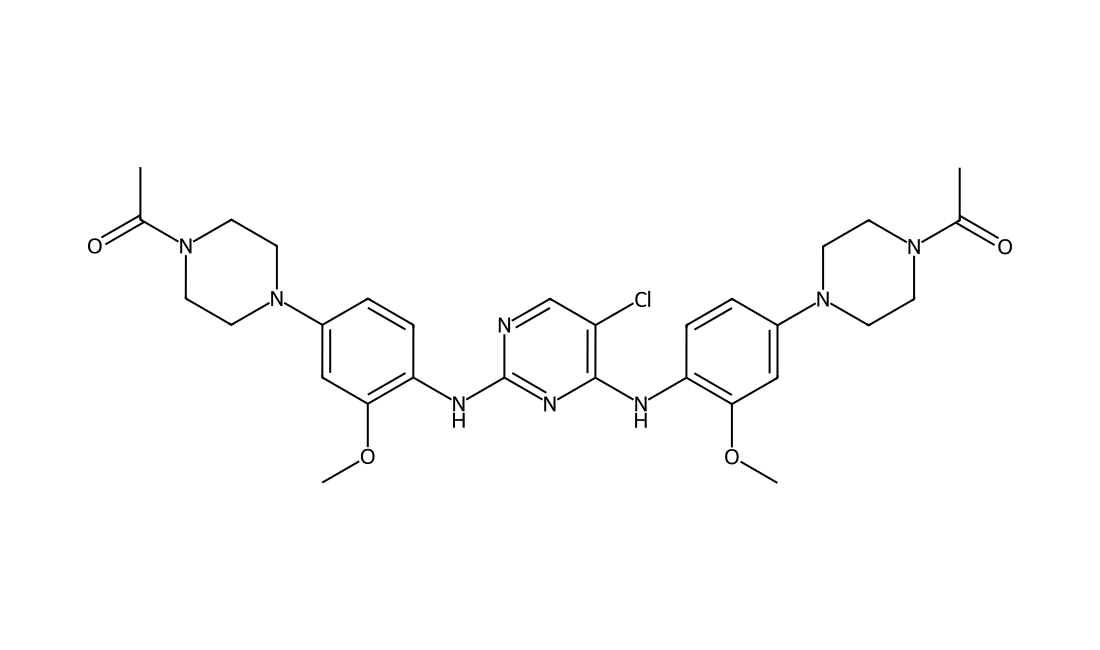
KRN633Featured
KRN-633 is a potent VEGFR inhibitor with IC50s of 170, 160 and 125 nM for VEGFR1, VEGFR2 and VEGFR3, respectively.
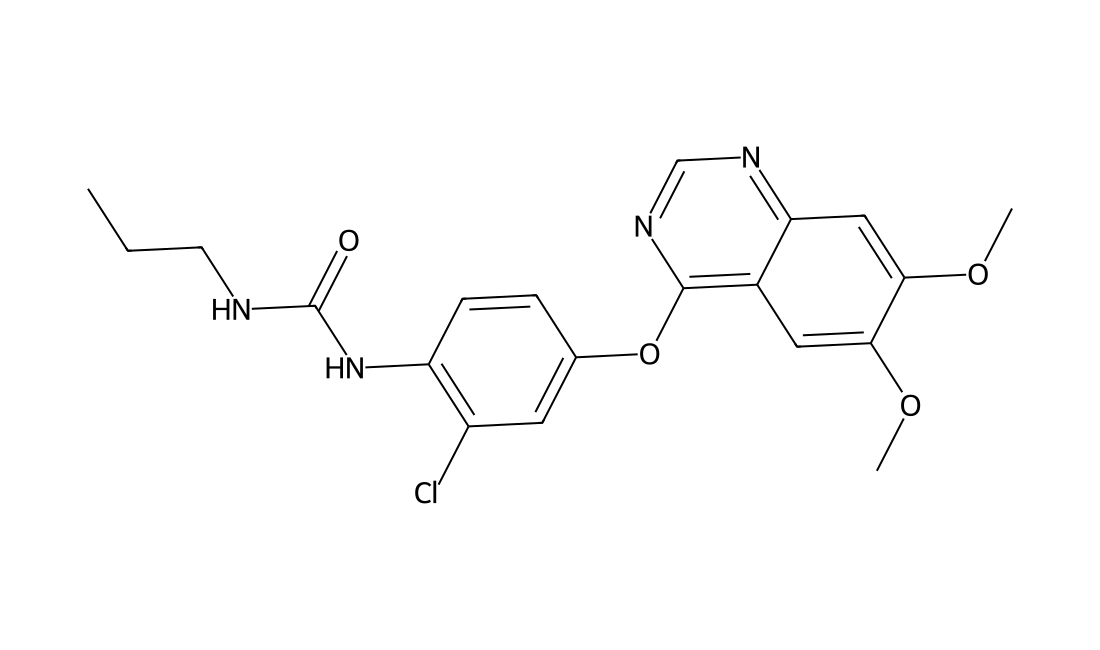
KYA1797KFeatured
KYA1797K is a potent and selective Wnt/β-catenin inhibitor with an IC50 of 0.75 µM.
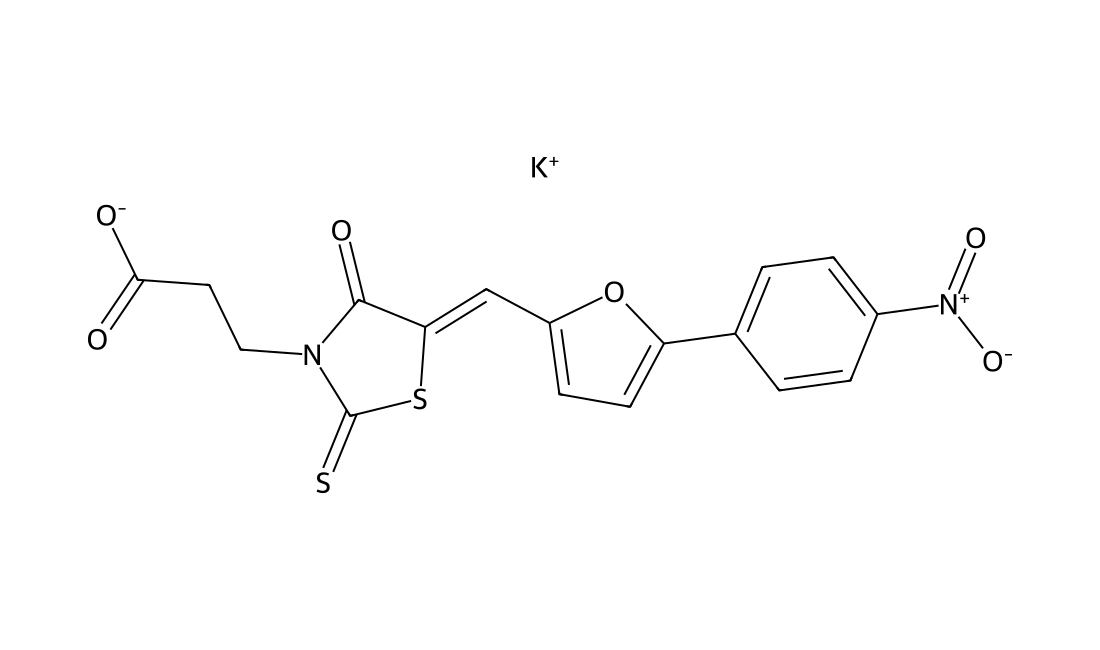
KYP-2047Featured
KYP-2047 is a very potent, selective inhibitor of Prolyl oligopeptidase (POP), also known as prolyl endopeptidase (PEP or PE). Ki = .023nM (porcine).
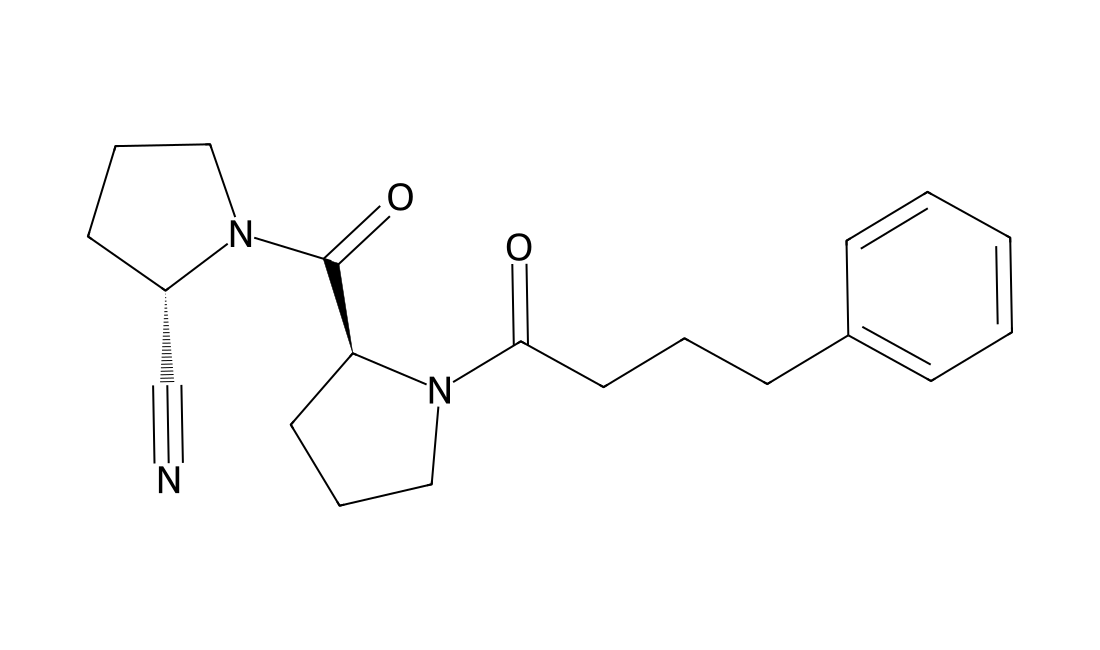
L67Featured
L67 is a novel, competitive human DNA ligase inhibitor, inhibits DNA ligases I and III with IC50 of 10 μM and 10 μM.IC50 value: 10 μM [1]Target: DNA ligasesin vitro: L67 significantly increases the cytotoxicity of DNA damaging agents.[1] L67 also inhibits cell proliferation. [2]
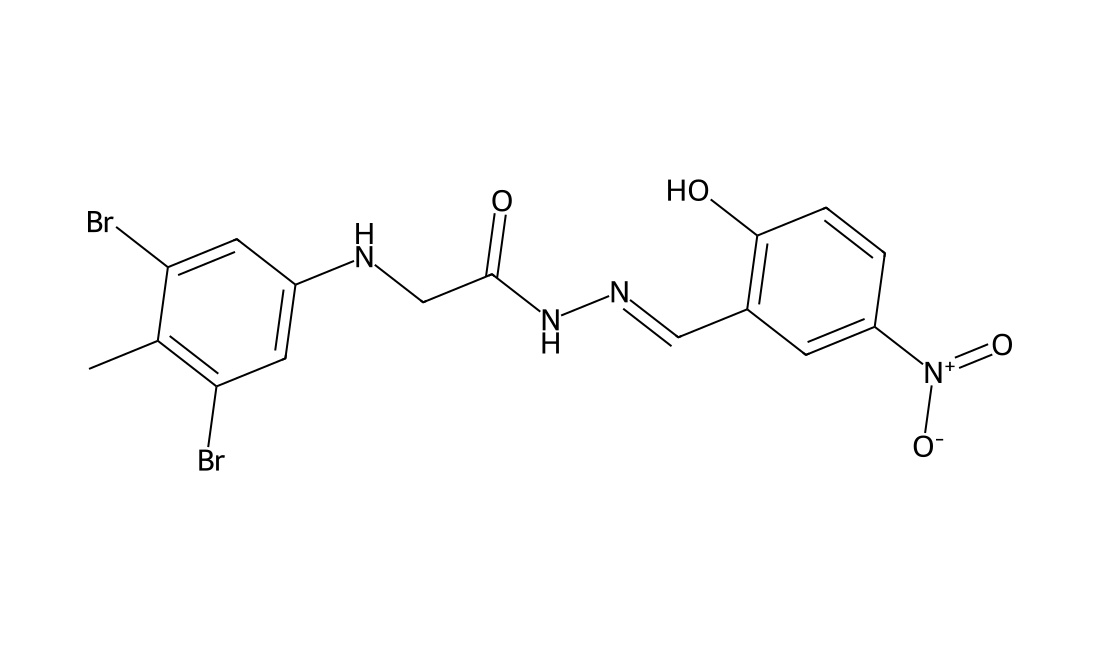
UPCDC30245Featured
UPCDC30245 is an allosteric inhibitor of AAA ATPase p97 with IC50 of 27 nM, binds at the junction between the D1 and D2 domains of p97.
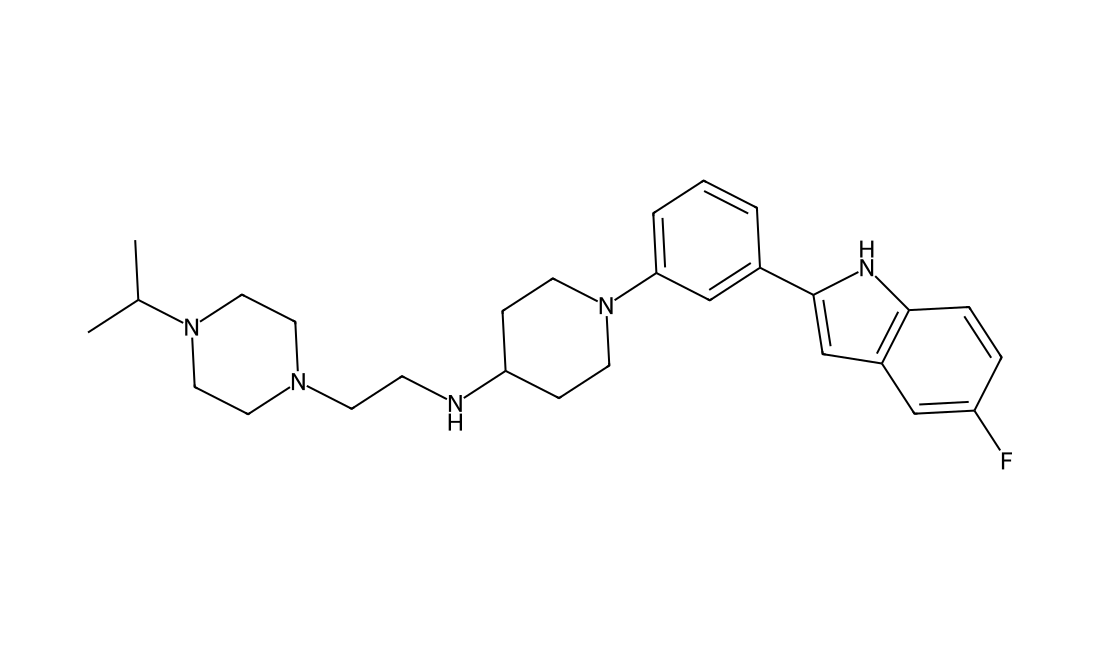
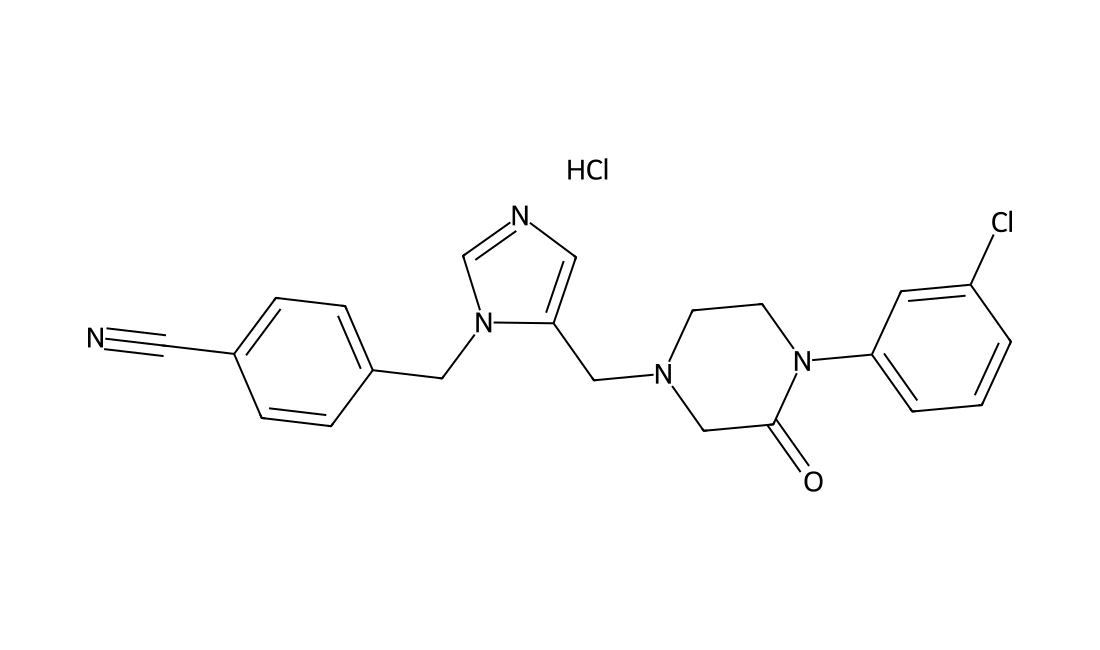
L-778123 HClFeatured
L-778123 hydrochloride is an inhibitor of FPTase and GGPTase-I with IC50 of 2 nM and 98 nM in enzyme inhibition determination.IC50 value: 2 nM [1]Target: FPTasein vitro: L-778123 can completely inhibit Ki-Ras prenylation. [1] L-778123 as a farnesyltransferase inhibitor can have a good cytotoxic activity as a classic anti-cancer agent. [2]in vivo: In the dog model, L-778123 inhibits HDJ2 prenylation and produces measurable, albeit slight (5%), levels of unprenylatedRap1A in PBMCs. [1]
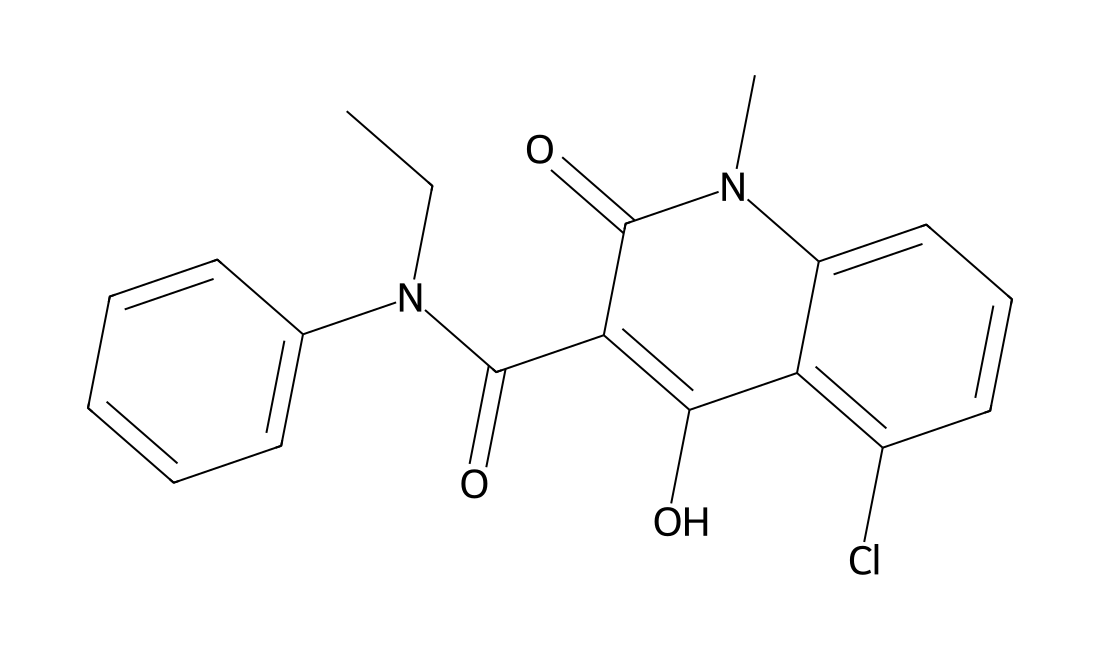
ABR-215062 (Laquinimod)Featured
Laquinimod is a potent immunomodulator which prevents neurodegeneration and inflammation in the central nervous system.
No products match this search.
Page 410 of 434 · Browse all 8677 products
Jump to a product page
Featured literature product: HX1 · DCL0028
HX1 is a hydroxyzine-derived ionizable lipid with acetal-containing tails, studied in lipid nanoparticles for brain mRNA delivery and CRISPR–Cas9 delivery. It was the lead in the reported in vivo brain-delivery screen; evidence is preclinical and formulation-dependent.
Read full formulation and performance →