
Research lipid catalog
Ionizable Lipid Products
Explore 848 lipid and RNA delivery products. Search the full catalog or browse by research category.
Search covers product name, catalog number, synonyms, available CAS numbers and categories. Spaces, hyphens and common punctuation are ignored. Duplicate legacy records are consolidated under one canonical product result.
8677 products · Showing 8401–8420 · 20 per page
DC Chemicals lipid expertise
Built for ionizable-lipid discovery and RNA delivery research
DC Chemicals supports formulation and delivery research with a broad, searchable portfolio of cationic and ionizable lipids. The current directory brings together 848 unique research-use products, with product specifications, pricing, chemical structures and literature-linked formulation data added as each record is verified.
Our experience spans complex lipid synthesis, purification, analytical release and process development. For custom molecules or larger-scale requirements, our team can discuss route development, technical specifications and scale-up options for the intended research workflow.
Learn about cationic and ionizable lipids →Proprietary innovation · Co-development · GMP
From proprietary lipid design to GMP-grade custom synthesis
DC Chemicals has independently developed ionizable-lipid structures supported by company-owned intellectual property, and selected proprietary lipid programs have advanced to GMP-stage development.
We welcome joint development with customers—from molecular design and lipid synthesis through route and process development. We can also support custom synthesis of GMP-grade ionizable lipids to agreed technical specifications and quality requirements.
Discuss a co-development project →Proprietary ionizable-lipid structuresCollaborative molecular designCustom lipid synthesisProcess development and scale-upGMP-grade project support
Product quick links
Explore New ionizable lipids
Explore our five most recently added ionizable lipids, with specifications, pricing and literature-linked product information.
DCL0028HX1Brain RNA delivery researchView product →DCL0024A1I4R13C18-2Spleen-targeted RNA delivery researchView product →DCL0023A1I4R2C18-2Spleen-targeted RNA delivery researchView product →DCL0022FS01Local joint RNA delivery researchView product →DCL0020Lipid-392Lung RNA delivery and gene editing researchView product →
Cat. No.Product NameField of ApplicationChemical Structure
QS 11 (QS11,BML-WN117)Featured
QS 11 is a GTPase activating protein of ADP-ribosylation factor 1 (ARFGAP1) inhibitor. Modulates ARF-GTP levels and synergizes with the Wnt/β-catenin signaling pathway to upregulate β-catenin nuclear translocation. Also reduces in vitro migration of metastatic human breast cancer cells.For the detailed information of QS 11 (QS11,BML-WN117), the solubility of QS 11 (QS11,BML-WN117) in water, the solubility of QS 11 (QS11,BML-WN117) in DMSO, the solubility of QS 11 (QS11,BML-WN117) in PBS buffer, the animal experiment (test) of QS 11 (QS11,BML-WN117), the cell expriment (test) of QS 11 (QS11,BML-WN117), the in vivo, in vitro and clinical trial test of QS 11 (QS11,BML-WN117), the EC50, IC50,and Affinity of QS 11 (QS11,BML-WN117), Please contact DC Chemicals.
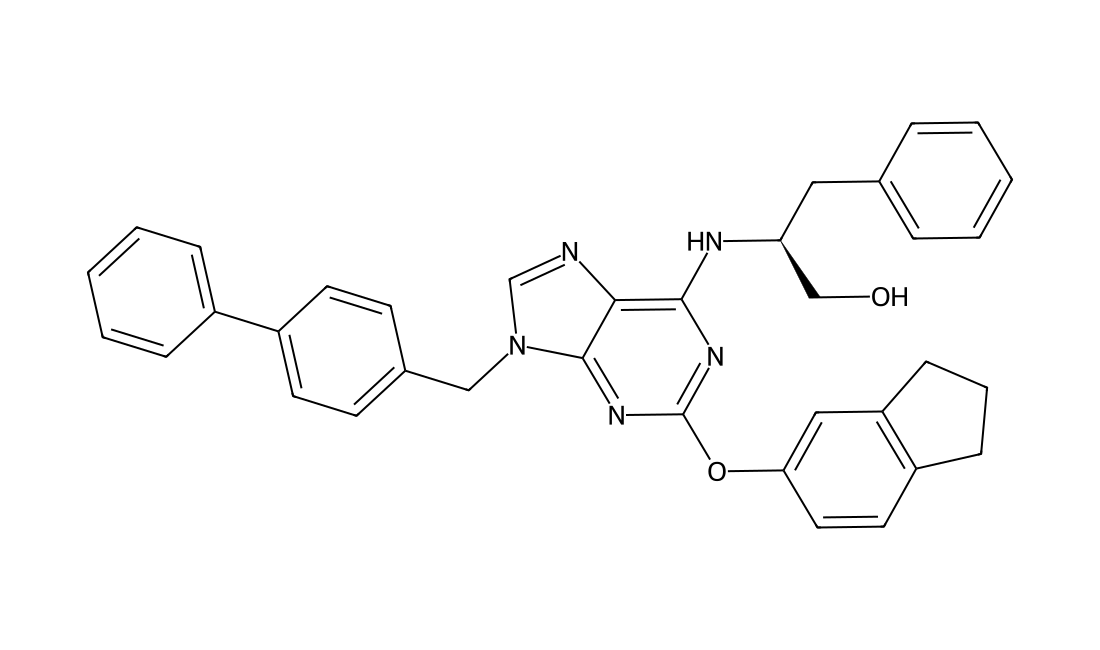
PYZD-4409Featured
PYZD-4409 is a novel small molecule inhibitor of Ubiquitin-activating enzyme UBA1/E1 enzyme with an IC50 of 20 uM (cell-free enzymatic assay). in vitro: PYZD-4409 inhibited the ATP-dependent activation of ubiquitin and subsequent transfer of the activated ubiquitin from the E1 to the common human E2 enzyme UBE2E2 in a gel-based assay. The IC50 of inhibition was estimated to be 20μM in a cell-free enzymatic assay. Suggesting specificity of PYZD-4409 for the E1 enzyme, the compound had no effect on unrelated enzymes such as α-Mannosidase II glycosylation enzyme or Luciferase at concentrations up to 100μM (data not shown). It also did not inhibit the summo E1, Uba2, at concentrations up to 100μM. In 5 of 8 leukemia and myeloma cell lines, PYZD-4409 induced cell death with a LD50 less than 10μM. Myeloma cell lines were particularly sensitive to E1 inhibition because PYZD-4409 induced cell death with 3 of 4 myeloma cell lines (ie, LP1, KMS11, and U226) having an LD50 of 3μM or less. In contrast, solid tumor cell lines were less sensitive with an LD50 of approximately 15 to 20μM. in vivo: SCID mice were injected subcutaneously with MDAY-D2 murine leukemia cells and then treated with PYZD-4409 (10 mg/kg) or buffer control intraperitoneally daily on alternate days over 8 days. Sixteen days after tumor implantation, the mice were killed, and the tumors excised and weighed. Compared with control-treated mice, treatment with PYZD-4409 delayed tumor growth and decreased tumor weight without untoward toxicity. Inhibition of the E1 can achieve an antitumor effect in vivo.
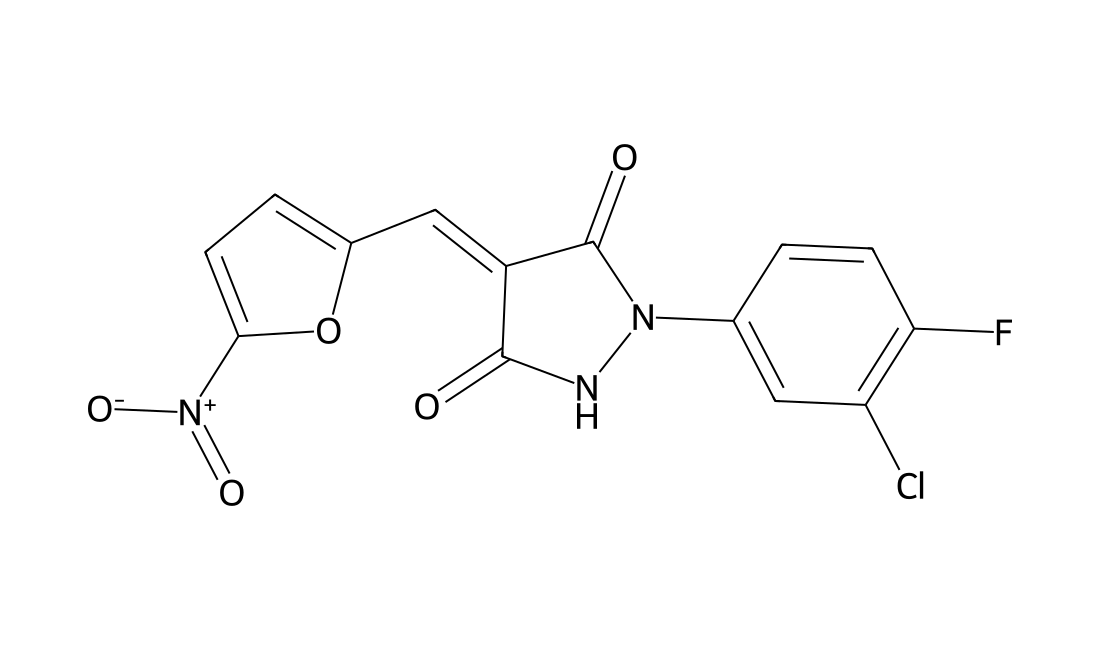
PX-102(PX-20606)Featured
PX20606, also known as PX-102, is a FXR agonist.
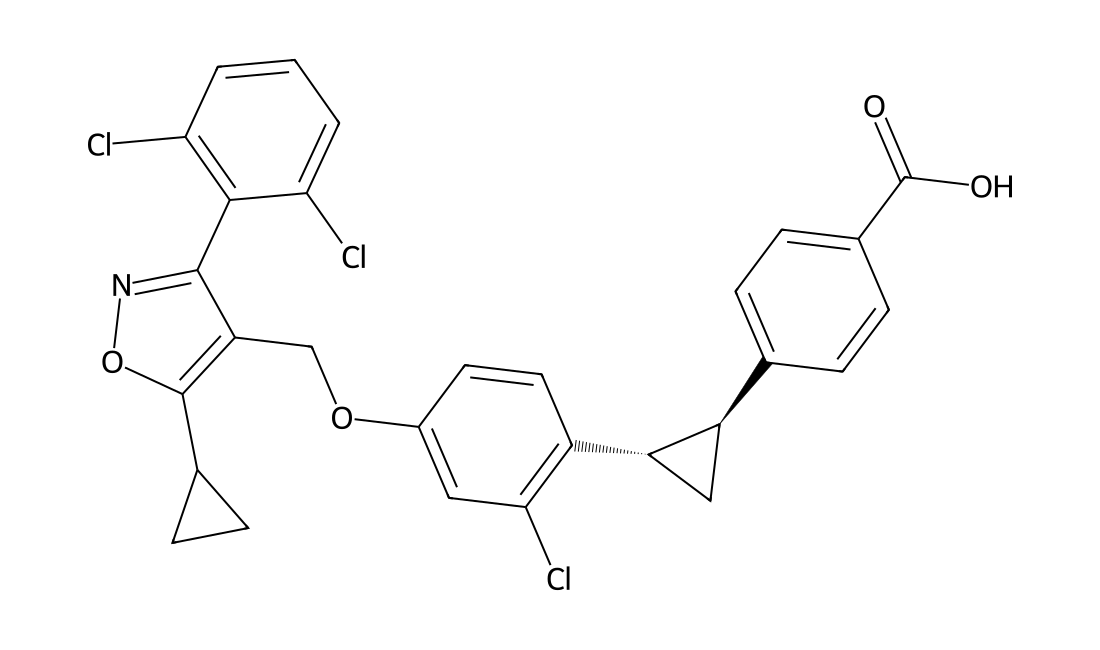
PRT062607Featured
PRT062607(P505-15) anti-SYK activity is at least 80-fold greater than its affinity For other kinases. at least 80-fold greater than its affinity For other kinases. PRT062607 potently inhibits B cell antigen receptor-mediated B cell signaling and activation (IC50 0.27 and 0.28 μM, respectively) and Fcε receptor 1-mediated basophil degranulation (IC50 0.15 μM). PRT062607 inhibits BCR-dependent secretion of the chemokines CCL3 and CCL4 by CLL cells, and leukemia cell migration toward the tissue homing chemokines CXCL12, CXCL13, and beneath stromal cells. PRT062607 furthermore inhibits Syk and extracellular signal-regulated kinase phosphorylation after BCR triggering. For the detailed information of PRT062607, the solubility of PRT062607 in water, the solubility of PRT062607 in DMSO, the solubility of PRT062607 in PBS buffer, the animal experiment (test) of PRT062607, the cell expriment (test) of PRT062607, the in vivo, in vitro and clinical trial test of PRT062607, the EC50, IC50,and Affinity of PRT062607, Please contact DC Chemicals.
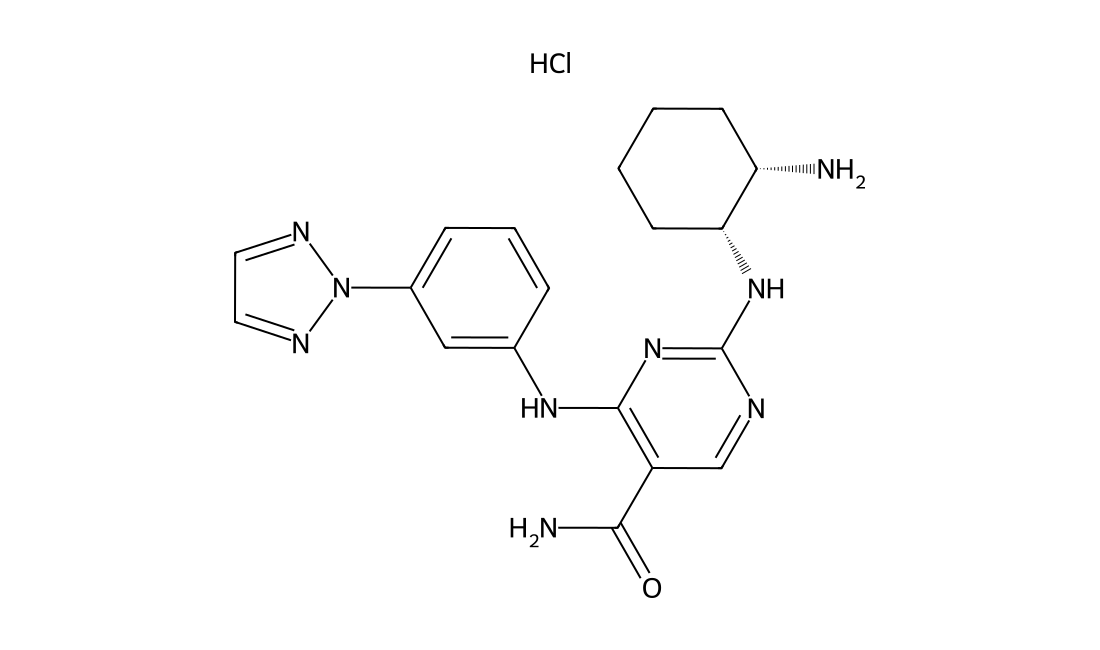
PRT-060318(PRT318)Featured
PRT-060318, also known as PRT318 or P142–76, is a novel selective inhibitor of the tyrosine kinase Syk, as an approach to HIT treatment. PRT318 completely inhibited HIT immune complex-induced aggregation of both human and transgenic HIT mouse platelets. Transgenic HIT model mice were treated with KKO, a mouse monoclonal HIT-like antibody, and heparin. The experimental group received orally dosed PRT318, whereas the control group received vehicle. Nadir platelet counts of PRT318-treated mice were significantly higher than those of control mice. When examined with a novel thrombosis visualization technique, mice treated with PRT318 had significantly reduced thrombosis. The Syk inhibitor PRT318 thus prevented both HIT immune complex-induced thrombocytopenia and thrombosis in vivo, demonstrating its activity in HIT. (source: Blood. 2011 Feb 17;117(7):2241-6.) For the detailed information of PRT-060318 , the solubility of PRT-060318 in water, the solubility of PRT-060318 in DMSO, the solubility of PRT-060318 in PBS buffer, the animal experiment (test) of PRT-060318 , the cell expriment (test) of PRT-060318 , the in vivo, in vitro and clinical trial test of PRT-060318 , the EC50, IC50,and affinity,of PRT-060318 , Please contact DC Chemicals.
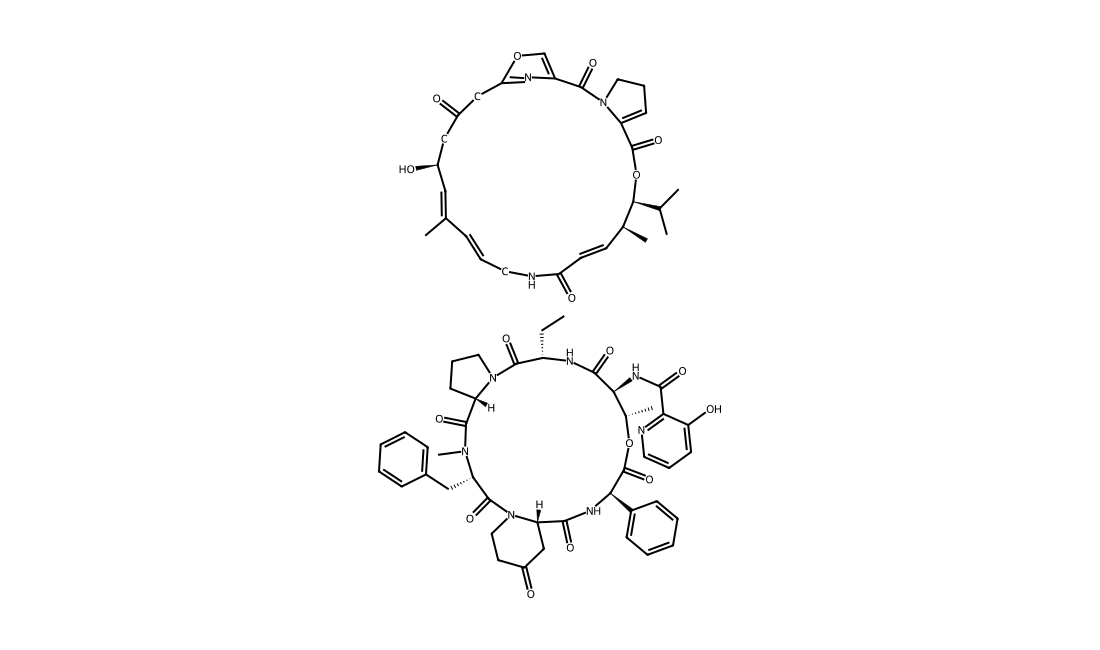
PristinamycinFeatured
Pristinamycin is an antibiotic used primarily in the treatment of staphylococcal infections, and to a lesser extent streptococcal infections.
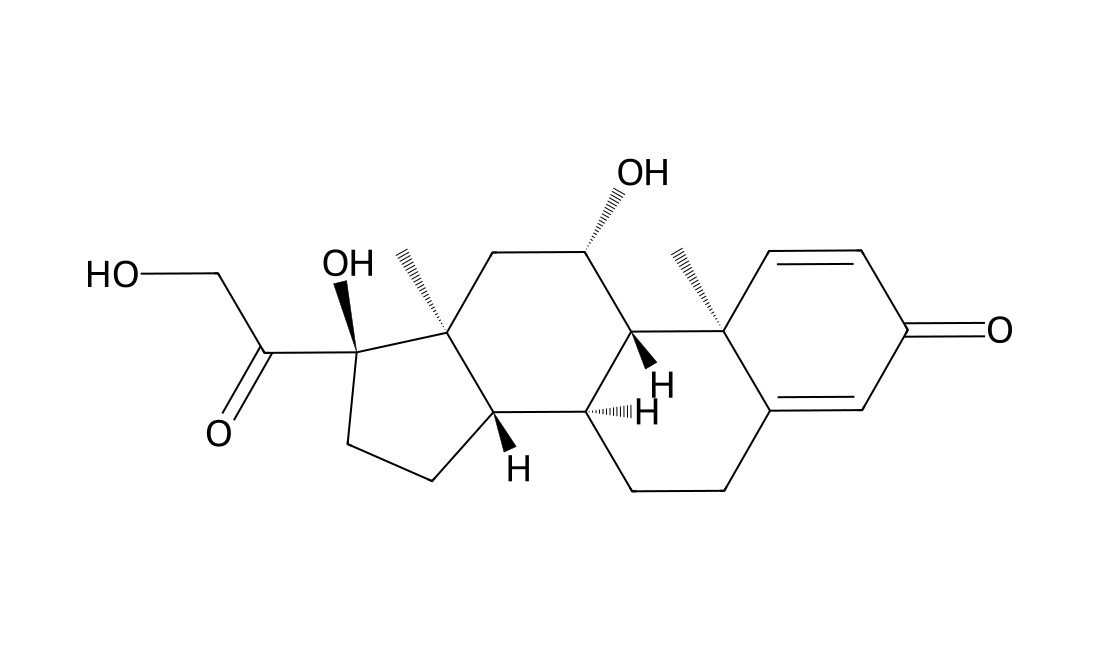
PrednisoloneFeatured
Prednisolone is a glucocorticoid with the general properties of the corticosteroids. Allergy Approved
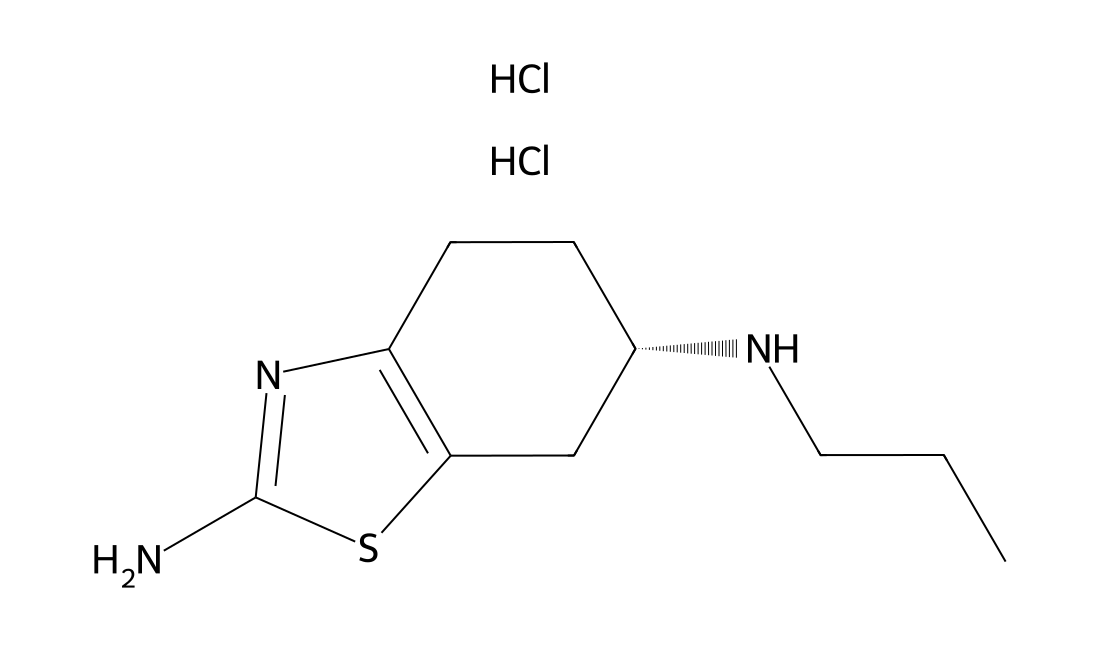
Pramipexole dihydrochlorideFeatured
Pramipexole (Mirapex, Mirapexin, Sifrol) is a dopamine agonist of the non-ergoline class indicated For treating early-stage Parkinson's disease (PD) and restless legs syndrome (RLS). It is also sometimes used off-label as a treatment For cluster headache and to counteract problems with sexual dysfunction experienced by some users of selective serotonin reuptake inhibitor (SSRI) antidepressants. Pramipexole has shown robust effects on pilot studies in a placebo-controlled proof of concept study in bipolar disorder. It is also being investigated For the treatment of clinical depression and fibromyalgia. For the detailed information about the solubility of Pramipexole dihydrochloride in water, the solubility of Pramipexole dihydrochloride in DMSO, the solubility of Pramipexole dihydrochloride in PBS buffer, the animal experiment(test) of Pramipexole dihydrochloride,the in vivo,in vitro and clinical trial test of Pramipexole dihydrochloride,the cell experiment(test) of Pramipexole dihydrochloride,the IC50, EC50 and Affinity of Pramipexole dihydrochloride, please contact DC Chemicals.
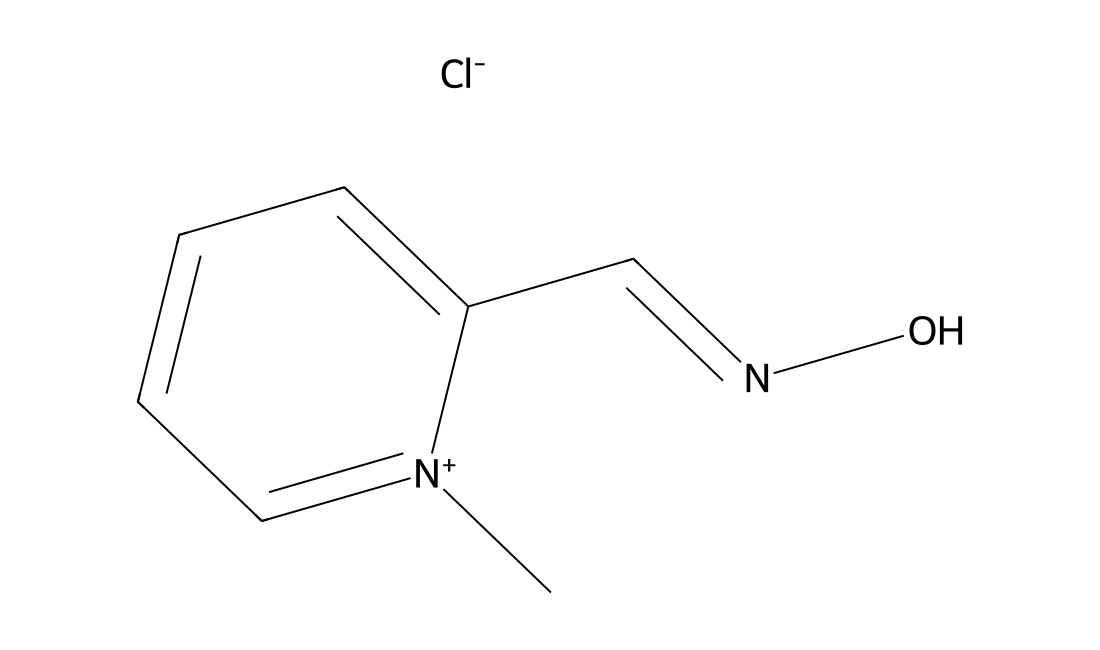
Pralidoxime (chloride)Featured
Pralidoxime is an antidote to organophosphate pesticides and chemicals.
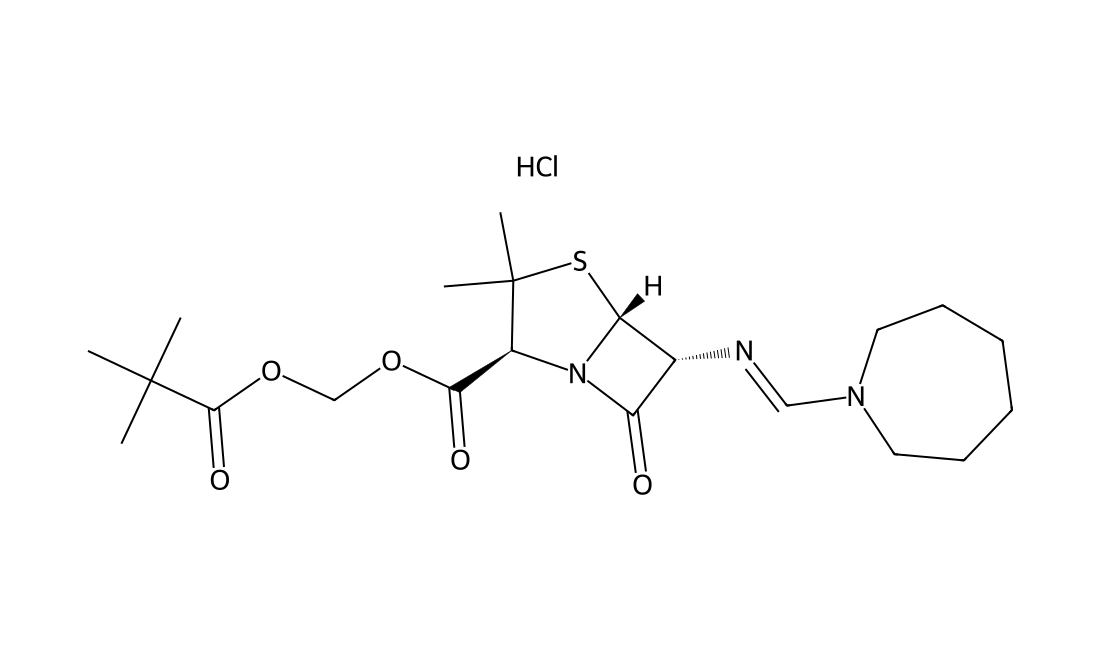
Pivmecillinam (hydrochloride)Featured
Pivmecillinam(Amdinocillin pivoxil) is an orally active prodrug of mecillinam, an extended-spectrum penicillin antibiotic.
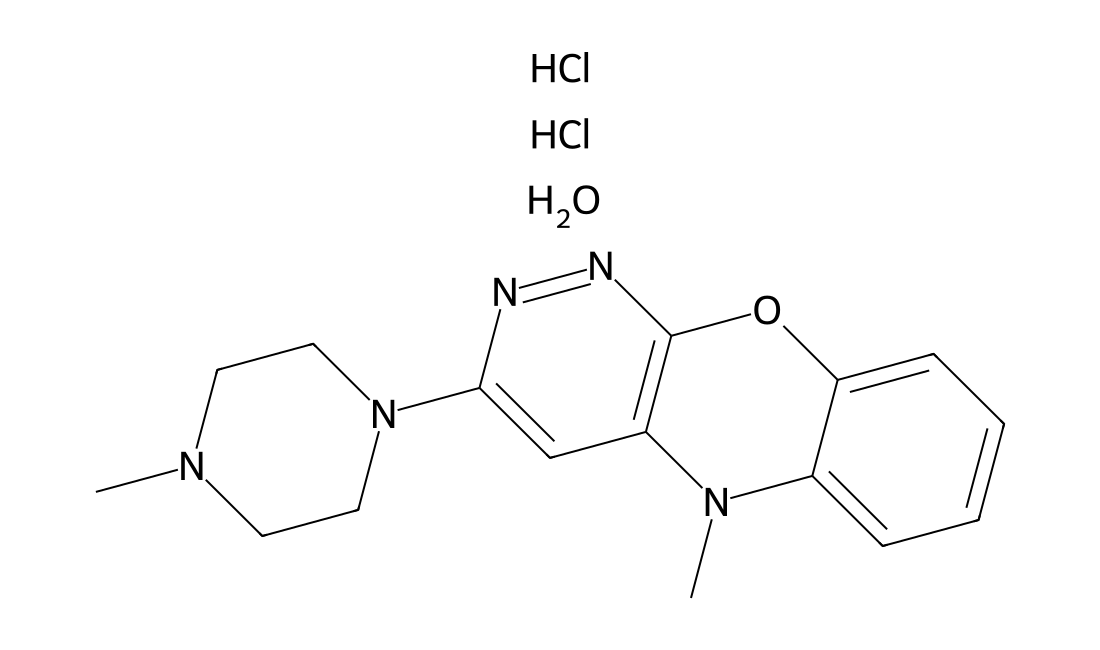
Pipofezine(Azafen or Azaphen) is a potent inhibitor of the reuptake of serotonin. Pipofezine is a tricyclic antidepressant (TCA) approved in Russia for the treatment ofdepression. In addition to its antidepressant action, pipofezine has sedative effects as well, indicating antihistamine activity.
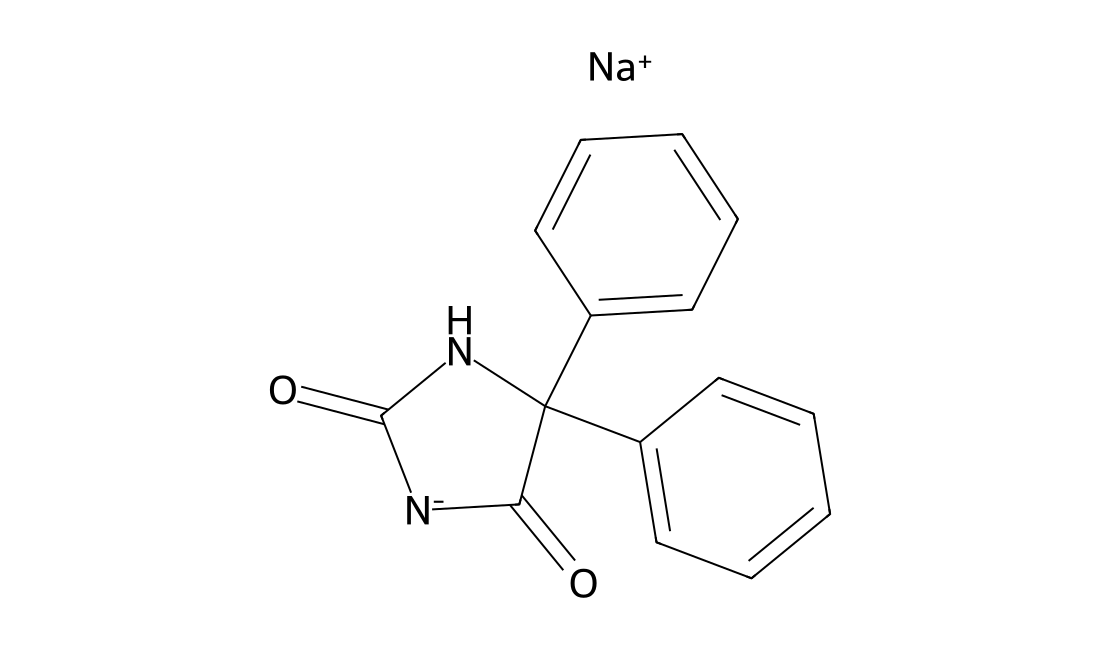
Phenytoin sodiumFeatured
Phenytoin sodium is an inactive voltage-gated sodium channel stabilizer.Phenytoin sodium is an antiepileptic drug. It is useful to treat partial seizures and generalized tonic-clonic seizures but not primary generalized seizures such as absence seizures or myoclonic seizures. Phenytoin is believed to protect against seizures by causing voltage-dependent block of voltage-gated sodium channels. Phenytoin has low affinity for resting sodium channels at hyperpolarized membrane potentials. When neurons are depolarized and the channels transition into the open and inactivated states, greater binding and block occur. The inhibitory potency is strongly use dependent, so that block accumulates with prolonged or repetitive activation, such as occurs during a seizure discharge. The blocking of sodium channels by phenytoin is of slow onset. The time course of fast sodium currents is therefore not altered in the presence of the drug and action potentials evoked by synaptic depolarizations of ordinary duration are not blocked. Thus phenytoin is able to selectively inhibit pathological hyperexcitability in epilepsy without unduly impairing ongoing activity. Phenytoin also blocks persistent sodium current and this may be of particular importance in seizure control. Phenytoin is a class 1b antiarrhythmic.
PHA-767491 (hydrochloride)Featured
PHA-767491 (CAY10572) Hcl is a potent, ATP-competitive dual Cdc7/Cdk9 inhibitor with IC50 values of 10/34 nM. in vitro: PHA-767491 displays approximately 20-fold selectivity for Cdk1, Cdk2 and GSK3-β, 50-fold selectivity for MK2 and Cdk5 and 100-fold selectivity for PLK1 and CHK2. PHA-767491 inhibits cell proliferation in a variety of human cell lines with IC50 of 0.86 μM for SF-268 to 5.87 μM for K562, and significantly induces apoptosis in a p53-independent manner in almost all cell lines in contrast with 5-FU or gemcitabine which only works in a few of cell lines. Unlike current DNA synthesis inhibitors, PHA-767491 treatment at 5 μM blocks the initiation of DNA replication but not replication fork progression, due to specific inhibition of Cdc7 kinase and Mcm2 phosphorylation at the Cdc7-dependent Ser40 site. The direct mitochondrial dependent pro-apoptosis effect of PHA-767491 is also observed when applied at 1 μM in quiescent chronic lymphocytic leukemia (CLL) cells through the similar mechanism with EC50 of 0.34-0.97 μM. While in proliferating CLL cells stimulated by CD154 and interleukin-4, PHA-767491 treatment at 5 μM abolishes DNA synthesis by inhibiting Cdc7 rather than triggering cell death. The up-regulated Mcl-1 levels in ABT-737-resistant OCI-LY1 and SU-DHL-4 cells can be significantly decreased by PHA-767491 treatment at 3 μM possibly due to the inhibition of Cdk9, leading to the restoration of the sensitivity to ABT-737. in vivo: Administration of PHA-767491 twice a day for 5 days significantly inhibits the growth of HL60 xenograft in a dose-dependent manner with TGI of 50% and 92% at dose of 20 mg/kg and 30 mg/kg, respectively, the effect of which is also marked in A2780, Mx-1, and HCT-116 xenograft models as well as the DMBA-induced mammary carcinomas, and correlates with Cdc7 inhibition and subsequently decreased phosphorylation of Mcm2 at the Cdc7-dependent site Ser40.
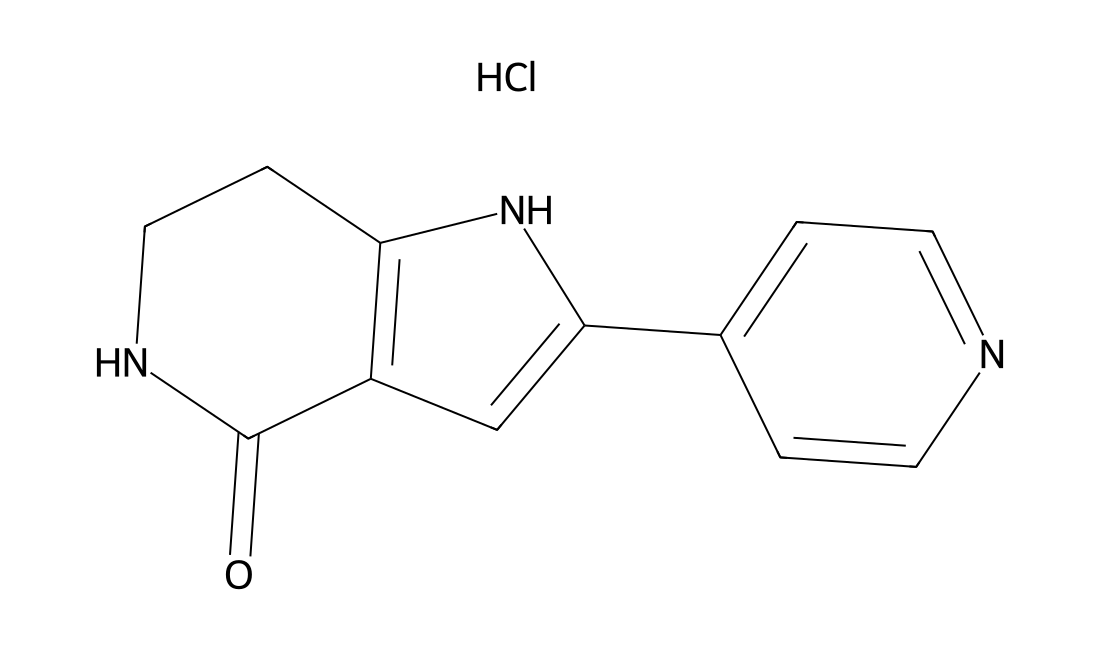
PF 4800567Featured
Selective casein kinase 1ε inhibitor; displays 22-fold greater potency towards CK1ε than CK1δ (IC50 values are 32 and 711 nM for CK1ε and CK1δ respectively). ATP competitive. Displays minimal effect on the circadian clock. For the detailed information of PF 4800567, the solubility of PF 4800567 in water, the solubility of PF 4800567 in DMSO, the solubility of PF 4800567 in PBS buffer, the animal experiment (test) of PF 4800567, the cell expriment (test) of PF 4800567, the in vivo, in vitro and clinical trial test of PF 4800567, the EC50, IC50,and affinity,of PF 4800567, For the detailed information of PF 4800567, the solubility of PF 4800567 in water, the solubility of PF 4800567 in DMSO, the solubility of PF 4800567 in PBS buffer, the animal experiment (test) of PF 4800567, the cell expriment (test) of PF 4800567, the in vivo, in vitro and clinical trial test of PF 4800567, the EC50, IC50,and affinity,of PF 4800567, Please contact DC Chemicals.
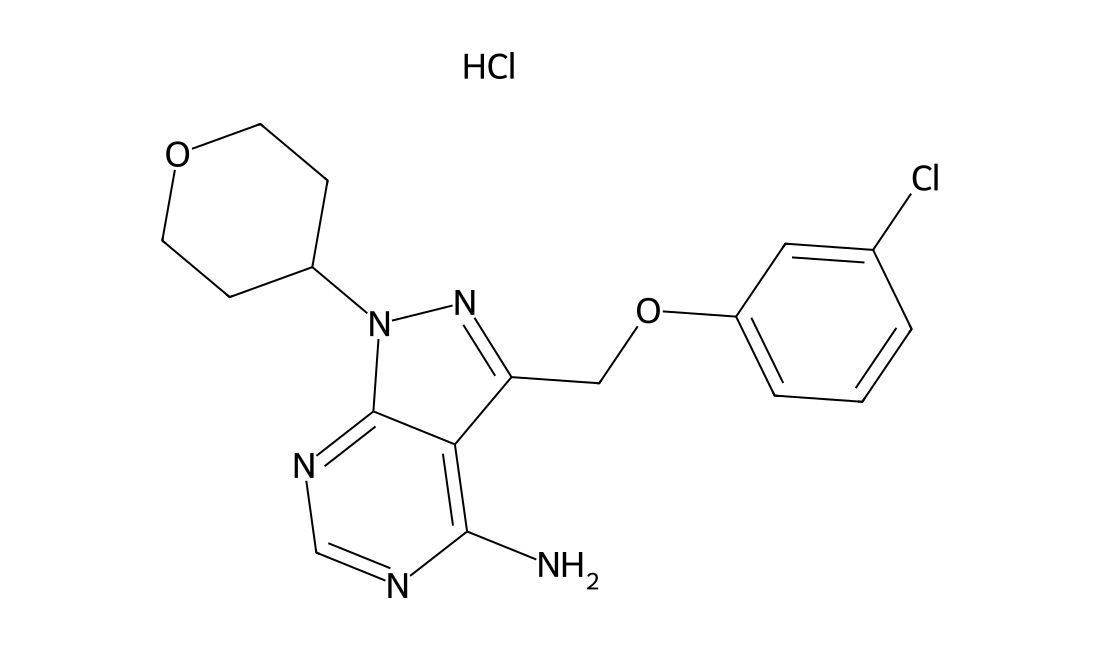
PF 03716556Featured
PF 03716556 is a potent, and selective acid pump (H+,K+ ATPase) antagonist, with pIC50 value of 6.009.
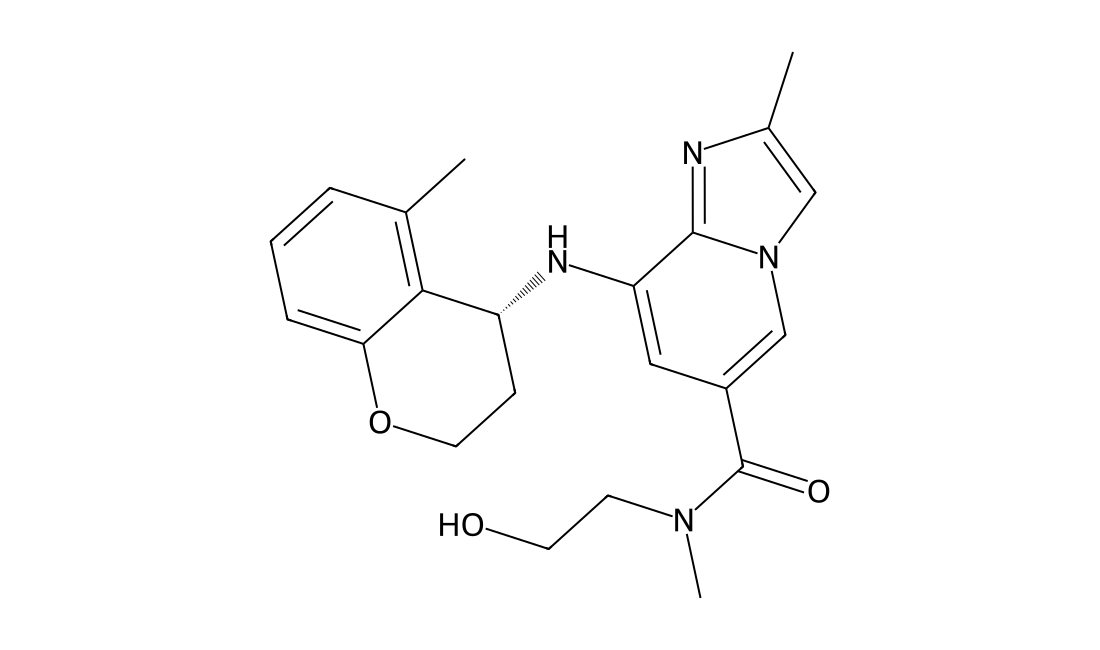
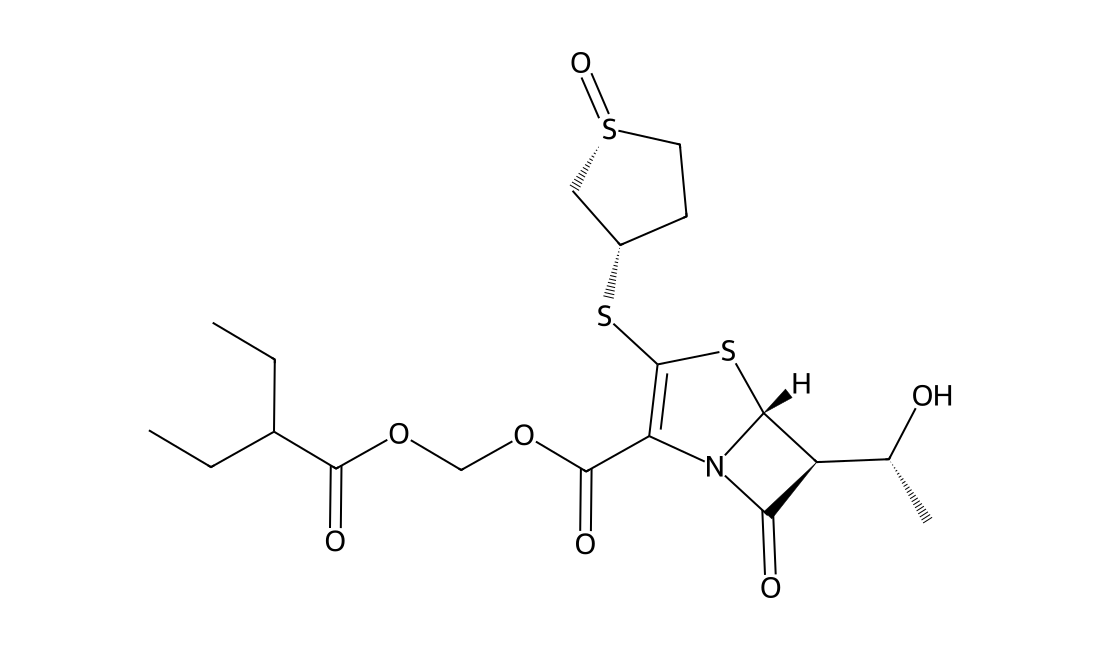
PF 03709270 is an orally available ester prodrug form of sulopenem, with broad-spectrum antibacterial activity against most gram-positive and gram-negative bacteria.
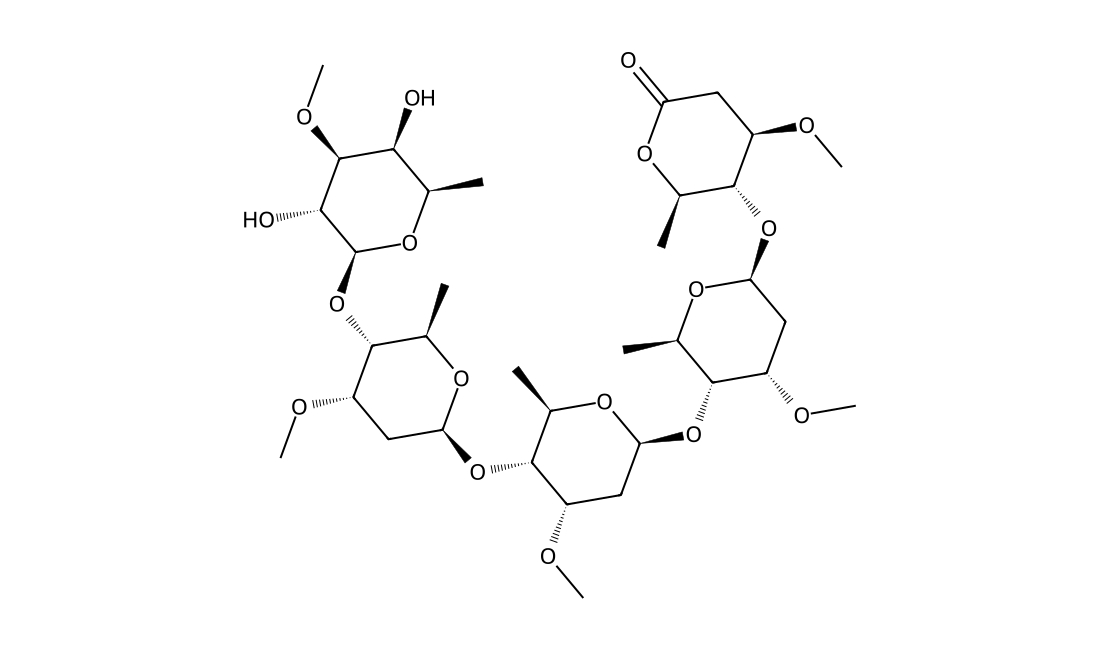
Perisesaccharide CFeatured
Perisesaccharide C is an oligosaccharide isolated from the root barks of Periploca sepium.
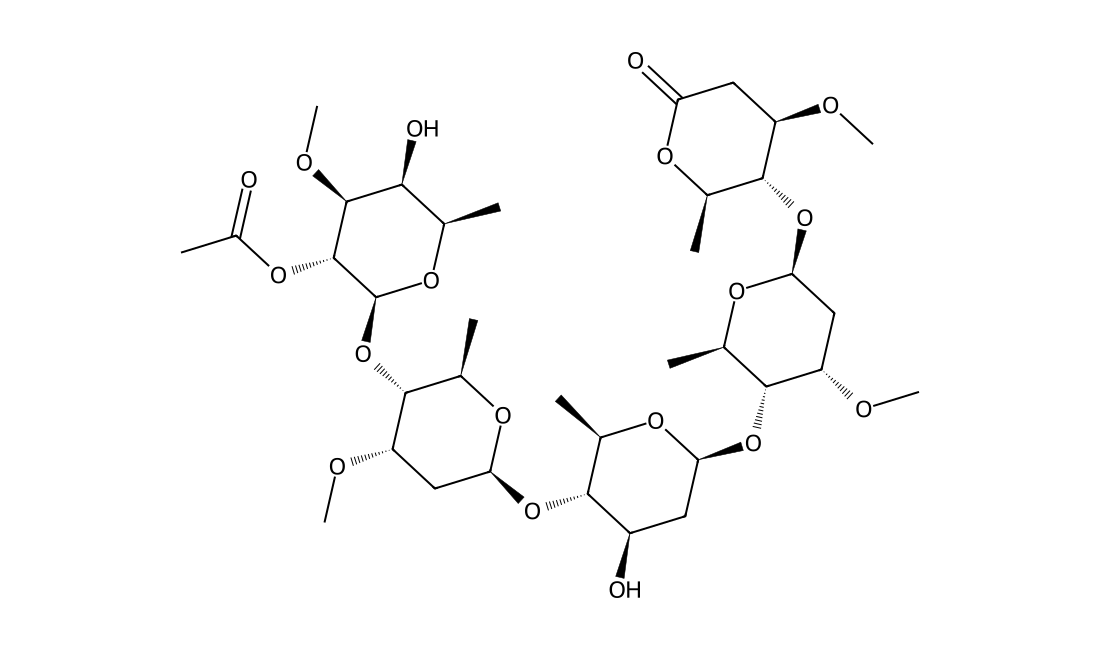
Perisesaccharide BFeatured
Perisesaccharide B is an oligosaccharide isolated from the root barks of Periploca sepium.
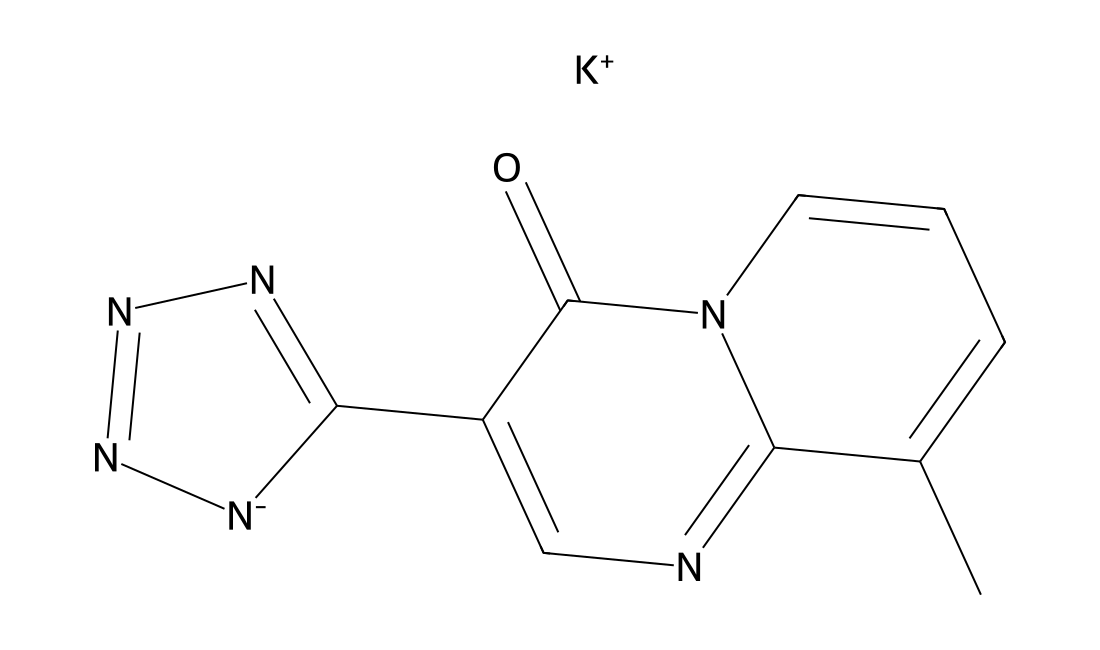
Pemirolast potassiumFeatured
Pemirolast Potassium (BMY 26517) is a histamine H1 antagonist and mast cell stabilizer that acts as an antiallergic agent.Pemirolast potassium (BMY 26517) is a new oral, nonbronchodilator antiallergy medication that is being evaluated for the therapy of asthma. Pemirolast potassium (BMY 26517) inhibits chemical mediator release from tissue mast cells and is also shown to inhibit the release of peptides including substance P, Pemirolast potassium (BMY 26517) reduces kaolin intake by inhibition of substance P release in rats. Pemirolast potently attenuates paclitaxel hypersensitivity reactions through inhibition of the release of sensory neuropeptides in rats. Pemirolast potassium is used for the treatment of allergic conjunctivitis and prophylaxis for pulmonary hypersensitivity reactions to drugs such as paclitaxel.
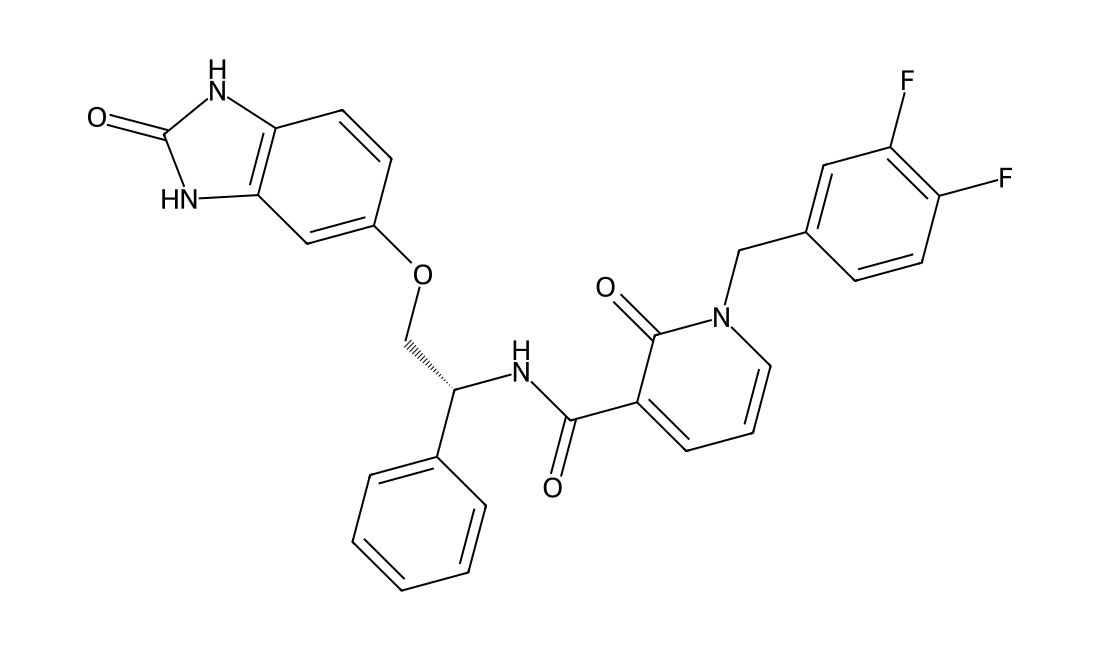
PDK1 inhibitorFeatured
PDK1 inhibitor is a potent and selective inhibitor of PDK1 with potential as anticancer agent.
No products match this search.
Page 421 of 434 · Browse all 8677 products
Jump to a product page
Featured literature product: HX1 · DCL0028
HX1 is a hydroxyzine-derived ionizable lipid with acetal-containing tails, studied in lipid nanoparticles for brain mRNA delivery and CRISPR–Cas9 delivery. It was the lead in the reported in vivo brain-delivery screen; evidence is preclinical and formulation-dependent.
Read full formulation and performance →