
Research lipid catalog
Ionizable Lipid Products
Explore 848 lipid and RNA delivery products. Search the full catalog or browse by research category.
Search covers product name, catalog number, synonyms, available CAS numbers and categories. Spaces, hyphens and common punctuation are ignored. Duplicate legacy records are consolidated under one canonical product result.
8677 products · Showing 8341–8360 · 20 per page
DC Chemicals lipid expertise
Built for ionizable-lipid discovery and RNA delivery research
DC Chemicals supports formulation and delivery research with a broad, searchable portfolio of cationic and ionizable lipids. The current directory brings together 848 unique research-use products, with product specifications, pricing, chemical structures and literature-linked formulation data added as each record is verified.
Our experience spans complex lipid synthesis, purification, analytical release and process development. For custom molecules or larger-scale requirements, our team can discuss route development, technical specifications and scale-up options for the intended research workflow.
Learn about cationic and ionizable lipids →Proprietary innovation · Co-development · GMP
From proprietary lipid design to GMP-grade custom synthesis
DC Chemicals has independently developed ionizable-lipid structures supported by company-owned intellectual property, and selected proprietary lipid programs have advanced to GMP-stage development.
We welcome joint development with customers—from molecular design and lipid synthesis through route and process development. We can also support custom synthesis of GMP-grade ionizable lipids to agreed technical specifications and quality requirements.
Discuss a co-development project →Proprietary ionizable-lipid structuresCollaborative molecular designCustom lipid synthesisProcess development and scale-upGMP-grade project support
Product quick links
Explore New ionizable lipids
Explore our five most recently added ionizable lipids, with specifications, pricing and literature-linked product information.
DCL0028HX1Brain RNA delivery researchView product →DCL0024A1I4R13C18-2Spleen-targeted RNA delivery researchView product →DCL0023A1I4R2C18-2Spleen-targeted RNA delivery researchView product →DCL0022FS01Local joint RNA delivery researchView product →DCL0020Lipid-392Lung RNA delivery and gene editing researchView product →
Cat. No.Product NameField of ApplicationChemical Structure
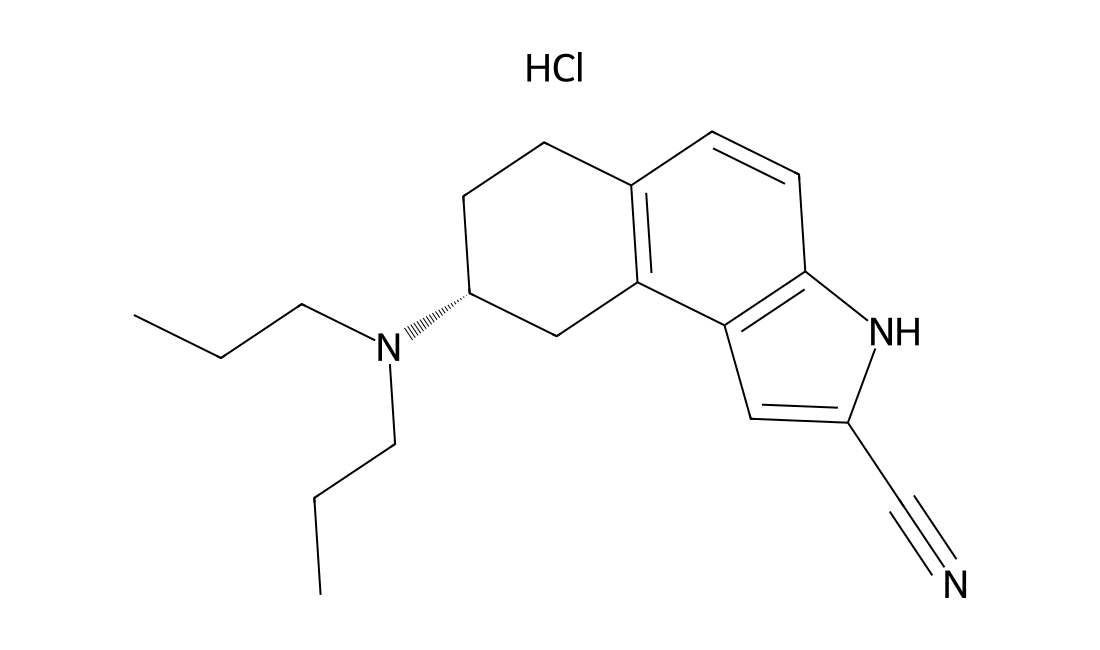
U-92016AFeatured
U-92016A is an agonist of the serotonin (5-HT) receptor subtype 5-HT1A (Ki = 0.4 nM).It is selective for 5-HT1A over 5-HT1D, 5-HT2, dopamine D1 and D2, and α1- and α2-adrenergic receptors (Kis = 7.7, >1,000, >1,000, 36, >1,000, and >1,000 nM, respectively). U-92016A inhibits forskolin-stimulated cAMP synthesis in CHO cells transfected with human 5-HT1A. In vivo, U-92016A induces hypothermia in mice (ED50 = 0.041 mg/kg). It induces 5-HT syndrome, as measured by increased flat body posture and reciprocal forepaw treading, as well as decreases accumulation of 5-HT and dopamine in rats when administered at a dose of 5 mg/kg. U-92016A also decreases arterial blood pressure and heart rate in a dose-dependent manner in spontaneously hypertensive rats and reverses isolation-induced aggression in mice.
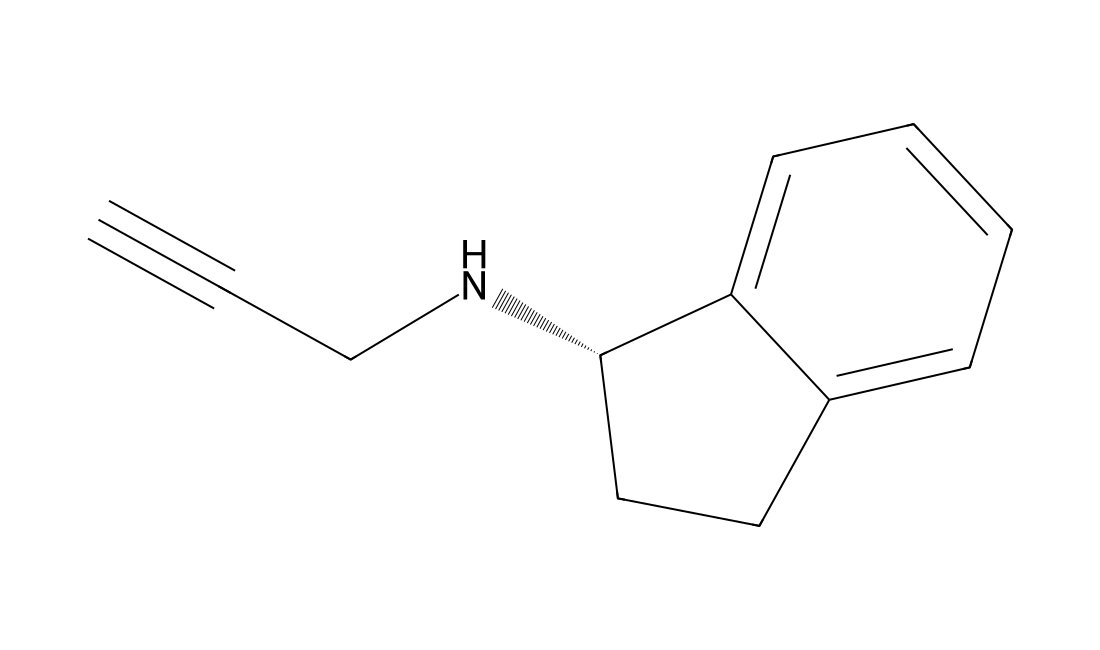
TVP1022Featured
TVP1022 is the S-isomer of rasagiline, which is an anti-Parkinson drug, appears to have the same neuroprotective activity as the R-isomer, but is 1000-fold less active as an MAO-B inhibitor.
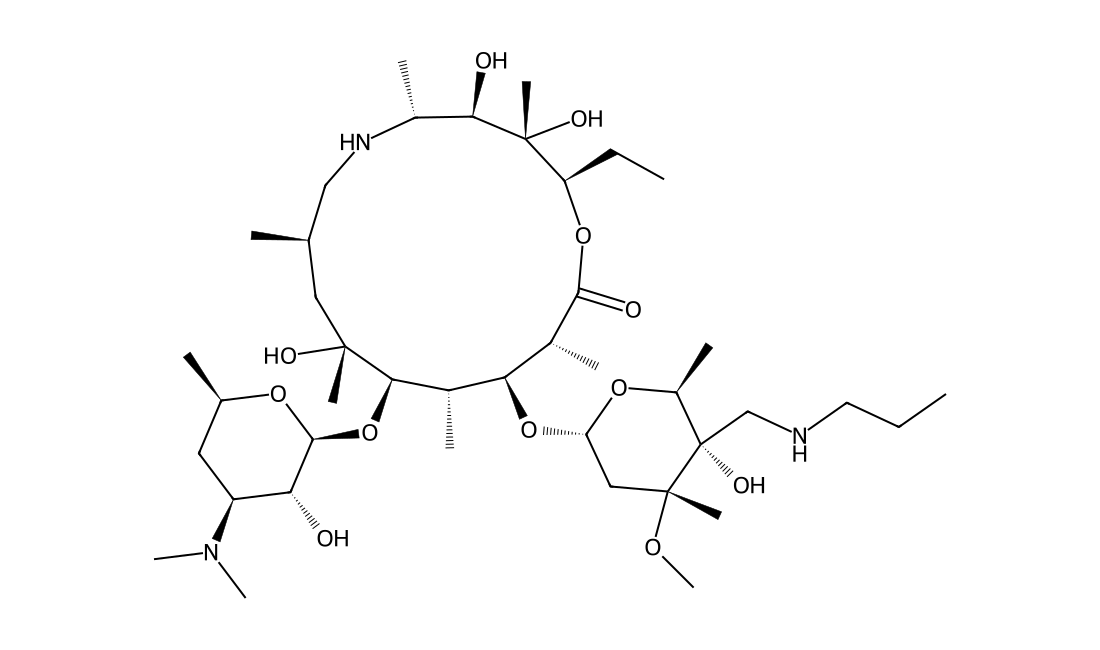
Tulathromycin AFeatured
Tulathromycin is a new semi-synthetic member of the macrolide group of antibiotics that is recommended for treatment and prevention of bacterial respiratory disease in cattle and pigs.
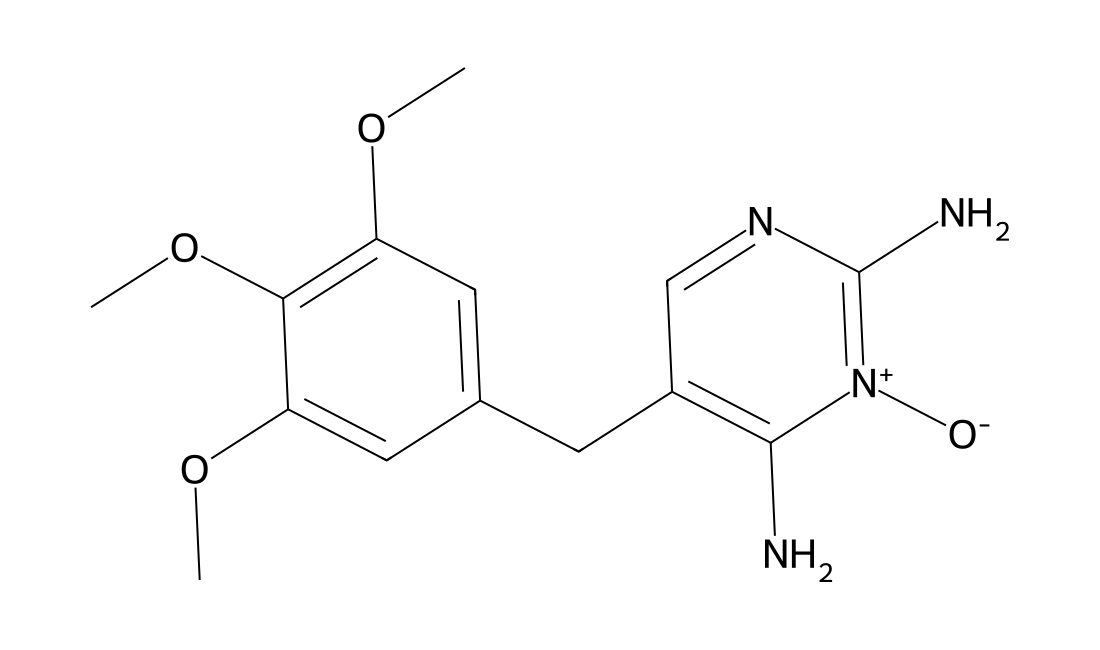
In Vitro Trimethoprim 3-oxide is the primary metabolite of trimethoprim. Trimethoprim 3-oxide (3-NO-TMP) is converted from trimethoprim by CYP1A1 and CYP1B1 with highest rates in human liver microsomes (HLMs). The CYP1A inhibitor α-Naphthoflavone inhibits Trimethoprim 3-oxide formation, however, other competitive P450 inhibitors has no obvious inhibition on the formation.
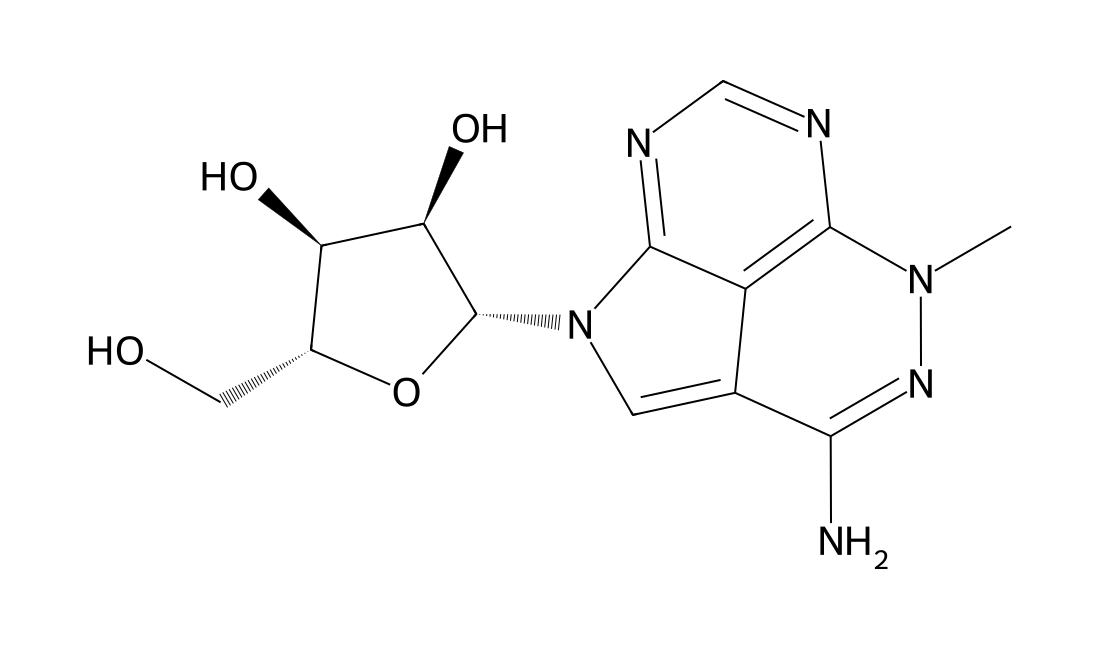
TriciribineFeatured
Triciribine(API-2; NSC 154020) is a DNA synthesis inhibitor, also inhibits Akt and HIV-1 with IC50 of 130 nM and 20 nM, respectively; does not inhibit PI3K/PDK1; 5000-fold less active in cells lacking adenosine kinase.Triciribine, also known as API-2, suppresses the phosphorylation level and kinase activity of Akt. Triciribine is a cell-permeable tricyclic nucleoside that inhibits the phosphorylation, activation, and signalling of Akt-1, -2, and -3. Triciribine does not inhibit PI3-Kinase or PDK1, the direct upstream activators of Akt, nor does it inhibit PKC, PKA, ERK1/2, serum- and glucocorticoid-inducible kinase, p38, STAT3, or JNK signalling pathways. Triciribine induces apoptosis and growth arrest in vitro, preferentially in human cancer cells with elevated levels of Akt. Triciribine potently and selectively inhibits growth of Akt-overexpressing tumors in mice. Triciribine also inhibits DNA synthesis and displays antiviral activity against HIV-1 and -2.
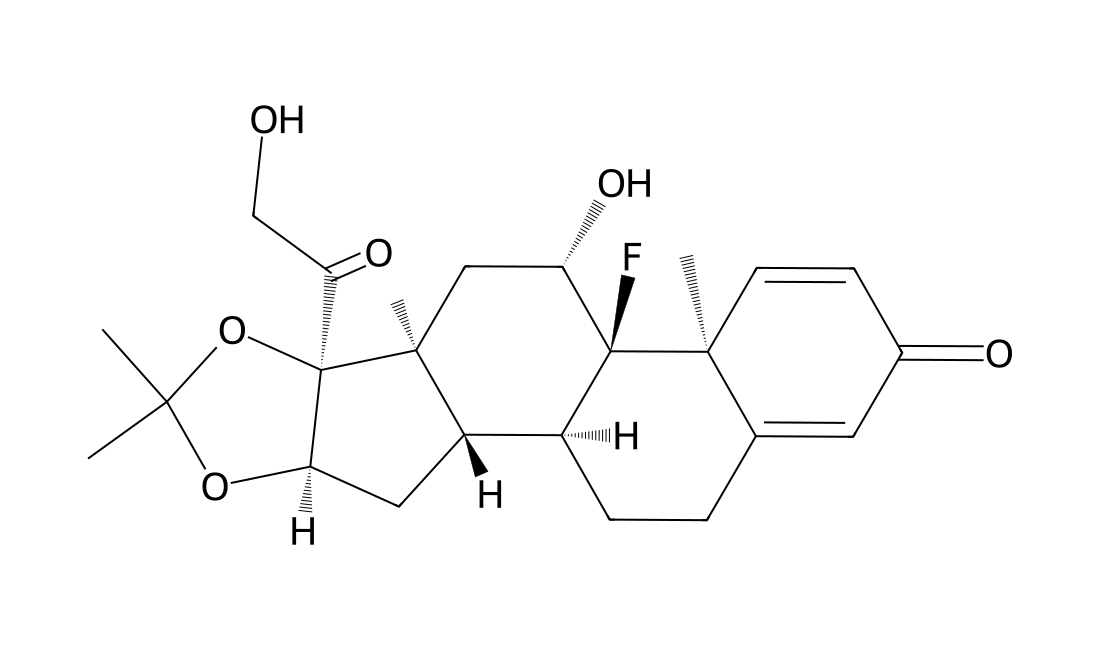
Triamcinolone AcetonideFeatured
Triamcinolone Acetonide is a more potent type of triamcinolone, being about 8 times as effective as prednisone.Triamcinolone acetonide is a synthetic corticosteroid used to treat various skin conditions, to relieve the discomfort of mouth sores, and in nasal spray form, to treat allergic rhinitis. It is a more potent derivative of triamcinolone, and is about 8 times as potent as prednisone.
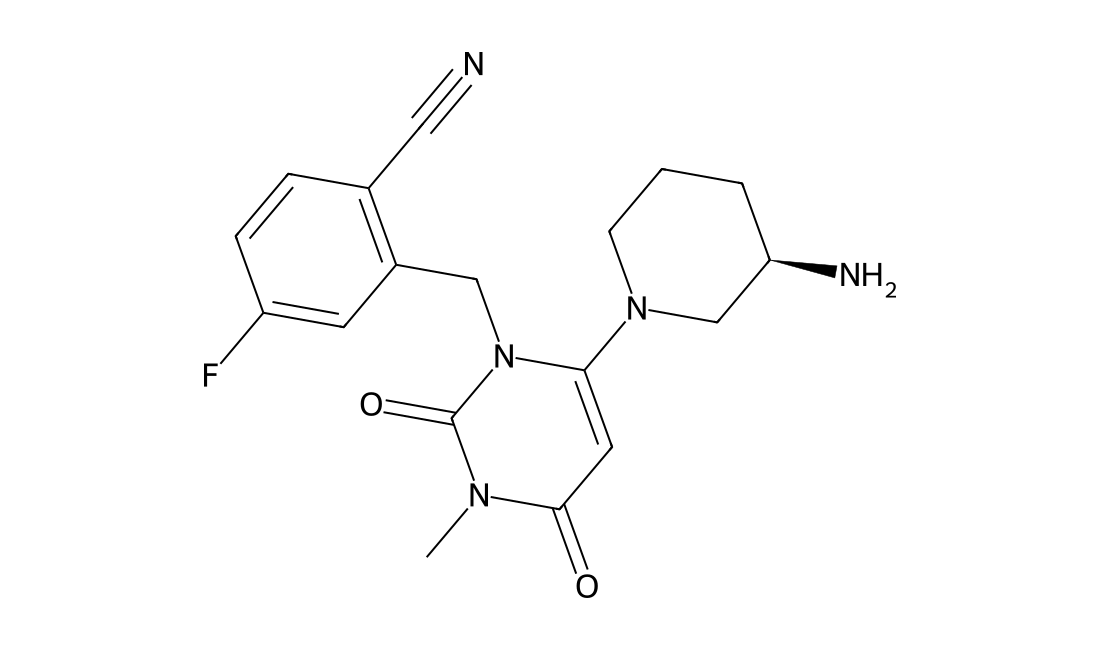
TrelagliptinFeatured
Trelagliptin improves glycaemic control by inhibition of DPP-4 activity. For the detailed information of Trelagliptin, the solubility of Trelagliptin in water, the solubility of Trelagliptin in DMSO, the solubility of Trelagliptin in PBS buffer, the animal experiment (test) of Trelagliptin, the cell expriment (test) of Trelagliptin, the in vivo, in vitro and clinical trial test of Trelagliptin, the EC50, IC50,and Affinity of Trelagliptin, Please contact DC Chemicals.
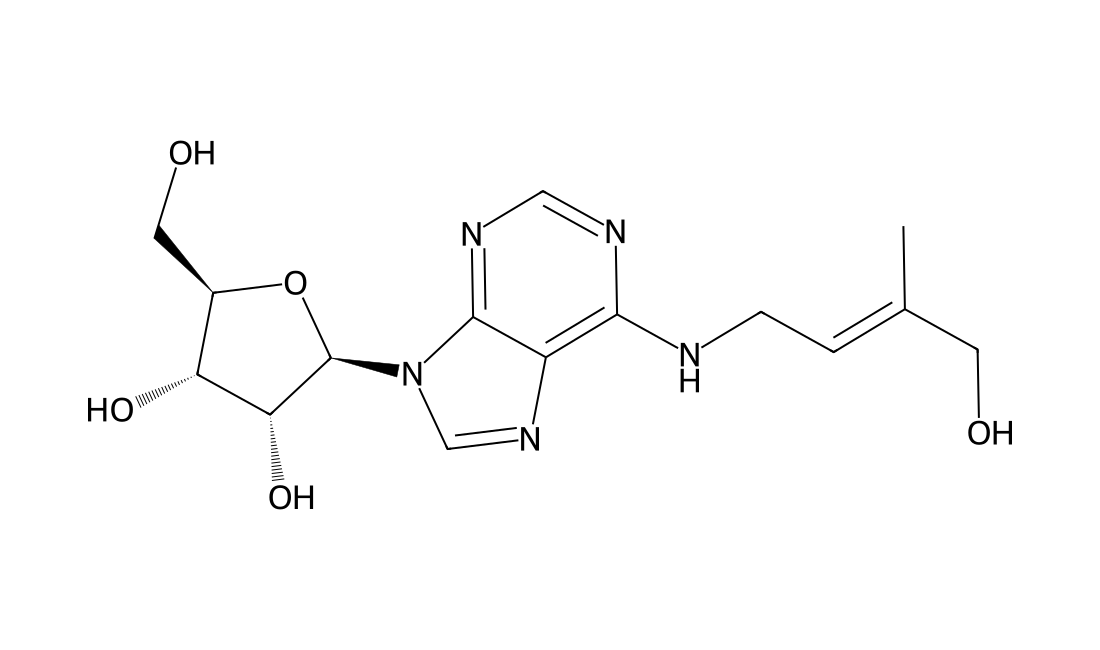
trans-ZeatinribosideFeatured
trans-Zeatinriboside is a type of cytokinin precursor, acts as a major long-distance signalling form in xylem vessels, regulates leaf size and meristem activity-related traits.
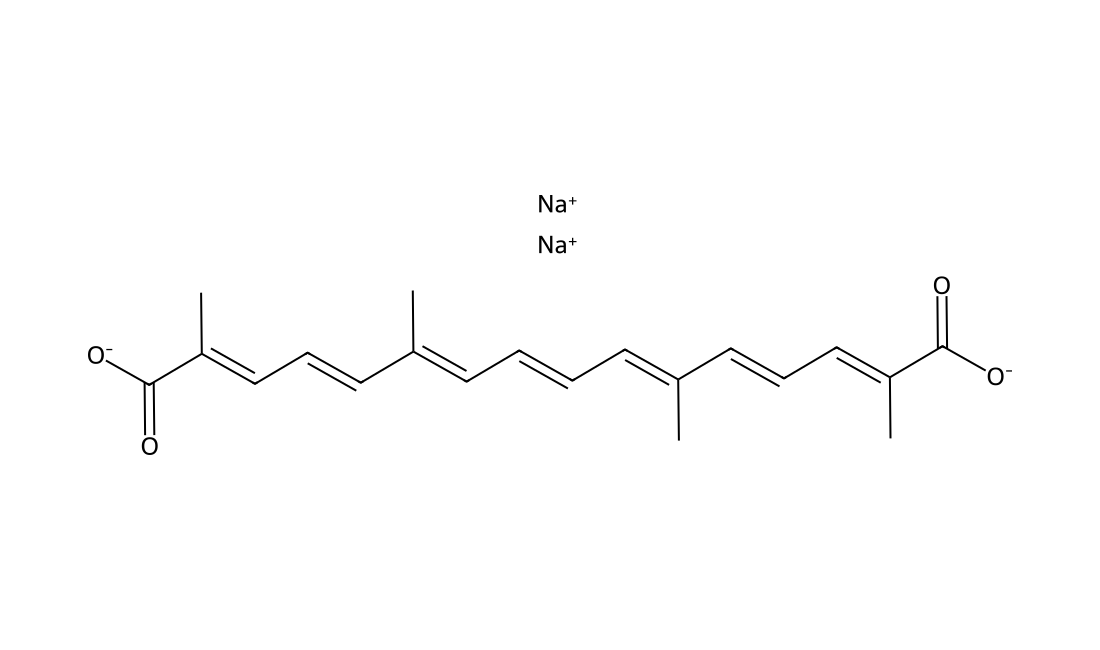
In Vitro Transcrocetinate (Transcrocetin, trans-Crocetin), a saffron metabolite originating from the crocin apocarotenoids, has been shown to exert strong NMDA receptor affinity and is thought to be responsible for the CNS activity of saffron.To ensure unchanged viability of Caco-2 cells throughout the transport experiments, cellular mitochondrial dehydrogenase activity of Caco-2 cells is measured by MTT assay after a 24 h incubation period with the test compounds: Hydroalcoholic saffron extract saffron extract (SE, 0.5-1 mg/mL) and crocin-1 (250-1000 µM) reveal no negative significant changes in cellular viability. Transcrocetinate at 10 µM level does not change viability while higher concentrations (40-160 µM) reduces significantly cellular viability.
TPOP146Featured
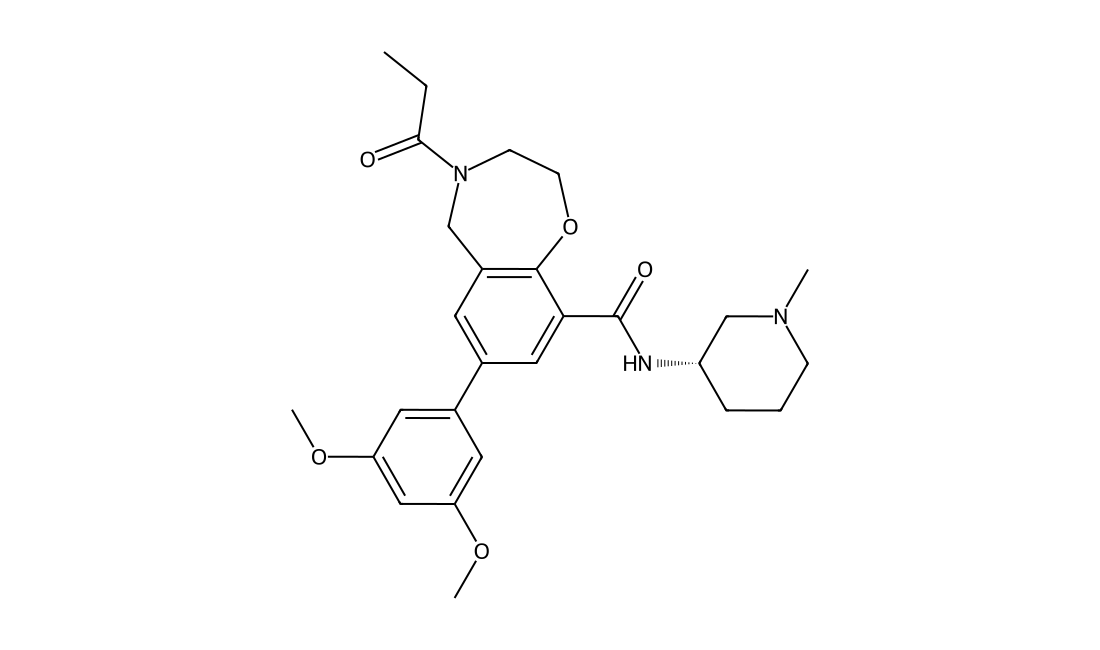
Exposure to 1 μM TPOP146 results in a significant decrease of recovery half-life that is comparable to the construct that contained the bromodomain inactivating mutation N1168F, demonstrating that TPOP146 targets the CBP bromodomain in the nucleus and is capable of competing with acetyl-lysine mediated interactions of the CBP bromodomain in cellular environments.
Torezolid phosphateFeatured
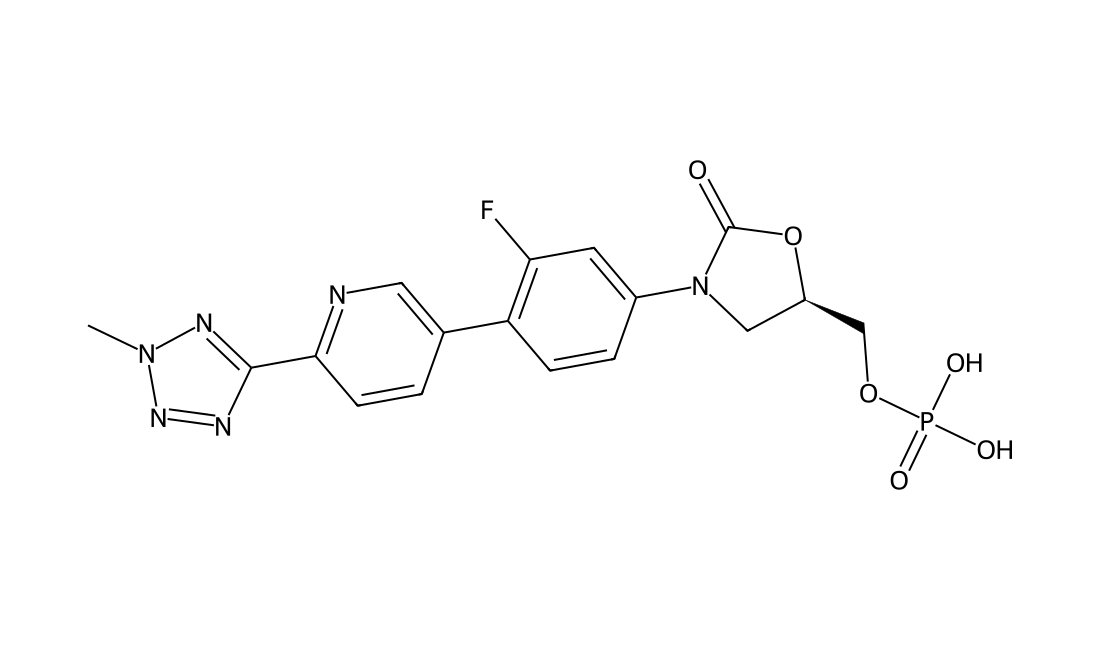
Torezolid phosphate is a novel oxazolidinone for gram-positive infections, has an IC50 of 8.7 μM and 5.7 μM for monoamine oxidase (MAO)-A and MAO-B, respectively.
TopiramateFeatured
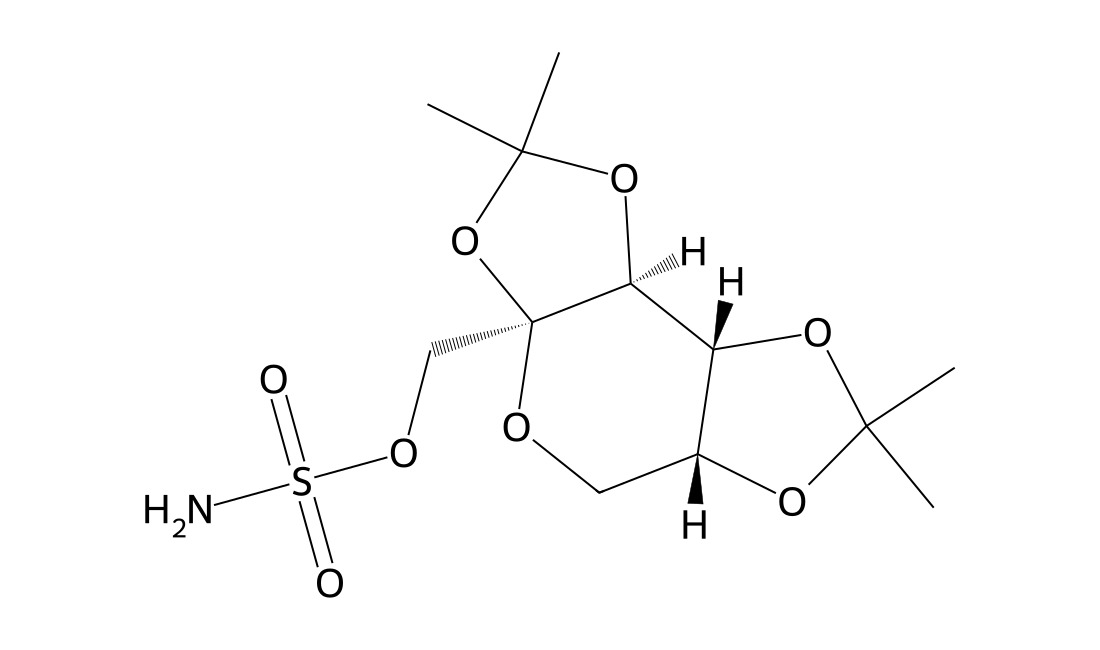
Topiramate is an anticonvulsant that antagonizes GluR5 receptors and acts as a positive allosteric modulator of GABA receptor-mediated currents.Topiramate (Topamax) is a structurally novel broad-spectrum antiepileptic drug (AED) with established efficacy as monotherapy or adjunctive therapy in the treatment of adult and paediatric patients with generalised tonic-clonic seizures, partial seizures with or without generalised seizures, and seizures associated with Lennox-Gastaut syndrome. topiramate has been believed to be a type of antiepileptic drug that blocks spread of seizures. Thus far, the mechanisms of its actions have been proven to include use-dependent inhibition of voltage-dependent Na+ channels in neurons, potentiation of GABA (gamma-amino-butyric acid)-induced Cl- influx, and inhibitory effects on inward currents by antagonizing kainate/alpha-amino-3-hydroxy-5-methylisoxazole-4-propionic acid (AMPA) receptors. Topiramate (median average dosage 5.1 mg/kg/day) was also found to be useful as adjunctive therapy in the management of Lennox-Gastaut syndrome and significantly reduced the mean frequency of drop attacks by 14.8% compared with an increase of 5.1% with placebo. Further gains in seizure control were made in a nonblind extension of this trial where the mean topiramate dosage was 10 mg/kg/day. Nine of 11 patients in 1 pilot trial of children with otherwise intractable West syndrome, and 5 of 10 in another, achieved a > or =50% reduction in seizure rate with topiramate (target dosage up to 24 mg/kg/day).
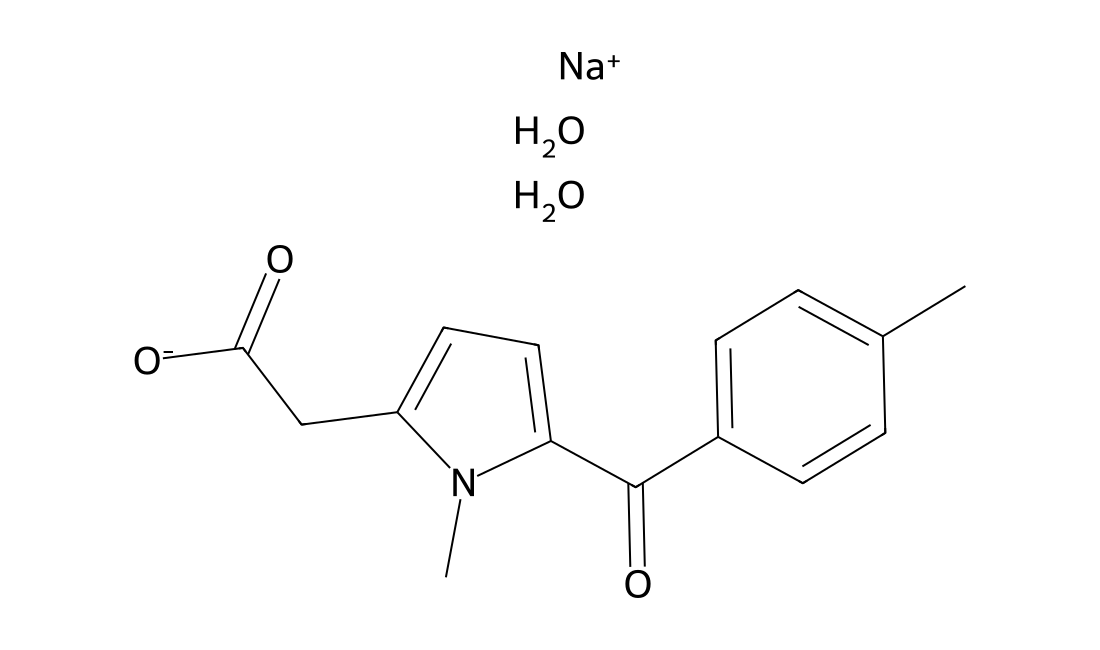
Tolmetin sodium dihydrateFeatured
Tolmetin sodium dihydrate is a non-steroidal anti-inflammatory agent (NSAID) with antioxidant and neuroprotective properties.
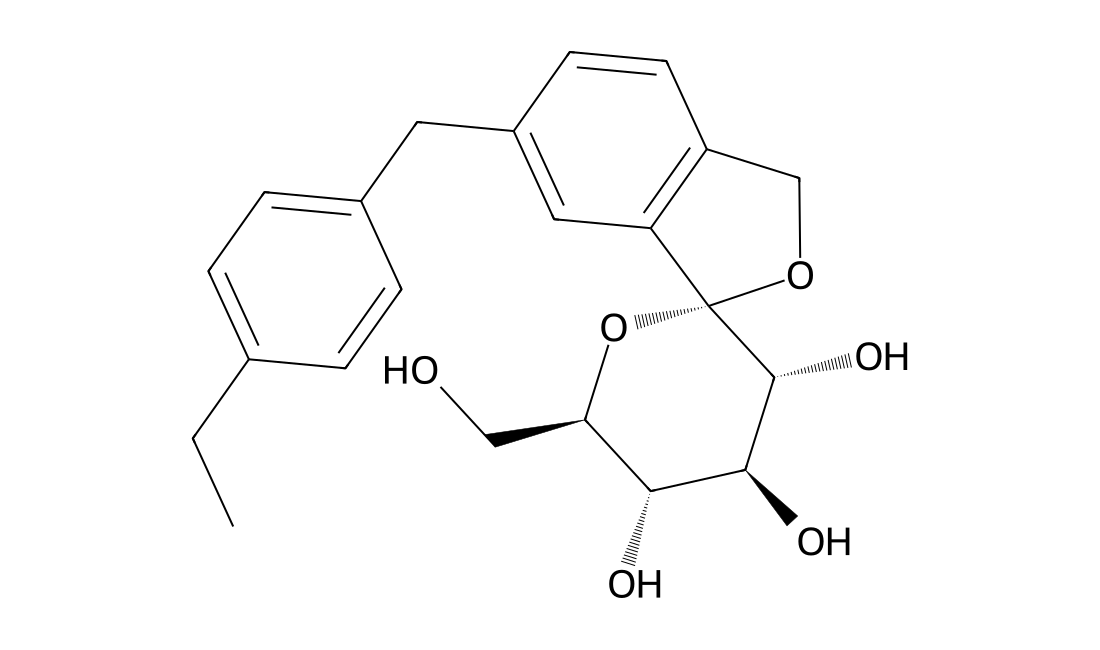
TofogliflozinFeatured
Tofogliflozin (CSG-452) is a potent, highly selective SGLT2 inhibitor with Ki of 2.9, 14.9, and 6.4 nM against human, rat, and mouse SGLT2, respectively; displays high selectivity over human SGLT2 versus human SGLT1, SGLT6, and sodium/myo-inositol transporter 1; increases renal glucose clearance and lowered the blood glucose level in Zucker diabetic fatty rats, also improves postprandial glucose excursion; reduces glycated hemoglobin and improved glucose tolerance in the oral glucose tolerance test in vivo.DiabetesApproved
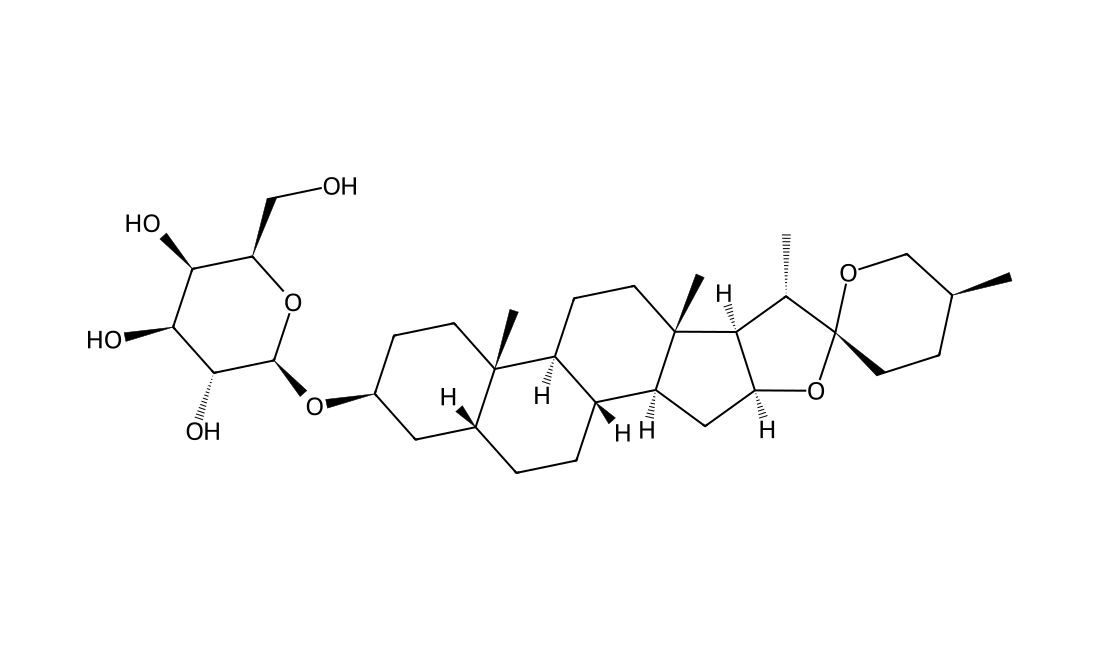
Timosaponin A1Featured
Timosaponin A1 is a coprostane type steroidal saponin isolated from Rhizoma Anemarrhenae.
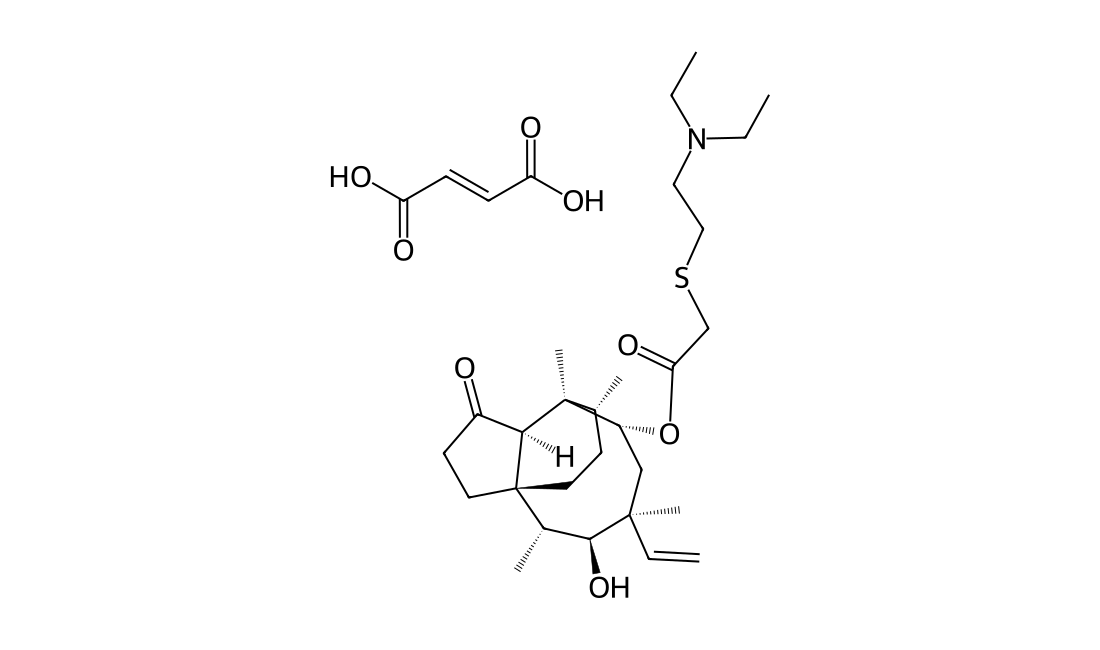
Tiamulin fumarateFeatured
Tiamulin is a diterpenic veterinary drug widely used in swine for the control of infectious diseases, including swine dysentery and enzootic pneumonia.
THS-044Featured
THS-044 is a low micromolar HIF2α PAS-B binding compound (Kd=2 uM); modulates the affinity of the HIF2α:ARNT PAS-B heterodimer in vitro.
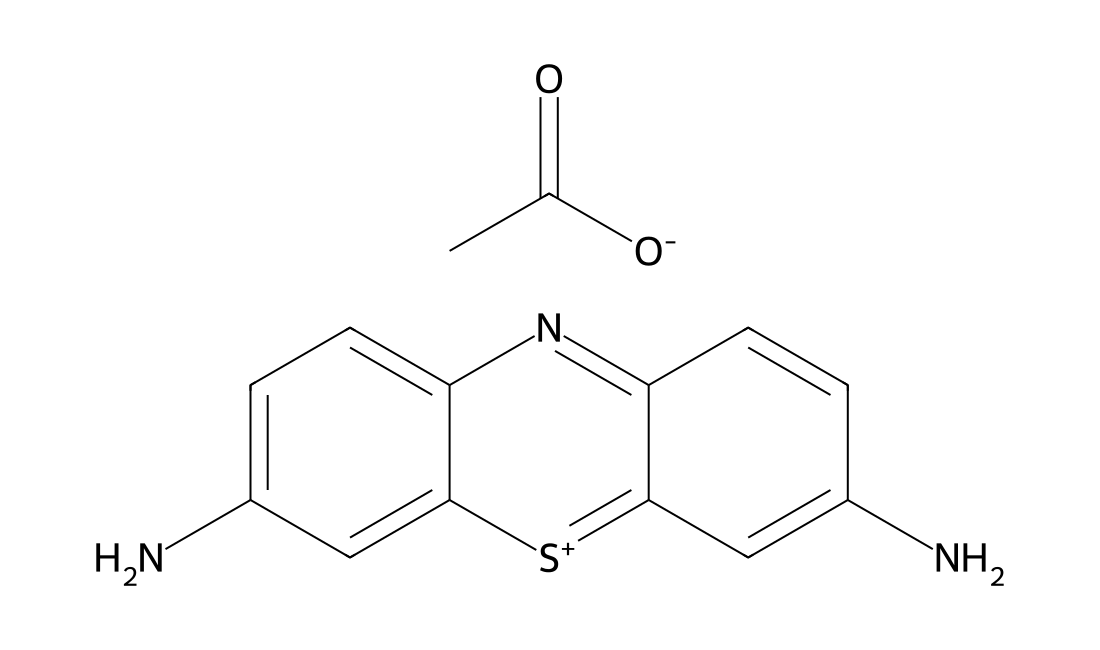
Thionin (acetate) is a metachromic cationic histology dye used in biological staining widely.
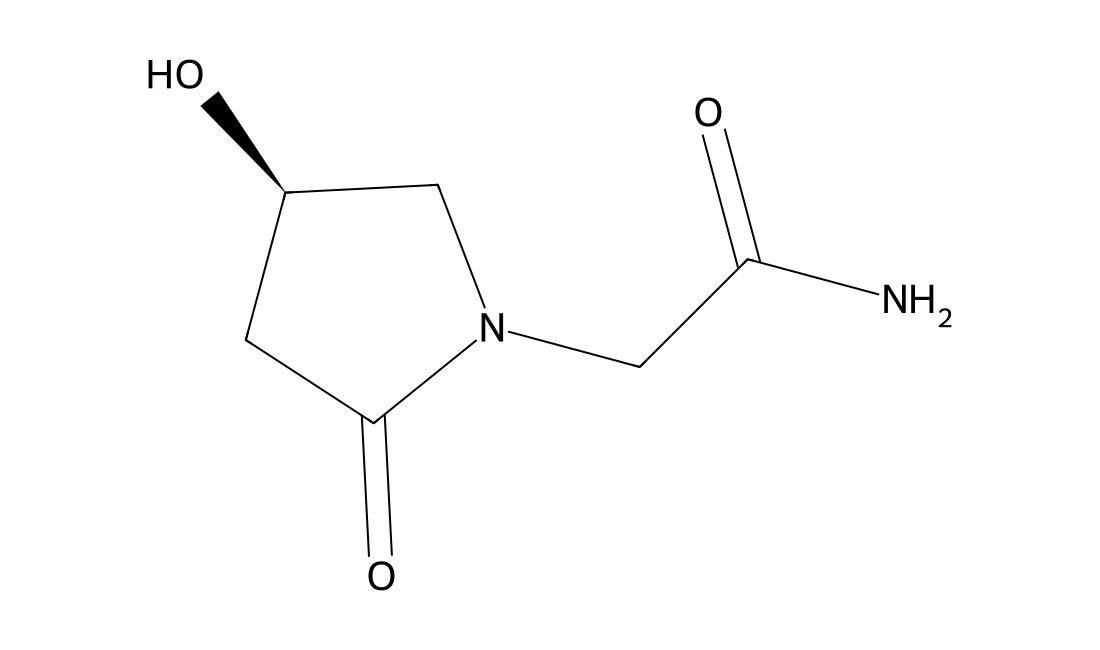
(R)-OxiracetamFeatured
the R-enantiomer of the nootropic drug oxiracetam (ISF 2522), which is a nootropic drug of the racetam family and stimulant.
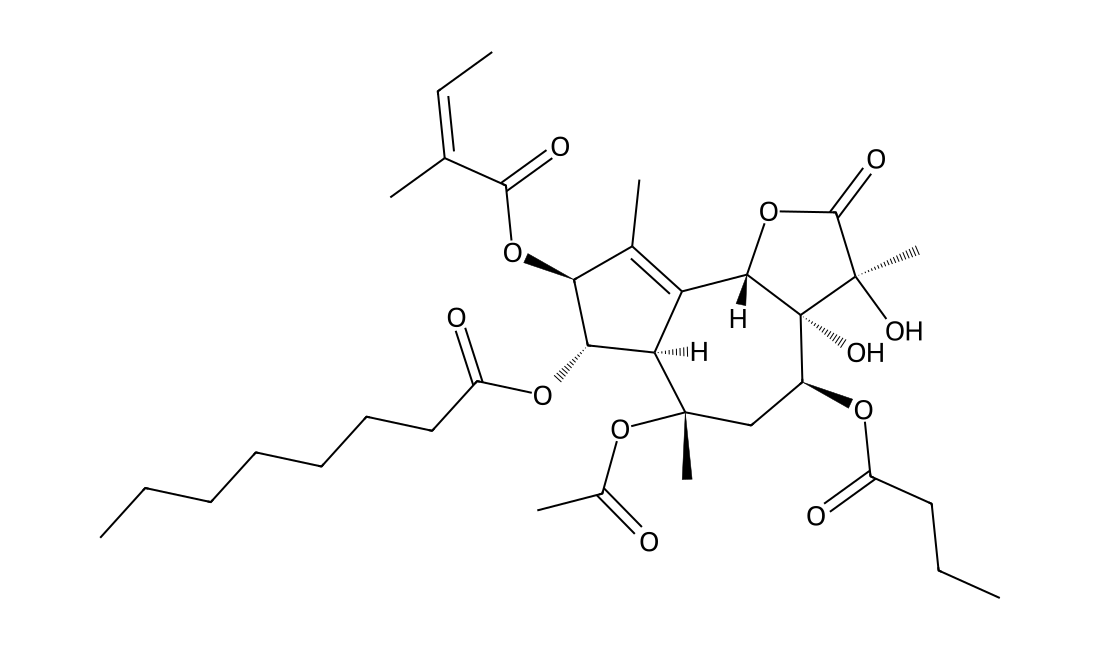
ThapsigarginFeatured
In Vitro Thapsigargin inhibits Ca2+ entry into human neutrophil granulocytes[1]. Thapsigargin inhibits the carbachol-evoked [Ca2+]i-transients with (IC50=0.353 nM) or without (IC50=0.448 nM) a KCl-prestimulation, but an additional small component, with a much lower sensitivity (IC50=4814 nM), is observed in the absence of a KCl-prestimulation. In contrast, the KCl-evoked [Ca2+]i-transients displayed only one component with a very low sensitivity to Thapsigargin in both absence (IC50=3343 nM) and presence (IC50=6858 nM) of a carbachol-prestimulation[2]. To determine whether hepatitis B virus (HBV) affects cell survival and apoptosis, the HepG2.2.15 and HepG2 cells are treated with 500 nM Thapsigargin (TG) or PBS for 24, 48, 72 and 96 h and cell proliferation is detected using the MTT assay. Thapsigargin inhibitscell growth in a time-dependent manner, especially in the HepG2 cells, for which 64% cell growth is inhibited at 96 h compared with 45% in the HepG2.2.15 cells (P<0.001). Similarly, at 24, 48 and 72 h, greater inhibition is observed for the HepG2 cells than for HepG2.2.15 cells. In Vivo To assess endoplasmic reticulum (ER) stress in vivo, interperitoneal injection of either Thapsigargin (TG; 0.5 ug/g/body weight) or Tunicamycin (TUN; 1 ug/g/body weight) is performed in mice. Thapsigargin at a dose of 0.5 ug/g/body weight is safe and does not elicit any adverse effects on survival in these mice. The induction of ER stress in the liver and adipose tissue of mice treated with either Thapsigargin or TUN is then examined, by assessing the expression of key ER stress and UPR markers. Both Thapsigargin and TUN treatment in mice results in significant expression of ER stress markers ATF6 and eIF2α in adipose tissue (p<0.05).
No products match this search.
Page 418 of 434 · Browse all 8677 products
Jump to a product page
Featured literature product: HX1 · DCL0028
HX1 is a hydroxyzine-derived ionizable lipid with acetal-containing tails, studied in lipid nanoparticles for brain mRNA delivery and CRISPR–Cas9 delivery. It was the lead in the reported in vivo brain-delivery screen; evidence is preclinical and formulation-dependent.
Read full formulation and performance →