
Research lipid catalog
Ionizable Lipid Products
Explore 848 lipid and RNA delivery products. Search the full catalog or browse by research category.
Search covers product name, catalog number, synonyms, available CAS numbers and categories. Spaces, hyphens and common punctuation are ignored. Duplicate legacy records are consolidated under one canonical product result.
8677 products · Showing 8301–8320 · 20 per page
DC Chemicals lipid expertise
Built for ionizable-lipid discovery and RNA delivery research
DC Chemicals supports formulation and delivery research with a broad, searchable portfolio of cationic and ionizable lipids. The current directory brings together 848 unique research-use products, with product specifications, pricing, chemical structures and literature-linked formulation data added as each record is verified.
Our experience spans complex lipid synthesis, purification, analytical release and process development. For custom molecules or larger-scale requirements, our team can discuss route development, technical specifications and scale-up options for the intended research workflow.
Learn about cationic and ionizable lipids →Proprietary innovation · Co-development · GMP
From proprietary lipid design to GMP-grade custom synthesis
DC Chemicals has independently developed ionizable-lipid structures supported by company-owned intellectual property, and selected proprietary lipid programs have advanced to GMP-stage development.
We welcome joint development with customers—from molecular design and lipid synthesis through route and process development. We can also support custom synthesis of GMP-grade ionizable lipids to agreed technical specifications and quality requirements.
Discuss a co-development project →Proprietary ionizable-lipid structuresCollaborative molecular designCustom lipid synthesisProcess development and scale-upGMP-grade project support
Product quick links
Explore New ionizable lipids
Explore our five most recently added ionizable lipids, with specifications, pricing and literature-linked product information.
DCL0028HX1Brain RNA delivery researchView product →DCL0024A1I4R13C18-2Spleen-targeted RNA delivery researchView product →DCL0023A1I4R2C18-2Spleen-targeted RNA delivery researchView product →DCL0022FS01Local joint RNA delivery researchView product →DCL0020Lipid-392Lung RNA delivery and gene editing researchView product →
Cat. No.Product NameField of ApplicationChemical Structure
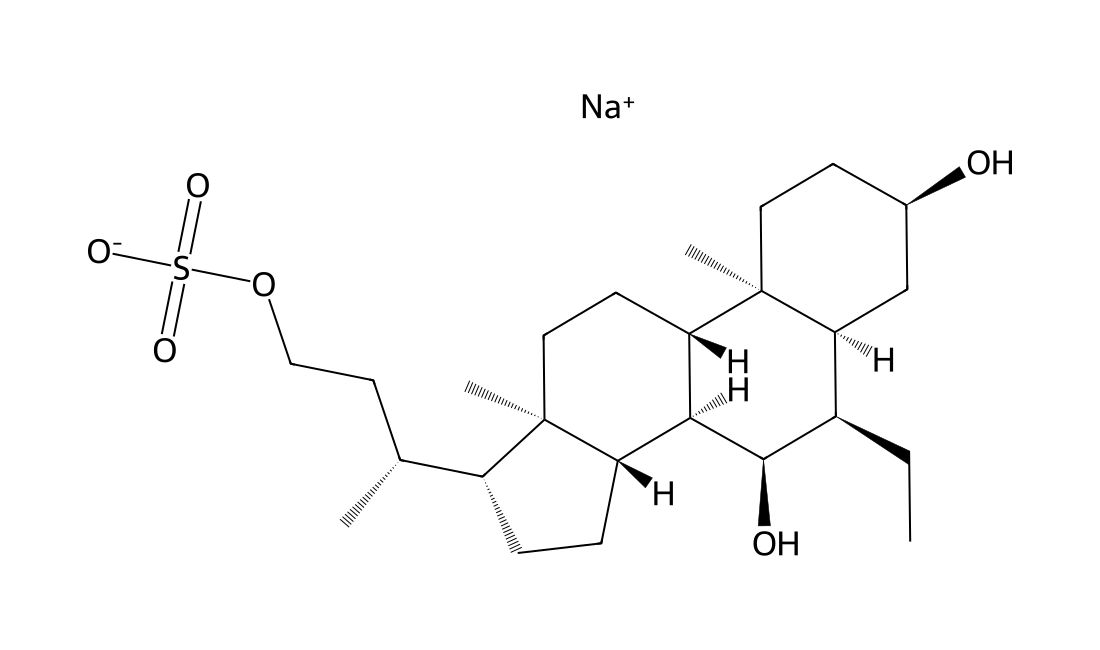
INT-767Featured
INT-767 is a potent, selective, dual farnesoid X receptor (FXR) and TGR5 agonist with EC50 of 30 and 630 nM, respectively; fails to activate 15 other nuclear receptors involved in metabolic pathways, and does not inhibit cytochrome P450 enzymes; induces FXR-dependent lipid uptake by adipocytes and promotes TGR5-dependent glucagon-like peptide-1 (GLP-1) secretion by enteroendocrine cells; markedly decreases cholesterol and triglyceride levels in diabetic db/db mice.FibrosisPhase 1 Clinical
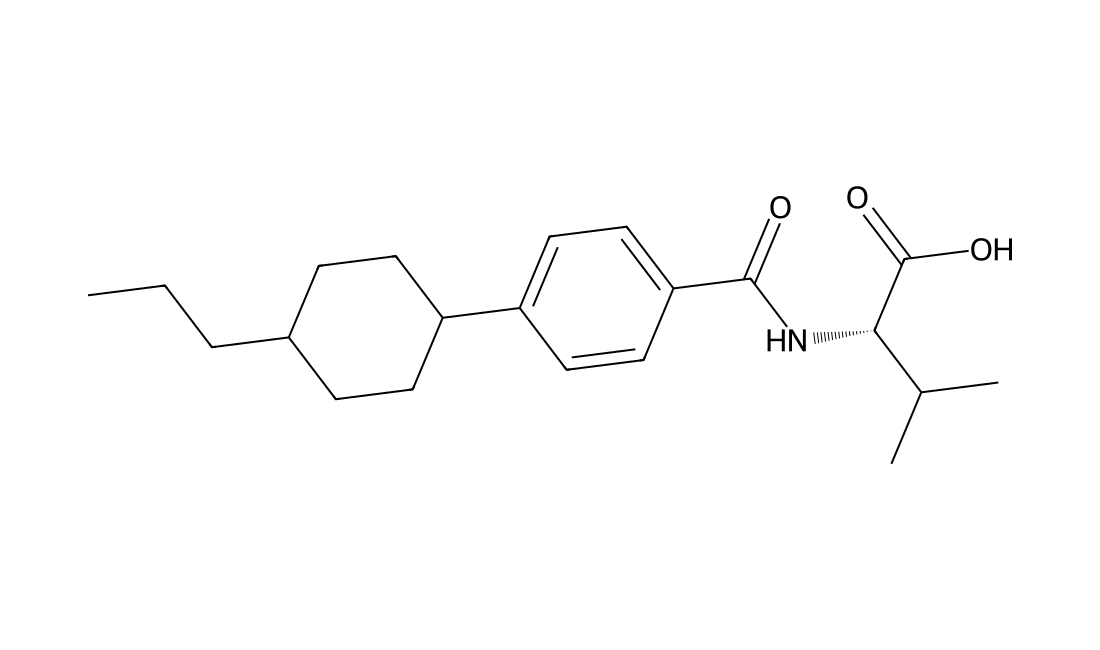
GNE-0439Featured
GNE-0439 is a novel potent, selective inhibitor of Nav1.7 channel with IC50 of 0.34 uM, shows high selectivity over Nav1.5 (IC50=38.3 uM); also inhibits mutant N1742K channels with IC50 of 0.37 uM in membrane potential assays, but not mutation of R1608A (IC50>50 uM), and is unique compared with known selective VSD4 binders such as the arylsulfonamides (GX-936 and PF-05089771).
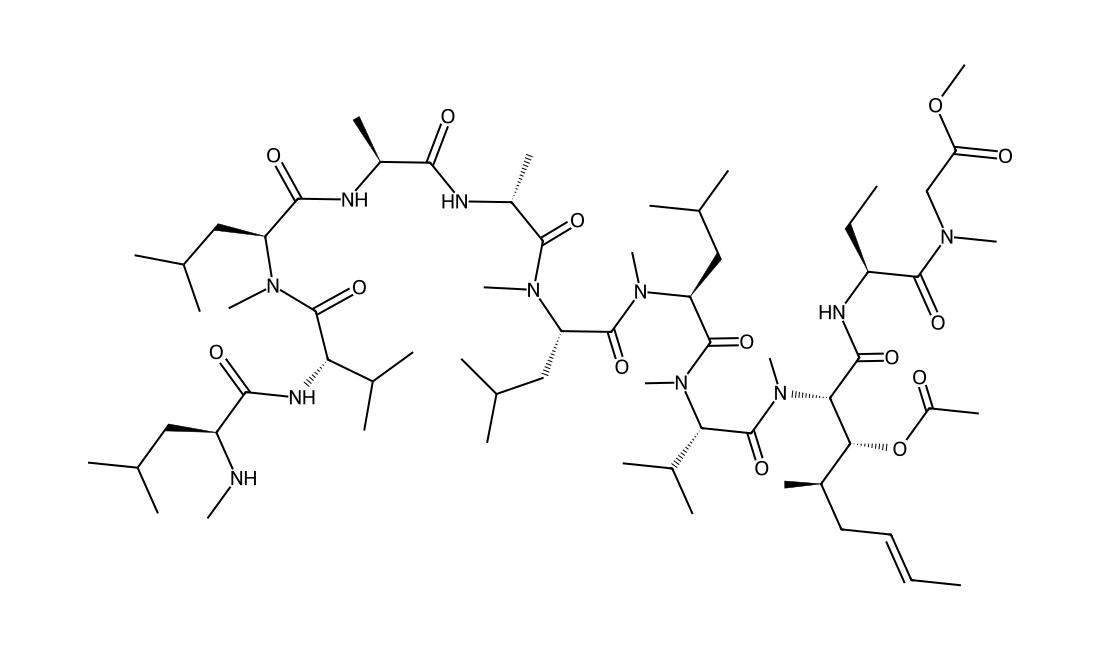
In Vitro Cyclosporin A-Derivative 1 is a non-immunosuppressive Cyclosporin A derivative. The cyclosporin is acylated on the butenyl-methyl-threonine side chain and then subjected to a ring-opening reaction (the ring opens between the sarcosine and the N-methyl-leucine residues). Cyclosporin A-Derivative 1 is a linear peptide intermediate.
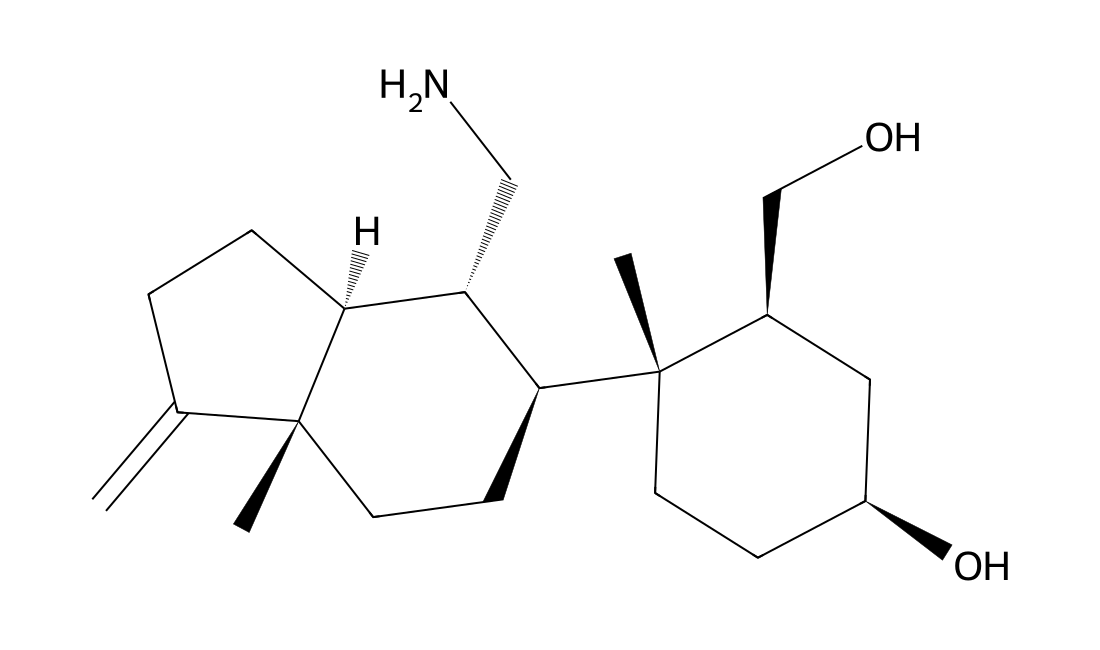
AQX 1125Featured
AQX 1125 (Rosiptor) is a specific, orally bioavailable SHIP1 activator with no effect on functional androgen, oestrogen, oestrogen-related receptor α, glucocorticoid, mineralocorticoid and progesterone receptor at 30 uM; inhibits the pAkt (S473) in MOLT-4 cells, and inhibits cytokine release in mixed splenocytes; significantly decreases β-hexosaminidase release in mouse BMMCs; inhibits chemotaxis in human mononuclear cells (EC50=0.26 uM); suppresses leukocyte accumulation and inflammatory mediator release in rodent models of pulmonary inflammation and allergy. COPD Phase 2 Clinical
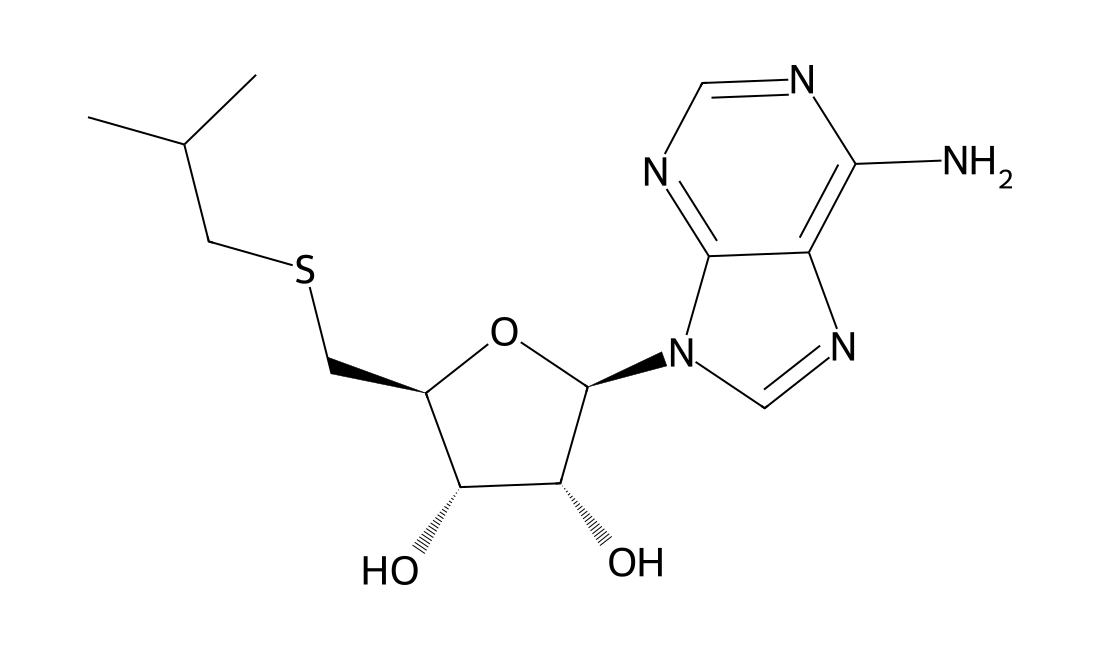
SIBAFeatured
An inhibitor of the IMP-selective cytosolic 5'-nucleotidase (IC50=2-6 mM); also inhibits the ecto-5'-nucleotidase of polymorphonuclear leucocytes.
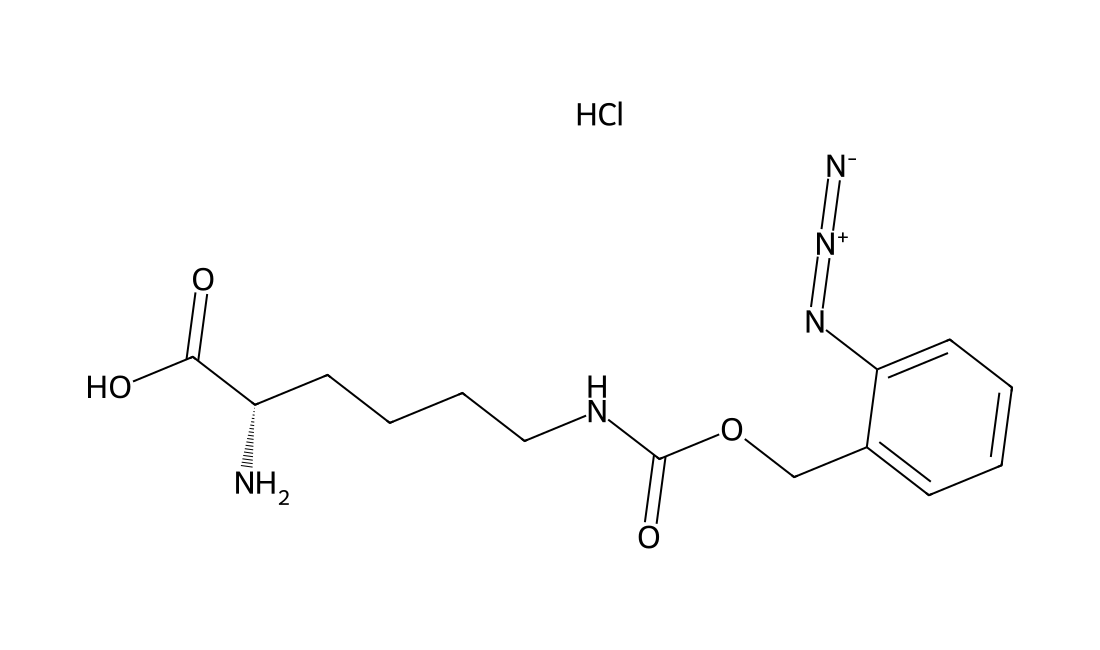
OABK hydrochlorideFeatured
A synthetic amino acid that fuctions as a small molecule switch for activation of protein function through the site-specific incorporation; a small-molecule-removable protecting group into the protein of interest using a pyrrolysyl transfer RNA synthetase/tRNACUA pair in mammalian cells; can be applied to the conditional control of several cellular processes, including bioluminescence (luciferase), fluorescence (enhanced green fluorescent protein), protein translocation (nuclear localization sequence), DNA recombination (Cre) and gene editing (Cas9).
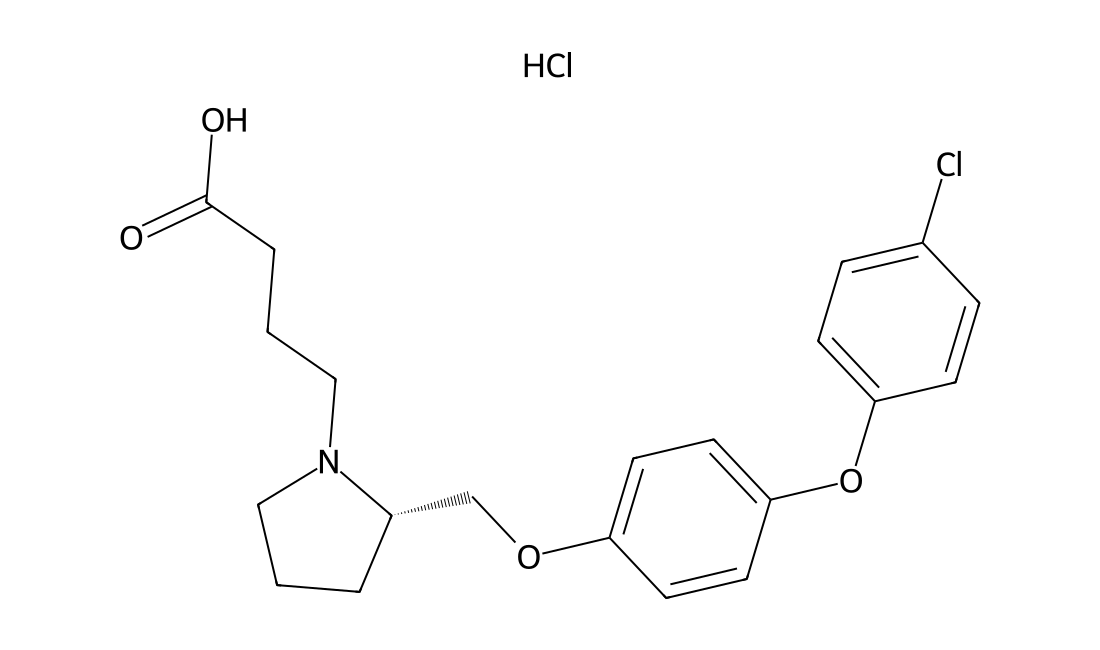
DG051Featured
A potent, selective LTA4H (Leukotriene A4 hydrolase) inhibitor (IC50/Kd=47/25 nM) of leukotriene B4 biosynthesis; dispalys selectivity over a panel of more than 50 targets including aminopeptidases, hERG, GPCRs; has high aqueous solubility (>30 mg/mL) and high oral bioavailability.Heart FailurePhase 2 Discontinued
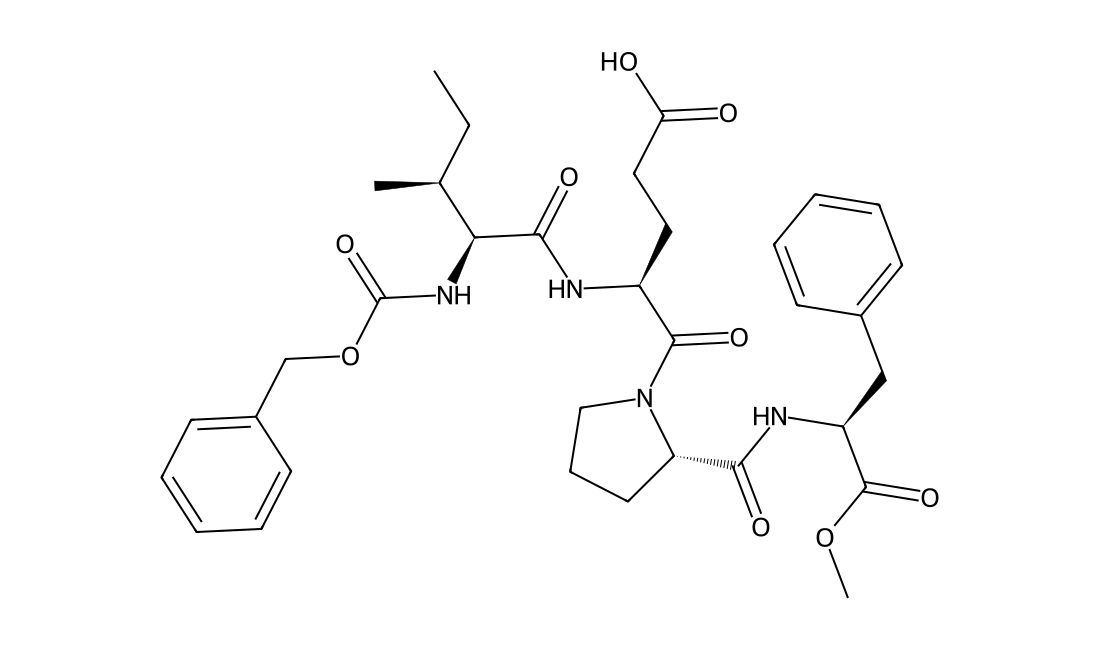
CH-5450Featured
A potent, peptide-inhibitor of human chymase with Ki of 1 nM; causes an almost complete inhibition of the AI-induced contractions combined with Enalaprilat; depresses the (Pro11-,D-Ala12)-AI-induced contractions at 10 uM.
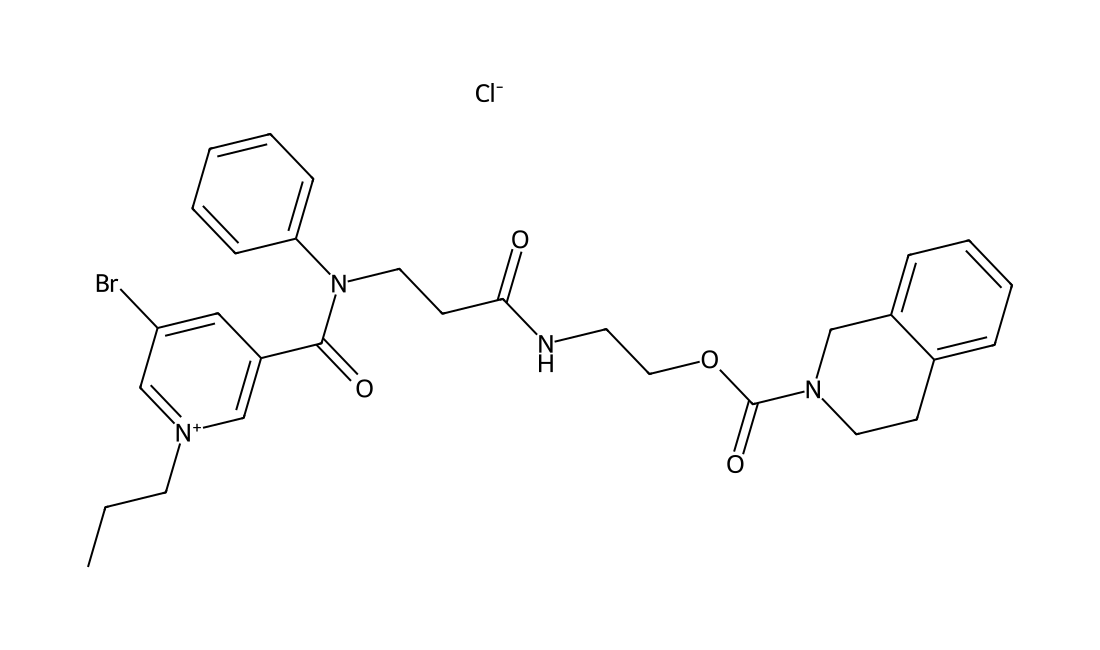
TCV-309 chlorideFeatured
A highly potent and selective platelet activating factor (PAF) antagonist; inhibits PAF-induced aggregation of rabbit and human platelets with IC50s of 33 nM and 55 nM respectively; potently protects mice from death induced by PAF and due to anaphylactic shock with ED50 of 2.1 and 2.6 ug/kg (i.v.), respectively; also reverses PAF-induced hypotension and endotoxin-induced hypotension in rats.Coagulation DisorderPhase 2 Discontinued
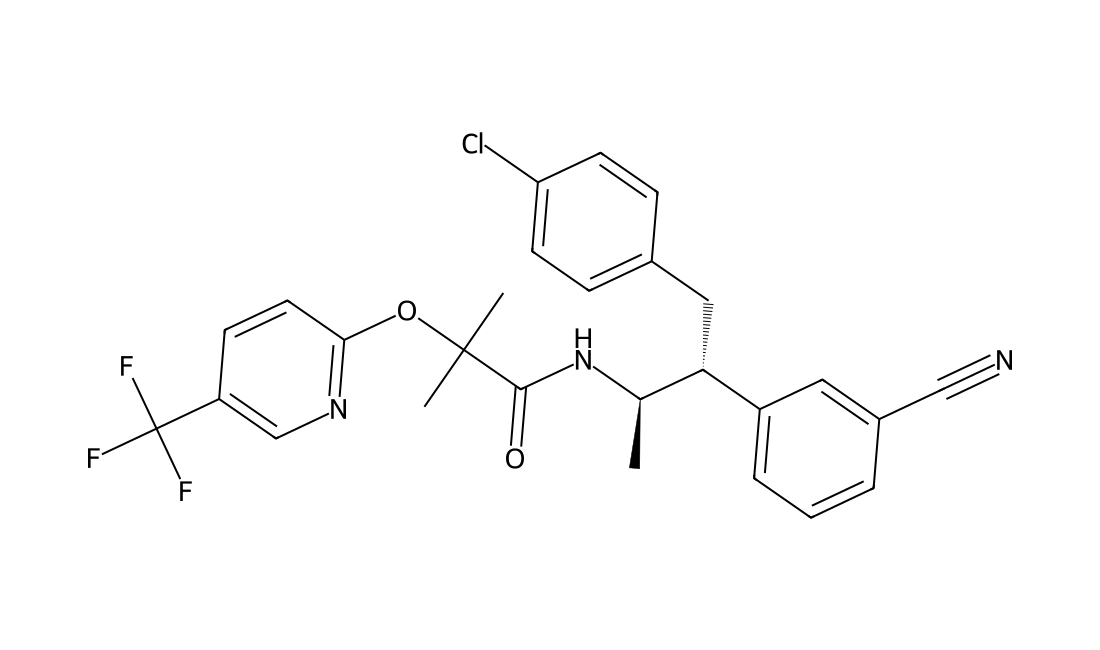
Taranabant (1R,2R) stereoisomerFeatured
A diastereomer form of Taranabant, which is a potent, selective and orally active cannabinoid-1 receptor (CB1R) inverse agonist
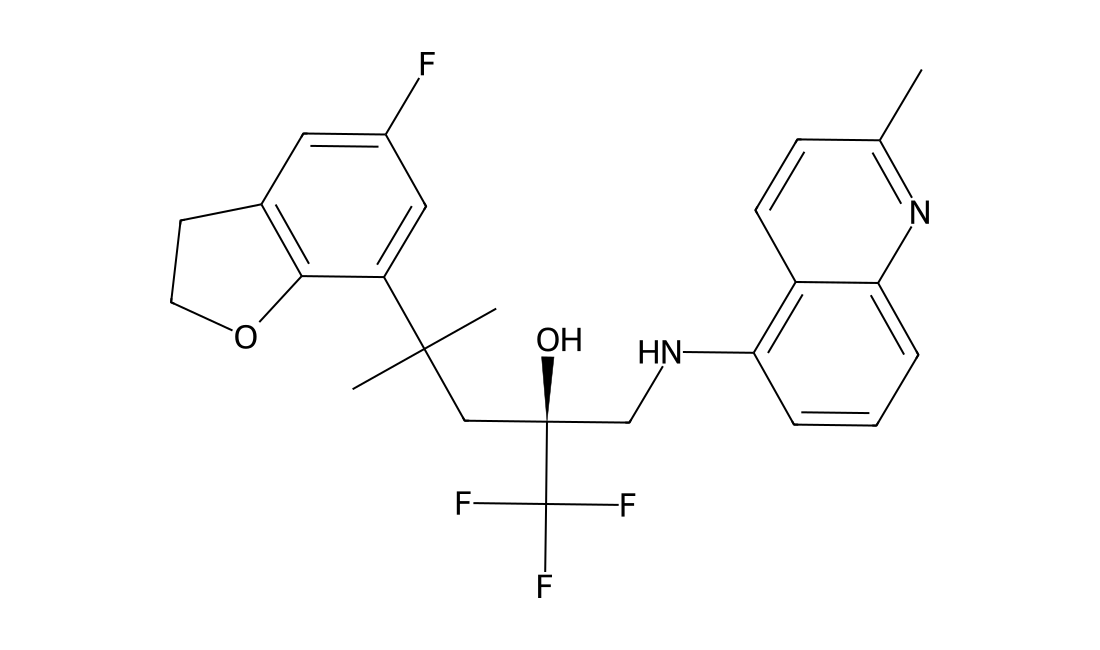
(S)-MapracoratFeatured
In Vitro (S)-Mapracorat concentration dependently inhibited TNFα secretion from activated canine PBMC with IC50 value of approximately 0.2 nM. In Vivo Intradermal injection of compound 48/80 (50 μg in 50 μL saline) resulted in a clear wheal and flare reaction over the 60 min observation period. Topical pre-treatment with (S)-Mapracorat (0.1%) and triamcinolone acetonide (0.015%) led to significant reduction in the wheal and flare responses compared to vehicle (acetone) treated areas. However, once daily topical administration of triamcinolone acetonide significantly reduced skin fold thickness from day 8 to 14, whereas no such reduction was observed for (S)-Mapracorat.
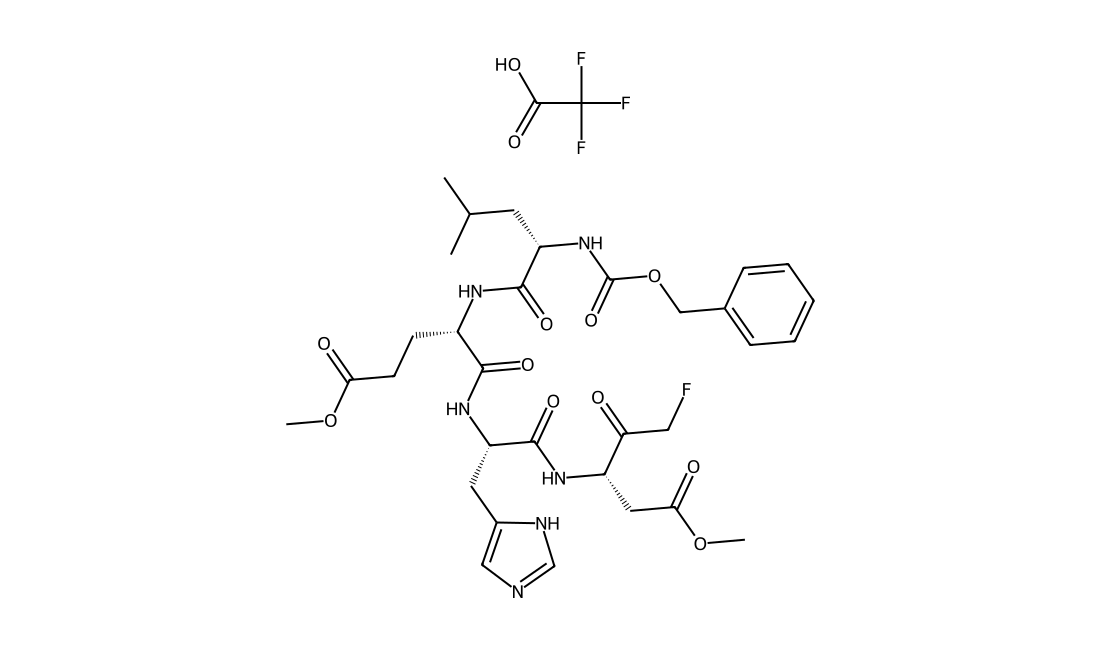
Z-LEHD-FMK;Caspase-9 InhibitorFeatured
In vitro Z-LEHD-FMK is a cell-permeable, competitive and irreversible inhibitor of enzyme caspase-9, which helps in cell survival.
(S)-GNE-140Featured
The less active enantiomer of GNE-140, inhibits LDHA activity (18-fold less potent that (R)-GNE-140).
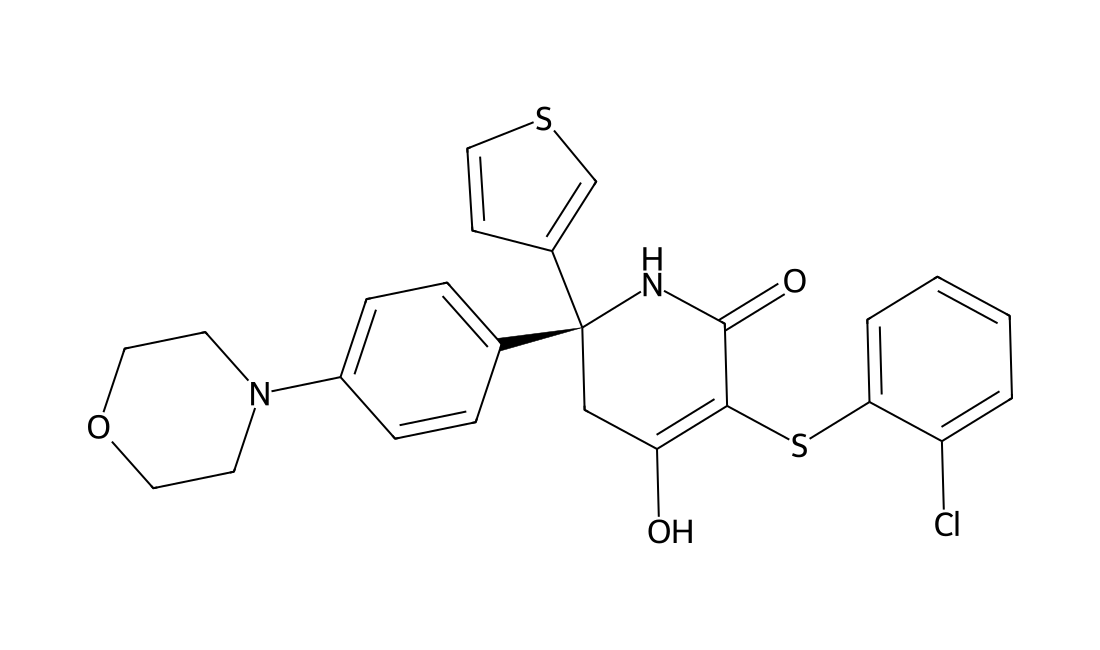
TGR-1202 hydrochloride is an orally available, next generation PI3Kdelta inhibitor, inhibits PI3Kδ activity in enzyme and cell based assays with IC50 and EC50 values of 22.2 and 24.3 nM respectively.in vitro: TGR-1202 displays a high degree of selectivity over the alpha (>1000 fold), beta (>30-50 fold), and gamma (>15-50 fold) isoforms. Additionally, TGR-1202 causes a half-maximal inhibition of human whole blood CD19 cell proliferation between 100-300 nM. Treatment of PBMC with RP5264 resulted initially in a G2/M arrest followed by subsequent increase in the number of Sub G0 cells. Viability assays demonstrated that TGR-1202 caused a significant inhibition in growth as well as Akt phosphorylation of immortalized and primary leukemic cells. Further, the compound exhibited good oral absorption with favourable pharmacokinetic properties in rodents.
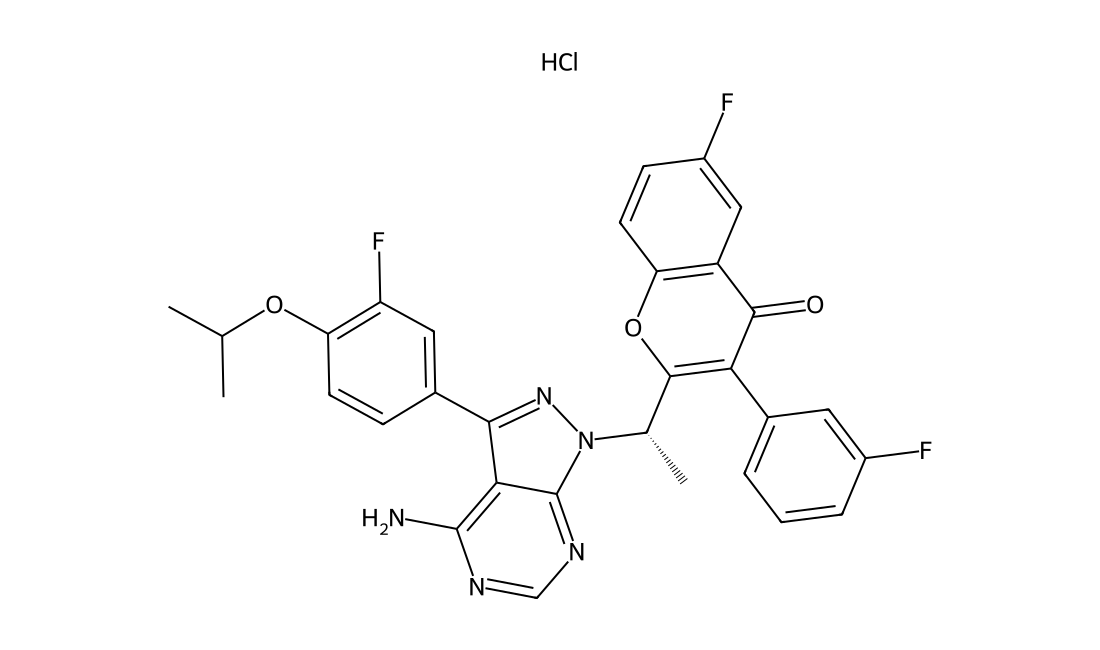
BAY 61-3606 hydrochlorideFeatured
BAY 61-3606 is a potent, ATP-competitive, reversible, and highly selective inhibitor of Syk tyrosine kinase with Ki of 7.5 nM, displays no inhibitory effect against Btk, Fyn, Itk, Lyn, and Src.
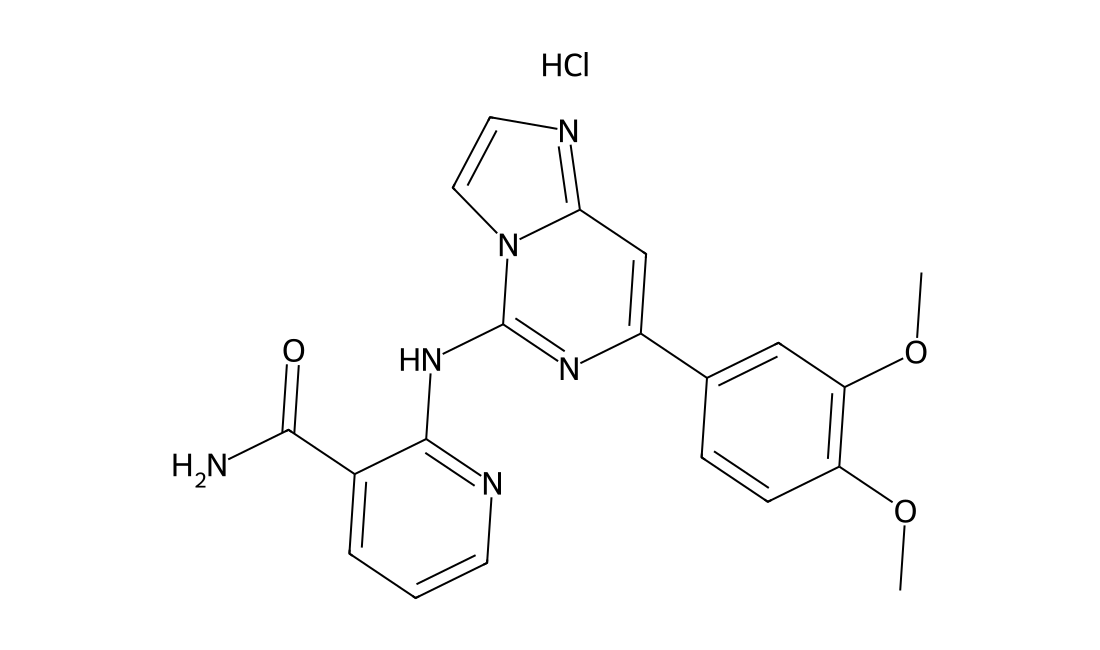
MK-2461Featured
MK-2461 is a potent, multi-targeted inhibitor for c-Met(WT/mutants) with IC50 of 0.4-2.5 nM, less potent to Ron, Flt1; 8- to 30-fold greater selectivity of c-Met targets versus FGFR1, FGFR2, FGFR3, PDGFRβ, KDR, Flt3, Flt4, TrkA, and TrkB. Phase 1/2.MK-2461 also potently inhibits FGFR1, FGFR2, FGFR3, KDR, TrkA, TrkB, and Flt4 with IC50 of 65 nM, 39 nM, 50 nM, 44 nM, 46 nM, 61 nM, and 78 nM, respectively. Compared with wild-type c-Met, MK-2461 more potently inhibits the activity of oncogenic c-Met kinase mutants such as N1100Y, Y1230C, Y1230H, Y1235D, and M1250T with IC50 of 1.5 nM, 1.5 nM, 1.0 nM, 0.5 nM, and 0.4 nM, respectively. MK-2461 binds more strongly to phosphorylated c-Met than to unphosphorylated c-Met. MK-2461 potently inhibits ATP-induced autophosphorylation of the COOH-terminal docking domain of c-Met, but not the activation loop. In contrast, MK-2461 inhibits phosphorylation of the activation loop of FGFR2 (Y653/Y654) in Kato III cells and PDGFRα (Y849) in H1703 cells with IC50 of <0.3 μM. MK-2461 inhibits HGF-induced mitogenesis of 4MBr-5 cells with IC50 of 204 nM, and HGF-induced migration of HPAF II cells with IC50 of 404 nM, as well as HGF-induced branching tubulogenesis of MDCK cells. In addition, MK-2461 potently inhibits IL-3-independent proliferation of 32D cells transformed with Tpr-Met or Tpr-Met (Y362C) mutant with IC50 of ~100 nM. MK-2461 significantly inhibits the proliferation of a large panel of tumor cell lines, especially potent against tumor cells harbored genomic amplification of MET or FGFR2.MK-2461 treatment significantly inhibits c-Met (Y1349) phosphorylation in GTL-16 tumors with IC50 of ~1 μM. Oral administration of MK-2461 at 10 mg/kg, 50 mg/kg, and 100 mg/kg twice daily as well as 200 mg/kg once daily effectively suppresses tumor growth of GTL-16 xenografts in mice by 62%, 77%, 75%, and 90%, respectively. Similarly, MK-2461 treatment at 134 mg/kg twice daily inhibits the growth of NIH3T3 tumors harboring c-Met single nucleotide mutants T3936C and T3997C, by 78% and 62%, respectively.
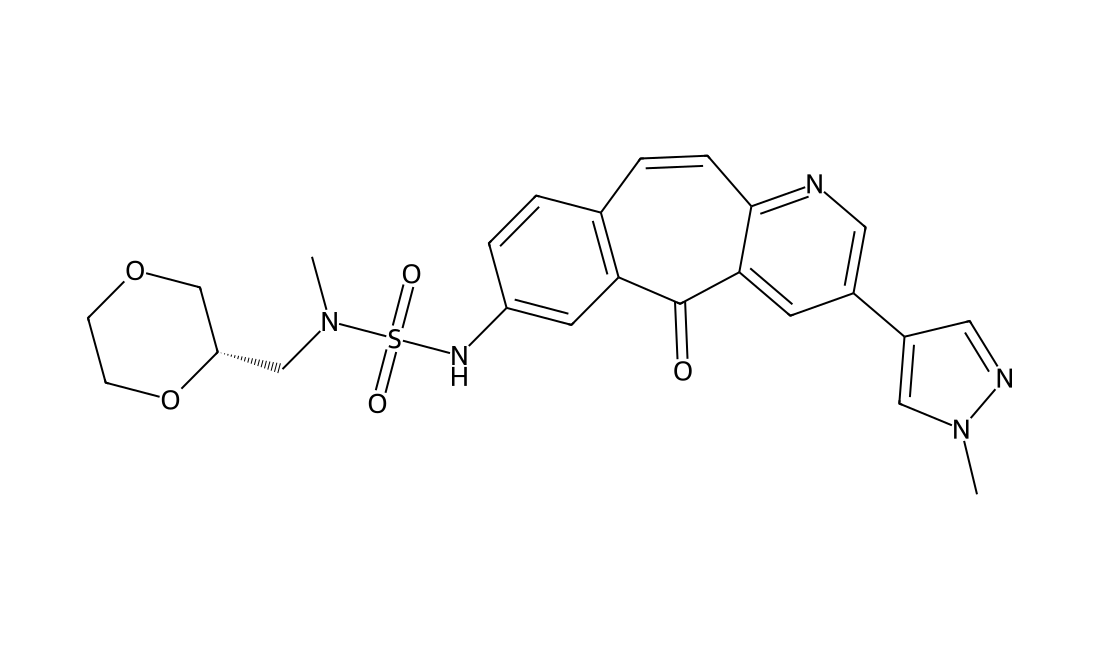
BMS-986158Featured
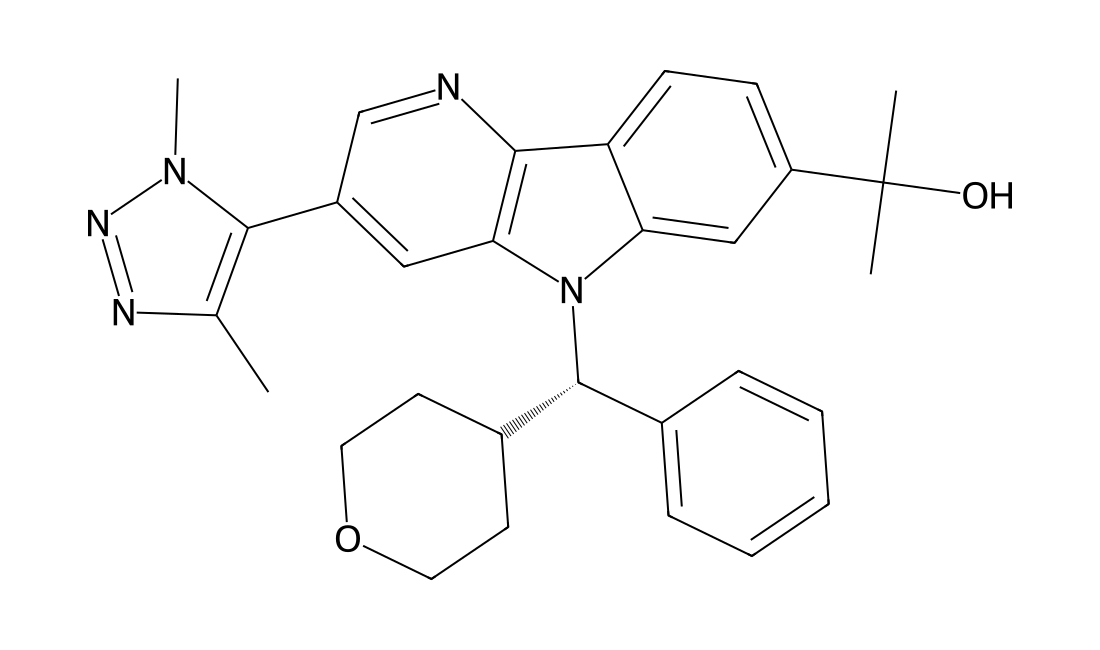
BMS-986158 is an inhibitor of the bromodomain and extra-terminal (BET) proteins. BMS-986158 is an inhibitor of the bromodomain (BRD) and extra-terminal domain (BET) family of proteins, with potential antineoplastic activity. Upon administration, the BET inhibitor BMS-986158 binds to the acetyl-lysine binding site in the BRD of BET proteins, thereby preventing the interaction between BET proteins and acetylated histones. This disrupts chromatin remodeling and prevents the expression of certain growth-promoting genes, resulting in an inhibition of tumor cell growth.
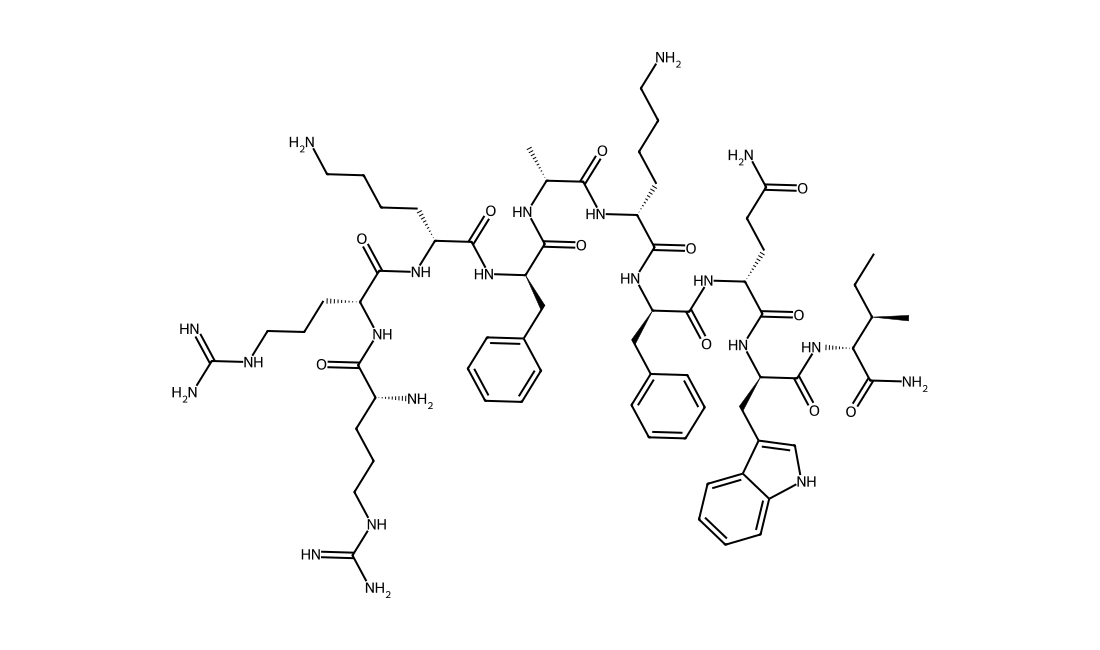
SALL4 peptide FFWFeatured
SALL4 peptide FFW (RRKFAKFQWI, FFW peptide) is a potent therapeutic SALL4 peptide antagonist of SALL4-NURD (nucleosome remodeling deacetylase) interaction with target affinity of 23 nM; reverses Transcription Repression by SALL4-RBBp4, disrupts the SALL4-NuRD complex resulted in unidirectional up-regulation of transcripts, turning SALL4 from a dual transcription repressor-activator mode to singular transcription activator mode; displays significant antitumor effects, inhibiting tumor growth by 85% in xenograft mouse models of HCC.
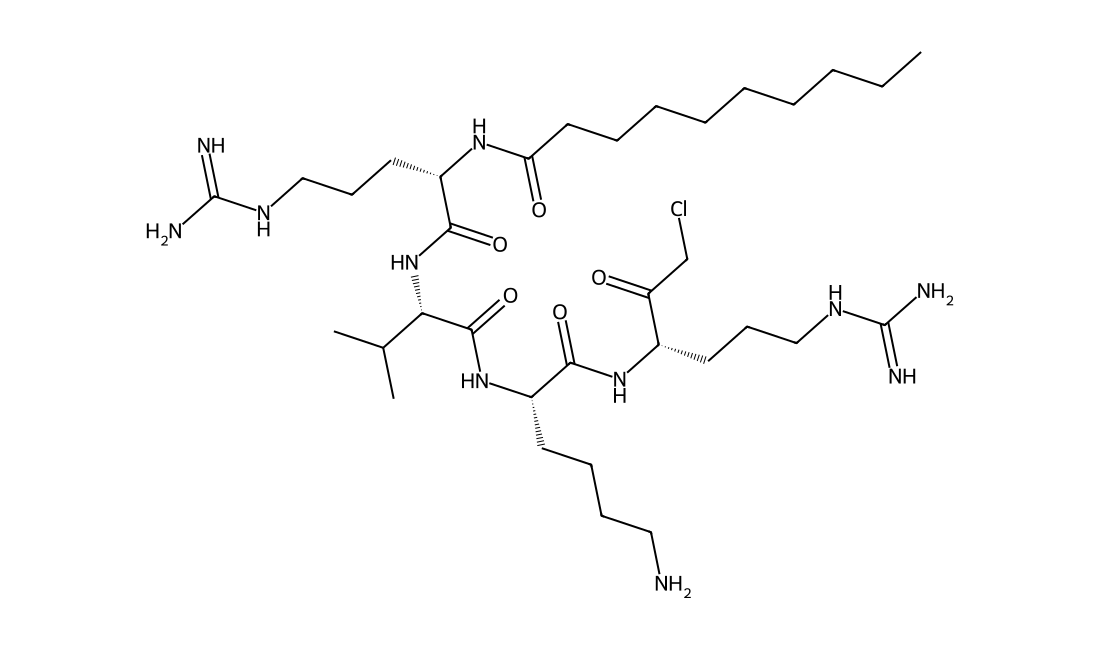
Furin Inhibitor IFeatured
Furin inhibitor I is a selective, irreversible, and cell-permeable competitive inhibitor of proprotein convertases, including furin/SPC1 (Ki = ~1 nM), SPC2/PC2 (Ki = 0.36 nM), SPC3/PC1/PC3 (Ki = 2.0 nM), SPC4/PACE4 (Ki = 3.6 nM), SPC6/PC5/PC6, and SPC7/LPC/PC7/PC8 (Ki = 0.12 nM). Because furin activates viral glycoproteins, this inhibitor is a useful antiviral agent.In addition, it inhibits furin-dependent pro-MMP-2 activation in mononuclear inflammatory cells.
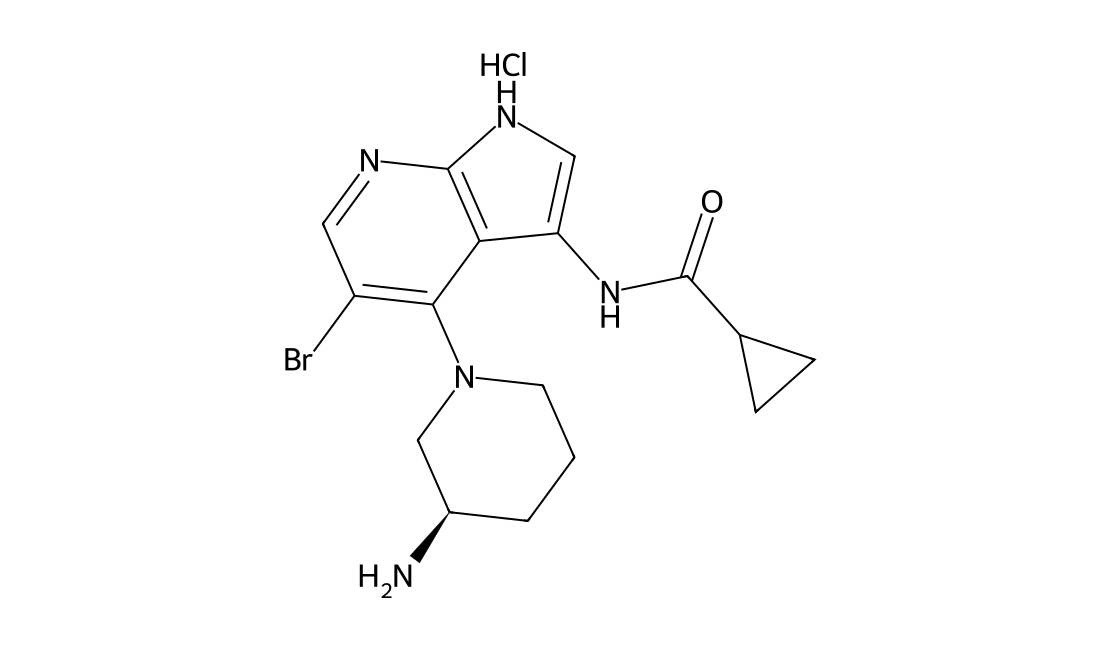
GDC-0575Featured
GDC-0575, also known as ARRY-575 and RG7741, is a potent and selective inhibitor of cell cycle checkpoint kinase 1 (Chk1) with an IC50 of 1.2 nM. Chk1 inhibitor GDC-0575 specifically binds to and inhibits Chk1; this may result in tumor cells bypassing Chk1-dependent cell cycle arrest in the S and G2/M phases, which permits the cells to undergo DNA repair prior to entry into mitosis.
No products match this search.
Page 416 of 434 · Browse all 8677 products
Jump to a product page
Featured literature product: HX1 · DCL0028
HX1 is a hydroxyzine-derived ionizable lipid with acetal-containing tails, studied in lipid nanoparticles for brain mRNA delivery and CRISPR–Cas9 delivery. It was the lead in the reported in vivo brain-delivery screen; evidence is preclinical and formulation-dependent.
Read full formulation and performance →