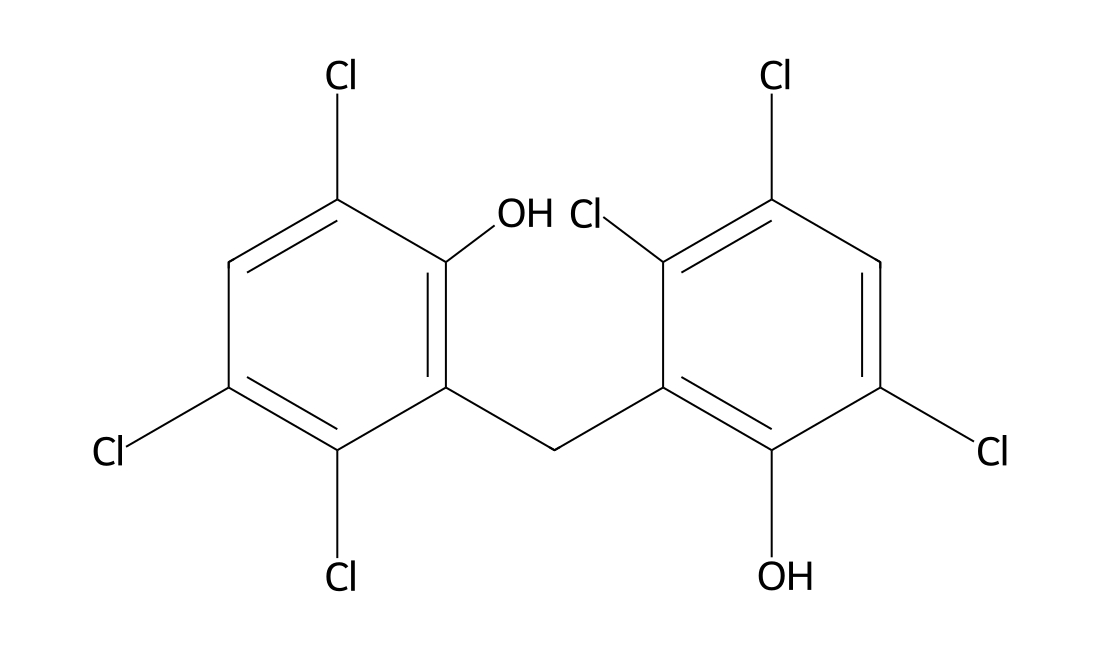
CCG-63808
CAS 620113-73-7
CCG-63808 is a reversible inhibitor of regulator of G-protein signaling (RGS) proteins.

Explore bioactive compounds by research category, then narrow your search by target, product name, catalog number or CAS.
Newly added: LC-MG and OXF molecular glue research compounds →
Products may appear in more than one category. Counts refer to distinct catalog numbers within each category.
Other Research Tools (75) · Additional reagents, building blocks and specialized research tools.
LC-MG-1 (DCA0006) · LC-MG-4 (DCA0007) · LC-MG-9 (DCA0008)
View structure and evidence summaries →Combine a keyword, research category and target to narrow the product list.
Loading catalog filters…
CAS 620113-73-7
CCG-63808 is a reversible inhibitor of regulator of G-protein signaling (RGS) proteins.
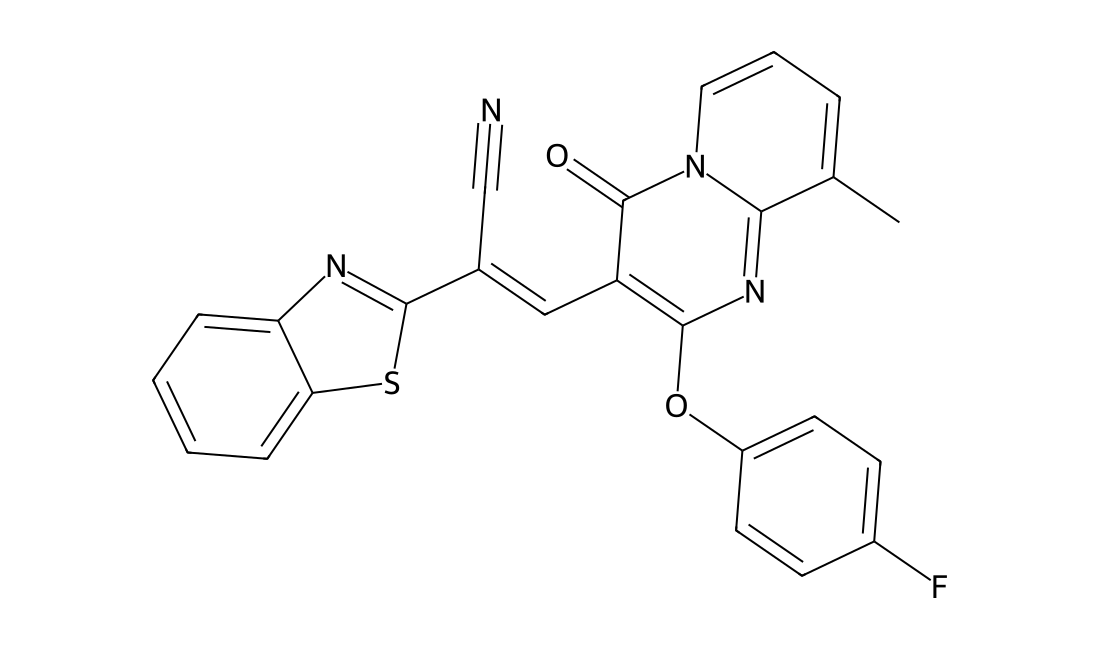
CAS 620112-78-9
CCG-63802 is a reversible inhibitor of regulator of G-protein signaling (RGS) protein; with greatest potency at RGS4. CCG-63802 is selective amongst RGS proteins, with greatest potency at RGS4. CCG-63802 inhibits GTPase accelerating protein activity of RGS4 and blocks its interaction with Gαo. Retains activity under reducing conditions.
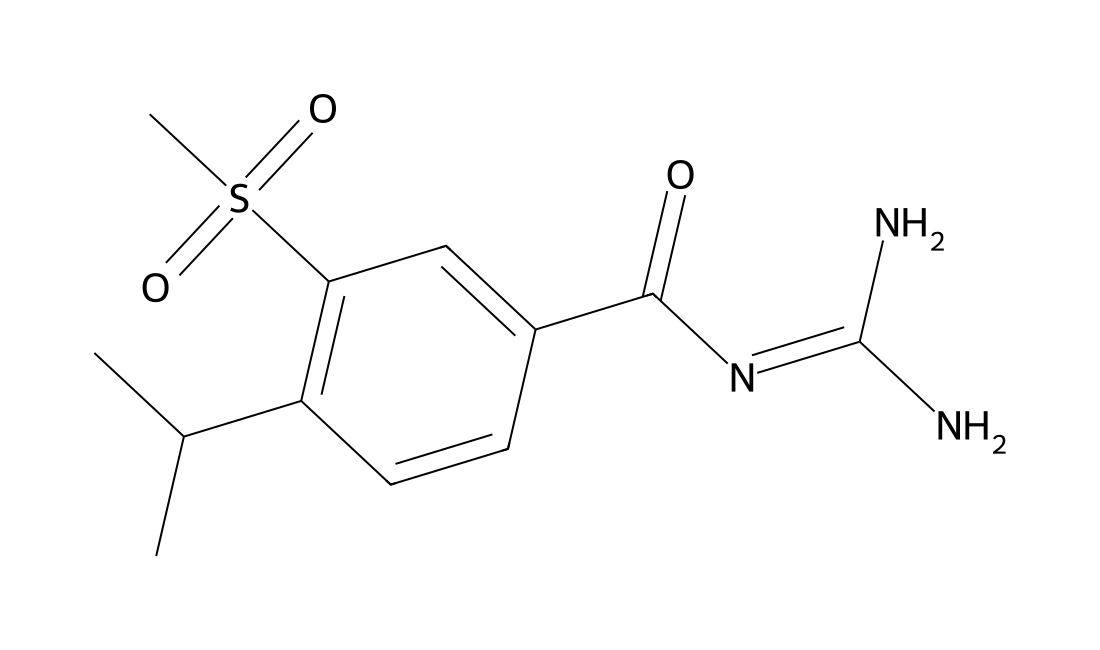
CAS 159138-80-4
Cariporide is a NHE-1 (sodium-hydrogen exchanger isoform-1) inhibitor. Rat studies indicate that cariporide blocks apoptosis of cardiac muscle cells. Additional studies show that the compound interacts with and weakens mitochondrial Ca2+ overload and the permeability transition pore (PTP). For the detailed information of Cariporide, the solubility of Cariporide in water, the solubility of Cariporide in DMSO, the solubility of Cariporide in PBS buffer, the animal experiment (test) of Cariporide, the cell expriment (test) of Cariporide, the in vivo, in vitro and clinical trial test of Cariporide, the EC50, IC50,and affinity,of Cariporide, Please contact DC Chemicals.
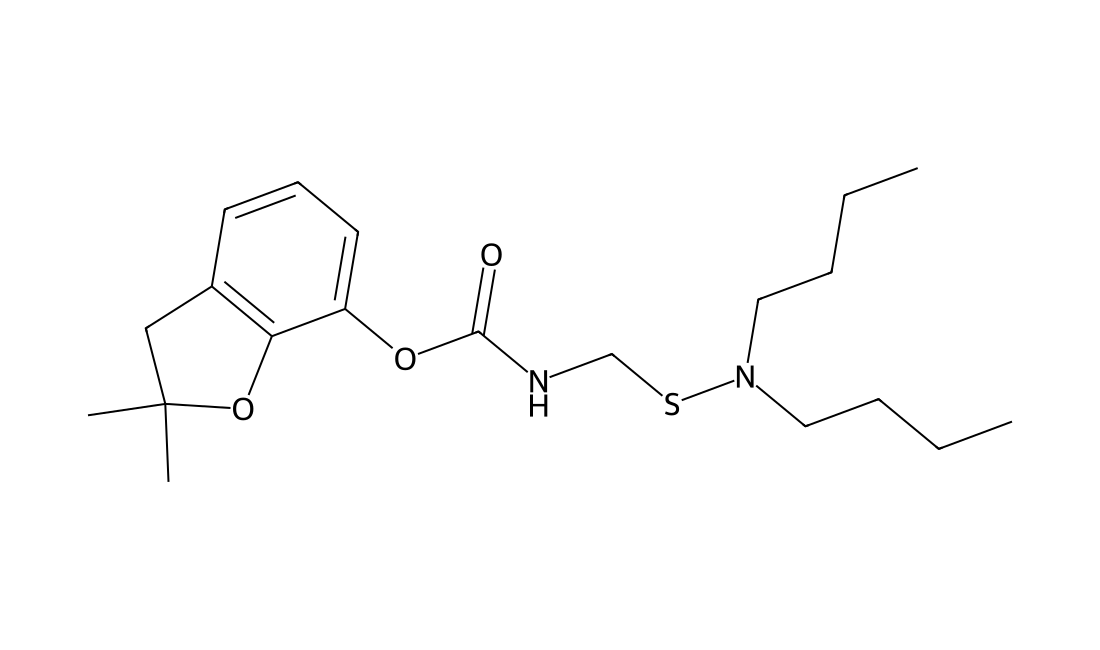
CAS 55285-14-8
Carbosulfan inhibited relatively potently CYP3A4 and moderately CYP1A1/2 and CYP2C19 in pooled HLM (human livers). Carbosulfan activation is predominantly catalyzed in humans by CYP3A4.
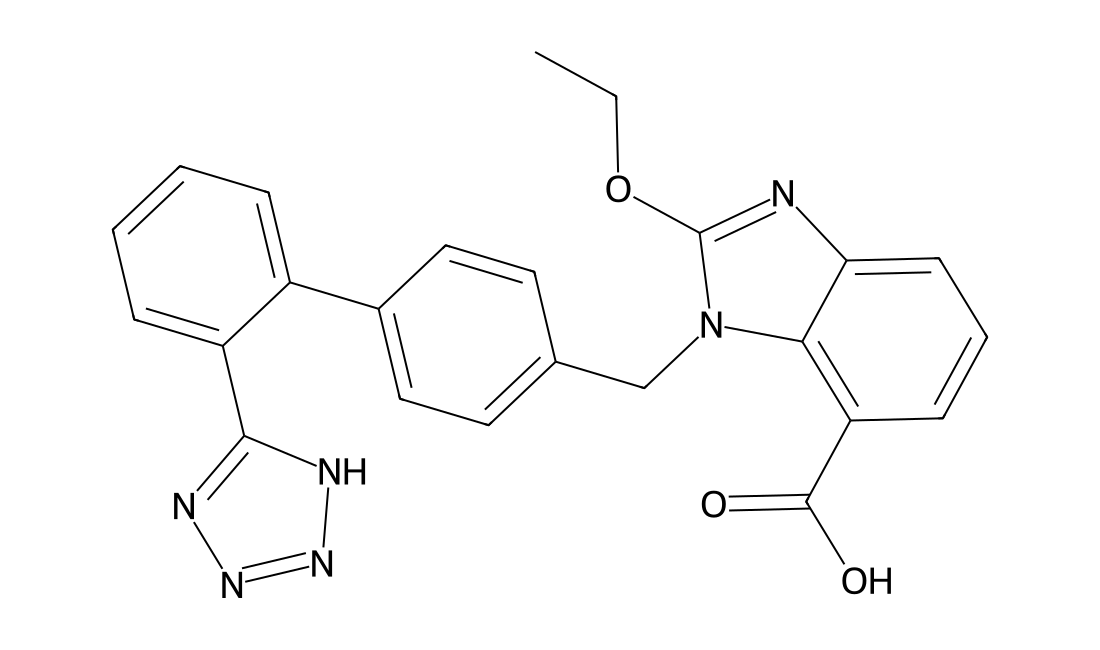
CAS 139481-59-7
Candesartan is an angiotensin II receptor antagonist with IC50 of 0.26 nM.candesartan is indicated for the treatment of hypertension. Results from the CHARM study in the early 2000s demonstrated the morbidity and mortality reduction benefits of candesartan therapy in congestive heart failure. Thus, while ACE inhibitors are still considered first-line therapy in heart failure, candesartan can be used in combination with an ACE to achieve improved mortality and morbidity vs. an ACE alone and additionally is an alternative in patients intolerant of ACE inhibitor therapy. Candesartan (0.5 mg/kg) decreases blood pressure and inhibits AT1 binding in the subfornical organ (SFO), paraventricular nucleus of the hypothalamus (PVN), nucleus of the solitary tract (NTS) and area postrema (AP) in WKY rats. Candesartan (0.3 mg/kg) pretreatment decreases the infarct area by 31% in adult spontaneously hypertensive rats, reduces the CBF decrease at the peripheral area of ischemia and the cortical volume of severe ischemic lesion.
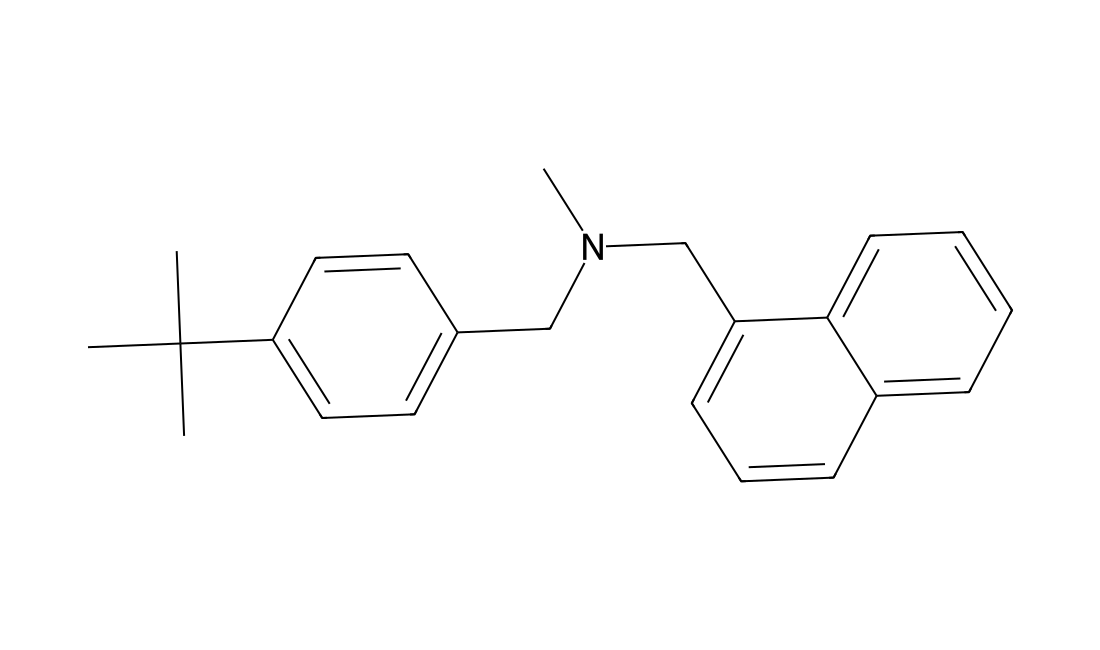
CAS 101828-21-1
For the detailed information of Butenafine, the solubility of Butenafine in water, the solubility of Butenafine in DMSO, the solubility of Butenafine in PBS buffer, the animal experiment(test) (test) of Butenafine, the cell expriment (test) of Butenafine, the in vivo, in vitro and clinical trial test of Butenafine, the EC50, IC50,and Affinity of Butenafine,, please contact DC Chemicals.
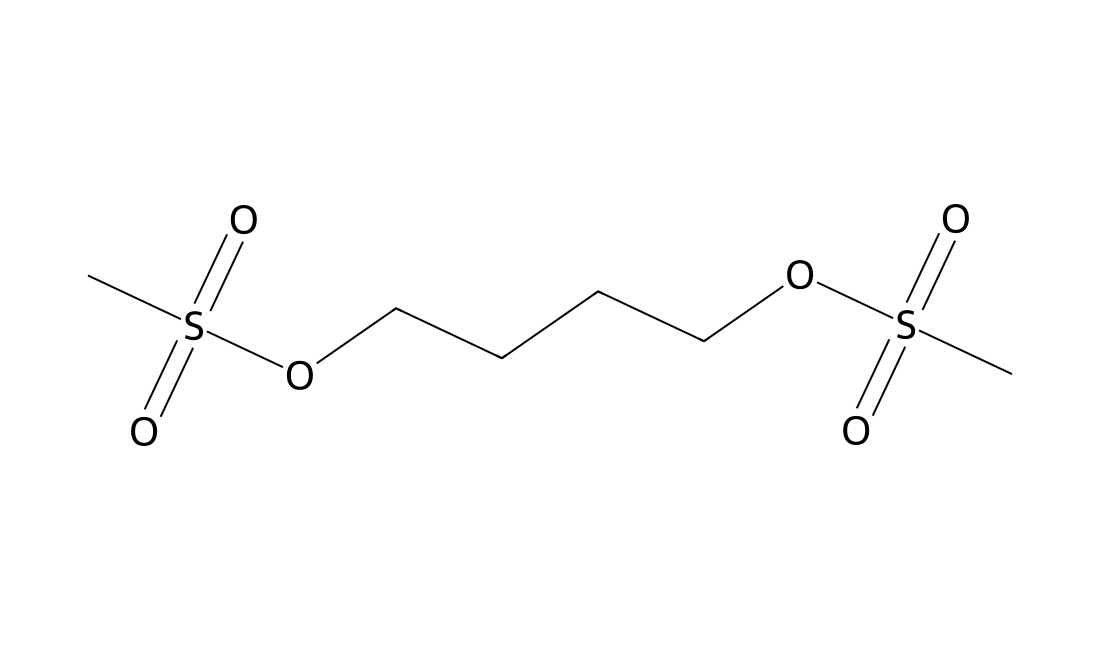
CAS 55-98-1
Busulfan is a bifunctional alkylating agent.Busulfan, a cytotoxic alkylating agent used for treatment of chronic myeloid leukemia has effects in mammalian germ cells. Busulfan is bifunctional and thus may effectively induce DNA damage, which may play an important role in the cytotoxicity. Busulfan induced DNA damage dose-dependently. busulfan caused double-base lesions mainly at 5'-GA-3' and, to a lesser extent, at 5'-GG-3' sequences.
CAS 88426-33-9
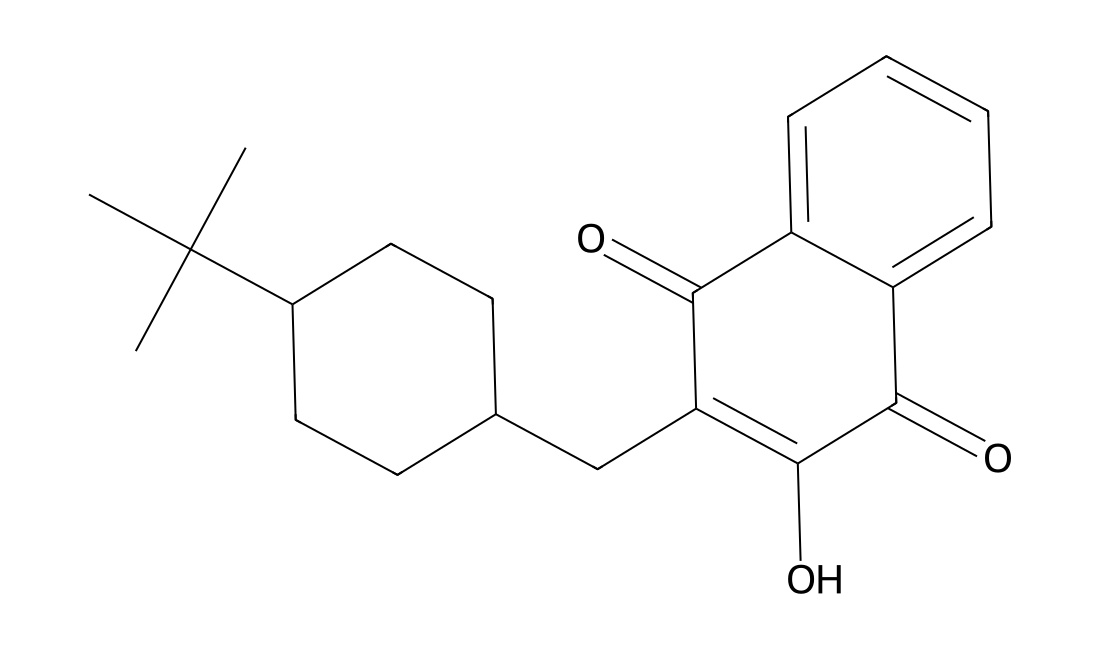
Buparvaquone(Butalex) is a hydroxynaphthoquinone antiprotozoal drug related to parvaquone and atovaquone; it is a promising compound for the therapy and prophylaxis of all forms of theileriosis.
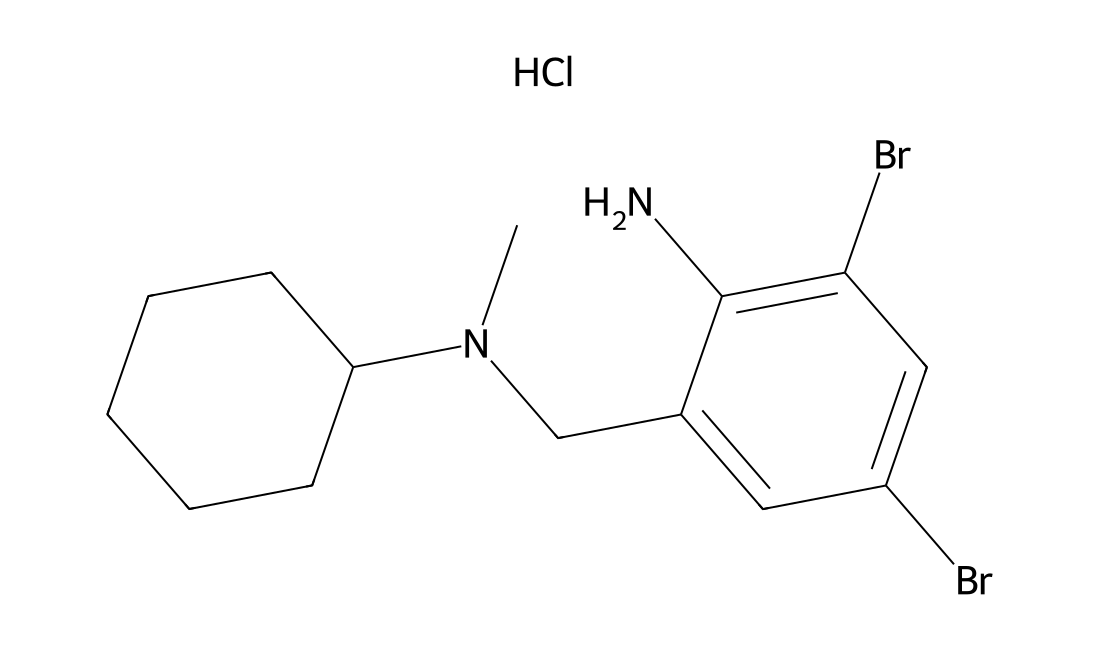
CAS 611-75-6
Bromhexine Hydrochloride is a medication prescribed for coughs which works by dissolving hard phlegm.Bromhexine is a mucolytic agent used in the treatment of respiratory disorders associated with viscid or excessive mucus. In addition, bromhexine has antioxidant properties. Bromhexine is intended to support the body's mechanisms for clearing mucus from the respiratory tract. Bromhexine is a synthetic derivative of the herbal active ingredient vasicine. It has been shown to increase the proportion of serous bronchial secretion, making it more easily expectorated. It is indicated as "secretolytic therapy in bronchopulmonary diseases associated with abnormal mucus secretion and impaired mucus transport". From Wikipedia.
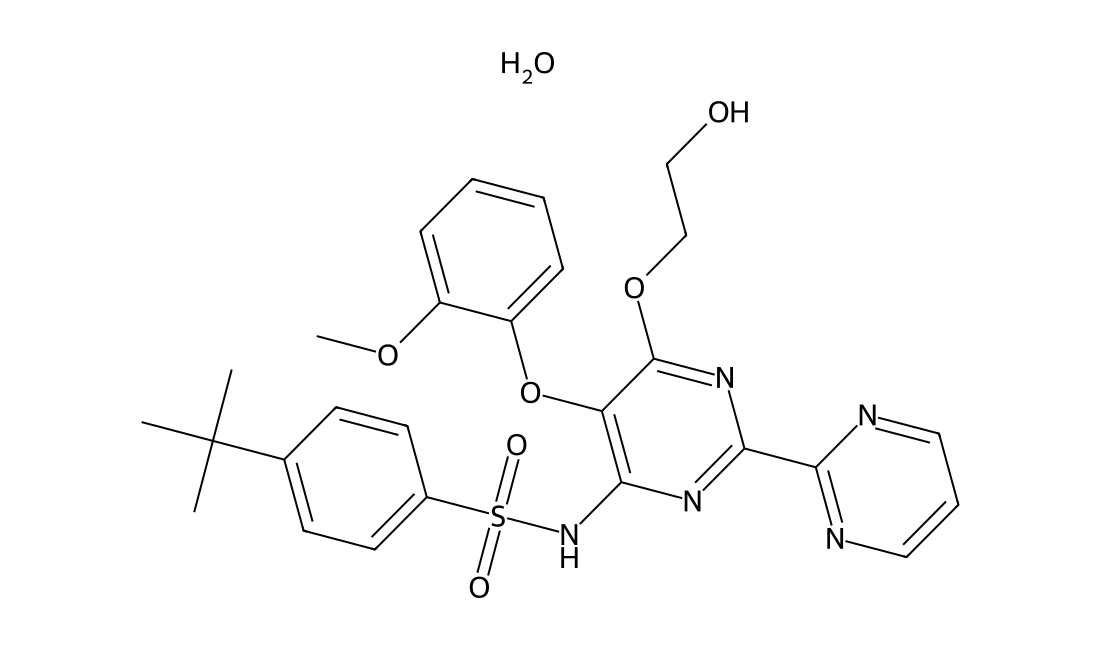
CAS 157212-55-0
For the detailed information of Bosentan Hydrate, the solubility of Bosentan Hydrate in water, the solubility of Bosentan Hydrate in DMSO, the solubility of Bosentan Hydrate in PBS buffer, the animal experiment(test) (test) of Bosentan Hydrate, the cell expriment (test) of Bosentan Hydrate, the in vivo, in vitro and clinical trial test of Bosentan Hydrate, the EC50, IC50,and Affinity of Bosentan Hydrate,, please contact DC Chemicals.
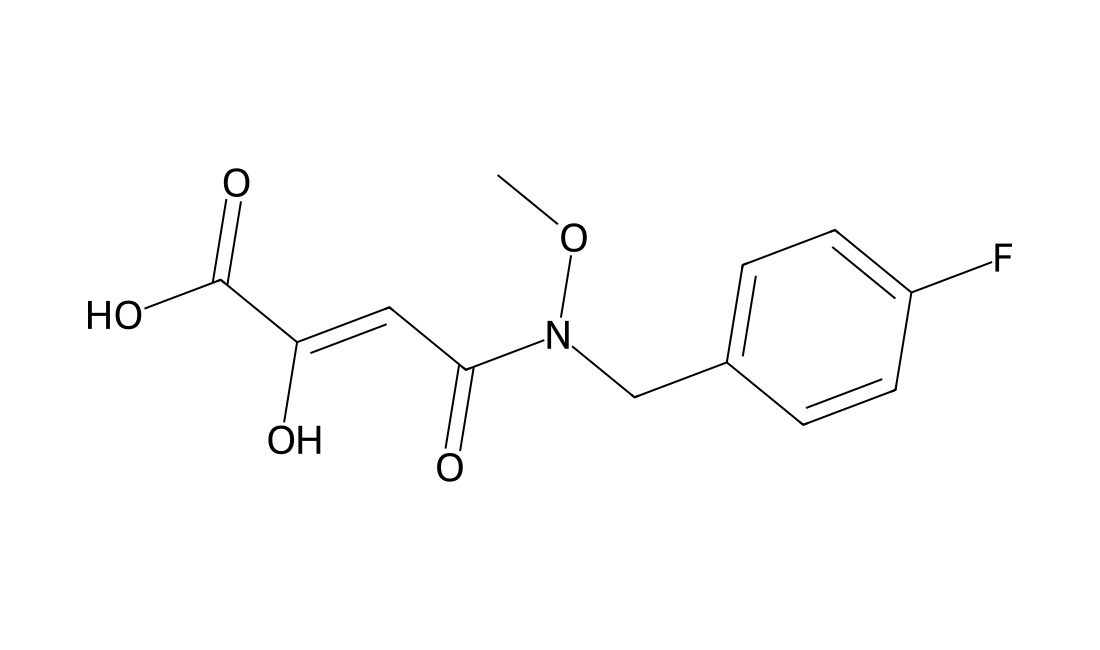
CAS 543730-41-2
For the detailed information of BMS-538203, the solubility of BMS-538203 in water, the solubility of BMS-538203 in DMSO, the solubility of BMS-538203 in PBS buffer, the animal experiment (test) of BMS-538203, the cell expriment (test) of BMS-538203, the in vivo, in vitro and clinical trial test of BMS-538203, the EC50, IC50,and Affinity of BMS-538203, Please contact DC Chemicals.
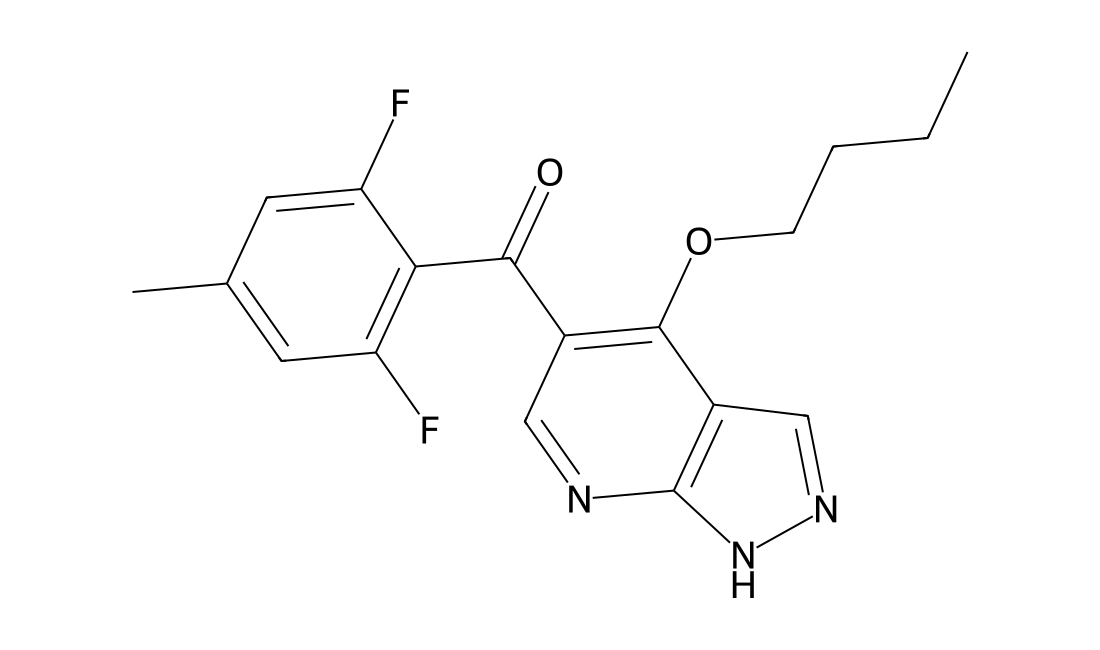
CAS 582315-72-8
BMS-265246 is a potent and selective CDK1/2 inhibitor for CDK1/cyclin B and CDK2/cyclin E with IC50 of 6 nM and 9 nM, respectively.in vitro: BMS-265246 inhibits the activity of Cdk4/cycD (IC50 = 0.23 μM) and prevents A2780 Cytox with IC50 of 0.76 μM. BMS-265246 when bound to Cdk2, shows the inhibitor resides within the ATP purine binding site and forms important H-bonds with Leu83 on the protein backbone. BMS-265246 represents the most potent Cdk/Cdk2 selective analogue from this chemotype. A recent study shows that BMS-265246 inhibits cell proliferation with EC50 ranging from 0.293 μM-0.492 μM in HCT-116 cells. After treatment of BMS-265246, the dominant cell populations are G2-arrested cells having 4N DNA content, large round nuclei, and low DNA intensity.
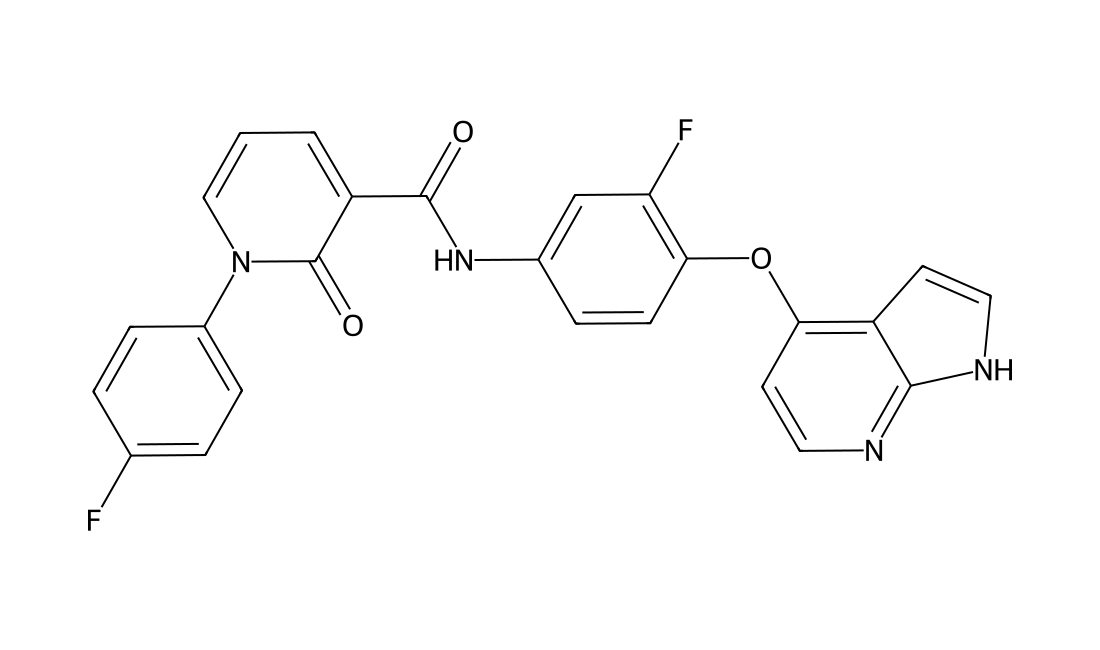
CAS 888719-03-7
BMS-2 is a potent MET kinase inhibitor with an IC50 value of 1.8nM. It also possesses potent inhibitory activity against Flt-3 and VEGFR-2 kinases, IC50 values of 4nM and 27nM respectively.
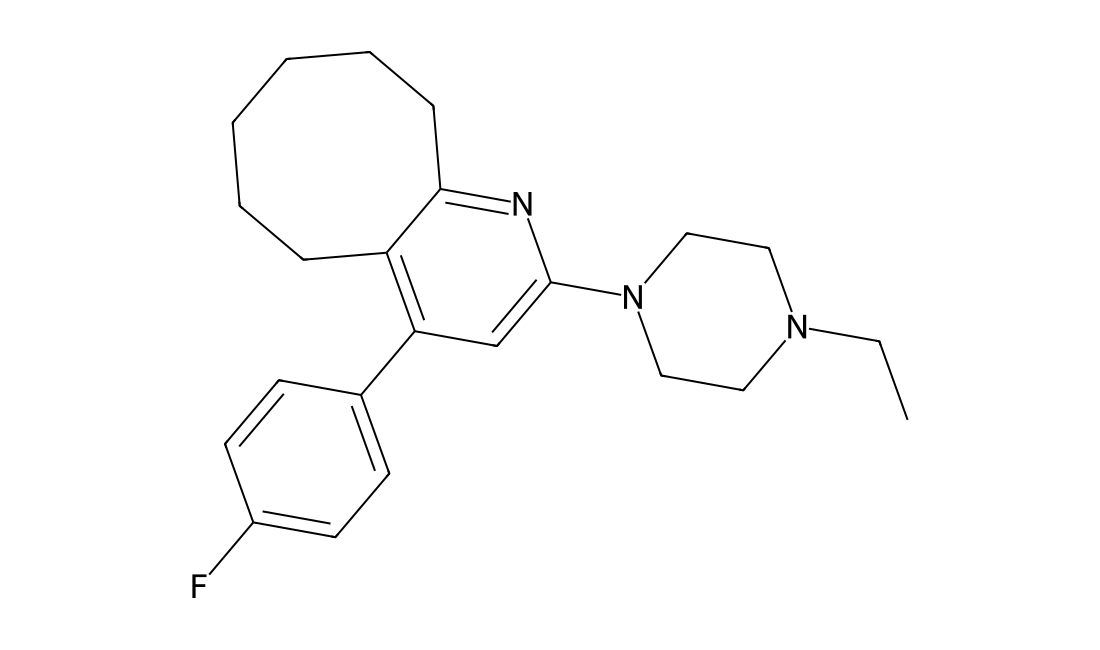
CAS 132810-10-7
Blonanserin is a novel atypical antipsychotic agent with potent dopamine D2 (Ki, 14.8 nM) and serotonin 5-HT2(Ki, 3.98 nM) receptors antagonist properties.For the detailed information of Blonanserin(AD-5423), the solubility of Blonanserin(AD-5423) in water, the solubility of Blonanserin(AD-5423) in DMSO, the solubility of Blonanserin(AD-5423) in PBS buffer, the animal experiment (test) of Blonanserin(AD-5423), the cell expriment (test) of Blonanserin(AD-5423), the in vivo, in vitro and clinical trial test of Blonanserin(AD-5423), the EC50, IC50,and Affinity of Blonanserin(AD-5423), Please contact DC Chemicals.
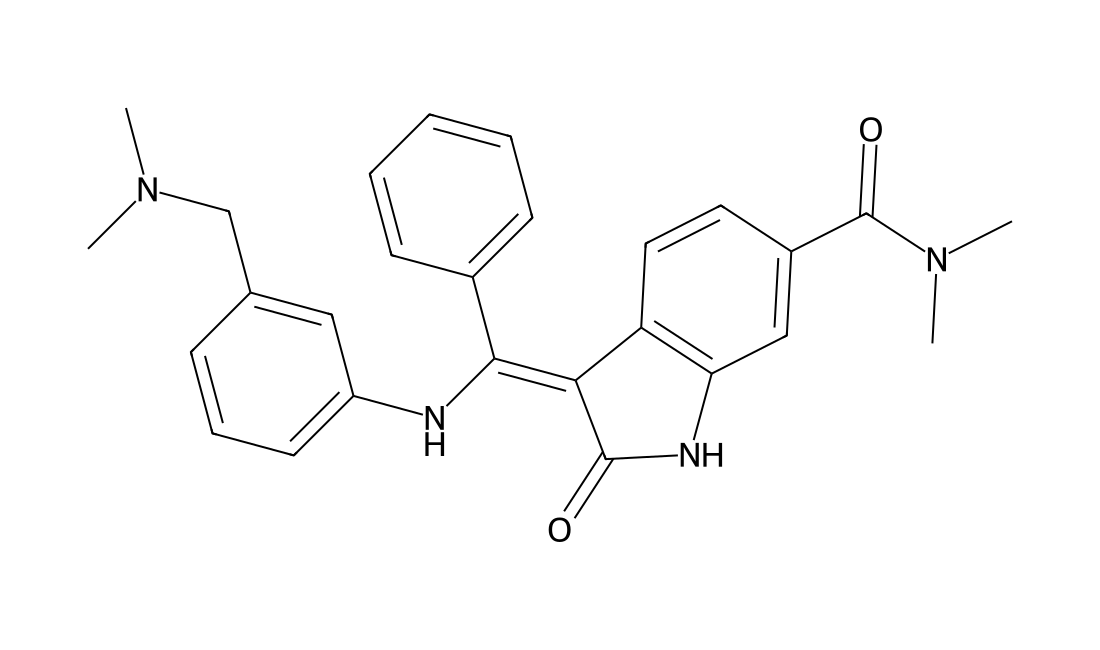
CAS 1265916-41-3
BIX 02189 is a selective MEK5/ERK5 inhibitor with an IC50 of 59 nM. BIX02189 was reported to inhibit catalytic function of purified, MEK5 enzyme.For the detailed information of BIX02189 (BIX 02189), the solubility of BIX02189 (BIX 02189) in water, the solubility of BIX02189 (BIX 02189) in DMSO, the solubility of BIX02189 (BIX 02189) in PBS buffer, the animal experiment (test) of BIX02189 (BIX 02189), the cell expriment (test) of BIX02189 (BIX 02189), the in vivo, in vitro and clinical trial test of BIX02189 (BIX 02189), the EC50, IC50,and Affinity of BIX02189 (BIX 02189), Please contact DC Chemicals.
CAS 36085-73-1
B-HT 920(Talipexole 2Hcl) is a dopamine D2 receptor agonist, α2-adrenoceptor agonist and 5-HT3 receptor antagonist, which displays antiParkinsonian activity. in vitro: N/A in vivo: Intravenous injection of 30 micrograms/kg of B-HT 920 into cats lead initially to an increase in blood pressure and then to a long-lasting decrease in blood pressure and heart rate. Vagally mediated reflex bradycardia elicited by angiotensin injection in beta-adrenoceptor-blocked dogs was facilitated by intracisternal injection of 10 micrograms/kg B-HT 920.
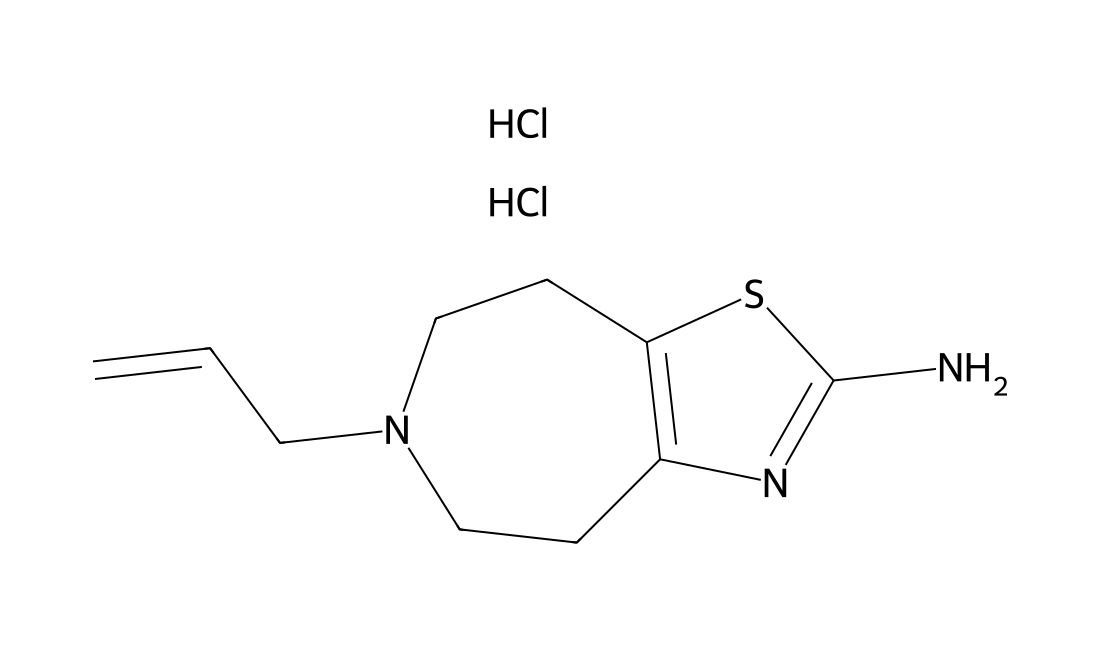
CAS 56632-39-4
BHPI is a potent, noncompetitive small molecule ERα inhibitor (biomodulator) that selectively blocks proliferation of drug-resistant ERα-positive breast and ovarian cancer cells; distorts this normal action of E2–ERα and induces a massive and sustained ERα-dependent activation of the unfolded protein response (UPR), persistent inhibition of protein synthesis, converting UPR activation from cytoprotective to cytotoxic; completely blocked proliferation of ERα+ cancer cells at 100-1000 nM, induces tumor regression in mouse xenograft of MCF-7 cells.
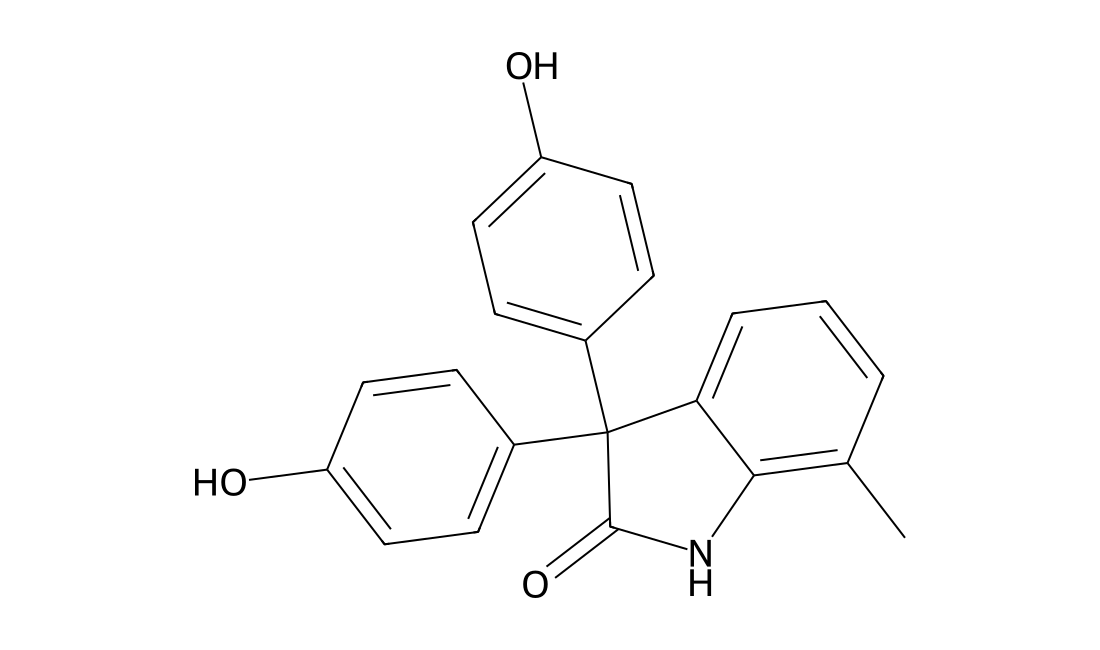
CAS 5579-84-0
Betahistine Dihydrochloride is a histamine H3 receptors inhibitor used as an antivertigo drug.Betahistine, a structural analogue of histamine with weak histamine H(1) receptor agonist and more potent H(3) receptor antagonist properties. Betahistine acts centrally by enhancing histamine synthesis within tuberomammillary nuclei of the posterior hypothalamus and histamine release within vestibular nuclei through antagonism of H(3) autoreceptors. Therapeutic effects of betahistine in vestibular disorders result from its antagonist properties at histamine H(3) receptors (H(3)Rs). On inhibition of cAMP formation and [(3)H]arachidonic acid release, betahistine behaved as a nanomolar inverse agonist and a micromolar agonist. After acute oral administration, Betahistine increased t-MeHA levels with an ED(50) of 2 mg/kg, a rightward shift probably caused by almost complete first-pass metabolism. Therapeutic effects of betahistine result from an enhancement of histamine neuron activity induced by inverse agonism at H(3) autoreceptors.
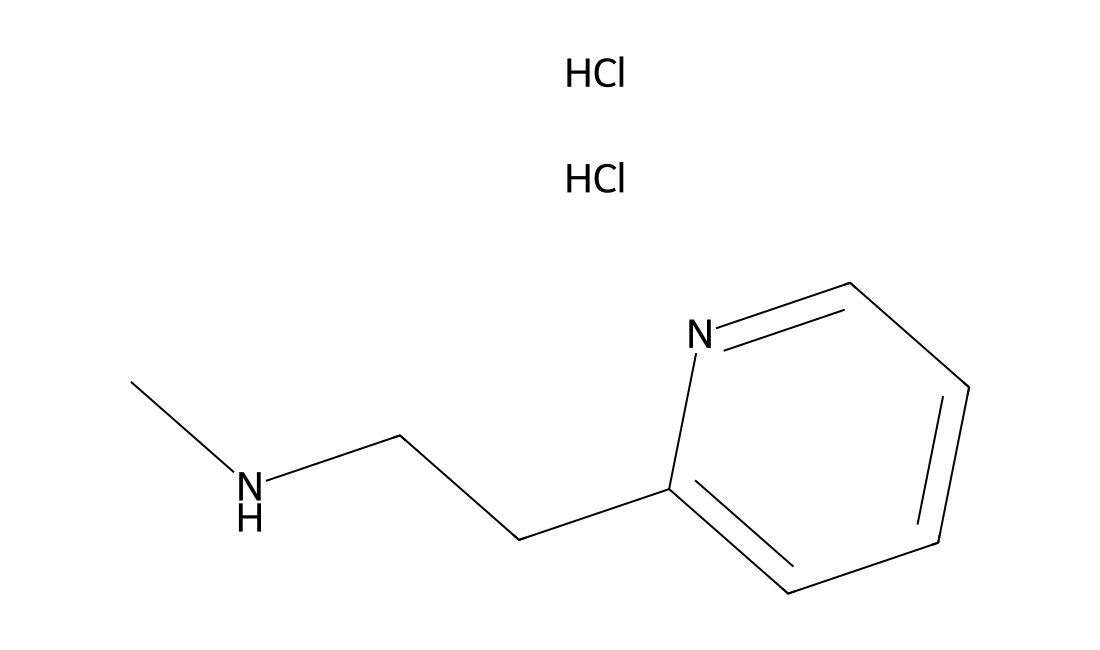
CAS 100-51-6
Benzyl alcohol is an aromatic alcohol; a colorless liquid with a mild pleasant aromatic odor.
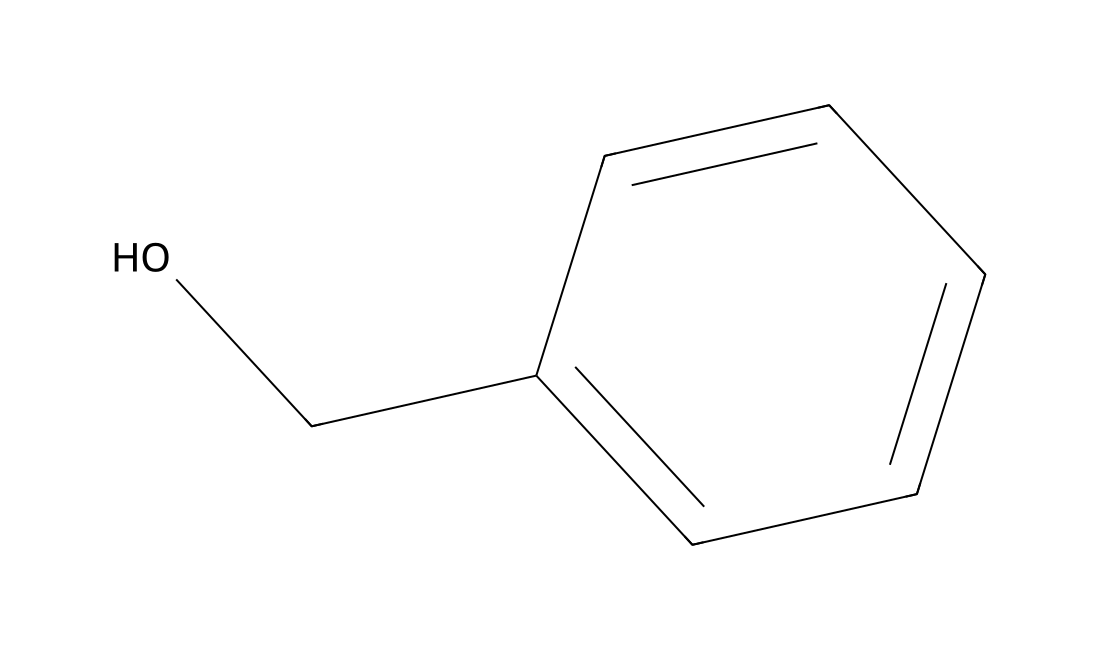
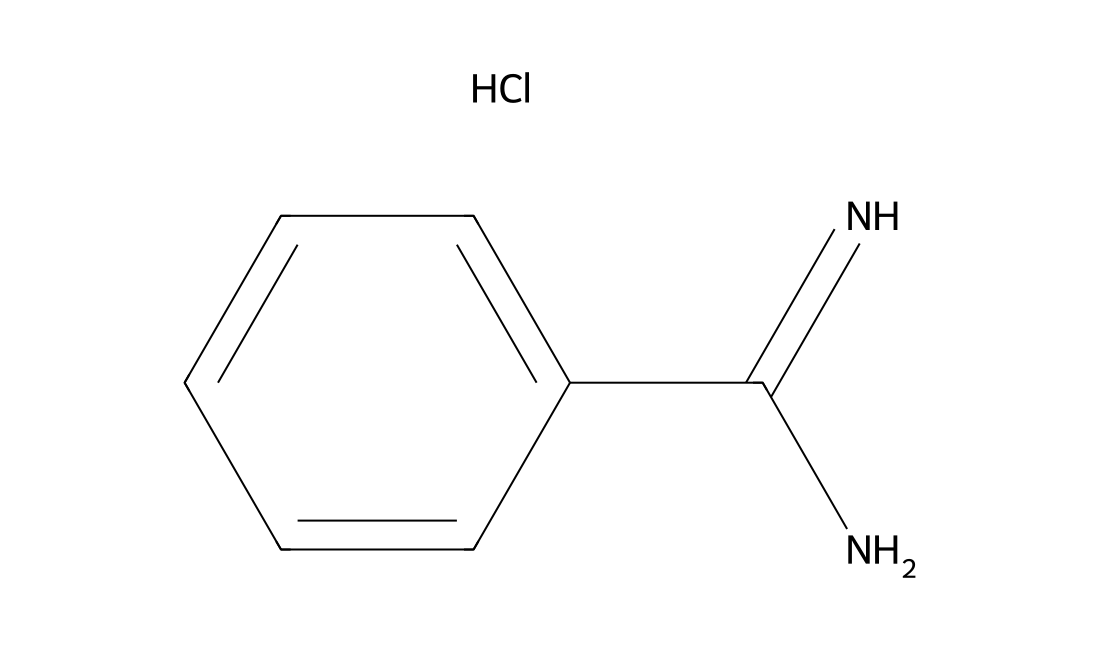
CAS 1670-14-0
Benzamidine is an inhibitor of serine proteases with Ki values of 35, 350, and 220 µM for trypsin, plasmin, and thrombin, respectively.
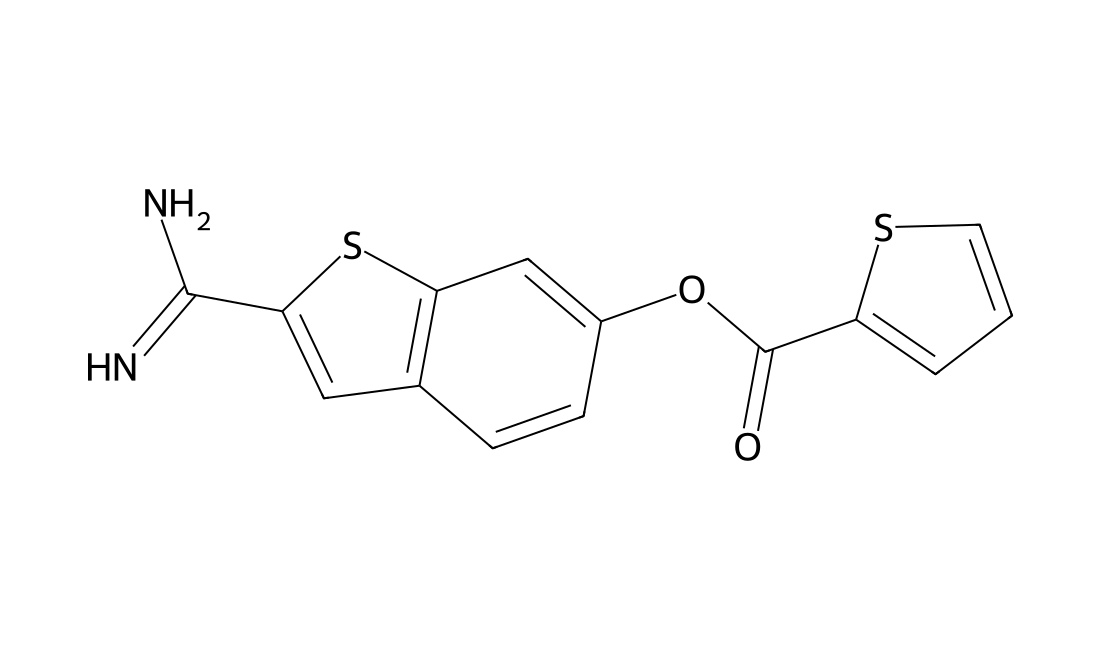
CAS 217099-43-9
BCX-1470 (BCX1470) is a serine protease inhibitor that inhibits the esterolytic activity of factor D (IC50=96 nM) and C1s (IC50=1.6 nM); displays 3.4-fold and 200-fold bette than that of trypsin, respectively; inhibits esterolytic activity translates into potent inhibition of the proteolytic activity of C1s, factor D, and consequently of the classical and alternative pathway-mediated hemolysis of target RBC (IC50=46 nM and 330 nM, respectively); blocks the reverse passive Arthus (RPA) reaction in rats. Thrombosis Phase 1 Discontinued
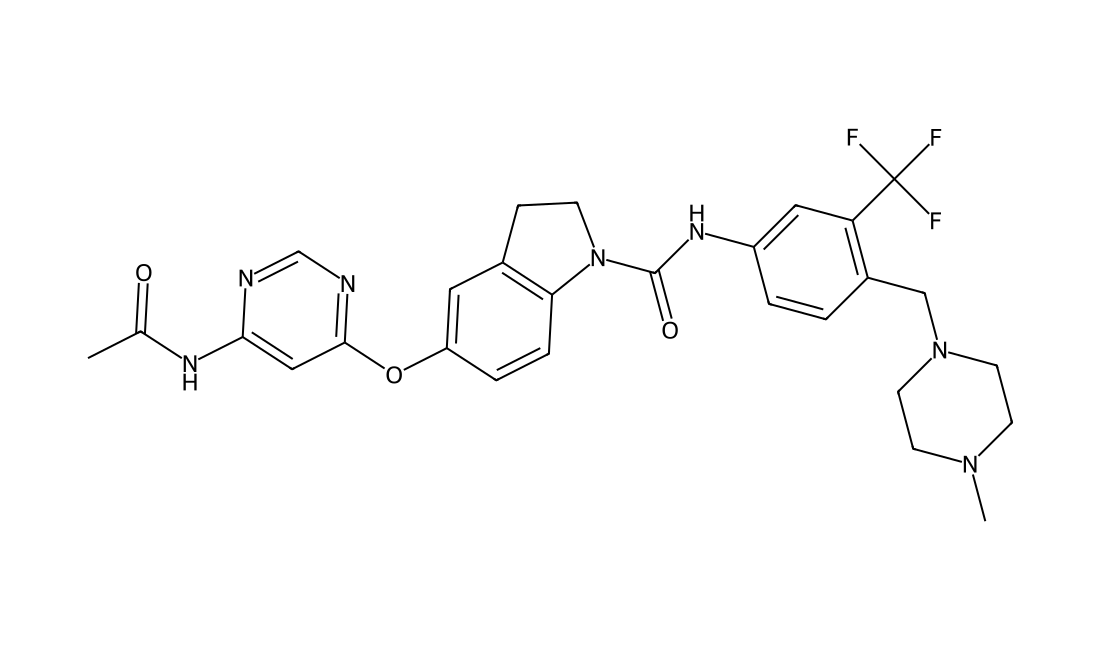
CAS 882405-89-2
BBT594 (NVP-BBT594), is potent and selective inhibitor of RET and JAK2. BBT594 impairs "glial-derived neurotrophic factor" (GDNF)-RET signalling and GDNF-dependent growth of in specific in vitro models. Direct inhibition of GDNF-RET signaling by BBT594 in ER+ breast cancer cells enhances the sensitivity to aromatase inhibitor (AI) treatment and reverts AI resistance. In murine models, the IC50 of BBT594 on JAK2 inhibition varies between 8nM - 29nM, depending on cell model and JAK2 mutation present.
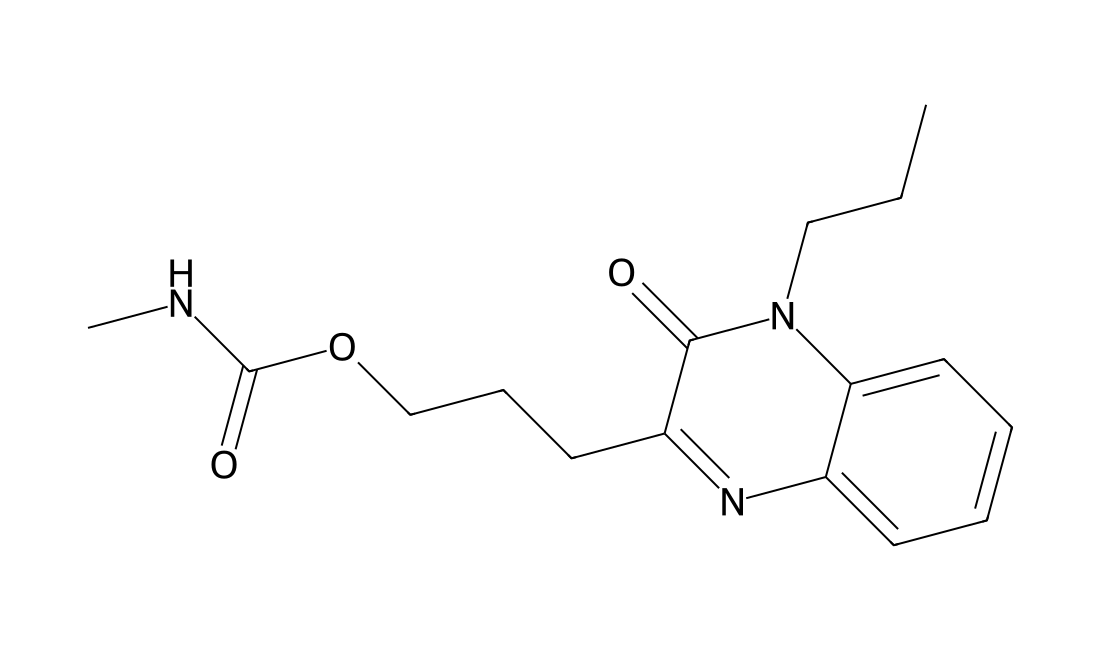
CAS 135779-82-7
Bamaquimast is an inhibitor of proton pump extracted from patent US2005165041, example 138.
CAS 80573-04-2
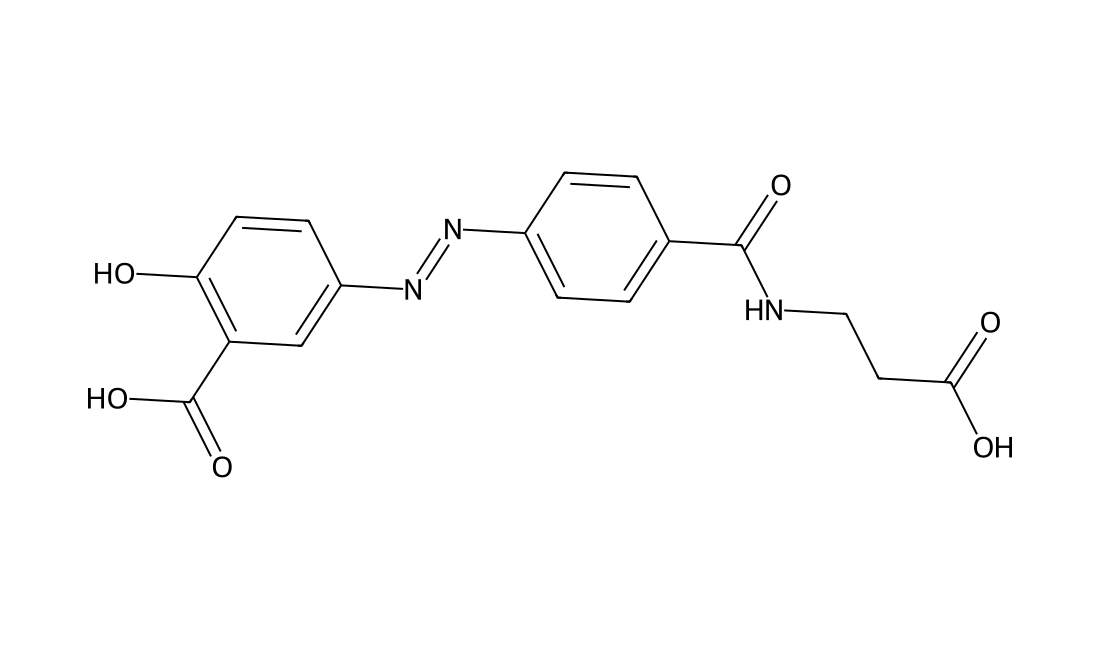
Balsalazide is an anti-inflammatory drug used in the treatment of Inflammatory Bowel Disease. Balsalazide is a new 5-aminosalicylic acid (5-ASA) containing prodrug. High dose balsalazide (3.0 g twice daily) was superior in maintaining remission in patients with ulcerative colitis compared with a low dose (1.5 g twice daily) or a standard dose of mesalazine (0.5 g three times daily). All three treatments were safe and well tolerated. Balsalazide is approved for the treatment of mild-to-moderate active UC. It is efficacious for the induction of remission in mild to moderate UC and has a favorable safety profile, with the added advantages of greater efficacy of remission induction and rapidity of onset.
CAS 123-99-9
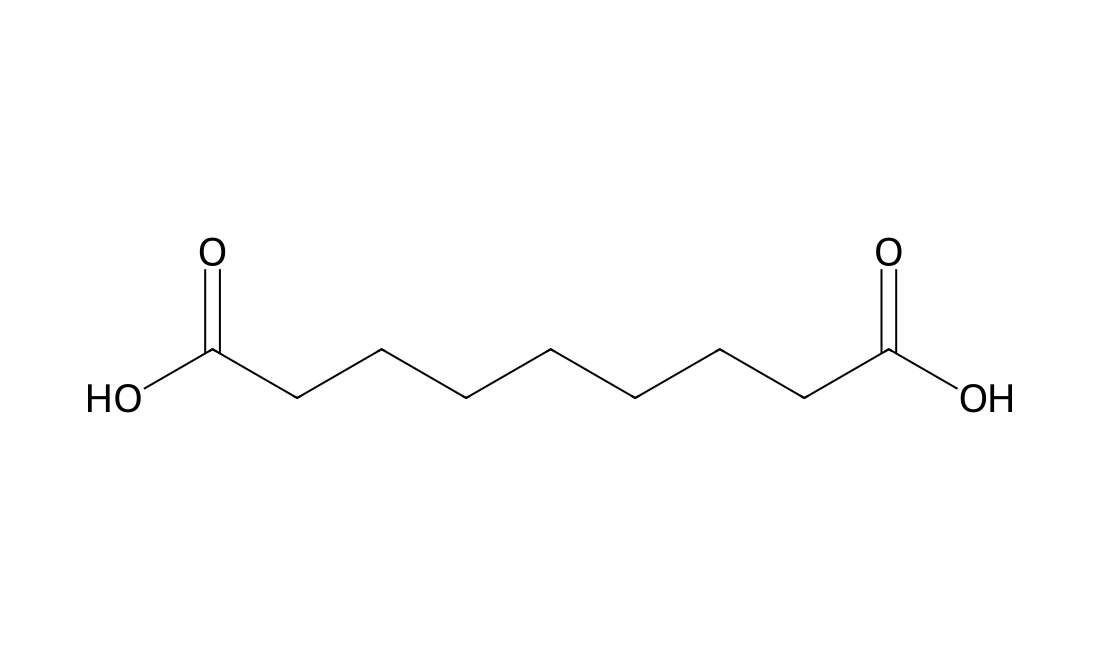
Azelaic acid is an organic compound produced by the ozonolysis of oleic acid and possesses antibacterial, keratolytic, comedolytic, and anti-oxidant activity.
CAS 892489-52-0
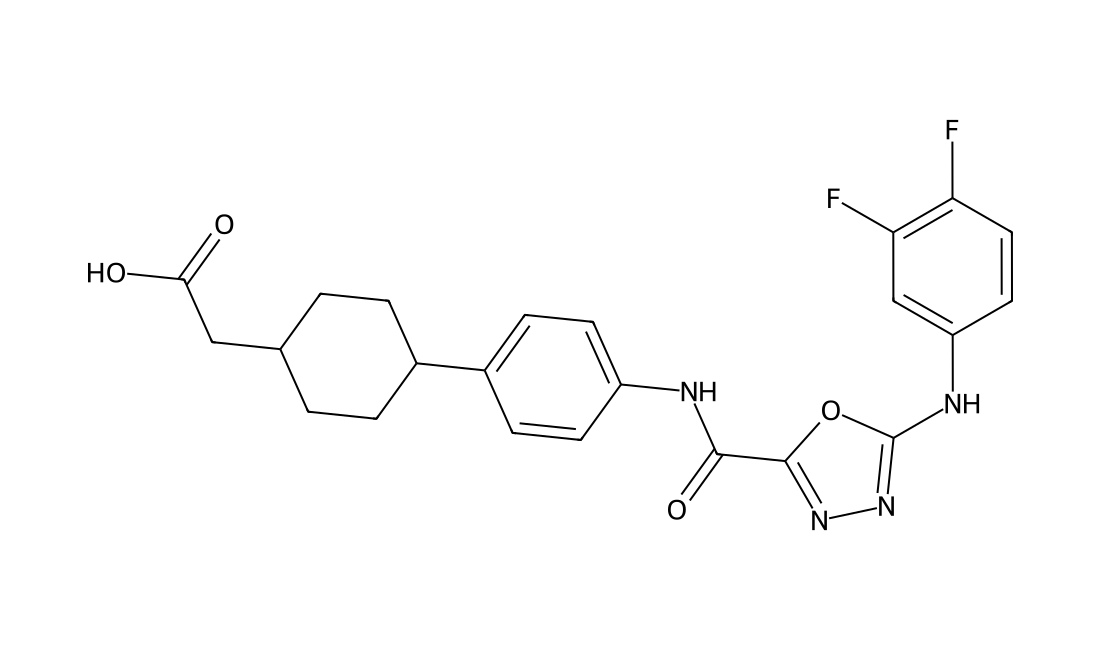
Potent and selective diacylglycerol acyltransferase (DGAT-1) inhibitor (IC50 = 0.6 nM). Exhibits selectivity for DGAT-1 over DGAT-2, Kv11.1 (hERG) and cytochrome P450 enzymes. Suppresses triacylglyceride (TAG) plasma excursion and adipose tissue TAG synthesis in rats. Reduces body weight of diet-induced obese rats. Cell permeable and orally bioavailable. For the detailed information of AZD-3988, the solubility of AZD-3988 in water, the solubility of AZD-3988 in DMSO, the solubility of AZD-3988 in PBS buffer, the animal experiment (test) of AZD-3988, the cell expriment (test) of AZD-3988, the in vivo, in vitro and clinical trial test of AZD-3988, the EC50, IC50,and affinity,of AZD-3988, For the detailed information of AZD-3988, the solubility of AZD-3988 in water, the solubility of AZD-3988 in DMSO, the solubility of AZD-3988 in PBS buffer, the animal experiment (test) of AZD-3988, the cell expriment (test) of AZD-3988, the in vivo, in vitro and clinical trial test of AZD-3988, the EC50, IC50,and affinity,of AZD-3988, Please contact DC Chemicals.
CAS 1240299-33-5
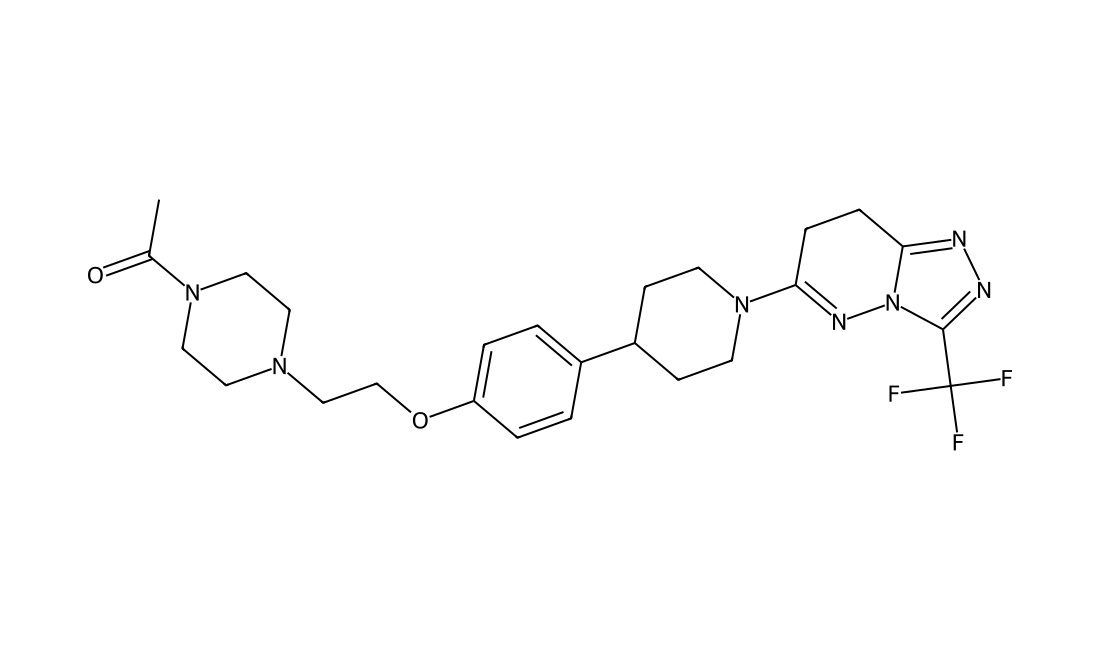
AZD-3514 is a potent androgen receptor downregulator with potential anticancer cancer activity. AZD3514 is being evaluated in a Phase I clinical trial in patients with castrate-resistant prostate cancer.
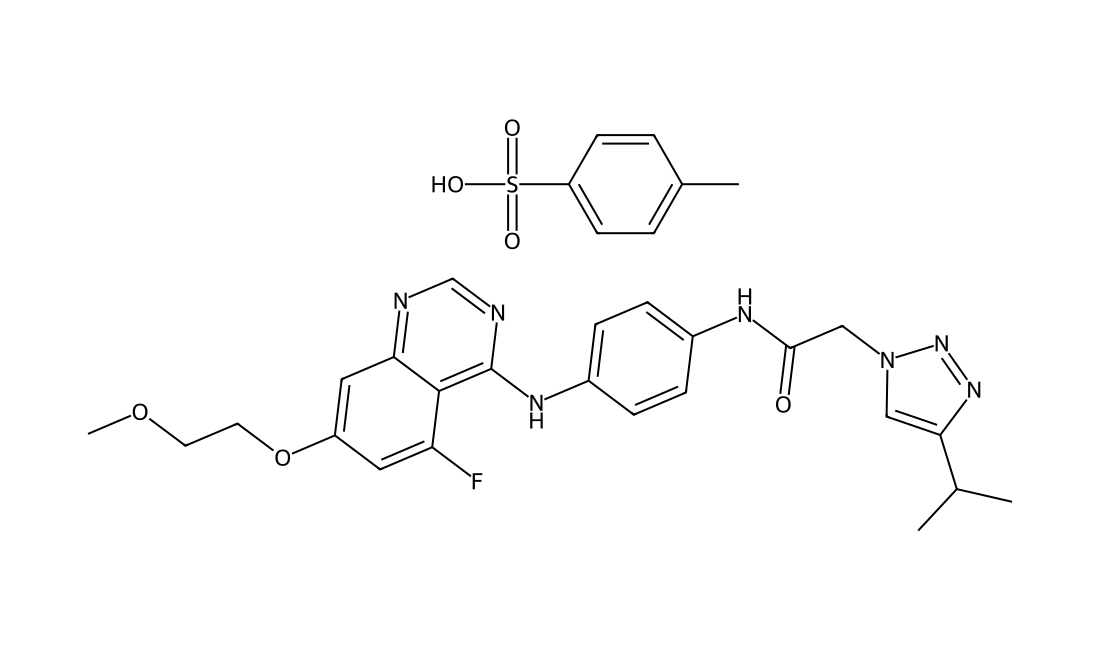
CAS 2248003-71-4
In Vitro AZD3229 Tosylate is a potent, pan-KIT mutant inhibitor with potent single digit nM growth inhibition against a diverse panel of mutant KIT driven Ba/F3 cell lines (GI50=1-50 nM). AZD3229 Tosylate demonstrates potent single digit nM growth inhibition across a broad cell panel, with good margin to KDR-driven effects. Selectivity over KDR can be rationalised predominantly by the interaction of water molecules with the protein and ligand in the active site and its kinome selectivity is similar to the best of the approved GIST agents.
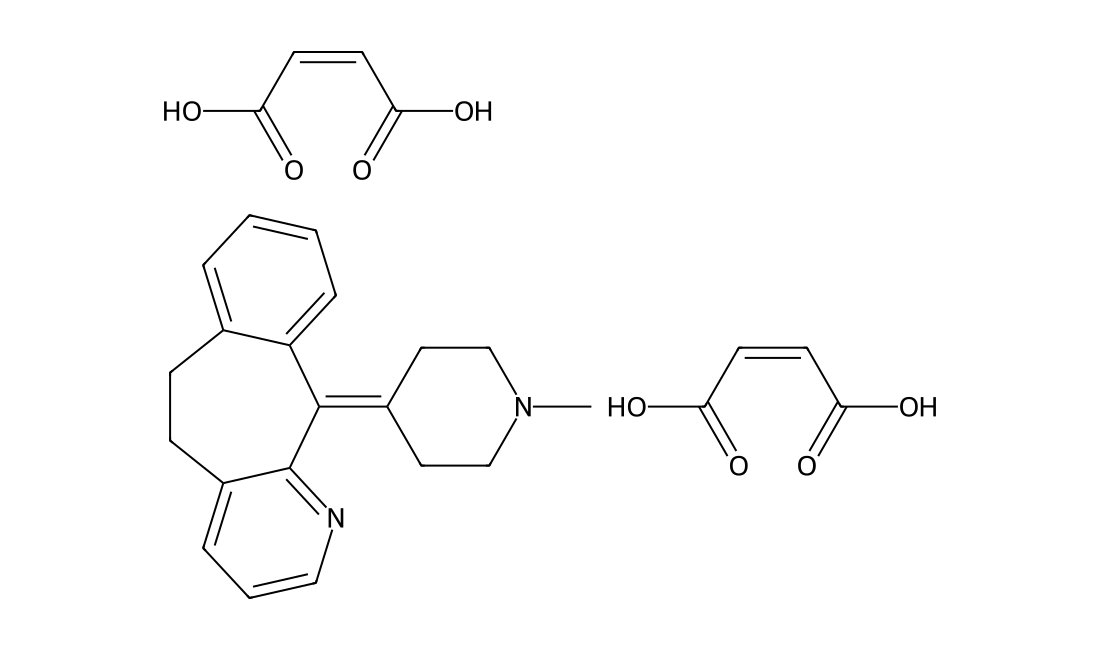
CAS 3978-86-7
Azatadine dimaleate is an histamine and cholinergic inhibitor with IC50 of 6.5 nM and 10 nM, respectively. Azatadine, a new antihistamine, was evaluated for its efficacy in 20 patients with chronic allergic rhinitis. Eighty percent of patients had symptomatic relief with a twice daily dosage of 2 mg. Sedation was volunteered as a side effect by six of the patients and was admitted by two further patients after specific questioning. A choice reaction time test gave slowing of motor function in these sedated patients. Four of the previously sedated patients experienced good symptomatic control with minimal sedation when the azatadine dose was reduced to 1 mg twice daily; slowing of motor function was not observed at this, the normal recommended dose. Azatadine delays the onset of dyspnea-induced by aerosolized histamine, acetylcholine and serotonin in the conscious guinea-pig with PD50 of 0.01 mg/kg, 0.739 mg/kg and 0.86 mg/kg. Azatadine protects conscious guinea-pigs against death induced by the intravenous injection of histamine with oral PD50 of 0.009 mg/kg in guinea-pig and 0.22 mg/kg in mice.
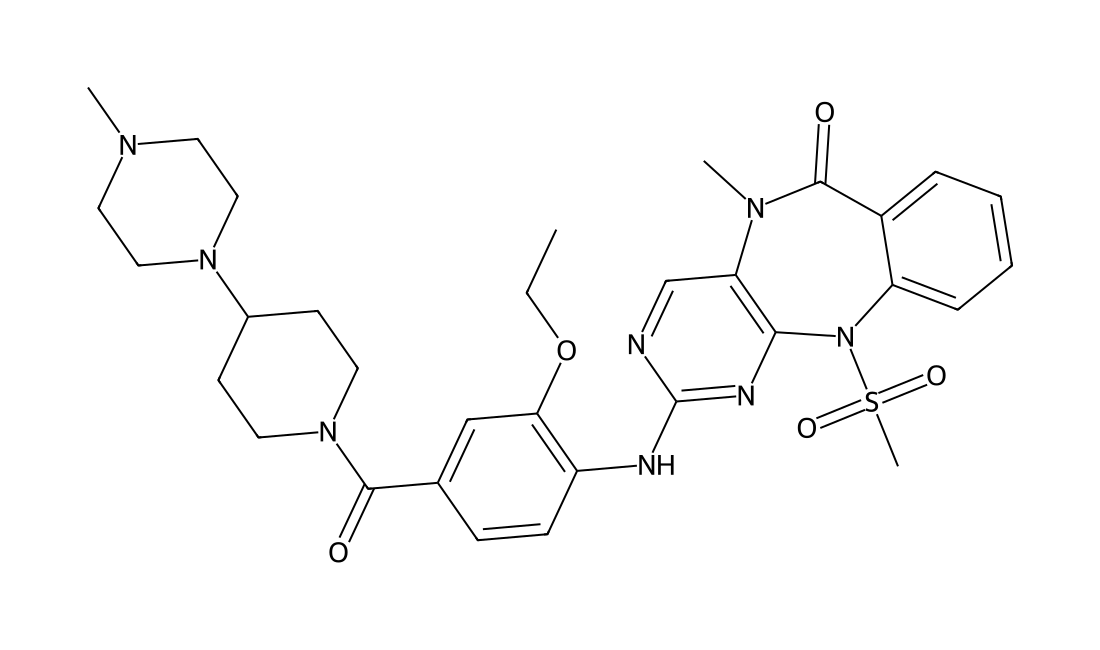
CAS 2035509-96-5
Potent and selective ERK5 inhibitor (IC50 = 8 nM). Exhibits >1,000-fold selectivity for ERK5 over a panel of over 200 kinases. Also exhibits selectivity over bromodomain BRD4 (Kd = 3,600 nM). Increases vomocytosis in human macrophages in vitro, as well as in an in vivo zebrafish model of cryptococcal disease, reducing spread of infection.
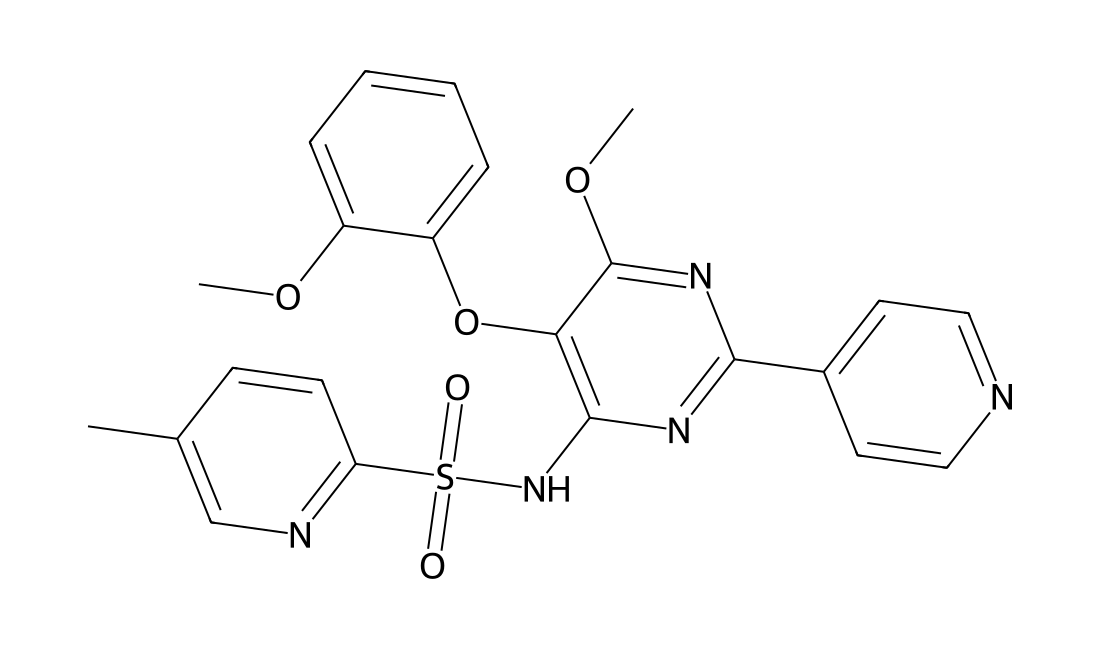
CAS 290815-26-8
Avosentan(Ro 67-0565; SPP-301) is a potent, selective endothelin receptor(ETA receptor) antagonist.
CAS 70356-09-1
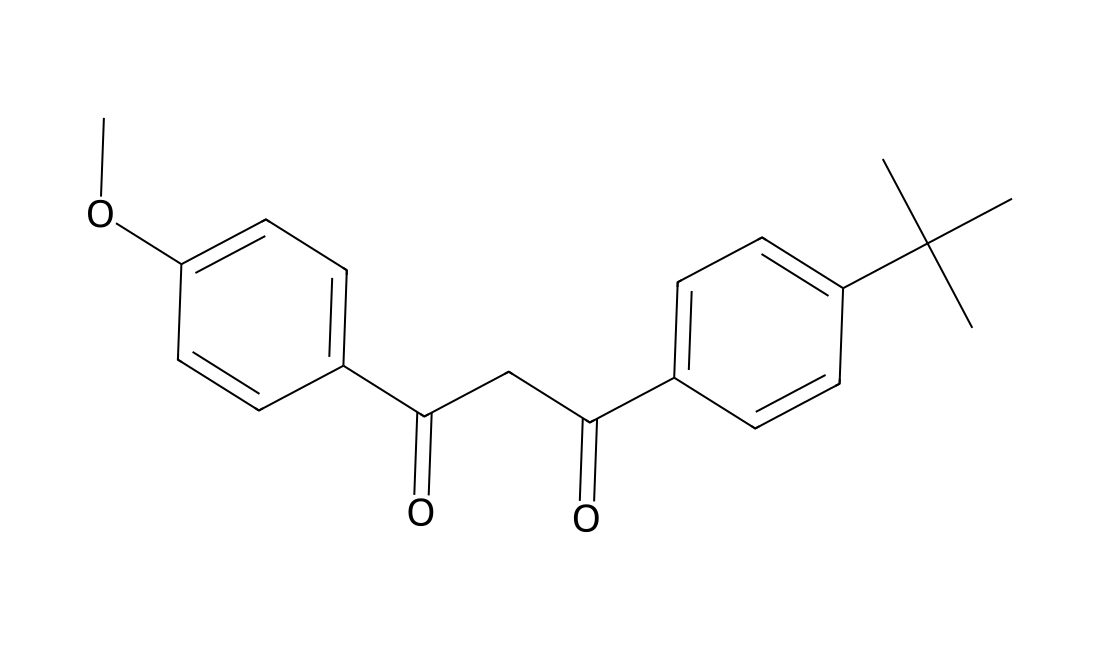
For the detailed information of Avobenzone(Parsol 1789), the solubility of Avobenzone(Parsol 1789) in water, the solubility of Avobenzone(Parsol 1789) in DMSO, the solubility of Avobenzone(Parsol 1789) in PBS buffer, the animal experiment(test) (test) of Avobenzone(Parsol 1789), the cell expriment (test) of Avobenzone(Parsol 1789), the in vivo, in vitro and clinical trial test of Avobenzone(Parsol 1789), the EC50, IC50,and Affinity of Avobenzone(Parsol 1789),, please contact DC Chemicals.
CAS 451492-95-8
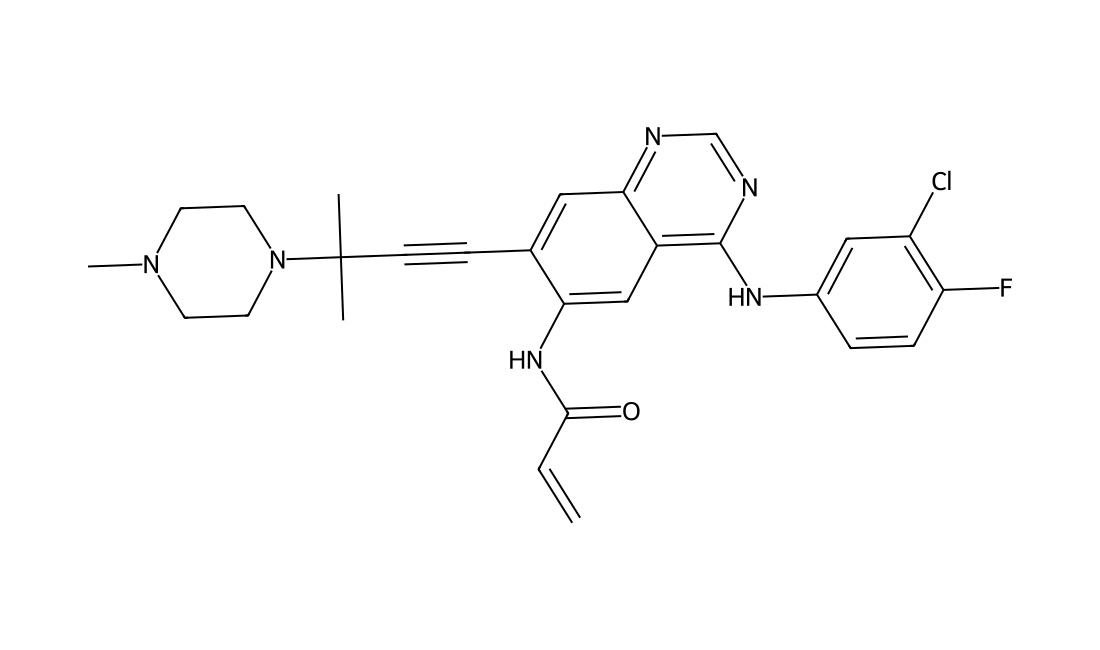
AV-412(MP-412) is a potent dual inhibitor of EGFR and ErbB2(IC50=19 nM) tyrosine kinases, including the mutant EGFR(L858R IC50=0.51 nM, T790M IC50=0.79 nM); inhibits autophosphorylation of EGFR and ErbB2 with IC(50) of 43 and 282 nM, respectively. in vitro: MP-412 (AV-412) is a potent dual inhibitor of EGFR and ErbB2 tyrosine kinases, including the mutant EGFR(L858R,T790M), which is clinically resistant to the EGFR-specific kinase inhibitors erlotinib and gefitinib. In an enzyme assay, MP-412 inhibited the EGFR variants and ErbB2 in the nanomolar range with over 100-fold selectivity compared with other kinases, apart from abl and flt-1, which were both moderately sensitive to the compound. In cells, MP-412 inhibited autophosphorylation of EGFR and ErbB2 with IC(50) of 43 and 282 nM, respectively. It also inhibited epidermal growth factor (EGF)-dependent cell proliferation with an IC(50) of 100 nM. Moreover, MP-412 abrogated EGFR signaling in the gefitinib-resistant H1975 cell line, which harbors a double mutation of L858R and T790M in EGFR. MP-412 inhibited phosphorylation of EGFR and its downstream signaling in NCI-H1650 and NCI-H1975 cell lines, which harbor the E746-A750 deletion and L858R + T790M point mutations, respectively, in EGFR . In MCF7 cells, MP-412 depleted not only ErbB2 but also estrogen receptor (ER)-α, and to some extent, affected Raf-1, while MP-412 activated Hsp70 expression. MP-412 increased immunocomplexing of Hsp70 with ErbB2 and ER-α, with simultaneous induction of ubiquitination of these client proteins. Furthermore, in combination with proteasome inhibitor, MP-412 resulted in the noticeable accumulation of ErbB2 and ER-α in the detergent insoluble fraction of cell lysates. in vivo: In animal studies using cancer xenograft models, MP-412 (30 mg/kg) demonstrated complete inhibition of tumor growth of the A431 and BT-474 cell lines, which overexpress EGFR and ErbB2, respectively. MP-412 suppressed autophosphorylation of EGFR and ErbB2 at the dose corresponding to its antitumor efficacy. MP-412 showed a significant antitumor effect on the ErbB2-overexpressing breast cancer KPL-4 cell line, which is resistant to gefitinib. MP-412 showed potent activity in KPL-4 and DU145 xenografts, in which lapatinib was ineffective. MP-412 also inhibited tumor models in which conventional chemotherapies were less effective. For the detailed information of AV-412(MP-412), the solubility of AV-412(MP-412) in water, the solubility of AV-412(MP-412) in DMSO, the solubility of AV-412(MP-412) in PBS buffer, the animal experiment (test) of AV-412(MP-412), the cell expriment (test) of AV-412(MP-412), the in vivo, in vitro and clinical trial test of AV-412(MP-412), the EC50, IC50,and affinity,of AV-412(MP-412), For the detailed information of AV-412(MP-412), the solubility of AV-412(MP-412) in water, the solubility of AV-412(MP-412) in DMSO, the solubility of AV-412(MP-412) in PBS buffer, the animal experiment (test) of AV-412(MP-412), the cell expriment (test) of AV-412(MP-412), the in vivo, in vitro and clinical trial test of AV-412(MP-412), the EC50, IC50,and affinity,of AV-412(MP-412), Please contact DC Chemicals.
CAS 104075-48-1
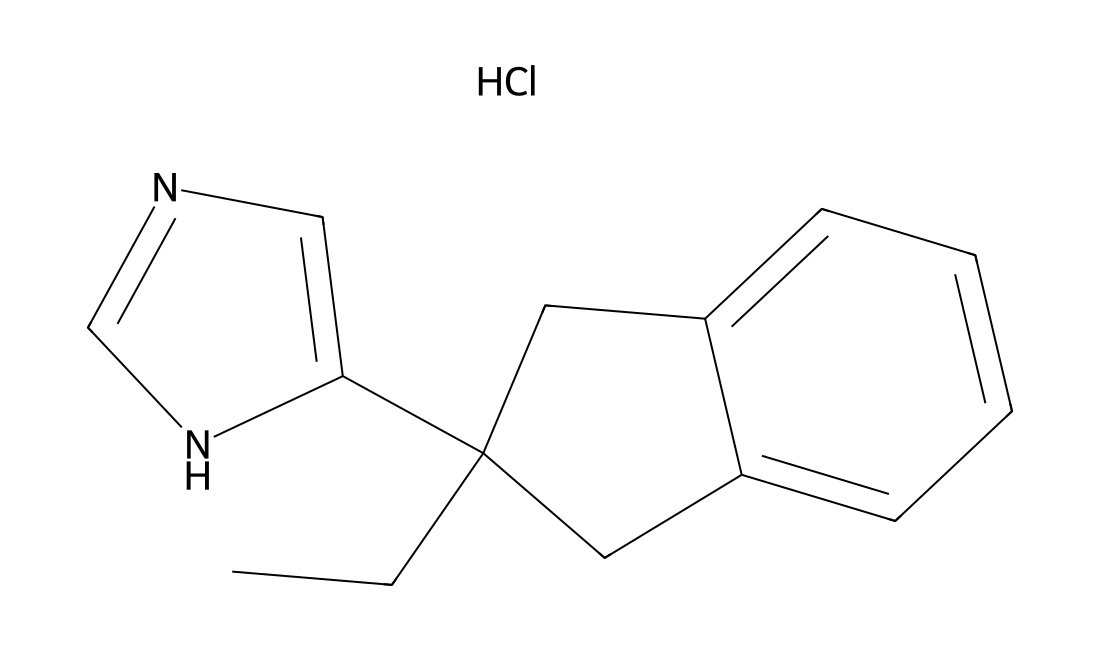
Atipamezole Hcl(MPV1248 Hcl) is an alpha-adrenoceptor antagonist with high affinity and selectivity for the alpha 2-receptor.in vitro: The alpha2-adrenoceptor antagonist atipamezole was a potent inhibitor of aldosterone release (range 10-1000 nM). In receptor binding studies [( 3H]-clonidine and [3H]-prazosin displacement) an alpha 2/alpha 1 selectivity ratio of 8526 was obtained for atipamezole, while idazoxan and yohimbine showed ratios of 27 and 40, respectively. Atipamezole had also about a 100 times higher affinity on alpha 2-adrenoceptors than the reference compounds. in vivo: In vivo studies of [3H]atipamezole demonstrated good penetration into the brain (0.3-1.8% injected dose/g at 5 min, depending upon brain region). In addition, [3H]atipamezole displayed rapid in vivo clearance of nonspecific binding such that at 1 h following an i.v. injection of the drug (100 microCi/animal, rat tail vein administration) the pattern of radioactivity in the brain correlated very well with the receptor distribution as seen by in vitro autoradiography. In mice, medetomidine-induced sedation was effectively antagonized by atipamezole.
CAS 1431697-85-6
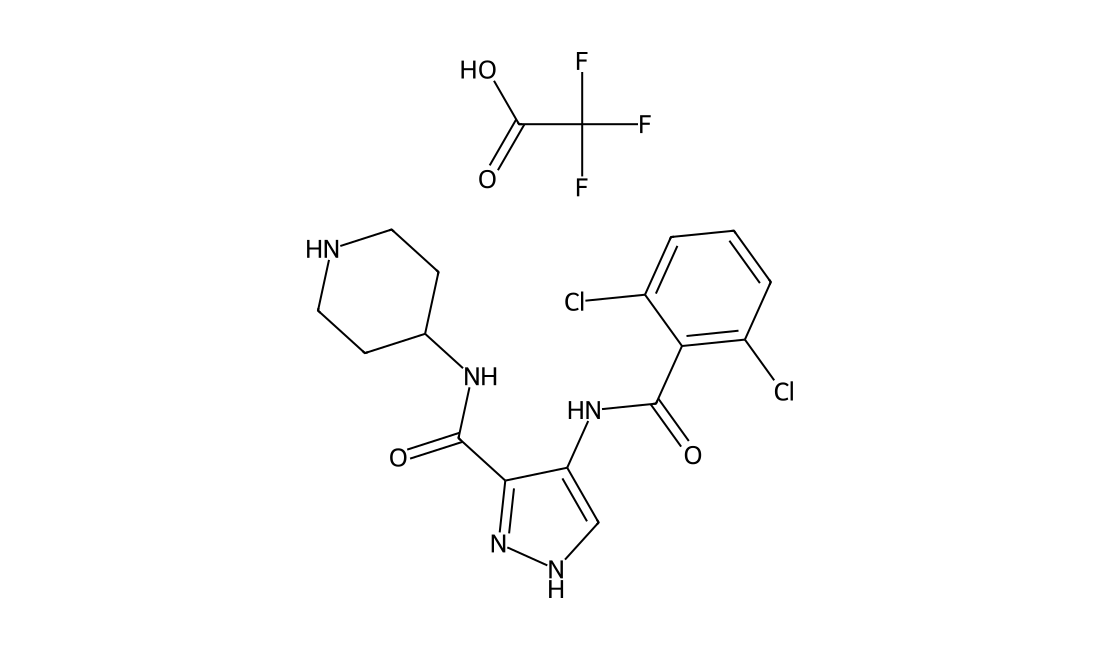
AT7519 trifluoroacetate is a multi-CDK inhibitor for CDK1, 2, 4, 6 and 9 with IC50 of 10-210 nM; less potent to CDK3 and little active to CDK7. in vitro: AT7519 is an ATP competitive CDK inhibitor with a Ki value of 38 nM for CDK1. AT7519 is inactive against all non-CDK kinases with the exception of GSK3β (IC50 = 89 nM). AT7519 shows potent antiproliferative activity in a variety of human tumor cell lines with IC50 values ranging from 40 nM for MCF-7 to 940 nM for SW620 consistent with the inhibition of CDK1 and CDK2. AT7519 induces dose-dependent cytotoxicity in multiple myeloma (MM) cell lines with IC50 values ranging from 0.5 to 2 μM at 48 hours, with the most sensitive cell lines being MM.1S (0.5 μM) and U266 (0.5 μM) and the most resistant MM.1R (>2 μM). It does not induce cytotoxicity in peripheral blood mononuclear cells (PBMNC). AT7519 partially overcomes the proliferative advantage conferred by IL6 and IGF-1 as well as the protective effect of bone marrow stromal cells (BMSCs). AT7519 induces rapid dephosphorylation of RNA pol II CTD at serine 2 and serine 5 sites, and leads to the inhibition of transcription, partially contributing to AT7519 induced cytotoxicity of MM cells. AT7519 induces activation of GSK-3β by down-regulating GSK-3β phosphorylation, which also contributes to AT7519 induced apoptosis independent of the inhibition of transcription. in vivo: A twice daily dosing of AT7519 (9.1 mg/kg) causes tumor regression of both early-stage and advanced-stage s.c. tumors in the HCT116 and HT29 colon cancer xenograft models. AT7519 treatment (15 mg/kg) inhibits tumor growth and prolongs the median overall survival of mice in the human MM xenograft mouse model in association with increased caspase 3 activation.
CAS 648450-29-7
AS-605240 is an ATP-competitive PI3Kγ inhibitor, with Ki values of 7.8 nM. AS-605240 is iso Form-selective, For AS-605240 also inhibits PI3Kα, β, and δ, with IC50 of 60, 270, and 300 nM, respectively. AS-605240 inhibits C5a-mediated PKB phosphorylation with IC50 of 90 nM. In bone marrow-derived monocytes (BMDMs), AS-605240 (1 μM) blocks MCP-1- or CSF-1-induced PKB phosphorylation. At SC-CA1 synapses in mice, AS-605240 (100 nM) eliminates NMDAR LTD, without affecting mGluR LTD, depotentiation, and LTP. In RANTES-induced mouse model of peritonitis, AS-605240 reduces neutrophil chemotaxis with ED50 of 9.1 mg/kg. In a αCII-induced arthritis, AS-605240 (50 mg/kg) protects against αCII-IA symptom. In a mouse model of collagen-induced arthritis, AS-605240 (50 mg/kg) also suppresses joint inflammation and damage. In an obesity-induced diabetes model (ob/ob mice), AS-605240 (10 mg/kg) lowers blood glucose levels, significantly improves both insulin sensitivity and glucose tolerance without affecting body weight. AS-605240 (30 mg/kg) displays more profound effects with slightly less weight gain. Moreover, AS-605240 reduces the abundance of ATMs and the circulating levels of MCP-1. For the detailed information of AS605240, the solubility of AS605240 in water, the solubility of AS605240 in DMSO, the solubility of AS605240 in PBS buffer, the animal experiment (test) of AS605240, the cell expriment (test) of AS605240, the in vivo, in vitro and clinical trial test of AS605240, the EC50, IC50,and Affinity of AS605240, Please contact DC Chemicals.
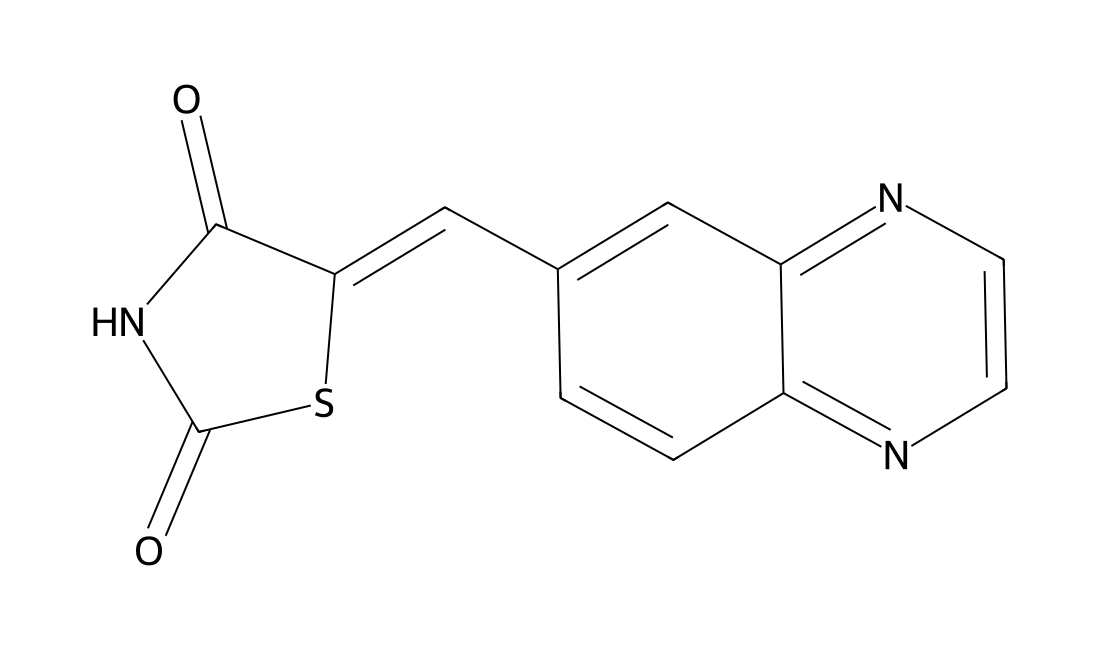
CAS 916151-99-0
APTO-253 is a novel small molecule with potent anti-tumor activity in cancer cells via induction of the gene that expresses the Krüppel-like factor 4 (KLF4) master transcription factor, leading to cell cycle inhibition and programmed cell death.in vitro: APTO-253 demonstrats potent and selective growth inhibition of a variety of solid tumor cell lines, including colon cancer, non-small cell lung cancer (NSCLC), prostate cancer and melanoma, with IC50 values of 0.04- 2.6 μM. APTO-253 demonstrats even great potency of growth inhibitory activity against leukemia cell lines, including AML, ALL and chronic myeloid leukemia (CML), as well as non-Hodgkin's lymphoma (NHL) cell lines, with IC50 values ranging from 7 nM - 0.3 μM. in vivo: Nonclinical pharmacology studies have demonstrated that APTO-253 exerts in vivoanti-tumor activity in solid tumors and hematologic cancers.
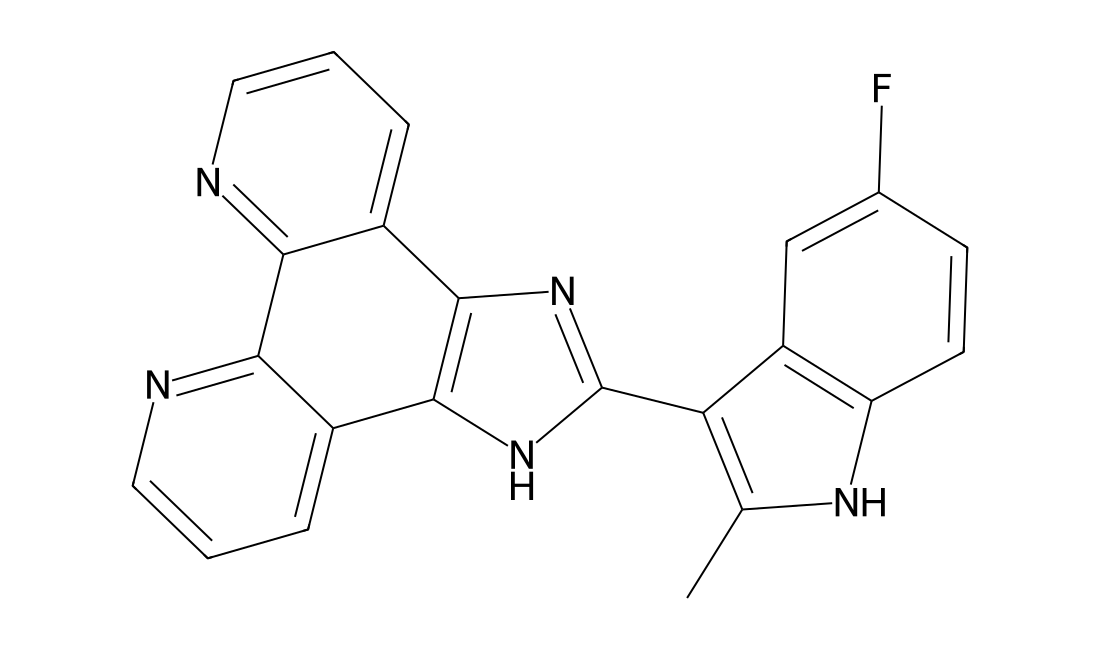
CAS 60-80-0
Antipyrine is an analgesic and antipyretic agentAntipyrine is an analgesic and antipyretic that has been given by mouth and as ear drops. Antipyrine is often used in testing the effects of other drugs or diseases on drug-metabolizing enzymes in the liver. Antipyrine was one of the first important synthetic drugs. antipyrine went into widespread clinical use as an antipyretic the same year it was synthesized. Two years after its introduction, reports began to appear of its analgesic effects and in the succeeding years, as the use of antipyrine as an antipyretic declined, it gained considerable popularity as an analgesic. The plasma halflife of antipyrine is significantly longer and the clearance significantly lower in the elderly group. This finding of an impaired metabolism of antipyrine in the elderly has since been confirmed in a much larger study and subsequently other drugs have been shown to be metabolized more slowly in this age group.
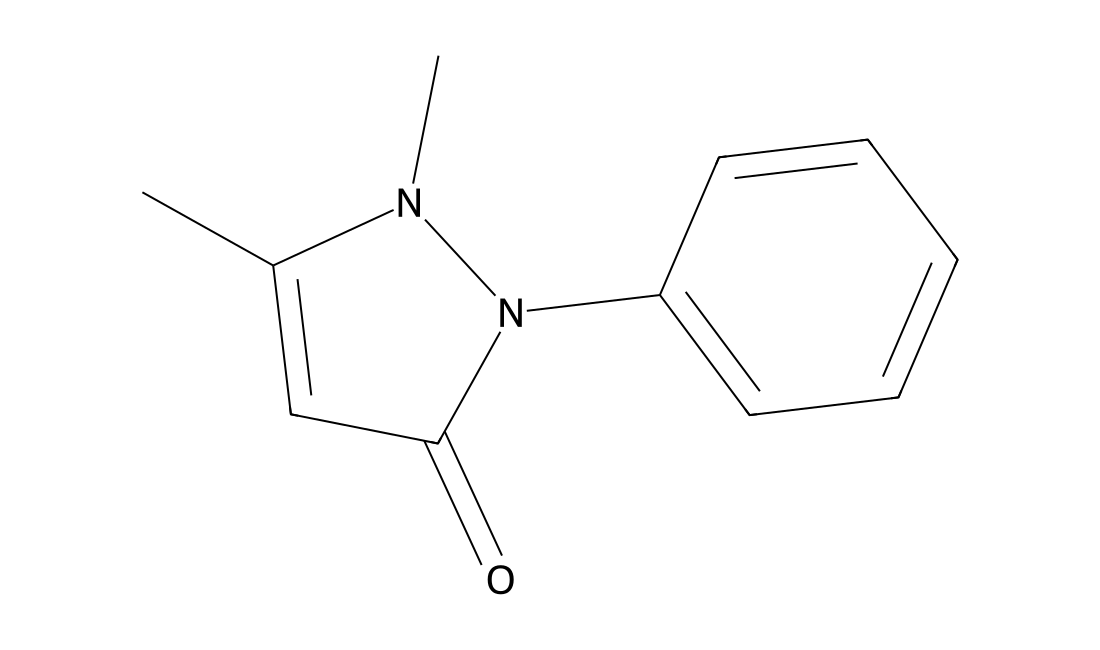
CAS 72432-10-1
Aniracetam(Ro 13-5057) is a nootropics and neuroprotective drug, which is selectively modulates the AMPA receptor and nAChR.Aniracetam is an ampakine and nootropic of the racetam chemical class purported to be considerably more potent than piracetam. It selectively modulates the AMPA receptor. It is lipid soluble and has possible cognition enhancing effects. It has been tested in animals extensively, Alzheimer's patients and temporarily-impaired healthy subjects. It has shown potential as an anxiolytic in three clinical animal models. Administration of aniracetam for 10 days (post-natal days (PND) 18-27), at a dose of 50 mg/kg reversed cognitive deficits in both rat genders, indicated by a significant increase in the number of avoidances and the number of 'good learners'. After the termination of the nootropic treatment, a significant increase in both amplitude and frequency of AMPA receptor-mediated mEPSCs in hippocampal CA-1 pyramidal cells was observed.
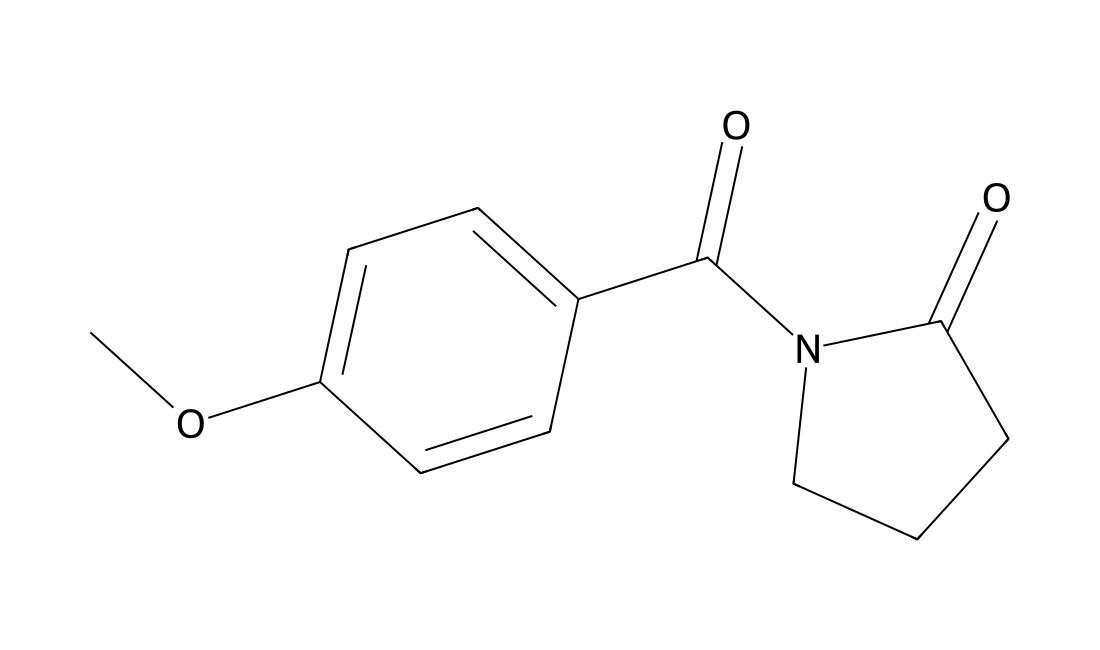
CAS 58579-51-4
Anagrelide Hydrochloride(BL4162A) is a drug used for the treatment of essential thrombocytosis. Anagrelide hydrochloride is an oral imidazoquinazoline agent that has been shown to reduce elevated platelet counts and the risk of thrombosis in patients with thrombocythaemia in various myeloproliferative disorders (MPD). It is currently approved by the FDA as oral treatment for essential thrombocythaemia (ET) and thrombocythaemia associated with polycythaemia vera (PV). Anagrelide is known to inhibit platelet cyclic adenosine monophosphate (cAMP) phosphodiesterase at concentrations that exceed those achieved at doses used to treat ET. Anagrelide is extensively metabolised in the liver and its metabolites are primarily excreted in the urine. Anagrelide is an established platelet-reducing drug. Studies have also investigated the effects of anagrelide on platelets, indicating that platelet function is as important as platelet counts in ET.
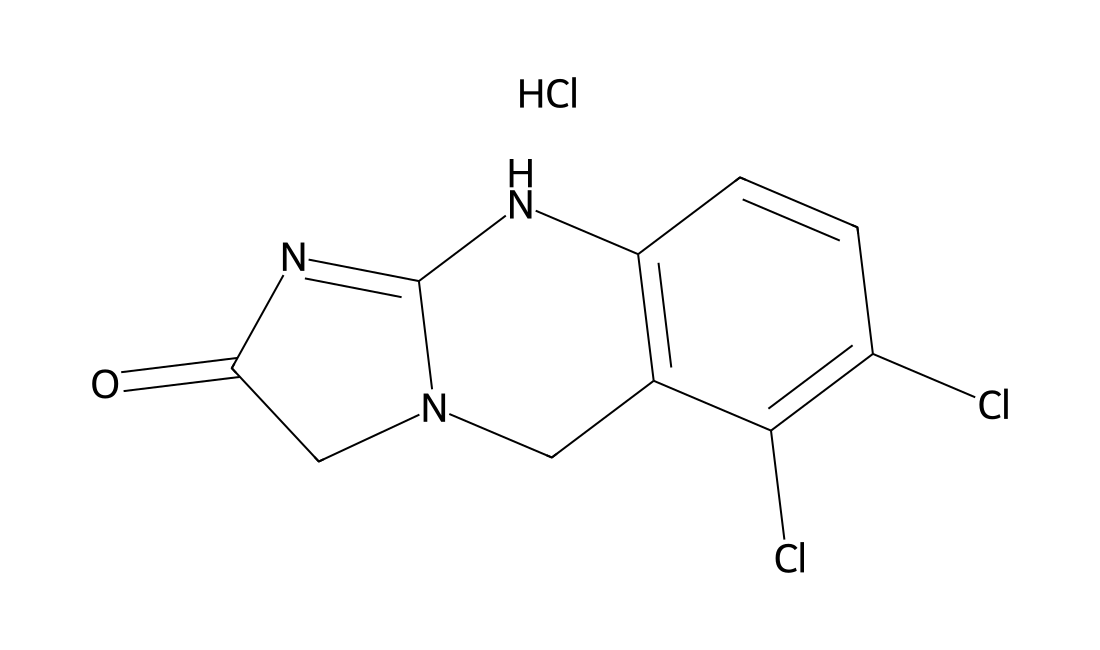
CAS 174672-06-1
In Vitro AN2718 inhibits cytoplasmic LeuRS from molds, A. fumigatus, and from yeasts, C. albicans, with an IC50 of 2 μM and 4.2 μM, respectively. AN2718 has good MIC90 activity against the dermatophytes, T. rubrum and T.mentagrophytes.
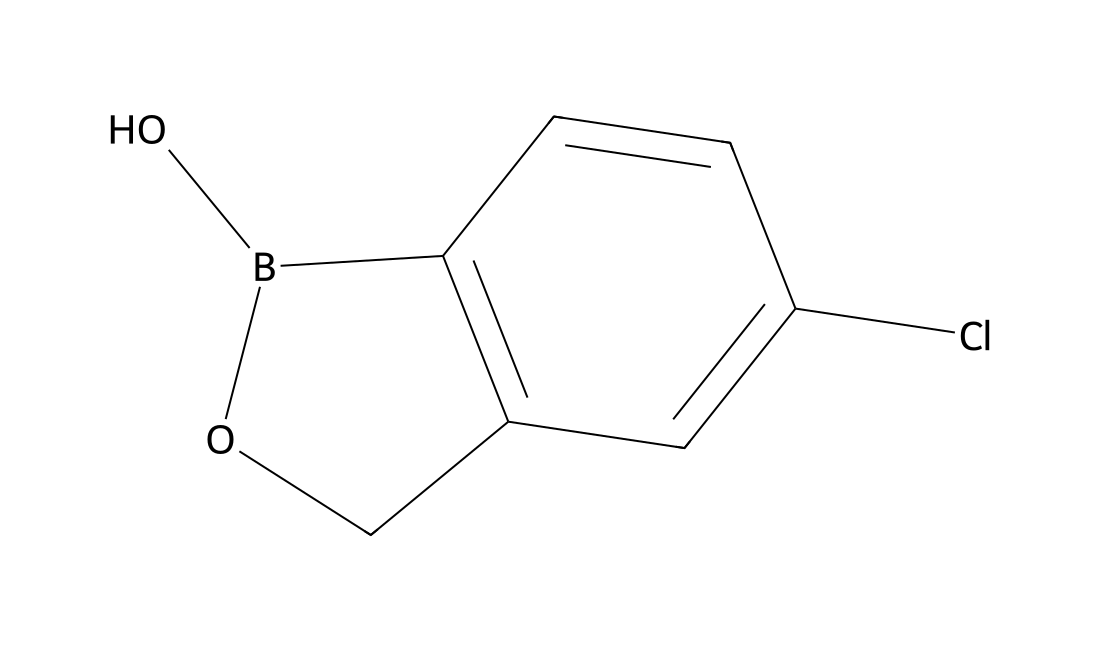
CAS 174671-46-6
AN-2690, a broad-spectrum drug, is a very promising candidate for treatment of ungual and periungual infections with improved nail penetration and low keratin binding. AN-2690 is an antifungal agent with activity against Trichophyton species. AN-2690 inhibits yeast cytoplasmic leucyl-tRNA synthetase by Formation of a stable tRNA(Leu)-AN2690 adduct in the editing site of the enzyme. AN-2690 is currently in clinical trials For onychomycosis topical treatment.For the detailed information of AN-2690(Tavaborole), the solubility of AN-2690(Tavaborole) in water, the solubility of AN-2690(Tavaborole) in DMSO, the solubility of AN-2690(Tavaborole) in PBS buffer, the animal experiment (test) of AN-2690(Tavaborole), the cell expriment (test) of AN-2690(Tavaborole), the in vivo, in vitro and clinical trial test of AN-2690(Tavaborole), the EC50, IC50,and Affinity of AN-2690(Tavaborole), Please contact DC Chemicals.
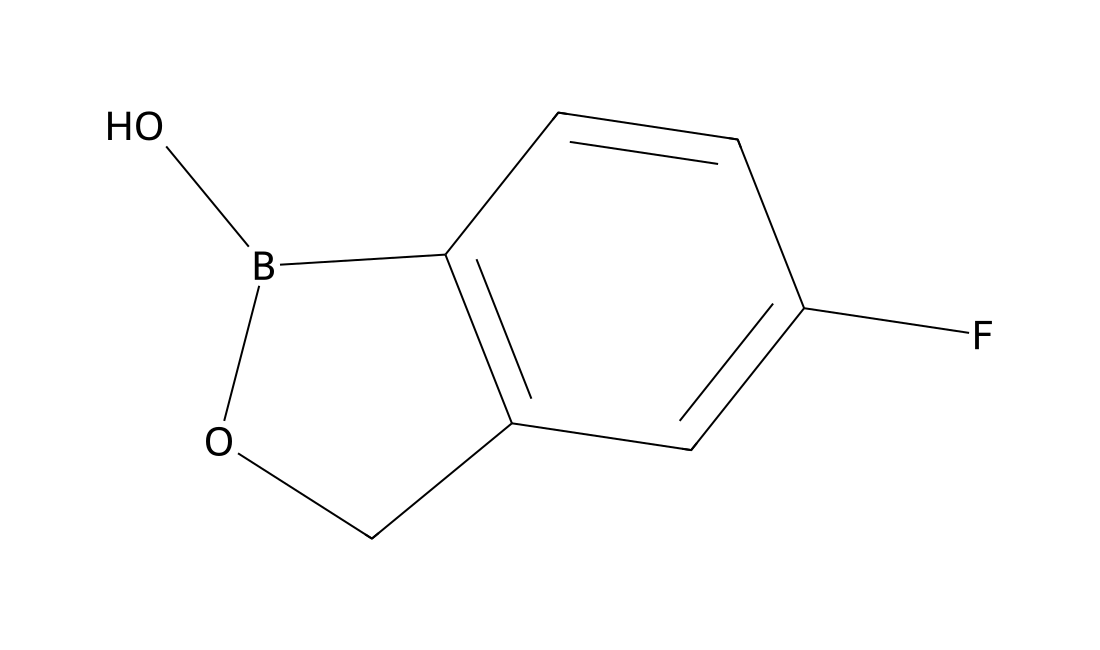
CAS 321-55-1
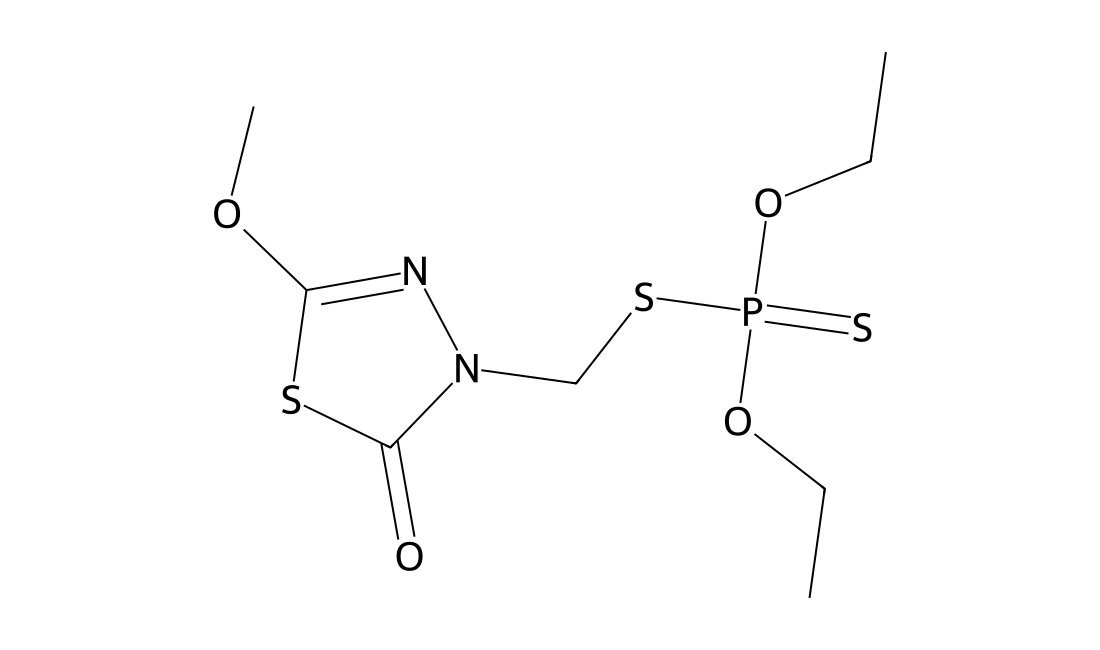
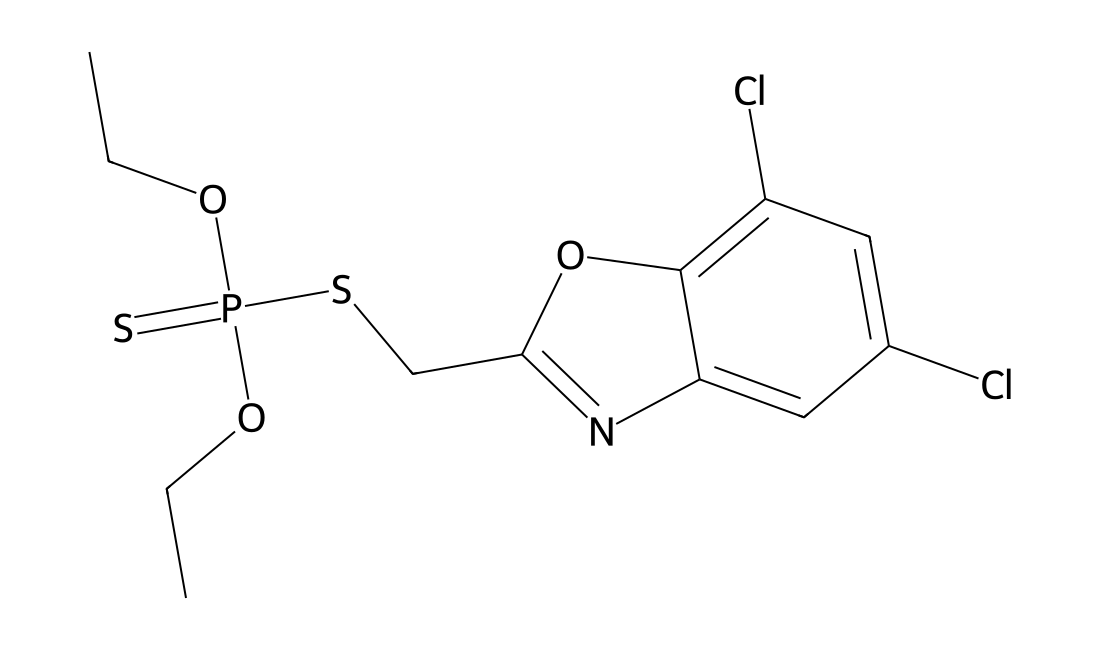
An organophosphorus anthelmintic used against nematodes of the abomasum and small intestine in ruminants.
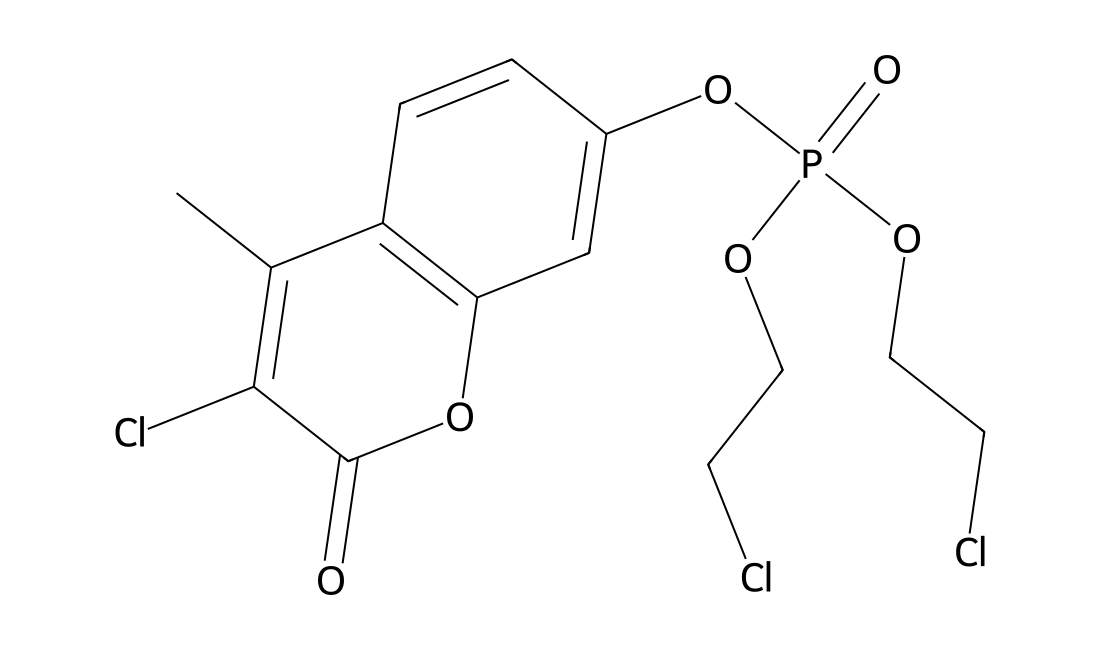
CAS 1391052-76-8
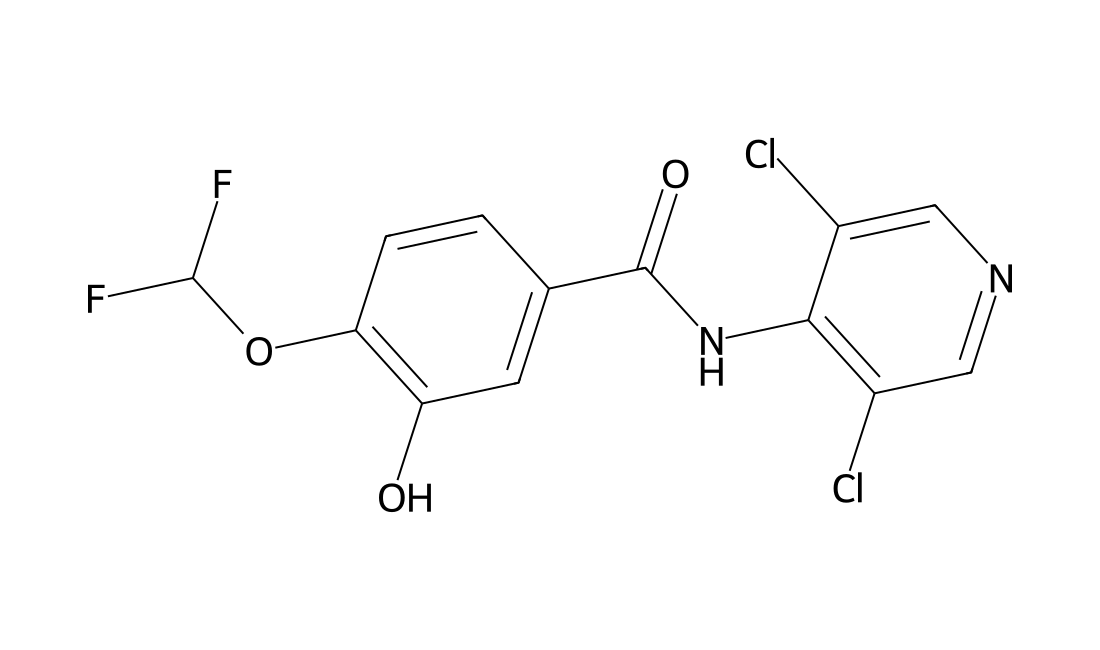
An impurity of Roflumilast, which is a selective and long-acting inhibitor of PDE-4 with IC50 value of 0.8 nM.
CAS 162758-94-3
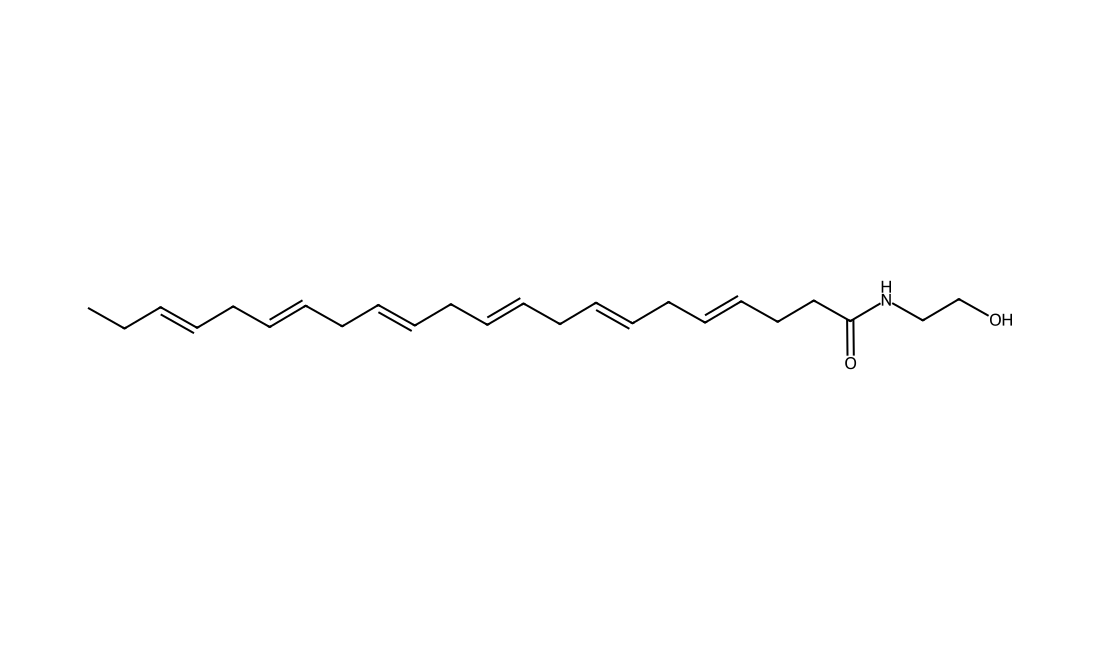
An endogenous DHA metabolite that promotes neurite growth, synaptogenesis, and synaptic function both in vitro and in vivo; significantly increased the number of MAP2 and Tuj-1-positive neurons with concomitant induction of PKA/CREB phosphorylation at low nM; induces neuronal differentiation of NSCs.
CAS 70-30-4
An anti-infective, anti-bacterial agent; also blocks calcium-activated chloride channel (CaCC) TMEM16A with IC50 of 10 uM in HEK293 cells; inhibits Wnt/beta-catenin signaling and represses the expression of cyclin D1.