Added to this catalogue update on 3 November 2026. Publication dates differ; these are newly added catalogue entries.
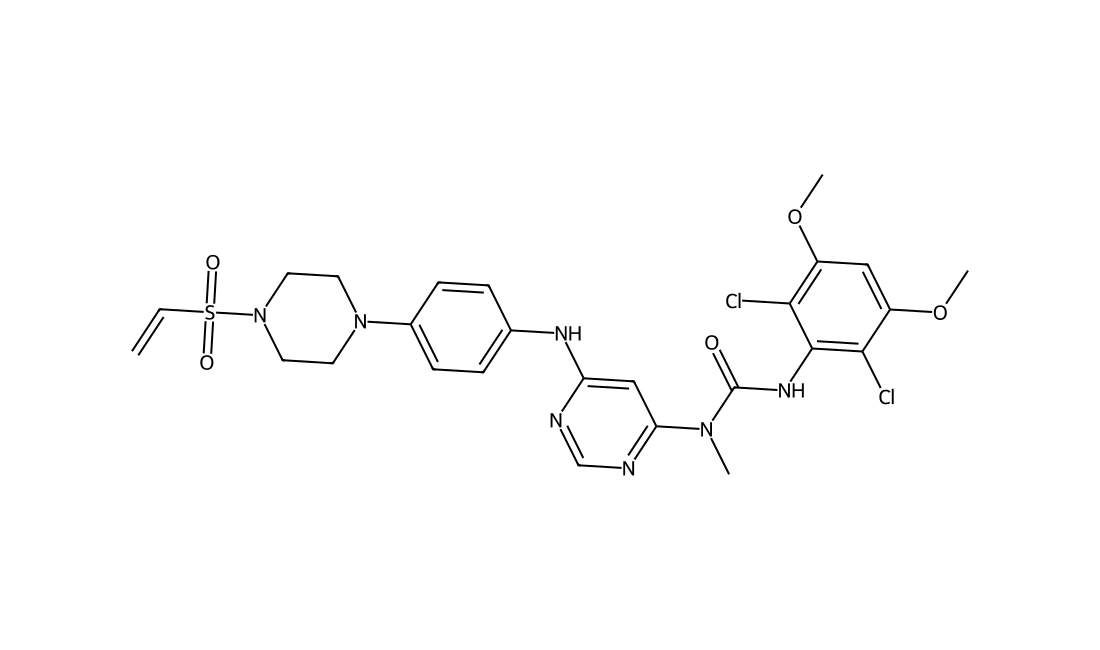 DCA0001
LC-MG-5 is an infigratinib-derived covalent molecular glue degrader studied in FGFR2-amplified KATO III gastric cancer cells. The source reports an FGFR2 degradation DC50 of 231.7 nM after 12 h and antiproliferative activity with an IC50 of 65.49 nM. FGFR1 degradation was also observed; FGFR3 and FGFR4 degradation was not detected in the tested cell models.
View evidence and request a quote →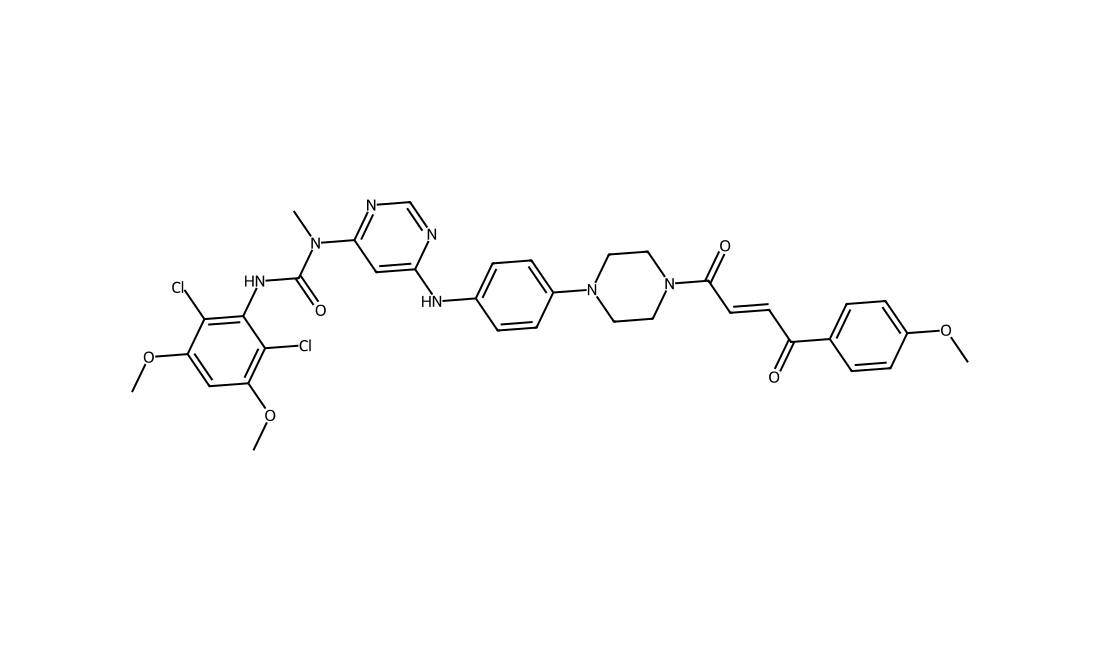 DCA0002
LC-MG-10 is an infigratinib-derived covalent molecular glue degrader studied in FGFR2-amplified KATO III gastric cancer cells. The source reports an FGFR2 degradation DC50 of 230.2 nM after 12 h and antiproliferative activity with an IC50 of 49.13 nM. FGFR1 degradation was also observed; FGFR3 and FGFR4 degradation was not detected in the tested cell models.
View evidence and request a quote →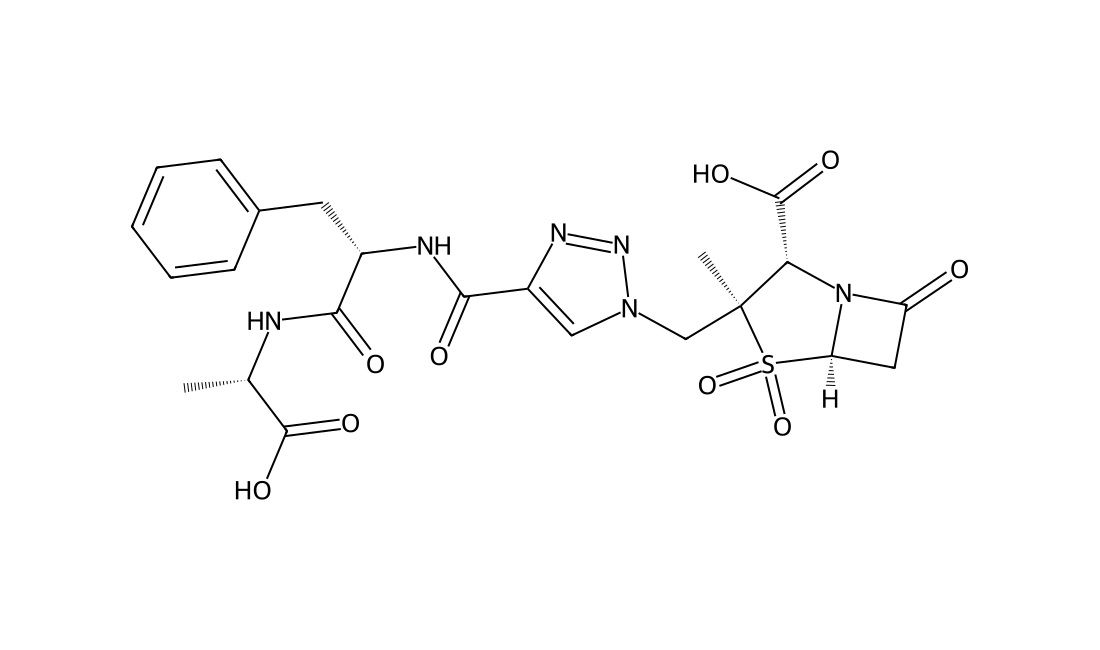 DCA0003
OXF-232 is a triazole-linked tazobactam–dipeptide conjugate investigated as a DegP-mediated TEM β-lactamase degrader. In a purified-protein assay, it promoted TEM-116 degradation with a DC50 of 5.8 ± 0.14 µM after 6 h. It is a research candidate for bacterial targeted protein degradation and β-lactam antibiotic-adjuvant studies.
View evidence and request a quote →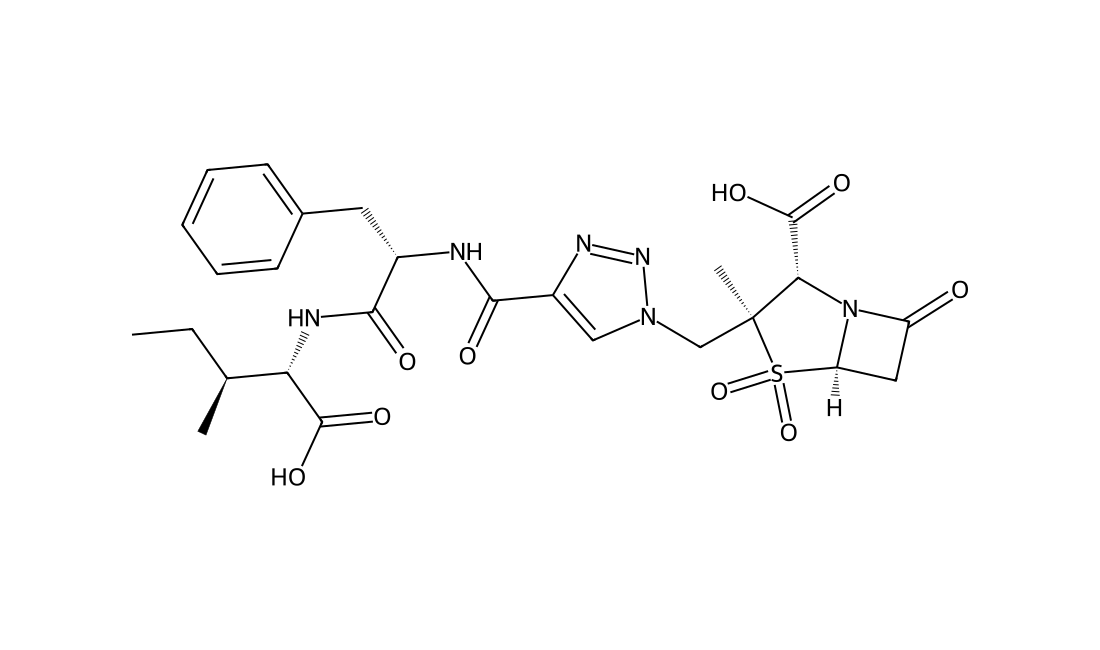 DCA0004
OXF-233 is a triazole-linked tazobactam–dipeptide conjugate investigated as a DegP-mediated TEM β-lactamase degrader. In a purified-protein assay, it promoted TEM-116 degradation with a DC50 of 6.9 ± 0.13 µM after 6 h. It is a research candidate for bacterial targeted protein degradation and β-lactam antibiotic-adjuvant studies.
View evidence and request a quote →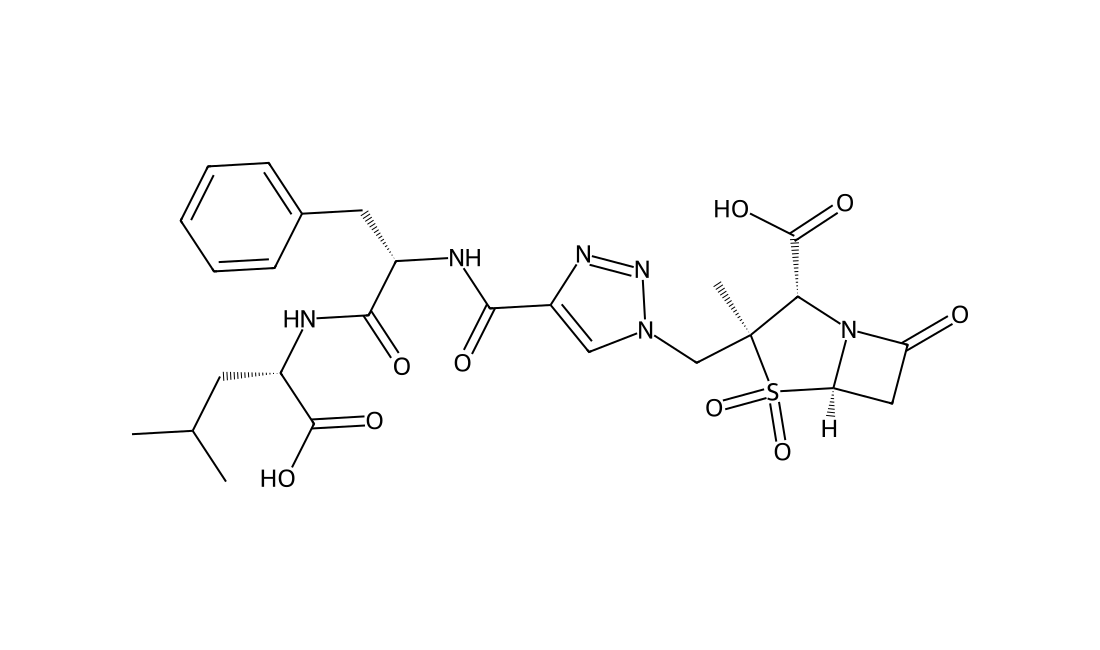 DCA0005
OXF-234 is a triazole-linked tazobactam–dipeptide conjugate investigated as a DegP-mediated TEM β-lactamase degrader. In a purified-protein assay, it promoted TEM-116 degradation with a DC50 of 6.6 ± 0.15 µM after 6 h. It is a research candidate for bacterial targeted protein degradation and β-lactam antibiotic-adjuvant studies.
View evidence and request a quote →