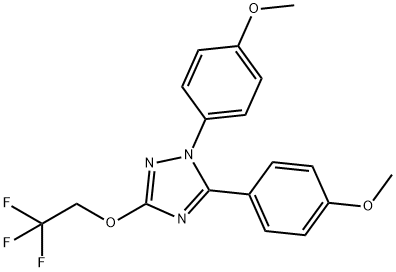
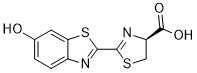
Coelenterazine
CAS 55779-48-1
Coelenterazine is widely distributed among marine organisms which can produce bioluminescence by calcium-dependent oxidation mediated by the photoprotein aequorin.

Fluorescent and imaging probes, enzyme substrates and assay reagents.
Products may appear in more than one category. Counts refer to distinct catalog numbers within each category.
Other Research Tools (75) · Additional reagents, building blocks and specialized research tools.
Combine a keyword, research category and target to narrow the product list.
Loading catalog filters…
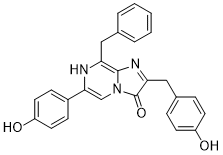
CAS 55779-48-1
Coelenterazine is widely distributed among marine organisms which can produce bioluminescence by calcium-dependent oxidation mediated by the photoprotein aequorin.
CAS 1627607-88-8
Negative control of (R)-PFI 2 hydrochloride. Exhibits 500-fold lower activity in a SETD7 enzymatic assay (IC50 = 1 μM) compared to the active enantiomer.
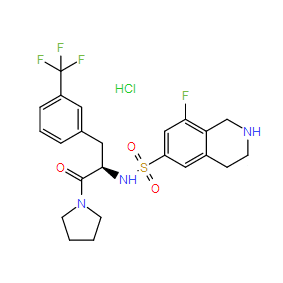
CAS 1439934-41-4
CTX-0294885 is a novel broad-spectrum kinase inhibitor. CTx-0294885 exhibits inhibitory activity against a broad range of kinases in vitro. Use of a quantitative proteomics approach confirmed the selectivity of CTx-0294885-bound beads for kinase enrichment.…
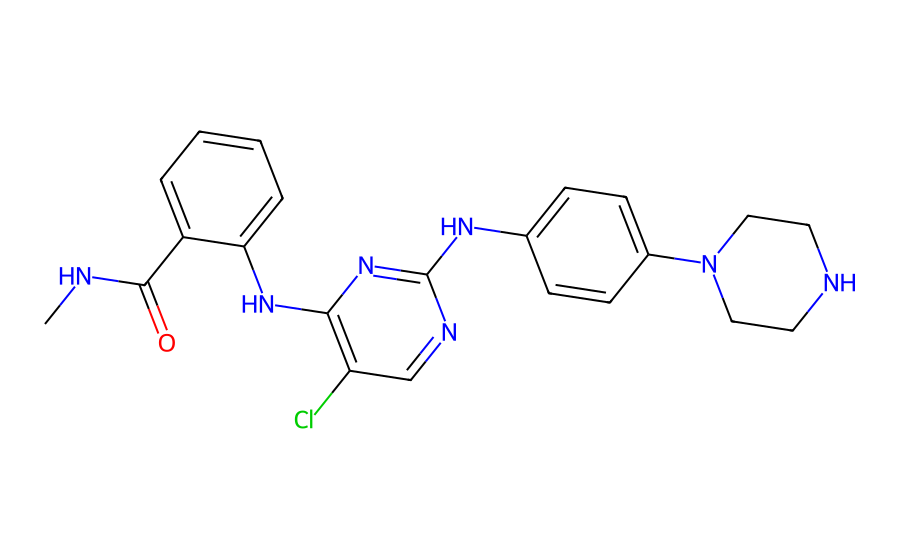
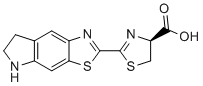
CAS 1704097-05-1
Novel Enrichable and MS-Cleavable Cross-linker to Define Protein-Protein Interactions by Mass Spectrometry
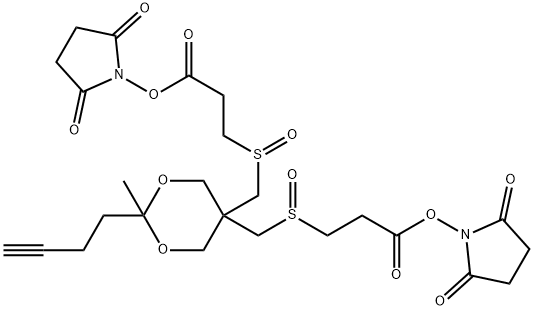
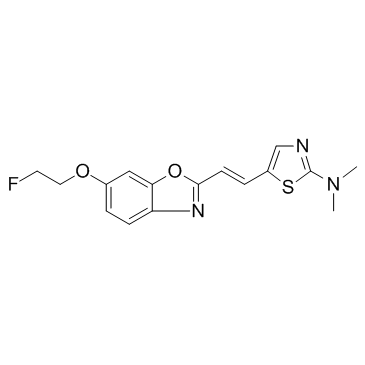
CAS 845647-80-5
BF 227 is a candidate for an amyloid imaging probe for PET, with a Ki of 4.3 nM for Aβ1-42 fibrils.
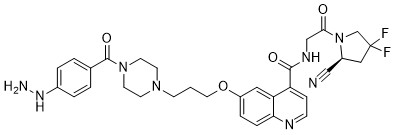
HYNIC-FAPI-04 is a useful ligand for making [99mTc]Tc-HYNIC-FAPI-04. In vitro experiments, the results indicated that [99mTc]Tc-HYNIC-FAPI-04 showed binding properties, and inhibited the migration of tumor cells. The [99mTc]Tc-HYNIC-FAPI will be a promising…
CAS 1350622-33-1
kb-NB77-78 is an analogue of CID797718, but shows no PKD inhibitory activity[1].
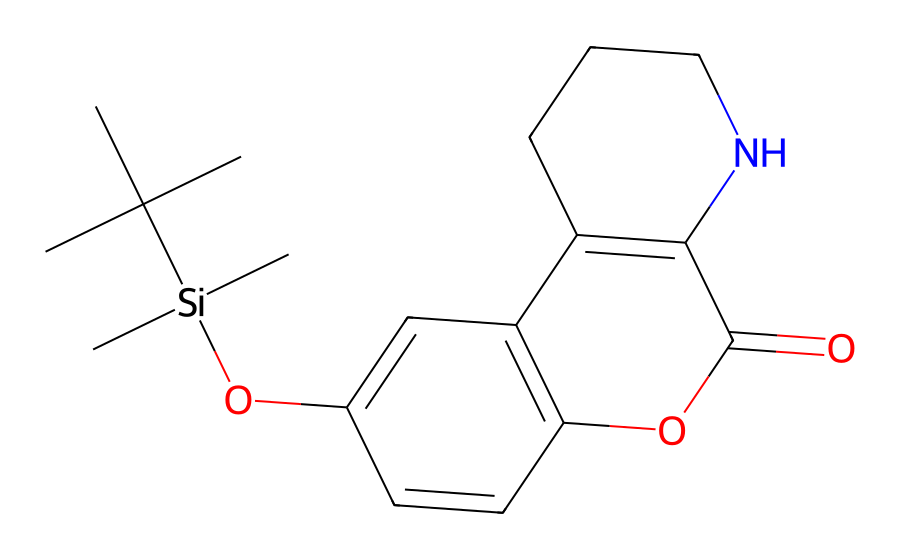
CAS 115144-35-9
D-Luciferin potassium salt is the substrate of luciferases that catalyze the production of light in bioluminescent insects.
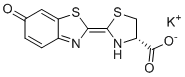
CAS 73043-80-8
1-methyl-7-nitroisatoic anhydride is a reagent that detects local nucleotide flexibility, for probing 2'-hydroxyl reactivity.
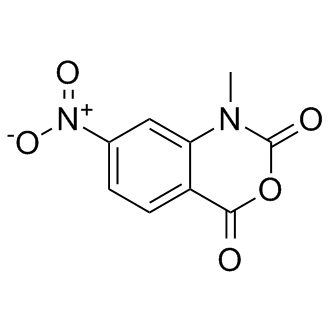
CAS 154540-49-5
Fluoroclebopride is useful chemical for PET image study. [18F]fluoroclebopride had been used for PET imaging of dopamine D2 receptors in monkeys
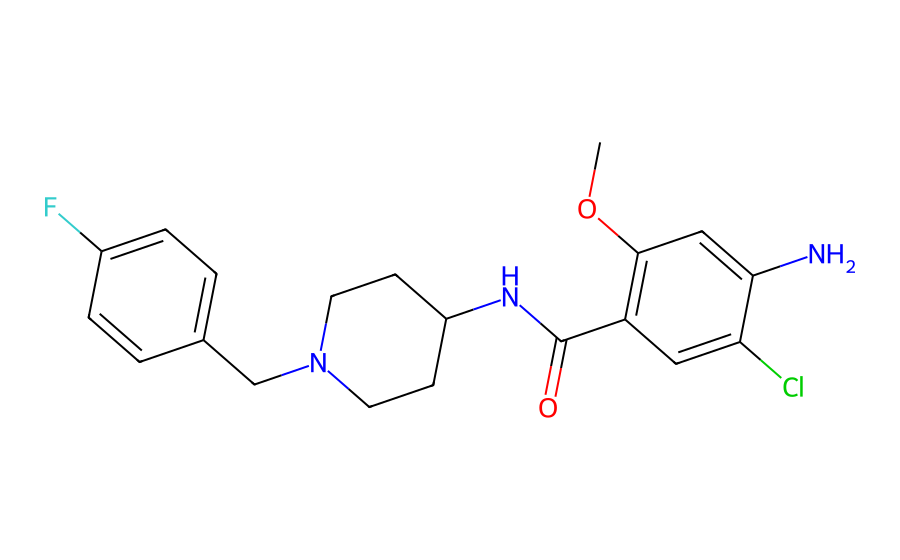
CAS 160192-34-7
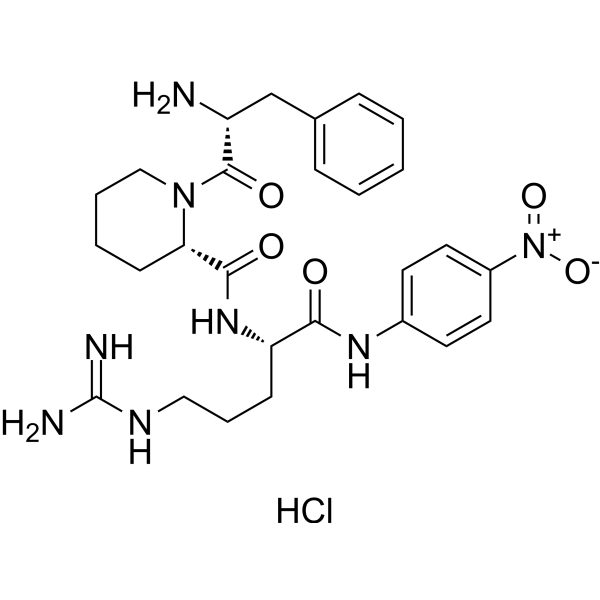
H-D-Phe-Pip-Arg-pNA hydrochloride, a chromogenic substrate, is patterned after the N-terminal portion of the A alpha chain of fibrinogen, which is the natural substrate of thrombin. H-D-Phe-Pip-Arg-pNA hydrochloride is specific for thrombin and is used to…
CAS 1693766-04-9
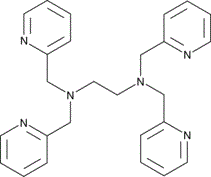
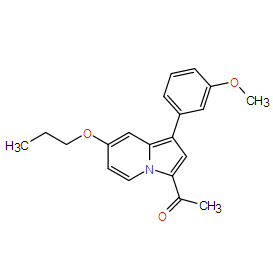
GSK8573 (compound 23) is an inactive control compound for GSK2801. GSK8573 has binding activity to BRD9 with a Kd value of 1.04 μM and is inactive against BAZ2A/B and other bromodomain familiy[1].
CAS 104821-25-2
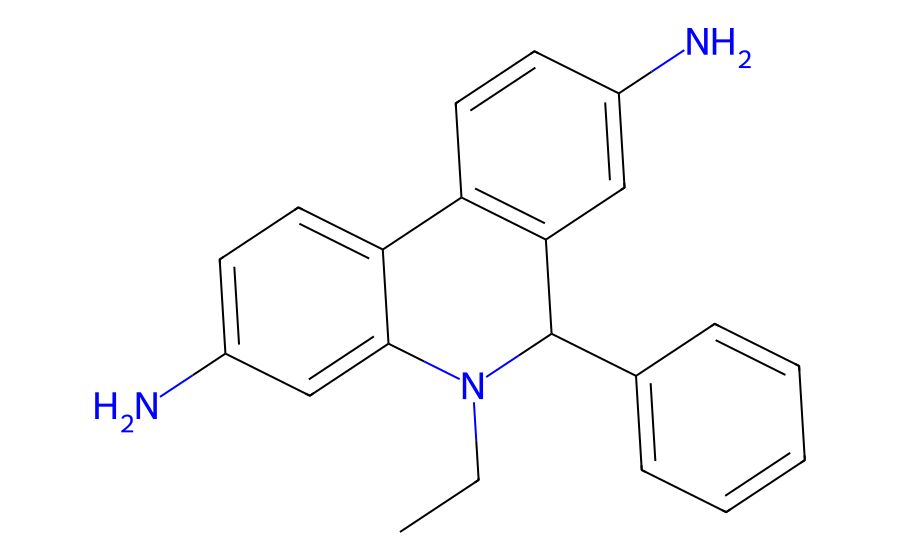
Dihydroethidium(Hydroethidine; PD-MY 003) is a superoxide indicator; exhibits blue-fluorescence in the cytosol until oxidized, where it intercalates within the cell's DNA, staining its nucleus a bright fluorescent red.
CAS 2591-17-5
D-luciferin is the natural substrate of luciferases that catalyze the production of light in bioluminescent insects.
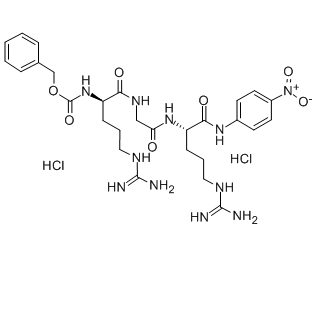
CAS 113711-77-6
S-2765, which is specific to activated factor X (FXa), is a short peptide covalently bound to pNA (4-nitroaniline). When attacked by FXa, it releases a free pNA which could be detected by a spectrophotometer at 405 nm.S-2765 is mainly used in anti-FXa…
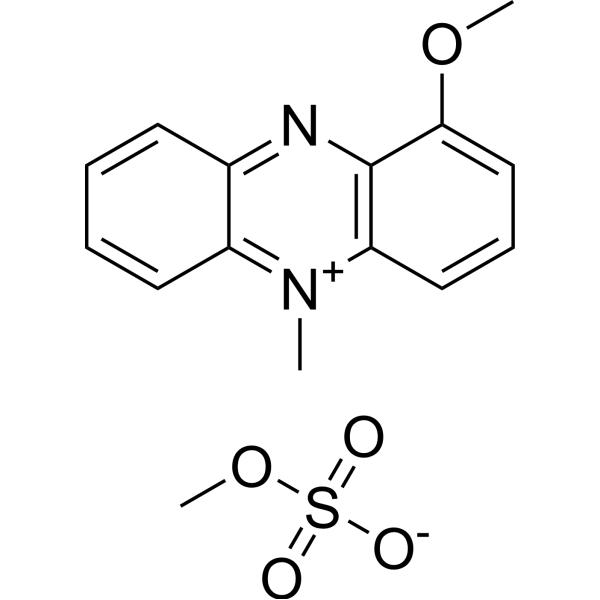
CAS 65162-13-2
1-Methoxy PMS is stable electron-transport mediator between NAD(P)H and tetrazolium dyes.1-Methoxy PMS can induce active oxygen formation.
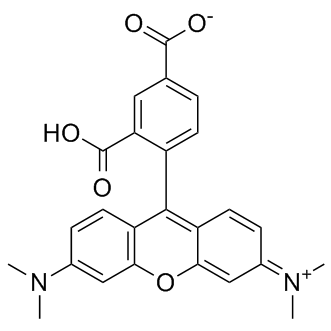
CAS 91809-66-4
The amine-reactive 5-TAMRA, SE and its conjugates yield bright, pH-insensitive orange-red fluorescence (approximate excitation/emission maxima ~546/579) with good photostability.
CAS 122341-56-4
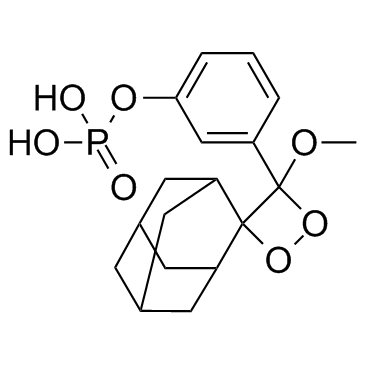
AMPPD, 1,2 - dioxo-cyclohexane derivatives, is a new biochemistry ultrasensitive alkaline phosphatase substrate.
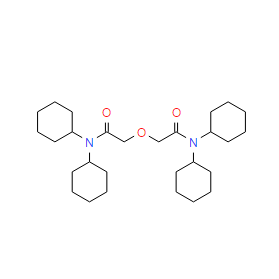
CAS 74267-27-9
N,N,N′,N′-Tetracyclohexyl-3-oxapentanediamide (Calcium ionophore II) is a lipophilic ionophore that can be used in preparing calcium ion-selective electrode[1].
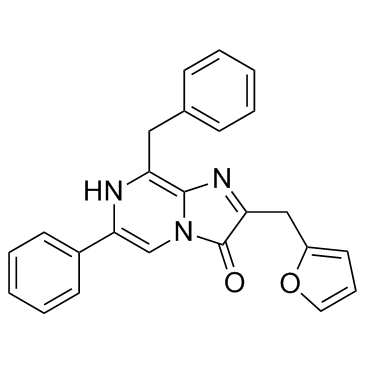
CAS 1374040-24-0
Furimazine is an imidazopyrazinone substrate. NanoLuc (Nluc) paired with Furimazine produced 2.5 million-fold brighter luminescence in mammalian cells relative to Oluc-19 with Coelenterazine.
CAS 737-86-0
Pyridoxal isonicotinoyl hydrazone (PIH) is a lipophilic, tridentate Fe-chelating agent that shows high Fe chelation efficacy[1].

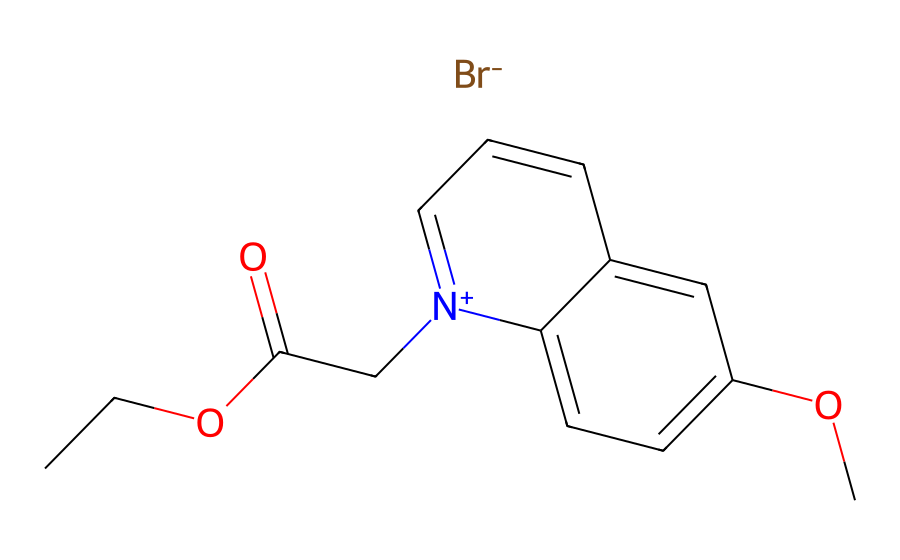
CAS 162558-52-3
MQAE is a fluorescent indicator that is quenched via collision with chloride, and is more sensitive and selective than 36Cl and microelectrode-based methods for chloride measurement in cells.
CAS 186689-07-6
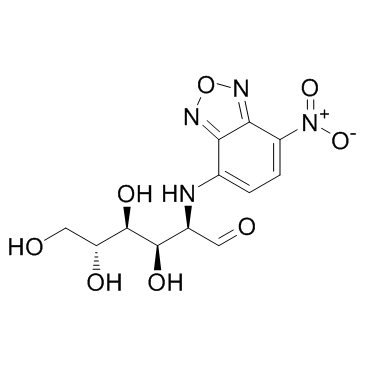
2-NBDG is a fluorescent indicator for direct glucose uptake measurement and also is an indicator of cell viability.
CAS 1346133-08-1
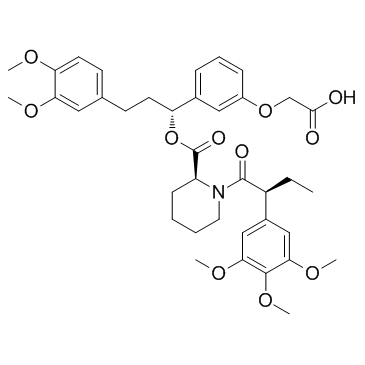
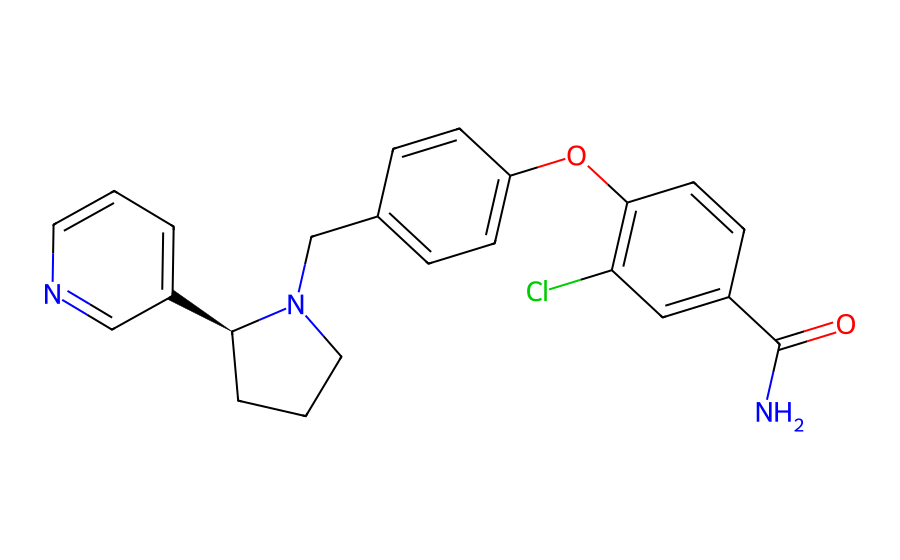
LY2795050 is a novel selective κ-opioid Receptor (KOR) antagonist (IC50=0.72 nM) and has the potential as a PET tracer to image KOR in vivo.IC50 Value: 0.72 nM (κ-opioid Receptor); 25.8 nM (κ-opioid) [1]Target: κ-opioid Receptorin vitro: LY2795050 displays…
CAS 264622-58-4
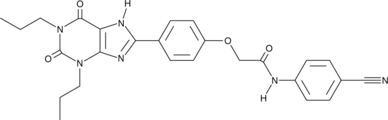
MRS 1754 is a selective antagonist radioligand for A2B adenosine receptor with very low affinity for A1 and A3 receptors of both humans and rats[1].
CAS 177943-89-4
DOTATATE acetate, a DOTA-conjugated peptide, and can be labelled with radionuclides for positron emission tomography (PET) imaging and peptide receptor radionuclide therapy (PRRT)[1][2][3][4].
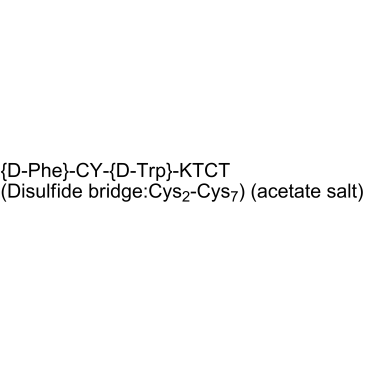
CAS 80895-10-9
CH3OCO-D-CHA-Gly-Arg-pNA acetate is a chromogenic substrate for factor Xa.
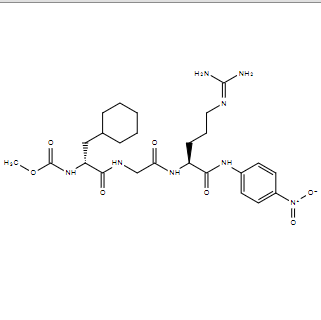
CAS 863918-78-9
Methoxy-X04 is a fluorescent dye that crosses the blood-brain barrier and selectively binds to beta-pleated sheets found in dense core amyloid Aβ plaques.
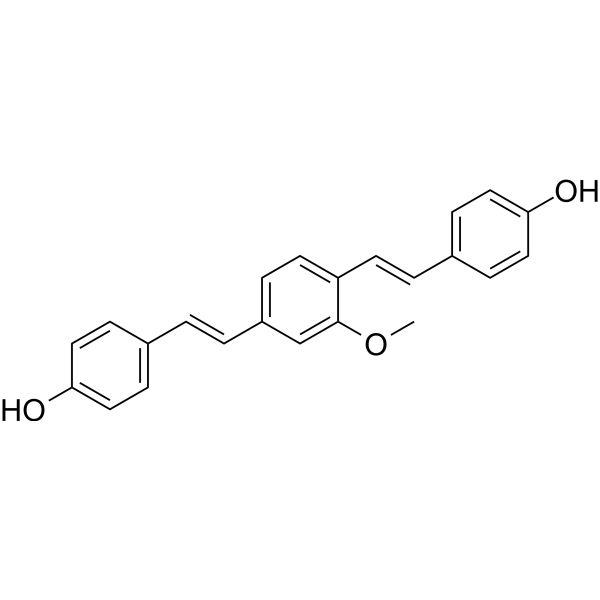
CAS 18918-31-5
4-Nitrophenyl α-L-rhamnopyranoside is a chromogenic substrate for naringinase.
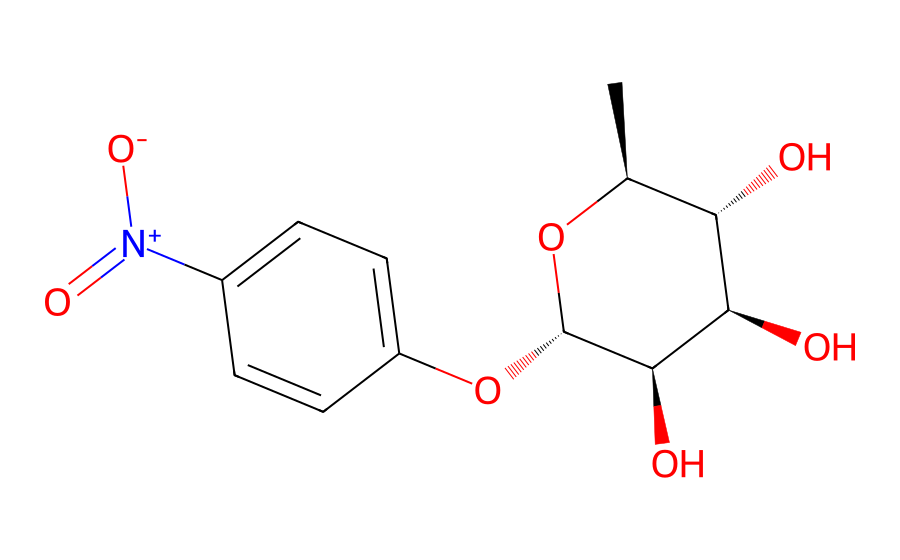
CAS 1597489-14-9
ML401, a potent chemical probe, selectively antagonizes EBI2 (also known as GPR183) with an IC50 of 1.03 nM. ML401 displays activity in a chemotaxis assay (IC50=6.24 nM). ML401 shows good stability and no toxicity[1].
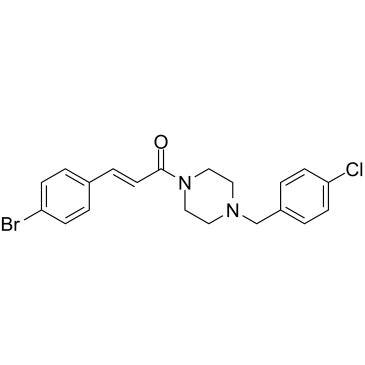
CAS 1694495-59-4
Alkyne tyramide is a clickable ascorbate peroxidase 2 (APEX2) probe. Alkyne tyramide substantially improves APEX-labeling efficiency in intact yeast cells, as it is more cell wall-permeant than APEX2 substrate biotin-phenol (BP). Alkyne tyramide also faci
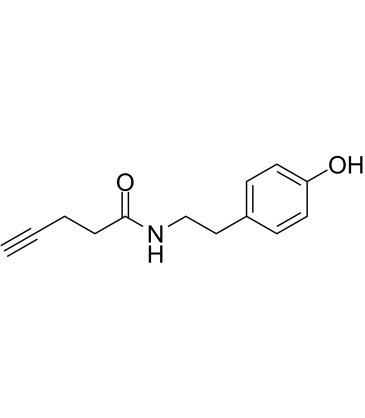
CAS 1337883-32-5
DiZPK is a photocrosslinker for identifying direct protein-protein interactions in living prokaryotic and eukaryotic cells.
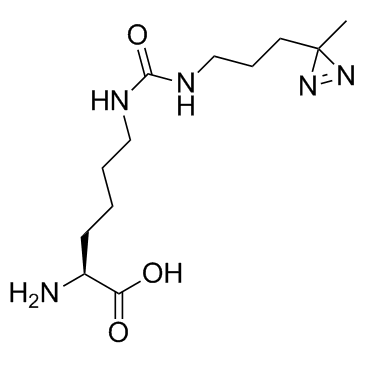
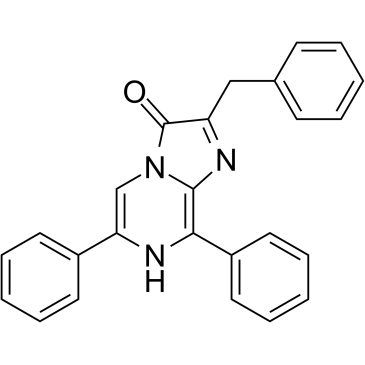
CAS 824426-32-6
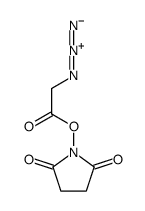
Azidoacetic acid NHS ester is a compound containing an azide group and an NHS ester. The azide group can react with alkyne, BCN, DBCO via Click Chemistry to yield a stable triazole linkage. The NHS ester can be used to label the primary amines (-NH2) of…
CAS 895460-70-5
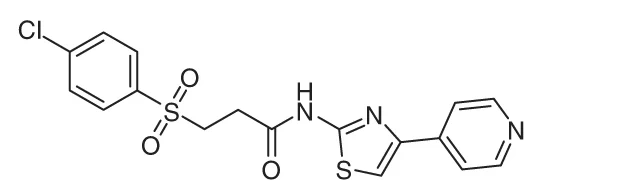
BRD7586 is a cell-permeable small molecule inhibitor of SpCas9 with EC50 of 6.2 µM and 5.7 µM in the eGFP-disruption and HiBiT-knock-in assays, respectively. BRD7586 specifically engages SpCas9 but not Cas12a in cells and enhances SpCas9 specificity at…
CAS 2230212-27-6
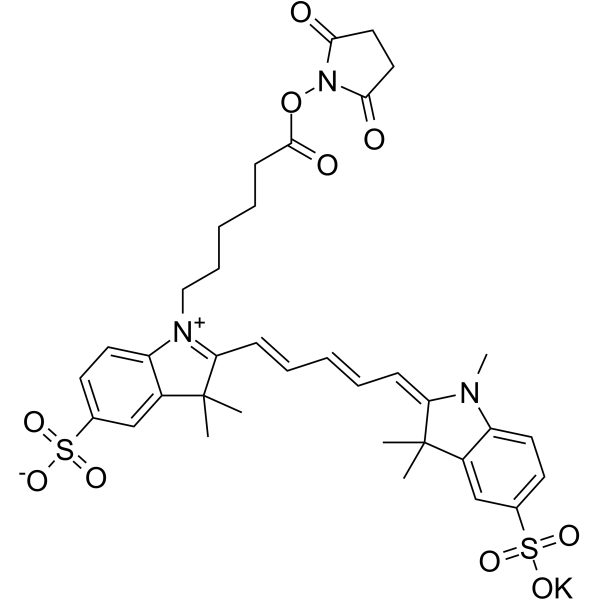
Sulfo-Cyanine 5 NHS Ester is a water soluble amine reactive red emitting fluorescent dye.Used for the labeling of various amine containing molecules in aqueous phase without use of any organic co-solvent. Useful for the labeling of proteins which denature in…
CAS 769933-15-5
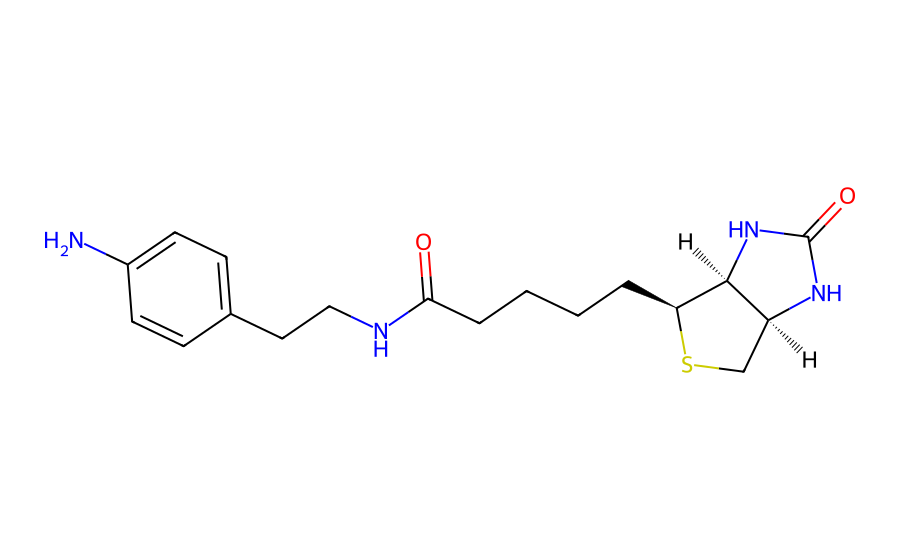
Biotin-aniline is a probe with substantially high reactivity towards RNA and DNA. Biotin-aniline emerges as more efficient probe for capturing subcellular transcriptome in living cells with high spatial specificity.
CAS 1703768-74-4
Vipivotide tetraxetan Ligand-Linker Conjugate (PSMA-617 Ligand-Linker Conjugate) is composed of a linker and Glutamate-urea-Lysine, can be used to synthesize Vipivotide tetraxetan (PSMA-617). Glutamate-urea-Lysine is is the selective pharmacophore to bind to…
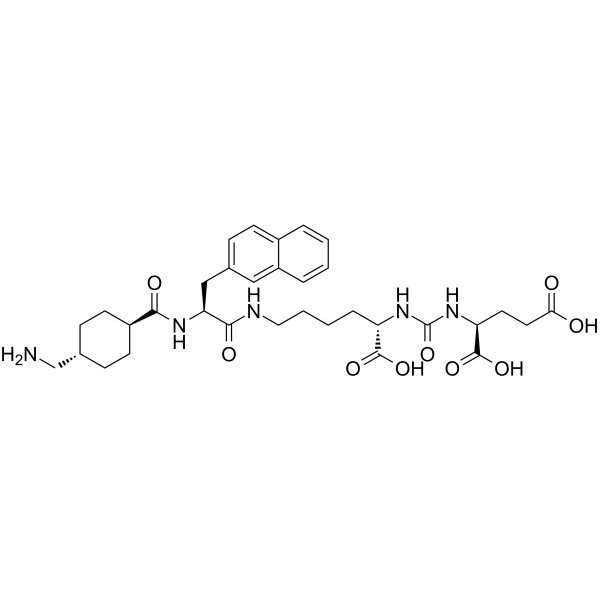
CAS 1176235-08-7
AkaLumine is a luciferin analogue. The bioluminescence produced by AkaLumine in reactions with native firefly luciferase is in the near-infrared wavelength ranges (λmax=677?nm), and yields significantly increased target-detection sensitivity from deep tissues…
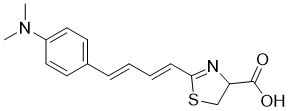
CAS 2869148-13-8
SBP-3264 (SBP3264) is a sepecific inhibitor of Hippo signaling pathway kinases STK3 and STK4 with low nanomolar potency. SBP-3264 specifically inhibited the Hippo signaling pathway in cultured mammalian cells and possessed favorable pharmacokinetic and…
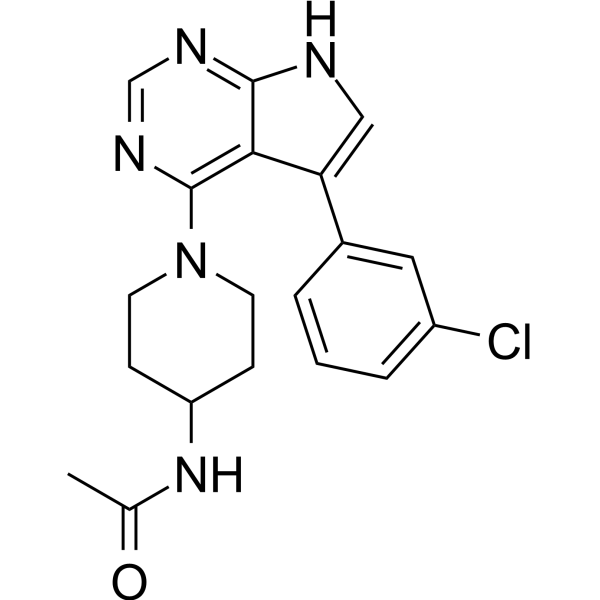
CAS 1018480-89-1
MC1 is a selective and potent COX-2 inhibitor, and its radiolabeled form, ¹¹CMC1, is a promising PET radiotracer for detecting COX-2 expression in vivo. Its ability to visualize COX-2 in neuroinflammation and other disease states makes it a valuable tool for…
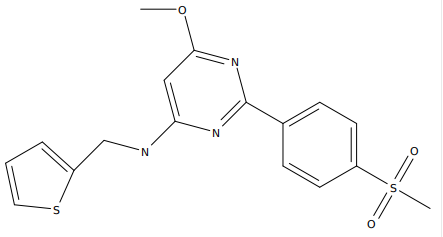
CAS 1018480-97-1
Precursor of MC1, is a vital component in the synthesis of MC1, a selective and potent COX-2 inhibitor. Radiolabeled MC1, ¹¹CMC1, serves as a promising PET radioligand for imaging COX-2 expression in vivo. Its high selectivity, combined with its ability to…
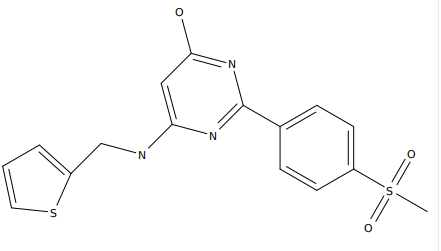
CAS 2410554-04-8
THK-5470(THK 5470), a monoamine oxidase-B (MAO-B) imaging probe, could be used for neurological diseases study. THK-5470 shows remarkably high binding affinity against MAO-B with an IC50 value of 4.2 nM, low binding affinity against tau with an IC50 value of…
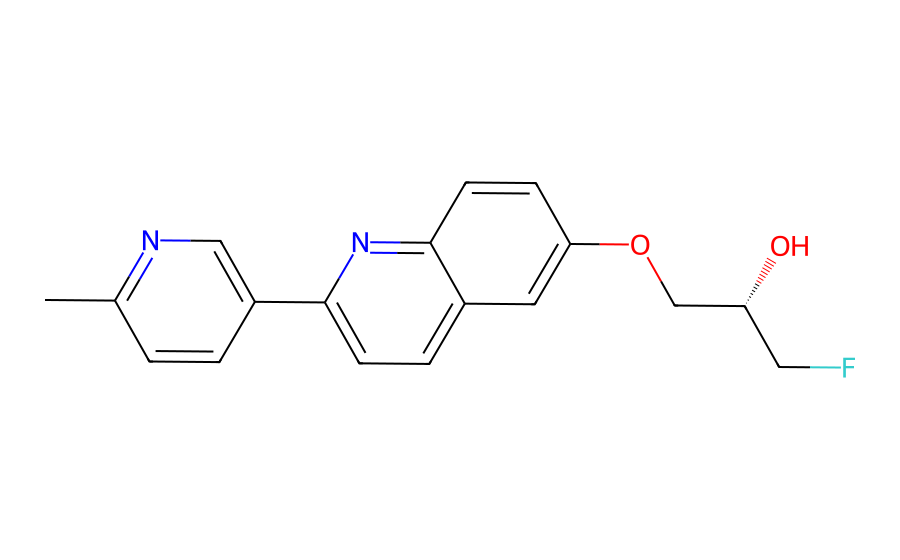
CAS 726196-75-4
PS-13 Precursor 19 is a critical intermediate in the synthesis of PS-13, a highly potent and selective COX-1 inhibitor. PS-13's exceptional selectivity for COX-1 over COX-2 makes it a promising compound for both therapeutic development and research…
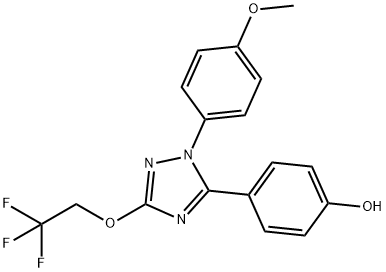
CAS 524699-85-2
PS13 is a highly potent COX-1 inhibitor (IC50=1 nM) and 1,000 times more selective for COX-1 than COX-2 (7). In non-human primates, 11C-PS13 showed selective binding to COX-1 over COX-2 in most major organs including the spleen, gastrointestinal tract,…