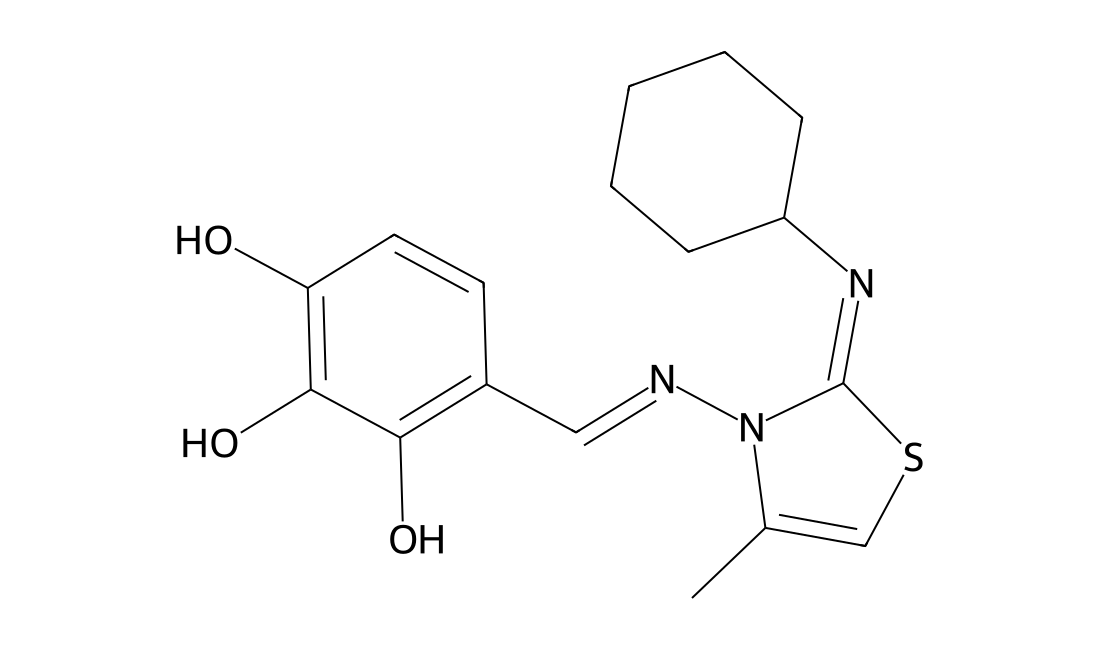
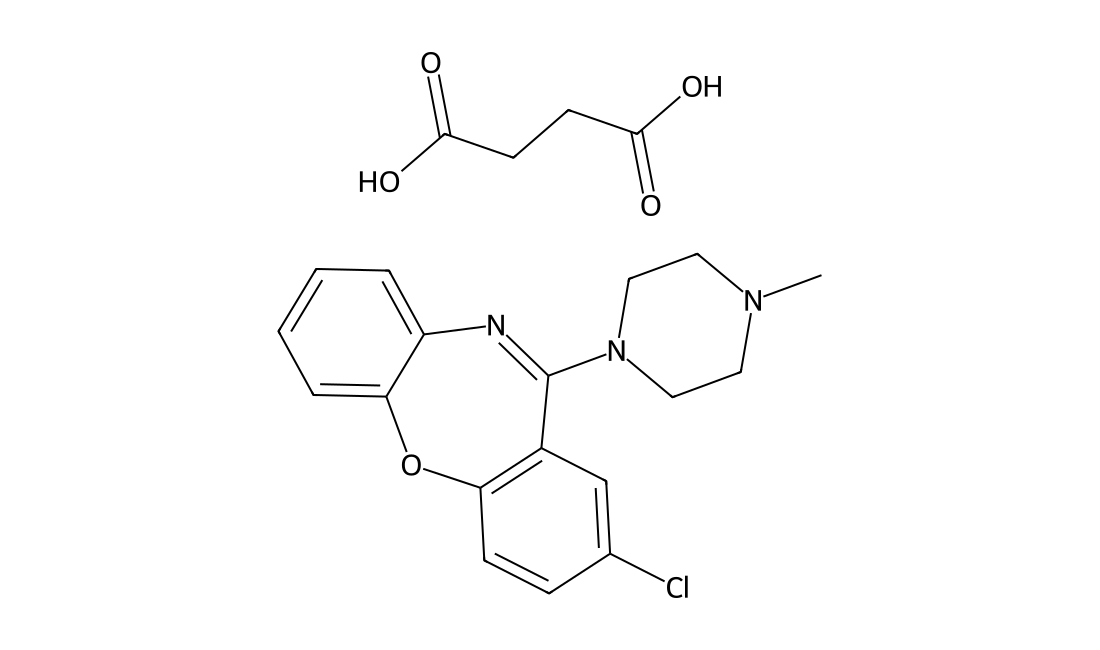
AS-1413(Amonafide)
CAS 69408-81-7
Amonafide(AS1413) produces protein-associated DNA-strand breaks through a topoisomerase II-mediated reaction, but does not produce topoisomerase I-mediated DNA cleavage.

Explore bioactive compounds by research category, then narrow your search by target, product name, catalog number or CAS.
Newly added: LC-MG and OXF molecular glue research compounds →
Products may appear in more than one category. Counts refer to distinct catalog numbers within each category.
Other Research Tools (75) · Additional reagents, building blocks and specialized research tools.
LC-MG-1 (DCA0006) · LC-MG-4 (DCA0007) · LC-MG-9 (DCA0008)
View structure and evidence summaries →Combine a keyword, research category and target to narrow the product list.
Loading catalog filters…
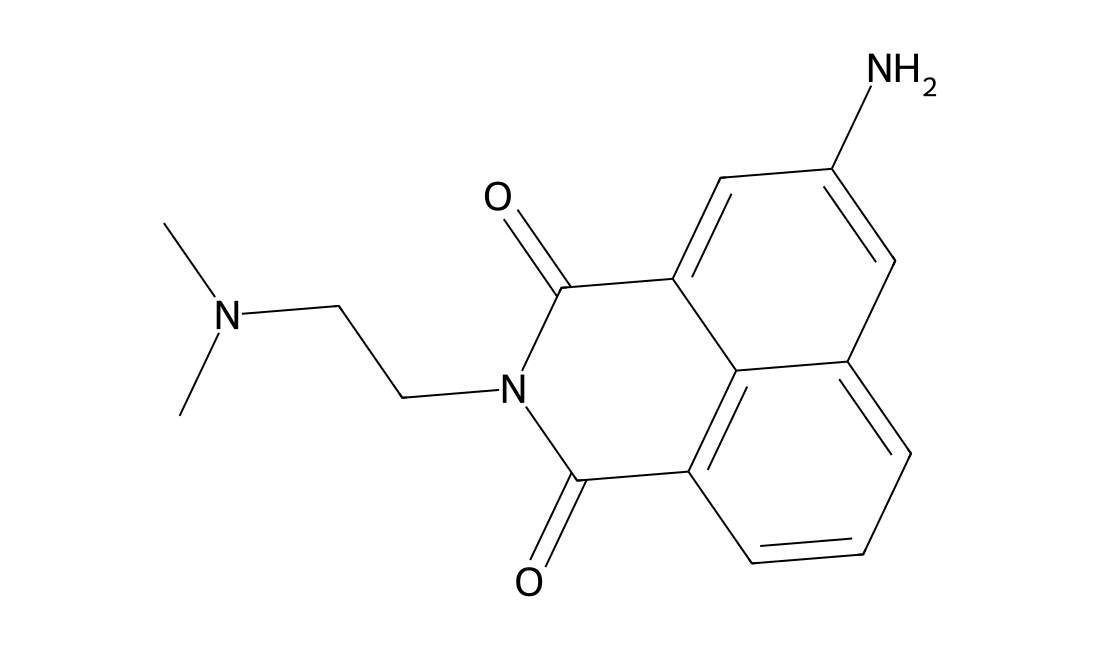
CAS 69408-81-7
Amonafide(AS1413) produces protein-associated DNA-strand breaks through a topoisomerase II-mediated reaction, but does not produce topoisomerase I-mediated DNA cleavage.
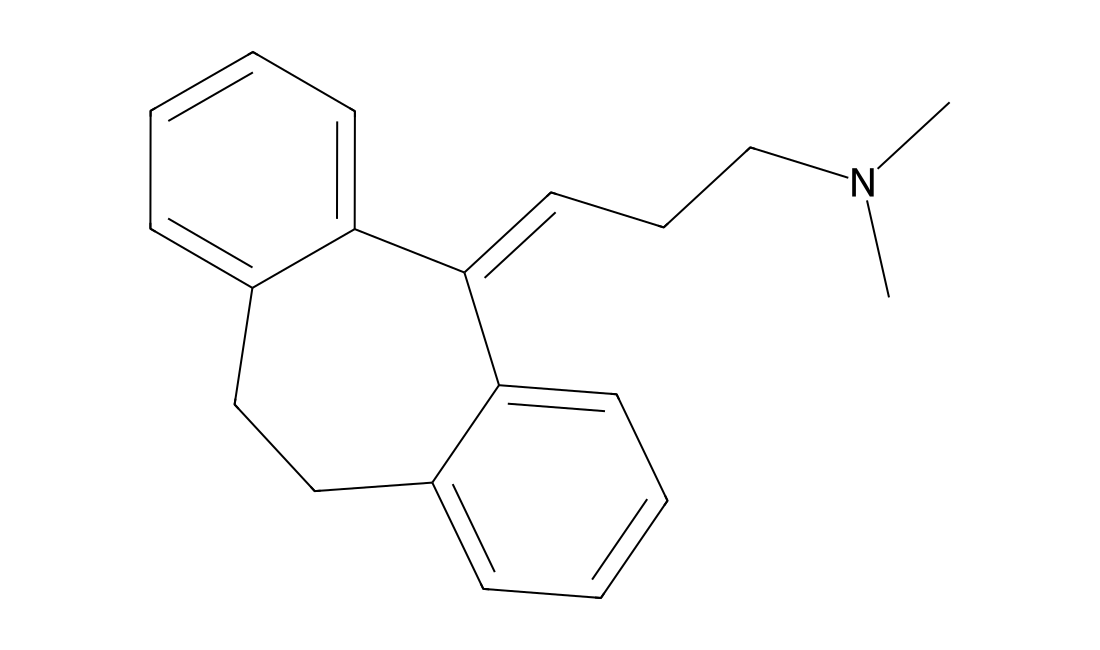
CAS 50-48-6
Amitriptyline is a tricyclic antidepressant (TCA) with analgesic properties, widely used to treat depression and neuropathic pain.
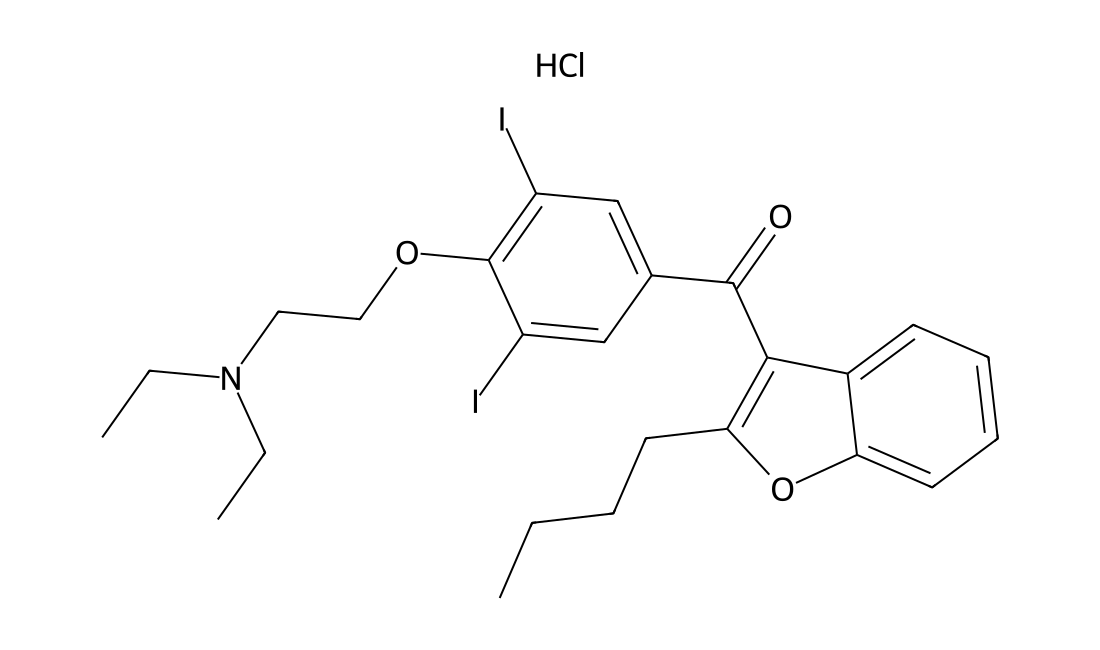
CAS 19774-82-4
Amiodarone is an antiarrhythmic drug for inhibition of ATP-sensitive potassium channel with IC50 of 19.1 μM.in vitro: It was found that 10 uM amiodarone induces accumulation of ethidium bromide (5 ug/ml) in Saccharomyces cerevisiae cells. At the same time, in yeast cells with inactivated MDR genes, accumulation of ethidium bromide was 6-fold higher even without amiodarone. Addition of non-lethal concentrations of amiodarone to MDR-deficient cells caused an increase of intracellular ethidium bromide to the level, which was even lower than the level in amiodarone-treated wild-type cells. Cells treated with amiodarone were seen to have detached from the dish, with cell rounding, cytoplasmic blebbing and irregularity in shape. An increase in the sub-G1 phase fraction, from 15.43 to 21.34% and 79.83% and a reduction in the G1 phase fraction, from 48.83 to 41.63% and 11.52%, were observed in cells treated with amiodarone at concentrations of 0.1 and 1 mM, respectively. in vivo: Chronic treatment with oral amiodarone for 4 weeks reduced i.p. when myocytes were dialyzed with patch-pipettes containing either 10 mM Na+ or 80 mM Na+. In myocytes from untreated rabbits, acute exposure to amiodarone in vitro reduced i.p. when patch pipettes contained 10 mM Na+ but had no effect on i.p. at 80 mM Na+. Amiodarone had no effect on the voltage dependence of the pump or the affinity of the pump for extracellular K+ either after chronic treatment or during acute exposure.
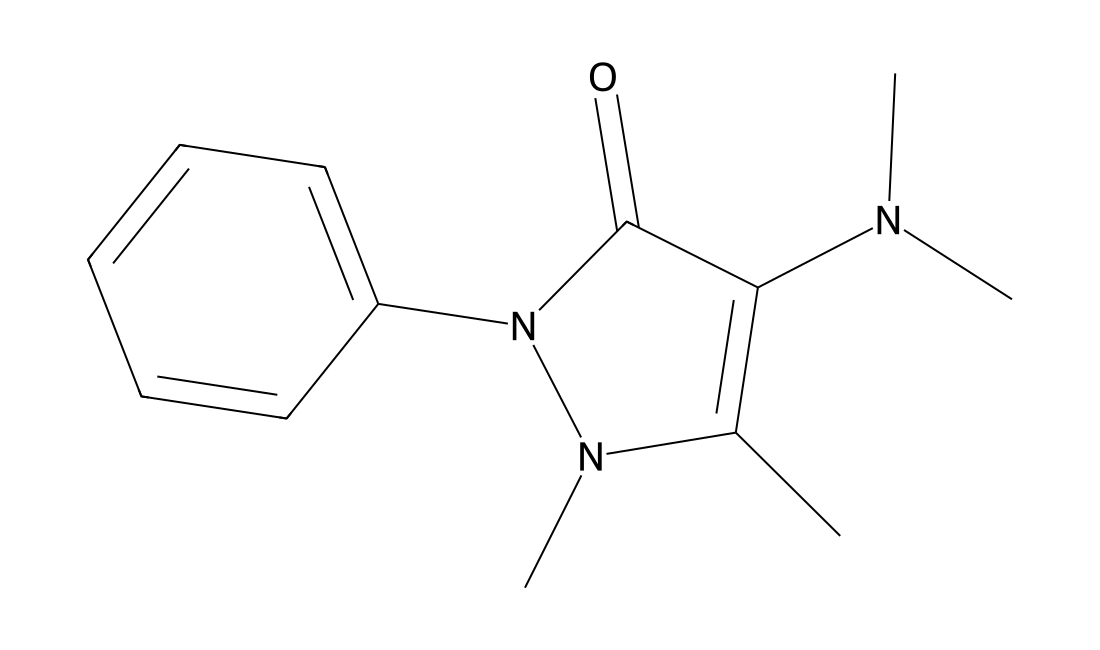
CAS 58-15-1
For the detailed information of Amidopyrine, the solubility of Amidopyrine in water, the solubility of Amidopyrine in DMSO, the solubility of Amidopyrine in PBS buffer, the animal experiment(test) (test) of Amidopyrine, the cell expriment (test) of Amidopyrine, the in vivo, in vitro and clinical trial test of Amidopyrine, the EC50, IC50,and Affinity of Amidopyrine,, please contact DC Chemicals.
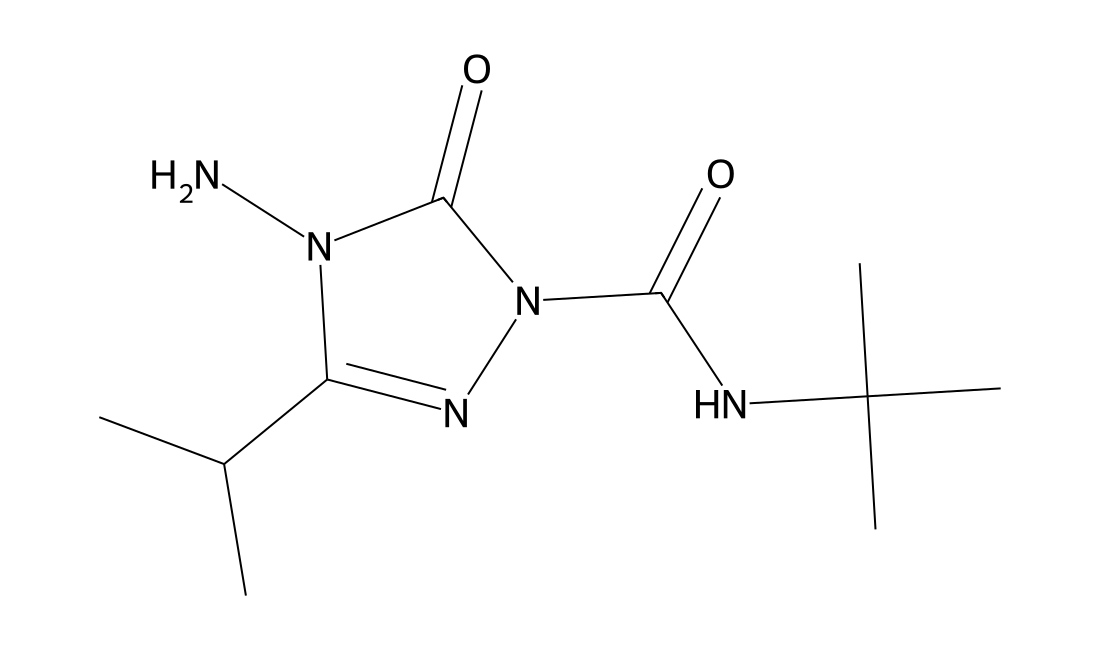
CAS 129909-90-6
Amicarbazone(BAY-MKH3586; BAY314666) is a potent inhibitor of photosynthetic electron transport via binding to the Qb domain of photosystem II (PSII); herbicide with a broad spectrum of weed control. The phenotypic responses of sensitive plants exposed to amicarbazone include chlorosis, stunted growth, tissue necrosis, and death. Its efficacy as both a foliar- and root-applied herbicide suggests that absorption and translocation of this compound is very rapid. As a result, its efficacy is susceptible to the most common form of resistance to PSII inhibitors. Nonetheless, amicarbazone has a good selectivity profile and is a more potent herbicide than atrazine, which enables its use at lower rates than those of traditional photosynthetic inhibitors.
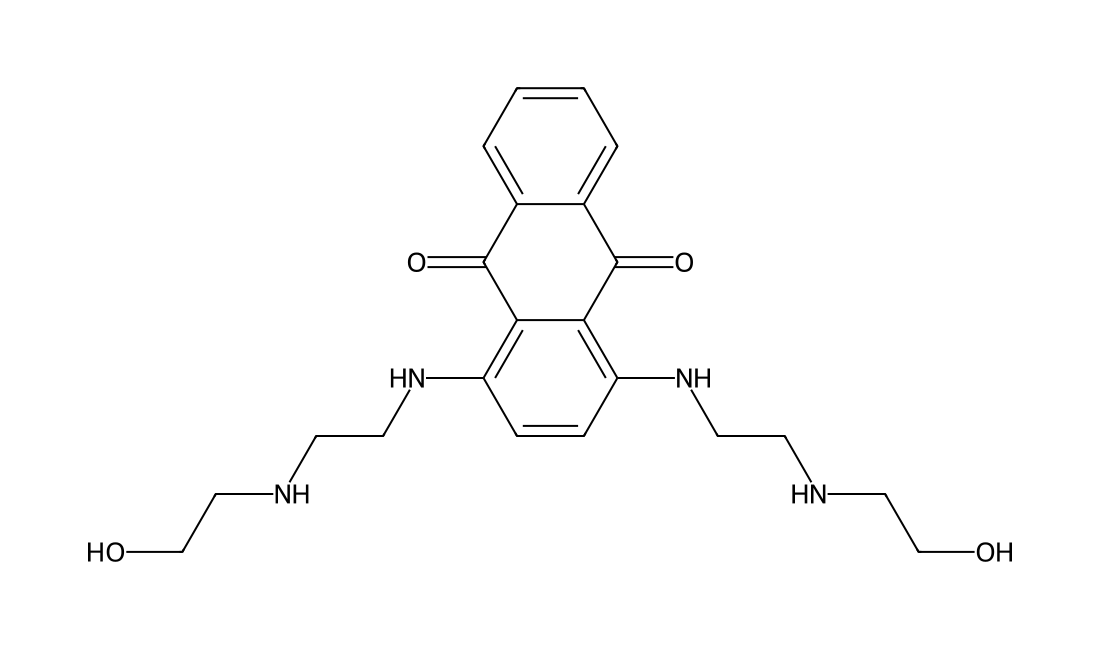
CAS 64862-96-0
Ametantrone (AM) is a synthetic 9,10-anthracenedione bearing two (hydroxyethylamino)ethylamino residues at positions 1 and 4; along with other anthraquinones and anthracyclines, it shares a polycyclic intercalating moiety and charged side chains that stabilize DNA binding. Ametantrone is the second anthracene derivative to enter clinical trials. For the detailed information of Ametantrone, the solubility of Ametantrone in water, the solubility of Ametantrone in DMSO, the solubility of Ametantrone in PBS buffer, the animal experiment (test) of Ametantrone, the cell expriment (test) of Ametantrone, the in vivo, in vitro and clinical trial test of Ametantrone, the EC50, IC50,and Affinity of Ametantrone, Please contact DC Chemicals.
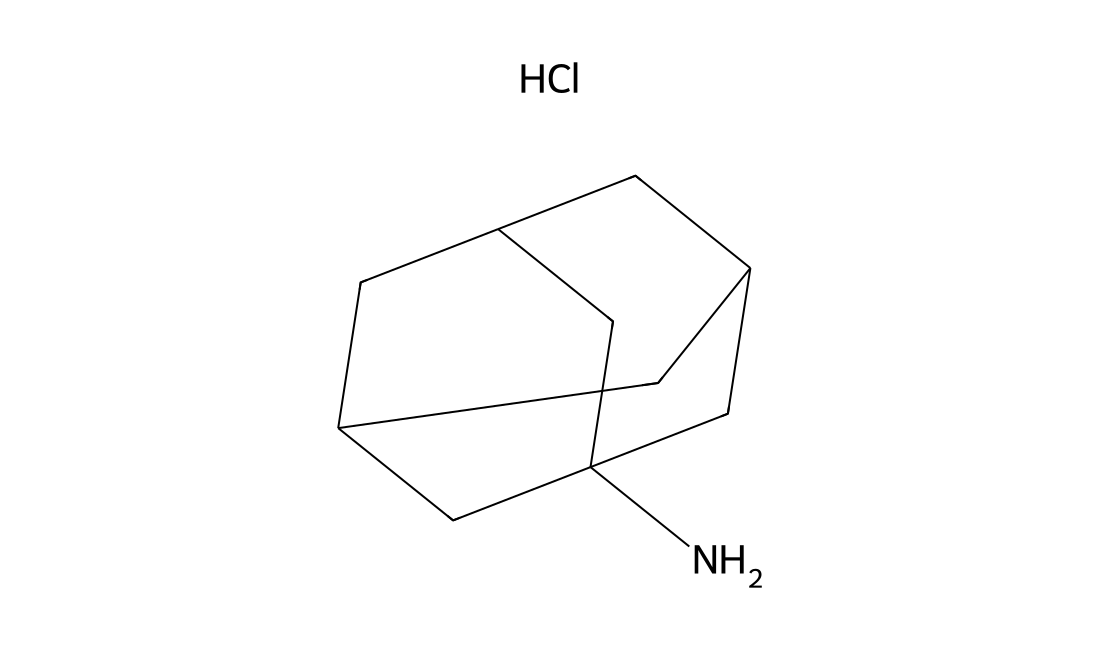
CAS 665-66-7
Amantadine Hydrochloride is an antiviral and an antiparkinsonian drug.Amantadine is an antiviral that is used in the prophylactic or symptomatic treatment of influenza A. It is also used as an antiparkinsonian agent, to treat extrapyramidal reactions, and for postherpetic neuralgia. Amantadine binding of M2, based on studies of a peptide representing the M2 transmembrane segment in dodecylphosphocholine micelles. Amantadine competes with protons for binding to the deprotonated tetramer, thereby stabilizing the tetramer in a slightly altered conformation. This model accounts for the observed inhibition of proton flux by amantadine. In contrast to most other described channel-blocking molecules, amantadine causes the channel gate of NMDA receptors to close more quickly. Amantadine binding inhibits current flow through NMDA receptor channels but show that its main inhibitory action at pharmaceutically relevant concentrations results from stabilization of closed states of the channel.
CAS 645-05-6
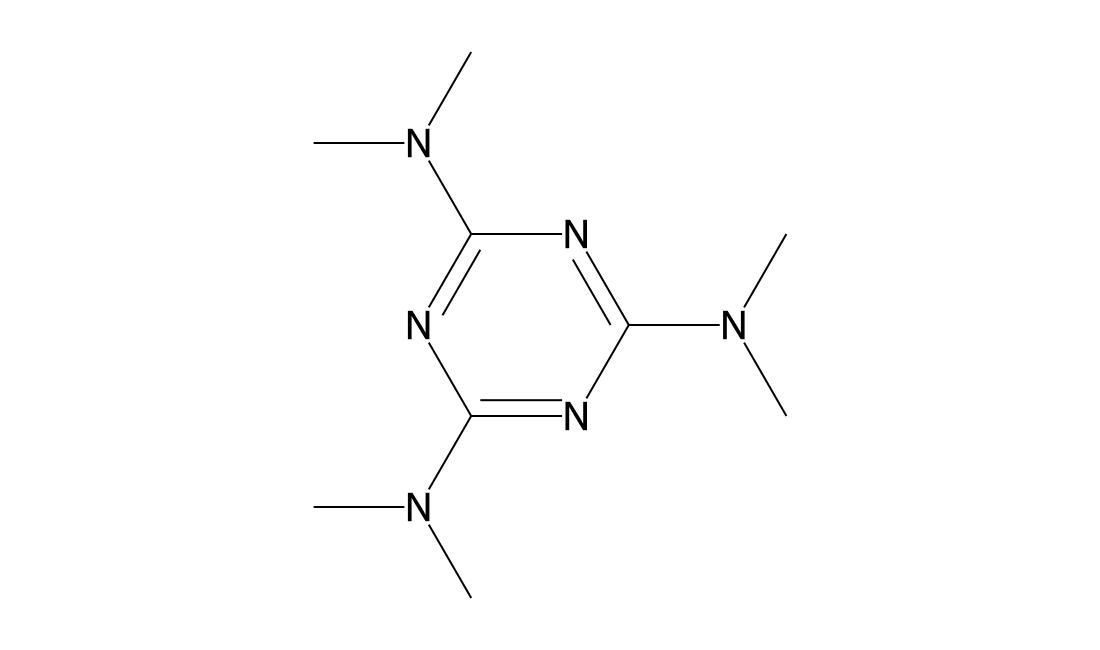
For the detailed information of Altretamine (Hexalen), the solubility of Altretamine (Hexalen) in water, the solubility of Altretamine (Hexalen) in DMSO, the solubility of Altretamine (Hexalen) in PBS buffer, the animal experiment(test) (test) of Altretamine (Hexalen), the cell expriment (test) of Altretamine (Hexalen), the in vivo, in vitro and clinical trial test of Altretamine (Hexalen), the EC50, IC50,and Affinity of Altretamine (Hexalen),, please contact DC Chemicals.
CAS 154323-57-6
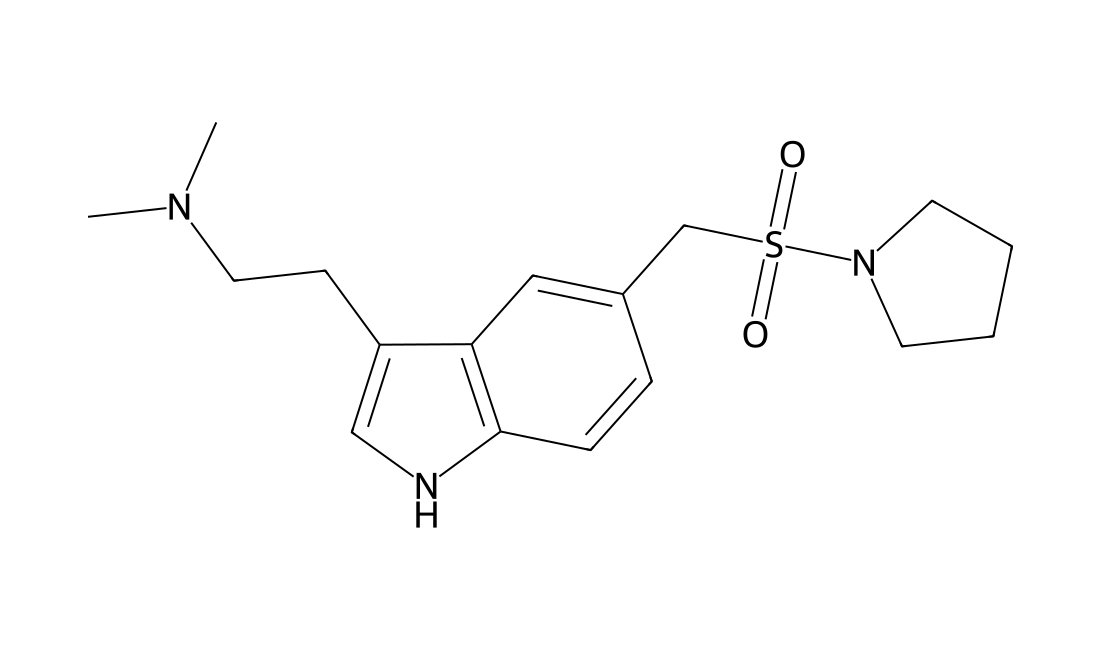
For the detailed information of Almotriptan, the solubility of Almotriptan in water, the solubility of Almotriptan in DMSO, the solubility of Almotriptan in PBS buffer, the animal experiment(test) (test) of Almotriptan, the cell expriment (test) of Almotriptan, the in vivo, in vitro and clinical trial test of Almotriptan, the EC50, IC50,and Affinity of Almotriptan,, please contact DC Chemicals.
CAS 490-59-5
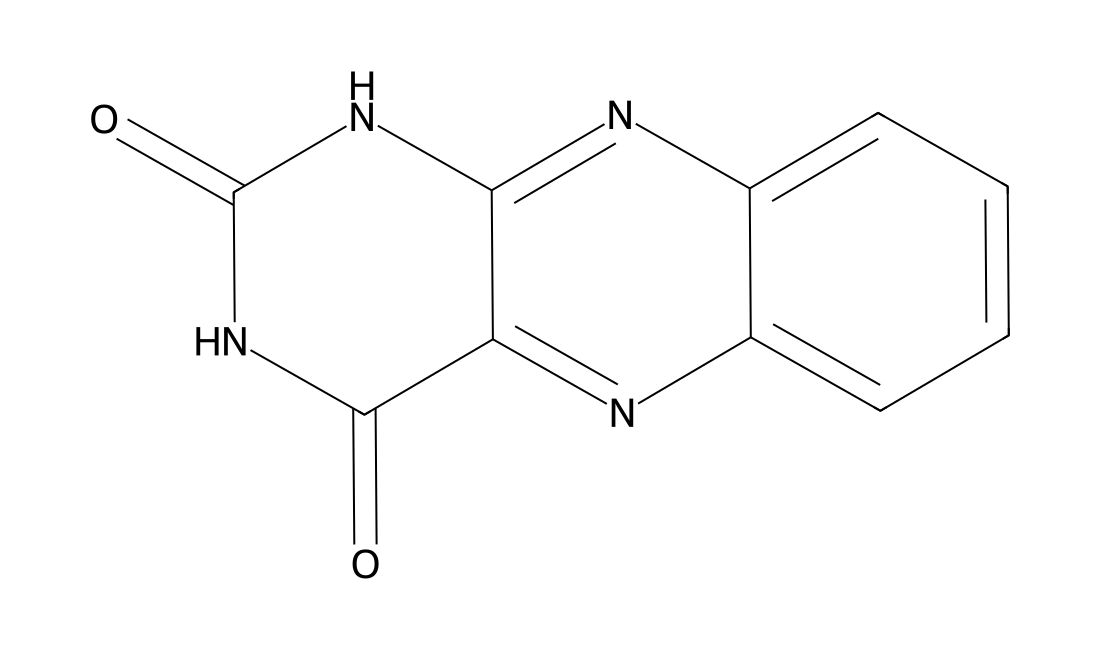
Alloxazine is an A2 receptor antagonist, which is approximately 10-fold more selective for the A2B receptor than for the A2A receptor.
CAS 315-30-0
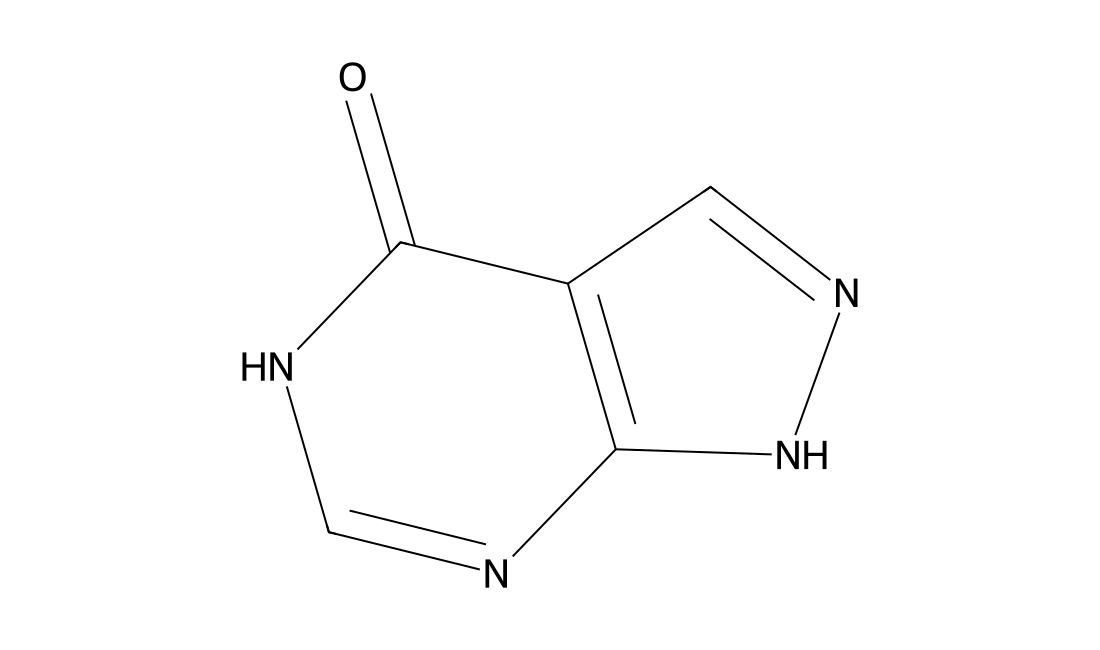
Allopurinol (Zyloprim) is a xanthine oxidase inhibitor with an IC50 of 7.82±0.12 μM.Allopurinol (Zyloprim, and generics) is a drug used primarily to treat hyperuricemia (excess uric acid in blood plasma) and its complications, including chronic gout. It is a xanthine oxidase inhibitor which is administered orally. A common misconception is that allopurinol is metabolized by its target, xanthine oxidase, but this action is principally carried out by Aldehyde oxidase. The active metabolite of allopurinol is oxypurinol, which is also an inhibitor of xanthine oxidase. Allopurinol is almost completely metabolized to oxypurinol within two hours of oral administration, whereas oxypurinol is slowly excreted by the kidneys over 18–30 hours. For this reason, oxypurinol is believed responsible for the majority of allopurinol's effect. Allopurinol is a purine analog; it is a structural isomer of hypoxanthine (a naturally occurring purine in the body) and is an inhibitor of the enzyme xanthine oxidase. In addition to blocking uric acid production, inhibition of xanthine oxidase causes an increase in hypoxanthine and xanthine. While xanthine cannot be converted to purine ribotides, hypoxanthine can be salvaged to the purine ribotides adenosine and guanosine monophosphates. Increased levels of these ribotides may cause feedback inhibition of amidophosphoribosyl transferase, the first and rate-limiting enzyme of purine biosynthesis. Allopurinol, therefore, decreases uric acid formation and may also inhibit purine synthesis.
CAS 54965-21-8
For the detailed information of Albendazole(Albenza), the solubility of Albendazole(Albenza) in water, the solubility of Albendazole(Albenza) in DMSO, the solubility of Albendazole(Albenza) in PBS buffer, the animal experiment(test) (test) of Albendazole(Albenza), the cell expriment (test) of Albendazole(Albenza), the in vivo, in vitro and clinical trial test of Albendazole(Albenza), the EC50, IC50,and Affinity of Albendazole(Albenza),, please contact DC Chemicals.
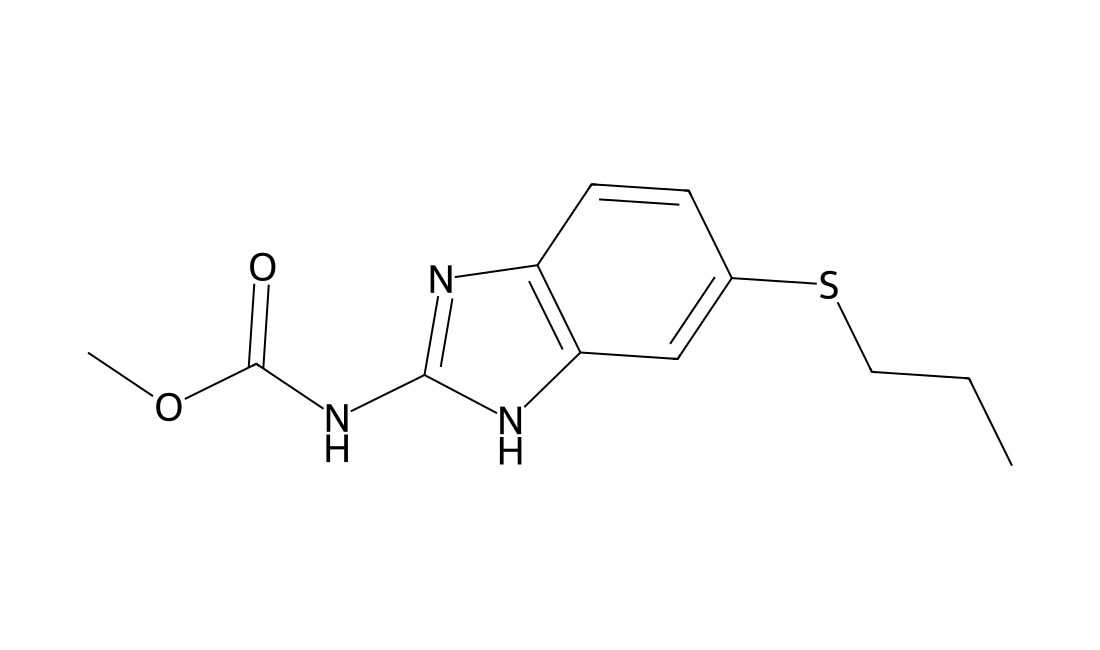
CAS 138112-76-2
Agomelatine (trade names Valdoxan, Melitor, Thymanax) is an antidepressant developed by the pharmaceutical company Servier. It is marketed For the treatment of major depressive disorder and has been reported to have a reduced level of sexual side effects as well as discontinuation effects compared to some other antidepressants. Agomelatine may also have positive effects on sleep. For the detailed information about the solubility of Agomelatine in water, the solubility of Agomelatine in DMSO, the solubility of Agomelatine in PBS buffer, the animal experiment(test) of Agomelatine,the in vivo,in vitro and clinical trial test of Agomelatine,the cell experiment(test) of Agomelatine,the IC50, EC50 and Affinity of Agomelatine, please contact DC Chemicals.
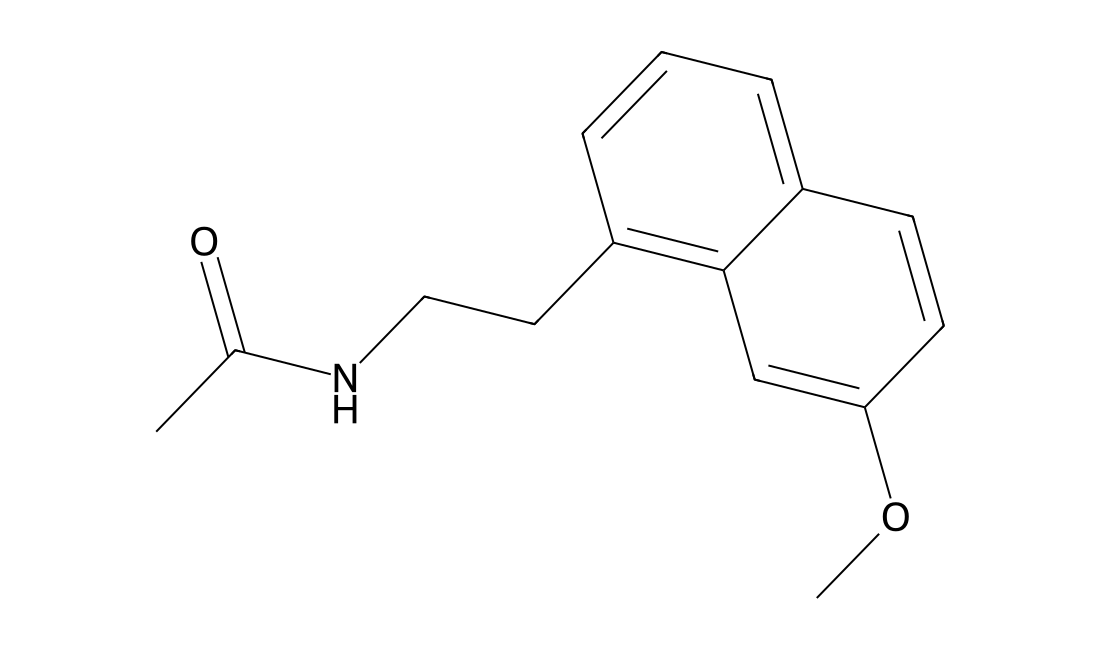
CAS 837364-57-5
In vitro: Ki = 1–3 nM (CDK1, CDK2 and CDK4)141; displayed CDK selectivity over non-CDKs141; arrested multiple stages of the cell cycle and induced apoptosis in various human tumour cell lines (IC50 = 30–200 nM)141 bulletDisplayed dose-dependent antitumour activity in mice bearing human tumour xenografts142 bulletIntravenous toxicity in cynomolgus monkey included bone marrow hypocellularity, lymphoid depletion and vascular irritation (at doses greater than or equal to 6 mg per kg); the no-adverse-effect dose was 2 mg per kg143For the detailed information of AG-024322, the solubility of AG-024322 in water, the solubility of AG-024322 in DMSO, the solubility of AG-024322 in PBS buffer, the animal experiment (test) of AG-024322, the cell expriment (test) of AG-024322, the in vivo, in vitro and clinical trial test of AG-024322, the EC50, IC50,and Affinity of AG-024322, Please contact DC Chemicals.
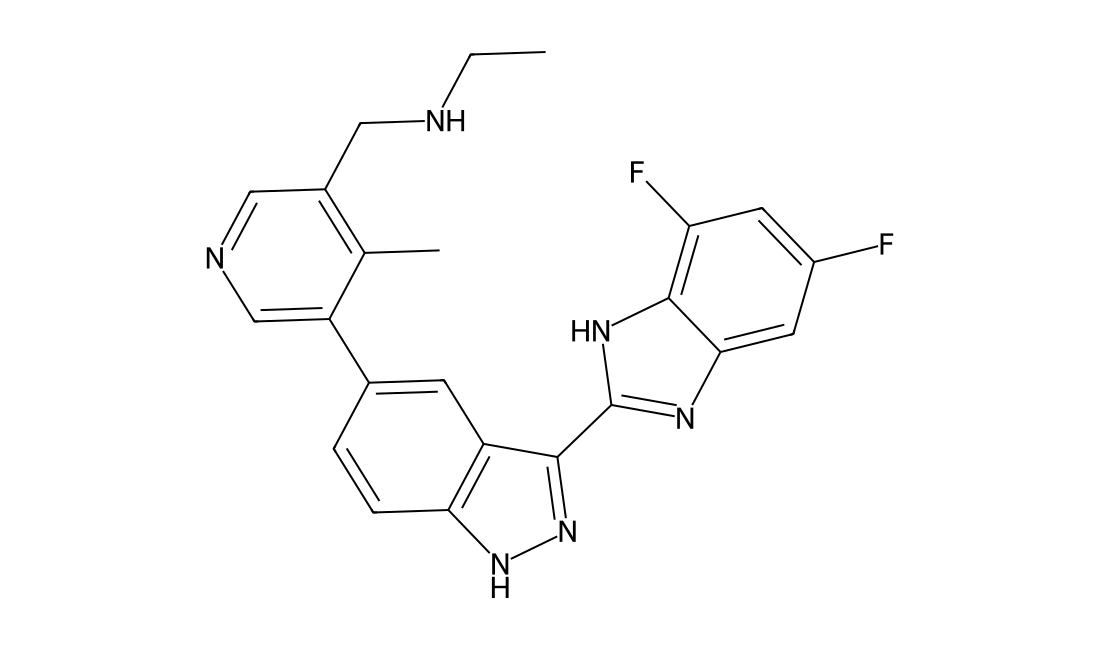
CAS 319460-94-1
AG13958 is a VEGF inhibitor that was clinical development by Pfizer in 2006-07 for treatment of age-related macular degeneration (AMD). The drug displays low water solubility and so far in trials delivery has been difficult needing direct injection to be truly effective and it varied by the species used because of species specific differences in eye circulation and vascularization. As a VEGF inhibitor AG13958 was targeted to FLT/TYK receptor inhibition.
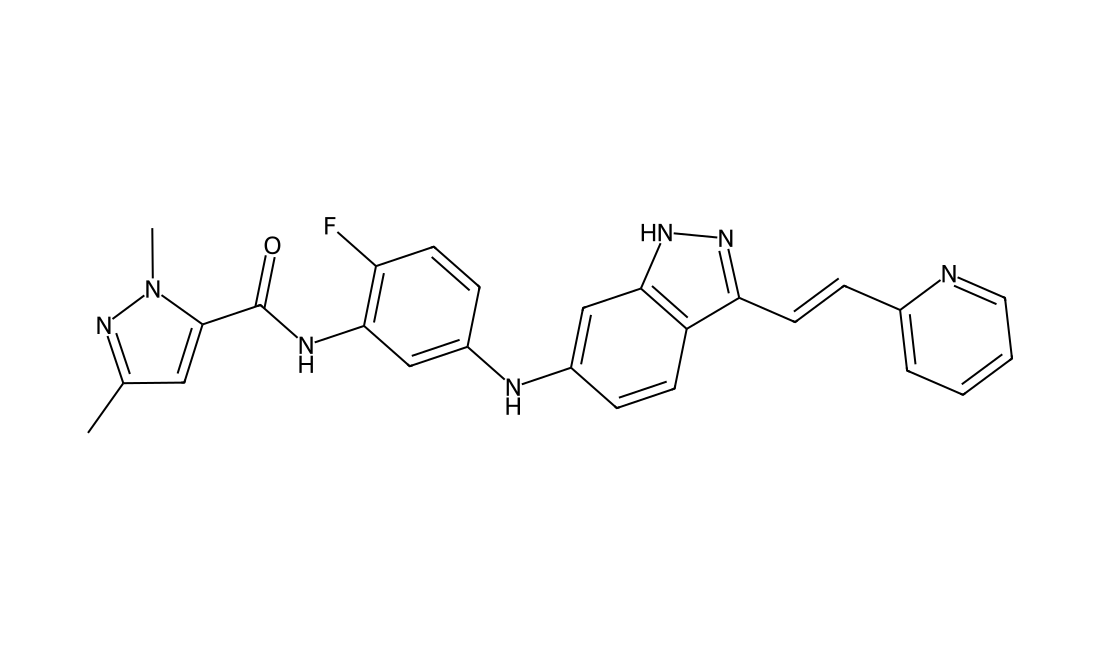
CAS 56287-74-2
Afloqualone is a agonist of GABA receptor .Afloqualone is an analogue of methaqualone. It has sedative and muscle-relaxant effects, resulting from its agonist activity at the β subtype of the GABAa receptor. in vivo: Afloqualone slightly increased the response during the alarm period in one out of 3 rats at 5, 10, and 20 mg/kg p.o., respectively.
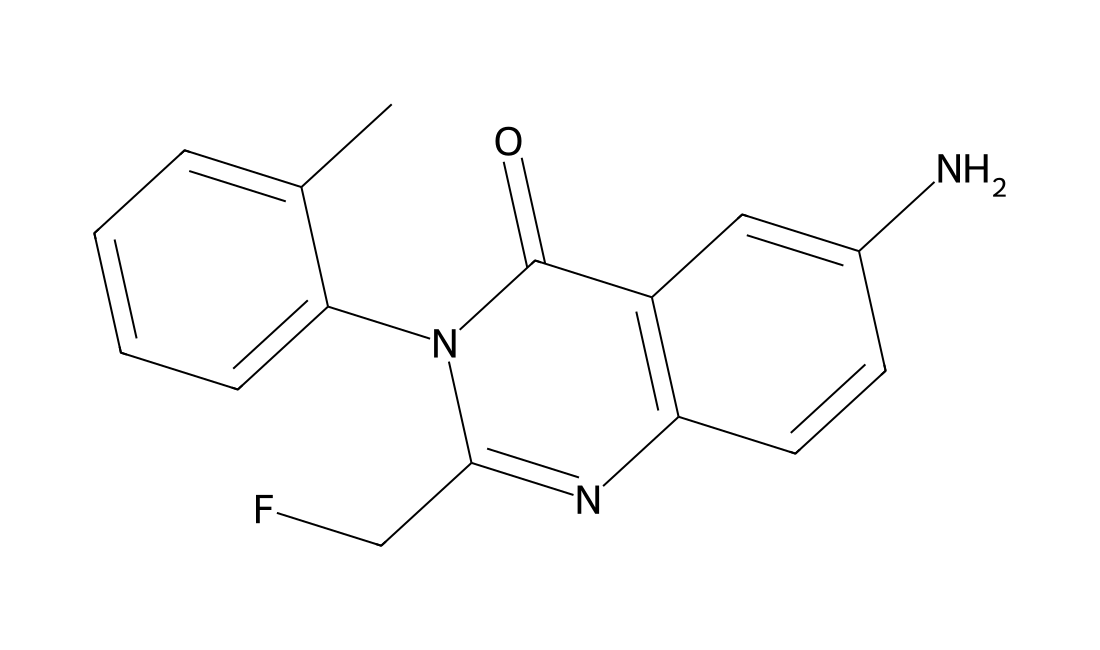
CAS 222551-17-9
Adoprazine, a potential atypical antipsychotic bearing potent D2 receptor antagonist and 5-HT1A receptor agonist properties. Adoprazine is a full 5-HT1A receptor agonist and full D2/3 receptor antagonist possessing characteristics of an atypical antipsychotic, representing a potential novel treatment for schizophrenia.
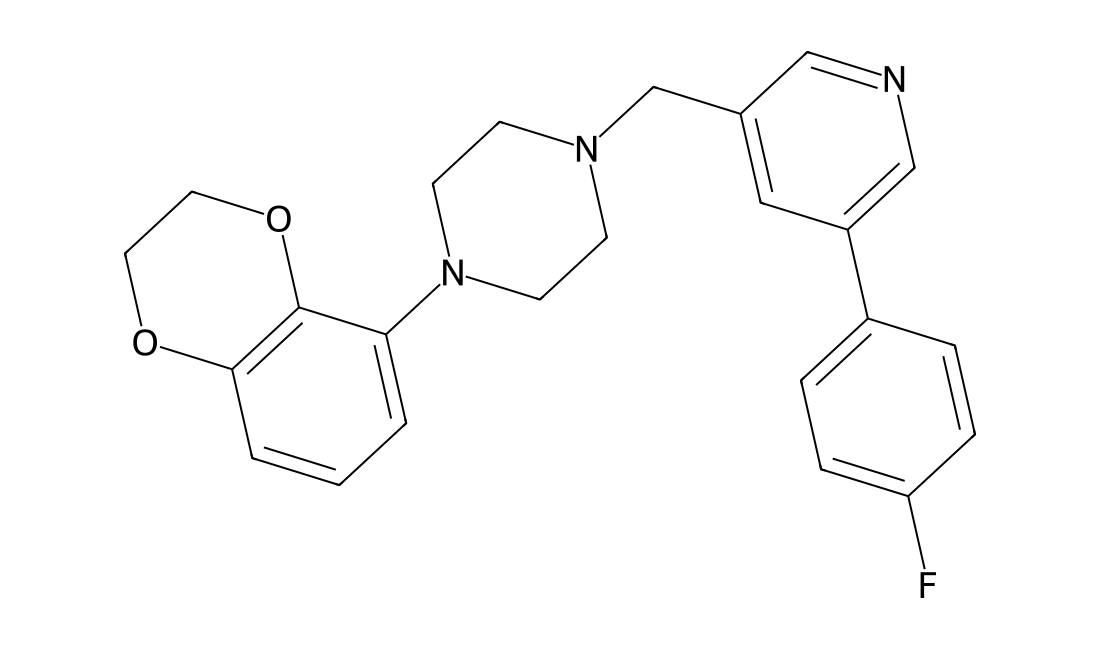
CAS 496868-77-0
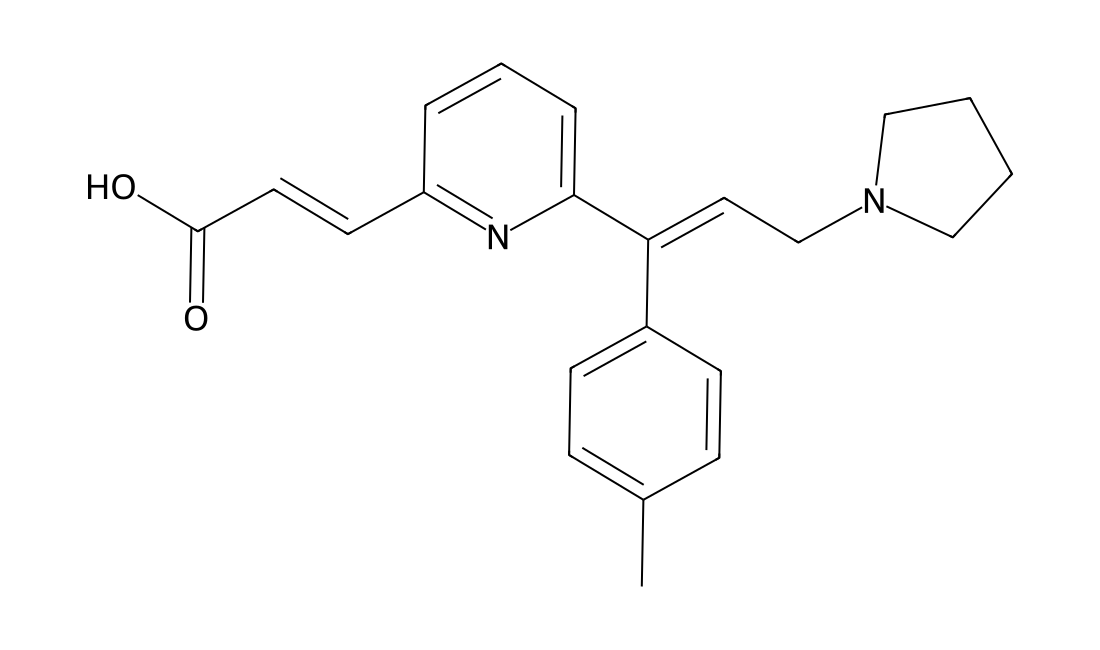
Adarotene (ST1926) is an effective apoptosis inducer and surprisingly produced DNA damage.ST1926 exhibites a potent antiproliferative activity on a large panel of human tumor cells. ST1926 is a compound more powerful than CD437 in vitro and orally active in vivo on severe combined immunodeficiency (SCID) mice that received transplants of NB4 cells. ST1926 causes an immediate increase in the cytosolic levels of calcium that are directly related to the apoptotic potential of the RRMs considered.
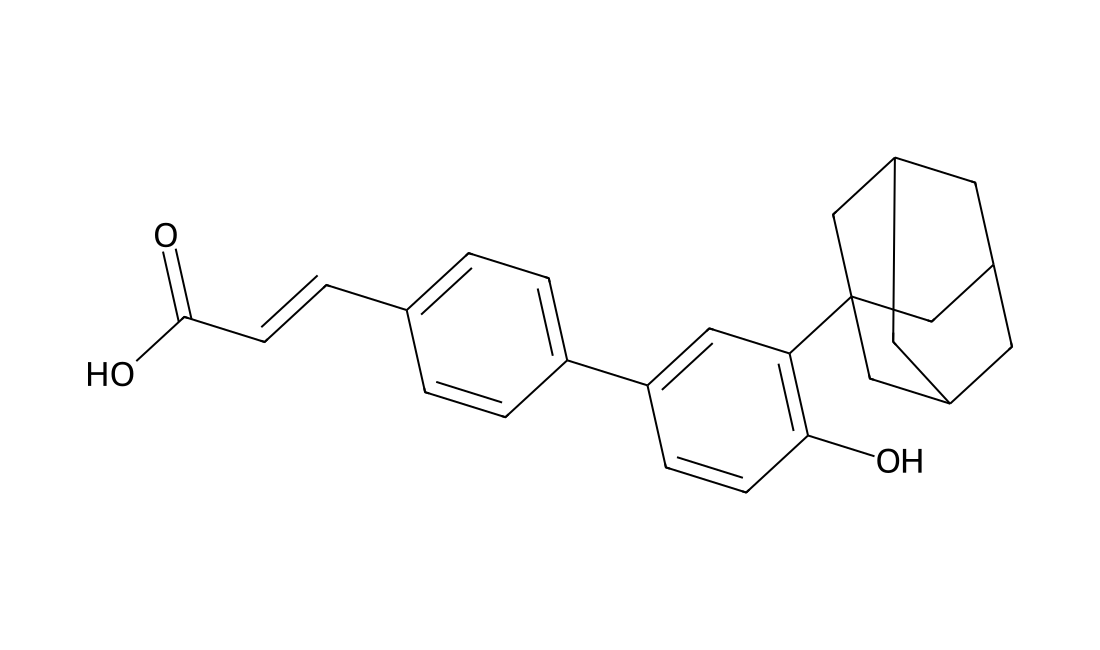
CAS 59277-89-3
For the detailed information of Acyclovir (Aciclovir), the solubility of Acyclovir (Aciclovir) in water, the solubility of Acyclovir (Aciclovir) in DMSO, the solubility of Acyclovir (Aciclovir) in PBS buffer, the animal experiment(test) (test) of Acyclovir (Aciclovir), the cell expriment (test) of Acyclovir (Aciclovir), the in vivo, in vitro and clinical trial test of Acyclovir (Aciclovir), the EC50, IC50,and Affinity of Acyclovir (Aciclovir),, please contact DC Chemicals.
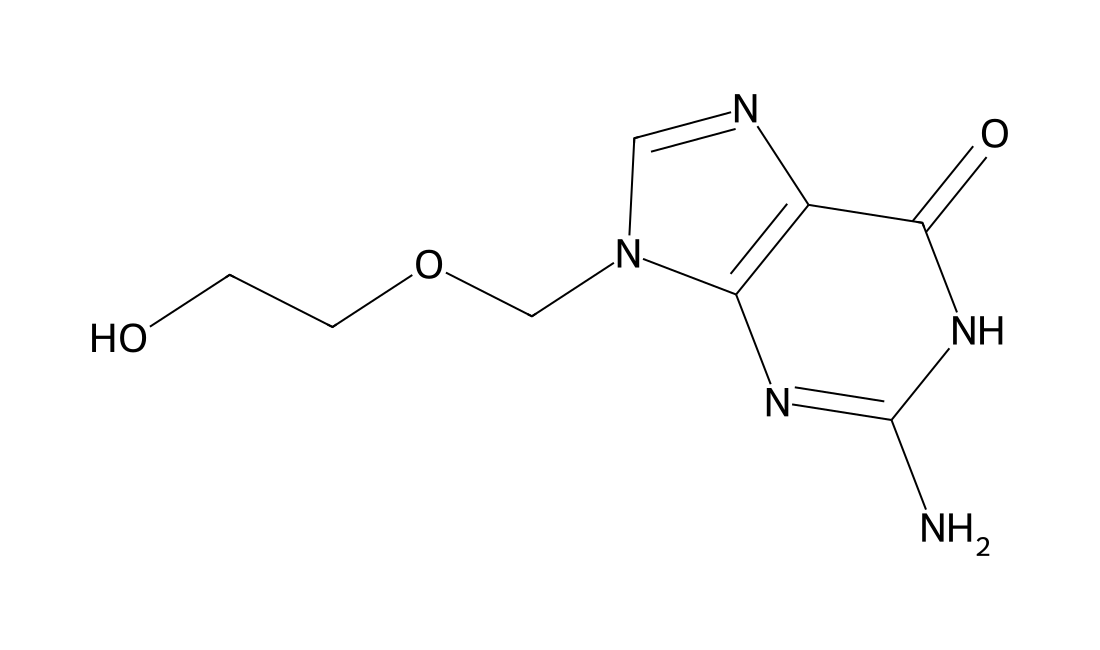
CAS 87848-99-5
Acrivastine (usually 8mg three times daily) is an effective and well tolerated antihistamine in the treatment of chronic urticaria and allergic rhinitis. Acrivastine is more effective than placebo and similar in efficacy to clemastine or terfenadine in the treatment of seasonal allergic rhinitis. In the treatment of dermatoses in which histamine has a pathogenetic role, the efficacy of acrivastine is superior to that of placebo and similar to that of usual dosages of clemastine, hydroxyzine, chlorpheniramine, cyproheptadine or terfenadine. Acrivastine causes less drowsiness than clemastine, the incidence of adverse effects being indistinguishable from that with placebo or terfenadine. Both 4 mg and 8 mg acrivastine alleviate the symptoms of seasonal allergic rhinitis with significant improvements in the symptom scores for sneezing, running nose and the calculated overall score. In addition, 8 mg acrivastine reduces the symptom scores for watery eyes and itchy throat. Acrivastine is both well tolerated and effective in the treatment of seasonal allergic rhinitis.
CAS 55079-83-9
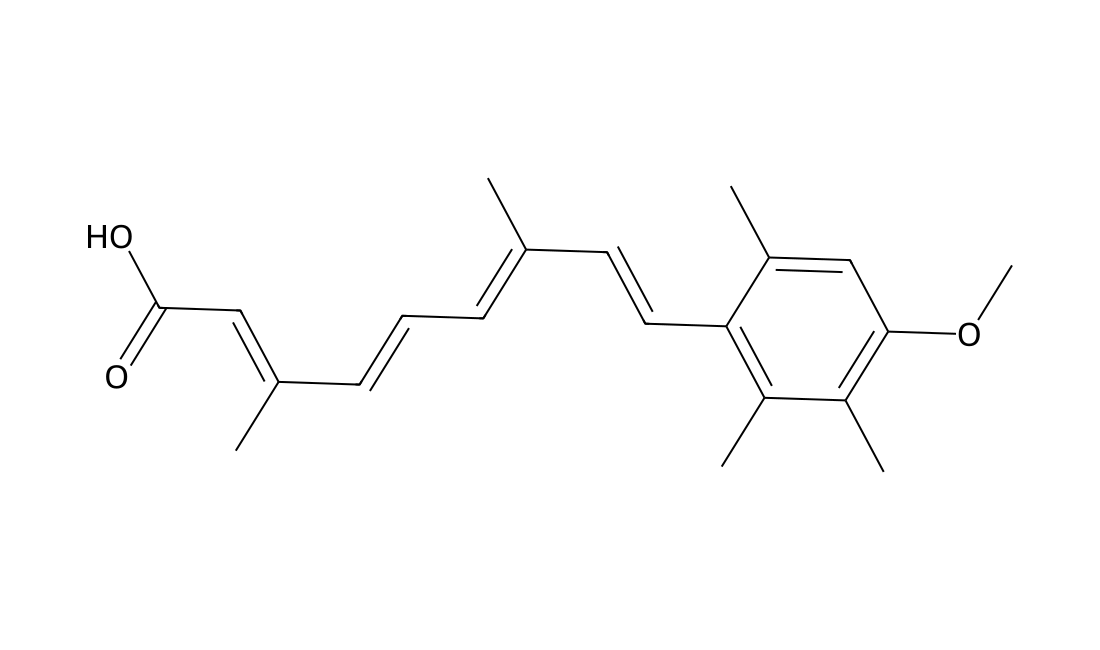
For the detailed information of Acitretin, the solubility of Acitretin in water, the solubility of Acitretin in DMSO, the solubility of Acitretin in PBS buffer, the animal experiment(test) (test) of Acitretin, the cell expriment (test) of Acitretin, the in vivo, in vitro and clinical trial test of Acitretin, the EC50, IC50,and Affinity of Acitretin,, please contact DC Chemicals.
CAS 114607-46-4
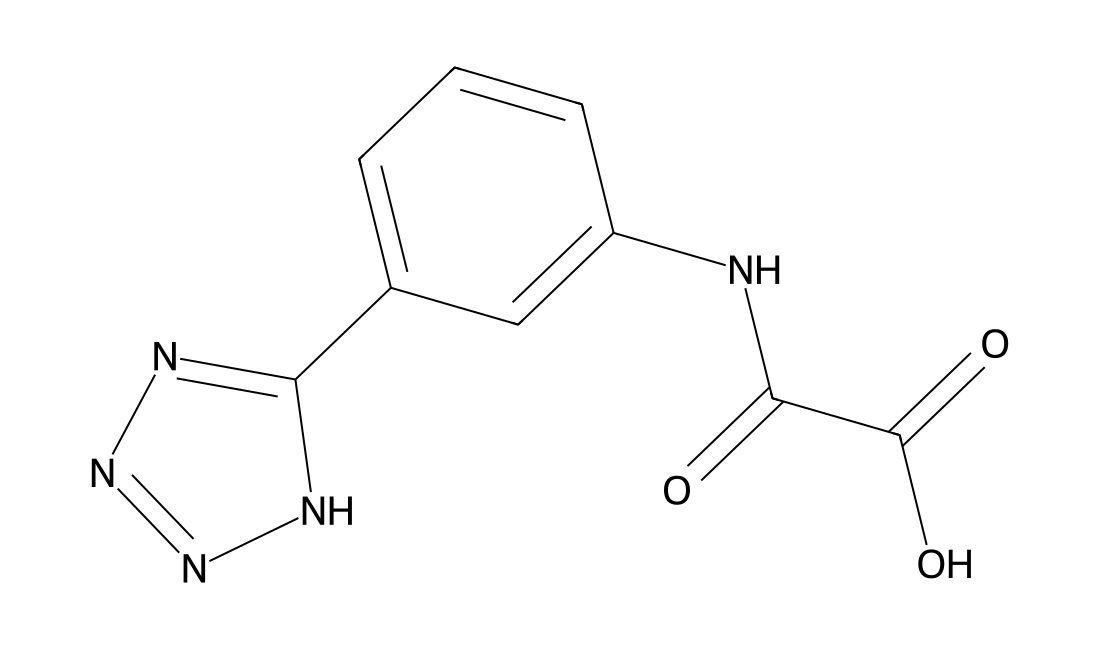
Acitazanolast is an active metabolite of tazanolast and anti-allergic drug. In a study, pretreatment with topical instillation of acitazanolast hydrate inhibited the dye leakage significantly. In the histopathological observation, acitazanolast hydrate ophthalmic solution also improved the inflammatory score and reduced the infiltration of inflammatory cells such as neutrophil and eosinophil in conjunctiva markedly. These anti-allergic effects of acitazanolast hydrate ophthalmic solution were equal to those of levocabastine and ketotifen. From these results, it is suggested that acitazanolast hydrate ophthalmic solution is a promising ophthalmic solution For treatment of allergic conjunctivitis. For the detailed information about the solubility of Acitazanolast (WP-871, Zepelin) in water, the solubility of Acitazanolast (WP-871, Zepelin)in DMSO, the solubility of Acitazanolast (WP-871, Zepelin) in PBS buffer, the animal experiment(test) of Acitazanolast (WP-871, Zepelin),the in vivo,in vitro and clinical trial test of Acitazanolast (WP-871, Zepelin),the cell experiment(test) of Acitazanolast (WP-871, Zepelin),the IC50, EC50 and Affinity of Acitazanolast (WP-871, Zepelin), please contact DC Chemicals.
CAS 546-88-3
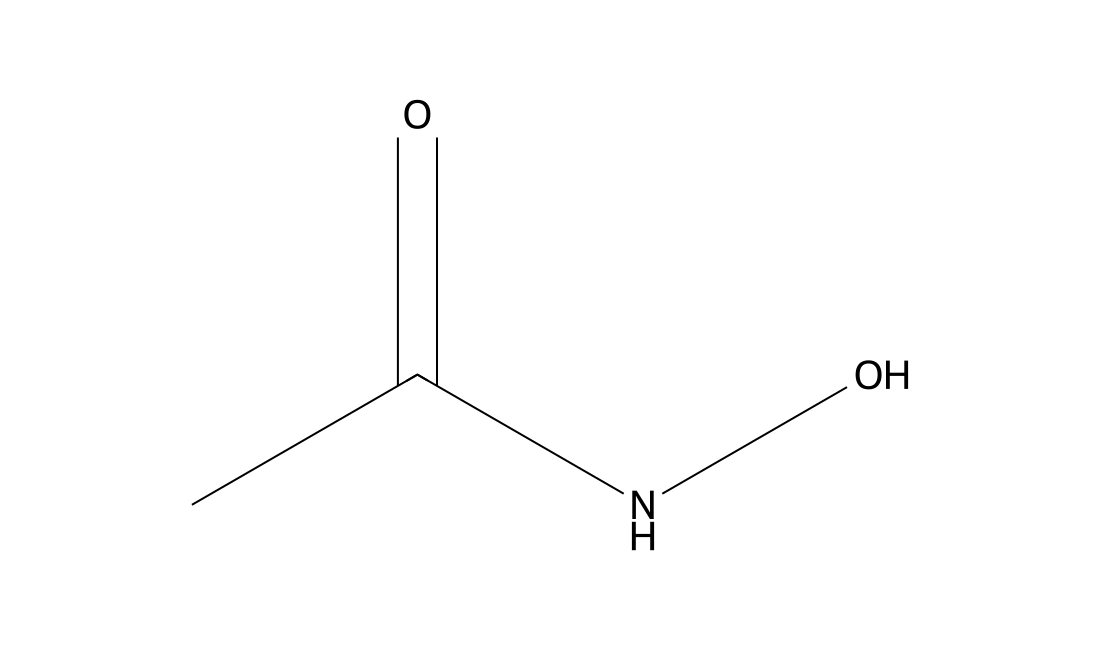
Acetohydroxamic acid is an Urease Inhibitor. In the urine, it acts as an antagonist of the bacterial enzyme urease.
CAS 59-66-5
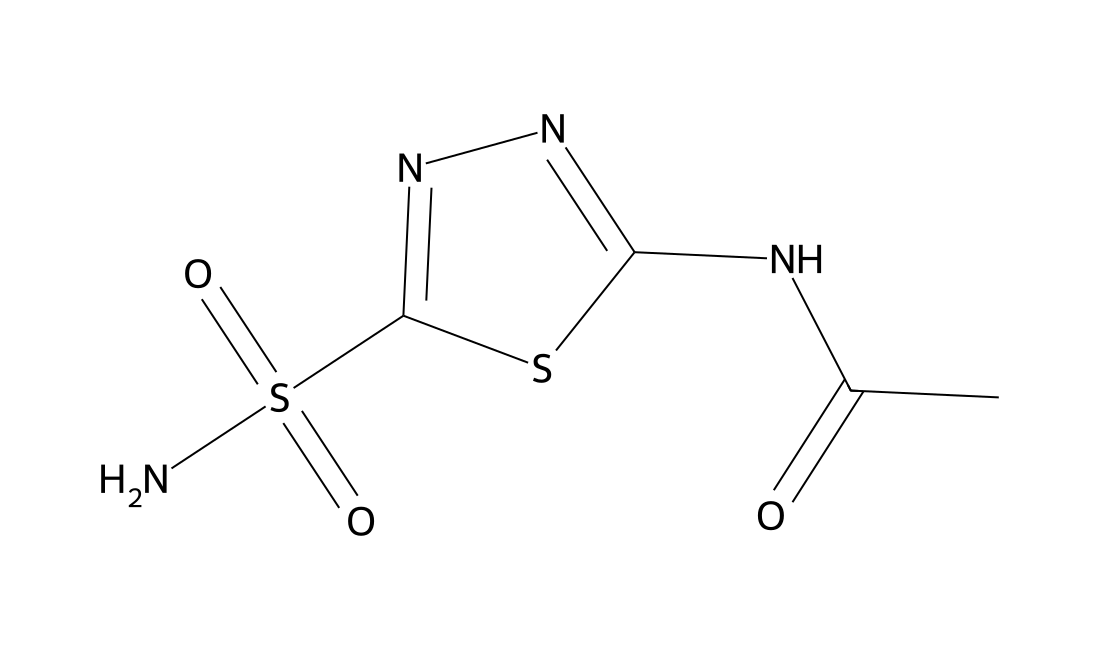
Acetazolamide is a potent carbonic anhydrase (CA) inhibitor; best-studied agent for the amelioration of acute mountain sickness (AMS).
CAS 103-84-4
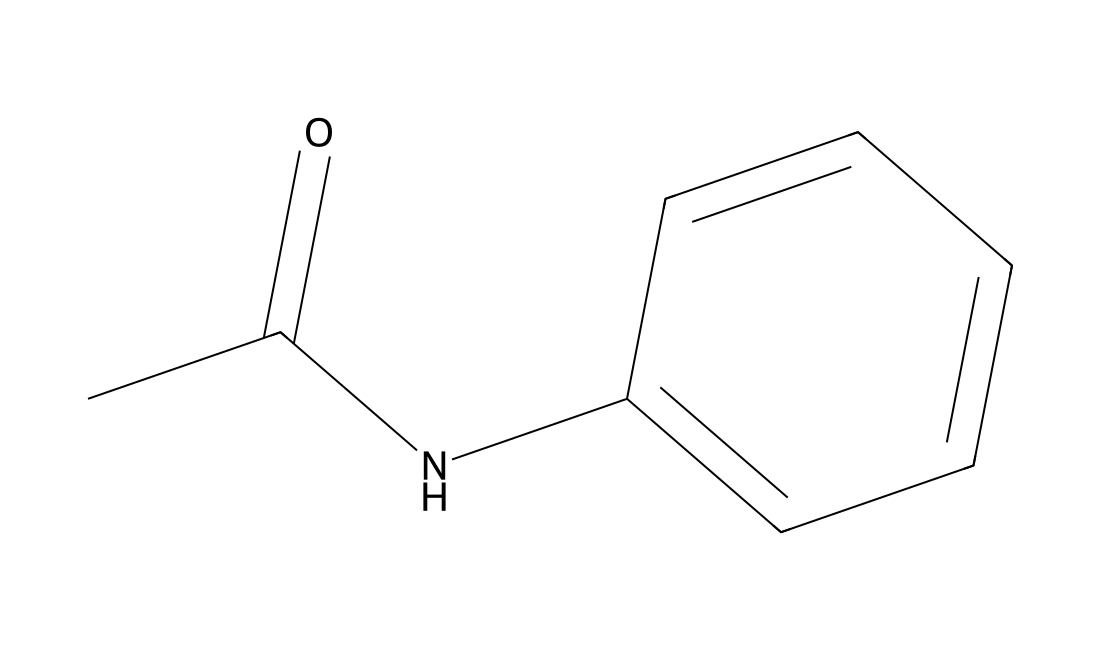
For the detailed information of Acetanilide (Antifebrin), the solubility of Acetanilide (Antifebrin) in water, the solubility of Acetanilide (Antifebrin) in DMSO, the solubility of Acetanilide (Antifebrin) in PBS buffer, the animal experiment(test) (test) of Acetanilide (Antifebrin), the cell expriment (test) of Acetanilide (Antifebrin), the in vivo, in vitro and clinical trial test of Acetanilide (Antifebrin), the EC50, IC50,and Affinity of Acetanilide (Antifebrin),, please contact DC Chemicals.
CAS 53164-05-9
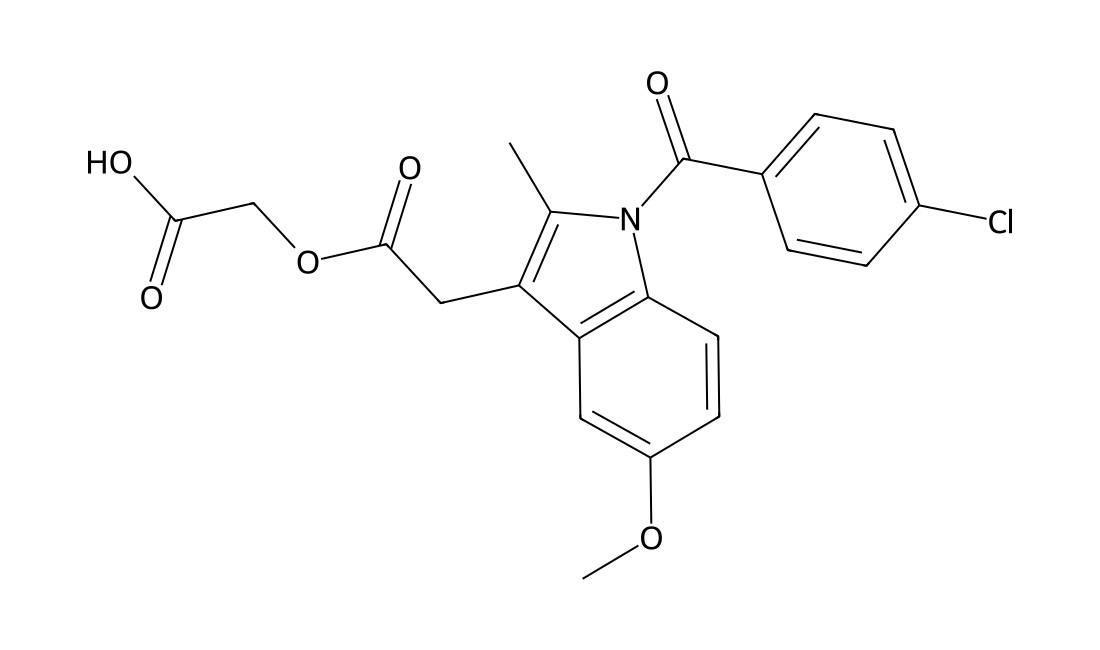
Acemetacin is a non-steroidal anti-inflammatory drug and a glycolic acid ester of indometacin that is a cyclooxygenase inhibitor.Acemetacin is a non-steroidal anti-inflammatory drug, used for the treatment of osteoarthritis, rheumatoid arthritis, lower back pain, and relieving post-operative pain. Acemetacin, a glycolic acid ester of indometacin, acts as a prodrug; in the body, it is metabolized to indometacin, which then acts as an inhibitor of cyclooxygenase, producing the anti-inflammatory effects. An advantage of acemetacin is that it reduces gastric damage when compared to indometacin. From Wikipedia.
CAS 560083-42-3
AC260584 is found to be a potent (pEC50=7.6-7.7) and efficacious (90-98% of carbachol) muscarinic M1 receptor agonist. AC260584 shows functional selectivity for the M1 receptor over the M2, M3, M4 and M5 muscarinic receptor subtypes. Its selectivity is found to be similar in native tissues expressing mAChRs to its profile in recombinant systems.In rodents, AC260584 activates extracellular signal regulated kinase 1 and 2 (ERK1/2) phosphorylation in the hippocampus, prefrontal cortex and perirhinal cortex. The ERK1/2 activation is dependent upon muscarinic M1 receptor activation since it is not observed in M1 knockout mice. AC260584 also improves the cognitive performance of mice in the novel object recognition assay and its action is blocked by the muscarinic receptor antagonist pirenzepine. In addition, AC260584 is found to be orally bioavailable in rodents. AC260584 at 3 and 10 mg/kg significantly increases dopamine release in the medial prefrontal cortex and hippocampus. However, only the high dose of AC260584, 10 mg/kg (s.c.), significantly increases acetylcholine release in these regions.
CAS 409345-29-5
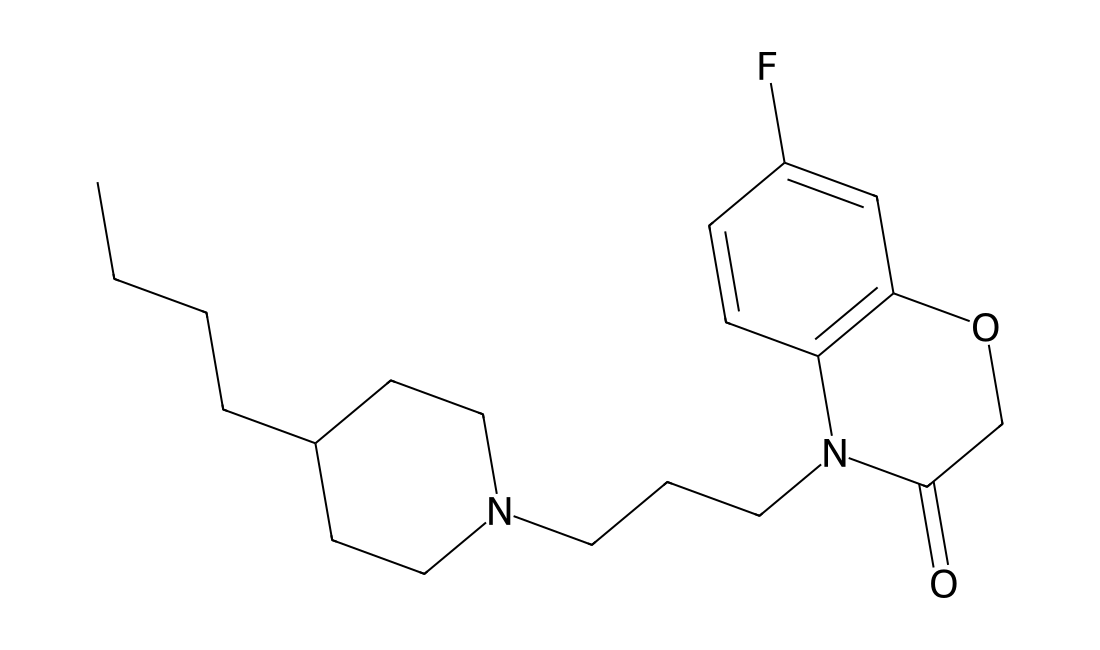
aA highly potent, selective, non-competitive and centrally active mGluR1 antagonist with Ki of 0.34 nM; shows no agonist, antagonist or PAM activity toward rat mGlu2/3/4/6 receptors (IC50>10 uM) and does not bind to AMPA, NMDA receptor and other neurotransmitter receptors; inhibits glutamate-induced Ca2+ mobilization for rat and human mGluR1 with IC50 of 3.24 and 1.21 nM, inhibits glutamate-mediated inositol phosphate production with IC50 of 1.73 nM; attenuates drug context-induced reinstatement of cocaine seeking in rats.
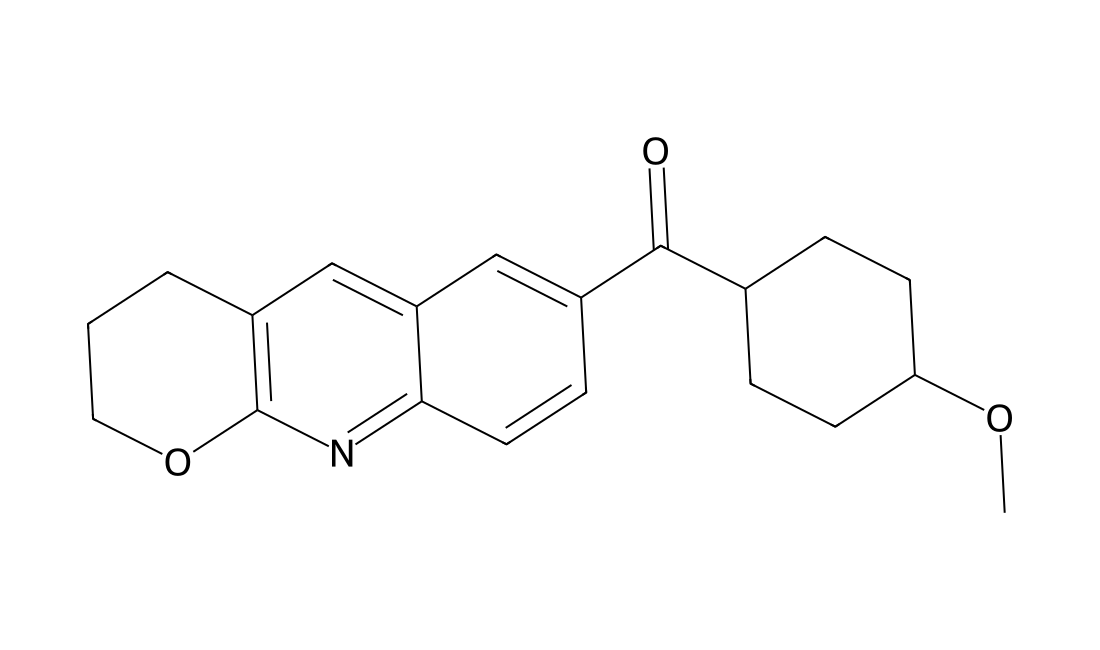
CAS 959746-77-1
A-836339 (A836339) is a potent and selective cannabinoid CB2 receptor agonist with Ki of 0.64 and 0.76 nM for human and rat CB2 receptors, displays 425- and 189-fold selectivity over CB1 receptor, respectively; exhibits full agonist efficacy (Emax=102%) with high potency (EC50=1.6 nM), greater potency than other CB2-selective ligands including JWH-015 and GW-842166X; exhibits a potent CB2 receptor-mediated antihyperalgesic effect in various animal pain models, also demonstrates efficacies in the chronic constrain injury (CCI) model of neuropathic pain.
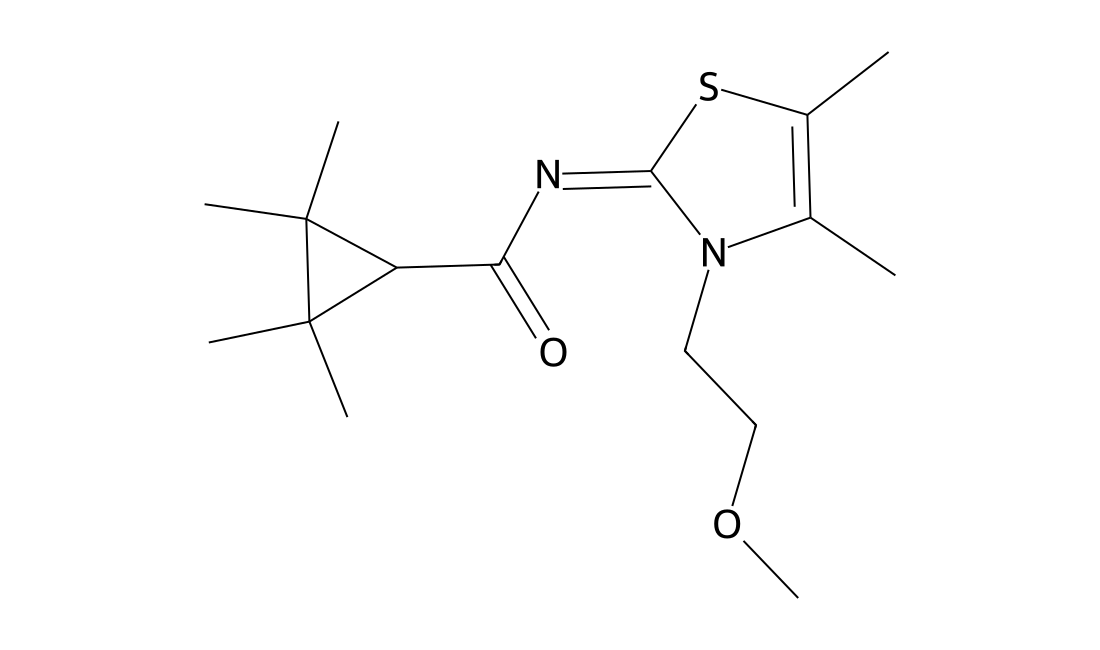
CAS 142557-61-7
In Vitro A-484954 is a highly selective eEF2K inhibitor with an IC50 value of 280 nM against eEF2K in the enzymatic assay and little activity against a wide panel of serine/threonine and tyrosine kinases. In enzymatic assay, the IC50 value of A-484954 is increased as the concentration of ATP increased but unaffected by increasing concentrations of calmodulin. In Vivo A484954 causes relaxation in E (+) and E (-) aorta or mesenteric artery precontracted with NA. Pretreatment with L-NAME but not indomethacin or cimetidine partially inhibits the A484954-induced relaxation in mesenteric artery. Long-term A-484954 treatment inhibits MCT-induced increases PA pressure. It is revealed that A-484954 inhibits MCT-induced PA hypertrophy and fibrosis but not impairment of endothelium-dependent and -independent relaxation. Furthermore, A-484954 inhibits MCT-induced NADPH oxidase-1 expression and ROS generation as well as matrix metalloproteinase-2 activation.
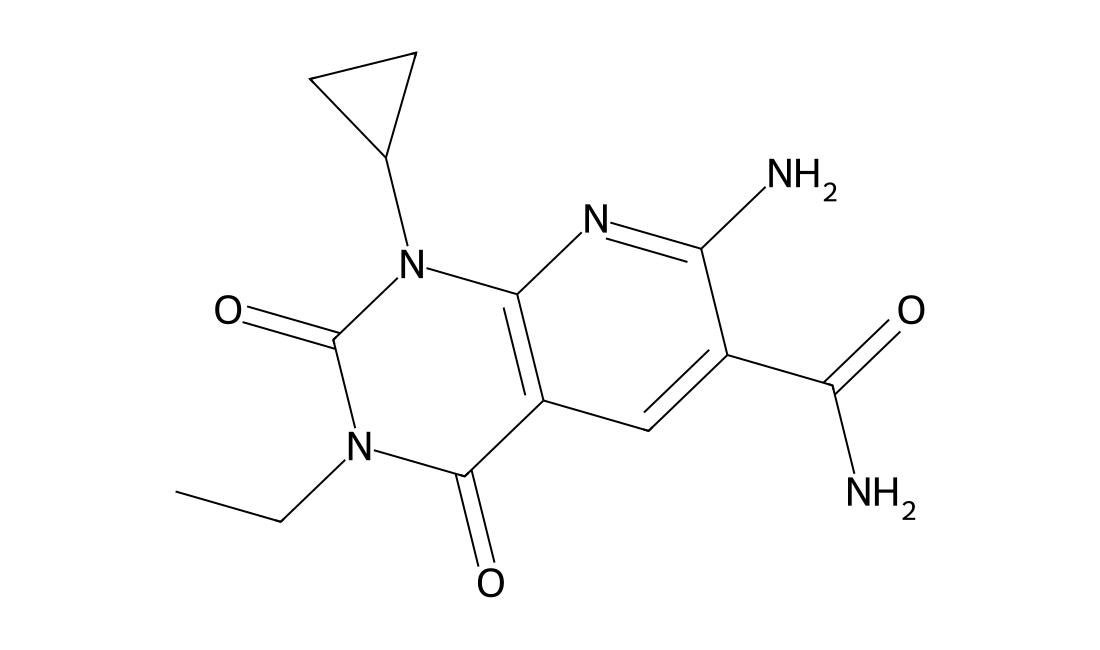
CAS 251992-66-2
A-205804 selectively inhibits the surface expression of the cell adhesion molecules ICAM-1 and E-selectin in human endothelial cells. A-205804 inhibites the IL-1β-induced expression of E-selectin (IC50 = 20 nM) and ICAM-1 (IC50 = 10 nM) with essentially the same level of potency as that For TNFα-induced expression. For reasons which are unclear, the ability of A-205804 to inhibit PMA-induced E-selectin expression is significantly reduced (IC50 > 1000 nM), but A-205804 is a potent inhibitor of ICAM-1 expression (IC50 = 40 nM) using this protein-kinase C-activating agent. For the detailed information of A-205804, the solubility of A-205804 in water, the solubility of A-205804 in DMSO, the solubility of A-205804 in PBS buffer, the animal experiment (test) of A-205804, the cell expriment (test) of A-205804, the in vivo, in vitro and clinical trial test of A-205804, the EC50, IC50,and Affinity of A-205804, Please contact DC Chemicals.
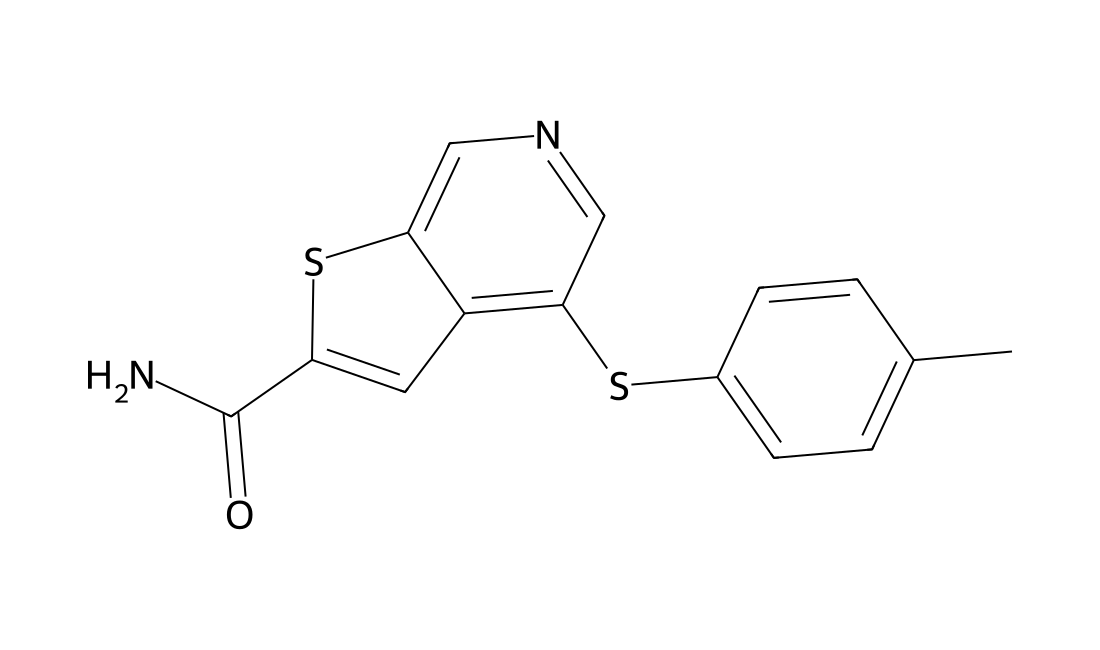
CAS 27833-64-3
A typical antipsychotic agent that displays an extremely strong binding affinity for dopamine D4 and serotonin 5-HT2 receptors.SchizophreniaApproved
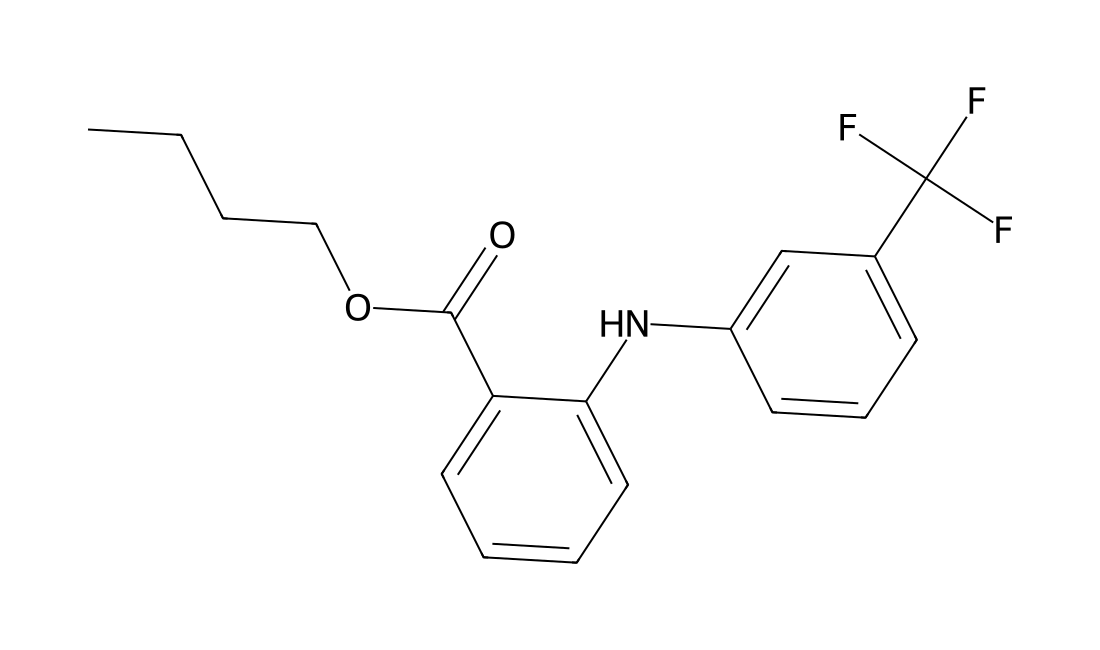
CAS 67330-25-0
A topical analgesic that possesses anti-inflammatory effect for treatment of skin diseases, such as acute and chronic eczema, contact dermatitis, diaper dermatitis, miliaria and atopic dermatitis.
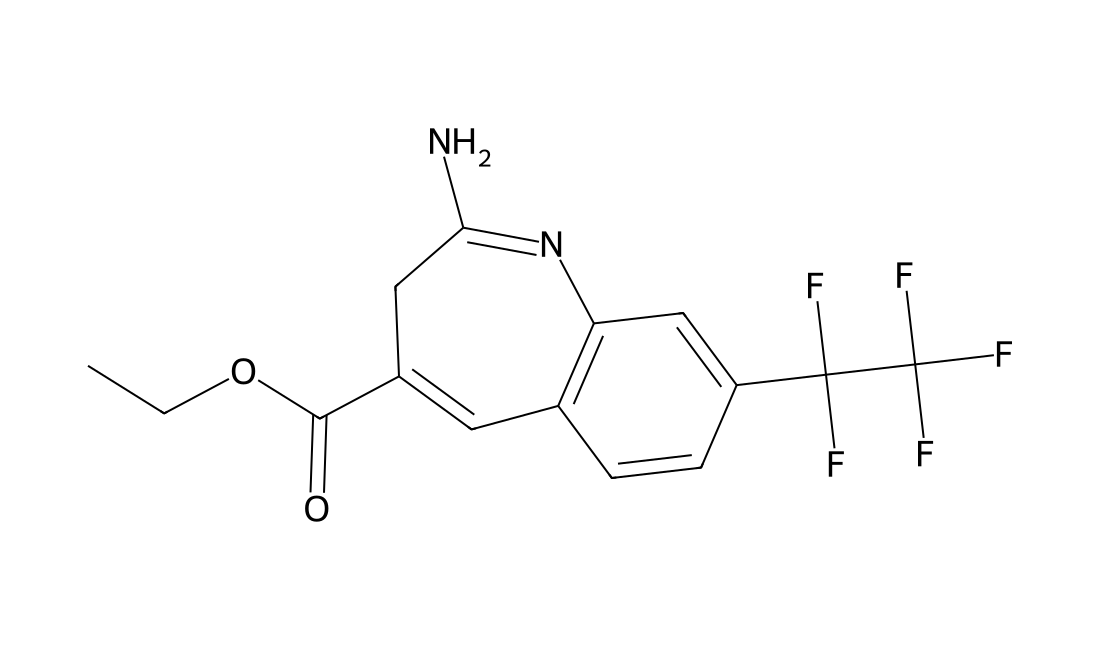
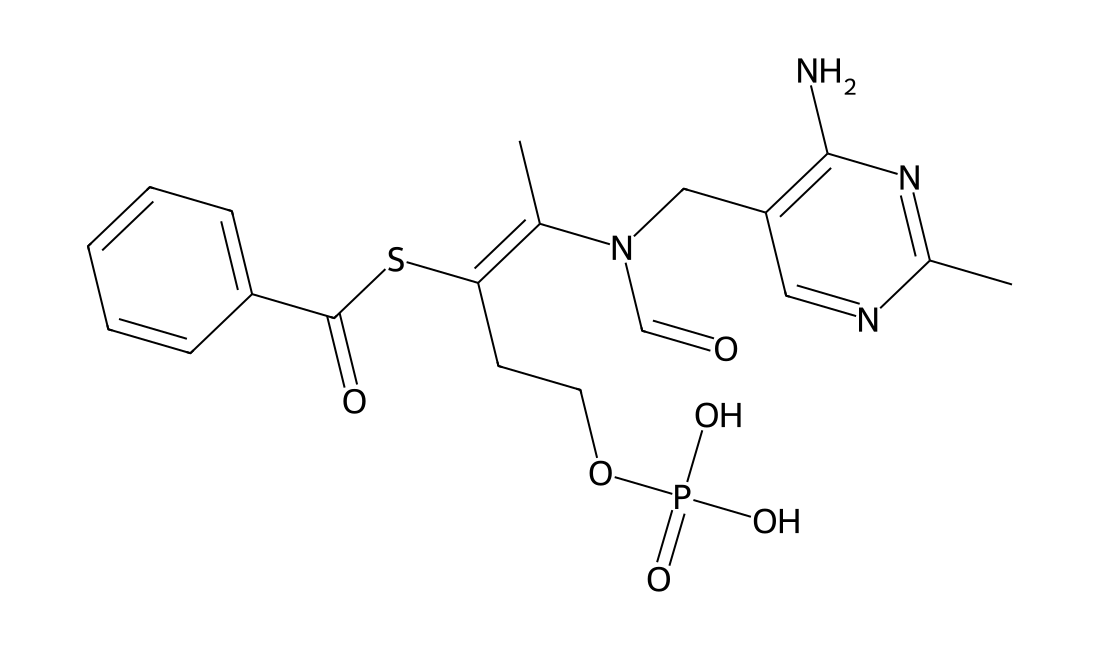
CAS 22457-89-2
A synthetic S-acyl derivative of thiamine (vitamin B1) that possesses anti-inflammatory effects; upregulates antioxidative system in activated BV-2 microglia cells; significantly improves the cognitive abilities of mild to moderate AD patients independently of brain amyloid accumulation.
CAS 88678-31-3
For the detailed information of liranaftate, the solubility of liranaftate in water, the solubility of liranaftate in DMSO, the solubility of liranaftate in PBS buffer, the animal experiment(test) (test) of liranaftate, the cell expriment (test) of liranaftate, the in vivo, in vitro and clinical trial test of liranaftate, the EC50, IC50,and Affinity of liranaftate,, please contact DC Chemicals.
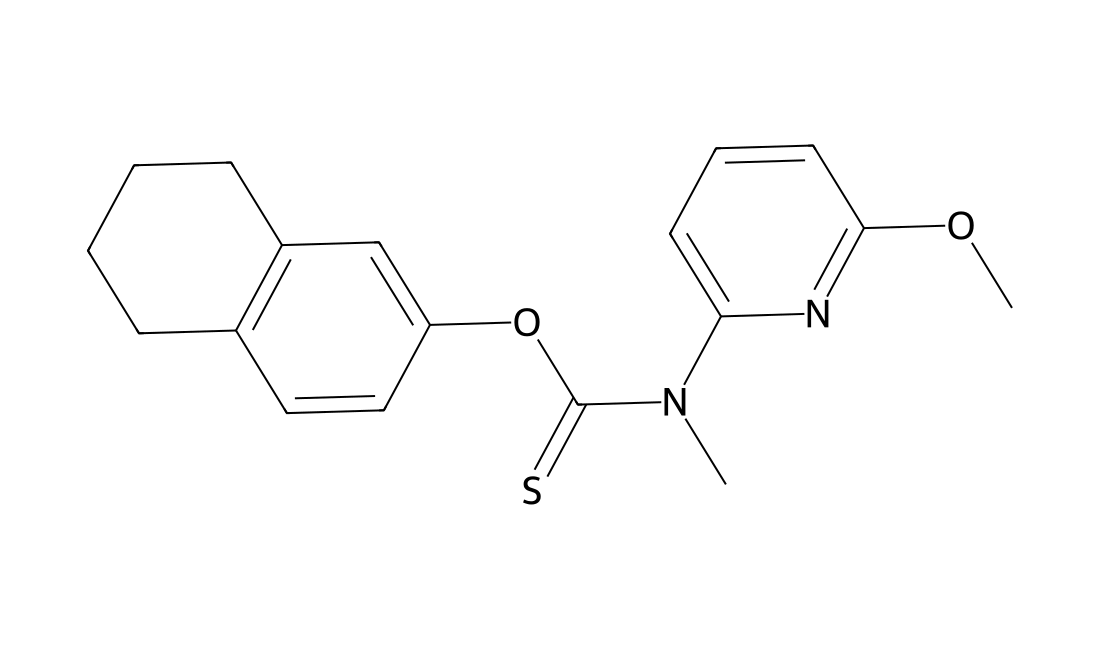
CAS 887603-94-3
A small molecule cognitive enhancer that potentiates acetylcholine-mediated facilitation of inhibitory synaptic transmission in the hippocampal neurons; increases the extracellular ACh in the cortex and hippocampus and enhances nicotine-stimulated ACh release in the hippocampus in normal rats, without affecting nAChRs.Alzheimer's DiseasePhase 2 Discontinued
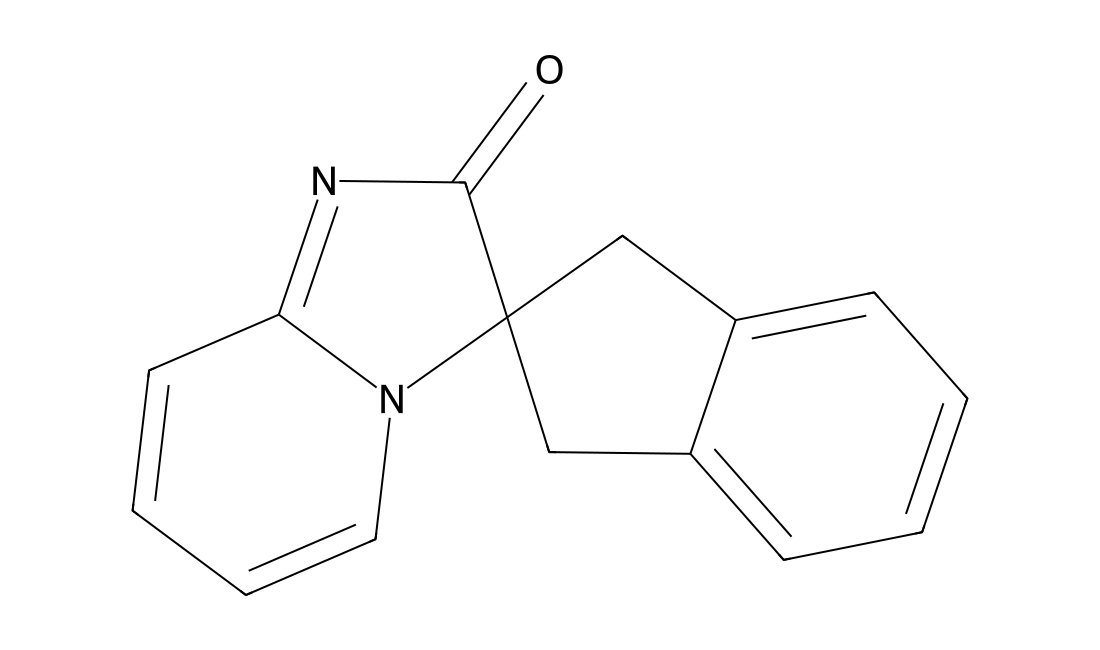
CAS 944153-47-3
A small molecule autophagy enhancer that induces autophagy independently of rapamycin in mammalian cells and enhances the clearance of autophagy substrates such as mutant huntingtin and A53T alpha-synuclein; reduces toxicity in Huntington's disease models.
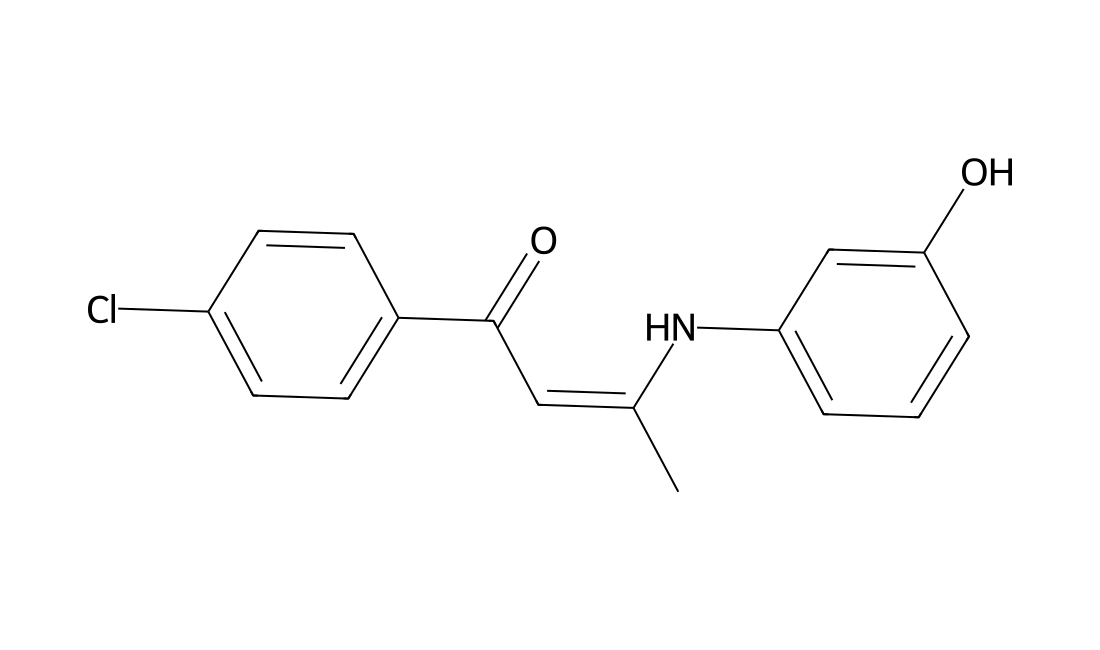
CAS 29110-47-2
A selective α2A receptor agonist that can reduce peripheral sympathetic outflow and thus cansues a reduction in peripheral sympathetic tone; a sympatholytic agent used to treat hypertension and attention deficit hyperactivity disorder (ADHD).HypertensionApproved
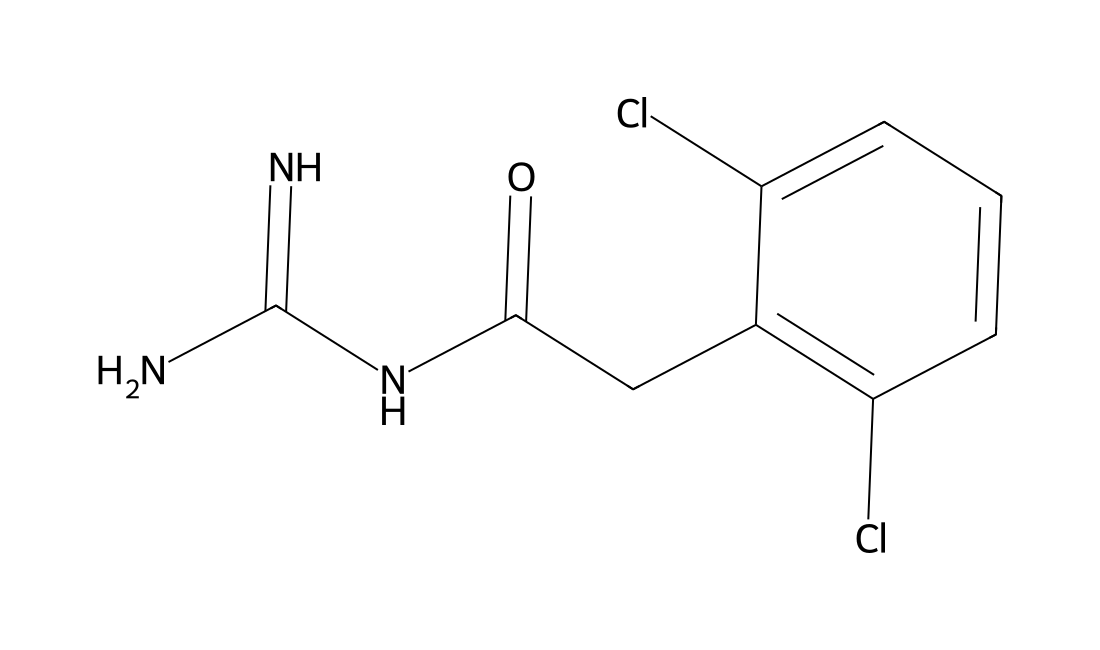
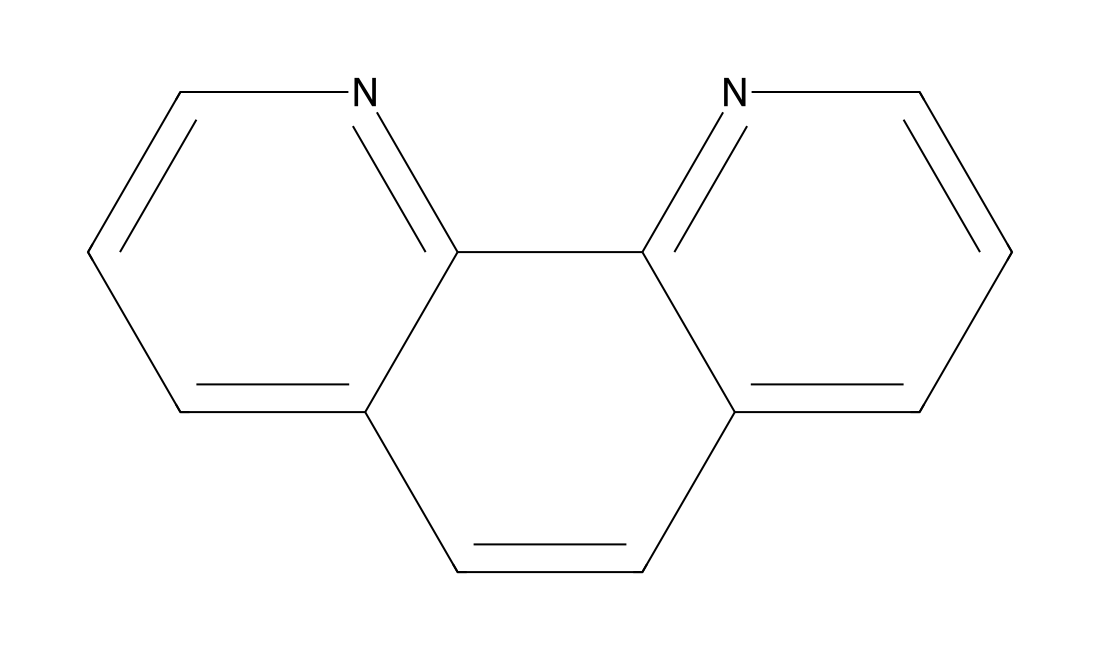
CAS 66-71-7
A selective inhibitor of 26S proteasome subunit Rpn11 with IC50 of 10±2 uM; shows no activity for other DUBs (USP1/USP2/USP4/USP5/USP7/USP8/USP20/UCH37, IC50>50 uM); blocks cellular proteasome function, induces apoptosis in MM cells and overcomes resistance to proteasome inhibitor bortezomib, activates caspase cascade and endoplasmic stress response signaling; reduces progression of tumor growth and prolongs survival in mice MM xenograft model.
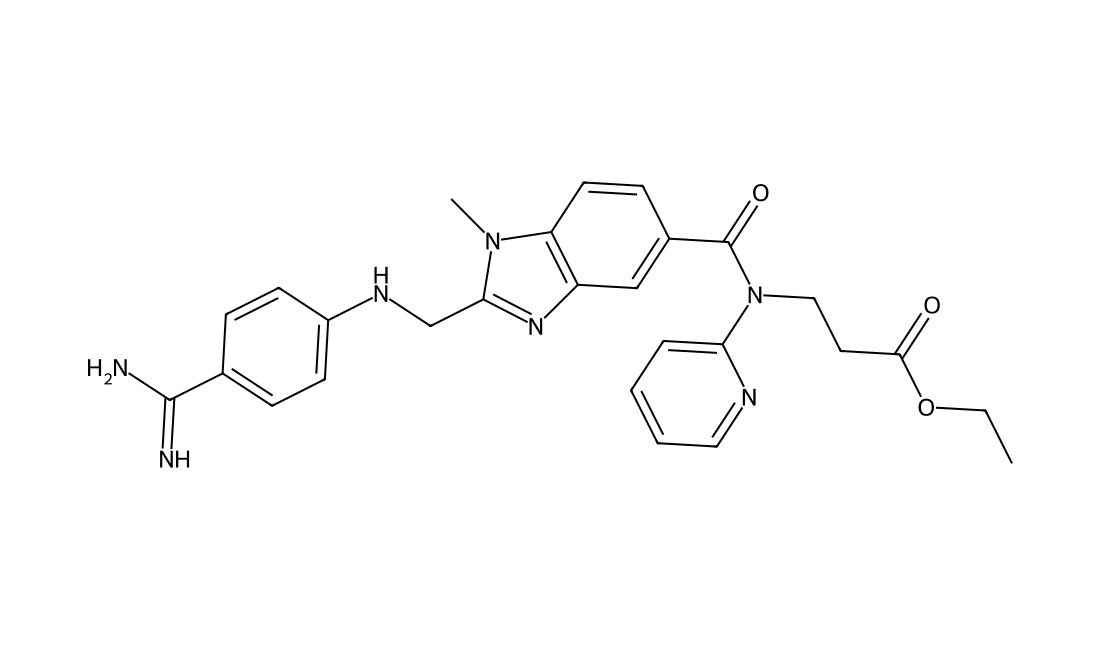
CAS 429658-95-7
A reversible and selective, direct thrombin inhibitor (DTI) with Ki value of 4.5 nM; an anticoagulant agent used to prevent stroke with atrial fibrillation.ThrombosisApproved
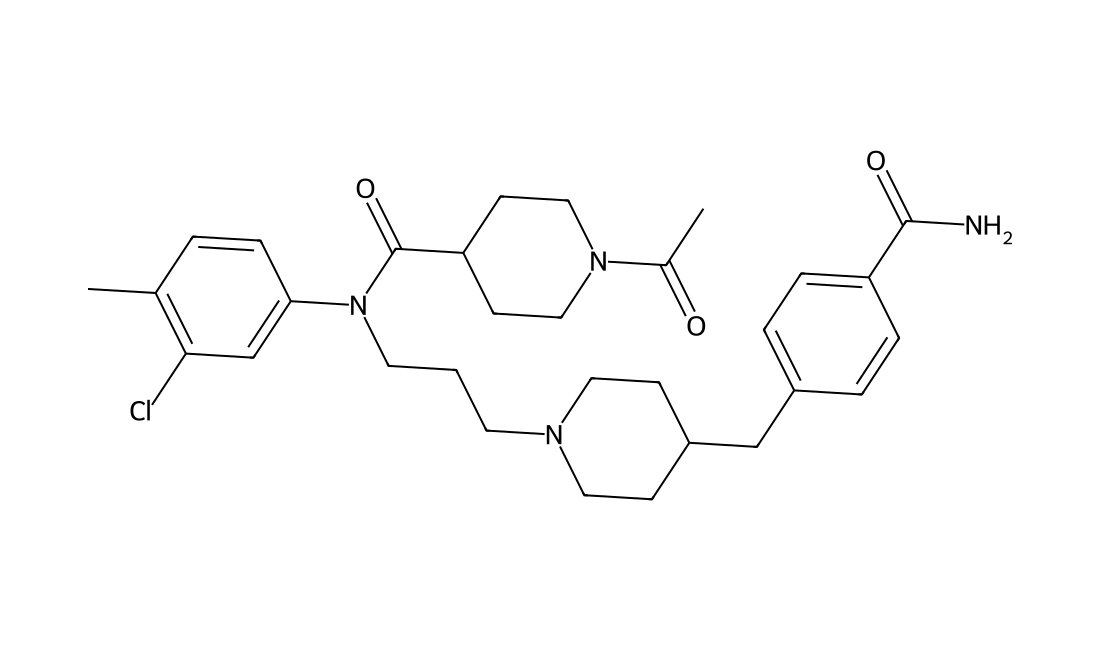
CAS 333994-00-6
A potent, specific, orally bioavailable CCR5 antagonist that blocks the binding of MIP-1α to CCR5 with IC50 of 1.4 nM; shows no affinity for CCR1, CCR2b, CCR3, CCR4, or CCR7; inhibits the replication of 6 CCR5-using (R5) HIV-1 clinical isolates in peripheral blood mononuclear cells (PBMCs) with mean EC90 of 13 nM; selectively inhibits R5 HIV-1 replication by interfering with coreceptor-mediated entry of the virus into host cells; exhibits a good pharmacokinetic profile in monkeys.HIV InfectionPhase 1 Clinical
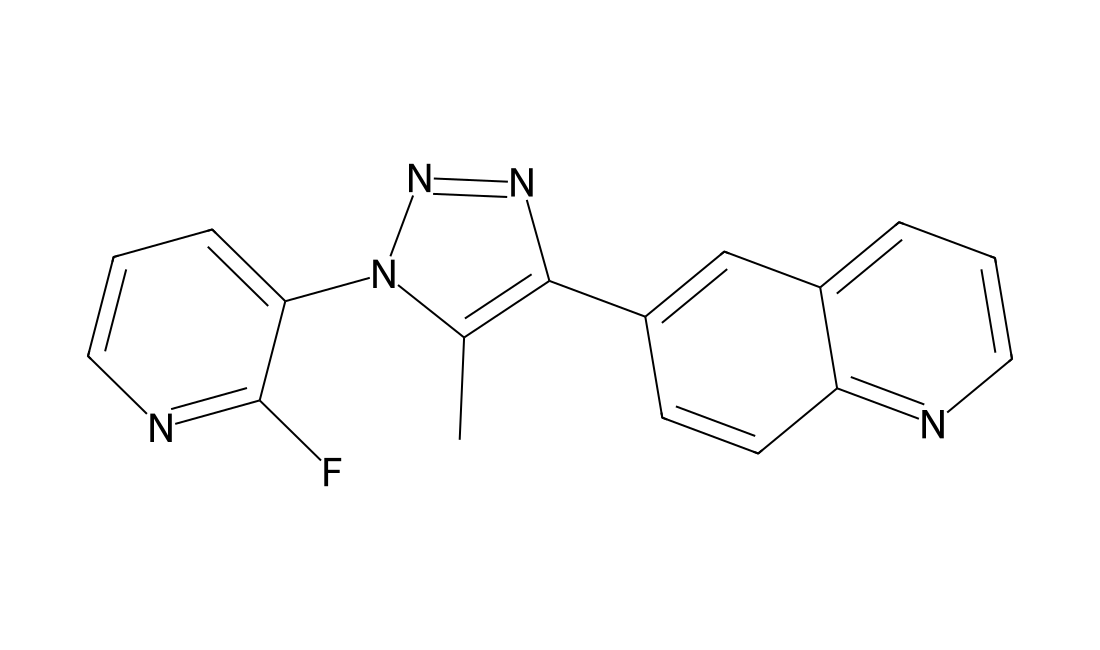
CAS 864863-72-9
A potent, specific and allosteric mGluR1 antagonist with IC50 of 6 nM and 1.4 nM for human and mouse mGluR1, respectively.
CAS 289479-94-3
A potent, small molecule fetal hemoglobin (HbF) inducer with EC50 of 100 nM; At 100 nM, increases γ-globin expression (2.9- and 3.7-fold increase in KU812 cell and K562 cell, respectively) to higher levels than 50–100 uM hydroxyurea; a useful starting point for the generation of compounds that can be used for the treatment of SCD.
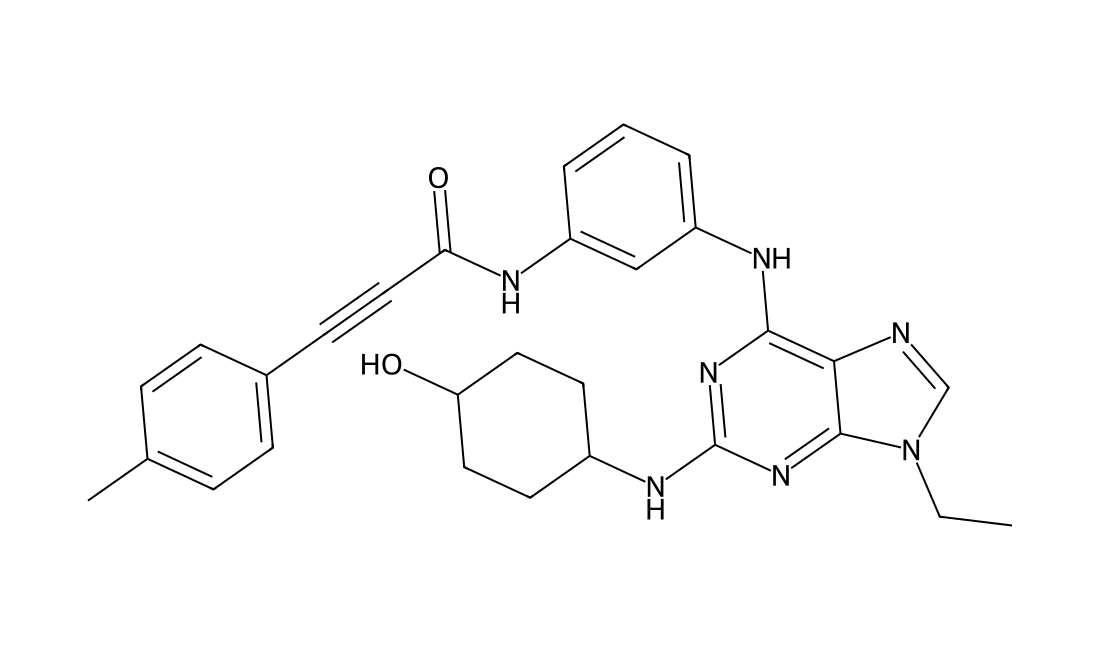
CAS 924296-18-4
A potent, selective ubiquitin-specific protease USP8 inhibitor with IC50 of 0.85 uM; shows no inhibitory activity for USP7 (IC50>100 uM).
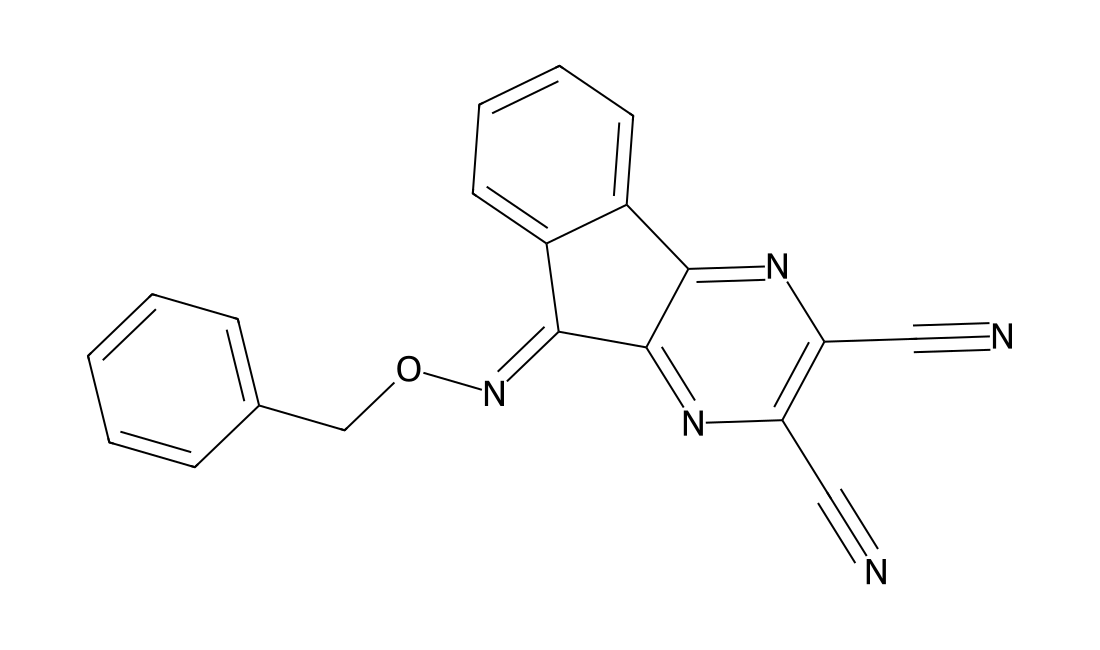
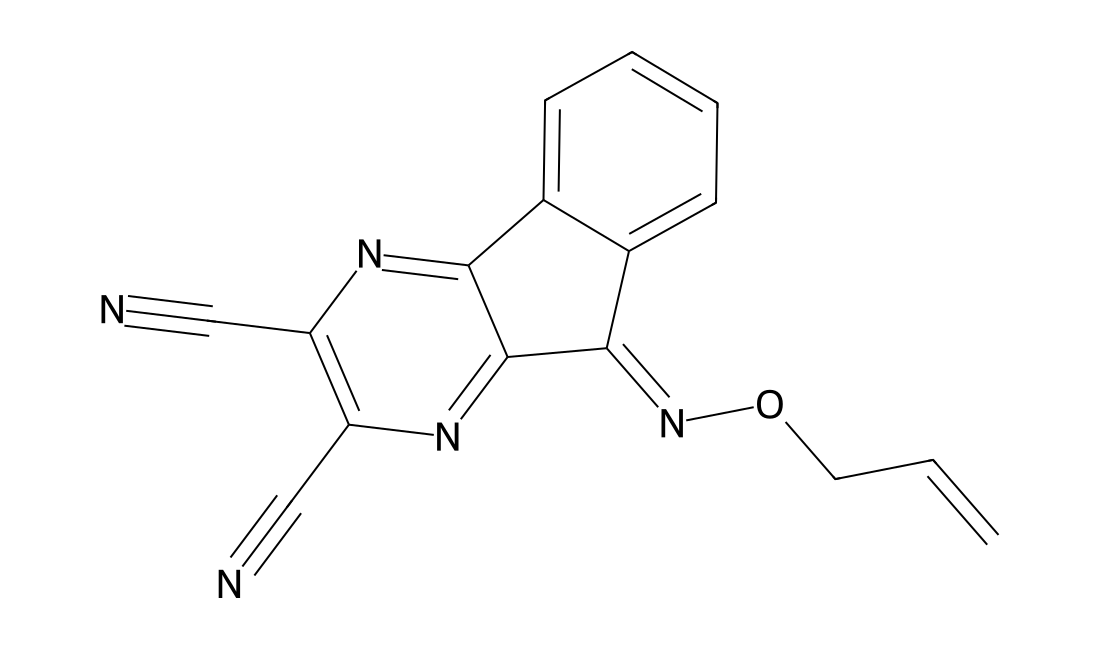
CAS 924296-17-3
A potent, selective ubiquitin-specific protease USP8 inhibitor with IC50 of 0.56 uM; shows no inhibitory activity for USP7, USP5, SENP1, Uch-L3, and caspase 3 (IC50>100 uM), and displays partial activity against Uch-L3; inhibits the viability of HCT116 colon and PC-3 prostate cancer cell lines with IC50 values in the 0.5-1.5 uM range.
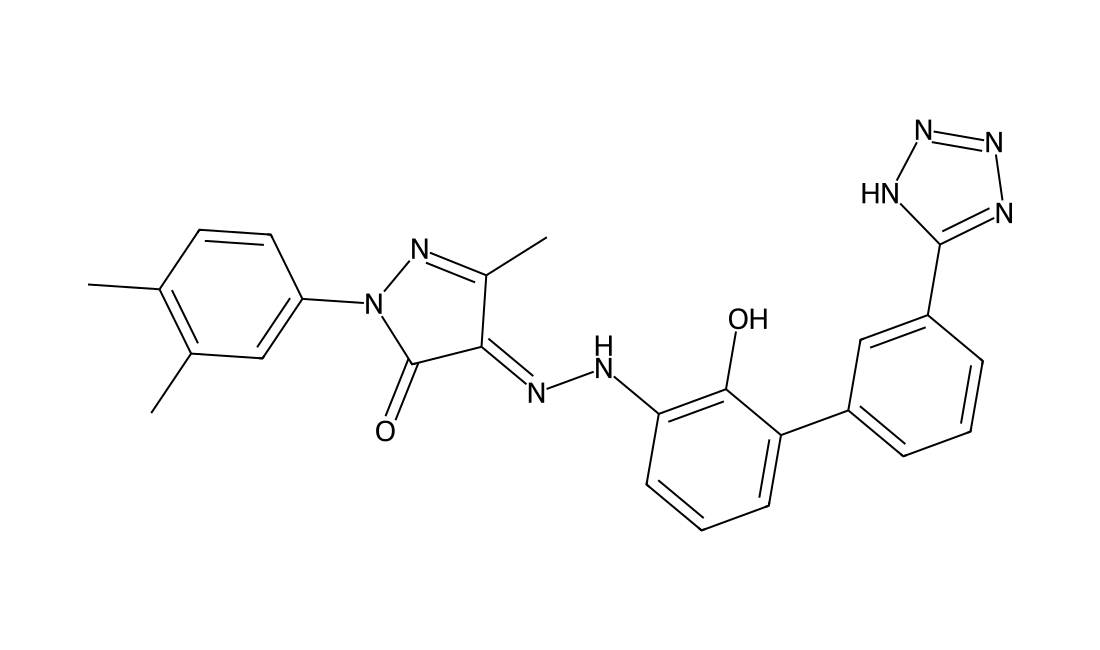
CAS 509102-00-5
A potent, selective small molecule Mcl-1 inhibitor that selectively targets the BH3-binding groove of Mcl-1; effectively competes with FITC-MCL-1 SAHBA and FITC-BID BH3 for MCL-1ΔNΔC binding with IC50 of 4.7 and 4.8 uM, respectively; shows no activity for Bcl-xL; induces caspase activation and leukemia cell death in the specific context of MCL-1 dependence.