Small Molecule Research Tools

Explore bioactive compounds by research category, then narrow your search by target, product name, catalog number or CAS.

Newly added: LC-MG and OXF molecular glue research compounds →

6,823 products17 research categoriesBrowse all products ↓

Browse by research category

Products may appear in more than one category. Counts refer to distinct catalog numbers within each category.

Other Research Tools (75) · Additional reagents, building blocks and specialized research tools.

New literature-derived products

LC-MG-1 (DCA0006) · LC-MG-4 (DCA0007) · LC-MG-9 (DCA0008)

View structure and evidence summaries →

All small molecule products

Combine a keyword, research category and target to narrow the product list.

Loading catalog filters…

6,823 products · Showing 4,273–4,320

DC10256

Diflunisal

CAS 22494-42-4

Diflunisal is a difluorophenyl derivate of salicylic acid and a nonsteroidal anti-inflammatory drug (NSAID) with antipyretic, analgesic and anti-inflammatory properties. The mechanism of action of diflunisal is as a Cyclooxygenase Inhibitor.

Diflunisal chemical structure
DC12140

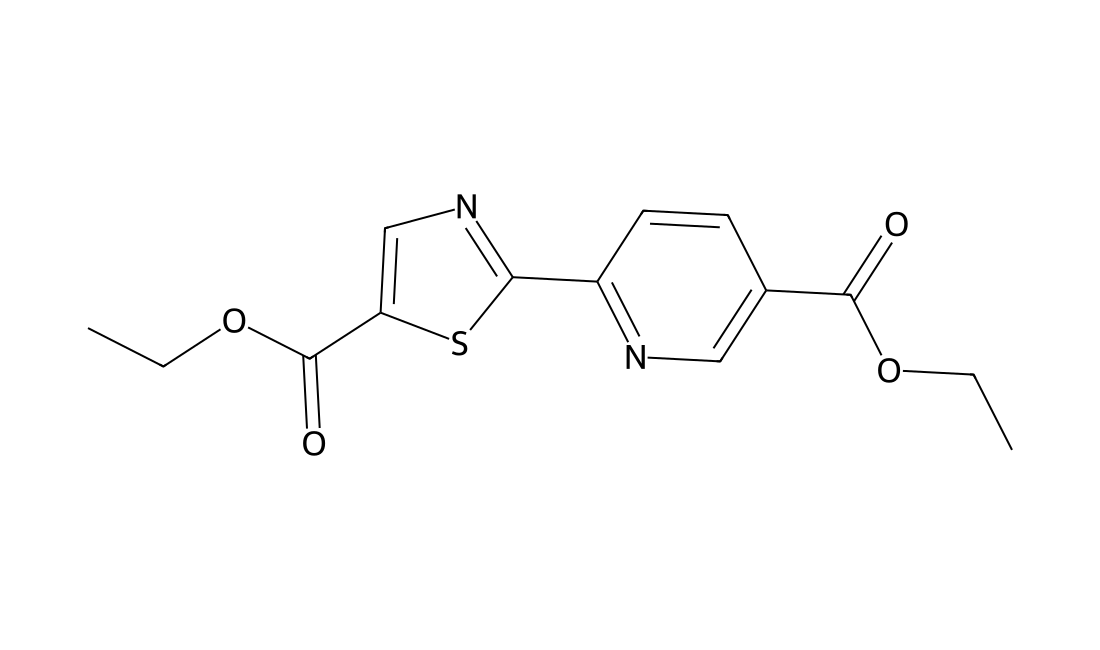
Diethyl-pythiDC

CAS 1821370-70-0

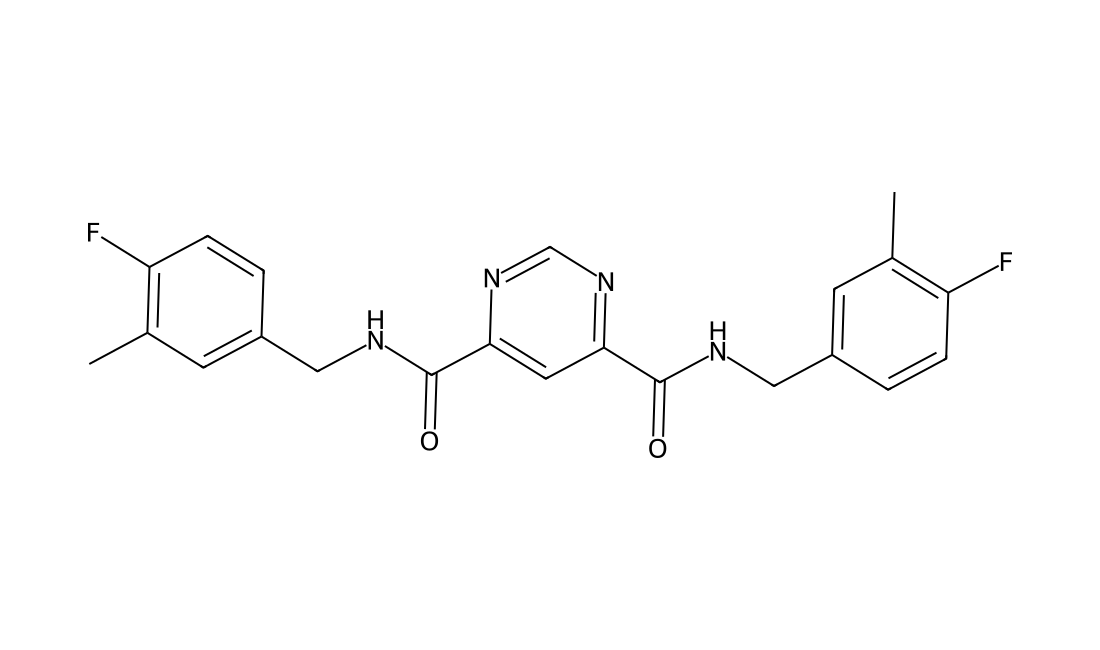
In Vitro Diethyl-pythiDC inhibits CP4H activity in cultured cells at concentrations that do not cause iron deficiency. MDA-MB-231 cells are treated with biheteroaryl dicarboxylates, and assayed for cytotoxicity and indicators of iron deficiency. None of the esterified biheteroaryl dicarboxylates exhibited cytotoxic activity at high micromolar concentrations. Cells treated with dihydroxybenzoate (EDHB demonstrate a strong iron-deficient phenotype. In contrast, cells treated with Diethyl-pythiDC (Diethyl pythiDC) appear to be normal at concentrations as high as 500 µM. Treatment with Diethyl-pythiDC and low levels of diethyl pyimDC does not affect the level of TfR, HIF-1α, or ferritin.

Diethyl-pythiDC chemical structure
DC10270

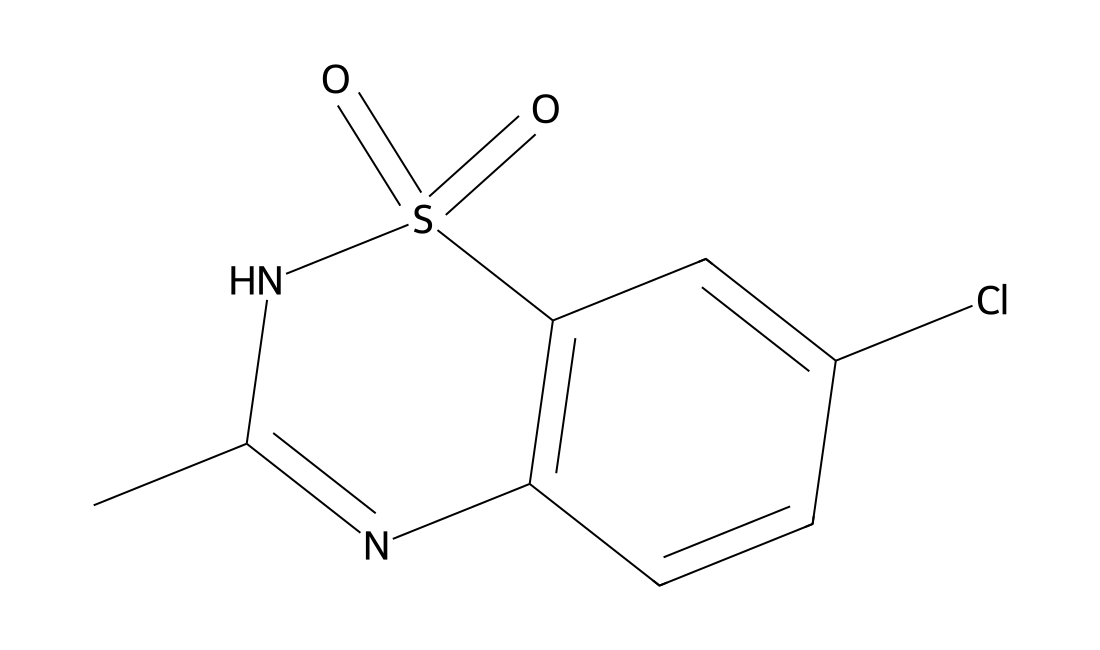
Diazoxide

CAS 364-98-7

Diazoxide is a well-known small molecule that activates KATP channels in the smooth muscle of blood vessels and pancreatic beta-cells by increasing membrane permeability to potassium ions.

Diazoxide chemical structure
DC9414

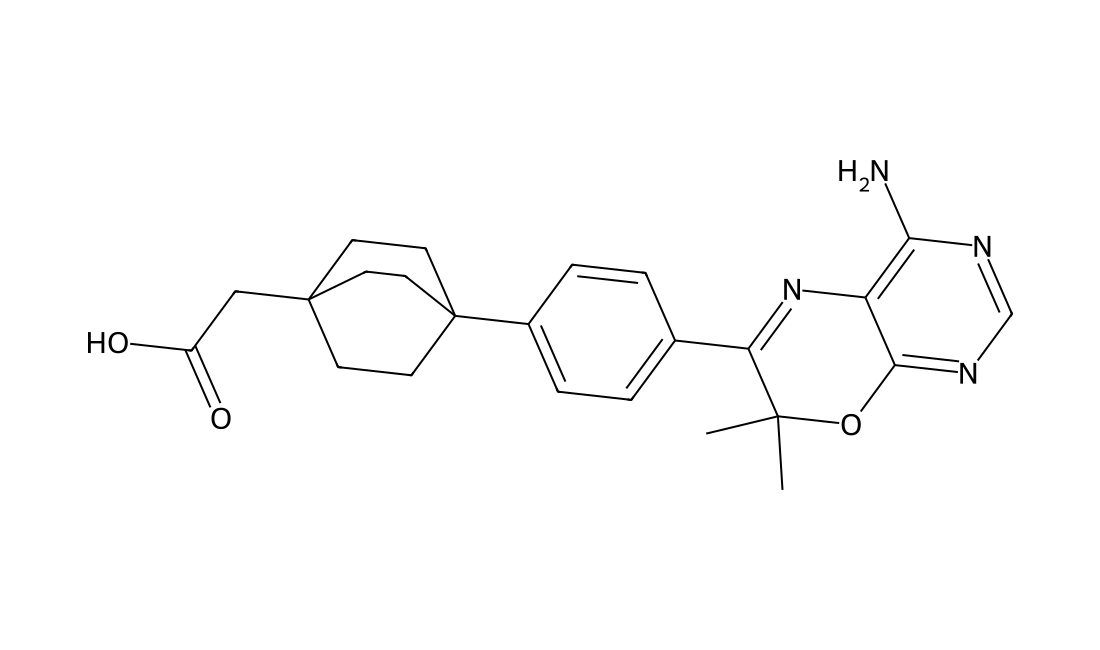
DGAT-1 inhibitor 2

CAS 942999-61-3

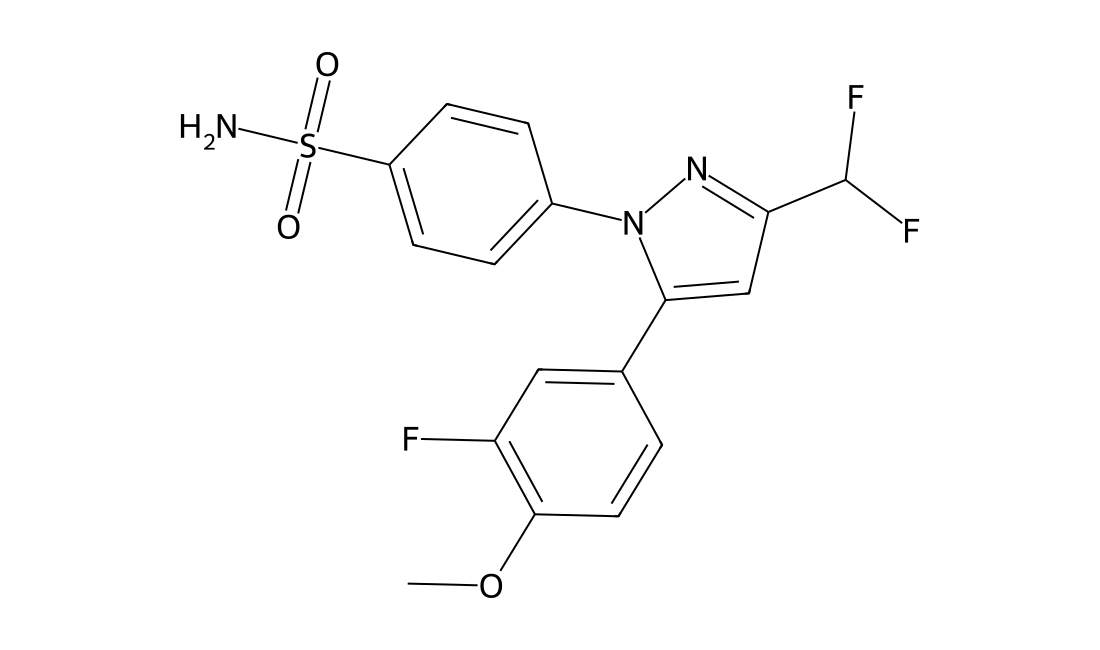
DGAT-1 inhibitor 2 is an effective inhibitor of DGAT-1;antiobesity agents. Acyl-CoA:diacylglycerol acyltransferase 1 (DGAT1) is one of two known DGAT enzymes that catalyze the final step in triglyceride synthesis. Findings from genetically modified mice as well as pharmacological studies suggest that inhibition of DGAT1 is a promising strategy for the treatment of obesity and type 2 diabetes.

DGAT-1 inhibitor 2 chemical structure
DC8097

Detomidine hydrochloride

CAS 90038-01-0

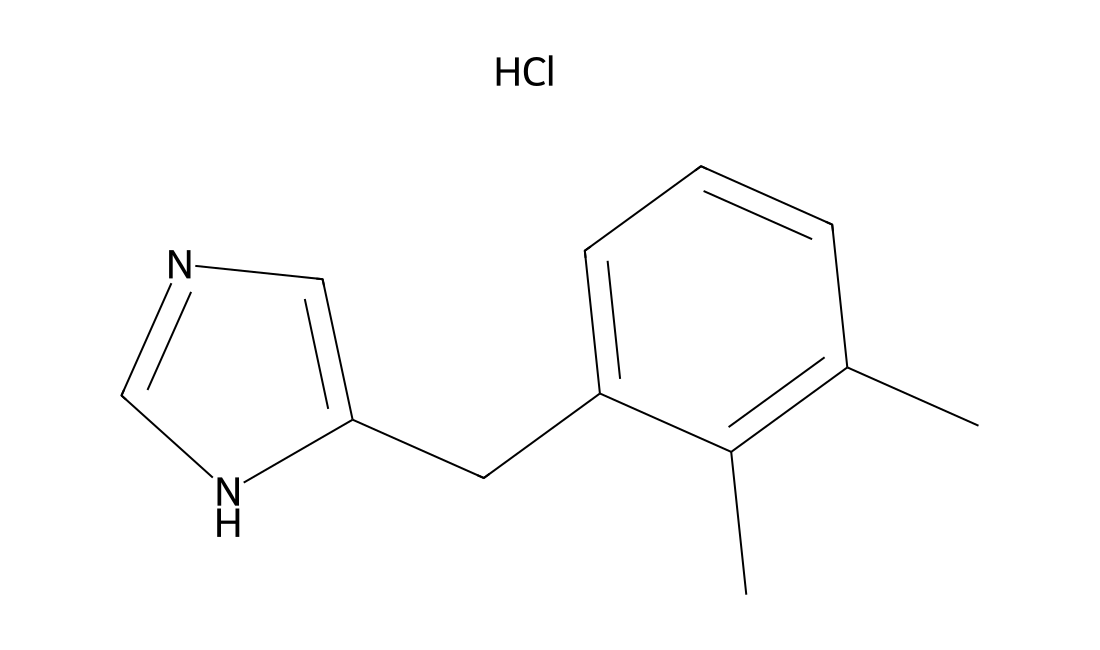
Detomidine is an imidazole derivative and α2-adrenergic agonist, used as a large animal sedative, primarily used in horses. It is usually available as the salt detomidine hydrochloride. It is a prescription medication available to veterinarians sold under the trade name Dormosedan. Currently, detomidine is only licenced for use in horses. Detomidine is a sedative with analgesic properties. α2-adrenergic agonists produce dose-dependent sedative and analgesic effects, mediatated by activation of α2 catecholamine receptors, thus inducing a negative feedback response, reducing production of excitatory neurotransmitters. Due to inhibition of the sympathetic nervous system, detomidine also has cardiac and respiratory effects and an antidiuretic action. For the detailed information of Detomidine hydrochloride, the solubility of Detomidine hydrochloride in water, the solubility of Detomidine hydrochloride in DMSO, the solubility of Detomidine hydrochloride in PBS buffer, the animal experiment (test) of Detomidine hydrochloride, the cell expriment (test) of Detomidine hydrochloride, the in vivo, in vitro and clinical trial test of Detomidine hydrochloride, the EC50, IC50,and affinity,of Detomidine hydrochloride, For the detailed information of Detomidine hydrochloride, the solubility of Detomidine hydrochloride in water, the solubility of Detomidine hydrochloride in DMSO, the solubility of Detomidine hydrochloride in PBS buffer, the animal experiment (test) of Detomidine hydrochloride, the cell expriment (test) of Detomidine hydrochloride, the in vivo, in vitro and clinical trial test of Detomidine hydrochloride, the EC50, IC50,and affinity,of Detomidine hydrochloride, Please contact DC Chemicals.

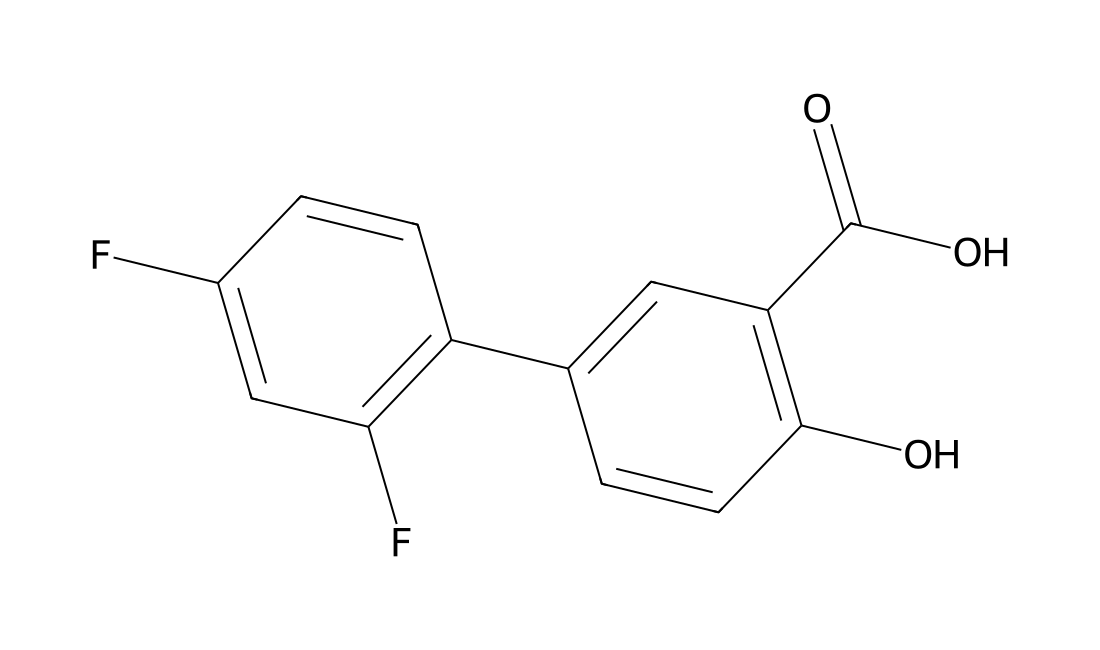
Detomidine hydrochloride chemical structure
DC9057

Desloratadine

CAS 100643-71-8

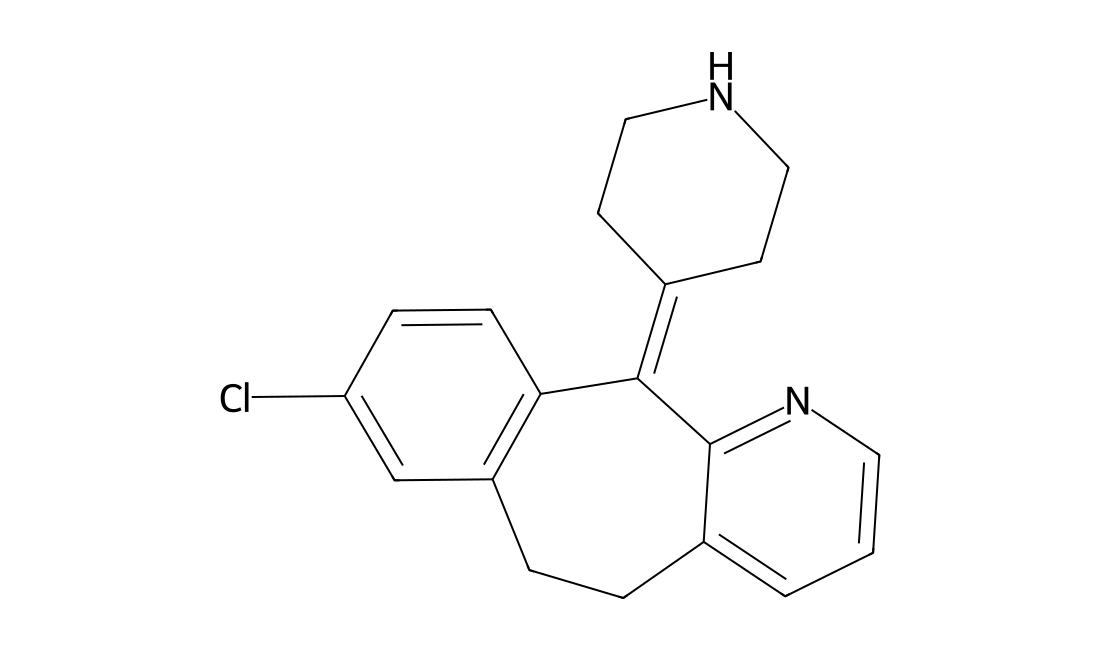
Desloratadine(Sch34117) is a potent antagonist for human histamine H1 receptor used to treat allergies.Desloratadine binds to the human H1 receptor with Ki value of 0.87 nM in displacing tritiated mepyramine. Desloratadine (100 nM to 10 μM) inhibits both IgE-mediated and non-IgE-mediated generation of the cytokines IL-4 and IL-13 by human basophils. Desloratadine (300 nM to 100 μM) inhibits both IgE and non-IgE-mediated histamine release from human peripheral blood basophils. Desloratadine (0.1 μM to 10 μM) is also shown to inhibit platelet-activating factor-induced eosinophil chemotaxis and TNF-α-induced eosinophil adhesion in eosinophils obtained from patients with allergic rhinitis or allergic asthma. Desloratadine (1 μM-10 μM) dose-dependently inhibits the release of histamine and LTC4 from human basophils. Desloratadine (0.1 μM-10 μM) dose-dependently inhibits IL-13 secretion from basophils activated with IL-3 and PMA from human basophils. Desloratadine (10 μM) pretreatment results in a substantial decrease of the induced cytokine message in cultured basophils. Desloratadine (10 μM) pretreatment causes approximately an 80% reduction in the IL-4 message accumulated with anti-IgE activation in cultured basophils. Desloratadine (10 μM) also inhibits the histamine and IL-4 protein secreted into the supernatants of cultured basophils. [3H]Desloratadine binds to the human histamine H1 receptor expressed in CHO cells with Kd of 1.1 nM. Desloratadine is 52, 57, 194, and 153 times more potent than cetirizine, ebastine, fexofenadine, and loratadine, respectively, in competition-binding studies.

Desloratadine chemical structure
DC10111

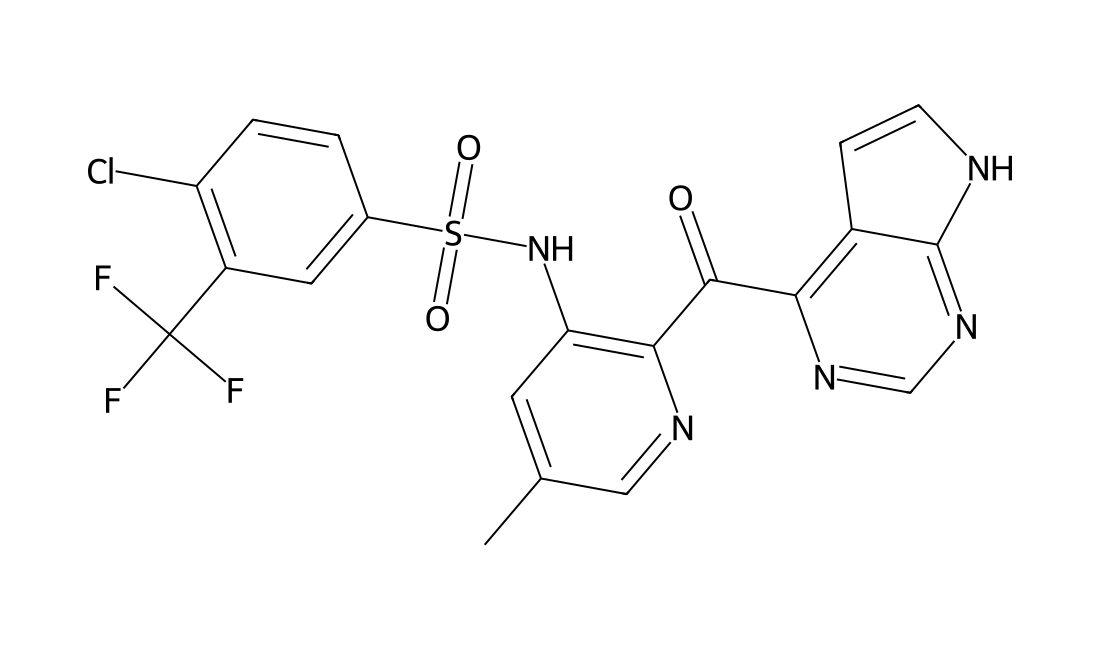
Debio 0617B

CAS 1332329-27-7

Debio 0617B has been developed as a first-in-class kinase inhibitor with a unique profile targeting phospho-STAT3 (pSTAT3) and/or pSTAT5 in tumors through combined inhibition of JAK, SRC, ABL, and class III/V receptor tyrosine kinases (RTK). Debio 0617B showed dose-dependent inhibition of pSTAT3 in STAT3-activated carcinoma cell lines; Debio 0617B also showed potent antiproliferative activity in a panel of cancer cell lines and in patient-derived tumor xenografts tested in an in vitro clonogenic assay. Debio 0617B showed in vivo efficacy by inhibiting tumor growth in several mouse xenograft models. To increase in vivo efficacy and STAT3 inhibition, Debio 0617B was tested in combination with the EGFR inhibitor erlotinib in a non-small cell lung cancer xenograft model.

Debio 0617B chemical structure
DC20942

DB04760

CAS 544678-85-5

DB04760 is a potent, highly selective, non–zinc-chelating MMP-13 inhibitor with IC50 of 8 nM, displays high selectivity over other MMPs; does not interact with the catalytic zinc but bind deeply in the S1' pocket of MMP-13; significantly rescues axon regeneration and axon debris clearance, greatly reduces neurotoxicity associated with paclitaxel treatment in larval and adult zebrafish.

DB04760 chemical structure
DC10259

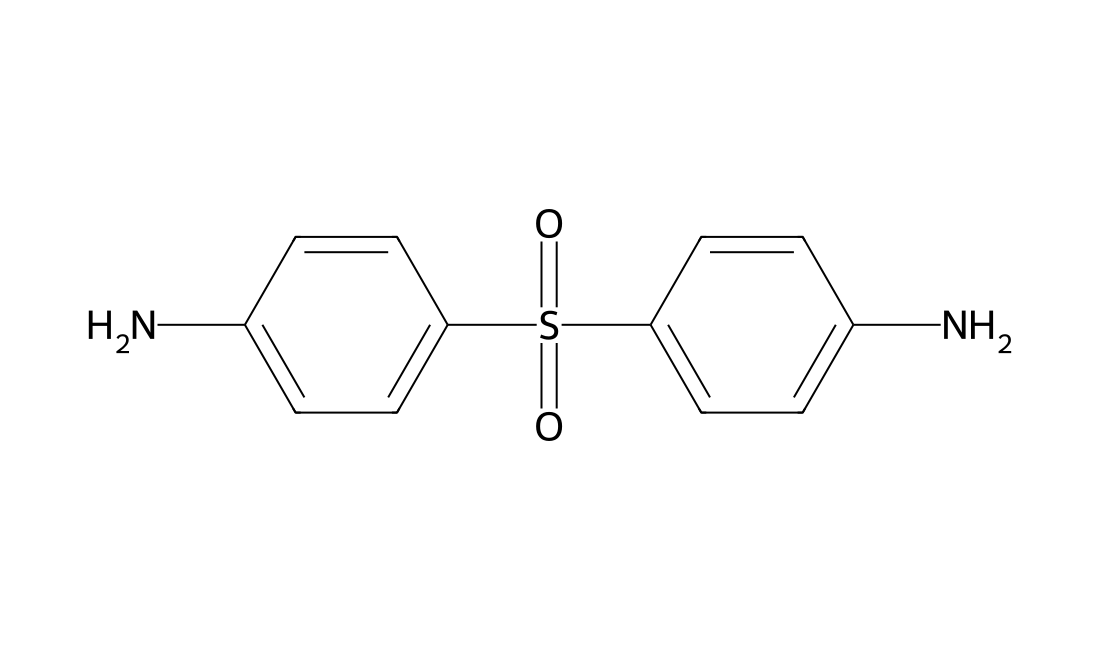
Dapson

CAS 80-08-0

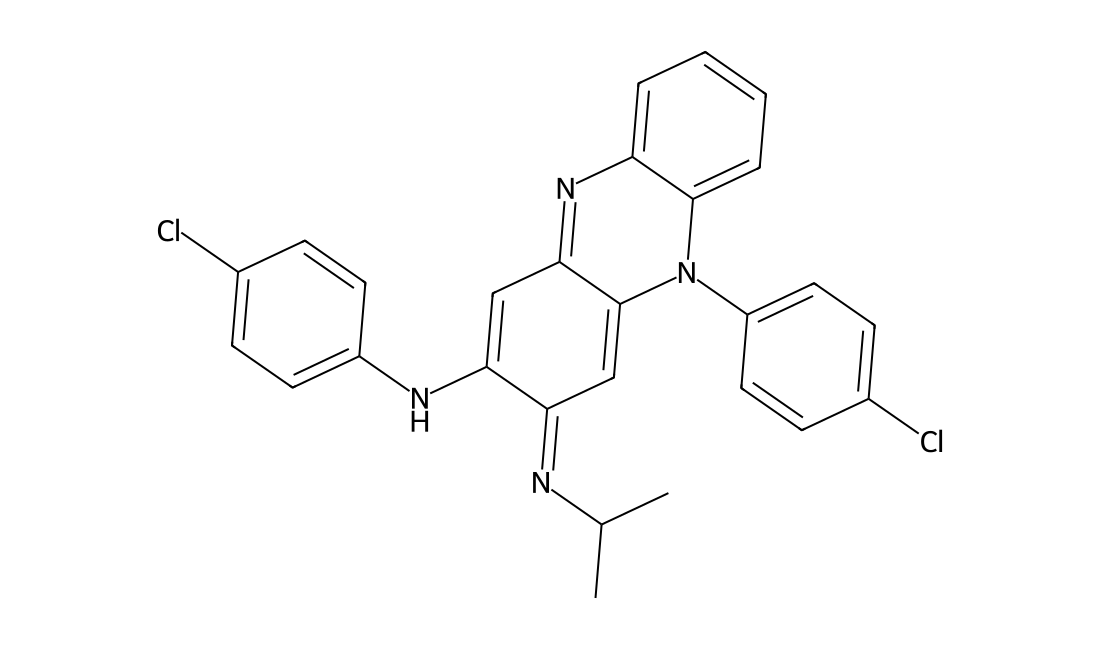
Dapsone, also known as diaminodiphenyl sulfone (DDS), is an antibiotic commonly used in combination with rifampicin and clofazimine for the treatment of leprosy.

Dapson chemical structure
DC10576

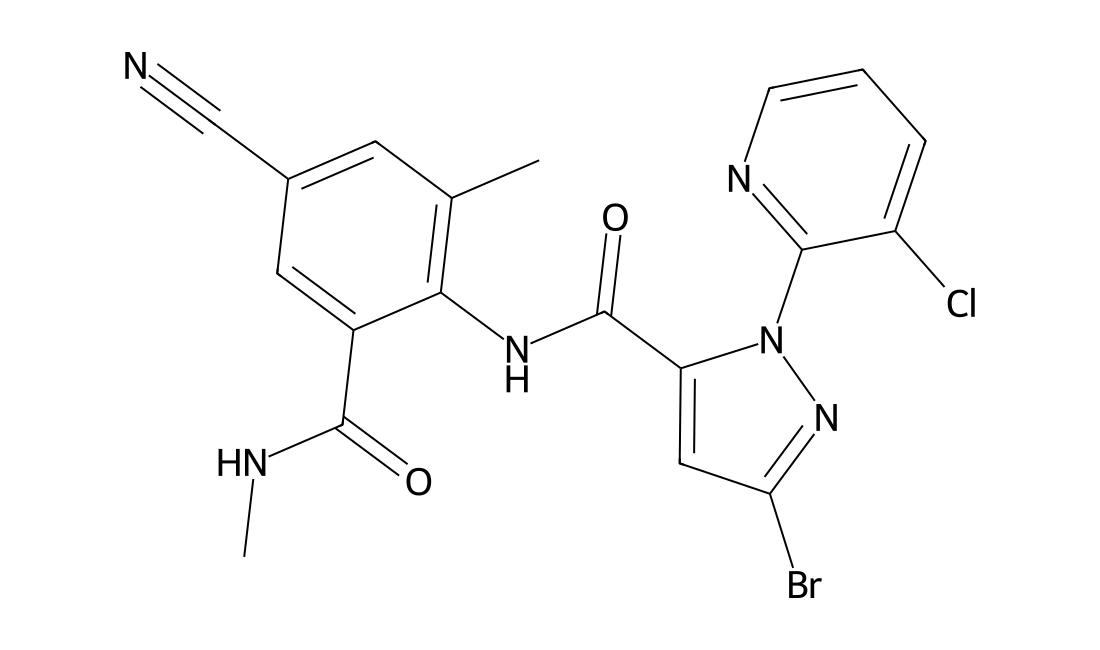
Cyantraniliprole

CAS 736994-63-1

Cyantraniliprole(HGW-86) is an insecticide of the ryanoid class; has activity against pests such as Diaphorina citri that have developed resistance to other classes insecticides.

Cyantraniliprole chemical structure
DC10203

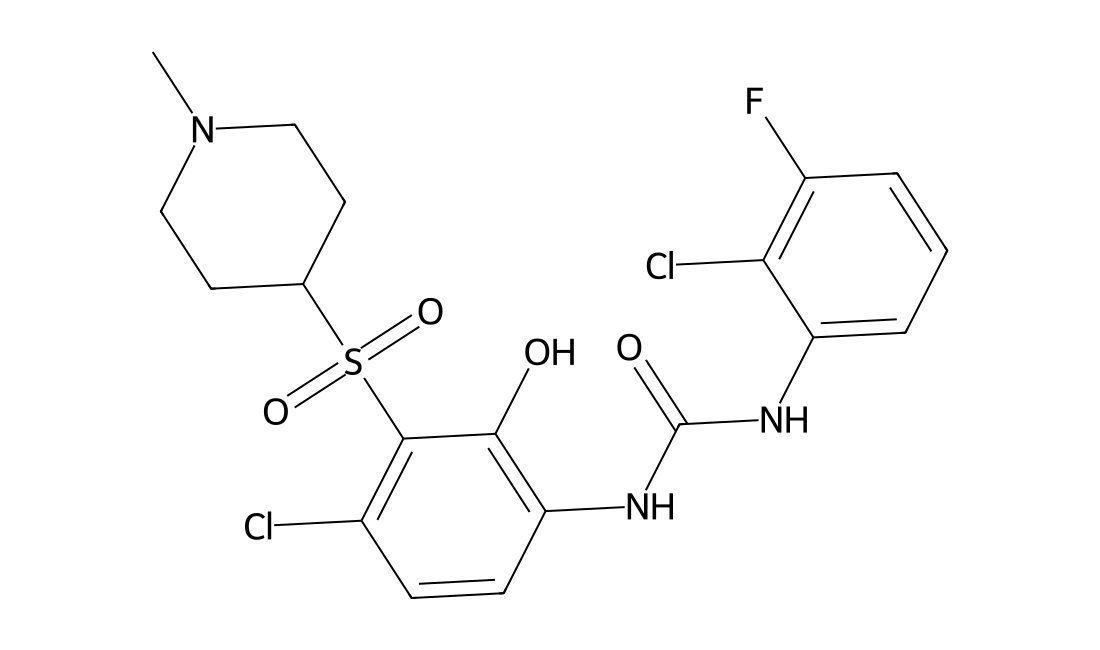
CXCR2-IN-1

CAS 1873376-49-8

CXCR2 plays an important role in the activation and recruitment of neutrophils to sites of inflammation. CXCR2-IN-1 shows favorable central nervous system penetration property (Br/Bl>0.45).CXCR2-IN-1 shows efficacy in a cuprizone-induced demyelination model through oral administration, providing evidence to support CXCR2 to be a potential therapeutic target to treat demyelinating diseases such as multiple sclerosis.

CXCR2-IN-1 chemical structure
DC12291

CVT-12012

CAS 1018675-35-8

In Vitro CVT-12012 (Compound 5b) displays the highest potency in both the microsomal and the HEPG2 SCD assays (IC50 38 nM and 6.1 nM, respectively) compared to the other methyl-substituted compounds. In Vivo In a rat PK study, CVT-12012 demonstrates good oral bioavailability (78%). It appears that the oral absorption of CVT-12012 is not affected by a significant Pgp efflux, which is expected based on Caco-2 assay result. The plasma clearance of CVT-12012 is high (88 mL/min/kg) with elimination half-life of approximately 1 h.

CVT-12012 chemical structure
DC9510

CTS-1027

CAS 193022-04-7

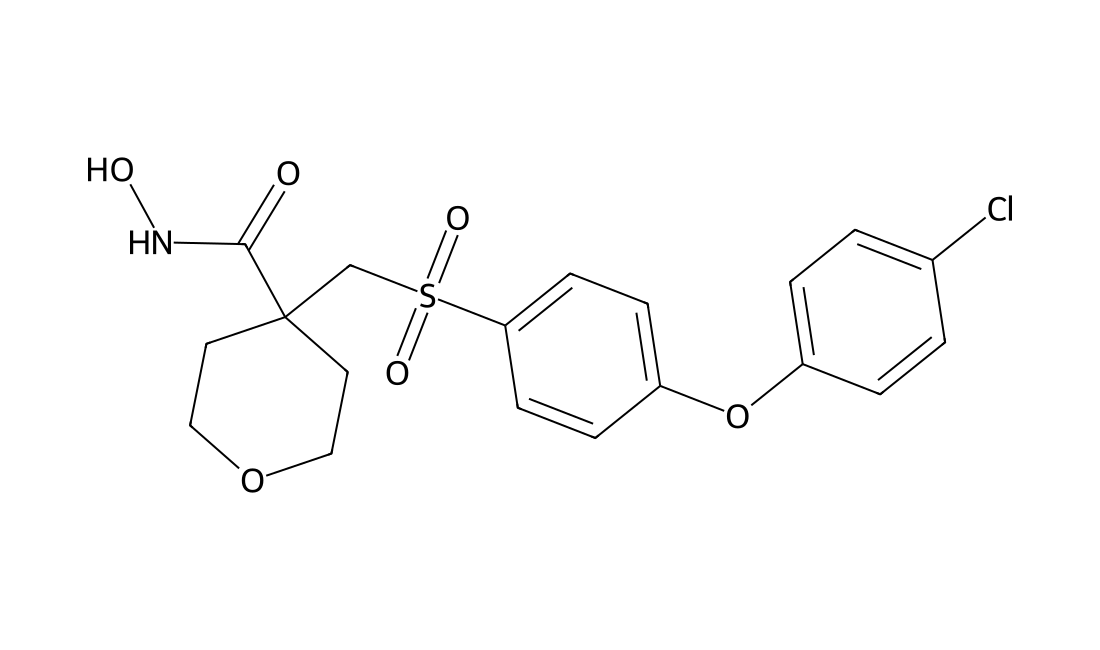
CTS-1027 is a potent small molecule inhibitor of MMPs(IC50=0.4 nM/0.6 nM for MMP2/MMP13); >1,000 fold selectivity over MMP1. CTS-1027 inhibits individual members of the MMP family that are believed to be important in inflammation and tissue damage. CTS-1027 was specifically designed, however, not to inhibit MMP 1, as inhibition of MMP 1 was believed to be associated with musculoskeletal side effects.

CTS-1027 chemical structure
DC8963

Crotamiton

CAS 483-63-6

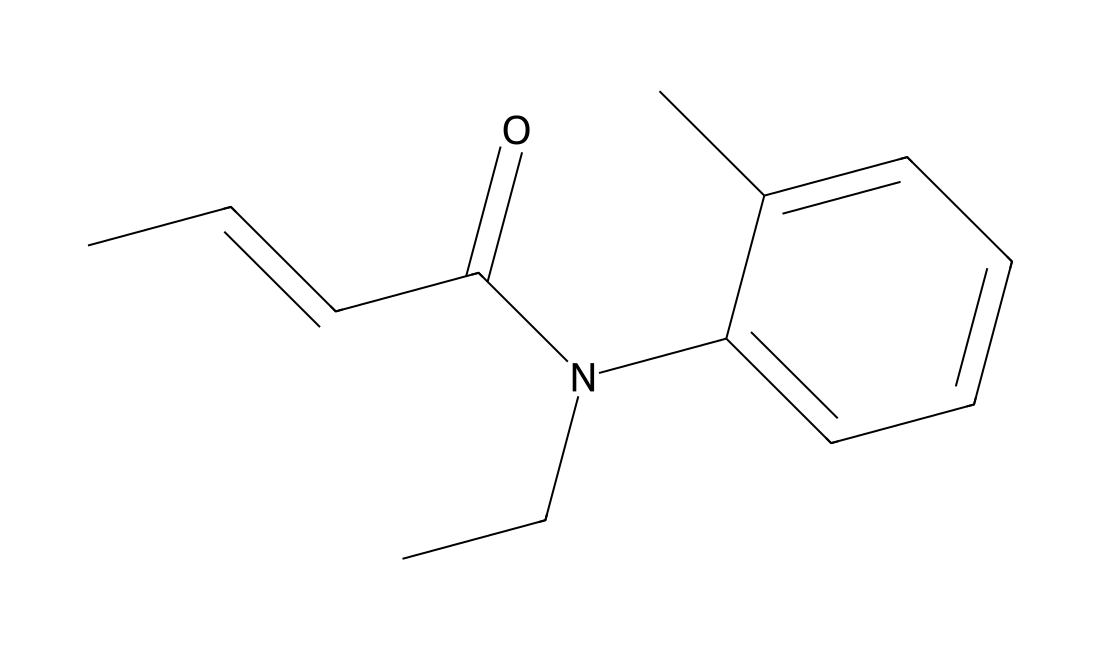
Crotamiton is a drug that is used both as a scabicidal (for treating scabies) and as a general antipruritic. It is a prescription lotion based medicine that is applied to the whole body to get rid of the scabies parasite.

Crotamiton chemical structure
DC10430

COH29

CAS 1190932-38-7

COH29 overcome hydroxyurea and gemcitabine resistance in cancer cells. It effectively inhibits proliferation of most cell lines in the NCI 60 human cancer panel, most notably ovarian cancer and leukemia, but exerts little effect on normal fibroblasts or endothelial cells. Site-directed mutagenesis, NMR and surface plasmon resonance biosensor studies confirm COH29 binding to the proposed ligand-binding pocket and offer evidence for assembly blockade of the RRM1-RRM2 quaternary structure.COH29 results in a dose-dependent inhibition of MOLT-4 tumor xenograft growth with twice-daily oral dosing at 50 mg/kg and 100 mg/kg, which is pronounced by Day 12 of treatment. Similarly, 7 days of treatment of mice bearing TOV11D xenografts with 200, 300, or 400 mg/kg/day COH29 results in a dose-dependent inhibition of tumor xenograft growth. Tumor growth is significantly inhibited compared with the control group.

COH29 chemical structure
DC7104

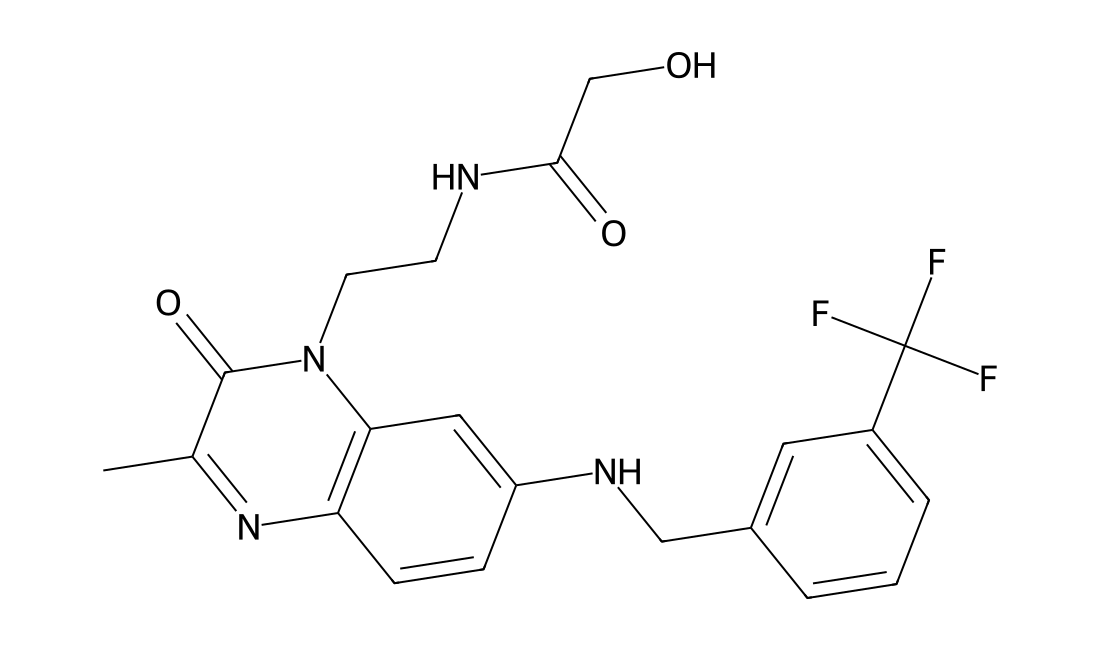
CNX-1351

CAS 1276105-89-5

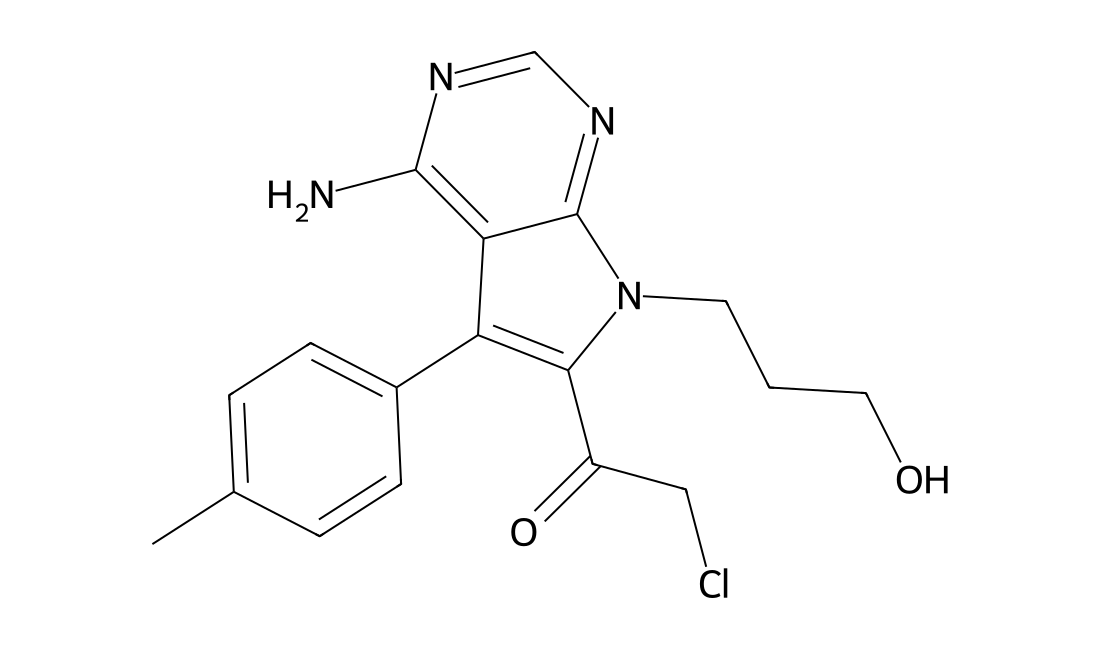
CNX-1351 is a selective covalent Inhibitor of PI3Kα. CNX-1351 was tested against all four of the class I PI3K enzymes α, β, γ, and δ. In an end point assay, CNX-1351 potently inhibited PI3Kα and was 20−400 times less potent against β, γ, and δ. CNX-1351 inhibit PI3Kα signaling in cells and shows prolonged inhibition consistent with a covalent mechanism of Action. CNX-1351 inhibits growth of cells dependent on PI3Kα. CNX-1351 also inhibits PI3Kα signaling in vivo and bonds to p110α.For the detailed information of CNX-1351, the solubility of CNX-1351 in water, the solubility of CNX-1351 in DMSO, the solubility of CNX-1351 in PBS buffer, the animal experiment (test) of CNX-1351, the cell expriment (test) of CNX-1351, the in vivo, in vitro and clinical trial test of CNX-1351, the EC50, IC50,and Affinity of CNX-1351, Please contact DC Chemicals.
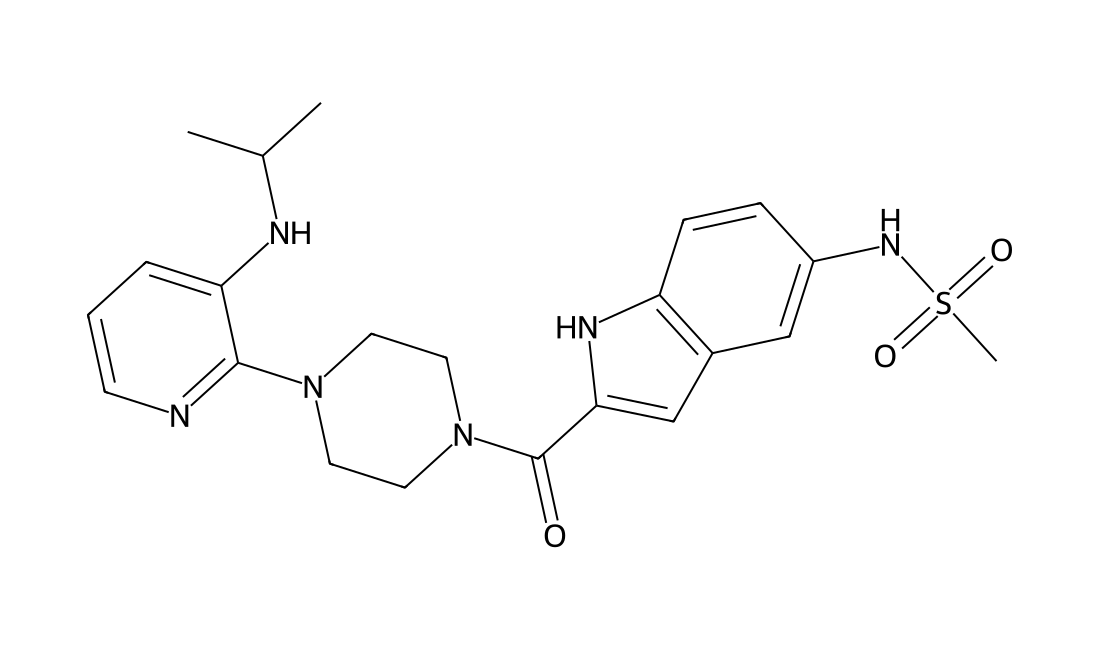
CNX-1351 chemical structure
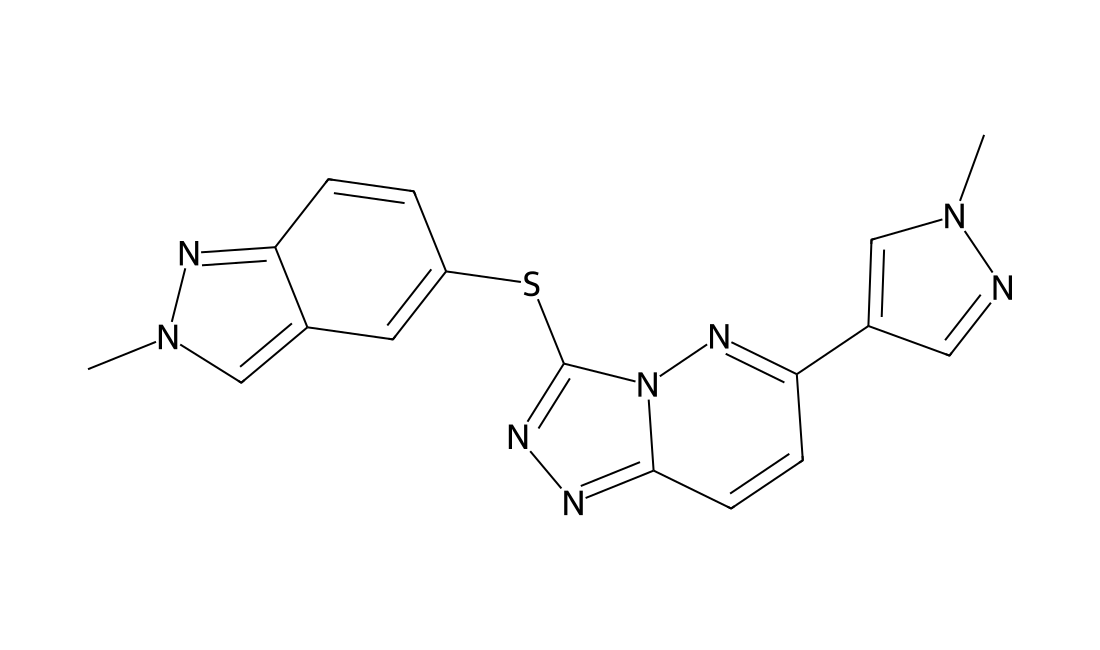
DC7388

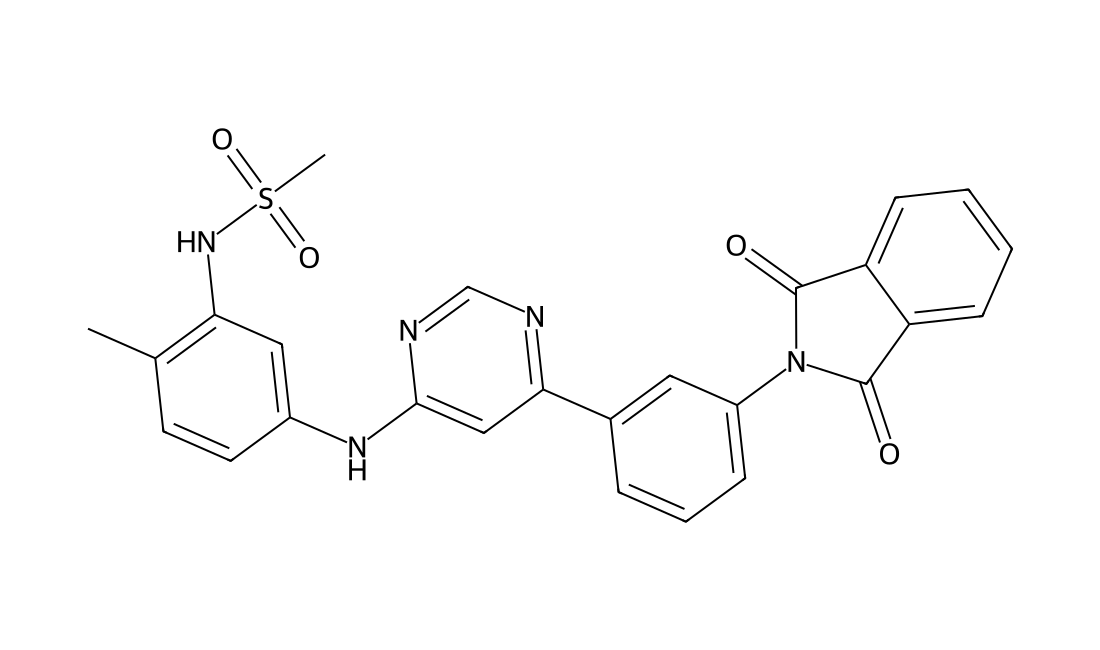
c-Met inhibitor 1

CAS 1357072-61-7

c-Met inhibitor 1 is an inhibitor of the c-Met receptor signaling pathway useful For the treatment of cancer including gastric, glioblastoma, and pancreatic cancer. More details , please refer to Patent WO 2012015677 A1For the detailed information of c-Met inhibitor 1, the solubility of c-Met inhibitor 1 in water, the solubility of c-Met inhibitor 1 in DMSO, the solubility of c-Met inhibitor 1 in PBS buffer, the animal experiment (test) of c-Met inhibitor 1, the cell expriment (test) of c-Met inhibitor 1, the in vivo, in vitro and clinical trial test of c-Met inhibitor 1, the EC50, IC50,and Affinity of c-Met inhibitor 1, Please contact DC Chemicals.
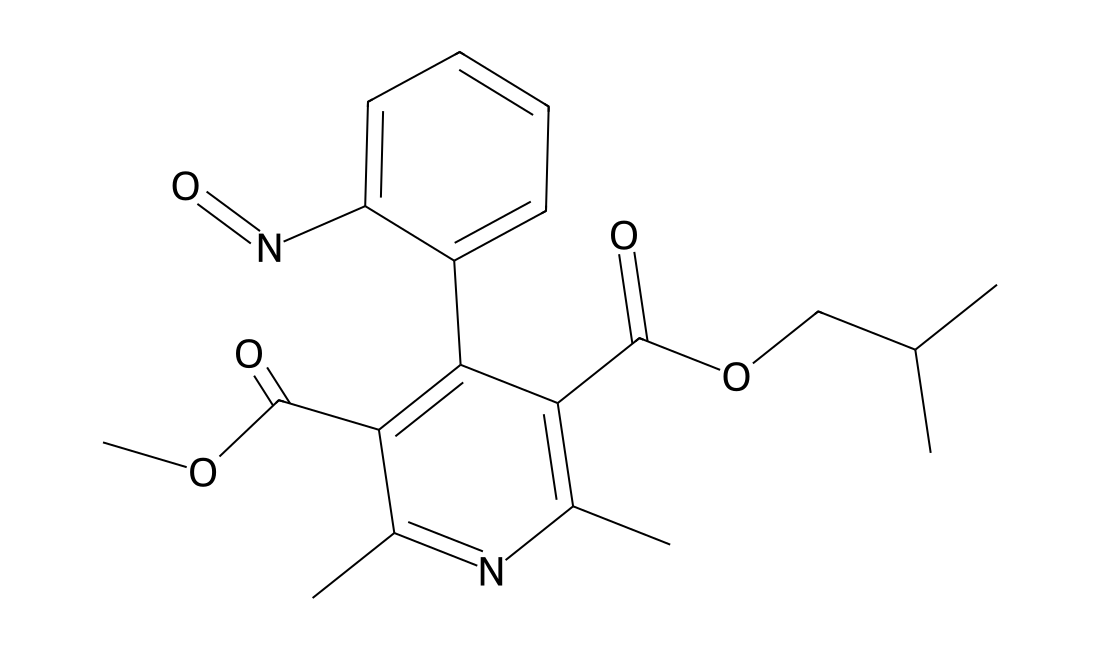
c-Met inhibitor 1 chemical structure
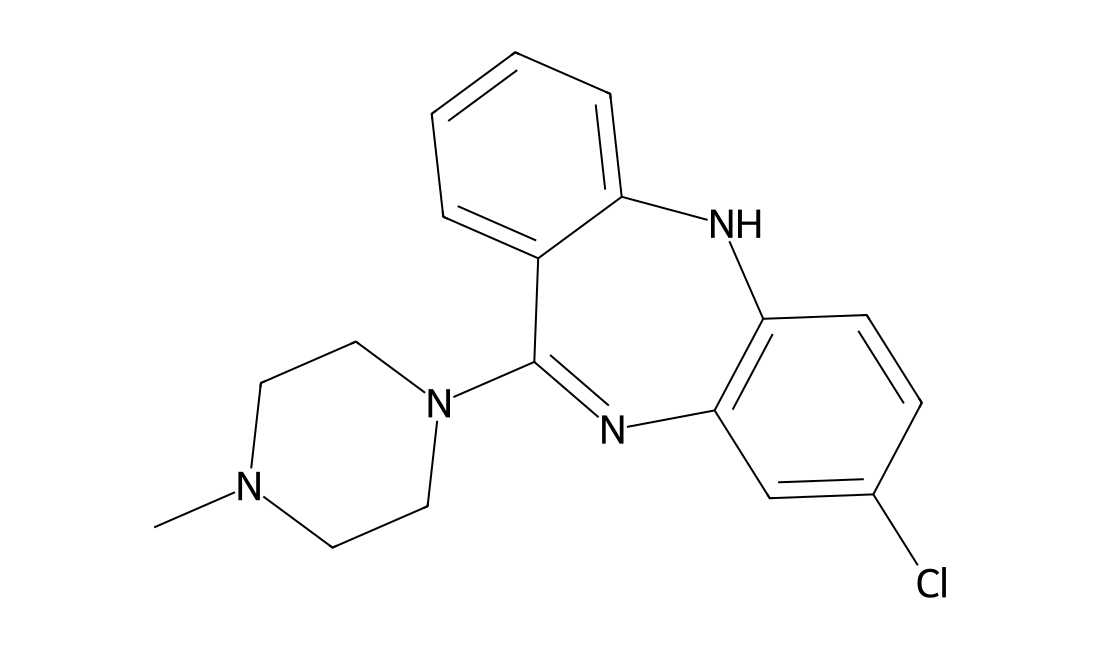
DC9067

Clozapine

CAS 5786-21-0

Clozapine(HF 1854) is a 5-HT2A/2C and dopamine receptor blocker with Ki values of 21, 170, 170, 230 and 330 nM for D4, D3, D1, D2 and D5 receptors respectively.Clozapine is atypical antipsychotic drug, with a much lower tendency to cause extrapyramidal side effects than conventional neuroleptics. Clozapine displays a broad range of pharmacological actions; the antipsychotic effects are thought to be mediated principally by 5-HT2A/2C and dopamine receptor blockade (Ki values are 21, 170, 170, 230 and 330 nM for D4, D3, D1, D2 and D5 receptors respectively).

Clozapine chemical structure
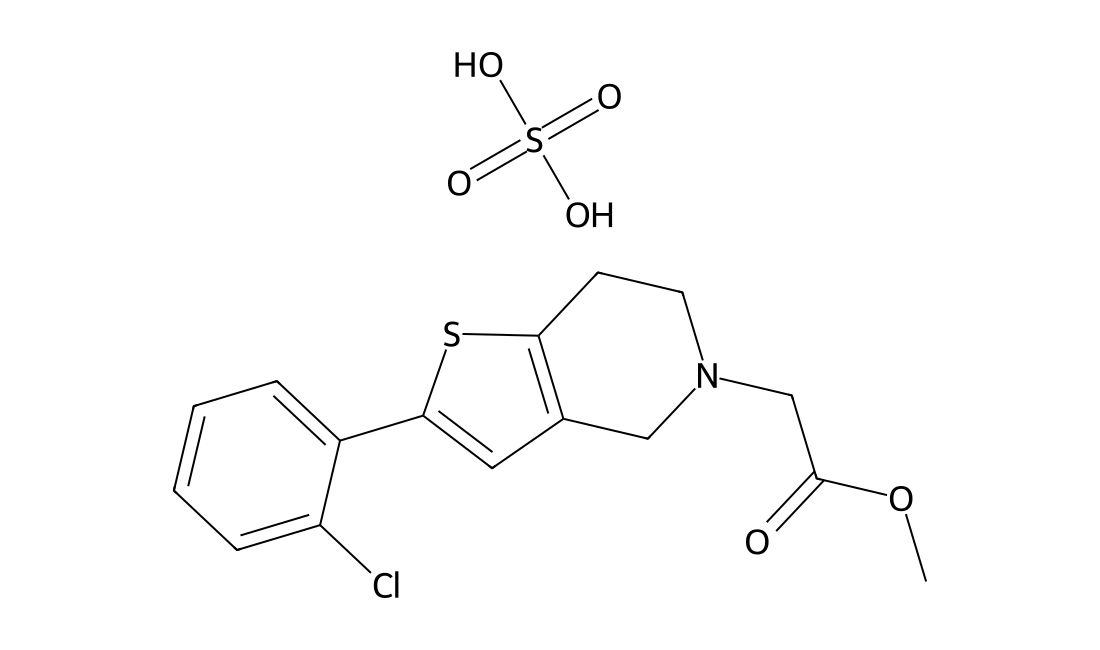
DC3147

Clopidogrel hydrogensulfate

CAS 120202-66-6

For the detailed information about the solubility of Clopidogrel hydrogen sulfate in water, the solubility of Clopidogrel hydrogen sulfate in DMSO, the solubility of Clopidogrel hydrogen sulfate in PBS buffer, the animal experiment(test) of Clopidogrel hydrogen sulfate,the in vivo,in vitro and clinical trial test of Clopidogrel hydrogen sulfate,the cell experiment(test) of Clopidogrel hydrogen sulfate,the IC50, EC50 and Affinity of Clopidogrel hydrogen sulfate, please contact DC Chemicals.

Clopidogrel hydrogensulfate chemical structure
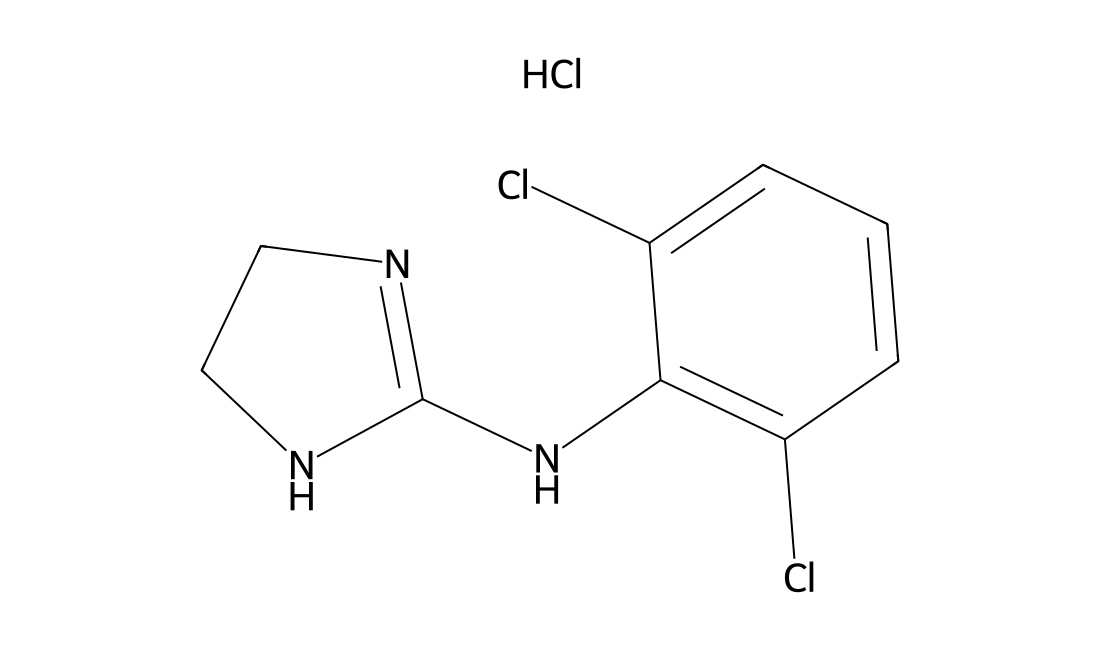
DC9021

Clonidine hydrochloride

CAS 4205-91-8

Clonidine Hydrochloride is a centrally acting alpha-agonist hypotensive agent.Clonidine, an imidazoline-derivative hypotensive agent is a centrally-acting α2-adrenergic agonist. Clonidine treats high blood pressure by stimulating α2-receptors in the brain, which decreases peripheral vascular resistance, lowering blood pressure. It has specificity towards the presynaptic α2-receptors in the vasomotor center in the brainstem. This binding decreases presynaptic calcium levels, thus inhibiting the release of norepinephrine (NE). The net effect is a decrease in sympathetic tone. Clonidine has also been proposed that the antihypertensive effect of clonidine is due to agonism on the I1-receptor (imidazoline receptor), which mediates the sympatho-inhibitory actions of imidazolines to lower blood pressure. Its mechanism of action in the treatment of ADHD is to increase noradrenergic tone in the prefrontal cortex (PFC) directly by binding to postsynaptic α2A adrenergic receptors and indirectly by increasing norepinephrine input from the locus coeruleus.

Clonidine hydrochloride chemical structure
DC9081

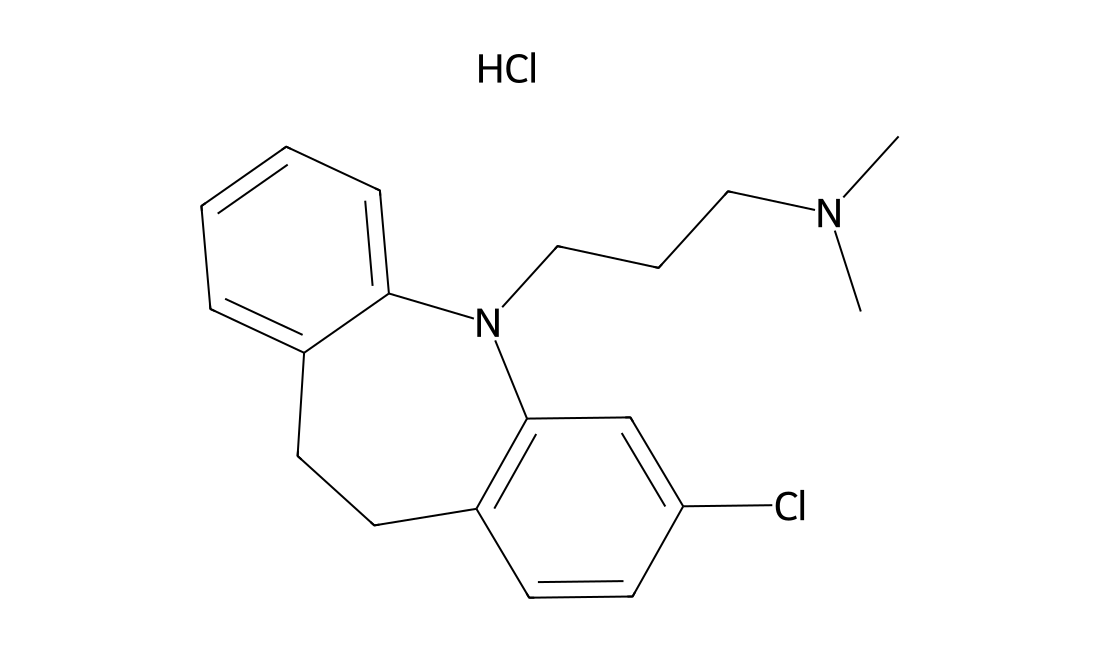
Clomipramine HCL

CAS 17321-77-6

Clomipramine HCl is a serotonin transporter (SERT), norepinephrine transporter (NET) dopamine transporter (DAT) blocker with Ki of 0.14, 54 and 3 nM, respectively.Clomipramine hydrochloride (Anafranil) is a hydrochloride salt of clomipramine which is a serotonin transporter (SERT), norepinephrine transporter (NET) dopamine transporter (DAT) blocker with Ki of 0.14, 54 and 3 nM, respectively. Clomipramine hydrochloride (Anafranil) is a tricyclic antidepressant. Clomipramine hydrochloride (Anafranil) is a norepinephrine-reuptake inhibitor and is an antiobsessional drug. Clomipramine hydrochloride (Anafranil) is an antagonist/inverse agonist at the following receptors: D2 receptor (Ki = 162 nM), D3 receptor (Ki = 30 nM), α1-adrenergic receptor (Ki = 3.2 nM), α2-adrenergic receptor (Ki = 525 nM), H1 receptor (Ki = 31 nM), mACh receptors (Ki = 37 nM), 5-HT2A receptor (Ki = 36 nM), 5-HT2C receptor (Ki = 65 nM), 5-HT3 receptor (Ki = 85 nM), 5-HT6 receptor (Ki = 54 nM), 5-HT7 receptor (Ki = 127 nM), D1 receptor (Ki = 219 nM).

Clomipramine HCL chemical structure
DC9183

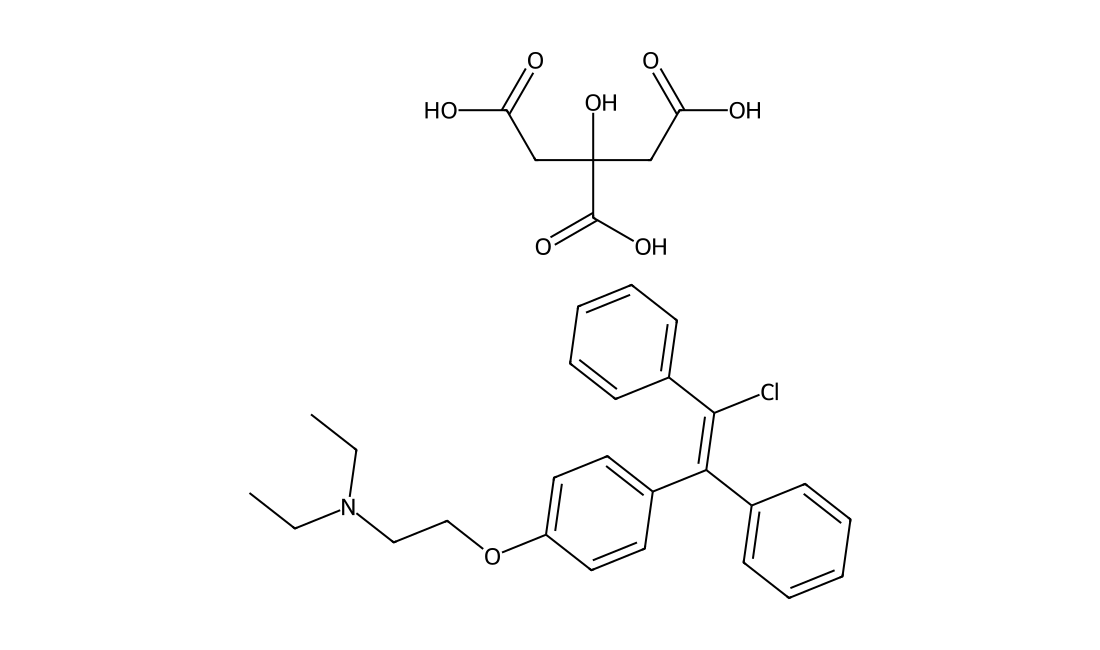
Clomiphene citrate

CAS 50-41-9

Clomifene Citrate is a selective estrogen receptor modulator.Clomifene Citrate(CC) acted as an estrogen antagonist regardless of the concentration of E2 added together. In conclusion, CC acts as an estrogen agonist/antagonist via ER alpha in a coexisting estrogen concentration-dependent way whereas it acts as an estrogen antagonist via ER beta whether or not estrogen is present. Clomiphene was effective in increasing pregnancy rate compared to placebo (OR 5.8, 95% CI 1.6 to 21.5) as was clomiphene plus dexamethasone treatment (OR 9.46, 95% CI 5.1 to 17.7) compared to clomiphene alone. A significant improvement in the pregnancy rate was reported for clomiphene plus combined oral contraceptives versus clomiphene alone. No evidence of a difference in effect on pregnancy rate was found with any of the other comparisons.

Clomiphene citrate chemical structure
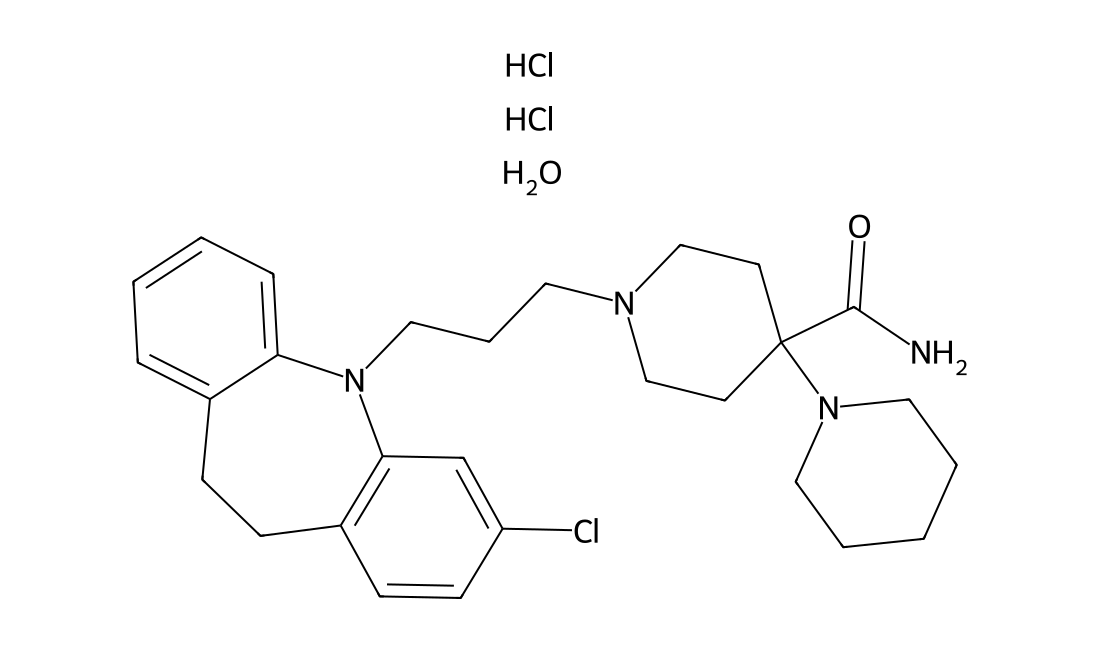
DC12304

Clocapramine hydrochloride hydrate (3-Chlorocarpipramine hydrochloride hydrate)

CAS 60789-62-0

In Vivo Clocapramine shows the lowest potency for D2-occupancy in vivo. An in vivo receptor binding technique is used to evaluate the binding profiles of typical and atypical antipsychotic drugs to striatal dopamine-D2 and frontal serotonin-5-HT2 receptors in a rat brain using more specific ligands. Clocapramine produces ratios of potency in occupying 5-HT2 versus D2 receptors that fall between these two groups (ED50 of 14.5 mg/kg for D2, 4.9 mg/kg for 5-HT2).

Clocapramine hydrochloride hydrate (3-Chlorocarpipramine hydrochloride hydrate) chemical structure
DC12100

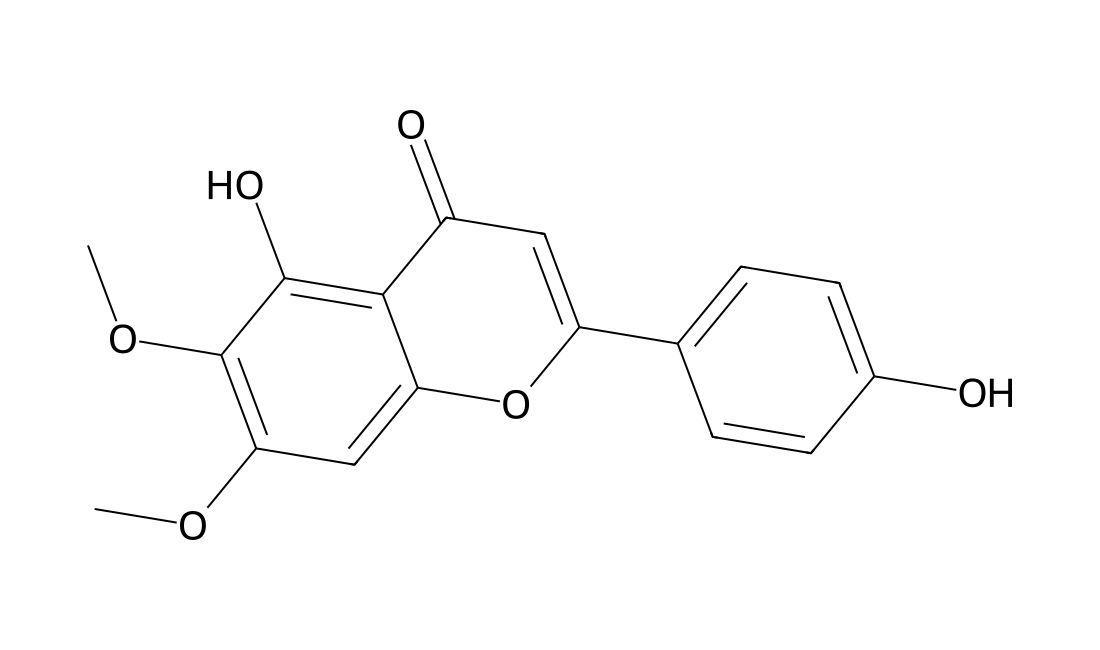
Cirsimaritin

CAS 6601-62-3

In Vivo Cirsimaritin significantly reduces the anxiety in mice. Cirsimaritin does not decrease by co-administration of flumazenil (2.5 mg/kg) with salvigenin, rosmanol and cirsimaritin (10 mg/kg), indicating that the high-affinity benzodiazepine binding site is not involved in the anxiolytic activity induced by these compounds.

Cirsimaritin chemical structure
DC9174

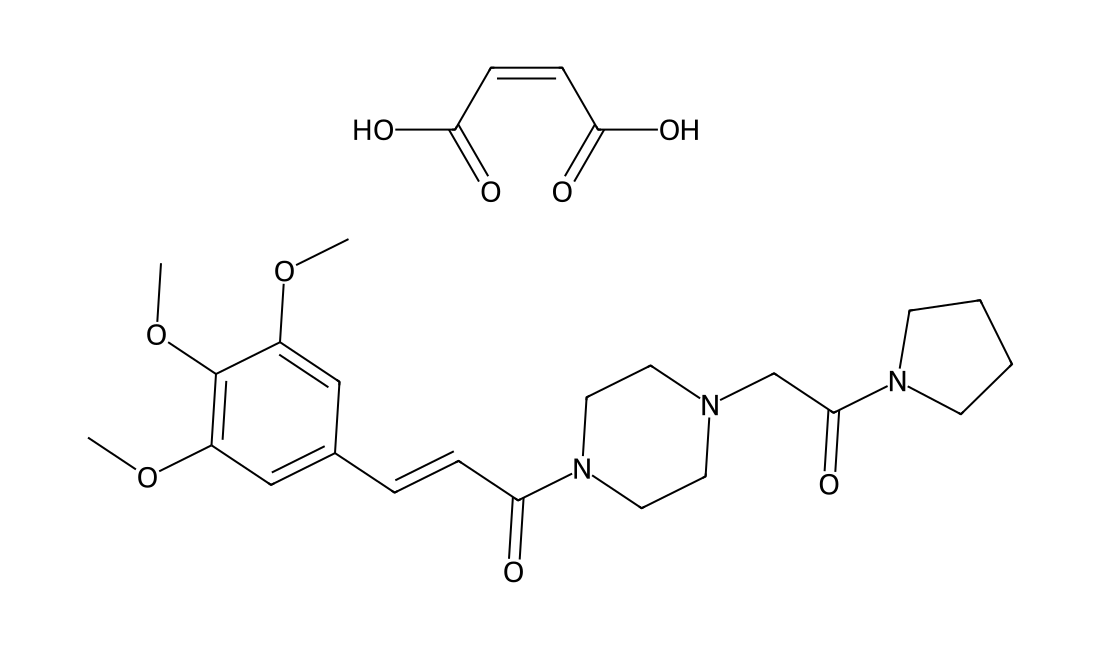
Cinepazide maleate

CAS 26328-04-1

Cinepazide Maleate is a vasodilator.Cinepazide maleate is a maleate salt form of cinepazide which is a vasodilator. Cinepazide (30 mg/kg, i.v.) potentiated the vertebral vasodilator response of dogs to intravertebral adenosine and cyclic AMP, Intravertebral cinepazide(1-10 mg) increased vertebral blood flow in a dose-related manner and the effect was partially inhibited by intravenous pretreatment with aminophylline but not by pretreatment with autonomic antagonists. Cinepazide resembled cinnarizine and papaverine in that the drug antagonized rabbit aortic contraction induced by KCl, norepinephrine or CaCl2. Cinepazide in concentrations ranging from 10-6 to 10-5M augmented the relaxing responses to ATP, adenosine and cAMP. However, this agent did not affect the relaxations induced by isoproterenol and papaverine and the contractions induced by 5-HT, prostaglandin F2α and ATP. cinepazide selectively potentiates the relaxing response mediated through purinergic P1 receptors.

Cinepazide maleate chemical structure
DC9002

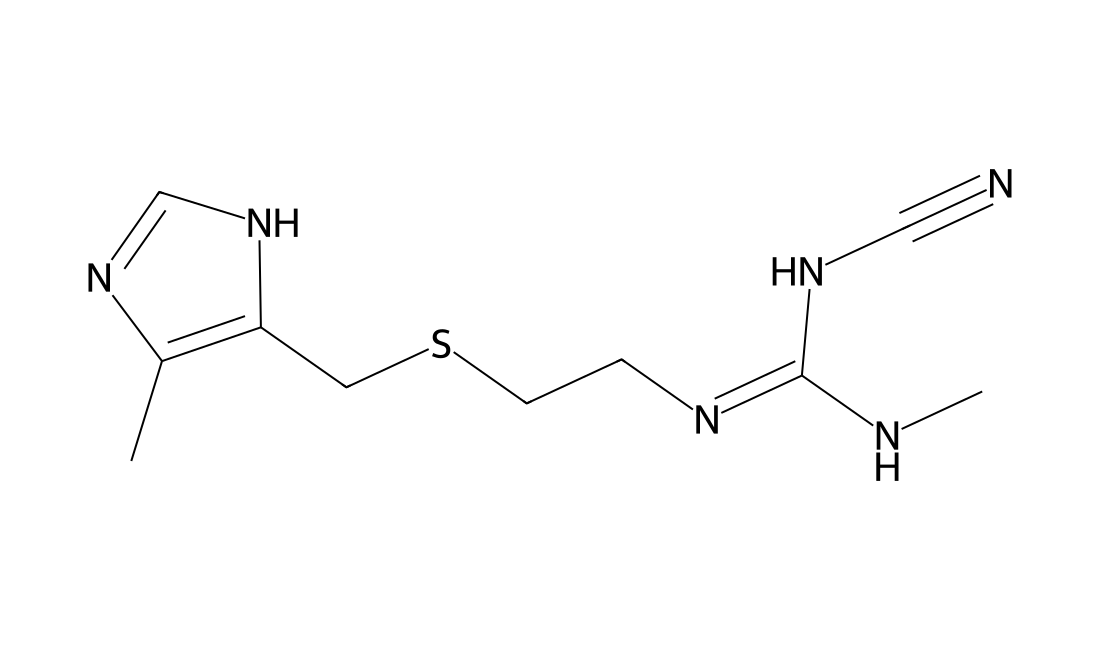
Cimetidine

CAS 51481-61-9

Cimetidine is a histamine-2 (H2) receptor antagonist.in vitro: Cimetidine, a partial agonist for H2R, has a pharmacological profile different from ranitidine and famotidine, possibly contributing to its antitumor activity on gastrointestinal cancers. Cimetidine had no effect on the uptake and cytotoxicity of cisplatin in ovarian cancer cells with high OCT2 mRNA levels (IGROV-1 cells). Cimetidine showed no effect on proliferation, survival, migration and invasion of 3LL cells. Cimetidine reversed MDSC-mediated T-cell suppression, and improved IFN-γ production. Cimetidine-mediated down-regulation of NCAM involved suppression of the nuclear translocation of NF-kappaB, a transcriptional activator of NCAM gene expression. in vivo: the antitumor efficacy of cisplatin in mice bearing luciferase-tagged IGROV-1 xenografts was unaffected by cimetidine (P = 0.39). Data obtained in 18 patients receiving cisplatin (100 mg/m(2)) in a randomized crossover fashion with or without cimetidine (800 mg × 2) revealed that cimetidine did not alter exposure to unbound cisplatin. cimetidine reduced CD11b(+)Gr-1(+) myeloid derived-suppressive cell (MDSC) accumulation in spleen, blood and tumor tissue of tumor-bearing mice. Cimetidine exerts a beneficial effect on periodontal disease in rats, decreasing the RANKL/OPG ratio in gingival connective tissue and reducing alveolar bone resorption.

Cimetidine chemical structure
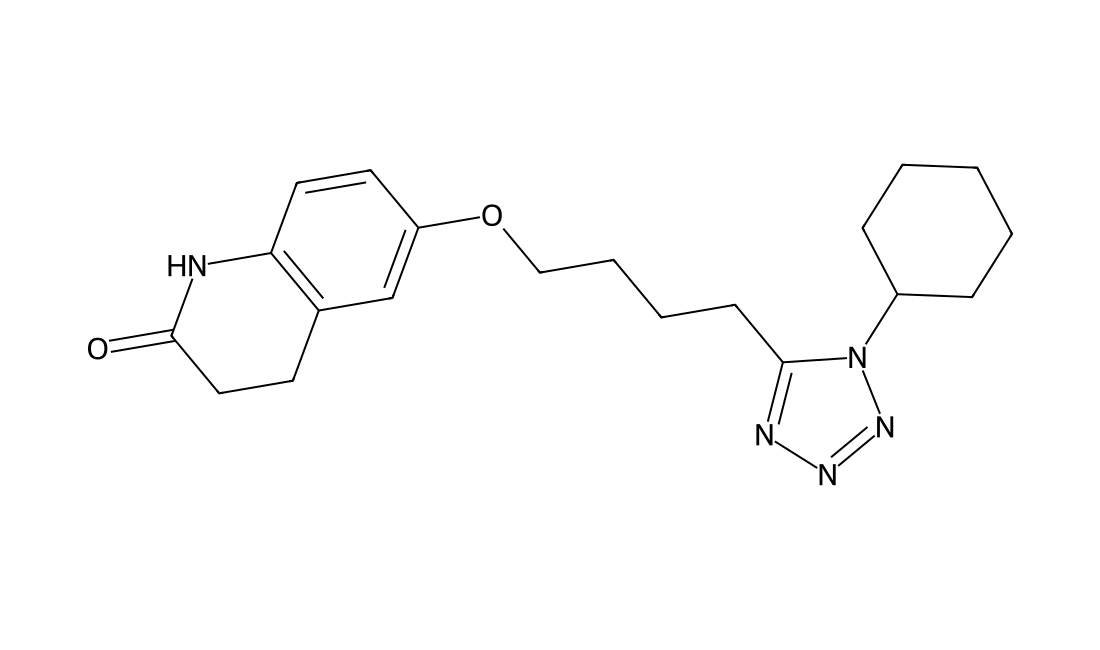
DCAPI1569

Cilostazol

CAS 73963-72-1

For the detailed information of Cilostazol, the solubility of Cilostazol in water, the solubility of Cilostazol in DMSO, the solubility of Cilostazol in PBS buffer, the animal experiment(test) (test) of Cilostazol, the cell expriment (test) of Cilostazol, the in vivo, in vitro and clinical trial test of Cilostazol, the EC50, IC50,and Affinity of Cilostazol,, please contact DC Chemicals.

Cilostazol chemical structure
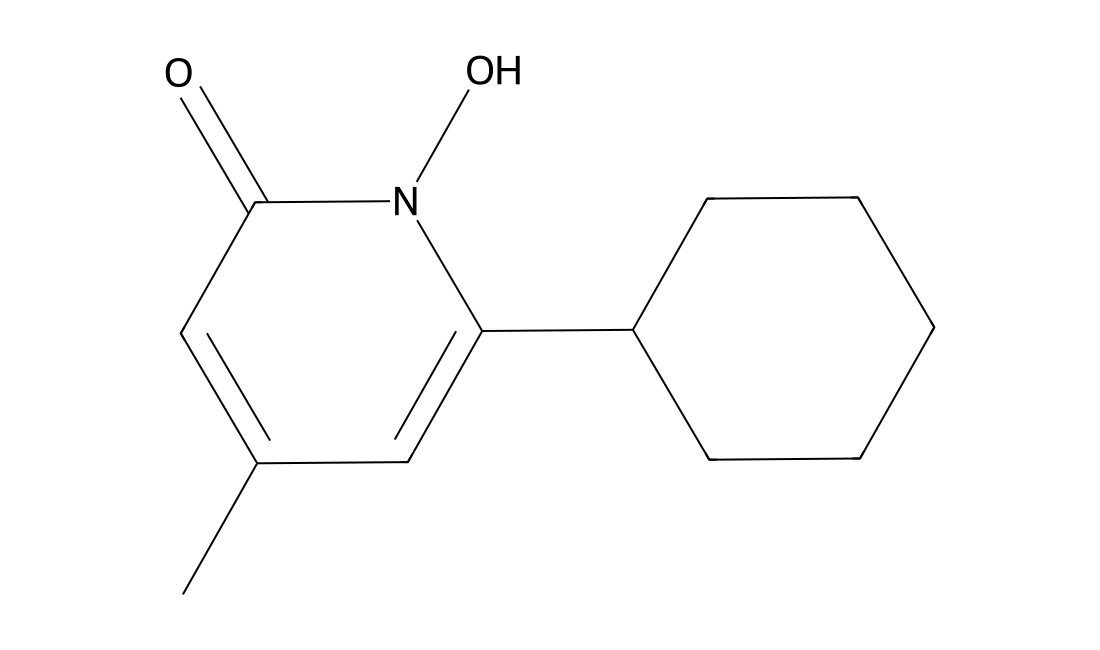
DCAPI1143

Ciclopirox (Penlac)

CAS 29342-05-0

For the detailed information of Ciclopirox (Penlac), the solubility of Ciclopirox (Penlac) in water, the solubility of Ciclopirox (Penlac) in DMSO, the solubility of Ciclopirox (Penlac) in PBS buffer, the animal experiment(test) (test) of Ciclopirox (Penlac), the cell expriment (test) of Ciclopirox (Penlac), the in vivo, in vitro and clinical trial test of Ciclopirox (Penlac), the EC50, IC50,and Affinity of Ciclopirox (Penlac),, please contact DC Chemicals.

Ciclopirox (Penlac) chemical structure
DC9194

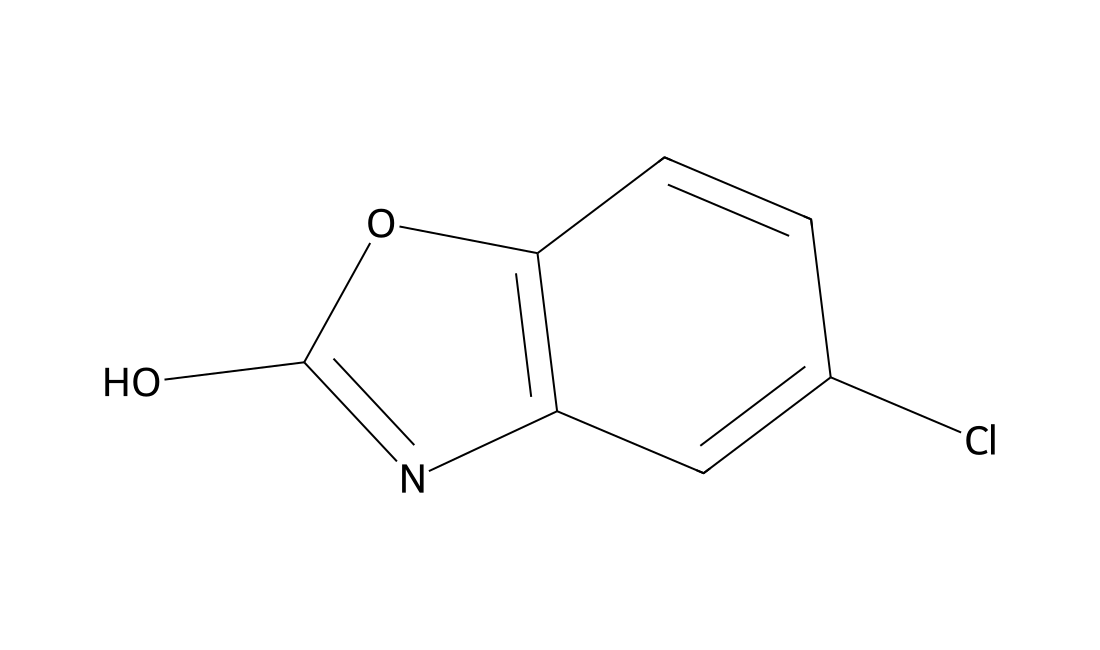
Chlorzoxazone

CAS 95-25-0

Chlorzoxazone is a centrally acting muscle relaxant used to treat muscle spasm and the resulting pain or discomfort. It acts on the spinal cord by depressing reflexes.Chlorzoxazone is currently being used as a marker substrate in vitro/vivo studies to quantify cytochrome P450 2E1 (CYP2E1) activity in humans.

Chlorzoxazone chemical structure
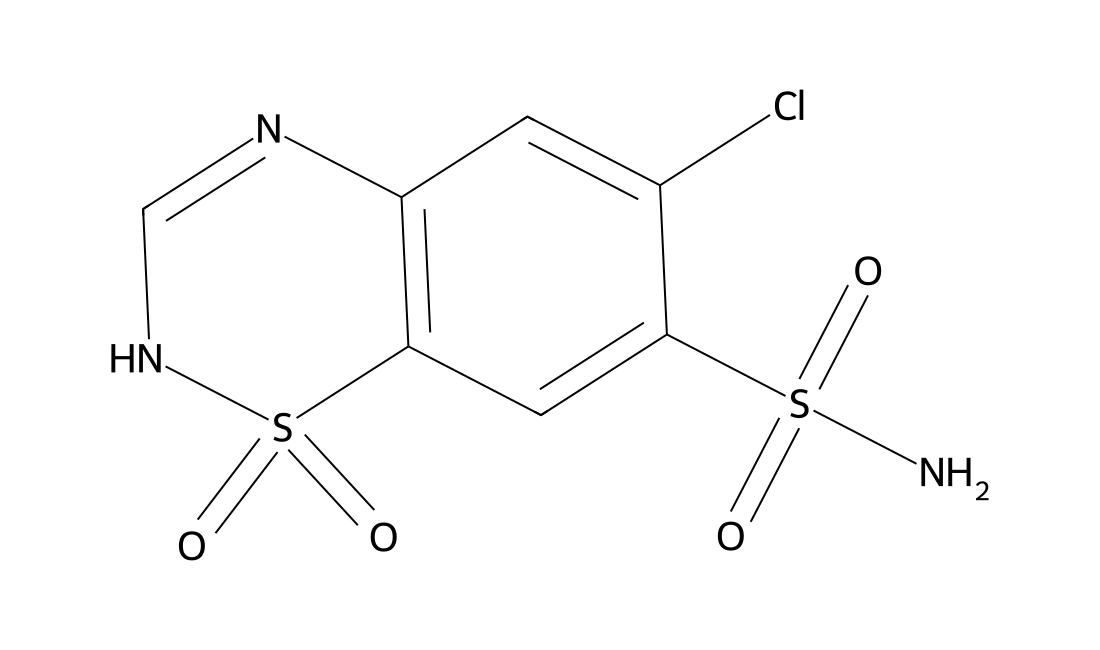
DCAPI1270

Chlorothiazide

CAS 58-94-6

For the detailed information of Chlorothiazide, the solubility of Chlorothiazide in water, the solubility of Chlorothiazide in DMSO, the solubility of Chlorothiazide in PBS buffer, the animal experiment(test) (test) of Chlorothiazide, the cell expriment (test) of Chlorothiazide, the in vivo, in vitro and clinical trial test of Chlorothiazide, the EC50, IC50,and Affinity of Chlorothiazide,, please contact DC Chemicals.

Chlorothiazide chemical structure
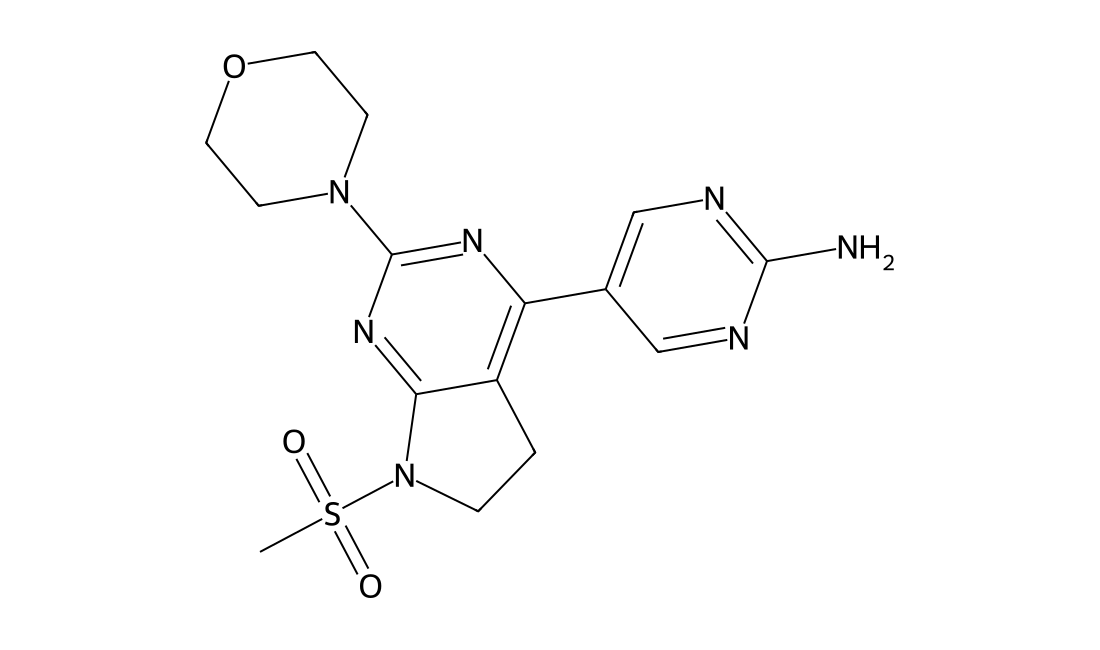
DC7102

CH5132799

CAS 1007207-67-1

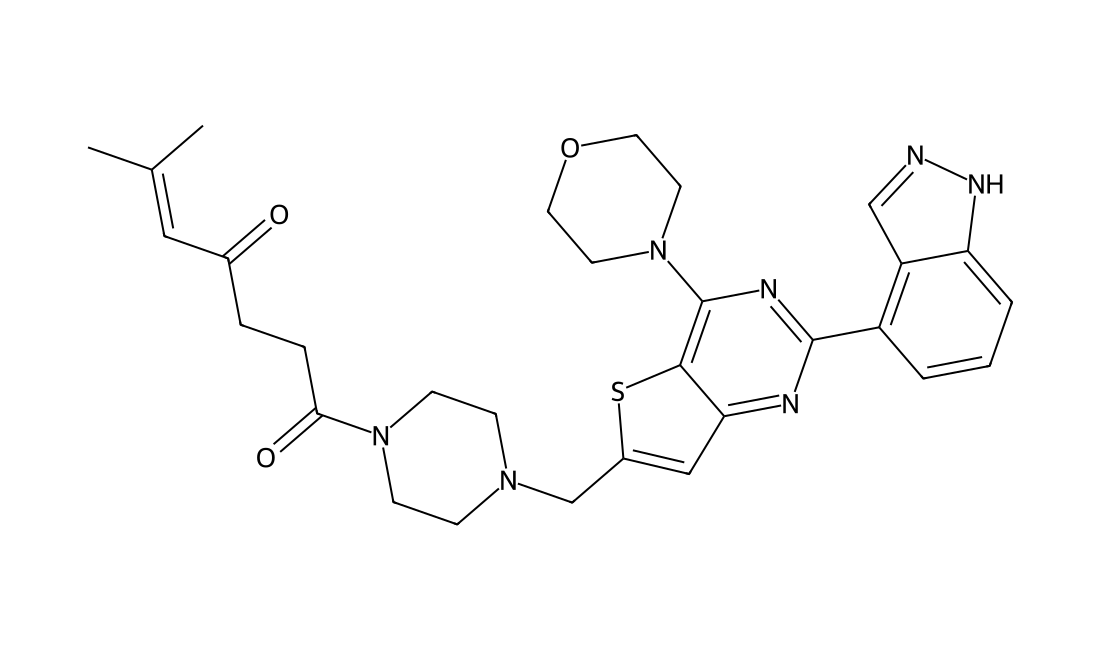
CH5132799 inhibits class I PI3Ks, particularly PI3Kα with IC50 of 14 nM; less potent to PI3Kβδγ, while sensitive in PIK3CA mutations cell lines.For the detailed information of CH5132799, the solubility of CH5132799 in water, the solubility of CH5132799 in DMSO, the solubility of CH5132799 in PBS buffer, the animal experiment (test) of CH5132799, the cell expriment (test) of CH5132799, the in vivo, in vitro and clinical trial test of CH5132799, the EC50, IC50,and Affinity of CH5132799, Please contact DC Chemicals.
CH5132799 chemical structure
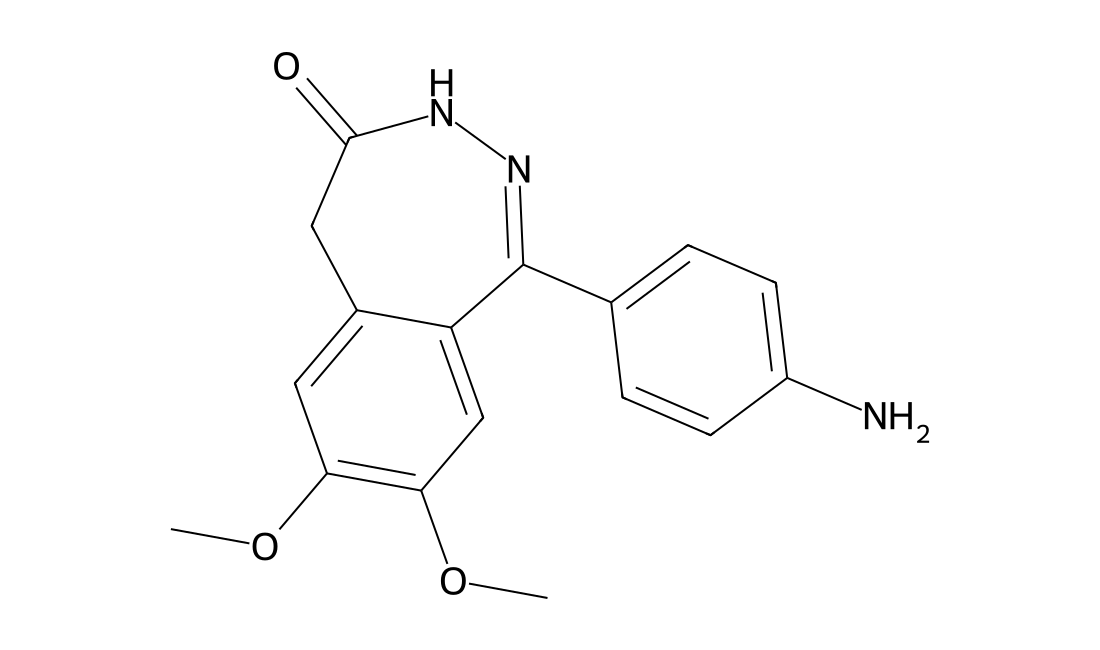
DC9340

CFM-2

CAS 178616-26-7

CFM-2 is a selective non-competitive AMPAR antagonist. in vitro: AMPA antagonists GYKI 52466 and CFM-2 inhibit the extracellular signal regulated kinase (ERK1/2) pathway, CFM-2 reduced phosphorylation of cAMP-responsive element binding protein (CREB), suppressed expression of cyclin D1, upregulated the cell cycle regulators and tumor suppressor proteins p21 and p53 and decreased number of lung adenocarcinoma cells in G2 and S phases of the cell cycle. in vivo: Pretreatment with CFM-2 delayed the progression of seizure rank during repeated administration of pentylentetrazole. At the end of the period of repeated pentylentetrazole treatment (6 weeks) the mean seizure score was 0 in vehicle treated controls, 4.3 in animals treated with vehicle + pentylentetrazole, 2.2 in rats treated chronically with CFM-2 (20 micromol kg(-1) i.p.) + pentylentetrazole and 1.0 in rats treated repeatedly with CFM-2 (50 micromol kg(-1) i.p.) + pentylenetetrazole. CFM-2 was also able to antagonize the long-term increase in sensitivity of the convulsant effects of GABA function inhibitors in pentylentetrazole-kindled animals. CFM-2 has been proven to possess anticonvulsant activity in various models of seizures. Intrathecal application of two selective non-competitive AMPAR antagonists, CFM-2 (25 and 50 microg) and GYKI 52466 (50 microg), significantly attenuated mechanical and thermal hypersensitivities on the ipsilateral hind paw at 2 and 24 h post-CFA injection. Neither CFM-2 nor GYKI 52466 affected the contralateral basal responses to thermal and mechanical stimuli.
CFM-2 chemical structure
DC9478

CDK9-IN-1

CAS 1415559-43-1

CDK9-IN-1 is a novel, selective CDK9 inhibitor for the treatment of HIV infection. Among CDKs, CDK9 is a validated pathological target in HIV infection, inflammation and cardiac hypertrophy; however selective CDK9 inhibitors are still not available. We present a selective inhibitor family of CDK9 based on the 4-phenylamino-6- phenylpyrimidine nucleus. We show a convenient synthetic method to prepare a useful intermediate and its derivatisation resulting in novel compounds. The CDK9 inhibitory activity of the derivatives was measured in specific kinase assay and the CDK inhibitory profile of the best ones (IC50 > 100nM) was determined. The most selective compounds had high selectivity over CDK1, 2, 3, 5, 6, 7 and showed at least one order of magnitude higher inhibitory activity over CDK4 inhibition. The most selective molecules were examined in cytotoxicity assays and their ability to inhibit HIV-1 replication was determined in cellular assays.

CDK9-IN-1 chemical structure
DC10206

CCX140

CAS 1100318-47-5

CCX140-B potently inhibits CCL2-induced chemotaxis of purified human blood monocytes with IC50 values of 8 nM in buffer and 200 nM in the presence of 100% human serum. CCX140-B also inhibits CCL2-induced Ca2+ mobilization in monocytes with an IC50 value of 3 nM. CCX140-B inhibits the binding of 125I-CCL2 to monocytes with an IC50 value of 17 nM. CCX140-B has a Kd value of 2.3 nM toward hCCR2. CCX140-B also inhibits monocyte chemotaxis mediated by the other CCR2 ligands: CCL8/MCP-2, CCL7/MCP-3, and CCL13/MCP-4.Treatment of hCCR2 KI mice with CCX140-B causes a dose-dependent reduction in the number of peritoneal leukocytes after thioglycollate challenge: CCX140-B strongly blocks leukocyte infiltration at 30 mg/kg, partially blocks leukocyte infiltration at 10 mg/kg, and fails to block leukocyte infiltration at 3 mg/kg. In DIO hCCR2 KI mice, treatment with 100 mg/kg CCX140-B blocks the progressive increase in UAER and ACR. CCX140-B maintains lower UAER and ACR values during the entire 8-wk dosing regimen. In DIO mice, the CCR2 antagonist completely blocks the recruitment of inflammatory macrophages to visceral adipose tissue. The mice exhibit reduced hyperglycemia and insulinemia, improved insulin sensitivity, increased circulating adiponectin levels, decreased pancreatic islet size and increased islet number. It also reduces urine output, glucose excretion, hepatic glycogen and triglyceride content and glucose 6-phosphatase levels.
CCX140 chemical structure
DC9969

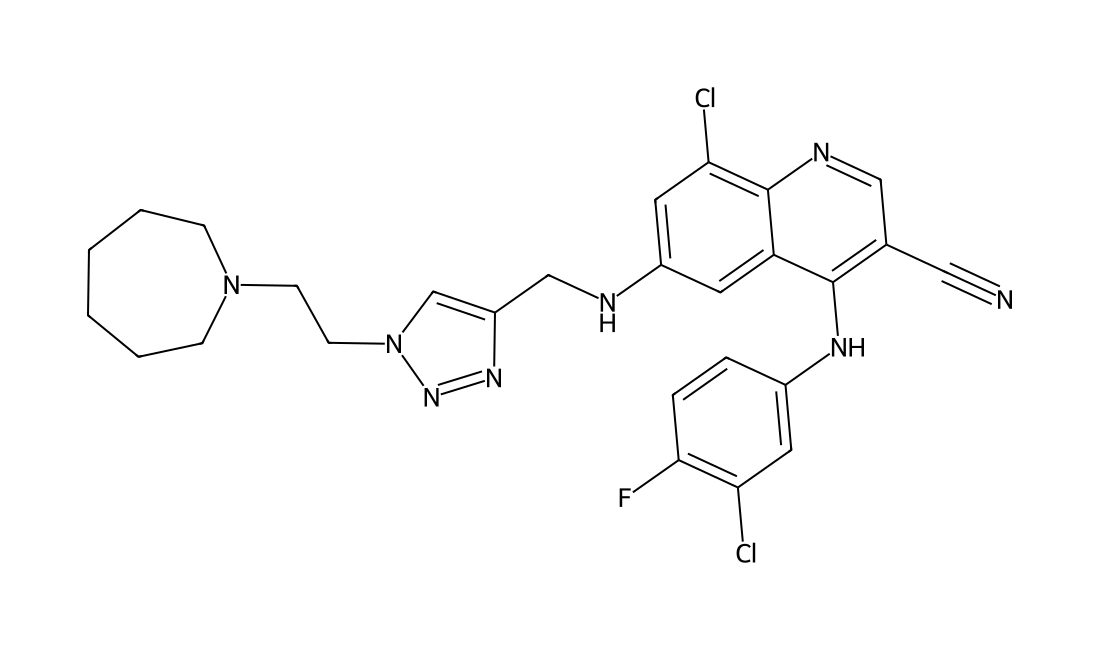
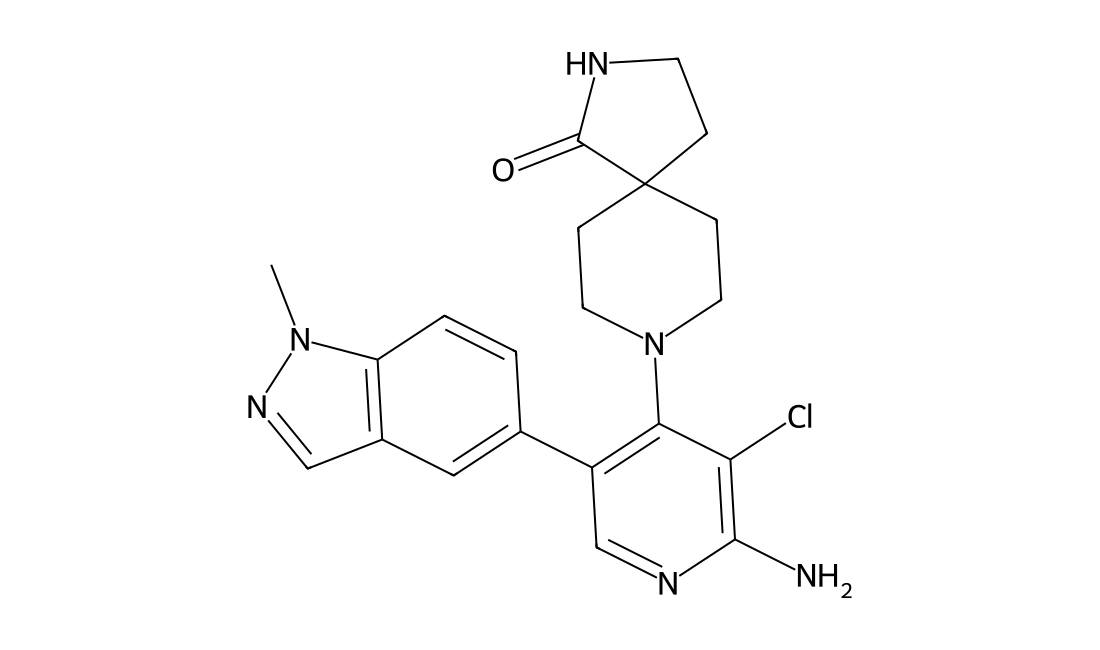
CCT251921

CAS 1607837-31-9

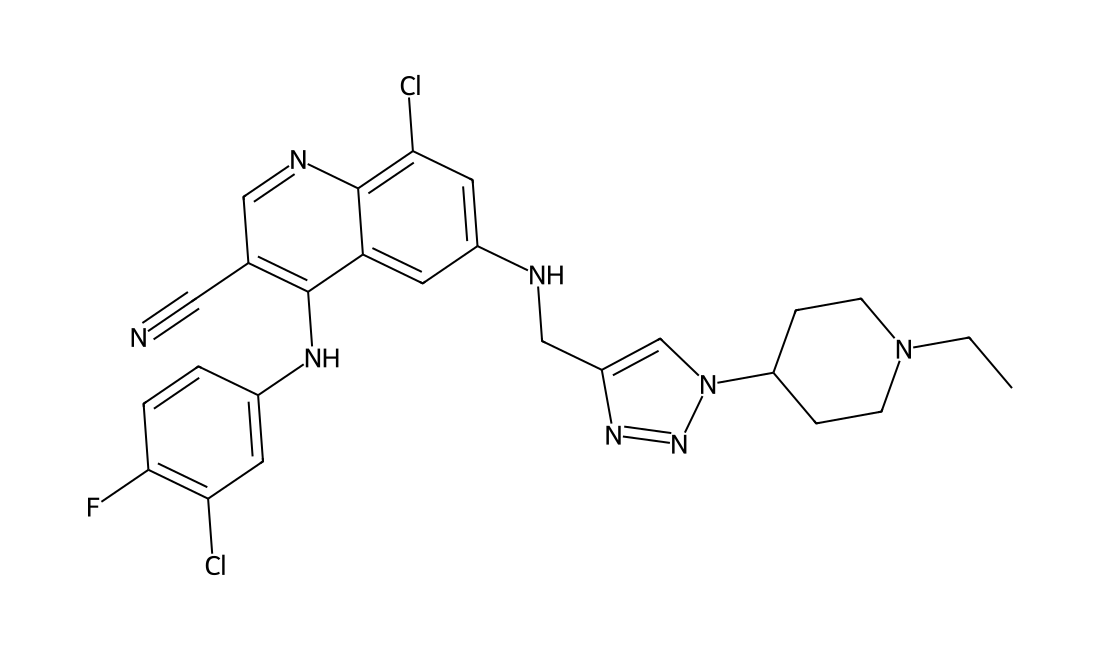
CCT251921 is a potent, selective, and orally bioavailable small-molecule modulators of the mediator complex-associated kinases CDK8 and CDK19. (IC50 data: CDK8:=2.3 nM; CDK19 = 2.6 nM). CCT251921 showed the optimal compromise of in vitro biochemical, pharmacokinetic, and physicochemical properties and is suitable for progression to animal models of cancer. The Mediator complex-associated cyclin-dependent kinase CDK8 has been implicated in human disease, particularly in colorectal cancer where it has been reported as a putative oncogene.

CCT251921 chemical structure
DC23168

CCT128930

CAS 885499-61-6

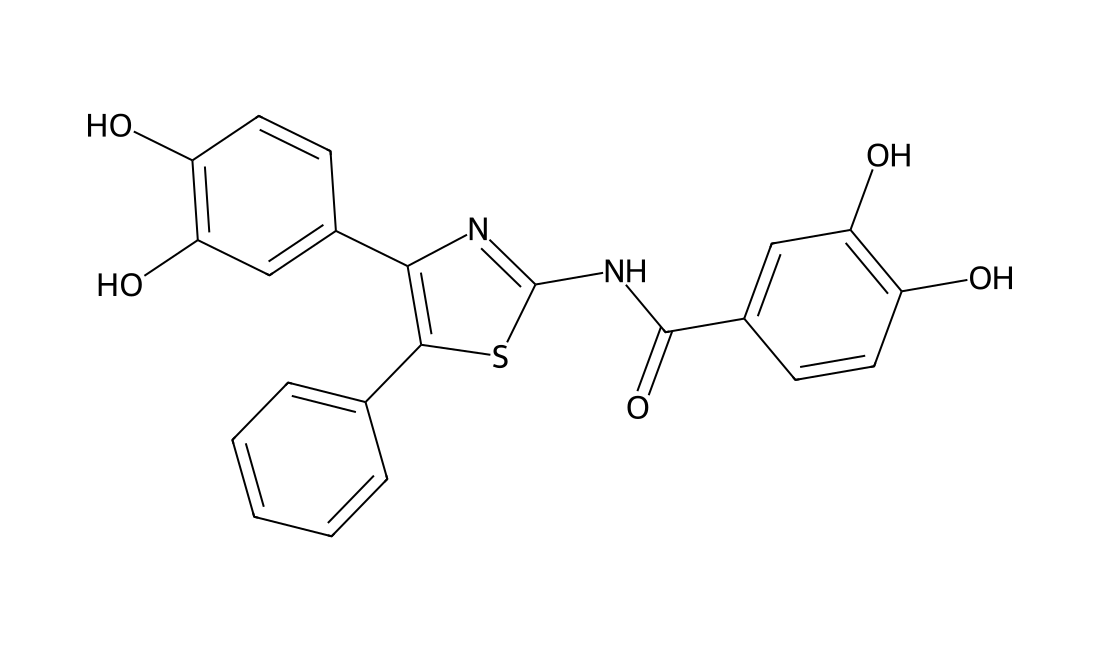
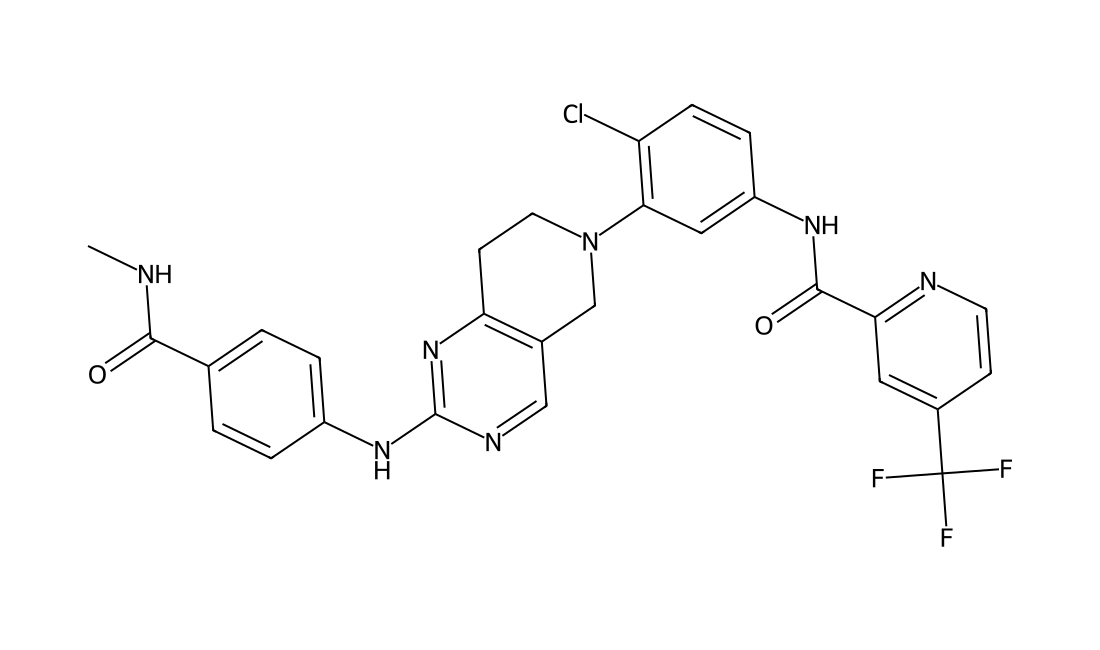
CCT128930 is a potent, selective, ATP-competitive AKT inhibitor with IC50 of 6 nM (AKT2), 28-fold selectivity over the closely related PKA; also exhibits 20-fold selectivity over p70S6K (IC50=120 nM); shows growth inhibition for U87MG human glioblastoma cells (IC50=6.3 uM), for LNCaP human prostate cancer cells (IC50=0.35 uM), and for PC3 human prostate cancer cells (IC50=1.9 uM) consistent with AKT pathway blockade; blocks the phosphorylation of several downstream AKT biomarkers in U87MG tumor xenografts, indicating AKT inhibition in vivo; demonstrates antitumor activity in U87MG and HER2-positive, PIK3CA-mutant BT474 human breast cancer xenografts.
CCT128930 chemical structure
Browse target & topic index A–Z (366)
11β-HSD (1)15-PGDH (2)5-HT Receptor (16)Acetyl-CoA Carboxylase (ACC) (3)Acetylcholinesterase (AChE) (2)Ack1 (TNK2) (1)Acyltransferase (1)ADC Cytotoxin (6)ADCs Linker/Click Chemistry (5)Adenosine Receptor (9)Adenylate Cyclase (2)Adrenergic Receptor (11)Akt (12)Alcoholism (2)Aldehyde Dehydrogenase (ALDH) (6)Allergy (5)Alzheimer Disease (13)Aminopeptidase (1)AMPK (8)Amyloids (4)Anaplastic Lymphoma Kinase (ALK) (9)Androgen Receptor (AR) (11)Anemia (4)Angiotensin Receptor (4)Antibody/Protein labeling dyes (1)Antifolate (2)Anxiety (1)Apoptosis Inducer (3)Arginase (1)Arp2/3 complex (1)Aryl hydrocarbon Receptor (AhR) (1)Asthma (5)Atherosclerosis (2)ATM/ATR (8)Aurora Kinase (10)Autophagy (6)Autophagy-related Protein (Atg) (2)Autotaxin (2)Bacterial (26)Bacterial Infection (17)Bcl-2 (14)Bcr-Abl (5)BCRP (1)Beta-catenin (4)Beta-secretase (BACE) (4)Blood Cancer (91)BMI-1 (1)Bone Cancer (6)Brain Cancer (6)Breast Cancer (30)Bromodomain (22)BTK (10)c-Fms (CSF1R) (5)c-Fos/AP-1 (1)c-Kit (6)c-Met (HGFR) (11)c-Myc (2)Calcium Channel (4)Calcium-sensing Receptor (CaSR) (1)CaMK (4)Cannabinoid Receptor (6)Carbonic Anhydrase (1)Carboxypeptidase (1)Casein Kinase (6)Caspase (4)Cathepsin (6)Cdc2-like Kinase (CLK) (1)CETP (2)CFTR (7)Checkpoint Kinase (Chk) (8)Chemokine Receptor (CCR and CXCR) (14)Chemotherapeutic Agents (19)Chloride Channel (1)CMV (2)CMV Infection (2)Colon Cancer (9)Complement System (1)COPD (3)CREB/CBP (2)CRF Receptor (2)CRISPR/Cas9 (1)Cushing Disease (1)Cyclin-dependent Kinase (CDK) (39)Cyclooxygenase (COX) (4)Cytochrome P450 (CYPs) (5)Depression (2)Dermatitis (2)Deubiquitinase (DUB) (7)Diabetes (20)Dipeptidyl Peptidase (DPP) (3)Discoidin Domain Receptor (DDR) (1)DNA Alkylator/Crosslinker (10)DNA Methyltransferase (DNMT) (1)DNA Repair Protein (1)DNA-PK (2)DNA/RNA Synthesis (5)Dopamine beta-hydroxylase (1)Dopamine Receptor (7)Drug Metabolite (1)Drug-Linker Conjugates (11)Dyes (4)DYRK (1)Dyslipidemia (9)E3 Ligase Ligand (6)E3 Ligase Ligand-Linker Conjugate (1)E3 Ubiquitin Ligase (4)Ebola Virus Infection (1)EGFR (32)Elastase (2)Endothelin Receptor (5)Enzymes substrates (13)Epigenetic Reader Domain (3)Epilepsy (4)ERK (4)Estrogen Receptor/ERR (13)Eukaryotic Initiation Factor (eIF) (2)Exportin-1 (CRM1,XPO1) (2)FABP (1)Factor Xa (5)Farnesoid X Receptor (FXR) (5)Farnesyl transferase (FTase) (1)Ferroptosis (6)FGFR (20)Fibrosis (5)FLT3 (6)Focal Adhesion Kinase (FAK) (11)Foxo1 (1)Free Fatty Acid Receptor (FFAR) (5)Fungal (2)Fungal Infection (1)GABA Receptor (13)Galectin (1)Gastric Cancer (8)Ghrelin Receptor (GHSR) (3)Glucagon Receptor (4)Glucokinase (2)Glucose Transporter (GLUT) (2)Glutamate Transporter (2)GPCR (1)GPER (GPR30) (1)GPR139 (1)GPR183 (EBI2) (2)GPR39 (1)GPR55 (1)GPR84 (1)GRK (GPCRK) (2)Growth Hormone Deficiency (2)GSK-3 (8)Guanylate Cyclase (3)HBV (1)HBV Infection (1)HCN Channel (2)HCV (8)HCV Infection (9)HDAC (38)Heart Arrhythmia (2)Heart Failure (5)Heat Shock Protein (HSP) (15)Hedgehog (Hh) (1)HIF/HIF Prolyl-hydroxylase (8)Histamine Receptor (6)Histone Acetyltransferase (HAT) (5)Histone Demethylase (11)Histone Methyltransferase (HMTase) (31)HIV (12)HIV Infection (11)HMG-CoA Reductase (HMGCR) (3)HSV (1)HSV Infection (1)Hypercholesterolemia (1)Hyperparathyroidism (1)Hypertension (8)IAP (1)IGF-1R (3)iGluR (15)Indoleamine 2,3-Dioxygenase (IDO) (4)Infection (1)Influenza (6)Influenza Virus (6)Insulin Receptor (2)Integrin (6)Interleukin Receptor (1)IRAK (2)IRE1 (4)Irritable Bowel Syndrome (2)Ischemia (1)Isocitrate Dehydrogenase (IDH) (5)ITK (1)IκB kinase (IKK) (7)JAK (32)JNK (3)Keap1-Nrf2 (6)Kidney Cancer (10)Kinesin (5)Kruppel-like Factor (KLF) (1)Kynurenine 3-Monooxygenase (KMO) (1)Leukotriene Receptor (1)LIM Kinase (LIMK) (3)Lipids fragment (1)Liver Cancer (6)Liver X Receptor (LXR) (3)LRRK2 (9)Lung Cancer (39)Lysophospholipid Receptor (12)LYTACs (3)mAChR (9)MALT1 (2)MAP4K (1)Matrix Metalloproteinase (MMP) (10)MDM2-p53 (9)MEK (MAP2K) (14)MEKK (MAP3K) (1)Melanocortin Receptor (2)MELK (1)mGluR (7)MicroRNA (1)Microtubule/Tubulin (5)Mineralocorticoid Receptor (MLR) (1)MITF (1)Mixed Lineage Kinase (MLK) (3)MNK (2)Molecular Glues (21)Monoamine Transporter (5)Monocarboxylate Transporter (MCT) (1)Monopolar Spindle 1 (Mps1/TTK) (3)mTOR (13)Multiple Sclerosis (6)Myosin (1)Na-K-Cl Cotransporter (NKCC) (2)nAChR (2)NADPH Oxidase (NOX) (2)NAMPT (3)Natural products (37)Neprilysin (1)Neurokinin Receptor (3)Neuropeptide Y Receptor (3)NF-κB (5)Nitric Oxide Synthase (NOS) (1)NOD-like Receptor (NLR) (3)Notch (2)Nucleoside Antimetabolite/Analog (10)Nur77 (NR4A1) (1)Obesity (1)Oct3/4 (1)Opioid Receptor (5)Orexin Receptor (7)Osteoporosis (2)Ovarian Cancer (14)Oxytocin Receptor (OXTR) (2)P-glycoprotein (P-gp) (3)p21-activated Kinase (PAK) (1)P2X Receptor (2)P2Y Receptor (1)p38 MAPK (10)p97/VCP (1)Pain (12)Pancreatic Cancer (10)Parasite (5)Parasite Infection (2)Parkinson Disease (2)PARP (19)PCSK9 (1)PD-1/PD-L1 (4)PDGFR (4)PDK1 (2)PEGn (1)PERK (2)PGE synthase (2)Phosphodiesterase (PDE) (9)Phospholipase (4)PI3K (32)PI4K (2)Piezo Channel (1)PIKfyve (3)Pim (9)PKC (12)PKD (1)Plasminogen Activator Inhibitor-1 (PAI-1) (3)Polo-like Kinase (PLK) (4)Porcupine (3)Potassium Channel (13)PPAR (13)Pregnane X Receptor (PXR) (1)Progesterone Receptor (2)Prostaglandin Receptor (11)Prostate Cancer (7)PROTACs (35)Protease-activated Receptor (PAR) (3)Proteasome (12)Protein Disulfide Isomerase (PDI) (1)Protein Phosphatase/PTP (6)Proton Pump (1)Psoriasis (5)RAD51 (1)Radioligand precursors (15)Raf (18)RAR/RXR (3)Ras (17)Renin (2)RET Tyrosine Kinase (c-RET) (3)Rheumatoid Arthritis (16)Ribosomal S6 Kinase (RSK) (5)RIG-I-like Receptor (RLR) (2)RIP kinase (7)ROCK (12)ROR (2)RSV (4)RSV Infection (3)RUNX1-CBFβ (1)S-nitrosoglutathione reductase (GSNOR) (1)Saccharides and Glycosides (1)Salt Inducible Kinase (SIK) (2)SARS-CoV (16)SARS-CoV Infection (34)Schizophrenia (4)Sexual Dysfunction (1)SGLT (4)Sigma Receptor (4)Sirtuin (9)Skin Cancer (13)Sleep Disorder (7)SMN2 Modulator (1)Smoothened (Smo) (9)Sodium Channel (12)Solid Tumors (35)Somatostatin Receptor (2)Sphingosine kinase (SphK) (2)Src (7)STAT (5)Stearoyl-CoA Desaturase (SCD) (1)Steatohepatitis (7)Sterol lipids (1)STING (14)Syk (6)T Cell Receptor (TCR) (1)TAK1 (2)TAM Receptor (Tyro3-Axl-Mer) (4)Taste Receptor (1)Telomerase (2)TGF beta Receptor (TGFBR) (12)Thrombin (3)Thrombosis (13)Thyroid Cancer (1)Thyroid Hormone Receptor (THR) (1)Thyrotropin Receptor (2)TNIK (1)Toll-like Receptor (TLR) (2)TOPK (1)Topoisomerase (11)TRAIL (1)Translocator Protein (TSPO) (1)Trk Receptor (4)TRP Channel (13)Tryptophan Hydroxylase (TPH) (1)Ubiquitin-activating Enzyme (E1) (2)Ubiquitin-conjugating Enzyme (E2) (2)Ulcer (1)ULK (3)Vasopressin Receptor (2)VEGFR (25)Vitamin D Receptor (VDR) (3)Wee1 (1)WNK Kinase (1)Wnt (5)Yes-associated Protein (YAP) (4)γ-secretase (5)

Cart

Request quotation