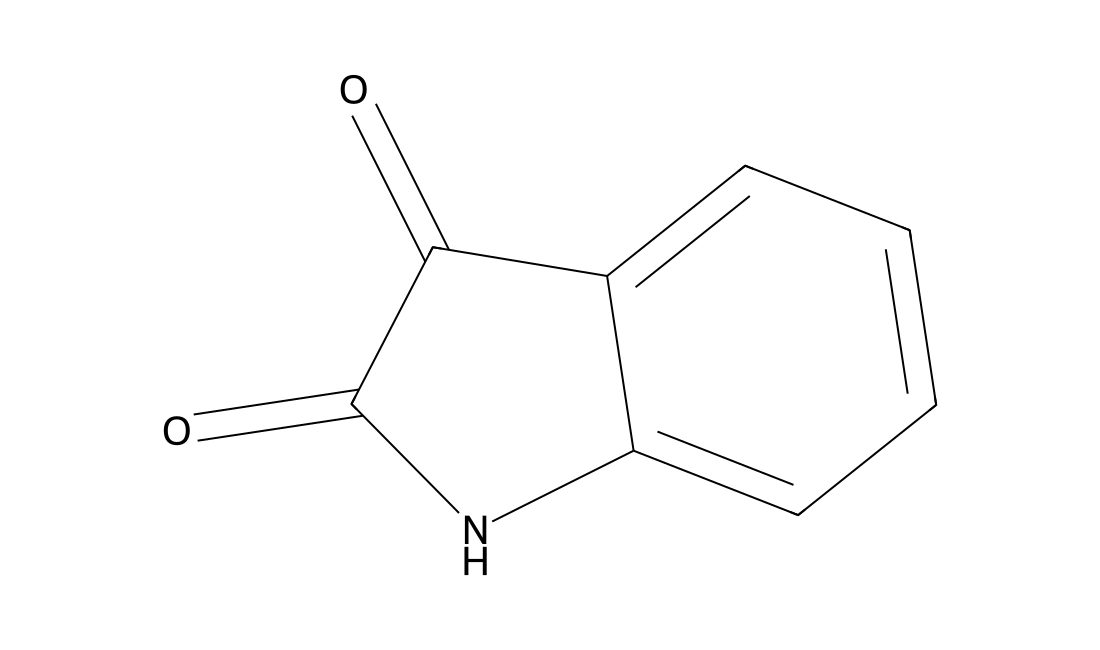
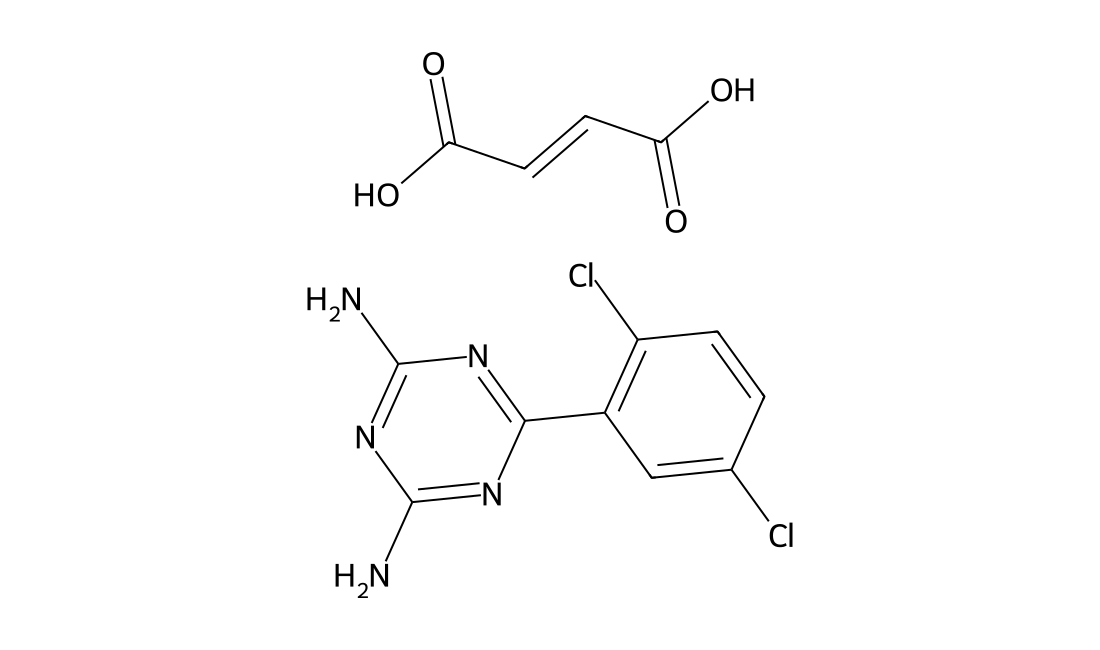
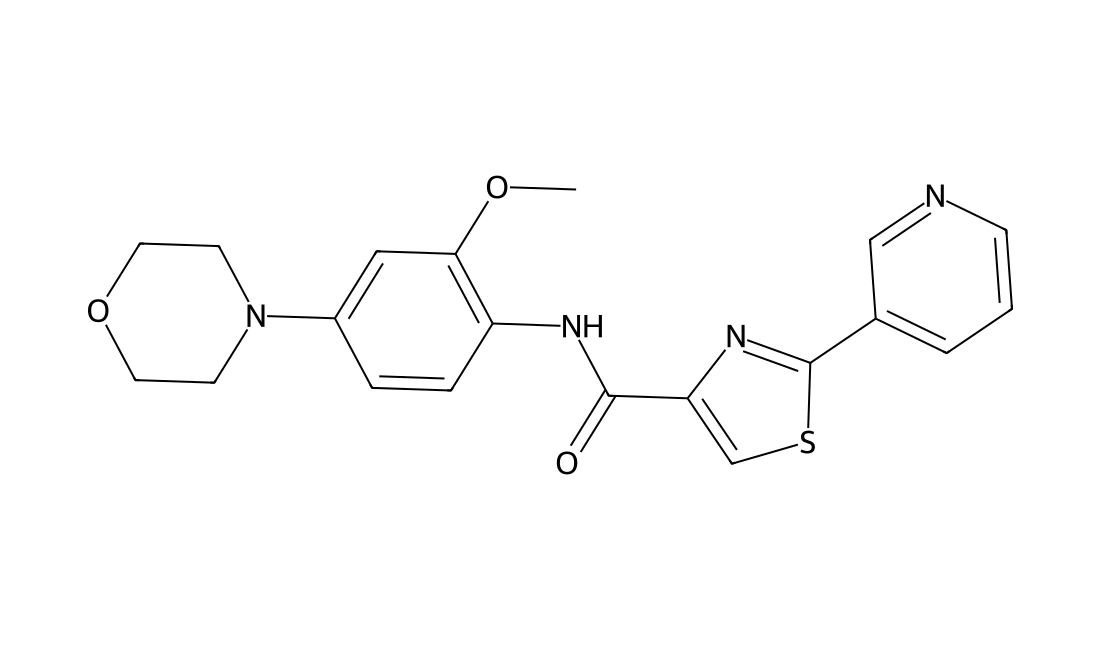
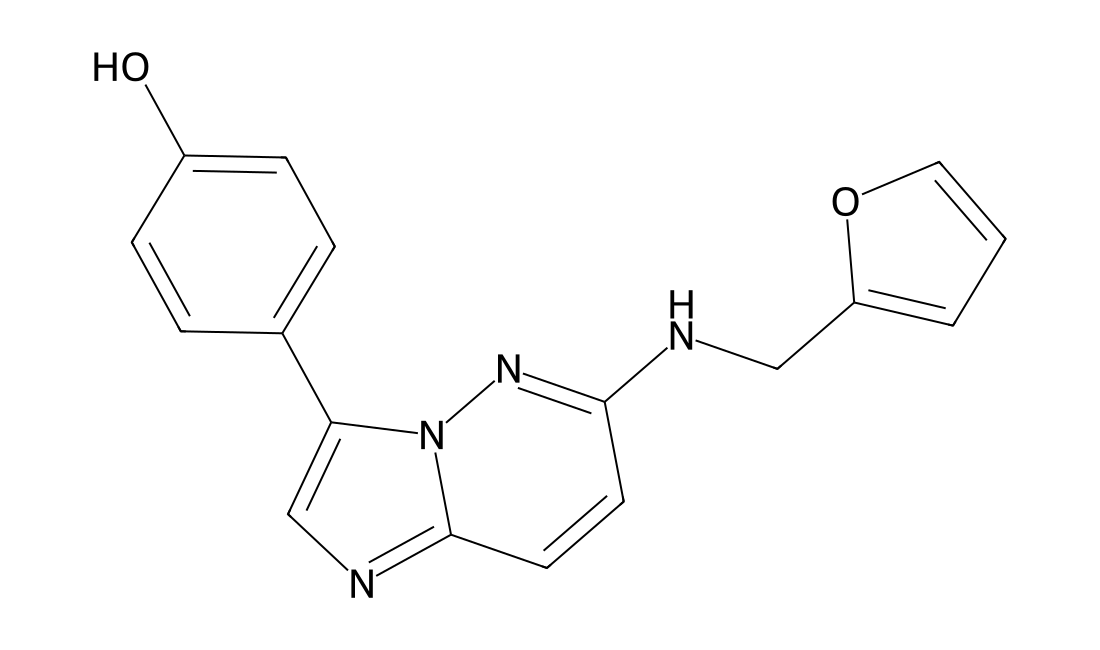
Small Molecule Research Tools

Explore bioactive compounds by research category, then narrow your search by target, product name, catalog number or CAS.

Newly added: LC-MG and OXF molecular glue research compounds →

6,823 products17 research categoriesBrowse all products ↓

Browse by research category

Products may appear in more than one category. Counts refer to distinct catalog numbers within each category.

Other Research Tools (75) · Additional reagents, building blocks and specialized research tools.

New literature-derived products

LC-MG-1 (DCA0006) · LC-MG-4 (DCA0007) · LC-MG-9 (DCA0008)

View structure and evidence summaries →

All small molecule products

Combine a keyword, research category and target to narrow the product list.

Loading catalog filters…

6,823 products · Showing 4,177–4,224

DC9626

Lck Inhibitor

CAS 847950-09-8

Lck Inhibitor is a new class of compounds that are potent inhibitors of Lck with an IC50 value of 7 nM. in vitro: Lck Inhibitor (compound 25) exhibited good potency in the T-cell receptor-induced IL-2 secretion assay (IL- 2) and also inhibited subsequent T-cell proliferation (T-cell prolif.) in the same human T -cells. in vivo: A once daily dose of 25was administered orally at 10, 30, and 60 mg/kg from day 9 today 17. Paw volume was measured daily from day 9 through day 18. The compound showed a dose-dependent inhibition of arthritis, with an ED50 estimated at 24 mg/kg (Figure 6). Based on the measured plasma levels from the three dose groups, the exposure of 25 at the ED50 was estimated to be 2.7 μM·h (Cmax≈ 0.7 μM).
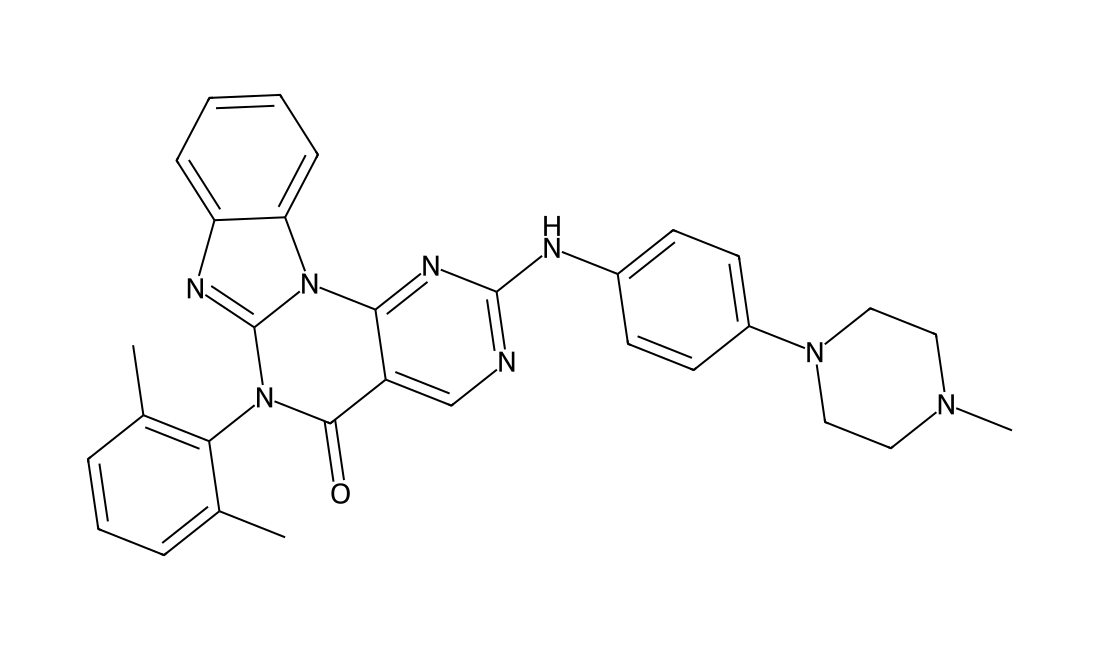
Lck Inhibitor chemical structure
DC9877

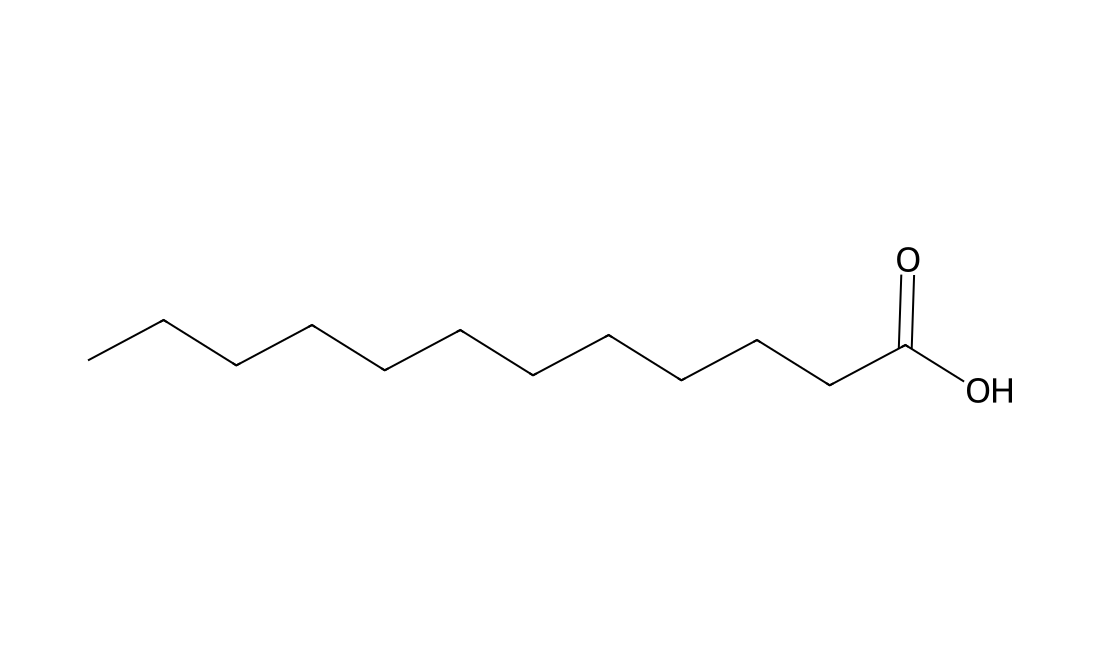
Lauric Acid

CAS 143-07-7

Lauric Acid is a saturated medium-chain fatty acid with a 12-carbon backbone. Lauric acid is found naturally in various plant and animal fats and oils, and is a major component of coconut oil and palm kernel oil.

Lauric Acid chemical structure
DC9006

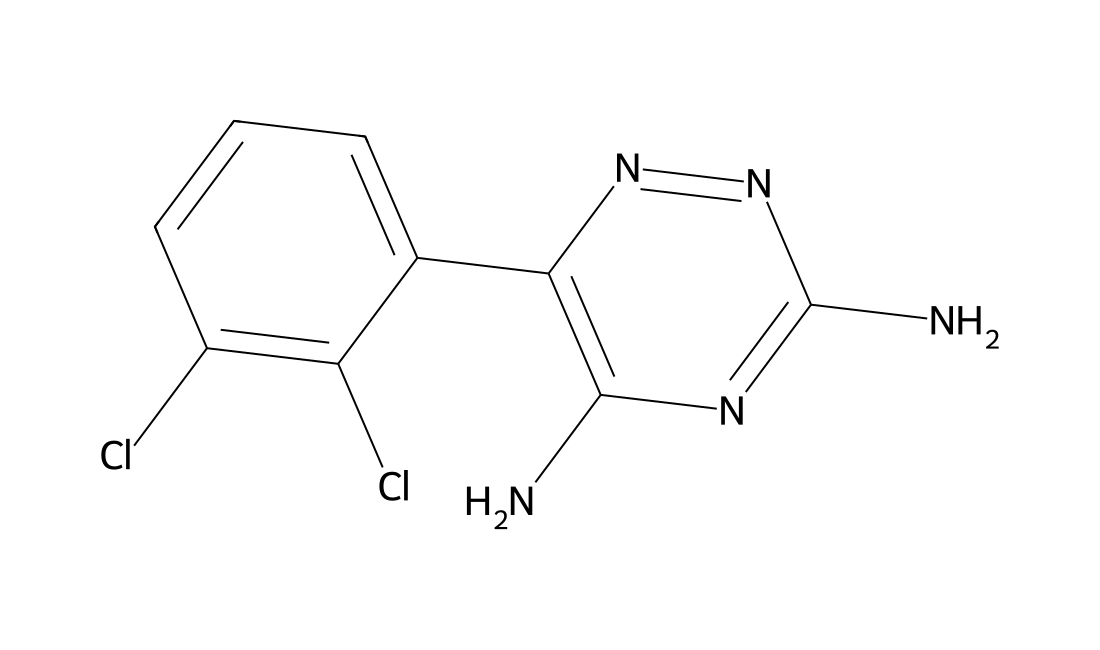
Lamotrigine

CAS 84057-84-1

Lamotrigine(BW430C) is a novel anticonvulsant drug for inhibition of 5-HT and sodium channel.Lamotrigine stabilises presynaptic neuronal membranes by blockade of voltage-dependent sodium channels, thus preventing the release of excitatory neurotransmitters, particularly glutamate and aspartate. In rat cerebral cortex tissue incubated with veratrine 10 mg/L, lamotrigine is twice as potent in inhibiting the release of glutamate and aspartate (ED 50 = 5.38 mg/L for each) than the release of GABA (ED50 = 11.2 mg/L), and is much less potent in inhibiting acetylcholine release (ED50 = 25.6 mg/L) when cortical slices is exposed to veratrine 75 mg/L. Basal glutamate release is unaffected. Lamotrigine inhibits high-frequency sustained repetitive firing of sodium-dependent action potentials, indicating a direct effect on voltage-activated sodium channels. Lamotrigine (Lamictal), a phenyltriazine derivative, is a well established anticonvulsant agent that has shown efficacy in the prevention of mood episodes in adult patients with bipolar I disorder. lamotrigine significantly delayed time to intervention for a depressive episode and showed limited efficacy in delaying time to intervention for a manic/hypomanic episode, compared with placebo. Lamotrigine is generally well tolerated.

Lamotrigine chemical structure
DC9382

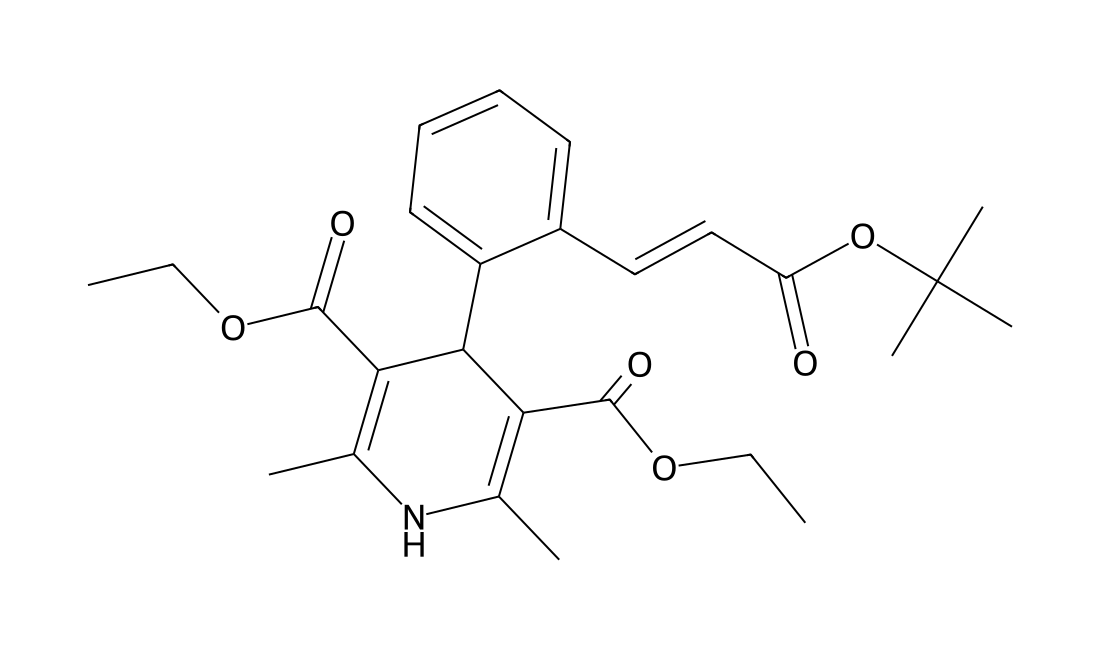
Lacidipine

CAS 103890-78-4

Lacidipine (Lacipil, Motens) is a L-type calcium channel blocker. Lacidipine, a novel third-generation dihydropyridine calcium channel blocker, has been demonstrated effective for hypertension. lacidipine protects HKCs against apoptosis induced by ATP depletion and recovery by regulating the caspase-3 pathway. In biological membranes deriving from rat brain tissue, lacidipine showed an activity comparable to reference antioxidant compounds like vitamin E. lacidipine has some important protective effects on liver of hypertensive irradiated albino rats.

Lacidipine chemical structure
DC11377

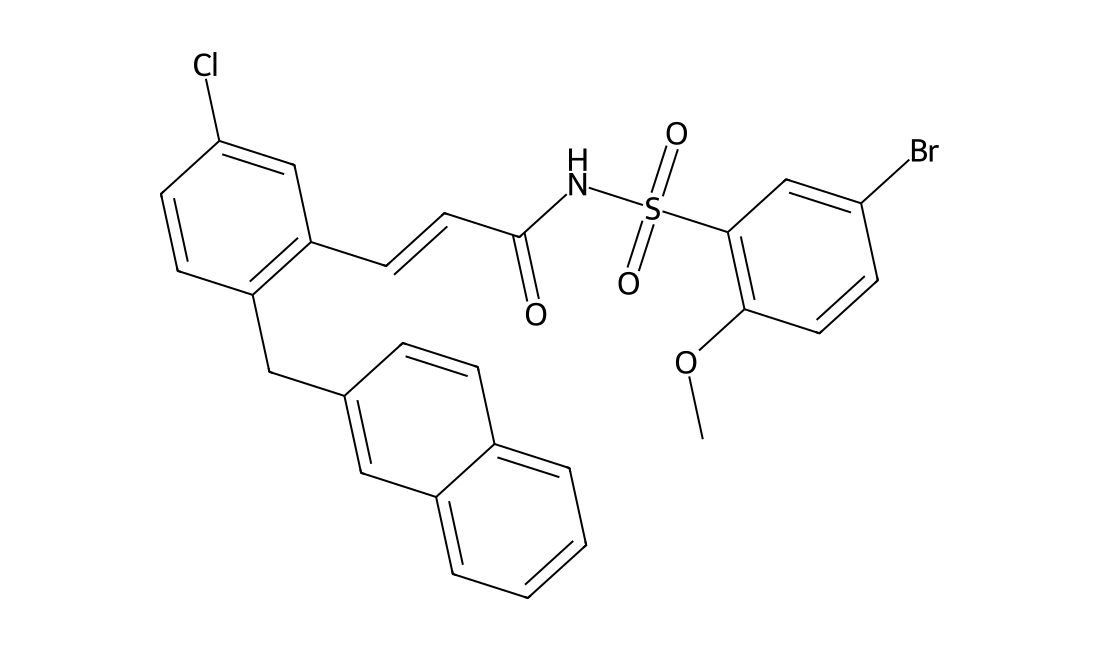
L-826,266

CAS 244101-03-9

L-826,266 is a potent and selective competitive antagonist of the prostaglandin E2 receptor subtype EP3 (Ki = 0.8 nM).It also binds to the EP4 receptor (Ki = 715 nM) but does not bind to EP1 or EP2 receptors up to a concentration of 5,000 nM. L-826,266 inhibits vasoconstriction induced by the EP3 agonist sulprostone in a concentration-dependent manner (EC50s = 0.45-24.5 µM in isolated human pulmonary arteries).It also inhibits sulprostone-induced norepinephrine and serotonin release in rat cortex and norepinephrine release in rat vas deferens (pA2s = 7.56, 7.67, and 7.87, respectively).
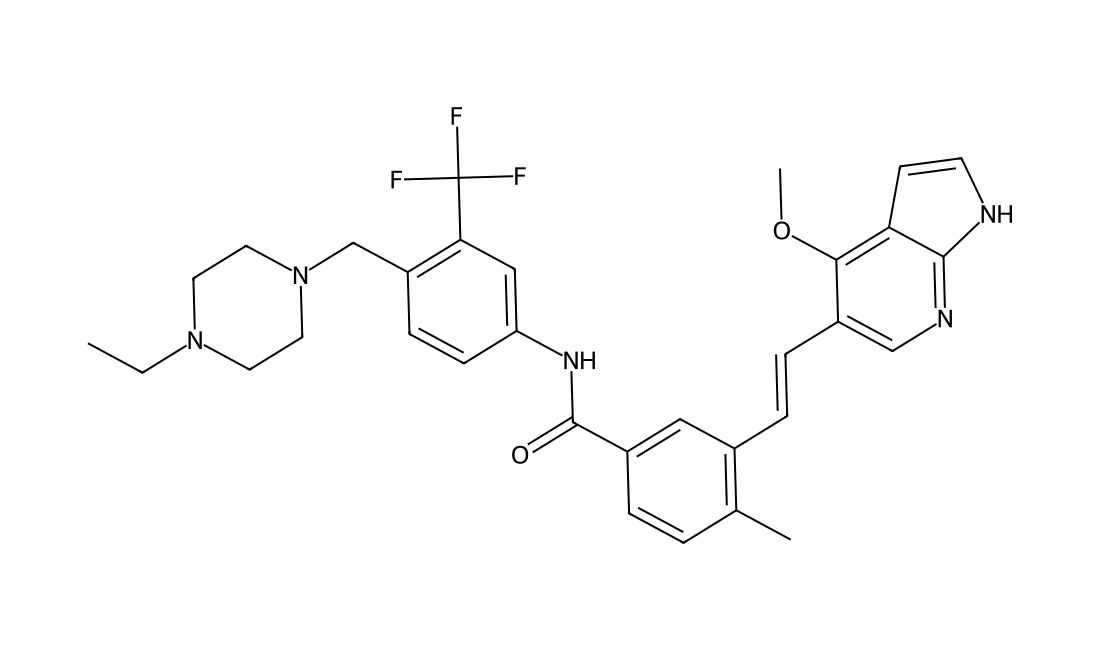
L-826,266 chemical structure
DC7446

K-Ras(G12C) inhibitor 6

CAS 2060530-16-5

K-Ras(G12C) inhibitor 6 belongs to a series of small molecules, which irreversibly bind to a common oncogenic mutant K-Ras(G12C) and blocks K-Ras(G12C) interactions. Some of them decrease viability and increase apoptosis of G12C-containing cancer cell lines. For the detailed information of K-Ras(G12C) inhibitor 6, the solubility of K-Ras(G12C) inhibitor 6 in water, the solubility of K-Ras(G12C) inhibitor 6 in DMSO, the solubility of K-Ras(G12C) inhibitor 6 in PBS buffer, the animal experiment (test) of K-Ras(G12C) inhibitor 6, the cell expriment (test) of K-Ras(G12C) inhibitor 6, the in vivo, in vitro and clinical trial test of K-Ras(G12C) inhibitor 6, the EC50, IC50,and Affinity of K-Ras(G12C) inhibitor 6, Please contact DC Chemicals.
K-Ras(G12C) inhibitor 6 chemical structure
DC7445

KPT-185

CAS 1333151-73-7

KPT-185 significantly inhibits leukemia cell proliferation with IC50 ranging from 100 nM to 500 nM, and induces cell-cycle arrest and apoptosis of AML cell lines and primary AML blasts. KPT-185 reduces CRM1 protein protein level and shows a significant nuclear accumulation of CRM1 cargo proteins. KPT-185 also inhibits proliferation and promotes apoptosis of pancreatic cancer cells without affecting human pancreatic ductal epithelial cells. For the detailed information of KPT-185, the solubility of KPT-185 in water, the solubility of KPT-185 in DMSO, the solubility of KPT-185 in PBS buffer, the animal experiment (test) of KPT-185, the cell expriment (test) of KPT-185, the in vivo, in vitro and clinical trial test of KPT-185, the EC50, IC50,and Affinity of KPT-185, Please contact DC Chemicals.

KPT-185 chemical structure
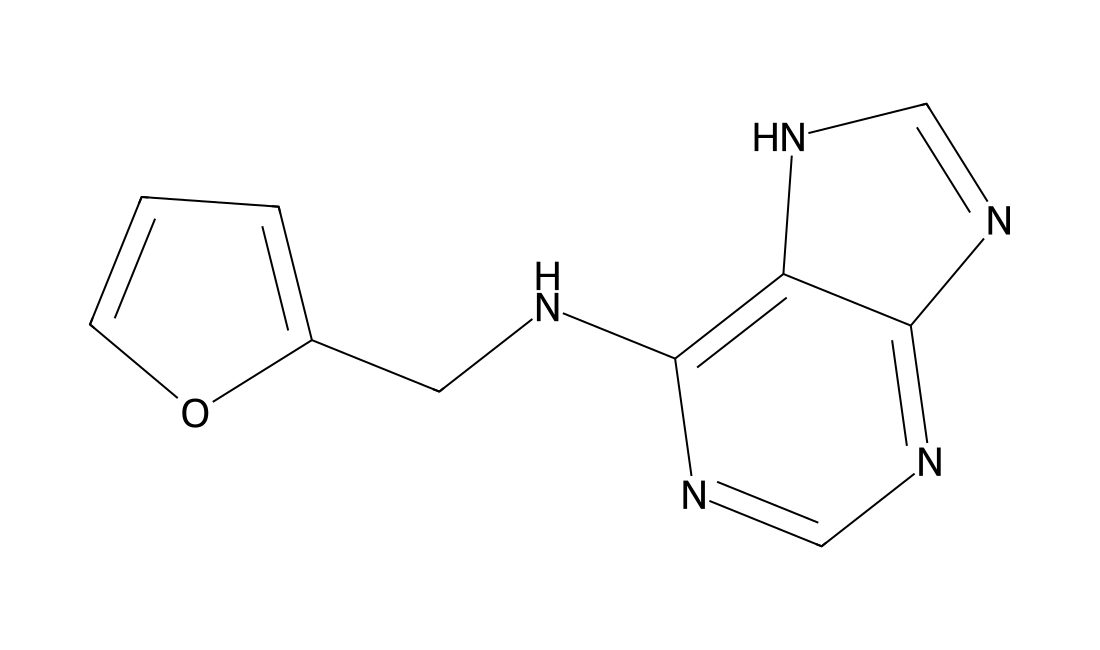
DCAPI1223

Kinetin (6-Furfuryladenine)

CAS 525-79-1

For the detailed information of Kinetin (6-Furfuryladenine), the solubility of Kinetin (6-Furfuryladenine) in water, the solubility of Kinetin (6-Furfuryladenine) in DMSO, the solubility of Kinetin (6-Furfuryladenine) in PBS buffer, the animal experiment(test) (test) of Kinetin (6-Furfuryladenine), the cell expriment (test) of Kinetin (6-Furfuryladenine), the in vivo, in vitro and clinical trial test of Kinetin (6-Furfuryladenine), the EC50, IC50,and Affinity of Kinetin (6-Furfuryladenine),, please contact DC Chemicals.

Kinetin (6-Furfuryladenine) chemical structure
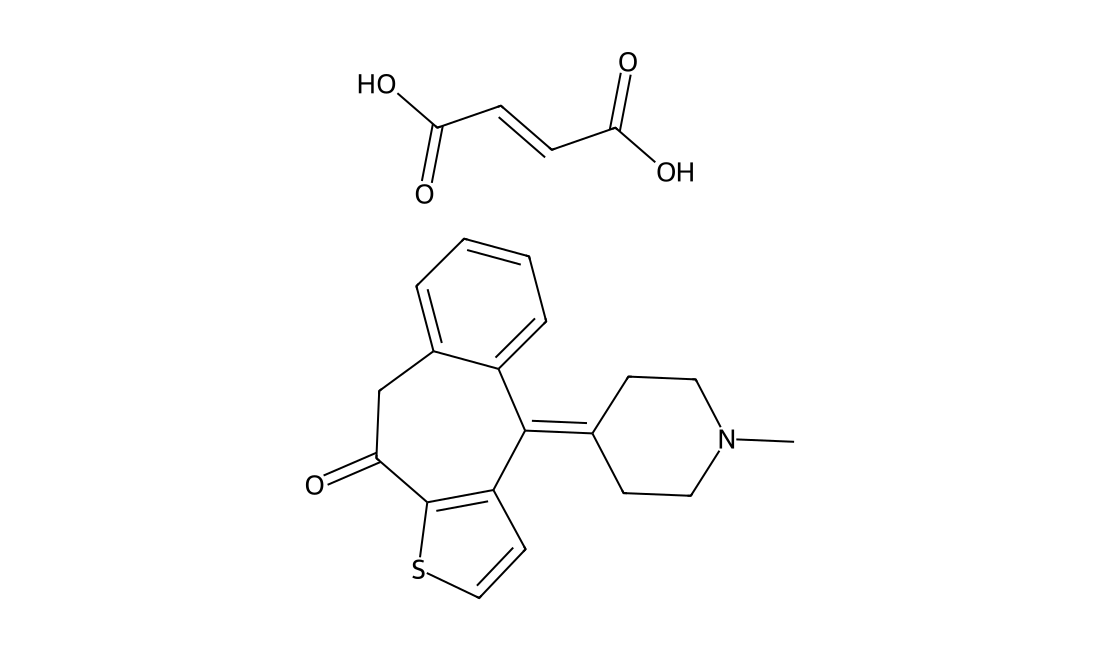
DC9132

Ketotifen fumarate

CAS 34580-14-8

Ketotifen (fumarate) is a second-generation noncompetitive H1-antihistamine and mast cell stabilizer, which is used to prevent asthma attacks.Ketotifen is a second-generation noncompetitive H1-antihistamine and mast cell stabilizer. It is most commonly sold as a salt of fumaric acid,ketotifen fumarate, and is available in two forms. In its ophthalmic form, it is used to treat allergic conjunctivitis, or the itchy red eyes caused by allergies. In its oral form, it is used to prevent asthma attacks. Side effects include drowsiness, weight gain, dry mouth, irritability, and increased nosebleeds. Ketotifen relieves and prevents eye itchiness and/or irritation associated with most seasonal allergies. It starts working within minutes after administering the drops. The drug has not been studied in children under three. The mean elimination half life is 12 hours. Besides its anti-histaminic activity, it is also a functional leukotriene antagonist and a phosphodiesterase inhibitor. The drug may also help relieve the symptoms of Irritable bowel syndrome.

Ketotifen fumarate chemical structure
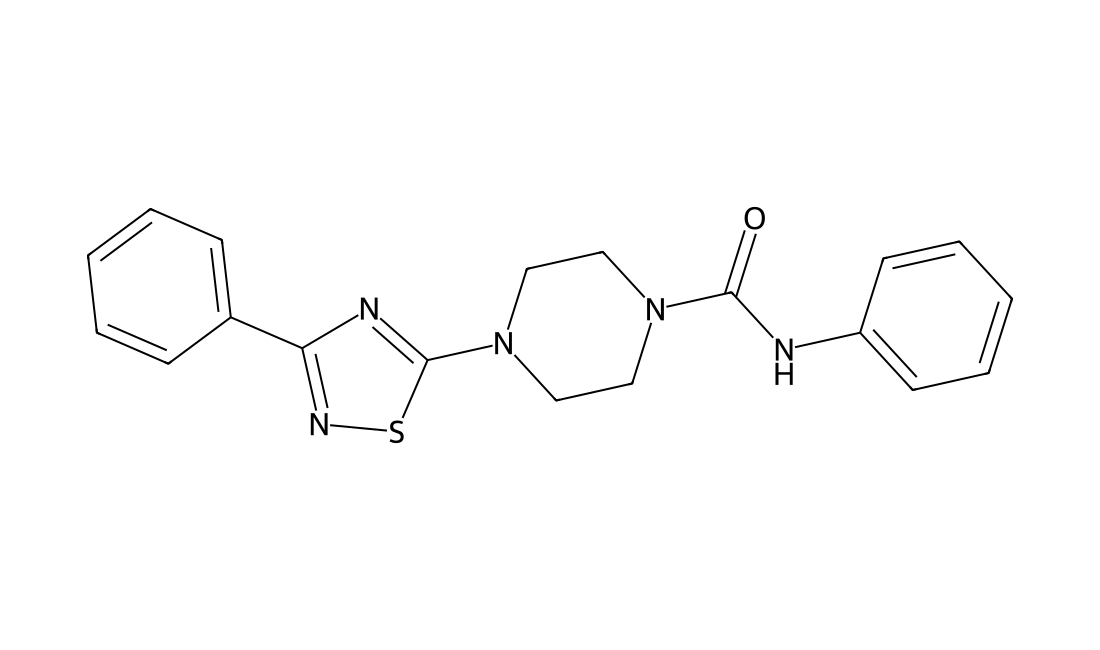
DC7617

JNJ-1661010

CAS 681136-29-8

FAAH preincubated with JNJ-1661010 suggests a slow reversibility of the interaction between the JNJ-1661010 and the active site, which is accelerated at higher temperatures. JNJ-1661010 is a covalent, mechanism-based substrate inhibitor as examined by LC-ESI-MS. JNJ-1661010 docks with the phenylthiadiazole in the hydrophobic tunnel and the phenylurea in the hydrophilic pocket of FAAH. JNJ-1661010 (20 mg/kg i.p.) inhibits FAAH by at least 85% For up to 4 h after dosing, resulting accumulation of lipid ethanolamides in rat brain. JNJ-1661010 dose-dependently reverses the tactile allodynia with a maximum efficacy of approximately 90% at 30 min postdose in both Mild Thermal Injury (MTI) mice and rat model. JNJ-1661010 (20 mg/kg) reverses tactile allodynia by 60.8% at 30 min in rat spinal nerve ligation injury model. JNJ-1661010 (50 mg/kg i.p.) shows a significant attenuation of the hyperalgesia at 30 min postdose in rat carrageenan model of inflammatory pain. Rats dosed with JNJ-1661010 (20 mg/kg i.p.) has a plasma Cmax of 26.9 μM at the Tmax of 0.75 h and a Cmax in the brain of 6.04 μM at the Tmax of 2 h. JNJ-1661010 (20 mg/kg i.p.) inhibits brain FAAH and elevates AEA level in brain tissue in rat. For the detailed information of JNJ-1661010, the solubility of JNJ-1661010 in water, the solubility of JNJ-1661010 in DMSO, the solubility of JNJ-1661010 in PBS buffer, the animal experiment (test) of JNJ-1661010, the cell expriment (test) of JNJ-1661010, the in vivo, in vitro and clinical trial test of JNJ-1661010, the EC50, IC50,and Affinity of JNJ-1661010, Please contact DC Chemicals.

JNJ-1661010 chemical structure
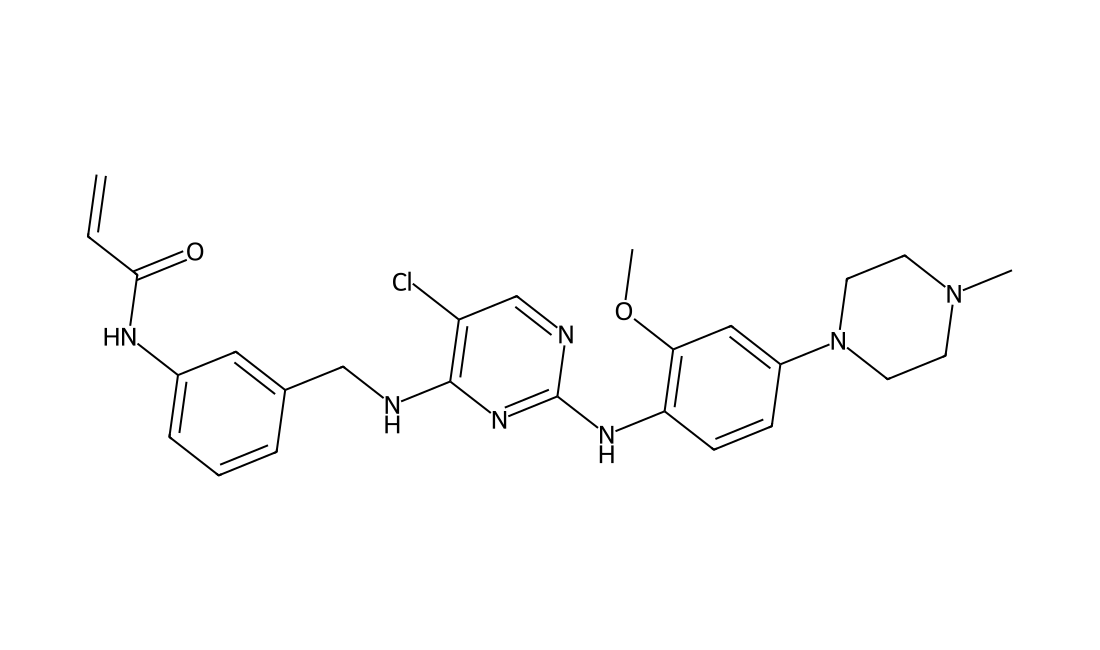
DC24028

JAK3-IN-1

CAS 1805787-93-2

JAK3-IN-1 is a potent and selective JAK3 inhibitor with IC50 of 4.8 nM; displays >150 fold selectivity versus JAK1 and JAK2; exhibits decent pharmacokinetic properties and is suitable for use in vivo.

JAK3-IN-1 chemical structure
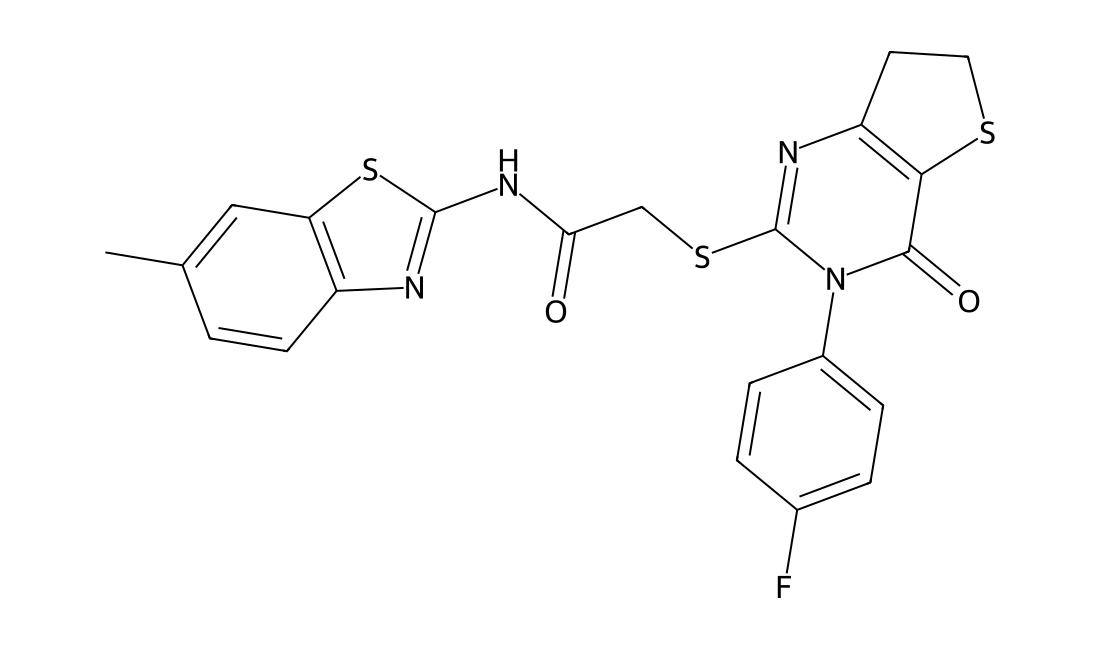
DC5059

IWP-3

CAS 687561-60-0

Stemolecule Wnt Inhibitor IWP-3 was identified in a high throughput screen For antagonists of the Wnt/β-catenin pathway. Wnt Inhibitor IWP-3 prevents palmitylation of Wnt proteins by Porcupine (Porcn), a membrane-bound O-acyltransferase, thereby blocking Wnt secretion and activity. It also blocks phosphorylation of the Lrp6 receptor and accumulation of both Dvl2 and β-catenin. The inhibition of the Wnt pathway through the use of IWP-3 has also been shown to promote the Formation of cardiocytes from human embryonic stem cell-derived mesoderm cells.For the detailed information of IWP-3, the solubility of IWP-3 in water, the solubility of IWP-3 in DMSO, the solubility of IWP-3 in PBS buffer, the animal experiment (test) of IWP-3, the cell expriment (test) of IWP-3, the in vivo, in vitro and clinical trial test of IWP-3, the EC50, IC50,and Affinity of IWP-3, Please contact DC Chemicals.

IWP-3 chemical structure
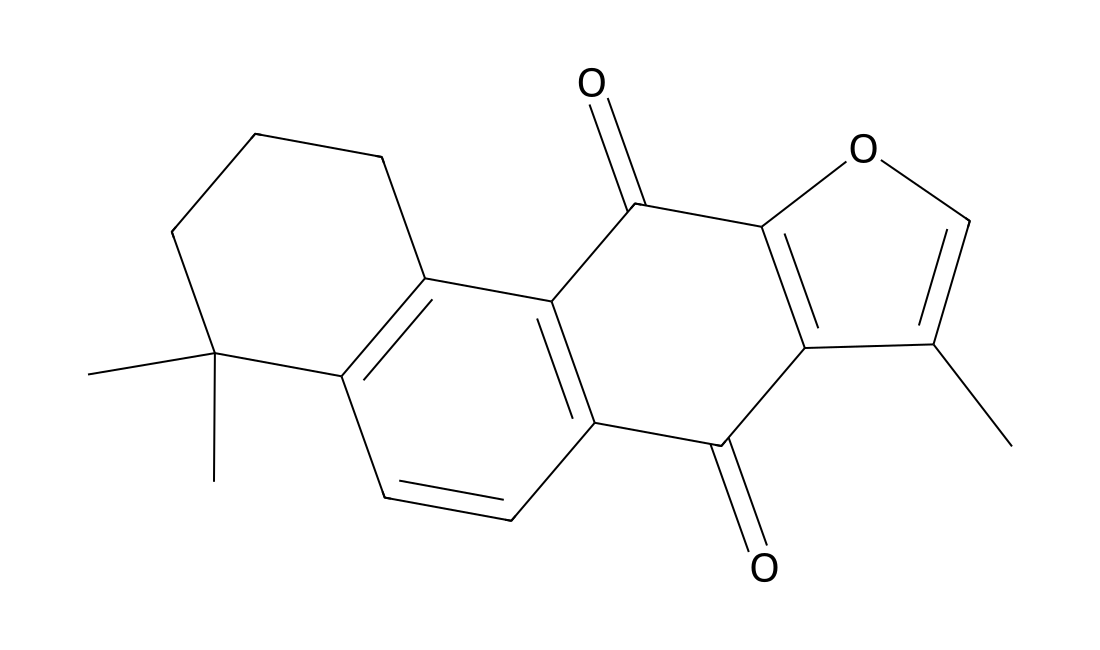
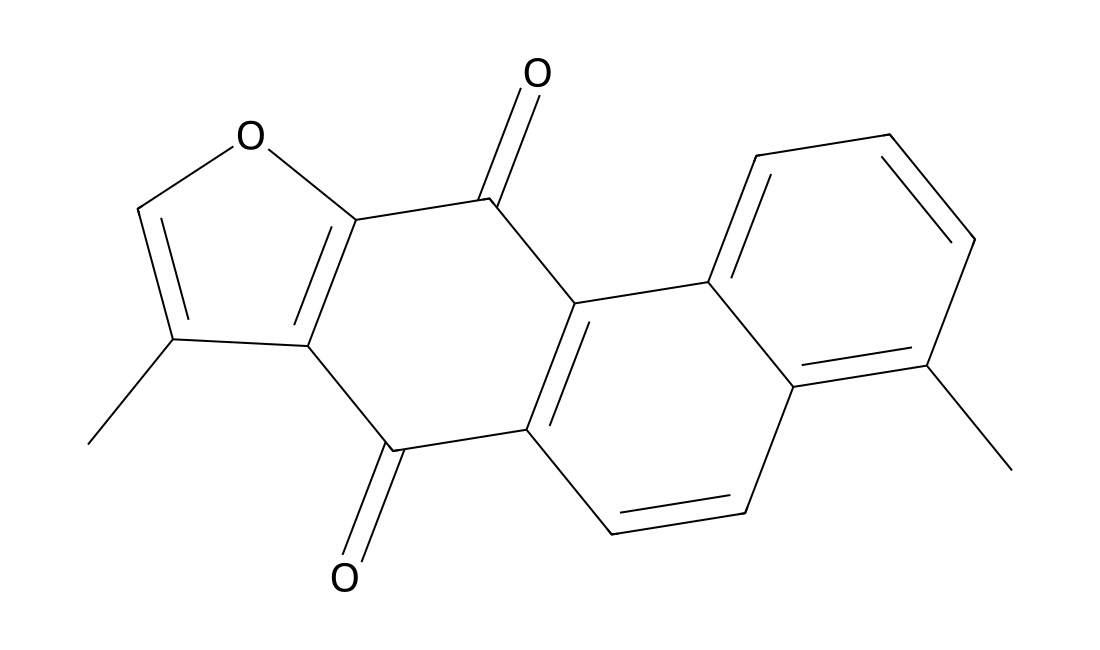
DC12069

Isotanshinone I

CAS 20958-17-2

Isotanshinone I has inhibitory activity against α-glucosidase and formation of AGE, with IC50s of 1.13, 0.432 μM for α-glucosidase and AGE, respectively.

Isotanshinone I chemical structure
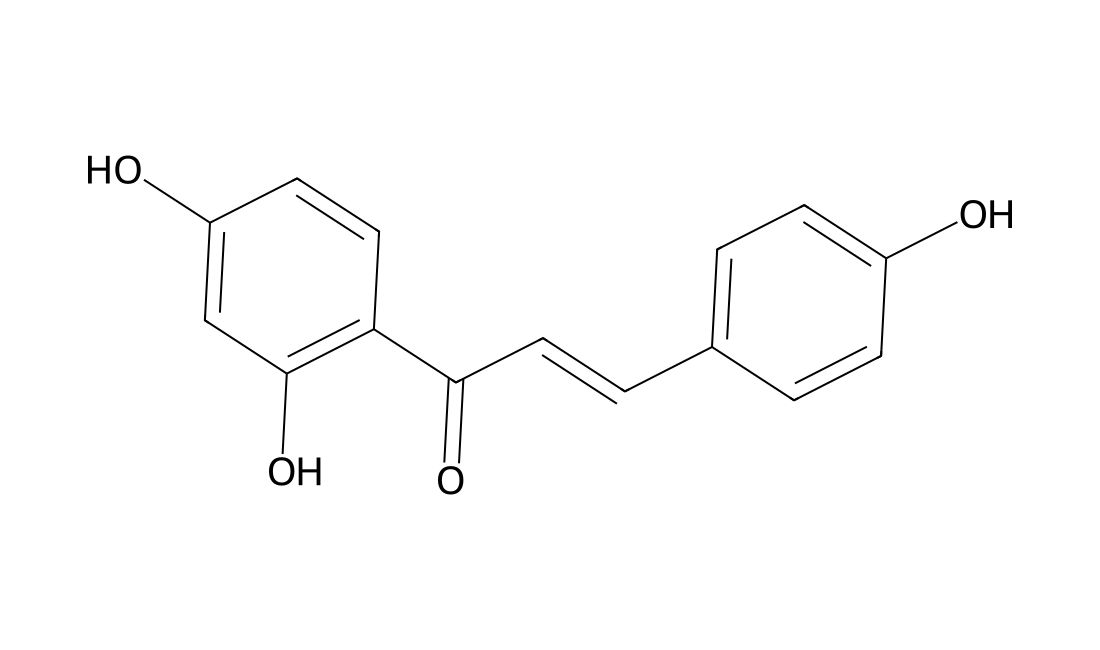
DCAPI1396

Isoliquiritigenin

CAS 961-29-5

For the detailed information of Isoliquiritigenin, the solubility of Isoliquiritigenin in water, the solubility of Isoliquiritigenin in DMSO, the solubility of Isoliquiritigenin in PBS buffer, the animal experiment(test) (test) of Isoliquiritigenin, the cell expriment (test) of Isoliquiritigenin, the in vivo, in vitro and clinical trial test of Isoliquiritigenin, the EC50, IC50,and Affinity of Isoliquiritigenin,, please contact DC Chemicals.

Isoliquiritigenin chemical structure
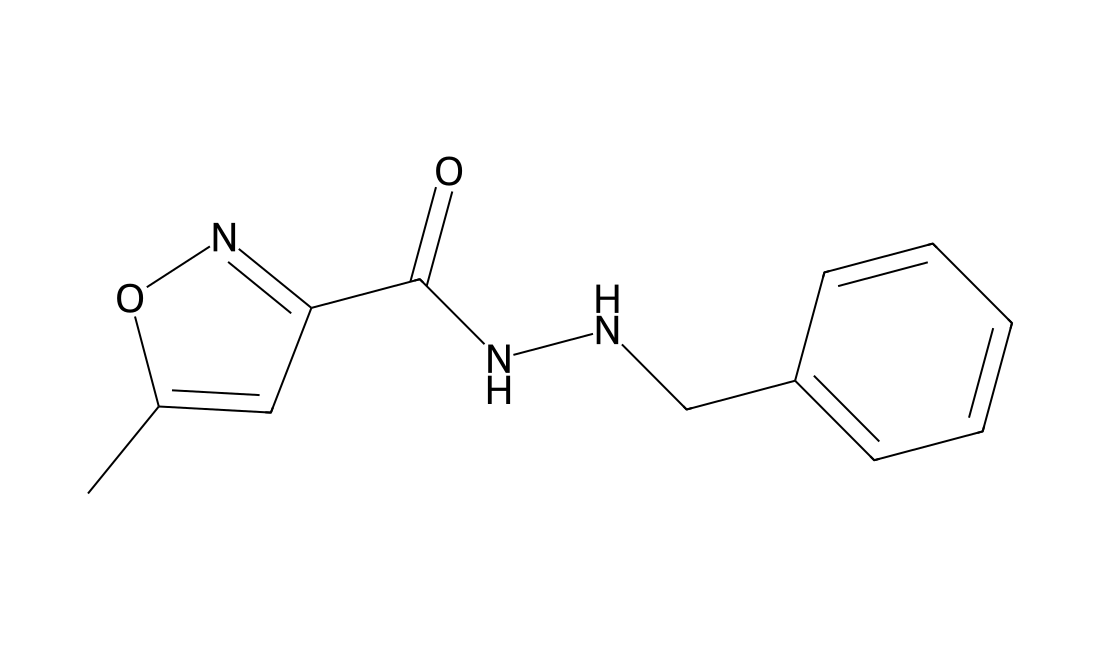
DC20010

Isocarboxazid

CAS 59-63-2

In Vivo Isocarboxazid (1, 3 mg/kg, i.p., 60 min) pretreatment in mice shows the significant increased number of head twitches at 15 and 30 min after 5-HTP. Isocarboxazid (1, 3 mg/kg, i.p., 60 min) treatment in mice together with 5-HTP administration causes 43% 5-HT concentration increased and 22% of 5-HIAA decreased compared to brain concentrations in mice given 5-HTP alone.

Isocarboxazid chemical structure
DCAPI1578

Irsogladine maleate

CAS 84504-69-8

For the detailed information of Irsogladine maleate, the solubility of Irsogladine maleate in water, the solubility of Irsogladine maleate in DMSO, the solubility of Irsogladine maleate in PBS buffer, the animal experiment(test) (test) of Irsogladine maleate, the cell expriment (test) of Irsogladine maleate, the in vivo, in vitro and clinical trial test of Irsogladine maleate, the EC50, IC50,and Affinity of Irsogladine maleate,, please contact DC Chemicals.

Irsogladine maleate chemical structure
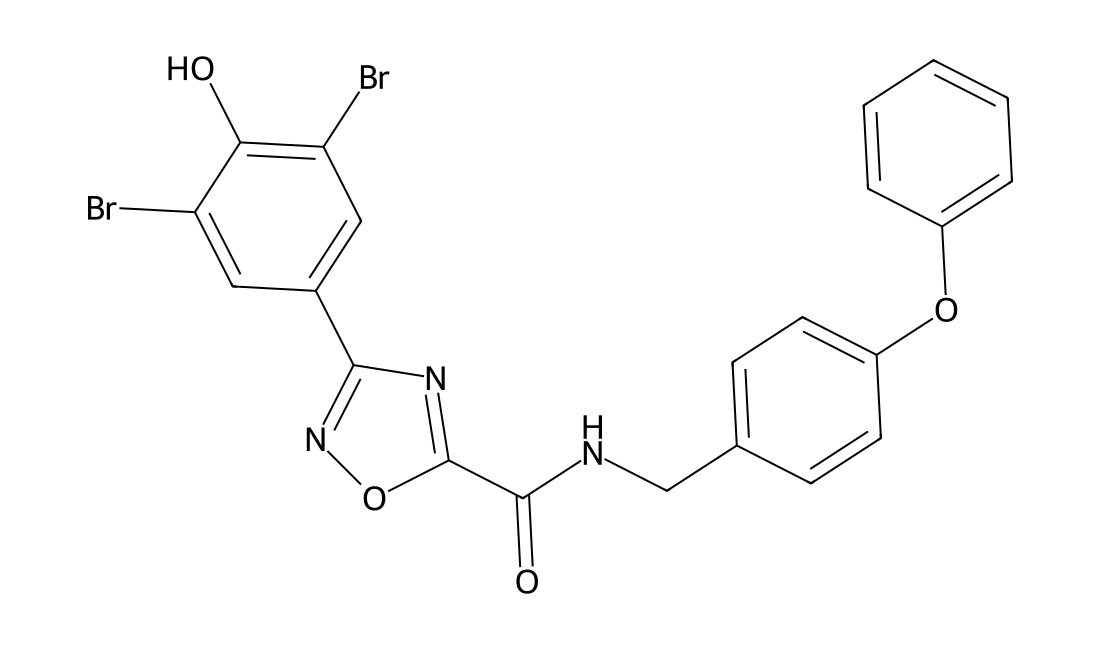
DC7172

IOWH-032

CAS 1191252-49-9

IOWH032 shows inhibitory activity against CFTR in T84-CFTR cell based assays with IC50 of 6.87 μM. In a mouse closed-loop model, IOWH032 causes a statistical significant inhibition against cholera toxin (CTX) induced secretion. IOWH032 (5 mg/kg) reduces the fecal output index by ~70% in a cecetomized rat model.For the detailed information of IOWH-032, the solubility of IOWH-032 in water, the solubility of IOWH-032 in DMSO, the solubility of IOWH-032 in PBS buffer, the animal experiment (test) of IOWH-032, the cell expriment (test) of IOWH-032, the in vivo, in vitro and clinical trial test of IOWH-032, the EC50, IC50,and Affinity of IOWH-032, Please contact DC Chemicals.

IOWH-032 chemical structure
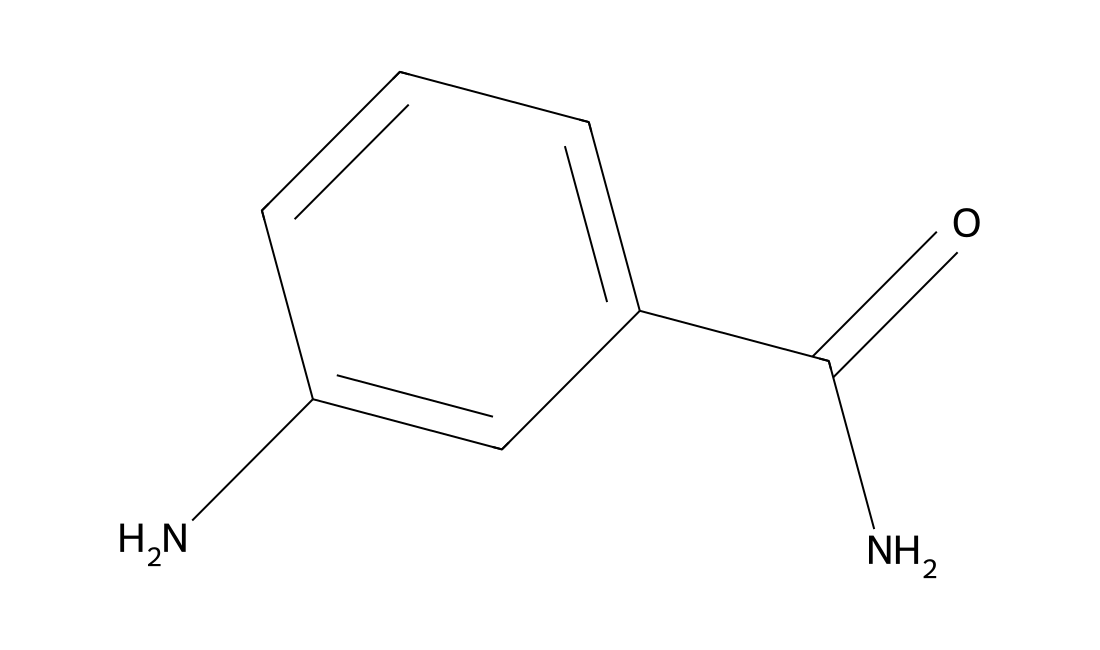
DC23238

INO-1001

CAS 3544-24-9

INO-1001 is a potent, selective poly(ADP-ribose) polymerase (PARP) with IC50 of <50 nM in CHO cells; significantly radiosensitizes human and rodent cell lines at 10 uM (enhancement ratios 1.4-1.6), enhances radiation-induced cell killing by interfering with DNA repair mechanisms, resulting in necrotic cell death; attenuates various aspects of the pathophysiological response in a clinically relevant experimental model of burn/smoke inhalation injury.Brain CancerDiscontinued

INO-1001 chemical structure
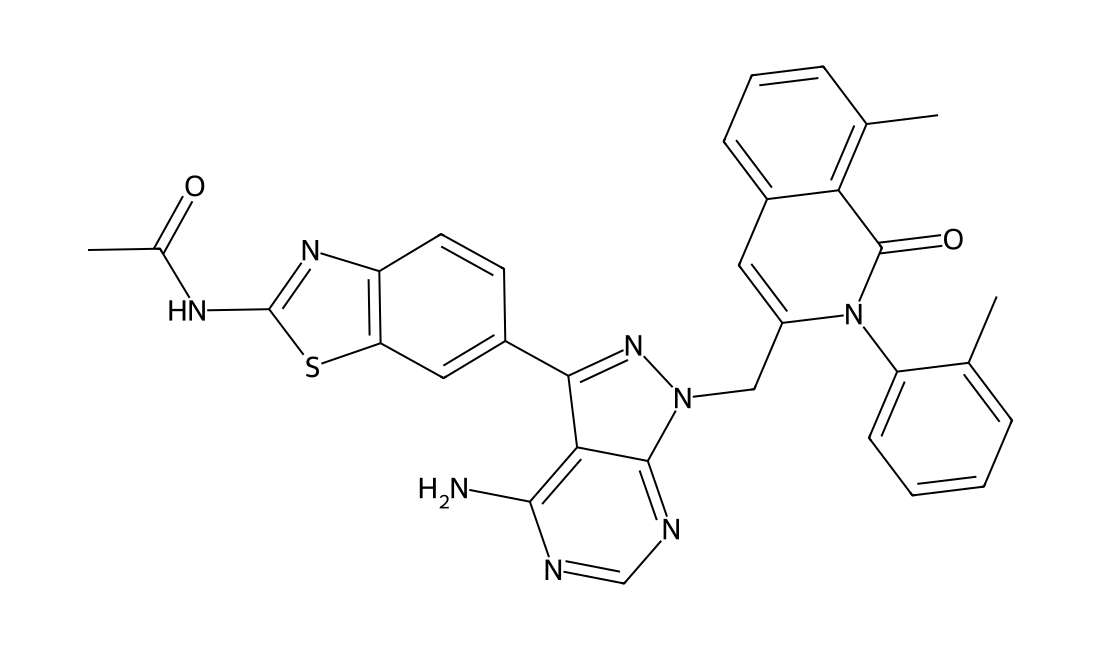
DC7873

INK-055 (PI3Kγ inhibitor 1)

CAS 1172118-03-4

The dual PI3Kg/d inhibitor INK055 was effective as prophylactic therapy as well as in established arthritis. The modest effect on autoantibody production and benefit observed in established disease suggests that the mechanism is through an effect on innate immunity rather than antibody production. A dual specific PI3Kg/d inhibitor might be effective in rheumatoid arthritis while limiting systemic toxicity of a and b inhibitors. For the detailed information of INK-055, the solubility of INK-055 in water, the solubility of INK-055 in DMSO, the solubility of INK-055 in PBS buffer, the animal experiment (test) of INK-055, the cell expriment (test) of INK-055, the in vivo, in vitro and clinical trial test of INK-055, the EC50, IC50,and affinity,of INK-055, Please contact DC Chemicals.

INK-055 (PI3Kγ inhibitor 1) chemical structure
DC12310

INH154

CAS 1587705-63-2

In Vitro INH154 is highly potent in treating breast tumors with co-elevated expression of Hec1 and Nek2. INH154 is the most potent inhibitor of tumor cell growth. The IC50 values of INH154 in HeLa and MDA-MB-468 cancer cells are 0.20 and 0.12 μM, respectively. INH154 also suppresses the growth of leukemia, osteosarcoma, and glioblastoma cells. In Vivo Tumor growth rates in mice treated with INH154 are evidently slower than those in control animals in a dose-dependent manner. In agreement with the tumor-growth data, the tumor proliferation index, determined by measuring BrdU staining, is clearly reduced in residual tumors treated with INH154 in comparison with vehicle alone. The expression levels of Nek2 and Hec1 S165 phosphorylation are also substantially reduced in INH154-treated tumors than in vehicle-treated tumors. On the other hand, mice body weights are measured during the 6.5 weeks treatment period and show little difference among treated and control groups. In addition, the toxicity of INHs by treating normal BALB/c ByJNarl mice with high dosage of INH154 (20 mg/kg) shows no significant difference of body weights, blood chemistry, and complete blood count (CBC) analysis among these groups of animals.

INH154 chemical structure
DCAPI1237

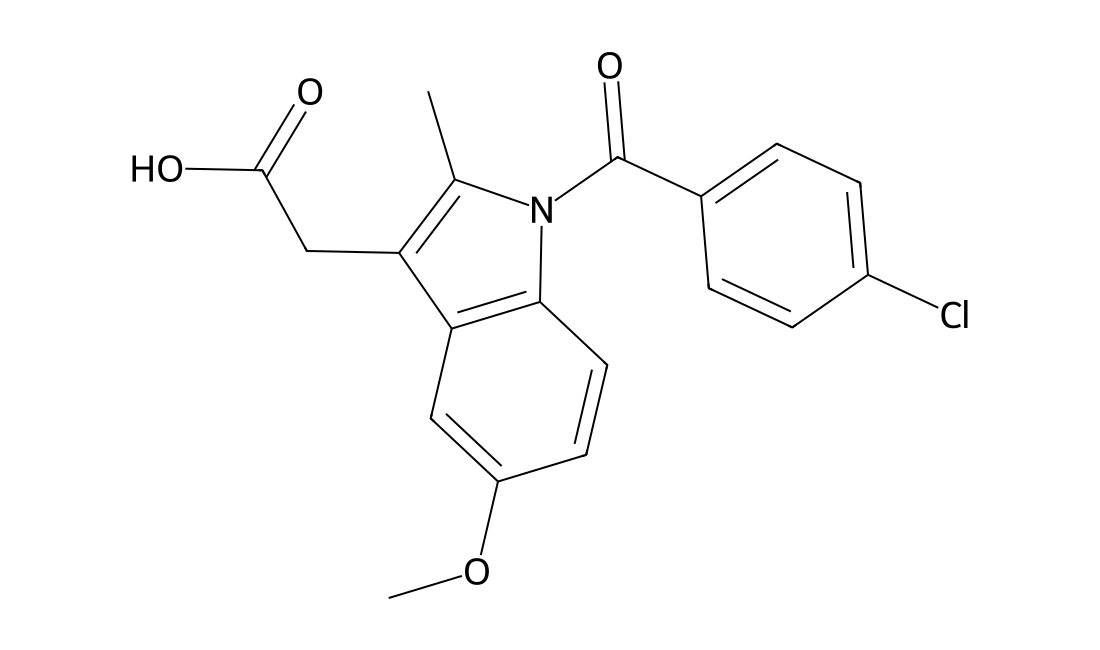
Indomethacin (Indocid, Indocin)

CAS 53-86-1

For the detailed information of Indomethacin (Indocid, Indocin), the solubility of Indomethacin (Indocid, Indocin) in water, the solubility of Indomethacin (Indocid, Indocin) in DMSO, the solubility of Indomethacin (Indocid, Indocin) in PBS buffer, the animal experiment(test) (test) of Indomethacin (Indocid, Indocin), the cell expriment (test) of Indomethacin (Indocid, Indocin), the in vivo, in vitro and clinical trial test of Indomethacin (Indocid, Indocin), the EC50, IC50,and Affinity of Indomethacin (Indocid, Indocin),, please contact DC Chemicals.

Indomethacin (Indocid, Indocin) chemical structure
DCAPI1055

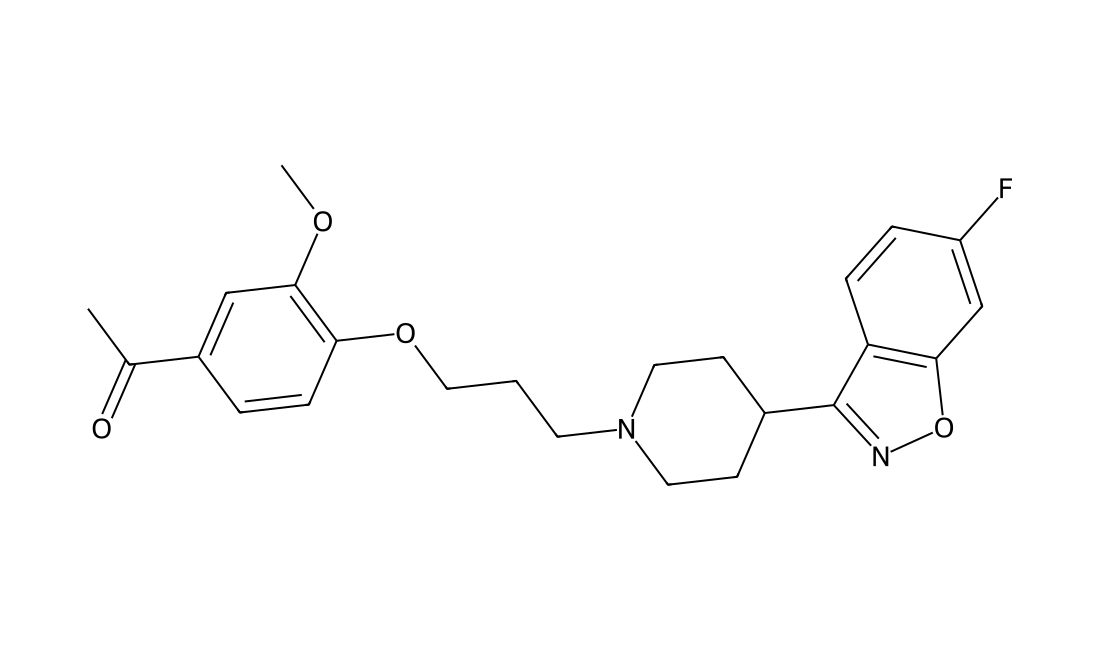
Iloperidone (Fanapt)

CAS 133454-47-4

For the detailed information of Iloperidone (Fanapt), the solubility of Iloperidone (Fanapt) in water, the solubility of Iloperidone (Fanapt) in DMSO, the solubility of Iloperidone (Fanapt) in PBS buffer, the animal experiment(test) (test) of Iloperidone (Fanapt), the cell expriment (test) of Iloperidone (Fanapt), the in vivo, in vitro and clinical trial test of Iloperidone (Fanapt), the EC50, IC50,and Affinity of Iloperidone (Fanapt),, please contact DC Chemicals.

Iloperidone (Fanapt) chemical structure
DCAPI1265

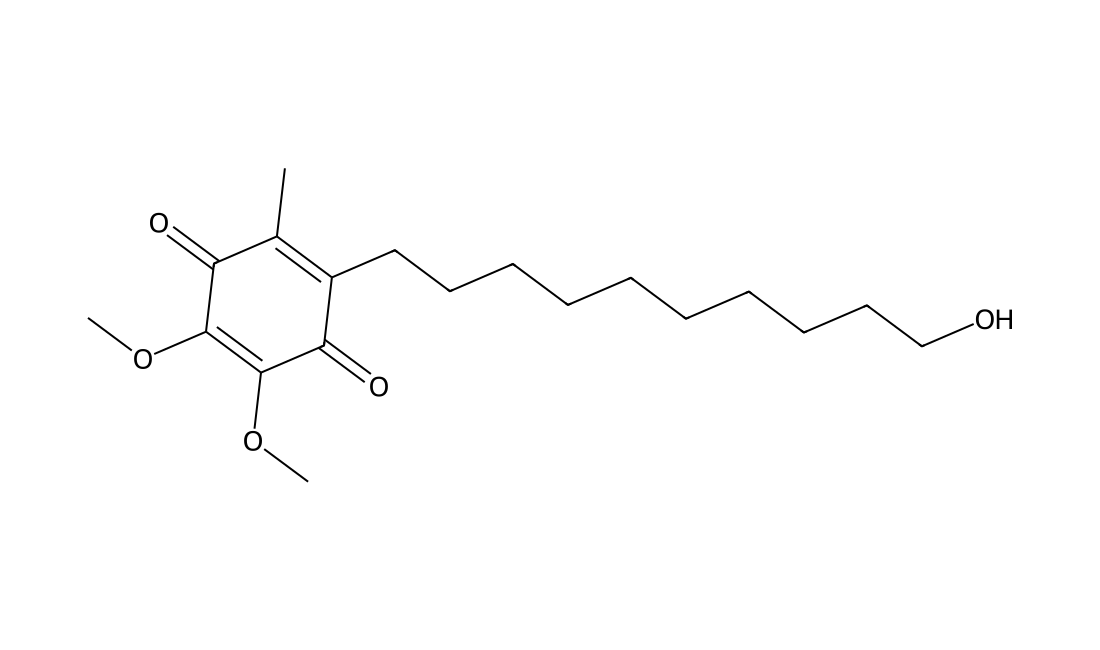
Idebenone

CAS 58186-27-9

For the detailed information of Idebenone, the solubility of Idebenone in water, the solubility of Idebenone in DMSO, the solubility of Idebenone in PBS buffer, the animal experiment(test) (test) of Idebenone, the cell expriment (test) of Idebenone, the in vivo, in vitro and clinical trial test of Idebenone, the EC50, IC50,and Affinity of Idebenone,, please contact DC Chemicals.

Idebenone chemical structure
DC7427

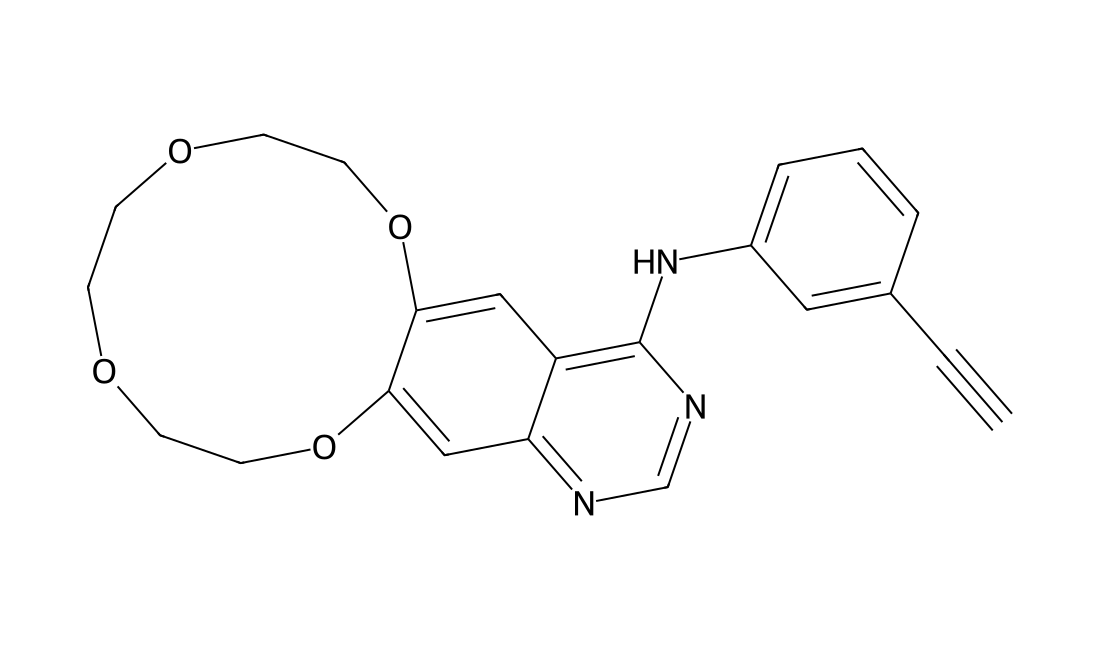
Icotinib

CAS 610798-31-7

Icotinib inhibits EGFR activity in a dose-dependent manner, with an IC50 value of 5 nM and complete inhibition at 62.5 nM. Icotinib selectively solely inhibits the EGFR members including the wild type and mutants with inhibition efficacies of 61-99%. Icotinib blocks EGFR-mediated intracellular tyrosine phosphorylation in human epidermoid carcinoma A431 cells in a dose-dependent manner. Meanwhile, in our proliferation assay per Formed on A431, BGC-823, A549, H460, HCT8, KB and Bel-7402 cell lines, we found that the relative sensitivity of cell lines to Icotinib is A431 > BGC-823 > A549 > H460 > KB > HCT8 and Bel-7402. Icotinib exhibits a broad spectrum of antitumor activity and it is especially effective against tumors expressing higher levels of EGFR. Icotinib shows an antitumor effect in different types of xenografts. Icotinib inhibits tumor growth at a rate of 51.5%, 31.0% and 67.4% in the A431, A549 and H460 xenografts at a dose of 120 mg/kg, respectively. For the detailed information of Icotinib, the solubility of Icotinib in water, the solubility of Icotinib in DMSO, the solubility of Icotinib in PBS buffer, the animal experiment (test) of Icotinib, the cell expriment (test) of Icotinib, the in vivo, in vitro and clinical trial test of Icotinib, the EC50, IC50,and Affinity of Icotinib, Please contact DC Chemicals.

Icotinib chemical structure
DC8573

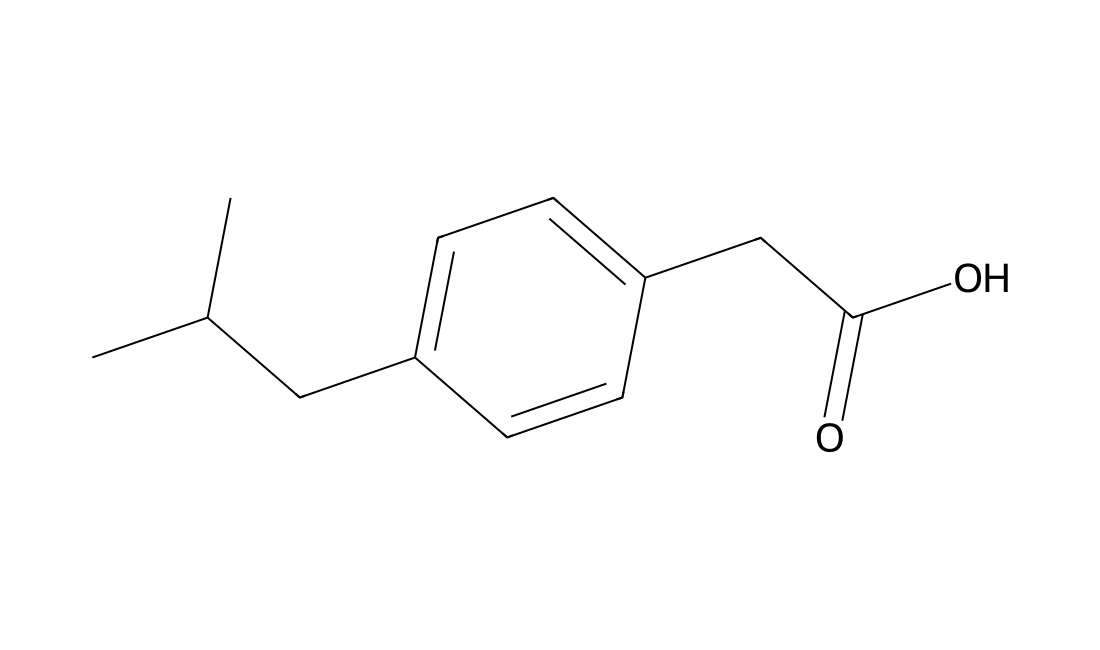
Ibufenac

CAS 1553-60-2

Ibufenac is an analog of the NSAID ibuprofen that inhibits COX-1 and -2 activity with IC50 values of 17.4 and 13.1 µM, respectively.

Ibufenac chemical structure
DC9913

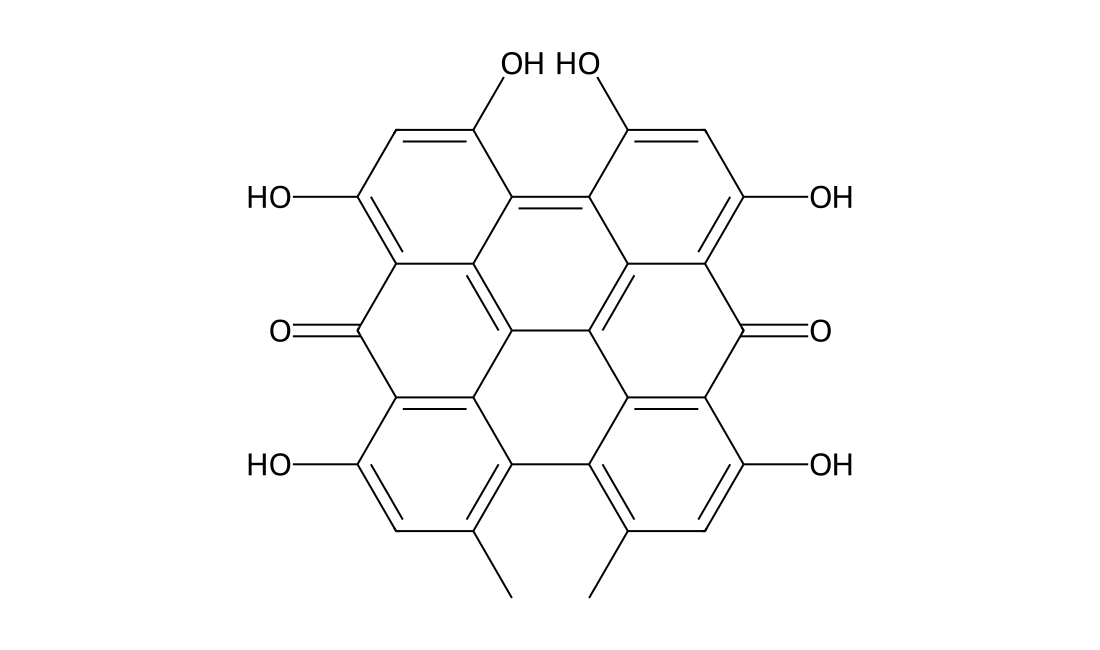
Hypericin

CAS 548-04-9

Hypericin is a photosensitive antiviral with anticancer and antidepressant agent derived from Hypericum perforatum. It can inhibit tyrosine kinases with IC50 of 7.5 μM. In vitro:The photosensitive of hypericin can induce both apoptosis and necrosis in a concentration and light dose-dependent fashion. PDT with hypericin results in the activation of multiple pathways that can either promote or counteract the cell death program. It can effect cytotoxic to tumor cells by visible light.

Hypericin chemical structure
DCAPI1269

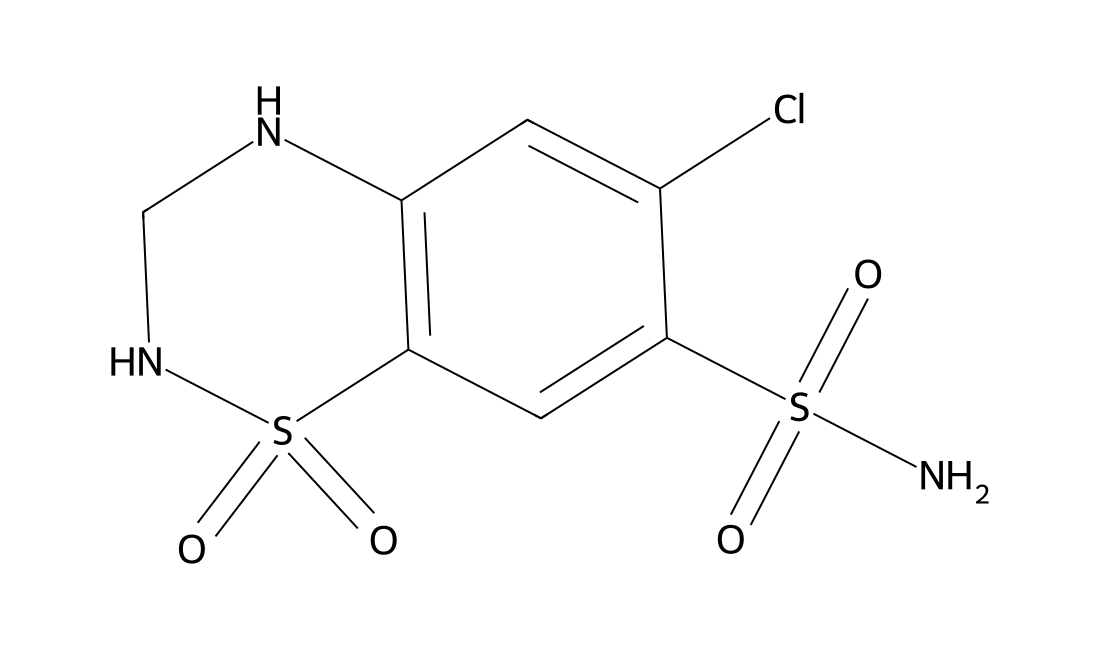
Hydrochlorothiazide

CAS 58-93-5

For the detailed information of Hydrochlorothiazide, the solubility of Hydrochlorothiazide in water, the solubility of Hydrochlorothiazide in DMSO, the solubility of Hydrochlorothiazide in PBS buffer, the animal experiment(test) (test) of Hydrochlorothiazide, the cell expriment (test) of Hydrochlorothiazide, the in vivo, in vitro and clinical trial test of Hydrochlorothiazide, the EC50, IC50,and Affinity of Hydrochlorothiazide,, please contact DC Chemicals.

Hydrochlorothiazide chemical structure
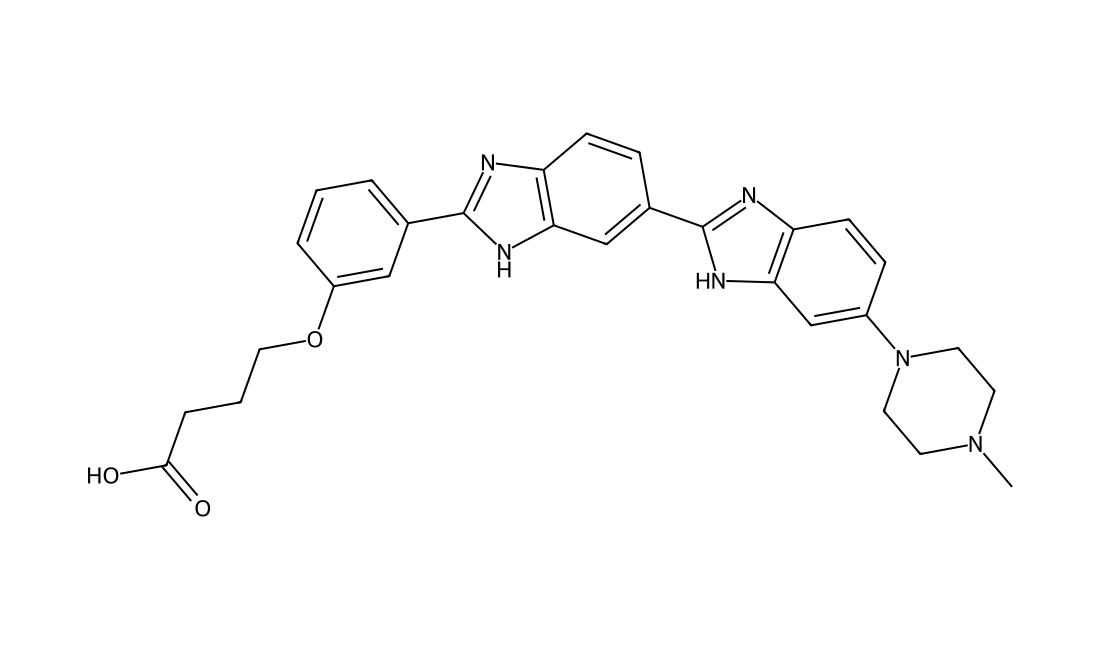
DC9418

Hoechst 33258 analog

CAS 258843-62-8

Hoechst stains are part of a family of blue fluorescent dyes used to stain DNA. These Bis-benzimides were originally developed by Hoechst AG, which numbered all their compounds so that the dye Hoechst 33342 is the 33342nd compound made by the company. There are three related Hoechst stains: Hoechst 33258, Hoechst 33342, and Hoechst 34580. The dyes Hoechst 33258 and Hoechst 33342 are the ones most commonly used and they have similarexcitation/emission spectra. Both dyes are excited by ultraviolet light at around 350 nm, and both emit blue/cyan fluorescent light around anemission maximum at 461 nm. Unbound dye has its maximum fluorescence emission in the 510-540 nm range. Hoechst dyes are soluble in water and in organic solvents such as dimethyl formamide or dimethyl sulfoxide. Concentrations can be achieved of up to 10 mg/mL. Aqueous solutions are stable at 2-6 °C for at least six months when protected from light. For long-term storage the solutions are instead frozen at ≤-20 °C. The dyes bind to the minor groove of double-stranded DNA with a preference for sequences rich in adenine andthymine. Although the dyes can bind to all nucleic acids, AT-rich double-stranded DNA strands enhance fluorescence considerably. Hoechst dyes are cell-permeable and can bind to DNA in live or fixed cells. Therefore, these stains are often called supravital, which means that cells survive a treatment with these compounds. Cells that express specific ATP-binding cassette transporter proteins can also actively transport these stains out of their cytoplasm.

Hoechst 33258 analog chemical structure
DC23141

HG6-64-1

CAS 1315329-43-1

HG6-64-1 is a potent dual TAK1 and MAP4K2 ((germinal center kinase, GCK)) inhibitor with IC50 of 41 nM and 98 nM, respectively; also inhibits ZAK, p38α, Src, Lyn, CSK and EPH-family kinases (IC50=50-100 nM); inhibits GCK signaling DLBCL cell lines with EC50 of 1.83-157 nM, induces G0/G1 cell-cycle arrest and cell death; inhibits the growth of DLBCL xenograft tumors and prolongs the survival of tumor-bearing mice.

HG6-64-1 chemical structure
DCAPI1229

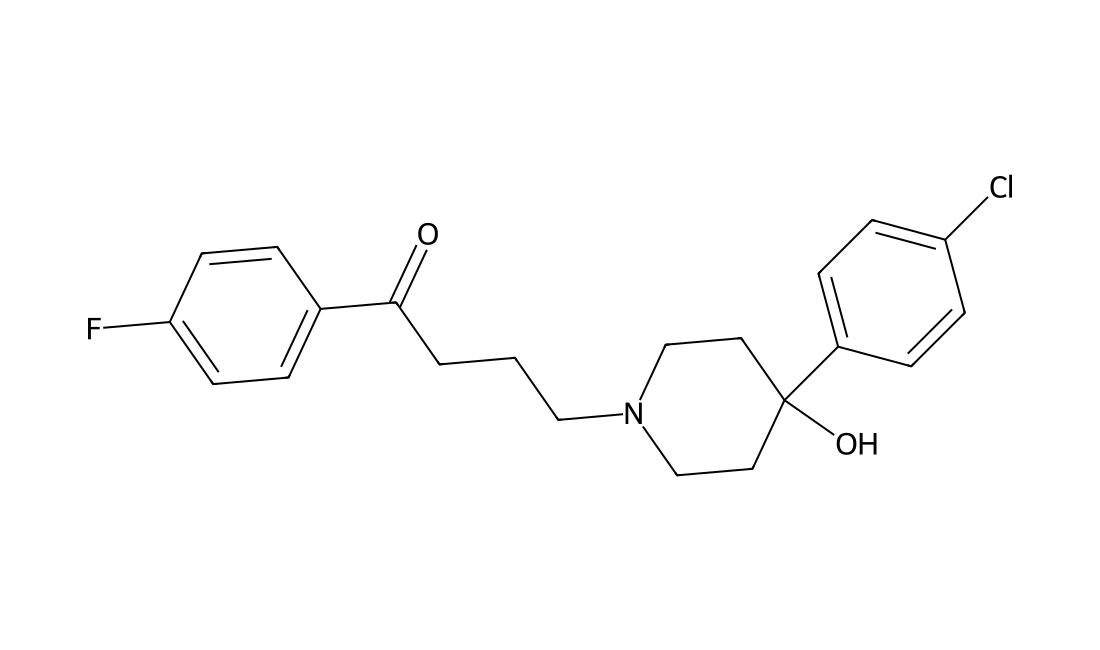
Haloperidol (Haldol)

CAS 52-86-8

For the detailed information of Haloperidol (Haldol), the solubility of Haloperidol (Haldol) in water, the solubility of Haloperidol (Haldol) in DMSO, the solubility of Haloperidol (Haldol) in PBS buffer, the animal experiment(test) (test) of Haloperidol (Haldol), the cell expriment (test) of Haloperidol (Haldol), the in vivo, in vitro and clinical trial test of Haloperidol (Haldol), the EC50, IC50,and Affinity of Haloperidol (Haldol),, please contact DC Chemicals.

Haloperidol (Haldol) chemical structure
DC9458

GW-1100

CAS 306974-70-9

GW 1100 is a selective antagonist of GPR40-mediated Ca2+ elevations in HEK293 cells stimulated by GW 9508 (an agonist of both GPR40 and GPR120, another GPCR activated by long chain fatty acids) or linoleic acid with a pIC50 value equal to 5.99. GPR40 is a G protein-coupled receptor (GPCR) that is activated by saturated and unsaturated long chain fatty acids. It is thought to play a role in the potentiation of insulin secretion by fatty acids in a glucose-sensitive manner. GW 1100 is a selective antagonist of GPR40-mediated Ca2+ elevations in HEK293 cells stimulated by GW 9508 (an agonist of both GPR40 and GPR120, another GPCR activated by long chain fatty acids) or linoleic acid with a pIC50 value equal to 5.99. However at concentrations up to 10 μM, GW 1100 has no effect on GPR120-mediated stimulation of intracellular Ca2+ release induced by either GW 9508 or linoleic acid. In the MIN6 mouse insulinoma cell line, 1 μM GW 1100 inhibits the potentiating effects of GW 9508 and linoleic acid on glucose-stimulated insulin secretion.

GW-1100 chemical structure
DC2069

IGF-1R inhibitor GS1904529A

CAS 1089283-49-7

GSK-1904529A is an IGF-1R Inhibitor, is is a promising candidate For therapeutic use in IGF-IR–dependent tumors. GSK1904529A selectively inhibits IGF-IR and IR with IC50s of 27 and 25 nmol/L, respectively. GSK1904529A blocks receptor autophosphorylation and downstream signaling, leading to cell cycle arrest. It inhibits the proliferation of cell lines derived from solid and hematologic malignancies, with multiple myeloma and Ewing's sarcoma cell lines being most sensitive. Oral administration of GSK1904529A decreases the growth of human tumor xenografts in mice, consistent with a reduction of IGF-IR phosphorylation in tumors. Despite the potent inhibitory activity of GSK1904529A on IR in vitro and in vivo, minimal effects on blood glucose levels are observed in animals at doses that show significant antitumor activity. (source: Clin Cancer Res May 1, 2009 15; 3058 ) For the detailed information about the solubility of GSK1904529A in water, the solubility of GSK1904529A in DMSO, the solubility of GSK1904529A in PBS buffer, the animal experiment(test) of GSK1904529A,the in vivo,in vitro and clinical trial test of GSK1904529A,the cell experiment(test) of GSK1904529A,the IC50, EC50 and Affinity of GSK1904529A, please contact DC Chemicals.

IGF-1R inhibitor GS1904529A chemical structure
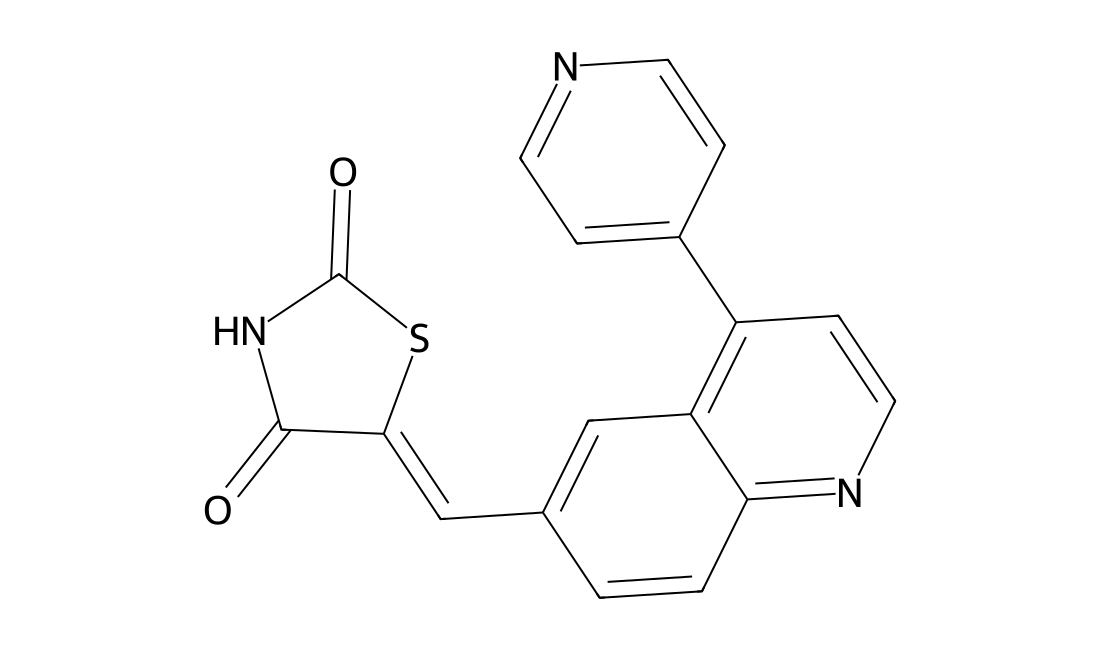
DC9515

PI3K inhibitor GS1059615

CAS 958852-01-2

GSK1059615 is a dual inhibitor of PI3Kα/β/δ/γ (reversible) and mTOR with IC50 of 0.4 nM/0.6 nM/2 nM/5 nM and 12 nM, respectively. in vitro: The pyridinylquinoline derivative GSK1059615 is a novel, ATP-competitive, and reversible inhibitor of the class I family of PI3Ks. GSK1059615 inhibits PI3K signaling, induces G1 arrest and apoptosis, especially in breast tumor cells. Data summarized in another review also shows that GSK1059615 inhibits PI3Kα, β, γ and δ, with Ki of 0.42 nM, 0.6 nM, 0.47 nM and 1.7 nM, respectively. Another report shows that GSK1059615 inhibits PI3Kα with IC50 of 2 nM. In T47D and BT474 cancer cells, GSK1059615 inhibits the phosphorylation of Akt at S473, with IC50 of 40 nM. in vivo: In xenograft mice models of BT474 or HCC1954 breast cancer cells, GSK1059615 (25 mg/kg) effectively inhibits tumor growth.

PI3K inhibitor GS1059615 chemical structure
DC8820

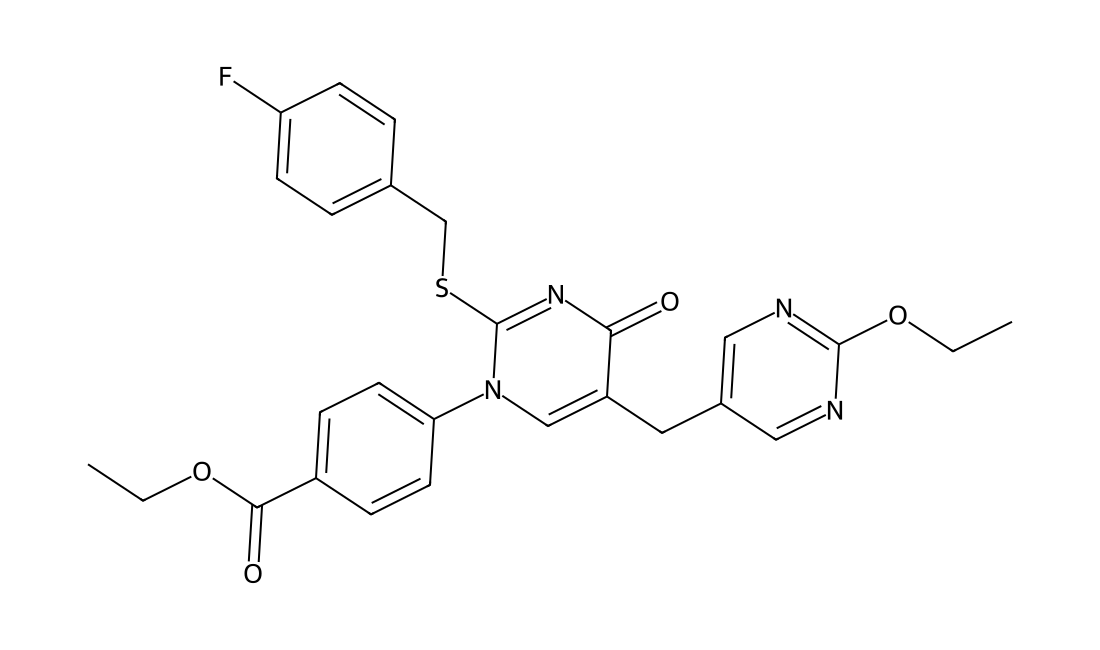
GR148672X

CAS 263890-70-6

GR148672X is a specific TGH inhibitor. Using 10 μM GR148672X, there was a dramatic decrease in mobilization of stored TG and of apoB100 secretion. ApoB100 secretion was decreased by 42% (P<0.03) and apoB48 by 20% (P<0.06). GR148672X inhibited TG mass secretion by 54% (P<0.02).

GR148672X chemical structure
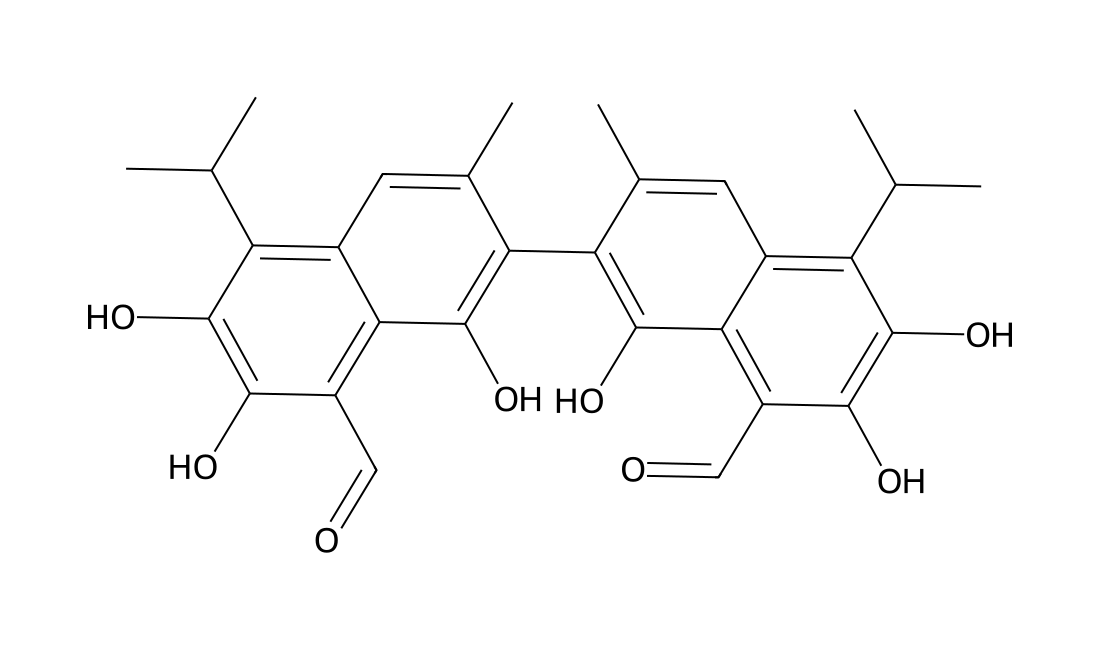
DCAPI1148

Gossypol

CAS 303-45-7

For the detailed information of Gossypol, the solubility of Gossypol in water, the solubility of Gossypol in DMSO, the solubility of Gossypol in PBS buffer, the animal experiment(test) (test) of Gossypol, the cell expriment (test) of Gossypol, the in vivo, in vitro and clinical trial test of Gossypol, the EC50, IC50,and Affinity of Gossypol,, please contact DC Chemicals.

Gossypol chemical structure
DC20204

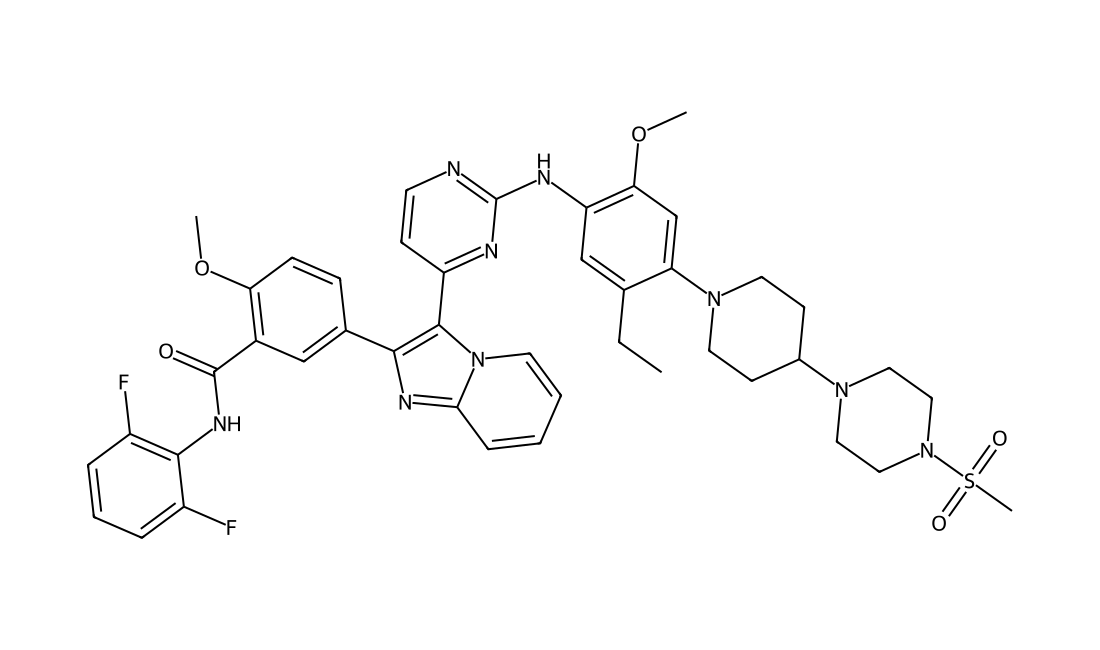
GNF-6231

CAS 1243245-18-2

In vitro GNF-6231 shows a good solubility. It has no appreciable activities, at least up to 10 μM testing concentrations, for more than 200 off-targets, which include GPCRs, kinases, proteases, transporters, ion channels, and nuclear receptors. GNF-6231 shows IC50s of greater than 10 μM on all CYP isoforms tested (2C9, 2D6, 3A4). It shows high permeability in a Caco-2 human cell permeability assay with a possible efflux. In vivo GNF-6231 demonstrates excellent pathway inhibition and induces robust antitumor efficacy in a mouse MMTV-WNT1 xenograft tumor model. GNF-6231 is moderately bound to mouse, rat, dog, monkey, and human plasma proteins (88.0, 83.1, 90.9, 71.2, and 95%, respectively). It shows good oral bioavailability, ranging from 72 to 96% in preclinical species (mouse, rat, and dog) when dosed in solution formulations. GNF-6231 is expected to have minimal to marginal distribution to tissues compared to total body water following intravenous administration to mouse (Vss 0.57 L/kg), rat (Vss 0.70 L/kg), and dog (Vss 0.25 L/kg).

GNF-6231 chemical structure
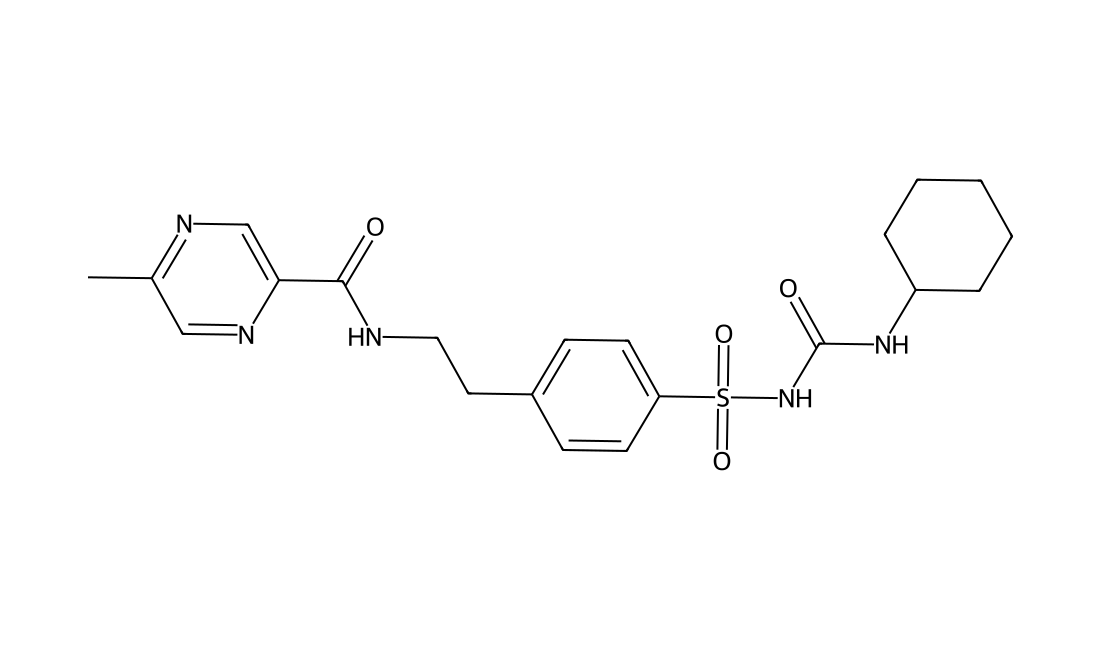
DC9146

Glipizide

CAS 29094-61-9

Glipizide is used to treat high blood sugar levels caused by a type of diabetes mellitus called type 2 diabetes.Glipizide is an oral rapid- and short-acting anti-diabetic drug from the sulfonylurea class. It is classified as a second generation sulfonylurea, which means that it undergoes enterohepatic circulation. Mechanism of action is produced by blocking potassium channels in the beta cells of the islets of Langerhans. By partially blocking the potassium channels, the cell remains depolarized, increasing the time the cell spends in the calcium release stage, which results in signaling leading to calcium influx. The increase in calcium will initiate more insulin release from each beta cell. Sulfonylureas may also cause the decrease of serum glucagon and potentiate the action of insulin at the extrapancreatic tissues .

Glipizide chemical structure
Browse target & topic index A–Z (366)
11β-HSD (1)15-PGDH (2)5-HT Receptor (16)Acetyl-CoA Carboxylase (ACC) (3)Acetylcholinesterase (AChE) (2)Ack1 (TNK2) (1)Acyltransferase (1)ADC Cytotoxin (6)ADCs Linker/Click Chemistry (5)Adenosine Receptor (9)Adenylate Cyclase (2)Adrenergic Receptor (11)Akt (12)Alcoholism (2)Aldehyde Dehydrogenase (ALDH) (6)Allergy (5)Alzheimer Disease (13)Aminopeptidase (1)AMPK (8)Amyloids (4)Anaplastic Lymphoma Kinase (ALK) (9)Androgen Receptor (AR) (11)Anemia (4)Angiotensin Receptor (4)Antibody/Protein labeling dyes (1)Antifolate (2)Anxiety (1)Apoptosis Inducer (3)Arginase (1)Arp2/3 complex (1)Aryl hydrocarbon Receptor (AhR) (1)Asthma (5)Atherosclerosis (2)ATM/ATR (8)Aurora Kinase (10)Autophagy (6)Autophagy-related Protein (Atg) (2)Autotaxin (2)Bacterial (26)Bacterial Infection (17)Bcl-2 (14)Bcr-Abl (5)BCRP (1)Beta-catenin (4)Beta-secretase (BACE) (4)Blood Cancer (91)BMI-1 (1)Bone Cancer (6)Brain Cancer (6)Breast Cancer (30)Bromodomain (22)BTK (10)c-Fms (CSF1R) (5)c-Fos/AP-1 (1)c-Kit (6)c-Met (HGFR) (11)c-Myc (2)Calcium Channel (4)Calcium-sensing Receptor (CaSR) (1)CaMK (4)Cannabinoid Receptor (6)Carbonic Anhydrase (1)Carboxypeptidase (1)Casein Kinase (6)Caspase (4)Cathepsin (6)Cdc2-like Kinase (CLK) (1)CETP (2)CFTR (7)Checkpoint Kinase (Chk) (8)Chemokine Receptor (CCR and CXCR) (14)Chemotherapeutic Agents (19)Chloride Channel (1)CMV (2)CMV Infection (2)Colon Cancer (9)Complement System (1)COPD (3)CREB/CBP (2)CRF Receptor (2)CRISPR/Cas9 (1)Cushing Disease (1)Cyclin-dependent Kinase (CDK) (39)Cyclooxygenase (COX) (4)Cytochrome P450 (CYPs) (5)Depression (2)Dermatitis (2)Deubiquitinase (DUB) (7)Diabetes (20)Dipeptidyl Peptidase (DPP) (3)Discoidin Domain Receptor (DDR) (1)DNA Alkylator/Crosslinker (10)DNA Methyltransferase (DNMT) (1)DNA Repair Protein (1)DNA-PK (2)DNA/RNA Synthesis (5)Dopamine beta-hydroxylase (1)Dopamine Receptor (7)Drug Metabolite (1)Drug-Linker Conjugates (11)Dyes (4)DYRK (1)Dyslipidemia (9)E3 Ligase Ligand (6)E3 Ligase Ligand-Linker Conjugate (1)E3 Ubiquitin Ligase (4)Ebola Virus Infection (1)EGFR (32)Elastase (2)Endothelin Receptor (5)Enzymes substrates (13)Epigenetic Reader Domain (3)Epilepsy (4)ERK (4)Estrogen Receptor/ERR (13)Eukaryotic Initiation Factor (eIF) (2)Exportin-1 (CRM1,XPO1) (2)FABP (1)Factor Xa (5)Farnesoid X Receptor (FXR) (5)Farnesyl transferase (FTase) (1)Ferroptosis (6)FGFR (20)Fibrosis (5)FLT3 (6)Focal Adhesion Kinase (FAK) (11)Foxo1 (1)Free Fatty Acid Receptor (FFAR) (5)Fungal (2)Fungal Infection (1)GABA Receptor (13)Galectin (1)Gastric Cancer (8)Ghrelin Receptor (GHSR) (3)Glucagon Receptor (4)Glucokinase (2)Glucose Transporter (GLUT) (2)Glutamate Transporter (2)GPCR (1)GPER (GPR30) (1)GPR139 (1)GPR183 (EBI2) (2)GPR39 (1)GPR55 (1)GPR84 (1)GRK (GPCRK) (2)Growth Hormone Deficiency (2)GSK-3 (8)Guanylate Cyclase (3)HBV (1)HBV Infection (1)HCN Channel (2)HCV (8)HCV Infection (9)HDAC (38)Heart Arrhythmia (2)Heart Failure (5)Heat Shock Protein (HSP) (15)Hedgehog (Hh) (1)HIF/HIF Prolyl-hydroxylase (8)Histamine Receptor (6)Histone Acetyltransferase (HAT) (5)Histone Demethylase (11)Histone Methyltransferase (HMTase) (31)HIV (12)HIV Infection (11)HMG-CoA Reductase (HMGCR) (3)HSV (1)HSV Infection (1)Hypercholesterolemia (1)Hyperparathyroidism (1)Hypertension (8)IAP (1)IGF-1R (3)iGluR (15)Indoleamine 2,3-Dioxygenase (IDO) (4)Infection (1)Influenza (6)Influenza Virus (6)Insulin Receptor (2)Integrin (6)Interleukin Receptor (1)IRAK (2)IRE1 (4)Irritable Bowel Syndrome (2)Ischemia (1)Isocitrate Dehydrogenase (IDH) (5)ITK (1)IκB kinase (IKK) (7)JAK (32)JNK (3)Keap1-Nrf2 (6)Kidney Cancer (10)Kinesin (5)Kruppel-like Factor (KLF) (1)Kynurenine 3-Monooxygenase (KMO) (1)Leukotriene Receptor (1)LIM Kinase (LIMK) (3)Lipids fragment (1)Liver Cancer (6)Liver X Receptor (LXR) (3)LRRK2 (9)Lung Cancer (39)Lysophospholipid Receptor (12)LYTACs (3)mAChR (9)MALT1 (2)MAP4K (1)Matrix Metalloproteinase (MMP) (10)MDM2-p53 (9)MEK (MAP2K) (14)MEKK (MAP3K) (1)Melanocortin Receptor (2)MELK (1)mGluR (7)MicroRNA (1)Microtubule/Tubulin (5)Mineralocorticoid Receptor (MLR) (1)MITF (1)Mixed Lineage Kinase (MLK) (3)MNK (2)Molecular Glues (21)Monoamine Transporter (5)Monocarboxylate Transporter (MCT) (1)Monopolar Spindle 1 (Mps1/TTK) (3)mTOR (13)Multiple Sclerosis (6)Myosin (1)Na-K-Cl Cotransporter (NKCC) (2)nAChR (2)NADPH Oxidase (NOX) (2)NAMPT (3)Natural products (37)Neprilysin (1)Neurokinin Receptor (3)Neuropeptide Y Receptor (3)NF-κB (5)Nitric Oxide Synthase (NOS) (1)NOD-like Receptor (NLR) (3)Notch (2)Nucleoside Antimetabolite/Analog (10)Nur77 (NR4A1) (1)Obesity (1)Oct3/4 (1)Opioid Receptor (5)Orexin Receptor (7)Osteoporosis (2)Ovarian Cancer (14)Oxytocin Receptor (OXTR) (2)P-glycoprotein (P-gp) (3)p21-activated Kinase (PAK) (1)P2X Receptor (2)P2Y Receptor (1)p38 MAPK (10)p97/VCP (1)Pain (12)Pancreatic Cancer (10)Parasite (5)Parasite Infection (2)Parkinson Disease (2)PARP (19)PCSK9 (1)PD-1/PD-L1 (4)PDGFR (4)PDK1 (2)PEGn (1)PERK (2)PGE synthase (2)Phosphodiesterase (PDE) (9)Phospholipase (4)PI3K (32)PI4K (2)Piezo Channel (1)PIKfyve (3)Pim (9)PKC (12)PKD (1)Plasminogen Activator Inhibitor-1 (PAI-1) (3)Polo-like Kinase (PLK) (4)Porcupine (3)Potassium Channel (13)PPAR (13)Pregnane X Receptor (PXR) (1)Progesterone Receptor (2)Prostaglandin Receptor (11)Prostate Cancer (7)PROTACs (35)Protease-activated Receptor (PAR) (3)Proteasome (12)Protein Disulfide Isomerase (PDI) (1)Protein Phosphatase/PTP (6)Proton Pump (1)Psoriasis (5)RAD51 (1)Radioligand precursors (15)Raf (18)RAR/RXR (3)Ras (17)Renin (2)RET Tyrosine Kinase (c-RET) (3)Rheumatoid Arthritis (16)Ribosomal S6 Kinase (RSK) (5)RIG-I-like Receptor (RLR) (2)RIP kinase (7)ROCK (12)ROR (2)RSV (4)RSV Infection (3)RUNX1-CBFβ (1)S-nitrosoglutathione reductase (GSNOR) (1)Saccharides and Glycosides (1)Salt Inducible Kinase (SIK) (2)SARS-CoV (16)SARS-CoV Infection (34)Schizophrenia (4)Sexual Dysfunction (1)SGLT (4)Sigma Receptor (4)Sirtuin (9)Skin Cancer (13)Sleep Disorder (7)SMN2 Modulator (1)Smoothened (Smo) (9)Sodium Channel (12)Solid Tumors (35)Somatostatin Receptor (2)Sphingosine kinase (SphK) (2)Src (7)STAT (5)Stearoyl-CoA Desaturase (SCD) (1)Steatohepatitis (7)Sterol lipids (1)STING (14)Syk (6)T Cell Receptor (TCR) (1)TAK1 (2)TAM Receptor (Tyro3-Axl-Mer) (4)Taste Receptor (1)Telomerase (2)TGF beta Receptor (TGFBR) (12)Thrombin (3)Thrombosis (13)Thyroid Cancer (1)Thyroid Hormone Receptor (THR) (1)Thyrotropin Receptor (2)TNIK (1)Toll-like Receptor (TLR) (2)TOPK (1)Topoisomerase (11)TRAIL (1)Translocator Protein (TSPO) (1)Trk Receptor (4)TRP Channel (13)Tryptophan Hydroxylase (TPH) (1)Ubiquitin-activating Enzyme (E1) (2)Ubiquitin-conjugating Enzyme (E2) (2)Ulcer (1)ULK (3)Vasopressin Receptor (2)VEGFR (25)Vitamin D Receptor (VDR) (3)Wee1 (1)WNK Kinase (1)Wnt (5)Yes-associated Protein (YAP) (4)γ-secretase (5)

Cart

Request quotation