Small Molecule Research Tools

Explore bioactive compounds by research category, then narrow your search by target, product name, catalog number or CAS.

Newly added: LC-MG and OXF molecular glue research compounds →

6,823 products17 research categoriesBrowse all products ↓

Browse by research category

Products may appear in more than one category. Counts refer to distinct catalog numbers within each category.

Other Research Tools (75) · Additional reagents, building blocks and specialized research tools.

New literature-derived products

LC-MG-1 (DCA0006) · LC-MG-4 (DCA0007) · LC-MG-9 (DCA0008)

View structure and evidence summaries →

All small molecule products

Combine a keyword, research category and target to narrow the product list.

Loading catalog filters…

6,823 products · Showing 4,129–4,176

DC8428

Lomitapide Mesylate

CAS 202914-84-9

For the detailed information of Lomitapide Mesylate, the solubility of Lomitapide Mesylate in water, the solubility of Lomitapide Mesylate in DMSO, the solubility of Lomitapide Mesylate in PBS buffer, the animal experiment (test) of Lomitapide Mesylate, the cell expriment (test) of Lomitapide Mesylate, the in vivo, in vitro and clinical trial test of Lomitapide Mesylate, the EC50, IC50,and affinity,of Lomitapide Mesylate, For the detailed information of Lomitapide Mesylate, the solubility of Lomitapide Mesylate in water, the solubility of Lomitapide Mesylate in DMSO, the solubility of Lomitapide Mesylate in PBS buffer, the animal experiment (test) of Lomitapide Mesylate, the cell expriment (test) of Lomitapide Mesylate, the in vivo, in vitro and clinical trial test of Lomitapide Mesylate, the EC50, IC50,and affinity,of Lomitapide Mesylate, Please contact DC Chemicals.
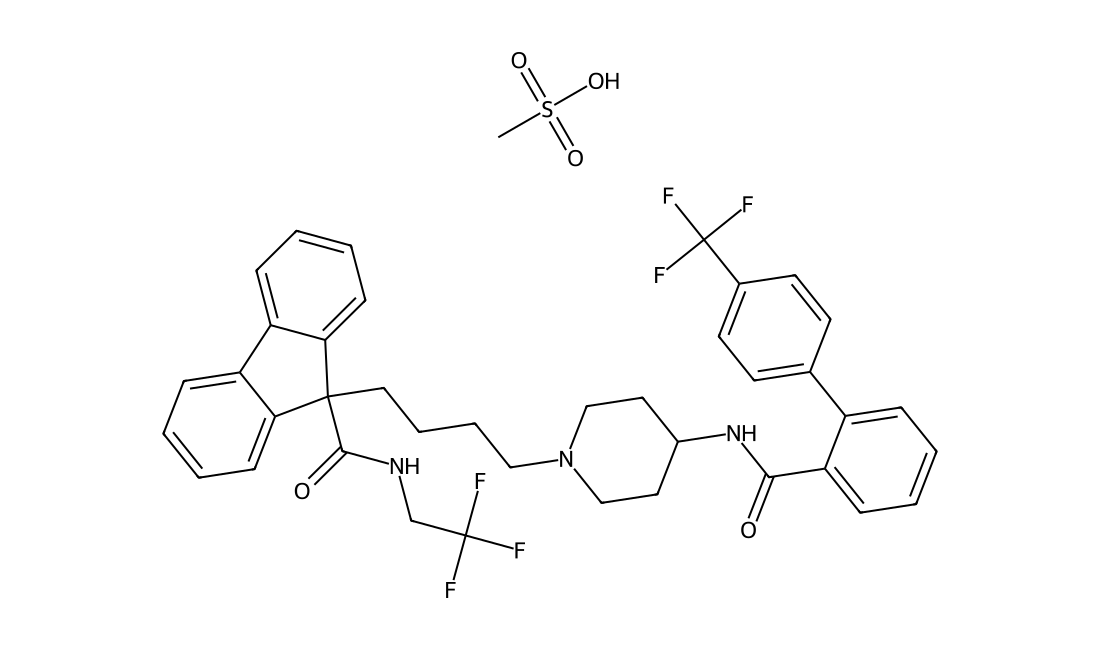
Lomitapide Mesylate chemical structure
DCAPI1127

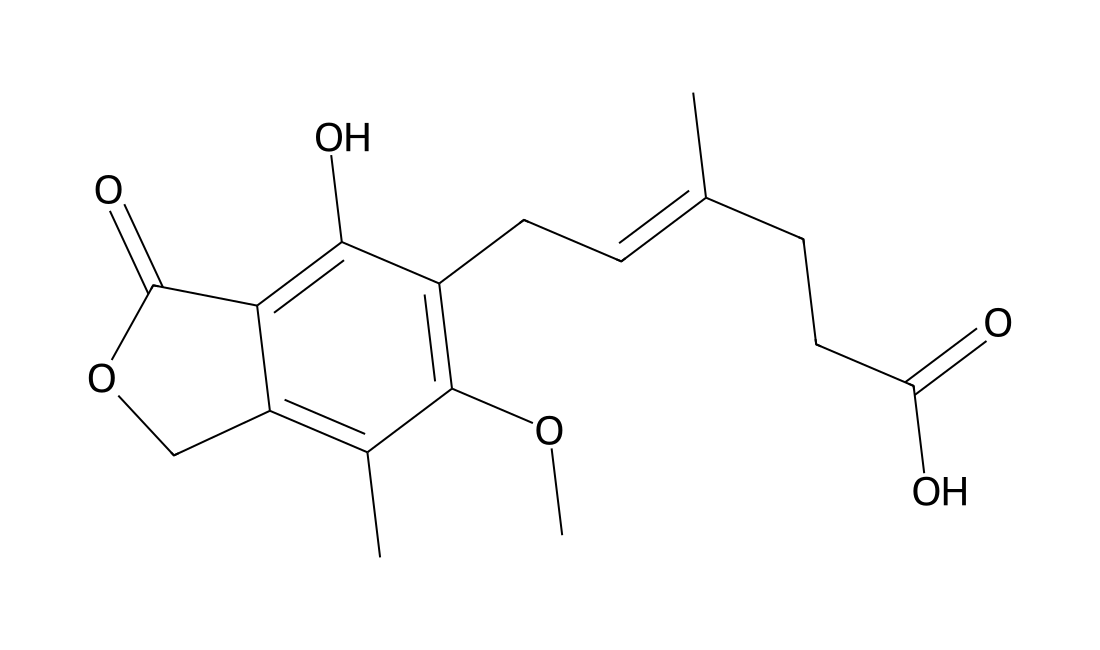
Mycophenolic (Mycophenolate)

CAS 24280-93-1

For the detailed information of Mycophenolic (Mycophenolate), the solubility of Mycophenolic (Mycophenolate) in water, the solubility of Mycophenolic (Mycophenolate) in DMSO, the solubility of Mycophenolic (Mycophenolate) in PBS buffer, the animal experiment(test) (test) of Mycophenolic (Mycophenolate), the cell expriment (test) of Mycophenolic (Mycophenolate), the in vivo, in vitro and clinical trial test of Mycophenolic (Mycophenolate), the EC50, IC50,and Affinity of Mycophenolic (Mycophenolate),, please contact DC Chemicals.

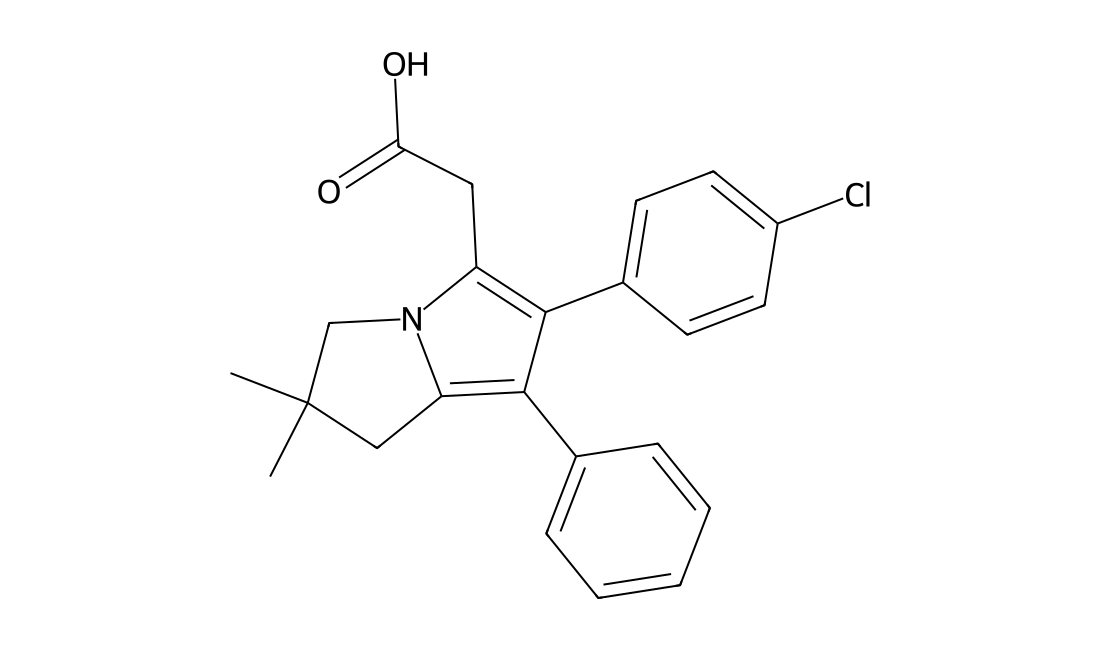
Mycophenolic (Mycophenolate) chemical structure
DC12288

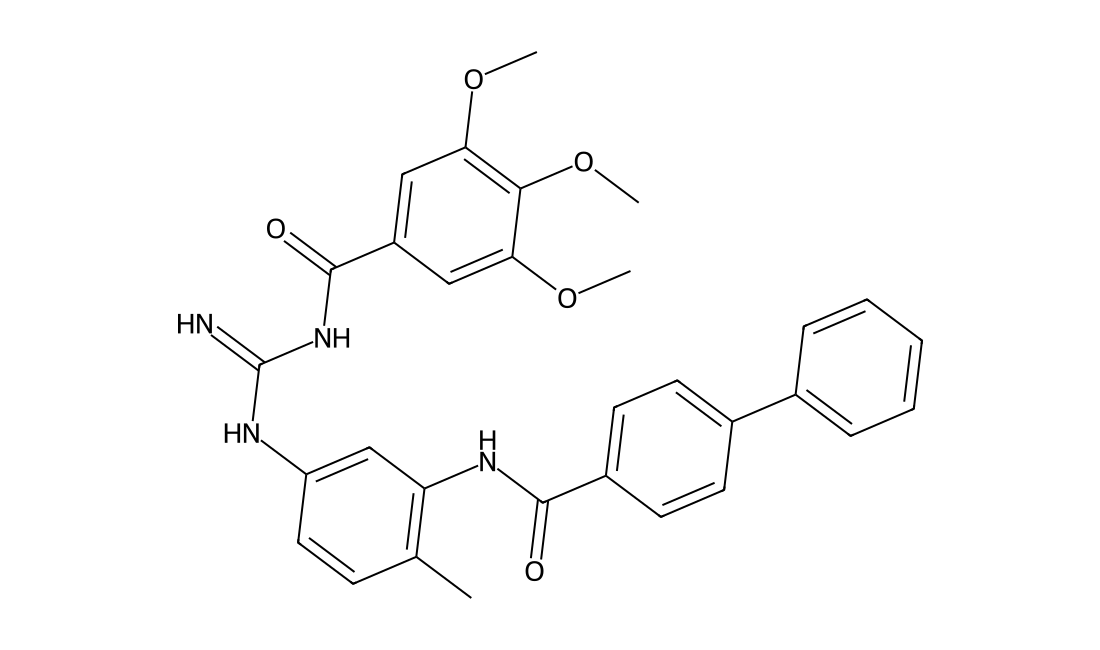
MRT-83

CAS 1263131-92-5

In Vitro MRT-83 displays full antagonist properties with an IC50 (~3 nM) for inhibiting ShhN (3 nM)-induced proliferation of rat GCPs. MRT-83 also blocks SAG (0.01 μM)-induced proliferation of GCPs (IC50 ~6 nM). MRT-83 blocks BC binding to HEK-hSmo cells in a dose-dependent manner with an IC50 of 4.6 nM. MRT-83 abrogates BC binding to cells expressing mouse Smo with an IC50 of 14 nM, which is in good correlation with its IC50 in the Shh-light2 and alkaline phosphatase assays. In Vivo Animals treated with ShhN in the presence of MRT-83 are as healthy as those of the other groups but up-regulation of Ptc transcription in the SVZ of these animals is no longer observed in agreement with a complete inhibition of ShhN-mediated effects (8.7±2.4 Ptc+ cells/section, n=9) and is not different from vehicle-mediated effects. MRT-83 but not MRT-36 antagonizes the up-regulation of Ptc transcription induced by ShhN in vivo in the SVZ of the LV.

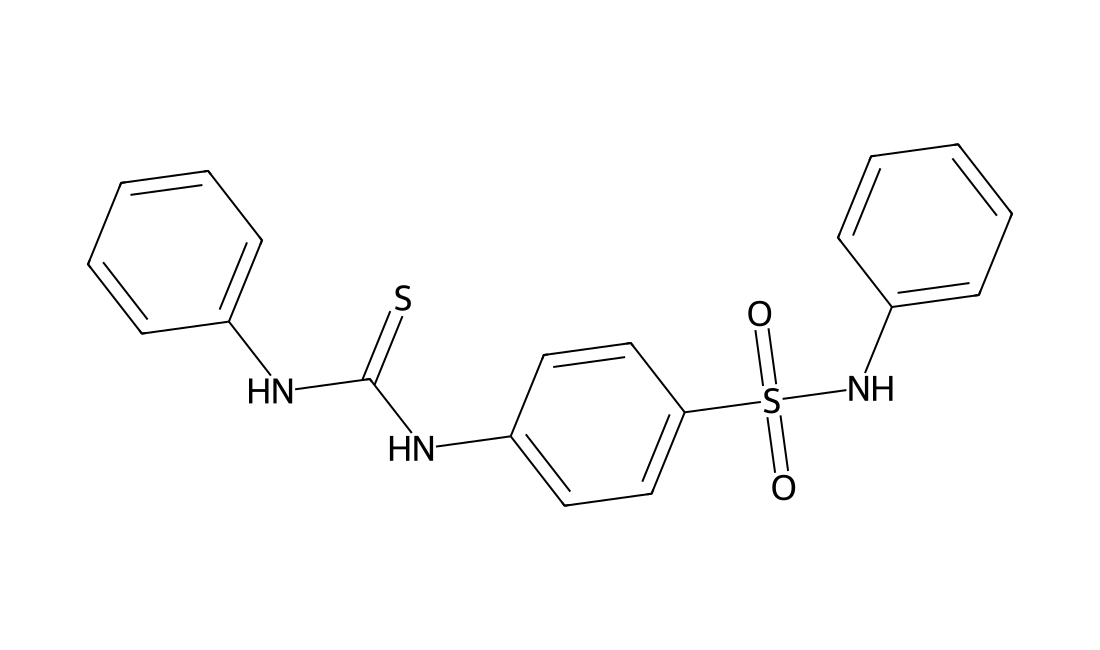
MRT-83 chemical structure
DC22554

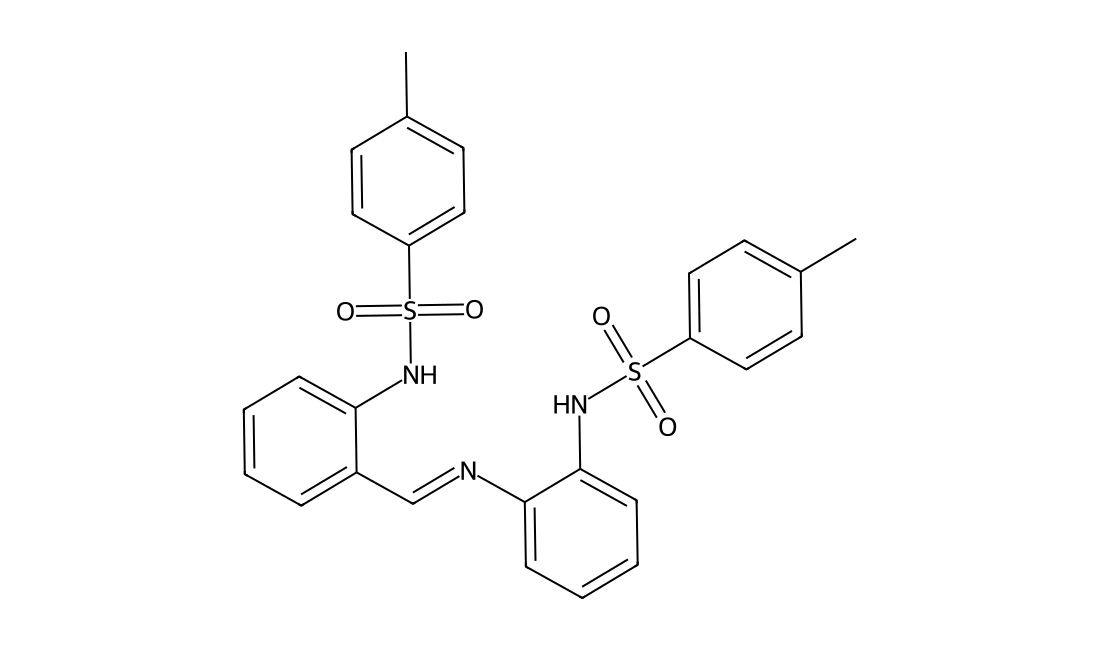
MP-A08

CAS 219832-49-2

MP-A08 is a first-in-class, highly selective, ATP competitive sphingosine kinase (SphK) inhibitor (Ki of 6.9/27 uM for SK2/SK1); inhibits S1P production and increases pro-apoptotic sphingolipids in Jurkat cells; reduces the growth of human lung adenocarcinoma tumours in a mouse xenograft model by both inducing tumour cell apoptosis and inhibiting tumour angiogenesis.

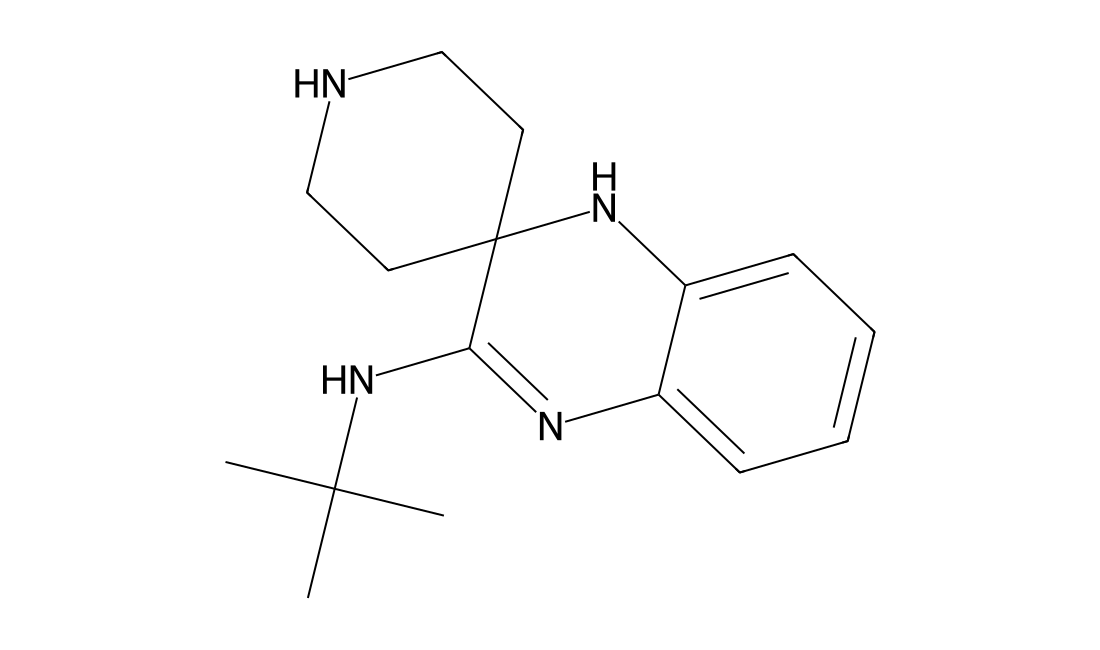
MP-A08 chemical structure
DCAPI1331

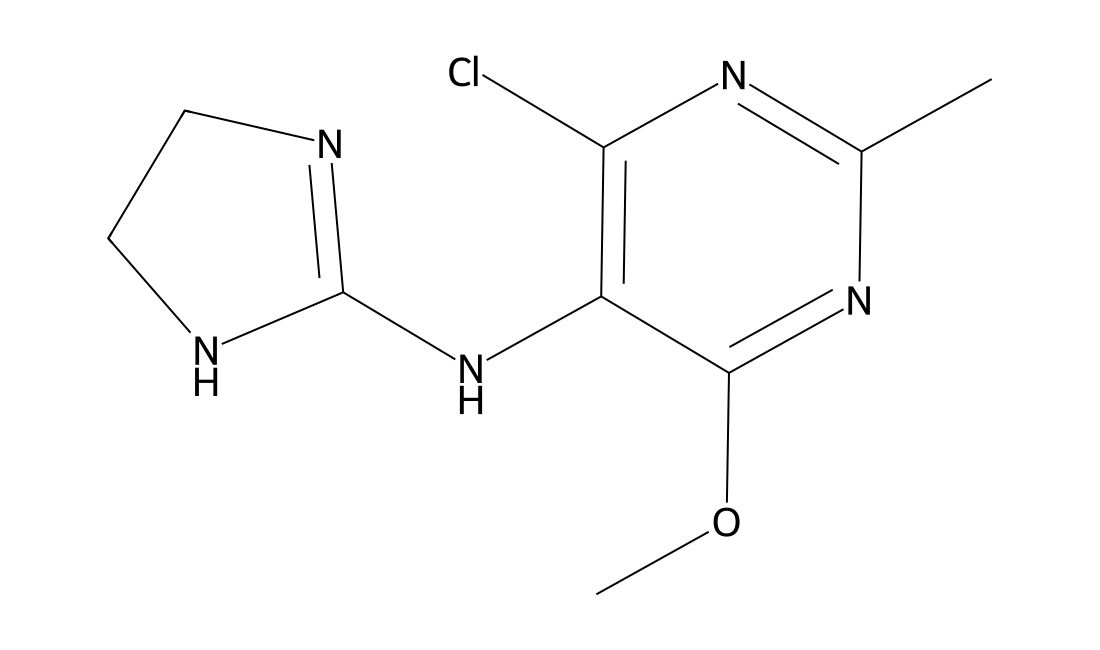
Moxonidine

CAS 75438-57-2

For the detailed information of Moxonidine, the solubility of Moxonidine in water, the solubility of Moxonidine in DMSO, the solubility of Moxonidine in PBS buffer, the animal experiment(test) (test) of Moxonidine, the cell expriment (test) of Moxonidine, the in vivo, in vitro and clinical trial test of Moxonidine, the EC50, IC50,and Affinity of Moxonidine,, please contact DC Chemicals.

Moxonidine chemical structure
DCAPI1006

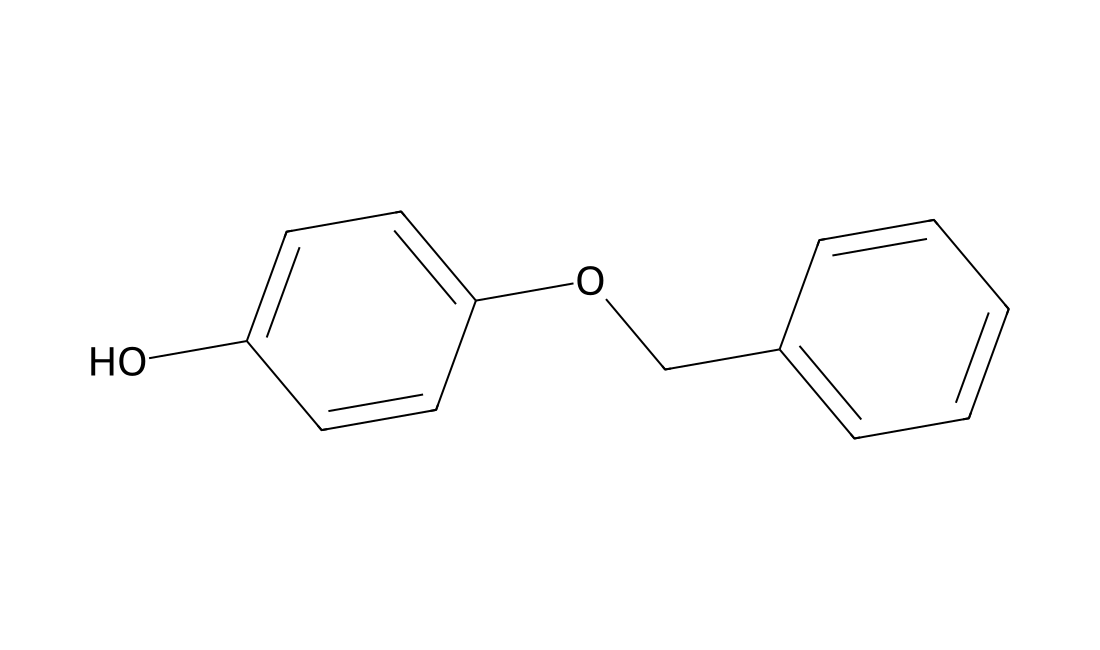
Monobenzone (Benoquin)

CAS 103-16-2

For the detailed information of Monobenzone (Benoquin), the solubility of Monobenzone (Benoquin) in water, the solubility of Monobenzone (Benoquin) in DMSO, the solubility of Monobenzone (Benoquin) in PBS buffer, the animal experiment(test) (test) of Monobenzone (Benoquin), the cell expriment (test) of Monobenzone (Benoquin), the in vivo, in vitro and clinical trial test of Monobenzone (Benoquin), the EC50, IC50,and Affinity of Monobenzone (Benoquin),, please contact DC Chemicals.

Monobenzone (Benoquin) chemical structure
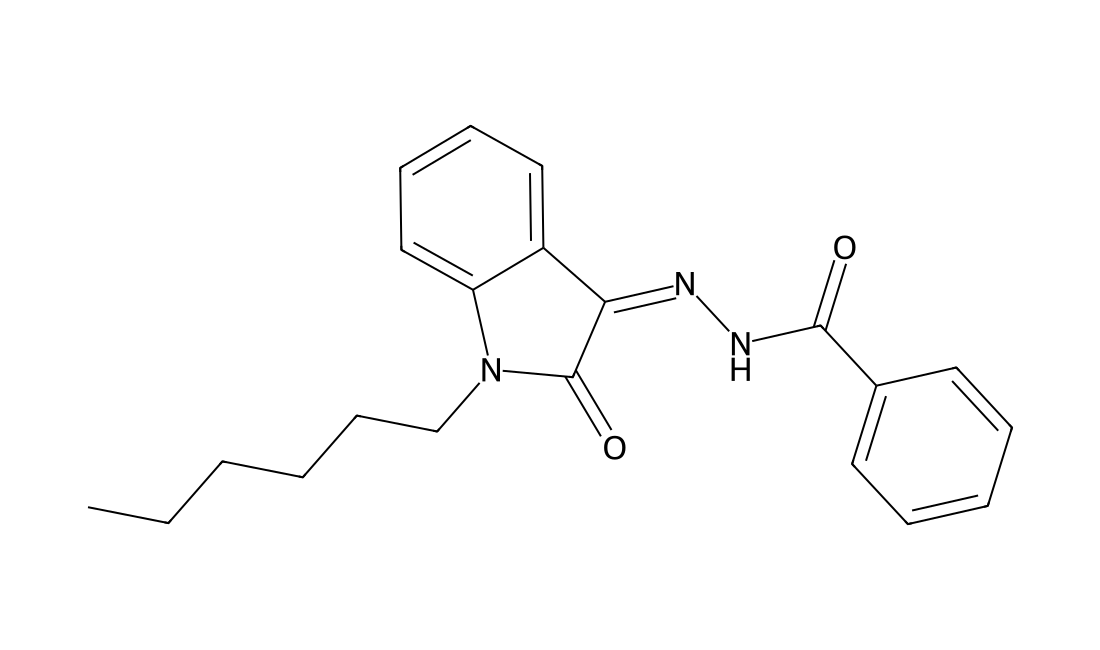
DC26042

MLS-1547

CAS 315698-36-3

MLS-1547 is a G protein-biased agonist of dopamine D2 receptors (EC50 = 0.37 μM in a calcium mobilization assay).It inhibits forskolin-induced cAMP accumulation in CHO cells expressing human D2 receptors (EC50 = 0.26 μM) but is inactive in β-arrestin recruitment assays. MLS-1547 antagonizes dopamine-induced β-arrestin recruitment in cell-based assays with IC50 values ranging from 3.8 to 9.9 μM.It is also an inhibitor of type II secretion in Gram-negative bacteria.MLS-1547 inhibits secretion of phospholipase C (PlcH/N) and the virulence factor elastase (LasB) from P. aeruginosa (IC50s = 15 and 13 μM, respectively) and inhibits B. pseudomallei protease secretion by 90.8% when used at a concentration of 25 μM.

MLS-1547 chemical structure
DC10221

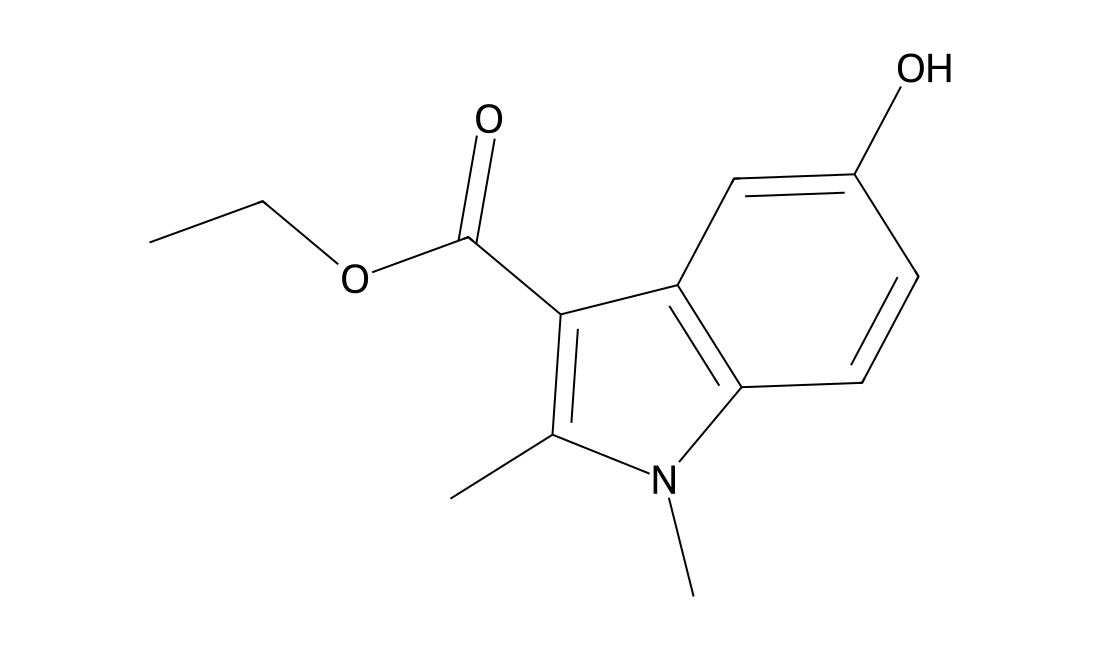
MLR-1023

CAS 41964-07-2

MLR-1023 is a chemical compound which inhibits acid secretion in animal models and also acts as a bronchodilator in histamine-challenged animals.

MLR-1023 chemical structure
DC7469

MLN0905

CAS 1228960-69-7

MLN0905 is a potent inhibitor of PLK1 with IC50 of 2 nM. MLN0905 inhibits cell mitosis with EC50 of 9 nM. MLN0905 inhibits Cdc25C-T96 phosphorylation, a direct readout of PLK1 inhibition with EC50 of 29 nM. MLN0905 inhibits HT-29 viability with LD50 of 22 nM. MLN0905 possesses reasonable selectivity against a panel of 359 kinases. MLN0905 inhibits a panel of lymphoma cells viability with IC50 of 3 – 24 nM. Nude mice bearing HT-29 xenografts administered with MLN0905 (6.25 mg/Kg - 50 mg/Kg, p.o.) shows dose-dependent pharmacodynamic responses (48 hours after treatment). OCI LY-19-Luc tumor bearing mice administered with MLN0905 (3.12 mg/Kg – 6.25 mg/Kg, p.o.) shows significant pharmacodynamic responses amd peaks at 8 hours after treatment. MLN0905 shows antitumor efficacy in treatment with OCI LY-19-Luc xenografts bearing scid mice For 21 days. The T/C of 6.25 mg/Kg daily group is 0.15. For the detailed information of MLN0905, the solubility of MLN0905 in water, the solubility of MLN0905 in DMSO, the solubility of MLN0905 in PBS buffer, the animal experiment (test) of MLN0905, the cell expriment (test) of MLN0905, the in vivo, in vitro and clinical trial test of MLN0905, the EC50, IC50,and Affinity of MLN0905, Please contact DC Chemicals.
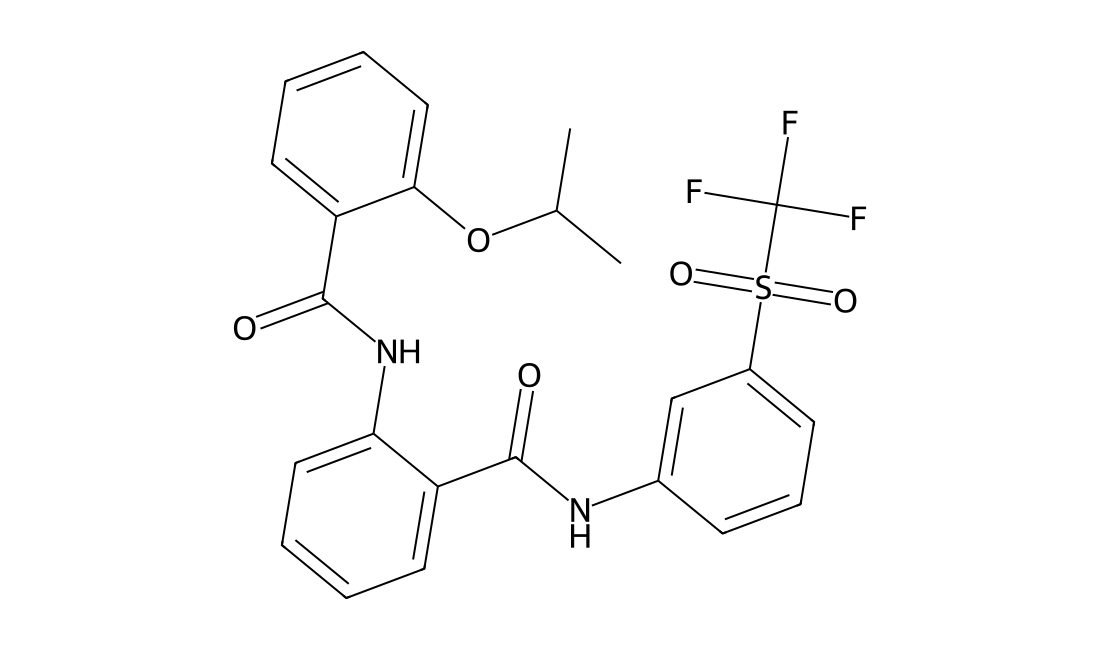
MLN0905 chemical structure
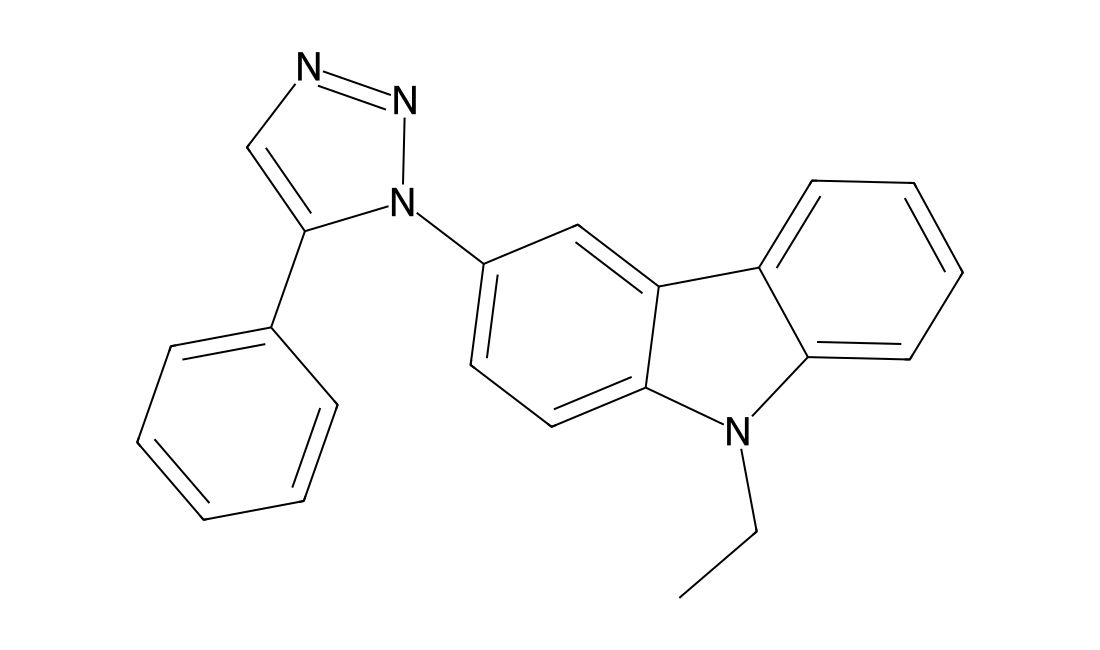
DC20077

ML-290

CAS 1482500-76-4

In Vitro ML-290 is a potent and orally active relaxin/insulin-like family peptide receptor (RXFP1) agonist and activator of anti-fibrotic genes, with an EC50 of 94 nM. ML290 (5 μM) shows anti-fibrotic, relaxin-like gene expression at 24 and 72 h in activated human hepatic stellate cells.

ML-290 chemical structure
DC7683

ML-228

CAS 1357171-62-0

HIF pathway activator (EC50 values are 1.23 and 1.4 μM for HRE gene reporter assay and HIF-1α nuclear translocation assay respectively); acts via chelation of iron, independently of PHD. Also exhibits > 80% inhibition of the human A3 receptor, dopamine transporter, μ receptor, hERG and 5-HT2B receptor, and rat sodium channel site 2, at a concentration of 10 μM.For the detailed information about the solubility of ML-228 in water, the solubility of ML-228 in DMSO, the solubility of ML-228 in PBS buffer, the animal experiment of ML-228,the in vivo and in vitro test of ML-228,the cell experiment of ML-228,the IC50 and EC50 of ML-228 please contact DC Chemicals.

ML-228 chemical structure
DC8594

ML167

CAS 1285702-20-6

The Cdc2-like kinases (Clks) and the dual-specificity tyrosine phosphorylation-regulated kinases (Dyrks) are involved in regulating gene splicing. Clks phosphorylate serine/arginine-rich proteins, which are a major component of the spliceosome, whereas Dyrks interact with and activate splicing factors. ML167 is a selective, ATP-competitive inhibitor of Clk4 with an IC50 value of 136 nM. It is more than 10-fold less active against the closely related kinases Clk1-3, Dyrk1A, and Dyrk1B (IC50s = 1.5, 1.6, >10, >10, and 4.4 µM, respectively), and minimally active against a panel of other kinases.

ML167 chemical structure
DC23176

MK-8245 trifluoroacetate

CAS 1415559-41-9

MK-8245 trifluoroacetate is a potent, selective liver-targeted stearoyl-CoA desaturase (SCD) inhibitor with IC50 of 3, 3 and 1 nM for rat, mouse and human SCD1 enzyme, respectively; displays highly selective over the Δ-5 and Δ-6 desaturases (IC50>100 uM); has IC50 values of 68 nM and 1066 nM in Hum HepG2 and rat hepatocyte assays, demonstrates HepG2/hepatocyte ratio of 16:1; exhibits preclinical antidiabetic and antidyslipidemic efficacy in vivo, demonstrats maximal liver SCD inhibition while sparing inhibition in the skin and eye tissues associated with adverse events.DiabetesPhase 1 Discontinued

MK-8245 trifluoroacetate chemical structure
DC23120

MK-8033 hydrochloride

CAS 1283000-43-0

MK-8033 is a potent, specific, dual c-Met/Ron kinases inhibitor with IC50 of 1/7 nM, also potently inhibits oncogenic c-Met activation loop mutants Y1230C, Y1230H and Y1235D with IC50 of 0.6-1.2 nM; MK-8033 is >100-fold selective relative to Ron and c-Met inhibition against a panel of 221 kinases; potently and selectively inhibits growth in c-Met amplified cell lines (GTL-16 proliferation IC50 =582 nM), causes full inhibition of tumor growth in c-Met amplified (GTL-16) subcutaneous tumor xenograft model; synergizes with carboplatin plus paclitaxel to inhibit ovarian cancer cell growth. Solid Tumors Phase 1 Clinical

MK-8033 hydrochloride chemical structure
DC23121

MK-8033

CAS 1001917-37-8

MK-8033 is a potent, specific, dual c-Met/Ron kinases inhibitor with IC50 of 1/7 nM, also potently inhibits oncogenic c-Met activation loop mutants Y1230C, Y1230H and Y1235D with IC50 of 0.6-1.2 nM; MK-8033 is >100-fold selective relative to Ron and c-Met inhibition against a panel of 221 kinases; potently and selectively inhibits growth in c-Met amplified cell lines (GTL-16 proliferation IC50 =582 nM), causes full inhibition of tumor growth in c-Met amplified (GTL-16) subcutaneous tumor xenograft model; synergizes with carboplatin plus paclitaxel to inhibit ovarian cancer cell growth. Solid Tumors Phase 1 Clinical

MK-8033 chemical structure
DC7646

MK3697

CAS 1224846-01-8

MK-3697 is a third insomnia drug, currently being developed by Merck. MK-3697 is a potent and selective Orexin receptor antagonist with Ki = 0.95 nM. For the detailed information of MK3697, the solubility of MK3697 in water, the solubility of MK3697 in DMSO, the solubility of MK3697 in PBS buffer, the animal experiment (test) of MK3697, the cell expriment (test) of MK3697, the in vivo, in vitro and clinical trial test of MK3697, the EC50, IC50,and Affinity of MK3697, Please contact DC Chemicals.
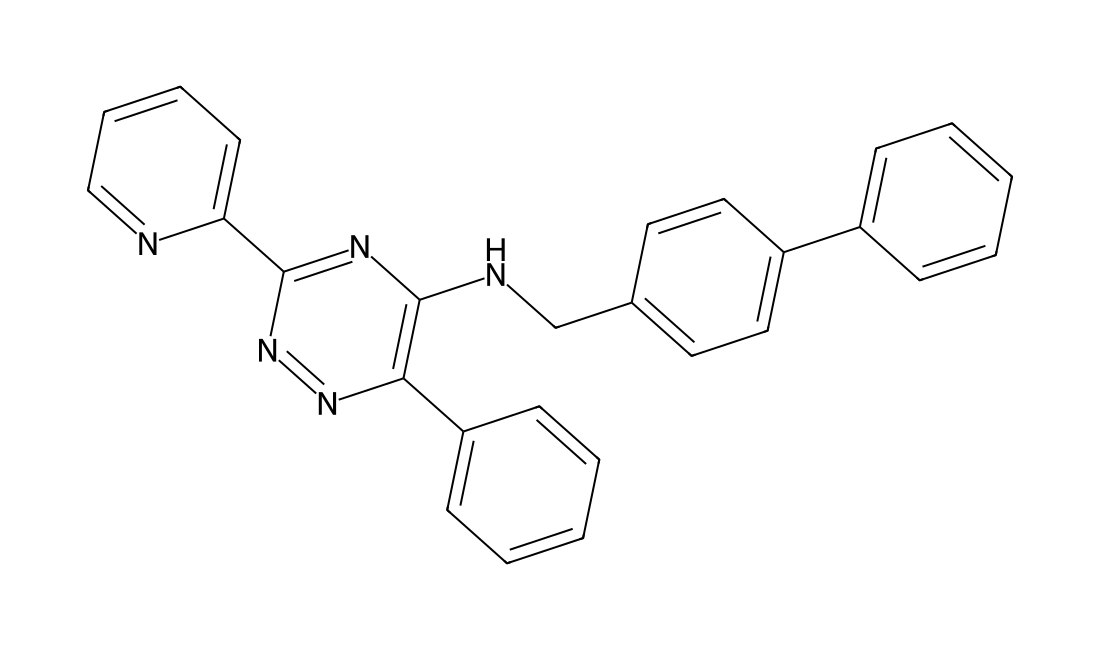
MK3697 chemical structure
DC9607

MK-2894

CAS 1006036-87-8

MK-2894 is a highly potent and selective second generation EP4 antagonist. MK-2894 exhibits favorable pharmacokinetic profile in a number of preclinical species and potent anti-inflammatory activity in several animal models of pain/inflammation. MK-2894 also shows favorable GI tolerability profile in rats when compared to traditional NSAID indomethacin.

MK-2894 chemical structure
DC9456

MK-0354

CAS 851776-28-8

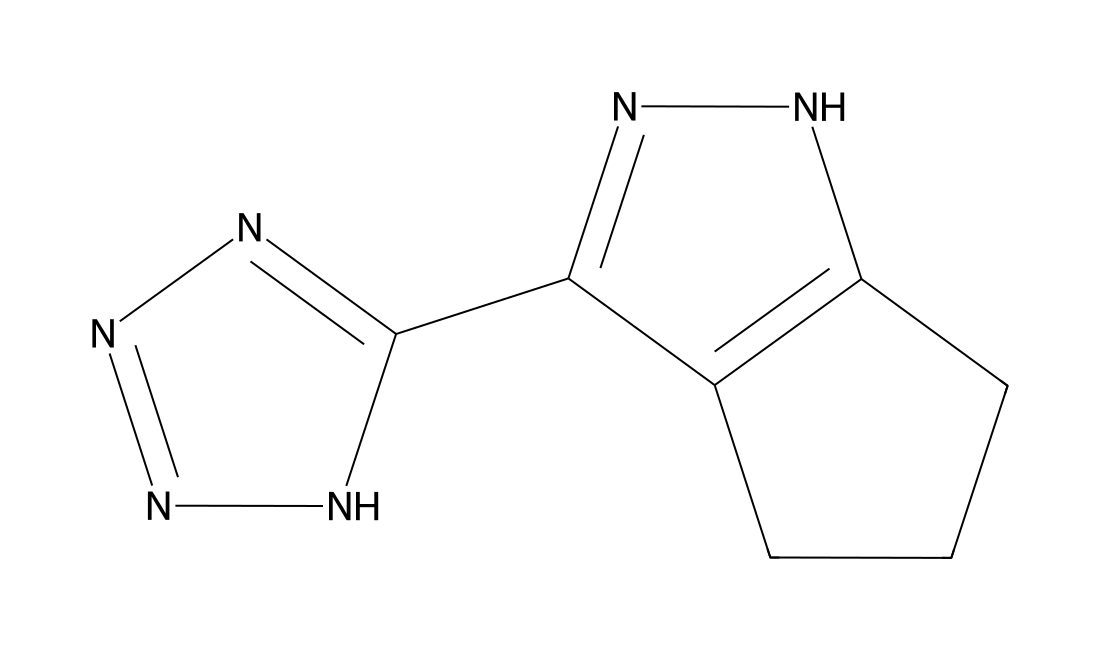
MK-0354 is a partial agonist of GPR109a receptor, for hGPR109a/ mGPR109a with EC50 of 1.65/1.08 μM, showed no activation of GPR109b. in vitro: MK-0354 demonstrated clear and statistically significant partial agonism in the cAMP assays for both the mouse and human receptors with efficacy approximately 60-70% of that of either nicotinic acid or β-hydroxy butyrate, a putative physiologically relevant ligand for hGPR109a, in the same assay platform. In addition, MK-0354 showed no activation of GPR109b in the cAMP assay at any concentration up to 100 μM. Following these interesting observations, we then prepared a number of other 5,5-fused pyrazoles analogous to those that showed receptor activity in our earlier studies. MK-0354 appeared to be somewhat unique among the members of the pyrazole tetrazole series in having reasonable receptor activity. in vivo: MK-0354 retained the plasma free fatty acid lowering effects in mice associated with GPR109a agonism, but did not induce vasodilation at the maximum feasible dose. Moreover, preadministration of MK-0354 blocked the flushing effect induced by nicotinic acid but not that induced by PGD2. This profile made MK-0354 a suitable candidate for further study for the treatment of dyslipidemia.MK-0354 is a GPR109A partial agonist that activates the antilipolytic pathway in adipocytes. The single-dose and multiple-dose pharmacokinetics and pharmacodynamics, as well as tolerability, of MK-0354 were examined in two Phase I studies conducted in healthy male volunteers. The lipid efficacy of MK-0354 was assessed in a Phase II study conducted in male and female patients with dyslipidemia.

MK-0354 chemical structure
DC9468

Mizolastine

CAS 108612-45-9

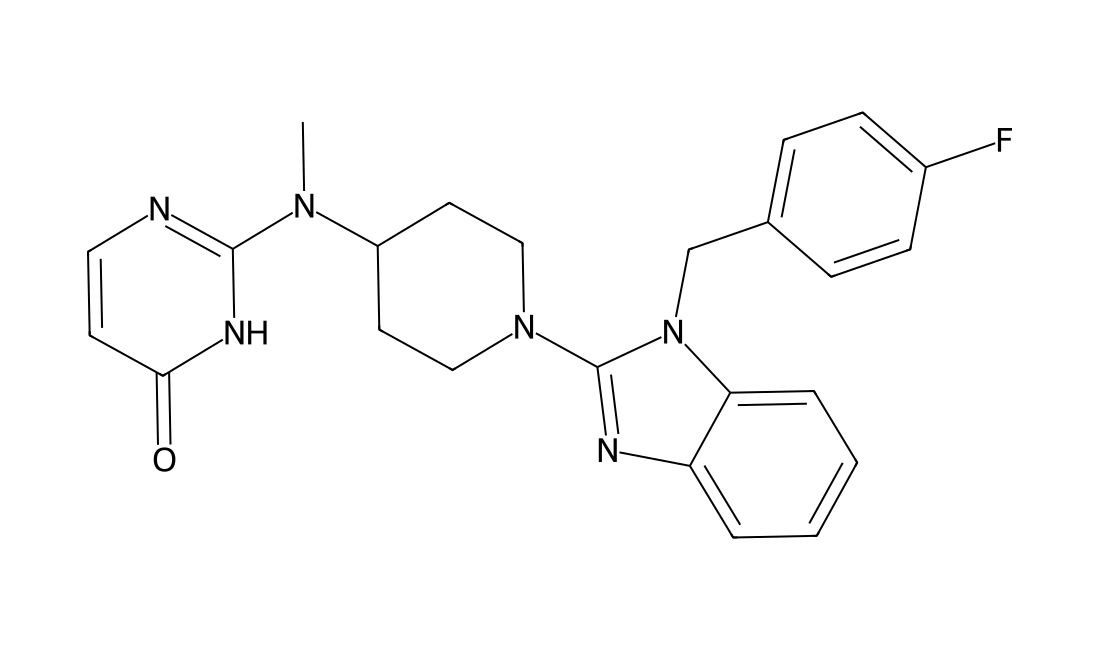
Mizolastine is a histamine H1-receptor antagonist with IC50 of 47 nM used in the treatment of hay fever (seasonal allergic rhinitis), hives and other allergic reactions. Mizolastine is a histamine H1-receptor antagonist with IC50 of 47 nM used in the treatment of hay fever (seasonal allergic rhinitis), hives and other allergic reactions. It does not prevent the actual release of histamine from mast cells, just prevents it binding to receptors. Side effects can include dry mouth and throat. Mizolastine has demonstrated antiallergic effects in animals and healthy volunteers and anti-inflammatory activity in animal models. Double-blind trials have shown mizolastine to be significantly more effective than placebo and as effective as other second generation antihistamine agents, such as loratadine or cetirizine, in the management of patients with perennial or seasonal allergic rhinitis and in patients with chronic idiopathic urticaria. Available data also suggest that prophylactic administration of mizolastine is significantly more effective than placebo and as effective as prophylactic terfenadine in delaying the onset of symptoms of seasonal allergic rhinitis.

Mizolastine chemical structure
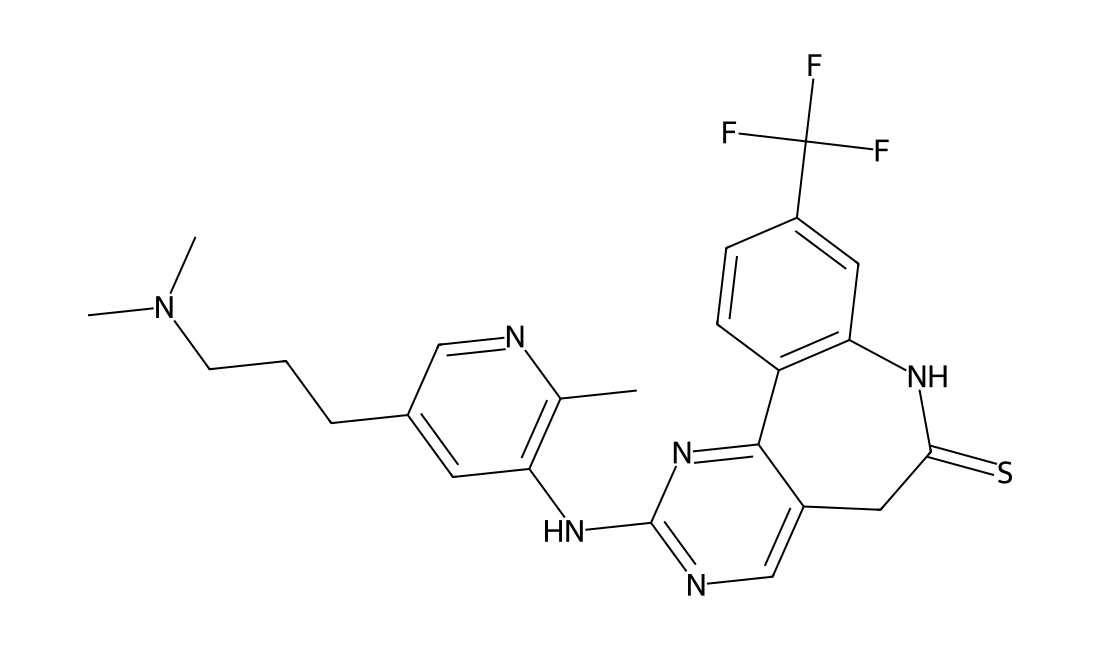
DC7462

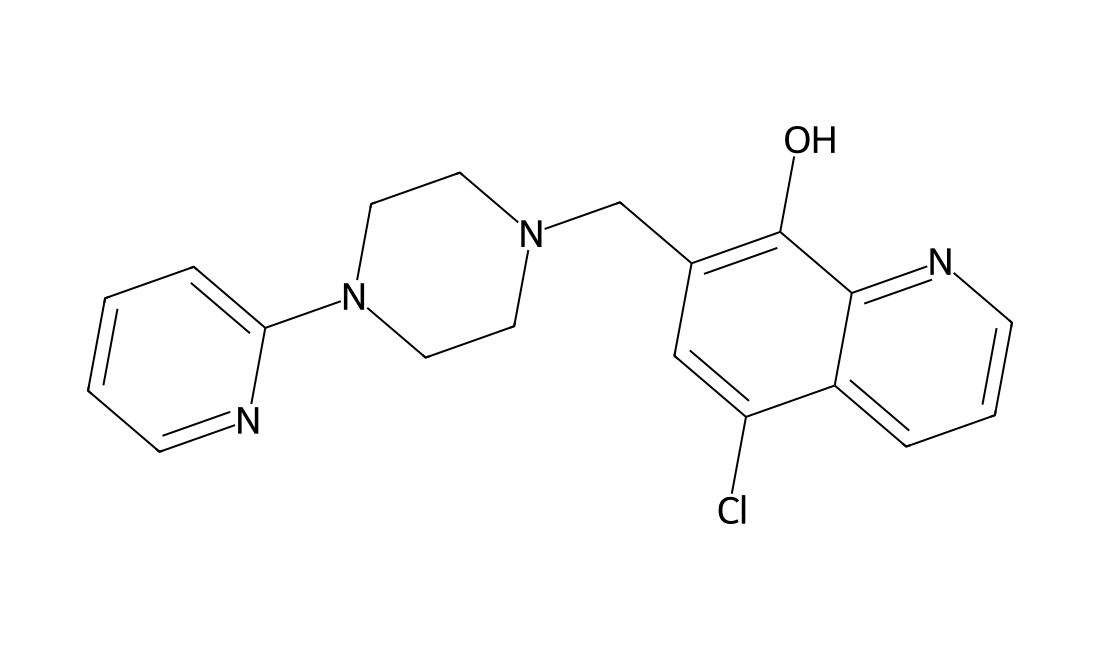
MGCD-265

CAS 875337-44-3

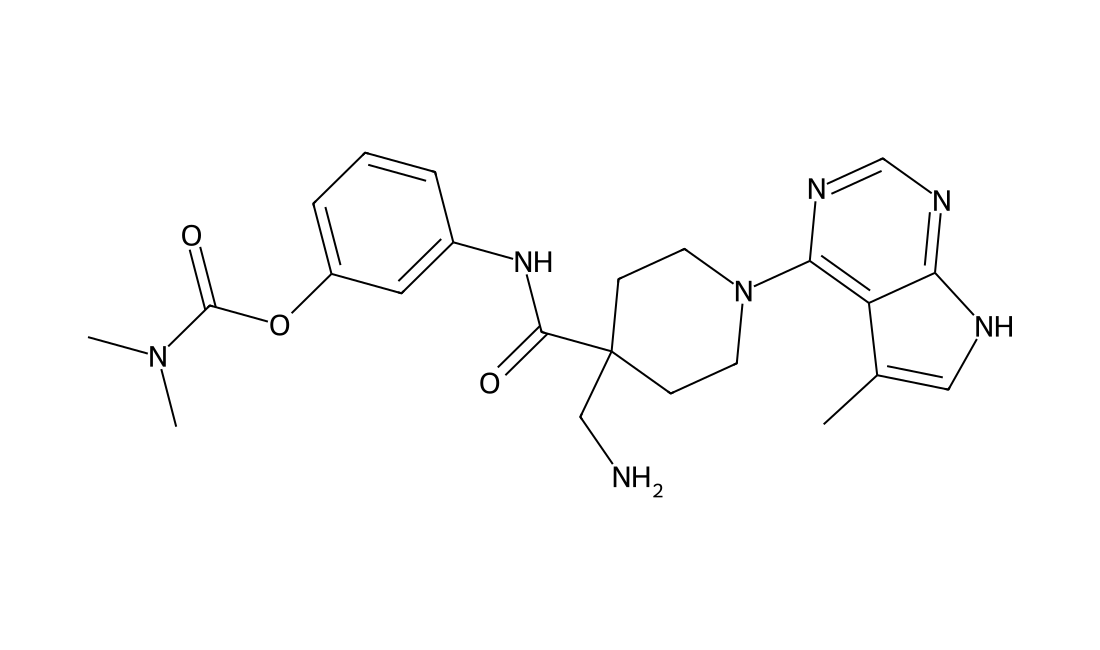
MGCD-265 is a multi-target inhibitor of receptor tyrosine kinases. MGCD-265 potently inhibits Met, MetY1235D, MetM1250T, VEGFR1, VEGF2, VEGF3, Ron, and Tie2, with IC50 values ranging from 1 nM to 7 nM. MGCD-265 inhibits cell proliferation both in c-Met-driven tumor cells (MKN45, MNNG-HOS, and SNU-5) and in non-c-Met-driven tumor cells (HCT116 and MDA-MB-231), with IC50 values of 6 nM–30 nM and 1 μM–3 μM, respectively. In serum starved MKN45 cells, MGCD-265 (40 nM–5 μM) effectively inhibits c-Met phosphorylation and its downstream signaling pathways, including Erk, Akt, Stat3, and Fak. MGCD-265 (6 nM–1 μM) also induces apoptosis in MKN45 cells. In c-Met-driven or non-c-Met-driven mice xenograft models of MKN45, U87MG, MDA-MB-231, COLO205, and A549 tumor cells, MGCD-265 (20 mg/kg–60 mg/kg) inhibits tumor growth and c-Met signaling. MGCD-265 (40 mg/kg) also downregulates genes involved in angiogenesis, including VEGF and IL-8, both in tumor and plasma of mice with U87MG xenograft. MGCD-265 also inhibits the plasma level of shed-Met. For the detailed information of MGCD-265, the solubility of MGCD-265 in water, the solubility of MGCD-265 in DMSO, the solubility of MGCD-265 in PBS buffer, the animal experiment (test) of MGCD-265, the cell expriment (test) of MGCD-265, the in vivo, in vitro and clinical trial test of MGCD-265, the EC50, IC50,and Affinity of MGCD-265, Please contact DC Chemicals.
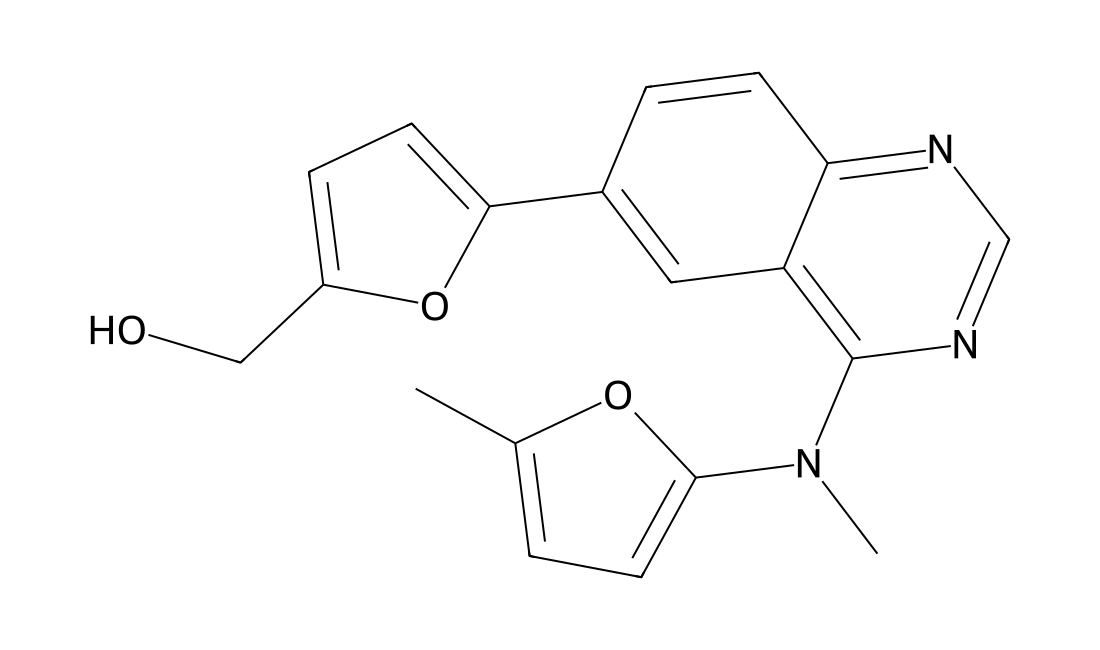
MGCD-265 chemical structure
DC8249

MF498

CAS 915191-42-3

MF498 is a selective EP4 receptor antagonist (Ki = 0.7 nM versus a Ki > 1 µM for other EP receptors).In HEK293 cells expressing the human EP4 receptor, MF498 inhibits EP ligand induced activity with an IC50 value of 1.7 nM.In various animal models for arthritis, MF498 has been shown to inhibit inflammation without gastrointestinal toxicity (ED50 values as low as 0.02 mg/kg/day). For the detailed information of MF498, the solubility of MF498 in water, the solubility of MF498 in DMSO, the solubility of MF498 in PBS buffer, the animal experiment (test) of MF498, the cell expriment (test) of MF498, the in vivo, in vitro and clinical trial test of MF498, the EC50, IC50,and affinity,of MF498, For the detailed information of MF498, the solubility of MF498 in water, the solubility of MF498 in DMSO, the solubility of MF498 in PBS buffer, the animal experiment (test) of MF498, the cell expriment (test) of MF498, the in vivo, in vitro and clinical trial test of MF498, the EC50, IC50,and affinity,of MF498, Please contact DC Chemicals.
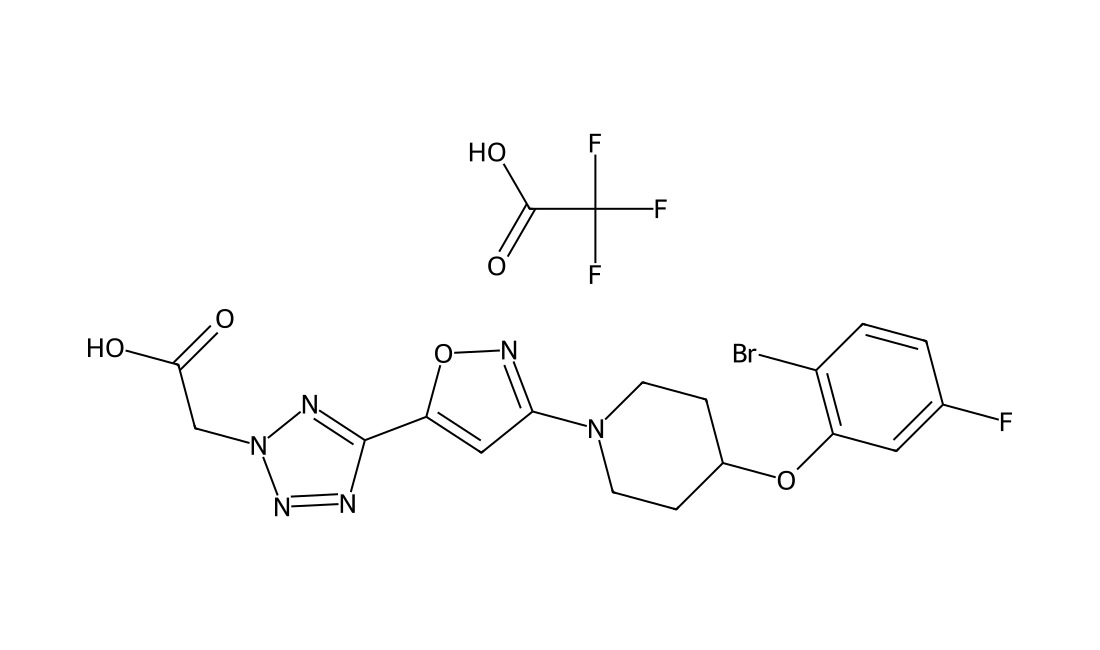
MF498 chemical structure
DC9417

Methylproamine

CAS 188247-01-0

Methylproamine is a DNA-binding radioprotector which, on the basis of published pulse radiolysis studies, acts by repair of transient radiation-induced oxidative species on DNA. in vitro: The extent of radioprotection at the clonogenic survival endpoint increased with methylproamine concentration up to a maximum dose modification factor (DMF) of 2.0 at 10 μM. At least 0.1 fmole/nucleus of methylproamine is required to achieve a substantial level of radioprotection (DMF of 1.3) with maximum protection (DMF of 2.0) achieved at 0.23 fmole/nucleus. The γH2AX focus yield per cell nucleus 45 min after irradiation decreased with drug concentration with a DMF of 2.5 at 10 μM. Methylproamine-treated cells had fewer γH2AX foci after IR compared to untreated cells. Also, the presence ofmethylproamine decreased the amount of lower molecular weight DNA entering the gel as shown by the pulsed field gel electrophoresis assay. Experiments with V79 cells have shown that methylproamine is approximately 100-fold more potent than the classical aminothiol radioprotector WR1065. The crystal structures of methylproamine and proamine complexes with the dodecamer d(CGCGAATTCGCG)(2) confirm that the new analogues also are minor groove binders.

Methylproamine chemical structure
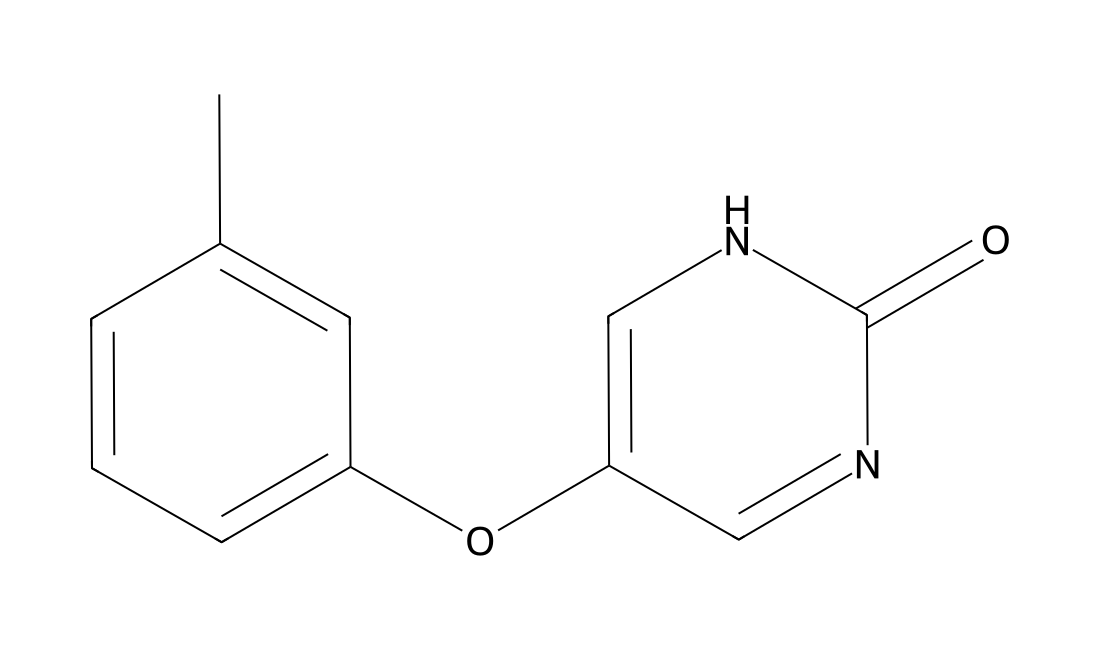
DC23215

Methoxy-PEPy

CAS 524924-76-3

Methoxy-PEPy is a potent, selective mGlu5 receptor antagonist with IC50 of 1 nM; exhibits 14-fold higher binding in forebrain relative to cerebellum in mGlu5 receptor-deficient mice, the radioligand [3H]methoxy-PEPy is useful for determining the occupancy of mGlu5 receptors in the brain.

Methoxy-PEPy chemical structure
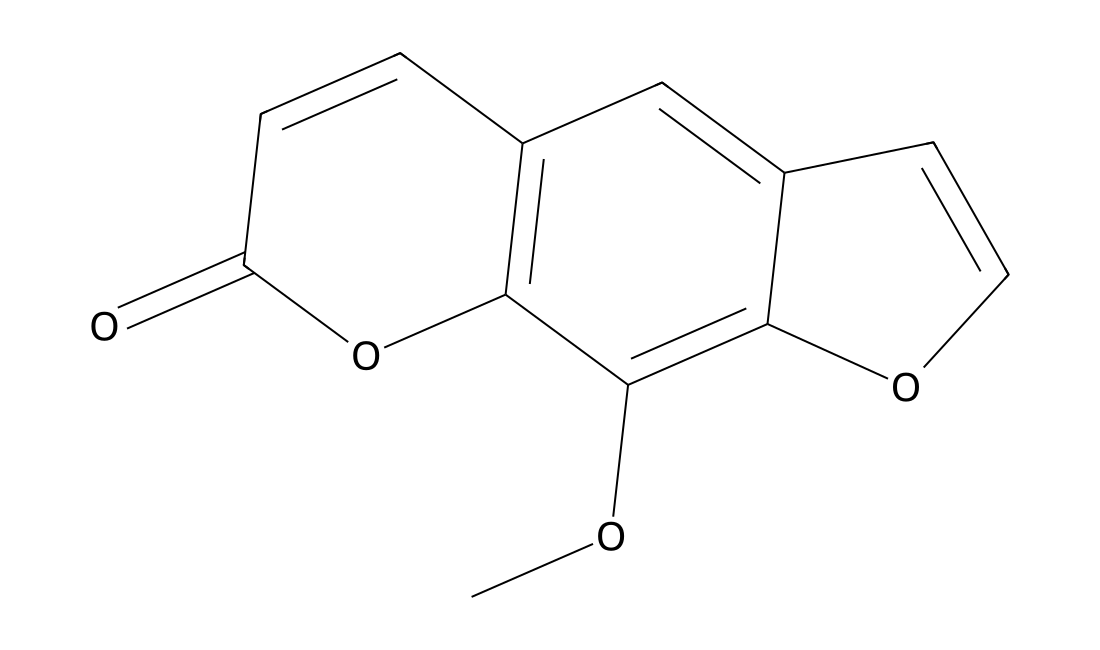
DCAPI1146

Methoxsalen (Oxsoralen)

CAS 298-81-7

For the detailed information of Methoxsalen (Oxsoralen), the solubility of Methoxsalen (Oxsoralen) in water, the solubility of Methoxsalen (Oxsoralen) in DMSO, the solubility of Methoxsalen (Oxsoralen) in PBS buffer, the animal experiment(test) (test) of Methoxsalen (Oxsoralen), the cell expriment (test) of Methoxsalen (Oxsoralen), the in vivo, in vitro and clinical trial test of Methoxsalen (Oxsoralen), the EC50, IC50,and Affinity of Methoxsalen (Oxsoralen),, please contact DC Chemicals.
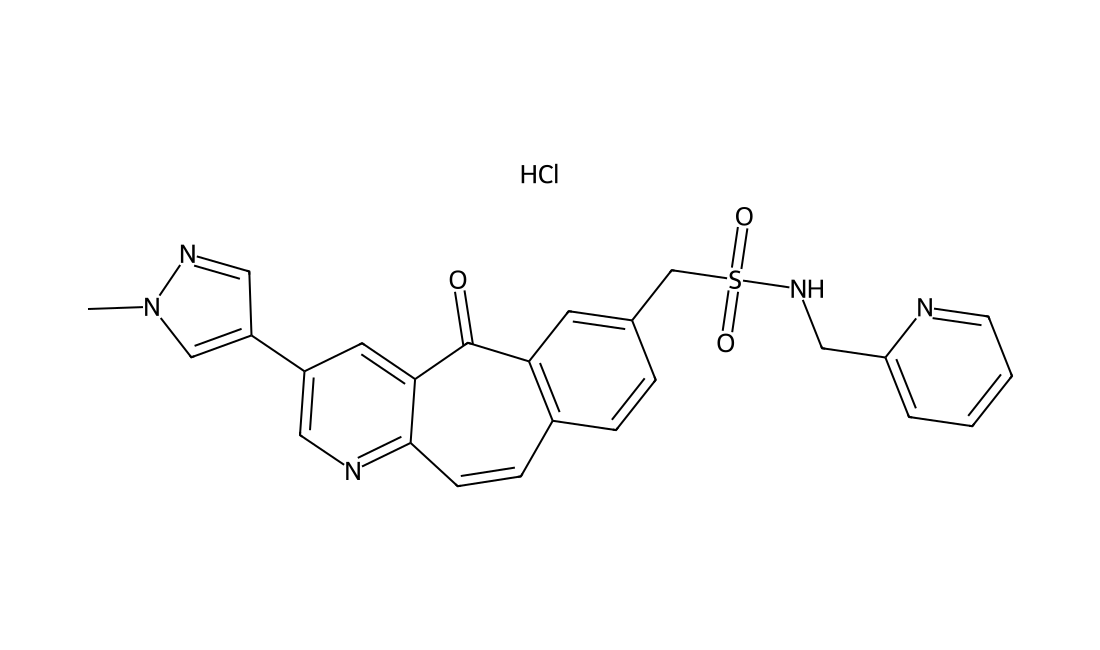
Methoxsalen (Oxsoralen) chemical structure
DC8943

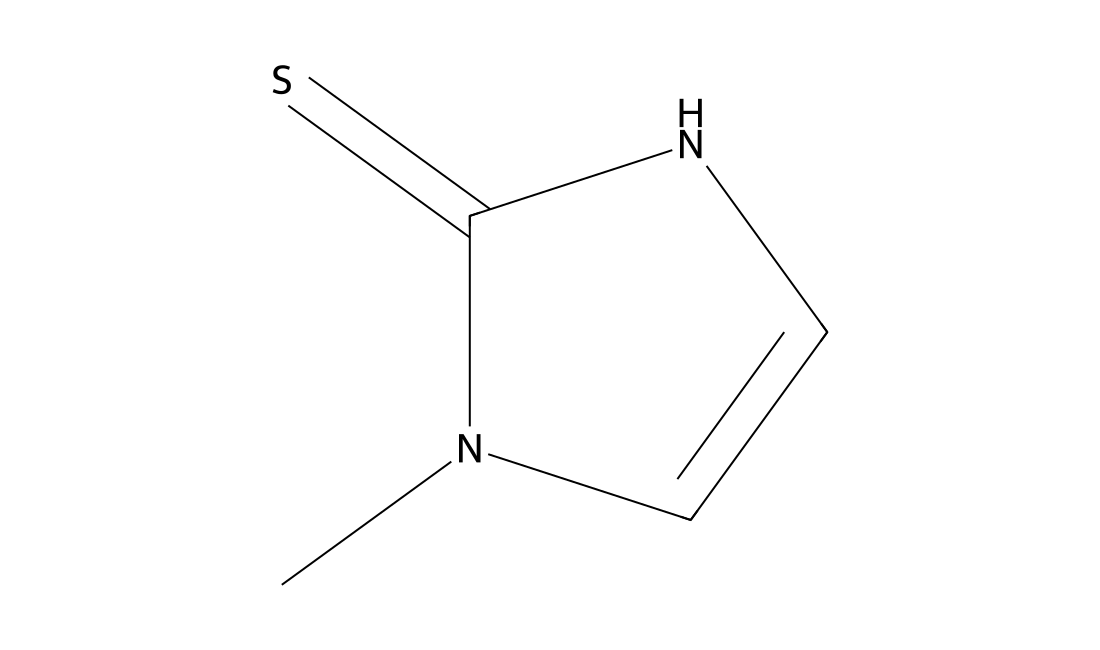
Methimazole

CAS 60-56-0

Methimazole(Tapazole, Northyx) is an antithyroid medicine.Methimazole is an antithyroid drug, and part of the thioamide group. Like its counterpart propylthiouracil, a major side effect of treatment is agranulocytosis. Methimazole is a drug used to treat hyperthyroidism, a condition that occurs when the thyroid gland begins to produce an excess of thyroid hormone. The drug may also be taken before thyroid surgery to lower thyroid hormone levels and minimize the effects of thyroid manipulation. Additionally, Methimazole is used in the veterinary setting to treat hyperthyroidism in cats. Methimazole inhibits the enzyme thyroperoxidase, which normally acts in thyroid hormone synthesis by oxidizing the anion iodide (I-) to iodine (I0), facilitating iodine's addition to tyrosine residues on the hormone precursor thyroglobulin, a necessary step in the synthesis of triiodothyronine (T3) and thyroxine. It does not inhibit the action of the sodium-dependent iodide transporter located on follicular cells' basolateral membranes. Inhibition of this step requires competitive inhibitors such as perchlorate and thiocyanate.

Methimazole chemical structure
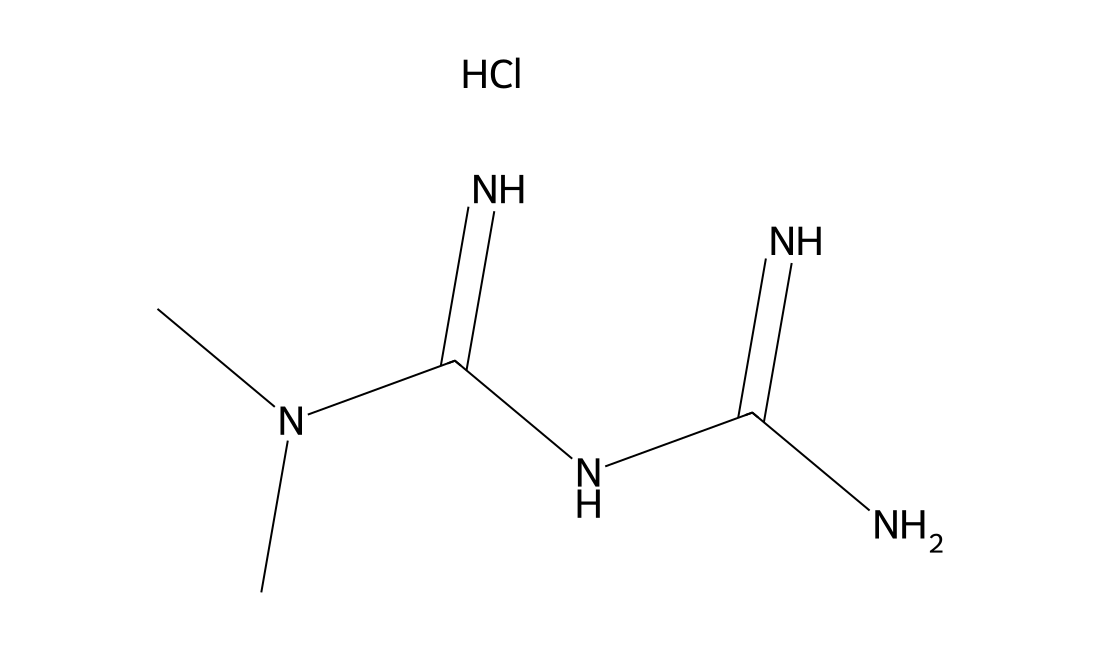
DCAPI1018

Metformin HCl(Glucophage)

CAS 1115-70-4

For the detailed information of Met Formin HCl(Glucophage), the solubility of Met Formin HCl(Glucophage) in water, the solubility of Met Formin HCl(Glucophage) in DMSO, the solubility of Met Formin HCl(Glucophage) in PBS buffer, the animal experiment(test) (test) of Met Formin HCl(Glucophage), the cell expriment (test) of Met Formin HCl(Glucophage), the in vivo, in vitro and clinical trial test of Met Formin HCl(Glucophage), the EC50, IC50,and Affinity of Met Formin HCl(Glucophage),, please contact DC Chemicals.
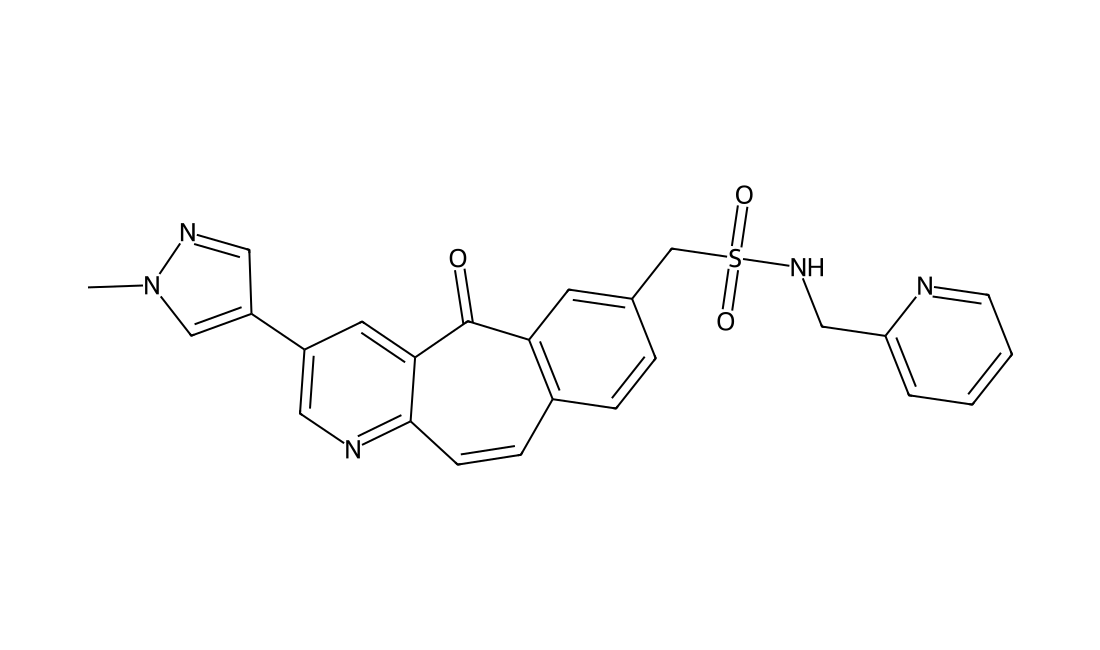
Metformin HCl(Glucophage) chemical structure
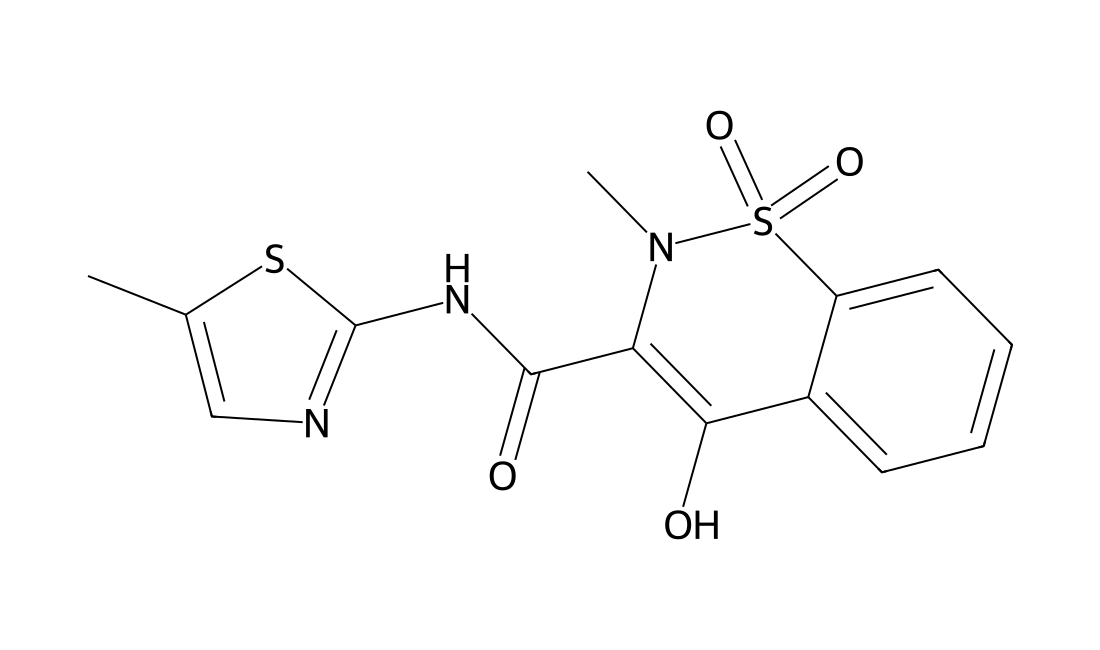
DCAPI1316

Meloxicam (Mobic)

CAS 71125-38-7

For the detailed information of Meloxicam (Mobic), the solubility of Meloxicam (Mobic) in water, the solubility of Meloxicam (Mobic) in DMSO, the solubility of Meloxicam (Mobic) in PBS buffer, the animal experiment(test) (test) of Meloxicam (Mobic), the cell expriment (test) of Meloxicam (Mobic), the in vivo, in vitro and clinical trial test of Meloxicam (Mobic), the EC50, IC50,and Affinity of Meloxicam (Mobic),, please contact DC Chemicals.
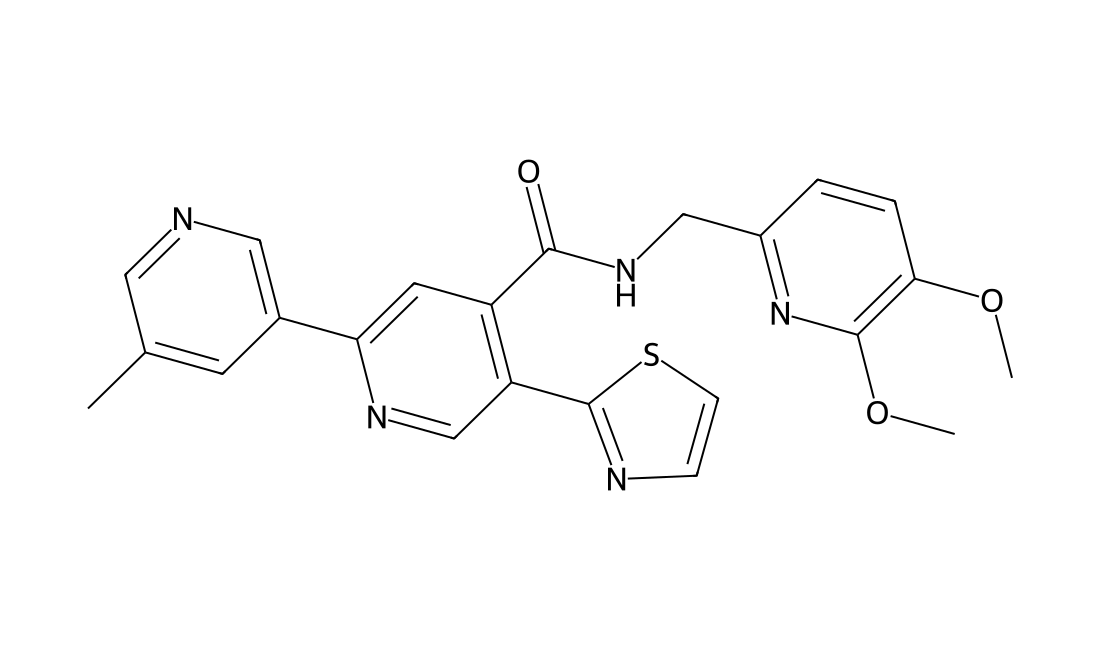
Meloxicam (Mobic) chemical structure
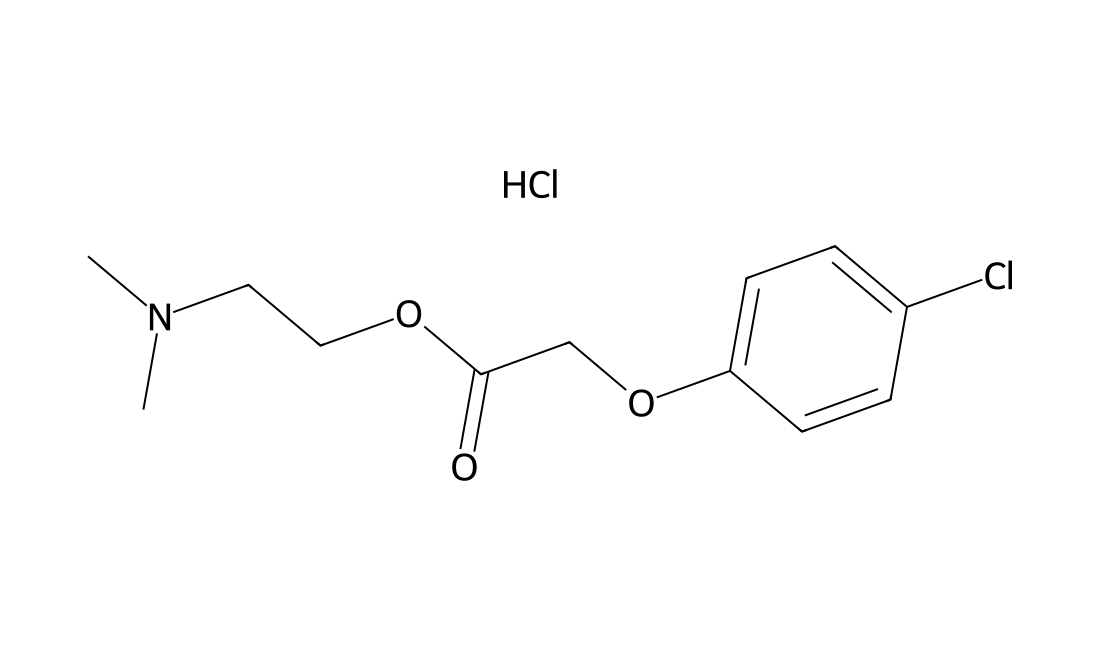
DC9035

Meclofenoxate HCl

CAS 3685-84-5

Meclofenoxate hydrochloride, an ester of dimethylethanolamine (DMAE) and 4-chlorophenoxyacetic acid (pCPA), has been shown to improve memory, have a mentally stimulating effect, and improve general cognition.Meclofenoxate, administered in a dose of 50 mg/kg twice daily for 7 days using the maze-training method, increased the number of responses to the conditioned stimulus, when retention tests were made 24 hours and 7 days after training, whereas citicholine, applied in the same way in a dose of 10 mg/kg, shortened the latency of the responses with reinforcement during the training and increased the number of correct responses to the conditioned stimulus in retention tests 7 days after the training. Meclofenoxate appears to increase the consolidation of new information into long-term memory, but does not affect other aspects of remembering.

Meclofenoxate HCl chemical structure
DCAPI1081

Mecarbinate

CAS 15574-49-9

For the detailed information of Mecarbinate, the solubility of Mecarbinate in water, the solubility of Mecarbinate in DMSO, the solubility of Mecarbinate in PBS buffer, the animal experiment(test) (test) of Mecarbinate, the cell expriment (test) of Mecarbinate, the in vivo, in vitro and clinical trial test of Mecarbinate, the EC50, IC50,and Affinity of Mecarbinate,, please contact DC Chemicals.
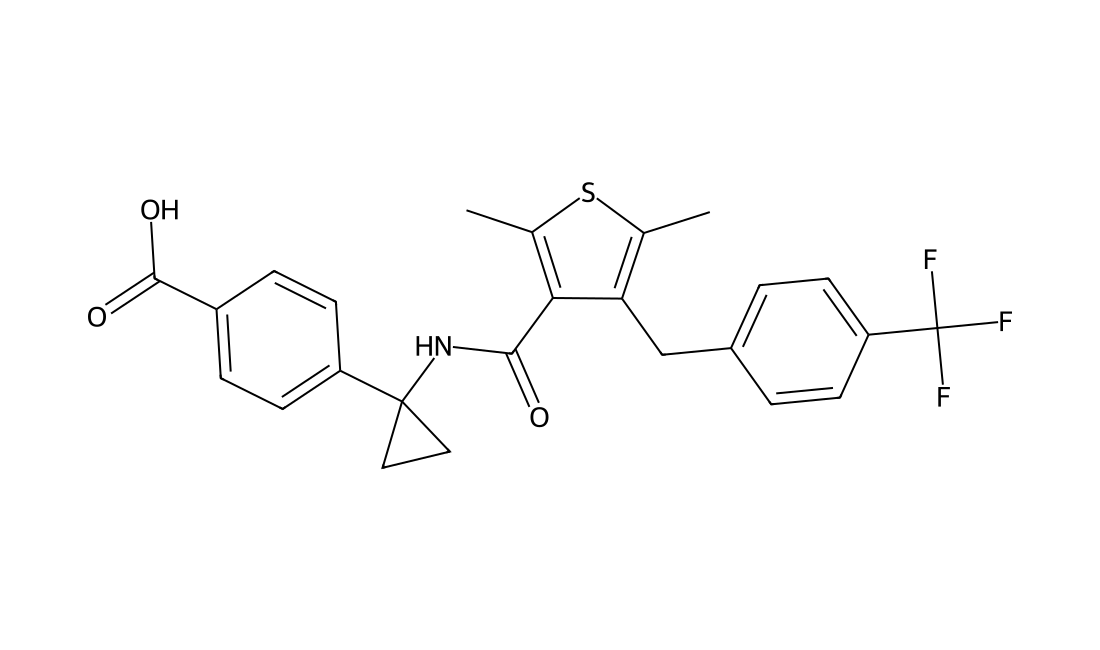
Mecarbinate chemical structure
DC7841

MDA 19

CAS 1048973-47-2

MDA19 displayed 4-fold-higher affinity at the human CB(2) than at the human CB1 receptor (K(i) = 43.3 +/- 10.3 vs 162.4 +/- 7.6 nM) and nearly 70-fold-higher affinity at the rat CB2 than at the rat CB1 receptor (K(i) = 16.3 +/- 2.1 vs 1130 +/- 574 nM). In guanosine triphosphate (GTP)gamma[(35)S] functional assays, MDA19 behaved as an agonist at the human CB1 and CB2 receptors and at the rat CB1 receptor but as an inverse agonist at the rat CB2 receptor. In 3',5'-cyclic adenosine monophosphate (cAMP) assays, MDA19 behaved as an agonist at the rat CB1 receptor and exhibited no functional activity at the rat CB(2) receptor. In extracellular signal-regulated kinases 1 and 2 activation assays, in vivo: MDA19 behaved as an agonist at the rat CB2 receptor. MDA19 attenuated tactile allodynia produced by spinal nerve ligation or paclitaxel in a dose-related manner in rats and CB2(+/+) mice but not in CB2(-/-) mice, indicating that CB2 receptors mediated the effects of MDA19. MDA19 did not affect rat locomotor activity.For the detailed information of MDA 19, the solubility of MDA 19 in water, the solubility of MDA 19 in DMSO, the solubility of MDA 19 in PBS buffer, the animal experiment (test) of MDA 19, the cell expriment (test) of MDA 19, the in vivo, in vitro and clinical trial test of MDA 19, the EC50, IC50,and affinity,of MDA 19, Please contact DC Chemicals.
MDA 19 chemical structure
DC12094

MBQ-167

CAS 2097938-73-1

In Vitro MBQ-167 (≥100 nM) induces a loss of polarity in metastatic breast cancer cells. Treatment with 500 nM MBQ-167 for 24 h results in ~95% cell rounding and detachment from the substratum in metastatic MDA-MB-231 cells. Moreover, MBQ-167 induces this phenotype in multiple mesenchymal cancer cell types including GFP-HER2-BM, MDA-MB-468, and Hs578t human breast cancer cells, as well as Mia-PaCa-2 pancreatic cancer cells, SKOV3 ovarian cancer cells, AGS and NCI-N87 gastric cancer cells, and SH-SY5Y neuroblastoma cells. Following treatment with 250 nM MBQ-167 for 24 h, the attached population of MDA-MB-231 cells demonstrate a ~25% decrease in Rac activation while the detached cells are more responsive with a ~75% decrease. At earlier times (6h), treatment with 250 or 500 nM MBQ-167, induce a inhibition in Rac activity in the attached cell population, while the detached population demonstrate a ~40-50% inhibition. In Vivo MBQ-167-treated mice demonstrated a statistically significant reduction in tumor growth. At sacrifice, 1.0 mg/kg BW of MBQ-167 results in a ~80% reduction in tumor growth, and the 10 mg/kg BW MBQ-167 treatment results in ~95% reduction in tumor growth. Since EHop-016 only exerts ~40% reduction of tumor growth at 10 mg/kg BW, MBQ-167 is 10X more effective than EHop-016. MBQ-167 treated mice demonstrated similar doubling times for both treatments (10 and 11 days).

MBQ-167 chemical structure
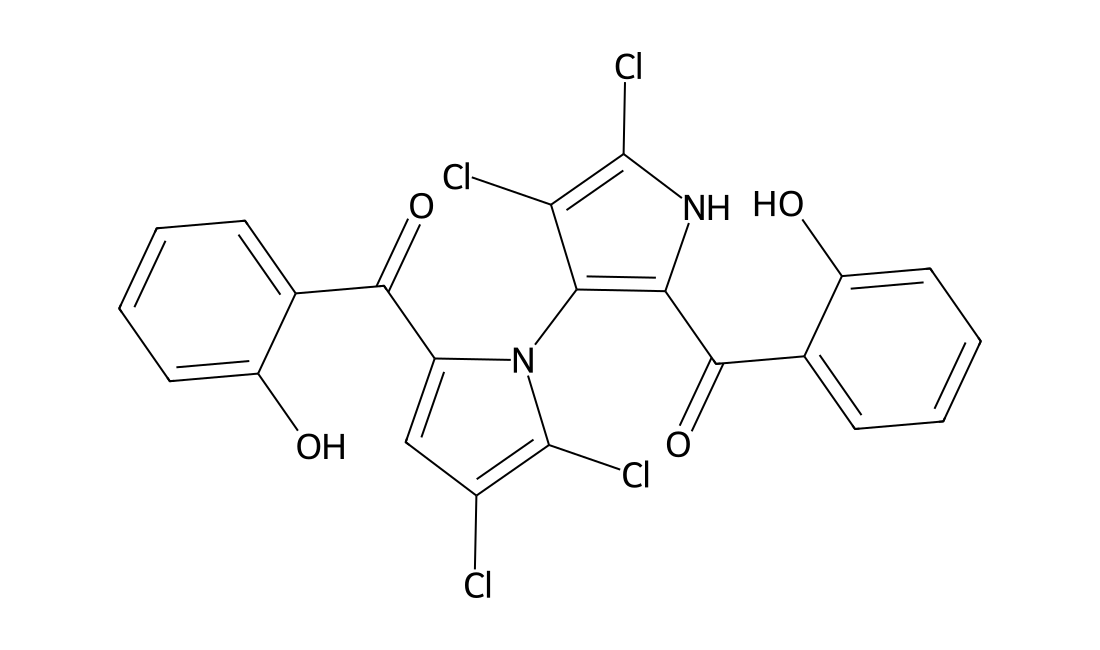
DC10639

Marinopyrrole A (Maritoclax)

CAS 1227962-62-0

In vitro: Maritoclax induces Mcl-1 degradation via the proteasome system, which is associated with the pro-apoptotic activity of maritoclax. Maritoclax selectively kills Mcl-1-dependent, but not Bcl-2- or Bcl-XL-dependent, leukemia cells and markedly enhances the efficacy of ABT-737 against hematologic malignancies, including K562, Raji, and multidrug-resistant HL60/VCR, by ∼60- to 2000-fold at 1-2 μM. Maritoclax blocks the interaction between a biotin-labeled Bim-BH3 peptide and GST-Mcl-1 in a dose-dependent manner with an IC50 value of 10.1 μM, while it does not inhibit the binding of Bim-BH3 peptide to GST-Bcl-XL at concentrations up to 80 μM. Maritoclax induces caspase-3 activation by degradation of Mcl-1 protein. Treatment with maritoclax markedly reduces the half-life of Mcl-1 to ∼0.5 h as compared with nearly 3 h in control cells. Maritoclax has no apparent effect on Mcl-1 (Ser159/Thr163) phosphorylation, suggesting that maritoclax induces phosphorylation-independent Mcl-1 degradation. Marinopyrrole A has potent concentration-dependent bactericidal activity against clinically relevant hospital- and community-acquired MRSA strains. Marinopyrrole A shows limited toxicity to mammalian cell lines (at >20× MIC). Maritoclax sensitivity is cell type specific. It is not effective in HeLa, HEK293, or MEF cells. Maritoclax is not a substrate for p-gp mediated drug efflux. In vivo: Maritoclax administration at 20 mg/kg/d intraperitoneally causes significant U937 tumor shrinkage, as well as 36% tumors remission rate in athymic nude mice, without apparent toxicity to healthy tissue or circulating blood cells.

Marinopyrrole A (Maritoclax) chemical structure
DCAPI1277

Malotilate

CAS 59937-28-9

For the detailed information of Malotilate, the solubility of Malotilate in water, the solubility of Malotilate in DMSO, the solubility of Malotilate in PBS buffer, the animal experiment(test) (test) of Malotilate, the cell expriment (test) of Malotilate, the in vivo, in vitro and clinical trial test of Malotilate, the EC50, IC50,and Affinity of Malotilate,, please contact DC Chemicals.
Malotilate chemical structure
DC22595

LY2857785

CAS 1619903-54-6

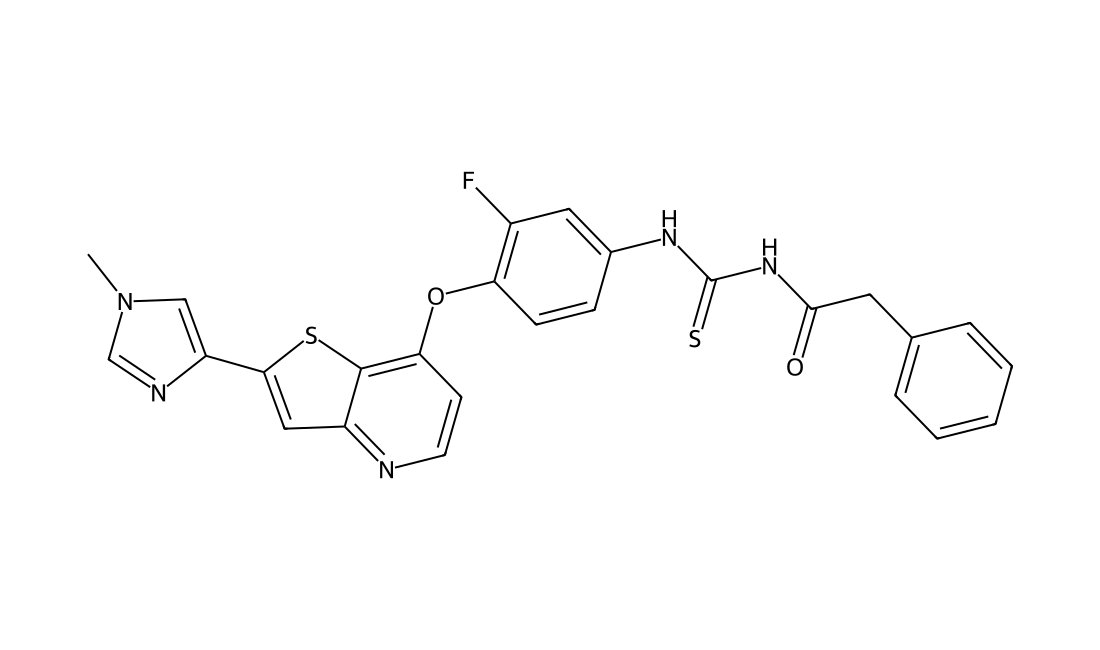
LY2857785 is a potenrt, reversible and ATP-competitive CDK9 inhibitor with IC50 of 11 nM, also inhibits CDK8 (IC50=16 nM) and weakly inhibits CSK7 (IC50=246 nM); showes good selectivity against a panel of 114 protein kinases; inhibits RNAP II C-terminal domain (CTD) P-Ser2 and CTD P-Ser5 in U2OS cells with IC50 of 89 and 42 nM, dramatically decreases MCL1 protein levels to result in apoptosis in a variety of leukemia and solid tumor cell lines (MV-4-11 cell IC50=40 nM); inhibits RNAP II CTD P-Ser2 in vivo, demonstrates potent antitumor growth efficacy in tumor xenografts.

LY2857785 chemical structure
DC12130

LY223982

CAS 117423-74-2

In Vitro LY223982 is a potent and specific inhibitor of leukotriene B4 (LTB4) receptor, with an IC50 of 13.2 nM against [3H]LTB4 binding to LTB4 receptor. LY223982 is also a potent antagonist of the aggregation of human neutrophils by LTB4 (IC50, 100 nM). In Vivo LY223982 inhibits transient leukopenia induced in rabbits with LTB4 (ED50, 3 mg/kg) but not with FMLP, and shows no agonist activity in any of the test systems.

LY223982 chemical structure
DC7189

LY-2109761

CAS 700874-71-1

LY2109761 treatment induces a dose-dependent low-anchorage growth inhibition of L3.6pl/GLT cells, leading to ~33% or 73% inhibition at 2 μM and 20 μM, respectively, which can be strongly enhanced when combined with gemcitabine in combination index value of 0.36581. Blocking TβRI/II kinase activity with LY2109761 (5 μM) completely suppresses both the basal and TGF-β1-stimulated migration and invasion of L3.6pl/GLT cells, significantly enhances the detachment-induced apoptosis by 26% at 8 hours treatment, and completely suppresses TGF-β–induced Smad2 phosphorylation. LY2109761 treatment at 1 nM is sufficient to significantly block the migration and invasion but not adhesion of hepatocellular carcinoma cells by increasing E-cadherin expression. LY2109761 pretreatment enhances radiosensitivity of glioblastoma cells via TGF-β signaling blockage. LY2109761 (10 μM) reduces the self-renewal and proliferation of GBM-derived cancer stem–like cells (CSLC), which can be significantly enhanced when combined with radiation. Administration of LY2109761 (50 mg/kg) alone or in combination with gemcitabine (25 mg/kg) significantly reduces the tumor volume by ~70% and ~90%, respectively, prolongs the survival with the median survival duration of 45.0 days and 77.5 days, respectively, and reduces spontaneous abdominal metastases in the L3.6pl/GLT Xenograft mice model. In consistent with the in vitro effect, administration of LY2109761 alone or in combination with radiation, markedly inhibits tumor growth in the orthotopical CSLC glioblastoma model by 43.4% and 76.3%, respectively, decreases tumor invasion and tumor microvessel density, and significantly enhances radiation-induced tumor growth delay in the U87MG xenograft mice model. For the detailed information of LY-2109761, the solubility of LY-2109761 in water, the solubility of LY-2109761 in DMSO, the solubility of LY-2109761 in PBS buffer, the animal experiment (test) of LY-2109761, the cell expriment (test) of LY-2109761, the in vivo, in vitro and clinical trial test of LY-2109761, the EC50, IC50,and Affinity of LY-2109761, Please contact DC Chemicals.
LY-2109761 chemical structure
DC23136

LX7101

CAS 1192189-69-7

LX7101 is a potent, dual LIMK and ROCK inhibitor with IC50 of 4.3/32//69/32/ nM for LIMK2/LIMK1/ROCK1/ROCK2, respectively; kinase selectivity are eveluated in a panel of binding assays including 78 different receptors and transporters at Cerep (only 5 have >60% inhibition at 10 uM); demonstrates high efficacy in mouse model of ocular hypertension, ans shows potential for the treatment of glaucoma.Other IndicationPhase 2 Clinical

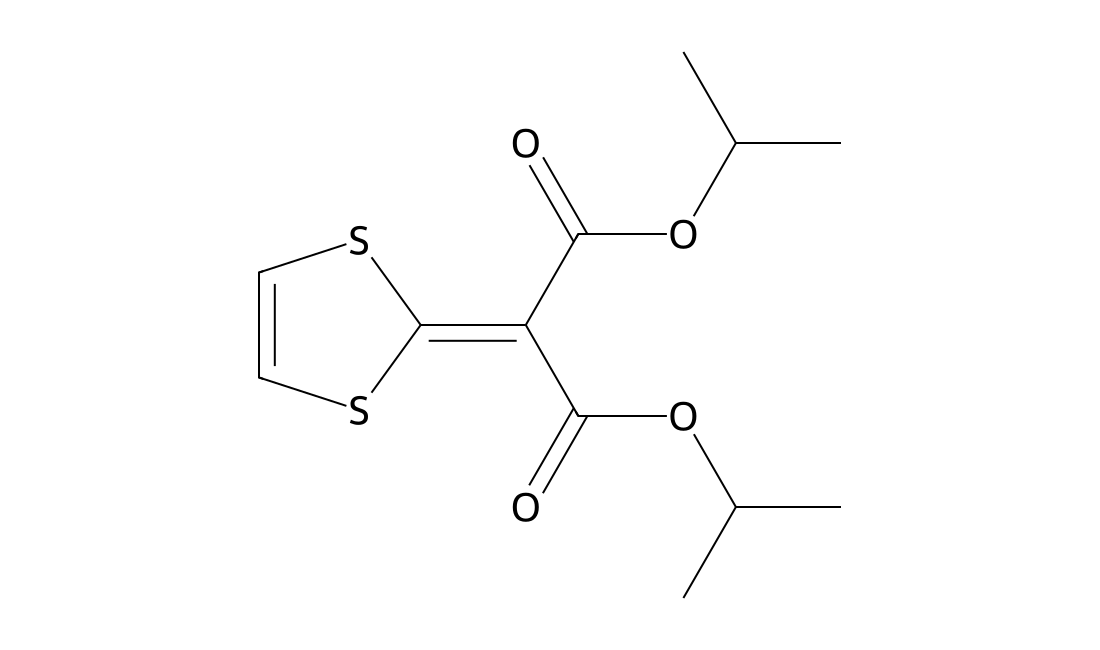
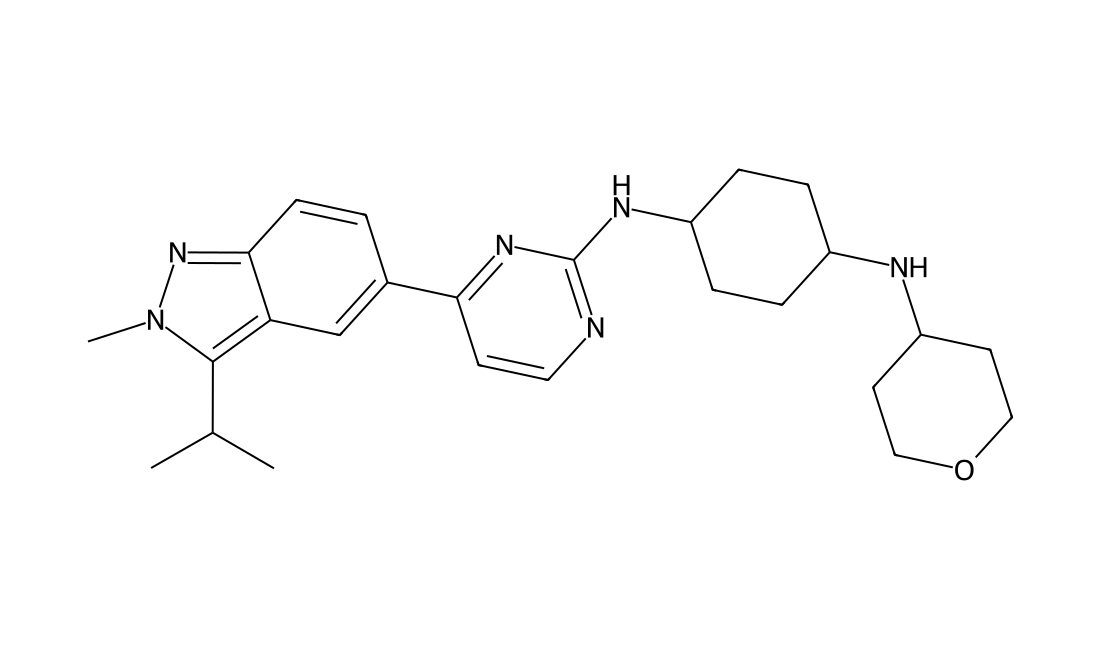
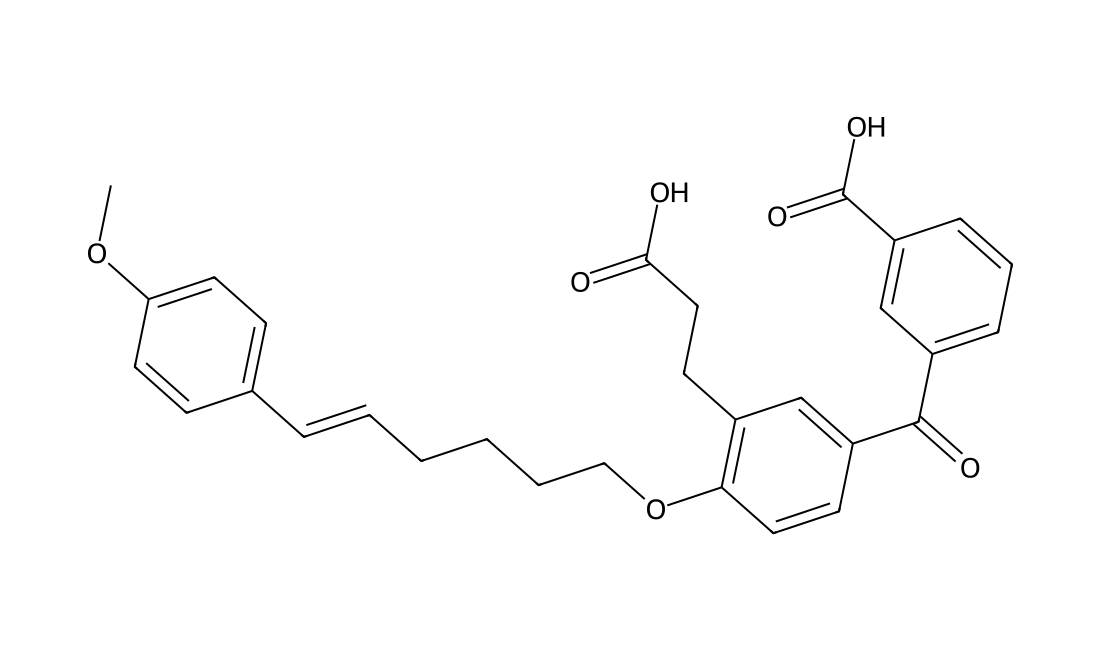
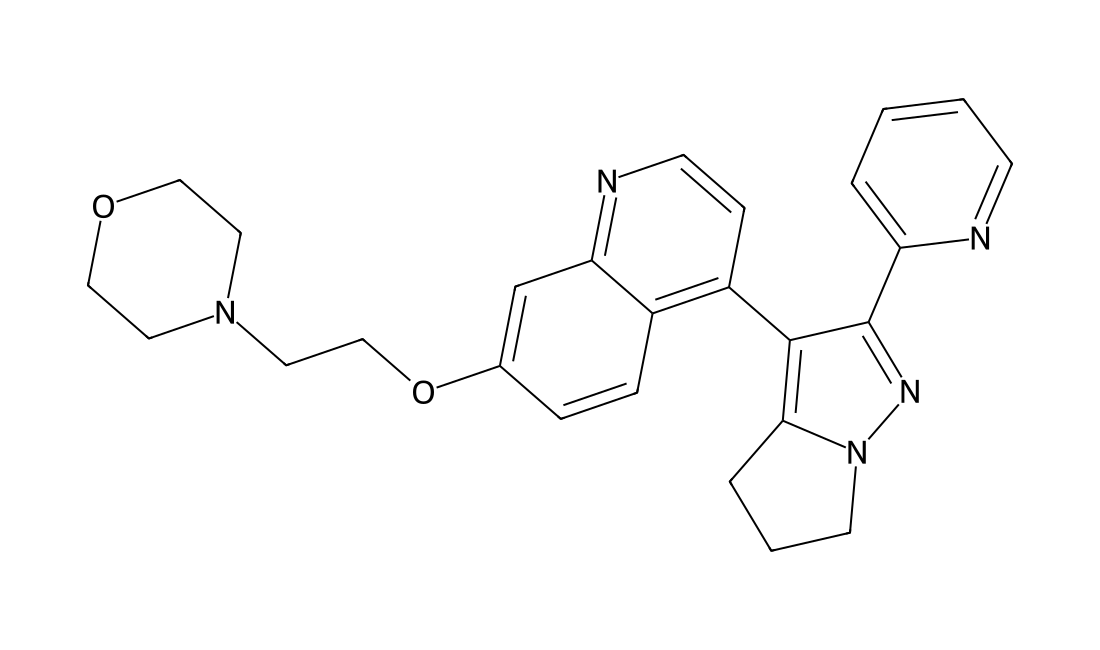
LX7101 chemical structure
DC7170

Lucidin (NSC 30546)

CAS 478-08-0

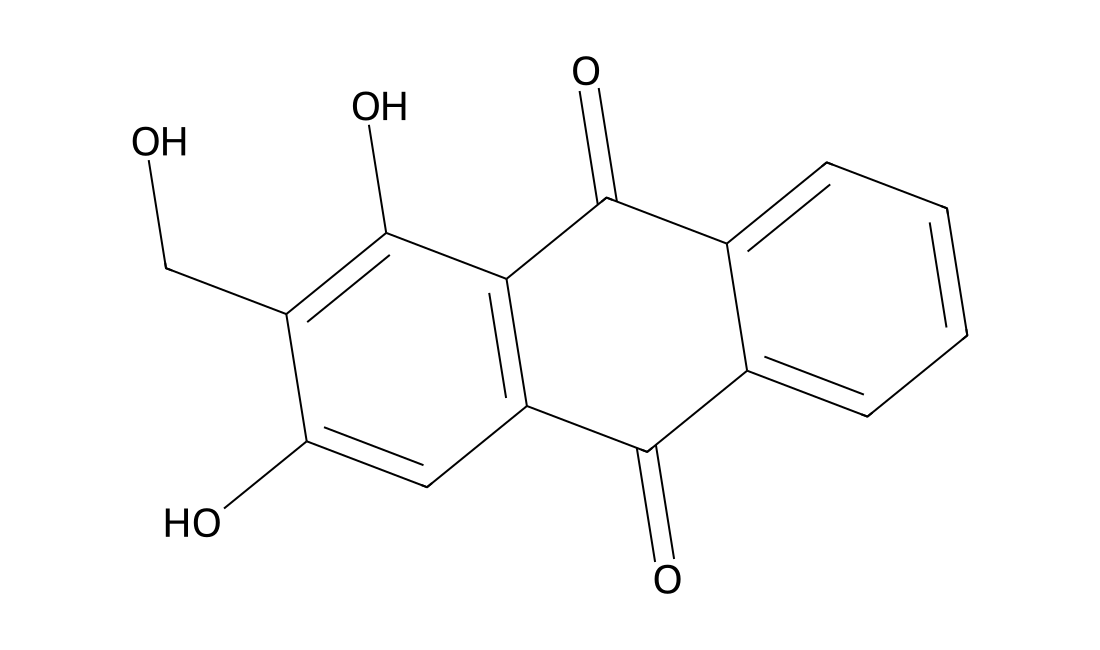
Inhibits the mechanisms of hyperpigmentation appearance and effectively brightens the existing hyperpigmentation: prevents the creation of tyrosinase – enzyme taking part in the production of melanin hampers the activity of tyrosinase already present in the skin prevents excessive production of melanin by ‘catching’ copper ions regulates epidermis exfoliation and slightly intensifies the processFor the detailed information of Lucidin (NSC 30546), the solubility of Lucidin (NSC 30546) in water, the solubility of Lucidin (NSC 30546) in DMSO, the solubility of Lucidin (NSC 30546) in PBS buffer, the animal experiment (test) of Lucidin (NSC 30546), the cell expriment (test) of Lucidin (NSC 30546), the in vivo, in vitro and clinical trial test of Lucidin (NSC 30546), the EC50, IC50,and Affinity of Lucidin (NSC 30546), Please contact DC Chemicals.
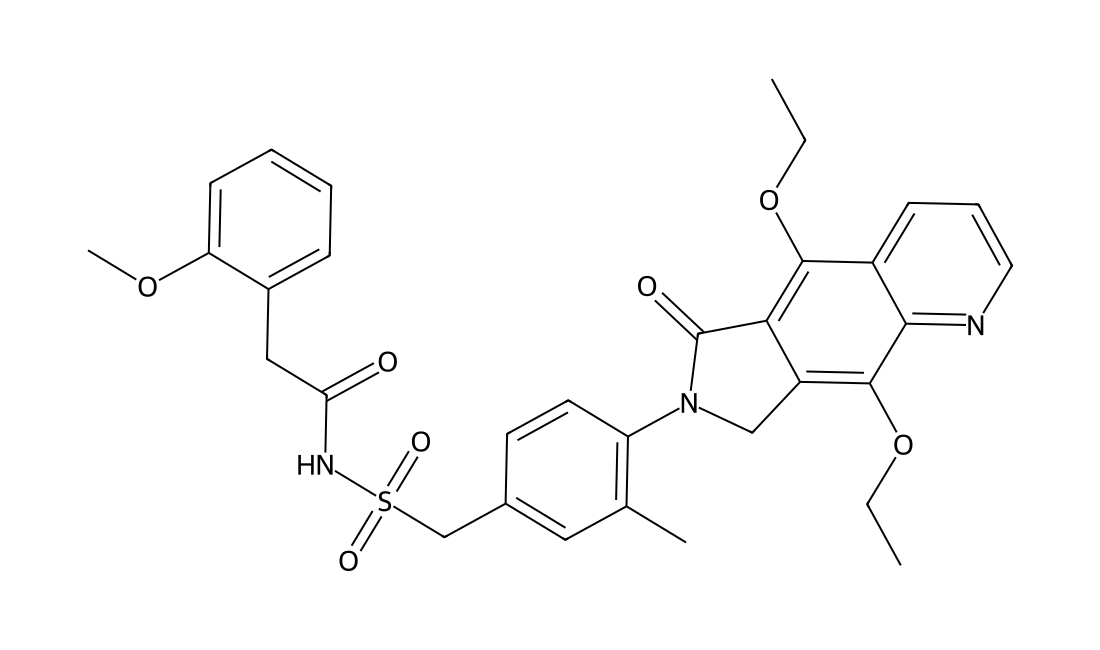
Lucidin (NSC 30546) chemical structure
DC24031

LTV-1

CAS 347379-29-7

LTV-1 is a highly potent, cell-permeable and reversible LYP (lymphoid tyrosine phosphatase) inhibitor with IC50 of 508 nM; shows 3-fold selectivity over TCPTP (IC50=1.52 uM) and PTP1B (IC50=1.59 uM), 46-fold over SHP1 (IC50=23.2 uM), and 59-fold over CD45 (IC50=30.1 uM), > 200-fold over PTP-PEST (IC50 >100 uM); increases the phosphorylation levels of the direct physiological targets of LYP, augments calcium mobilization, activates the proximal IL-2 promoter, and enhances the expression of the early activation marker CD25 in T cells.

LTV-1 chemical structure
DC10155

LTURM34

CAS 1879887-96-3

LTURM34 shows potent inhibition of DNA-PK with excellent selectivity over the Class I PI3K isoforms. The IC50s are 5.8 and 8.5 μM for PI3K β and δ, respectively. LTURM34 shows potent and broad ranging antiproliferative activity. LTURM34 is more consistently active against the selected cell lines (11 of 16), but at best shows 54% inhibition against the HOP-92 non-small cell lung cancer line.

LTURM34 chemical structure
DCAPI1419

Losartan

CAS 114798-26-4

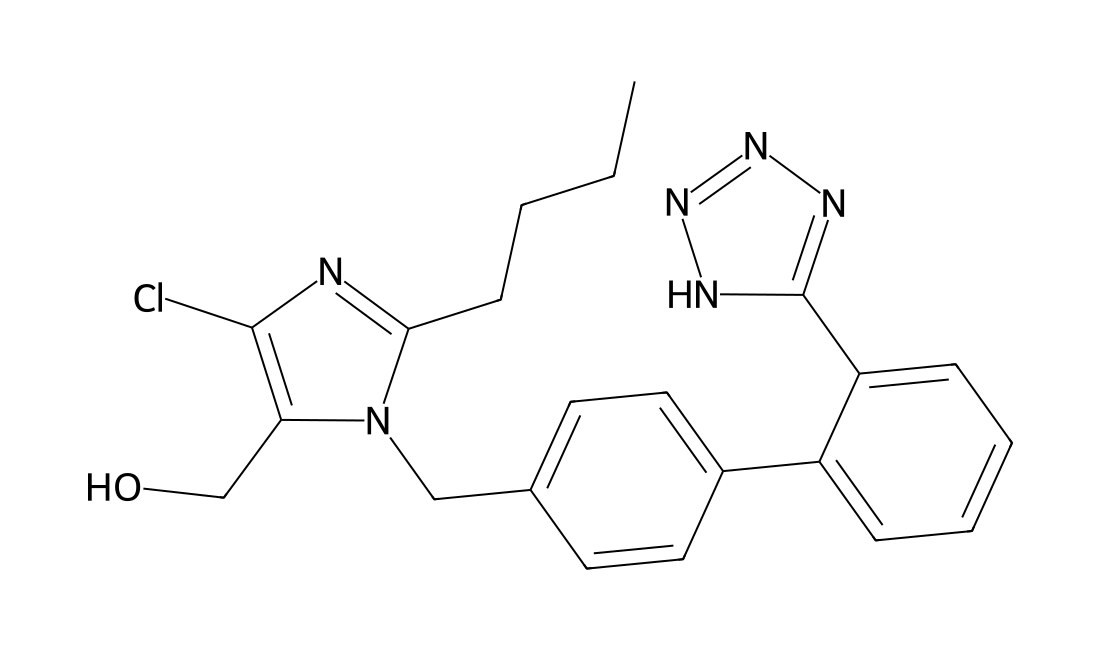
For the detailed information of Losartan, the solubility of Losartan in water, the solubility of Losartan in DMSO, the solubility of Losartan in PBS buffer, the animal experiment(test) (test) of Losartan, the cell expriment (test) of Losartan, the in vivo, in vitro and clinical trial test of Losartan, the EC50, IC50,and Affinity of Losartan,, please contact DC Chemicals.
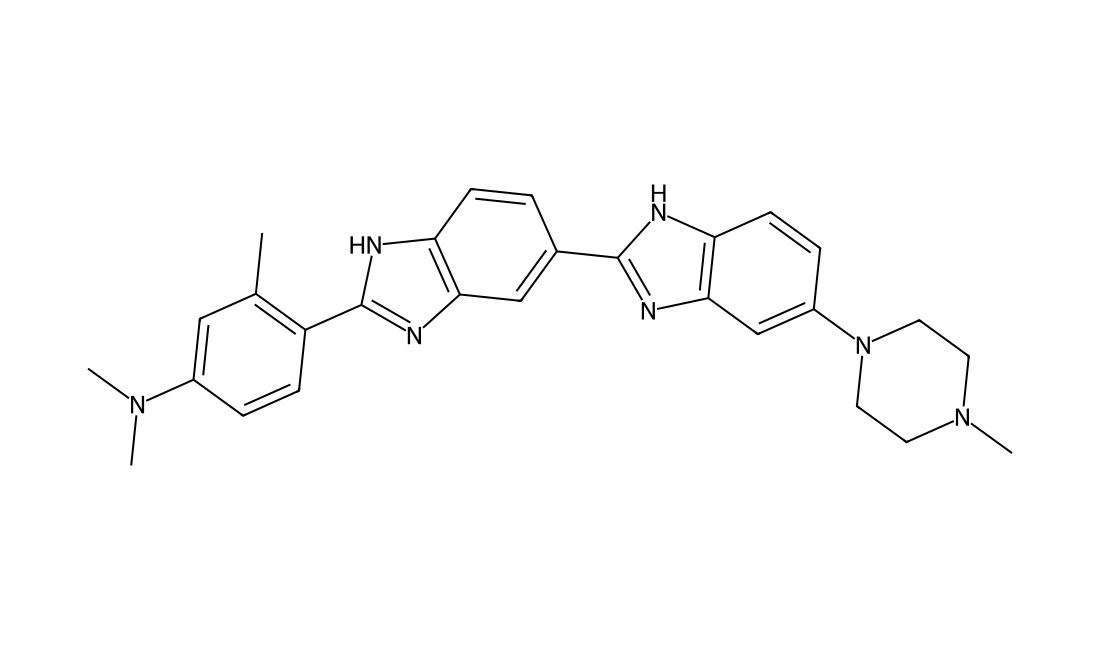
Losartan chemical structure
DC9104

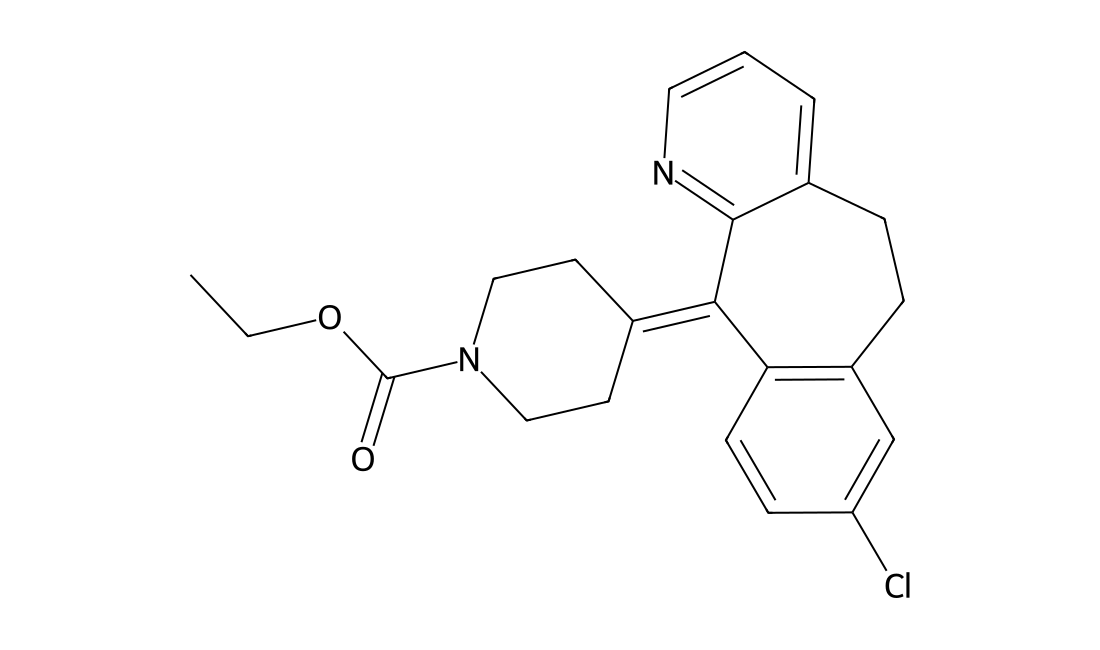
Loratadine

CAS 79794-75-5

Loratadine(SCH-29851) is a selective inverse peripheral histamine H1-receptor agonist with an IC50 of >32 μM.Loratadine is a non-sedative antihistamine that inhibits histamine-induced activities of IL-6 and IL-8 secretion in endothelial cells.

Loratadine chemical structure
DC9168

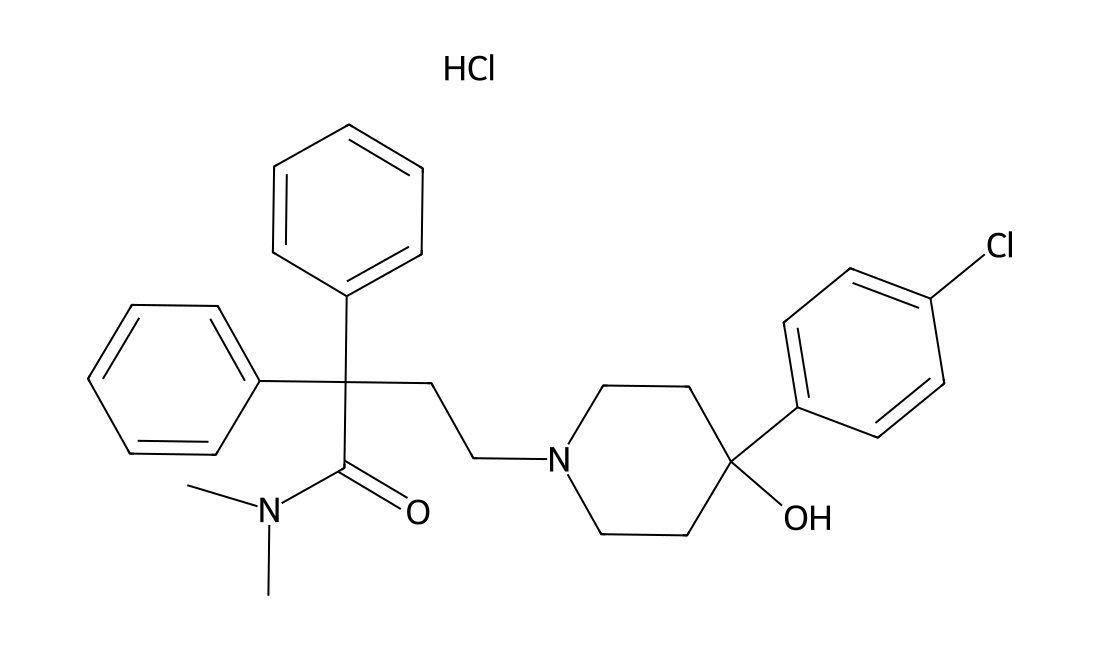
Loperamide HCl

CAS 34552-83-5

Loperamide HCl is an opioid-receptor agonist used as long-acting synthetic antidiarrheals.Loperamide is an effective therapy for a variety of diarrheal syndromes. Loperamide is generally well tolerated at recommended nonprescription doses, with the most common side effects related to the impact on bowel motility (abdominal pain, distention, bloating, nausea, vomiting, and constipation). Loperamide is an opioid-receptor agonist and acts on the μ-opioid receptors in the myenteric plexus of the large intestine; by itself it does not affect the central nervous system. It works similarly to morphine, by decreasing the activity of the myenteric plexus, which in turn decreases the tone of the longitudinal and circular smooth muscles of the intestinal wall. This increases the amount of time substances stay in the intestine, allowing for more water to be absorbed out of the fecal matter. Loperamide also decreases colonic mass movements and suppresses the gastrocolic reflex.

Loperamide HCl chemical structure
DCAPI1049

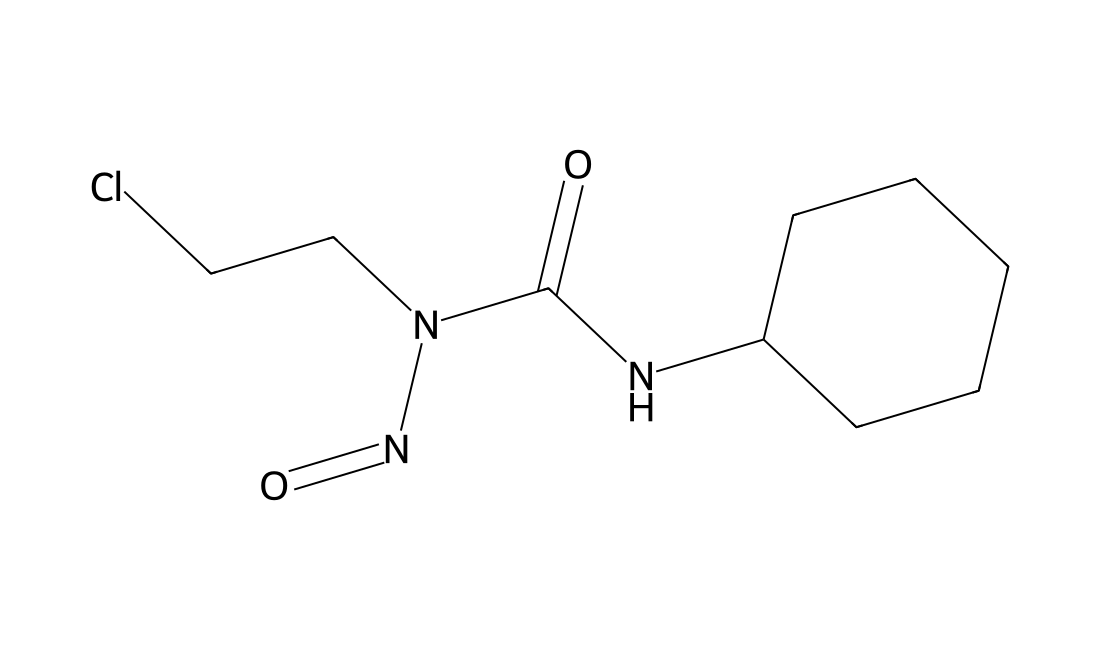
Lomustine (CeeNU)

CAS 13010-47-4

For the detailed information of Lomustine (CeeNU), the solubility of Lomustine (CeeNU) in water, the solubility of Lomustine (CeeNU) in DMSO, the solubility of Lomustine (CeeNU) in PBS buffer, the animal experiment(test) (test) of Lomustine (CeeNU), the cell expriment (test) of Lomustine (CeeNU), the in vivo, in vitro and clinical trial test of Lomustine (CeeNU), the EC50, IC50,and Affinity of Lomustine (CeeNU),, please contact DC Chemicals.
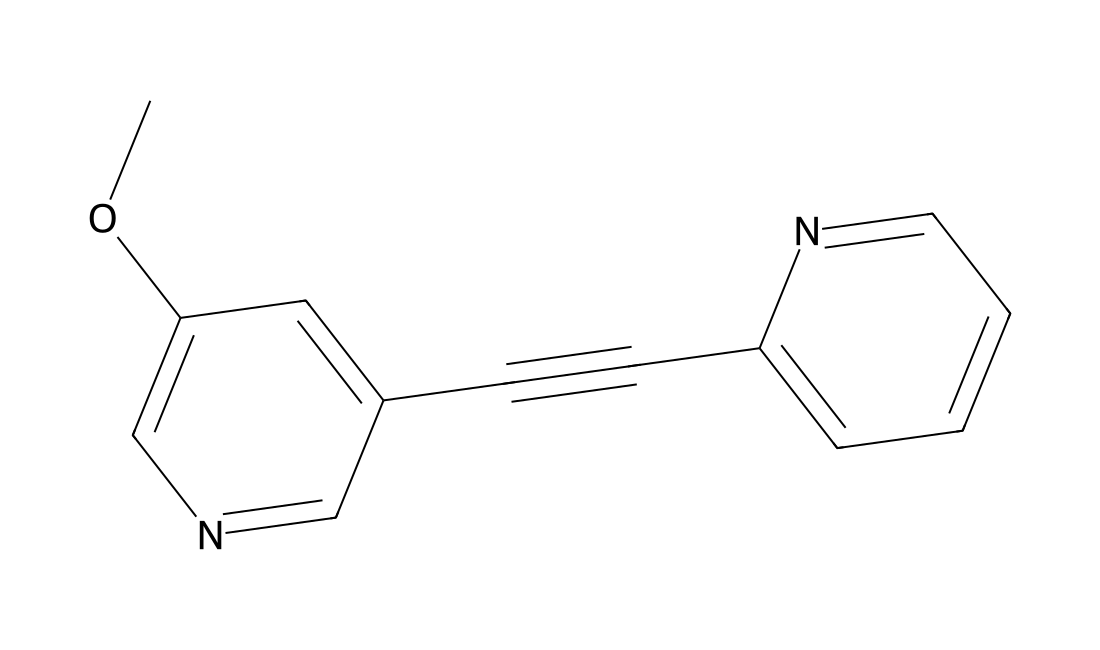
Lomustine (CeeNU) chemical structure
DC8775

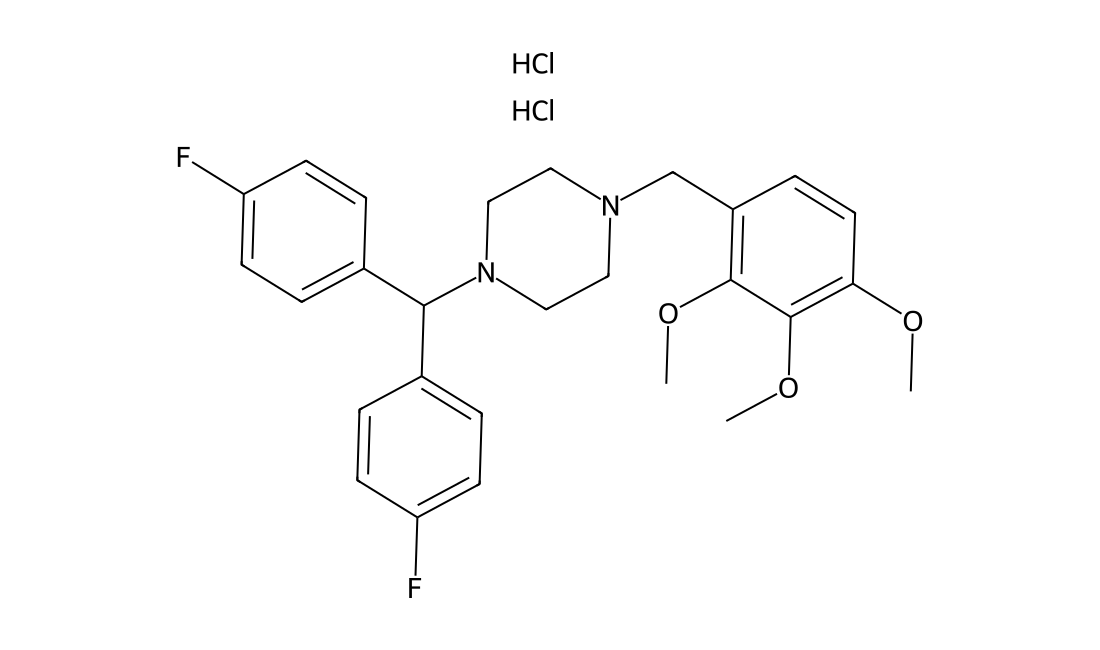
LED209

CAS 245342-14-7

LED209 is a potent QseC inhibitor that blocks both norepinephrine- and epinephrine-triggered QseC-dependent virulence gene expression at 5 pM in vitro.
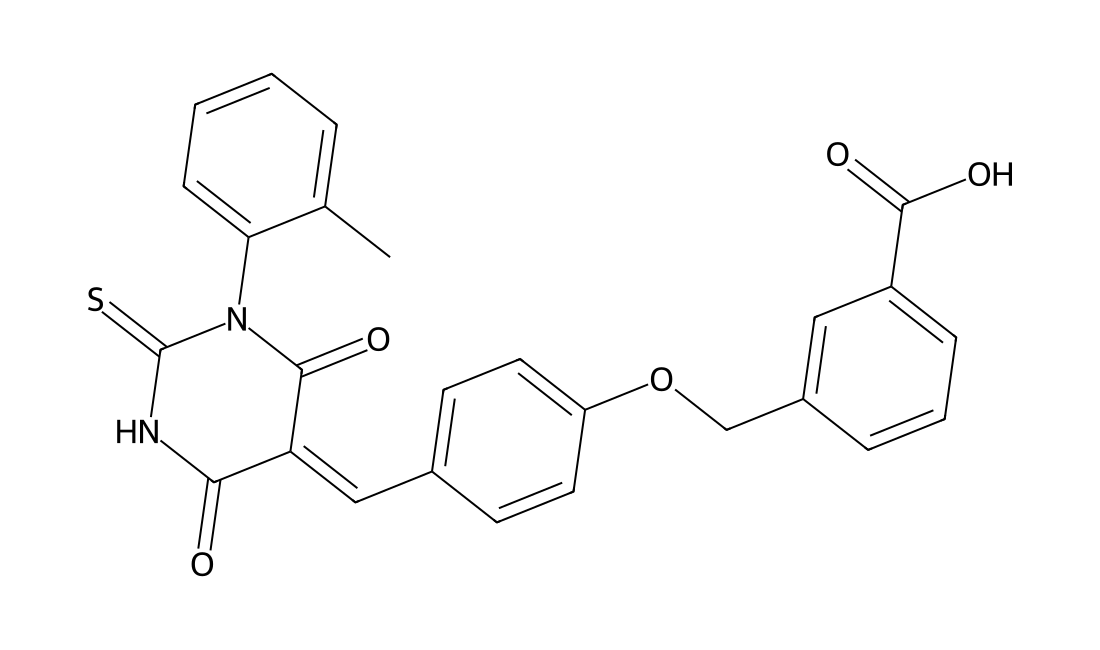
LED209 chemical structure
Browse target & topic index A–Z (366)
11β-HSD (1)15-PGDH (2)5-HT Receptor (16)Acetyl-CoA Carboxylase (ACC) (3)Acetylcholinesterase (AChE) (2)Ack1 (TNK2) (1)Acyltransferase (1)ADC Cytotoxin (6)ADCs Linker/Click Chemistry (5)Adenosine Receptor (9)Adenylate Cyclase (2)Adrenergic Receptor (11)Akt (12)Alcoholism (2)Aldehyde Dehydrogenase (ALDH) (6)Allergy (5)Alzheimer Disease (13)Aminopeptidase (1)AMPK (8)Amyloids (4)Anaplastic Lymphoma Kinase (ALK) (9)Androgen Receptor (AR) (11)Anemia (4)Angiotensin Receptor (4)Antibody/Protein labeling dyes (1)Antifolate (2)Anxiety (1)Apoptosis Inducer (3)Arginase (1)Arp2/3 complex (1)Aryl hydrocarbon Receptor (AhR) (1)Asthma (5)Atherosclerosis (2)ATM/ATR (8)Aurora Kinase (10)Autophagy (6)Autophagy-related Protein (Atg) (2)Autotaxin (2)Bacterial (26)Bacterial Infection (17)Bcl-2 (14)Bcr-Abl (5)BCRP (1)Beta-catenin (4)Beta-secretase (BACE) (4)Blood Cancer (91)BMI-1 (1)Bone Cancer (6)Brain Cancer (6)Breast Cancer (30)Bromodomain (22)BTK (10)c-Fms (CSF1R) (5)c-Fos/AP-1 (1)c-Kit (6)c-Met (HGFR) (11)c-Myc (2)Calcium Channel (4)Calcium-sensing Receptor (CaSR) (1)CaMK (4)Cannabinoid Receptor (6)Carbonic Anhydrase (1)Carboxypeptidase (1)Casein Kinase (6)Caspase (4)Cathepsin (6)Cdc2-like Kinase (CLK) (1)CETP (2)CFTR (7)Checkpoint Kinase (Chk) (8)Chemokine Receptor (CCR and CXCR) (14)Chemotherapeutic Agents (19)Chloride Channel (1)CMV (2)CMV Infection (2)Colon Cancer (9)Complement System (1)COPD (3)CREB/CBP (2)CRF Receptor (2)CRISPR/Cas9 (1)Cushing Disease (1)Cyclin-dependent Kinase (CDK) (39)Cyclooxygenase (COX) (4)Cytochrome P450 (CYPs) (5)Depression (2)Dermatitis (2)Deubiquitinase (DUB) (7)Diabetes (20)Dipeptidyl Peptidase (DPP) (3)Discoidin Domain Receptor (DDR) (1)DNA Alkylator/Crosslinker (10)DNA Methyltransferase (DNMT) (1)DNA Repair Protein (1)DNA-PK (2)DNA/RNA Synthesis (5)Dopamine beta-hydroxylase (1)Dopamine Receptor (7)Drug Metabolite (1)Drug-Linker Conjugates (11)Dyes (4)DYRK (1)Dyslipidemia (9)E3 Ligase Ligand (6)E3 Ligase Ligand-Linker Conjugate (1)E3 Ubiquitin Ligase (4)Ebola Virus Infection (1)EGFR (32)Elastase (2)Endothelin Receptor (5)Enzymes substrates (13)Epigenetic Reader Domain (3)Epilepsy (4)ERK (4)Estrogen Receptor/ERR (13)Eukaryotic Initiation Factor (eIF) (2)Exportin-1 (CRM1,XPO1) (2)FABP (1)Factor Xa (5)Farnesoid X Receptor (FXR) (5)Farnesyl transferase (FTase) (1)Ferroptosis (6)FGFR (20)Fibrosis (5)FLT3 (6)Focal Adhesion Kinase (FAK) (11)Foxo1 (1)Free Fatty Acid Receptor (FFAR) (5)Fungal (2)Fungal Infection (1)GABA Receptor (13)Galectin (1)Gastric Cancer (8)Ghrelin Receptor (GHSR) (3)Glucagon Receptor (4)Glucokinase (2)Glucose Transporter (GLUT) (2)Glutamate Transporter (2)GPCR (1)GPER (GPR30) (1)GPR139 (1)GPR183 (EBI2) (2)GPR39 (1)GPR55 (1)GPR84 (1)GRK (GPCRK) (2)Growth Hormone Deficiency (2)GSK-3 (8)Guanylate Cyclase (3)HBV (1)HBV Infection (1)HCN Channel (2)HCV (8)HCV Infection (9)HDAC (38)Heart Arrhythmia (2)Heart Failure (5)Heat Shock Protein (HSP) (15)Hedgehog (Hh) (1)HIF/HIF Prolyl-hydroxylase (8)Histamine Receptor (6)Histone Acetyltransferase (HAT) (5)Histone Demethylase (11)Histone Methyltransferase (HMTase) (31)HIV (12)HIV Infection (11)HMG-CoA Reductase (HMGCR) (3)HSV (1)HSV Infection (1)Hypercholesterolemia (1)Hyperparathyroidism (1)Hypertension (8)IAP (1)IGF-1R (3)iGluR (15)Indoleamine 2,3-Dioxygenase (IDO) (4)Infection (1)Influenza (6)Influenza Virus (6)Insulin Receptor (2)Integrin (6)Interleukin Receptor (1)IRAK (2)IRE1 (4)Irritable Bowel Syndrome (2)Ischemia (1)Isocitrate Dehydrogenase (IDH) (5)ITK (1)IκB kinase (IKK) (7)JAK (32)JNK (3)Keap1-Nrf2 (6)Kidney Cancer (10)Kinesin (5)Kruppel-like Factor (KLF) (1)Kynurenine 3-Monooxygenase (KMO) (1)Leukotriene Receptor (1)LIM Kinase (LIMK) (3)Lipids fragment (1)Liver Cancer (6)Liver X Receptor (LXR) (3)LRRK2 (9)Lung Cancer (39)Lysophospholipid Receptor (12)LYTACs (3)mAChR (9)MALT1 (2)MAP4K (1)Matrix Metalloproteinase (MMP) (10)MDM2-p53 (9)MEK (MAP2K) (14)MEKK (MAP3K) (1)Melanocortin Receptor (2)MELK (1)mGluR (7)MicroRNA (1)Microtubule/Tubulin (5)Mineralocorticoid Receptor (MLR) (1)MITF (1)Mixed Lineage Kinase (MLK) (3)MNK (2)Molecular Glues (21)Monoamine Transporter (5)Monocarboxylate Transporter (MCT) (1)Monopolar Spindle 1 (Mps1/TTK) (3)mTOR (13)Multiple Sclerosis (6)Myosin (1)Na-K-Cl Cotransporter (NKCC) (2)nAChR (2)NADPH Oxidase (NOX) (2)NAMPT (3)Natural products (37)Neprilysin (1)Neurokinin Receptor (3)Neuropeptide Y Receptor (3)NF-κB (5)Nitric Oxide Synthase (NOS) (1)NOD-like Receptor (NLR) (3)Notch (2)Nucleoside Antimetabolite/Analog (10)Nur77 (NR4A1) (1)Obesity (1)Oct3/4 (1)Opioid Receptor (5)Orexin Receptor (7)Osteoporosis (2)Ovarian Cancer (14)Oxytocin Receptor (OXTR) (2)P-glycoprotein (P-gp) (3)p21-activated Kinase (PAK) (1)P2X Receptor (2)P2Y Receptor (1)p38 MAPK (10)p97/VCP (1)Pain (12)Pancreatic Cancer (10)Parasite (5)Parasite Infection (2)Parkinson Disease (2)PARP (19)PCSK9 (1)PD-1/PD-L1 (4)PDGFR (4)PDK1 (2)PEGn (1)PERK (2)PGE synthase (2)Phosphodiesterase (PDE) (9)Phospholipase (4)PI3K (32)PI4K (2)Piezo Channel (1)PIKfyve (3)Pim (9)PKC (12)PKD (1)Plasminogen Activator Inhibitor-1 (PAI-1) (3)Polo-like Kinase (PLK) (4)Porcupine (3)Potassium Channel (13)PPAR (13)Pregnane X Receptor (PXR) (1)Progesterone Receptor (2)Prostaglandin Receptor (11)Prostate Cancer (7)PROTACs (35)Protease-activated Receptor (PAR) (3)Proteasome (12)Protein Disulfide Isomerase (PDI) (1)Protein Phosphatase/PTP (6)Proton Pump (1)Psoriasis (5)RAD51 (1)Radioligand precursors (15)Raf (18)RAR/RXR (3)Ras (17)Renin (2)RET Tyrosine Kinase (c-RET) (3)Rheumatoid Arthritis (16)Ribosomal S6 Kinase (RSK) (5)RIG-I-like Receptor (RLR) (2)RIP kinase (7)ROCK (12)ROR (2)RSV (4)RSV Infection (3)RUNX1-CBFβ (1)S-nitrosoglutathione reductase (GSNOR) (1)Saccharides and Glycosides (1)Salt Inducible Kinase (SIK) (2)SARS-CoV (16)SARS-CoV Infection (34)Schizophrenia (4)Sexual Dysfunction (1)SGLT (4)Sigma Receptor (4)Sirtuin (9)Skin Cancer (13)Sleep Disorder (7)SMN2 Modulator (1)Smoothened (Smo) (9)Sodium Channel (12)Solid Tumors (35)Somatostatin Receptor (2)Sphingosine kinase (SphK) (2)Src (7)STAT (5)Stearoyl-CoA Desaturase (SCD) (1)Steatohepatitis (7)Sterol lipids (1)STING (14)Syk (6)T Cell Receptor (TCR) (1)TAK1 (2)TAM Receptor (Tyro3-Axl-Mer) (4)Taste Receptor (1)Telomerase (2)TGF beta Receptor (TGFBR) (12)Thrombin (3)Thrombosis (13)Thyroid Cancer (1)Thyroid Hormone Receptor (THR) (1)Thyrotropin Receptor (2)TNIK (1)Toll-like Receptor (TLR) (2)TOPK (1)Topoisomerase (11)TRAIL (1)Translocator Protein (TSPO) (1)Trk Receptor (4)TRP Channel (13)Tryptophan Hydroxylase (TPH) (1)Ubiquitin-activating Enzyme (E1) (2)Ubiquitin-conjugating Enzyme (E2) (2)Ulcer (1)ULK (3)Vasopressin Receptor (2)VEGFR (25)Vitamin D Receptor (VDR) (3)Wee1 (1)WNK Kinase (1)Wnt (5)Yes-associated Protein (YAP) (4)γ-secretase (5)

Cart

Request quotation