Small Molecule Research Tools

Explore bioactive compounds by research category, then narrow your search by target, product name, catalog number or CAS.

Newly added: LC-MG and OXF molecular glue research compounds →

6,823 products17 research categoriesBrowse all products ↓

Browse by research category

Products may appear in more than one category. Counts refer to distinct catalog numbers within each category.

Other Research Tools (75) · Additional reagents, building blocks and specialized research tools.

New literature-derived products

LC-MG-1 (DCA0006) · LC-MG-4 (DCA0007) · LC-MG-9 (DCA0008)

View structure and evidence summaries →

All small molecule products

Combine a keyword, research category and target to narrow the product list.

Loading catalog filters…

6,823 products · Showing 4,033–4,080

DC9320

Setiptiline (maleate)

CAS 85650-57-3

Setiptiline is a serotonin receptor antagonist. Setiptiline is a tetracyclic antidepressant (TeCA) which acts as a noradrenergic and specific serotonergic antidepressant (NaSSA). Setiptiline acts as a norepinephrine reuptake inhibitor, α2-adrenergic receptor antagonist, and serotonin receptor antagonist, likely at the 5-HT2A, 5-HT2C, and/or 5-HT3 subtypes, as well as an H1 receptor inverse agonist/antihistamine. From Wikipedia.

Setiptiline (maleate) chemical structure
DC9566

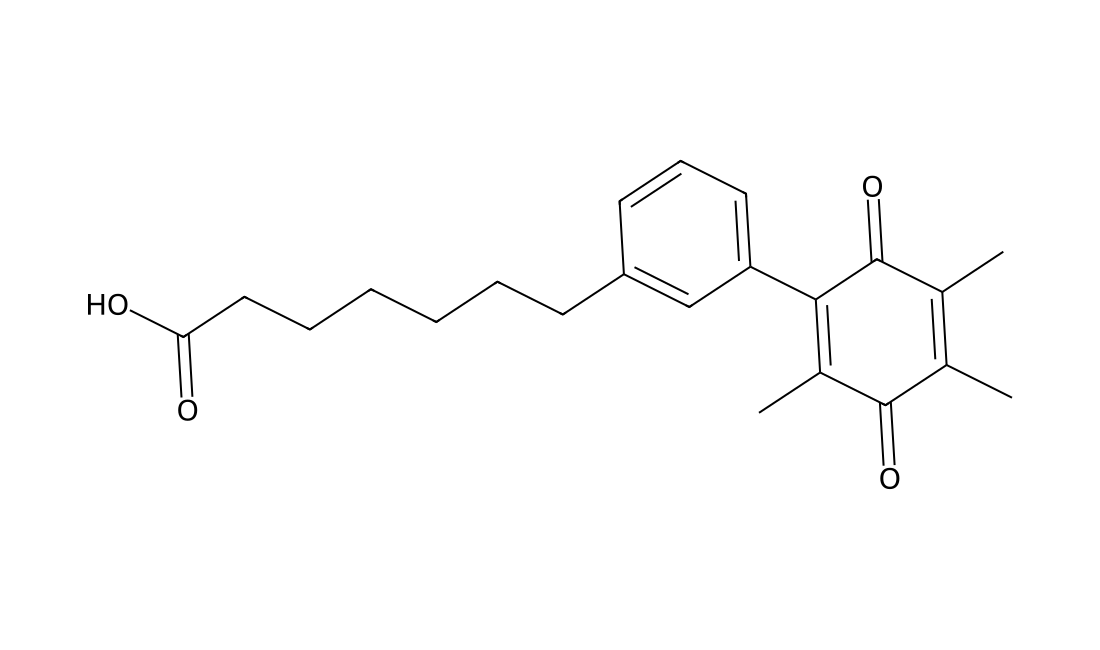
Seratrodast

CAS 112665-43-7

Seratrodast(AA 2414) is a potent and selective thromboxane A2 receptor (TP) antagonist. Seratrodast, also known as AA-2414, is a potent and selective antagonist of the TXA2R (thromboxane A2 receptor). AA-2414 reduced the induction of pulmonary inflation caused by LTD4 aerosol inhalation. AA-2414 competitively inhibited the contractile response to U-46619 in guinea pig tracheal and parenchymal strips and dog saphenous vein strips with pA2 values of 7.69, 8.29 and 6.79, respectively. AA-2414, a quinone derivative, is a novel, potent and orally active antagonist of a variety of spasmogenic prostanoids. AA-2414 inhibited peroxide-induced vasoconstriction in the human placenta, as well as peroxide- induced increases in the placental secretion rates of lipid peroxides and thromboxane, but only partially inhibited peroxide-induced increases in the placental secretion rate of prostacyclin.

Seratrodast chemical structure
DC10628

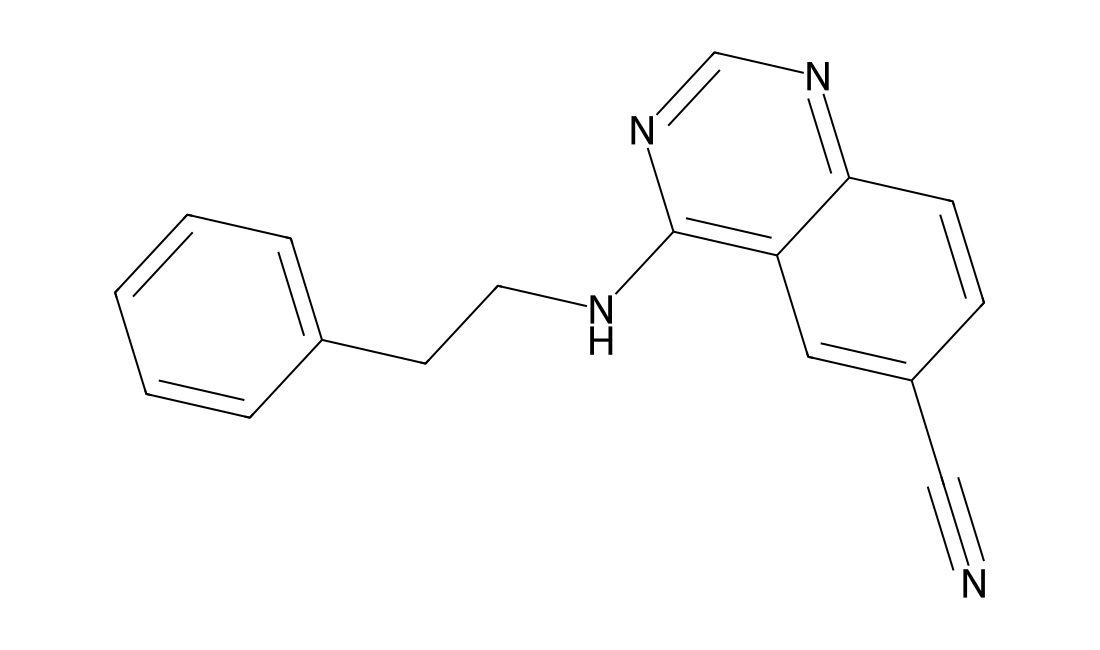
Senexin A

CAS 1366002-50-7

In vitro: p21 is shown to activate NF-κB–dependent transcription, and Senexin A inhibits p21-stimulated activity of the consensus NF-κB–dependent promoter. Senexin A has no effect on p21 induction by IPTG, on cell growth with or without p21, or on p21-induced senescent phenotype. Senexin A does not affect the inhibition of gene expression by p21 and does not interfere with p21-mediated inhibition of large sets of genes belonging to Gene Ontology (GO) categories of mitosis and DNA replication. Senexin A inhibits only p21-induced transcription but not other biological effects of p21. Senexin A inhibits CDK8 and CDK19 ATP site binding with Kd50 of 0.83 μM and 0.31 μM, respectively and CDK8 kinase activity with IC50 of 0.28 μM. Senexin A inhibits β-catenin–dependent transcription in HCT116 colon carcinoma cells. It does not inhibit ROCK and did not share cortistatin A's strong antiendothelial cell activity. In vivo: The CDK8/19 inhibitor Senexin A reverses chemotherapy-induced paracrine tumor-promoting activities in vivo and does not inhibit reporter cell growth and showed no detectable toxicity in a mouse study.

Senexin A chemical structure
DC8424

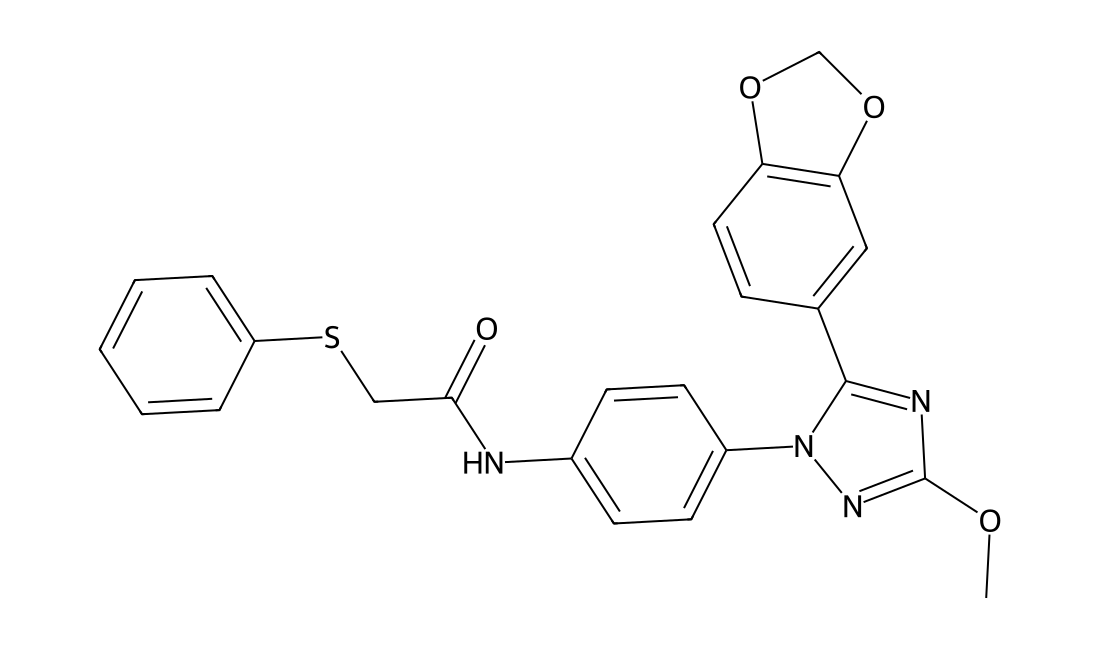
SecinH3

CAS 853625-60-2

In HepG2 cells, SecinH3 inhibits insulin signaling and associated gene expression. SecinH3 also markedly inhibits migration of preadipocyte 3T3-L1 cells. In the A549 cells, SecinH3 results in reduced proliferation by indirectly attenuating EGFR activation, and causes a synergistic antiproliferative effect when used in combination with gefitinib. In mice, SecinH3 increases the expression of gluconeogenic genes, reduces the expression of glycolytic, fatty acid and ketone body metabolism genes in the liver, reduces liver glycogen stores, and increases plasma insulin. In mice bearing H460 xenografts, SecinH3 significantly retards tumor growth through its antiproliferative and pro-apoptotic effect. For the detailed information of SecinH3, the solubility of SecinH3 in water, the solubility of SecinH3 in DMSO, the solubility of SecinH3 in PBS buffer, the animal experiment (test) of SecinH3, the cell expriment (test) of SecinH3, the in vivo, in vitro and clinical trial test of SecinH3, the EC50, IC50,and affinity,of SecinH3, For the detailed information of SecinH3, the solubility of SecinH3 in water, the solubility of SecinH3 in DMSO, the solubility of SecinH3 in PBS buffer, the animal experiment (test) of SecinH3, the cell expriment (test) of SecinH3, the in vivo, in vitro and clinical trial test of SecinH3, the EC50, IC50,and affinity,of SecinH3, Please contact DC Chemicals.

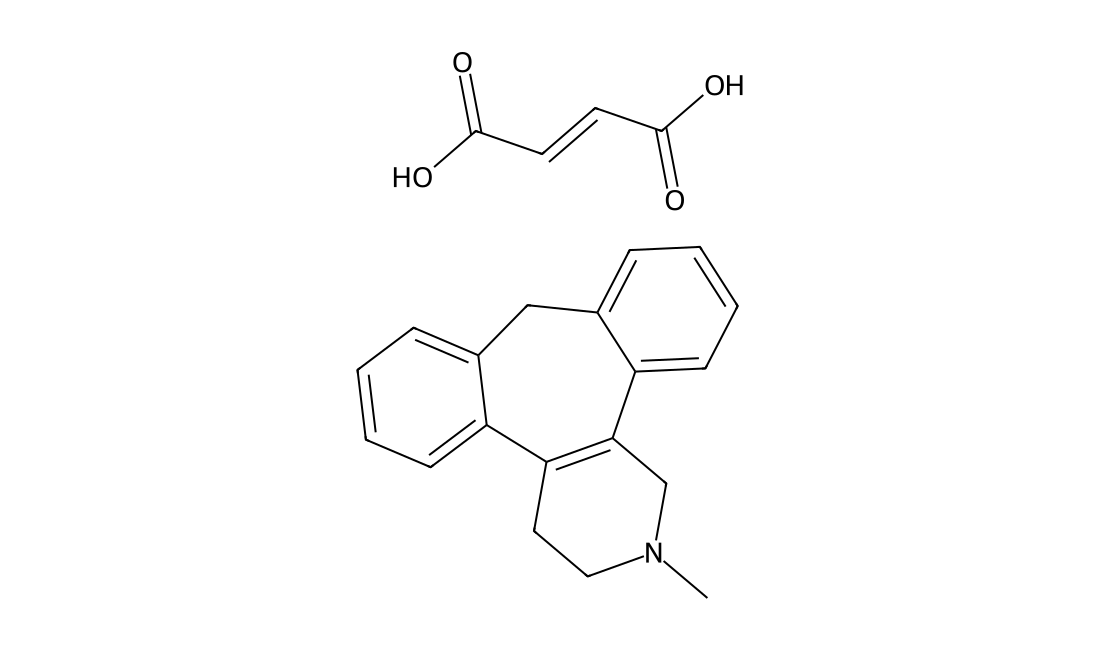
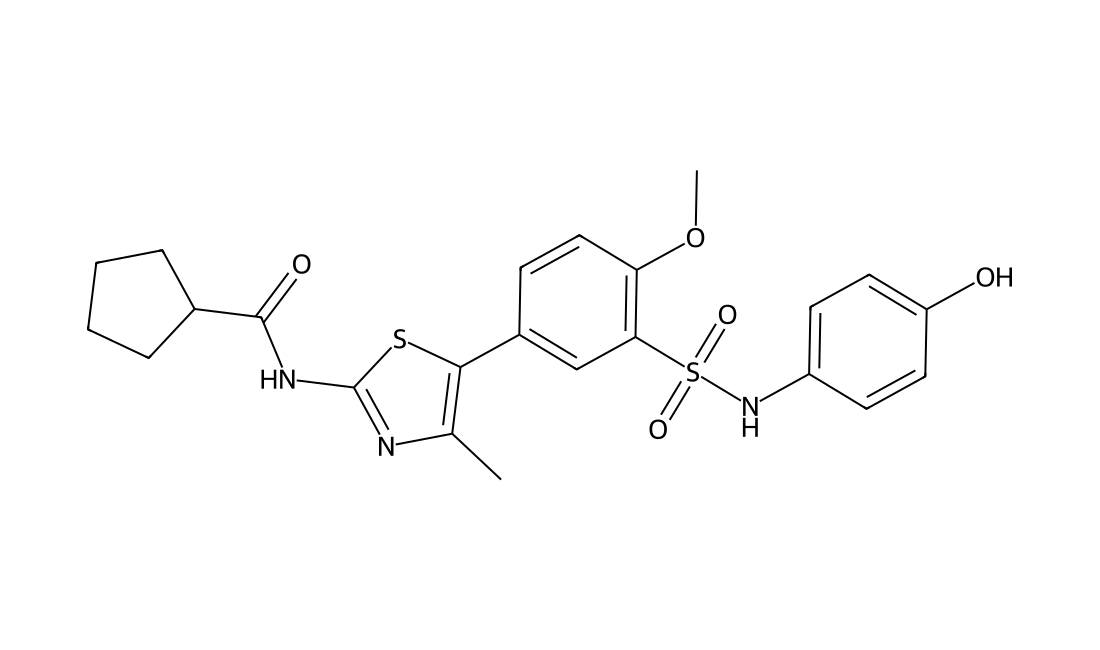
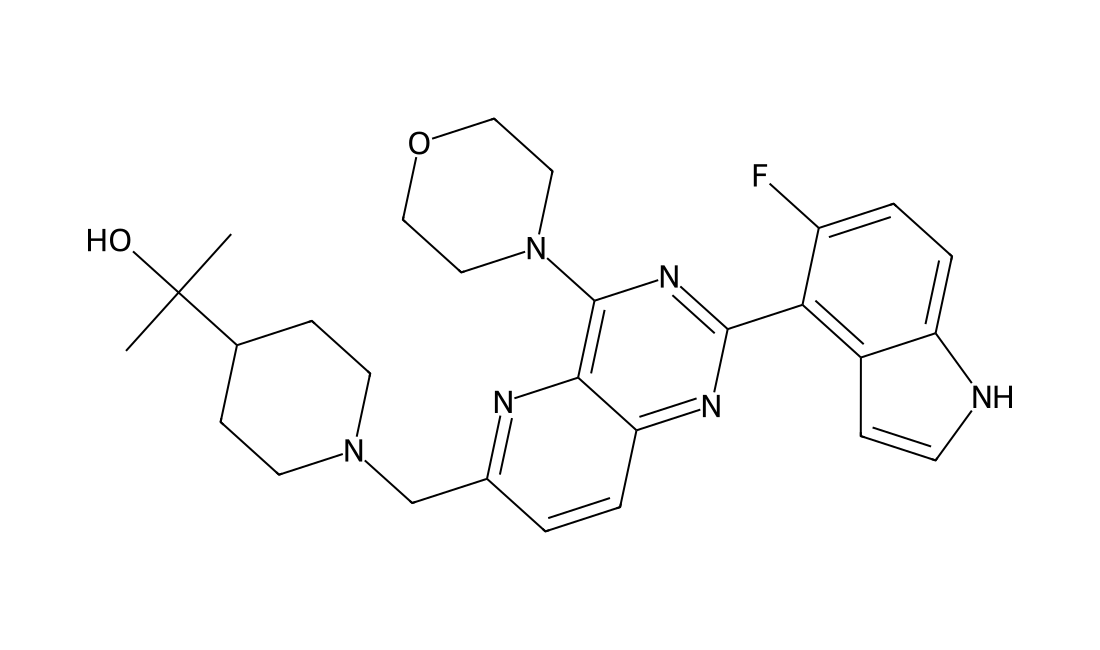
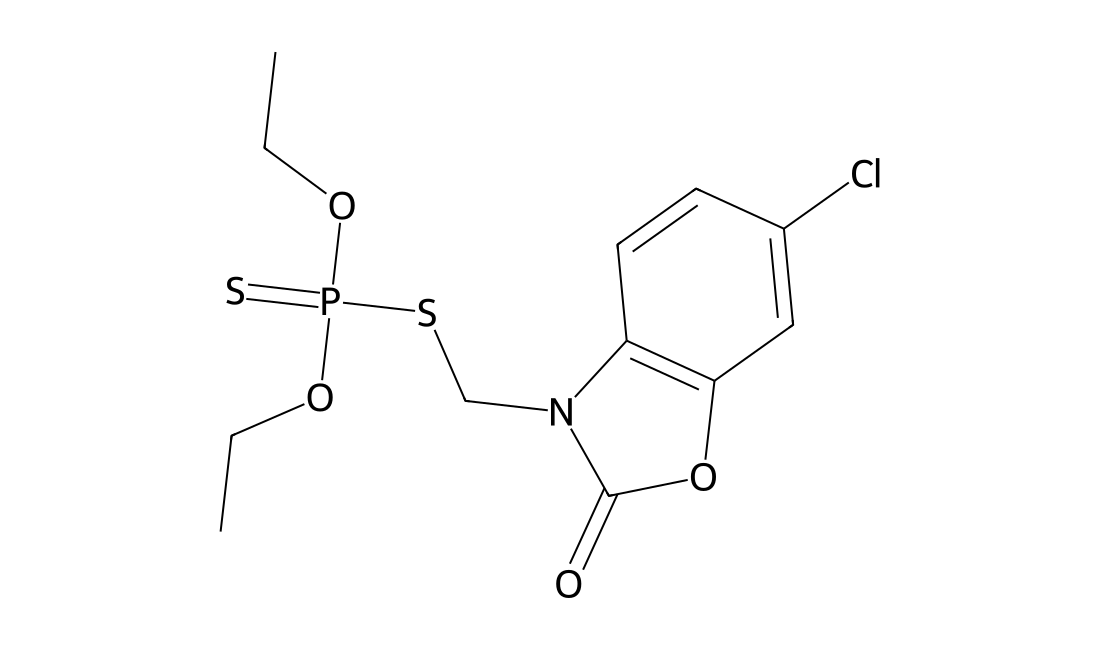
SecinH3 chemical structure
DC11314

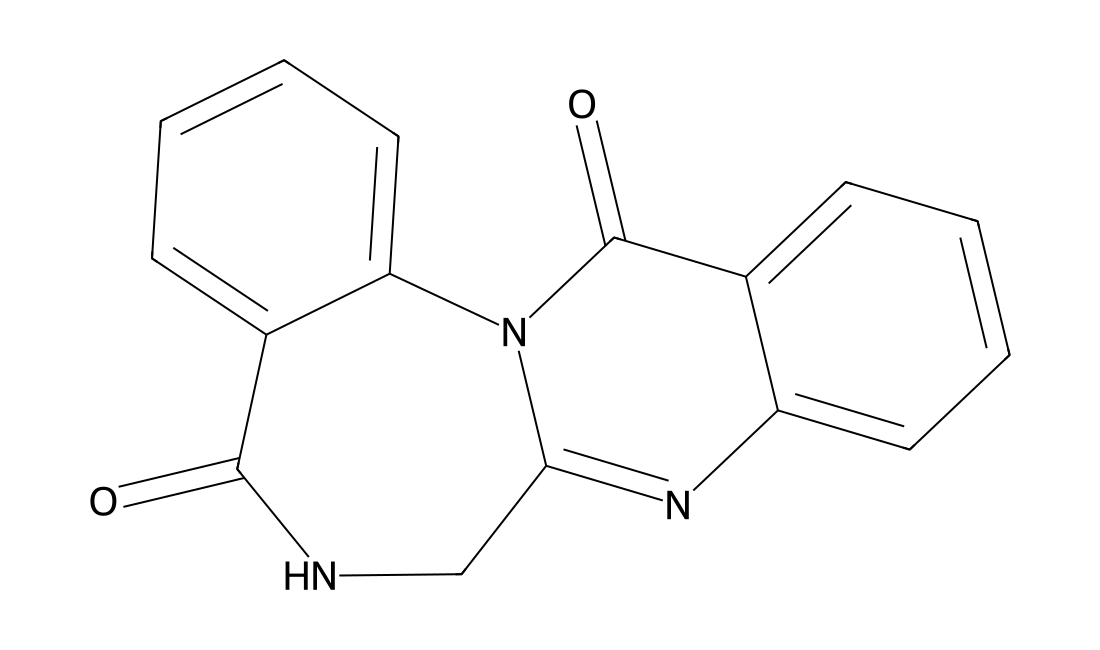
Sclerotigenin

CAS 65641-84-1

Sclerotigenin is a natural diazepine originally isolated from P. sclerotigenum that acts as an insect growth regulator.1 It reduces the growth rate of first instar H. zea larvae by 42% relative to controls when administered in the standard test diet at 200 ppm.

Sclerotigenin chemical structure
DC12132

RSV-IN-1

CAS 861139-16-4

In Vitro The concentration of P13 that reduces the number of RSV plaques in HEp-2 cells by 50% (IC50) is 0.11 μM. The concentration of P13 that reduces the viability of HEp-2 by 50% (CC50) is 310 μM. Note that some cytotoxicity of P13 observed at 500 μM might be due to DMSO solvent. Hence, the selective index (CC50/IC50) values is 2818 for P13. Note that even at the relatively high concentrations P13 does not completely block the development of RSV plaques. These escape plaques are of smaller size and of non-syncytial phenotype as compared to plaques formed in the absence of inhibitor.

RSV-IN-1 chemical structure
DC23197

RJR-2403

CAS 15585-43-0

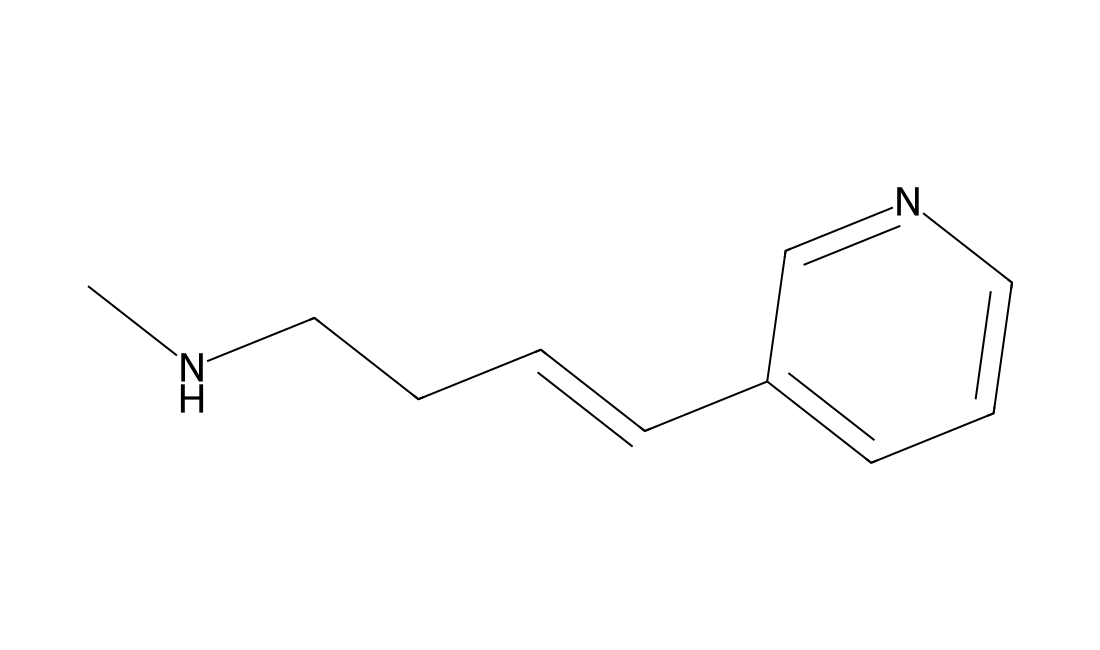
RJR-2403 (Rivanicline, Metanicotine) is a potent, selective neuronal nicotinic ACh (nAChR) agonist with high affinity to rat brain cortex (Ki=26 nM), does not significantly activate muscle type nAChRs or muscarinic receptors; RJR-2403 is comparable to nicotine in activating rat thalamic synaptosomes with EC50 of 732 nM; significantly improves passive avoidance retention after scopolamine-induced amnesia and enhanced both working and reference memory in rats, also demonstrates greatly reduced cardiovascular effects; exerts its antinociceptive effect via nicotinic rather than either opioid or muscarinic mechanisms.

RJR-2403 chemical structure
DCAPI1466

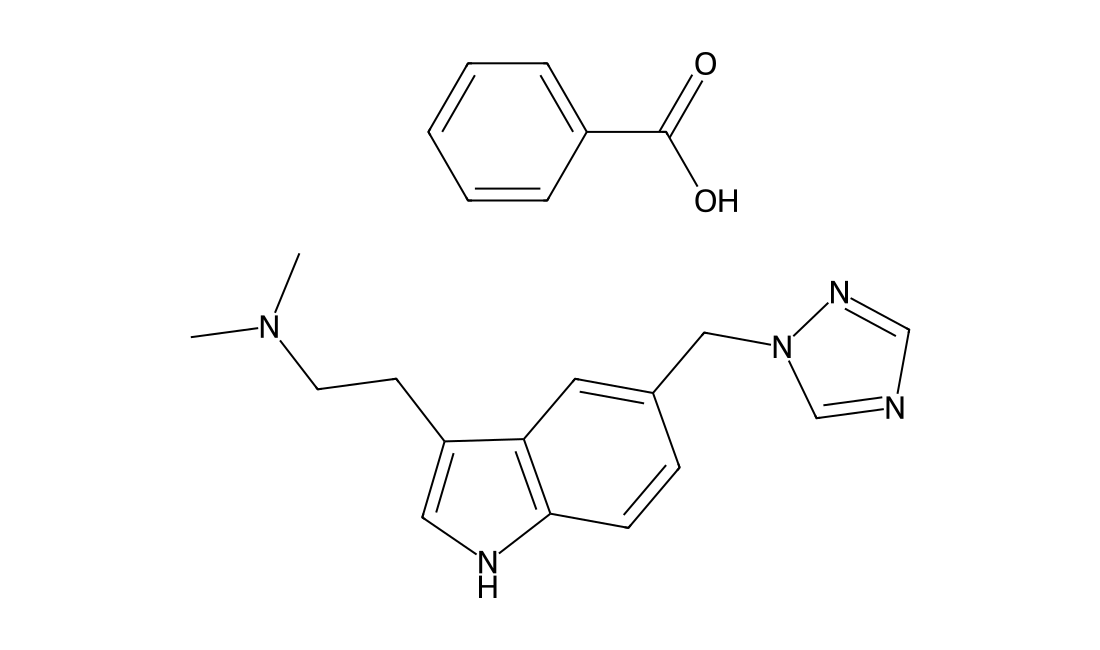
Rizatriptan Benzoate

CAS 145202-66-0

For the detailed information of Rizatriptan Benzoate, the solubility of Rizatriptan Benzoate in water, the solubility of Rizatriptan Benzoate in DMSO, the solubility of Rizatriptan Benzoate in PBS buffer, the animal experiment(test) (test) of Rizatriptan Benzoate, the cell expriment (test) of Rizatriptan Benzoate, the in vivo, in vitro and clinical trial test of Rizatriptan Benzoate, the EC50, IC50,and Affinity of Rizatriptan Benzoate,, please contact DC Chemicals.

Rizatriptan Benzoate chemical structure
DCAPI1012

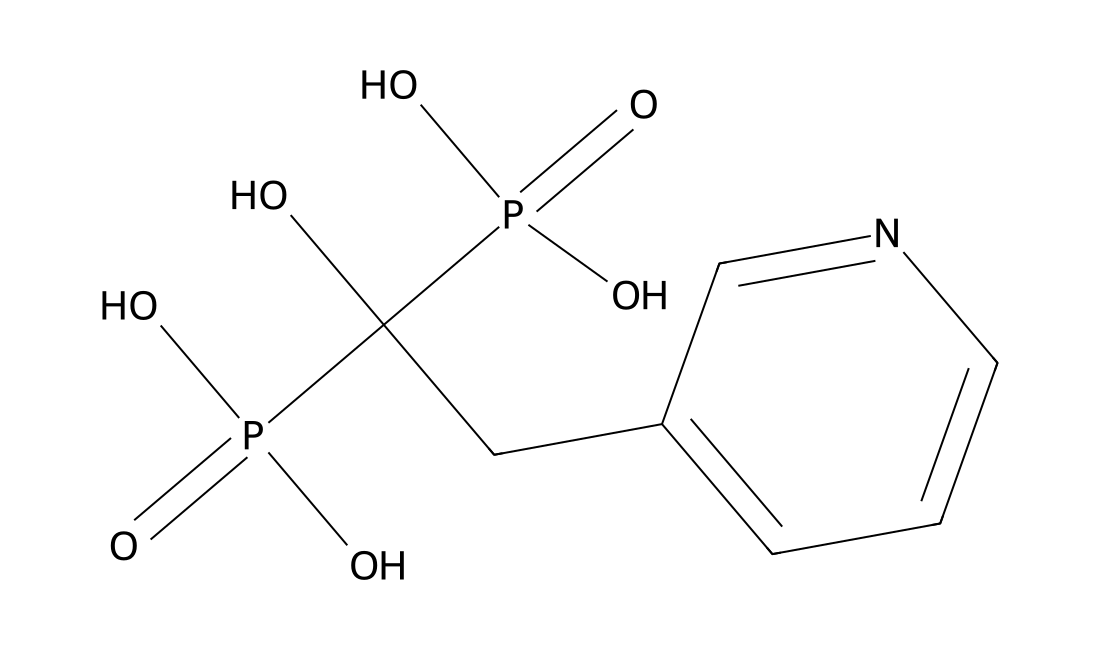
Risedronic acid (Actonel)

CAS 105462-24-6

For the detailed information of Risedronic acid (Actonel), the solubility of Risedronic acid (Actonel) in water, the solubility of Risedronic acid (Actonel) in DMSO, the solubility of Risedronic acid (Actonel) in PBS buffer, the animal experiment(test) (test) of Risedronic acid (Actonel), the cell expriment (test) of Risedronic acid (Actonel), the in vivo, in vitro and clinical trial test of Risedronic acid (Actonel), the EC50, IC50,and Affinity of Risedronic acid (Actonel),, please contact DC Chemicals.

Risedronic acid (Actonel) chemical structure
DCAPI1221

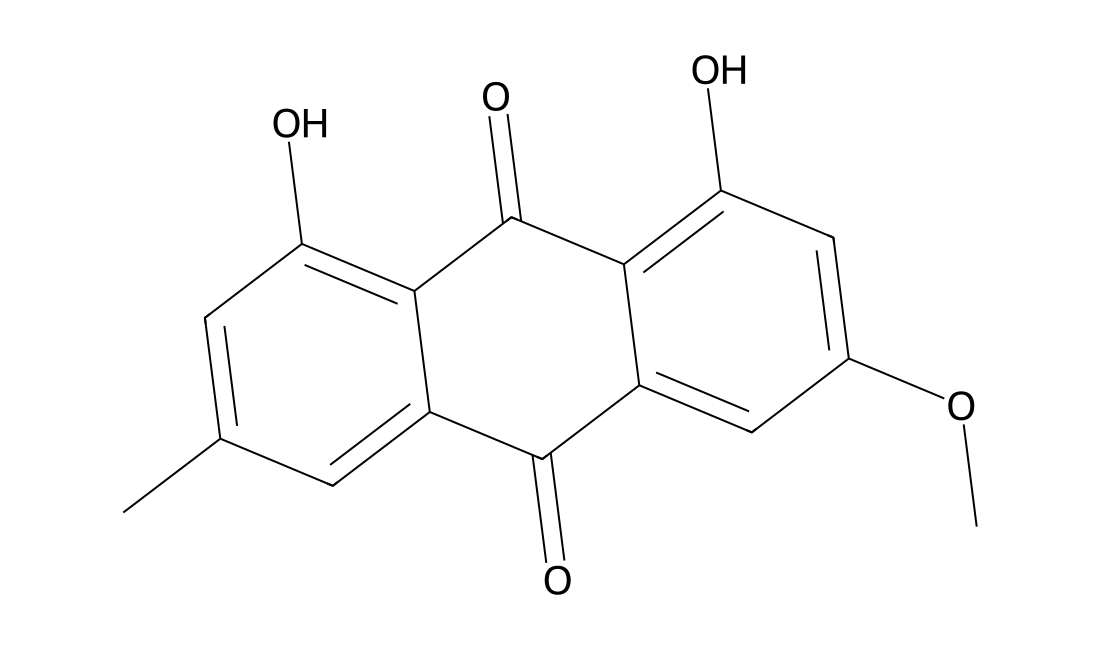
Rheochrysidin (Physcione)

CAS 521-61-9

For the detailed information of Rheochrysidin (Physcione), the solubility of Rheochrysidin (Physcione) in water, the solubility of Rheochrysidin (Physcione) in DMSO, the solubility of Rheochrysidin (Physcione) in PBS buffer, the animal experiment(test) (test) of Rheochrysidin (Physcione), the cell expriment (test) of Rheochrysidin (Physcione), the in vivo, in vitro and clinical trial test of Rheochrysidin (Physcione), the EC50, IC50,and Affinity of Rheochrysidin (Physcione),, please contact DC Chemicals.

Rheochrysidin (Physcione) chemical structure
DCAPI1188

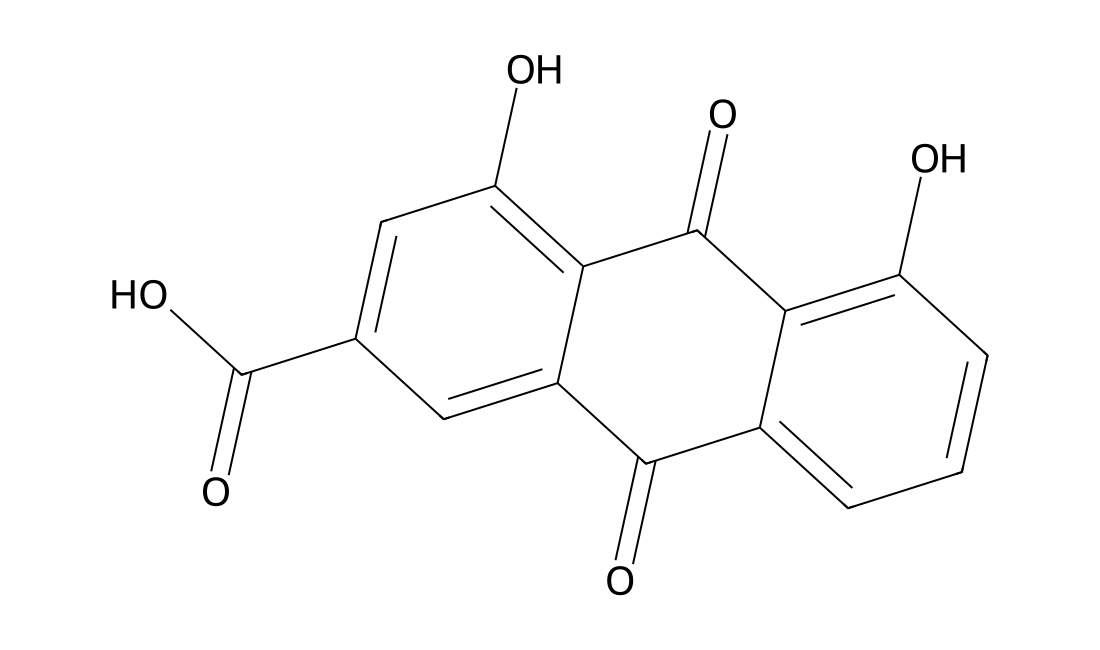
Rhein(Monorhein)

CAS 478-43-3

For the detailed information of Rhein(Monorhein), the solubility of Rhein(Monorhein) in water, the solubility of Rhein(Monorhein) in DMSO, the solubility of Rhein(Monorhein) in PBS buffer, the animal experiment(test) (test) of Rhein(Monorhein), the cell expriment (test) of Rhein(Monorhein), the in vivo, in vitro and clinical trial test of Rhein(Monorhein), the EC50, IC50,and Affinity of Rhein(Monorhein),, please contact DC Chemicals.

Rhein(Monorhein) chemical structure
DC10191

RG7800

CAS 1449598-06-4

RG7800 increases the SMN protein level via induction of alternative splicing of the SMN2 mRNA. RG7800 is shown to promote the inclusion of exon 7 in SMN2 mRNA, generating full-length mRNA in vitro using fibroblasts from an SMA type I patient.RG7800 shows favorable drug metabolism and pharmacokinetic profile in the rat and in cynomolgus monkey with good oral bioavailability. In SMA mouse model, treatment of RG7800 shows a clear dose dependent increase in SMN protein levels. Mice treated with RG7800 demonstrate a dose dependent increase in survival beginning at the low dose (0.3/1 mg/kg). In the middle and high dose groups (1/3 and 3/10 mg/kg, respectively), approximately 80−90% survive beyond PND50/PND60 with profound body weight gain when the study is terminated. RG7800 dose-dependently corrects SMN2 splicing by including exon 7 to create FL mRNA, suggesting that RG7800 corrects alternative splicing of the human SMN2 gene in the brain of transgenic SMA model mice, leading to an increase of the SMN protein in the brain.

RG7800 chemical structure
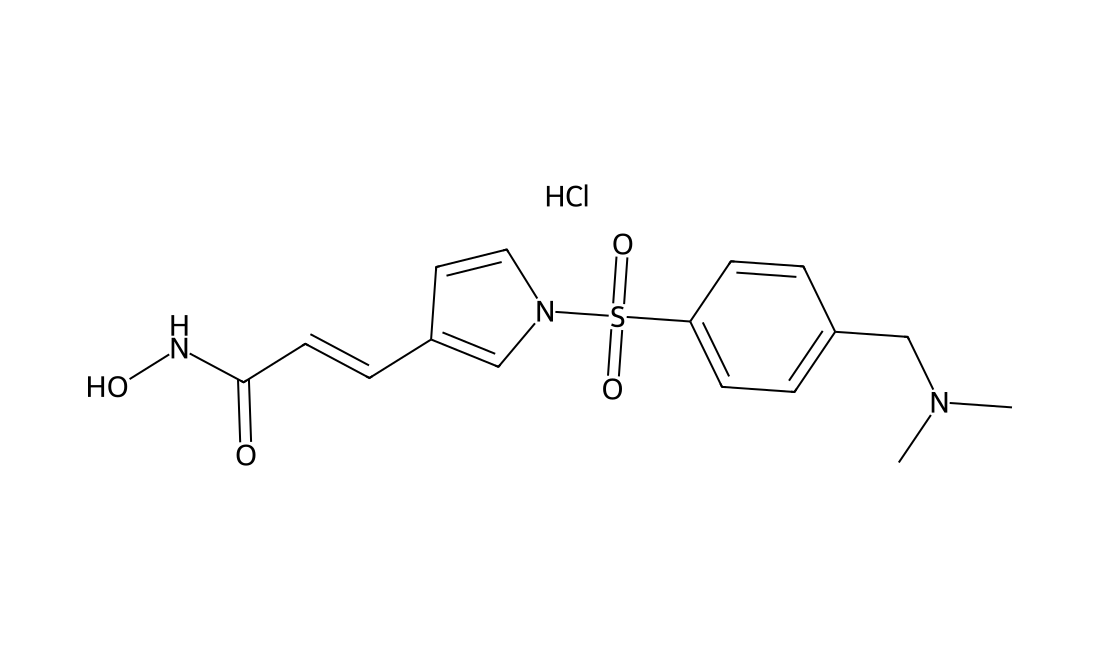
DC7261

Resminostat hydrochloride (4SC-201)

CAS 1187075-34-8

Resminostat [HCl] is acting as a potent inhibitor of recombinant HDAC 1, 3 and 6 isoenzymes with a substrate competitive binding mode. It can induce hyperacetylation of histone H4 in MM cells. Low micromolar concentrations of resminostat abrogates cell growth and strongly induces apoptosis in MM cell lines (OPM-2, NCI-H929, U266 ) as well as primary MM cells. At 1 μM, resminostat inhibits proliferation and induces G0/G1 cell cycle arrest in OPM-2, NCI-H929, U266 MM cell lines accompanied with decreased levels of cyclin D1, cdc25a, Cdk4 and pRb as well as upregulation of p21. Resminostat decreases phosphorylation of 4E-BP1 and p70S6k indicating an interference with Akt pathway signalling. Treatment with resminostat results in increased protein levels of Bim and Bax and decreases levels of Bcl-xL. Caspases 3, 8 and 9 are activated by resminostat. Furthermore, synergistic effects are observed For combinations of resminostat with melphalan and the proteasome inhibitors bortezomib and S-2209. Oral resminostat at 600 mg QD continuously d1−5 in a 14 day cycle is well-tolerated. Resminostat shows a favourable PK profile, with high bioavailability and low inter-pt variability. The apparent t 1/2 of oral resminostat ranged from 2.7 to 4.4 hours. The modulation of plasma biomarkers further indicates drug activity. For the detailed information of Resminostat, the solubility of Resminostat in water, the solubility of Resminostat in DMSO, the solubility of Resminostat in PBS buffer, the animal experiment (test) of Resminostat, the cell expriment (test) of Resminostat, the in vivo, in vitro and clinical trial test of Resminostat, the EC50, IC50,and Affinity of Resminostat, Please contact DC Chemicals.
Resminostat hydrochloride (4SC-201) chemical structure
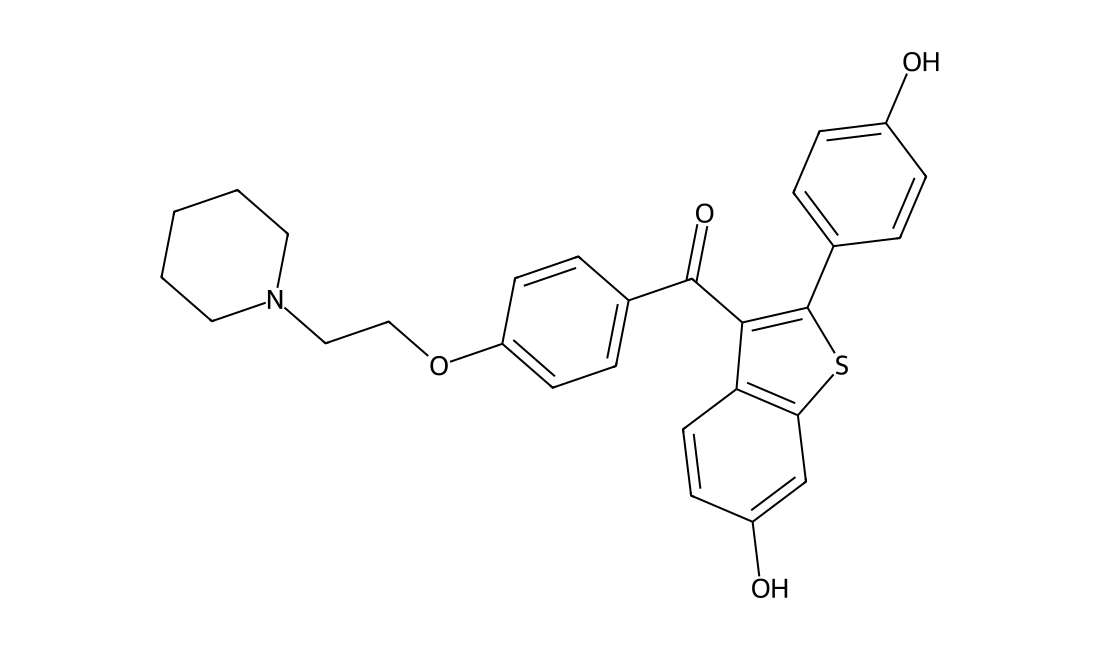
DCAPI1577

Raloxifene

CAS 84449-90-1

For the detailed information of Raloxifene, the solubility of Raloxifene in water, the solubility of Raloxifene in DMSO, the solubility of Raloxifene in PBS buffer, the animal experiment(test) (test) of Raloxifene, the cell expriment (test) of Raloxifene, the in vivo, in vitro and clinical trial test of Raloxifene, the EC50, IC50,and Affinity of Raloxifene,, please contact DC Chemicals.

Raloxifene chemical structure
DC2068

R547

CAS 741713-40-6

Description of R547: R547 is orally bioavailable diaminopyrimidine cyclin-dependent kinase inhibitor (CDKI) with potential antineoplastic activity. CDKI R547 selectively binds to and inhibits CDKs, especially CDK1/cyclin B, CDK2/cyclin E, and CDK4/cyclin D1. The inhibition of CDKs results in cell cycle arrest, inhibition of tumor cell proliferation, and induction of apoptosis. Through CDK inhibition, this agent also reduces phosphorylation of the retinoblastoma (Rb) protein, thus preventing activation of transcription factor E2F and so further suppressing tumor cell proliferation. CDKs are ATP-dependent serine/threonine kinases that are important regulators of cell cycle progression and are frequently overexpressed in tumor cells. Check For active clinical trials or closed clinical trials using this agent. (NCI Thesaurus) For the detailed information about the solubility of R547 in water, the solubility of R547 in DMSO, the solubility of R547 in PBS buffer, the animal experiment(test) of R547,the in vivo,in vitro and clinical trial test of R547,the cell experiment(test) of R547,the IC50, EC50 and Affinity of R547, please contact DC Chemicals.

R547 chemical structure
DC11478

QM385

CAS 2296727-52-9

QM385 is a highly potent small molecule SPR inhibitor,that inhibits the BH4 pathway, blocking T cell proliferation and autoimmunity.

QM385 chemical structure
DC7747

QL-IX-55

CAS 1223002-54-7

QL-IX-55 is a selective ATP-competitive inhibitor of mTORC1/2 with IC50s of 50/50/10-50 nM for Human mTORC1/Yeast mTORC1/Yeast mTORC2, respectively. IC50 value: 50/50/10-50 nM (Human mTORC1/Yeast The functional target of QL-IX-55 is the ATP-binding site of TOR2 as evidenced by the discovery of resistant alleles of TOR2 through rational design and unbiased selection strategies. QL-IX-55 is capable of potently inhibiting both TOR complex 1 and 2 (TORC1 and TORC2) as demonstrated by biochem. IP kinase assays (IC50 <50 nM) and cellular assays for inhibition of substrate YPK1 phosphorylation. In contrast to rapamycin, QL-IX-55 is capable of inhibiting TORC2-dependent transcription, which suggests that this compd. will be a powerful probe to dissect the Tor2/TORC2-related signaling pathway in yeast.. For the detailed information of QL-IX-55, the solubility of QL-IX-55 in water, the solubility of QL-IX-55 in DMSO, the solubility of QL-IX-55 in PBS buffer, the animal experiment (test) of QL-IX-55, the cell expriment (test) of QL-IX-55, the in vivo, in vitro and clinical trial test of QL-IX-55, the EC50, IC50,and affinity,of QL-IX-55, Please contact DC Chemicals.
QL-IX-55 chemical structure
DCAPI1553

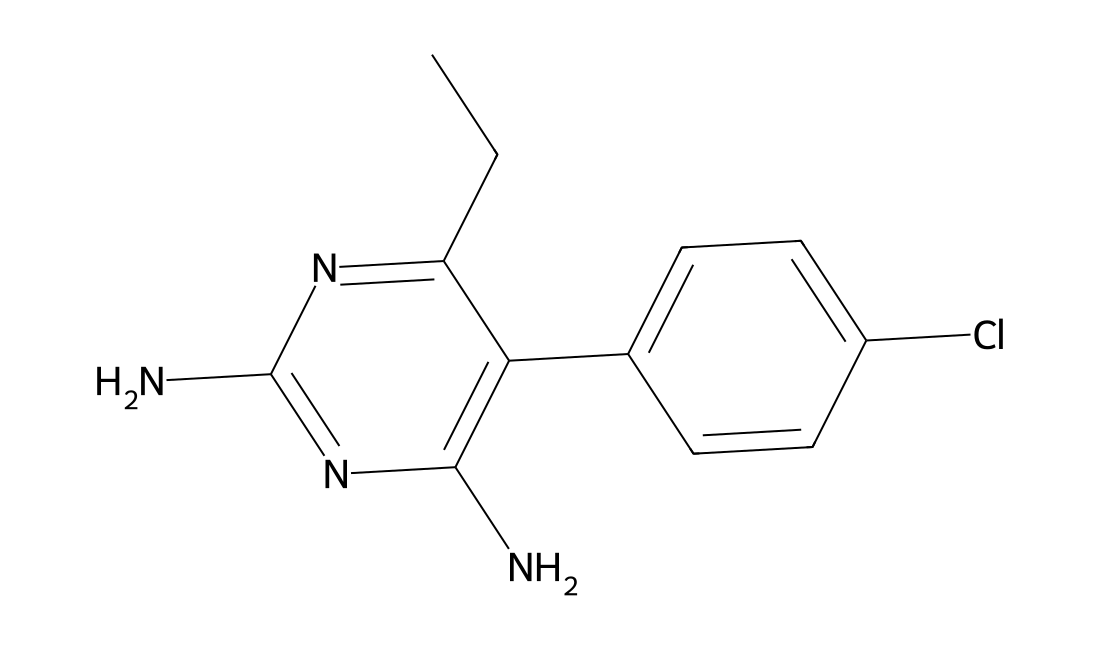
Pyrimethamine

CAS 58-14-0

For the detailed information of Pyrimethamine, the solubility of Pyrimethamine in water, the solubility of Pyrimethamine in DMSO, the solubility of Pyrimethamine in PBS buffer, the animal experiment(test) (test) of Pyrimethamine, the cell expriment (test) of Pyrimethamine, the in vivo, in vitro and clinical trial test of Pyrimethamine, the EC50, IC50,and Affinity of Pyrimethamine,, please contact DC Chemicals.

Pyrimethamine chemical structure
DCAPI1405

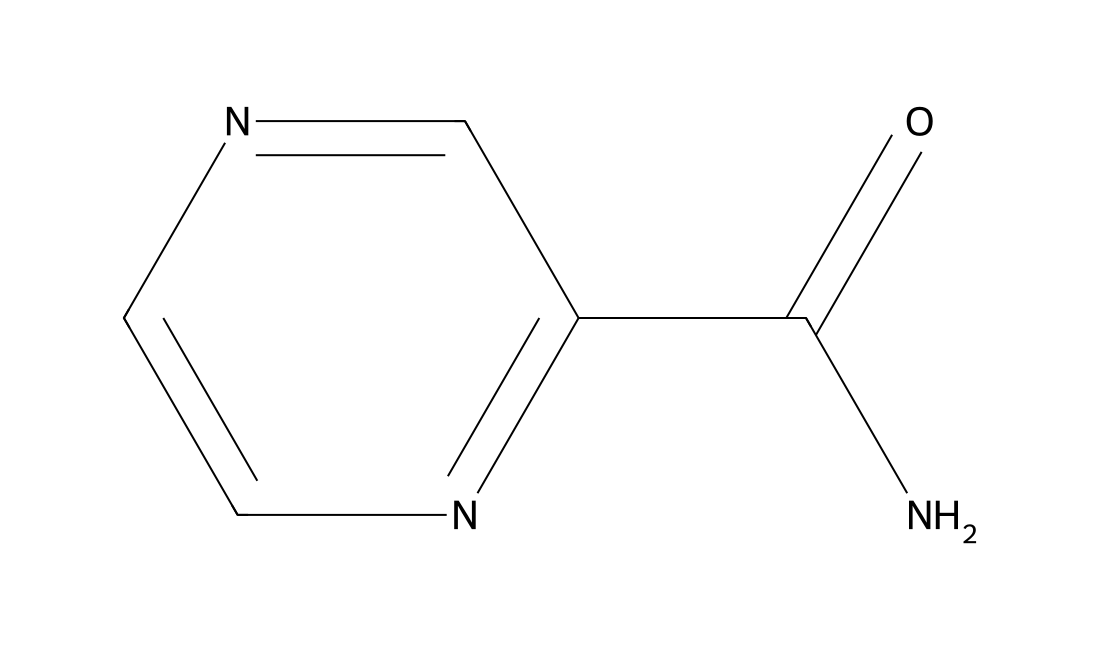
Pyrazinamide (Pyrazinoic acid amide)

CAS 98-96-4

For the detailed information of Pyrazinamide (Pyrazinoic acid amide), the solubility of Pyrazinamide (Pyrazinoic acid amide) in water, the solubility of Pyrazinamide (Pyrazinoic acid amide) in DMSO, the solubility of Pyrazinamide (Pyrazinoic acid amide) in PBS buffer, the animal experiment(test) (test) of Pyrazinamide (Pyrazinoic acid amide), the cell expriment (test) of Pyrazinamide (Pyrazinoic acid amide), the in vivo, in vitro and clinical trial test of Pyrazinamide (Pyrazinoic acid amide), the EC50, IC50,and Affinity of Pyrazinamide (Pyrazinoic acid amide),, please contact DC Chemicals.

Pyrazinamide (Pyrazinoic acid amide) chemical structure
DC7893

PSN632408

CAS 857652-30-3

PSN632408 is an optimized agonist of GPR119 receptors that shows similar potency to OEA at both recombinant mouse and human GPR119 receptors, exhibiting EC50 values of 5.6 and 7.9 uM, respectively. IC50 value: 5.6/7.9 uM ( recombinant mouse/ human GPR119) Target: GPR119 agonist Systemic administration of PSN632408 (30 mg/kgintraperitoneally) suppresses food intake, reduces weight gain, and white adipose tissue deposition in rats. GPR119 (previously designated SNORF25) is an orphan G protein-coupled receptor expressed predominantly in the pancreas and gastrointestinal tract in humans and in the brain, pancreas, and gastrointestinal tract in rodents. It mediates a reduction in food intake and body weight gain in rats upon treatment with oleoyl ethanolamide (OEA), an endogenous, potent agonist for PPARα. These data suggest that PSN632408 may be useful as a therapeutic agent for the treatment of obesity. For the detailed information of PSN632408, the solubility of PSN632408 in water, the solubility of PSN632408 in DMSO, the solubility of PSN632408 in PBS buffer, the animal experiment (test) of PSN632408, the cell expriment (test) of PSN632408, the in vivo, in vitro and clinical trial test of PSN632408, the EC50, IC50,and affinity,of PSN632408, Please contact DC Chemicals.
PSN632408 chemical structure
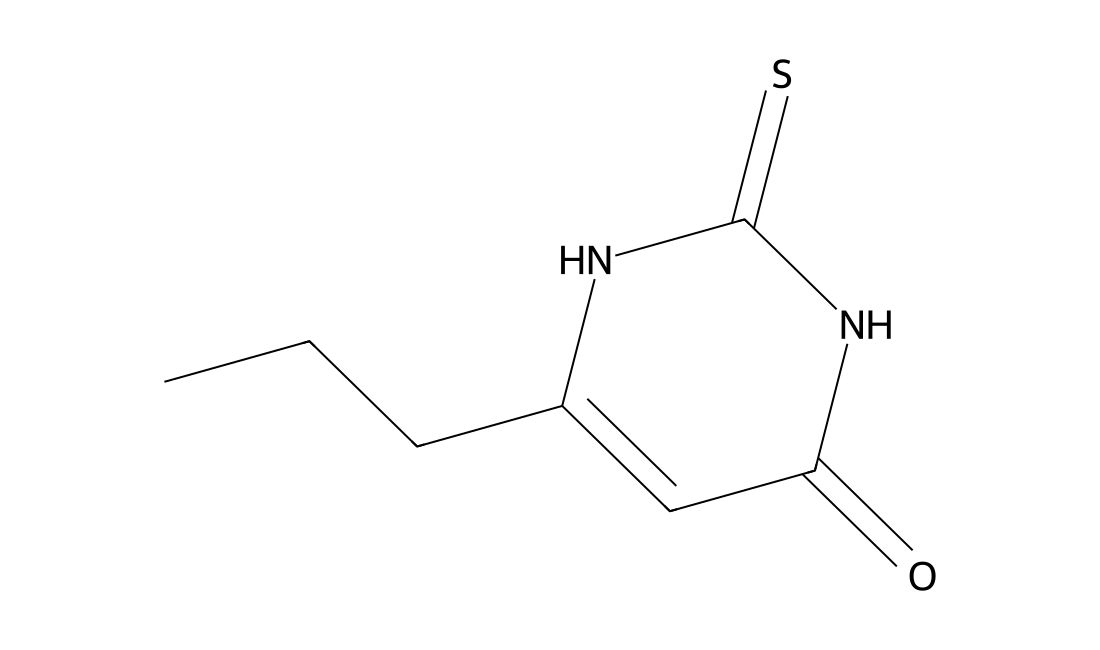
DCAPI1212

Propylthiouracil

CAS 51-52-5

For the detailed information of Propylthiouracil, the solubility of Propylthiouracil in water, the solubility of Propylthiouracil in DMSO, the solubility of Propylthiouracil in PBS buffer, the animal experiment(test) (test) of Propylthiouracil, the cell expriment (test) of Propylthiouracil, the in vivo, in vitro and clinical trial test of Propylthiouracil, the EC50, IC50,and Affinity of Propylthiouracil,, please contact DC Chemicals.
Propylthiouracil chemical structure
DC9008

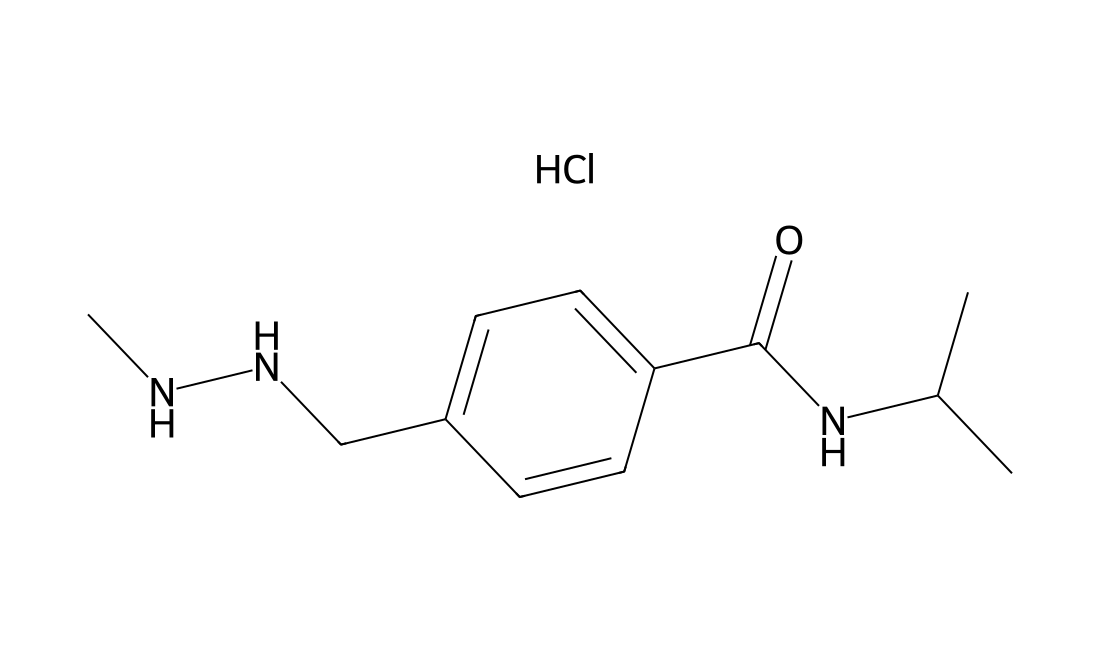
Procarbazine HCl

CAS 366-70-1

Procarbazine Hcl, an antineoplastic chemotherapy drug, is an alkylating agent for the treatment of Hodgkin's lymphoma and certain brain cancers; also inhibits MAO thus increasing the effects of sympathomimetics, TCAs, and tyramine.The mechanism of action is not fully understood. Metabolism yields azo-procarbazine and hydrogen peroxide which results in the breaking of DNA strands.Exposure to procarbazine hydrochloride by intraperitoneal injection caused tumors in rats and mice at several different tissue sites. In both rats and mice, it caused cancer of the brain (olfactory neuroblastoma) and hematopoietic system (lymphoma in rats and lymphoma or leukemia in mice). In rats, it also caused mammary-gland cancer (adenocarcinoma) in both sexes. In mice, it also caused benign lung tumors (adenoma) in both sexes and uterine cancer (adenocarcinoma) in females. Procarbazine hydrochloride is an oral alkylating agent primarily used as a component of chemotherapy regimens for Hodgkin's lymphoma, as well as in regimens for primary central nervous system lymphoma and high-grade gliomas. After discontinuation of all drug therapy, exclusion of other potential etiologies, and resolution of hepatic injury, the patient was rechallenged with procarbazine and again experienced fever with aminotransferase level elevation.

Procarbazine HCl chemical structure
DC10224

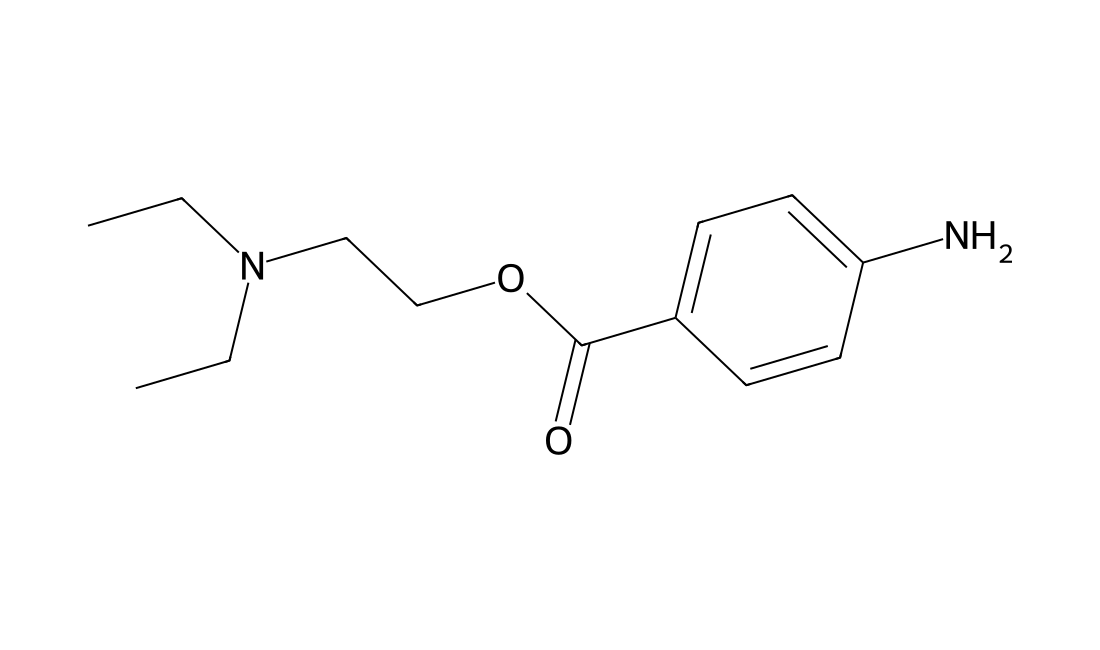
Procaine

CAS 59-46-1

Procaine is a benzoic acid derivative with local anesthetic and antiarrhythmic properties. Procaine binds to and inhibits voltage-gated sodium channels, thereby inhibiting the ionic flux required for the initiation and conduction of impulses.

Procaine chemical structure
DCAPI1123

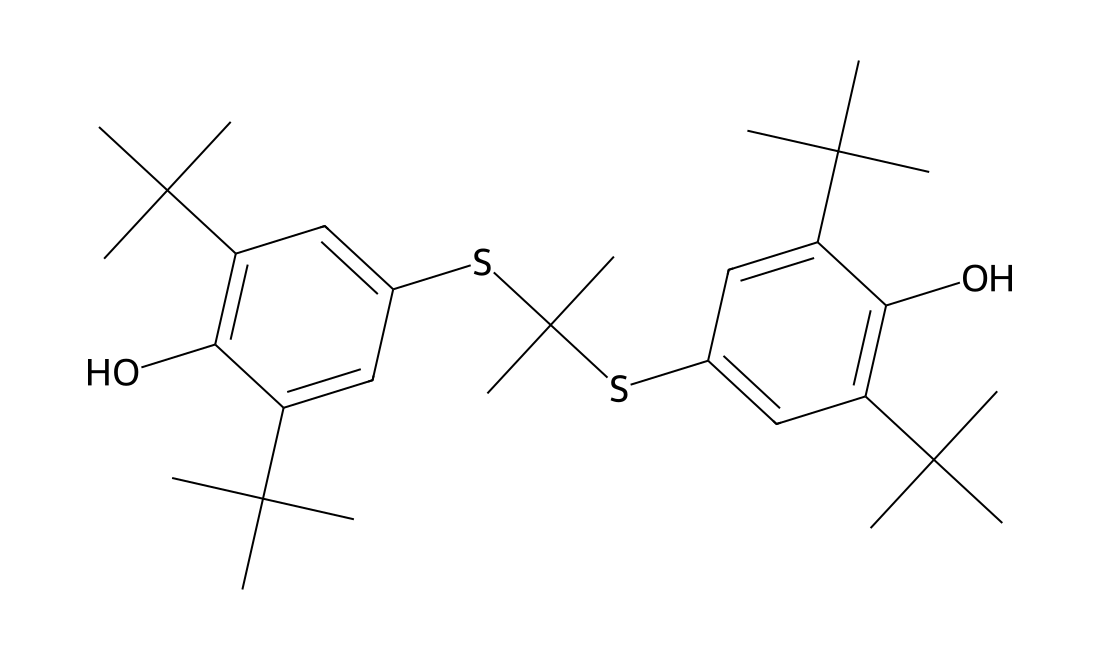
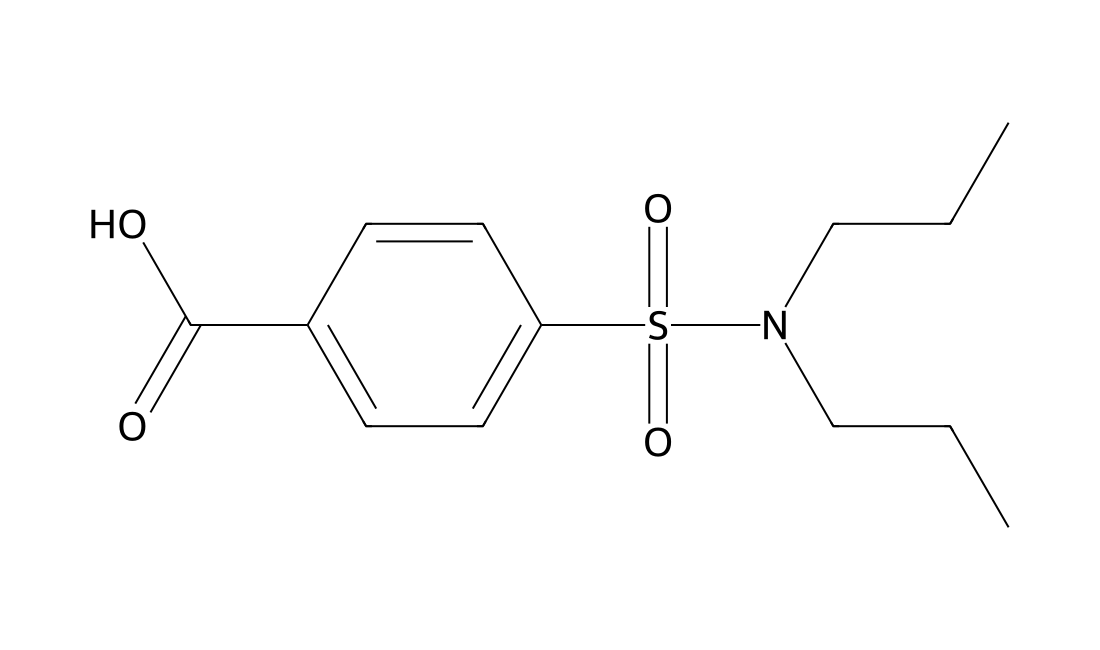
Probucol

CAS 23288-49-5

For the detailed information of Probucol, the solubility of Probucol in water, the solubility of Probucol in DMSO, the solubility of Probucol in PBS buffer, the animal experiment(test) (test) of Probucol, the cell expriment (test) of Probucol, the in vivo, in vitro and clinical trial test of Probucol, the EC50, IC50,and Affinity of Probucol,, please contact DC Chemicals.
Probucol chemical structure
DC9027

Probenecid

CAS 57-66-9

Probenecid inhibits the renal excretion of organic anions and reduces tubular reabsorption of urate.Probenecid is able to prevent the efflux of calcium-sensitive fluorescent dyes during studies of cellular calcium mobilization. Probenecid (2.5 mM) is found to block the export of Fura-2 from 1321N1 astrocytoma cells, and does not change the basal calcium concentration or the muscarinic calcium response. Probenecid is able to interact with organic anion transporters (OAT). 0.1 mM Probenecid efficiently inhibits ATP-dependent active vesicular N-ethylmaleimide glutathione (NEM-GS) uptake by Human Multidrug Resistance Proteins 1 (MRP1) and MRP2. In isolated Sf9 cell membranes, Probenecid stimulates ATPase activity of MRP2 with approximate KACT of 250 μM, but inhibits ATPase activity of MRP1. Probenecid is an inhibitor of the hTAS2R16, hTAS2R38, and hTAS2R43 bitter taste receptors. 1 mM Probenecid attenuates saccharin-induced calcium flux responses of hTAS2R16 to near baseline levels. Probenecid dose-dependently inhibits hTAS2R16 (in the presence of 3 mM salicin) and hTAS2R38 (in the presence of 300 μM PTC). This activity is independent of Probenecid's activity as a transport inhibitor, but is concerning with Probenecid interaction with the receptor.

Probenecid chemical structure
DC9438

Prinaberel

CAS 524684-52-4

Prinaberel(ERB-041) is a potent and selective ERbeta agonist; being >200-fold selective for ERbeta. in vitro: Treatment with ERβ selective estrogen agonists liquiritigenin and ERB-041 reduced the ability to invade a reconstituted basement membrane and to migrate in response to the cellular stimulus. Pretreatment the PMs with ERB-041 resulted in a significant inhibition of LPS-induced iNOS expression and NF-kappaB activation by preventing its nuclear translocation. in vivo: Tumor numbers and volume were reduced by 60% and 84%, respectively, in the Erb-041-treated group as compared with UVB (alone) control. This inhibition in tumorigenesis was accompanied by the decrease in proliferating cell nuclear antigen (PCNA), cyclin D1, VEGF, and CD31, and an increase in apoptosis.

Prinaberel chemical structure
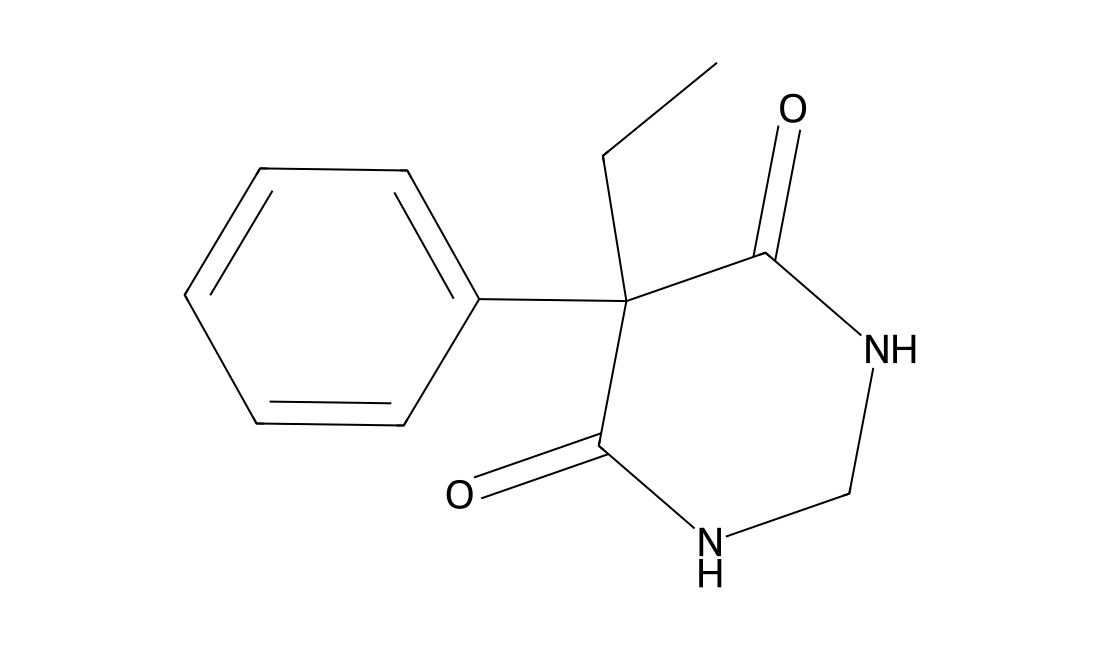
DCAPI1042

Primidone(Mysoline)

CAS 125-33-7

For the detailed information of Primidone(Mysoline), the solubility of Primidone(Mysoline) in water, the solubility of Primidone(Mysoline) in DMSO, the solubility of Primidone(Mysoline) in PBS buffer, the animal experiment(test) (test) of Primidone(Mysoline), the cell expriment (test) of Primidone(Mysoline), the in vivo, in vitro and clinical trial test of Primidone(Mysoline), the EC50, IC50,and Affinity of Primidone(Mysoline),, please contact DC Chemicals.
Primidone(Mysoline) chemical structure
DCAPI1007

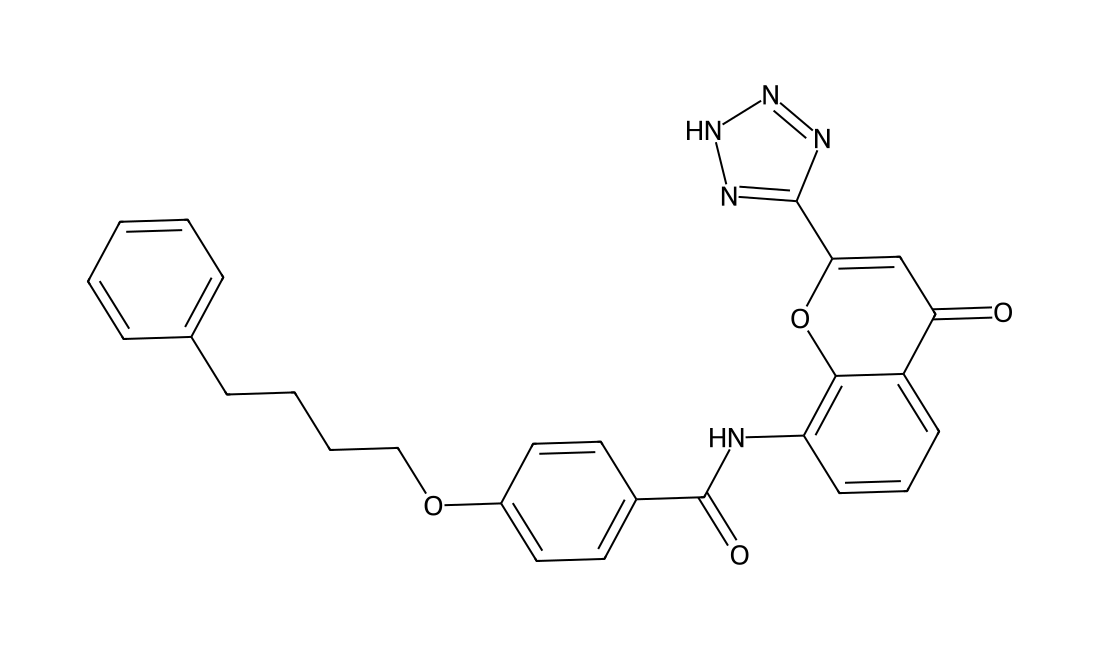
Pranlukast

CAS 103177-37-3

For the detailed information of Pranlukast, the solubility of Pranlukast in water, the solubility of Pranlukast in DMSO, the solubility of Pranlukast in PBS buffer, the animal experiment(test) (test) of Pranlukast, the cell expriment (test) of Pranlukast, the in vivo, in vitro and clinical trial test of Pranlukast, the EC50, IC50,and Affinity of Pranlukast,, please contact DC Chemicals.
Pranlukast chemical structure
DCAPI1305

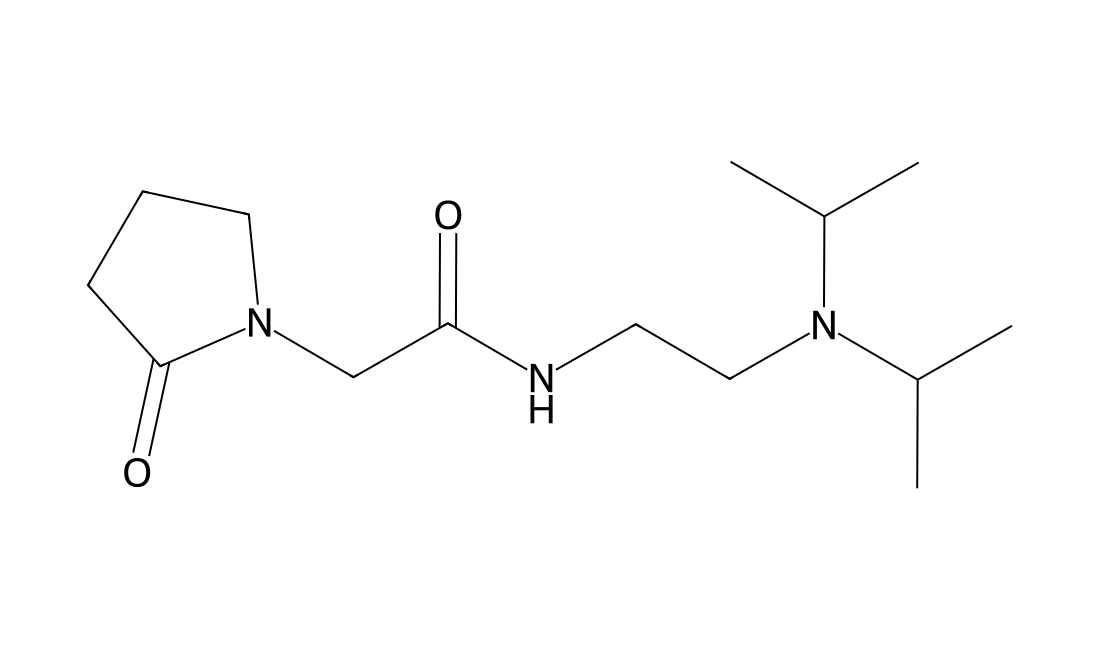
Pramiracetam

CAS 68497-62-1

For the detailed information of Pramiracetam, the solubility of Pramiracetam in water, the solubility of Pramiracetam in DMSO, the solubility of Pramiracetam in PBS buffer, the animal experiment(test) (test) of Pramiracetam, the cell expriment (test) of Pramiracetam, the in vivo, in vitro and clinical trial test of Pramiracetam, the EC50, IC50,and Affinity of Pramiracetam,, please contact DC Chemicals.
Pramiracetam chemical structure
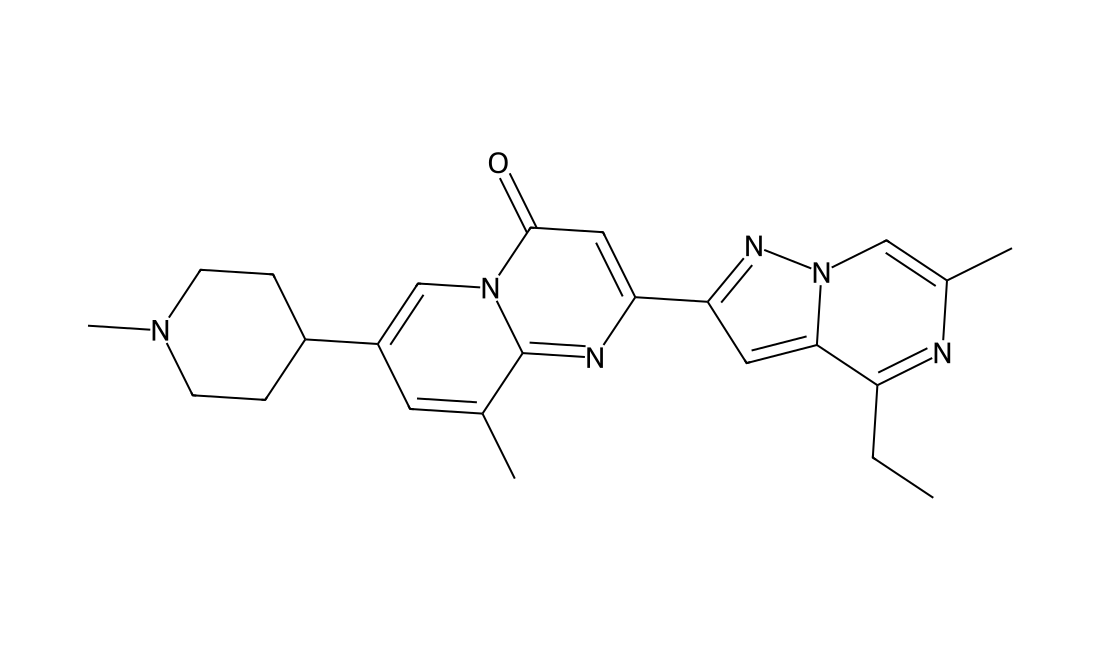
DC8742

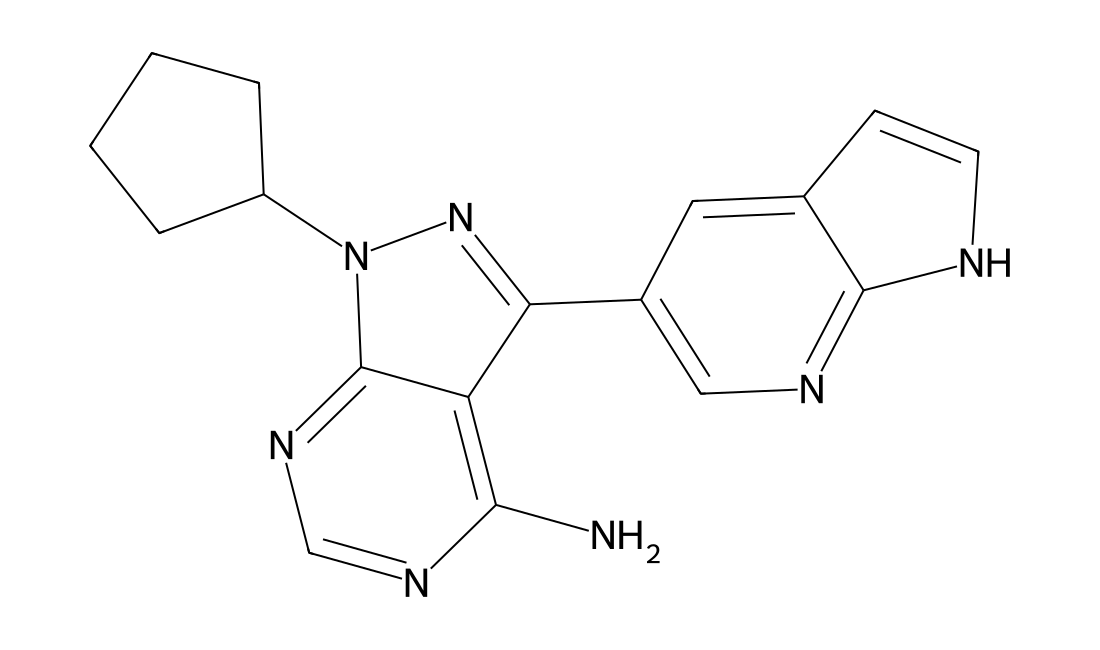
PP121

CAS 1092788-83-4

PP-121 is a multi-targeted inhibitor of PDGFR, Hck, mTOR, VEGFR2, Src and Abl with IC50 of 2 nM, 8 nM, 10 nM, 12 nM, 14 nM and 18 nM, also inhibits DNA-PK with IC50 of 60 nM.PP-121 selectivity interacts within a hydrophobic pocket that is conserved between both tyrosine kinases and PI3Ks, not serine-threonine kinases. PP-121 makes a hydrogen bond to Glu310 in Src, effectively substituting for the structural role of the catalytic lysine and resulting in the ordering of helix C and stabilization of an active conformation. PP-121 also inhibits other PI3Ks including p110α and DNA-PK with IC50 of 52 nM and 60 nM, respectively. PP-121 potently and dose-dependently blocks the phosphorylation of Akt, p70S6K and S6 in two glioblastoma cell lines, U87 and LN229. PP-121 potently inhibits the proliferation of a subset of the tumor cell lines by direct inhibition of PI3Ks and mTOR. PP-121 induces a G0/G1 arrest in LN220, U87 and Seg1 cells. PP-121 also blocks tyrosine phosphorylation induced by v-Src in NIH3T3 cells transformed with v-Src(Thr338). PP-121 could restore actin stress fiber staining in NIH3T3 cells transformed with v-Src(Thr338). PP-121 at a low concentration of 40 nM inhibits Ret autophosphorylation in TT thyroid carcinoma cells that express the C634W oncogenic Ret mutant35. PP-121 inhibits cell proliferation with IC50 of 50 nM in TT thyroid carcinoma cells. PP-121 inhibits cell proliferating stimulated only with VEGF with IC50 of 41 nM in human umbilical vein endothelial cells (HUVECs). PP-121 directly inhibits Bcr-Abl induced tyrosine phosphorylation, resulting in drug-induced apoptosis in K562 cells and a combination of apoptosis and cell cycle arrest in Bcr-Abl expressing BaF3 cells.

PP121 chemical structure
DC11373

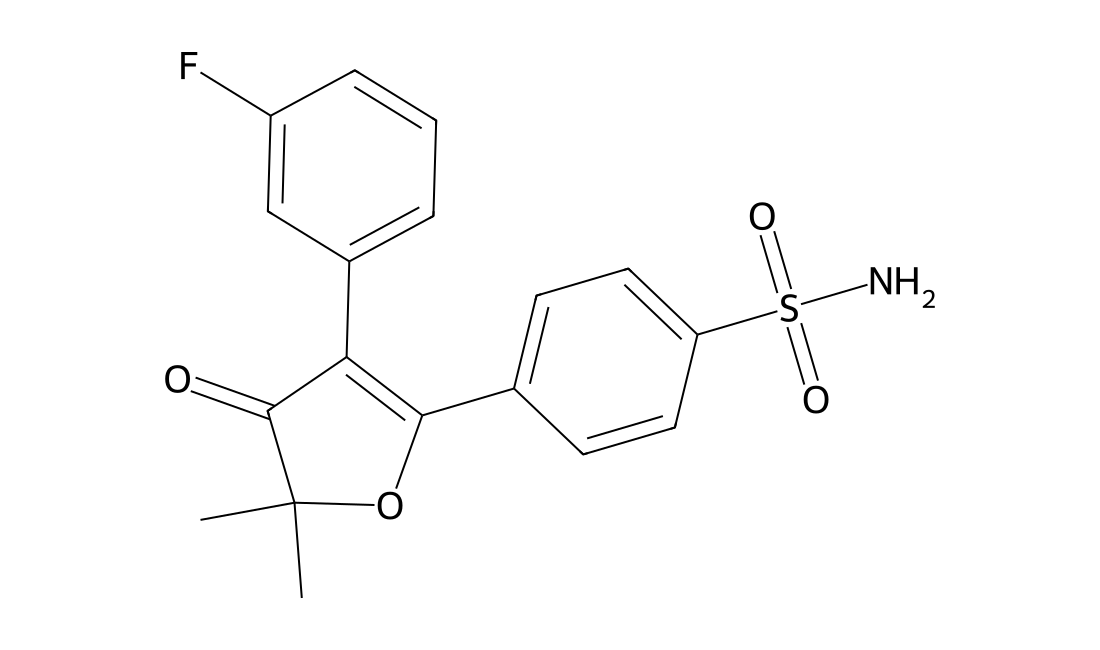
Polmacoxib

CAS 301692-76-2

Polmacoxib is an inhibitor of cyclooxygenase 2 (COX-2) and the carbonic anhydrase subtypes I (CAI) and CAII.It inhibits COX-2 in the absence of carbonic anhydrase II with an IC50 value of 40 nM, which increases by approximately 4- and 17-fold in the presence of a CAII at a molar ratio of 1:1 and 1:5, respectively.It also inhibits CAI and CAII (IC50s = 210 and 95 nM, respectively). Polmacoxib prevents >95 and 90% of prostaglandin E2 (PGE2) production in HCA-7 and HT-29 human colon cancer cells, respectively, using concentrations of 0.01 and 0.001 µg/ml.It inhibits polyp formation in a transgenic mouse model of intestinal polyp formation and tumor growth in human colorectal carcinoma mouse xenograft models when used at a dose of 7 mg/kg. The inhibition of COX-2 and CAII by polmacoxib has the potential for fewer serious systemic adverse effects, including cardiovascular events associated with COX-2 selective inhibitors such as celecoxib (Item No. 10008672).Formulations containing polmacoxib have been used in the treatment of osteoarthritis.

Polmacoxib chemical structure
DC10409

PNU-74654

CAS 113906-27-7

PNU-74654 binds to β-catenin with a KD of 450 nM. The Tcf3/Tcf4-binding surface on β-catenin contains a well-defined hot spot around residues K435 and R469. The binding mode of PNU-74654 involves the two narrow pockets on either side of this hot spot. In NCI-H295 cells,PNU-74654 significantly decreases cell proliferation 96 h after treatment, increases early and late apoptosis, decreases nuclear beta-catenin accumulation, impairs CTNNB1/beta-catenin expression and increases beta-catenin target genes 48 h after treatment. No effects are observed on HeLa cells. In NCI-H295 cells, PNU-74654 decreases cortisol, testosterone and androstenedione secretion 24 and 48 h after treatment. The SF1 and CYP21A2 mRNA expression as well as the protein levels of STAR and aldosterone synthase are decreased in NCI-H295 cells after 48 h PNU-74654 treatment. In Y1 cells, PNU-74654 impairs corticosterone secretion 24 h after treatment but does not decrease cell viability.

PNU-74654 chemical structure
DC8234

PNRI-299

CAS 550368-41-7

PNRI-299, was identified that selectively inhibited AP-1 transcription (IC(50) of 20 microM) without affecting NF-kappaB transcription (up to 200 microM) or thioredoxin (up to 200 microM). The molecular target of PNRI-299 was determined to be the oxidoreductase, redox effector factor-1 by an affinity chromatography approach. The selective redox effector factor-1 inhibitor, PNRI-299, significantly reduced airway eosinophil infiltration, mucus hypersecretion, edema, and IL-4 levels in a mouse asthma model. These data validate AP-1 as an important therapeutic target in allergic airway inflammation. For the detailed information of PNRI-299, the solubility of PNRI-299 in water, the solubility of PNRI-299 in DMSO, the solubility of PNRI-299 in PBS buffer, the animal experiment (test) of PNRI-299, the cell expriment (test) of PNRI-299, the in vivo, in vitro and clinical trial test of PNRI-299, the EC50, IC50,and affinity,of PNRI-299, For the detailed information of PNRI-299, the solubility of PNRI-299 in water, the solubility of PNRI-299 in DMSO, the solubility of PNRI-299 in PBS buffer, the animal experiment (test) of PNRI-299, the cell expriment (test) of PNRI-299, the in vivo, in vitro and clinical trial test of PNRI-299, the EC50, IC50,and affinity,of PNRI-299, Please contact DC Chemicals.
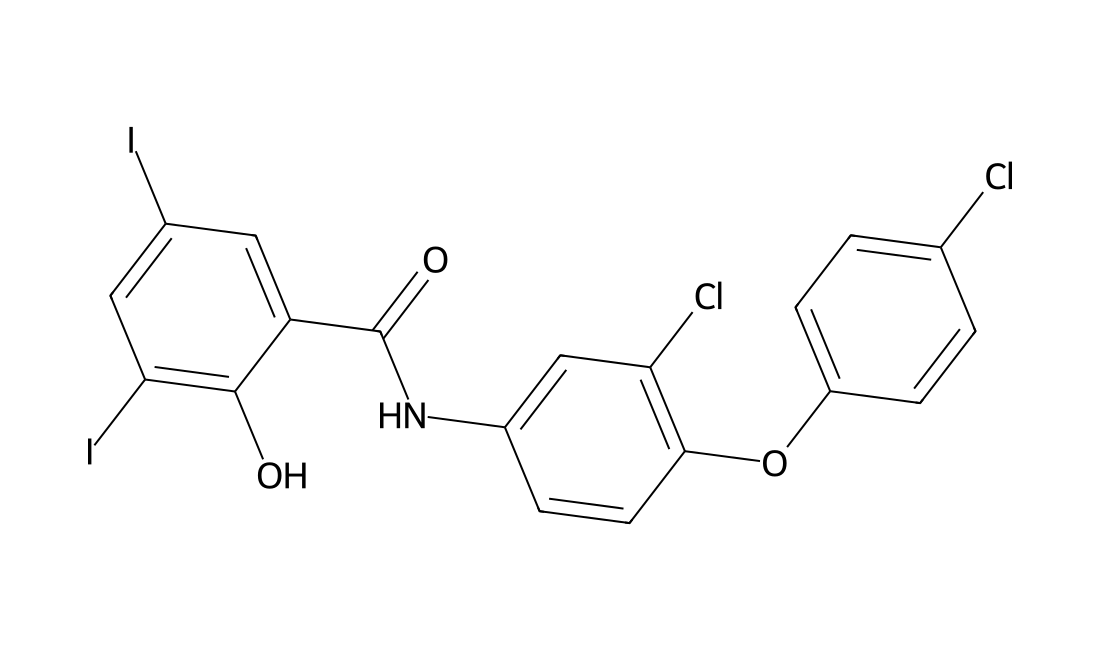
PNRI-299 chemical structure
DCAPI1385

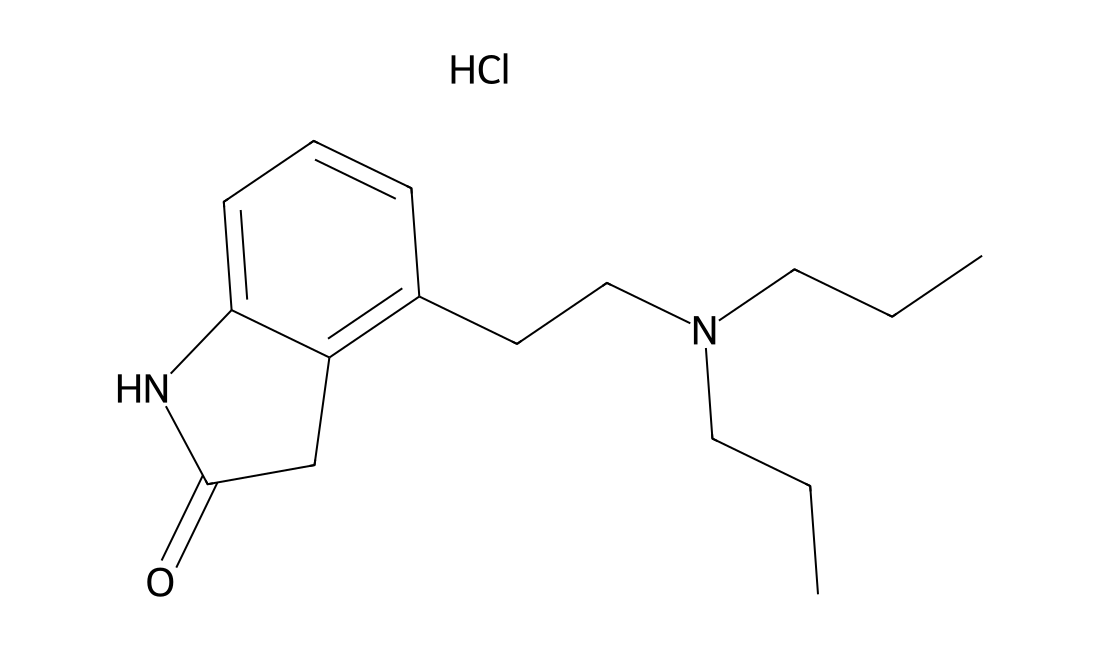
Ropinirole HCl

CAS 91374-20-8

For the detailed information of Ropinirole HCl, the solubility of Ropinirole HCl in water, the solubility of Ropinirole HCl in DMSO, the solubility of Ropinirole HCl in PBS buffer, the animal experiment(test) (test) of Ropinirole HCl, the cell expriment (test) of Ropinirole HCl, the in vivo, in vitro and clinical trial test of Ropinirole HCl, the EC50, IC50,and Affinity of Ropinirole HCl,, please contact DC Chemicals.
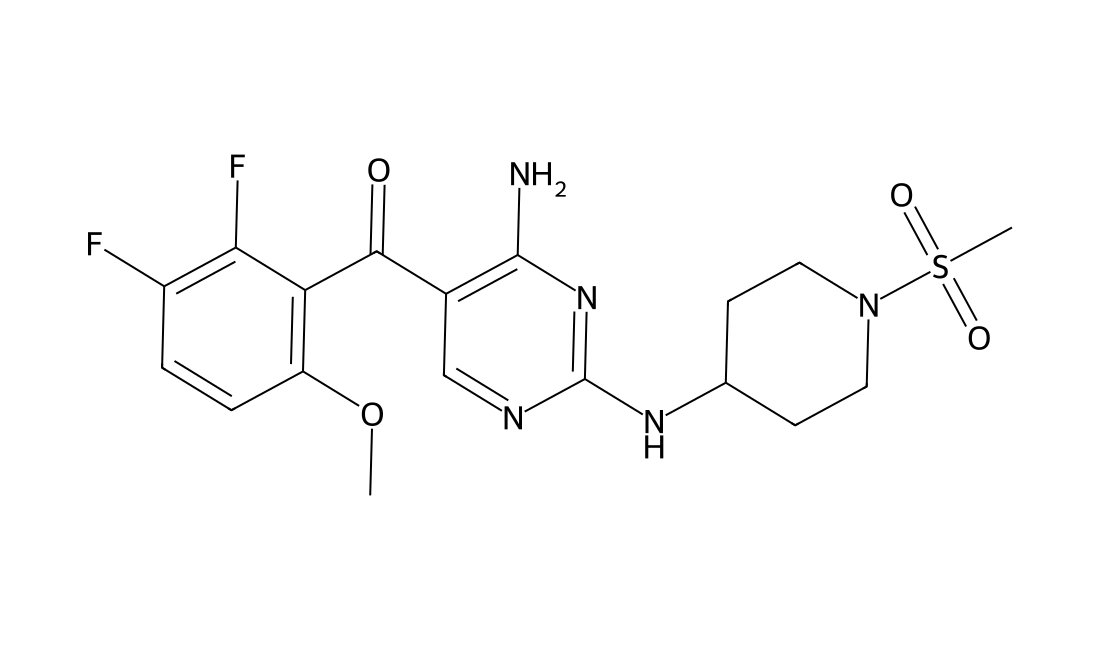
Ropinirole HCl chemical structure
DCAPI1330

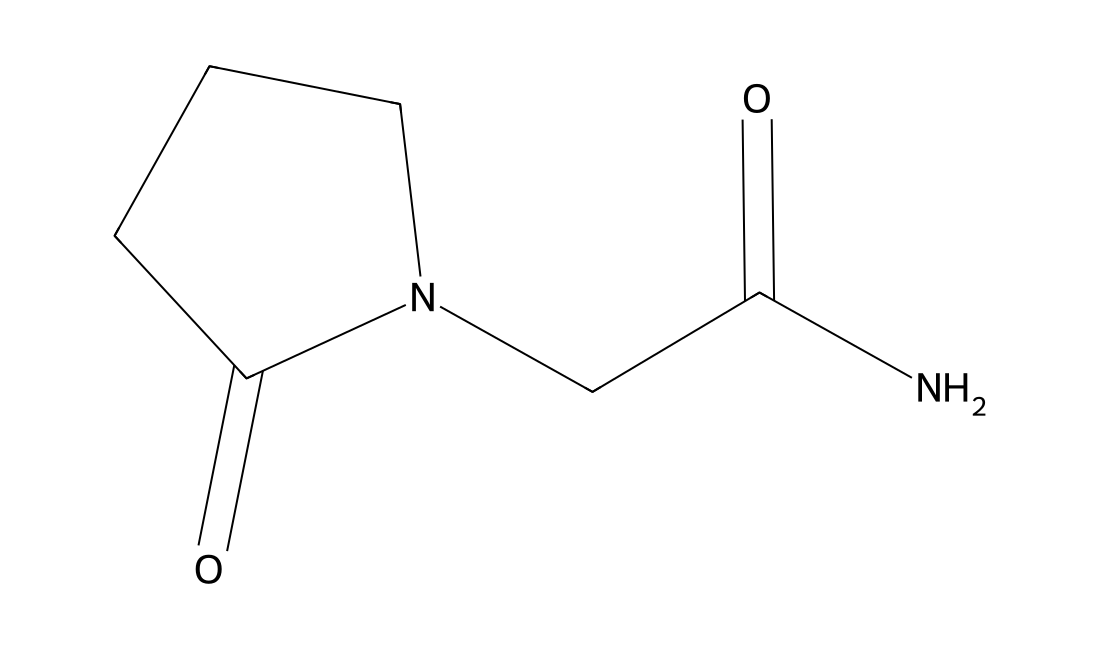
Piracetam

CAS 7491-74-9

For the detailed information of Piracetam, the solubility of Piracetam in water, the solubility of Piracetam in DMSO, the solubility of Piracetam in PBS buffer, the animal experiment(test) (test) of Piracetam, the cell expriment (test) of Piracetam, the in vivo, in vitro and clinical trial test of Piracetam, the EC50, IC50,and Affinity of Piracetam,, please contact DC Chemicals.
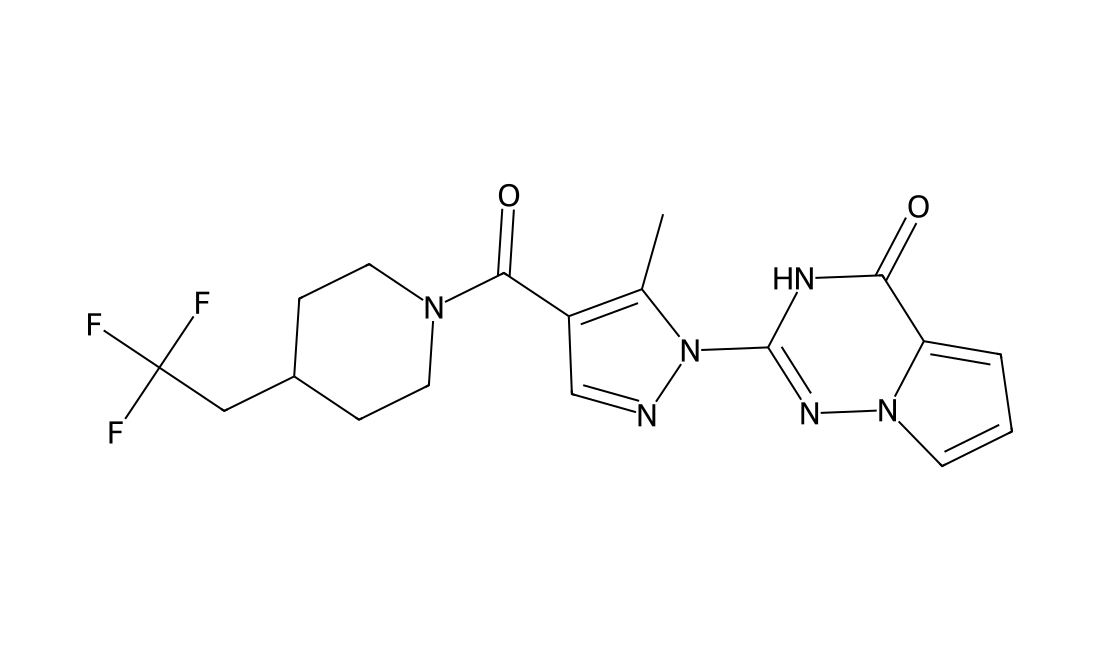
Piracetam chemical structure
DC22508

PI4KIIIβ-IN-9

CAS 1429624-84-9

PI4KIIIβ-IN-9 is a potent and selective inhibitor of PI4KIIIβ (IC50=7 nM); displays >1000-fold selectivity over class I and class III PI3Ks; A KN-93 derivative with improved selectivity.

PI4KIIIβ-IN-9 chemical structure
DC7874

PI3k(delta) inhibitor 1

CAS 1332075-63-4

PI3kδ inhibitor 1 is a potent and selective inhibitor of isoform of PI3Kδ; useful for treating disorders mediated by lipid kinases such as inflammation, immunol disorders, and cancer.For the detailed information of PI3k(delta) inhibitor 1, the solubility of PI3k(delta) inhibitor 1 in water, the solubility of PI3k(delta) inhibitor 1 in DMSO, the solubility of PI3k(delta) inhibitor 1 in PBS buffer, the animal experiment (test) of PI3k(delta) inhibitor 1, the cell expriment (test) of PI3k(delta) inhibitor 1, the in vivo, in vitro and clinical trial test of PI3k(delta) inhibitor 1, the EC50, IC50,and affinity,of PI3k(delta) inhibitor 1, Please contact DC Chemicals.
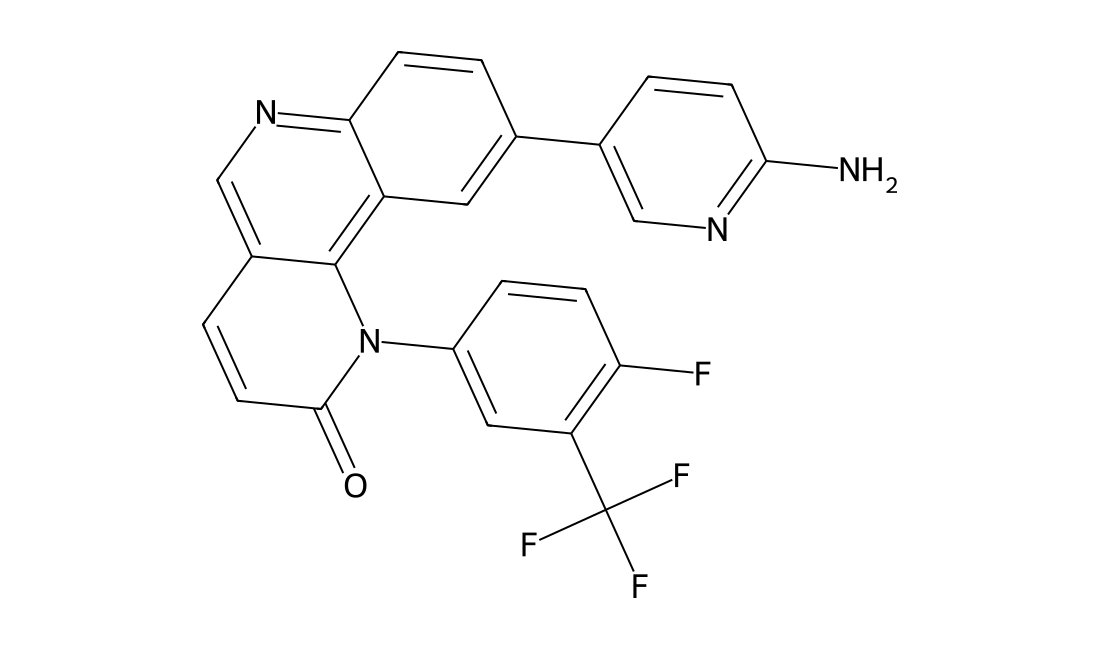
PI3k(delta) inhibitor 1 chemical structure
Browse target & topic index A–Z (366)
11β-HSD (1)15-PGDH (2)5-HT Receptor (16)Acetyl-CoA Carboxylase (ACC) (3)Acetylcholinesterase (AChE) (2)Ack1 (TNK2) (1)Acyltransferase (1)ADC Cytotoxin (6)ADCs Linker/Click Chemistry (5)Adenosine Receptor (9)Adenylate Cyclase (2)Adrenergic Receptor (11)Akt (12)Alcoholism (2)Aldehyde Dehydrogenase (ALDH) (6)Allergy (5)Alzheimer Disease (13)Aminopeptidase (1)AMPK (8)Amyloids (4)Anaplastic Lymphoma Kinase (ALK) (9)Androgen Receptor (AR) (11)Anemia (4)Angiotensin Receptor (4)Antibody/Protein labeling dyes (1)Antifolate (2)Anxiety (1)Apoptosis Inducer (3)Arginase (1)Arp2/3 complex (1)Aryl hydrocarbon Receptor (AhR) (1)Asthma (5)Atherosclerosis (2)ATM/ATR (8)Aurora Kinase (10)Autophagy (6)Autophagy-related Protein (Atg) (2)Autotaxin (2)Bacterial (26)Bacterial Infection (17)Bcl-2 (14)Bcr-Abl (5)BCRP (1)Beta-catenin (4)Beta-secretase (BACE) (4)Blood Cancer (91)BMI-1 (1)Bone Cancer (6)Brain Cancer (6)Breast Cancer (30)Bromodomain (22)BTK (10)c-Fms (CSF1R) (5)c-Fos/AP-1 (1)c-Kit (6)c-Met (HGFR) (11)c-Myc (2)Calcium Channel (4)Calcium-sensing Receptor (CaSR) (1)CaMK (4)Cannabinoid Receptor (6)Carbonic Anhydrase (1)Carboxypeptidase (1)Casein Kinase (6)Caspase (4)Cathepsin (6)Cdc2-like Kinase (CLK) (1)CETP (2)CFTR (7)Checkpoint Kinase (Chk) (8)Chemokine Receptor (CCR and CXCR) (14)Chemotherapeutic Agents (19)Chloride Channel (1)CMV (2)CMV Infection (2)Colon Cancer (9)Complement System (1)COPD (3)CREB/CBP (2)CRF Receptor (2)CRISPR/Cas9 (1)Cushing Disease (1)Cyclin-dependent Kinase (CDK) (39)Cyclooxygenase (COX) (4)Cytochrome P450 (CYPs) (5)Depression (2)Dermatitis (2)Deubiquitinase (DUB) (7)Diabetes (20)Dipeptidyl Peptidase (DPP) (3)Discoidin Domain Receptor (DDR) (1)DNA Alkylator/Crosslinker (10)DNA Methyltransferase (DNMT) (1)DNA Repair Protein (1)DNA-PK (2)DNA/RNA Synthesis (5)Dopamine beta-hydroxylase (1)Dopamine Receptor (7)Drug Metabolite (1)Drug-Linker Conjugates (11)Dyes (4)DYRK (1)Dyslipidemia (9)E3 Ligase Ligand (6)E3 Ligase Ligand-Linker Conjugate (1)E3 Ubiquitin Ligase (4)Ebola Virus Infection (1)EGFR (32)Elastase (2)Endothelin Receptor (5)Enzymes substrates (13)Epigenetic Reader Domain (3)Epilepsy (4)ERK (4)Estrogen Receptor/ERR (13)Eukaryotic Initiation Factor (eIF) (2)Exportin-1 (CRM1,XPO1) (2)FABP (1)Factor Xa (5)Farnesoid X Receptor (FXR) (5)Farnesyl transferase (FTase) (1)Ferroptosis (6)FGFR (20)Fibrosis (5)FLT3 (6)Focal Adhesion Kinase (FAK) (11)Foxo1 (1)Free Fatty Acid Receptor (FFAR) (5)Fungal (2)Fungal Infection (1)GABA Receptor (13)Galectin (1)Gastric Cancer (8)Ghrelin Receptor (GHSR) (3)Glucagon Receptor (4)Glucokinase (2)Glucose Transporter (GLUT) (2)Glutamate Transporter (2)GPCR (1)GPER (GPR30) (1)GPR139 (1)GPR183 (EBI2) (2)GPR39 (1)GPR55 (1)GPR84 (1)GRK (GPCRK) (2)Growth Hormone Deficiency (2)GSK-3 (8)Guanylate Cyclase (3)HBV (1)HBV Infection (1)HCN Channel (2)HCV (8)HCV Infection (9)HDAC (38)Heart Arrhythmia (2)Heart Failure (5)Heat Shock Protein (HSP) (15)Hedgehog (Hh) (1)HIF/HIF Prolyl-hydroxylase (8)Histamine Receptor (6)Histone Acetyltransferase (HAT) (5)Histone Demethylase (11)Histone Methyltransferase (HMTase) (31)HIV (12)HIV Infection (11)HMG-CoA Reductase (HMGCR) (3)HSV (1)HSV Infection (1)Hypercholesterolemia (1)Hyperparathyroidism (1)Hypertension (8)IAP (1)IGF-1R (3)iGluR (15)Indoleamine 2,3-Dioxygenase (IDO) (4)Infection (1)Influenza (6)Influenza Virus (6)Insulin Receptor (2)Integrin (6)Interleukin Receptor (1)IRAK (2)IRE1 (4)Irritable Bowel Syndrome (2)Ischemia (1)Isocitrate Dehydrogenase (IDH) (5)ITK (1)IκB kinase (IKK) (7)JAK (32)JNK (3)Keap1-Nrf2 (6)Kidney Cancer (10)Kinesin (5)Kruppel-like Factor (KLF) (1)Kynurenine 3-Monooxygenase (KMO) (1)Leukotriene Receptor (1)LIM Kinase (LIMK) (3)Lipids fragment (1)Liver Cancer (6)Liver X Receptor (LXR) (3)LRRK2 (9)Lung Cancer (39)Lysophospholipid Receptor (12)LYTACs (3)mAChR (9)MALT1 (2)MAP4K (1)Matrix Metalloproteinase (MMP) (10)MDM2-p53 (9)MEK (MAP2K) (14)MEKK (MAP3K) (1)Melanocortin Receptor (2)MELK (1)mGluR (7)MicroRNA (1)Microtubule/Tubulin (5)Mineralocorticoid Receptor (MLR) (1)MITF (1)Mixed Lineage Kinase (MLK) (3)MNK (2)Molecular Glues (21)Monoamine Transporter (5)Monocarboxylate Transporter (MCT) (1)Monopolar Spindle 1 (Mps1/TTK) (3)mTOR (13)Multiple Sclerosis (6)Myosin (1)Na-K-Cl Cotransporter (NKCC) (2)nAChR (2)NADPH Oxidase (NOX) (2)NAMPT (3)Natural products (37)Neprilysin (1)Neurokinin Receptor (3)Neuropeptide Y Receptor (3)NF-κB (5)Nitric Oxide Synthase (NOS) (1)NOD-like Receptor (NLR) (3)Notch (2)Nucleoside Antimetabolite/Analog (10)Nur77 (NR4A1) (1)Obesity (1)Oct3/4 (1)Opioid Receptor (5)Orexin Receptor (7)Osteoporosis (2)Ovarian Cancer (14)Oxytocin Receptor (OXTR) (2)P-glycoprotein (P-gp) (3)p21-activated Kinase (PAK) (1)P2X Receptor (2)P2Y Receptor (1)p38 MAPK (10)p97/VCP (1)Pain (12)Pancreatic Cancer (10)Parasite (5)Parasite Infection (2)Parkinson Disease (2)PARP (19)PCSK9 (1)PD-1/PD-L1 (4)PDGFR (4)PDK1 (2)PEGn (1)PERK (2)PGE synthase (2)Phosphodiesterase (PDE) (9)Phospholipase (4)PI3K (32)PI4K (2)Piezo Channel (1)PIKfyve (3)Pim (9)PKC (12)PKD (1)Plasminogen Activator Inhibitor-1 (PAI-1) (3)Polo-like Kinase (PLK) (4)Porcupine (3)Potassium Channel (13)PPAR (13)Pregnane X Receptor (PXR) (1)Progesterone Receptor (2)Prostaglandin Receptor (11)Prostate Cancer (7)PROTACs (35)Protease-activated Receptor (PAR) (3)Proteasome (12)Protein Disulfide Isomerase (PDI) (1)Protein Phosphatase/PTP (6)Proton Pump (1)Psoriasis (5)RAD51 (1)Radioligand precursors (15)Raf (18)RAR/RXR (3)Ras (17)Renin (2)RET Tyrosine Kinase (c-RET) (3)Rheumatoid Arthritis (16)Ribosomal S6 Kinase (RSK) (5)RIG-I-like Receptor (RLR) (2)RIP kinase (7)ROCK (12)ROR (2)RSV (4)RSV Infection (3)RUNX1-CBFβ (1)S-nitrosoglutathione reductase (GSNOR) (1)Saccharides and Glycosides (1)Salt Inducible Kinase (SIK) (2)SARS-CoV (16)SARS-CoV Infection (34)Schizophrenia (4)Sexual Dysfunction (1)SGLT (4)Sigma Receptor (4)Sirtuin (9)Skin Cancer (13)Sleep Disorder (7)SMN2 Modulator (1)Smoothened (Smo) (9)Sodium Channel (12)Solid Tumors (35)Somatostatin Receptor (2)Sphingosine kinase (SphK) (2)Src (7)STAT (5)Stearoyl-CoA Desaturase (SCD) (1)Steatohepatitis (7)Sterol lipids (1)STING (14)Syk (6)T Cell Receptor (TCR) (1)TAK1 (2)TAM Receptor (Tyro3-Axl-Mer) (4)Taste Receptor (1)Telomerase (2)TGF beta Receptor (TGFBR) (12)Thrombin (3)Thrombosis (13)Thyroid Cancer (1)Thyroid Hormone Receptor (THR) (1)Thyrotropin Receptor (2)TNIK (1)Toll-like Receptor (TLR) (2)TOPK (1)Topoisomerase (11)TRAIL (1)Translocator Protein (TSPO) (1)Trk Receptor (4)TRP Channel (13)Tryptophan Hydroxylase (TPH) (1)Ubiquitin-activating Enzyme (E1) (2)Ubiquitin-conjugating Enzyme (E2) (2)Ulcer (1)ULK (3)Vasopressin Receptor (2)VEGFR (25)Vitamin D Receptor (VDR) (3)Wee1 (1)WNK Kinase (1)Wnt (5)Yes-associated Protein (YAP) (4)γ-secretase (5)

Cart

Request quotation