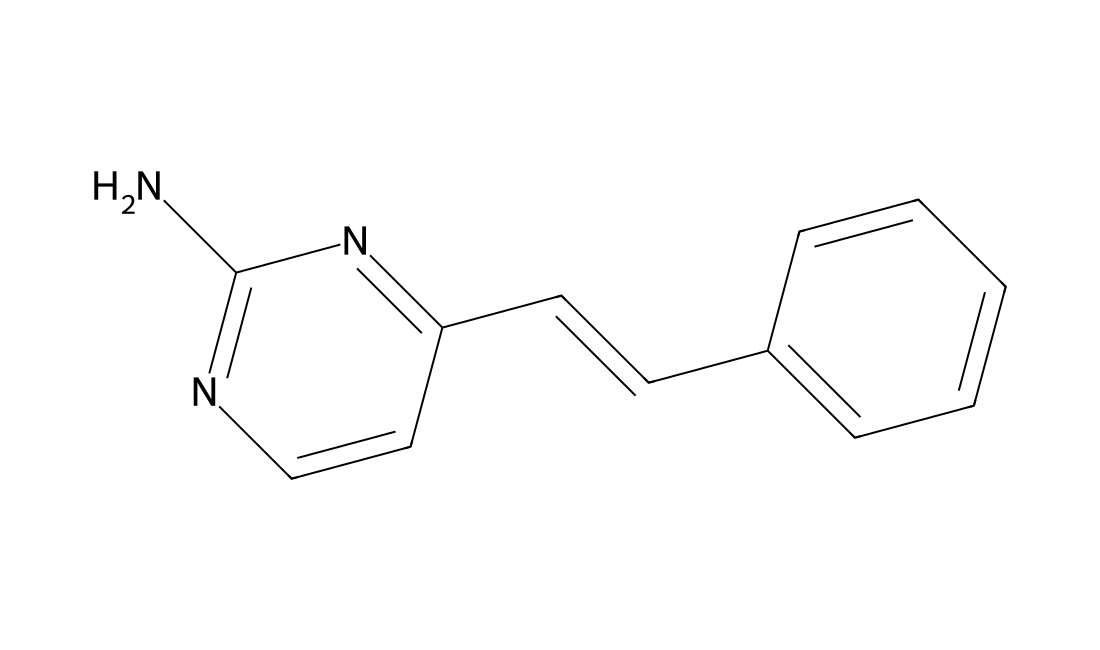
Small Molecule Research Tools

Explore bioactive compounds by research category, then narrow your search by target, product name, catalog number or CAS.

Newly added: LC-MG and OXF molecular glue research compounds →

6,823 products17 research categoriesBrowse all products ↓

Browse by research category

Products may appear in more than one category. Counts refer to distinct catalog numbers within each category.

Other Research Tools (75) · Additional reagents, building blocks and specialized research tools.

New literature-derived products

LC-MG-1 (DCA0006) · LC-MG-4 (DCA0007) · LC-MG-9 (DCA0008)

View structure and evidence summaries →

All small molecule products

Combine a keyword, research category and target to narrow the product list.

Loading catalog filters…

6,823 products · Showing 3,985–4,032

DCAPI1252

Torsemide (Demadex)

CAS 56211-40-6

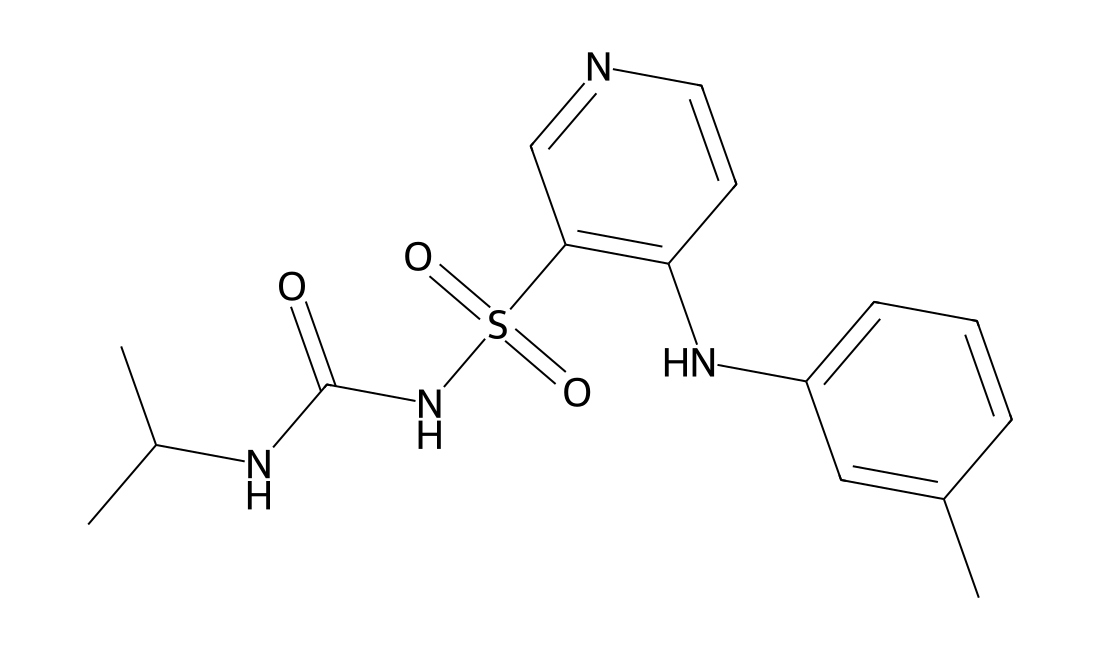
For the detailed information of Torsemide (Demadex), the solubility of Torsemide (Demadex) in water, the solubility of Torsemide (Demadex) in DMSO, the solubility of Torsemide (Demadex) in PBS buffer, the animal experiment(test) (test) of Torsemide (Demadex), the cell expriment (test) of Torsemide (Demadex), the in vivo, in vitro and clinical trial test of Torsemide (Demadex), the EC50, IC50,and Affinity of Torsemide (Demadex),, please contact DC Chemicals.

Torsemide (Demadex) chemical structure
DC8637

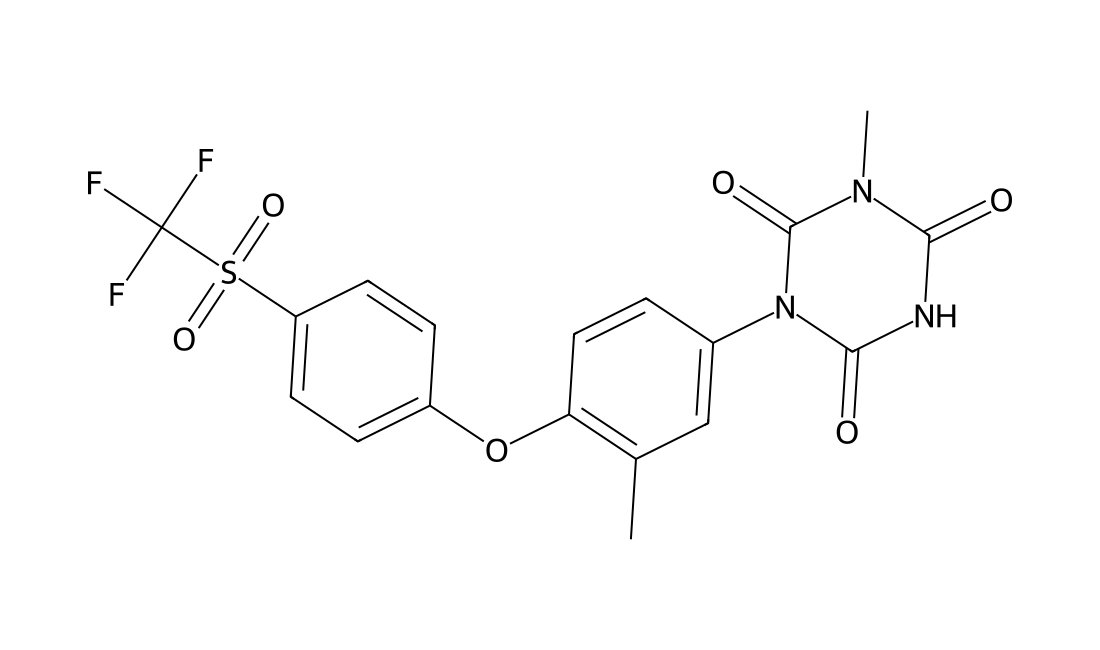
Toltrazuril sulfone

CAS 69004-04-2

Ponazuril (INN, Toltrazuril sulfone), sold by the Bayer Corporation under the trade name Marquis, is a drug currently approved for the treatment of equine protozoal myeloencephalitis in horses, caused by Sarcocystis neurona. More recently, veterinarians have been preparing a formulary version of the medication for use in small animals such as cats and dogs against coccidia, an intestinal parasite. Coccidia treatment is far shorter than treatment for EPM. Ponazuril (INN, Toltrazuril sulfone) is useful for Antiprotozoal.

Toltrazuril sulfone chemical structure
DC8682

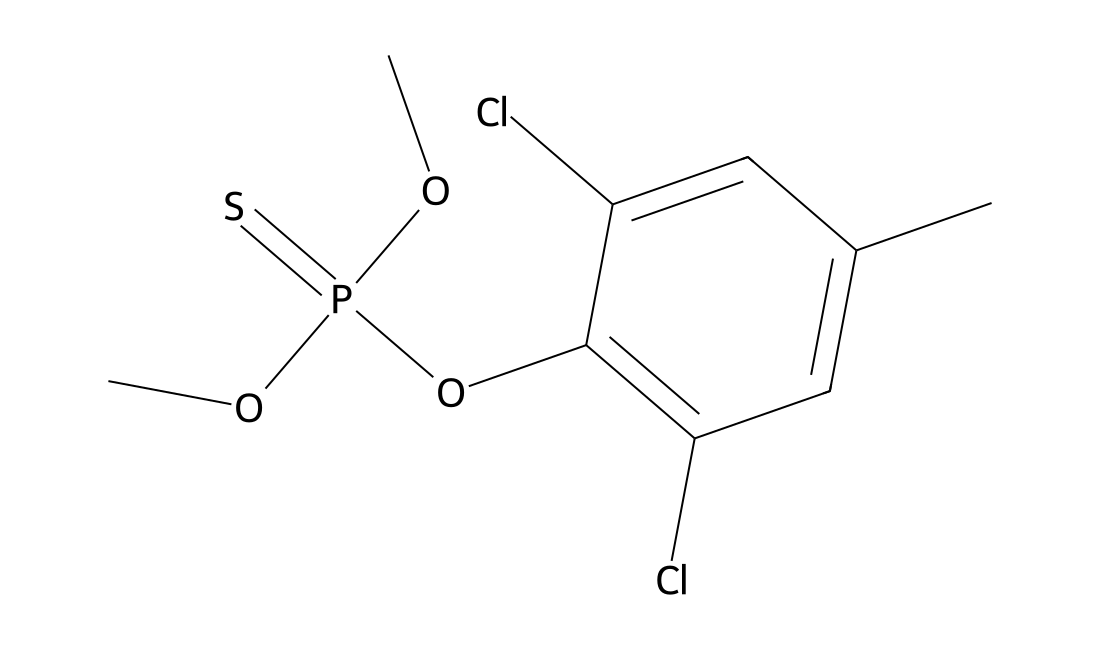
Tolclofos-methyl

CAS 57018-04-9

Tolclofos-methyl is a broad-spectrum aromatic hydrocarbon fungicide that is used as a see treatment for protection against soil-borne and seed borne fungal pathogens that caused seed decay and seedling blights.

Tolclofos-methyl chemical structure
DC9023

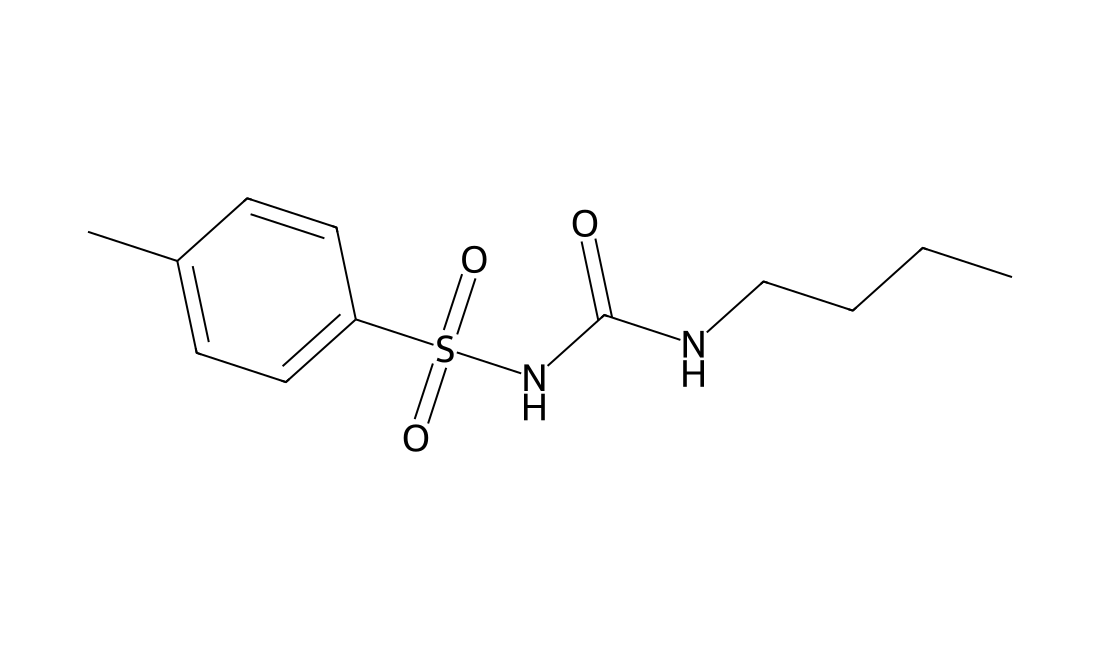
Tolbutamide

CAS 64-77-7

Tolbutamide is a first generation potassium channel blocker, sulfonylurea oral hypoglycemic drug.Tolbutamide is an oral antihyperglycemic agent used for the treatment of non-insulin-dependent diabetes mellitus (NIDDM). Tolbutamide act by stimulating β cells of the pancreas to release insulin. Sulfonylureas increase both basal insulin secretion and meal-stimulated insulin release. Tolbutamide belongs to a class of medications called sulfonylureas. Tolbutamide inhibits both the basal and the cyclic AMP-stimulated protein kinase activities and the IC50 of Tolbutamide is 4 mM. Similar Tolbutamide concentrations are required for half maximal inhibition of in vitro lipolysis induced by hormones (norepinephrine and ACTH) or by dibutyryl cyclic AMP plus theophylline. Tolbutamide also inhibits both soluble and membrane-bound protein kinase from canine heart. The Tolbutamide inhibition of adipose tissue cyclic AMP-dependent protein kinase is one possible explanation for the antilipolytic effects of this drug. Tolbutamide inhibits C6-glioma cell proliferation by increasing Cx43, which correlates with a reduction in pRb phosphorylation due to the up-regulation of the Cdk inhibitors p21 and p27.

Tolbutamide chemical structure
DC11357

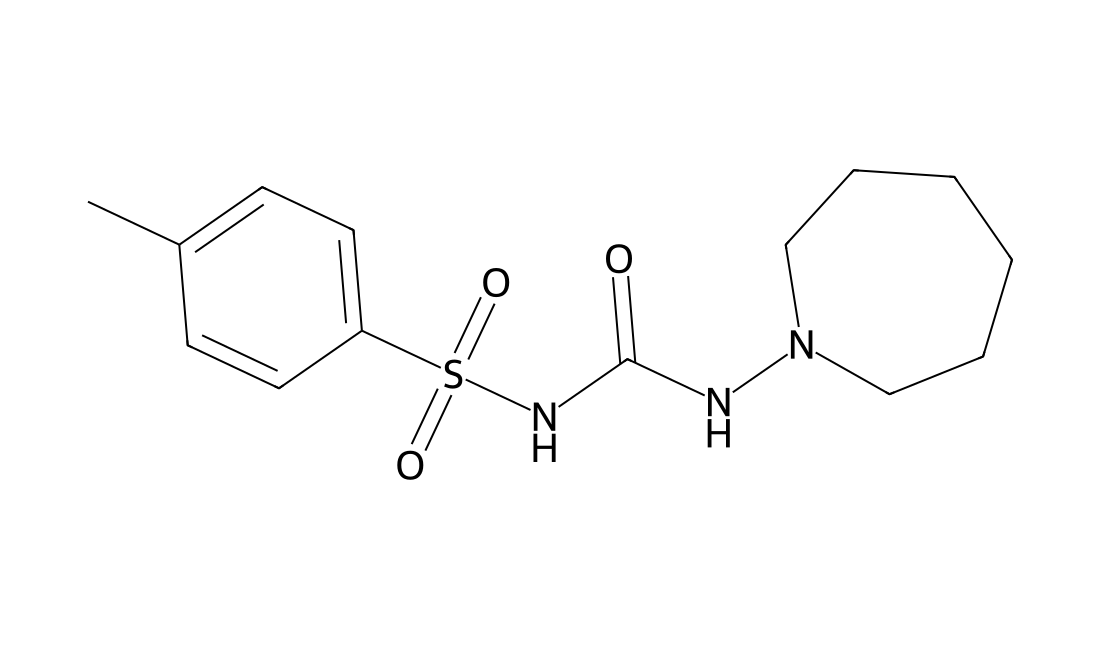
Tolazamide

CAS 1156-19-0

Tolazamide is a first generation sulfonylurea that inhibits sulfonylurea receptor 1 (SUR1) linked to the inwardly rectifying potassium channel (KIR6.2; IC50 = 4.2 µM in HEK293 cells transfected with the human receptor).It has no effect on glucose uptake in L6 rat skeletal muscle cells when used at a concentration of 0.6 mg/mL but enhances glucose uptake two-fold when used in combination with insulin.In vivo, tolazamide (128 mg/kg) reduces glomerulosclerosis and albumin excretion in a rat model of insulin-dependent diabetes induced by streptozotocin.Formulations containing tolazamide have been used in the treatment of type 2 diabetes.

Tolazamide chemical structure
DC10381

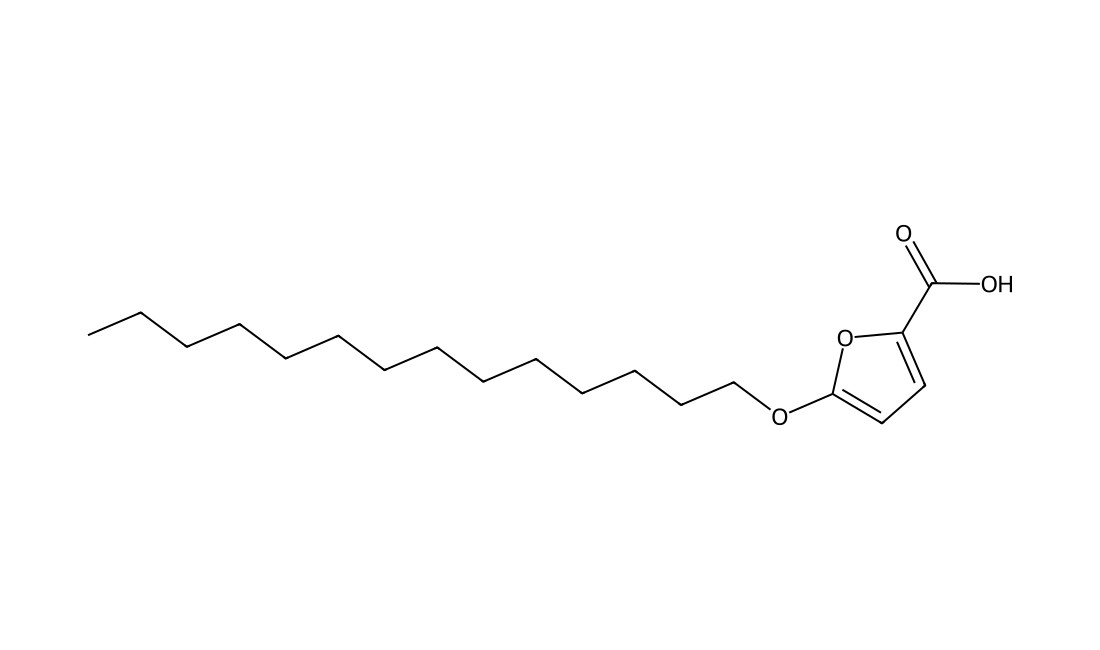
TOFA

CAS 54857-86-2

TOFA (5-tetradecyloxy-2-furoic acid) is cytotoxic to lung cancer cells NCI-H460 and colon carcinoma cells HCT-8 and HCT-15, with an IC50 at approximately 5.0, 5.0, and 4.5 μg/mL, respectively. TOFA at 1.0–20.0 μg/mL effectively blocks fatty acid synthesis and induces cell death in a dose-dependent manner. TOFA is found to be cytotoxic to COC1 and COC1/DDP cells with IC50 values of ~26.1 and 11.6 µg/mL, respectively. TOFA inhibits the proliferation of the cancer cells examined in a time and dose dependent manner, arrests the cells in the G0/G1 cell cycle phase and induces apoptosis. Acetyl-CoA-carboxylase-α (ACCA) is a key enzyme in the regulation of fatty acids synthesis. Inhibition of ACCA by TOFA decreases fatty acid synthesis and induces caspase activation and cell death in most PCa cell lines.TOFA inhibits COC1/DDP cell growth in ovarian tumor mouse xenografts. The tumor growth rate is signifi¬cantly inhibited by TOFA compared with the DMSO treated control mice (1649±356.3 vs. 5128±390.4 mm3. No toxicity is observed in the heart, liver, spleen, lung, kidney and intestinal tissues. By inhibiting ACC, TOFA may be a promising small molecule agent for ovarian cancer therapy.

TOFA chemical structure
DC7872

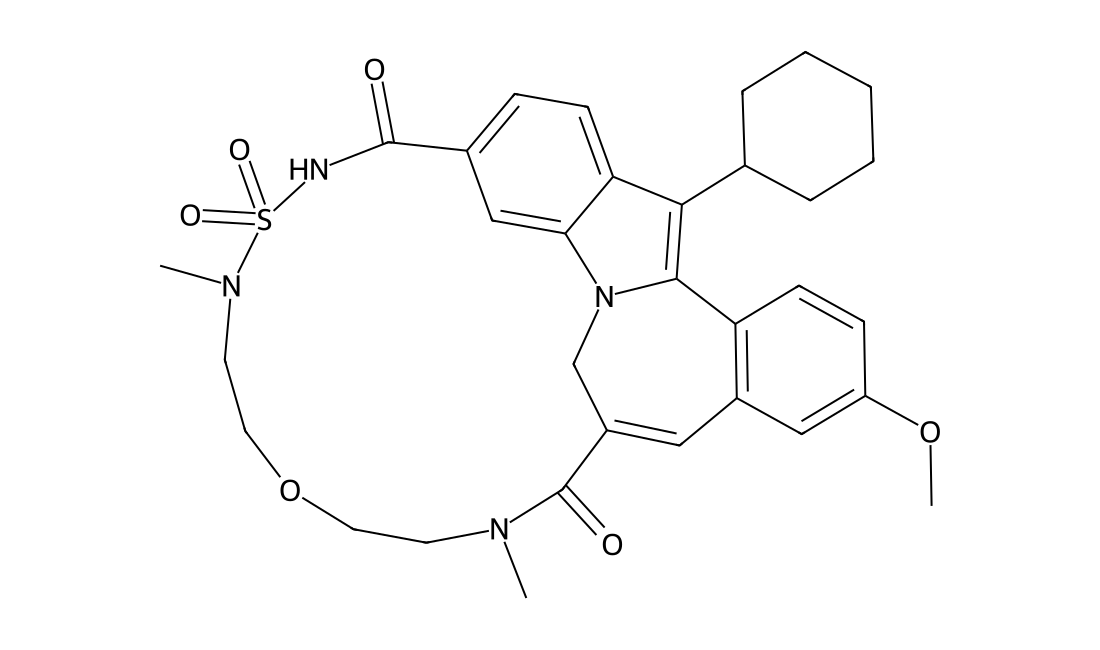
TMC647055

CAS 1204416-97-6

TMC647055 is a potent nonnucleoside NS5B polymerase inhibitor of HCV replication with a promising in vitro biochemical, kinetic, and virological profile that is currently undergoing clinical evaluation. For the detailed information of TMC647055, the solubility of TMC647055 in water, the solubility of TMC647055 in DMSO, the solubility of TMC647055 in PBS buffer, the animal experiment (test) of TMC647055, the cell expriment (test) of TMC647055, the in vivo, in vitro and clinical trial test of TMC647055, the EC50, IC50,and affinity,of TMC647055, Please contact DC Chemicals.

TMC647055 chemical structure
DC9618

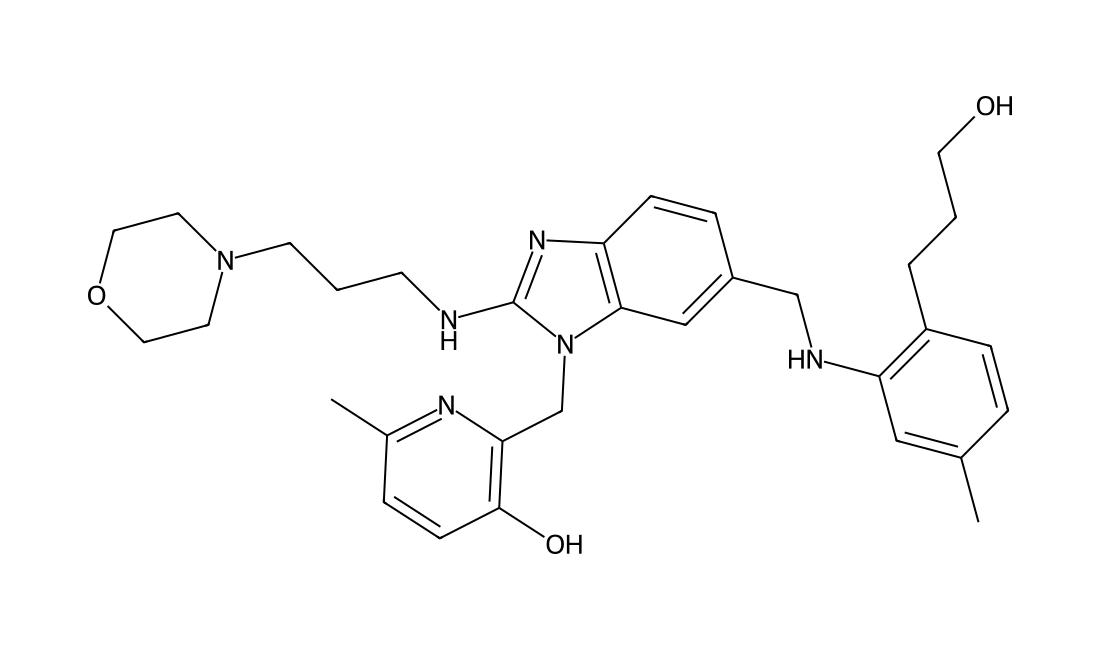
TMC353121

CAS 857066-90-1

TMC353121 is a potent RSV fusion inhibitor with pEC50 of 9.9(t1/2 in lung = 25 h). The activity profile of 56d(TMC353121) was found to be identical to the profile of JNJ-2408068. After iv administration, 56d was rapidly eliminated with a plasma clearance of 5.4 L/h/kg. The plasma concentrations dropped quickly within the first hour after dosing and then much more slowly. The plasma half-life determined between 4 and 24 h (last blood sampling time point) was about 10 h. 56d was shown to be active by intravenous, oral, and aerosol administration in the cotton rat model at doses of 10 mg/kg, 40 mg/kg, and 5 mg/mL, respectively.

TMC353121 chemical structure
DCAPI1605

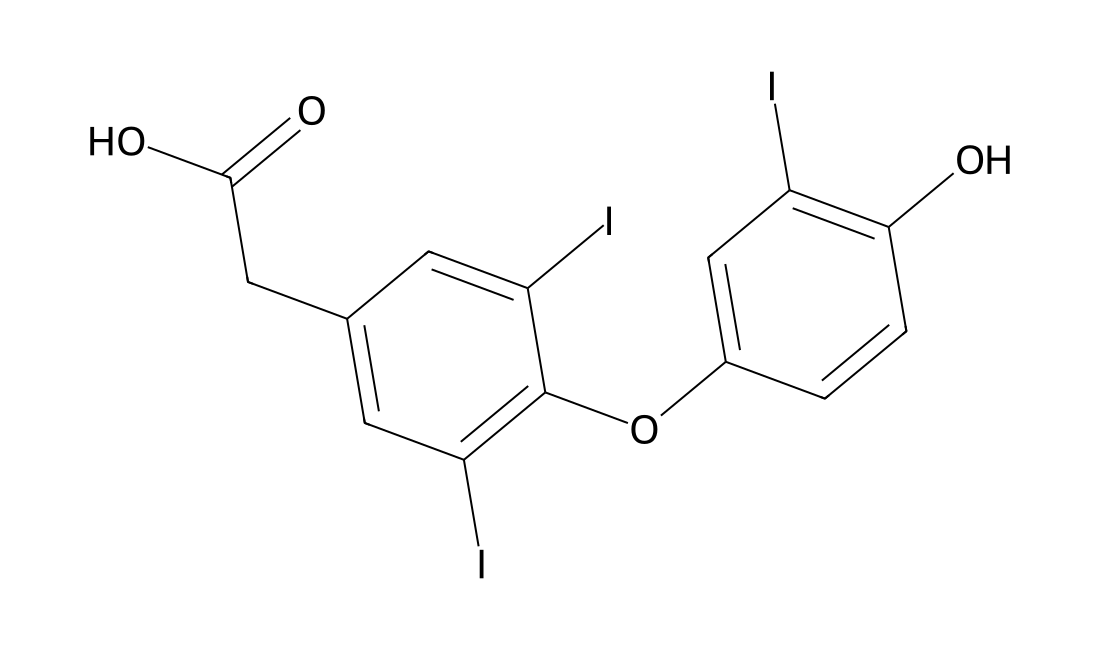
Tiratricol

CAS 51-24-1

Tiratricol is indicated in the management of thyroid hormone resistance syndrome and is used, in combination with levothyroxine, to suppress thyroid-stimulating hormone production in patients with thyroid cancer.It has been investigated For use in reducing goiter. It has also shown some effectiveness in reducing the atrophy caused when using corticosteroids.For the detailed information of Tiratricol, the solubility of Tiratricol in water, the solubility of Tiratricol in DMSO, the solubility of Tiratricol in PBS buffer, the animal experiment (test) of Tiratricol, the cell expriment (test) of Tiratricol, the in vivo, in vitro and clinical trial test of Tiratricol, the EC50, IC50,and Affinity of Tiratricol, Please contact DC Chemicals.

Tiratricol chemical structure
DC9038

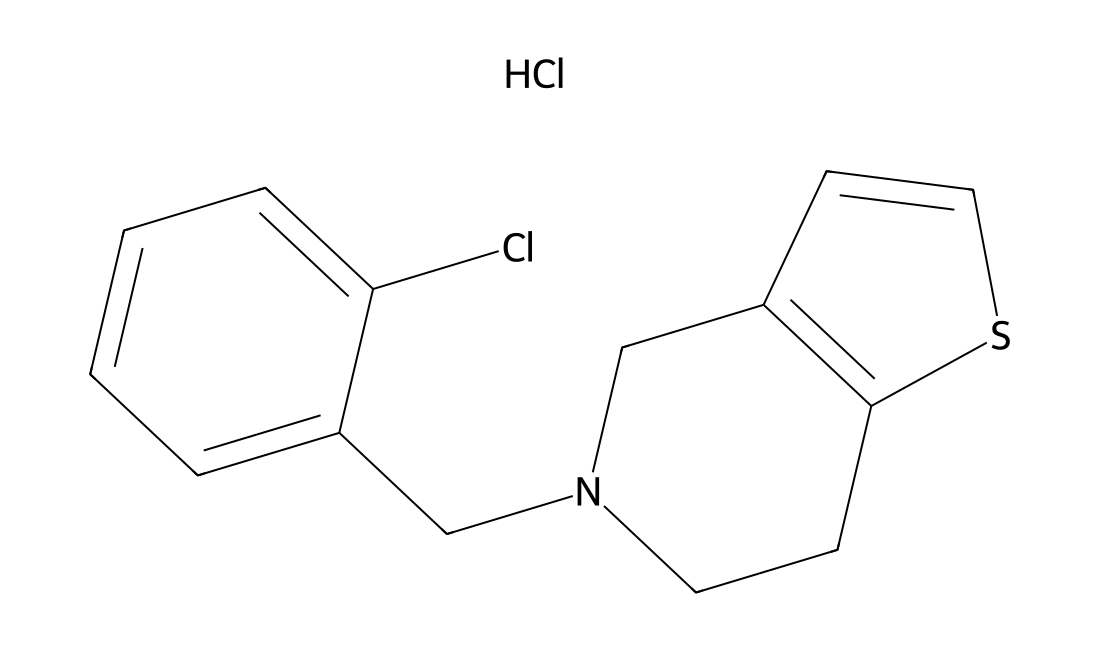
Ticlopidine HCl

CAS 53885-35-1

Ticlopidine hydrochloride is an adenosine diphosphate (ADP) receptor inhibitor against platelet aggregation with IC50 of ~2 μM.Ticlopidine (trade name Ticlid) is an antiplatelet drug in the thienopyridine family. Ticlopidine hydrochloride inhibits platelet aggregation with IC50 of ~2 μM in men. Like clopidogrel, it is an adenosine diphosphate (ADP) receptor inhibitor. It is used in patients in whom aspirin is not tolerated, or in whom dual antiplatelet therapy is desirable. Because it has been reported to increase the risk of thrombotic thrombocytopenic purpura (TTP) and neutropenia, its use has largely been supplanted by the newer drug, clopidogrel, which is felt to have a much lower hematologic risk. Its niche role as an alternative in those patients who do not tolerate Clopidogrel has now been superdeded by Ticagrelor and Prasugrel. The usual dose is 250 mg twice daily by the oral route. Ticlopidine hydrochloride, when orally administered to rats, results in activation of basal and prostaglandin E1 (PGE1)-stimulated adenylate cylase activity through increase in affinity of the cyclase in platelet membrane to PGE1, although it failed to affect adenosine- or sodium fluoride-stimulated activity of the enzyme.

Ticlopidine HCl chemical structure
DC11362

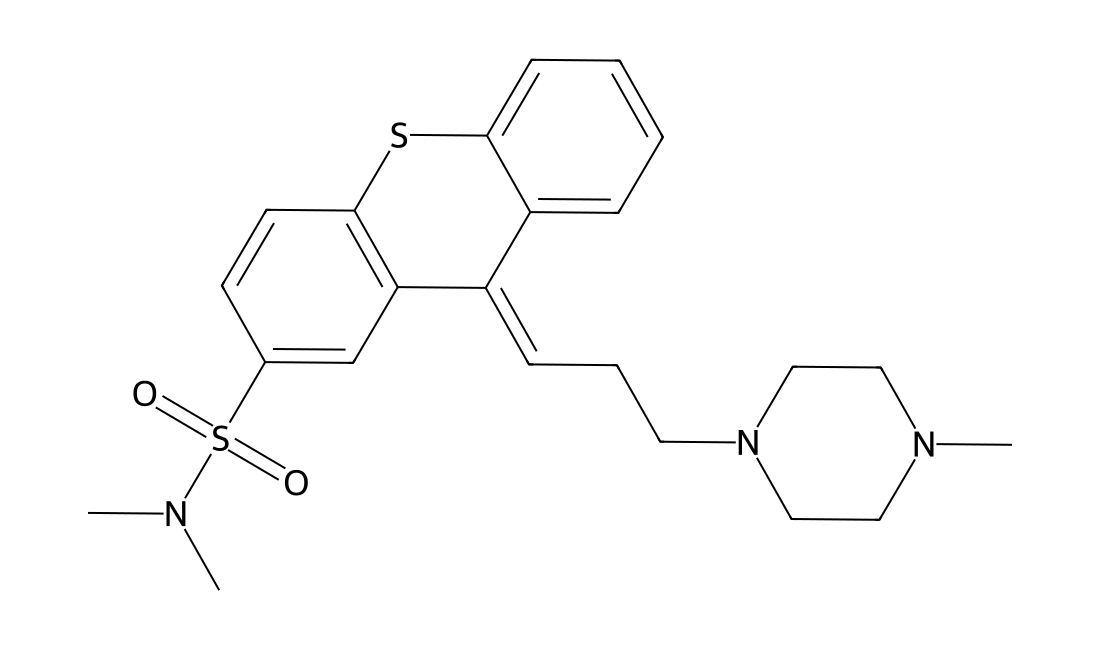
Thiothixene

CAS 5591-45-7

Thiothixene is a typical antipsychotic.1 It selectively binds to dopamine D2 over D1, D3, and D4 receptors (Kis = 0.417, 338, 186.2, and 363.1 nM, respectively). Thiothixene also binds to various serotonin (5-HT), histamine H1, α1- and α2-adrenergic, muscarinic acetylcholine, and sigma receptors (Kis = 15-5,754 nM) as well as the dopamine, norepinephrine, and serotonin transporters (Kis = 3.16-30 μM). In vivo, thiothixene reduces spontaneous and amphetamine-induced locomotor activity in rats.It enhances latent inhibition, as measured by a decreased lick latency in response to light and foot shock stimuli, which is a measure of selective attention in rats.Thiothixene also increases competitive behavior in submissive mice, indicating antidepressant-like behavior.Formulations containing thiothixene have been used in the treatment of schizophrenia and bipolar mania.

Thiothixene chemical structure
DC9377

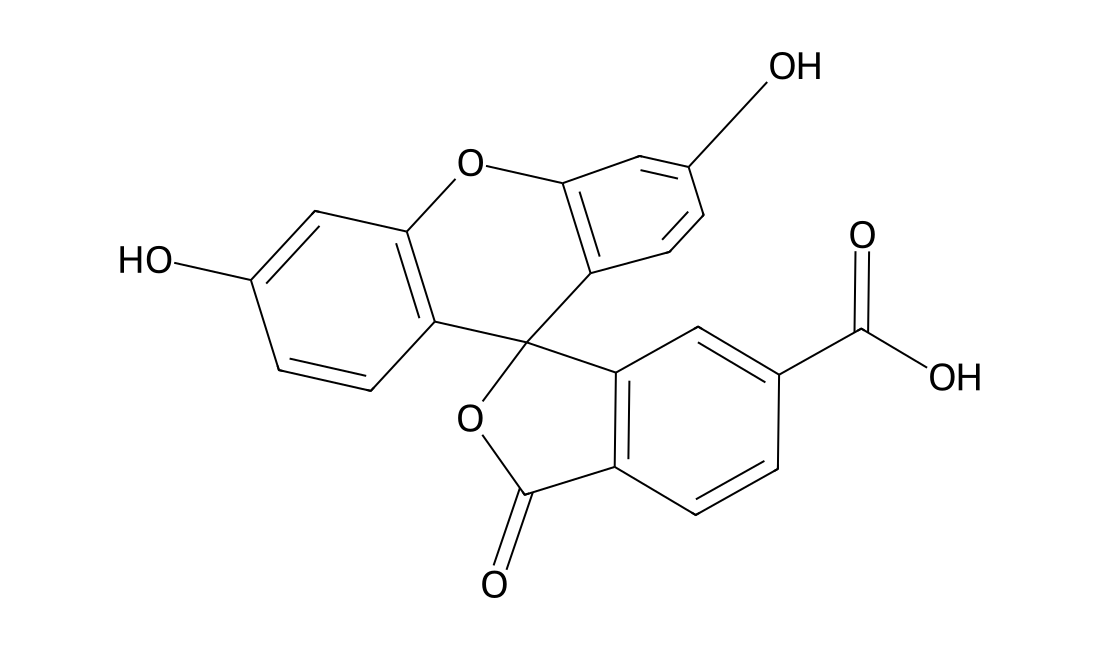
6-FAM

CAS 3301-79-9

The single isomer, 6-FAM, contains a carboxylic acid that can be used to react with primary amines via carbodiimide activation of the carboxylic acid. Fluorescein is the most common fluorescent derivatization reagent for labeling biomolecules. In addition to its relatively high absorptivity, excellent fluorescence quantum yield, and good water solubility, fluorescein has an excitation maximum that closely matches the 488 nm spectral line of the argon-ion laser.

6-FAM chemical structure
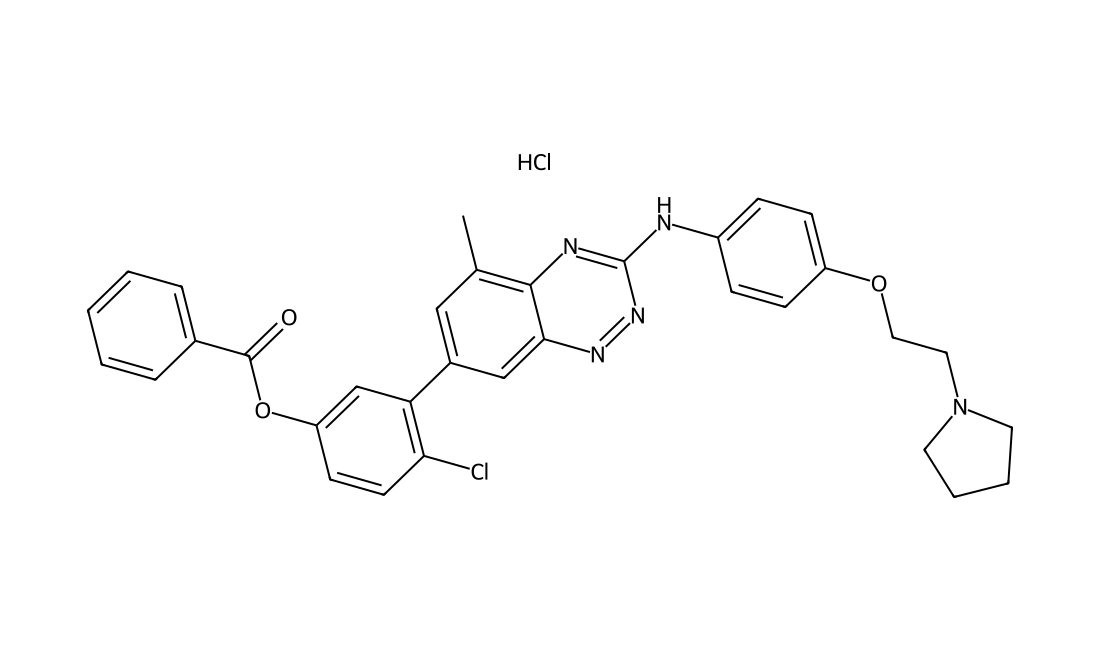
DC23989

TG 100801 hydrochloride

CAS 1018069-81-2

The prodrug of TG 100572, a potent, dual receptor tyrosine kinase/Src kinase inhibitor with IC50 of 2-16 nM for VEGFR, FGFR and PDGFR, 0.1-5 nM for Src family; significantly suppresses laser-induced CNV in mice, and reduces fluorescein leakage from the vasculature and retinal thickening in a rat model of retinal vein occlusion (topical administration).

TG 100801 hydrochloride chemical structure
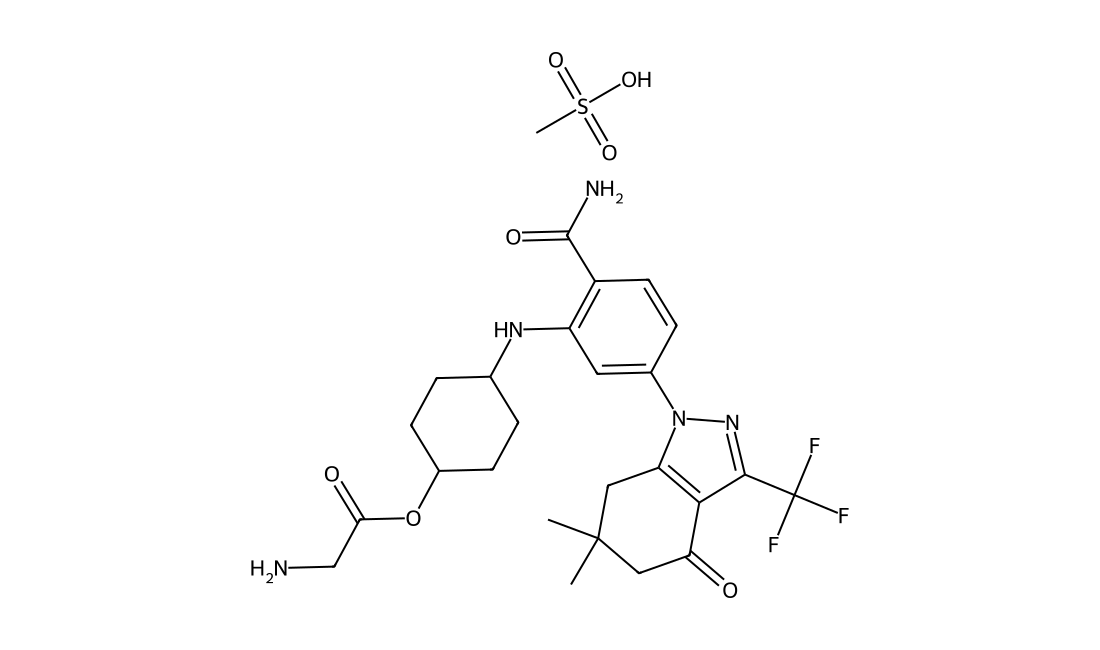
DC23955

PF-04929113 Mesylate

CAS 1173111-67-5

The prodrug of PF-04928473 (SNX-2112), a potent, orally bioavailable HSP90 inhibitor; inhibits several signaling pathways and induces apoptosis in CRPC LNCaP tumors in vivo.Blood CancerPhase 1 Clinical

PF-04929113 Mesylate chemical structure
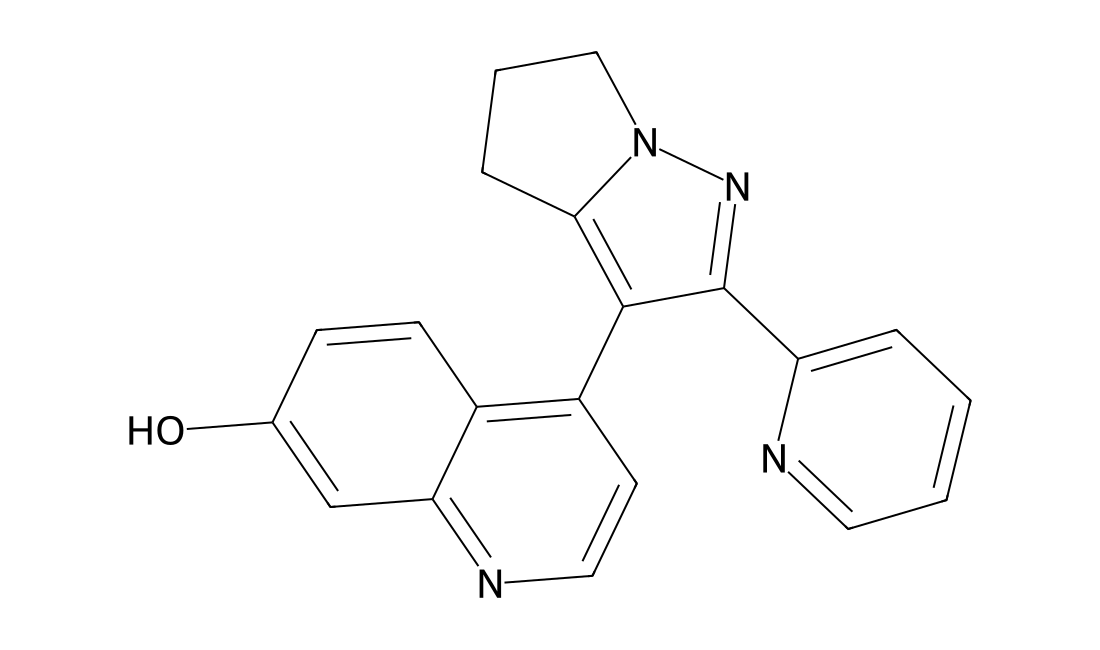
DC7559

TGF-B (beta) receptor inhibitor

CAS 476474-11-0

For the detailed information of F9995-0144, the solubility of F9995-0144 in water, the solubility of F9995-0144 in DMSO, the solubility of F9995-0144 in PBS buffer, the animal experiment (test) of F9995-0144, the cell expriment (test) of F9995-0144, the in vivo, in vitro and clinical trial test of F9995-0144, the EC50, IC50,and Affinity of F9995-0144, Please contact DC Chemicals.

TGF-B (beta) receptor inhibitor chemical structure
DC9041

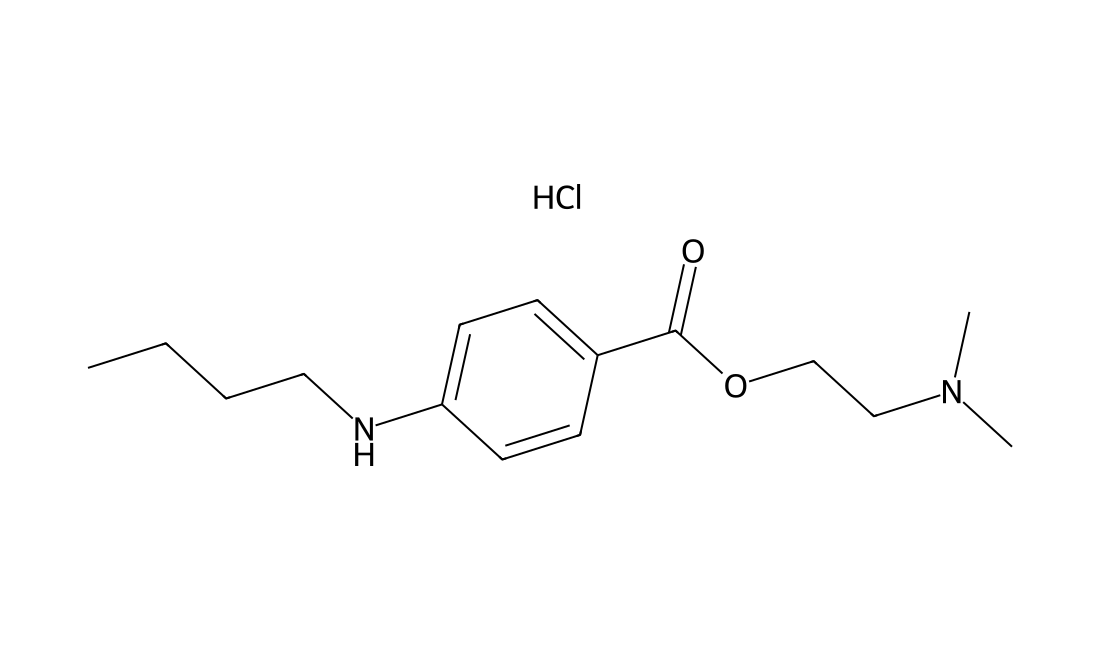
Tetracaine HCl

CAS 136-47-0

Tetracaine HCl is a potent local anaesthetic and a channel function allosteric inhibitor.Tetracaine hydrochloride is a calcium channel protein inhibitor and blocks voltage-sensitive release of Ca2+ from sarcoplasmic reticulum. Tetracaine is a potent local anesthetic of the ester group. It is mainly used topically in ophthalmology and as an antipruritic, and it has been used in spinal anesthesia. Tetracaine is used to alter the function of calcium release channels (ryanodine receptors) that control the release of calcium from intracellular stores. Tetracaine is an allosteric blocker of channel function. At low concentrations, tetracaine causes an initial inhibition of spontaneous calcium release events, while at high concentrations, tetracaine blocks release completely.

Tetracaine HCl chemical structure
DC7316

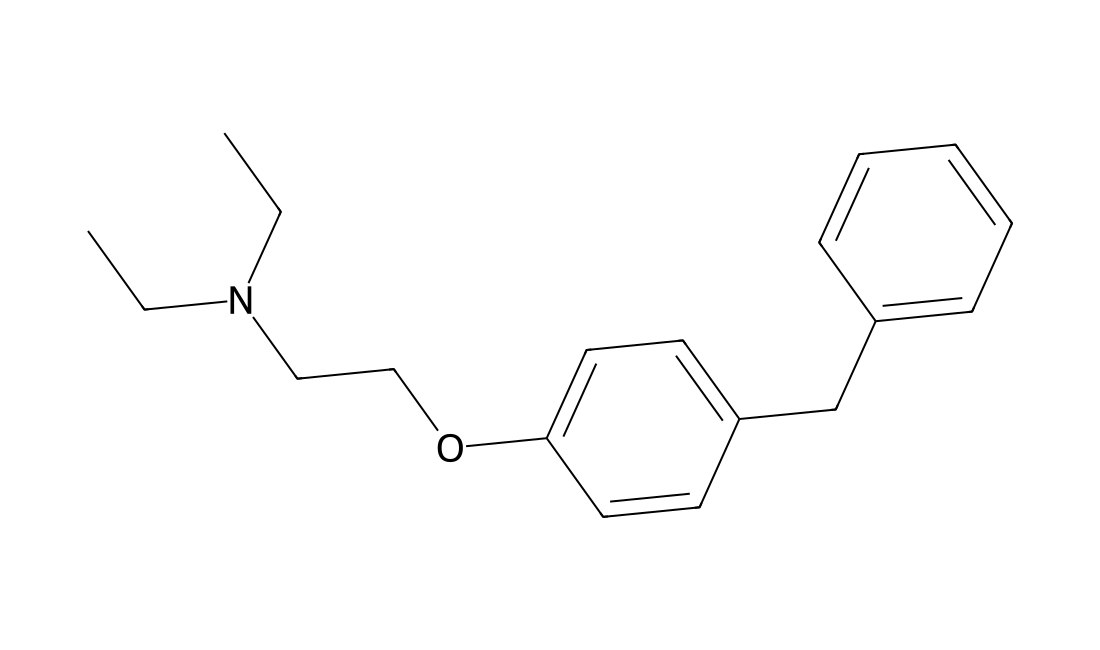
Tesmilifene

CAS 98774-23-3

Tesmilifene is a novel agent that augments cytotoxicity of various chemotherapeutic agents both in vitro and in vivo. It binds selectively to the high-affinity microsomal antiestrogen binding site (Ki=50nm) but has no affinity For estrogen receptors. Inhibits concanavalin-A-induced histamine release in mast cells and acts as a novel antagonist of intracellular histamine.For the detailed information of Tesmilifene, the solubility of Tesmilifene in water, the solubility of Tesmilifene in DMSO, the solubility of Tesmilifene in PBS buffer, the animal experiment (test) of Tesmilifene, the cell expriment (test) of Tesmilifene, the in vivo, in vitro and clinical trial test of Tesmilifene, the EC50, IC50,and Affinity of Tesmilifene, Please contact DC Chemicals.

Tesmilifene chemical structure
DC8696

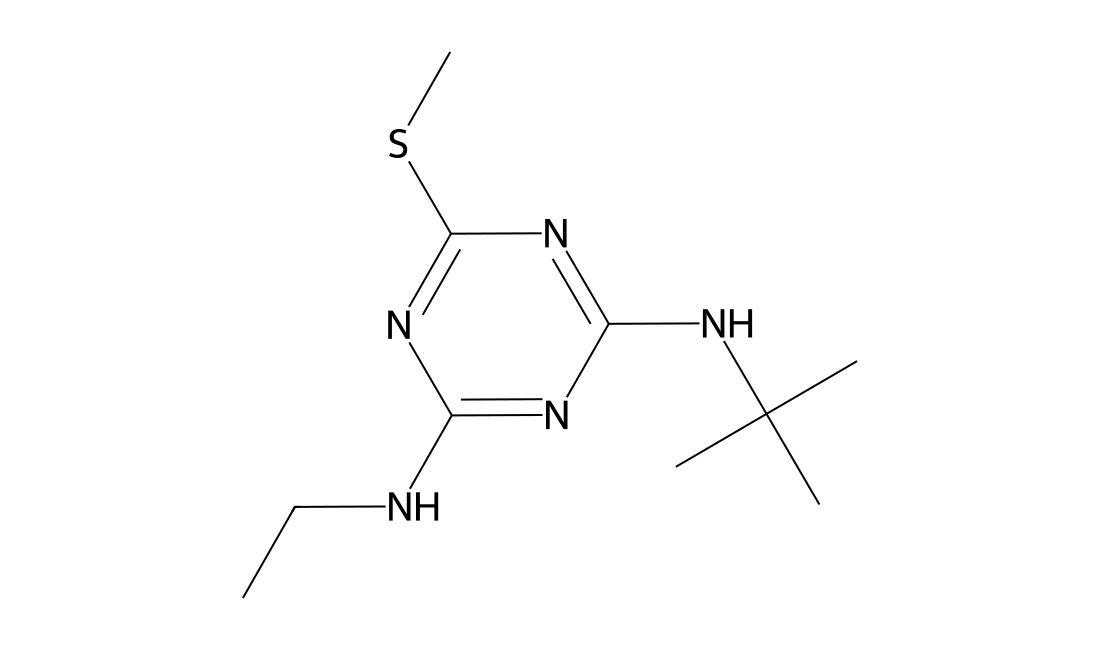
Terbutryn

CAS 886-50-0

Terbutryn is a selective herbicide and a triazine compound. It is absorbed by the roots and foliage and acts as an inhibitor of photosynthesis.

Terbutryn chemical structure
DCAPI1383

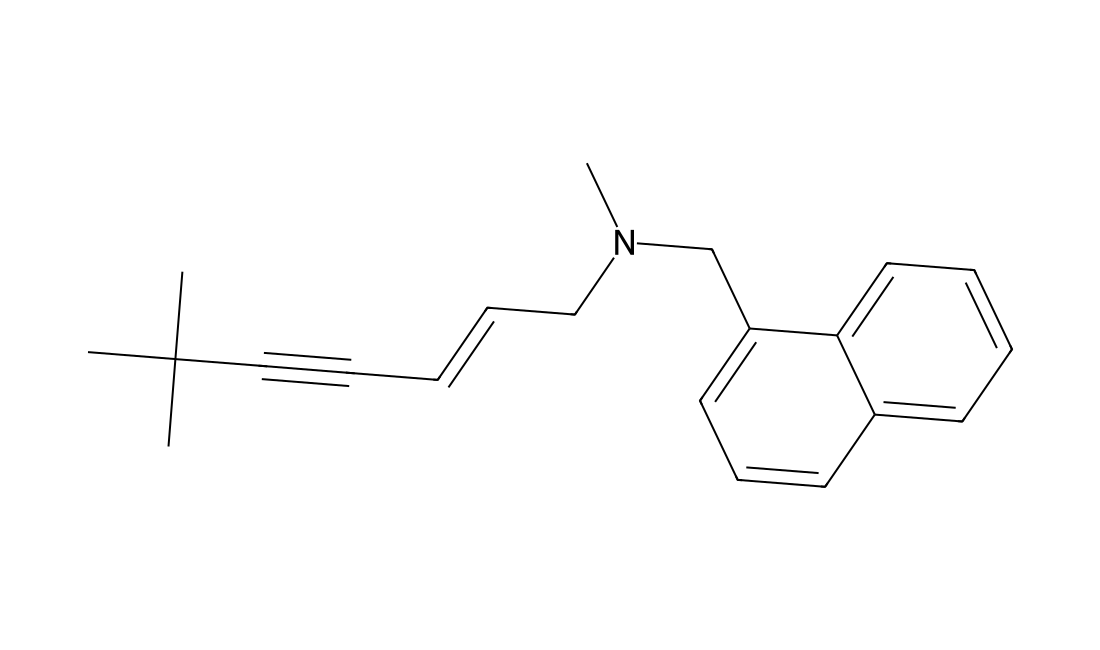
Terbinafine (Lamisil, Terbinex)

CAS 91161-71-6

For the detailed information of Terbinafine (Lamisil, Terbinex), the solubility of Terbinafine (Lamisil, Terbinex) in water, the solubility of Terbinafine (Lamisil, Terbinex) in DMSO, the solubility of Terbinafine (Lamisil, Terbinex) in PBS buffer, the animal experiment(test) (test) of Terbinafine (Lamisil, Terbinex), the cell expriment (test) of Terbinafine (Lamisil, Terbinex), the in vivo, in vitro and clinical trial test of Terbinafine (Lamisil, Terbinex), the EC50, IC50,and Affinity of Terbinafine (Lamisil, Terbinex),, please contact DC Chemicals.

Terbinafine (Lamisil, Terbinex) chemical structure
DC9072

Tenoxicam

CAS 59804-37-4

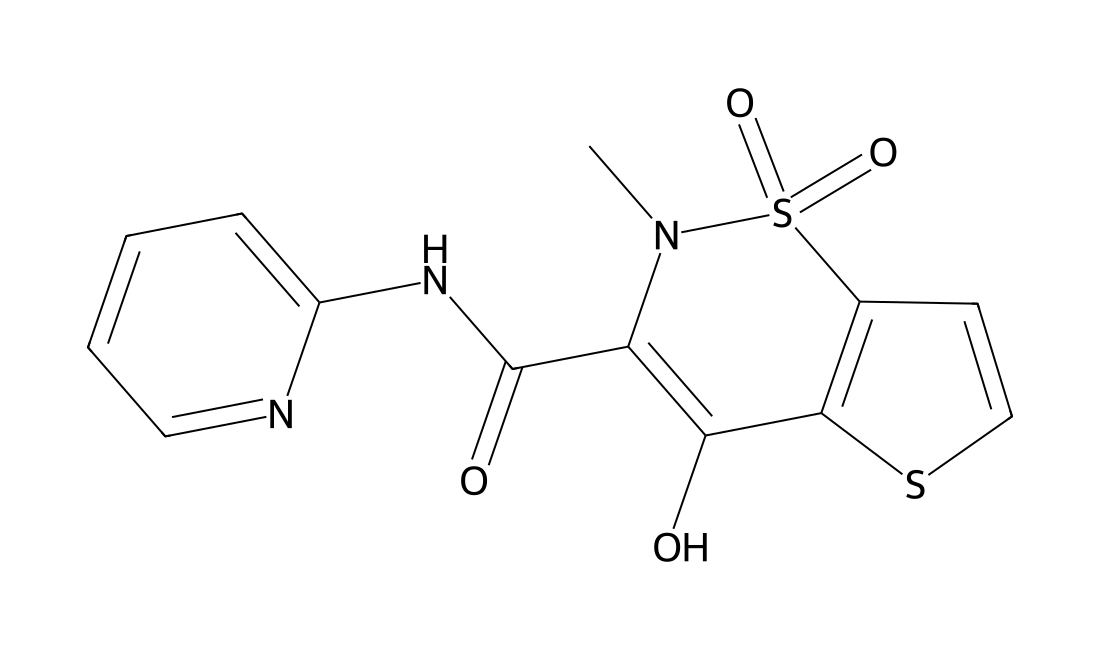
Tenoxicam, an antiinflammatory agent with analgesic and antipyretic properties.Tenoxicam is a non-steroidal anti-inflammatory drug (NSAID). Tenoxicam-treated patients had significant decrease in nitrite levels (p = 0.036) and XO activity (p = 0.01), but their SOD, GSH-Px enzyme activities, and MDA levels were unchanged from baseline. Tenoxicam may have antioxidant effects, and it may reduce nitrite levels, indicating an alteration of NO pathways. Tenoxicam was administered intraperitoneally immediately after BCAO. Histological analyses show that ischemia produced significant striatal as well as hippocampal lesions which were reversed by the Tenoxicam treatment. Tenoxicam also significantly reduced, to control levels, the increased myeloperoxidase activity in hippocampus homogenates observed after ischemia.

Tenoxicam chemical structure
DCAPI1465

Telmisartan

CAS 144701-48-4

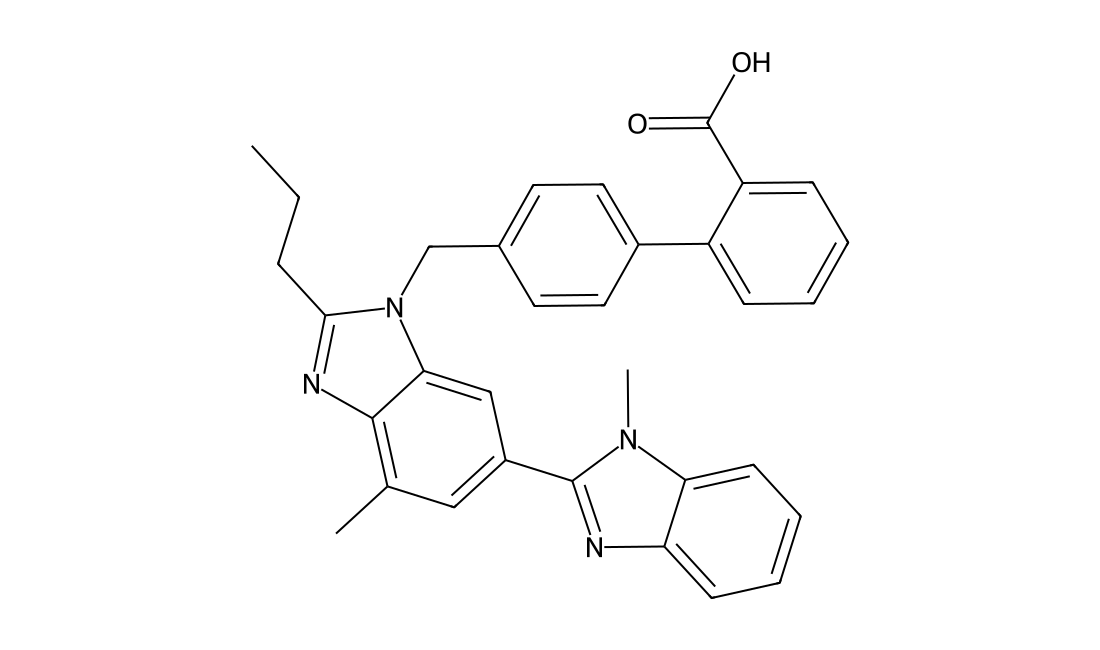
For the detailed information of Telmisartan, the solubility of Telmisartan in water, the solubility of Telmisartan in DMSO, the solubility of Telmisartan in PBS buffer, the animal experiment(test) (test) of Telmisartan, the cell expriment (test) of Telmisartan, the in vivo, in vitro and clinical trial test of Telmisartan, the EC50, IC50,and Affinity of Telmisartan,, please contact DC Chemicals.

Telmisartan chemical structure
DC10178

TCN238

CAS 125404-04-8

In the rat mGlu4 PAM in vitro assay the EC50 of TCN238 is 1 μM which is comparable to the human assay. TCN238 is screened in rat and human mGlu5 assays, the IC50 of 11 is >30 μM on human mGlu5and >10 μM on rat mGlu5. TCN238 is run in a receptor screening panel of 68 targets and no activity is observed at ≥50% at 10 μM for any of the receptors. In CaCo-2 cells, TCN238 is found to have good permeability with no apparent efflux issue.TCN238 is highly CNS penetrant with a concentration of 33.8 μM in the brain. The plasma protein binding in rats is measured as 90% bound. The metabolic stability of TCN238 is assessed in rat and human microsomes and found to be 62% and 83% hepatic blood flow. The limited stability translated into a high in vivo clearance in rats of 75 mL/min/kg and TCN238 has a moderate volume of distribution (2.7 L/kg) with a short mean residence time (0.6 h) when dosed at 2 mg/kg via intravenous injection. TCN238 is orally bioavailable and 30 min following administration of a30 mg/kg dose, the plasma concentration is found to be 11.6 μM. TCN 238 does not affect the performance of the learned task. However, the expression level of GRM4 in the hippocampus is reliable down-regulated five days after treatment with TCN 238. In addition, the expression level of GABRA1, encoding GABAA α-subunit is downregulated five days after the treatment in the frontal cortex.

TCN238 chemical structure
DC10300

Tbid

CAS 1639895-85-4

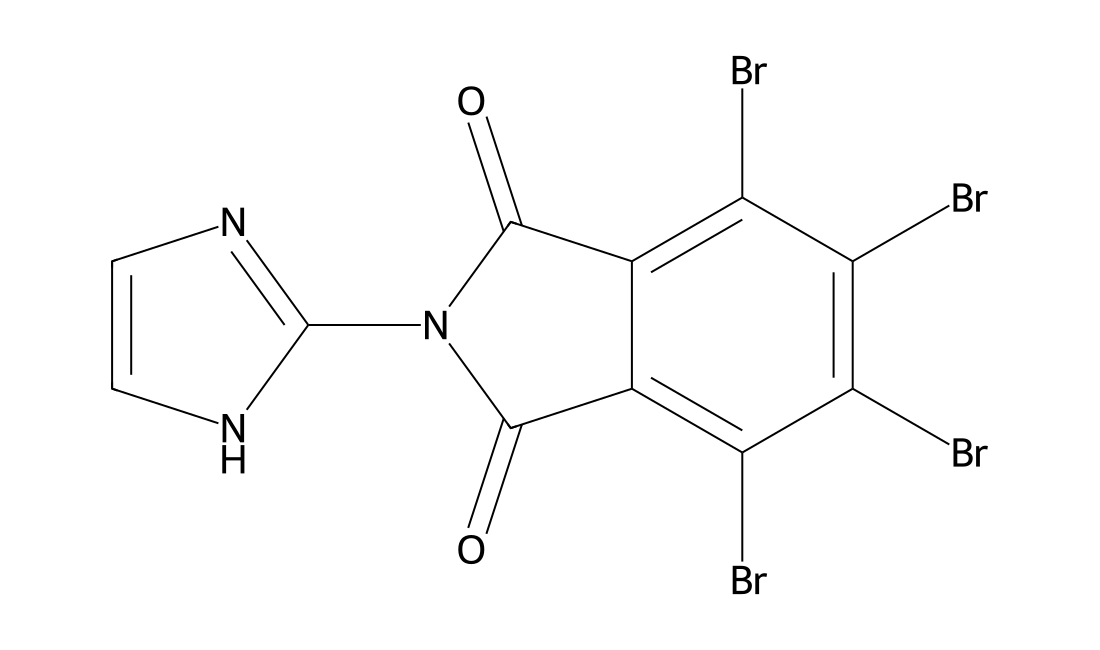
Homeodomain-interacting protein kinase 2 (HIPK2) is a Ser/Thr kinase controlling cell proliferation and survival. TBID, displays toward HIPK2 unprecedented efficacy (IC50=0.33 µM) and selectivity (Gini coefficient 0.592 out of a panel of 76 kinases). The two other members of the HIPK family, HIPK1 and HIPK3, are also inhibited by TBID albeit less efficiently than HIPK2. The mode of action of TBID is competitive with respect to ATP, consistent with modelling. TBID interacts with the hinge region through hydrophobic interactions between Val 213, Val 261, Phe 277, Leu 280, Met 331, Ile 345, and the tetrabromine moiety, while the symmetric nitrogen atom at position 3 interacts with the catalytic Lys 228, thus playing a crucial role in the binding architecture.

Tbid chemical structure
DCAPI1027

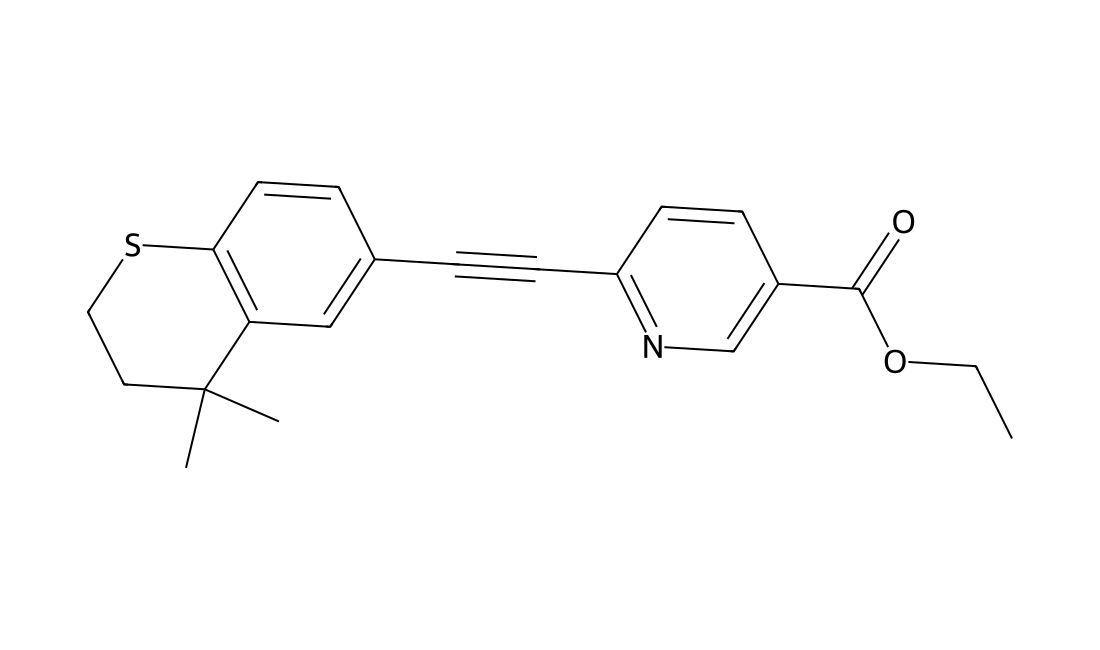
Tazarotene (Avage)

CAS 118292-40-3

For the detailed information of Tazarotene (Avage), the solubility of Tazarotene (Avage) in water, the solubility of Tazarotene (Avage) in DMSO, the solubility of Tazarotene (Avage) in PBS buffer, the animal experiment(test) (test) of Tazarotene (Avage), the cell expriment (test) of Tazarotene (Avage), the in vivo, in vitro and clinical trial test of Tazarotene (Avage), the EC50, IC50,and Affinity of Tazarotene (Avage),, please contact DC Chemicals.

Tazarotene (Avage) chemical structure
DC7512

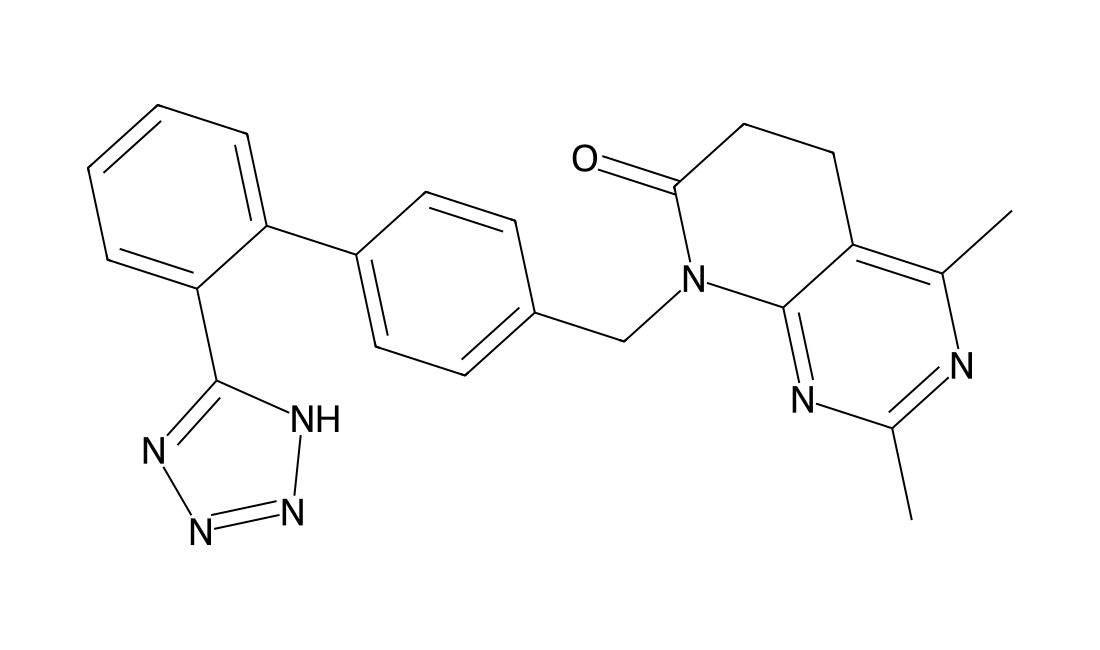
Tasosartan

CAS 145733-36-4

Tasosartan is a long-acting angiotensin II (AngII) receptor blocker. Its long duration of action has been attributed to its active metabolite enoltasosartan. It is used to treat patients with essential hypertensionFor the detailed information of Tasosartan, the solubility of Tasosartan in water, the solubility of Tasosartan in DMSO, the solubility of Tasosartan in PBS buffer, the animal experiment (test) of Tasosartan, the cell expriment (test) of Tasosartan, the in vivo, in vitro and clinical trial test of Tasosartan, the EC50, IC50,and Affinity of Tasosartan, Please contact DC Chemicals.

Tasosartan chemical structure
DC7898

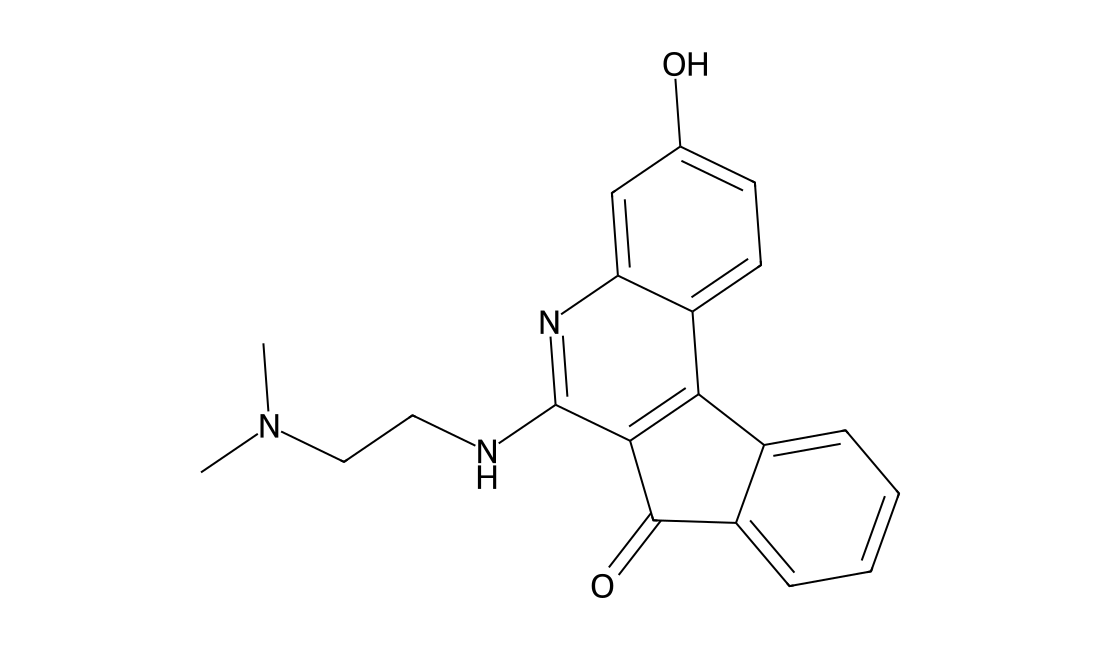
TAS-103(BMS247615)

CAS 174634-08-3

TAS-103(BMS-247615) is a dual inhibitor of topoisomerase-I (topo-I) and topoisomerase-II (topoII). IC50 value: Target: Topoisomerase in vitro: TAS-103 was effective in inhibiting in vitro proliferation of human SCLC (SBC-3 and H69) cells and their drug-resistant variants SBC-3/ADM or SBC-3/CDDP and H-69/VP, respectively. SBC-3/ADM and H-69/VP expressed high P-gp, whereas SBC-3/CDDP did not . TAS-103 disrupts SRP complex formation and reduces the amount of SRP14 and SRP19. TAS-103 treatment and RNAi-mediated knockdown of SRP54 or SRP14 promoted accumulation of the exogenously expressed chimeric protein interleukin-6-FLAG inside cells . In 13 human cancer cell lines, MGMT expression correlated with IC50 for TAS-103, whereas gamma-GCS expression inversely correlated with the IC50 value, suggesting MGMT may work to decrease TAS-103 activity but gamma-GCS may increase it . in vivo: TAS-103 also effectively reduced the tumor growth (more than 50% inhibition) of the parental as well as MDR SCLC cells grown SC in nude mice . Thirty-two patients were treated with escalating doses (50 to 200 mg/m(2)) of TAS-103, administered intravenously over 1 hour each week for 3 weeks. Pharmacokinetic analysis was performed at the 130-, 160-, and 200-mg/m(2) dose levels .For the detailed information of TAS-103 HCL, the solubility of TAS-103 HCL in water, the solubility of TAS-103 HCL in DMSO, the solubility of TAS-103 HCL in PBS buffer, the animal experiment (test) of TAS-103 HCL, the cell expriment (test) of TAS-103 HCL, the in vivo, in vitro and clinical trial test of TAS-103 HCL, the EC50, IC50,and affinity,of TAS-103 HCL, Please contact DC Chemicals.

TAS-103(BMS247615) chemical structure
DC7894

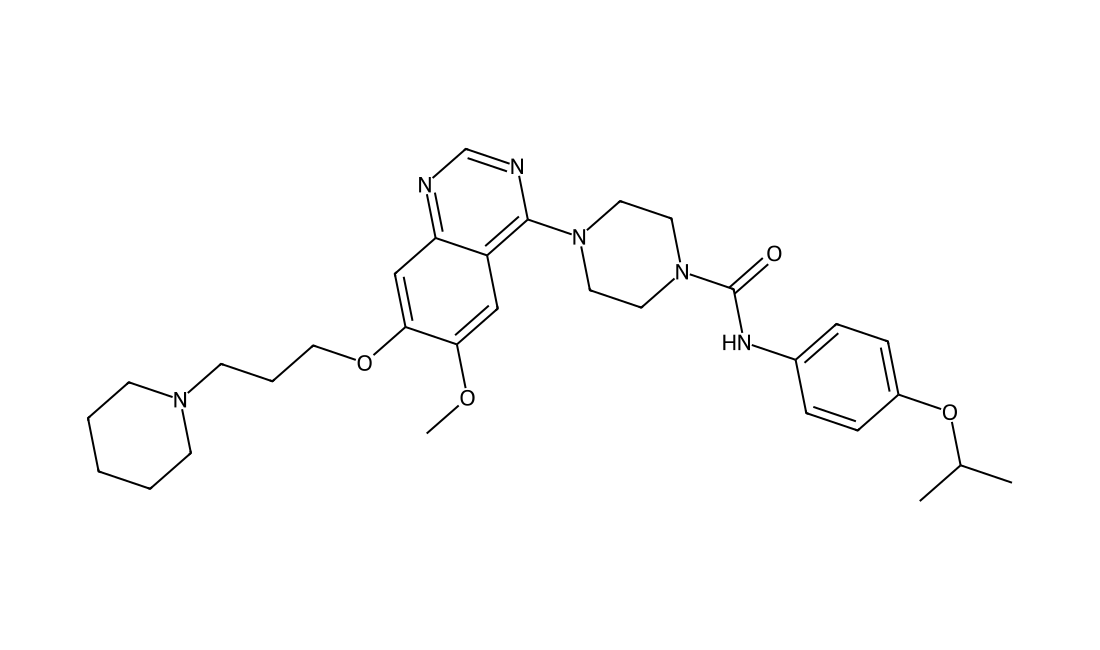
Tandutinib(MLN518)

CAS 387867-13-2

Tandutinib has little activity against EGFR, FGFR, KDR, InsR, Src, Abl, PKC, PKA and MAPKs. Tandutinib inhibits IL-3-independent cell growth and FLT3-ITD autophosphorylation with an IC50 of 10-100 nM. Tandutinib also inhibits the proliferation of human leukemia Ba/F3 cells containing FLT3-ITD mutations with IC50 values of 10-30 nM, and the FLT3-ITD-positive Molm-13 and Molm-14 cells with an IC50 of 10 nM. In FLT3-ITD-positive Molm-14 cells but not the FLT3-ITD-negative THP-1 cells, Tandutinib treatment leads to significant apoptosis by 51% and 78% at 24 and 96 hours, respectively, due to specific FLT3 inhibition. Tandutinib preferentially inhibits the growth of blast colonies from FLT3 ITD-positive compared with ITD-negative patients with AML, without affecting colony formation by normal human progenitor cells. Oral administration of Tandutinib at 60 mg/kg bid significantly increases the survival in mice bearing Ba/F3 cells expressing W51 FLT3-ITD mutant, and gives a significant reduction in mortality in a mouse bone marrow transplantation model. Tandutinib treatment at 180 mg/kg twice daily has mild toxicity toward normal hematopoiesis, however, it is a dose at which Tandutinib is effective in treating FLT3 ITD-positive leukemia in mice. For the detailed information of Tandutinib(MLN518), the solubility of Tandutinib(MLN518) in water, the solubility of Tandutinib(MLN518) in DMSO, the solubility of Tandutinib(MLN518) in PBS buffer, the animal experiment (test) of Tandutinib(MLN518), the cell expriment (test) of Tandutinib(MLN518), the in vivo, in vitro and clinical trial test of Tandutinib(MLN518), the EC50, IC50,and affinity,of Tandutinib(MLN518), Please contact DC Chemicals.

Tandutinib(MLN518) chemical structure
DC7304

TAK 715

CAS 303162-79-0

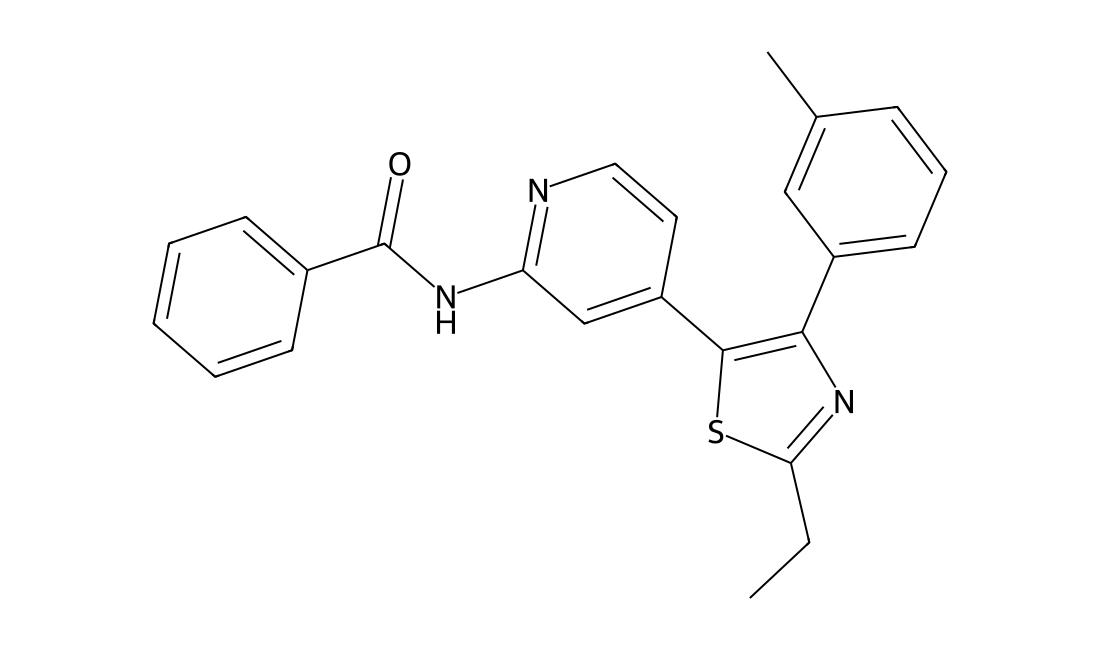
TAK 715 inhibits LPS-stimulated release of TNF-alpha from THP-1 with IC50 of 48 nM. TAK 715 (10 μM) inhibits Wnt-3a-induced hDvl2 phosphorylation and the hDvl2 shift in U2OS-EFC cells. The amide NH of TAK 715 is hydrogen bonded to the main-chain carbonyl of Met109 of p38 alpha. TAK 715 binds relatively high in the ATP pocket, occupying the hydrophobic back pocket, the adenine region and the front pocket of p38 as well as extending to most of the length of the Gly-rich loop. TAK 715 (10 mg/kg, po) inhibits LPS-induced TNF-alpha production in mice with 87.6% inhibition. TAK 715 has a modest mouse bioavailability of 18.4% and a slightly improved rat bioavailability of 21.1%. TAK 715 has a modest mouse bioavailability of 18.4% and a slightly improved rat bioavailability of 21.1%. TAK 715 results in Cmax of 0.19 μg/mL and AUC(0-24 hours) of 1.16 μg·h/mL in rats. TAK 715 (30 mg/kg, po) significantly reduces the secondary paw volume with 25 % inhibition in a rat adjuvant-induced arthritis (AA) model. For the detailed information of TAK 715, the solubility of TAK 715 in water, the solubility of TAK 715 in DMSO, the solubility of TAK 715 in PBS buffer, the animal experiment (test) of TAK 715, the cell expriment (test) of TAK 715, the in vivo, in vitro and clinical trial test of TAK 715, the EC50, IC50,and Affinity of TAK 715, Please contact DC Chemicals.

TAK 715 chemical structure
DC21719

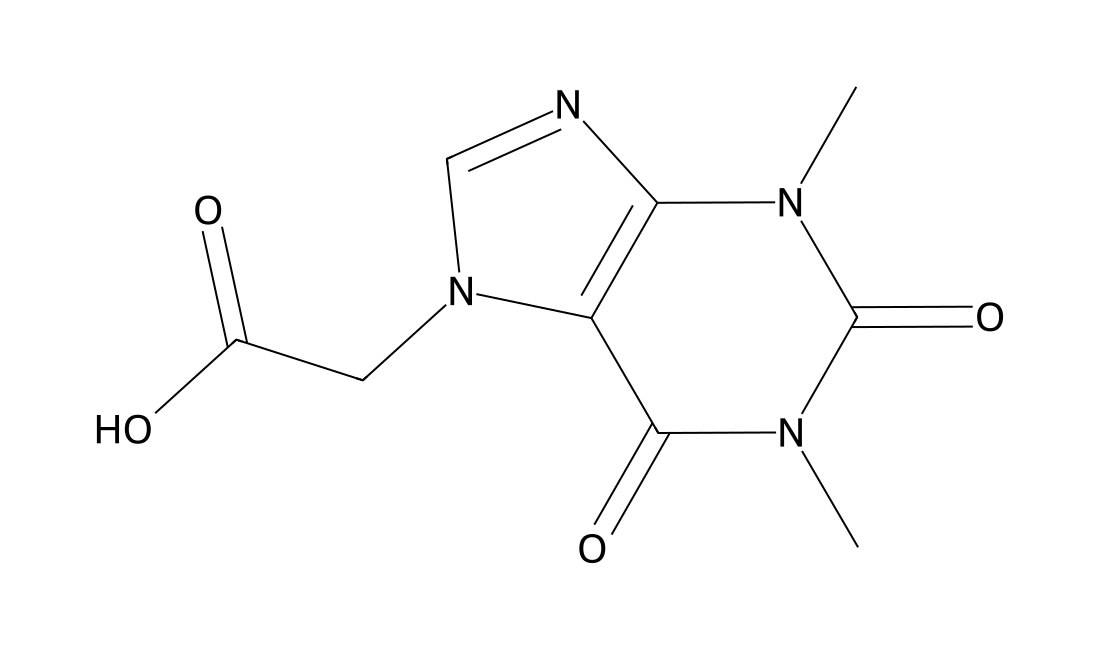
T-1105

CAS 55321-99-8

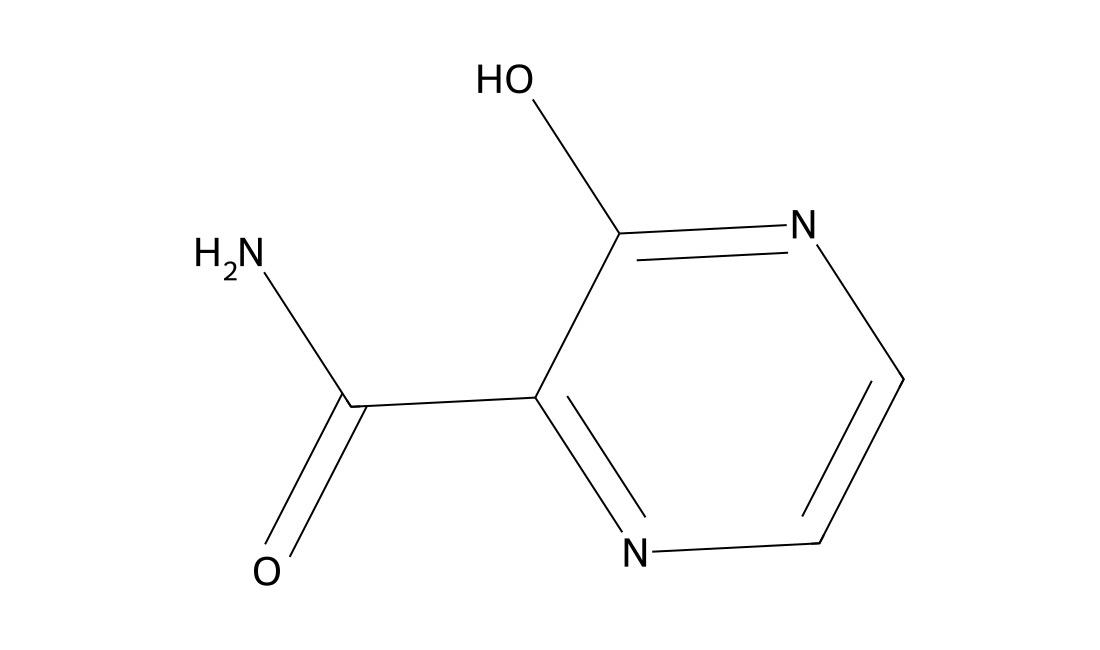
T-1105 is a broad-spectrum antiviral inhibitor that demonstrates good activity for various RNA viruses, including influenza virus, arenaviruses, bunyaviruses, West Nile virus (WNV), yellow fever virus (YFV), FMDV, and ZIKV; inhibits ZIKV replication with EC50 of 35 uM in a virus yield reduction assay.

T-1105 chemical structure
DC9550

Sunifiram

CAS 314728-85-3

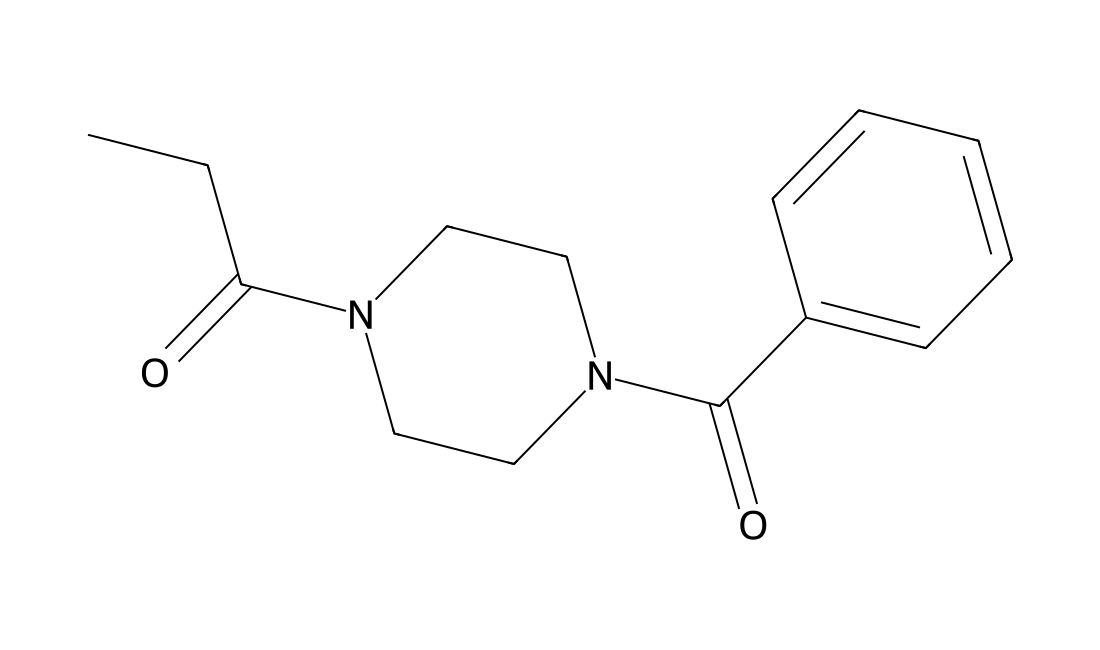
Sunifiram (DM-235) is a piperazine derived ampakine-like drug which has nootropic effects in animal studies with significantly higher potency than piracetam. in vitro: DM 232 and DM 235 are novel antiamnesic compounds structurally related to ampakines. The involvement of AMPA receptors in the mechanism of action of DM 232 and DM 235 was, therefore, investigated in vivo and in vitro. Both compounds (0.1 mg/kg?1 i.p.) were able to reverse the amnesia induced by the AMPA receptor antagonist NBQX (30 mg/kg?1 i.p.) in the mouse passive avoidance test. At the effective doses, the investigated compounds did not impair motor coordination, as revealed by the rota rod test, nor modify spontaneous motility and inspection activity, as revealed by the hole board test. In mouse hippocampal slices, sunifiram at 10-100 nM significantly enhanced LTP in a bell-shaped dose-response relationship which peaked at 10 nM. The enhancement of LTP by sunifiram treatment was inhibited by 7-chloro-kynurenic acid (7-ClKN), an antagonist for glycine-binding site of NMDAR, but not by ifenprodil, an inhibitor for polyamine site of NMDAR. in vivo: OBX mice were administered once a day for 7-12 days with sunifiram (0.01-1.0mg/kg p.o.) from 10 days after operation with or without gavestinel (10mg/kg i.p.), which is glycine-binding site inhibitor of N-methyl-d-aspartate receptor (NMDAR).

Sunifiram chemical structure
DCAPI1320

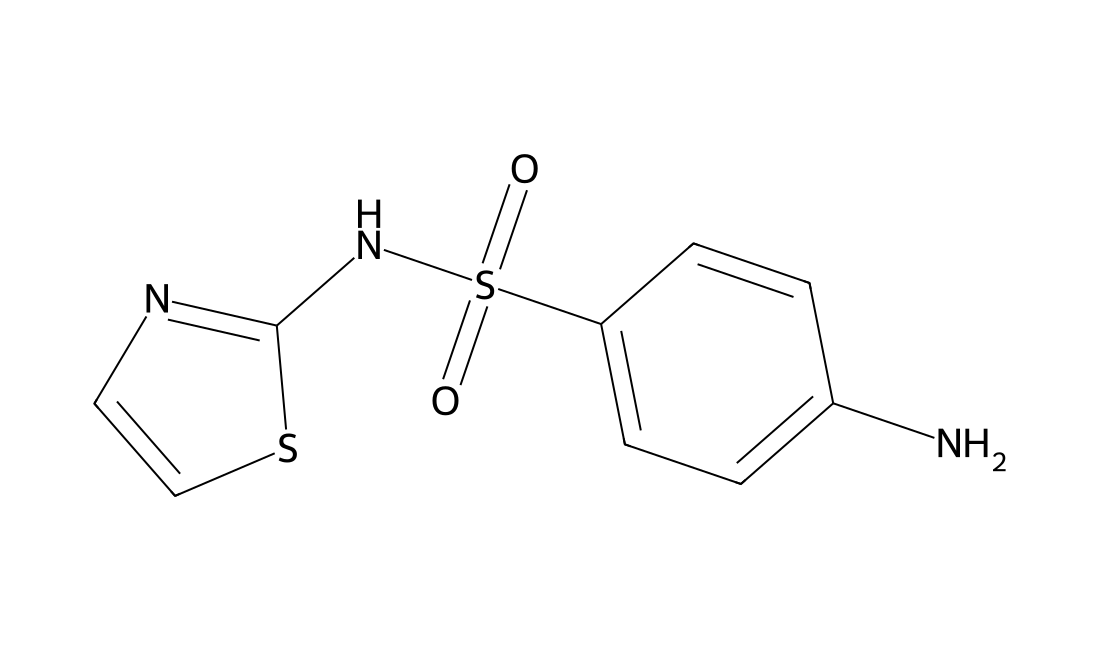
Sulfathiazole

CAS 72-14-0

For the detailed information of Sulfathiazole, the solubility of Sulfathiazole in water, the solubility of Sulfathiazole in DMSO, the solubility of Sulfathiazole in PBS buffer, the animal experiment(test) (test) of Sulfathiazole, the cell expriment (test) of Sulfathiazole, the in vivo, in vitro and clinical trial test of Sulfathiazole, the EC50, IC50,and Affinity of Sulfathiazole,, please contact DC Chemicals.

Sulfathiazole chemical structure
DC9115

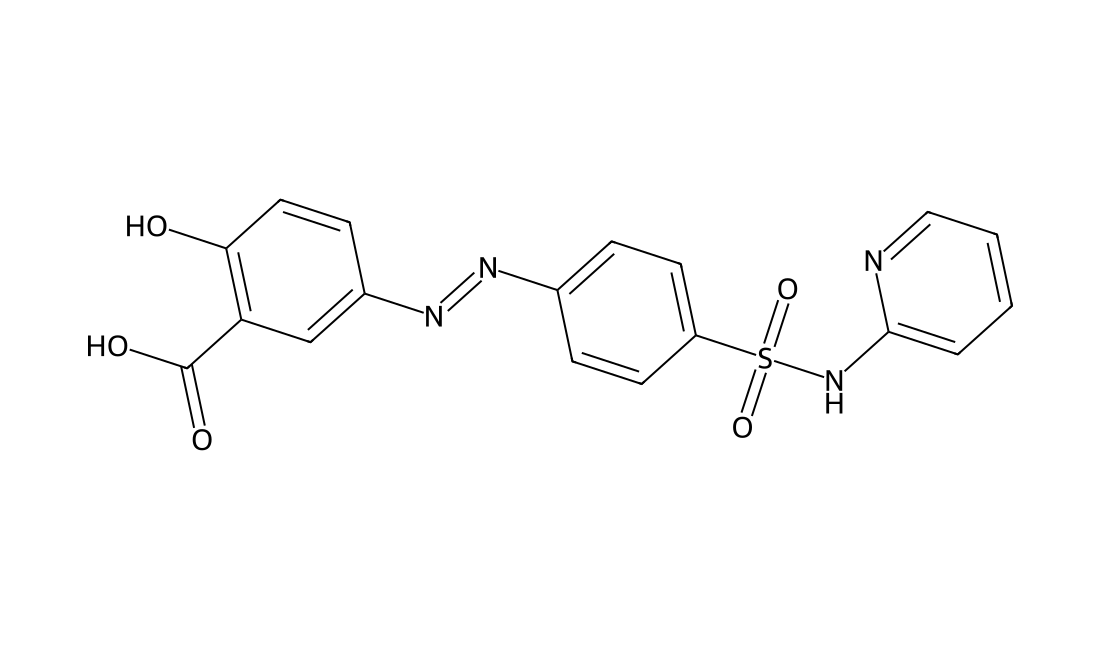
Salicylazosulfapyridine

CAS 599-79-1

Sulfasalazine, a sulfa agent and a derivative of mesalazine, is used primarily as an anti-inflammatory agent.Sulfasalazine (Azulfidine), used to treat pain and swelling in arthritis, belongs to a class of drugs called sulfa drugs. It is a combination of salicylate (the main ingredient in aspirin) and a sulfa antibiotic. Sulfasalazine is also known as a disease modifying antirheumatic drug (DMARD) because it not only decreases the pain and swelling of arthritis, but also may prevent damage to joints. In addition, it may reduce the risk of long term loss of function. Sulfasalazine is a highly effective treatment for patients with antihistamine resistant CIU. The frequency of adverse events leading to an alteration of sulfasalazine treatment supports the need for close monitoring of these patients.

Salicylazosulfapyridine chemical structure
DCAPI1071

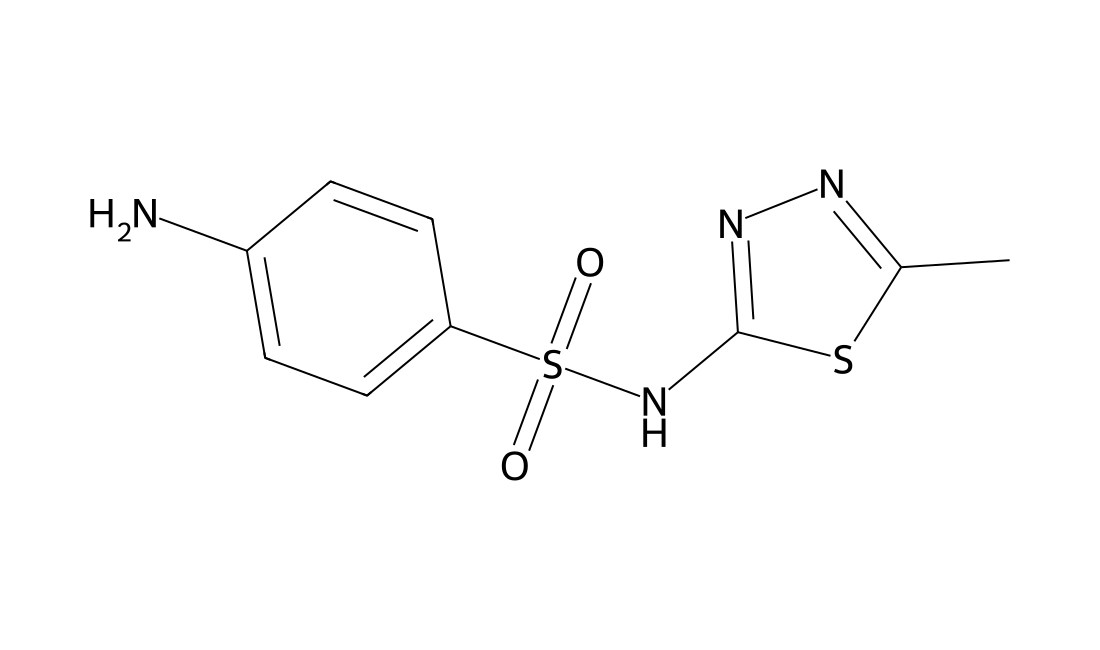
Sulfamethizole (Proklar)

CAS 144-82-1

For the detailed information of Sulfamethizole (Proklar), the solubility of Sulfamethizole (Proklar) in water, the solubility of Sulfamethizole (Proklar) in DMSO, the solubility of Sulfamethizole (Proklar) in PBS buffer, the animal experiment(test) (test) of Sulfamethizole (Proklar), the cell expriment (test) of Sulfamethizole (Proklar), the in vivo, in vitro and clinical trial test of Sulfamethizole (Proklar), the EC50, IC50,and Affinity of Sulfamethizole (Proklar),, please contact DC Chemicals.

Sulfamethizole (Proklar) chemical structure
DCAPI1294

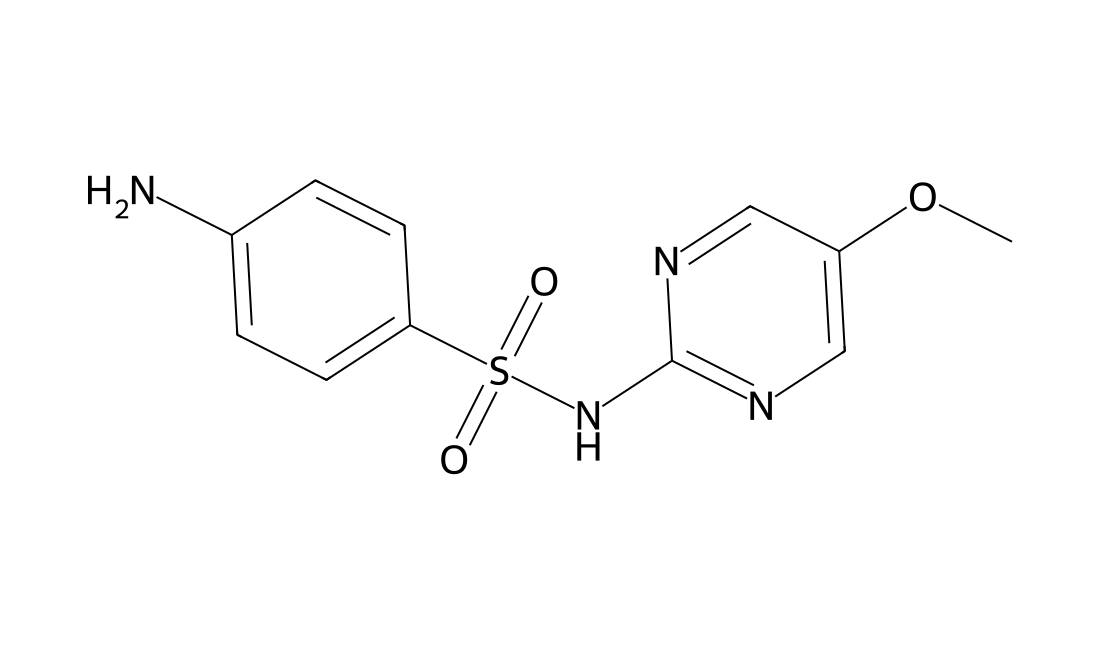
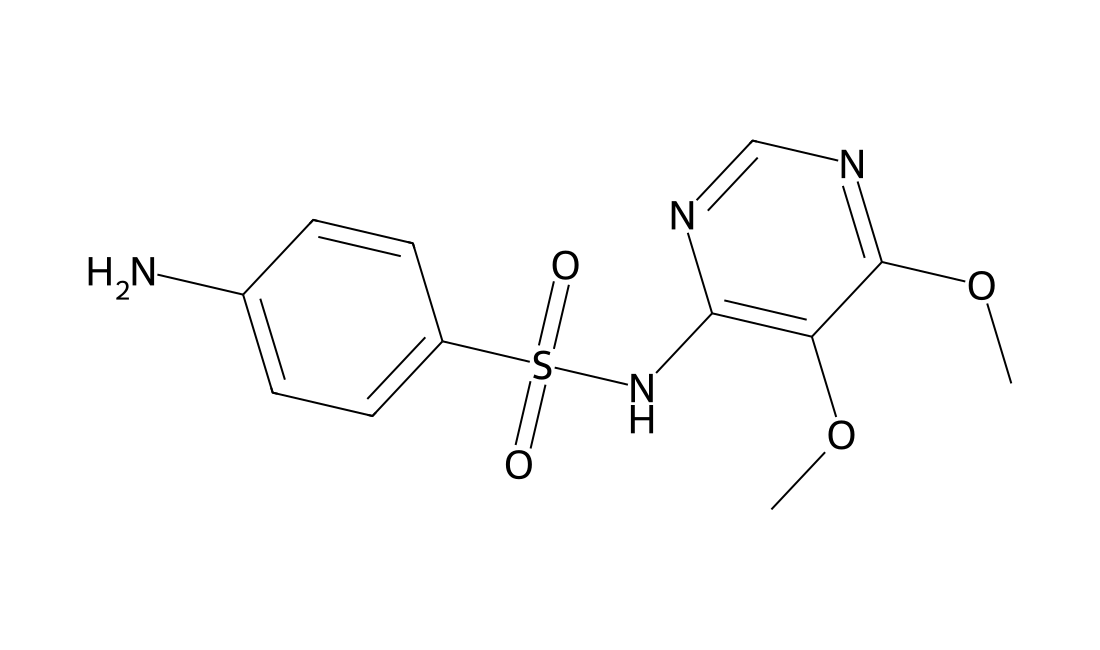
Sulfameter (Bayrena)

CAS 651-06-9

For the detailed information of Sulfameter (Bayrena), the solubility of Sulfameter (Bayrena) in water, the solubility of Sulfameter (Bayrena) in DMSO, the solubility of Sulfameter (Bayrena) in PBS buffer, the animal experiment(test) (test) of Sulfameter (Bayrena), the cell expriment (test) of Sulfameter (Bayrena), the in vivo, in vitro and clinical trial test of Sulfameter (Bayrena), the EC50, IC50,and Affinity of Sulfameter (Bayrena),, please contact DC Chemicals.

Sulfameter (Bayrena) chemical structure
DCAPI1128

Sulfadoxine (Sulphadoxine)

CAS 2447-57-6

For the detailed information of Sulfadoxine (Sulphadoxine), the solubility of Sulfadoxine (Sulphadoxine) in water, the solubility of Sulfadoxine (Sulphadoxine) in DMSO, the solubility of Sulfadoxine (Sulphadoxine) in PBS buffer, the animal experiment(test) (test) of Sulfadoxine (Sulphadoxine), the cell expriment (test) of Sulfadoxine (Sulphadoxine), the in vivo, in vitro and clinical trial test of Sulfadoxine (Sulphadoxine), the EC50, IC50,and Affinity of Sulfadoxine (Sulphadoxine),, please contact DC Chemicals.

Sulfadoxine (Sulphadoxine) chemical structure
DC10180

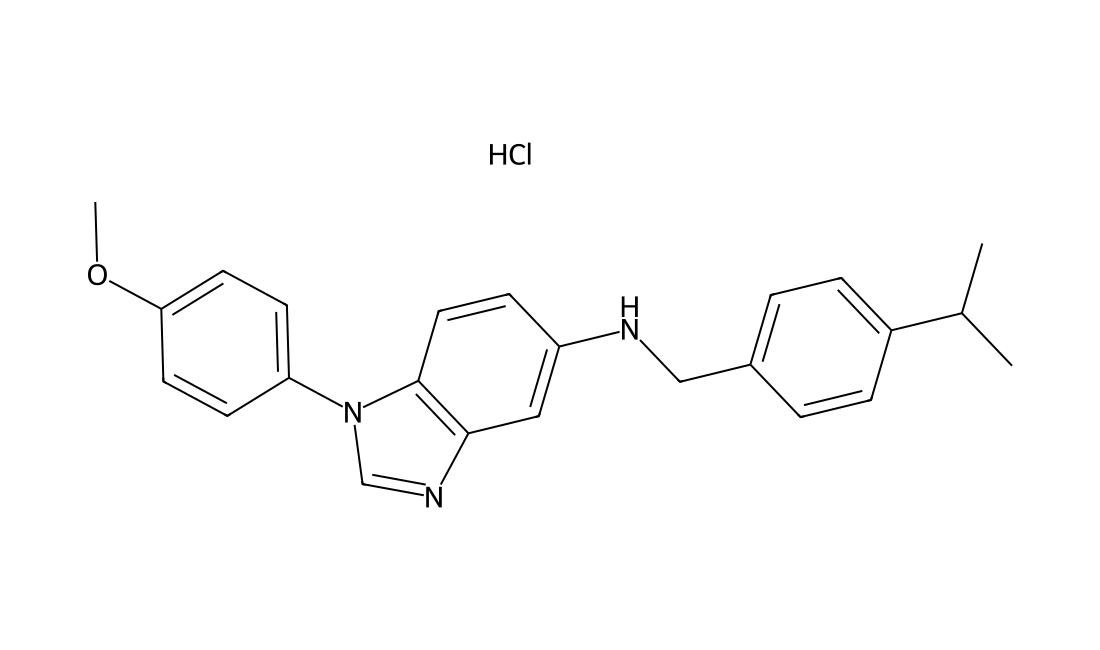
ST-193 hydrochlorid

CAS 489416-12-8

ST-193 inhibits LASV pseudotypes with an IC50 of 1.6 nM. ST-193 inhibits pseudotypes generated with other arenavirus envelopes as well, including the remaining four commonly associated with hemorrhagic fever (IC50s for Junín, Machupo, Guanarito, and Sabiá are in the 0.2 to 12 nM range) but exhibits no antiviral activity against pseudotypes incorporating either the GP from the LASV-related arenavirus lymphocytic choriomeningitis virus or the unrelated G protein from vesicular stomatitis virus, at concentrations of up to 10 μM.ST-193 is found to be tolerated well when administered daily as an intraperitoneal injection of either 25 or 100 mg/kg/day for 14 days. ST-193-treated animals exhibit fewer signs of disease and enhance survival when compared to the ribavirin or vehicle groups. Body temperatures in all groups are elevated by day 9, but returned to normal by day 19 postinfection in the majority of ST-193-treated animals. ST-193 treatment mediates a 2- to 3-log reduction in viremia relative to vehicle-treated controls. The overall survival rate for the ST-193-treated guinea pigs is 62.5% (10/16) compared with 0% in the ribavirin (0/8) and vehicle (0/7) groups.

ST-193 hydrochlorid chemical structure
DC23175

SR-3306

CAS 1128096-91-2

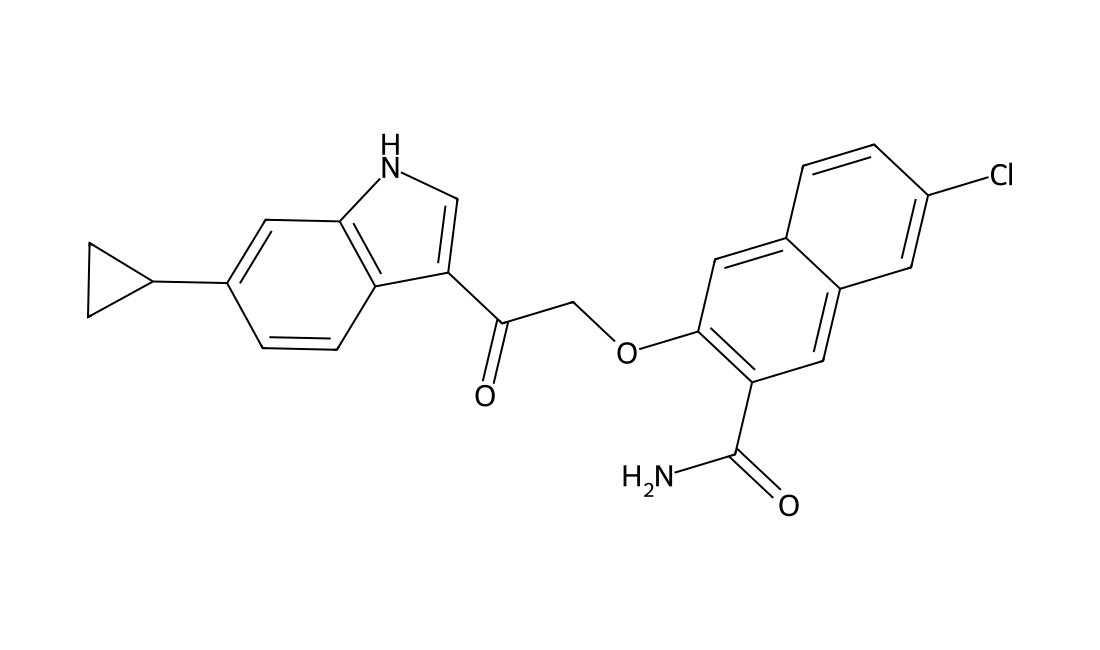
SR-3306 is a highly selective, brain penetrant, potent inhibitor of JNK with IC50 of 67, 283 and 159 nM for JNK1, JNK2 and JNK3, >100-fold selectivity over p38; shows cell-based IC50 of 216 nM, protects dopaminergic neurons against MPTP neurotoxicity in vitro and in vivo, achieves dopaminergic neuronal survival in the 6-OHDA model; also prevents ROS increases and mitochondrial dysfunction.

SR-3306 chemical structure
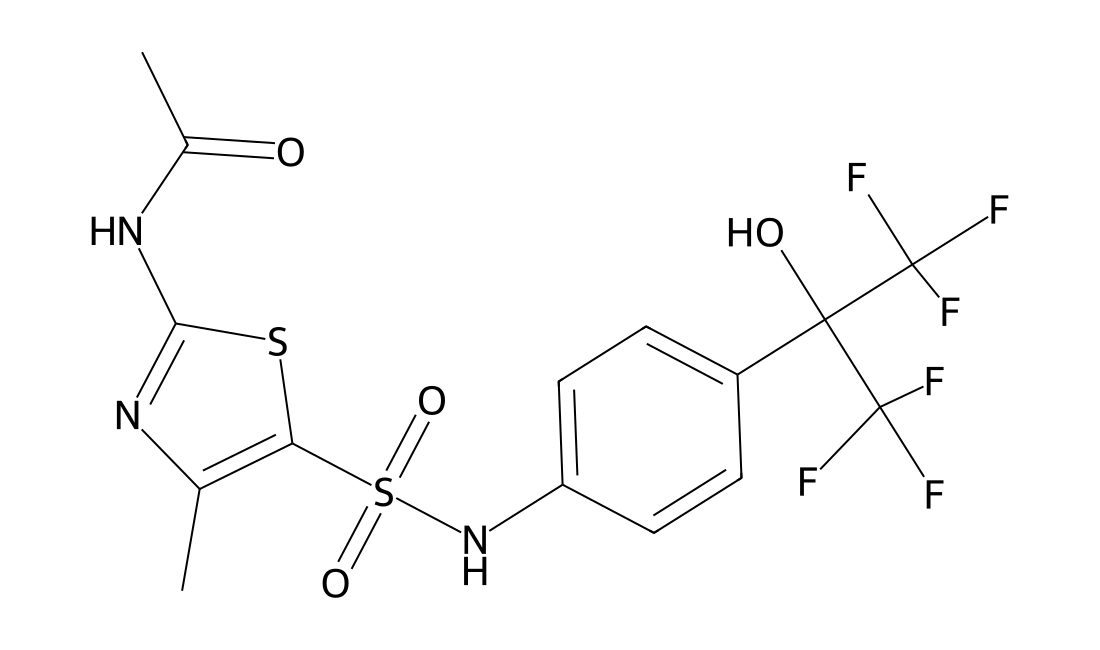
DC8096

SR1001

CAS 1335106-03-0

SR1001 is a high-affinity synthetic ligand of RORα and RORγ; suppresses TH17 cell differentiation and inhibits autoimmunity. in vitro: SR1001 binds specifically to the ligand-binding domains of RORα and RORγt, inducing a conformational change within the ligand-binding domain that encompasses the repositioning of helix 12 and leads to diminished affinity for co-activators and increased affinity for co-repressors, resulting in suppression of the receptors' transcriptional activity. SR1001 inhibited the development of murine T(H)17 cells, as demonstrated by inhibition of interleukin-17A gene expression and protein production. Furthermore, SR1001 inhibited the expression of cytokines when added to differentiated murine or human T(H)17 cells. SR1001 reduced the interaction of a coactivator TRAP220 NR box 2 peptide with RORγ in a dose dependent manner(IC50=117 nM). in vivo: SR1001 was a RORα inverse agonist eliminated the circadian pattern of expression of CS mRNA in mice. For the detailed information of SR1001, the solubility of SR1001 in water, the solubility of SR1001 in DMSO, the solubility of SR1001 in PBS buffer, the animal experiment (test) of SR1001, the cell expriment (test) of SR1001, the in vivo, in vitro and clinical trial test of SR1001, the EC50, IC50,and affinity,of SR1001, For the detailed information of SR1001, the solubility of SR1001 in water, the solubility of SR1001 in DMSO, the solubility of SR1001 in PBS buffer, the animal experiment (test) of SR1001, the cell expriment (test) of SR1001, the in vivo, in vitro and clinical trial test of SR1001, the EC50, IC50,and affinity,of SR1001, Please contact DC Chemicals.

SR1001 chemical structure
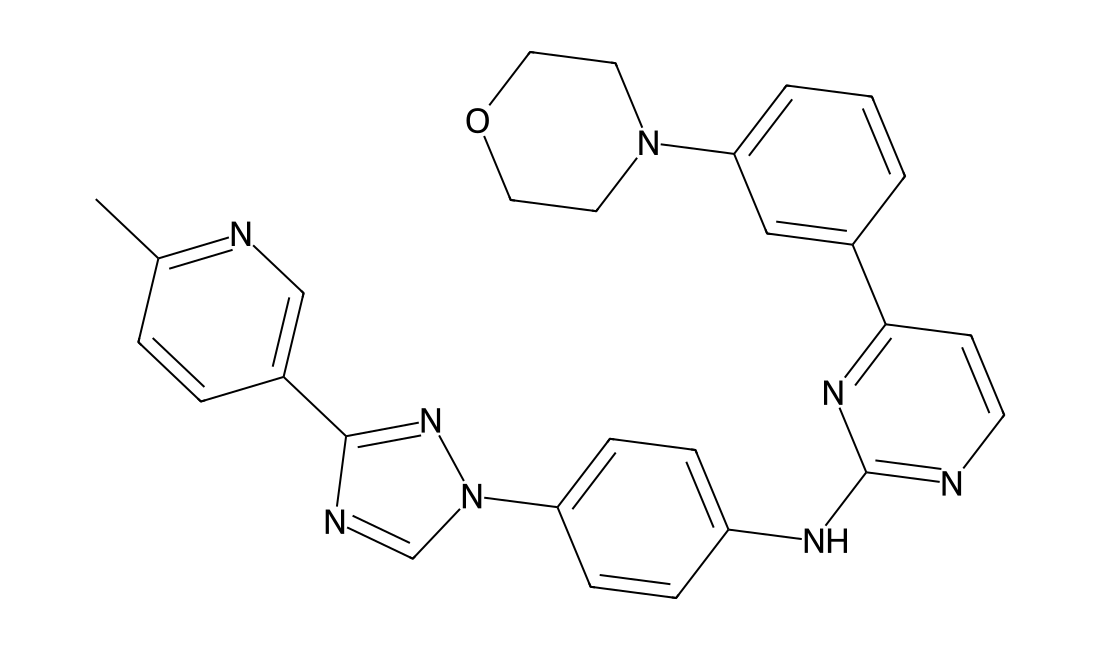
DC11300

SPR-00305

CAS 1965261-97-5

SPR-00305 is a potent MvfR inhibitor and displays target engagement. SPR-00305, potently inhibited the MvfR pathway with IC50s of 115 nM against 4-hydroxy-2-heptylquinoline (HHQ), 93 nM against pyocyanin (PYO) and 109 nM against 3,4-dihydroxy-2-heptoquinoline (PQS) in PA14. The compound was further tested in the immunocompetent acute thigh infection model. It decreased PQS by 50% and HHQ by 40% in comparison with vehicle. In the neutropenic acute thigh infection model, SPR-00305 oral administration (200 mg) resulted in a slight decrease in HHQ levels.

SPR-00305 chemical structure
DC8708

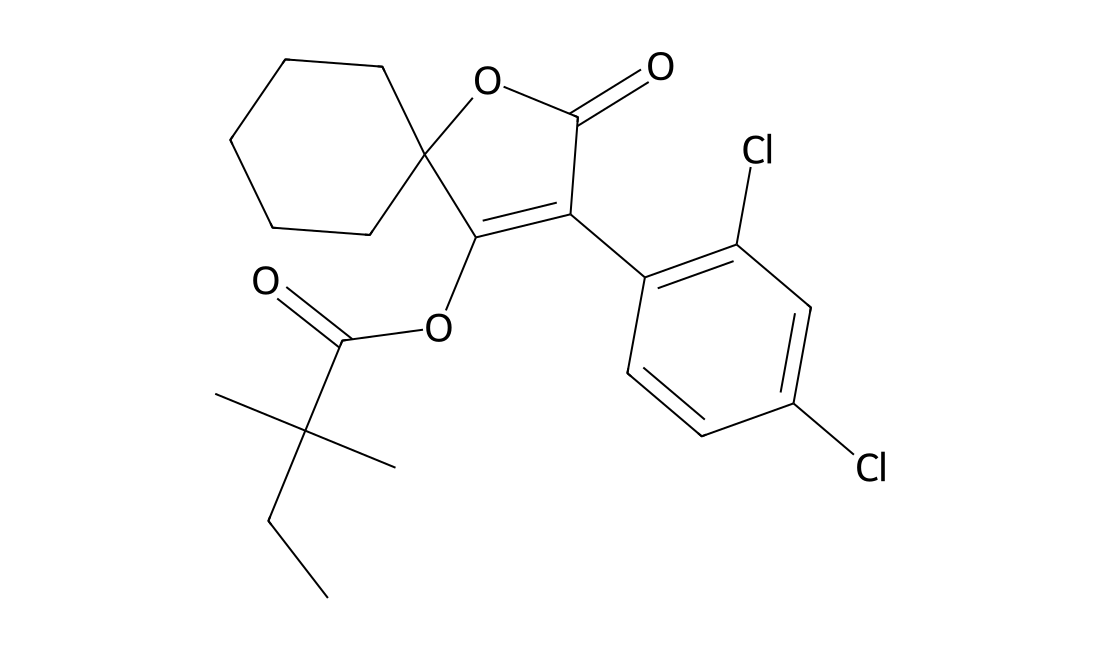
Spirodiclofen

CAS 148477-71-8

Spirodiclofen is a broad spectrum acaricide acting via lipid biosynthesis inhibition (LBI) with no cross resistance to currently available acaricides and with additional insecticidal properties.

Spirodiclofen chemical structure
DC7298

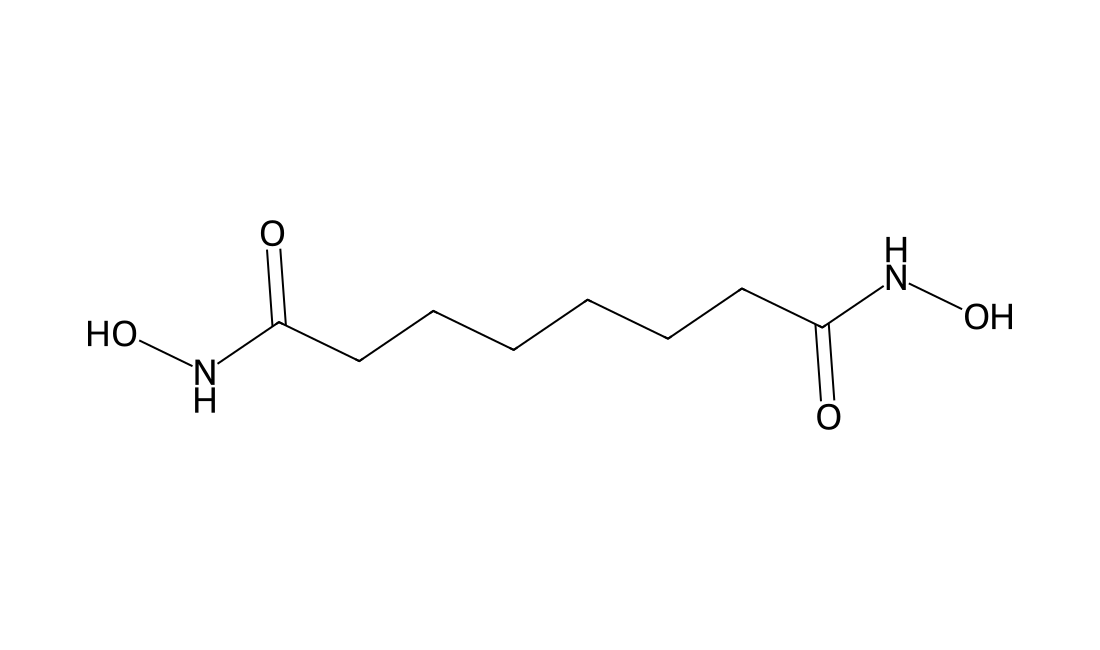
MY-5445

CAS 78351-75-4

Specific inhibitor of cyclic GMP phosphodiesterase, selective For PDE5 (IC50 = 0.5 μM).For the detailed information of MY-5445, the solubility of MY-5445 in water, the solubility of MY-5445 in DMSO, the solubility of MY-5445 in PBS buffer, the animal experiment (test) of MY-5445, the cell expriment (test) of MY-5445, the in vivo, in vitro and clinical trial test of MY-5445, the EC50, IC50,and Affinity of MY-5445, Please contact DC Chemicals.
MY-5445 chemical structure
DC7152

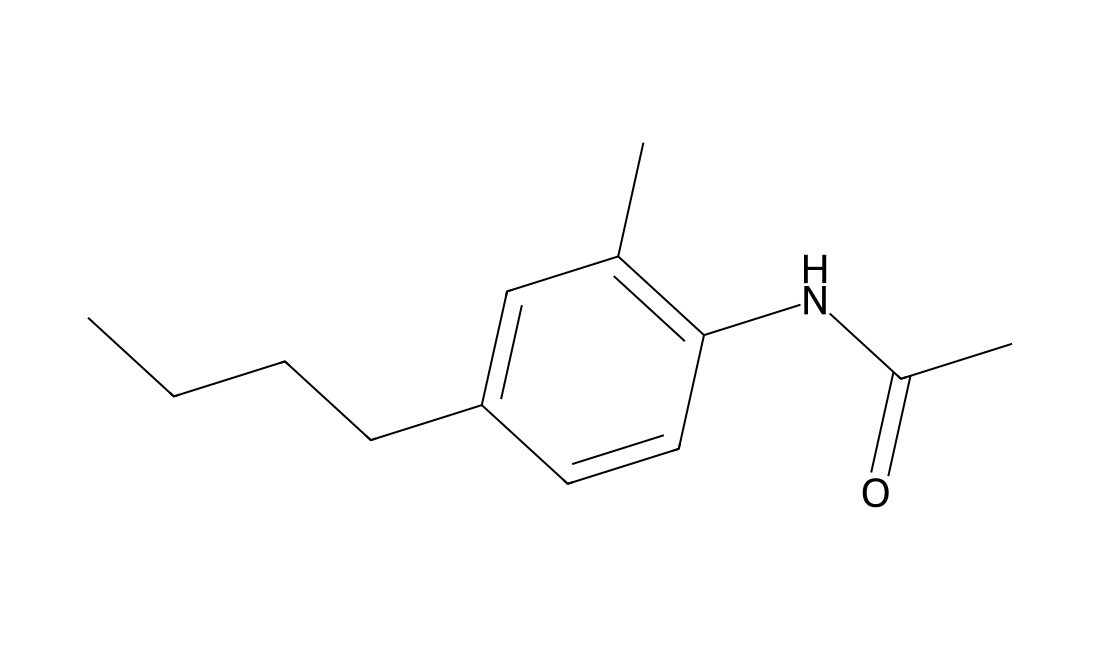
SMIP004

CAS 143360-00-3

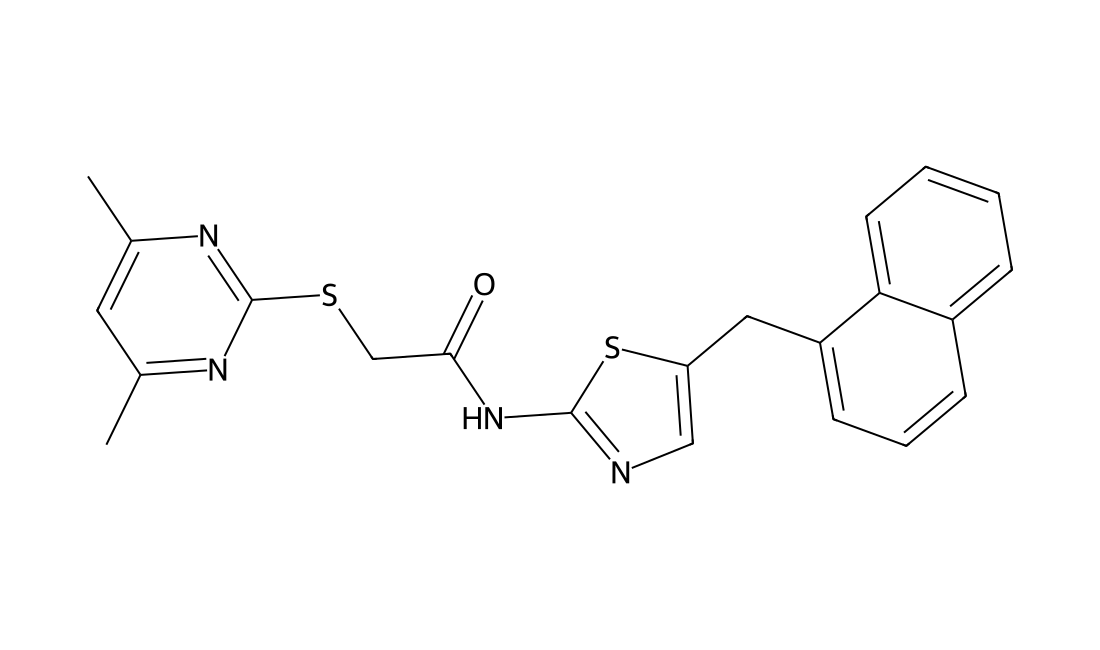
IC50 Value: 1.09 uM (MTT assay in LNCaP-S14 cells) SMIP004 (N-(4-butyl-2-methyl-phenyl) acetamide) is a novel inducer of cancer-cell selective apoptosis of human prostate cancer cells. Unlike SMIP001, SMIP004 was found to downregulate SKP2 and to stabilize p27, although neither SMIP is a proteasome inhibitor. in vitro: Whereas SMIP012 and 016 were moderately toxic in normal fibroblasts, SMIPs 001 and 004 showed substantial cancer cell specificity being at least five times more potent in LNCaP-S14 than in IMR90 cells, treatment with either MG132 or SMIP004 increased p27 half-life to > 6 h. Both SMIP001 and 004 led to a strong increase in the recruitment of p27 to CDK2, while SMIP001 also slightly increased coprecipitation of p21 (Figure 6c). SMIP004 also reduced the amounts of cyclins E and A retrieved with CDK2. This was paralleled by a marked downregulation of cyclins E and A upon SMIP004 treatment. SMIP004 decreased the levels of positive cell cycle regulators, upregulated cyclin-dependent kinase inhibitors, and resulted in G1 arrest, inhibition of colony Formation in soft agar, and cell death . in vivo: SMIP004 potently inhibits the growth of prostate and breast cancer xenografts in mice. Clinical trial: N/AFor the detailed information of SMIP004, the solubility of SMIP004 in water, the solubility of SMIP004 in DMSO, the solubility of SMIP004 in PBS buffer, the animal experiment (test) of SMIP004, the cell expriment (test) of SMIP004, the in vivo, in vitro and clinical trial test of SMIP004, the EC50, IC50,and Affinity of SMIP004, Please contact DC Chemicals.
SMIP004 chemical structure
DC7895

SMER3(SMER 3)

CAS 67200-34-4

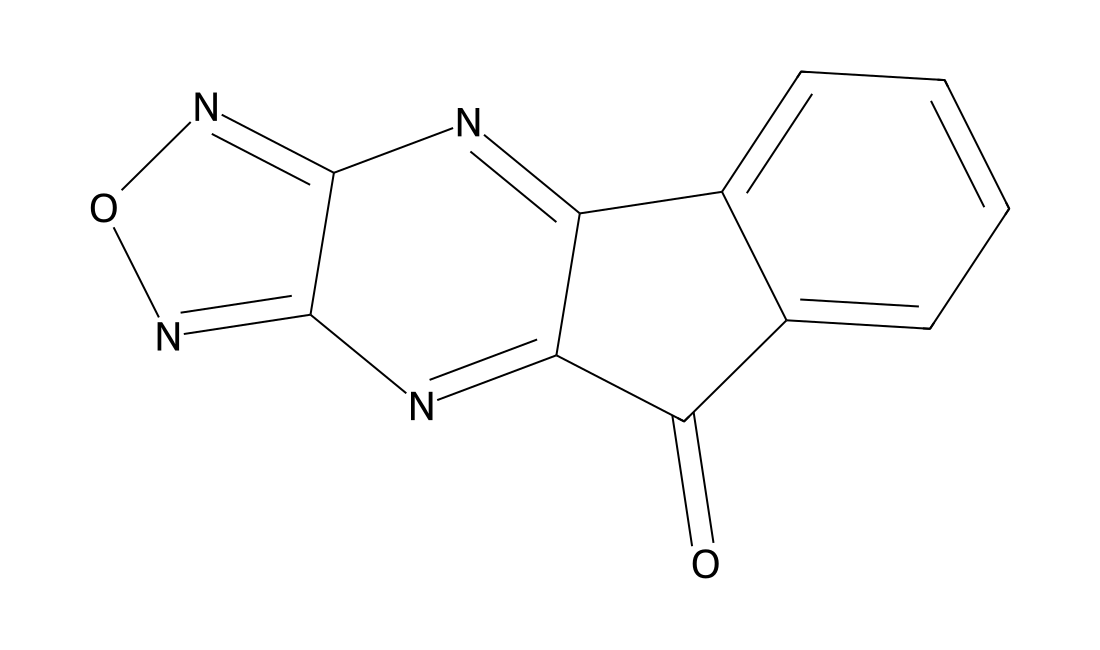
Inhibition of SCFMet30 by SMER3 blocks the ubiquitination of Met4 and activates the Met4-containing transcription complex. The induction of MET-genes results in cell cycle arrest and reduced cell proliferation.1For the detailed information of SMER3, the solubility of SMER3 in water, the solubility of SMER3 in DMSO, the solubility of SMER3 in PBS buffer, the animal experiment (test) of SMER3, the cell expriment (test) of SMER3, the in vivo, in vitro and clinical trial test of SMER3, the EC50, IC50,and affinity,of SMER3, Please contact DC Chemicals.
SMER3(SMER 3) chemical structure
DC9319

Setiptiline

CAS 57262-94-9

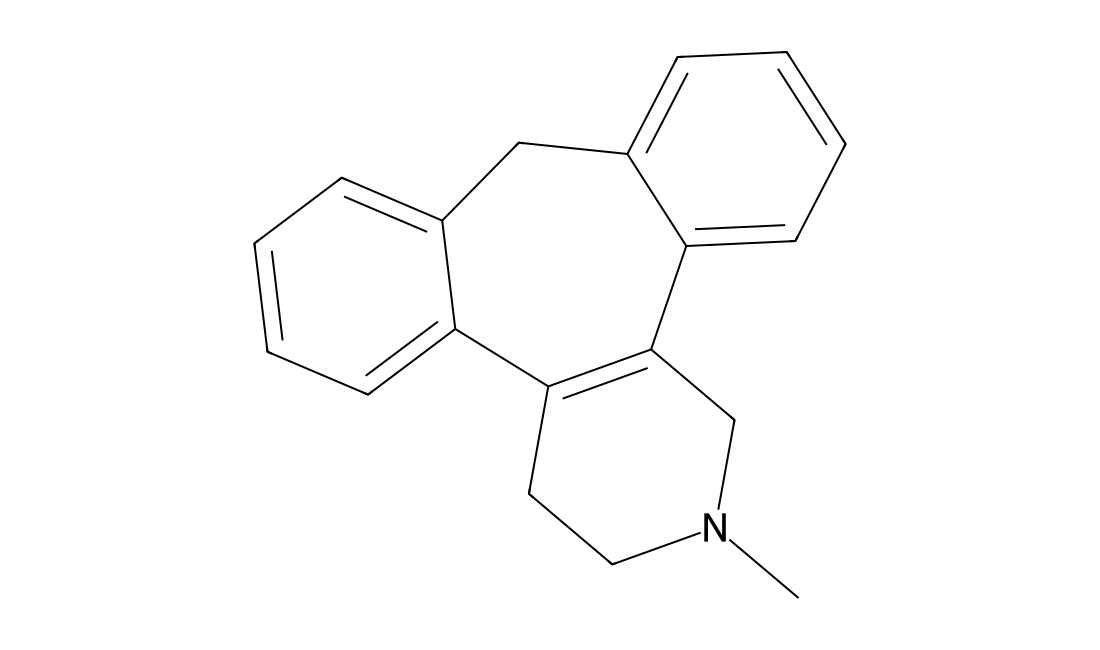
Setiptiline is a tetracyclic antidepressant (TeCA) which acts as a noradrenergic and specific serotonergic antidepressant (NaSSA). Setiptiline acts as a norepinephrine reuptake inhibitor, α2-adrenergic receptor antagonist, and serotonin receptor antagonist, likely at the 5-HT2A, 5-HT2C, and/or 5-HT3 subtypes, as well as an H1 receptor inverse agonist/antihistamine. From Wikipedia.
Setiptiline chemical structure
Browse target & topic index A–Z (366)
11β-HSD (1)15-PGDH (2)5-HT Receptor (16)Acetyl-CoA Carboxylase (ACC) (3)Acetylcholinesterase (AChE) (2)Ack1 (TNK2) (1)Acyltransferase (1)ADC Cytotoxin (6)ADCs Linker/Click Chemistry (5)Adenosine Receptor (9)Adenylate Cyclase (2)Adrenergic Receptor (11)Akt (12)Alcoholism (2)Aldehyde Dehydrogenase (ALDH) (6)Allergy (5)Alzheimer Disease (13)Aminopeptidase (1)AMPK (8)Amyloids (4)Anaplastic Lymphoma Kinase (ALK) (9)Androgen Receptor (AR) (11)Anemia (4)Angiotensin Receptor (4)Antibody/Protein labeling dyes (1)Antifolate (2)Anxiety (1)Apoptosis Inducer (3)Arginase (1)Arp2/3 complex (1)Aryl hydrocarbon Receptor (AhR) (1)Asthma (5)Atherosclerosis (2)ATM/ATR (8)Aurora Kinase (10)Autophagy (6)Autophagy-related Protein (Atg) (2)Autotaxin (2)Bacterial (26)Bacterial Infection (17)Bcl-2 (14)Bcr-Abl (5)BCRP (1)Beta-catenin (4)Beta-secretase (BACE) (4)Blood Cancer (91)BMI-1 (1)Bone Cancer (6)Brain Cancer (6)Breast Cancer (30)Bromodomain (22)BTK (10)c-Fms (CSF1R) (5)c-Fos/AP-1 (1)c-Kit (6)c-Met (HGFR) (11)c-Myc (2)Calcium Channel (4)Calcium-sensing Receptor (CaSR) (1)CaMK (4)Cannabinoid Receptor (6)Carbonic Anhydrase (1)Carboxypeptidase (1)Casein Kinase (6)Caspase (4)Cathepsin (6)Cdc2-like Kinase (CLK) (1)CETP (2)CFTR (7)Checkpoint Kinase (Chk) (8)Chemokine Receptor (CCR and CXCR) (14)Chemotherapeutic Agents (19)Chloride Channel (1)CMV (2)CMV Infection (2)Colon Cancer (9)Complement System (1)COPD (3)CREB/CBP (2)CRF Receptor (2)CRISPR/Cas9 (1)Cushing Disease (1)Cyclin-dependent Kinase (CDK) (39)Cyclooxygenase (COX) (4)Cytochrome P450 (CYPs) (5)Depression (2)Dermatitis (2)Deubiquitinase (DUB) (7)Diabetes (20)Dipeptidyl Peptidase (DPP) (3)Discoidin Domain Receptor (DDR) (1)DNA Alkylator/Crosslinker (10)DNA Methyltransferase (DNMT) (1)DNA Repair Protein (1)DNA-PK (2)DNA/RNA Synthesis (5)Dopamine beta-hydroxylase (1)Dopamine Receptor (7)Drug Metabolite (1)Drug-Linker Conjugates (11)Dyes (4)DYRK (1)Dyslipidemia (9)E3 Ligase Ligand (6)E3 Ligase Ligand-Linker Conjugate (1)E3 Ubiquitin Ligase (4)Ebola Virus Infection (1)EGFR (32)Elastase (2)Endothelin Receptor (5)Enzymes substrates (13)Epigenetic Reader Domain (3)Epilepsy (4)ERK (4)Estrogen Receptor/ERR (13)Eukaryotic Initiation Factor (eIF) (2)Exportin-1 (CRM1,XPO1) (2)FABP (1)Factor Xa (5)Farnesoid X Receptor (FXR) (5)Farnesyl transferase (FTase) (1)Ferroptosis (6)FGFR (20)Fibrosis (5)FLT3 (6)Focal Adhesion Kinase (FAK) (11)Foxo1 (1)Free Fatty Acid Receptor (FFAR) (5)Fungal (2)Fungal Infection (1)GABA Receptor (13)Galectin (1)Gastric Cancer (8)Ghrelin Receptor (GHSR) (3)Glucagon Receptor (4)Glucokinase (2)Glucose Transporter (GLUT) (2)Glutamate Transporter (2)GPCR (1)GPER (GPR30) (1)GPR139 (1)GPR183 (EBI2) (2)GPR39 (1)GPR55 (1)GPR84 (1)GRK (GPCRK) (2)Growth Hormone Deficiency (2)GSK-3 (8)Guanylate Cyclase (3)HBV (1)HBV Infection (1)HCN Channel (2)HCV (8)HCV Infection (9)HDAC (38)Heart Arrhythmia (2)Heart Failure (5)Heat Shock Protein (HSP) (15)Hedgehog (Hh) (1)HIF/HIF Prolyl-hydroxylase (8)Histamine Receptor (6)Histone Acetyltransferase (HAT) (5)Histone Demethylase (11)Histone Methyltransferase (HMTase) (31)HIV (12)HIV Infection (11)HMG-CoA Reductase (HMGCR) (3)HSV (1)HSV Infection (1)Hypercholesterolemia (1)Hyperparathyroidism (1)Hypertension (8)IAP (1)IGF-1R (3)iGluR (15)Indoleamine 2,3-Dioxygenase (IDO) (4)Infection (1)Influenza (6)Influenza Virus (6)Insulin Receptor (2)Integrin (6)Interleukin Receptor (1)IRAK (2)IRE1 (4)Irritable Bowel Syndrome (2)Ischemia (1)Isocitrate Dehydrogenase (IDH) (5)ITK (1)IκB kinase (IKK) (7)JAK (32)JNK (3)Keap1-Nrf2 (6)Kidney Cancer (10)Kinesin (5)Kruppel-like Factor (KLF) (1)Kynurenine 3-Monooxygenase (KMO) (1)Leukotriene Receptor (1)LIM Kinase (LIMK) (3)Lipids fragment (1)Liver Cancer (6)Liver X Receptor (LXR) (3)LRRK2 (9)Lung Cancer (39)Lysophospholipid Receptor (12)LYTACs (3)mAChR (9)MALT1 (2)MAP4K (1)Matrix Metalloproteinase (MMP) (10)MDM2-p53 (9)MEK (MAP2K) (14)MEKK (MAP3K) (1)Melanocortin Receptor (2)MELK (1)mGluR (7)MicroRNA (1)Microtubule/Tubulin (5)Mineralocorticoid Receptor (MLR) (1)MITF (1)Mixed Lineage Kinase (MLK) (3)MNK (2)Molecular Glues (21)Monoamine Transporter (5)Monocarboxylate Transporter (MCT) (1)Monopolar Spindle 1 (Mps1/TTK) (3)mTOR (13)Multiple Sclerosis (6)Myosin (1)Na-K-Cl Cotransporter (NKCC) (2)nAChR (2)NADPH Oxidase (NOX) (2)NAMPT (3)Natural products (37)Neprilysin (1)Neurokinin Receptor (3)Neuropeptide Y Receptor (3)NF-κB (5)Nitric Oxide Synthase (NOS) (1)NOD-like Receptor (NLR) (3)Notch (2)Nucleoside Antimetabolite/Analog (10)Nur77 (NR4A1) (1)Obesity (1)Oct3/4 (1)Opioid Receptor (5)Orexin Receptor (7)Osteoporosis (2)Ovarian Cancer (14)Oxytocin Receptor (OXTR) (2)P-glycoprotein (P-gp) (3)p21-activated Kinase (PAK) (1)P2X Receptor (2)P2Y Receptor (1)p38 MAPK (10)p97/VCP (1)Pain (12)Pancreatic Cancer (10)Parasite (5)Parasite Infection (2)Parkinson Disease (2)PARP (19)PCSK9 (1)PD-1/PD-L1 (4)PDGFR (4)PDK1 (2)PEGn (1)PERK (2)PGE synthase (2)Phosphodiesterase (PDE) (9)Phospholipase (4)PI3K (32)PI4K (2)Piezo Channel (1)PIKfyve (3)Pim (9)PKC (12)PKD (1)Plasminogen Activator Inhibitor-1 (PAI-1) (3)Polo-like Kinase (PLK) (4)Porcupine (3)Potassium Channel (13)PPAR (13)Pregnane X Receptor (PXR) (1)Progesterone Receptor (2)Prostaglandin Receptor (11)Prostate Cancer (7)PROTACs (35)Protease-activated Receptor (PAR) (3)Proteasome (12)Protein Disulfide Isomerase (PDI) (1)Protein Phosphatase/PTP (6)Proton Pump (1)Psoriasis (5)RAD51 (1)Radioligand precursors (15)Raf (18)RAR/RXR (3)Ras (17)Renin (2)RET Tyrosine Kinase (c-RET) (3)Rheumatoid Arthritis (16)Ribosomal S6 Kinase (RSK) (5)RIG-I-like Receptor (RLR) (2)RIP kinase (7)ROCK (12)ROR (2)RSV (4)RSV Infection (3)RUNX1-CBFβ (1)S-nitrosoglutathione reductase (GSNOR) (1)Saccharides and Glycosides (1)Salt Inducible Kinase (SIK) (2)SARS-CoV (16)SARS-CoV Infection (34)Schizophrenia (4)Sexual Dysfunction (1)SGLT (4)Sigma Receptor (4)Sirtuin (9)Skin Cancer (13)Sleep Disorder (7)SMN2 Modulator (1)Smoothened (Smo) (9)Sodium Channel (12)Solid Tumors (35)Somatostatin Receptor (2)Sphingosine kinase (SphK) (2)Src (7)STAT (5)Stearoyl-CoA Desaturase (SCD) (1)Steatohepatitis (7)Sterol lipids (1)STING (14)Syk (6)T Cell Receptor (TCR) (1)TAK1 (2)TAM Receptor (Tyro3-Axl-Mer) (4)Taste Receptor (1)Telomerase (2)TGF beta Receptor (TGFBR) (12)Thrombin (3)Thrombosis (13)Thyroid Cancer (1)Thyroid Hormone Receptor (THR) (1)Thyrotropin Receptor (2)TNIK (1)Toll-like Receptor (TLR) (2)TOPK (1)Topoisomerase (11)TRAIL (1)Translocator Protein (TSPO) (1)Trk Receptor (4)TRP Channel (13)Tryptophan Hydroxylase (TPH) (1)Ubiquitin-activating Enzyme (E1) (2)Ubiquitin-conjugating Enzyme (E2) (2)Ulcer (1)ULK (3)Vasopressin Receptor (2)VEGFR (25)Vitamin D Receptor (VDR) (3)Wee1 (1)WNK Kinase (1)Wnt (5)Yes-associated Protein (YAP) (4)γ-secretase (5)

Cart

Request quotation