SPDB
CAS 115088-06-7
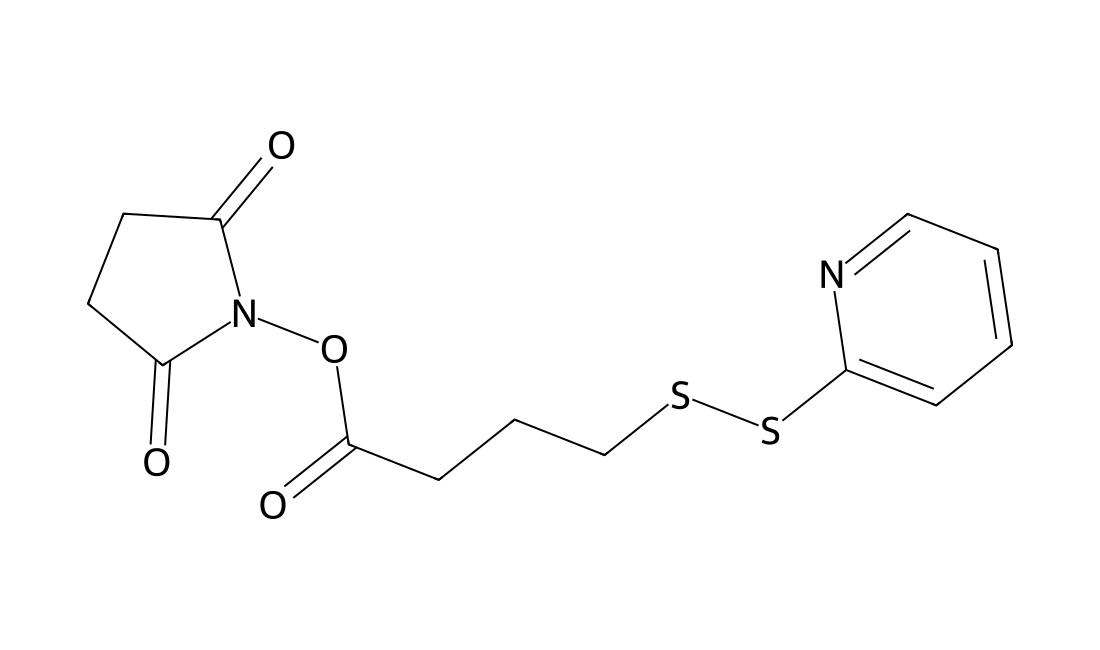
SPDB is a small fragment that can linked DM4 conjugates. Conjugated to antibodies utilizing disulfide linkers: anti-EGFR-SPDB-DM4 has been widely used.

Explore bioactive compounds by research category, then narrow your search by target, product name, catalog number or CAS.
Newly added: LC-MG and OXF molecular glue research compounds →
Products may appear in more than one category. Counts refer to distinct catalog numbers within each category.
Other Research Tools (75) · Additional reagents, building blocks and specialized research tools.
LC-MG-1 (DCA0006) · LC-MG-4 (DCA0007) · LC-MG-9 (DCA0008)
View structure and evidence summaries →Combine a keyword, research category and target to narrow the product list.
Loading catalog filters…
CAS 115088-06-7
SPDB is a small fragment that can linked DM4 conjugates. Conjugated to antibodies utilizing disulfide linkers: anti-EGFR-SPDB-DM4 has been widely used.
CAS 551909-15-0
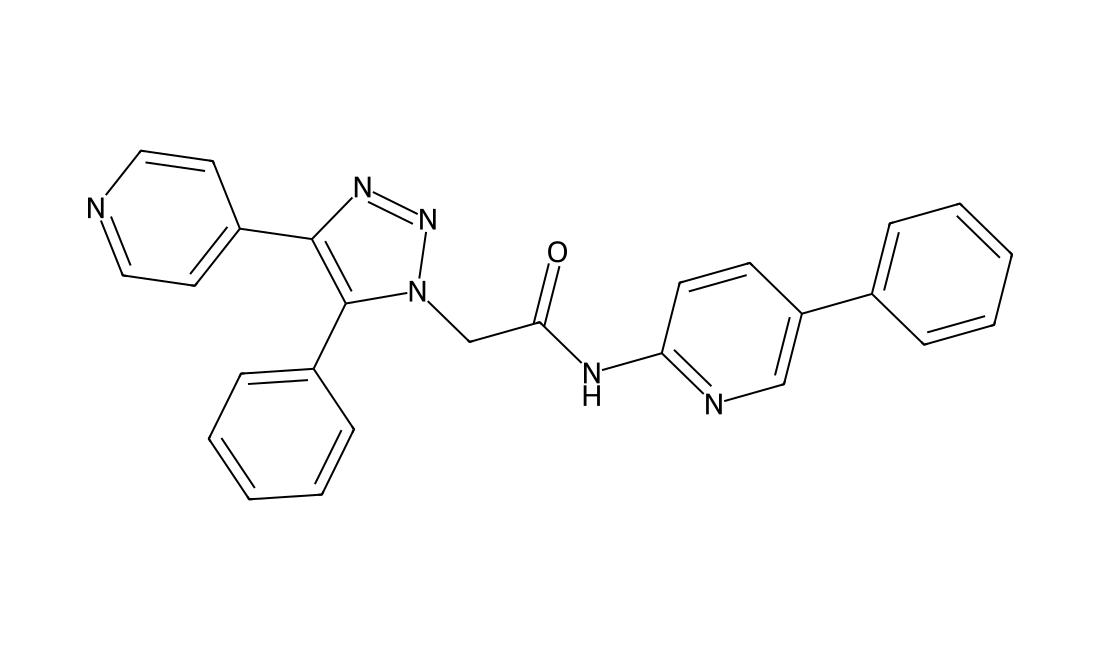
RTICBM-189 is a potent, brain-penetrant allosteric modulator of the cannabinoid type-1 (CB1) receptor with a pIC50 of 7.54 in Ca2+ mobilization assay. RTICBM-189 has pIC50s of 5.29 and 6.25 for hCB1 and mCB1, respectively. RTICBM-189 significantly and selectively attenuates the reinstatement of the cocaine-seeking behavior in rats[1].
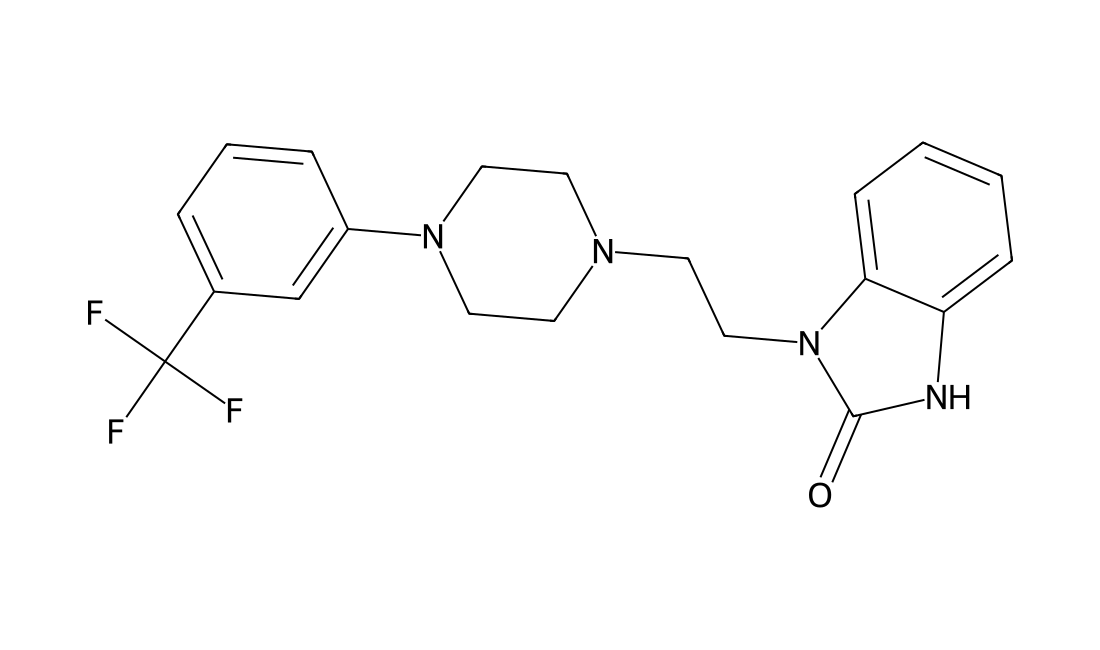
CAS 167933-07-5
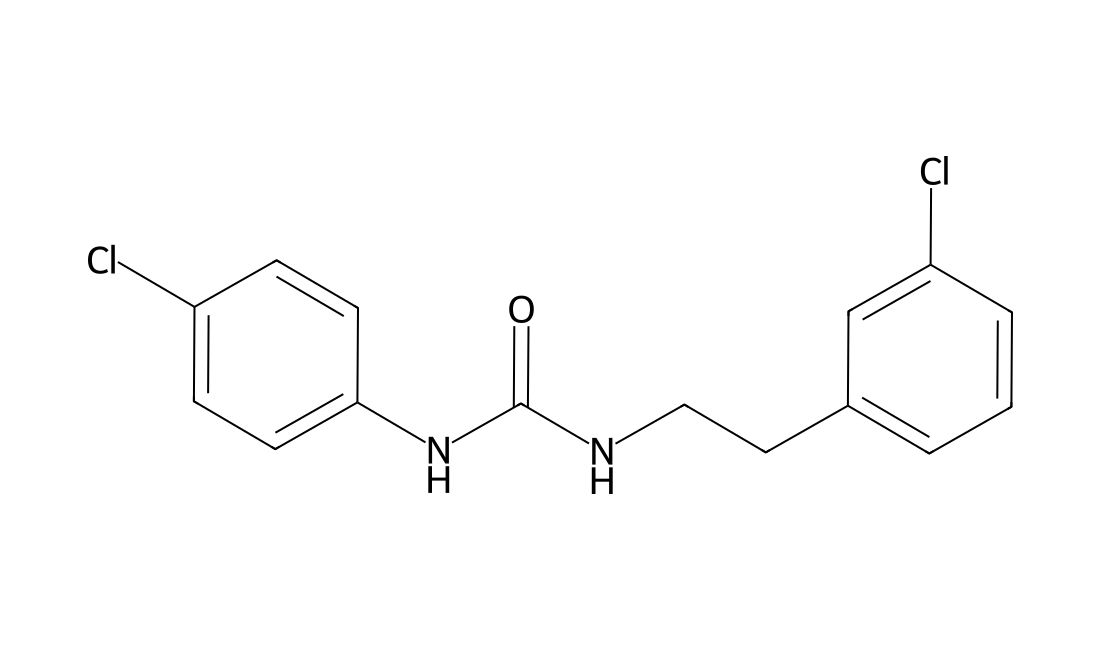
Flibanserin is a novel multifunctional serotonin agonist and antagonist (MSAA) that improves sexual functioning in premenopausal women who suffer from reduced sexual interest and desire. in vivo: The multifunctional serotonergic agent Flibanserin is both a serotonin 1A agonist and a serotonin 2A antagonist. Flibanserin theoretically improves sexual functioning by enhancing downstream release of dopamine and norepinephrine while reducing serotonin release in the brain circuits that mediate symptoms of reduced sexual interest and desire. Flibanserin, a new molecular entity for the treatment of hypoactive sexual desire disorder (HSDD) in premenopausal women. Flibanserin improves interest in and desire for sex by hypothetically targeting these circuits and causing the release of dopamine and norepinephrine while also reducing the release of serotonin. Flibanserin has demonstrated clinical efficacy in premenopausal women who have reduced interest in and desire for sex and has 2 principal pharmacologic actions in microcircuits: it is a full agonist at postsynaptic serotonin 5HT1A receptors and an antagonist at postsynaptic 5HT2A receptors.
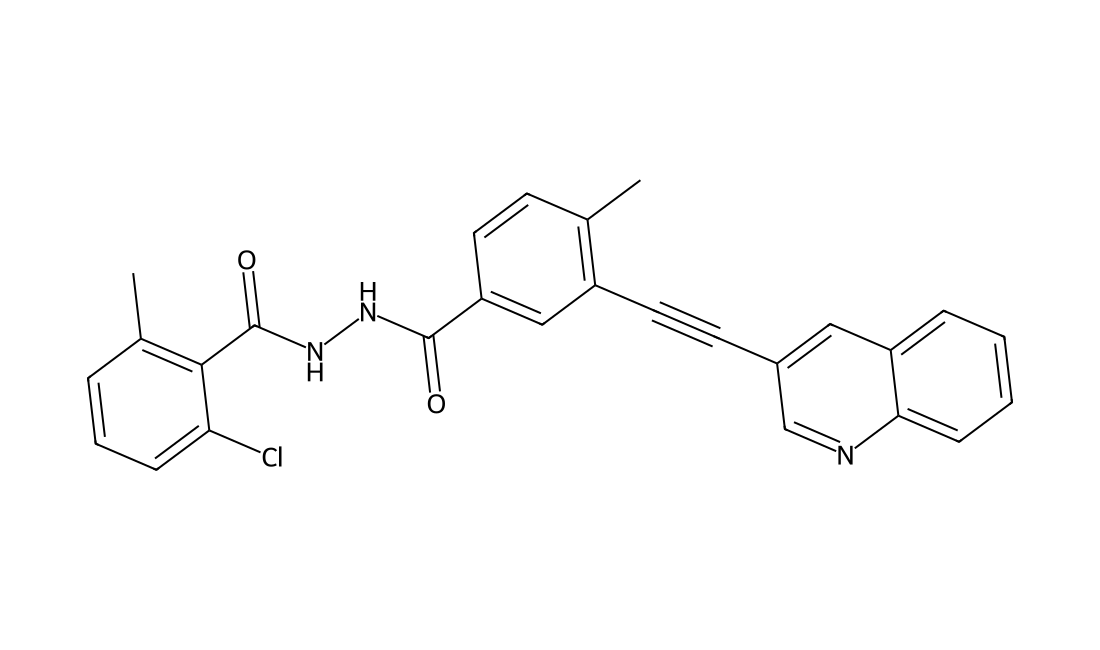
CAS 1388803-90-4
Vodobatinib (K0706) is a potent, third generation and orally active Bcr-Abl1 tyrosine kinase inhibitor with an IC50 of 7 nM. Vodobatinib exhibits activity against most BCR-ABL1 point mutants, and has no activity against BCR-ABL1T315I. Vodobatinib can be used for chronic myeloid leukemia (CML) research.
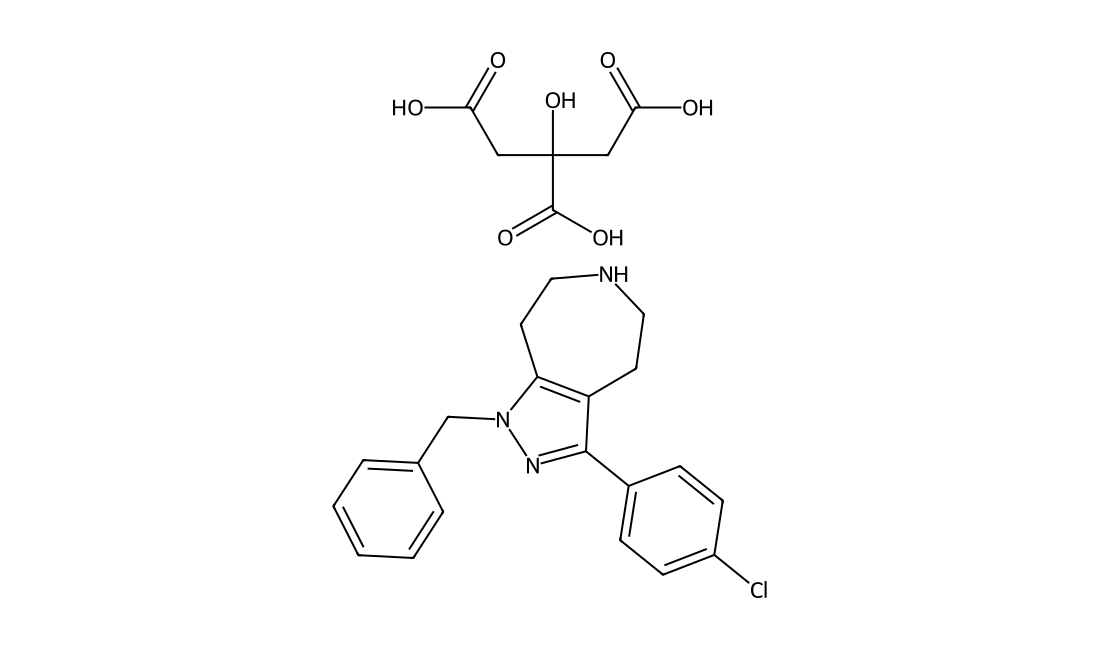
CAS 851376-05-1
JNJ-18038683 is a potent, selective 5-HT7 receptor antagonist with pKi of 8.19 and 8.20 for rat and human 5-HT7 in cell-based assays; decreases 5-HT (100 nM)-stimulated adenylyl cyclase in rat and human 5-HT7/HEK293 cells with pKb of 8.01 and 7.99, respectively; shows 10-fold selectivity over h5-HT6 receptor, 15-fold selectivity over rat adrenergic α1 receptor, 14- to 25-fold selectivity over the h5-HT2 receptor subtypes, and 20-fold selectivity over h5-HT1B receptor; prolongs rapid eye movement (REM) sleep and decreases REM duration induced by citalopram in vivo.DepressionPhase 2 Clinical
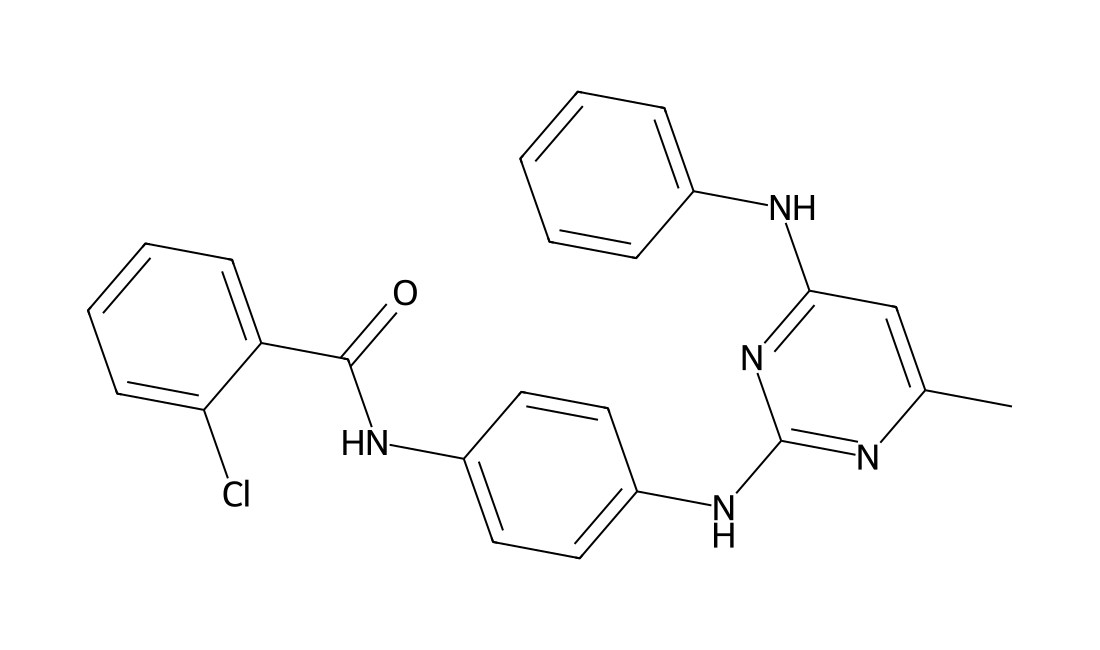
CAS 946293-78-3
Aumitin is a novel potent autophagy inhibitor with IC50 of 124 and 244 nM against starvation- and rapamycin- induced autophagy respectively, targets mitochondrial complex I; inhibits LC3 lipidation, and p62 degradation by starvation- as well as rapamycin-induced autophagy dose-dependently in MCF7-LC3 cells, suggesting inhibition of autophagic flux; inhibits mitochondrial respiration by targeting complex I with IC50 of 0.11 uM in HeLa cells; Aumitin is a new tool compound for interrogating autophagy and mitochondrial respiration by means of complex I inhibition.
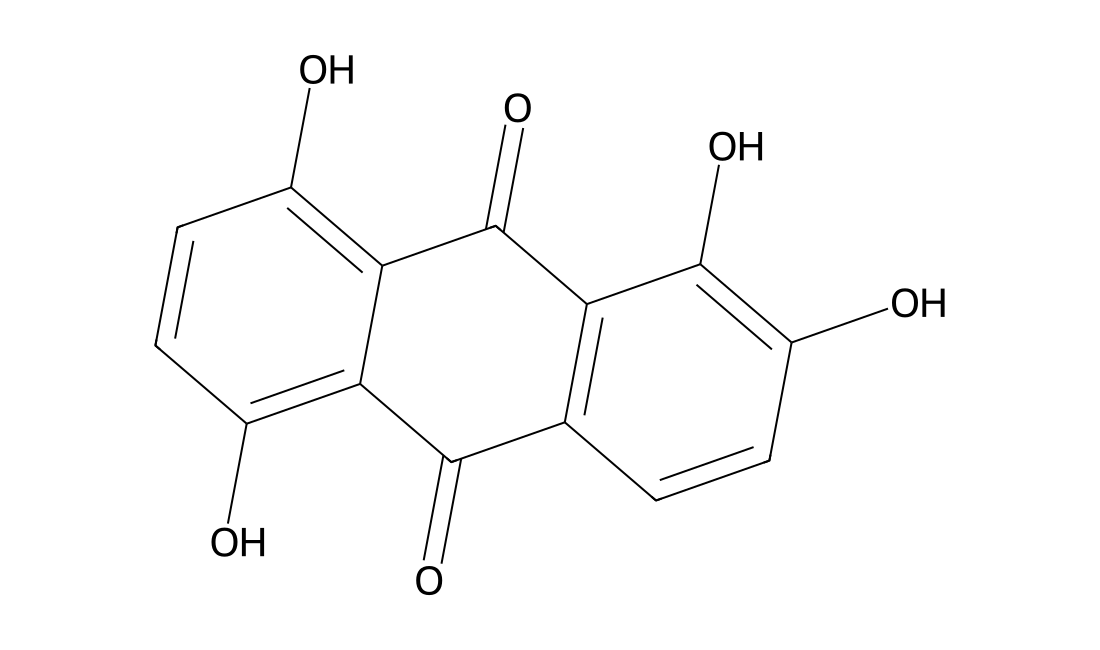
CAS 81-61-8
Quinalizarin is a potent, selective and cell-permeable inhibitor of CK2 with Ki of 58 nM; shows selectivity over DYRK1a, PIMs, HIPK2, MNK1, ERK8 and PKD1; inhibits endogenous CK2 and induces apoptosis more efficiently than Emodin in Jurkat cells; reduces cell viability with emphasis on adenocarcinoma cells harboring EGFR sensitive mutation, suppresses migration, and accelerates apoptosis in different human lung cancer cell lines.
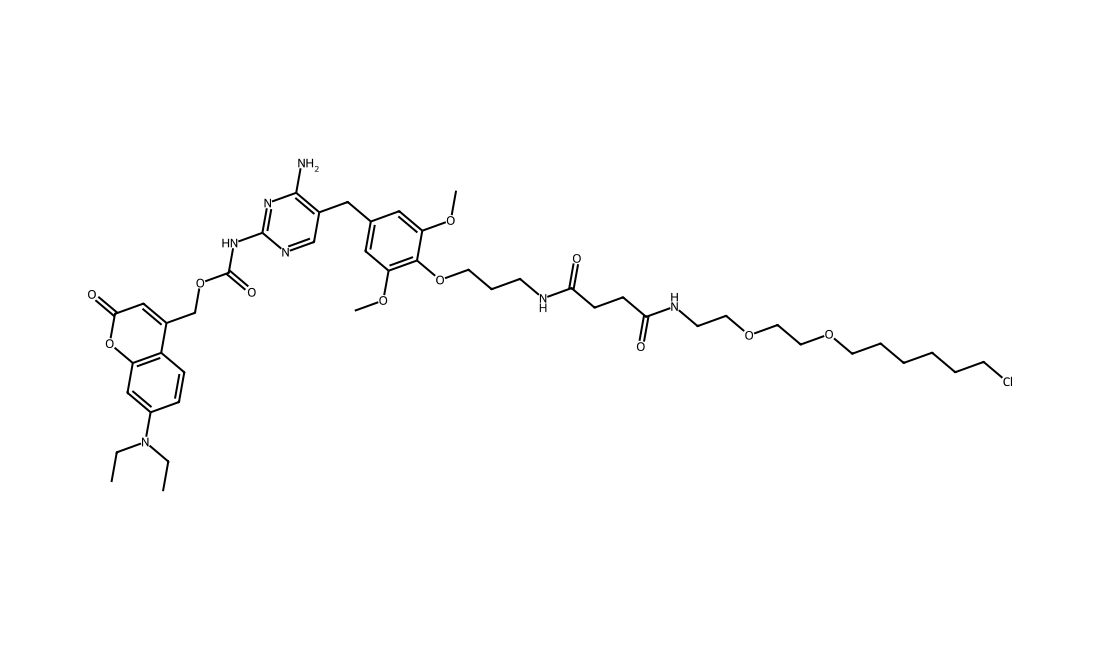
CAS 2137894-99-4
Coumarin-TMP-Halo is a specific fluorescent protein labeling agent.
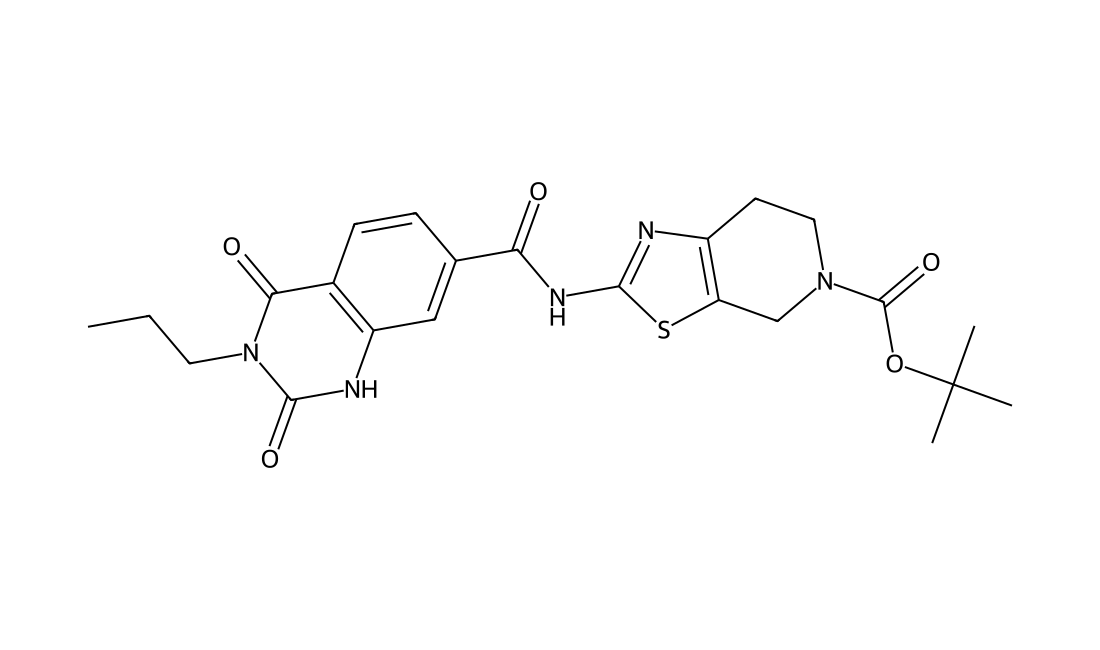
CAS 2375541-73-2
Novel autophagy inhibitor, selectively targeting cholesterol transfer protein GRAM domain-containing protein 1A (GRAMD1A), and directly competing with cholesterol binding to the GRAMD1A StART domain
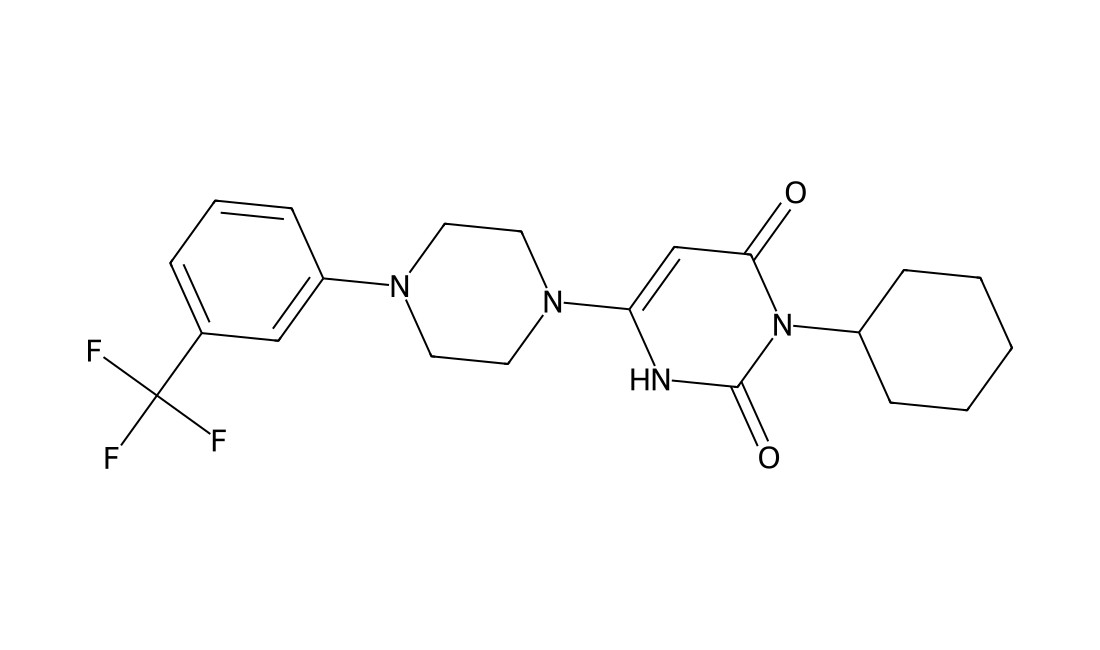
CAS 1883548-87-5
ML-179 is a potent inverse agonist of liver receptor homolog-1 (LRH-1) (IC50 = 320 nM) with maximum efficacy of 40% repression.
CAS 1111636-35-1
PF-04880594 is a potent and selective RAF inhibitor that inhibits both wild-type and mutant BRAF and CRAF. PF-04880594 potently inhibits tumor growth in BRAF-mutant melanoma xenograft models.
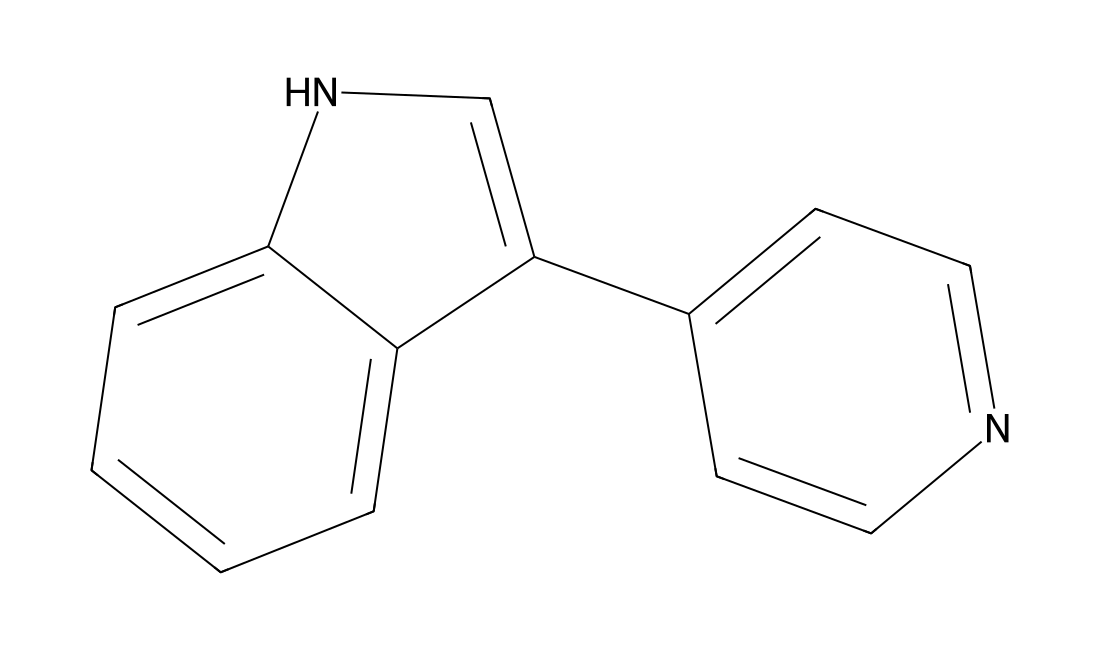
CAS 7272-84-6
3-(4-Pyridyl)indole is a ROCK-I inhibitor (IC50 = 25 µM) that promotes cell spreading, inhibits membrane blebbing, and induces dissolution of actin stress fibers in a wound healing assay.It also inhibits ROCK-II and PRK2, another Rho-dependent kinase, with similar potency, while inhibiting MSK-1 and PKA with relatively weaker potency.
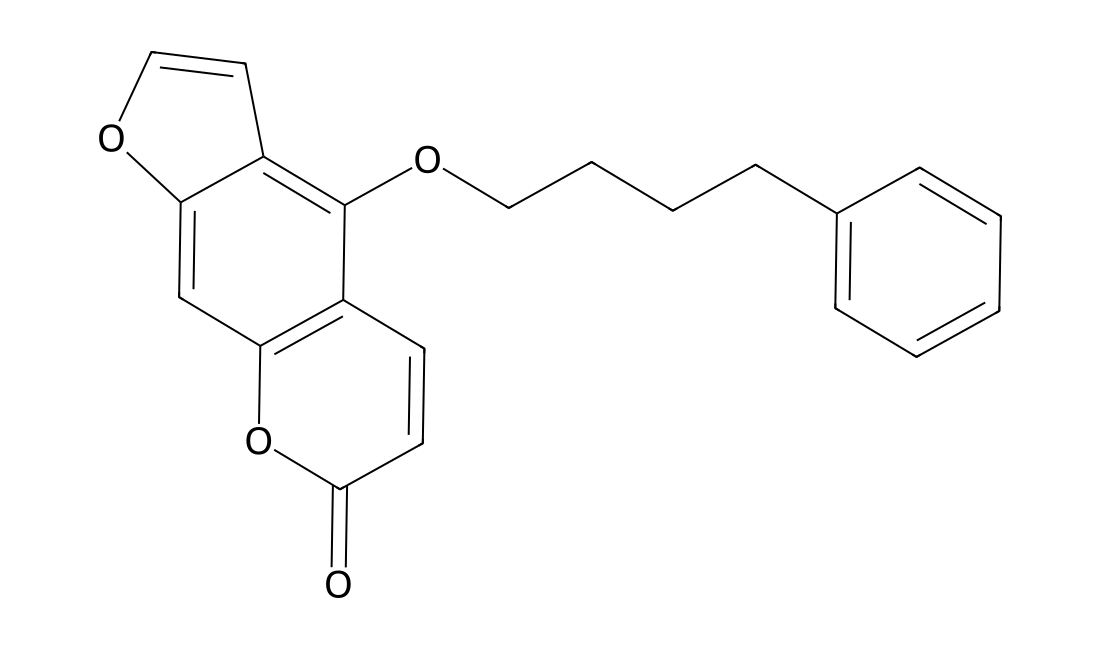
CAS 724709-68-6
Psora-4 is a potent and selective Kv1.3 potassium channel blocker with EC50 of 3 nM; shows 17- to 70-fold selectivity for Kv1.3 over closely related Kv1-family channels (Kv1.1, Kv1.2, Kv1.4, and Kv1.7) with the exception of Kv1.5 (EC50, 7.7 nM), and shows no effect on hERG, Kv3.1, the calcium-activated K+ channels (IKCa1, SK1-SK3, and BKCa), or the neuronal NaV1.2 channel; selectively suppresses the proliferation of human and rat myelin-specific effector memory T cells with EC50 of 25 and 60 nM, respectively, without persistently suppressing peripheral blood naive and central memory T cells.
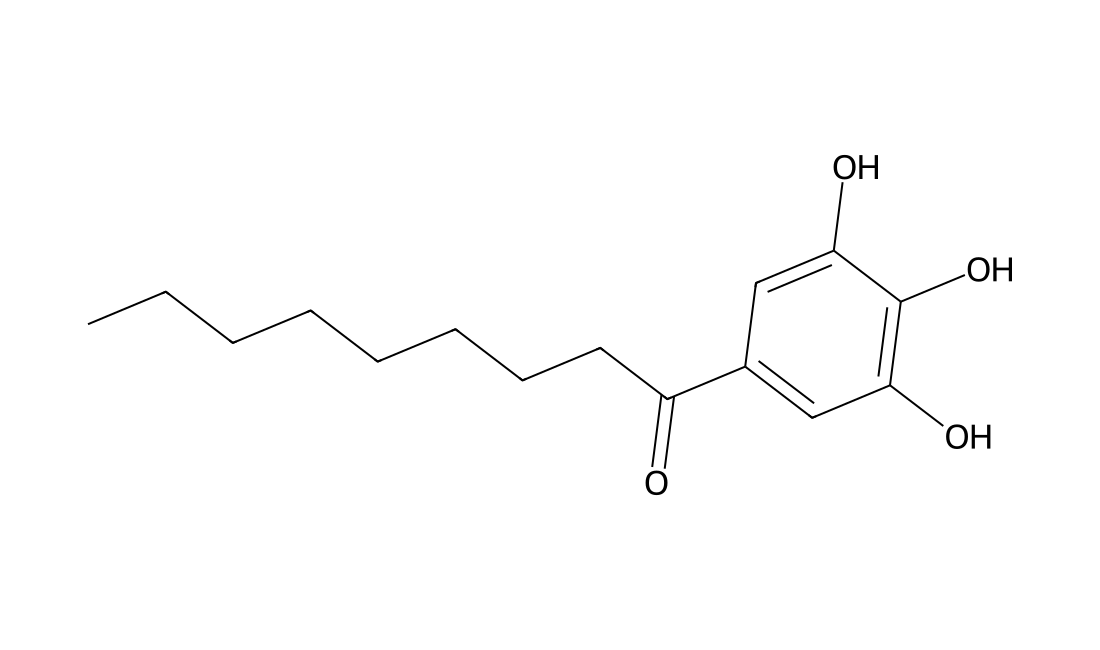
CAS 100079-26-3
A potent nuclear receptor TR3 (Nur77)-specific targeting compound that can induce melanoma autophagy through a mitochondrial signaling pathway; binds TR3 to facilitate the interaction with Nix, induces TR3 localization to MIM; significantly represses tumor growth in xenograft mouse model; a chemical probe to study TR3-mediated signal transduction pathway.
CAS 282089-49-0
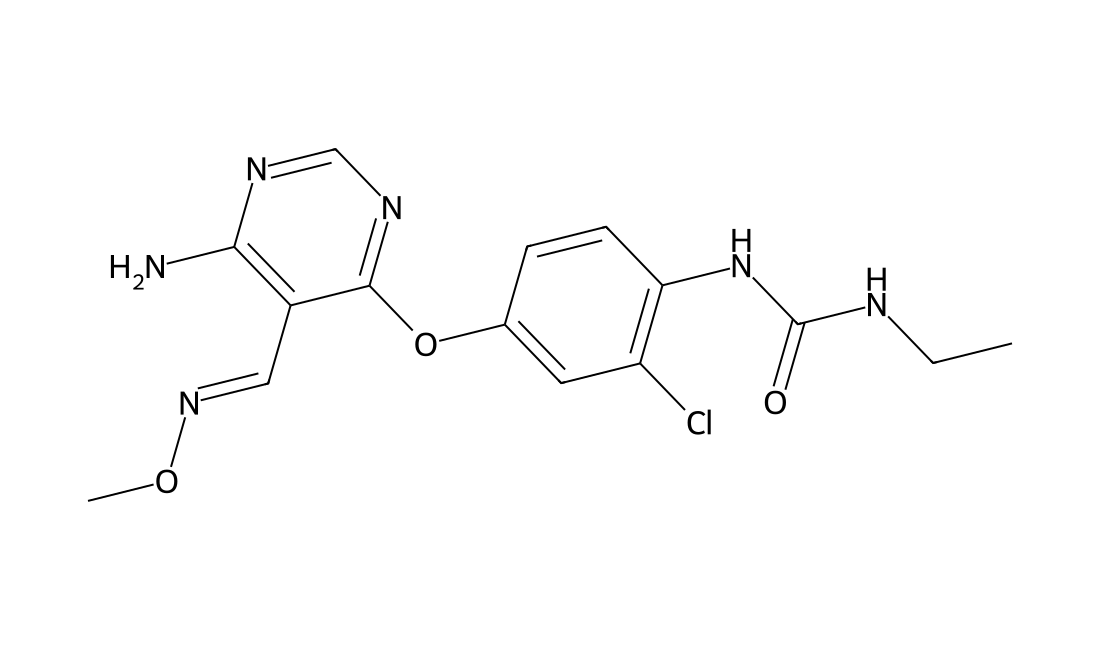
A potent, selective, orally active cannabinoid CB2 receptor inverse agonist with Ki of 35.9, 1.55 and 0.38 nM for human, mouse and rat CB2, respectively; increases of forskolin-stimulated cAMP production in CHO cells expressing CB2 in vitro, inhibits carrageenin-induced mouse paw edema dose dependently in mice.
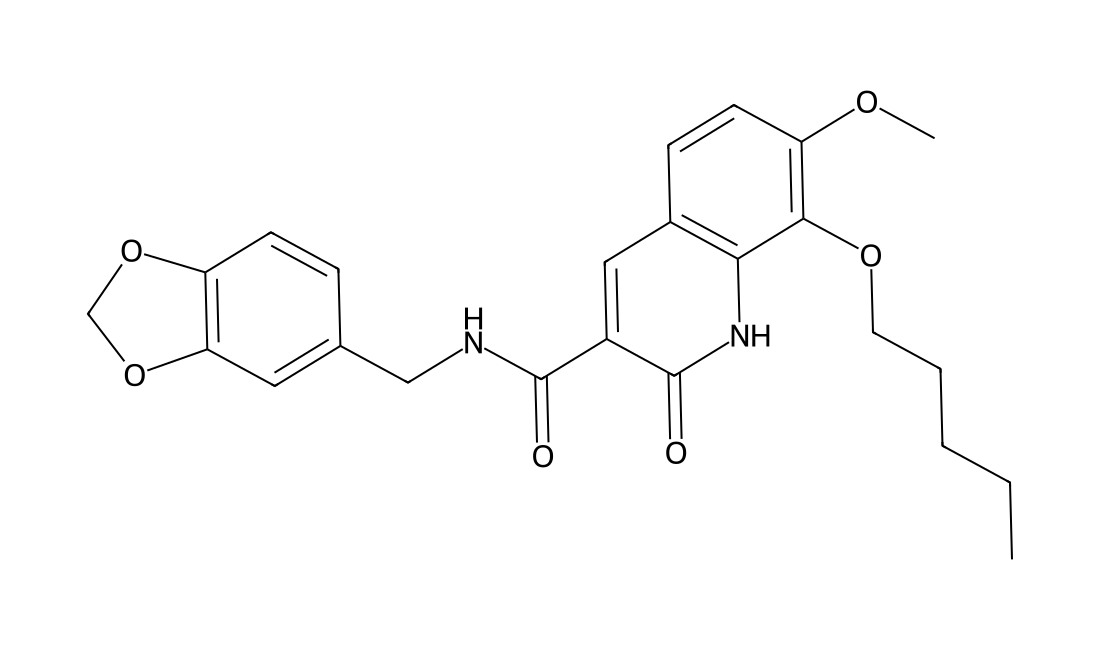
CAS 145915-58-8
DAPH-1 (CGP 52411) is a small molecule that directly inhibits prion protein Sup35 prionogenesis with IC50 of 0.58 uM, inhibits and reverses the formation of Aβ42 fibers and reduces their toxicity to neurons in culture; inhibits prion nucleation by preventing both Head-to-Head and Tail-to-Tail intermolecular interactions; also is a potent and selective inhibitor of EGFR kinase with IC50 of 1 uM, selectively inhibits both ligand-induced EGF-R and p185c-erbB2 autophosphorylation and c-fos mRNA induction.
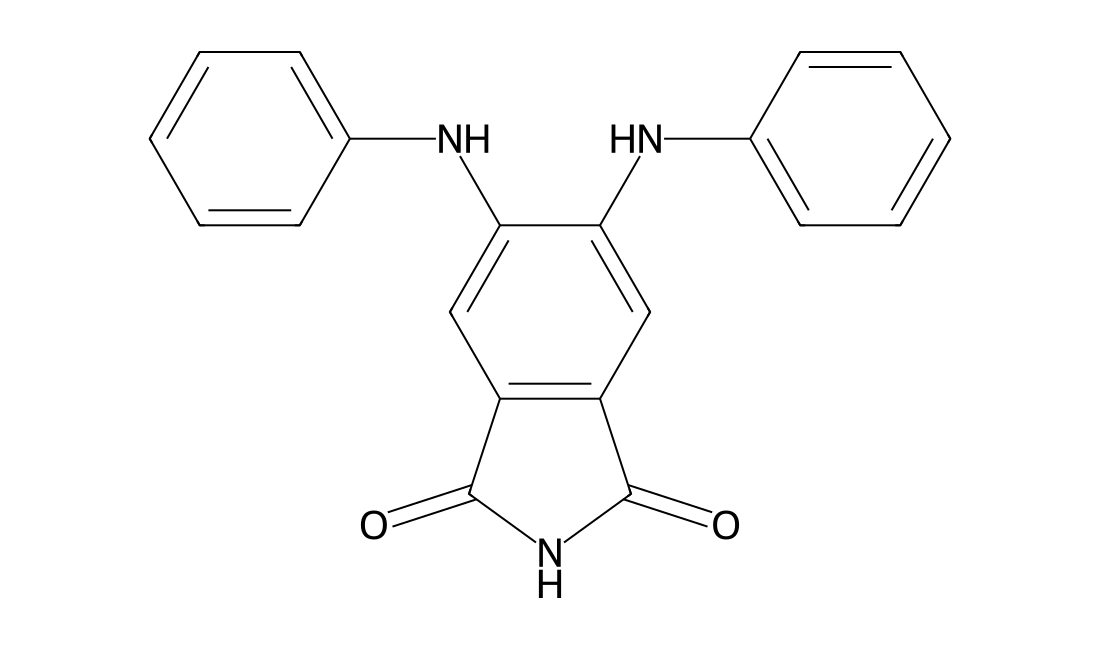
CAS 179420-17-8
CJ-13610 is a potent 5-Lipoxygenase (5-LO) inhibitor that suppresses 5-LO product formation with IC50 of 70 nM; demonstrates antihyperalgesic activity in inflammatory pain models including the acute carrageenan model and the chronic inflammatory model.AsthmaPhase 2 Discontinued
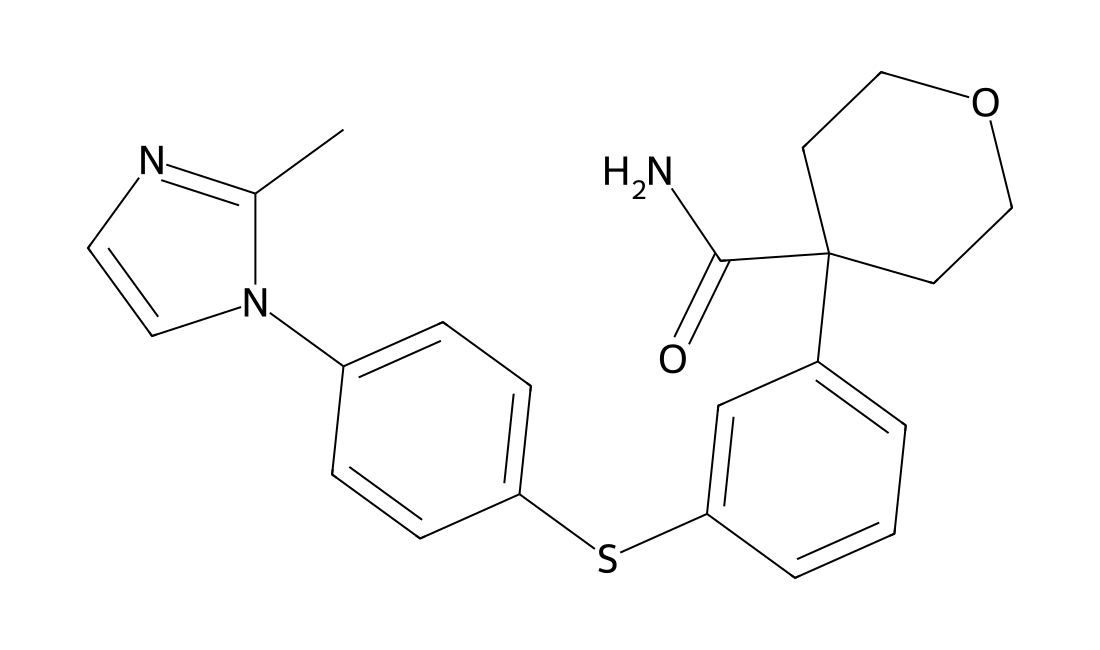
CAS 120934-96-5
FPL64176 is a potent L-type Ca++ channel activator with EC50 of 16 nM; prolongs action potential duration and enhances contractility in guinea pig papillary muscle, induces contractile response with EC50 of 0.2 uM; produces biexponential tail current decays at -50 mV with fast and slow time constants of 4.30 +/- 0.30 and 44.52 +/- 4.56 msec, respectively; produces large increases in cardiac contractile force and diastolic blood pressure in anesthetized dogs (100 mg/kg, i.v.).
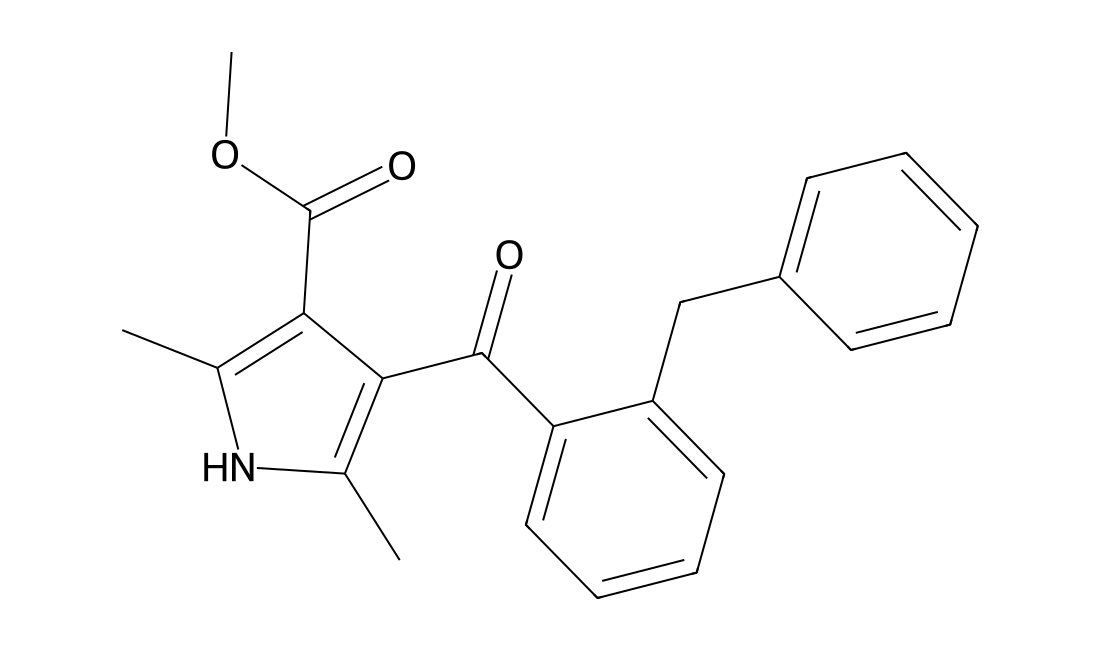
CAS 2110426-27-0
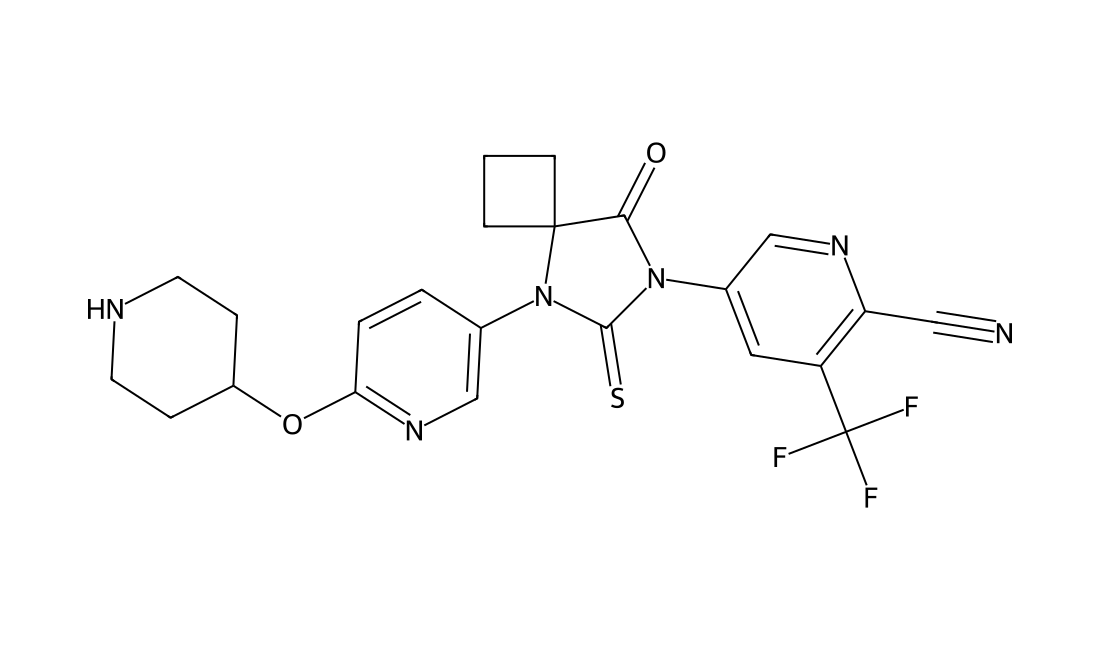
JNJ-63576253 (TRC-253) is a potent and selective androgen receptor (AR) Antagonist with IC50 of 6.9 nM. JNJ-63576253 displays robust inhibition in WT and LBD-mutated, enzalutamide-resistant models of prostate cancer.
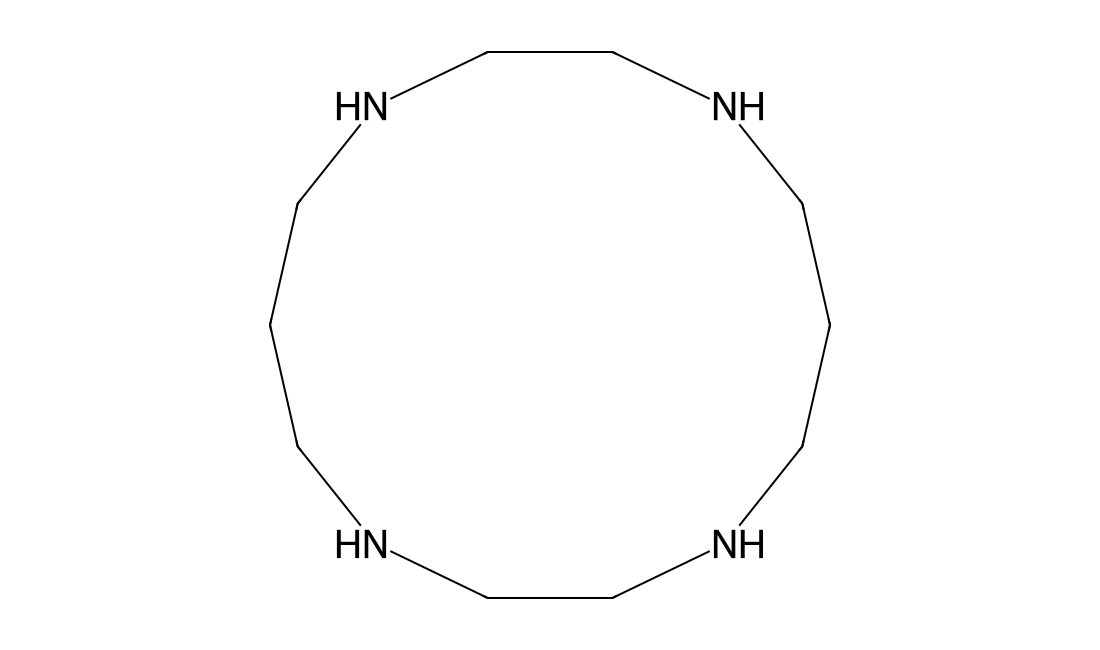
CAS 295-37-4
Cyclam (1,4,8,11-tetraazacyclotetradecane) is an organic compound. It is a white solid that is soluble in water. The compound is notable as a macrocyclic ligand, which binds strongly to many transition metal cations. The compound was first prepared by the reaction of 1,3-dibromopropane and ethylenediamine.
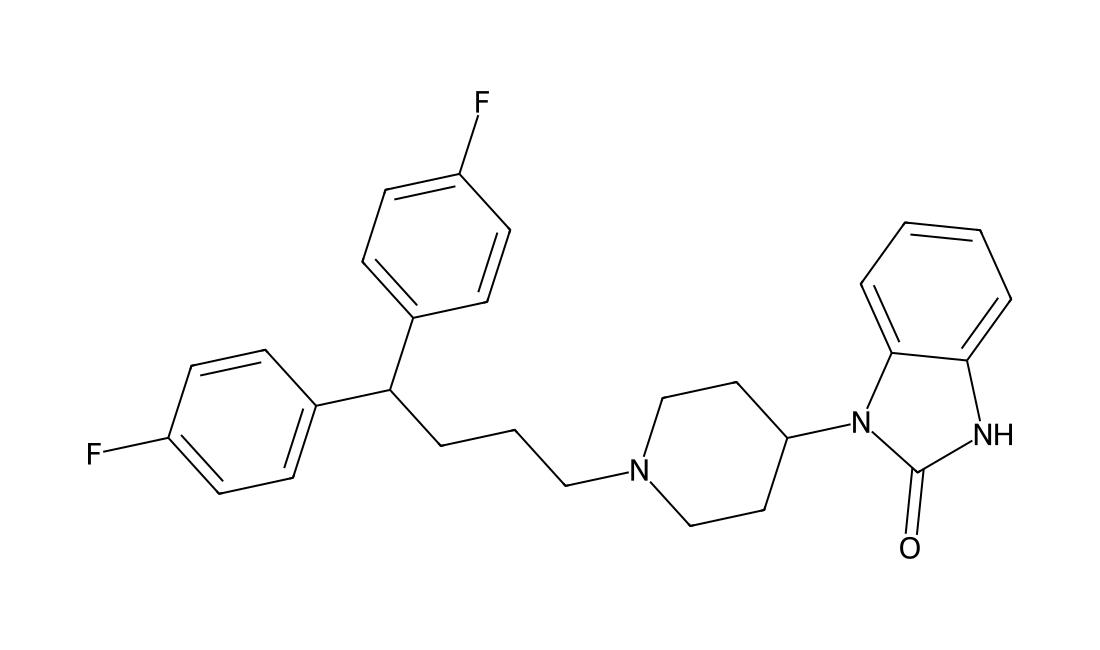
CAS 2062-78-4
Pimozide is an antipsychotic agent that acts as an antagonist of the D2, D3, and D4 receptors and the 5-HT7 receptor, also is an inhbitor of STAT5; also is a hERG blocker, inhibits USP1/UAF1 noncompetitively with Ki of 0.5 uM; displays selectivity against a number of deubiquitinases, deSUMOylase, and cysteine proteases.
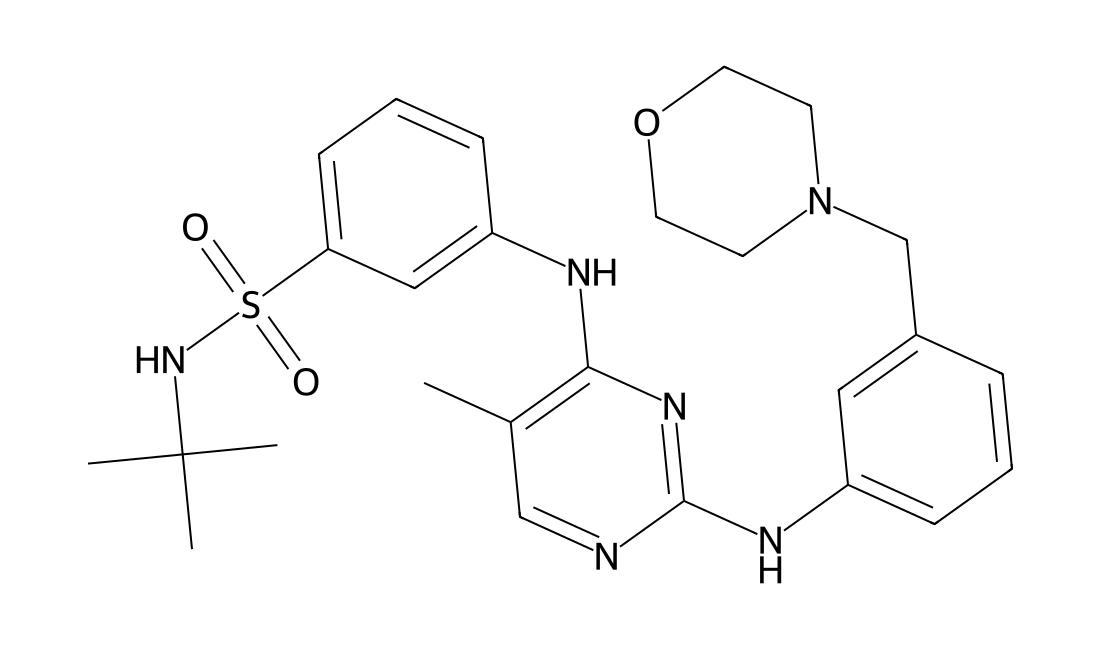
CAS 936091-56-4
TG-89 is a JAK inhibitor. It has IC50 values of 6, 25, 17 and 169 nM against JAK2, FLT3, RET and JAK3 respectively.
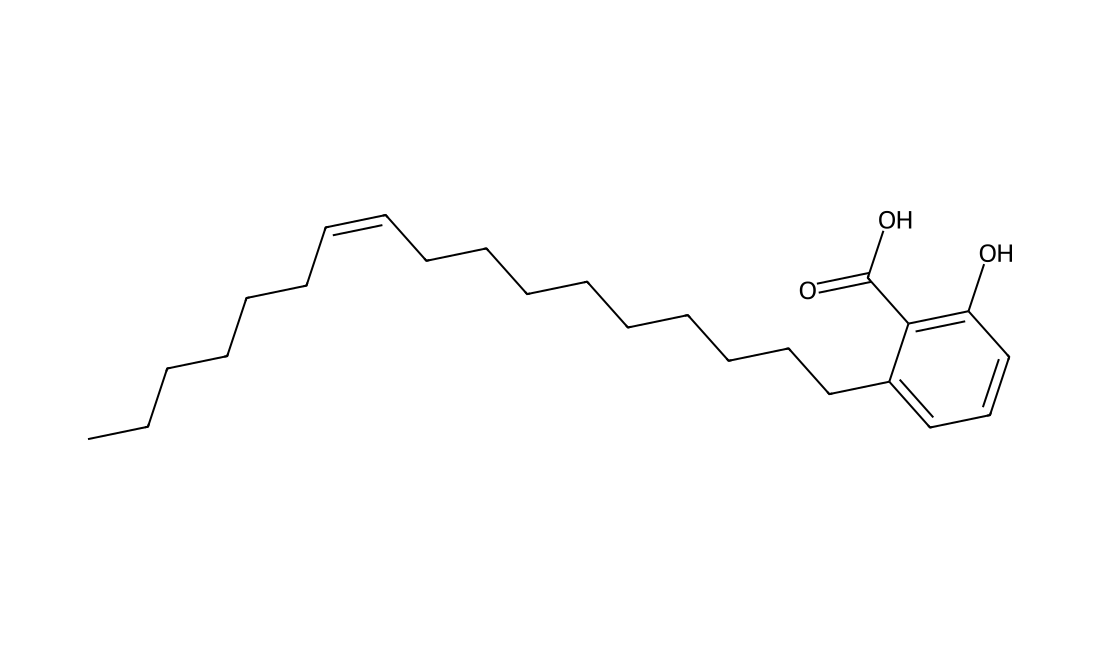
CAS 111047-30-4
Ginkgolic acid C17:1 (GAC 17:1) inhibits constitutive activation of STAT3 by abrogating upstream JAK2 and Src. Ginkgolic acid C17:1 can induce substantial expression of PTEN and SHP-1. Ginkgolic acid C17:1 induces tumor cell apoptosis.
CAS 1210360-87-4
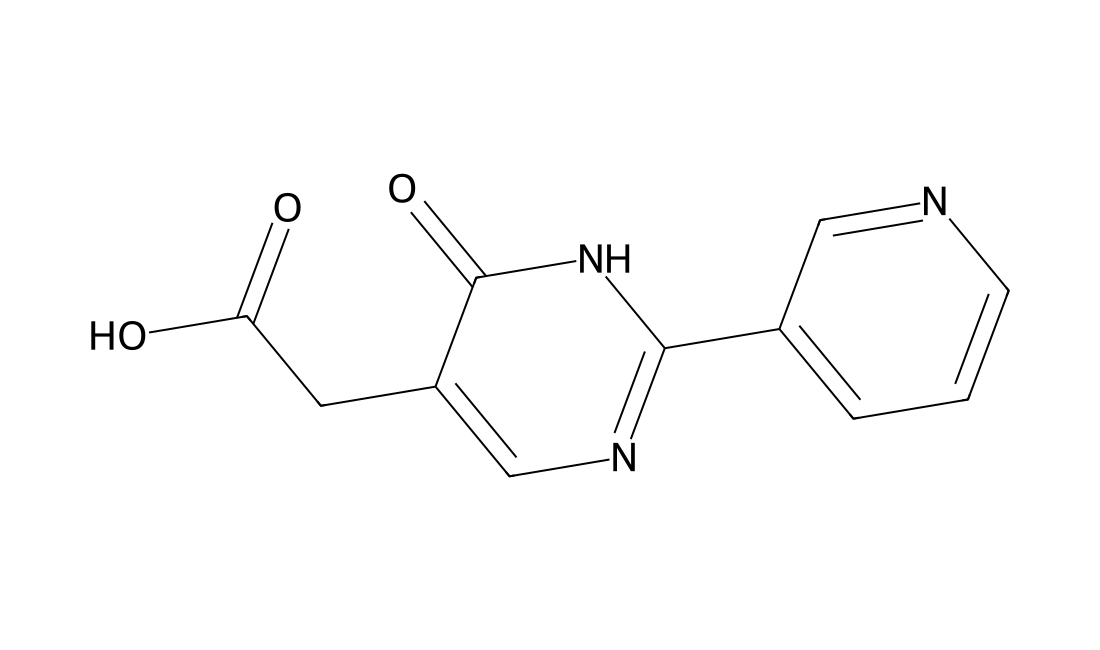
CAY10781 is an inhibitor of the protein-protein interaction between NRP-1 and VEGF-A
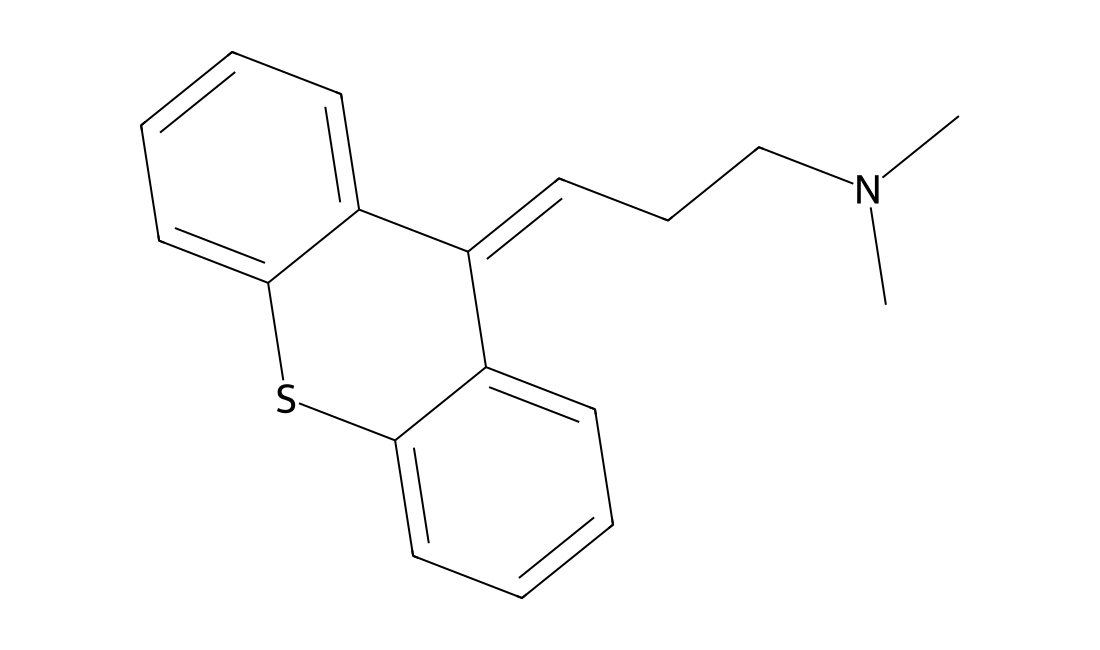
CAS 2243944-92-3
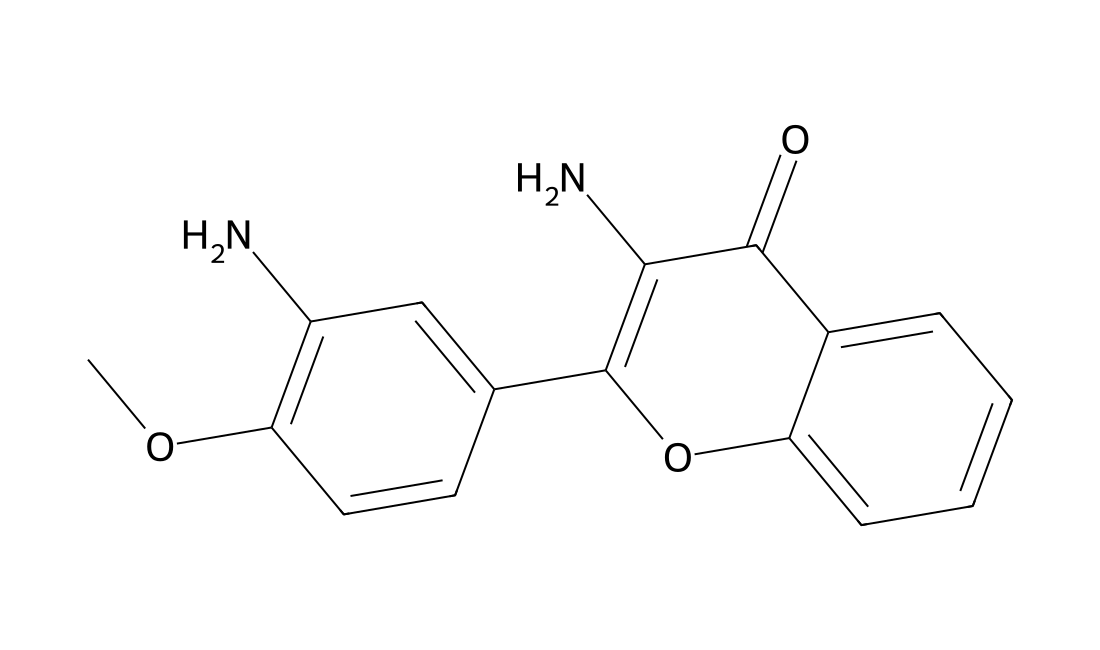
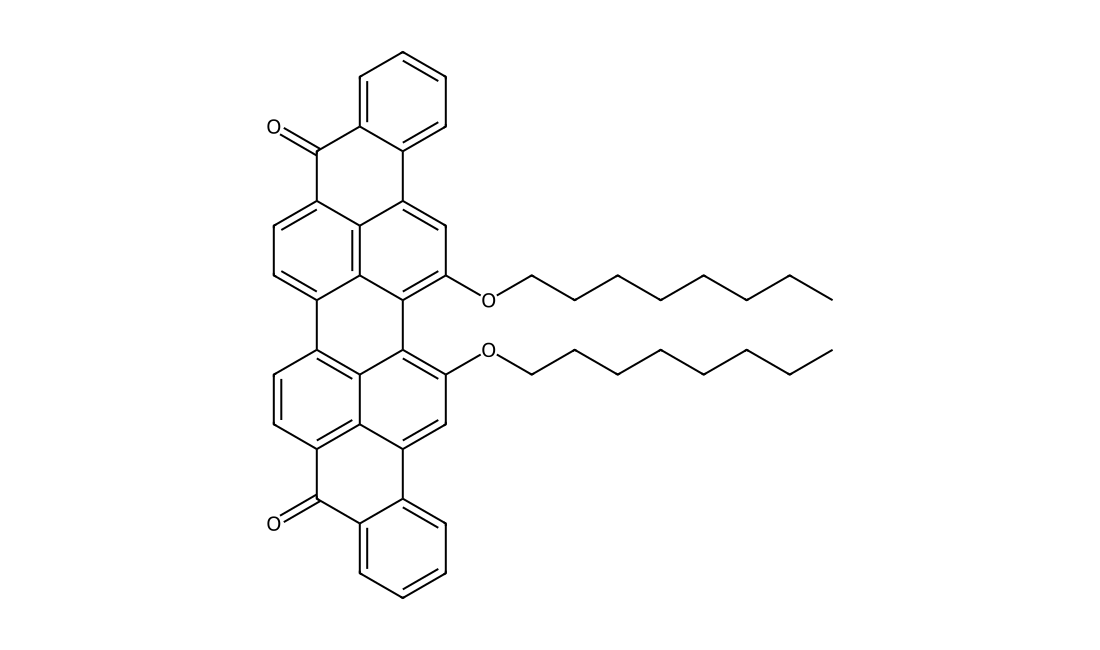
UUN44923 is a FTO inhibitor. UUN44923 may be useful for treating diseases assocd. with FTO targets, obesity, metabolic syndrome (MS), type 2 diabetes (T2D), Alzheimer's diseases, breast cancers, small-cell lung cancers, a human bone marrow striated muscle cancer, a pancreatic cancer, malignant glioblastoma and the like. UUN44923 was reported in WO 2018157843.
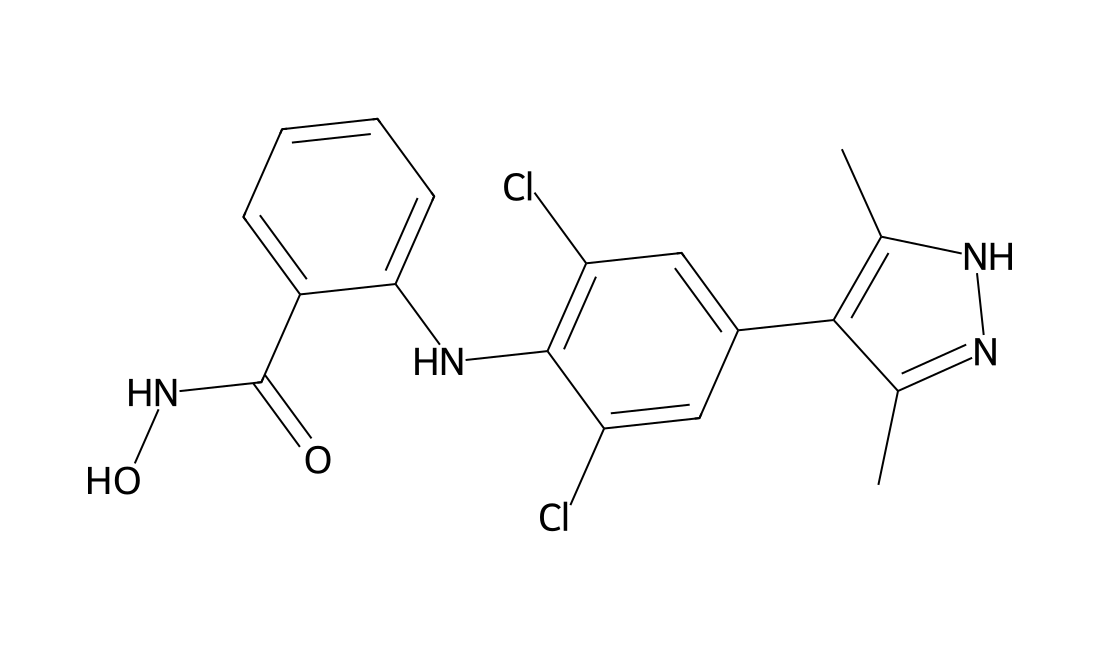
CAS 2323027-38-7
Ceapin-A7 is a selective blocker of ATF6α signaling in response to ER stress, with an IC50 of 0.59 μM. Ceapin-A7 can be used to explore both the mechanism of activation of ATF6α and its role in pathological settings.
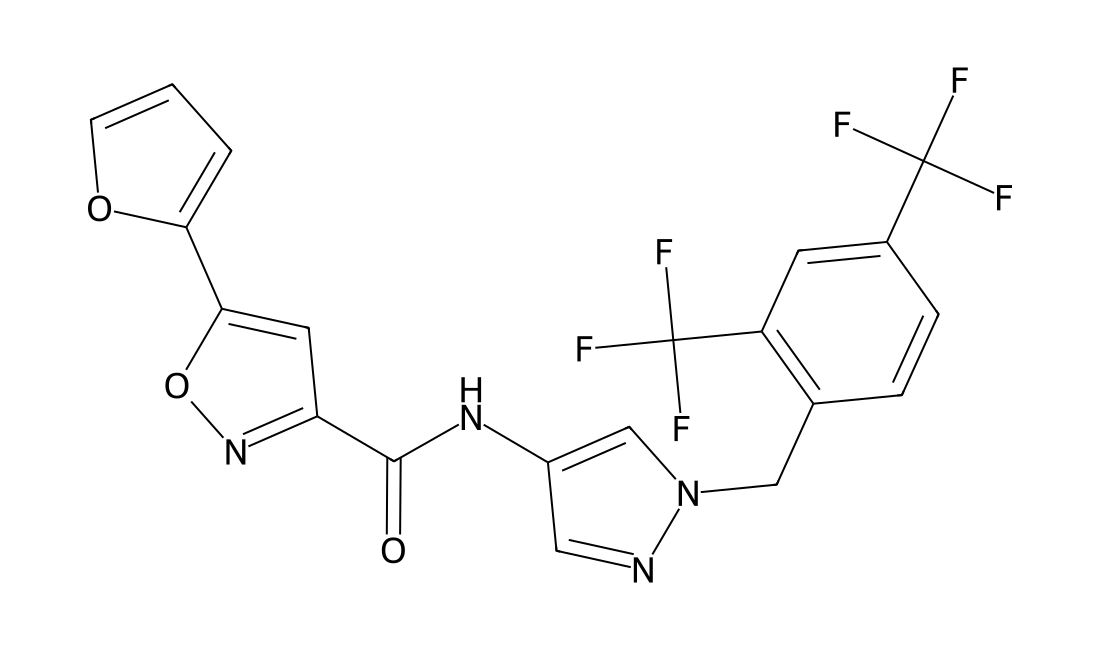
CAS 183320-51-6
OSI-420 (Desmethyl Erlotinib,CP-473420) is an active metabolite of erlotinib which is an orally active EGFR tyrosin kinase inhibitor with IC50 of 2 and 20 nM for human EGFR and EGFR autophosphorylation in tumor cells.
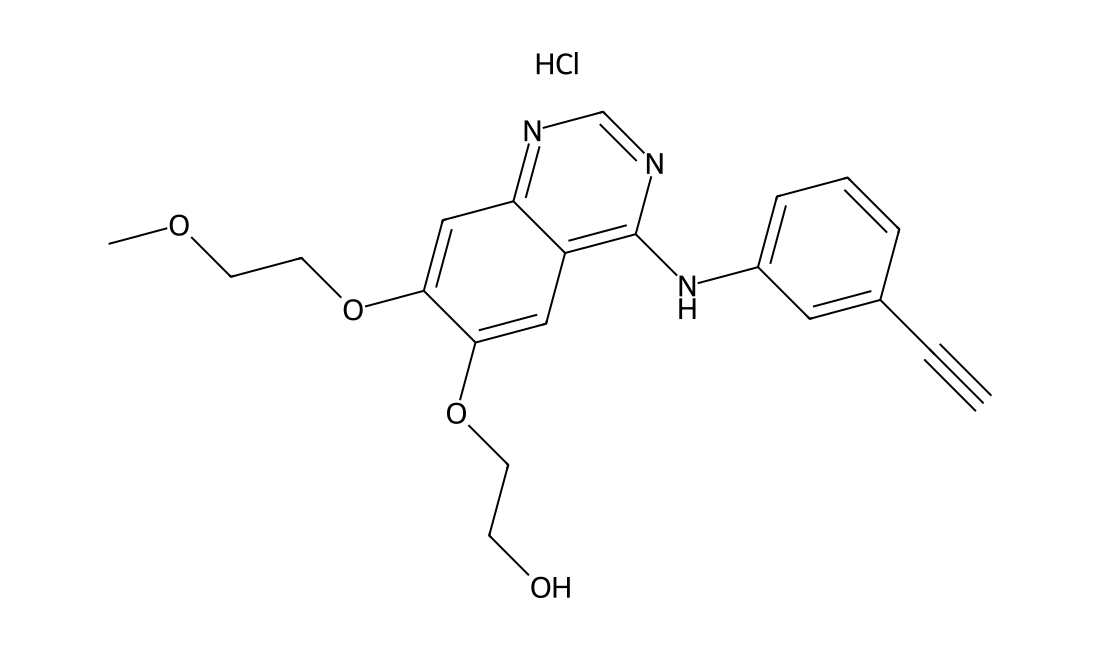
CAS 1419320-73-2
A small molecule inhibitor of clathrin terminal domain and inhibits clathrin-mediated endocytosis; inhibits endocytosis of transferrin receptor, a CDE cargo protein, but not affect endocytosis of shiga toxin; traps HeLa cells in metaphase through loss of mitotic spindle integrity and activation of the spindle assembly checkpoint, a useful tool for investigating clathrin spindle dynamics.
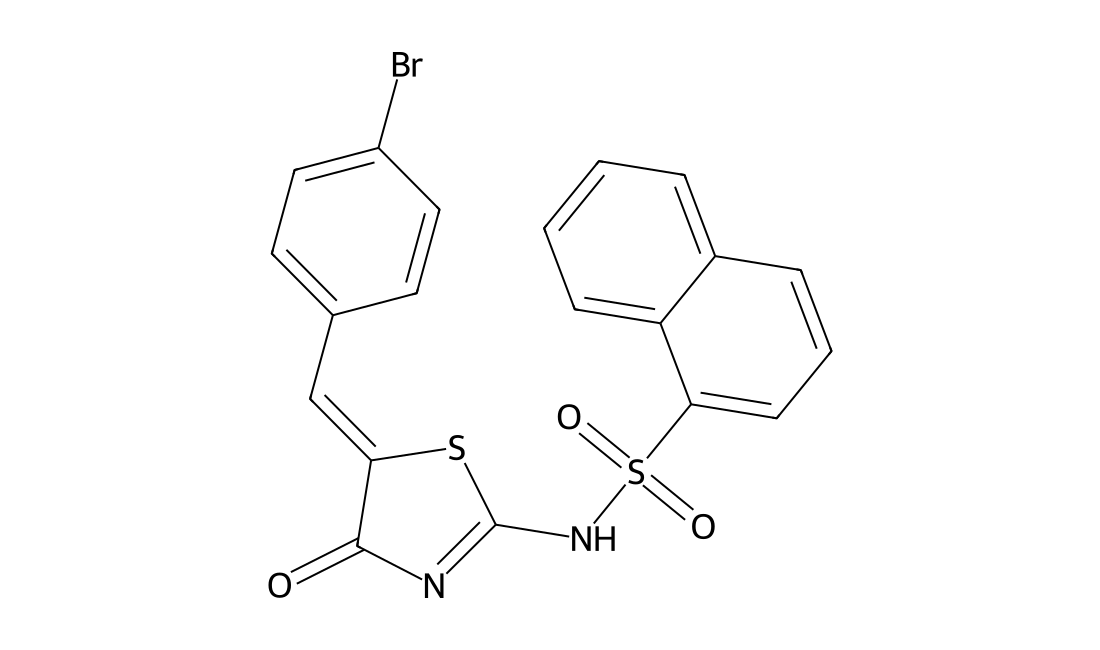
CAS 431979-47-4
SJ-172550 is the first MDMX inhibitor with EC50 of 0.84 uM; binds reversibly to MDMX and effectively kills retinoblastoma cells in which the expression of MDMX is amplified. in vitro: Unlike SJ-134433 and SJ-044557, SJ-172550 was stable in solution and did not modify the MDMX protein by covalent binding in our FP assay buffer. MDMX-p53 interaction was at least partially inhibited by SJ-172550, despite its relatively low cell permeability. SJ-172550 acts through a complicated mechanism in which the compound forms a covalent but reversible complex with MDMX and locks MDMX into a conformation that is unable to bind p53.
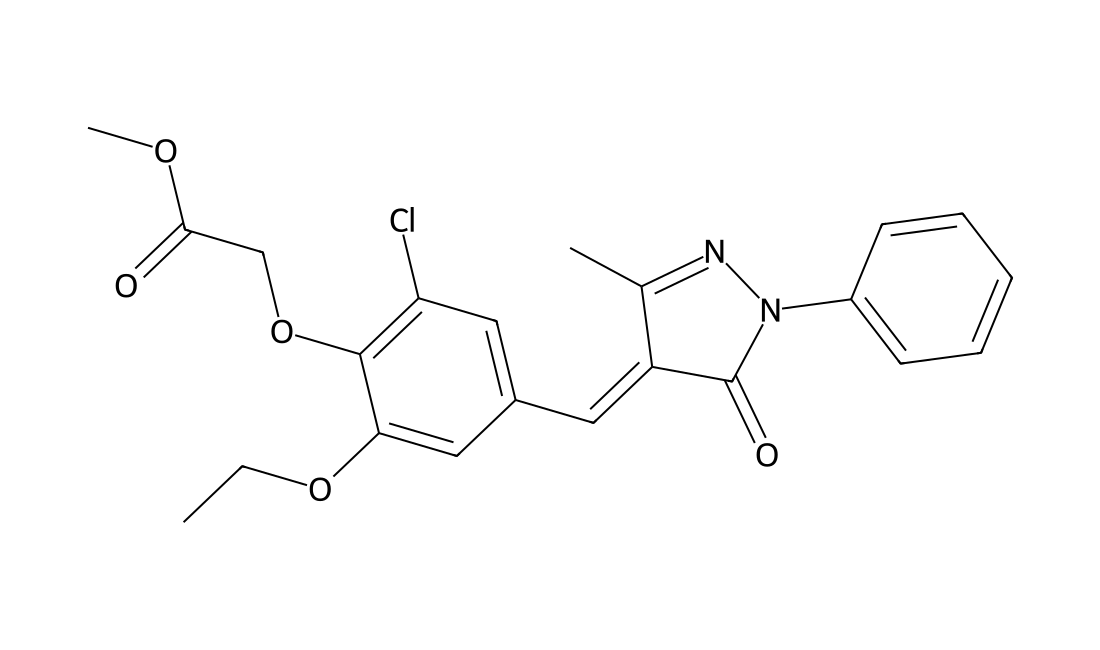
CAS 866409-68-9
QLT0267 is an ATP-competitive selective inhibitor of integrin-linked kinase (ILK).
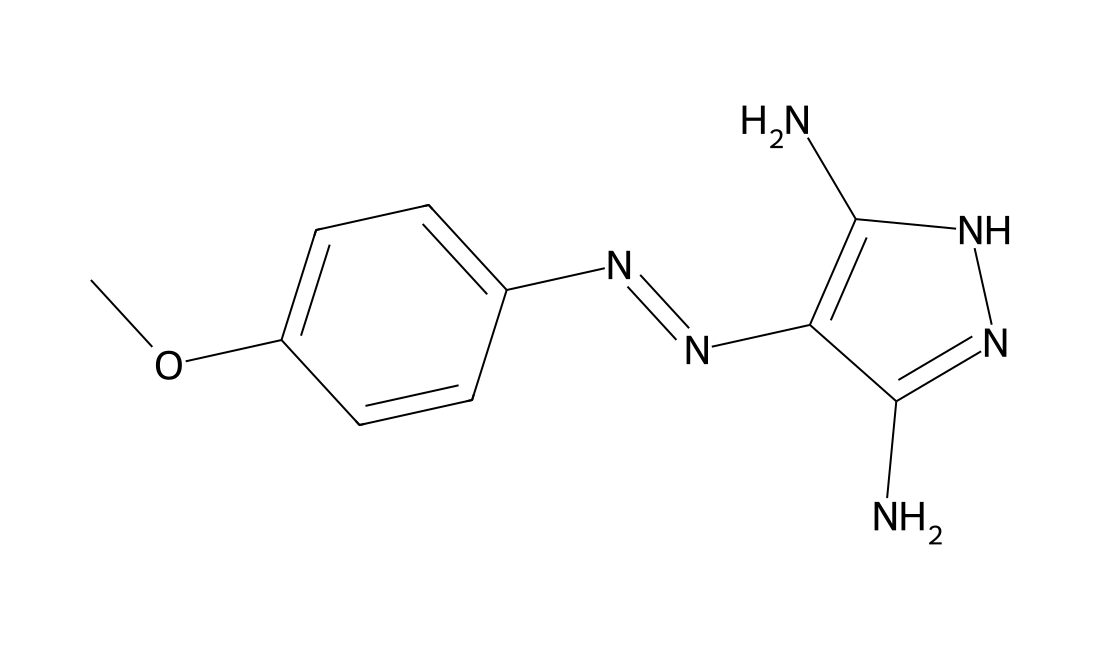
CAS 1430798-22-3
Isobutyl-deoxynyboquinone (IB-DNQ) is a selective substrate for NAD(P)H:quinone oxidoreductase (NQO1), produces ROS, and induces cytotoxicity in cancer cells in an NQO1-dependent manner; has improved solubility and biocompatibility in comparison with DNQ; a superior drug candidate for evaluating anticancer activities and tolerability in vivo.
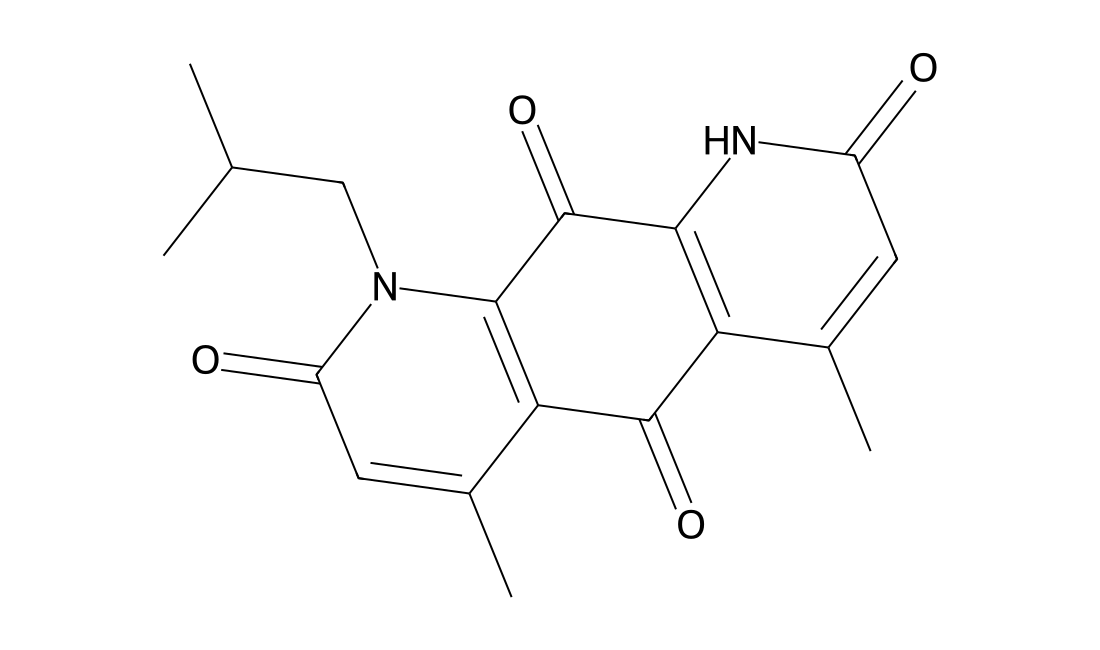
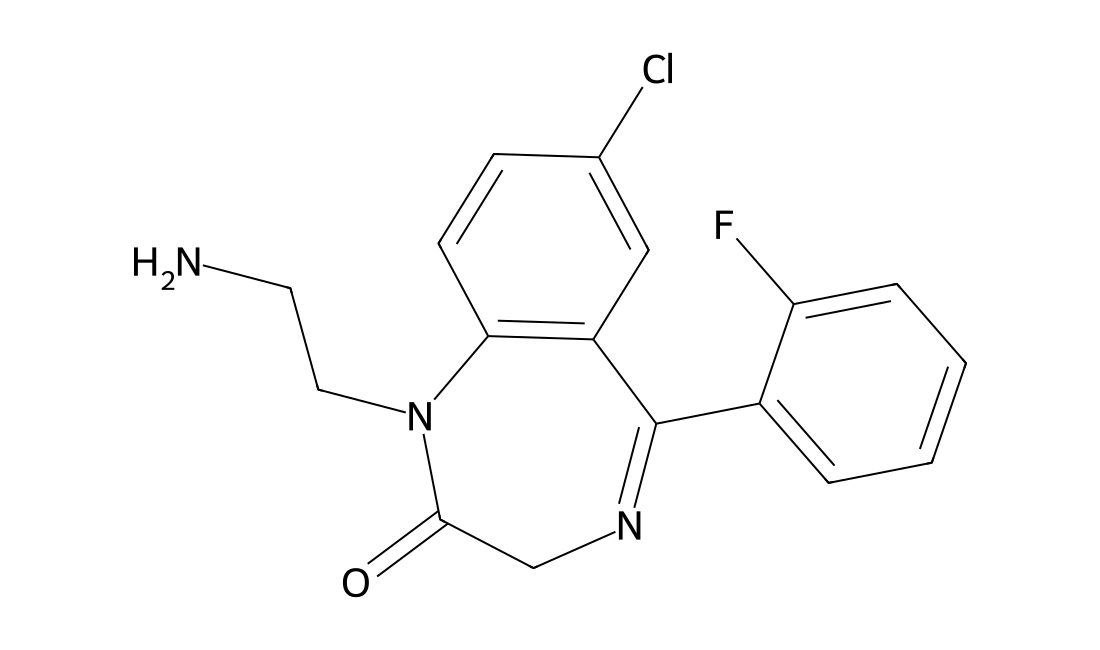
CAS 612530-44-6
A 1,2,5-thiadiazolidin-3-one-1,1-dioxide scaffold for design of protein tyrosine phosphatase-1B (PTP1B) inhibitor.
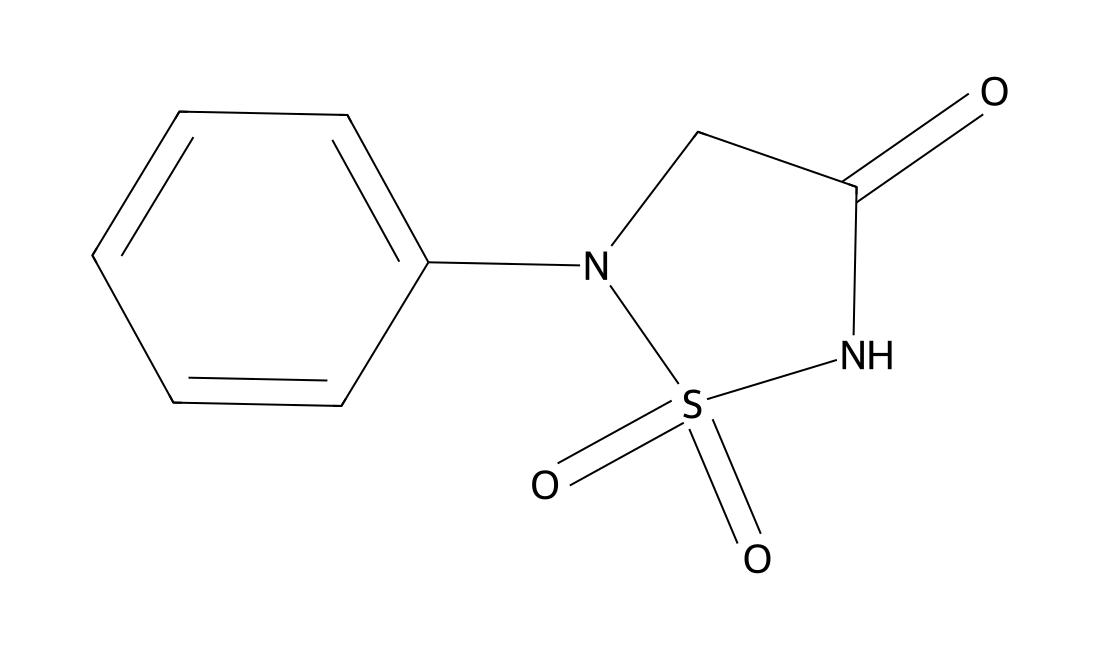
CAS 1632006-28-0
CS-3150 (Esaxerenone, XL-550) is a highly potent, selective and orally active non-steroidal mineralocorticoid receptor antagonist with IC50 of 9.4 nM; displays >1,000-fold selectivity over other steroid hormone receptors, glucocorticoid receptor, androgen receptor and progesterone receptor; inhibits aldosterone-induced transcriptional activation of human mineralocorticoid receptor with IC50 of 3.7 nM, shows superior potency to that of spironolactone and eplerenone; suppresses aldosterone-induced decrease in urinary Na(+)/K(+) ratio, inhibits blood pressure elevation induced by DOCA/salt-loading in rats. Diabetes Phase 3 Clinical
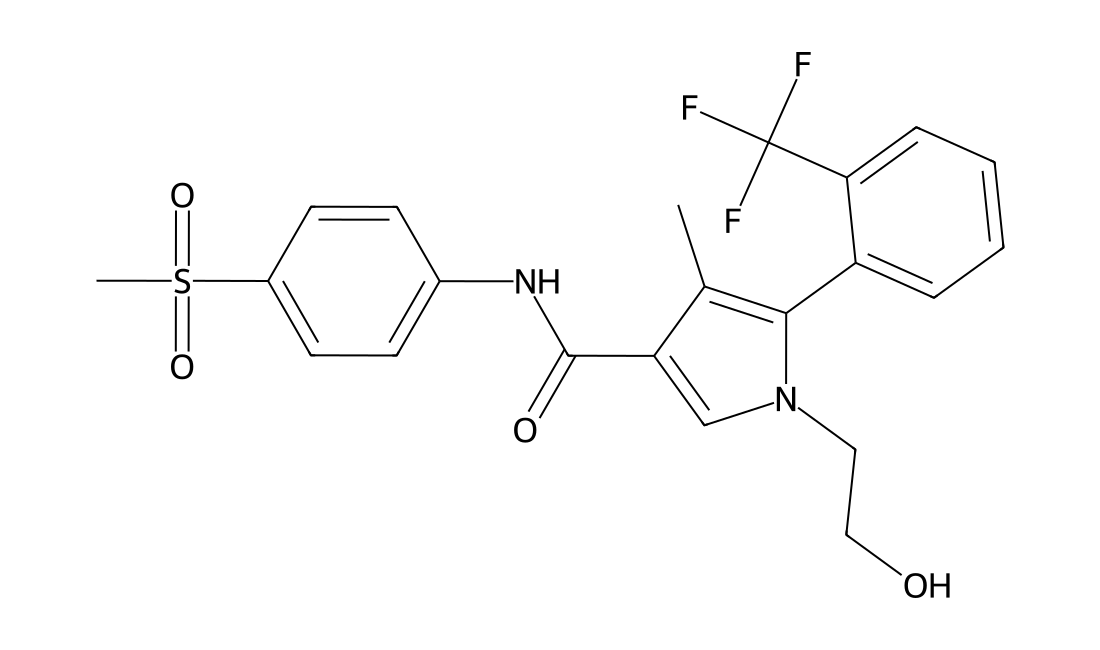
CAS 2290527-07-8
Bractoppin is a potent, small-molecule chemical inhibitor that specific selectively blocks phosphopeptide recognition by the BRCA1 tBRCT domain with binding IC50 of 74 nM; shows no inhibition for recognition of cognate biotinylated phosphopeptides to the TOPBP1 tBRCT 7/8, or GRB2 SH2 proteins; engages BRCA1 tBRCT residues recognizing pSer in the consensus motif, pSer-Pro-Thr-Phe, plus an abutting hydrophobic pocket; inhibits substrate recognition detected by Förster resonance energy transfer, and diminishes BRCA1 recruitment to DNA breaks, in turn suppressing damage-induced G2 arrest and assembly of the recombinase, RAD51; selectively interrupts BRCA1 tBRCT-dependent signals evoked by DNA damage.
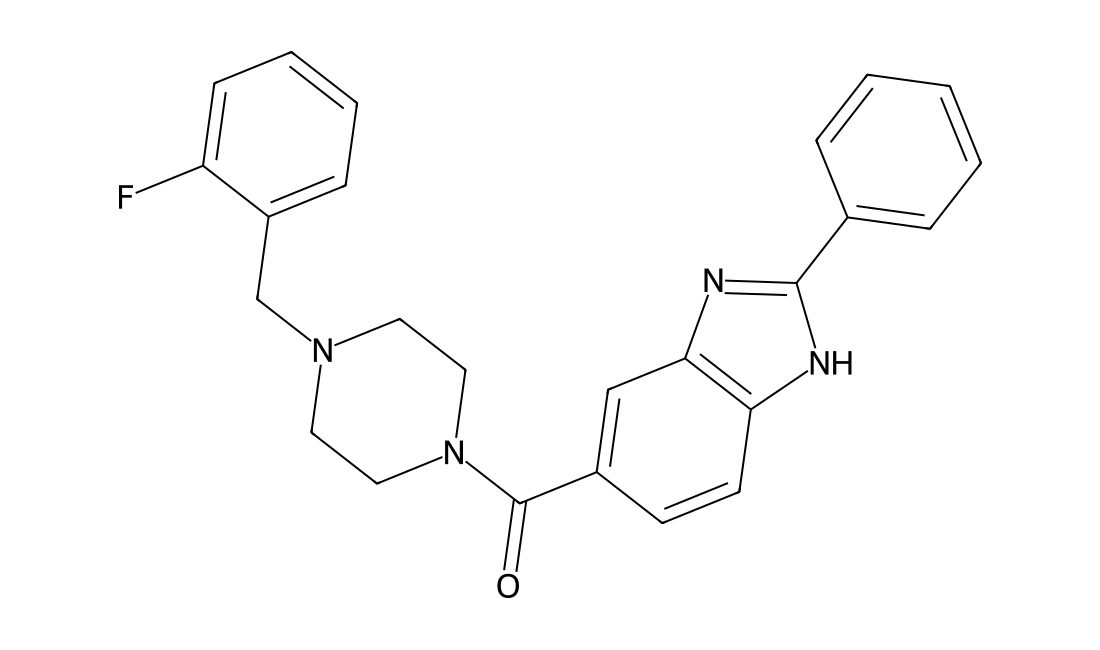
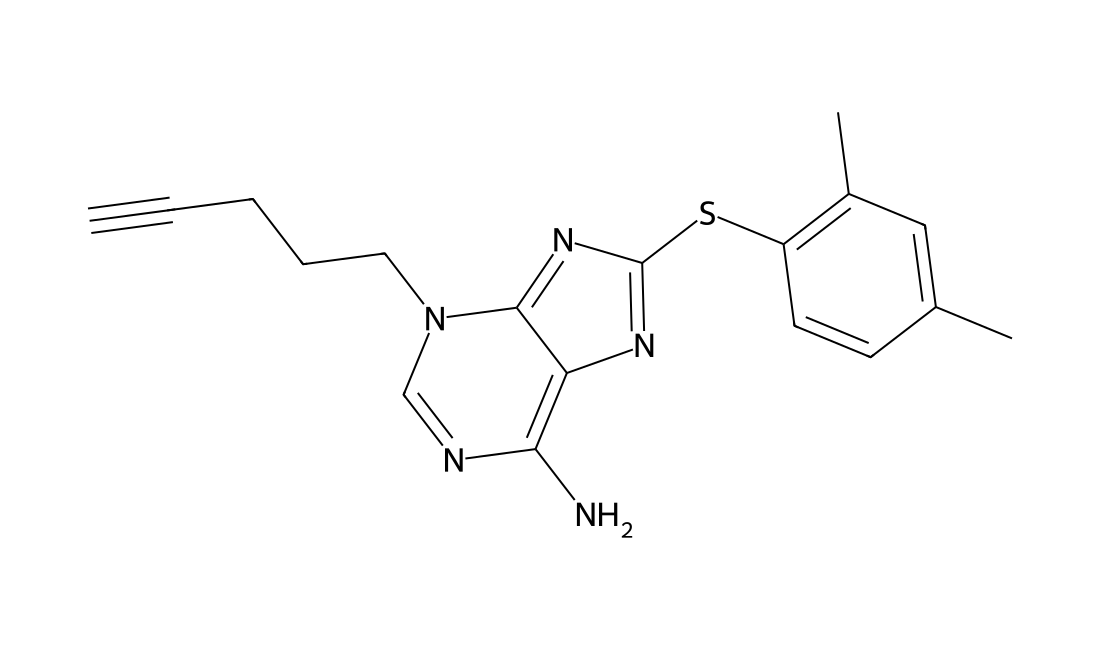
CAS 902589-96-2
Potent, reversible, and ATP-competitive inhibitor of human Thymidylate kinase (TMPK)
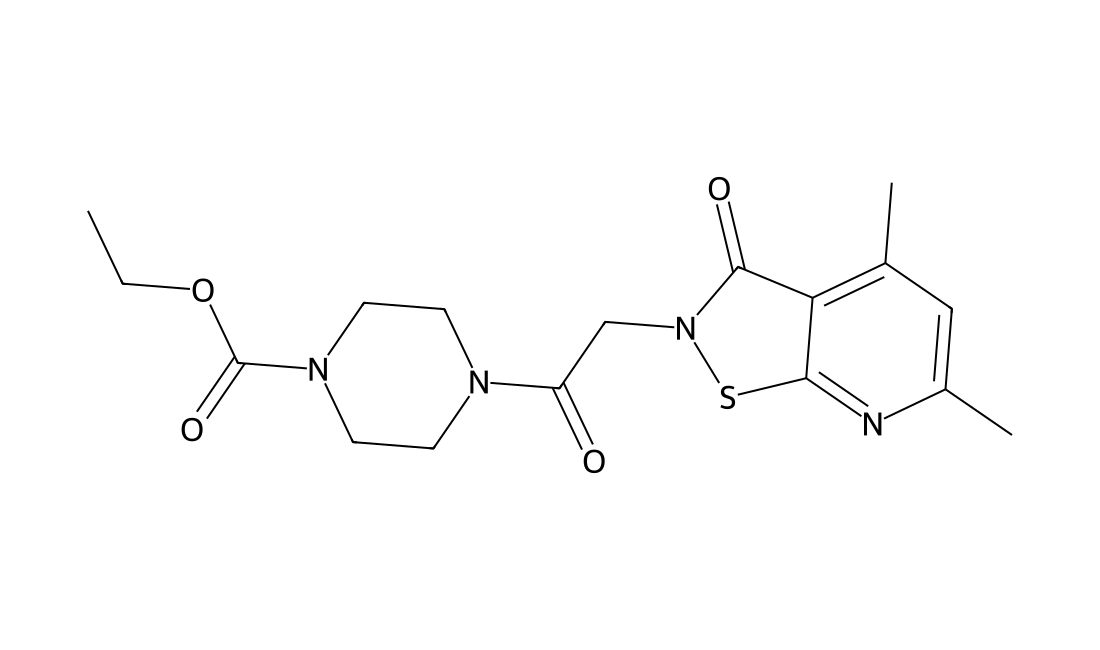
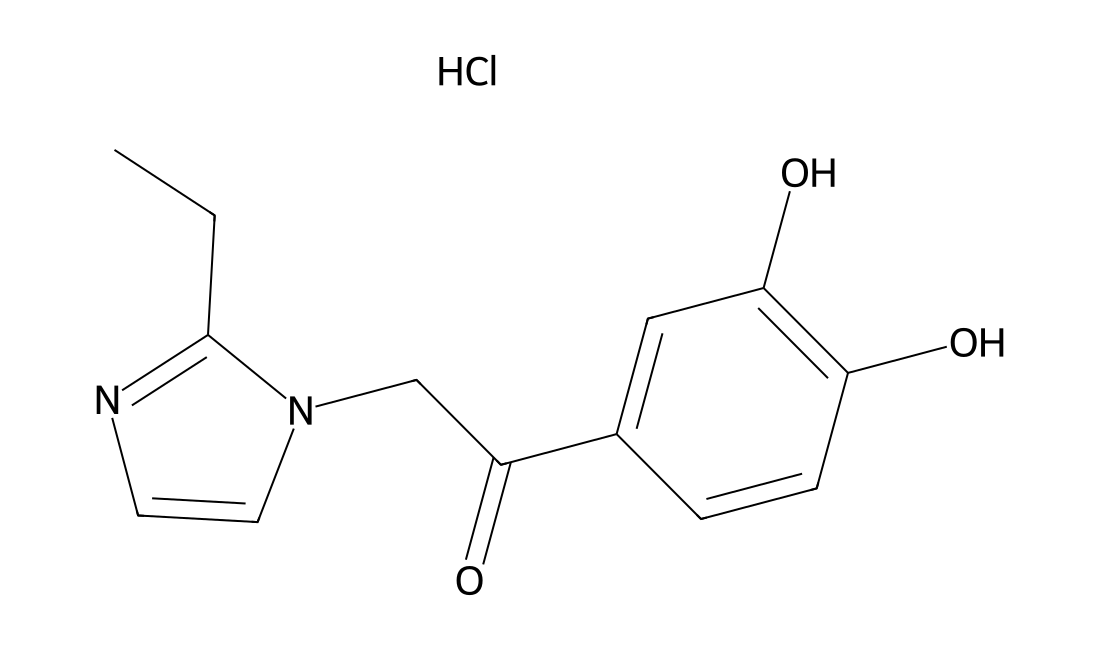
CAS 1234708-04-3
hPGDS-IN-1 is a potent, selective hPGDS inhibitor with IC50 of 12 nM in FP or EIA assays.
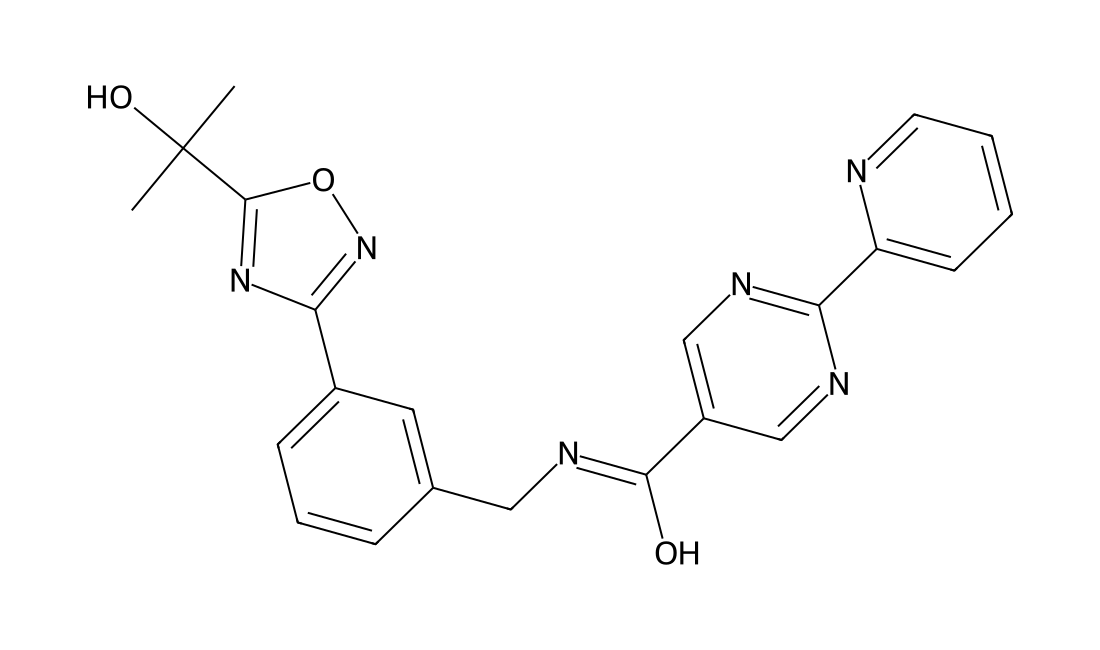
CAS 1420367-28-7
GSK2814338, also known as Lp-PLA2 -IN-1, is a Lp-PLA2 inhibitor
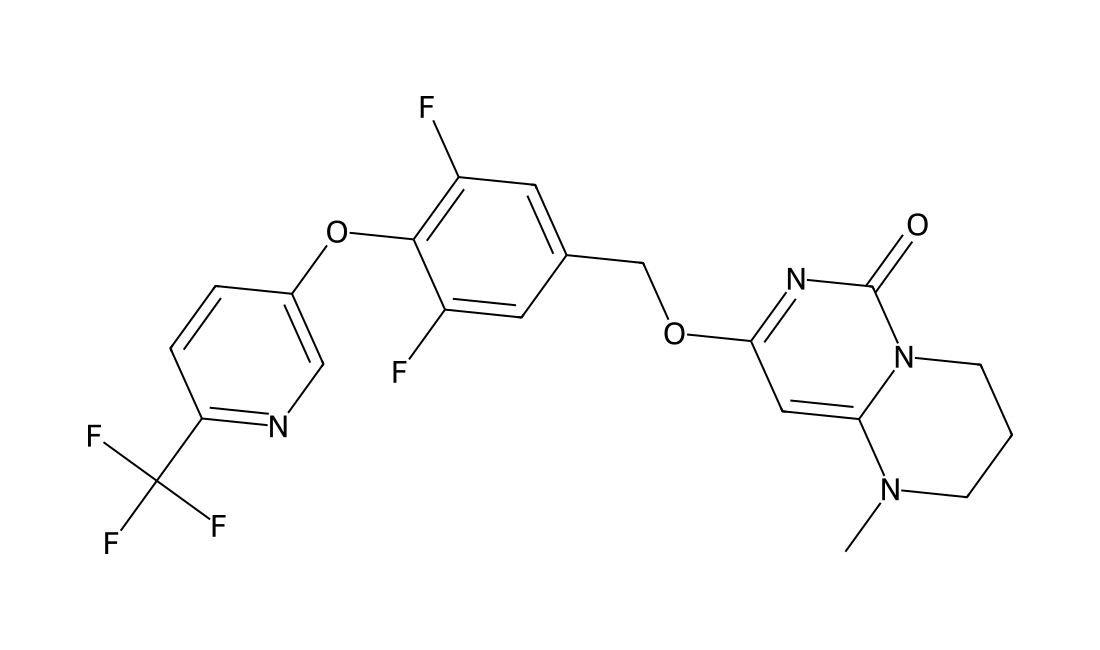
CAS 849675-66-7
HM30181 is shown to be approximately equipotent with the reference Pgp inhibitor tariquidar in inhibiting rhodamine 123 efflux from CCRF-CEM T cells (IC50, tariquidar: 8.2±2.0 nM, HM30181: 13.1±2.3 nM) . HM30181 shows a high selectivity for mP-gp and its potency is 20-50 times higher than that of tariquitar, another third generation P-gp inhibitor.PET scans with the Pgp substrate (R)-[11C]verapamil in FVB wild-type mice pretreated i.v. with HM30181 (10 or 21 mg/kg) failes to show significant increases in (R)-[11C]verapamil brain uptake compared with vehicle treated animals. HM30181 inhibits P-gp mainly in the intestinal endothelium, which can be beneficial because pan-inhibition of P-gp, particularly in the brain, could lead to detrimental adverse events. HM30181 increases the oral bioavailability of co-administered paclitaxel by more than 12 times in rats.
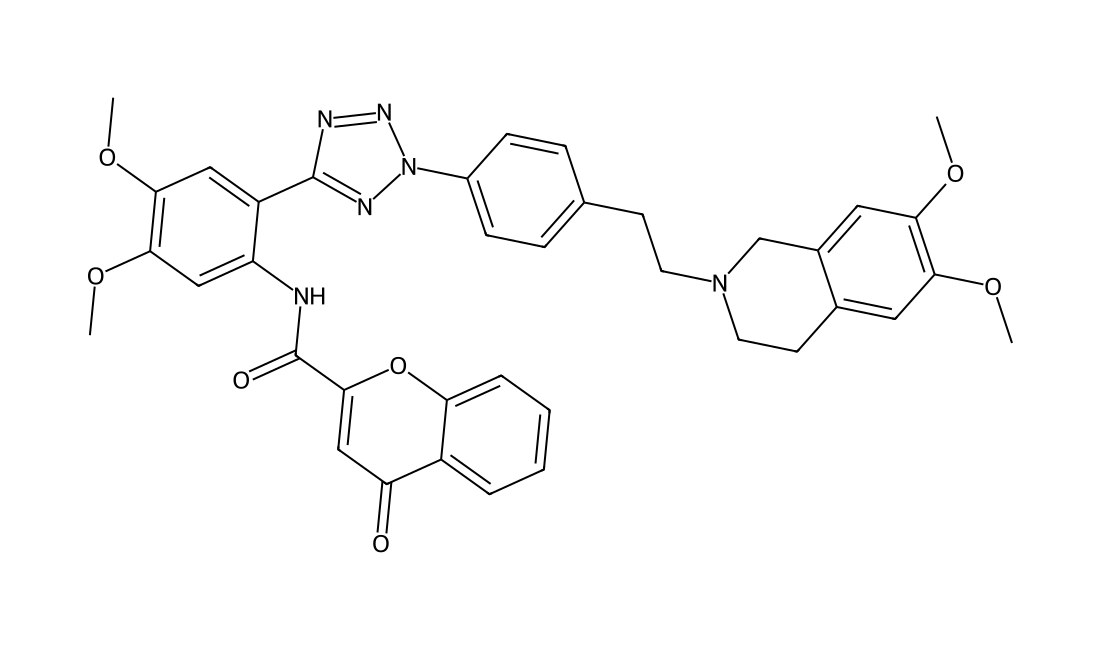
CAS 1034189-82-6
p38α inhibitor 1 is a p38α inhibitor extracted from patent WO 2008076265 A1.
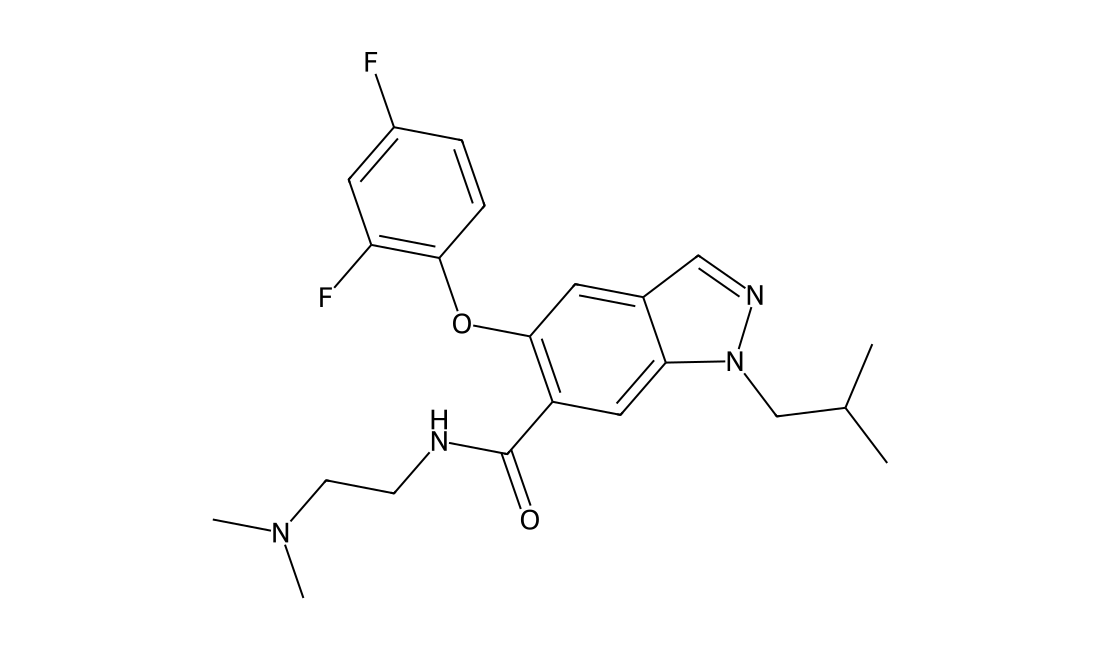
CAS 950195-51-4
LMD-009 (LMD 009, LMD009) is a potent, selective, nonpeptide CCR8 agonist that stimulates CCR8-mediated chemotaxis, inositol phosphate accumulation and calcium release with EC50 of 11-87 nM; displays no activity against other chemokine receptors.
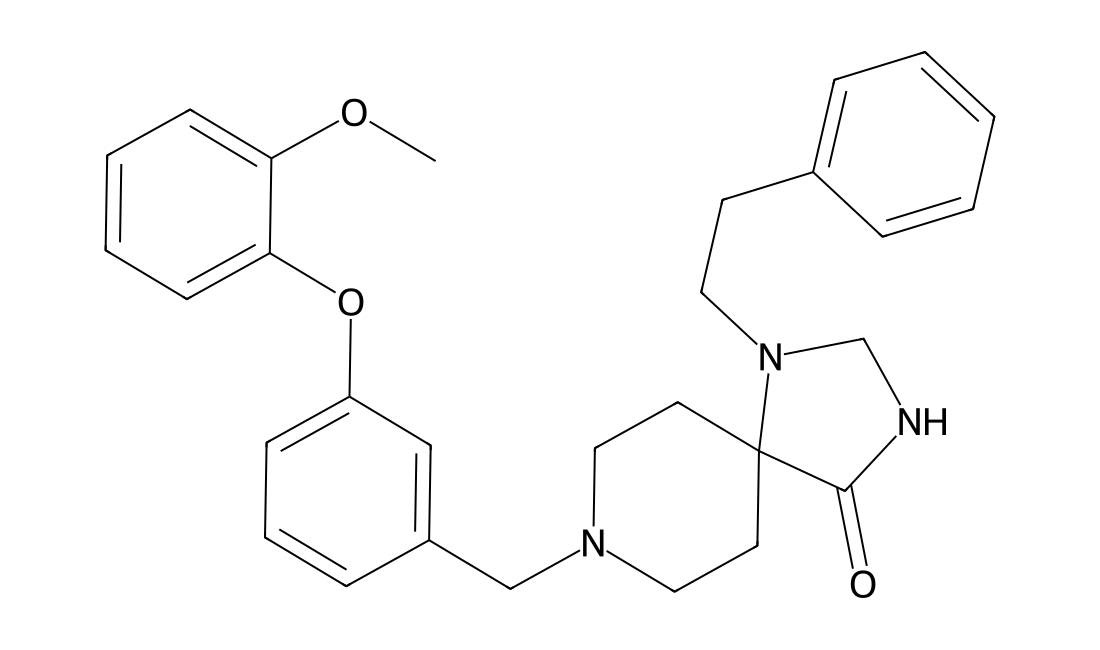
CAS 951151-97-6
JNJ-38158471 is a well tolerated, orally available, highly selective VEGFR-2 inhibitor with an IC(50) of 40nM. It also inhibits closely related tyrosine kinases such as Ret (IC(50) of 180nM) and Kit (C50 of 500nM). It has no significant activity (>1µM) against VEGFR-1 and VEGFR-3.