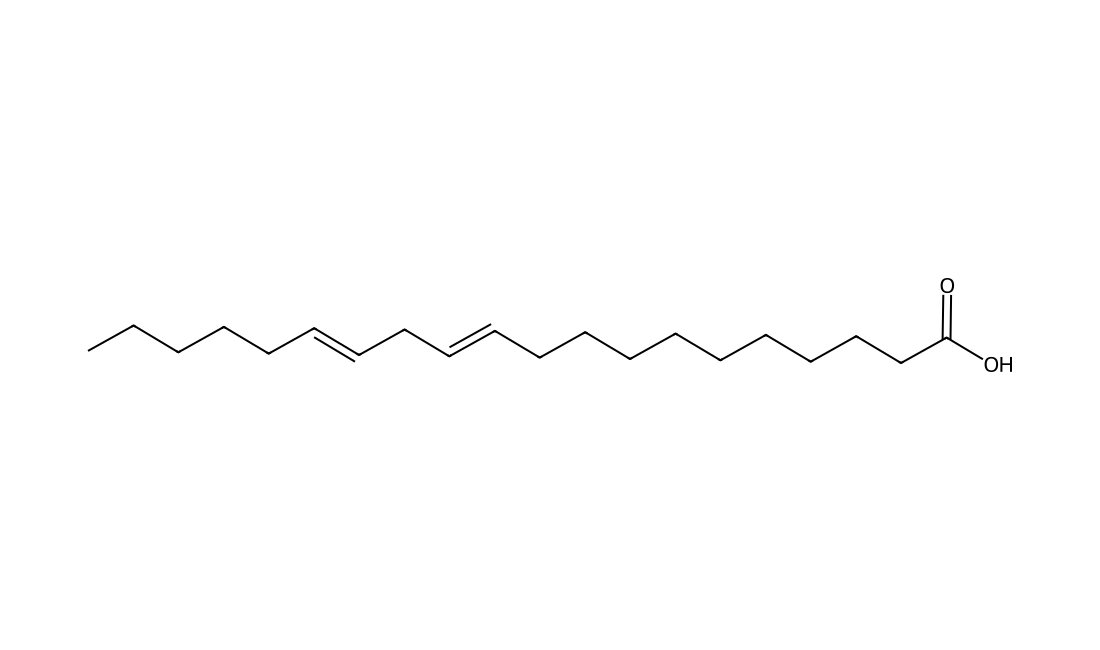
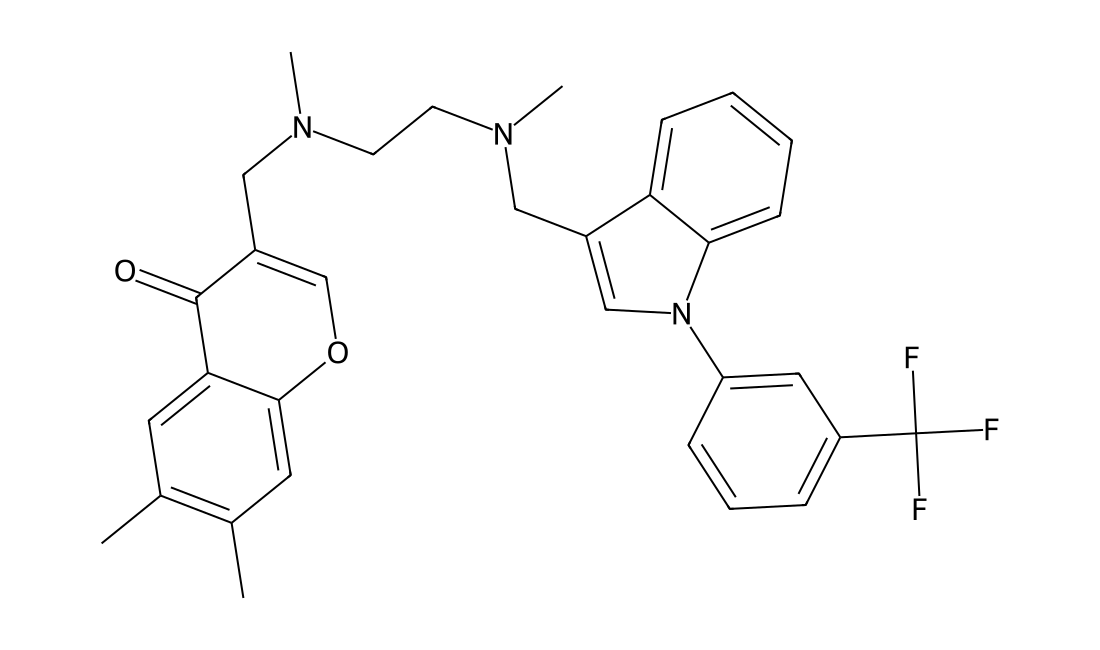
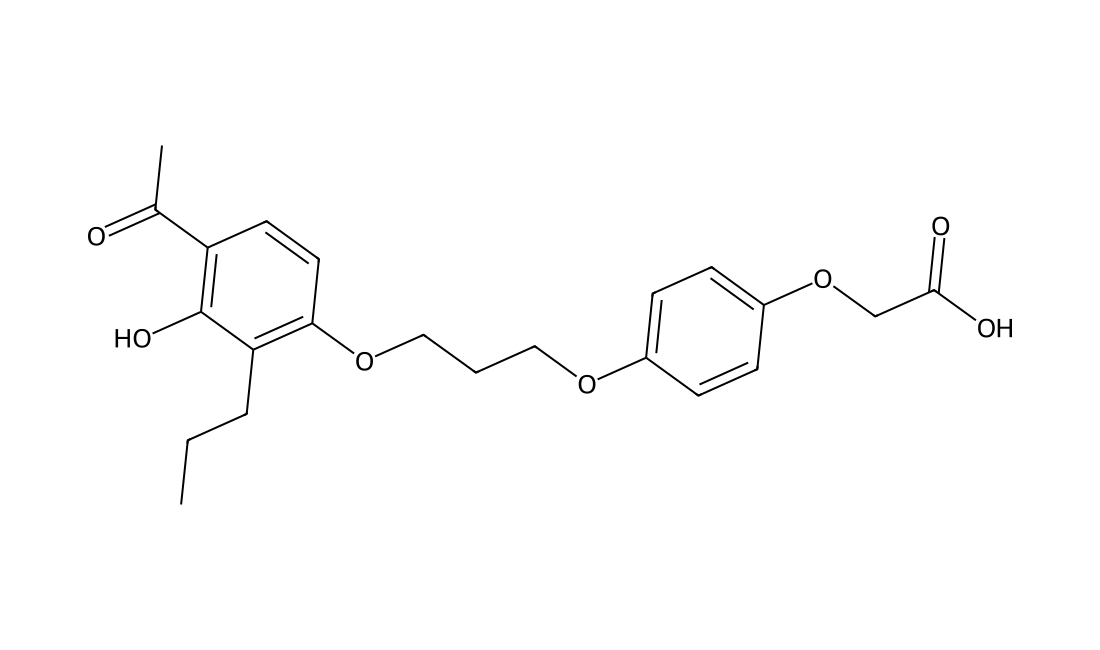
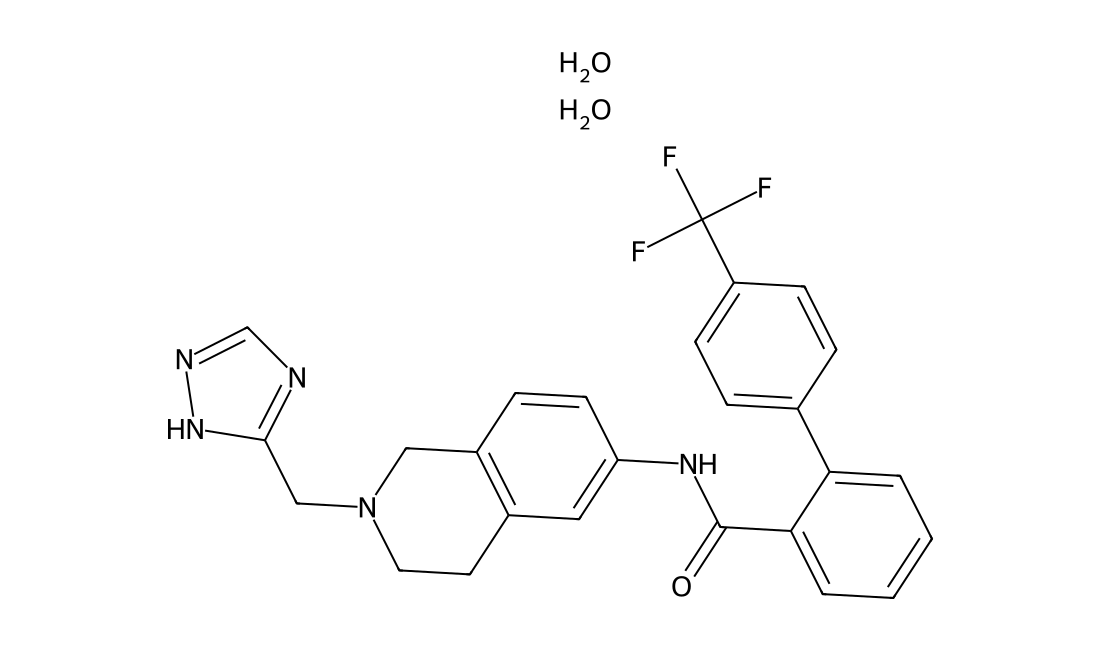
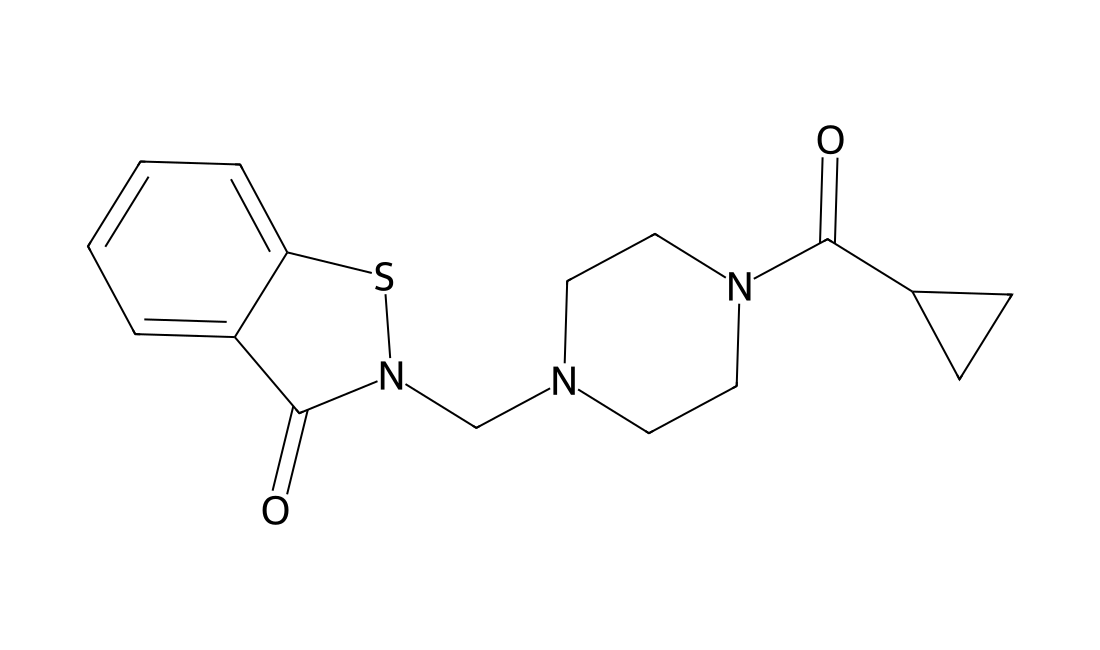
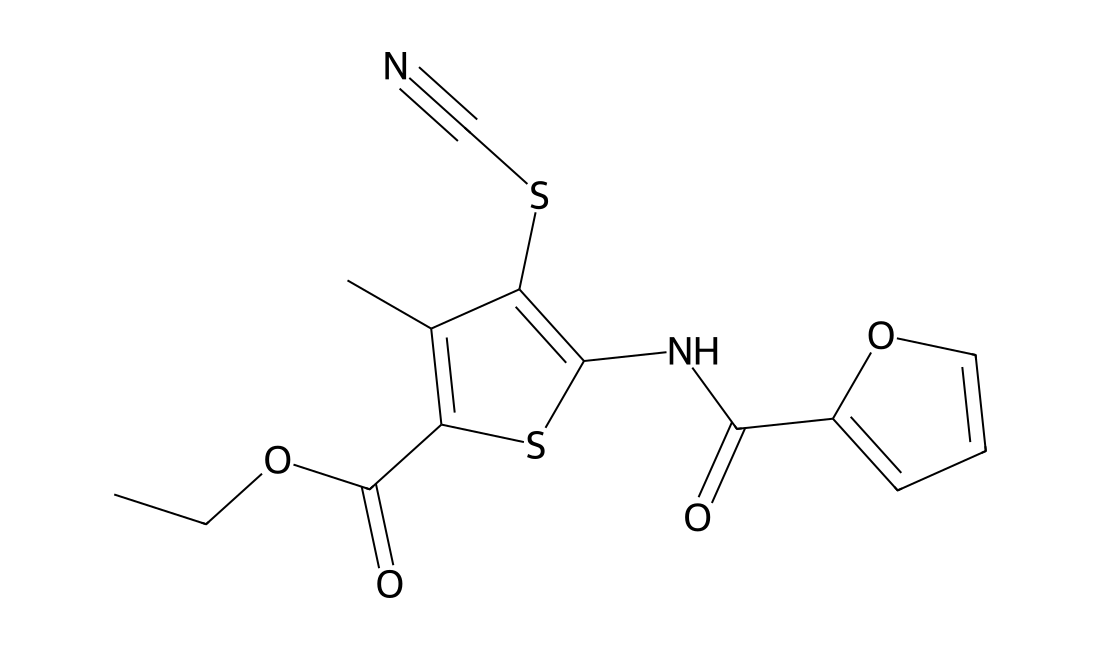
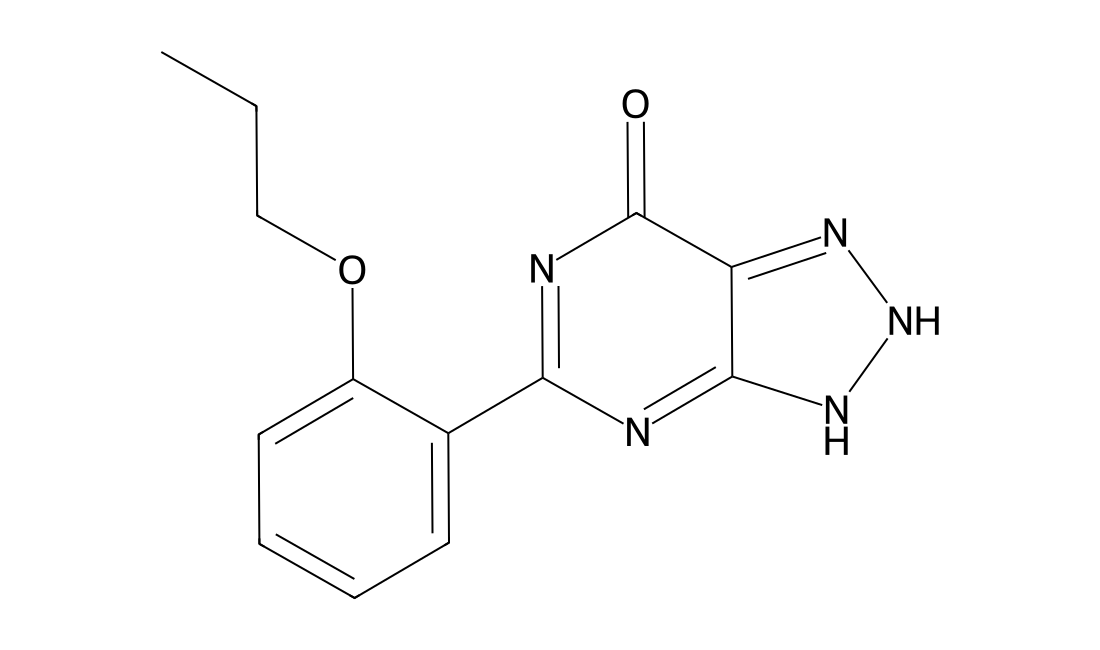
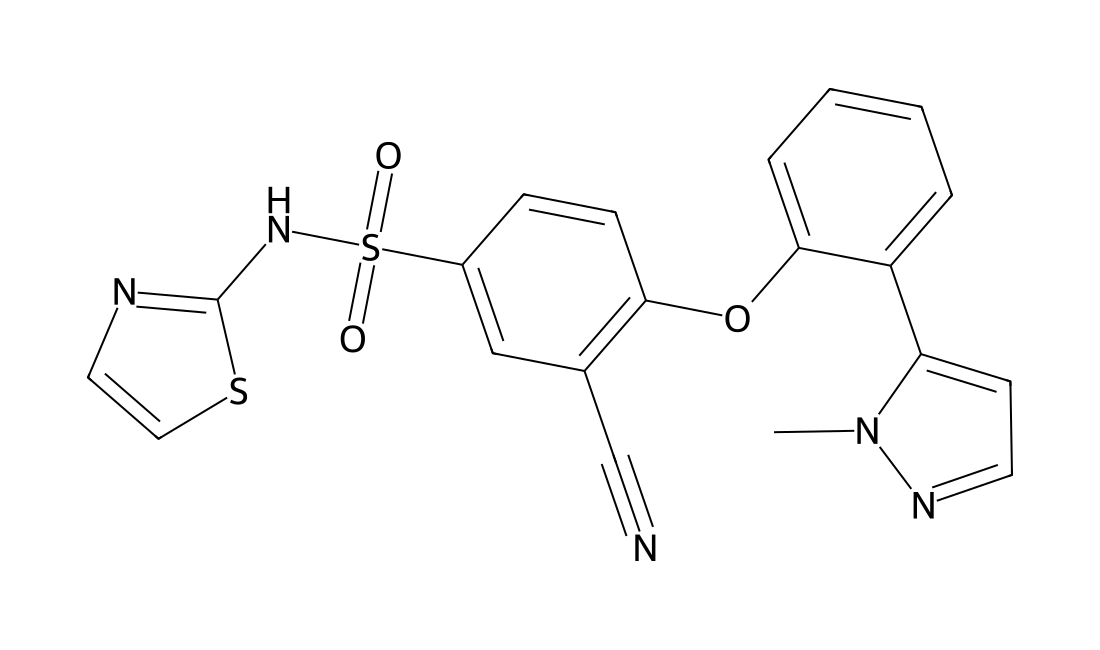
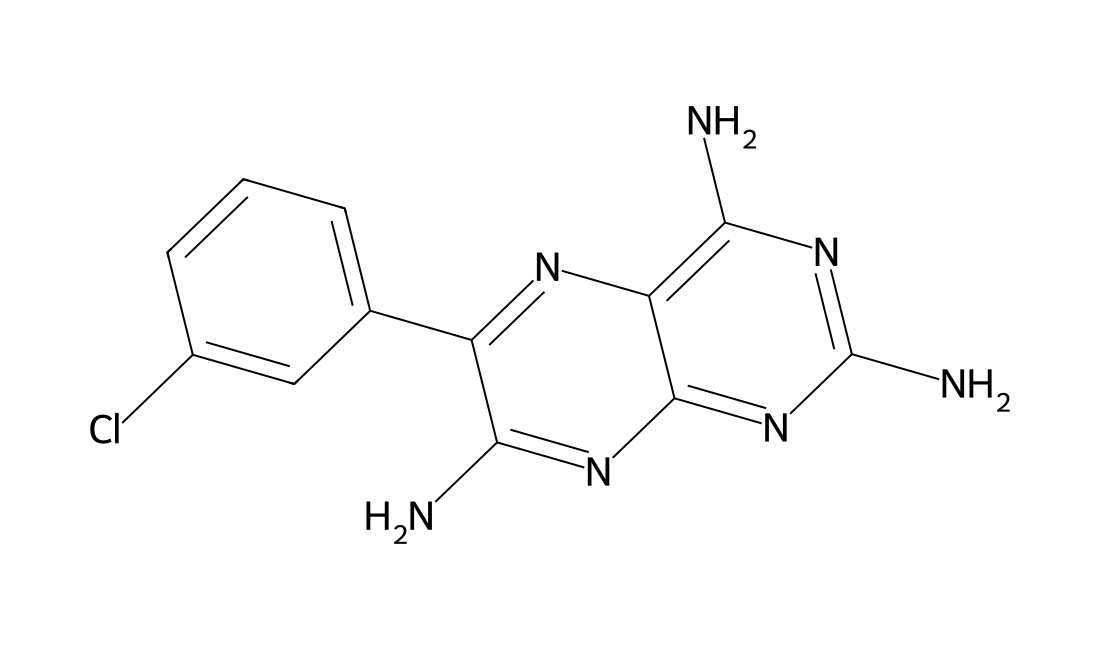
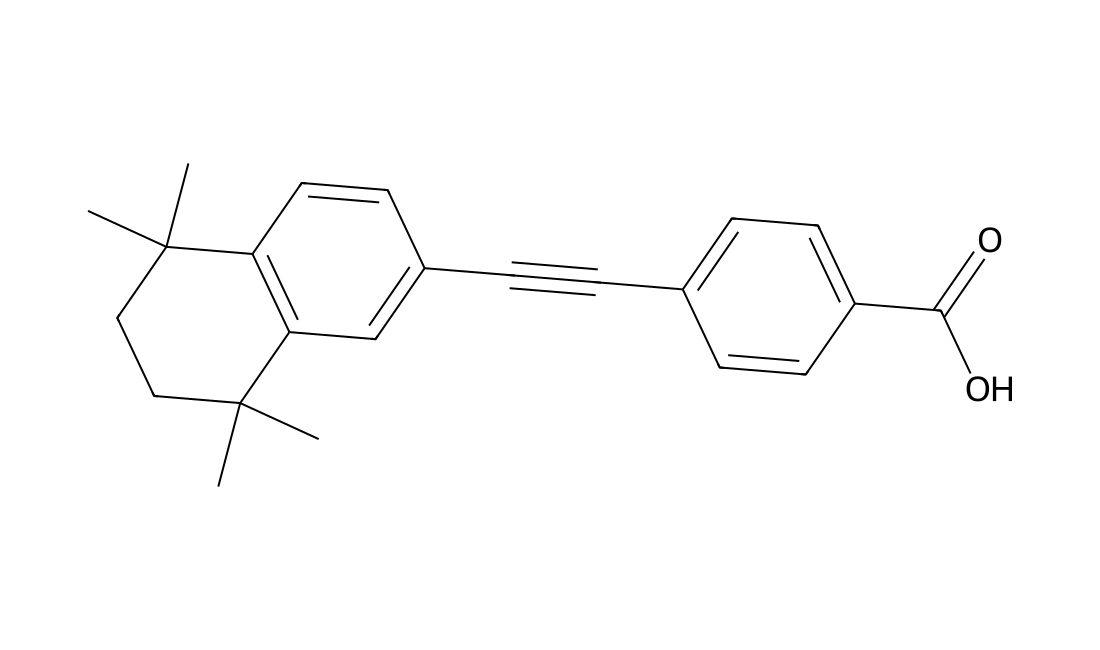
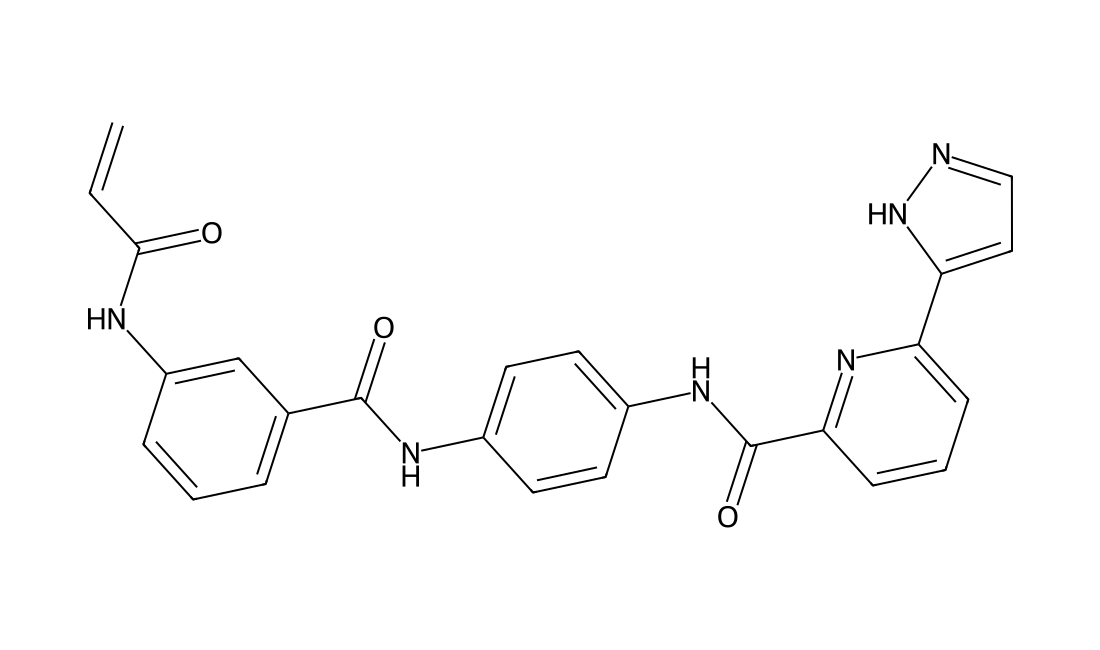
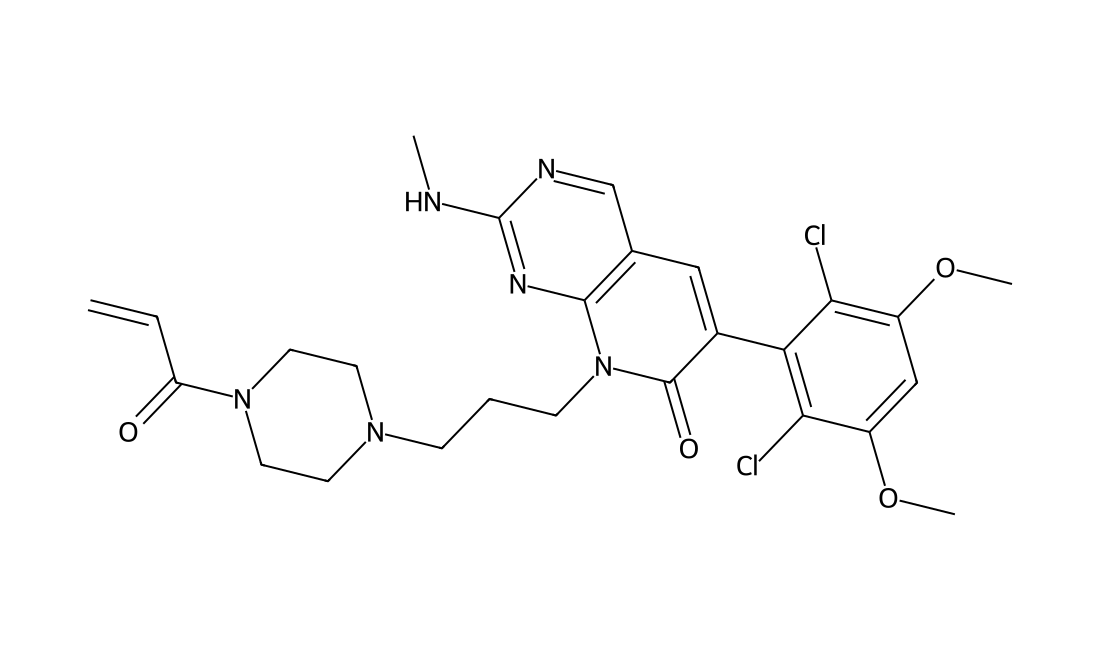
Small Molecule Research Tools

Explore bioactive compounds by research category, then narrow your search by target, product name, catalog number or CAS.

Newly added: LC-MG and OXF molecular glue research compounds →

6,823 products17 research categoriesBrowse all products ↓

Browse by research category

Products may appear in more than one category. Counts refer to distinct catalog numbers within each category.

Other Research Tools (75) · Additional reagents, building blocks and specialized research tools.

New literature-derived products

LC-MG-1 (DCA0006) · LC-MG-4 (DCA0007) · LC-MG-9 (DCA0008)

View structure and evidence summaries →

All small molecule products

Combine a keyword, research category and target to narrow the product list.

Loading catalog filters…

6,823 products · Showing 3,841–3,888

DC10598

lavendustin A

CAS 125697-92-9

Lavendustin A (RG-14355), isolated from Streptomyces Griseolavendus, is a potent, specific and ATP-competitive inhibitor of tyrosine kinase, with an IC50 of 11 ng/mL for EGFR-associated tyrosine kinase[1]. It suppresses VEGF-induced angiogenesis and blocks the induction of LTPGABA-A[2][3].

lavendustin A chemical structure
DC9798

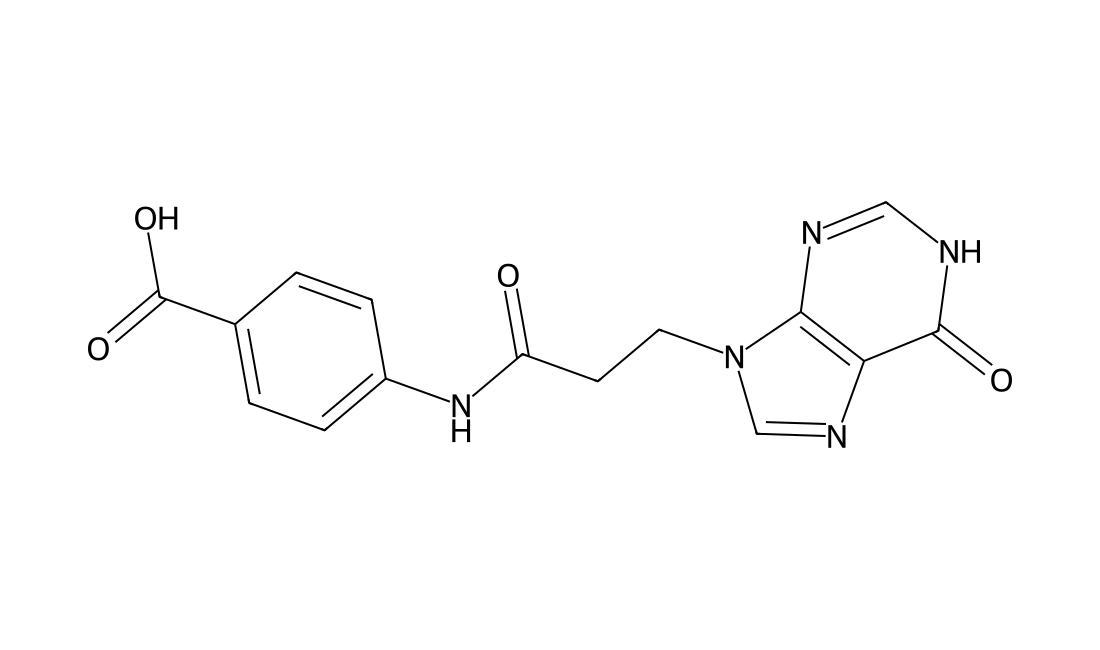
Leteprinim

CAS 138117-50-7

Leteprinim (Neotrofin, AIT-082) is a hypoxanthine derivative drug with neuroprotective and nootropic effects.It stimulates release of nerve growth factors and enhances survival of neurons in the brain,and is under development as a potential treatment for neurodegenerative disorders such as Alzheimer's disease, Parkinson's disease and stroke.

Leteprinim chemical structure
DC11310

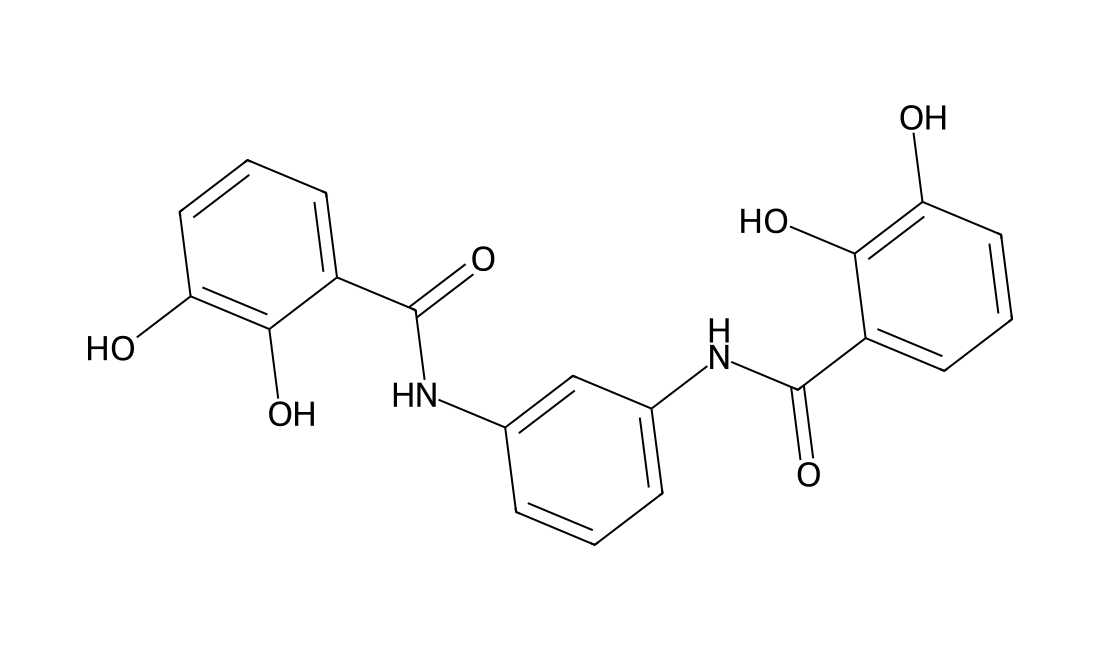
MST312

CAS 368449-04-1

MST-312 is a telomerase inhibitor. MST-312 is a chemically modified derivative of green tea epigallocatechin gallate (EGCG). MST-312 can be used for the research of cancer, such as multiple myeloma (MM)[1].

MST312 chemical structure
DC10820

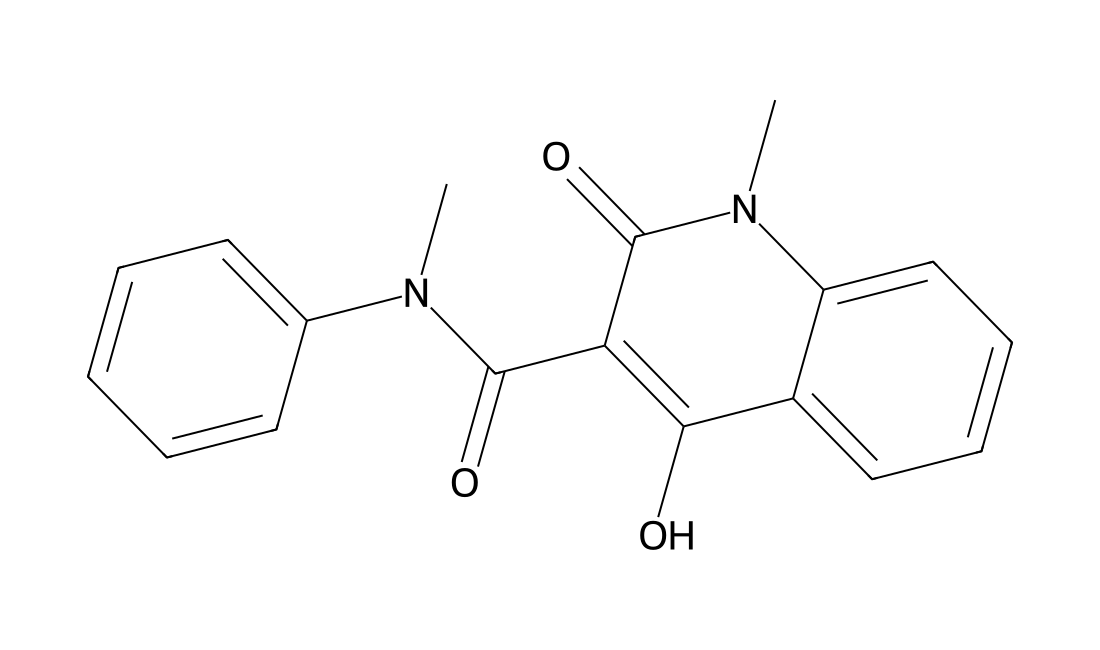
Roquinimex(Linomide)

CAS 84088-42-6

Roquinimex (Linomide; PNU212616; ABR212616) is a quinoline derivative immunostimulant which increases NK cell activity and macrophage cytotoxicity; inhibits angiogenesis and reduces the secretion of TNF alpha.IC50 value:Target: TNF alphaProphylactic administration of DSS-treated mice with roquinimex significantly reduced clinical signs of colitis, MDS and the CH-reduction. Moreover, in roquinimex treated animals, the MPO activity was significantly reduced by more than 50% compared to DSS control mice. Notably, therapeutic administration of roquinimex in DSS-treated mice also significantly inhibited the MDS, CH-reduction and MPO activity [2]. Linomide, a synthetic immunomodulator, at concentrations effective in vivo reduces the number of MBP-reactive TNF-alpha and increases MBP-reactive IL-10 and TGF-beta mRNA expressing MNC from MS patients' blood when analysed in vitro. Compared to dexamethasone, Linomide up-regulated levels of blood MNC expressing mRNA of TGF-beta after culture in presence of MBP [3].

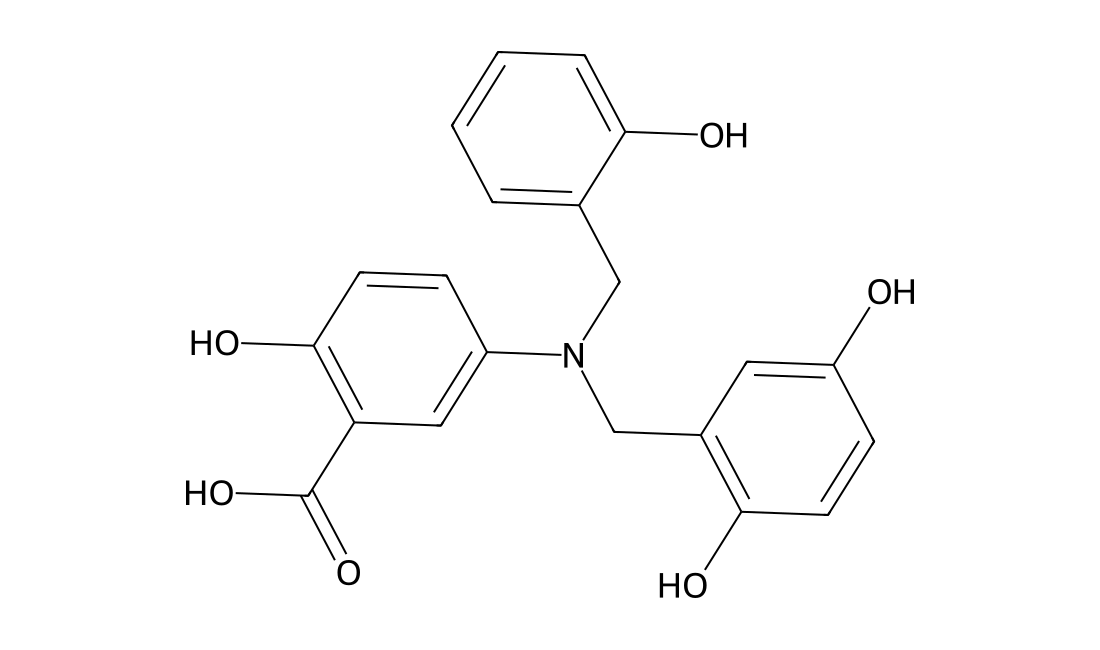
Roquinimex(Linomide) chemical structure
DC11330

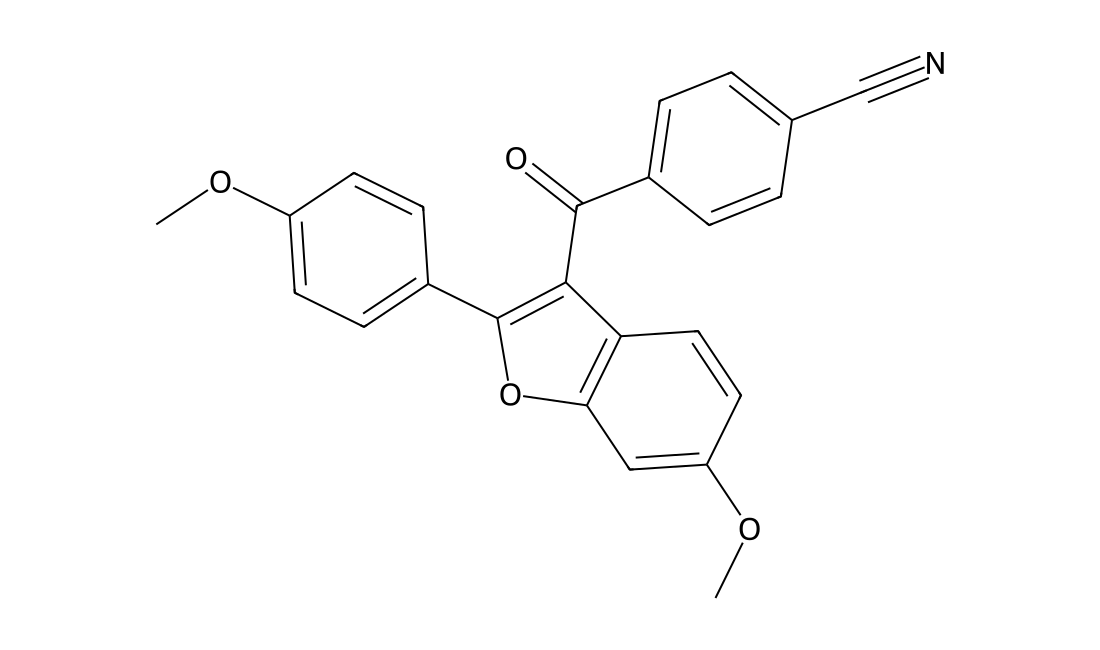
LY320135

CAS 176977-56-3

LY320135 is a potent and selective antagonist of CB1 receptor, with a Ki of 141 nM. LY320135 also binds to 5-HT2 and muscarinic receptors with Kis of 6.4 μM and 2.1 μM, respectively. LY320135 exhibits neuroprotective effect[1][2].

LY320135 chemical structure
DC11643

Olomoucine

CAS 101622-51-9

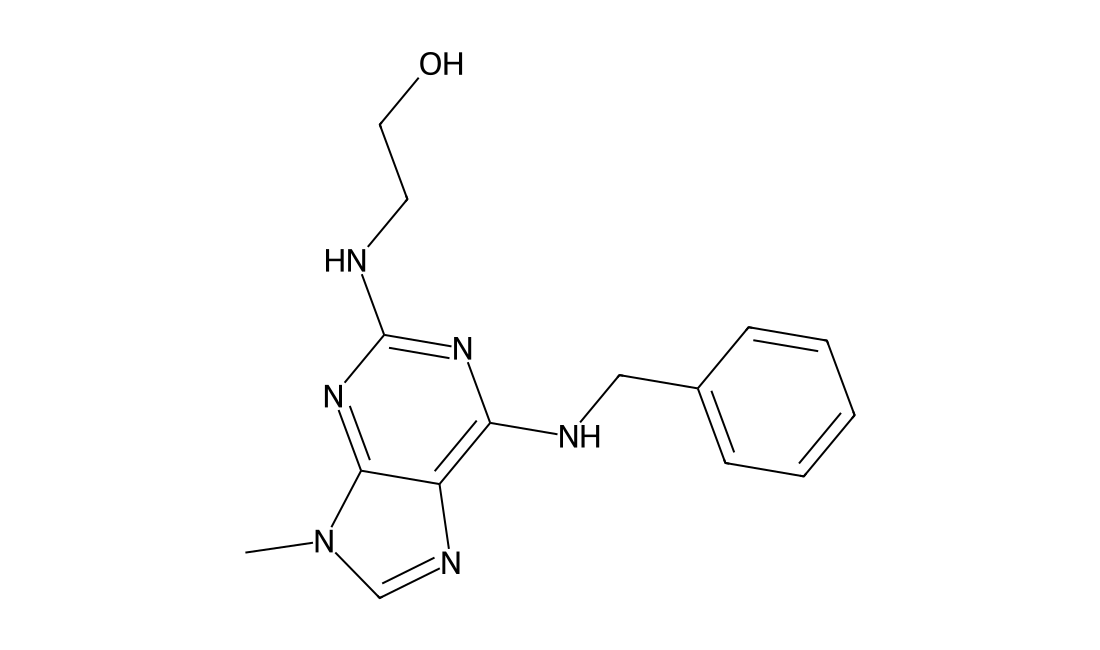
Olomoucine is an ATP competitive inhibitor of CDKs. Olomoucine is a purine (HY-34431) derivative and inhibits CDC2/cyclin B, Cdk2/cyclin A, Cdk2/cyclin E (both IC50=7 µM), CDK/p35 kinase (IC50=3 µM) and ERK1/p44 MAP kinase (IC50=25 µM)[1][2].

Olomoucine chemical structure
DC11753

BL-1249

CAS 18200-13-0

BL-1249 is a nonsteroidal anti-inflammatory drug (NSAID) and a potassium channel activator. BL-1249 potently activates K2P2.1 (TREK-1) and K2P10.1 (TREK-2) with EC50 values of 5.5 μM and 8.0 μM, respectively. BL-1249 extracellular application activates all TREK subfamily members but has no effect on other K2P subfamilies. BL-1249 exhibits more selective for the bladder (EC50 of 1.26 μM) than vascular tissue (EC50 of 21.0 μM)[1][2].

BL-1249 chemical structure
DC20139

SPD304

CAS 869998-49-2

SPD304 is a selective inhibitor of tumor necrosis factor α (TNFα) and promotes dissociation of TNF trimers and therefore blocks the interaction of TNF and its receptor, with an IC50 of 22 µM for inhibiting in vitro TNF receptor 1 (TNFR1) binding to TNF-α[1][2]. SPD304 cannot be used in vivo due to its high toxicity[3].

SPD304 chemical structure
DC22737

CP-346086

CAS 186390-48-7

CP-346086 is a potent and orally active microsomal triglyceride transfer protein (MTP) inhibitor, with an IC50 of 2.0 nM for human and rodent MTP. CP-346086 can lower plasma cholesterol and triglycerides in vivo[1].

CP-346086 chemical structure
DC25003

LOC14

CAS 877963-94-5

LOC14 is a potent Protein disulfide isomerase (PDI) inhibitor with EC50 and Kd values of 500 nM and 62 nM, respectively. LOC14 exhibits high stability in mouse liver microsomes and blood plasma, low intrinsic microsome clearance, and low plasma-protein binding[1].LOC14 inhibits PDIA3 activity, decreases intramolecular disulfide bonds and subsequent oligomerization (maturation) of HA in lung epithelial cells[3].

LOC14 chemical structure
DC23237

Zaprinast

CAS 37762-06-4

Zaprinast (M&B 22948) is an inhibitor of cGMP-selective Phosphodiesterases(PDEs)[1]. Zaprinast is a G protein-coupled receptor (GPR) 35 agonist which activates rat GPR35 strongly and activates human GPR35 moderately[2]. Zaprinast reduces vessel remodeling through antiproliferative and proapoptotic effects[3].

Zaprinast chemical structure
DC23600

PF-04856264

CAS 1235397-05-3

PF-04856264 is a potent and selective Nav1.7 inhibitor, with IC50s of 28, 131, 19, and 42 nM for human, mouse, cynomolgus monkey and dog Nav1.7, respectively. PF-04856264 has low potency against the rat Nav1.7 channel. PF-04856264 shows analgesic effect[1][2].

PF-04856264 chemical structure
DC23626

SCH-28080

CAS 76081-98-6

SCH28080 inhibits gastric H+/K+-ATPase by K+-competitive binding, with an IC50 value of 20 nM in rabbit microsomal membranes[1]. Antisecretory and cytoprotective activities[2].

SCH-28080 chemical structure
DC23864

AAL993

CAS 269390-77-4

AAL993 (ZK260253) is a potent, orally active VEGFR inhibitor with IC50 of 130, 23 and 18 nM for VEGFR-1, 2 and 3, respectively.

AAL993 chemical structure
DC29101

Ivachtin

CAS 745046-84-8

Ivachtin (Caspase-3 Inhibitor VII; compound 7a) is a nonpeptide, noncompetitive and reversibl caspase-3 inhibitor with an IC50 of 23 nM. Ivachtin has modest selectivity for the remaining caspases[1].

Ivachtin chemical structure
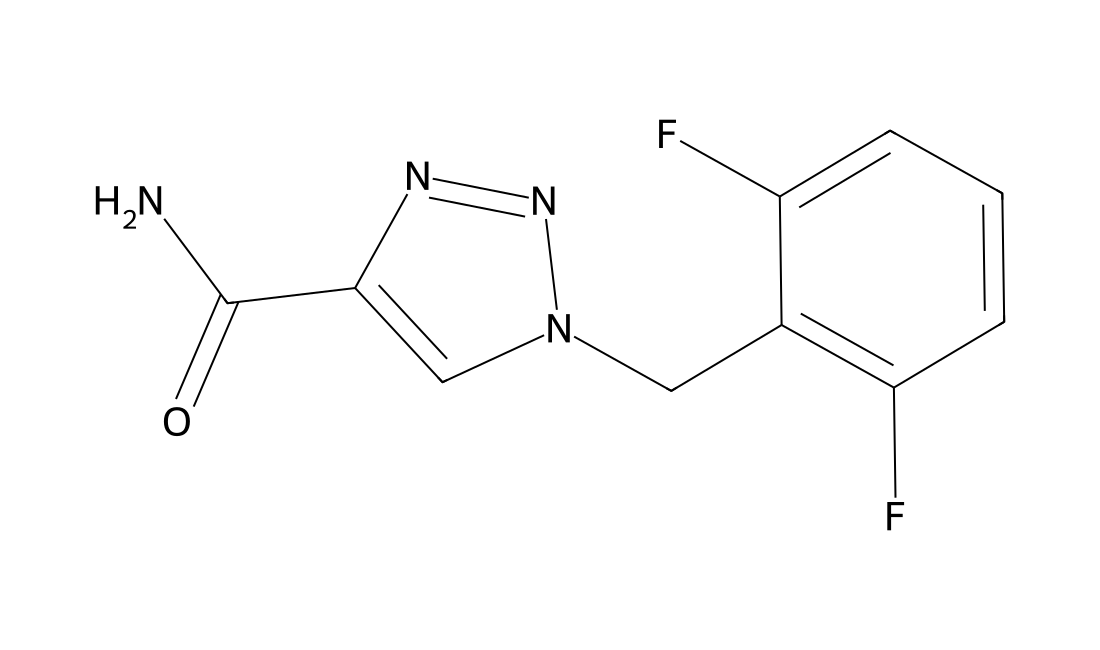
DC7272

Rufinamide

CAS 106308-44-5

Rufinamide(E 2080; CGP 33101; RUF 331) is a new antiepileptic agent that differs structurally from other antiepileptic drugs and is approved as adjunctive therapy for Lennox-Gastaut syndrome (LGS).

Rufinamide chemical structure
DC8146

PF-5006739

CAS 1293395-67-1

PF-5006739 is a potent and selective inhibitor of CK1δ/ε with IC50s of 3.9 nM and 17.0 nM, respectively. PF-5006739 is a potential therapeutic agent for a range of psychiatric disorders with low nanomolar in vitro potency for CK1δ/ε and high kinome selectivity. PF-5006739 attenuats opioid drug-seeking behavior in a rodent operant reinstatement model in animals in a dose-dependent manner[1]. PF-5006739 improves glucose tolerance in both diet-induced obesity (DIO) and genetic (ob/ob) mice models of obesity[2].

PF-5006739 chemical structure
DC8574

MS37452

CAS 423748-02-1

MS37452 is a potent inhibitor of CBX7 chromodomain binding to H3K27me3, with a Kd of 27.7 μM. MS37452 can derepress transcription of polycomb repressive complex target gene p16/CDKN2A by displacing CBX7 binding to the INK4A/ARF locus in prostate cancer cells[1].

MS37452 chemical structure
DC8602

LY311727

CAS 164083-84-5

LY-311727 is a potent secretory non-pancreatic phospholipase A2 (sPLA2) inhibitor (IC50 <1 μM for group IIA sPLA2). sPLA2 is an important proinflammatory enzyme[1][2].

LY311727 chemical structure
DC8830

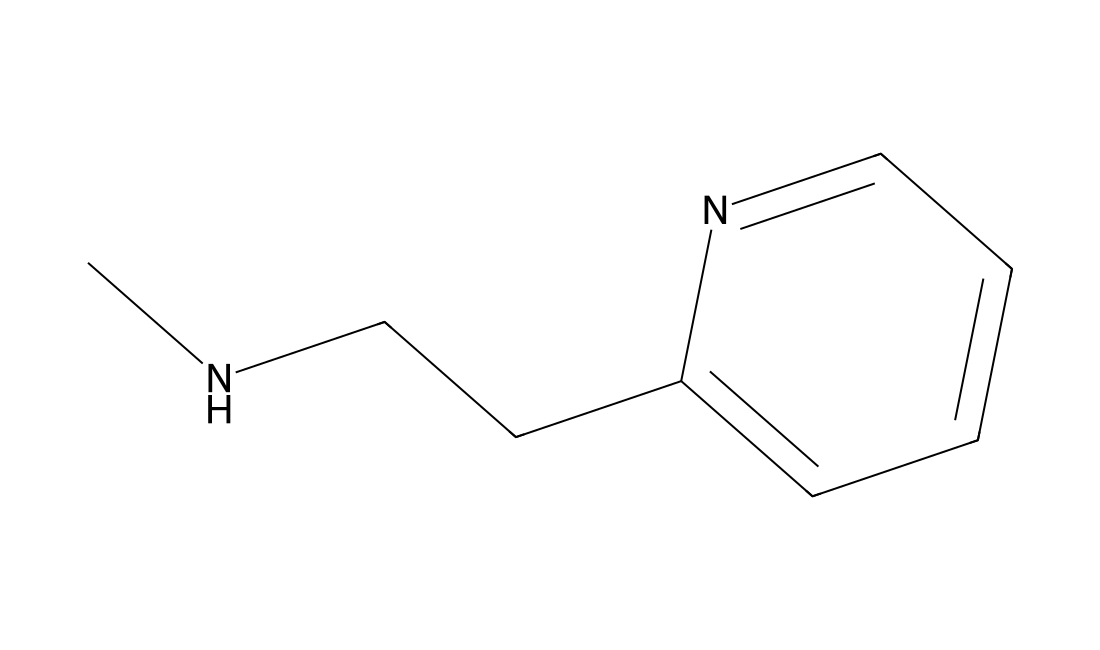
Betahistine

CAS 5638-76-6

Betahistine is an orally active histamine H1 receptor agonist and a H3 receptor antagonist[1]. Betahistine is used for the study of rheumatoid arthritis (RA)[3].

Betahistine chemical structure
DC8932

TG003

CAS 300801-52-9

TG003 is a potent and ATP-competitive Cdc2-like kinase (Clk) inhibitor with IC50 of 20 nM, 200 nM, and 15 nM for Clk1, Clk2, and Clk4, respectively. No inhibitory effect on Clk3, SRPK1, SRPK2, or PKC.

TG003 chemical structure
DC9315

Tegaserod (maleate)

CAS 189188-57-6

Tegaserod maleate is a partial agonist of the 5-HT4 receptor; stimulates the peristaltic reflex and accelerates gastrointestinal transit. In an in vivo model for peripheral nerve regeneration, mice receiving tegaserod at the site of injury showed enhanced recovery compared to control mice receiving vehicle control as evidenced by functional measurements and histology [1]. Treatment with fluoxetine (10 mg · kg(-1) · day(-1), days 36-42), tegaserod (1 mg · kg(-1) · day(-1), day 43), or the combination of both, reduced visceral hypersensitivity and plasma 5-HT levels [2]. Intravenous or intraduodenal tegaserod (0.3-1.0 mg.kg(-1)) had no inhibitory effect on mesenteric and colonic blood flow. Peroral treatment of rats with alosetron or tegaserod for 7 days did not modify mesenteric haemodynamics at baseline and after blockade of nitric oxide synthesis [3].
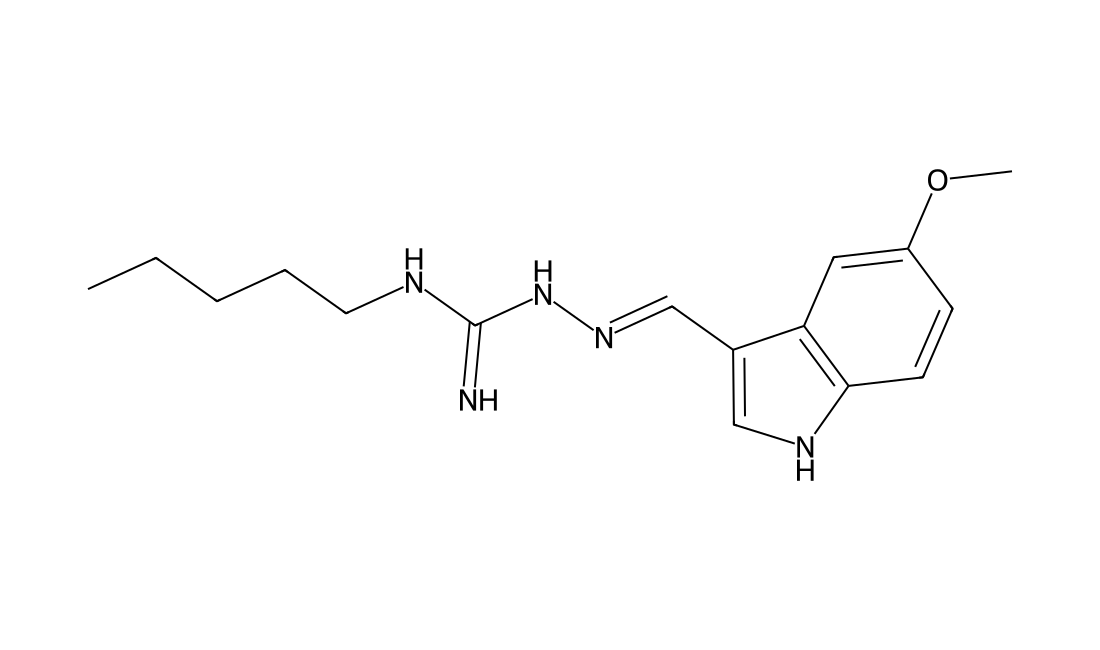
Tegaserod (maleate) chemical structure
DC9010

Sasapyrine

CAS 552-94-3

Salsalate is a nonsteroidal anti-inflammatory drug (NSAID).Salsalate is a medication that belongs to the salicylate and non-steroidal anti-inflammatory drug (NSAID) classes. Relative to other NSAIDs, Salsalate has a weak inhibitory effect on the cyclooxygenase enzyme and decreases the production of several pro inflammatory chemical signals such as interleukin-6, TNF-alpha, and C-reactive protein. Common conditions in which Salsalate may be indicated include inflammatory disorders such as rheumatoid arthritis or noninflammatory disorders such as osteoarthritis.

Sasapyrine chemical structure
DC8883

BP897

CAS 314776-92-6

BP 897 is a potent and selective dopamine D3 receptor agonist, and a weak dopamine D2 receptor antagonist, with Kis of 0.92 nM and 61 nM for D3 and D2 receptors, and shows low affinities at D1 and D4 receptors (Kis, 3 and 0.3 µM, respectively).

BP897 chemical structure
DC20866

CC-671

CAS 1618658-88-0

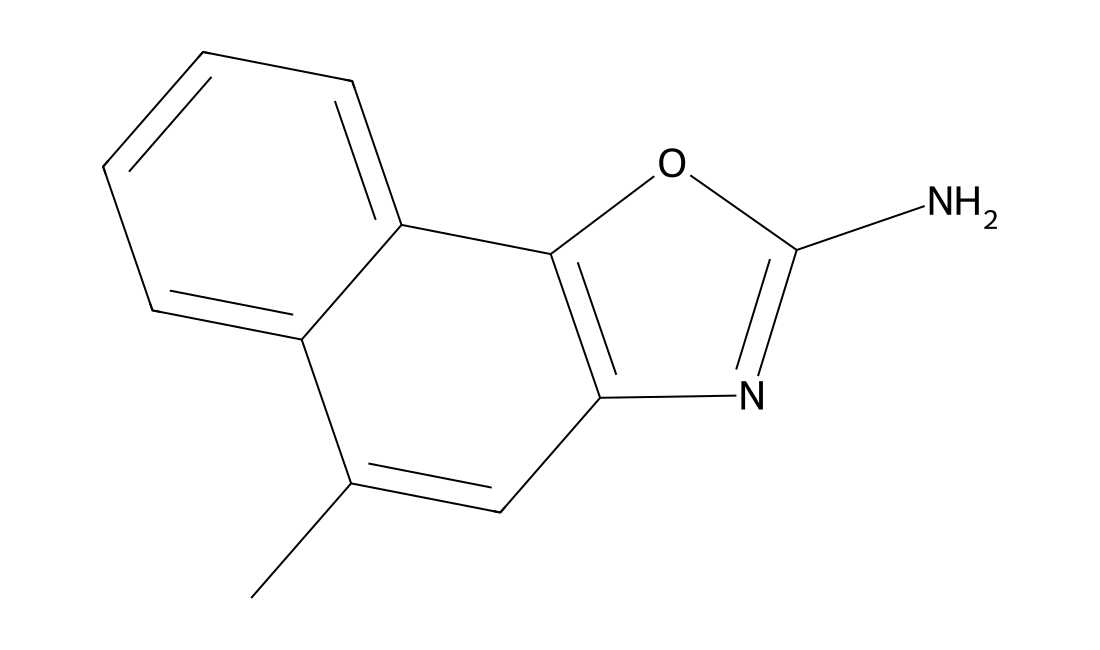
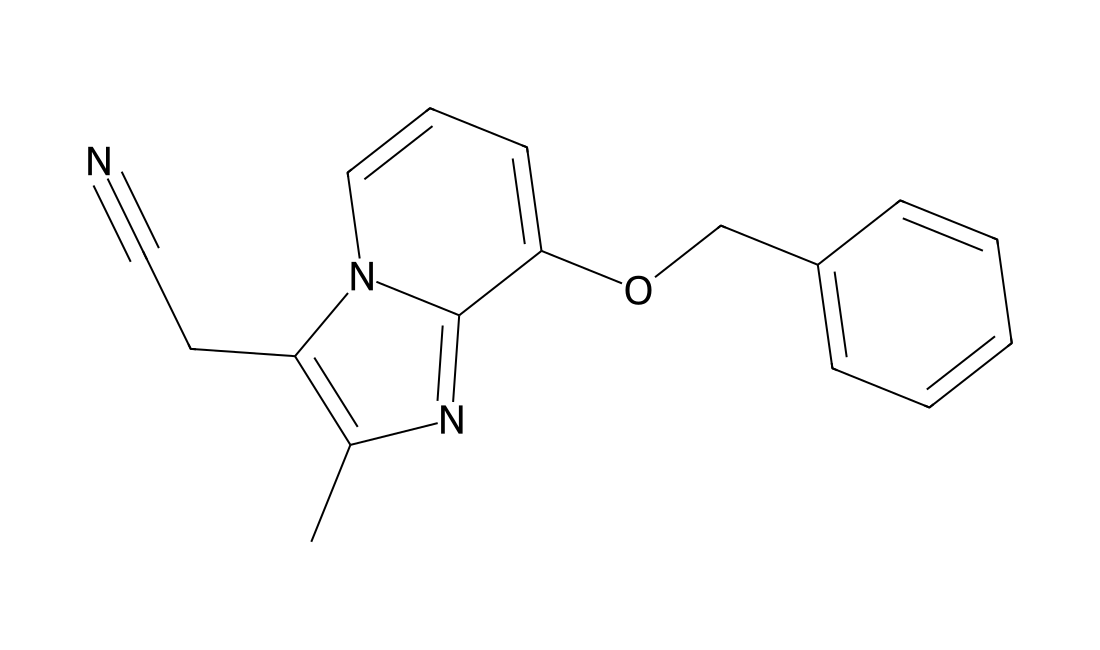
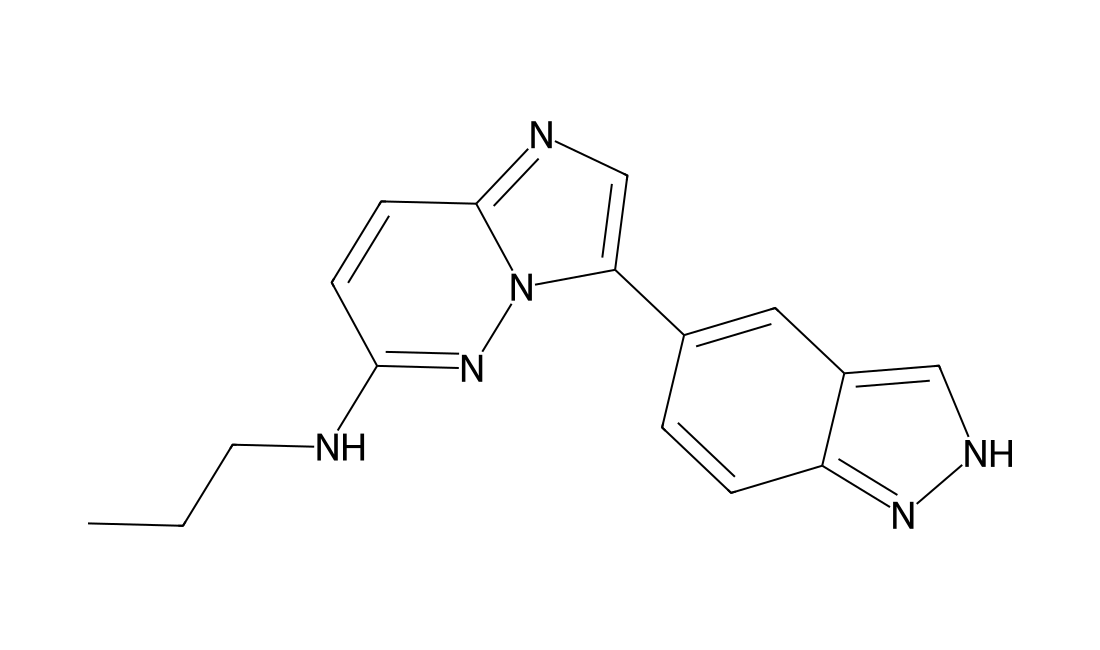
CC-671 is a dual TTK protein kinase/CDC2-like kinase (CLK2) inhibitor with IC50s of 0.005 and 0.006 μM for TTK and CLK2, respectively.

CC-671 chemical structure
DC9275

Mirin

CAS 1198097-97-0

Mirin is a small-molecule inhibitor of MRN (Mre11, Rad50, and Nbs1) complex.Target: in vitro: Mirin was shown to block Mre11 exonuclease activity and MRN-dependent ATM activation, and to inhibit the ionizing radiation-induced G2/M checkpoint and homologous recombination in mammalian cells. Mirin inhibition of ATM activation is independent of Mre11 nuclease inhibition since the M(HN)RN and M(HL/DV)RN mutant complexes are inhibited equivalently to the wild-type enzyme despite the fact that they are nuclease-deficient. The effects of Mirin have been ascribed to its effects on Mre11 nuclease activity, but as we show here, Mirin is inhibitory of MRN function independent of the nuclease activity of the complex. [2] Addition of the Mre11 inhibitor Mirin to egg extracts and mammalian cells reduces RCC1 association with mitotic chromosomes. HeLa cells expressing Histone H2B-EYFP were treated with Mirin (25 or 50 μM), and mitotic progression was immediately monitored using live cell imaging. Although Mirin-treated cells were able to congress chromosomes to the metaphase plate with similar kinetics as untreated cells, a significant fraction of Mirin-treated cells paused for extended periods of time in a metaphase-like stage without anaphase onset . [1]

Mirin chemical structure
DC34085

Epiblastin A

CAS 16470-02-3

Epiblastin A is a Casein Kinase 1 (CK1) inhibitor. Epiblastin A engages CK1 isoenzymes in cell lysate and induces efficient conversion of epiblast stem cells (EpiSCs) into embryonic stem cells (cESCs).

Epiblastin A chemical structure
DC60125

JH-X-119-01

CAS 2227368-54-7

Jh-X-119-01 is a novel potent and selective interleukin-1 receptor-associated kinases 1 (IRAK1) inhibitor. JH-X-119-01 irreversibly labels IRAK1 at C302. This compound exhibited cytotoxic activity at single digit micromolar concentrations in a panel of WM, DLBCL, and lymphoma cell lines expressing MYD88. Cotreatment of JH-X-119-01 with the BTK inhibitor ibrutinib resulted in synergistic killing effects in these systems.

JH-X-119-01 chemical structure
DC11955

Takeda compound 101

CAS 865608-11-3

Compound 101 (GRK2 inhibitor 101, Takeda compound 101, Cmpd101)is a novel membrane-permeable, small-molecule inhibitor of both GRK2 and GRK3 with IC50s of 18 nM and 5.4 nM. CMPD101 also inhibits ROCK-2 and PKCα (IC50s=1.4 μM and 8.1 μM, respectively)[1].
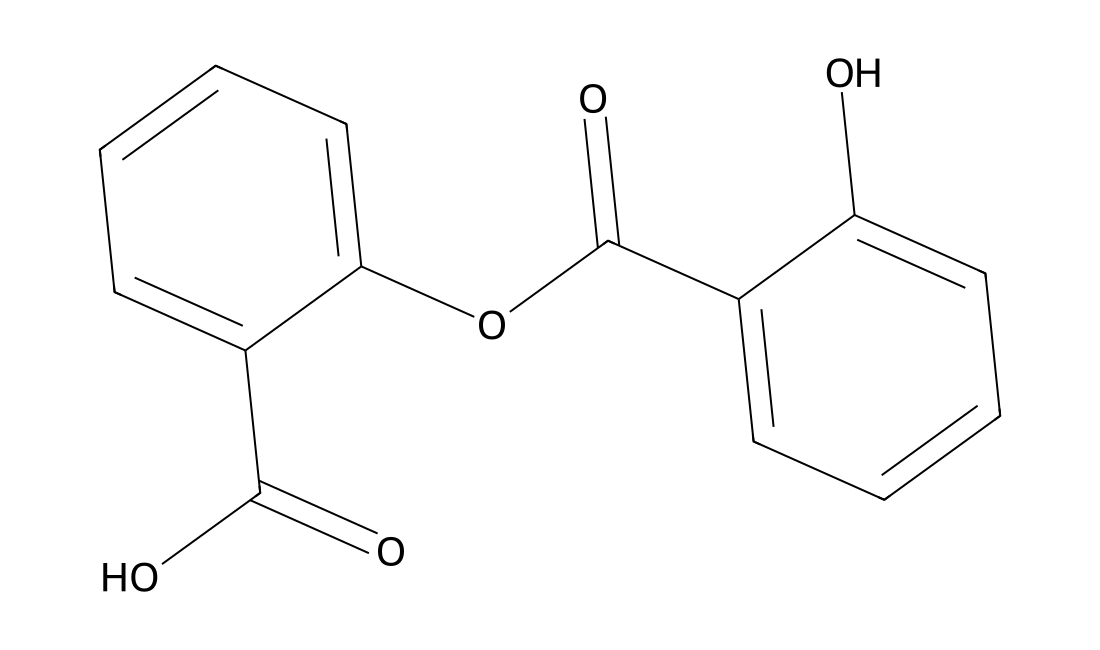
Takeda compound 101 chemical structure
DC23776

ZZW-115

CAS 801991-87-7

ZZW-115 (ZZW115, ZZW 115) is a potent inhibitor of NUPR1 (Kd=2.1 uM), an intrinsically disordered protein (IDP) with an entirely disordered conformation; demonstrates antitumor activity on a panel of 11 primary PDAC-derived cells and it was found to be efficient to kill the cancer cells with IC50 in the range from 0.84 μM (ANOR) to 4.93 μM (HN14), also inhibits the growth of other tumors-derived cells (IC50=0.42 μM (Hep2G cells) to 7.75 μM (SaO-2 cells)); induces pancreatic cell death by necrosis and apoptosis and inhibits the growth pancreatic xenografted tumors in vivo.
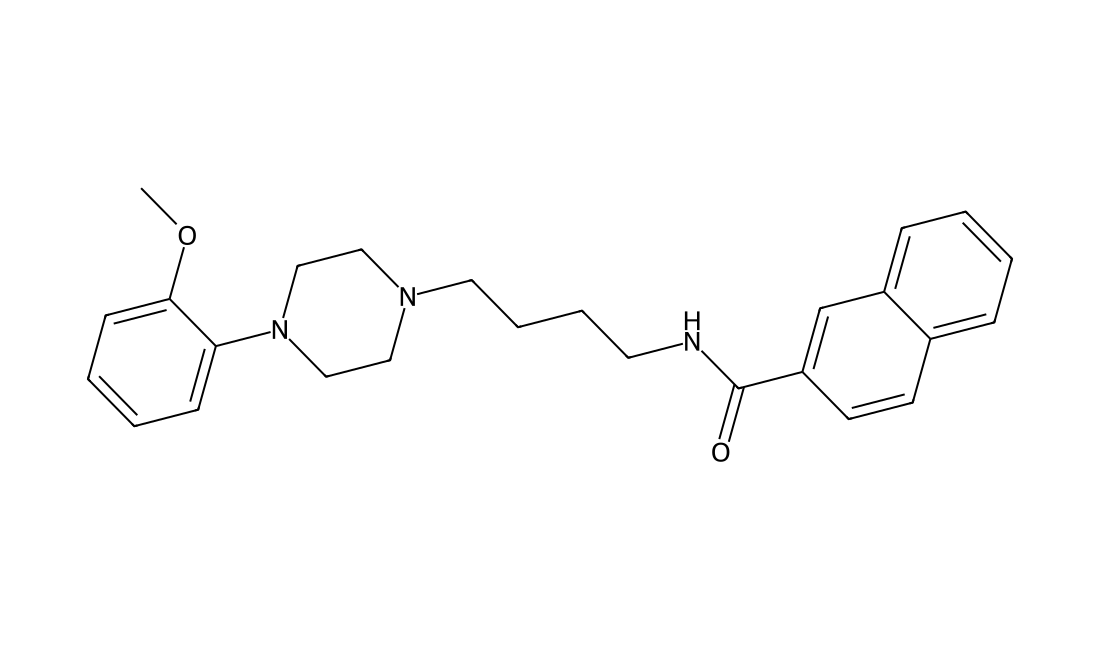
ZZW-115 chemical structure
DC21197

Ganaplacide

CAS 1261113-96-5

Ganaplacide (KAF156, GNF-156) is a novel antimalarial clinical candidate that shows blood schizonticidal activity with IC50 of 6-17.4 nM against P falciparum drug-sensitive and drug-resistant strains.

Ganaplacide chemical structure
DC20781

BI 671800

CAS 1093108-50-9

BI-671800 is a highly specific and potent antagonist of chemoattractant receptor-homologous molecule on Th2 cells (DP2/CRTH2), with IC50 values of 4.5 nM and 3.7 nM for PGD2 binding to CRTH2 in hCRTH2 and mCRTH2 transfected cells, respectively[1]. BI-671800 has potential for the treatment of poorly controlled asthma[2].

BI 671800 chemical structure
Browse target & topic index A–Z (366)
11β-HSD (1)15-PGDH (2)5-HT Receptor (16)Acetyl-CoA Carboxylase (ACC) (3)Acetylcholinesterase (AChE) (2)Ack1 (TNK2) (1)Acyltransferase (1)ADC Cytotoxin (6)ADCs Linker/Click Chemistry (5)Adenosine Receptor (9)Adenylate Cyclase (2)Adrenergic Receptor (11)Akt (12)Alcoholism (2)Aldehyde Dehydrogenase (ALDH) (6)Allergy (5)Alzheimer Disease (13)Aminopeptidase (1)AMPK (8)Amyloids (4)Anaplastic Lymphoma Kinase (ALK) (9)Androgen Receptor (AR) (11)Anemia (4)Angiotensin Receptor (4)Antibody/Protein labeling dyes (1)Antifolate (2)Anxiety (1)Apoptosis Inducer (3)Arginase (1)Arp2/3 complex (1)Aryl hydrocarbon Receptor (AhR) (1)Asthma (5)Atherosclerosis (2)ATM/ATR (8)Aurora Kinase (10)Autophagy (6)Autophagy-related Protein (Atg) (2)Autotaxin (2)Bacterial (26)Bacterial Infection (17)Bcl-2 (14)Bcr-Abl (5)BCRP (1)Beta-catenin (4)Beta-secretase (BACE) (4)Blood Cancer (91)BMI-1 (1)Bone Cancer (6)Brain Cancer (6)Breast Cancer (30)Bromodomain (22)BTK (10)c-Fms (CSF1R) (5)c-Fos/AP-1 (1)c-Kit (6)c-Met (HGFR) (11)c-Myc (2)Calcium Channel (4)Calcium-sensing Receptor (CaSR) (1)CaMK (4)Cannabinoid Receptor (6)Carbonic Anhydrase (1)Carboxypeptidase (1)Casein Kinase (6)Caspase (4)Cathepsin (6)Cdc2-like Kinase (CLK) (1)CETP (2)CFTR (7)Checkpoint Kinase (Chk) (8)Chemokine Receptor (CCR and CXCR) (14)Chemotherapeutic Agents (19)Chloride Channel (1)CMV (2)CMV Infection (2)Colon Cancer (9)Complement System (1)COPD (3)CREB/CBP (2)CRF Receptor (2)CRISPR/Cas9 (1)Cushing Disease (1)Cyclin-dependent Kinase (CDK) (39)Cyclooxygenase (COX) (4)Cytochrome P450 (CYPs) (5)Depression (2)Dermatitis (2)Deubiquitinase (DUB) (7)Diabetes (20)Dipeptidyl Peptidase (DPP) (3)Discoidin Domain Receptor (DDR) (1)DNA Alkylator/Crosslinker (10)DNA Methyltransferase (DNMT) (1)DNA Repair Protein (1)DNA-PK (2)DNA/RNA Synthesis (5)Dopamine beta-hydroxylase (1)Dopamine Receptor (7)Drug Metabolite (1)Drug-Linker Conjugates (11)Dyes (4)DYRK (1)Dyslipidemia (9)E3 Ligase Ligand (6)E3 Ligase Ligand-Linker Conjugate (1)E3 Ubiquitin Ligase (4)Ebola Virus Infection (1)EGFR (32)Elastase (2)Endothelin Receptor (5)Enzymes substrates (13)Epigenetic Reader Domain (3)Epilepsy (4)ERK (4)Estrogen Receptor/ERR (13)Eukaryotic Initiation Factor (eIF) (2)Exportin-1 (CRM1,XPO1) (2)FABP (1)Factor Xa (5)Farnesoid X Receptor (FXR) (5)Farnesyl transferase (FTase) (1)Ferroptosis (6)FGFR (20)Fibrosis (5)FLT3 (6)Focal Adhesion Kinase (FAK) (11)Foxo1 (1)Free Fatty Acid Receptor (FFAR) (5)Fungal (2)Fungal Infection (1)GABA Receptor (13)Galectin (1)Gastric Cancer (8)Ghrelin Receptor (GHSR) (3)Glucagon Receptor (4)Glucokinase (2)Glucose Transporter (GLUT) (2)Glutamate Transporter (2)GPCR (1)GPER (GPR30) (1)GPR139 (1)GPR183 (EBI2) (2)GPR39 (1)GPR55 (1)GPR84 (1)GRK (GPCRK) (2)Growth Hormone Deficiency (2)GSK-3 (8)Guanylate Cyclase (3)HBV (1)HBV Infection (1)HCN Channel (2)HCV (8)HCV Infection (9)HDAC (38)Heart Arrhythmia (2)Heart Failure (5)Heat Shock Protein (HSP) (15)Hedgehog (Hh) (1)HIF/HIF Prolyl-hydroxylase (8)Histamine Receptor (6)Histone Acetyltransferase (HAT) (5)Histone Demethylase (11)Histone Methyltransferase (HMTase) (31)HIV (12)HIV Infection (11)HMG-CoA Reductase (HMGCR) (3)HSV (1)HSV Infection (1)Hypercholesterolemia (1)Hyperparathyroidism (1)Hypertension (8)IAP (1)IGF-1R (3)iGluR (15)Indoleamine 2,3-Dioxygenase (IDO) (4)Infection (1)Influenza (6)Influenza Virus (6)Insulin Receptor (2)Integrin (6)Interleukin Receptor (1)IRAK (2)IRE1 (4)Irritable Bowel Syndrome (2)Ischemia (1)Isocitrate Dehydrogenase (IDH) (5)ITK (1)IκB kinase (IKK) (7)JAK (32)JNK (3)Keap1-Nrf2 (6)Kidney Cancer (10)Kinesin (5)Kruppel-like Factor (KLF) (1)Kynurenine 3-Monooxygenase (KMO) (1)Leukotriene Receptor (1)LIM Kinase (LIMK) (3)Lipids fragment (1)Liver Cancer (6)Liver X Receptor (LXR) (3)LRRK2 (9)Lung Cancer (39)Lysophospholipid Receptor (12)LYTACs (3)mAChR (9)MALT1 (2)MAP4K (1)Matrix Metalloproteinase (MMP) (10)MDM2-p53 (9)MEK (MAP2K) (14)MEKK (MAP3K) (1)Melanocortin Receptor (2)MELK (1)mGluR (7)MicroRNA (1)Microtubule/Tubulin (5)Mineralocorticoid Receptor (MLR) (1)MITF (1)Mixed Lineage Kinase (MLK) (3)MNK (2)Molecular Glues (21)Monoamine Transporter (5)Monocarboxylate Transporter (MCT) (1)Monopolar Spindle 1 (Mps1/TTK) (3)mTOR (13)Multiple Sclerosis (6)Myosin (1)Na-K-Cl Cotransporter (NKCC) (2)nAChR (2)NADPH Oxidase (NOX) (2)NAMPT (3)Natural products (37)Neprilysin (1)Neurokinin Receptor (3)Neuropeptide Y Receptor (3)NF-κB (5)Nitric Oxide Synthase (NOS) (1)NOD-like Receptor (NLR) (3)Notch (2)Nucleoside Antimetabolite/Analog (10)Nur77 (NR4A1) (1)Obesity (1)Oct3/4 (1)Opioid Receptor (5)Orexin Receptor (7)Osteoporosis (2)Ovarian Cancer (14)Oxytocin Receptor (OXTR) (2)P-glycoprotein (P-gp) (3)p21-activated Kinase (PAK) (1)P2X Receptor (2)P2Y Receptor (1)p38 MAPK (10)p97/VCP (1)Pain (12)Pancreatic Cancer (10)Parasite (5)Parasite Infection (2)Parkinson Disease (2)PARP (19)PCSK9 (1)PD-1/PD-L1 (4)PDGFR (4)PDK1 (2)PEGn (1)PERK (2)PGE synthase (2)Phosphodiesterase (PDE) (9)Phospholipase (4)PI3K (32)PI4K (2)Piezo Channel (1)PIKfyve (3)Pim (9)PKC (12)PKD (1)Plasminogen Activator Inhibitor-1 (PAI-1) (3)Polo-like Kinase (PLK) (4)Porcupine (3)Potassium Channel (13)PPAR (13)Pregnane X Receptor (PXR) (1)Progesterone Receptor (2)Prostaglandin Receptor (11)Prostate Cancer (7)PROTACs (35)Protease-activated Receptor (PAR) (3)Proteasome (12)Protein Disulfide Isomerase (PDI) (1)Protein Phosphatase/PTP (6)Proton Pump (1)Psoriasis (5)RAD51 (1)Radioligand precursors (15)Raf (18)RAR/RXR (3)Ras (17)Renin (2)RET Tyrosine Kinase (c-RET) (3)Rheumatoid Arthritis (16)Ribosomal S6 Kinase (RSK) (5)RIG-I-like Receptor (RLR) (2)RIP kinase (7)ROCK (12)ROR (2)RSV (4)RSV Infection (3)RUNX1-CBFβ (1)S-nitrosoglutathione reductase (GSNOR) (1)Saccharides and Glycosides (1)Salt Inducible Kinase (SIK) (2)SARS-CoV (16)SARS-CoV Infection (34)Schizophrenia (4)Sexual Dysfunction (1)SGLT (4)Sigma Receptor (4)Sirtuin (9)Skin Cancer (13)Sleep Disorder (7)SMN2 Modulator (1)Smoothened (Smo) (9)Sodium Channel (12)Solid Tumors (35)Somatostatin Receptor (2)Sphingosine kinase (SphK) (2)Src (7)STAT (5)Stearoyl-CoA Desaturase (SCD) (1)Steatohepatitis (7)Sterol lipids (1)STING (14)Syk (6)T Cell Receptor (TCR) (1)TAK1 (2)TAM Receptor (Tyro3-Axl-Mer) (4)Taste Receptor (1)Telomerase (2)TGF beta Receptor (TGFBR) (12)Thrombin (3)Thrombosis (13)Thyroid Cancer (1)Thyroid Hormone Receptor (THR) (1)Thyrotropin Receptor (2)TNIK (1)Toll-like Receptor (TLR) (2)TOPK (1)Topoisomerase (11)TRAIL (1)Translocator Protein (TSPO) (1)Trk Receptor (4)TRP Channel (13)Tryptophan Hydroxylase (TPH) (1)Ubiquitin-activating Enzyme (E1) (2)Ubiquitin-conjugating Enzyme (E2) (2)Ulcer (1)ULK (3)Vasopressin Receptor (2)VEGFR (25)Vitamin D Receptor (VDR) (3)Wee1 (1)WNK Kinase (1)Wnt (5)Yes-associated Protein (YAP) (4)γ-secretase (5)

Cart

Request quotation