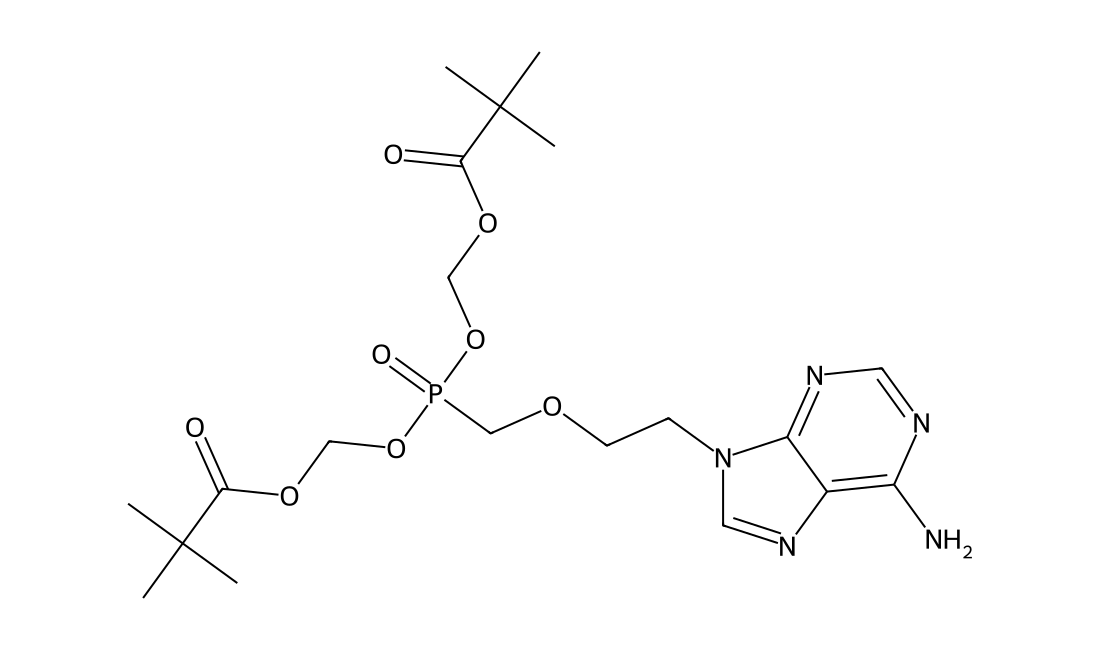
Adefovir Dipivoxil
CAS 142340-99-6
Adefovir Dipivoxil(Preveon, Hepsera) works by blocking reverse transcriptase, an enzyme that is crucial for the hepatitis B virus (HBV) to reproduce in the body.

Explore bioactive compounds by research category, then narrow your search by target, product name, catalog number or CAS.
Newly added: LC-MG and OXF molecular glue research compounds →
Products may appear in more than one category. Counts refer to distinct catalog numbers within each category.
Other Research Tools (75) · Additional reagents, building blocks and specialized research tools.
LC-MG-1 (DCA0006) · LC-MG-4 (DCA0007) · LC-MG-9 (DCA0008)
View structure and evidence summaries →Combine a keyword, research category and target to narrow the product list.
Loading catalog filters…
CAS 142340-99-6
Adefovir Dipivoxil(Preveon, Hepsera) works by blocking reverse transcriptase, an enzyme that is crucial for the hepatitis B virus (HBV) to reproduce in the body.
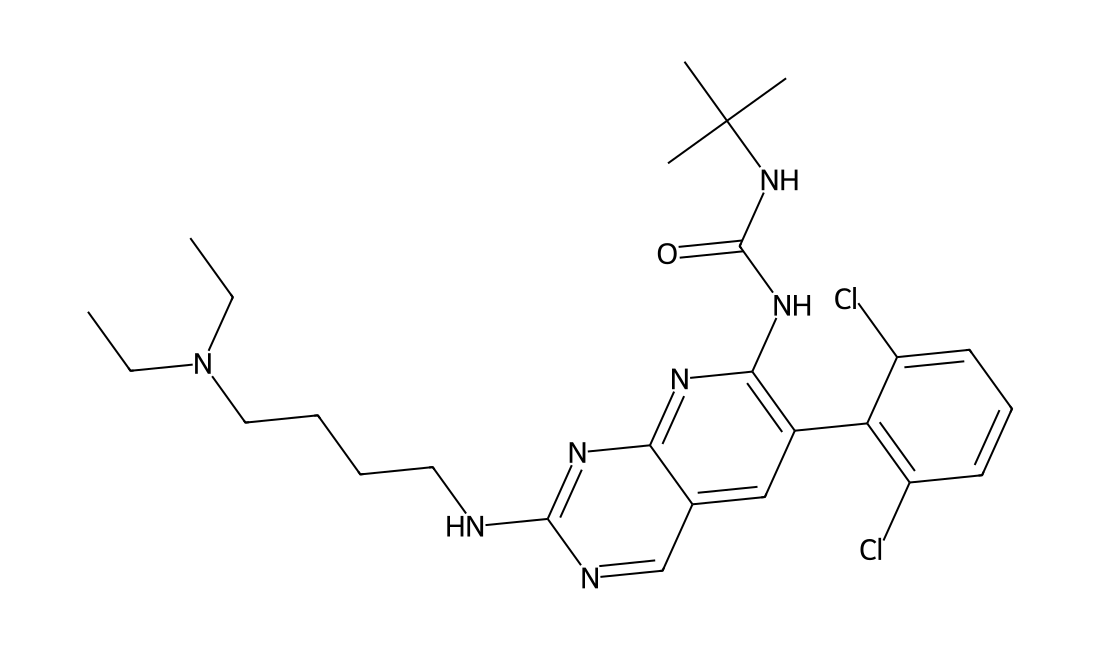
CAS 192705-80-9
PD-161570 is a selective FGFR inhibitor (IC50 values are 40, 262 and 3700 nM for FGFR, PDGFR and EGFR respectively). PD 161570 had about 5- and 100-fold greater selectivity toward the FGF-1 receptor (IC50 = 40 nM) compared with the PDGFbeta receptor (IC50 = 262 nM) or EGF receptor (IC50 = 3.7 microM) tyrosine kinases, respectively. In addition, PD 161570 suppressed constitutive phosphorylation of the FGF-1 receptor in both human ovarian carcinoma cells (A121(p)) and Sf9 insect cells overexpressing the human FGF-1 receptor and blocked the growth of A121(p) cells in culture. The results demonstrate a novel synthetic inhibitor with nanomolar potency and specificity towards the FGF-1 receptor tyrosine kinase.
CAS 2369979-67-7
JHU37152 is a Designer Receptors Exclusively Activated by Designer Drug (DREADD) agonist with Ki of 1.8 nM and 8.7 nM for human muscarinic acetylcholine M3 receptors (hM3Dq) and hM4Di in vitro, respectively. And EC50 values are 5 nM and 0.5 nM for hM3Dq and hM4Di in fluorescent and BRET-based assays in HEK-293 cells, respectively.,hM4Di 1(Cell-free assay) hM3Dq 1(Cell-free assay) hM3Dq 1(Cell-free assay) hM4Di 1(Cell-free assay) 0.5 nM(EC50) 1.8 nM(Ki) 5 nM(EC50) 8.7 nM(Ki),JHU37152 is a potent DREADD agonist with high potency and efficacy in fluorescent and BRET-based assays in HEK-293 cells, whereas no responses are observed in untransfected HEK-293 cells.1,JHU37152 exhibits high in vivo DREADD potency. JHU37152 exhibits selective 3Hclozapine displacement from DREADDs in brain tissue from WT and D1-DREADD mice.1
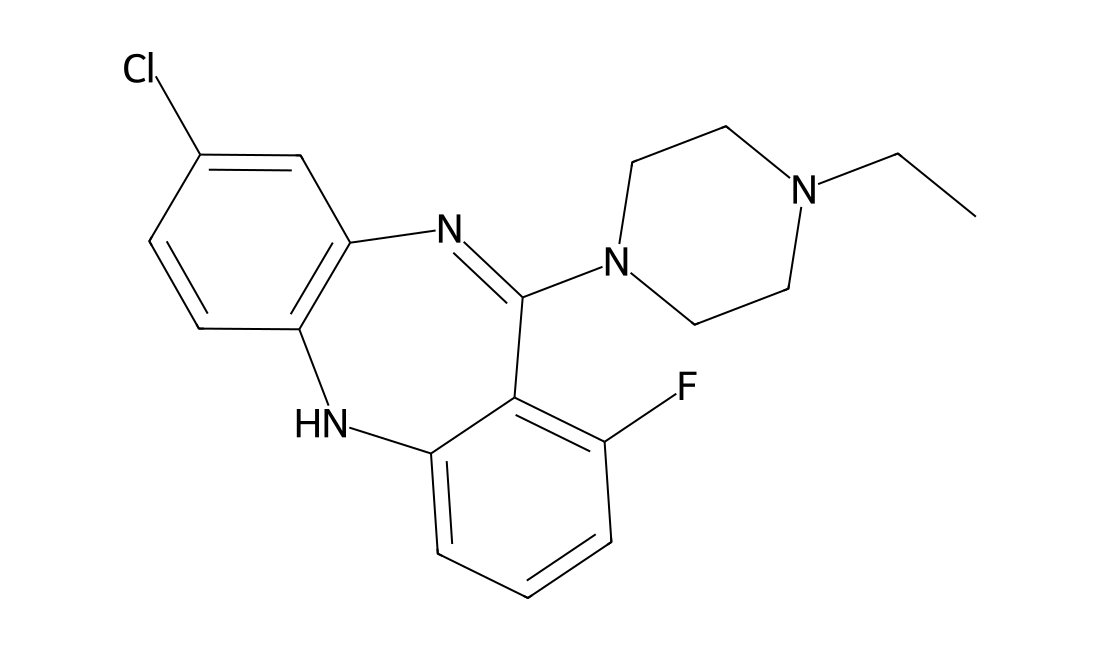
CAS 134029-62-2
DMU-212, a methoxylated resveratrol analog, has significant anticancer activity, and selectively targets tumor cells.
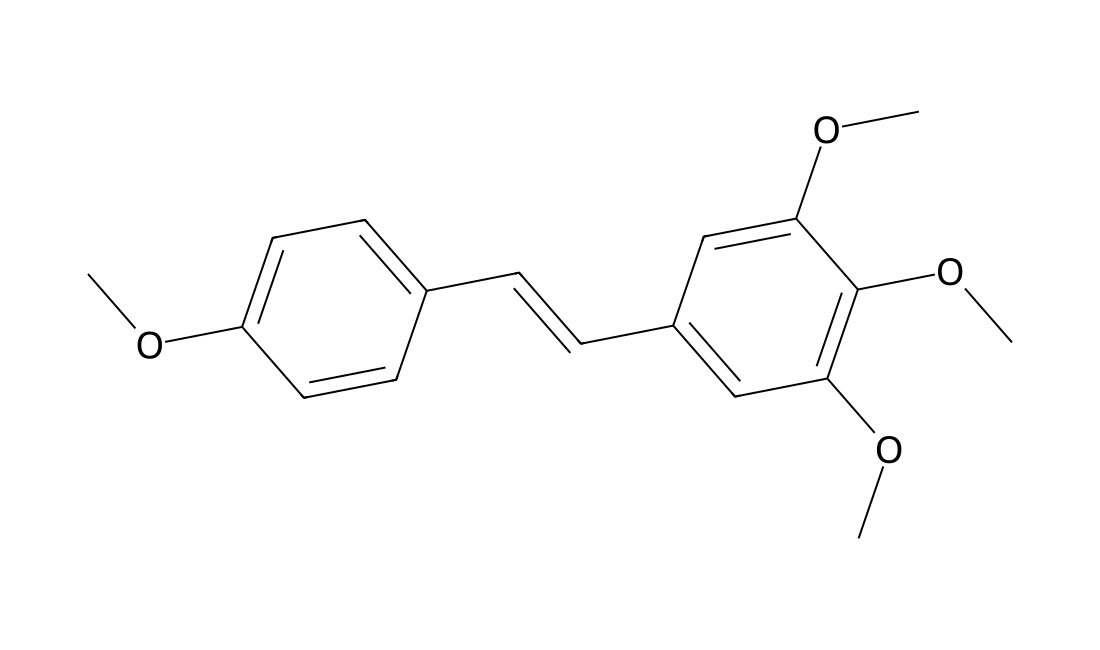
CAS 284028-90-6
DR2313 is a potent, selective, competitive and brain-penetrant inhibitor of poly(ADP-ribose) polymerase (PARP), with IC50s of 0.20 μM and 0.24 μM for PARP-1 and PARP-2, respectively. DR2313 exhibits neuroprotective effects on ischemic injuries in vitro and in vivo.
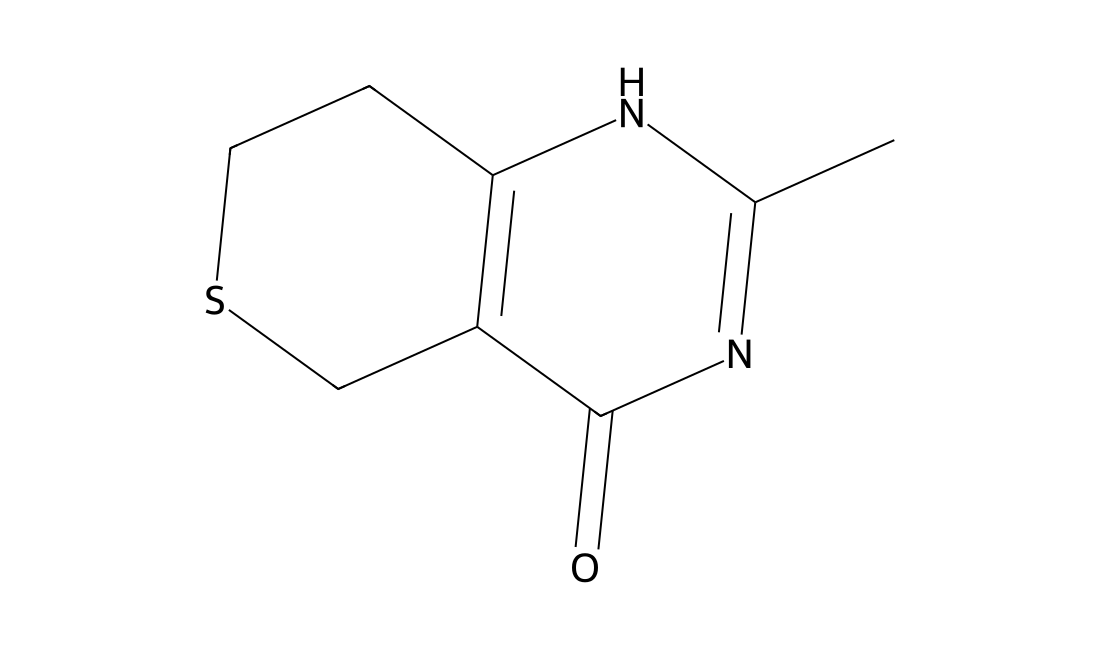
CAS 101827-46-7
A synthetic benzylamine antifungal that inhibits the synthesis of ergosterol by inhibiting squalene epoxidase.
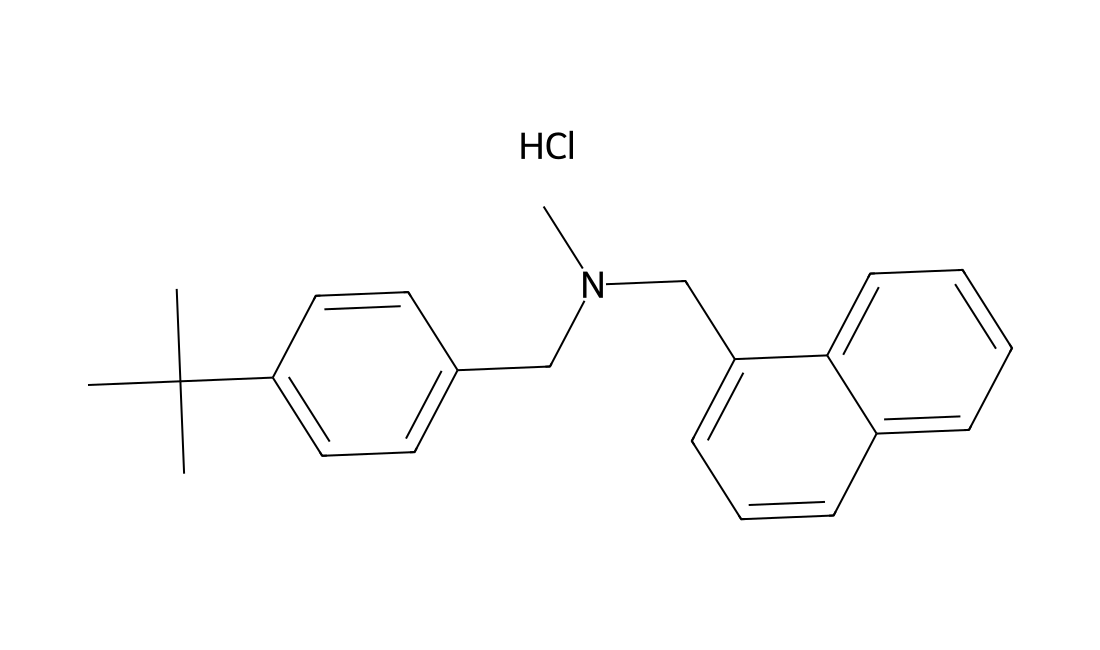
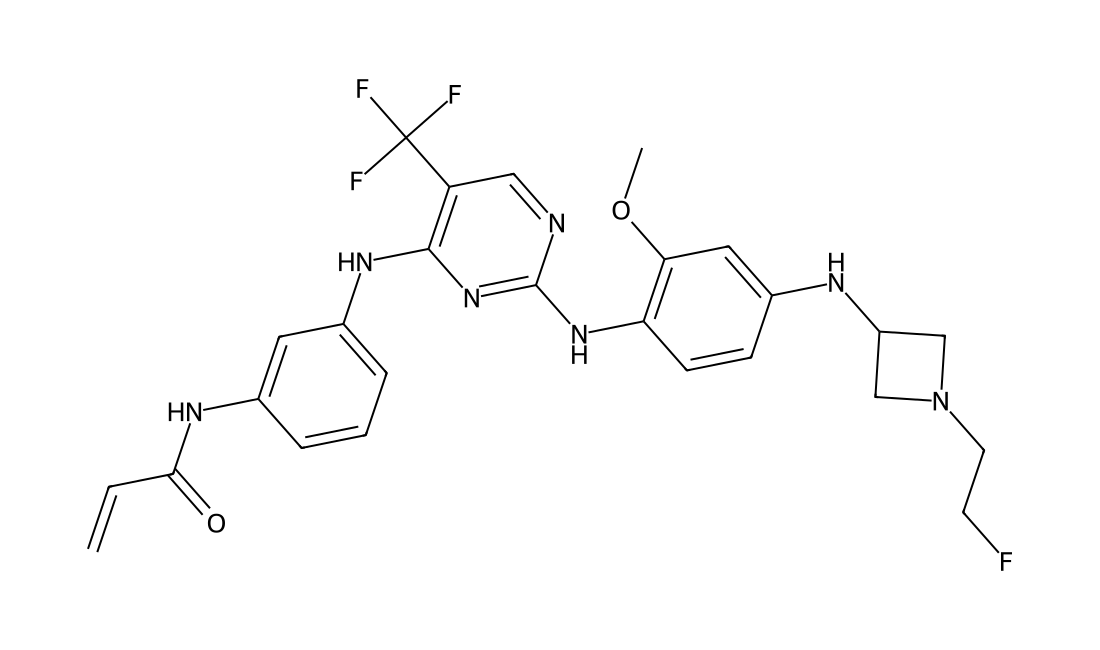
CAS 1375465-09-0
CNX-2006 is a novel irreversible mutant-selective EGFR inhibitor with IC50 of < 20 nM, with very weak inhibition at wild-type EGFR.
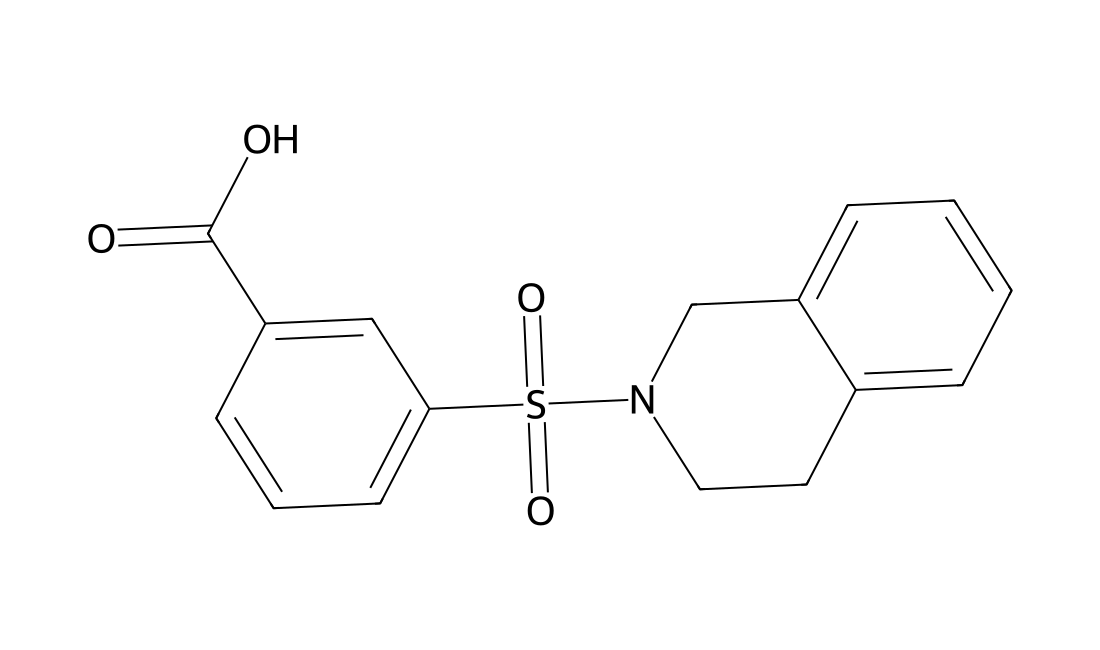
CAS 312-63-0
ELN484228 is a blocker of α-synuclein which is a key protein in Parkinson’s disease.
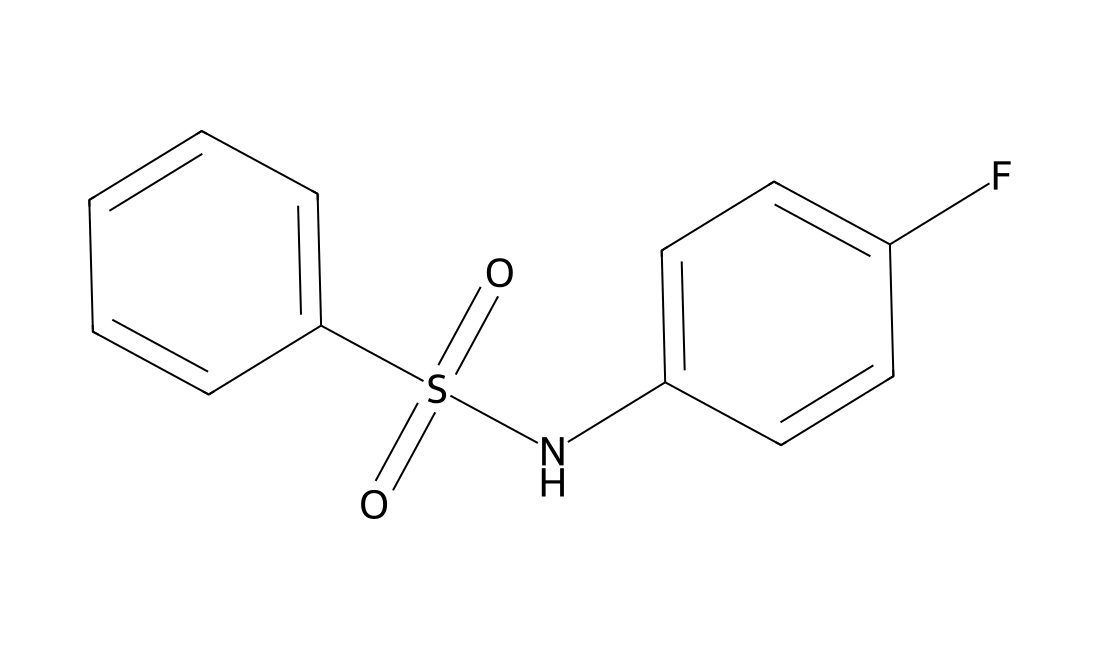
CAS 95041-90-0
Erianin, often used as an antipyretic and analgesic agent, could inhibit IDO-induced tumor angiogenesis.
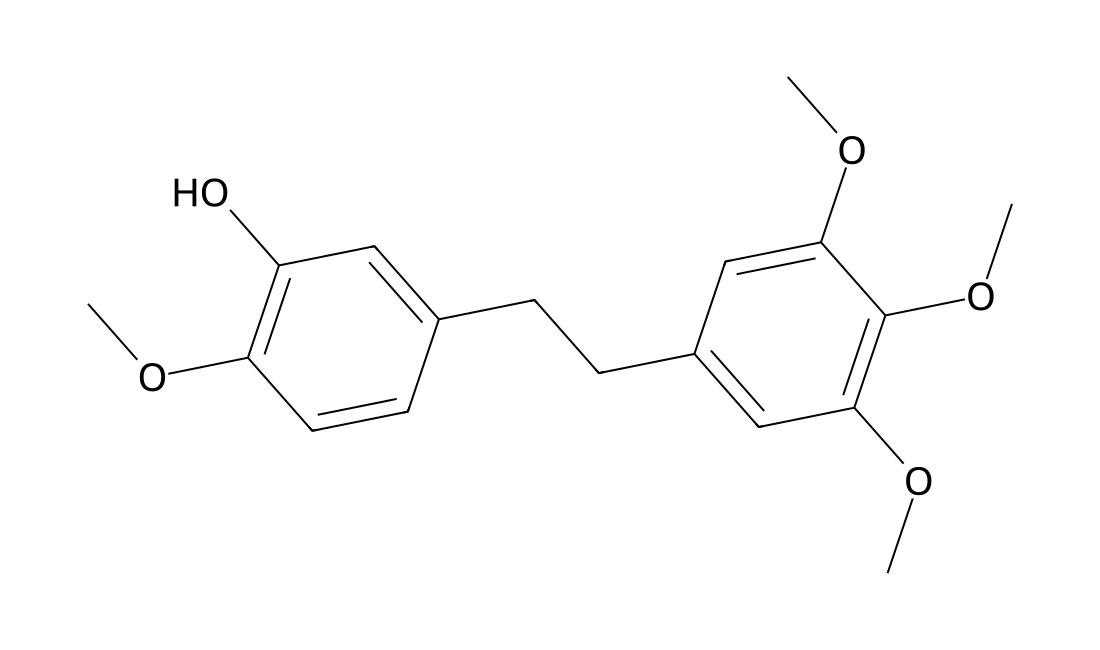
CAS 738606-46-7
ETC-1002(ESP-55016) is a novel, first-in-class, orally available, once-daily LDL-C lowering small molecule; activator of hepatic AMP-activated protein kinase (AMPK); also has potent inhibitory activity against hepatic ATP-citrate lyase(IC50=29 uM).
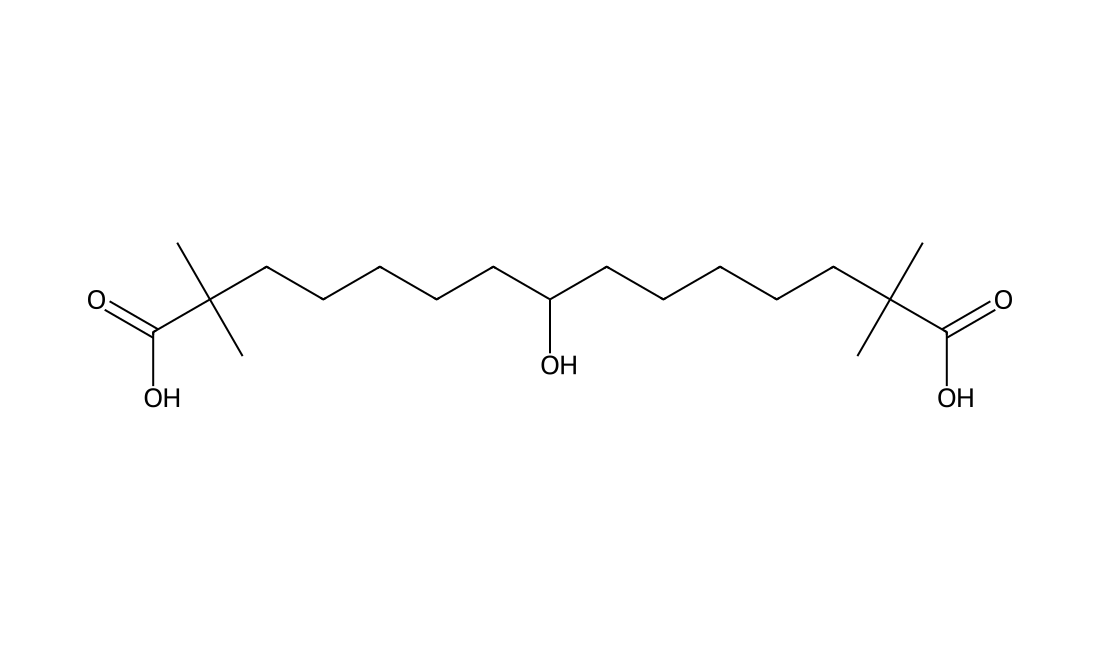
CAS 30544-47-9
Etofenamate is a non-steroidal anti-inflammatory drug used for the treatment joint and muscular pain.
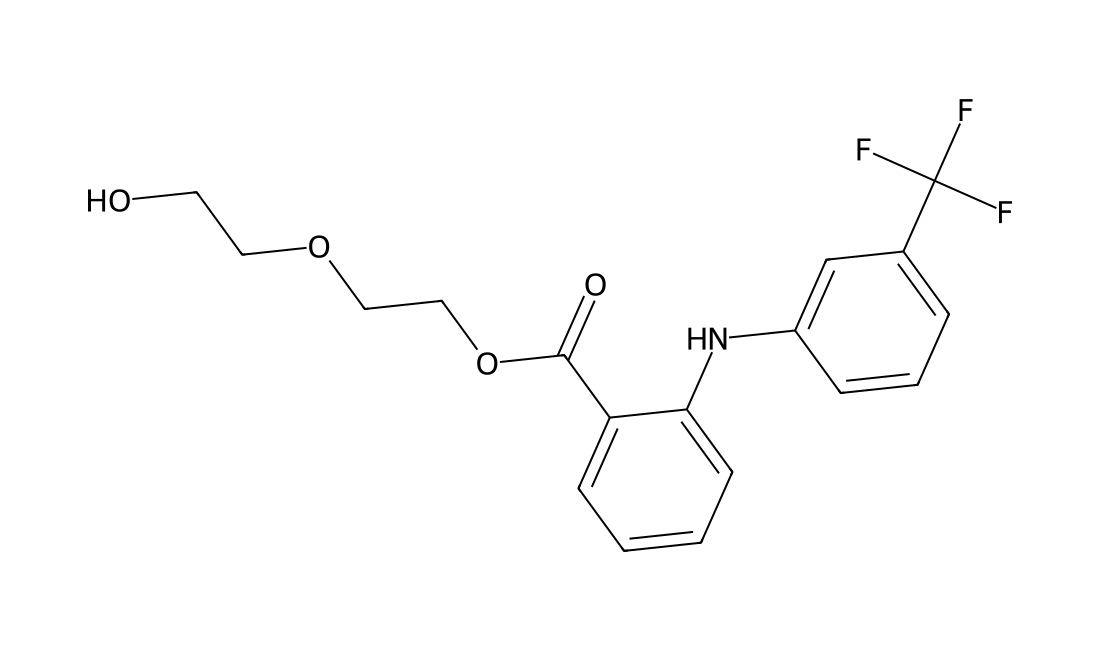
CAS 1345675-02-6
ETP-46464 is a cell-permeable quinoline-containing heterotricyclic compound that acts as a potent inhibitor against mTOR, ATR, DNA-PK, PI 3-Kα, and ATM (IC50= 0.6, 14, 36, 170, and 545 nM, respectively).
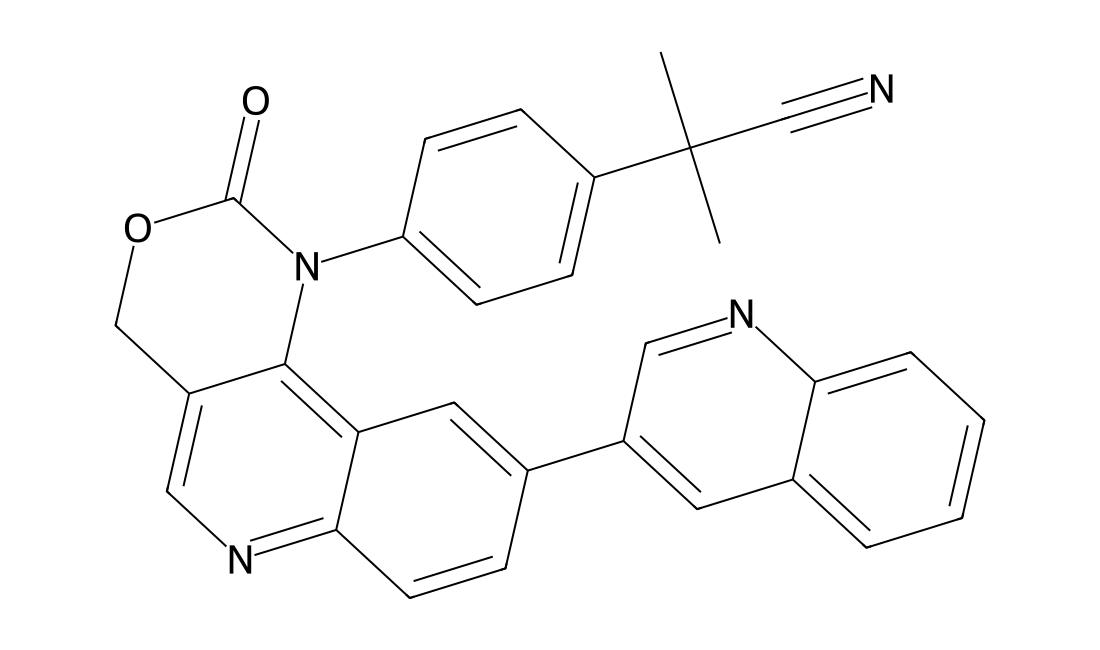
CAS 2148339-28-8
AS2717638 is an oral active lysophosphatidic acid receptor 5 (LPA5) antagonist in rodents. AS2717638 also significantly improves PGE2-, PGF2α-, and AMPA-induced allodynia.
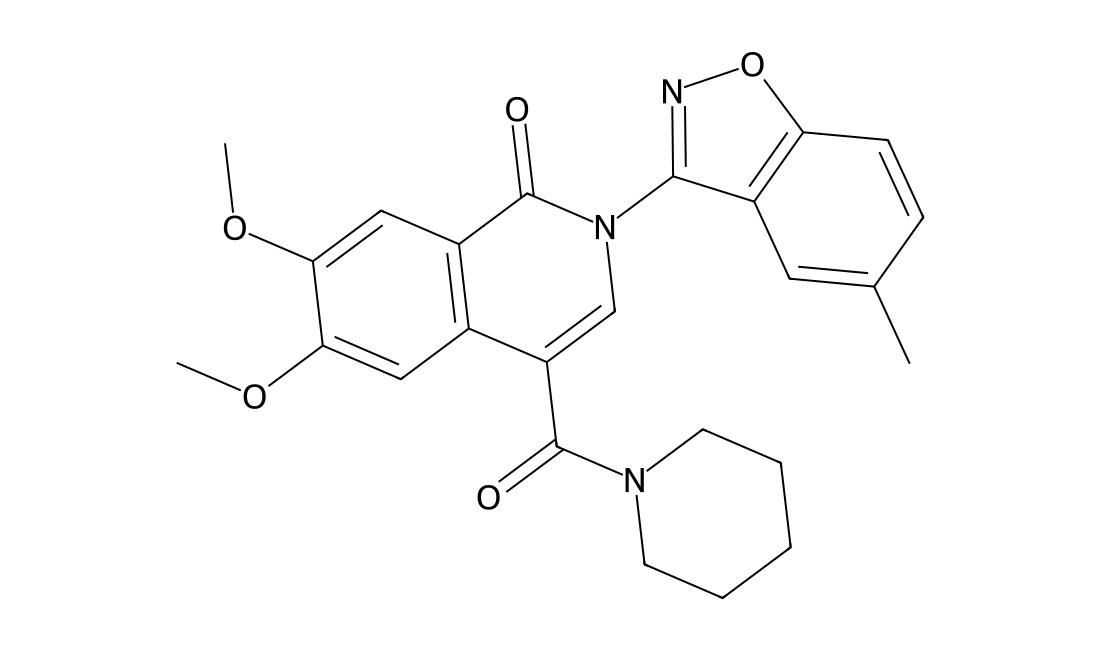
CAS 724711-21-1
MK2 Inhibitor III is a potent, cell-permeable inhibitor of mitogen-activated protein kinase-activated protein kinase 2 (MAPKAP-K2 or MK-2) and can be used for the treatment of rheumatoid arthritis.
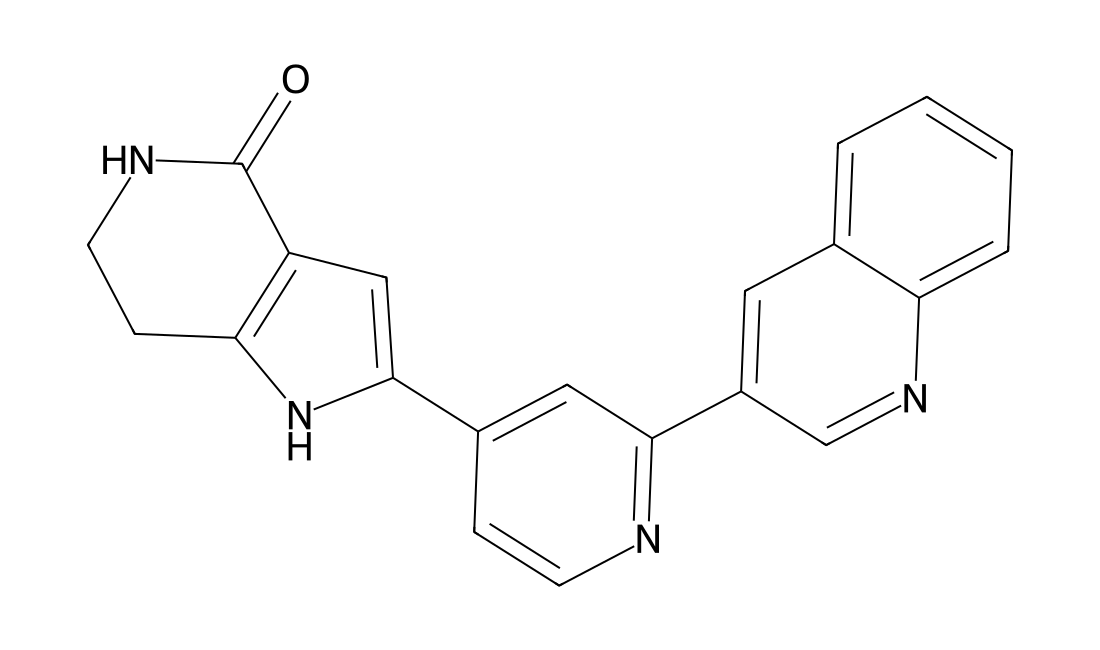
CAS 1414963-82-8
NK-252 is a Nrf2 activator. It acts by interacting with the Nrf2-binding site of Keap1 and downregulates the expression of fibrogenic genes.
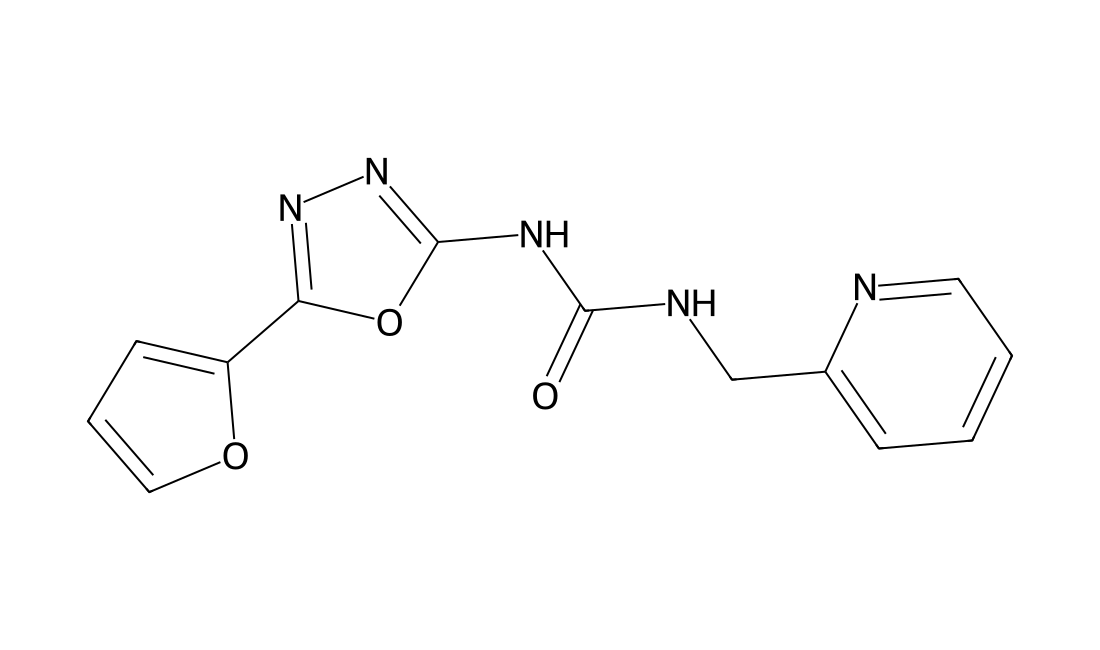
CAS 223488-57-1
Evatanepag (CP-533536) is an EP2 receptor selective prostaglandin E2 (PGE2) agonist that induces local bone formation with EC50 of 0.3 nM.
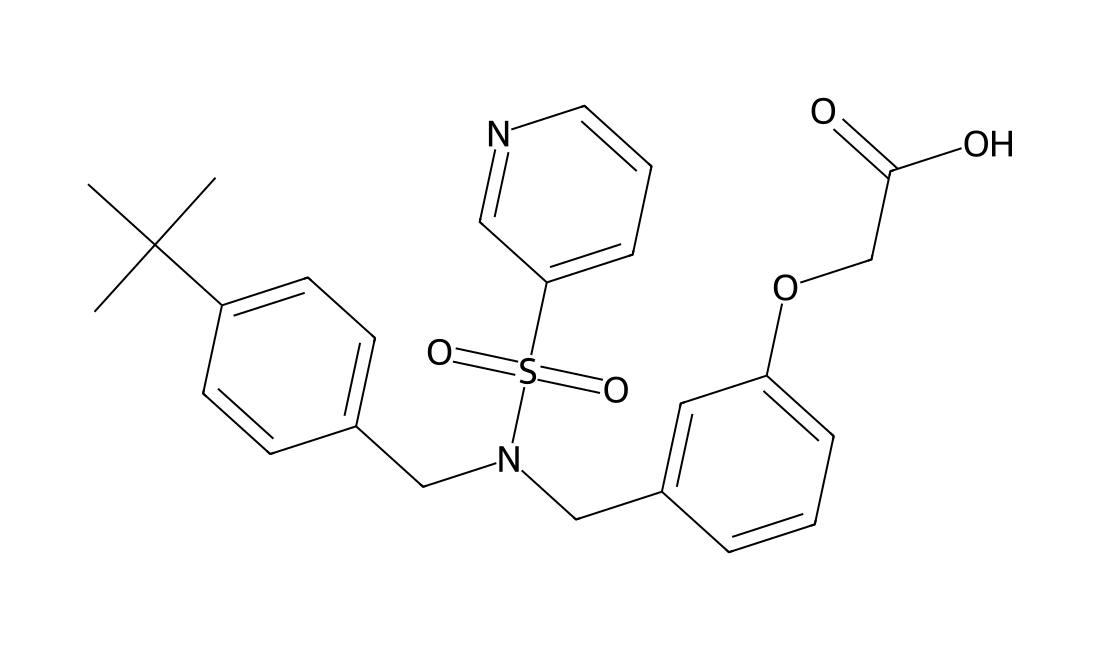
CAS 1374743-00-6
G1T28(Trilaciclib) is a potential first-in-class, short-acting IV CDK4/6 inhibitor being developed to preserve hematopoietic stem cells and enhance immune system function during chemotherapy.
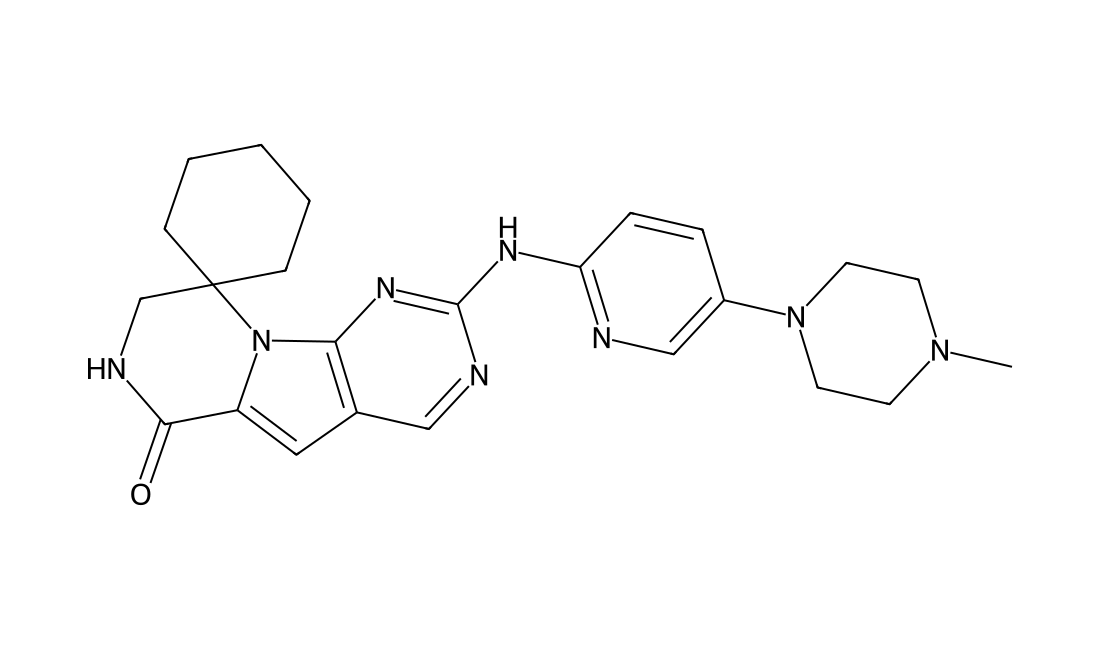
CAS 1448693-69-3
GCN2-IN-1 is a potent general control nonderepressible 2 kinase (GCN2) inhibitor with IC50s of <0.3 μM in the enzyme and cell assay.
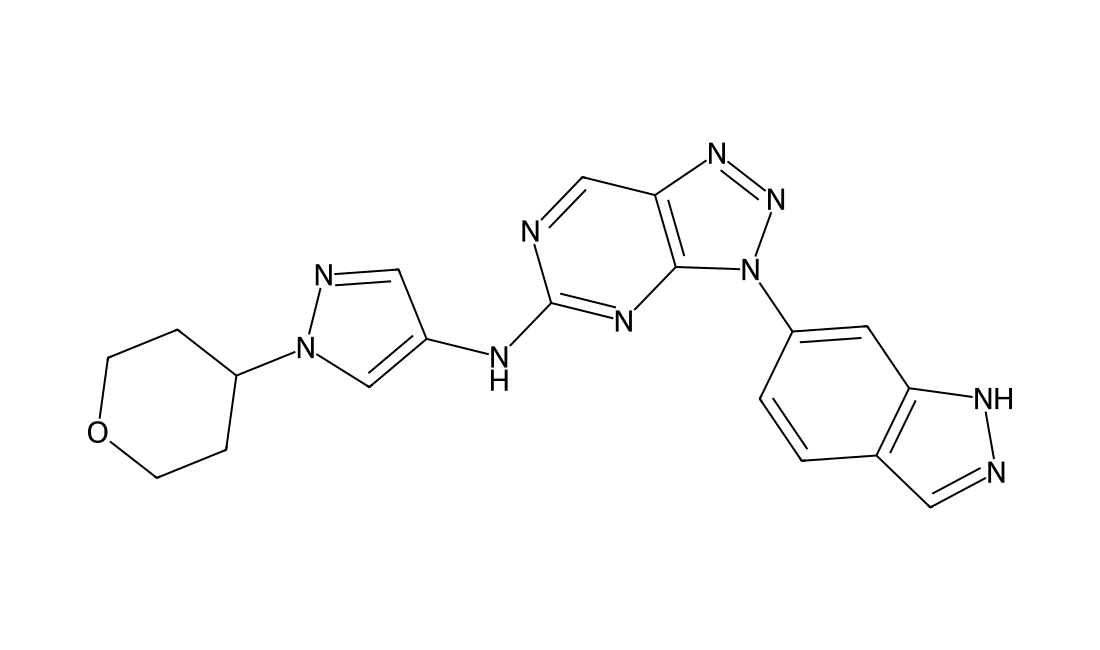
CAS 501698-03-9
GDP366, a dual inhibitor of survivin and Op18, induces cell growth inhibition, cellular senescence and mitotic catastrophe in human cancer cells.
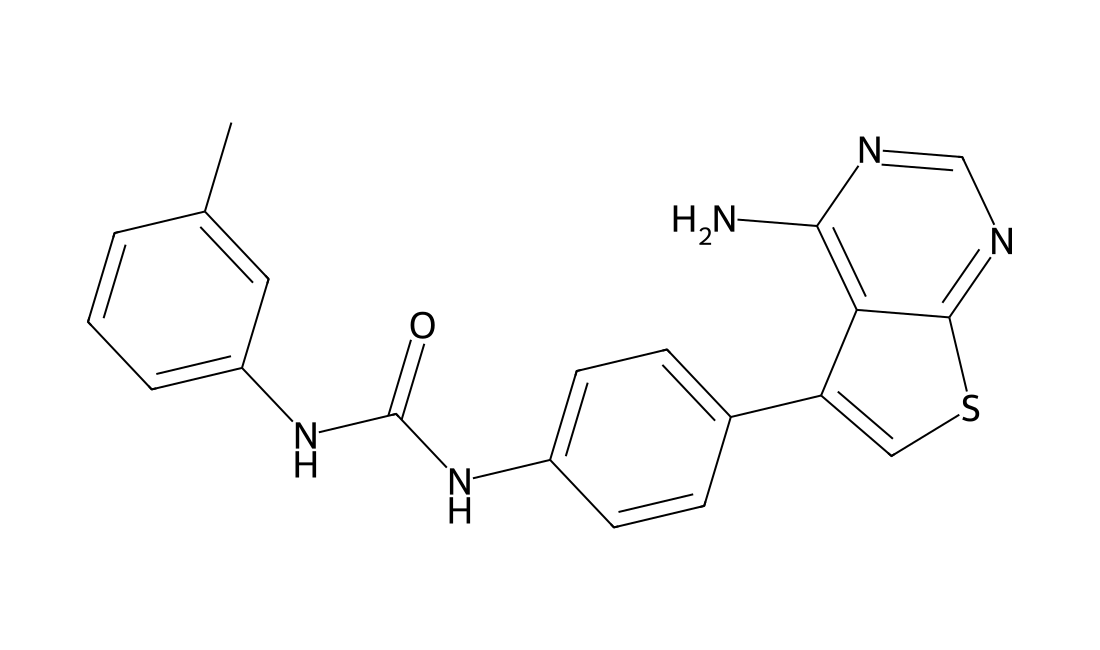
CAS 1531634-31-7
AF38469 is a potent, selective, orally bioavailable Sortilin inhibitor with IC50 of 330 nM, shows no activity against the NTR1 receptor as well as a panel of targets known to bind acidic molecules (δ-Opioid, GPR40, PPARδ, EP1, Angiotensin AT1, Endothelin
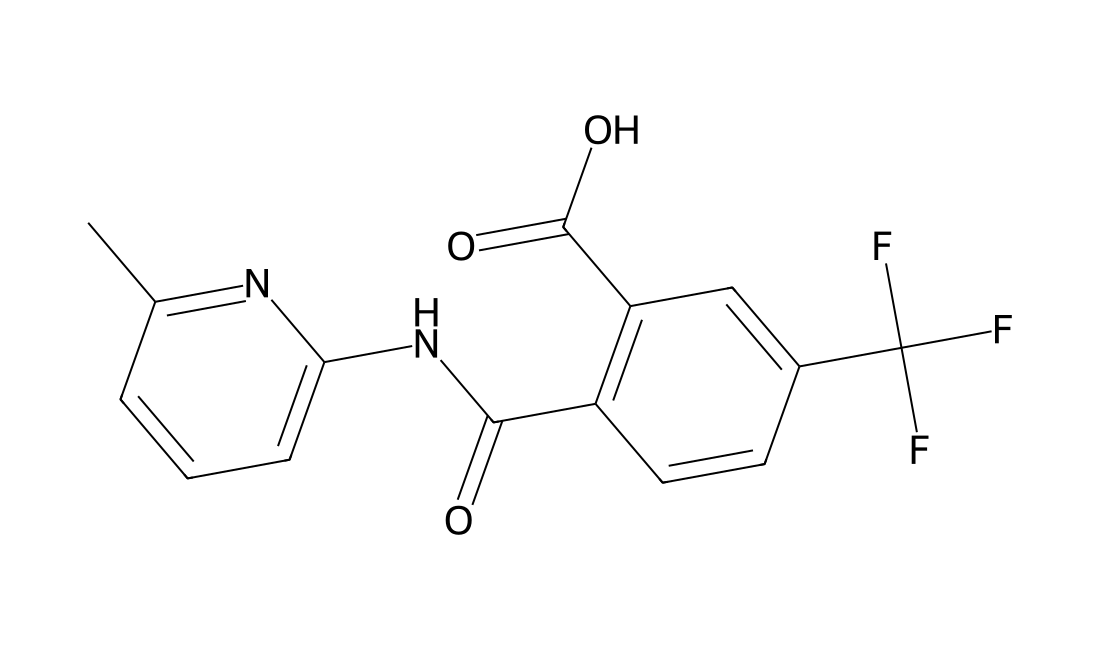
CAS 392721-37-8
Fasentin is a novel inhibitor of glucose uptake (GLUT) that sensitizes cancer cells to FAS-induced cell death, preferentially inhibits GLUT4 (IC50=68 uM) over GLUT1.
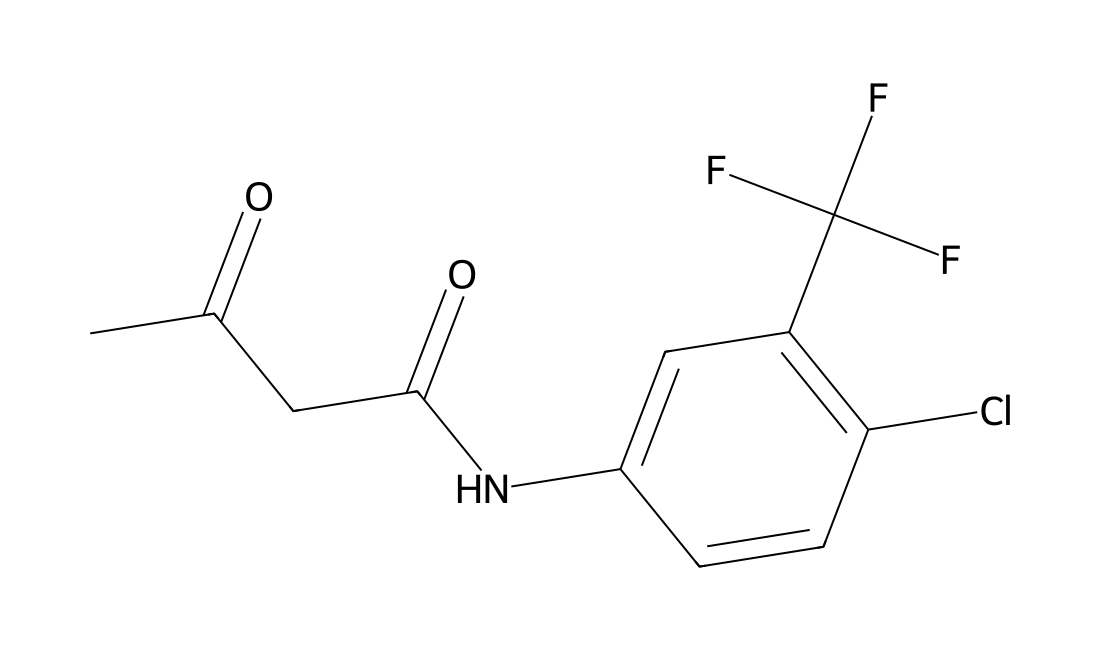
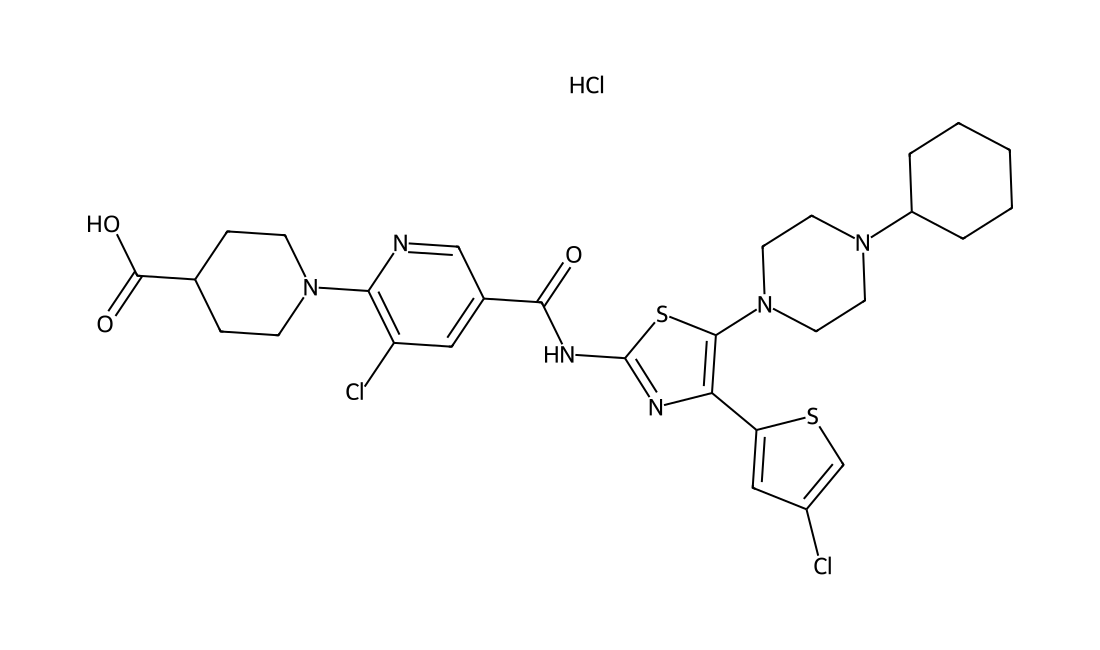
CAS 570403-17-7
Avatrombopag (AKR-501) hydrochloride is an orally active, nonpeptide thrombopoietin (TPO) receptor agonist (EC50=3.3 nM). Avatrombopag hydrochloride mimics the biological activities of TPO. Avatrombopag hydrochloride increases platelet production by activating the intracellular signaling system, and promotes production of platelets and megakaryocytes from hemopoietic precursor cells. Avatrombopag hydrochloride is a substrate of cytochrome P450 (CYP) 2C9 and CYP3A.
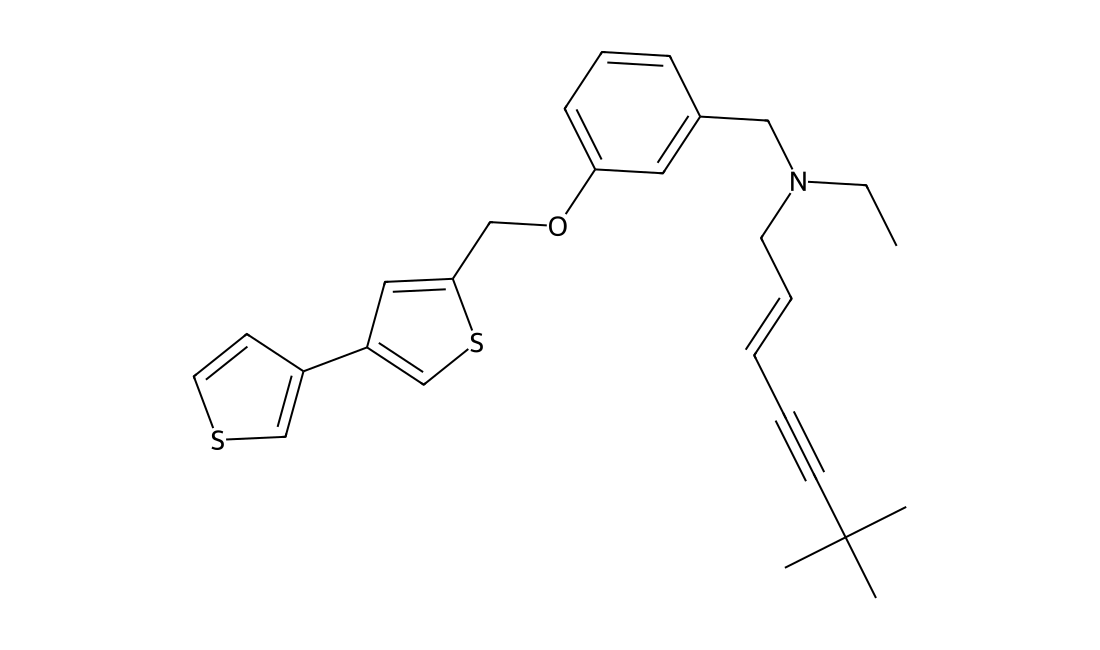
CAS 131060-14-5
NB-598 is a potent competitive inhibitor of squalene epoxidase (SE). NB-598 suppresses triglyceride biosynthesis through the farnesol pathway. NB-598 suppresses the secretion of cholesterol and triacylglycerol and simultaneously reduces apolipoprotein B in HepG2 cells. NB-598 reduced basolaterally secreted radioactivity in cholesterol, cholesterol ester, PL and TG. Furthermore, NB-598 suppressed the basolateral secretion of apolipoprotein (apo) B. When microsomes prepared from control Caco-2 cells were incubated with 10 microM NB-598, acyl CoA:cholesterol acyltransferase (ACAT) activity was inhibited slightly.
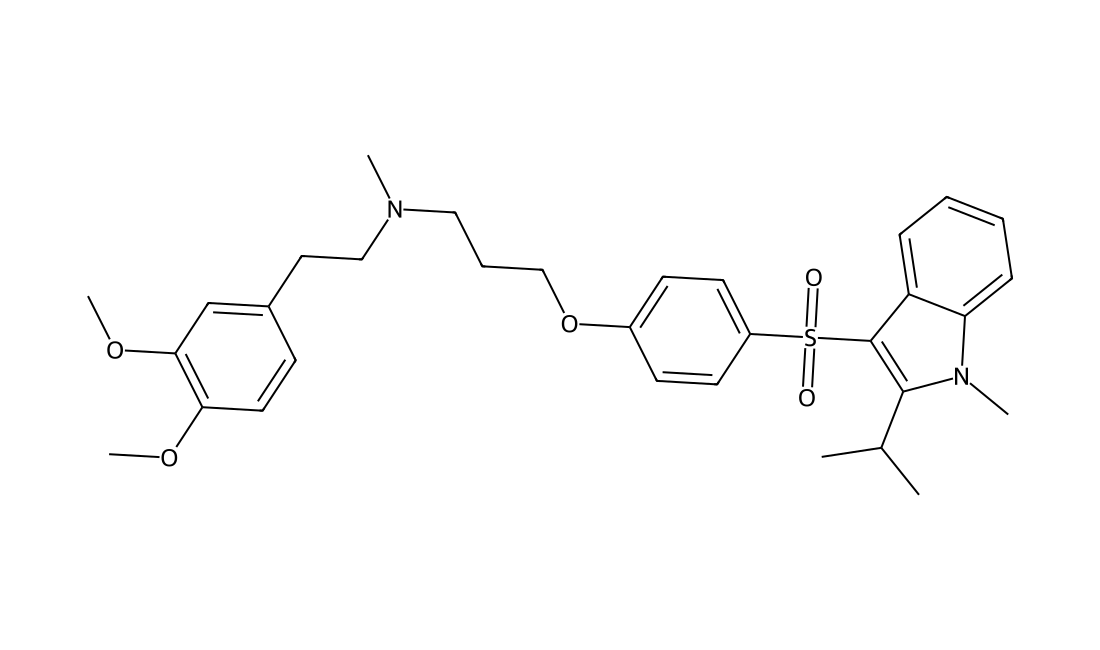
CAS 121345-64-0
SR33805 is a potent Ca2+ channel antagonist, with EC50s of 4.1 nM and 33 nM in depolarized and polarized conditions, respectively. SR33805 blocks L-type but not T-type Ca2+ channels. SR33805 can be used for the research of acute or chronic failing hearts.
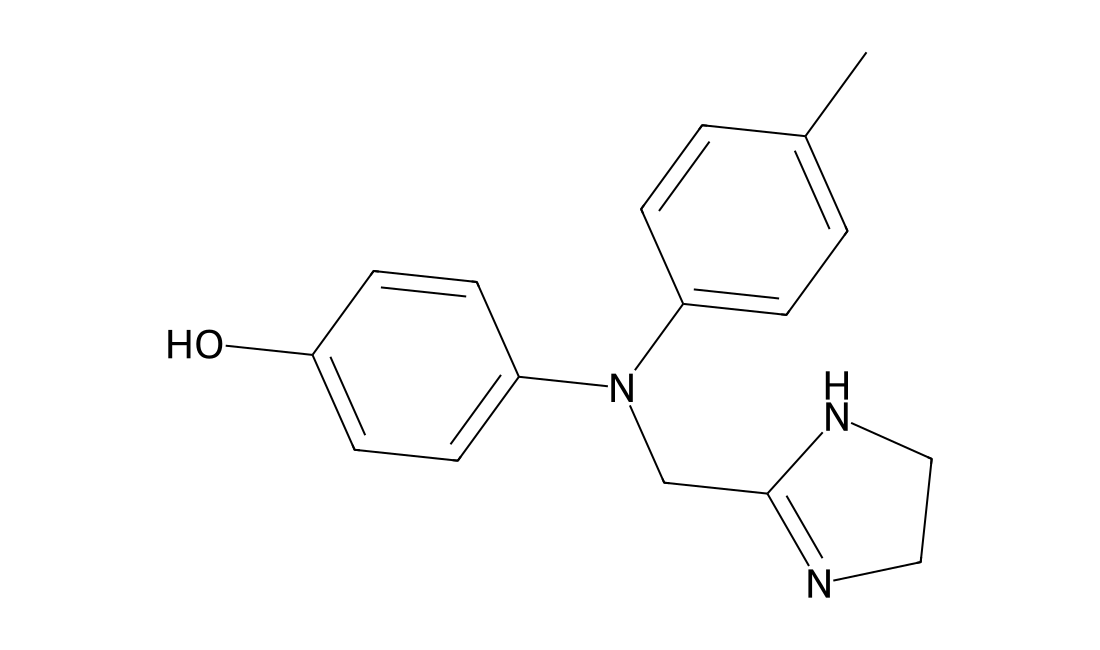
CAS 47142-51-8
LUN42518, also known as Phentolamine Analogue 1, is an analogue of phentolamine. Phentolamine is a nonselective alpha-adrenergic antagonist. LUN42518 has CAS#47142-51-8, no formal name For the convenience of scientific communication, we named it as LUN42518 (combined from Inchi key plus CAS#) according to Hodoodo Chemical Nomenclature.
CAS 72236-23-8
DCBA is a metabolite of insect repellent N-N-diethyl-meta-toluamide (DEET). The concentration of DCBA in urine can assess exposure to DEET.
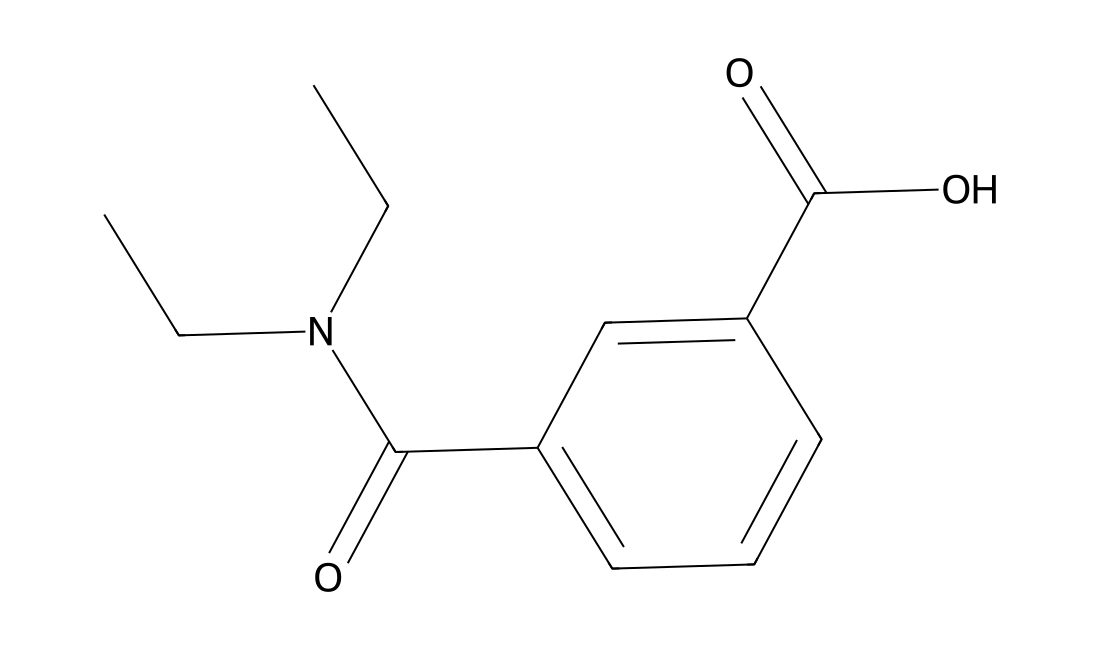
CAS 2479465-67-1
EBOV/MARV-IN-1 is a potent inhibitor of Ebola virus (EBOV) and Marburg virus (MARV), with broad-spectrum activity (EC50=0.31, and 0.82 μM, respectively) and low cytotoxicity (SI>100) in HeLa cells.
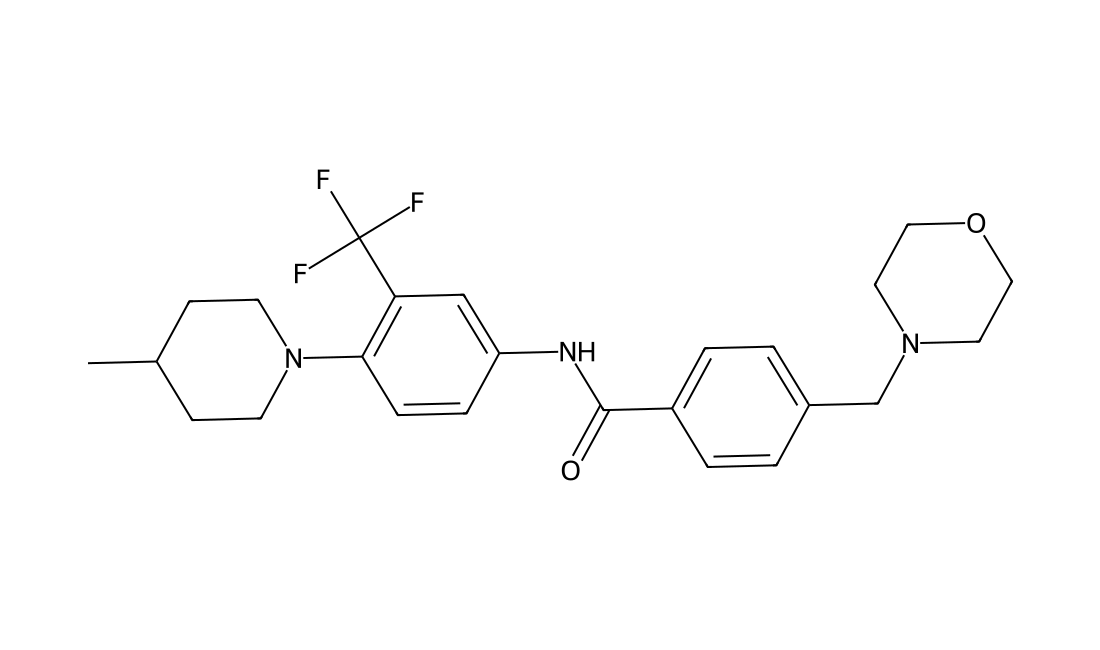
CAS 442898-34-2
NCGC00092410 is a potent, selective, and nonsugar glucocerebrosidase (GC), with an IC50 of 31 nM. NCGC00092410 shows no activity against the related hydrolases at concentrations up to 77 μM. NCGC00092410 is a GC chaperone and increases the activity and lysosomal localization of glucocerebrosidase in mutant cell lines. NCGC00092410 can be used for the research of Gaucher disease.
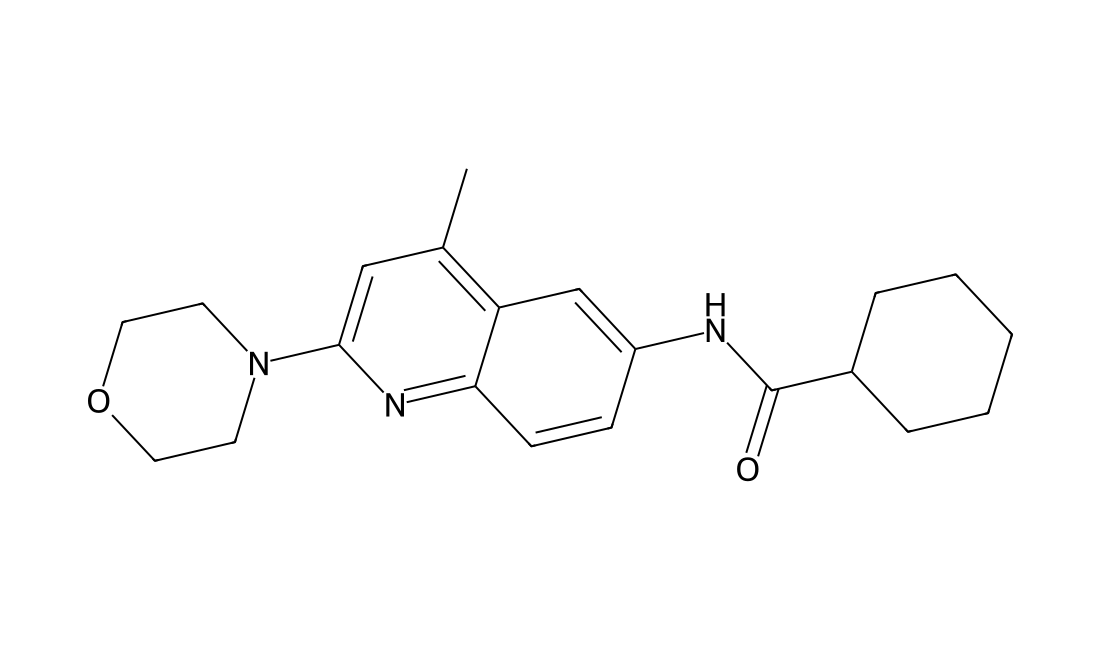
CAS 265129-71-3
GW 7647 is a potent PPARα agonist with 200-fold selectivity over PPARγ and PPARδ.
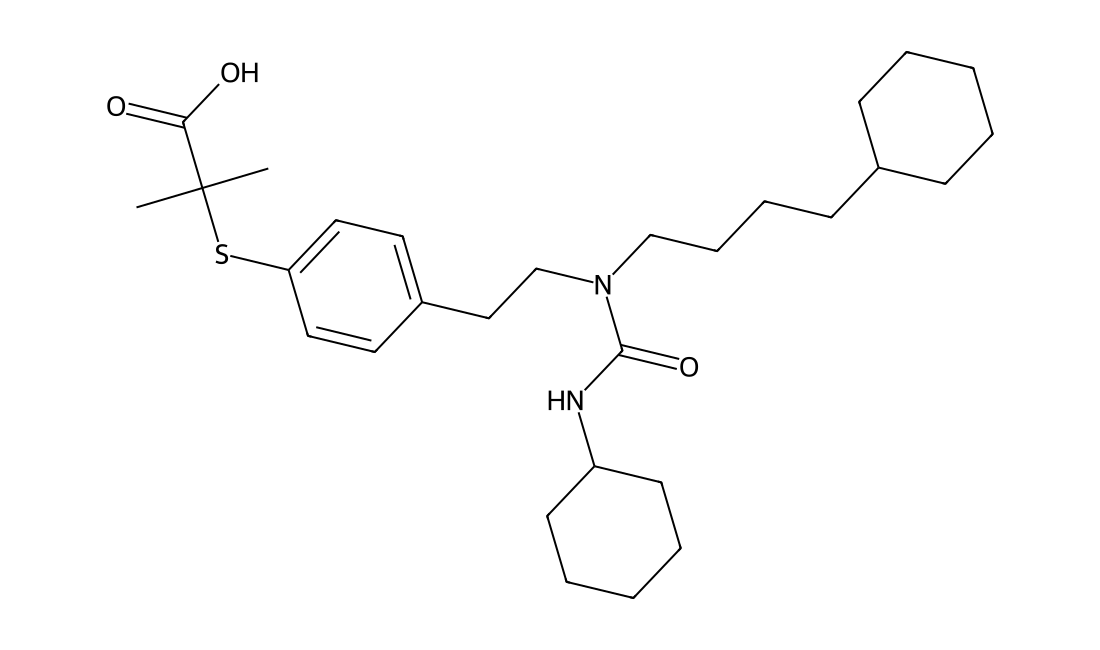
CAS 1951483-29-6
LY3214996 is a selective and novel ERK1/2 inhibitor with IC50 of 5 nM for both enzymes in biochemical assays. It potently inhibits cellular phospho-RSK1 in BRAF and RAS mutant cancer cell lines.
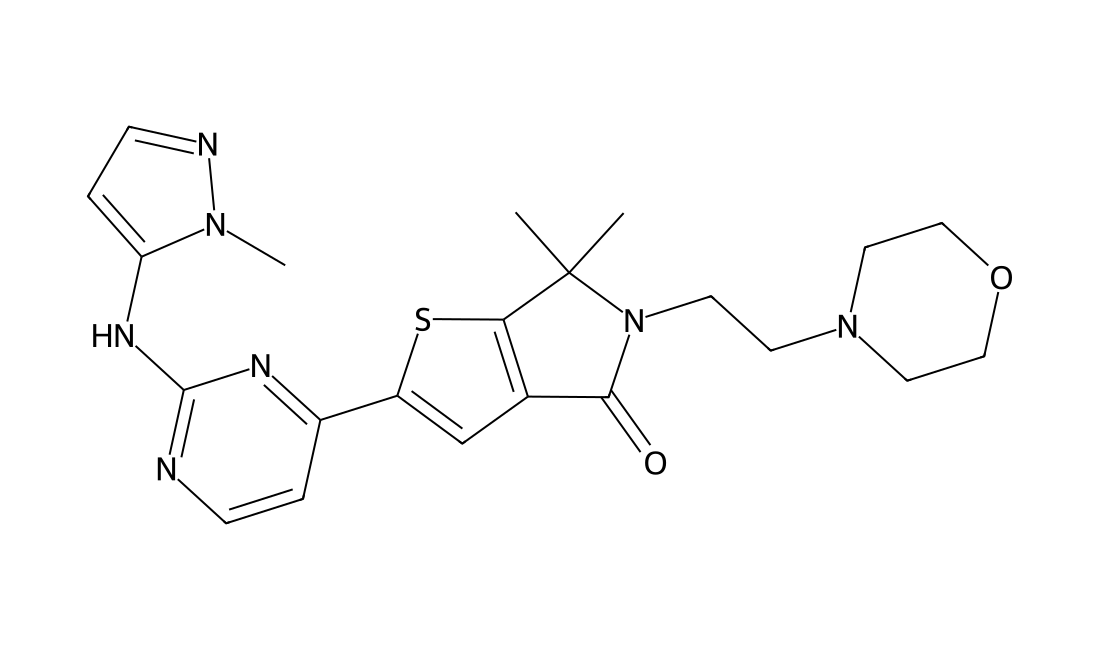
CAS 660868-91-7
GW843682X is a cell-permeable thiophene-benzimidazole compound and reversible PLK inhibitor
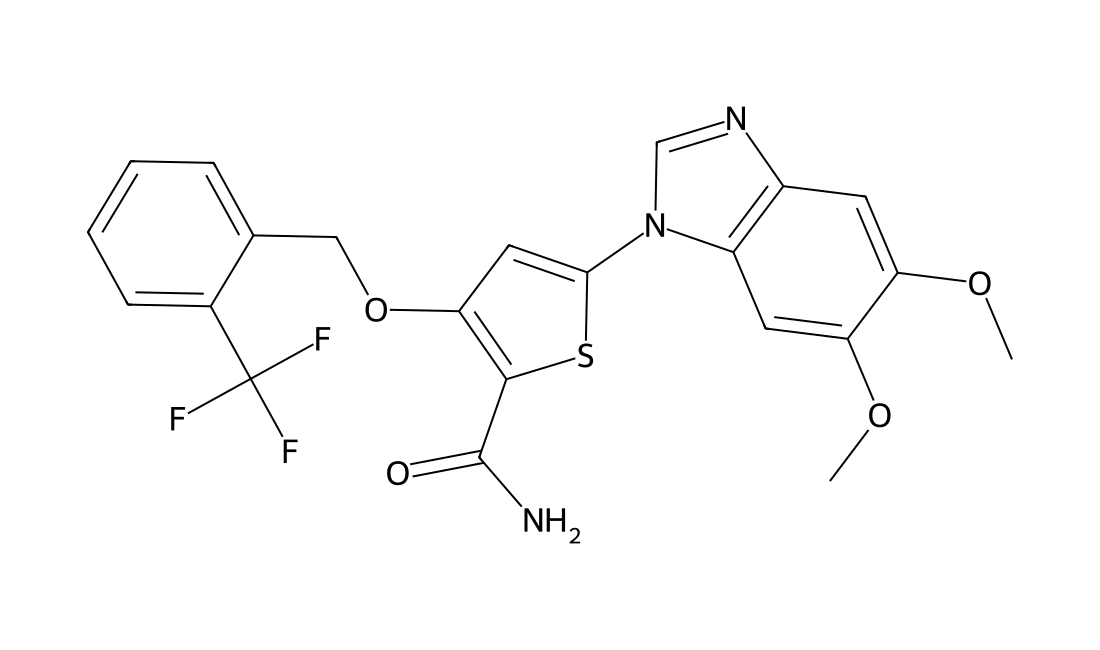
CAS 864953-29-7
HIV-1 attachment inhibitor,a prodrug of the small-molecule inhibitor BMS-626529
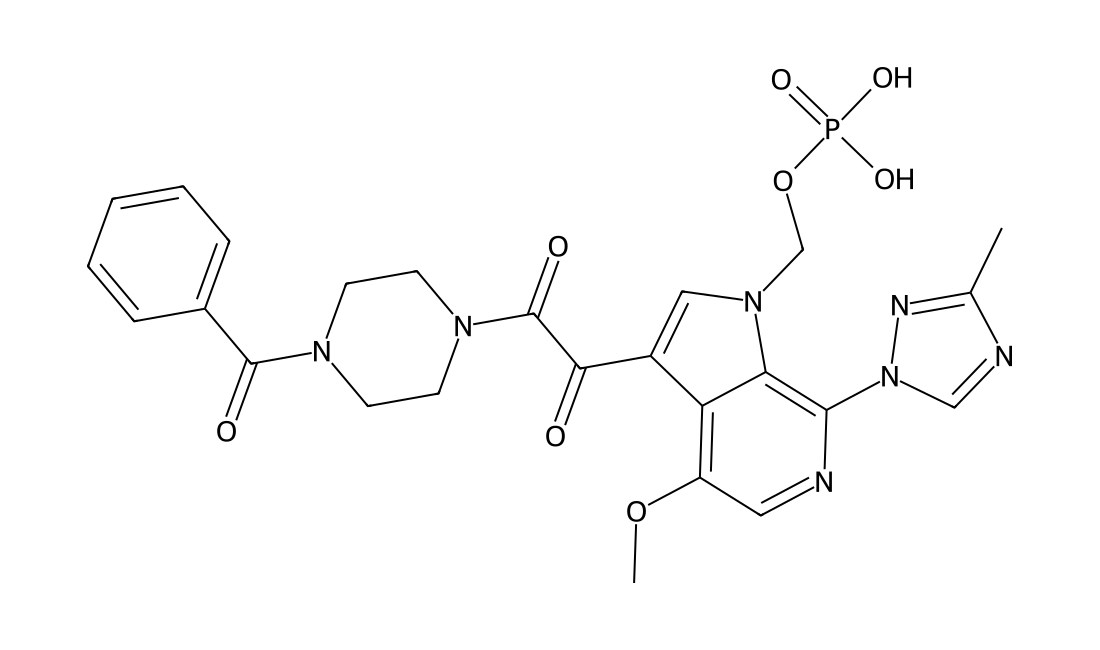
CAS 684236-01-9
CAY10698 (compound 1) is a potent and selective inhibitor of 12-Lipoxygenase (12-LOX) with an IC50 of 5.1 μM. CAY10698 is inactive against 5-LOX, 15-LOX-1, 15-LOX-2 and COX-1/2.
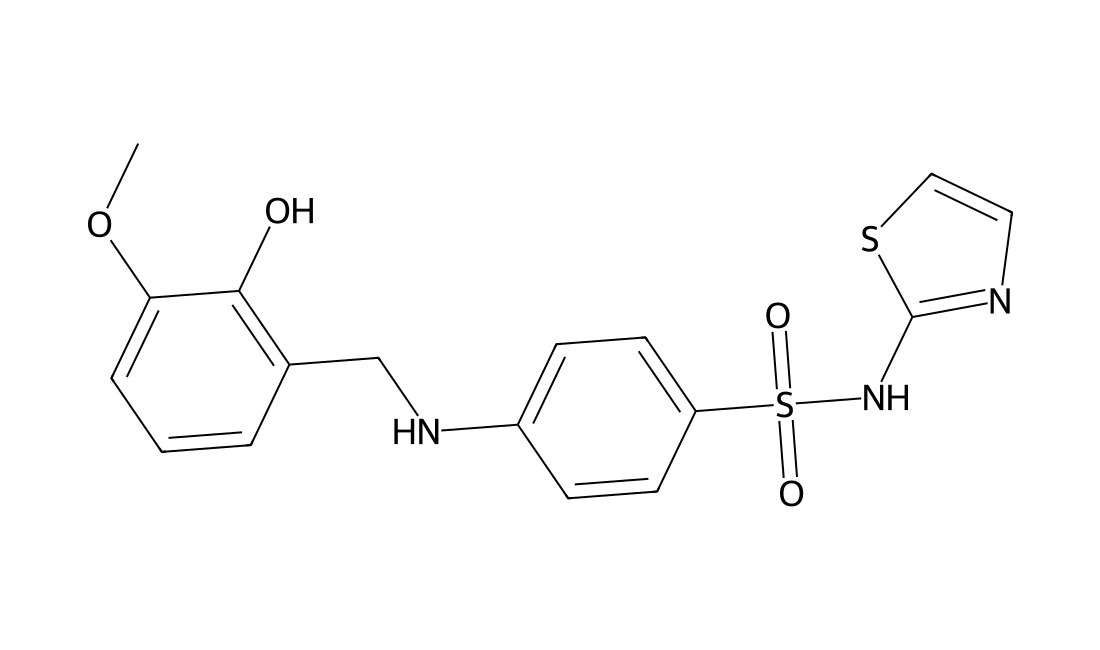
CAS 2098890-15-2
SMS2-IN-1 is a potent and highly selective sphingomyelin synthase 2 (SMS2) inhibitor with an IC50 of 6.5 nM and a Kd of 37 nM. SMS2-IN-1 shows 150-fold selectivity for SMS2 over SMS1 (IC50 of 1000 nM).
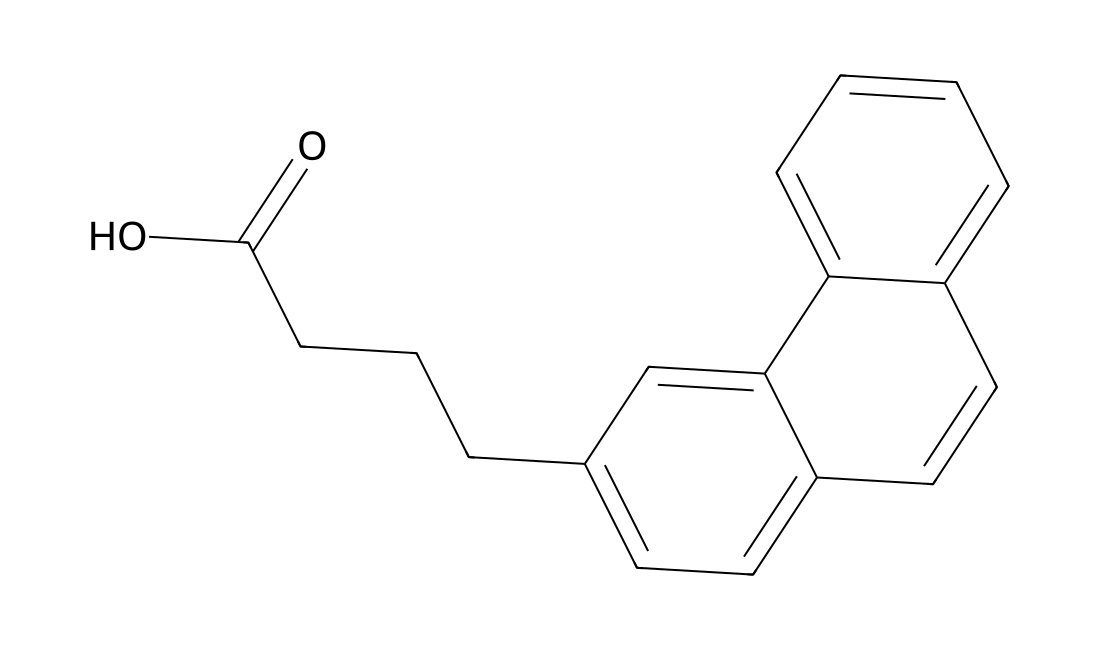
CAS 13728-56-8
NSC-92828, also known as 3-Phenanthrenebutyric acid, is a Protein–protein interaction inhibitor (2P2 inhibitor or 2P2I). Protein–protein recognition is the cornerstone of multiple cellular and pathological functions. Therefore, protein–protein interaction inhibition (2P2I) is endowed with great therapeutic potential despite the initial belief that 2P2I was refractory to small-molecule intervention.
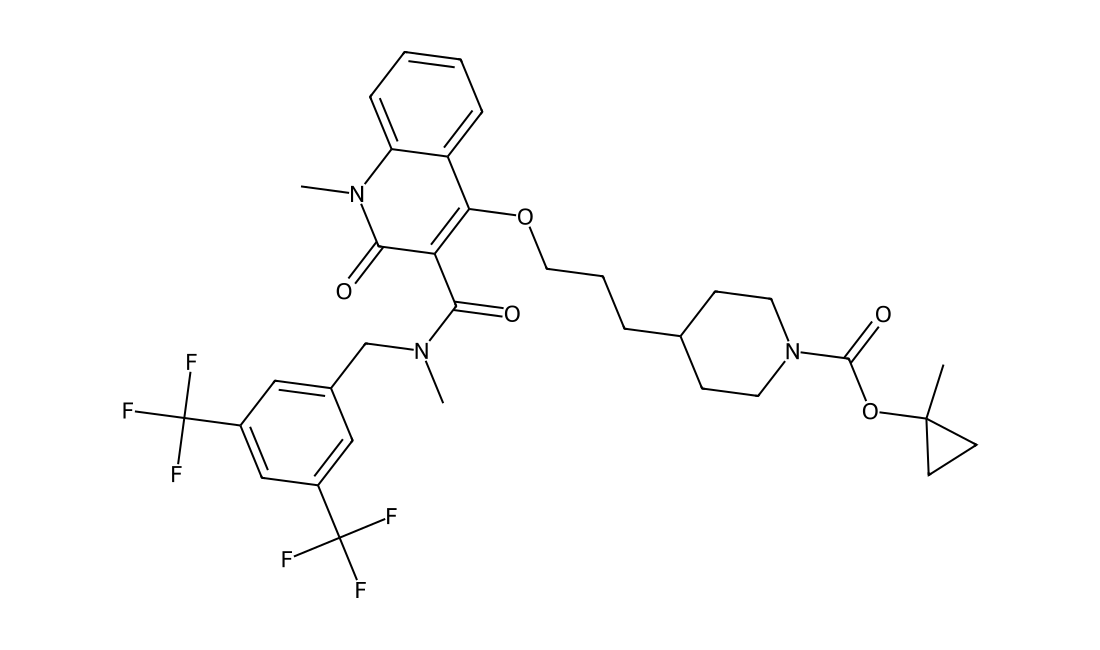
CAS 2367004-54-2
JUN04542 is an Axl Mer cMet KDR inhibitor for the treatment of Axl and Mer receptor tyrosine kinase-dependent disorders. JUN04542 was first reported in WO 2019148044 (2019). This product has not formal name. For the convenience of scientific communication, we named it by combining its Inchi key (3 letters from the first letter of each section) with the last 5 digits of its CAS number or its molecule weight if its CAS number is not available .
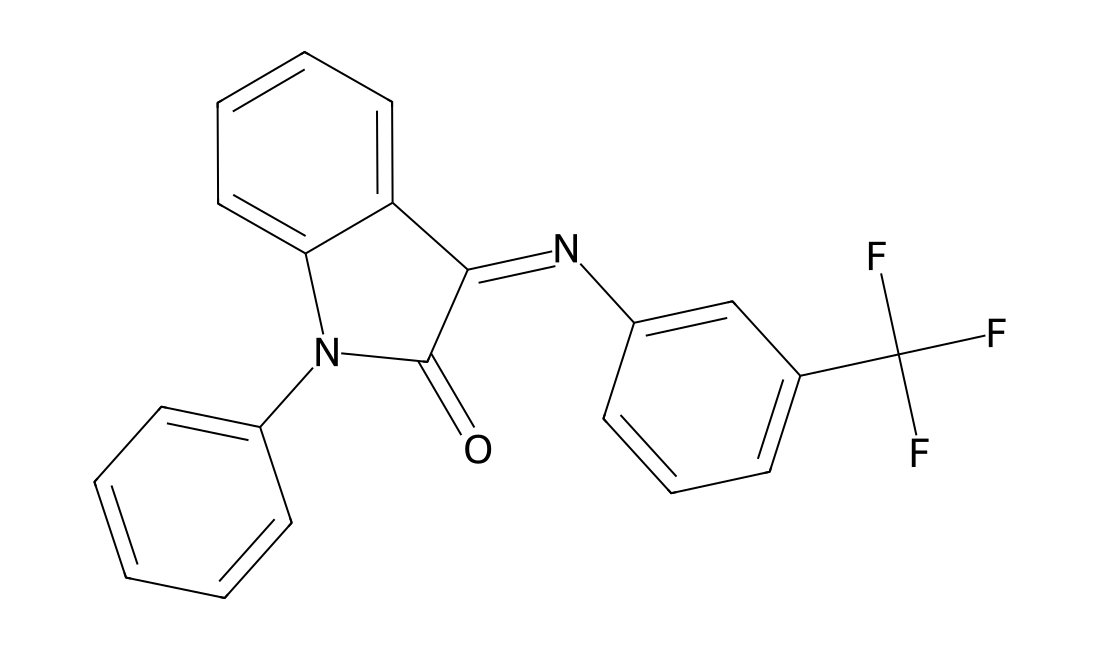
CAS 303149-14-6
HT-2157 (SNAP 37889) is a selective, high-affinity, competitive antagonists of galanin-3 receptor (Gal3).
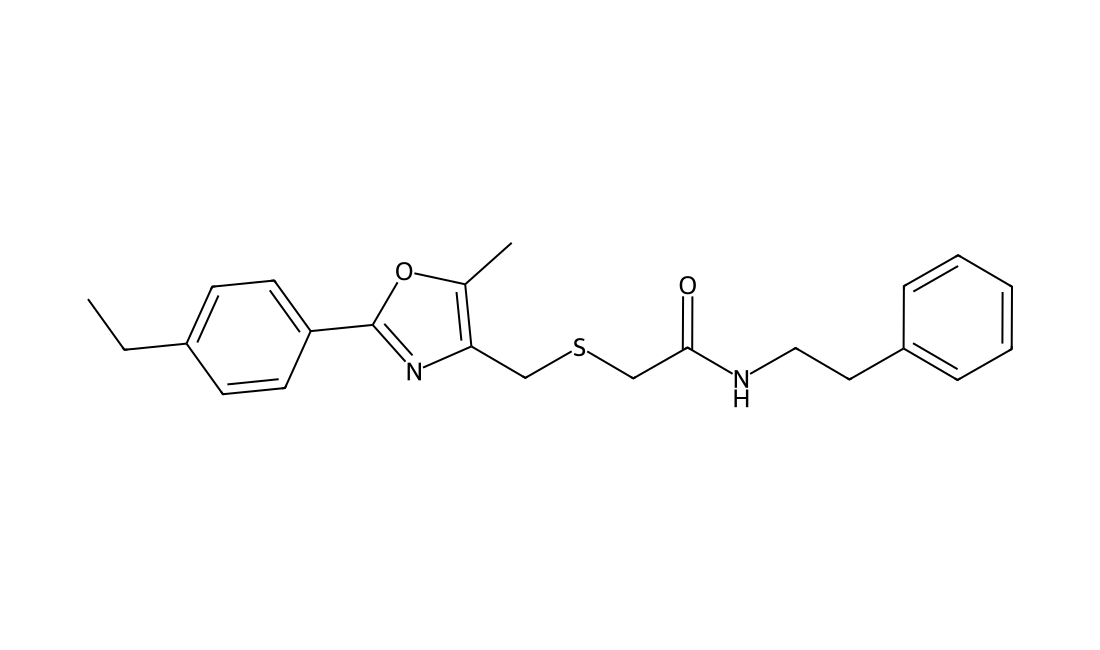
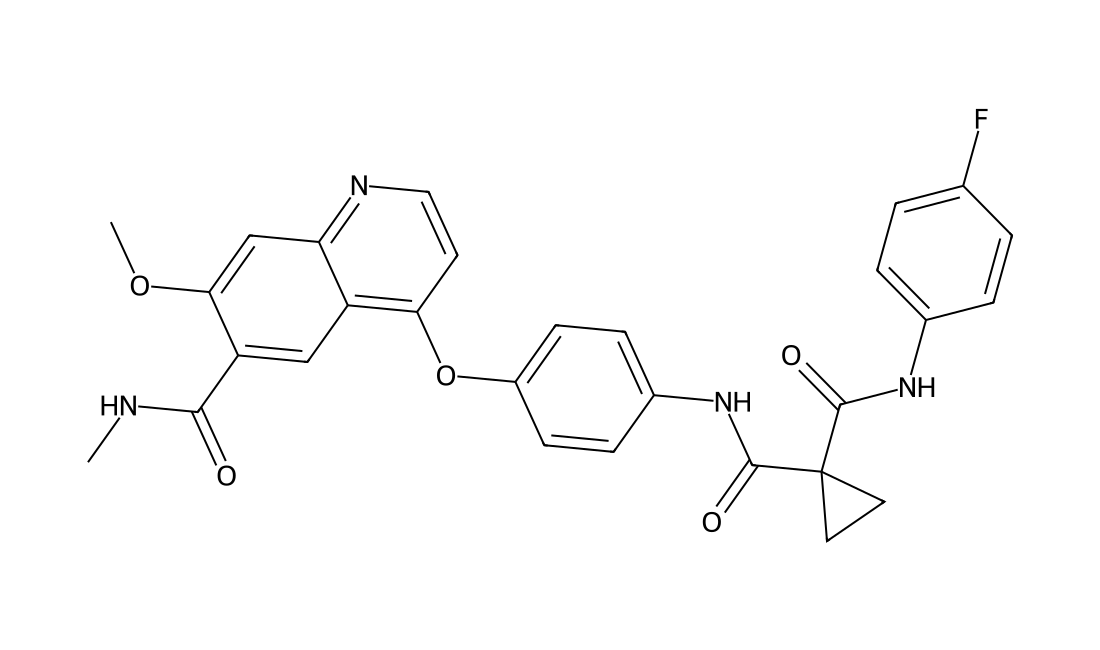
CAS 84176-65-8
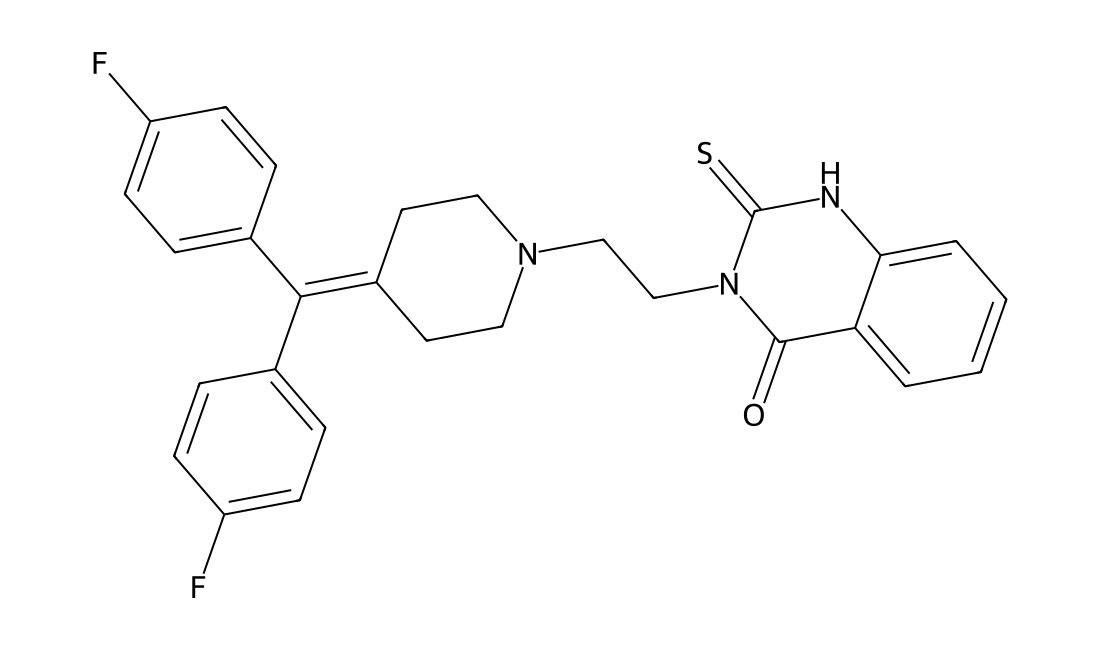
AH10639 is a novel inhibitor of Pneumocystis carinii and Toxoplasma gondii dihydrofolate reductase.
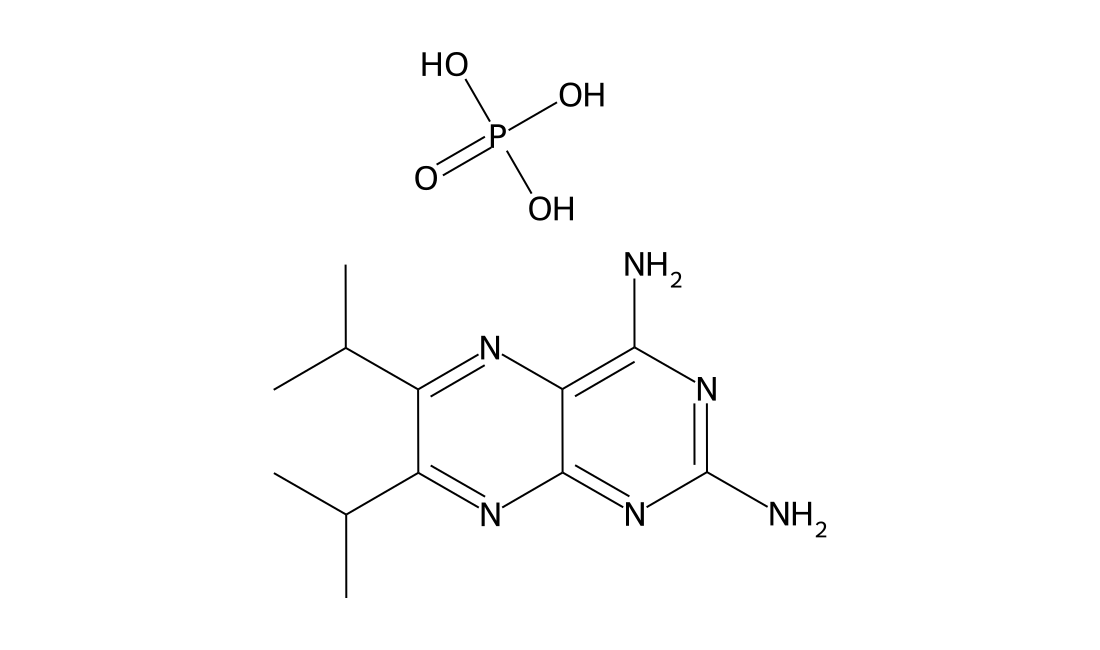
CAS 858557-69-4
MUN57694 is 26S proteasome inhibitor. MUN57694 was reported in WO 2006128196. This product has not formal name. For the convenience of scientific communication, we named it by combining its Inchi key (3 letters from the first letter of each section) with the last 5 digits of its CAS number or its molecule weight if its CAS number is not available
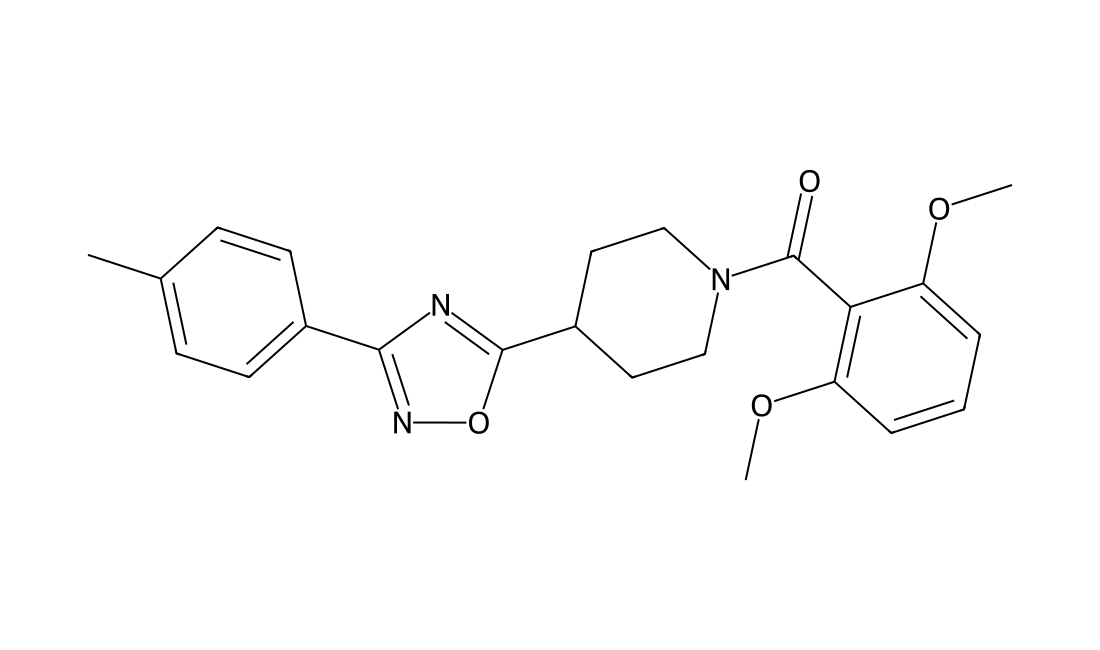
CAS 874450-44-9
SEN-12333, also known as WAY-31753, is is a selective agonist of the alpha(7) nAChR (EC50 = 1.6 μM, Ki = 260 nM at rat α7 nAChRs). SEN-12333 displayed excellent in vitro and in vivo profiles, excellent brain penetration and oral bioavailability, and demonstrates in vivo efficacy in multiple behavioural cognition models.
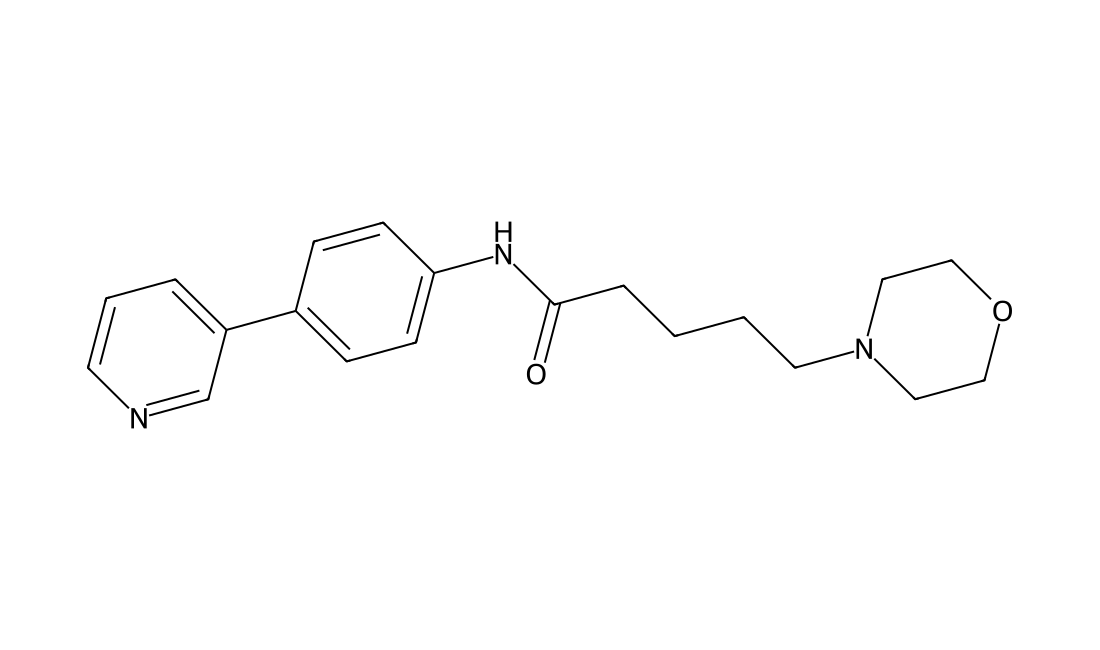
CAS 1295541-87-5
DUN41875, also known as SCD1 inhibitor-4, is a potent, orally active stearoylCoA desaturase-1 (SCD1) inhibitor. SCD1 inhibitor-4 can be used for the research of diabetes. DUN41875 was first reported in Bioorgan.Med. Chem. Lett. (2011), 21(6), 1621-1625. This product has no formal name at the moment. For the convenience of communication, a temporal code name was therefore proposed according to MedKoo Chemical Nomenclature
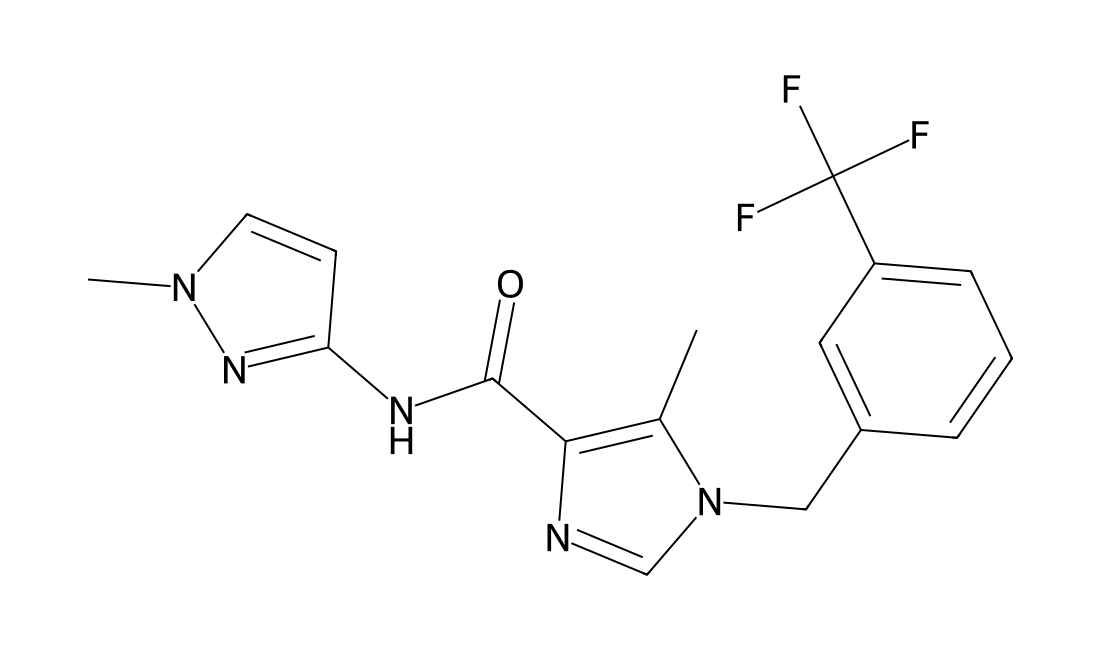
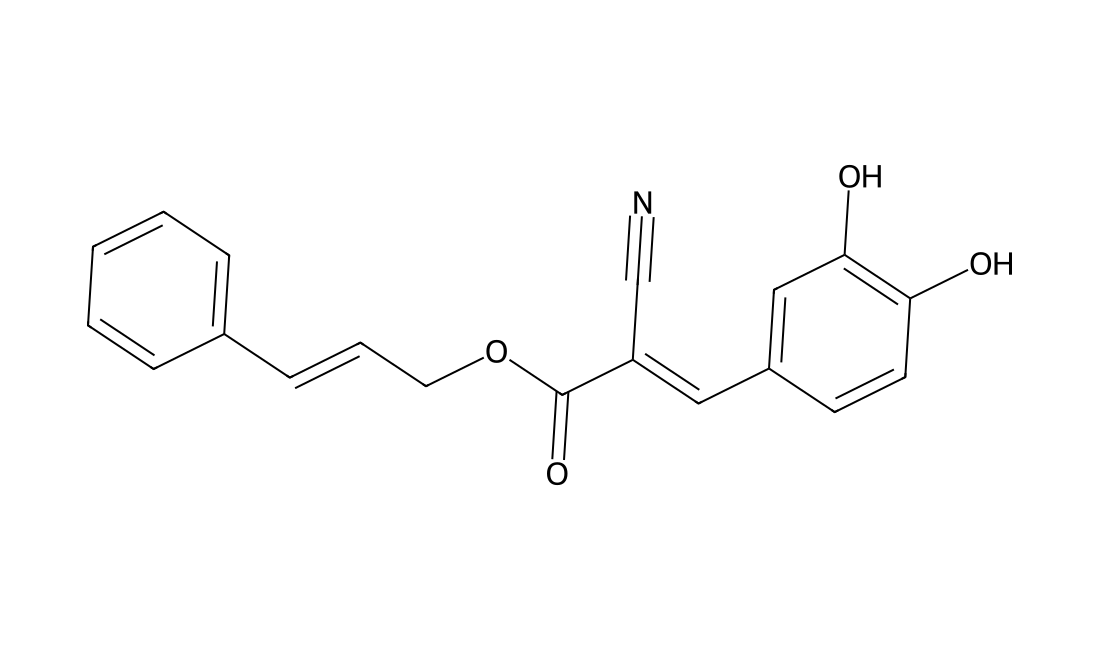
CAS 132465-11-3
Cinnamyl-3,4-dihydroxy-α-cyanocinnamate (CDC) is a potent and direct inhibitor of 5-LO (5-Lipoxygenase) that reduces 5-LO activity in cell-free assays. CDC also inhibits 12-LO and 15-LO.
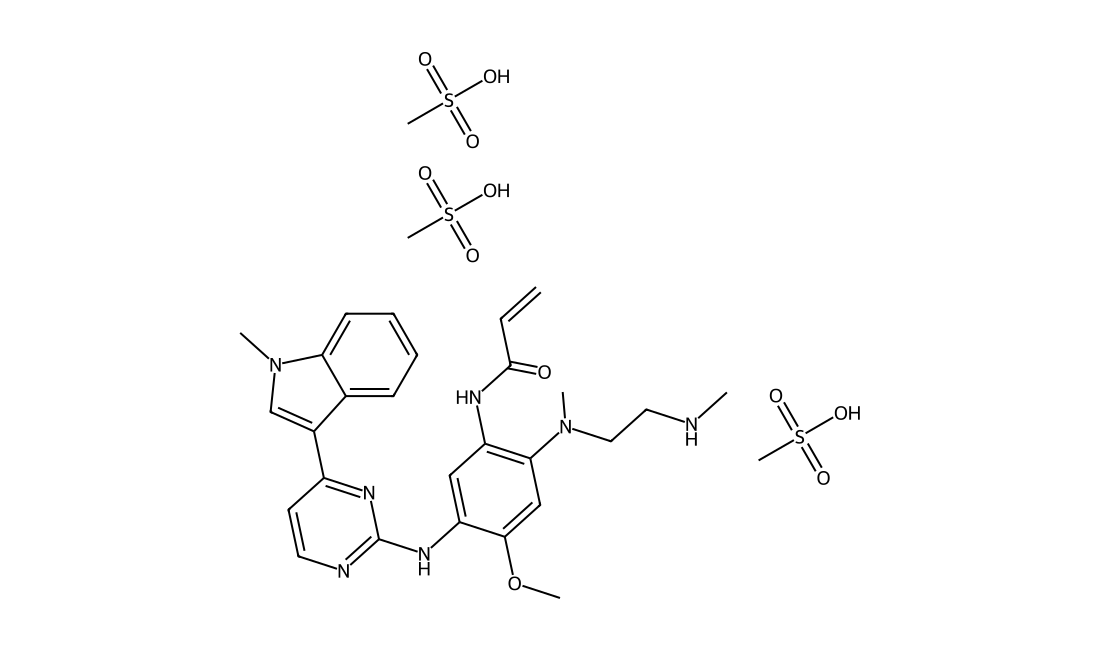
CAS 2319837-99-3
AZ7550 Mesylate is an active metabolite of AZD9291 (Osimertinib) and inhibits the activity of IGF1R with an IC50 of 1.6 μM.
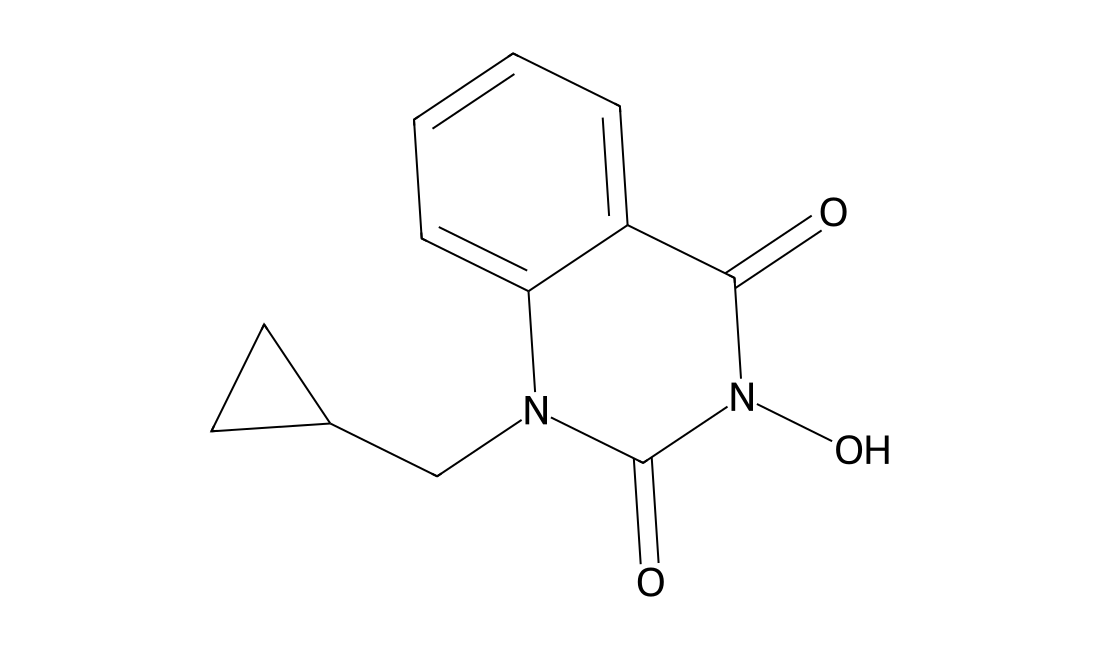
CAS 120166-69-0
A small molecule inhibitor of diacylglycerol kinase (DGK) with IC50 of 0.01-10 uM in isolated platelet membranes and in intact platelets.