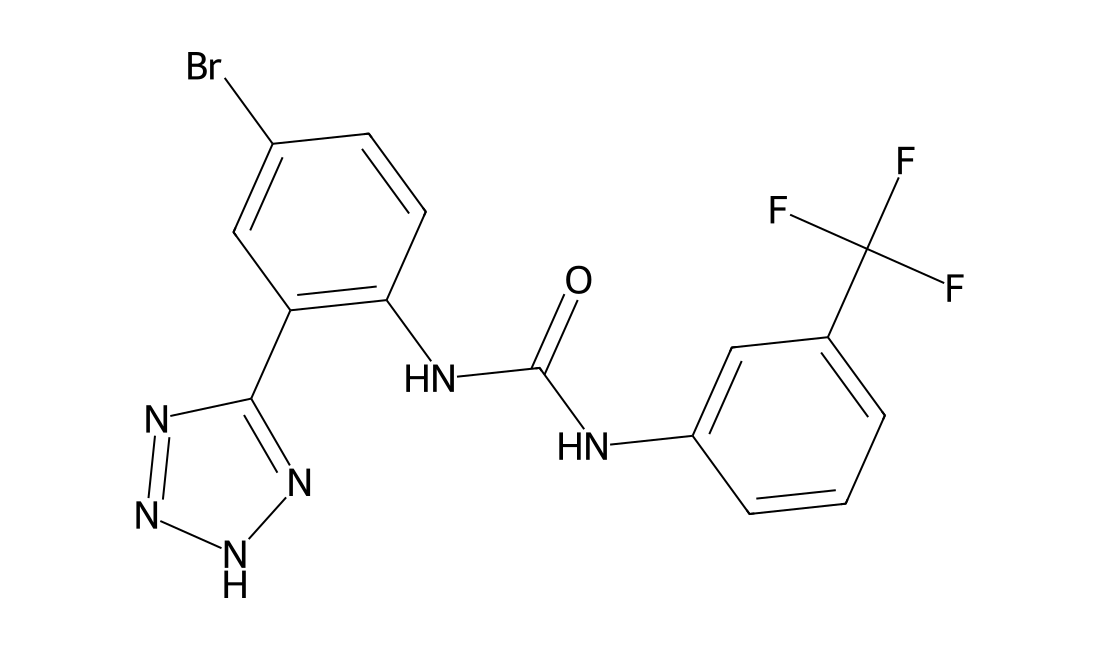
FB23
CAS 2243736-35-6
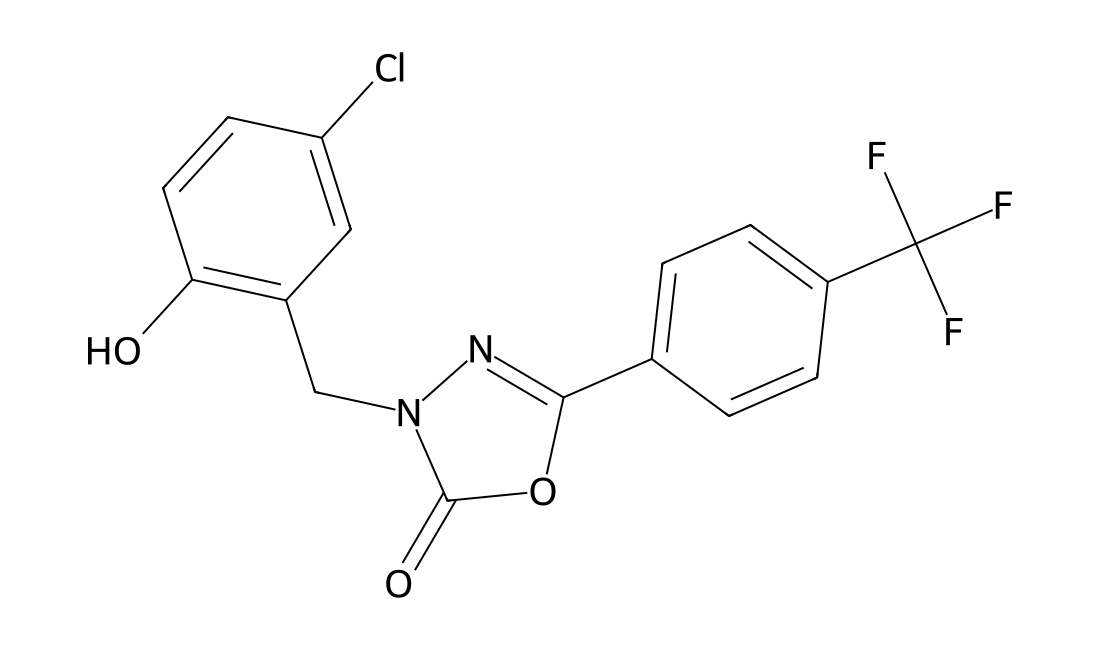
FB23 is a potent and selective FTO demethylase inhibitor with an IC50 of 60 nM. FB23 directly binds to FTO and selectively inhibits FTO's mRNA N6-methyladenosine (m6A) demethylase activity.
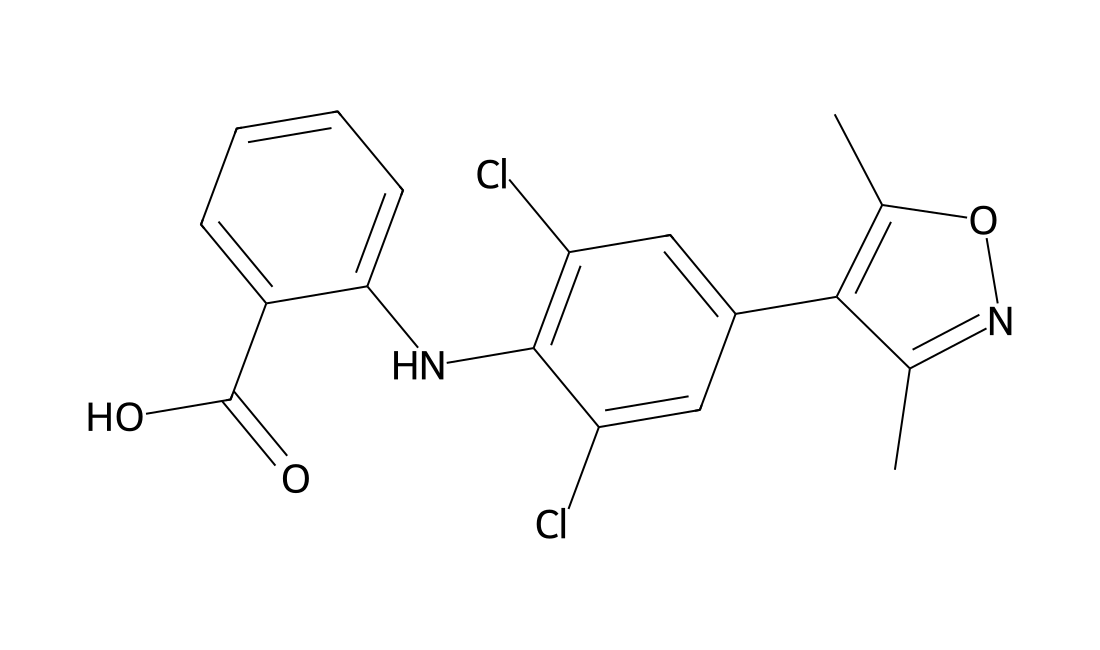

Explore bioactive compounds by research category, then narrow your search by target, product name, catalog number or CAS.
Newly added: LC-MG and OXF molecular glue research compounds →
Products may appear in more than one category. Counts refer to distinct catalog numbers within each category.
Other Research Tools (75) · Additional reagents, building blocks and specialized research tools.
LC-MG-1 (DCA0006) · LC-MG-4 (DCA0007) · LC-MG-9 (DCA0008)
View structure and evidence summaries →Combine a keyword, research category and target to narrow the product list.
Loading catalog filters…
CAS 2243736-35-6
FB23 is a potent and selective FTO demethylase inhibitor with an IC50 of 60 nM. FB23 directly binds to FTO and selectively inhibits FTO's mRNA N6-methyladenosine (m6A) demethylase activity.
CAS 1062169-56-5
WYE-354 is a potent cell-permeable inhibitor of mTOR (IC50 = 4.3 nM) which blocks signaling through both mTOR complex 1 (mTORC1) and mTORC2.1,2 It is a much weaker inhibitor of phosphatidylinositol 3-kinase α (IC50 = 1026 nM) and other kinases.3 WYE-354 i
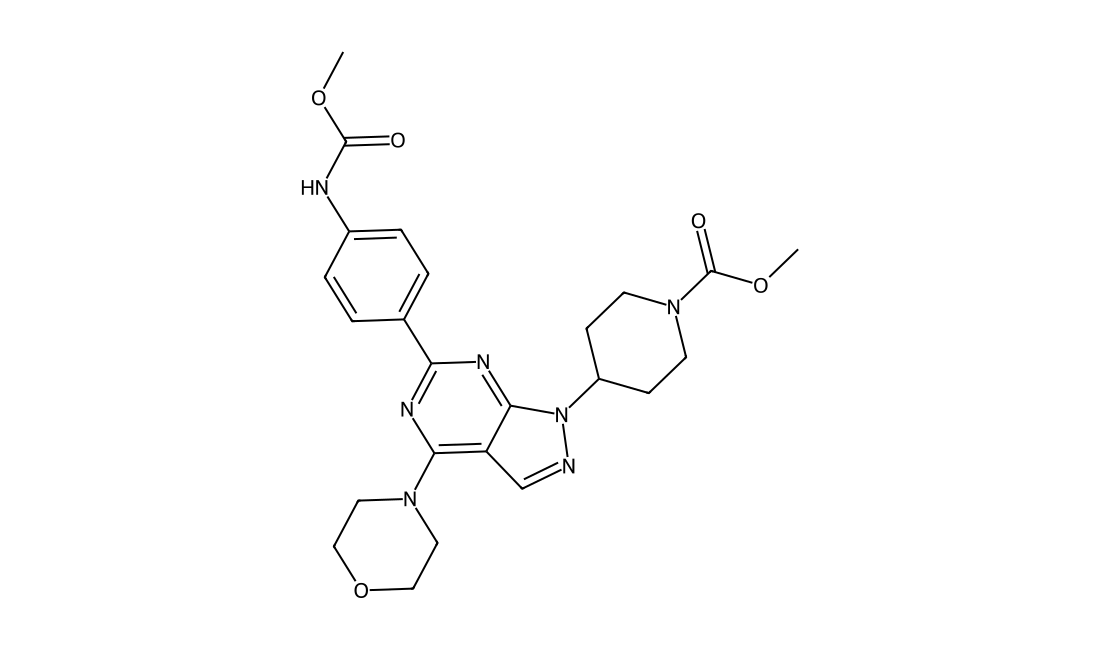
CAS 1242137-16-1
N-desmethyl Enzalutamide(N-desmethyl MDV3100) is a major metabolite of Enzalutamide, Enzalutamide(MDV3100) is an androgen-receptor (AR) antagonist with IC50 of 36 nM.
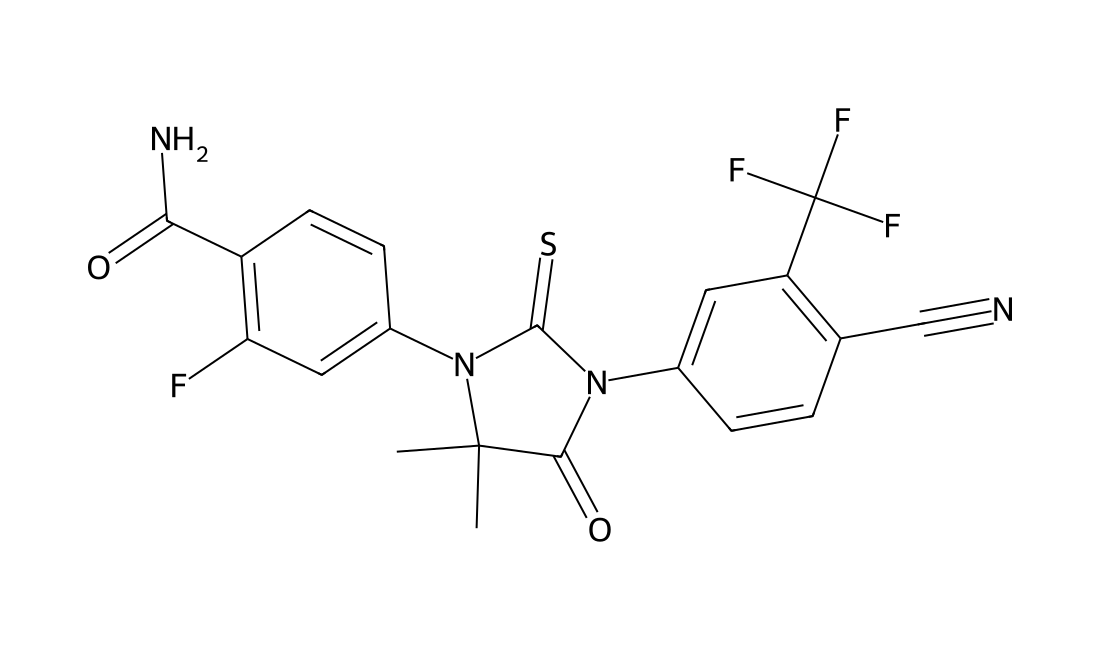
CAS 202821-81-6
BMS 191011 is an activator of large-conductance calcium-activated potassium (BKCa) channels that increases maximum potassium current to 126% of control in X. laevis oocytes expressing human BKCa channels when used at a concentration of 1 μM.
CAS 248919-64-4
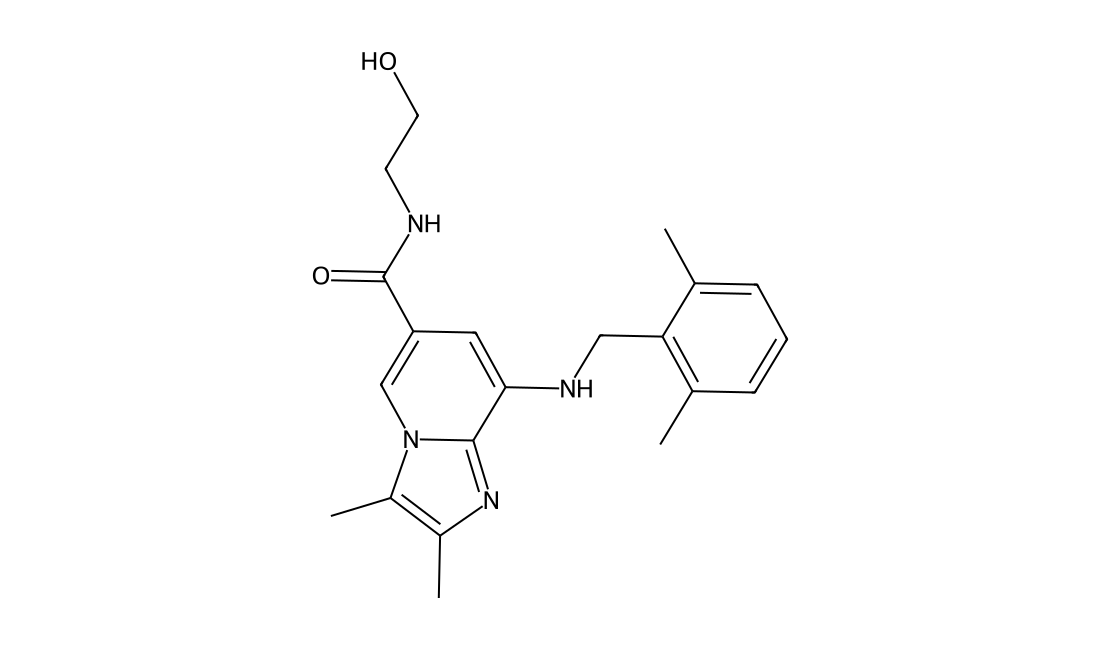
AZD0865 is a potent agent that inhibits gastric H(+),K(+)-ATPase activity and acid formation in vitro, with a fast onset of effect.
CAS 76150-91-9
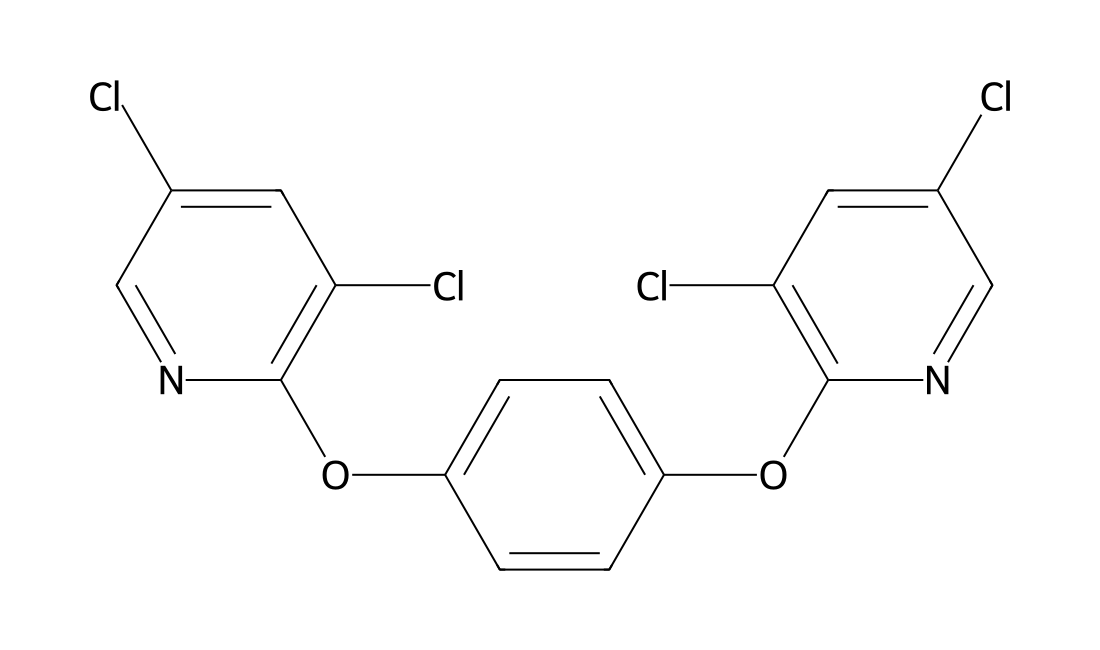
TCPOBOP is an agonist of the constitutive androstane receptor (CAR) (EC50 = 20 nM). TCPOBOP enhances the nuclear receptor CAR transactivation of cytochrome P450 (CYP), as dose-dependent direct agonist of CAR. The most potent known member of the phenobarbital-like class of CYP-inducing agents. TCPOBOP has been used for enhancing Mcl-1-Italics promoter functions in mouse hepatoma cells. TCPOBOP has also been used to study constitutive androstane receptor(CAR)-induced gene expression in mouse hepatocytes.
CAS 1235406-03-7
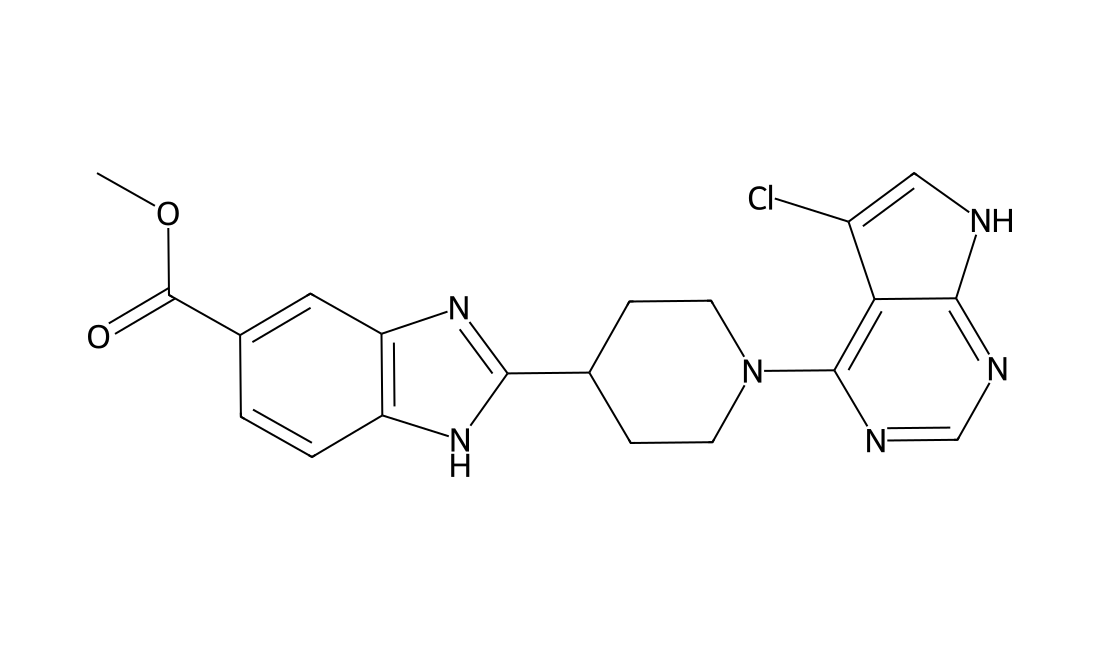
PF-05150122 is a potent, state-dependent, subtype selective Nav1.7 inhibitor with IC50 of 21 nM, no significant activity against Nav1.5..
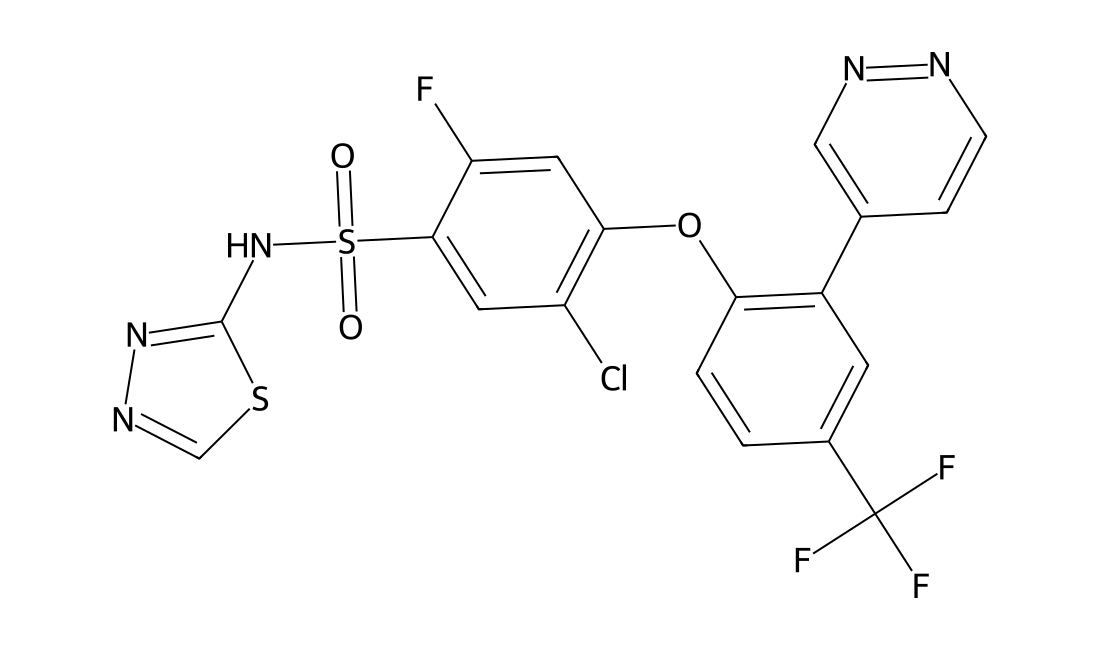
CAS 329773-35-5
BAY 58-2667 is a nitric oxide (NO)- and heme-independent soluble guanylyl cyclase activator. Displays potent cardiovascular effects.
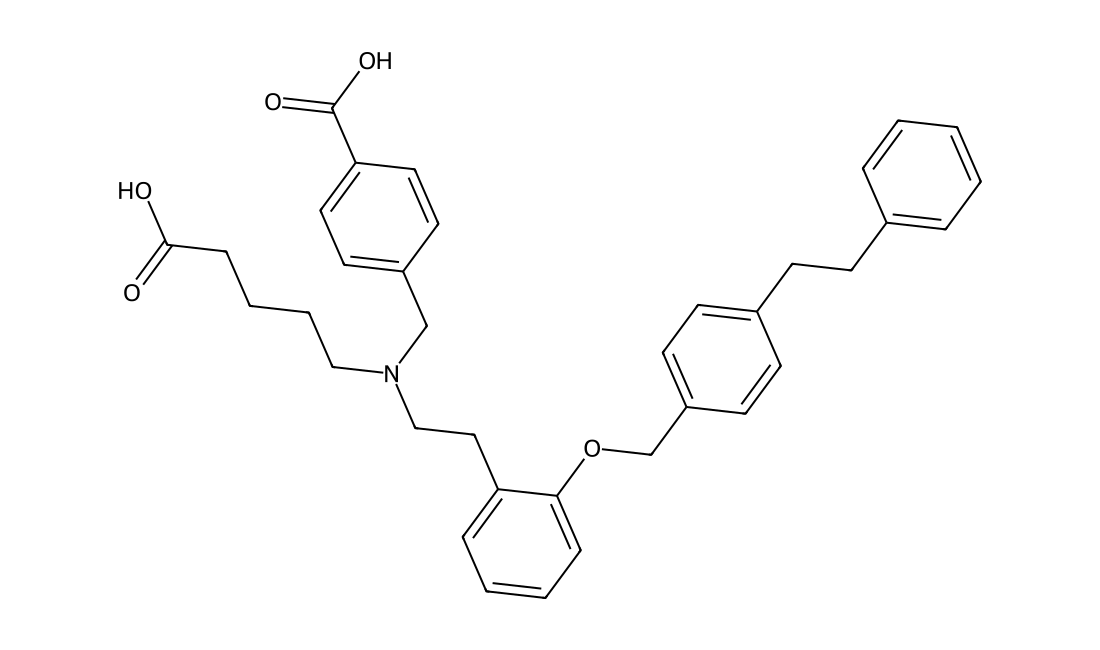
CAS 1370544-73-2
AX-024 is an cytokine release inhibitor which can strongly inhibit the production of interleukin-6 (IL-6), tumor necrosis factor-α (TNFα), interferon-γ (IFN-γ), IL-10 and IL-17A.
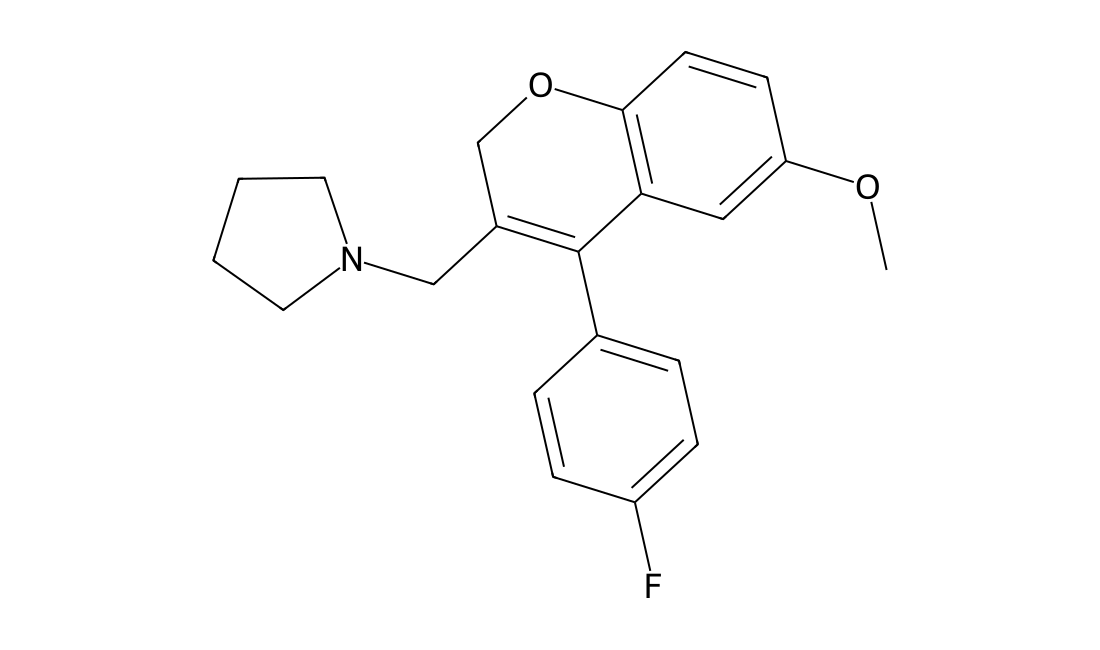
CAS 1001288-58-9
FT011 is an anti-fibrotic agent, reduces mRNA expression of collagens I and III and inhibits collagen synthesis.
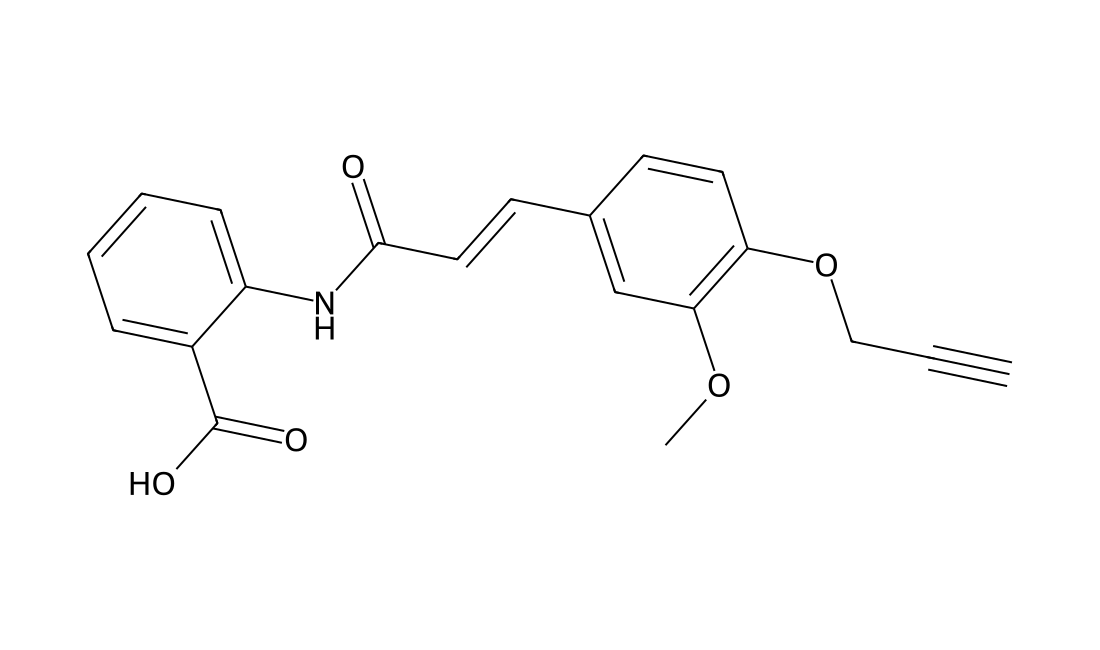
CAS 866927-10-8
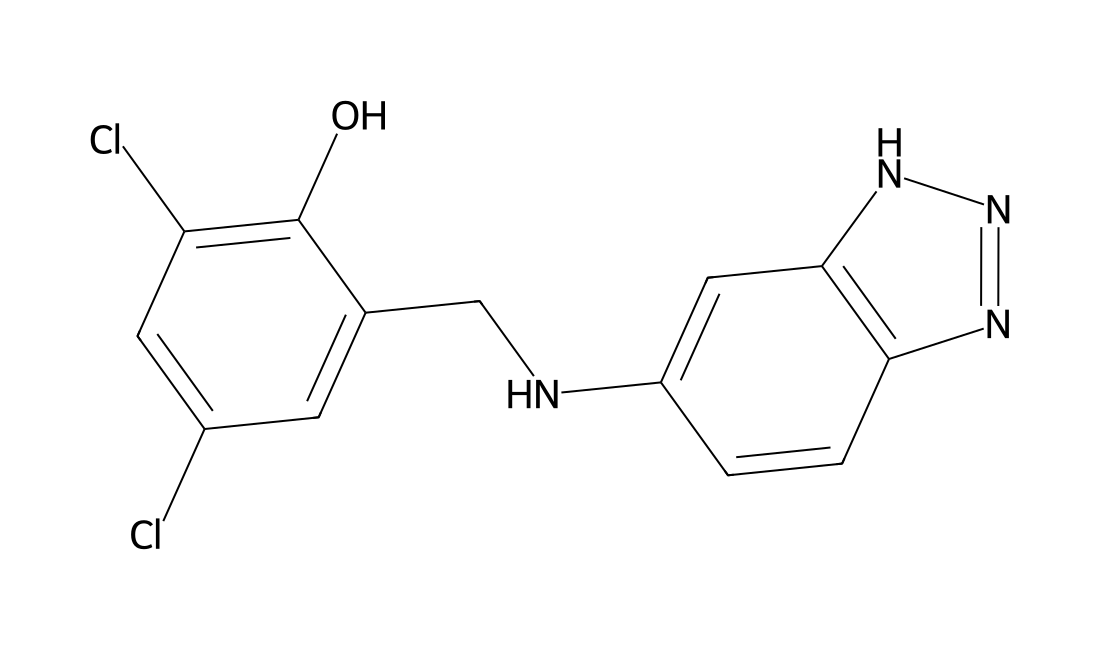
A small molecule inhibitor of PSD-95/nNOS interaction with IC50 of 31 uM, without inhibiting nNOS catalytic activity.
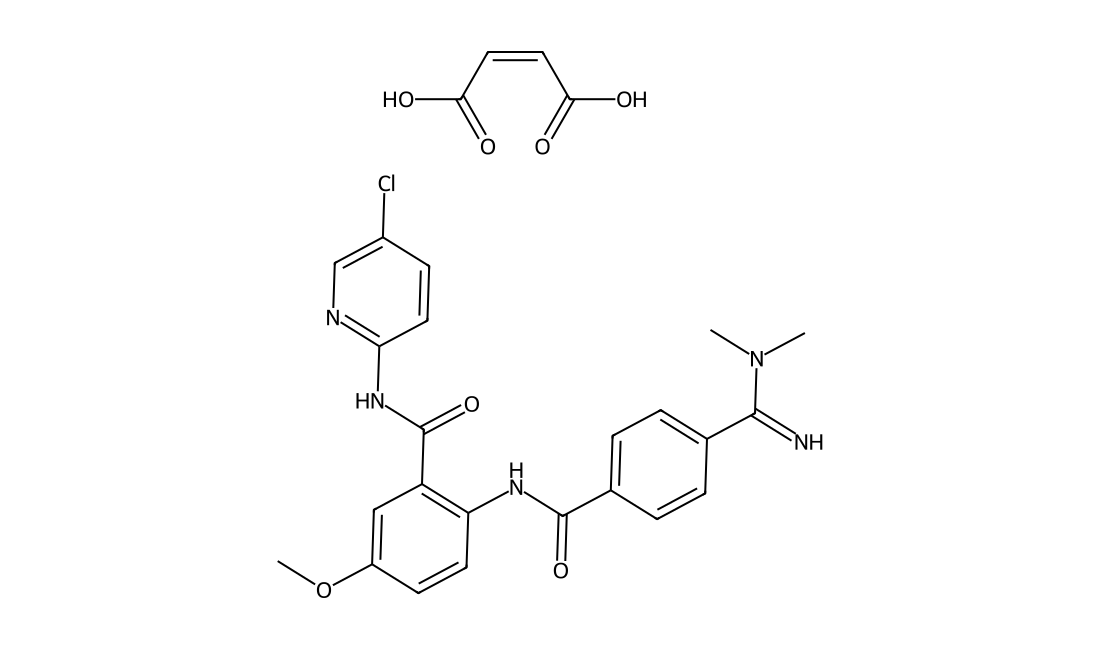
CAS 936539-80-9
Betrixaban (PRT-054021) is a highly potent, selective, and orally efficacious factor Xa inhibitor with IC50 of 1.2 nM(inhibition of Factor 10a).
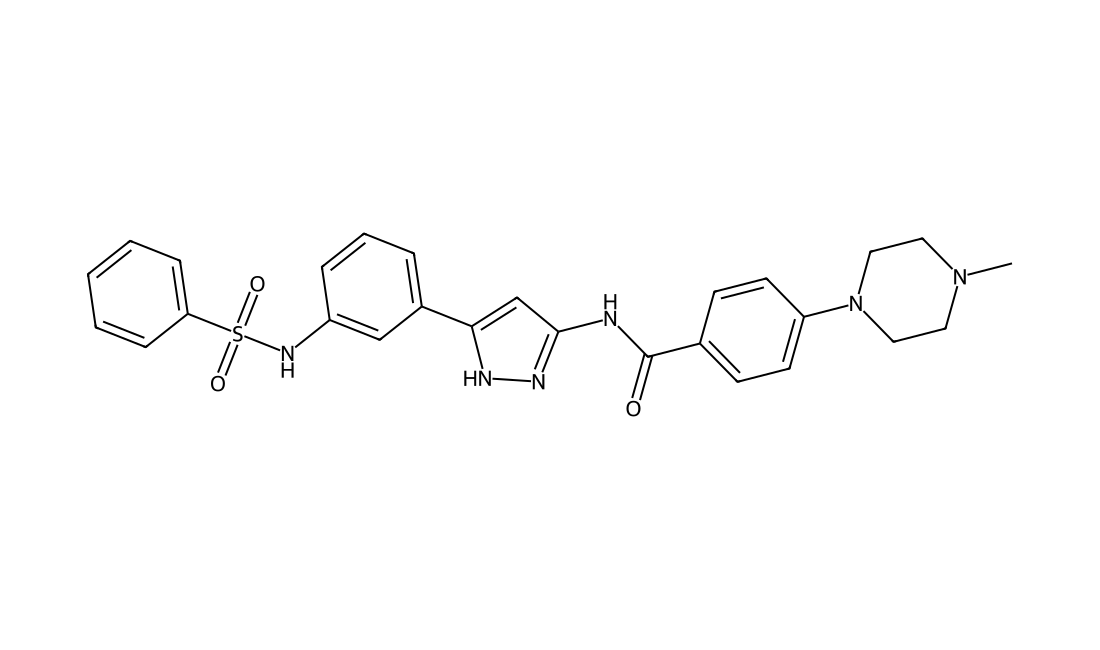
CAS 1327167-19-0
BPR1J-097 is a novel small molecule FLT-3 inhibitor(IC50=11±7 nM) with promising in vivo anti-tumour activities; inhibits FLT-3 D835Y with an IC50 of 3 nM.
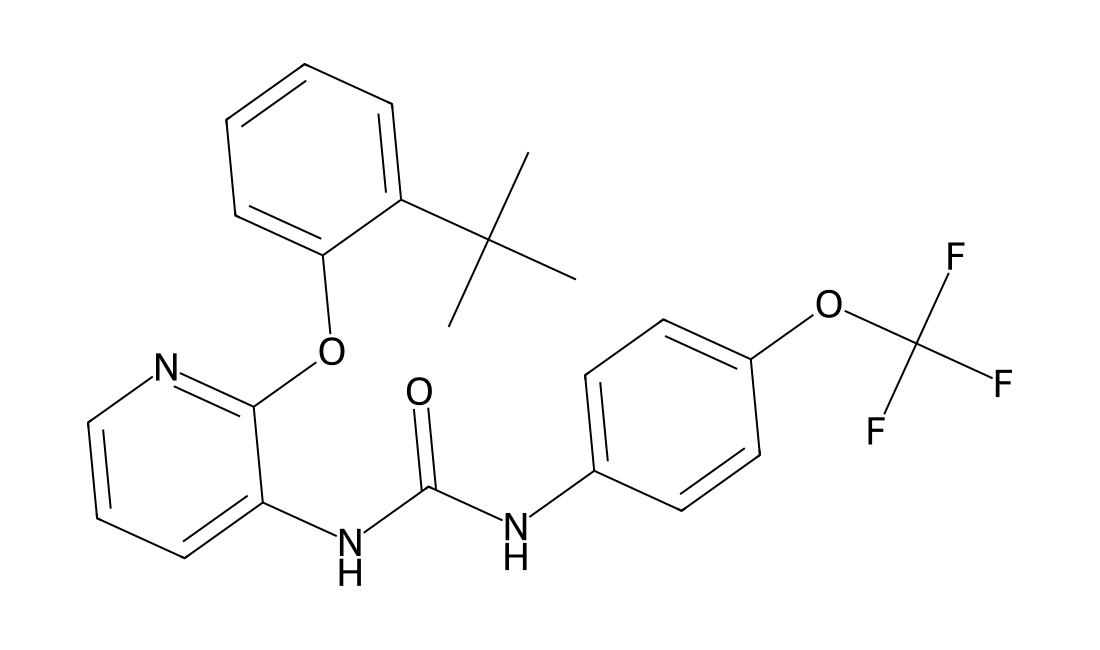
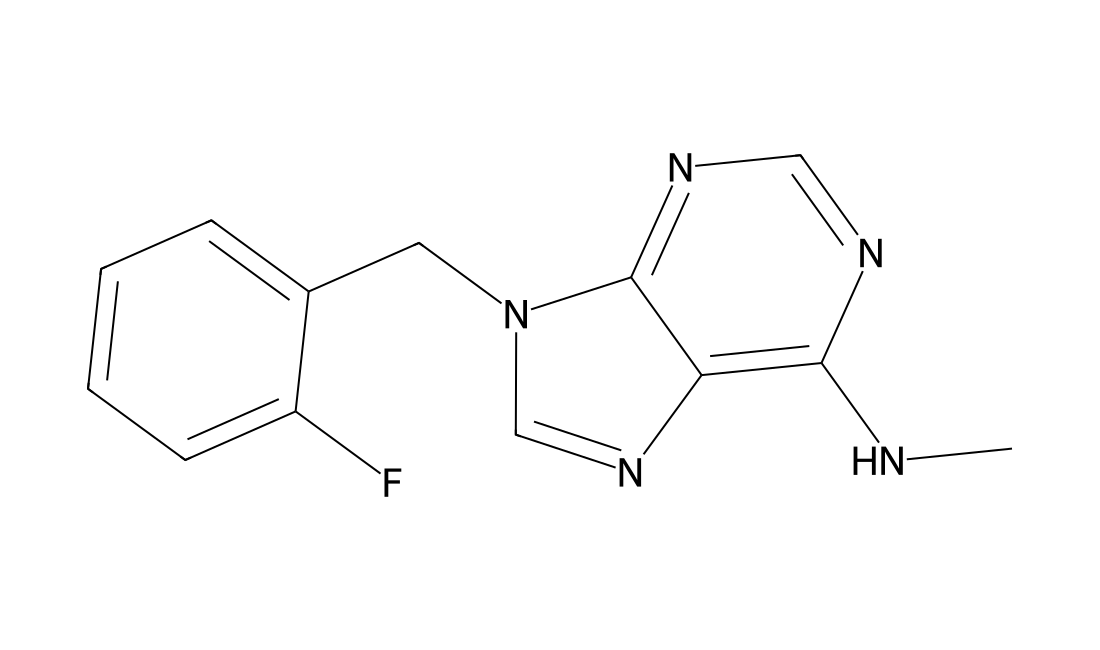
CAS 115453-99-1
CB7921220 is an inhibitor of Adenylyl Cyclase isoform-1 (AC1) and isoform-6 (AC6).
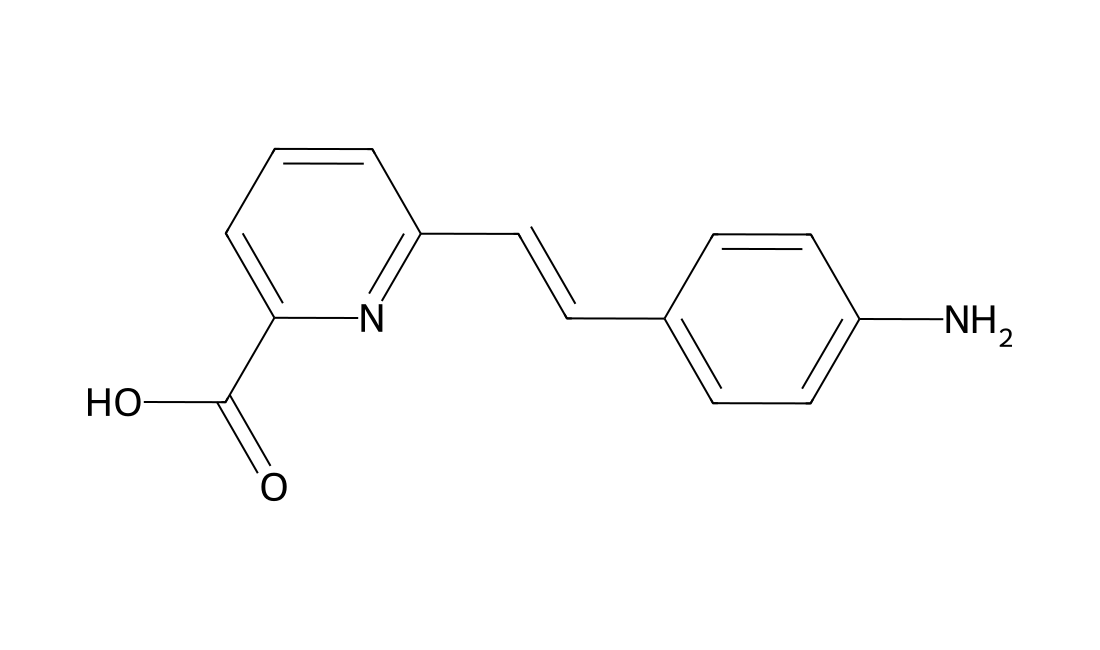
CAS 331244-89-4
BAM 7 is a direct and selective activator of proapoptotic Bax with EC50 of 3.3 μM.
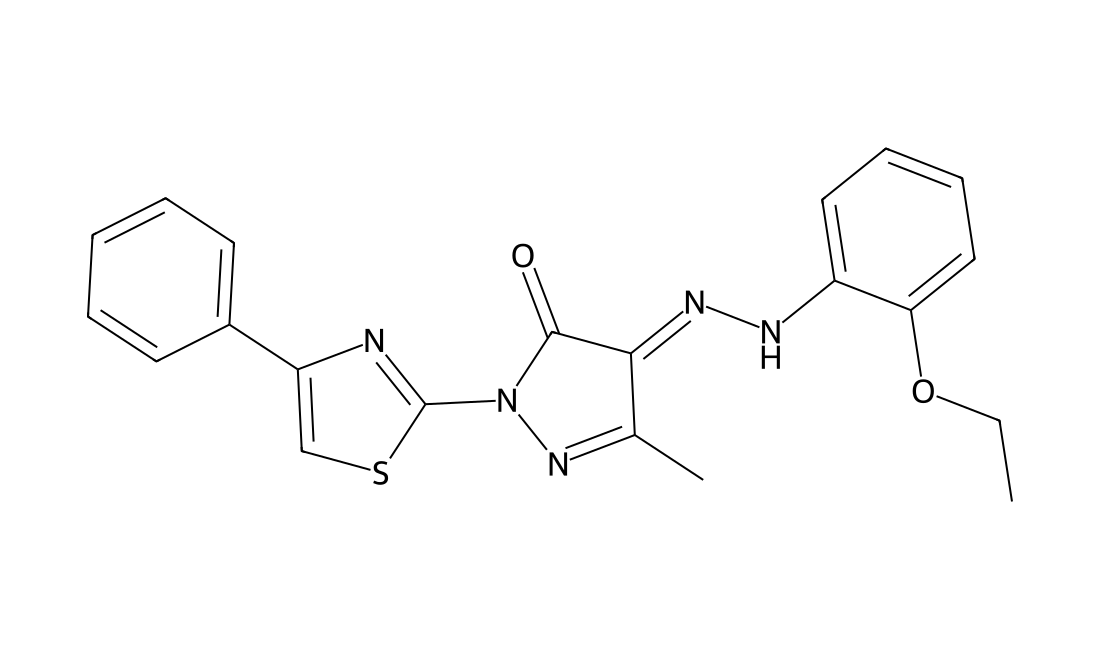
CAS 891025-25-5
A specific and membrane-permeable inhibitor of the InsP3Kinase activity of ITPKA (inositol-1,4,5-trisphosphate-3-kinase A) with IC50 of 20 uM.
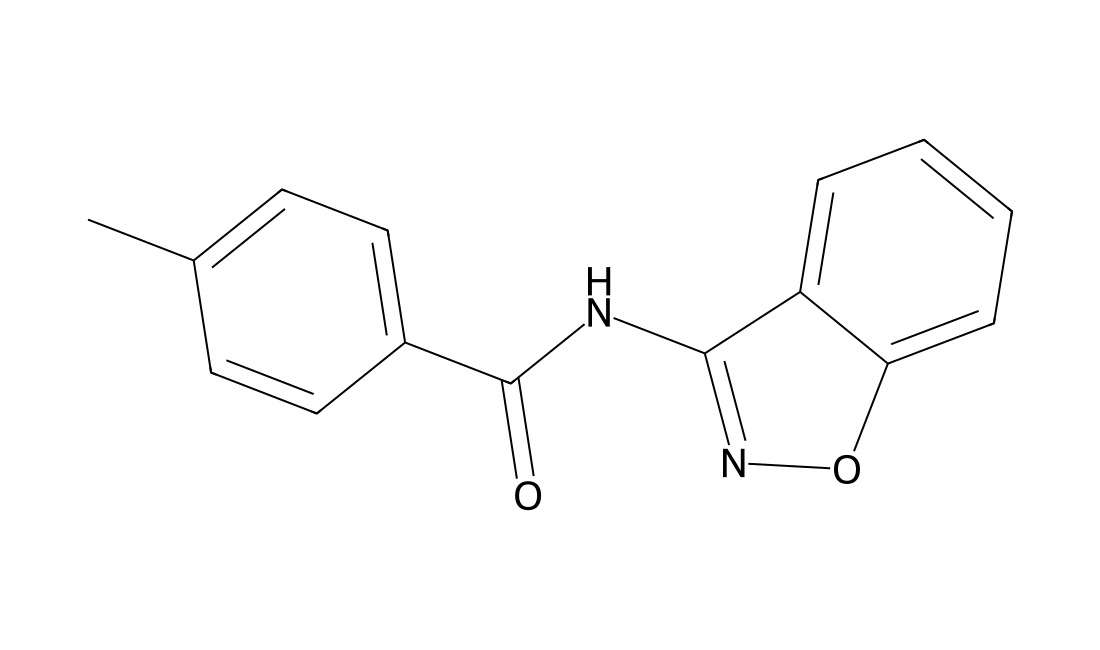
CAS 196612-93-8
BIBX 1382 is a potent, selective inhibitor of EGFR tyrosine kinase (IC50 = 3 nM); displays > 1000-fold lower potency against ErbB2 (IC50 = 3.4 μM) and a range of other related tyrosine kinases (IC50 > 10 μM).
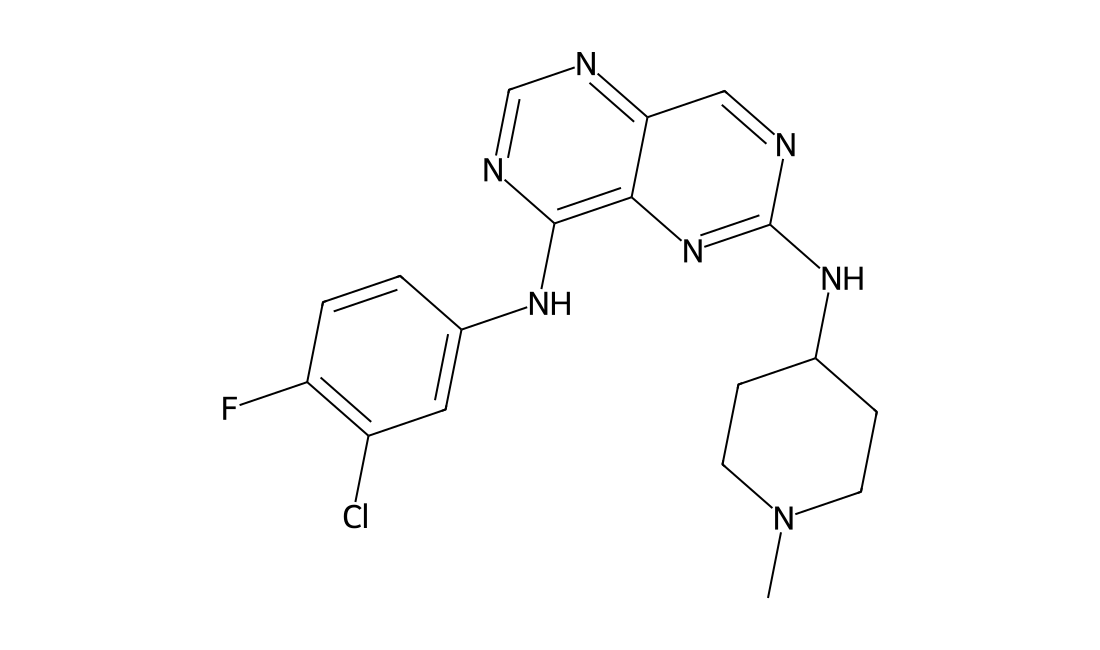
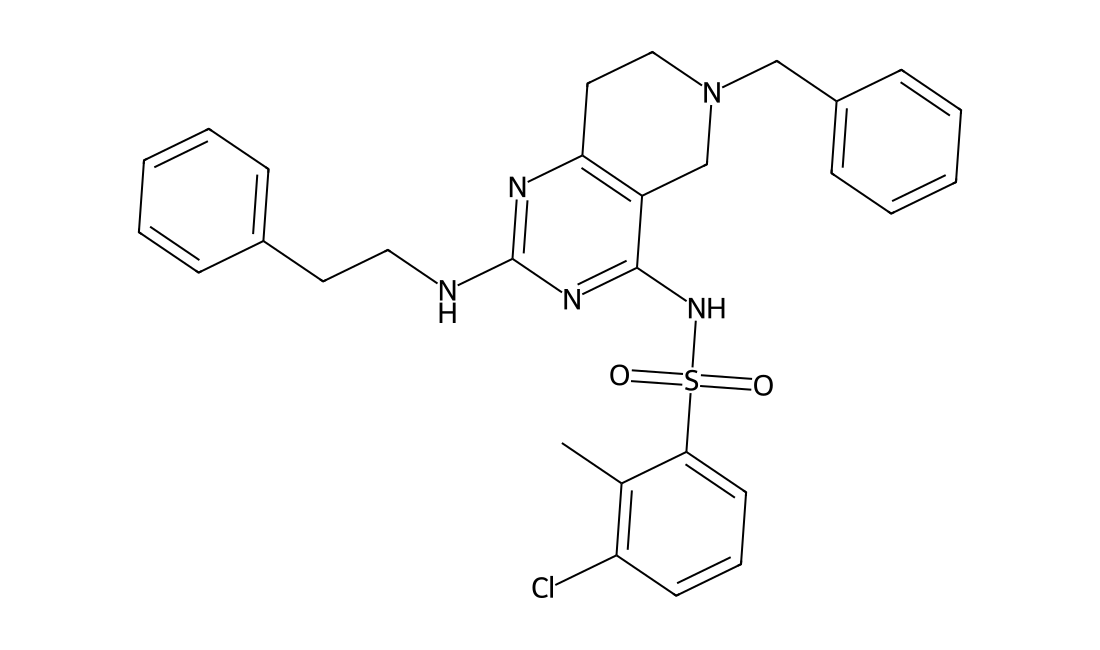
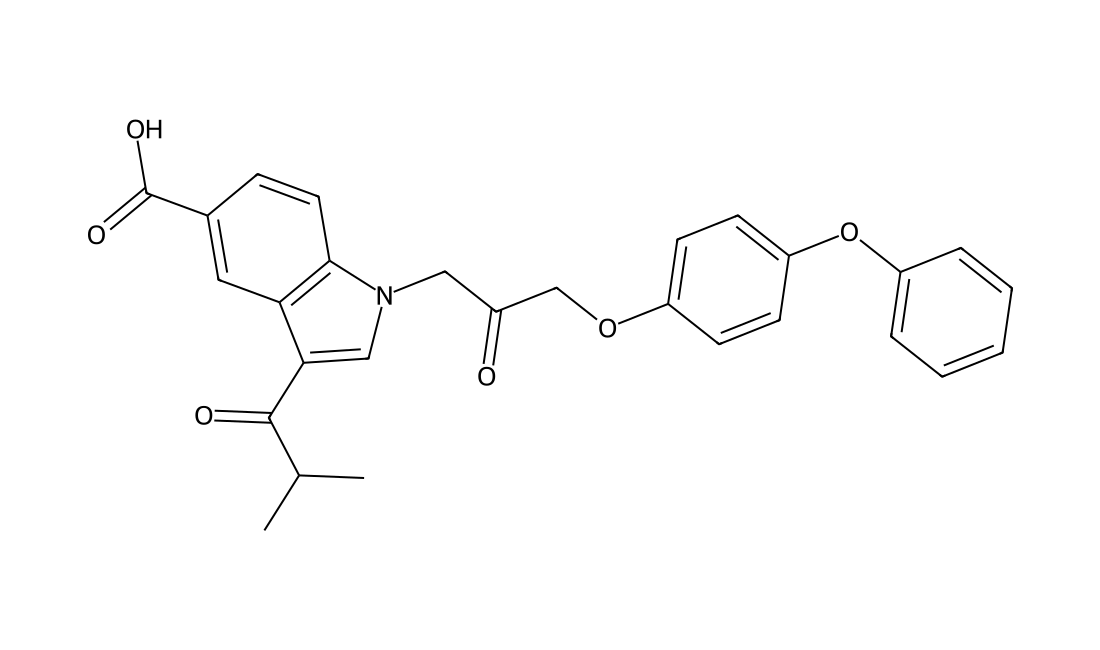
CAS 1415834-63-7
A potent SHIP2 inhibitor that enhances in vitro insulin signaling through the Akt pathway more efficiently than AS1949490, and ameliorates abnormal glucose metabolism in diabetic (db/db) mice.
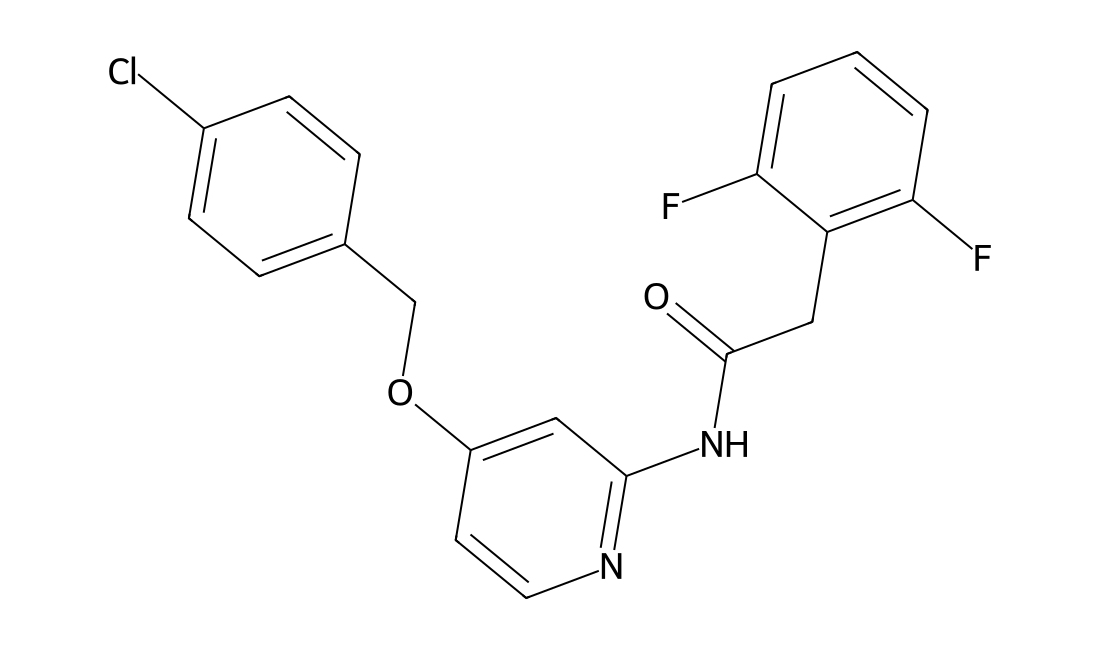
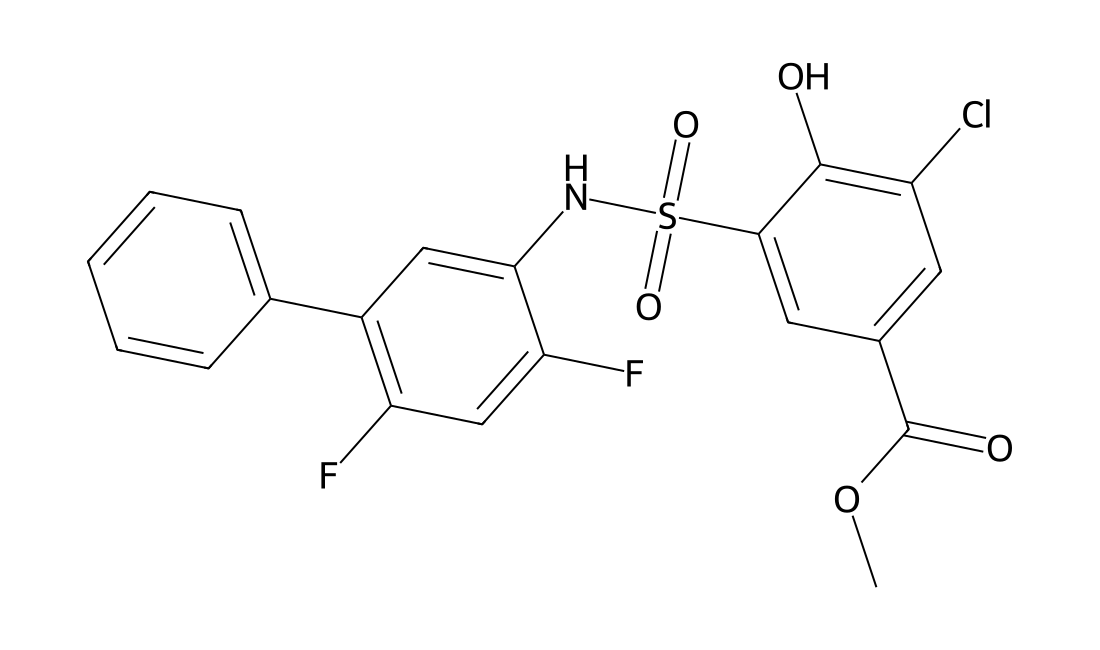
CAS 1202055-32-0
NMS-P715 is the first selective, ATP-competitive and orally bioavailable MPS1 small-molecule inhibitor(IC50=8 nM); selectively reduces cancer cell proliferation, leaving normal cells almost unaffected.
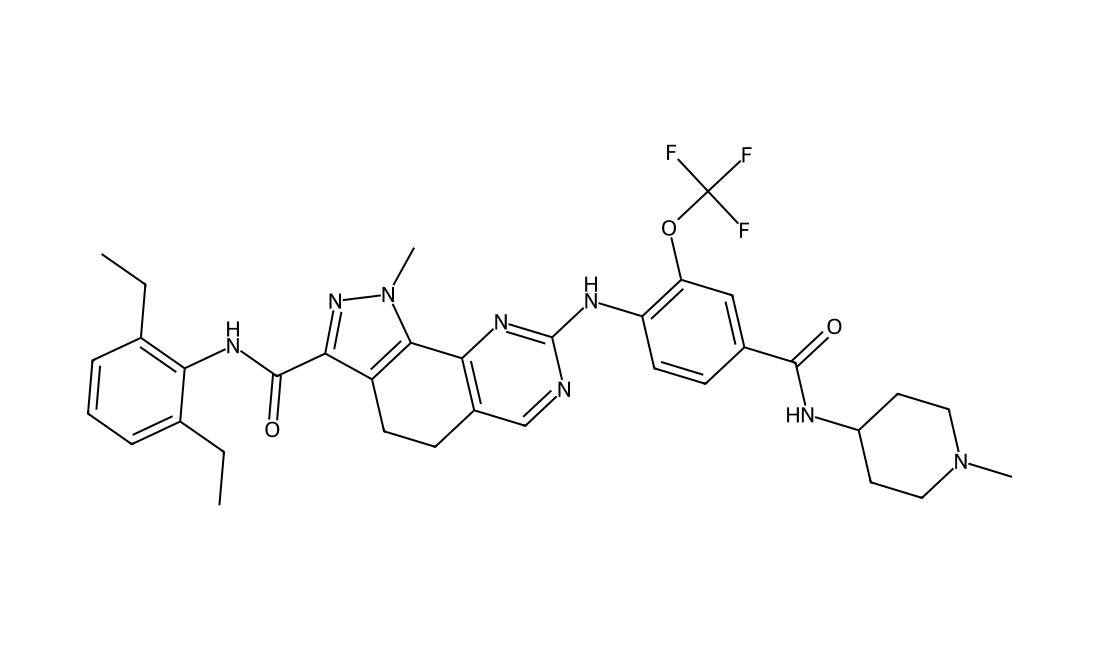
CAS 2306388-57-6
PROTAC ERRα ligand 2 is an estrogen-related receptor α (ERRα) inverse agonist with an IC50 of 5.67 nM. PROTAC ERRα ligand 2 (IC50=5.67 nM) displays a ~11-fold improved potency than XCT790 (IC50=61.3 nM)1.
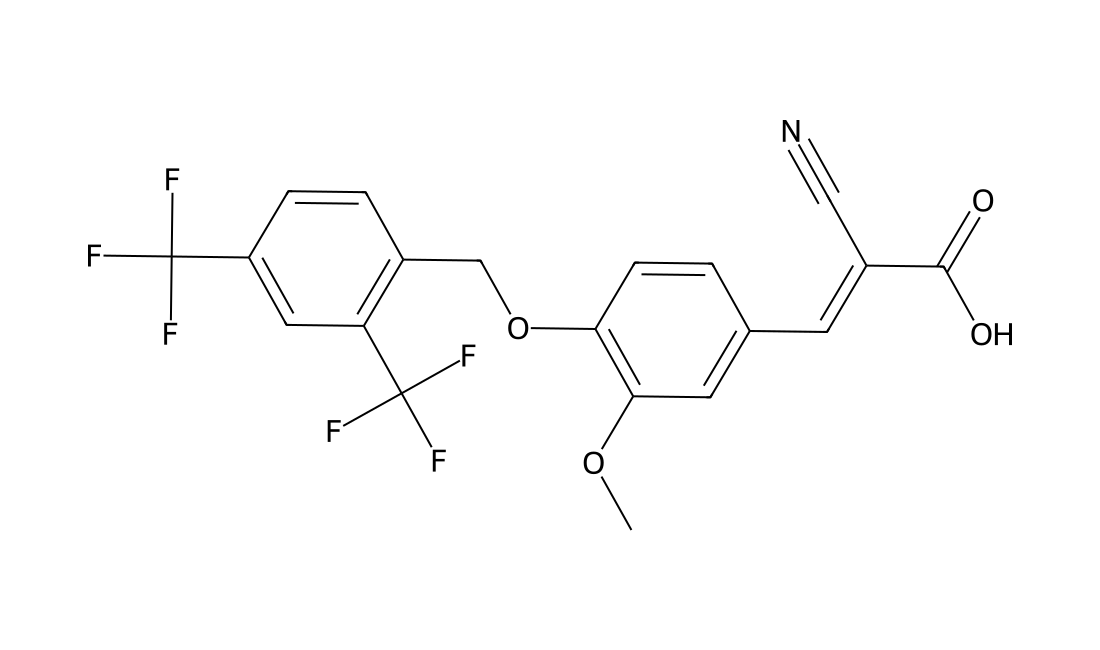
CAS 49671-76-3
ZLN005 is a novel transcriptional regulator of peroxisome proliferator-activated receptor-γ coactivator-1α (PGC-1α).
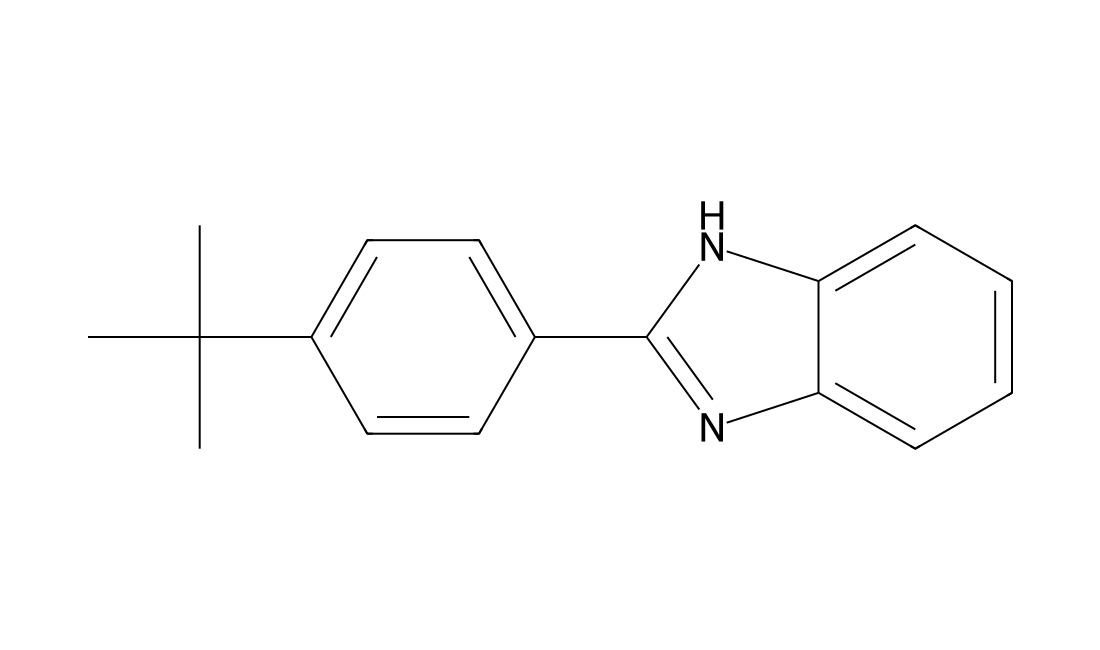
CAS 552309-42-9
T16Ainh-A01 is an inhibitor of the calcium-activated chloride channel TMEM16A, inhibits Ca2+-activated Cl− channel (CACC) activity in TMEM16A-transfected FRT cells with IC50 of 1 uM; T16Ainh-A01 (1-30 uM) inhibited single calcium (Ca2+)-activated chloride (Cl−) channels and whole cell currents activated by 500 nM free Ca2+; T16Ainh-A01 relaxed mouse thoracic aorta pre-contracted with methoxamine with an IC50 of 1.6 uM and suppressed the methoxamine concentration-effect curve; blocks calcium-activated chloride channels in vascular smooth muscle cells and relaxes murine and human blood vessels.
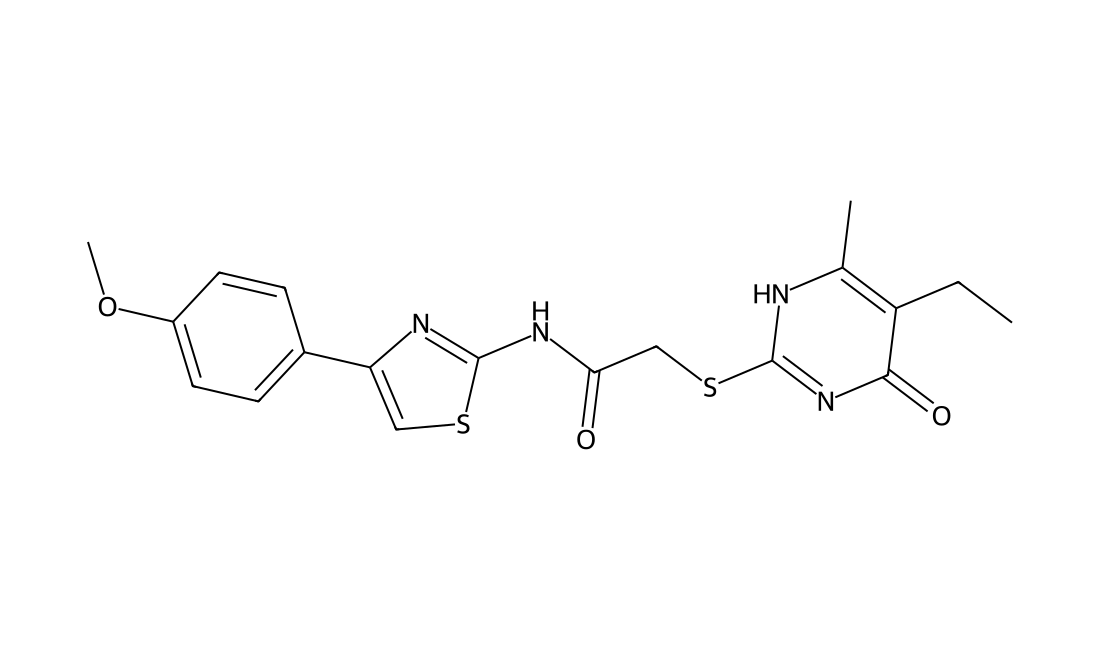
CAS 219315-22-7
Mitochondrial fusion promoter M1 is a mitochondrial dynamic modulator. Mitochondrial fusion promoter M1 preserves the mitochondrial function and promotes cellular respiration. Mitochondrial fusion promoter M1 alleviates cardiac and brain damage in rats with cardiac ischemia/reperfusion injury.
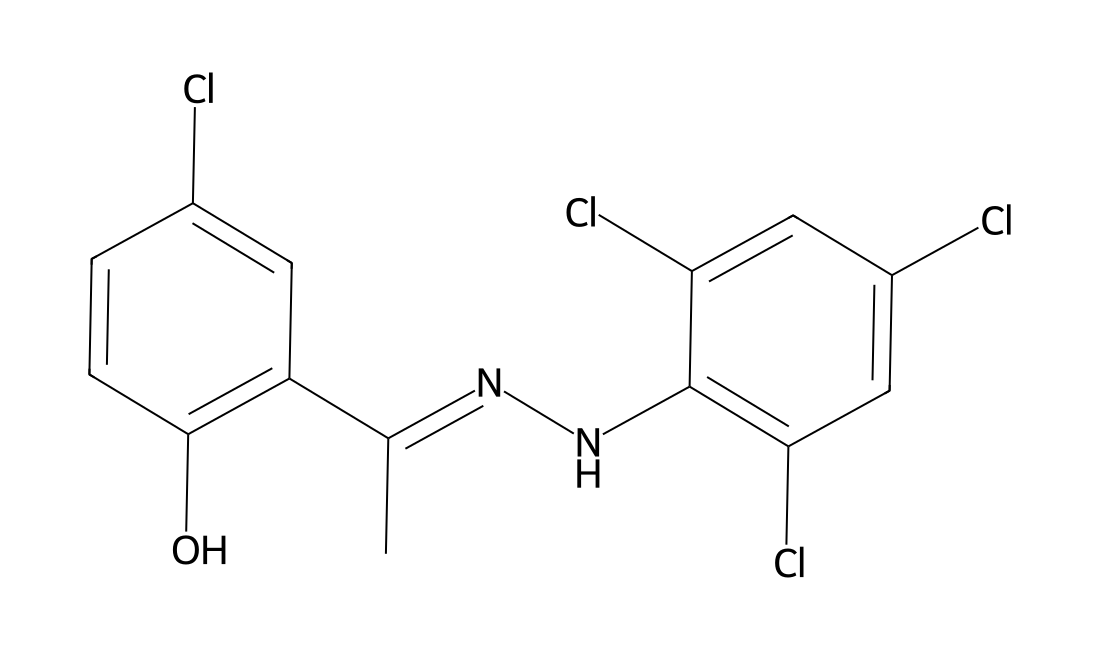
CAS 1071098-42-4
AZA1 is a potent dual inhibitor of Rac1 and Cdc42. AZA1 induces prostate cancer cells apoptosis and inhibits prostate cancer cells proliferation, migration and invasion.
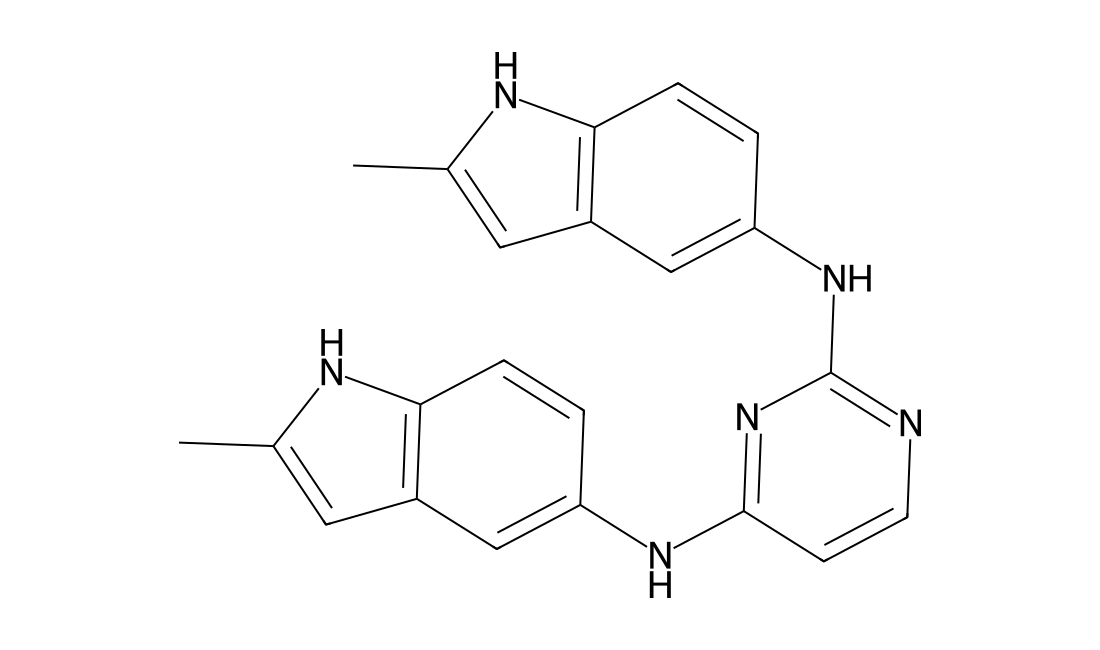
CAS 321688-88-4
Poloxin is a non-ATP competitive Polo-like Kinase 1 (PLK1) inhibitor that targets the polo-box domain.
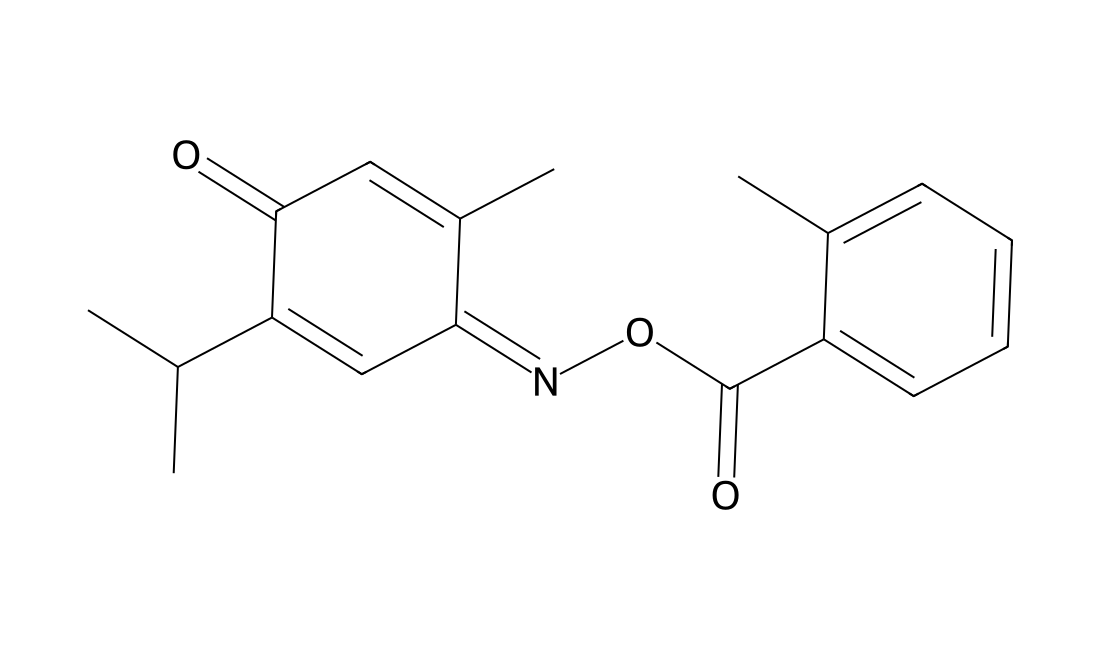
CAS 2414572-47-5
BDTX-189 is a potent, orally active and selective inhibitor of allosteric EGFR and HER2 oncogenic mutations, includes EGFR/HER2 exon 20 insertion mutants. BDTX-189 shows KDs of 0.2, 0.76, 13 and 1.2 nM for EGFR, HER2, BLK and RIPK2, reapectively. Anticancer activity.
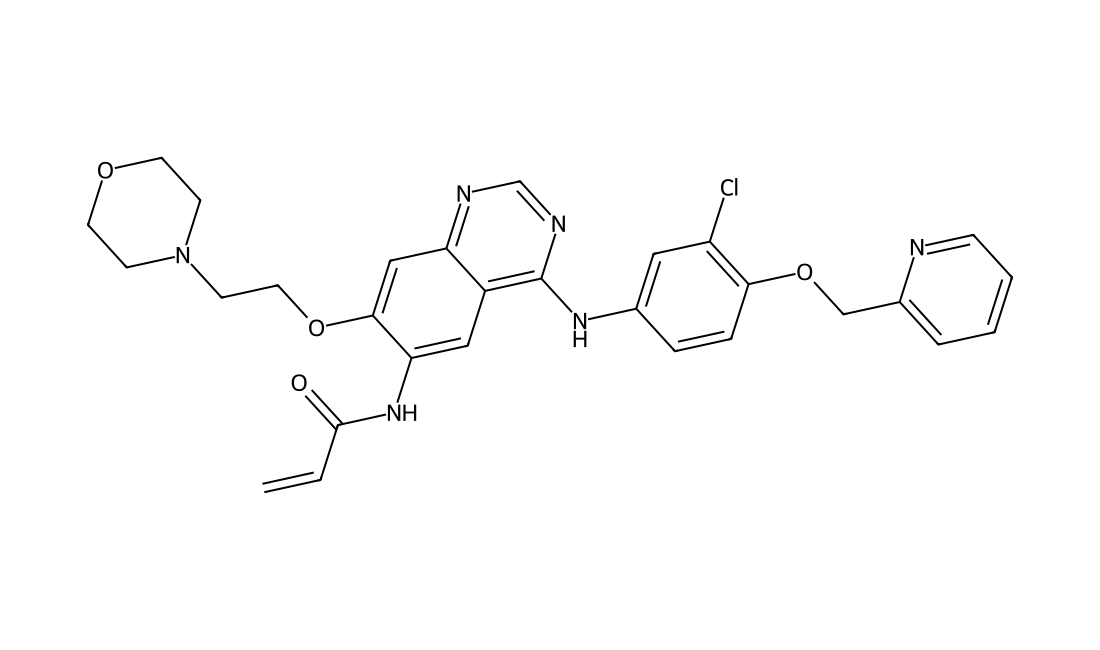
CAS 1384268-04-5
SYP-5 is a novel HIF-1 inhibitor, suppresses tumor cells invasion and angiogenesis.
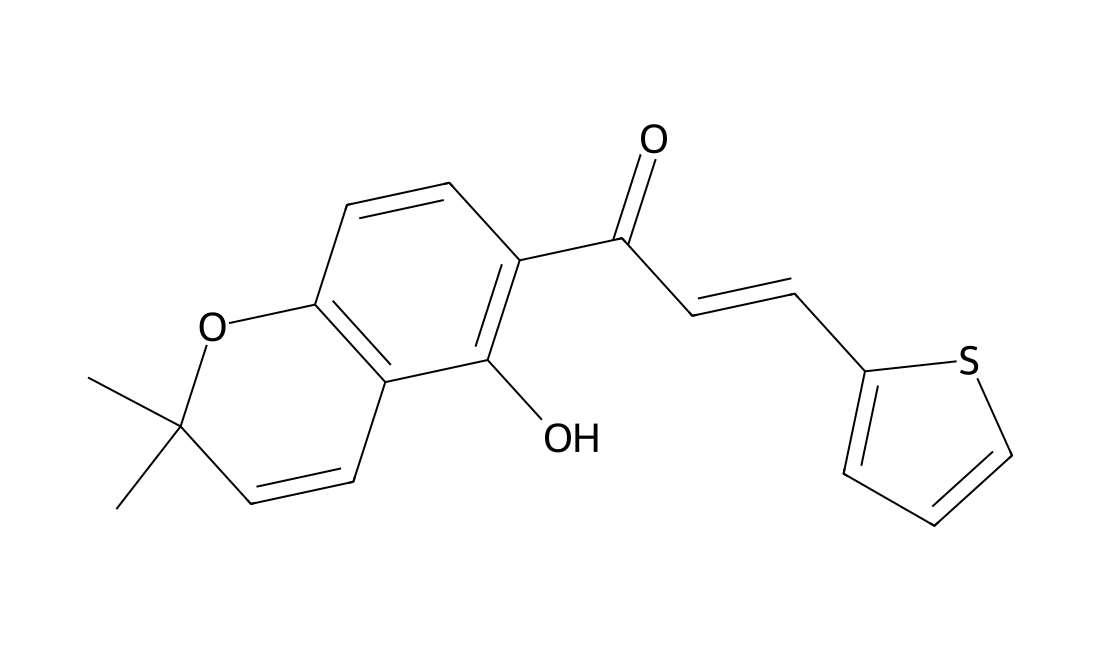
CAS 265114-23-6
Cimicoxib, aslo known as UR-8880, is a non-steroidal anti-inflammatory drug (NSAID) used in veterinary medicine to treat dogs for pain and inflammation associated with osteoarthritis and for the management of pain and inflammation associated with surgery. It acts as a COX-2 inhibitor.
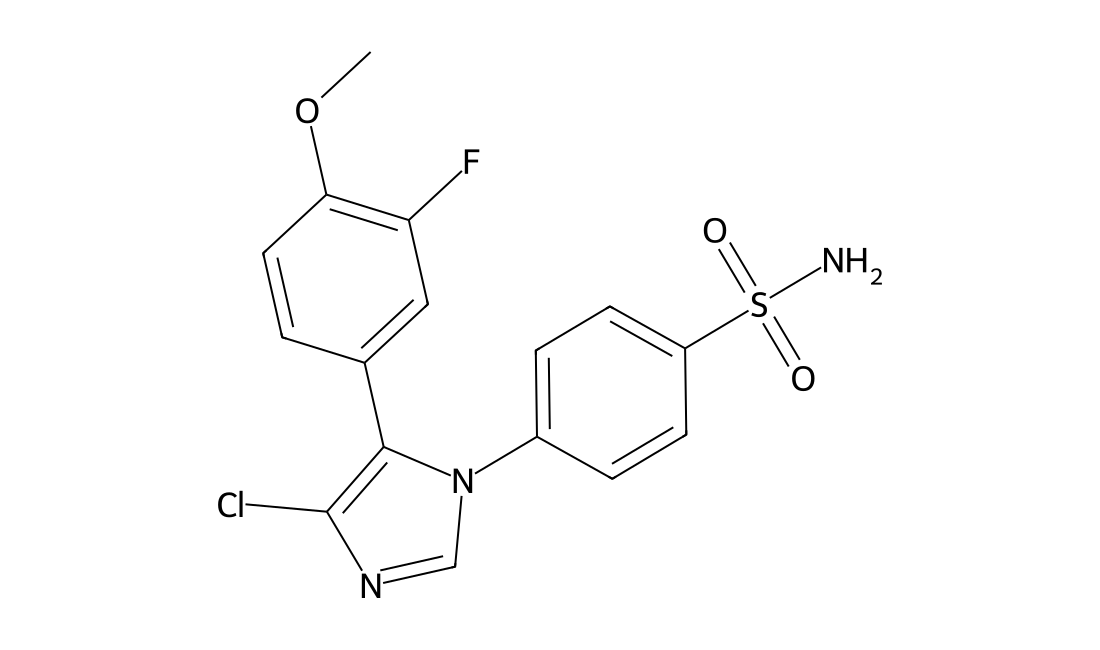
CAS 302939-48-6
KL201 a circadian clock modulator, is a isoform-selective cryptochrome 1 (CRY1) stabilizer. KL201 has no stabilizing effect on CRY2. KL201 lengthens the period of circadian rhythms in cells and tissues.
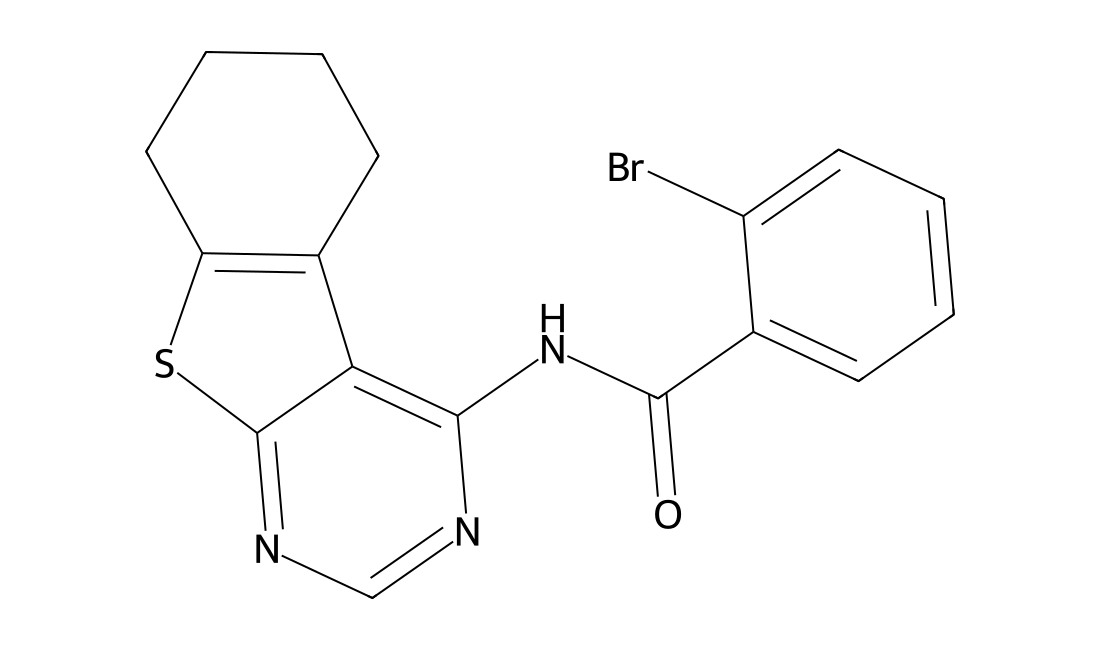
CAS 1203494-49-8
DASA-58 is a highly specific small molecule PKM2 activator. DASA-58 inhibits LPS-induced Hif-1a and IL-1b, as well as the expression of a range of other Hif-1a-dependent genes.
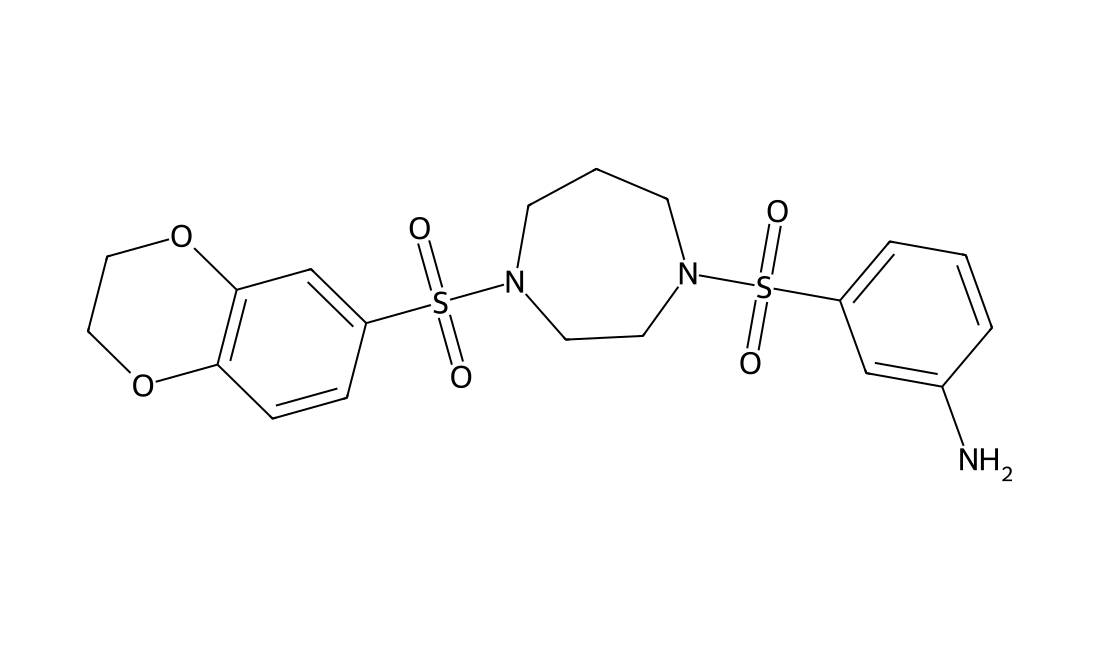
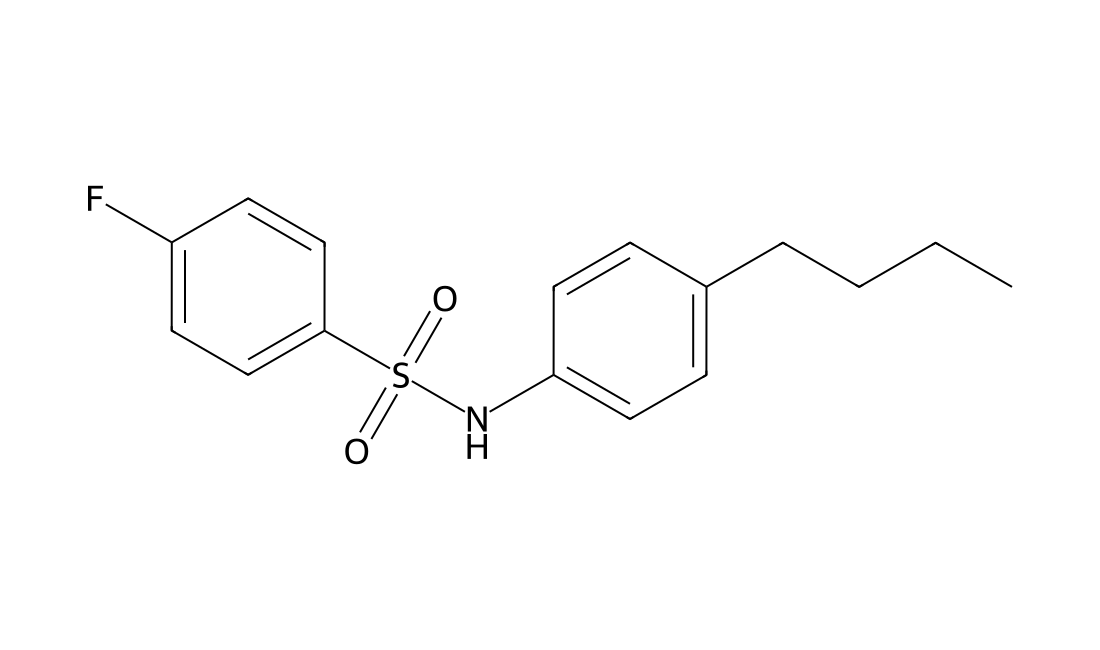
CAS 1936529-65-5
YKL-05-099 is a salt-inducible kinase (SIK) probe; inhibits SIK2 with an IC50 of 40 nM.
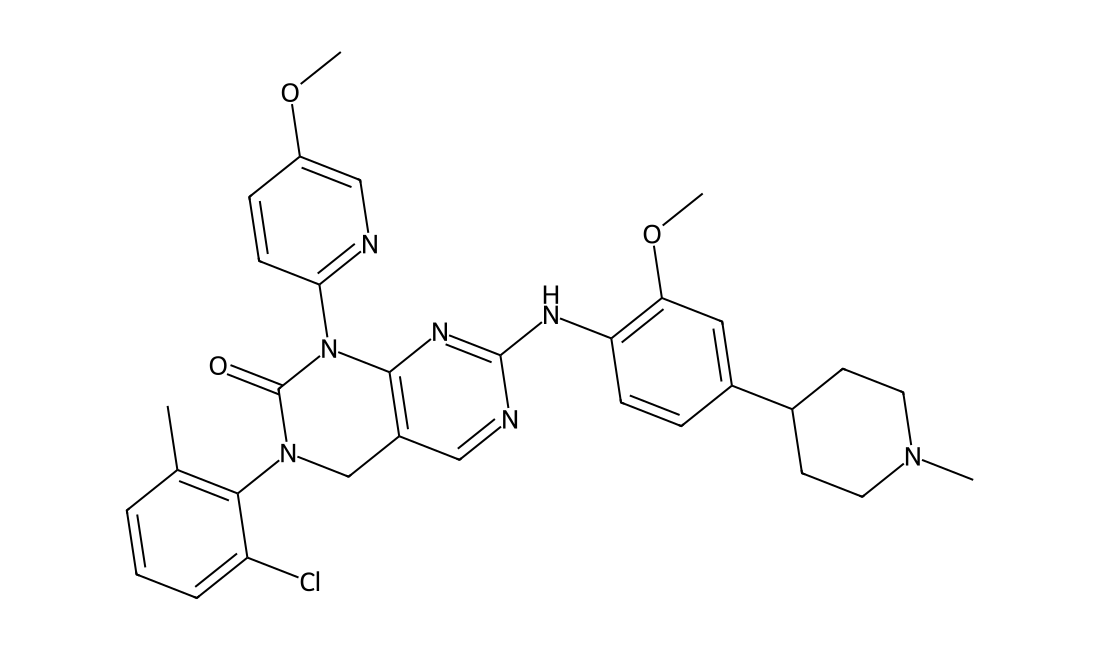
CAS 1350653-20-1
Vericiguat (BAY 1021189) is a novel potent, selective, orally available soluble guanylate cyclase (sGC) stimulator (MEC=0.3 uM), stimulating sGC NO-independently and in synergy with NO.
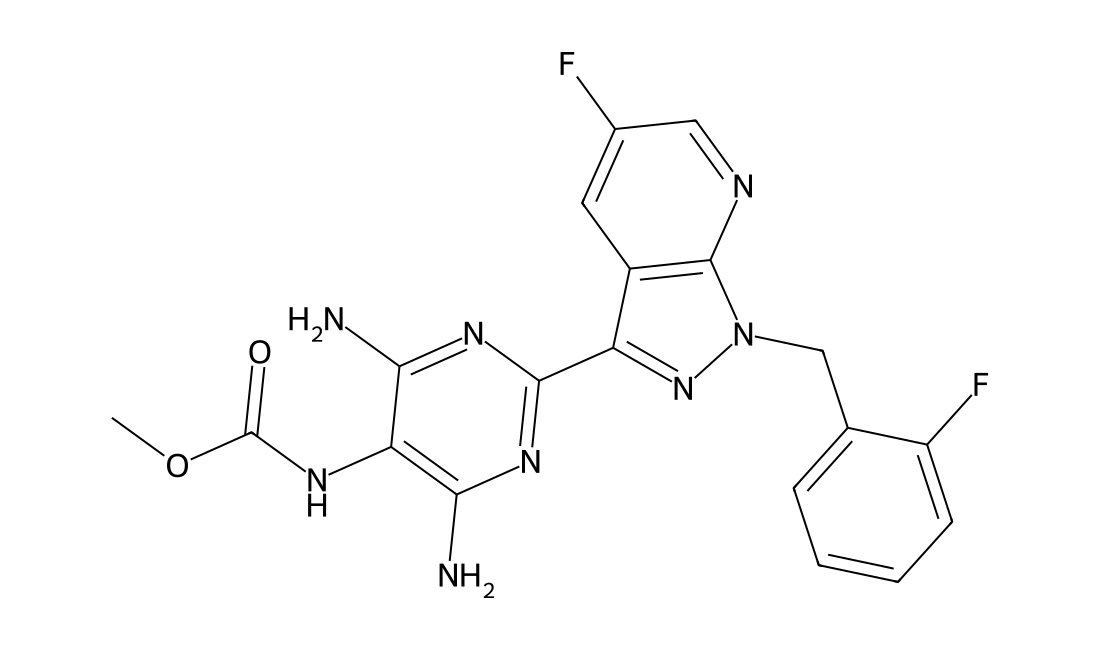
CAS 2254693-15-5
SRX3207 is an orally active and first-in-class dual Syk/PI3K inhibitor. SRX3207 possesses anti-tumor activity.
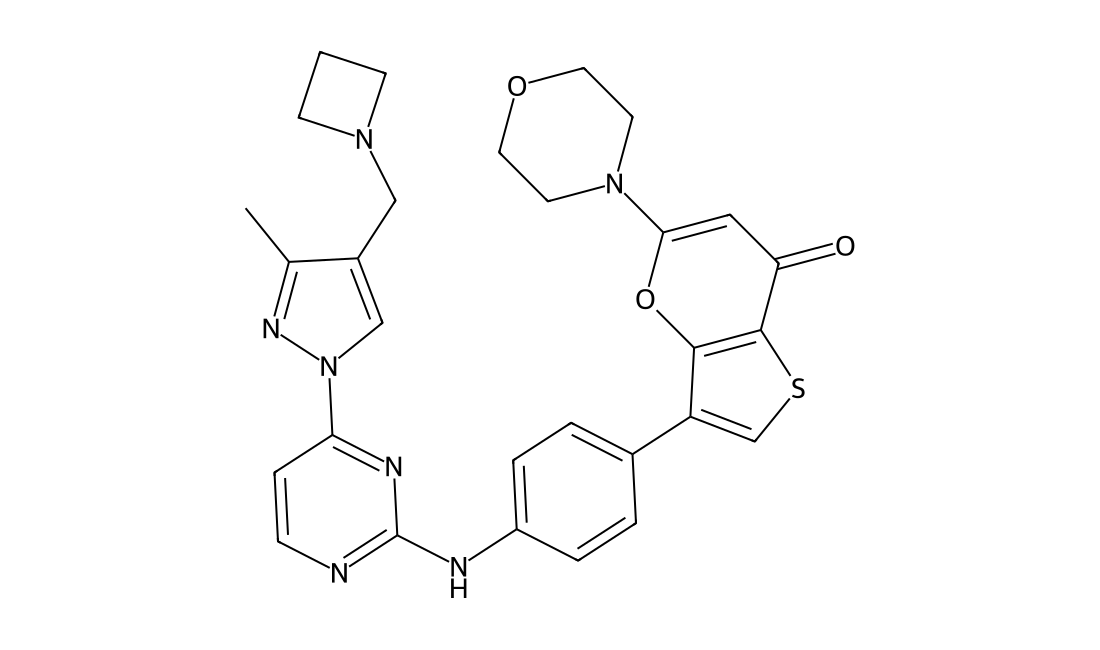
CAS 2271358-64-4
UAMC-3203 is a novel potent, drug-like ferroptosis inhibitor with IC50 of 12 nM, inhibit erastin-induced ferroptotic cell death more potently than Ferrostatin-1.
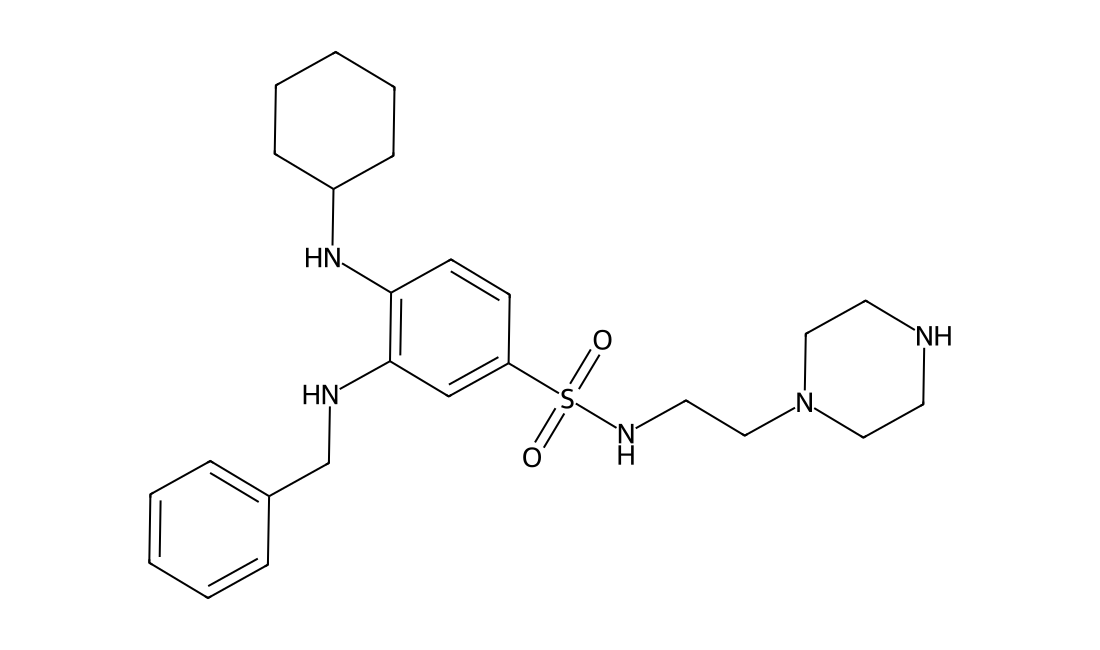
CAS 835621-07-3
Regorafenib hydrochloride (BAY73-4506) is a potent, orally active multikinase inhibitor that potently inhibits endothelial cell kinases in biochemical and cellular kinase phosphorylation assays with nanomolar range (IC50=3-200 nM).
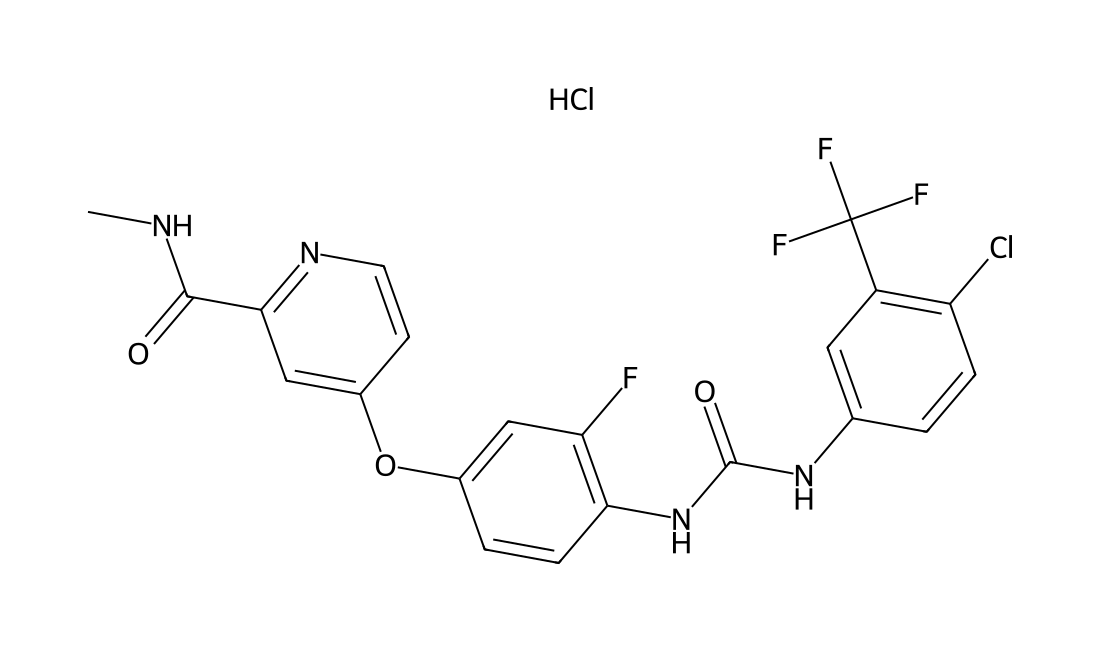
CAS 1784751-20-7
CK1-IN-1, is a casein kinase 1 (CK1) inhibitor. PUN51207 was reported in patent WO2015119579A1, compound 1c, has IC50s of 15 nM, 16 nM, 73 nM for CK1δ, and CK1ε, p38σ MAPK, respectively.
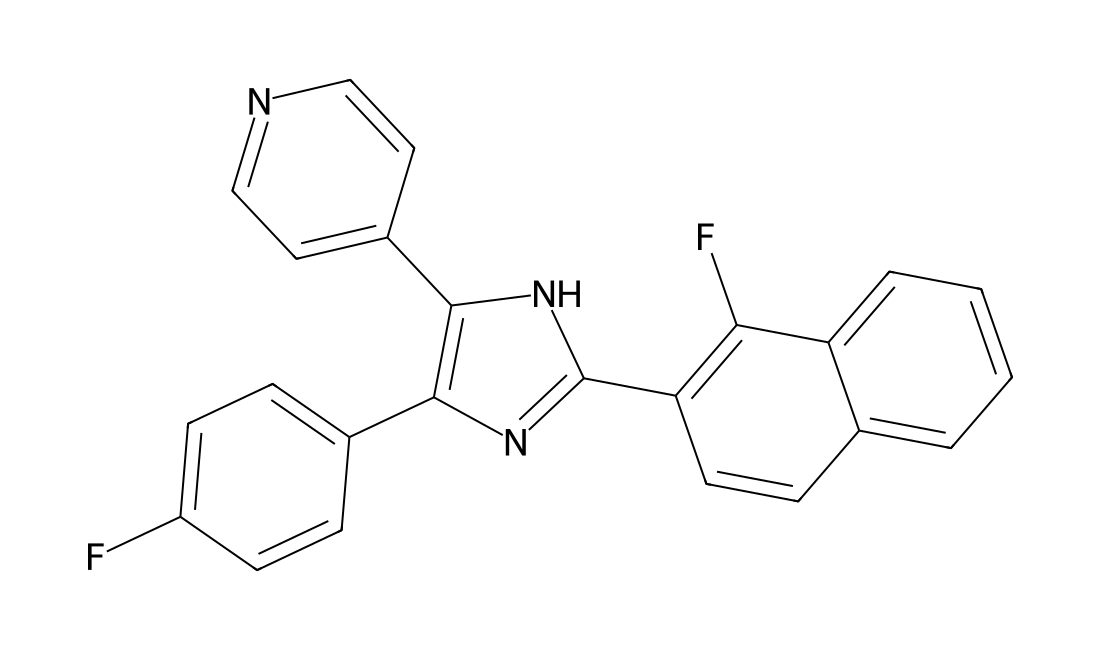
CAS 355129-15-6
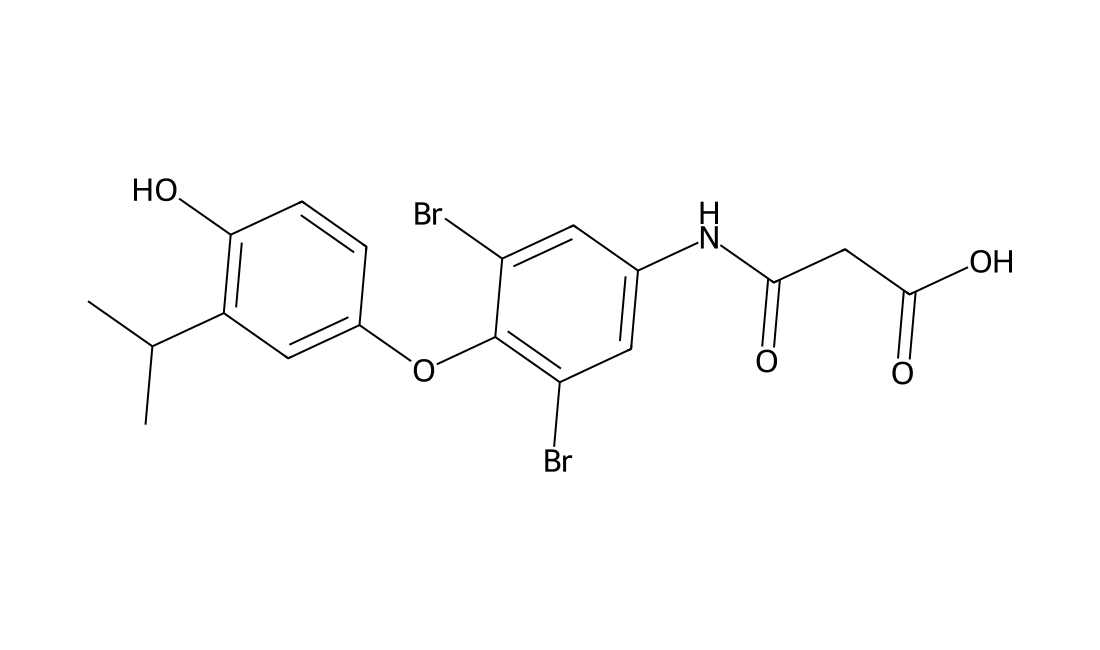
Eprotirome, also known as KB-2115, is a liver-selective thyroid hormone receptor agonist that has been shown to lower plasma LDL cholesterol concentrations in previous phase 1 and 2 studies of patients with dyslipidaemia. KB2115 lowers plasma LDL cholesterol and stimulates bile acid synthesis without cardiac effects in humans.
CAS 79183-37-2
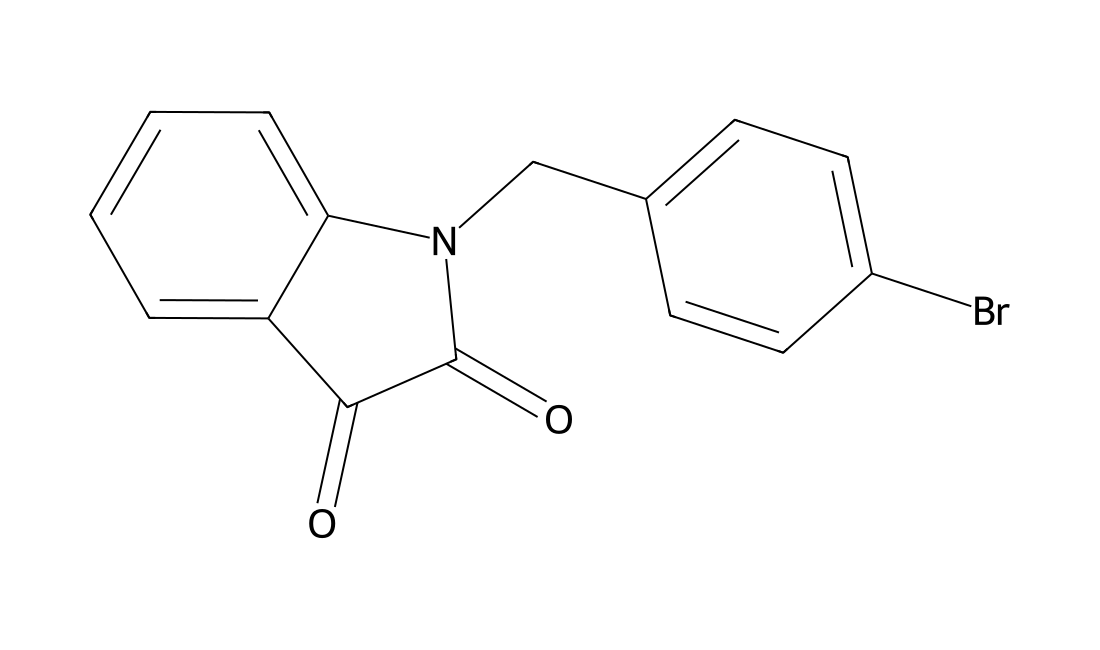
VU0119498 is a pan Gq mAChR M1, M3, M5 positive allosteric modulator (PAM), with EC50s of 6.04, 6.38, and 4.08 μM, respectively. VU0119498 has antidiabetic activity.
CAS 88349-90-0
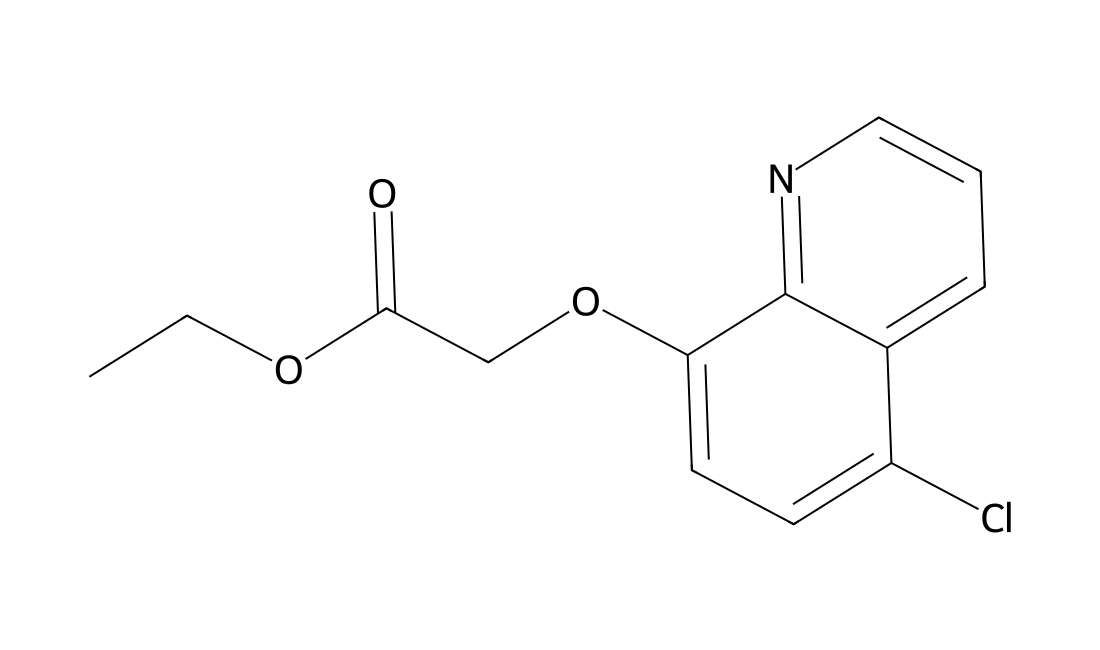
A2793 is an efficient TWIK-related acid-sensitive K+ channel (TASK)-1 inhibitor, with an IC50 of 6.8 μM.
CAS 136668-42-3
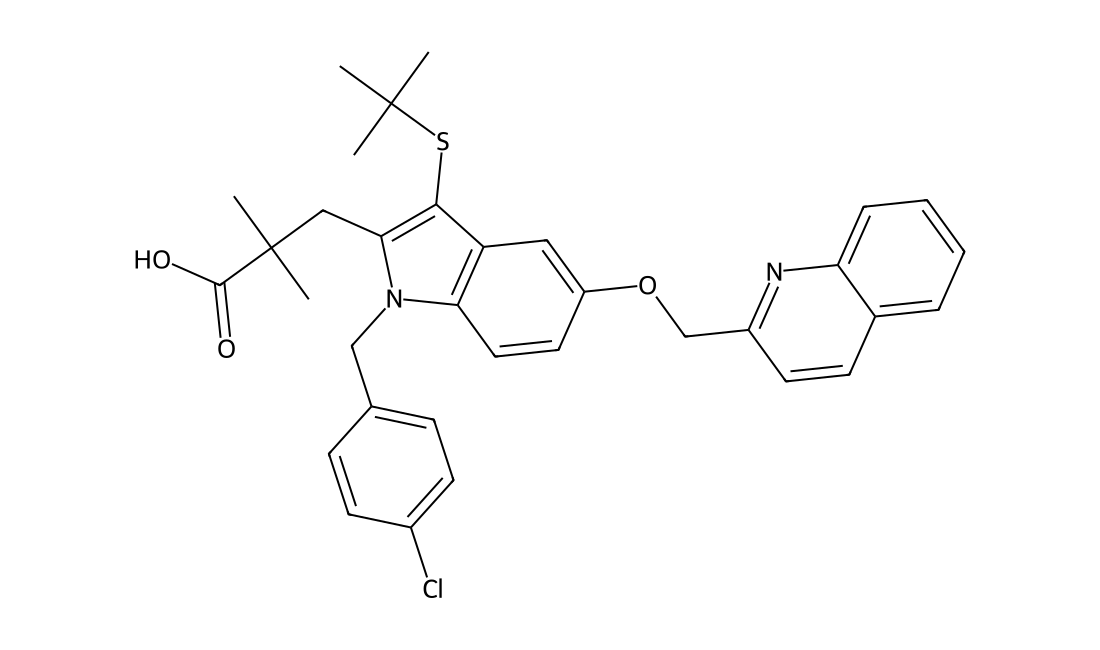
A potent, specific and orally active 5-Lipoxygenase-activating protein (FLAP) inhibitor with IC50 of 1.6 nM in FLAP binding assay.
CAS 343630-41-1
A novel human RBC Cl-conductance blocker (IC50=210 nM) and HERG channel activitor (EC50=79.4 uM, HERG1 channel activation).