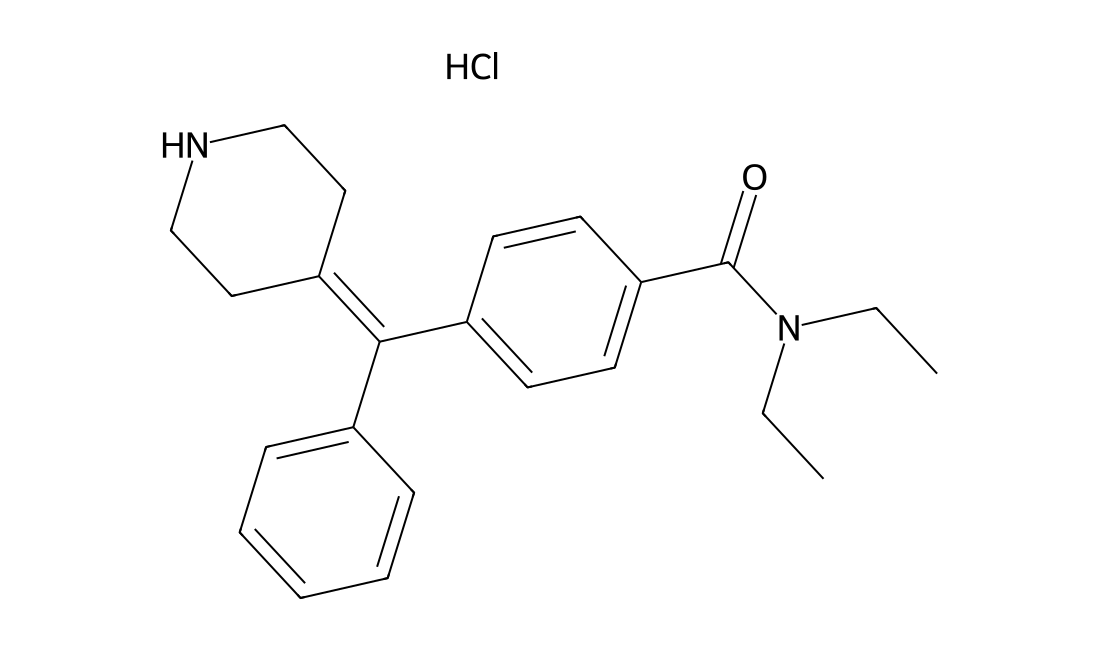
KDM5-C70
CAS 1596348-32-1
KDM5-C70 is the cell-permeable derivative of KDM5-C49, potent, selective and cell permeable KDM5 inhibitor with IC50 of 0.3, 0.3 and 0.58 uM for KDM5A, B and C, respectively.

Explore bioactive compounds by research category, then narrow your search by target, product name, catalog number or CAS.
Newly added: LC-MG and OXF molecular glue research compounds →
Products may appear in more than one category. Counts refer to distinct catalog numbers within each category.
Other Research Tools (75) · Additional reagents, building blocks and specialized research tools.
LC-MG-1 (DCA0006) · LC-MG-4 (DCA0007) · LC-MG-9 (DCA0008)
View structure and evidence summaries →Combine a keyword, research category and target to narrow the product list.
Loading catalog filters…
CAS 1596348-32-1
KDM5-C70 is the cell-permeable derivative of KDM5-C49, potent, selective and cell permeable KDM5 inhibitor with IC50 of 0.3, 0.3 and 0.58 uM for KDM5A, B and C, respectively.
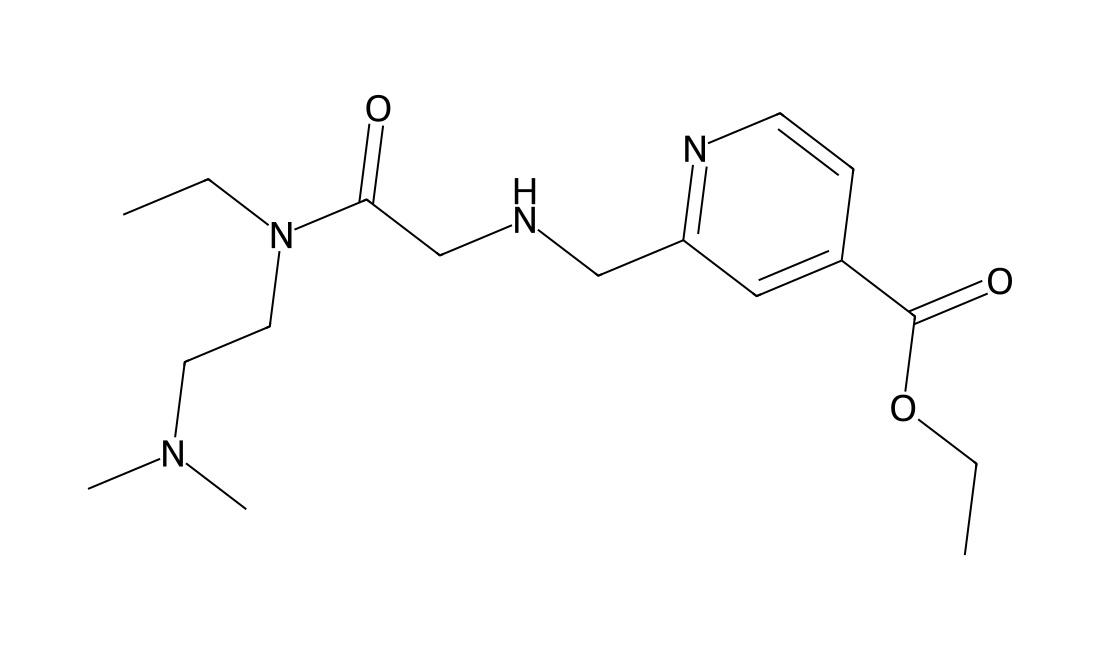
CAS 1628210-26-3
KDM5-IN-1 is a potent, selective and orally bioavailable KDM5 inhibitor with an IC50 of 15.1 nM.
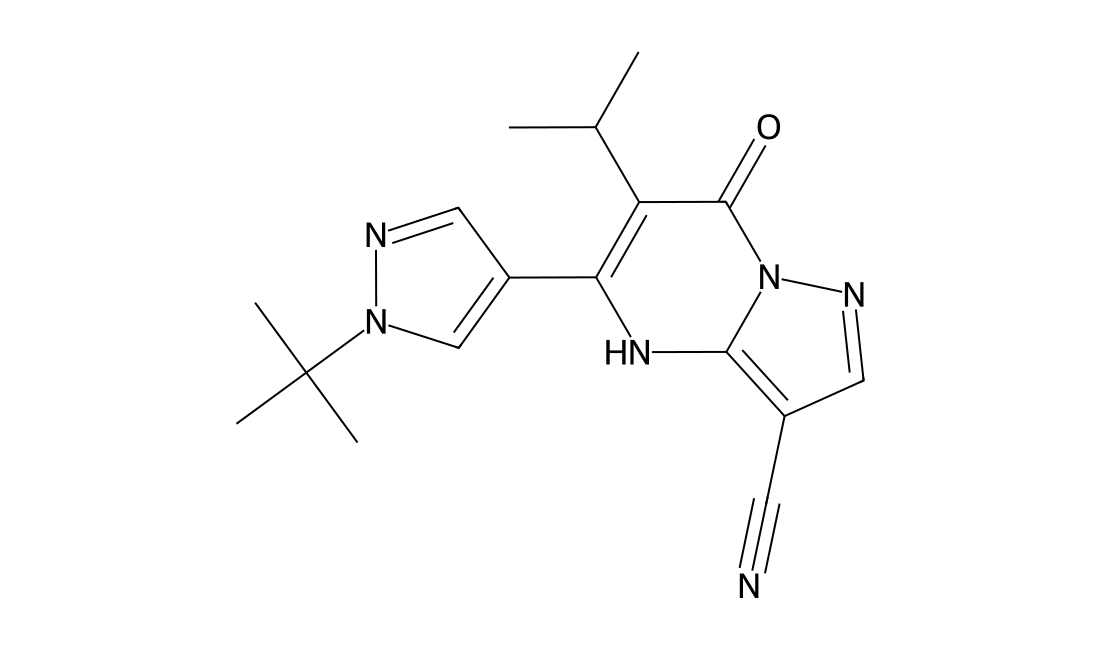
CAS 940310-85-0
NVP-BHG712 is a specific EphB4 inhibitor with ED50 of 25 nM that discriminates between VEGFR and EphB4 inhibition; also shows activity against c-Raf, c-Src and c-Abl with IC50 of 0.395 μM, 1.266 μM and 1.667 μM, respectively.
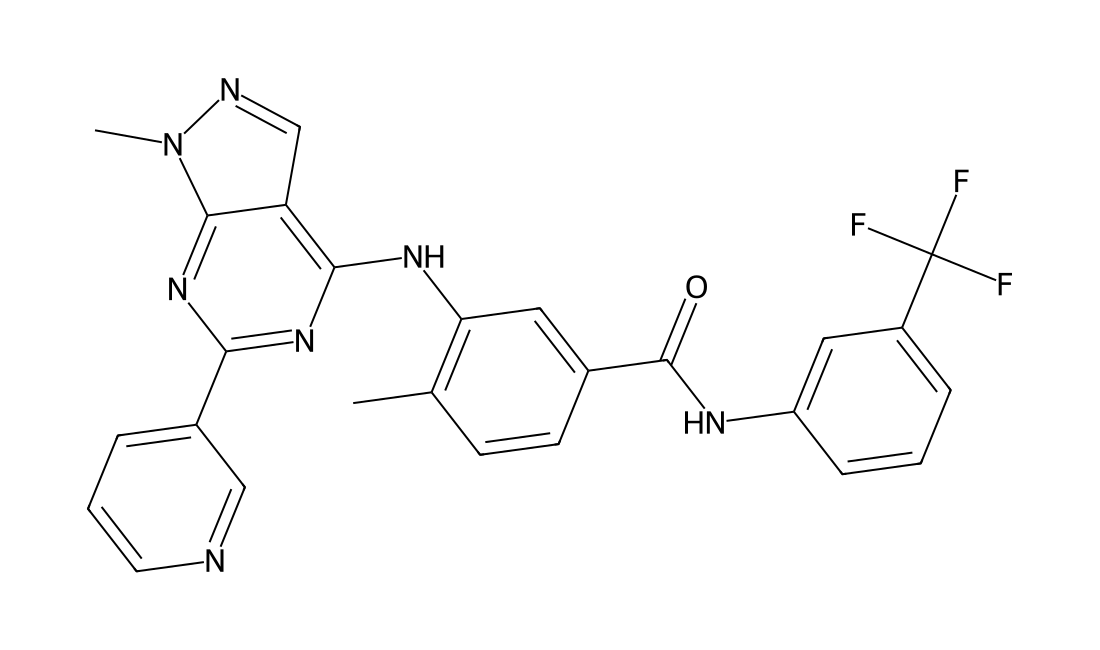
CAS 1383716-33-3
VPS34-IN1 is a potent and highly selective Vps34 inhibitor with IC50 of 25 nM invitro,which does not significantly inhibit the isoforms of class I as well as class II PI3Ks.
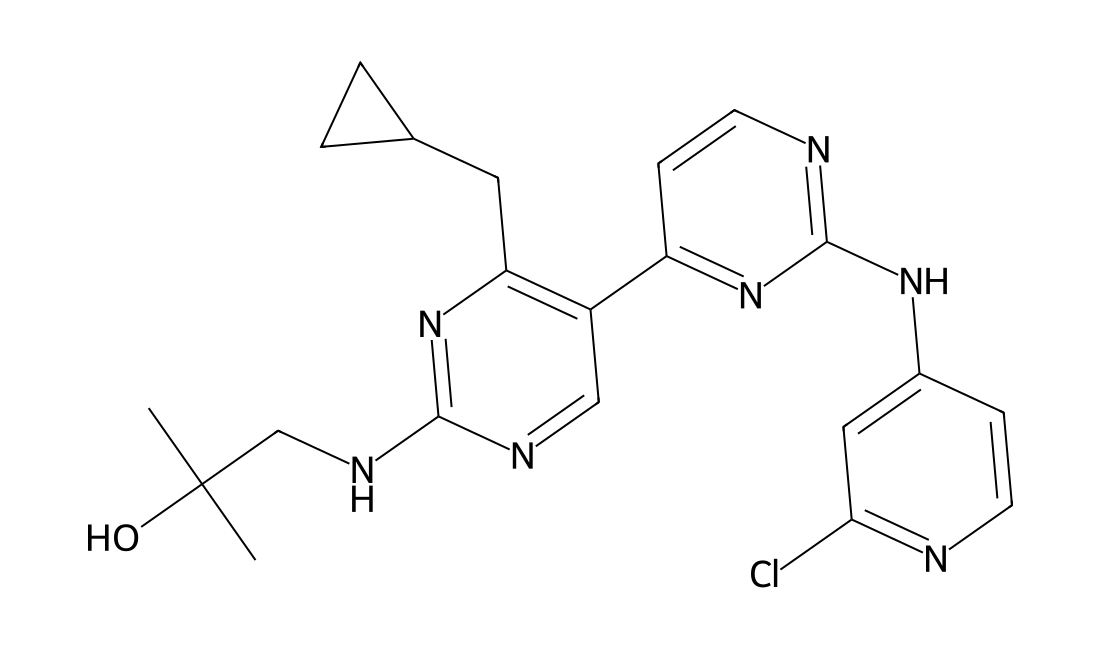
CAS 2165340-32-7
CU-CPT9a is an antagonist of toll-like receptor 8 (TLR8). It inhibits activation of NF-κB induced by the TLR8 agonist R-848 in TLR8-overexpressing HEK-Blue cells (IC50 = 0.5 nM). CU-CPT9a reverses R-848-induced increases in NF-κB p65, IRAK-4, and TRAF3 protein levels in HEK-Blue cells.
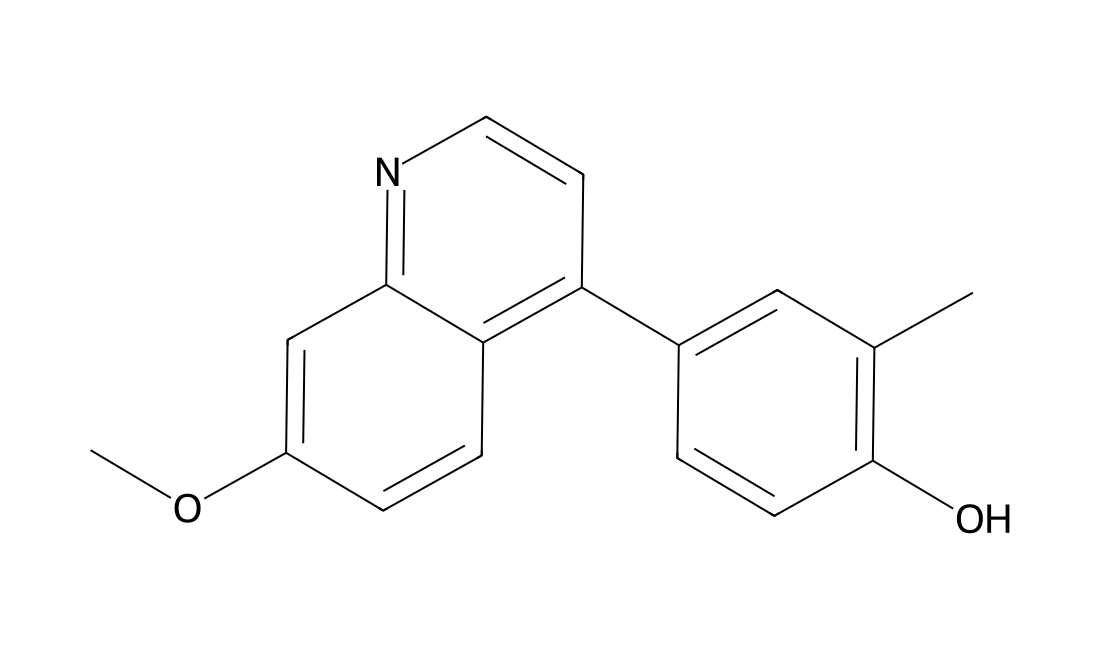
CAS 1820889-23-3
INCB057643 is a BET inhibitor that binds to the acetylated lysine recognition motifs found in the BRD of BET proteins, thereby preventing the interaction between the BET proteins and acetylated lysines on histones.
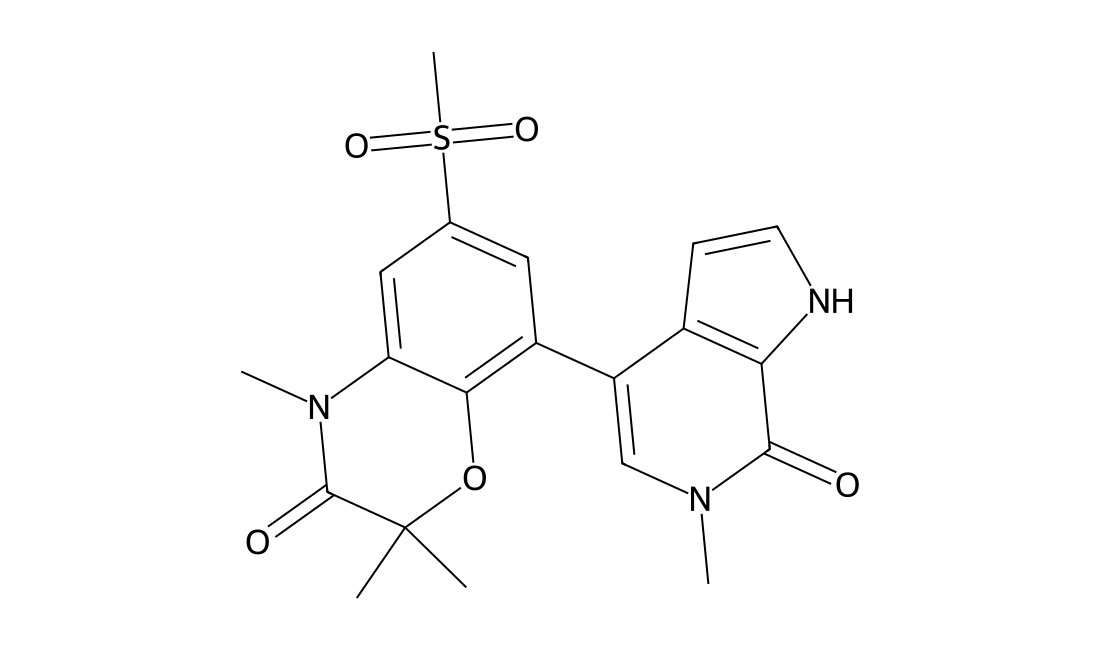
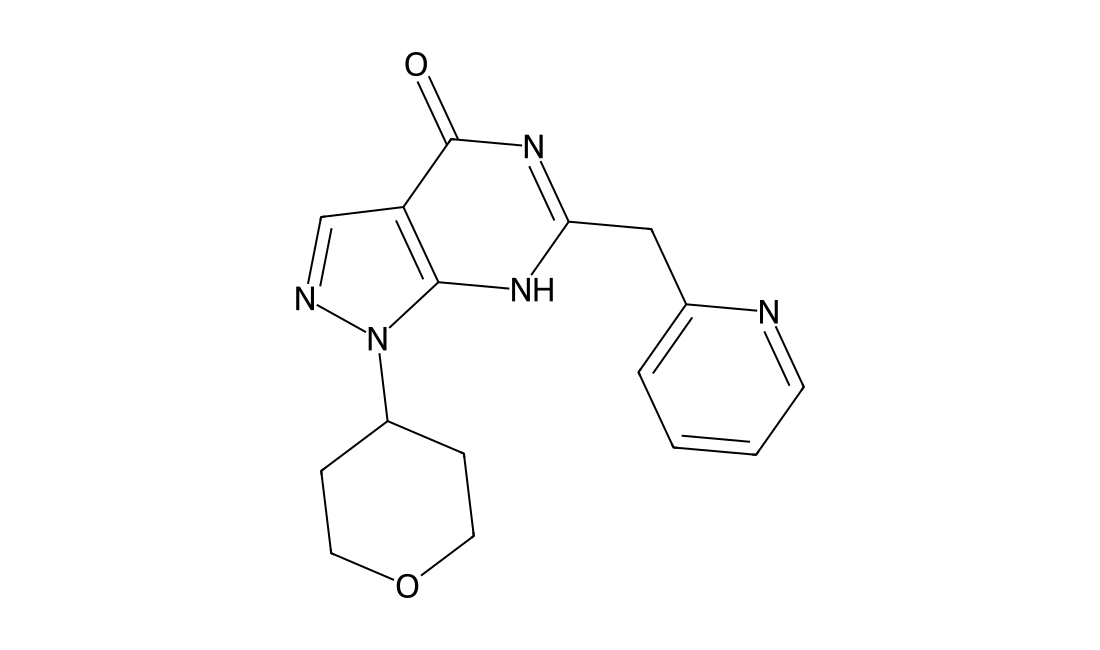
CAS 1542135-76-1
LML134 (compound 18b) is an orally active and high selective Histamine 3 receptor (H3R) inverse agonist with Kis of 0.3 nM and 12 nM for hH3R cAMP and hH3R bdg. LML134 penetrates the brain rapidly, leading to high H3R occupancy, and disengages its target with a fast kinetic profile. LML134 has the potential for excessive sleep disorders1.
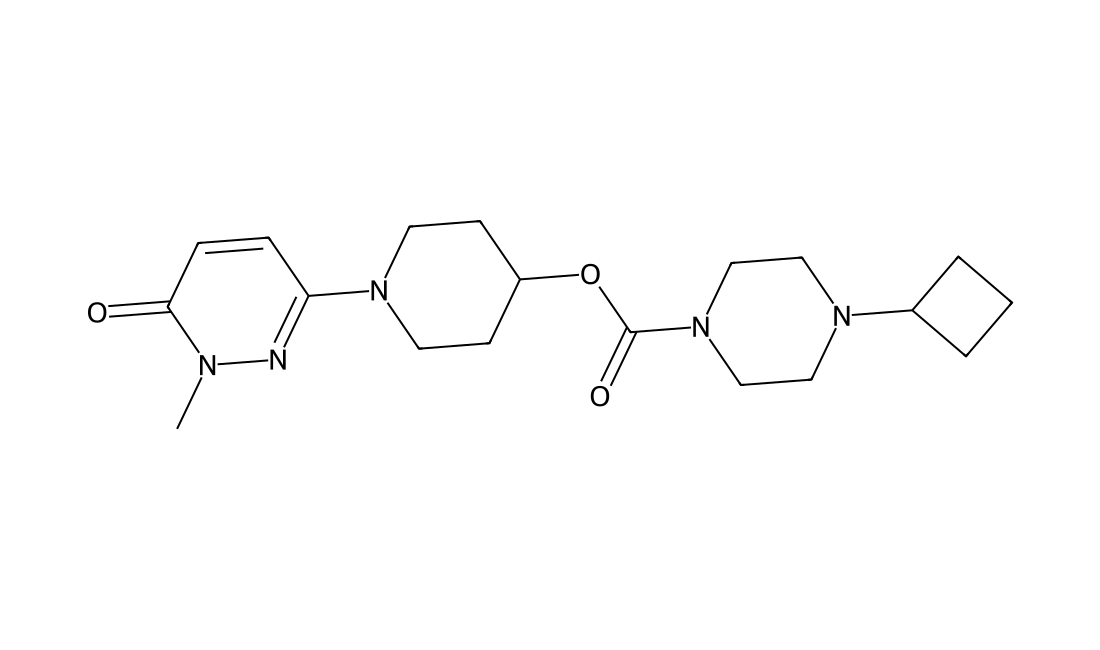
CAS 19916-73-5
O(6)-Benzylguanine is an MGMT inhibitor that prevents the repair of DNA damage induced by chemotherapeutics. It allows apoptosis and other mechanisms of cell death to occur.
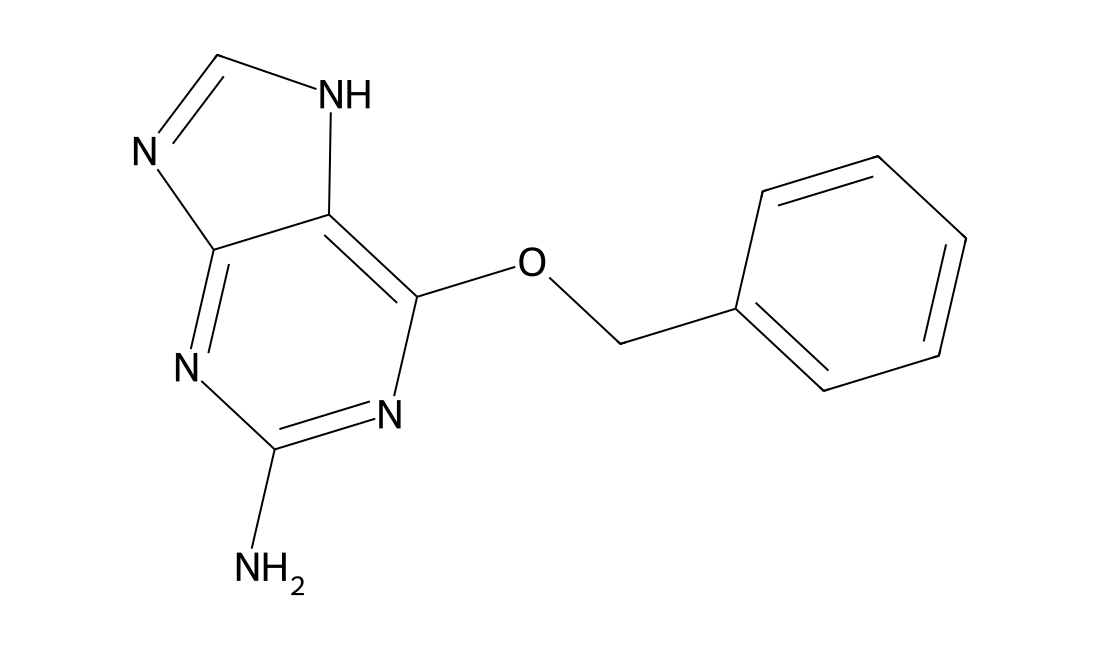
CAS 1135280-28-2
KN-92 is an inactive derivative of KN-93. KN-93 is a selective inhibitor of Ca2+/calmodulin-dependent kinase II (CaMKII), competitively blocking CaM binding to the kinase (Ki = 370 nM).
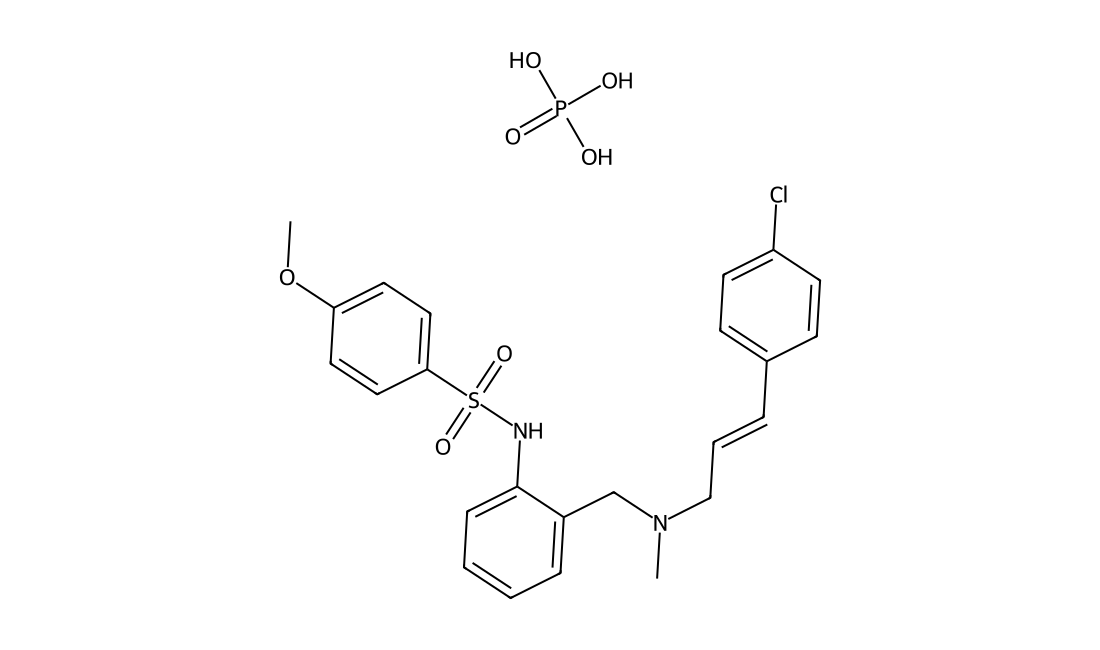
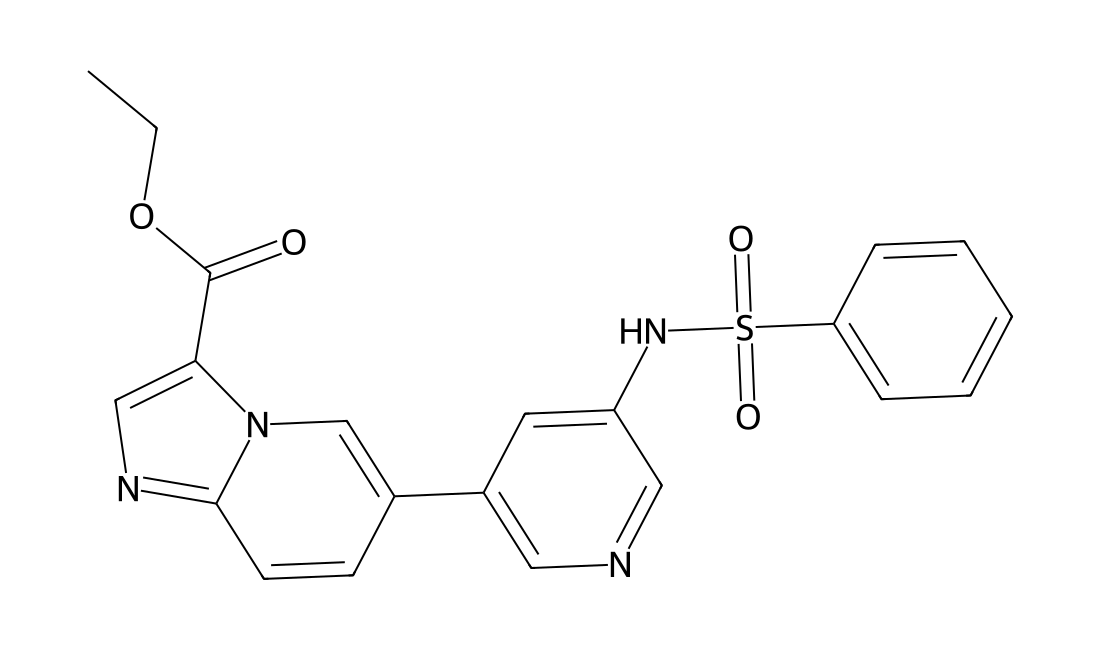
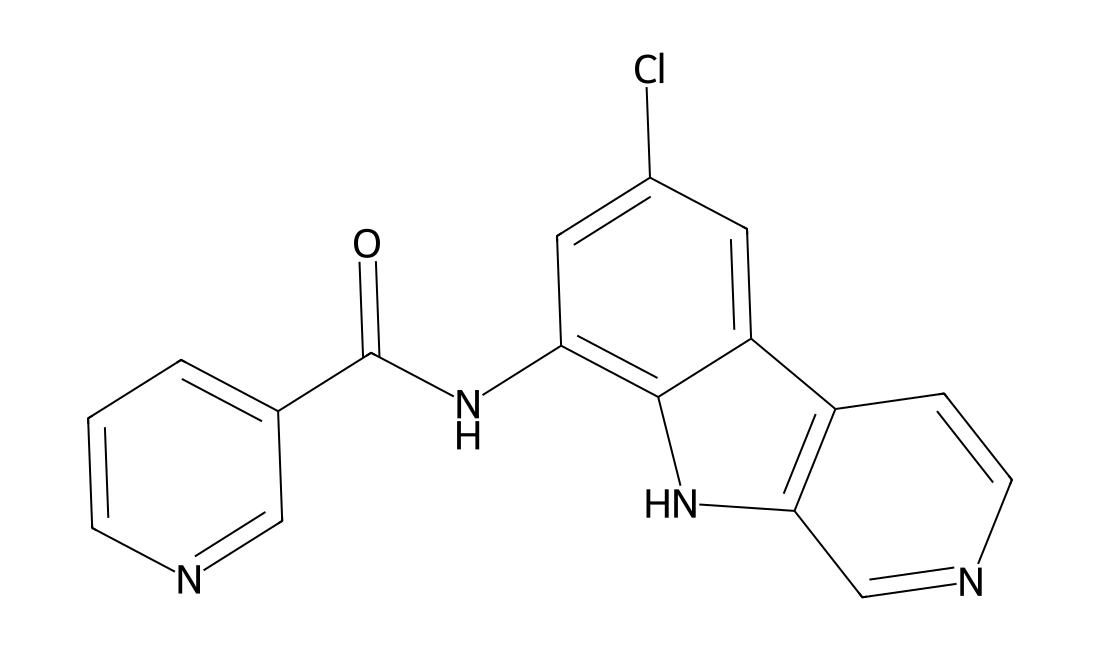
CAS 836683-15-9
Acumapimod (BCT197) is an orally active p38 MAP kinase inhibitor, with an IC50 of less than 1 μM for p38α.
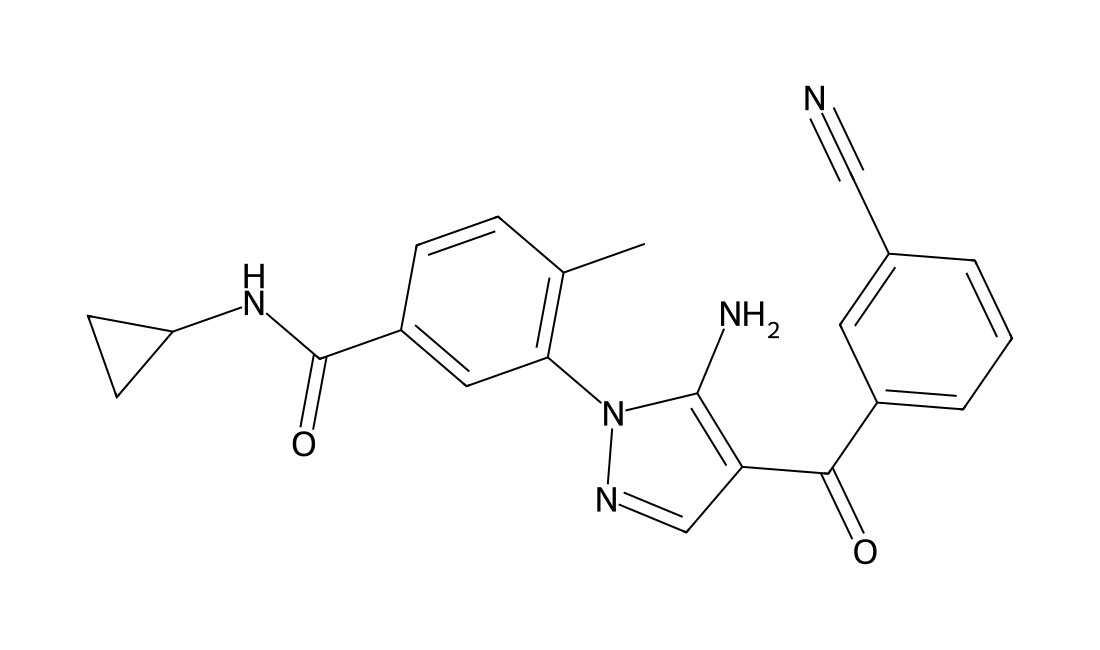
CAS 10540-29-1
Tamoxifen(ICI-46474) is an antagonist of the estrogen receptor in breast tissue via its active metabolite, hydroxytamoxifen.
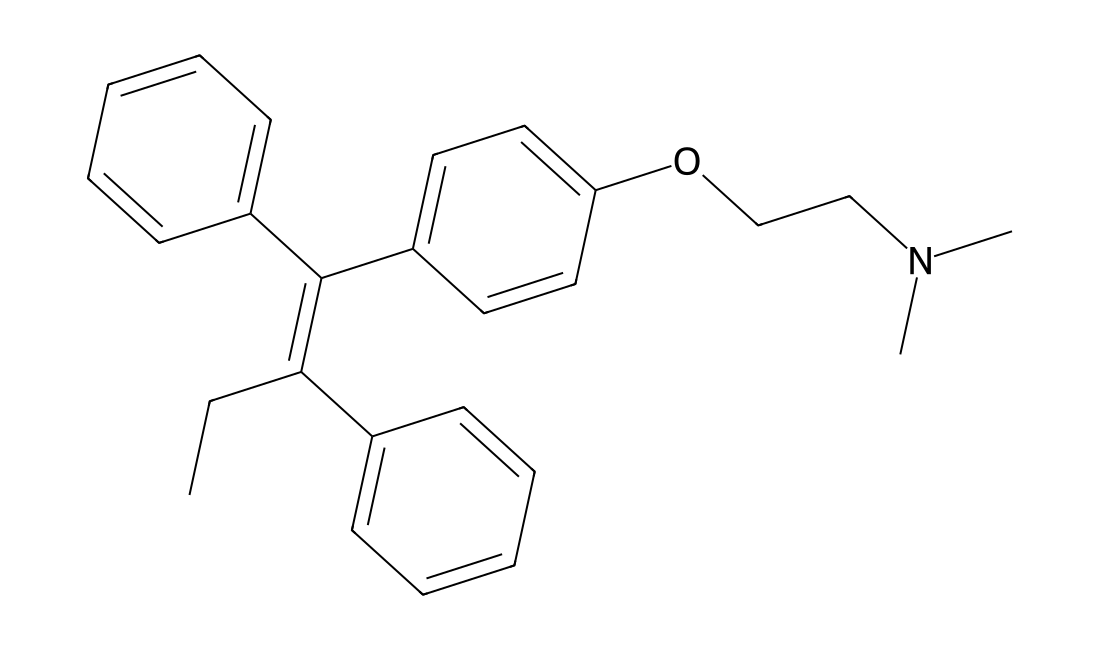
CAS 1361030-48-9
LDC1267 is a highly selective TAM(Tyro3, Axl and Mer) kinase inhibitor with IC50 of <5 nM/8 nM/29 nM for Tyro3,Axl and Mer respectively.
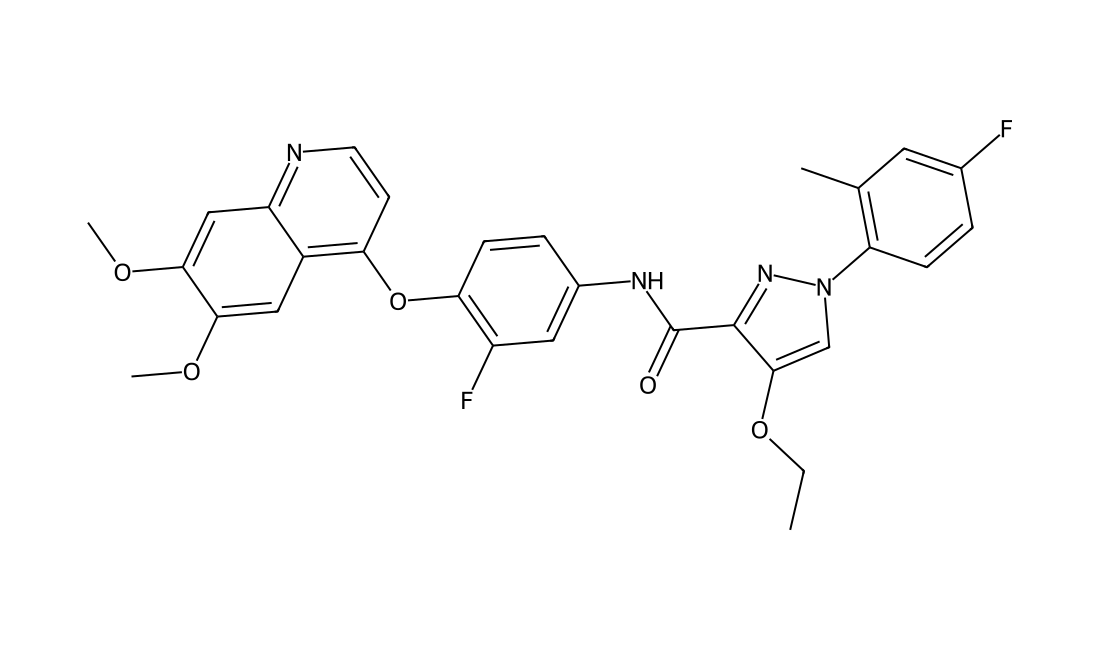
CAS 711019-86-2
MRS2578 is a potent P2Y6 receptor antagonist with IC50 of 37 nM, exhibits insignificant activity at P2Y1, P2Y2, P2Y4,and P2Y11 receptors.
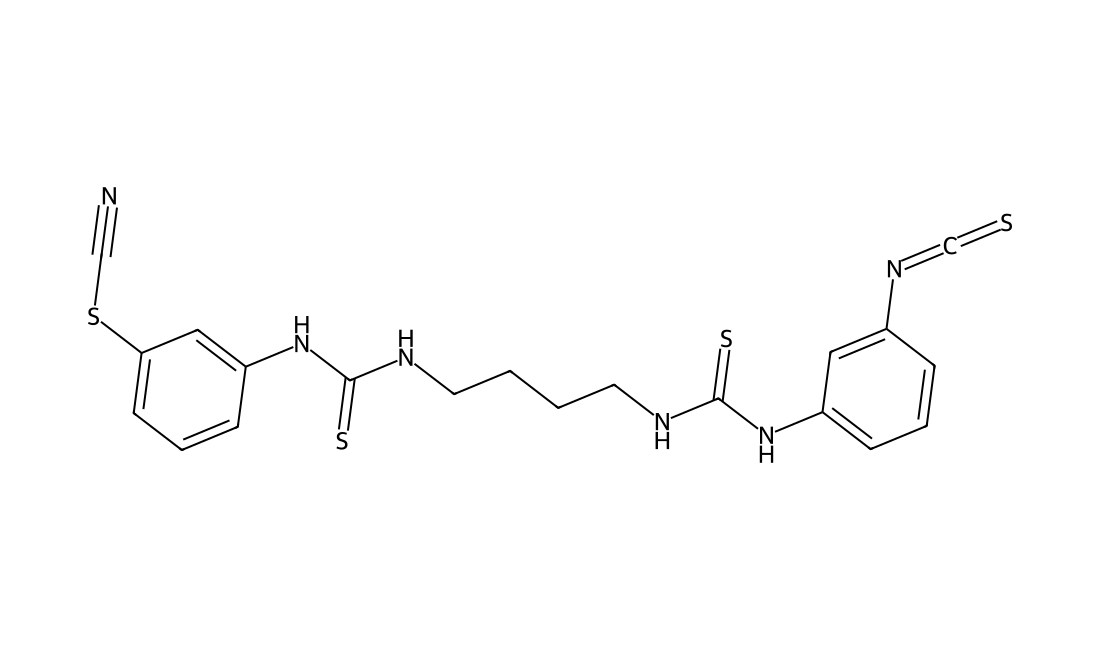
CAS 630124-46-8
AST 487 is a RET kinase inhibitor with IC50 of 880 nM, inhibits RET autophosphorylation and activation of downstream effectors, also inhibits Flt-3 with IC50 of 520 nM.
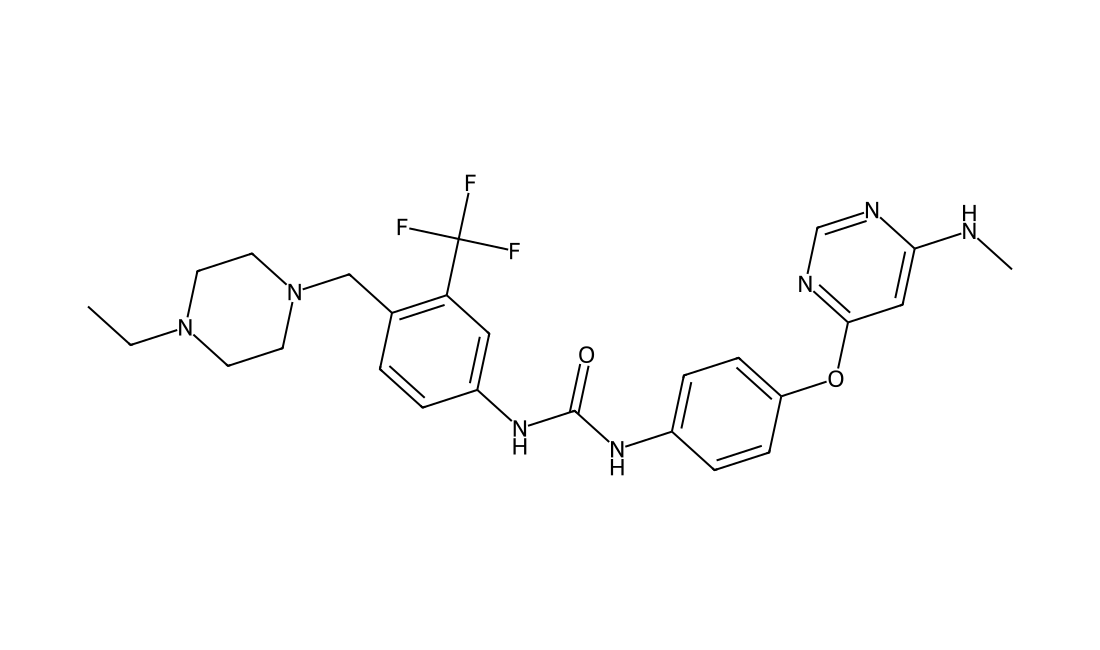
CAS 103745-39-7
Fasudil, a Rho-kinase inhibitor, has been shown to reduce portal venous pressure in cirrhotic rats.
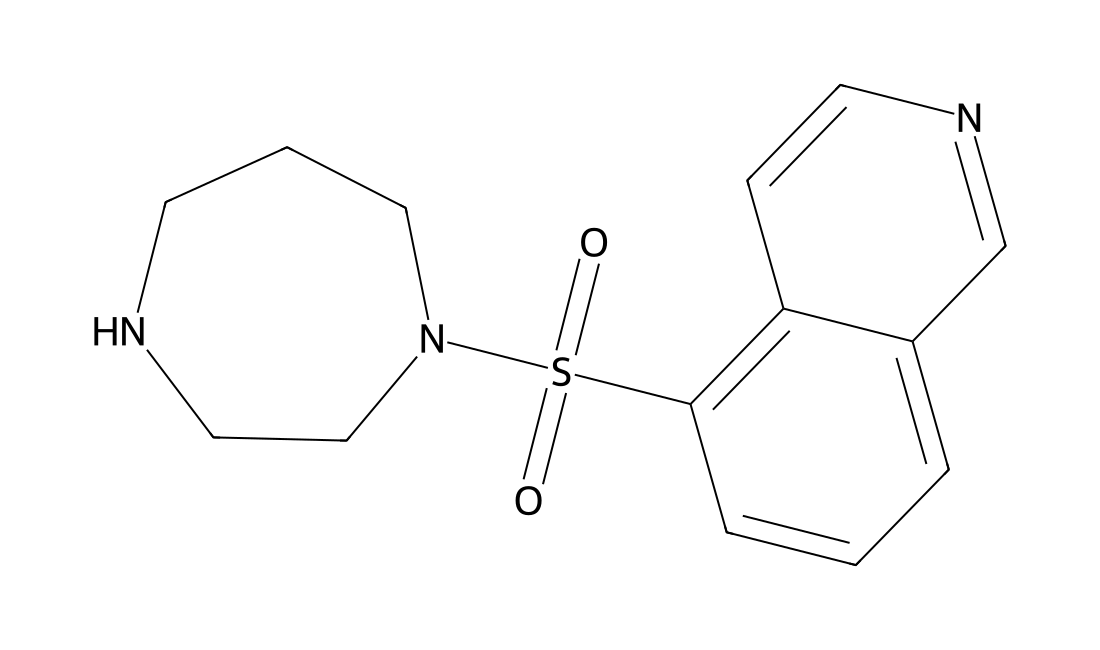
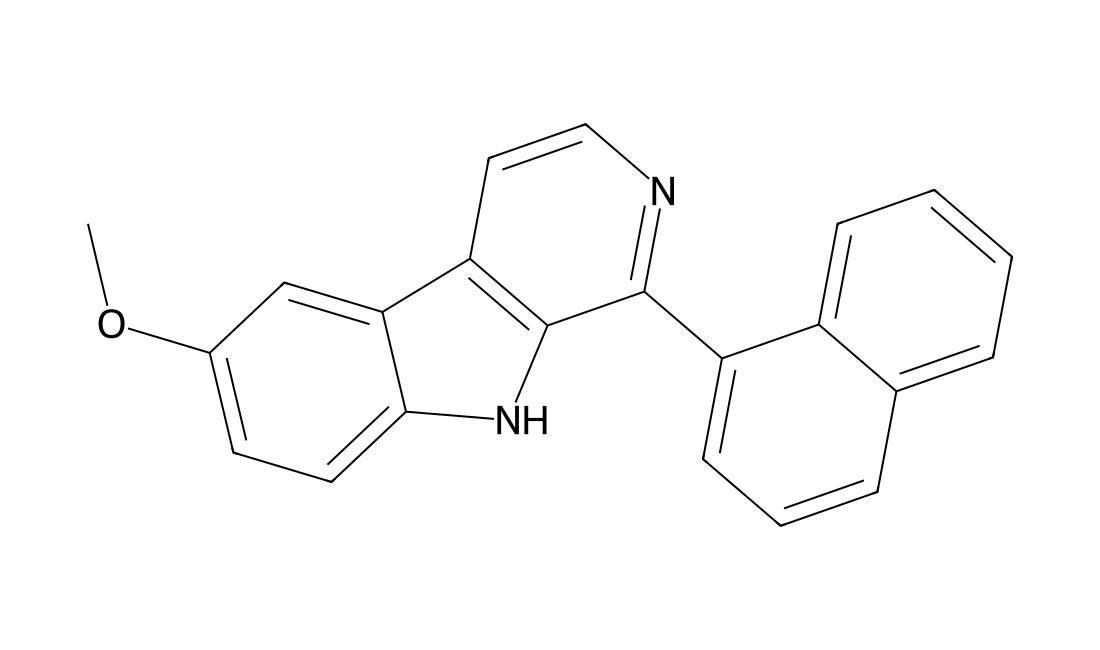
CAS 781652-57-1
CDPPB is a potent, selective, brain penetrant positive allosteric modulator of mGlu5 receptor with EC50 of 10 nM and 20 nM for human and rat mGluR5, respectively.
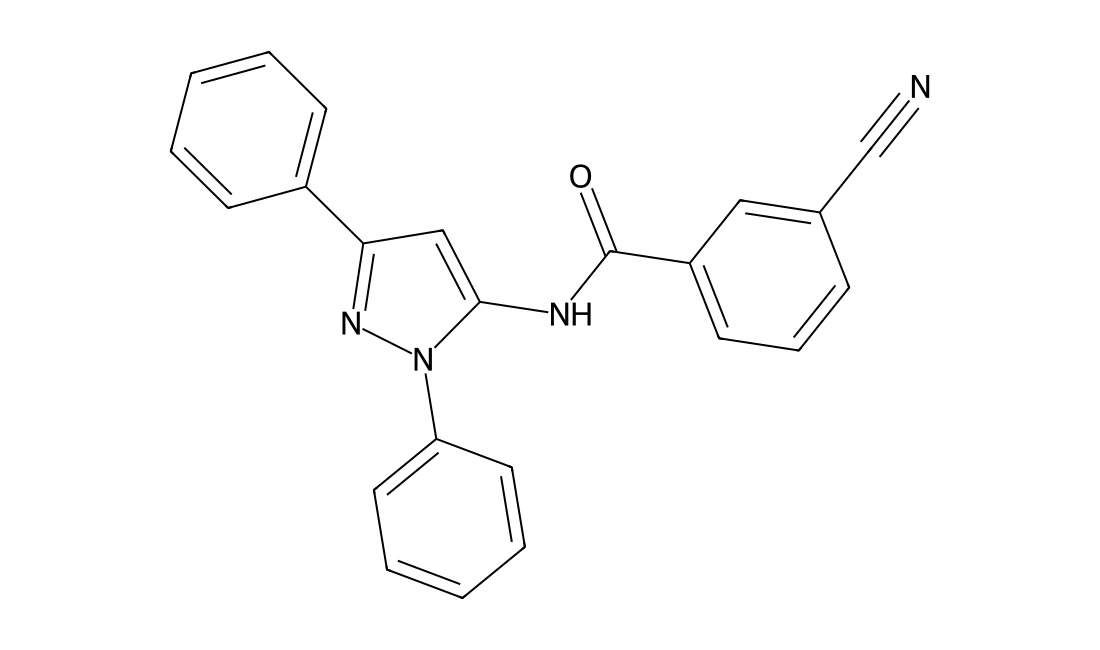
CAS 916056-79-6
ADX-102 (Reproxalap, NS-2) is a novel small molecule immunomodulator that covalently binds aldehydes including malondialdehyde and 4-hydroxynonenal, which have been shown to mediate inflammatory pain; DX-102 is a promising agent for the treatment of dry eye disease.
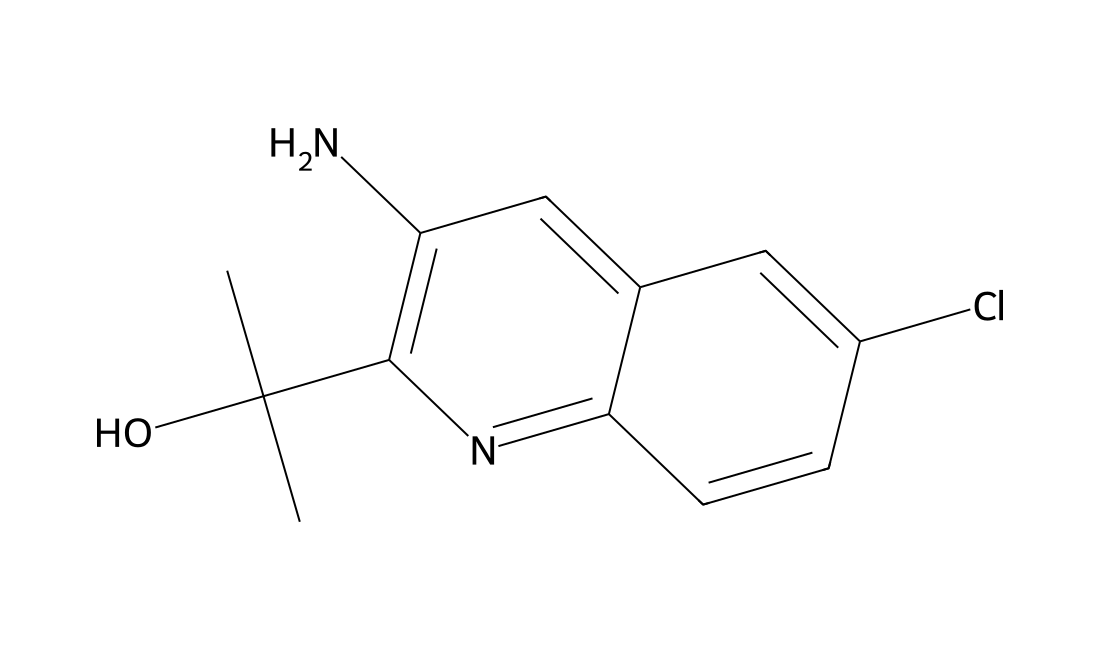
CAS 1807758-81-1
SIRT7 inhibitor 97491, a potent SIRT7 inhibitor with an IC50 of 325 nM, reduces deacetylase activity of SIRT7 in a dose-dependent manner. SIRT7 inhibitor 97491 prevents tumor progression by increasing p53 stability through acetylation at K373/382. SIRT7 inhibitor 97491 promotes apoptosis through caspase pathway..
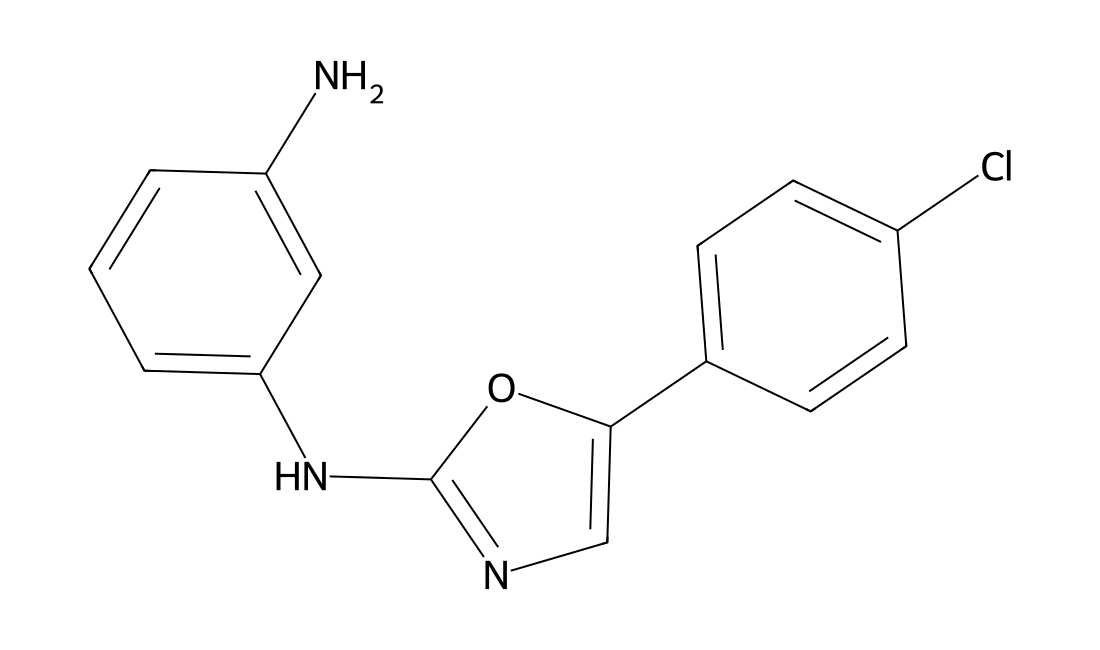
CAS 2138300-40-8
STING agonist 4 is an amidobenzimidazole (ABZI)-based compound that functions as a STING agonist with Kd of 1.6 nM (binding of endogenous full-length STING, THP-1 cell lysates); caused dose-dependent phosphorylation of IRF3 and STING that was inhibited by the TBK1 inhibitor BX795, induced dose-dependent secretion of IFN-β with EC50 of 3.1 uM in PBMCs (18-fold more potent than cGAMP); promotes production of IFN-γ-induced protein 10 (IP-10), IL-6 and TNFα by a mechanism that is dependent on STING-mediated activation of TBK1; unlike cGAMP and DMXAA, compound 2 efficiently activates STING function while maintaining an open STING confirmation.
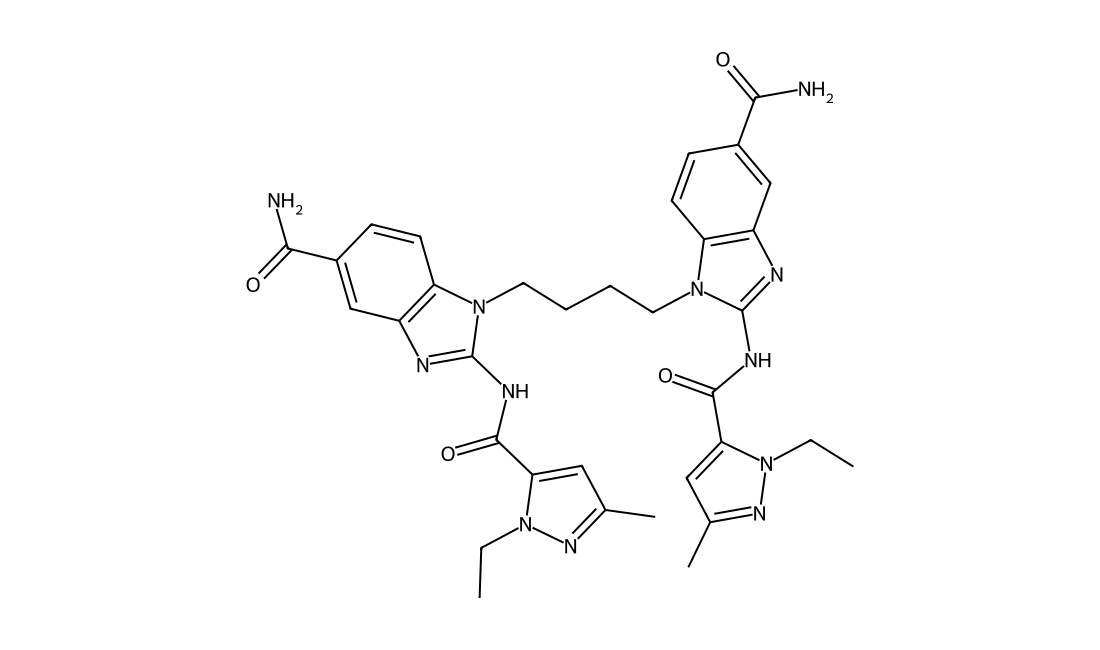
CAS 334951-90-5
BIBF0775 is an inhibitor of the transforming growth factor β receptor I (TGFβRI). X-ray structure analysis showed that BIBF0775 soaked into the kinase domain of TGFβRI.
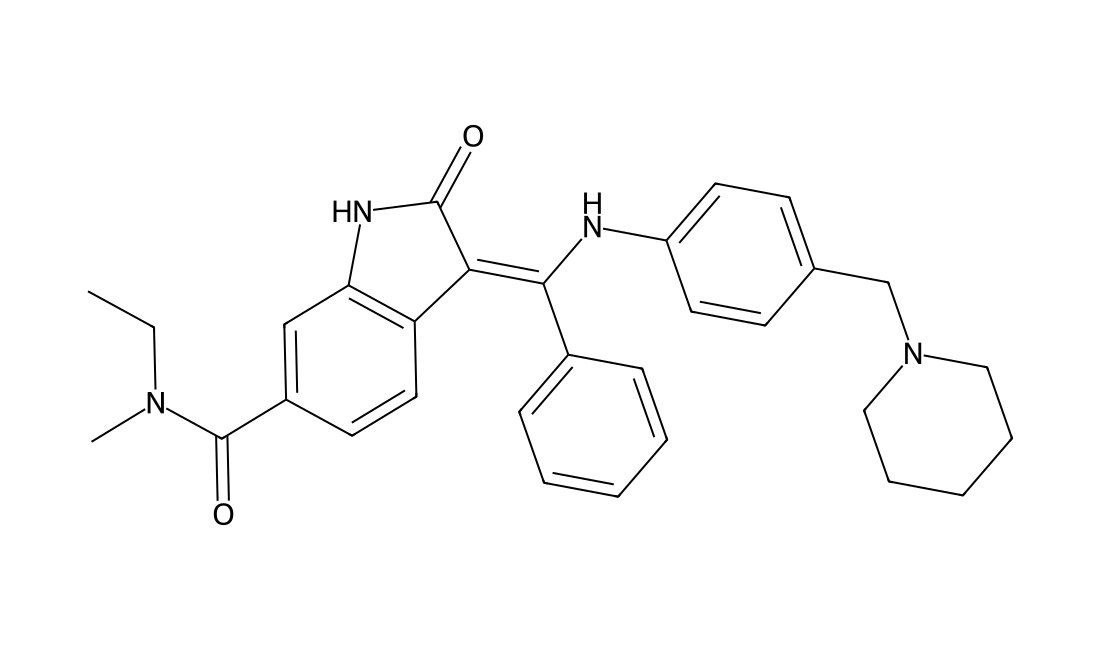
CAS 879127-07-8
YUN27078, also known as EGFR inhibitor, is an EGFR inhibitor. It directly depolymerizes microtubules and is used as a chemical probe to investigate both the EGFR pathway and microtubule dynamics. YUN27078 hax CAS#879127-07-8, no formal name For the convenience of scientific communication, we named it as YUN27078 (combined from Inchi key plus CAS#) according to Hodoodo Chemical Nomenclature
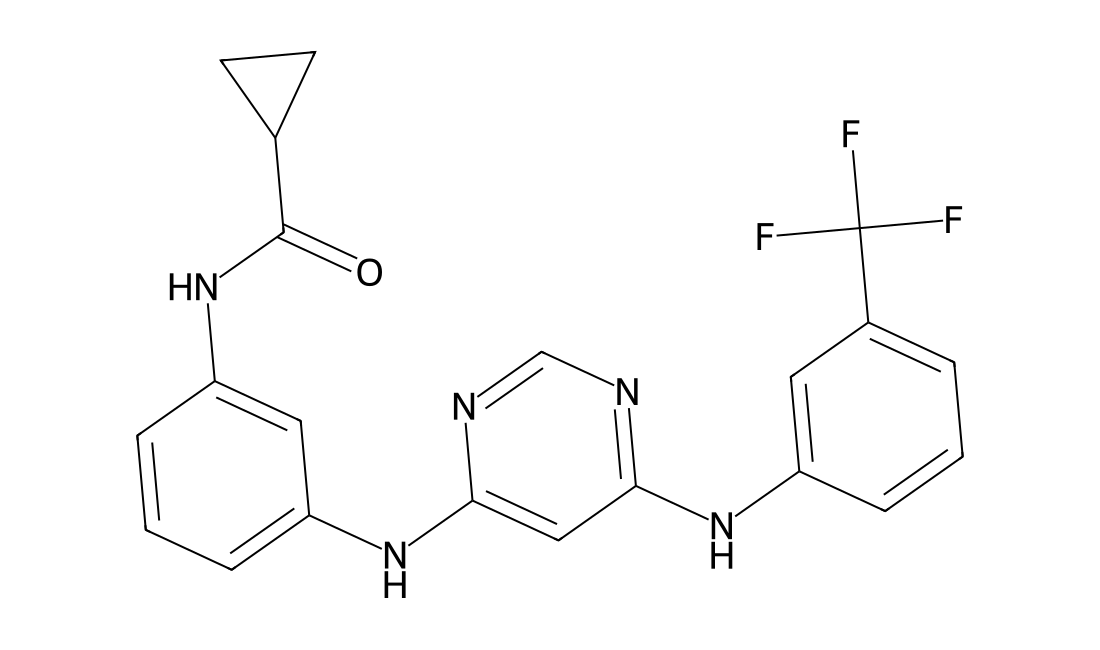
CAS 1020172-07-9
DCC-2036 is a conformational control Bcr-Abl inhibitor for Abl1(WT) and Abl1(T315I) with IC50 of 0.8 nM and 4 nM, also inhibits SRC, LYN, FGR, HCK, KDR, FLT3, and Tie-2, and low activity to seen towards c-Kit. Phase 1/2.
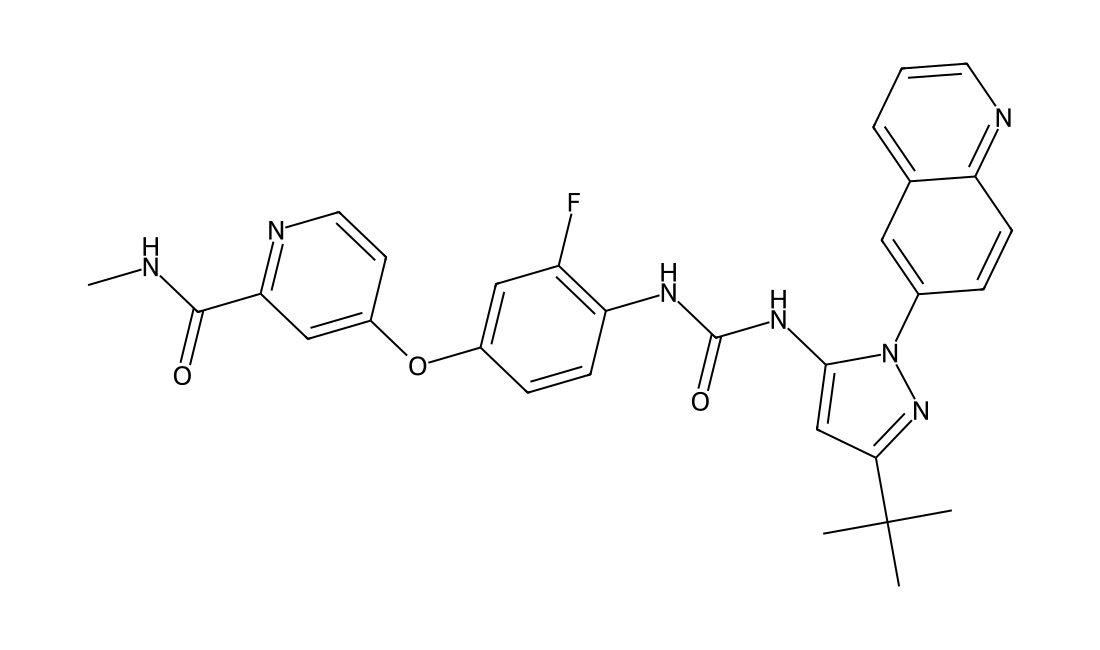
CAS 1628502-91-9
MW-150 is a novel potent, selective, CNS penetrant and orally active inhibitor of p38α MAPK with Ki of 101 nM
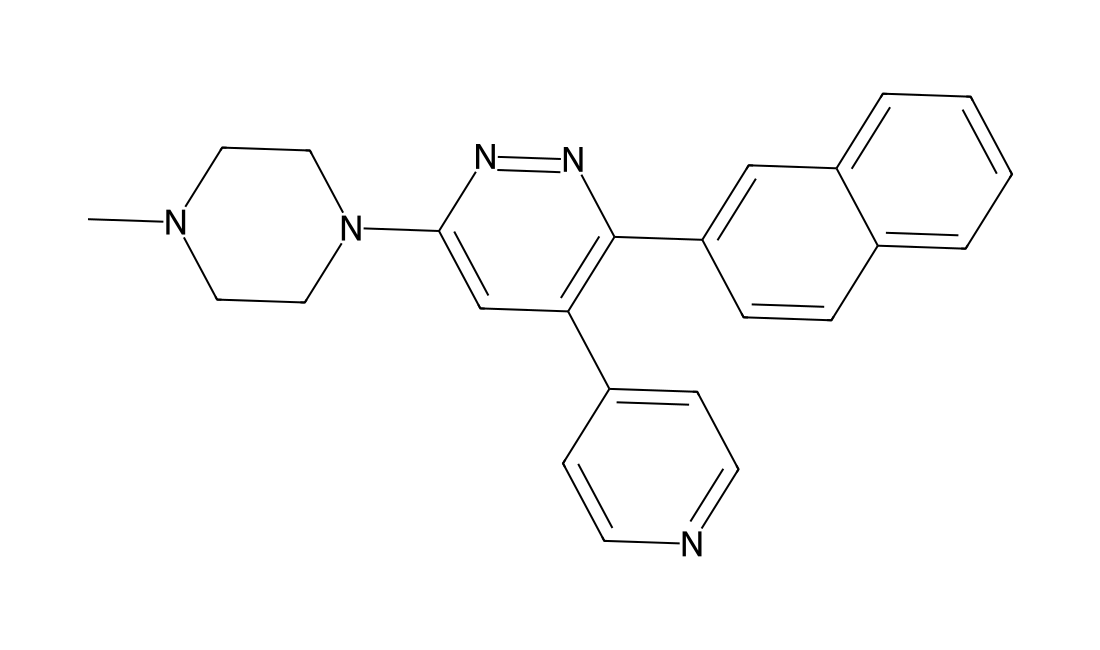
CAS 1208222-39-2
VU 0365114 is a mAChR M5 positive allosteric modulator, with an EC50 of 2.7 μM.
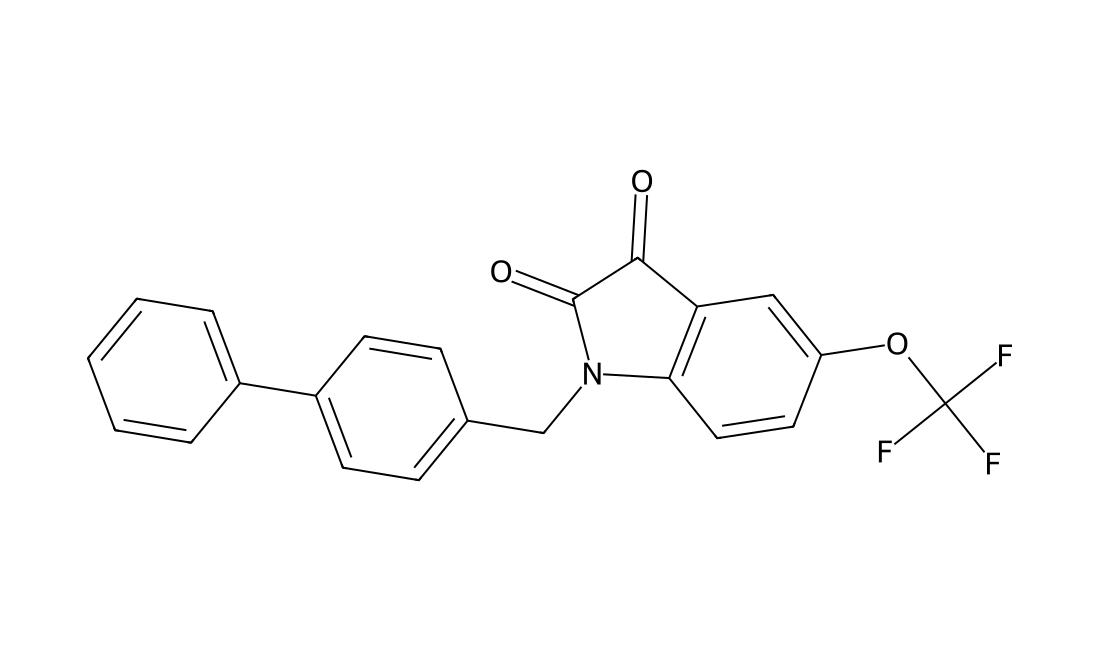
CAS 1275482-57-9
A highly potent and selective inhibitor of the type 5 17-β-hydroxysteroid dehydrogenase AKR1C3.
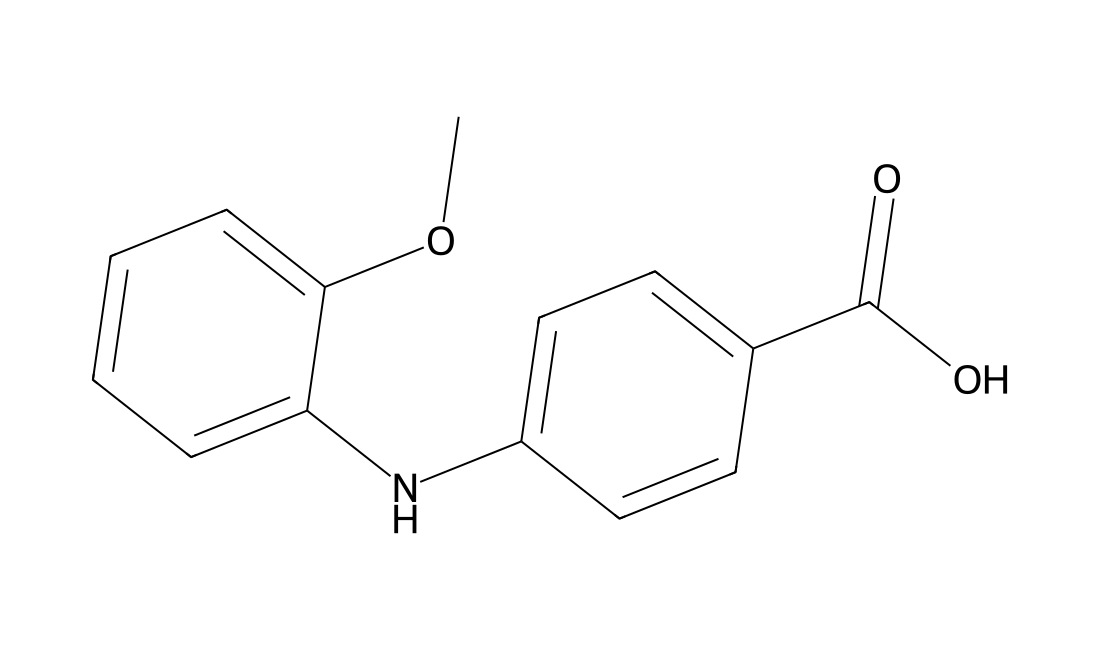
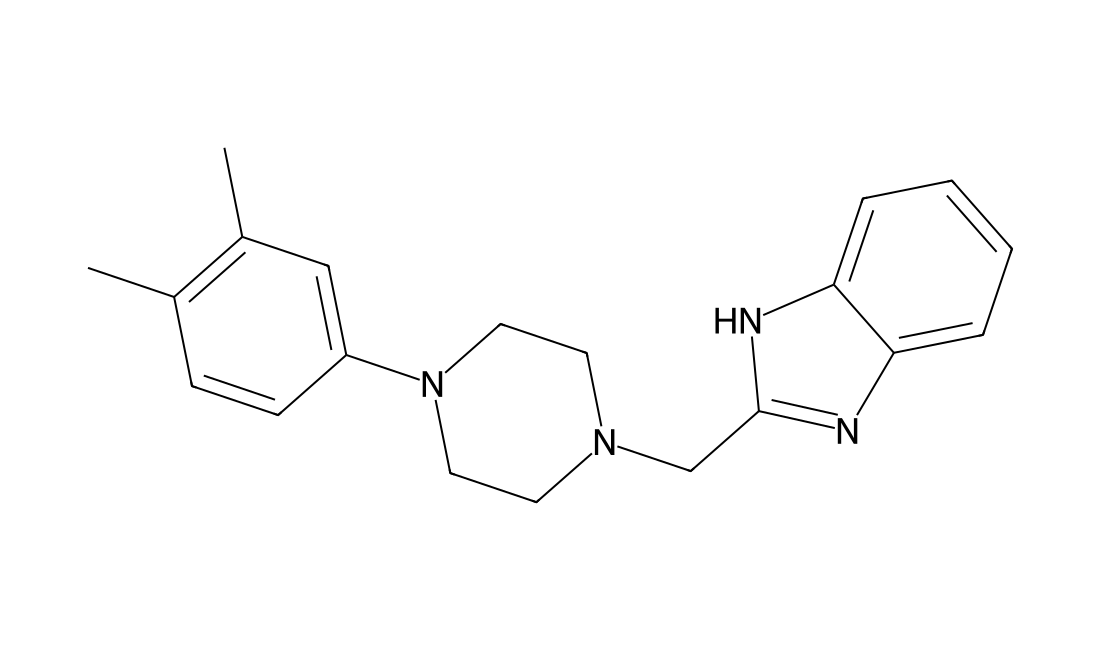
CAS 110683-10-8
ACA is a cell permeable inhibitor of PLA2,reported to inhibit α-ketoisocaproic acid and glyceraldehyde-induced insulin secretion, as well as glucose-induced insulin secretion.
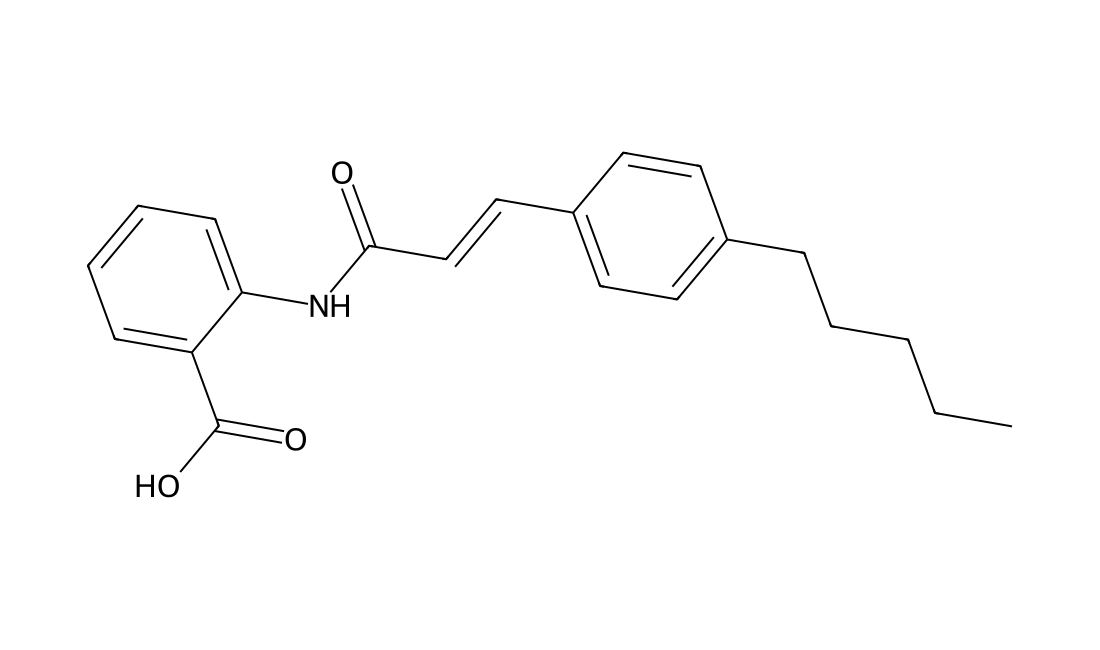
CAS 71308-34-4
AG 1406 is a selective inhibitor of the receptor tyrosine kinase VEGF receptor 2 .
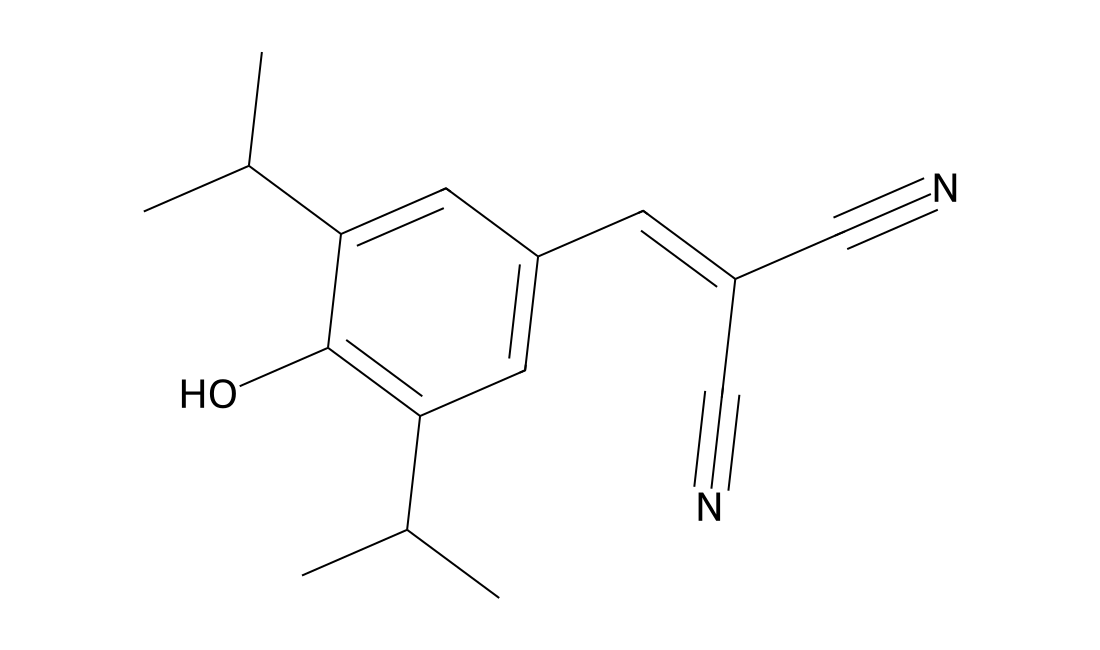
CAS 189290-58-2
AG-1557 is an ultra-potent inhibitor of epidermal growth factor receptor tyrosine kinase (EGFRK).
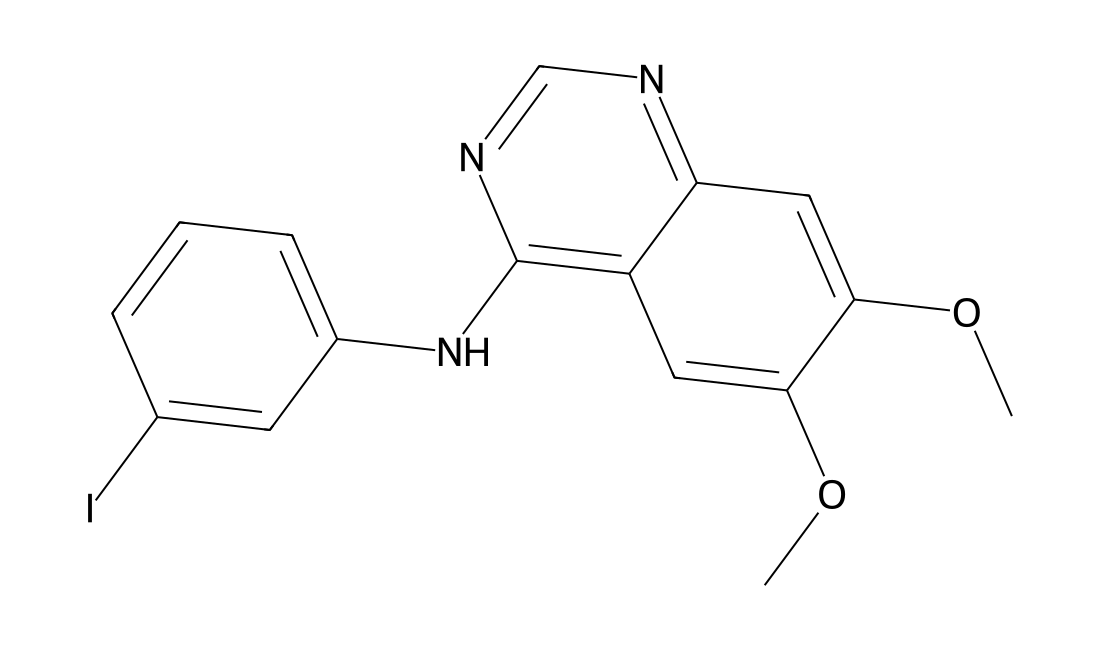
CAS 122520-85-8
AG-99 is an inhibitor of EGF receptor kinase with an IC50 value of 10 µM in the human epidermoid carcinoma cell line A431.
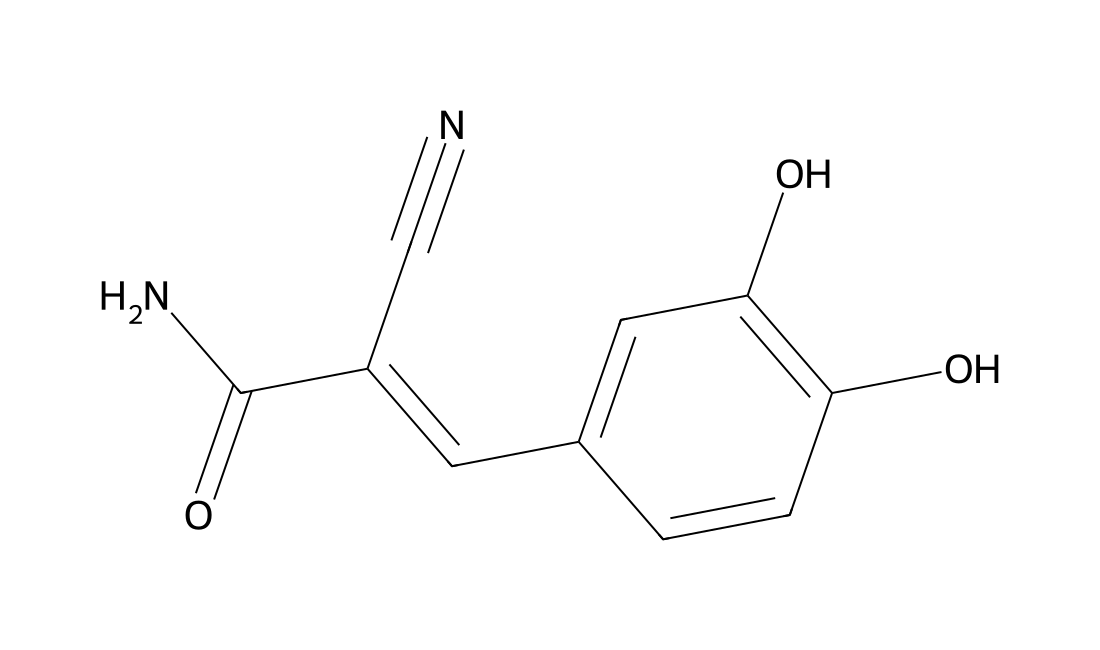
CAS 2165322-94-9
USP25 and 28 inhibitor AZ-1 (AZ1) is a potent, selective, dual USP25/28 inhibitor with IC50 of 0.7/0.6 uM, respectively; shows a high degree of selectivity over other deubiquitinases (USP4,7 etc.); demonstrates target engagement against both USP25 and USP28 in cells, elicits modulation of both the total levels and the half-life of the c-Myc oncoprotein in cells, and also induces apoptosis and inhibits cell viability in a range of cancer cell lines.
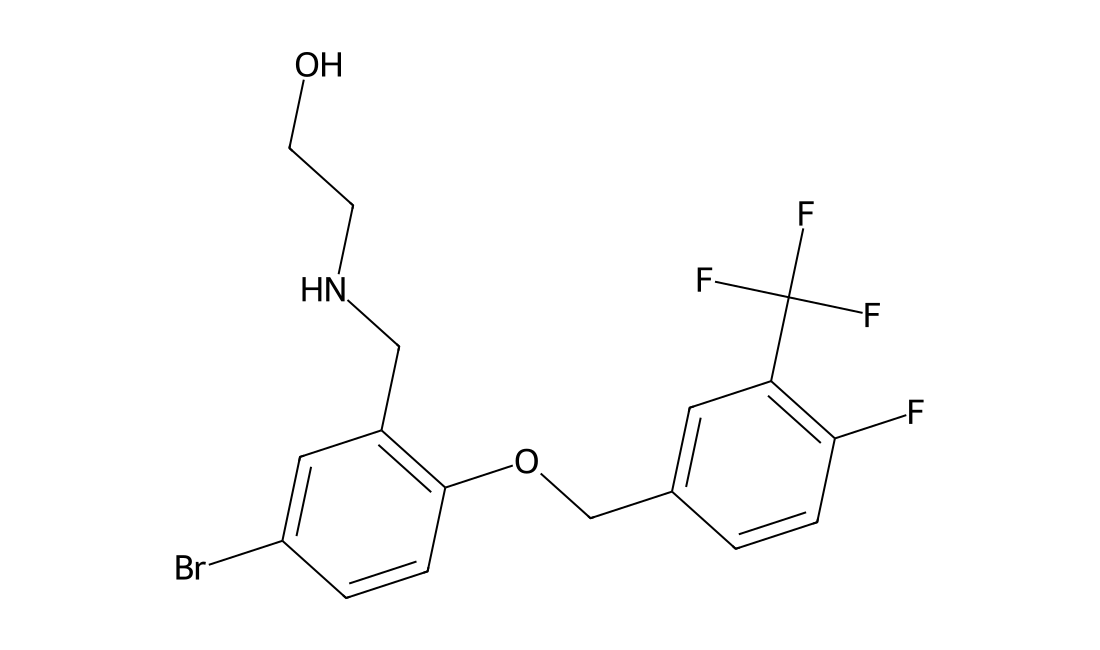
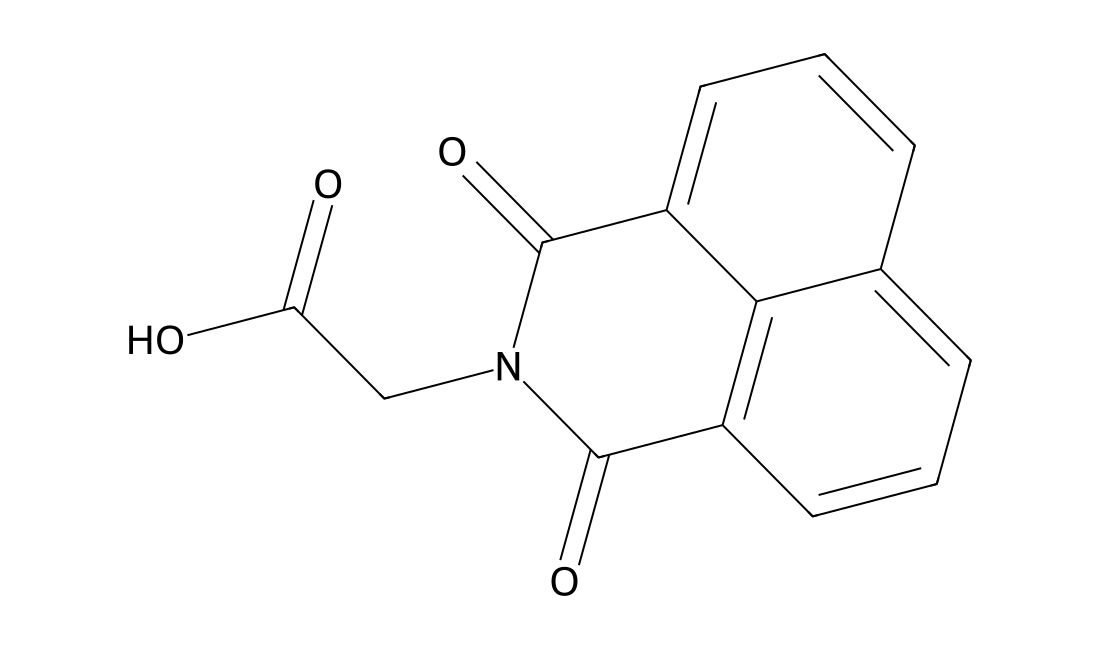
CAS 51411-04-2
Alrestatin is an AKR (aldose reductase) inhibitor, which attaches molecules to the active site of the NADP+/enzyme complex in a stacked formation.
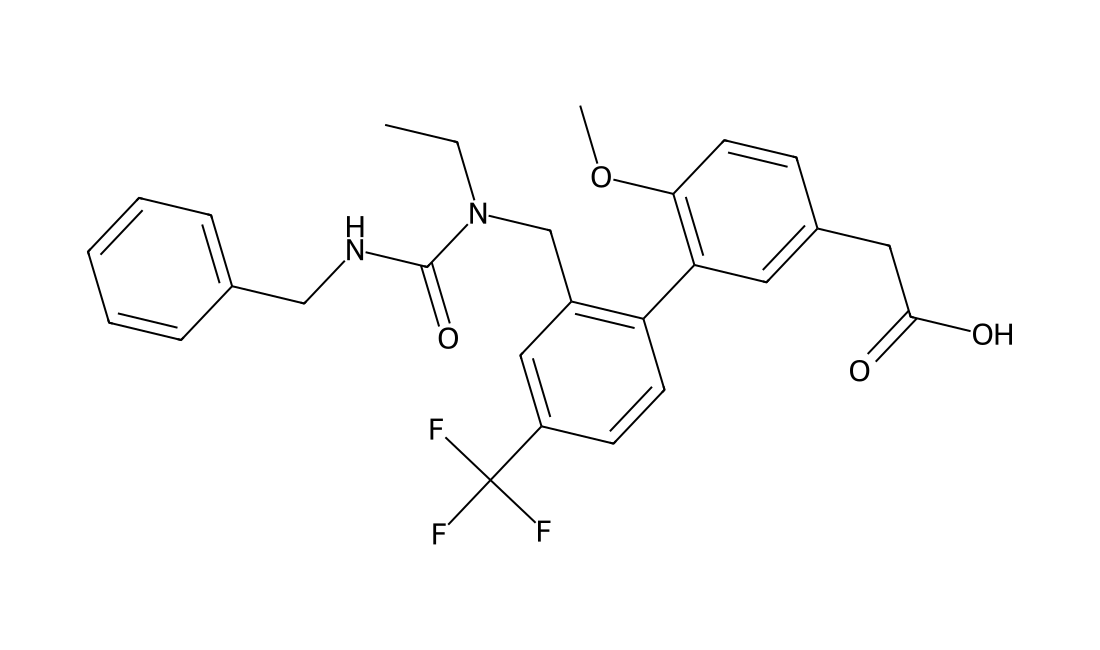
CAS 1175526-27-8
AM211 is a potent, selective and orally bioavailable prostaglandin D2 (PGD2) receptor type 2 (DP2) antagonist
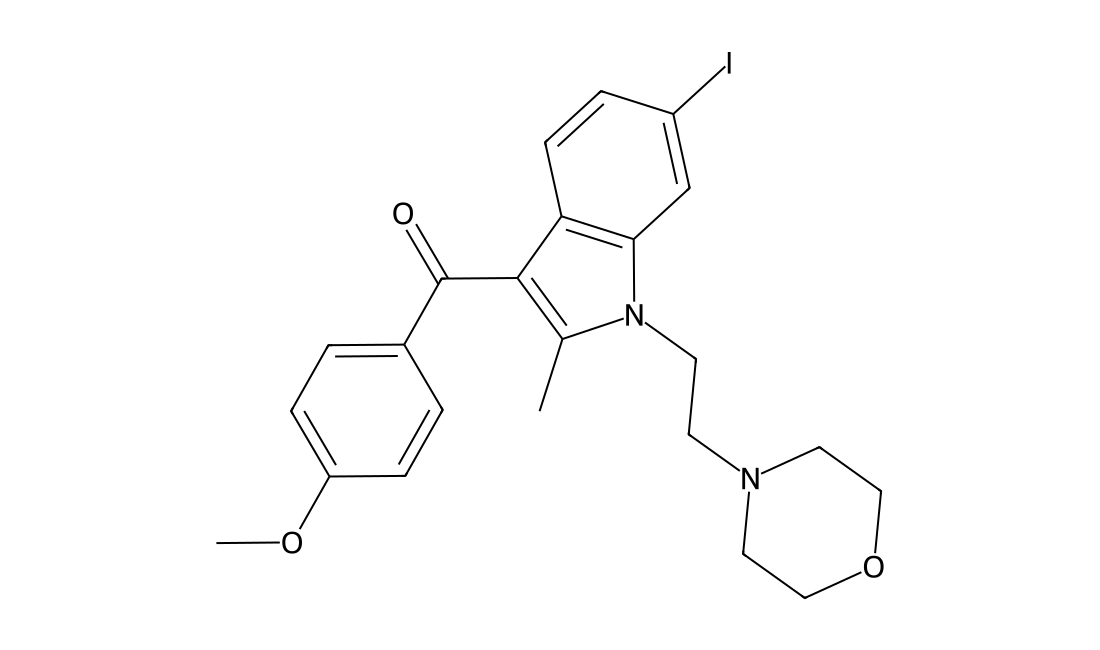
CAS 164178-33-0
AM630 is a selective CB2 receptor antagonist that binds to CB1 and CB2 receptors with Ki values of 5.2 µM and 31.2 nM, respectively.
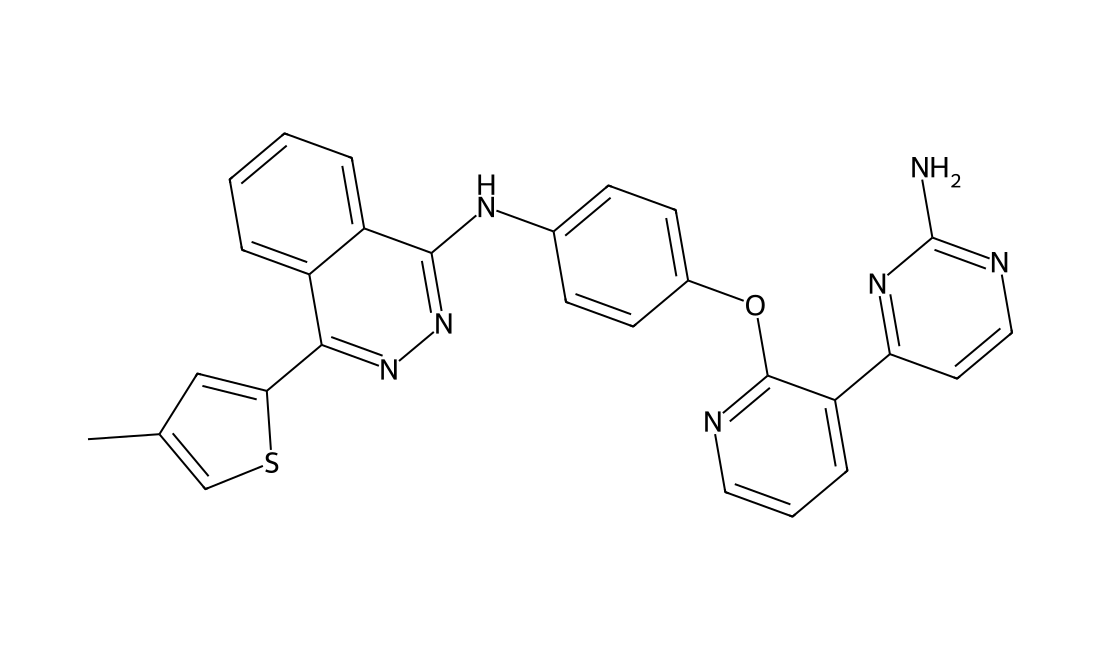
CAS 945595-80-2
AMG 900 is a potent and highly selective pan-Aurora kinases inhibitor for Aurora A/B/C with IC50 of 5 nM/4 nM /1 nM; >10-fold selective for Aurora kinases than p38α, Tyk2, JNK2, Met and Tie2.
CAS 892711-75-0
CDN1163 (CDN-1163) is a small molecule, allosteric activator of SERCA2, dose-dependently increases the Vmax of SERCA2 Ca2+-ATPase activity in ER microsomes; increases Ca2+-ATPase activity and significantly enhances Ca2+ uptake into the ER, attenuates H2O2-stimulated cell death in HEK cells; improves glucose homeostasis and metabolic parameters, increases glucose tolerance in ob/ob mice; CDN1163 reduces lipid accumulation and decreases lipogenesis in obese mice livers.
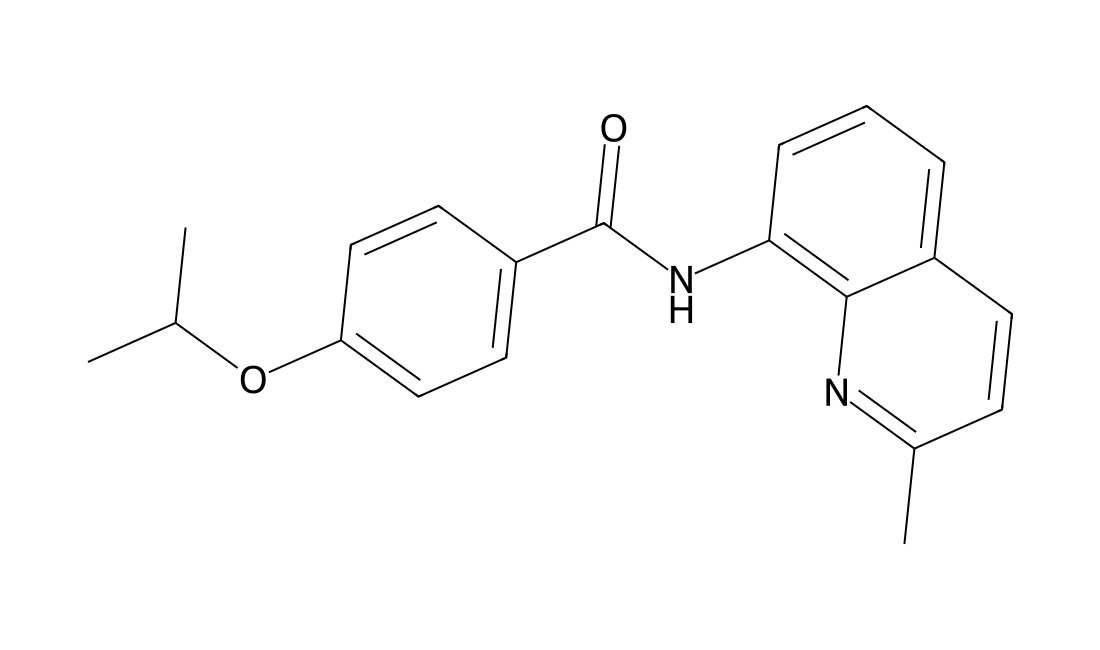
CAS 329221-38-7
AX20017 is a small-molecule protein kinase G (PknG) inhibitor with an IC50 of 0.39 μM.
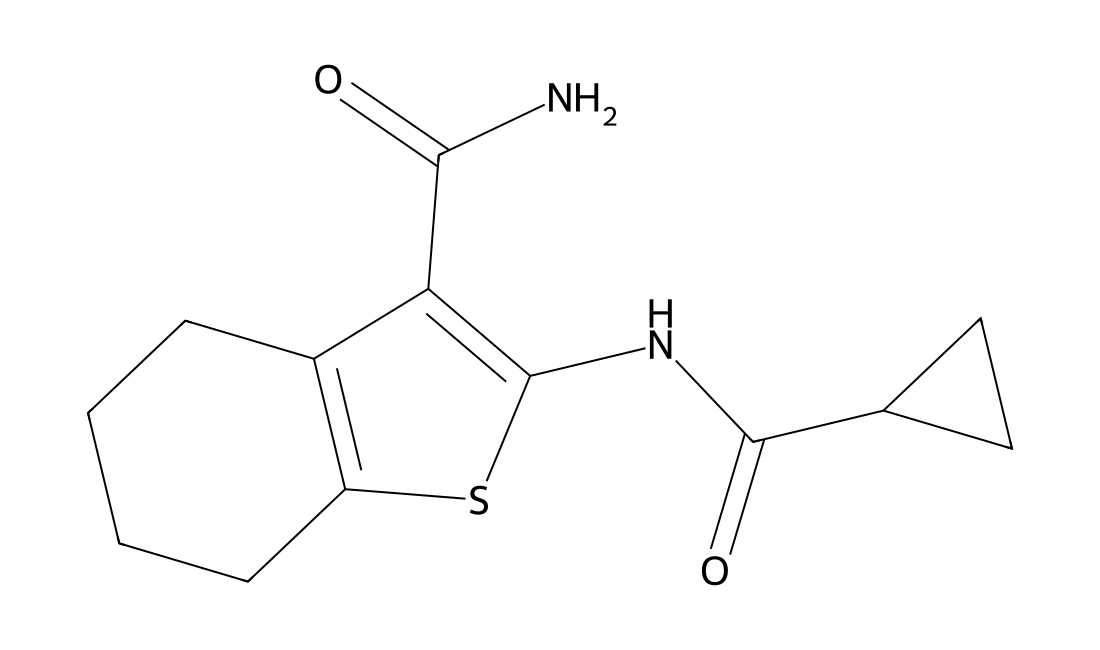
CAS 1370554-01-0
Ciliobrevin D is a cell-permeable, reversible, specific inhibitor of cytoplasmic dynein, blocks dynein-dependent microtubule gliding and ATPase activity while sparing kinesin dependent cellular trafficking.
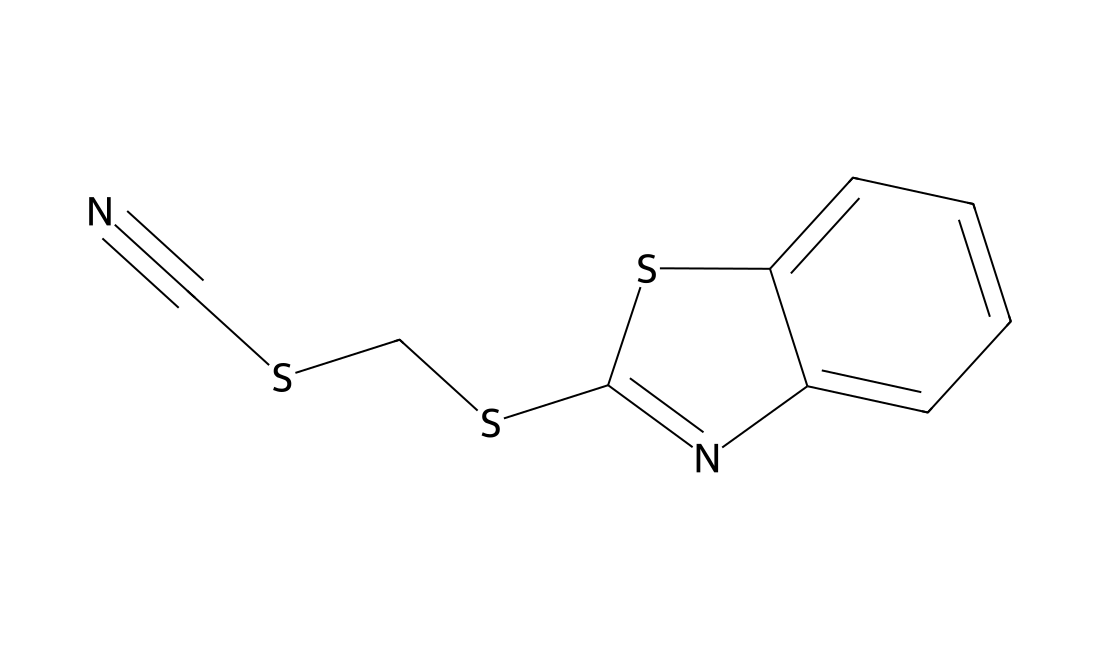
CAS 210302-17-3
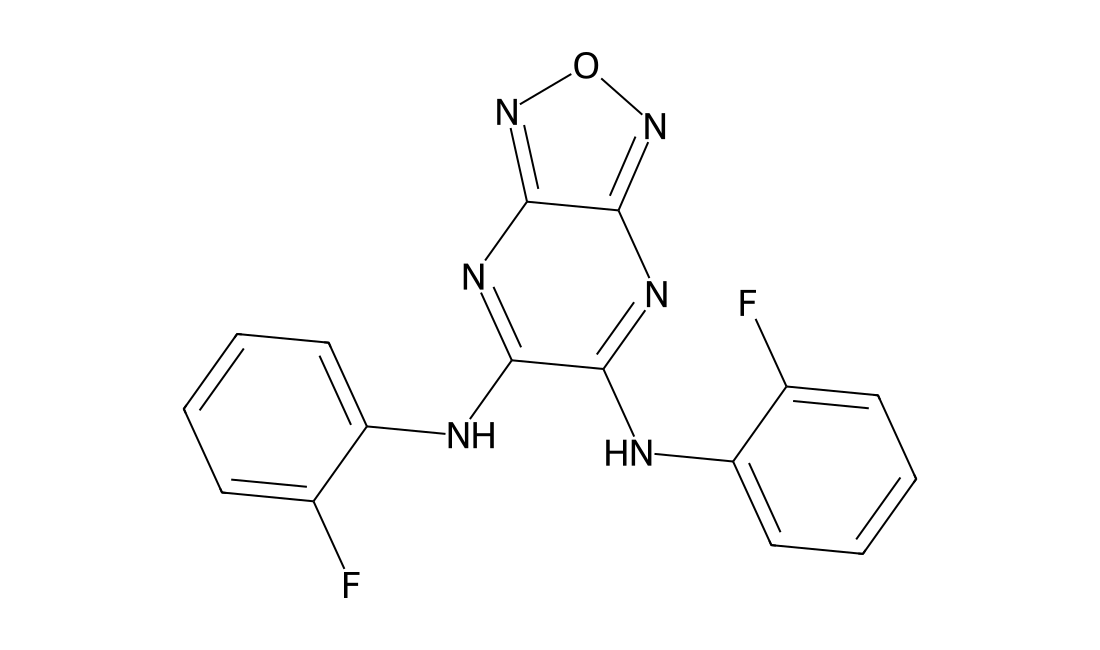
BAM15 is a potent and selective mitochondrial uncoupler or protonophore. Chemical mitochondrial uncouplers are lipophilic weak acids that transport protons into the mitochondrial matrix via a pathway that is independent of ATP synthase, thereby uncoupling nutrient oxidation from ATP production. These uncouplers have potential for the treatment of diseases such as obesity, Parkinson’s disease, and aging.
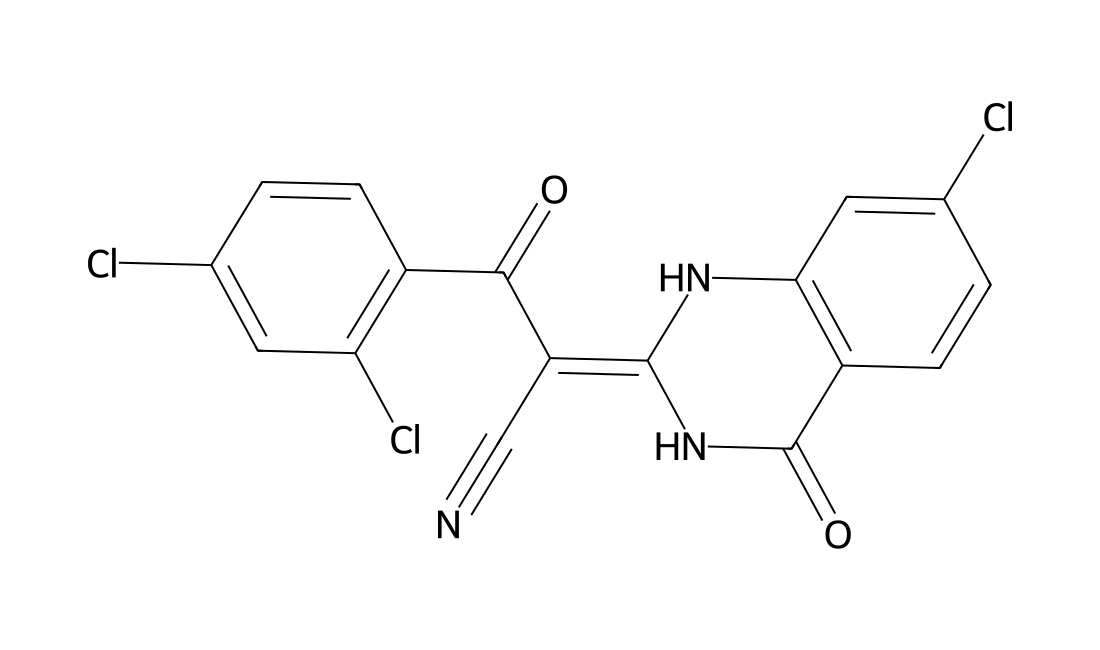
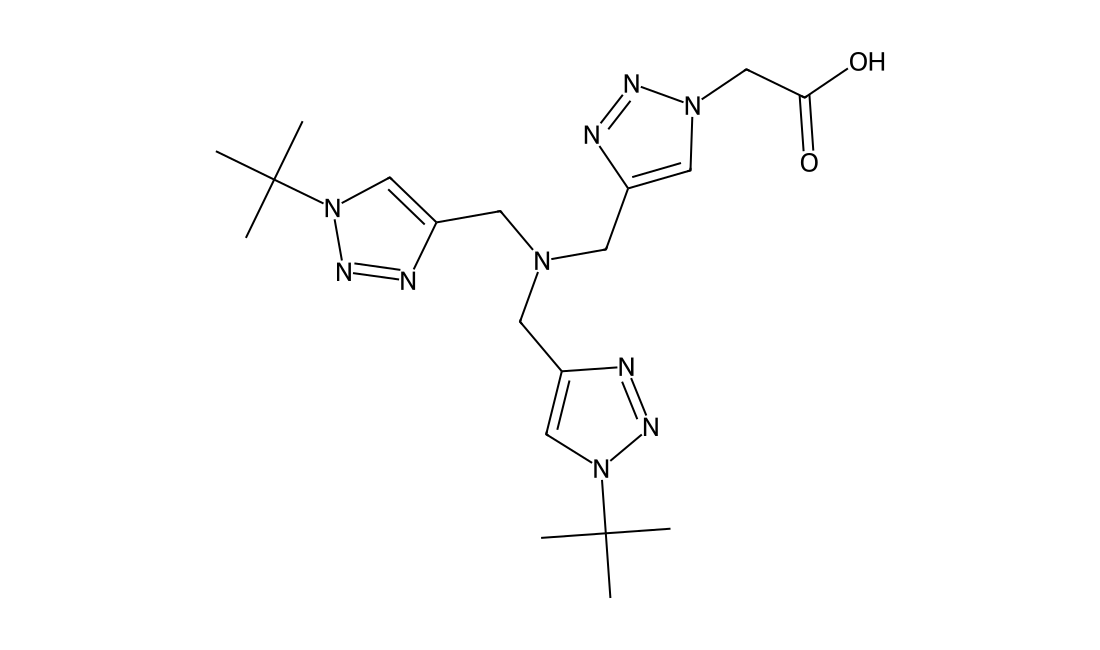
CAS 1334179-85-9
BTTAA is a Cu(I)-stabilizing ligand, whch performs potently with ubiquitin Glu18AzF.
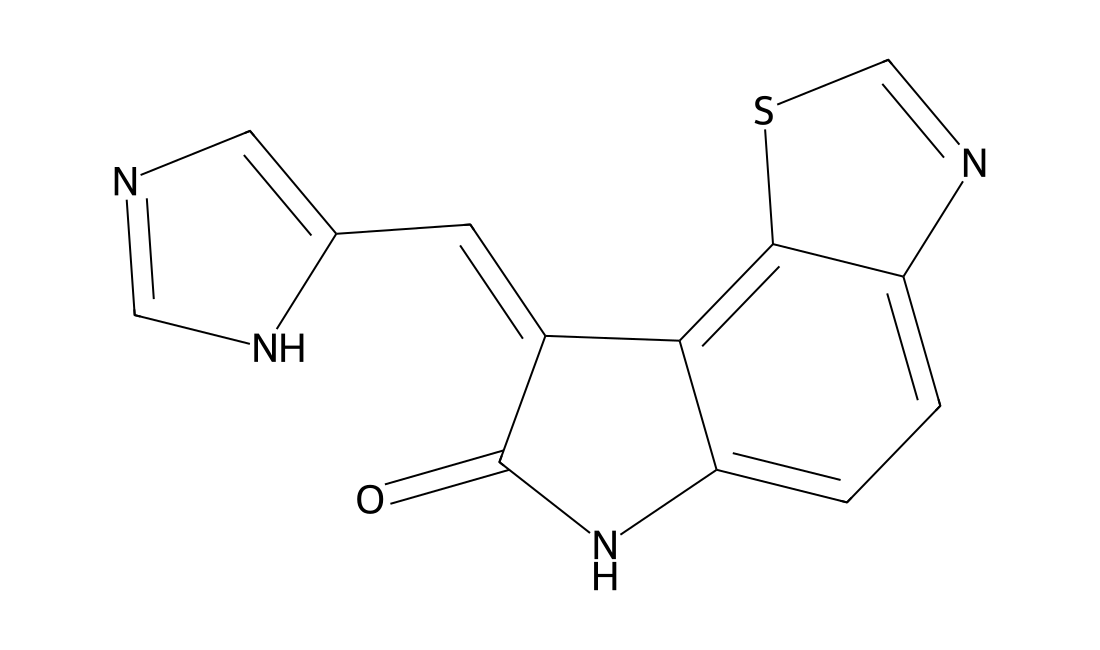
CAS 608512-97-6
C16, also known as GW-506033X or PKR Inhibitor. C16 binds the ATP-binding site of PKR and blocks autophosphorylation with an IC50 value of 186-210 nM. GW-506033X protects human neuroblastoma cells against cell damage triggered by tunicamycin-mediated endoplasmic reticulum stress. PKR inhibitor C16 prevents apoptosis and IL-1β production in an acute excitotoxic rat model with a neuroinflammatory component. PKR inhibitor C16 binds efficiently with human microtubule affinity-regulating kinase 4.
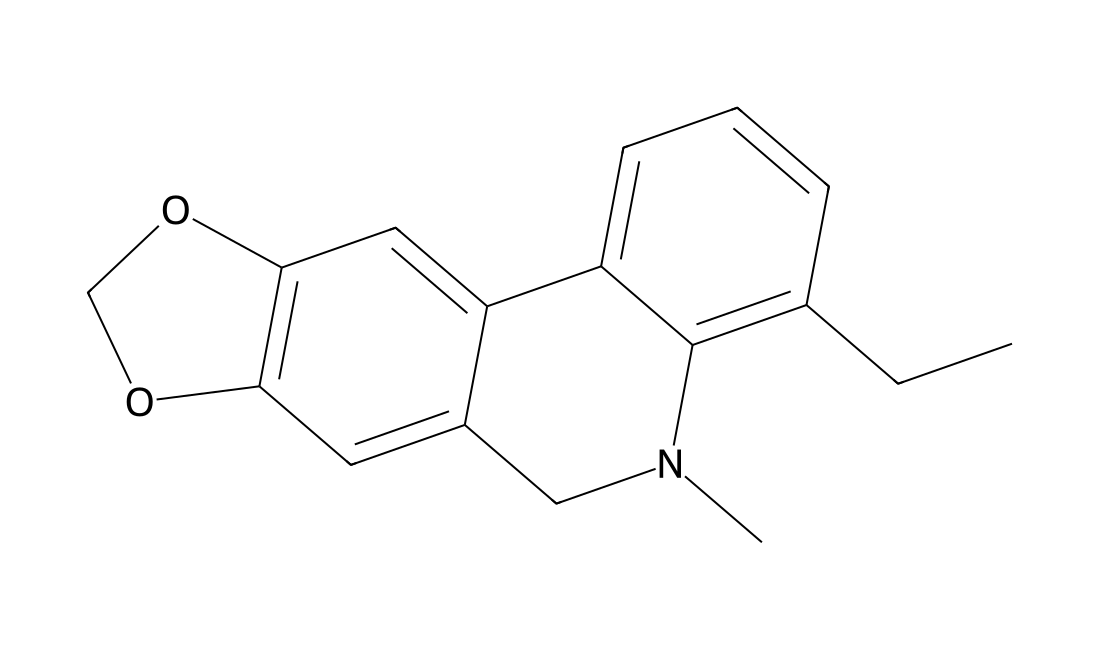
CAS 854847-61-3
HLY78 is an activator of the Wnt/β-catenin signaling pathway, which targets the DIX domain of Axin and potentiates the Axin-LRP6 association to promote Wnt signaling transduction1.
CAS 209808-47-9
ARM390 is a non-peptidic, low-internalizing δ-selective opioid receptor agonist.