Small Molecule Research Tools

Explore bioactive compounds by research category, then narrow your search by target, product name, catalog number or CAS.

Newly added: LC-MG and OXF molecular glue research compounds →

6,823 products17 research categoriesBrowse all products ↓

Browse by research category

Products may appear in more than one category. Counts refer to distinct catalog numbers within each category.

Other Research Tools (75) · Additional reagents, building blocks and specialized research tools.

New literature-derived products

LC-MG-1 (DCA0006) · LC-MG-4 (DCA0007) · LC-MG-9 (DCA0008)

View structure and evidence summaries →

All small molecule products

Combine a keyword, research category and target to narrow the product list.

Loading catalog filters…

6,823 products · Showing 3,937–3,984

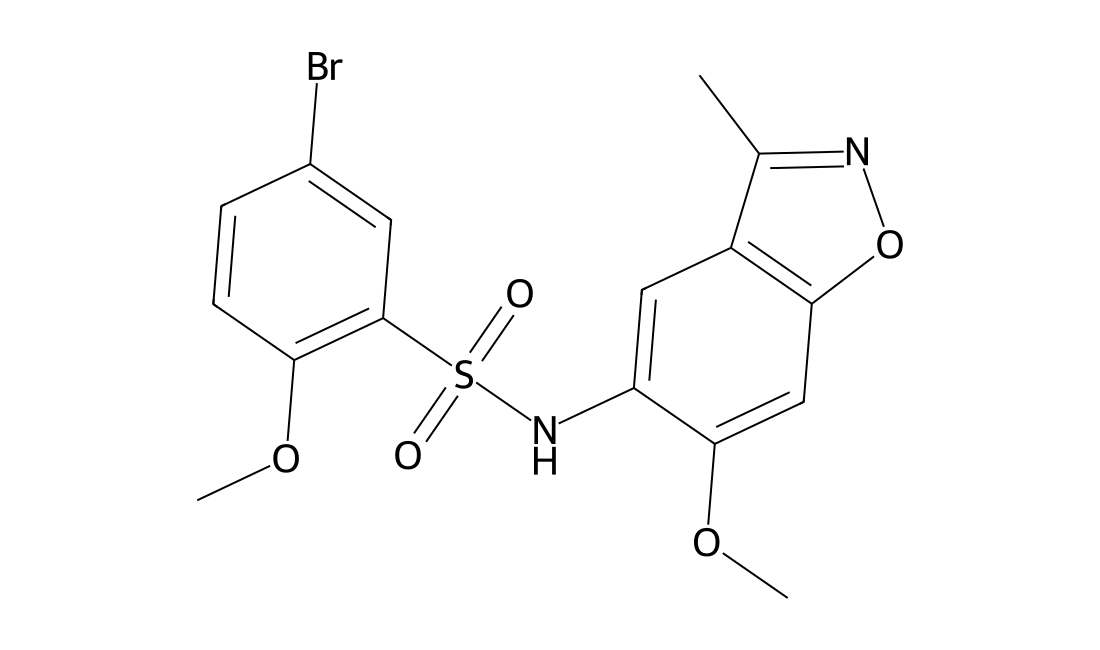
DC23165

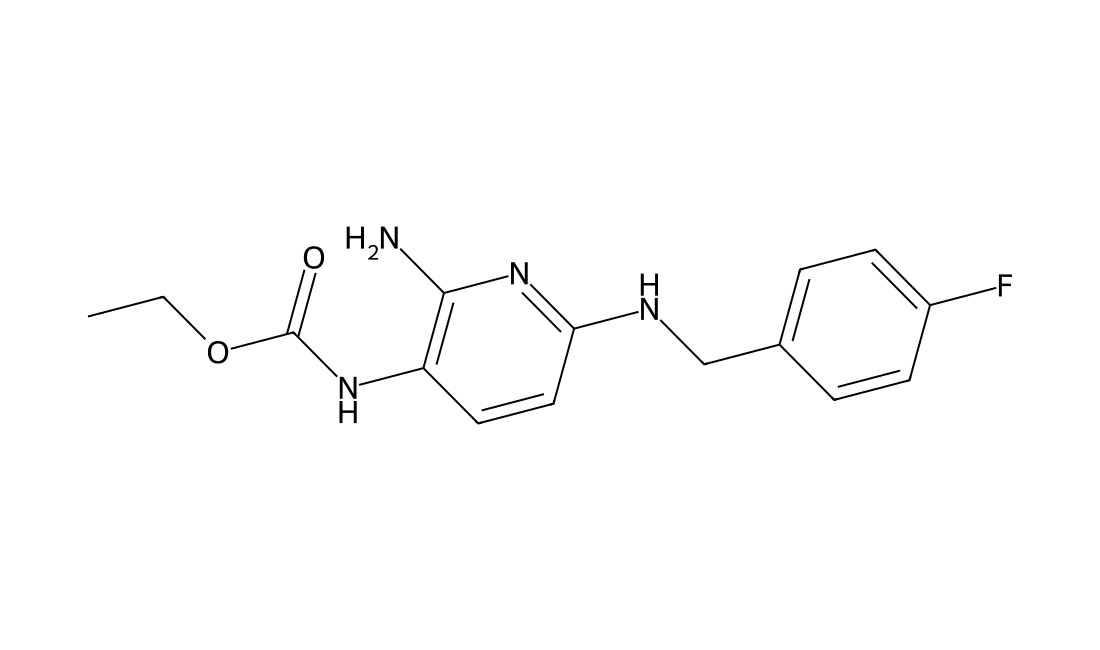
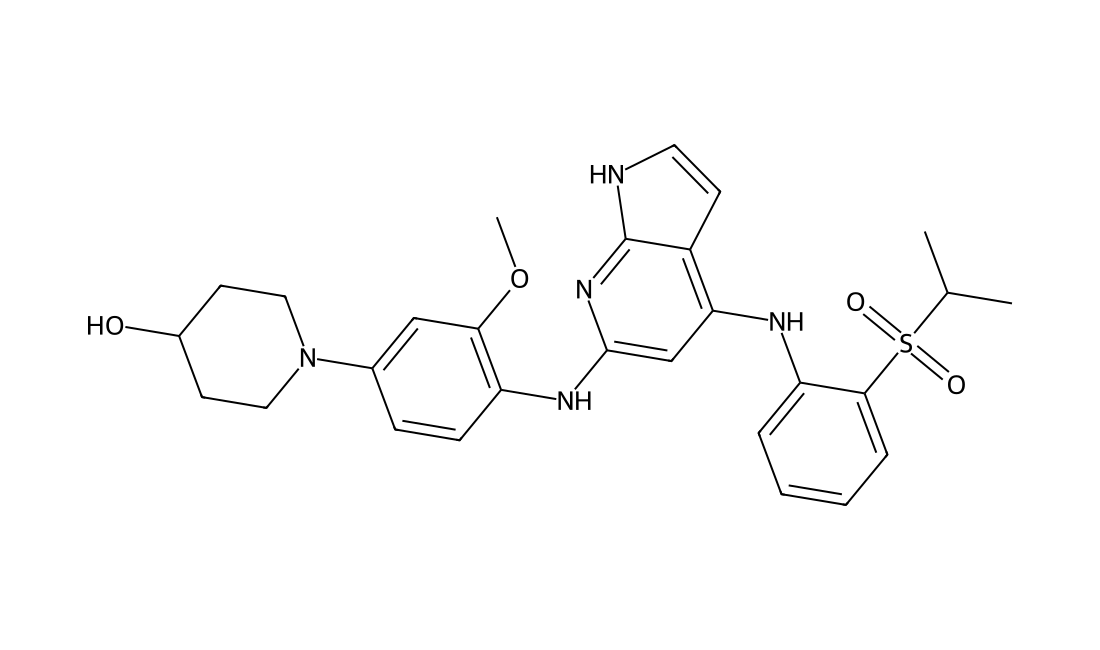
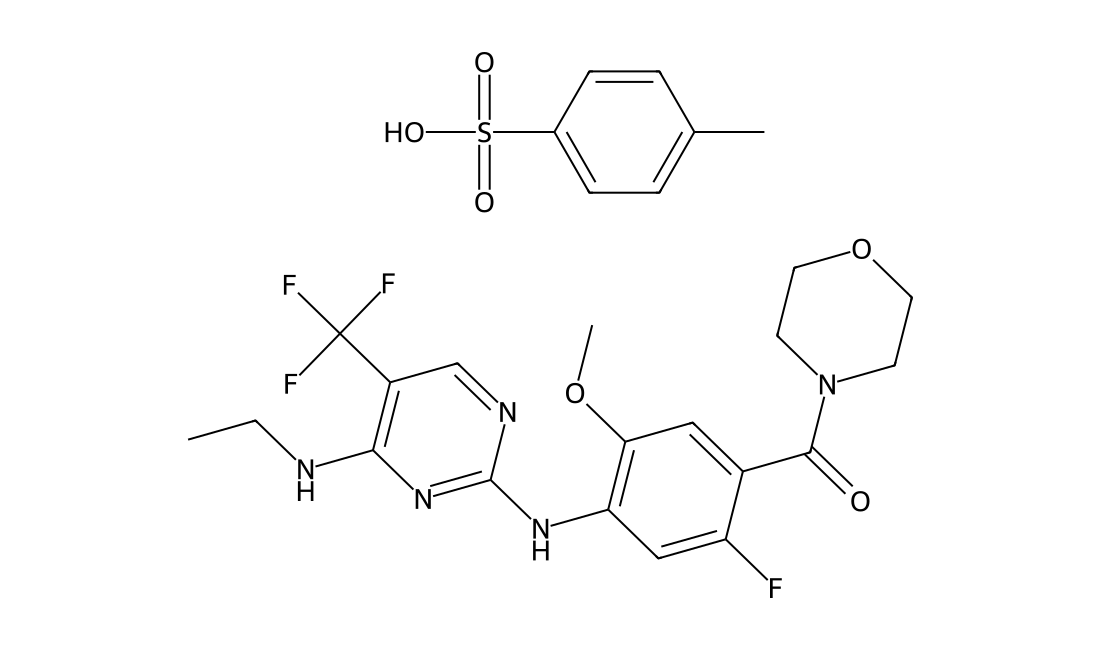
GNE-7915 tosylate

CAS 2070015-00-6

GNE-7915 tosylate (GNE7915 tosylate) is a highly potent, selective, and brain-penetrable LRRK2 inhibitor with IC50 of 1.9 nM; shows 1/187 kinases with 50% inhibition at 0.1 uM; possesses an ideal balance of LRRK2 cellular potency, broad kinase selectivity, metabolic stability, and brain penetration across multiple species. Parkinson's Disease Preclinical

GNE-7915 tosylate chemical structure
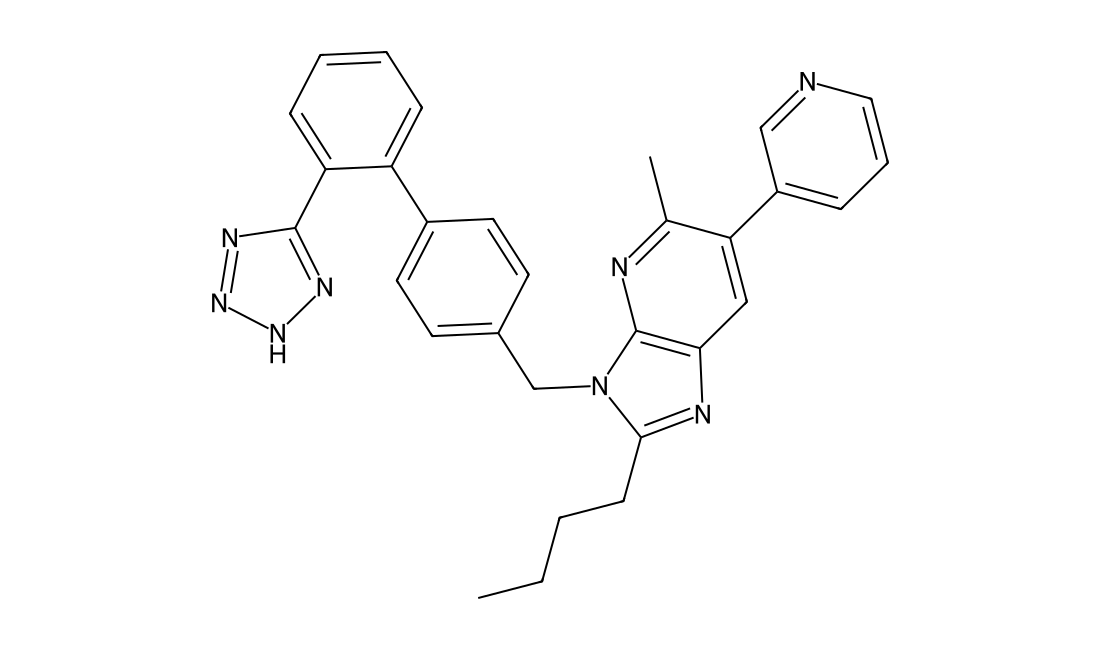
DC23134

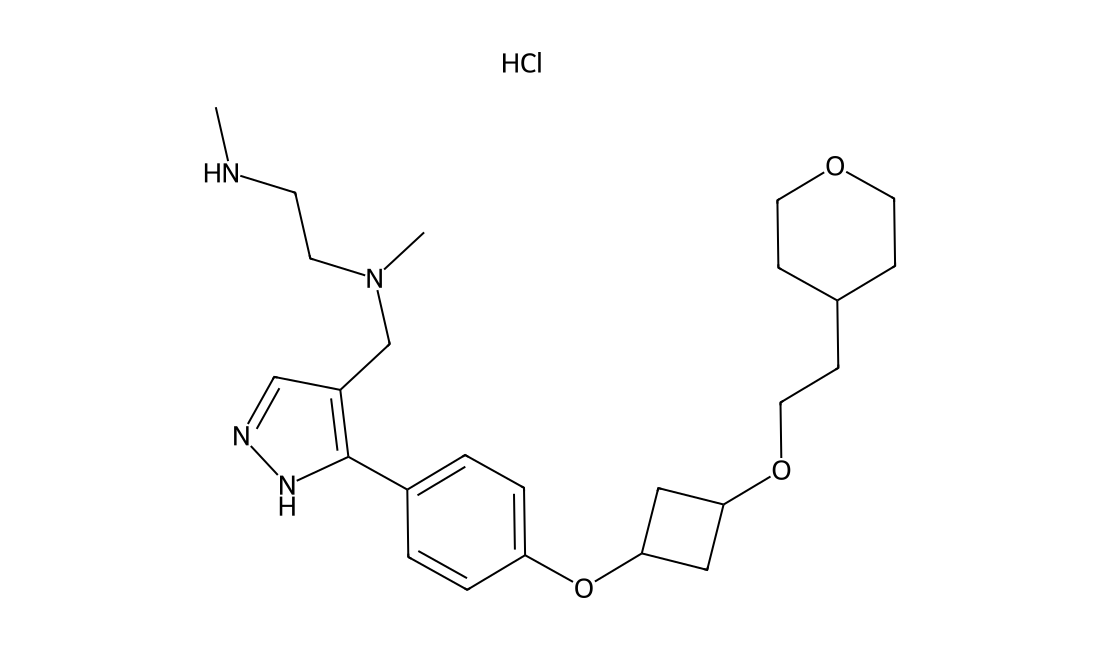
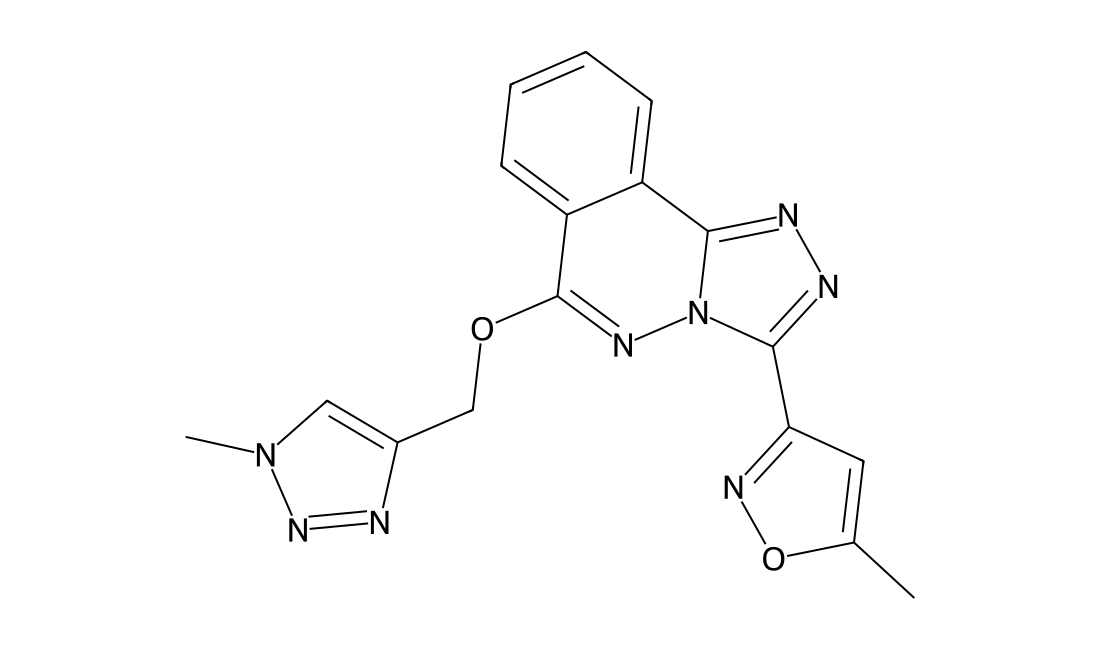
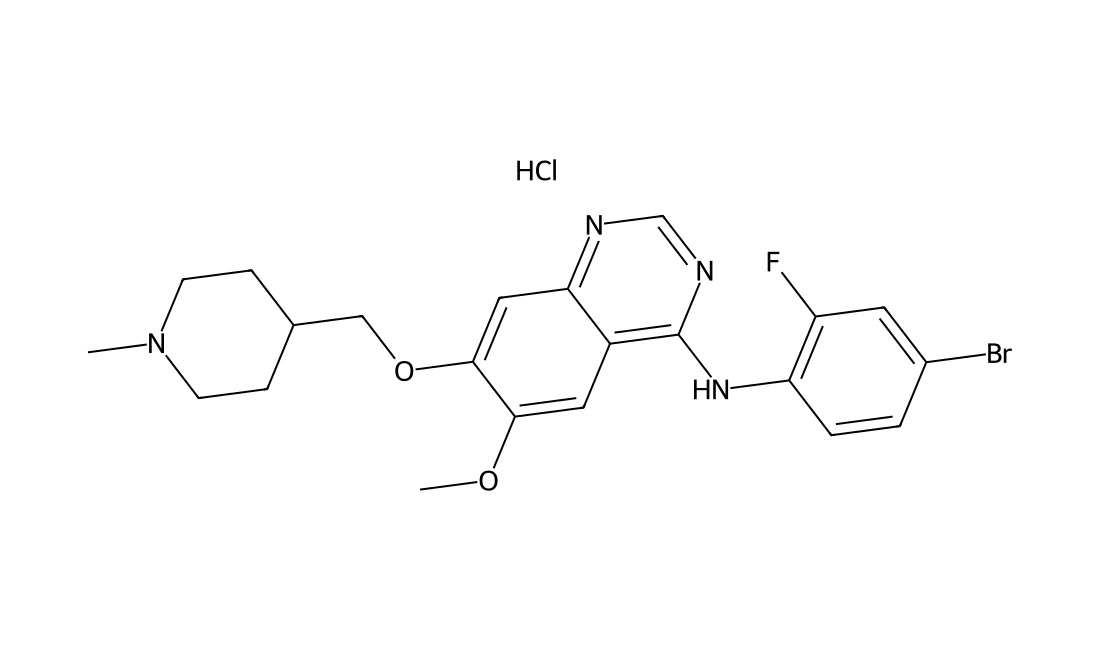
EPZ020411 hydrochloride

CAS 2070015-25-5

EPZ020411 is a potent, selective PRMT6 inhibitor with IC50 of 10 nM, displays 10-fold and 20-fold selectivity over PRMT1/8, and >100-fold over other histone methyltransferases (PRMT3/4/5/7); dose-dependently decreases H3R2 methylation A375 cell line with IC50 of 0.637 uM, with no affect levels of PRMT6 expression; exhibits good bioavailability following subcutaneous dosing in rats making it a suitable tool for potential in vivo target validation studies.

EPZ020411 hydrochloride chemical structure
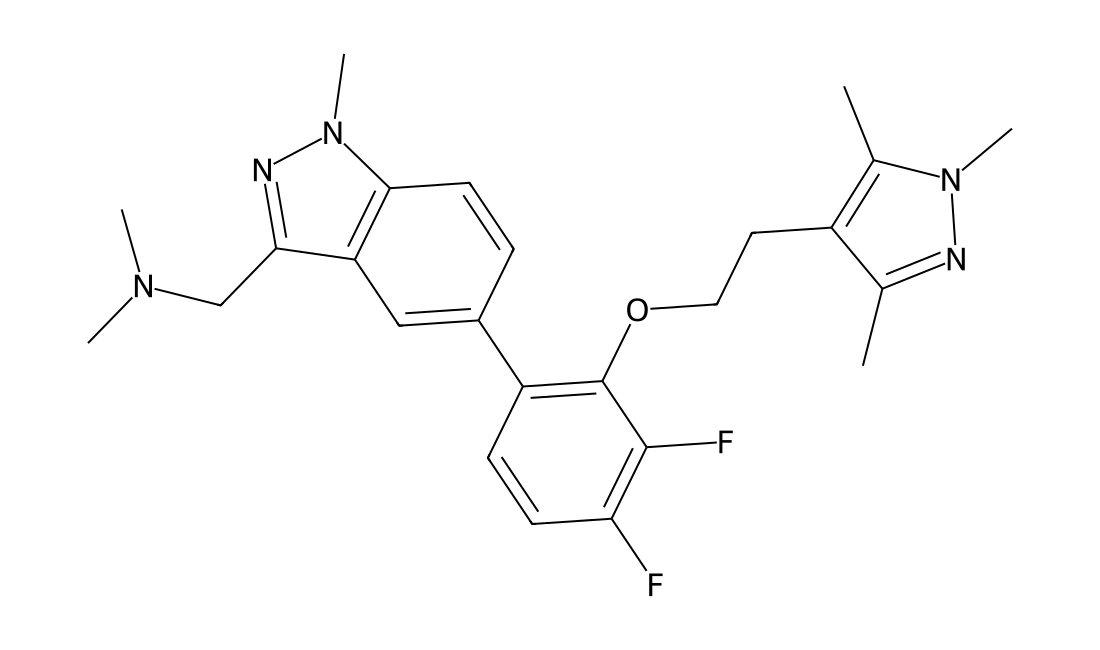
DC8918

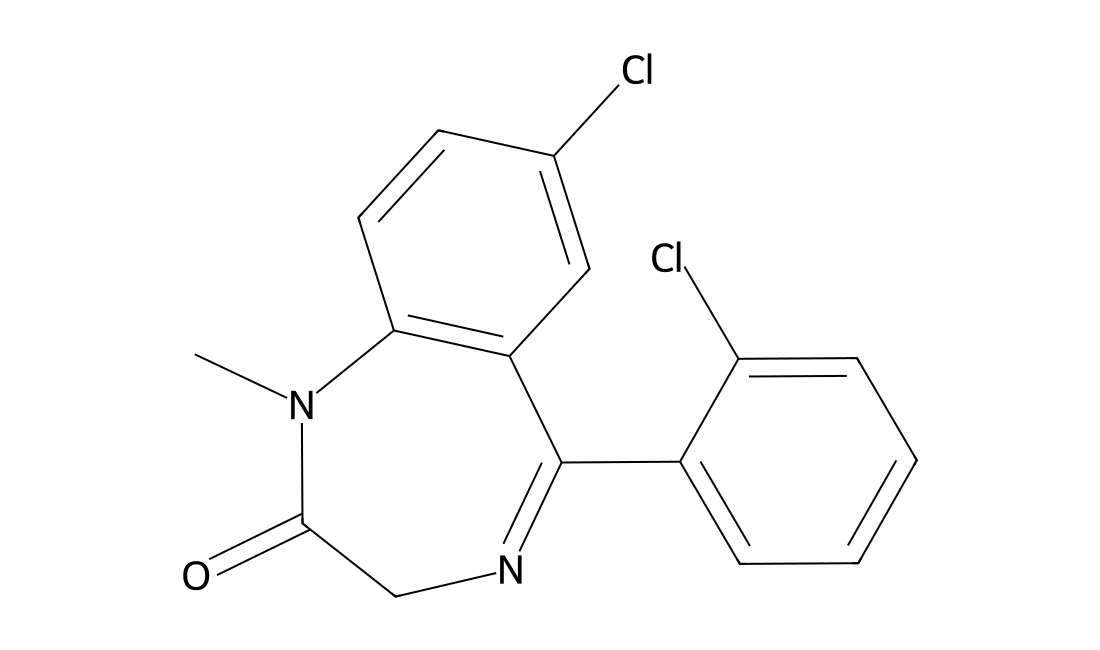
Diclazepam

CAS 2894-68-0

Diclazepam(Ro5-3448; Chlorodiazepam) is an analogue of diazepam; are similar to diazepam, possessing anxiolytic, anticonvulsant, hypnotic, sedative, skeletal muscle relaxant, and amnestic properties.

Diclazepam chemical structure
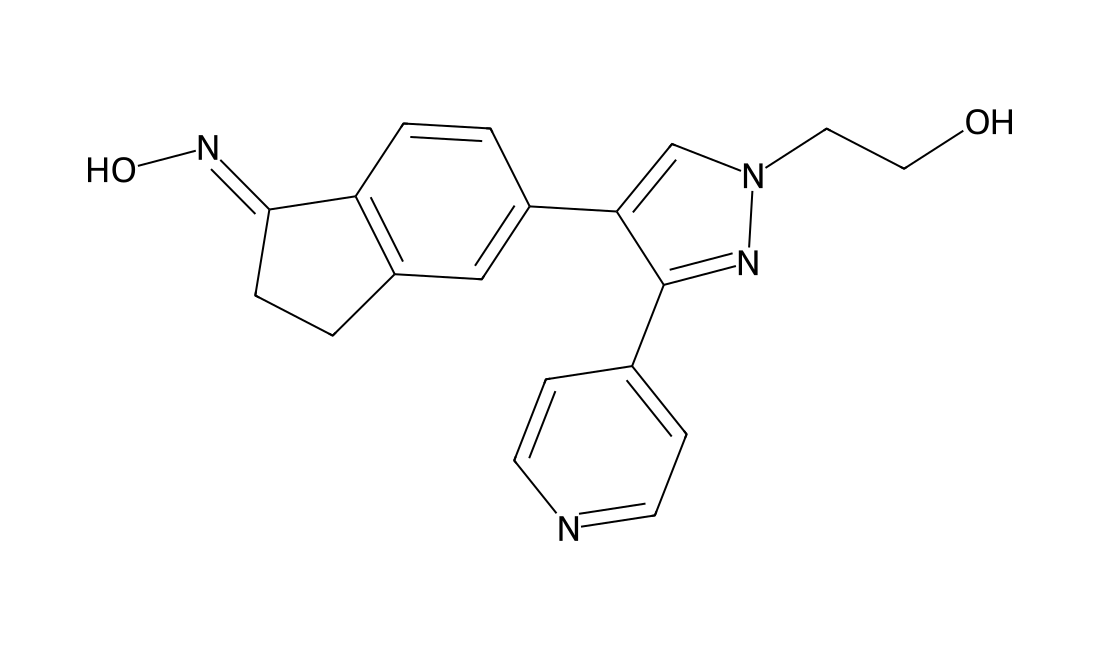
DC8596

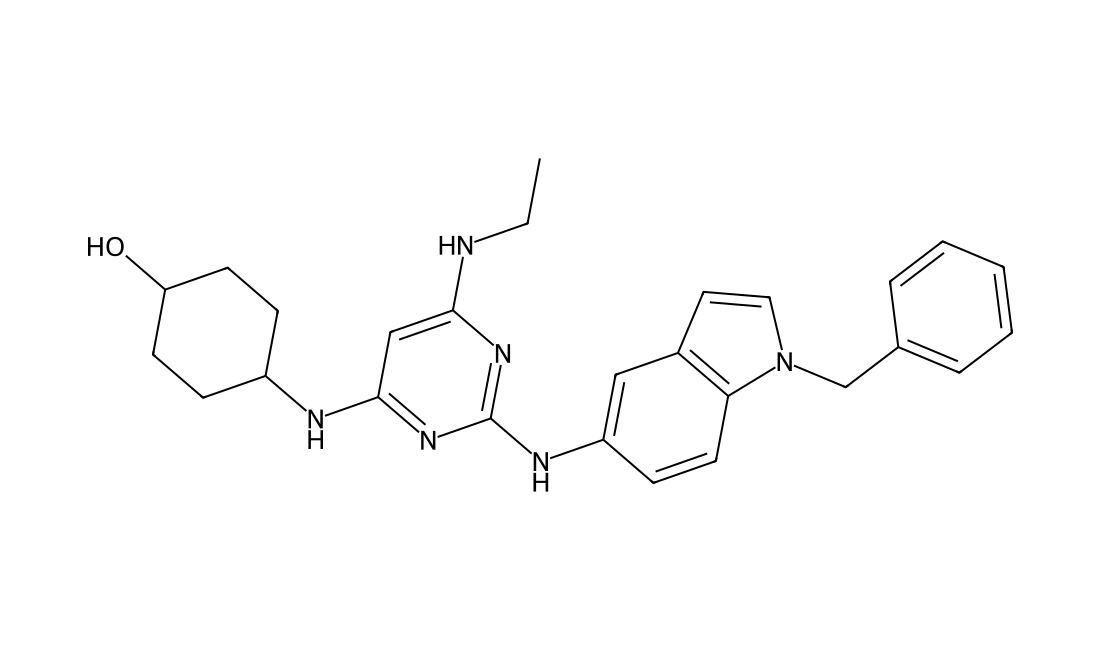
Cdk4/6 Inhibitor IV

CAS 359886-84-3

Cdk4/6 Inhibitor IV is a cell-permeable triaminopyrimidine compound acting as a reversible and ATP-competitive inhibitor of Cdk4/6 (IC50 = 1.5 µM and 5.6 µM for Cdk4/D1 and Cdk6/D1, respectively) with selectivity over Cdk5/p35 (IC50 = 25 µM), v-abl, c-met, IGF-1R and IR (IC50 > 10 µM), Cdk2/A, Cdk2/E, Cdk4/D2, Cdk6/D2 (IC50 > 50 µM) and Cdk1/B (IC50 > 100 µM). Cdk4/6 Inhibitor IV exhibits blocking of pRb phosphorylation at Ser780 and Ser795, induce cell cycle arrest (G0/G1), and apoptosis in U2OS and MRC-5 cells at 5 - 10 µM. Further, suppresses tumor growth in Xenograft mouse model (30 mg/kg, i.p.).

Cdk4/6 Inhibitor IV chemical structure
DC24065

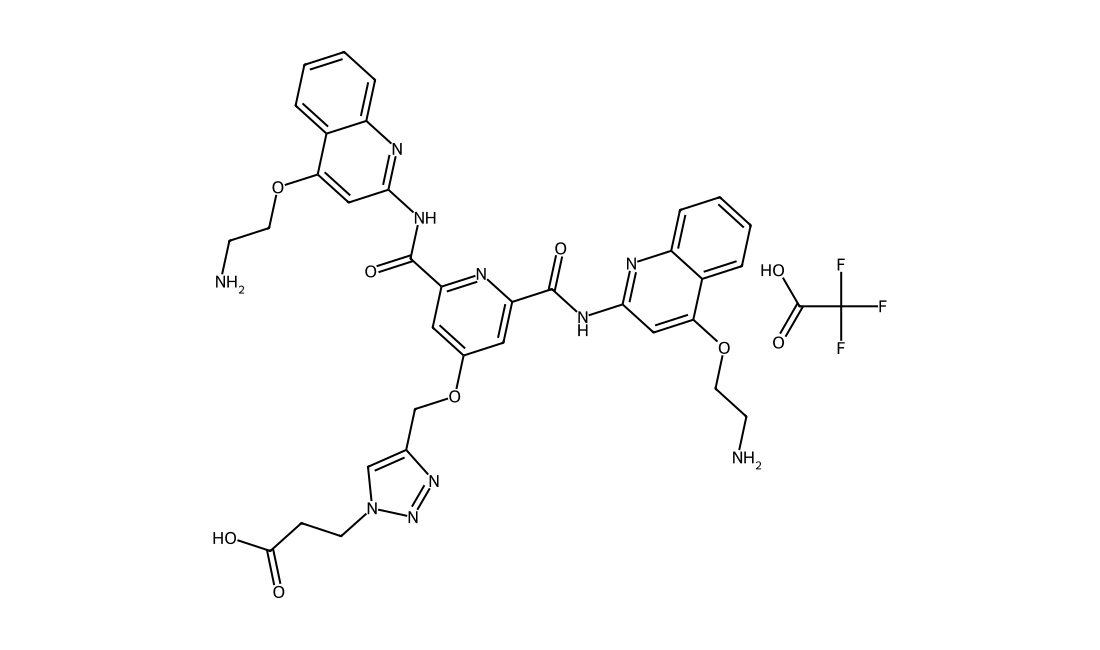
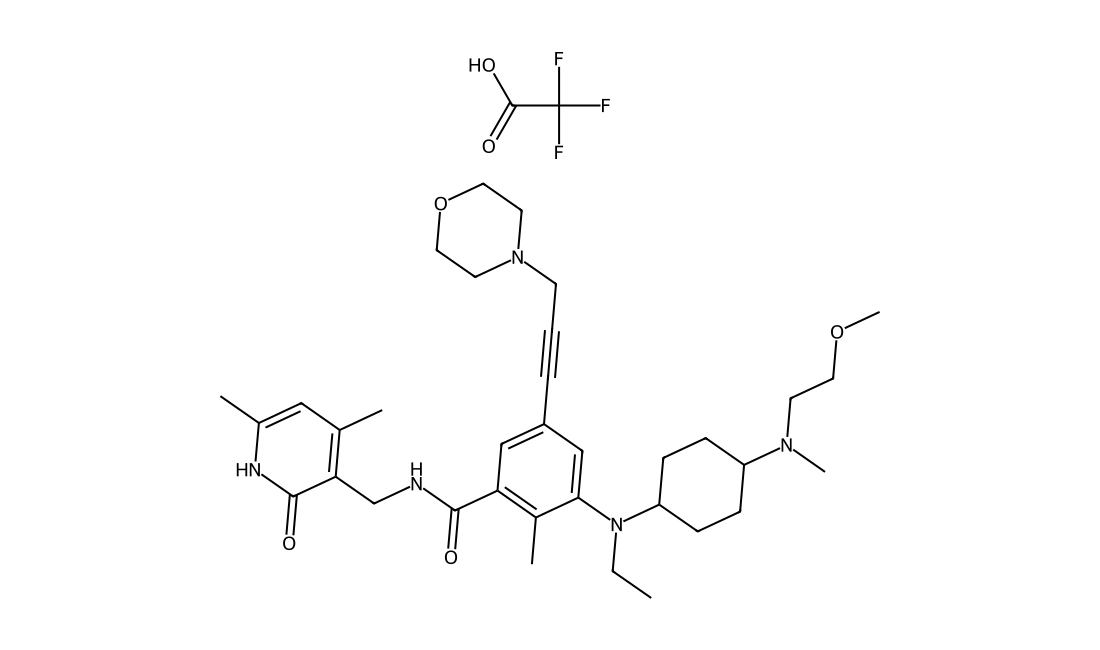
EPZ-011989 trifluoroacetate

CAS 1598383-41-5

A potent, selective, orally bioavailable inhibitor of EZH2 with Ki of < 3 nM; equipotently inhibits mutant and wild-type EZH2, displays >15-fold selectivity over EZH1 and >3000-fold selectivity over other HMTs; demonstrates significant tumor growth inhibition in a mouse xenograft model of human B cell lymphoma.Blood CancerPreclinical

EPZ-011989 trifluoroacetate chemical structure
DC22551

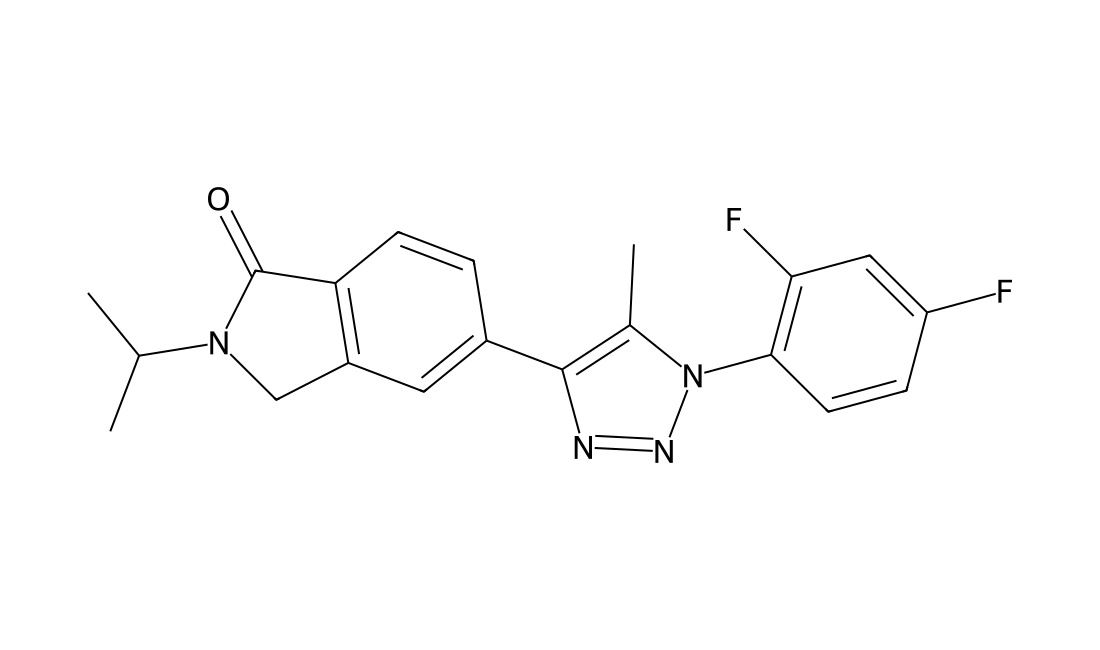
DFMTI

CAS 864864-86-8

A potent, selective, brain penetrant and orally active mGluR1 antagonist with 4.3 nM and 3.6 nM for huam and rat mGluR1, respectively; display liitle to no activity for mGluR5, mGluR2 and mGluR8; has improved in vivo DMPK profiles and shows antipsychotic-like effect at a dose of 1 mg/kg in an animal model.

DFMTI chemical structure
DC22535

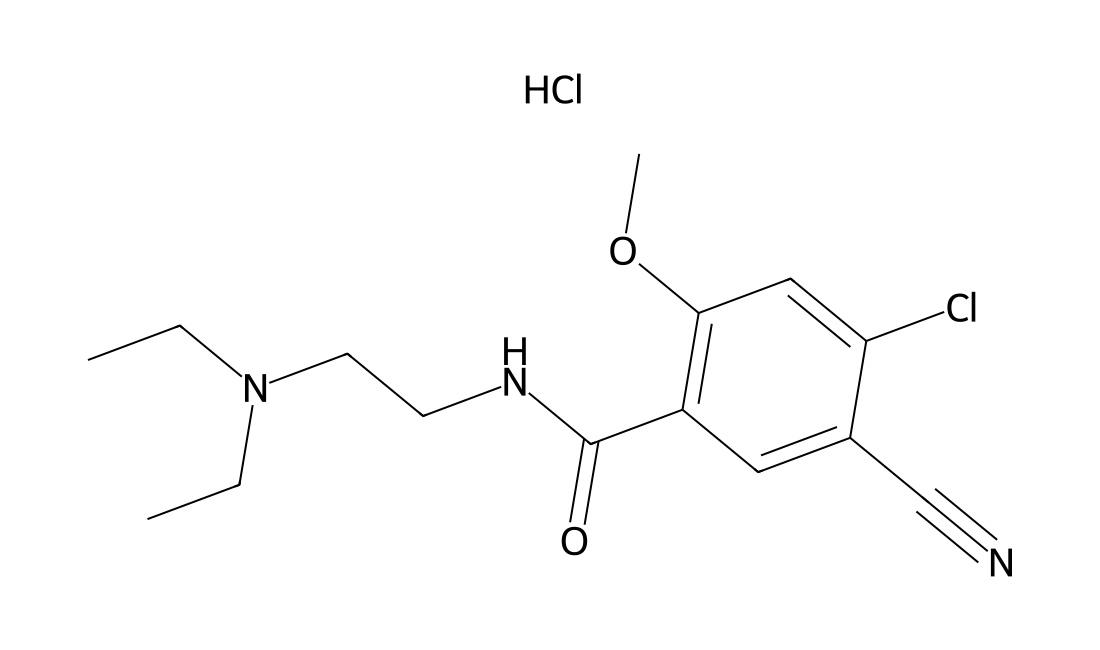
CGP-25454A

CAS 104391-26-6

A potent, selective presynaptic dopamine autoreceptor antagonist; increases [3H]spiperone binding to receptors of the D2 family in rat striatum by 90-110% (ED50=13 mg/kg i.p.); exerts clear-cut sedative and neuroleptic-like properties.

CGP-25454A chemical structure
DC20049

Y06036

CAS 1832671-96-1

In Vitro Y06036 (0.001-100 nM, 96 hours for LNCaP, C4-2B, and 22Rv1 cells; 144 hours for VCaP cells) exhibits low micromolar or nanomolar potencies (IC50: 0.29-2.6 μΜ) in the four androgen receptor (AR)-positive prostate cancer cell lines LNCaP, C4-2B, 22Rv1, and VCaP. Treatment of 22Rv1 cells with Y06036 (1, 2, 4, 8, and 16 μM, 48 hours) results in significant down-regulation of both full-length (AR-fl) and AR variants levels. In Vivo Y06036 (50 mg/kg, i.p. injection, 5 times per week, 25 days) demonstrates therapeutic effects in a C4-2B CRPC xenograft tumor model in mice. Y06036 is well tolerated in the treated mice, based on the weight of the animal body and their general behavior.

Y06036 chemical structure
DC20099

TM-25659

CAS 260553-97-7

In Vitro TM-25659 (2, 10, 20, 100 μM) enhances nuclear TAZ localization in a dose-dependent manner and attenuates PPARγ-mediated adipocyte differentiation by facilitating PPARγ suppression activity of TAZ. TM-25659 (2, 10, 50 μM) enhances osteogenic gene expression and thereby increases osteoblast differentiation. In Vivo TM-25659 (50 mg/kg, i.p., every other day for 2 weeks) suppresses bone loss in vivo and decreases weight gain in an obesity model. TM-25659 has a favourable pharmacokinetic profile in rats. The plasma concentration of TM-25659 declines with an approximate t1/2 of 7 or 10 h following i.v or p.o. administration respectively. The systemic clearance (CL) is 0.21 L×h-1×kg-1 and the volume of distribution at steady-state (1.91 L×h-1×kg-1) is larger than the volume of total body fluids.

TM-25659 chemical structure
DC23086

Vandetanib hydrochloride

CAS 524722-52-9

A potent and selective VEGFR2 (KDR) inhibitor with IC50 of 40 nM; shows weak inhibition for VEGFR3 and EGFR (IC50 is 100 nM and 500 nM respectively); displays excellent selectivity over erbB2, MEK, CDK-2, Tie-2, IGFR-1R, PDK, PDGFRβ, and Akt (IC50=1.1-100 uM); has excellent solubility and good oral bioavailability.Thyroid CancerApproved

Vandetanib hydrochloride chemical structure
DC10806

IMP-1088

CAS 2059148-82-0

IMP-1088, a picomolar dual inhibitor of the human N-myristoyltransferases NMT1 and NMT2, and use it to demonstrate that pharmacological inhibition of host-cell N-myristoylation rapidly and completely prevents rhinoviral replication without inducing cytotoxicity. The identification of cooperative binding between weak-binding fragments led to rapid inhibitor optimization through fragment reconstruction, structure-guided fragment linking and conformational control over linker geometry. The inhibition of the co-translational myristoylation of a specific virus-encoded protein (VP0) by IMP-1088 potently blocks a key step in viral capsid assembly, to deliver a low nanomolar antiviral activity against multiple RV strains, poliovirus and foot and-mouth disease virus, and protection of cells against virus-induced killing, highlighting the potential of host myristoylation as a drug target in picornaviral infections.

IMP-1088 chemical structure
DC3102

GDC-0879

CAS 905281-76-7

GDC-0879, a highly selective, potent, and orally bioavailable RAF small-molecule inhibitor. In GDC-0879-treated mice, both cell line- and patient-derived BRAF(V600E) tumors exhibited stronger and more sustained pharmacodynamic inhibition (>90% For 8 hours) and improved survival compared with mutant KRAS-expressing tumors. Despite the involvement of activated RAF signaling in RAS-induced tumorigenesis, decreased time to progression was observed For some KRAS-mutant tumors following GDC-0879 administration. Moreover, striking differences were noted For RAF and MEK inhibition across a panel of 130 tumor cell lines. Whereas GDC-0879-mediated efficacy was associated strictly with BRAF(V600E) status, MEK inhibition also attenuated proliferation and tumor growth of cell lines expressing wild-type BRAF (81% KRAS mutant, 38% KRAS wild type). The responsiveness of BRAF(V600E) melanoma cells to GDC-0879 could be dramatically altered by pharmacologic and genetic modulation of phosphatidylinositol 3-kinase pathway activity. These data suggest that GDC-0879-induced signaling changes are dependent on the point of oncogenic activation within the RAS network. Taken together, these studies increase our understanding of the molecular determinants For antitumor efficacy resulting from RAF pathway inhibition and have implications For therapeutic intervention in the clinic. For the detailed information about the solubility of GDC-0879 in water, the solubility of GDC-0879 in DMSO, the solubility of GDC-0879 in PBS buffer, the animal experiment(test) of GDC-0879,the in vivo,in vitro and clinical trial test of GDC-0879,the cell experiment(test) of GDC-0879,the IC50, EC50 and Affinity of GDC-0879, please contact DC Chemicals.

GDC-0879 chemical structure
DC21402

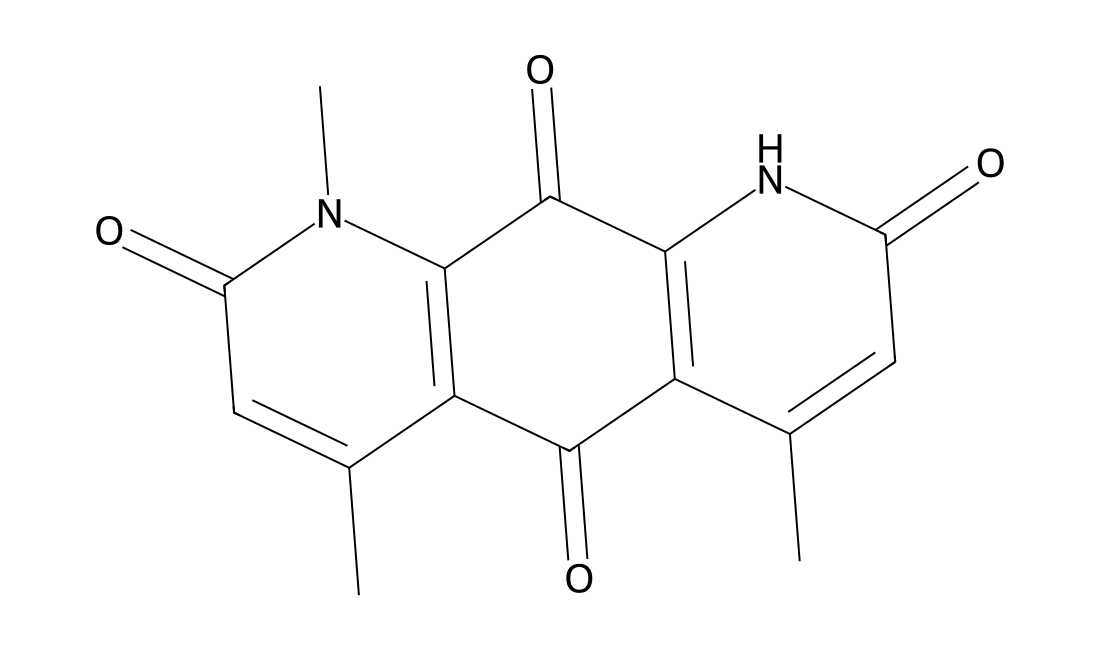
Deoxynyboquinone

CAS 96748-86-6

1 Isobutyl-deoxynyboquinone (IB-DNQ) is a selective substrate for NAD(P)H:quinone oxidoreductase (NQO1), produces ROS, and induces cytotoxicity in cancer cells in an NQO1-dependent manner; has improved solubility and biocompatibility in comparison with DNQ; a superior drug candidate for evaluating anticancer activities and tolerability in vivo. 2 Deoxynyboquinone, also known as DNQ, is a potent inducer of cancer cell death. DNQ potently induces death of cancer cells in culture, with IC(50) values between 16 and 210 nM. In addition, unlike the experimental therapeutic elesclomol, DNQ is still able to induce cancer cell death under hypoxic conditions. This mechanistic understanding of DNQ will allow for a more comprehensive evaluation of the potential of direct ROS generation as an anticancer strategy, and DNQ itself has potential as a novel anticancer agent.

Deoxynyboquinone chemical structure
DC10212

NSC-87877

CAS 56990-57-9

NSC-87877 is a cell-permeable inhibitor of both SHP-1 and SHP-2 with IC50 values of 355 and 318 nM respectively. It also inhibits EGF-induced Erk1/2 activation in HEK293 cells and significantly reduces MDA-MB-468 cell viability/proliferation.

NSC-87877 chemical structure
DCJ-035

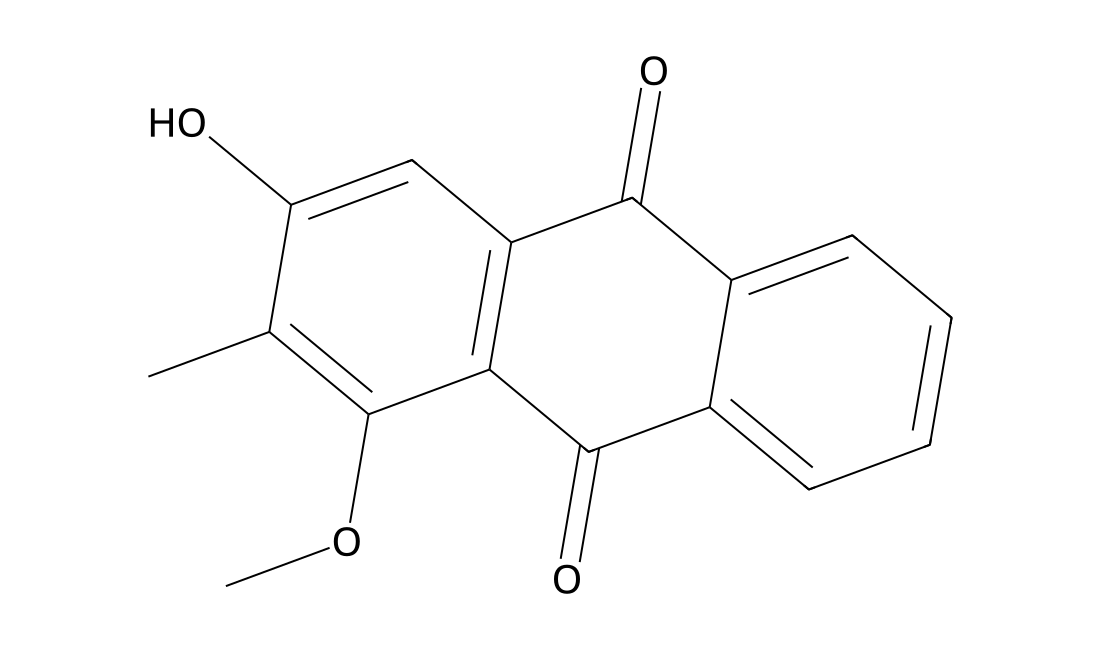
Rubiadin-1-methyl ether

CAS 7460-43-7

For the detailed information of Rubiadin-1-methyl ether, the solubility of Rubiadin-1-methyl ether in water, the solubility of Rubiadin-1-methyl ether in DMSO, the solubility of Rubiadin-1-methyl ether in PBS buffer, the animal experiment(test) (test) of Rubiadin-1-methyl ether, the cell expriment (test) of Rubiadin-1-methyl ether, the in vivo, in vitro and clinical trial test of Rubiadin-1-methyl ether, the EC50, IC50,and Affinity of Rubiadin-1-methyl ether,, please contact DC Chemicals.

Rubiadin-1-methyl ether chemical structure
DC5087

Mps1-IN-1

CAS 1125593-20-5

For the detailed information of 1Mps1-IN-1, the solubility of 1Mps1-IN-1 in water, the solubility of 1Mps1-IN-1 in DMSO, the solubility of 1Mps1-IN-1 in PBS buffer, the animal experiment (test) of 1Mps1-IN-1, the cell expriment (test) of 1Mps1-IN-1, the in vivo, in vitro and clinical trial test of 1Mps1-IN-1, the EC50, IC50,and Affinity of 1Mps1-IN-1, Please contact DC Chemicals.

Mps1-IN-1 chemical structure
DC7642

Α5ia (α5IA)

CAS 215874-86-5

α5IA is a selective inverse agonist For Α5 subtype of GABAA receptor with a higher intrinsic activity at the A5 subtype than other drugs. α5IA enhances cognition in laboratory animals without being proconvulsant or anxiogenic. α5IA acts as an "alcohol antagonist," markedly reducing the amnesic effect of alcohol and partially attenuating sedation, similar to Ro15-4513, but without the anxiogenic effect. α5IA offers promise as a tool to study cognitive disorders, memory function, and treatment of alcohol-related disorders.For the detailed information of Α5ia (α5IA), the solubility of Α5ia (α5IA) in water, the solubility of Α5ia (α5IA) in DMSO, the solubility of Α5ia (α5IA) in PBS buffer, the animal experiment (test) of Α5ia (α5IA), the cell expriment (test) of Α5ia (α5IA), the in vivo, in vitro and clinical trial test of Α5ia (α5IA), the EC50, IC50,and Affinity of Α5ia (α5IA), Please contact DC Chemicals.

Α5ia (α5IA) chemical structure
DCAPI1517

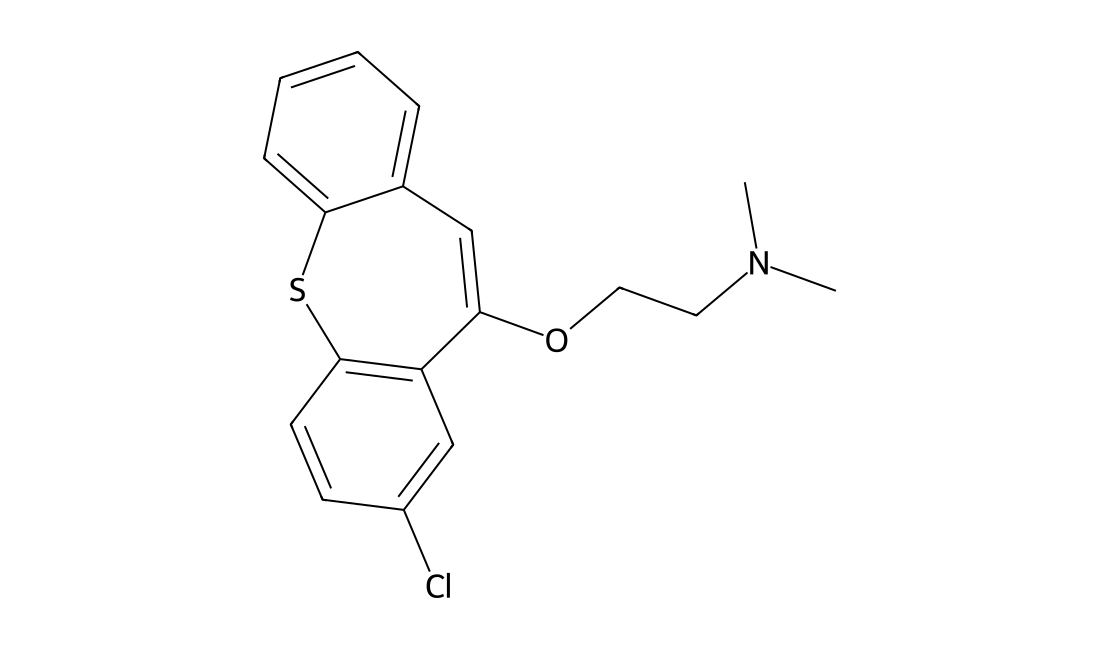
Zotepine

CAS 26615-21-4

For the detailed information of Zotepine, the solubility of Zotepine in water, the solubility of Zotepine in DMSO, the solubility of Zotepine in PBS buffer, the animal experiment(test) (test) of Zotepine, the cell expriment (test) of Zotepine, the in vivo, in vitro and clinical trial test of Zotepine, the EC50, IC50,and Affinity of Zotepine,, please contact DC Chemicals.

Zotepine chemical structure
DCAPI1302

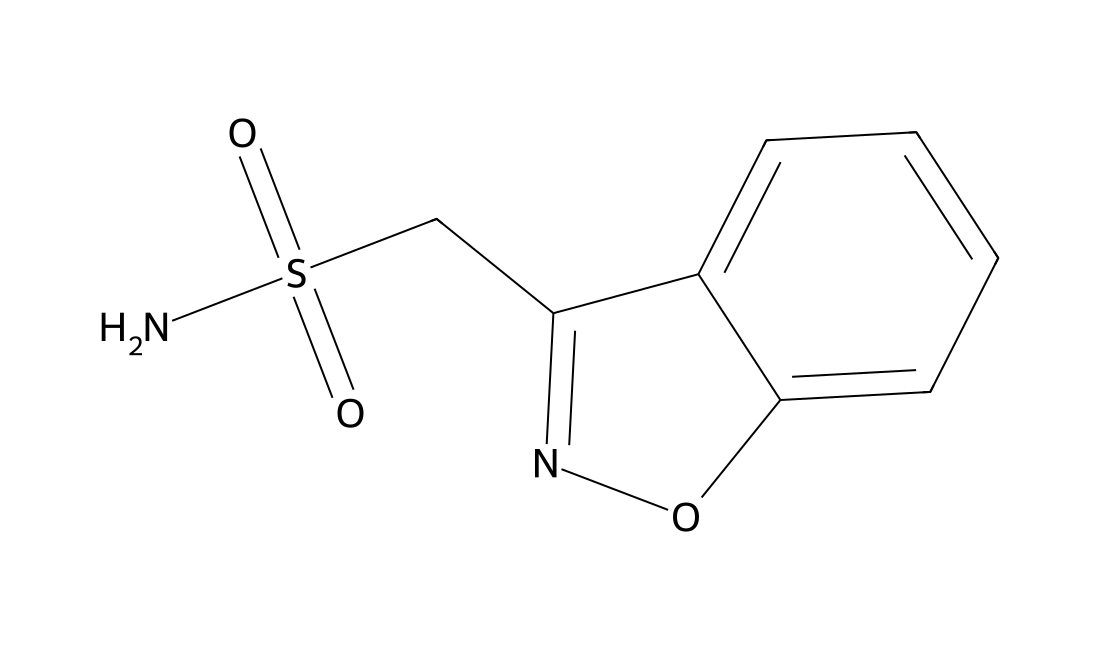
Zonisamide

CAS 68291-97-4

For the detailed information of Zonisamide, the solubility of Zonisamide in water, the solubility of Zonisamide in DMSO, the solubility of Zonisamide in PBS buffer, the animal experiment(test) (test) of Zonisamide, the cell expriment (test) of Zonisamide, the in vivo, in vitro and clinical trial test of Zonisamide, the EC50, IC50,and Affinity of Zonisamide,, please contact DC Chemicals.

Zonisamide chemical structure
DC9343

ZLN024 (hydrochloride)

CAS 723249-01-2

ZLN024 Hcl is a novel AMPK allosteric activator; activated α1β1γ1 and α2β1γ1 by around 2–2.5 fold with an EC50 of about 1–2 uM. ZLN024 activated AMPK in L6 myotubes and stimulated glucose uptake and fatty acid oxidation without increasing the ADP/ATP ratio. ZLN024 also activated AMPK in primary hepatocytes, decreased fatty acid synthesis and glucose output. Treatment of db/db mice with 15 mg/kg/day ZLN024 improved glucose tolerance; liver tissue weight, triacylglycerol and the total cholesterol content were decreased. The hepatic transcriptional level of G6Pase, FAS and mtGPAT were reduced.

ZLN024 (hydrochloride) chemical structure
DC9461

Zatebradine

CAS 85175-67-3

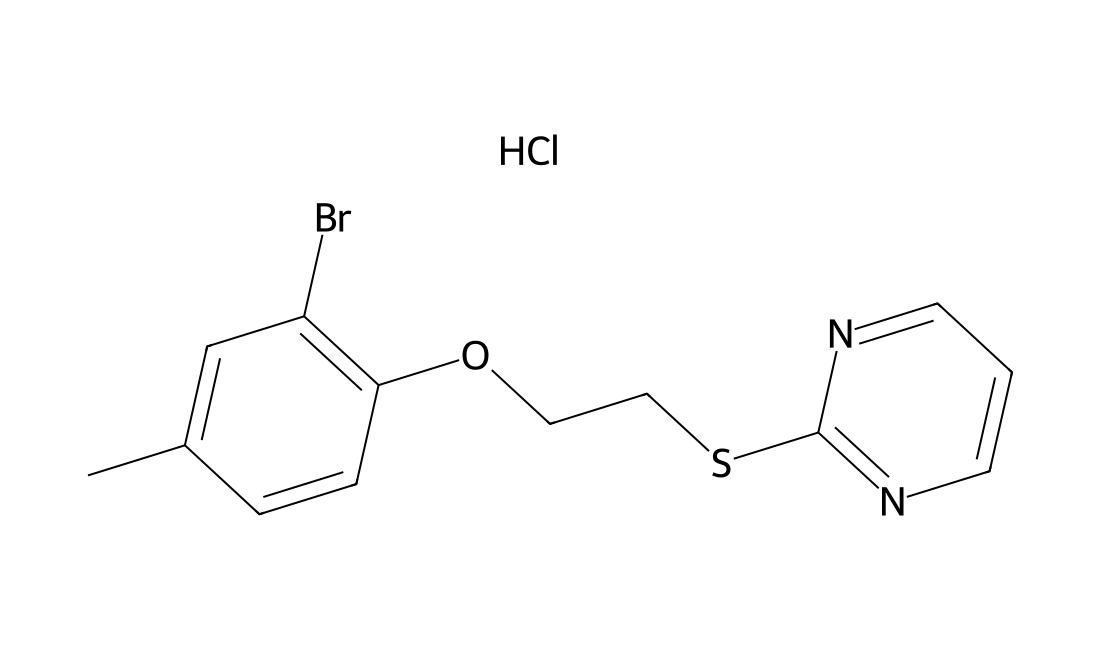
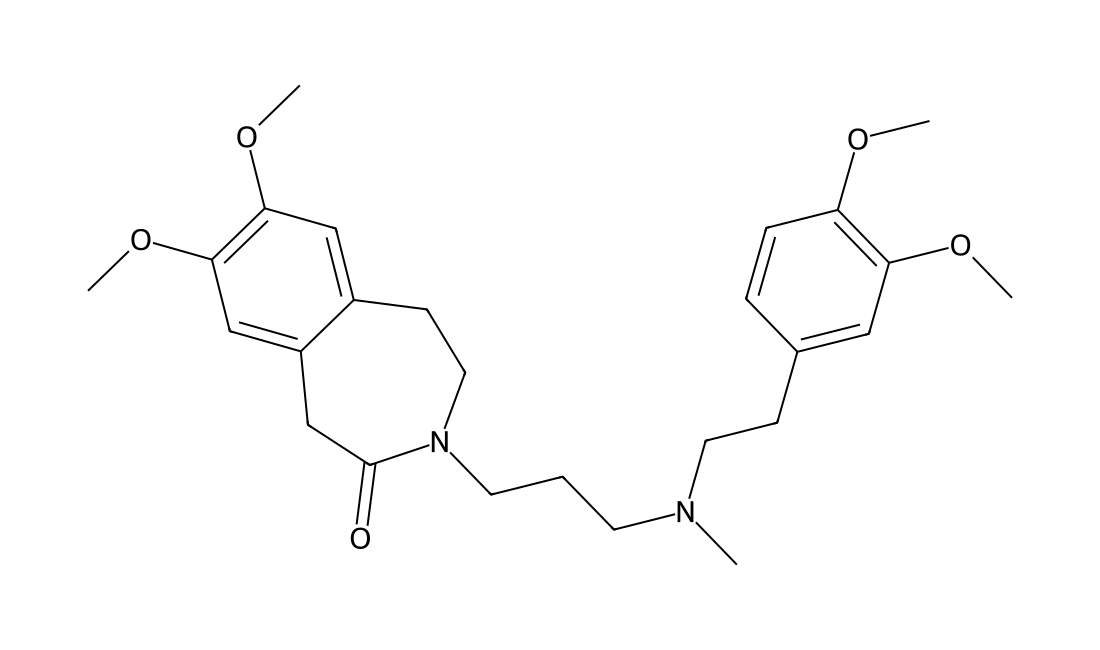
Zatebradine(UL-FS49) is a potent HCN channels antagonist, which decreased the heartbeat in a reversible manner; 92% inhibition of the hHCN1-mediated current at 10 uM. The pharmacological properties of hHCN1-mediated currents resembled those of native hyperpolarization-activated currents (I(h)), that is, blockade by Cs(+) (99% at 5 mm), ZD 7288 (98% at 100 microm) and zatebradine (92% at 10 microm). When voltage-clamp pulse trains were applied, cilobradine induced a use-dependent blockade of If that was stronger and faster than that with zatebradine. Recovery from blockade during prolonged hyperpolarization was significantly faster with zatebradine. The selective HCN blocker zatebradine reduced the activity of oriens-lacunosum moleculare interneurons in wild-type but not HCN2(-/-) mice and decreased the frequency of spontaneous inhibitory currents in postsynaptic CA1 pyramidal cells.

Zatebradine chemical structure
DC7817

YL-109

CAS 36341-25-0

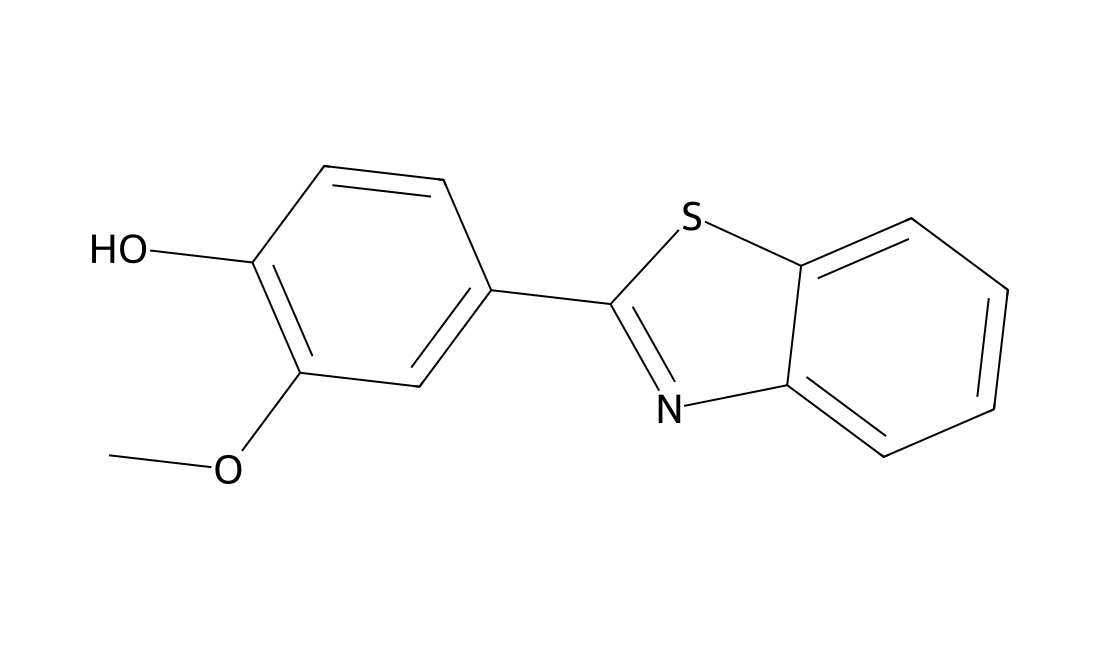
YL-109 is a novel anticancer agent which has ability to inhibit breast cancer cell growth and invasiveness in vitro and in vivo. IC50 value: 85.7 nM(MCF-7 cells proliferation) Target: AhR signaling activcator in vitro: YL-109 strongly inhibited cell proliferation of MCF-7 cells in a dose-dependent manner (IC50= 85.8 nM). Surprisingly, YL-109 had an anti-proliferative effect in a dose-dependent manner (IC50 = 4.02 μM) on MDA-MB-231 cells. YL-109 repressed the sphere-forming ability and the expression of stem cell markers in MDA-MB-231 mammosphere cultures. YL-109 increased the expression of carboxyl terminus of Hsp70-interacting protein (CHIP), which suppresses tumorigenic and metastatic potential of breast cancer cells by inhibiting the oncogenic pathway. YL-109 induced CHIP transcription because of the recruitment of the aryl hydrocarbon receptor (AhR) to upstream of CHIP gene in MDA-MB-231 cells. Consistently, the antitumor effects of YL-109 were depressed by CHIP or AhRknockdown in MDA-MB-231 cells . in vivo: Mice treated with vehicle showed significantly enlarged tumors, whereas mice treated with YL-109 showed attenuated tumor growth using MCF-7 cells. Interestingly, YL-109 also suppressed tumor growth in mice injected with MDA-MB-231 cells. Compared with the vehicle control, YL-109 significantly reduced lung metastasis .For the detailed information of YL-109, the solubility of YL-109 in water, the solubility of YL-109 in DMSO, the solubility of YL-109 in PBS buffer, the animal experiment (test) of YL-109, the cell expriment (test) of YL-109, the in vivo, in vitro and clinical trial test of YL-109, the EC50, IC50,and affinity,of YL-109, Please contact DC Chemicals.

YL-109 chemical structure
DC23172

YHO-13351 free base

CAS 912288-64-3

YHO-13351 is an orally available prodrug of YHO-13177, which can specifically reverse BCRP/ABCG2-mediated drug resistance in vitro and in vivo; YHO-13351 is rapidly converted into YHO-13177 after its oral or intravenous administration, significantly increases the survival time of mice inoculated with BCRP-transduced murine leukemia P388 cells and suppressed the tumor growth in an HCT116/BCRP xenograft model coadministration of irinotecan.

YHO-13351 free base chemical structure
DC23173

YHO-13351

CAS 1346753-00-1

YHO-13351 is an orally available prodrug of YHO-13177, which can specifically reverse BCRP/ABCG2-mediated drug resistance in vitro and in vivo; YHO-13351 is rapidly converted into YHO-13177 after its oral or intravenous administration, significantly increases the survival time of mice inoculated with BCRP-transduced murine leukemia P388 cells and suppressed the tumor growth in an HCT116/BCRP xenograft model coadministration of irinotecan.

YHO-13351 chemical structure
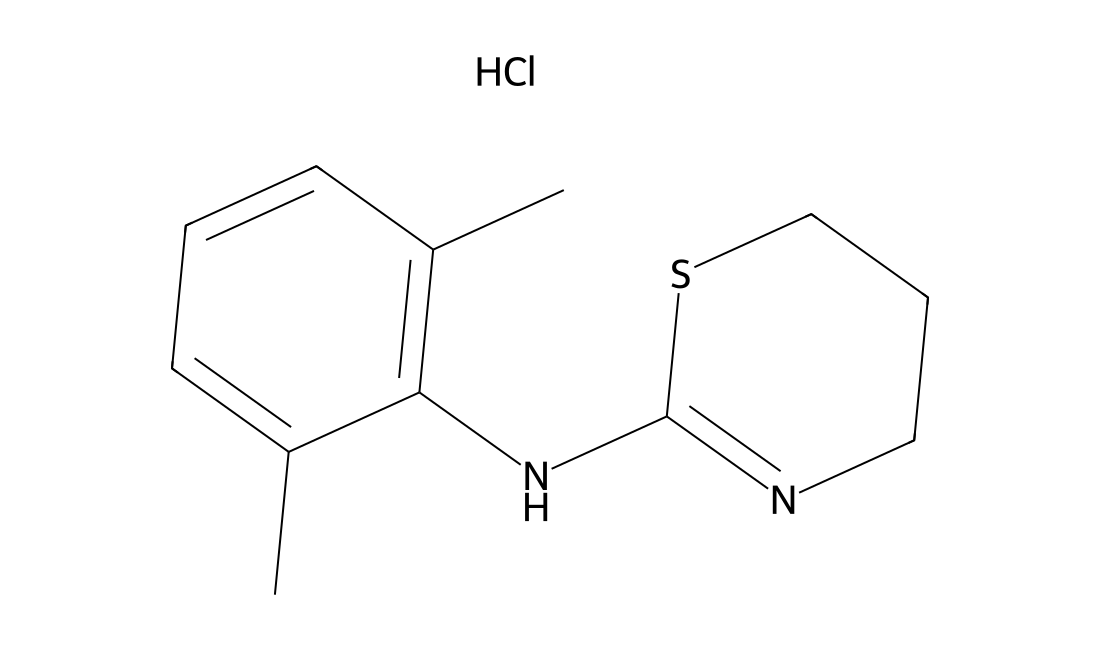
DC9007

Xylazine hydrochloride

CAS 23076-35-9

Xylazine Hydrochloride is α2 class of adrenergic receptor agonist.Xylazine is a drug that is used for sedation, anesthesia, muscle relaxation, and analgesia in animals such as horses, cattle and other non-human mammals. An analogue of clonidine, it is an agonist at the α2 class of adrenergic receptor. Xylazine has recently emerged as a recreational drug, especially in Puerto Rico. Administration of xylazine (0.17 mg/kg of body weight, diluted to a 10-ml volume, using 0.9% NaCl) induced approximately 2.5 hours of local analgesia without apparent side effects. Higher doses of xylazine caused mild hind limb ataxia. Administration of lidocaine induced a similar duration of analgesia, with severe hind limb ataxia (100% incidence). We concluded that xylazine given by epidural injection results in safe, effective perineal analgesia in horses.

Xylazine hydrochloride chemical structure
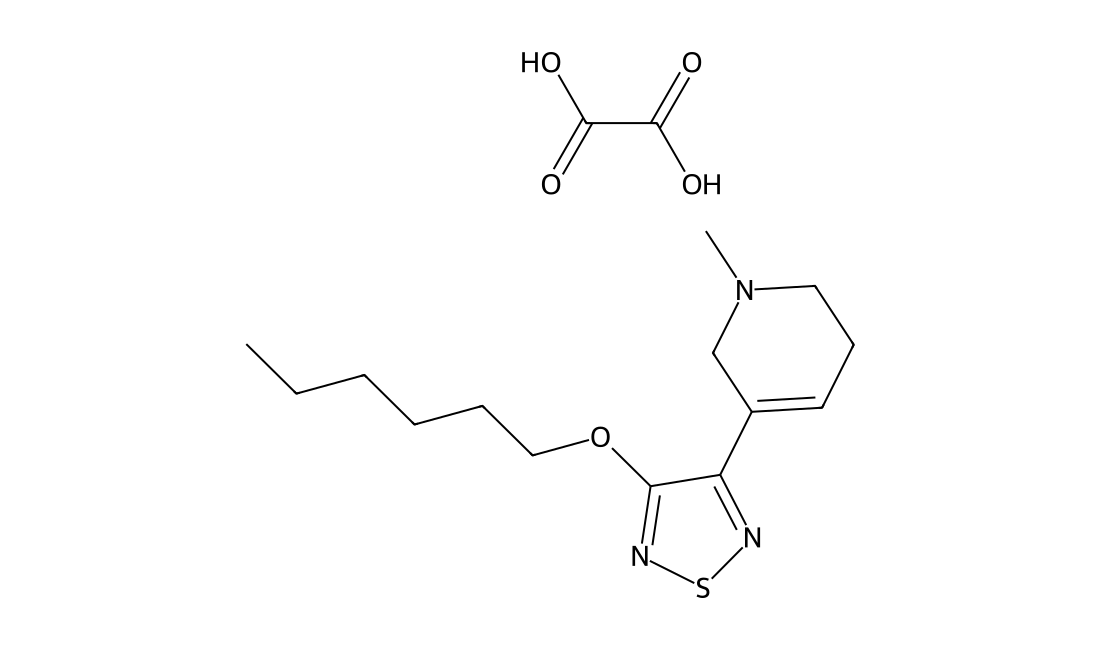
DC9498

Xanomeline (oxalate)

CAS 141064-23-5

Xanomeline(LY246708) is a selective M1 muscarinic receptor agonist. in vitro: Xanomeline had high affinity for muscarinic receptors in brain homogenates, but had substantially less or no affinity for a number of other neurotransmitter receptors and uptake sites. In cells stably expressing genetic m1 receptors, xanomeline increased phospholipid hydrolysis in CHO, BHK and A9 L cells to 100, 72 and 55% of the nonselective agonist carbachol. In isolated tissues, xanomeline had high affinity for M1 receptors in the rabbit vas deferens (IC50 = 0.006 nM), low affinity for M2 receptors in guinea pig atria (EC50 = 3 microM), was a weak partial agonist in guinea pig ileum and was neither an agonist nor antagonist in guinea pig bladder. Xanomeline produced small increases in striatal acetylcholine levels and did not antagonize the large increases in acetylcholine produced by the nonselective muscarinic agonist oxotremorine, indicating that xanomeline did not block M2 autoreceptors. in vivo: Xanomeline increased striatal levels of dopamine metabolites, presumably by acting at M1 heteroreceptors on dopamine neurons to increase dopamine release. In contrast, xanomeline had only a relatively small effect on acetylcholine levels in brain, indicating that it is devoid of actions at muscarinic autoreceptors. The effects of xanomeline on ex vivo binding and DOPAC levels lasted for about 3 hr and were evident after oral administration. An analog of xanomeline with similar in vivo effects did not inhibit acetylcholinesterase or choline acetyltransferase and inhibited choline uptake only at concentrations much higher than those required to inhibit binding. These data indicate xanomeline is selective agonist for M1 over M2 and M3 receptors in vivo in rat.

Xanomeline (oxalate) chemical structure
DC10172

WT-161

CAS 1206731-57-8

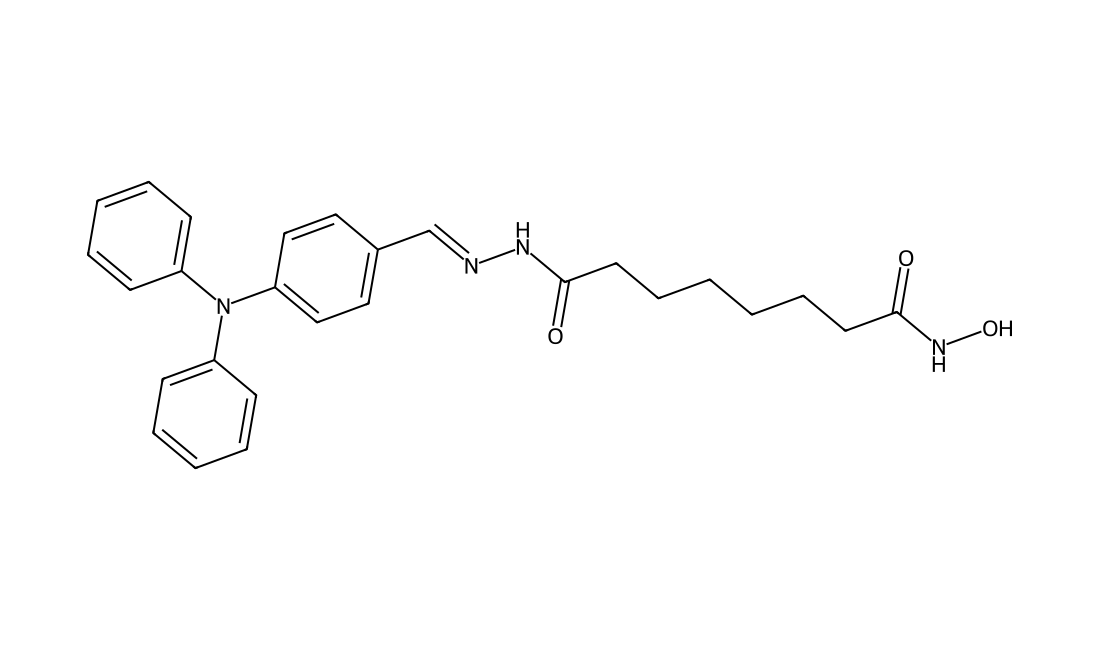
WT161 selectively inhibits HDAC6 and dramatically increases levels of acetylated α-tubulin (Ac-α-tubulin) with little effect on global lysine acetylation. WT161 induces significant toxicity in all multiple myeloma cell lines tested, with IC50s between 1.5 and 4.7 µM . WT161 in combination with bortezomib triggers significant accumulation of polyubiquitinated proteins and cell stress, followed by caspase activation and apoptosis. More importantly, this combination treatment is effective in bortezomib-resistant cells and in the presence of bone marrow stromal cells, which have been shown to mediate multiple myeloma cell drug resistance.WT161 shows toxicity at 100 mg/kg i.p., but WT161 is well tolerated at 50 mg/kg i.p.. Bortezomib combined with WT161 demonstrates a significant antitumor effect.

WT-161 chemical structure
DC7823

WAY-600

CAS 1062159-35-6

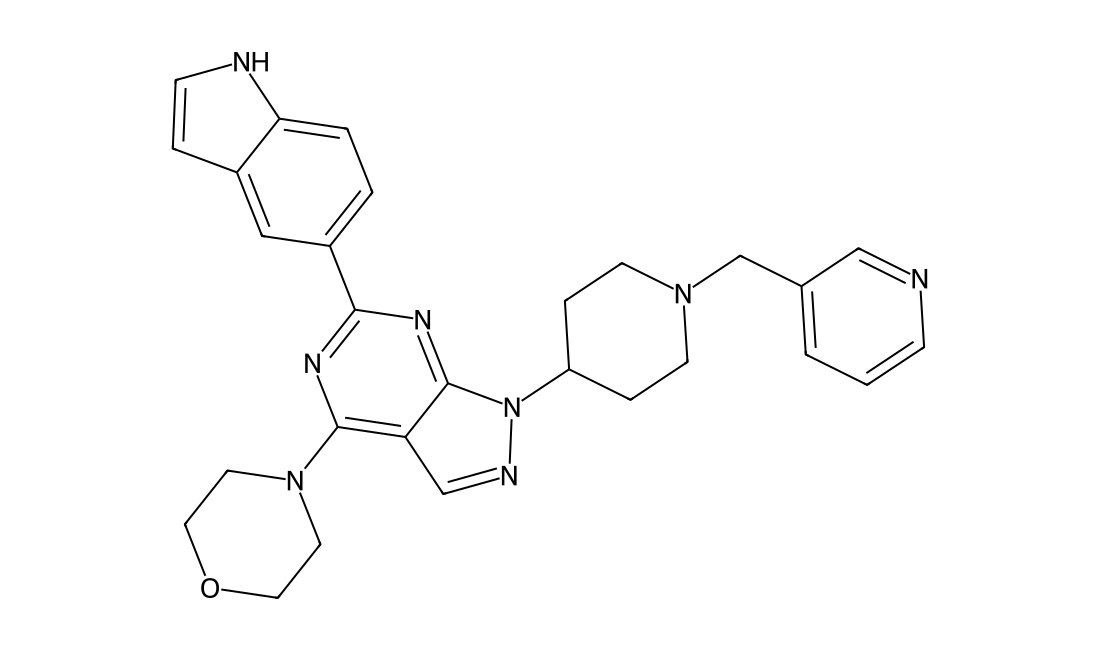
Immune-complex kinase assay shows mTORC2-specific substrate His6-AKT or the mTORC1 substrate His6-S6K is dose dependently inhibited by WAY-600. WAY-600 globally inhibits mTOR signaling and AKT function in cellular models dose dependently. WAY-600 profoundly inhibits cap-dependent and global protein synthesis in MDA361, human breast cancer cells. WAY-600 shows antiproliferative effects in various cancer cell lines involving G1 cell cycle arrest and selective apoptosis. WAY-600 down-regulate angiogenic factors, VEGF and HIF-1α, in U87MG, MDA361 and LNCap cells. For the detailed information of WAY-600, the solubility of WAY-600 in water, the solubility of WAY-600 in DMSO, the solubility of WAY-600 in PBS buffer, the animal experiment (test) of WAY-600, the cell expriment (test) of WAY-600, the in vivo, in vitro and clinical trial test of WAY-600, the EC50, IC50,and affinity,of WAY-600, Please contact DC Chemicals.

WAY-600 chemical structure
DC9668

WAY181187.HCl(WAY-181,187)

CAS 554403-49-5

WAY-181187 is a potent and selective 5-HT6 receptor agonist. WAY-181187 possesses high affinity binding (2.2 and 4.8 nM, respectively) at the human 5-HT6 receptor and profile as full receptor agonists (WAY-181187: EC50=6.6 nM, Emax=93%). In the rat frontal cortex, acute administration of WAY-181187 (3-30 mg/kg, subcutaneous (s.c.)) significantly increased extracellular GABA concentrations without altering the levels of glutamate or norepinephrine.

WAY181187.HCl(WAY-181,187) chemical structure
DC7737

VER-50589

CAS 747413-08-7

VER-50589 inhibits the intrinsic ATPase activity of recombinant yeast Hsp90 with IC50 of 143 nM, and produces antiproliferative activity in a panel of human cancer cell lines and nontumorigenic cells in vitro. VER-50589 causes induction of HSP72 and HSP27 alongside depletion of client proteins, including C-RAF, B-RAF, and survivin, and the protein arginine methyltransferase PRMT5, which further result in cell cycle arrest and apoptosis. In HCT116 human colon cancer xenografts, VER-50589 (100 mg/kg i.p.) results in a statistically significant reduction of ∼30% in tumor volume and weight, as well as induction of HSP72 and depletion of ERBB2 and C-RAF. . For the detailed information of VER-50589, the solubility of VER-50589 in water, the solubility of VER-50589 in DMSO, the solubility of VER-50589 in PBS buffer, the animal experiment (test) of VER-50589, the cell expriment (test) of VER-50589, the in vivo, in vitro and clinical trial test of VER-50589, the EC50, IC50,and affinity,of VER-50589, Please contact DC Chemicals.

VER-50589 chemical structure
DC20849

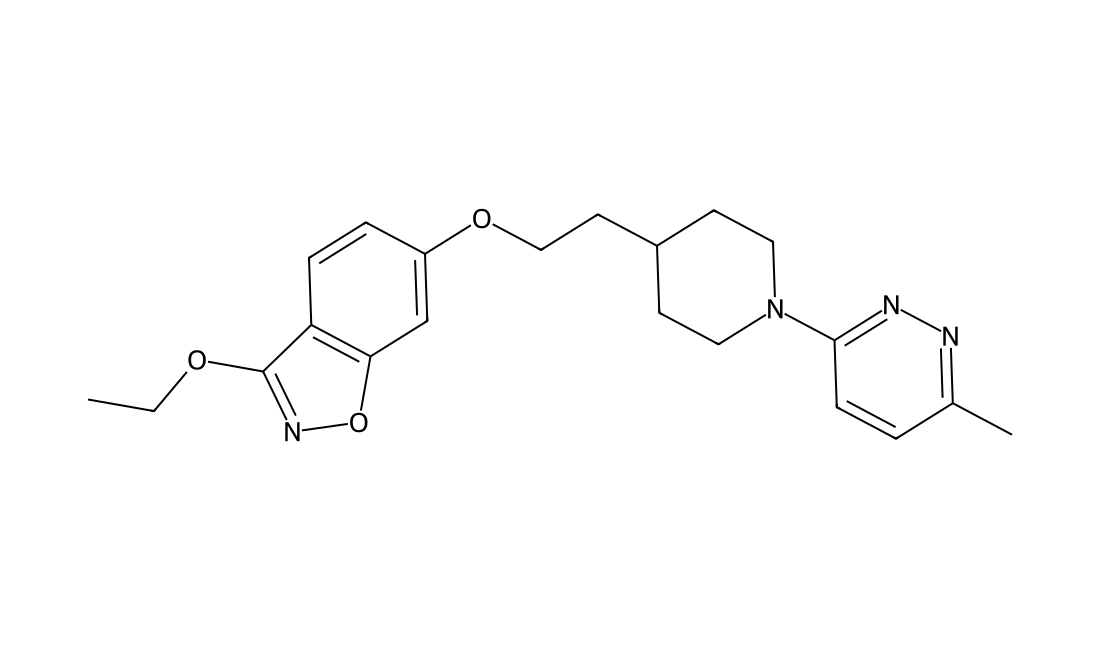
Vapendavir

CAS 439085-51-5

Vapendavir (BTA798) is a novel potent enteroviral capsid binder, inhibits EV71 replication of all isolates with mean EC50 of 0.7 uM; efficiently inhibits the in vitro replication of 21 EV71 strains/isolates that are representative of the different genogroups A, B, and C; Vapendavir (BTA798) is currently under clinical study for the treatment of rhinovirus infections.Rhinovirus InfectionPhase 2 Clinical

Vapendavir chemical structure
DC9405

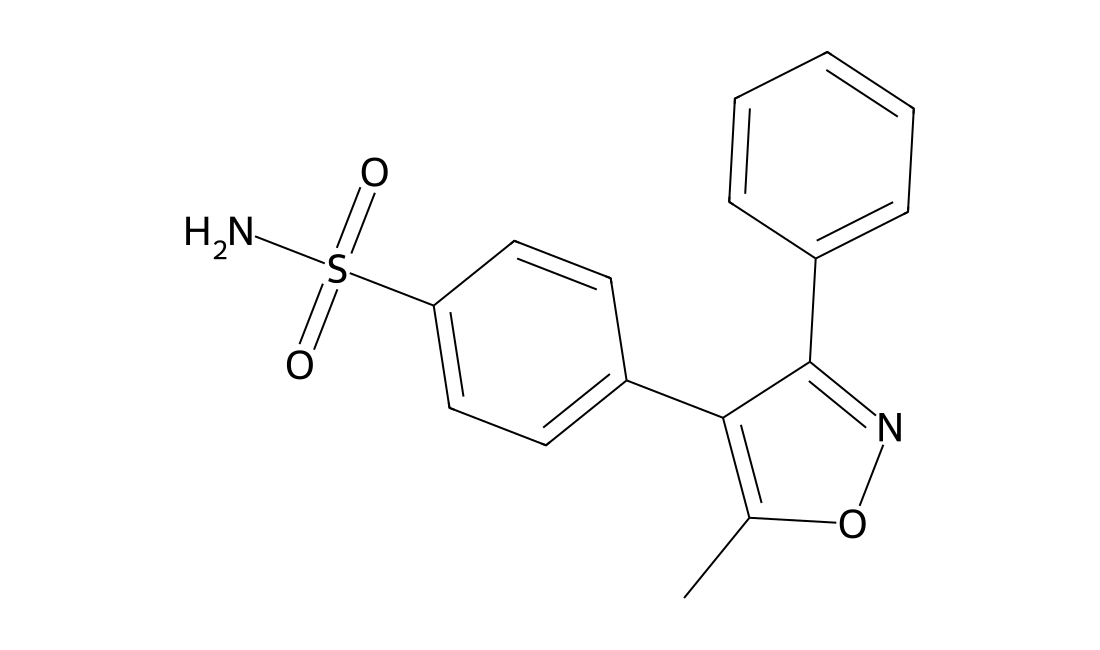
Valdecoxib

CAS 181695-72-7

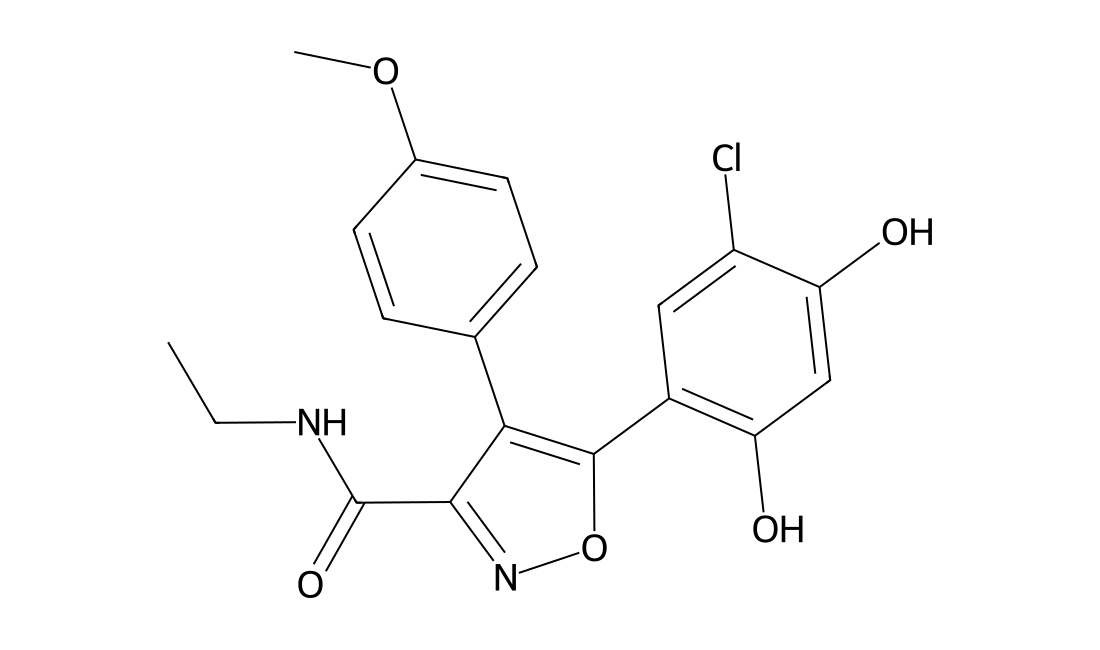
Valdecoxib (SC 65872) is a COX-2 selective inhibitor with an IC50 value of 5 nM. Valdecoxib is a non-steroidal anti-inflammatory drug (NSAID) used in the treatment of osteoarthritis, rheumatoid arthritis, and painful menstruation and menstrual symptoms. in vitro: The overall saturation binding affinity for COX-2 of valdecoxib is 2.6 nM (compared with 1.6 nM for celecoxib, 51 nM for rofecoxib, and 260 nM for etoricoxib), with a slow off-rate (t(1/2) approximately 98 min). Valdecoxib inhibits COX-1 in a competitive fashion only at very high concentrations (IC(50) = 150 microM). Collectively, these data provide a mechanistic basis for the potency and in vitro selectivity of valdecoxib for COX-2. Valdecoxib showed similar activity in the human whole-blood COX assay (COX-2 IC(50) = 0.24 microM; COX-1 IC(50) = 21.9 microM). The affinity of [(3)H]celecoxib for COX-2 (K(D) = 2.3 nM) was similar to the affinity of [(3)H]valdecoxib (K(D) = 3.2 nM). The binding to COX-2 seems to be both rapid and slowly reversible with association rates of 5.8 x 10(6)/M/min and 4.5 x 10(6)/M/min and dissociation rates of 14 x 10(-3)/min (t(1/2) = 50 min) and 7.0 x 10(-3)/min (t(1/2) = 98 min) for [(3)H]celecoxib and [(3)H]valdecoxib, respectively. in vivo: In rats, valdecoxib demonstrated marked potency in acute and chronic models of inflammation (air pouch ED(50) = 0.06 mg/kg; paw edema ED(50) = 5.9 mg/kg; adjuvant arthritis ED(50) = 0.03 mg/kg). In these same animals, COX-1 was spared at doses greater than 200 mg/kg . Valdecoxib was extensively metabolized after a single 5 mg/kg oral administration of [(14)C]valdecoxib and elimination of unchanged drug was minor (less than 1%) in male and female mice.

Valdecoxib chemical structure
DC7525

USP7-USP47 inhibitor

CAS 1247825-37-1

USP7/USP47 inhibitor is a potent and dual inhibitor of USP7/USP47 with IC50s of 0.42 uM(USP7) and 1.0 uM(USP47). IC50 value: 0.42/1.0 uM (USP7/47) Target: USP7/USP47 USP7/USP47 inhibitor(compound 14) is a selective USP7 (EC50= 0.42 μM)/USP47 (EC50= 1.0 μM) inhibitor but does not inhibit caspase 3, calpain 1, 20S proteasome, and a panel of representative USPs (USP2, USP5, USP8, USP21, and USP28; EC50 > 31.6 μM Selective Dual Inhibitors of the Cancer-Related Deubiquitylating Proteases USP7 and USP47. compound 14 exhibits enhanced potency against HCT-116 cells. treatment of cells with compound 14 resulted in an increase in p53 and an appreciable induction of p21 protein over the DMSO control. Thus, compound 14 penetrated the cells and modulated p53 and p21 as expected For a USP7 inhibitor .For the detailed information of USP7-USP47 inhibitor, the solubility of USP7-USP47 inhibitor in water, the solubility of USP7-USP47 inhibitor in DMSO, the solubility of USP7-USP47 inhibitor in PBS buffer, the animal experiment (test) of USP7-USP47 inhibitor, the cell expriment (test) of USP7-USP47 inhibitor, the in vivo, in vitro and clinical trial test of USP7-USP47 inhibitor, the EC50, IC50,and Affinity of USP7-USP47 inhibitor, Please contact DC Chemicals.

USP7-USP47 inhibitor chemical structure
DC8130

URB754

CAS 86672-58-4

URB-754 is a new class of designer drug and 12 synthetic cannabinoids detected in illegal products.URB-754 was reported to inhibit an endocannabinoid deactivating enzyme.Subsequent studies have shown that that URB-754 does not inhibit recombinant MAG Lipase and that the original activity was due to a contaminant, bis(methylthio)mercurane, in another commercial source. URB-754 is an inhibitor of FAAH. For the detailed information of URB754, the solubility of URB754 in water, the solubility of URB754 in DMSO, the solubility of URB754 in PBS buffer, the animal experiment (test) of URB754, the cell expriment (test) of URB754, the in vivo, in vitro and clinical trial test of URB754, the EC50, IC50,and affinity,of URB754, For the detailed information of URB754, the solubility of URB754 in water, the solubility of URB754 in DMSO, the solubility of URB754 in PBS buffer, the animal experiment (test) of URB754, the cell expriment (test) of URB754, the in vivo, in vitro and clinical trial test of URB754, the EC50, IC50,and affinity,of URB754, Please contact DC Chemicals.

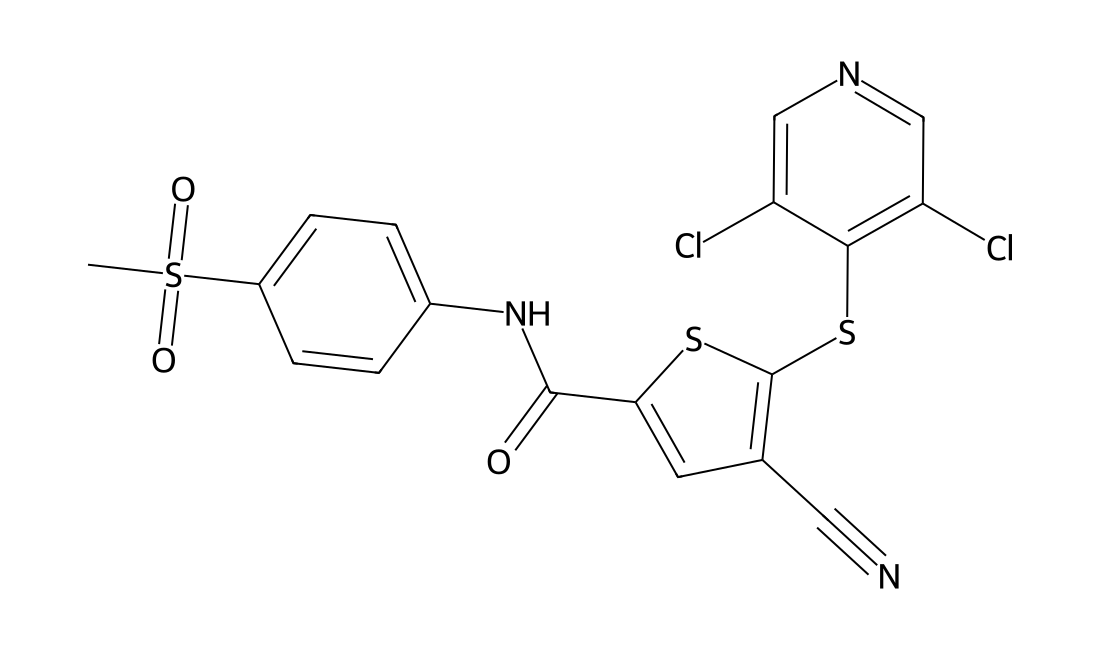
URB754 chemical structure
DC4149

Ulinastatin

CAS 80449-31-6

For the detailed information about the solubility of Ulinastatin in water, the solubility of Ulinastatin in DMSO, the solubility of Ulinastatin in PBS buffer, the animal experiment(test) of Ulinastatin,the in vivo,in vitro and clinical trial test of Ulinastatin,the cell experiment(test) of Ulinastatin,the IC50, EC50 and Affinity of Ulinastatin, please contact DC Chemicals.
Ulinastatin chemical structure
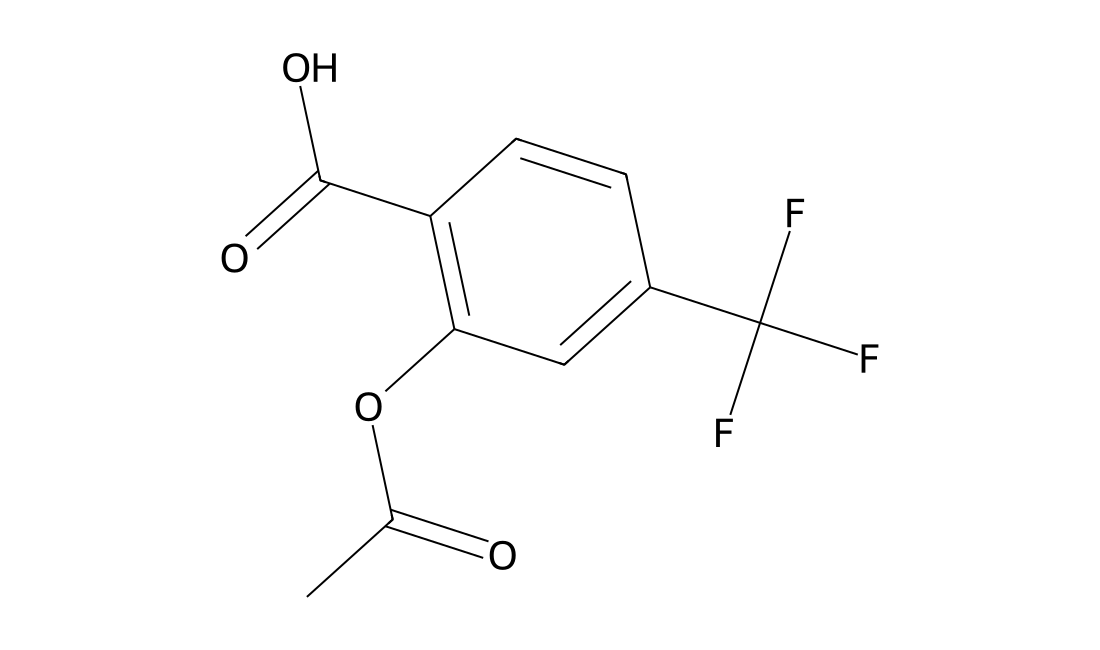
DC9407

Triflusal

CAS 322-79-2

Triflusal irreversibly inhibits the production of thromboxane-B2 in platelets by acetylating cycloxygenase-1. Triflusal at 10 mM, 100 mM and 1 M decreases LDH efflux in rat brain slices after anoxia/reoxygenation by 24%, 35% and 49% respectively. Triflusal also reduces inducible NO synthase activity by 18%, 21% and 30%. Triflusal (10 mg/kg i.v.) reduces platelet deposition on subendothelium-induced primary thrombus by about 68% in rabbits. Triflusal (10 mg/kg i.v.) reduces platelet deposition on a fresh thrombus formed over tunica media by about 48% in rabbits. Triflusal (40 mg/kg p.o.) reduces platelet deposition on a primary thrombus triggered by subendothelium and tunica media by 53% in rabbits. Triflusal (40 mg/kg p.o.) significantly reduces Cox-2 mRNA levels and protein levels without influence Cox-1 mRNA levels on the vascular wall in rabbits. Triflusal (600 mg/day for 5 days) results in an increase in NO production by neutrophils and an increase in endothelial nitric oxide synthase (eNOS) protein expression in neutrophils in healthy volunteers.
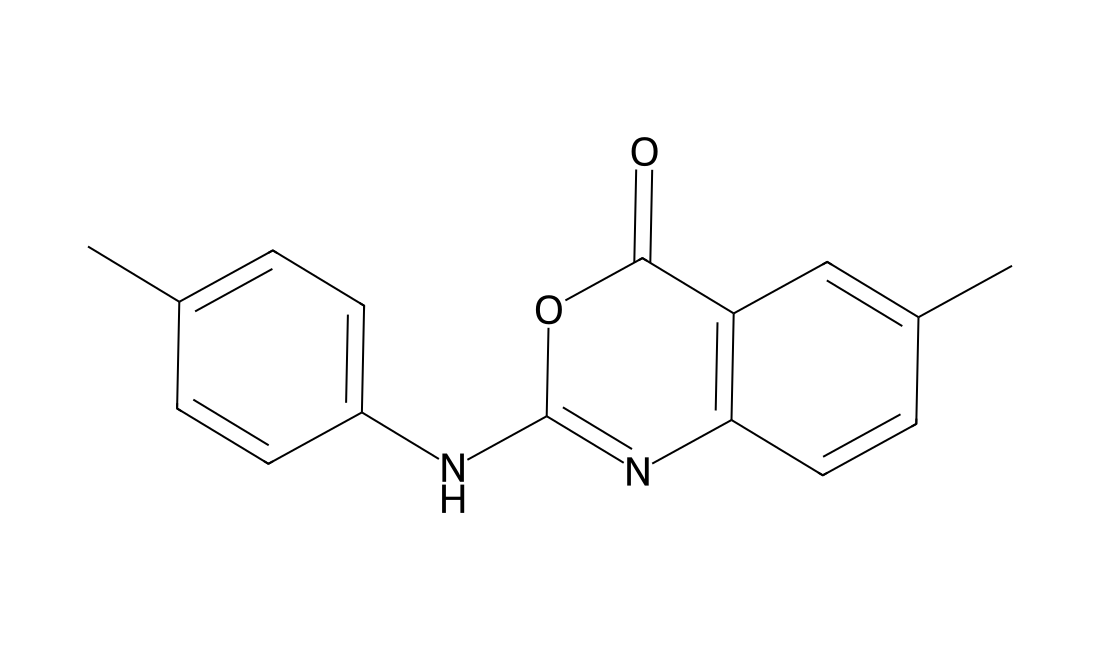
Triflusal chemical structure
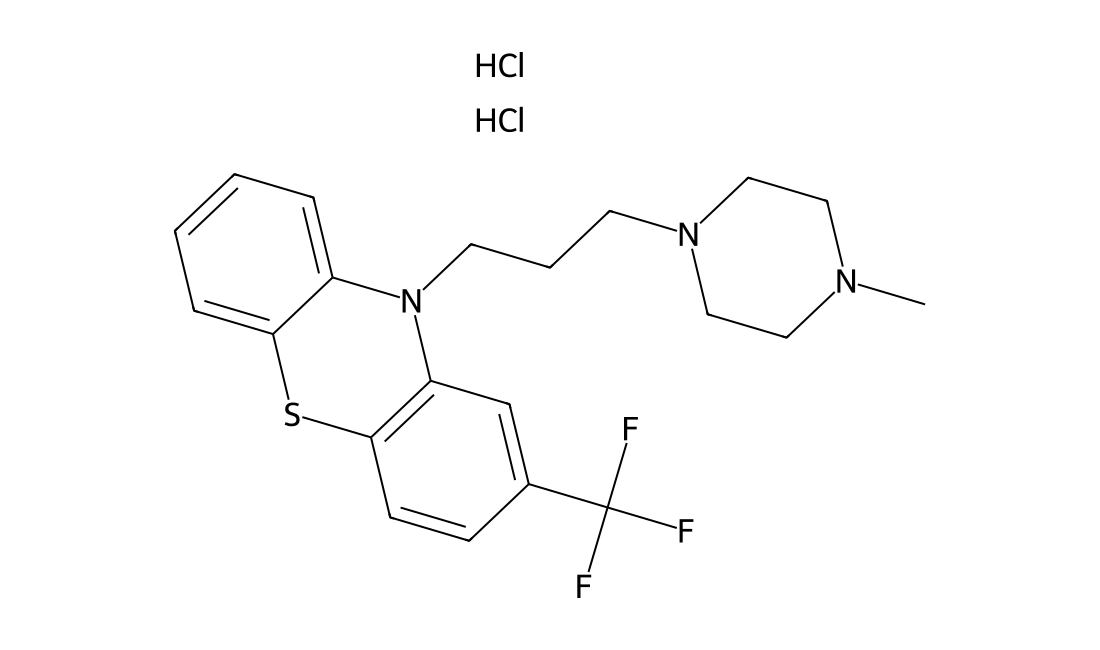
DC9157

Trifluoperazine dihydrochloride

CAS 440-17-5

Trifluoperazine Dihydrochloride is a potent dopamine D2 receptor inhibitor used as an antipsychotic and an antiemetic.Trifluoperazine Dihydrochloride is a potent dopamine D2 receptor inhibitor used as an antipsychotic and an antiemetic. Trifluoperazine inhibited in a dose-dependent manner the stimulation of glycogenolysis, gluconeogenesis, and ureogenesis due to alpha 1-adrenergic stimulation in rat hepatocytes. Trifluoperazine is much more potent at alpha 1- than at alpha 2-adrenergic receptors. Trifluoperazine was not clearly different in terms of 'no substantial improvement' (n=1016, 27 RCTs, RR 1.06 CI 0.98 to 1.14) or leaving the study early (n=930, 22 RCTs, RR 1.15 CI 0.83 to 1.58). Almost identical numbers of people reported at least one adverse event (60%) in each group (n=585, 14 RCTs, RR 0.99 CI 0.87 to 1.13), although trifluoperazine was more likely to cause extrapyramidal adverse effects overall when compared to low potency antipsychotics such as chlorpromazine (n=130, 3 RCTs, RR 1.66 CI 1.03 to 2.67, NNH 6 CI 3 to 121). One small study (n=38) found no clear differences between trifluoperazine and the atypical drug, sulpiride.

Trifluoperazine dihydrochloride chemical structure
DC10251

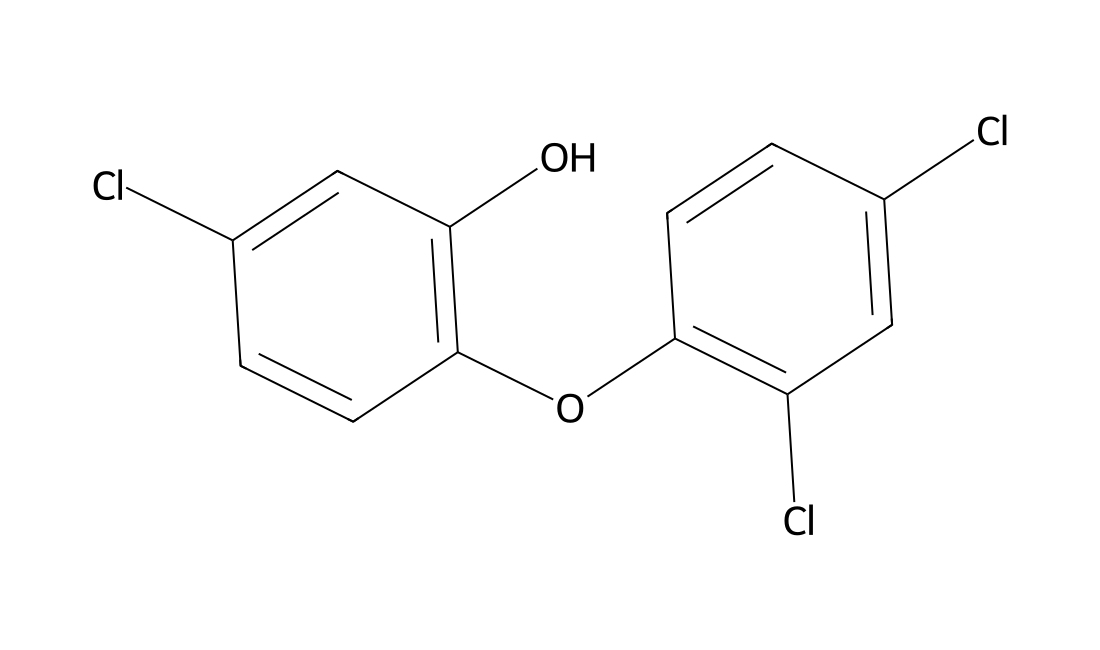
Triclosan

CAS 3380-34-5

Triclosan is a diphenyl ether derivative used in cosmetics and toilet soaps as an antiseptic. It has some bacteriostatic and fungistatic action.

Triclosan chemical structure
DC9121

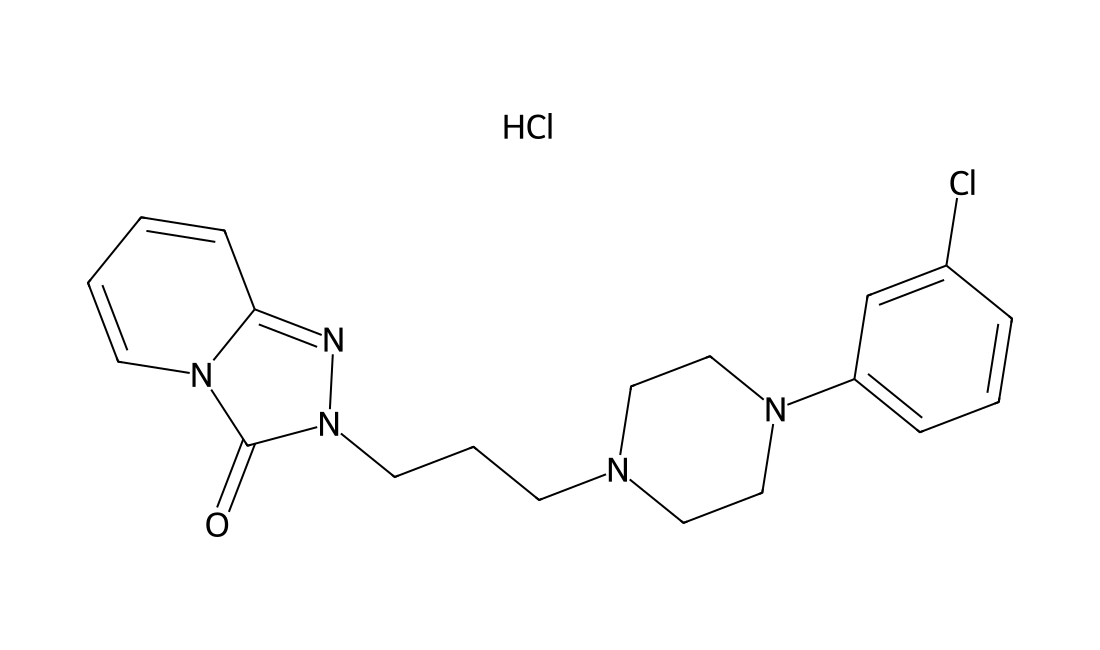
Trazodone HCl

CAS 25332-39-2

Trazodone HCl is an antidepressant belonging to the class of serotonin receptor antagonists and reuptake inhibitors for treatment of anxiety disorders.Trazodone is a triazolopyridine derivative, chemically and pharmacologically unrelated to other currently available antidepressants. Trazodone has been successfully used in a small number of patients with depression and pre-existing cardiovascular disease. trazodone has also been used as a hypnotic for psychotropic-induced or other insomnias with some success. Trazodone is an effective hypnotic for patients with antidepressant-associated insomnia. Trazodone may be helpful in men with erectile dysfunction (ED), possibly more so at higher doses, and in men with psychogenic ED. Future high-quality trials should compare trazodone with placebo and other therapies in men with depression and psychogenic ED.

Trazodone HCl chemical structure
DC22818

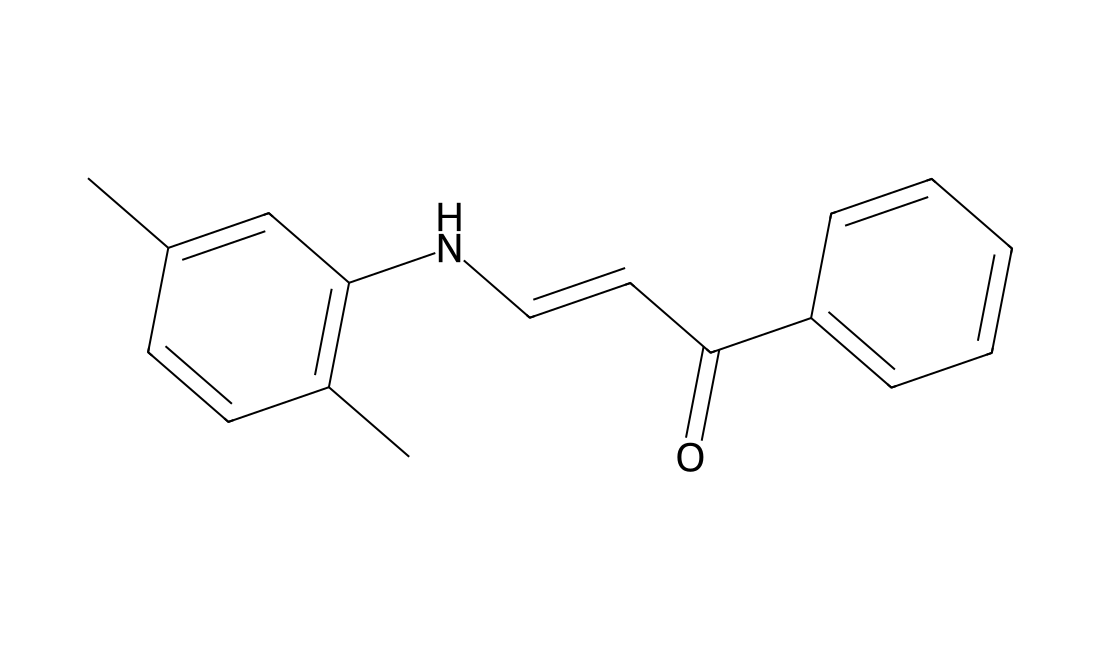
TRAF-STOP 6877002

CAS 433249-94-6

TRAF-STOP 6877002 is a small molecule inhibitor that blocks the interaction between CD40 and TRAF6 (TRAF-STOP), while leaving CD40-TRAF2/3/5 interactions intact, thereby preserving CD40-mediated immunity; prevents the progression of established atherosclerosis in mice, reduces leukocyte recruitment and reduces macrophage activation; reduces macrophage proliferation in atherosclerotic plaques and reduces the expression of Ki67 in BMDMs.

TRAF-STOP 6877002 chemical structure
DC9332

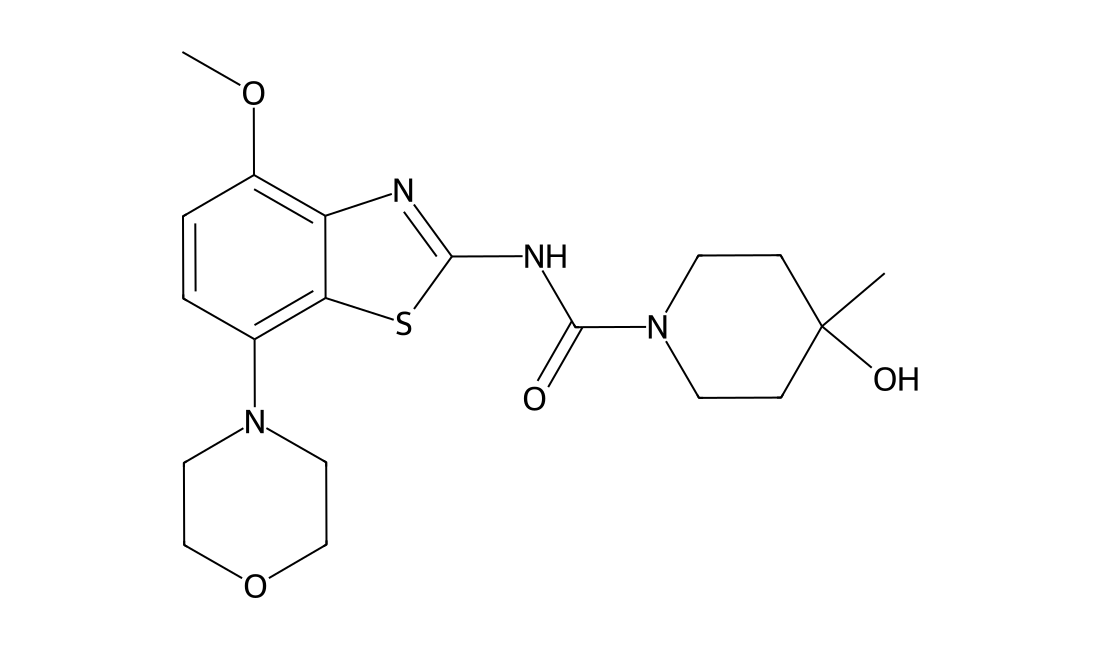
Tozadenant

CAS 870070-55-6

Tozadenant (SYN-115) is an adenosine A2A receptor antagonist. Treatment of Parkinson's disease, dopaminergic neurotransmission disorders. Tozadenant (SYN-115) is useful for treatment of post-traumatic stress disorder.

Tozadenant chemical structure
Browse target & topic index A–Z (366)
11β-HSD (1)15-PGDH (2)5-HT Receptor (16)Acetyl-CoA Carboxylase (ACC) (3)Acetylcholinesterase (AChE) (2)Ack1 (TNK2) (1)Acyltransferase (1)ADC Cytotoxin (6)ADCs Linker/Click Chemistry (5)Adenosine Receptor (9)Adenylate Cyclase (2)Adrenergic Receptor (11)Akt (12)Alcoholism (2)Aldehyde Dehydrogenase (ALDH) (6)Allergy (5)Alzheimer Disease (13)Aminopeptidase (1)AMPK (8)Amyloids (4)Anaplastic Lymphoma Kinase (ALK) (9)Androgen Receptor (AR) (11)Anemia (4)Angiotensin Receptor (4)Antibody/Protein labeling dyes (1)Antifolate (2)Anxiety (1)Apoptosis Inducer (3)Arginase (1)Arp2/3 complex (1)Aryl hydrocarbon Receptor (AhR) (1)Asthma (5)Atherosclerosis (2)ATM/ATR (8)Aurora Kinase (10)Autophagy (6)Autophagy-related Protein (Atg) (2)Autotaxin (2)Bacterial (26)Bacterial Infection (17)Bcl-2 (14)Bcr-Abl (5)BCRP (1)Beta-catenin (4)Beta-secretase (BACE) (4)Blood Cancer (91)BMI-1 (1)Bone Cancer (6)Brain Cancer (6)Breast Cancer (30)Bromodomain (22)BTK (10)c-Fms (CSF1R) (5)c-Fos/AP-1 (1)c-Kit (6)c-Met (HGFR) (11)c-Myc (2)Calcium Channel (4)Calcium-sensing Receptor (CaSR) (1)CaMK (4)Cannabinoid Receptor (6)Carbonic Anhydrase (1)Carboxypeptidase (1)Casein Kinase (6)Caspase (4)Cathepsin (6)Cdc2-like Kinase (CLK) (1)CETP (2)CFTR (7)Checkpoint Kinase (Chk) (8)Chemokine Receptor (CCR and CXCR) (14)Chemotherapeutic Agents (19)Chloride Channel (1)CMV (2)CMV Infection (2)Colon Cancer (9)Complement System (1)COPD (3)CREB/CBP (2)CRF Receptor (2)CRISPR/Cas9 (1)Cushing Disease (1)Cyclin-dependent Kinase (CDK) (39)Cyclooxygenase (COX) (4)Cytochrome P450 (CYPs) (5)Depression (2)Dermatitis (2)Deubiquitinase (DUB) (7)Diabetes (20)Dipeptidyl Peptidase (DPP) (3)Discoidin Domain Receptor (DDR) (1)DNA Alkylator/Crosslinker (10)DNA Methyltransferase (DNMT) (1)DNA Repair Protein (1)DNA-PK (2)DNA/RNA Synthesis (5)Dopamine beta-hydroxylase (1)Dopamine Receptor (7)Drug Metabolite (1)Drug-Linker Conjugates (11)Dyes (4)DYRK (1)Dyslipidemia (9)E3 Ligase Ligand (6)E3 Ligase Ligand-Linker Conjugate (1)E3 Ubiquitin Ligase (4)Ebola Virus Infection (1)EGFR (32)Elastase (2)Endothelin Receptor (5)Enzymes substrates (13)Epigenetic Reader Domain (3)Epilepsy (4)ERK (4)Estrogen Receptor/ERR (13)Eukaryotic Initiation Factor (eIF) (2)Exportin-1 (CRM1,XPO1) (2)FABP (1)Factor Xa (5)Farnesoid X Receptor (FXR) (5)Farnesyl transferase (FTase) (1)Ferroptosis (6)FGFR (20)Fibrosis (5)FLT3 (6)Focal Adhesion Kinase (FAK) (11)Foxo1 (1)Free Fatty Acid Receptor (FFAR) (5)Fungal (2)Fungal Infection (1)GABA Receptor (13)Galectin (1)Gastric Cancer (8)Ghrelin Receptor (GHSR) (3)Glucagon Receptor (4)Glucokinase (2)Glucose Transporter (GLUT) (2)Glutamate Transporter (2)GPCR (1)GPER (GPR30) (1)GPR139 (1)GPR183 (EBI2) (2)GPR39 (1)GPR55 (1)GPR84 (1)GRK (GPCRK) (2)Growth Hormone Deficiency (2)GSK-3 (8)Guanylate Cyclase (3)HBV (1)HBV Infection (1)HCN Channel (2)HCV (8)HCV Infection (9)HDAC (38)Heart Arrhythmia (2)Heart Failure (5)Heat Shock Protein (HSP) (15)Hedgehog (Hh) (1)HIF/HIF Prolyl-hydroxylase (8)Histamine Receptor (6)Histone Acetyltransferase (HAT) (5)Histone Demethylase (11)Histone Methyltransferase (HMTase) (31)HIV (12)HIV Infection (11)HMG-CoA Reductase (HMGCR) (3)HSV (1)HSV Infection (1)Hypercholesterolemia (1)Hyperparathyroidism (1)Hypertension (8)IAP (1)IGF-1R (3)iGluR (15)Indoleamine 2,3-Dioxygenase (IDO) (4)Infection (1)Influenza (6)Influenza Virus (6)Insulin Receptor (2)Integrin (6)Interleukin Receptor (1)IRAK (2)IRE1 (4)Irritable Bowel Syndrome (2)Ischemia (1)Isocitrate Dehydrogenase (IDH) (5)ITK (1)IκB kinase (IKK) (7)JAK (32)JNK (3)Keap1-Nrf2 (6)Kidney Cancer (10)Kinesin (5)Kruppel-like Factor (KLF) (1)Kynurenine 3-Monooxygenase (KMO) (1)Leukotriene Receptor (1)LIM Kinase (LIMK) (3)Lipids fragment (1)Liver Cancer (6)Liver X Receptor (LXR) (3)LRRK2 (9)Lung Cancer (39)Lysophospholipid Receptor (12)LYTACs (3)mAChR (9)MALT1 (2)MAP4K (1)Matrix Metalloproteinase (MMP) (10)MDM2-p53 (9)MEK (MAP2K) (14)MEKK (MAP3K) (1)Melanocortin Receptor (2)MELK (1)mGluR (7)MicroRNA (1)Microtubule/Tubulin (5)Mineralocorticoid Receptor (MLR) (1)MITF (1)Mixed Lineage Kinase (MLK) (3)MNK (2)Molecular Glues (21)Monoamine Transporter (5)Monocarboxylate Transporter (MCT) (1)Monopolar Spindle 1 (Mps1/TTK) (3)mTOR (13)Multiple Sclerosis (6)Myosin (1)Na-K-Cl Cotransporter (NKCC) (2)nAChR (2)NADPH Oxidase (NOX) (2)NAMPT (3)Natural products (37)Neprilysin (1)Neurokinin Receptor (3)Neuropeptide Y Receptor (3)NF-κB (5)Nitric Oxide Synthase (NOS) (1)NOD-like Receptor (NLR) (3)Notch (2)Nucleoside Antimetabolite/Analog (10)Nur77 (NR4A1) (1)Obesity (1)Oct3/4 (1)Opioid Receptor (5)Orexin Receptor (7)Osteoporosis (2)Ovarian Cancer (14)Oxytocin Receptor (OXTR) (2)P-glycoprotein (P-gp) (3)p21-activated Kinase (PAK) (1)P2X Receptor (2)P2Y Receptor (1)p38 MAPK (10)p97/VCP (1)Pain (12)Pancreatic Cancer (10)Parasite (5)Parasite Infection (2)Parkinson Disease (2)PARP (19)PCSK9 (1)PD-1/PD-L1 (4)PDGFR (4)PDK1 (2)PEGn (1)PERK (2)PGE synthase (2)Phosphodiesterase (PDE) (9)Phospholipase (4)PI3K (32)PI4K (2)Piezo Channel (1)PIKfyve (3)Pim (9)PKC (12)PKD (1)Plasminogen Activator Inhibitor-1 (PAI-1) (3)Polo-like Kinase (PLK) (4)Porcupine (3)Potassium Channel (13)PPAR (13)Pregnane X Receptor (PXR) (1)Progesterone Receptor (2)Prostaglandin Receptor (11)Prostate Cancer (7)PROTACs (35)Protease-activated Receptor (PAR) (3)Proteasome (12)Protein Disulfide Isomerase (PDI) (1)Protein Phosphatase/PTP (6)Proton Pump (1)Psoriasis (5)RAD51 (1)Radioligand precursors (15)Raf (18)RAR/RXR (3)Ras (17)Renin (2)RET Tyrosine Kinase (c-RET) (3)Rheumatoid Arthritis (16)Ribosomal S6 Kinase (RSK) (5)RIG-I-like Receptor (RLR) (2)RIP kinase (7)ROCK (12)ROR (2)RSV (4)RSV Infection (3)RUNX1-CBFβ (1)S-nitrosoglutathione reductase (GSNOR) (1)Saccharides and Glycosides (1)Salt Inducible Kinase (SIK) (2)SARS-CoV (16)SARS-CoV Infection (34)Schizophrenia (4)Sexual Dysfunction (1)SGLT (4)Sigma Receptor (4)Sirtuin (9)Skin Cancer (13)Sleep Disorder (7)SMN2 Modulator (1)Smoothened (Smo) (9)Sodium Channel (12)Solid Tumors (35)Somatostatin Receptor (2)Sphingosine kinase (SphK) (2)Src (7)STAT (5)Stearoyl-CoA Desaturase (SCD) (1)Steatohepatitis (7)Sterol lipids (1)STING (14)Syk (6)T Cell Receptor (TCR) (1)TAK1 (2)TAM Receptor (Tyro3-Axl-Mer) (4)Taste Receptor (1)Telomerase (2)TGF beta Receptor (TGFBR) (12)Thrombin (3)Thrombosis (13)Thyroid Cancer (1)Thyroid Hormone Receptor (THR) (1)Thyrotropin Receptor (2)TNIK (1)Toll-like Receptor (TLR) (2)TOPK (1)Topoisomerase (11)TRAIL (1)Translocator Protein (TSPO) (1)Trk Receptor (4)TRP Channel (13)Tryptophan Hydroxylase (TPH) (1)Ubiquitin-activating Enzyme (E1) (2)Ubiquitin-conjugating Enzyme (E2) (2)Ulcer (1)ULK (3)Vasopressin Receptor (2)VEGFR (25)Vitamin D Receptor (VDR) (3)Wee1 (1)WNK Kinase (1)Wnt (5)Yes-associated Protein (YAP) (4)γ-secretase (5)

Cart

Request quotation