Small Molecule Research Tools

Explore bioactive compounds by research category, then narrow your search by target, product name, catalog number or CAS.

Newly added: LC-MG and OXF molecular glue research compounds →

6,823 products17 research categoriesBrowse all products ↓

Browse by research category

Products may appear in more than one category. Counts refer to distinct catalog numbers within each category.

Other Research Tools (75) · Additional reagents, building blocks and specialized research tools.

New literature-derived products

LC-MG-1 (DCA0006) · LC-MG-4 (DCA0007) · LC-MG-9 (DCA0008)

View structure and evidence summaries →

All small molecule products

Combine a keyword, research category and target to narrow the product list.

Loading catalog filters…

6,823 products · Showing 4,081–4,128

DC9054

phenylbutazone

CAS 50-33-9

Phenylbutazone is used as a non-steroidal anti-inflammatory agent for the treatment of chronic pain, including the symptoms of arthritis.Phenylbutazone was originally made available for use in humans for the treatment of rheumatoid arthritis and gout in 1949. However, when combined with paracetamol and many other household painkillers even in the smallest doses can cause irreversible liver degradation proving fatal in many cases. It is no longer approved, and therefore not marketed, for any human use in the United States. In the UK it is used to treat ankylosing spondylitis, but only when other therapies are unsuitable. Phenylbutazone may be administered orally (via paste, powder or feed-in) or intravenously. It should not be given intramuscularly or injected in any place other than a vein, as it can cause tissue damage. Tissue damage and edema may also occur if the drug is injected repetitively into the same vein. Phenylbutazone should be administered only under the advice of a veterinarian.
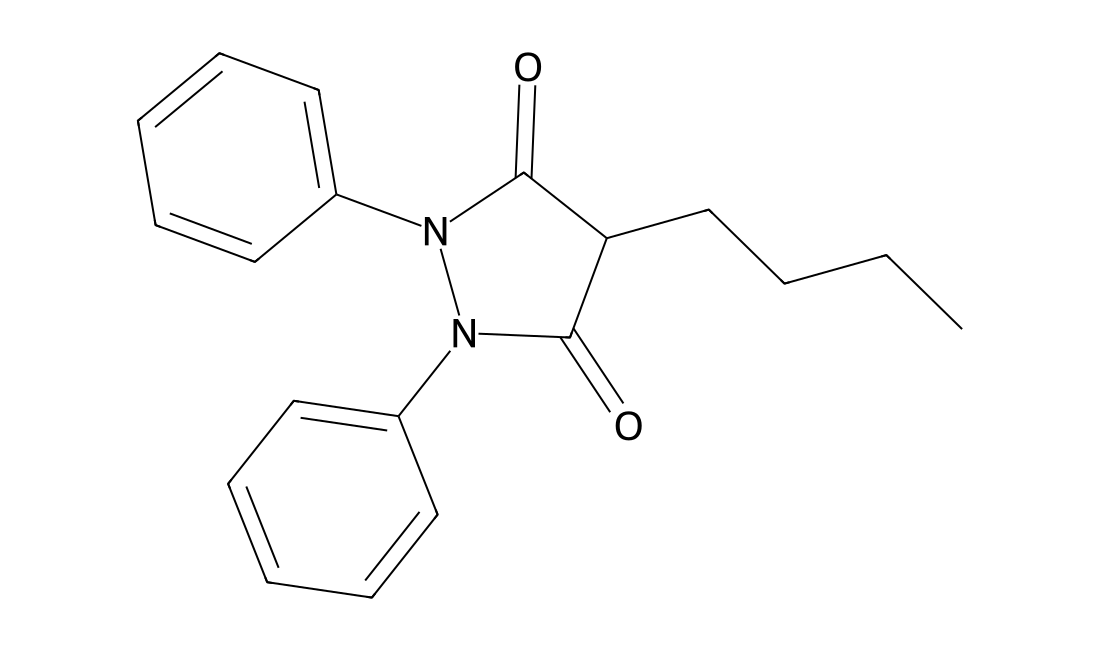
phenylbutazone chemical structure
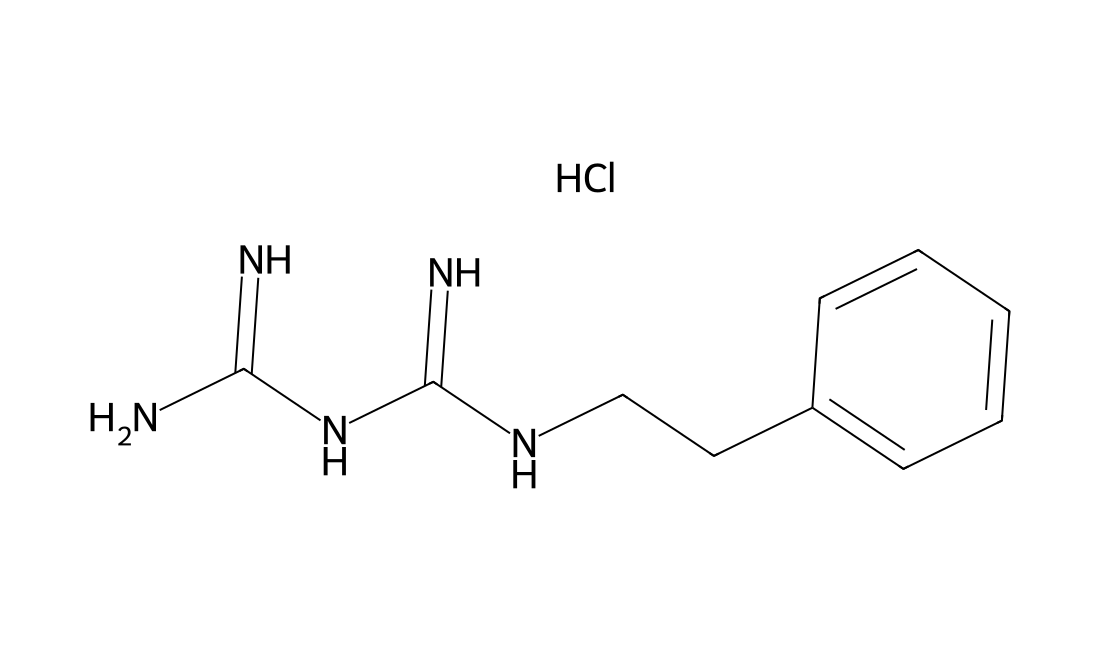
DC12183

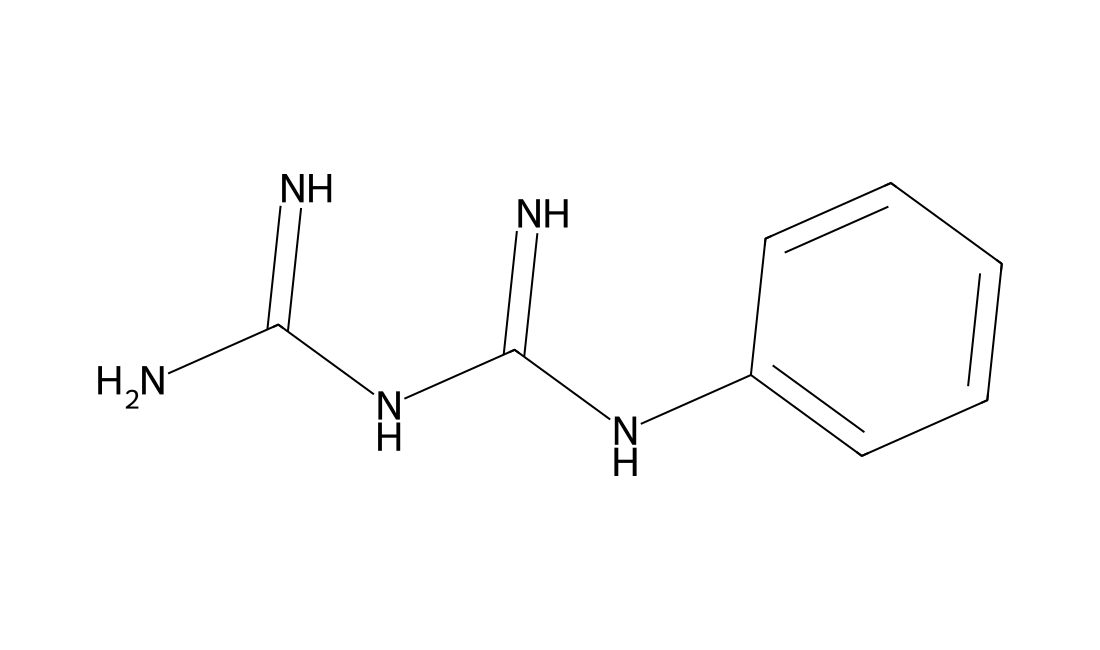
Phenylbiguanide (N-Phenylbiguanide; PBG; 1-Phenylbiguanide)

CAS 102-02-3

In Vitro Phenylbiguanide (1-Phenylbiguanide) is a 5-HT3 receptor selective agonist with pEC50s of 5.57, 4.07, and 4.47 for r5-HT3A(b), h5-HT3A, m5-HT3A(b) , respectively. The effect of Phenylbiguanide (1-Phenylbiguanide hydrochloride) in promoting the growth of the HT29 cell line is investigated. Phenylbiguanide causes a dose dependent proliferation of HT29 cells after 48 hours incubation. The maximum proliferation is at a 5HT concentration of 12.5 μM (P≤0.01). Phenylbiguanide significantly stimulates the growth of cells at concentrations of 3.125 μM (P≤0.05) and 6.25 μM (P≤0.01). In Vivo In anaesthetised mice, Phenylbiguanide (PBG), a drug that is known to stimulate cardiopulmonary afferent C-fibres,is injected into the right atrium of the heart and mapped c-Fos expression within specific regions of the central nervous system. Intraatrial injection of PBG produces a reflex cardiorespiratory response including a pronounced bradycardia and a respiratory depression.
Phenylbiguanide (N-Phenylbiguanide; PBG; 1-Phenylbiguanide) chemical structure
DC9101

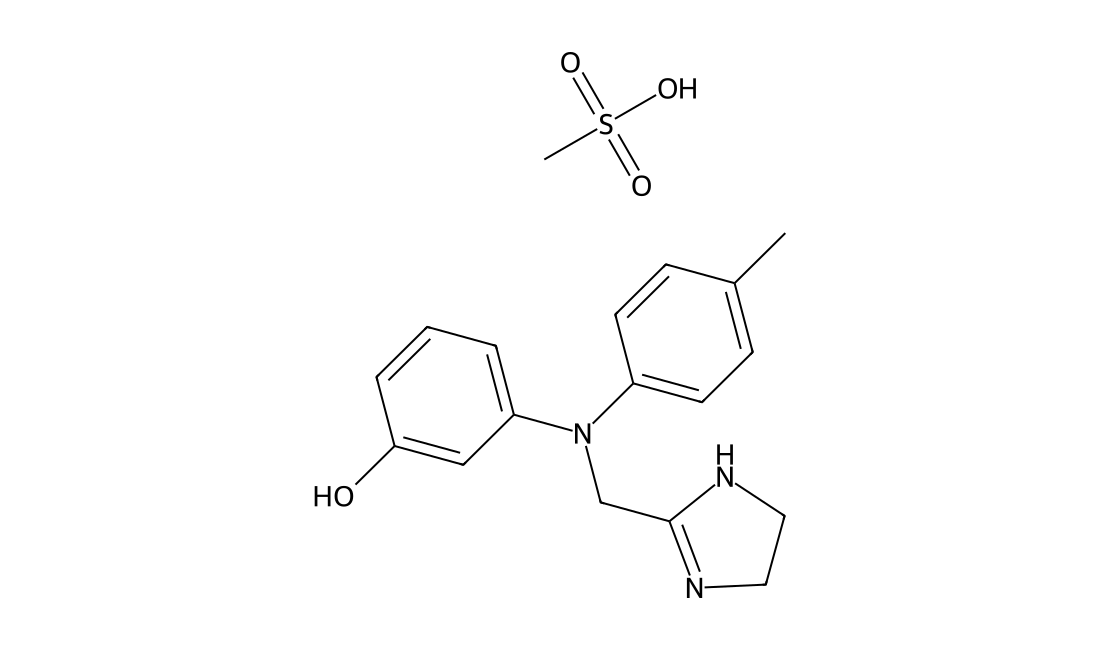
Phentolamine mesilate

CAS 65-28-1

Phentolamine Mesylate is a nonselective alpha-adrenergic antagonist.Phentolamine Mesylate is a alpha 1- and alpha 2-blocking agent. Phentolamine leads to an increase in FBM by preferentially antagonizing presynaptic alpha 2-adrenoreceptors over postsynaptic alpha 1-adrenoreceptors. This influence of phentolamine on FBM may be secondary to its effect on ECoG. Promotion of LV-ECoG by catecholamines is mediated via an alpha 1-independent mechanism. phentolamine increased catecholamine release by presynaptic alpha 2-blockade, thereby suppressing the autoinhibition of transmitter release. This excess of catecholamines causes a rise of oxygen consumption and vasodilation by beta-adrenergic stimulation. Under beta-blockade, this excess competitively counteracts the postsynaptic vascular alpha-blockade. The combination of pre- and postsynaptic effects invalidates the use of phentolamine in the assessment of alpha-adrenoceptor-mediated vasoconstrictor tone.

Phentolamine mesilate chemical structure
DC8990

Phenformin hydrochloride

CAS 834-28-6

Phenformin, an anti-diabetic drug, has demonstrated antitumor activity both in vitro and in vivo.in vitro: Treatment with phenformin significantly delayed the development of resistance to PLX4720 in cultured melanoma cells. Biochemical analyses showed that phenformin and PLX4720 exerted cooperative effects on inhibiting mTOR signaling and inducing apoptosis. Noticeably, phenformin selectively targeted subpopulations of cells expressing JARID1B, a marker for slow cycling melanoma cells, whereas PLX4720 selectively targeted JARID1B-negative cells. Phenformin also exhibited histone modification and was more effective than metformin in destabilizing MYC/MYCN in NB cells. Phenformin activates UPR sensors IRE1α and pancreatic endoplasmic reticulum kinase (PERK) in both an ER-dependent and ER-independent manner. Mechanistically, AMP-activated protein kinase (AMPK) activation is required but not sufficient to initiate phenformin-mediated IRE1α and PERK activation, suggesting the involvement of additional factor(s). in vivo: The chronic treatment of female C3H/Sn mice with phenformin (2 mg/day) and diphenylhydantoin (2 mg/day) prolonged mean life span by 23 and 25%, respectively, and decreased spontaneous tumour incidence by 4.0 and 2.3 times, respectively. Oral administration of 5--10 mg of an antidiabetic biguanide-phenformin (phenethyl-biguanide) for 2.5--5 months suppressed DMBA-induced mammary tumour development in rats considerably. Phenformin-treated rats revealed-a tendency towards a decrease in blood insulin level (radioimmunoassay).

Phenformin hydrochloride chemical structure
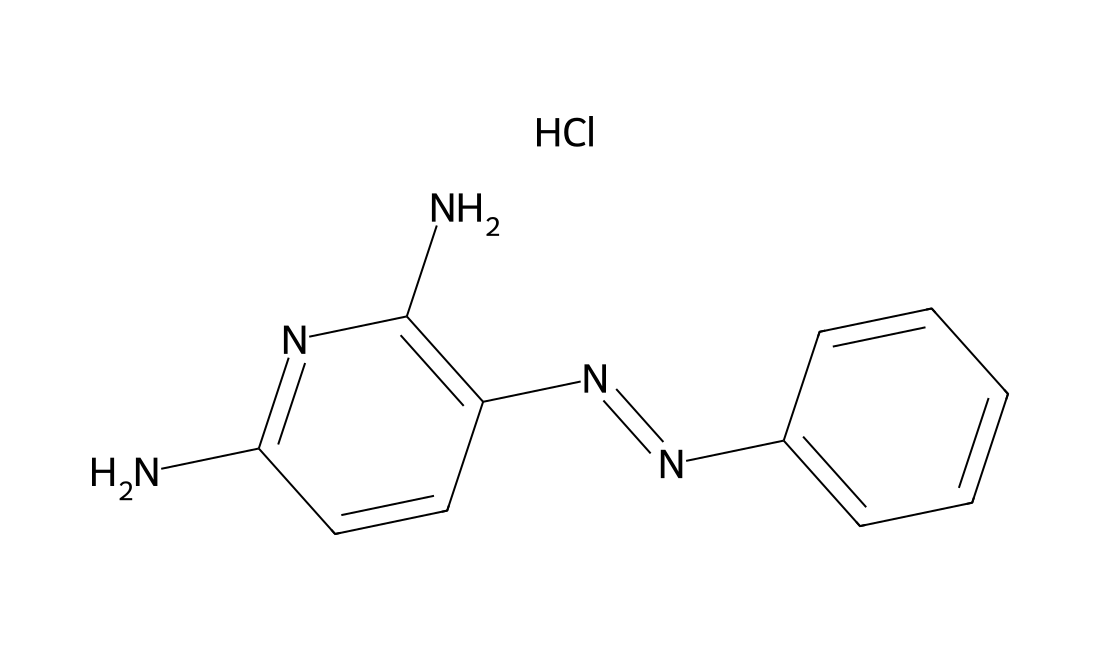
DC8999

Phenazopyridine hydrochloride

CAS 136-40-3

Phenazopyridine Hcl is a chemical, which has a local analgesic effect, often used to alleviate the pain, irritation, discomfort, or urgency caused by urinary tract infections, surgery, or injury to the urinary tract.

Phenazopyridine hydrochloride chemical structure
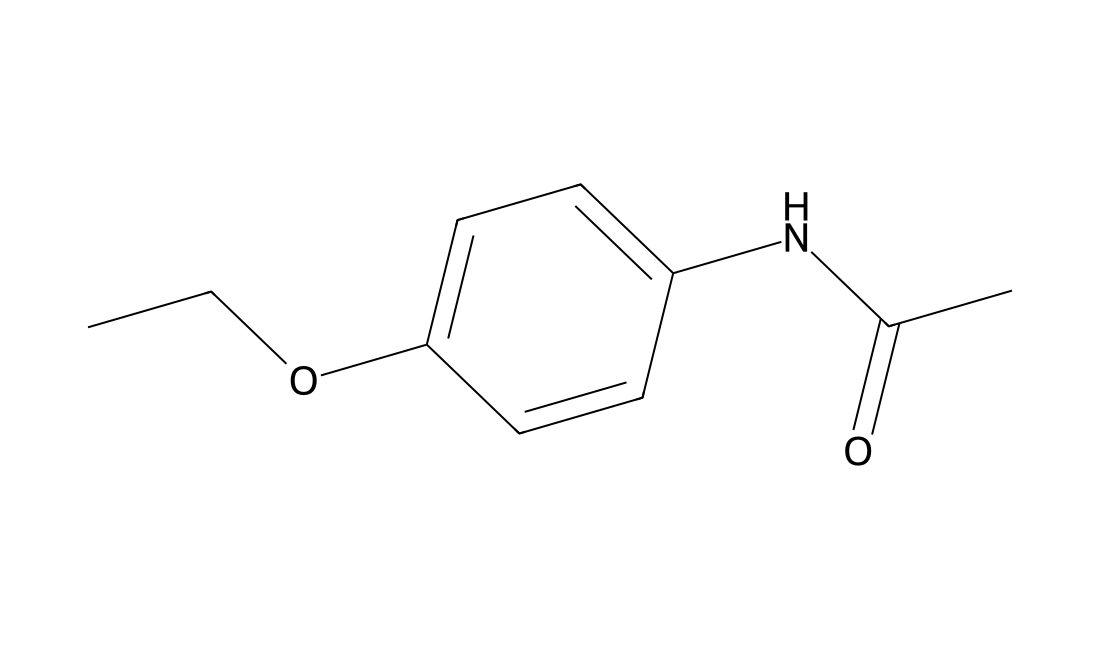
DC8955

Phenacetin

CAS 62-44-2

Phenacetin is a non-opioid analgesic without anti-inflammatory properties.Phenacetin is a pain-relieving and fever-reducing drug, Phenacetin was withdrawn from the Canadian market in June 1973 due to concerns regarding nephropathy. the clinical and laboratory data were compatible with "phenacetin nephritis" as described in Europe and Australia and recently in the United States and Canada. This report evaluates the findings in the 23 cases and cautions against the use of phenacetin, particularly in patients with impaired renal function. Phenacetin has been linked to renal papillary necrosis in human beings.

Phenacetin chemical structure
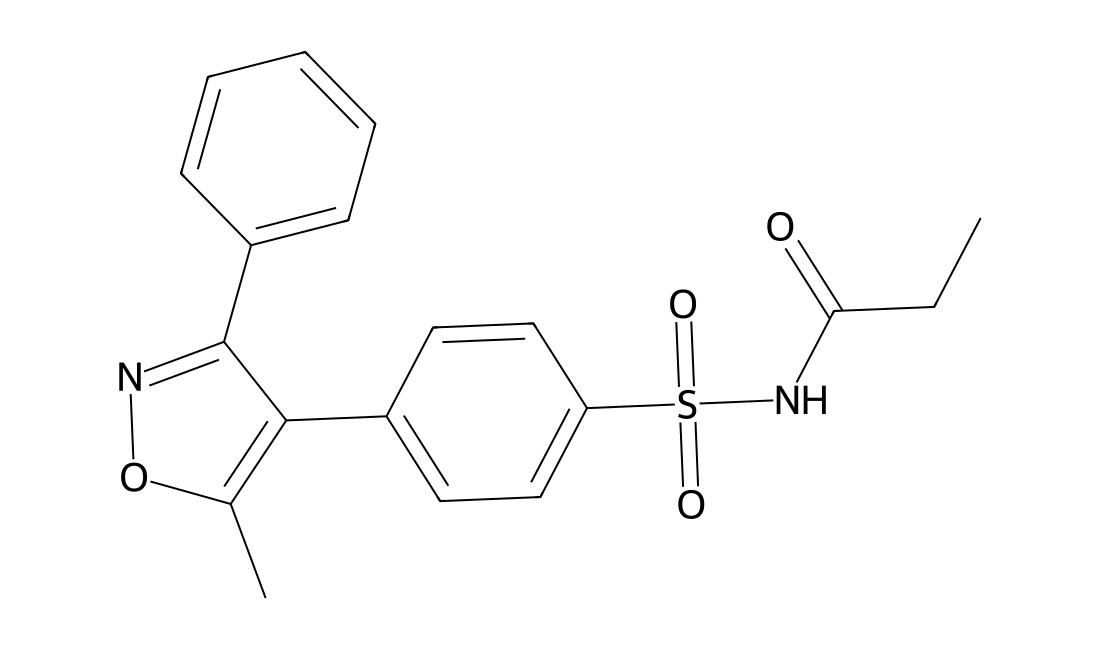
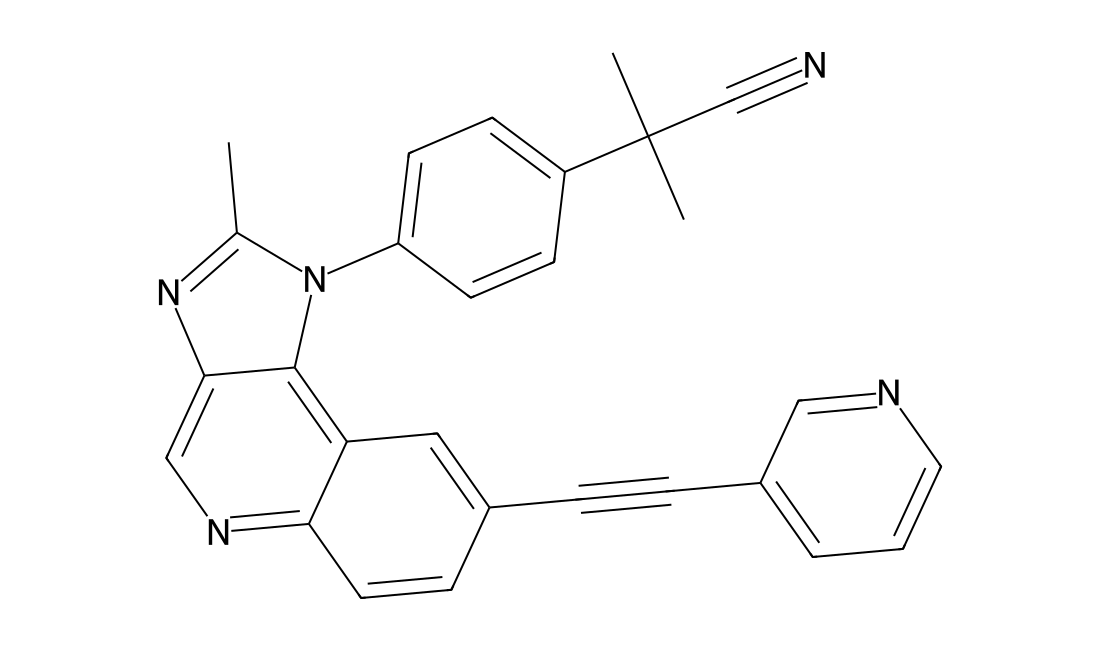
DC11320

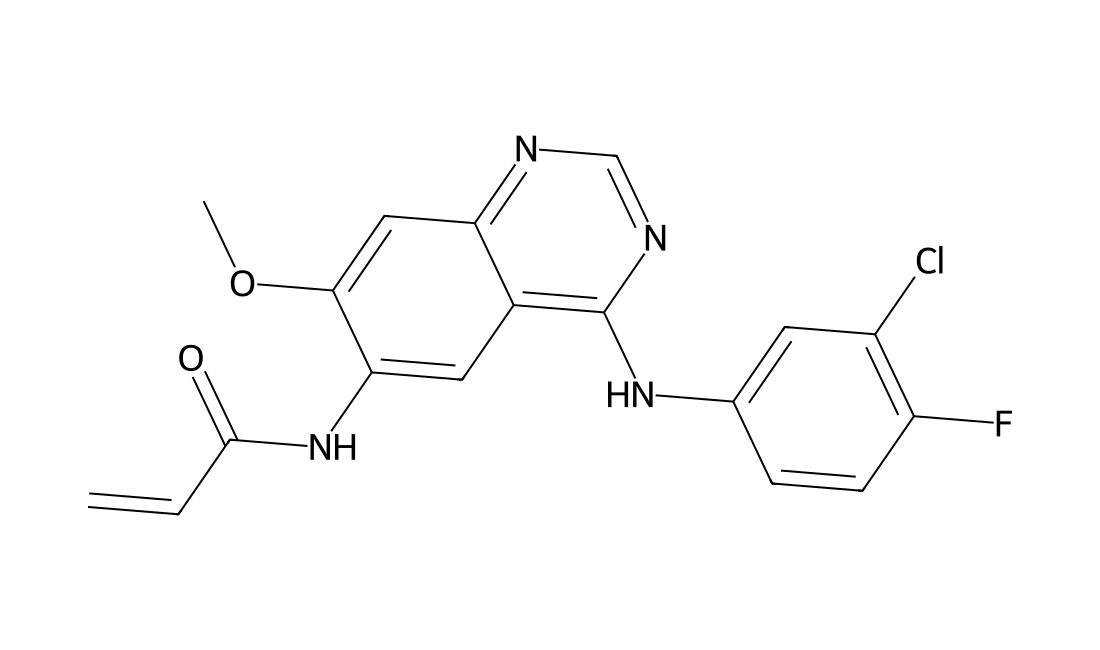
PF-6274484

CAS 1035638-91-5

PF-6274484 is an inhibitor of the EGF receptor (EGFR; IC50s = 0.18 and 0.14 nM for wild-type EGFR and inhibitor-resistant EGFRL858R/T790M, respectively).It inhibits the autophosphorylation of wild-type EGFR in A549 cells and EGFRL858R/T790M in H1975 cells (IC50s = 5.8 and 6.6 nM, respectively).

PF-6274484 chemical structure
DC8152

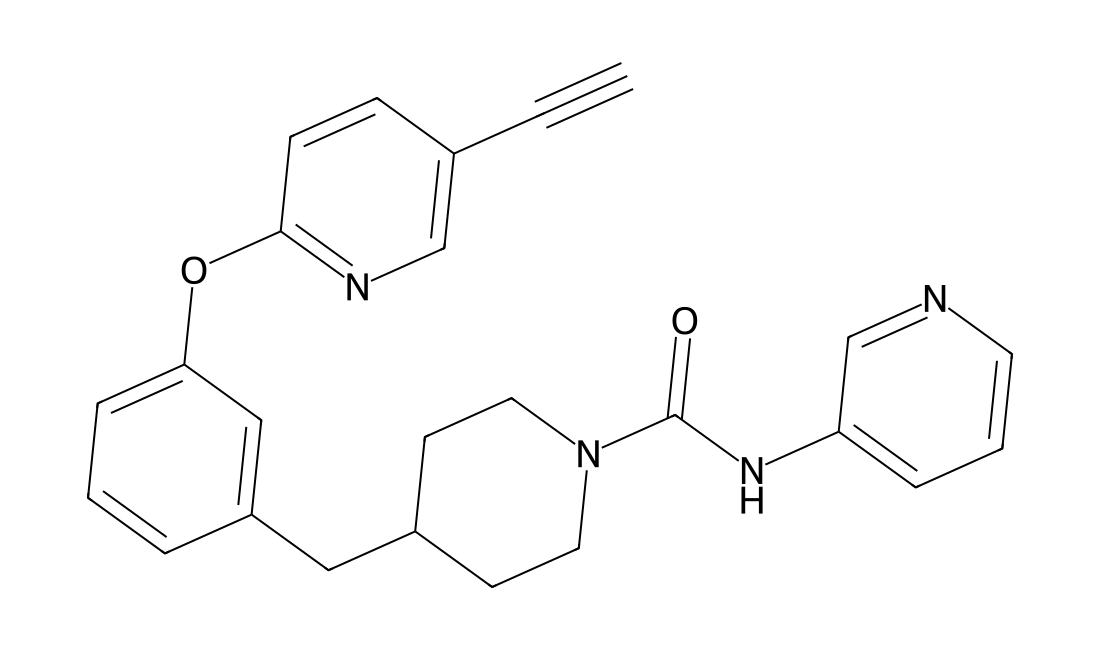
PF3845yne

CAS 1196109-53-1

Both PF3845yne and JP104 selectively reacted with a single brain protein, which was confirmed to be FAAH based on its absent from FAAH(−/−) mice. In liver, however, PF3845yne and JP104 showed strikingly different profiles, with the former agent once again showing selective reactivity with FAAH and the latter inhibitor labeling a number of proteins. These data indicate that PF-3845 inhibits FAAH in vivo with exceptional efficacy and selectivity. For the detailed information of PF3845 yne, the solubility of PF3845 yne in water, the solubility of PF3845 yne in DMSO, the solubility of PF3845 yne in PBS buffer, the animal experiment (test) of PF3845 yne, the cell expriment (test) of PF3845 yne, the in vivo, in vitro and clinical trial test of PF3845 yne, the EC50, IC50,and affinity,of PF3845 yne, For the detailed information of PF3845 yne, the solubility of PF3845 yne in water, the solubility of PF3845 yne in DMSO, the solubility of PF3845 yne in PBS buffer, the animal experiment (test) of PF3845 yne, the cell expriment (test) of PF3845 yne, the in vivo, in vitro and clinical trial test of PF3845 yne, the EC50, IC50,and affinity,of PF3845 yne, Please contact DC Chemicals.

PF3845yne chemical structure
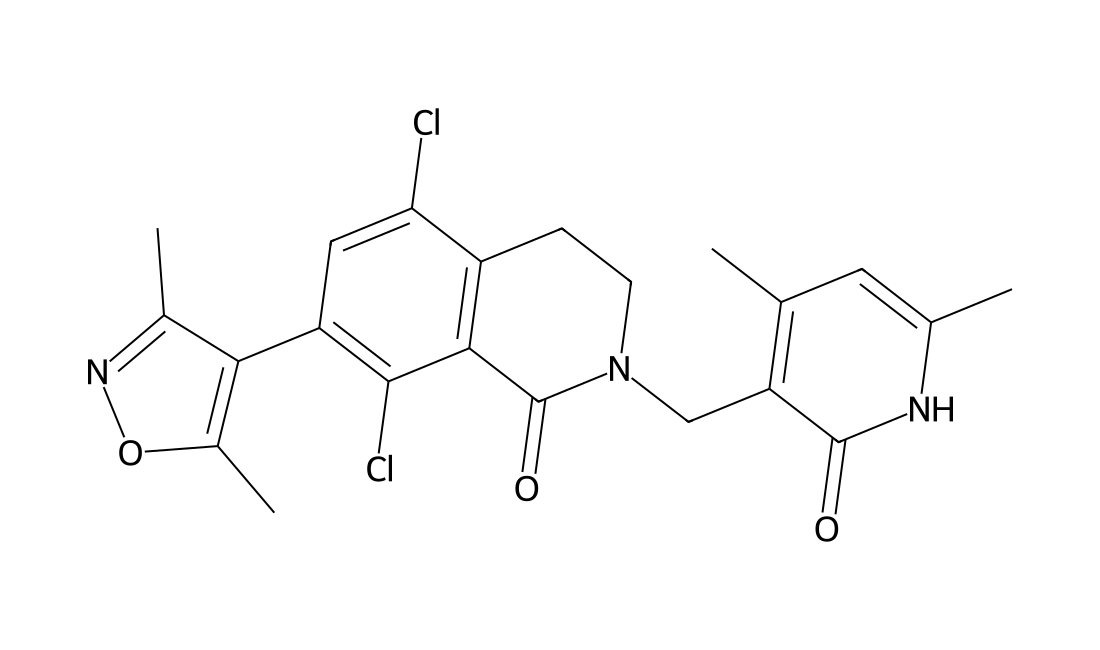
DC10634

PF-06726304

CAS 1616287-82-1

In vitro: PF-06726304 displays very potent EZH2 biochemical inhibition as well as good activity in the cell H3K27Me3 reduction and antiproliferation effect. In vivo: PF-06726304 displays robust in vivo antitumor growth activity and dose-dependent de-repression of EZH2 target genes. PF-06726304 displays good efficacy in a diffuse large B-cell lymphoma Karpas-422 tumor model and exhibited on-target pharmacodynamic effects in vivo.

PF-06726304 chemical structure
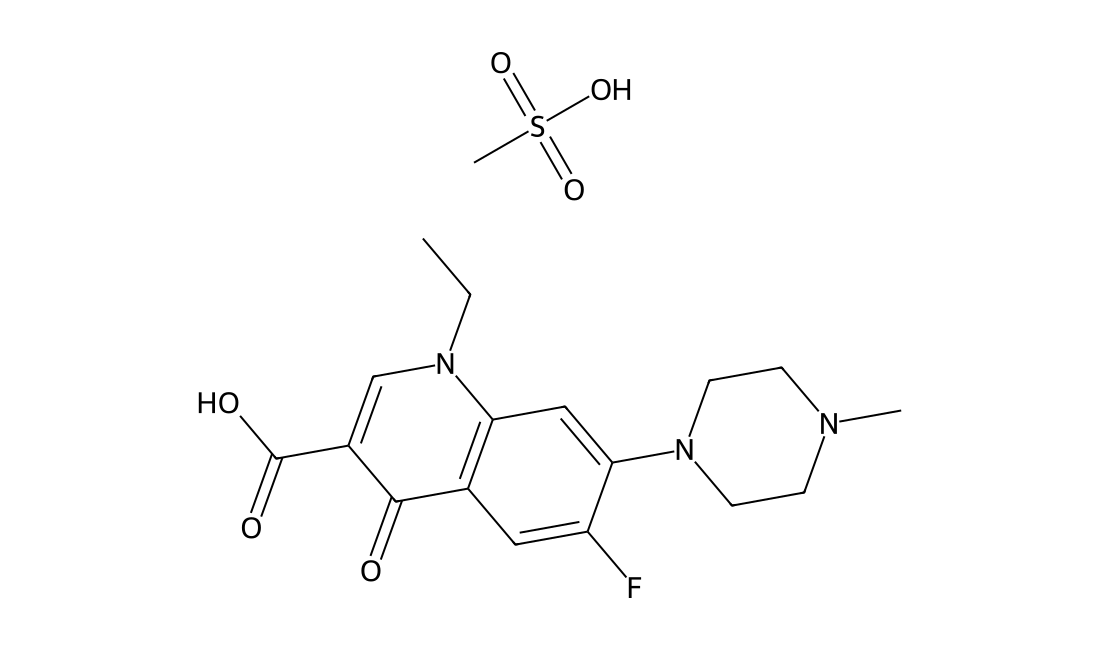
DCAPI1314

Pefloxacin mesylate

CAS 70458-95-6

For the detailed information of Pefloxacin mesylate, the solubility of Pefloxacin mesylate in water, the solubility of Pefloxacin mesylate in DMSO, the solubility of Pefloxacin mesylate in PBS buffer, the animal experiment(test) (test) of Pefloxacin mesylate, the cell expriment (test) of Pefloxacin mesylate, the in vivo, in vitro and clinical trial test of Pefloxacin mesylate, the EC50, IC50,and Affinity of Pefloxacin mesylate,, please contact DC Chemicals.

Pefloxacin mesylate chemical structure
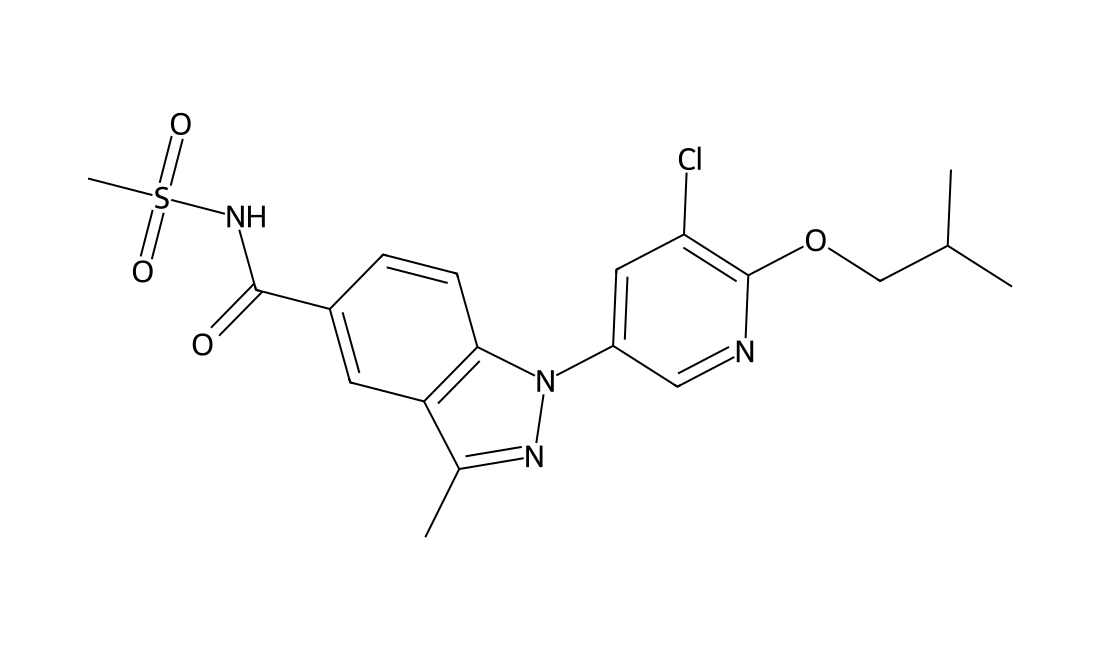
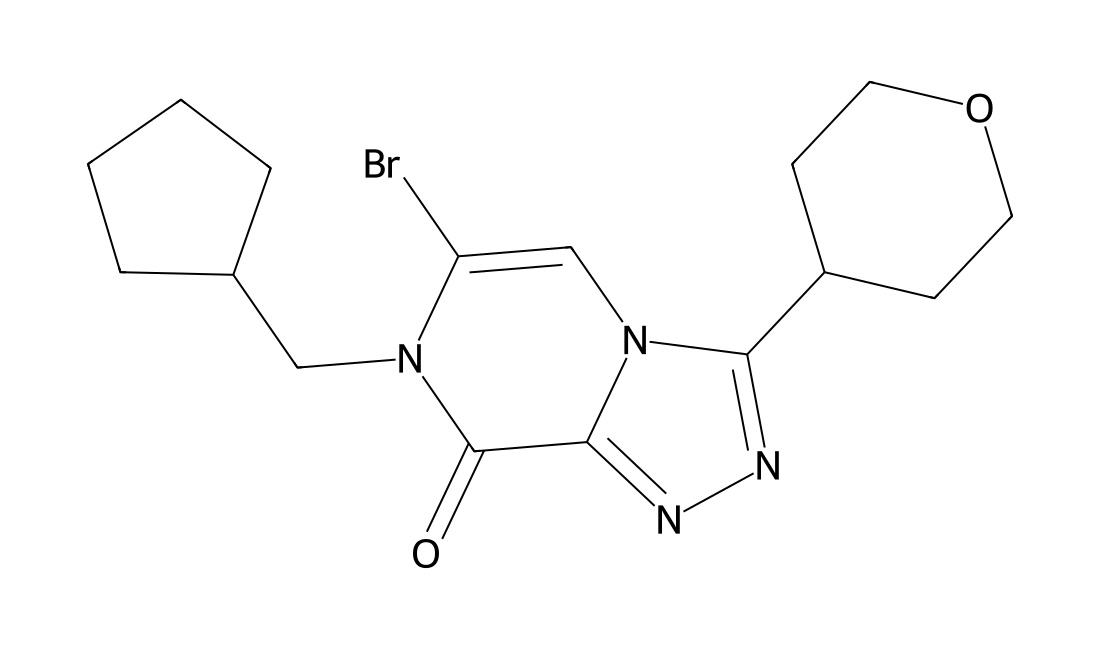
DC10345

PDE1-IN-2

CAS 1904611-63-7

PDE1-IN-2 is an inhibitor of PDE1 extracted from patent WO2016/55618 A1, example 31; has IC50 values of 6, 140 and 164 nM for PDE1C, PDE1B and PDE1A, respectvely.

PDE1-IN-2 chemical structure
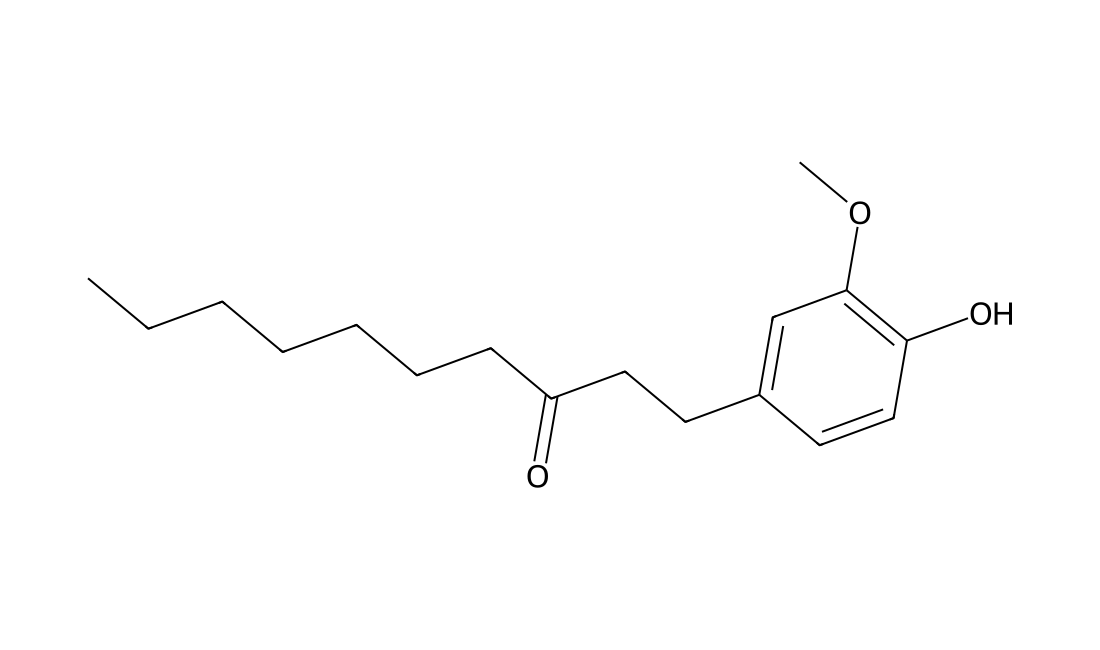
DC9537

Paradol

CAS 27113-22-0

Paradol(6-Paradol) is the active flavor constituent of the seeds of Guinea pepper (Aframomum melegueta); Paradol has been found to have antioxidative and antitumor promoting effects.

Paradol chemical structure
DC10199

Pan-RAS-IN-1

CAS 1835283-94-7

Pan-RAS-IN-1 binds to KRasG12D-GppNHp with an affinity less than 20 μM. Pan-RAS-IN-1 binds to Ras proteins and exhibits lethality in cells partially dependent on expression of Ras proteins. The potency of pan-RAS-IN-1 correlates with the degree of dependency on the mutated isoform over a 5-fold concentration range. At some concentrations, pan-RAS-IN-1 is cytostatic, possibly due to pan-RAS inhibition. Pan-RAS-IN-1 is evaluated in primary T cell acute lymphoblastic leukemia (T-ALL) cells. Selective lethality is observed, with mutant NRAS cells retaining only 20%-40% viability after 5 μM treatment.Pan-RAS-IN-1 administration results in inhibition of tumor growth over 15 days of treatment. Pan-RAS-IN-1-treated mice exhibits decreased tumor pERK levels compared with vehicle treated mice. A modest increase in cleaved caspase-3 is also observed, showing that in this model, pan-RAS-IN-1 has the capacity to induce caspase activation.

Pan-RAS-IN-1 chemical structure
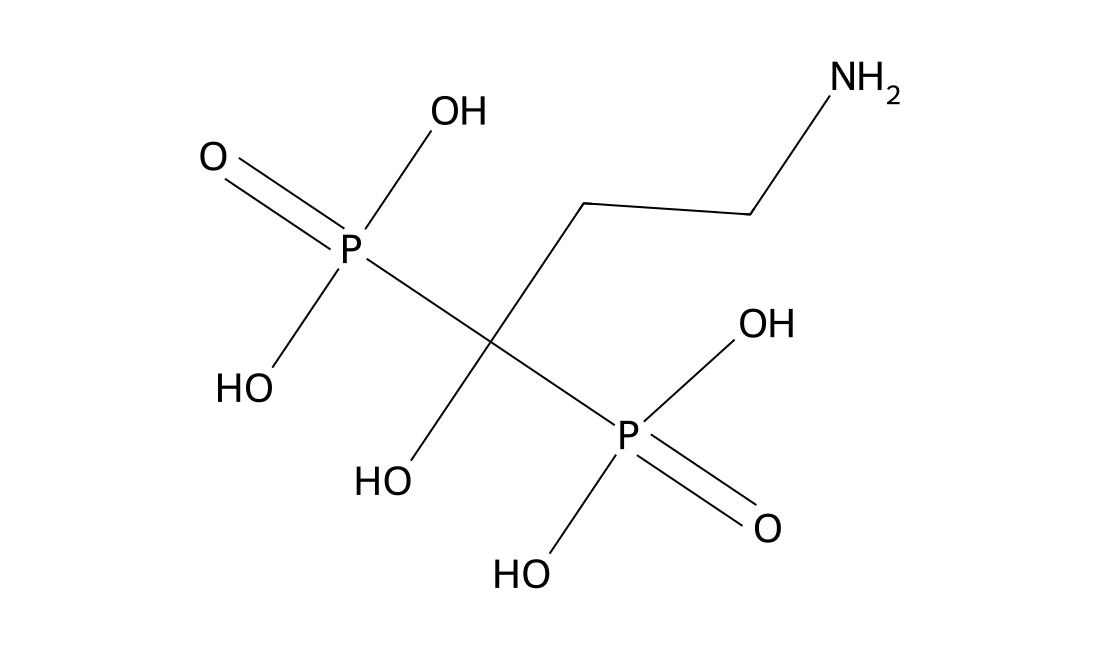
DCAPI1175

Pamidronic acid

CAS 40391-99-9

For the detailed information of Pamidronic acid, the solubility of Pamidronic acid in water, the solubility of Pamidronic acid in DMSO, the solubility of Pamidronic acid in PBS buffer, the animal experiment(test) (test) of Pamidronic acid, the cell expriment (test) of Pamidronic acid, the in vivo, in vitro and clinical trial test of Pamidronic acid, the EC50, IC50,and Affinity of Pamidronic acid,, please contact DC Chemicals.

Pamidronic acid chemical structure
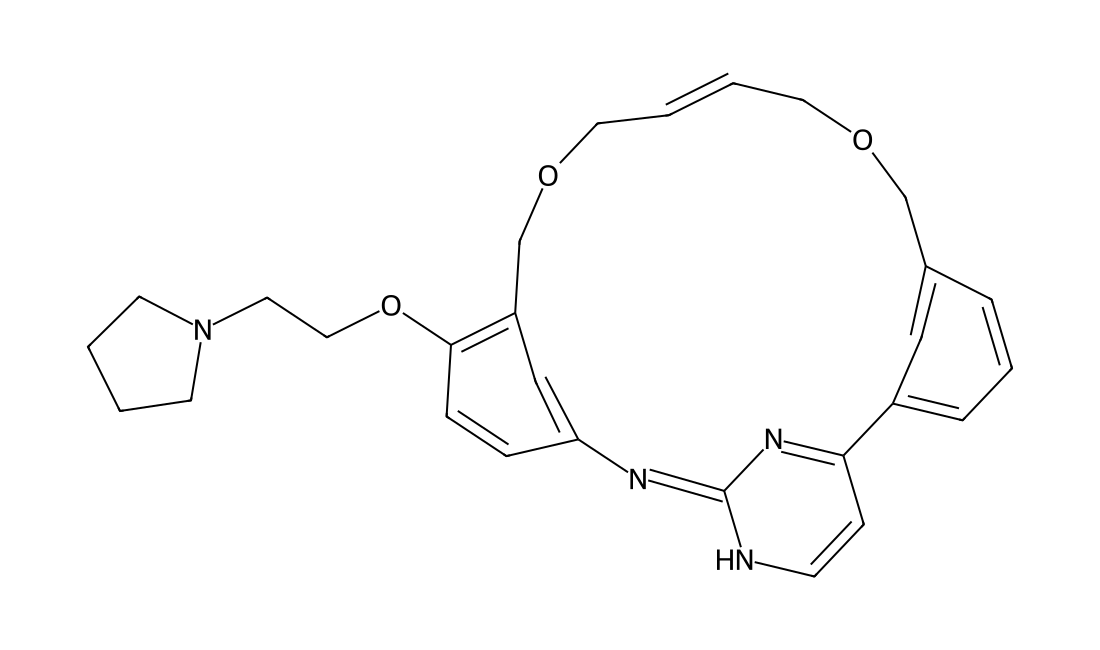
DC7478

Pacritinib

CAS 937272-79-2

Pacritinib (SB1518) is a potent and selective JAK2 (IC50 = 23 and 19 nM For JAK2(WT) and JAK2(V617F), respectively) and FLT3 (IC(50) = 22 nM) inhibitor with selectivity against JAK1 and JAK3 (IC(50) = 1280 and 520 nM, respectively). IC50 Value: 23 nM (JAK2 wt); 22 nM (FLT3) Target: JAK2; FLT3 in vitro: SB1518 shows potent effects on cellular JAK/STAT pathways, inhibiting tyrosine phosphorylation on JAK2 (Y221) and downstream STATs. As a consequence SB1518 has potent anti-proliferative effects on myeloid and lymphoid cell lines driven by mutant or wild-type JAK2 or FLT3, resulting from cell cycle arrest and induction of apoptosis . in vivo: SB1518 has favorable pharmacokinetic properties after oral dosing in mice, is well tolerated and significantly reduces splenomegaly and hepatomegaly in a JAK2(V617F)-driven disease model. SB1518 dose-dependently inhibits intra-tumor JAK2/STAT5 signaling, leading to tumor growth inhibition in a subcutaneous model generated with SET-2 cells derived from a JAK2(V617F) patient with megakaryoblastic leukemia . Oral administration of pacritinib in murine models of FLT3-ITD-driven AML led to significant inhibition of primary tumor growth and lung metastasis. Upregulation of JAK2 in FLT3-TKI-resistant AML cells was identified as a potential mechanism of resistance to selective FLT3 inhibition . Pracinostat and pacritinib in combination showed synergy on tumor growth, reduction of metastases and synergistically decreased JAK2 or FLT signaling, depending on the cellular context .For the detailed information of Pacritinib, the solubility of Pacritinib in water, the solubility of Pacritinib in DMSO, the solubility of Pacritinib in PBS buffer, the animal experiment (test) of Pacritinib, the cell expriment (test) of Pacritinib, the in vivo, in vitro and clinical trial test of Pacritinib, the EC50, IC50,and Affinity of Pacritinib, Please contact DC Chemicals.

Pacritinib chemical structure
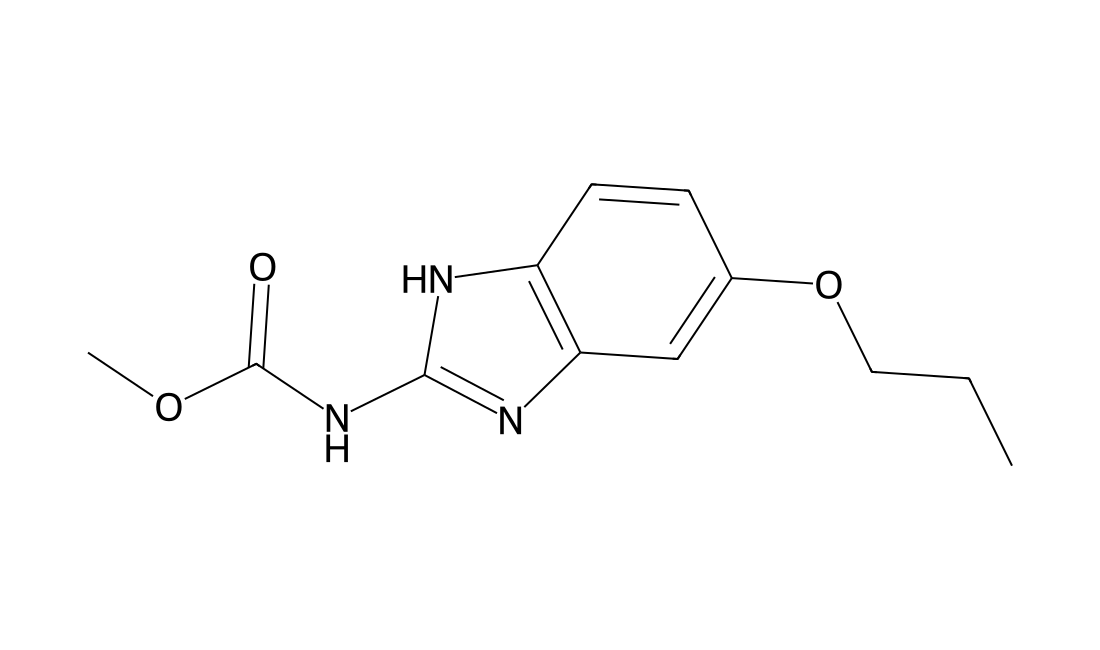
DCAPI1110

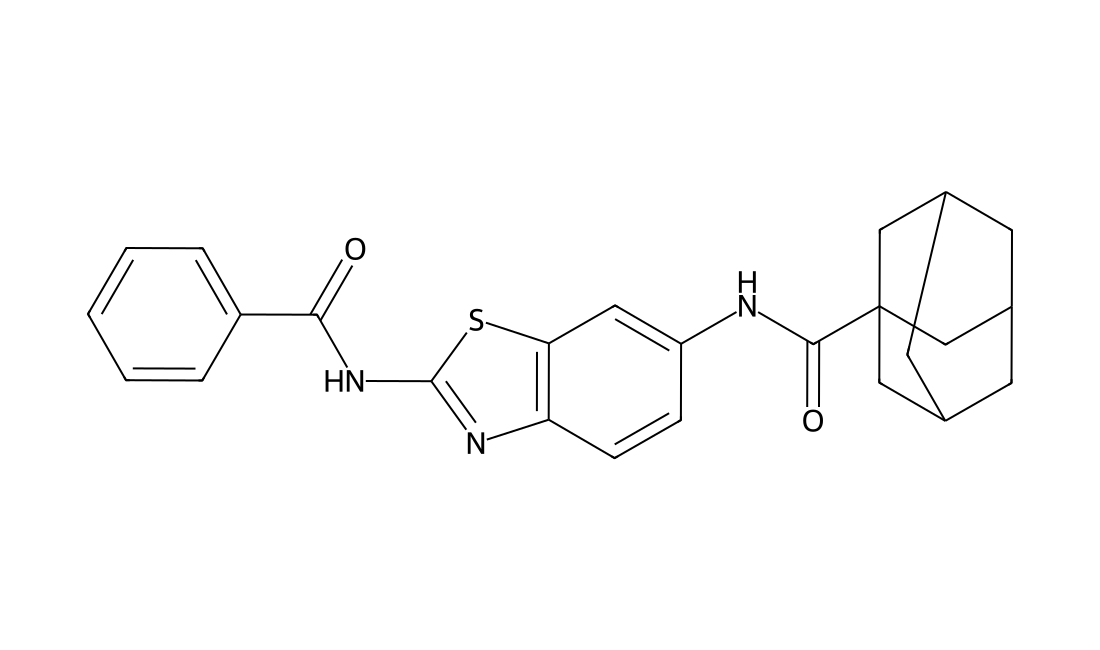
Oxibendazole

CAS 20559-55-1

For the detailed information of Oxibendazole, the solubility of Oxibendazole in water, the solubility of Oxibendazole in DMSO, the solubility of Oxibendazole in PBS buffer, the animal experiment(test) (test) of Oxibendazole, the cell expriment (test) of Oxibendazole, the in vivo, in vitro and clinical trial test of Oxibendazole, the EC50, IC50,and Affinity of Oxibendazole,, please contact DC Chemicals.

Oxibendazole chemical structure
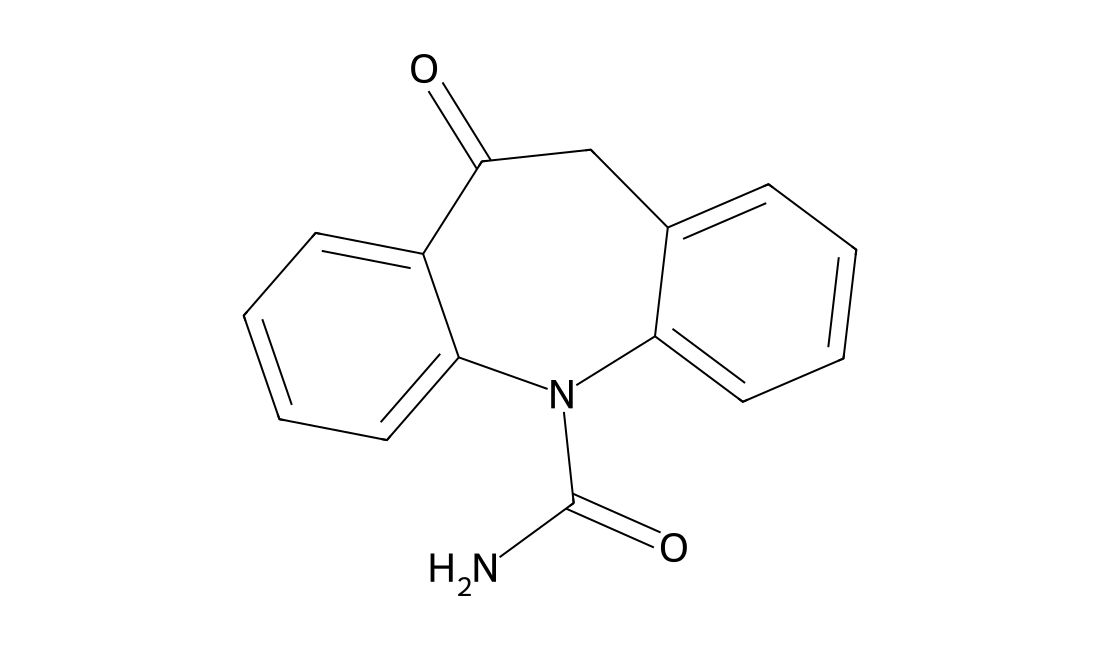
DC9001

Oxcarbazepine

CAS 28721-07-5

Oxcarbazepine inhibits the binding of [3H]BTX to sodium channels with IC50 of 160 μM and also inhibits the influx of 22Na+ into rat brain synaptosomes with IC50 about 100 μM.Oxcarbazepine is an antiepileptic drug with a chemical structure similar to carbamazepine, but with different metabolism. Oxcarbazepine is rapidly reduced to 10,11-dihydro-10-hydroxy-carbazepine (monohydroxy derivative, MHD), the clinically relevant metabolite of oxcarbazepine. MHD has (S)-(+)- and the (R)-(-)-enantiomer . Oxcarbazepine (oxcarb) 600 and 900 mg (2360 and 3540 mumol) was taken by 3 volunteers (2 female, 1 male; 45-67 kg; age 22-34 years) after an overnight fast. Blood, saliva and urine were collected for the next 72 h for assay of oxcarb, 10,11-dihydro-10-hydroxy-carbamazepine (OHcarb), and 10,11-dihydro-trans-10,11-dihydroxy-carbamazepine (diol). Oxcarb reached a maximum level of about 1 microgram/ml (3.93 mumol/l) within 1 h and dropped below the detection limit (0.1 microgram/ml = 0.39 mumol/l) within 3 h. The active metabolite OHcarb appeared in the blood before oxcarb and reached the higher maximum level of 7.4 microgram/ml (29 mumol/l) after 7 h.

Oxcarbazepine chemical structure
DCAPI1297

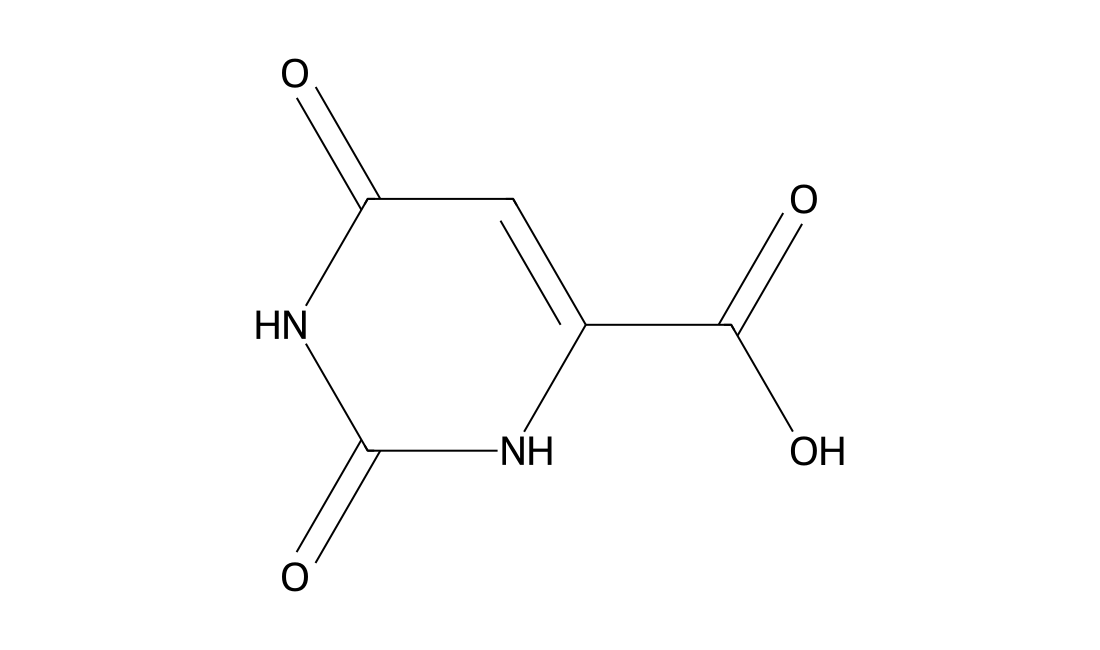
Orotic acid (6-Carboxyuracil)

CAS 65-86-1

For the detailed information of Orotic acid (6-Carboxyuracil), the solubility of Orotic acid (6-Carboxyuracil) in water, the solubility of Orotic acid (6-Carboxyuracil) in DMSO, the solubility of Orotic acid (6-Carboxyuracil) in PBS buffer, the animal experiment(test) (test) of Orotic acid (6-Carboxyuracil), the cell expriment (test) of Orotic acid (6-Carboxyuracil), the in vivo, in vitro and clinical trial test of Orotic acid (6-Carboxyuracil), the EC50, IC50,and Affinity of Orotic acid (6-Carboxyuracil),, please contact DC Chemicals.

Orotic acid (6-Carboxyuracil) chemical structure
DC7218

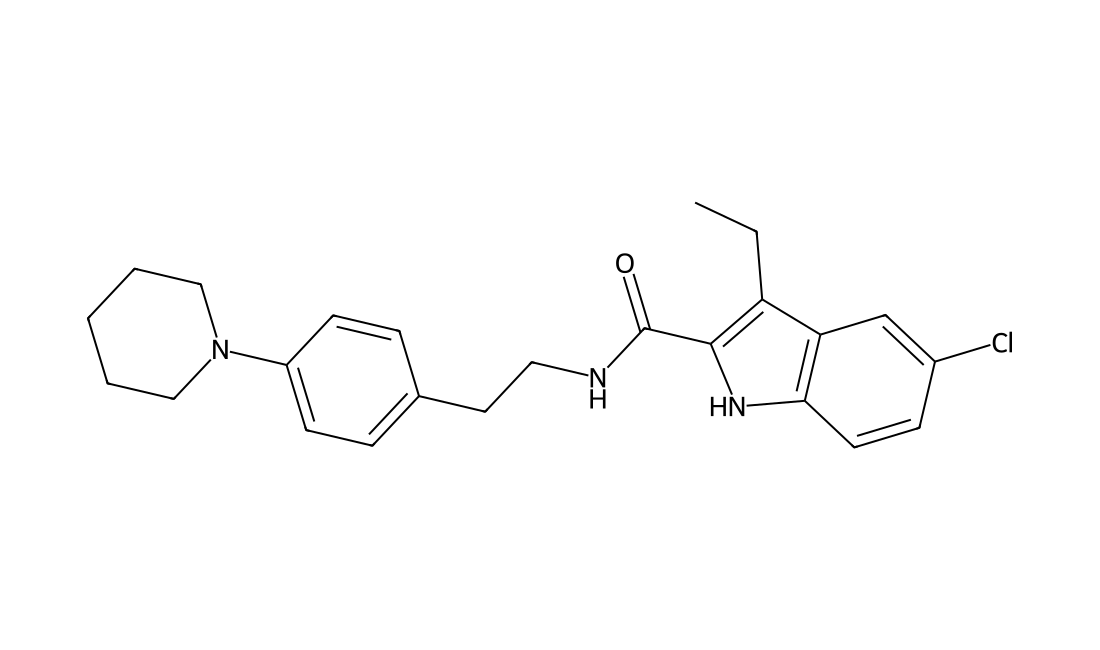
Org 27569

CAS 868273-06-7

Org 27569 is an allosteric modulator of CB1 cannabinoid receptor. It significantly increases the binding of CB1 receptor agonist and causes a significant decrease in specific binding of CB1 receptor inverse agonist. Org 27569 induces CB1 high affinity agonist binding, receptor internalization, and downstream ERK phosphorylation. The allosteric ligand Org 27569 promotes agonist binding to CB1, yet blocks the agonist-induced con Formational changes in TM6. Org 27569 traps the receptor in a distinct agonist-bound, but nonsignaling con Formational state. For the detailed information of Org 27569, the solubility of Org 27569 in water, the solubility of Org 27569 in DMSO, the solubility of Org 27569 in PBS buffer, the animal experiment (test) of Org 27569, the cell expriment (test) of Org 27569, the in vivo, in vitro and clinical trial test of Org 27569, the EC50, IC50,and Affinity of Org 27569, Please contact DC Chemicals.

Org 27569 chemical structure
DC7425

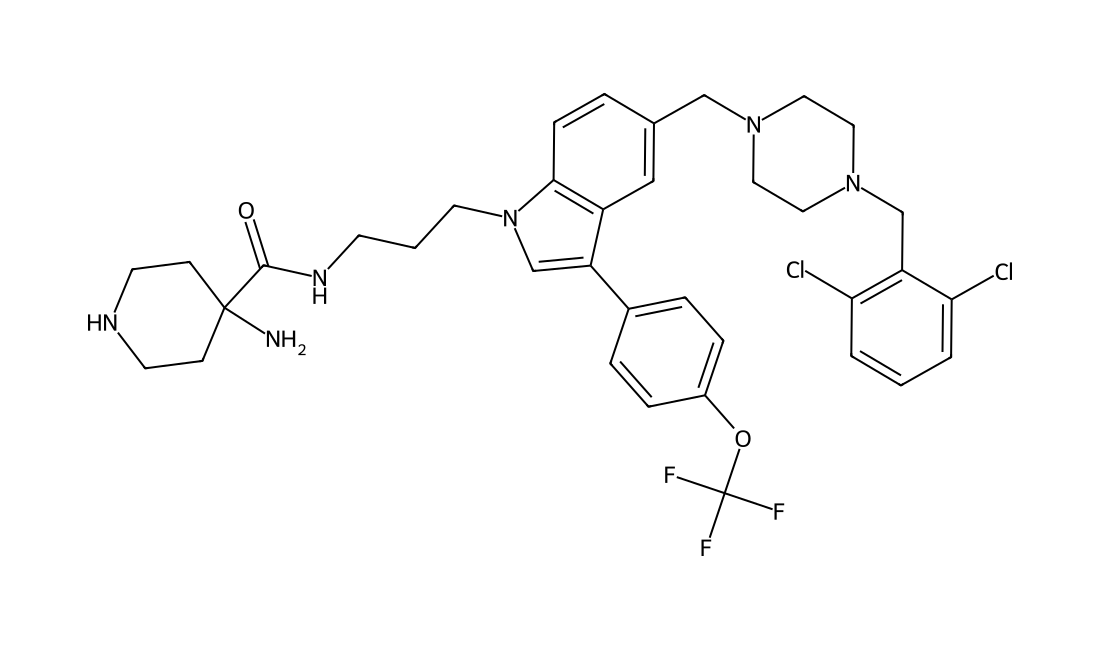
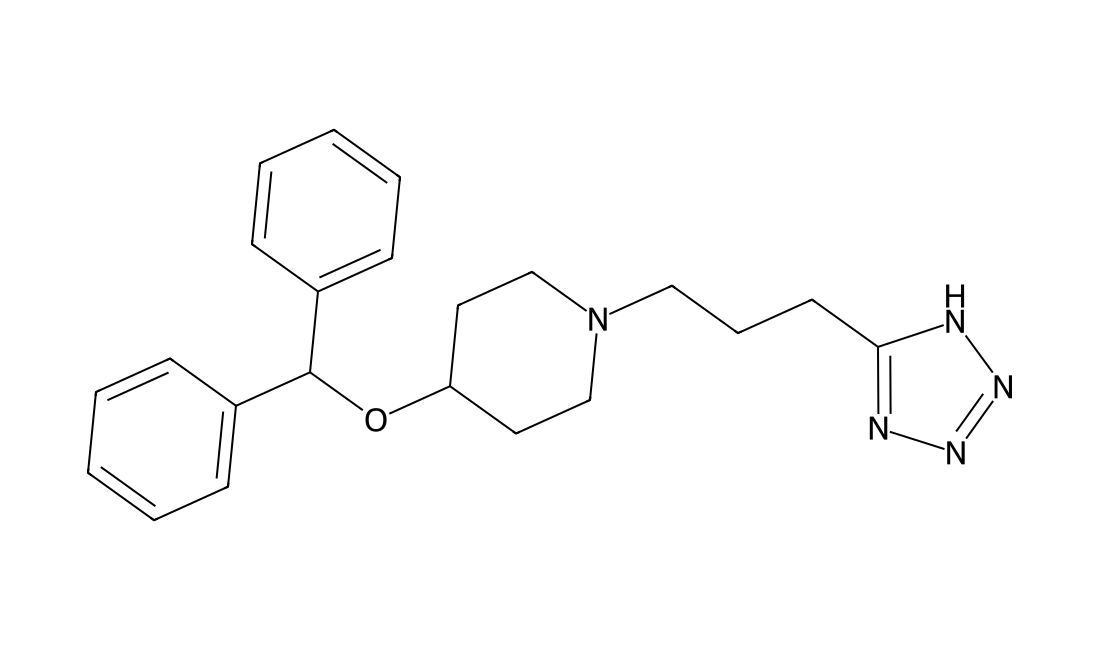
HQL-79

CAS 162641-16-9

Orally active and specific inhibitor of human hematopoietic prostaglandin D synthase (H-PGDS) (IC50 = 6 μM). Antiallergic and anti-inflammatory; displays antiasthmatic activity and potent antihistaminic properties in vivo.For the detailed information of HQL-79, the solubility of HQL-79 in water, the solubility of HQL-79 in DMSO, the solubility of HQL-79 in PBS buffer, the animal experiment (test) of HQL-79, the cell expriment (test) of HQL-79, the in vivo, in vitro and clinical trial test of HQL-79, the EC50, IC50,and Affinity of HQL-79, Please contact DC Chemicals.

HQL-79 chemical structure
DC10299

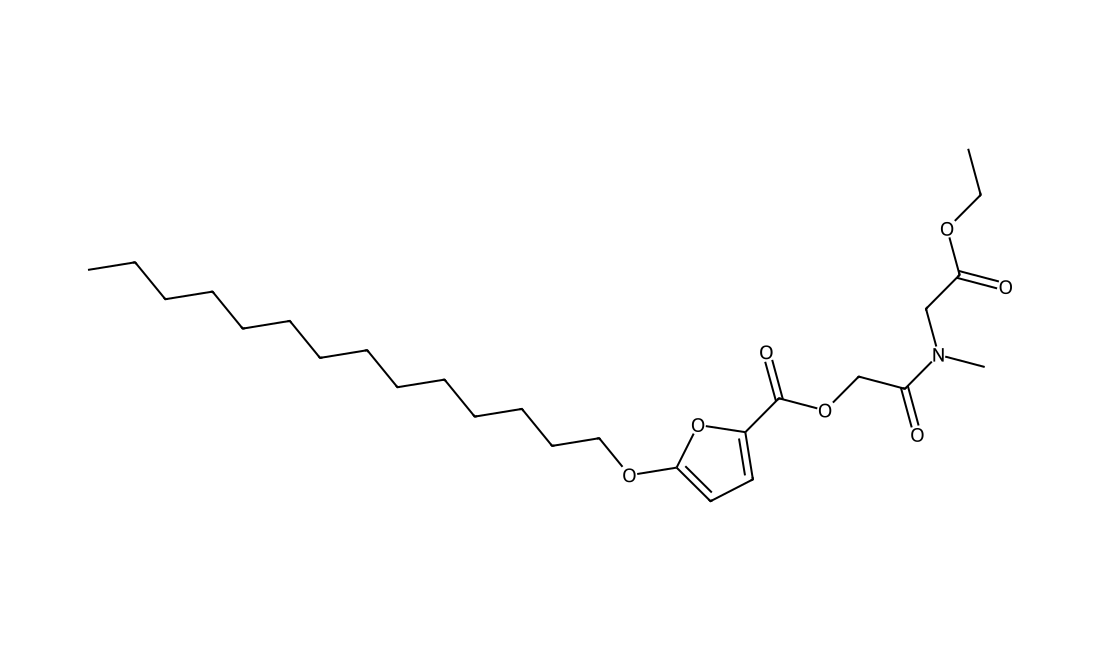
Olumacostat glasaretil

CAS 1261491-89-7

Acetyl coenzyme A carboxylase controls the first, rate limiting step in fatty acid biosynthesis. Olumacostat glasaretil inhibits de novo lipid synthesis in primary and transformed human sebocytes. At 3 μM, olumacostat glasaretil reduces fatty acid synthesis to at or below baseline levels. 14C-acetate incorporation levels are 85%-90% lower for SEB-1 cultures treated with olumacostat glasaretil at 20 μM compared to control samples. At 3 μM, olumacostat glasaretil reduces sebocyte triacylglycerol, cholesteryl/wax ester, diacylglycerol, cholesterol and phospholipid levels from control values on average by approximately 86%, 57%, 51%, 39% and 37%, respectively.Olumacostat glasaretil is a pro-drug of the ACC inhibitor 5-(tetradecyloxy)-2-furoic acid (TOFA) and is designed to enhance delivery in vivo. Topical application of olumacostat glasaretil but not TOFA significantly reduces hamster ear sebaceous gland size. HPLC analyses of hamster ear extracts shows that olumacostat glasaretil treatment increases ACC levels and the ratio of acetyl-CoA to free CoA in tested animals, indicating increased fatty acid oxidation. These changes are consistent with ACC inhibition. Matrix-assisted laser desorption/ionization (MALDI) imaging reveals that OG applied onto Yorkshire pig ears accumulates in sebaceous glands relative to the surrounding dermis. At week 12, OG treatment shows greater reductions from baseline in inflammatory lesions and noninflammatory lesions, and more patients with greater than or equal to 2-grade improvement in investigator global assessment score than vehicle.

Olumacostat glasaretil chemical structure
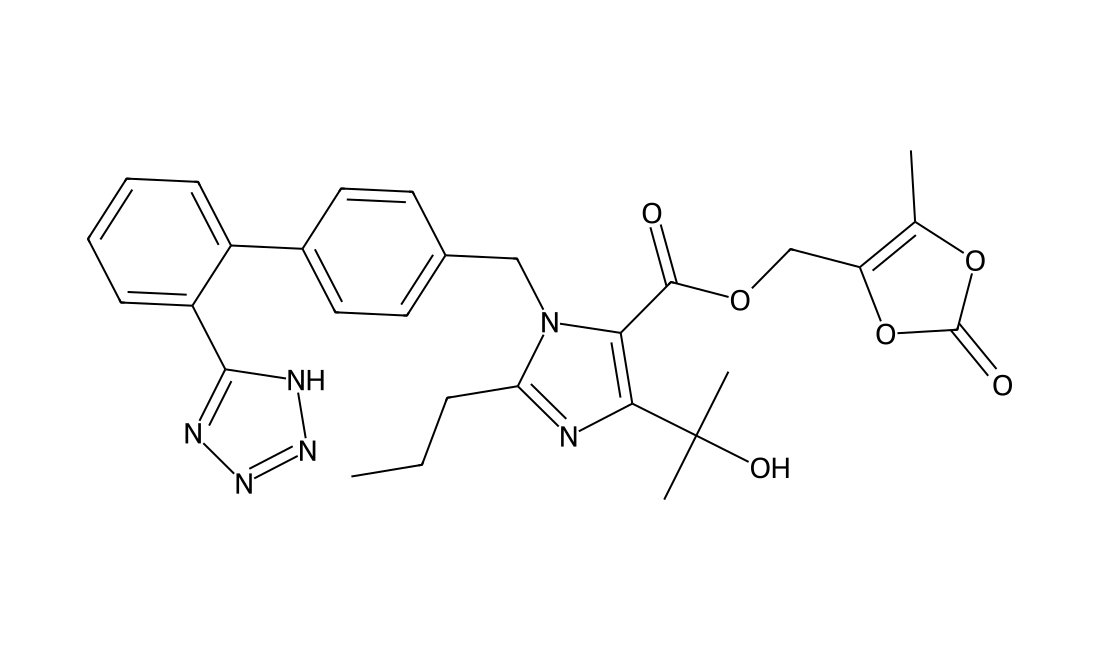
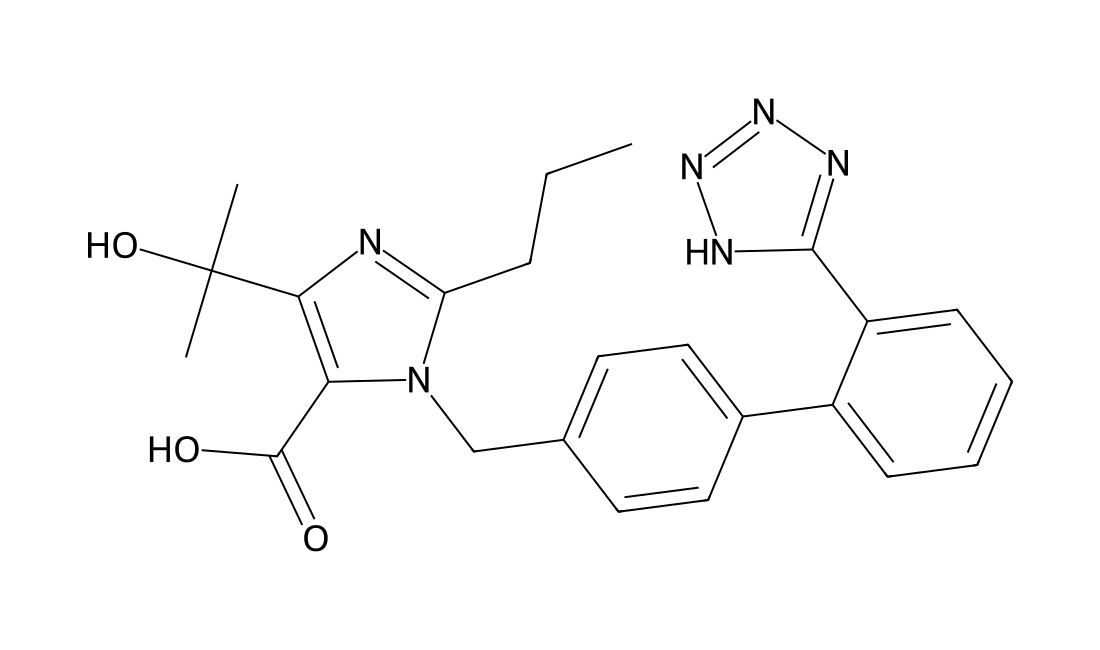
DCAPI1464

Olmesartan

CAS 144689-24-7

For the detailed information of Olmesartan, the solubility of Olmesartan in water, the solubility of Olmesartan in DMSO, the solubility of Olmesartan in PBS buffer, the animal experiment(test) (test) of Olmesartan, the cell expriment (test) of Olmesartan, the in vivo, in vitro and clinical trial test of Olmesartan, the EC50, IC50,and Affinity of Olmesartan,, please contact DC Chemicals.

Olmesartan chemical structure
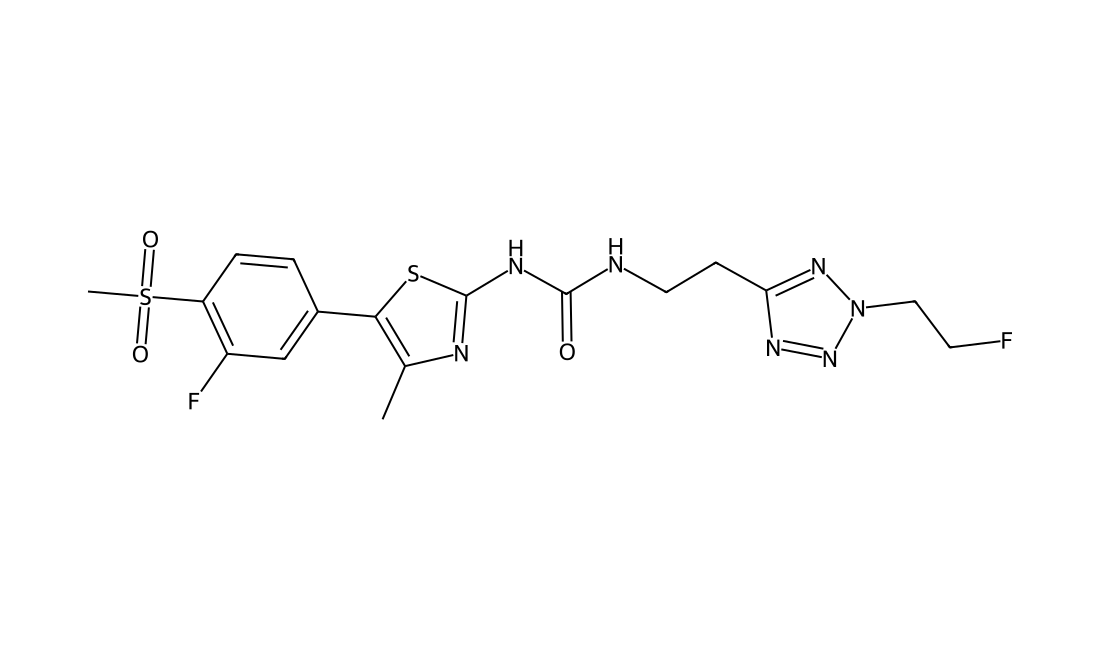
DC7474

NVP-QAV-572

CAS 957209-68-6

NVP-QAV-572 is a potent PI3K kianse inhibitor with IC50 of 10 nM. IC50 value: 10 nM Target: PI3K Preparation of 5-phenylthiazol-2-ylureas as phosphatidylinositol 3-kinase (PI3 kinase) inhibitors. By Budd, Emma; Fox Hayler, Judy; Ian, Bruce; Legrand, Darren Mark; Cox, Brian From PCT Int. Appl. (2007), WO 2007134827 A1 20071129. For the detailed information of NVP-QAV-572, the solubility of NVP-QAV-572 in water, the solubility of NVP-QAV-572 in DMSO, the solubility of NVP-QAV-572 in PBS buffer, the animal experiment (test) of NVP-QAV-572, the cell expriment (test) of NVP-QAV-572, the in vivo, in vitro and clinical trial test of NVP-QAV-572, the EC50, IC50,and Affinity of NVP-QAV-572, Please contact DC Chemicals.

NVP-QAV-572 chemical structure
DC7250

NVP-BAG956(BAG 956)

CAS 853910-02-8

Potent, ATP-competitive and selective dual PI3K and PDK1 inhibitor in vitro and in vivo, with IC50 values to be 56, 444, 34, 117 and 240 nM For PI3K p110 alpha, beta, delta and gamma and PDK1 kinases, respectively.For the detailed information of NVP-BAG956(BAG 956), the solubility of NVP-BAG956(BAG 956) in water, the solubility of NVP-BAG956(BAG 956) in DMSO, the solubility of NVP-BAG956(BAG 956) in PBS buffer, the animal experiment (test) of NVP-BAG956(BAG 956), the cell expriment (test) of NVP-BAG956(BAG 956), the in vivo, in vitro and clinical trial test of NVP-BAG956(BAG 956), the EC50, IC50,and Affinity of NVP-BAG956(BAG 956), Please contact DC Chemicals.

NVP-BAG956(BAG 956) chemical structure
DC8312

NVP-231

CAS 362003-83-6

NVP-231 is a potent, reversible inhibitor of ceramide kinase (IC50 = 12 nM). It has minimal effect on several other lipid kinases, including sphingosine kinases 1 and 2.3 In cells in which exogenous short chain ceramide is converted to C1P, resulting in cell death, NVP-231 prevents both C1P synthesis and cell death.In mouse dermal microvascular endothelial cells, where ceramide kinase increases capillary-like tube formation, NVP-231 (100 nM) inhibits C1P formation as well as tube formation. For the detailed information of NVP-231, the solubility of NVP-231 in water, the solubility of NVP-231 in DMSO, the solubility of NVP-231 in PBS buffer, the animal experiment (test) of NVP-231, the cell expriment (test) of NVP-231, the in vivo, in vitro and clinical trial test of NVP-231, the EC50, IC50,and affinity,of NVP-231, For the detailed information of NVP-231, the solubility of NVP-231 in water, the solubility of NVP-231 in DMSO, the solubility of NVP-231 in PBS buffer, the animal experiment (test) of NVP-231, the cell expriment (test) of NVP-231, the in vivo, in vitro and clinical trial test of NVP-231, the EC50, IC50,and affinity,of NVP-231, Please contact DC Chemicals.

NVP-231 chemical structure
DC12351

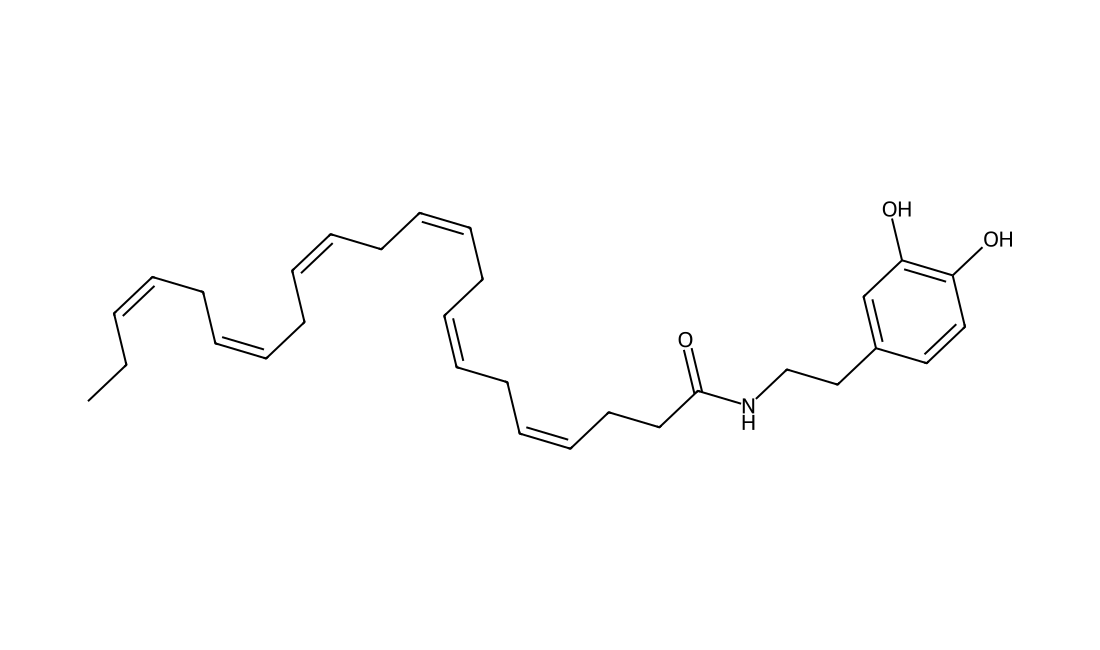
NMI 8739

CAS 129024-87-9

In Vitro NMI 8739 is a dopamine D2 autoreceptor agonist, which is an amine conjugate of the DHA carrier and the neurotransmitter dopamine. NMI 8739 reduces nitric oxide (NO) production in LPS-stimulated RAW264.7 Macrophages. NMI 8739 elicits concentration-dependent suppression of CCL-20, MCP-1 and IL-6 Release in RAW264.7 macrophages after LPS-stimulation. Production of PGE2 is concentration-dependently suppressed with a reduction of 25.3% at 100 nM NMI 8739 and a 75% reduction for 1 μM NMI 8739. 2 μM NMI 8739 significantly inhibits IL-6 and CCL-20 release up to 49% and 37%, respectively.

NMI 8739 chemical structure
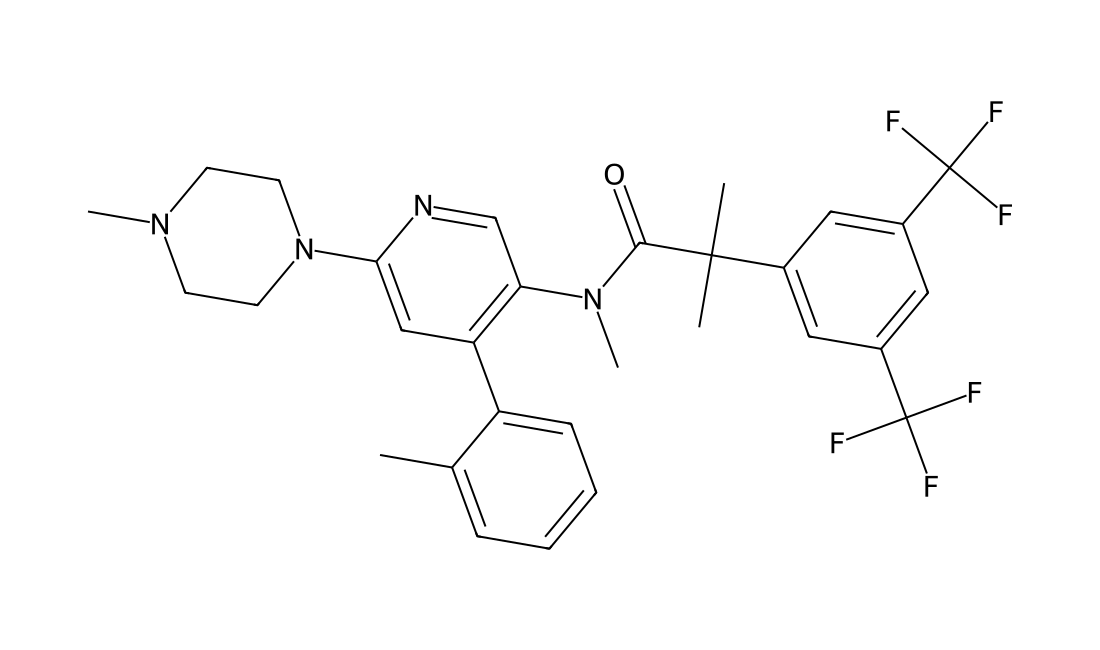
DC8100

Netupitant

CAS 290297-26-6

Netupitant is a highly potent and selective, orally active neurokinin-1 receptor antagonist with Ki of 0.95 nM. IC50 value: 0.95 nM (Ki) in vitro: Netupitant also dose-dependently inhibited the SP response as expected from an NK1 receptor antagonist. Importantly, when both palonosetron and netupitant were present, they exhibited an enhanced inhibition of the SP response compared to either of the two antagonists alone. in vivo: In mice the intrathecal injection of SP elicited the typical scratching, biting and licking response that was dose-dependently inhibited by Netupitant given intraperitoneally in the 1-10mg/kg dose range. In gerbils, foot tapping behavior evoked by the intracerebroventricular injection of a NK(1) agonist was dose-dependently counteracted by Netupitant given intraperitoneally (ID(50) 1.5mg/kg) or orally (ID(50) 0.5mg/kg). For the detailed information of Netupitant, the solubility of Netupitant in water, the solubility of Netupitant in DMSO, the solubility of Netupitant in PBS buffer, the animal experiment (test) of Netupitant, the cell expriment (test) of Netupitant, the in vivo, in vitro and clinical trial test of Netupitant, the EC50, IC50,and affinity,of Netupitant, For the detailed information of Netupitant, the solubility of Netupitant in water, the solubility of Netupitant in DMSO, the solubility of Netupitant in PBS buffer, the animal experiment (test) of Netupitant, the cell expriment (test) of Netupitant, the in vivo, in vitro and clinical trial test of Netupitant, the EC50, IC50,and affinity,of Netupitant, Please contact DC Chemicals.

Netupitant chemical structure
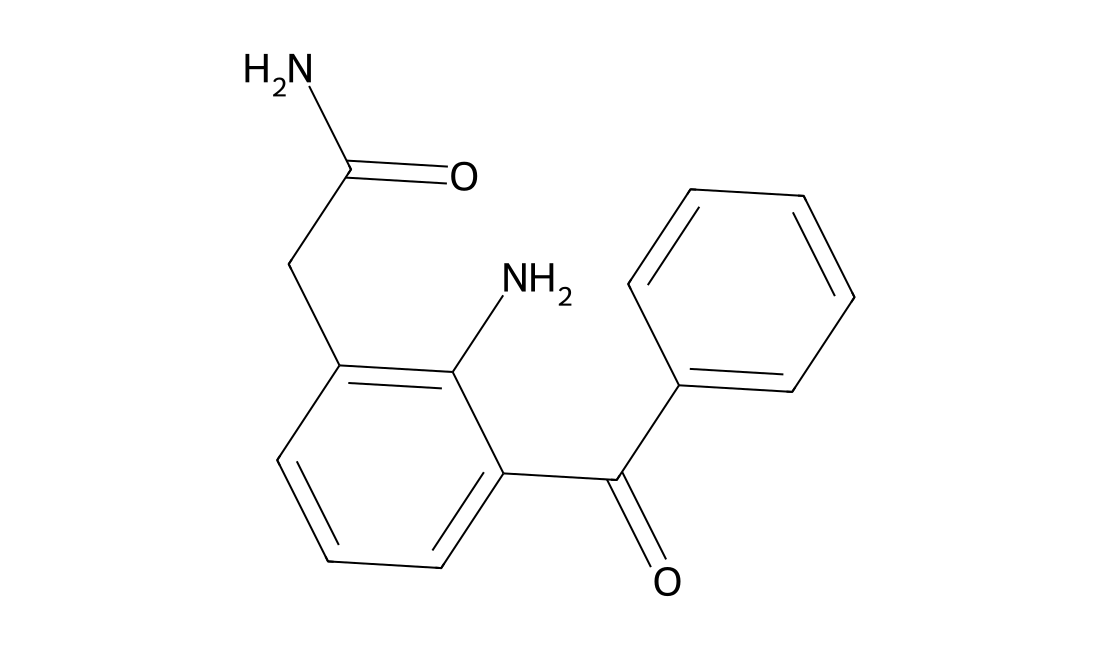
DCAPI1342

Nepafenac

CAS 78281-72-8

For the detailed information of Nepafenac, the solubility of Nepafenac in water, the solubility of Nepafenac in DMSO, the solubility of Nepafenac in PBS buffer, the animal experiment(test) (test) of Nepafenac, the cell expriment (test) of Nepafenac, the in vivo, in vitro and clinical trial test of Nepafenac, the EC50, IC50,and Affinity of Nepafenac,, please contact DC Chemicals.

Nepafenac chemical structure
DC8194

PP3

CAS 5334-30-5

Negative control for the Src kinase inhibitor PP2. Inhibits EGFR kinase (IC50 = 2.7 μM). For the detailed information of PP3, the solubility of PP3 in water, the solubility of PP3 in DMSO, the solubility of PP3 in PBS buffer, the animal experiment (test) of PP3, the cell expriment (test) of PP3, the in vivo, in vitro and clinical trial test of PP3, the EC50, IC50,and affinity,of PP3, For the detailed information of PP3, the solubility of PP3 in water, the solubility of PP3 in DMSO, the solubility of PP3 in PBS buffer, the animal experiment (test) of PP3, the cell expriment (test) of PP3, the in vivo, in vitro and clinical trial test of PP3, the EC50, IC50,and affinity,of PP3, Please contact DC Chemicals.

PP3 chemical structure
DCAPI1574

Nefiracetam

CAS 77191-36-7

For the detailed information of Nefiracetam, the solubility of Nefiracetam in water, the solubility of Nefiracetam in DMSO, the solubility of Nefiracetam in PBS buffer, the animal experiment(test) (test) of Nefiracetam, the cell expriment (test) of Nefiracetam, the in vivo, in vitro and clinical trial test of Nefiracetam, the EC50, IC50,and Affinity of Nefiracetam,, please contact DC Chemicals.

Nefiracetam chemical structure
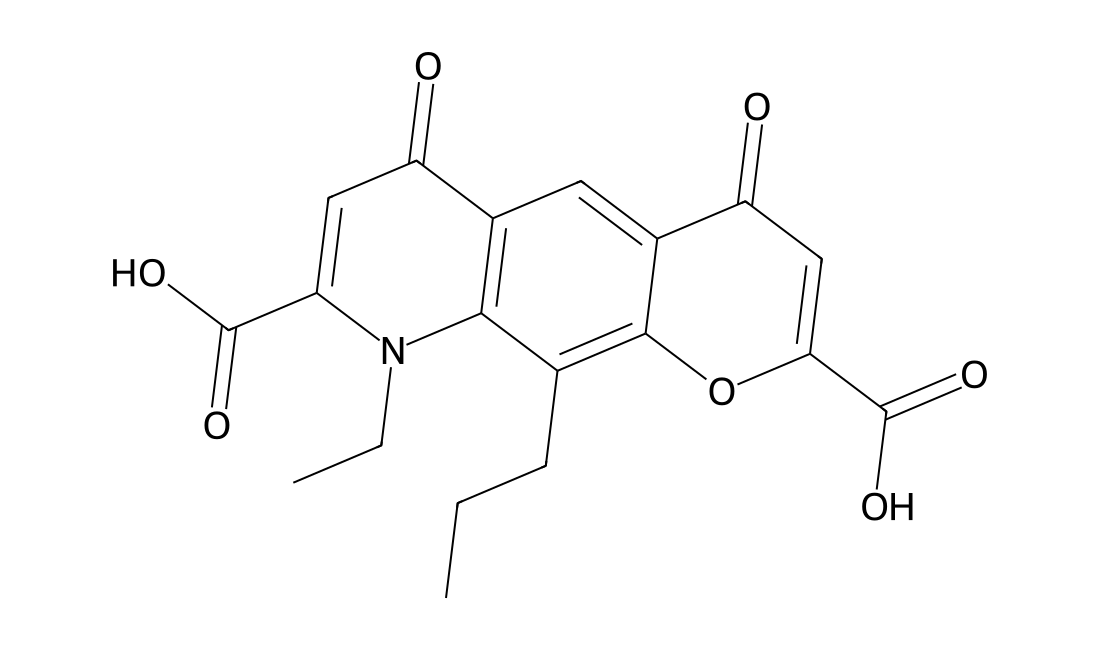
DC7472

Nedocromil

CAS 69049-73-6

Nedocromil is an inhaled anti-inflammatory agent For the preventive management of asthma. IC50 Value: Target: Cysteinyl Leukotriene Receptor(CYSLTR) in vitro: in vivo: Nedocromil sodium (10(-4) M) decreased LTB4 releasability and intracellular 5-HETE concentrations in zymosan-stimulated AM from asthmatic patients, and was shown to decrease the LTC4 or LTE4-promoted Formation of LTB4 and 5-HETE . Eight atopic asthmatic subjects inhaled nedocromil or placebo be Fore the AMP challenge. Spirometry and FE(NO) were measured at intervals over a 24-h period. Nedocromil gave partial protection against this decrease in FE(NO). The time-FE(NO) curve (AUC(0-24)) differed significantly between nedocromil and placebo: 2.7% (-3.6 to -9) vs. -6.6% (-12 to -1.3) FE(NO) changes h(-1), P < 0.002, respectively. Nedocromil protected against AMP-induced bronchoconstriction (AMP PC(20)) [nedocromil 182 (72.5-291) mg mL(-1) vs. placebo 21.7 (10.7-33) mg mL(-1), P < 0.002] . Nedocromil sodium relieved symptoms of allergic conjunctivitis and further support a role For nedocromil sodium in the prevention of allergic conjunctivitis . Nedocromil, 2 to 20 mg/kg, significantly (P<0.05) inhibited cell adhesion and emigration, as well as myeloperoxidase release, in wild-type but not Anx-A1(-/-) mice .For the detailed information of Nedocromil, the solubility of Nedocromil in water, the solubility of Nedocromil in DMSO, the solubility of Nedocromil in PBS buffer, the animal experiment (test) of Nedocromil, the cell expriment (test) of Nedocromil, the in vivo, in vitro and clinical trial test of Nedocromil, the EC50, IC50,and Affinity of Nedocromil, Please contact DC Chemicals.

Nedocromil chemical structure
DC9477

NBD-557

CAS 333352-59-3

NBD-557 is a potentially HIV-1 inhibitor. NBD-557, is small molecule organic compounds with drug-like properties. It showed potent cell fusion and virus-cell fusion inhibitory activity at low micromolar levels. A systematic study showed that NBD-557 target viral entry by inhibiting the binding of HIV-1 envelope glycoprotein gp120 to the cellular receptor CD4 but did not inhibit reverse transcriptase, integrase, or protease, indicating that they do not target the later stages of the HIV-1 life cycle to inhibit HIV-1 infection. NBD-557 potent inhibitors of both X4 and R5 viruses tested in CXCR4 and CCR5 expressing cell lines, respectively, indicating that its anti-HIV-1 activity is not dependent on the coreceptor tropism of the virus. A surface plasmon resonance study, which measures binding affinity, clearly demonstrated that NBD-557 bind to unliganded HIV-1 gp120 but not to the cellular receptor CD4. NBD-557 was active against HIV-1 laboratory-adapted strains including an AZT-resistant strain and HIV-1 primary isolates, indicating that NBD-557 can potentially be further modified to become potent HIV-1 entry inhibitors.

NBD-557 chemical structure
DCAPI1460

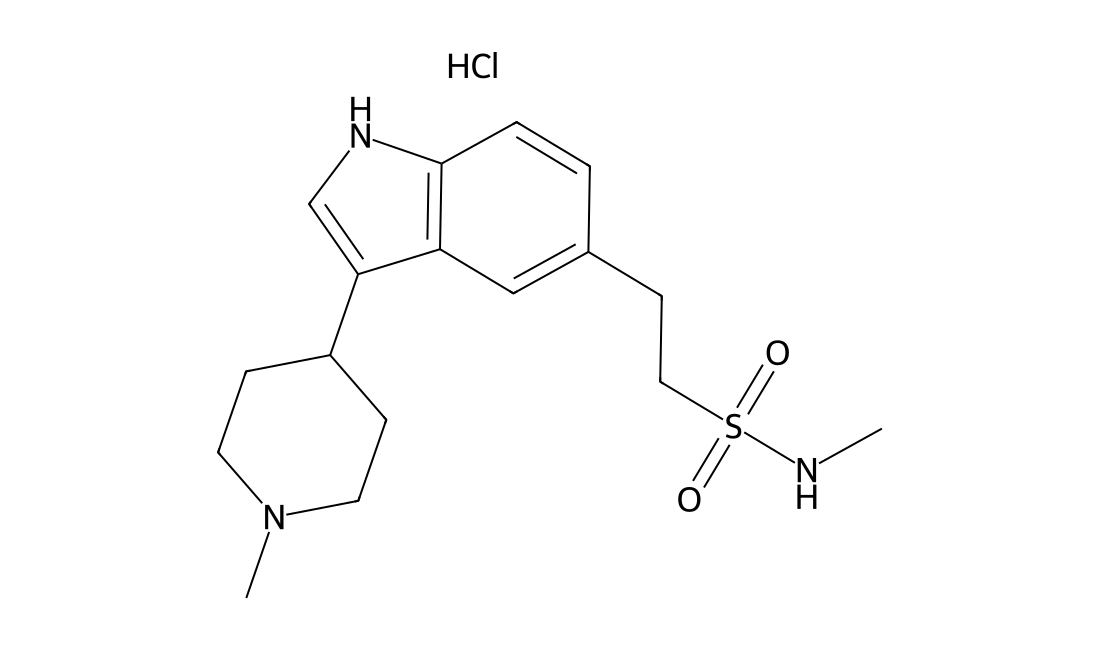
Naratriptan hydrochloride

CAS 143388-64-1

For the detailed information of Naratriptan hydrochloride, the solubility of Naratriptan hydrochloride in water, the solubility of Naratriptan hydrochloride in DMSO, the solubility of Naratriptan hydrochloride in PBS buffer, the animal experiment(test) (test) of Naratriptan hydrochloride, the cell expriment (test) of Naratriptan hydrochloride, the in vivo, in vitro and clinical trial test of Naratriptan hydrochloride, the EC50, IC50,and Affinity of Naratriptan hydrochloride,, please contact DC Chemicals.

Naratriptan hydrochloride chemical structure
DCAPI1173

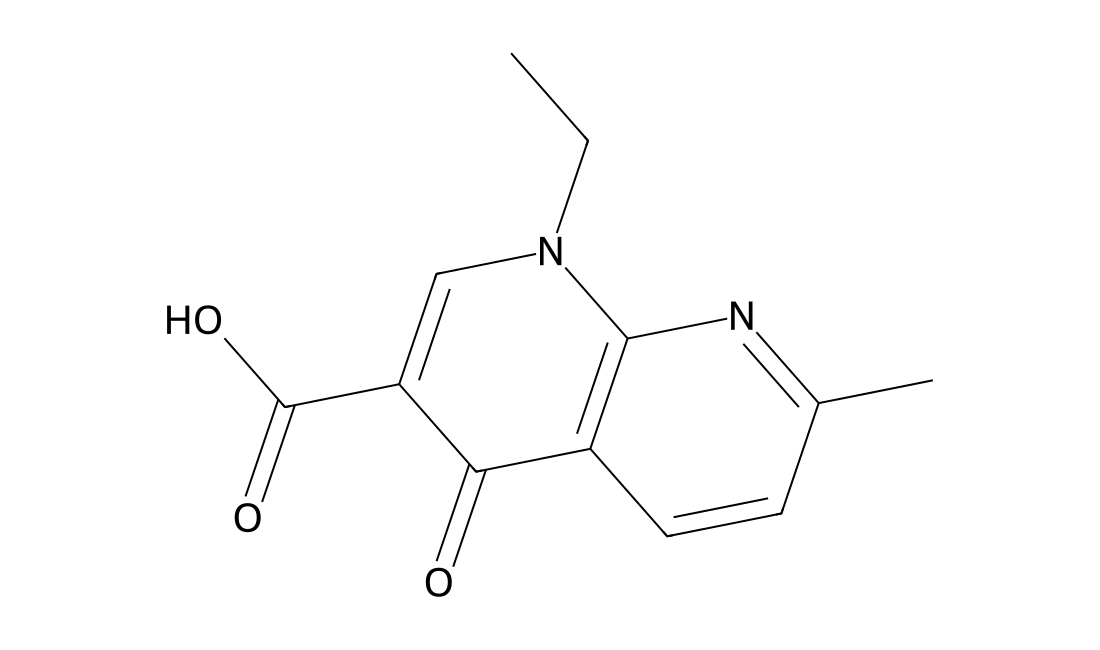
Nalidixic acid (NegGram)

CAS 389-08-2

For the detailed information of Nalidixic acid (NegGram), the solubility of Nalidixic acid (NegGram) in water, the solubility of Nalidixic acid (NegGram) in DMSO, the solubility of Nalidixic acid (NegGram) in PBS buffer, the animal experiment(test) (test) of Nalidixic acid (NegGram), the cell expriment (test) of Nalidixic acid (NegGram), the in vivo, in vitro and clinical trial test of Nalidixic acid (NegGram), the EC50, IC50,and Affinity of Nalidixic acid (NegGram),, please contact DC Chemicals.

Nalidixic acid (NegGram) chemical structure
DC8980

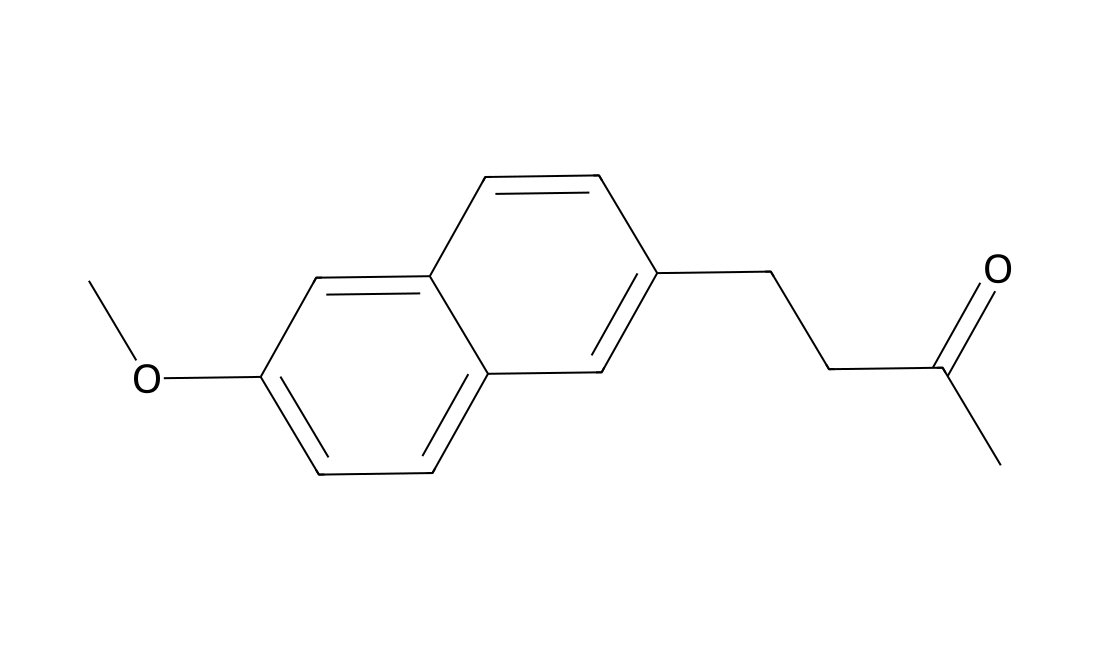
Nabumetone

CAS 42924-53-8

Nabumetone(BRL14777) is a non-steroidal anti-inflammatory drug and its active metabolite inhibits the COX.Nabumetone is a nonsteroidal anti-inflammatory drug (NSAID) of the arylalkanoic acid family. Nabumetone itself is non-acidic and, following absorption, it undergoes extensive first-pass metabolism to form the main circulating active metabolite (6-MNA) which is a much more potent inhibitor of preferentially COX-2. Nabumetone displays acute anti-inflammatory activity in the carrageenan-induced oedema model in rats and the ultraviolet-induced erythema model in guinea-pigs. Its activity in these tests is greater than that of aspirin but less than that of naproxen and indomethacin. In the cotton pellet-induced granuloma model in the rat, Nabumetone is active and produces no signs of toxicity at doses much greater than the lowest effective dose, unlike aspirin, naproxen or indomethacin. Nabumetone is also active in the adjuvant-induced arthritis test in rats. In contrast to aspirin, indomethacin and naproxen, Nabumetone is well tolerated by the stomach of fasted rats at doses in excess of those with anti-inflammatory activity.

Nabumetone chemical structure
DC10359

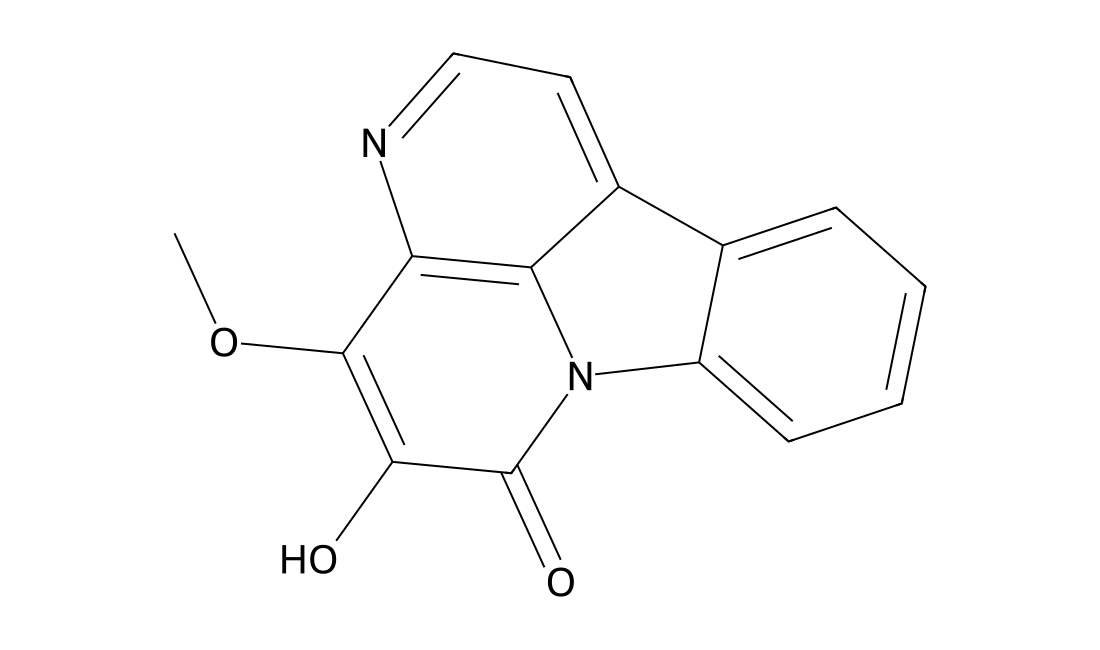
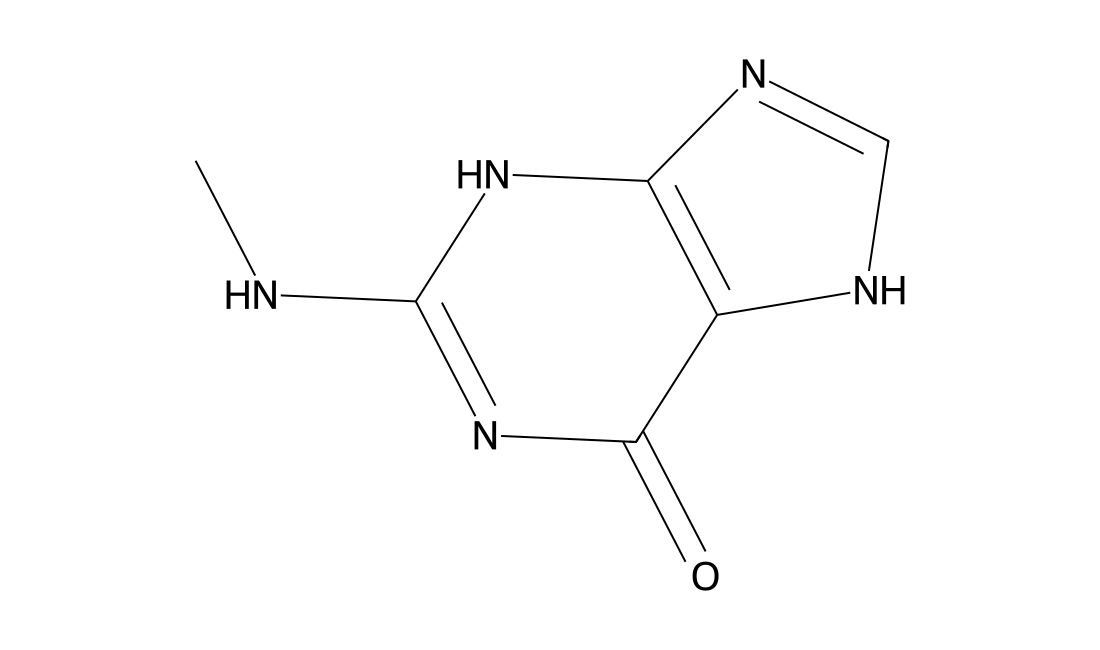
N2-Methylguanine

CAS 10030-78-1

N2-methylguanine is found within both helical and looped regions of RNA secondary structure, and it can exist in either the s-cis or the s-trans rotamer. If there is a rotational preference for the methyl group, the effect of N2-methylguanine substitution may be specific to the sequence context depending upon which face of the base participates in hydrogen bonding. N2-methylguanine is the principal kinetic barrier for reverse transcription in the 1340 bases proximal to the 5' end of E. coli 16S rRNA. Transcription intermediates correspond to attenuation at the positions of N2-methylguanine in the rRNA sequence. The relaxation time for elongation of the cDNA through m2G is approximately 3 min.

N2-Methylguanine chemical structure
DC8271

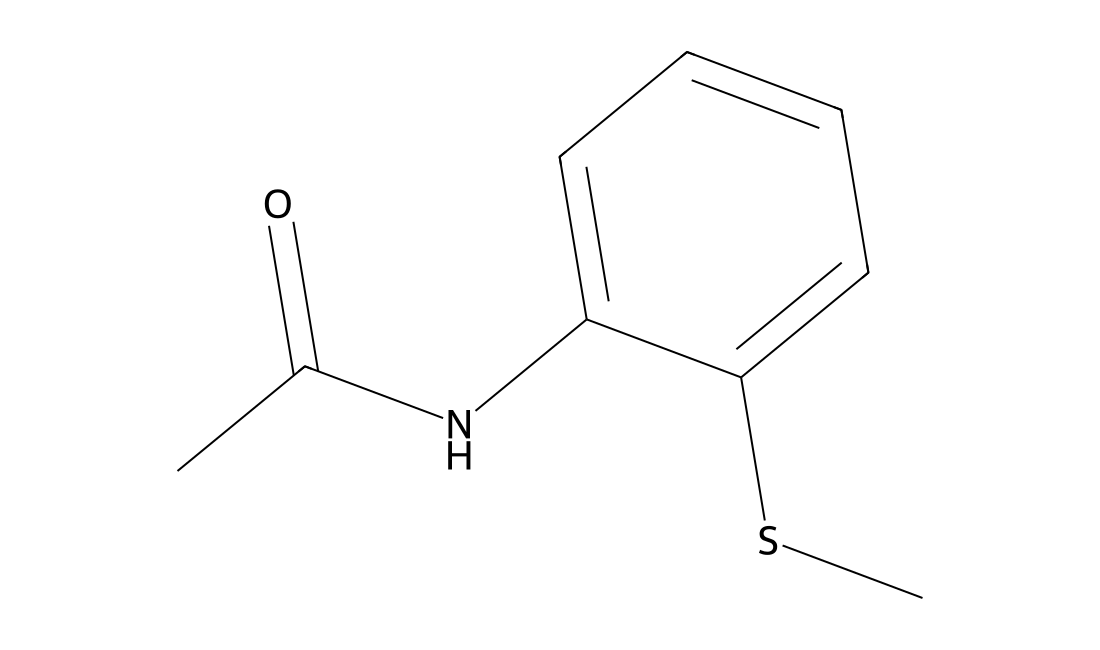
NSC-41589

CAS 6310-41-4

N-[2-(methylsulfanyl) phenyl]acetamide. For the detailed information of NSC-41589, the solubility of NSC-41589 in water, the solubility of NSC-41589 in DMSO, the solubility of NSC-41589 in PBS buffer, the animal experiment (test) of NSC-41589, the cell expriment (test) of NSC-41589, the in vivo, in vitro and clinical trial test of NSC-41589, the EC50, IC50,and affinity,of NSC-41589, For the detailed information of NSC-41589, the solubility of NSC-41589 in water, the solubility of NSC-41589 in DMSO, the solubility of NSC-41589 in PBS buffer, the animal experiment (test) of NSC-41589, the cell expriment (test) of NSC-41589, the in vivo, in vitro and clinical trial test of NSC-41589, the EC50, IC50,and affinity,of NSC-41589, Please contact DC Chemicals.

NSC-41589 chemical structure
Browse target & topic index A–Z (366)
11β-HSD (1)15-PGDH (2)5-HT Receptor (16)Acetyl-CoA Carboxylase (ACC) (3)Acetylcholinesterase (AChE) (2)Ack1 (TNK2) (1)Acyltransferase (1)ADC Cytotoxin (6)ADCs Linker/Click Chemistry (5)Adenosine Receptor (9)Adenylate Cyclase (2)Adrenergic Receptor (11)Akt (12)Alcoholism (2)Aldehyde Dehydrogenase (ALDH) (6)Allergy (5)Alzheimer Disease (13)Aminopeptidase (1)AMPK (8)Amyloids (4)Anaplastic Lymphoma Kinase (ALK) (9)Androgen Receptor (AR) (11)Anemia (4)Angiotensin Receptor (4)Antibody/Protein labeling dyes (1)Antifolate (2)Anxiety (1)Apoptosis Inducer (3)Arginase (1)Arp2/3 complex (1)Aryl hydrocarbon Receptor (AhR) (1)Asthma (5)Atherosclerosis (2)ATM/ATR (8)Aurora Kinase (10)Autophagy (6)Autophagy-related Protein (Atg) (2)Autotaxin (2)Bacterial (26)Bacterial Infection (17)Bcl-2 (14)Bcr-Abl (5)BCRP (1)Beta-catenin (4)Beta-secretase (BACE) (4)Blood Cancer (91)BMI-1 (1)Bone Cancer (6)Brain Cancer (6)Breast Cancer (30)Bromodomain (22)BTK (10)c-Fms (CSF1R) (5)c-Fos/AP-1 (1)c-Kit (6)c-Met (HGFR) (11)c-Myc (2)Calcium Channel (4)Calcium-sensing Receptor (CaSR) (1)CaMK (4)Cannabinoid Receptor (6)Carbonic Anhydrase (1)Carboxypeptidase (1)Casein Kinase (6)Caspase (4)Cathepsin (6)Cdc2-like Kinase (CLK) (1)CETP (2)CFTR (7)Checkpoint Kinase (Chk) (8)Chemokine Receptor (CCR and CXCR) (14)Chemotherapeutic Agents (19)Chloride Channel (1)CMV (2)CMV Infection (2)Colon Cancer (9)Complement System (1)COPD (3)CREB/CBP (2)CRF Receptor (2)CRISPR/Cas9 (1)Cushing Disease (1)Cyclin-dependent Kinase (CDK) (39)Cyclooxygenase (COX) (4)Cytochrome P450 (CYPs) (5)Depression (2)Dermatitis (2)Deubiquitinase (DUB) (7)Diabetes (20)Dipeptidyl Peptidase (DPP) (3)Discoidin Domain Receptor (DDR) (1)DNA Alkylator/Crosslinker (10)DNA Methyltransferase (DNMT) (1)DNA Repair Protein (1)DNA-PK (2)DNA/RNA Synthesis (5)Dopamine beta-hydroxylase (1)Dopamine Receptor (7)Drug Metabolite (1)Drug-Linker Conjugates (11)Dyes (4)DYRK (1)Dyslipidemia (9)E3 Ligase Ligand (6)E3 Ligase Ligand-Linker Conjugate (1)E3 Ubiquitin Ligase (4)Ebola Virus Infection (1)EGFR (32)Elastase (2)Endothelin Receptor (5)Enzymes substrates (13)Epigenetic Reader Domain (3)Epilepsy (4)ERK (4)Estrogen Receptor/ERR (13)Eukaryotic Initiation Factor (eIF) (2)Exportin-1 (CRM1,XPO1) (2)FABP (1)Factor Xa (5)Farnesoid X Receptor (FXR) (5)Farnesyl transferase (FTase) (1)Ferroptosis (6)FGFR (20)Fibrosis (5)FLT3 (6)Focal Adhesion Kinase (FAK) (11)Foxo1 (1)Free Fatty Acid Receptor (FFAR) (5)Fungal (2)Fungal Infection (1)GABA Receptor (13)Galectin (1)Gastric Cancer (8)Ghrelin Receptor (GHSR) (3)Glucagon Receptor (4)Glucokinase (2)Glucose Transporter (GLUT) (2)Glutamate Transporter (2)GPCR (1)GPER (GPR30) (1)GPR139 (1)GPR183 (EBI2) (2)GPR39 (1)GPR55 (1)GPR84 (1)GRK (GPCRK) (2)Growth Hormone Deficiency (2)GSK-3 (8)Guanylate Cyclase (3)HBV (1)HBV Infection (1)HCN Channel (2)HCV (8)HCV Infection (9)HDAC (38)Heart Arrhythmia (2)Heart Failure (5)Heat Shock Protein (HSP) (15)Hedgehog (Hh) (1)HIF/HIF Prolyl-hydroxylase (8)Histamine Receptor (6)Histone Acetyltransferase (HAT) (5)Histone Demethylase (11)Histone Methyltransferase (HMTase) (31)HIV (12)HIV Infection (11)HMG-CoA Reductase (HMGCR) (3)HSV (1)HSV Infection (1)Hypercholesterolemia (1)Hyperparathyroidism (1)Hypertension (8)IAP (1)IGF-1R (3)iGluR (15)Indoleamine 2,3-Dioxygenase (IDO) (4)Infection (1)Influenza (6)Influenza Virus (6)Insulin Receptor (2)Integrin (6)Interleukin Receptor (1)IRAK (2)IRE1 (4)Irritable Bowel Syndrome (2)Ischemia (1)Isocitrate Dehydrogenase (IDH) (5)ITK (1)IκB kinase (IKK) (7)JAK (32)JNK (3)Keap1-Nrf2 (6)Kidney Cancer (10)Kinesin (5)Kruppel-like Factor (KLF) (1)Kynurenine 3-Monooxygenase (KMO) (1)Leukotriene Receptor (1)LIM Kinase (LIMK) (3)Lipids fragment (1)Liver Cancer (6)Liver X Receptor (LXR) (3)LRRK2 (9)Lung Cancer (39)Lysophospholipid Receptor (12)LYTACs (3)mAChR (9)MALT1 (2)MAP4K (1)Matrix Metalloproteinase (MMP) (10)MDM2-p53 (9)MEK (MAP2K) (14)MEKK (MAP3K) (1)Melanocortin Receptor (2)MELK (1)mGluR (7)MicroRNA (1)Microtubule/Tubulin (5)Mineralocorticoid Receptor (MLR) (1)MITF (1)Mixed Lineage Kinase (MLK) (3)MNK (2)Molecular Glues (21)Monoamine Transporter (5)Monocarboxylate Transporter (MCT) (1)Monopolar Spindle 1 (Mps1/TTK) (3)mTOR (13)Multiple Sclerosis (6)Myosin (1)Na-K-Cl Cotransporter (NKCC) (2)nAChR (2)NADPH Oxidase (NOX) (2)NAMPT (3)Natural products (37)Neprilysin (1)Neurokinin Receptor (3)Neuropeptide Y Receptor (3)NF-κB (5)Nitric Oxide Synthase (NOS) (1)NOD-like Receptor (NLR) (3)Notch (2)Nucleoside Antimetabolite/Analog (10)Nur77 (NR4A1) (1)Obesity (1)Oct3/4 (1)Opioid Receptor (5)Orexin Receptor (7)Osteoporosis (2)Ovarian Cancer (14)Oxytocin Receptor (OXTR) (2)P-glycoprotein (P-gp) (3)p21-activated Kinase (PAK) (1)P2X Receptor (2)P2Y Receptor (1)p38 MAPK (10)p97/VCP (1)Pain (12)Pancreatic Cancer (10)Parasite (5)Parasite Infection (2)Parkinson Disease (2)PARP (19)PCSK9 (1)PD-1/PD-L1 (4)PDGFR (4)PDK1 (2)PEGn (1)PERK (2)PGE synthase (2)Phosphodiesterase (PDE) (9)Phospholipase (4)PI3K (32)PI4K (2)Piezo Channel (1)PIKfyve (3)Pim (9)PKC (12)PKD (1)Plasminogen Activator Inhibitor-1 (PAI-1) (3)Polo-like Kinase (PLK) (4)Porcupine (3)Potassium Channel (13)PPAR (13)Pregnane X Receptor (PXR) (1)Progesterone Receptor (2)Prostaglandin Receptor (11)Prostate Cancer (7)PROTACs (35)Protease-activated Receptor (PAR) (3)Proteasome (12)Protein Disulfide Isomerase (PDI) (1)Protein Phosphatase/PTP (6)Proton Pump (1)Psoriasis (5)RAD51 (1)Radioligand precursors (15)Raf (18)RAR/RXR (3)Ras (17)Renin (2)RET Tyrosine Kinase (c-RET) (3)Rheumatoid Arthritis (16)Ribosomal S6 Kinase (RSK) (5)RIG-I-like Receptor (RLR) (2)RIP kinase (7)ROCK (12)ROR (2)RSV (4)RSV Infection (3)RUNX1-CBFβ (1)S-nitrosoglutathione reductase (GSNOR) (1)Saccharides and Glycosides (1)Salt Inducible Kinase (SIK) (2)SARS-CoV (16)SARS-CoV Infection (34)Schizophrenia (4)Sexual Dysfunction (1)SGLT (4)Sigma Receptor (4)Sirtuin (9)Skin Cancer (13)Sleep Disorder (7)SMN2 Modulator (1)Smoothened (Smo) (9)Sodium Channel (12)Solid Tumors (35)Somatostatin Receptor (2)Sphingosine kinase (SphK) (2)Src (7)STAT (5)Stearoyl-CoA Desaturase (SCD) (1)Steatohepatitis (7)Sterol lipids (1)STING (14)Syk (6)T Cell Receptor (TCR) (1)TAK1 (2)TAM Receptor (Tyro3-Axl-Mer) (4)Taste Receptor (1)Telomerase (2)TGF beta Receptor (TGFBR) (12)Thrombin (3)Thrombosis (13)Thyroid Cancer (1)Thyroid Hormone Receptor (THR) (1)Thyrotropin Receptor (2)TNIK (1)Toll-like Receptor (TLR) (2)TOPK (1)Topoisomerase (11)TRAIL (1)Translocator Protein (TSPO) (1)Trk Receptor (4)TRP Channel (13)Tryptophan Hydroxylase (TPH) (1)Ubiquitin-activating Enzyme (E1) (2)Ubiquitin-conjugating Enzyme (E2) (2)Ulcer (1)ULK (3)Vasopressin Receptor (2)VEGFR (25)Vitamin D Receptor (VDR) (3)Wee1 (1)WNK Kinase (1)Wnt (5)Yes-associated Protein (YAP) (4)γ-secretase (5)

Cart

Request quotation