Small Molecule Research Tools

Explore bioactive compounds by research category, then narrow your search by target, product name, catalog number or CAS.

Newly added: LC-MG and OXF molecular glue research compounds →

6,823 products17 research categoriesBrowse all products ↓

Browse by research category

Products may appear in more than one category. Counts refer to distinct catalog numbers within each category.

Other Research Tools (75) · Additional reagents, building blocks and specialized research tools.

New literature-derived products

LC-MG-1 (DCA0006) · LC-MG-4 (DCA0007) · LC-MG-9 (DCA0008)

View structure and evidence summaries →

All small molecule products

Combine a keyword, research category and target to narrow the product list.

Loading catalog filters…

6,823 products · Showing 4,225–4,272

DC8946

Gimeracil

CAS 103766-25-2

Gimeracil(Gimestat) is an inhibitor of dihydropyrimidine dehydrogenase (DPYD), which degrades pyrimidine including 5-fluorouracil in the blood; inhibits homologous recombination.in vitro: Gimeracil had radiosensitizing effects by partially inhibiting homologous recombination (HR) in the repair of DNA double strand breaks. Tail moments in neutral comet assay increased in gimeracil-treated cells. Gimeracil restrained the formation of foci of Rad51 and replication protein A (RPA), whereas it increased the number of foci of Nbs1, Mre11, Rad50, and FancD2. Gimeracil did not sensitize DPYD-depleted cells. Gimeracil inhibited DNA DSB repair. It did not sensitize cells deficient in HR but sensitized those deficient in NHEJ. In SCneo assay, Gimeracil reduced the frequency of neo-positive clones. Additionally, it sensitized the cells in S-phase more than in G0/G1.
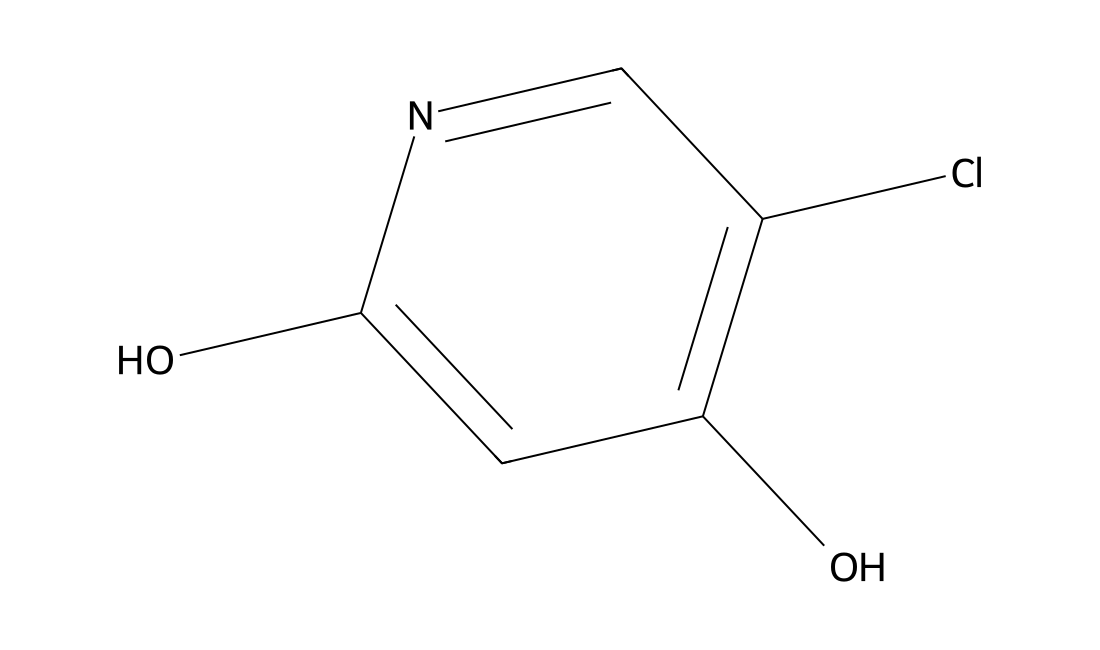
Gimeracil chemical structure
DC12342

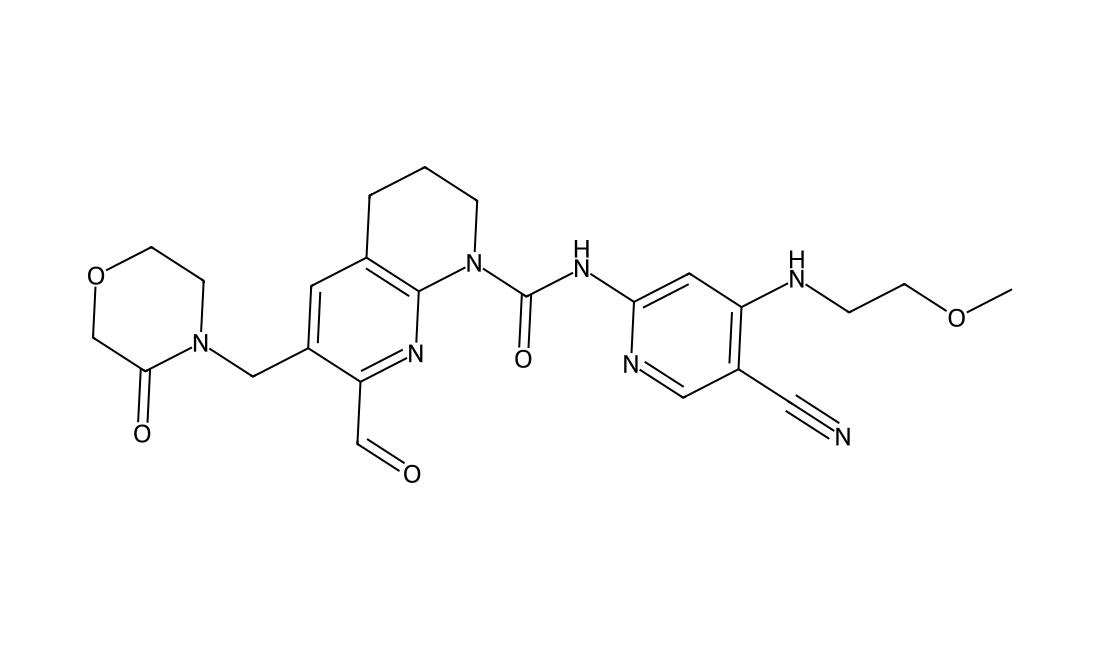
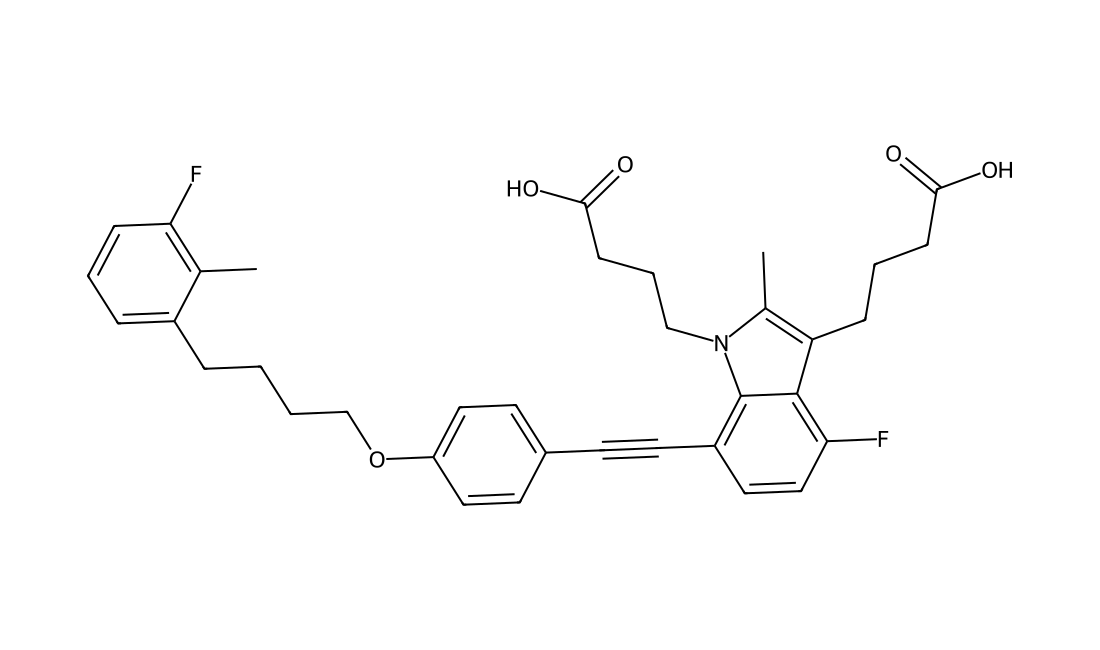
Gemilukast (ONO-6950)

CAS 1232861-58-3

In Vitro Gemilukast is an orally active and potent dual cysteinyl leukotriene 1 and 2 receptors (CysLT1 and CysLT2) antagonist, with IC50s of 1.7, 25 nM for human CysLT1 and CysLT2, respectively. Both Gemilukast (ONO-6950) and montelukast inhibit human CysLT1 receptor-mediated calcium response with IC50 values of 1.7 and 0.46 nM, respectively. In Vivo Gemilukast at 0.03 to 10 mg/kg, p.o. dose-dependently attenuates LTC4-induced bronchoconstriction with almost complete inhibition at 3 mg/kg. The inhibitory effect of Gemilukast on LTC4-induced bronchoconstriction is significantly stronger than that of montelukast at the dose of 1 mg/kg or more. Gemilukast (0.03 to 1 mg/kg, p.o.) dose-dependently attenuates LTD4-induced airway vascular hyperpermeability with complete inhibition at 0.3 mg/kg. Gemilukast at 0.1 to 3 mg/kg, p.o. dose-dependently inhibits OVA-induced bronchoconstriction. The inhibitory effect of Gemilukast at 3 mg/kg is significantly greater than that of montelukast alone and comparable to that of combination therapy with montelukast and BayCysLT2RA.

Gemilukast (ONO-6950) chemical structure
DCAPI1135

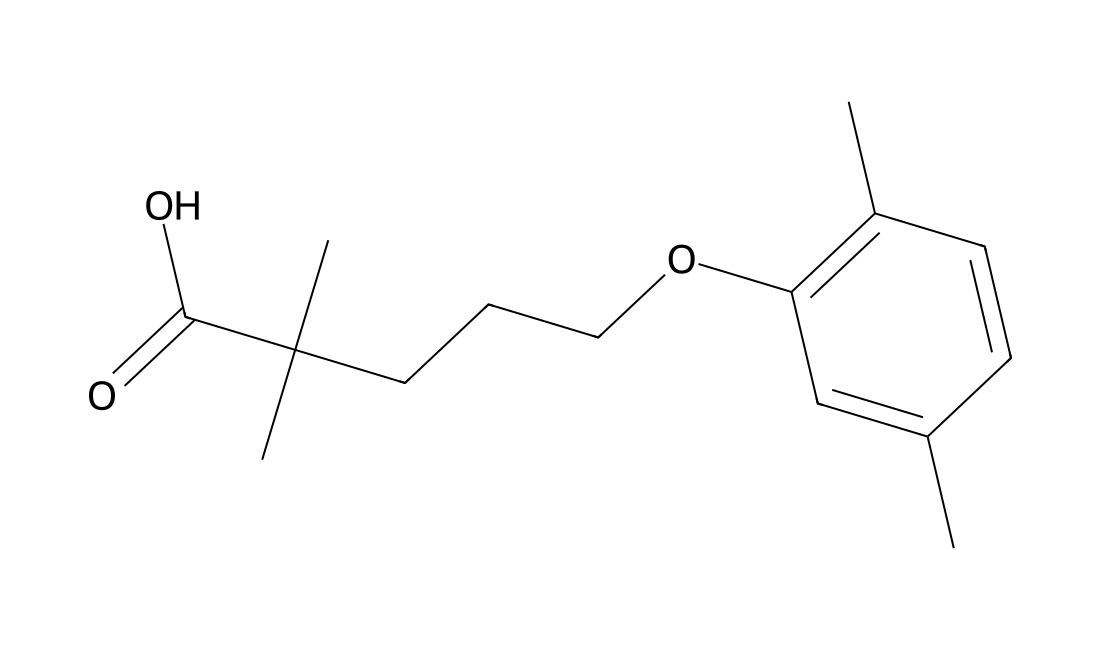
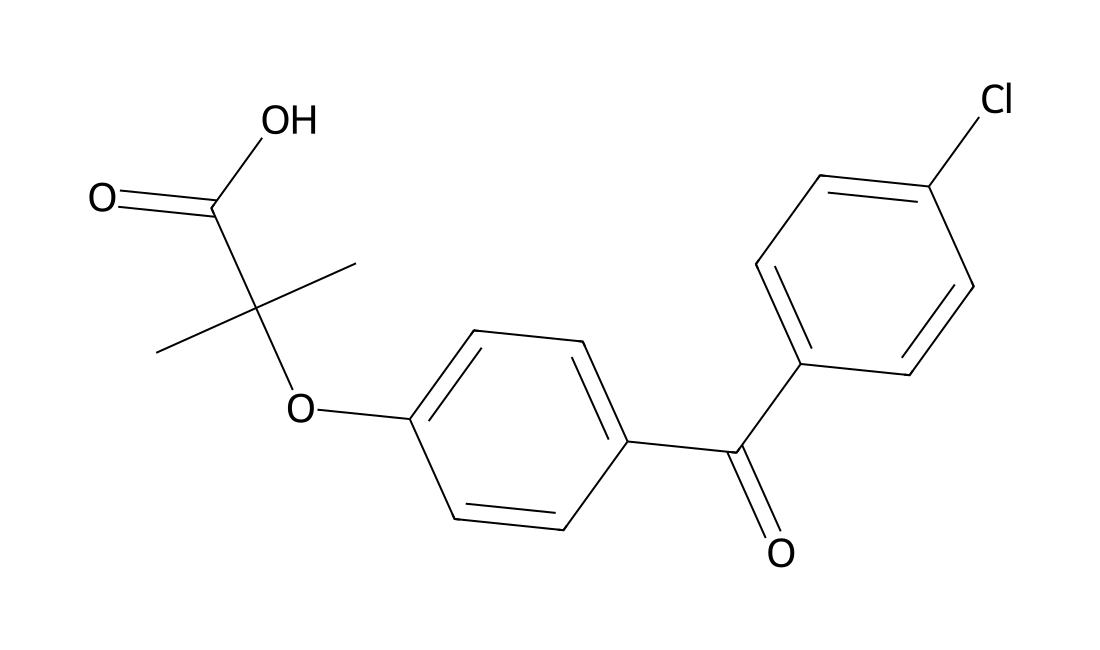
Gemfibrozil (Lopid)

CAS 25812-30-0

For the detailed information of Gemfibrozil (Lopid), the solubility of Gemfibrozil (Lopid) in water, the solubility of Gemfibrozil (Lopid) in DMSO, the solubility of Gemfibrozil (Lopid) in PBS buffer, the animal experiment(test) (test) of Gemfibrozil (Lopid), the cell expriment (test) of Gemfibrozil (Lopid), the in vivo, in vitro and clinical trial test of Gemfibrozil (Lopid), the EC50, IC50,and Affinity of Gemfibrozil (Lopid),, please contact DC Chemicals.

Gemfibrozil (Lopid) chemical structure
DC9453

GANT 58

CAS 64048-12-0

GANT 58 is a novel and potent Gli antagonist that inhibits GLI1-induced transcription (IC50 = 5 uM). GANT 58 inhibits the hedgehog (Hh) signaling pathway downstream of SMO and SUFU causing GLI1 nuclear accumulation. Displays antiproliferative and antitumor activity in vivo.

GANT 58 chemical structure
DCAPI1357

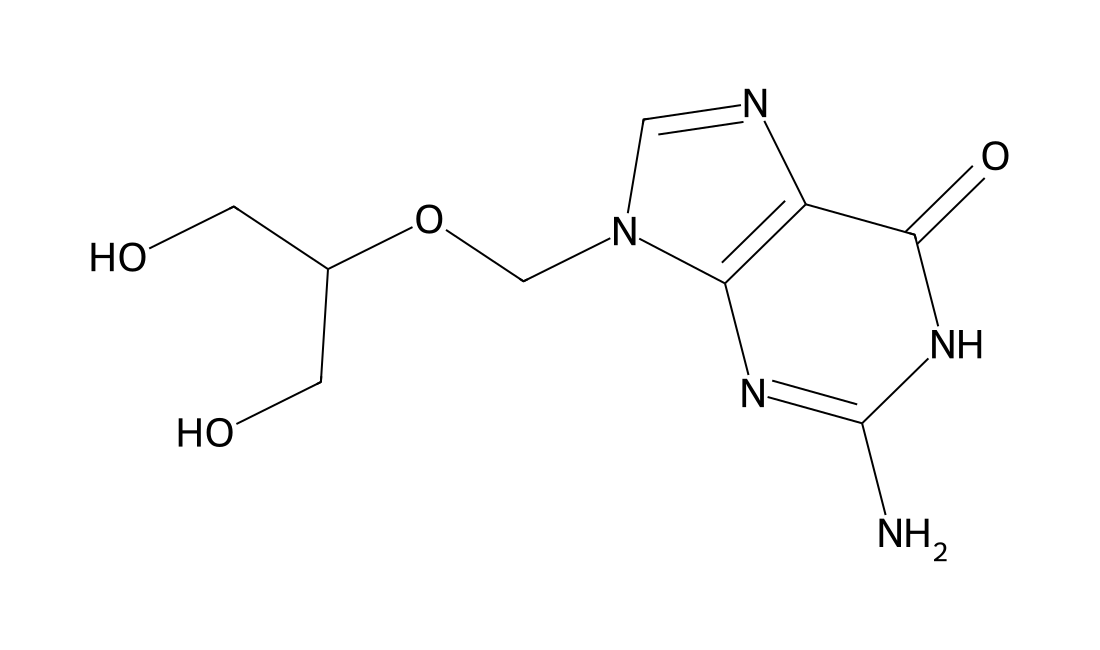
Ganciclovir

CAS 82410-32-0

For the detailed information of Ganciclovir, the solubility of Ganciclovir in water, the solubility of Ganciclovir in DMSO, the solubility of Ganciclovir in PBS buffer, the animal experiment(test) (test) of Ganciclovir, the cell expriment (test) of Ganciclovir, the in vivo, in vitro and clinical trial test of Ganciclovir, the EC50, IC50,and Affinity of Ganciclovir,, please contact DC Chemicals.

Ganciclovir chemical structure
DC22548

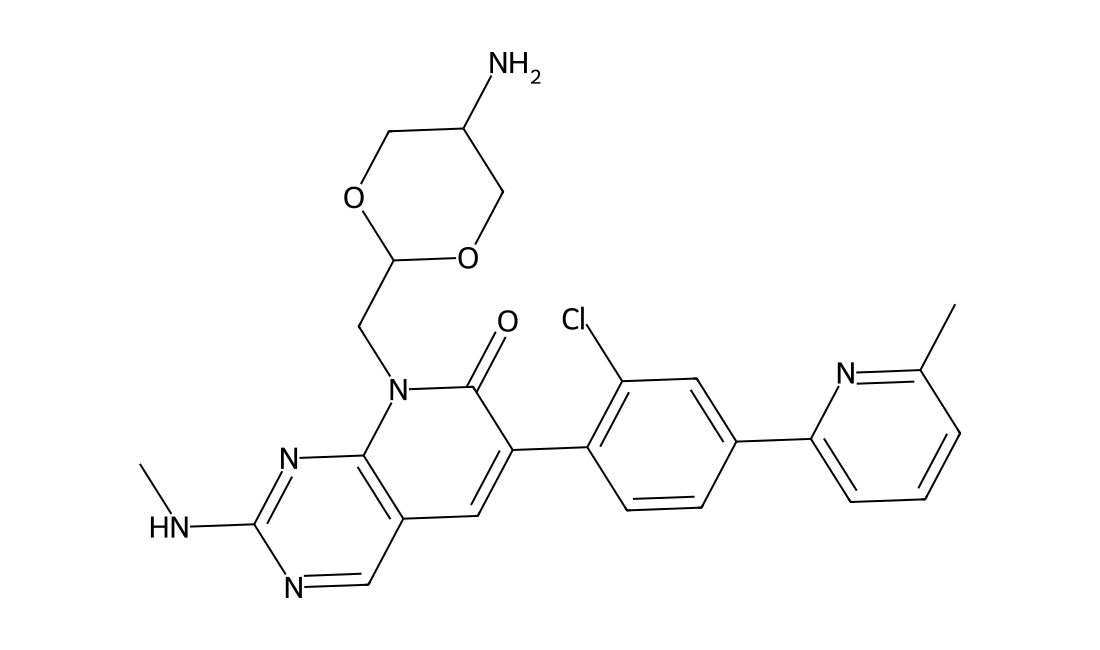
G-5555

CAS 1648863-90-4

G-5555 is a potent and selective PAK1 inhibitor (Ki=3.7 nM); showes excellent kinase selectivity and inhibits only eight out of the 235 kinases with inhibition >70% at 0.1 uM; inhibits S298 phosphorylation of MEK1 in EBC1 cells with IC50 of 69 nM; improved potency and selectivity than FRAX1036; shows good vivo PK/PD effects.

G-5555 chemical structure
DC9069

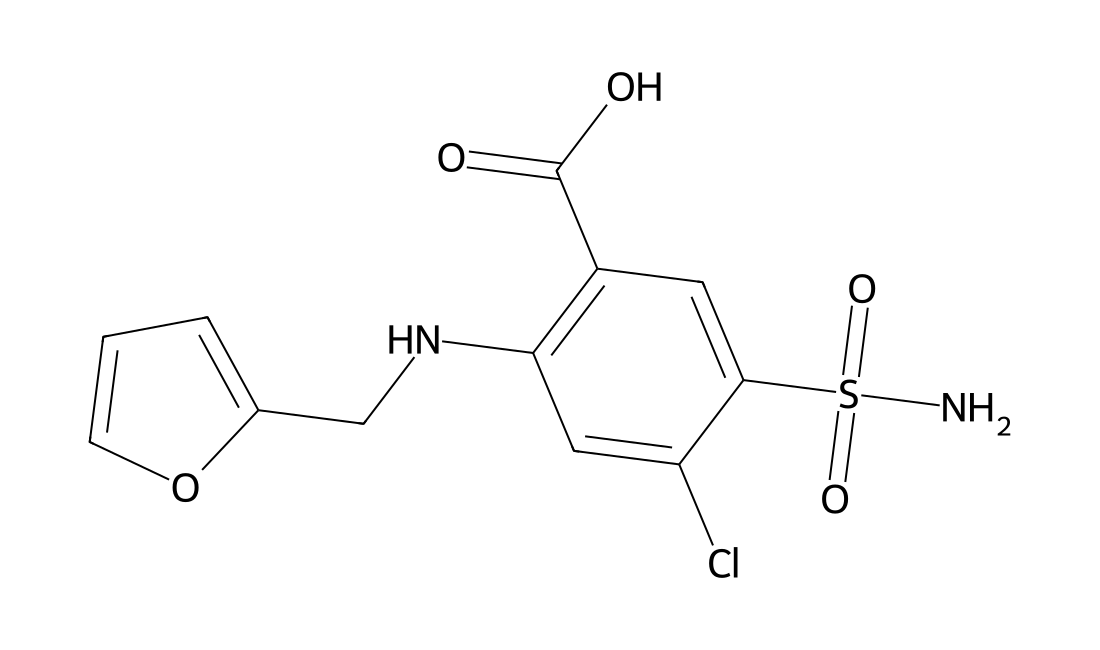
Furosemide

CAS 54-31-9

Furosemide (Lasix) is a loop diuretic inhibitor of Na+/2Cl-/K+ (NKCC) cotransporter of which used in the treatment of congestive heart failure and edema.Furosemide (INN/BAN) or frusemide is a loop diuretic used in the treatment of congestive heart failure and edema. It is most commonly marketed by Sanofi under the brand name Lasix, and also under the brand names Fusid and Frumex. It has also been used to prevent Thoroughbred and Standardbred race horses from bleeding through the nose during races.Along with some other diuretics, furosemide is also included on the World Anti-Doping Agency's banned drug list due to its alleged use as a masking agent for other drugs. Furosemide, like other loop diuretics, acts by inhibiting NKCC2, the luminal Na-K-2Cl symporter in the thick ascending limb of the loop of Henle. The action on the distal tubules is independent of any inhibitory effect on carbonic anhydrase or aldosterone; it also abolishes the corticomedullary osmotic gradient and blocks negative, as well as positive, free water clearance.Because of the large NaCl absorptive capacity of the loop of Henle, diuresis is not limited by development of acidosis, as it is with the carbonic anhydrase inhibitors. Additionally, furosemide is a noncompetitive subtype-specific blocker of GABA-A receptors. Furosemide has been reported to reversibly antagonize GABA-evoked currents of α6β2γ2 receptors at uM concentrations, but not α1β2γ2 receptors. During development, the α6β2γ2 receptor increases in expression in cerebellar granule neurons, corresponding to increased sensitivity to furosemide

Furosemide chemical structure
DC7824

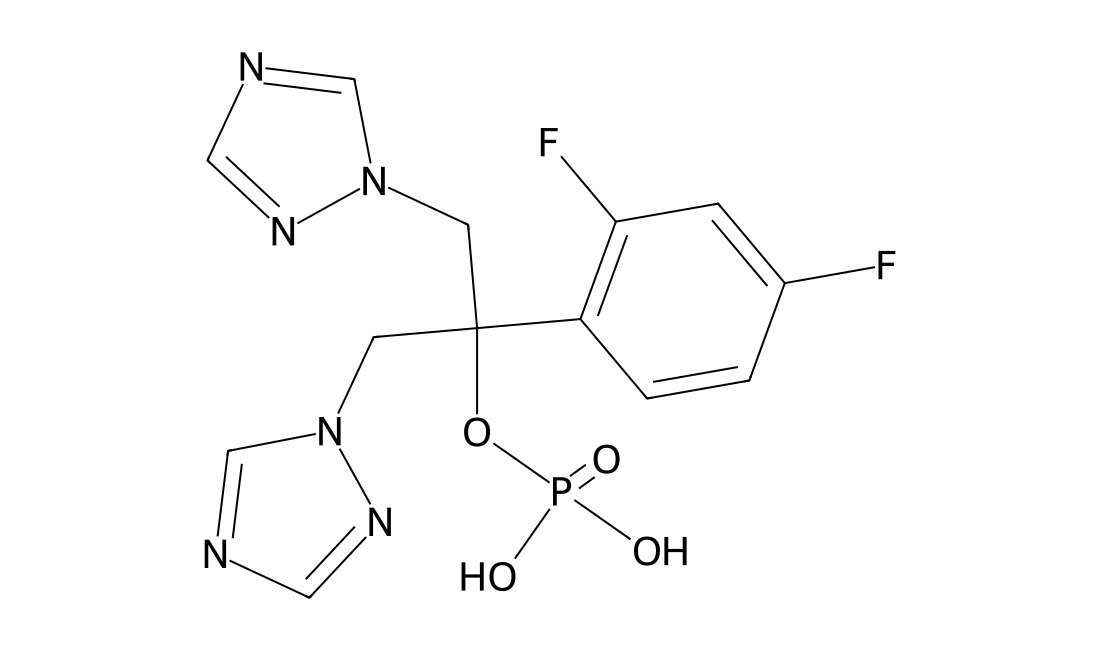
Fosfluconazole(INN)

CAS 194798-83-9

For the detailed information of Fosfluconazole, the solubility of Fosfluconazole in water, the solubility of Fosfluconazole in DMSO, the solubility of Fosfluconazole in PBS buffer, the animal experiment (test) of Fosfluconazole, the cell expriment (test) of Fosfluconazole, the in vivo, in vitro and clinical trial test of Fosfluconazole, the EC50, IC50,and affinity,of Fosfluconazole, Please contact DC Chemicals.

Fosfluconazole(INN) chemical structure
DC6916

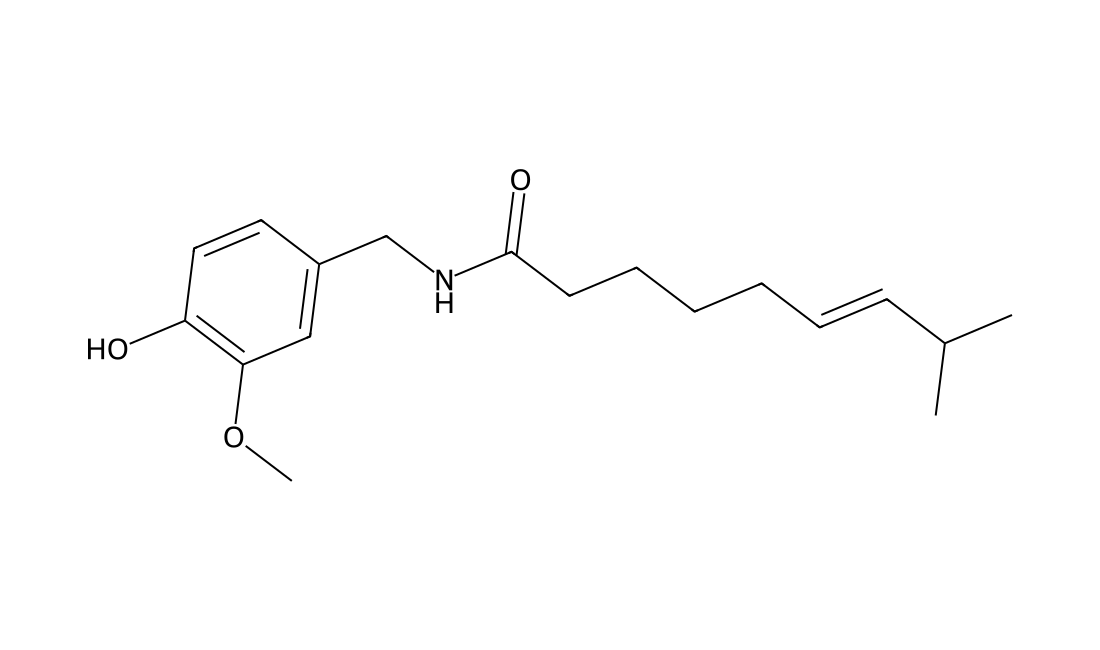
Zucapsaicin

CAS 25775-90-0

For the detailed information of Zucapsaicin, the solubility of Zucapsaicin in water, the solubility of Zucapsaicin in DMSO, the solubility of Zucapsaicin in PBS buffer, the animal experiment (test) of Zucapsaicin, the cell expriment (test) of Zucapsaicin, the in vivo, in vitro and clinical trial test of Zucapsaicin, the EC50, IC50,and affinity,of Zucapsaicin, For the detailed information of Zucapsaicin, the solubility of Zucapsaicin in water, the solubility of Zucapsaicin in DMSO, the solubility of Zucapsaicin in PBS buffer, the animal experiment (test) of Zucapsaicin, the cell expriment (test) of Zucapsaicin, the in vivo, in vitro and clinical trial test of Zucapsaicin, the EC50, IC50,and affinity,of Zucapsaicin, Please contact DC Chemicals.

Zucapsaicin chemical structure
DCAPI1260

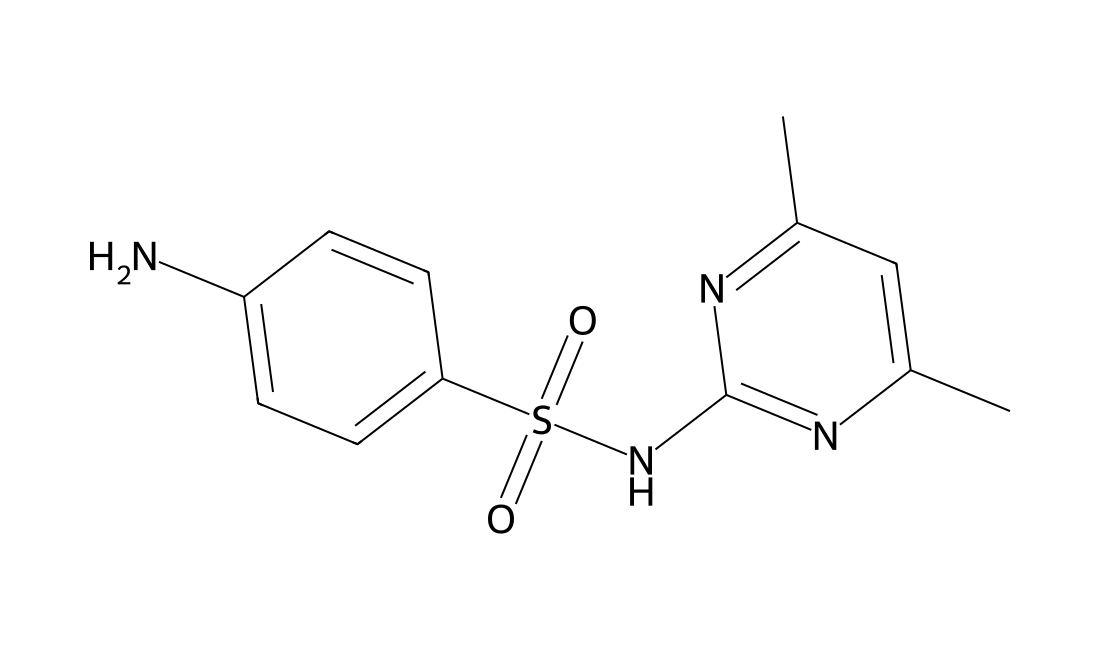
Sulfamethazine

CAS 57-68-1

For the detailed information of Sulfamethazine, the solubility of Sulfamethazine in water, the solubility of Sulfamethazine in DMSO, the solubility of Sulfamethazine in PBS buffer, the animal experiment(test) (test) of Sulfamethazine, the cell expriment (test) of Sulfamethazine, the in vivo, in vitro and clinical trial test of Sulfamethazine, the EC50, IC50,and Affinity of Sulfamethazine,, please contact DC Chemicals.

Sulfamethazine chemical structure
DC7024

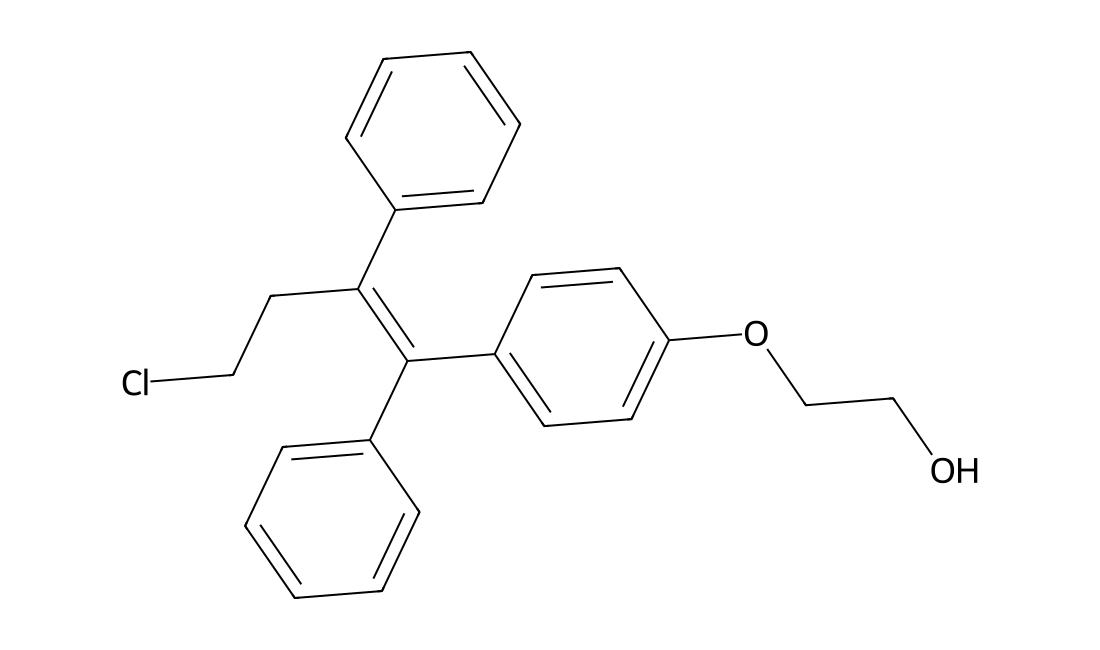
Ospemifene

CAS 128607-22-7

For the detailed information of Ospemifene, the solubility of Ospemifene in water, the solubility of Ospemifene in DMSO, the solubility of Ospemifene in PBS buffer, the animal experiment (test) of Ospemifene, the cell expriment (test) of Ospemifene, the in vivo, in vitro and clinical trial test of Ospemifene, the EC50, IC50,and Affinity of Ospemifene, Please contact DC Chemicals.

Ospemifene chemical structure
DC7022

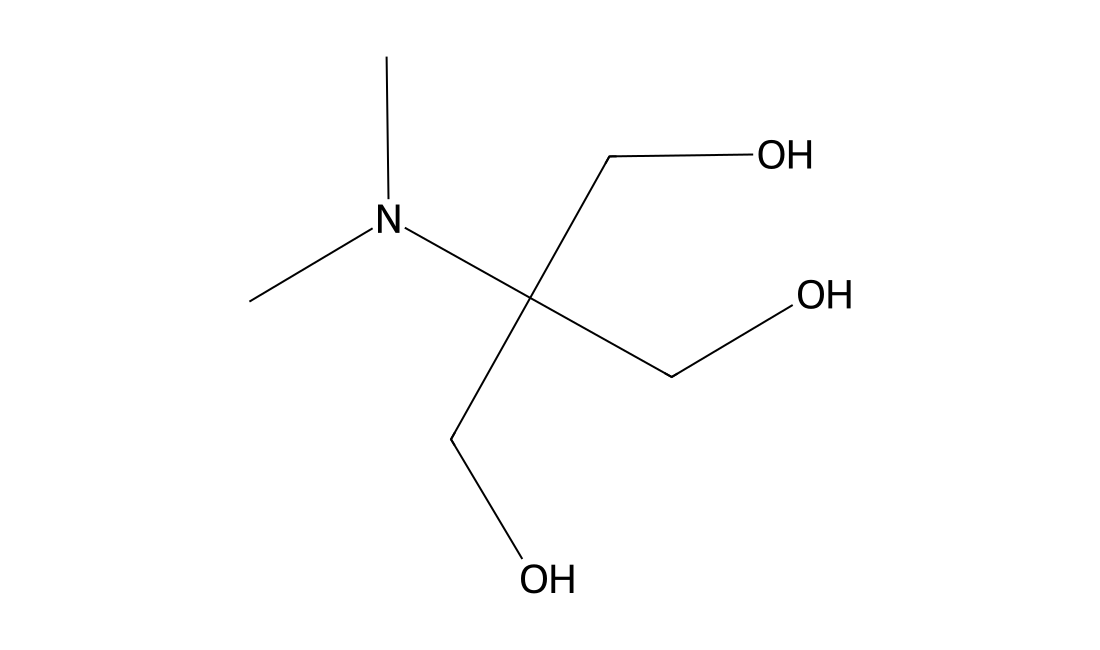
NSC17711

CAS 1112-24-9

For the detailed information of NSC17711, the solubility of NSC17711 in water, the solubility of NSC17711 in DMSO, the solubility of NSC17711 in PBS buffer, the animal experiment (test) of NSC17711, the cell expriment (test) of NSC17711, the in vivo, in vitro and clinical trial test of NSC17711, the EC50, IC50,and Affinity of NSC17711, Please contact DC Chemicals.

NSC17711 chemical structure
DC5110

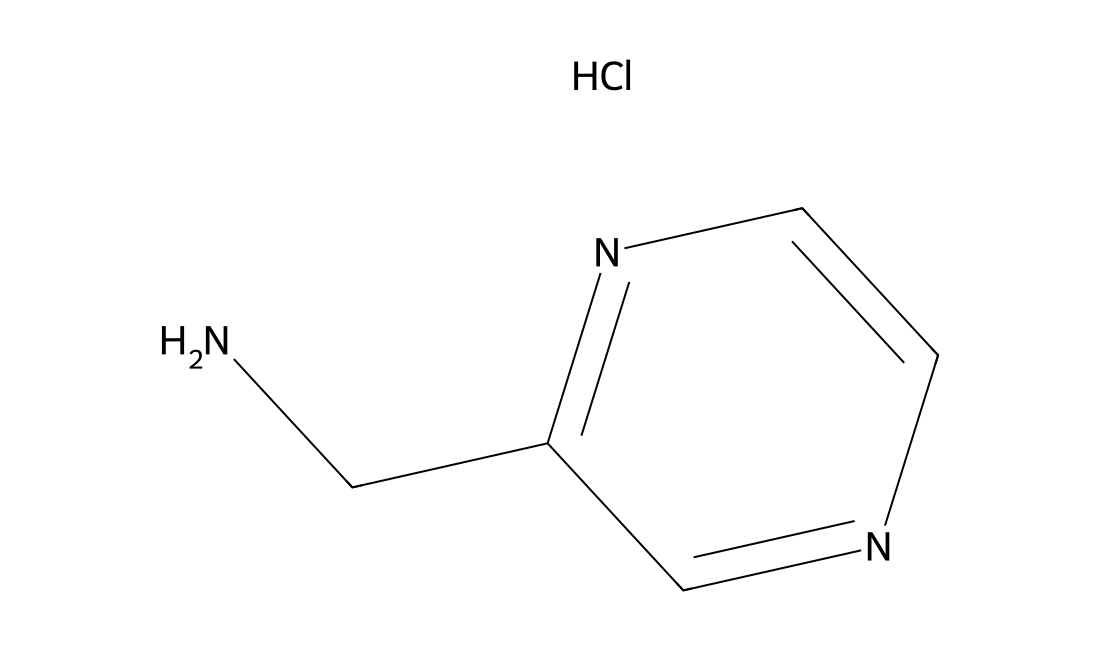
NSC157100

CAS 39204-49-4

For the detailed information of NSC157100, the solubility of NSC157100 in water, the solubility of NSC157100 in DMSO, the solubility of NSC157100 in PBS buffer, the animal experiment (test) of NSC157100, the cell expriment (test) of NSC157100, the in vivo, in vitro and clinical trial test of NSC157100, the EC50, IC50,and Affinity of NSC157100, Please contact DC Chemicals.

NSC157100 chemical structure
DC10252

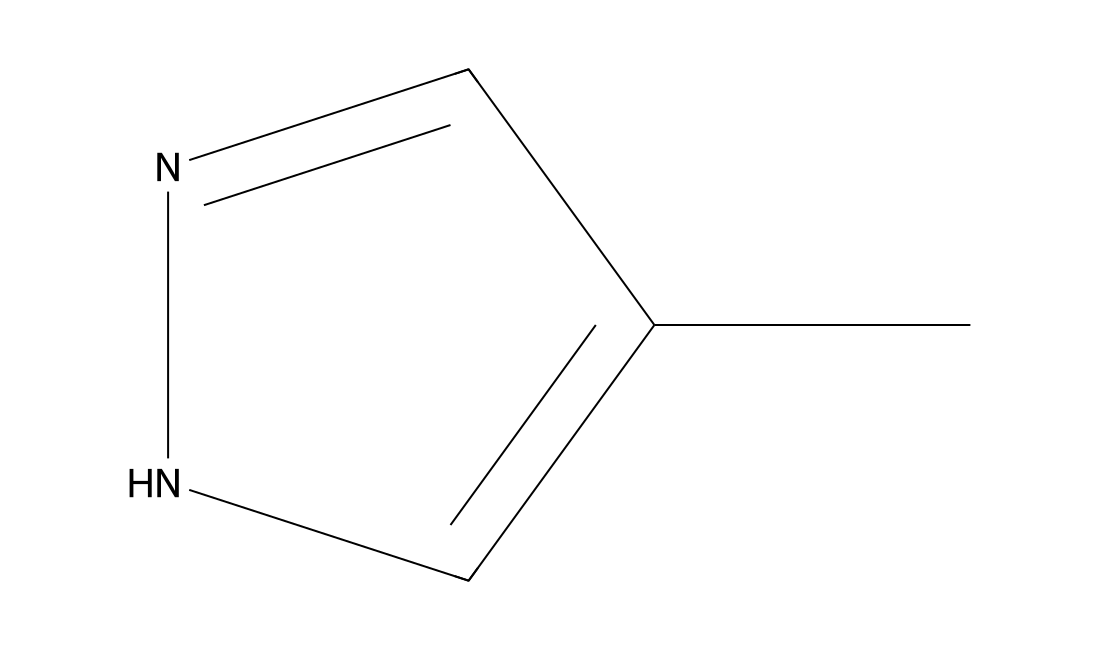
Fomepizole

CAS 7554-65-6

Fomepizole is a competitive inhibitor of alcohol dehydrogenase, the enzyme that catalyzes the initial steps in the metabolism of ethylene glycol and methanol to their toxic metabolites.

Fomepizole chemical structure
DC9451

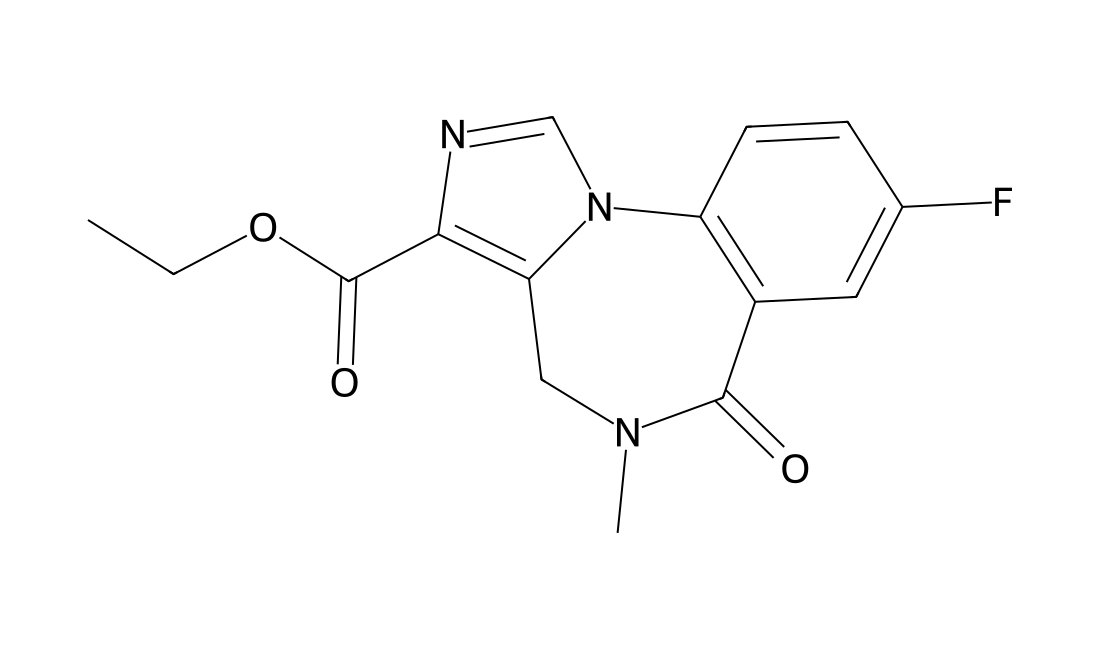
Flumazenil

CAS 78755-81-4

Flumazenil(Ro 15-1788) is a benzodiazepine antagonist, non-selective for α1, α2, α3 or α5-containing GABAA receptors. Centrally active upon systemic administration in vivo. Flumazenil, an imidazobenzodiazepine derivative, antagonizes the actions of benzodiazepines on the central nervous system. Flumazenil competitively inhibits the activity at the benzodiazepine recognition site on the GABA/benzodiazepine receptor complex. Flumazenil is a weak partial agonist in some animal models of activity, but has little or no agonist activity in humans.

Flumazenil chemical structure
DCAPI1108

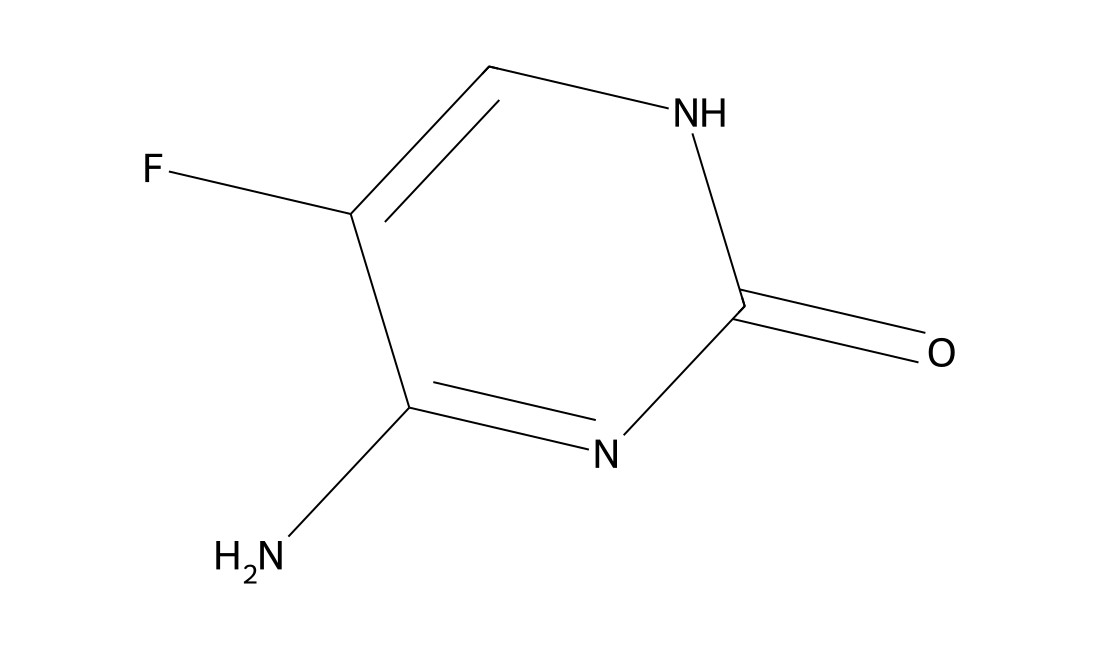
Flucytosine (Ancobon)

CAS 2022-85-7

For the detailed information of Flucytosine (Ancobon), the solubility of Flucytosine (Ancobon) in water, the solubility of Flucytosine (Ancobon) in DMSO, the solubility of Flucytosine (Ancobon) in PBS buffer, the animal experiment(test) (test) of Flucytosine (Ancobon), the cell expriment (test) of Flucytosine (Ancobon), the in vivo, in vitro and clinical trial test of Flucytosine (Ancobon), the EC50, IC50,and Affinity of Flucytosine (Ancobon),, please contact DC Chemicals.

Flucytosine (Ancobon) chemical structure
DCAPI1375

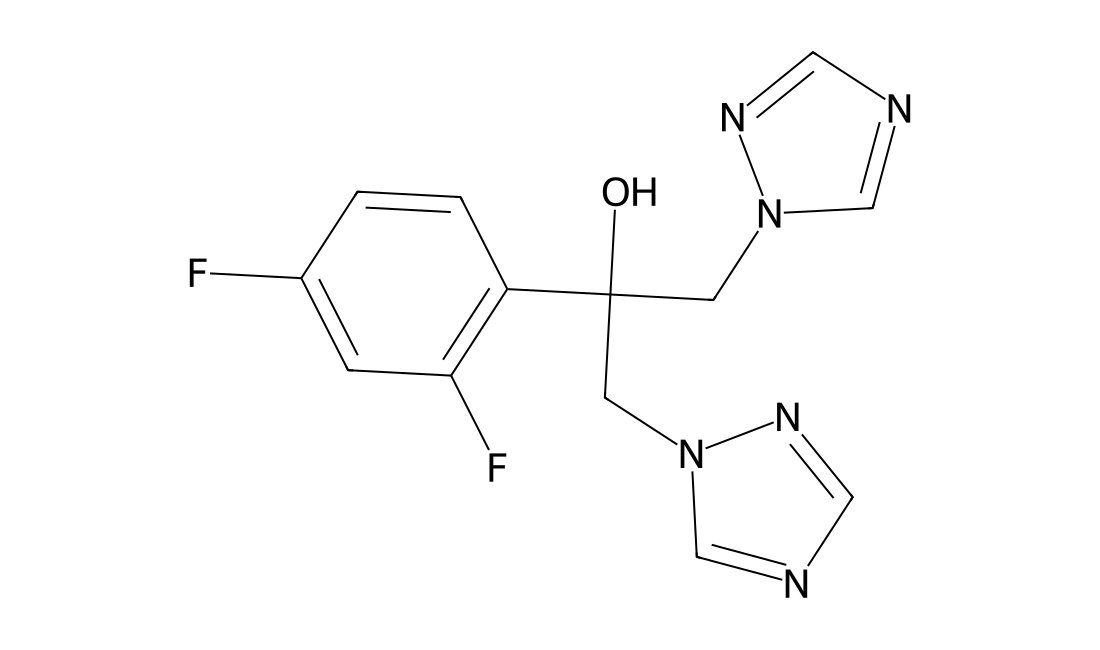
Fluconazole

CAS 86386-73-4

For the detailed information of Fluconazole, the solubility of Fluconazole in water, the solubility of Fluconazole in DMSO, the solubility of Fluconazole in PBS buffer, the animal experiment(test) (test) of Fluconazole, the cell expriment (test) of Fluconazole, the in vivo, in vitro and clinical trial test of Fluconazole, the EC50, IC50,and Affinity of Fluconazole,, please contact DC Chemicals.

Fluconazole chemical structure
DC9060

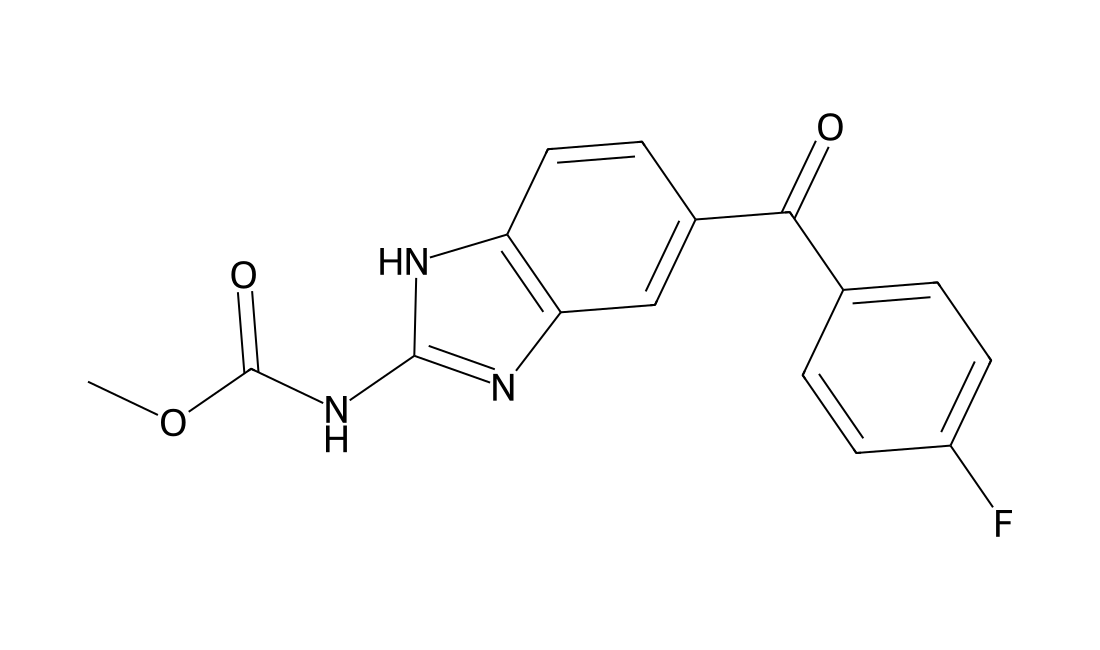
Flubendazole

CAS 31430-15-6

Flubendazole is a potent broad spectrum anthelmintic.Flubendazole is an anthelmintic. It is also available for human use to treat worm infections.

Flubendazole chemical structure
DCAPI1347

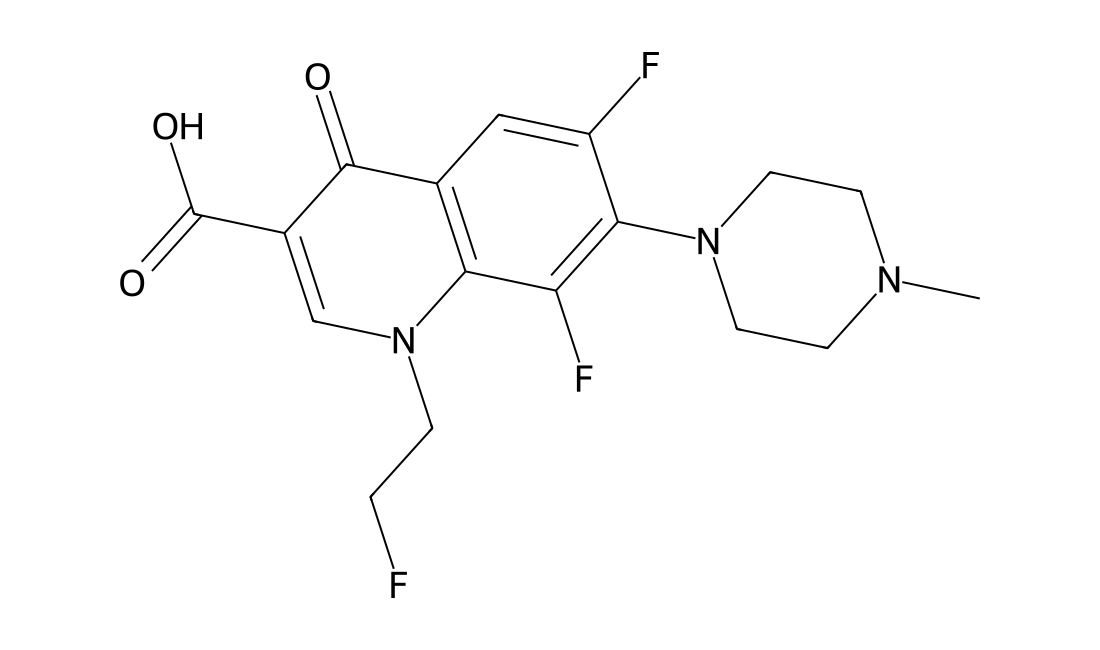
Fleroxacin (Quinodis)

CAS 79660-72-3

For the detailed information of Fleroxacin (Quinodis), the solubility of Fleroxacin (Quinodis) in water, the solubility of Fleroxacin (Quinodis) in DMSO, the solubility of Fleroxacin (Quinodis) in PBS buffer, the animal experiment(test) (test) of Fleroxacin (Quinodis), the cell expriment (test) of Fleroxacin (Quinodis), the in vivo, in vitro and clinical trial test of Fleroxacin (Quinodis), the EC50, IC50,and Affinity of Fleroxacin (Quinodis),, please contact DC Chemicals.

Fleroxacin (Quinodis) chemical structure
DC8917

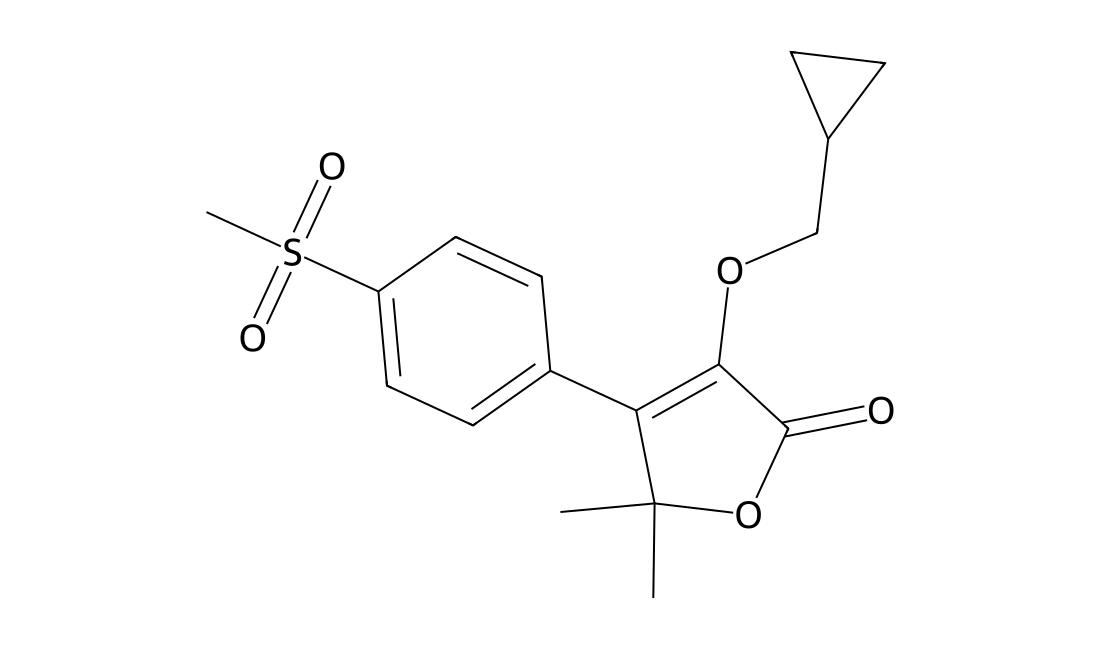
Firocoxib

CAS 189954-96-9

Firocoxib(ML 1785713) is a potent and selective cyclooxygenase (COX)-2 inhibitor with IC50 of 0.13 uM, 58 fold sensitivity for COX2 VSCOX1.
Firocoxib chemical structure
DC9086

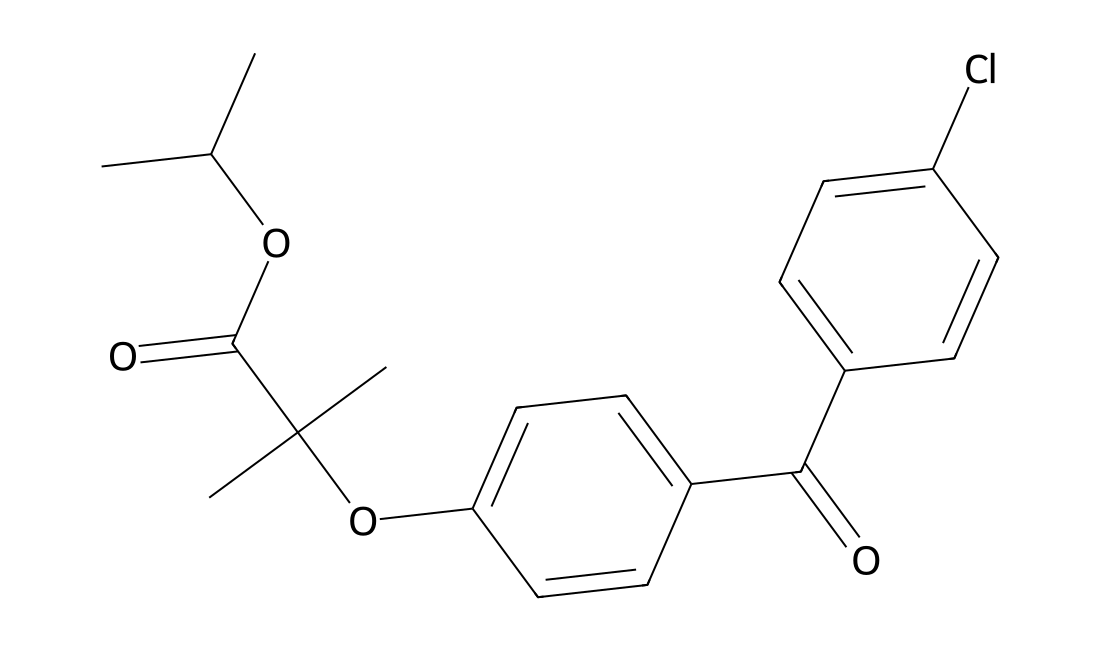
Fenofibrate

CAS 49562-28-9

Fenofibrate is PPARα agonist with EC50 of 18 μM and 30 μM for mouse and human PPARα, respectively.Fenofibrate (Tricor, Trilipix) is a compound of the fibrate class and fibric acid derivative. Fenofibrate (Tricor, Trilipix) is mainly used to reduce cholesterol levels in patients at risk of cardiovascular disease. Like other fibrates, fenofibrate (Tricor, Trilipix) reduces both low-density lipoprotein (LDL) and very low density lipoprotein (VLDL) levels, as well as increasing high-density lipoprotein (HDL) levels and reducing tryglycerides level. Fenofibrate (Tricor, Trilipix) also appears to have a beneficial effect on the insulin resistance featured by the metabolic syndrome. Fenofibrate (Tricor, Trilipix) is used alone or in conjunction with statins in the treatment of hypercholesterolemia and hypertriglyceridemia.
Fenofibrate chemical structure
DCAPI1181

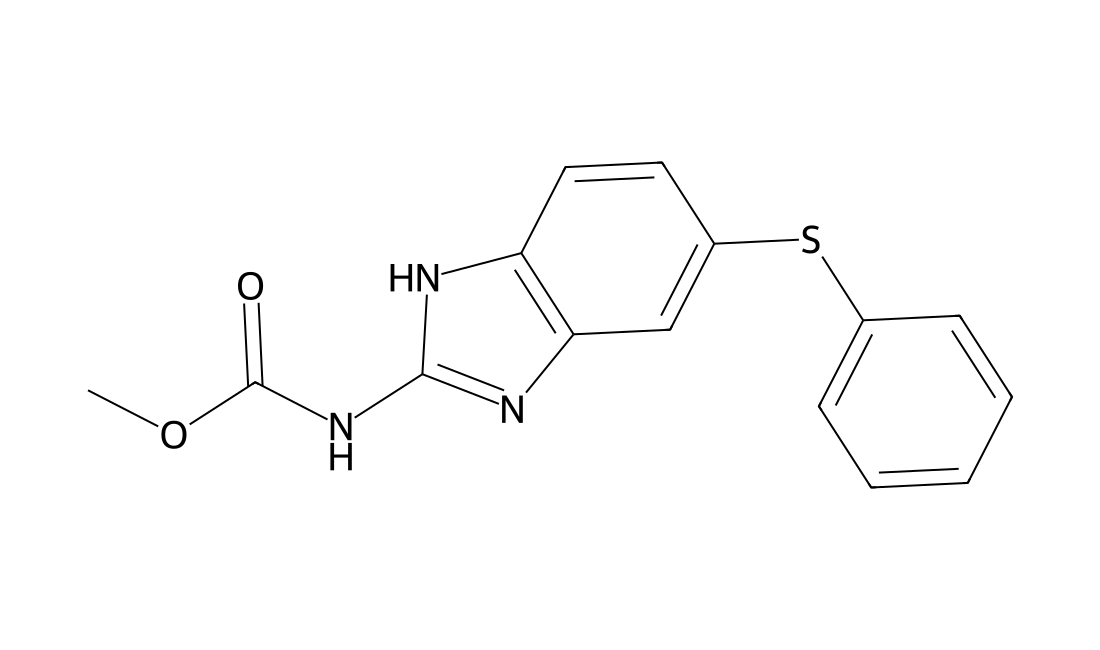
Fenbendazole (Panacur)

CAS 43210-67-9

For the detailed information of Fenbendazole (Panacur), the solubility of Fenbendazole (Panacur) in water, the solubility of Fenbendazole (Panacur) in DMSO, the solubility of Fenbendazole (Panacur) in PBS buffer, the animal experiment(test) (test) of Fenbendazole (Panacur), the cell expriment (test) of Fenbendazole (Panacur), the in vivo, in vitro and clinical trial test of Fenbendazole (Panacur), the EC50, IC50,and Affinity of Fenbendazole (Panacur),, please contact DC Chemicals.

Fenbendazole (Panacur) chemical structure
DC9073

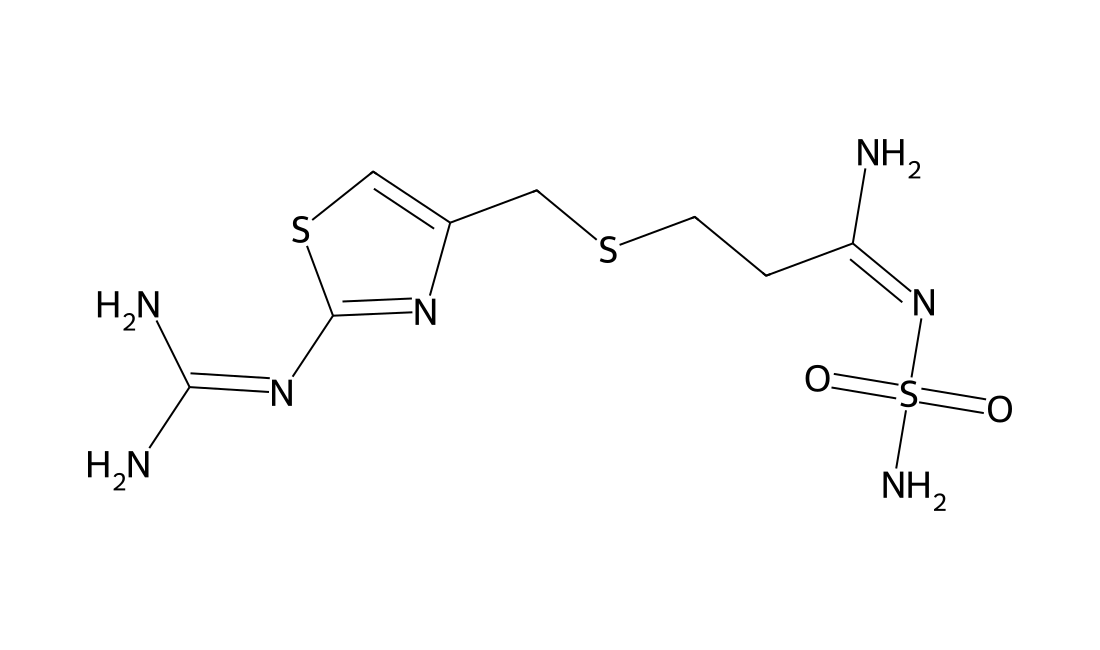
Famotidine

CAS 76824-35-6

Famotidine is a competitive histamine H2-receptor antagonist. Its main pharmacodynamic effect is the inhibition of gastric secretion.Famotidine is a histamine H2-receptor antagonist that inhibits stomach acid production, and it is commonly used in the treatment of peptic ulcer disease (PUD) and gastroesophageal reflux disease (GERD/GORD). Famotidine Group(2 mg/kg/day) were significantly lower than the equivalent parameters for the Control Group on both the third and seventh days post-surgery. famotidine exerts detrimental effects on the anastomotic bursting pressure and hydroxyproline content of perianastomotic tissues in the colon of rats. famotidine increased the transgastric potential difference (PD) and promoted the recovery of decreased transgastric PD induced by acidified ethanol in rats. The preventive effect of famotidine on gastric lesions is attributable not only to suppression of acid secretion but to activation of the gastric mucosal defensive mechanisms.

Famotidine chemical structure
DCAPI1011

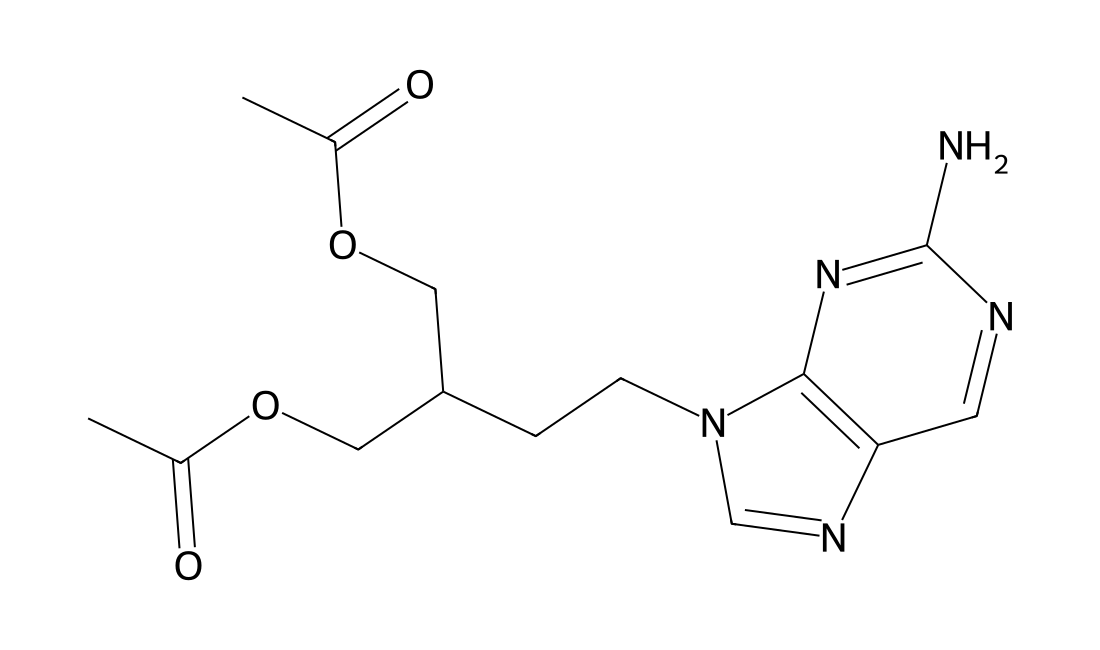
Famciclovir (Famvir)

CAS 104227-87-4

For the detailed information of Famciclovir (Famvir), the solubility of Famciclovir (Famvir) in water, the solubility of Famciclovir (Famvir) in DMSO, the solubility of Famciclovir (Famvir) in PBS buffer, the animal experiment(test) (test) of Famciclovir (Famvir), the cell expriment (test) of Famciclovir (Famvir), the in vivo, in vitro and clinical trial test of Famciclovir (Famvir), the EC50, IC50,and Affinity of Famciclovir (Famvir),, please contact DC Chemicals.

Famciclovir (Famvir) chemical structure
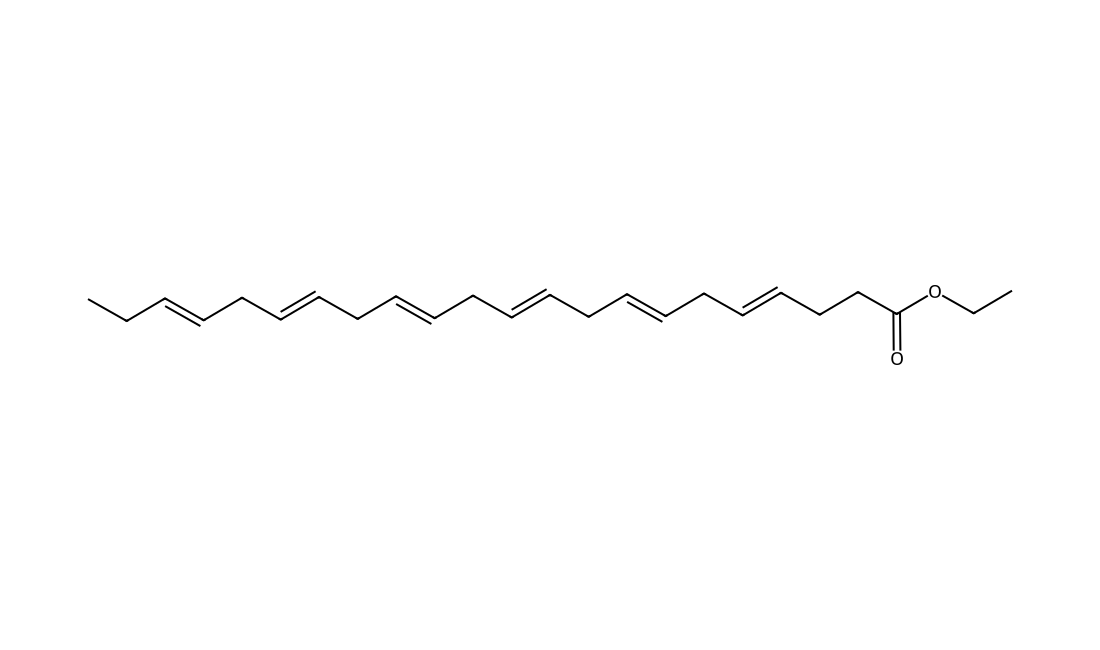
DC9884

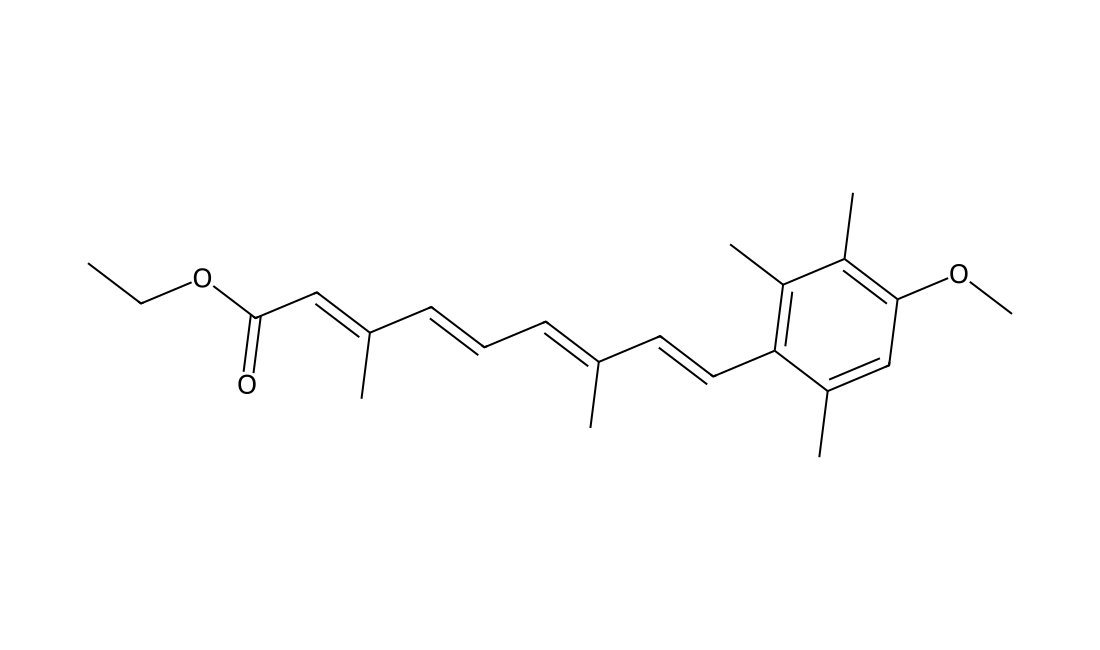
Etretinate

CAS 54350-48-0

Etretinate is an oral aromatic retinoid acid which is effective in psoriasis and other dermatological syndromes. It activates retinoid receptors, causing an induction of cell differentiation, inhibition of cell proliferation, and inhibition of tissue infiltration by inflammatory cells.

Etretinate chemical structure
DC4234

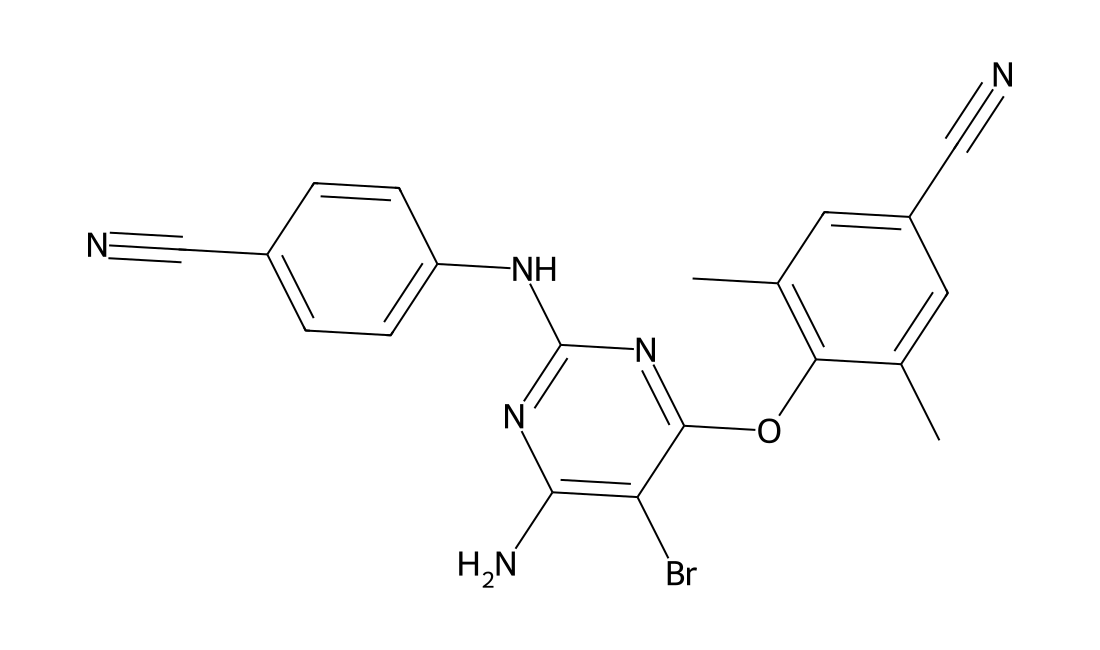
Etravirine

CAS 269055-15-4

For the detailed information about the solubility of Etravirine in water, the solubility of Etravirine in DMSO, the solubility of Etravirine in PBS buffer, the animal experiment(test) of Etravirine,the in vivo,in vitro and clinical trial test of Etravirine,the cell experiment(test) of Etravirine,the IC50, EC50 and Affinity of Etravirine, please contact DC Chemicals.

Etravirine chemical structure
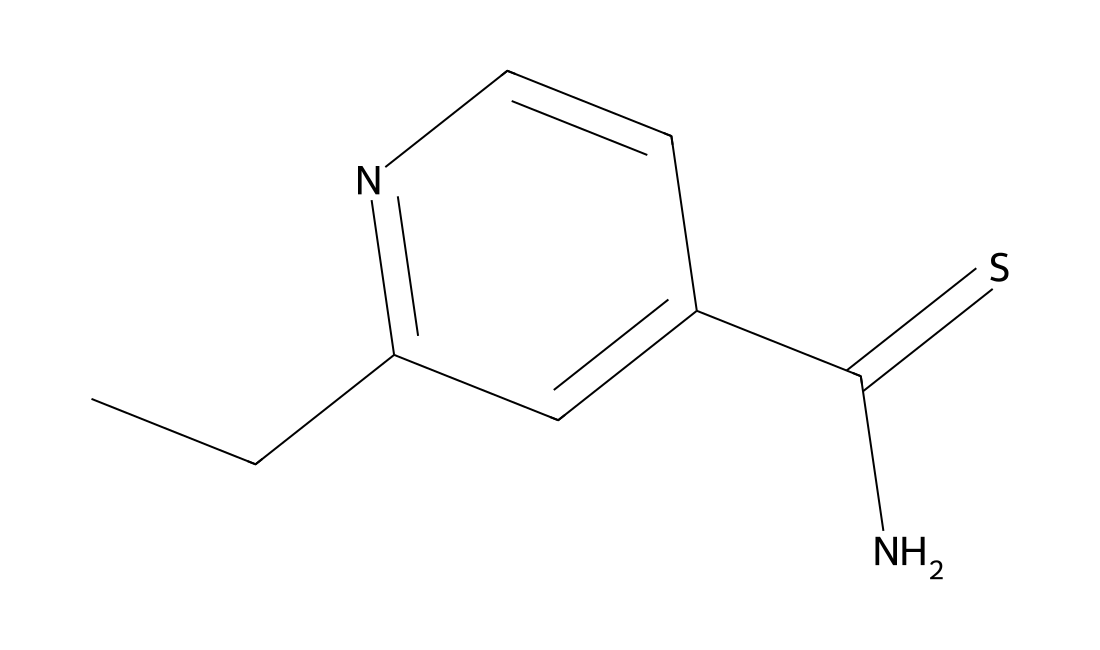
DCAPI1235

Ethionamide

CAS 536-33-4

For the detailed information of Ethionamide, the solubility of Ethionamide in water, the solubility of Ethionamide in DMSO, the solubility of Ethionamide in PBS buffer, the animal experiment(test) (test) of Ethionamide, the cell expriment (test) of Ethionamide, the in vivo, in vitro and clinical trial test of Ethionamide, the EC50, IC50,and Affinity of Ethionamide,, please contact DC Chemicals.

Ethionamide chemical structure
DC21416

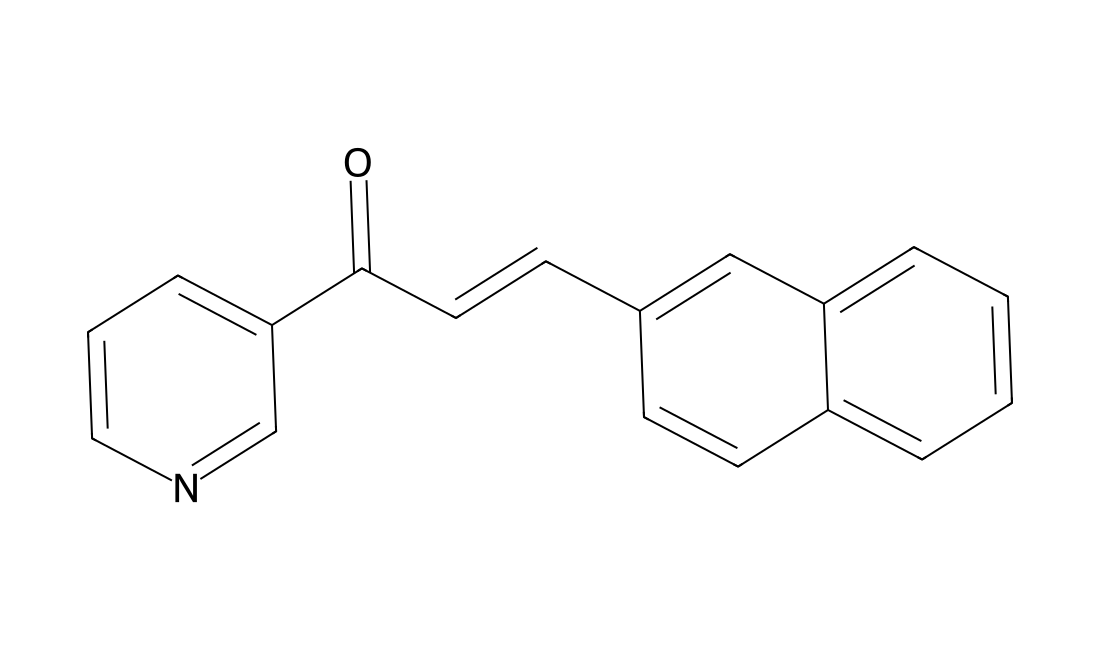
ERGi-USU

CAS 1147-56-4

ERGi-USU (NSC139021) is a small molecule that selectively inhibits ERG-positive cancer cell growth (VCaP cell IC50=0.169 uM), directly binds the ribosomal biogenesis regulator atypical kinase RIOK2 and induces ribosomal stress signature; shows additive effects in inhibiting growth of VCaP cells combined with enzalutamide, inhibits growth of ERG-positive VCaP tumor xenografts with no apparent toxicity.

ERGi-USU chemical structure
DC26000

EPZ019997

CAS 1628925-77-8

EPZ019997 is an orally active, reversible, and S-adenosyl-L-methionine (SAM) uncompetitive type I protein arginine methyltransferases (PRMTs) inhibitor (IC50=3.1 nM (PRMT1), 48 nM (PRMT3), 1148 nM (PRMT4), 5.7 nM (PRMT6), 1.7 nM (PRMT8)).

EPZ019997 chemical structure
DC9171

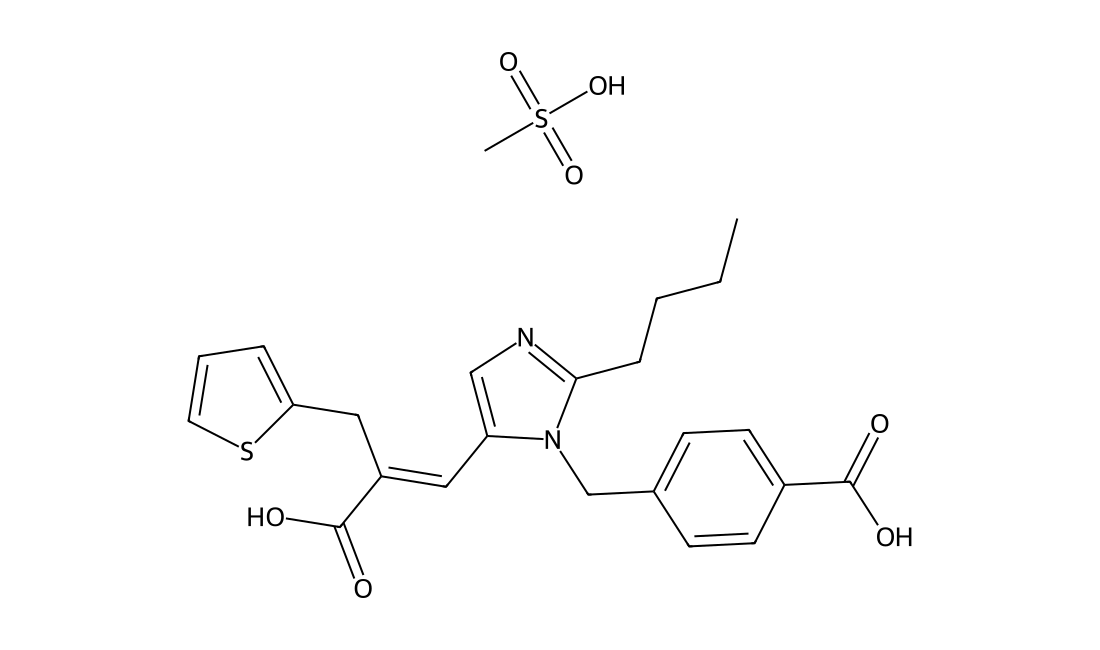
Eprosartan mesylate

CAS 144143-96-4

Eprosartan is a nonpeptide angiotensin II receptor antagonist with IC50 of 9.2 and 3.9 nM in rat and human adrenal cortical membranes, respectively.in vitro: Eprosartan mesylate, is one of the highly selective, orally active, non-peptide angiotensin-II-receptor antagonists. In rat and human adrenal cortical membranes, Eprosartan displaced specifically bound [125I]AII with IC50 of 9.2 and 3.9 nM, respectively. Eprosartan also inhibited [125I]AII binding to human liver membranes (IC50 = 1.7 nM) and to rat mesenteric artery membranes (IC50 = 1.5 nM). In rabbit aortic smooth muscle cells, Eprosartan caused a concentration-dependent inhibition of AII-induced increases in intracellular Ca++ levels. In rabbit aortic rings. in vivo: Administration of Eprosartan (3-10 mg/kg) intraduodenally or intragastrically to conscious normotensive rats resulted in a dose-dependent inhibition of the pressor response to AII (250 ng/kg, i.v.). At 10 mg/kg, i.d., significant inhibition of the pressor response to AII was observed for 3 hr. In this same rat model, Eprosartan had no effect on base-line pressure or on the pressor response to norepinephrine or vasopressin. Eprosartan is highly effective and safe in lowering blood pressure, notably SBP, in older subjects with mild to moderate hypertension. Treatment with eprosartan in once-daily doses up to 1200 mg alone or in combination with HCTZ was well tolerated, with dizziness and asthenia being the most common side effects. Therapy with eprosartan mesilat was associated with significant hypotensive effect (more evident in patients with high systolic blood pressure), improvement in 24-hour blood pressure profile and quality of life, and lower probability of secondary stroke. Side effects were not observed.

Eprosartan mesylate chemical structure
DC12273

EMT inhibitor-1

CAS 1638526-21-2

In Vitro EMT inhibitor-1 (C19) is an inhibitor of of Hippo, TGF-β, and Wnt signaling pathways with antitumor activities, inhibiting cancer cell migration, proliferation, and resistance to doxorubicin in vitro. In Vivo EMT inhibitor-1 (C19) exerts strong antitumor activity in a mouse tumor model. Mechanistically, EMT inhibitor-1 induces GSK3-β–mediated degradation of the Hippo transducer TAZ, through activation of the Hippo kinases Mst/Lats and the tumor suppressor kinase AMPK upstream of the degradation complex.

EMT inhibitor-1 chemical structure
DCAPI1380

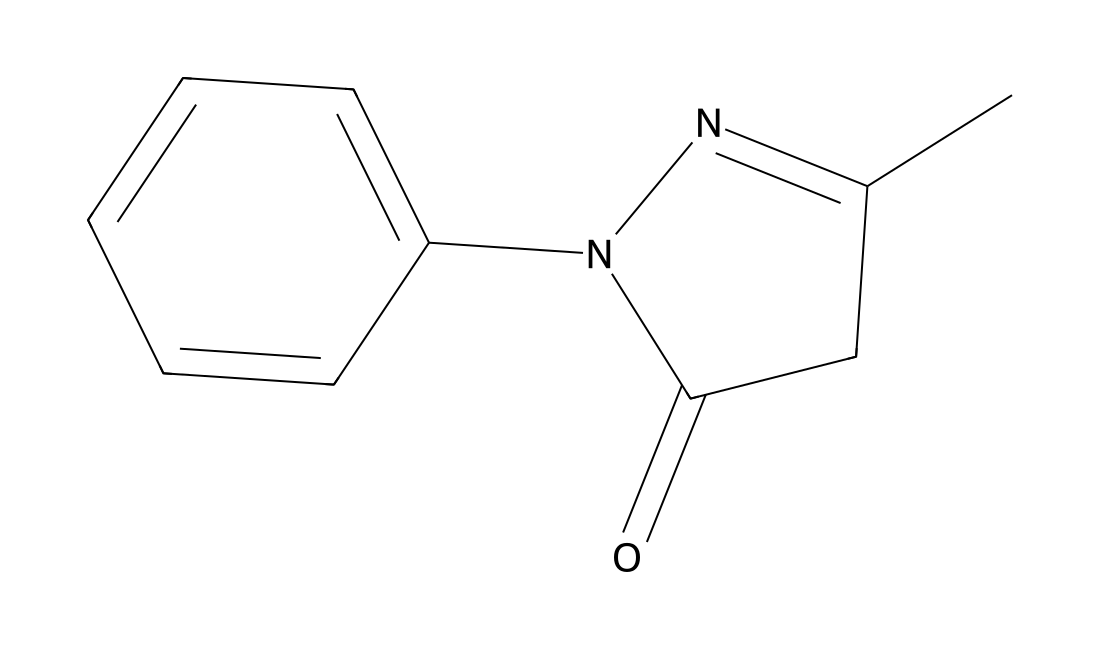
Edaravone (MCI-186)

CAS 89-25-8

For the detailed information of Edaravone (MCI-186), the solubility of Edaravone (MCI-186) in water, the solubility of Edaravone (MCI-186) in DMSO, the solubility of Edaravone (MCI-186) in PBS buffer, the animal experiment(test) (test) of Edaravone (MCI-186), the cell expriment (test) of Edaravone (MCI-186), the in vivo, in vitro and clinical trial test of Edaravone (MCI-186), the EC50, IC50,and Affinity of Edaravone (MCI-186),, please contact DC Chemicals.

Edaravone (MCI-186) chemical structure
DCAPI1457

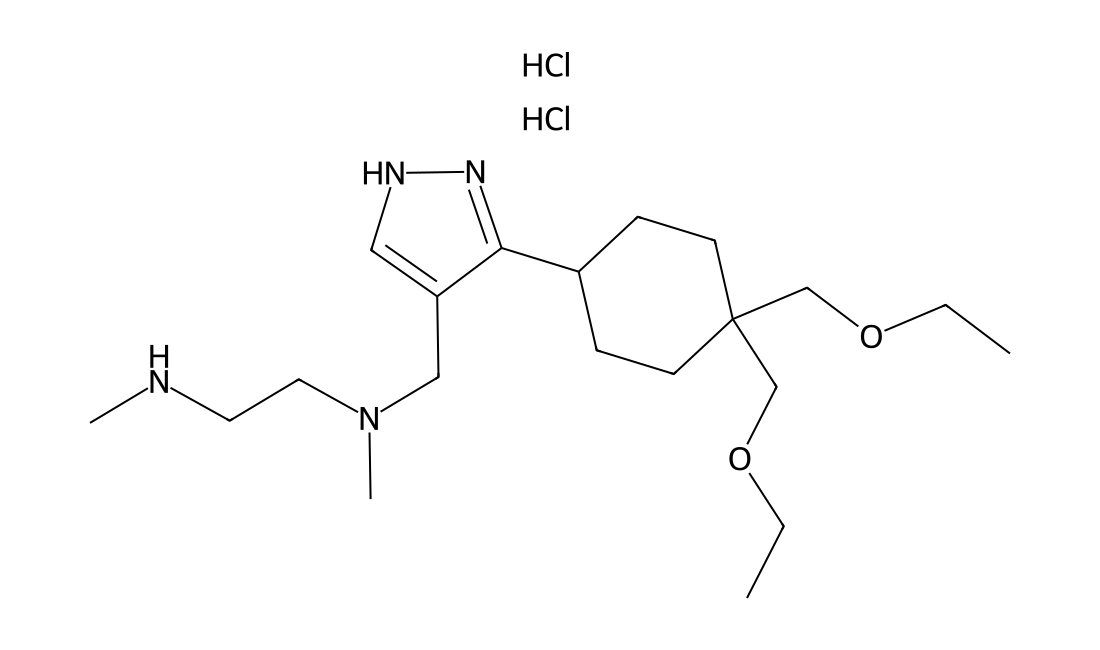
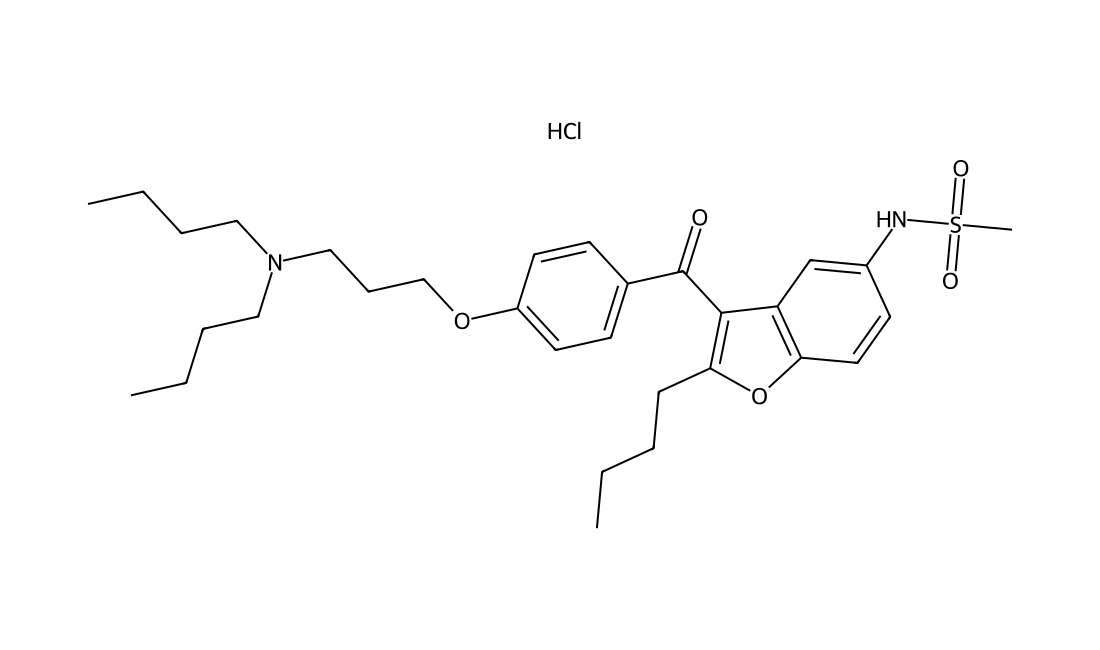
Dronedarone Hydrochloride

CAS 141625-93-6

For the detailed information of Dronedarone Hydrochloride, the solubility of Dronedarone Hydrochloride in water, the solubility of Dronedarone Hydrochloride in DMSO, the solubility of Dronedarone Hydrochloride in PBS buffer, the animal experiment(test) (test) of Dronedarone Hydrochloride, the cell expriment (test) of Dronedarone Hydrochloride, the in vivo, in vitro and clinical trial test of Dronedarone Hydrochloride, the EC50, IC50,and Affinity of Dronedarone Hydrochloride,, please contact DC Chemicals.

Dronedarone Hydrochloride chemical structure
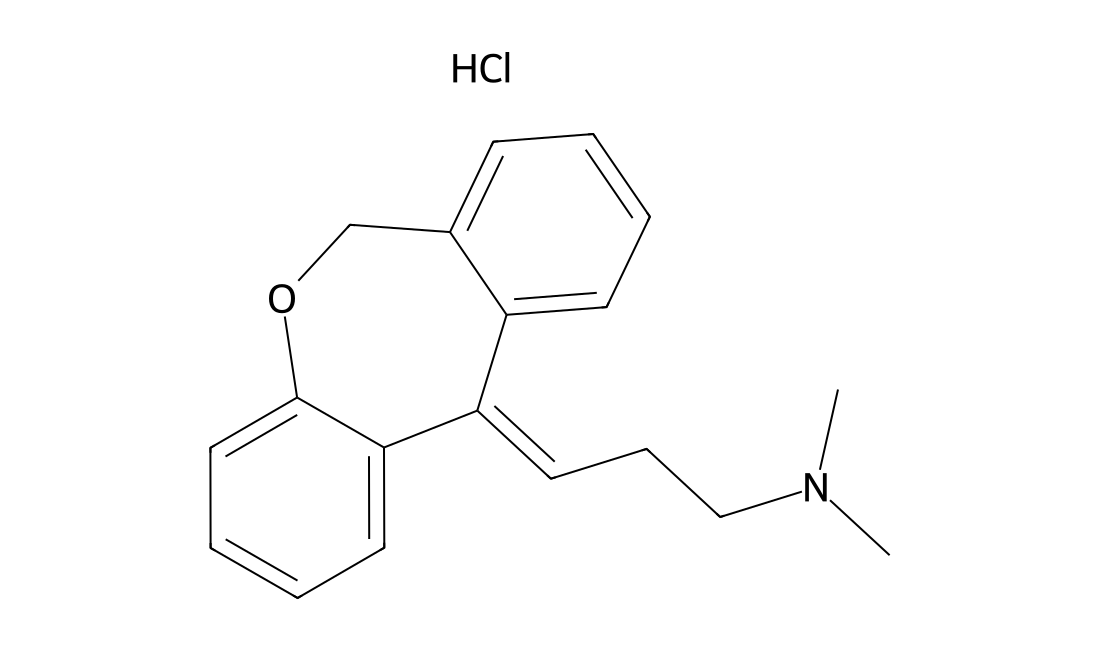
DC9061

Doxepin HCl

CAS 1229-29-4

Doxepin HCl is a tricyclic antidepressant that is marketed worldwide.Doxepin inhibits the reuptake of serotonin and norepinephrine and acts as a antagonist at various serotonergic, adrenergic, musacrinic, dopaminergic and histaminergic receptors. In the doxepin-treated patients who completed the study (N = 20, 47.6+/-11.3), medication significantly increased sleep efficiency after acute (night 1, p < or = .001) and subchronic (night 28, p < or = .05) intake compared with the patients who received placebo (N = 20, 47.4+/-16.8 years of age). Doxepin to cause significantly (p < or = .05) better global improvement at the first day of treatment.

Doxepin HCl chemical structure
DC9133

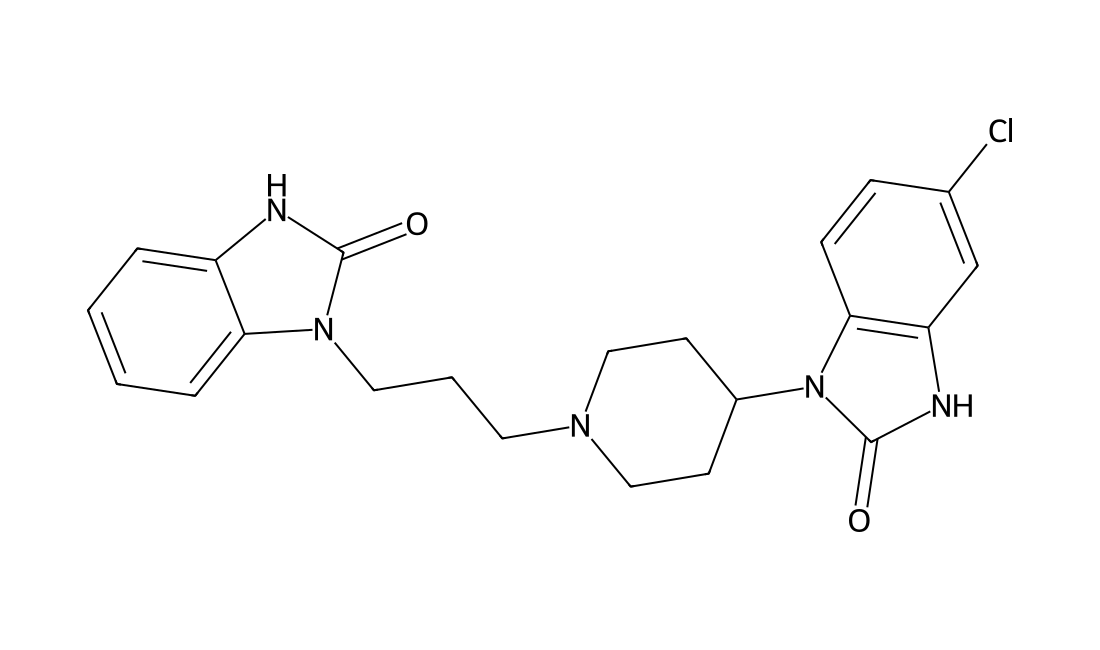
Domperidone

CAS 57808-66-9

Domperidone is a dopamine blocker and an antidopaminergic reagent.Domperidone is a useful alternative to metoclopramide for treatment of gastroparesis due to better tolerability. Effectiveness and side-effects from domperidone may be influenced by patient-related factors including polymorphisms in genes encoding drug-metabolizing enzymes, drug transporters, and domperidone targets. Domperidone is a dopamine D(2) receptor antagonist, which has been used as antiemetic agent in human beings. The percentage recovery of domperidone from wastewater was 95.0%. Celiprolol was used as the internal standard to access the percentage extraction of domperidone from wastewater. Domperidone, a dopamine antagonist that does not easily cross the blood-brain barrier, is considered the gold standard for treating gastrointestinal symptoms in patients with Parkinson's disease (PD) because the risk of developing extrapyramidal adverse effects is considered minimal.

Domperidone chemical structure
DCAPI1299

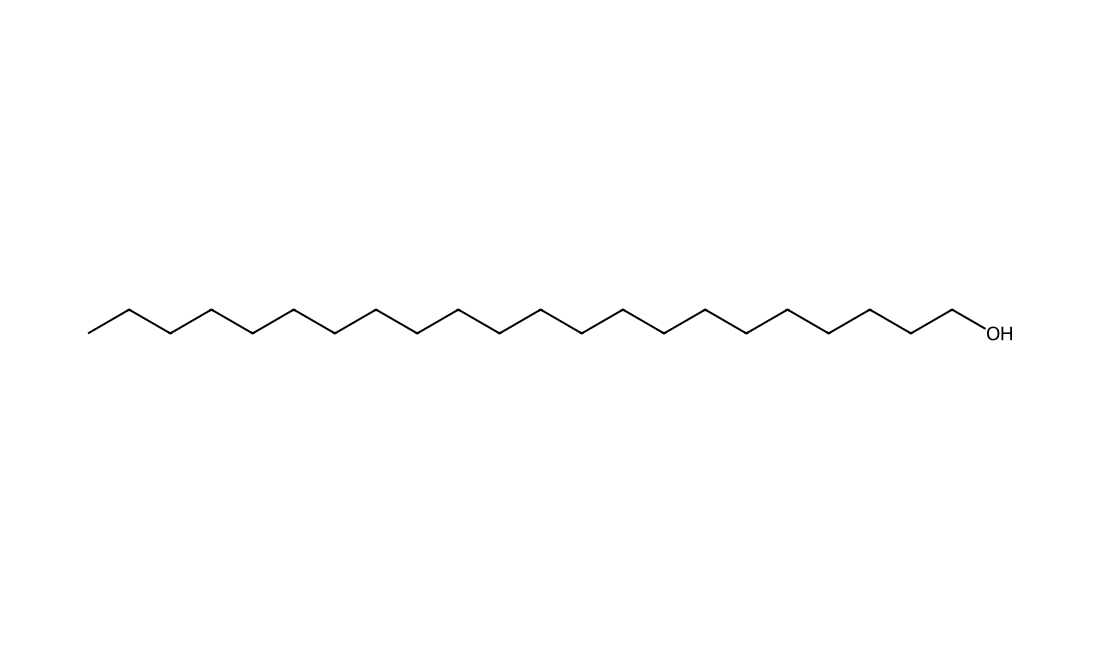
Docosanol (Abreva)

CAS 661-19-8

For the detailed information of Docosanol (Abreva), the solubility of Docosanol (Abreva) in water, the solubility of Docosanol (Abreva) in DMSO, the solubility of Docosanol (Abreva) in PBS buffer, the animal experiment(test) (test) of Docosanol (Abreva), the cell expriment (test) of Docosanol (Abreva), the in vivo, in vitro and clinical trial test of Docosanol (Abreva), the EC50, IC50,and Affinity of Docosanol (Abreva),, please contact DC Chemicals.

Docosanol (Abreva) chemical structure
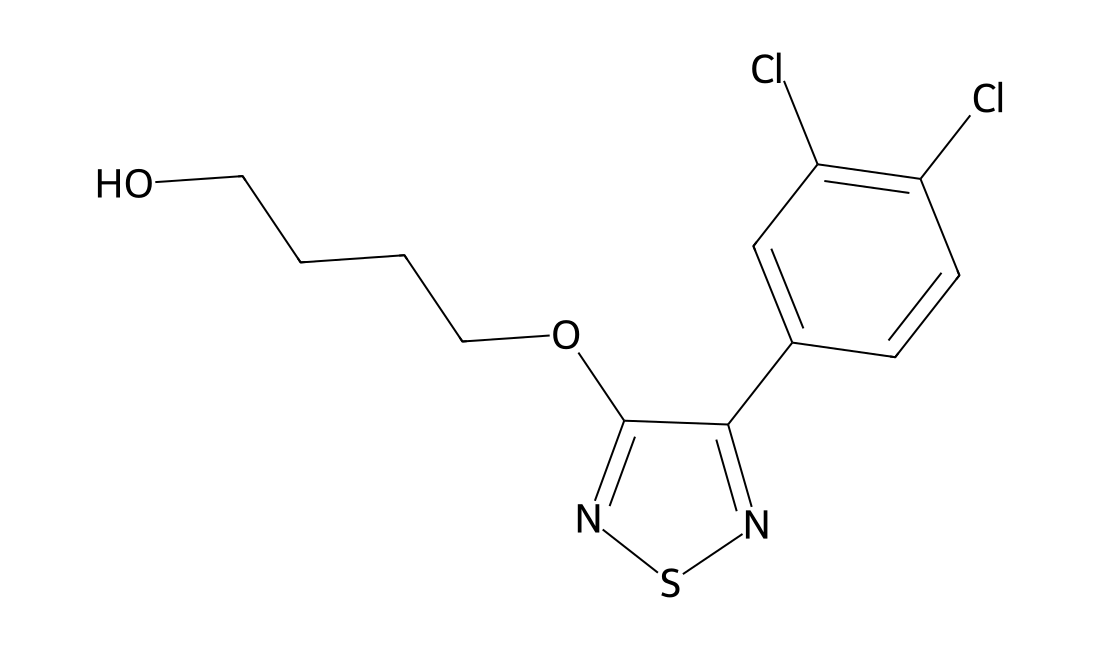
DC12079

DMU2105

CAS 1821143-79-6

In Vitro DMU2105 (Compound 7k) shows 74 and 120-fold selectivity for CYP1B1 over CYP1A1 and CYP1A2. In the presence of DMU2105 however, the EC50 goes down to 1 μM indicating that the cells had suffered from toxicity which may have been mediated by CYP1B1 inhibition. Un-transfected cells (HEK293: pcDNA3.1), when treated with cisplatin and DMU2105 (10×IC50) do not show any perceptible decrease of cisplatin EC50 (8.5 μM ± 0.9).

DMU2105 chemical structure
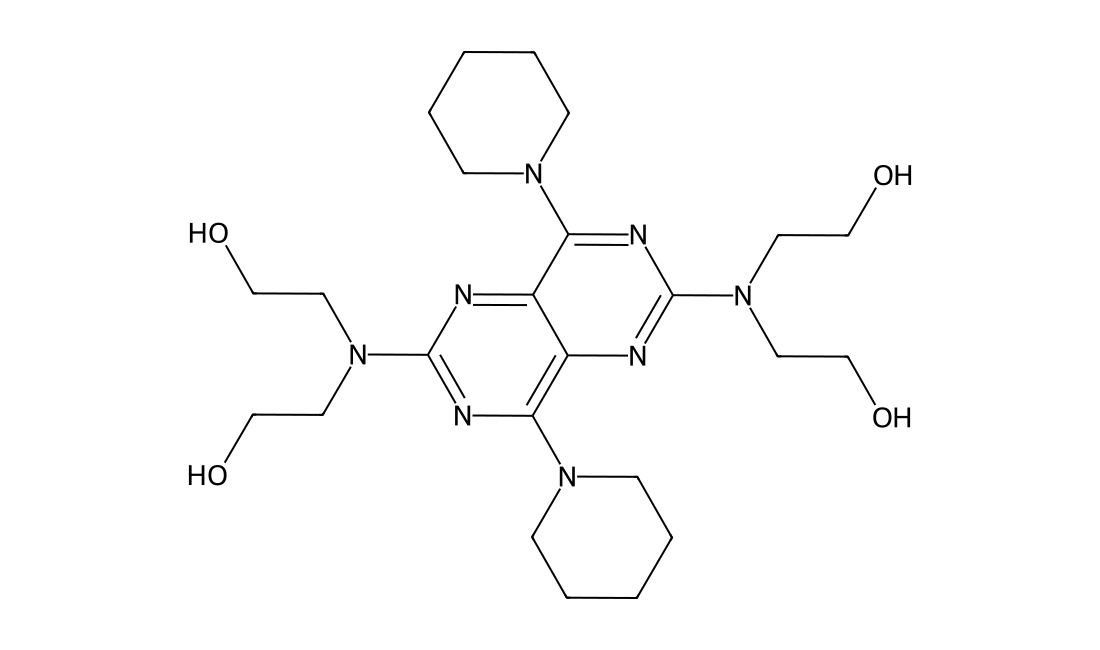
DCAPI1267

Dipyridamole (Persantine)

CAS 58-32-2

For the detailed information of Dipyridamole (Persantine), the solubility of Dipyridamole (Persantine) in water, the solubility of Dipyridamole (Persantine) in DMSO, the solubility of Dipyridamole (Persantine) in PBS buffer, the animal experiment(test) (test) of Dipyridamole (Persantine), the cell expriment (test) of Dipyridamole (Persantine), the in vivo, in vitro and clinical trial test of Dipyridamole (Persantine), the EC50, IC50,and Affinity of Dipyridamole (Persantine),, please contact DC Chemicals.

Dipyridamole (Persantine) chemical structure
DC7402

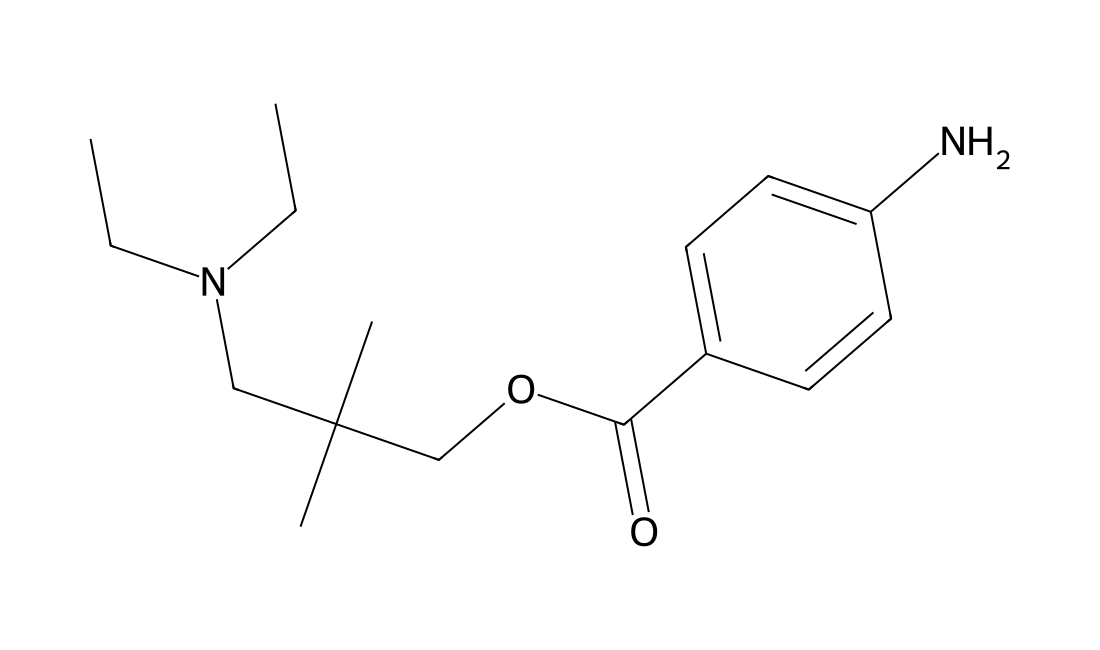
Dimethocaine

CAS 94-15-5

Dimethocaine, a synthetic cocaine derivative: studies on its in vitro metabolism catalyzed by P450s and NAT2.For the detailed information of Dimethocaine, the solubility of Dimethocaine in water, the solubility of Dimethocaine in DMSO, the solubility of Dimethocaine in PBS buffer, the animal experiment (test) of Dimethocaine, the cell expriment (test) of Dimethocaine, the in vivo, in vitro and clinical trial test of Dimethocaine, the EC50, IC50,and Affinity of Dimethocaine, Please contact DC Chemicals.

Dimethocaine chemical structure
DC4161

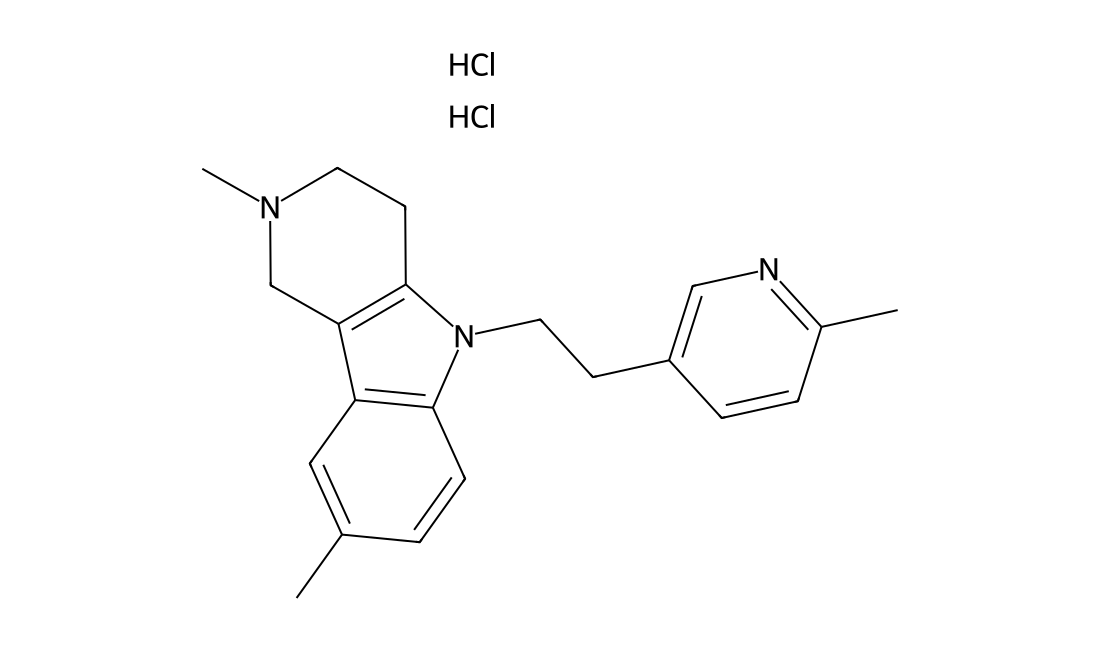
Dimebon dihydrochloride

CAS 97657-92-6

Latrepirdine (INN, also known as dimebolin and sold as Dimebon), is an antihistamine drug which has been used clinically in Russia since 1983. Research is continuing in both Russia and western nations into potential applications as a neuroprotective drug to combat Alzheimer's disease and, possibly, as a nootropic as well. However, a Phase III clinical trial For Alzheimer's disease treatment failed to show any benefit. For the detailed information about the solubility of Dimebon dihydrochloride in water, the solubility of Dimebon dihydrochloride in DMSO, the solubility of Dimebon dihydrochloride in PBS buffer, the animal experiment(test) of Dimebon dihydrochloride,the in vivo,in vitro and clinical trial test of Dimebon dihydrochloride,the cell experiment(test) of Dimebon dihydrochloride,the IC50, EC50 and Affinity of Dimebon dihydrochloride, please contact DC Chemicals.

Dimebon dihydrochloride chemical structure
DC23085

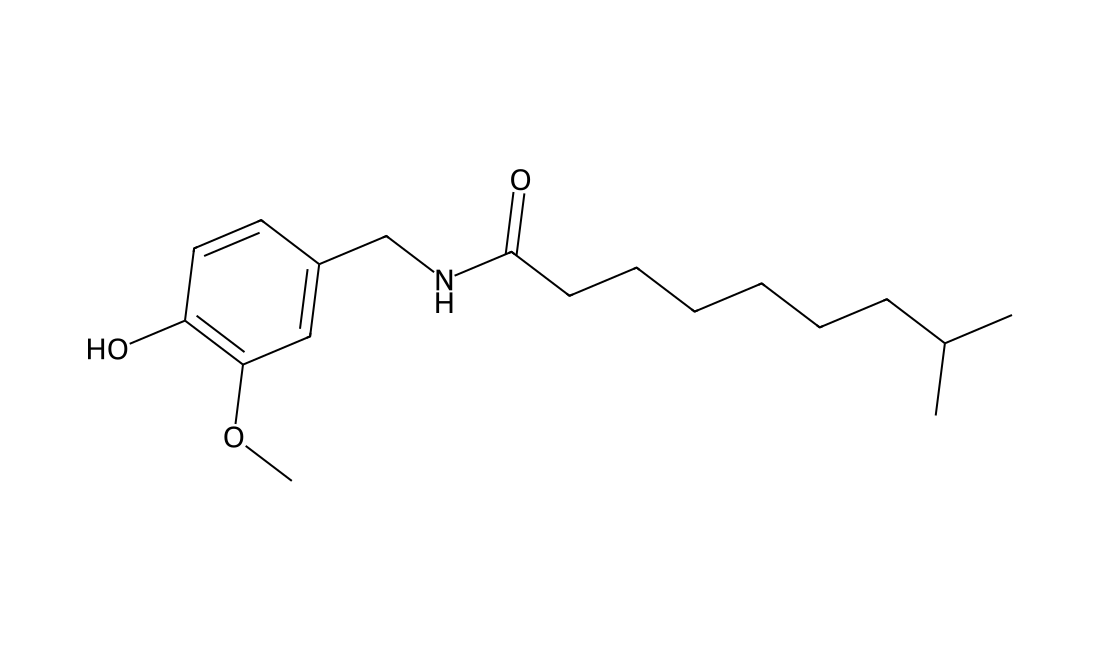
Dihydrocapsaicin

CAS 19408-84-5

For the detailed information of Dihydrocapsaicin, the solubility of Dihydrocapsaicin in water, the solubility of Dihydrocapsaicin in DMSO, the solubility of Dihydrocapsaicin in PBS buffer, the animal experiment(test) (test) of Dihydrocapsaicin, the cell expriment (test) of Dihydrocapsaicin, the in vivo, in vitro and clinical trial test of Dihydrocapsaicin, the EC50, IC50,and Affinity of Dihydrocapsaicin,, please contact DC Chemicals.

Dihydrocapsaicin chemical structure
Browse target & topic index A–Z (366)
11β-HSD (1)15-PGDH (2)5-HT Receptor (16)Acetyl-CoA Carboxylase (ACC) (3)Acetylcholinesterase (AChE) (2)Ack1 (TNK2) (1)Acyltransferase (1)ADC Cytotoxin (6)ADCs Linker/Click Chemistry (5)Adenosine Receptor (9)Adenylate Cyclase (2)Adrenergic Receptor (11)Akt (12)Alcoholism (2)Aldehyde Dehydrogenase (ALDH) (6)Allergy (5)Alzheimer Disease (13)Aminopeptidase (1)AMPK (8)Amyloids (4)Anaplastic Lymphoma Kinase (ALK) (9)Androgen Receptor (AR) (11)Anemia (4)Angiotensin Receptor (4)Antibody/Protein labeling dyes (1)Antifolate (2)Anxiety (1)Apoptosis Inducer (3)Arginase (1)Arp2/3 complex (1)Aryl hydrocarbon Receptor (AhR) (1)Asthma (5)Atherosclerosis (2)ATM/ATR (8)Aurora Kinase (10)Autophagy (6)Autophagy-related Protein (Atg) (2)Autotaxin (2)Bacterial (26)Bacterial Infection (17)Bcl-2 (14)Bcr-Abl (5)BCRP (1)Beta-catenin (4)Beta-secretase (BACE) (4)Blood Cancer (91)BMI-1 (1)Bone Cancer (6)Brain Cancer (6)Breast Cancer (30)Bromodomain (22)BTK (10)c-Fms (CSF1R) (5)c-Fos/AP-1 (1)c-Kit (6)c-Met (HGFR) (11)c-Myc (2)Calcium Channel (4)Calcium-sensing Receptor (CaSR) (1)CaMK (4)Cannabinoid Receptor (6)Carbonic Anhydrase (1)Carboxypeptidase (1)Casein Kinase (6)Caspase (4)Cathepsin (6)Cdc2-like Kinase (CLK) (1)CETP (2)CFTR (7)Checkpoint Kinase (Chk) (8)Chemokine Receptor (CCR and CXCR) (14)Chemotherapeutic Agents (19)Chloride Channel (1)CMV (2)CMV Infection (2)Colon Cancer (9)Complement System (1)COPD (3)CREB/CBP (2)CRF Receptor (2)CRISPR/Cas9 (1)Cushing Disease (1)Cyclin-dependent Kinase (CDK) (39)Cyclooxygenase (COX) (4)Cytochrome P450 (CYPs) (5)Depression (2)Dermatitis (2)Deubiquitinase (DUB) (7)Diabetes (20)Dipeptidyl Peptidase (DPP) (3)Discoidin Domain Receptor (DDR) (1)DNA Alkylator/Crosslinker (10)DNA Methyltransferase (DNMT) (1)DNA Repair Protein (1)DNA-PK (2)DNA/RNA Synthesis (5)Dopamine beta-hydroxylase (1)Dopamine Receptor (7)Drug Metabolite (1)Drug-Linker Conjugates (11)Dyes (4)DYRK (1)Dyslipidemia (9)E3 Ligase Ligand (6)E3 Ligase Ligand-Linker Conjugate (1)E3 Ubiquitin Ligase (4)Ebola Virus Infection (1)EGFR (32)Elastase (2)Endothelin Receptor (5)Enzymes substrates (13)Epigenetic Reader Domain (3)Epilepsy (4)ERK (4)Estrogen Receptor/ERR (13)Eukaryotic Initiation Factor (eIF) (2)Exportin-1 (CRM1,XPO1) (2)FABP (1)Factor Xa (5)Farnesoid X Receptor (FXR) (5)Farnesyl transferase (FTase) (1)Ferroptosis (6)FGFR (20)Fibrosis (5)FLT3 (6)Focal Adhesion Kinase (FAK) (11)Foxo1 (1)Free Fatty Acid Receptor (FFAR) (5)Fungal (2)Fungal Infection (1)GABA Receptor (13)Galectin (1)Gastric Cancer (8)Ghrelin Receptor (GHSR) (3)Glucagon Receptor (4)Glucokinase (2)Glucose Transporter (GLUT) (2)Glutamate Transporter (2)GPCR (1)GPER (GPR30) (1)GPR139 (1)GPR183 (EBI2) (2)GPR39 (1)GPR55 (1)GPR84 (1)GRK (GPCRK) (2)Growth Hormone Deficiency (2)GSK-3 (8)Guanylate Cyclase (3)HBV (1)HBV Infection (1)HCN Channel (2)HCV (8)HCV Infection (9)HDAC (38)Heart Arrhythmia (2)Heart Failure (5)Heat Shock Protein (HSP) (15)Hedgehog (Hh) (1)HIF/HIF Prolyl-hydroxylase (8)Histamine Receptor (6)Histone Acetyltransferase (HAT) (5)Histone Demethylase (11)Histone Methyltransferase (HMTase) (31)HIV (12)HIV Infection (11)HMG-CoA Reductase (HMGCR) (3)HSV (1)HSV Infection (1)Hypercholesterolemia (1)Hyperparathyroidism (1)Hypertension (8)IAP (1)IGF-1R (3)iGluR (15)Indoleamine 2,3-Dioxygenase (IDO) (4)Infection (1)Influenza (6)Influenza Virus (6)Insulin Receptor (2)Integrin (6)Interleukin Receptor (1)IRAK (2)IRE1 (4)Irritable Bowel Syndrome (2)Ischemia (1)Isocitrate Dehydrogenase (IDH) (5)ITK (1)IκB kinase (IKK) (7)JAK (32)JNK (3)Keap1-Nrf2 (6)Kidney Cancer (10)Kinesin (5)Kruppel-like Factor (KLF) (1)Kynurenine 3-Monooxygenase (KMO) (1)Leukotriene Receptor (1)LIM Kinase (LIMK) (3)Lipids fragment (1)Liver Cancer (6)Liver X Receptor (LXR) (3)LRRK2 (9)Lung Cancer (39)Lysophospholipid Receptor (12)LYTACs (3)mAChR (9)MALT1 (2)MAP4K (1)Matrix Metalloproteinase (MMP) (10)MDM2-p53 (9)MEK (MAP2K) (14)MEKK (MAP3K) (1)Melanocortin Receptor (2)MELK (1)mGluR (7)MicroRNA (1)Microtubule/Tubulin (5)Mineralocorticoid Receptor (MLR) (1)MITF (1)Mixed Lineage Kinase (MLK) (3)MNK (2)Molecular Glues (21)Monoamine Transporter (5)Monocarboxylate Transporter (MCT) (1)Monopolar Spindle 1 (Mps1/TTK) (3)mTOR (13)Multiple Sclerosis (6)Myosin (1)Na-K-Cl Cotransporter (NKCC) (2)nAChR (2)NADPH Oxidase (NOX) (2)NAMPT (3)Natural products (37)Neprilysin (1)Neurokinin Receptor (3)Neuropeptide Y Receptor (3)NF-κB (5)Nitric Oxide Synthase (NOS) (1)NOD-like Receptor (NLR) (3)Notch (2)Nucleoside Antimetabolite/Analog (10)Nur77 (NR4A1) (1)Obesity (1)Oct3/4 (1)Opioid Receptor (5)Orexin Receptor (7)Osteoporosis (2)Ovarian Cancer (14)Oxytocin Receptor (OXTR) (2)P-glycoprotein (P-gp) (3)p21-activated Kinase (PAK) (1)P2X Receptor (2)P2Y Receptor (1)p38 MAPK (10)p97/VCP (1)Pain (12)Pancreatic Cancer (10)Parasite (5)Parasite Infection (2)Parkinson Disease (2)PARP (19)PCSK9 (1)PD-1/PD-L1 (4)PDGFR (4)PDK1 (2)PEGn (1)PERK (2)PGE synthase (2)Phosphodiesterase (PDE) (9)Phospholipase (4)PI3K (32)PI4K (2)Piezo Channel (1)PIKfyve (3)Pim (9)PKC (12)PKD (1)Plasminogen Activator Inhibitor-1 (PAI-1) (3)Polo-like Kinase (PLK) (4)Porcupine (3)Potassium Channel (13)PPAR (13)Pregnane X Receptor (PXR) (1)Progesterone Receptor (2)Prostaglandin Receptor (11)Prostate Cancer (7)PROTACs (35)Protease-activated Receptor (PAR) (3)Proteasome (12)Protein Disulfide Isomerase (PDI) (1)Protein Phosphatase/PTP (6)Proton Pump (1)Psoriasis (5)RAD51 (1)Radioligand precursors (15)Raf (18)RAR/RXR (3)Ras (17)Renin (2)RET Tyrosine Kinase (c-RET) (3)Rheumatoid Arthritis (16)Ribosomal S6 Kinase (RSK) (5)RIG-I-like Receptor (RLR) (2)RIP kinase (7)ROCK (12)ROR (2)RSV (4)RSV Infection (3)RUNX1-CBFβ (1)S-nitrosoglutathione reductase (GSNOR) (1)Saccharides and Glycosides (1)Salt Inducible Kinase (SIK) (2)SARS-CoV (16)SARS-CoV Infection (34)Schizophrenia (4)Sexual Dysfunction (1)SGLT (4)Sigma Receptor (4)Sirtuin (9)Skin Cancer (13)Sleep Disorder (7)SMN2 Modulator (1)Smoothened (Smo) (9)Sodium Channel (12)Solid Tumors (35)Somatostatin Receptor (2)Sphingosine kinase (SphK) (2)Src (7)STAT (5)Stearoyl-CoA Desaturase (SCD) (1)Steatohepatitis (7)Sterol lipids (1)STING (14)Syk (6)T Cell Receptor (TCR) (1)TAK1 (2)TAM Receptor (Tyro3-Axl-Mer) (4)Taste Receptor (1)Telomerase (2)TGF beta Receptor (TGFBR) (12)Thrombin (3)Thrombosis (13)Thyroid Cancer (1)Thyroid Hormone Receptor (THR) (1)Thyrotropin Receptor (2)TNIK (1)Toll-like Receptor (TLR) (2)TOPK (1)Topoisomerase (11)TRAIL (1)Translocator Protein (TSPO) (1)Trk Receptor (4)TRP Channel (13)Tryptophan Hydroxylase (TPH) (1)Ubiquitin-activating Enzyme (E1) (2)Ubiquitin-conjugating Enzyme (E2) (2)Ulcer (1)ULK (3)Vasopressin Receptor (2)VEGFR (25)Vitamin D Receptor (VDR) (3)Wee1 (1)WNK Kinase (1)Wnt (5)Yes-associated Protein (YAP) (4)γ-secretase (5)

Cart

Request quotation