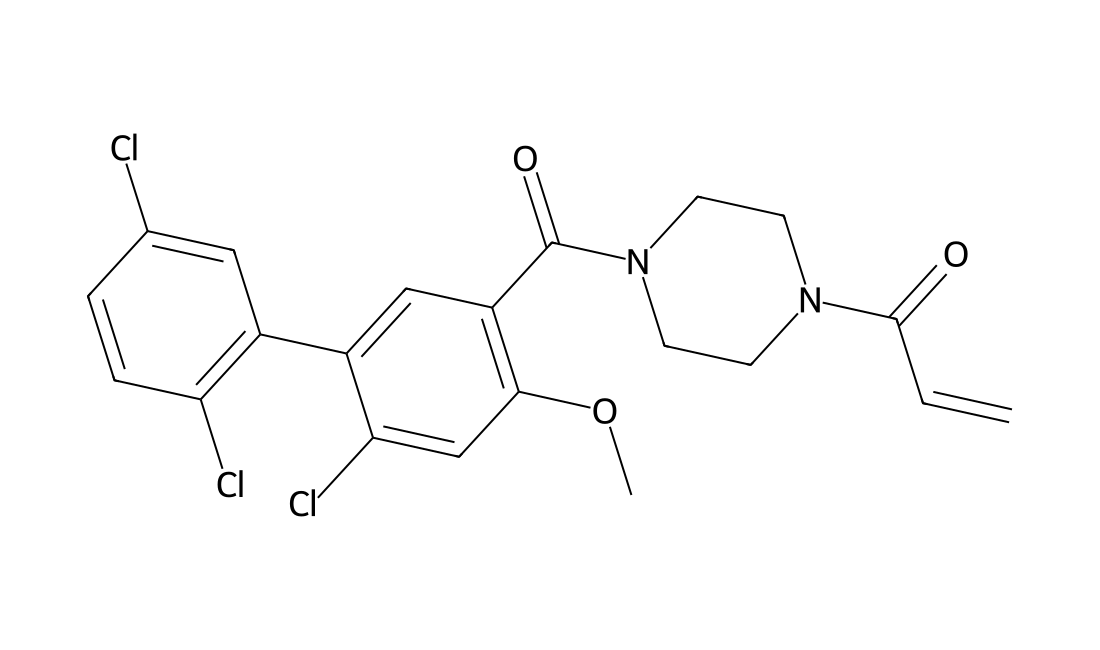
RIPK2-IN-2
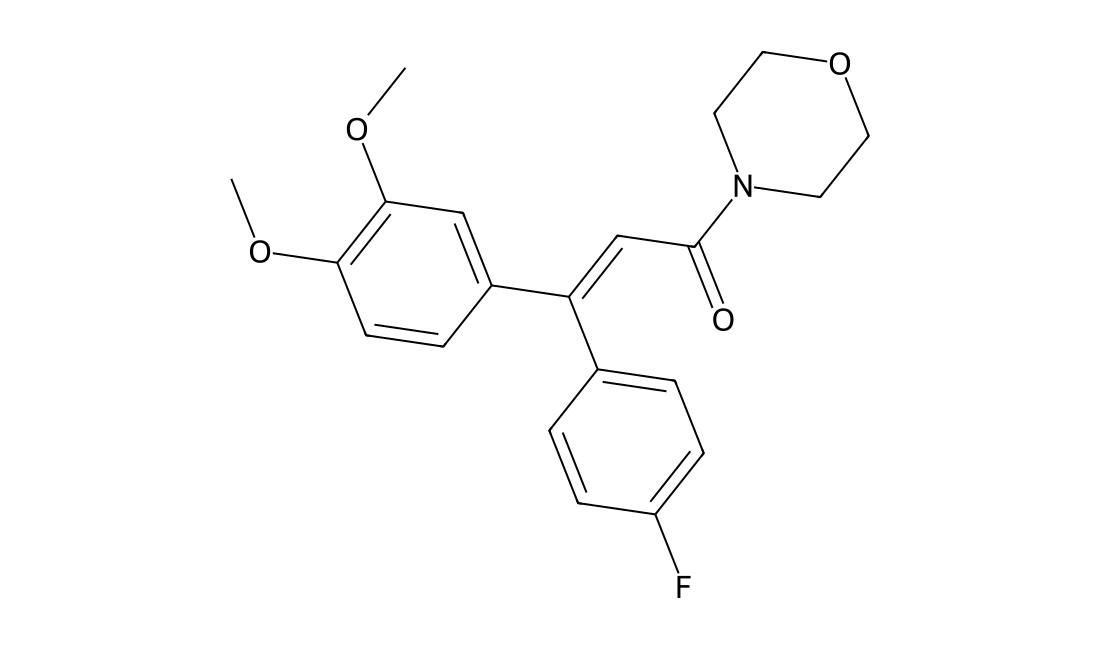
CAS 1581270-11-2
A potent, selective receptor interacting protein-2 (RIP2) kinase inhibitor.

Explore bioactive compounds by research category, then narrow your search by target, product name, catalog number or CAS.
Newly added: LC-MG and OXF molecular glue research compounds →
Products may appear in more than one category. Counts refer to distinct catalog numbers within each category.
Other Research Tools (75) · Additional reagents, building blocks and specialized research tools.
LC-MG-1 (DCA0006) · LC-MG-4 (DCA0007) · LC-MG-9 (DCA0008)
View structure and evidence summaries →Combine a keyword, research category and target to narrow the product list.
Loading catalog filters…
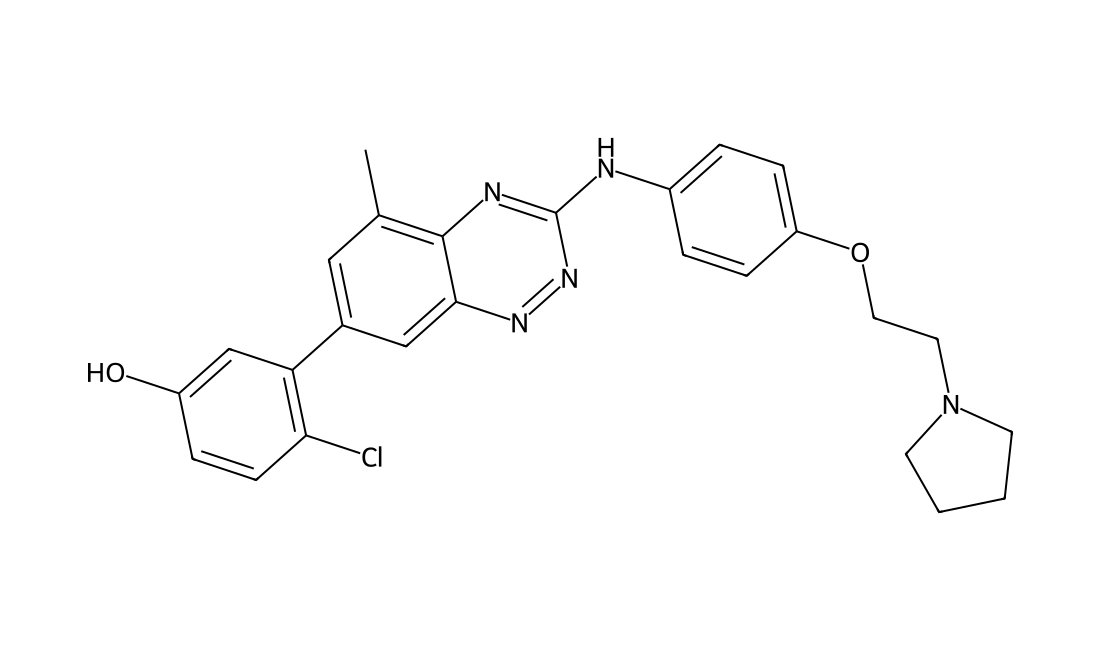
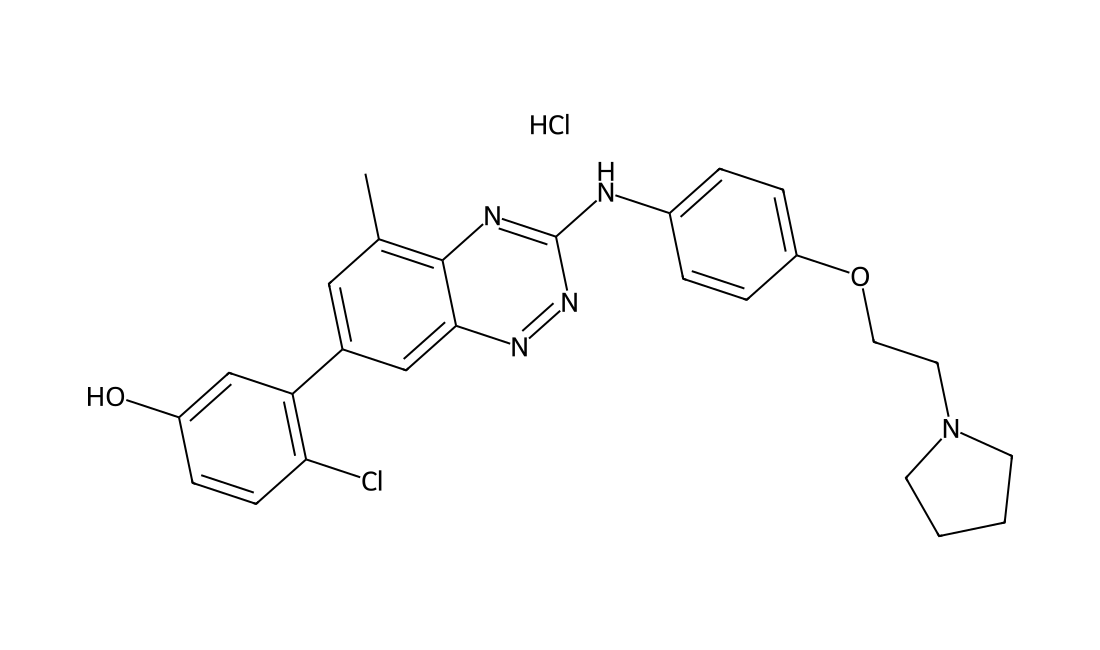
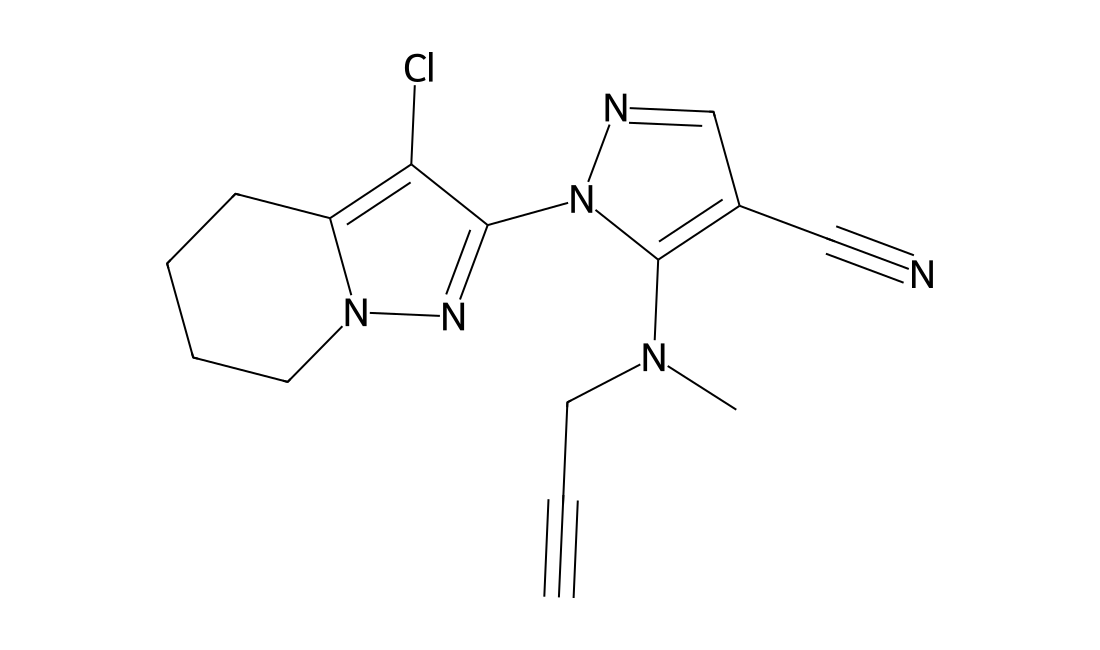
CAS 1581270-11-2
A potent, selective receptor interacting protein-2 (RIP2) kinase inhibitor.
CAS 1094067-13-6
A potent, picomolar, dual inhibitor of Aurora A and B with IC50 of 0.02 and 0.03 nM, respectively; shows improved cell potency (phos-HH3 inhibition IC50=25 nM) and intrinsic aqueous solubility (11.4 mM); emonstrated efficacy and target engagement in human tumor xenograft mouse models.
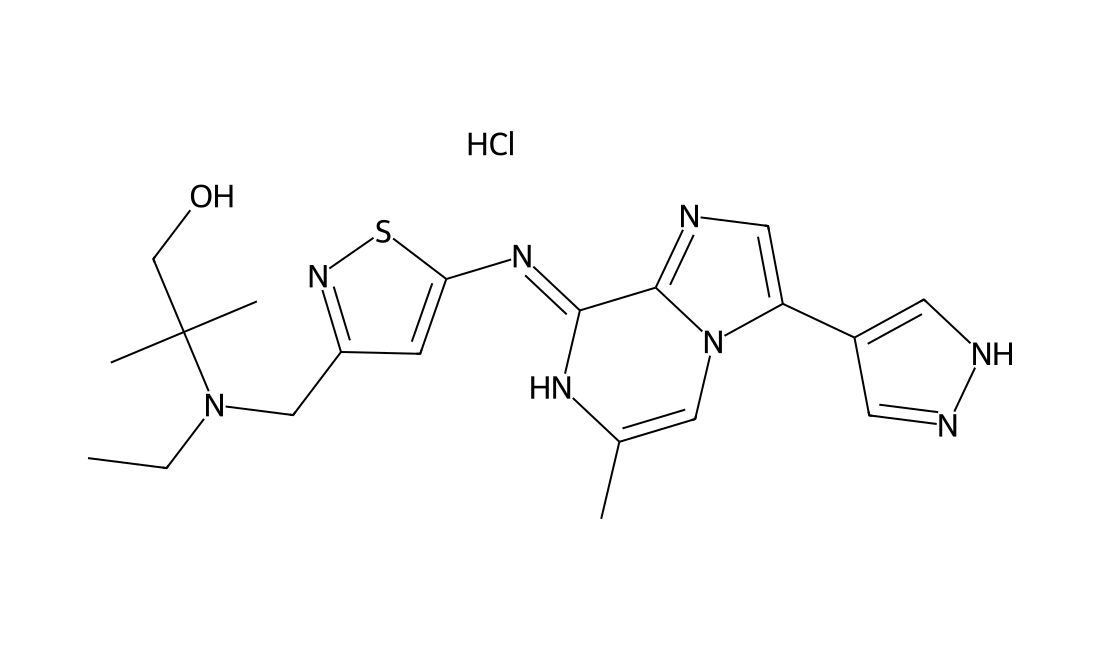
CAS 342652-67-9
A potent, functionally selective, CNS-penetrating and orally bioavailable inverse agonist of benzodiazepine site of GABAA α5 receptor with Ki of 0.8-1.5 nM for α1-, α2-, α3-, andα5-containing GABAA receptors; has inverse agonist efficacy selective for the α5 subtype, increases long-term potentiation in mouse hippocampal slices; enhances performance in animal models of cognition, does not exhibit the convulsant, proconvulsant, or anxiogenic activity associated with nonselective GABAA inverse agonists.
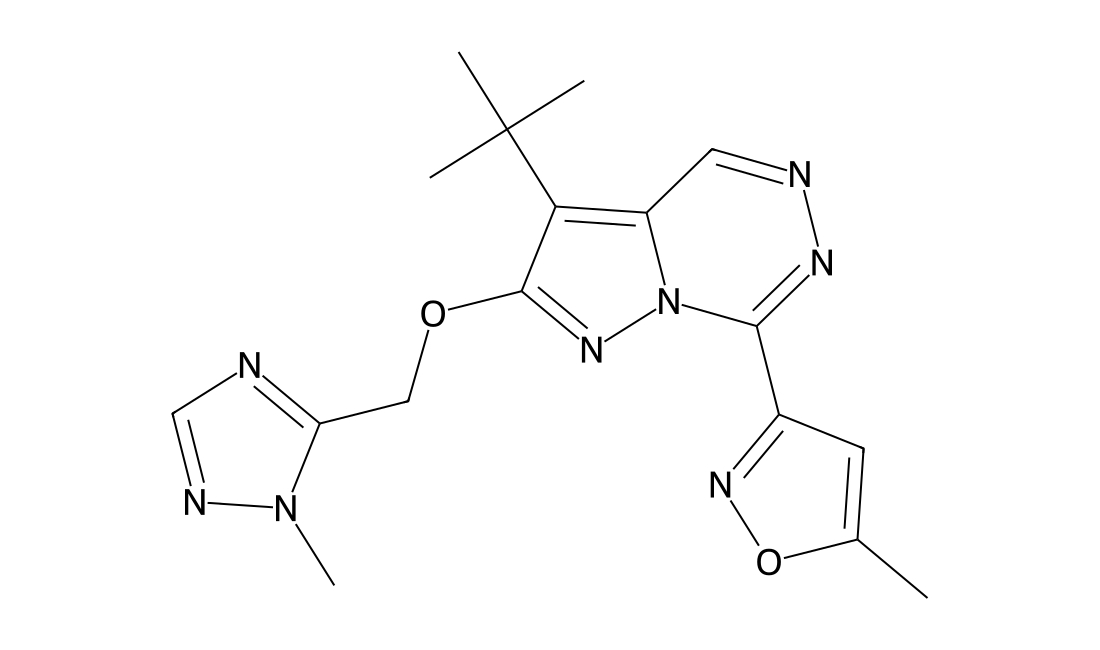
CAS 867334-05-2
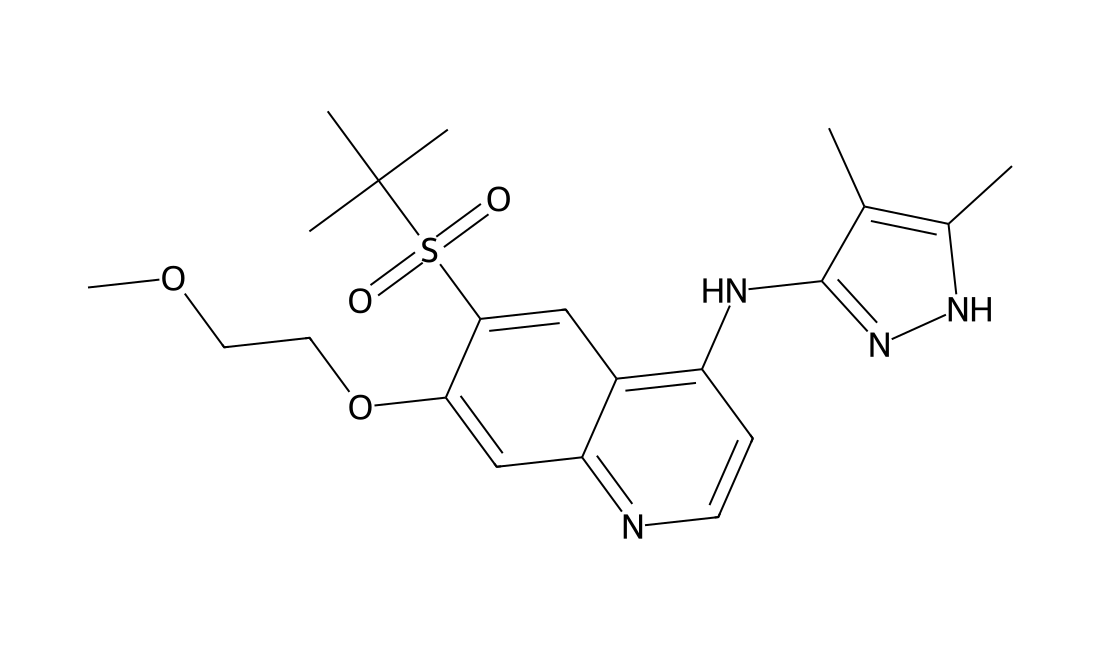
A potent, dual receptor tyrosine kinase/Src kinase inhibitor with IC50 of 2-16 nM for VEGFR, FGFR and PDGFR, 0.1-5 nM for Src family; inhibits vascular endothelial cell proliferation in vitro (ED50=610 nM) and blocks VEGF-induced phosphorylation of ERK, induces apoptosis; significant suppresses laser-induced choroidal neovascularization (CNV) in a murine model.
CAS 867331-64-4
A potent, dual receptor tyrosine kinase/Src kinase inhibitor with IC50 of 2-16 nM for VEGFR, FGFR and PDGFR, 0.1-5 nM for Src family; inhibits vascular endothelial cell proliferation in vitro (ED50=610 nM) and blocks VEGF-induced phosphorylation of ERK, induces apoptosis; significant suppresses laser-induced choroidal neovascularization (CNV) in a murine model.
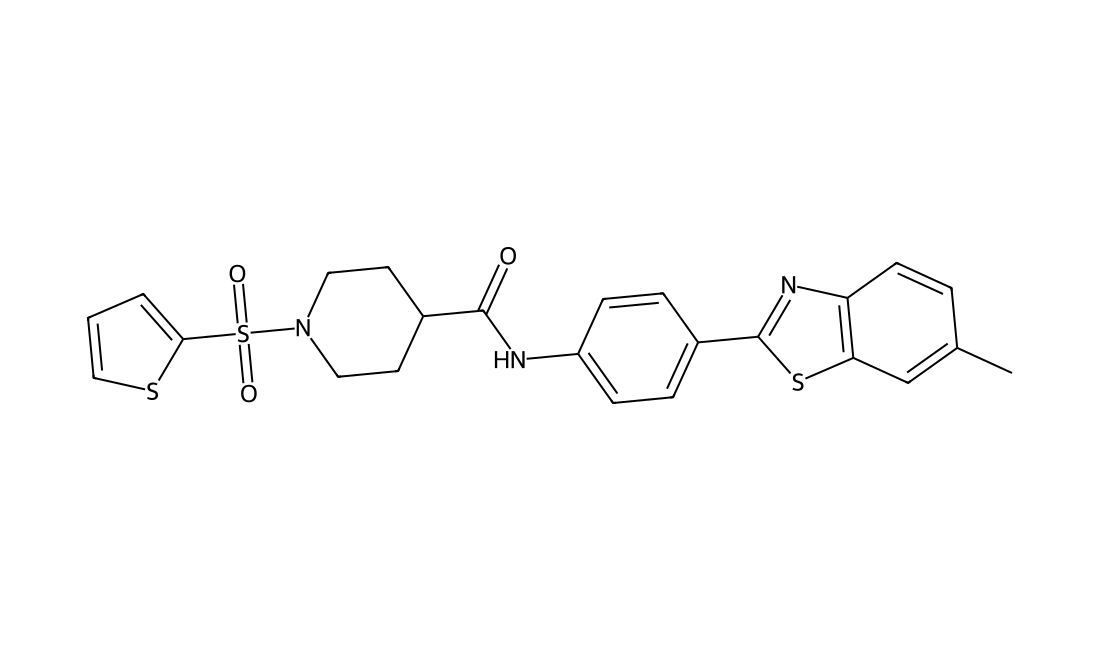
CAS 326866-17-5
A potent, and selective FAAH inhibitor with IC50 of 18 nM; shows exceptional selectivity and no off-target activity with respect to other serine hydrolases.
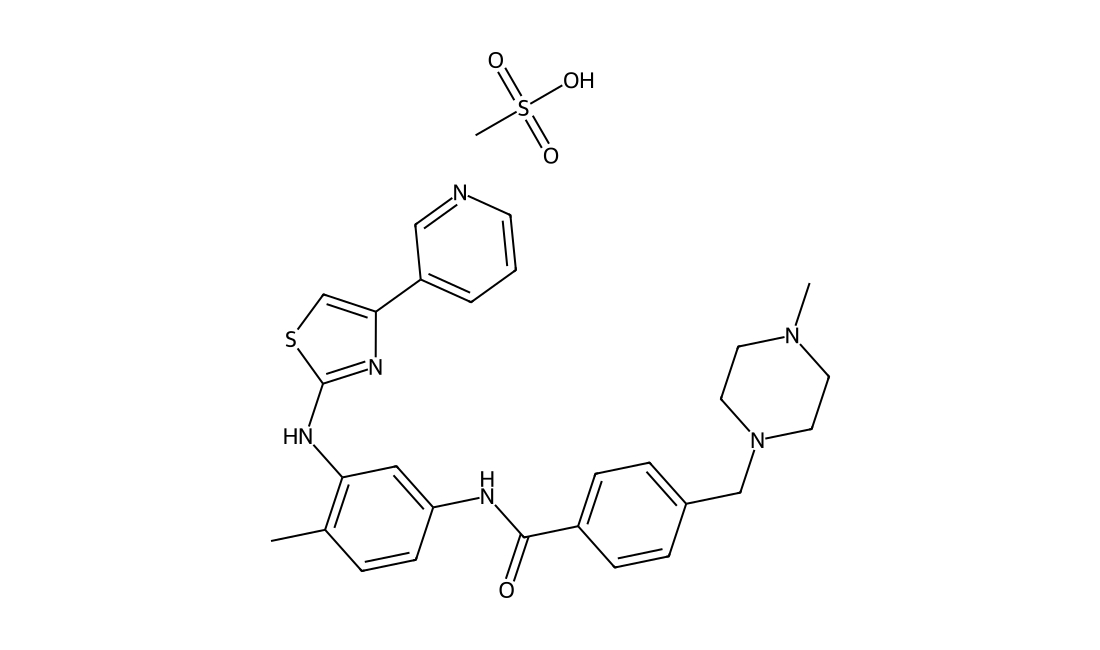
CAS 1048007-93-7
A potent tyrosine kinase inhibitor targeting c-Kit and PDGFR with IC50 of 0.15 and 0.05 uM in cell based assays; also inhibits Lyn, and to a lesser extent, FGFR3, and inhibits KIT gain-of-function mutants V559D (IC50=3.0 nM) and Δ27 mouse mutant (IC50=5 nM); dose-dependently inhibits SCF-induced cell proliferation in Ba/F3 cells expressing human wild-type KIT (IC50=150 nM); inhibits tumour growth in vivo.Prostate cancerPhase 3 Clinical
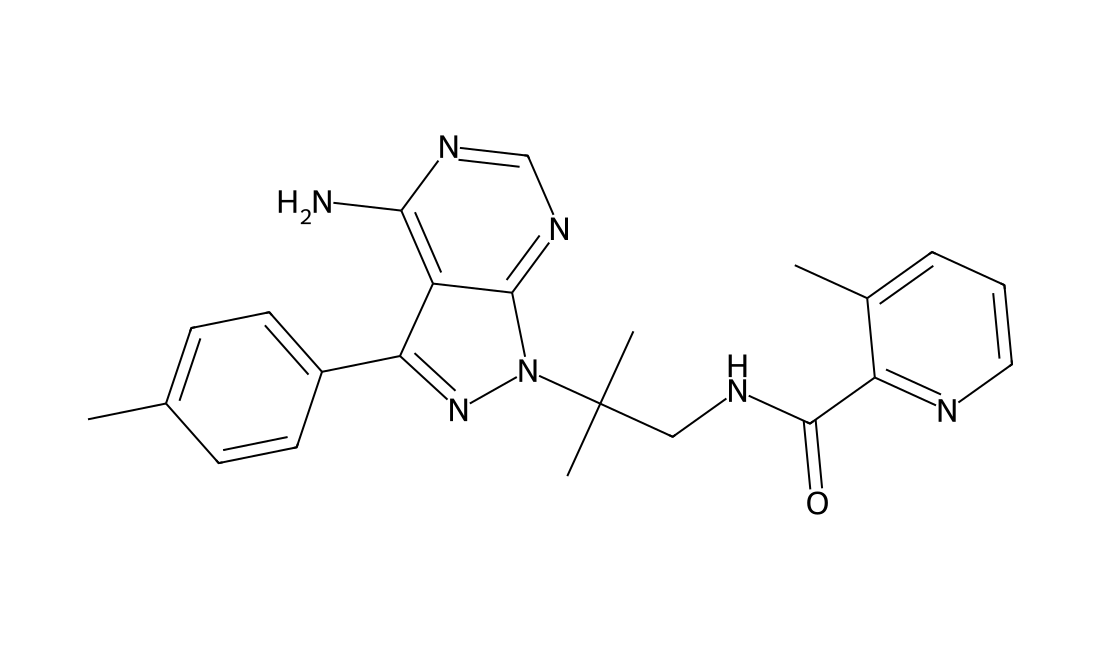
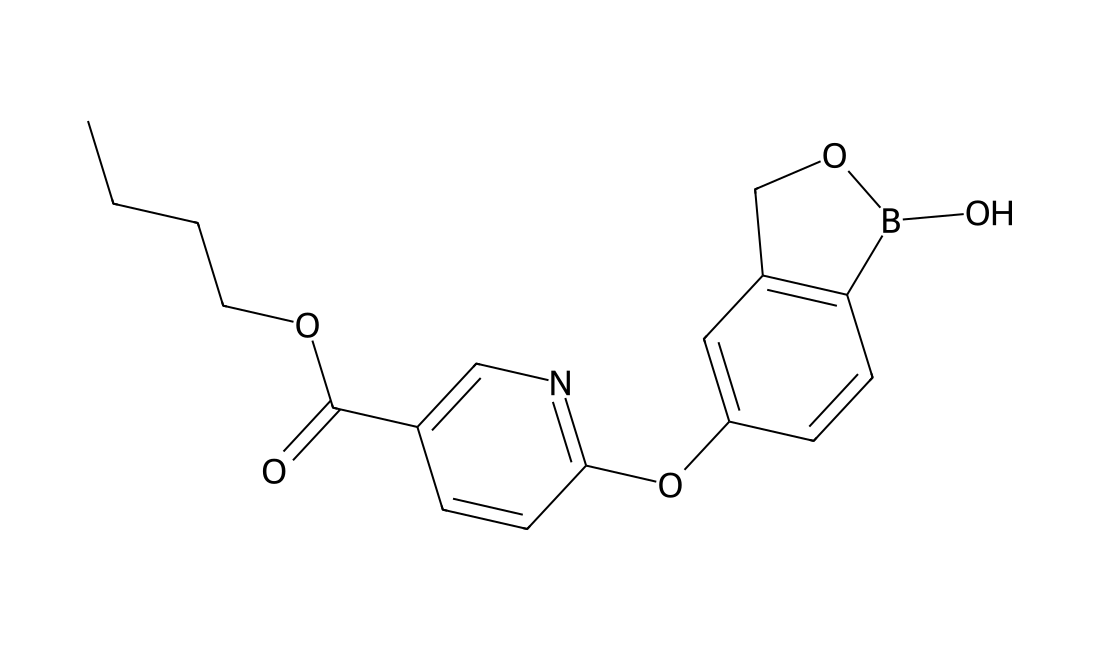
CAS 1351926-90-3
A potent mutant Src T338C inhibitor with IC50 of 111 nM; exhibited 10-fold selectivity over WT c-Src.
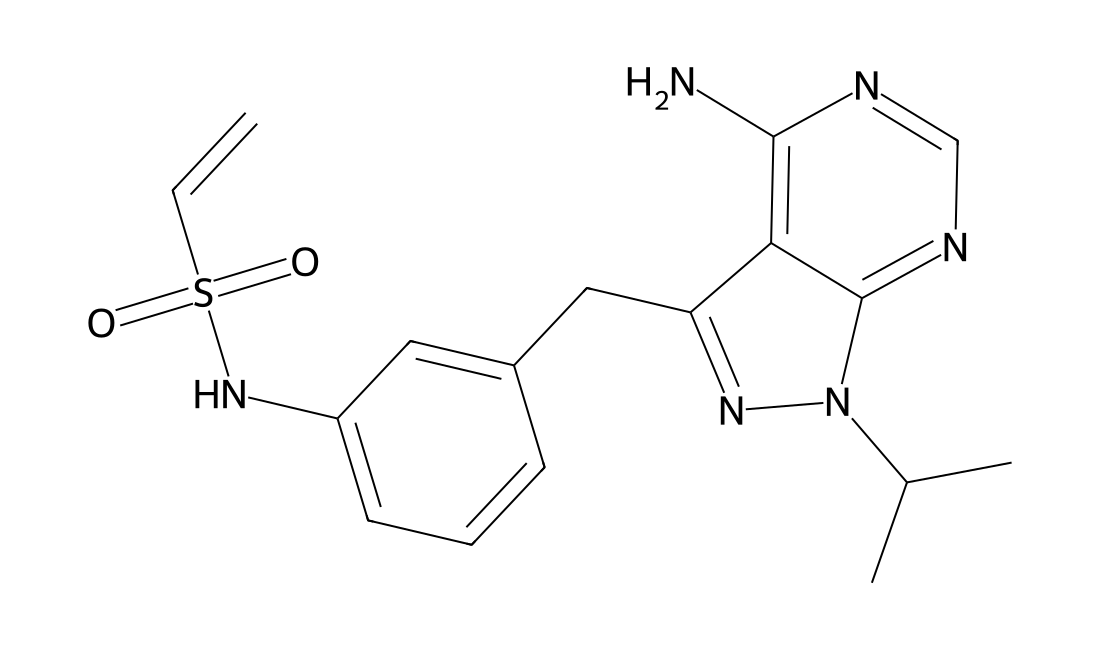
CAS 593274-97-6
A potent integrin αvβ3 antagonist with IC50 of 18 nM; could be conjugated to paclitaxel for selective delivery to alphavbeta3 positive metastatic cancer cells.
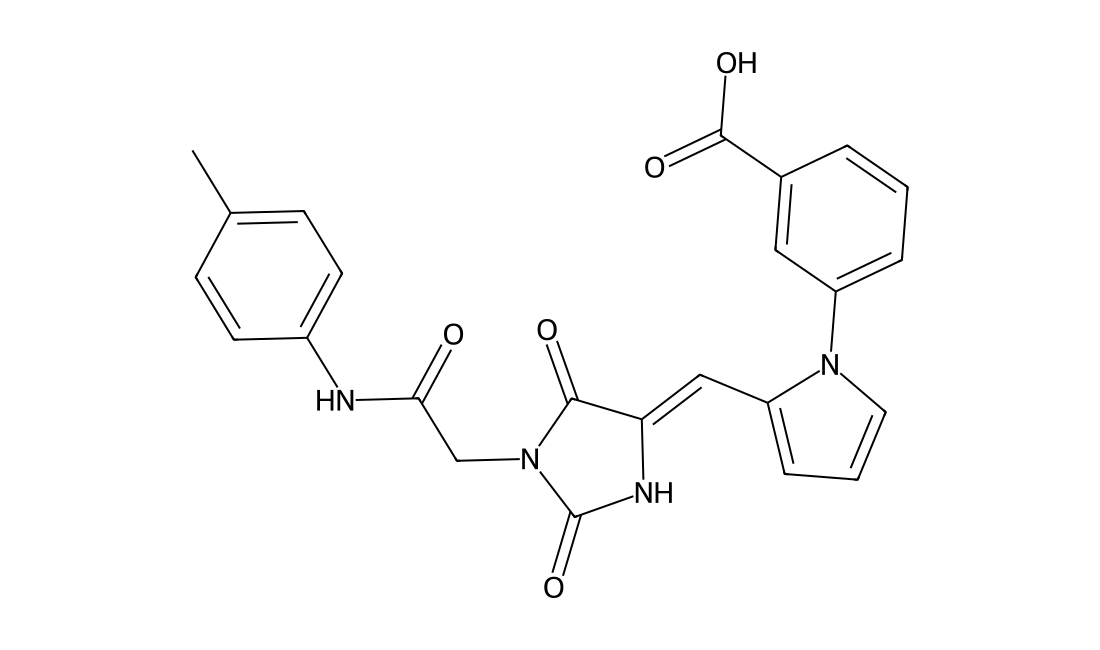
CAS 497836-10-9
A potent inhibitor of HIV-1 integrase-LEDGF/p75 interaction; binds to IN and IN(T125A) with Kd of 5.81 and 15.2 uM; affects the HIV-1 IN nuclear distribution thus exhibiting antiretroviral activity.HIV InfectionPreclinical
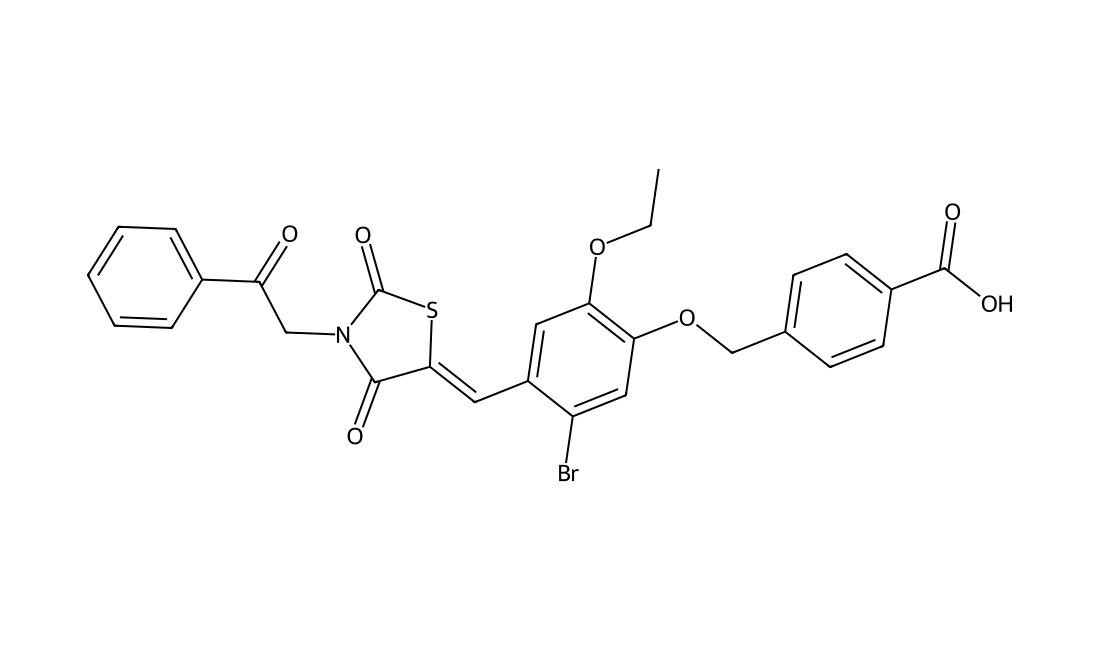
CAS 864814-88-0
A potent inhibitor of HDAC1/3/6 with IC50s of 43-72 nM; induces hyperacetylation of histone H4 and apoptosis in MM cell lines (IC50=2.5-3 uM); decreases levels of cyclin D1, cdc25a, Cdk4 and pRb as well as upregulation of p21; downregulates phosphorylation of 4E-BP1 and p70S6k.Liver CancerPhase 2 Clinical
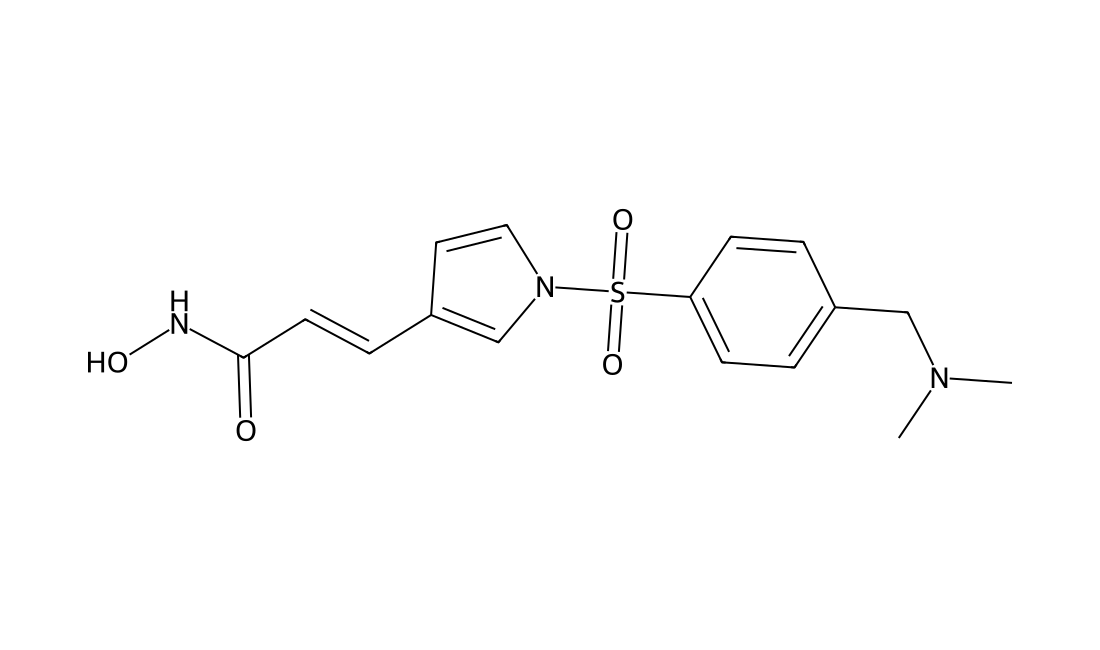
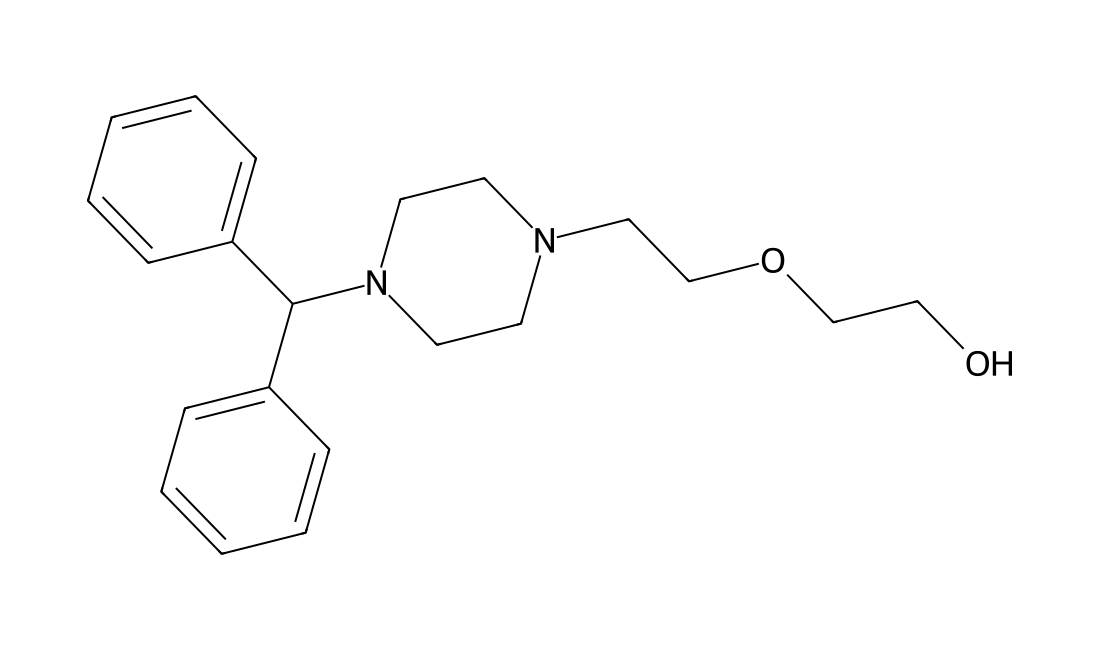
CAS 54143-57-6
A potent dopamine D2 receptor antagonist with Ki of 28 nM; also is a mixed 5-HT3 receptor antagonist/5-HT4 receptor agonist; commonly used to treat nausea and vomiting caused by chemotherapy.Chemotherapeutic AgentsPhase 2 Discontinued
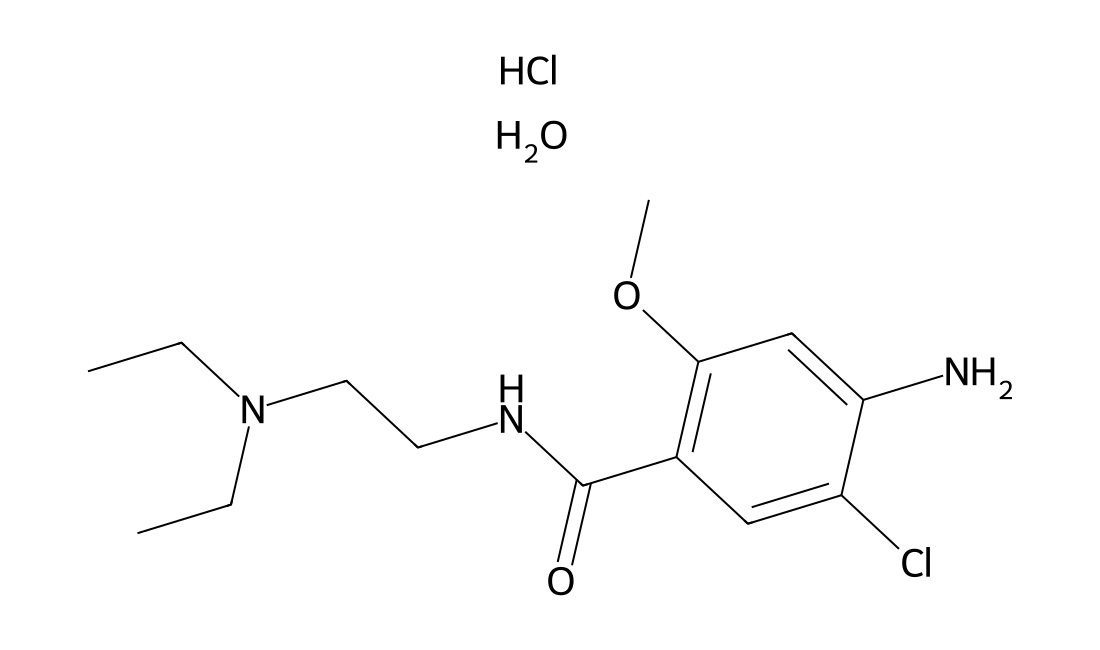
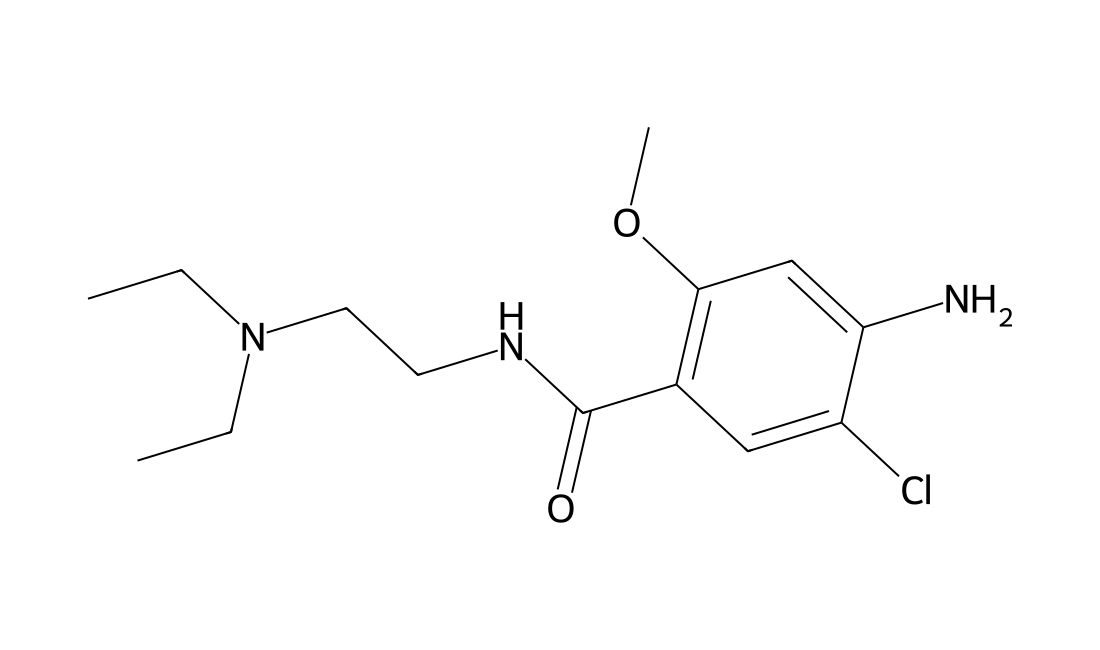
CAS 364-62-5
A potent dopamine D2 receptor antagonist with Ki of 28 nM; also is a mixed 5-HT3 receptor antagonist/5-HT4 receptor agonist; commonly used to treat nausea and vomiting caused by chemotherapy.Chemotherapeutic AgentsPhase 2 Discontinued
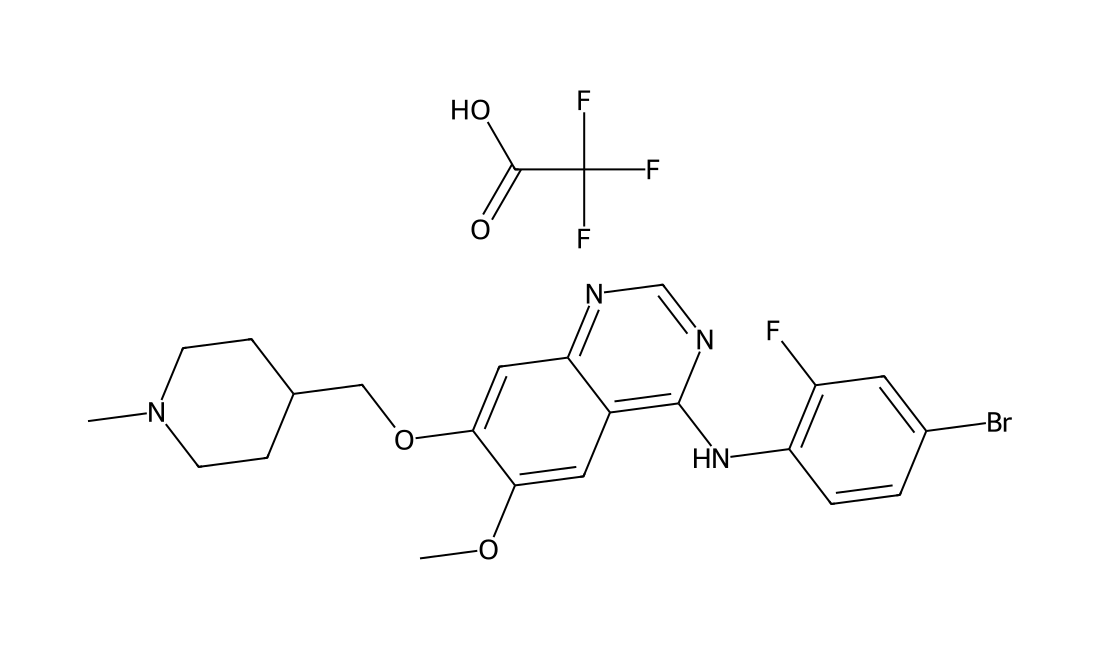
CAS 338992-53-3
A potent and selective VEGFR2 (KDR) inhibitor with IC50 of 40 nM; shows weak inhibition for VEGFR3 and EGFR (IC50 is 100 nM and 500 nM respectively); displays excellent selectivity over erbB2, MEK, CDK-2, Tie-2, IGFR-1R, PDK, PDGFRβ, and Akt (IC50=1.1-100 uM); has excellent solubility and good oral bioavailability.Thyroid CancerApproved
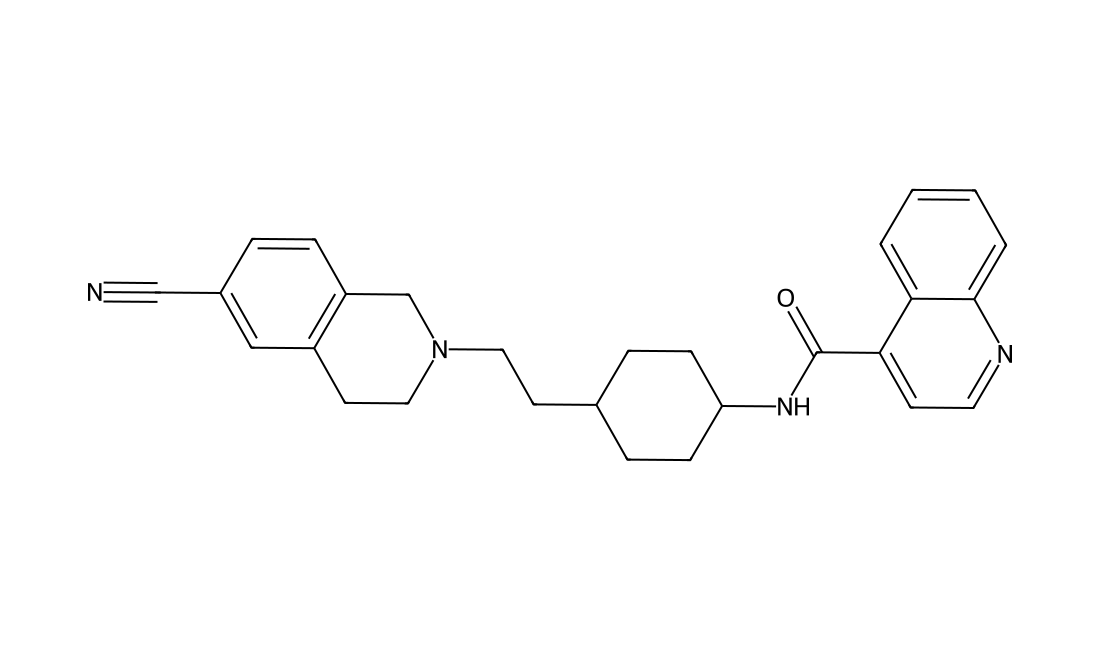
CAS 215803-78-4
A potent and selective dopamine D3 receptor antagonist with pKi of 8.0; displays >100-fold selectivity against the D2, 5-HT1B, and 5-HT1D receptors; exhibits high oral bioavailability and brain penetration in rats.SchizophreniaDiscontinued
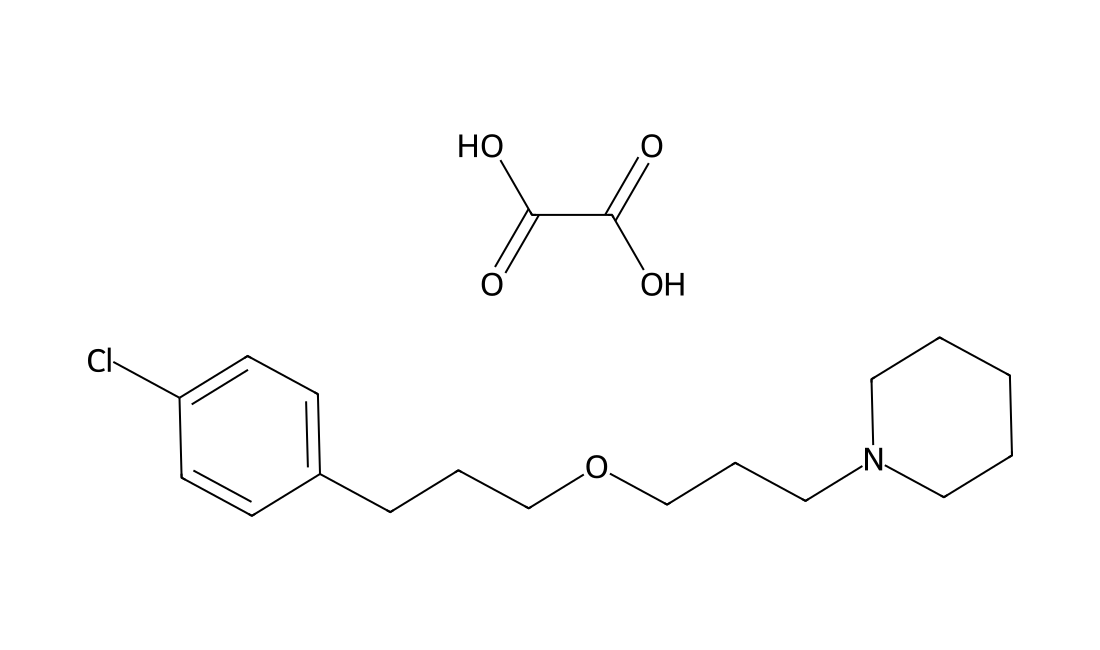
CAS 362665-57-4
A potent and selective antagonist of H3 receptor with Ki/EC50 of 0.16/1.5 nM; no effect on H1, H2, H4 receptors (IC50>10 uM); orally bioactive.Sleep DisorderApproved
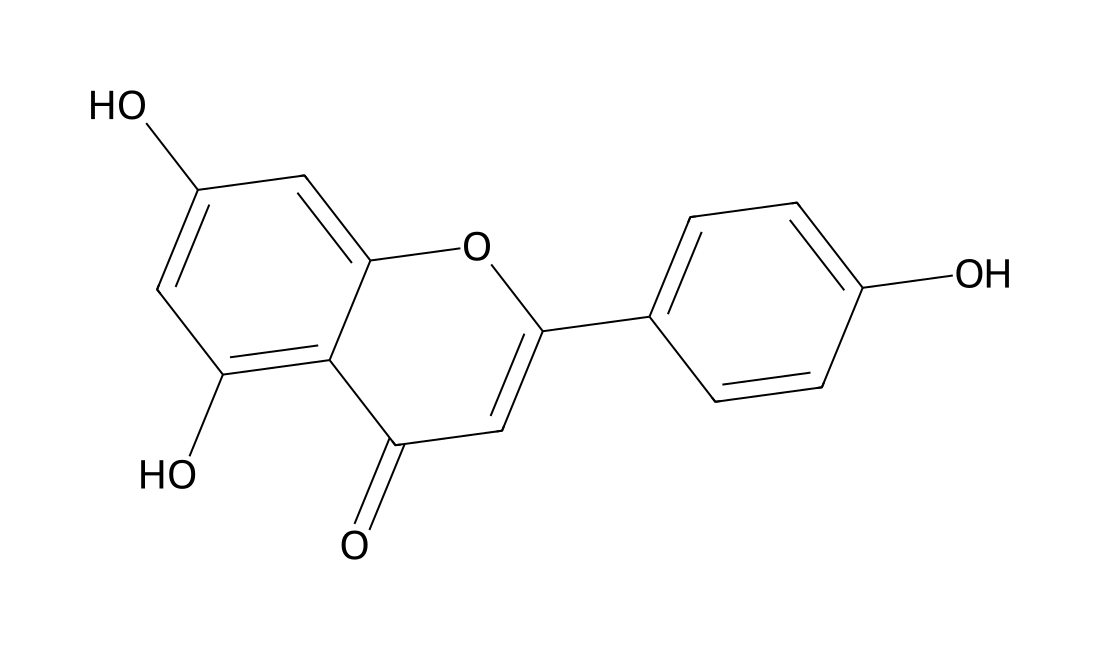
CAS 520-36-5
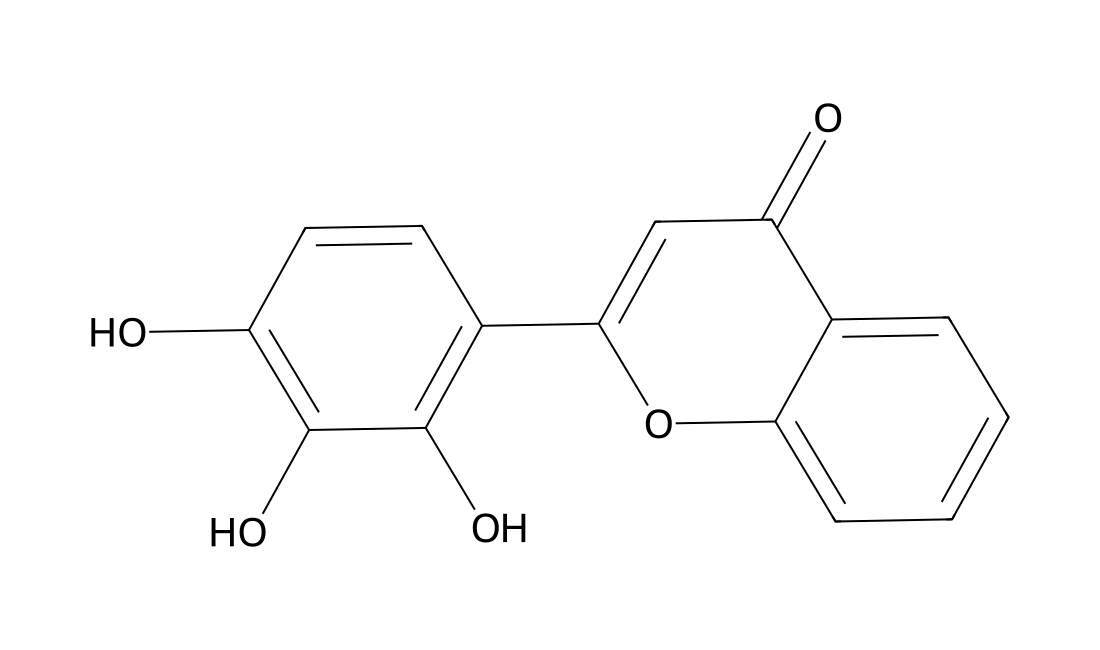
A plant flavonoid that has been found to inhibit cell proliferation by arresting the cell cycle at the G2/M phase. Inhibition of growth through cell cycle arrest and induction of apoptosis appear to be related to induction of p53.Inhibits PMA-mediated tumor promotion by inhibiting protein kinase C1 and the resulting suppression of oncogene expression. It has also been reported to inhibit topoisomerase I-catalyzed DNA re-ligation and enhance gap junctional intercellular communication.
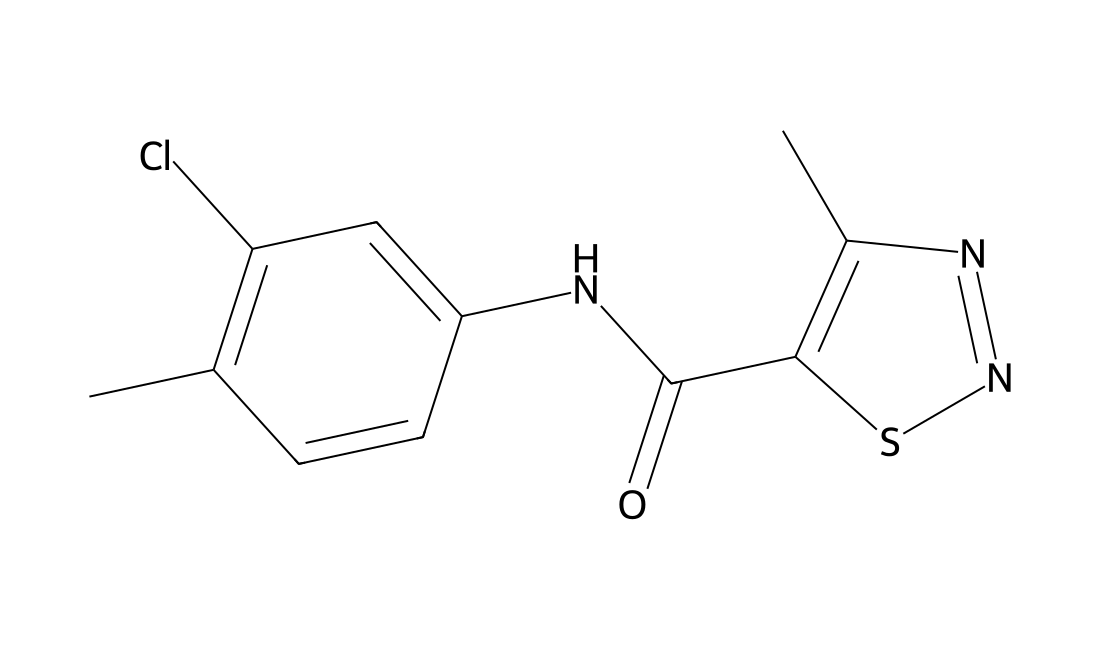
CAS 223580-51-6
A plant activator of systemic acquired resistance, boosts the production of herbivore-induced plant volatiles; insecticide agent.
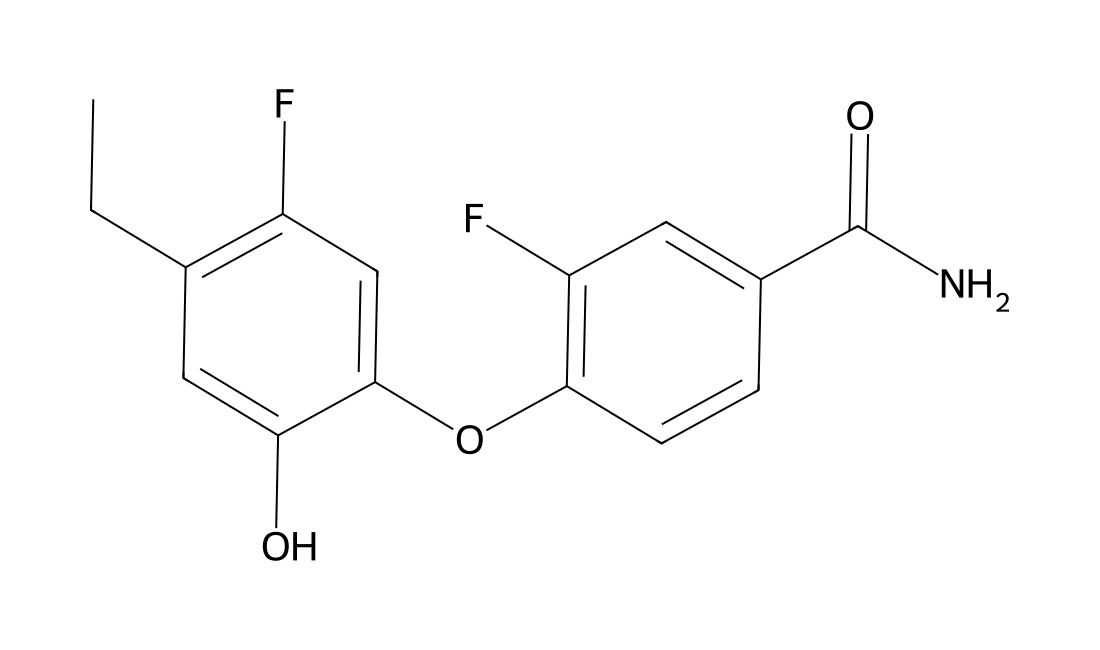
CAS 1269055-85-7
A novel, highly potent inhibitor of the FabI enzyme of both Staphylococcus aureus and Escherichia coli; shows activity against S. aureus strains, including MSSA, MRSA, linezolid-resistant, and multidrug-resistant strains with MIC90s of 0.03-0.12 ug/ml; also has active against coagulase-negative staphylococci with MIC90s of 0.12-4 ug/ml; active in vivo (19.3-49.6 mg/kg/day).Bacterial InfectionPreclinical
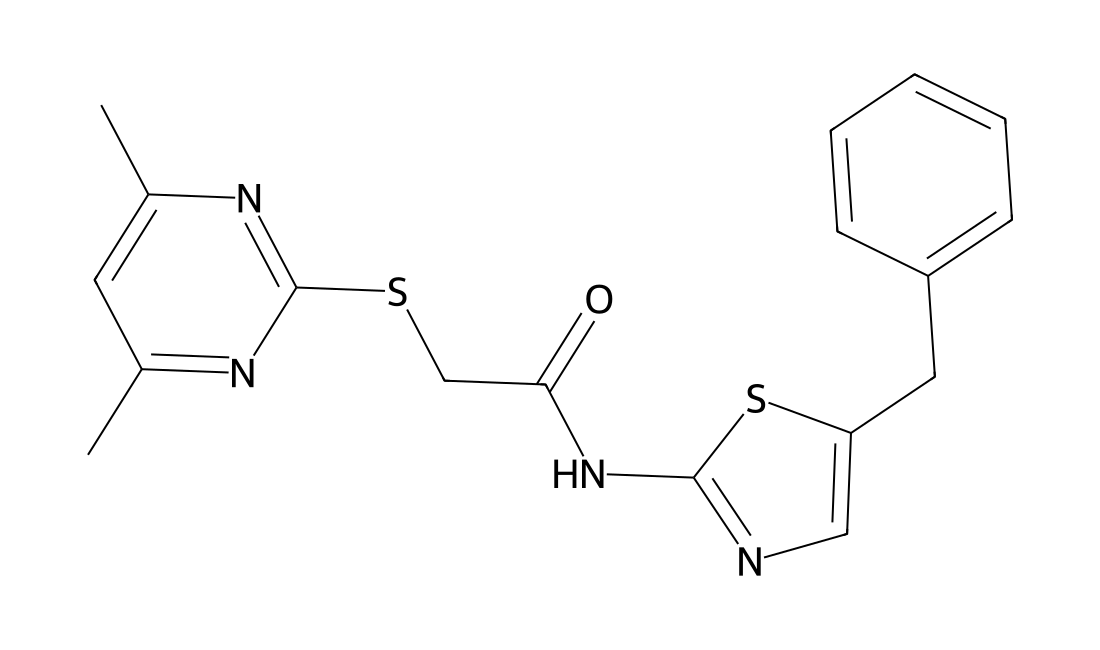
CAS 801227-82-7
A novel potent, selective Sirt2 inhibitor with IC50 of 3.745 uM; displays no inhibitory activity against Sirt1 and Sirt 3 (IC50>100 uM).
CAS 81485-25-8
A novel orally available, synthetic retinoid with potential antineoplastic and chemopreventive activities; inhibits DEN-induced rat hepatocarcinogenesis through suppression of TGF-alpha expression and cell proliferation; decreases the levels of cyclin D1, cyclin D2, cIAP2 and XIAP proteins, and inhibits growth of ATL cells both in vitro and in vivo; prevents the progression of NASH and the development of HCC through activating the autophagy pathway by increased Atg16L1 expression in mice model; also inhibits HCV replication and infectious virus release in vitro.Liver CancerPhase 3 Clinical
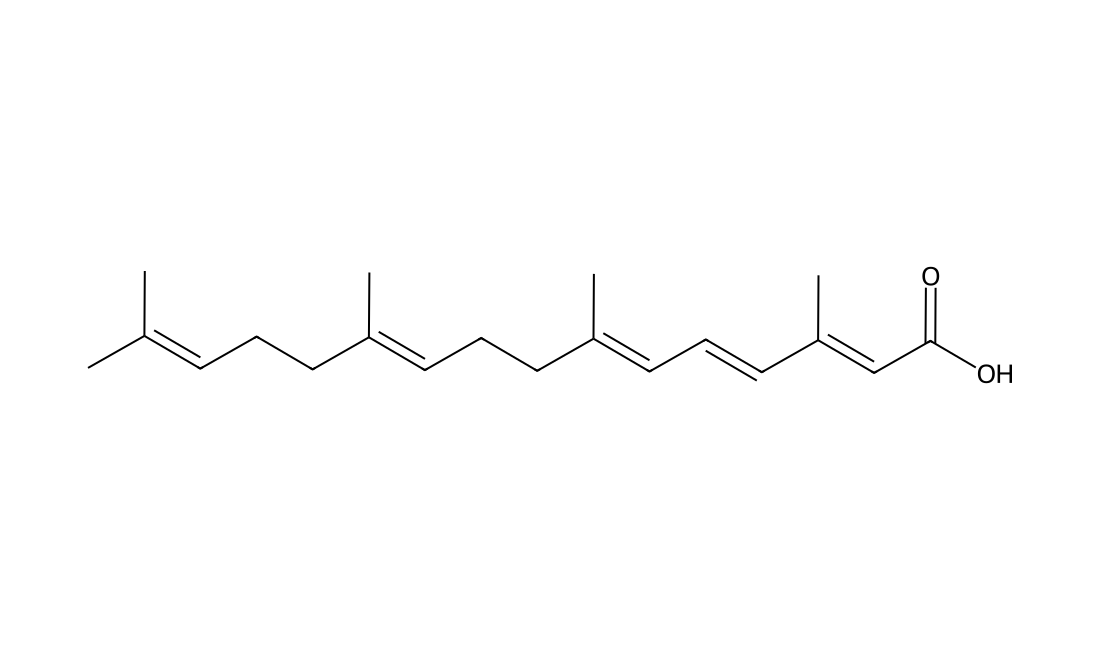
CAS 331963-29-2
A novel isocitrate lyase (ICL) inhibitor that displays showed excellent anti-Mycobacterium tuberculosisl activities and low cytotoxicity; shows good activity against M. tuberculosis H37Ra with MIC of 0.5 ug/ml; significantlt reduces bacterial loads of both lungs and spleen in a murine model.Bacterial InfectionPreclinical
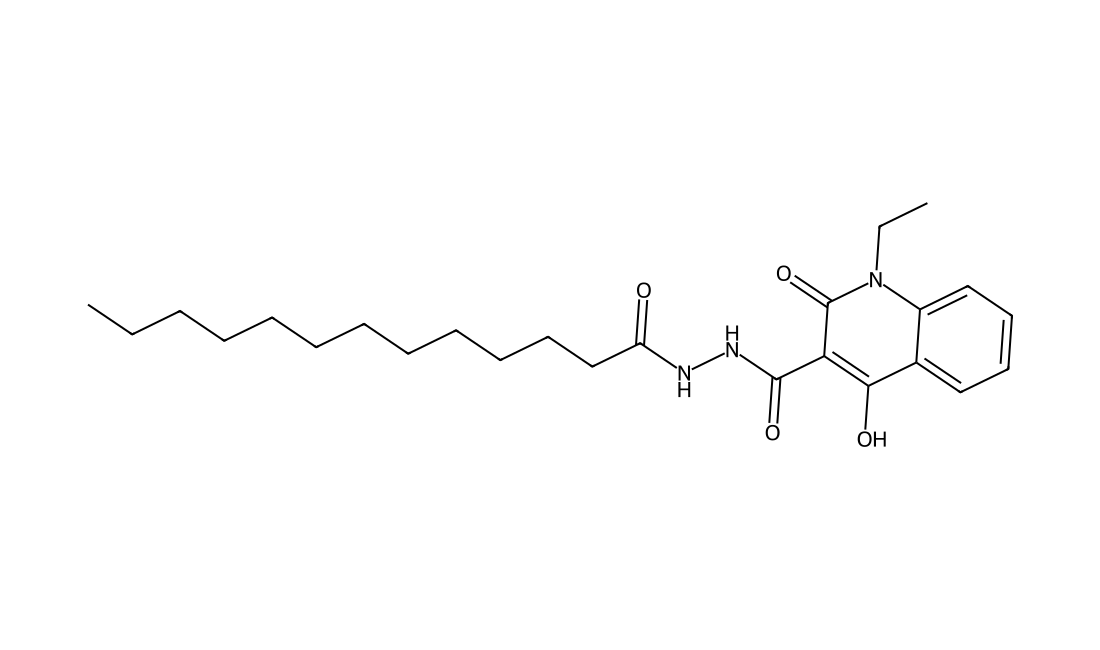
CAS 1345445-57-9
A novel hypoxia-sensitive fluorescent probe; has good solubility in water and longer wavelength for absorption and emission, which are favorable for cellular bioimaging.
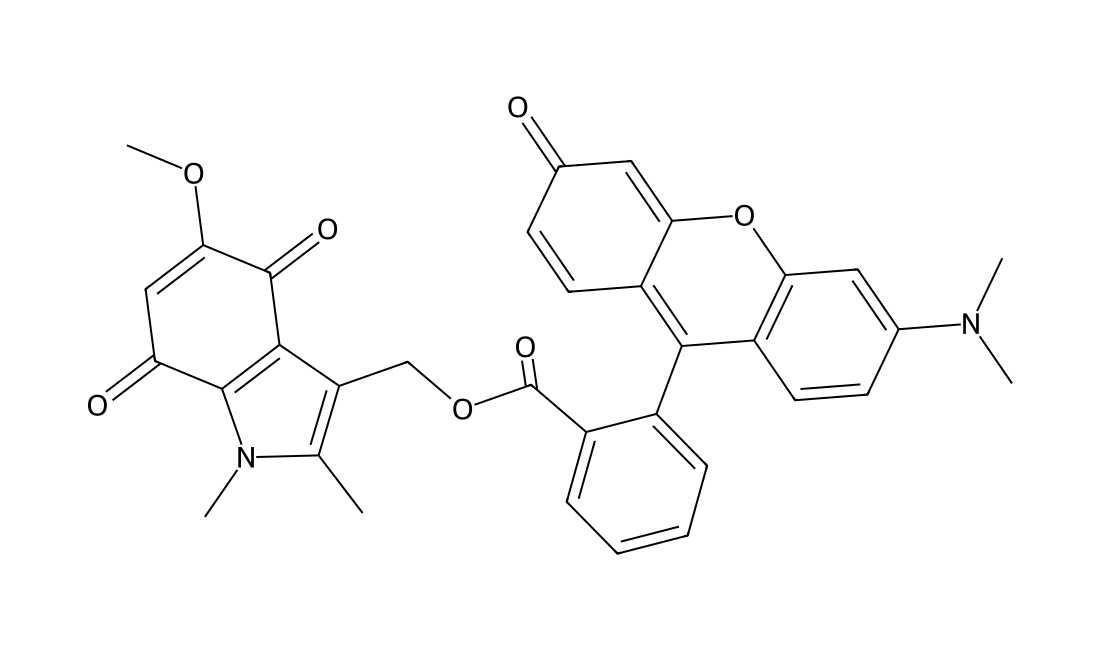
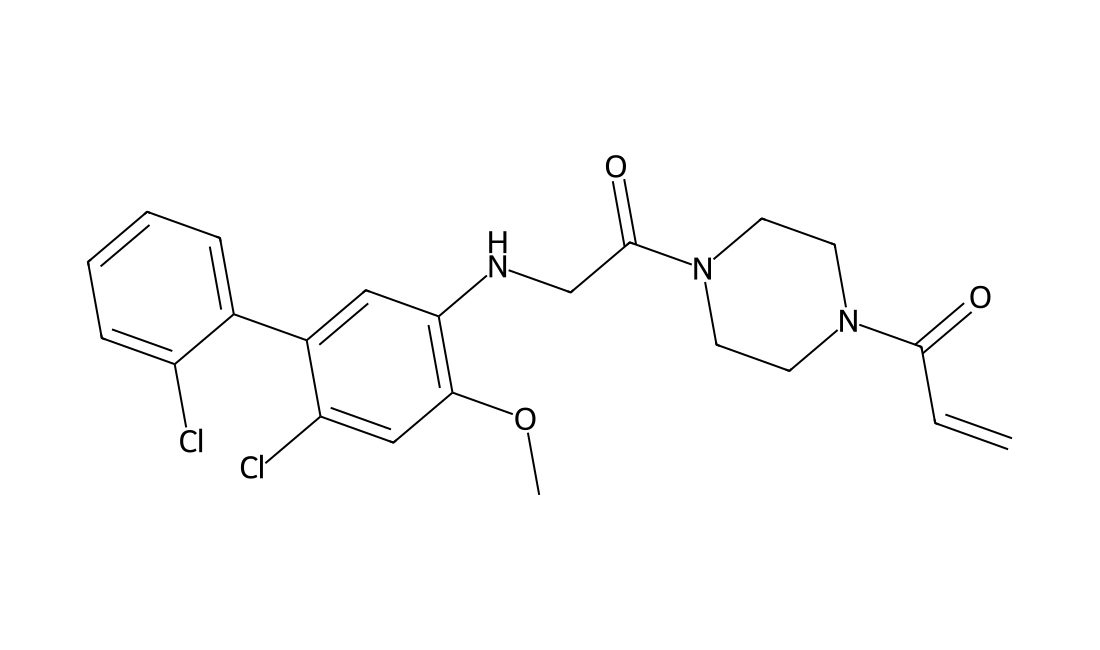
CAS 135463-81-9
A nootropic agent that enhances high-affinity choline uptake; significantly improves the learning deficits in the Morris' water maze of AF64A-treated rats, do not produce any significant side effects (1-10 mg/kg); orally active.Alzheimer's DiseasePhase 2 Discontinued
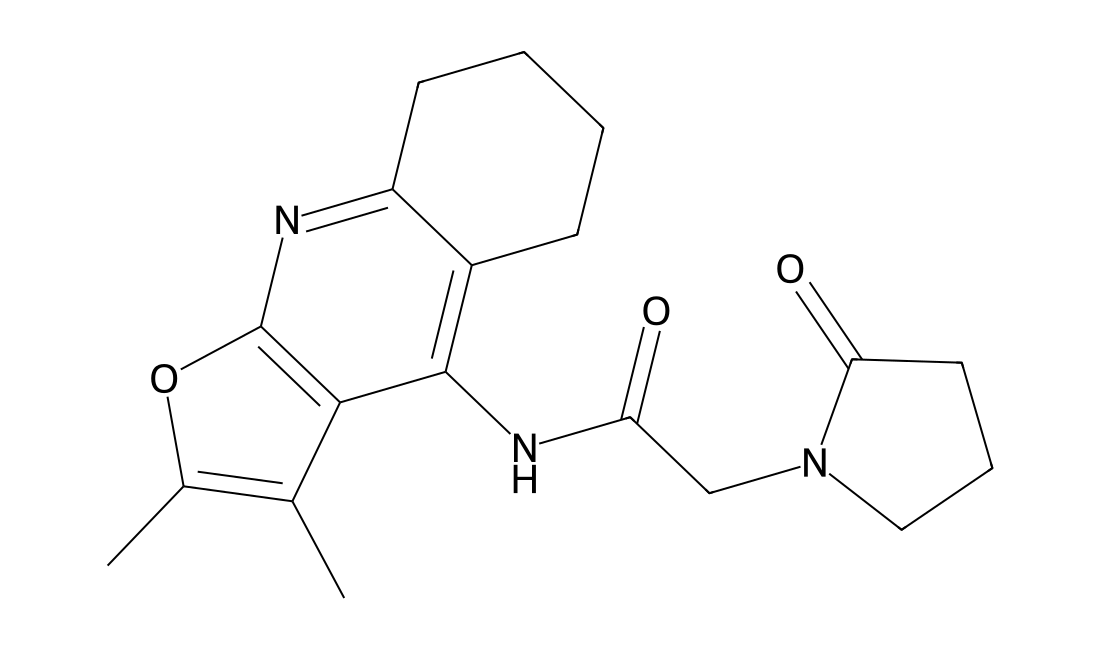
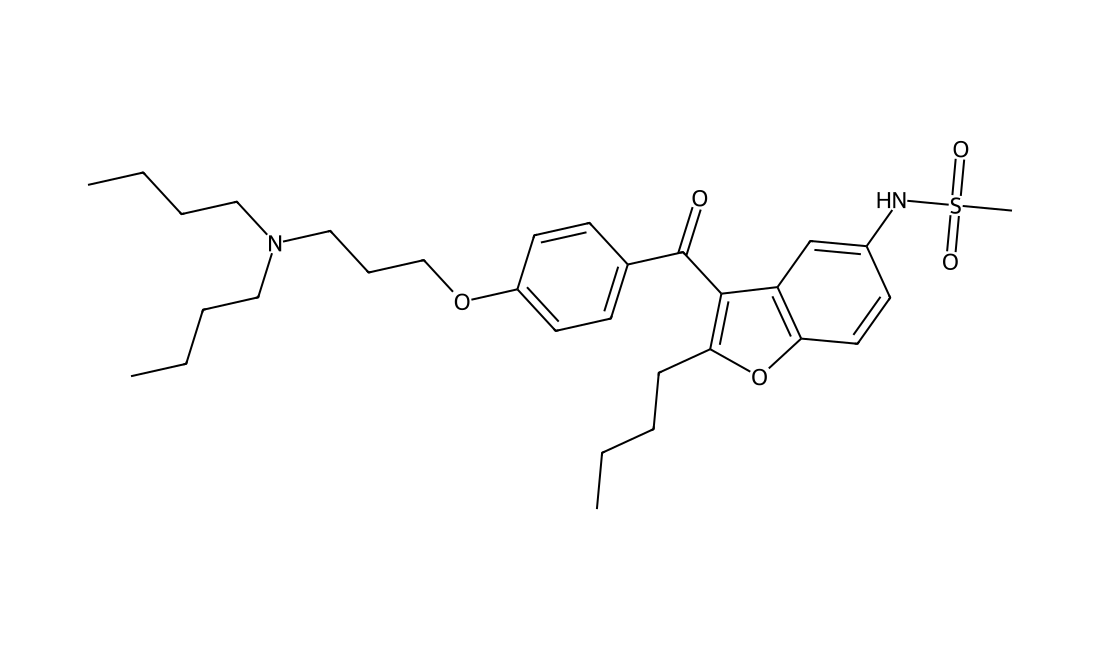
CAS 141626-36-0
A multichannel blocker agent that has antiarrhythmic activity; reduces the late sustained K(+) current, I(K) (or Isus) with EC50 of 0.85 uM in postmyocardial infarcted (PMI) rats; reduces significantly the incidence of ventricular fibrillation (VF) in rats; mainly used for treatment of cardiac arrhythmias.Heart ArrhythmiaApproved
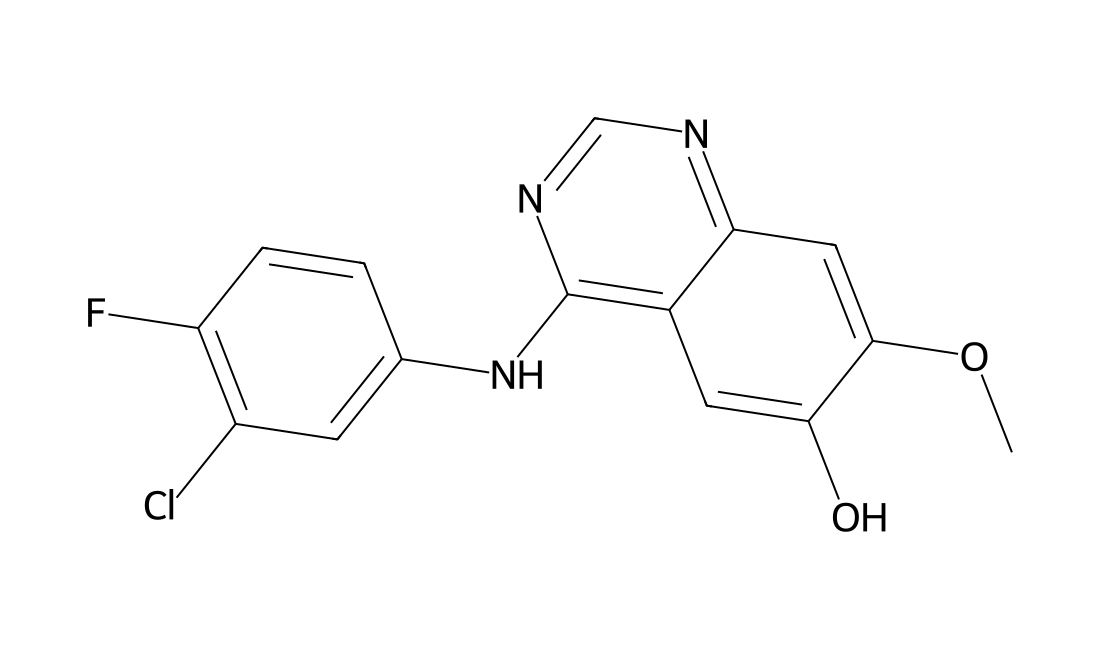
CAS 184475-71-6
A metabolite of Gefitinib, which is a potent inhibitor of tyrosine phosporylation in EGFR.
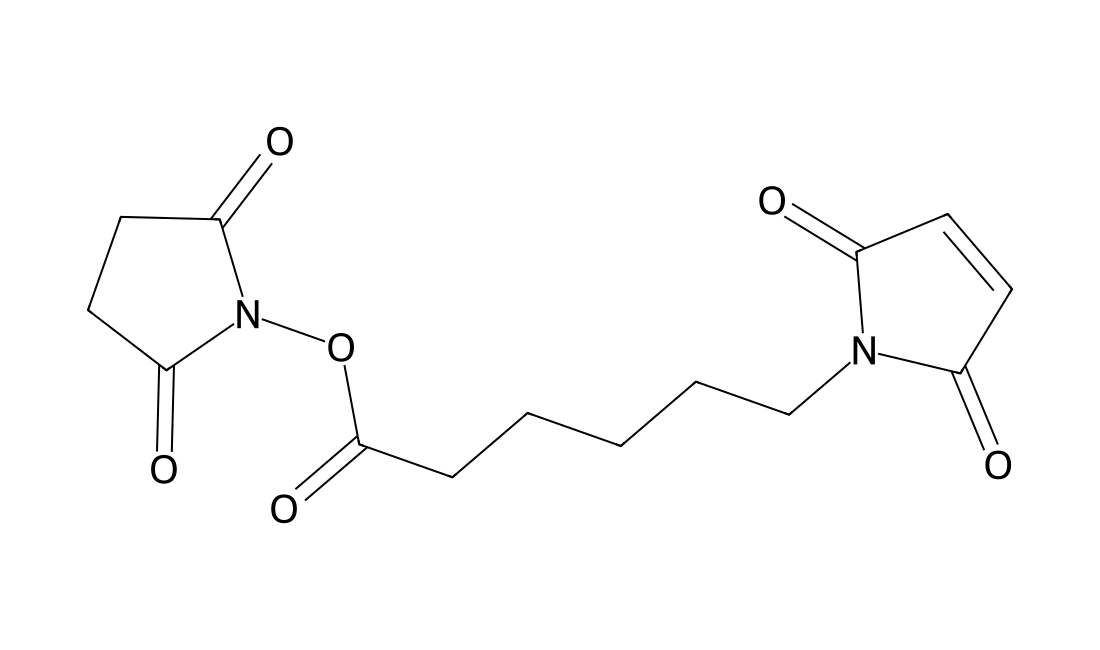
CAS 55750-63-5
A heterobifunctional cross-linking reagent incorporating an extended spacer with amine and sulfhydryl reactivity; a useful protective group in antibody drug conjugates.
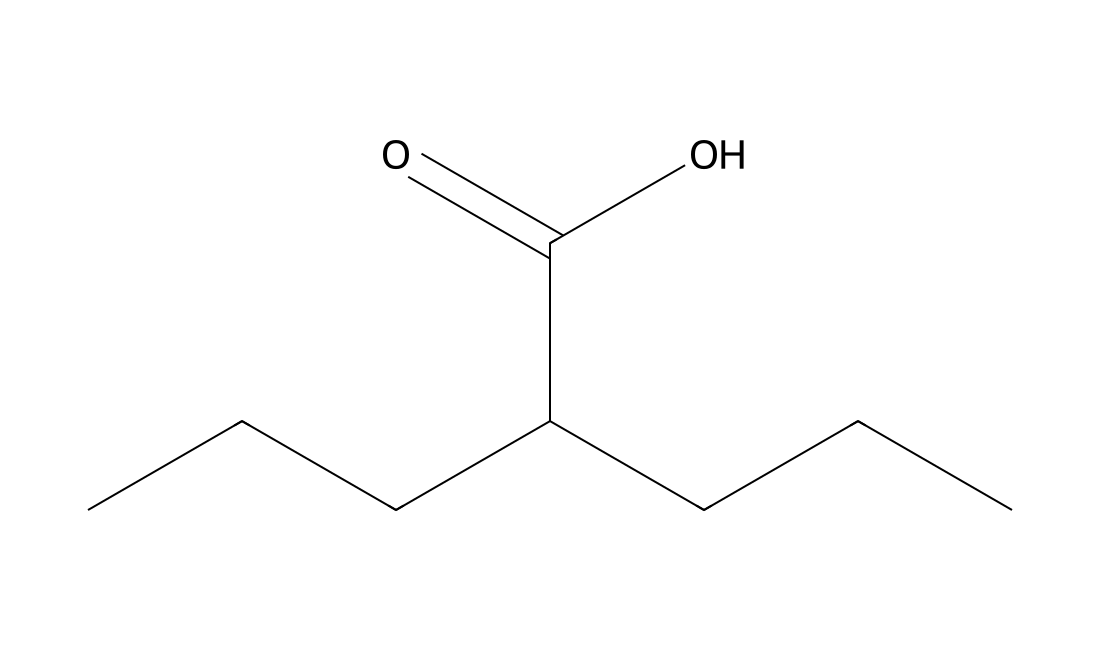
CAS 99-66-1
A HDAC inhibitor that selectively inhibits the catalytic activity of class I HDACs, and induces proteasomal degradation of HDAC2; induces differentiation of carcinoma cells, transformed hematopoietic progenitor cells and leukemic blasts from AML patients; reduces tumor growth and metastasis formation in animal model.MigraineApproved
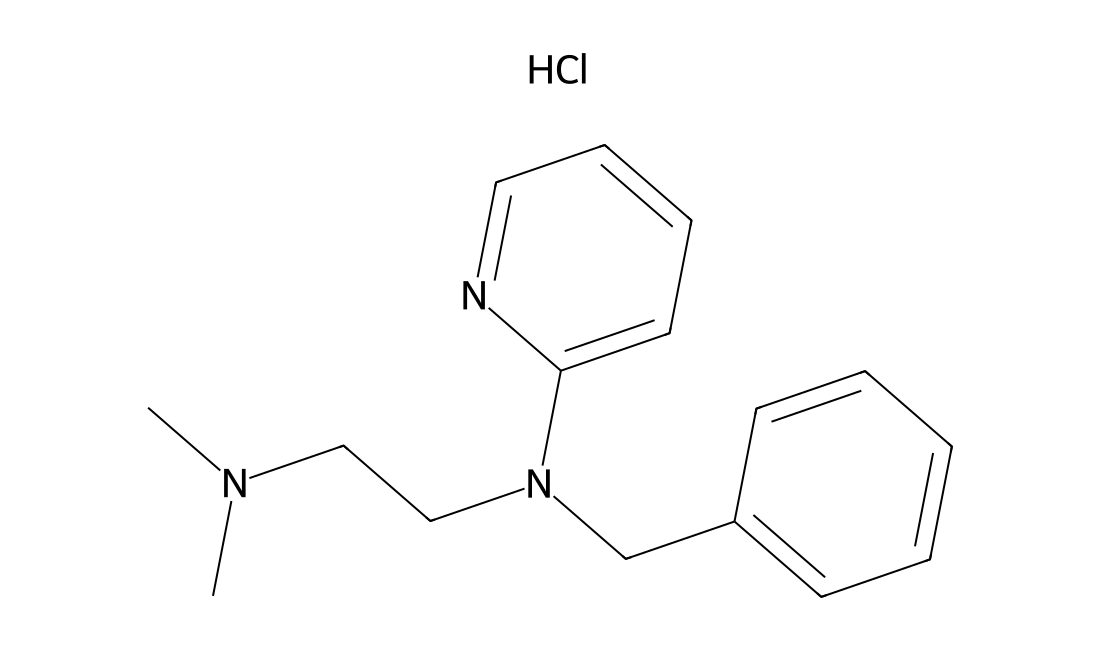
CAS 154-69-8
A first-generation antihistamine that acts primarily as H1 receptor antagonist; has little or no anticholinergic activity, also acts as a weak serotonin-norepinephrine-dopamine reuptake inhibitor (SNDRI).AsthmaApproved
CAS 312951-85-2
A drug-like small molecule that prevents aminoglycoside-induced hair cell death in zebrafish and in mammals.
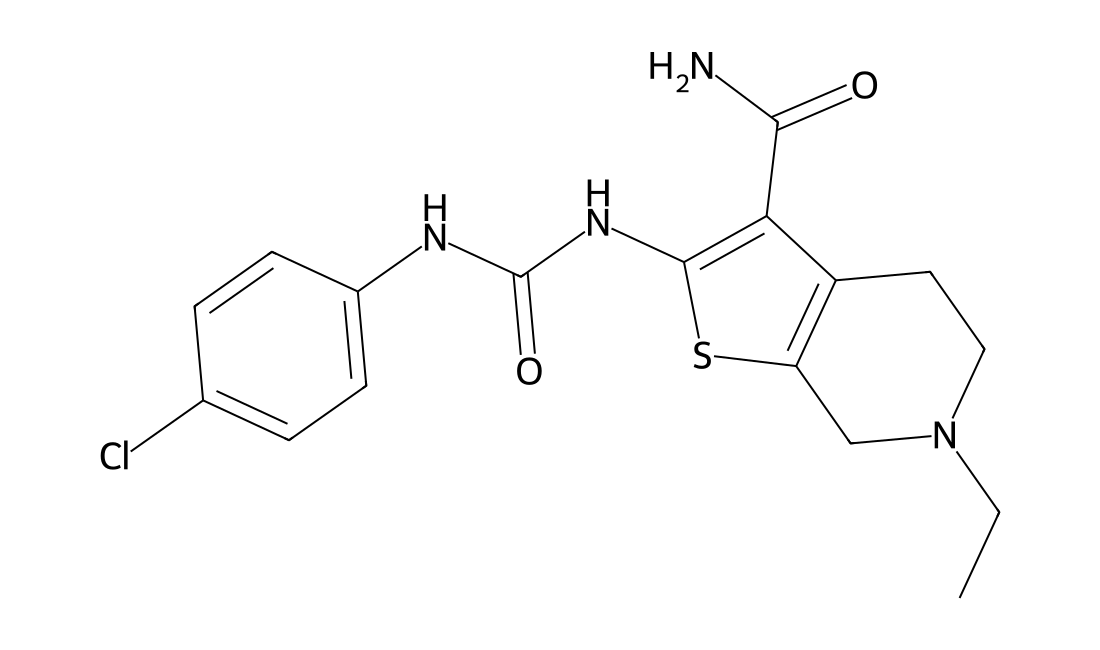
CAS 625115-52-8
A direct soluble guanylate cyclase (sGC) stimulator that acts independently of nitric oxide (NO); has an EC50 of 353 nM on P-VASP formation in rat aortic smooth muscle cells.
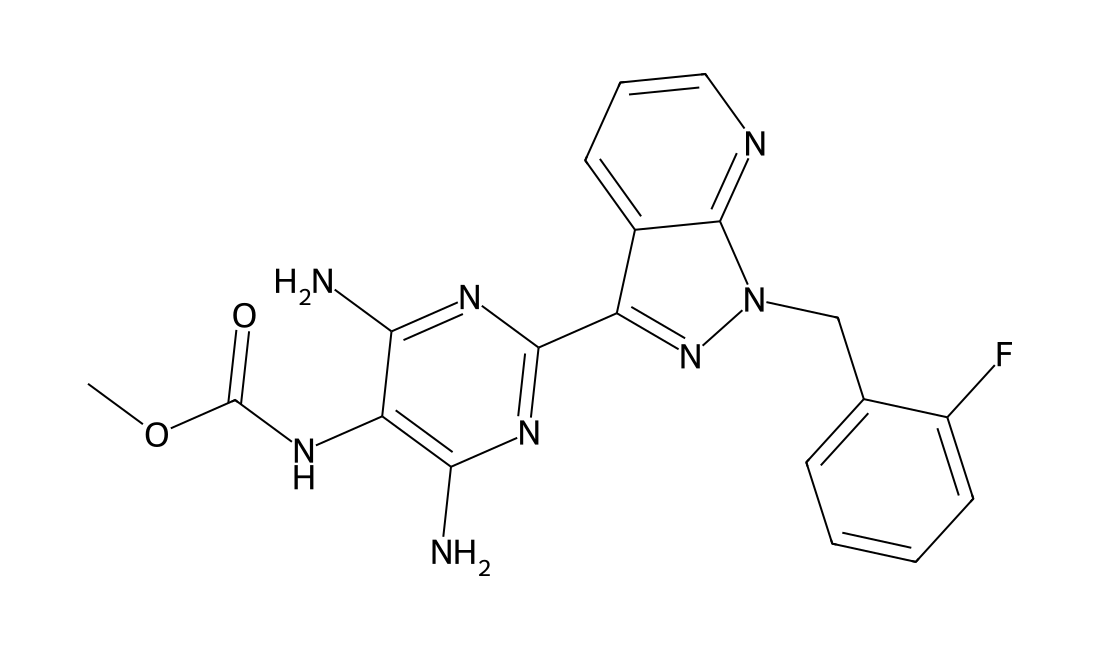
CAS 70374-39-9
For the detailed information of Lornoxicam, the solubility of Lornoxicam in water, the solubility of Lornoxicam in DMSO, the solubility of Lornoxicam in PBS buffer, the animal experiment(test) (test) of Lornoxicam, the cell expriment (test) of Lornoxicam, the in vivo, in vitro and clinical trial test of Lornoxicam, the EC50, IC50,and Affinity of Lornoxicam,, please contact DC Chemicals.
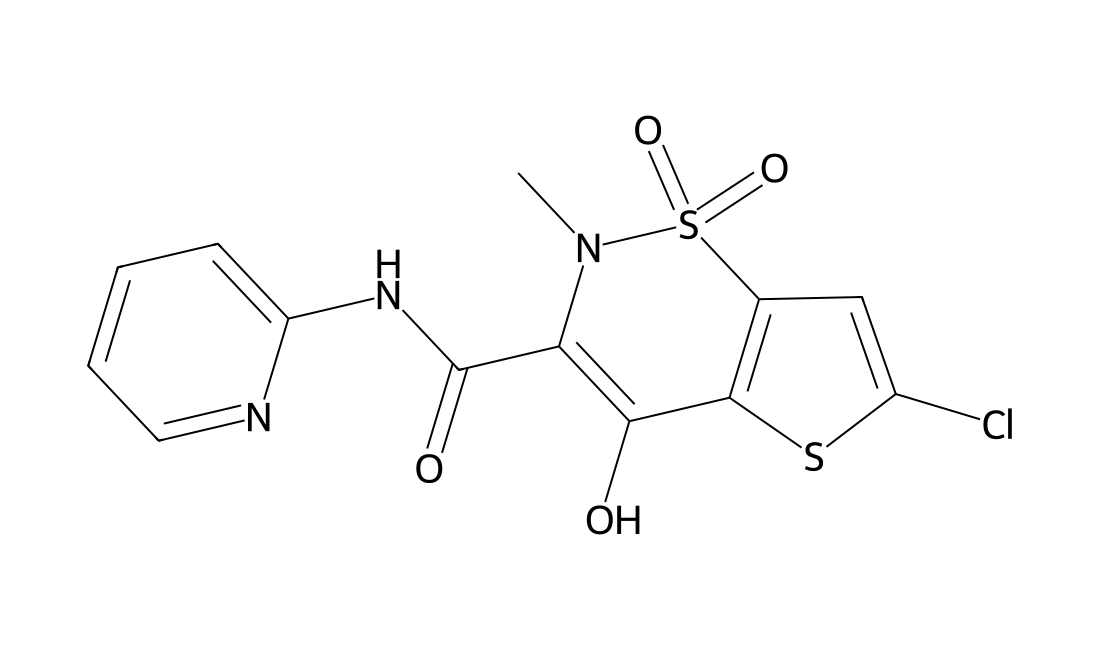
CAS 23887-46-9
A cerebral vasodilator that acts as a calcium blocker; protect neuronal cells against OGD injury by suppressing OGD-induced oxidative stress and preserving mitochondrial functions.IschemiaApproved
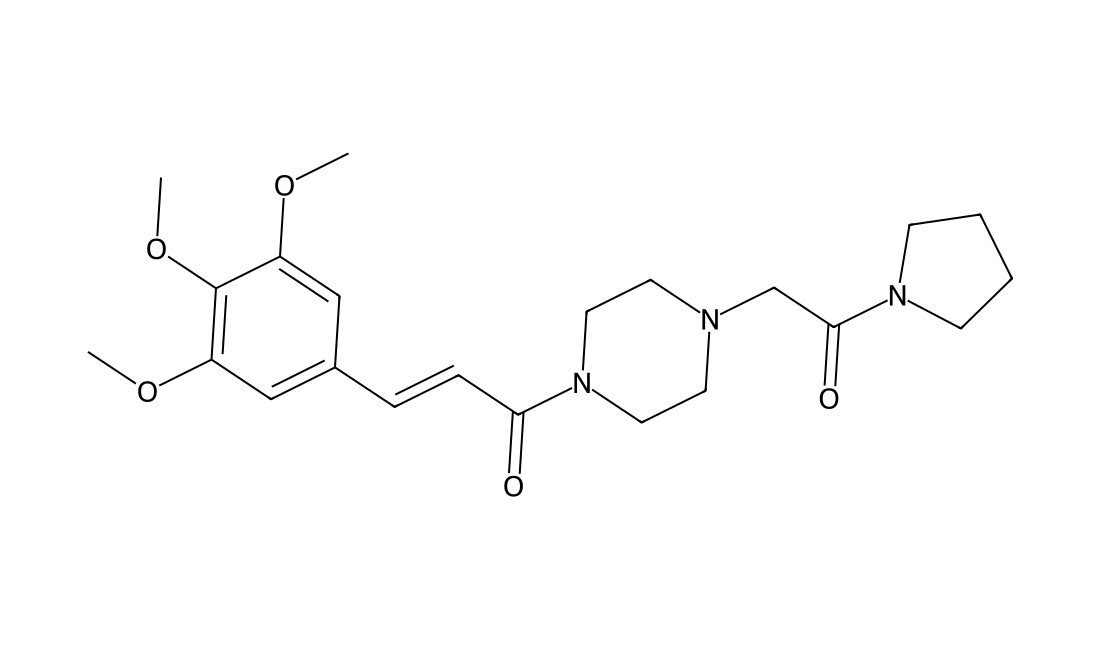
CAS 144707-18-6
A cell permeable, mechanistically unique inhibitor of protein sumoylation; inhibits sumoylation by preventing transfer of SUMO from the UBC9-SUMO thioester to the substrate; exhibits efficacious anti-aggregatory and neuroprotective effect.
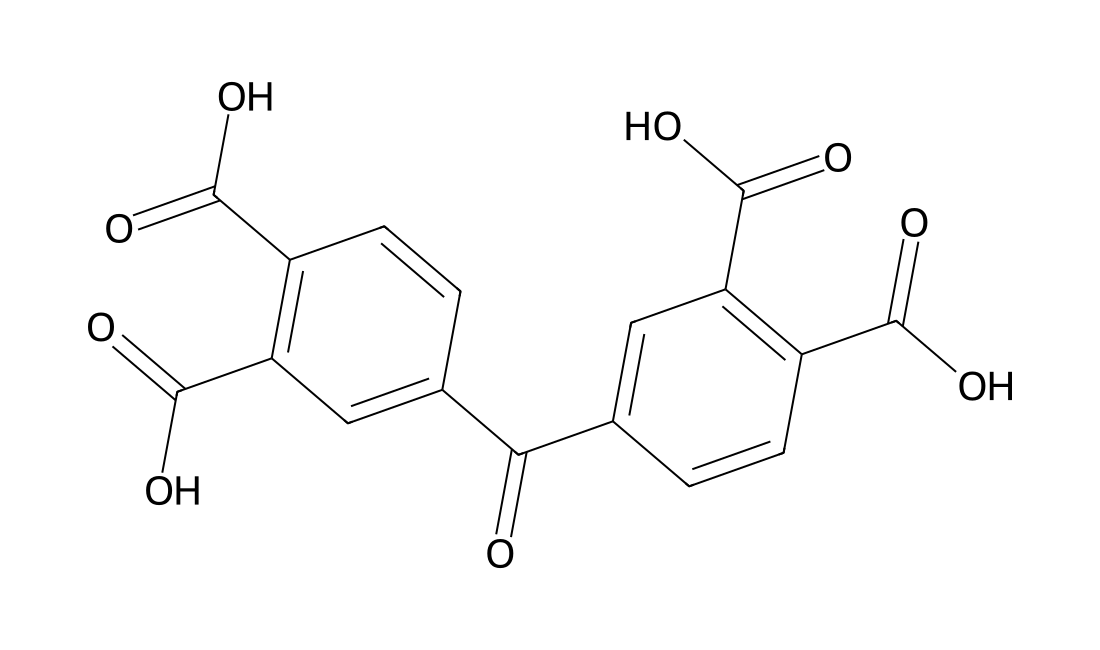
CAS 2479-49-4
A benzophenone tetracarboxylic derivative that can improve the activity and stability of alkaline phosphatases from psychrophilic and mesophilic organisms.
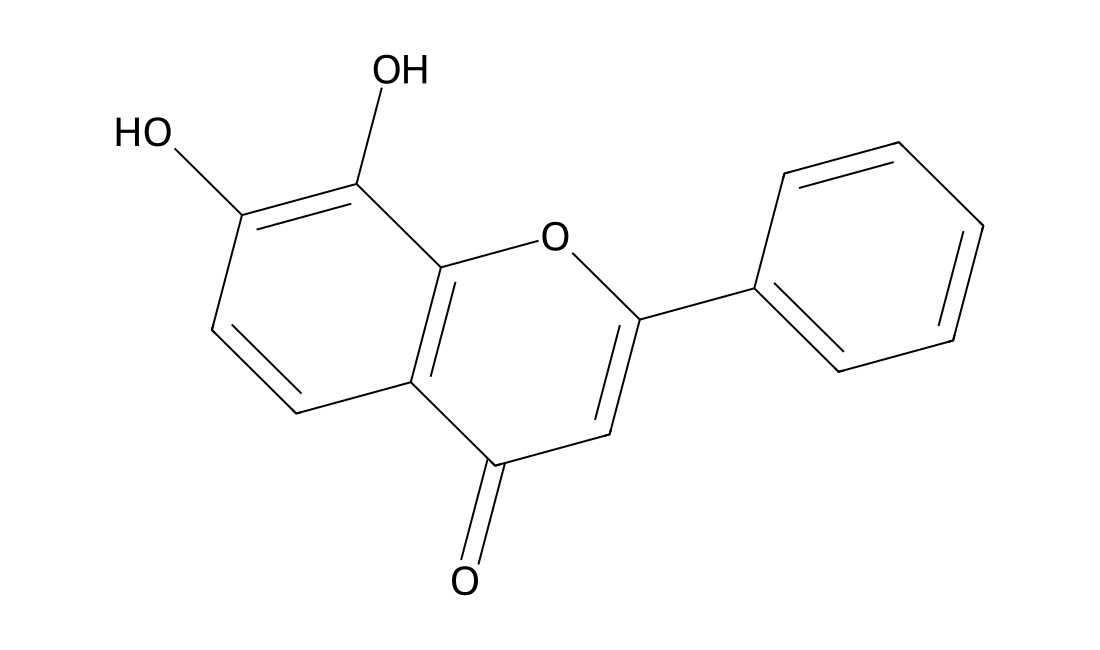
CAS 38183-03-8
7,8-Dihydroxyflavone acts as a potent and selective small-molecule agonist of the TrkB receptor (Kd ≈ 320 nM), the main signaling receptor of brain-derived neurotrophic factor (BDNF).
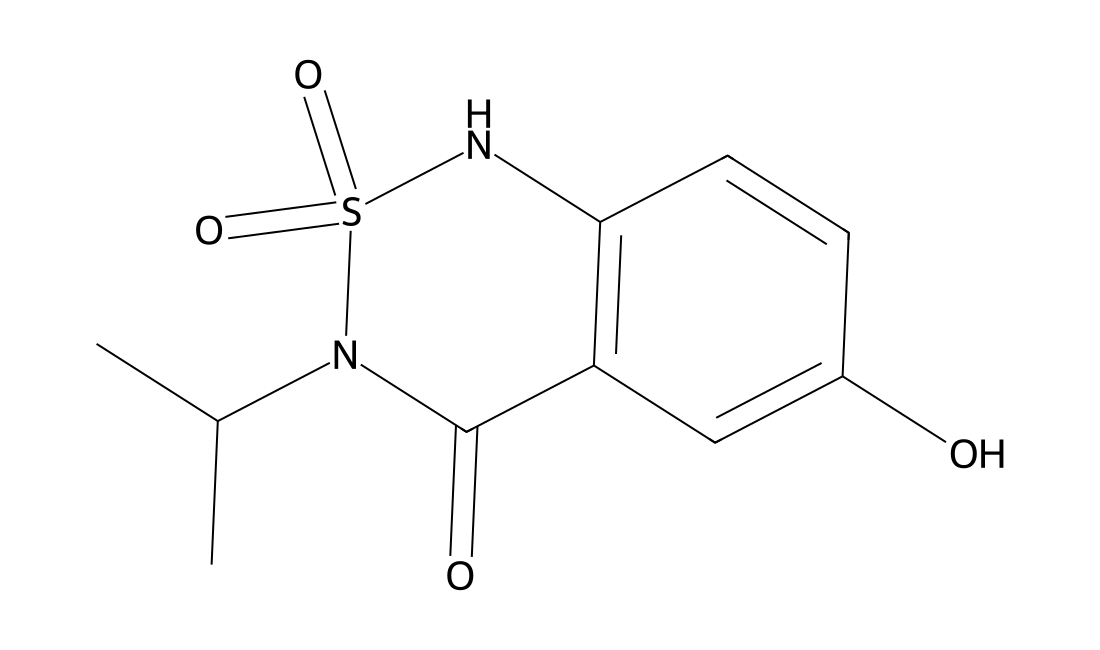
CAS 60374-42-7
6-Hydroxybentazon is a phase I metabolite of bentazone, and bentazone is a chemical for use in herbicides.
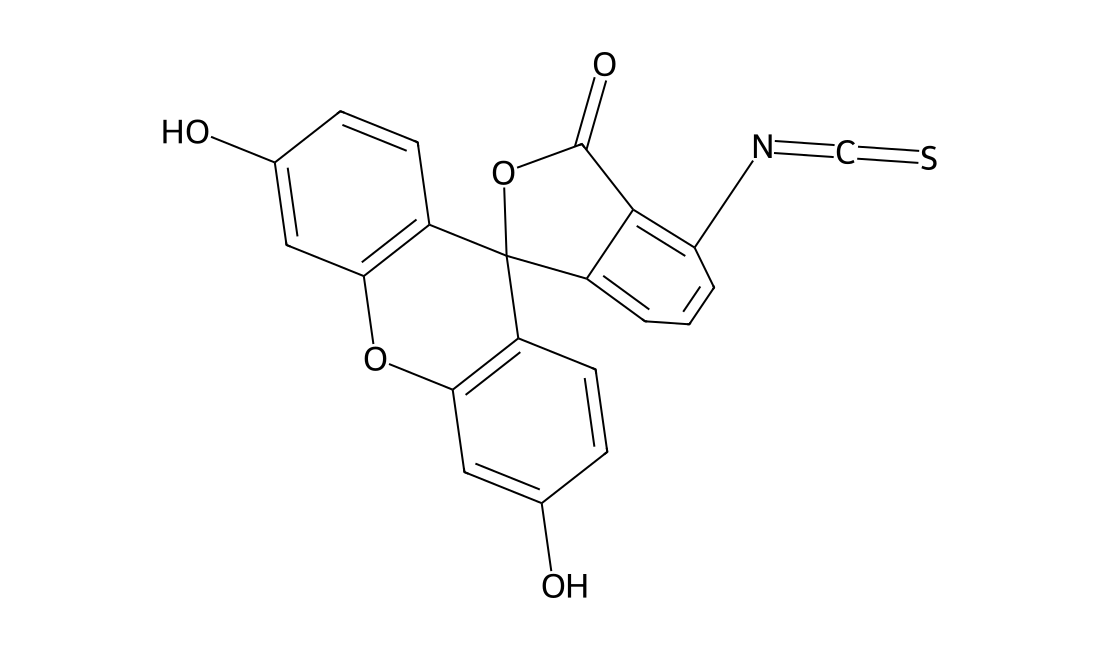
CAS 3326-31-6
6-Fluorescein isothiocyanate(6-FITC) is a derivative of fluorescein used in wide-ranging applications including flow cytometry.
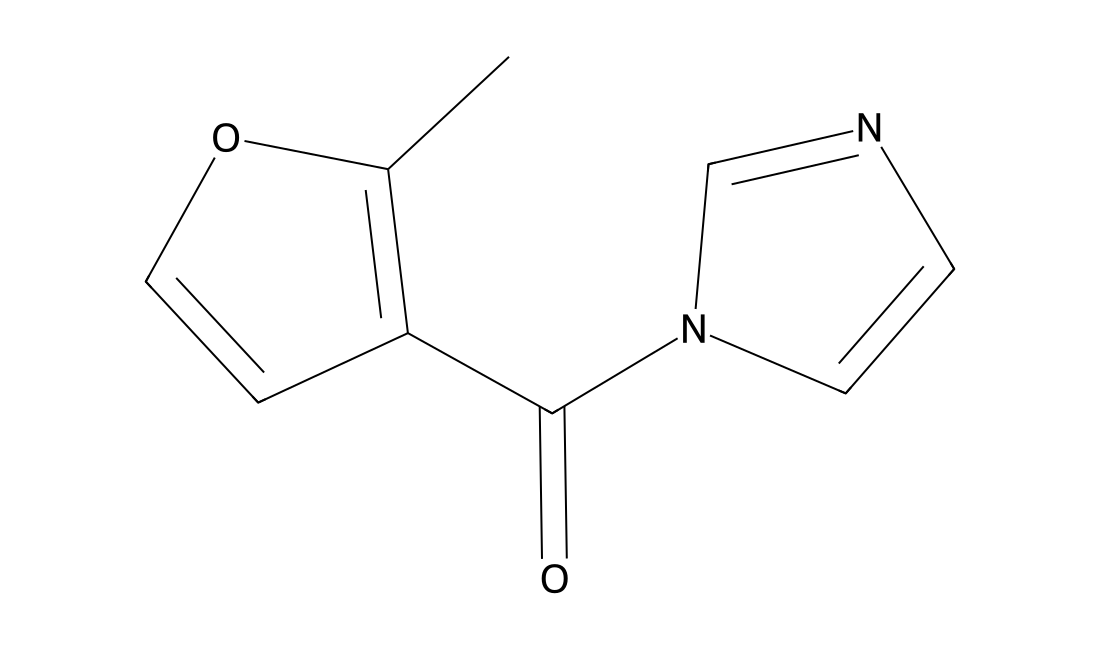
CAS 1415238-77-5
5S rRNA modificator is a suitable electrophile For 2’-hydroxyl acylation on structured RNA molecules, yielding accurate structural information comparable to that obtained with existing probes; 5S rRNA RNA modification.For the detailed information of 5S rRNA modificator, the solubility of 5S rRNA modificator in water, the solubility of 5S rRNA modificator in DMSO, the solubility of 5S rRNA modificator in PBS buffer, the animal experiment (test) of 5S rRNA modificator, the cell expriment (test) of 5S rRNA modificator, the in vivo, in vitro and clinical trial test of 5S rRNA modificator, the EC50, IC50,and Affinity of 5S rRNA modificator, Please contact DC Chemicals.
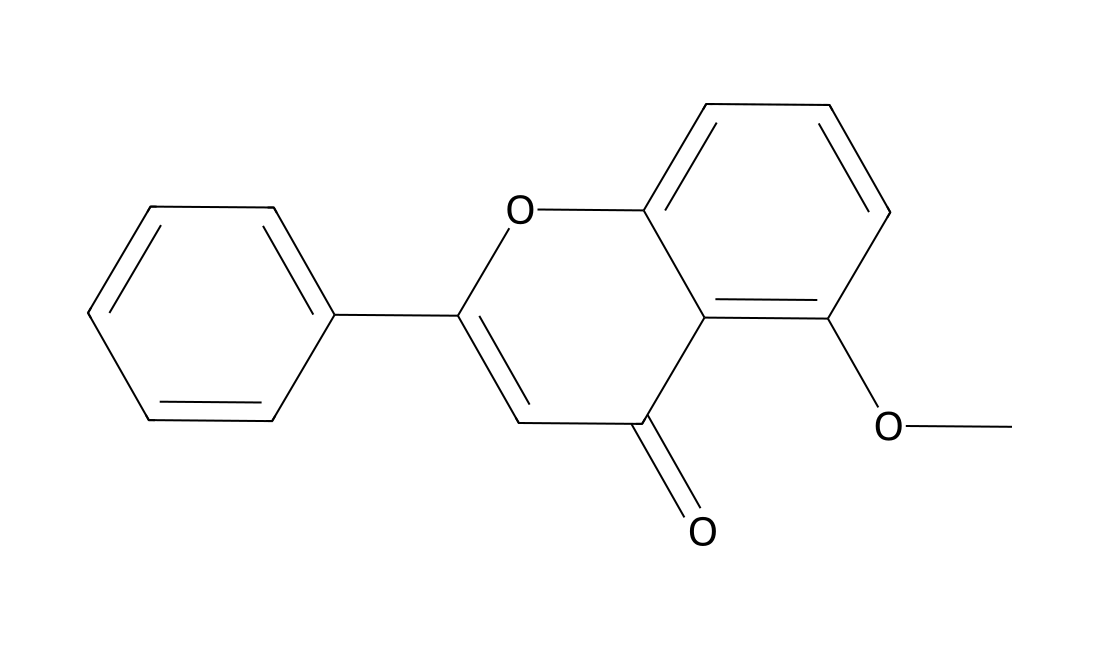
CAS 42079-78-7
In Vitro 5-Methoxyflavone (compound 1) is identified as a candidate compound endowed with the ability to inhibit DNA pol-β in multiple and to prevent cell-cycle initiation and subsequent neuronal apoptosis in Aβ-challenged primary neuronal cultures. 5-methoxyflavone (10-30 μM) is able to significantly enhance toxicity of MMS on 92TAg cells. 5-Methoxyflavone (1 or 10 μM) significantly reduces polymerase activity on a gapped substrate. 5-Methoxyflavone (5-MF, 0-100 μg/mL) results in a time dependent reduction in the levels of antiapoptotic proteins cFLIP, Mcl-1 and an increase in the proapoptotic protein BAX. 5-MF induces both TRAIL-R1(DR4) and TRAIL-R2 (DR5) in a time-dependent manner. In Vivo 5-Methoxyflavone (100, 150 mg/kg, i.p) significantly decreases the latency time to loss of righting reflex. 5-Methoxyflavone (50, 100 and 150 mg/kg, i.p) exhibits a significant and dose-dependent reduction in the spontaneous locomotor activity. 5-Methoxyflavone (50, 100 mg/kg, i.p) reduces the rearing response. 5-Methoxyflavone (100, 125 and 150 mg/kg, i.p) completely abolishesed the grooming response similar to diazepam treated animals.
CAS 10075-50-0
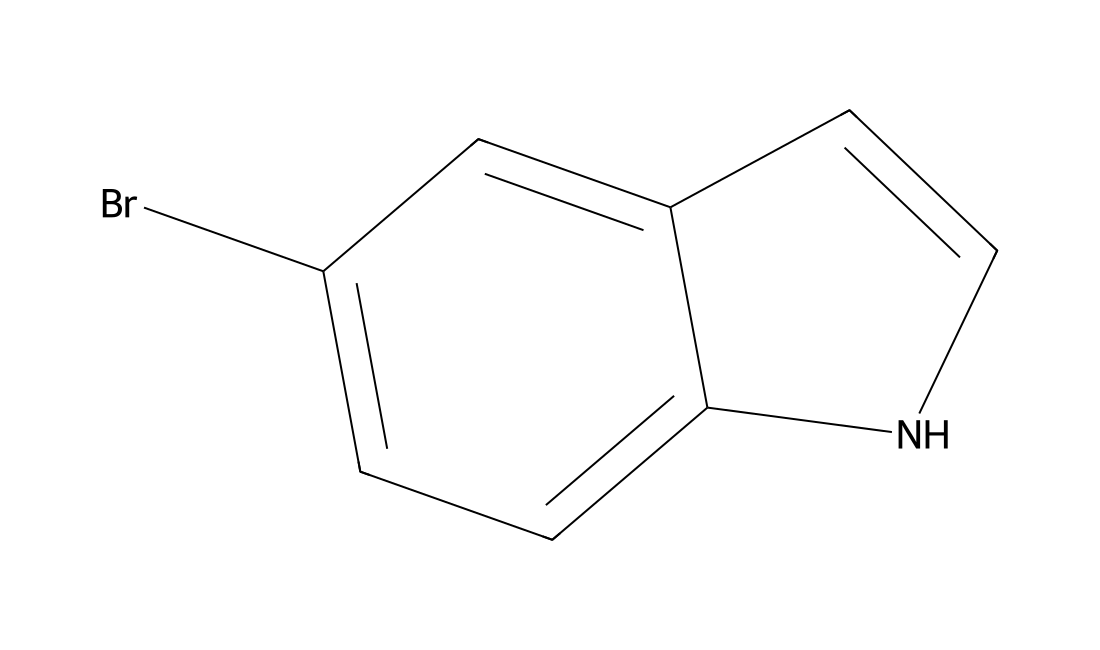
5-bromoindole is an important pharmaceutical chemical intermediate and a potential inhibitor of glycogen synthase kinase 3 (GSK-3).